The recipe is from Kristin Cavallari’s book True Comfort.
This smoothie sounds so good I’ll have to try it. I like how easy it is to make and you can double the recipe to make two lattes.
1 tbs. ground coffee or instant coffee granules
1 tbs. raw cacao powder
1 tbs. coconut cream
1 cup frozen cauliflower florets
1 1/2 cups almond milk
1 frozen banana
Serves 1
Place the coffee, cacao powder, coconut cream, cauliflower, almond milk, and a banana in a high-powered blender and blend until well combined, about 1 minute.
With careful planning and thoughtful strategies, you can find fulfilling employment opportunities that accommodate your unique needs.
Searching for a job is a job in itself. Add chronic illness to that mix, and the process becomes even more complex. The unpredictable nature of chronic conditions makes it important to have a plan for dealing with what can be unique hurdles during the job search.
I’ve been there, done that. That’s why I’m offering my practical tips and insights to help you navigate the job search successfully.
1. Set realistic goals
Before diving into the job search, it’s essential to assess your limitations, strengths, and preferences. Consider the impact of your condition on your daily life and energy levels.
Do you tend to “fade” as the day goes on? Setting hours to reflect and embrace this truth will be helpful. Are you unable to lift, walk long distances, or hold a phone? Do your hands get tired easily? Only you can know yourself.
Self-awareness will guide you to set realistic goals and find positions that align with your abilities. And it will set you up for success in the long run.
“Disability is a matter of perception. If you can do just one thing well, you’re needed by someone.”
— Martina Navratilova
2. Research potential employers
Identify industries and roles that accommodate flexible schedules, remote work options, and supportive work environments. Look for companies with a strong commitment to diversity and inclusion, as they may offer more accommodations for people living with chronic illness.
So, how do you find this information?
Research. I like to check out companies on LinkedIn. It’s a great place to learn about a company’s culture and the people who work there. You can also learn a lot from anonymous postings of current and former employees on Glass Door.
3. Weigh the decision to disclose your condition
The decision to disclose your chronic illness is a personal one. It may depend on the nature of your condition and the specific job requirements. Legally, employers cannot discriminate against people living with disabilities.
But let’s be honest: Discrimination is real. Doing what we can to control the narrative is a smart decision.
I used to advocate for everyone to be forthcoming — loud and proud, so to speak. “Share the real you,” I’d say. “Having to keep a secret is exhausting and stressful. Be authentically who you are.”
Then, multiple people shared with me their stories of discrimination and ableism. So, I no longer suggest that.
Now, I recommend securing the job first and disclosing your condition strategically if you decide to do so. Share only the most job-relevant information and nothing more. Focus on your skills and qualifications first, then discuss any necessary accommodations that will allow you to perform at your highest level.
And document, document, document. If you feel you’re being discriminated against at any point in the hiring stage or beyond, you’ll need documentation to substantiate your claims.
4. Utilize job search platforms and networks
Explore online job search platforms and networks that cater to individuals with disabilities or chronic illnesses. Many websites feature job listings from companies actively seeking to hire people with diverse abilities, providing a supportive environment for job seekers with chronic illnesses.
Leverage your personal and professional networks. Tell friends, family, and colleagues about your job search and ask for recommendations or introductions.
Maybe you post on your favorite social network (Facebook, Instagram, etc) or email several friends and family members to inform them of your job search and ask for any advice. Networking opens doors to opportunities that may not be advertised through traditional channels.
5. Emphasize transferable skills
Craft a compelling resume and cover letter that emphasize your transferable skills and accomplishments. Focus on experiences that showcase your ability to overcome challenges and achieve results.
Maybe a team member at a former job of yours resigned unexpectedly in the middle of a big project with a deadline looming. Instead of panicking, you assessed the skills of other team members to see how this deficit could be filled by existing talent, and you hired temporary outside help to fill in the remaining gaps to complete the project well and on time.
Sharing how you’ve overcome challenges in the past can help potential employers see the value you bring to the table, regardless of any limitations posed by your chronic illness.
Consider creating a skills-based resume that emphasizes your abilities and achievements rather than focusing on a chronological work history. This format allows you to showcase your skills prominently, capturing the attention of employers and demonstrating your suitability for the position.
Just search “skills-based resume” to see formatting examples.
6. Prepare for interviews
Job interviews can be nerve-wracking, and sometimes we can face additional stressors. Take proactive steps to prepare for interviews by researching common interview questions and writing down your responses.
Consider practicing with a friend or family member to build confidence and refine your answers.
Develop a strategy for addressing potential gaps in your employment history due to health-related reasons, focusing on how you’ve maintained or improved your skills during such periods. For example:
During (specific timeframe), I was dealing with health challenges that taught me valuable lessons in resilience and adaptability. I remained active in professional networking groups, participated in online discussions, and did self-directed learning. This not only kept me informed about industry developments but also allowed me to exchange ideas with professionals in the field.
Navigating a job search with a chronic illness can be challenging, but with careful planning and thoughtful strategies, you can find fulfilling opportunities that accommodate your unique needs.
Disability:IN: A global organization that promotes the inclusion of people with disabilities in the workplace. Their website offers resources, webinars, and job listings from inclusive employers.
Work Without Limits: A resource center that provides tools and information to support individuals with disabilities in finding employment, including job fairs, networking events, and career development resources.
My Plus: Focuses on supporting students and professionals with disabilities, offering a range of resources, including a job board, webinars, and advice for navigating the job market.
DisabledPerson: An inclusive job board connecting individuals with disabilities to employers actively seeking to diversify their workforce.
CareerOneStop: Workers with disabilities: A comprehensive resource by the U.S. Department of Labor providing information on job accommodations, career planning, and employment services for individuals with disabilities.
Understood: A platform offering resources and support for individuals with learning and attention issues. Their employment section provides guidance on job searching and workplace accommodations.
I have Bipolar Disorder and made the decision to not tell my employer exactly what health issue I had and I did not discuss it until my health forced me to take time off. If you have a physical limitation that creates a different situation and one where you will need to tell them upfront. Be leary, and keep documentation, the reality is not all employers are ethical and respect EEOC laws. That’s the cynic in me.
Thank you for all the great feedback on the Blogger Highlight series, I’ve enjoyed meeting each blogger and sharing their blog with you. This week we highlight Ephemeral Encounters. We have not followed each other for long, but I had to follow after reading a few poems. Maggie is kind and giving; her personality shines through her words.
I am Maggie Watson, an Indie Poet and Author from Scotland.
My poetry journey began at the start of the pandemic in 2020.
At that point, I had no idea it would then become such a big part of my life.
We can all agree that those years were very difficult, and I found the "lockdowns" particularly hard.
So I began putting pen to paper, merely to get my sense of isolation and frustration down on paper.
Fast forward to December 2020 and "The Madness of Corona" was published (by a publishing house).

Her lasted book is called, Pieces of Me, A collection of poems.
I am pleased to announce that my New Collection of Poetry is now available to pre-order (Kindle Version) on Amazon
The Paperback Edition will be released on 7/10/2025.
I asked Maggie a couple of questions:
M. You started writing in 2020, how did you know it was your life’s passion?
M. At that point I had no idea that writing would become my passion. Covid had just raised its ugly head. I felt very isolated at the time, so I began putting my thoughts down on paper. Living on my own with the uncertainty of what was going on in the outside world was horrendous, my mental health was not great at that time (I am prone to low mood). I could not have envisaged the huge part it would then become in my life, but I am so very happy that I did pick up that pen!
M. You have been published many times, what is your favorite piece of work and why?
M. My favourite piece is “The Mask”.
It was in my first Collection, “The Madness of Corona”, which was published by a publishing house.
The Mask really conveys what people with depression sometimes do.
We wear a mask because there are still many people who don’t get it.
People also wear masks to hide their pain (the wounds that no one sees).
Another favorite poem of Maggie’s is In the Shadow of My Pen, it’s a “fire in your belly ” poem, one which I hope anyone reading would draw strength from.
My agoraphobia started a year or two before the pandemic. It was frustrating but my therapist helped on the journey. It started with intrusive thoughts that people were chasing me in their car and planning to hurt me by driving me off the road. These thoughts lasted for a long time. These are not dreams, they came during the day.
It’s possible the trigger was set off by me driving to a doctor I had seen for 15 years and getting lost. I had left my cell phone at home, so it was very stressful because I didn’t know the area well and had problems getting back to the freeway. Is this connected? I don’t know.
Then dreams started that were centered around my car. I couldn’t find the right key, I rented a car and when I looked for it I didn’t know how to find the car. I was carrying a huge keychain full of keys and I couldn’t find the right key and different dreams continued. The dreams came often in the beginning. The latest thought is someone is following me after going to the bank.
I thought it might be Agoraphobia but I thought it was someone who could not leave the house. When I started reading about Agoraphobia, I was shocked by the different types. I found my symptoms listed and now have an answer.
One treatment option is EMDR Sessions. It works for many people but some doctors do not recommend it for people with Bipolar Disorder. I’ve chosen not to have the treatments.
For now, I only drive within a 3-4-mile radius of the house, making me less independent. I don’t focus on Agoraphobia, it’s when I make plans to leave the house that the feelings kick in and dictate what I do next.
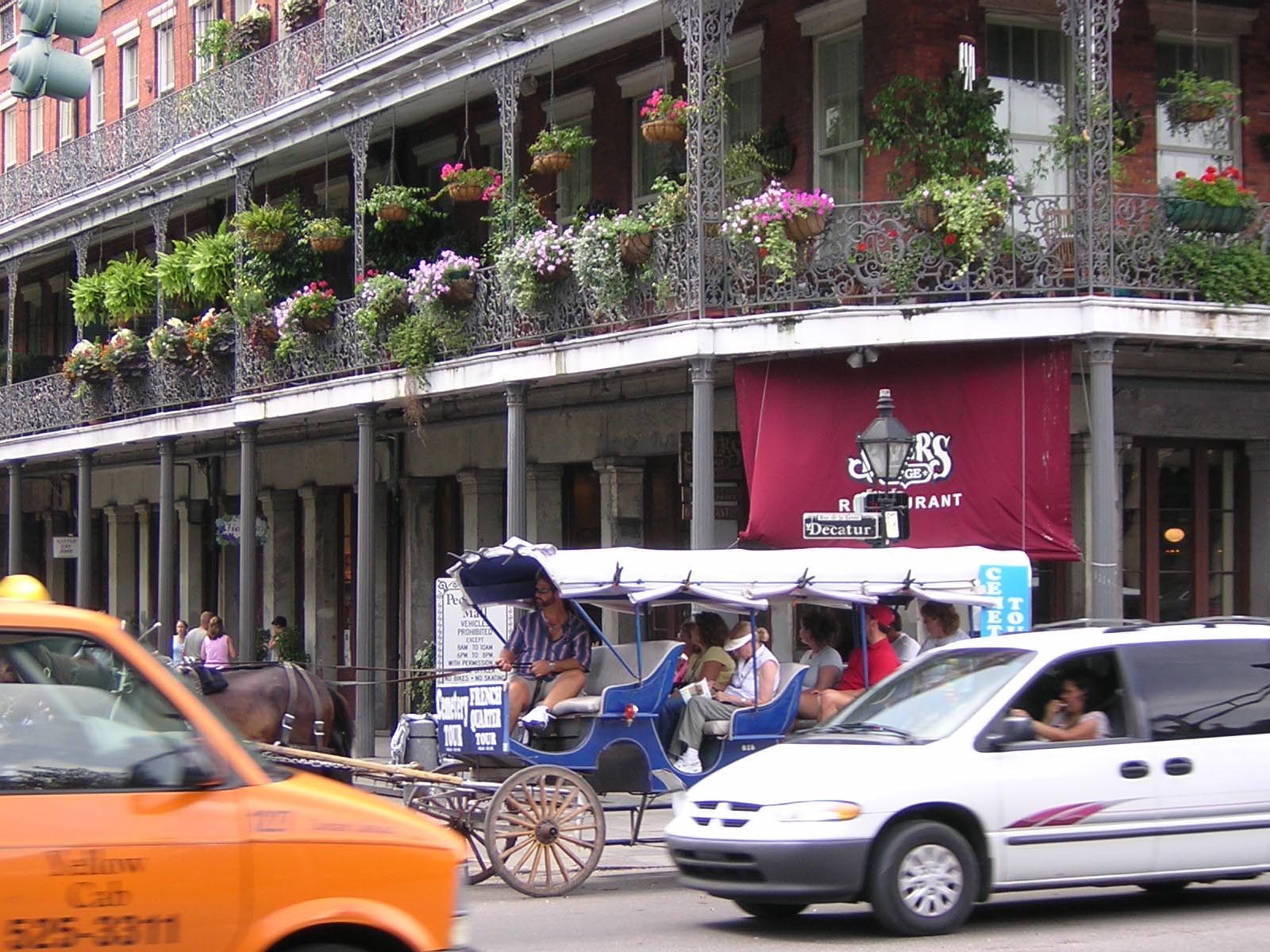
New Orleans has seen many tragedies throughout it’s history and no matter how bleak the situations looked at the time, the soul of New Orleans came together and bounced back. We have to process our emotions, anger and grieve, once we grieve, keep in mind the good memories, the conversations and the kindness, that is the memory you want.
Our hearts are broken now, but once we grieve, we can look for joy in life.
I tamed my intense cravings and calmed my binge-eating habits to help keep my diet — and my bipolar moods — in balance.
My co-worker carefully extricates her lunch from the toaster oven. The slice of leftover pizza, cheese dripping over its edges, smells divine. She observes me plopping frozen spinach, grilled chicken, and a splash of tomato sauce into a microwave-safe casserole dish and says, “You’re so good. I wish I could eat like that.”
“It’s easy to be good when you’re afraid of passing out over your keyboard from low blood sugar,” I reply to excuse my freakishly healthful lunch. I explained to her that maintaining a good diet keeps my moods in check and would go beyond the bounds of casual break-room small talk.
The steadier my blood sugar levels throughout the day, the steadier my energy, the more alert I feel, the less anxiety I experience, and the more productive I am. The more alert and productive I am, the better I keep bipolar depression at bay.
Work festivities can be a tad awkward, though. I’ve become adept at resisting temptation when someone brings in a plate of brownies, despite the bewildered urging when I refuse. “You gotta try this. It’s Aunt Bessie’s recipe.” Or, “C’mon, who doesn’t like chocolate?” I try to explain, “I love chocolate. It just doesn’t love me.”
Binge Eating and Bipolar Disorder
I used to be a binge eater, regularly losing and gaining as much as 50 pounds. After getting home from work, I could easily inhale ice cream by the pint or a sleeve of chocolate chip cookies dipped in milk — or both. The sugar was like a tranquilizer for my anxious feelings.
Several months and several dress sizes later, I would restrict my eating to lose the excess weight. I cut and cut and cut calories until I was down to diet soda, French fries, and not much else. But crash dieting crashed me into hypomania. By the time I fit into my skinny jeans, my judgment would be even skimpier.
I finally gave up the hard stuff — chocolate, desserts, anything with white flour — when I was trying to get pregnant. (Who knew that wide swings in weight can throw the reproductive hormones off kilter?) Two kids and an education in nutrition later, my weight fluctuates by a more moderate 10 pounds or so. And as long as I don’t eat sugar, I don’t crave it.
How Stress and Fatigue Cause Carbohydrate Cravings
If only it were just sugar. If I’m not careful, bagels and white bread can just as easily send me to Bingeland.
Stress and fatigue fuel our hunger for carbohydrate-heavy treats. There’s a connection between carbs and the brain’s production of serotonin, the “feel-good” hormone — although trying to piece together exactly how this works makes me remember why I flunked organic chemistry.
Here’s an easier tidbit from bio class: The body turns any carb into glucose, a.k.a. blood sugar, to use as energy. The more quickly carbs “dissolve,” the more quickly glucose gets dumped into the bloodstream. Blood sugar levels spike, and what goes up must come down — leading to lethargy and low mood.
In self-defense, I’ve become a student of the glycemic index. Originally developed to help people with diabetes keep their blood sugar in balance, the glycemic index tells you how quickly glucose levels rise after eating a particular food.
White bread, alas, ranks high on the glycemic index. As a compromise, I end my day with a slice of whole wheat bread slathered with crunchy peanut butter and a smidgeon of strawberry jam.
Finding the Right Eating Habits for Bipolar Mood Management
I live in a rush zone from 5:30 a.m. until I chase my daughter into bed at 9:30 p.m. I chow down a protein bar and travel mug of cold water while driving to the office. I write bits of stories and articles in my head while working out. The drive home doubles as a time to make business and social calls.
PB&J on whole wheat unwinds me. It quells my anxiety about everything I need to accomplish before bedtime, everything I am not going to accomplish before bedtime, and everyone I will let down by not getting to every “to do.”
Of course, it’s possible to find that relaxed, comforted feeling through journaling, writing a gratitude list, meditating, stretching, or walking around the block. When I’m tired, though, it’s much easier to use food to chase away my anxiety. And if I actually kept off that extra 10 pounds, what would I have to whine about?
Maybe that’s the real question I need to ask myself: What am I really hungry for? Understanding my needs and making small adjustments can help me balance eating habits and self-care, supporting a healthier, more stable mood over time.
UPDATED: Originally printed as “My Battle of the Binge”, Winter 2014
I had problems with binge eating when I was younger and always tied it to stress. Now I have a different perspective to mull about.
I get so excited when I see a new country has visited my blog, I wonder how you found me. Thank you for letting me into your life and traveling with a moment.
The first day of 2025 is off to a great start because I woke up and any day I wake up is a day to be grateful. We have a year to live life the way we want to live, if you’re not there yet, keep moving forward with your eyes on the prize.
Let’s see what type of party music I can curate at 61 years old, don’t expect current music because I don’t know any. Maybe we’ll call this an oldies music party. :)
Do you make resolutions every new year but rarely manage to stick to them beyond the end of January? Research shows that just eight percent of people manage to stick to their resolutions, with many people abandoning their good intentions around mid-January. But, it is crucial to remember that although your previous attempts may not have been successful, you can still achieve your resolutions in the future; you just need to know how to do it. Getting your new year off to the most positive start possible is an excellent way to get on the path to success in the new year. Here are some tips to help ensure your 2025 gets off to a positive start.
Focus on Your Health
Good health is the foundation that enables people to achieve their goals. If your health is poor, it is challenging to focus on other areas of your life and how you would like to live. Making your health a priority in the new year is a great way to start on a positive note.
When deciding to make health a priority, it is a good idea to begin by focusing on habits and behaviors that are damaging your wellness. Getting the proper support to overcome addictions is an excellent way to get started and break free from the control these habits have over your life. Seeking professional support is a big help, and you can do this by taking a look at Rehab List to find the treatment you need more easily.
Reduce Your Stress Levels
Feeling constantly stressed can take its toll on your well-being and impact your mood. It is hard to feel positive when you have constant stress weighing you down. Taking action to reduce the stress in your life and changing the way you respond to it is an excellent way to get your new year off to a positive start.
Stress can be beneficial in some situations, and the stress response plays a crucial role in keeping people safe in potentially dangerous circumstances. However, having your stress response triggered regularly can impact both your health and your outlook on life. Playing an active role in dealing with your stress is a valuable way to manage it. Identifying the root causes of your stress and addressing these is beneficial. Mindfulness techniques to prevent you from becoming caught up in unhelpful thinking patterns.
Nurture Your Wellbeing
Giving your well-being the attention it deserves is another excellent way to start the new year positively. Channeling your efforts into activities that nourish your body and mind rather than harm them will ensure you feel at your best as you start the new year. Focusing on nurturing your physical and mental health to become as strong as possible will provide a firm foundation for a positive start to a new chapter in your life.
One important key I learned several years ago is to focus on the goals that mean the most to me. I write only a handful of goals and then focus on making them happen. If needed I can always rethink and add a couple more. There’s nothing like having a list of 25 and accomplishing nothing. That doesn’t do much for your self-confidence.
This surgery is completely different than the one earlier this month. He is doing Carpel Tunnel surgery on my right hand which is a piece of cake. Technological advancements make the procedure less intrusive and allow for a shorter recovery time.
I hope to be out for a few days, we’ll see how it goes. I don’t like taking pain medication so that can delay blogging for a day or so.
Thank you for all the love shown to me during the last surgery, your words filled me with joy.
“These are great for a morning or afternoon snack when you just need a little pick me up. I like to take them to the office with me.” Kristin Cavallari from her cookbook True Comfort.
All recipes are Gluten-Free and free of Refined sugar.
As we approach several holidays mocktails are great for those who chose not to drink.
Here are a few great recipes
Photo by Susanne Jutzeler, suju-foto on Pexels.com
Lemongrass Ginger Mockito
INGREDIENTS
3/4 lime – halved lengthwise then cut into 6
1/2 lemongrass – finely sliced
1 tbsp ginger syrup
1 tsp soft light brown sugar
2 mint sprigs
80-100ml apple juice
crushed ice
mint sprigs
lemongrass slices
2 straws
DIRECTIONS
Add the lime pieces, lemongrass slices, ginger syrup, and sugar to a sturdy highball glass or a cocktail shaker. Muddle until the sugar has dissolved and the aromas are released. Add the mint leaves and muddle a bit more.
Add half of the apple juice. Stir.
Fill up with the crushed ice and the rest of the apple juice. Combine until well mixed.
Add the straws, mint, and lemongrass slices.
Enjoy!
Jasmine Ginger Iced Green Tea Recipe
1 wedge lime 4 ounces *brewed jasmine green tea, chilled 4 ounces ginger beer, chilled (I used Gosling’s) Garnishes: Fresh sliced strawberries and additional lime wedges
Fill a glass with ice cubes. Squeeze the juice of a lime wedge over the ice and drop the lime wedge into the glass. Add the chilled green tea and ginger beer; stir gently. Garnish with strawberries and additional lime wedges.
Makes 1 drink
Virgin Pina Colada
Here are the ingredients in a virgin piña colada recipe:
Frozen pineapple
Coconut milk
Maple syrup
Throw these in a blender, and you’ve got a tasty signature drink in no time. Except you need one last required item…drink umbrellas!
Green Russian
Brilliant green matcha makes this healthy mocktail creamy and comforting. Plus, it’s packed with antioxidants and features a little caffeine kick.
We recommend using plant-based milk as the foundation for your Green Russian. This renders the drink accessible to those not consuming dairy, but it also allows the matcha to shine; milk proteins can block the absorption of matcha’s beneficial compounds.
Ingredients – makes 2 mocktails
2 ½ cups plant-based milk
Tip: Use a richer, fuller plant milk, such as cashew, macadamia, or barista-grade oat milk.
1 ½ tablespoons matcha powder
2 oz cold coffee
Tip: Try to use cold-brew coffee. Since we’re only using a little bit, you’ll want your flavor to be as full as possible. Alternatively, mushroom coffee can be used to achieve an earthy taste and add nutritional benefits.
2 tablespoons sugar or other sweetener
1 pinch cacao powder (optional)
1 cup ice
Directions
Warm 2 cups of your milk over low heat. Add the sugar and stir. Next, add the matcha powder and stir until fully dissolved. Remove from heat and set aside.
Next, add ice to your glasses. Once the matcha mixture has cooled, pour it into the glasses. Add a quarter cup of the remaining milk to each glass. Pour a splash of cold coffee on top of the milk for a beautiful combination of colors and flavors. Dust the mocktail’s top with cacao powder for added glamor (and superfood power). Serve and enjoy!
The recipe is from Kristin Cavallari’s cookbook True Comfort.
I am so impressed with her cookbook, she covers every meal, snack, and smoothie. You don’t have to be living a Gluten-Free life to enjoy the recipes, they sound delicious. Several followers have made comments about how good the recipe was.
Ingredients
1/2 avocado
1 tbs raw honey
1 cup almond milk
2 tbs raw cacao nibs
1 cup frozen cauliflower florets
1 big handful of fresh spinach
1 tsp brain octane oil (she likes Bulletproof)
1 tbs bee pollen
1 tbs hemp seeds
1/4 cup chopped or sliced blueberries and blackberry
How to make
Place the avocado, honey, almond milk, cacao nibs, cauliflower florets, spinach, and brain octane oil (if using) in a high-powered blender and blend until well combined, about one minute.
Pour into glass and top with the bee pollen, hemp seeds, and berries.
The family cookbook contains recipes my Gramps and Granny used often. It is the type of food I grew up on: good ole Southern food, from my Gramps’ dumplings to Granny’s pecan pie.
This recipe is a keeper! My brother and I would beg Granny to make it.
What You Need
1 can condensed milk
1 cup chocolate chips
1 cup peanut chips
2 cups tiny marshmallows
2 cups chopped nuts
How To Make
Stir and melt chips and milk over medium heat, don’t scorch
Stir all the time and fold in marshmallows and nuts
I wish you happiness and health on this joyous occasion. I hope you have the pleasure of spending time with family and friends. Breathe in the sunshine of this special holiday.
I pray you and your family have a blessed Christmas day. Christmas traditions like gathering with the family for a good meal and exchanging gifts are great memories. I hope you will take the time while the family is all together to count your blessing and be grateful for the help God has given your family in 2024. Remember Jesus is the reason for the season.
If you don’t celebrate Christmas, I wish you and your family the best leading up to the New Year. May 2025 bring you great joy.
The family cookbook contains recipes, my Grandparents used often and is the type of food I grew up on. Good ole Southern food like dumplings, and pecan pie. Some recipes have been passed down or from other family members recipe.
Ingredients
1 stick butter
1 cup sugar
1 cup quick oatmeal
1 egg
2 tb. vanilla
2 tsp. flour
1 cup finely chopped pecans
Cookie sheet
How To Make
Cream butter and sugar until combined
Add egg, and vanilla, and blend.
Add oatmeal, flour, and nuts, and mix until combined
Use a teaspoon to measure with
Drop mixture 2 inches apart on a folded lined cookie sheet
Bake in a preheated oven at 350 degrees for 12 to 15 minutes until golden brown.
The family cookbook contains recipes that my Grandparents used often and is the type of food I grew up on. Good ole Southern food like my Gramps dumplings, to Grannies pecan pie.
Simple to make, classic sugar scrubs are a must-have item for your skin routine. They not only help remove dead skin cells, improve circulation, unclog pores, and prevent ingrown hairs, but they also leave your skin feeling soft and smooth- a necessary tool during cold winter months. You can use a sugar scrub one or two times are week. For sensitive skin, you’ll want to watch how your skin reacts and perhaps exfoliate less often.
In a large bowl, combine the Castile soap, distilled water, sea salt, and vegetable glycerin, and stir gently until well combined. Add cedarwood, frankincense, clary sage, and vanilla essential oil if using. Start with the lower amount of 15 drops each and adjust to your preference.
For an extra moisturizing boost, stir in the raw honey, if desired. Pour mixture into airtight container of choice for easy storage.
To enjoy, run a warm bath and add 1/4-1/2 cup of bubble bath under running water. Relax and soak in the woody aroma.






















 Looking for the Light