Celebrate Life · Health and Wellbeing · Men & Womens Health · Mental Health · Moving Forward · Survivor · Trauma

Native American Heritage Month-Native Americans Are The Original Americans

Native American Heritage Month is extremely important to me for two reasons. The first I’m 1/16th Cherokee, and I’m proud of my ancestors. The second more gruesome, our government decided that the Indians weren’t allowed to live in open land like the white man. They rounded up all the tribes and built reservations for them to live without government support. They became second-class citizens and little has changed today. If you read just one book about the brutality of the Native Americans, read about the Trail of Tears. You will see a clear picture of how Native Americans were treated and raped of their land.

——-

Welcome to Native American Heritage Month at the Department of the Interior! National Native American Heritage Month is celebrated each year in November. It is a time to celebrate the traditions, languages, and stories of Native American and Alaska Native communities and ensure their rich histories and contributions continue to thrive with each passing generation. This November and every month, we celebrate the culture and heritage of these remarkable Americans who deeply enrich the quality and character of our Nation. We celebrate Indian Country with its remarkable diversity of American Indian and Alaska Native cultures and peoples while remembering and honoring our veterans who have sacrificed so much to defend our Nation.

Our theme is Weaving together our past, present and future. We will focus on the failed policies of the past with a focus on the Federal Indian Boarding Schools and moving into the present and the work being done to address the intergenerational trauma Native people still face. In partnership with the National Endowment for the Humanities and the Smithsonian Institution, we are working to record the lasting impacts of that era and share that information with all Americans.

As Indigenous people, our past, present and future are all connected.

Additional Resources

Informative articles

Biden-Harris Administration Announces $71 Million to Electrify Homes Across Indian Country with Clean Energy through President’s Investing in America Agenda

Indian Affairs invests nearly $10 million to rehabilitate Columbia River Treaty Fishing Access Sites, as part of President’s Investing in America agenda

Indian Affairs seeks additional input on new regulations to protect Native American and Native Hawaiian cultural items

Indian Affairs opens Indigenous Connectivity and Technology Division

For me, it’s important to read about how Native Americans were treated by our government because it was brutal and killed thousands and our government rapes their land from them.  Native Americans were the first Americans on this great land, not the people migrating on the Mayflower and other ships. No doubt in my mind they were here long before a boat came over.

I’m of Cherokee descent, myself being 1/16th and several of my ancestors are on the Dawns Rolls but many at the time didn’t sign the rolls because they did not trust the government. How could they trust after being driven from their land and pushed into tribal communities with no assistance from the government? It was sink or swim, it’s not different today.

Another blemish from history and little has been done to improve their living standards. I’m happy to have the articles mentioned above that show action is being taken.

Remember to open your mind that’s Thanksgiving to include Native Americans and their make in history.

Melinda

References:

https://www.bia.gov/NNAHM

Celebrate Life · Health and Wellbeing · Men & Womens Health · Mental Health · Self-Care

Just Pondering

Are you wasting precious time doing things you don’t want to do?

Photo by jasmin chew on Pexels.com

Let them go and take a self-care break. 

Melinda


Celebrate Life · Fun · Men & Womens Health · Mental Health

What’s Your Mood Today?

 I feel alive, like an engine roaring and ready to go.

What’s your mood today?

 Melinda


Celebrate Life · Fun · Mental Health · Music

#Weekend Music Share-Richard Marx – Right Here Waiting (Official Music Video)

Right here waiting for you, a song that pulls on my heartstrings every time. What a voice Richard has.

It’s the weekend!!!!!!

 I’m glad you joined me for another edition of Weekend Music Share this week.

Have a great weekend!

Melinda

Welcome back to Weekend Music Share, the place where everyone can share their favorite music.

Feel free to use the Weekend Music Share banner in your post, and use the hashtag #WeekendMusicShare on social media so other participants can find your post.

Celebrate Life · Chronic Illness · Health and Wellbeing · Medical · Men & Womens Health · Mental Health

Health Update November 2024

The trip to the Mayo wasn’t quite what I expected but you have to remember I was only there for three days. I was scheduled for four days but was so frustrated I left early. The good is that a couple of things were ruled out. For one I don’t have cancer which was a major concern of mine, and I don’t have a bleeding disorder. They did discover I had weakness in my legs, hands, and arms but I did not stay around to meet with the Neurologist. I also found out I have several types of serious Anemia but my Immunologist doesn’t seem to care. Time for a new Immunologist. I even stopped my Antibody Infusion Treatments due to a lack of communication on his part. The Mayo for as good as they are can only handle so many areas of concern due to time constraints. They wanted me to come back for more testing but I refused. The trip cost was very high when you look at airport parking, airline tickets, a rental car, and a hotel, eating, and putting the dogs in the kennel. Not to mention my husband taking a week off work. Maybe I’ll go back at another time but for now, I’m seeking out doctors that can help me locally.

I sought out a Hand Orthopedic doctor for carpel tunnel and the pain I was experiencing. Through the process, I found out I have Osteoarthritis in my thumbs which is one reason for the severe pain. I now wear thumb braces, take low-dose pain medication for arthritis in my hands, and am having carpel tunnel surgery in both hands as well as having a wrist brace taken out that was put in when I broke my wrist in 2018. It’s moved and it causing pain. I hope to have at least the left-hand surgery done this month.

I’ve been battling one Fibromyalgia flare after another for months now. I’ll save the details for the Fibromyalgia post I’m writing.

I have also been battling low-grade depression probably caused by stress and worry. My depression is very sensitive to stress. I’m feeling better but still not my normal self.

One great action I’ve taken is to return to weekly chiropractor visits and monthly massages. This has helped me work the stress out of my body and work to align the degenerative areas. It’s a hurt-so-good stage.

Like everyone, there’s always something we are dealing with and we have to step up to the plate and deal with them. :)

Melinda

Climate Change/Global Warming · Health and Wellbeing · Men & Womens Health · Mental Health · Trauma

It’s A Dark Day In America

The worst President is the President again, which means we’ll have another four years of trials when he leaves office. I won’t get started on what the next four years will look like.

I am gutted!

Melinda

Celebrate Life · Fun · Health and Wellbeing · Mental Health

Wordless Wednesday-Fall Decorations

I’m glad you joined me on Wordless Wednesday and I hope to see you soon.


Melinda


Celebrate Life · Fun · Health and Wellbeing · Men & Womens Health · Mental Health · Self-Care

It’s Alive!

I wrote You Know It’s Crazy When about discovering a plant I had nursed for a couple of years was actually an artificial plant. Well, it’s alive! I stopped watering for a couple of weeks, and the leaves started turning yellow and falling off. I’m completely stumped at this point. I started watering again and decided to replant; surely, it was root-bound. Not so fast, when I removed the plant it had a small root ball and two dead pieces of roots below.

I have no idea why it was not growing. From live plant to artificial plant and back to live plant, it can’t make up its mind. 


Melinda

Celebrate Life · Fun · Health and Wellbeing · Men & Womens Health · Mental Health · Self-Care

Steps To Creating A Self-Care Routine

Self-care is a reliable path to ensure a clean bill of health. Unfortunately, few people make time to commit to self-care routines. It may not entirely be their fault, especially as people juggle several responsibilities simultaneously. However, those who commit to the routine spend an average of forty-two minutes weekly to attend to themselves. It may not sound good enough, but it’s better than nothing. Fortunately, if you find yourself looking for ways to establish a self-care routine, here are things to consider.

                                                                                                                 Photo by Tima Miroshnichenko on Pexels.com

Determine what makes you feel centered

People attend to their self-care routines in different ways. For this reason, what may suit one person may not be a perfect fit for others. Usually, the tricky part is starting with the routine and following through with it. However, things can move along smoothly when you get the hang of it. This is why it is important to first identify what makes you feel centered. In all instances, it would be helpful if the things which make you feel centered are positive reinforcements.

On the other hand, if you have trouble with these habits, it can be beneficial to visit https://www.sunshinebehavioralhealth.com/texas/del-rio, which specializes in helping individuals deal with behavioral issues. Once you determine these things, you can establish a routine you can stick to without bailing out. Remember that your efforts in creating a self-care routine should feel comfortable for you. That way, you always look forward to it instead of attempting to find excuses for why you don’t want to.

Make time for the routine

One significant reason people fail to maintain their self-care routines is the inability to set specific times for it. It wouldn’t be wrong to say that scheduling plays a significant role in the success of a self-care routine. Setting a time for it also indicates your discipline to the task at hand. Once you understand this fundamental, it becomes easier to run with it.

Set goals

What is the purpose of a long-term activity without a goal? It is the prize you set your eyes on as you work tirelessly towards it. It is the same when creating a self-care routine. In this instance, your goal is to have your physical, mental, and emotional well-being working in harmony. These three elements form the foundation for a perfect balance in your body. Therefore, your goal can be to live a life devoid of avoidable ill health, and that is possible, all things being equal.

Remain positive-minded

Staying positive-minded relies heavily on being mentally and emotionally optimistic. In other words, even though you acknowledge the presence of negatives, you deliberately choose to focus only on the positive things in life. Indeed, there is truth in the saying that your thoughts can define your well-being. It would help to keep in mind that your level of positive-mindedness can directly influence the outcome of your self-care routines.

To conclude, there are many benefits to establishing a self-care routine. Apart from the obvious positive impact on your health, it can boost your confidence and self-worth.

This is a collaborative post. 

Melinda
Celebrate Life · Fun · Health and Wellbeing · Men & Womens Health · Mental Health · Photography

Blogger Highlight-The Rusty Ruin Journal

Thank you for all the great feedback on the Blogger Highlight series, I’ve enjoyed meeting each blogger and sharing their site with you. This week we highlight the blog The Rusty Ruin Journal. Steve’s blog is addictive if you’re into photography and learning about the cameras he uses. His posts are informative and I appreciate him for often taking several photos of the same item in another view. Steve’s use of color grabs you and pulls you right in.   

The Rusty Ruin Journal

My name is Steve and I and my family live in South Australia. Yes, it’s a long way from many places and there’s so much beautiful scenery to photograph. We like to travel, hike, and see the sights. I have too many cameras to mention, both digital and film; also, too many books on the shelf; and boardgames aplenty that are often played with friends. In between work and family, I try to squeeze in a range of other interests apart from photography, including making music, painting, and writing. Honestly, I never thought I could do any of those things until I decided to stop telling the same self-limiting stories about myself. It was then that I picked up a big camera and taught myself how to use it. I decided that being creative wasn’t about being the best, but about expressing oneself without judgment, ego, or fear. It’s wise to remind myself of that as often as I can.

I asked Steve three questions you will find interesting.

M. How old were you when you took your first photo and what was the photo of?

S.  Hmmm, that’s a tough question! I grew up with film but I never had the money for big and expensive cameras. My family were never into photography and our little cheap cameras only came out on special occasions. I’d have made a few casual photos back then, I’m sure, but the first photo I remember making where I was really interested in the framing and composition was of the Pink Sand Dunes in California. I think I was 26 or 27 at the time. 

M. Do you display your photos in the house, or elsewhere and what does your family think about your hobby?

S.  Actually, most of the things on our walls are my paintings! Of course, we have family photos framed and on display too. I’ve sold a few paintings and photos over the years but I’ve not had any photos framed properly and on display. I should probably fix that, but I never put my ego into my photos so it doesn’t bother me not to see them everywhere. I think my family are likely a bit jaded by all the camera gear I have spilling out from shelves and boxes…haha! There’s a bit of a running joke amongst family and friends that I tend to stop at every patch of rust and get the camera out because I find it interesting, hence the name of the blog. I can’t deny that I like texture, colour, and abstraction! 

M.  What are your favorite posts and why?
 
S.
https://rustyruin.blog/2024/08/10/rubble-and-ruin-on-the-side-of-the-road/ – Apart from the fact that I really like ruins, this post also includes one of my favourite ever poems.
 
https://rustyruin.blog/2024/08/27/ruins-marketing-and-megapixels/ – I think that sometimes people get too obsessed with gear and the latest and greatest and I question that idea in this post. The post also contains photos of lovely rust…haha! 🙂

I enjoyed this recent post called Red paint and contemplation.

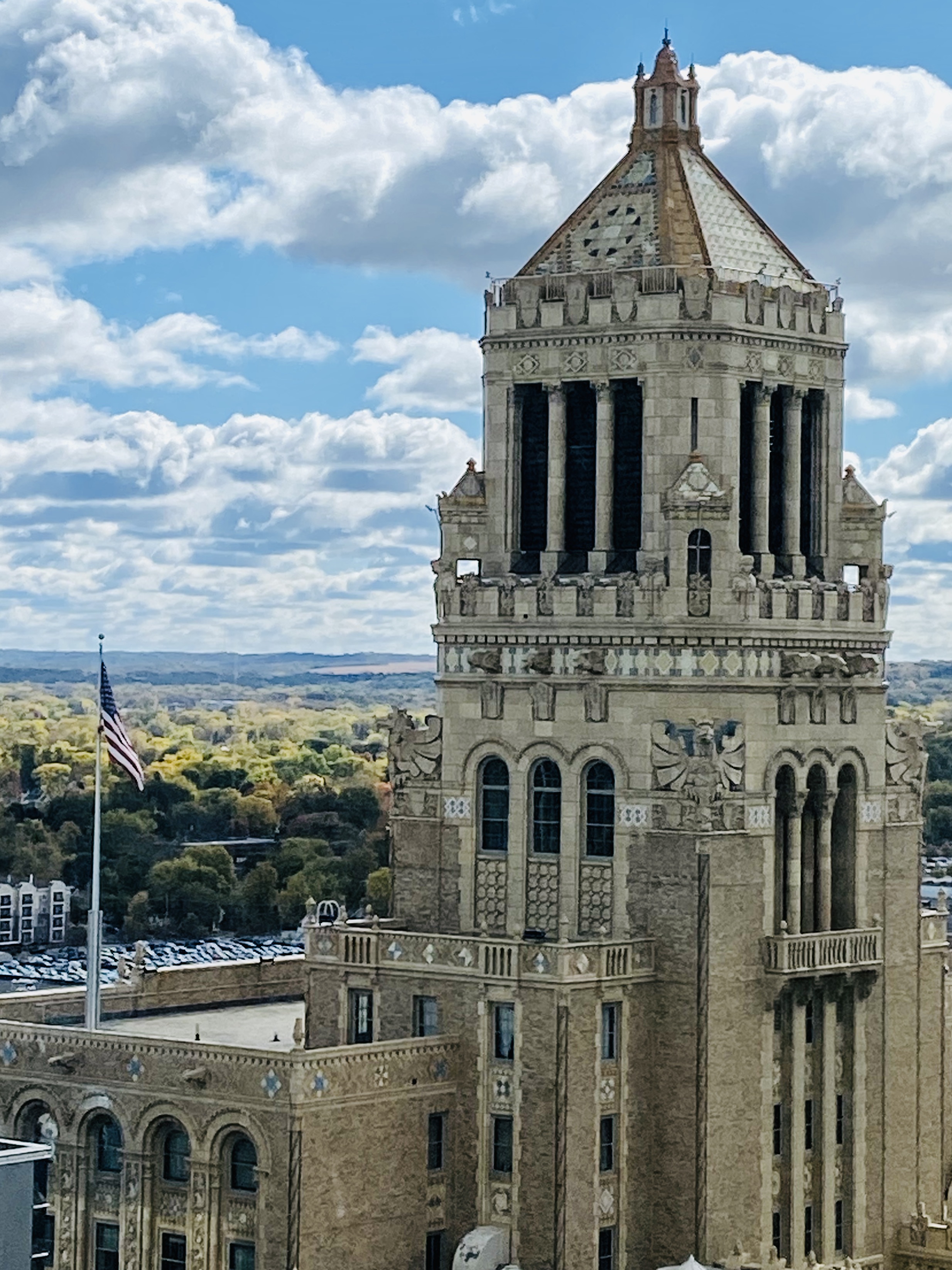
For me, photography is about connection with the subject, the environment, and why it caught my eye in the first place. I take plenty of photos of flowers and plants but that is not the type of photography I’m talking about. Like the most recent photos of art from The Mayo Clinic, there was a connection, and they pulled me in. Steve also has connections by being in the moment outside of taking photos. He takes in the environment and appreciates the scenery around him. 

Be sure to stop by Steve’s blog, The Rust Ruin Journal, say hello, pull up a chair, and dig into his posts. You will get hooked as I did. 

Melinda

Looking for the Light


Celebrate Life · Health and Wellbeing · Internet Good/Bad · Men & Womens Health · Mental Health · Moving Forward · Survivor · Trauma

NO MORE Week 2025 Tech Summit: Empowering or Endangering-Tech’s Impact on Domestic and Sexual Violence

No More has announced that No MORE Week is on March 2nd through March 8th, 2025. This Summit is one way to participate and it’s free. The knowledge you gain could save your own life or that of another.


Join us for the NO MORE Week 2025 Tech Summit: Empowering or Endangering – Tech’s Impact on Domestic and Sexual Violence

Attend the NO MORE Week 2025 Tech Summit, a special online event exploring the impacts of technology on domestic and sexual violence, including innovations and dangers. Hear from global experts on the latest research, policy changes, product development, and more. 

What should you expect: 

  • Discover the latest global trends in tech-facilitated abuse to gain insight into how technology is exploited by abusers to inflict harm.
  • Delve into the role of technology in promoting safety and fostering connections.
  • Have the opportunity to hear from survivors who have experienced various forms of abuse and, importantly, hear their suggestions for change. 
  • Participate in stimulating conversations and workshops led by industry professionals.
  • Contribute to the generation of innovative ideas that can instigate the necessary systemic changes to address these critical issues.
  • Equip yourself with the knowledge and resources to make a tangible impact on survivors of domestic and sexual violence. This is an opportunity to be a part of the movement and provide vital support to those in need.

Who should attend: 

  • Survivors of domestic and sexual violence and those closest to them. 
  • Those working with people who have experienced domestic or sexual violence, advocates, and activists
  • Tech companies and professionals
  • Legislators
  • Police and agencies in the Criminal Justice System
  • Financial institutions
  • Healthcare professionals or those working in emergency response services 
  • Academics

If you have any questions, please contact info@nomore.org

Empowering or Endangering?: Tech’s Impact on Domestic and Sexual Violence

Mar 04,2025
Starts in 131 days
 
Organized by The NO MORE Team
 
 
I look forward to seeing you there.

Melinda
References:

https://www.nomore.org


Celebrate Life · Chronic Illness · Health and Wellbeing · Medical · Men & Womens Health · Mental Health · Moving Forward

Resisting the Lure of Toxic Positivity While Chronically Ill

by Hannah Shewan Stevens

Medically Reviewed by:

Francis Kuehnle, MSN, RN-BC

Chronic illness is hard to live with, but coping by responding with excessive positivity can suppress our real feelings.

Those who live with chronic illnesses know all too well how frequently people shower you with meaningless platitudes like “just be positive” and “mind over matter.”

Of course, how we feel mentally affects our physical health, but being chronically ill also sucks sometimes. It’s OK to acknowledge that reality. But often, when we do, we’re told we’re being overdramatic or to force ourselves to “think our way back to being healthy.”

It’s time to reject toxic positivity and find coping mechanisms that actually work for you instead of methodologies that punish you for having “negative feelings.”

What is toxic positivity?

Toxic positivity is an expectation that no matter how serious a situation or diagnosis is, a person should maintain an ongoing optimistic and positive outlook and attitude regardless of how serious the circumstances are,” said Chicago-based clinical social worker Iris Waichler, MSW, LCSW.

This invasive method of communication shows up in countless ways, often slipping out of people’s mouths without them even noticing. Sometimes, it comes from the inside, led by an internal battle to just “get over it,” but it typically arises when people place their life view onto others.

“Toxic positivity often looks like someone giving you a motivational quote instead of actually listening, helping, or being there for you,” said Kitty Underhill, a body and self-acceptance coach from London, England. “For example, you could be struggling and communicating that to a friend, and they shut down the conversation with a statement like ‘good vibes only’ or dismissing it as being ‘low frequency.’

“Toxic positivity also looks like using buzzphrases like ‘what doesn’t kill you makes you stronger’ and telling you that you need to have a more positive attitude rather than hearing you out — it’s an emotional cop-out,” she added.

The impact of toxic positivity is wide-ranging and pervasive, sometimes hiding beneath the surface for years before we’re able to recognize that it’s prevented us from feeling the full spectrum of human emotion without feeling guilty for not being cheerful enough for those around us.

“Toxic positivity may cause people to believe their feelings are not worthwhile, create self-doubt and shame, and make them believe their feelings are invalid,” said Waichler. “The unintended consequences may be enhanced insecurity, which lessens self-confidence and self-worth.”

How can it show up in our lives with chronic illness?

The effects may largely be the same, but chronically ill people deal with another poisonous layer when facing toxic positivity: disbelief.

Too often, disabled and chronically ill people are encouraged to “think themselves well” because it’s “mind over matter,” but this neglects reality. A positive outlook can improve someone’s overall well-being. However, it’s not a magical cure for incurable illness.

“A healthy person may not have a real understanding of the physical, medical, and psychological ramifications that chronic illness has on an individual,” Waichler said. “A healthy person’s attempt to “cheer them up” or be unrealistically positive can create feelings of alienation, resentment, and anger for the person on the receiving end.”

Toxic positivity is dismissive because it discards their feelings, insisting that they be processed on the other person’s terms. Unsurprisingly, this is a common occurrence between people with and without chronic illnesses, as it’s easily assumed that we’re being overdramatic or exaggerating our symptoms.

Faced with an onslaught of forced cheerfulness and disbelief, submitting to toxic positivity sometimes feels like the only option, but chronically ill and disabled people deserve to be heard.

“It can be easy to fall for toxic positivity, especially when a lot of ableism depends on disabled folks not speaking up about what they are experiencing and overriding their own comfort and pain levels to make abled folks feel more comfortable,” said Underhill.

“We must remember that toxic positivity is another way of shutting down unpalatable emotions and that our emotions still deserve to be heard and expressed,” she added.

Understanding the difference between toxic positivity and genuine positivity 

“Genuine positivity makes space for the negative and doesn’t try to write it off or bat it away,” said Underhill. “Genuine positivity helps you to see things from different angles and perspectives, which can be helpful if we’re getting tunnel vision from feeling hopeless, angry, or upset from experiencing chronic pain issues.”

Where genuine positivity leaves spaces for pain while searching for light, comparatively, toxic positivity shuts down the conversation and obliterates the beautiful spectrum of our emotions.

Resisting the seductive pull of toxic positivity is exhausting, and sometimes, we fall under its spell before it’s possible to throw up a shield.

“If you’ve succumbed to toxic positivity, consider taking a step back to evaluate why you acquiesced,” said Carissa Hodgson, LCSW, OSW-C, director of programs and community outreach at Bright Spot Network and a clinical social worker. “Is it because you don’t have anyone who can authentically support you? Are you struggling with accepting your feelings about an experience? What is it that you need?”

Building your defenses

“To get rid of toxic positivity, it’s worth asking yourself the question, ‘Why do I feel like I cannot hold space for harder emotions?’” said Underhill.

“It’s also worth remembering that no emotion has a moral value. Emotions are not ‘good’ or ‘bad,’” she added. “Emotions are information that we can learn from and take into account.”

Allow yourself to feel everything you need to feel by granting yourself the gift of patience. There is no better defense against toxic positivity than the freedom to feel your emotions without judging them or suffocating them.

Confronting the toxic positivity around us

Try to practice patience when dealing with toxically positive people. It’s hard when you’re so regularly bombarded with it, but know that they are probably trying to empathize. It’s human instinct to jump straight to suggesting solutions. We all do it, even when it’s unwanted.

“Understand that the person is trying to be helpful,” said Waichler. “Help them to then understand how what they said makes you feel.

“Tell a well-meaning loved one with toxic positivity that you appreciate that they are trying to be supportive and positive about your medical condition,” she continued.

Developing healthier coping mechanisms

It’s crucial to develop additional coping mechanisms that manage the mental impact of chronic illness to resist the lure of toxic positivity long term.

“Educate yourselves about the medical condition and how it will progress so your expectations are realistic,” advised Waichler. “It will help you prepare for changes that will evolve in the future.”

Broaden your circle of friends to ensure that your support network is full of people who will understand your experiences with chronic illness. Your loved ones will support you, but unless they also have a chronic illness, they will struggle to understand. Fellow chronically ill people may be better suited to supporting you without relying on toxic positivity to do so.

However, be wary, too. Even the most well-developed support groups can fall prey to toxic positive influences.

“Toxic positivity is often a trojan horse found in online support groups and discussion boards — seemingly helpful and cheery but completely dismissive of the real struggles people are having,” said Hodgson.

As an additional shield, she suggests that people “Create an empowering mantra that entitles you to your feelings, such as ‘My feelings are real’ or ‘I have a right to feel how I want to feel,’ so when you see a dismissive statement, you can repeat your mantra to yourself and keep on reading.”

Medically reviewed on April 20, 2024

I can see how someone chronically ill can fall deep into the positivity route, it feels good at first but over time it overshadows the reality of being chronically ill. As mentioned in the post, many days suck and we can’t just cover them up as if they don’t exist. I’m all for positive energy but if someone just wants to change your thoughts and act like everything is ok, they are not doing you any favor.

Melinda

Reference:

Celebrate Life · Fun · Health and Wellbeing · Mental Health

Wordless Wednesday-Purple

I’m glad you joined me on Wordless Wednesday and I hope to see you soon.


Have a great day.

Melinda

Chronic Illness · Health and Wellbeing · Infectious Diease · Lyme Disease · Medical · Men & Womens Health · Mental Health · Moving Forward · Self-Care · Tick Borne Illnesses

Understanding and supporting invisible disabilities, including Lyme disease

Lonnie Marcum

OCT 24, 2024

Invisible disabilities are physical, mental, or neurological conditions that are not immediately apparent to others. Despite being “invisible,” these conditions can significantly impact a person’s life and require special accommodations and ongoing support.

Unlike conditions that other people can see, such as those requiring the use of a wheelchair, invisible disabilities often go unnoticed, leading to misconceptions about a person’s needs.

Examples of common invisible disabilities

  • Dysautonomia, also known as autonomic dysfunction, refers to a condition in which the autonomic nervous system (ANS) does not function properly. The ANS controls many crucial bodily functions, such as heart rate, blood pressure, digestion, temperature regulation, and respiratory rate. When the ANS is impaired, these processes can become dysregulated, leading to a wide range of symptoms.
  • Post-exertional malaise (PEM) where even minor physical or mental exertion can result in severe symptom exacerbation, often lasting days or weeks.
  • Chronic fatigue syndrome (CFS): Fatigue lasting six months or more, and PEM
  • POTS (Postural Orthostatic Tachycardia Syndrome) is a condition characterized by a significant increase in heart rate when a person stands up from a lying down position. It is a form of dysautonomia. People with POTS experience an abnormal response when they move to an upright position, leading to symptoms that can be disabling.
  • Myalgic Encephalomyelitis (ME): Causes widespread neuro-immune related symptoms including: neuroinflammation, immune dysfunction, muscle pain, headaches, cognitive dysfunction (often described as “brain fog”), dysautonomia, PEM, CFS and POTS.

Patients with Lyme and tick-borne disease are often left with persistent symptoms following treatment. In MyLymeData, now with over 18,000 participants, the three most frequently reported worst symptoms include neurological-associated symptoms (84%), fatigue (62%), and musculoskeletal-associated symptoms (57%).

POTS is the most common manifestation of dysautonomia reported to occur in patients with persistent symptoms of Lyme disease.

Infection-associated chronic conditions

For years, ILADS conferences have been the only place I heard clinicians and researchers expressing an understanding and a desire to help patients with complex, infection-associated chronic conditions (IACC).

In 2021, I reviewed a paper entitled “Recent Progress in Lyme Disease and Remaining Challenges,” co-authored by 31 researchers from 19 separate institutions. That paper felt like a real tipping point to me.

Last week, I watched the final meeting of the CDC/HHS funded “Infection-Associated Chronic Conditions – Understanding and Engagement” (ICUE) project. During that meeting, LymeDisease.org’s Lorraine Johnson, represented and gave voice to the millions of patients living with chronic symptoms following infection with Lyme and/or other tick-borne diseases. (Read her summary of that meeting here)

With all the new collaborations coming out of the National Academies of Science, Engineering and Medicine (NASEM) workshop on “Lyme infection-associated chronic illness or “Lyme IACC,”  I have high hopes for continued progress—not just for patients with chronic Lyme and co-infections, but so many other marginalized illnesses like long-COVID, ME/CFS, and dysautonomia.

Last year, I wrote about the real symptoms suffered by patients with invisible illness.Recently I offered suggestions on how patients can track those symptoms and share them with their doctors  to aid in better diagnosis and treatment.

For everyone out there suffering from an invisible illness: I just want to say that I see you, I hear you, and I believe you.

LymeSci is written by Lonnie Marcum, a physical therapist and mother of a daughter with Lyme. She served two terms on a subcommittee of the federal Tick-Borne Disease Working Group. Follow her on Twitter: @LonnieRhea Email her at: lmarcum@lymedisease.org.

Melinda
Reference:

https://www.lymedisease.org/invisible-disabilities-lyme-disease/

Health and Wellbeing · Medical · Men & Womens Health · Mental Health · Moving Forward · Survivor · Trauma

Announcing NO MORE Week 2025

I’m excited to share that NO MORE Week 2025 has been set for March 2nd through March 8th, the annual time when thousands of survivors, allies, employers, organizations, colleges, and communities around the world unite for the cause of ending domestic and sexual violence. 

This year, our theme is NO MORE Silence. Every time we break the silence, we destigmatize conversations around domestic and sexual violence and help survivors find support. And, we help to prevent abuse by educating more people about healthy relationships and by creating a culture where abuse is not tolerated.

Now is the time to plan how you can be a part of NO MORE Week 2025. Here are some simple ways to get started:

Join the NO MORE Week Challenge:

Sign up for the NO MORE Week Challenge, a virtual Walk/Run that allows you to choose your distance—5K, 10K, or a half marathon—and complete it at your own pace in March. This year, every dollar raised will go to support victims/survivors of abuse. Rally your friends and family to sponsor your efforts, or form a team to amplify your impact.

Join the Challenge

Attend the NO MORE Week Tech Summit

Save Tuesday, March 4th to attend the 2025 NO MORE Week Tech Summit, “Empowering or Endangering? Tech’s Impact on Domestic and Sexual Violence.”During this free, online conference, global experts will discuss cutting-edge research, policy shifts and product development, providing a wealth of insights and opportunities for action. Early registration is now open! 

Sign Up Now

Use Your Own Platform to Raise Awareness

Create an event – online or in person – to raise awareness on your campus, at work, or in your community. Whether it’s hosting a coffee or happy hour; holding a workplace conversation; or engaging friends on social media, every action will get more people to join the movement. Let us know what you’re planning so we can help amplify your efforts! 

Check out our NO MORE Week 2025 Guide you can use to get more information and ideas. We’re looking forward to uniting once again on March 2nd because we know that we are louder, stronger and more impactful together! Thank you for your continued support.

Get Involved

I’ve signed up for the No More Week Tech Summit, no doubt registration will go fast. I’ll follow up with a post specific to the Tech Summit.

Melinda

Reference:

https://www.nomore.org/email/f68b3e4b-5f24-4b32-9063-7776875bf364/?ref=no-more-newsletter

Celebrate Life · Health and Wellbeing · Men & Womens Health · Mental Health · Photography

Blogger Highlight-Peerless Cynic

Thank you for all the great feedback on the Blogger Highlight series. I’ve enjoyed meeting each blogger and sharing their site with you. This week, we highlight the blog of Peerless Cynic. I have followed Charlie for some time now and thoroughly enjoy his posts. I’m not usually one for poetry but his is short, makes total sense, is seamless, and not to mention the photos he adds photos that are a perfect fit. 

Peerless Cynic

Where derision meets concision.

From the serious to the satirical, modest musings on topics ranging from politics to culture to nature, with a side dish of photography. Or, an ill-defined adventure destined for great pings.  In any case, how can we avoid being cynical?

My name is Charlie and I hail from Nova Scotia, Canada.  I’m a semi-retired IT consultant who has traveled throughout the U.S. and Canada and also a nature photography, a hobby I started PeerlessCynic mostly as a way to express political commentary and satire, always with a good dose of humor.  While I still write about those topics the blog itself increasingly became mostly about nature.  Over time my love of nature photography expanded to include little vignettes or stories about the pictures themselves, a kind of attempt, for better or worse, to capture that peaceful sensibility of the woods.
 
My hobbies include playing guitar, reading and hiking.  I am most definitely a hobby writer rather than a published writer, but I do enjoy it and hope from time-to-time others do as well. 
 
All my photos are from my travels around Nova Scotia, the many lakes and hidden gems. I have so many favorites and each one has its own story.  But a few stand out for sure.  One photo under the title of ‘Faraway Woods’ is special, as that trip was one of the last I took with my father before he passed.  As I took the shot, he was nearby enjoying that beautiful vista.  Fishing and being in the woods were his favorite things, and I guess some of that rubbed off on me. 
 
 
Another is under the title ‘Woven in the Sun’, a lovely sunset on a lake near the Musquodoboit valley in Nova Scotia.  Of all the lakes I’ve visited this one stands out as the finest one for sunsets, a very inspiring place indeed.
 
 
And probably one of the most visited spots for me is a well travelled place called Triplet Lake,  one in a series of lakes not too far outside Halifax, which inspired the poem ‘By the Lake’, a piece that in a way sums up my love of the woods.
 

I asked Charlie a couple of questions that you will find interesting.

M.  How and when did you get into writing poetry?

C.  I’ve always had a special affinity to nature even when I was very young, in fact as far back as I can remember.  When I began the nature photography, I just suddenly had all these ideas in my mind that I had to get down on paper, which began probably around 2013.  I was imaging the forest and the rivers and so on in conversation with each other, the connectivity of the natural world.  So I suddenly created an interesting outlet for myself with the poetry to try and express those connections, as well as the harmony of nature.  The results are mixed as you can see, but I do enjoy the challenge of creating these little stories, of recreating that feeling of peace that I’ve always had while in nature.  

M.  Your photography skills are breathtaking, when did you pick up photography?

C.  I’ve always had a fascination with expression mainly through writing but also nature photography, a hobby I developed rather late in life. 

Here is a recent post I truly enjoyed.

The Autumn Light

The words of the poem and the photo are symbiotic, I love how the beautiful colors unfold around me.

Stop by Charlie’s blog, say hello, pull up a chair, and stay a while. You’ll be so glad you did. 

Melinda

Looking for the Light


Chronic Illness · Health and Wellbeing · Infectious Diease · Medical · Men & Womens Health · Mental Health · Moving Forward

AIDS Awareness Month & History

How My Lyme Doctor diagnosed the first HIV/Aids patient in North Carolina

A second-generation physician from Illinois, curious about medical mysteries (“It’s just like detective work!”), young Dr. Joe Jemsek became an infectious diseases fellow in 1977. In 1979, Jemsek and his young family resettled in Charlotte, North Carolina, where he began a promising infectious disease practice at the renowned Nalle Clinic. Intrigued by reports of a “gay cancer,” Joe’s “detective” instincts led him to diagnose North Carolina’s first case of what would soon be known as HIV/AIDS. As the years went by, he grew absorbed by the AIDS epidemic, bearing witness to some of its most dire casualties — losing patient after patient to opportunistic infections — as well as to the first signs of hope with the advent of life-saving drugs in 1995.

I’m so proud of Dr. Jemsek, he took his knowledge as an Infectious Disease doctor and made history. Due to his commitment more research has been done and the lives on people with HIV/AIDS have improved.

What is HIV?

The human immunodeficiency virus, or HIV, is a virus that attacks the immune system, specifically CD4 cells (or T cells).

The virus is transmitted through bodily fluids such as blood, semen, vaginal fluids, anal fluids, and breast milk. Historically, HIV has most often been spread through unprotected sex, the sharing of needles for drug use, and through birth.

Over time, HIV can destroy so many CD4 cells that the body can’t fight infections and diseases, eventually leading to the most severe form of an HIV infection: acquired immunodeficiency syndrome, or AIDS. A person with AIDS is very vulnerable to cancer and to life-threatening infections, such as pneumonia.

Though there is no cure for HIV or AIDS, a person with HIV who receives treatment early can live nearly as long as someone without the virus. And a study in 2019 in the medical journal, Lancet, showed that an anti-viral treatment effectively halted the spread of HIV.

In September of 1982, the CDC used the term AIDS to describe the disease for the first time. By the end of the year, AIDS cases were also reported in a number of European countries.

Where Did AIDS Come From?

Scientists have traced the origin of HIV back to chimpanzees and simian immunodeficiency virus (SIV), an HIV-like virus that attacks the immune system of monkeys and apes.

In 1999, researchers identified a strain of chimpanzee SIV called SIVcpz, which was nearly identical to HIV. Chimps, the scientist later discovered, hunt and eat two smaller species of monkeys—red-capped mangabeys and greater spot-nosed monkeys—that carry and infect the chimps with two strains of SIV. These two strains likely combined to form SIVcpz, which can spread between chimpanzees and humans.

SIVcpz likely jumped to humans when hunters in Africa ate infected chimps, or the chimps’ infected blood got into the cuts or wounds of hunters. Researchers believe the first transmission of SIV to HIV in humans that then led to the global pandemic occurred in 1920 in Kinshasa, the capital and largest city in the Democratic Republic of Congo.

The virus spread may have spread from Kinshasa along infrastructure routes (roads, railways, and rivers) via migrants and the sex trade.

In the 1960s, HIV spread from Africa to Haiti and the Caribbean when Haitian professionals in the colonial Democratic Republic of Congo returned home. The virus then moved from the Caribbean to New York City around 1970 and then to San Francisco later in the decade.

International travel from the United States helped the virus spread across the rest of the globe.

Advances in Treatment options

DOVATO

Cabenuva

Lenacapavir

islatravir. close to FDA approval

There are older medications that may work for you, talk to your doctor about and come up with a plan that works for you.

Melinda

References:

https://www.history.com/topics/1980s/history-of-aids

Celebrate Life · Chronic Illness · Health and Wellbeing · Medical · Men & Womens Health · Mental Health

November Awareness Months And Days

October was full of informative awareness months, and November will also be. The list is extensive, if you want to read about all the awareness months and days, click here.

Awareness Months

Native American Heritage Month

Movember

National Homeless Youth Awareness Month

COPD Awareness Month

Diabetes Awareness Month

Epilepsy Awareness Month

Lung Cancer Awareness Month

Pancreatic Cancer Awareness Month

Awareness Days

International Stress Awareness Day – November 2

World Adoption Day – November 9

Veterans Day – November 11th

Humane Society Anniversary Day – November 22

National Recycling Day – November 15

International Day for Tolerance – November 16

International Transgender Day of Remembrance – November 20

International Survivors of Suicide Loss Day – 1st Saturday before Thanksgiving

Melinda

Health and Wellbeing · Medical · Men & Womens Health · Mental Health · Moving Forward · Self-Care

What Are the Signs and Symptoms of Depression in Men?

Men, women, and people of all gender identities may experience depression at some point in their lives. Depression is a serious condition that affects how a person thinks, feels, and acts.

According to the Centers for Disease Control and Prevention (CDC), women seem to experience depression at a higher rate than men. However, it’s thought that men may be underrepresented in these numbers. 

This may be due to mix of social and biological factors that make it more challenging to notice and diagnose depression in men. They may also feel culturally pressured to act “manly” by hiding their emotions.

Because of this, it’s more common for men to have depression with symptoms that are different and sometimes harder to identify. 

If you think that you or someone you love may be struggling with depression, read on to learn about the signs and symptoms that men may experience and what you can do next.

Physical symptoms of depression in men

Men with depression may first notice its physical effects. While depression is thought of as a mental health disorder, it can also manifest in the body. 

Many men are more likely to visit their doctors for physical issues than for emotional issues.

Some common physical signs of depression in men include:

Mental symptoms of depression in men

Mental symptoms of depression may present differently in men than they do in people of other genders, which can make depression harder to detect. 

These symptoms may interfere with the way a person thinks and processes information, affecting behavior and emotions.

Some of the most common mental symptoms of depression in men include: 

  • inability to concentrate
  • memory problems
  • obsessive-compulsive thought patterns
  • racing thoughts
  • sleep issues, usually difficulty falling asleep or staying asleep
  • suicidal thoughts

Emotional symptoms of depression in men

When most people hear the word “depression,” they think of a person who seems very sad. However, sadness is just one of many possible emotions depression can cause. 

In addition to sadness, men may experience the following emotional symptoms of depression: 

  • agitation
  • aggression
  • anger
  • emotional withdrawal from friends, family, and colleagues
  • hopelessness
  • lack of interest in family, community, hobbies, and work
  • lack of libido
  • restlessness

Behavioral signs of depression in men

The mental, physical, and emotional symptoms of depression in men can also affect behavior. Because some men resist discussing their emotions, it’s often their behavioral symptoms of depression that are most apparent to others. 

In men, the behavioral symptoms of depression most commonly include:

  • difficulty meeting work, family, and other personal responsibilities
  • drug misuse
  • drinking alcohol in excess
  • engaging in risky activities, such as driving recklessly or having unprotected sex
  • social isolation
  • suicide attempts

Why can depression go undiagnosed in men?

While discussions around mental health seem to be expanding in reach and compassion, there’s still some cultural and social stigma around depression— particularly among men. 

Generally, men are socialized by society to hold in their emotions, though we know doing so isn’t healthy. In their efforts to maintain these social norms, many men may be compromising their emotional, physical, and mental well-being. 

In addition, many men are never taught to recognize the less typical signs of depression that they’re more likely than others to experience.

Some men never seek help for their depression because they never recognize the signs. On the other hand, some men who do recognize the signs may struggle to discuss their experience because they fear the judgment of others. 

As a result, when many men experience the signs of depression, they begin to work long hours or otherwise fill their time to stay busy, instead of addressing the depression itself. 

Diagnosing depression and seeking treatment can help save lives. Suicide rates are high among men, especially those who have served or currently serve in the military. Additionally, men are three to four times more likely than women to complete suicide.

In continuing to open up the conversation, we can help men with depression recognize the signs. By seeking treatment, men with depression can live their fullest possible lives.

What are the current treatment options?

Depression is most often treated with talk therapy, medications, or both of these things together. A healthcare professional can help create a personalized treatment plan that works best for you. 

Many men begin treatment for moderate cases of depression by scheduling an appointment with a talk therapist (psychotherapist). From there, the therapist might suggest specific types of care, such as: 

From there, medication may be added, if needed.

However, for more severe cases, medication might be prescribed right away to help alleviate some of the physical, mental, emotional, and behavioral symptoms of depression. This may be the case for someone with suicidal thoughts or who has attempted suicide.

Antidepressants such as paroxetine (Paxil) or sertraline (Zoloft) are commonly used to treat depression. However, a mental healthcare professional may also suggest other medications. 

Be aware that these medications often take several weeks to months or begin making a noticeable difference in the way you feel. Be patient and stick closely to the treatment plan. 

When to seek help

If you’re experiencing one or more of the above symptoms of depression to the point that it interferes with your daily life, consider scheduling an appointment to meet with a mental health counselor. 

Most insurance plans provide coverage for such counseling, and receiving care is discreet and confidential.

If you’re experiencing suicidal thoughts, plan to attempt, or have attempted suicide, call the National Suicide Prevention Lifeline at 800-273-8255, or dial 911.

The takeaway

While recent conversations around mental health have become more candid and inclusive, many men still find it difficult to talk about their emotions in a society that upholds traditional views about men. 

It can also be challenging to identify the symptoms of depression in men, which are influenced by those same social factors as well as male biology.

By sharing knowledge about the symptoms of depression in men, we can help clear a pathway toward better, more inclusive mental healthcare.

With talk therapy, medication, or a combination of these two things, depression becomes a much more manageable part of the human experience.

Melinda

Reference:


Celebrate Life · Health and Wellbeing · Men & Womens Health · Mental Health · Moving Forward

Voting-Make Your Voice Heard!

No responsibility of government is more fundamental than the responsibility of maintaining the highest standard of ethical behavior for those who conduct the public business. John F. Kennedy

That is one of the smartest things I’ve heard from any President.

Many will vote for a Presidential candidate and only for a particular party, not looking at both candidates to see who is best for America. For America to shift gears, we all must vote for who we think is best for America for the next four years. Every voice needs to be heard.

Be aware of

Last Presidential election some Republican volunteers were very aggressive at some polling places across the country. The worst story I saw on the news was about volunteers being aggressive by taking photos of people’s vehicles and license tags, taking photos of their children, getting in their faces yelling obscenities, and making threats. I didn’t experience that and I don’t think it was widespread but it is clearly voter intimidation. If you experience any intimidation tell the Polling Manager and call the police. We can’t tolerate this type of behavior.

Every American has the right to vote, please use your voice to help shape the next four years.

Melinda

Celebrate Life · Chronic Illness · Health and Wellbeing · Men & Womens Health · Mental Health · Moving Forward

LGBTQ+ History Month

We are all different, yet we’re the same. I understand that many religions condemn any behavior that doesn’t fit their box and some are driven strongly by their religion. What we must not lose sight of is that we are equal.

The Early Gay Rights Movement in America

In 1924, Henry Gerber, a German immigrant, founded in Chicago the Society for Human Rights, the first documented gay rights organization in the United States. During his U.S. Army service in World War I, Gerber was inspired to create his organization by the Scientific-Humanitarian Committee, a “homosexual emancipation” group in Germany.

Gerber’s small group published a few issues of its newsletter “Friendship and Freedom,” the country’s first gay-interest newsletter. Police raids caused the group to disband in 1925—but 90 years later, the U.S. government designated Gerber’s Chicago house a National Historic Landmark.

Where and when is LGBTQ History Month Celebrated?

In the United States, LGBTQ History Month is celebrated every October. Canada and Australia also celebrate it this month. It is also recognized in the United Kingdom (in February), Hungary (in February), Finland (in November), and Berlin (in June).

And this past year in May, Cuba became the first country in Latin America to celebrate it. Italy also celebrated its first one this year in April.

How It Started

Every October, people around the world celebrate LGBT History Month, a time to honor the contributions and achievements of lesbian, gay, bisexual, and transgender people.

The first LGBT History Month wound up sparking over 150 events across the country in its first year, and the rest, as they say, is history.

There are endless LGBTQ figures to honor this month, but here a few icons to start with:

  • Bayard Rustin, who organized the March on Washington in 1963, where Martin Luther King Jr.’s “I Have a Dream” speech took place
  • Angela Davis, a radical political activist
  • James Beard, a closeted chef who was once as famous for American cooking as Julia Child was for French cuisine
  • Harvey Milk,  famed out activist who became one of America’s first gay elected officials and was assassinated
  • Sylvia Rivera and Marsha P. Johnson, trans rights activists who helped start the Stonewall Uprising
  • Lorraine Hansberry, award winning playwright and author of  A Raisin in the Sun
  • Sally Ride, the first woman astronaut in space
  • Marlon Riggs, award-winning filmmaker, educator, poet, and activist

This article about violence within LGBTQ relationships was eye-opening! 

https://www.nomore.org/shattering-the-silence-intimate-partner-violence-within-lgbtq-relationships/

Food for Thought

The next time you’re in a room with six people, think about this:

You may think the information isn’t relevant to the posts but it is when you consider all the people affected.

Resources:

EQUAL

Melinda

References:

https://www.lgbtqnation.com/2022/10/celebrating-lgbtq-history-month-started-matters/

LGBTQ Resource List

Celebrate Life · Chronic Illness · Family · Health and Wellbeing · Medical · Men & Womens Health · Mental Health · Moving Forward

Transitions

When life flows in one direction for so long,

it’s a shock to the system when the current flows the other direction.

The transition can be difficult and painful,

but the only response is to change with the flow.

Life throws situations our way,

without control, there is only one way to play.

Accept and chart a new course.

Melinda


Celebrate Life · Fun · Mental Health · Music

#Weekend Music Share-Toploader – Dancing in the Moonlight (Official Video)

The lead singer has a great voice, love that special twang he does. The video looks like a ton of fun and half orgy. What do you think?

It’s the weekend!!!!!!

I’m glad you joined me for another edition of Weekend Music Share this week.

Have a great weekend!

Melinda

Welcome back to Weekend Music Share, the place where everyone can share their favorite music.

Feel free to use the Weekend Music Share banner in your post, and use the hashtag #WeekendMusicShare on social media so other participants can find your post.

Celebrate Life · Chronic Illness · Communicating · Health and Wellbeing · Medical · Men & Womens Health · Mental Health · Self-Care

A Public Health Crisis: Preventing Loneliness in Chronic Illness

Loneliness is more prevalent than ever — especially for people with chronic or invisible illnesses. Even when it feels difficult or impossible, here’s how you can stay socially connected.

If you live with a chronic illness, you likely know that loneliness is often an unexpected side effect. A chronic illness is a long lasting or permanent condition that requires ongoing medical treatment or limits activities of daily living. Examples include Crohn’s disease, endometriosis, fibromyalgia, and many other conditions.

And when your days are filled with attending doctor’s appointments, feeling too crummy to socialize, and constantly explaining your condition when you do make it out, it’s really no surprise that loneliness and chronic illness go hand in hand.

But now, this problem is becoming more prevalent than ever. The United States Surgeon General released an advisory in May 2023 calling attention to “the public health crisis of loneliness, isolation, and lack of connection in our country.”

If you’re living with a chronic illness, it can be helpful to create your own strategy for staying connected with others and preventing loneliness as much as possible. Take a look at why this is so important, as well as some accessible ideas to try.

The relationship between loneliness and chronic illness

People who live with chronic illness often feel the impact of isolation more than those without a chronic condition. Illness-related factors that can contribute to loneliness include:

  • being unable to socialize due to symptoms, fatigue, or pain
  • losing friends as a result of your illness
  • missing out on school, work, and hobbies
  • feeling as if nobody understands your condition and your lifestyle
  • managing a schedule crowded with medical appointments or hospitalizations 

If your illness is mostly or entirely invisible, this can lead to even more feelings of isolation as you try to explain what’s going on in your body. And since the onset of the COVID-19 pandemic, many people with chronic illnesses have found that their loneliness has gotten even worse as they have continued to be conscientious about keeping their already-fragile bodies safe.

Even when you’re feeling relatively well, it can be hard to socialize. Chronic illness is often unpredictable, and our society isn’t set up to accommodate it. Fear of stigma or ableism might keep you at home. Or you may find that every ounce of your limited energy goes into school or work, with nothing left over for a social life. 

Consequences of loneliness

Long-term loneliness can be a serious issue. The report from the Surgeon General stated that for older adults especially, the physical health consequences of a lack of connection include:

  • 29% increased risk of heart disease
  • 32% increased risk of stroke
  • 50% increased risk of developing dementia 

A lack of social connection also increases the risk of premature death by more than 60%. And loneliness and isolation increase the risk of mental health conditions such as depression, creating a vicious cycle.

Tips on preventing loneliness with a chronic illness

When symptoms and appointments dictate your life, it can feel nearly impossible to increase your social connection. But doing so is crucial for your mental and emotional health. Here are a few accessible ideas to try.

Start small

If the thought of ramping up your social life feels overwhelming, it’s OK to start small and take off the pressure, thinking in terms of acquaintances instead of best friends. Even “micro-interactions,” such as waving at your mailman or thanking a cashier, can give you a boost of connection. 

Send someone a message on social media instead of passively scrolling, or go to a coffee shop on your next low-symptom day so you can be around people even if you aren’t directly speaking with them. These simple actions can have a bigger impact than you might think.

Find a community

Connecting with people who also live with chronic illness can stave off loneliness by reminding you that you aren’t the only one. Look for a support group run by a hospital or nonprofit — your doctor may have ideas. Or search online for a community similar to Bezzy. You’ll find countless social media groups, forums, and Zoom events created for people who live with certain conditions or chronic illness in general (including those who don’t have a diagnosis).

As you spend time with people who have similar experiences, it will become easier to articulate and explain your condition to people who aren’t sick.

Adopt a pet

Animals can help reduce stress and loneliness, and pet ownership is associated with lower levels of social isolation in adults. A pet is great company and can help you feel loved and needed.

If you can, consider adopting a pet. If you can’t put a lot of effort into caring for a pet due to your physical symptoms, look into a low-maintenance pet such as an adult cat. Or see if you can do any of the following from time to time:

  • care for or visit a friend’s or neighbor’s pet
  • visit a cat cafe
  • volunteer for low-energy tasks at a local humane society
  • visit a dog show, dock diving competition, or other pet-related event

Find a therapist

A therapist, counselor, or other mental health professional can help you navigate the mental and emotional side of chronic illness, including thoughts like “My illness makes me unworthy of friendship” and “Connection isn’t worth it.”

Look for a therapist who specifically focuses on clients with chronic illness. Ask your doctor for suggestions or search online. If you cannot pay for therapy, look into sliding-scale options or services offered by a nonprofit or community center.

Stay in touch

Remember, your social connections don’t always have to be big. If you can make it out for a night on the town, great! But if not, make sure you’re still doing something to stay in touch with the people you love.

Use email, social media platforms, phone calls, texting, or whatever communication method works for you. Planning video calls ahead of time might work best for one chronically ill person’s symptoms and schedule, while answering text messages on their own time could be better for somebody else.

Think about the options that are most accessible to you, and tell your family and friends that you want to intentionally catch up with them on a regular basis. Connecting with others as best you can will help you feel less isolated, even during flare-ups.

The bottom line

People are important. We need each other. We can’t live without each other. And even when it feels difficult or impossible, fighting for social connection is worth it.

Use these ideas to work around your chronic illness as you prioritize connection over isolation. Your body and mind will thank you.

Melinda

Reference:

Health and Wellbeing · Medical · Men & Womens Health · Mental Health · Moving Forward · Survivor · Trauma

Do You Know How Many Rape Kits Are Backlogged In Your City And State?

Rape victims receiving closure is important to me and I hope to you too. Below is the background of Joyful Heart Foundation and how they started the initiative to End the Backlog. At the bottom, you will see why I’m flaming mad due to an unacceptable situation not far from where I live. Not to mention the atrociously high numbers of backlogged rape kits in Texas.

In 2015, the Joyful Heart Foundation played a fundamental role in the creation of the Sexual Assault Kit Initiative (SAKI), an important federal initiative for rape kit reform with then Vice President Biden. This program provided grants to communities to inventory untested rape kits, analyze those kits, investigate the resulting cases, prosecute offenders, and support survivors. This federal program has allowed jurisdictions to inventory more than 183,000 untested kits and send 90,000 kits for testing, resulting in more than 15,700 CODIS hits, almost 8,200 to serial violent offenders and 2,200 to serial sex offenders.

In 2016, the Joyful Heart Foundation launched its six pillar campaign to improve the way rape kits are handled nationwide and end the backlog of untested rape kits. Since then, we have helped pass 130 bills in 46 states affecting more than 321 million people and more than 136,000 survivors of reported rapes every year. Our campaign is one of the most successful state-level campaigns in history.

What is Joyful Heart Foundation

The Joyful Heart Foundation was founded in 2004 by Law & Order: Special Victims Unit (SVU) actress, director, and advocate, Mariska Hargitay. While playing Detective Olivia Benson on Law & Order SVU, Ms. Hargitay learned a tremendous amount about the crime of sexual assault. Letters from fans of the show poured in across the years; many were testimonies from survivors sharing their stories of abuse, isolation, fear, hope, and courage. As Hargitay became more informed about the topic, she was shocked and saddened by the prevalence of sexually-based crimes and how trauma impacts survivors, many for their entire lives. She felt she had to answer these survivor letters in a meaningful way. Her response was to create the Joyful Heart Foundation with the mission to transform society’s response to sexual assault, domestic violence, and child abuse, support survivors, and end this violence forever. Ms. Hargitay wanted to help survivors heal and reclaim joy in their lives.

What is the Rape Kit Backlog?

“To me, the backlog is one of the clearest and most shocking demonstrations of how we regard these crimes in our society. Testing rape kits sends a fundamental and crucial message to victims of sexual violence: You matter. What happened to you matters. Your case matters. For that reason, the Joyful Heart Foundation, which I founded in 2004, has made ending the rape kit backlog our advocacy priority.”

Mariska Hargitay, Founder of The Joyful Heart Foundation

While the number of untested rape kits has decreased over the last decade – the backlog was once deemed to be 400,000 – today, we estimate that there are still 100,000 untested rape kits yet to be discovered.

You can clearly see the states who have tackled the backlog and those who have not. I’m ashamed of Texas, my home state, and these numbers send a clear message that women are not valued in Texas. A message coming from Governor Greg Abbott.

Let me give you an example and you will see what set me off last night.

Fort Worth is a smaller sister city to Dallas but this week, there was improper behavior with the law enforcement. I question if the entire city is flying blind. Last light at a City Council meeting the Chief of Police admitted that the deadline for clearing rape kits had once again not been met. He took responsibility and committed to correct the situation. I won’t hold my breath on that commitment. What shocked me even more was how the City Council acted like this was the first time they had heard about it. Who is overseeing the police????

The information only came out because the local news station invested.  Here’s one of the findings.

On Wednesday, an NBC 5 Investigates series, “Justice Shelved”, revealed that more than 760 times in five years, Fort Worth police were late to submit rape kits to a lab in the state required 30 days.

New state records provided by the Department of Public Safety show Fort Worth police currently have 901 untested kits that are already past the 90-day mark, leaving victims who reported sexual assaults waiting for answers.

This is unacceptable and I think many heads need to roll and many more fired.

What’s happening in your town and State?

Melinda

References:

Intro

Celebrate Life · Fun · Health and Wellbeing · Mental Health

Wordless Wednesday-The Three Amigos

I’m glad you joined me on Wordless Wednesday and I hope to see you soon.


I didn’t collect Beanie Baby’s when they came out but lately, they have provided me with comfort. From left to right, Ombre, Torty, and Chewy.

I’m not sure I’ll buy more but never say never!

Melinda


Celebrate Life · Family · Fun · Health and Wellbeing · Mental Health · Moving Forward · Self-Care · Trauma

Good Times On The Highway To Hell Part 6

My Wild Journey

I always wanted everything my Gramps had, so when I was still in the bottle, he put a small amount of coffee in it. I slurped with joy and still do. 

In high school, I was not interested in being popular or joining a sorority but somehow, I got talked into rushing for a sorority. During rush week we had to go a week without washing our hair. It nearly killed me, but one night we all spent the night at the so-called leader’s house and it was the last straw for me. They spent the night talking about their boyfriends, drinking, sex, and how they were popular at school. I couldn’t care less and left and turned the page on that experience.

I was naive in high school, thinking the cheerleaders were all goody-two-shoes and virgins. Not so much! One night while hanging out at the library, our hang spot, a cheerleader I only knew from class asked me if I would drive her around to smoke a joint. SURE! I hadn’t smoked a joint in years. We parked not far from the library and stoked away, the whole time she talked about how all her boyfriend wanted was sex. Sex and smoking a joint, wow my eyes were opened. 

The high school football quarterback wouldn’t even speak to me, I was friends with almost everyone but not him. He was above mere mortals. At the 20-year high school reunion, I looked very different than in high school and all he wanted to do was dance and get me to leave with him. It was funny. I was there with my future husband. Men tend to think with the wrong head. 

I’m keeping this post short since the other topics were too heavy for this one. You can look forward to topics like agoraphobia, dementia, driving my husband’s truck the size of an aircraft carrier, and forgetting how to drive. 

Melinda

Good Times On The Highway To Hell Part 5