

I’m glad you joined me on Wordless Wednesday and I hope to see you soon.


I was so happy to see two of my favorite flowers, Roses and a Hydrangea.
Melinda

I’m glad you joined me on Wordless Wednesday and I hope to see you soon.
I was so happy to see two of my favorite flowers, Roses and a Hydrangea.
Melinda
In this fast-paced social media world, it can be difficult to find the time to look within or back in time. I hope you find the quotes or questions interesting. So glad you stopped by today!
Melinda
My husband was diagnosed last year with Leukemia and it was a total shock to the system. He’s been healthy our entire 22-year marriage only having a cold a few times, this diagnosis rocked me hard. One blessing is that he has a team of doctors who he sees regularly and so far his cancer is growing very slowly. Skin Cancer can also pop up with Leukemia and he has been diagnosed with that as well. He goes every three months and usually has a new spot removed or scrapped and burned. Sunscreen is more important than ever but he hasn’t bought into that yet.
As scary as it was in the beginning, after educating ourselves and him seeing a doctor every three months we are more comfortable about where his health is at.
Blood Cancer Awareness Month is a global event helping to raise awareness of one of the world’s most prevalent and dangerous cancers: blood cancer.
September turns red each year as the spotlight is put firmly on blood cancer and the impact it has on our communities and the urgent need for more action.
Raising awareness of blood cancer, its signs and symptoms, and its impact, will help to improve early diagnosis, encourage policymakers to prioritize the disease, as well as help everyone with blood cancer feel connected and heard.
Tricia Hernandez with the Leukemia Lymphoma Society says many blood cancers are treatable through chemotherapy, stem cell transplants, and surgery.
She says in Maine, nearly 900 people have been diagnosed with blood cancer this year.
“A person is diagnosed with a blood cancer approximately every three minutes. So, it’s quite a large number although a rare disease than other cancers. There are hundreds of thousands of people affected by this,” said Hernandez.
The four major types of leukemia are:
CLL is one of the most common types of leukemia in adults. ALL is the most common type of leukemia in children.
Lymphomas begin in cells of the lymph system, which is a part of the immune system. Lymph tissue is found throughout the body. As a result, lymphoma can begin almost anywhere. The disease occurs in two types: Hodgkin and non-Hodgkin lymphomas.
Both types can occur in adults and children. An estimated 80,620 people in the United States will develop non-Hodgkin lymphoma in 2024, according to the NCI. Approximately 20,140 people will die from non-Hodgkin lymphoma. For Hodgkin lymphoma, 8,570 new cases and 910 deaths are estimated for 2024, according to the NCI.
There are many different types of leukemia and lymphoma in adults and children. For more information on these different diseases, please see:
References:
What a great awareness month, we all age so why not age healthy. Below are tips you can apply to your life today for better physical and mental health Here’s to our future.
———-
It’s time to celebrate September Healthy Aging® Month, the annual observance month designed to focus national attention on the positive aspects of growing older.
The observance month began more than 30 years ago as part of our National Healthy Aging® Campaign to continue to draw attention to healthy, active lifestyles at any age.
Carolyn Worthington, president of Healthy Aging®, the official multi-media platform promoting the month, created it in 1992.
“Our goal in creating the month was to draw attention to the positive sides of growing older. We felt there needed to be a second time during the year in addition to May is Older Americans Month. September was chosen because so many people felt they could “get started” more easily at that time. Maybe the back-to-school routine never really goes away.”
Now, after more than thirty years, Worthington sees the national interest in continuing healthy lifestyles well into old age as never been stronger.
“We were pleased to announce that the U.S. Senate unanimously passed the resolution marking September as National Healthy Aging Month in 2021,” Worthington said. Numerous governors before that proclaimed the national observance month for their states as well.
“We are proud of our efforts to continue to build awareness for healthy lifestyles. Since we kicked off the observance month, the myths of aging have been chipping away,” Worthington said. “We are also proud to say the month we started is now on most national health observance calendars.”
“Of course, there are still stereotypes about older adults,” Worthington said. Perhaps the baby boomers embracing aging like no other generation started turning the tide. Seeing people in their 80s and 90s doing spectacular things today is not unusual.”
The four main components of a healthy lifestyle fall into four main categories: physical, social, mental, and financial wellness.
This a great reference it’s given me many ideas on how I can improve my life.
Melinda
Reference:
Thank you for joining me for this week’s Friday Quote.
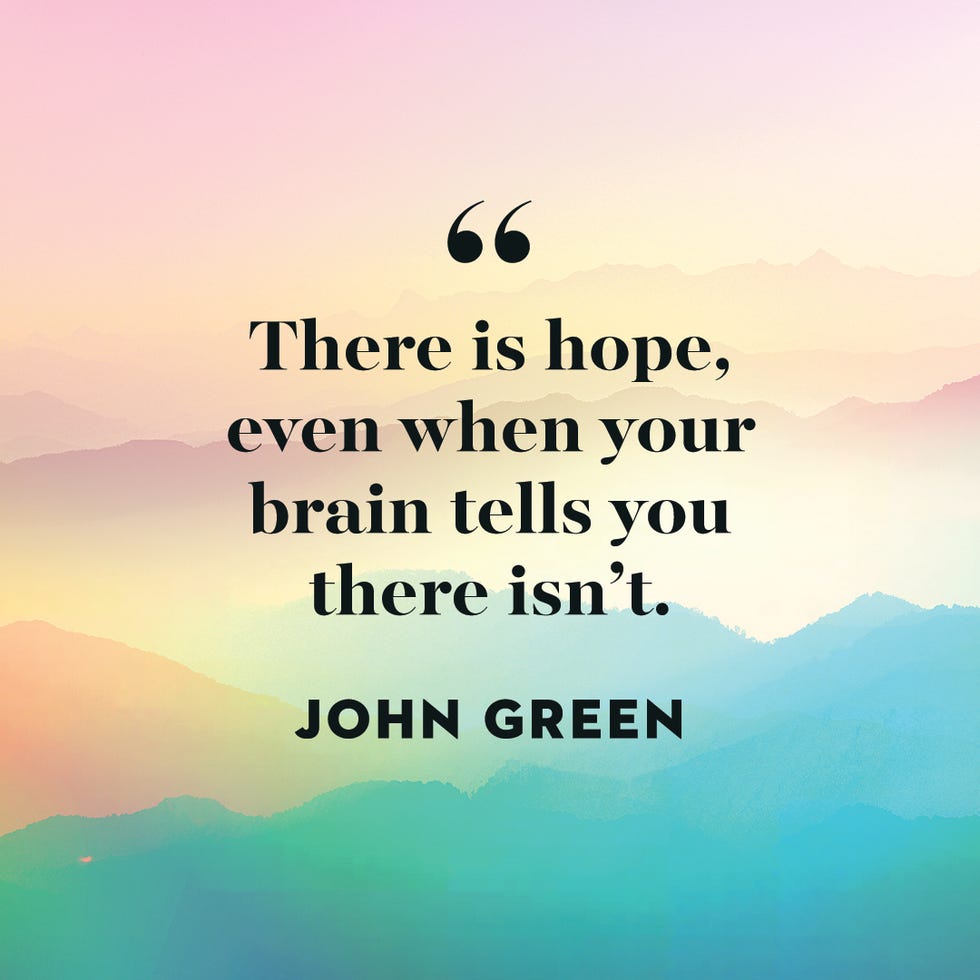
Melinda
Hi, I’m glad you stopped by and I look forward to seeing you soon.
I’m praying and waiting for answers.
Melinda
America’s leading menopause advocates lead the way for changing the way we speak about menopause.
The black box warning labels on local estrogen products are costing menopausal women their wellbeing, and their money, and HELLO’s not-for-profit partner, Let’s Talk Menopause is on a mission to remove them.
Along with the Menopause Advocacy Working Group, Let’s Talk Menopause is calling for the removal of the outdated FDA-mandated boxed warning from local vaginal estrogen products used to treat Genitourinary Syndrome of Menopause (GSM).
GSM is a condition that affects up to 84% of menopausal women, manifesting in symptoms such as vaginal dryness, urinary urgency, and recurrent urinary tract infections, aka UTIs. Despite the proven effectiveness of local vaginal estrogen in treating GSM, an outdated boxed warning prevents many women from accessing this essential treatment.
The black box warning labels on local estrogen products are costing menopausal women their wellbeing, and their money, and HELLO’s not-for-profit partner, Let’s Talk Menopause is on a mission to remove them.
Along with the Menopause Advocacy Working Group, Let’s Talk Menopause is calling for the removal of the outdated FDA-mandated boxed warning from local vaginal estrogen products used to treat Genitourinary Syndrome of Menopause (GSM).
GSM is a condition that affects up to 84% of menopausal women, manifesting in symptoms such as vaginal dryness, urinary urgency, and recurrent urinary tract infections, aka UTIs. Despite the proven effectiveness of local vaginal estrogen in treating GSM, an outdated boxed warning prevents many women from accessing this essential treatment.
Get involved and learn more by visiting the Unboxing Menopause campaign website and sign the consumer advocacy letter to the FDA.
The boxed warning on local vaginal estrogen has caused unnecessary fear and confusion for millions of women suffering from GSM. This barrier to treatment has led to higher healthcare costs, multiple doctor visits, and prolonged discomfort.
“The boxed warning poses a massive economic burden on women — and on society,” said Jen Weiss-Wolf, Let’s Talk Menopause Board Member, author, and Executive Director at Birnbaum Women’s Leadership Center. “Untreated GSM leads to higher healthcare costs, lost productivity, and unnecessary suffering.”

Let’s Talk Menopause and the Menopause Advocacy Working Group are calling on women and healthcare providers to join their campaign to demand the FDA remove the boxed warning from local vaginal estrogen products.
“Vaginal estrogen is the gold standard treatment for GSM,” Dr. Robin Noble, an OBGYN and Let’s Talk Menopause’s Chief Medical Advisor tells HELLO! “It targets the problem at the source, helping women regain their comfort, their sexual function, and their quality of life with minimal risk.”
“Fear shouldn’t dictate our health choices,” explains Tamsen Fadal, author, journalist, filmmaker, and Let’s Talk Menopause board member. “The black box warning is costing us our well-being and our money.”
Let’s Talk Menopause and the Menopause Advocacy Working Group urge women and healthcare providers to advocate for removing the outdated boxed warning, making local vaginal estrogen more accessible. For more information on how to get involved or to learn more about GSM and local vaginal estrogen, visit the Unboxing Menopause campaign website and sign the consumer advocacy letter to the FDA.
Women have the right to know how Box Warnings are decided upon by the FDA. There have been several occasions that I’m aware of where the data has been misapplied and it can take many years before the correct information comes to light.
Melinda
Reference:
The topic of suicide is not the easiest conversation but one that is often important. One misconception is that only people with mental illness commit suicide and that is far from the truth. People commit suicide for many reasons and they are deeply personal, like the person dying of cancer and in immense pain or someone who has a chronic health condition that is debilitating and greatly limits their ability to take care of themselves or leave the house. There are many reasons people get deeply depressed and look to suicide as a way out. Yes, there are people with mental illness who commit suicide but I think the media has a role in highlighting these deaths over the other circumstances. Those types of stories get more traffic and unfortunately, keep the stigma alive.
Although I feel that you can’t stop a person determined to commit suicide, I do believe the strategies used long before the person reaches that point are critical and can save lives.
Contact the 988 Suicide and Crisis Lifeline if you are experiencing mental health-related distress or are worried about a loved one who may need crisis support.
I have a serious mental illness, Treatment-Resistant Bipolar Disorder and it can be difficult to manage, it takes a village and commitment on my part to keep my mood stable. The first time I tried to commit suicide was at nine years old, it wasn’t due to my illness it was due to the abuse and living in a house with Domestic Violence. It’s hard to watch your mother get beaten to a pulp almost daily even if you hate her. I’ve tried many other times and got close a few times all for the same reason.
The suicidal thoughts and plans from my Bipolar Disorder are different in that the Black Dog can sneak up on you slowly and before you realize it, you’re down the rabbit hole. Fortunately, I’ve been aware enough to call my Psychiatrist and to tell my husband. That’s when I know it’s time to visit the Psych Hospital. There are many treatments Psychiatrists can use to help you when you’re at the bottom and can’t see the light. The technology has advanced so much even since I had my first ECT treatment, for which I’ve had 27, six last summer. The great news is there are other treatments now that are proven and cause less memory loss.
My father committed suicide in 1992 and it came as no surprise in that he told me for months he was going to kill himself. My father and I were estranged since I was a teen and yet he started calling me months before he died. I begged, cried, tried to reason, and even paid his bills for a couple of months thinking the financial relief might help. The bottom line is, you can not stop someone who is determined to commit suicide. My father was mentally ill and refused to go to the doctor, his decision and he fell too far down to even think of living. The key point here is that you can’t stop someone who is determined to commit suicide. I’m not saying don’t try, try like hell but you have to accept the facts and not carry the quilt around.
I carried that quilt for seven years before I sought out a Therapist to help me work through the pain and childhood trauma. I didn’t seek help for my Bipolar Disorder until after my father’s death. While reading about his disorder I read that 75% of children of parents who commit suicide will as well. That woke me up! It wasn’t easy, in fact, it was very difficult because medicine after medicine didn’t work. It was very frustrating but I had the greatest Psychiatrist and we finally found a protocol that worked. It was tweaked many times because the medications would stop working but he had enough history on me that he could react quickly to build another protocol. This rebuilding of medication protocols is a part of my disease and one I’m used to. After 32 years, I’m better equipped to explain what is happening and how I feel which helps get to a better treatment faster. Even though I talk quite a bit about mental illness there are many reasons people without a mental illness commit suicide.
The only words of wisdom I can part with is to pay attention to a person’s change in behavior, often you will see one. One example is, hurriedly someone gets all their chores done, cleans the house, and returns items borrowed. That’s called getting things in order and is a good indicator they plan to commit suicide. I encourage you to read more about why people commit suicide to acquaint yourself, just make sure you don’t over-focus. The last thing you want to do is push hard on someone who is feeling suicidal or has a plan. It’s a natural reaction, I know but they can shut you out.
If you are feeling suicidal or have questions you can reach out to these resources:
Veterans Crisis Line: 1-800-273-8255 press 1
Suicide Prevention Lifeline: 1-800-273-TALK (8255
http://www.suicidepreventionlifeline.org
National SuicidePreventionLifeline.org 1-800-273-TALK (8255) Press 1, Veterans Crisis Line USA Press 2, Se Habla Español LifeLine Chat
Suicide & Crisis Lifeline: 988
National Domestic Violence Hotline: 1-800-799-7233
National Hopeline Network: 1-800-SUICIDE (800-784-2433)
Crisis Text Line: Text “DESERVE” TO 741-741
Lifeline Crisis Chat (Online live messaging): https://suicidepreventionlifeline.org/chat/
Self-Harm Hotline: 1-800-DONT CUT (1-800-366-8288)
Essential local and community services: 211, https://www.211.org/
American Association of Poison Control Centers: 1-800-222-1222
National Council on Alcoholism & Drug Dependency Hope Line: 1-800-622-2255
National Crisis Line – Anorexia and Bulimia: 1-800-233-4357
GLBT Hotline: 1-888-843-4564
TREVOR Crisis Hotline: 1-866-488-7386
AIDS Crisis Line: 1-800-221-7044
Veterans Crisis Line: https://www.veteranscrisisline.net
TransLifeline: https://www.translifeline.org – 877-565-8860
Melinda
Reference:
People who walk away while you’re talking to them are not interested in what you have to say. No need to get angry, they are self-centered and will not change.
People who ignore your no-soliciting sign are morons and wasting their money because who would buy from them.
If your lawn crew speaks Spanish and sprays poison on your beloved rose bush, have custom signs made that say “Do Not Spray Poison In The Flower Beds” in Spanish.
If your partner thinks that certain tasks are your responsibility, you have a choice, stop doing the other task or have a serious talk about their logic.
If there is something you’re good at whether it be a hobby or otherwise, don’t stop because you have other responsibilities. You have to make time for yourself every day for your mental health to enjoy the time you have available and celebrate your skill and the joy it brings you.
If you don’t think you’re important, people will not treat you that way. Grow your confidence and project it. Never let anyone put you down.
If a loved one puts you down or expresses shame about you, stop it right away. Set boundaries. Have a serious talk with them about how they talk to and about you. If they don’t understand or refuse to change, don’t go around them. If your partner or spouse doesn’t stand on your side they are confirming what others are saying, and the abuse will continue. After a talk with them, and they don’t get it, it’s time to move on. You deserve better and will thank yourself later.
If someone asks you to dress a certain way that is not your style, tell them you’re an individual and will dress the way you feel comfortable. If they insist, turn the tables and start telling them how to dress. The message will hit home or not. If not, they will want to control other parts of your life and you don’t need that from anyone. You are your own person. They are asking you to do something that makes them feel better about themselves because they have low confidence.
Beware of anyone who tries to pressure or guilt you into buying something. They are selling to make money only, not focused on what your needs are.
Melinda
I recently wrote about how the new medication Trintellex for my Bipolar Disorder made me feel better than I had in years. It still has that effect on my life but it’s marred with new and ongoing health issues. Some have popped up in the past few weeks. It’s a woop on the head trying to understand what is happening to my body and messing up my ability to live my best life.
I’m very happy to report that The Mayo has accepted me as a patient and I will be flying to Rochester, MN in a few weeks. I trust them with my life and I am confident they will find what or what several issues are affecting my health. The first day will start with an Internal Medicine Doctor for an evaluation, later that day I pick up a Pulse Oximeter to wear overnight.
The second day starts early with a load of blood tests, the test appears to focus on my blood. Later that afternoon, there is a consultation with a Hematologist to discuss the lab results. Probably additional information as well. At this time my schedule is free on the third day and on Friday I return back to Internal Medicine for a readout.
The last time I went for my heart there were so many tests that we ran from one appointment to the next, sometimes without a breath. This trip is very different and I’m so glad due to the way I’m feeling. They did want me to come back in November for a Fibromyalgia and Chronic Fatigue evaluation but I don’t see the need. I was diagnosed with both many years ago and I don’t need to fly up there for a day of testing and education. I canceled that appointment. The Mayo did send a video on Fibro & Chronic Fatigue I will watch as a fresher but I’m not flying up to get evaluated for something I already know. Unless they can give me a reason I can make logic out of, I’m not spending the money for a one-day trip.
I met with an Orthopedic Surgeon who specializes in hands and was not surprised to hear I had Carpal Tunnel in both hands, as well as arthritis but the diagnosis of Osteoarthritis in both thumbs was a shock. He is ordering a Nerve Conduction Study since I do have nerve issues in my hands. I thought a barnacle was growing on my wrist only to find out it was caused by the wrist plate put in when I broke my wrist years ago. When he does the carpal tunnel surgery on the left hand he will remove the wrist brace and I will have the right hand surgery after the left heals. The great news is that technology has improved so much that Carpal Tunnel surgery can be done with a very small incision, ultrasound is used and only a band ade is required after the surgery. It is said that most a back to full range of motion in three days. Boy, what a difference in the right hand Carpal Tunnel surgery I had years ago. It won’t be as easy on my left hand with the removal of the wrist plate but I have no doubt that surgery has improved in that area as well. I’m currently wearing a painful thrumb support that hurts other areas of my hand and it’s impossible to wear except when on the computer. I’ve asked for another option.
Just another interesting week in my life but I’m thankful I have a life and it’s great outside of the health conditions.
Melinda
Thank you for all the great feedback on the Blogger Highlight series, I’ve enjoyed meeting each blogger and sharing their site with you. This week we highlight Alygeorges. We started following each other on September 15, 2016, long before she went to university. we’ve grown together and I’m proud to call her a friend.
I’m a free spirit, unbounded by any rules… but I do believe in RESPECTING ALL. I’ve been through so much in life, and I have reason to believe that there are many more people out there who have sailed in the same boat as I. it’s for that profound reason that I decided to share my experiences on this site, so I can motivate someone; and help them understand that there’s so much to life than just resigning oneself to misery…
This is the post we met over in September of 2016.
Today we had a lengthy conversation about her post, Loving a Woman Into Submission.
Be sure to check the post out and see how you react and if you understand her perspective. We agreed that the word subservient can suggest many things, and we didn’t care for the word at face value.
Aly’s posts are often driven by her religion and how people choose to live their lives differently than Jesus asked us to. She’s not preachy in any way and there is always a powerful message in the post. She’s forgiving even though she had her share of trauma. Everyone is loved by God the same way and it’s up to us to listen to the words and choose to live be they.
One of the things I love about Aly is we can have an open conversation about our different views on religion and the Catholic church in a logical way and it never affects our relationship. I’m so proud of her and what she has accomplished, she went to Law School and is now a Human Rights lawyer, a perfect fit for her. She cares deeply for people and justice for all.
She has been blogging on WordPress since May 2013 and over the years her blog has won many awards over the years when awards were more commonplace.
You also find Aly on Twitter/X at http://www.twitter.com/alygeorges

Aly is special to me, we’ve taught each other so much regardless of our age difference and backgrounds. She cherished her family, warts and all, and is close with them, especially her sister.
You would be remiss if you didn’t check out her blog and stay a while reading her archives. She has wisdom beyond her years.
Aly, so glad we know each other and have grown together all these years.
The posts included are linked to the site but when previewed they didn’t show linked, I hope they publish correctly.
Melinda
Medically reviewed by Lori Lawrenz, PsyD — Written by Ann Pietrangelo — Updated on March 10, 2023
Regardless of your version of true happiness, living a happier, more satisfied life is within reach. A few tweaks to your regular habits like getting more sleep and exercise can help you get there.
Habits matter. If you’ve ever tried breaking a bad habit, you know all too well how engrained they are.
Well, good habits are deeply engrained, too. Why not work on making positive habits part of your routine?
Below, you’ll find suggestions for daily, monthly, and yearly habits to help kickstart your quest. Just remember that everyone’s version of happiness is a little different, and so is their path to achieving it.
If some of these habits create added stress or just don’t fit your lifestyle, ditch them. With a little time and practice, you’ll figure out what does and doesn’t work for you.
The following daily habits may help you achieve more happiness in your life.
You tend to smile when you’re happy. But it’s actually a two-way street.
We smile because we’re happy, and smiling causes the brain to release dopamine, which makes us happier.
While not completely foolproof, researchers have found that the link between smiling and happiness could be attributed to the “facial feedback hypothesis,” where facial expressions may have a modest influence on emotions.
That does not mean you have to go around with a fake smile plastered on your face all the time. But the next time you find yourself feeling low, crack a smile and see what happens. Or try starting each morning by smiling at yourself in the mirror.
Exercise isn’t just for your body. Regular exercise can help reduce stress, feelings of anxiety, and symptoms of depression while boosting self-esteem and happiness.
Even a small amount of physical activity can make a difference. You don’t have to train for a triathlon or scale a cliff — unless that’s what makes you happy, of course.
The trick is to not overexert yourself. If you suddenly throw yourself into a strenuous routine, you may just end up frustrated (and sore).
Consider these exercise starters:
Remind yourself of any fun activities you once enjoyed but that have fallen by the wayside. Or you could consider starting activities you always wanted to try, such as golf, bowling, or dancing.
Most adults need at least 7 hoursTrusted Source of sleep every night. If you find yourself fighting the urge to nap during the day or just generally feel like you’re in a fog, your body may be telling you it needs more rest.
No matter how much our modern society steers us toward less sleep, we know that adequate sleep is vitalTrusted Source to good health, brain function, and emotional well-being. Getting enough sleep also reduces your riskTrusted Source of developing certain chronic illnesses, such as heart disease, depression, and diabetes.
Here are a few tips to help you build a better sleep routine:
If you consistently have problems sleeping, consider talking with a doctor. You may have a sleep disorder that requires treatment.
You may already know that your food choices have an impact on your overall physical health. But some foods can also affect your state of mind.Trusted Source
For example:
If you want to eat with your mood in mind, consider starting with making one food choice for your mood each day.
For example, swap a big, sweet breakfast pastry for some Greek yogurt with fruit. You’ll still satisfy your sweet tooth, and the protein will help you avoid a midmorning energy crash. Consider adding in a new food swap each week.
Simply being grateful can give your mood a big boost, among other benefits. For example, a two-part study found that practicing gratitude can have a significant impact on feelings of hope and happiness.
You might try starting each day by acknowledging one thing you’re grateful for. You can do this while you’re brushing your teeth or just waiting for that snoozed alarm to go off.
As you go about your day, consider keeping an eye out for pleasant things in your life. They can be big things, such as knowing that someone loves you or getting a well-deserved promotion.
But they can also be little things, such as a co-worker who offered you a cup of coffee or the neighbor who waved to you. Maybe it could even just be the warmth of the sun on your skin.
With a little practice, you may even become more aware of all the positive things around you.
Research shows that performing acts of kindness may also help promote your overall well-being.
Giving a sincere compliment is a quick, easy way to brighten someone’s day while giving your own happiness a boost.
Catch the person’s eye and say it with a smile so they know you mean it. You might be surprised by how good it makes you feel.
If you want to offer someone a compliment on their physical appearance, make sure to do it in a respectful way.
You’re tense, your shoulders are tight, and you feel as though you just might “lose it.” We all know that feeling.
Instinct may tell you to take a long, deep breath to calm yourself down.
Turns out, that instinct is a good one. ResearchTrusted Source supports the fact that slow breathing and deep breathing exercises can help reduce stress.
The next time you feel stressed or are at your wit’s end, work through these steps:
If you’re having a hard time taking slow, deliberate breaths, try counting to 5 in your head with each inhale and exhale.
A positive attitude is generally a good thing, but bad things happen to everyone. It’s just part of life.
If you get some bad news, make a mistake, or just feel like you’re in a funk, don’t try to pretend you’re happy.
Acknowledge the feeling of unhappiness, letting yourself experience it for a moment. Then shift your focus toward what made you feel this way and what it might take to recover.
Would a deep breathing exercise help? A long walk outside? Talking it over with someone?
Let the moment pass and take care of yourself. Remember, no one’s happy all the time.
A journal is a good way to organize your thoughts, analyze your feelings, and make plans. And you don’t have to be a literary genius or write volumes to benefit.
It can be as simple as jotting down a few thoughts before you go to bed. If putting certain things in writing makes you nervous, you can always shred it when you’ve finished. It’s the process that counts.
Not sure what to do with all the feelings that end up on the page? Our guide to organizing your feelings may help.
Life is full of stressors, and it’s impossible to avoid all of them.
There’s no need to. Stress isn’t always harmful, and we can even change our attitudes about stress. Sometimes, there’s an upside to stress.
For those stressors you can’t avoid, remind yourself that everyone has stress — there’s no reason to think it’s all on you. And chances are, you’re stronger than you might think you are.
Instead of letting yourself get overwhelmed, try to address the stressor head-on. This might mean initiating an uncomfortable conversation or putting in some extra work, but the sooner you confront it, the sooner the pit in your stomach may start to shrink.
Whether it happens on social media, at work, or even at a yoga class, it’s easy to fall into a place where you’re comparing yourself to others. The result? You may experienceTrusted Source more discontent, lower self-esteem, and even depression and anxiety.
It can take practice to stop comparing yourself to others, but it’s worth it for the benefit of having your inner peace and happiness.
You can start with some of the other tips on this list that can help draw your attention inward to yourself, such as deep breathing and journaling. You may also consider talking with a therapist for perspective.
Melinda
Reference:
Medically reviewed by Francis Kuehnle, MSN, RN-BC — Written by S. Srakocic on December 12, 2023
Acute stress is a part of life, but when it turns into chronic stress, it can cause serious health concerns both mentally and physically.
Acute stress is the stress you feel as the direct result of a specific situation or event. For instance, it’s acute stress when you’re running late for an appointment and begin to feel symptoms of stress such as anxiety and difficulty focusing.
Chronic stress is the result of stress that builds up from repeated exposure to stressful situations and the hormones your body releases during each stressful episode. Many things can lead to chronic stress, including factors such as difficult relationships, job demands, and financial concerns.
Acute and chronic stress share some overlapping symptoms. However, the symptoms of chronic stress are longer-lasting and can be harder to manage.
Symptoms of acute stress include:
Symptoms of chronic stress include:
Over time, chronic stress can lead to additional complications. These include:
Stress is a reaction that happens when something activates your body’s fight-or-flight response. It gets your heart racing and puts you on high alert. A wide range of things can cause acute stress.
Generally, acute stress is a reaction to situations that are challenging to manage but that are temporary, such as:
On the other hand, chronic stress is a reaction to long-term stressors. These long-term stressors keep your body on high alert for an extended time. Examples of situations that can lead to chronic stress include:
Treatment options for stress depend on the severity and how the stress is affecting your life. Acute stress doesn’t typically need treatment unless it’s making daily activities difficult.
If you’re experiencing episodes of acute stress frequently, your primary healthcare professional might recommend lifestyle treatments such as:
Treatment options for chronic stress can be more complex. You might receive treatment to help you manage your stress and treatment to help alleviate your symptoms. Options can include:
Acute stress is the stress that results from a specific, temporary situation or event. It can cause symptoms such as anxiety and insomnia.
Chronic stress is stress that is the result of an ongoing situation such as a demanding job or chronic illness. It can lead to long lasting physical health compilations and sometimes needs treatments such as therapy and medication.
Melinda
Reference:
Thank you for joining me for this week’s Friday Quote.

Melinda
By Donna Jackel
Medically Reviewed by Allison Young, MD
Last Updated: 10 May 2024
Accepting a bipolar diagnosis can be immediate, offering clarity on past experiences, or it may be a gradual process of coming to terms with a lifelong condition.
At age 29, Julie C. seemed to be at an enviable place in life. She had good friends. She had come out as a lesbian and was comfortable with her sexuality. And she had a fulfilling job that took her to far-off places: She was coordinator of a Toronto-based foundation.
That life began to slip away from her in 2007, when she was beset by money and relationship problems. Julie was hospitalized twice, and treated for depression. But her psychologist knew another side of the young woman — the high-energy, high achiever who could sometimes work at a furious pace with little sleep. In 2008, the psychologist told Julie that she believed she had bipolar disorder.
“I was terrified at first,” Julie recalls months later. “I had this dropping feeling in my gut. All the stereotypes I had about bipolar came flooding into my head. I have a friend who has bipolar, and she has been almost homeless a couple of times, and in and out of the hospital. I thought, ‘Oh my God — is this what my life is going to be?’”
Julie has since accepted her diagnosis. She is stable and feels much better than in the past. She takes her medication daily, maintains a regular sleep schedule, works out, and has improved her eating habits. She still works for the foundation, but is planning to move back to her hometown and work long-distance.
For others, the road to acceptance can be long and circuitous. Peggy M. of Wisconsin has experienced highs and lows since her teens. Although Peggy was diagnosed with bipolar in 2002, acceptance did not come until six years later when she had her first negative work evaluation.
Peggy received a poor rating in several areas; the comment that hurt most was “poor communication skills.” “I have a master’s degree in communications. [The review] was a direct contradiction to what I knew about myself,” Peggy says. “That’s when I finally had to admit it was the bipolar affecting my work.”
Many factors influence how well a person is able to adapt to bipolar. These include the severity of the illness, level of self-awareness, one’s attitude about mental illness, availability of a support system, and access to quality health care.
Some are able to accept their illness after one or two manic episodes. Others remain in denial for years, burning through relationships, jobs, and money until they hit rock bottom.
“Bipolar is one of the illnesses people have the hardest time accepting,” says Sagar V. Parikh, MD, deputy psychiatrist-in-chief at the University Health Network in Toronto and professor of psychiatry at the University of Toronto.
“Maybe one-third accept the diagnosis right away. At least a third totally reject it, and a third believe it, but when they are better for a while, begin to doubt it again,” explains Dr. Parikh.
“It’s common for acceptance to take years,” agrees Evette J. Ludman, PhD, a clinical psychologist and researcher at Group Health Cooperative in Seattle and coauthor of Overcoming Bipolar Disorder: A Comprehensive Workbook for Managing Your Symptoms and Achieving Your Life Goals.
Fully accepting the diagnosis is “almost like joining the priesthood,” Parikh says. “The commitment to treatment is a major one that involves going to the doctor regularly and paying a lot of effort to regulating one’s lifestyle. It’s not just a commitment to medication, but a way of life.”
In his research, Parikh found that people living with bipolar 2 have greater difficulty acknowledging the diagnosis than do those with bipolar 1, which is typically characterized by clear-cut episodes of mania and depression.
The symptoms of bipolar 2 are more subtle, he explains, making it difficult to perceive the hypomania as a symptom of the mental health condition, rather than part of one’s identity.
“Your highs are mild, your brain is working faster, you have more confidence and energy, you need less sleep — it’s the ideal human condition,” says Parikh. Because hypomania is less obvious than mania, “it is difficult to conceptualize it as an illness,” he adds.
In his 20 years as a Methodist minister, Ron M. encountered people with bipolar disorder — there was the female parishioner who had threatened him with a knife, and the wild young man who had stripped off all his clothes. Because Ron associated the illness with such extreme behavior, he missed his own symptoms when they began in early 2003. He attributed his racing thoughts, restlessness, and crying jags to depression.
His behavior resulted in Ron being placed on disability leave by his denomination; he began seeing a psychiatrist and a therapist and started taking an antidepressant. Eight months later, Ron was diagnosed with bipolar 2 and prescribed a mood stabilizer.
He continued to tell himself he was “only” suffering from depression, however.
“I was convinced that if I could tough it out, I’d be fine,” he says. “I told myself, ‘There is no way I’m bipolar.’”
During this period, his marriage of 20 years ended. Looking back, Ron says it was this denial that prevented him from getting adequate treatment. Despite his skepticism, Ron began reading about bipolar disorder and keeping a mood chart.
By the summer of 2004, he had accepted his diagnosis. “The research indicated that my moods and cycling were pretty consistent with the disease,” he says.
Since this breakthrough, life has “gotten a lot easier,” Ron says. He is more open-minded about taking medication. And by continuing to chart his moods, he can predict the ups and downs.
“I will have five to seven good days and then I will crash and have about seven to 10 dark days,” he says. “You can almost set your watch by my cycling.”
Meanwhile, a series of changes have enriched Ron’s life. He moved from St. Louis to Tucson to be near family and friends; medication adjustments have brought him greater wellness, and he fell in love and remarried.
“When I grieve for how my life used to be, I remind myself that if it was like it used to be, I would never have met her,” he says of his wife.
Because of his rapid-cycling, Ron, now in his fifties, does not believe he will be able to lead a congregation again. However, he finds great fulfillment in helping others as president of the Tucson chapter of Depression and Bipolar Support Alliance (DBSA).
“I force myself to go to meetings when I’m not feeling good,” he says, “And when I am feeling good, I need to go so I can share with someone to help them in their time of struggle.”
Indeed, the stigma and discrimination associated with mental illness is a huge barrier to coming to terms with bipolar, consumers and experts agree. It is because there are so many misconceptions and preconceptions about mental illness that Dr. Ludman hesitates using phrases like “accepting the diagnosis.”
“I’m not very fond of labels,” she explains. “Everyone has their own story of what ‘accepting’ [the illness] means. It may mean ‘I’m crazy,’ or ‘No one loves me.’”
Jo R., an executive assistant for an Atlanta-based optometry association, resisted her 1997 diagnosis for eight years. To her, bipolar disorder meant that she could no longer trust her own mind.
“After 36 years of living, I couldn’t think my thoughts were incorrect,” says Jo, who grew up in poverty in the small hamlet of Jasper, Florida. “I was intelligent and had accomplished a lot, so I couldn’t be ‘crazy.’”
Jo told herself that her sleeplessness and psychoses were side effects of her antidepressant. Denial cost her deeply: She lost two jobs, resulting in bankruptcy and the loss of her home. But it was not until she spent a week in a state mental hospital that the reality of her situation fully hit.
“There was a beautiful woman there who yelled and barked like a dog; there was another girl who urinated on herself,” she says. “The people there were ‘crazy,’ and I was among them, so I was one of them. I told the doctor, ‘I’m ready to do whatever I need to do to manage this.’ That’s when I accepted the diagnosis.”
Jo made good on her promise, learning all she could about bipolar and what she needed to do to stay well. Today, she works full-time and has her own apartment. She keeps a mood chart and a journal, exercises, takes her medication, and avoids “toxic” people.
Indeed, Jo is so vigilant about maintaining her downtime and getting enough sleep that friends and family know not to call her after 9 p.m. She carefully tracks her spending, keeping to a strict budget, and recording all her purchases.
“The bipolar diagnosis has been a true blessing,” Jo now will tell you. “Having bipolar forces you to change to be the best you can be … to live a good life.”
The first step following a diagnosis of bipolar — even before medication — should be learning about your illness, says Parikh. “It is the single most effective remedy aiding acceptance. You’re not going to follow any treatment plan unless it makes sense to you.”
Mental health experts generally agree that accepting the diagnosis makes it easier to follow a treatment plan. Yet disagreement exists as to how to best approach patients who are in denial. Gary S. Sachs, MD, founder and director of the Bipolar Clinic and Research Program at Massachusetts General Hospital and an associate professor of psychiatry at Harvard Medical School, doesn’t “push acceptance as a requirement.”
“Many patients will be willing to accept some form of intervention if I don’t require that they accept the label as well,” he says.
“Ambivalence about treatment is kind of the norm,” agrees Mark S. Bauer, MD, professor of psychiatry at Harvard Medical School, director of the Harvard South Shore Psychiatry Residency Training Program, and a coauthor of Overcoming Bipolar Disorder.
“Studies show that only 20 percent [of consumers] come to treatment fully on board,” says Dr. Bauer.
Rather than try to convince skeptical patients, Bauer teaches them how to recognize their mood swings, understand how episodes have affected their quality of life, and how to control these patterns. He also helps people “develop a detailed plan for living a full life, based on their values and core goals.”
But others believe that accepting the diagnosis is integral to treating the mental health condition effectively. “By accepting what the problem is and informing yourself about the disease and treatment, you are empowering yourself to control the disease,” says Francis M. Mondimore, MD, assistant professor at Johns Hopkins University School of Medicine’s Department of Psychiatry and Behavioral Sciences and author of Bipolar Disorder: A Guide for Patients and Families.
“My message to people is that we know a lot about how to treat this problem and manage the symptoms,” says Dr. Mondimore. “You need to know all the options so you can make an informed healthcare decision. Once you’ve named something, you’ve got some control over it.”
Lise, of Vermont, grew up around mental illness. Her father died when she was 17, and her late sister dealt with a mental health condition.
“I was always in fear of being like my sister,” Lise admits. A librarian at Norwich University in Northfield, and the mother of three teenage boys, Lise had for years been treated sporadically for depression. Then a 2003 car accident — a drunk driver totaled the car she and her family were riding in — heightened her depression.
Her family doctor switched her antidepressant, and before long, Lise became manic. She left her husband and sons and moved into an apartment. Hospitalization and a diagnosis of bipolar 2 followed.
“At first, I was just dealing with the ramifications of what I had done, and was kind of in shock — how could I lose sight of my kids and my family?”
Then, Lise had to learn to live with a new diagnosis. Instead of the more socially acceptable label of depression, she had a severe, chronic mood disorder. “It was scary, and it made me sad,” she recalls.
In fact, people often “get very caught up in whether symptoms indicate depression or bipolar,” says Mondimore. “What we’re learning about mood disorders is there is a lot of overlap.”
Although sometimes there are discrete manic or depressive episodes, people can also experience mixed episodes, which have symptoms of both.
As time goes on, we probably won’t even have separate categories for depression and bipolar. Instead, there will be a classification for mood disorders.”
Lise found that her family history actually strengthened her resolve to reclaim her life. “I lost my father … and I will not do that to my kids, no matter how hard it is,” she says. “I go get help as soon as I feel those thoughts coming.”
Medication adherence is the biggest roadblock to fully accepting bipolar disorder, according to Mondimore. “That is the hardest thing — admitting that you are not always able to control your emotional life,” he says.
But these feelings subside with the support of loved ones and by undergoing psychotherapy, he adds.
Side effects are a more tangible reason people refuse, or go off, psychotropic medication. For example, Jo had to learn to live with a 100-pound weight gain and hand tremors.
For her part, Julie initially refused to take lithium because it was so heavily associated with bipolar disorder. “I had talked myself into thinking I had bipolar-lite — that I had a very mild version of what other people had,” she says wryly. “Friends also told me not to take it — that I could manage without it.”
But then Julie began cycling more noticeably. “One week I would be excited and the next, I would think the world was ending,” she says. “My therapist said lithium would help that.”
It can also be deeply frustrating to accept that medications can only manage, not cure bipolar, Ludman points out.
The notion of having to take pills every day for the rest of her life intimidated Wendy L., of Owensboro, Kentucky, who has “trouble doing anything routinely.” But there was a more basic reason Wendy at first resisted medication: “I liked my manic highs — I felt very productive. I didn’t want them taken away,” she says.
After discussions with her husband, however, Wendy decided that, for his sake, she needed to stabilize her moods. “We’d been married for 30 years and I put my husband through hell those 30 years,” she says.
Diagnosed at age 50, Wendy has gradually learned to live with “flat” moods. “I was used to flying high and feeling all these ranges of emotions, and that wasn’t there anymore.”
Missing the soaring highs and bursts of energy leads many to stop their medication and land back in the hospital. “It’s very common for patients to stop taking mood-stabilizing medication when they begin to feel better,” Ludman says.
Dr. Sachs believes that having someone in your life to help you stay on track is so crucial for individuals with bipolar that he helps those who don’t have an existing support system to develop one. “Mood disorders include periods when your perceptions are distorted, so the most important thing to include in your treatment plan is a care partner,” he says.
Those fortunate enough to have a loved one willing to join them on the road to recovery travel a less lonely path. “My husband educated himself. We sat down, talked about the symptoms, signs, and different triggers that had happened over years,” says Wendy. “He was willing to work through the changes. He was so accepting of it that it helped me accept it.”
You don’t have to be in a romantic relationship to find support — an understanding boss who lets you come to work a bit later because a new medication is making you sleepy; family and friends who visit you in the hospital; or a relative with bipolar who shares what worked for him — all can contribute to your wellness.
Julie, who was living in a small town when she came out as a lesbian, believes society is more accepting of homosexuality than mental health conditions. “In my office, I don’t care if people know I’m gay,” she says. “The few co-workers who do know about my bipolar will be like, ‘So are your meds working now?’ as if I’ll get on some meds, and then I’ll be ‘normal.’ That’s not going to be it — I’ll have to manage my bipolar — even when I’m well.”
When Julie told her boss she had bipolar, the woman, who is also a good friend, responded: “You are still the same person. Nothing has changed, except that you know something about yourself that can make you feel better.”
UPDATED: Printed as “Accepting The Diagnosis,” Summer 2009
Donna Jackel specializes in mental health, animal welfare and social justice issues. She earned a bachelors degree in journalism at the S.I. Newhouse School of Public Communications at Syracuse University. For 15 years, Donna was a staff reporter at the Democrat and Chronicle, a daily newspaper in Rochester, NY, where she still lives. As a freelancer, in addition to contributing to bp Magazine and esperanza, Donna’s work has appeared in ReWire, The Progressive, Lilith, Texas Monthly, Yes! Magazine, The Chicago Tribune, Bark Magazine, CityLab, Leap Magazine and other national publications. A story Donna wrote about her mother’s (Marie Rogers) service in the British Air Force during World War II was included in the anthology, Before They Were Our Mothers: Voices of Women Board Before Rosie Started Riveting (copyright 2017). In 2019, Donna won an honorable mention in health writing from the American Society of Journalists & Authors for a feature story she wrote for The Progressive about college students who were denied transgender hormone therapy. When Donna isn’t working, she can be found hanging out with her Lab, Bear, horseback riding or catching a movie at the Little Theatre. Her work can be seen at donnajackel.com.
Melinda
Over the past six months, my health has gone haywire, and the past two have been the worst. I’ve been working closely with multiple specialists including keeping them up to date with the ongoing symptoms. None are concerned about my quality of life and I hit a wall this week. I contacted The Mayo Clinic, one of the top hospitals in America, and now have an appointment for next month.
The greatest thing about going to The Mayo is they have a team of specialists working on your case, giving them a bigger picture of what is happening. I’ll be there for at least seven days and they will be full of tests, blood work, and meetings with specialists. Your days are full from when you arrive until they have an answer. It’s exhausting but you get what you came for which will improve your health.
I stayed at The Mayo for a week in 2010 so I have an idea of what I can look forward to. At the time I had been having issues with my heart for two years, I had worked with two cardiologists and had been through multiple catheterizations but no answers. I was experiencing what I now know is Supra Ventricular Tachycardia, it’s just like having a heart attack but you’re not. These events were happening every day and sometimes multiple times. It was so painful and you never knew when they would happen. I had Nitro for when they started but it often didn’t work.
After a week of intensive tests including a catheterization, I had the answers. Luckily nothing major was wrong with my heart, several small things were causing the arrhythmia. I took medication for a short time and have only had issues when my potassium is low.
I am looking forward to the day when my health has improved, my quality of life has improved and I have answers.
Melinda
By
Medically Reviewed
by
Published on September 26, 2023
While some people may not struggle to tell friends, family members, or an employer about their bipolar disorder, for others it can feel very nerve-racking. These 7 tips can help.
At age 31, Julie A. Fast — now a bipolar disorder expert and researcher — was diagnosed with the condition. Later on, she was diagnosed with schizoaffective disorder, bipolar type (a psychotic disorder involving symptoms of both schizophrenia and bipolar disorder).
Bipolar disorder wasn’t entirely new to Fast, now 59, when she was diagnosed. Her partner at the time was diagnosed with the condition in 1994, just one year before.
Still, in her social circles, she found that most people did not know or understand her condition. “I’d go to a party, and maybe two or three people would say, ‘I know of bipolar disorder,’” says Fast, who coauthored the book Take Charge of Bipolar Disorder with John Preston, PsyD.
Because awareness of bipolar disorder and its symptoms is increasing, many people with the condition, like Fast, feel more comfortable sharing their diagnosis with others. “I can deal with whatever happens when I disclose my illness to others,” Fast says. “It will show who can help me and who can’t.”
But some people with bipolar disorder may still feel hesitant to share their diagnosis, in part because of stigma and fear about how others will respond, experts say.
Factors like shame, embarrassment, or stigma — negative and often untrue beliefs society holds about someone or something — make some people with bipolar disorder feel hesitant to talk about their condition, research shows.
Many people with bipolar disorder experience a form of stigma called “public stigma,” which is related to how other people view and act toward people with bipolar disorder, according to research published in February 2022 in the Australian & New Zealand Journal of Psychiatry. Public stigma is linked to more anxiety symptoms, worsened ability to function, and problems at work, per the same research.
Although public stigma can come from anyone around them, many people with bipolar disorder experience it from people close to them — family, friends, or even their healthcare providers, per the same report.
Fear of how others may respond as a result of stigma is another potential barrier. “They may worry that disclosure could negatively affect their relationships with friends, family, or romantic partners,” says Leanne Quigley, PhD, an assistant professor in clinical psychology at Yeshiva University in New York City.
Public stigma and how others view bipolar disorder can lead many people with the condition to feel negatively about themselves, according to the aforementioned report.
“[They] may also experience internalized stigmas where they report low self-esteem, low quality of life, and limited engagement in their communities,” says Adrian Jacques H. Ambrose, MD, MPH, the medical director of the psychiatry faculty practice organization at Columbia University in New York City, who treats people with bipolar disorder. This is what’s known as “self-stigma,” per the aforementioned report.
RELATED: A Therapist Speaks: What Is Bipolar Disorder Stigma, and How Can We End It?
The decision about when to share your diagnosis with someone else is very personal. It can depend on the type of relationship you have with the other person and whether they seem to have some sort of understanding of conditions like bipolar disorder.
For romantic relationships, Fast recommends sharing a bipolar diagnosis as soon as possible. “I don’t really support the idea of getting in a relationship with somebody unless you have fully discussed the impact of bipolar on the relationship,” Fast says.
That’s important because the symptoms can affect the way someone with bipolar disorder thinks, feels, acts, and communicates with their partner, according to the United Brain Association. For instance, during a manic episode, someone with bipolar disorder may experience intense irritability toward their partner or may have a higher chance of engaging in risky behaviors like unprotected sex or heavy spending, which could lead to tension or mistrust in a relationship, per the United Brain Association.
If you haven’t talked about your condition with your partner, it can be difficult for them to know what to say or do to help.
It’s also crucial to be up-front about your diagnosis with any new healthcare providers you see, Fast Adds. They need to know about your health history and any medications you take. Research shows that certain medications, such as corticosteroids like prednisone, can trigger mania and psychosis in people with bipolar disorder.
That’s why Fast told her doctors before a recent minor surgery that she was not comfortable being prescribed steroids, which are sometimes used to help reduce inflammation. “When they suggest steroids, and so many doctors use steroids, I explain why I can’t use them,” she says, adding that her doctors were receptive to her needs.
Some antidepressants, such as fluoxetine (Prozac), also trigger mania in people with bipolar disorder.
When it comes to telling friends and family, it might take you some time to feel comfortable doing so — and that’s okay. Prioritize telling close friends and family members that you interact with frequently and who you feel understand you well — rather than people you rarely interact with, Fast advises.
Before sharing your diagnosis with friends or family, Dr. Ambrose recommends asking yourself the following questions:
When it comes to your work environment, it’s important to weigh the possibility of discrimination, says Ambrose. You could look to see if the company has in recent years tried to reduce mental health stigma, which research suggests could make the workplacemore welcoming for workers with mental health conditions.
And if you don’t feel comfortable revealing your specific diagnosis, that’s okay. You can still bring a note from your healthcare provider asking for accommodations based on how your mental health condition impacts your functioning, according to the U.S. Equal Employment Opportunity Commission.
If you feel ready to share your diagnosis with someone else, here are seven expert tips to get the conversation started.
Just as people diagnosed with bipolar disorder may have a range of reactions to their diagnosis, reactions from others can vary, too. “We can allow the other person to ask whatever questions they want, have any type of response that they want,” says Fast.
Although some people may react positively to hearing about your diagnosis, others may react in a negative way. “Remember that your self-worth is not determined by a diagnosis of bipolar disorder or others’ reactions to your disclosure of a diagnosis,” Dr. Quigley says.
During a manic episode, some people with bipolar disorder may be more prone to engaging in risky or hurtful behaviors, such as cheating or lying. This can be common for people who are undiagnosed, Fast adds.
Whether you’ve just gotten your bipolar disorder diagnosis or you’ve received treatment for a new mood episode, it could help to reach out to people who may have been harmed by your words and actions during the episode. It could be a message like, “I’d love to talk to you about my diagnosis because I know my behavior impacted you,” says Fast.
But it’s important to recognize that not everyone will want to engage in this conversation, especially if they feel really hurt by actions like cheating or stealing, for instance, Fast adds.
If behavior related to a bipolar diagnosis hasn’t yet come up in your relationship with someone else, the person you’re telling may have questions about how it could affect the relationship in the future. Be prepared to discuss how any episodes could manifest.
After sharing a bipolar disorder diagnosis, some people may have follow-up questions about your symptoms or, in the case of work, any accommodations you might need. “In certain situations, your loved ones [or employer] may know very little about mental health conditions, so it may be helpful to prepare a short summary about the condition,” Ambrose says.
The summary could be either written or verbal (or both), depending on what you’re most comfortable with.
If you feel nervous or worried about sharing your diagnosis with others, your doctor or therapist could help you come up with the best strategy for you for sharing your diagnosis, says Fast. “Share most of your concern and your worries with your healthcare professionals because they’re trained to handle it,” Fast says.
While the Americans with Disabilities Act (ADA), which prohibits discrimination against people with disabilities at work and all other areas of life, is a federal law in the United States, some states offer more protections than others when it comes to employment laws related to disability discrimination, says Ambrose.
“Given the complexity of work-related rights, you should learn more about your specific state’s legal statutes,” Ambrose says.
If you’re in an area with less protection, it might be worth talking to a third party, for example your state labor office, about the best approaches for disclosing a bipolar diagnosis at work. State government offices belonging to the U.S. Department of Labor can help you better understand your rights as a worker in the state you live in. The Department of Labor has a directory of state labor offices.
If you’re only comfortable disclosing the entirety of your diagnosis to some people and not others, that is perfectly fine. “You may choose to discuss certain parts of your experience with bipolar disorder and not others,” Quigley says. “It is okay to maintain boundaries and not share everything.”
It can be difficult to figure out how to tell others about your diagnosis. It’s important to take care of yourself during this time. “It’s even more important to cultivate a sense of empathy and grace for yourself during the process,” Ambrose says.
Julia Métraux is a journalist whose work touches on disability, mental health, and chronic illness. She went to the University of California in Berkeley Graduate School of Journalism. Métraux lives with vasculitis, a traumatic brain injury, and hearing loss.
————
I know how hard telling others about your mental illness can be, especially family members. Many family members looked at me differently because they were from a different generation that did not believe in mental illnesses. I did not tell friends or my employers because it wasn’t their business. One of my employers fired me from a high-level job because they found out I had a mental illness, yes I could have sued the billion-dollar company but why go down that multi-year road through the rabbit hole. I caution everyone to think hard before telling your employer, it can be held against you and they can find a way to fire you.
Melinda
Mukta has been a regular Guest Blogger on Looking for the Light because she writes about complex topics in a style all can understand and her writing is smooth. I have followed her for a long time and always find her posts enlightening. Be sure to stop by and say hello, pull up a chair, and read through her archives, no doubt there are many posts you will relate to.
Learn how mindful inputs can transform your mental and emotional health. “When you are mentally and emotionally strong, you are able to handle your thoughts skillfully and regulate your emotions in healthy and helpful ways.” This seemingly simple sentence holds a profound truth about the essence of our mental and emotional well-being. Our thoughts, which … Continue reading
The Paralympics is a great joy for me to watch, it’s a world stage showcasing people who are disabled performing a sport they have achieved great talent in. The athletes don’t get special treatment, what you see is the pure grit of each athlete competing with another disabled athlete for the top honors. Each of the athletes has endured setbacks in life and on the field. I admire the commitment they have made to the sport and then go on to push themselves to make the Paralympic team. This in itself tells you so much about the people competing in the Paralympics. They are all winners in my book, everyone who participates is a winner and needs to take tremendous pride in returning to their home country.

If you would like to participate in the closing ceremony it is happening on Sept. 8, 2024, at 13:30. The opening and closing ceremonies are thrilling to watch.
Melinda
Thank you for joining me for this week’s Friday Quote.
Winston Churchill was a great leader and his quotes are so on point. I read them and do not question what he is saying. Must be a respect thing.

Melinda
I’m feeling a bit down today, fighting my health issues makes me tired. I want someone to comfort me and tell me it will get better.
I hope this post finds you happy and healthy.
Melinda
Hi, I’m glad you stopped by my blog and I look forward to seeing you again soon.
Melinda
By Tanya Hvilivitzky
When famous people share their personal battles with bipolar disorder, it serves as a reminder that no one is isolated in this struggle. After all, bipolar disorder is indifferent to wealth, fame, or success.
It’s easy to believe that celebrities — actors, musicians, or comedians — enjoy lives of perfection. However, what is publicly seen represents just a fraction of their actual lives. The truth is, bipolar disorder doesn’t discriminate. It makes no distinction between a person’s age, gender, race, or bank account size.
So, when stars living with bipolar disorder share their own struggles, it signals to others that they are not navigating the complexities of this brain-based disorder alone, reinforcing the message that, together, managing it is within reach.
Here are personal and powerful quotes from 12 such celebrities:
It took a little while for comedian Taylor Tomlinson to accept her bipolar diagnosis. She explains to E! News her reaction upon learning about her mood disorder. “I was surprised that I felt embarrassed when I first found out. Because I think I’m very open-minded. I have friends who have bipolar. And you never judge your friends. You never felt like that was a big deal. But then when it’s you, you somehow realize you have all this deeper stuff from when you were a kid.”
After telling her fans earlier this year of her bipolar diagnosis, Cameron Esposito, standup comic, actor, and writer, took to her Instagram channel on her birthday in October 2023 to reflect on the year: “… you know what? I’m lucky. I’m lucky that I figured it out. I’m lucky that I had a place to go. I’m lucky that I was enough in my faculties that I was extremely persistent with following up after that experience, and getting my meds and finding a psychiatrist. All that s&*t is impossible and so expensive. I have healthcare coverage; I have insurance. I just want to say to anybody who’s had to navigate this [mental health care] system … you are a hero! Look at you! Look at what you’ve been able to do!“
Actor Alan Ritchson, star of Prime Video’s Reacher, was diagnosed with bipolar at age 36. In a February 2024 interview with CBC Radio’s “Q” program, Ritchson explains why he’s been sharing his story to help others: “As much as I would like to ignore that I’m a suicide survivor, if I didn’t share what I’ve learned I feel like my life would be meaningless,” he says. “I’ve always been a happy-go-lucky guy, but once you experience the grip [of depression] — the talons it can sink into you — you realize how sinister this thing is and how out of control the biology can really be for somebody in the midst of it.”
“In my opinion, living with manic depression takes a tremendous amount of balls. Not unlike a tour of Afghanistan (though the bombs and bullets, in this case, come from the inside). At times, being bipolar can be an all-consuming challenge, requiring a lot of stamina and even more courage, so if you’re living with this illness and functioning at all, it’s something to be proud of, not ashamed of. They should issue medals along with the steady stream of medication.” — Carrie Fisher, Wishful Drinking, 2008
As a guest in 2019 on David Letterman’s Netflix series, My Next Guest Needs No Introduction, Ye (Kanye West) uses the term “ramping up” to convey the process of entering a hypomanic or manic bipolar mood episode: “When you ramp up, it expresses your personality more. You can become almost adolescent in your expression. … When you don’t take medication every day to keep you at a certain state, you have the potential to ramp up … and even end up in the hospital.”
In an interview with bp Magazine, former pro wrestler A.J. Mendez (AJ Lee) says, “I see bipolar disorder as the gift of extraordinary emotions. It makes me bold, brave, loud, and capable of withstanding whatever obstacles the world throws at me. It has made me empathetic. It has given me a lofty imagination, a belief in the impossible, and has made me confident beyond reason. I was 90 pounds and five feet tall and believed I could succeed in the world of giants … because I didn’t have that voice of doubt holding me back.”
Richard Dreyfuss has starred in blockbusters like Jaws, American Graffiti, Close Encounters of the Third Kind, and The Goodbye Girl (which earned him an Academy Award for Best Actor). Of his bipolar diagnosis, he says, “No matter what you call it, this is an illness no different from, say, diabetes or asthma — and like those conditions, [it] should be neither ignored nor stigmatized. Feeling ashamed would mean surrendering to someone else’s judgment — an ignorant judgment at that.”
The Terminator actress Linda Hamilton uses a holistic health plan to help her stability, with a structured and balanced lifestyle, exercise, and medication. “Exercise is an incredible key to feeling well. But for people with mental illness, taking care of the body is not an automatic thing. The mind is in such chaos, it’s hard to come up with a plan. So, to people like us, it’s more important than ever to follow a regimen.”
Daytime actor Maurice Benard — who plays Michael “Sonny” Corinthos Jr. on General Hospital — talked with bp Magazine on life with bipolar: “I’ve lived a productive life having bipolar. I’ve talked to people who don’t want to talk about [having bipolar] because it’s embarrassing. I’m proud of it because I know it’s made me the actor I am and the person I am. It’s given me strength. If I can go through being in a mental hospital, and that kind of pain, and that kind of fear, I can do anything.”
In an interview with bp Magazine’s Melody Moezzi, the comedian Maria Bamford talked about being diagnosed: “I was surprised how prejudiced I was against myself. They tell you it’s the brain chemistry also working its magic, but I was really surprised at how resistant I was to going on a mood stabilizer, taking any time off of work, acknowledging that I needed to be hospitalized. I was just so angry. I didn’t want to go on the meds. It wasn’t until it got bad enough to where I was starting to feel unsafe by myself that I reconsidered.”
In an interview with bp Magazine, Stephen Fry said of creativity, “It is not a coincidence, it can’t be, that so many comedians suffer from depression. As for whether the hypomanic side of bp can be said to help creativity, I hesitate to say yes because of all those out there living with the disorder who are not in creative industries. … But certainly, the energy, self-belief, exuberance, tirelessness, optimism, and, yes, grandiosity that mark out hypomania can really help one achieve much in terms of writing and creation.”
In 2018, during an interview with People magazine, Maria Carey spoke about the confusing ups and downs of bipolar disorder: “For a long time I thought I had a severe sleep disorder, but it wasn’t normal insomnia. … I was working and working and working. … I was irritable and in constant fear of letting people down. It turns out that I was experiencing a form of mania. Eventually, I would just hit a wall. I guess my depressive episodes were characterized by having very low energy. I would feel so lonely and sad, even guilt that I wasn’t doing what I needed to be doing for my career.”
UPDATED: Originally posted June 19, 2020
Tanya Hvilivitzky has spent more than 30 years in the communications field — a career that has included stints as an investigative journalist, managing editor for a lifestyle and wellness magazine, corporate communications director, and researcher/writer. She has been with bpHope (and bp Magazine) since 2016, serving in roles such as features editor, interim editor, and, currently, senior editor. She has been devoted to mental health awareness since she was the editor of Schizophrenia Digest in her early days, and now with a particular focus on highlighting the complexities of bipolar disorder through compassionate, service-based journalism. As an award-winning writer/editor, Tanya received the Beyond Borders Media Award for her 2012 investigative exposé about human trafficking for Niagara Magazine. Her work on this critical topic also earned the Media Freedom Award “Honouring Canada’s Heroes” from the Joy Smith Foundation to Stop Human Trafficking.
I dislike what Carrie Fisher had to say. It’s not appropriate to compare an illness to those who fought in Afghanistan and I do not think people with Bipolar Disorder deserve a medal and more medication. My thoughts about her have remained the same, she used her Bipolar Disorder as an excuse for her bad behavior and to make money. My opinion.
Melinda
|
Melinda
|
It’s great to have a paid day off of work but do you know why and when the Labor Holiday began?
Labor Day is a federal holiday in the United States, celebrated on the first Monday of September. It honors the contributions and achievements of American workers and the labor movement that fought for their rights and dignity.
Labor Day became a federal holiday in the United States in 1894 when Congress passed a bill designating the first Monday in September as Labor Day. The holiday was created by the labor movement in the late 19th century to pay tribute to the contributions and achievements of American workers. President Grover Cleveland signed the legislation into law on June 28, 1894.
Having the first Monday in September off from work was remarkable for American workers in 1894 when Labor Day was declared a national holiday. Working conditions in the country’s factories, railroads, mills, and mines were grim. Employees, including children, were often required to work 12 or more hours a day, six days a week, in crowded, poorly ventilated spaces.1
Calls for shorter workdays and better conditions came from worker strikes and rallies in the decades after the Civil War. Union leaders in New York City organized what’s thought to be the first Labor Day parade on Sept. 5, 1882.2
Tens of thousands of labor union members including bricklayers, jewelers, typographers, dress and cloak makers, and many other tradespeople took unpaid leave and marched with their locals. The day culminated in picnics, speeches, fireworks, and dancing.
Melinda
References:
I could not believe it when I heard on the national news that 89% of blind riders were being denied a ride by Lift and Uber. This looks like a driver issue with the service dogs and not wanting them in the vehicle. This behavior is against the law not to mention the company’s policies. The riders have a way to report a driver but those interviewed said nothing happened. One woman even recorded a driver refusing her a ride after she had already reported this behavior to Lyft. Rideshare companies are condoning this behavior and are accountable for the driver’s decisions. I’m sure there is a loophole in there that needs closing.
This type of behavior and failure to accommodate the blind is a Class Action lawsuit that is way overdue. I’m shocked no one has sued the companies for breaking the law and doing nothing when its customers report a driver. Don’t get me wrong, I’m not one to say jump on a lawsuit, quite the opposite but this is not a frivolous issue. If the ride-share companies refuse blind riders they need to lose any government contracts they may have and if cities have a choice to allow the rideshare company to do business in the city, they need to reverse the approval.
I know a few people who are blind and life is challenging enough and for their transportation to refuse them a ride is shameful. Apparently, it’s been happening for years but it’s not been in the media which is typical for the media, just feed us the same day after day instead of pressing the important issues.
I feel so strongly about the issue that I created a Change.org petition that I hope you will support by going to https://www.change.org/p/require-rideshare-services-to-accept-blind-riders-with-guide-dogs/share_for_starters?just_created=true and signing.
This petition is deeply personal because it strikes at the heart of disability discrimination, a struggle that blind individuals face daily. It’s both shocking and disheartening when a company that provides a critical service like transportation discriminates against individuals with disabilities, specifically those who rely on guide dogs. According to the American Foundation for the Blind, millions of people in the US are experiencing vision loss. And many of them, depend on guide dogs to navigate and live independently.
However, troubling instances have surfaced where these individuals are refused service by rideshare companies simply because of their guide dogs. This is not only inconvenient but also unlawful – the Americans with Disabilities Act (ADA) prohibits discrimination against individuals with disabilities in all areas of public life, and that includes transportation.
Apart from being illegal, such practices are inhumane and show a complete disregard for the rights and dignity of people living with disabilities. Furthermore, it contradicts the spirit of rideshare services which aim to provide convenient and accessible transportation for everyone. All this considered, it’s high time for all rideshare companies to commit to full accommodation for blind riders with guide dogs.
We cannot allow this blatant discrimination to continue. Together, we can change this. Please sign this petition to send a strong message across: Require Rideshare Services to Accept Blind Riders with Guide Dogs.
Share this petition in person or use the QR code for your own material.

My husband told me that once he signed the petition Change.org asked for a donation, a donation is not required. Change.org is a global organization that is free and as such they solicit donations. This is common but you are never required to donate or I would not work with them.
Melinda
If your boss beats you down in front of others in a meeting, makes you the scapegoat, and never stands up for you, look for another job immediately. If you have the cash to float, give them the finger, you’re getting fired anyway.
If your department has been cut to the quick and you are forced over and over to cut, run like hell. You’re next.
If the President of your company beats you down in a meeting with your peers and gives a directive to your boss regarding your department, give them the finger and run like hell.
Even if you are on a salary that doesn’t mean you’re available 24/7 to take calls. If they are a top-level executive, they made the decision to marry their job, other employees are not paid the same, and should not be expected to be available you your beck and call.
If you schedule time off work and are expected to work, cancel the PTO day. Why lose pay when you’re working.
When you actually get to take a day off, don’t answer your phone, period. Nothing is so important that your boss can’t take care of, if so then let them fall on their face.
If you walk and push your baby stroller in my grass instead of the sidewalk, you might find a few big surprises next time.
If you let your shrubs grow in my yard, I will trim them myself. Tall trees are different, I will let you know when it’s time to call the tree company for a trim. I have one clueless neighbor. One year the city wrote them fines for their trees growing too far into the street. He had let them grow for years and when the tree guy came out, they cut a ton off and butchered the trees. That’s what you get when you use the lawn guy to cut trees.
The way to trim a tree if you are getting too much shade is not to cut the top of the tree off. You might as well chop it down. And don’t forget to have the stumps removed, they are unsightly and if you can’t afford to remove the stump, how can you afford to buy the house. It brings down the value of your neighbor’s houses.
If you have trees in your yard, learn how to take care of them and have them trimmed by professionals. The money spent will come back when you sell the house.
If you are treated unacceptably write the corporate headquarters, send the letter to the CEO and any other executives you think are responsible for the department which you received the treatment from. Don’t send an email, write an actual letter on the computer or by hand and mail it to each one. They will be shocked to receive a letter and you will already have their attention. That doesn’t guarantee a response back but no doubt the issue will get looked into. The first thing to remember is to cool your temper first, spend a few days drafting the letter, and take a look inside, ask yourself, are you the problem or is it the companies? Don’t write the letter in a negative tone, instead write to inform them of an issue or issues that you believe need their attention.
If your pharmacy fills a prescription you didn’t need or fills it incorrectly, don’t accept it and make them put it back on the shelf or correct it. It doesn’t matter if the prescription is free or not, they still make money if you accept it.
If your pharmacy regularly tells you the wrong answer, get in the habit of writing down the name of the person you are talking to. My pharmacy is famous for this behavior. Pharmacists have too much power and at least at my location they interpret the law and rules differently.
It’s important to know how your pharmacy fills prescriptions. Do they refill on the date it was filed or the date it was picked up? They are very different and if they don’t use a solid process, you may have to run to the pharmacy today because you’re out.
If your partner or friends interrupt you before saying the second sentence or make a comment that isn’t relative it is frustrating but not worth fighting over because they will not change.
If you work for a Japanese company that has a facility in America, they expect you to have a Japanese work ethic which is work long after your boss calls it a day, work when you are off work, and have late-night meetings to accommodate the time frame difference every week, they will distrust you and will always believe whatever a Japanese employee says before you. You also have to be available 24/7 and it’s a tick against you if you’re not. If you far exceed the American work ethic but your work ethic isn’t up to Japanese standards you’re considered a slacker.
Using a company’s reward perks can pay off if they have a good program. Amazon where I shop for almost everything has a Subscribe & Save program. If you know you buy an item at the same time every month, subscribe and save money. Sometimes it’s 5% and others it’s 15%. I’m learning to take advantage of these savings and it’s reassuring to know you can change or cancel anytime.
Melinda
Thank you for joining me for this week’s Friday Quote.

Melinda
Here are a few products I’m loving with right now. I hope you find a product to add to your household or self-care routine. The list may also give you ideas for a surprise for friends, and family. Most products are found on Amazon. I am not an Amazon Affiliate and do not make a commission on any product you choose to buy. All links take you directly to the company of the product on Amazon. Clicking on the links does not cost you more.

Made with the highest quality medical grade Manuka honey to target the treatment of distressed skin. Anti inflammatory, moisturizing, and naturally soothing, our fast-acting skin cream can help reduce swelling, increase skin regeneration, and calm skin irritations. Gentle enough for everyday use, our formula works with the nature of your skin, not against it,
to rebalance, restore and protect.
30% medical grade Mänuka honey with natural healing and anti-inflammatory properties draws moisture into the skin while creating a barrier to protect distressed skin from pathogens. All natural emollients deliver additional antioxidants and vitamins A, C and E to soothe skin irritations and increase
skin regeneration. Aids in healthy skin barrier function and prevention of transepidermal water loss.
I have Ecxema on my face and ears and my prescription cream wasn’t working. I tried another balm but it didn’t provide any results but this balm is a miracle worker. It has diminished all the spots except for the worst one on my left eyelid however it has improved and I’ve only used it for three days. I’ve already purchased another one in case I can’t find it next time.
We have Zevo traps in multiple places in the house but the backdoor attracts more than you can believe. The refills are not inexpensive so I bought this one for the backdoor, you can get 50 refills for under $20 which is a bargain compared to Zevo. It’s quiet and attracts the tiny flying bugs as well as Zevo or maybe better.
I’ve used an expensive brand for years, it had a built-in brush and smelled out of this world but it didn’t last long. When it was time to buy again I went looking for one without a brush and a larger size. Boy, I hit the jackpot with this brand. I purchased the Olive blend and it smells great and the bottle holds so much more that it will last a long time.
Natural Volcanic Filtration
Waiakea Hawaiian Volcanic Water
Naturally alkaline with pH range of 7.6-8.2

Due to the problems I’m having with my Eshophgus my morning coffee is out of the question for now. After two months I was missing my coffee so badly that I started trying cold-brewed lattes. One of the biggest issues I had with the brands I tried was they were too sweet which isn’t my style. This brand has 70% less sugar and tastes so good. They are more expensive but life is too short to drink bad coffee.
Melinda
Medically Reviewed by Allison Young, MD
Last Updated: 21 Aug 2024
Although it’s incredibly frustrating when someone is in denial of having bipolar disorder, it’s important to remember that acceptance cannot be forced.
It can be upsetting, stressful, and downright incomprehensible when someone with a diagnosis of bipolar disorder denies the mental health condition and refuses treatment. You may find yourself watching helplessly as behaviors tied to untreated bipolar lead to family distress, broken relationships, problems at school and work, money woes, and alcohol and drug abuse.
If you try to help someone in denial, you will probably be accused of interfering if you even mention the word “bipolar.” This is confusing, because it’s very easy for you to see what’s wrong, and naturally you want to point out the problem in hopes that the person will then get help. Often, however, your attempt just makes things worse.
It hurts when a person in denial shuts you out, but, sadly, it’s common.
What’s even more confusing is that you can have an honest conversation about bipolar when your loved one is stable, reviving your hopes that the person will enter or stick with treatment. Then … boom! Here comes the denial again.
It may be cold comfort to learn that it is very typical behavior for people with bipolar disorder to deny they are “sick” and to avoid treatment, even if they have been in the hospital or taken medications for bipolar in the past.
Also, it’s important to remember that people in denial are usually miserable, in a great deal of internal pain, and can’t see a way out. It’s easy to believe they really can’t see what’s going on. But unless denial is a result of a mood swing — such as strong mania or paranoia — the affected individuals usually know what is happening. They respond to your concern with aggression, because they are trying to protect their decision to deny the brain-based disorder.
It hurts when a person in denial shuts you out, but it’s common. The person prefers to be around others who don’t mention bipolar, and will paint you as the “bad guy” because you are the one who is stating the truth.
There is good news, however. I’ve talked with hundreds of people who moved through denialto eventually admitting that bipolar is at the root of their problems and they needed help. Over and over again, I’ve been told how, despite their relentless inner pain and confusion, they refused help and pushed away the people who cared about them.
It’s when someone realizes they no longer want a life controlled by bipolar disorder that they begin to listen to loving advice instead of fighting back.
If your loved one continues to be in denial of their bipolar diagnosis, here are a few things to keep in mind.
UPDATED: Printed as “Fast Talk: The Denial Factor,” Summer 2011
Julie A. Fast is the author of the bestselling mental health books Take Charge of Bipolar Disorder, Loving Someone with Bipolar Disorder: Understanding and Helping Your Partner, Getting It Done When You’re Depressed, OMG, That’s Me! (vol. 2), and The Health Cards Treatment System for Bipolar Disorder. She is a longtime bp Magazine writer and the top blog contributor, with over 5 million blog views. Julie is also a researcher and educator who focuses on bipolar disorder prevention and ways to recognize mood swings from the beginning—before they go too far and take over a person’s life. She works as a parent and partner coach and regularly trains health care professionals, including psychiatric residents, pharmacists, general practitioners, therapists, and social workers, on bipolar disorder and psychotic disorder management. She has a Facebook group for parents, The Stable Table, and for partners, The Stable Bed. Julie is the recipient of the Mental Health America excellence in journalism award and was the original consultant for Claire Danes’s character on the TV show Homeland. Julie had the first bipolar disorder blog and was instrumental in teaching the world about bipolar disorder triggers, the importance of circadian rhythm sleep, and the physical signs of bipolar disorder, such as recognizing mania in the eyes. Julie lives with bipolar disorder, a psychotic disorder, anxiety, and ADD.
Melinda



















 Looking for the Light