Celebrate Life · Health and Wellbeing · Medical · Men & Womens Health · Self-Care

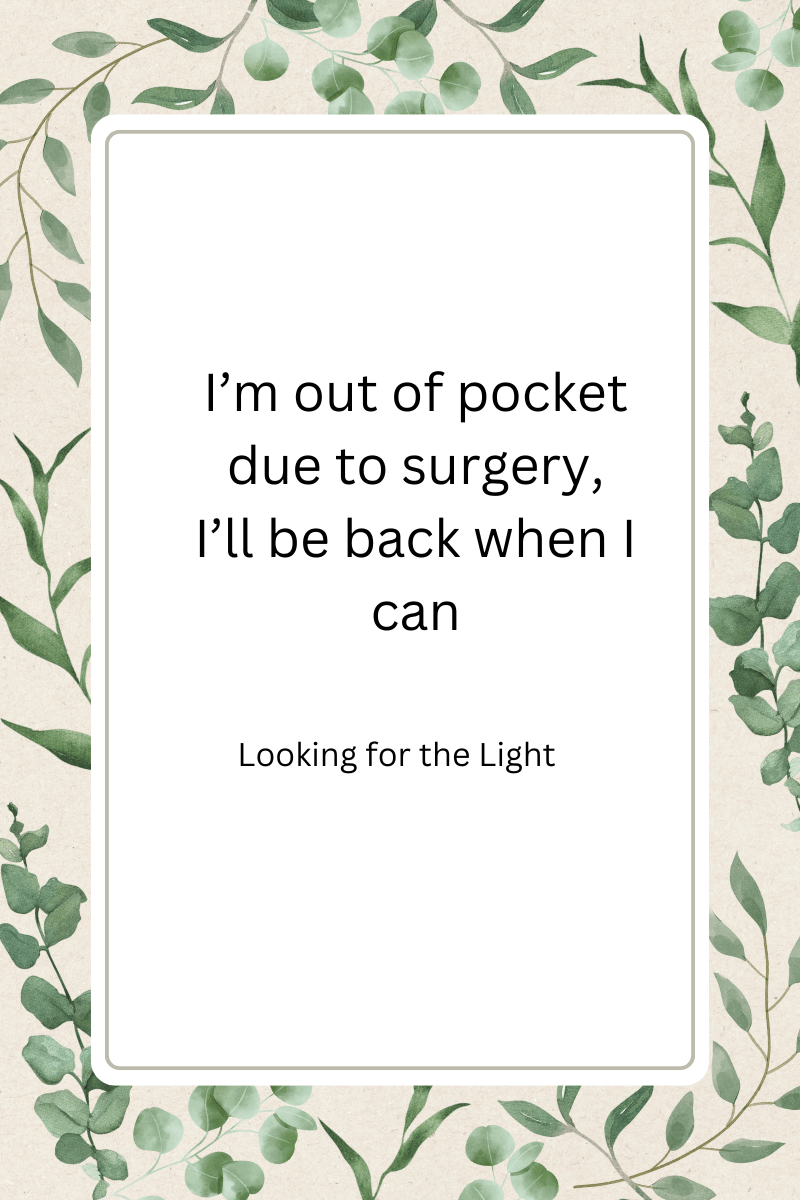
I’m Having Hand Surgery Again

This surgery is completely different than the one earlier this month. He is doing Carpel Tunnel surgery on my right hand which is a piece of cake. Technological advancements make the procedure less intrusive and allow for a shorter recovery time.

I hope to be out for a few days, we’ll see how it goes. I don’t like taking pain medication so that can delay blogging for a day or so.

Thank you for all the love shown to me during the last surgery, your words filled me with joy.

Take good care and I’ll see you next year.

Melinda


Celebrate Life · DIY · Fun · Health and Wellbeing · Men & Womens Health · Self-Care

Sugar Scrub Skin Benefits

Willow & Sage by Stampington

Simple to make, classic sugar scrubs are a must-have item for your skin routine. They not only help remove dead skin cells, improve circulation, unclog pores, and prevent ingrown hairs, but they also leave your skin feeling soft and smooth- a necessary tool during cold winter months. You can use a sugar scrub one or two times are week. For sensitive skin, you’ll want to watch how your skin reacts and perhaps exfoliate less often.

4 Basic Benefits

Boost skin circulation

Exfoliates dead skin

Improves skin texture

Moisturizing dry skin

Which Type of Sugar To Use

Scalp: Brown Sugar

Faces: Sanding/Caster Sugar

Lips: Brown Sugar

Hands: White granulated sugar

Legs: Cane sugar

Feet: Raw/Turbinado sugar

Melinda

Celebrate Life · DIY · Fun · Health and Wellbeing · Men & Womens Health · Self-Care

“Walk in the Woods” Bubble Bath

Willow & Grace by Stampington

You Will Need

Bowl: Large

1 cup Castile soap: unscented/citrus

1/4 cup distilled water

2 tsp. sea salt

2 TB. vegetable glycerin

Spoon

15-30 drops cedarwood essential oil

15-20 drops of frankincense essential oil

10-15 drops clary sage essential oil

10-15 drop vanilla essential oil (optional)

2 TB raw honey (optional)

Airtight container: 8 oz

To Make

In a large bowl, combine the Castile soap, distilled water, sea salt, and vegetable glycerin, and stir gently until well combined. Add cedarwood, frankincense, clary sage, and vanilla essential oil if using. Start with the lower amount of 15 drops each and adjust to your preference.

For an extra moisturizing boost, stir in the raw honey, if desired. Pour mixture into airtight container of choice for easy storage.

To enjoy, run a warm bath and add 1/4-1/2 cup of bubble bath under running water. Relax and soak in the woody aroma.

Melinda

Celebrate Life · DIY · Fun · Health and Wellbeing · Men & Womens Health · Self-Care

Holiday Lip Scrub

Willow & Sage by Stampington.com

You will need

Yields 3 Tins

Bowl: small

4 1/2 TB brown sugar

1 tsp. gingerbread spice/ground cinnamon

1 1/2 TB fractionated coconut oil

Spoon

Storage tins: 0.5 oz (3)

Sprinkles: gingerbread man (optional)

To Make

In a small bowl, add brown sugar, ground spices/cinnamon, and coconut oil, and mix until the ingredients are well blended. Pack the holiday lip scrub into storage tins. Decorate with gingerbread man sprinkles if desired.

Sounds yummy and sends you into Winter and the holiday season. Would make great gifts.

Melinda


Celebrate Life · Chronic Illness · Family · Health and Wellbeing · Medical · Men & Womens Health · Self-Care

Looking For Joy In 2025

2024 has been a difficult year for David and me health-wise. There are still unresolved health issues from my visit to The Mayo Clinic for which I have several specialists to see in 2025. The most difficult has been that David was diagnosed with three types of cancer this year. The first was CLL Leukemia, Skin Cancer, and most recently Small Cell Lymphocytic Lymphoma. It is common for Skin Cancer to follow Leukemia but the Lymphoma was quite a surprise. Leukemia and Lymphoma are two different cancers and very alarming to me. We’re still waiting to see if radiation treatment is the next step.

We don’t focus on it or the future, we rarely talk about it except after doctor appointments. We focus on the blessings we have and live life for tomorrow.

We know God has a plan for each of us and we are cool with his plan.

Melinda

Health and Wellbeing · Medical · Men & Womens Health · Mental Health · Self-Care

Unconventional Treatments To Tackle Menopause

The media plays a role not only in misinformation about menopause but also in how it portrays women with menopause. Tune out the riff-raff and look for real answers. Menopause has been a woman’s curse long before I knew what it was and how it affected the lives of women. There are thousands of books on the market about menopause and I thought maybe it was time to look at the unconventional ways women deal with the debilitating symptoms.

Let’s look at unconventional options to help with menopause

Acupuncture

Acupuncture involves inserting thin needles into specific points on the body to balance energy flow. Some women report reduced hot flashes, night sweats, and improved mood after regular sessions. While scientific evidence is mixed, it might be worth a try if you’re open to alternative therapies.

Herbal Remedies

  • Black Cohosh: Often used for hot flashes and mood swings. Some studies suggest it can be effective, but it’s not suitable for everyone.
  • Red Clover: Contains plant-based estrogens that may help with hot flashes, though results vary.
  • Evening Primrose Oil: Known for helping with breast pain and hot flashes. Always consult a healthcare provider before starting any herbal supplements.

Yoga and Meditation

These practices can help manage stress, improve sleep, and enhance overall well-being. Yoga, in particular, can increase flexibility and strength, which is beneficial during menopause.

Dietary Changes

Adopting a diet rich in fruits, vegetables, whole grains, and lean proteins can help manage symptoms. The Mediterranean diet, known for its anti-inflammatory properties, can be particularly beneficial.

Essential Oils

  • Lavender Oil: Known for its calming properties, it can help reduce stress and improve sleep.
  • Peppermint Oil: Can provide a cooling sensation, which may help with hot flashes.

Biofeedback

This technique involves learning to control certain physiological functions, such as heart rate and muscle tension, with the help of a biofeedback device. It can be effective in managing stress and related symptoms.

Hypnotherapy

Some studies suggest hypnotherapy can reduce the frequency and severity of hot flashes and improve sleep quality.

Remember, it’s essential to consult with a healthcare professional before starting any new treatments, especially if you have underlying health conditions.

Health-Related Reading Material

Understanding the Connection Between Menopause and Heart Rate Changes

Why Does Menopause Increase Your Risk of Heart Disease?

Natural Treatments for Menopause Symptoms

Maybe you can find something that works for you or at least reduces the symptoms.

Melinda

Reference:

https://copilot.microsoft.com

Healthline

https://www.webmd.com/menopause/menopause-natural-treatments

Celebrate Life · DIY · Fun · Health and Wellbeing · Men & Womens Health · Self-Care

Easy DIY Self-Care Eye Pads

From Makeup and Beauty

This DIY is easy and super quick to do. It can also be done in the comfort of your own kitchen platform to relieve your eyes of all the exhaustion and get rid of the dullness around the eyes.

Photo by cottonbro on Pexels.com

You need:

Carrot (Known for its discoloration properties, carrot juice would help you get rid of the darkness and dullness around eyes)

Cucumber (Known for its cooling properties, cucumber would help in distressing your eyes giving them a relaxed effect)

Raw Milk (Known for its anti-tan properties, milk has always come handy in getting rid of dark circles around eyes)

Rose water (For the relaxation it provides to tired eyes)

Round Cotton Pads

Grater

To make the Eye Pads:

Grate about a teaspoon full of carrot in a bowl

Now, add some grated cucumber to the carrot.

Add about a teaspoon of raw milk (unheated) to this mixture.

Now, add a teaspoon full of rose water to this.

Now let this mixture rest for about 20 minutes to let the carrot and cucumber soak properly in the milk and rose water mixture.

Now, squeeze out the carrot and cucumber pulp and put the juice in a separate bowl.

Now, take the cotton pads separate the two sheets of cotton, and spread a thin layer of the pulp onto one side of the cotton.

Now take about a teaspoon of the juice extract and spread it over the thin layer.

Make a sandwich by closing the thin layer sheet with its other cotton sheet.

You have homemade eye pads ready with all the goodness of natural ingredients which will not only relax your eyes but will also deal with the dark circles and the dullness of your eyes.

I hope you enjoy this easy-to-make self-care treat and remember you are worth it! Self-care is mental health care.

Melinda

Repost

Celebrate Life · Health and Wellbeing · Men & Womens Health · Mental Health · Self-Care

Daily Om Courses And Daily Inspirational Thoughts

Daily Om came to my attention last week and I want to share all the great low-fee courses with you. You can also sign up to receive Daily Inspirations via email. I’m not endorsing the company and have not taken any of their courses but many of the topics look right up my alley.

Our Story 

In 2004, Madisyn Taylor and Scott Blum founded DailyOM with a prescient vision: to bring the world together by offering inspirational messages delivered to your inbox each day. This groundbreaking vision launched DailyOM as one of the first spiritual newsletters on the internet.

Now, nearly twenty years later, DailyOM has grown from a small community of a few hundred subscribers into a thriving global wellness movement of over 3.5 million people dedicated to personal empowerment, growth, and transformation. As DailyOM has evolved, we’ve expanded our offerings to include a growing library of courses, information, and products. Whether it’s self-improvement, spirituality, health, or fitness, our team and worldwide community of teachers empower people to realize their potential in mind, body, spirit, and heart.

Awaken to Your Full Potential

Our mission is to inspire and empower your journey to greater wellness, healing, and transformation through holistic courses and resources from leading experts around the world.

Inspirations

Inspirational thoughts for a happy and fulfilling day.

Read Today’s Inspiration

A few of the courses offered

Quitting Self-Created Loneliness

End Anxiety and Panic Attacks

Re-Parent Your Inner Child

Karmic Relationships: How to Identify Them and Break Free

You Are What You Think

One thing I like about the site is the drop-down menu which allows you to choose the type of courses specific to your needs.

Get Your DailyOM Inspiration

Join our community of 1.6 million subscribers and receive free daily inspirational messages.

SubscribeBy subscribing you agree to the Terms of Use and Privacy Policy.

I will certainly browse the courses available, I’ve already seen a couple that looks interesting

Melinda

Reference:

https://www.dailyom.com/?aff=101&utm_source=bing&utm_medium=ppc&utm_campaign=brandeds&acct=F109XYCQ&msclkid=9c601715697919010470705198e35842&utm_term=om%20daily%20courses&utm_content=GS%20-%20US%20-%20General%20Branded%20Terms

Celebrate Life · Health and Wellbeing · Medical · Men & Womens Health · Mental Health · Self-Care

I’m Having Surgery Next Week And Will Be Out Of Pocket

Next week I’m having Carpal Tunnel surgery on my left and at the same time he is removing the brace in my wrist from when I broke it in 2018. This will be the worst of the surgeries. I go back at the end of the month for Carpal Tunnel surgery in my right hand but that is a much easier surgery with a quick recovery. What makes it more frustrating is I have Ostearithrois of the carpometacarpal joint in both thumbs. This means, the cartilage in those joints has disintegrated and is bone on bone, and it’s quite painful.

My left hand will be bandaged for two weeks, and for several weeks after I can’t do any heavy lifting. I’m already practicing how to dress with my fingers only, boy that’s hard. You use your thumbs for so many things.

Luckily I have my husband to help me but he will be back at work so I’ll have to learn to do things for myself. I expect the first week to involve many pain meds and sleeping. After that, I’ll try my hand at writing to see if I can do it without hurting my wrist and thumb.

I will still read your post although I might not be able to comment.

I will miss your friendship and our conversations.

Melinda

Celebrate Life · Chronic Illness · Health and Wellbeing · Medical · Men & Womens Health · Mental Illness · Self-Care

Taking Medication: A Small Price to Pay

by Elizabeth Drucker

Medically Reviewed by: Debra Rose Wilson, Ph.D., MSN, R.N., IBCLC, AHN-BC, CHT

Taking medication every day can be tiring and frustrating. But when it comes to living a healthy life, accepting this support is an invaluable step.

When I was 14 years old, sobbing uncontrollably in classes and during cheerleading practice, a psychiatrist scribbled out a prescription for Prozac. I paced through the aisles of the pharmacy, flipping through copies of Vogue and smelling the bottles of shampoo while I waited for the pharmacist to spill the capsules into a bottle. 

I knew something was “wrong” with me, but I wasn’t convinced swallowing these pills could make me feel better. I did know I was sad — so sad that it was agonizing to tumble out of my bed and make my way to the bus stop.

Finding what worked for me

Throughout high school, I cycled through the offices of many different psychiatrists. I was always looking for the next pill that could fix whatever was wrong with me. 

After I got over the initial shock of needing to rely on psychiatric medications, I started to see these pills as hopeful objects that would bring me some relief.

Each new psychiatrist and each new medication change brought new hope that I would get better. The doctors were encouraged that we would find the right medication and that my life would become more manageable. 

Then, during my senior year of high school, I was diagnosed with bipolar disorder. And with that came lithium, pills that are amazing at evening out my moods. So, now I live the lithium lifestyle. 

I have to remain vigilant about what my body is telling me because if the level of lithium in my blood gets high enough, I could get very sick. I’ve spent nights sleeping in emergency room beds because the lithium level became toxic and I needed fluids to rehydrate me. 

Even still, there’s no denying that this medication has saved my life.

It’s rescued me from some of the deepest, darkest depressions — those times when I felt so broken and raw that I was not sure if I could go on. Lithium has sucked the depression out of my marrow and allowed me to have more of a life. 

It’s clear that I need these chemicals to function. And I have a feeling that I will be taking lithium for a very long time, maybe even for the rest of my life. 

But I can handle that. I am just grateful that lithium exists, that I can swallow a few capsules and be back on track to regaining myself.

The ups and downs

However, despite its success, there are some nights when I’m so tired that I’m tempted to go to bed without taking my pills. I don’t want to be reminded that I’m sick and that I’m different from all of my friends. I doubt they’re reliant on pills just to survive. 

But then, I see flashbacks: me pacing through the corridors of the psych ward; me standing at the medication counter while nurses pour tablets and capsules into little cups; me rocking back and forth on my bed, hoping that I can somehow get some relief from my depression. 

So I stumble to the bathroom sink, fill up a large glass of water, and then bring it to my bed. I spill my cocktail of tablets and capsules onto my comforter and start taking them. 

I remind myself that these pills are a collection of chemicals that allow me to function, to get through the day without being interrupted by the manic or depressive symptoms of my bipolar disorder.

Taking pills has become a part of every day. And, for me, every day begins and ends the same way: with me taking the pills my psychiatrist has prescribed to keep my bipolar illness at bay. 

Accepting the downsides 

I think you know by now that, for me, taking my pills is not optional. The consequences are very real and very scary. 

My medication keeps the depression at bay. It keeps me on the other side of that locked psych ward door, a place I don’t want to be. My medication allows me to live just like those who don’t need medication — so I can go to college and even get through grad school.

Even though I know all of this, it doesn’t mean I’m thrilled that I’ll be relying on psychiatric medication for the rest of my life. Of course, I worry about the long-term consequences on my body.

For example, I know that lithium can be hard on the kidneys. The medication that does so much for my emotional state can also make me nauseous with trembling hands. And it’s very embarrassing when I’m at a restaurant with friends and my hands tremble every time I reach over to put some food on my plate. 

Someone very close to me passed away because he refused to be treated for his own mood disorder. I think of him when I’m reluctant to take my pills. 

I know this person in my life didn’t want to take psychiatric medication because of the stigma of mental illness. I feel it myself when I go to the pharmacy to pick up my lithium. I still whisper the names of the medications I’m picking up so nobody will think I’m “crazy.” 

The bottom line

Psychiatric medications are effective. I don’t care if I have to experience side effects because anything is better than depression to me. My pills have given me my life back. 

I can’t say it’s easy to manage those side effects when they have me sitting in the emergency room getting fluids, but I don’t want to spend my days in bed, crying and isolated.

Depression is one of the most painful things I’ve ever gone through and I’m so grateful my medications exist to bring me back to the real world. I will keep taking them because I want to feel better, and this is how I can.

The article looks at a person’s life and how they manage their illness and medication. I can say without a doubt, that taking your medication as prescribed is the best way to manage your illness. 

Melinda

Reference:

Celebrate Life · DIY · Health and Wellbeing · Men & Womens Health · Self-Care

Did You Know?

Just a few tips I’ve learned that work for me, I hope one of them helps you.

You can buy 4×4 inch sheer bags with ties and make shoe refreshers and refresh the clothes in the drawers. You can a 1 pound bag of loose fragrant lavender and make your own. I bought a pound in a glass container with a pop off top which was only $2 more and I can use the canister later. Well worth the $2.

If you wash your clothes on delicate unless it’s a large load, your clothes will last longer.

If you use a detergent for delicates, it’s often easier on sensitive skin.

I often wear sweater pants and the waist is often not dry with the rest of the load. I bought these wool dryer balls which cut down on drying time, clothes have fewer wrinkles and soften your clothes. NOT! The waist of my sweater pants were still moist, I could not tell the difference in wrinkles and my clothes came out with a ton of lent. I will have to use a lent brush to wear them.

If you add too much ice to your glass or have big lumps in your ice maker, save them for water to use later. I save the water for my plants. I collect the water in a large bowl if needed or add it to my watering bucket. This morning, I made tea and had leftover water, which I saved as well.

To have nice, even-growing plants, you need to turn them in another direction every week to get the extra sun.

I hope one of these tips is helpful.

Can you share a tip with me?

Melinda

Celebrate Life · Health and Wellbeing · Medical · Men & Womens Health · Self-Care

Question Of The Day

Our thumbs are important in many of the actions we take daily.

What are five things that are difficult to do without thumbs?

For me:

Opening the top on anything

Carrying something in my hands

Opening doorknobs

Buttonholes

Using scissors

Melinda


Art · Celebrate Life · Fun · Health and Wellbeing · Men & Womens Health · Mental Health · Self-Care

Meditative Painting to Heal Your Life Course

With all the discord in the world today, maintaining a positive and hopeful outlook can be challenging. So, how do you rise above it, maintain your positivity, and hold space for a world with more peace, love, and abundance? You have a choice, and it will require that you go within yourself, to your inner artist, and create what you desire, then radiate that inspiring energy, taking action that is in harmony with your dreams and deepest intentions. Painting has the power to bring you into the present and become a transformative and healing experience. For many, this is also one of the easiest ways to meditate, because you are allowing the “doing” of painting to guide you into the meditative state, rather than sitting still and trying to stop the mind.

Tap into Your Creative Spirit and Transform Your Life

In this empowering, 8-week course by creativity coach and mentor Whitney Freya, you’ll be guided into a new kind of meditation practice, meditative painting, which will help you become present to the part of you that is tapped into the frequency of love, possibility, and infinite abundance. You will activate your inner creativity, and empower yourself to be the change you want to see in the world through the act of painting your own sacred mandala. Mandalas have guided generations of healers, philosophers, shamans, and visionaries to their own sacred wisdom. With interactive lessons and video tutorials filmed in majestic natural locations, you will be transported to a peaceful place to process your feelings and experiences. By the end of this course, you will have a clearer vision of the life you want and move forward with more serenity.

What is included in this course:

  • Eight transformative lessons with videos that will teach you a powerful form of meditation to express your inner artist.
  • Step-by-step instruction on how to paint sacred mandalas through a process that is fun and playful.
  • Guided meditations and practices that will connect you to Mother Earth’s wisdom and nourishing energy.
  • Mindfulness techniques for getting centered and ways for setting your intentions to manifest what you desire.
  • Insights on how to raise your vibration in order to be a part of the collective that will help heal our world.
  • Artistic practices to help you release judgment and boost your creative confidence.

Who should take this course:

  • Individuals who want to experience deeper healing and balance in their lives.
  • People seeking a spiritual practice that is imaginative and playful.
  • Meditators looking for a different way to meditate that will deepen their connection with their inner vision and dreams.
  • Those that might have insecurities about their creativity and want a non-judgmental, safe environment to tap into and release their creativity.
  • Artists that would like to expand their skills.
  • Everyone that wants to work with their intuition and spiritual, creative energy.

In this course, be prepared to have fun, tap into your imagination, and let your creativity run free!

$55.00 USD Value • Pay What You Want

$19.00, $35.00, $55.00

This is the total amount for all lessons.

Pay extra to give more to our instructors and to help create new courses. No matter how much you pay, you’ll get the same course as everybody else.

What a great opportunity to invest in your life and learn new skills.

Melinda

Reference:

Celebrate Life · Chronic Illness · Health and Wellbeing · Medical · Men & Womens Health · Self-Care

Lung Cancer Awareness Month

Our lung health is critical to having a healthy life. I learned more about Lung Cancer while researching for this post, and I’m so glad I quit smoking 20+ years ago. 

Whether you are in perfect health, or you are living with a lung condition, there are many things you can do to protect your lungs and maintain your overall health and well-being.

Sometimes we take our lungs for granted. They keep us alive and well and for the most part, we don’t need to think about them. That’s why it is important to prioritize your lung health.

Your body has a natural defense system designed to protect the lungs, keeping dirt and germs at bay. But there are some important things you can do to reduce your risk of lung disease. Here are some ways to keep your lungs healthy.

Don’t Smoke

Cigarette smoking is the major cause of lung cancer and chronic obstructive pulmonary disease (COPD), which includes chronic bronchitis and emphysema. Cigarette smoke can narrow the air passages and make breathing more difficult. It causes chronic inflammation, or swelling in the lung, which can lead to chronic bronchitis. Over time cigarette smoke destroys lung tissue and may trigger changes that grow into cancer. 

If you smoke, it is never too late to benefit from quitting. We can help whenever you are ready.

I WANT TO QUIT 

Avoid Exposure to Air Pollutants That Can Damage Your Lungs

Indoor Air Quality

  • Indoor Air Quality (IAQ) refers to the air in the buildings and structures that we work, live, and play in as well as the immediate area around these buildings and structures.
  • IAQ is important for ALL of us since we spend up to 90% of our time indoors.
  • It can be surprising to learn that indoor air can be even more polluted than the air outdoors.
  • Secondhand smoke, chemicals in the home and workplace, mold and radon all can cause or worsen lung disease. 
  • You can take steps to improve your indoor air quality

Talk to your healthcare provider if you are worried that something in your homeschool or work may be making you sick.

Outdoor Air Pollution

The air quality outside can vary from day to day and sometimes is unhealthy to breathe. Knowing how outdoor air pollution affects your health and useful strategies to minimize prolonged exposure can help keep you and your family well. Climate change and natural disasters can also directly impact lung health.

To protect your lungs from outdoor pollution consider the following:

  • Avoid exercising outdoors on bad air days
  • Avoid exercising near high traffic areas
  • Check Airnow.gov to find out the daily air conditions in your area
  • Don’t burn wood or trash

Get Regular Check-ups

Regular check-ups help prevent diseases, even when you are feeling well. This is especially true for lung disease, which sometimes goes undetected until it is serious. During a check-up, your healthcare provider will listen to your breathing and listen to your concerns.

It is best to catch a lung condition in its earliest stages. That is why it is important for you to know what some of the common signs and symptoms are for lung conditions

Exercise

Whether you are young or old, slender or large, able-bodied or living with a chronic illness or disability, being physically active can help keep your lungs healthy. Learn more about how exercise can strengthen your lungs.

Public Health and Your Lungs

Health begins where we live, learn, work and play, and it’s important to ensure that safeguards are in place to protect us and prevent disease. 

SEE HOW PUBLIC HEALTH ISSUES CAN AFFECT LUNG HEALTH.

The scariest part is that you can get Lung Cancer from our everyday environment. To many saying “mask” sends their eyes rolling but if you think about it, wearing a mask prevents the Flu and COVID-19, and it protects your lungs. I look at China and see most people wearing masks, my guess is that COVID-19 scared them into the habit.

Melinda

Reference:

https://www.lung.org

Celebrate Life · Chronic Illness · Health and Wellbeing · Medical · Men & Womens Health · Self-Care

Diabetes Awareness Month

The number of people with Diabetes is staggering and can cut your life short if not managed. Below are estimates for the United States and estimates based on ethnic background.

Estimated prevalence of diabetes in the United States

  • Total: 38.4 million people of all ages had diabetes (11.6% of the population) in 2021. 38.1 million were adults ages 18 years or older.
  • Diagnosed: 29.7 million people of all ages had been diagnosed with diabetes (8.9% of the population).
    • 29.4 million were adults ages 18 years or older.
    • 352,000 were children and adolescents younger than age 20, including 304,000 with type 1 diabetes.
    • Age-adjusted data from 2019 to 2021 showed that, for both men and women ages 18 years or older, the prevalence of diagnosed diabetes was highest among American Indian and Alaska Native adults (13.6%), followed by non-Hispanic Black adults (12.1%), adults of Hispanic origin (11.7%), non-Hispanic Asian adults (9.1%), and non-Hispanic White adults (6.9%).
  • Undiagnosed: 8.7 million adults ages 18 years or older had diabetes but were undiagnosed (22.8% of adults with diabetes were undiagnosed).

Read about the estimates of diabetes in the United States External link and the prevalence of both diagnosed and undiagnosed diabetes in the National Diabetes Statistics Report from the Centers for Disease Control and Prevention (CDC).

According to the American Diabetes Association’s Economic Costs of Diabetes in the U.S. External link, the total estimated cost of diagnosed diabetes in 2022 was $412.9 billion, including $306.6 billion in direct medical costs and $106.3 billion in reduced productivity.

Additional Reports on Diabetes

References

Last Reviewed January 2024
This content is provided as a service of the National Institute of Diabetes and Digestive and Kidney Diseases (NIDDK), part of the National Institutes of Health. NIDDK translates and disseminates research findings to increase knowledge and understanding about health and disease among patients, health professionals, and the public. Content produced by NIDDK is carefully reviewed by NIDDK scientists and other experts.

Why is Diabetic Medications so expensive?

Pharmaceutical companies spend billions of dollars in research and development to create new drugs, and for them to recoup their investment the FDA gives them a timeframe where the drug can not be made into a generic. If companies didn’t have a chance to recoup on investment, manufacturers would stop doing research to make more targeted drugs through the research they do. Brand names are more expensive for this reason. They are not public health services and are not operated by our government. Our government gets involved when the drugs are presented to the FDA for approval.

If you don’t have medical insurance, the cost of medication can put a dent in your monthly cost of living. Before picking up your medication even if you have insurance go on the app GoodRX to see if they have a less expensive price, and the pharmacist will honor the GoodRX price. If GoodRX doesn’t have a lower price ask the pharmacist if they know of any coupon codes. The first thing I do when taking a brand drug is go to the medication’s website to see if they have a co-pay program. I’m taking several newer brand medications and paying almost nothing because of the company’s co-pay cards.

Melinda

Reference:

https://www.niddk.nih.gov/health-information/health-statistics/diabetes-statistics

Celebrate Life · Health and Wellbeing · Men & Womens Health · Self-Care

Things I’m Loving-Health And Household

Here are a few products I’m loving right now. I hope you find a product to add to your household or self-care routine. The list may also give you ideas for surprising friends or family. Most products are found on Amazon. I am not an Amazon Affiliate, I do not make a commission when you click on a link and the link does not cost you extra. The links take you right to the company’s Amazon site. 

Boiron

Arnicare Gel for Relief of Joint Pain, Muscle Pain, Muscle Soreness, and Swelling from Bruises or Injury – Non-greasy and Fragrance-Free – 4.2 oz
  • ARNICA FOR PAIN: This homeopathic medicine helps temporarily relieve muscle pain & stiffness due to minor injuries, overexertion & falls. Also great for pain, swelling, & discoloration from bruises.
  • TOPICAL PAIN RELIEF: Our non-greasy, water-based formula absorbs quickly & is unscented & paraben-free. This cooling gel is great for relief following an injury, intense workout, or general overexertion.

Boiron

ShiKai

Borage Therapy Hand Cream (2.5 oz) | Fragrance Free Moisturizer for Hands & Body | Fast Relief Lotion for Dry Skin | With Oatmeal & Shea
  • THE DRY SKIN SOLUTION: Borage Therapy moisturizes dry skin while tackling the underlying problem to keep skin hydrated longer. Provides moisture and soothing to parched skin.
  • FAST-ACTING HYDRATION: Ideal for hands, cuticles, and fingertips. Keeps skin healthy and supple long after the cream is applied, even after it’s washed away.

Visit the ShiKai Store

Scojo New York

Gels Original Blue Light Reading Glasses, Handmade Scratch Resistant Readers for Women and Men

SIMPLE YET SOPHISTICATED: Gels Originals are all about effortless style; all about understated elegance. With their rimless design and face-flattering oval lenses, these readers for men and women are compliments waiting to happen. And we’ve brought the frames to life in a myriad of unique colors. Love your readers classic & timeless? Colorful and full of character?

Visit the Scojo New York Store

Weleda

Plant Gel Toothpaste, 2.5 Ounce
  • Effective cleaning for sensitive teeth and gums.
  • Certified natural by NATRUE.
  • Free of sugar, artificial sweeteners, surfactants, synthetic preservatives, flavors, colorants, or raw materials derived from mineral oils.
  • Natural cleansing and protection for sensitive gums
  • Eases sensitivities and inflammation

Visit the Weleda Store

La Colombe Coffee

Vanilla Draft Latte, 11 fl oz Cans (Pack of 12), Coffeehouse Quality Cold Brew, Specialty Grade Coffee Beans, Ready-to-Drink

Treat yourself to our deliciously creamy Vanilla Draft Lattes. One-of-a-kind frothy texture meets real cold brew coffee with the flavor of a classic cafe latte. Made with high-quality ingredients, like farm fresh milk, beans roasted and brewed by us, and only a touch of sugar. Best enjoyed chilled!

Visit the La Colombe Store

I like these coffees so much that I subscribe to one case of mocha and one vanilla monthly. They are less sweet than some I’ve tried. 

Note about Amazon Subscribe & Save

If you buy products from Amazon regularly, you can save a % of the cost by subscribing. I subscribe to many items, and when the ship dates line up and you have five items coming, you can reach maximum savings of up to 15%. You can change how often the item is delivered and stop the subscription at any time. I love saving money and if I’m going to buy it anyway, it’s all the sweeter. 

Melinda

Chronic Illness · Health and Wellbeing · Medical · Men & Womens Health · Self-Care

Fibromylagia Thoughts #13

I was diagnosed with Fibromyalgia in 2015 and during the years that have followed, I’ve experienced many types of symptoms and flares. In the past six months I’ve had many waves of flares to differing degrees, and also have experienced symptoms I had forgotten were fibromyalgia-related. I had to go back and read the basics and all the types of symptoms a flare can bring about.

Here are a few symptoms that were new to me

Reactive skin, burning all over my body that felt like acid with the simple move of my shirt or wiping my hands dry.

The arthritis pain in my hands has reached a new level of pain.

Parts of my body hurt more than before.

Overview of Fibromyalgia

Fibromyalgia is a disorder characterized by widespread musculoskeletal pain accompanied by fatigue, sleep, memory and mood issues. Researchers believe that fibromyalgia amplifies painful sensations by affecting the way your brain and spinal cord process painful and nonpainful signals.

Symptoms often begin after an event, such as physical trauma, surgery, infection or significant psychological stress. In other cases, symptoms gradually accumulate over time with no single triggering event.

While there is no cure for fibromyalgia, a variety of medications can help control symptoms. Exercise, relaxation, and stress-reduction measures also may help.

This is a short overview of whoever. There’s a wealth of knowledge available to read. Remember to check out the Fibromyalgia organizations. Look for respected sources because I ‘ve ran across several sites that are only selling supplements or pushed memberships. You want solid resources.

Some exercises may help, look for them and see how they fit in your life.

Melinda

References:

https://www.mayoclinic.org/diseases-conditions/fibromyalgia/symptoms-causes/syc-20354780

Celebrate Life · Fun · Health and Wellbeing · Men & Womens Health · Self-Care

Question Of The Day

I’m inquisitive, and sometimes questions just pop up that I find curious, so I started the Question of the Day series.

Do you brush your teeth in the same order every day?

For the most part, I do but I catch myself going in a different order some days.

Melinda

Celebrate Life · Health and Wellbeing · Men & Womens Health · Mental Health · Self-Care

Meditation For Inner Peace — The Beginner’s Guide By Guest Blogger

In the 21st century, Everyone is so caught up in their lives that they don’t even have time to enjoy themselves and have peace of mind. Among different options, meditation provides a much-needed relief from the fast-paced lifestyle. It sounds hard but it’s simple and rewarding to start meditating. What is Meditation? Normally, we think … Continue reading

Sujata is a new blogger on WordPress but she impressed me and you may want to follow her as well. 

Melinda
 
Celebrate Life · Health and Wellbeing · Men & Womens Health · Mental Health · Self-Care · Survivor · Trauma

Validation as a Healing Tool for Your Trauma

by Maya Capasso

Medically Reviewed by: Matthew Boland, PhD

Trauma looks different for everyone, and sometimes we don’t even recognize our own. But learning to do so is important — and one of the first steps toward healing.

Last week a friend of mine reached out to me because they’re struggling. They recently broke up with their partner of 4 years and shared with me that they’re angry at themselves for still feeling depressed weeks after the initial breakup.

The thing is, my friend deserves to be kinder to themselves. For them, their breakup was extremely distressing and left them feeling overwhelmed as they worked to rebuild their life. Some might even consider this type of event “little t” trauma.

If you’ve experienced a stressful event in your life that affects you after the fact and you don’t know why, you might benefit from seeking treatment. It’s important to know that your response to any stressor is valid and deserves attention.

“Big T” vs. “little t” trauma

In the broader sense, trauma can be defined as an emotional response to any event perceived as dangerous by the person who went through it.

Some people use the terms “big T” and “little t” trauma to distinguish between different kinds of stressful experiences and responses. While researchers and most mental health professionals don’t currently use these terms, they helped me better understand that various forms of stressors can have an impact on your mental health.

“Big T” trauma

“Big T” trauma typically refers to events that are universally understood as dangerous or life threatening.

This form of trauma is what often comes to mind when we think of traumatic events, such as serious injuries, sexual violence, or natural disasters. Events like these are specifically referred to in the diagnostic criteria for post-traumatic stress disorder (PTSD).

“Little t” trauma

“Little t” trauma refers to events that may not involve potential death or serious injury but can be stressful enough to negatively affect your mental health.

“Little t” traumas can include — but are by no means limited to — sexual harassment, financial hardship, or breakups.

Pros and cons 

For some trauma survivors and psychologists, the terms “big T” and “little t” trauma do more harm than good.

Licensed marriage and family therapist Robyn E. Brickel believes that the terms “big T” and “little t” trauma can minimize and invalidate people’s traumatic experiences. “It’s unhelpful in mental health practice to conceptualize some traumatic events as less or more significant than others,” Brickel writes.

She explains that by doing so, trauma survivors may feel more stigma around their response to an event if it’s considered only “little t” trauma.

Researchers avoid this terminology for a different reason. Within the field of science, trauma specifically refers to life threatening events because of the unique ways in which this degree of danger can affect our brains — such as developing PTSD — and the unique ways in which these symptoms or conditions should be treated.

Referring to extremely stressful but non-life-threatening events as “little t” trauma runs the risk of indicating that such events have the same type of impact on our brains and should be treated in the same way as “big T” trauma. For example, while both “big T” and “little t” trauma can lead to serious mental health conditions, like depression or anxiety, only events that fall under “big T” trauma can cause PTSD and might require specialized treatment.

Despite these important differences, understanding the concept of “little t” trauma was a huge step for me in my recovery.

The concept made me feel validated because it demonstrated that all forms of stressors can have a strong impact on your well-being and should be taken seriously. 

If I had never learned about “little t” trauma, I would still believe that I shouldn’t be suffering because other people have it worse than I do. Learning about “little t” trauma helped me stop minimizing my pain and seek treatment.

Trauma validation as a pathway for healing

Acknowledging my trauma and facing it head-on was essential to my recovery journey. I used to have the mindset of: “why does it matter if we acknowledge our trauma? Isn’t it easier to continue minimizing it and pretending it doesn’t exist?”

Today I say, “No, not at all!” For me, avoidance and minimization were actually a big part of my own experience and what led me to be diagnosed with PTSD. 

According to the National Center for PTSD, “If you go out of your way to avoid thoughts, feelings, and reminders related to a traumatic event, your symptoms may get worse. Using avoidance as your main way of coping with traumatic memories can make PTSD symptoms worse and make it harder to move on with your life.”

If you realize that you engage in avoidant behaviors when it comes to tough memories from your past, you can change that. The first step toward healing for me was validating my trauma and acknowledging that it impacted my life.

Here are some tips that helped me get there:

1. Self-validation

A great place to start is with yourself. If you don’t yet feel comfortable reaching out to loved ones or a professional for help, that’s OK. You can take some actions to feel validated all by yourself.

  • Grab your journal: Write down your thoughts, feelings, and symptoms to begin processing.
  • Get creative: If you don’t feel comfortable writing about your own life, try writing a poem, fictional short story, song, or making visual art about your struggles instead.
  • Learn more: Take time to self-educate. There are so many stigmas and stereotypes about mental health floating around in our society, but also thousands of resources to help teach you the facts. 

2. Community validation and support

Connecting with others and being vulnerable in safe spaces can be incredibly healing.

  • Turn to a loved one: Talk to a trusted friend or family member about your feelings and experiences.
  • Use the community: Try to be vulnerable in safe community spaces like mental health support groups, creative writing workshops, art classes, etc. 

3. Trauma specialty care

Reaching out to a therapist who specializes in trauma is essential. Many therapeutic practices can help you process your trauma or stressful event in a safe environment.

The takeaway

If you’re like my friend from the beginning of this article, you might be struggling with your mental health but avoiding the pain by telling yourself that others have it worse than you.

For me, the real healing began when I stopped minimizing and started validating my painful experiences. In facing the impact of these events, I was able to move forward and start my journey to recovery.

Sharing her journey can help many people and I’m proud of her for writing. 

Melinda

Reference:

Celebrate Life · Health and Wellbeing · Men & Womens Health · Mental Health · Moving Forward · Self-Care · Survivor

The 12 Best Mental Health Books

Medically reviewed by Bethany Juby, PsyD — Written by Jillian Goltzman — Updated on September 27, 2022.

A quick look at the 12 best mental health books:

Books are more than just a comfort. They can be a portal to different worlds, a bridge to a new past or future, an outpost for philosophies, and a support system for times of need. 

In a literal sense, research shows that reading has the power to change your brain and create different patterns within it. On a practical level, reading allows you to learn new information and skills you might’ve not known before. 

While dealing with a mental illness can feel isolating, 20 percent of the U.S. population experiences mental illness each year. Therapy and mindfulness are powerful steps in seeking help. For those looking to learn new skills outside of therapy, libraries and bookstores are teaming with options written by experts and licensed professionals. 

Mental health books can be a useful way to process your experiences, learn about psychology, and often find techniques and tools to help you in your daily life. They can aid your mental health toolkit by providing different techniques, scientific research, and stories of others who have faced the same hurdles. 

Melinda

Reference:

Celebrate Life · Health and Wellbeing · Men & Womens Health · Mental Health · Self-Care

Just Pondering

Are you wasting precious time doing things you don’t want to do?

Photo by jasmin chew on Pexels.com

Let them go and take a self-care break. 

Melinda


Celebrate Life · Fun · Health and Wellbeing · Men & Womens Health · Mental Health · Self-Care

It’s Alive!

I wrote You Know It’s Crazy When about discovering a plant I had nursed for a couple of years was actually an artificial plant. Well, it’s alive! I stopped watering for a couple of weeks, and the leaves started turning yellow and falling off. I’m completely stumped at this point. I started watering again and decided to replant; surely, it was root-bound. Not so fast, when I removed the plant it had a small root ball and two dead pieces of roots below.

I have no idea why it was not growing. From live plant to artificial plant and back to live plant, it can’t make up its mind. 


Melinda

Celebrate Life · Fun · Health and Wellbeing · Men & Womens Health · Mental Health · Self-Care

Steps To Creating A Self-Care Routine

Self-care is a reliable path to ensure a clean bill of health. Unfortunately, few people make time to commit to self-care routines. It may not entirely be their fault, especially as people juggle several responsibilities simultaneously. However, those who commit to the routine spend an average of forty-two minutes weekly to attend to themselves. It may not sound good enough, but it’s better than nothing. Fortunately, if you find yourself looking for ways to establish a self-care routine, here are things to consider.

                                                                                                                 Photo by Tima Miroshnichenko on Pexels.com

Determine what makes you feel centered

People attend to their self-care routines in different ways. For this reason, what may suit one person may not be a perfect fit for others. Usually, the tricky part is starting with the routine and following through with it. However, things can move along smoothly when you get the hang of it. This is why it is important to first identify what makes you feel centered. In all instances, it would be helpful if the things which make you feel centered are positive reinforcements.

On the other hand, if you have trouble with these habits, it can be beneficial to visit https://www.sunshinebehavioralhealth.com/texas/del-rio, which specializes in helping individuals deal with behavioral issues. Once you determine these things, you can establish a routine you can stick to without bailing out. Remember that your efforts in creating a self-care routine should feel comfortable for you. That way, you always look forward to it instead of attempting to find excuses for why you don’t want to.

Make time for the routine

One significant reason people fail to maintain their self-care routines is the inability to set specific times for it. It wouldn’t be wrong to say that scheduling plays a significant role in the success of a self-care routine. Setting a time for it also indicates your discipline to the task at hand. Once you understand this fundamental, it becomes easier to run with it.

Set goals

What is the purpose of a long-term activity without a goal? It is the prize you set your eyes on as you work tirelessly towards it. It is the same when creating a self-care routine. In this instance, your goal is to have your physical, mental, and emotional well-being working in harmony. These three elements form the foundation for a perfect balance in your body. Therefore, your goal can be to live a life devoid of avoidable ill health, and that is possible, all things being equal.

Remain positive-minded

Staying positive-minded relies heavily on being mentally and emotionally optimistic. In other words, even though you acknowledge the presence of negatives, you deliberately choose to focus only on the positive things in life. Indeed, there is truth in the saying that your thoughts can define your well-being. It would help to keep in mind that your level of positive-mindedness can directly influence the outcome of your self-care routines.

To conclude, there are many benefits to establishing a self-care routine. Apart from the obvious positive impact on your health, it can boost your confidence and self-worth.

This is a collaborative post. 

Melinda

Chronic Illness · Health and Wellbeing · Infectious Diease · Lyme Disease · Medical · Men & Womens Health · Mental Health · Moving Forward · Self-Care · Tick Borne Illnesses

Understanding and supporting invisible disabilities, including Lyme disease

Lonnie Marcum

OCT 24, 2024

Invisible disabilities are physical, mental, or neurological conditions that are not immediately apparent to others. Despite being “invisible,” these conditions can significantly impact a person’s life and require special accommodations and ongoing support.

Unlike conditions that other people can see, such as those requiring the use of a wheelchair, invisible disabilities often go unnoticed, leading to misconceptions about a person’s needs.

Examples of common invisible disabilities

  • Dysautonomia, also known as autonomic dysfunction, refers to a condition in which the autonomic nervous system (ANS) does not function properly. The ANS controls many crucial bodily functions, such as heart rate, blood pressure, digestion, temperature regulation, and respiratory rate. When the ANS is impaired, these processes can become dysregulated, leading to a wide range of symptoms.
  • Post-exertional malaise (PEM) where even minor physical or mental exertion can result in severe symptom exacerbation, often lasting days or weeks.
  • Chronic fatigue syndrome (CFS): Fatigue lasting six months or more, and PEM
  • POTS (Postural Orthostatic Tachycardia Syndrome) is a condition characterized by a significant increase in heart rate when a person stands up from a lying down position. It is a form of dysautonomia. People with POTS experience an abnormal response when they move to an upright position, leading to symptoms that can be disabling.
  • Myalgic Encephalomyelitis (ME): Causes widespread neuro-immune related symptoms including: neuroinflammation, immune dysfunction, muscle pain, headaches, cognitive dysfunction (often described as “brain fog”), dysautonomia, PEM, CFS and POTS.

Patients with Lyme and tick-borne disease are often left with persistent symptoms following treatment. In MyLymeData, now with over 18,000 participants, the three most frequently reported worst symptoms include neurological-associated symptoms (84%), fatigue (62%), and musculoskeletal-associated symptoms (57%).

POTS is the most common manifestation of dysautonomia reported to occur in patients with persistent symptoms of Lyme disease.

Infection-associated chronic conditions

For years, ILADS conferences have been the only place I heard clinicians and researchers expressing an understanding and a desire to help patients with complex, infection-associated chronic conditions (IACC).

In 2021, I reviewed a paper entitled “Recent Progress in Lyme Disease and Remaining Challenges,” co-authored by 31 researchers from 19 separate institutions. That paper felt like a real tipping point to me.

Last week, I watched the final meeting of the CDC/HHS funded “Infection-Associated Chronic Conditions – Understanding and Engagement” (ICUE) project. During that meeting, LymeDisease.org’s Lorraine Johnson, represented and gave voice to the millions of patients living with chronic symptoms following infection with Lyme and/or other tick-borne diseases. (Read her summary of that meeting here)

With all the new collaborations coming out of the National Academies of Science, Engineering and Medicine (NASEM) workshop on “Lyme infection-associated chronic illness or “Lyme IACC,”  I have high hopes for continued progress—not just for patients with chronic Lyme and co-infections, but so many other marginalized illnesses like long-COVID, ME/CFS, and dysautonomia.

Last year, I wrote about the real symptoms suffered by patients with invisible illness.Recently I offered suggestions on how patients can track those symptoms and share them with their doctors  to aid in better diagnosis and treatment.

For everyone out there suffering from an invisible illness: I just want to say that I see you, I hear you, and I believe you.

LymeSci is written by Lonnie Marcum, a physical therapist and mother of a daughter with Lyme. She served two terms on a subcommittee of the federal Tick-Borne Disease Working Group. Follow her on Twitter: @LonnieRhea Email her at: lmarcum@lymedisease.org.

Melinda

Reference:

https://www.lymedisease.org/invisible-disabilities-lyme-disease/

Health and Wellbeing · Medical · Men & Womens Health · Mental Health · Moving Forward · Self-Care

What Are the Signs and Symptoms of Depression in Men?

Men, women, and people of all gender identities may experience depression at some point in their lives. Depression is a serious condition that affects how a person thinks, feels, and acts.

According to the Centers for Disease Control and Prevention (CDC), women seem to experience depression at a higher rate than men. However, it’s thought that men may be underrepresented in these numbers. 

This may be due to mix of social and biological factors that make it more challenging to notice and diagnose depression in men. They may also feel culturally pressured to act “manly” by hiding their emotions.

Because of this, it’s more common for men to have depression with symptoms that are different and sometimes harder to identify. 

If you think that you or someone you love may be struggling with depression, read on to learn about the signs and symptoms that men may experience and what you can do next.

Physical symptoms of depression in men

Men with depression may first notice its physical effects. While depression is thought of as a mental health disorder, it can also manifest in the body. 

Many men are more likely to visit their doctors for physical issues than for emotional issues.

Some common physical signs of depression in men include:

Mental symptoms of depression in men

Mental symptoms of depression may present differently in men than they do in people of other genders, which can make depression harder to detect. 

These symptoms may interfere with the way a person thinks and processes information, affecting behavior and emotions.

Some of the most common mental symptoms of depression in men include: 

  • inability to concentrate
  • memory problems
  • obsessive-compulsive thought patterns
  • racing thoughts
  • sleep issues, usually difficulty falling asleep or staying asleep
  • suicidal thoughts

Emotional symptoms of depression in men

When most people hear the word “depression,” they think of a person who seems very sad. However, sadness is just one of many possible emotions depression can cause. 

In addition to sadness, men may experience the following emotional symptoms of depression: 

  • agitation
  • aggression
  • anger
  • emotional withdrawal from friends, family, and colleagues
  • hopelessness
  • lack of interest in family, community, hobbies, and work
  • lack of libido
  • restlessness

Behavioral signs of depression in men

The mental, physical, and emotional symptoms of depression in men can also affect behavior. Because some men resist discussing their emotions, it’s often their behavioral symptoms of depression that are most apparent to others. 

In men, the behavioral symptoms of depression most commonly include:

  • difficulty meeting work, family, and other personal responsibilities
  • drug misuse
  • drinking alcohol in excess
  • engaging in risky activities, such as driving recklessly or having unprotected sex
  • social isolation
  • suicide attempts

Why can depression go undiagnosed in men?

While discussions around mental health seem to be expanding in reach and compassion, there’s still some cultural and social stigma around depression— particularly among men. 

Generally, men are socialized by society to hold in their emotions, though we know doing so isn’t healthy. In their efforts to maintain these social norms, many men may be compromising their emotional, physical, and mental well-being. 

In addition, many men are never taught to recognize the less typical signs of depression that they’re more likely than others to experience.

Some men never seek help for their depression because they never recognize the signs. On the other hand, some men who do recognize the signs may struggle to discuss their experience because they fear the judgment of others. 

As a result, when many men experience the signs of depression, they begin to work long hours or otherwise fill their time to stay busy, instead of addressing the depression itself. 

Diagnosing depression and seeking treatment can help save lives. Suicide rates are high among men, especially those who have served or currently serve in the military. Additionally, men are three to four times more likely than women to complete suicide.

In continuing to open up the conversation, we can help men with depression recognize the signs. By seeking treatment, men with depression can live their fullest possible lives.

What are the current treatment options?

Depression is most often treated with talk therapy, medications, or both of these things together. A healthcare professional can help create a personalized treatment plan that works best for you. 

Many men begin treatment for moderate cases of depression by scheduling an appointment with a talk therapist (psychotherapist). From there, the therapist might suggest specific types of care, such as: 

From there, medication may be added, if needed.

However, for more severe cases, medication might be prescribed right away to help alleviate some of the physical, mental, emotional, and behavioral symptoms of depression. This may be the case for someone with suicidal thoughts or who has attempted suicide.

Antidepressants such as paroxetine (Paxil) or sertraline (Zoloft) are commonly used to treat depression. However, a mental healthcare professional may also suggest other medications. 

Be aware that these medications often take several weeks to months or begin making a noticeable difference in the way you feel. Be patient and stick closely to the treatment plan. 

When to seek help

If you’re experiencing one or more of the above symptoms of depression to the point that it interferes with your daily life, consider scheduling an appointment to meet with a mental health counselor. 

Most insurance plans provide coverage for such counseling, and receiving care is discreet and confidential.

If you’re experiencing suicidal thoughts, plan to attempt, or have attempted suicide, call the National Suicide Prevention Lifeline at 800-273-8255, or dial 911.

The takeaway

While recent conversations around mental health have become more candid and inclusive, many men still find it difficult to talk about their emotions in a society that upholds traditional views about men. 

It can also be challenging to identify the symptoms of depression in men, which are influenced by those same social factors as well as male biology.

By sharing knowledge about the symptoms of depression in men, we can help clear a pathway toward better, more inclusive mental healthcare.

With talk therapy, medication, or a combination of these two things, depression becomes a much more manageable part of the human experience.

Melinda

Reference:
 

Celebrate Life · Chronic Illness · Communicating · Health and Wellbeing · Medical · Men & Womens Health · Mental Health · Self-Care

A Public Health Crisis: Preventing Loneliness in Chronic Illness

Loneliness is more prevalent than ever — especially for people with chronic or invisible illnesses. Even when it feels difficult or impossible, here’s how you can stay socially connected.

If you live with a chronic illness, you likely know that loneliness is often an unexpected side effect. A chronic illness is a long lasting or permanent condition that requires ongoing medical treatment or limits activities of daily living. Examples include Crohn’s disease, endometriosis, fibromyalgia, and many other conditions.

And when your days are filled with attending doctor’s appointments, feeling too crummy to socialize, and constantly explaining your condition when you do make it out, it’s really no surprise that loneliness and chronic illness go hand in hand.

But now, this problem is becoming more prevalent than ever. The United States Surgeon General released an advisory in May 2023 calling attention to “the public health crisis of loneliness, isolation, and lack of connection in our country.”

If you’re living with a chronic illness, it can be helpful to create your own strategy for staying connected with others and preventing loneliness as much as possible. Take a look at why this is so important, as well as some accessible ideas to try.

The relationship between loneliness and chronic illness

People who live with chronic illness often feel the impact of isolation more than those without a chronic condition. Illness-related factors that can contribute to loneliness include:

  • being unable to socialize due to symptoms, fatigue, or pain
  • losing friends as a result of your illness
  • missing out on school, work, and hobbies
  • feeling as if nobody understands your condition and your lifestyle
  • managing a schedule crowded with medical appointments or hospitalizations 

If your illness is mostly or entirely invisible, this can lead to even more feelings of isolation as you try to explain what’s going on in your body. And since the onset of the COVID-19 pandemic, many people with chronic illnesses have found that their loneliness has gotten even worse as they have continued to be conscientious about keeping their already-fragile bodies safe.

Even when you’re feeling relatively well, it can be hard to socialize. Chronic illness is often unpredictable, and our society isn’t set up to accommodate it. Fear of stigma or ableism might keep you at home. Or you may find that every ounce of your limited energy goes into school or work, with nothing left over for a social life. 

Consequences of loneliness

Long-term loneliness can be a serious issue. The report from the Surgeon General stated that for older adults especially, the physical health consequences of a lack of connection include:

  • 29% increased risk of heart disease
  • 32% increased risk of stroke
  • 50% increased risk of developing dementia 

A lack of social connection also increases the risk of premature death by more than 60%. And loneliness and isolation increase the risk of mental health conditions such as depression, creating a vicious cycle.

Tips on preventing loneliness with a chronic illness

When symptoms and appointments dictate your life, it can feel nearly impossible to increase your social connection. But doing so is crucial for your mental and emotional health. Here are a few accessible ideas to try.

Start small

If the thought of ramping up your social life feels overwhelming, it’s OK to start small and take off the pressure, thinking in terms of acquaintances instead of best friends. Even “micro-interactions,” such as waving at your mailman or thanking a cashier, can give you a boost of connection. 

Send someone a message on social media instead of passively scrolling, or go to a coffee shop on your next low-symptom day so you can be around people even if you aren’t directly speaking with them. These simple actions can have a bigger impact than you might think.

Find a community

Connecting with people who also live with chronic illness can stave off loneliness by reminding you that you aren’t the only one. Look for a support group run by a hospital or nonprofit — your doctor may have ideas. Or search online for a community similar to Bezzy. You’ll find countless social media groups, forums, and Zoom events created for people who live with certain conditions or chronic illness in general (including those who don’t have a diagnosis).

As you spend time with people who have similar experiences, it will become easier to articulate and explain your condition to people who aren’t sick.

Adopt a pet

Animals can help reduce stress and loneliness, and pet ownership is associated with lower levels of social isolation in adults. A pet is great company and can help you feel loved and needed.

If you can, consider adopting a pet. If you can’t put a lot of effort into caring for a pet due to your physical symptoms, look into a low-maintenance pet such as an adult cat. Or see if you can do any of the following from time to time:

  • care for or visit a friend’s or neighbor’s pet
  • visit a cat cafe
  • volunteer for low-energy tasks at a local humane society
  • visit a dog show, dock diving competition, or other pet-related event

Find a therapist

A therapist, counselor, or other mental health professional can help you navigate the mental and emotional side of chronic illness, including thoughts like “My illness makes me unworthy of friendship” and “Connection isn’t worth it.”

Look for a therapist who specifically focuses on clients with chronic illness. Ask your doctor for suggestions or search online. If you cannot pay for therapy, look into sliding-scale options or services offered by a nonprofit or community center.

Stay in touch

Remember, your social connections don’t always have to be big. If you can make it out for a night on the town, great! But if not, make sure you’re still doing something to stay in touch with the people you love.

Use email, social media platforms, phone calls, texting, or whatever communication method works for you. Planning video calls ahead of time might work best for one chronically ill person’s symptoms and schedule, while answering text messages on their own time could be better for somebody else.

Think about the options that are most accessible to you, and tell your family and friends that you want to intentionally catch up with them on a regular basis. Connecting with others as best you can will help you feel less isolated, even during flare-ups.

The bottom line

People are important. We need each other. We can’t live without each other. And even when it feels difficult or impossible, fighting for social connection is worth it.

Use these ideas to work around your chronic illness as you prioritize connection over isolation. Your body and mind will thank you.

Melinda

Reference:
Celebrate Life · Family · Fun · Health and Wellbeing · Mental Health · Moving Forward · Self-Care · Trauma

Good Times On The Highway To Hell Part 6

My Wild Journey

I always wanted everything my Gramps had, so when I was still in the bottle, he put a small amount of coffee in it. I slurped with joy and still do. 

In high school, I was not interested in being popular or joining a sorority but somehow, I got talked into rushing for a sorority. During rush week we had to go a week without washing our hair. It nearly killed me, but one night we all spent the night at the so-called leader’s house and it was the last straw for me. They spent the night talking about their boyfriends, drinking, sex, and how they were popular at school. I couldn’t care less and left and turned the page on that experience.

I was naive in high school, thinking the cheerleaders were all goody-two-shoes and virgins. Not so much! One night while hanging out at the library, our hang spot, a cheerleader I only knew from class asked me if I would drive her around to smoke a joint. SURE! I hadn’t smoked a joint in years. We parked not far from the library and stoked away, the whole time she talked about how all her boyfriend wanted was sex. Sex and smoking a joint, wow my eyes were opened. 

The high school football quarterback wouldn’t even speak to me, I was friends with almost everyone but not him. He was above mere mortals. At the 20-year high school reunion, I looked very different than in high school and all he wanted to do was dance and get me to leave with him. It was funny. I was there with my future husband. Men tend to think with the wrong head. 

I’m keeping this post short since the other topics were too heavy for this one. You can look forward to topics like agoraphobia, dementia, driving my husband’s truck the size of an aircraft carrier, and forgetting how to drive. 

Melinda

Good Times On The Highway To Hell Part 5

Celebrate Life · Health and Wellbeing · Men & Womens Health · Mental Health · Self-Care

What Is Social Anxiety Disorder? Symptoms, Causes, Diagnosis, Treatment, and Prevention

ByJoseph Bennington-Castro

Reviewed by Seth Gillihan, PhD

Updated on December 26, 2022

Social anxiety disorder — previously known as social phobia — is an anxiety disorder in which you experience persistent fear of social or performance situations, according to the National Institute of Mental Health (NIMH). (1) People who have social anxiety disorder worry that they will behave in a way that will be embarrassing and humiliating and that they will be judged by others, particularly people they do not know well.

Suma Chand, PhD, director of the cognitive behavior therapy program in the department of psychiatry and behavioral neuroscience at St. Louis University School of Medicine in Missouri, says people who have social anxiety often feel they need to behave perfectly in social situations because they tend to imagine that others are superior to them and critical of them. They also have a longing for acceptance, but their fear of others’ judgment can keep them from finding it. 

Social anxiety disorder consists of much more than the shyness or nervousness that many people feel in common social situations, such as going on a first date or giving a presentation (“stage fright”).

The condition can interfere with daily activities and even cause people to completely avoid social interactions, even though they often realize their anxiety is irrational. “I have often had my clients tell me how they are exhausted by social situations,” says Dr. Chand.

“This is because when they look back at these events, they see how their need to be perfect in social situations has caused them to experience high levels of anxiety before and during social situations,” she explains. “As a result, they often avoid many social situations — even though they feel bad about doing so.”

But, adds Chand, those with the disorder can learn to change the distortions in their thinking that lead to avoidance.

Signs and Symptoms of Social Anxiety Disorder

People who have social anxiety disorder tend to feel very anxious and self-conscious in common social situations. (2) Their fear that they will be judged by others can have a negative effect on school, work, and other daily activities, and can make it difficult for them to develop and sustain friendships.

When you have social anxiety disorder, common social fears include:

  • Attending parties and other social occasions
  • Eating, drinking, and writing in public
  • Meeting new people
  • Speaking in public
  • Using public restrooms

The anxiety of social anxiety disorder can also cause physical symptoms such as: (3,4)

  • Blushing
  • Profuse sweating
  • Nausea
  • Difficulty talking
  • Trembling
  • Rapid heart rate
  • Trouble catching your breath
  • Dizziness or lightheadedness
  • Muscle tension
  • According to the NIMH, when having to perform or be around other people, people who have social anxiety disorder tend to: (5)
  • Feel their “mind going blank”
  • Have a rigid body posture, make little eye contact, or speak with a very soft voice
  • Find it scary and challenging to be with other people, particularly strangers, and have a difficult time talking to them even though they want to communicate
  • Avoid places where there are other people

Signs and symptoms of social anxiety disorder can also include: (4)

  • Fear of displaying physical symptoms of anxiety
  • Avoiding situations where you might be the center of attention
  • Having anxiety leading up to a feared activity or event
  • Spending time after a social situation reviewing your performance and finding flaws
  • Expecting the worst possible consequences from a negative social experience
  • Difficulty starting conversations, dating, entering a room in which people are already seated, returning items to a store, and other day-to-day experiences
  • Children may cry, have tantrums, cling to parents, or refuse to speak in social situations
  • Intense fear and anxiety only about speaking or performing in public (performance type of social anxiety disorder)

Causes and Risk Factors of Social Anxiety Disorder

There may be a genetic component to social anxiety disorder for some people. You’re more likely to develop the disorder if your biological parents or siblings have the condition. (4) However, scientists still don’t understand why some family members have the condition while others don’t. (5)

Research suggests that being raised by parents who engage in negative parental practices, such as being overprotective, overly anxious, or rejecting, may contribute to the development of social anxiety. (2)

Some researchers think misreading other people’s behavior may play a role in causing social anxiety or making it worse. For example, if you think people are staring or frowning at you when they are not. (5)

Underdeveloped social skills may also contribute to social anxiety disorder, although many people with the condition do not have a deficit in their social abilities.

Researchers are also investigating the roles that stress and environmental factors may play in causing social anxiety disorder.

Risk Factors 

Several factors can increase your chances of developing social anxiety disorder, including: (4)

Risk Factors 

Several factors can increase your chances of developing social anxiety disorder, including: (4)

Negative life experiences Children who are teased, bullied, rejected, ridiculed, or humiliated may be more likely to develop social anxiety disorder. Family conflict, trauma, abuse, or other negative life events may also be linked to the condition.

New social or work demands Meeting new people, giving a speech, or having to make an important presentation at work may trigger social anxiety disorder symptoms.

Having an appearance or condition that attracts attention Facial disfigurement, stuttering, tremors due to Parkinson’s disease, and other conditions can make people feel self-conscious and may trigger social anxiety disorder.

Shy temperament Children who are shy, timid, withdrawn, or restrained when dealing with new situations or people may have an increased risk of developing the disorder. People who have social anxiety disorder commonly say they were extremely shy as children. (However, social anxiety disorder and shyness are not the same thing.) (3)

How Is Social Anxiety Disorder Diagnosed?

To diagnose social anxiety disorder, your doctor may: (4)

  • Conduct a physical exam to help determine whether any medical condition or medication may be triggering your symptoms
  • Discuss your symptoms, how frequently they occur, and in what situations
  • Ask you whether certain situations make you feel anxious
  • Have you fill out self-report questionnaires about symptoms of social anxiety

Your healthcare provider will determine whether you have the criteria for social anxiety disorder as listed in the Diagnostic and Statistical Manual of Mental Disorders (DSM-5). These include:

  • Persistent, intense fear or anxiety about specific social situations because you fear you may be judged, embarrassed, or humiliated
  • Avoiding anxiety-provoking social situations or enduring them with intense fear or anxiety
  • Excessive anxiety that’s out of proportion to the situation
  • Anxiety or distress that interferes with your daily life
  • Fear or anxiety that is not due to a medical condition, medication, or substance abuse

Treatment and Medication Options for Social Anxiety Disorder

Treatment for social anxiety disorder is intended to help you function in your daily life. (2) The two most common types of treatment for social anxiety disorder are psychotherapy (psychological counseling or talk therapy), medications, or both. (4)

Psychotherapy helps most people with social anxiety disorder because it teaches you how to change negative thoughts about yourself. You also learn skills that help you gain confidence in social situations.

Cognitive behavioral therapy (CBT) has the most research support among psychotherapies for anxiety, and it works just as well whether it’s conducted individually or in groups.

In exposure-based cognitive behavioral therapy, you work up to facing the situations you fear most, little by little. This can help you develop the confidence you need to cope with anxiety-provoking social situations. You may also engage in social skills training or role-playing to practice your social skills.

CBT may even create positive changes in the brain. A study from 2017 found that when those with social anxiety disorder participated in 10 weeks of CBT group therapy, it led to changes in parts of the brain that process and regulate emotions. (6) The changes were more pronounced when the therapy was most successful.  

To read the full article click here.

Melinda

Referencce: