
I’m glad you joined me on Wordless Wednesday and I hope to see you soon.

Melinda

I’m glad you joined me on Wordless Wednesday and I hope to see you soon.
Melinda
We’re in the dog days of summer in Texas, yesterday was one degree below the record at 107 degrees, and it’s oppressive outside after 7:30 am. Due to my ongoing challenges with Anemia, I’m always freezing. At 4:30 am this morning I’m wearing a sweater buttoned up all the way, long pants, wool gloves, covered in a wool blanket, and yet the fireplace is needed to stop me from shacking. At least the fireplace in my office is relaxing.

Melinda
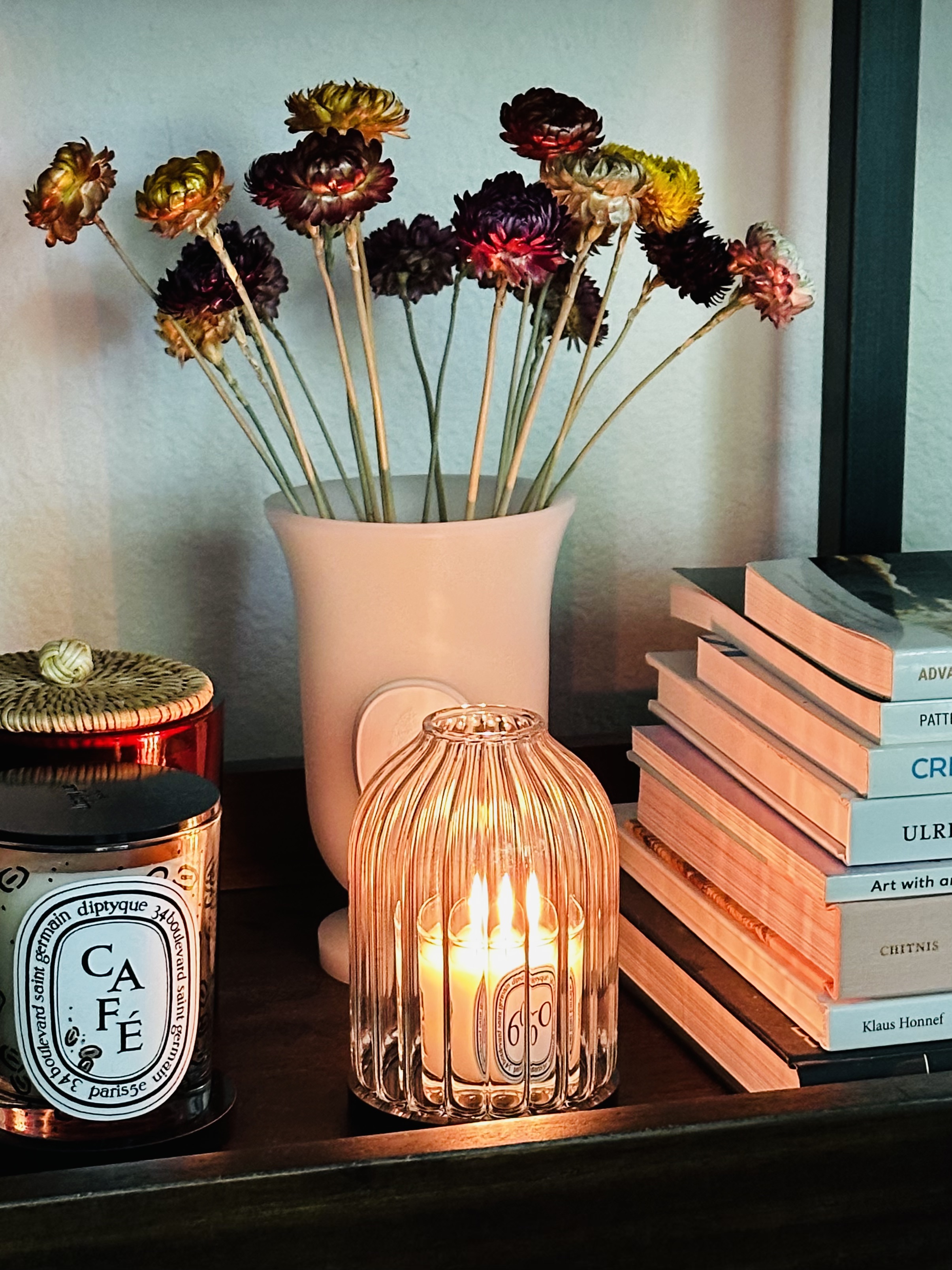
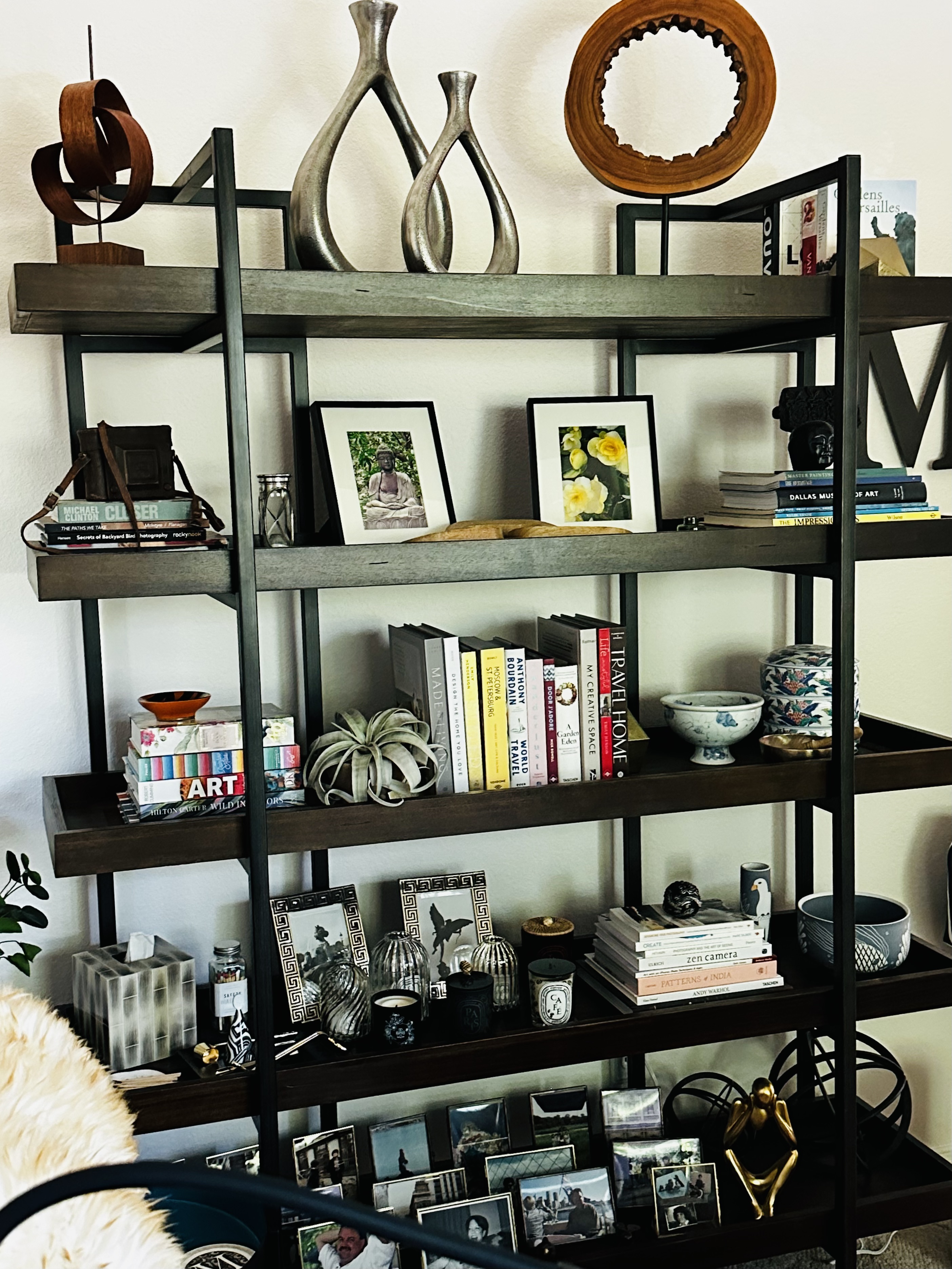
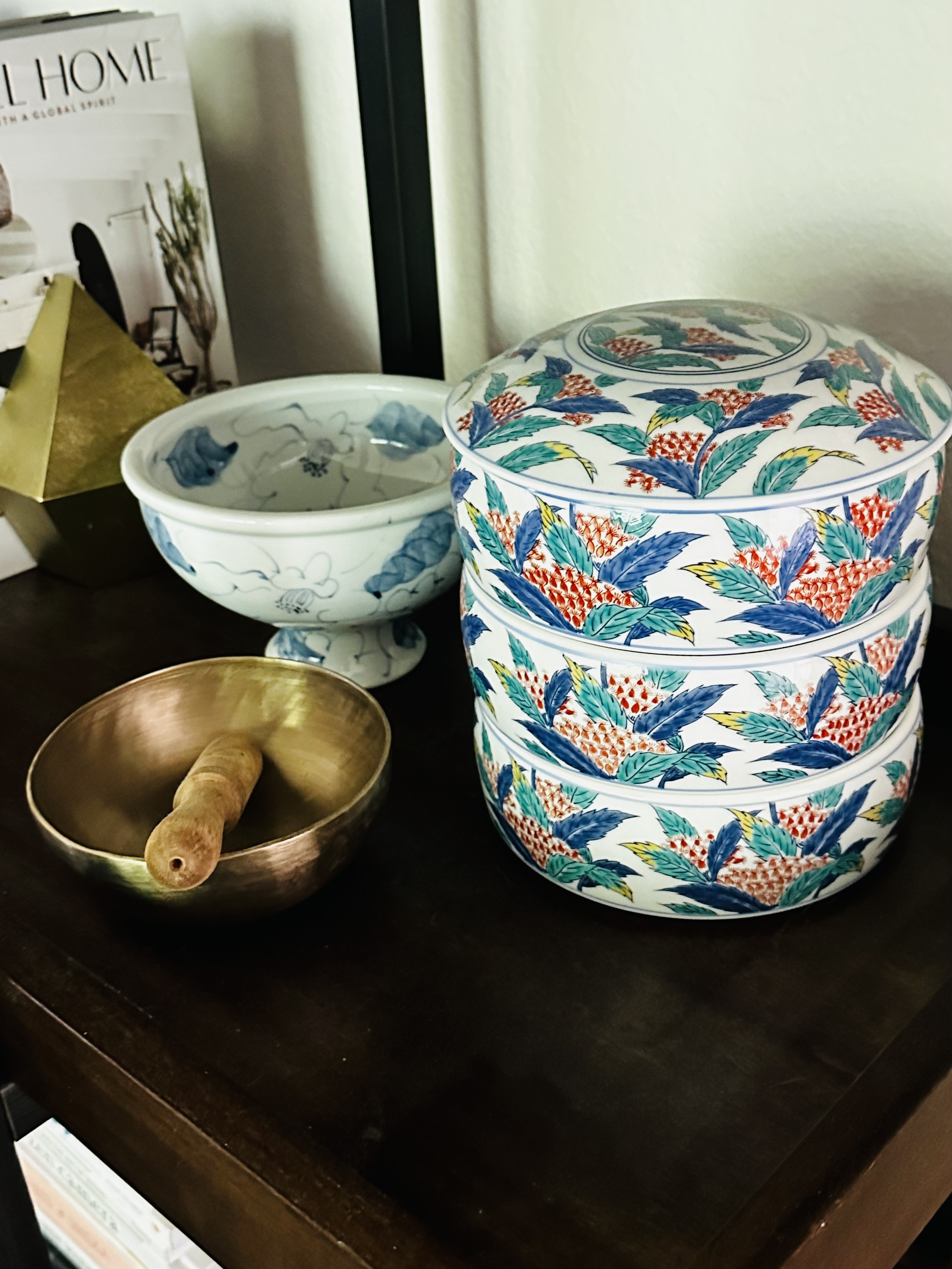
The bookcase in my office holds many treasures including travel finds, books, photos, candles, and an antique camera. The items bring me joy, and memories of travels and adventures. Here are a few photos.
by Natalie Kelley
•••••
Medically Reviewed by:
Tiffany Taft, PsyD
The constant pressure to go-go-go caused me to ignore my body’s alarms and wreaked havoc on my ulcerative colitis. Then I found a better way.
Hustle culture — or the pressure to constantly be going, doing, and producing — is a big part of today’s work and school environments. Some see it as a hallmark of success.
Once you’re caught up in it, hustle culture can feel ever-present and all-consuming and yes, necessary. But is it really? Or is this emphasis on always striving to make more money, be more productive, etc. actually harmful, especially to those of us with chronic illnesses?
Before my diagnosis of ulcerative colitis (UC), I was a self-proclaimed hustle-culture queen. I lived for the go-go-go lifestyle and loved the constant approval it seemed to get me, especially as it related to academic success, and later, my work.
When I began getting sick in college and was in and out of medical appointments, I still continued on the path I had begun forging for myself in high school. I would wake up at 4:45 a.m., run mile after mile, spend an hour in the gym, go to classes all day long, work my on-campus jobs, and then spend the evening doing my homework as perfectly as possible, working on my blog, and running my sorority.
Because my vision was so clouded by my constant need for “success,” I didn’t hear the cries of my body as my first major flare started creeping up on me.
And after being diagnosed with UC? Well, nothing changed. I believed I could take my medication, call it good, and continue on as I was before — going, running, hustling.
Because my vision was so clouded by my constant need for “success,” I didn’t hear the cries of my body as my first major flare started creeping up on me. Then 3 weeks after graduating college, I found myself lying in a hospital bed, hooked up to IVs, staring out into the summer sun. It was this moment that made me realize hustle culture wasn’t all that it was made out to be. Sure, I had an almost 4.0 grade-point average, honors society tassels at graduation, and a marathon medal hanging in my bedroom, but what good was any of that if I didn’t have my health?
The moment I got out of that hospital I made it my mission to turn in my hustle-culture queen crown and become a hustle-culture dropout.
If you resonate with any pieces of my story, know that you’re not alone. Hustle culture is sneaky — from the messages we hear from bosses and coworkers about the importance of things like staying late at the office or having a side hustle, to the questions from family members about promotions and grades, to daily TikTok vlogs showing everyone’s 5–9s before their 9–5s — and it’s everywhere.
As tempting as it can be to try and fit into the mold that hustle culture has created, I truly believe it’s not worth it, or even safe, for folks with chronic illnesses. Not only does hustle culture negatively affect our bodies, but it can impact our minds as well by encouraging comparison, making us feel like we’re never enough, and creating mental burnout.
Hustle culture tells us to place traditional measures of success, such as income, grades, and job status, above all else, but when we have a chronic illness (or multiple illnesses), listening to our bodies must come first. And by subscribing to the hustle culture ways, we are continuously pushed into a cycle of ignoring our bodies, flaring, recovering, and then doing it all over again, just as I was in college. And we — and our bodies — deserve so much more.
So, how do we, in a world that tells us our worth comes from how much we do and produce, become a hustle-culture dropout? How do we learn to see our worth as completely separate from our productivity?
Instead of focusing on “success” as hustle culture sees it, what if you redefined success for yourself?
This was the first step I took in becoming a hustle-culture dropout, which does not have to be an all-or-nothing concept. Instead of seeing success as something that could be measured by society, I decided that for me, success was living a life that is balanced — a life that still allowed me to feel financially comfortable so I could afford my medical needs, but that also included daily rest and self-care. I realized that I never actually felt that successful when I was doing “all the right things,” because I was so burnt out and disconnected from myself.
Try thinking about what real success might look like for you.
A big reason why I fell so easily into hustle culture and based so much of my worth on how much I did and produced was because I lacked self-love. Because of this, I was constantly searching for validation outside myself.
When we center ourselves in self-love, it’s much easier to remember that we don’t have to participate in hustle culture, and to rest without guilt, because we’re able to give ourselves the validation we need from an intrinsic place. Self-love can feel hard to foster when we are being constantly pushed to be and do more, but forcing yourself to slow down and get to know yourself on a deeper level is a beautiful place to start.
Getting to know all the layers of who you are — your passions, your values, your unique characteristics, your quirks, what makes you laugh, what makes you tick, etc. — is a foundational piece of starting to love yourself better. Think of a romantic relationship, for example — it would be really difficult for you to feel loved if your partner never took the time or put in the effort to learn new things about you. It’s the same thing with yourself!
Doing things simply for joy is something that we too easily forget how to do as adults, especially in the midst of navigating chronic illness. I have found that dedicating time each week to activities that serve no “purpose” other than making me happy has helped remind me that productivity isn’t the only thing in life that matters, and that there are other things I want to prioritize above simply go-go-going.
This may look like taking a dance class (if you’re physically able), coloring, reading a fun novel, or watching a new television show. Anything works as long as joy is at the center of it!
Hustle culture wants us to always be striving, because if we’re always wanting to be more, make more money, get more praise, etc., we’re going to keep forcing ourselves to do more.
Hustle culture thrives on a concept called destination addiction. Destination addiction can sound like, “I’ll be happy when I make X amount of money” or “I’ll be satisfied when I have achieved X promotion.”
Hustle culture pulls us out of the present and puts an unhealthy emphasis on the future, despite the fact that who and what you’re doing right now is always enough. Finding ways that help you stay present with chronic illness, such as writing a daily gratitude list or meditating, can help you drop out of hustle culture once and for all, because you start to find peace in the present and no longer feel a constant need to look toward the future.
Although it can feel impossible to become a hustle-culture dropout, it’s possible and necessary if you have chronic illness. Dropping out of hustle culture won’t only protect your physical health, but your mental health as well. Making small changes by allowing yourself to slow down and not push harder than you need to can make a big difference.
Medically reviewed on February 21, 2023
This a great article that applies to anyone with a chronic illness, we have to listen to our bodies and not other’s expectations.
Melinda
The FDA approved the Vagus Nerve Stimulator in 2005 and I was fortunate enough to get approval for it. It’s implanted in my upper left chest, looks like a pacemaker, and the lead wires attach to my Vagus Nerve. I prayed the device would deliver a miracle for my Bipolar Disorder but that was not the case. After several years of adjusting the stimulation, my doctor and I made the decision to turn it off. Almost 20 years later it has become painful and I plan to have it removed this Fall.
The technology has advanced with implants showing better results. I don’t plan to have another implanted but I did find the research on non-invasive VNS devices very interesting. I am researching several brands and will purchase one that vets out. What I find most interesting is the non-invasive devices can help with many other conditions like anxiety, pain, stress, and even migraines. I could use help in many of the areas they tout.
———————
Last updated on July 24th, 2024 at 11:22 am
The human body is a complex and intricate system, with various nerves and pathways working in tandem to maintain optimal health. Among these nerves, the vagus nerve stands out as a key player in regulating numerous bodily functions. Thanks to recent advancements in medical technology, a non-invasive vagus nerve stimulation device has emerged as a breakthrough in the field of medicine. This device has the potential to revolutionize the treatment of various health conditions and enhance overall well-being.
The vagus nerve, also known as the tenth cranial nerve, is the longest and most vital nerve in the human body. It extends from the brainstem to various organs, including the heart, lungs, and gastrointestinal tract. The vagus nerve plays a crucial role in regulating essential bodily functions such as heart rate, digestion, and respiratory function.
But what exactly is the vagus nerve, and how does it carry out its functions? Let’s dive deeper into the fascinating world of this remarkable nerve.
With its extensive reach and influence, the vagus nerve acts as a communication channel between the brain and various organs. It carries signals that control the parasympathetic nervous system, which is responsible for rest and digestion functions. This means that the vagus nerve helps to slow down heart rate, stimulate digestion, and promote relaxation.
But that’s not all. The vagus nerve also plays a role in modulating inflammation and immune responses. It has been found to have anti-inflammatory effects, helping to regulate the body’s immune system and reduce excessive inflammation. This connection between the vagus nerve and the immune system opens up new possibilities for treating inflammatory diseases.
Research has shown that abnormalities in vagal nerve activity can contribute to the development and progression of various health conditions. For example, chronic pain has been linked to dysfunctional vagus nerve signaling. By understanding and targeting the vagus nerve, researchers hope to develop new treatments for chronic pain that go beyond traditional pain medications.
Depression and anxiety disorders are also closely tied to vagal nerve activity. Studies have found that stimulating the vagus nerve through techniques like vagus nerve stimulation (VNS) can have a positive impact on mood and reduce symptoms of depression and anxiety. This has led to the development of VNS as a potential treatment option for individuals who do not respond to traditional antidepressant medications.
Migraines, too, have been linked to vagal nerve dysfunction. The vagus nerve is involved in pain modulation, and abnormalities in its function can contribute to the development of migraines. By understanding the role of the vagus nerve in migraines, researchers are exploring new ways to prevent and treat these debilitating headaches.
Furthermore, the vagus nerve’s influence extends to inflammatory diseases. Inflammatory bowel disease, rheumatoid arthritis, and other conditions characterized by excessive inflammation have been associated with vagal nerve dysfunction. This connection has sparked interest in developing therapies that target the vagus nerve to regulate inflammation and potentially provide relief for individuals with these conditions.
As we continue to unravel the mysteries of the vagus nerve, its importance in maintaining overall health and well-being becomes increasingly evident. By understanding its functions and connections to various health conditions, researchers are paving the way for innovative treatment approaches that could improve the lives of millions.
Vagus nerve stimulation (VNS) therapy has been used for decades as a treatment option for certain conditions. Traditional VNS involves the implantation of a device that delivers electrical impulses directly to the vagus nerve. While effective in some cases, this invasive approach has limitations and potential complications, leading researchers to explore alternative methods.
In the past, VNS therapy involved the surgical implantation of a device that connects to the vagus nerve. This device typically delivers mild electrical impulses to modulate the nerve’s activity. However, the invasiveness of this method poses risks such as infection, nerve damage, and complications related to device placement.
Despite these risks, the traditional approach to VNS has shown promising results in the treatment of epilepsy and depression. Studies have demonstrated a reduction in seizure frequency and improved mood in patients who underwent VNS therapy. However, the limitations and challenges associated with invasive VNS have prompted researchers to explore less invasive alternatives.
Despite its positive outcomes in certain cases, invasive VNS therapy presents several challenges. The necessity for surgical implantation limits its accessibility and increases the potential for complications. Additionally, adjusting the stimulation parameters requires medical intervention, making it less flexible for patients who may benefit from personalized treatment regimens.
Furthermore, the invasiveness of the traditional VNS approach may deter some patients from seeking treatment. The fear of surgery and the associated risks can be a significant barrier, especially for individuals with comorbidities or those who are more risk-averse. As a result, researchers have been actively exploring non-invasive or minimally invasive alternatives to VNS therapy.
One such alternative is transcutaneous VNS, which involves the application of electrical stimulation to the skin overlying the vagus nerve. This non-invasive approach eliminates the need for surgical implantation, reducing the associated risks and complications. Transcutaneous VNS has shown promising results in the treatment of various conditions, including migraine, depression, and chronic pain.
Another emerging technique is minimally invasive VNS, which utilizes a smaller, less invasive device for nerve stimulation. This approach involves the placement of a tiny electrode near the vagus nerve, allowing for targeted stimulation without the need for extensive surgery. Minimally invasive VNS offers a middle ground between traditional invasive VNS and non-invasive alternatives, providing a balance between effectiveness and safety.
As researchers continue to explore and refine VNS therapy, advancements in technology and medical understanding are driving the evolution of this treatment modality. The development of novel devices, improved stimulation parameters, and a better understanding of the underlying mechanisms are all contributing to the expansion of VNS therapy options.
In conclusion, while traditional VNS therapy has been a valuable treatment option for certain conditions, the limitations and potential complications associated with invasive approaches have prompted researchers to explore alternative methods. Non-invasive and minimally invasive techniques are emerging as promising alternatives, offering improved accessibility, reduced risks, and increased flexibility for personalized treatment. As the field of VNS therapy continues to evolve, patients can look forward to more effective and safer options for managing their conditions.
Non-invasive vagus nerve stimulation (nVNS) has emerged as an exciting alternative to traditional VNS therapy. This innovation allows for the stimulation of the vagus nerve without the need for surgical procedures or implantation.
The vagus nerve, also known as the “wandering nerve,” is the longest cranial nerve in the body. It plays a crucial role in regulating various bodily functions, including heart rate, digestion, and inflammation. Traditionally, vagus nerve stimulation (VNS) has been used as a treatment option for conditions such as epilepsy and depression. However, the invasive nature of VNS therapy has limited its accessibility and acceptance.
nVNS offers a non-invasive solution to harness the therapeutic potential of the vagus nerve. By utilizing mild electrical stimulation, nVNS can activate the vagus nerve and modulate its activity, providing a promising avenue for the treatment of various health conditions.
nVNS operates on the principle that mild electrical stimulation can activate the vagus nerve and modulate its activity. By placing electrodes on the skin over specific nerve pathways, nVNS devices deliver targeted electrical impulses, stimulating the vagus nerve indirectly. This non-invasive approach has shown promising results in clinical trials
Research has demonstrated that vagus nerve stimulation can have a profound impact on the body’s autonomic nervous system, which controls involuntary functions. By modulating the vagus nerve’s activity, nVNS can influence heart rate, blood pressure, and even the release of neurotransmitters in the brain.
Furthermore, studies have suggested that nVNS may have anti-inflammatory effects. Inflammation is a key component of many chronic diseases, and by reducing inflammation through vagus nerve stimulation, nVNS could potentially offer a novel therapeutic approach.
The precise mechanisms through which nVNS exerts its therapeutic effects are still being explored. However, the growing body of research indicates that this non-invasive technique holds great promise for the future of medical treatment.
nVNS devices consist of a handheld stimulator with attached electrodes. When applied to specific areas, such as the neck or tragus, these devices deliver precisely calibrated electrical impulses. The stimulation triggers a response in the vagus nerve, which can have therapeutic effects on various health conditions.
One of the advantages of nVNS devices is their portability and ease of use. Patients can conveniently carry the handheld stimulator with them and apply the electrodes whenever needed. This flexibility allows for on-demand stimulation, enabling individuals to tailor their treatment according to their specific needs and symptoms.
Additionally, nVNS devices are designed to be user-friendly, with intuitive controls and adjustable settings. This ensures that patients can easily customize their stimulation parameters, optimizing the therapy’s effectiveness and comfort.
As the field of nVNS continues to advance, researchers and engineers are exploring innovative ways to enhance device design and functionality. Efforts are being made to develop smaller, more discreet devices that can be worn comfortably throughout the day, allowing for continuous vagus nerve stimulation without disrupting daily activities.
Moreover, advancements in technology are enabling the integration of nVNS devices with smartphone applications and wearable devices. This integration offers the potential for real-time monitoring and personalized treatment plans, further optimizing the therapeutic benefits of nVNS.
In conclusion, non-invasive vagus nerve stimulation (nVNS) represents a groundbreaking development in the field of medical treatment. By providing a non-surgical and easily accessible alternative to traditional VNS therapy, nVNS holds immense potential for improving the lives of individuals with various health conditions. With ongoing research and technological advancements, the future of nVNS looks promising, paving the way for a new era of personalized and effective medical interventions.
nVNS has the potential to offer significant health benefits across a range of conditions, opening up new possibilities for treatment and management.
With its ability to modulate the vagus nerve’s activity, nVNS holds promise in revolutionizing various areas of healthcare. From chronic pain management to mental health treatment, this innovative approach has garnered attention and sparked excitement among researchers and medical professionals alike.
Chronic pain is a widespread and challenging condition that can significantly impact a person’s quality of life. Traditional pain management approaches often involve pharmacological interventions, which may come with unwanted side effects and limited efficacy. However, studies have shown that nVNS can provide effective pain relief by modulating the vagus nerve’s activity.
The vagus nerve, a major component of the parasympathetic nervous system, plays a crucial role in pain perception and inflammation. By targeting this nerve through non-invasive nVNS, it is possible to reduce inflammation and alter pain perception, offering a non-pharmacological approach to pain management. This opens up new avenues for individuals suffering from chronic pain, providing them with a potential alternative or complementary treatment option.
Mental health disorders, including depression and anxiety, affect millions of people worldwide. While various treatment modalities exist, there is a constant need for innovative approaches that can enhance therapeutic outcomes and minimize side effects. nVNS has emerged as a potential game-changer in the field of mental health treatment.
Research has shown that nVNS can modulate the vagus nerve’s activity, influencing neurotransmitter release and mood-regulating pathways. By doing so, it offers a novel and non-invasive approach to mental health treatment. This exciting development has the potential to transform the lives of individuals struggling with mental health disorders, providing them with a new frontier of hope and possibilities.
Furthermore, the non-pharmacological nature of nVNS makes it an attractive option for individuals who may be hesitant or unable to tolerate traditional medication-based treatments. By harnessing the power of the vagus nerve, nVNS opens up a world of potential for personalized and targeted mental health interventions.
As research continues to unfold, the potential health benefits of nVNS become increasingly evident. From chronic pain management to mental health treatment, this innovative approach holds promise in revolutionizing the way we understand and address various health conditions. With its non-invasive nature and ability to modulate the vagus nerve’s activity, nVNS offers a glimpse into a future where personalized and effective treatments are within reach for individuals worldwide.
As the field of medical technology continues to advance, researchers are exploring additional applications and potential benefits of non-invasive vagus nerve stimulation (nVNS). This innovative therapy has shown promise in various areas of healthcare, and ongoing research is shedding light on its potential to revolutionize personalized medicine.
Researchers are actively investigating the effects of nVNS on various health conditions and exploring its potential to improve outcomes. One area of focus is epilepsy, a neurological disorder characterized by recurrent seizures. Preliminary studies have shown that nVNS may help reduce the frequency and severity of seizures in some patients, offering a new avenue for managing this challenging condition.
Another area of interest is migraines, debilitating headaches that can significantly impact a person’s quality of life. Early research suggests that nVNS may provide relief for migraine sufferers by modulating the activity of the trigeminal nerve, which is involved in the development of migraines. This non-invasive approach could offer a promising alternative or complement to existing treatments.
Inflammatory diseases, such as rheumatoid arthritis and Crohn’s disease, are also being explored as potential targets for nVNS therapy. These conditions involve an overactive immune response, leading to chronic inflammation and tissue damage. By stimulating the vagus nerve, nVNS may help regulate the immune system and reduce inflammation, offering a novel approach to managing these complex diseases.
Furthermore, researchers are even investigating the potential cognitive enhancement effects of nVNS. By stimulating the vagus nerve, nVNS may modulate brain activity and improve cognitive function. This could have implications for conditions such as Alzheimer’s disease and age-related cognitive decline, where maintaining cognitive abilities is crucial for maintaining independence and quality of life.
One of the most exciting aspects of nVNS is its potential to be tailored to individual patients. With adjustable settings and personalized parameters, nVNS therapy can be optimized to meet each person’s unique needs. This personalized approach has the potential to enhance treatment effectiveness and improve patient outcomes.
For example, the intensity and frequency of nVNS stimulation can be adjusted based on the severity of symptoms and individual response. This flexibility allows healthcare providers to fine-tune the therapy to achieve the best possible results for each patient. Additionally, the ability to remotely monitor and adjust nVNS devices further enhances the personalized nature of this therapy, allowing for real-time optimization and improved patient convenience.
Moreover, the integration of nVNS with other medical technologies holds promise for personalized medicine. By combining nVNS with wearable devices, such as smartwatches or biosensors, healthcare providers can gather real-time data on a patient’s physiological responses and customize nVNS therapy accordingly. This integration could lead to more precise and effective treatment strategies, tailored to the specific needs of each individual.
In conclusion, the emergence of non-invasive vagus nerve stimulation devices represents a breakthrough in medical technology. By harnessing the power of the vagus nerve, these devices offer new possibilities for the treatment and management of various health conditions. The potential benefits of nVNS in chronic pain management, mental health treatment, and other areas are particularly promising. As further research unfolds and technology continues to advance, the future of nVNS holds great potential for revolutionizing personalized medicine and improving the lives of countless individuals.
This is a huge breakthrough for so many people.
Melinda
Reference:
National Wellness Month speaks to me as I try to live a healthier life, work daily on my mental health, rest my mind, and eat healthier. I believe strongly in self-care daily for my overall health and well-being. Maybe you too will make August a wellness month for you.
Every August, celebrate National Wellness Month! Prioritize your self-care, reduce stress, and create healthier habits to feel like your best self!
We can often put our health and wellness on the back burner due to work deadlines, traffic, family obligations and other stressors. Research has shown self-care can help increase happiness by up to 71%. National Wellness Month was born out of the idea that if we are going to do big things in the world— build our careers, raise a family, further our education, create new ideas, and nurture our bodies — we need to take care of ourselves.
The concept of self-care has a long and varied place in human history amongst different cultures and time periods. Ancient philosophers like Socrates and Plato emphasized the importance of self-care and self-reflection as part of a virtuous life. Taoist principles also promoted self-care through practices such as meditation, breathing exercises, and herbal medicine. The 19th and 20th centuries also saw the emergence of movements focused on mental health and self-care. Many of these practices have been successful in creating a healthy mind and body for many generations and have carried over into modern day ideas of self-care.
Today, the concept of self-care encompasses various practices aimed at holistic well-being, including physical exercise, healthy eating, mindfulness, stress reduction techniques, and more. Self-care and wellness is a personal and subjective concept but the underlying idea of taking deliberate actions to care for oneself physically, mentally, and emotionally remains central.
I’m all for any awareness of taking care of your health, self-reflection, self-care, and healthy eating.
Melinda
Here are a few products I’m loving with right now. I hope you find a product to add to your household or self-care routine. The list can give you ideas for friends, and family. Most products are found on Amazon. I am not an Amazon Affiliate; any links provided don’t cost you more and take you right to the product brand. I am proud of my Affiliate relationships and will always let you know if I make a small commission on a product.

For the past two months, I’ve been nursing myself back to better health. I have low potassium, anemia and have updated my self-care routines. These are the new products I’ve added to help me.

Evolution Fresh® Mighty Watermelon Cold-Pressed Vegetable & Fruit Juice Blend 32 oz.

Cold Pressed Watermelon Juice [Original HYDRATION]| Natural Electrolytes + Antioxidants | No Added Sugar | 1 liter bottles

Mooala’s Vanilla Bean Almondmilk isn’t your regular, plain ol’ vanilla almondmilk. Our recipe blends blanched almonds, real vanilla beans, and a touch of sugar cane juice with the best organic vanilla flavors we could find. The result is a creamy, delicious taste that would rival your grandma’s homemade ice cream. But with way less calories. Gluten free.
This is the best Almond Milk I’ve ever tasted and we drive across town to buy it since Central Market is the only place we can find it. My husband doesn’t drink it but knows how much I love it. The touch of pure cane sugar juice makes all the difference. It’s so creamy, you can taste the vanilla beans and the top of of pure cane sugar makes it addictive.

Organic Mix of Rolled Oats, Flax, Chia, Steel Cut Oats ⎸ Make in Overnight Oats Containers with Lids, Then Wake Up to Your Perfect Breakfast (10 Serving Bag, 15oz)
I make mine with Almond Milk, add a few chopped pecans, and add fruit on top. In the morning I have to add a little extra milk since I don’t like mine dry. I have used strawberry and mango both of which taste great. I did buy some Overnight Oat jars with lids since I didn’t have anything that would work and they are dishwasher safe. Also bought it on Amazon.

26 PCS Mix Dried Eucalyptus & Lavender Flowers Bundles for Shower, 17” Natural Real Hanging Silver Dollar Eucalyptus Leaves Stem, Fresh Shower Plants, Fragrance, Wedding Decor (26 pcs)
Eucalyptus & silver dollar leaves have a menthol-like distinct scent that is used in aromatherapy to encourage relaxation and anxiety relief. Dried lavender has a calming scent, soothing effect. Enjoy a moment of peace in your busy day with this Shower Plants Set and enjoy the simple pleasure of aromatherapy in every shower!

They are 88.1% Carbon Neutral
A moisturizing non-oily hand cream enriched with extra-virgin olive oil and olive leaf extract with aromatic notes of the sea. The list of good-for-you ingredients is long, and it soaks in fast leaving your hands completely moisturized and soft. I have no problems working on the computer right after applying.
I also use their body lotion and shower gel in my bath, it smells good and leaves your skin soft.
Clovertree Apothecary was founded in 2009 by Amy Bohn – massage therapist, herbalist, breast cancer survivor, and co-founder of one of the top organic spa companies in the world. Amy and her team of herbalists and chemists have spent more than a decade developing authentic, pure, plant-powered products, specifically formulated to remedy the various skin and body concerns that are common to today’s spa-goers and consumers. These products have now been tested and perfected by hundreds of estheticians and massage therapists on hundreds of thousands of satisfied spa customers, and are proven to provide real results and a beautiful, luxurious experience.
Clovertree products are Plant Powered® – packed full of pure plant ingredients and formulated to remedy specific skin and body concerns common to spa customers. It is a true “clean beauty” line, containing no artificial colors or fragrances, and no harmful chemicals or preservatives. All products are gluten-free and “beegan” (vegan + bee products) and never tested on animals.
I recently discovered Clovertree and was so impressed with their background, that I stocked up on several items and see myself buying many more good-for-you products from them. They are not far from where I live but I buy online since I’m immune compromised.
 Skin Rescue Balm × 1 Skin Rescue Balm × 1 Muscle Relief Bath & Body Oil × 1 Muscle Relief Bath & Body Oil × 1 Limoncello Signature Candle × 1 Limoncello Signature Candle × 1 Triple C Repair Serum × 1 Triple C Repair Serum × 1 Hibiscus Rose Lip Balm × 2 Hibiscus Rose Lip Balm × 2 Balance Me Centering Oil × 1 Balance Me Centering Oil × 1 |
While it’s not yet fully understood, research shows a strong connection between fibromyalgia and migraine symptoms.
In 2021, chronic pain affected over 51 adults in the United States alone. Over 17 million of those adults experienced debilitating chronic pain that restricted their daily activities.
Both fibromyalgia and migraine episodes can cause chronic pain that makes it difficult to function from day to day. And for people who have both conditions, research suggests that fibromyalgia may even make migraine symptoms worse and more frequent.
Below, we’ll explore what science says about the relationship between fibromyalgia and migraine, including what treatment options are available for both.
Research shows that fibromyalgia and migraine often occur together and that fibromyalgia can affect the frequency and severity of migraine episodes in people who have both conditions.
The following studies demonstrated a connection:
Most of the studies on fibromyalgia and migraine don’t distinguish between different migraine types, such as complex or ocular migraine. However, some of the research does suggest that people with chronic migraine and migraine with aura may be more affected.
Fibromyalgia is a chronic health condition that’s characterized by body-wide pain and tenderness, chronic fatigue, and difficulty sleeping.
Researchers aren’t entirely sure of what causes fibromyalgia, but evidence suggests that it affects the way the nerves of the brain receive and transmit information related to pain. Because of this, people with fibromyalgia appear to be more sensitive to pain than those without the condition.
First-line treatment for fibromyalgia and migraine generally involves medications that reduce pain.
While there’s no cure for fibromyalgia, there are four medications commonly prescribed to help manage pain:
Research has shown that roughly a quarter of people living with fibromyalgia can find pain relief with these medications.
Migraine treatment also involves a combination of pain medications and other medications that may be helpful for reducing migraine frequency. Medications for migraine include both preventive and acute episode medications.
Preventive medications include:
Acute migraine episode medications include:
If you have both fibromyalgia and migraine, a combination of medications may help reduce your symptoms. However, you and your doctor will work closely together to decide which treatment options work best for you.
Complementary and integrative treatments may also be helpful in reducing pain and improving the quality of life in people living with fibromyalgia and migraine episodes.
One review from 2020 ound that acupuncture was beneficial for reducing pain in people living with chronic pain conditions, including chronic migraine. And additional research suggests that acupuncture may also be helpful for reducing pain due to fibromyalgia.
In another review from 2019 researchers found that activities like yoga and tai chi appear to help reduce migraine frequency and severity. Research also suggests that activities like yoga may be helpful in reducing fibromyalgia pain and improving functioning and mood.
Other complementary treatments that may be helpful for chronic pain conditions like fibromyalgia and migraine include therapeutic massage, mindfulness, and certain supplements. However, researchers are still exploring just how effective these approaches can be for these conditions.
Over 4 million adults in the United States — or roughly 2% of the population ― live with fibromyalgia. If you or someone you love has been recently diagnosed with the condition, you can check out these resources that offer education and support:
Research shows that fibromyalgia and migraine commonly occur together and that having one of these conditions may increase the risk of having the other.
Studies also show that for people who experience migraine episodes, fibromyalgia may affect the frequency and severity of those episodes.
Medication is the most common treatment approach for helping manage pain in both fibromyalgia and migraine. However, several other complementary approaches could be beneficial for reducing chronic pain levels and improving the quality of life in people with both conditions.
I know the pain of both Fibromyalgia and Migraines and they are both difficult to manage. I found that a multi-prong approach works best for me along with good sleep habits and daily self-care practices.
Melinda
I bought this piece in Hawaii while vacationing with some friends. It was gallery night and many had their doors open, serving drinks and welcoming people in to see the art on display. I was already familiar with Wyland and the thought of owning a piece of his art had my blood racing. Most of the pieces on display were way out of my price range but I fell in love with his signature whale tail tucked in the back. I could not wait to get home and hang the amazing piece. It’s one of my most treasured even though it’s not the most expensive.
“The value of art is not in the price, it’s what the piece means to you” Me
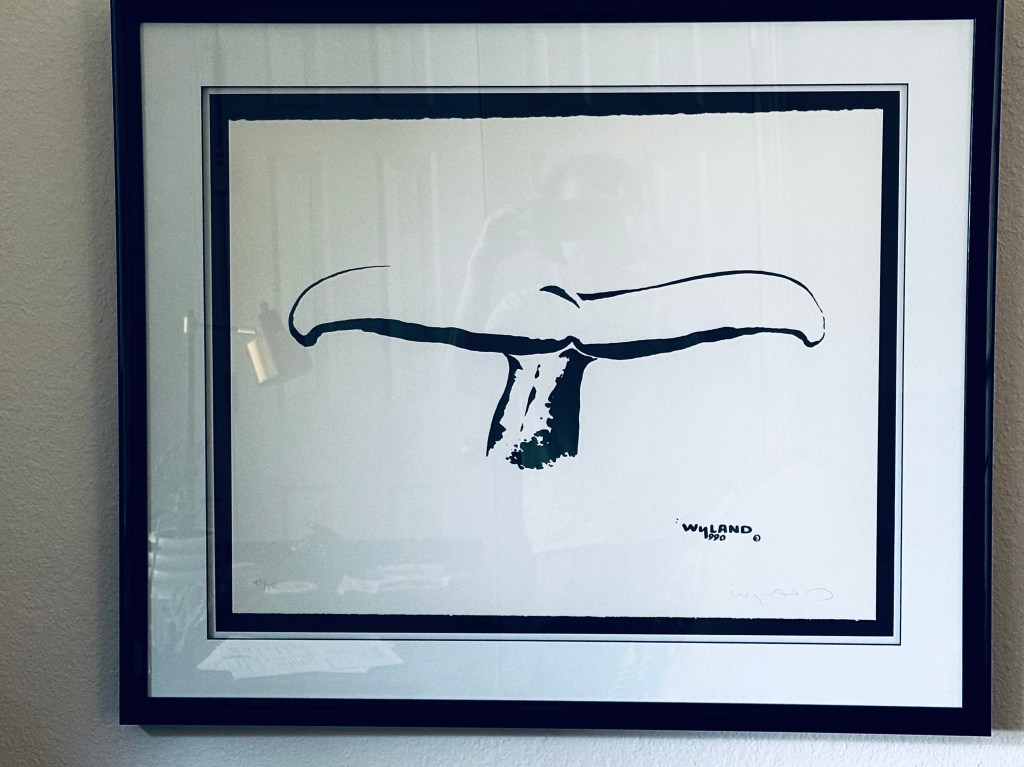
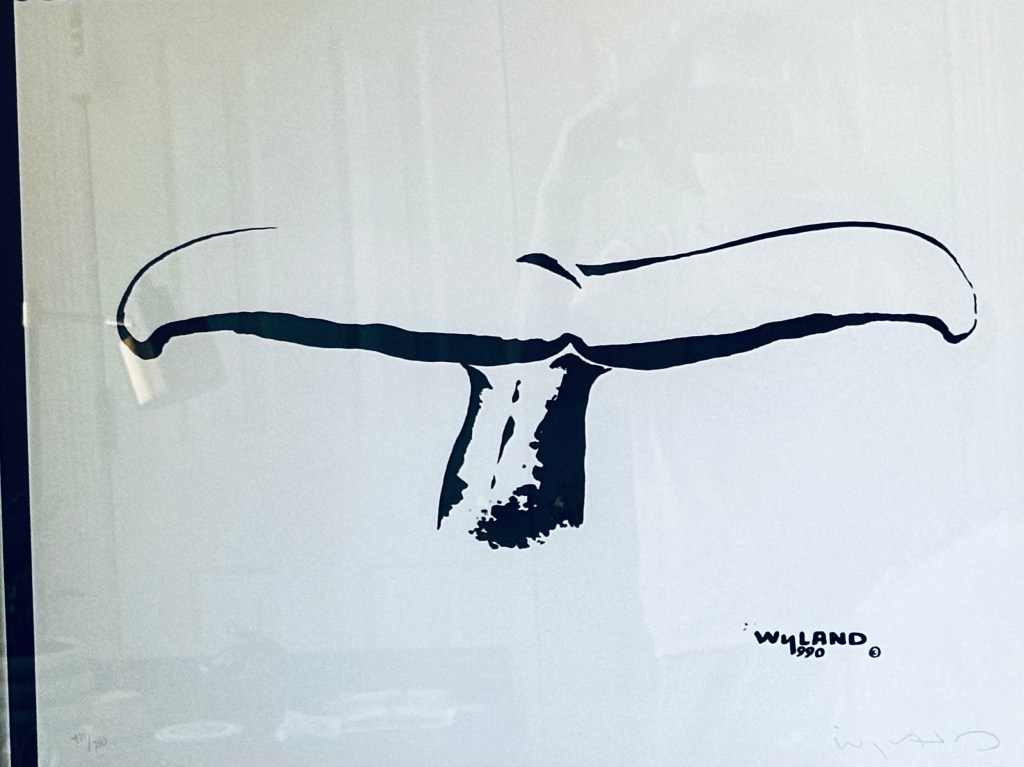
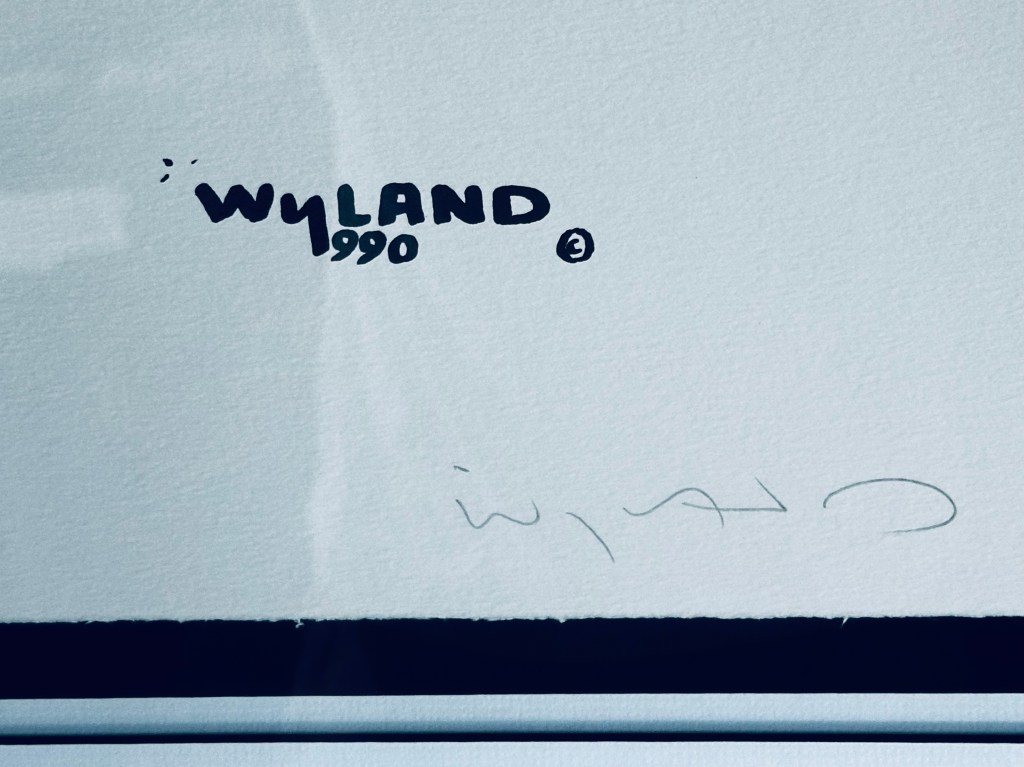
Over 40 years ago, marine life artist Wyland exploded on the scene with his rich, majestic murals of marine life. The timing couldn’t have been better – the environmental movement was in full swing and ocean-themed art was in high demand. Today, the art is as vibrant as ever and the message of showcasing the beauty of nature is even stronger. But Wyland’s mission has expanded in entirely new ways. With new art, a new emphasis on families and education, and a broader view of our relationship to the beauty of our entire blue planet – from our oceans, lakes, and rivers, to our streams and wetlands.
Wyland has inspired millions of people worldwide about marine life conservation thanks to his life-sized paintings and images ranging from the sides of sports arenas and cruise ships to installations at the U.S. National Mall in Washington, D.C.
Wyland’s mission of engaging people through nature-themed art and a more environmentally friendly lifestyle has touched hearts and minds, and led to strategic alliances with the United States Olympic Team, United Nation Environment Program, U.S. Environmental Protection Agency, U.S. Forest Service, Toyota, and Walt Disney Studios, to name a few.
Large-scale, inspiring public artworks, beautiful art galleries, and award-winning community service projects. In a career spanning more than four decades, Wyland’s art and commitment to conservation has made him one of the most influential artists of the 21st Century, with artwork in museums, corporate collections, and private homes in more than one hundred countries.
Since 1993, the non-profit Wyland Foundation has set the standard for environmental outreach, using art, science, and community events to inspire children and families around the world to become caring, informed stewards of our ocean, rivers, lakes, estuaries, and wetlands. With traveling science exhibits, national art programs, and innovative outreach events, the foundation helps people everywhere to be more creative, positive, and solution-oriented. The foundation is a 501(c)(3) non-profit organization and has worked directly with more than one million children since its inception in 1993.
You can find his breathtaking art at https://www.wyland.com
You can still see my desk in the background of the photo, I could not get the right light and haven’t perfected my photo apps. This piece hangs in my office and is a treasured piece and a great memory of being in Hawaii with my friends and finding his gallery.
Melinda
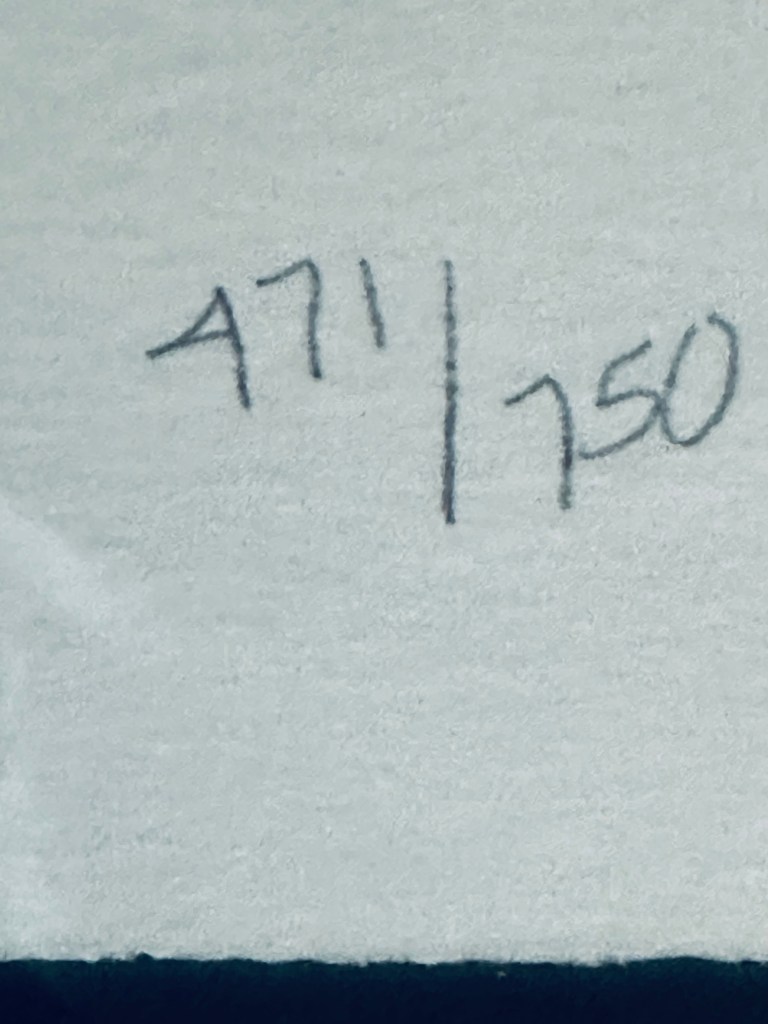
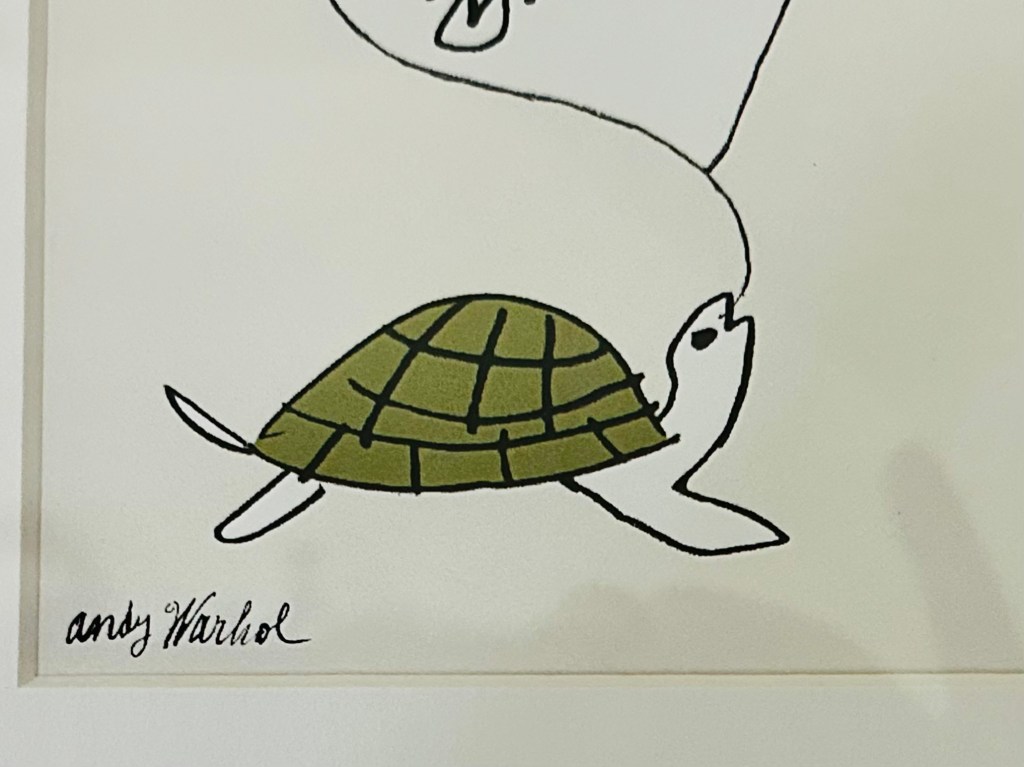
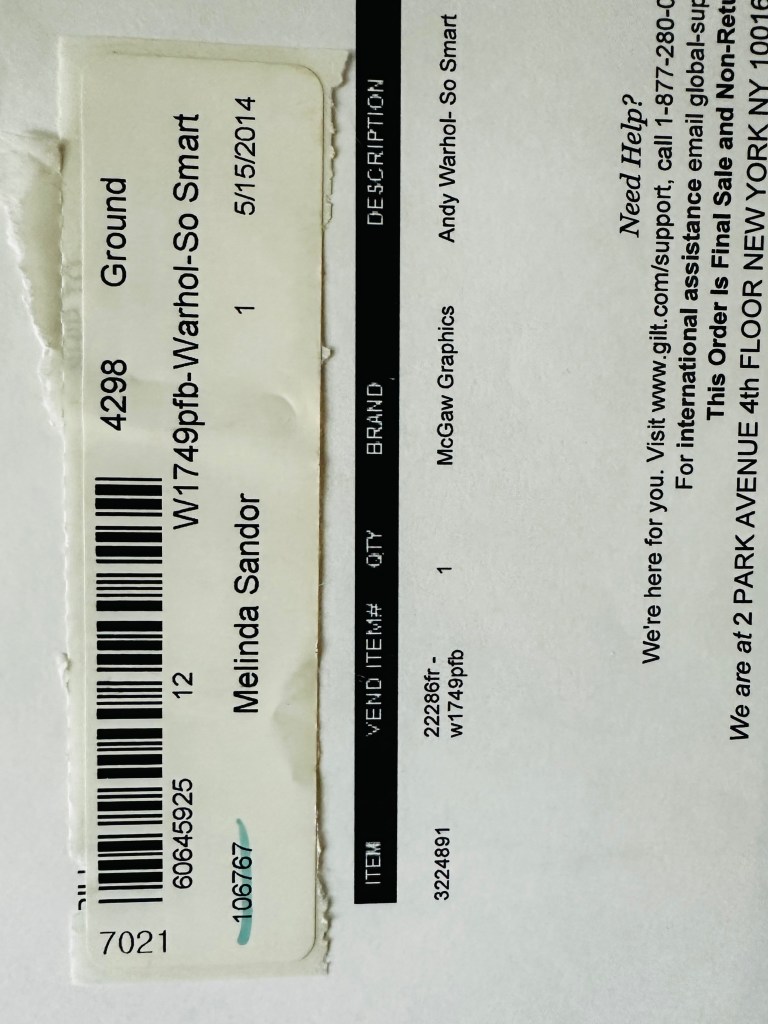
Even though I have paperwork on this piece I can’t say for certain that is a Lithograph because there is not a number on it and there should be. I purchased it in 2014 because the piece spoke volumes to me. My mother always told me I was stupid growing up even though I knew it wasn’t true. It was more of her mental torture. When I saw this piece I had to buy it. A young girl with good grades at school and getting a goodies bag for and being called So Sweet. It was a sweet revenge for me. It hangs in my office and I get great satisfaction looking at it daily. If it is real, that’s a bonus.
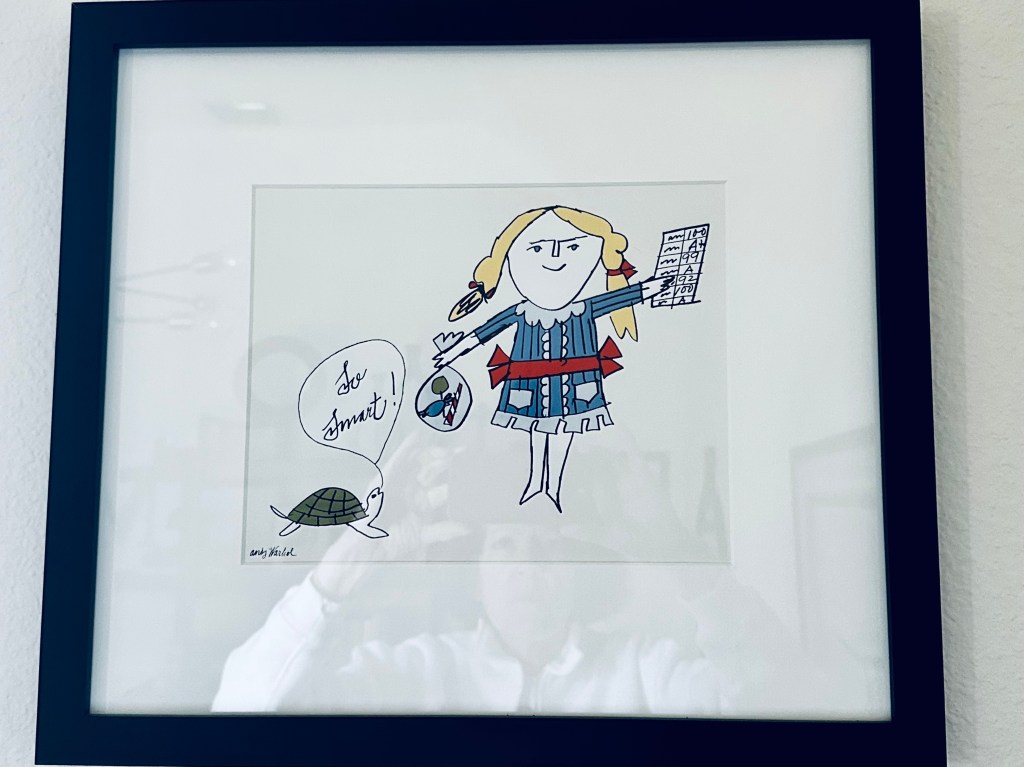
Do you have a favorite piece that calms your inner demons?
Melinda
| Hello Advocates, Happy Minority Mental Health Awareness Month! In 2008, the U.S. House of Representatives officially declared July as Bebe Moore Campbell National Minority Mental Health Awareness Month. Bebe Moore Campbell was a mental health champion who used her experience to highlight the profound impact that culture, community and connections have on mental health. Minority Mental Health Awareness Month is crucial for many reasons: Health Disparities: Minority communities often face significant disparities in mental health care, including limited access to services, lower quality of care, and higher levels of stigma associated with mental health conditions. Raising awareness helps address and reduce these disparities. Stigma Reduction: Many minority communities experience higher levels of stigma surrounding mental health conditions. Awareness initiatives can help break down these barriers, encouraging individuals to seek help and support without fear of judgment or discrimination. Cultural Awareness: Mental health awareness in minority communities promotes the need for culturally sensitive care. It emphasizes the importance of understanding cultural differences and tailoring mental health services to meet the unique needs of diverse populations. Advocacy and Policy Change: Highlighting the specific mental health needs of minority communities can drive advocacy efforts and inform policy changes aimed at improving mental health care equity. For example, this may include funding, more inclusive programs, and systemic changes that strengthen support for BIPOC individuals. Fast Facts:Asian American and Pacific Islanders: Non-Hispanic Asian American adults are the least likely population to receive mental health treatment for their mental illnessIn 2022, only 36.1% of Asian adults with mental illness received treatment9% of Asian Americans are not fluent in English and limited availability of culturally appropriate mental health care creates a significant barrier when trying to access careBlack/African Ancestry Communities:In 2022, only 37.9% of non-Hispanic Black or African American adults with mental illness received treatmentProvider bias, whether implicit or explicit, and lack of cultural sensitivity often results in misdiagnosis and inadequate treatmentWhen expressing symptoms related to mood disorders, Black people are more likely to receive a misdiagnosis of schizophreniaHispanic/Latin Americans: Nearly half of Hispanic and Latino young adults ages 18-25 with a serious mental illness do not receive treatmentAccording to the Kiser Family Foundation, in 2022, 18% of nonelderly Hispanic people had no form of health insuranceCompared to the U.S. average of 50.6%, approximately 39.6% of Hispanic or Latino adults with a mental illness receive treatment each yearBebe Moore Campbell used her voice to pave the way; what an honor it is that advocates like you and I have the opportunity to keep her legacy alive by continuing to advocate for a more inclusive, equitable, and effective mental health care system that serves all individuals, regardless of their background or identity. With gratitude,The NAMI Texas Public Policy Team Source material and further information can be found on NAMI National’s 2024 Bebe Moore Campbell National Minority Mental Health Awareness Month Toolkit.————————————————————————————————————————————–P.S. As I transition out of my fellowship with NAMI Texas, I want to take a moment to express my gratitude to each and every one of you. It has been the honor of a lifetime being a part of the NAMI Texas Team and the community of incredible advocates that it encompasses. Having the opportunity to be in conversation and spaces with such passionate, driven and welcoming advocates like you is truly an indescribable feeling. While I will no longer be on staff, I have every intention of staying engaged with NAMI Texas and all of you. Thank you for your kindness, support and willingness to share your stories with me over the last two years. You have made an everlasting impact on me, and I am so thankful for that. With love and gratitude,Hannah |
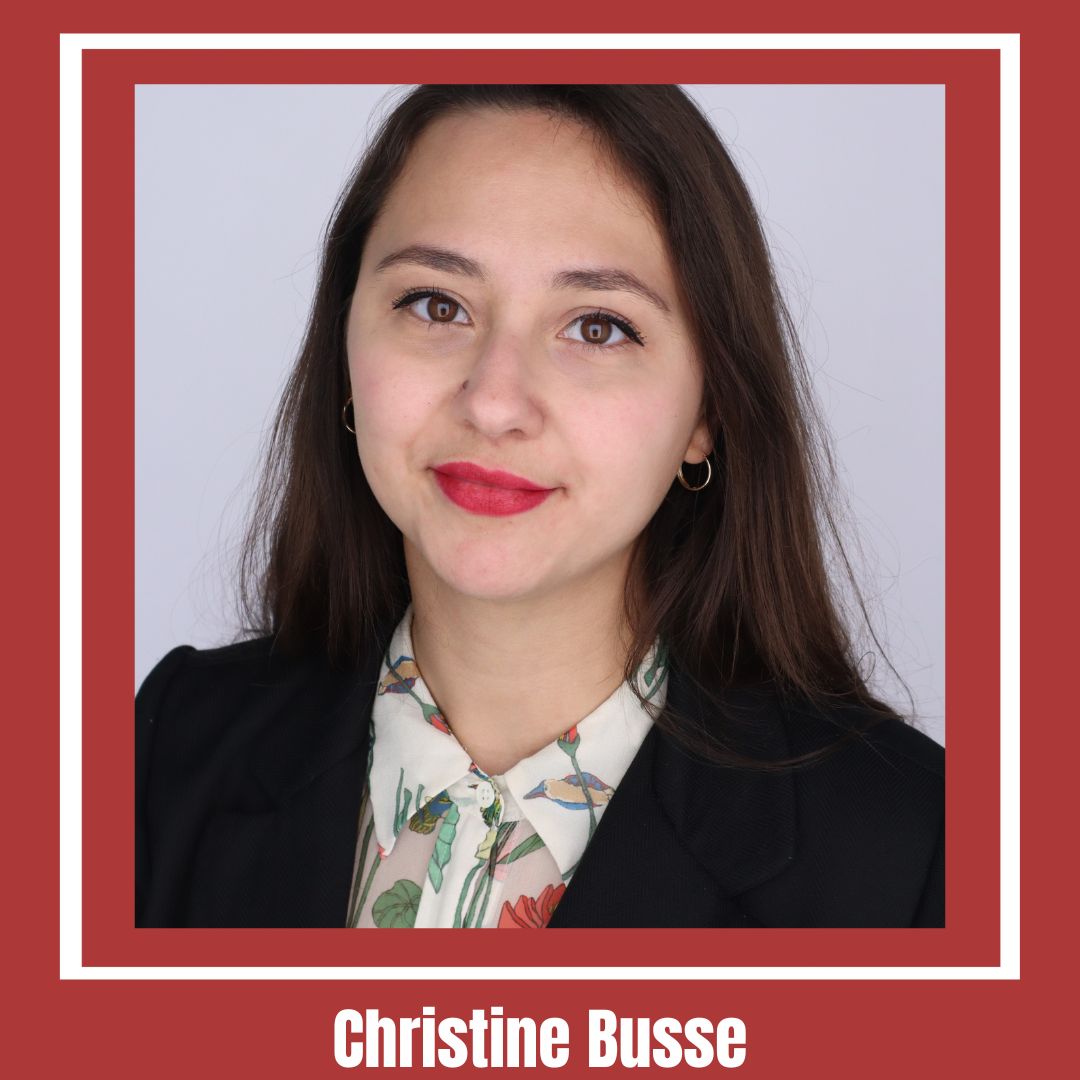 Staff Spotlight: Meet NAMI Texas’ New Peer Policy Fellow! Join us in welcoming our newest team member, Christine Busse! Christine joined NAMI Texas as a Peer Policy Fellow in July 2024. She holds a master’s in social work from the University of Texas at San Antonio and a Bachelor of Science in Behavioral Neuroscience from St. Edward’s University. Her professional journey includes nearly four years as a Registered Behavior Technician, providing Applied Behavioral Analysis (ABA) therapeutic services to youth with special needs. During her graduate studies, she honed her research and data analysis skills as a Graduate Research Assistant on the Bexar County Fostering Educational Success project, evaluating programs supporting foster care alumni. She gained valuable policy experience through internships at the National Association of Social Workers – Texas and the Hogg Foundation for Mental Health, actively participating in the 88th Texas legislative session. Most recently, Christine served as the Planning and Policy Coordinator at the Texas Homeless Network. These diverse roles provided Christine with strong experience in mental health and substance use policy, education, and behavioral health workforce challenges. She developed expertise in policy research, strategic advocacy, and legislative processes. As a lifelong Texan and Lebanese American with lived experience of mental illness, Christine is passionate about bridging the gap between research, policy, and lived experience to enhance effective mental health policies and support systems. She is committed to fostering community resilience and well-being to build a stronger, healthier Texas for all. Staff Spotlight: Meet NAMI Texas’ New Peer Policy Fellow! Join us in welcoming our newest team member, Christine Busse! Christine joined NAMI Texas as a Peer Policy Fellow in July 2024. She holds a master’s in social work from the University of Texas at San Antonio and a Bachelor of Science in Behavioral Neuroscience from St. Edward’s University. Her professional journey includes nearly four years as a Registered Behavior Technician, providing Applied Behavioral Analysis (ABA) therapeutic services to youth with special needs. During her graduate studies, she honed her research and data analysis skills as a Graduate Research Assistant on the Bexar County Fostering Educational Success project, evaluating programs supporting foster care alumni. She gained valuable policy experience through internships at the National Association of Social Workers – Texas and the Hogg Foundation for Mental Health, actively participating in the 88th Texas legislative session. Most recently, Christine served as the Planning and Policy Coordinator at the Texas Homeless Network. These diverse roles provided Christine with strong experience in mental health and substance use policy, education, and behavioral health workforce challenges. She developed expertise in policy research, strategic advocacy, and legislative processes. As a lifelong Texan and Lebanese American with lived experience of mental illness, Christine is passionate about bridging the gap between research, policy, and lived experience to enhance effective mental health policies and support systems. She is committed to fostering community resilience and well-being to build a stronger, healthier Texas for all.  NAMI National’s #Vote4MentalHealth Pledge Mental health impacts nearly all aspects of our lives. And at NAMI, we advocate on a wide range of policy priorities, from health care to criminal justice to housing and beyond. No matter the topic, we know that mental health matters. Your vote in the upcoming elections matters, too. Every elected official – from the president and Congress to county commissioners and city councilmembers – has influence on issues impacting people affected by mental health conditions. That’s why it’s so important to understand how voting impacts mental health. Take the first step: click the following link to pledge to #Vote4MentalHealth this November. NAMI won’t tell you who to vote for. We encourage you to research candidates on your ballot, decide what issues are most important to you, and cast your vote this election season. July 2024 Health and Human Services Report: Behavioral Health Advisory Committee FY 2023 Annual Report Senate 2024 Interim Legislative Charges: Notice of Public Hearing Thursday, September 5, 2024, at 9:00am Senate Finance Committee (E1.036) Mental Health Services and Inpatient Facilities: Monitor the implementation of Senate Bill 30, 88th Legislature, Regular Session, with regard to appropriations made for expanding mental health services and inpatient facilities across the state. Report on the progress of inpatient facility construction projects. Assess and report on the effectiveness of spending on mental health services. You can view the full hearing agenda, here. Wednesday, September 18, 2024 Senate Health & Human Services Committee (E1.012) Children’s Mental Health: Review care and services currently available to the growing population of Texas children with high acuity mental and behavioral health needs. Make recommendations to improve access to care and services for these children that will support family preservation and prevent them from entering the child welfare system. Access to Health Care: Evaluate current access to primary and mental health care. Examine whether regulatory and licensing flexibilities could improve access to care, particularly in medically underserved areas of Texas. Make recommendations, if any, to improve access to care while maintaining patient safety. You can view the full hearing agenda, here. You can review the list of Interim Charges in its entirety, here. House 2024 Interim Legislative Charges: Notice of Public Hearing Wednesday, July 31, 2024, at 10:00am Youth Health & Safety, Select (E2.014) Update: the originally scheduled July 7th, 2024, hearing was cancelled due to Hurricane Beryl. The committee will meet to hear invited testimony only on the following interim charge: Behavioral Health Services for At-Risk Youth: Evaluate programs and services currently available to children and families that are either involved with, or at high risk for becoming involved with, the foster care and juvenile justice systems. Study the current barriers for accessing community-based behavioral health services for children with intense behavioral health needs, with an emphasis on ensuring that parents do not have to give up custody of children to gain access to services. If you would like to submit written comments related to the above charge you may do so until the hearing is adjourned by visiting this link. You can view the full agenda for the July 31st hearing here. You can review the list of Interim Charges in its entirety, here. NAMI National’s #Vote4MentalHealth Pledge Mental health impacts nearly all aspects of our lives. And at NAMI, we advocate on a wide range of policy priorities, from health care to criminal justice to housing and beyond. No matter the topic, we know that mental health matters. Your vote in the upcoming elections matters, too. Every elected official – from the president and Congress to county commissioners and city councilmembers – has influence on issues impacting people affected by mental health conditions. That’s why it’s so important to understand how voting impacts mental health. Take the first step: click the following link to pledge to #Vote4MentalHealth this November. NAMI won’t tell you who to vote for. We encourage you to research candidates on your ballot, decide what issues are most important to you, and cast your vote this election season. July 2024 Health and Human Services Report: Behavioral Health Advisory Committee FY 2023 Annual Report Senate 2024 Interim Legislative Charges: Notice of Public Hearing Thursday, September 5, 2024, at 9:00am Senate Finance Committee (E1.036) Mental Health Services and Inpatient Facilities: Monitor the implementation of Senate Bill 30, 88th Legislature, Regular Session, with regard to appropriations made for expanding mental health services and inpatient facilities across the state. Report on the progress of inpatient facility construction projects. Assess and report on the effectiveness of spending on mental health services. You can view the full hearing agenda, here. Wednesday, September 18, 2024 Senate Health & Human Services Committee (E1.012) Children’s Mental Health: Review care and services currently available to the growing population of Texas children with high acuity mental and behavioral health needs. Make recommendations to improve access to care and services for these children that will support family preservation and prevent them from entering the child welfare system. Access to Health Care: Evaluate current access to primary and mental health care. Examine whether regulatory and licensing flexibilities could improve access to care, particularly in medically underserved areas of Texas. Make recommendations, if any, to improve access to care while maintaining patient safety. You can view the full hearing agenda, here. You can review the list of Interim Charges in its entirety, here. House 2024 Interim Legislative Charges: Notice of Public Hearing Wednesday, July 31, 2024, at 10:00am Youth Health & Safety, Select (E2.014) Update: the originally scheduled July 7th, 2024, hearing was cancelled due to Hurricane Beryl. The committee will meet to hear invited testimony only on the following interim charge: Behavioral Health Services for At-Risk Youth: Evaluate programs and services currently available to children and families that are either involved with, or at high risk for becoming involved with, the foster care and juvenile justice systems. Study the current barriers for accessing community-based behavioral health services for children with intense behavioral health needs, with an emphasis on ensuring that parents do not have to give up custody of children to gain access to services. If you would like to submit written comments related to the above charge you may do so until the hearing is adjourned by visiting this link. You can view the full agenda for the July 31st hearing here. You can review the list of Interim Charges in its entirety, here.  Public Policy Platform Development Input Our 2025-2026 Public Policy Platform surveys have concluded. Thank you much for your time and input on these important matters! We could not do this work without all of you. Stay tuned for our Public Policy Platform which will be published in the fall. Public Policy Platform Development Input Our 2025-2026 Public Policy Platform surveys have concluded. Thank you much for your time and input on these important matters! We could not do this work without all of you. Stay tuned for our Public Policy Platform which will be published in the fall.  NAMI Texas Conference: Celebrating 40 Years of Hope and HealingEvery year, NAMI Texas hosts an Annual Conference and Awards Celebration. These events bring together individuals living with mental illness, family members, professionals, and the general public to highlight the latest updates in the mental health field, exchange information, and celebrate the year’s successes. With exciting keynotes, informative workshops, a lively exhibit hall, Continuing Education Credit, networking opportunities, and special surprises, the Conference has something for everyone. This year, we are celebrating 40 Years of Hope and Healing. We could not be more excited to be bringing the Conference to West Texas. All Conference events will be held in the heart of bustling downtown El Paso, primarily in the beautiful El Paso Convention Center. There are many nonstop flights to El Paso from major Texas airports. The local Affiliate in the area, NAMI El Paso, is eager to welcome Texans from across the state. We hope you will join us in November for this extra special celebration! Early Bird Ticket Sale Alert! Purchase your ticket today in order to take advantage of the early bird ticket special! These discounted tickets will be available through September 1st, 2024. Click this link to purchase. 2024 NAMI Texas Annual Conference Call-for-Presentations! All topics related to mental health are welcome, but the Conference Planning Committee has identified the following 4 thematic categories of particular interest: 1.) Children, Youth, & Families, 2.) Underserved Populations, 3.) Criminal Legal System, and 4.) Innovation and Creativity. For further details and to access the form, check out the call-for-presentations webpage. The deadline to submit a workshop proposal is August 2nd, 2024. NAMI SMARTS Classes Grassroots advocacy is about using your voice to influence policymakers and make a difference. Turn your passion and your lived experience into advocacy for mental health with the NAMI Smarts for Advocacy training. NAMI Smarts for Advocacy will enhance your advocacy skills and help you shape a powerful and personal story that will move policymakers. NAMI Smarts for Advocacy gives you step-by-step tools and the hands-on practice you need to feel confident and ready to make a difference. The NAMI Texas Public Policy Team does not currently have any classes scheduled. Be sure to keep an eye on our calendar for forthcoming classes. NAMI Texas Conference: Celebrating 40 Years of Hope and HealingEvery year, NAMI Texas hosts an Annual Conference and Awards Celebration. These events bring together individuals living with mental illness, family members, professionals, and the general public to highlight the latest updates in the mental health field, exchange information, and celebrate the year’s successes. With exciting keynotes, informative workshops, a lively exhibit hall, Continuing Education Credit, networking opportunities, and special surprises, the Conference has something for everyone. This year, we are celebrating 40 Years of Hope and Healing. We could not be more excited to be bringing the Conference to West Texas. All Conference events will be held in the heart of bustling downtown El Paso, primarily in the beautiful El Paso Convention Center. There are many nonstop flights to El Paso from major Texas airports. The local Affiliate in the area, NAMI El Paso, is eager to welcome Texans from across the state. We hope you will join us in November for this extra special celebration! Early Bird Ticket Sale Alert! Purchase your ticket today in order to take advantage of the early bird ticket special! These discounted tickets will be available through September 1st, 2024. Click this link to purchase. 2024 NAMI Texas Annual Conference Call-for-Presentations! All topics related to mental health are welcome, but the Conference Planning Committee has identified the following 4 thematic categories of particular interest: 1.) Children, Youth, & Families, 2.) Underserved Populations, 3.) Criminal Legal System, and 4.) Innovation and Creativity. For further details and to access the form, check out the call-for-presentations webpage. The deadline to submit a workshop proposal is August 2nd, 2024. NAMI SMARTS Classes Grassroots advocacy is about using your voice to influence policymakers and make a difference. Turn your passion and your lived experience into advocacy for mental health with the NAMI Smarts for Advocacy training. NAMI Smarts for Advocacy will enhance your advocacy skills and help you shape a powerful and personal story that will move policymakers. NAMI Smarts for Advocacy gives you step-by-step tools and the hands-on practice you need to feel confident and ready to make a difference. The NAMI Texas Public Policy Team does not currently have any classes scheduled. Be sure to keep an eye on our calendar for forthcoming classes. |
| If you have anything you would like to share with NAMI Texas advocates in these emails, please send the information to policy.fellow@namitexas.org – Hannah Gill and the NAMI Texas Public Policy Team |
| Mental Health in the Media A look at the Texas mental health workforce shortage“Today, 246 of Texas’ 254 counties are wholly or partly designated by the federal government as “mental health professional shortage areas,” and that’s in a state where roughly 5 million people do not have health insurance. This has had a particularly dire effect in rural, border, and frontier counties in Texas, as some regions might have only one mental health professional or none. If you look at the raw numbers, we don’t have enough providers, even if they were evenly distributed,” said Alison Mohr Boleware, the Hogg Foundation for Mental Health policy director.” Sherman PD teams up with Texoma Community Center on mental health co-response team“The Sherman Police Department and Texas Community Center have teamed up to make a mental health co-response program. TCC Assistant Director of Care Coordination, Tori Dyess, said the program was made possible through a grant. “We reached out to Sherman Police Department, and decided to collaborate to create a team that was embedded with them,” Dyess said. The TCC has qualified mental health professionals stationed at the police department seven days a week, from 10 a.m. to 10 p.m. The program’s goal is to get effective mental health care to those in crisis faster.” Employment may be key to veterans’ mental health, UTEP study finds“EL PASO, Texas (KVIA) — A new study authored by two University of Texas El Paso researchers is showing employment may be key to emotional wellbeing for veterans. The study was published in the June issue of scientific journal ‘Stress and Health’. The researchers looked at 517 veterans experiencing mental health conditions such as depression, anxiety, and post-traumatic stress disorder. According to the study, employment correlated with positive emotional wellbeing in veterans struggling with their mental health. The study also said unemployed veterans were twice as likely to experience depression.” Gov. Abbott Announces 7 New State Hospital Projects, Including $1B+ for Two in North Texas“Seven new state hospital projects—including new ones in Wichita Falls and Terrell—have been announced to better serve people in need of inpatient psychiatric services. Gov. Greg Abbott said the Texas Health and Human Services Commission (HHSC) projects are funded by $1.5 billion approved by the Texas Legislature in 2023 to expand, renovate, and build new facilities across the state.” How many people are receiving mental health treatment in Texas “More than 5 million American adults were receiving mental health treatment at a state-monitored mental health facility in 2022, according to a report from the Department of Health and Human Services released in April, an increase from last year. However, access to treatment can largely depend on where someone lives or what kind of insurance they have. More than half of adults receiving treatment lived in just 10 states, as many Americans lack access to mental health care.” |
| NAMI Texas is a nonpartisan nonprofit organization dedicated to improving the quality of life of all individuals living with mental illness and their families. Please visit our website at NAMITexas.org for more information. Help support our advocacy efforts by donating to NAMI Texas at https://namitexas.networkforgood.com/ Melinda |
I’m 5 ft 7 inches and was a normal weight until I turned 28 years old. At 28 I was diagnosed with Treatment-Resistant Bipolar Disorder and Anxiety. The diagnosis wasn’t a huge surprise since my father had committed suicide months earlier and we both had struggled with depression. One of the downsides of having a mental illness is that many medications make you gain weight, with each medication I tried, it was 20-25 pounds. That can weigh you down but I learned quickly that my vanity was not as important as my mental health.
I tend to be more depressive than manic so my protocol includes many stimulant medications. There were many times I would lose large amounts of weight and was skinny again. Although short-lived, once your body adjusts to the stimulants the weight loss stops. The last medication that brought me out of a deep depression caused me to gain 40 pounds and it took effort to lose that amount of weight. I lollygagged for a couple of years until I went to see one of my doctors and had to weigh. I was shocked at what the scale said.
You also need to know I have some baggage here because my mother is obese and my abuser. I wanted to be nothing like her, I must have seen her that day on the scale.
I was determined to lose weight the right way this time, with no diet, no program food just eating what I liked but in smaller portions. I set a goal of losing 40 pounds with 50 pounds in the background. First, I cut all meals in half and cut out snacking unless I was truly hungry. When I needed a snack it was nuts because they are good for you.
The first 20 pounds were hard but not nearly as hard as the next 20 pounds. After reaching 20 pounds, I cut my meals in 1/3 and continued to eat a piece of chocolate at lunch and dinner. I also allowed myself dessert on the weekends. There was no depriving myself of the foods I loved, my diet didn’t change just the amount of food I was eating.
Last August, I had reached my goal of 40 pounds and was working on 10 more pounds. Then life got in the way. I was hospitalized in December of 2023 and had a traumatizing experience by being told that my kidneys were shutting down and that I would not live until my check-out date. Logically I knew better but we were in complete shock. I called my brother to say goodbye which was very difficult and my husband and I just cradled each other. A short time later, I came to my senses and said there was no way my GFR was 20! Of course not, a lazy lab tech didn’t run the test a second time and the doctor didn’t even question it. I never received an apology.
After leaving the hospital I continued to lose weight and after 25 months I am 70 pounds down. Being this skinny is not a choice, you would be surprised at what I eat although I can’t eat as much as I did in the beginning but that’s expected. I’ve been having major issues with my Esophagus for a couple of months and a month after going to the ER, I’m worse. I’m taking two additional medications but still have problems eating or keeping food down. It doesn’t seem to be as urgent to my doctor. I’m still working on it.

Yes, you can lose weight the right way without restricting yourself and in turn, sabotaging your efforts. There are no shortcuts, no quick fixes, and only one permanent solution. Set your goal for the long term, change your eating habits, and pay attention to why you eat and enjoy yourself at the same time. I can’t imagine lunch or dinner without chocolate, I just eat one piece.
You can do it.
Melinda
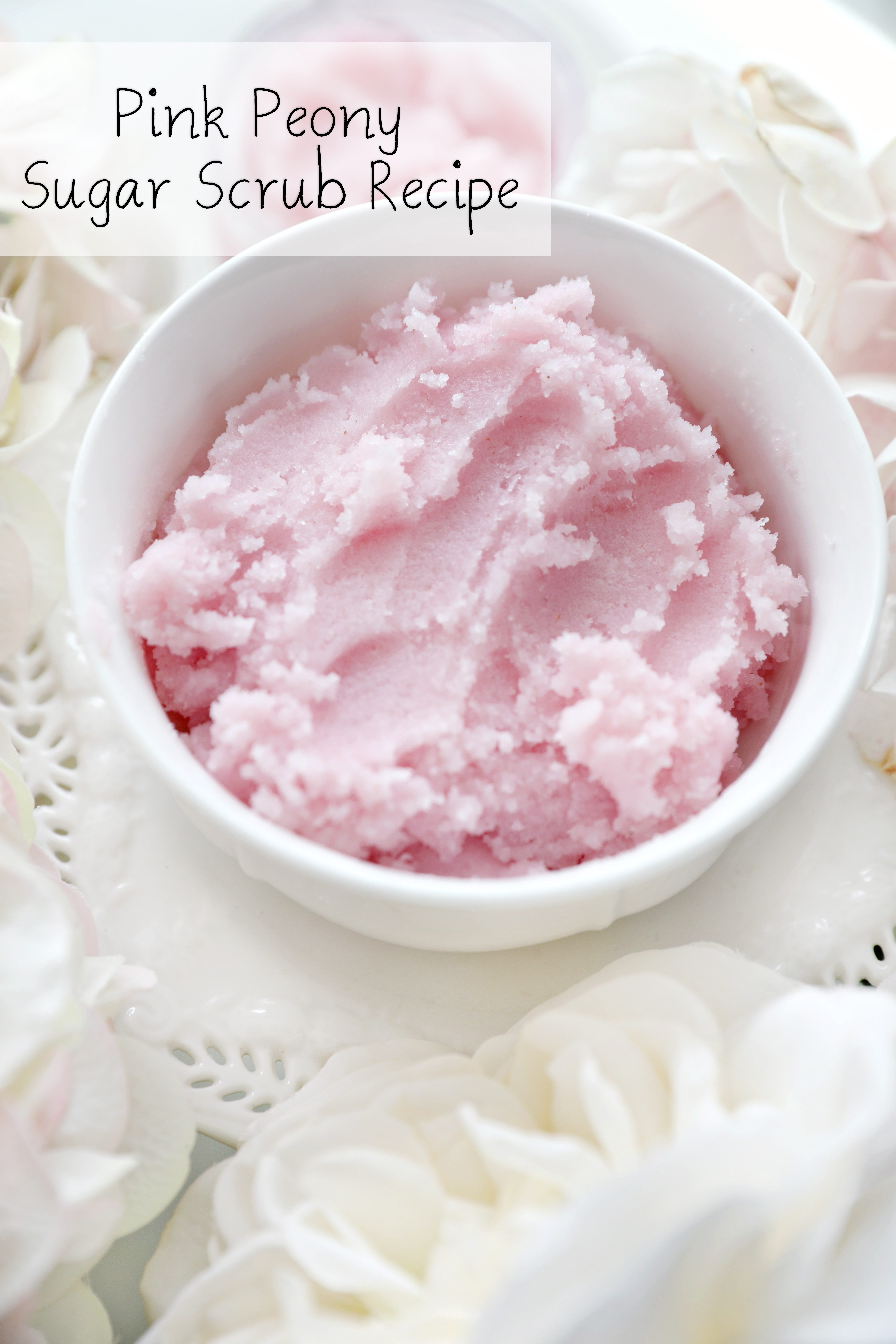
You may recognize Bramble Berry from the pages of Willow and Sage! We are so thrilled that they are sharing one of their latest and greatest skin-care recipes on our blog today. Learn how to make this nourishing and beautifully-scented Pink Peony Sugar Scrub below.
This Pink Peony Sugar Scrub leaves skin feeling soft and smooth. Skin-loving cranberry butter and champagne extract are whipped together with Foaming Bath Butter to create a smooth base for the sugar. Foaming Bath Butter lathers with water, so the scrub washes off the skin without an oily residue. To use, apply the scrub to wet skin, gently rub in circular motions, and wash away.
A touch of Hot Pink Mica gives the scrub a lovely pink color. It’s made with Pink Peony Fragrance Oil from Bramble Berry’s Soirée Collection. The fragrance is a modern floral mix of lemon, rhododendron, honey, peony, and white musk.
Find all the ingredients here
Three 8 oz. Bail Jars
10 oz. Foaming Bath Butter
2 oz. Cranberry Butter
2.5 oz. Champagne Extract
15 oz. Sugar
1/16 tsp. Hot Pink Mica
Watch how to make it at https://www.youtube.com/embed/KJ6NpMIg8MA
In a large mixing bowl, add 10 ounces of Foaming Bath Butter and 2 ounces of cranberry butter. Using a hand or stand mixer, whip until they’re completely combined and smooth.
Add 2.5 ounces of champagne extract and 8 mL of Pink Peony Fragrance Oil. Whip the ingredients until smooth.
Add 15 ounces of granulated sugar and about 1/16 teaspoon of Hot Pink Mica. Use the mixer to thoroughly incorporate.
Spoon the mixture into jars.
To use, apply a small amount of the scrub to damp skin, gently rub in circular motions, and rinse off. Enjoy!
Bramble Berry offers high-quality handcraft supplies sourced from around the world for all your skin-care project needs! Visit their website at: brambleberry.com
The Art of Candle Making A Glimpse Inside Willow and Sage Autumn 2019 A Glimpse Inside Willow and Sage Winter 2020 Q&A with a Skin Care Expert Previous Post Next Post
Enjoy
Melinda
Repost from 2021
This is definitely one of the most important awareness days in July and year-round for the matter. Our mental health plays a key role in how we function daily and in our relationships. If we are happy, life is better and those around us enjoy the benefits too.
International Self-Care Day is celebrated on July 24. It stresses the importance of self-care as the cornerstone of wellness. On this day, individuals throughout the world are encouraged to make self-care a part of their everyday routines and turn it into a priority. It is a milestone, and an opportunity to raise further awareness of the benefits of effective self-management of health.
Self-care has become incredibly important as people realize the need to take care of themselves and put themselves first. This has made people talk about it and increased the interest of others to take control of their health and wellness by prioritizing themselves. Today, we urge you to practice self-care, even if all you do is take a walk.
There are so many ways to give yourself a self-care break every day, it doesn’t just mean a long bath. Self-care comes in many forms and meets everyone’s needs for a mental health break and a treat for yourself. The breaks can be small short time outs you fit in when you can, it’s not always some big deal to fuss about. Yes, I like to fuss about occasionally but what’s important to me is the breaks I can fit in throughout the days that make me happy.
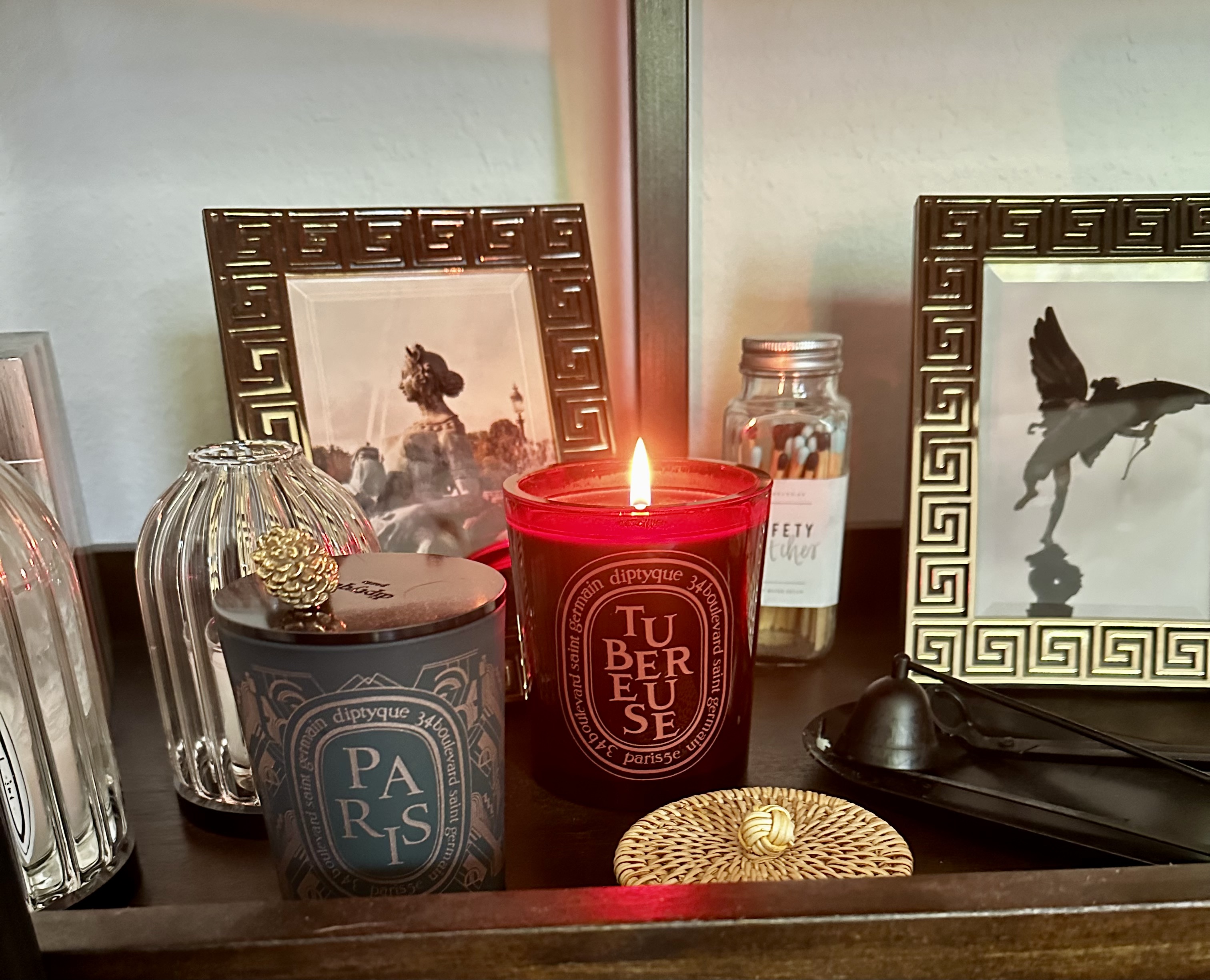
Some Ideas
Cup of your favorite coffee or tea to enjoy without multitasking, just taking in the flavors and smells.
Driving a clean car, one that is not full of fast food bags and dusty with mirrors you can barely see out of.
Cooking yourself and maybe someone special a great meal to enjoy without the TV on. Have some real conversation.
Burning your favorite candle.
Hanging Fresh Eucalyptus and Lavender in your shower.
There are millions of things you can do, the key is to take a break, for 10-15 minutes and focus on enjoying yourself. Clear your mind and be in the moment for that short period of time. I also suggest taking self-care one step further by taking longer breaks to relax and enjoy yourself. A long hot bath is great but for some, it’s a long run or working in the yard. Do what makes you feel good and allows you to free your mind.
Melinda
I want you to think of a party for everyone including the kids. It’s a huge party outside of town with the perfect weather and tents that are all different depending on your desires. Each is catered with the finest foods and is made to order, Anything you want it’s on the menu. Drinks flow freely and are handled by the finest wait staff who can handle your every request. Outside there are so many activities, a race track for car lovers, axe throwing, chess, and card games. Fun circus games with nice prizes, of course all free. There are all types of activities for kids like scrapbooking, jewelry making, legos, you name it, it’s available for the kids to have a great day. There will be live entertainment from a variety of bands and everyone will hear the music they like.
The party is September 4th, 2024, and starts at dawn and goes to who knows when. After the sun goes down it’s more adult-focused and no doubt the kids will be worn out by then.
Spa tent
Cat tent
As I gather more information about the tents I’ll be explaining what is inside of them. I’ll do this in another post. This is a huge party for the Blogosphere so I need help quickly to continue planning. It’s a worldwide party and everyone is invited. The party is inviting to everyone, we’re all there to enjoy ourselves and not judge others. It’s about peace and harmony, enjoying each other’s company as human beings, and being civilized. No weapons are allowed as this is a harmonious event.
This is the first image I created to give you a look at the layout and the massive nature of the party. The only difference is the tents will be closed not open air as in the image.
I’ve charted my struggles with Fibromyalgia for years and it can be debilitating for months, then give you a reprieve just long enough to enjoy and it’s back again. I have been fortunate to not have any major issues in 2024 and it’s a good thing, I have had enough to deal with. I have Restless Leg Syndrome and it can make it so hard to fall asleep, it’s nerve-wracking. I also have Neuropathy in my feet which burn quite bad. I do caution against some of the medications listed below, they are used off-market meaning they’re being used for something they are not approved for, and this is the case with Cymbalta which is a mental illness medication, the side effects are high, and some are dangerous. Anytime you take medication read the Full Prescribing Instructions, not the cliff notes. I’ve taken Cymbalta for my Bipolar Disorder and it’s a rough drug. I was not able to take due to side effects. After spending thousands on medications, and not being able to take them, I now ask the doctor what medication they plan to prescribe and why. Then I ask them to hold off sending the script into the pharmacy while I read the Full Prescribing Information which is available on the manufacturer’s website. After I feel comfortable trying the medication, I have them call the pharmacy. It may sound like a lot of work but you get out what you put in on the front end. Gone are the days of blindly taking a medication a doctor prescribes.
—————–
Fibromyalgia can lead to unusual symptoms in some people. Knowing the range of symptoms this condition can produce may help with diagnosis and treatment.
Experts estimate that around 4 millionTrusted Source adults in the United States have fibromyalgia. This condition causes widespread pain, brain fog, and mood changes. However, there are many more, less common signs a person may experience.
Keep reading to learn what additional symptoms may be a sign of fibromyalgia, what causes them, and how they can be treated.
Fibromyalgia may cause numbness and tingling, also called paresthesia, in the extremities (arms, legs, hands, and feet) due to the nerves being overly sensitive or compressed. It may feel like a burning or prickling sensation.
Treatment for paresthesia is aimed at addressing the root cause. In this case, fibromyalgia can be treated with various medications that address nerve pain and inflammation
You may manage paresthesia at home with over-the-counter (OTC) pain medications and topical pain relievers.
Restless leg syndrome (RLS) may cause uncomfortable feelings (itching, throbbing, etc.) in the legs and an urge to move the legs. RLS is associated with sleep disturbances, which can affect up to 99% of people with fibromyalgia.
RLS cannotTrusted Source be cured but is managed with things like iron supplements, antiseizure drugs, benzodiazepines, and — in severeTrusted Source cases — opioids. Drugs to increase dopamine (dopaminergic agents) may also help but cause side effects if they’re used long-term.
Managing RLS at home involves:
Hypersensitivity to touch, also called allodynia, may be caused by mixed messages from the neurons in the brain sending pain signals when there is no real pain. ResearchersTrusted Source explain that the true cause is mostly unknown.
Allodynia is treated individually. You may work with a pain clinic to get physical therapy, psychological support, and oral medications (like calcium channel antagonists, NSAIDs, etc.) for the pain.
Without treatment, allodynia may get worseTrusted Source over time. You can manage it by working on stress relief and accepting that the pain may not go away completely.
Fibromyalgia affects each person in a different way. Beyond the usual symptoms, there are various other less common signs of fibromyalgia.
They may include:
Treatment may be targeted at the specific symptom(s), or your doctor may suggest treatments for the fibromyalgia itself.
Medications include:
Make an appointment with your doctor if you experience symptoms that concern you or interfere with your everyday life. Even if your symptoms are not related to fibromyalgia, they may be a sign of some other medical issue that needs attention.
Melinda
Reference:
I know firsthand how houseplants can be good for my mental health from the joy and rewards I get from my houseplants but I have not researched the topic.
Here are a few photos of my plants and you can see I work hard to keep them healthy and alive. I had a difficult time learning how to not over-water succulents but I have come a long way, only killing two recently.
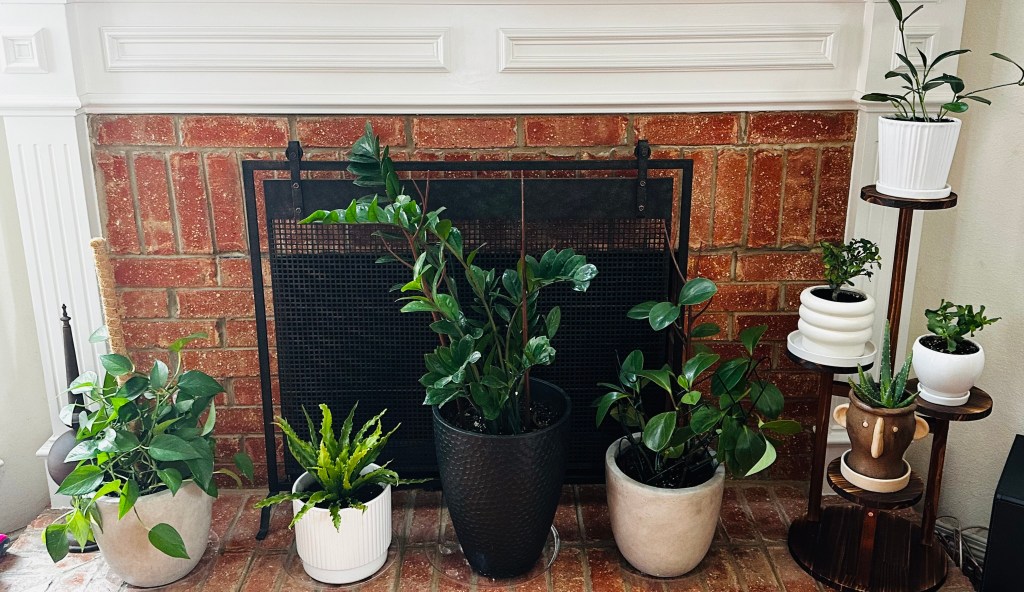
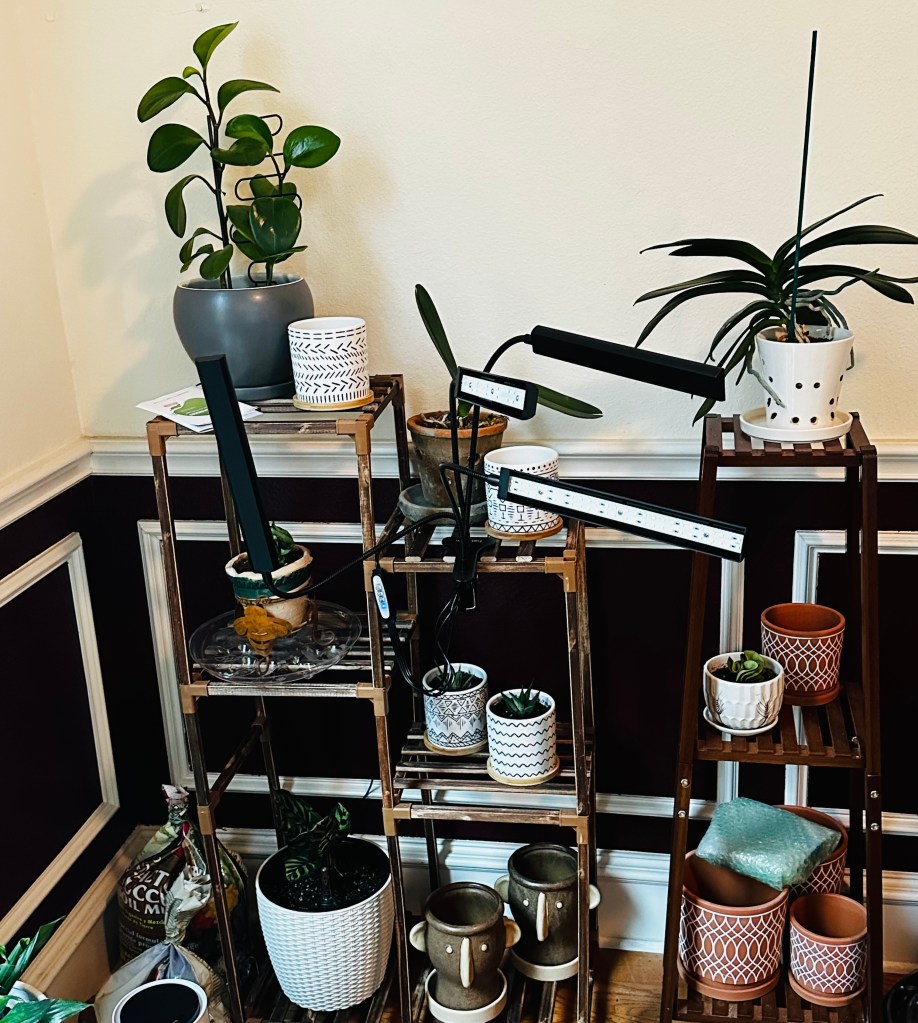
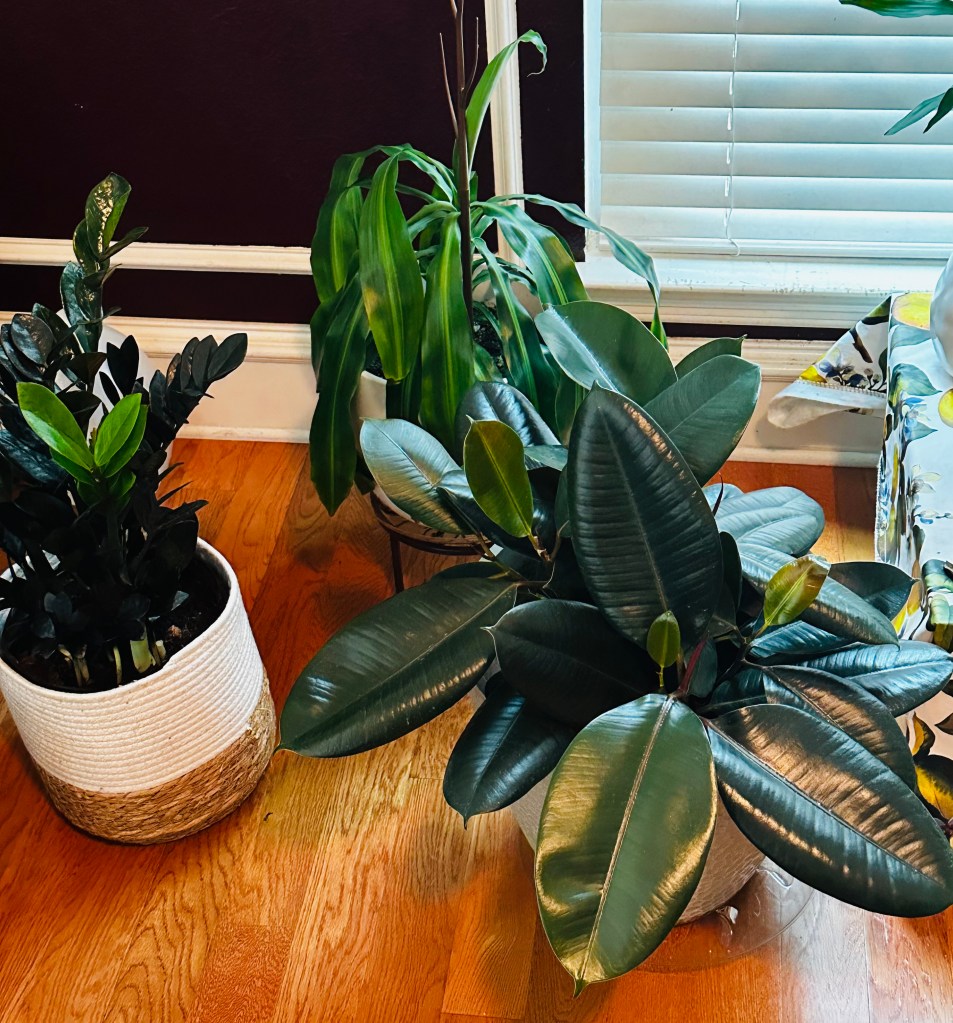

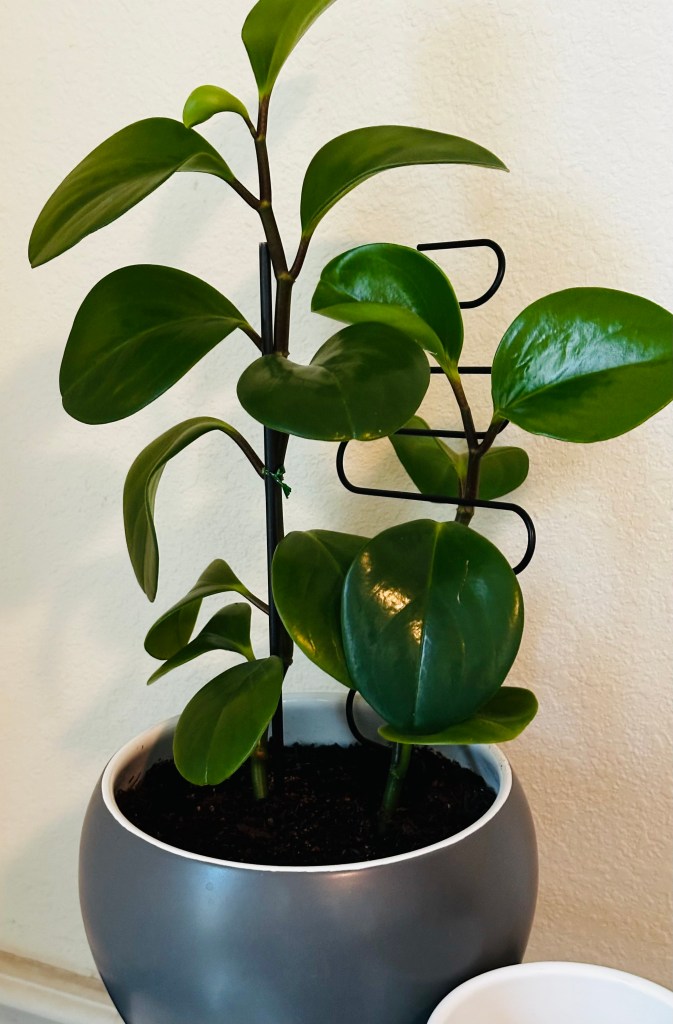
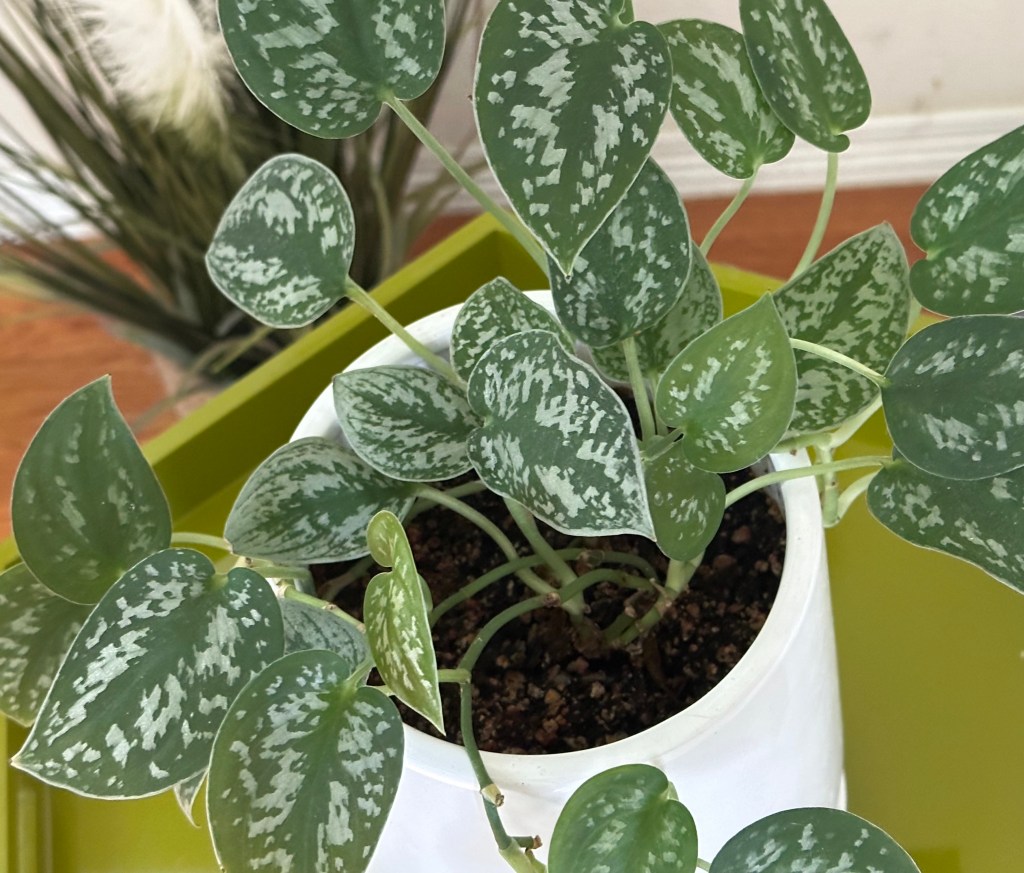
Copilot had some interesting ideas about mental health and houseplants.
Houseplants offer several mental health benefits, making them more than just stylish decor. Here’s how they can positively impact your well-being:
So, consider adding some greenery to your living space—it’s good for your mind and body! 🌿🌱34
I agree, just a plant or two can liven up your space and motivate you to care for the plant and watch it grow. It will love you back.
Melinda
Here are a few products I’m loving with right now. I hope you find a product to add to your household or self-care routine. The list may also give you ideas for a surprise for friends, and family. Most products are found on Amazon. I’m not an Amazon Affiliate and make no commission off the links and the links take you directly to Amazon.
Mulberry Silk Pillowcase for Hair and Skin, 22 Momme Natural Silk Pillow Case.
I love this pillowcase, they keep my hair in place and wick the oil off my face and hair. Amazon has had them on sale for anywhere between 45-50% off and I stocked up. I have not seen them on sale before but the regular price is very affordable at $21-$28 regular price. I wash mine in the washing machine and dry them, just take them out of the dryer right away or they will wrinkle.
I use the gloves every night before going to bed, they make my hands feel so good in the morning. They also help with my Carpal Tunnel pain.
Visit the Essential Formulas Store
Melinda
It’s fascinating how the months were named and when. I didn’t learn this in high school History class.
When Julius Caesar became Pontifex Maximus, he reformed the Roman calendar so that the 12 months were based on Earth’s revolutions around the Sun. It was a solar calendar, as we have today. January and February were moved to the front of the year, and leap years were introduced to keep the calendar year lined up with the solar year.
Fragile X Month
Frech-American Heratige Month
National Minority Mental Health Month
National Bison Month
Nation Cleft & Craniofacial Month
Sarcoma and Blood Cancer Month
UV Safety Awareness Month
Disability Pride Month
Minority Mental Health Awareness Month
Plastic Free July
Malala Day July 12th
Be Love Day July 16th
International Self-Care July 24th
World Heart Day July 29th
International Tiger Day July 29th
Melinda
Sleep is critical for good and physical health, it took me years to understand the impact the lack of sleep caused me. Now I have a bedtime routine that is solid and it includes going to bed for 45 minutes to an hour to relax and clear my head and going to bed at the same time every day.
——-
How your mood depends on how well you sleep In today’s fast-paced world, sleep often gets overlooked. However, underestimating the power of sleep can lead to serious trouble. Sleep is crucial for our health and well-being, and neglecting it can have far-reaching consequences. Let’s dive into why sleep is so essential and what happens to your … Continue reading
I have been a proud Affiliate of Aromalief for many years and have written several reviews about their products. This post contains affiliate links that don’t cost you more, take you directly to their site, and help keep my coffee habit supplied.
OUR STORY
Hi, I’m Annabel! Welcome to Aromalief, a brand dedicated to helping women like you beat pain. I started Aromalief in 2018 to help my mom who was in pain. After wasting money on several products, I decided that my mom deserved better.
With the help of a naturopathic chemist, we developed formulas that are clean, easy to apply and smell like rich essential oils. The experience of using Aromalief is like applying a luxurious body cream and not your grandfather’s pain reliever.
Thousands of women across the US love and trust Aromalief and I am so proud of all the people who work at our small business (including my mom).
– Annabel founder/daughter/mom
——-
Posted by Annabel Mendez on June 24, 2024
When you’re in pain, reaching for a pain relief cream can feel like a quick and easy solution. However, many people are familiar with the uncomfortable burning sensation that often accompanies the use of traditional pain relief creams. Understanding why this happens and how some products, like Aromalief, differ can help you make a more informed choice for your pain management needs.

Many traditional pain relief creams contain ingredients like menthol, camphor, or capsaicin. These substances are known as counterirritants, meaning they create a mild irritation or sensation (like burning or cooling) on the skin to distract pain receptors from deeper pain.
Individuals with sensitive skin or certain skin conditions like diabetes may experience heightened reactions to these active ingredients, resulting in a more pronounced burning sensation.
Using too much cream or applying it too frequently can increase the intensity of the burning sensation. The concentration of active ingredients in the cream can lead to an overpowering effect if not used as directed. Some creams can have up to 25% active ingredients and even though this may sound like a good idea, the burning sensation may prove to be worse than the actual pain.
Aromalief has developed a premium formula that addresses pain relief without the intense burning sensation commonly associated with traditional creams. Our unique blend of active ingredients, nutrients, and botanicals are not found in other creams. When it comes to getting relief without the burning sensation here’s how:

Aromalief incorporates slow-release cooling crystals in its formula. These crystals provide a gradual and gentle cooling effect, rather than an immediate and intense one. This slow release mechanism ensures sustained pain relief without the harsh burning feeling. Most companies don’t use this technology because it is 20x more expensive than traditional menthol or camphor.
Aloe vera is well-known for its soothing and healing properties. It helps to calm irritated skin and reduce inflammation. In Aromalief, aloe vera works synergistically with the cooling crystals to enhance the overall soothing effect, making the cream more comfortable to use even on sensitive skin.
Almond oil is a natural emollient that helps to moisturize and nourish the skin. It provides a protective barrier that not only enhances the skin’s hydration but also helps to minimize any potential irritation from the active ingredients. This makes Aromalief a gentler option for those with delicate skin.

While traditional pain relief creams can offer quick relief, the burning sensation they often cause can be a significant downside. Aromalief’s innovative approach with slow-release cooling crystals, aloe vera, and almond oil provides a more comfortable and skin-friendly alternative. By choosing Aromalief, you can experience effective pain relief without the burn, making it an ideal choice for those seeking both comfort and efficacy in their pain management solutions.
This blog post is not intended to provide medical advice. Please consult a physician.
I love the Hemp Pain Relief hand cream in Lavender and Orange the best.
Melinda
Kindness without self-care creates burnout. And it’s common among people in caregiving professions like, doctors and nurses who continuously take on the emotional strain of others. But burnout doesn’t happen because you use up too many empathy or kindness chips. Usually, people burn out when they don’t have time for self-care practices that let them recharge and focus on their mental well-being.
Here are five helpful tips we often fail to do:
Take breaks
Nap
Schedule vacation days and truly disconnect
Spend time outside
Make time for wellness activities like meditation, exercise, or a hobby.
From a Prevention Magazine in December 2021
All great points we can all use to take care of our mental well-being.
Melinda
IMPORTANT READ
By Alexis Chesney, ND, LAc
As summer arrives, many US families are planning vacations and trips abroad. This reminds me of a patient I met this year who reported experiencing the onset of a fever, flu-like symptoms, and joint pain upon returning from a biking trip in Europe.
Upon testing, Borrelia garinii, one of the Borrelia species that causes Lyme disease in Europe, was confirmed.
This case highlights the importance of being aware of the different types of ticks and the diseases they can transmit when traveling abroad. By understanding these risks and taking preventive measures, you can ensure a safer and more enjoyable trip if you are traveling to Europe this summer.
Since ticks in North America do not carry tick-borne encephalitis virus or Crimean-Congo hemorrhagic fever virus, it’s essential to be aware of the symptom profiles for these diseases, which can be acquired overseas.
If you get bitten by a tick, save the tick for testing. Place it in a zip lock bag and send it to a trusted facility such as TickReport once you return home. This is crucial, especially if you develop symptoms after a tick bite.
Watch for symptoms especially over the next 30 days from a tick bite: “bull’s-eye” or other rash around tick bite, fever, flu-like symptoms, joint pain or swelling, muscle pain, headaches, neck pain, facial palsy, lymph node swelling, palpitations, night sweats, air hunger or non-exertional shortness of breath, chest pain, nausea, vomiting, abdominal pain, loss of appetite, cough, sore throat, confusion, disorientation, difficulty breathing or speaking, loss of coordination, seizures, lethargy, paralysis, body rash. Report symptoms to a [Lyme-literate] health care provider.
Bringing awareness and taking preventive measures can significantly reduce the risk of tick-borne diseases. For more detailed information and resources, consider reviewing her new online course, Preventing Lyme and Tick-Borne Diseases: Ticks from Around the World, Diseases They Carry, Prevention, and Acute Treatments.
By staying informed and taking these preventive steps, you can enjoy a safer travel experience this summer.
Alexis Chesney ND, LAc is a naturopathic physician and acupuncturist specializing in the treatment of Lyme and other tick-borne diseases. For more information about her book Preventing Lyme and her protocols, see her website.
Melinda
Here are a few products I’m loving with right now. I hope you find a product to add to your household or self-care routine. The list may also give you ideas for a surprise for friends, and family. Most products are found on Amazon.
Insulated Water Bottle 32 oz, Blue Water Bottle Stainless Steel, Reusable Water Bottle, BPA Free Water Bottle, Big Water Bottle 32oz, Cold and Hot Water Bottle
The arthritis in my hands has made my old bottles hard to open and these are working much better with the twist of the lid and handle. I love that they are made in Belgium and are a Climate Partner-certified product.
Organic Nutritional Protein Shake, Creamy Chocolate Fudge – 16g Grass Fed Whey Protein, Meal Replacement, 20 Vitamins & Minerals, Fruits & Vegetables, Gluten Free, Non-GMO, 11 Fl Oz (4 Pack)
| 250 | 270mg | 1g | 12g | 16g |
| Calories | Sodium | Dietary Fiber | Sugars | Protein |
Original Formula with 3 Year Fermented Prebiotics, Live Active Probiotics, and The only Product with Postbiotic Metabolites, 30 Capsule
DR. OHHIRA’S PROBIOTICS are backed by over 20 scientific studies and recommended by digestive health and immune system health care providers. Does not include artificial additives, chemicals, preservatives, coloring, flavoring, animal by-products, chemical fertilizers, pesticides, or herbicides. Non-GMO and 100% vegetarian. Hypoallergenic (no dairy or gluten). Guaranteed free of soil-based organisms (SBOs).
2-3″ Soft & Chewy USA-Chicken Mini Bones – Pack of 24 Rawhide Free Chicken Dog Treats – Highly Digestible & Chewy Grain Free Dog Treat Mini Bones – Great Non-Rawhide Chews for Small Dog with 100% REAL USA-sourced chicken as our #1 ingredient, Paw & Pantry dog chicken treats are densely packed with natural protein.
Grain? Gluten? Antibiotics? Never heard of ’em! Our chicken treats for dogs are made without all of that extra junk, creating a highly digestible treat and a great rawhide alternative for every dog to enjoy
Flying Insect Trap, Fly Trap, Fruit Fly Trap (2 Plug-in Bases + 2 Refill Cartridges)
Effortless 24/7 continuous attraction works day and night to help protect your family from pesky flying insects. Designed for any room or area of your home where flying insects gather including kitchens, bathrooms, garages, and living spaces.
We checked them on Sunday and they work!
Minera Dead Sea Salt dissolves easily in warm water to help cleanse and nourish your skin. Our Minera salt is harvested from the Southern end of the Dead Sea, where the mineral content of the water is at its highest. The salts are delivered to our customers in their pure, raw form, containing all the essential minerals that the Dead Sea is famous for.
I have purchased this brand for years and have never been disappointed. Dead sea salt is like no other, not only does it have minerals that are great for your skin but it also removes dead skin without effort. Be sure to rinse after bathing to remove the remaining salt.
What are some of your go-to products?
Melinda
Living in constant pain can make you feel like you are alone and there is no one who understands what you are going through. Chronic pain conditions vary and each person living with chronic pain will have their own pain thresholds and triggers. At times, it may seem like there is nothing you can do, especially when traditional pain medication doesn’t have any effect. It is at times like this when people try other methods of medicating.
For some, different types of pains and symptoms can be managed or even eradicated with a few changes to your diet. It may seem futile however if nothing else is working you have nothing to lose by trying. Adapt what you do during your day-to-day life to see if different things affect your pain level. For example, many chronic pain patients credit the sun and warmth for lowering their pain levels. For this reason, it could be worth looking into how you can increase your vitamin D intake and get more sun into your life.
Many people find adding exercise into their lives can help with certain types of pain. Working up slowly to adding beneficial exercise to your daily routine as and when you can help you to look after your body despite your pain levels. Yoga, pilates, and simple stretching exercise will help you to remain fit and supple and in some cases decrease your pain levels.
There is no scientific evidence that links drastic diet changes with the eradication of pain from chronic pain conditions. However, it is thought that certain types of foods can inflame the body in different ways making pain worse. From cutting out dairy to reduce additional IBS symptoms or abdominal pain to avoiding nightshade foods to reduce pain and inflammation for Fibromyalgia, arthritis, and more.
There have also been suggestions that eating clean and switching to a more plant-based diet can help control pain levels. While fatty and processed foods aren’t healthy for anyone when overconsumed, there is nothing to lose by changing up your diet and eating a more natural diet, and reducing your meat, specifically red meat intake.
Many chronic pain sufferers will all tell you that sleeping is a problem. It’s a vicious circle to be told you need to get more sleep yet sleep is elusive due to your pain. But by creating as relaxing a sleep environment as can help you to relax even if you can’t sleep. Your body repairs itself during sleep and getting good quality sleep remains important despite your health condition.
Find your optimal sleeping temperature and noise level, try using a white noise app if you needed, and also use comfortable bedding. Set your limits for screen time and electronics and try to create a relaxing bedtime routine that indicates you are ready for sleep. This won’t always be possible but it is worth persevering to help you improve your sleep quality.
This is a collaborative post.
Melinda
Mental health issues affect one in four people. This could range from stress, anxiety, and depression, to severe mental health issues such as bipolar disorder, schizophrenia, or borderline personality disorder.
Often, it can be hard to understand the cause of these mental health problems. They may be triggered by something that has gone on in your life such as the loss of a loved one, or a big change such as moving to a new city, or a career change. Whatever the cause, you must practice self-care.
Here are some steps you should take if you are experiencing any mental health difficulties in your life.
If you are struggling with stress, anxiety, or depression in your life, then you should speak with your doctor at the earliest possible opportunity. Your doctor should talk you through what is happening in your life in order to understand whether you should be treated with self-care,
antidepressant medication, or whether you would be a suitable candidate for talking therapy such as cognitive behavior therapy.
If you can speak with a counselor, do so. You may be able to get referred to one by your doctor. If not, there are plenty of specialist counselors that will be able to take you on.
Different counselors and therapists will have their own approaches to dealing with mental health issues such as depression and anxiety. Make sure that you are happy with the counselor’s approach before you commit to a course of sessions with them.
One of the areas that there is growing research into is the use of alternative treatments such as CBD. CBD comes from the same plant as cannabis except it doesn’t have any of the psychoactive ingredients cannabis does. It just relaxes you and relieves symptoms of stress and anxiety.
Another alternative treatment option may be psychedelics. You can read more about this at psychedelicspotlight.com.
There is a lot that can be said about the way that you eat. By making sure that you are eating a balanced diet, you will be able to help to give yourself the energy that you need to keep going.
To fight off stress and depression with your diet you should look at getting your starch fixed with whole grains and beans. You should be sure to eat plenty of fresh fruit and vegetables. Instead of eating red meats, you should eat fatty fish like salmon or tuna. Finally, add in healthy fats, such as raw nuts and olive oil.
Exercising is a great way of clearing your head. It gives you endorphins, a feel-good hormone that will balance out the stress hormones your body will naturally produce.
Start small. Even going for a short walk will be very helpful.
This is a collaborative post.
Melinda
These shower steamers are great for self-care and make great gifts. I’ve looked on Amazon and was surprised by how expensive Steamers are. Treat yourself, your friends, and to family to these favorite shower steamers.

By Irena Saro & Cyna Riley-Rank
Willow and Sage by Stampington
1 cup baking soda
1/2 cup citric acid
1/3 cup arrowroot powder
1/4 cup kaolin clay
Bowl: Large non-metallic
Spray the bottle with water
Nitrile gloves
Silicone mold: cylinder
45 drops of rosemary essential oil
45 drops peppermint essential oil
30 drops of chamomile essential oil
Dried leaves/herbs (optional)
150 drops of eucalyptus essential oil
Dried eucalyptus leaves, crushed (optional)
Mica: green (optional)
120 drops of peppermint essential oil
2 TB. menthol crystals Mica: Agua (optional)
Add all the dry ingredients to a large, non-metallic bowl and whisk until blended. Drop the essential oils on the dry ingredients, and stir to combine. The essential oils can create droplets, which will dissolve in the following step.
Spray the mixture with a little water and incorporate it immediately to avoid a reaction. If you don’t have a spray bottle, sprinkle water on the mixture using a teaspoon.
Put on nitrile gloves to protect your hands when kneading the mixture as the citric acid can irritate sensitive skin and nail polish. The mixture should feel like damp sand and be wet enough to hold its shape when pressed together. If using colored mica and dried herbs or flowers, add them to the mixture.
Fill the silicone mold with the mixture, and press firmly into the mold using your fingertips, paying attention to the edges. Let the mixture dry for 24-48 hours. Making shower steamers can be affected by the humidity; in a humid environment, the drying time may be longer. When they feel hard and solid, carefully peel back the mold and gently pop out of the disk. Store the steamers in an airtight container or jar, and ensure that the steamers aren’t exposed to water or moisture. The shelf life is one year.
Before use, let warm water run for several minutes to moisturize the air. It’s best to place the steamer away from the running water and the drain. Ideally, only the bottom of the tabs should be wet. You can also put a shower steamer in a soap dish. Breathe in deeply as the essential oils vaporize.
These are a year-round self-care treat. Make a huge batch and then you have some for gifts. Don’t forget your self-care, save some for yourself.
Melinda
It’s been a year since I wrote Fibromyalgia Thoughts #7, I had no idea how well I had been managing. Until today, when I wasn’t managing at all. A wave came over me after breakfast just as I was going outside to water the plants, and the life drained out of me. I had to go back to bed even though I had a good night’s sleep, maybe the best sleep I’ve had in days.
The temperature here has already reached 100 degrees and the humidity is high. We’ve touched on several record-breaking days already and it’s not even July. July and August are usually the hottest months in Texas, but we are having average temps in June. The heat is exhausting.
I go out to water most days by 9:00 am but today I was delayed by an hour since I laid down. Boy, what a difference an hour makes. It’s not that I was feeling so much better but knew that if I could muster the energy it would be much easier to water now than wait or ask my husband for help. He’s always glad to help, but it’s my passion, my flowers, and my sanctuary. I thought if I could just get out there I would somehow feel better. NOT.
I’ve been battling many symptoms that have progressed over the past year, I don’t know if they are all Fibro since other things are going on with my health. I think telling myself it’s something else has somehow allowed me to keep pushing on.
I see a new Rheumatologist at the end of the month and I hope to have some answers. I’ve been keeping detailed notes of each symptom by body area and tracking the progression. I can only sleep for 2-3 hours at a time before the pain wakes me, I have to roll over and wait for sleep to come again. It’s very tiring.
The other morning the muscles in my legs were so tight I could hardly walk, I lay in bed thinking how am I going to do this. I took my muscle spasm medication and moved to the chair. I realized today that the limp from my hip is more pronounced, that’s from my Brusitis. I am late on my steroid injections and can tell.
I know this afternoon will include a nap, which I give myself grace. I’ve beat myself up for too many years for not being the best wife or granddaughter or best self. In fact, the best self I can be is to take care of my health, do what I can, be honest about what’s going on, and take the pass when I have to.
I’ll keep you posted on my Rheumatologist appointment. I work hard to not over-research my symptoms and go in with a layman’s diagnosis. I’ve taken very precise notes and the symptoms will hopefully lead to answers or in the right direction.
Melinda
You’ve probably heard the term or worse yet suffer from Painsomnia yourself. If the term is new to you, here’s the short version. A person experiences insomnia due to pain preventing them from falling asleep or staying asleep.
“Sleep helps our bodies rest and heal, so good-quality sleep is vital for people with chronic illnesses. However, painsomnia can make a good night of sleep feel like a pipe dream. Fortunately, medical researchers are starting to learn more about the condition and how patients can cope.”
I have the type of Painsomnia that keeps me up after waking from pain and makes it impossible to go back to sleep. My sleep medicine has worn off by then and no it’s just pain against sleep, and sleep rarely wins.
I have tried several hacks to help go back to sleep with mixed results. I have an essential oil stick with a Lavander fragrance that’s supposed to relax you but I can’t tell it does any good. The one item that has worked this past week is Delta 8 gummies. I take one right after waking up and they do relieve stress and keep my mind from wondering allowing me to go back to sleep.
I have to point out that I’m living without pain medication right now so it can be a challenge when I have to sleep on my shoulders and hips. No back or stomach sleeping for me.
The MD Anderson Sleep Center recommends that people adopt new habits into their nightly routine. These habits help form the foundation for good sleep hygiene:
If you have trouble sleeping, your healthcare provider may prescribe sleep aids or encourage you to try over-the-counter medications. These drugs can help regulate your circadian rhythm and lull you into slumber. Melatonin supplements help regulate your sleep cycle.9
A study from Cureus journal found that ashwagandha, a medicinal herb, can help people fall and stay asleep.10
Prescription drugs may include benzodiazepines, which are often used to treat anxiety and insomnia. Before you try any new supplements or prescriptions, make sure to consult your healthcare provider.
Cognitive-behavioral therapy is a treatment that encourages people to rethink and change their behaviors. For people with insomnia, cognitive behavioral therapy may help,11
For example, a person without a sleep routine can work with a therapist to start better habits before bed. If anxious thoughts are keeping you up at night, cognitive behavioral techniques can teach you to stop those spiraling thoughts and focus on other, more restful thoughts.
If your painsomnia makes you feel helpless, those worries can make it even harder for you to get sleep. You may blame yourself or blame your body if you’re struggling with painsomnia. Cognitive behavioral therapy can help you cope with some of that frustration.
While hypnotherapy is not a proven cure for painsomnia, some researchers have found that hypnosis might improve insomnia.12Hypnotherapy is an alternative medicine where practitioners use hypnosis and the power of suggestion to guide patients through various concerns.
Hypnotherapy is not a replacement for your healthcare provider or your current medications. Some researchers describe hypnotherapy as a sort of placebo. In either case, hypnosis can lull you into deep relaxation. This relaxation may help people with painsomnia fall asleep.
Melinda
Ref:
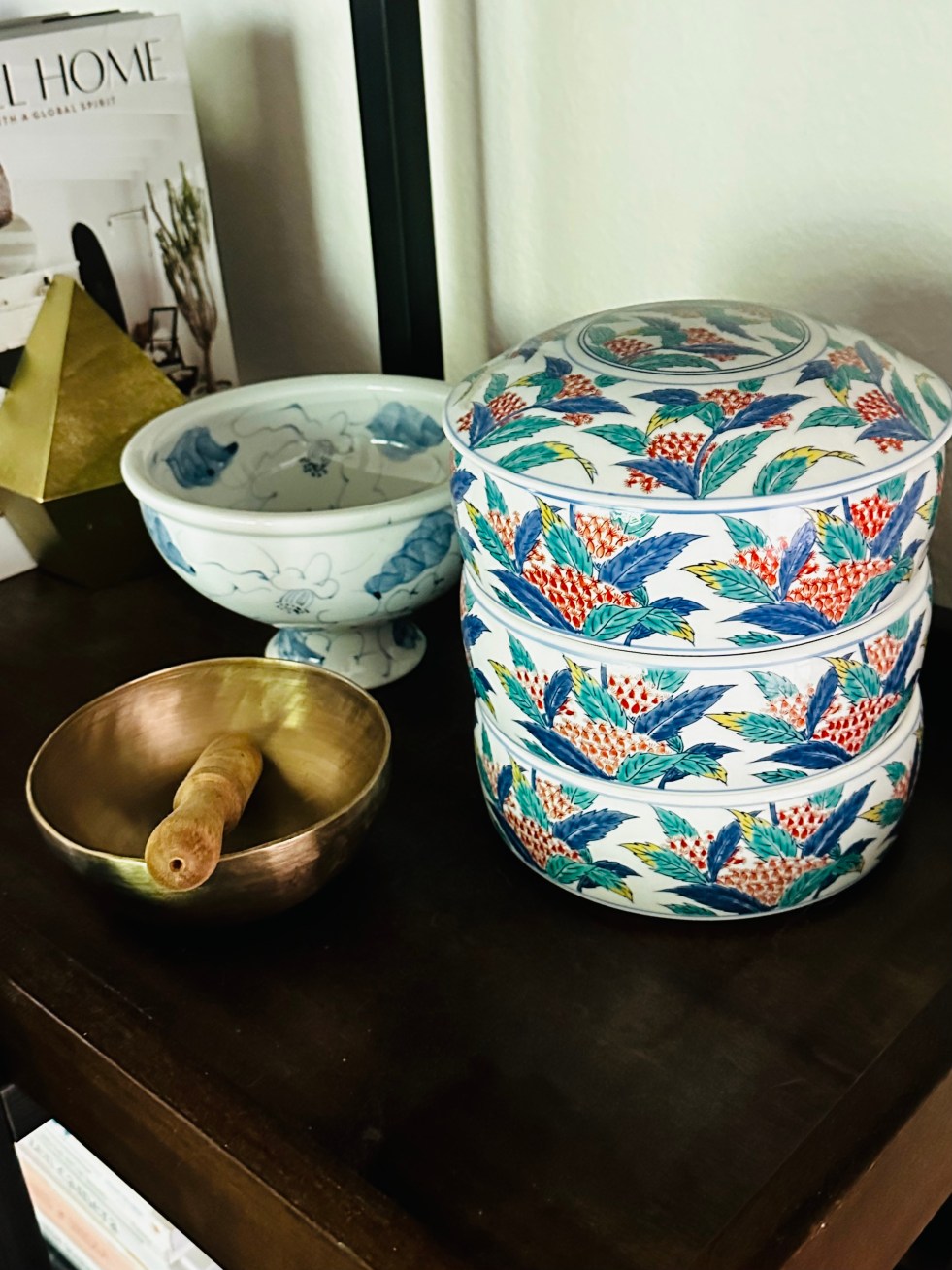



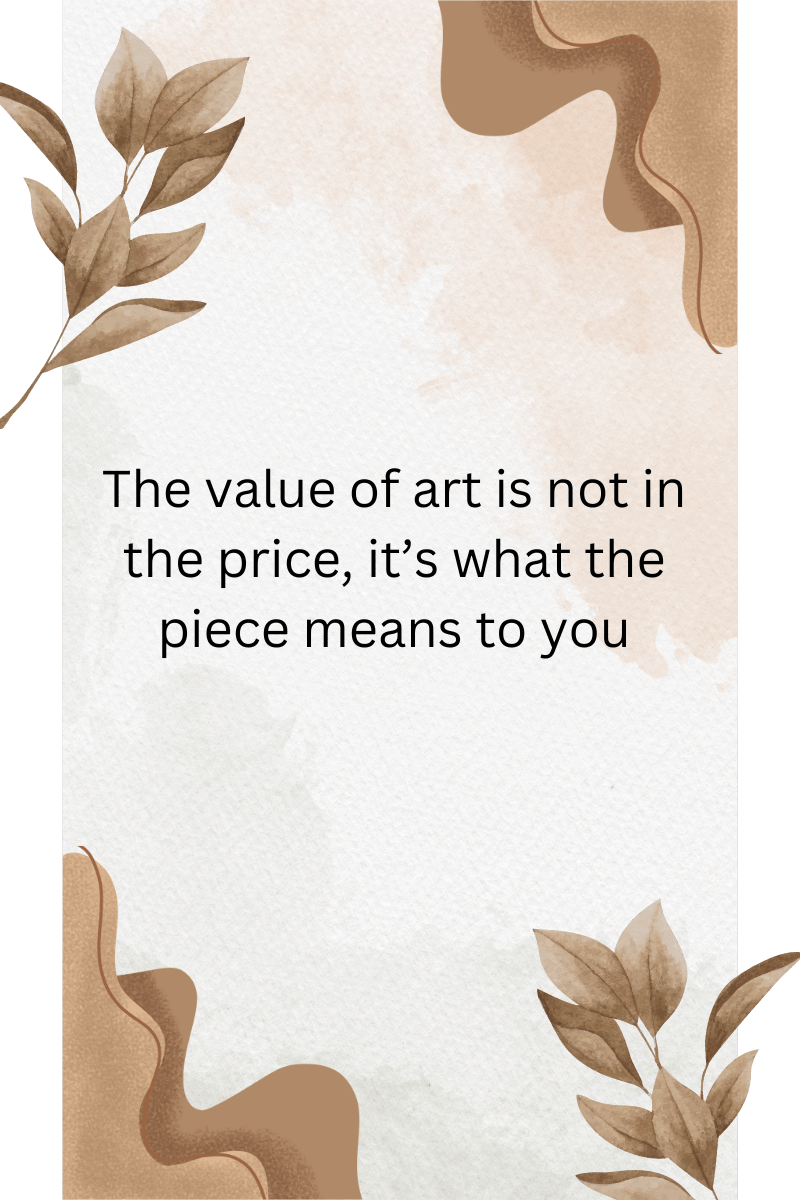
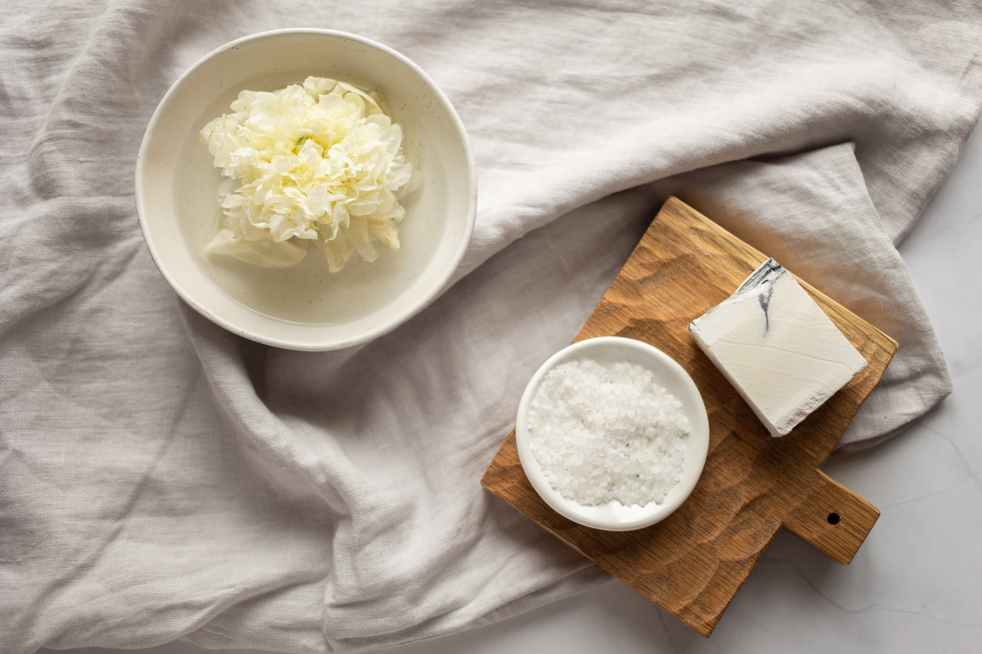
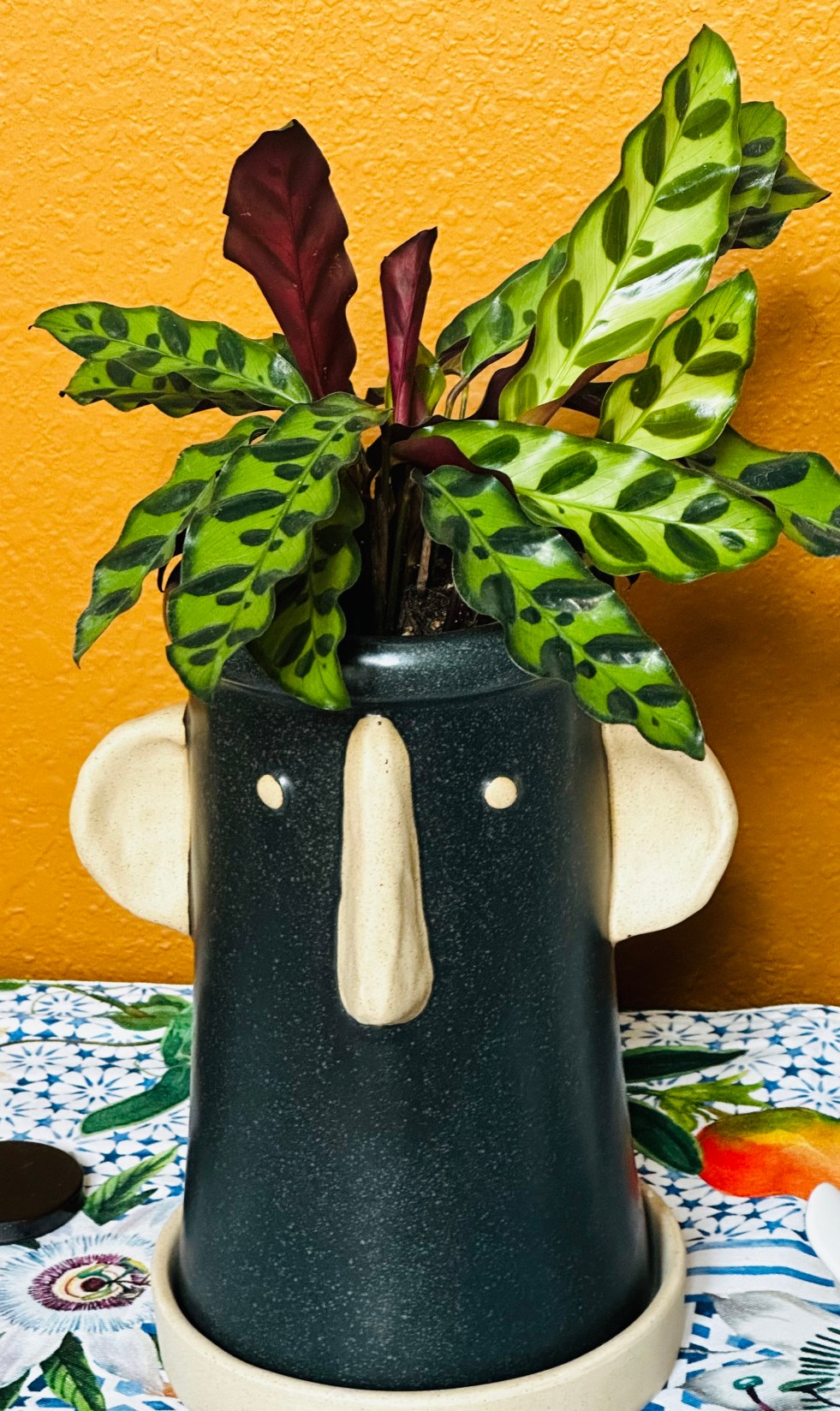









 Looking for the Light