Celebrate Life · Health and Wellbeing · Men & Womens Health · Mental Health · Self-Care

Book Review One Step At A Time By Francesca Giacomozzi

I was kindly gifted a copy of One Step At A Time, by Francesca Giacomozzi from Soraya Nair at Cherish Editions for an honest review. Thank you, Soraya.

About Author

“Francesca Giacomozzi has lived in the UK since April 2016.

After quitting a full-time job that wasn’t fulfilling her, she studied to become a yoga teacher and reflexologist and now owns her own yoga teaching and massage therapy business.


Her drive to help others overcome mental health issues has pushed her out of her comfort zone, leading her to raise awareness about eating disorders as a daily mission.


Francesca has two degrees and can speak five languages.”

Excerpt From: Francesca Giacomozzi. “One Step at a Time.” Apple Books.

Blurb

“My long-winded journey into a fuller and healthier self. Written with the hope that if you are lost, you will soon be found. This is the honest and unfiltered truth about me and my experiences as a warrior in eating disorder recovery. All the people mentioned in this book are real, and therefore have been made anonymous unless they provided consent to be spoken about by name.”

Francesca Giacomozzi found herself on the verge of a crisis, exhausted from waking up day after day without a sense of purpose. Determined to get her life back on track, she decided to take on a challenge to engage both her mind and body: a two-week walk along the South West Coastal Path.

She invested in kit and prepared – or so she thought – for the solo trek. Little did she know, her journey would leave her with a completely different outcome to the one she expected. Her diary pages are filled with two tales: what happened on the trail, and how it made her feel on the inside.

My Thoughts

When you’re faced with demons, you have two paths you can take. You can tackle them head-on or you can turn and run. Francesca found herself at a crossroads and decided to face her demons in the most interesting way. She set out to trek 360 miles across England to find herself and found so much more. 


Armed with her diary, she sets out and discovers the generosity of others feeds her need for food. When you struggle with an eating disorder, you over focus on food and look for an emotional fulfillment which doesn’t come. Fran struggles with her thoughts and self loathing along the way but as she reaches her destination there is a new sense of self. A sense she can overcome and ask for help. 


Ask for help she does, she sees a therapist for the first time and starts a new, more informed and self assured chapter. I beleive she is living her best life and inspires others with deep rooted struggles that there is light at the end of the tunnel. 


Fran sprinkles in poetry throughout the chapters. She is a great writer and the book is a fast read, you can’t wait to see what adventure she will encounter next. You can also fully relate to the insecurities she feels about herself and in social situations. 


I struggled with an eating disorder for years and can say this book hit home. It’s real and gives a look at the true mental and physical toll an eating disorder can take in the body. 


This book is a great read for most types of mental health struggles, not just eating disorders. The guilt, anger, insecurities and shame are universal. 


I highly recommend One Step At A time to everyone and give it 5 stars! 

Cherish Editions

Cherish Editions is the self-publishing division of Trigger Publishing, the UK’s leading independent mental health and wellbeing publisher.

We are experienced in creating and selling positive, responsible, important and inspirational books, which work to de-stigmatise the issues around mental health, as well as helping people who read them to maintain and improve their mental health and wellbeing. By choosing to publish through Cherish Editions, you will get the expertise of the dedicated Trigger Team at every step of the process.

We are proud of what we do, and passionate about the books that we publish. We want to do the very best for you and your book, holding your hand every step of the way.

Happy Reading!

I know you will enjoy the book as much as I did and encourage you to pick up a copy today.

Melinda

Celebrate Life · Fun · Health and Wellbeing · Men & Womens Health · Mental Health · Self-Care

6 Ways To Boost & Improve Your Mental Health

Your health and wellness are important factors when it comes to how you feel each day and what you’re able to achieve in life. You must have a lot of natural energy and be in a positive frame of mind if you want to be well and excel.

While not every day will be great, it’s in your best interest to find more stability in your life and mental state. Doing so isn’t always easy but it is possible. Your mental health matters and the only way to make sure you can boost and improve it is to work on it and take actions that help you to achieve this goal.

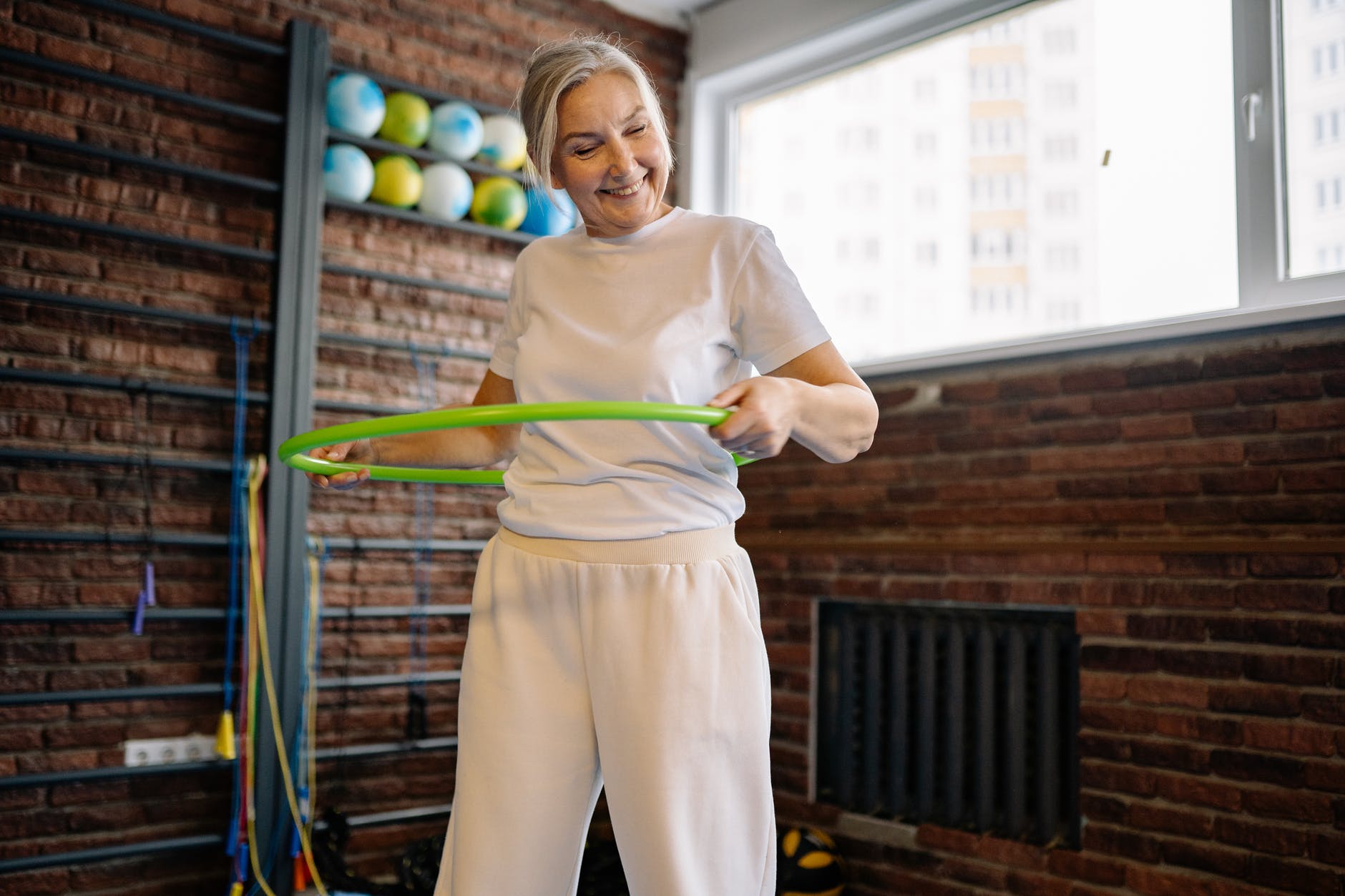
                                                                                   Photo by Yan Krukov on Pexels.com

Remain Active

Keep active if you want to boost and improve your mental health. Exercising and living a healthy lifestyle is good not only for your physical body but also for your mind. Happy chemicals are released when you workout and you’ll notice that you’re in a better mood after you break a sweat. Find activities you enjoy doing and that help you work and challenge different muscle groups. You’ll not only be a happier person for making this change but you’ll also be in better shape and feel more confident in your body.

Learn & Challenge Your Mind

Another way to boost and improve your mental health is to learn new information regularly. Challenge your mind by studying and reading articles and blogs from some of the top leaders out there like Dee Agarwal. Learning not only makes you smarter but it makes you feel good and gives you a sense of accomplishment. Open up your mind to taking in new information and remain curious so that you can expand your knowledge and education and stay mentally well.

Talk About Your Feelings

It’s also in your best interest to get in the habit of talking about your feelings if you want to boost and improve your mental health. Be vulnerable and open with those you trust and let them into your troubles and what’s on your mind. They can be there to listen or also offer advice and input if that’s what you want. It’ll feel good to get what’s bothering you off your mind and out into the open. You won’t have to carry around so many burdens and will likely notice that others feel the same way you do and can relate or have had similar experiences as well. You can’t be afraid to ask for help and should do so when you need it so that you feel less alone.

Follow Your Passions

Do more of what you love if you want to boost and improve your mental health. Start living for yourself instead of others and do what puts a smile on your face. Make more time for hobbies and activities that you enjoy and say no to others when they request your time and attention and you can’t give it. Find a job you love and that puts your skills to use and challenges you daily. You’ll feel much more fulfilled and be in a better place when you’re spending your days doing what pleases you.

Eat Well

Your diet and what you eat also play a role in how you feel and your mental health. Some foods can ignite or reduce anxiety, for example. Commit to eating a nutritious diet full of leafy greens, vegetables, lean proteins, and healthy fats. It may help to get in the habit of cooking for yourself at home so you have more control over the ingredients and portion sizes. Also, pay attention to what you’re drinking and stick to having more water and tea and less caffeine, alcohol, and sugar if you want to maintain good mental health.

Meditate & Reflect

One of the best ways to slow racing thoughts and boost and improve your mental health is to take the time to meditate and reflect often. Find a quiet place in your home or head out into nature and listen to a guided meditation that will help you feel relaxed, centered, and at ease.

This is a collaborative post.

Melinda

Repost 

Chronic Illness · Chronic Pain · Health and Wellbeing · Men & Womens Health · Self-Care

12 Ways You Can Help Yourself Manage Chronic Pain

Chronic pain–defined as ongoing pain that continues for longer than six months–is a common complaint of patients with persistent Lyme disease.

The CDC estimates that 20% of Americans currently live with chronic pain. Estimates range from 10% to 36% of Lyme patients who are diagnosed and treated early are left with chronic symptoms.

For the past 40 years, the medical definition of chronic pain was more narrowly defined, including only those patients with actual or potential tissue damage.

Recently, with the help of researchers at Johns Hopkins Medicine, the International Association for the Study of Pain (IASP) has made a subtle but important change to the medical definition of pain.

The new definition, “An unpleasant sensory and emotional experience associated with, or resembling that associated with, actual or potential tissue damages,” is important as it includes the pain caused by an overstimulated nervous system, commonly associated with chronic pain.

This new more inclusive definition, if adopted by insurance providers, could have a positive impact on access to health care for disempowered and neglected populations.

Defining chronic pain

If you suffer from chronic pain, you have likely been asked to rate your pain on a scale of 1-10.  As much as you may dislike rating your pain, this information helps your medical provider gauge whether you are making progress with the current treatment plan, or not.

Having worked as a physical therapist for years, I found the Visual Analog Scale (VAS) works better than telling someone to simply “rate your pain on a scale of 0-10,” especially with children.
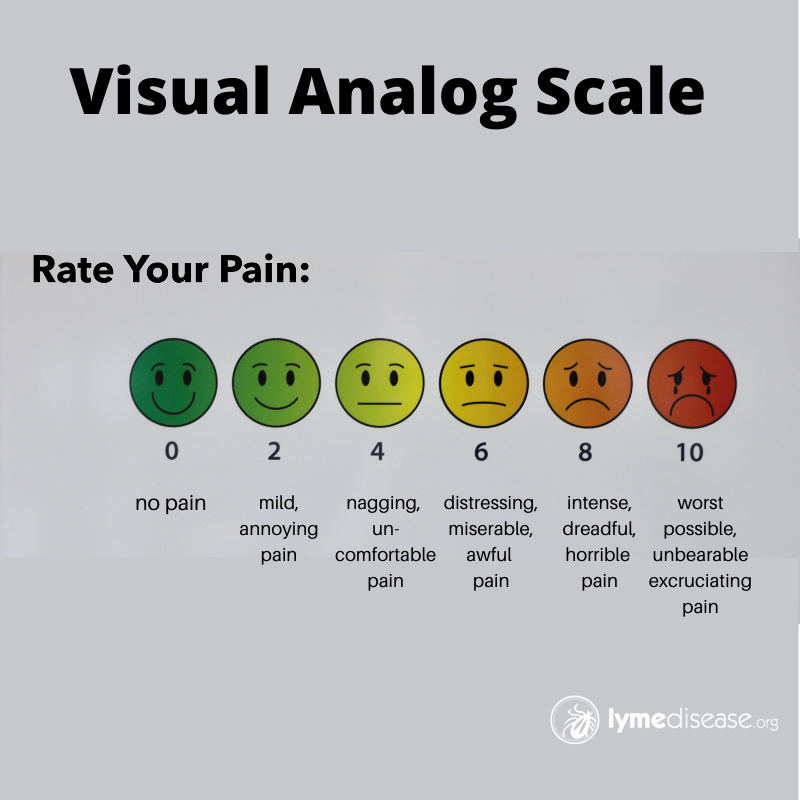
Visual analog scale


Because Lyme disease can affect every organ and system of the body, every patient may have a different set of complaints. While neck, joint and muscle pain are very common in early Lyme disease, there are many other types of pain when the disease becomes chronic.

For instance, allodynia is a type of pain that is caused by something that shouldn’t normally cause pain (eg. wind or light touch may feel like sandpaper or a burn.) Menstrual pain, bladder pain, testicular pain, bone pain, and widespread nerve pain are common in chronic Lyme patients.

The “cup theory”

When I explain pain to patients, I use the cup theory. Depending on your age, your brain, and your body, everyone has a different size cup—or a different capacity—for pain. We are each only capable of handling a certain amount of pain. Once your cup is full, you are essentially at a 10 out of 10 on your individual pain scale.

You may have a constant headache filling your cup 1/2 way (or 5:10 on your pain scale), and then your knee starts hurting pushing you up to a 7:10, and then your lower back spasms, and BOOM–your cup is full!

What I’ve found is that if we can help chronic pain patients empty their cup just a little, we can start to make progress. When my daughter was at her worst, I couldn’t get rid of her pain completely. However, if I could help lower her pain even a little bit, she was able to function. Here is some of what I learned along the way.

Self-treatment

For six years, my daughter lived with chronic debilitating pain. Early symptoms included fever, neck stiffness and a migraine that would not subside. Two months later, she developed knee pain and swelling along with back and bone pain. Later, she said soles of her feet felt like she was walking on nails. Periodically, she suffered excruciating abdominal pain and nausea. And the list goes on…

The first year, she was too sick to leave the house, except for doctor and hospital visits. Luckily, as a Physical Therapist (PT), I could provide pain management treatment and modalities at home. Once she began to gain strength, after starting treatment for her infections, she started seeing an outpatient PT, who brought a whole new set of skills to the table. This also relieved me of my dual role as caretaker and healthcare provider—something I don’t recommend.

In the beginning, she was so weak I had to do everything for her. I would wheel her to the bathroom, bring her all her meals, help her get dressed–everything. The treatment I provided was limited to positioning for comfort, passive range of motion, gentle massage, hot/cold, taping/bracing, acupressure and craniosacral therapy. As she got stronger, she learned self-treatment techniques that she continues to use today.

Self-treatment approaches are generally low-cost and low-risk. You can do them on your own schedule in the comfort of your own home. It does require a commitment to changing your daily habits, but they can offer significant improvements in reducing pain and improving your quality of life.

Here are 12 things you can discuss as treatment options with your healthcare provider.

Diet

Most of the immune system originates in the gut. Literally, everything you put into your body is part of the healing process. Or not. You want to support the immune system without feeding inflammation. Fast food, artificial/processed foods, carbs, sugar, gluten, dairy and alcohol are common inflammatory triggers. In my mast cell activation syndrome (MCAS) series, I wrote about low histamine diets that help reduce the inflammation associated with MCAS.

Positioning

When you’re in pain, it can be difficult to find a comfortable position. When my daughter was at her worst, she found it difficult to breath when she was lying flat. We added 4-inch wooden blocks under the feet at the head of her bed, and a large wedge pillow to elevate her head. When her back was hurting, it also helped to  put a pillow under her knees.

You can get really creative with pillows. For instance, body pillows or “hug” pillows work well if you are a side sleeper.

While you are sitting, you may want to try out different size pillows or towel rolls for comfort. Putting a pillow on your lap to support your arms or one behind the small of your back may help. As a rule, you want to change positions every 30-60 minutes. This helps prevent pressure sores and muscle stiffness.

Some people find it worth their while to rent a hospital-type bed, where the head and/or feet can be elevated.

Assistive devices

Wheelchairs, walkers, canes, bath/shower chairs, long-handled reachers (sometimes called grabbers) are all good examples of assistive devices. Items like tray tables, lap tables, bath caddies, tote bags or tinted reading glasses can also make life easier.

Other things designed for reducing pain may include ace bandage wraps, shoulder sling, wrist, knee or ankle braces and shoe orthotics. You may also find over-the-counter topical pain relievers or CBD oil to be helpful. There are stronger topical pain relievers available by prescription.

Pacing

When you are sick you must be very conservative with energy expenditure. Modifying or changing your activities so they do not aggravate your symptoms is extremely important. Restricting, reducing, or spacing out your activities can help reduce pain and fatigue.

The key is to know your limits and stay within them. Pacing is similar to the concept of the “Spoon Theory” where you are only given a small supply of spoons to use each day—so use them wisely. When you are sick is not the time to try to push past the pain. In our house, we found sticking to a schedule that we affectionately call “Groundhog Day” helps to keep the pace.

Active range of motion (ROM) is a simple activity that almost anyone can do, whether lying down, sitting or standing. It helps to bring blood flow to the extremities and maintain or increase flexibility. The idea is to move every joint in the body through its full range. One example is to fully spread your fingers open, then fully close your fist. I recommend starting with the neck and working your way down to shoulders, elbows, wrists, torso, hips, knees, then feet.

If you are extremely de-conditioned, getting in/out of the shower and washing your hair may count as your active range of motion for that day. However, some people may be too weak or in too much pain to move at all. For these people, someone else must assist them with moving the extremities. We call this passive range of motion. While motion is important, the main goal is to make the pain better not worse.

Gentle exercise

Activity in any form can help improve mobility which may help reduce pain. Too much (or the wrong) activity can also make things worse. Once you are able, gentle exercise programs like, walking, stretching, yoga, tai chi, Pilates, and pool therapy can be a great benefit. To begin with, I recommend adding light weights (1-3 lb household items like broom handles or cans of soup work fine) to your ROM stretches.

Sunlight Chair Yoga” is a type of adaptive yoga you may want to look at.

Meditation and mindfulness

Yoga stresses the value of deep breathing. Deep breathing involves the diaphragm, a dome-shaped muscle that forms the floor to the lungs. Such breathing is also essential to meditation and mindfulness.

The key to diaphragmatic breathing is to focus on deep relaxation and making the exhale portion of your breath twice as long as the inhale.

Meditation and mindfulness can help reduce stress and physiological responses to stress, which in turn, can help reduce pain. I suggest starting with something like Jyothi meditation, which involves simply gazing at a candle.

Stress reduction

Creating art, journaling, gardening, reading a good book, even just sitting outdoors and listening to the sounds of nature can help distract from pain. Research has shown that music helps the brain release dopamine our “feel-good” hormone. The important thing is to find something that, gives you hope, brings you joy or something you are grateful for each day.

Hot/cold therapy

For this I recommend getting a “moist” heating pad and ice pack from your local pharmacy and use as directed. Heat can help relax muscle tightness and improve circulation. Cold can reduce inflammation and numb an area of localized pain.

I usually recommend 10-20 min of moist heat for stiffness, and 10-15 min of cold for pain. Certain types of pain may respond better to one than the other, or you may find alternating hot/cold works best. (Note: If you have problems with blood clotting, bleeding or impaired circulation, you should check with your medical provider before using hot/cold.)

Epsom salt

Epsom salt is a combination of magnesium, sulfur and oxygen ions known as magnesium sulfate. Most of the benefits of Epsom salt come from the magnesium, one of the most important minerals in the human body. A magnesium deficiency will create an electrolyte imbalance and can also lead to calcium and/or potassium deficiencies. Among other things, magnesium helps your body produce melatonin and certain neurotransmitters needed for sleep.

I suggest purchasing Epsom salt from your local pharmacy or other reputable supplier to ensure the highest quality and use as directed. Add the salt to a warm bathtub or foot bath. In as little as 15 minutes, it can help relax muscles, improve circulation, loosen joint stiffness, relieve pain and promote calm.

I like to add a few drops of lavender or use a diffuser for additional aroma therapy during bath time. If you don’t have access to a bath or don’t tolerate heat, magnesium can be purchased in gel form and rubbed on your skin.

Getting enough sleep

If you’ve had or have Lyme, you are likely no stranger to insomnia. During the first year of my daughter’s illness, her symptoms would peak after midnight, making it impossible for her to fall asleep until around 6 a.m. Essentially, her days and nights were reversed.

I can tell you from experience, there are a lot of standard techniques for improving sleep hygiene that simply DO NOT work for Lyme patients. So, while you are trying to turn things around, my advice is to sleep when you are tired and nap whenever possible. Even if you can’t sleep, it’s important to lie down. You need at minimum 8 hours of rest every day. Also talk to your doctor about adding a low dose of melatonin.

Other Integrative and Restorative therapies

Modalities to help improve strength, mobility, and flexibility can help to relieve pain temporarily. Over time, improved function may help reduce the underlying cause of the pain. I am a big fan of hands-on treatment by a trained professional.

The following is a partial list of therapies you might consider.:

  • Acupuncture
  • Acupressure
  • Aquatic therapy
  • Biofeedback or neurofeedback
  • Bowen therapy
  • Chiropractic
  • Cognitive behavior therapy
  • Craniosacral therapy
  • Dry needling
  • Feldenkrais method
  • Injections or nerve blocks
  • Kinesiology taping
  • Lymphatic drainage massage
  • Massage therapy
  • Medications (as prescribed by your physician)
  • Neuromuscular electrical stimulation
  • Nutritional counseling
  • Occupational therapy
  • Osteopathic medicine
  • Physical therapy
  • Pilates
  • Postural training
  • Psychotherapy
  • Qi gong
  • Reflexology
  • Reiki
  • Support groups
  • Traction
  • Transcutaneous electrical nerve stimulation (TENS)
  • Ultrasound therapy
  • Vagus nerve stimulation

Laughter is the best medicine

Last but not least I do believe the key to happiness is laughter. Laughter reduces stress hormones like cortisol and releases endorphins, the body’s natural pain reliever. My simple advice is to avoid things that cause you stress, fear or anger.

Watch comedy or movies with happy endings. Stay connected with someone you can be honest with, one who listens and can make you laugh. Above all else, never give up hope.

LymeSci is written by Lonnie Marcum, a Licensed Physical Therapist and mother of a daughter with Lyme. In 2019-2020, she served on a subcommittee of the federal Tick-Borne Disease Working Group. Follow her on Twitter: @LonnieRhea  Email her at: lmarcum@lymedisease.org .

Melinda

References:

Dahlhamer J, Lucas J, Zelaya, C, et al. (2016) Prevalence of Chronic Pain and High-Impact Chronic Pain Among Adults — United States. MMWR Morb Mortal Wkly Rep 2018;67:1001–1006. DOI: http://dx.doi.org/10.15585/mmwr.mm6736a2

Aucott JN, Rebman AW, Crowder LA, Kortte KB. (2013) Post-treatment Lyme disease syndrome symptomatology and the impact on life functioning: is there something here? Qual Life Res. 22(1):75-84. doi: 10.1007/s11136-012-0126-6.

Raja, Srinivasa N.a,*; Carr, Daniel B.b; Cohen, Miltonc; Finnerup, Nanna B.d,e; Flor, Hertaf; Gibson, Stepheng; Keefe, Francis J.h; Mogil, Jeffrey S.i; Ringkamp, Matthiasj; Sluka, Kathleen A.k; Song, Xue-Junl; Stevens, Bonniem; Sullivan, Mark D.n; Tutelman, Perri R.o; Ushida, Takahirop; Vader, Kyleq (2020) The revised International Association for the Study of Pain definition of pain: concepts, challenges, and compromises, PAIN 16(1):1976-1982 doi: 10.1097/j.pain.0000000000001939


Celebrate Life · Family · Health and Wellbeing · Men & Womens Health · Self-Care

Review of Aromalief Lavender Hemp Pain Relief Cream

Aromalief


Aromalief Hemp Pain Relief Cream Sensitive - 4oz

I’m reviewing Aromalief Hemp Pain Relief, Hemp 1000MG as a member of Chronic Illness Bloggers

I was thrilled to find the product is cruelty-free, vegan, PETA approved, and in a relaxing Lavender scent. I have not tried Hemp cream products before because of the smell and was eager to see how well the cream worked.

This post may contain affiliate links in which I earn a small commission. They don’t cost you extra to use and help fund my coffee habit. 

Here’s some information about Aromalief

What about the safety of the product?

Aromalief is made in an FDA registered facility and each ingredient has a Safety Data Sheet and Certificate of Analysis. We buy only high-quality ingredients from reputable suppliers and do our own internal testing for everyone’s peace of mind.

How do you make sure Aromalief is Vegan and Cruelty-free?

Every ingredient that we source comes with a written letter from the ingredient manufacturer that the product does not contain any animal ingredients and that they do not test it on animals. The manufacturing line also has a strict vegan-only policy. Aromalief is proud to have PETA’s Vegan & Cruelty-free designation.

What type of pain is Aromalief good for?

Pains of the body and the soul. This includes muscle, joint, nerve, and chronic pains PLUS stress, anxiety, and sadness. Our ingredients are the best in the market to help relieve pain due to arthritis, back pain, herniated discs, carpal tunnel, tennis elbow, and more. If your type of pain isn’t listed here, we still encourage you to try it. If it doesn’t help you, then simply return it. Have a little faith and try Aromalief.

Aromalief Hemp Pain Relief Cream Sensitive - 4oz

Aromalief

The cream has a subtle lavender and menthol scent, not overpowering. I have slightly sensitive skin and the cream didn’t cause any sensitivity. There are other scents available that I have not tried. I love this one and keep buying this scent, I need to give another scent a try.  

It rubs in quickly, no greasy fingers on the keypad. It has a warming sensation that eases inflammation. I focused on three areas, neuropathy in my feet, sore shoulder muscles, and arthritis in my hands.

Right away I noticed a difference in my feet, they could touch each other without pain. It lasted long enough for me to go to sleep. My shoulders are always tense and I have a problem relaxing at night. I used the cream on my worst shoulder and it did warm up the muscles helping me to relax and sleep.

The thing I love the most about the cream is how well it worked on arthritis in my fingers, I also noticed neuropathy relief in hands. The fact that the cream dries enough to get right back on the computer is a huge bonus.

I have already bought six tubes to make part of my daily self-care routine. Aromalief is a great everyday hand cream too. There are several scents to try, it’s made in The USA and is women-owned. Let’s support our women-owned business when possible. 

Aromalief Hemp Pain Relief Cream Sensitive - 4oz

Aromalief

A special thank you to Annabel at Aromalief and Chronic Illness Bloggers.

In health,

Melinda


Chronic Illness · Health and Wellbeing · Medical · Men & Womens Health · Mental Health · Self-Care

What is Hypocalcemia? My latest diaognosis

Earlier in the month I was diagnosed with persistent Hypocalcemia. The lack of calcium can cause many problems but the most troubling to me at this time is more Osteoporosis which I already have in my hip and heart complications, which I already have several heart issues.

Like everyone my appointment was pushed out and we wait out the social distancing to get back to normal. I’m lucky that I don’t have the worst symptoms yet.

Hypocalcemia (Calcium Deficiency Disease)

What’s calcium deficiency disease?

Calcium is a vital mineral. Your body uses it to build strong bones and teeth. Calcium is also needed for your heart and other muscles to function properly. When you don’t get enough calcium, you increase your risk of developing disorders like:

Children who don’t get enough calcium may not grow to their full potential height as adults.

You should consume the recommended amount of calcium per day through the food you eat, supplements, or vitamins.

What causes hypocalcemia?

Many people are at an increased risk for calcium deficiency as they age. This deficiency may be due to a variety of factors, including:

  • poor calcium intake over a long period of time, especially in childhood
  • medications that may decrease calcium absorption
  • dietary intolerance to foods rich in calcium
  • hormonal changes, especially in women
  • certain genetic factors

It’s important to ensure proper calcium intake at all ages.

For children and teenagers, the recommended daily allowances for calcium are the same for both sexes. According to the National Institutes of Health (NIH), the daily allowances are:

According to the U.S. government’s dietary guidelinesTrusted Source, calcium requirements for adults are:

Women need to increase their calcium intake earlier in life than men, starting in middle age. Meeting the necessary calcium requirement is particularly important as a woman approaches menopause.

The hormone disorder hypoparathyroidism may also cause calcium deficiency disease. People with this condition don’t produce enough parathyroid hormone, which controls calcium levels in the blood.

During menopause, women should also increase their calcium intake to reduce the risk of osteoporosis and calcium deficiency disease. The decline in the hormone estrogen during menopause causes a woman’s bones to thin faster.

Other causes of hypocalcemia include malnutrition and malabsorption. Malnutrition is when you’re not getting enough nutrients, while malabsorption is when your body can’t absorb the vitamins and minerals you need from the food you eat. Additional causes include:

  • low levels of vitamin D, which makes it harder to absorb calcium
  • medications, such phenytoin, phenobarbital, rifampin, corticosteroids, and drugs used to treat elevated calcium levels
  • pancreatitis
  • hypermagnesemia and hypomagnesemia
  • hyperphosphatemia
  • septic shock
  • massive blood transfusions
  • renal failure
  • certain chemotherapy drugs
  • “Hungry bone syndrome,” which may occur after surgery for hyperparathyroidism
  • removal of parathyroid gland tissue as part of surgery to remove the thyroid gland

If you miss your daily dose of calcium, you won’t become calcium deficient overnight. But it’s still important to make an effort to get enough calcium every day, since the body uses it quickly. Vegans are more likely to become calcium deficient quickly because they don’t eat calcium-rich dairy products.

Calcium deficiency won’t produce short-term symptoms because the body maintains calcium levels by taking it directly from the bones. But long-term low levels of calcium can have serious effects.

What are the symptoms of hypocalcemia?

Early stage calcium deficiency may not cause any symptoms. However, symptoms will develop as the condition progresses.

Severe symptoms of hypocalcemia include:

Calcium deficiencies can affect all parts of the body, resulting in weak nails, slower hair growth, and fragile, thin skin.

Calcium also plays an important role in both neurotransmitter release and muscle contractions. So, calcium deficiencies can bring on seizures in otherwise healthy people.

If you start experiencing neurological symptoms like memory loss, numbness and tingling, hallucinations, or seizures, make an appointment to see your doctor as soon as possible.

How’s calcium deficiency disease diagnosed?

Contact your doctor if you have symptoms of calcium deficiency disease. They’ll review your medical history and ask you about family history of calcium deficiency and osteoporosis.

If your doctor suspects calcium deficiency, they’ll take a blood sample to check your blood calcium level. Your doctor will measure your total calcium level, your albumin level, and your ionized or “free” calcium level. Albumin is a protein that binds to calcium and transports it through the blood. Sustained low calcium levels in your blood may confirm a diagnosis of calcium deficiency disease.

Normal calcium levels for adults can range from 8.8 to 10.4 milligrams per deciliter (mg/dL), according to the Merck Manual. You may be at risk for calcium deficiency disease if your calcium level is below 8.8 mg/dL. Children and teens typically have higher blood calcium levels than adults.

How’s hypocalcemia treated?

Calcium deficiency is usually easy to treat. It typically involves adding more calcium to your diet.

Do not self-treat by taking a lot of calcium supplements. Taking more than the recommended dose without your doctor’s approval can lead to serious issues like kidney stones.

Commonly recommended calcium supplements include:

  • calcium carbonate, which is the least expensive and has the most elemental calcium
  • calcium citrate, which is the most easily absorbed
  • calcium phosphate, which is also easily absorbed and doesn’t cause constipation

Calcium supplements are available in liquid, tablet, and chewable forms.

Shop for calcium supplements.

It’s important to note that some medications could interact negatively with calcium supplements. These medications include:

  • blood pressure beta-blockers like atenolol, which may decrease calcium absorption if taken within two hours of taking calcium supplements
  • antacids containing aluminum, which may increase blood levels of aluminum
  • cholesterol-lowering bile acid sequestrants such as colestipol, which may decrease calcium absorption and increase the loss of calcium in the urine
  • estrogen medications, which can contribute to an increase in calcium blood levels
  • digoxin, as high calcium levels can increase digoxin toxicity
  • diuretics, which can either increase calcium levels (hydrochlorothiazide) or decrease calcium levels in the blood (furosemide)
  • certain antibiotics such as fluoroquinolones and tetracyclines, whose absorption can be decreased by calcium supplements

Sometimes diet changes and supplements aren’t enough to treat a calcium deficiency. In this case, your doctor may want to regulate your calcium levels by giving you regular calcium injections.

You can expect to see results within the first few weeks of treatment. Severe cases of calcium deficiency disease will be monitored at one- to three-month intervals.

What are the possible complications of hypocalcemia?

Complications from calcium deficiency disease include eye damage, an abnormal heartbeat, and osteoporosis.

Complications from osteoporosis include:

  • disability
  • spinal fractures or other bone fractures
  • difficulty walking

If left untreated, calcium deficiency disease could eventually be fatal.

How can hypocalcemia be prevented?

You can prevent calcium deficiency disease by including calcium in your diet every day.

Be aware that foods high in calcium, such as dairy products, can also be high in saturated fat and trans fat. Choose low-fat or fat-free options to reduce your risk of developing high cholesterol and heart disease.

You can get 1/4 to 1/3 of your RDA of calcium in a single serving of some milks and yogurts. According to the United States Department of Agriculture (USDA)Trusted Source, other calcium-rich foods include:

While meeting your calcium requirement is very important, you also want to make sure you’re not getting too much. According to the Mayo Clinic, upper limits of calcium intake in milligrams (mg) for adults are:

  • 2,000 mg per day for men and women 51 years of age and up
  • 2,500 mg per day for men and women 19 to 50 years of age

You might want to supplement your diet by taking a multivitamin. Or your doctor may recommend supplements if you’re at high risk for developing a calcium deficiency.

Multivitamins may not contain all of the calcium you need, so be sure to eat a well-rounded diet. If you’re pregnant, take a prenatal vitamin.

Vitamin D

Vitamin D is important because it increases the rate calcium is absorbed into your blood. Ask your doctor how much vitamin D you need.

To increase your calcium intake, you can add food rich in vitamin D to your diet. These include:

  • fatty fish like salmon and tuna
  • fortified orange juice
  • fortified milk
  • portobello mushrooms
  • eggs

As with calcium-rich dairy products, some vitamin D-rich dairy products can also be high in saturated fat.

Sunlight triggers your body to make vitamin D, so getting regular exposure to the sun can also help boost your vitamin D levels.

Melinda

Celebrate Life · Health and Wellbeing · Men & Womens Health · Mental Health · Moving Forward · Self-Care · Trauma

Male Sexual Assault-Road to Recovery

Men and boys who have been sexually assaulted or abused face the same mental and physical effects as other survivors. Cultural stereotypes about men and how they portray masculinity can sometimes feel toxic to male survivors, adding additional challenges to their experience.

Recovering from sexual assault or abuse is a process that looks different for everyone, and it’s important to support a survivor, no matter their gender identity. Focusing on self-care after a sexual assault is a vital step toward recovery. Sexual assault can affect the physical and emotional health of a survivor, so it’s important to address both components of self-care. Should a victim choose to seek professional help, therapy can provide a space to openly discuss their thoughts and experiences.

One out of every 10 rape victims is male. It’s crucial to remind male survivors that they are not alone and share the services available to help them through their recovery.

Survivors can call the National Sexual Assault Hotline 800.656.HOPE (4653) or visit online.rainn.org to be connected with local sexual assault service providers in their area. RAINN also partners with 1in6, an organization dedicated to helping men who survived unwanted or abusive sexual experiences in childhood. If something happened to you, know that you are not alone and help is available. This Men’s Health Month—and all year round—join RAINN in supporting all survivors.

https://www.rainn.org/news/male-sexual-assault-road-recovery

Thank you for reading. RAINN is an excellent has extensive resources for men and women.

Additional resources:

 Melinda