We’re thrilled to share some exciting news during NO MORE Week 2026!
Brazil has just launched a national initiative to prevent violence against women and girls and they are committing to using the FIFA Women’s World Cup 2027™ as a platform for global mobilization.
According to a recent study, we know that approximately 37% of Brazilian women over the age of 16 experienced some form of violence just in the past year. Last night, the Christ the Redeemer statue in Rio said “NO MORE Feminicide” as a symbol of solidarity with survivors and a commitment to changing this current reality.
The effort is being coordinated by our new chapter Brazil Says NO MORE and will include: A national public service campaign produced in partnership with EBC/TV BrasilEducational content for schools, community organizations, and sports institutionsDigital content throughout the preparation cycle leading up to 2027Promotion and strengthening of victim/survivor support networks, including the NO MORE Global Directory, available in more than 200 countries and territories Activations and high-impact events aimed at national and international mobilizationThis is about an important campaign in one country, but it’s also about creating a lasting legacy around the world well beyond 2027.
Sports and big cultural moments like a World Cup reach millions and can be a real catalyst for progress in ensuring respect, justice and safety for all women and girls. We’re grateful to our strategic partners in Brazil: Visit Embratur (Brazilian Tourist Board), Empresa Brasil de Comunicação (EBC), and the Cristo Sustentável Consortium, formed by the Christ the Redeemer Sanctuary, Obra Social Leste Um – O Sol, and the Instituto Redemptor.We’ll be sharing more soon and we hope you will join in the effort no matter where you are in the world.
In the meantime, you can read this blog post by Pedro Trengrouse, an International Sports Lawyer and Advisor to NO MORE.
Hope you’re having a great NO MORE Week so far! Thank you as always for your support!
Let’s spend NO MORE Week advocating, sharing our stories, participating in activities and supporting this most amazing organization. Check out their website for resources galore.
February has been a powerful month for reflection. We commemorated Black History Month and raised awareness of challenges facing young people for Teen Dating Violence Awareness Month. We continue to be both awed by the strength and courage of the Epstein survivors in speaking out and horrified by even more revelations of the abuse so many endured and so many ignored. It is all a constant reminder of the vast scourge of violence, the far-reaching, long-lasting implications of it, and the need to continue to build a global movement to stop it… for everyone! It’s in this spirit that we continue our work, creating moments that bring communities together and driving change to end domestic and sexual violence once and for all.
Get Ready for NO MORE Week 2026!
In just a few days, NO MORE Week 2026 kicks off! From March 2nd–8th, communities from around the world are uniting to support survivors and prevention efforts. If you haven’t yet made your plans for NO MORE Week, it’s not too late! Throughout the week, commit to sharing tools, resources, information, and stories to help more people be able to recognize and respond to abuse. Or, plan to host a lunch & learn, pledge drive, or another small-scale awareness event at your workplace, campus, or community space.
You can also join the NO MORE Week Challenge, our free, virtual Walk/Run uniting advocates and allies everywhere in raising awareness and speaking out against abuse. Take on the Challenge. However you choose to take part, be sure to tag @nomoreorg in your posts to share how you’re saying “NO MORE,” so we can celebrate and help amplify your efforts!
Advancing Safety: NO MORE x CERRET
This month, we were proud to announce our new partnership with CERRET, which will include the co-development of a co-branded CERRET safety bracelet, as well as the integration of NO MORE’s awareness and training content into the CERRET app. Together, by bridging the gap between advocacy and tech, we’re looking forward to amplifying prevention efforts, empowering users, and expanding access to safety resources around the world.
Read more about this new partnership and check out the existing safety features on the CERRET app today!
I’m a proud supporter of No More and Joyfull Heart charities, they we’re both founded by Mariska Hargitay and she leads powerful teams and through her committed efforts, police across the country have cleared their backlog of untested rape kits. We’re not there yet but we will.
Sending prayers to police officers who fought for country and the vote happened. Each officer faught for their lives and the public during an non-succeesful Government take-over or thier life, many officeries were injured that day.
I want to send a special thanks to Laura Sebright at Trigger Publishing for sending me Mind Over Mountain-A Mental and Physical Climb to the Top by Robby Kojetin to review.
About the Author
Robby Kojetin lives in Johannesburg, South Africa, and is a high-altitude adventure. Since his accident in 2006 which resulted in him breaking both of his ankles, he has gone on to become one of only a handful of people to have stood on top of the world’s highest mountain, Mount Everest. He has also climbed Kilimanjaro nine times, completed the Ironman triathlon, and scaled five of the Seven Summits. Known as an inspirational and engaging speaker on stage, he presents on the topics of failure, self-doubt and persisting against all odds, in the hopes of inspiring people of all ages and backgrounds facing the daunting mountains and obstacles in their own lives.
Robby is a proud husband and father who also coaches people to reach their personal summit goals. He is a regular contributor to a number of radio programmes, magazine articles and TV features, including DiscoveryChannel’s Everest: Beyond the Limit.
Blurb
A simple mistake at an indoor climbing gym sentenced 28-year-old Robby to a year in a wheelchair, shattering his aspirations of becoming a mountaineer. In the months that followed, Robby faced depression, anxiety, suicidal thoughts and a complete loss of his sense of identity.
But from somewhere deep inside him, he summoned up the strength to keep going even when all seemed lost; he embarked on a monumental journey, a feat of mental and physical strength. His weakness became his power. This story is more than a biography or an account of a mountaineering expedition – it showcases the human spirit and shows us all how it is possible to rewrite the definition of what is possible. From those dark days, Robby has become the embodiment of perseverance and possibility, overcoming the odds to join the handful of people who have summited Mount Everest.
One reviewer said “I laughed, I cried, got angry at why something so terrible could happen to someone so good, but most of all I was in awe of what Robby overcame!! A must-read for anyone!!”
My Thoughts
At 22 years old Robby’s identity and self-confidence were tied to rock climbing and all the adventure it brought. He was paving away in a career that he enjoyed that gave him the time off needed to continue his climbing adventures.
Until one fateful day, while practicing on a climbing wall, he jumped off as he had done many times before, the floor gave way causing Robby to shatter both ankles, fracturing several bones and rupturing the tendons from the shin down.
This is a devastating blow to anyone but for an avid rock climber, this could be the end of the adventure. With the love and support of family and friends, Robby concentrates on recovery and walking again. The recovery period is slow, very painful, and takes a toll on his mental health. Some days are dark with no light at the end of the tunnel but he pushes forward.
What Robby does from here is miraculous, not only does Robby walk again but goes on to climb the highest mountain in the world Mount Everest. This book is a fast and very enthralling read. It’s a story of grit and what the mind can allow us to accomplish. I would recommend this book to anyone.
Trigger Publishing
TriggerHub.org is the first mental health organization of its kind. We are bringing mental health recovery and balance to millions of people worldwide through the power of our books.
We have built a first-class resource of curated books produced and published in-house to create a unique collection of mental health recovery titles unrivaled in quality and selection. We work with experts, psychologists, doctors, and coaches to produce our books, but we also work with real people looking to share their stories to reach out to others and provide hope, understanding, and compassion. These brave authors also aim to raise awareness of mental health’s “human” face and its impact on everyday lives.
I’m so proud my family history includes Native Americas from the Cherokee tribe. I don’t know who exactly married a Cherokee in the 1800’s, I think it was my granny’s grandfather. The best I can determine is I’m 1/16th Cherokee. I encourage you to read the brutal story of The Trail of Tears, it’s best book I’ve found that truthfully shares the inhumane treatment while being forced from their homes. Expect a few tears.
The American Indians have been raped fron the land since mankind landed in what became America. Years later our government took all their land and made them live of Reservations with little to no help from the American Government. It was vicious, making the tribes march to their new reservations. Many were killed, women were raped and when the Rolls of Cherokee’s were opened to prove they were American Cheerokee’s so many were distrusting of the government they refused to sign. I can only find one relative who is registered. If you didn’t register, you were not considered a member of the tribe and you and family received no benefits later offered to the American Indians.
American Indians lived in America for several hundred years and lived all over the United states. My perception about the tribes is they are survivors, were handed the worst and have made the best life with it. I won’t say it a good life because reservations have the highest rates of alcoholism, drug abuse and suicide. The casino’s look like and you would think the employees are paid nice, not true. Most live in extreme poverty.
It’s a sad in history for America, if the governments wants something, like land, they will take it.
No Fourth River is a must-read for anyone who has experienced a dysfunctional household with domestic violence, child abuse, humiliation, electroshock therapy, boarding school, and most importantly survived to see much better days.
Reviewed in the United States on February 28, 2018
Verified Purchase
This is a candid memoir in which Christine confronts all her demons and inspires readers to do the same. Her family life was an open secret in the small town where she lived, yet she received little to no help from the outside world. Her father’s extremely strict and abusive ways made the whole family, including Christine’s mother and brothers, live in fear. The punishments he invented for them ranged from beatings to being forced to kneel for hours on end.
The boarding school Christine attended was not much better. It was a system of endless humiliation and abuse.
Growing up with these burdens, Christine reached a turning point where she knew things needed to change, and she took control of her life. Readers will cheer her on as they discover how she overcame many years of feeling powerless and not good enough to become a successful businesswoman.
Dysfunctional families are a complex web that continues to affect people even into adulthood. It was really interesting to see Christine’s relationship with her father impact every part of her life, even though she left home intending to be free of his influence. Whether we like it or not, our parents make us who we are to a great extent. Ironically, Christine became driven and successful in business, just like her father.
Throughout the book, she describes some truly disturbing scenes, but what keeps you reading is knowing she survived in the end. This book is a real inspiration for anyone who has suffered from abuse or anyone who simply wants to make a change in their life. It shows that once you resolve to change, things can only get better.
I’m thrilled to take part in the Blog Tour for Christine Clayfield’s first novel “No Fourth River”. Christine, it’s great to talk with you this morning. Let’s jump in.
Your novel “No Fourth River” is incredibly personal. Starting with the brutal abuse from your father to all the siblings. What convinced you now was the right time to write your story?
There are four influencing factors that made me decide to write my story.
1) My husband and daughters kept telling me, over the years, that I should write a book about my life.
2) I don’t usually share my story with others. However, sometimes when I unintentionally mention things from my past, people are intrigued. They want to know more about my life. I’ve often been told that I should write a book because my struggles would resonate with others and my life story could be an inspiration.
3) I had been jotting down ideas for a while but never started to write. When I collected enough courage to speak on stage, people often burst into tears during my speech. They came up to me after my speech to thank me for sharing my story and to tell me how inspired they were. That moment was when I decided to write my life story. I didn’t realize until then that my life story was an inspiration to others. Very shortly after that, I started writing No Fourth River.
I transformed my life and I wanted to spell out valuable messages in my book too. If I can change one person’s life who will read my book, I will have achieved my goal. I have shared my life experiences, deeply personal ones too, and hope to make a difference in someone else’s life. I want people to know that you can change your life, no matter what you have been through. I am a living example.
4) I am not getting any younger so I needed to do it sooner rather than too late when I perhaps won’t remember all the details of my life.
Your fans responded to “No Fourth River” by rating the book with five stars on Amazon.com. What was your first reaction?
I was anxiously awaiting the arrival of my first review as I was curious to read people’s thoughts about my story. When I saw my first review, I was pleased as punch and totally overwhelmed with happiness. The review confirmed what I wanted my book to be: an inspiration to others.
How long did the writing process take?
From the moment I started jotting down dates of events in my life until the manuscript was totally finished, 2 years went by. However, I wasn’t writing full-time at the beginning, just a few hours per week. Once I’d written a few chapters, I started thinking: “I can actually do this; write a novel”. I had written five business books prior but this was my first novel. From that moment, I started writing most days of the week and I finished the book one year later but had a long break in between as my mum moved in with me and I looked after her in her last stages of dementia.
“No Fourth River” is your first novel, what’s your next book?
I am planning to write a book about “How to market a novel” , based on my experiences. I believe there is a big gap in the market for an informative book on this subject.
I am also scribbling down ideas for my second novel: a fiction novel.
Writers are often avid readers. What type of book do you read for pleasure?
Aside from reading books about all aspects of doing business, I love true stories and inspirational stories.
What are some of your other personal leisure activities?
A leisure activity is doing what you like and as I like working, I consider that as one of my leisure activities. When you enjoy what you are doing, it doesn’t feel like working. I also enjoy watching my husband play drums in his touring theatre show. Apart from that, I love traveling, watching a good movie, and dining with friends and family.
The morning after you killed yourself, we went to secure the house. I knew immediately you suffered slowly. Among the papers, trash, and clothes and I found your lockbox. The divorce paperwork to my mother, every card I gave you as a child. I found the pad you were writing on. Your Bible on the coffee table, dried tears as you were reading Job in the Bible.
The note had 11:30 a.m. written in the corner. I could see you called your best friend and the phone number to a suicide line. There were words and a drawing that made no sense. Granny paralyzed, crying, asking why. The house ransacked, nothing anything made sense to her.
Dirty dishes piled high, nothing in the refrigerator, how did you live like this, how long? You phoned me several times in the months before your death. Delusional and highly paranoid each time. Someone was tapping your phone, they were trying to get you and the rest I could not understand, you were already gone. As much as I hated you, I cried, begged you not to kill yourself, trying to reason with him that Granny would never be the same. I paid your bills for months. You weren’t in touch with reality.
The outcome will not change if determined. I knew you would take your life and told no-one. I’ve wondered what went through your mind in the hours doodling to writing the note, then killing yourself. I received the call at 10:00 p.m., Gramps said your dad has done away with himself. I called right back to see if you were dead or going to the hospital.
The boxes of cassettes next to your bed, taking months to listen to. You were mentally ill, not under the care of a Psychiatrist, no medications. Your temper went 1-10 in seconds, obnoxious, loud, racist, screaming, out of control.
You had hit the bottom and I didn’t know because we were estranged,
I’ve experienced being suicidal more than once, God and my husband saved me. If you are thinking about suiside, call your Psychiatrist right away or go to closet hospital, be open with your doctor and follow all medications instructions, these actions may save your life. I’ve stayed in Psychistratic Hospitals multiple times, I had 21 ECT Treatments, and I feel no shame. My mental heath is critical to living a balanced life.
I was a child, six months old. You left me in the bathtub while you answered the door. Did you want me to drown?
I was a child, a baby, running a high fever in the middle of winter. You pushed my highchair in front of an open window to cool me down. Did your mother teach you that?
I was a child, a toddler, You dug your nails into my underarms so none would see the bruises. Granny didn’t understand why I cried so hard when you grabbed me by the arm.
I was a child, a teenager. You slapped me for the last time, I fought back. One swing and your husband punches me in the mouth with his fist. Were you glad he came to your rescue?
I was a child, a teenager. You told Child Protective Services I was mentally ill and you were trying to get me admitted to the state hospital. Crazy, who me?
I became an adult, no longer a child, and realized the manipulation and pain you caused and severed all ties. Why do you still send my Birthday and Christmas cards?
Child Abuse Awareness Month is another awareness month that hits home for me. My abuse started when I was a child and lasted until I was 12 when I went to live with my father. My mother and stepfather not only physically abused me, they emotionally abused me and each were equally painful. I have worked with my Therapist for over 30 years and still have not totally processed the pain and anger. No child deserves to carry this burden and I know firsthand how it plays on your mind.
U.S. Child welfare authorities look into the safety of more than 7.5 million kids annually
Of those, around 3 million children received an investigation or alternative response from child protective services agencies.
How big is the problem of child abuse?
1 in 4 girls and
1 in 13 boys in the U.S.
are estimated to experience child abuse
Source: CDC
1 in 5
children in Europe
are estimated to experience sexual violence
Source: Council of Europe 2022
1 billion
children globally
are estimated to experience sexual violence
Source: World Health Organization 2022
More than 550,000 children are known to U.S. authorities to be abused.
An estimated 558,899 children (unique incidents) were victims of abuse and neglect in the U.S. in 2022, the most recent year for which there is national data. That’s 8 children out of every thousand.
These statistics make me weep, how can so many children carry the deep pain around with them? Keep your eyes open and if you see something that looks out of line report it.
I want to thank Margie for sharing her story with me. She is a special woman who wants to help others who experience Postpartum Psychosis. Please share this post with someone who’s given birth recently.
Postpartum Depression accompanied by Psychosis
This is not a war to win. It cages a soul and will not allow reason of any kind. I prayed, I begged and I pleaded. You can have me, but you cannot have my daughter.
On this particular morning, I thought I’d heard a knock at my front door, or was that coming from the back door? I trusted nothing. I sat in the nursery until the pounding stopped, and the sound of what I thought was my name being called, ended. Rocking my angel. I sobbed so violently. I wanted the voices and the visions to go away. I wanted nothing more than to save my baby from myself.
Something made me pause. Was that the front lock-set being opened, the door flinging open, were those real voices?
They found me. Jo and Priscilla. They found me, and they did not let go of me. One took the baby, and the other took the phone directory.
And every chance I get, I tell them, “Thank you.”
I spent the following three and a half months in a locked Psych ward.
Each one of us has a story that shames us, it can trap us in a sort of hell, but sometimes to escape hell, we must find words to express our grievance. I used to think this would be one that I could not share for fear of losing someone whom I love(d). Now I fear that if I don’t share it, someone may lose their way, they may find themselves lost, alone, aberrant, and of course, crazy. I would rather lose every friend I have for the sacrifice of gaining that one that reached out to me in need. The one that discovered hope, when they felt there was none left. But, if you can find clarity if you can trust that there are people in this world that care first for others, and second for themselves, then you, and they will walk with you through hell. When we have true friends, they don’t leave us when the going gets rough. They stop at nothing to see that we realize how important we are, in their life. They don’t call you, Pyscho, MisFit, or Crazy. They call you, Friend. That having us is a joy, a blessing, a God-send. A true friend does not judge, does not keep a scorecard, and knows that we are them, should they ever need us, and not out of guilt or because a favor needs returning. No, a true friend stands by knowing that without our connection we are only half of ourselves.
When others walked out, you walked in. You asked for nothing in return. You never used my illness to shame me, to discount me, to write me off. You stood beside me and carried me through my darkest hours. Priscilla, Senn, and Jo McCormack thank you for seeing me when I could not see myself. But more than anything, thank you for saving my Megan from the psychotic lunatic that I had become. We have fought hard to win, and without each of you, I would have lost. It took three and a half months, out-of-state, in a mental institution, a number of medications, and therapy sessions, but I came home, loving and vowed that one day I would share this story.
Never give up hope. When you are at your weakest, grasp for straws. Dial for help. Swallow your pride. Do not fear that you will be labeled, CRAZY, for the rest of your life, even by those you thought would stand behind you through thick and thin. One of the best pieces of advice given to me was these words:
“They already think you’re crazy. Nothing you do, or say, will change their opinion. Absolutely nothing, therefore, be yourself. Only you know the journey and the victory.”
To Megan,
I promised you I would finish a tale that I had begun earlier in one of my posts. I think I even noted Day 16 as the day that I would write it. Day 16, arrived, but the time didn’t feel ‘just right’. Today it does. I believe you will recall the post, original, and if not, I’ll help you retrieve it.
I spent three full days in bed making Pom-Poms out of tissues. And not intentionally. “No, Martha, I did not use your official cut-and-twist guide.” I fashioned mine while I tried building a dam to nowhere, for my sinus drainage. I took my temperature so many times I killed the battery in the thermometer. I’ve never slept so many hours in my life! This comes from someone who suffers extreme bits of insomnia. Food? I found two cans of soup at the back of the cupboard and considering we don’t eat processed canned items I can’t help but wonder where they came from, much less, why I consumed them.
I’d had enough of this Chit, so by 10:00 a.m., I drug my lazy self out of bed and into the steaming shower, threw on some clothes, and asked Hannah if she’d like to go for a walk.
I thought I’d heard a lot of commotion over the roar of my blow dryer, but I wasn’t in the mood to go ‘seek-and-find,’ what all the mischief was. Once dressed, and out the door, I looked up the street to see the fire truck. What the heck?!#&@
Okay, right off the bat I have to confess. I’m not into seeking out horror. I can’t handle it. Put me in a car, drive me down the freeway, and have someone shout, “Look! There’s been a car accident!” What do I do? Slither down in my seat and turn my head in the opposite direction. If I’m the one who happens to be driving, you won’t find me rubbernecking.
Where was I going with this?
The Walk…(and not on the wild side.)
Finally, on our way, we journey toward the coffee shop. I realize I can’t enter, doggie and all, but then I remember the new app I have downloaded on my phone. Hannah and I mosey up to the patio and sit down. Attempting to order, I realize this app needs a few software upgrades, but I’m not in the mood to hack up the menu in broad daylight, much less try to find a work-around on the store’s wi-fi firewall. Dang, I can’t just walk away, the pup is looking at me with those sweet, begging eyes as if to ask, “How much longer, Mummy?”
Thinking comes quick when smitten by a man’s best friend. I lasso a chair with her harness and tie the pup securely to it, placing her in full view of any area I’ll find myself at once inside the store.
…..Admit it, you’re just a wee bit bored, but you just can’t seem to pull yourself away from all the action. Consider yourself a rubbernecker and let’s get moving…..
We are at a junction in the road. If we take the route we came, we’re out 1.5 miles, but if we journey the alternate route we are out 1.5 miles. Decisions, decisions, oh, and the trick math question at the end. (Find your calculators.)
Let’s go rogue. I’m caffeinated and jet-packed by toxic chemicals from eating rancid soup. What could go wrong?
The Traffic Light!…(into the jungle)
The sucker must have been rigged for red-light runners! Hannah and I were caught in the median of a crazed intersection. Everyone dreams of a cuppa joe or a fuel tank of $2.35 gasoline. I think the only thing that saved us was the California Highway Patrol t-shirt my son (in-law) gave me. I looked, OFFICIAL!
Okay, I was only a third grey, now color me white-headed. I match the dog now. Lesson learned: Rubberneckers. “You folks are everywhere!” One of you almost put tire tracks on my bright orange and pink sneakers. Tell the truth, “We’re you wanting my eye color or that close-up of fear earmarked across my face?”
…..This painstakingly will end at some point. Why don’t you take a snooze and check back later for the mischief of the last mile and a half?….
Safely in a green space, we walk among the oak trees listening to the sound of acorns dropping in our midst. (Note to self: Bring bike helmets in the future.) Meandering along and I look up to see we are at the high school. My heart skips a beat, and then another. “Wasn’t it just yesterday?” Oh, how time does fly. But I won’t let this moment go. I grab my phone and take a couple of photos. I zip them off to my two beautiful daughters. They’ll open their messages and go back in time themselves. I wonder at what moments their day will stand still? I knew mine. I know it well. I’ll cherish it forever.
There I sat awaiting the dismissal bell. The bell echoes. Oh, I miss that bell. I miss all the ringing of that far-off bell.
Saturday my youngest daughter moves away from home. Off to her grown-up home. Not a dorm room, no, those days are gone, too. There’s part of me that wants her to go, but then there is that part of me that knows how far away she may one day travel. And yet, I must give her the pieces of the apron strings, the wings to fly, to soar, to dream and dare.
Did anyone find me a pen and some paper? Did you find your calculators? Get ready, here she blows:
If I live 1.5 miles in one direction, yet I am able to travel in an opposing direction 1.5 miles and arrive at my origination, what direction am I traveling? We set off to run errands. Hannah’s errands, actually. I should just admit that some days I simply say to hell with the housework, laundry included, and I put my best friend in the car and we set about finding mischief.
We ran thru the CVS drive-through to pick up some of my meds and beg for the usual dog biscuit. FAIL! They were out of treats.
Starbucks redeemed her spirit though when they gave her a Puppy Whip. It’s a small cup container filled with whipped cream.
Across the railroad tracks and we head into Southlake. The outdoor shopping mall is always fun. There are fountains galore and hundreds of shade trees. Unfortunately, they have no outdoor drinking fountains. Hannah drank a bit of my iced tea as I cursed myself for not having brought along her collapsible water bowl and some water. Finally, I recalled the Whole Earth Provisions Store allows dogs in their store. I took my girl in and she made a group of newly found friends, all human and eager to dote upon her. Someone snagged a dog treat for her and everyone took turns petting her.
The girl is worn out. Now resting with a full tummy of treats and back inside to the cooled air conditioning.
___________________________
Post-Partartum Psychosis has to be taken seriously. I ask you to reach out for help and keep an eye on a loved one or signs of Depression or Psychosis.
She’s a survivor and an extremely strong woman. I’ve never met someone as strong as she is. It blows my mind what she’s been through and the pain she must feel.
Thank you for all the great feedback on the Blogger Highlight series, I’ve enjoyed meeting each blogger and sharing their blog with you. This week we highlight Ephemeral Encounters. We have not followed each other for long, but I had to follow after reading a few poems. Maggie is kind and giving; her personality shines through her words.
I am Maggie Watson, an Indie Poet and Author from Scotland.
My poetry journey began at the start of the pandemic in 2020.
At that point, I had no idea it would then become such a big part of my life.
We can all agree that those years were very difficult, and I found the "lockdowns" particularly hard.
So I began putting pen to paper, merely to get my sense of isolation and frustration down on paper.
Fast forward to December 2020 and "The Madness of Corona" was published (by a publishing house).

Her lasted book is called, Pieces of Me, A collection of poems.
I am pleased to announce that my New Collection of Poetry is now available to pre-order (Kindle Version) on Amazon
The Paperback Edition will be released on 7/10/2025.
I asked Maggie a couple of questions:
M. You started writing in 2020, how did you know it was your life’s passion?
M. At that point I had no idea that writing would become my passion. Covid had just raised its ugly head. I felt very isolated at the time, so I began putting my thoughts down on paper. Living on my own with the uncertainty of what was going on in the outside world was horrendous, my mental health was not great at that time (I am prone to low mood). I could not have envisaged the huge part it would then become in my life, but I am so very happy that I did pick up that pen!
M. You have been published many times, what is your favorite piece of work and why?
M. My favourite piece is “The Mask”.
It was in my first Collection, “The Madness of Corona”, which was published by a publishing house.
The Mask really conveys what people with depression sometimes do.
We wear a mask because there are still many people who don’t get it.
People also wear masks to hide their pain (the wounds that no one sees).
Another favorite poem of Maggie’s is In the Shadow of My Pen, it’s a “fire in your belly ” poem, one which I hope anyone reading would draw strength from.
Trauma looks different for everyone, and sometimes we don’t even recognize our own. But learning to do so is important — and one of the first steps toward healing.
Last week a friend of mine reached out to me because they’re struggling. They recently broke up with their partner of 4 years and shared with me that they’re angry at themselves for still feeling depressed weeks after the initial breakup.
The thing is, my friend deserves to be kinder to themselves. For them, their breakup was extremely distressing and left them feeling overwhelmed as they worked to rebuild their life. Some might even consider this type of event “little t” trauma.
If you’ve experienced a stressful event in your life that affects you after the fact and you don’t know why, you might benefit from seeking treatment. It’s important to know that your response to any stressor is valid and deserves attention.
“Big T” vs. “little t” trauma
In the broader sense, trauma can be defined as an emotional response to any event perceived as dangerous by the person who went through it.
Some people use the terms “big T” and “little t” trauma to distinguish between different kinds of stressful experiences and responses. While researchers and most mental health professionals don’t currently use these terms, they helped me better understand that various forms of stressors can have an impact on your mental health.
“Big T” trauma
“Big T” trauma typically refers to events that are universally understood as dangerous or life threatening.
This form of trauma is what often comes to mind when we think of traumatic events, such as serious injuries, sexual violence, or natural disasters. Events like these are specifically referred to in the diagnostic criteria for post-traumatic stress disorder (PTSD).
“Little t” trauma
“Little t” trauma refers to events that may not involve potential death or serious injury but can be stressful enough to negatively affect your mental health.
“Little t” traumas can include — but are by no means limited to — sexual harassment, financial hardship, or breakups.
Pros and cons
For some trauma survivors and psychologists, the terms “big T” and “little t” trauma do more harm than good.
Licensed marriage and family therapist Robyn E. Brickel believes that the terms “big T” and “little t” trauma can minimize and invalidate people’s traumatic experiences. “It’s unhelpful in mental health practice to conceptualize some traumatic events as less or more significant than others,” Brickel writes.
She explains that by doing so, trauma survivors may feel more stigma around their response to an event if it’s considered only “little t” trauma.
Researchers avoid this terminology for a different reason. Within the field of science, trauma specifically refers to life threatening events because of the unique ways in which this degree of danger can affect our brains — such as developing PTSD — and the unique ways in which these symptoms or conditions should be treated.
Referring to extremely stressful but non-life-threatening events as “little t” trauma runs the risk of indicating that such events have the same type of impact on our brains and should be treated in the same way as “big T” trauma. For example, while both “big T” and “little t” trauma can lead to serious mental health conditions, like depression or anxiety, only events that fall under “big T” trauma can cause PTSD and might require specialized treatment.
Despite these important differences, understanding the concept of “little t” trauma was a huge step for me in my recovery.
The concept made me feel validated because it demonstrated that all forms of stressors can have a strong impact on your well-being and should be taken seriously.
If I had never learned about “little t” trauma, I would still believe that I shouldn’t be suffering because other people have it worse than I do. Learning about “little t” trauma helped me stop minimizing my pain and seek treatment.
Trauma validation as a pathway for healing
Acknowledging my trauma and facing it head-on was essential to my recovery journey. I used to have the mindset of: “why does it matter if we acknowledge our trauma? Isn’t it easier to continue minimizing it and pretending it doesn’t exist?”
Today I say, “No, not at all!” For me, avoidance and minimization were actually a big part of my own experience and what led me to be diagnosed with PTSD.
According to the National Center for PTSD, “If you go out of your way to avoid thoughts, feelings, and reminders related to a traumatic event, your symptoms may get worse. Using avoidance as your main way of coping with traumatic memories can make PTSD symptoms worse and make it harder to move on with your life.”
If you realize that you engage in avoidant behaviors when it comes to tough memories from your past, you can change that. The first step toward healing for me was validating my trauma and acknowledging that it impacted my life.
Here are some tips that helped me get there:
1. Self-validation
A great place to start is with yourself. If you don’t yet feel comfortable reaching out to loved ones or a professional for help, that’s OK. You can take some actions to feel validated all by yourself.
Grab your journal: Write down your thoughts, feelings, and symptoms to begin processing.
Get creative: If you don’t feel comfortable writing about your own life, try writing a poem, fictional short story, song, or making visual art about your struggles instead.
Learn more: Take time to self-educate. There are so many stigmas and stereotypes about mental health floating around in our society, but also thousands of resources to help teach you the facts.
2. Community validation and support
Connecting with others and being vulnerable in safe spaces can be incredibly healing.
Turn to a loved one: Talk to a trusted friend or family member about your feelings and experiences.
Use the community: Try to be vulnerable in safe community spaces like mental health support groups, creative writing workshops, art classes, etc.
3. Trauma specialty care
Reaching out to a therapist who specializes in trauma is essential. Many therapeutic practices can help you process your trauma or stressful event in a safe environment.
Individual therapy: Many therapeutic frameworks can help treat PTSD, depression, and other mental health conditions. These include:
Group therapy: Learning about what other people go through can help you feel less alone and realize that you deserve to heal, just like the other group members. However, for treating PTSD, additional individual trauma treatment would be necessary too.
The takeaway
If you’re like my friend from the beginning of this article, you might be struggling with your mental health but avoiding the pain by telling yourself that others have it worse than you.
For me, the real healing began when I stopped minimizing and started validating my painful experiences. In facing the impact of these events, I was able to move forward and start my journey to recovery.
Sharing her journey can help many people and I’m proud of her for writing.
Books are more than just a comfort. They can be a portal to different worlds, a bridge to a new past or future, an outpost for philosophies, and a support system for times of need.
In a literal sense, research shows that reading has the power to change your brain and create different patterns within it. On a practical level, reading allows you to learn new information and skills you might’ve not known before.
While dealing with a mental illness can feel isolating, 20 percent of the U.S. population experiences mental illness each year. Therapy and mindfulness are powerful steps in seeking help. For those looking to learn new skills outside of therapy, libraries and bookstores are teaming with options written by experts and licensed professionals.
Mental health books can be a useful way to process your experiences, learn about psychology, and often find techniques and tools to help you in your daily life. They can aid your mental health toolkit by providing different techniques, scientific research, and stories of others who have faced the same hurdles.
Native American Heritage Month is extremely important to me for two reasons. The first I’m 1/16th Cherokee, and I’m proud of my ancestors. The second more gruesome, our government decided that the Indians weren’t allowed to live in open land like the white man. They rounded up all the tribes and built reservations for them to live without government support. They became second-class citizens and little has changed today. If you read just one book about the brutality of the Native Americans, read about the Trail of Tears. You will see a clear picture of how Native Americans were treated and raped of their land.
——-
Welcome to Native American Heritage Month at the Department of the Interior! National Native American Heritage Month is celebrated each year in November. It is a time to celebrate the traditions, languages, and stories of Native American and Alaska Native communities and ensure their rich histories and contributions continue to thrive with each passing generation. This November and every month, we celebrate the culture and heritage of these remarkable Americans who deeply enrich the quality and character of our Nation. We celebrate Indian Country with its remarkable diversity of American Indian and Alaska Native cultures and peoples while remembering and honoring our veterans who have sacrificed so much to defend our Nation.
Our theme is Weaving together our past, present and future. We will focus on the failed policies of the past with a focus on the Federal Indian Boarding Schools and moving into the present and the work being done to address the intergenerational trauma Native people still face. In partnership with the National Endowment for the Humanities and the Smithsonian Institution, we are working to record the lasting impacts of that era and share that information with all Americans.
As Indigenous people, our past, present and future are all connected.
For me, it’s important to read about how Native Americans were treated by our government because it was brutal and killed thousands and our government rapes their land from them. Native Americans were the first Americans on this great land, not the people migrating on the Mayflower and other ships. No doubt in my mind they were here long before a boat came over.
I’m of Cherokee descent, myself being 1/16th and several of my ancestors are on the Dawns Rolls but many at the time didn’t sign the rolls because they did not trust the government. How could they trust after being driven from their land and pushed into tribal communities with no assistance from the government? It was sink or swim, it’s not different today.
Another blemish from history and little has been done to improve their living standards. I’m happy to have the articles mentioned above that show action is being taken.
Remember to open your mind that’s Thanksgiving to include Native Americans and their make in history.
No More has announced that No MORE Week is on March 2nd through March 8th, 2025. This Summit is one way to participate and it’s free. The knowledge you gain could save your own life or that of another.
Join us for the NO MORE Week 2025 Tech Summit: Empowering or Endangering – Tech’s Impact on Domestic and Sexual Violence
Attend the NO MORE Week 2025 Tech Summit, a special online event exploring the impacts of technology on domestic and sexual violence, including innovations and dangers. Hear from global experts on the latest research, policy changes, product development, and more.
What should you expect:
Discover the latest global trends in tech-facilitated abuse to gain insight into how technology is exploited by abusers to inflict harm.
Delve into the role of technology in promoting safety and fostering connections.
Have the opportunity to hear from survivors who have experienced various forms of abuse and, importantly, hear their suggestions for change.
Participate in stimulating conversations and workshops led by industry professionals.
Contribute to the generation of innovative ideas that can instigate the necessary systemic changes to address these critical issues.
Equip yourself with the knowledge and resources to make a tangible impact on survivors of domestic and sexual violence. This is an opportunity to be a part of the movement and provide vital support to those in need.
Who should attend:
Survivors of domestic and sexual violence and those closest to them.
Those working with people who have experienced domestic or sexual violence, advocates, and activists
Tech companies and professionals
Legislators
Police and agencies in the Criminal Justice System
Financial institutions
Healthcare professionals or those working in emergency response services
Academics
If you have any questions, please contact info@nomore.org
Empowering or Endangering?: Tech’s Impact on Domestic and Sexual Violence
I’m excited to share that NO MORE Week 2025 has been set for March 2nd through March 8th, the annual time when thousands of survivors, allies, employers, organizations, colleges, and communities around the world unite for the cause of ending domestic and sexual violence.
This year, our theme is NO MORE Silence. Every time we break the silence, we destigmatize conversations around domestic and sexual violence and help survivors find support. And, we help to prevent abuse by educating more people about healthy relationships and by creating a culture where abuse is not tolerated.
Now is the time to plan how you can be a part of NO MORE Week 2025. Here are some simple ways to get started:
Join the NO MORE Week Challenge:
Sign up for the NO MORE Week Challenge, a virtual Walk/Run that allows you to choose your distance—5K, 10K, or a half marathon—and complete it at your own pace in March. This year, every dollar raised will go to support victims/survivors of abuse. Rally your friends and family to sponsor your efforts, or form a team to amplify your impact.
Save Tuesday, March 4th to attend the 2025 NO MORE Week Tech Summit, “Empowering or Endangering? Tech’s Impact on Domestic and Sexual Violence.”During this free, online conference, global experts will discuss cutting-edge research, policy shifts and product development, providing a wealth of insights and opportunities for action. Early registration is now open!
Create an event – online or in person – to raise awareness on your campus, at work, or in your community. Whether it’s hosting a coffee or happy hour; holding a workplace conversation; or engaging friends on social media, every action will get more people to join the movement. Let us know what you’re planning so we can help amplify your efforts!
Check out our NO MORE Week 2025 Guide you can use to get more information and ideas. We’re looking forward to uniting once again on March 2nd because we know that we are louder, stronger and more impactful together! Thank you for your continued support.
Rape victims receiving closure is important to me and I hope to you too. Below is the background of Joyful Heart Foundation and how they started the initiative to End the Backlog. At the bottom, you will see why I’m flaming mad due to an unacceptable situation not far from where I live. Not to mention the atrociously high numbers of backlogged rape kits in Texas.
In 2015, the Joyful Heart Foundation played a fundamental role in the creation of the Sexual Assault Kit Initiative (SAKI), an important federal initiative for rape kit reform with then Vice President Biden. This program provided grants to communities to inventory untested rape kits, analyze those kits, investigate the resulting cases, prosecute offenders, and support survivors. This federal program has allowed jurisdictions to inventory more than 183,000 untested kits and send 90,000 kits for testing, resulting in more than 15,700 CODIS hits, almost 8,200 to serial violent offenders and 2,200 to serial sex offenders.
In 2016, the Joyful Heart Foundation launched its six pillar campaign to improve the way rape kits are handled nationwide and end the backlog of untested rape kits. Since then, we have helped pass 130 bills in 46 states affecting more than 321 million people and more than 136,000 survivors of reported rapes every year. Our campaign is one of the most successful state-level campaigns in history.
What is Joyful Heart Foundation
The Joyful Heart Foundation was founded in 2004 by Law & Order: Special Victims Unit (SVU) actress, director, and advocate, Mariska Hargitay. While playing Detective Olivia Benson on Law & Order SVU, Ms. Hargitay learned a tremendous amount about the crime of sexual assault. Letters from fans of the show poured in across the years; many were testimonies from survivors sharing their stories of abuse, isolation, fear, hope, and courage. As Hargitay became more informed about the topic, she was shocked and saddened by the prevalence of sexually-based crimes and how trauma impacts survivors, many for their entire lives. She felt she had to answer these survivor letters in a meaningful way. Her response was to create the Joyful Heart Foundation with the mission to transform society’s response to sexual assault, domestic violence, and child abuse, support survivors, and end this violence forever. Ms. Hargitay wanted to help survivors heal and reclaim joy in their lives.
What is the Rape Kit Backlog?
“To me, the backlog is one of the clearest and most shocking demonstrations of how we regard these crimes in our society. Testing rape kits sends a fundamental and crucial message to victims of sexual violence: You matter. What happened to you matters. Your case matters. For that reason, the Joyful Heart Foundation, which I founded in 2004, has made ending the rape kit backlog our #1 advocacy priority.”
Mariska Hargitay, Founder of The Joyful Heart Foundation
While the number of untested rape kits has decreased over the last decade – the backlog was once deemed to be 400,000 – today, we estimate that there are still 100,000 untested rape kits yet to be discovered.
You can clearly see the states who have tackled the backlog and those who have not. I’m ashamed of Texas, my home state, and these numbers send a clear message that women are not valued in Texas. A message coming from Governor Greg Abbott.
Let me give you an example and you will see what set me off last night.
Fort Worth is a smaller sister city to Dallas but this week, there was improper behavior with the law enforcement. I question if the entire city is flying blind. Last light at a City Council meeting the Chief of Police admitted that the deadline for clearing rape kits had once again not been met. He took responsibility and committed to correct the situation. I won’t hold my breath on that commitment. What shocked me even more was how the City Council acted like this was the first time they had heard about it. Who is overseeing the police????
The information only came out because the local news station invested. Here’s one of the findings.
On Wednesday, an NBC 5 Investigates series, “Justice Shelved”, revealed that more than 760 times in five years, Fort Worth police were late to submit rape kits to a lab in the state required 30 days.
New state records provided by the Department of Public Safety show Fort Worth police currently have 901 untested kits that are already past the 90-day mark, leaving victims who reported sexual assaults waiting for answers.
This is unacceptable and I think many heads need to roll and many more fired.
I get bored easily so I work hard at keeping my content fresh and up-to-date. Most of the changes are esthetic but I think they add some flair into who the person behind the words are. Please check out the updated page and share the good, bad, and ugly, I can take it.
I want to take one minute to thank all that have stopped by my blog over the years, left comments, the good conversations we’ve had, what we’ve learned from each other, and most importantly your friendship. The past 24 years of my life has been a learning journey, full of ups and downs but many of you have been there throughout the years and I send a special hug to you.
If you think something is missing in my description of my blog or about myself, please let me know that as well, that’s important information to have.
Thanks for coming along for the ride. What a ride it’s been.
Breast Cancer Awareness Month is a month that has received a great deal of attention over the years due to the tremendous donations to support new treatment options. That does not mean we should look the other way and think it has enough attention. The success rate of survival has increased but there is still so much to know about Breast Cancer.
NBCF is dedicated to delivering comprehensive, educational information on breast health and healthy living. From understanding the importance of early detection, to knowing how to prepare for a mammogram, NBCF’s online resources and guides aim to empower women and men with useful information. View guides. Click here to learn more about breast self-examination steps.
The Patient Navigator Program is a proactive approach to helping patients overcome the barriers of cost, fear, and misinformation surrounding a disease and its prevention. Find a facility.
Other Resources
In addition to the breast care services that NBCF provides to women in need, the following resources offer financial assistance for breast cancer patients.
The Centers for Disease Control and Prevention (CDC) provides access to breast cancer screening services to underserved women in all 50 states, the District of Columbia, 5 U.S. territories, and 12 tribal organizations.
The American Cancer Society (ACS) provides resource lists for free or low-cost mammograms and financial assitance based on your location. When you go to their website, Cancer.org, look for the “About Us” tab in the top right corner. When you click on that, select your state in the “Where We Help” menu to be directed to a list of local resources.
Breast and Cervical Cancer Treatment Program (BCCTP)
This state program is funded through Medicaid to provide underserved women free healthcare throughout treatment. The program is available in all 50 states. For the application process, contact your local hospital and ask to speak to a nurse or patient navigator regarding the program.
The CFAC is a coalition of organizations that help patients reduce financial barriers during cancer treatment. When you visit their website, select the type of assistance needed and enter your zip code to find resources near your area.
The Mammography Facility Database is updated periodically based on information received from the three FDA-approved accreditation bodies: the American College of Radiology (ACR), and the states of Arkansas and Texas to provide a list of facilities where mammography services are available based on your location.
Breast Cancer needs to be taken seriously by all and it starts with self-exams and reaching out at the first sign of trouble. You also need to keep your doctor aware of your family history because it can play a big role in whether to not you have the DNA makers for Breast Cancer. Always air on the cautious side.
I’ve always questioned the value of seeing a reporting out in the hailing winds and rain trying to stand up, what is the point. We know there is a storm, the news is covering it in the studio and we have better photos of what is happening than the few feet the reporters are in.
Hurricane Milton crossed the line for me, all the major channels were reporting and it was so bad that several had close calls and one was hit in the face with debris. Is this what it comes to? Put employees at risk for their lives to show this channel will go further than the next. I drew the line.
Anderson Cooper was reporting from Bradenton, Florida, and was barely able to stand, the rain was pouring down and he reached won to show how deep the water was a was hit in the face by flying debris. He sought safety after that. the situation could have been much worse.
The National Hurricane Center reported Milton reached Category 5 status twice and had maximum sustained winds of 120 mph when it hit Siesta Key, Florida, near where Anderson was reporting.
Anderson was working with Bill Weir who was in St Petersburg and was washed away. Why is this acceptable corporate behavior?
Social Media was blowing up with comments of concern for the safety of the reports but where were The corporations they work for? Do they feel this is dramatic television that people want to watch so they can make more money? Bullshit! This shows a total lack of care for human life!
Anderson was not the only reporter who put their life on the line, so did: Dylan Dryer and Ginger Zee and these are the ones I’ve heard of.
We have to stand up and say enough is enough! Let CNN, GMA, and The Today Show this cruel and unusual behavior by writing to the Media Corporations, taking to Social Media, and sending letters to your local media and your local political representative. Only we can make a difference because their employers will not.
There are thousands of stories and videos to read or watch of the hurricanes should you wish to relive the carnage.
I’m disgusted that Journalism has come to being thrown to the wolves. Long gone are the days when I wanted to be a Journalist. I won’t be treated like a piece of meat.
I pray to donate to the Red Cross or other legitimate charities on the ground to provide daily needs and support.
To think for one moment about what Christopher Columbus accomplished is mind-blowing. He shaped our world, taught us about countries we didn’t know existed, and built solid teams committed to the cause. I would love to feel what Christopher felt when he landed in America, what was the emotion?
Who was Christopher Columbus?
Christopher Columbus (born between August 26 and October 31?, 1451, Genoa [Italy]—died May 20, 1506, Valladolid, Spain) was a master navigator and admiral whose four transatlantic voyages (1492–93, 1493–96, 1498–1500, and 1502–04) opened the way for European exploration, exploitation, and colonization of the Americas. He has long been called the “discoverer” of the New World, although Vikings such as Leif Eriksson had visited North America five centuries earlier. Columbus made his transatlantic voyages under the sponsorship of Ferdinand II and Isabella I, the Catholic Monarchs of Aragon, Castile, and Leon in Spain. He was at first full of hope and ambition, an ambition partly gratified by his title “Admiral of the Ocean Sea,” awarded to him in April 1492, and by the grants enrolled in the Book of Privileges (a record of his titles and claims). However, he died a disappointed man.
Christopher’s world travels lived on with many new discoveries including the Mayflower heading to America.
I had only heard of Ukraine a couple of times before Putin attacked Ukraine and knew nothing about Russia stealing Crimea away years prior. Since the war began, I think of Ukraine multiple times a day. The Ukrainian people are an example of community, love your neighbor, help one, help all, and they are strong to the core.
I’ve heard Ukrainians talk to reporters and talk about what happened to their house or how a family member was killed but one thing I DON”T hear is complaining. I believe in my heart that someone would share their last meal, true humanity.
I admire President Zelenski, he’s on the ground with the soldiers, and he talks about reality, he appears to be a humble man but with the strength of a million bulls. His determination and commitment to his country is why so many soldiers from other countries, including America came to fight in the war. He doesn’t put on airs, blow smoke, or play games. I love how he dresses the same regardless of who he meets, that tells me so much about him. He’s focused on the war, winning, and building a better life for all Ukrainians.
I have seen many interviews since the war started and I’m always struck by the resilience of the Ukrainian people. I see the sadness in their eyes yet I see hope. They have faith in a brighter day and make the best of every moment, and no doubt it’s much worse than what I see on television. To see neighbors taking care of a child who lost his mother while his father is on the front line is overwhelming heartbreaking and joyful, the child is not left aside, it’s loved and cared for. It’s a miracle.
I’ve gone out of my way to purchase items from Ukraine to help the few who can work continue to make a living. Etsy.com has a large community of Ukrainian sellers and they truly appreciate your business. The homemade wool items I’ve purchased from Woven Wool Art are high-quality and the seller will take custom orders. The extra cost of postage is nothing compared to helping someone who needs to work. Check Etsy out, if you order fast enough your items will get here by the holidays.
I’m sending hugs to all the Ukrainian people. :)
America would be a great place to live if we had leadership like President Zelenski.
You would think that the question would be easy to answer given the physical abuse by my mother which started at birth, my stepfather hitting me in the mouth with his fist, watching my mother being beaten by my stepfather from the day they were married, and the sexual abuse by my father. My childhood was beyond traumatic, and it didn’t stop when I became a preteen.
At 12 years old, I was living with my father who was incapable of being a father and had no rules. I was dating a 21-year-old dealer and addicted to speed. Every weekend was a different mix of exotic drugs to try. I skipped school for 45 days straight and my father had me put in Juvenile Detention for three days as punishment. I was so dead inside and totally lost that the sexual abuse didn’t phase me at the time.
There’s plenty more to talk about but I also had issues when I got older. I was sexually assaulted more than once, stalked three times, had Cervical Cancer at 27 years old, and had a total hysterectomy. That’s a lot to decide at 27 years old with no children but I made it clear at 12 years old that I didn’t want children.
My father committed suicide when I was 28 years old, the only positive is that I sought out treatment for my Bipolar Disorder. Sometimes I think he died so I would live.
I’ve had all the normal career challenges including being fired from a six-figure job for something I didn’t do. I didn’t get rich of the lawsuit but I proved my point, it was someone else’s lie and politics that got me fired. The lawsuit did prove to me how strong I was and how much badgering I could take from the other side.
I’ve had health issues large and small most of my life and I think I’m facing my biggest battle yet. My first day at The Mayo Clinic is 10/13/24 and after extensive testing, I will meet with my team of doctors and learn my diagnosis and the treatment plan. I have complete confidence in The Mayo and am working hard to prepare for whatever they find.
I feel calm most of the time with a tiny bit of fear for how my life could change. I’ve worked hard as always to not diagnose myself but I have run a few searches on Copilot that have given two possible answers. I’m not putting stock in that but it’s easy to believe when everything you put in the search comes back to the same answer. I’ll leave that for the doctors and won’t be surprised if it’s something completely different.
I won’t know if I’m strong enough until the reality comes but at least I have a good track record of survival.
I’m sending a special thanks to everyone who has sent kind words of encouragement and well wishes. You are the sunshine in my life.
Domestic violence not only traumatizes the woman but also their children. My mother married my stepfather when I was seven years old and I watched him beat her to a pulp almost daily until I moved out at 12 years old. She screamed out in pain, begged for her life, and cared for her wounds privately to not set him off again. He was an alcoholic but that is not what made him an abuser, that came from within for reasons no one will know.
I watched him drag her down the hall, beating her head from side to side so she would hit both walls, all the while she was begging and crying for him to stop. What’s crazy is that I hated my mother, she was my abuser but down deep she was my mother and it pained me to watch her be treated that way. She stayed married to him until he was beating her and my brother took out a shotgun and made him leave.
You might ask “Why didn’t she just leave?” There are so many reasons women don’t leave, one is their children. How do you prepare to leave when you are watched like a hawk? How do you squirrel away enough money to live, relocate, move your kids out of school, and pay rent? It’s nearly impossible. One attitude the abuser takes is that they own the woman and they will go to any lengths to keep her. To get her to come back, the most common is the sweet personality change and wooing her back only to beat her more.
At the same time, they are beating a woman, they are also degrading her and some women think they deserve it over time which causes them to stay. Some women stay out of fear and others know they will be hunted down, some will have a child kidnapped or the abuser will call the police claiming she left with the kids and make up a wild story that the police have to check out.
I’ve met many women while blogging who were in violent relationships and saw what they went through to leave, the heartbreak after, and all the horrific acts towards them and each one was so traumatic you ask yourself, “How did they make it?” Each one is a survivor!
It’s important to know that men also have violent relationships. There can be shame involved and that is why many men don’t come forward but they are not forgotten. They are survivors as well and often carry a big burden by not seeking help or telling anyone.
Ahead of the upcoming US presidential election, NO MORE is committed to helping survivors of domestic violence and stalking participate safely in the democratic process. This month we launched a new State Voting Guide for Survivors, outlining key options to help survivors protect their privacy and security while making their voices heard.
By consolidating this critical information in one place, the guide simplifies the voting process every step of the way. NO MORE will continue to provide information for survivors, as well as for their friends, employers, and communities to help support them.
For the complete list of Awareness Months click on the link under references. Below are the issues that are most important to me or ones I have a personal connection to for which there are several.
ADHD Awareness Month
AIDS Awareness Month
National Breast Cancer Awareness Month
National Depression Education and Awareness Month
National Depression and Mental Health Screening Month
Women have made huge strides in leveling the playing field but it’s still very lopsided. Women have fought for their rights for over 100 years, and we’re not there yet. I’m so glad there are younger generations who have the skills and determination to keep pushing forward. Make 2024 the year you stop settling and stand your ground for equal rights!
Where it began
The Woman Suffrage Amendment was first introduced on January 10, 1878. It was resubmitted numerous times until it was finally approved by both the House and Senate in June 1919. The bill needed to be approved by two-thirds of the states, so suffragists spent the next year lobbying state legislatures to gain support for the bill. On August 24, 1920, Tennessee became 36th and final state to ratify the amendment, which passed by only one vote. That one vote belonged to Harry Burn, who heeded the words of his mother when she urged him to vote for suffrage. Secretary of State Bainbridge Colby signed the amendment into law on August 26, 1920.
Fifty years later on August 26, 1970, Betty Friedan and the National Organization for Women organized a nationwide Women’s Strike for Equality. Women across the political spectrum joined together to demand equal opportunities in employment and education, as well as 24-hour childcare centers. This was the largest protest for gender equality in United States history. There were demonstrations and rallies in more than 90 major cities and small towns across the country and over 100,000 women participated, including 50,000 who marched down Fifth Avenue in New York City.
In addition to the marches, groups of women participated in publicity stunts aimed at garnering more recognition of gender inequality. Women in New York City took over the Statue of Liberty, hanging two 40 foot banners from the crown reading “March on August 26 for Equality” and “Women of the World Unite.” An organized group stopped the ticker tape at the American Stock Exchange, and held signs such as, “We won’t bear any more bull.” Female teachers also filed a lawsuit against the New York City Board of Education in which they demanded gender equality in appointing educational administration positions. The case lasted about 10 years and finally resulted in an increase in female principals.
While the strike did not halt the activities of the nation, it drew national attention to the Women’s Movement. The New York Times, for example, published their first major article on the Feminist Movement by covering the events of the day. It even included a map of the route the marchers took through the city.
In 1971, Representative Bella Abzug (D-NY) introduced a successful bill designating August 26th of each year as Women’s Equality Day. Part of the bill reads that Women’s Equality Day is a symbol of women’s continued fight for equal rights and that the United States commends and supports them. It decreed that the President is authorized and requested to issue a proclamation annually in commemoration of woman suffrage and the 1970 Strike for Equality. Women today continue to draw on the history of these brave and determined women.
Women’s Equality Day is celebrated in the United States on August 26 to commemorate the 1920 adoption of the Nineteenth Amendment (Amendment XIX) to the United States Constitution, which prohibits the states and the federal government from denying the right to vote to citizens of the United States on the basis of sex. It was first celebrated in 1971, designated by Congress in 1973, and is proclaimed each year by the United States President.
he date was chosen to commemorate the day in 1920 when the Secretary of State Bainbridge Colby signed the proclamation granting American women the constitutional right to vote.[1] In 1971, following the 1970 nationwide Women’s Strike for Equality,[2] and again in 1973, as the battles over the Equal Rights Amendment continued, Congresswoman Bella Abzug of New York introduced a resolution to designate August 26 as Women’s Equality Day.[3]
In 1972, President Richard Nixon issued Proclamation 4147, which designated August 26, 1972, as “Women’s Rights Day” and was the first official proclamation of Women’s Equality Day.[4] On August 16, 1973, Congress approved H.J. Res. 52, which stated that August 26 would be designated as Women’s Equality Day and that “the President is authorized and requested to issue a proclamation in commemoration of that day in 1920 on which the women in America were first guaranteed the right to vote”.[5] The same day, President Nixon issued Proclamation 4236 for Women’s Equality Day, which began, in part: “The struggle for women’s suffrage, however, was only the first step toward full and equal participation of women in our Nation’s life. In recent years, we have made other giant strides by attacking sex discrimination through our laws and by paving new avenues to equal economic opportunity for women. Today, in virtually every sector of our society, women are making important contributions to the quality of American life. And yet, much still remains to be done”.[6]
As of 2023, every president since Richard Nixon has issued a proclamation each year designating August 26 as Women’s Equality Day.[7]
I’m proud there is a day on the calendar but that doesn’t satisfy me in the least. Equality is an everyday, day-after-day effort to level all playing fields. Women have fought hard for the progress we’ve made but there is so much more to go. Gone are the days of the good old boys at the workplace and sports is a dinosaur with its pay scale. Women don’t have the same size contracts with advertisers as men and I’m sure the list is longer than I have the wind to write.
This week, we have been proud to join Wayfarer Studios, the independent production company behind “It Ends With Us,” the film adaptation of Colleen Hoover’s best-selling novel of the same name, in spotlighting the extensive resources, information, and tools available to all theater-goers, fans of the book, and community organizations in the U.S. and around the world.
You can check out a story in Variety here, and below is an overview with a few more details.
Through an end card running in the film’s credits, and a dedicated page on nomore.org, NO MORE is offering survivors/victims of domestic and sexual violence and their loved ones easy access to find help. Most notably, through the NO MORE Global Directory which seamlessly connects people to support services in the U.S. and 200 countries and territories around the world.
Resources created for the film include:
The “It Ends With Us” Viewers’ Guide for audiences to learn to differentiate between healthy and unhealthy relationships and find out how to make a positive difference in their own communities.
A specially-branded version of the NO MORE Silence: Speak Your Truth platformwhere people impacted by domestic and sexual violence can safely share their stories and find support.
A free Community Toolkit to provide sector and community organizations with ideas and tools to use the film to create special events, programming, educational materials and content to engage and activate local audiences.
We also included a link to “The Lighthouse,” a comprehensive guide providing information for survivors on recognizing abuse and getting help for themselves and their families.
In addition, we have kicked off an ongoing social media campaign with Wayfarer Studios’ Man Enough platform to raise awareness of key topics raised in the film and encourage everyone to join in and become part of the solution.
This effort builds on Wayfarer’s and NO MORE’s long-standing partnership, first announced in 2023, to use the power of art and entertainment to inform, support, and inspire greater progress in preventing gender-based violence and promoting healthy relationships. As part of this partnership, NO MORE served as a content advisor on the film, both within the script and throughout pre- and post-production, to help ensure that domestic and sexual violence were portrayed as accurately and sensitively as possible.
We know that the issues raised in the story of “It Ends With Us” are all too prevalent in our society. One in 4 women and 1 in 7 men in the US experience severe physical violence by an intimate partner in their lifetime, and more than 15 million American children live in homes in which domestic violence has happened at least once. That’s why we feel so strongly about using this cultural moment of the film’s release to spark dialogue, increase awareness, and inspire meaningful change.
We hope you’ll join us! See the film, explore our resources, and help break the pattern of abuse. Together, we can end domestic and sexual violence!
With gratitude,
The NO MORE Team
Be sure to tune in, it promises to be an informative event for women and men.
This week, we proudly launched “The Lighthouse,” a new, comprehensive guide for survivors-victims of domestic and sexual violence and their loved ones. It includes in-depth information to recognize all forms of domestic and sexual violence; find counseling services, legal aid, and other resources; and get inspiration to light the way toward a brighter future.
“The Lighthouse” was inspired by Karoline Starostik. She has shown tremendous courage in speaking out and tremendous generosity in wanting to create the guide to help other survivors who may be in need of support.
Several victims and survivors of domestic and sexual violence helped to name the guide, and their voices are included throughout it. We are beyond grateful to Karoline and everyone who shared their experience and are helping to empower countless others.
The guide also highlights and includes links to resources from several of our partners and allies. We thank these and all the amazing organizations who work tirelessly to support victim-survivors of domestic and sexual violence in communities across the U.S.
This guide is for you, for your friend, your neighbor, your colleague. It’s for everyone who needs to know if they are, or someone they know is, being abused. And if they are, where and how to get help as safely as possible. It’s intended to light the way towards empowerment, resilience, and healing for those who have endured the unimaginable.
Together, let’s continue to strive to create a world with no abuse. Until then, we will work to enable the voices of survivors to be heard, their experiences acknowledged, and their journey toward recovery illuminated for others to follow.
I wanted to let you all know I’ve recently launched a video podcast called Champions of Resilience. It’s a transformative channel where we delve into the inspiring stories of individuals who have triumphed over adversity. On my web page you’ll find the links to my most recent episodes, a little bit about the show and why … Continue
Congrats to Amy, no doubt she will continue to advocate and inspire others as she has me for many years.



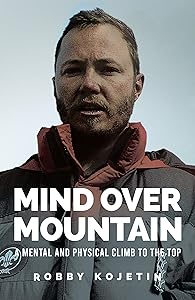
 TriggerHub.org is the first mental health organization of its kind. We are bringing mental health recovery and balance to millions of people worldwide through the power of our books.



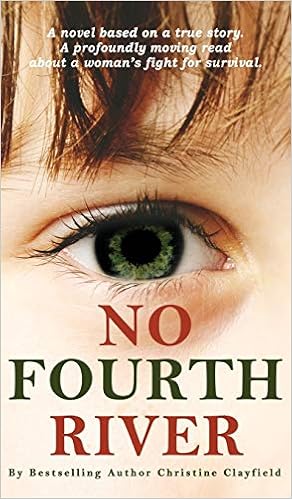









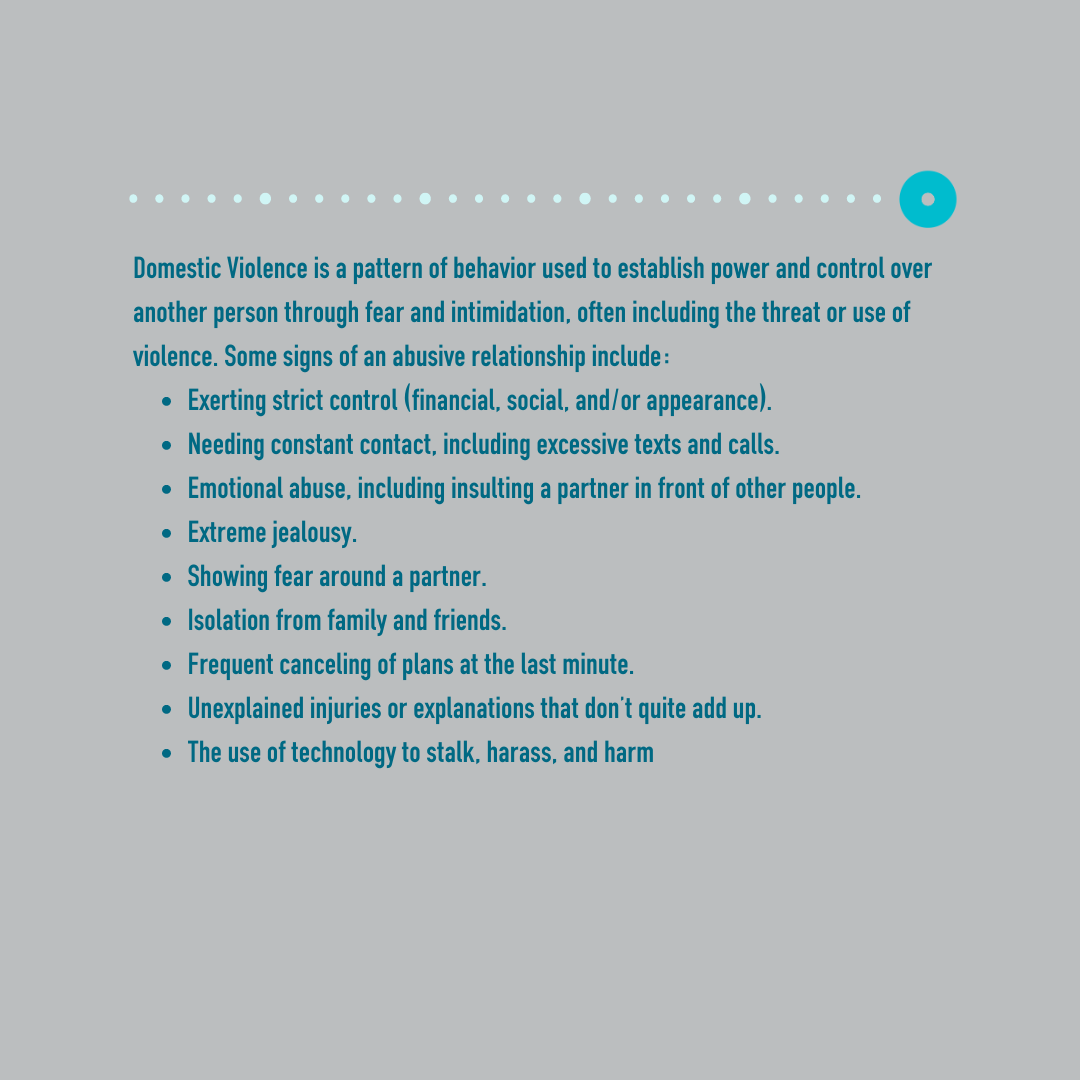
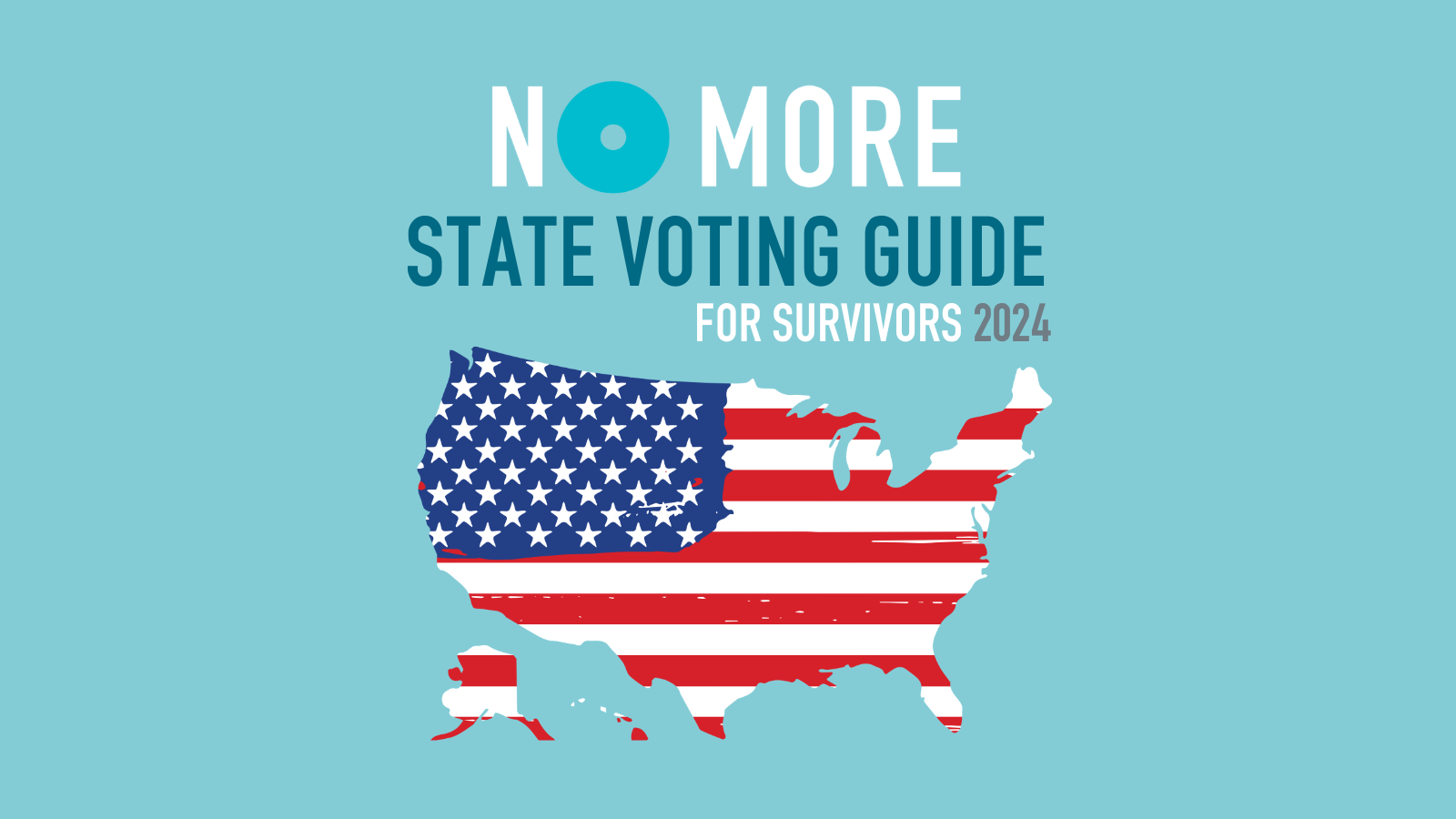
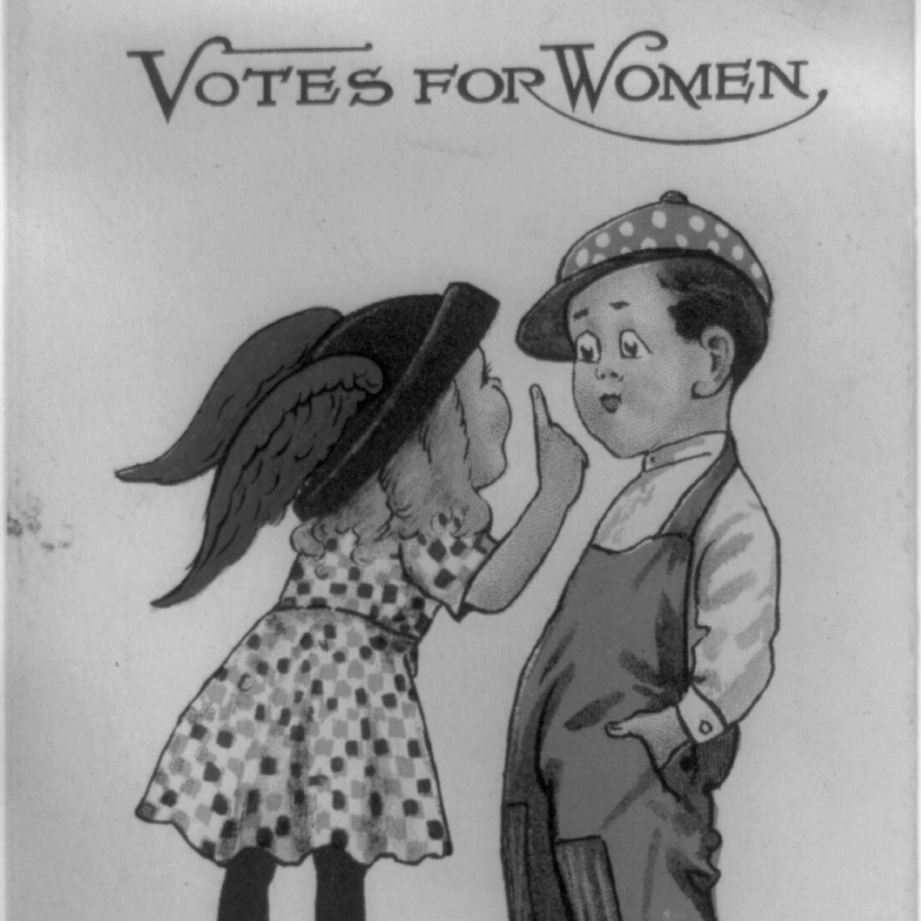

 lookingforthelight.blog