

Subscribe to continue reading
Subscribe to get access to the rest of this post and other subscriber-only content.

Subscribe to get access to the rest of this post and other subscriber-only content.
Subscribe to get access to the rest of this post and other subscriber-only content.
New York resident Holly Ahern is a professor emerita of microbiology, a researcher working on improved diagnostic tests for Lyme disease, a member of state and federally convened working groups that examined all aspects of Lyme-infection associated chronic illness, and the mother of a Lyme disease patient.
In the following guest opinion in Syracuse.com, she offers a thoughtful response to an earlier article that overlooked important, established information about Lyme disease.
Lyme disease is a complex illness caused by a bacterium whose ingenious life strategy doesn’t match the classic model of how bacterial infections affect human physiology.
Although we all want to believe that the current one-size-fits-all medical guidelines represent an evidenced-based framework to guide diagnosis and treatment — quite frankly, they don’t.
Health care providers continue to rely on and defend practices that may work for a small percentage of Lyme disease patients, but leave the majority in limbo.
Patients seek “nontraditional methods” of treatment from “functional providers” because the longstanding guidelines directing diagnosis and treatment have failed many people over many years.
First, the legend. Fifty years ago, a researcher at Yale University identified an outbreak of a previously unrecognized bacterial infection and named it Lyme disease. A diagnostic test was developed. Antibiotics became the standard treatment for this disease. Treatment-resistant cases were noted in nearly half of diagnosed cases, and were treated with more antibiotics. Persistence of the bacteria after treatment was acknowledged. Transmission during pregnancy leading to adverse outcomes was discovered and researched.
Then early research progress stalled, and by 2001, Lyme disease became known as a disease that was “hard to catch and easy to cure.”
A conflict developed between patients and researchers that resulting in patients being labelled “Lyme loonies” by the retiring NIH official who in 2007 oversaw federally funded Lyme disease research in the U.S. And it’s apparent from the opinions previously expressed that medical mislabeling of Lyme disease patients with persistent illness continues to this day.
There are more than 500,000 diagnosed Lyme disease cases a year in the U.S., so obviously it’s not all that hard to catch. A significant percentage of those cases will have persistent and debilitating symptoms that last for months to years, so it’s not so easy to cure, either. That’s the truth.
And now the myths, starting with the one about how Lyme disease is easy to diagnose because almost everybody knows they were infected by a tick bite and show up to their doctor with a unique, bull’s-eye shaped rash that enables early diagnosis and curative treatment.
Here’s the science behind that medical myth. In the early years of research into Lyme disease, a handful of epidemiological studies proclaimed that over 70% of diagnosed cases started with this rash.
However, all of those early studies relied almost entirely on the bull’s-eye rash for case determination, a strong research bias that should be apparent to all. From newer research it’s clear the bull’s-eye rash isn’t the diagnostic tool it was thought to be.
Fewer than half of all Lyme patients recall the tick bite, and 40% report seeing no rash at all. Only 10% of rashes are actually shaped like a bull’s-eye. Not such a great clinical sign after all.
Then there are the diagnostic tests, which starting 40 years ago were acknowledged as being not all that accurate. Yet today we’re still using those same tests. Positive results are often disregarded as “false positive” and those patients go untreated. Negative test results can’t be used to rule out a diagnosis of Lyme disease. Huh?
With regard to symptoms, numerous published studies point out that symptoms are variable. Women experience Lyme disease differently than men. Men are more likely to develop the bull’s-eye, give a positive diagnostic test result and experience more obvious symptoms.
Women are significantly less likely to develop the rash or test positive with the current two-tier testing approach, and more commonly experience non-specific symptoms like fatigue, headache, heart palpitations, vomiting, photophobia and higher severity of memory loss and psychiatric issues.
Which means men get treated, and women get referred.
Since the rash is unreliable, symptoms are variable and the tests don’t help, early diagnosis is missed more often than not. And late diagnosed patients, who are more often women, are at a higher risk of becoming chronically ill. That’s the truth.
Which brings up treatment. Because Lyme disease is a bacterial infection, the recommended treatment is a short course of one oral antibiotic. But Lyme isn’t caused by your typical bacterium, and that treatment doesn’t always work. The longstanding assertion that additional antibiotic treatment isn’t warranted, because there’s “no evidence” that it works, needs to be balanced with the reality that there is “no evidence” it doesn’t, either. There’s just not enough evidence, period.
The truth is more federally funded, well-designed clinical studies that aren’t designed to just reinforce what investigators want to believe, are desperately needed. An update to outdated Lyme disease medical school curricula appears to be needed, as well.
Republished by permission of the author.
Reference:
As tick‑borne diseases continue to rise, scientists are working to create better diagnostic tools.
The idea behind this work is simple: doctors can’t treat an infection if they can’t reliably detect it. And to detect these microbes, researchers first need to understand how they behave inside the body.
In a recent educational webinar, Jennifer C. Miller, PhD, of Galaxy Diagnostics, explained how tick‑borne pathogens spread, how they hide, and why testing can be so challenging.
Her main message was clear: improving diagnostic accuracy starts with understanding what these organisms do once they enter the human body.
Ticks usually pick up bacteria or parasites from small animals like mice, squirrels, and birds. Humans are most often infected by nymphs — tiny ticks that are so small many people never notice the bite.
Once a tick attaches, microbes enter the skin and immediately face the immune system. Some are destroyed, but others survive, move into the bloodstream, and spread into tissues. This helps explain why tick‑borne infections can affect so many parts of the body, including joints, muscles, nerves, the heart, skin, and the brain.
A major point in the webinar was how well these pathogens can hide from the immune system. Dr. Miller explained that some microbes change their outer surface or interfere with immune signals, making it harder for the body to recognize and fight them.
When the immune system can’t easily detect an invader, the infection may last longer and become harder to diagnose and treat. Understanding these survival tricks is essential for developing better tests.
The biology of tick-borne pathogens directly influences the difficulty of testing. Some pathogens evade immune recognition, migrate into tissues, or remain present in small numbers. This makes them harder to detect and requires highly sensitive diagnostic methods.
Dr. Miller explained that pathogens like Bartonella and Babesia don’t stay in one place. They may appear in the blood one day and disappear the next, even though they’re still in the body.
This fluctuating presence can make them harder to find, particularly when testing captures only a single moment in the infection process.
Encouragingly, the scientific community is actively working to close these diagnostic gaps. Researchers are studying how tick-borne pathogens survive, move through the body, and evade detection so that testing methods can better reflect these biological realities. This growing body of research represents an important step toward more accurate diagnostics and earlier identification of infection.
For many patients, this research helps explain why diagnosis can be so complex. Understanding how these organisms persist and evade detection provides important context for interpreting test results and seeking appropriate care.
Tick-borne infections are biologically complex conditions capable of affecting multiple systems throughout the body. Continued research, education, and clinical awareness remain essential to improving diagnosis and care.
Because ultimately, better detection begins with better science.
Note: Dr. Miller’s webinar was originally designed for medical professionals, so some sections may feel overly technical to general audiences. Still, Galaxy Diagnostics has made the full presentation freely available for anyone who wants to learn more. You can watch it here.
Terri McCormick is a writer and advocate with LymeDisease.org. She is author of the forthcoming book Being Misdiagnosed: Stories That Reveal the Hidden Epidemic of Lyme Disease.
Melinda
Source:

Melinda
When my children were at their sickest with Lyme and other tick-borne diseases, I was pushed into a level of caregiving I never expected. It felt as if we had been swept into a storm without warning, the sky suddenly dark and the path forward impossible to see.
I searched constantly for direction, for steady ground, for someone who could help us navigate the uncertainty. Instead, we were often left to make critical decisions alone. What I needed most was clarity—a compass to help chart a path forward.
It was perhaps no surprise, then, that I felt an immediate connection when I met siblings Carter and Payton Bradsky in Washington, DC, last May, while advocating on Capitol Hill with the Center for Lyme Action.
Between meetings, they shared that they were building a digital health platform designed specifically for people living with complex tick-borne illness. Their vision resonated with me instantly. They understood this journey because they had lived it.
Years earlier, the Bradskys had watched their once-vibrant mother decline from an illness no one could explain. This woman who had once filled their home with energy and warmth became increasingly exhausted, and even simple daily activities grew more difficult. She was eventually diagnosed with Lyme disease, but only after the family endured a long search for answers.
Her diagnosis also brought a deeper awareness within the family about the many ways tick-borne illness can present. Yet the family’s journey with illness was far from over.
Carter developed neurological and psychological symptoms, including brain fog, anxiety, and dissociation, that disrupted both his academic focus and athletic pursuits. Ultimately, his illness derailed what might have been a promising Division I basketball career. He was later diagnosed with Lyme disease and multiple co-infections.
Payton’s path to diagnosis was different. During her senior year of college, she developed severe headaches and fatigue, which she attributed to academic stress. The seriousness of her condition became clear only after she suffered a seizure and awoke with no memory of the event. She was diagnosed with epilepsy and began anti-seizure medication.
When a second seizure occurred despite treatment, the family’s expanding awareness of Lyme disease prompted deeper investigation. Payton was ultimately diagnosed with Lyme disease along with multiple tick-borne co-infections.
Over time, the family had collectively consulted more than 40 physicians and spent over $300,000 seeking answers and treatment.
Although their symptoms varied, their experiences revealed the same truth: tick-borne illness rarely follows a predictable course. The knowledge their family gained through their mother’s persistent search for answers helped shorten their own paths to diagnosis and deepened their understanding of this complex disease.
As they researched tick-borne illness, the Bradskys discovered an expansive Lyme community they had never known existed. What once felt like uncharted territory gradually revealed a network of physicians, researchers, advocacy organizations, and patient resources devoted to helping individuals navigate complex disease.
The more they learned, the clearer it became that access to reliable information can profoundly shape a patient’s care journey. Guided by these insights, and informed by their educational and professional backgrounds, Carter and Payton committed themselves to making that knowledge more accessible.
After years of development and collaboration with patients and Lyme-literate clinicians, the brother and sister launched LymeLess Health. It’s a digital platform created to bring clarity and organization to the often overwhelming realities of complex care.
LymeLess Health helps patients manage evolving treatment plans, multiple therapies, and the unpredictable nature of complex illness. Available as a mobile app through the App Store and Google Play, it supports patients in tracking their health, recognizing patterns, and preparing for more productive conversations with their clinicians. It is not intended to replace medical care but rather to complement it.
At the center of the LymeLess platform is Ella, an AI-powered health companion created to help patients living with Lyme and associated conditions. Unlike general health apps, Ella draws from Lyme-literate resources and is designed to support the realities of complex care, where treatment plans often require ongoing adjustment.
Ella is designed to support patients in several important ways:
Tracking: Log symptoms, medications, supplements, and therapies in one place.
Care reminders: Customizable alerts help patients stay organized with treatment schedules.
Pattern recognition: Compiles health data over time to identify trends and treatment responses.
Visit preparation: Generates concise summaries for you to take to your doctor appointments.
Health timeline: Organizes medical records, labs, rash images, and appointment notes in one secure location, enabling Ella to generate summaries for provider visits and insurance requests.
Care navigation: Access educational resources and locate Lyme-literate providers.
Adaptive support: Adjusts alongside changing care plans without requiring patients to rebuild their records.
Through a conversational interface, Ella helps patients build a personalized record of their health, enabling them to better understand their condition and monitor progress over time.
The Bradsky siblings set out to place Lyme-literate knowledge directly into the hands of patients. Their goal is simple yet powerful: to help patients navigate illness with greater confidence, clarity, and support.
For patients and caregivers living with the uncertainty of tick-borne disease, tools that provide support and structure can feel like a long-awaited point of direction. While no platform can calm the storm entirely, having guidance along the way can make the path forward easier to see.
To learn more, visit LymeLess.com or download the mobile app from the App Store or Google Play. The first month is offered at no cost, giving new users time to explore the platform and see if it’s right for them.
Melida
Source:
https://www.lymedisease.org/meet-ella-ai-assistant-for-lyme/
If you’ve spent any time navigating the world of tick‑borne disease, you already know this: people don’t always take steps to protect themselves, even when they live in high‑risk areas.
And for years, public‑health messaging has chalked that up to a simple explanation — people just don’t know enough.
But a new Cornell University study suggests something far more complicated is going on. And honestly, it’s about time someone asked.
Researchers reviewed more than 1,000 survey questions from 36 studies conducted across the U.S., Canada, and Europe.
These surveys are the backbone of many public‑health campaigns. They’re supposed to tell us what people understand about ticks, what they fear, and what they do to protect themselves.
Except, as the Cornell team found, they mostly tell us what people know — not what they do, and certainly not why they don’t do what they ought to.
Lead author Emily Mader put it bluntly: many surveys “measure things that don’t impact behavior.” In other words, we’ve been asking the wrong questions.
The review found that:
If you’ve ever tried to get a teenager to use repellent, or a neighbor to do a tick check, you already know the truth: awareness doesn’t automatically lead to action. People skip prevention for all kinds of reasons — inconvenience, discomfort, cost, forgetfulness, or simply because no one around them is doing it.
The authors note that understanding the risk isn’t the same as believing prevention is doable or worthwhile. And that public‑health messages only work when they connect to something people care about — and when they come from trusted messengers.
That rings true for anyone who has watched tick‑borne disease spread while prevention campaigns stay stuck in the same loop: “Use repellent. Wear long pants. Do tick checks.” Good enough advice, but that alone doesn’t get the job done.
Tick‑borne illnesses continue to rise across the country. And yet, prevention behaviors remain stubbornly low.
The Cornell team isn’t calling for more surveys — just better ones. Surveys that ask:
If we want people to protect themselves, we need to understand the real‑world decisions behind their actions. And that starts with asking better questions.
Click here to read the Cornell study.
TOUCHED BY LYME is written by Dorothy Kupcha Leland, President of LymeDisease.org. She is co-author of Finding Resilience: A Teen’s Journey Through Lyme Disease and of When Your Child Has Lyme Disease: A Parent’s Survival Guide. Contact her at dleland@lymedisease.org.
Melinda
For years, people living with Lyme disease and other infection-associated chronic illnesses have reported cognitive decline, mood changes, memory problems, and unexplained psychiatric symptoms. Yet these symptoms are routinely dismissed as psychological rather than biological.
At the 2nd Annual Alzheimer’s Pathobiome Initiative (AlzPI) & PCOM Symposium, a new conversation is reshaping that understanding.
In a special live recording of Pathobiome Perspectives, author and Galaxy Diagnostics CEO Nicole Bell shares how her family’s search for answers revealed the role of infection in her late husband Russ’s devastating neurological decline.
In her presentation, “When the brain pathobiome becomes personal,” Bell describes laboratory findings from Russ’s donated brain, including:
These data, now being prepared for publication, reinforce a growing scientific model: polymicrobial infection and toxic exposures may converge to drive neuroinflammation and Alzheimer’s-like symptoms.
Bell also outlines why so many patients fall through the cracks:
She highlights hallmark Bartonella clues often mistaken for psychological disorders — irritability, anxiety, OCD, tics, vision changes, and stretch-mark-like striæ — noting that exposure risk extends beyond ticks to fleas and household cats. Bell advocates for precision diagnostics that assess pathogen load, immune dysfunction, and toxic exposures together, rather than in isolation.
Bell’s story underscores a pivotal shift: what looks psychiatric or “idiopathic” may be a complex, biologically driven pathobiome process — and recognizing it early could change outcomes.
Tune in to this episode of Pathobiome Perspectives, presented in collaboration with Tick Boot Camp and LymeDisease.org, to learn how cutting-edge research could transform our understanding of chronic illness and cognition–and offer hope to millions navigating life through the haze.
Pathobiome Perspectives was developed in collaboration with the Pathobiome Research Center at PCOM, led by Founding Director Nikki Schultek, and Director Dr. Brian Balin and the Center for Chronic Disorders of Aging (CCDA).
New episodes of Pathobiome Perspectives will roll out every Tuesday night at 7:30 p.m. Central.
Ali Moresco is a tick-borne disease survivor, advocate, speaker and founder of Moresco PR, a healthcare communications firm. She also serves as Executive Board Chair of Project Lyme. You can connect with Ali on Instagram at @AliTMoresco or on YouTube.
Melinda
Reference:
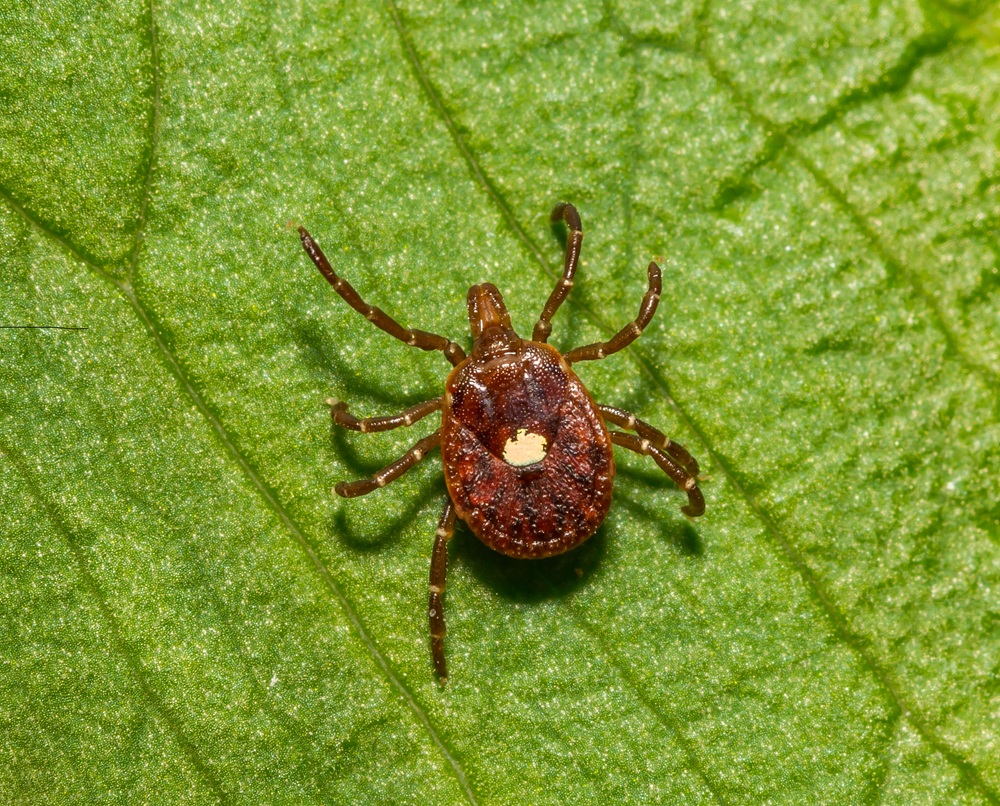
The lone star tick, notorious for spreading disease and causing a red meat allergy called alpha-gal syndrome, has long plagued the eastern United States.
Now, UC Davis researchers warn it may be edging closer to establishing itself in California.
Their study uncovered seventy-six lone star ticks reported across the state, including recent finds in the Bay Area and San Clemente. While field teams in 2024 and 2025 didn’t recover any during surveillance, climate models show coastal California offers prime conditions for the species.
Experts say the tick isn’t officially established yet, but the risk is real. With climate change and increased movement of animals and people, scientists caution that Californians should stay vigilant, check for ticks after outdoor activities, and report unusual sightings.
Click here to read the study in the journal Ticks and Tick-borne Diseases.
Melinda
Reference:
When many people see a big, beautiful pile of colorful autumn leaves, it feels like an open invitation to dive in. The scene evokes joy, nostalgia, and the simple thrill of childhood.
But for Isabel Rose, it brings up something very different. It reminds her of a moment that marked the beginning of her lifelong struggle with Lyme disease.
What others see as innocent fun, she now views with alarm.
Ticks thrive in damp, shaded environments close to the ground. Leaf piles, tall grass, and wooded edges are prime habitats for them. Children playing in these areas are at increased risk, often unaware that a single tick bite can lead to years of misery.
For Isabel, what began as a carefree childhood leap into a leaf pile became the start of a medical nightmare.
Isabel is now a writer, Lyme disease advocate, and founder of Mothers Against Lyme, a support network for families affected by congenital and pediatric Lyme. She also serves on the board of Project Lyme, a national nonprofit.
In a recent essay published on her Substack, Isabel shares the story of how a tick bite at age 8 led to decades of misdiagnosed symptoms, chronic illness, and eventually, the discovery that both she and her children had Lyme disease and co-infections.
Her experience is a powerful reminder of the importance of tick awareness. Ignoring the risks can be hazardous to yourself–and future generations.
Click here to read her raw and deeply informative essay.
Click here to learn more about Mothers Against Lyme.
TOUCHED BY LYME is written by Dorothy Kupcha Leland, President of LymeDisease.org. She is co-author of Finding Resilience: A Teen’s Journey Through Lyme Disease and of When Your Child Has Lyme Disease: A Parent’s Survival Guide. Contact her at dleland@lymedisease.org.
Melinda
One would think that freezing weather would cause ticks to hibernate or die, but you would have to think again. States that stay below freezing for most of the winter will not have a high risk but it is not impossible. Keep this in mind when raking the leaves and snow close to the ground.
The key is to know ticks are active and how to prevent tick bites. It’s easy to fend off these beasts by making a few changes. If you are walking in high grass, or have tree limbs brushing the trail, even dead leaves can be a host for ticks. Before you head out, spray exposed areas with DEET* making sure to spray the foot to above your ankles.
Put pant legs in socks so the tick can’t climb in. Wear a hikers hat with a trail that covers the back of the neck. No more falling off a tree limb right down the back of your shirt. They look for every chance they can get to attach to you, the host. The most critical step is to check your body, complete body, once home. Wash your clothes right away, don’t put them in the washing bin and let them move around your other clothes.
As someone who lives with Chronic Lyme Disease, I can say that preventing a tick bite is a hell of a lot better than getting Lyme.
If you’re enjoying the warmer-than-usual winter, so are ticks. The insects do not have to go into their usual hibernation on days when the temperature exceeds 40 degrees. It used to be the people who study ticks in Connecticut got pretty bored in the winter months. Not anymore.
“We used to call it tick activity season,” explained Dr. Goudarz Molaei, a tick expert with the Connecticut Agricultural Experiment Station. “We can no longer call it tick activity season as ticks are active year-round.”
When people get bit, they send their ticks to the Agricultural Experiment Station. It used to be they would get about 50 all winter long. Now they are getting around 800.
“We receive ticks daily, and some days we receive over ten tick specimens from the public,” Molaei said.
If Connecticut no longer has a non-active tick season, chances are the surrounding states are also seeing an increase in ticks during the winter. Be safe by preparing on the front end.
DEET* or no DEET, is based on your preference. There is plenty of information for your searches.
Melinda
References:
https://www.wtnh.com/news/ticks-becoming-active-year-round-in-connecticut-due-to-warmer-winters/
Kevin Jonas‘ wife Danielle Jonas was experiencing symptoms that her doctor first attributed to anxiety, only to be diagnosed with Lyme disease after undergoing a biopsy.
In a new interview with Parents published on Thursday, Oct. 9, Danielle, 39, opened up about her diagnosis and how it affects her daily life.
She first decided to see a doctor after noticing that her hair was shedding.
“They tried to tell me it was anxiety. Finally, I had a biopsy that showed I actually had Lyme disease,” Danielle told Parents.
Lyme disease is an illness caused by Borrelia bacteria, usually transmitted through the bite of a tick, according to Mayo Clinic. Symptoms vary but can include rash, muscle soreness, fever, fatigue, chronic pain and more.
“I also had eczema on my scalp, which was likely from the inflammation [caused by Lyme disease],” Danielle said. “The hair loss was very traumatic. I got to a point where I wanted to wear a wig.”
Eczema, a form of dermatitis, is a non-contagious skin condition that causes dry, itchy and inflamed skin, per Mayo. The chronic condition can cause irritation but flare-ups can be managed through diet, as well as ointments or creams.
To help with her hair loss, Danielle tried wearing hair extensions. These then irritated her eczema further because of the way they pulled at her scalp.
“I had to go out and do things with Kevin. I just wanted to feel like myself,” she told Parents. The couple has been married since 2009 and shares daughters Alena, 11, and Valentina, 8.
Melinda
Reference:
https://people.com/kevin-jonas-wife-danielle-jonas-reveals-lyme-disease-diagnosis-11827737
Ten years ago, singer-songwriter Jesse Ruben was desperately ill with Lyme disease—wracked with pain, clouded by brain fog, and battling depression. In the midst of all that, he discovered that if he stayed up well past midnight, the fog would lift somewhat.
“So I’d keep myself up till 6, 7, 8 in the morning,” he recalls, “because it was the only time I had a cognitive thought.”
One morning in 2015, during one of those more lucid hours, he sang the beginning of a new song into his cell phone—and promptly forgot about it. Years later, he stumbled upon the audio file and decided to finish what he had started.
The result is Monster, a raw and powerful song that captures the pain, frustration, and mental anguish that so many Lyme patients know all too well:
“There’s something wrong here, doctor, and I don’t know what it is…
But there’s a monster in my body and it’s living in my limbs…
And it’s tearing through my system like a hurricane wind that won’t stop…”
Before he became ill, Ruben was a rising star in the music world, with a popular song called “We Can.” It was a feel-good, upbeat tune that he wrote after running his very first marathon.
Then everything changed.
It started with flu-like symptoms that wouldn’t go away, followed by dizziness and nausea.
Doctors ran tests and told him everything looked fine. But Jesse knew something wasn’t right. He struggled to breathe and couldn’t walk up a flight of stairs. The brain fog got so bad he’d forget the lyrics to his own songs—music he’d poured his heart into.
He saw more than ten doctors. Each gave him a different answer: vitamin D deficiency, depression, chronic fatigue syndrome. None of it fit.
Eventually, Jesse found a doctor who properly diagnosed and treated him for Lyme disease, and he began to heal. He returned to music with renewed purpose—and his single This Is Why I Need You struck a chord around the world. It’s now been streamed over 70 million times across various platforms, a testament to how deeply his message resonates.
Alongside his musical comeback, Jesse became a passionate advocate for others facing Lyme disease. He co-founded Generation Lyme, a nonprofit created to combat the isolation and confusion that so many people with Lyme disease experience.
The organization hosts free Zoom gatherings for patients, parents, and supporters and also offers the Generation Lyme podcast.
And now, Jesse has finally released Monster, the song he rasped into his cell phone so long ago. Take a listen:
Monster drops as a single today and is also featured on Jesse’s new album Belong, set for release on October 10. The ten-song collection explores themes of mental health, chronic illness, long-term relationships, and the essential role of community in helping us heal and thrive.
Jesse Ruben’s journey—from misdiagnosis and despair to healing and advocacy—is a powerful reminder of what it means to keep going.
With Monster and Belong, he’s not just sharing music—he’s sharing what it feels like to fight for your health, your voice, and your place in the world. These songs speak to anyone who’s ever felt lost in their own body, and they offer something we all need: the feeling of being seen, heard, and believed.
Melinda
Reference:
From the University of North Carolina at Greensboro:
North Carolina is experiencing a surge in Lyme disease cases, and a new surveillance study from UNC Greensboro (UNCG) reveals that the primary vector of the bacteria that cause Lyme disease, the blacklegged tick (Ixodes scapularis), has been spreading into areas previously considered low risk.
“Currently, 16 states, mostly in the Northeast, mid-Atlantic, and upper Midwest, account for 95% of the reported LD cases,” says Dr. Gideon Wasserberg, a biology professor at UNCG and one of the research project leaders.
“However, low-incidence states to the south and west, including North Carolina, have experienced an increase in the number of reported Lyme disease cases since the early 2010s.”
With funding from Centers for Disease Control, administered by the North Carolina Department of Health and Human Services, researchers from UNCG, North Carolina State University, and Appalachian State University conducted a five-year, statewide survey of blacklegged ticks and the pathogens they often carry.
“Our data shows a range expansion of these ticks into more counties in the Blue Ridge Mountains and the western Piedmont region and a dramatic increase in their densities in this area as a whole,” said Wasserberg. “These findings are consistent with increasing reports of human Lyme disease cases in these areas.”
Eastern Piedmont and the Coastal Plain, where blacklegged ticks and human Lyme disease cases have been historically noted, saw little change in tick density in comparison.
In the new study, ticks from the Blue Ridge Mountains were also more likely to carry Borrelia burgdorferi, the bacteria responsible for most cases of Lyme disease, compared to ticks from the Piedmont and Coastal Plain.
“Our analyses indicate that these ticks and the bacteria they carry moved into the Blue Ridge Mountains of North Carolina from southwestern Virginia over the last 10 years, travelling along the Appalachian Mountains,” says Wasserberg.
The researchers say the findings have important implications for public health.
“Enhanced surveillance, increased public awareness, and updated guidance for healthcare providers are crucial to mitigate risk.” said Dr. Reuben Garshong, the lead author of the newly published article in PLOS One. Now a research scientist at the New Jersey Department of Health, Garshong participated in much of the study as a doctoral student in Wasserberg’s lab at UNCG.
Melinda
Reference:
This week, Yolanda Hadid—once a fixture in the fashion world, now a Lyme advocate and mother to internationally acclaimed model Bella Hadid—shared a deeply personal message on Instagram that struck a chord with countless families in the Lyme community.
For those of us who’ve watched our children suffer profoundly from tick-borne illness, her words are achingly familiar.
“Watching my Bella struggle in silence has cut the deepest core of hopelessness inside me,” she wrote.
“The invisible disability of chronic neurological Lyme disease is hard to explain or understand for anyone. I try to lead by example on our Lyme journey, but my own pain cannot compare to watching my baby suffer.”
Bella Hadid was diagnosed with chronic neurological Lyme disease in 2013, a year after her mom. Since then, Bella’s health has fluctuated dramatically—even as she continues to navigate the demands of a high-profile career in international fashion. To outsiders, that juxtaposition may seem incongruous. But Yolanda’s post reminds us that suffering often hides behind polished surfaces and public success.
“There simply aren’t words big enough for the darkness, the pain, and the unknown hell you’ve lived through since your diagnosis,” Yolanda wrote. “You didn’t really live, you learned how to exist inside the jail of your own paralyzed brain.”
Yolanda’s message is more than a mother’s lament—it’s a call to recognize the invisible toll of chronic illness. “I am the CEO of my health,” she writes, “and after fifteen years of searching the globe, I am still determined to find a cure affordable for all.”
That phrase—CEO of my health—is one many Lyme families will recognize. It’s the role we assume when conventional medicine fails us, when insurance won’t cover treatments, and when we’re forced to choose between financial stability and the hope of healing.
Yolanda’s post also speaks to the emotional weight this disease places on families. “This disease has brought us to our knees,” she says, “but we always get back up.” That resilience is the heartbeat of the Lyme community. It’s what sustains us through disappointing lab results, unyielding symptoms, and the quiet erosion of hope.
Bella Hadid’s struggle is not unique. But her visibility gives voice to millions who suffer way outside of the spotlight. And Yolanda’s decision to speak publicly—again, after years of quiet withdrawal—offers a renewed sense of solidarity.
To Yolanda and Bella: thank you for reminding the world that chronic Lyme is real, relentless, and deserving of compassion. May we all continue to fight for better days—and for a cure that’s accessible to all.
Melinda
Reference:

One of the most important things a person with Lyme disease needs is clear, concise information.Here’s a list of useful resources to get you going in the right direction.LymeDisease.org is one of the foremost Lyme patient advocacy organizations in the United States. We provide a wealth of information on our website–about ticks, Lyme and other tick-borne diseases, prevention, diagnosis and treatment. Special features include:Symptom Checklist: Patients can answer a series of questions, print out the filled-in form and take it to their doctor. The printout describes basic facts, explains the two standards of care for Lyme disease, and endorses the ILADS guidelines. It’s a way to help your doctor help you.Physician Directory: Find a Lyme-literate practitioner near you.Our blogs keep the Lyme community up to date on news, analysis, and opinion.
Social media. We spread the word via Facebook, Twitter, Instagram and Pinterest.
Our free weekly email newsletters keep you informed on Lyme-related developments. Click here to sign up.
US National Lyme Online Support Group: Information and emotional support for people dealing with Lyme and other tick-borne diseases.
MyLymeData patient registry: This big data research project allows patients to privately pool information about their Lyme disease experiences. So far, more than 17,000 people have enrolled in the project, providing millions of data points on Lyme disease demographics, tick bites, diagnosis, symptoms, lab tests, co-infections, treatment and quality of life. Add your Lyme data to MyLymeData to help find a cure for Lyme disease.
Basic info about children with Lyme disease Gestational Lyme disease LymeHope, a Canadian Lyme advocacy organization, has taken a particular interest in the issue of mother-to-fetus Lyme transmission.
LymeAid4Kids–Financial assistance for Lyme treatment for those under age 21.
Lymelight Foundation–financial assistance for Lyme treatment for children and young adults through age 25
.LivLyme Foundation–Financial grants for children with Lyme disease (under 21).
Mothers Against Lyme–Advocacy and education about congenital and childhood Lyme
Video: Lyme Disease & Pregnancy: State of the Science & Opportunities for Research
Book: When Your Child Has Lyme Disease: A Parent’s Survival Guide by Sandra Berenbaum and Dorothy Kupcha Leland.
Book: Brain Inflamed: Uncovering the Hidden Causes of Anxiety, Depression, and other Mood Disorders in Adolescents and Teens by Dr. Kenneth Bock
.Book: Protecting Your Child From the Child Protection System, by Beth Alison Maloney
Book: Finding Resilience: A Teen’s Journey Through Lyme Disease, by Rachel Leland and Dorothy Kupcha Leland
.Article: Healthy Mom Best Prescription for Healthy Baby (The Lyme Times) (PDF)
Wrightslaw.com–Website with information about Special Education law.ASPIRE: The Alliance to Solve PANS and Immune Related Encephalopathies
New England PANS/PANDAS Association
Three books by Beth Alison Maloney: Saving Sammy, Childhood Interrupted: The Complete Guide to PANDAS and PANS, and Protecting Your Child from the Child Protection system (The author of these books is the mother of a child who healed from PANDAS. She is an attorney/advocate for the recognition and treatment of PANS/PANDAS, and advises parents about legal issues related to PANS/PANDAS and other complex medical conditions.)
How to protect yourself from ticks
Find the repellent that’s right for you (EPA website)
Help! I’ve gotten a tick bite. Now what?
TickEncounter Resource Center—University of Rhode Island
Tick testing. There are various places to get ticks tested. Here are several: IGeneX, TickCheck, Ticknology, Tick Report
MilTICK—free tick testing and identification service available for ticks removed from Department of Defense (DoD) personnel and their dependents.
MCAS, when your immune system goes haywire
The agony of mast cell activation syndrome (MCAS)
Healing from mast cell activation syndrome
What to eat when you’re allergic to everything?
Severe weather can worsen mast cell activation syndrome
There is growing evidence that certain types of tick bites can trigger alpha-gal syndrome (AGS) a life-threatening allergy to red meat and meat-related products.
Alpha-gal syndrome–symptoms, diagnosis, treatment
Lyme disease can affect the heart in complicated ways
Lyme disease and cognitive impairments
Gastrointestinal manifestations of Lyme
Psychiatric manifestations of Lyme
Medical marijuana and Lyme disease
The dreaded Jarisch-Herxheimer reaction
How Lyme disease can affect your vision
12 ways you can help yourself manage chronic pain
The Charles E. Holman Morgellons Disease FoundationMorgellons: The legitimization of a disease (book review)Skin Deep: The Battle Over Morgellons (documentary film)
What is disulfiram and why does it spark excitement in Lyme community?Treating psychiatric Lyme symptoms with disulfiram
The Lyme Times Special Issue on Co-infections (PDF)About Lyme disease co-infectionsCo-infections poster
Dealing with Lyme disease and mold illness at the same time
Mold Testing Guide (How to test your home for mold)
Your guide to mold in your home
Are you unknowingly ingesting toxic mold?
Basic information about Lyme and pets
Parasite prevalence maps Educational website includes a US map down to the county level, showing where dogs have tested positive for Lyme, anaplasmosis, erhlichiosis and other diseases. Also, information about protecting your pet from tick-borne diseases.
Companion Animal Parasite Council website has comprehensive information about how to protect your pets from ticks and other parasites.
Brain Inflamed: Uncovering the Hidden Causes of Anxiety, Depression, and Other Mood Disorders in Adolescents and Teens, by Dr. Kenneth Bock
CHRONIC: The Hidden Cause of the Autoimmune Pandemic and How to Get Healthy Again, by Dr. Steven Phillips and Dana Parish
Conquering Lyme Disease: Science Bridges the Great Divide, by Brian A. Fallon, MD, and Jennifer Sotsky, MD
The Deep Places: A Memoir of Illness and Discovery, by Ross Douthat. The New York Times columnist delves into his personal years-long battle with chronic Lyme disease.
Finding Resilience: A Teen’s Journey Through Lyme Disease, by Rachel Leland and Dorothy Kupcha Leland. Based on the journal Rachel kept during the worst years of her illness, with additional insights from her mother, Dorothy.
How can I get better? An Action Plan for Treating Resistant Lyme and Chronic Disease, by Dr. Richard Horowitz
The Lyme Diet, by Dr. Nicola McFadzean. What to eat while healing from Lyme.
Recovery from Lyme Disease: The Integrative Medicine Guide to Diagnosing and Treating Tick-Borne Illness, by Dr. Daniel Kinderlehrer.
TOXIC: Heal Your Body from Mold Toxicity, Lyme Disease, Multiple Chemical Sensitivities, and Chronic Environmental Illness, by Dr. Neil Nathan.
When Your Child Has Lyme Disease: A Parent’s Survival Guide by Sandra Berenbaum and Dorothy Kupcha Leland.
Why Can’t I Get Better? Solving the Mystery of Lyme and Chronic Disease, by Dr. Richard Horowitz.
Bitten: The Secret History of Lyme Disease and Biological Weapons, by Kris Newby
Cure Unknown: Inside the Lyme Epidemic, by Pamela Weintraub.
Lyme: The First Epidemic of Climate Change, by Mary Beth Pfeiffer.
I’m Not Crazy, I’m sick, Lyme documentary, available on various streaming services.
The Quiet Epidemic, documentary film about chronic Lyme disease, available on various streaming services.
Under Our Skin, award-winning Lyme documentary film.
Under Our Skin 2: Emergence (sequel)
The Red Ring, documentary takes a global look at Lyme disease.
Your Labs Are Normal, feature film based on real-life experiences.
LymeTAP.com–Lyme Testing Access Program. Financial assistance for Lyme diagnostic testing.
Needymeds.com–Clearing house for information about various kinds of financial assistance for obtaining medication.
Lymelight Foundation–financial assistance for Lyme treatment for children and young adults through age 25.
Lyme Treatment Foundation–financial assistance for Lyme treatment. No age restrictions.
LivLyme Foundation–Financial grants for children with Lyme disease.
LymeAid4Kids—grants for young Lyme patients (up to age 21).
Partner in Lyme—grants for Lyme treatment for residents of Connecticut.
Applying for Social Security benefits for Lyme disease
ALCE Asociación de Lyme Crónico España (Spain)
Canadian Lyme Disease Foundation
LymeHope (Canada)
LYRI (Mexico)
Lyme Disease Action (UK)
Lyme Disease Association of Australia
Karl McManus Foundation (Australia)
Association Luxembourgeoise Borréliose de Lyme (Luxembourg)
Onlyme-aktion.org (Germany)
Lymevereniging (Netherlands)
This is one of the most comprehensive articles Lyme Dieases and co-infections. When you talk to a expert on the subject matter be sure to ask for referral, it took me two doctors to find the right doctor. I can say that you General Doctor is not the right type of doctor for your treatment and surgical. YES, it’s that important. The best source for referrals for Lyme Literate Doctor is ILADS.
Melinda
REFERENCE:
TOUCHED BY LYME is written by Dorothy Kupcha Leland, LymeDisease.org’s Vice-president and Director of Communications. She is co-author of When Your Child Has Lyme Disease: A Parent’s Survival Guide. Contact her at dleland@lymedisease.org .
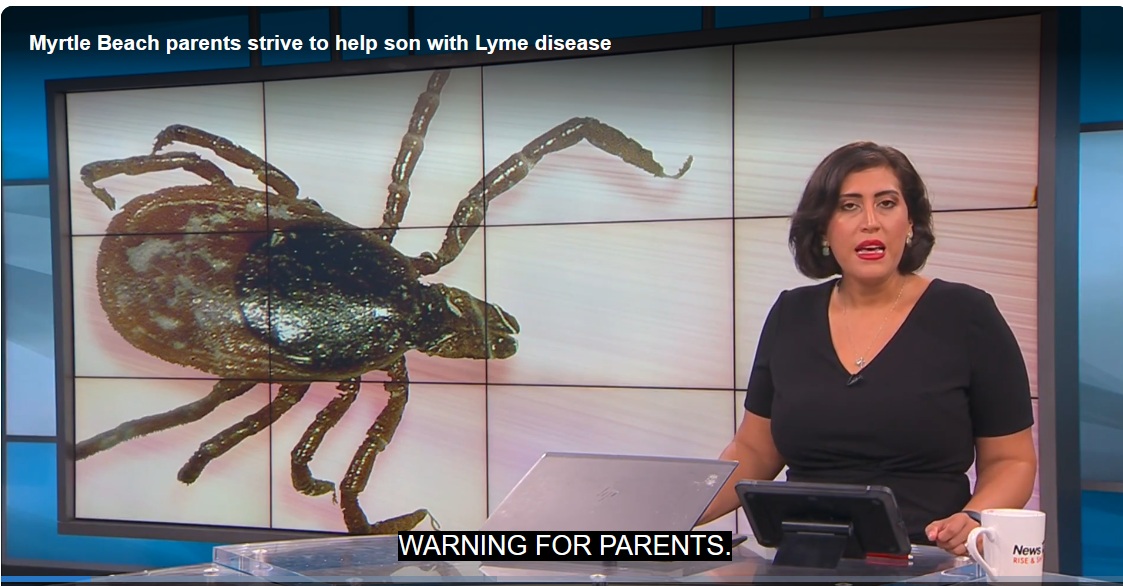
Eight-year-old Ben Kuhl of Myrtle Beach, South Carolina, was once an energetic preschooler who loved exploring nature. But four years ago, a tick bite on a family hike changed all that.
At the time, doctors told his parents that as long as Ben’s tick bite did not have a bull’s-eye on it, he would be fine. But it soon became evident Ben was not fine.
According to his mother, LeeAnn, by the time he was finally diagnosed with Lyme disease, it had spread to all of his organs, including his brain.
He is only able to talk on some days, his motor functions have worsened, and he has painful inflammation throughout his body.
“You mourn the life that he was supposed to have, so you mourn the parent that you were supposed to be,” LeeAnn said.
Click to watch this report from WBTW:
https://www.wbtw.com/video/myrtle-beach-parents-strive-to-help-son-with-lyme-disease/10908489
Melinda
By Dr. Daniel Cameron
What if you did everything right after a tick bite—and still ended up sick?
That’s what happened to a 37-year-old woman who followed medical advice after a hike in New York’s Hudson Valley. She removed an engorged tick and went to urgent care. The provider gave her a single pill—200 mg of doxycycline—and told her it would prevent Lyme disease.
Weeks later, she developed brain fog, crushing fatigue, and joint pain. It turned out she did have Lyme disease, and possibly other tick-borne infections too.
Her case raises important ethical questions: Are patients being told enough? Are they being protected—or falsely reassured? And are we doing right by those who follow the rules?
The CDC currently recommends a single dose of doxycycline after a tick bite in certain cases. The idea is simple: take the antibiotic early, and you might prevent Lyme disease from taking hold.
But there’s a catch: this one-pill approach was based on a small study published in 2001. It mostly looked at preventing the bull’s-eye rash—not the full illness.
What’s more, the study didn’t follow people long enough to detect cases of Lyme disease that develop without a rash, or cases involving co-infections like Babesia.
This woman wasn’t warned about the limits of the single-dose strategy. She wasn’t told that:
It may not prevent the whole disease—just the rash.
It doesn’t protect against other infections ticks can carry.
It only works in very specific situations (right kind of tick, right timing, right area).
If symptoms appear later, Lyme disease testing can be unreliable.
Because she believed she was protected, she waited too long to seek further care—and her test came back negative at first, adding to the confusion.
By the time she arrived at my clinic, her illness had worsened.
1. Patients Deserve Full Information (Autonomy)
She should’ve been told that the one-pill approach isn’t a guarantee. Without all the facts, she couldn’t make a truly informed choice.
2. Care Should Be Tailored, Not Just Protocol (Beneficence)
She lived in a high-risk Lyme area. The tick was attached long enough to transmit disease. She might have benefited more from a longer antibiotic course. Instead, a “one-size-fits-all” approach failed her.
3. False Reassurance Can Do Harm (Non-Maleficence)
Believing she was safe delayed her diagnosis and treatment. That delay caused more suffering—and made recovery harder.
4. The System Isn’t Fair for Everyone (Justice)
This strategy doesn’t work well for kids under 8, pregnant women, or people who don’t have easy access to care. It assumes everyone knows what kind of tick bit them—and can get treatment within 72 hours. That’s not realistic for many.
When she finally got to my office, we ran new tests. Her Lyme Western blot confirmed infection. She also had symptoms of Babesia, a parasite that doxycycline doesn’t treat. On top of that, she had orthostatic intolerance (POTS), which had never been linked to her tick bite before.
With a more complete treatment plan—including antibiotics and supportive care—she began to feel better. But the road was longer than it needed to be.
The idea of “just one pill” sounds great—but it can create a false sense of safety. When patients aren’t told the full story, they lose the chance to make informed decisions. And when symptoms are dismissed, the consequences can last for months or even years.
We need to do better. That means:
Because when it comes to Lyme disease, patients deserve more than a protocol. They deserve a plan.
Dr. Daniel Cameron is a nationally recognized expert in the diagnosis and treatment of Lyme disease. He is a past president of the International Lyme and Associated Diseases Society and a co-aauthor of the ILADS Lyme treatment guidelines. This blog first appeared on his website, danielcameronmd.com. He can also be found on Facebook.
Melinda
Hear is a clear message to everyone! Lyme Disease is not picky who the host person is, everyone is prime picking for Lyme Disease’s.
Singer Justin Timberlake has revealed that he has Lyme disease, describing it as “relentlessly debilitating” both mentally and physically.
In a heartfelt Instagram post, Timberlake explained that the diagnosis helped him understand why he was experiencing nerve pain, extreme fatigue, and sickness—even while performing on stage during his two-year Forget Tomorrow World Tour
Despite the challenges, he chose to continue touring, saying:
“I decided the joy that performing brings me far outweighs the fleeting stress my body was feeling. I’m so glad I kept going.”
He also shared that he had been reluctant to speak publicly about his health struggles, but wanted to be more transparent to avoid misinterpretation and to help others facing similar battles.
Timberlake joins a growing list of celebrities—including Justin Bieber and Bella Hadid—who have publicly discussed living with Lyme disease.
Melinda
More coverage:
With tick activity hitting alarming highs this summer, the pest control company Terminex has announced its first-ever comprehensive ranking of the Top 25 Most Tick-Infested U.S. States.
Based on proprietary 2024 pest management data, this report reveals which states are facing the greatest tick pressure and risk of tick-borne illnesses.
This first-of-its-kind list arrives at a critical time, offering homeowners and outdoor adventurers new insight into how geography and climate are shaping tick populations across the country.
States like California, Florida, Texas, Pennsylvania, and New York are at the top of this list due to their warm climates, high humidity and abundance of green spaces.
Notably, New York City, Los Angeles, Philadelphia, San Francisco and Washington, D.C. rank as the top five tick-infested cities in the country, underscoring that even densely populated urban areas are not immune to tick activity.
Overall, the Northeastern region of the U.S. generally experiences the highest populations of ticks, with common species including the blacklegged tick and the American dog tick.
“This isn’t just a nuisance; tick activity is reaching new levels across the country, posing a serious and growing public health threat,” said Tom Dobrinska, Technical Service Manager at Terminix.
“Climate change continues to increase tick populations. As winters become milder and warm seasons increase in length, tick survival and risk for human exposure increase significantly.”
While not all ticks carry illness-causing pathogens, disease risk can vary by tick species.
According to the CDC, Northeastern states like Pennsylvania, New York and New Jersey, as well as parts of the Upper Midwest, are often identified as the worst places for ticks in the U.S. due to their high rates of Lyme disease cases. Southeast and Southcentral U.S. might see more cases of ehrlichiosis or spotted fever rickettsiosis.
“Scientists and public health experts are constantly researching ticks to better understand the threats they pose,” said Dobrinska. “As these experts continue to monitor tick activity and disease spread, it is essential for the public to stay informed about the dangers and know how to prevent tick bites.”
To protect against tick bites and tick-borne illness, Terminix recommends the following steps:
Click here for the full 2024 Tick Infestation Report.
Melinda
SOURCE: Terminex
Pleasure Beach, a popular summer destination in Bridgeport, Connecticut, will remain closed for the entire 2025 season due to a serious tick infestation.
City officials, in consultation with state environmental and public health experts, made the call after discovering multiple tick species on the island, including the Asian longhorned tick—an invasive species that poses unique risks.
Unlike native ticks, this species can reproduce asexually, allowing a single female to spawn a full-blown infestation. Even more concerning, it can potentially carry serious pathogens.
While disappointing for beachgoers, the closure may benefit the island’s fragile ecosystem. Pleasure Beach is a critical nesting site for protected Audubon bird species, including the endangered piping plover.
With reduced human activity, conservationists expect a boost in nesting success and habitat restoration.
Bridgeport officials plan to conduct treatment and containment efforts throughout the summer, with the goal of reopening the beach in 2026.
Melinda
SOURCE: City of Bridgeport, CT
Emergency rooms nationwide are reporting a record-breaking increase in tick bite cases, according to new CDC data.
July 2025 is already surpassing previous highs set in 2017.
Director of the University of Rhode Island’s Center for Vector-Borne Disease and its TickEncounter Resource Center, Dr. Thomas Mather, and Dr. Tom Daniels joined the Morning Joe to discuss.
They say Lyme disease is still the top concern when it comes to tick bites, but note that ticks can transmit other pathogens as well.
With ticks being so plentiful right now, they say it’s likely that more people will end up getting sick from tick-borne infections.
Watch their interview here:
Melinda
Referrence:
From the Tick Boot Camp podcast:
In this powerful, long-form interview, Kristina Bauer returns to the Tick Boot Camp Podcast to share her in-depth story of surviving decades of misdiagnosed Lyme disease — from childhood illness and misdiagnoses to motherhood, advocacy, and remission.
Diagnosed at age 40 after 32 years of medical dismissal, Kristina discusses her experience with congenital Lyme disease in her four children, postpartum Lyme flares, and her commitment to raising awareness through the Texas Lyme Alliance, Center for Lyme Action, and International Lyme and Associated Diseases Society (ILADS) Ambassadorship.
Her testimony covers essential ground: pediatric Lyme, maternal Lyme, psychiatric symptoms like Lyme rage, postpartum depression misdiagnosis, sexual transmission, and the need for insurance and diagnostic reform.
This episode is a masterclass in Lyme disease education and empowerment, especially for women, mothers, and families navigating complex Lyme journeys.
Tick Boot Camp is available on all major podcast platforms. You can also listen here.
Melinda
Reference:
HARTFORD, Conn. — An invasive tick species in Connecticut has been found to carry the bacteria that can cause ehrlichiosis in humans, a discovery that has alarmed state biologists as the tick continues to increase its spread throughout the state.
Longhorned ticks, an emerging invasive species in the state, have now been found to carry the bacteria that causes ehrlichiosis. The bacteria, while rare in Connecticut, has been found in the state for a while, according to Dr. Goudarz Molaei, a state entomologist with the Connecticut Agriculture Experiment Station.
Between 2001 and 2019, the number of cases of the bacteria increased from 142 to 2,093, a roughly 15-fold rise. Only two erlichiosis cases were recorded in Connecticut between 2008 and 2018, however, 28 cases were reported in the state between 2019 and 2023, according to CAES data.
“This is concerning because before we only saw this bacteria present in the lone star tick, this is the first case detected in the longhorned tick,” Molaei said. “What is concerning about this is that the longhorned tick doesn’t need a mate to reproduce. So it has the potential to spread quickly and we already are seeing that as its population increases.”
Longhorned ticks primarily reproduce through a process called parthenogenesis, where females can lay viable eggs without mating to reproduce. This means a single female tick can create an entire population without a male partner, increasing the risks of rapid spread, Molaei said.
“This is very unusual and something we don’t see too often,” Molaei said. “So far this is the only tick in the United States that has this ability to reproduce without a mate. In other animals like arthropods and certain vertebrae, parthenogenesis has been reported, but it’s still very rare.”
Molaei said that a rise in ehrlichiosis cases is expected in the future. The bacterial infection can be a serious illness, though most cases are not fatal with prompt treatment. Untreated, it can lead to severe complications like organ damage, brain problems and even death. There is no vaccine available, but antibiotics are the traditional course of treatment, he said.
The invasive ticks are not native to the United States and are considered an exotic species. They originally were found in tropical environments in Asia before being detected in the U.S. in 2017. Since its initial discovery, the longhorned tick has expanded into at least 21 states, primarily in the East and Northeast, as well as the District of Columbia, according to CAES. The species was first detected in Connecticut in 2018.
In both its native and invasive range, the longhorned tick is known to transmit a wide variety of pathogens, Molaei said. Researchers have found evidence of infection in field-collected specimens in the U.S. with pathogens that cause Lyme disease, anaplasmosis, babesiosis, Bourbon virus disease and theileriosis. However, it is still unknown if the tick can spread many of these disease agents.
“What is also unusual about this species is that we have shown this tick is capable of attaching and detaching with partial blood feeding,” Molaei said. “Most ticks will stay on a host until they are fully engorged, so this increases the risks of disease transmission. Unfortunately these ticks co-exist with lone star ticks, and to make the matter worse, both of these ticks feed on white tail deer. Deer can act as a reservoir for the bacteria that causes ehrlichiosis. Longhorned ticks can pick up the bacteria after feeding on an infected deer.”
The tick species is now found scattered throughout Fairfield and New Haven counties, according Molaei. However, their range is expected to increase its range further northward. Last year, the ticks were identified in Fairfield, New London, Middlesex and New Haven counties, according to data from CAES.
“As the climate changes, we expect to see this species further north into New England and Canada,” Molaei said. “We are fortunate that. at least for the time being, the population is rather patchy in Fairfield and New Haven counties. It is not widespread yet, but eventually it will become more widespread, and that is where the concern increases.”
Melinda
Reference:
Meghan Bradshaw was just 25 when severe joint pain appeared seemingly overnight.
Once active and independent, she found herself unable to walk, dress, or function on her own. She returned to her mother’s care while doctors struggled to explain her condition.
After two years of misdiagnosis and ineffective treatments for rheumatoid arthritis, Bradshaw finally received clarity. She tested positive for Lyme disease and other tick-borne illnesses.
That diagnosis came after she turned to OrthoCarolina, where her orthopedic team helped connect her with a specialist who identified the root cause of her symptoms. Though the diagnosis came with its own challenges, it offered the one thing she had been missing: hope.
Over the next six years, Bradshaw underwent 18 joint replacements and reconstructions at OrthoCarolina, including procedures on her shoulders, elbows, hips, knees, hands, and meniscus. Her care was guided by a team of four orthopedic specialists who worked together to create a patient-centered, personalized treatment plan tailored to her needs.
“When I was finally diagnosed with Lyme disease and other tick-borne diseases, it felt like I had a chance to fight again,” said Bradshaw. “The doctors at OrthoCarolina didn’t just treat my joints – they helped restore pieces of my life I thought were lost forever. Every surgery brought me closer to feeling like myself again.”
OrthoCarolina’s collaborative care model played a critical role in her recovery. Surgeons, physical therapists, and staff maintained open communication with Bradshaw throughout each stage of treatment. Shared decision-making, comprehensive education, and clear expectations helped her feel confident and supported at every step.
“Meghan’s case of Lyme arthropathy was one of the most advanced that I’ve encountered,” said Dr. Glenn Gaston, a hand specialist at OrthoCarolina. “She showed extraordinary resilience throughout her entire journey. Our goal wasn’t just to restore joint function, but it was also to help give her life back.”
Today, Bradshaw calls herself the “Bionic Woman,” a title she embraces with pride. But her story doesn’t end with recovery. It has evolved into advocacy.
After earning her master’s in public health from the University of North Carolina at Chapel Hill, she became a national voice for Lyme disease awareness. As Government Relations Manager for the Center for Lyme Action, she has met with more than 100 members of Congress to push for improved education, diagnosis, and care for tick-borne illnesses.
“I’ve turned my pain into purpose,” Bradshaw said. “Every time I share my story, it’s for the people still searching for answers, just like I was.”
Marking a decade since her first symptoms, Bradshaw’s journey continues. This May, during Lyme Disease Awareness Month, her voice stands as a testament to the power of perseverance, the value of accurate diagnosis, and the life-changing impact of compassionate, expert care.
Melinda
Reference:
https://www.lymedisease.org/18-joint-replacements-in-6-years/
Antech, a veterinary diagnostics company, has launched two advanced screening tests for tick-borne diseases, heartworm, and other pathogens.
Enhanced Accuplex™ can now test dogs for three Ehrlichia species, and two Anaplasma species, alongside heartworm (Dirofilaria immitis)antigen, and antibodies to confirm exposure to Lyme borreliosis (Borrelia burgdorferi).
Antech is also offering a new enhanced vector-borne disease PCR panel for dogs and cats. capable of detecting such threats as Rocky Mountain spotted fever, babesiosis, and cytauxzoonosis.
Click here for more information from Antech.
Melinda
Reference:
Rachel Leland, who often posts on social media about her Lyme-related experiences, recently visited the Padula Institute of Vision Rehabilitation. She posted the following account of her appointment on Instagram.
My eyes have been hurting every single day for quite some time now. The muscles behind my eyes felt a constant pain and strain. I had daily headaches around my eyes and temples.
In college, I had a rare eye condition for a 21 year old that no one should be getting until they are elderly. That specific problem resolved a long time ago. But, my eyesight has been getting significantly worse over the past few years. My contacts prescription is only good for a few months before I need a stronger one.
Everything I was experiencing was normal and that everyone’s eyes probably felt like mine, but they just weren’t talking about it. So I should just keep taking Advil each day to manage the pain and keep smiling through everything, like always. If you pretend everything is fine, then it’s fine…right?
My eyes should not be in pain every day. The muscles behind my eyes should not feel constant pressure and pain just from turning them slightly left and right, or up and down. My eye muscles are spasming each time I try to focus on something, causing me to sway between double vision and seeing just one thing.
My eyes and brain have to work too hard to correct this, which is causing my eyesight to rapidly deteriorate. I should not be slamming my shoulder into the door frame multiple times a week when I walk through doors. My eyesight should not be getting worse every few months.
Extensive testing yesterday shows I have spatial visual processing dysfunction and the problems I’ve been experiencing aren’t just with my eyes, they are with how my eyes communicate the information to my brain.
I was originally going to schedule this appointment during the summer, so as not to miss work. But after a phone consultation with the doctor, we learned that this couldn’t wait. I’m so grateful that we listened.
There is no quick fix. A number of changes are coming my way, and it’s been a lot to process and it all feels overwhelming right now. If you have Lyme and are dealing with issues with your eyes, here’s an interview my mom did with this doctor a few years ago:
Rehabilitating your Lyme-impaired vision
Rachel Leland is co-author of Finding Resilience: A Teen’s Journey Through Lyme Disease. On Instagram, she’s @ResilientlyRachel. For more information about Lyme-related eye problems, see the website of the Padula Institute of Vision Rehabilitation.
Melinda
Reference:
Before my diagnosis of Lyme Disease, I would have looked at this graphic and paid no attention. After 18 months of IV Antibiotic Therapy, experiencing unbelievable pain, and cognitive dysfunction. I would be the poster child for the graphic. Lyme Disease kills and it can take you down slowly. I’m blessed to be in remission.
Testing is inaccurate because doctors have The Western Block test, which tests for several strains of Lyme, but only use one or two of the tests available. Interestingly enough all of my tests for Lyme came back negative until years after I’d been in remission.
When you read about Lyme you will hear about the Bulls-eye rash, yes some people do have a round puffy rash emerge but it’s only about 30% of the time. Don’t be bullied into thinking no rash, no Lyme. BS. I did not get the rash and I’m not sure where I picked up a tick.

If you catch Lyme early a 2-4 week treatment of antibiotics will kill the virus. If not caught early, the Spirochetes make their way into your blood-stream looking for an organ to play host. At this point, you’ve entered the Chronic Lyme stage. Your journey will be the fight of your life.
The CDC does not ackowledge Chronic Lyme exisist which means medical insurance companies will not pay for your doctor visits, IV Therapy and many of the other drugs you need. Some of my prescrptions were covered but not any of the suppliments recommened.
When choosing a doctor, look for a Lyme Literate Doctor or an Infectious Disease Doctor. If you run into problems finding the right doctor, visit the ILADS website and request a referral. They are tight with the information because many of the doctors are being targeted for treating Chronic Lyme.
You and your family do not have to go down the rabbit hole. If you firmly believe you or a loved one may have Lyme go directly to one of the most comprehensive lab testing companies, IGenex. It’s worth every penny spent because my treatments cost over $150,000 and caused us to take a second mortgage.
Be Lyme and Tick-Borne Illness aware. Your health depends on it.
Melinda
Reference:
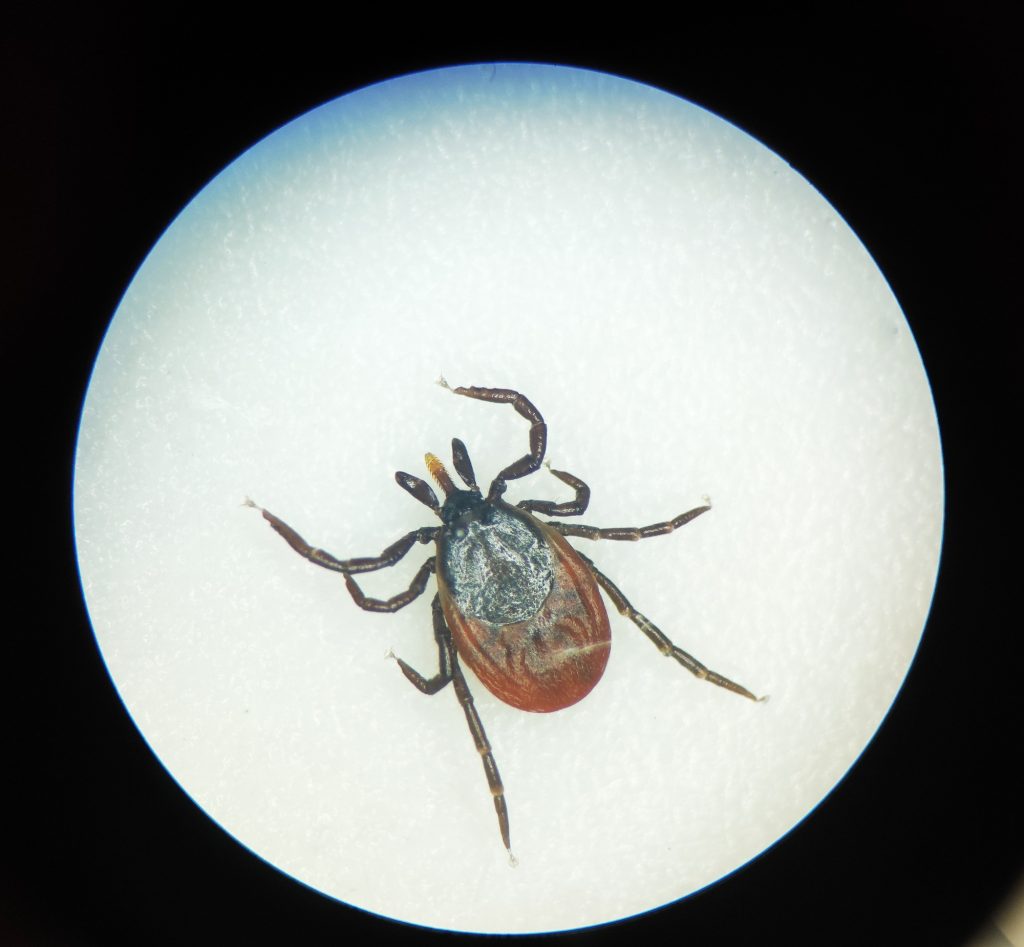
A newly published study in the Journal of Medical Entomologyhighlights the growing presence of babesiosis in the Mid-Atlantic region of the United States.
Researchers documented human cases and detected Babesia microti in local tick populations.
Historically concentrated in the Northeast and Upper Midwest, babesiosis is now emerging in areas where it was previously rare.
Key findings indicate that locally acquired babesiosis cases have been reported for the first time in Maryland, Virginia, West Virginia, and Washington, D.C.
Additionally, Babesia microti was detected in ticks collected from Delaware, Maryland, Virginia, West Virginia, and D.C., marking a concerning expansion of the disease. The study also presents Ixodes keiransi as a potential vector—a first in babesiosis research.
Click here to read the press release from the Entomological Society of America
Melinda
By Whitney Goetsch
I was a young mother living my dream life when everything changed. At a wedding, I absentmindedly pulled a tick off the back of my leg, crushed it into the pavement, and moved on.
I never realized that tiny creature would alter the course of my life.
Not long after, my health began to unravel. Crippling symptoms emerged, yet every doctor I saw dismissed them as anxiety. But deep down, I knew something was terribly wrong.
What followed was a terrifying descent into medical uncertainty, a relentless fight to uncover the truth while my body continued to deteriorate.
For five years, I battled through a system that refused to listen, all while my family suffered alongside me. I suspected Lyme disease early on, but each time I voiced my concerns, I was brushed aside. “It’s just anxiety.” “You’re overreacting.” “Maybe it’s depression.” The gaslighting was endless.
Finally, after years of searching, I received the diagnoses that changed everything: Lyme disease, multiple co-infections, and alpha-gal syndrome. By then, the damage had already been done.
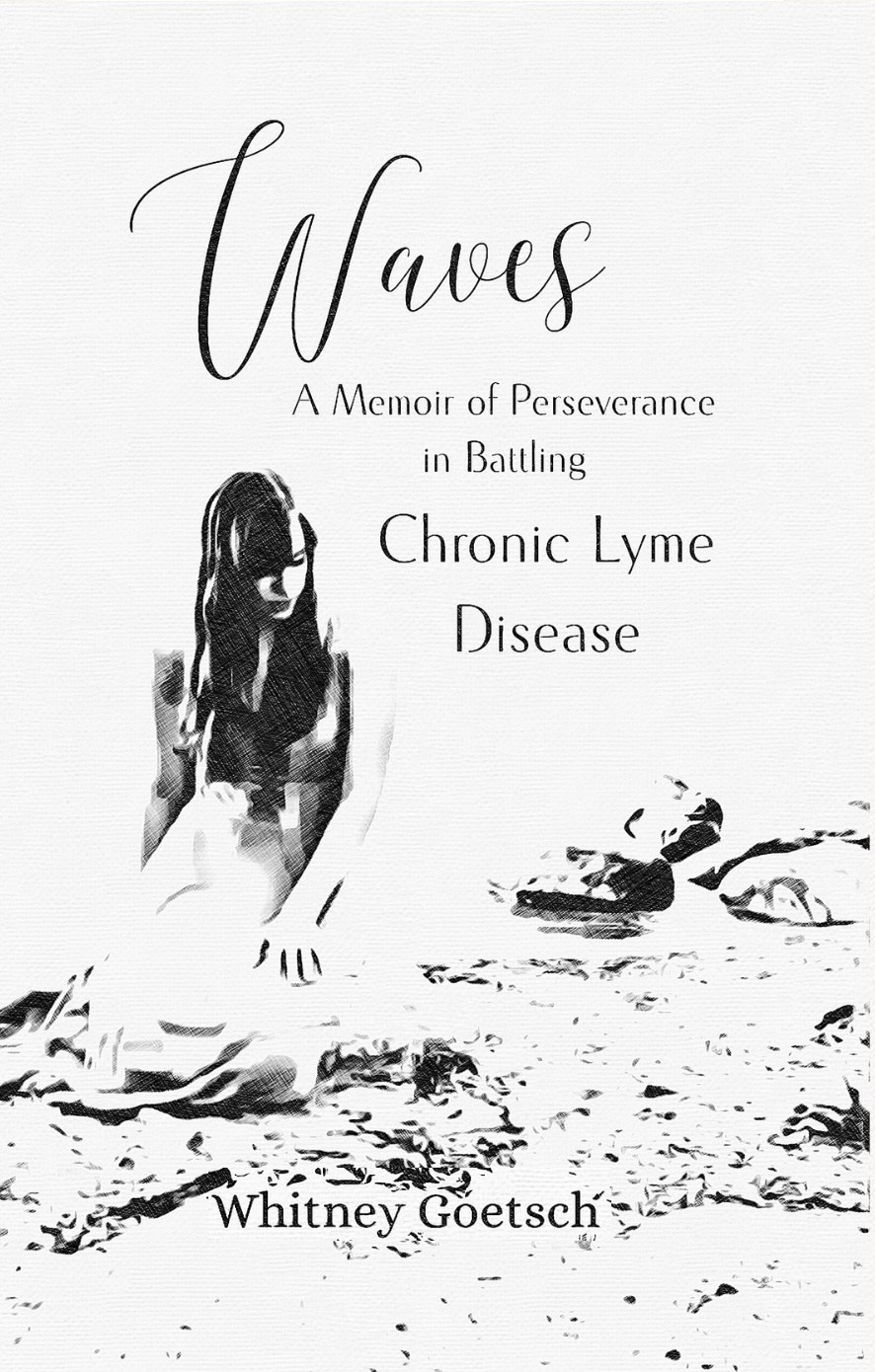
Throughout this journey, I kept a journal, documenting every struggle, every setback, and every moment of resilience. In 2023, newly diagnosed and still fighting for my life, I turned those pages into a book—because this cannot not keep happening. Not to young mothers. Not to fathers, children, or anyone else. The cycle of medical dismissal and gaslighting must end.
I wrote my book while still in the fight, in the trenches of this disease, so it would be raw, real, and relatable. So others would know they are not alone.
You are not Lyme. You are not a burden. Lyme is the burden placed upon you.
Today, my battle continues. In the summer of 2024, I began SOT therapy for Lyme disease. This winter, I started SOT therapy for Babesia and Bartonella, alongside herbals and methylene blue.
Recent tests have revealed demyelination and autoimmune markers resembling those seen in multiple sclerosis and Alzheimer’s — the result of years of untreated infections.
To help heal my brain and reduce inflammation, I will soon begin peptide therapy. My medical team is also exploring stem cell therapy in Europe. The road ahead remains steep, but I refuse to give up.
Because this fight is not just for me. It’s for every person who has been dismissed, misdiagnosed, and left to suffer in silence.
For more information about Whitney Goetsch’s book, click here: Waves: A Memoir of Perseverance in Battling Chronic Lyme Disease.
Melinda
Reference:




 lookingforthelight.blog