
A team led by CUNY Graduate Center biologists has produced a genetic analysis of Lyme disease bacteria that may pave the way for improved diagnosis, treatment, and prevention of the tick-borne ailment.
Weigang Qiu, a professor of biology at the CUNY Graduate Center and Hunter College, and an international team mapped the complete genetic makeup of 47 strains of Lyme disease-related bacteria from around the world. This created a powerful tool for identifying the bacterial strains that infect patients.
More accurate tests and treatments?
Researchers said this could enable more accurate diagnostic tests and treatments tailored to the bacteria causing each patient’s illness.
“By understanding how these bacteria evolve and exchange genetic material, we’re better equipped to monitor their spread and respond to their ability to cause disease in humans,” said Qiu, the corresponding author of the study.
The study was published in mBio, the flagship journal of the American Society for Microbiology.
Researchers said the genetic information uncovered in the study may help scientists develop more effective vaccines against Lyme disease.
Lyme disease is the most common tick-borne illness in North America and Europe, affecting hundreds of thousands of people a year. The disease arises from bacteria belonging to the Borrelia burgdorferi sensu lato group, which infect people through the bite of infected ticks. Symptoms can include fever, headache, fatigue, and a characteristic skin rash. If left untreated, the infection can spread to joints, the heart, and the nervous system, causing more severe complications.
Case numbers are increasing steadily, with 476,000 new cases each year in the United States, and may grow faster with climate change, the authors of the study said.
The research team sequenced the complete genomes of Lyme disease bacteria representing all 23 known species in the group. Most hadn’t been sequenced before the effort. The National Institutes of Health-funded project included many bacteria strains most associated with human infections and species not known to cause disease in humans.
Evolutionary history of Lyme bacteria
By comparing these genomes, the researchers reconstructed the evolutionary history of Lyme disease bacteria, tracing the origins back millions of years. They discovered the bacteria likely originated before the breakup of the ancient supercontinent Pangea, explaining the current worldwide distribution.
The study also disclosed how these bacteria exchange genetic material in and between species. This process, known as recombination, allows the bacteria to rapidly evolve and adapt to new environments. The researchers identified specific hot spots in the bacterial genomes where this genetic exchange occurs most frequently, often involving genes that help the bacteria interact with their tick vectors and animal hosts.
To facilitate ongoing research, the team has developed web-based software tools (BorreliaBase.org) that allow scientists to compare Borrelia genomes and identify determinants of human pathogenicity.
Looking ahead, the researchers said they plan to expand their analysis to include more strains of Lyme disease bacteria, especially from understudied regions. They also aim to investigate the functions of genes unique to disease-causing strains, which could uncover new targets for therapeutic interventions.
As Lyme disease expands its geographic range because of climate change, the research provides valuable tools and insights for combating this rising public health threat.
The study is supported by grants from NIH and an award from the Steven and Alexandra Cohen Foundation.
The National Academies of Sciences, Engineering, and Medicine (known collectively as NASEM) are private, nonprofit institutions that examine challenging issues and offer advice to the nation.
Academy members are elected based on their outstanding achievements and contributions to their fields. They are considered the cream of the cream.
NASEM works by convening committees of experts from various fields to study specific topics. Sometimes, these committees organize workshops to bring together experts, policymakers, and the public to share knowledge and explore solutions.
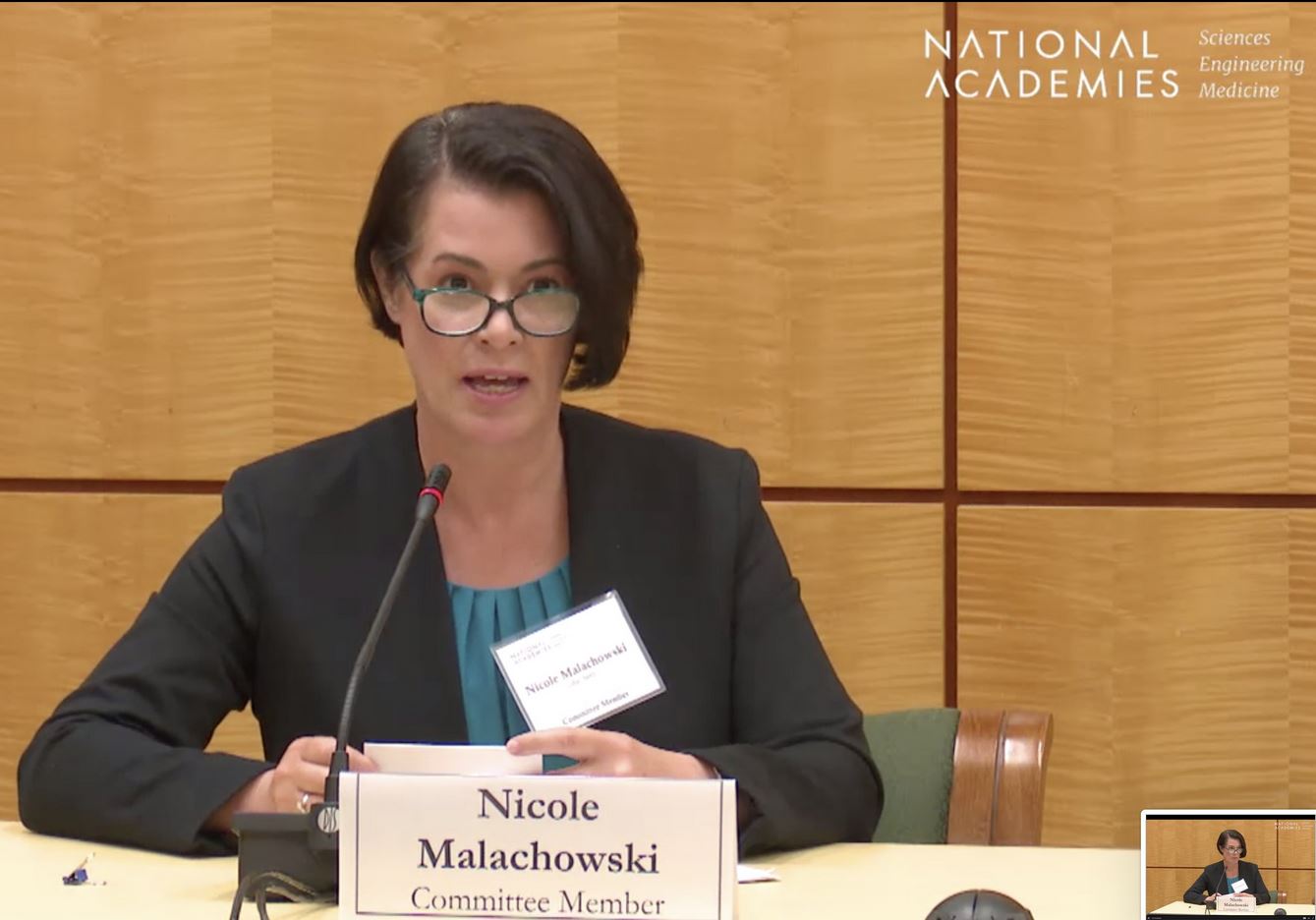
That’s what happened July 11, in Washington DC. A NASEM committee held a workshop examining the question of what they called “Lyme infection-associated chronic illness”—or “Lyme IACI.” (Pronounced “Lyme eye-ACK-ee” by most participants, it doesn’t exactly roll off the tongue, does it?)
Apparently, Lyme IACI is the label the committee landed on to avoid the polarizing effects of such terms as “chronic Lyme” or “post-treatment Lyme disease syndrome.”
Based on input from this public workshop as well as a review of medical literature, the committee will develop a report of its findings. This document will put forth recommendations for how to bring about better treatments for people with Lyme IACI.
You may remember that NASEM held a groundbreaking workshop last year that focused on the commonalities of several “long haul” diseases—long COVID, persistent Lyme disease, multiple sclerosis and ME/CFS (chronic fatigue). Read more about last year’s event here: “Words matter.” A new way of thinking about long-haul diseases.
The 2024 conference continued in that vein, but this time focused only on Lyme IACI. The event was significant on several fronts.
Why this matters
For starters, you had important scientists exploring the question of why some people with Lyme disease continue to have symptoms despite treatment. This major change comes after decades of “Lyme denialism,” when medical professionals, health officials, researchers, the NIH, and the CDC, all told us that what we call “chronic Lyme” didn’t even exist. So, just the fact that you have a NASEM committee considering the issue is a huge step forward.
Furthermore, the Lyme community actively participated in the event.
Retired US Air Force Col. Nicole Malachowski—a prominent advocate for those with tick-borne disease—served on the workshop’s planning committee.
Rhisa Parera, the writer/director/producer of the Lyme film “Your Labs are Normal,” delivered a keynote address on the patient perspective.
The committee lined up an impressive array of researchers from prominent academic centers to shed light on the following questions:
Describe the current state of Lyme IACI research for treatments and diagnostics to clarify barriers in development of new, effective therapeutic interventions;
Explore recent advancements from other biomedical research fields with the potential to address these barriers by catalyzing scientific breakthroughs or translation of discoveries to treatments;
Understand patient-defined priorities for research and discuss potential opportunities for engaging this perspective in developing a biomedical research agenda; and
Discuss research strategies and infrastructure that could facilitate the application of innovations from other fields into the Lyme IACI research context.
LymeDisease.org CEO Lorraine Johnson, principal investigator of the MyLymeData project, spoke on a panel about patient-defined priorities for research.
Lorraine Johnson, Principal Investigator of MyLymeData
She emphasized the importance of outcomes that patients themselves care about—namely, getting their health back and being able to return to work and other activities.
But that’s often not the way clinical trials are structured. For example, many are geared to evaluating something called the SF-36 score.
“However, a change in the SF-36 score is not inherently meaningful or important to patients,” Lorraine noted. “This is obvious on its face. If you ask any patient what they want in healthcare – none of them will say, ‘I want to improve my SF-36 score.’”
Videos from the workshop should be available soon. When they are, I strongly recommend you watch Lorraine’s presentation. I think you’ll find it riveting.
The Normals regularly say these things to me, whenever I take disability leave to recover (kinda) from tick-borne disease.
Bless their little Normal hearts. They’re not trying to be hurtful. They’re trying to relate to something they can’t understand: invisible chronic illness, with its unpredictable flares and unquantifiable symptoms of pain, fatigue, and “Help, doctor, my cells are all pulling on each other like magnets.”
My favorite Normal faux-pax happened when I returned to work after two years of disability leave (and one additional year of a lawsuit against my insurer). Many coworkers knew I’d been sick. Some knew I’d had tick-borne disease. One of them welcomed me back and asked, “Did you enjoy your time off?” He meant well, but here’s what I heard him saying: Did you enjoy living it up with your free paychecks?
I feared my colleagues thought I’d spent those three years lounging on a chaise in a silken robe and full makeup, listening to celebrity gossip podcasts, sipping wine, and dropping bon-bons between my freshly-glossed lips, while stroking my sleek purebred cat like a Real Housewife of Northern Virginia.
Sure, I “enjoyed my time off.” I enjoyed the handful of semi-functional hours I had each day. I enjoyed squinting, while sweating and shivering, at incorrect health insurance EOBs and shady reports from insurance physician reviewers. Because of the broken U.S. health system, when I’m on disability leave I use almost more cognitive energy than when I’m at work.
The feared “activity tax”
Here’s what I’d like to tell people about what I “do all day:” I calculate my energy expenditures, then wait with bated breath to see if my calculations are correct. Will I be fine? Or will I pay the much-feared Activity Tax? If the latter, in what currency will the Tax be? Headache? Stiff joints? Motion sickness? Vibrating feet?
Because the stakes are so high, people with chronic illness become supercomputers: Estimated useable body-hours divided by approximate time to complete chores, plus parenthetical sub-formula ranking chores by importance, times the bounded function of activity tax per X number of stairs between the hamper and washer.
The poor Normals want to “just stay at home and rest.” Well, so do I. Instead, I’m racing my body against my bank account. I’m wrangling physical therapy and fistfuls of pharmaceuticals. The goal: Get my health to kick in, before my disability is randomly taken away because some doctor paid by an insurance company lies on my case report (I wish this were a hypothetical). Disability leave is so exhausting, I pine for the workaday drudgery of the office.
My best impression
In the meantime, though, I’m doing my best Real Housewife impression, lounging on that chaise. Except it’s not a chaise, it’s a cat-hair-covered futon, and I’m not lounging, I’m curled up in ache, and it’s not wine but electrolyte water, and it’s not a silken robe but pilly yoga pants, and it’s not bon-bons but fish oil capsules almost as big as bon-bons.
Per my calculations, the fish oil capsules are better than the liquid alternative. The splotch of spilled fish oil on my pants crotch cost about $35 dollars. (This does not include the Activity Tax I paid from walking up and down stairs, trying to figure out where the rotting mackerel smell was coming from.)
Back on the chaise-futon, in true frustrated-Housewife style, I hurl my wine glass. But it’s not a wine glass, it’s a thermometer. As is common in tick-borne disease, I feel flu-ish almost all the time, but there’s little to no corresponding fever. The cruel digital displays never validate my aches and burning face. To resolve this dissonance, I smash the devices. Still, my cool cheeks stay scorching. You’d think they’d at least give me a luminous glow, but no.
Beauty tips
Which brings us to beauty tips, as recommended by our Real Housewife on the cat-hair-strewn cushions. It’s not makeup, it’s purple under-eye moons. It’s not plastic surgery, it’s skin stretched smooth by inflammatory water-fat. It’s not lip gloss, it’s snot. Too tired to get a tissue? Just blow your nose on your cardigan sleeve!
Also clinging to the crusty cardigan: my cat. He’s not a sleek purebred, but an old, thin street rescue with allergies and a seizure disorder. He’s also a poor conversationalist, but that’s ok, because I have the celebrity gossip podcasts—except they aren’t celebrity gossip podcasts, they’re Zoom coffee klatsches with my fellow sickies. And we don’t gossip, we rage.
We rage about the doctor who was late calling in a pain meds script. We rage about the insurance company who denied someone disability, because the company’s spies caught the patient sweeping her porch (gasp!). We rage about the sick young woman erroneously diagnosed with Munchausen’s Syndrome by old male doctors at a northeast emergency room. In comparison, my coworkers’ thoughtless comments are small potatoes.
They still hurt, though. I should see my psychologist. Mental health care is an important reason to dig into my skimpy disability paychecks. And yet. . . it’s easier to pivot to add-to-cart therapy: a silken robe, lip gloss, and some bon-bons.
Christina D. Campbell is an award-winning author who writes about health, marital status discrimination, and special needs cats. She is currently seeking representation for her memoir about invisible illness. She can be reached at ChristinaDC.com.
Her words resonate with me and she’s right, it’s impossible to relate to an invisible disease unless you’ve been down that road.
The ‘Polly Murray Papers’ reveal the horrific symptoms of ground-zero Lyme disease sufferers.
By Kris Newby
Sadness washed over me as I walked through the house in Lyme, Connecticut, where Mary Luckett “Polly” Murray used to live. Built in 1853, it was located in a rural area surrounded by forests, rolling hills, and cranberry bogs. The house needed a fresh coat of paint, and the yard had gone to seed.
The new owner had recently divorced and hadn’t replaced the furniture his ex-wife had taken. There were mattresses on the floor and unfinished projects spilling out of the garage. The owner and his dog seemed unwell. Taking in the scene, I thought, this looks like the flotsam and jetsam of another family destroyed by Lyme disease.
The previous owner, Polly Murray, was an artist, a mother of four sick children, and the disease’s first unofficial epidemiologist. She died in 2019 of Alzheimer’s disease. In the 1960s, she began documenting the bizarre constellation of symptoms that afflicted her family and neighbors living along the Connecticut River. In April, I visited the Medical Historical Library at Yale University to review her original Lyme patient case histories, turning back the pages of time in search of the origins of this mysterious outbreak.
So many questions
These first-hand accounts raised a lot of questions for me. Why did it take 11 years, from 1964 to 1975, for the medical system to take notice and take action?
In 1975, the investigation was assigned to Allen Steere, MD, a young Yale rheumatology fellow who had just returned from a CDC Epidemic Intelligence Service (EIS) assignment in Liberia. Why did Steere narrow the symptomology so soon in the investigation and downplay most of the neurological symptoms? Why did it take six more years to identify the underlying tick-borne bacterium, Borrelia burgdorferi? Did CDC-EIS, the U.S. organization that investigates suspicious disease outbreaks, find it strange that three tick-borne diseases suddenly appeared a few miles from the Plum Island biological weapons lab?
As I looked through the boxes of her notes, I was struck by the unusual nature of the symptoms and the point-source geographic origin. What happened there, and what can we learn from Polly’s eyewitness account?
A map from an early survey of Lyme disease in Connecticut, from the U.S. Centers for Disease Control. [1]
Polly’s case histories
Polly’s family had been sick for decades, and the many doctors they visited couldn’t figure out what was wrong—they’d never seen this combination of crazy symptoms before. In a letter to a journalist, she explained why she became the medical scribe for her community:
“Early in the history of our problems, I realized that my only salvation would be in keeping accurate records of what was going on, as unbelievable as it was. I intuitively felt it very important for anyone with baffling chronic symptoms to put the information down on paper.” [2]
Polly Murray, 1954, on graduation day at Mt. Holyoke College, before her strange symptoms began. [3]
Polly filled boxes with notes on her neighbors’ unusual histories, which included relapsing pain, brain fog, mental breakdowns, kids on crutches, children with developmental problems, seizures, lost jobs, broken marriages (including her own), and children too sick to go to school. As a Lyme-area insider, neighbors told her their heartbreaking stories, from personality changes to suicides. Each family’s tragic history read like crib notes for a Stephen King horror novel.
Huge toll of neurological and psychological symptoms
In one list of 35 cases from the 1990s, I was struck by the large number of patients who reported serious neurological and psychological problems. [2] Here’s a sampling:
Patient No. 1. Diagnosed Lyme disease. Foot problem, arrhythmia, leg weakness. Neurologist. Lyme encephalitis? Psychiatric problems. Paranoia. Hospitalization. Attempted suicide. Nursing home with weekends home.
Patient No. 2. Diagnosed Lyme disease. Mental problems. Seen in Boston. Psych tests, Lupus IV treatment. Alzheimer’s? Stroke? Lyme? Nursing home. Died 7/1991. No autopsy.
Patient No. 3. Lyme disease history. Found outside in a nightgown one winter night, disoriented. Nursing home. Positive Lyme titer.
In another document, she noted that 22 of her neighbors had heart issues, 26 had neurological symptoms, seven or more suffered from psychosis or depression, and seven had suicidal ideations. [2]
Yet none of these potentially life-threatening symptoms were mentioned in Steere’s “I solved the Lyme mystery” announcements, first at a 1976 conference [4], then in the 1977 article “Lyme arthritis: an epidemic of oligoarticular arthritis in children and adults in three Connecticut communities.” [5] (To be fair, subsequent publications documented some of the neurological symptoms.)
The wrong path
In a move that would send researchers down a dead end for years to come, Steere declared that Lyme disease was primarily a problem of swollen joints, not a disease that affected the nervous system, the brain, the heart, and other organs.
Steere’s letter to Polly Murray on the nature of Lyme disease.
Other medical experts criticized his premature labeling of this disease as a “relatively minor type of arthritis,” including:
—Franz J. lngelfinger, MD, the editor of The New England Journal of Medicine, who rejected Steere’s discovery article, wrote, “Although reviewers and editors were impressed by the interest your studies have generated, you were unable to identify an etiologic agent and apparently actually saw yourself only 20 symptomatic patients.” [6]
—William E. Mast, MC and William, M. Burrows, MC, the Groton military physicians who published the first Connecticut Lyme case studies, wrote in a JAMA rebuttal letter: “On exchange of patients and information with Dr. Steere and the group at Yale investigating “Lyme arthritis,” it is the consensus that we are all dealing with the same process. It is apparent that the term “Lyme arthritis” is much too restrictive since there have been cases from the Connecticut and Rhode Island shores and the incidence is expected to be more widespread.” [7]
—Raymond Dattwyler, MD, Professor of Pathology, Microbiology and Immunology, Medicine, and Pediatrics at New York Medical College said, “It’s unfortunate that in the U.S., the rheumatologists studied Lyme disease first. Lyme disease is a multisystemic infectious disease that impacts many organs. But because the early work was done by rheumatologists, the prism through which we view the disease was artificially narrow, and impeded research for years.” [8]
Words from the grave
Polly wasn’t a trained epidemiologist, but she approached the problem like a true scientist—she wrote everything down so nothing would be missed. And as the people around her got sicker, she doubled down on her resolve to get help for these very sick people:
I firmly believe in the politics of numbers. One person, or even six in a family such as ours, does not have the power that was acquired by the ever-increasing number of people eventually involved. Proper diagnosis was further hampered by the fact that the patients from our area did not go to just one medical center, where, if we had, the high incidence of these strange symptoms might possibly have been picked up earlier. Instead, because of our geographic location, we, in fact, went to specialists in New Haven, Middletown, Hartford, and even New York and Boston. Perhaps it was the adversity that I encountered in the early pursuit for knowledge concerning our constant maladies that made me persist more than I would have otherwise.
Despite her efforts, it’s still difficult for patients to get diagnosed and treated, especially in the later stages of the disease. According to MyLymeData’s registry of 12,000-plus Lyme patients, about half had to see 5 or more clinicians over 3 or more years before receiving an accurate diagnosis. [9]
Little progress in 43 years
Forty-three years after its discovery, we still don’t have a reliable Lyme screening test, and about a quarter of patients treated with the standard dose of antibiotics go on to suffer from ongoing symptoms. [10] The CDC estimates that there are almost 500,000 new cases a year and growing. [11] And an analysis of NIH Lyme-related research grants from 2013-2021 revealed that less than 1% was spent on looking for better treatment protocols. [12]
Regrettably, Polly’s perspective on what went wrong in the 1970s still holds true today. The medical system still hasn’t figure out how to deal with complex chronic diseases like long COVID, Lyme disease, or ME/CFS (chronic fatigue).
It is only in looking back on the discovery of this disease that I see that it fit into the classic pattern of denial and resistance to the unknown until it reached a point where it could no longer be ignored. Most doctors are overloaded in just trying to alleviate known problems, thereby making it difficult for anyone with a new set of symptoms to compete for the clinician’s time. It is easier to decide that the patient is hypochondriacal than to deal with the unknown. Furthermore, in this age of specialization, the total picture of the patient’s health is often lost when the patient goes from specialist to specialist to be treated for individual symptoms.
This history shows that the definition of Lyme disease went off track early on and then diverged further from reality under the influence of vaccine developers and medical insurers who found it more profitable to deny the chronic, relapsing manifestations of the disease. The legacy of Lyme disease, which continues to spread unabated, will continue to haunt us unless we address this problem in a more honest and effective way.
Good Housekeeping, March 1977. [13]
Kris Newby is an award-winning medical science writer and the senior producer of the Lyme disease documentary UNDER OUR SKIN. Her book BITTEN: The Secret History of Lyme Disease and Biological Weaponswon three international book awards for journalism and narrative nonfiction. Previously, Newby worked for Stanford Medical School, Apple, and other Silicon Valley companies.
This article is republished by permission from The BITTEN FILES on Substack, July 12, 2024. Learn more here.
References
1. Petersen LR, et al. “Epidemiological and clinical features of 1,149 persons with Lyme disease identified by laboratory-based surveillance in Connecticut.” Yale J Biol Med. 1989 May-Jun;62(3):253-62.
2. Polly Luckett Murray Papers, Medical Historical Library, Harvey Cushing/John Hay Whitney Medical Library, Yale University.
5. Steere AC, et al. Lyme arthritis: an epidemic of oligoarticular arthritis in children and adults in three Connecticut communities. Arthritis Rheum. 1977 Jan-Feb;20(1):7-17.
Tortured by Lyme disease, a young man killed his friend and himself. He is not alone.
by Mary Beth Pfeiffer, Trial Site News
For decades, Lyme disease physicians have seen a small share of late-stage patients with symptoms far beyond the physical ravages of a tick bite.
These patients, estimated to be 1 percent of chronic Lyme psychiatric cases, manifest brain disorders so intractable that they become violent, even homicidal.
Now, a new article in the science journal Heliyon validates these observations and reveals possible mechanisms driving them. It tells the horrific story of a 32-year-old man whose tickborne infection at age 14—one of several—went unrecognized until it was unresponsive to treatment.
Failed by short-course antibiotics that mainstream medical guidance swears by, he descended into substance abuse, as many chronic Lyme patients do, to ease his anxiety, depression, and physical pain. READ MORE
A patient with psychiatric manifestations of Lyme depicted his pain in this painting. He would later commit suicide. (Photo by permission of Dr. Robert Bransfield.)
(Note: The important work discussed in this article came about because the family trusted the Lyme Disease Biobank with this young man’s body. Furthermore, Bay Area Lyme Foundation funded this research. Click here to learn more about the biobank.)
I have never heard of the psychiatric manifestations of Lyme but can certainly understand it. When your body is invaded and attacked every minute causing severe pain in many areas of the body, understand the feeling of losing your mind. The Lyme Spirokeetes set up house in my brain, eating away at my memory, and balance and causing havoc on my entire body. No amount of pain medication can give relief, it’s non-stop. Thank goodness it’s a very small percentage of Lyme patients that are affected by Psychiatric Manifestations.
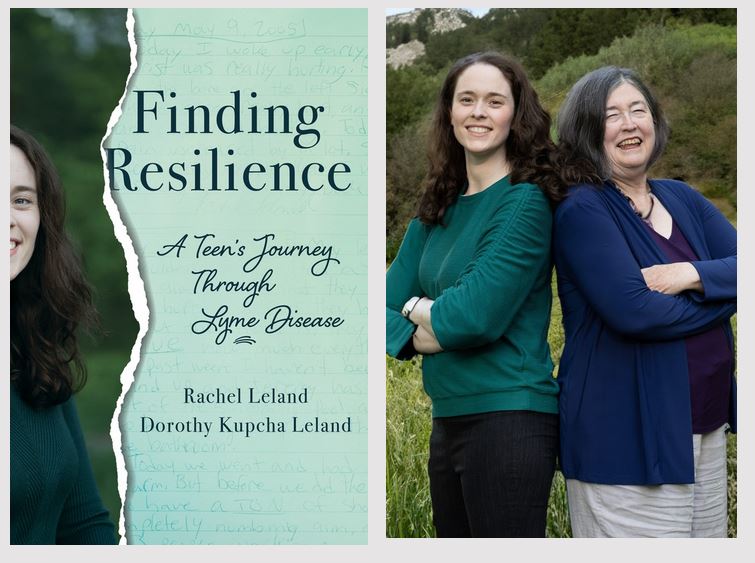
When my daughter Rachel was 13, she suffered a seemingly simple injury that led to an outbreak of inexplicable, debilitating, body-wide pain. This left her bedridden and needing a wheelchair.
Refusing to believe doctors who claimed either that she was “faking it” or that nothing could be done, our family searched for answers until we at last found the underlying cause—unrecognized chronic Lyme disease and co-infections.
We were lucky enough to find a knowledgeable Lyme doctor within two hours of our home and we started on the long hard slog to getting her better. But we soon found that medical treatment was only part of what our family needed.
There were so many other needs: how to keep Rachel from spiraling into depression, how to continue her education when she was too sick to attend school, finding out what foods supported the healing process best—and which of those she was willing to eat.
As it turns out, one of the most helpful therapies Rachel undertook was something she figured out on her own. Throughout those dark days, she recorded her daily experiences in a journal. It chronicled the bad—her anger at the doctors who didn’t believe her, her despair at ever getting past the pain. It also recorded good times with friends—lip-synching to Hannah Montana songs, visiting the beach to try out a beach wheelchair (yes, those are a thing.) That journal became a lifeline for her, and in my view, was as important as the many different treatments she went through.
In time, Rachel’s health improved—she left the wheelchair behind, graduated from high school and college, and embarked on a career and marriage. For many years, she avoided even looking at the journal, not wanting to revisit those traumatic times.
But then, she decided to share the story with others, and the two of us collaborated on Finding Resilience: A Teen’s Journey Through Lyme Disease. The main narration is based on the journal, interspersed with additional passages by me, giving the mother’s perspective of what was going on.
Capturing the right voice
In the months since publication, we’ve garnered a lot of positive feedback. Here’s one of my favorite reviews, by a judge from the Benjamin Franklin Award competition:
Finding Resilience is a wonderfully written book (by both mother and daughter) that chronicles a teenager’s struggle with both Lyme disease and the medical establishment too unwilling to consider the—at the time—difficult diagnosis. What makes this book so strong is the voice. It’s often difficult for an adult to capture the right voice when writing about earlier experiences, but Rachel Leland does it expertly. At no time did I waver in believing that a teenager was talking to me in real time, as a teenager. This is hard—exceptionally hard—to do well…The mother’s voice, too, is appropriate throughout. All of this worked so effectively that I found myself as a reader on the same emotional rollercoaster they were on.
That’s exactly what we were going for—the shared perspective of a teenager and her mom on this hideous disease and what it takes to get through it. We hope you’ll find it informative and inspiring. Click here for more info about the book.
Bay Area Lyme Foundation, a leading sponsor of Lyme disease research in the U.S., has announced a study finding a new mechanism of immune evasion used by Borrelia burgdorferi (Bb), the bacterium that causes Lyme disease.
This study is the first to identify the specific Borrelia protein that acts as a “don’t eat me” signal to the body’s immune system in people with Lyme disease.
This offers insight into how the bacteria may persist in Lyme patients and introduces an entirely new research direction toward potential future treatments.
The research was conducted at Stanford University and University of California San Francisco and funded in part by Bay Area Lyme Foundation. This groundbreaking data posted on bioRxiv on April 30, 2024, is expected to be published in a peer-review journal in the future.
Evading the immune system
“One of the big mysteries of Lyme disease has been how Borrelia is able to evade and survive the immune system – and this study helps answer that question. We’ve unlocked a critical door to understanding how this bacteria, and possibly other pathogens, manage to trick the immune system to evade clearance,” said lead author Michal Tal, PhD, principal scientist, Massachusetts Institute of Technology.
Tal is a Bay Area Lyme Foundation 2018 Emerging Leader Award winner who has received additional funding from the organization for this project.
In this study, researchers found that P66, a known Borrelia surface protein and one of the IgG Western Blot testing “bands” used for diagnosis, can inhibit an important portion of the immune response.
“Patients need both a robust immune response and antibiotics to eradicate an infection – antibiotics alone are not usually sufficient. Addressing the mechanisms of immune evasion could help patients more efficiently eradicate the infection,” said Wendy Adams, research grant director, Bay Area Lyme Foundation, who also notes that persistent Lyme disease impacts more than two million Americans today.
The “don’t eat me” signal
Harmful bacteria entering the body are usually targeted by macrophages—immune cells which look for invaders to engulf and eliminate. However, this study shows that P66 is a bacterial “don’t eat me” signal encouraging the macrophage to ignore the bacteria by binding to a receptor on the macrophages’ surface called SIRP-alpha.
This type of “don’t eat me” signal is a known mechanism in cancer and more recently, atherosclerosis. Specifically, the human “don’t eat me” signal protein CD47 binds the SIRP-alpha receptor on macrophages to signal that the cell shouldn’t be destroyed. Drugs that prevent CD47 from binding SIRP-alpha have been tested in clinical trials for the treatment of some cancers.
One of the study’s senior authors Irving Weissman, MD, professor and director of the Institute for Stem Cell Biology and Regenerative Medicine at Stanford University and a Bay Area Lyme Foundation scientific advisory board member, explains that this study is a discovery of how an established protein can protect the bacteria with which it has co-evolved. These exciting and field-generating observations will have broad-reaching implications.
Dr. Weissman is renowned for his pioneering work in identifying “don’t eat me” proteins and his lab discovered all four known mammalian “don’t eat me proteins”: CD47, CD24, PDL1 and B2M. He is also the founder of companies which have developed or are developing therapeutics that target these mechanisms in cancer and atherosclerosis.
Unleashing the immune system
Researchers hope that blocking P66 activity, like blocking CD47’s activity in cancer, could help unleash the immune system in recognizing and fighting Borrelia bacteria.
“This work could extend beyond the Borrelia genus. Further investigation into whether other bacteria have “don’t eat me” signal protein mimics is crucial for understanding bacterial interactions with the immune system,” said second author Paige Hansen, Tal Research Group Researcher, Massachusetts Institute of Technology.
The immune response in Lyme disease has been described as dysregulated or maladjusted.
This is supported in part by the fact that many individuals who clearly have Lyme disease do not make a detectable immune (antibody) response to Borrelia burgdorferi (Bb), the tick-borne pathogen that drives the disease.
Research at the Johns Hopkins University School of Medicine may provide insights into why this occurs.
Dendritic cells (DCs) are a broad class of immune cells that reside at strategic sentinel sites in the body, including the skin and GI tract.
Dendritic cells stand watch for pathogens
DCs constantly monitor their environment by gobbling up the fluid that surrounds them to sense when pathogens arrive on the scene. When they detect a pathogen, DCs stop capturing material and move to the closest lymph node.
There, DCs interact with T lymphocytes (T cells) to activate and drive pathogen-specific T cells to help initiate a strong immune response to clear the pathogen and resolve the infection.
When everything is working right, activated dendritic cells provide three signals to T cells (signals 1, 2 & 3) that synergize to generate a strong T cell activation.
In a 2023 Johns Hopkins study, using proteomic and genomics-based approaches, researchers found that DCs exposed to Borrelia burgdorferi were fully capable of generating signal 1 but signals 2 & 3 were abnormal. In fact, the features discovered overlapped with what is found in a tumor microenvironment, a site where immune responses are known to be suppressed and dysregulated.
A lead author of the publication, Mark Soloski, PhD, Professor Emeritus, Johns Hopkins University School of Medicine, divulges, “It has been known for some time that Borrelia burgdorferi is highly capable of evading the immune response, and this disruption of dendritic cell activation signaling is likely another clever way that Borrelia mutes the immune response.”
He adds, “Further study is needed to better understand the precise nature of the dendritic cell driven T cell responses in patients with Lyme disease.”
There are immediate implications, however.
Clearly, antibody-based diagnostic tests (the current standard) are going to miss those who are not making a normal antibody response due to Borrelia burgdorferi’s immune response disrupting behavior.
The need for direct testing
The need for effective direct diagnostic tests that identify Bb DNA or proteins directly has never been more obvious. Misdiagnosis and delayed diagnosis are indeed a common Lyme disease occurrence. Resulting treatment delays lead to worse prognoses, including potentially disabling chronic illness.
Fifty years after the discovery of Bb as the causative agent of Lyme disease, there are still no FDA-approved direct diagnostic tests for Lyme disease or treatments for persistent Lyme disease. These need to be developed, validated, and become broadly available.
Given that dendritic cells play such a key early role in immune response initiation, the novel features identified in Borrelia burgdorferi exposed cells may suggest new therapeutic targets that could help generate stronger, more robust immune responses in Lyme disease that could result in enhanced bacterial clearance and disease resolution. Immune modulators are effective therapeutic targets in cancer and could be promising therapeutic approaches for Lyme disease as well.
As of May 29, the Kansas Department of Health and Environment (KDHE) has received over 200 laboratory reports of tick-borne diseases.
Additionally, KDHE has received several reports of tick bites and complaints of high numbers of ticks, which indicates that tick activity and density are increasing and are occurring earlier in the season this year.
Numerous tick-borne diseases caused by bacteria are present in Kansas.
These include ehrlichiosis, Rocky Mountain spotted fever and other spotted fever group rickettsioses (SFGR), and tularemia. Two rare tick-borne viruses, Heartland virus and Bourbon virus, have also been identified in Kansas in both humans and ticks.
All of these tick-borne diseases are transmitted by the lone star tick, the most abundant tick in Kansas. Lone star ticks can be found widely throughout at least the eastern two-thirds of the state in a variety of habitats and are aggressive human biters.
This year alone, KDHE has investigated several tick-borne disease cases with severe health outcomes, including hospitalizations due to Rocky Mountain spotted fever and tularemia, and a fatal case of Bourbon virus.
“Vector-borne diseases, both those that are transmitted by ticks and those transmitted by mosquitoes are extremely active this year,” Dr. Erin Petro, KDHE State Public Health Veterinarian, said.
“I really encourage people to take the risk of vector-borne diseases seriously and take personal protective measures for themselves and their pets to reduce their chance of acquiring an illness from a tick or mosquito bite. We’re also seeing emerging tick-associated conditions, like alpha-gal syndrome, which can have lifelong consequences for those affected, which is why bite prevention is so important.”
Singer/songwriter Avril Lavigne has been named to the Order of Canada, that country’s highest civilian honor. It recognizes individuals for their “exceptional contributions” to Canada and humanity.
According to the official website for the Order of Canada:
Avril Lavigne is one of the best-selling female artists of all time. With over 50 million albums sold worldwide, she paved the way for female-driven punk-rock music and continues to do so today. Generous with her time, she supports individuals with serious illnesses, disabilities and Lyme disease through the Avril Lavigne Foundation. A global ambassador for Special Olympics, she promotes inclusion and helps end the stigma around intellectual disabilities.
Lavigne became severely debilitated by Lyme disease in 2014 and was bed-bound for two years. In 2018, she released the single “Head Above Water,” based on her Lyme experience.
The Avril Lavigne Foundation supports people with Lyme disease, and other serious illnesses or disabilities. Through programs and grants, it provides funding, education and encouragement for its beneficiaries.
Watch her official video of “Head Above Water” here:
She has done a great deal to educate the younger generations about Lyme Disease.
Any Lyme Disease policy that does not include a CHRONIC LYME path is worthless. IDSA is the group I’ve spoken out against since being diagnosed. They are a small group of paid consultants and do not support Chronic Lyme Disease. They consult for the CDC and that is why patients are dying. Until the CDC uses factual information, which every health-related department in the American government has, the CDC remains useless to Lyme Disease patients.
———-
The Infectious Diseases Society of America (IDSA) just released its new Lyme guidelines. They are 48 pages long and will take time to digest, but I want to share my initial impressions. These guidelines are in many ways a walk down memory lane – not much has changed – and what has changed has gotten more entrenched.
The guidelines use the GRADE approach to evidence assessment that the National Academy of Science recommends [1]. There are now three sets of Lyme guidelines that use GRADE, including the International Lyme and Associated Diseases Society (ILADS) and the guidelines of NICE (the UK health agency).
The three sets of guidelines vary dramatically in their recommendations of key areas that Lyme patients care about—particularly in their assessment of how to diagnose and treat non-specific symptoms of Lyme disease and whether or not to retreat patients who remain ill.
Along the continuum of allowing for clinical judgment and consideration of patient values, the IDSA guidelines are by far the most restrictive of the three. Both the NICE and ILADS guidelines allow more flexibility in the exercise of clinical judgment and the use of shared medical decision-making between patients and clinicians based on individual circumstances.
The broad curtailment of clinical judgment by the IDSA here means that diagnosis, treatment, and retreatment are highly restricted and individualized care is replaced with a “one-size-fits-all” approach. It also means that for the most part individualized assessment of the risks and benefits for the individual patient have been hijacked by the IDSA, without examining or knowing the patient’s clinical history, circumstances, severity of illness, or values.
Denies persistent infection
Another key difference is that both ILADS and NICE recognize the potential for persistent infection, which the IDSA denies entirely.
To my eyes, the IDSA guidelines preserve deeply held biases of the former guidelines (many of whom are authors here). They also make a mockery of both the spirit and the rigor that GRADE is intended to instill in the guideline process. The goal does not appear to be to help patients get well, but rather to “game the system” and continue a pattern of systematically denying diagnosis and treatment to patients.
Process irregularities abound. They include using token patients, giving lip-service only to shared medical decision-making, inflating the importance of evidence base where it suits the authors, and using treatment outcomes the authors value instead of outcomes that are important to patients.
These guidelines deny care wherever they can. They do this by making it harder to be diagnosed and treated, by limiting treatment duration, by curtailing retreatment for most patients all together, and by not providing for the exercise of clinical judgment or shared medical decision-making in either the diagnosis or treatment of Lyme disease.
They have abandoned the use of the term Post Treatment Lyme Disease Syndrome (PTLDS) –at least in the guidelines. The importance of this is unknown.
The “chronic Lyme disease” section seems more designed to address legal concerns than patient care. (The IDSA has been subject to two legal actions for anti-competitive conduct.)
Some of the key points from the guidelines are highlighted below.
1. There was no representation of chronic Lyme patients on the guideline panel.
The IDSA says that the panel had “three patient representatives.” But the IDSA will not tell us their names. Representation needs to authentically reflect the patient community interests. It needs to be meaningful rather than token.
This means that a patient who is claimed to be a representative must be empowered to speak for the community with some form of accountability to the community. Anonymous patients cannot represent chronic Lyme disease patients because the community doesn’t even know who they are or if they are capable to fill the role—and there’s no way for them to be accountable. This is simply a form of tokenism [2].
2. The guidelines do not provide for shared-medical decision-making despite their lip service to the contrary.
Shared decision making in its broadest form is a process by which the clinician ensures that the voice of the patient is represented in the healthcare decision that is being made. It comes into play when more than one treatment option exists. Prostate cancer is the example most often given where patients can choose among four options that have different risk/benefit trade-offs.
In Lyme disease, the treatment options offered by the International Lyme and Associated Diseases Societies (ILADS) differ from those of the IDSA. Patients are entitled to know this. According to Professor Dorothy Fried at Yale, “virtually all patients . . . want to know . .. what other options are available” [3]. Yet, the IDSA guidelines do not even mention the ILADS guidelines.
I could not find any recommendations where the guidelines recommend that the clinician and patient discuss the risks and benefits of a treatment to determine the best course of action (which is what shared decision making requires). Shared-medical decision making does not require that IDSA physicians provide the treatment to the patient if they do not believe the treatment will be effective, but patients should be advised that there are different treatment approaches so that the patient can seek out a physician who might provide that treatment.
3. The IDSA guidelines do not use treatment outcomes important to patients as GRADE requires.
Under the GRADE evaluation scheme which the IDSA says it has used,, the ranking of outcomes is supposed to be based on the importance patients place on them [4]. Instead, the IDSA guidelines say that potential adverse events are more important than potential treatment benefits. Obviously, patients who are very ill or disabled would disagree. Both the ILADS and the NICE guidelines recognize this and rank potential treatment benefits first as patients would.
To understand the significance of this, you need to realize that all medical interventions have potential side effects or adverse effects. In addition, no treatments are universally effective. Whenever the evidence of treatment benefits was uncertain, the IDSA used ranking of adverse events above treatment benefits to deny treatment.
Usually, the decision of whether the risks of treatment outweigh the benefits is made by the patient and their clinician in the context of shared medical decision-making based on individual circumstances. For example, how ill is the patient, have they been responsive to treatment before, how severe are the side effects for a particular treatment, how frequent are they, is this a patient who commonly has side effects or not? The IDSA guidelines do not recognize outcomes that are important to patients or provide for individualized care in the context of shared medical decision-making.
4. The IDSA guidelines set the evidence bar too high by requiring that studies be done before any treatment is appropriate.
In a disease that is research-disadvantaged like Lyme disease, that is a bar that cannot be overcome in the lifetime of sick patients. Clinical trials take a long time and no trials for the treatment of chronic Lyme disease have been funded by the NIH in over 20 years. When the IDSA guidelines say “there is no convincing evidence” or “no causal association has been found” or trials have not been done, they are saying that the needs of patient for care today should be deferred until clinical trials are conducted.
But patients can’t wait. As Deborah Zarin, director of ClinicalTrials.gov. at the National Institute of Health explains:
“Clinical decisions are driven by the current reality. You can’t say to someone who has a medical need right then and there, ‘hold on we’ll do more clinical trials and get back to you in two years.’ You have to make decisions based on the best information available [4].”
The IDSA guidelines are also using average treatment effects from studies. That means that patients on average have to benefit. This approach does not work if patients vary in their response to treatment. For example, if one patient improves and another does not, on average there is no benefit even though one patient has improved. Precision medicine and individualized care recognize this and look to whether subgroups of patients improved. The NIH trials were too small to allow subgroup analysis. Studies of MyLymeData patients have shown that patients vary widely in their response to treatment and that a substantial portion improve with treatment [5,6].
5. Patients who don’t present with objective signs of early Lyme (an erythema migrans rash or Bell’s palsy) will have a difficult time getting diagnosed.
There is no diagnostic approach provided for patients who do not present with an EM rash. Although the guidelines seem to acknowledge that early Lyme can occur in the form of a flu-like illness without a rash, it is not separately addressed, and the guidelines do not provide a means of diagnosing it.
Nor are clinicians told how to diagnose any other form of early Lyme disease that manifests as non-specific symptoms. For example, the guidelines could say when clinicians have a high clinical suspicion of Lyme disease, they should test. But they do not say this. Some might argue that these diagnostic gaps will be filled in by clinicians in the trenches, I think it is more that patients without an EM rash will not be diagnosed.
6. Patients who don’t present with objective signs of late Lyme disease or neuroborreliosis will have a difficult time getting diagnosed.
The guidelines strongly recommend against “routine” testing for disease in patients with:
Typical amyotrophic lateral sclerosis (ALS),
Relapsing-remitting multiple sclerosis (MS),
Parkinson’s disease,
Dementia, or cognitive decline,
New-onset seizures,
Psychiatric illness, and
Children with developmental disorders.
One could argue that recommending against “routine” testing does not prohibit testing where clinical impressions or patient history suggest Lyme disease. But it seems more likely to be interpreted by rushed clinicians as a recommendation that they should not test these patients at all.
Frankly, it is also hard for me to see why we would not routinely screen these patients for a disease that may be treatable, like Lyme disease. Many of these diseases are progressive neurologic diseases with no hope of cure. All of these conditions involve treatments. Some treatments are merely palliative (designed to treat symptoms rather than the cause) and often must be taken for life. All treatments have side effects – most far more serious than the side effects associated with oral antibiotics. For example, many anti-depressants have side effects of weight gain or sexual impairment. This is not to say that anti-depressant should not be taken, but let’s not say we should not test these patients for Lyme disease.
They also strongly recommend against testing for Lyme disease in patients with non-specific neurological symptoms in the absence of a history of other clinical or epidemiologic support for the diagnosis of Lyme disease. It’s hard to say what the effect of this recommendation will be. The guidelines do not provide any basis for supporting a diagnosis that does not have objective manifestations (e.g. EM rash) and epidemiologic support is largely restricted to endemic areas that are mainly on the east coast.
In MyLymeData, 70% of patients report that they were not diagnosed until late stage (six months or more after symptoms onset). Symptoms reported by most of these patients are non-specific neurologic symptoms. Most of these patients are not on the east coast. I think these patients will have a tough time getting diagnosed under the new IDSA guidelines.
7. Retreatment for early and late Lyme disease is very restrictive generally because the possibility of persistence of infection is denied across the board.
The IDSA guidelines regard all animal studies as “highly heterogeneous and hav[ing] limited generalizability to natural human infection.” The exclusion of all animal evidence (which is widely recognized in other diseases) raises the evidence bar too high because human evidence generally is not obtainable. The fact is that persistent infection has been demonstrated in humans who are undergoing other medical procedures where a biopsy or tissue collection is required [4]. But these types of invasive procedures cannot be used commonly. Clinical trials targeted toward finding answers would be both not feasible and unethical. Limited retreatment exceptions are made for arthritis, meningitis, or neuropathy. As noted earlier, both the NICE and the ILADS guidelines accept the possibility of persistent infection.
8. The treatment for early EM rash or flu-like symptoms is limited to 10-14 days of treatment.
In the absence of objective disease activity such as arthritis, meningitis, or neuropathy, no retreatment is permitted for patients who do not recover. The recommendation for no treatment here is inconsistent with underlying treatment trials the authors are relying on. The treatment trials for early Lyme disease commonly retreated patients who remained ill [4].
9. Chronic Lyme disease and persistent infection do not exist or at least should not be treated.
The reasoning for the section of the guidelines devoted to chronic Lyme disease is convoluted, hard to follow, and tortuous to read. It seems designed to address legal concerns rather than patient care. I will try to break it down piece-by-piece based on my read for you.
First, the IDSA guidelines state that there is no definition for chronic Lyme disease. This is not true as both ILADS and Aucott’s group have peer-reviewed publications that include the definition of chronic Lyme disease (essentially, patients who remain ill six or more months following treatment) [5,6] .
Second, the IDSA incorrectly characterize the four NIH trials as showing no treatment benefit when they had mixed results [7]. Some of the trials showed no benefit while others showed benefit in certain domains. Two of the trials showed a benefit on improved fatigue. They refer to these trials as being prolonged treatment, when they were actually limited to 90 days and cannot apply to longer treatments.
They then say that there have been no high-quality studies of patients who have heterogeneous symptoms. This may be true because those patients were excluded from the clinical trials as part of the selection process.
Next, they say that patients with “heterogenous symptoms” should be evaluated and alternative diagnosis should be ruled out. But they then recommend against treating these patients because a) “prolonged” treatments don’t work for patients with persistent symptoms, and b) “by definition, these patients often have no compelling clinical or laboratory support for the diagnosis of ongoing or antecedent Lyme disease.”
That’s an awful lot of mental gymnastics to say don’t treat. And the reason given seems to be “because I said so.” Almost all patients in MyLymeData have clinical support for their diagnosis and most report supporting lab tests.
They proceed to identify as the sole evidence gap, the possibility that patients have “medically unexplained symptoms”—which is code for we don’t know, we don’t care, and not my problem.
10. The guidelines make no recommendation for or against the use of antibiotics to treat STARI—specifically say “no recommendation; knowledge gap.”
Patients with a rash in areas where both STARI and Lyme disease exist may be treated clinically for the rash. The fact that there is “no recommendation; knowledge gap” for how to provide for STARI generally may mean that these is room for clinical judgment even when there is no geographic overlap with Lyme disease.
Patients had hoped that the IDSA would take the GRADE guideline process seriously and address the extensive comments that were submitted to an earlier glimpse of the IDSA draft. However, these comments it seems were simply ignored. Instead the guidelines do not address patient concerns or improve their outcomes. While most of healthcare is embracing measures that matter to clinicians and patients, with these guidelines the IDSA continues to turn a blind eye to the plight of Lyme disease patients.
Lorraine Johnson, JD, MBA, is Chief Executive Officer of LymeDisease.org and Principal Investigator of MyLymeData. You can contact her at lbjohnson@lymedisease.org. On Twitter, follow her @lymepolicywonk.
References
National Academy of Medicine. Clinical Practice Guidelines We Can Trust. National Academies Press: Washington, DC, 2011; p 217.
Johnson, L.; Smalley, J. Engaging the Patient: Patient-Centered Research; Hall, K., Vogel, A., Croyle, R., Eds.; Springer: Switzerland, 2019; Vol. Chapter 10, pp. 507.
Cameron, D.J.; Johnson, L.B.; Maloney, E.L. Evidence assessments and guideline recommendations in Lyme disease: the clinical management of known tick bites, erythema migrans rashes and persistent disease. Expert Review Anti-Infective Therapy 2014, 12, 1103-1135, doi:10.1586/14787210.2014.940900 http://www.ncbi.nlm.nih.gov/pubmed/25077519.
Shor, S.; Green, C.; Szantyr, B.; Phillips, S.; Liegner, K.; Burrascano, J.J., Jr.; Bransfield, R.; Maloney, E.L. Chronic Lyme Disease: An Evidence-Based Definition by the ILADS Working Group. . Antibiotics 2019, https://doi.org/10.3390/antibiotics8040269.
Rebman, A.W.; Aucott, J.N. Post-treatment Lyme Disease as a Model for Persistent Symptoms in Lyme Disease. Front Med (Lausanne) 2020, 7, 57, doi:10.3389/fmed.2020.00057 https://www.ncbi.nlm.nih.gov/pubmed/32161761
These new policies muddy the waters even more for Lyme Disease patients. When seeking out a Lyme Liturate Doctor, ask what guidelines they follow, it’s critical to your care and your life depends on it!
As summer arrives, many US families are planning vacations and trips abroad. This reminds me of a patient I met this year who reported experiencing the onset of a fever, flu-like symptoms, and joint pain upon returning from a biking trip in Europe.
Upon testing, Borrelia garinii, one of the Borrelia species that causes Lyme disease in Europe, was confirmed.
This case highlights the importance of being aware of the different types of ticks and the diseases they can transmit when traveling abroad. By understanding these risks and taking preventive measures, you can ensure a safer and more enjoyable trip if you are traveling to Europe this summer.
Since ticks in North America do not carry tick-borne encephalitis virus or Crimean-Congo hemorrhagic fever virus, it’s essential to be aware of the symptom profiles for these diseases, which can be acquired overseas.
Tick-borne encephalitis (TBE) symptoms
Early Symptoms (first five days):
Fever
Fatigue
Headache
Muscle pain
Nausea
Asymptomatic Phase (seven days):
Next Phase:
Meningitis
Meningoencephalitis
Myelitis
Paralysis
Radiculitis
Crimean-Congo Hemorrhagic Fever Symptoms
Fever
Headache
Muscle pain
Malaise
Light sensitivity
Abdominal pain
Diarrhea, vomiting
Hemorrhagic symptoms (may include petechiae, nosebleeds, bruising, severe hemorrhages)
Prevention Tips
Use tick repellents: DEET or TickShield by Cedarcide, a natural cedarwood oil spray safe for humans and dogs over 20 pounds, applied every 1-2 hours.
Permethrin treatment: Treating socks and sneakers with permethrin decreases the chance of getting a tick bite by 73 times! Before you pack, treat shoes, socks, clothing and gear with permethrin. Wear gloves (permethrin is toxic to our skin when wet) when you spray down materials outdoors. Safe to touch when dry. Treatment lasts six weeks with do-it-yourself treatment.
Perform nightly body checks for ticks after a day of potential exposure. Ticks love warm, moist areas, so be thorough.
Put your clothes in the dryer (skip the washer) on high for six minutes after coming indoors. This kills ticks effectively.
If you get bitten by a tick, save the tick for testing. Place it in a zip lock bag and send it to a trusted facility such as TickReport once you return home. This is crucial, especially if you develop symptoms after a tick bite.
Watch for symptoms especially over the next 30 days from a tick bite: “bull’s-eye” or other rash around tick bite, fever, flu-like symptoms, joint pain or swelling, muscle pain, headaches, neck pain, facial palsy, lymph node swelling, palpitations, night sweats, air hunger or non-exertional shortness of breath, chest pain, nausea, vomiting, abdominal pain, loss of appetite, cough, sore throat, confusion, disorientation, difficulty breathing or speaking, loss of coordination, seizures, lethargy, paralysis, body rash. Report symptoms to a [Lyme-literate] health care provider.
By staying informed and taking these preventive steps, you can enjoy a safer travel experience this summer.
Alexis Chesney ND, LAc is a naturopathic physician and acupuncturist specializing in the treatment of Lyme and other tick-borne diseases. For more information about her book Preventing Lyme and her protocols, see her website.
Add a new spotted fever group Rickettsia to the long list of pathogens carried by West Coast ticks.
Researchers with the California Department of Public Health (CDPH) have identified a new species of rickettsial bacterium, called Rickettsia sp. CA6269. It is now confirmed to cause severe illness in humans.
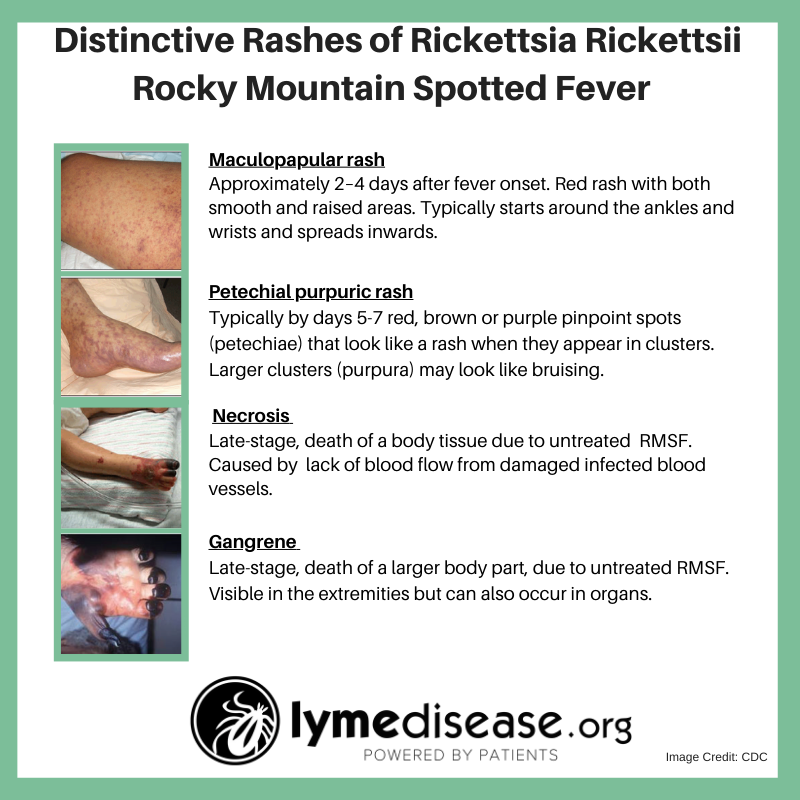
The report, published in the July 2024 issue of CDC’s Emerging Infectious Diseases journal, documents two severe cases of Rocky Mountain spotted fever-like illnesses in patients residing in Northern California.
First found in rabbit ticks
The pathogen was first detected in rabbit ticks (Haemaphysalis leporispalustris) in Northern California in 2018. The researchers who discovered the pathogen have proposed naming it Candidatus Rickettsia lanei, after Robert S. Lane, PhD, Professor Emeritus of Medical Entomology, at the University of California, Berkeley.
Professor Lane, internationally recognized for his research on ticks and tick-borne diseases since the mid-1970s, has served on California’s Lyme Disease Advisory Committee since its inception in 2000 to the present.
For this study, CDPH researchers examined blood samples taken from a 2023 patient (first case below) and eight confirmed rickettsiosis cases collected over the past 20 years.
They used triplex real-time reverse transcription PCR (rRT-PCR)—a highly specialized tool to quickly detect specific RNA sequences. With this technique, researchers identified a new species of Rickettsia that very closely resembles Rickettsia rickettsii—the cause of Rocky Mountain spotted fever (RMSF).
Both patients were in San Francisco Bay Area
In the first case, the patient had been golfing several times in the San Francisco Bay Area but had no recollection of a tick bite. In the second case, the patient had been camping at two different parks in the San Francisco Bay Area. He remembered seeing a tick crawling on his body but did not recall a bite. (Note: In nearly half of all reported Rocky Mountain spotted fever cases, individuals do not recall a tick bite.)
Neither patient had traveled outside the San Francisco Bay Area in the two to three weeks prior to becoming ill.
In both cases, they were admitted to the hospital for high fever, severe headache, nausea, vomiting, diarrhea, abdominal pain, and other symptoms. One patient had a rash characteristic of RMSF. The other developed cutaneous necrosis (irreversible injury to skin cells) and gangrene, and lost portions of several fingers on both hands.
Each patient was started on a triple-combination of antibiotics that included ceftriaxone and vancomycin but did not include doxycycline.
Within days of being hospitalized, each patient went into a coma and respiratory failure and was transferred to intensive care. Each was then given a presumptive diagnosis of RMSF and started on doxycycline.
The first patient spent 22 days in the hospital, the second 13 days before being sent home. Both had continuing symptoms upon discharge.
Severe illness
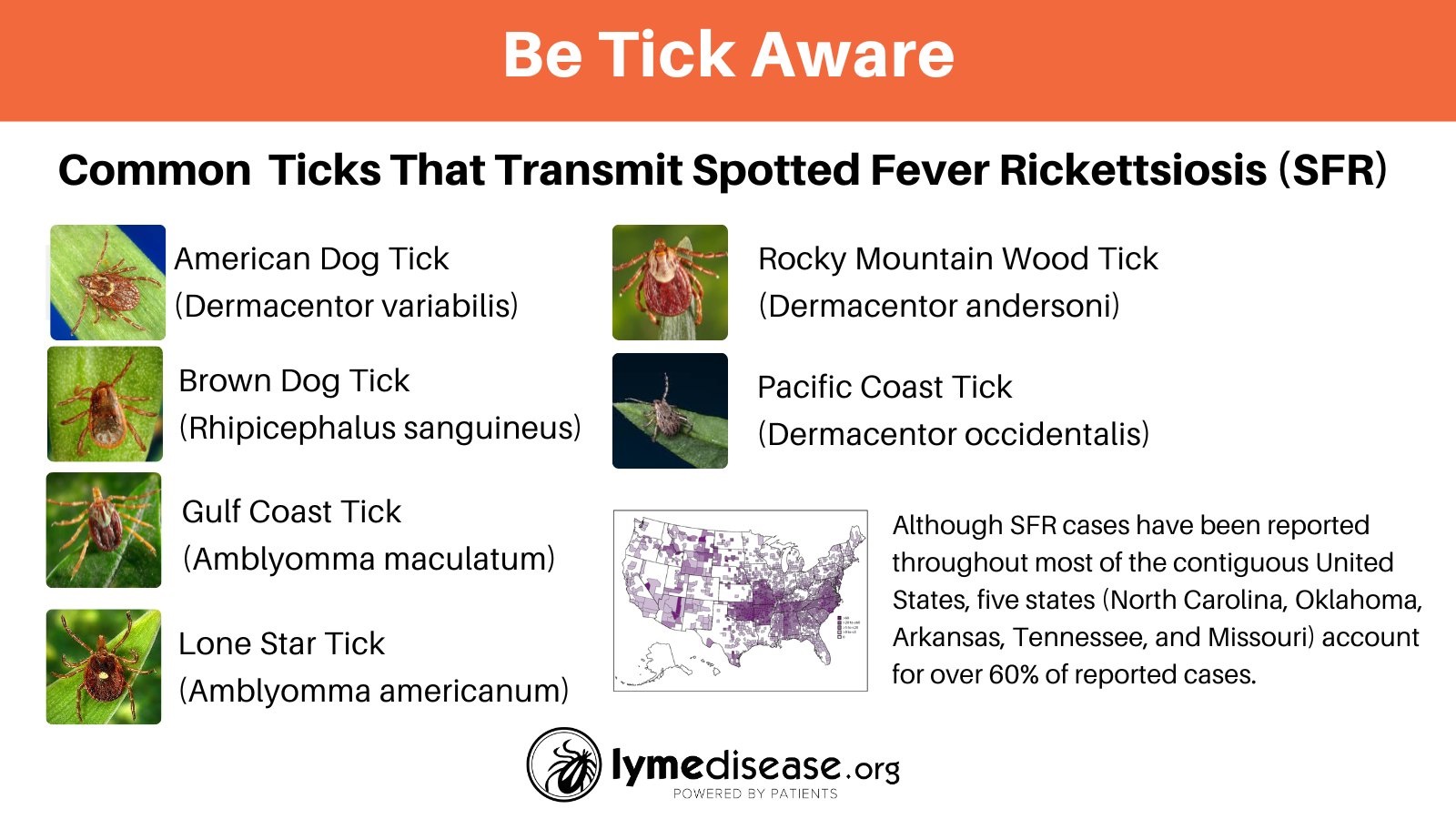
In the United States, spotted fever rickettsiosis is spread by several species of ticks that are known to bite humans, including:
American dog tick (Dermacentor variabilis or D. similis)
Brown dog tick (Rhipicephalus sanguineus)
Gulf Coast tick (Amblyomma maculatum)
Lone star tick (Amblyomma americanum)
Rocky Mountain wood tick (Dermacentor andersoni)
Pacific Coast tick (Dermacentor occidentallis)
Based upon these cases, Rickettsia CA6269 (lanei) can progress into a severe life-threatening illness. While the rabbit tick rarely bites humans, it may have been the vector in at least these two cases although that awaits confirmation.
Rickettsial infections are prevalent worldwide but remain significantly under-diagnosed because clinicians are not aware of them, the general public also is not aware of them, and diagnostic tests are either not available, slow to detect infection, and/or non-specific.
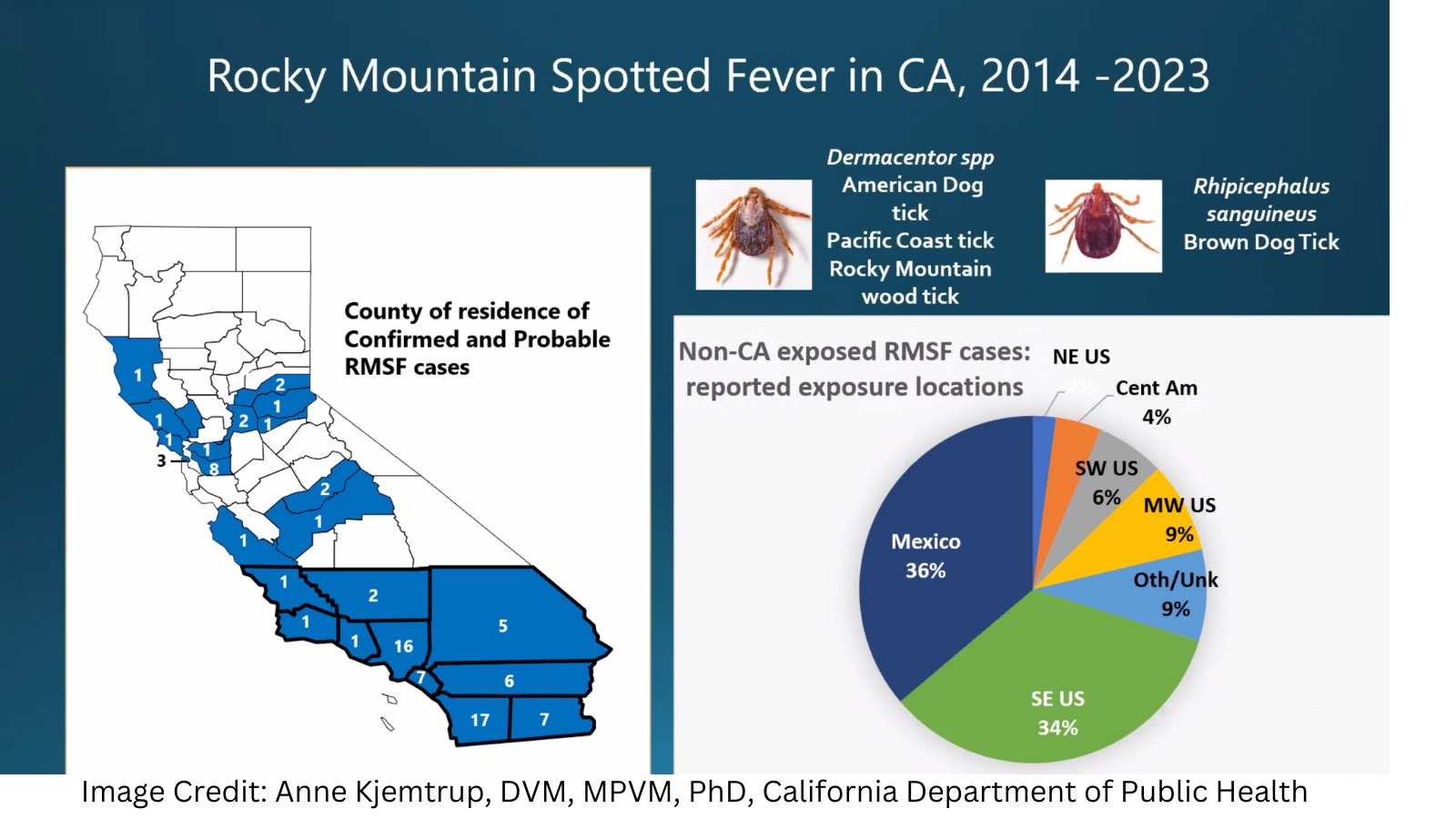
At a “public engagement meeting,” on June 11, Anne Kjemtrup, DVM, MPVM, PhD, with the California Department of Public Health, gave an update on RMSF.
In the image below, the number of reported California cases of RMSF is summarized by county of residence. Of those cases acquired outside of California, 36% were from tick bites in Mexico, and 34% were from visits to the Southeastern U.S.
Signs and Symptoms of RMSF
Early signs and symptoms of RMSF can be vague and non-specific, including fever and headache. However, the disease can rapidly progress to a life-threatening illness, even before a rash appears.
Signs and symptoms can include:
Fever
Headache
Rash
Nausea or vomiting
Stomach pain
Muscle pain
Lack of appetite
The CDC advises immediate treatment with doxycycline whenever rickettsiosis is suspected.
LymeSci is written by Lonnie Marcum, a physical therapist and mother of a daughter with Lyme. She served two terms on a subcommittee of the federal Tick-Borne Disease Working Group. Follow her on Twitter: @LonnieRhea Email her at: lmarcum@lymedisease.org.
Probert WS, Haw MP, Nichol AC, Glaser CA, Park SY, Campbell LE, et al. Newly recognized spotted fever group Rickettsia as cause of severe Rocky Mountain spotted fever–like illness, Northern California, USA. Emerg Infect Dis. 2024 Jul [date cited]. https://doi.org/10.3201/eid3007.231771
Eremeeva ME, Weiner LM, Zambrano ML, Dasch GA, Hu R, Vilcins I, Castro MB, Bonilla DL, Padgett KA. Detection and characterization of a novel spotted fever group Rickettsia genotype in Haemaphysalis leporispalustris from California, USA. Ticks Tick Borne Dis. 2018 May;9(4):814-818. doi: 10.1016/j.ttbdis.2018.02.023. Epub 2018 Mar 1. PMID: 29545107.
I this adds to the knowledge bank but remember there are more undiscovered than discovered.
One would think that freezing weather would cause ticks to hibernate or die, but you would have to think again. States that stay below freezing for most of the winter will not have a high risk but it is not impossible. Keep this in mind when raking the leaves and snow close to the ground.
The key is to know ticks are active and how to prevent tick bites. It’s easy to fend off these beasts by making a few changes. If you are walking in high grass, or have tree limbs brushing the trail, even dead leaves can be a host for ticks. Before you head out, spray exposed areas with DEET* making sure to spray the foot to above your ankles.
Put pant legs in socks so the tick can’t climb in. Wear a hikers hat with a trail that covers the back of the neck. No more falling off a tree limb right down the back of your shirt. They look for every chance they can get to attach to you, the host. The most critical step is to check your body, complete body, once home. Wash your clothes right away, don’t put them in the washing bin and let them move around your other clothes.
As someone who lives with Chronic Lyme Disease, I can say that preventing a tick bite is a hell of a lot better than getting Lyme.
Tick Expert with the Connecticut Agricultural Experiment Station says:
If you’re enjoying the warmer-than-usual winter, so are ticks. The insects do not have to go into their usual hibernation on days when the temperature exceeds 40 degrees. It used to be the people who study ticks in Connecticut got pretty bored in the winter months. Not anymore.
“We used to call it tick activity season,” explained Dr. Goudarz Molaei, a tick expert with the Connecticut Agricultural Experiment Station. “We can no longer call it tick activity season as ticks are active year-round.”
When people get bit, they send their ticks to the Agricultural Experiment Station. It used to be they would get about 50 all winter long. Now they are getting around 800.
“We receive ticks daily, and some days we receive over ten tick specimens from the public,” Molaei said.
If Connecticut no longer has a non-active tick season, chances are the surrounding states are also seeing an increase in ticks during the winter. Be safe by preparing on the front end.
DEET* or no DEET, is based on your preference. There is plenty of information for your searches.
Dr Jemsek is an Infectious Disease Doctor who played a pivotal role identifying AIDS in N. Carolina. He is my hero and Lyme Doctor.
There are several treatment methods, every doctor is different. I’m on Antibiotic IV Therapy 5 days a week, and a Lactose Ringer when not on IV Therapy, close to 30 supplements, a Morphine Patch, two horrible liquid Rx’s, and close to 35-40 prescriptions.
YouTube is an awesome source for Lyme information.
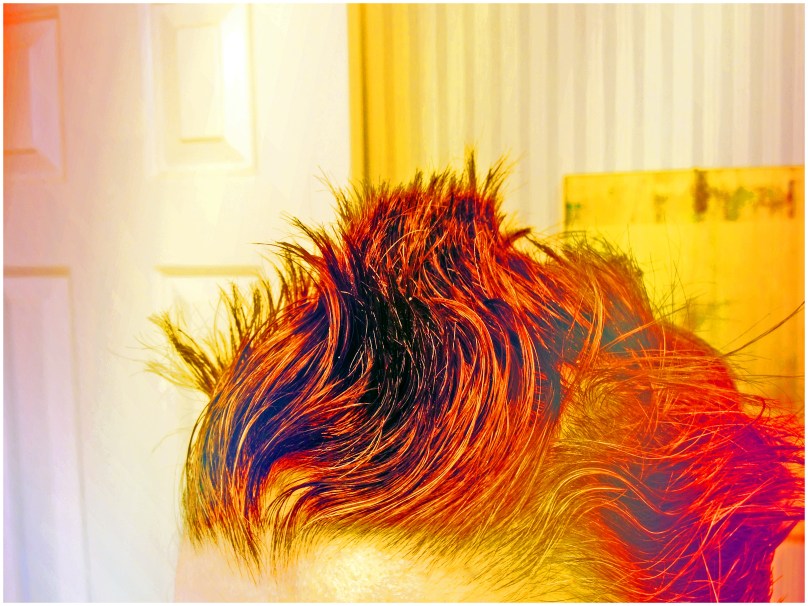
Four months ago I wrote the last Lyme Journal Entry. I thought my strength would allow me to blog through the illness. Then the 5-6 month point turned my life upside down and it’s been hell. I fired my Lyme doctor and not taking meds at this time. I know many are wondering why the hair photo? I was losing hair by the handful and showering was nearly impossible with longer hair. When you can’t stand, lift your arms or sit down without falling, showering is a problem. I planned a nice Army shave but David would not help. I grabbed the scissors and cut eight inches off. Feels great, looks like crap. Who cares?
I’m sure people have noticed my positive attitude is quickly sliding. The mounting problems are not all Lyme-related. My cat Truffles is dying, lack of communication from my doctor, getting so sick, and walking some days is extremely painful. Our bed was too hard so I moved to a couch months ago. I live on the couch now. Not bad for sleeping except all the animals want to go out, poke me in the back, and the cat wants to attack me. Even attempting to get enough sleep is impossible. With Chronic Lyme Disease sleep is your best friend and a key to survival.
Let me share some Lyme politics for newbies.
Most of the expert Lyme Literate Doctors, are not practicing. Several years ago doctors were watching people die using CDC standards, which state patients can only receive 2-4 weeks of antibiotics at most. The Lyme doctors who understood how the viruses worked knew 4 weeks was a joke. The doctors worked together helping each out calling in antibiotics for the other patients. I have Chronic Lyme, and it can take 1-3 years to get well. Medication is one of the many ways to heal. Getting enough sleep is number one after the meds., take supplements, gluten-free diet and eat foods to help your body heal. No Coffee and drink only electrolyte water.
There was a huge division among Lyme doctors when the CDC allowed several doctors to patent the virus. Makes no sense to me. For years patients were clueless of the division. Both sides fought hard with the CDC to prove their data, from the videos on YouTube it looks like the battle was lost before the presentations started. The expert Lyme Literate doctors were quite vocal and a witch hunt is what followed the meeting. Doctors appeared before the Medical Board and were not able to practice, some for up to a year. Several doctors lost their clinic and everything they owned trying to keep their patients alive. It is a complete mess the CDC let happen, needless to say, I’m pissed. Just a little more background info to burn into your brain.
Many Chronic Lyme patients become so sick they are not able to work. The first reality is you no longer have insurance and can not afford new insurance if you could buy. I’ve watched video after video on YouTube of people with good-paying jobs, racking up several thousand dollars in doctor bills and many having to file bankruptcy, losing everything. One video told of a couple who owed their parents $500,000. Lyme affects everyone in your family, friends, your health, and financial security.
It’s going on Spring in some parts but summer will be here quickly. I don’t want any of you or your family members to struggle with a virus that looks like a worm. The viruses travel through the blood until they can find a way to your major organs. Lyme likes to get cozy in the liver, kidney, heart, and brain. I have three tick-borne illnesses and Epstein Bar Virus. I have cognitive issues, my eyes constantly see things moving by my peripheral vision and balance are fleeting. I was in the bathroom two days ago about to reach for the medicine cabinet. I slammed into a wall hurting my writs and several fingers. If that wasn’t enough I slid down the wall falling on the toilet and hurt my leg. The doctors don’t know how much of your ability will come back if any. You have to keep fighting.
Why I fired my doctor. My husband and I formed an impression at the first appointment, not so good. I was desperate to start treatment and had no other options.
* I start a couple of drugs until the Lab work is back. At the follow-up appointment, the first words out of his mouth are you are in a great deal of pain. REALLY? His communication and organization skills are lacking. No pain meds were prescribed. He has to call someone in to bring him something several times during the appointment.
*I’m loaded down with over 50 pills to take a day plus 15-20 supplements and sleep all I can. The equation doesn’t work. I have gastro issues and the high-powered antibiotics made me nauseous all the time. I asked to have a PICC line in my arm to give my stomach a break. He did not plan to use a PICC line? Almost every patient gets a PICC line so they can fill you full of drugs and bypass your stomach. My wheels are turning. He had lab work for me to do, but I didn’t do it. He never asked about the Labs. He said my Lead levels were three times higher than normal, in the dangerous range. No follow-up test was ordered, it was like “So you know”. I’m scared, my brain is on overload, the test said current and ongoing exposure. I spent about two weeks looking for an answer. I looked at the top of the report one day, it wasn’t my report. Admin acted like no big deal. HIPPA laws are not new.
With the list of experts I start going down the list, ONE of the leading Lyme Literate Doctors still practices. The doctors called before the Medical Board and CDC. Now are full-time advocates/researchers. I phoned his office in DC and they are taking patients. When you have cognitive issues filling out 50 pages is crazy. I stayed up last night to get everything I could without waking my household. With God’s help, I will finish the paperwork tomorrow and get an appointment in the next month.
ILADS is the professional organization Lyme Literate doctors belong to. I saw the tab on site for ILADS Protocol on Lyme. I jumped for joy. Let’s hit them with our best shot. We have boxing gloves on and the truth will come out. The document was extensive for the different stages of Lyme or other tick-borne illnesses. I felt so happy that others may not have to suffer shortly. The document was well-researched by leading scientists, leading hospitals, and large populations of people. I cheered when I read research that outlined how the current system is incorrect, and they went all out. On the issues of insurance, extensive research with real patients exposed what the CDC is keeping from the public. If you want to learn more about Lyme, YouTube has so many videos, you might not have to go anywhere else. If you like the medical jargon go to the ILADS site.
A shout out to others who suffer from Lyme or tick-borne illness. I think of you, pray for you, and send good karma your way.