

| From artists to athletes, these biopics portray bipolar disorder with empathy — without reducing anyone to a diagnosis. Sometimes, Hollywood gets it right. On-screen stories about the bipolar experience can help foster empathy and educate audiences. The following movies tell the narratives of real people with bipolar disorder, from famous writers and painters to athletes. Although the films delve into the symptoms of bipolar and the impact a brain-based disorder has on the lives and careers of the characters, their identities are never reduced to their diagnosis. Seeing your journey reflected in a story can be a powerful reminder that you’re never alone. Exploring the Life of Jackson Pollock in Pollock Starring Ed Harris and Marcia Gay Harden, this 2000 docudrama portrays Jackson Pollock’s life of art, struggle, and love. The abstract expressionist was famous for his distinctive drip painting style. Throughout his life, Pollock battled with alcoholism, and although the film does not explicitly name bipolar disorder, the connection to his mood cycles is implied. Pollock’s story illustrates the complex relationship between creativity and the management of a psychiatric condition. Cobb: A Complicated Look at Baseball’s Ty Cobb Al Stump is a celebrated sports journalist selected by baseball great Ty Cobb (played by Tommy Lee Jones) to author his official, authorized, and sugar-coated “autobiography.” To put it mildly, Cobb is a difficult figure, and he doesn’t want to leave this world without telling his side. Historical accounts report that he was prescribed lithium — a common mood stabilizer — during his last years. Click to Read More Melinda Source: https://www.bphope.com/bipolar-buzz/7-best-biographical-movies-featuring-bipolar-disorder/?utm_source=iContact&utm_medium=email&utm_campaign=bphope&utm_content=BUZZ+-+Mar1+-+Movies  |
|---|
Category: Trauma
NO MORE Week 2026 And More @nomoreorg
Let’s spend NO MORE Week advocating, sharing our stories, participating in activities and supporting this most amazing organization. Check out their website for resources galore.
| February has been a powerful month for reflection. We commemorated Black History Month and raised awareness of challenges facing young people for Teen Dating Violence Awareness Month. We continue to be both awed by the strength and courage of the Epstein survivors in speaking out and horrified by even more revelations of the abuse so many endured and so many ignored. It is all a constant reminder of the vast scourge of violence, the far-reaching, long-lasting implications of it, and the need to continue to build a global movement to stop it… for everyone! It’s in this spirit that we continue our work, creating moments that bring communities together and driving change to end domestic and sexual violence once and for all. Get Ready for NO MORE Week 2026! In just a few days, NO MORE Week 2026 kicks off! From March 2nd–8th, communities from around the world are uniting to support survivors and prevention efforts. If you haven’t yet made your plans for NO MORE Week, it’s not too late! Throughout the week, commit to sharing tools, resources, information, and stories to help more people be able to recognize and respond to abuse. Or, plan to host a lunch & learn, pledge drive, or another small-scale awareness event at your workplace, campus, or community space. You can also join the NO MORE Week Challenge, our free, virtual Walk/Run uniting advocates and allies everywhere in raising awareness and speaking out against abuse. Take on the Challenge. However you choose to take part, be sure to tag @nomoreorg in your posts to share how you’re saying “NO MORE,” so we can celebrate and help amplify your efforts! |
Advancing Safety: NO MORE x CERRET
This month, we were proud to announce our new partnership with CERRET, which will include the co-development of a co-branded CERRET safety bracelet, as well as the integration of NO MORE’s awareness and training content into the CERRET app. Together, by bridging the gap between advocacy and tech, we’re looking forward to amplifying prevention efforts, empowering users, and expanding access to safety resources around the world.
Read more about this new partnership and check out the existing safety features on the CERRET app today!
I’m a proud supporter of No More and Joyfull Heart charities, they we’re both founded by Mariska Hargitay and she leads powerful teams and through her committed efforts, police across the country have cleared their backlog of untested rape kits. We’re not there yet but we will.
Melinda
National Stalking Awareness Month
Stalking is like being in Alice & Wonderland, paranoid, scared, no control, threats and you can’t get out until it’s over, it took over 7 months the last time. I had my claws out during the entire time and continued to listen to my gut more often. There are thousands of people are out there with a scam on their mind’s, if you have not met them in-person or you could find out how yourself another TikTok video. You may feel under a microscope until you can move forward, keep working through the trauma.
What is stalking?
Legal definitions vary from one jurisdiction to another. Still, stalking is generally defined as a pattern of behavior directed at a specific person that would cause a reasonable person to feel fear. A crime in all 50 states and at the federal level, stalking is dangerous and potentially lethal.
Side Navigation
Who are victims of stalking?
| In 2019, about 1.3% of Americans ages 16 and older (3.4 million people) were victims of stalking, according to a report from the Bureau of Justice Statistics (BJS). The most frequently reported traditional stalking behaviors included the offender following and watching the victim. Stalking with technology most commonly included unwanted phone calls, voice or text messages, and emails and Internet messages.
The percentage of people who experienced stalking declined from 2016 (1.5%) to 2019 (1.3%). However, women continue to be victims of stalking more than twice as often as men. Overall, the data show most stalking victims know their stalkers. Among adults, 18- to 24-year-olds experience the highest rates of stalking, placing students on college and university campuses at high risk of becoming a victim. Research shows that most college students are stalked by someone they know, usually a fellow student. Colleges and universities that understand the dynamics of stalking and the negative impacts associated with it can support victims and hold stalkers accountablethrough campus programs and thorough investigations. In 2019, only 29% of stalking victims reported their victimization to police. Stalking victims who chose not to report the crime to police most often said they didn’t feel it was important enough to do so. |
Source: The Stalking Prevention, Awareness, & Resource Center |
What help is there for victims of stalking?
If you believe you’re a victim of stalking, the Stalking Prevention, Awareness, and Resource Center provides guidance and resources in the What to Do if You Are Being Stalked section of their website.
Supported by the National Institute of Justice (NIJ), the Violence Against Women Research Consortium published a series of training videos and resources that cover stalking laws and best practices for law enforcement and prosecutors in stalking investigations.
January is recognized as National Stalking Awareness Month – an annual call to action to recognize and respond to the crime of stalking.
Date Modified: January 11, 2024
Additional Resources
Internet Safety Special Feature: Cyberbullying and Cyberstalking
This online resource offers a compilation of publications and referrals to organizations dealing with cyberbullying and cyberstalking.
National Stalking Awareness Month
This webpage provides access to resources and materials that provide information about stalking and how to share information about National Stalking Awareness Month, which is recognized each January.
Office for Victims of Crime (OVC): Stalking
This website provides information about stalking and includes links to related organizations and topical publications.
Office on Violence Against Women (OVW): Stalking
OVW provides information on the U.S. Department of Justice’s legal and policy issues regarding violence against women and responds to requests for information regarding violence against women, including stalking.
Stalking Prevention, Awareness, and Resource Center (SPARC)
Funded by the Office on Violence Against Women, the goal of SPARC is to ensure first responders and other allied professionals have the specialized knowledge needed to identify and response to stalking cases.
Violence Against Women Research Consortium
The Rutgers Violence Against Women Research Consortium works collaboratively with interdisciplinary researchers and National Institute of Justice research scientists to identify, implement, and disseminate research and evaluation projects that fill the gaps in our current knowledge on stalking, as well as intimate partner violence, sexual violence, and teen dating violence.
Melinda
Reference:
We Will Never Forget
January, 6th, 2001
Sending prayers to police officers who fought for country and the vote happened. Each officer faught for their lives and the public during an non-succeesful Government take-over or thier life, many officeries were injured that day.
Melinda

January Awareness Month
Each month there is a long list of awareness months, days and weeks, To keep the post short I only write about the awareness months. To read to complete list CLICK HERE or the link at bottom of post.
Cervical Health Awareness Month
Glaucoma Awareness Month
Mental Wellness Month
National Blood Donor Month
National Eye Care Month
National Slavery and Human Trafficking Prevention Month
National Stalking Awareness Month
Poverty Awareness Month
Self-Love Month
National Mentoring Month
Many of the awareness months hit close to home for me, not only through experience but as missions I’m dedicated to by advocating and sharing information with you.
Melinda
Reference:
Agoraphobia: Symptoms, Causes and Treatment Options
Agoraphobia is a common but often misunderstood anxiety disorder that can make everyday situations feel overwhelming or even impossible; understanding the signs and seeking the right support can help you reclaim your freedom,
Many mental health conditions are simply extreme degrees of minor challenges that most people face regularly. It’s perfectly natural to feel some nervousness when you’re going somewhere you’ve never been before or going to a crowded place where there are a lot of people you don’t know; But, agoraphobia is different.
If that slight tinge of nervousness becomes intense anxiety that prevents you from doing things you normally would, it might be a condition called agoraphobia.
What Is Agoraphobia?
Agoraphobia is an intense fear of situations where there may not be an easy way to escape or where you may feel trapped or helpless.
At its core, it’s a phobia of being in a situation where you’re panicking and there’s not an easy way out. This typically translates into a fear of familiar places, crowds, public transportation and very open areas like large parking lots and open water.
In any given year, about 2% of people experience agoraphobia. That is about 6.8 million people in the US. It’s more commonly diagnosed in women than in men.
Agoraphobia can have a profound impact on your daily life. It can range in severity from avoiding certain activities you might otherwise enjoy, like parties, concerts or other large social events, to being unable to leave your home.
Some people become homebound for years or are unable to maintain a career and care for themselves because of it.
The Relationship Between Agoraphobia and Anxiety and Panic Disorders
Agoraphobia, like any other phobia, is a type of anxiety disorder. But it also has a unique relationship to panic disorders.
Agoraphobia often develops after a panic attack in a public place where escape feels impossible. Even if you were able to get out of the situation the first time, you have a fear that next time you won’t be able to.
Symptoms of Agoraphobia
The symptoms of agoraphobia include an extreme fear of:
- Unfamiliar places
- Public spaces, especially crowded places
- Waiting in line
- Leaving home by yourself
- Using public transportation
- Enclosed spaces outside your home, like elevators or movie theaters
- Large open spaces like parking lots or open water
Agoraphobia is specific to these types of circumstances, where you might not have a clear path to safety. Extreme anxiety in situations other than these might indicate other anxiety disorders.
Where’s the Line Between Worry and Agoraphobia?
One of the tricky aspects of phobias is understanding the difference between a “normal” amount of anxiety about a particular situation and a phobia. While only a mental health professional can diagnose agoraphobia, you could have this condition if:
- Your level of anxiety in the situation is out of proportion with the actual danger
- Your fear prevents you from doing things you would otherwise enjoy, like certain social outings
- You stop doing certain things or going places unless you have a trusted companion with you
- You’re experiencing these symptoms for six months or longer
When you’re in a situation that triggers your agoraphobia, the symptoms can manifest in physical, emotional or psychological and behavioral ways.
In these situations, physical symptoms can include:
- Tightness in your chest
- Rapid heartbeat
- Shortness of breath or hyperventilating (breathing too fast)
- Dizziness or disorientation
- Shaking or trembling
- Sweating even though you’re not warm
- Upset stomach
Meanwhile, the emotional or psychological symptoms can include:
- Dread
- Fixating on what could go wrong
- Feeling a loss of control
- Fear that you’re dying
During agoraphobia triggering situations, you may also have these behavioral symptoms:
- Avoiding certain situations, like crowded places
- Only going to certain places if you have someone with you
- Only going to certain places or events after planning out escape routes or what to do if you need to get out
Causes and Risk Factors of Agoraphobia
How do you know if you’re at risk for developing agoraphobia? It usually develops in the teenage or early adult years and does seem to have a genetic link. People who have a close relative with agoraphobia are more likely to develop it. Some studies indicate that the heritability is as high as 48-61%.
Genetics isn’t the only factor, though. There are often traumas and life experiences that contribute to agoraphobia, especially trauma that occurs in childhood. This can include abuse, being attacked or the loss of someone with whom you felt safe, such as a parent.
It’s also important to note that many people with agoraphobia have other mental health conditions too, like panic disorder, depression or PTSD. In particular, a large number of people with agoraphobia already had a panic disorder.Their agoraphobia may have been triggered after having a panic attack in a place where they felt unsafe or helpless.
While a panic attack in a public place might trigger agoraphobia, often these people already had some level of anxiety in these situations. So it may be a combination of panic disorder and existing agoraphobic tendencies.
How Agoraphobia Affects Daily Life
One of the hallmarks of a phobia or other anxiety disorders is its impact on your daily life and the limitations that it creates for you. It can affect your work, romantic relationships, family relationships and social life in numerous ways.
You may decline social events and invitations due to anxiety about the situation, or struggle to complete work assignments if they involve situations that make you anxious. You could be limited in the types of jobs you can accept.
Maybe you can only able to perform jobs where you can work from home or jobs that don’t involve situations in public or crowded places. Finally, your relationships may suffer because you aren’t able to join loved ones for the things they enjoy doing.
Agoraphobia can even prevent you from taking care of yourself and living independently, especially when it is severe. It could prevent you from doing essential tasks like going to the grocery store or running other errands, such as going to the doctor.
Finally, agoraphobia can have a substantial impact on your mental health, especially if you have co occurring conditions already. It can worsen conditions like depression, because you feel trapped at home or aren’t able to do activities that could boost your serotonin. In some cases, it can make substance use disorder worse, too.
Agoraphobia changed my life over five years ago. I don’t drive, walk outside of house, only leave the house for doctors appointments or to see my hairdresser. It’ also affected the activities I did in the past with my husband. I’ve read some great information on how to slowly gain confidence on being by myself. I have a plan to start as soon as my shoulder heals from surgery.
If Agoraphobia is impacting you quality of life, I hear you, and wish you all the best at venturing out when the time is right for you.
I am in no way supporting the site or it’s service offers, it is just the great information.
Melinda
To read the entire article click HERE.
Reference:
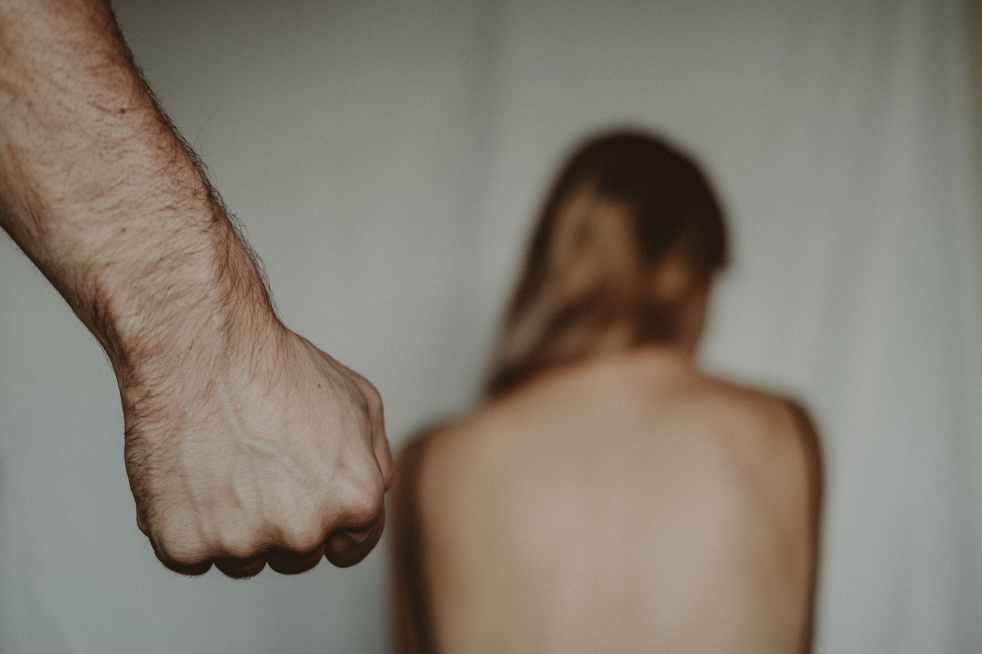
Domestic Violence Awareness Month
Join me and No More in the ongoing fight against Domestic Violence. Domestic Violence is everyone’s business and you could save a life. Make the call to 911 if you hear or see anything, it could save a life.
I grew up in a Domestic Violence household and the traumatic experience was harrowing at times. I watched my step-father put a knife to my mother’s throat when I was nine years old, that image never left me. My mother was praying under her breath.
“TOGETHER, WE CAN HELP FREE THOSE HARMED BY DOMESTIC AND SEXUAL VIOLENCE.” No More
NO MORE is dedicated to ending domestic violence and sexual assault by increasing awareness, inspiring action and fueling culture change.
OUR STORY
If you need help, help is there for you! All you have to do is reach out.
Melinda
Repost
Why Children Stay Silent Following Sexual Violence
Kristin’s video is invaluable because children are scared, confused and if it’s a parent or someone in the family the Childs emotions are even heighten. I know from experience.
Melinda

We Will Never Forget
Melinda

Happy Birthday Daddy 1940-1992
The morning after you killed yourself, we went to secure the house. I knew immediately you suffered slowly. Among the papers, trash, and clothes and I found your lockbox. The divorce paperwork to my mother, every card I gave you as a child. I found the pad you were writing on. Your Bible on the coffee table, dried tears as you were reading Job in the Bible.
The note had 11:30 a.m. written in the corner. I could see you called your best friend and the phone number to a suicide line. There were words and a drawing that made no sense. Granny paralyzed, crying, asking why. The house ransacked, nothing anything made sense to her.
Dirty dishes piled high, nothing in the refrigerator, how did you live like this, how long? You phoned me several times in the months before your death. Delusional and highly paranoid each time. Someone was tapping your phone, they were trying to get you and the rest I could not understand, you were already gone. As much as I hated you, I cried, begged you not to kill yourself, trying to reason with him that Granny would never be the same. I paid your bills for months. You weren’t in touch with reality.
The outcome will not change if determined. I knew you would take your life and told no-one. I’ve wondered what went through your mind in the hours doodling to writing the note, then killing yourself. I received the call at 10:00 p.m., Gramps said your dad has done away with himself. I called right back to see if you were dead or going to the hospital.
The boxes of cassettes next to your bed, taking months to listen to. You were mentally ill, not under the care of a Psychiatrist, no medications. Your temper went 1-10 in seconds, obnoxious, loud, racist, screaming, out of control.
You had hit the bottom and I didn’t know because we were estranged,
I’ve experienced being suicidal more than once, God and my husband saved me. If you are thinking about suiside, call your Psychiatrist right away or go to closet hospital, be open with your doctor and follow all medications instructions, these actions may save your life. I’ve stayed in Psychistratic Hospitals multiple times, I had 21 ECT Treatments, and I feel no shame. My mental heath is critical to living a balanced life.
I think of you one day a year.
Melinda
Reposted

Mommy, I Was A Child
I was a child, six months old. You left me in the bathtub while you answered the door. Did you want me to drown?
I was a child, a baby, running a high fever in the middle of winter. You pushed my highchair in front of an open window to cool me down. Did your mother teach you that?
I was a child, a toddler, You dug your nails into my underarms so none would see the bruises. Granny didn’t understand why I cried so hard when you grabbed me by the arm.
I was a child, a teenager. You slapped me for the last time, I fought back. One swing and your husband punches me in the mouth with his fist. Were you glad he came to your rescue?
I was a child, a teenager. You told Child Protective Services I was mentally ill and you were trying to get me admitted to the state hospital. Crazy, who me?
I became an adult, no longer a child, and realized the manipulation and pain you caused and severed all ties. Why do you still send my Birthday and Christmas cards?
I was a child…..
Melinda
Book Review for Rachel Townsend’s Memoir Finding Frank
Jessica Owen from Cherish Editions kindly gifted me a copy of Rachel Townsend’s memoir Finding Frank for an honest review.
Rachel covers several difficult subjects, such as domestic violence, depression, child abuse, alcoholism, and drug addiction. She is raw and honest with the accounts of her life and I can relate on several fronts. I was rooting for her the whole way.
Finding Frank reels you in fast, so find a comfy spot because once you start reading, you will keep turning the pages to see how her life takes the next turn.
About the author
Rachel is a counselor and holistic therapist, now based in Cornwall in the UK, having a globetrotter for much of her life. As a counselor, motivated by her life experiences, she specializes in helping with trauma and recovery, and relationship problems. Outside of her profession, her personal experiences shape her prose.
About Finding Frank
How do you find love when all you’ve known as a child is violence and abuse?
How do you find your way back from the clutches of drug addiction and stop yourself from sinking deeper and deeper into a dark and debilitating depression? How do you carry on when you finally open your heart and then lose the one you love in the most tragic of circumstances?
Rachel’s story is a tale of triumph over adversity. Set in a tropical island paradise in the West Indies, Rachel’s journey takes her away to boarding school in England and on to the Middle East for the school holidays, where she first sets eyes on Frank.
Remarkably, Rachel not only finds a way to make peace with the terrible traumas of her past, but she manages to turn her life around completely and along the way, she finds love… a love she once believed was lost to her forever.
My Thought
“Finding Frank is a riveting memoir from Rachel Townsend who has overcome insurmountable odds to rise above trauma and blossom into a whole, loving person and respected author. She’s an inspiration for us all. Rachel comes from a background of violence and child abuse, she was abandoned by her mother as a child and uprooted from her island home to find herself in a boarding school in the Middle East. Rachel was guided by the love of her father and made new friends which helped her gain self-confidence. As a young woman, Rachel finds herself spiraling into a dark depression without the tools to cope, the darkness seems to have no end in sight. Rachel wanted love in her life but felt that true love would not come around a second time. Finding Frank is not your typical love story and that’s one of the reasons I love it. Life isn’t like the movies, it’s hard and painful at times. Rachel shows us no matter how hard and painful, you can overcome the past and build a solid future of your dreams. Finding Frank is a must-read, you may find yourself sharing with friends and family too.”
Cherish Editions
Cherish Editions is the self-publishing division of Trigger Publishing, the UK’s leading independent mental health and wellbeing publisher.
We are experienced in creating and selling positive, responsible, important and inspirational books, which work to de-stigmatise the issues around mental health, as well as helping people who read them to maintain and improve their mental health and wellbeing. By choosing to publish through Cherish Editions, you will get the expertise of the dedicated Trigger Team at every step of the process.
We are proud of what we do, and passionate about the books that we publish. We want to do the very best for you and your book, holding your hand every step of the way.
What makes us different?
Visit About us to find out more.
I hope you’ve enjoyed this review and I look forward to your feedback. Don’t forget to buy your copy today and dive into the world of Rachel Townsend.
Melinda
Repost
National Child Abuse Awareness Month
Child Abuse Awareness Month is another awareness month that hits home for me. My abuse started when I was a child and lasted until I was 12 when I went to live with my father. My mother and stepfather not only physically abused me, they emotionally abused me and each were equally painful. I have worked with my Therapist for over 30 years and still have not totally processed the pain and anger. No child deserves to carry this burden and I know firsthand how it plays on your mind.
U.S. Child welfare authorities look into the safety of more than 7.5 million kids annually
Of those, around 3 million children received an investigation or alternative response from child protective services agencies.
How big is the problem of child abuse?
1 in 4 girls and
1 in 13 boys in the U.S.
are estimated to experience child abuse
Source: CDC
1 in 5
children in Europe
are estimated to experience
sexual violence
Source: Council of Europe 2022
1 billion
children globally
are estimated to experience sexual violence
Source: World Health Organization 2022
More than 550,000 children are known to U.S. authorities to be abused.
An estimated 558,899 children (unique incidents) were victims of abuse and neglect in the U.S. in 2022, the most recent year for which there is national data. That’s 8 children out of every thousand.
These statistics make me weep, how can so many children carry the deep pain around with them? Keep your eyes open and if you see something that looks out of line report it.
Melinda
Reference:
Sexual Assault Awareness Month
Sexual Assault Awareness Month is significant to me because I have been assaulted. I know the pain and anger that followed; it took many years of therapy to work through the trauma. Women and men experience sexual assault, and it’s important to reach out for support to process your assault.
Horrifying Statistics from RAINN
- Every 68 seconds another American is sexually assaulted.1
- 1 out of every 6 American women has been the victim of an attempted or completed rape in her lifetime (14.8% completed, 2.8% attempted).4
- About 3% of American men—or 1 in 33—have experienced an attempted or completed rape in their lifetime.4
- From 2009-2013, Child Protective Services agencies substantiated, or found strong evidence to indicate that, 63,000 children a year were victims of sexual abuse.5
- A majority of child victims are 12-17. Of victims under the age of 18: 34% of victims of sexual assault and rape are under age 12, and 66% of victims of sexual assault and rape are age 12-17.6
What was the survivor doing when the crime occurred?7
- 48% were sleeping, or performing another activity at home
- 29% were traveling to and from work or school, or traveling to shop or run errands
- 12% were working
- 7% were attending school
- 5% were doing an unknown or other activity
Most of the time, loved ones of survivors want to do anything they can to help— but aren’t sure what to do. Whether someone you love has disclosed to you already, or you just want to be prepared for the moment someone does, taking the time to proactively learn how to support a survivor as they disclose can make all the difference. When the time comes to support a survivor in your life, remember this important acronym about how to TALK. Learn more from RAINN’s Family and Friends Toolkit.
I know it’s difficult to reach out for support, but it’s the first step to dealing with the trauma and healing.
Melinda
Reference:
https://rainn.org/?_ga=2.150011316.349518786.1742834594-2015321522.1742834593
New Orleans Will Rise Again
New Orleans has seen many tragedies throughout it’s history and no matter how bleak the situations looked at the time, the soul of New Orleans came together and bounced back. We have to process our emotions, anger and grieve, once we grieve, keep in mind the good memories, the conversations and the kindness, that is the memory you want.
Our hearts are broken now, but once we grieve, we can look for joy in life.
Melinda
Join No More On 11/25/24 For The International Day for the Elimination of Violence Against Women
| NO MORE Dear Supporter, You’re invited to join us on Monday, November 25th, the International Day for the Elimination of Violence Against Women, for a very special worldwide broadcast to increase awareness, solidarity, and concrete actions to address the global crisis of gender-based violence. Hosted in partnership with Peace One Day, and sponsored by Avon and the Centre for Public Impact, this event will feature an incredible lineup of survivors, advocates, performers, and global leaders. They will share powerful stories, insights, and steps we can all take to fuel meaningful change in our communities and culture. Every day, millions of women around the world face the devastating reality of gender-based violence. One in three women will experience sexual or domestic violence in her lifetime, and more than 60% will never seek help. Of those who do, fewer than 10% will report their experience to the authorities. Now is the time to come together and say NO MORE! So please plan to tune in to the #EVAWDay Broadcast on November 25th, starting at 1PM GMT / 8AM ET. You can watch at peaceoneday.org or on Peace One Day’s and NO MORE’s social channels. We will be in touch soon with more details, including a full list of the speakers and performers. In the meantime, please help us get one million viewers for the broadcast! Share this invitation with your friends, family, and colleagues because when we come together, we can create a world free from gender-based violence. Thank you for your support! Sincerely, Pamela Zaballa Global CEO |
This is a great opportunity to support women while learning first hand from the awesome speakers.
Melinda
Validation as a Healing Tool for Your Trauma
by Maya Capasso
Medically Reviewed by: Matthew Boland, PhD
Trauma looks different for everyone, and sometimes we don’t even recognize our own. But learning to do so is important — and one of the first steps toward healing.
Last week a friend of mine reached out to me because they’re struggling. They recently broke up with their partner of 4 years and shared with me that they’re angry at themselves for still feeling depressed weeks after the initial breakup.
The thing is, my friend deserves to be kinder to themselves. For them, their breakup was extremely distressing and left them feeling overwhelmed as they worked to rebuild their life. Some might even consider this type of event “little t” trauma.
If you’ve experienced a stressful event in your life that affects you after the fact and you don’t know why, you might benefit from seeking treatment. It’s important to know that your response to any stressor is valid and deserves attention.
“Big T” vs. “little t” trauma
In the broader sense, trauma can be defined as an emotional response to any event perceived as dangerous by the person who went through it.
Some people use the terms “big T” and “little t” trauma to distinguish between different kinds of stressful experiences and responses. While researchers and most mental health professionals don’t currently use these terms, they helped me better understand that various forms of stressors can have an impact on your mental health.
“Big T” trauma
“Big T” trauma typically refers to events that are universally understood as dangerous or life threatening.
This form of trauma is what often comes to mind when we think of traumatic events, such as serious injuries, sexual violence, or natural disasters. Events like these are specifically referred to in the diagnostic criteria for post-traumatic stress disorder (PTSD).
“Little t” trauma
“Little t” trauma refers to events that may not involve potential death or serious injury but can be stressful enough to negatively affect your mental health.
“Little t” traumas can include — but are by no means limited to — sexual harassment, financial hardship, or breakups.
Pros and cons
For some trauma survivors and psychologists, the terms “big T” and “little t” trauma do more harm than good.
Licensed marriage and family therapist Robyn E. Brickel believes that the terms “big T” and “little t” trauma can minimize and invalidate people’s traumatic experiences. “It’s unhelpful in mental health practice to conceptualize some traumatic events as less or more significant than others,” Brickel writes.
She explains that by doing so, trauma survivors may feel more stigma around their response to an event if it’s considered only “little t” trauma.
Researchers avoid this terminology for a different reason. Within the field of science, trauma specifically refers to life threatening events because of the unique ways in which this degree of danger can affect our brains — such as developing PTSD — and the unique ways in which these symptoms or conditions should be treated.
Referring to extremely stressful but non-life-threatening events as “little t” trauma runs the risk of indicating that such events have the same type of impact on our brains and should be treated in the same way as “big T” trauma. For example, while both “big T” and “little t” trauma can lead to serious mental health conditions, like depression or anxiety, only events that fall under “big T” trauma can cause PTSD and might require specialized treatment.
Despite these important differences, understanding the concept of “little t” trauma was a huge step for me in my recovery.
The concept made me feel validated because it demonstrated that all forms of stressors can have a strong impact on your well-being and should be taken seriously.
If I had never learned about “little t” trauma, I would still believe that I shouldn’t be suffering because other people have it worse than I do. Learning about “little t” trauma helped me stop minimizing my pain and seek treatment.
Trauma validation as a pathway for healing
Acknowledging my trauma and facing it head-on was essential to my recovery journey. I used to have the mindset of: “why does it matter if we acknowledge our trauma? Isn’t it easier to continue minimizing it and pretending it doesn’t exist?”
Today I say, “No, not at all!” For me, avoidance and minimization were actually a big part of my own experience and what led me to be diagnosed with PTSD.
According to the National Center for PTSD, “If you go out of your way to avoid thoughts, feelings, and reminders related to a traumatic event, your symptoms may get worse. Using avoidance as your main way of coping with traumatic memories can make PTSD symptoms worse and make it harder to move on with your life.”
If you realize that you engage in avoidant behaviors when it comes to tough memories from your past, you can change that. The first step toward healing for me was validating my trauma and acknowledging that it impacted my life.
Here are some tips that helped me get there:
1. Self-validation
A great place to start is with yourself. If you don’t yet feel comfortable reaching out to loved ones or a professional for help, that’s OK. You can take some actions to feel validated all by yourself.
- Grab your journal: Write down your thoughts, feelings, and symptoms to begin processing.
- Get creative: If you don’t feel comfortable writing about your own life, try writing a poem, fictional short story, song, or making visual art about your struggles instead.
- Learn more: Take time to self-educate. There are so many stigmas and stereotypes about mental health floating around in our society, but also thousands of resources to help teach you the facts.
2. Community validation and support
Connecting with others and being vulnerable in safe spaces can be incredibly healing.
- Turn to a loved one: Talk to a trusted friend or family member about your feelings and experiences.
- Use the community: Try to be vulnerable in safe community spaces like mental health support groups, creative writing workshops, art classes, etc.
3. Trauma specialty care
Reaching out to a therapist who specializes in trauma is essential. Many therapeutic practices can help you process your trauma or stressful event in a safe environment.
- Individual therapy: Many therapeutic frameworks can help treat PTSD, depression, and other mental health conditions. These include:
- prolonged exposure therapy
- cognitive behavioral therapy (CBT)
- eye movement desensitization and reprocessing (EMDR)
- dialectical behavior therapy (DBT)
- cognitive processing therapy (CPT)
- Group therapy: Learning about what other people go through can help you feel less alone and realize that you deserve to heal, just like the other group members. However, for treating PTSD, additional individual trauma treatment would be necessary too.
The takeaway
If you’re like my friend from the beginning of this article, you might be struggling with your mental health but avoiding the pain by telling yourself that others have it worse than you.
For me, the real healing began when I stopped minimizing and started validating my painful experiences. In facing the impact of these events, I was able to move forward and start my journey to recovery.
Sharing her journey can help many people and I’m proud of her for writing.
Melinda
Reference:
Native American Heritage Month-Native Americans Are The Original Americans
Native American Heritage Month is extremely important to me for two reasons. The first I’m 1/16th Cherokee, and I’m proud of my ancestors. The second more gruesome, our government decided that the Indians weren’t allowed to live in open land like the white man. They rounded up all the tribes and built reservations for them to live without government support. They became second-class citizens and little has changed today. If you read just one book about the brutality of the Native Americans, read about the Trail of Tears. You will see a clear picture of how Native Americans were treated and raped of their land.
——-
Welcome to Native American Heritage Month at the Department of the Interior! National Native American Heritage Month is celebrated each year in November. It is a time to celebrate the traditions, languages, and stories of Native American and Alaska Native communities and ensure their rich histories and contributions continue to thrive with each passing generation. This November and every month, we celebrate the culture and heritage of these remarkable Americans who deeply enrich the quality and character of our Nation. We celebrate Indian Country with its remarkable diversity of American Indian and Alaska Native cultures and peoples while remembering and honoring our veterans who have sacrificed so much to defend our Nation.
Our theme is Weaving together our past, present and future. We will focus on the failed policies of the past with a focus on the Federal Indian Boarding Schools and moving into the present and the work being done to address the intergenerational trauma Native people still face. In partnership with the National Endowment for the Humanities and the Smithsonian Institution, we are working to record the lasting impacts of that era and share that information with all Americans.
As Indigenous people, our past, present and future are all connected.
Additional Resources
- H.R.1319 – American Rescue Plan Act of 2021
- The American Rescue Plan White House Overview
- The American Rescue Plan Passed – Now What?
- Press Release of Distribution Plan for $850 Million Designated for BIE-funded S…
Informative articles
Indian Affairs opens Indigenous Connectivity and Technology Division
For me, it’s important to read about how Native Americans were treated by our government because it was brutal and killed thousands and our government rapes their land from them. Native Americans were the first Americans on this great land, not the people migrating on the Mayflower and other ships. No doubt in my mind they were here long before a boat came over.
I’m of Cherokee descent, myself being 1/16th and several of my ancestors are on the Dawns Rolls but many at the time didn’t sign the rolls because they did not trust the government. How could they trust after being driven from their land and pushed into tribal communities with no assistance from the government? It was sink or swim, it’s not different today.
Another blemish from history and little has been done to improve their living standards. I’m happy to have the articles mentioned above that show action is being taken.
Remember to open your mind that’s Thanksgiving to include Native Americans and their make in history.
Melinda
References:
It’s A Dark Day In America
The worst President is the President again, which means we’ll have another four years of trials when he leaves office. I won’t get started on what the next four years will look like.
I am gutted!
Melinda
NO MORE Week 2025 Tech Summit: Empowering or Endangering-Tech’s Impact on Domestic and Sexual Violence
No More has announced that No MORE Week is on March 2nd through March 8th, 2025. This Summit is one way to participate and it’s free. The knowledge you gain could save your own life or that of another.
Join us for the NO MORE Week 2025 Tech Summit: Empowering or Endangering – Tech’s Impact on Domestic and Sexual Violence
Attend the NO MORE Week 2025 Tech Summit, a special online event exploring the impacts of technology on domestic and sexual violence, including innovations and dangers. Hear from global experts on the latest research, policy changes, product development, and more.
What should you expect:
- Discover the latest global trends in tech-facilitated abuse to gain insight into how technology is exploited by abusers to inflict harm.
- Delve into the role of technology in promoting safety and fostering connections.
- Have the opportunity to hear from survivors who have experienced various forms of abuse and, importantly, hear their suggestions for change.
- Participate in stimulating conversations and workshops led by industry professionals.
- Contribute to the generation of innovative ideas that can instigate the necessary systemic changes to address these critical issues.
- Equip yourself with the knowledge and resources to make a tangible impact on survivors of domestic and sexual violence. This is an opportunity to be a part of the movement and provide vital support to those in need.
Who should attend:
- Survivors of domestic and sexual violence and those closest to them.
- Those working with people who have experienced domestic or sexual violence, advocates, and activists
- Tech companies and professionals
- Legislators
- Police and agencies in the Criminal Justice System
- Financial institutions
- Healthcare professionals or those working in emergency response services
- Academics
If you have any questions, please contact info@nomore.org
Empowering or Endangering?: Tech’s Impact on Domestic and Sexual Violence
Mar 04,2025
Starts in 131 days
Organized by The NO MORE Team
I look forward to seeing you there.
Melinda
References:
Announcing NO MORE Week 2025
I’m excited to share that NO MORE Week 2025 has been set for March 2nd through March 8th, the annual time when thousands of survivors, allies, employers, organizations, colleges, and communities around the world unite for the cause of ending domestic and sexual violence.
This year, our theme is NO MORE Silence. Every time we break the silence, we destigmatize conversations around domestic and sexual violence and help survivors find support. And, we help to prevent abuse by educating more people about healthy relationships and by creating a culture where abuse is not tolerated.
Now is the time to plan how you can be a part of NO MORE Week 2025. Here are some simple ways to get started:
Join the NO MORE Week Challenge:
Sign up for the NO MORE Week Challenge, a virtual Walk/Run that allows you to choose your distance—5K, 10K, or a half marathon—and complete it at your own pace in March. This year, every dollar raised will go to support victims/survivors of abuse. Rally your friends and family to sponsor your efforts, or form a team to amplify your impact.
Attend the NO MORE Week Tech Summit
Save Tuesday, March 4th to attend the 2025 NO MORE Week Tech Summit, “Empowering or Endangering? Tech’s Impact on Domestic and Sexual Violence.”During this free, online conference, global experts will discuss cutting-edge research, policy shifts and product development, providing a wealth of insights and opportunities for action. Early registration is now open!
Use Your Own Platform to Raise Awareness
Create an event – online or in person – to raise awareness on your campus, at work, or in your community. Whether it’s hosting a coffee or happy hour; holding a workplace conversation; or engaging friends on social media, every action will get more people to join the movement. Let us know what you’re planning so we can help amplify your efforts!
Check out our NO MORE Week 2025 Guide you can use to get more information and ideas. We’re looking forward to uniting once again on March 2nd because we know that we are louder, stronger and more impactful together! Thank you for your continued support.
I’ve signed up for the No More Week Tech Summit, no doubt registration will go fast. I’ll follow up with a post specific to the Tech Summit.
Melinda
Reference:
https://www.nomore.org/email/f68b3e4b-5f24-4b32-9063-7776875bf364/?ref=no-more-newsletter
Do You Know How Many Rape Kits Are Backlogged In Your City And State?
Rape victims receiving closure is important to me and I hope to you too. Below is the background of Joyful Heart Foundation and how they started the initiative to End the Backlog. At the bottom, you will see why I’m flaming mad due to an unacceptable situation not far from where I live. Not to mention the atrociously high numbers of backlogged rape kits in Texas.
In 2015, the Joyful Heart Foundation played a fundamental role in the creation of the Sexual Assault Kit Initiative (SAKI), an important federal initiative for rape kit reform with then Vice President Biden. This program provided grants to communities to inventory untested rape kits, analyze those kits, investigate the resulting cases, prosecute offenders, and support survivors. This federal program has allowed jurisdictions to inventory more than 183,000 untested kits and send 90,000 kits for testing, resulting in more than 15,700 CODIS hits, almost 8,200 to serial violent offenders and 2,200 to serial sex offenders.
In 2016, the Joyful Heart Foundation launched its six pillar campaign to improve the way rape kits are handled nationwide and end the backlog of untested rape kits. Since then, we have helped pass 130 bills in 46 states affecting more than 321 million people and more than 136,000 survivors of reported rapes every year. Our campaign is one of the most successful state-level campaigns in history.
What is Joyful Heart Foundation
The Joyful Heart Foundation was founded in 2004 by Law & Order: Special Victims Unit (SVU) actress, director, and advocate, Mariska Hargitay. While playing Detective Olivia Benson on Law & Order SVU, Ms. Hargitay learned a tremendous amount about the crime of sexual assault. Letters from fans of the show poured in across the years; many were testimonies from survivors sharing their stories of abuse, isolation, fear, hope, and courage. As Hargitay became more informed about the topic, she was shocked and saddened by the prevalence of sexually-based crimes and how trauma impacts survivors, many for their entire lives. She felt she had to answer these survivor letters in a meaningful way. Her response was to create the Joyful Heart Foundation with the mission to transform society’s response to sexual assault, domestic violence, and child abuse, support survivors, and end this violence forever. Ms. Hargitay wanted to help survivors heal and reclaim joy in their lives.
What is the Rape Kit Backlog?
“To me, the backlog is one of the clearest and most shocking demonstrations of how we regard these crimes in our society. Testing rape kits sends a fundamental and crucial message to victims of sexual violence: You matter. What happened to you matters. Your case matters. For that reason, the Joyful Heart Foundation, which I founded in 2004, has made ending the rape kit backlog our #1 advocacy priority.”
Mariska Hargitay, Founder of The Joyful Heart Foundation
While the number of untested rape kits has decreased over the last decade – the backlog was once deemed to be 400,000 – today, we estimate that there are still 100,000 untested rape kits yet to be discovered.

You can clearly see the states who have tackled the backlog and those who have not. I’m ashamed of Texas, my home state, and these numbers send a clear message that women are not valued in Texas. A message coming from Governor Greg Abbott.
Let me give you an example and you will see what set me off last night.
Fort Worth is a smaller sister city to Dallas but this week, there was improper behavior with the law enforcement. I question if the entire city is flying blind. Last light at a City Council meeting the Chief of Police admitted that the deadline for clearing rape kits had once again not been met. He took responsibility and committed to correct the situation. I won’t hold my breath on that commitment. What shocked me even more was how the City Council acted like this was the first time they had heard about it. Who is overseeing the police????
The information only came out because the local news station invested. Here’s one of the findings.
On Wednesday, an NBC 5 Investigates series, “Justice Shelved”, revealed that more than 760 times in five years, Fort Worth police were late to submit rape kits to a lab in the state required 30 days.
New state records provided by the Department of Public Safety show Fort Worth police currently have 901 untested kits that are already past the 90-day mark, leaving victims who reported sexual assaults waiting for answers.
This is unacceptable and I think many heads need to roll and many more fired.
What’s happening in your town and State?
Melinda
References:

Good Times On The Highway To Hell Part 6
My Wild Journey
I always wanted everything my Gramps had, so when I was still in the bottle, he put a small amount of coffee in it. I slurped with joy and still do.
In high school, I was not interested in being popular or joining a sorority but somehow, I got talked into rushing for a sorority. During rush week we had to go a week without washing our hair. It nearly killed me, but one night we all spent the night at the so-called leader’s house and it was the last straw for me. They spent the night talking about their boyfriends, drinking, sex, and how they were popular at school. I couldn’t care less and left and turned the page on that experience.
I was naive in high school, thinking the cheerleaders were all goody-two-shoes and virgins. Not so much! One night while hanging out at the library, our hang spot, a cheerleader I only knew from class asked me if I would drive her around to smoke a joint. SURE! I hadn’t smoked a joint in years. We parked not far from the library and stoked away, the whole time she talked about how all her boyfriend wanted was sex. Sex and smoking a joint, wow my eyes were opened.
The high school football quarterback wouldn’t even speak to me, I was friends with almost everyone but not him. He was above mere mortals. At the 20-year high school reunion, I looked very different than in high school and all he wanted to do was dance and get me to leave with him. It was funny. I was there with my future husband. Men tend to think with the wrong head.
I’m keeping this post short since the other topics were too heavy for this one. You can look forward to topics like agoraphobia, dementia, driving my husband’s truck the size of an aircraft carrier, and forgetting how to drive.
Melinda
Good Times On The Highway To Hell Part 5
Media Corporations Have Crossed The Line By Sending Reporters Into Hurricanes
I’ve always questioned the value of seeing a reporting out in the hailing winds and rain trying to stand up, what is the point. We know there is a storm, the news is covering it in the studio and we have better photos of what is happening than the few feet the reporters are in.
Hurricane Milton crossed the line for me, all the major channels were reporting and it was so bad that several had close calls and one was hit in the face with debris. Is this what it comes to? Put employees at risk for their lives to show this channel will go further than the next. I drew the line.
Anderson Cooper was reporting from Bradenton, Florida, and was barely able to stand, the rain was pouring down and he reached won to show how deep the water was a was hit in the face by flying debris. He sought safety after that. the situation could have been much worse.
The National Hurricane Center reported Milton reached Category 5 status twice and had maximum sustained winds of 120 mph when it hit Siesta Key, Florida, near where Anderson was reporting.
Anderson was working with Bill Weir who was in St Petersburg and was washed away. Why is this acceptable corporate behavior?
Social Media was blowing up with comments of concern for the safety of the reports but where were The corporations they work for? Do they feel this is dramatic television that people want to watch so they can make more money? Bullshit! This shows a total lack of care for human life!
Anderson was not the only reporter who put their life on the line, so did: Dylan Dryer and Ginger Zee and these are the ones I’ve heard of.
We have to stand up and say enough is enough! Let CNN, GMA, and The Today Show this cruel and unusual behavior by writing to the Media Corporations, taking to Social Media, and sending letters to your local media and your local political representative. Only we can make a difference because their employers will not.
More interesting reads:
There are thousands of stories and videos to read or watch of the hurricanes should you wish to relive the carnage.
I’m disgusted that Journalism has come to being thrown to the wolves. Long gone are the days when I wanted to be a Journalist. I won’t be treated like a piece of meat.
I pray to donate to the Red Cross or other legitimate charities on the ground to provide daily needs and support.
Melinda
Reference:
Pregnancy & Infant Loss Awareness Month
Losing a baby is a very personal matter and one that we don’t often hear or talk about unless you’re close to someone who has experienced that loss. At 19 I had a miscarriage at 4-5 months along and my then-husband didn’t even acknowledge the child or the death, we never talked about the entire night it happened. Instead, he went out of town with the guys the next morning and there was no conversation when he returned. I was devastated, had no ride home, and didn’t have anyone to help me with the pain. I was in shock seeing the baby in the toilet at the hospital but I never grieved.
I can’t imagine the grief of carrying a baby close to term or full term and then watching them die, it has to be gutwrenching. There are many children born with diseases or a defect and they fight for their lives, but it was not to be. The overwhelming pain can only be felt by the parents who lost their baby. Think about the pain felt when the parents get home to see the baby’s nursery they planned so carefully without their baby.
These are my thoughts on what Pregnancy & Infant Loss Awareness Month is, let’s see the official meaning of the day.

When Pregnancy and Infant Loss Awareness Month was proclaimed.
In 1988, President Ronald Regan proclaimed October Pregnancy and Infant Loss Awareness Month. Pregnancy and Infant Loss Remembrance Day is observed on October 15th each year and includes the International Wave of Light.
In the United States, 1 out of every 4 pregnancies ends in miscarriage and 1 and every 160 pregnancies end in stillbirth. These numbers do not include infant death from preterm labor, diagnosis of life-limiting conditions, or SIDS.
What is Pregnancy Loss and Infant Loss Awareness Month?
Pregnancy and Infant Loss Awareness Month, observed every October, is dedicated to raising awareness about the grief and challenges faced by families who have experienced miscarriage, stillbirth, or the death of an infant. The month provides a platform for breaking the silence surrounding these often stigmatized and unspoken losses. Through various events, campaigns, and remembrance activities, it seeks to honor the lives lost, offer support to grieving parents, and educate the public on the impact of pregnancy and infant loss. It also encourages open conversations and fosters a sense of community among those affected.
When is National Pregnancy and Infant Loss Remembrance Day?
Pregnancy and Infant Loss Remembrance Day is observed on October 15th each year. It is a day dedicated to honoring and remembering babies who have passed away due to miscarriage, stillbirth, or infant death. Many people participate in the global “Wave of Light” by lighting candles at 7 PM in their local time zone to create a continuous wave of light across the world.
If you’ve lost a baby or know someone who has and wants to share their memory, consider setting up a memorial website on Ever Loved. Memorial websites are free, simple to use, and a beautiful place to share your baby’s obituary, event information, collect memories, and more.
What a beautiful way to memorialize your baby.
Melinda
References:
Pregnancy, Infant, and Child Loss Awareness Month – Because of You, My Child
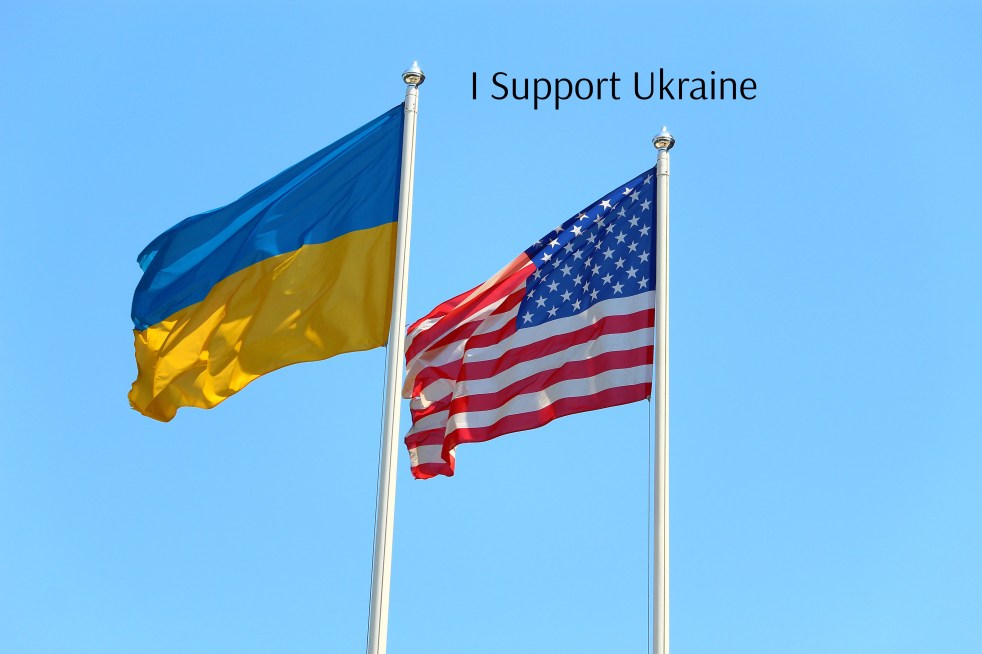
Sending My Love & Support To Ukraine
I had only heard of Ukraine a couple of times before Putin attacked Ukraine and knew nothing about Russia stealing Crimea away years prior. Since the war began, I think of Ukraine multiple times a day. The Ukrainian people are an example of community, love your neighbor, help one, help all, and they are strong to the core.
I’ve heard Ukrainians talk to reporters and talk about what happened to their house or how a family member was killed but one thing I DON”T hear is complaining. I believe in my heart that someone would share their last meal, true humanity.
I admire President Zelenski, he’s on the ground with the soldiers, and he talks about reality, he appears to be a humble man but with the strength of a million bulls. His determination and commitment to his country is why so many soldiers from other countries, including America came to fight in the war. He doesn’t put on airs, blow smoke, or play games. I love how he dresses the same regardless of who he meets, that tells me so much about him. He’s focused on the war, winning, and building a better life for all Ukrainians.
I have seen many interviews since the war started and I’m always struck by the resilience of the Ukrainian people. I see the sadness in their eyes yet I see hope. They have faith in a brighter day and make the best of every moment, and no doubt it’s much worse than what I see on television. To see neighbors taking care of a child who lost his mother while his father is on the front line is overwhelming heartbreaking and joyful, the child is not left aside, it’s loved and cared for. It’s a miracle.
I’ve gone out of my way to purchase items from Ukraine to help the few who can work continue to make a living. Etsy.com has a large community of Ukrainian sellers and they truly appreciate your business. The homemade wool items I’ve purchased from Woven Wool Art are high-quality and the seller will take custom orders. The extra cost of postage is nothing compared to helping someone who needs to work. Check Etsy out, if you order fast enough your items will get here by the holidays.
I’m sending hugs to all the Ukrainian people. :)
America would be a great place to live if we had leadership like President Zelenski.
Melinda

I’m Being Paranoid
A little backstory will help here. I was stalked in 2017-2018 by someone I knew on WordPress, I didn’t know it at the time. They stalked me for seven months and wreaked havoc on my life. It started the day my Twitter account was hacked and they made it look like two people I was close to were the ones stalking me. I was completely shocked and for some reason I contacted WordPress, and they told me that the DNS address was one of my close friends. I was even more confused now. Why would they stalk me?
Over the coming months, they hacked my phone and my computer, sending me text messages that didn’t make sense, and when I would be typing a post they would change the words. I started asking them questions like do you plan to hurt me, are you a mean person and similar questions. I received back jibberish but felt they didn’t want to hurt me. The texts were the worst, I had no idea what they were saying so I started asking who they were. I would get back an initial but it didn’t match anyone I knew.
It ended badly but one day they sent me an initial I recognized, and as soon as I said her name, I never heard from her again.
Fast forward all these years, and someone from the country she lived in is searching my archives, it’s not a bot just 20 or so posts a day but the hairs went up on my neck. This has been happening for a couple of weeks, and I’ve become paranoid. It doesn’t sound logical but the trauma from the experience came rushing back. I can’t tell who they are, only that they are on Facebook.
Have you experienced this type of unfounded fear before?
Melinda
Domestic Violence Awareness Month
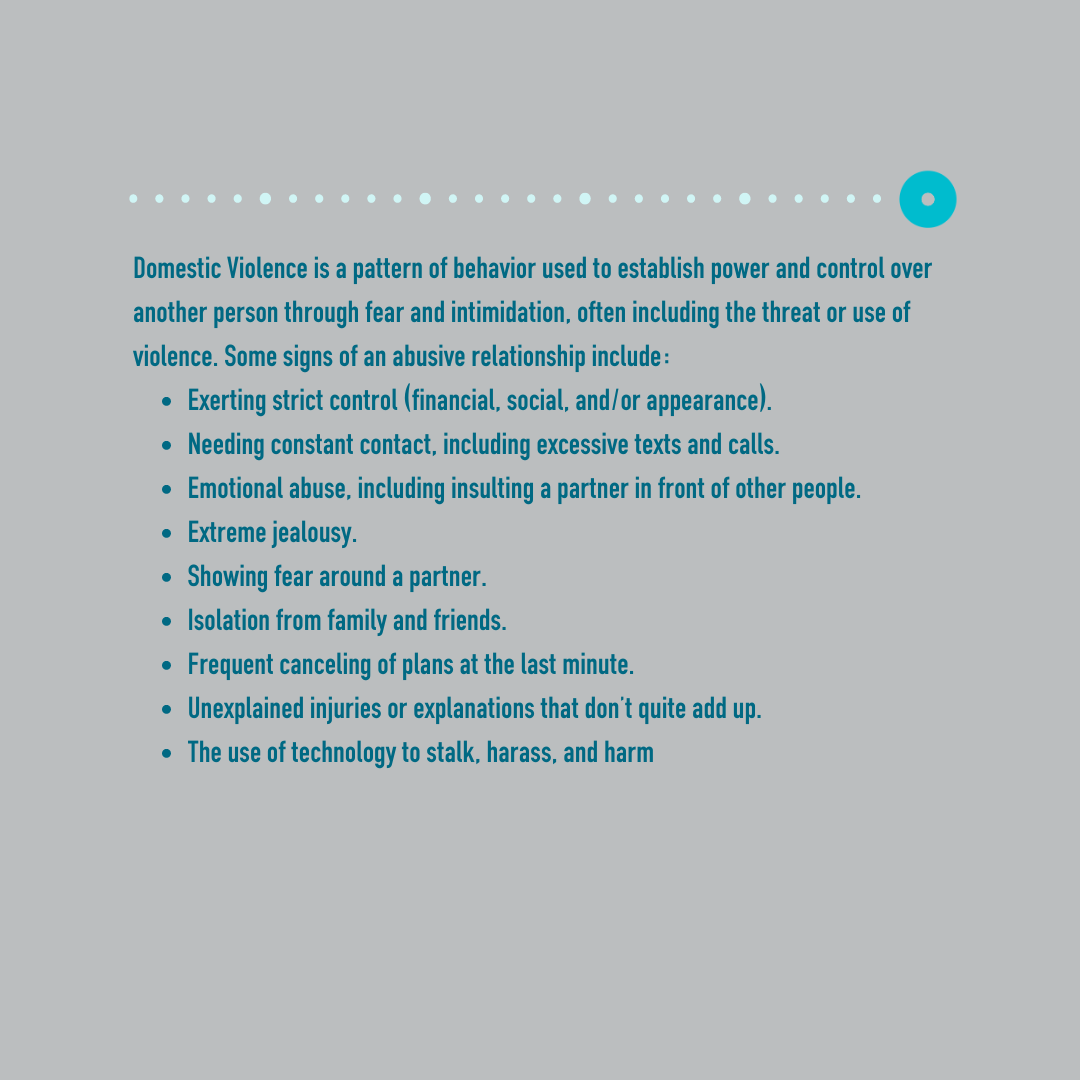
Domestic violence not only traumatizes the woman but also their children. My mother married my stepfather when I was seven years old and I watched him beat her to a pulp almost daily until I moved out at 12 years old. She screamed out in pain, begged for her life, and cared for her wounds privately to not set him off again. He was an alcoholic but that is not what made him an abuser, that came from within for reasons no one will know.
I watched him drag her down the hall, beating her head from side to side so she would hit both walls, all the while she was begging and crying for him to stop. What’s crazy is that I hated my mother, she was my abuser but down deep she was my mother and it pained me to watch her be treated that way. She stayed married to him until he was beating her and my brother took out a shotgun and made him leave.
You might ask “Why didn’t she just leave?” There are so many reasons women don’t leave, one is their children. How do you prepare to leave when you are watched like a hawk? How do you squirrel away enough money to live, relocate, move your kids out of school, and pay rent? It’s nearly impossible. One attitude the abuser takes is that they own the woman and they will go to any lengths to keep her. To get her to come back, the most common is the sweet personality change and wooing her back only to beat her more.
At the same time, they are beating a woman, they are also degrading her and some women think they deserve it over time which causes them to stay. Some women stay out of fear and others know they will be hunted down, some will have a child kidnapped or the abuser will call the police claiming she left with the kids and make up a wild story that the police have to check out.
I’ve met many women while blogging who were in violent relationships and saw what they went through to leave, the heartbreak after, and all the horrific acts towards them and each one was so traumatic you ask yourself, “How did they make it?” Each one is a survivor!
It’s important to know that men also have violent relationships. There can be shame involved and that is why many men don’t come forward but they are not forgotten. They are survivors as well and often carry a big burden by not seeking help or telling anyone.
How to Offer Support
- Get Resources – don’t be afraid to reach out and ask for help.
- Supporting Survivors – what to say and how to help
- Bystander Intervention – real-life examples to help prepare you to take action
⛳
Of course, if you see, hear, or suspect that someone is in immediate danger, call 911 immediately.
———
This article by No More gives you examples of how to support someone who is in a domestic violence relationship.
Melinda
Reference:
https://www.nomore.org/know-the-facts/

National Suicide Prevention Month
The topic of suicide is not the easiest conversation but one that is often important. One misconception is that only people with mental illness commit suicide and that is far from the truth. People commit suicide for many reasons and they are deeply personal, like the person dying of cancer and in immense pain or someone who has a chronic health condition that is debilitating and greatly limits their ability to take care of themselves or leave the house. There are many reasons people get deeply depressed and look to suicide as a way out. Yes, there are people with mental illness who commit suicide but I think the media has a role in highlighting these deaths over the other circumstances. Those types of stories get more traffic and unfortunately, keep the stigma alive.
Although I feel that you can’t stop a person determined to commit suicide, I do believe the strategies used long before the person reaches that point are critical and can save lives.
Here are the CDC’s recommended strategies to prevent suicide
Strengthen economic supports
- Improve household financial security
- Stabilize housing
Create protective environments
- Reduce access to lethal means among persons at risk of suicide
- Create healthy organizational policies and culture
- Reduce substance use through community-based policies and practices
Improve access and delivery of suicide care
- Cover mental health conditions in health insurance policies
- Increase provider availability in underserved areas
- Provide rapid and remote access to help
- Create safer suicide care through systems change
Promote healthy connections
- Promote healthy peer norms
- Engage community members in shared activities
Teach coping and problem-solving skills
- Support social-emotional learning programs
- Teach parenting skills to improve family relationships
- Support resilience through education programs
Identify and support people at risk
- Train gatekeepers
- Respond to crises
- Plan for safety and follow-up after an attempt
- Provide therapeutic approaches
Lessen harms and prevent future risk
- Intervene after a suicide (postvention)
- Report and message about suicide safely
See Suicide Prevention Resources for articles and publications about prevention strategies for suicide.
Need help? Know someone who does?
Contact the 988 Suicide and Crisis Lifeline if you are experiencing mental health-related distress or are worried about a loved one who may need crisis support.
- Call or text 988
- Chat at 988lifeline.org
I have a serious mental illness, Treatment-Resistant Bipolar Disorder and it can be difficult to manage, it takes a village and commitment on my part to keep my mood stable. The first time I tried to commit suicide was at nine years old, it wasn’t due to my illness it was due to the abuse and living in a house with Domestic Violence. It’s hard to watch your mother get beaten to a pulp almost daily even if you hate her. I’ve tried many other times and got close a few times all for the same reason.
The suicidal thoughts and plans from my Bipolar Disorder are different in that the Black Dog can sneak up on you slowly and before you realize it, you’re down the rabbit hole. Fortunately, I’ve been aware enough to call my Psychiatrist and to tell my husband. That’s when I know it’s time to visit the Psych Hospital. There are many treatments Psychiatrists can use to help you when you’re at the bottom and can’t see the light. The technology has advanced so much even since I had my first ECT treatment, for which I’ve had 27, six last summer. The great news is there are other treatments now that are proven and cause less memory loss.
My father committed suicide in 1992 and it came as no surprise in that he told me for months he was going to kill himself. My father and I were estranged since I was a teen and yet he started calling me months before he died. I begged, cried, tried to reason, and even paid his bills for a couple of months thinking the financial relief might help. The bottom line is, you can not stop someone who is determined to commit suicide. My father was mentally ill and refused to go to the doctor, his decision and he fell too far down to even think of living. The key point here is that you can’t stop someone who is determined to commit suicide. I’m not saying don’t try, try like hell but you have to accept the facts and not carry the quilt around.
I carried that quilt for seven years before I sought out a Therapist to help me work through the pain and childhood trauma. I didn’t seek help for my Bipolar Disorder until after my father’s death. While reading about his disorder I read that 75% of children of parents who commit suicide will as well. That woke me up! It wasn’t easy, in fact, it was very difficult because medicine after medicine didn’t work. It was very frustrating but I had the greatest Psychiatrist and we finally found a protocol that worked. It was tweaked many times because the medications would stop working but he had enough history on me that he could react quickly to build another protocol. This rebuilding of medication protocols is a part of my disease and one I’m used to. After 32 years, I’m better equipped to explain what is happening and how I feel which helps get to a better treatment faster. Even though I talk quite a bit about mental illness there are many reasons people without a mental illness commit suicide.
The only words of wisdom I can part with is to pay attention to a person’s change in behavior, often you will see one. One example is, hurriedly someone gets all their chores done, cleans the house, and returns items borrowed. That’s called getting things in order and is a good indicator they plan to commit suicide. I encourage you to read more about why people commit suicide to acquaint yourself, just make sure you don’t over-focus. The last thing you want to do is push hard on someone who is feeling suicidal or has a plan. It’s a natural reaction, I know but they can shut you out.
If you are feeling suicidal or have questions you can reach out to these resources:
Emergency Number
911
Veterans Crisis Line: 1-800-273-8255 press 1
Suicide Prevention Lifeline: 1-800-273-TALK (8255
http://www.suicidepreventionlifeline.org
National SuicidePreventionLifeline.org 1-800-273-TALK (8255) Press 1, Veterans Crisis Line USA Press 2, Se Habla Español LifeLine Chat
Suicide & Crisis Lifeline: 988
National Domestic Violence Hotline: 1-800-799-7233
National Hopeline Network: 1-800-SUICIDE (800-784-2433)
Crisis Text Line: Text “DESERVE” TO 741-741
Lifeline Crisis Chat (Online live messaging): https://suicidepreventionlifeline.org/chat/
Self-Harm Hotline: 1-800-DONT CUT (1-800-366-8288)
Essential local and community services: 211, https://www.211.org/
American Association of Poison Control Centers: 1-800-222-1222
National Council on Alcoholism & Drug Dependency Hope Line: 1-800-622-2255
National Crisis Line – Anorexia and Bulimia: 1-800-233-4357
GLBT Hotline: 1-888-843-4564
TREVOR Crisis Hotline: 1-866-488-7386
AIDS Crisis Line: 1-800-221-7044
Veterans Crisis Line: https://www.veteranscrisisline.net
TransLifeline: https://www.translifeline.org – 877-565-8860
Melinda
Reference:
9/11/2001 Changed America But It Does Not Define Us
On 9/11/01 America was rocked by Islamic terrorists and we continue to feel the pain every day. One point I want to be clear on is the attack was from Islamic terrorists, not Muslims or Middle Easterners. The terrorists were very calculated and spent years learning to fly and where to make the most impact. No doubt they had the backing of a country who we are not friendly with. It is heartbreaking that so many had to die for us to learn a few lessons.
The pain I felt that morning was overwhelming. I was on the way to the airport to fly to St. Petersburg, Russia when the attack became clear to me, someone on the shuttle asked who would do this and I said Osama Bin Ladin. There was no question in my mind. If I knew so clearly in my gut, why didn’t we see this coming?
There have been many questions asked no doubt but one thing you can count on is America will rally, heal from the pain, and walk forward standing tall.
I’m sending love to everyone who was affected by the attacks and I pray for those who lost a loved one.
America Strong
Melinda
Reference:
 lookingforthelight.blog