Thank you for visiting my blog and allowing me into your life. Your time here makes me smile. I set a goal to travel the world when I was a child and got the chance through your visit. I appreciate your time reading a post or two and hope you’ve found something that resonates with you. I have not had a chance to visit your home country yet, but it’s on my bucket list.
Take good care of yourself until I see you again. :)
You need blood samples from a female and a male relative to see your complete DNA Genome. The trick here is that male DNA doesn’t pass down to women which means a female needs the help of a male relative to see your complete ancestral history.
Your DNA can reveal a lot about your ancestry-where your ancestors may have come from, when and where they may have migrated around the globe, and how you’re connected to populations worldwide.
Here’s how my Ancestry Composition breaks down
European
Northwestern European 99.6%
Breakdown
British & Irish 81.1 %
French & German 16.1%
Finnish 0.4 %
Broadly Northeastern European 2%
Unassigned 0.1%
Trace Ancestry 0.3%
North African 0.3%
I belong to Haplogroup H which is dominant in the general European population and appears frequently in the continent’s royal houses. I’m a distant relative to Marie Antoinette, Prince Phillip, The Duke of Edinburgh, and famed 16th-century astronomer Nicolaus Copernicus.
The most exciting finding was that I am related to Neanderthals, the first modern humans before extension 40,000 years ago. I’m 2% Neanderthal. Cool, and I like having prehistoric ancestors.
You have more Neanderthal DNA than 66% of other customers according to 23&Me
I have 1510 relatives who have had their DNA tested at 23&Me, I’ve talked with a few but it hasn’t been of great interest to me.
Have you had your DNA tested and taken the trip your ancestors did?
Thank you for all the great feedback on the Blogger Highlight series, I’ve enjoyed meeting each blogger and sharing their site with you. This week we highlight the blog Veselin. We have only followed each other briefly, but his photos grabbed my attention at first sight. His site isn’t just photography, he participates in The Daily Prompt, book reviews, and writes posts as well.
My name is Veselin Nikolov. I work as the lead of the WordPress.com MarTech team. My hobbies are Books and Walking. I’m active on X as dzver and on Goodreads. I am 45 and live in Sofia. I read, work, and try to be a good parent of my 2 kids.
Questions I asked Veselin
M. When did you get into photography and why?
V. My blog is personal, I take these photos to capture some nice traces from my life. Things I saw. I know very little about photography, unfortunately, and rely on the iPhone camera to do the work for me.
M. Did you start counting your steps to lose weight and add a goal to your life?
V. I’m a software engineer who works remotely. I don’t have many reasons to leave the room. This lead me to inactivity and health issues, and I didn’t even realize I’m doing it. I thought going to the gym is enough. It wasn’t. There’s no need for me to lose or gain weight, it’s a quality of life choice. I want to be able to climb mountains again, and at least to reach higher floors without an elevator. So the steps are a way to get there, and a an attempt to change my life. I am close to achieving my goal of averaging 10K steps/day over an entire year. For the next year, I have a peak 🙂
Native American Heritage Month is extremely important to me for two reasons. The first I’m 1/16th Cherokee, and I’m proud of my ancestors. The second more gruesome, our government decided that the Indians weren’t allowed to live in open land like the white man. They rounded up all the tribes and built reservations for them to live without government support. They became second-class citizens and little has changed today. If you read just one book about the brutality of the Native Americans, read about the Trail of Tears. You will see a clear picture of how Native Americans were treated and raped of their land.
——-
Welcome to Native American Heritage Month at the Department of the Interior! National Native American Heritage Month is celebrated each year in November. It is a time to celebrate the traditions, languages, and stories of Native American and Alaska Native communities and ensure their rich histories and contributions continue to thrive with each passing generation. This November and every month, we celebrate the culture and heritage of these remarkable Americans who deeply enrich the quality and character of our Nation. We celebrate Indian Country with its remarkable diversity of American Indian and Alaska Native cultures and peoples while remembering and honoring our veterans who have sacrificed so much to defend our Nation.
Our theme is Weaving together our past, present and future. We will focus on the failed policies of the past with a focus on the Federal Indian Boarding Schools and moving into the present and the work being done to address the intergenerational trauma Native people still face. In partnership with the National Endowment for the Humanities and the Smithsonian Institution, we are working to record the lasting impacts of that era and share that information with all Americans.
As Indigenous people, our past, present and future are all connected.
For me, it’s important to read about how Native Americans were treated by our government because it was brutal and killed thousands and our government rapes their land from them. Native Americans were the first Americans on this great land, not the people migrating on the Mayflower and other ships. No doubt in my mind they were here long before a boat came over.
I’m of Cherokee descent, myself being 1/16th and several of my ancestors are on the Dawns Rolls but many at the time didn’t sign the rolls because they did not trust the government. How could they trust after being driven from their land and pushed into tribal communities with no assistance from the government? It was sink or swim, it’s not different today.
Another blemish from history and little has been done to improve their living standards. I’m happy to have the articles mentioned above that show action is being taken.
Remember to open your mind that’s Thanksgiving to include Native Americans and their make in history.
On November 11th we celebrate all Military Veterans but we should not forget the bravery and sacrifice they made and make every day of the year. Be sure to thank a veteran today and give them a hug.
*We are long overdue for a memorial for the soldiers who fought in Afghanistan. Let’s make this happen! 20 years and thousands of lives lost. Let’s have a permanent memorial to celebrate their bravery.”
WordPress is jiggy today and won’t let write the names of the memorials. The first is the Vietnam Veterans Memorial and the second is the WWII memorial. That’s not trash you see on the ground at the Vietnam Veterans Memorial, it’s flowers or notes to a loved one.
Right here waiting for you, a song that pulls on my heartstrings every time. What a voice Richard has.
It’s the weekend!!!!!!
I’m glad you joined me for another edition of Weekend Music Share this week.
Have a great weekend!
Melinda
Welcome back to Weekend Music Share, the place where everyone can share their favorite music.
Feel free to use the Weekend Music Share banner in your post, and use the hashtag #WeekendMusicShare on social media so other participants can find your post.
Customer Service has become a relic term, not even common courtesy is extended today.
Medical doctor’s offices claim to be the top in the field with all these awards including ones for customer service. Why is it that I can’t get a critical question answered by my doctor through the portal?
I had to wait an hour on the phone until the receptionist could find a live person to talk with me, I didn’t have anything better to to do. Maybe it’s time we start charging for the hours we spend trying to get answers. It took me from 10/22/24 to 11/6/24 to get someone on the phone and schedule my surgery.
Today I had an appointment with my new pharmacist since I’m changing pharmacies. We scheduled last week to meet today at 2:00 pm, at 2:30 pm I called to say I had other things to do and when she was ready she could call to reschedule. I got a message back saying one of the pharmacists had a meeting that ran long. Why can’t you text me the minute you knew there was a conflict? Again where the hell is the communication. It’s like the medical community has decided it’s no longer their issue. I disagree!
Why did the powers that be allow text spam? Who’s making money here? Or is it that big business has so much power over the FTC that allowed this to happen?
Who is selling my email information? I get a 10-15 spam emails a day. It is impossible to track down because I will not click on any links. Be sure to read the Privacy Information for companies you sign up with to see what they do with your data.
All the issues I was having with Bots were because WordPress shares your information with its so-called partners. I had to search a bit but found a hidden sentence that if clicked allows WordPress to share information with their AI partners for training AI. Ok, I switch it off thinking that mess is over. Not so quick. I went three days without Bots and now they are back with a vengeance. I don’t have a complete problem with AI but I want to know how my content is used and how I get credit for the content. It also screws up the views, it can get so complicated that it’s not worth it. I will say that FaceBook/Meta is the AI bot that attacks my archives daily.
I realize not every town has these problems, that’s great for you. I hope it remains that way for a long time.
I’m observing that most businesses are pushing you to their portals so they don’t have to talk with you. How far down do we go from here? Will we have to make an appointment just to have a question answered?
I don’t care for this lack of human connection one bit, it will only spill over to the rest of our lives. Scary!
What bothers you today about the lack of communication?
The trip to the Mayo wasn’t quite what I expected but you have to remember I was only there for three days. I was scheduled for four days but was so frustrated I left early. The good is that a couple of things were ruled out. For one I don’t have cancer which was a major concern of mine, and I don’t have a bleeding disorder. They did discover I had weakness in my legs, hands, and arms but I did not stay around to meet with the Neurologist. I also found out I have several types of serious Anemia but my Immunologist doesn’t seem to care. Time for a new Immunologist. I even stopped my Antibody Infusion Treatments due to a lack of communication on his part. The Mayo for as good as they are can only handle so many areas of concern due to time constraints. They wanted me to come back for more testing but I refused. The trip cost was very high when you look at airport parking, airline tickets, a rental car, and a hotel, eating, and putting the dogs in the kennel. Not to mention my husband taking a week off work. Maybe I’ll go back at another time but for now, I’m seeking out doctors that can help me locally.
I sought out a Hand Orthopedic doctor for carpel tunnel and the pain I was experiencing. Through the process, I found out I have Osteoarthritis in my thumbs which is one reason for the severe pain. I now wear thumb braces, take low-dose pain medication for arthritis in my hands, and am having carpel tunnel surgery in both hands as well as having a wrist brace taken out that was put in when I broke my wrist in 2018. It’s moved and it causing pain. I hope to have at least the left-hand surgery done this month.
I’ve been battling one Fibromyalgia flare after another for months now. I’ll save the details for the Fibromyalgia post I’m writing.
I have also been battling low-grade depression probably caused by stress and worry. My depression is very sensitive to stress. I’m feeling better but still not my normal self.
One great action I’ve taken is to return to weekly chiropractor visits and monthly massages. This has helped me work the stress out of my body and work to align the degenerative areas. It’s a hurt-so-good stage.
Like everyone, there’s always something we are dealing with and we have to step up to the plate and deal with them. :)
The worst President is the President again, which means we’ll have another four years of trials when he leaves office. I won’t get started on what the next four years will look like.
The Family Cookbook contains recipes my Grandparents used and the type of food I grew up on. Good ole Southern food like dumplings and pecan pie.
What You Need
1/4 ts. vanilla
3 eggs
1 cup sugar
3 tbs. flour
1/2 stick butter or margarine
3/4 cup white Karo
1 cup pecan’s chopped
How To Make
Sprinkle pecans in the bottom of unbaked pie crust
Add filling
Bake at 300 degrees for about an hour
In a bowl add together all of the ingredients except for chopped pecans. Let the butter/margarine get soft before adding.
Sprinkle pecans in the bottom of unbaked pie crust
Add filling
Bake at 300 degrees for about an hour
Since these are family recipes the complete cooking instructions are missing because they knew from memory. My Gramps was the master of Pecan Pies in our family.
I’ve made this Pecan Pie so many times, it’s easy and delicious.
This is a great pie year-round but at holidays, it was always on the table.
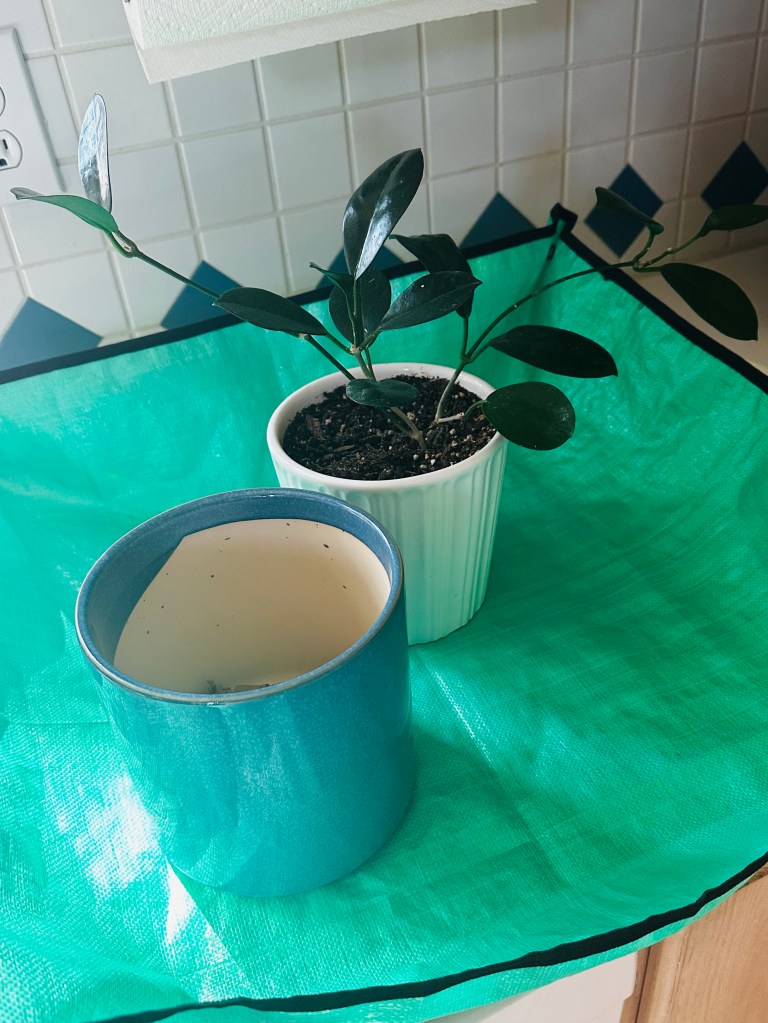
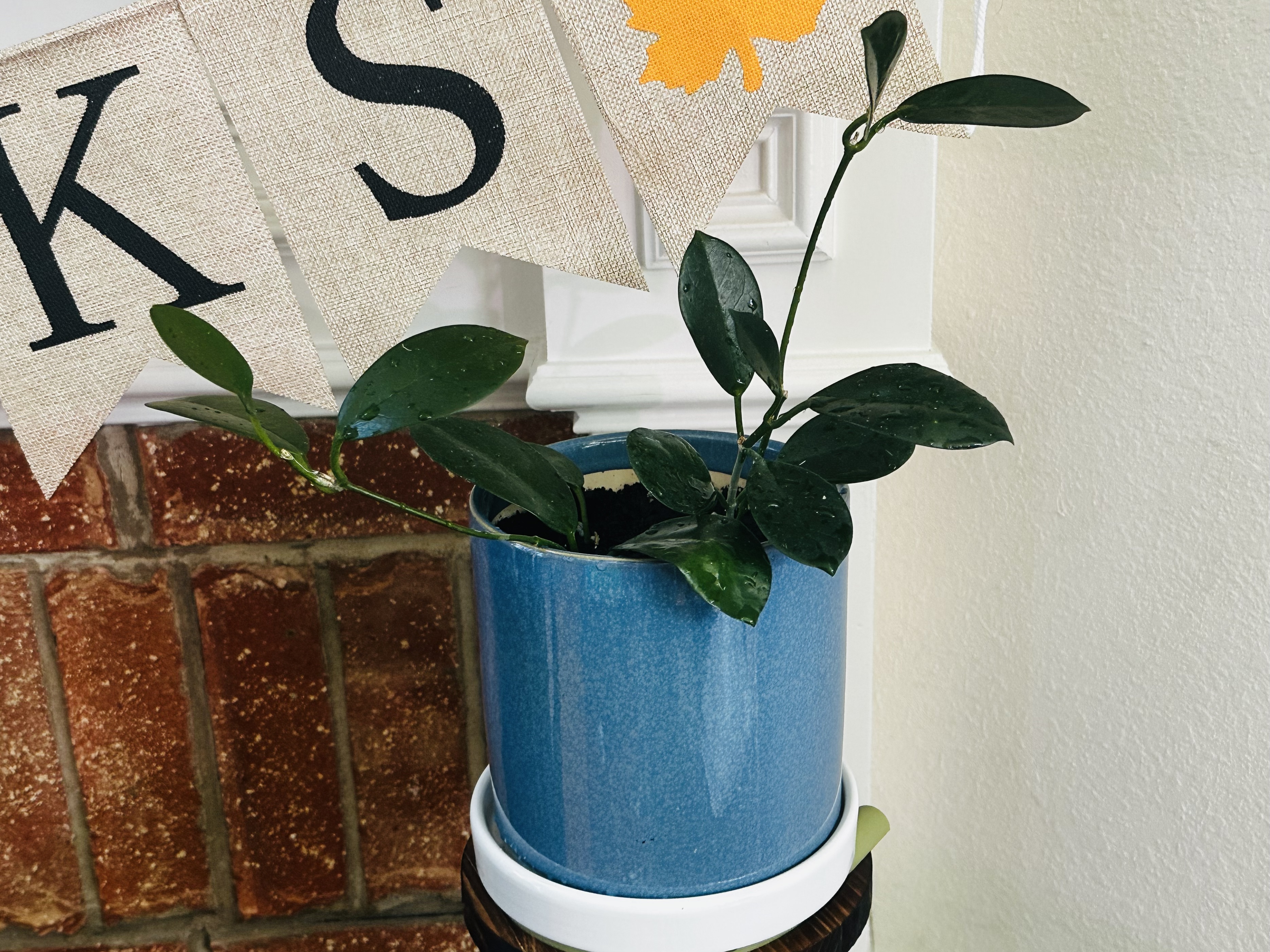
I wrote You Know It’s Crazy When about discovering a plant I had nursed for a couple of years was actually an artificial plant. Well, it’s alive! I stopped watering for a couple of weeks, and the leaves started turning yellow and falling off. I’m completely stumped at this point. I started watering again and decided to replant; surely, it was root-bound. Not so fast, when I removed the plant it had a small root ball and two dead pieces of roots below.
I have no idea why it was not growing. From live plant to artificial plant and back to live plant, it can’t make up its mind.
Self-care is a reliable path to ensure a clean bill of health. Unfortunately, few people make time to commit to self-care routines. It may not entirely be their fault, especially as people juggle several responsibilities simultaneously. However, those who commit to the routine spend an average of forty-two minutes weekly to attend to themselves. It may not sound good enough, but it’s better than nothing. Fortunately, if you find yourself looking for ways to establish a self-care routine, here are things to consider.
People attend to their self-care routines in different ways. For this reason, what may suit one person may not be a perfect fit for others. Usually, the tricky part is starting with the routine and following through with it. However, things can move along smoothly when you get the hang of it. This is why it is important to first identify what makes you feel centered. In all instances, it would be helpful if the things which make you feel centered are positive reinforcements.
On the other hand, if you have trouble with these habits, it can be beneficial to visit https://www.sunshinebehavioralhealth.com/texas/del-rio, which specializes in helping individuals deal with behavioral issues. Once you determine these things, you can establish a routine you can stick to without bailing out. Remember that your efforts in creating a self-care routine should feel comfortable for you. That way, you always look forward to it instead of attempting to find excuses for why you don’t want to.
Make time for the routine
One significant reason people fail to maintain their self-care routines is the inability to set specific times for it. It wouldn’t be wrong to say that scheduling plays a significant role in the success of a self-care routine. Setting a time for it also indicates your discipline to the task at hand. Once you understand this fundamental, it becomes easier to run with it.
Set goals
What is the purpose of a long-term activity without a goal? It is the prize you set your eyes on as you work tirelessly towards it. It is the same when creating a self-care routine. In this instance, your goal is to have your physical, mental, and emotional well-being working in harmony. These three elements form the foundation for a perfect balance in your body. Therefore, your goal can be to live a life devoid of avoidable ill health, and that is possible, all things being equal.
Remain positive-minded
Staying positive-minded relies heavily on being mentally and emotionally optimistic. In other words, even though you acknowledge the presence of negatives, you deliberately choose to focus only on the positive things in life. Indeed, there is truth in the saying that your thoughts can define your well-being. It would help to keep in mind that your level of positive-mindedness can directly influence the outcome of your self-care routines.
To conclude, there are many benefits to establishing a self-care routine. Apart from the obvious positive impact on your health, it can boost your confidence and self-worth.
Thank you for all the great feedback on the Blogger Highlight series, I’ve enjoyed meeting each blogger and sharing their site with you. This week we highlight the blog The Rusty Ruin Journal. Steve’s blog is addictive if you’re into photography and learning about the cameras he uses. His posts are informative and I appreciate him for often taking several photos of the same item in another view. Steve’s use of color grabs you and pulls you right in.
My name is Steve and I and my family live in South Australia. Yes, it’s a long way from many places and there’s so much beautiful scenery to photograph. We like to travel, hike, and see the sights. I have too many cameras to mention, both digital and film; also, too many books on the shelf; and boardgames aplenty that are often played with friends. In between work and family, I try to squeeze in a range of other interests apart from photography, including making music, painting, and writing. Honestly, I never thought I could do any of those things until I decided to stop telling the same self-limiting stories about myself. It was then that I picked up a big camera and taught myself how to use it. I decided that being creative wasn’t about being the best, but about expressing oneself without judgment, ego, or fear. It’s wise to remind myself of that as often as I can.
I asked Steve three questions you will find interesting.
M. How old were you when you took your first photo and what was the photo of?
S. Hmmm, that’s a tough question! I grew up with film but I never had the money for big and expensive cameras. My family were never into photography and our little cheap cameras only came out on special occasions. I’d have made a few casual photos back then, I’m sure, but the first photo I remember making where I was really interested in the framing and composition was of the Pink Sand Dunes in California. I think I was 26 or 27 at the time.
M. Do you display your photos in the house, or elsewhere and what does your family think about your hobby?
S. Actually, most of the things on our walls are my paintings! Of course, we have family photos framed and on display too. I’ve sold a few paintings and photos over the years but I’ve not had any photos framed properly and on display. I should probably fix that, but I never put my ego into my photos so it doesn’t bother me not to see them everywhere. I think my family are likely a bit jaded by all the camera gear I have spilling out from shelves and boxes…haha! There’s a bit of a running joke amongst family and friends that I tend to stop at every patch of rust and get the camera out because I find it interesting, hence the name of the blog. I can’t deny that I like texture, colour, and abstraction!
For me, photography is about connection with the subject, the environment, and why it caught my eye in the first place. I take plenty of photos of flowers and plants but that is not the type of photography I’m talking about. Like the most recent photos of art from The Mayo Clinic, there was a connection, and they pulled me in. Steve also has connections by being in the moment outside of taking photos. He takes in the environment and appreciates the scenery around him.
Be sure to stop by Steve’s blog, The Rust Ruin Journal, say hello, pull up a chair, and dig into his posts. You will get hooked as I did.
The family cookbook contains recipes, my Gramps & Granny used often and is the type of food I grew up on. Good ole Southern food like my Gramps dumplings, to Grannies pecan pie.
What You Need
1/4 cup water
2 cups light brown sugar
1/3 cup margarine
1 1/2 cups pecans
How To Make
Boil water and ingredients and boil for 5 more minutes
Take off stove
Beat for one minute
Drop on wax paper or foil and cool
Remove after it hardens
These are out of this world! We all looked forward to her Pralenes.
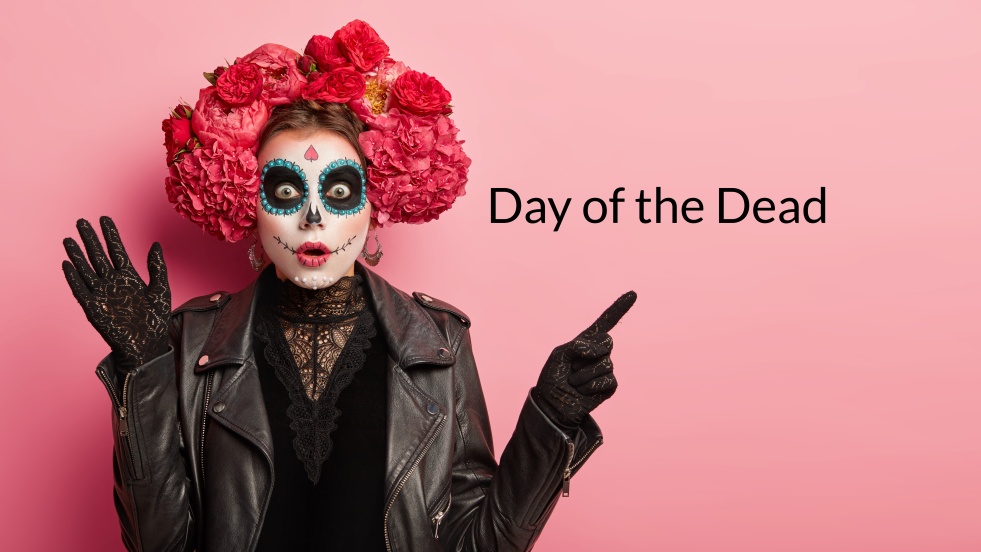
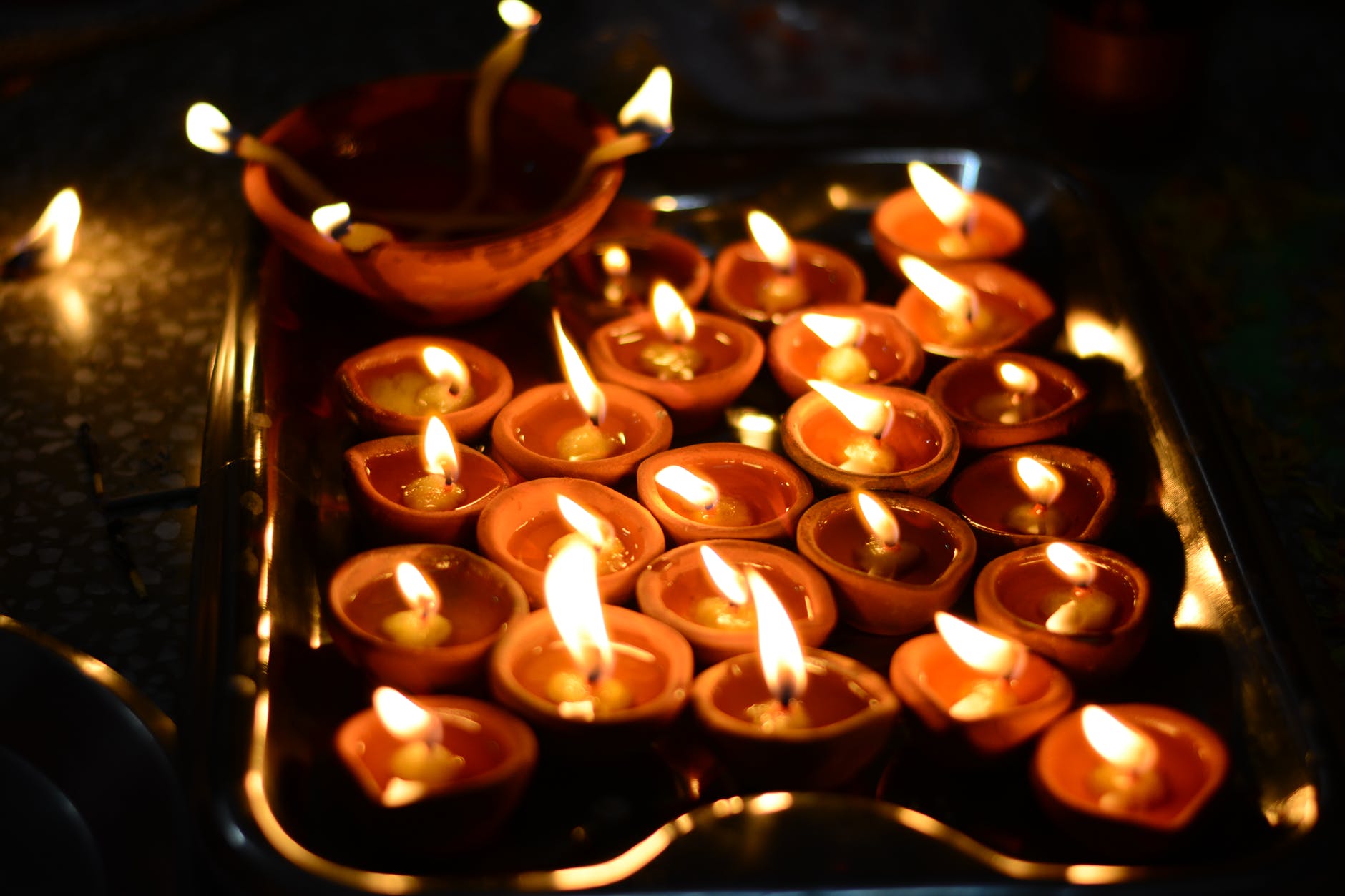
I learned what The Day of the Dead meant by spending time in the New Orleans markets admiring the vignettes. It’s a huge celebration with family and friends welcoming back the souls of the dead.
The roots of the Day of the Dead, celebrated in contemporary Mexico and among those of Mexican heritage in the United States and around the world, go back some 3,000 years, to the rituals honoring the dead in pre-Columbian Mesoamerica. The Aztecs and other Nahua people living in what is now central Mexico held a cyclical view of the universe, and saw death as an integral, ever-present part of life.
During contemporary Day of the Dead festivities, people commonly wear skull masks and eat sugar candy molded into the shape of skulls. The pan de ánimas of All Souls Day rituals in Spain is reflected in pan de muerto, the traditional sweet baked good of Day of the Dead celebrations today. Other food and drink associated with the holiday, but consumed year-round as well, include spicy dark chocolate and the corn-based drink called atole. You can wish someone a happy Day of the Dead by saying, “Feliz día de los Muertos.”
The Day of the Dead celebration sounds very interesting, having the soul of a loved one appear could be life-changing.
No More has announced that No MORE Week is on March 2nd through March 8th, 2025. This Summit is one way to participate and it’s free. The knowledge you gain could save your own life or that of another.
Join us for the NO MORE Week 2025 Tech Summit: Empowering or Endangering – Tech’s Impact on Domestic and Sexual Violence
Attend the NO MORE Week 2025 Tech Summit, a special online event exploring the impacts of technology on domestic and sexual violence, including innovations and dangers. Hear from global experts on the latest research, policy changes, product development, and more.
What should you expect:
Discover the latest global trends in tech-facilitated abuse to gain insight into how technology is exploited by abusers to inflict harm.
Delve into the role of technology in promoting safety and fostering connections.
Have the opportunity to hear from survivors who have experienced various forms of abuse and, importantly, hear their suggestions for change.
Participate in stimulating conversations and workshops led by industry professionals.
Contribute to the generation of innovative ideas that can instigate the necessary systemic changes to address these critical issues.
Equip yourself with the knowledge and resources to make a tangible impact on survivors of domestic and sexual violence. This is an opportunity to be a part of the movement and provide vital support to those in need.
Who should attend:
Survivors of domestic and sexual violence and those closest to them.
Those working with people who have experienced domestic or sexual violence, advocates, and activists
Tech companies and professionals
Legislators
Police and agencies in the Criminal Justice System
Financial institutions
Healthcare professionals or those working in emergency response services
Academics
If you have any questions, please contact info@nomore.org
Empowering or Endangering?: Tech’s Impact on Domestic and Sexual Violence
Paula is so talented, she sings, dances, choreographs, and was even an NFL Cheerleader Coach. She’s her own person and although she may not be very tall, no one is going to walk over her.
It’s the weekend!!!!!!
I’m glad you joined me this week for another edition of Weekend Music Share.
Have a great weekend!
Melinda
Welcome back to Weekend Music Share, the place where everyone can share their favorite music.
Feel free to use the Weekend Music Share banner in your post, and use the hashtag #WeekendMusicShare on social media so other participants can find your post.
Chronic illness is hard to live with, but coping by responding with excessive positivity can suppress our real feelings.
Those who live with chronic illnesses know all too well how frequently people shower you with meaningless platitudes like “just be positive” and “mind over matter.”
Of course, how we feel mentally affects our physical health, but being chronically ill also sucks sometimes. It’s OK to acknowledge that reality. But often, when we do, we’re told we’re being overdramatic or to force ourselves to “think our way back to being healthy.”
It’s time to reject toxic positivity and find coping mechanisms that actually work for you instead of methodologies that punish you for having “negative feelings.”
What is toxic positivity?
“Toxic positivity is an expectation that no matter how serious a situation or diagnosis is, a person should maintain an ongoing optimistic and positive outlook and attitude regardless of how serious the circumstances are,” said Chicago-based clinical social worker Iris Waichler, MSW, LCSW.
This invasive method of communication shows up in countless ways, often slipping out of people’s mouths without them even noticing. Sometimes, it comes from the inside, led by an internal battle to just “get over it,” but it typically arises when people place their life view onto others.
“Toxic positivity often looks like someone giving you a motivational quote instead of actually listening, helping, or being there for you,” said Kitty Underhill, a body and self-acceptance coach from London, England. “For example, you could be struggling and communicating that to a friend, and they shut down the conversation with a statement like ‘good vibes only’ or dismissing it as being ‘low frequency.’
“Toxic positivity also looks like using buzzphrases like ‘what doesn’t kill you makes you stronger’ and telling you that you need to have a more positive attitude rather than hearing you out — it’s an emotional cop-out,” she added.
The impact of toxic positivity is wide-ranging and pervasive, sometimes hiding beneath the surface for years before we’re able to recognize that it’s prevented us from feeling the full spectrum of human emotion without feeling guilty for not being cheerful enough for those around us.
“Toxic positivity may cause people to believe their feelings are not worthwhile, create self-doubt and shame, and make them believe their feelings are invalid,” said Waichler. “The unintended consequences may be enhanced insecurity, which lessens self-confidence and self-worth.”
How can it show up in our lives with chronic illness?
The effects may largely be the same, but chronically ill people deal with another poisonous layer when facing toxic positivity: disbelief.
Too often, disabled and chronically ill people are encouraged to “think themselves well” because it’s “mind over matter,” but this neglects reality. A positive outlook can improve someone’s overall well-being. However, it’s not a magical cure for incurable illness.
“A healthy person may not have a real understanding of the physical, medical, and psychological ramifications that chronic illness has on an individual,” Waichler said. “A healthy person’s attempt to “cheer them up” or be unrealistically positive can create feelings of alienation, resentment, and anger for the person on the receiving end.”
Toxic positivity is dismissive because it discards their feelings, insisting that they be processed on the other person’s terms. Unsurprisingly, this is a common occurrence between people with and without chronic illnesses, as it’s easily assumed that we’re being overdramatic or exaggerating our symptoms.
Faced with an onslaught of forced cheerfulness and disbelief, submitting to toxic positivity sometimes feels like the only option, but chronically ill and disabled people deserve to be heard.
“It can be easy to fall for toxic positivity, especially when a lot of ableism depends on disabled folks not speaking up about what they are experiencing and overriding their own comfort and pain levels to make abled folks feel more comfortable,” said Underhill.
“We must remember that toxic positivity is another way of shutting down unpalatable emotions and that our emotions still deserve to be heard and expressed,” she added.
Understanding the difference between toxic positivity and genuine positivity
“Genuine positivity makes space for the negative and doesn’t try to write it off or bat it away,” said Underhill. “Genuine positivity helps you to see things from different angles and perspectives, which can be helpful if we’re getting tunnel vision from feeling hopeless, angry, or upset from experiencing chronic pain issues.”
Where genuine positivity leaves spaces for pain while searching for light, comparatively, toxic positivity shuts down the conversation and obliterates the beautiful spectrum of our emotions.
Resisting the seductive pull of toxic positivity is exhausting, and sometimes, we fall under its spell before it’s possible to throw up a shield.
“If you’ve succumbed to toxic positivity, consider taking a step back to evaluate why you acquiesced,” said Carissa Hodgson, LCSW, OSW-C, director of programs and community outreach at Bright Spot Network and a clinical social worker. “Is it because you don’t have anyone who can authentically support you? Are you struggling with accepting your feelings about an experience? What is it that you need?”
Building your defenses
“To get rid of toxic positivity, it’s worth asking yourself the question, ‘Why do I feel like I cannot hold space for harder emotions?’” said Underhill.
“It’s also worth remembering that no emotion has a moral value. Emotions are not ‘good’ or ‘bad,’” she added. “Emotions are information that we can learn from and take into account.”
Allow yourself to feel everything you need to feel by granting yourself the gift of patience. There is no better defense against toxic positivity than the freedom to feel your emotions without judging them or suffocating them.
Confronting the toxic positivity around us
Try to practice patience when dealing with toxically positive people. It’s hard when you’re so regularly bombarded with it, but know that they are probably trying to empathize. It’s human instinct to jump straight to suggesting solutions. We all do it, even when it’s unwanted.
“Understand that the person is trying to be helpful,” said Waichler. “Help them to then understand how what they said makes you feel.
“Tell a well-meaning loved one with toxic positivity that you appreciate that they are trying to be supportive and positive about your medical condition,” she continued.
Developing healthier coping mechanisms
It’s crucial to develop additional coping mechanisms that manage the mental impact of chronic illness to resist the lure of toxic positivity long term.
“Educate yourselves about the medical condition and how it will progress so your expectations are realistic,” advised Waichler. “It will help you prepare for changes that will evolve in the future.”
Broaden your circle of friends to ensure that your support network is full of people who will understand your experiences with chronic illness. Your loved ones will support you, but unless they also have a chronic illness, they will struggle to understand. Fellow chronically ill people may be better suited to supporting you without relying on toxic positivity to do so.
However, be wary, too. Even the most well-developed support groups can fall prey to toxic positive influences.
“Toxic positivity is often a trojan horse found in online support groups and discussion boards — seemingly helpful and cheery but completely dismissive of the real struggles people are having,” said Hodgson.
As an additional shield, she suggests that people “Create an empowering mantra that entitles you to your feelings, such as ‘My feelings are real’ or ‘I have a right to feel how I want to feel,’ so when you see a dismissive statement, you can repeat your mantra to yourself and keep on reading.”
Medically reviewed on April 20, 2024
I can see how someone chronically ill can fall deep into the positivity route, it feels good at first but over time it overshadows the reality of being chronically ill. As mentioned in the post, many days suck and we can’t just cover them up as if they don’t exist. I’m all for positive energy but if someone just wants to change your thoughts and act like everything is ok, they are not doing you any favor.
Thank you for visiting my blog. I truly appreciate you stopping by. I hope you found a post or two you could relate to and will return soon. I have not been to your home countries, but they are all on my bucket list.
I’m sending you and your family well wishes for health and happiness.
Invisible disabilities are physical, mental, or neurological conditions that are not immediately apparent to others. Despite being “invisible,” these conditions can significantly impact a person’s life and require special accommodations and ongoing support.
Unlike conditions that other people can see, such as those requiring the use of a wheelchair, invisible disabilities often go unnoticed, leading to misconceptions about a person’s needs.
Examples of common invisible disabilities
Dysautonomia, also known as autonomic dysfunction, refers to a condition in which the autonomic nervous system (ANS) does not function properly. The ANS controls many crucial bodily functions, such as heart rate, blood pressure, digestion, temperature regulation, and respiratory rate. When the ANS is impaired, these processes can become dysregulated, leading to a wide range of symptoms.
Post-exertional malaise (PEM) where even minor physical or mental exertion can result in severe symptom exacerbation, often lasting days or weeks.
Chronic fatigue syndrome (CFS): Fatigue lasting six months or more, and PEM
POTS (Postural Orthostatic Tachycardia Syndrome) is a condition characterized by a significant increase in heart rate when a person stands up from a lying down position. It is a form of dysautonomia. People with POTS experience an abnormal response when they move to an upright position, leading to symptoms that can be disabling.
Myalgic Encephalomyelitis (ME): Causes widespread neuro-immune related symptoms including: neuroinflammation, immune dysfunction, muscle pain, headaches, cognitive dysfunction (often described as “brain fog”), dysautonomia, PEM, CFS and POTS.
Patients with Lyme and tick-borne disease are often left with persistent symptoms following treatment. In MyLymeData, now with over 18,000 participants, the three most frequently reported worst symptoms include neurological-associated symptoms (84%), fatigue (62%), and musculoskeletal-associated symptoms (57%).
For years, ILADS conferences have been the only place I heard clinicians and researchers expressing an understanding and a desire to help patients with complex, infection-associated chronic conditions (IACC).
Last week, I watched the final meeting of the CDC/HHS funded “Infection-Associated Chronic Conditions – Understanding and Engagement” (ICUE) project. During that meeting, LymeDisease.org’s Lorraine Johnson, represented and gave voice to the millions of patients living with chronic symptoms following infection with Lyme and/or other tick-borne diseases. (Read her summary of that meeting here)
With all the new collaborations coming out of the National Academies of Science, Engineering and Medicine (NASEM) workshop on “Lyme infection-associated chronic illness or “Lyme IACC,” I have high hopes for continued progress—not just for patients with chronic Lyme and co-infections, but so many other marginalized illnesses like long-COVID, ME/CFS, and dysautonomia.
For everyone out there suffering from an invisible illness: I just want to say that I see you, I hear you, and I believe you.
LymeSci is written by Lonnie Marcum, a physical therapist and mother of a daughter with Lyme. She served two terms on a subcommittee of the federal Tick-Borne Disease Working Group. Follow her on Twitter: @LonnieRhea Email her at: lmarcum@lymedisease.org.
I’m excited to share that NO MORE Week 2025 has been set for March 2nd through March 8th, the annual time when thousands of survivors, allies, employers, organizations, colleges, and communities around the world unite for the cause of ending domestic and sexual violence.
This year, our theme is NO MORE Silence. Every time we break the silence, we destigmatize conversations around domestic and sexual violence and help survivors find support. And, we help to prevent abuse by educating more people about healthy relationships and by creating a culture where abuse is not tolerated.
Now is the time to plan how you can be a part of NO MORE Week 2025. Here are some simple ways to get started:
Join the NO MORE Week Challenge:
Sign up for the NO MORE Week Challenge, a virtual Walk/Run that allows you to choose your distance—5K, 10K, or a half marathon—and complete it at your own pace in March. This year, every dollar raised will go to support victims/survivors of abuse. Rally your friends and family to sponsor your efforts, or form a team to amplify your impact.
Save Tuesday, March 4th to attend the 2025 NO MORE Week Tech Summit, “Empowering or Endangering? Tech’s Impact on Domestic and Sexual Violence.”During this free, online conference, global experts will discuss cutting-edge research, policy shifts and product development, providing a wealth of insights and opportunities for action. Early registration is now open!
Create an event – online or in person – to raise awareness on your campus, at work, or in your community. Whether it’s hosting a coffee or happy hour; holding a workplace conversation; or engaging friends on social media, every action will get more people to join the movement. Let us know what you’re planning so we can help amplify your efforts!
Check out our NO MORE Week 2025 Guide you can use to get more information and ideas. We’re looking forward to uniting once again on March 2nd because we know that we are louder, stronger and more impactful together! Thank you for your continued support.
Thank you for all the great feedback on the Blogger Highlight series. I’ve enjoyed meeting each blogger and sharing their site with you. This week, we highlight the blog of Peerless Cynic. I have followed Charlie for some time now and thoroughly enjoy his posts. I’m not usually one for poetry but his is short, makes total sense, is seamless, and not to mention the photos he adds photos that are a perfect fit.
From the serious to the satirical, modest musings on topics ranging from politics to culture to nature, with a side dish of photography. Or, an ill-defined adventure destined for great pings. In any case, how can we avoid being cynical?
My name is Charlie and I hail from Nova Scotia, Canada. I’m a semi-retired IT consultant who has traveled throughout the U.S. and Canada and also a nature photography, a hobby I started PeerlessCynic mostly as a way to express political commentary and satire, always with a good dose of humor. While I still write about those topics the blog itself increasingly became mostly about nature. Over time my love of nature photography expanded to include little vignettes or stories about the pictures themselves, a kind of attempt, for better or worse, to capture that peaceful sensibility of the woods.
My hobbies include playing guitar, reading and hiking. I am most definitely a hobby writer rather than a published writer, but I do enjoy it and hope from time-to-time others do as well.
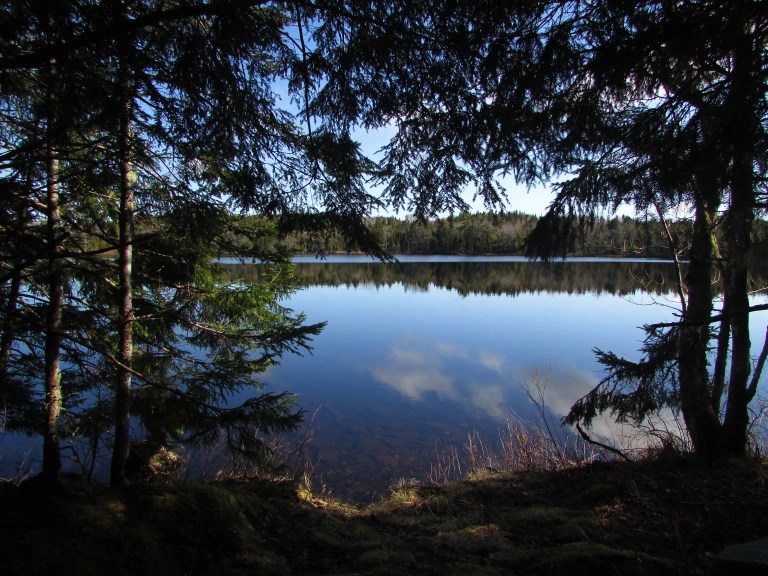
All my photos are from my travels around Nova Scotia, the many lakes and hidden gems. I have so many favorites and each one has its own story. But a few stand out for sure. One photo under the title of ‘Faraway Woods’ is special, as that trip was one of the last I took with my father before he passed. As I took the shot, he was nearby enjoying that beautiful vista. Fishing and being in the woods were his favorite things, and I guess some of that rubbed off on me.
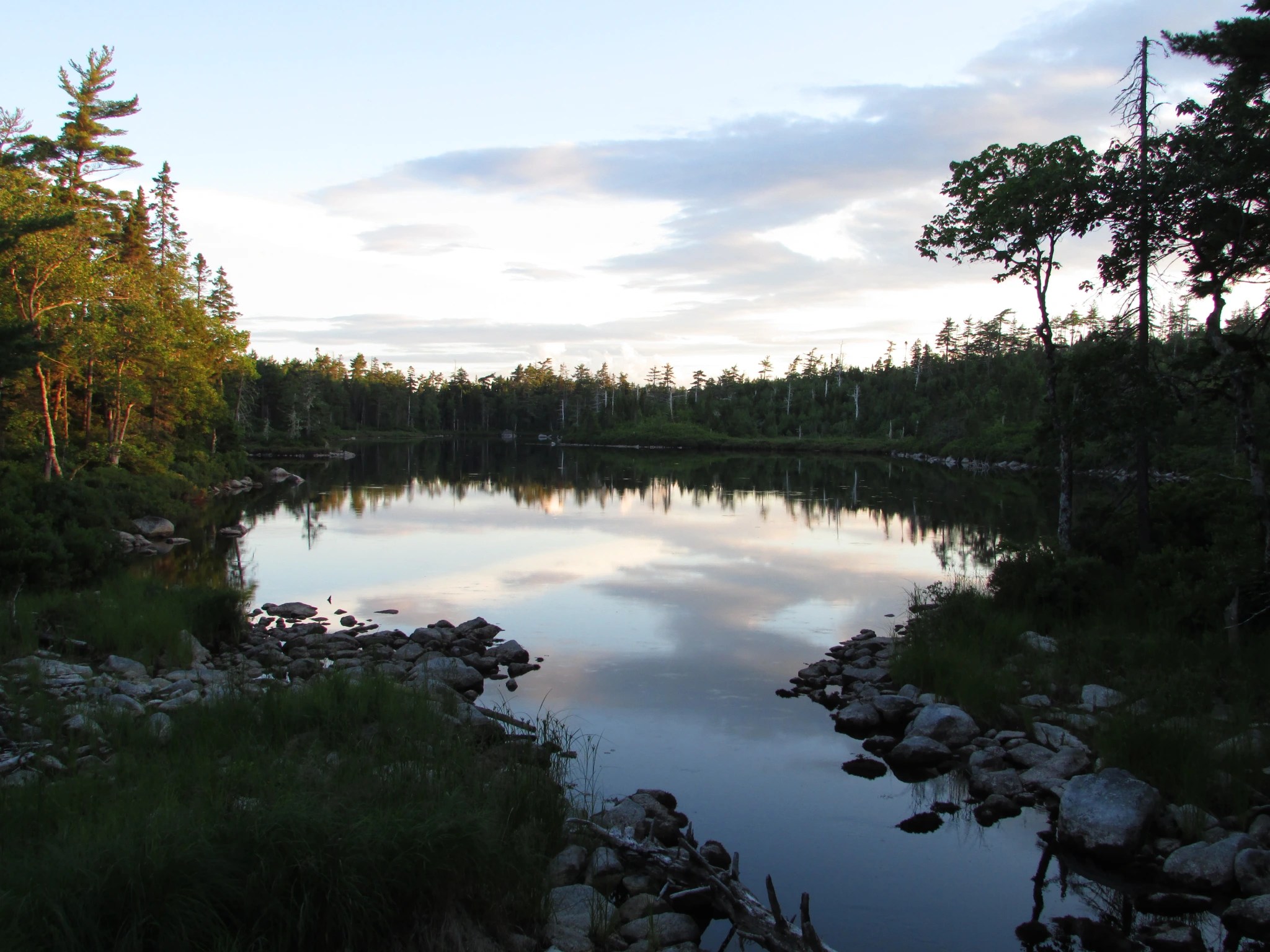
Another is under the title ‘Woven in the Sun’, a lovely sunset on a lake near the Musquodoboit valley in Nova Scotia. Of all the lakes I’ve visited this one stands out as the finest one for sunsets, a very inspiring place indeed.
And probably one of the most visited spots for me is a well travelled place called Triplet Lake, one in a series of lakes not too far outside Halifax, which inspired the poem ‘By the Lake’, a piece that in a way sums up my love of the woods.
I asked Charlie a couple of questions that you will find interesting.
M. How and when did you get into writing poetry?
C. I’ve always had a special affinity to nature even when I was very young, in fact as far back as I can remember. When I began the nature photography, I just suddenly had all these ideas in my mind that I had to get down on paper, which began probably around 2013. I was imaging the forest and the rivers and so on in conversation with each other, the connectivity of the natural world. So I suddenly created an interesting outlet for myself with the poetry to try and express those connections, as well as the harmony of nature. The results are mixed as you can see, but I do enjoy the challenge of creating these little stories, of recreating that feeling of peace that I’ve always had while in nature.
M. Your photography skills are breathtaking, when did you pick up photography?
C. I’ve always had a fascination with expression mainly through writing but also nature photography, a hobby I developed rather late in life.
How My Lyme Doctor diagnosed the first HIV/Aids patient in North Carolina
A second-generation physician from Illinois, curious about medical mysteries (“It’s just like detective work!”), young Dr. Joe Jemsek became an infectious diseases fellow in 1977. In 1979, Jemsek and his young family resettled in Charlotte, North Carolina, where he began a promising infectious disease practice at the renowned Nalle Clinic. Intrigued by reports of a “gay cancer,” Joe’s “detective” instincts led him to diagnose North Carolina’s first case of what would soon be known as HIV/AIDS. As the years went by, he grew absorbed by the AIDS epidemic, bearing witness to some of its most dire casualties — losing patient after patient to opportunistic infections — as well as to the first signs of hope with the advent of life-saving drugs in 1995.
I’m so proud of Dr. Jemsek, he took his knowledge as an Infectious Disease doctor and made history. Due to his commitment more research has been done and the lives on people with HIV/AIDS have improved.
What is HIV?
The human immunodeficiency virus, or HIV, is a virus that attacks the immune system, specifically CD4 cells (or T cells).
The virus is transmitted through bodily fluids such as blood, semen, vaginal fluids, anal fluids, and breast milk. Historically, HIV has most often been spread through unprotected sex, the sharing of needles for drug use, and through birth.
Over time, HIV can destroy so many CD4 cells that the body can’t fight infections and diseases, eventually leading to the most severe form of an HIV infection: acquired immunodeficiency syndrome, or AIDS. A person with AIDS is very vulnerable to cancer and to life-threatening infections, such as pneumonia.
Though there is no cure for HIV or AIDS, a person with HIV who receives treatment early can live nearly as long as someone without the virus. And a study in 2019 in the medical journal, Lancet, showed that an anti-viral treatment effectively halted the spread of HIV.
In September of 1982, the CDC used the term AIDS to describe the disease for the first time. By the end of the year, AIDS cases were also reported in a number of European countries.
Where Did AIDS Come From?
Scientists have traced the origin of HIV back to chimpanzees and simian immunodeficiency virus (SIV), an HIV-like virus that attacks the immune system of monkeys and apes.
In 1999, researchers identified a strain of chimpanzee SIV called SIVcpz, which was nearly identical to HIV. Chimps, the scientist later discovered, hunt and eat two smaller species of monkeys—red-capped mangabeys and greater spot-nosed monkeys—that carry and infect the chimps with two strains of SIV. These two strains likely combined to form SIVcpz, which can spread between chimpanzees and humans.
SIVcpz likely jumped to humans when hunters in Africa ate infected chimps, or the chimps’ infected blood got into the cuts or wounds of hunters. Researchers believe the first transmission of SIV to HIV in humans that then led to the global pandemic occurred in 1920 in Kinshasa, the capital and largest city in the Democratic Republic of Congo.
The virus spread may have spread from Kinshasa along infrastructure routes (roads, railways, and rivers) via migrants and the sex trade.
In the 1960s, HIV spread from Africa to Haiti and the Caribbean when Haitian professionals in the colonial Democratic Republic of Congo returned home. The virus then moved from the Caribbean to New York City around 1970 and then to San Francisco later in the decade.
International travel from the United States helped the virus spread across the rest of the globe.


























 Looking for the Light