
Celebrate Life · Family · Fun · Health and Wellbeing · Men & Womens Health · Mental Health

Things I’ve Learned In 61 Years Part Four

If you think the weekend is the only two days you’re happy, you’re right. You will manifest the other days as bad ones.

If your parents accomplished something, it doesn’t mean you will.

If your parents didn’t accomplish something, it doesn’t mean you won’t.

If your parents are rich it doesn’t mean you will be rich.

Work for what you get, it makes you a better person. If not, you will live expecting things and life isn’t that way.

You must know the difference between needs and wants. Wants will lead to debt maybe poverty and if nothing else you’ll pay 20-30% interest each month on your credit card. Cash is king.

If you don’t know every ugly wart and behavior of your partner, you don’t know them and marriage is the last step to take.

If a person can not look you in the eyes, there’s a reason. Get under it or you will pay later.

A person who says their fine is rarely fine. Dig deeper.

If you are treated poorly where you shop, at the doctor’s office, or anywhere else, find another place to do business. Life is too short for bad behavior and getting mad and complaining will not solve the problem.

Just because your parents went to a certain college doesn’t mean you have to. Have a backbone.

Just because your parents or siblings are in a certain line of business doesn’t mean you have to. Have your own identity and do what you love.

Buying vintage or antique furniture that requires refurbishing or not will reward you for many years. If you find a piece that has great bones and is reasonably priced, it’s worth the restoration. Today furniture is not made with the same high-quality wood and you will have a hard time finding handmade furniture with hand-turned designs or inlays unless you go the top of the line or have a piece custom-made. The same is true for frames, the intricate designs that are hand-made will reward you for years.

Self-confidence does not come from others, only you.

It’s not someone else’s fault, it’s yours for accepting. People with bad behavior rarely change.

To learn in life you have to make mistakes and learn from them.

If you do not keep your skills current you fall by the wayside.

If you don’t know how to communicate with people and can’t make compromises you are in bad shape and won’t keep a job and possibly a relationship.

If you think everything is wrong and people are all being unfair to you, look in the mirror.

You manifest what you think about and are unhappy about life, change your thinking to change your life. 

If you judge others, you’ll find what you’re looking for.

The country that starts a war, provoked or not, it’s that country’s war, they own it, they set the strategy, and will end the war on their time, NO ONE else’s.

You can not negotiate with terrorists, and if they are holding prisoners don’t expect to see them come home. 

People who fled their country or the home of their ancestors are no longer citizens of the country for a reason.

The country you live in now will not stop the war back home, they will work to negotiate but your anger, and violence fall on deaf ears.

If you don’t protest peacefully then you’re violent and need to go to jail. There are more productive ways to send a message. 

Businesses look at their bottom line first and how they invest their money is of no concern to you. You’re foolish to think you can get them to divest.

Protesting just to protest and voice your anger is a waste of energy and nobody wants to hear it. Do something productive.

America is responsible for the American people, there are many failures in the systems but are superior to many countries. 

If you don’t like America, go somewhere else. We don’t need your negative energy. 

If you are living paycheck to paycheck you can’t afford eating out, expensive cars, cigarettes, booze, or partying. You’re responsible for the bed you make. Being poor sucks, change your situation.

If you are living on government subsidies, you can’t afford to smoke, drive a new car, drink, have multiple streaming services, go out to eat, party, and buy electronic play toys. Being poor sucks, but it can be temporary if you work hard to better your life. There are too many examples in every town that have improved their life by working hard. You won’t see them living on subsidies.

There are millions of people in many countries who live in poverty through no fault of their own and can not change their situation. I wish you all the best and pray for your health and happiness. 

Always invest in the future no matter how small the amount, it adds up.

Always invest in your children’s education no matter how small the amount, it adds up. 

Would you rather pay cash or pay 20-30% interest each month?

Always set realistic goals, work towards them every day, and keep them in the forefront of your mind and you will manifest it so. Then set new goals, that what is takes to succeed. 

Melinda
Celebrate Life · Communicating · Health and Wellbeing · Men & Womens Health · Mental Health · Moving Forward · Survivor

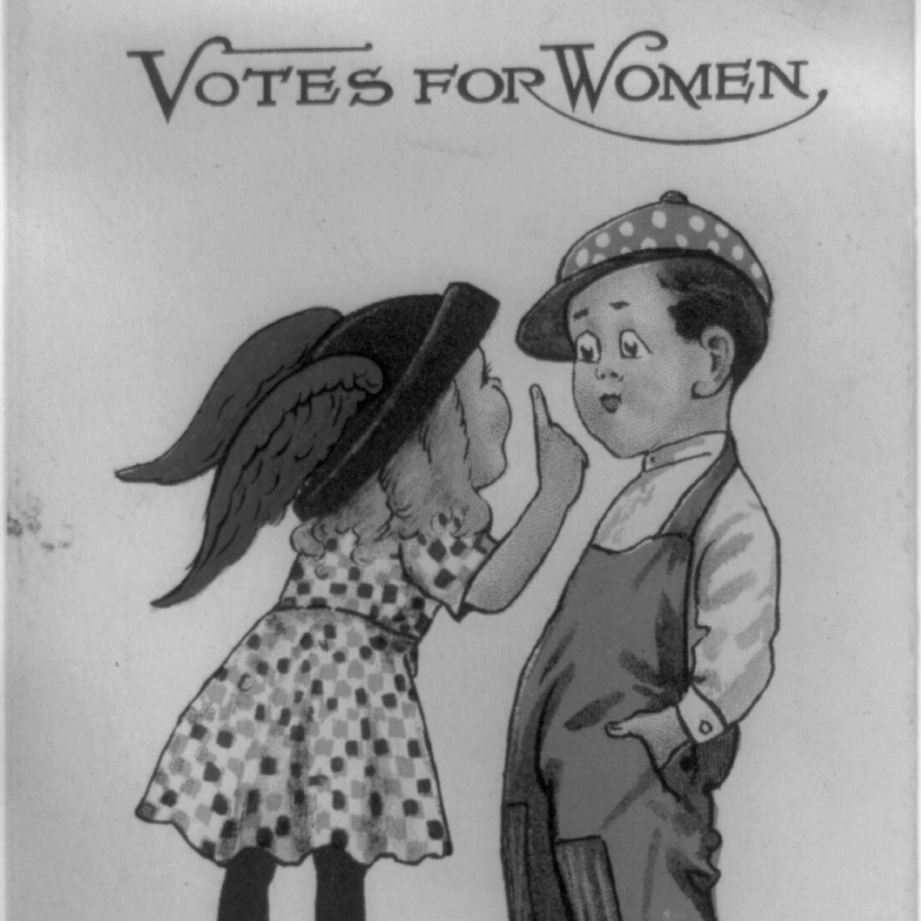
Women’s Equality Day August 26

Women have made huge strides in leveling the playing field but it’s still very lopsided. Women have fought for their rights for over 100 years, and we’re not there yet. I’m so glad there are younger generations who have the skills and determination to keep pushing forward. Make 2024 the year you stop settling and stand your ground for equal rights!

Where it began

The Woman Suffrage Amendment was first introduced on January 10, 1878. It was resubmitted numerous times until it was finally approved by both the House and Senate in June 1919. The bill needed to be approved by two-thirds of the states, so suffragists spent the next year lobbying state legislatures to gain support for the bill. On August 24, 1920, Tennessee became 36th and final state to ratify the amendment, which passed by only one vote. That one vote belonged to Harry Burn, who heeded the words of his mother when she urged him to vote for suffrage. Secretary of State Bainbridge Colby signed the amendment into law on August 26, 1920.

Fifty years later on August 26, 1970, Betty Friedan and the National Organization for Women organized a nationwide Women’s Strike for Equality. Women across the political spectrum joined together to demand equal opportunities in employment and education, as well as 24-hour childcare centers. This was the largest protest for gender equality in United States history. There were demonstrations and rallies in more than 90 major cities and small towns across the country and over 100,000 women participated, including 50,000 who marched down Fifth Avenue in New York City.

In addition to the marches, groups of women participated in publicity stunts aimed at garnering more recognition of gender inequality. Women in New York City took over the Statue of Liberty, hanging two 40 foot banners from the crown reading “March on August 26 for Equality” and “Women of the World Unite.” An organized group stopped the ticker tape at the American Stock Exchange, and held signs such as, “We won’t bear any more bull.” Female teachers also filed a lawsuit against the New York City Board of Education in which they demanded gender equality in appointing educational administration positions. The case lasted about 10 years and finally resulted in an increase in female principals.

While the strike did not halt the activities of the nation, it drew national attention to the Women’s Movement. The New York Times, for example, published their first major article on the Feminist Movement by covering the events of the day. It even included a map of the route the marchers took through the city.

In 1971, Representative Bella Abzug (D-NY) introduced a successful bill designating August 26th of each year as Women’s Equality Day. Part of the bill reads that Women’s Equality Day is a symbol of women’s continued fight for equal rights and that the United States commends and supports them. It decreed that the President is authorized and requested to issue a proclamation annually in commemoration of woman suffrage and the 1970 Strike for Equality. Women today continue to draw on the history of these brave and determined women.


Women’s Equality Day is celebrated in the United States on August 26 to commemorate the 1920 adoption of the Nineteenth Amendment (Amendment XIX) to the United States Constitution, which prohibits the states and the federal government from denying the right to vote to citizens of the United States on the basis of sex. It was first celebrated in 1971, designated by Congress in 1973, and is proclaimed each year by the United States President.

he date was chosen to commemorate the day in 1920 when the Secretary of State Bainbridge Colby signed the proclamation granting American women the constitutional right to vote.[1] In 1971, following the 1970 nationwide Women’s Strike for Equality,[2] and again in 1973, as the battles over the Equal Rights Amendment continued, Congresswoman Bella Abzug of New York introduced a resolution to designate August 26 as Women’s Equality Day.[3]

In 1972, President Richard Nixon issued Proclamation 4147, which designated August 26, 1972, as “Women’s Rights Day” and was the first official proclamation of Women’s Equality Day.[4] On August 16, 1973, Congress approved H.J. Res. 52, which stated that August 26 would be designated as Women’s Equality Day and that “the President is authorized and requested to issue a proclamation in commemoration of that day in 1920 on which the women in America were first guaranteed the right to vote”.[5] The same day, President Nixon issued Proclamation 4236 for Women’s Equality Day, which began, in part: “The struggle for women’s suffrage, however, was only the first step toward full and equal participation of women in our Nation’s life. In recent years, we have made other giant strides by attacking sex discrimination through our laws and by paving new avenues to equal economic opportunity for women. Today, in virtually every sector of our society, women are making important contributions to the quality of American life. And yet, much still remains to be done”.[6]

As of 2023, every president since Richard Nixon has issued a proclamation each year designating August 26 as Women’s Equality Day.[7]

I’m proud there is a day on the calendar but that doesn’t satisfy me in the least. Equality is an everyday, day-after-day effort to level all playing fields. Women have fought hard for the progress we’ve made but there is so much more to go. Gone are the days of the good old boys at the workplace and sports is a dinosaur with its pay scale. Women don’t have the same size contracts with advertisers as men and I’m sure the list is longer than I have the wind to write.

Melinda

References:

https://en.wikipedia.org/wiki/Women’s_Equality_Day

https://www.womenshistory.org/articles/womens-equality-day


Chronic Illness · Health and Wellbeing · Medical · Men & Womens Health · Mental Health

What You Need to Know About Massage Therapy for Fibromyalgia

Medically reviewed by Gregory Minnis, DPT, Physical Therapy — Written by Traci Pedersen on May 26, 2023

Massage therapy can reduce pain and improve overall well-being in people with fibromyalgia.

Living with fibromyalgia can be challenging, as the condition is characterized by chronic pain, fatigue, and sleep disturbances. 

While medications can be helpful for managing some symptoms, they don’t work for everyone. Many individuals turn to complementary treatments, such as massage therapy, for relief. 

Massage therapy has been shown to manage pain, improve sleep, and reduce anxiety and depression.

What kind of massage is best for fibromyalgia?

Massage therapy involves the manipulation of soft tissues such as muscles, tendons, and ligaments to promote relaxation and relieve tension.

Here are some types of massage that may be beneficial for people with fibromyalgia:

  • Swedish massage: Swedish massage is a gentle form of massage that uses long strokes, kneading, and circular movements on the topmost layers of muscles. It’s effective for reducing muscle tension and promoting relaxation.
  • Myofascial release: Myofascial release targets the connective tissue (fascia) surrounding the muscles. A review of six studies found that myofascial release (both therapist- and self-administered) significantly improved pain, quality of sleep, and quality of life right after treatment. It also had a moderate effect 6 months post-treatment.
  • Trigger point therapy: This technique involves applying pressure to specific points on the body that are believed to be sources of pain. It uses various techniques such as compression, stretching, and massage to alleviate pain and discomfort. 
  • Shiatsu: Shiatsu is a form of Japanese massage that involves applying pressure to specific points on the body to relieve tension and promote relaxation. Shiatsu is believed to trigger the release of endorphins, which are the body’s natural pain relievers.
  • Thai massage: Thai massage combines acupressure, stretching, and compression techniques to promote relaxation, improve flexibility, and reduce anxiety. 
  • Connective tissue massage: This type of massage focuses on manipulating the fascia that surrounds muscles and bones. It’s often used as part of manual therapy (a variety of hands-on techniques) used by physical therapists, chiropractors, and massage therapists to help reduce pain and improve mobility.

Is massage therapy effective for fibromyalgia?

ResearchTrusted Source suggests that massage offers several positive effects on various aspects of fibromyalgia, including reducing pain, anxietydepression, and sleep disturbances. These benefits are likely due to a combination of physical and mental mechanisms. 

For instance, physical pressure and manipulation during massage may help reduce muscle tension and increase blood flow, which can help alleviate pain and improve physical function. 

At the same time, the relaxation and stress-reducing effects of massage can have positive effects on mental well-being, including reducing anxiety and depression and improving sleep quality. 

The overall result is a complex interaction between physical and mental factors that can improve overall health and well-being for individuals with fibromyalgia.

One 2020 studyTrusted Source found that manual therapy with moderate pressure on the posterior cervical muscles (a group of muscles located at the back of the neck) in people with fibromyalgia helped reduce pain, muscle fatigue, and anxiety. Further research is needed in a larger population.

What are the benefits of massage for fibromyalgia?

Massage therapy can provide several benefits for people with fibromyalgia, including:

  • pain relief
  • improved sleep
  • reduced stress and anxiety
  • increased range of motion
  • improved mood

How does massage therapy for fibromyalgia work?

Massage therapy for fibromyalgia is believed to work in several ways. First, it releases tension in muscles and trigger points, which can help reduce pain and stiffness.

Additionally, massage therapy may also release endorphins and increase levels of the neurotransmitters serotonin and dopamine in the body, which can help regulate mood and improve sleep.

Can massage make fibromyalgia worse?

In some cases, massage may temporarily worsen fibromyalgia symptoms. This can occur if your massage therapist applies too much pressure or uses techniques that are too aggressive for your condition. 

However, it’s important to note that 75%Trusted Source of people with fibromyalgia seek massage therapy, which suggests that it’s quite helpful. So, even though massage can be fairly painful at times, many people with fibromyalgia continue to use it for its long-term benefits.

Will insurance cover massage therapy for fibromyalgia?

Insurance coverage depends on your insurance policy and the specific treatment plan prescribed by a healthcare professional. Some insurance plans may cover a certain number of massage therapy sessions as part of a treatment plan, while others may not cover it at all. 

It’s best to check with your insurance provider or healthcare professional to determine coverage options. Additionally, some massage therapists may offer a sliding scale fee or accept insurance directly, so it’s worth exploring different options.

Bottom line

Massage therapy may be an effective option for reducing pain, stiffness, and fatigue for people with fibromyalgia. It may also improve mood, sleep, and overall quality of life. 

Several types of massage may help with fibromyalgia, including myofascial release, Swedish massage, and shiatsu.

If you’re interested in massage, it’s important to look for a licensed massage therapist in your area who’s trained and experienced in treating fibromyalgia. You can search online or ask for recommendations from a healthcare professional or friends.

Melinda

Celebrate Life · Fun · Mental Health · Photography · Self-Care

Wordless Wednesday-Burst Of Color In White Vase

I’m glad you joined me on Wordless Wednesday and I hope to see you soon.

Melinda


Celebrate Life · Chronic Illness · Health and Wellbeing · Medical · Men & Womens Health · Self-Care

Fire

We’re in the dog days of summer in Texas, yesterday was one degree below the record at 107 degrees, and it’s oppressive outside after 7:30 am. Due to my ongoing challenges with Anemia, I’m always freezing. At 4:30 am this morning I’m wearing a sweater buttoned up all the way, long pants, wool gloves, covered in a wool blanket, and yet the fireplace is needed to stop me from shacking. At least the fireplace in my office is relaxing.

Melinda

Celebrate Life · Communicating · Family · Health and Wellbeing · Men & Womens Health · Mental Health · Moving Forward

Update On Storytelling Series

Hello Advocates!  

NAMI Texas is continuing our efforts to elevate your stories and lived experience! As we prepare for the 89th Legislative Session starting January 2025, we are focusing on gathering specific stories. This is the third month in our Storytelling Series, for the month of August, we are featuring school-based mental health services. Your stories related to this issue are vital, and rest assured, confidentiality is imperative to us. With your permission, we may reach out for further insights. Additionally, if you are interested, you could participate as a storyteller at one of our events or at the Texas Capitol. Your story has the power to strengthen written and/or oral testimony, presentations, policy briefs, and media coverage.  

School-based mental health services are vital in promoting students’ well-being and academic success. These services may include counseling, psychological assessments, and the development of individualized education programs (IEPs) for students with mental health needs. For instance, a student struggling with anxiety might receive regular counseling sessions with a mental health provider such as a psychologist or social worker to develop coping strategies. Another student with ADHD might have an IEP that includes accommodations like extended test-taking time or a quiet space for exams. These comprehensive support systems not only address immediate mental health issues but also equip students with the tools they need for long-term success. We invite you to share your experiences with school-based mental health services. Your stories and insights can help us better understand the impact of these services and advocate for their continued support and improvement. 

Additionally, if your child or children are enrolled in Medicaid and are facing significant issues with hard limits on treatment services (whether in policy or practice), behavioral health services, or services for medically complex conditions, we would greatly appreciate it if you could share your story with us. 

Head over to our Advocacy Campaign  to share your lived experience! Your story can provide valuable insights into the landscape of school-based mental health services. By sharing your experiences, you can help us advocate for the strengthening of these services, ensuring they better meet the needs of all students. 

Please feel free to share with your networks! As always, feel free to reach out to our Public Policy Director, Lyssette Galvan, publicpolicy.director@namitexas.org, or Peer Policy Fellow, Christine Busse, peerpolicy.fellow@namitexas.org.     

With gratitude,  

The NAMI Texas Public Policy Team  

Melinda


Celebrate Life · Fun · Health and Wellbeing

Neelakurinji (the of rare flower of India) By Guest Blogger

The Neelakurinji flower is one of hte most beautiful flowers I’ve ever seen. The flower grows in a specific area of India and needs conservation now before it becomes extinct.

The flower you’re referring to is the Neelakurinji (scientifically known as Strobilanthes kunthiana). This rare and beautiful flower blooms once every 12 years in the Western Ghats, particularly in the hills of Munnar in Kerala, India. When in full bloom, the hills are covered in a carpet of blue, creating a stunning visual spectacle. The … Continue reading Neelakurinji (the of rare flower of India)

LIVE BY CHOICE NOT BY CHANCE!!!!

Melinda

Chronic Illness · Health and Wellbeing · Infectious Diease · Medical · Men & Womens Health · Tick Borne Illnesses

Biologists map the DNA of 47 strains of Lyme disease

Important Read

By City University of New York

A team led by CUNY Graduate Center biologists has produced a genetic analysis of Lyme disease bacteria that may pave the way for improved diagnosis, treatment, and prevention of the tick-borne ailment.

Weigang Qiu, a professor of biology at the CUNY Graduate Center and Hunter College, and an international team mapped the complete genetic makeup of 47 strains of Lyme disease-related bacteria from around the world. This created a powerful tool for identifying the bacterial strains that infect patients.

More accurate tests and treatments?

Researchers said this could enable more accurate diagnostic tests and treatments tailored to the bacteria causing each patient’s illness.

“By understanding how these bacteria evolve and exchange genetic material, we’re better equipped to monitor their spread and respond to their ability to cause disease in humans,” said Qiu, the corresponding author of the study.

The study was published in mBio, the flagship journal of the American Society for Microbiology.

Researchers said the genetic information uncovered in the study may help scientists develop more effective vaccines against Lyme disease.

Lyme disease is the most common tick-borne illness in North America and Europe, affecting hundreds of thousands of people a year. The disease arises from bacteria belonging to the Borrelia burgdorferi sensu lato group, which infect people through the bite of infected ticks. Symptoms can include fever, headache, fatigue, and a characteristic skin rash. If left untreated, the infection can spread to joints, the heart, and the nervous system, causing more severe complications.

Case numbers are increasing steadily, with 476,000 new cases each year in the United States, and may grow faster with climate change, the authors of the study said.

The research team sequenced the complete genomes of Lyme disease bacteria representing all 23 known species in the group. Most hadn’t been sequenced before the effort. The National Institutes of Health-funded project included many bacteria strains most associated with human infections and species not known to cause disease in humans.

Evolutionary history of Lyme bacteria

By comparing these genomes, the researchers reconstructed the evolutionary history of Lyme disease bacteria, tracing the origins back millions of years. They discovered the bacteria likely originated before the breakup of the ancient supercontinent Pangea, explaining the current worldwide distribution.

The study also disclosed how these bacteria exchange genetic material in and between species. This process, known as recombination, allows the bacteria to rapidly evolve and adapt to new environments. The researchers identified specific hot spots in the bacterial genomes where this genetic exchange occurs most frequently, often involving genes that help the bacteria interact with their tick vectors and animal hosts.

To facilitate ongoing research, the team has developed web-based software tools (BorreliaBase.org) that allow scientists to compare Borrelia genomes and identify determinants of human pathogenicity.

Looking ahead, the researchers said they plan to expand their analysis to include more strains of Lyme disease bacteria, especially from understudied regions. They also aim to investigate the functions of genes unique to disease-causing strains, which could uncover new targets for therapeutic interventions.

As Lyme disease expands its geographic range because of climate change, the research provides valuable tools and insights for combating this rising public health threat.

The study is supported by grants from NIH and an award from the Steven and Alexandra Cohen Foundation.

Click here to read the study.

Melinda

Blogging · Celebrate Life · Communicating · Health and Wellbeing · Men & Womens Health · Moving Forward

Blogger Highlight-The Odyssey Of Life

Thank you for all the great feedback on the Blogger Highlight series, I’ve enjoyed meeting each blogger and sharing their site with you. This week we highlight The Odyssey Of Life.  Gene wrote his first post on January 4th, 2024 named Hello World. We have only followed each other a short time but we value many of the same things and I feel a kindred spirit in him.   

THE ODYSSEY OF LIFE

“HUMANITY SHOULD BE OUR RACE. LOVE SHOULD BE OUR RELIGION.” UNKNOWN

HI THERE. APPRECIATE YOUR VISIT, THANK YOU!

I’VE BEEN AN AVID READER MY WHOLE LIFE. IN MY YOUTH, I FOUND GREAT COMFORT IN VISITING THE GORDON AVENUE LIBRARY, WHICH WAS JUST A FEW BLOCKS UP A FAIRLY STEEP HILL FROM MY THEN ELEMENTARY SCHOOL. EVEN AT A YOUNG AGE, I FOUND AUTOBIOGRAPHIES AND/OR BIOGRAPHIES FASCINATING TO READ. BEYOND LIFE GROWING UP ON A 48-ACRE FARM, I BEGIN TO REALIZE THE WORLD WAS A MUCH LARGER PLACE THAN I IMAGINED.

MANY YEARS, WHO I AM KIDDING, MANY DECADES HAVE PASSED SINCE THOSE FORMATIVE YEARS LIVING IN THE CENTRAL VIRGINIA REGION, BUT I’M STILL EASILY ENTERTAINED AND AMUSED READING AN ARRAY OF GENRES, WITH MYSTERIES RUNNING A CLOSE 2ND TO INTERESTING BIOGRAPHIES ABOUT FASCINATING PEOPLE FROM ALL WALKS OF LIFE. I WILL USE THIS BLOG TO ENGAGE WITH AND LEARN FROM OTHERS.

I LOVE AMERICA & MOTHER EARTH AND ALL THAT HUMANITY CAN BE TOGETHER…

APPRECIATE YOUR VISIT, THANK YOU! PLEASE VENTURE BACK SOON. FEEL FREE TO SHARE YOUR OWN THOUGHTS, SUGGESTIONS, OPINIONS, ETC. HERE IN THIS SPACE AS A FREE AND OPEN DEMOCRACY ALLOWS.

“LET US NOT SEEK THE REPUBLICAN ANSWER OR THE DEMOCRATIC ANSWER, BUT THE RIGHT ANSWER”. — JOHN F. KENNEDY

I love this quote! If we all voted for what is right for our country I believe America would be in a much better place with more harmony instead of division. 

Gene has an extensive Blog Roll that you should take a peek at. 

BLOG ROLL

The post talks about a much simpler time in Charlottesville where he lived. The key message resonating with me is that children didn’t recognize skin color during that time. What a great time in history that must have been. 

A post that I enjoy is Have We Lost Our Way.

He great observations on the world today and where we have gone astray. 

Melinda

Looking for the Light


Art · Celebrate Life · Fun · Men & Womens Health · Mental Health · Self-Care · Travel

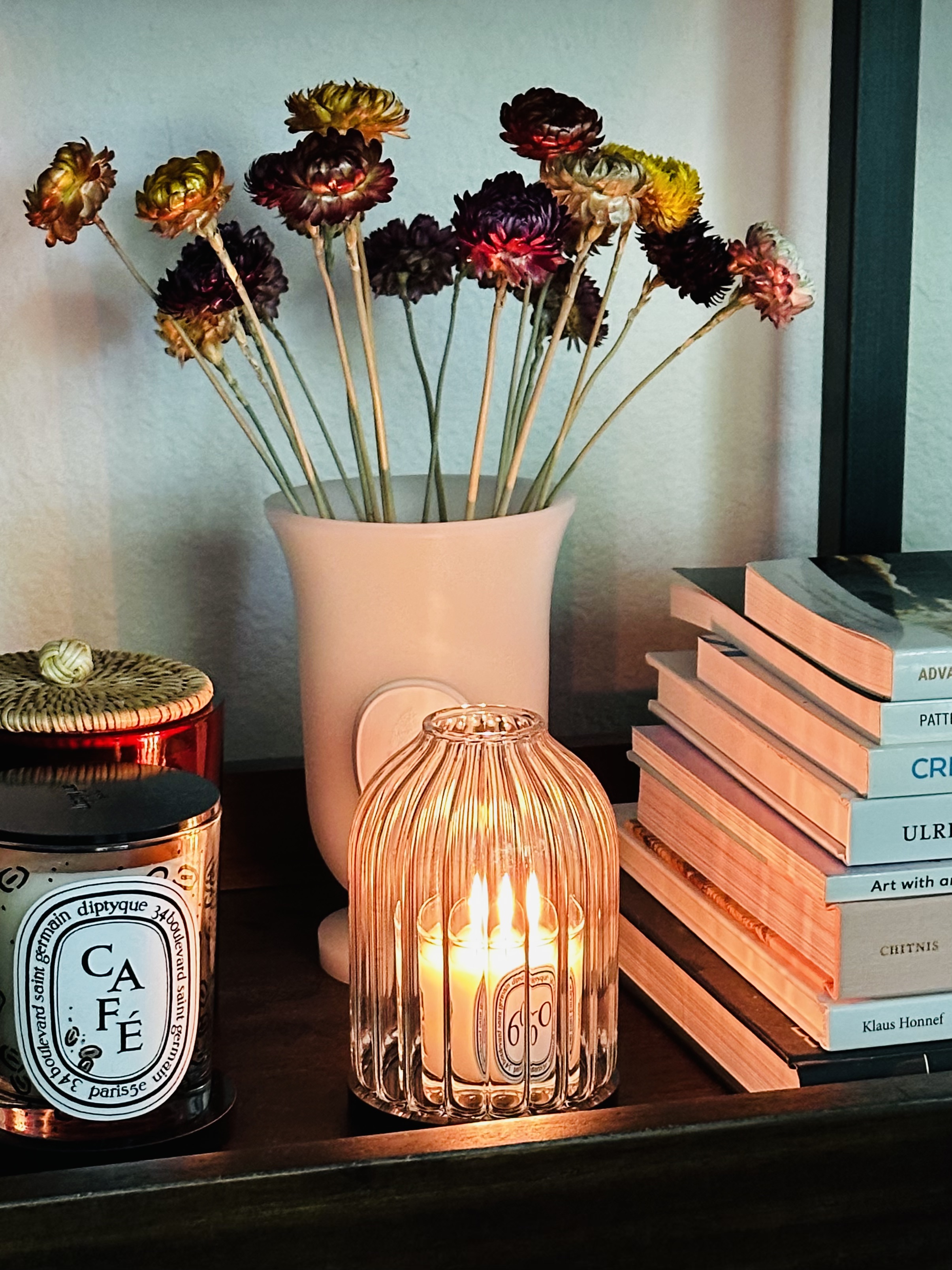
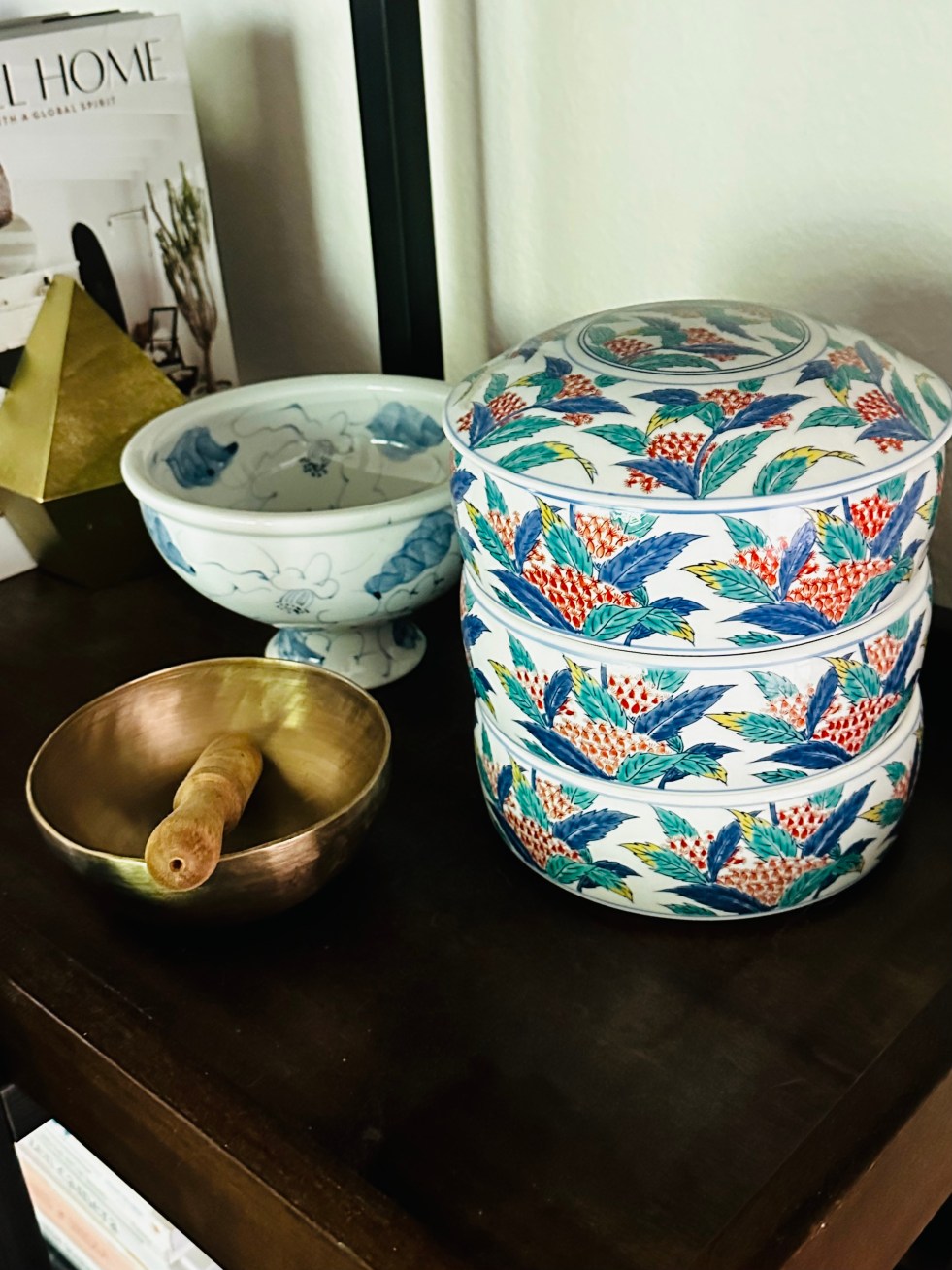
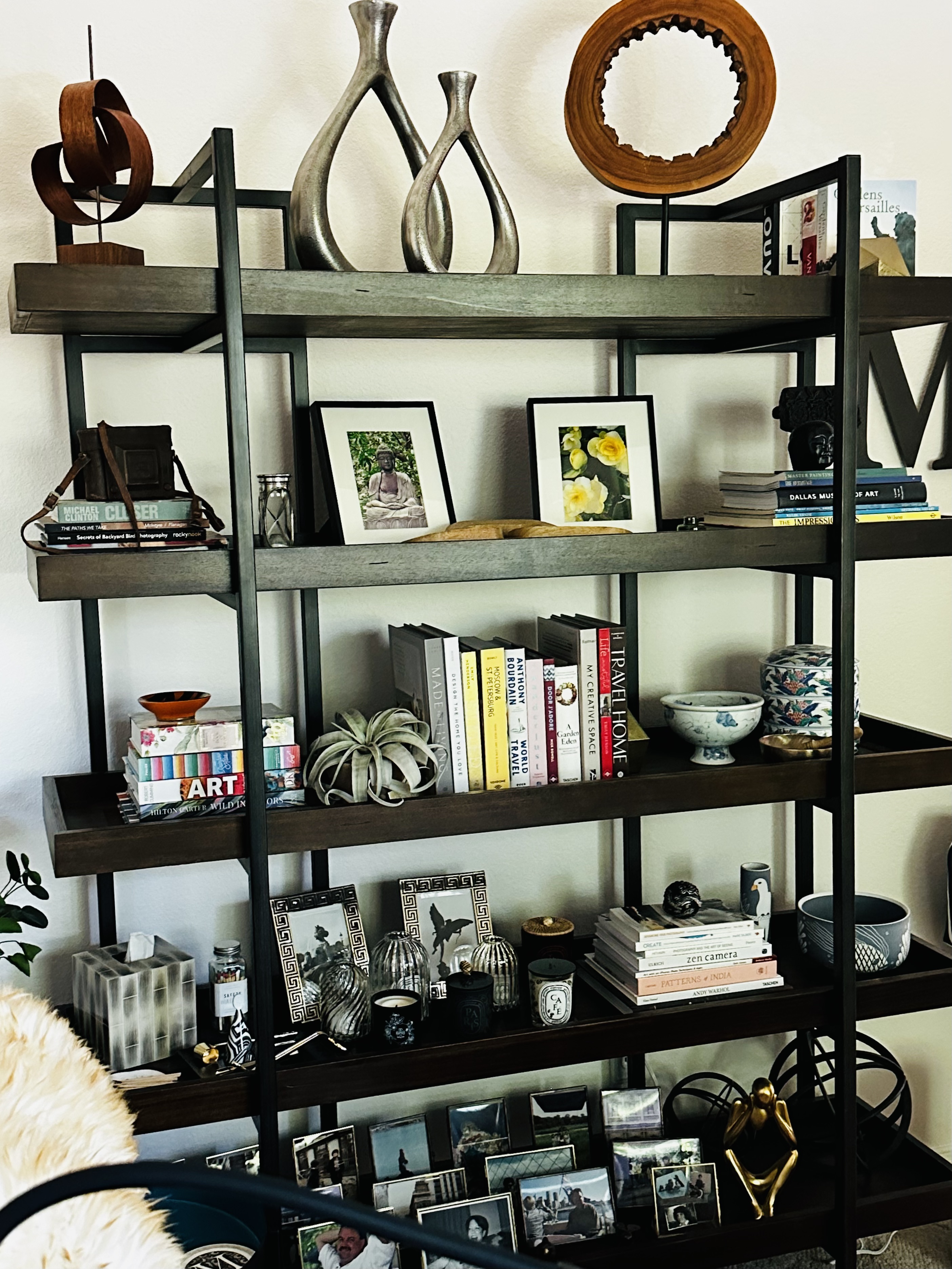
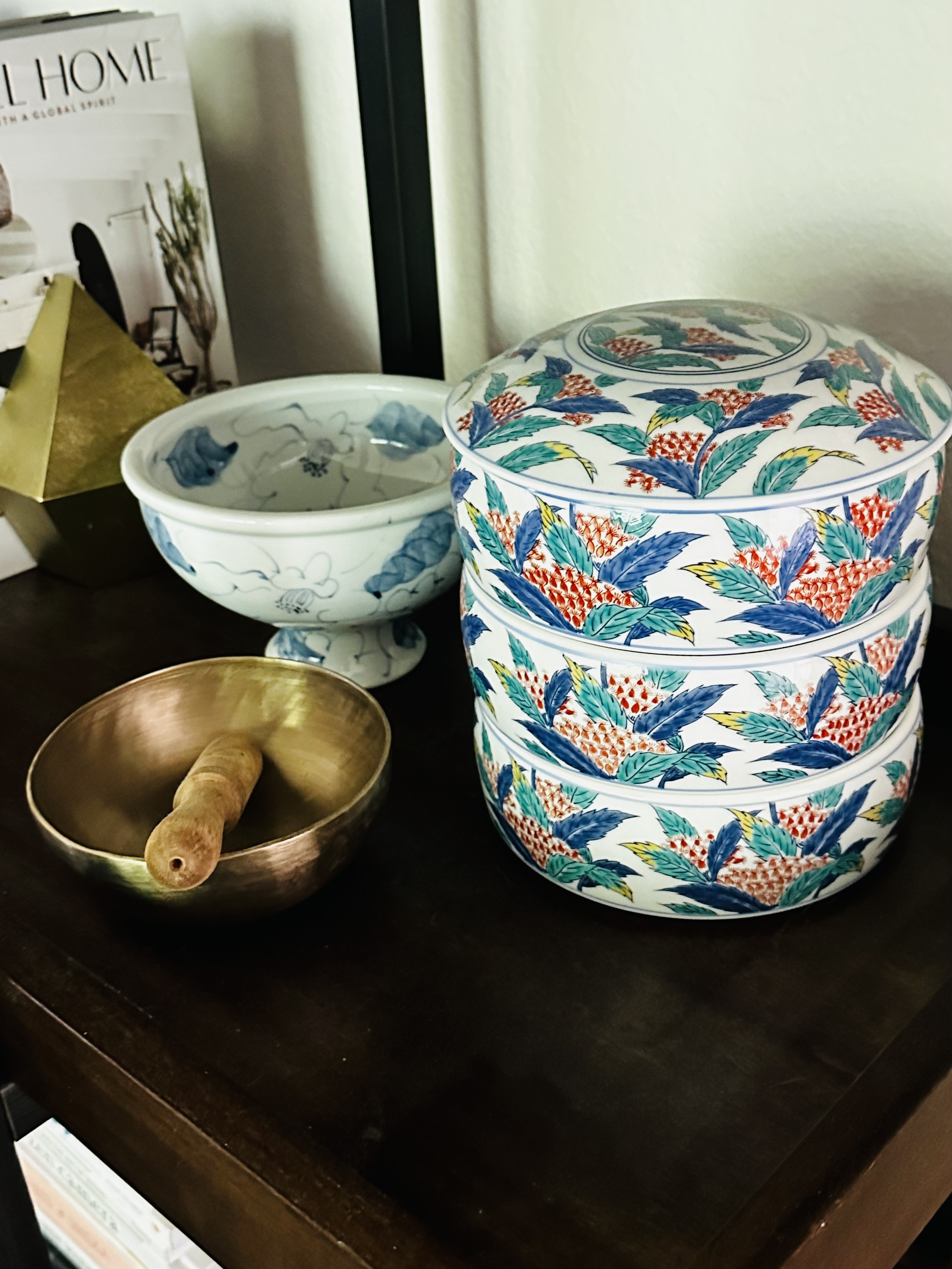
The Treasures On My Bookcase

The bookcase in my office holds many treasures including travel finds, books, photos, candles, and an antique camera. The items bring me joy, and memories of travels and adventures. Here are a few photos. 


Celebrate Life · Communicating · Health and Wellbeing · Men & Womens Health · Mental Health · Survivor · Travel

“It Ends With Us” – NO MORE x Wayfarer Studios’ Tools & Resources to Spark Change

PUBLISHED

Aug 16, 2024

BY

NO MORE

This week, we have been proud to join Wayfarer Studios, the independent production company behind “It Ends With Us,” the film adaptation of Colleen Hoover’s best-selling novel of the same name, in spotlighting the extensive resources, information, and tools available to all theater-goers, fans of the book, and community organizations in the U.S. and around the world. 

You can check out a story in Variety here, and below is an overview with a few more details.

Through an end card running in the film’s credits, and a dedicated page on nomore.org, NO MORE is offering survivors/victims of domestic and sexual violence and their loved ones easy access to find help. Most notably, through the NO MORE Global Directory which seamlessly connects people to support services in the U.S. and 200 countries and territories around the world. 

Resources created for the film include:

  • The “It Ends With Us” Viewers’ Guide for audiences to learn to differentiate between healthy and unhealthy relationships and find out how to make a positive difference in their own communities. 
  • A specially-branded version of the NO MORE Silence: Speak Your Truth platform where people impacted by domestic and sexual violence can safely share their stories and find support.
  • A free Community Toolkit to provide sector and community organizations with ideas and tools to use the film to create special events, programming, educational materials and content to engage and activate local audiences.
  • We also included a link to “The Lighthouse,” a comprehensive guide providing information for survivors on recognizing abuse and getting help for themselves and their families. 

All of these elements can be found here. 

In addition, we have kicked off an ongoing social media campaign with Wayfarer Studios’ Man Enough platform to raise awareness of key topics raised in the film and encourage everyone to join in and become part of the solution. 

This effort builds on Wayfarer’s and NO MORE’s long-standing partnership, first announced in 2023, to use the power of art and entertainment to inform, support, and inspire greater progress in preventing gender-based violence and promoting healthy relationships.  As part of this partnership, NO MORE served as a content advisor on the film, both within the script and throughout pre- and post-production, to help ensure that domestic and sexual violence were portrayed as accurately and sensitively as possible. 

We know that the issues raised in the story of “It Ends With Us” are all too prevalent in our society. One in 4 women and 1 in 7 men in the US experience severe physical violence by an intimate partner in their lifetime, and more than 15 million American children live in homes in which domestic violence has happened at least once. That’s why we feel so strongly about using this cultural moment of the film’s release to spark dialogue, increase awareness, and inspire meaningful change. 

We hope you’ll join us! See the film, explore our resources, and help break the pattern of abuse. Together, we can end domestic and sexual violence! 

With gratitude,

The NO MORE Team

Be sure to tune in, it promises to be an informative event for women and men.

Melinda

Celebrate Life · Health and Wellbeing · Medical · Men & Womens Health

Understanding Finger Pain


Medically reviewed by Angelica Balingit, MD — Written by April Kahn — Updated on July 15, 2024

Finger pain is a common condition. It’s usually caused by a hand injury such as a broken finger, a cut, or a broken fingernail. It may also indicate an underlying medical conditions, such as osteoarthritis, rheumatoid arthritis, and carpal tunnel syndrome.

Finger pain is a throbbing, cramplike, or achy pain that’s felt in any of your fingers, including your thumb. It often results from an accident or a medical condition. 

In most cases, finger pain isn’t serious and will go away on its own. However, unexplained finger pain can be a sign of a more serious medical condition. 

Be sure to visit your doctor if you experience ongoing or unexplained pain in your fingers.

Hand injuries

The most common cause of finger pain is a hand injury. Injuries to the finger can cause an open cut, a bruised or fractured bone, or muscle and tissue damage.

Common injuries that result in finger pain are:

Medical conditions

Medical conditions that affect the nerves, muscles, or bones can also cause finger pain. 

For example, osteoarthritis (OA) causes the breakdown of cartilage. This breakdown causes bones to rub together and triggers pain and stiffness. In the hands, OA can affect the joints at the base of the thumb, in the middle of the finger, and near the nail bed. 

Other conditions that can cause finger pain include:

compressed or pinched nerve in the arm, wrist, or hand can also contribute to finger or thumb pain.

Identifying types of finger pain

Finger pain may feel dull and achy, or it may be sharp and cramplike. The pain may start suddenly and then go away.

Pain accompanied by swelling

If you have a broken finger, it’ll usually be swollen, purple or blue in color, and extremely painful. In some cases, the bone might be physically separated and visible through the skin. Infection can also cause pain with swelling. It may be accompanied by redness, warmth, or skin changes.

Throbbing pain or pain when moving

Carpal tunnel syndrome and other medical conditions that affect the nerves and muscles in your arm and hand can cause:

  • throbbing pain in the hand and fingers
  • pain when moving the affected fingers or when moving your wrist
  • difficulty typing or writing
  • hand tremors

Sharp shooting pain

finger dislocation occurs when the bones of your finger or thumb dislocate from their joints. In some cases, the dislocation is visible. 

You may also experience throbbing pain or a sharp shooting pain.

Pain at the site of injury

A cut on your finger may cause pain at the site of the injury. Depending on how deep the cut is, you may also feel pain that spreads or radiates to surrounding areas of your hand.

Pain accompanied by lumps

If you have a growth on your hand, such as a boil or nodule, you may experience the following symptoms along with your finger pain:

Diagnosing finger pain

If you have a cut or growth on your finger, your doctor may be able to diagnose the condition based on a physical examination alone. If you have pain when using your fingers and there’s no obvious cause, more information will be needed. 

Your doctor will ask questions about your medical history, medications you take, and your occupation. Using this information, your doctor can decide which tests are necessary for a proper diagnosis.

Common tests for diagnosing finger pain include blood tests and imaging tests, such as X-rays

An X-ray can show any fractures and abnormal growths within the finger. If an X-ray isn’t enough to determine a diagnosis, your doctor may order additional imaging tests or a nerve study. A nerve study looks for nerve damage or nerve dysfunction. 

Treating finger pain

Finger pain caused by cuts, scrapes, or burns will often heal without treatment. You simply need to give the area time to heal. You can take over-the-counter pain medications to help ease your discomfort.

Melinda


Celebrate Life · Chronic Illness · Communicating · Health and Wellbeing · Medical · Men & Womens Health

World Cancer Support Month

I think we can all get behind World Cancer Support Month. Most of us have been affected by Cancer whether it be ourselves or someone close to us and we understand the support that is needed. I was traumatized when I was diagnosed with Cancer at 28 years old, it changed the trajectory of my life. I was one of the lucky ones who didn’t need chemotherapy or radiation. The cancer was removed during surgery, I was very lucky. My husband has two types of cancer that is slow growing but it’s no less worrisome.

World Cancer Support Month, observed annually in August, stands as a beacon of solidarity and hope for those affected by cancer across the globe. This dedicated month serves as a reminder of the immense strength, resilience, and compassion that unite individuals, families, and communities in the face of this challenging disease.

Cancer, an intricate ailment, arises from the uncontrolled growth of abnormal cells in the body. These cells can develop into tumors, affecting nearby tissues and, in some cases, spreading to other parts of the body. With over 100 types of cancer, each characterized by distinct behaviors and treatment requirements, it’s a complex adversary that demands comprehensive understanding and dedicated research.

World Cancer Support Month takes a multifaceted approach to addressing this issue. It not only emphasizes the importance of providing medical treatment but also highlights the need for emotional and psychological support for those dealing with cancer. The emotional toll of the disease on patients, families, and caregivers cannot be understated. By fostering an environment of open dialogue, the stigma surrounding cancer can be dismantled, encouraging more people to seek help and resources.

Don’t forget those around you with Cancer and do something thoughtful for them. Sitting and talking is a great start and helping run a few errands or cooking a meal is extra special.

Melinda
Reference:
Celebrate Life · Fun · Health and Wellbeing · Mental Health · Music

#Weekend Music Share-Peter Gabriel In Your Eyes (Secret World Tour)

It’s the weekend!!!!!!

 I’m glad you joined me this week for another edition of Weekend Music Share.

Have a great weekend!

Melinda

Welcome back to Weekend Music Share, the place where everyone can share their favorite music.

Feel free to use the Weekend Music Share banner in your post, and use the hashtag #WeekendMusicShare on social media so other participants can find your post.

Chronic Illness · Health and Wellbeing · Medical · Men & Womens Health · Mental Illness

Are Generic Medications as Effective as Brand Names for Bipolar Disorder?

By Julie A. Fast 

Medically Reviewed by Allison Young, MD

Last Updated: 31 Jul 2024

Here’s what you need to know about using generic medications for bipolar disorder, how they compare to brand names, and some useful tips for managing medication changes.

If you or your loved one has been switched to a generic medication for bipolar disorder or are considering making the change yourself, it’s natural to feel unsure. You might wonder whether these more affordable options can truly match the brand names you’ve relied on — especially with all the mixed messages out there. I’ve been through this myself when my pharmacy replaced my Lamictal with generic lamotrigine, and I understand the anxiety and disappointment that can come with such unexpected changes. Let’s dive into the details of brand names and generics.

Unraveling the Generic vs. Brand Mystery

In 2008, I did some heavy research on the topic of brand name versus generic medications when my brand name Lamictal medication was switched to generic lamotrigine. It was very obvious within the first few weeks that the medications were not the same.

I naturally asked my pharmacist and colleagues, “Why does it feel like the generic medication I just tried is not working as well as the brand name medication?” Their responses varied widely, and no one really had a clear answer. I was told, “The pills should be the same.”

As a person who has bipolar disorder and a psychotic disorder, I could physically tell that this newly approved generic (lamotrigine) was not as effective as the brand name I had been on for more than a year. This was in 2008 when GlaxoSmithKline’s Lamictal lost its patent, and the generic drug (lamotrigine) became available.

I knew there was an answer, so I started digging. I had many resources at my fingertips. I was a regular presenter at a well-known pharmacy school and could also talk to my psychopharmacology expert and coauthor, John Preston, PsyD. I even had contact with sales reps for GlaxoSmithKline.

But despite all these resources, I received different answers.

I eventually found an answer that everyone agreed with, and I share it with you now as a change to generic medications affects so many of us who live with or care about someone with a brain illness.

I’ve since tested this information with many of my clients whose loved ones faced a change from a brand name to a generic medication and have found the following to be a safe approach to the topic.

What’s the Main Difference Between Brand Name and Generic Medications?

Here is the short answer: Medications have two components — active ingredients and the vehicle used to get these ingredients into your body. The active ingredients are the original chemical compounds that make the drug effective. The vehicle is added to deliver the active ingredients into your system and can be in the form of a pill, cream, or shot. When you take a brand name medication, both the active ingredient and the vehicle are consistent with each prescription. For generics, the active ingredients must be the same worldwide, but there are no regulations for the vehicle. This is where there can be problems.

The main difference between generic and brand-name medications is how the active ingredients are delivered into the body using a vehicle.

Active Ingredients Are the Same in Brand Name and Generic Drugs

  • The term active ingredients refers to the original chemical compounds that make the drug effective.
  • According to the U.S. Food and Drug Administration (FDA), the active ingredients in a generic medication must be the same as those in the brand-name equivalent.
  • These active ingredients are proprietary in the United States for up to 20 years under a patent.
  • When the patent expires, the drug’s active ingredients recipe becomes available for use in generic medications.

The Vehicle Can Differ Widely Between Brand Name and Generic Drugs

  • The vehicle delivers the active ingredients into the human body.
  • The vehicle includes added ingredients that are combined with the brand name active ingredients to create a usable pill, capsule, shot, cream, or suppository.
  • Also known as carrier systems, vehicles play a crucial role but are not regulated as strictly as the active ingredients.
  • This difference in regulation can lead to variations in how generic medications perform compared to their brand name counterparts.

Strategies to Manage a Change to Generics

Here are some practical tips to help you or your loved one adjust to a new generic or determine if you need a medication adjustment from your prescriber:

  • Chart the reactions to the brand name versus the generic medication. Always carefully chart new medications, especially any change from a brand name to a generic. If you or a loved one isn’t doing well on a generic that is the same dose as the brand name, use the information in this article to get the help you need.
  • Give generics time. It may be that the medication needs more time to get into the system.
  • Use a different generic manufacturer. The pharmacist can help you find the country of origin and choose a different producer of the same generic.
  • Talk with the prescriber. If there is still a consistent problem with the generic, petition the insurance company or disability service and explain the situation in order to return to the brand name or try a different medication. After a year of the generics being on the market, you can try the generics again.

Both of this author’s books, Take Charge of Bipolar Disorder and Loving Someone With Bipolar Disorder, have medication chapters that offer more information on how to create a management plan so that lower doses or even a different medication can be used.

Figuring out bipolar medications takes time and requires a lot of support. Still, ultimately, the goal is to manage as many symptoms as possible using behavior and lifestyle changes so that medications can be taken at lower and more sustainable doses.

For now, start by charting the dosage and source of medication, and if this changes in any way, carefully note any changes in symptoms. It’s much easier for a caregiver to notice changes than the person who is ill, especially if a generic isn’t working, as well as a brand name for mania or psychosis. You can then use your observations to help a loved one get the medication support they need.

Overall, generics are far more economical than brand name medications, and if this means they can offer more access to those who need them, generics are a positive in our bipolar world.

By understanding the full scope of how medications are created and regulated, we empower ourselves to make informed decisions that enhance our health and well-being.

Editorial Sources and Fact-Checking

BRAND NAME MEDICATIONGENERIC MEDICATIONMEDICATION

ABOUT THE AUTHOR

Julie A. Fast

Julie A. Fast is the author of the bestselling mental health books Take Charge of Bipolar DisorderLoving Someone with Bipolar Disorder: Understanding and Helping Your PartnerGetting It Done When You’re DepressedOMG, That’s Me! (vol. 2), and The Health Cards Treatment System for Bipolar Disorder. She is a longtime bp Magazine writer and the top blog contributor, with over 5 million blog views. Julie is also a researcher and educator who focuses on bipolar disorder prevention and ways to recognize mood swings from the beginning—before they go too far and take over a person’s life. She works as a parent and partner coach and regularly trains health care professionals, including psychiatric residents, pharmacists, general practitioners, therapists, and social workers, on bipolar disorder and psychotic disorder management. She has a Facebook group for parents, The Stable Table, and for partners, The Stable Bed. Julie is the recipient of the Mental Health America excellence in journalism award and was the original consultant for Claire Danes’s character on the TV show Homeland. Julie had the first bipolar disorder blog and was instrumental in teaching the world about bipolar disorder triggers, the importance of circadian rhythm sleep, and the physical signs of bipolar disorder, such as recognizing mania in the eyes. Julie lives with bipolar disorder, a psychotic disorder, anxiety, and ADD.

It’s so refreshing to hear the affirmation of what I and so many others go through. I had an issue in the 90’s with Wellbutrin 300. The main manufacturer of the generic version did not complete the studies correctly. They also made a 150mg tablet and when it came to testing the 300mg they only double the 150mg study and did not actually study it. The calculation was wrong and those who took the medication suffered for years before they admitted what they did. The manufacturer and the FDA failed because the FDA is required to study the results of all tests to make sure the higher doses are as effective as they say they are. The manufacturer was no longer able to sell their drugs in The United States and banned from future sales. The situation is different and only applied to one manufacturer but it’s still important for everyone who takes generics to understand how they work differently, make informed decisions, and log how the medication is working or not when you start a new generic after taking the brand name.

Melinda


Celebrate Life · Fun · Men & Womens Health · Mental Health

What’s Your Mood Today?

I hope this post finds you healthy and happy. Today I’m feeling a mix of frustration, and fatigue, yet I’m happy. I’m feeling okay and the day looks promising.  

Take good care of yourself.

 Melinda

Celebrate Life · Fun · Photography · Travel

Wordless Wednesday-White & Orange Floral Surprise

I’m glad you joined me on Wordless Wednesday and I hope to see you soon.

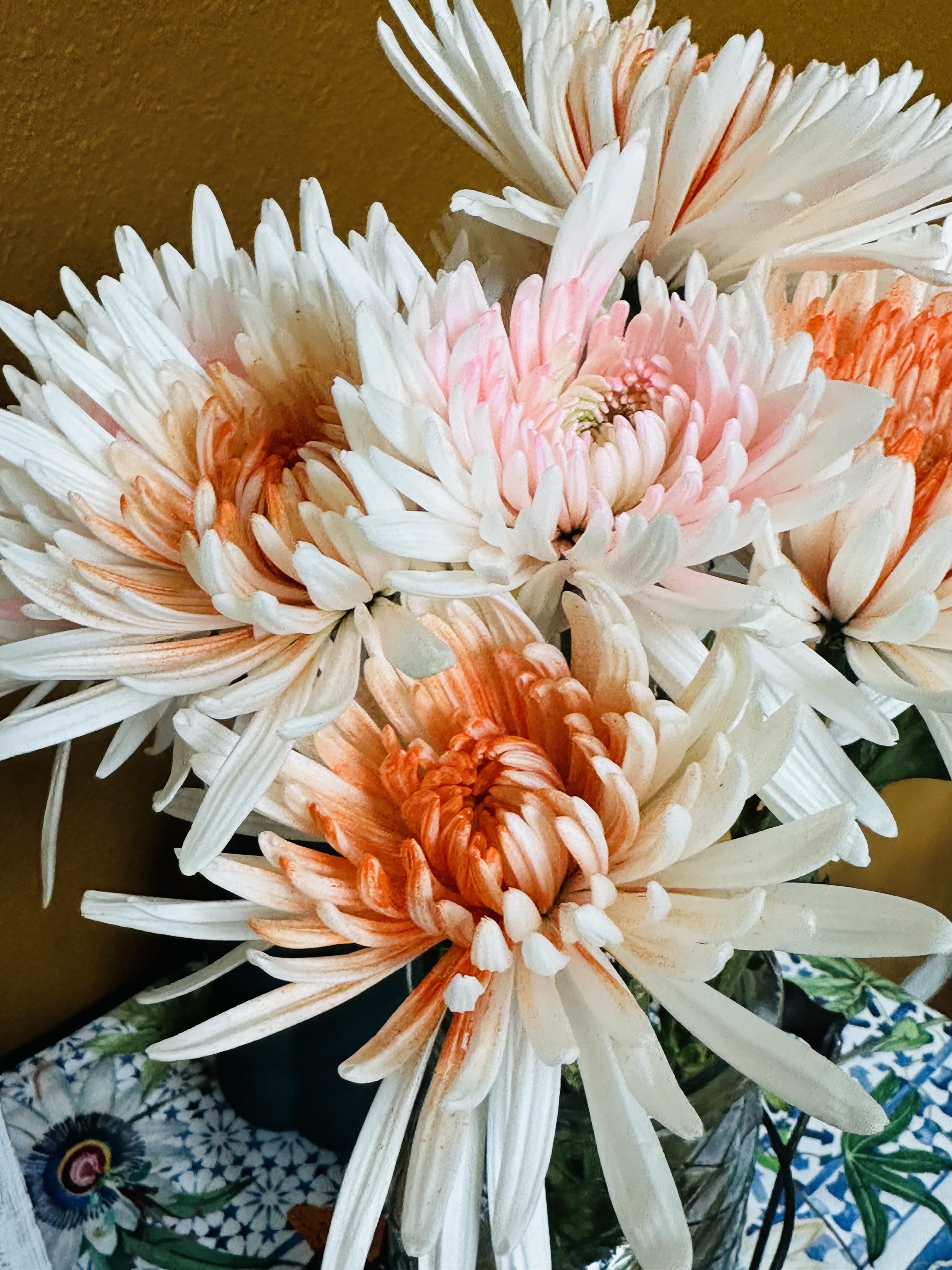
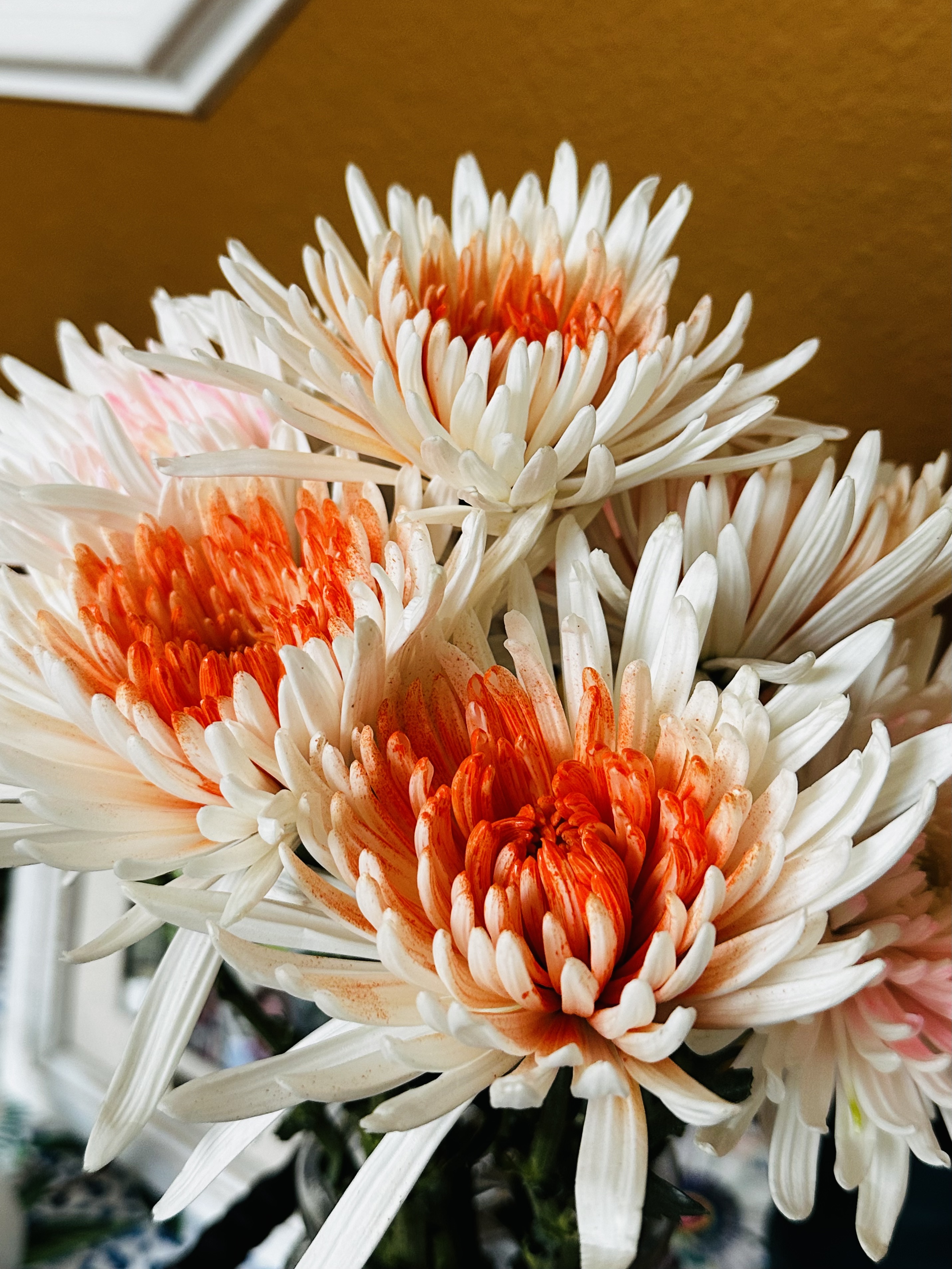
I don’t know what type of flower the are but the color combo is perfect. On Sunday they will have lasted two weeks. I do change the water and add a nutrient packet every three days. It makes flowers last so much longer. Oh, I also trim a small amount off each flower.

Melinda

Communicating · Family · Health and Wellbeing · Men & Womens Health · Moving Forward

Making Your Home Sale Process Less Of A Challenge

If you want your home to make money for you, it’s crucial to understand that selling your home isn’t a challenge you should tackle alone. The involvement of various professionals is not just beneficial but necessary to streamline the process, increase your profit, and ensure all legal aspects are covered correctly. 

Here, you will find a comprehensive guide that covers everything you need to know about selling your home, making the process less of a challenge and more of a well-informed decision.

Photo by Jakub Zerdzicki: https://www.pexels.com/photo/hand-holding-keys-to-a-new-house-real-estate-residential-27522902/

Understanding deeds

Understanding deeds is a crucial part of the selling process and is not always straightforward. If you’re not familiar with real estate terminology, you might find it challenging to grasp what a deed is. A deed is a legal document that transfers property ownership. Platforms like Deeds.com provide expert information to help you navigate this process. 

With research and understanding, you can be sure that everything is legally correct before you proceed with the sale. With the help of a legal expert gaining personal knowledge online can reassure you that the legal side of things is performed correctly during the sale process.

Ask as many questions as you like

When working with a real estate agent to sell your home, you are entitled to ask as many questions as you like. You don’t need to hold anything back. You should ask everything so that you can be sure what is going on.

When you have something on your mind, it is better to ask it. You need to be involved in the sales process as much as the real estate agent, so don’t be afraid to ask. The real estate agent will address your concerns and offer you peace of mind. Relying on a real estate agent can allow you to get on with your life and enjoy things you love while guaranteeing it will be sold at the right price, to the right people.

Be clear about your final goals

From the beginning of your home sales process, you must be clear about your final goals. Whether you need to sell the home within six months or desire a certain profit, the real estate agent needs to know these goals so they can do their best to fulfill your requests.

You can reduce your home sales stress by finalizing goals before you sell the home. Then, make the agent aware so that you can work collaboratively to fulfill them.

Don’t shut down advice

Real estate professionals will offer advice throughout the sales process. While you might have certain unachievable goals that can leave you upset, you need to listen to them. They are experienced and know what the outcome could be. For example, they might advise you to turn your unused room into a playroom to add more value and appeal to your home. 

Taking professional advice will help you make the right decisions, stay on good terms with people who want to help, fulfill the profit expectations as closely as possible, and stay calm throughout the tough times. 

Become a good negotiator

It’s crucial to bargain wisely when you receive offers to get the greatest deal. Be willing to haggle over things such as price and closing charges to reach a mutually agreeable agreement. 

Develop a bargaining strategy by working together with your real estate agent to identify the advantages and disadvantages of each offer. Recall that the objective is to sell your house, so be prepared to make concessions as needed to reach an agreement.

Offer flexible viewing times

During the home selling process, it can be very beneficial to be accommodating with showings. Given their hectic schedules, buyers’ availability can be accommodated, boosting the likelihood of obtaining offers. 

Always keep your house tidy and ready for visitors, and be ready to leave the property quickly. Your chances of receiving an offer to purchase your house quickly increase with its accessibility to prospective buyers. Open house days are good as they can entice more viewings and help people look around at their own leisure.

Get yourself ready for the closing process

There are a number of crucial processes in the closing process, which can be complicated. Work with your real estate agent and attorney to make sure you are aware of all the regulations and documents needed for a seamless closing. 

Arrange for a last inspection of the property to ensure everything is as agreed upon. Be ready to sign many papers and pay any necessary fees. By maintaining organization and knowledge, you can confidently manage the closing process. Staying in touch with the real estate agent will make the closing process smooth and simple. 

This is a collaborative post.

Melinda

Celebrate Life · Communicating · Family · Health and Wellbeing · Infectious Diease · Medical · Men & Womens Health

Things I’ve Learned In 61 Years Part Three

President Trump knew about COVID-19 in January 2020 but did not tell the public until March of that year. I heard the words myself during a phone interview with highly respected journalist Bob Woodward. Bob asked President Trump about the virus and he admitted it was deadly yet in public he said it was no worse the the seasonal flu and would go away quickly.

The most complete overview of the conversation with Bob Woodward and President Trump.

https://www.pbs.org/newshour/show/audio-recordings-prove-trump-lied-about-coronavirus-danger

Here are a few articles on the subject by respected organizations

https://www.bbc.com/news/world-us-canada-54094559

https://www.nbcnews.com/politics/congress/trump-white-house-made-deliberate-efforts-undermine-covid-response-report-n1286211

During the months that President Trump refused to listen to his top national advisors, the government was not ramping up its national supplies which is why hospitals found themselves without masks, proper protective gear, enough ventilators, and enough staff. I remember seeing hospitals overrun with patients and having to make the hard choice of who would get treatment or continue to get life support. This is not a weight that any individual employee needs to make, several committed suicide and washed out of their field and many caught COVID-19 themselves.

For conspiracy theorists and anti-vaxxers, you are misinformed and misguided, and no doubt you live lost in the same state of mind in the other areas of your life. People need to look at factual information and make up their own minds, conspiracy therorist are being controlled by others. That makes you a follower.

The total number of deaths from COVID-19 in the United States to date

We at USAFacts have endeavored to provide comprehensive, real-time pandemic data from all 50 states. However, the growing prevalence of at-home testing and the potential for individuals to contract the virus multiple times have skewed the government data we receive. These developments, plus the end of the public health emergency — and the required data reporting that came with it — have made it difficult for us to present a clear and reliable picture of COVID-19 in America.

We are committed to presenting thorough, accurate data, but the fact is that collecting that data on COVID-19 data is a significantly more challenging that it used to be, if the data is even out there at all. Therefore, we will no longer update the data on this dashboard. We appreciate your understanding and encourage you to remain vigilant in observing health protocols and guidelines. For more information about broader health outcomes, visit US Health Statistic and Data trends

  Total Reported  
Cases 99,596,741  
Deaths 1,104,000  

STATE-BY-STATE DATA (TOTALS)

State 7-day avg. cases 7-day avg. deaths Cases Deaths 7-day avg. hospitalizations 7-day avg. hospitalizations per 100k
Alabama 0 0 1,659,936 21,138 30 0.6
Alaska 0 0 287,319 1,457 4 0.6
Arizona 0 0 2,486,671 29,852 152 2
Arkansas 0 0 977,662 13,062 30 1
California 128 0 11,300,486 102,356 377 1
Colorado 0 0 1,769,981 14,522 92 1
Connecticut 0 0 982,973 11,034 20 0.6
Delaware 13 0 334,466 3,440 83 8
District of Columbia 0 0 169,149 1,392 5 0.7
Florida 0 0 7,627,999 89,075 246 1
Georgia 0 0 2,343,807 42,351 129 1
Hawaii 96 0 393,757 1,955 27 2
Idaho 0 2 526,118 5,513 17 0.9
Illinois 0 0 3,706,263 39,381 189 1
Indiana 0 0 2,033,879 25,959 34 0.5
Iowa 0 0 892,628 10,538 24 0.8
Kansas 0 0 946,564 10,229 35 1
Kentucky 0 0 1,713,220 18,094 45 1
Louisiana 0 0 1,459,308 18,136 43 0.9
Maine 18 1 324,378 3,085 25 1
Maryland 0 0 1,270,844 15,578 110 1
Massachusetts 268 0 2,048,722 21,035 52 0.8
Michigan 157 3 3,119,532 43,191 67 0.7
Minnesota 0 0 1,552,840 12,806 45 0.8
Mississippi 0 0 1,000,415 13,474 14 0.5
Missouri 0 0 1,592,300 20,776 189 3
Montana 0 0 333,758 3,712 17 1
Nebraska 0 0 563,028 4,827 20 1
Nevada 74 0 892,252 12,084 26 0.8
New Hampshire 0 0 375,618 2,972 19 1
New Jersey 0 0 2,995,906 35,774 115 1
New Mexico 0 0 681,525 9,236 19 0.9
New York 429 -37 6,706,390 77,423 177 0.9
North Carolina 0 0 3,501,415 29,059 258 2
North Dakota 13 0 292,065 2,232 5 0.7
Ohio 0 0 3,449,990 42,299 108 0.9
Oklahoma 0 0 1,305,761 16,157 73 1
Oregon 0 0 910,700 8,726 46 1
Pennsylvania 0 2 3,565,278 51,344 264 2
Rhode Island 0 0 442,671 4,148 3 0.3
South Carolina 0 0 1,481,646 17,869 78 1
South Dakota 0 0 283,342 3,245 11 1
Tennessee 0 0 2,364,399 28,113 41 0.6
Texas 0 0 8,508,204 92,378 194 0.7
Utah 0 0 1,099,978 5,397 21 0.6
Vermont 0 0 151,477 910 9 1
Virginia 210 0 2,323,255 23,769 204 2
Washington 184 2 1,969,833 15,972 34 0.4
West Virginia 15 0 652,772 8,163 34 1
Wisconsin 50 0 2,036,872 16,723 79 1
Wyoming 0 0 187,389 2,039 13 2

For more on how USAFacts collects coronavirus data, read this detailed methodology and sources page.

Not all the statistics add up over the last seven days but you get the overall message. Close to 100,ooo people died in Texas alone. 

I would like to see how conspiracy theorist explain the number of documented cases and deaths. Maybe the same way President Trump explains his very existence.

COVID-19 is on the rise in many countries, The United States has not been hit hard but the is no excuse for not taking precautions. Look at President Biden who recently contracted COVID-19, it can happen, and if we are not careful COVID-19 may return the the awful days of the pandemic. I pray not, it affected everyone, every business, and how we went about our daily life, people lost their jobs and businesses closed and life sucked all around.

I’m asking you to think about yourself, your family, and the community around you. Don’t read news about COVID-19 on social media, read news from respected news outlets, read briefings from the CDC and National Security within our government, and make an informed decision.

Our life and future depends on accurate information and making the right decisions which are not easy but ones you’ll be glad you made.

Melinda

References:

https://usafacts.org/visualizations/coronavirus-covid-19-spread-map/


Chronic Illness · Health and Wellbeing · Infectious Diease · Medical · Men & Womens Health · Tick Borne Illnesses

The thorny question of persistent Lyme, or rather “Lyme IACI”

Important Read

Dorothy Kupcha Leland

July 18, 2024

The National Academies of Sciences, Engineering, and Medicine (known collectively as NASEM) are private, nonprofit institutions that examine challenging issues and offer advice to the nation.

Academy members are elected based on their outstanding achievements and contributions to their fields. They are considered the cream of the cream.

NASEM works by convening committees of experts from various fields to study specific topics. Sometimes, these committees organize workshops to bring together experts, policymakers, and the public to share knowledge and explore solutions.

That’s what happened July 11, in Washington DC. A NASEM committee held a workshop examining the question of what they called “Lyme infection-associated chronic illness”—or “Lyme IACI.” (Pronounced “Lyme eye-ACK-ee” by most participants, it doesn’t exactly roll off the tongue, does it?)

Apparently, Lyme IACI is the label the committee landed on to avoid the polarizing effects of such terms as “chronic Lyme” or “post-treatment Lyme disease syndrome.”

Based on input from this public workshop as well as a review of medical literature, the committee will develop a report of its findings. This document will put forth recommendations for how to bring about better treatments for people with Lyme IACI.

You may remember that NASEM held a groundbreaking workshop last year that focused on the commonalities of several “long haul” diseases—long COVID, persistent Lyme disease, multiple sclerosis and ME/CFS (chronic fatigue). Read more about last year’s event here: “Words matter.” A new way of thinking about long-haul diseases.

The 2024 conference continued in that vein, but this time focused only on Lyme IACI. The event was significant on several fronts.

Why this matters

For starters, you had important scientists exploring the question of why some people with Lyme disease continue to have symptoms despite treatment. This major change comes after decades of “Lyme denialism,” when medical professionals, health officials, researchers, the NIH, and the CDC, all told us that what we call “chronic Lyme” didn’t even exist. So, just the fact that you have a NASEM committee considering the issue is a huge step forward.

Furthermore, the Lyme community actively participated in the event.


Retired US Air Force Col. Nicole Malachowski—a prominent advocate for those with tick-borne disease—served on the workshop’s planning committee.

Rhisa Parera, the writer/director/producer of the Lyme film “Your Labs are Normal,” delivered a keynote address on the patient perspective.

Read what she told the panel: Patient tells scientists “Lyme is a literal emergency. Help us.”

The committee lined up an impressive array of researchers from prominent academic centers to shed light on the following questions:

  • Describe the current state of Lyme IACI research for treatments and diagnostics to clarify barriers in development of new, effective therapeutic interventions;
  • Explore recent advancements from other biomedical research fields with the potential to address these barriers by catalyzing scientific breakthroughs or translation of discoveries to treatments;
  • Understand patient-defined priorities for research and discuss potential opportunities for engaging this perspective in developing a biomedical research agenda; and
  • Discuss research strategies and infrastructure that could facilitate the application of innovations from other fields into the Lyme IACI research context.

See the list of speakers here.

Patient priorities

LymeDisease.org CEO Lorraine Johnson, principal investigator of the MyLymeData project, spoke on a panel about patient-defined priorities for research.

Lorraine Johnson, Principal Investigator of MyLymeData

She emphasized the importance of outcomes that patients themselves care about—namely, getting their health back and being able to return to work and other activities.

But that’s often not the way clinical trials are structured. For example, many are geared to evaluating something called the SF-36 score.

“However, a change in the SF-36 score is not inherently meaningful or important to patients,” Lorraine noted. “This is obvious on its face. If you ask any patient what they want in healthcare – none of them will say, ‘I want to improve my SF-36 score.’”

Videos from the workshop should be available soon. When they are, I strongly recommend you watch Lorraine’s presentation. I think you’ll find it riveting.

More on this event still to come. Stay tuned.

TOUCHED BY LYME is written by Dorothy Kupcha Leland, President of LymeDisease.org. She is co-author of Finding Resilience: A Teen’s Journey Through Lyme Disease and of When Your Child Has Lyme Disease: A Parent’s Survival Guide. Contact her at dleland@lymedisease.org.

This is an important conversation and I’m waiting to see what comes out of the meetings.

Melinda


Celebrate Life · Communicating · Fun · Men & Womens Health · Travel

A Special Thanks To The Countries Who Have Visiting My Blog: Czechia, Ireland, Serbia, The Seychelles And Ghana

Thank you for visiting my blog and allowing me into your life. I appreciate you and get a fix of my desire to travel from your visit.


I hope to see you again soon and appreciate your comments and follows.

Melinda

Looking for the Light

Celebrate Life · Chronic Illness · Family · Health and Wellbeing · Medical · Men & Womens Health · Mental Health

Blogger Highlight-Invisibly Me

Thank you for all the great feedback on the Blogger Highlight series, I’ve enjoyed meeting each blogger and sharing their site with you. This week we highlight Invisibly Me. Caz and I have known each other for years and I’m honored to call her a friend. She is a warrior in every sense of the word, she works tirelessly to balance her chronic illness, help her elderly parents, advocate for better access to healthcare, and also encourage others to take better care of themselves. I would be remiss if I didn’t mention how much she loves cats. 

Invisibly Me

Live a Visible Life Whatever Your Health   

Caz is a 30-something chronically ill blogger from the UK with a penchant for American crime thriller books, Dr Martens, chocolate and Hello kitty. She writes about life with chronic illness and pain, product reviews, tips, and general health information to raise awareness.

She writes on many topics but stays true to health, writing reviews about health products and other items that simplify life. Simple is far from the life that Caz leads, she’s a superwoman with what she accomplishes and you would be surprised by the number of disabling health issues she deals with each day. She’s snarky, has the greatest attitude, and has limits with the NHS healthcare system in England. But who doesn’t? 

She’s a proud member of the following organizations:

A photo of me standing up with hands on hips with a black top, jeans and long red hair. The top is pulled up slightly to show a red and white Hello Kitty themed stoma bag cover. Below is the blog post title: 14 ways having a stoma bag has changed my life.

You must stop by her blog to say hello, read through her archives, and get to know a remarkable woman. Caz is encouraging, raw, funny and always leaves me feeling better and loved. 

Melinda
Looking for the Light


Celebrate Life · Chronic Illness · Health and Wellbeing · Infectious Diease · Medical · Men & Womens Health · Mental Health · Tick Borne Illnesses

What do “Real Housewives of Invisible Illness” do all day, anyway?

By Christina Campbell

“I wish I could just stay home and rest.”

“But what do you do all day?”

“I wish I had all that free time.”

The Normals regularly say these things to me, whenever I take disability leave to recover (kinda) from tick-borne disease.

Bless their little Normal hearts. They’re not trying to be hurtful. They’re trying to relate to something they can’t understand: invisible chronic illness, with its unpredictable flares and unquantifiable symptoms of pain, fatigue, and “Help, doctor, my cells are all pulling on each other like magnets.”

My favorite Normal faux-pax happened when I returned to work after two years of disability leave (and one additional year of a lawsuit against my insurer). Many coworkers knew I’d been sick. Some knew I’d had tick-borne disease. One of them welcomed me back and asked, “Did you enjoy your time off?” He meant well, but here’s what I heard him saying: Did you enjoy living it up with your free paychecks?

I feared my colleagues thought I’d spent those three years lounging on a chaise in a silken robe and full makeup, listening to celebrity gossip podcasts, sipping wine, and dropping bon-bons between my freshly-glossed lips, while stroking my sleek purebred cat like a Real Housewife of Northern Virginia.

Sure, I “enjoyed my time off.” I enjoyed the handful of semi-functional hours I had each day. I enjoyed squinting, while sweating and shivering, at incorrect health insurance EOBs and shady reports from insurance physician reviewers. Because of the broken U.S. health system, when I’m on disability leave I use almost more cognitive energy than when I’m at work.

The feared “activity tax”

Here’s what I’d like to tell people about what I “do all day:” I calculate my energy expenditures, then wait with bated breath to see if my calculations are correct. Will I be fine? Or will I pay the much-feared Activity Tax? If the latter, in what currency will the Tax be? Headache? Stiff joints? Motion sickness? Vibrating feet?

Because the stakes are so high, people with chronic illness become supercomputers: Estimated useable body-hours divided by approximate time to complete chores, plus parenthetical sub-formula ranking chores by importance, times the bounded function of activity tax per X number of stairs between the hamper and washer.  

The poor Normals want to “just stay at home and rest.” Well, so do I. Instead, I’m racing my body against my bank account. I’m wrangling physical therapy and fistfuls of pharmaceuticals. The goal: Get my health to kick in, before my disability is randomly taken away because some doctor paid by an insurance company lies on my case report (I wish this were a hypothetical). Disability leave is so exhausting, I pine for the workaday drudgery of the office.

My best impression

In the meantime, though, I’m doing my best Real Housewife impression, lounging on that chaise. Except it’s not a chaise, it’s a cat-hair-covered futon, and I’m not lounging, I’m curled up in ache, and it’s not wine but electrolyte water, and it’s not a silken robe but pilly yoga pants, and it’s not bon-bons but fish oil capsules almost as big as bon-bons.

Per my calculations, the fish oil capsules are better than the liquid alternative. The splotch of spilled fish oil on my pants crotch cost about $35 dollars. (This does not include the Activity Tax I paid from walking up and down stairs, trying to figure out where the rotting mackerel smell was coming from.)

Back on the chaise-futon, in true frustrated-Housewife style, I hurl my wine glass. But it’s not a wine glass, it’s a thermometer. As is common in tick-borne disease, I feel flu-ish almost all the time, but there’s little to no corresponding fever. The cruel digital displays never validate my aches and burning face. To resolve this dissonance, I smash the devices. Still, my cool cheeks stay scorching. You’d think they’d at least give me a luminous glow, but no.

Beauty tips

Which brings us to beauty tips, as recommended by our Real Housewife on the cat-hair-strewn cushions. It’s not makeup, it’s purple under-eye moons. It’s not plastic surgery, it’s skin stretched smooth by inflammatory water-fat. It’s not lip gloss, it’s snot. Too tired to get a tissue? Just blow your nose on your cardigan sleeve!

Also clinging to the crusty cardigan: my cat. He’s not a sleek purebred, but an old, thin street rescue with allergies and a seizure disorder. He’s also a poor conversationalist, but that’s ok, because I have the celebrity gossip podcasts—except they aren’t celebrity gossip podcasts, they’re Zoom coffee klatsches with my fellow sickies. And we don’t gossip, we rage.

We rage about the doctor who was late calling in a pain meds script. We rage about the insurance company who denied someone disability, because the company’s spies caught the patient sweeping her porch (gasp!). We rage about the sick young woman erroneously diagnosed with Munchausen’s Syndrome by old male doctors at a northeast emergency room. In comparison, my coworkers’ thoughtless comments are small potatoes.

They still hurt, though. I should see my psychologist. Mental health care is an important reason to dig into my skimpy disability paychecks. And yet. . .  it’s easier to pivot to add-to-cart therapy: a silken robe, lip gloss, and some bon-bons.

Christina D. Campbell is an award-winning author who writes about health, marital status discrimination, and special needs cats. She is currently seeking representation for her memoir about invisible illness. She can be reached at ChristinaDC.com.

Her words resonate with me and she’s right, it’s impossible to relate to an invisible disease unless you’ve been down that road.

Melinda
Blogging · Men & Womens Health · Moving Forward

Bloggers Who Waist Their Time Spamming Will Never Be Rewarded

WordPress does not allow bloggers to block another blogger for reblogging their posts or sending spam. This site has been spamming me for over six months. Today, I want you to know who they are. Bloggers who spam you by trying to sell you something, rant, or try to get you to follow their blog are waisting their time. I keep all comments in moderation and as soon as I see them, I permanently delete them.

Blogs like this don’t stop, they are too ignorant to realize that I would never click on the link and never buy their products.


marylandshrooms.comx
jabolanijunior2@gmail.com
145.224.95.69
One up Mushroom Chocolate Bar For Sale in DMV online delivery | shroom bars silo jubes microdose psilocybin mushroom gummies edibles | shroom bars Polka Dot mushroom Chocolate for sale in DMV | Buy Polka Dot shroom bars in Washington, DC Better U Bars for sale online delivery | shroom bars Fun Guy Chocolate Bar for sale in Maryland | shroom bars Trippy Treats Chocolate Bar for sale in Maryland online delivery | shroom bars buy gummies for sale in Maryland buy dmt for sale in Maryland buy ketamine for sale in Maryland buy lsd for sale in Maryland buy marijuana online Maryland | marijuana for sale in Maryland buy mdma for sale in Maryland buy mushroom microdose for sale in Maryland buy mushroom spores for sale in Maryland buy neau tropics for sale in Maryland buy pentobarbital sodium for sale in Maryland buy psilocybin cubensis for sale in Maryland buy shrooms edibles for sale in Maryland buy stiiizy pods for sale in Maryland buy toad venom for sale in Maryland buy OZEMPIC injection online | ozempic for weightloss | ozempic for diabetes buy Rick Simpson Oil online | rso for sale | buy rso in USA buy 1G Shatter Wax Cannabis Concentrate for sale in Maryland buy V-mod Square Battery for sale in Maryland Buy DMT Crystals for sale in DMV USA online delivery Buy One Up Mushroom Gummies for sale DMV | Shroom Gummies Buy Faded Fruits Gummies for sale in Maryland Online Delivery | Shroom Gummies where to buy Alien Labs 3.5 gram jars for sale in Maryland Buy Stiiizy Starter Kit for sale in Maryland online delivery Buy Bufo Alvarius Toad Venom online in Maryland Best Place to Buy Pentobarbital Injection Online in Washington DC Best place to buy Nembutal powder online In Washington DC Fake Australian BanknotesBest place to buy shrooms bars online In Washington DC Best place to buy Reptiles for sale in DMVBest place to buy shroom bars online In Washington DC Best place to buy shrooms online In USA Not Spam | History | Delete Permanently


Don’t waste your time reading or trying to block, just delete and wait for the next one. Someday they may stop.

Melinda

Communicating · Health and Wellbeing · Infectious Diease · Medical · Men & Womens Health

Olympion Noah Lyles And Management Team Put Thousands At Ricks For COVID

Team USA runner Noah Lyles—who won bronze in the men’s 200m and was rushed off the field after the race in a wheelchair and later admitted to NBC Nightly News that he had tested positive for COVID two days before. He was not wearing a mask and I seriously doubt he was in the two days prior since the information was not released by him or his management team. 

His management team released a statement saying that he was diagnosed two days earlier and they backed his decision to race. Unacceptable. The situation needs to be investigated, his management team fired and his bronze medal taken away. The Olympic Committee needs to hold a press conference and speak out against the decision to keep the information under wraps. 

This is beyond reckless behavior and the Olympics could be a superspreader. He is selfish, ego-driven and does not take anyone’s health into consideration. I would take all his medals away for this behavior. He is not worthy of being called an Olympian and is a disgrace to his teammates and this country.

What else needs to be done

Banned from the 2028 Olympics

All of his medals taken away

All journalists, Olympians, and others exposed by him who get COVID need to sue him, the management team, and the Olympic Committee.

As of yesterday, Noah had planned to isolate and finish the competition however I read today that he has dropped out of the remaining races. 

The Olympics and the public can not accept this behavior, it was a total disregard for others’ health and frankly, this should end his career. 

The Olympics is a team sport and he was not a team player in the least. 

Melinda

Celebrate Life · Chronic Illness · Health and Wellbeing · Medical · Men & Womens Health · Self-Care

The Importance of Being a Hustle Culture Dropout When You’re Chronically Ill

by Natalie Kelley

•••••

Medically Reviewed by:

Tiffany Taft, PsyD

The constant pressure to go-go-go caused me to ignore my body’s alarms and wreaked havoc on my ulcerative colitis. Then I found a better way.

Hustle culture — or the pressure to constantly be going, doing, and producing — is a big part of today’s work and school environments. Some see it as a hallmark of success.

Once you’re caught up in it, hustle culture can feel ever-present and all-consuming and yes, necessary. But is it really? Or is this emphasis on always striving to make more money, be more productive, etc. actually harmful, especially to those of us with chronic illnesses?

Life as a hustle culture queen

Before my diagnosis of ulcerative colitis (UC), I was a self-proclaimed hustle-culture queen. I lived for the go-go-go lifestyle and loved the constant approval it seemed to get me, especially as it related to academic success, and later, my work.

When I began getting sick in college and was in and out of medical appointments, I still continued on the path I had begun forging for myself in high school. I would wake up at 4:45 a.m., run mile after mile, spend an hour in the gym, go to classes all day long, work my on-campus jobs, and then spend the evening doing my homework as perfectly as possible, working on my blog, and running my sorority.

Because my vision was so clouded by my constant need for “success,” I didn’t hear the cries of my body as my first major flare started creeping up on me.

And after being diagnosed with UC? Well, nothing changed. I believed I could take my medication, call it good, and continue on as I was before — going, running, hustling.

Because my vision was so clouded by my constant need for “success,” I didn’t hear the cries of my body as my first major flare started creeping up on me. Then 3 weeks after graduating college, I found myself lying in a hospital bed, hooked up to IVs, staring out into the summer sun. It was this moment that made me realize hustle culture wasn’t all that it was made out to be. Sure, I had an almost 4.0 grade-point average, honors society tassels at graduation, and a marathon medal hanging in my bedroom, but what good was any of that if I didn’t have my health?

The moment I got out of that hospital I made it my mission to turn in my hustle-culture queen crown and become a hustle-culture dropout.

The measure of success

If you resonate with any pieces of my story, know that you’re not alone. Hustle culture is sneaky — from the messages we hear from bosses and coworkers about the importance of things like staying late at the office or having a side hustle, to the questions from family members about promotions and grades, to daily TikTok vlogs showing everyone’s 5–9s before their 9–5s — and it’s everywhere.

As tempting as it can be to try and fit into the mold that hustle culture has created, I truly believe it’s not worth it, or even safe, for folks with chronic illnesses. Not only does hustle culture negatively affect our bodies, but it can impact our minds as well by encouraging comparison, making us feel like we’re never enough, and creating mental burnout.

Hustle culture tells us to place traditional measures of success, such as income, grades, and job status, above all else, but when we have a chronic illness (or multiple illnesses), listening to our bodies must come first. And by subscribing to the hustle culture ways, we are continuously pushed into a cycle of ignoring our bodies, flaring, recovering, and then doing it all over again, just as I was in college. And we — and our bodies — deserve so much more.

So, how do we, in a world that tells us our worth comes from how much we do and produce, become a hustle-culture dropout? How do we learn to see our worth as completely separate from our productivity? 

Redefine success

Instead of focusing on “success” as hustle culture sees it, what if you redefined success for yourself? 

This was the first step I took in becoming a hustle-culture dropout, which does not have to be an all-or-nothing concept. Instead of seeing success as something that could be measured by society, I decided that for me, success was living a life that is balanced — a life that still allowed me to feel financially comfortable so I could afford my medical needs, but that also included daily rest and self-care. I realized that I never actually felt that successful when I was doing “all the right things,” because I was so burnt out and disconnected from myself.

Try thinking about what real success might look like for you.

Foster self-love

A big reason why I fell so easily into hustle culture and based so much of my worth on how much I did and produced was because I lacked self-love. Because of this, I was constantly searching for validation outside myself.

When we center ourselves in self-love, it’s much easier to remember that we don’t have to participate in hustle culture, and to rest without guilt, because we’re able to give ourselves the validation we need from an intrinsic place. Self-love can feel hard to foster when we are being constantly pushed to be and do more, but forcing yourself to slow down and get to know yourself on a deeper level is a beautiful place to start.

Getting to know all the layers of who you are — your passions, your values, your unique characteristics, your quirks, what makes you laugh, what makes you tick, etc. — is a foundational piece of starting to love yourself better. Think of a romantic relationship, for example — it would be really difficult for you to feel loved if your partner never took the time or put in the effort to learn new things about you. It’s the same thing with yourself! 

Cultivate more joy

Doing things simply for joy is something that we too easily forget how to do as adults, especially in the midst of navigating chronic illness. I have found that dedicating time each week to activities that serve no “purpose” other than making me happy has helped remind me that productivity isn’t the only thing in life that matters, and that there are other things I want to prioritize above simply go-go-going.

This may look like taking a dance class (if you’re physically able), coloring, reading a fun novel, or watching a new television show. Anything works as long as joy is at the center of it!

Release destination addiction

Hustle culture wants us to always be striving, because if we’re always wanting to be more, make more money, get more praise, etc., we’re going to keep forcing ourselves to do more.

Hustle culture thrives on a concept called destination addiction. Destination addiction can sound like, “I’ll be happy when I make X amount of money” or “I’ll be satisfied when I have achieved X promotion.” 

Hustle culture pulls us out of the present and puts an unhealthy emphasis on the future, despite the fact that who and what you’re doing right now is always enough. Finding ways that help you stay present with chronic illness, such as writing a daily gratitude list or meditating, can help you drop out of hustle culture once and for all, because you start to find peace in the present and no longer feel a constant need to look toward the future.

The takeaway

Although it can feel impossible to become a hustle-culture dropout, it’s possible and necessary if you have chronic illness. Dropping out of hustle culture won’t only protect your physical health, but your mental health as well. Making small changes by allowing yourself to slow down and not push harder than you need to can make a big difference.

Medically reviewed on February 21, 2023

This a great article that applies to anyone with a chronic illness, we have to listen to our bodies and not other’s expectations.

Melinda
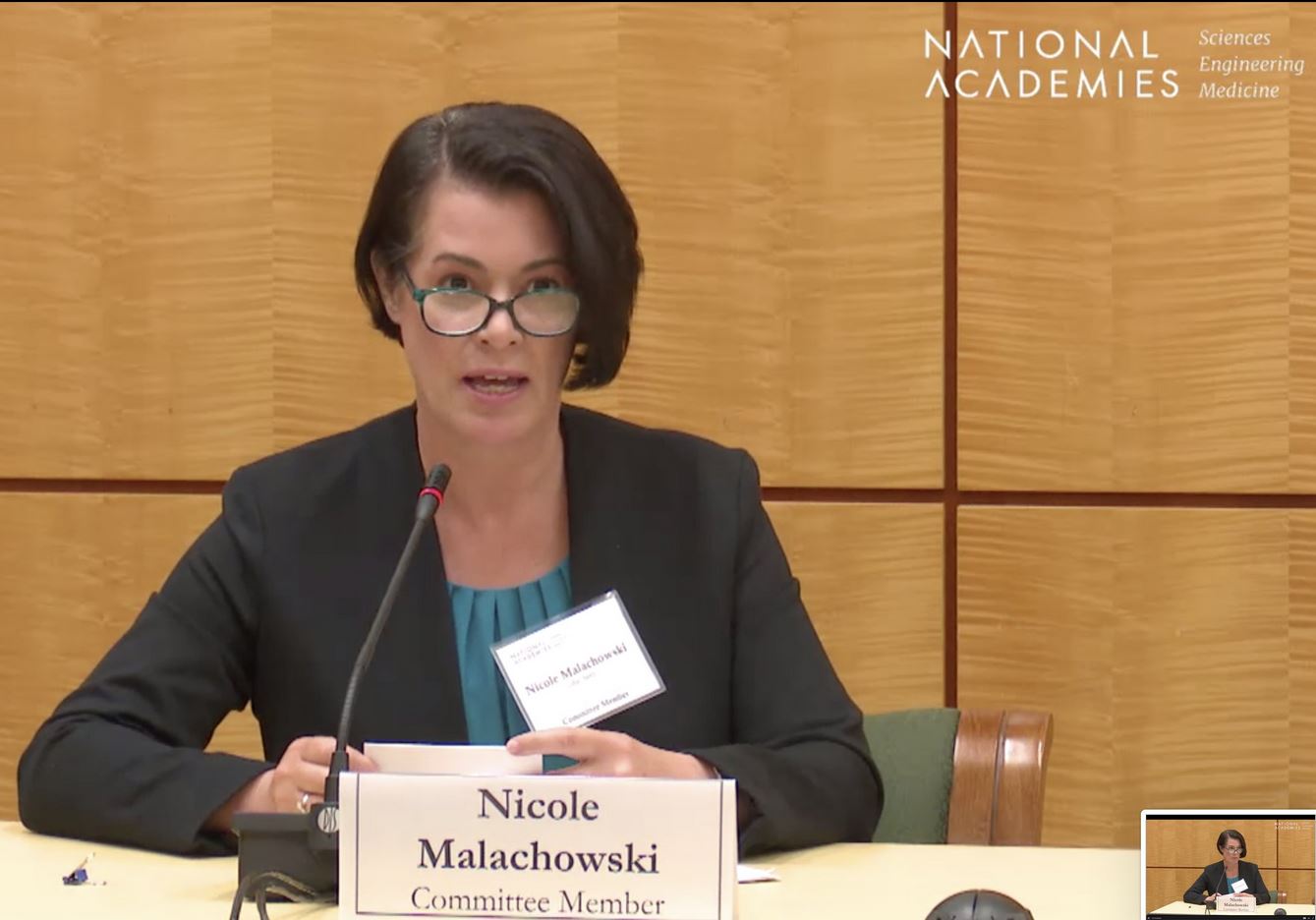
Celebrate Life · Fun · Music

#Weekend Music Share-Ambrosia – How Much I Feel-One Great Tune

It’s the weekend!!!!!!

 https://youtu.be/_KZv6olUa1A?si=46l0hWO75Sc2MeBa

I’m glad you joined me this week for another edition of Weekend Music Share.

Have a great weekend!

Melinda

Welcome back to Weekend Music Share, the place where everyone can share their favorite music.

Feel free to use the Weekend Music Share banner in your post, and use the hashtag #WeekendMusicShare on social media so other participants can find your post.