Health and Wellbeing

Channeling The Pain Of Depression Into Photography, And Finding You Are Not Alone

Celebrate Life · Fun

Today in History January 17th

In 1929, His an iconic rascal endearing to history, a fictional hero. His name is Popeye the Sailor Man.  Popeye was created by Elzie Crisler Sega and syndicated by the New York Journal for the Thimble Theatre Page, through King Features, on December 19, 1919.

Popeye the Sailor Man: “I yam what I yam” – he‘s feisty yet endearing!

Jan. 17, 1961, President Dwight D. Eisenhower delivered his farewell address in which he warned against “the acquisition of unwarranted influence, whether sought or unsought, by the military-industrial complex.

In 1984, the U.S. Supreme Court, in Sony Corp. of America v. Universal City Studios, Inc., ruled 5-4 that the use of home video cassette recorders to tape television programs for private viewing did not violate federal copyright laws.

Happy Birthday

1706 Benjamin Franklin, US Founding Father, inventor, ambassador and writer (Poor Richards Almanac), born in Boston, Massachusetts (d. 1790)

1880 Mack Sennett, movie creator (Keystone Kops)

1882 Arnold Rothstein, American gambler and mobster (fixed 1919 World Series), born in NYC, New York (d, 1928)

1899 Al Capone, American gangster (Chicago bootlegging), born in Brooklyn, New York

1900 George Sperti, American inventor (Preparation H), born in Covington, Kentucky (d. 1991)

1922 Betty White [Ludden], American actress and comedian with the longest TV career of a female entertainer (The Mary Tyler Moore Show, Golden Girls), born in Oak Park Illinois

Celebrate Life

Wacky Wednesday

My week is running in second gear, I wish better for you. Waldo is up to playing with the Reblog button, I don’t even contact Support anymore. If you are having problem will you give me a shout out, let me know I’m not alone on this wacky Wednesday.  M

Men & Womens Health

I follow The National Center on Elder Abuse on Twitter

I follow 49 charities and organizations on Twitter to get a close-up view affecting the people and issues closest to me. The National Center on Elder Abuse is a great resource to learn the laws elders have and don’t have. Pressing issues like medical and housing concerns. 

The NCEA provides the latest information regarding research, training, best practices, news and resources on elder abuse, neglect and exploitation to professionals and the public. First established by the U.S. Administration on Aging (AoA) in 1988 as a national elder abuse resource center, the NCEA was granted a permanent home at AoA in the 1992 amendments made to Title II of the Older Americans Act.

The NCEA is one of 27 Administration on Aging-funded Resource Centers. Research shows that as many as two million elders are abused in the United States. The Administration on Aging recognizes that as a government, as a society and as individuals, we must increase our efforts to insure that all older adults age with dignity and honor.

Primary Grantees

The National Center on Elder Abuse is a program of the U.S. Administration on Aging, with grants awarded to the following agencies to carry out the Center’s activities:

Sub-grantees

The Keck School of Medicine of the University of Southern California is proud to be working with these sub-grantees to reach our primary audiences (seniors, caregivers, and the aging network) and to meet other important deliverables for the NCEA.

Learn more about the NCEA through the years.

Health and Wellbeing · Men & Womens Health · Moving Forward

Never take a bad work day home again, using these 3 steps

Ideas.Ted.com

Jan 7, 2019 
Men & Womens Health · Moving Forward

How to deliver an authentic apology

Ideas.Ted.com

Jan 8, 2019 / Carly Alaim

A simple framework for delivering a short, sincere “I’m sorry,” from criminal defense attorney Jahan Kalantar.

Every weekday for the month of January, TED Ideas will publish a new post in a series called “How to Be a Better Human,” containing a helpful piece of advice from a speaker in the TED community. To see all the posts in the series, click here.

Quick survey: What’s the worst part of apologizing?

A) Working up the courage to admit we were wrong.

B) Standing in front of the other person and saying that we’re sorry.

C) Waiting for a reaction from the other person after we’ve spoken.

You’re on your own with the first and third parts, but Jahan Kalantar, a criminal defense attorney in Sydney, Australia, is here to assist with the second.

In his profession, apologies matter a great deal. “I’m talking about the difference between going to jail and going home, the difference between seeing your children twice a year or twice a week,” says Kalantar.

But even when there’s a lot at stake, and even when you feel genuine remorse, you may still find it hard to apologize, searching for the perfect words that, as Kalantar puts it “communicate vulnerability and gratitude.”

He suggests a simple “why-because-and” framework.

Start by looking the other person in the eye.

Say why you’re sorry.

For example: “I’m sorry I couldn’t make it to your housewarming party …” or “I’m sorry I handed in my proposal one day late …”

Explain the because behind your remorse.

For example: “… because I know you were so excited to show me your home …” or “… because I know you need those numbers to figure out the budget …”

Finish with an and.

For example: “… and when you have another party, I’ll be there.” or “… and I’ll send you the report tomorrow and I’ll be sure to meet all future deadlines.”

Kalantar’s method identifies what went wrong, acknowledges fault, and then points towards a solution. In cases such as a silver-wedding anniversary dinner, there is no obvious and to offer, but you can say something like “… and I’d love to celebrate with you and Mary in the future.”

Through your words and tone of voice, you should make it clear that you’ve thought about your actions and you’re truly sorry. “The next time you make a mistake … don’t be afraid to be vulnerable and authentic, because the power of any message is how honest of a place it starts its journey,” says Kalantar.

Watch his TEDxSydney talk here:

Health and Wellbeing · Men & Womens Health

Can fatty liver be cured by exercise? — Healthverb

The researchers found that exercise, regardless of volume or intensity, benefits non-alcoholic fatty liver disease (NAFLD) patients even in the absence of weight loss. NAFLD is commonly associated with obesity and diabetes. “The results from our study show that all exercise doses, irrespective of volume or intensity, were efficacious in reducing liver fat and visceral […]

via Can fatty liver be cured by exercise? — Healthverb

Men & Womens Health · Moving Forward · Survivor

I’ve added to the Organizations Who Can Help page

Please take a look at the resources available under Organizations Who Can Help page.

I appreciate you visiting my blog, have a great day.

M

Men & Womens Health

Sheet Mask Basics

From Willow and Sage from Stampington

Sheet Mask Basics

Here we help narrow down your options and break down the basics.


Microfiber Sheets

Microfiber sheets masks are the most common type on the market. Typically the cheapest option, they are made from non-woven, cotton-like fabric that is drenched in various ingredients to replenish the skin; however the microfiber causes the moister to evaporate quickly. These are not always one size fits all.


Hydrogel

Hydrogel mask are made from cosmetic serums and gelatin to produce a thin-film layer that locks in moisture and sticks to your face better than microfiber mask. These options are often sold as a system with two halves applied separately.


Bio-cellulose

Bio-cellulose mask consist of all natural fiber that experts consider the highest standard for hydrating skin and replenishing skin. They perform better mainly due to the snug adhesion the fiber allows to the face, maintaining the moist and nutrients through the entire application.


Clay and Charcoal

Clay and charcoal mask sheet masks, saturated with clay or charcoal and black in color, work to detoxify the skin from unwanted impurities. They often soothe the skin.


Bubbling Sheet Mask

Bubbling sheet masks work in a similar fashion bubbling mask. Made of charcoal, detoxifying nutrients, and sparkling water, foam is formed on top of the sheet mask, which is then to be massaged into skin after application. This helps to keep moisture locked into your skin afterward.

Moving Forward

Learning To Thrive In Spite Of The Fibro “Storm”: My Top 3 Tips — Reclaiming HOPE

We’re getting snow today….or maybe a mix of sleet, rain and snow…. We’re hearing three different things from three different news outlets. We definitely have a winter storm coming in, but the forecasters don’t seem to know exactly what path, and therefore what type of precipitation this storm is actually going to take yet. Sometimes […]

via Learning To Thrive In Spite Of The Fibro “Storm”: My Top 3 Tips — Reclaiming HOPE

Men & Womens Health

Want to save your mental energy for the stuff that really matters? Set a decision budget

Ideas.Ted.com

Jan 9, 2019 

Watch his TEDxConstitutionDrive talk here:


Many of us track our time or money, but here’s something else you may consider measuring: Your decisions. Bulletproof founder Dave Asprey explains why.

For more than five years, tech entrepreneur Dave Asprey has interviewed the world’s leading thinkers and influencers on his Bulletproof Radio podcast. Here is some advice that he’s gathered about how to make smarter decisions.

Long before I interviewed him, Stewart Friedman was my professor at the University of Pennsylvania Wharton School of Business. He’d rocked my world by showing me that I was investing my energy in all the wrong places.

In our conversation for my podcast, Stewart said that when he examined the lives of very successful people, he found they all demonstrated one key concept: Being aware and honest about what was most important to them. Stewart says that in everyday life, most of us don’t take the time to ask ourselves what we really stand for, which makes it difficult to make decisions that are in line with our goals.

Knowing what matters to you brings clarity to your decision-making and enables you to do the important work of saying “no” to many things and focusing your attention and energy on the things that matter most to you. To illuminate your values, Stewart recommends thinking about your life 20 years from now. What will a day in your life be like in 2039? Who will you be with? What will you be doing? What impact will you be having? Write all of these answers down. Keep in mind that you’re not creating an action plan but a compelling image of the future that serves as a window for your true values.

Once you know what matters most to you, Stewart says, the second step is to determine who matters most to you. This is a challenging question, but he suggests that real leaders take the time to ask themselves: “Who matters to me? What do those people want from me? What do I want from them?”

I learned a lot from my time with Stewart, who made me aware of some uncomfortable truths about how I was spending my energy. One of my core values, I realized, is continual self-improvement, but I had set it aside to focus on my career. So I made a decision to do something every day that makes me better. This commitment helps me invest my time and energy wisely and concentrate on ways to continually grow and challenge myself.

To better focus on this value, I sought out someone who lives and breathes self-improvement: Tony Stubblebine. Tony is the CEO and founder of Coach.me, a company based on the idea that positive reinforcement and community support work in tandem to help people achieve their goals.

Tony sets a decision budget for himself every day. He allows himself only a certain number of decisions, big or small, and then he “spends” them throughout the day. For this reason, the actions that he takes early on largely determine how he spends the rest of his day. If he uses a lot of decisions in the morning, he’s left avoiding even the simplest of decisions in order to stay “on budget.”

He didn’t start out this way, though. He used to check his phone and social media accounts as soon as he woke up. From the moment his alarm went off, his head was filled with all the things that he needed to do and the people he “had” to respond to. Which email should he respond to first? Should he say yes to that opportunity? Should he “like” someone’s post? Should he check out the link a friend sent him? He found those decisions were wearing him down before he even started on the major tasks of that day.

Now Tony starts his day with a clear mind. He meditates after he wakes up and then writes his to-do list. To prioritize it, he asks which of the tasks have the potential to significantly affect his desired outcome. After practicing this habit for a while, he began to realize that many items on his to-do lists weren’t critical. Eventually, he grew so clear on what was important to him that when opportunities arose it was easy for him to say “yes” or “no” without having to negotiate an answer or spend time making a decision. If an opportunity wasn’t going to change the outcome, “no” was his habitual response.

There’s a theory — contested by some scientists, supported by others — that each of us has a limited amount of energy in the day for exercising our willpower, our power to choose. But no matter where the science comes out, it’s safe to say: Making decisions takes more energy than not making decisions.

Most of us know what it’s like to simply run out of energy for big decisions after making so many small ones. This phenomenon is called decision fatigue: the more decisions you make, the worse your judgment becomes. Corporations know this, and that’s why they put candy up front at the cash registers. As you make decision after decision while shopping, you’re depleting your energetic bank account. By the time you’re ready to check out, you’re likely to be experiencing decision fatigue, so you give in and buy a candy bar (or give in to a kid who’s demanding one).

Some people find that simply eliminating as many decisions as possible — especially about their day-to-day routines — can offer them more clarity. In fact, many successful people have developed daily routines that are so dialed in that they don’t even have to think about them.

Here’s how you can start tracking and modifying your decision budget.

• Take note — mentally or on paper or a device — every time you make a decision for the next week. As you notice yourself making a decision, ask two questions: Did this decision matter? Was there a way to avoid making this decision by ignoring it, automating it, or delegating it to someone who likes making this kind of decision?

• After a week, choose two decisions you regularly make that add little value to your life, and then stop making them or simplify them. Wardrobe decisions are ones that high performers tend to streamline. Why do you think Steve Jobs wore a black turtleneck and New Balance sneakers every day? When you reach for some version of the same outfit every day, you never have to worry about what to wear.

• If you want to try this, go through your closet and put the most compatible stuff in the front so you can make fewer decisions in the morning about getting dressed. If it works for you, your next step is to opt a capsule wardrobe. Of course, you can still save a few special pieces for social events and other occasions.

Take a look at your breakfast. Can you automate it? What’s your new default breakfast going to be? Try eating it for a week. You can also create a capsule menu for dinners. To do this, find five or six recipes that you (or someone you live with) likes to cook and that everyone in your household likes to eat. That way, you’ll be able to shop for groceries and cook on autopilot. When you get tired of a recipe, swap it out for a new one.

These may seem like minor decisions, but they can save time and mental energy that you can then use for something more important to you.

Excerpted with permission from the new book Game Changers: What Leaders, Innovators and Mavericks Do to Win at Life by Dave Asprey. Published by Harper Wave, an imprint of HarperCollins Publishers. © 2018 Dave Asprey.

Men & Womens Health · Moving Forward · Survivor

RAINN: Marissa’s Story

“When I speak authentically and truthfully about my experience, I have power. I am not going away.”

Marissa Hoechstetter was repeatedly sexually assaulted by the OB-GYN she saw during her pregnancy, the delivery of her twin daughters, and follow-up appointments. The perpetrator was well-regarded in the field and was recommended to Marissa by a friend. At the time of the incidents, Marissa trusted her doctor’s treatment and was focused on making sure her pregnancy went well.

“With medical professionals, there’s often a legitimate reason for why their hands are on your body. There’s a gray area and the minute you step into their office, they have power over you,” says Marissa. “Looking back, there were a lot of things that felt odd, but I was pregnant and focused on my babies and after all, this person was the uncle of a close friend of mine.”

During one visit after her twins were born, Marissa recognized that the behavior crossed medical boundaries and knew immediately that something was wrong. “I felt it happen and froze. I never went back.” Despite continuing to feel for years that what had happened was wrong, Marissa chose not to report because she was immersed in being a new mother and found herself minimizing her own experience in comparison to other stories of sexual assault. “It just kept coming back to me how wrong it was, but I had one-year-old twins and was working full-time. I didn’t have the ability to acknowledge or deal with it.”

Marissa says it was hard for her to speak about the abuse at the beginning, but eventually she realized that sharing her story would allow her both to help others and to begin her own healing. “I got to the point with it all where I really felt like if I couldn’t speak publicly about this, who could? I felt hypocritical raising two daughters and telling them to tell the truth and call out injustice. I thought ‘I’m not doing that.’”

Marissa first disclosed the assault a few years later to her husband and the district attorney’s office, and she decided that she was going to keep telling her story until she got justice. “It’s taken me some time to find my voice—but now that I have, I’m not going to stop using it.”

For Marissa, speaking out about the abuse was very difficult at the beginning because she felt ashamed, angry, and confused—often questioning her own experience; but it got easier over time. “Each time I talk about it, it gets easier. I’m at a point now where I’m talking about it quite a lot.” But it was a gradual process for her to start telling her story. “Each time I’ve reached out or made my story more public, it’s turned out to be OK. I’m fortunate that I’ve had really positive experiences.” The MeToo Movement created an environment that validated Marissa’s experience. “I saw things and realized that the same things had happened to me. I felt more comfortable speaking out.”

Through speaking about the abuse, Marissa created the opportunity for other women who had experienced abuse by the same perpetrator to come forward. Of the many survivors, 17 sued Columbia University and its hospitals for the alleged oversights that allowed this abuse to continue over the course of 20 years. Marissa was not the first person to have spoken up about it—she says that others had been reporting incidents going back to the 1990s, but no action had been taken to stop the abuser from seeing patients. Though the other survivors remain anonymous to the public, Marissa says it has been helpful to know that she is not alone.

Marissa aims to raise awareness of sexual abuse by medical professionalsboth so that survivors of this crime no longer feel alone and so that the legal and institutional systems that allow this abuse to occur can change. “So many people reach out to me who want to talk about sexual abuse by medical professionals. There’s a lot of shame and self doubt. They want to validate their experience. They don’t know what to do, where to go.” “We need to draw more attention to this so that the profession can acknowledge it and take better steps to protect patients. We need change—from the institutions that employ, enable, and protect these abusers, to the governmental structures that are supposed to regulate them.”

Short statute of limitations and limited roles of admissible evidence mean that, often for crimes of sexual abuse that go on over a long period of time, it is very limiting for prosecutors trying to show a pattern and history of illegal behavior. That is why Marissa advocates for increasing public opinion around the issue of why someone didn’t report earlier in order to address the issue of statutes of limitations, which she believes should be reformed. “It’s so great that RAINN has the statutes of limitations state database—so often survivors don’t know what the laws are in their state.”

In terms of giving advice to others about recognizing medical sexual abuse, Marissa says to trust your instincts. “Honestly just trust your gut. If something doesn’t feel right or comfortable, go somewhere else.” She also recommends being an informed patient as much as possible. “Be an informed consumer for this like you would be about anything else in your life.” She recommends researching both the healthcare provider and the facility. In addition to reporting sexual abuse to the hospital and police, survivors can also contact their state’s medical board to file a complaint against providers, though unfortunately in most states you cannot access these complaints against doctors. Marissa has been advocating for greater transparency on medical boards.

In addition to the healing Marissa has experienced though advocacy and sharing her story, she has also found the support of family, friends, and therapy to be essential. “Therapy was helpful for working out how I felt about what happened to me and what I wanted to do about it.” Her therapist encouraged to start writing down her thoughts and feelings, which Marissa has continued to do for years. “Putting it down on paper and reading it back to myself was really powerful for me.” Marissa also runs regularly, which is useful to her both for the exercise and for finding alone time to reground herself and clear her thoughts.

Though sharing her story and becoming an advocate for other survivors has been healing for Marissa, she emphasizes that survivors should do what is best for them and should not feel they have to disclose publicly.

“For me, I knew I needed to do something. Speaking out for me was about feeling productive.”


“When I speak authentically and truthfully about my experience, I have power. I am not going away.”

Men & Womens Health · Moving Forward

Happy 98th Birthday Granny

Journalism

Granny it’s hard to believe it’s your 98th birthday, I celebrate the memories in my head. You were on my side from birth, making unannounced house visits, questioning where I was and making sure I had clothes. You made my clothes until fifth grade, how did you find the time with all the hard work you did?

Times were so different, you woke up at 4:30 am to make Gramps fried eggs and toast, while he ate you made a fresh sandwich, fresh thermos of tea and a snack, walked to door and gave a peak on the lips. You were happy.

As I got older you started cleaning houses to make money for my school clothes. I knew you worked so hard but I never thanked you, you made many sacrifices so I could have the cool jeans in high school and the popular shoe of choice.

You were the beautiful sunshine, loving part of my life. I miss you desperately. I know you’re proud and love me. I included one of your favorite photos of me.

Moving Forward

12 Life-Changing Reads & Self-Help Books For 2019 — Invisibly Me

With attempts to renew hope and motivation for the New Year, I thought I’d share a few life-changing reads and self-help books to reignite your spark. These are reads to inspire, encourage, empower and enlighten, with a particular focus on chronic illness and mental health. Happy reading! 1. You Can Heal Your Life – Louise […]

via 12 Life-Changing Reads & Self-Help Books For 2019 — Invisibly Me

Fun · Moving Forward

On This Day In History

1898.    

Painter Henri Matisse (28) weds Amélie Noellie Parayre

1841 

George Melville, American polar explorer & naval engineer, born in NYC, New York (d. 1912)

First meeting of the United Nations

The first General Assembly of the United Nations, comprising 51 nations, convenes at Westminster Central Hall in London, England. One week later, the U.N. Security Council met for the first time and established its rules of procedure. Then, on January 24, the General Assembly …read more

AOL-Time Warner formed

On this day in 2000, in one of the biggest media mergers in history, America Online Inc. announces plans to acquire Time Warner Inc. for some $182 billion in stock and debt. The result was a $350 billion mega-corporation, AOL Time Warner, which held dominant positions in every …read more

1929

The first Adventures of Tintin comic book is published

Hergé’s books became hugely popular in Europe and the rest of the world.

Births On This Day – January 10

1953 Pat Benatar  American singer-songwriter

1949 George Foreman  American boxer

1945 Rod Stewart  English/Scottish singer-songwriter


Health and Wellbeing · Men & Womens Health · Mental Health

Dementia and Suicide

Second Stage Dementia


As dementia progresses, the symptoms first experienced in the early stages of the dementia generally worsen. The rate of decline is different for each person. A person with moderate dementia scores between 6–17 on the MMSE. For example, people with Alzheimer’s dementia in the moderate stages lose almost all new information very quickly. People with dementia may be severely impaired in solving problems, and their social judgment is usually also impaired. They cannot usually function outside their own home, and generally should not be left alone. They may be able to do simple chores around the house but not much else, and begin to require assistance for personal care and hygiene other than simple reminders.[11]


I’m in Second Stage Dementia, a 17 on the MMSE and I’m going to kill myself. There’s no emotion in my voice, my husband, my Therapist, and my Psychiatrist know. I don’t want to die and that is why picking the right time is so important. I won’t lie wasting away not knowing anyone, unable to speak or eat. Someone has to bathe you and change your bed several times a day, it’s gut-wrenching to watch someone you love die this way.  

I cared for my Granny, the second stroke is where she started losing touch. She would say “Why did Gramps leave me at this house.” I took photos off the wall to assure her he went to get groceries, she was lost in a terrible reality. She would bang her head against the wall and scream she wanted to die. My Granny got so violent I had to medicate her and that was the last time my Gramps could leave the house until her death. 

My Dementia was caused by Lyme Disease, the Spirochetes used my brain as a host. I’m in the second stage and it’s difficult already. It’s not just the words forgotten, it’s the time’s per day forgotten. I talked with my husband last night but have no idea what we talked about. Many times the words don’t come. Maybe you’ve noticed? I try to tell myself it’s freeing to not worry about the date or day of the week, it’s sad cover.

Melinda


Men & Womens Health

Lyme Progress #7 Supplements?

Every case of Lyme is different partly do to which major organ the spirochetes  penetrate and set up house. They go for the brain, liver, kidney’s or heart, some of the symptoms are relative to the organ they set up house in. Then you have co-infections to deal with. A tick can give you Lyme and other diseases it carries around. Ticks aren’t the only ones to carry Lyme, sand flies and mosquitos can carry the disease. This is why it’s so important to spray yourself every time you go outside.

Doctor’s don’t have a protocol to follow since every patient is different. To me Lyme treatment felt as if the doctor was trying to kill the spirochetes without killing me. I was in bed almost three years. Doctors are working to establish a protocol but that is another post.

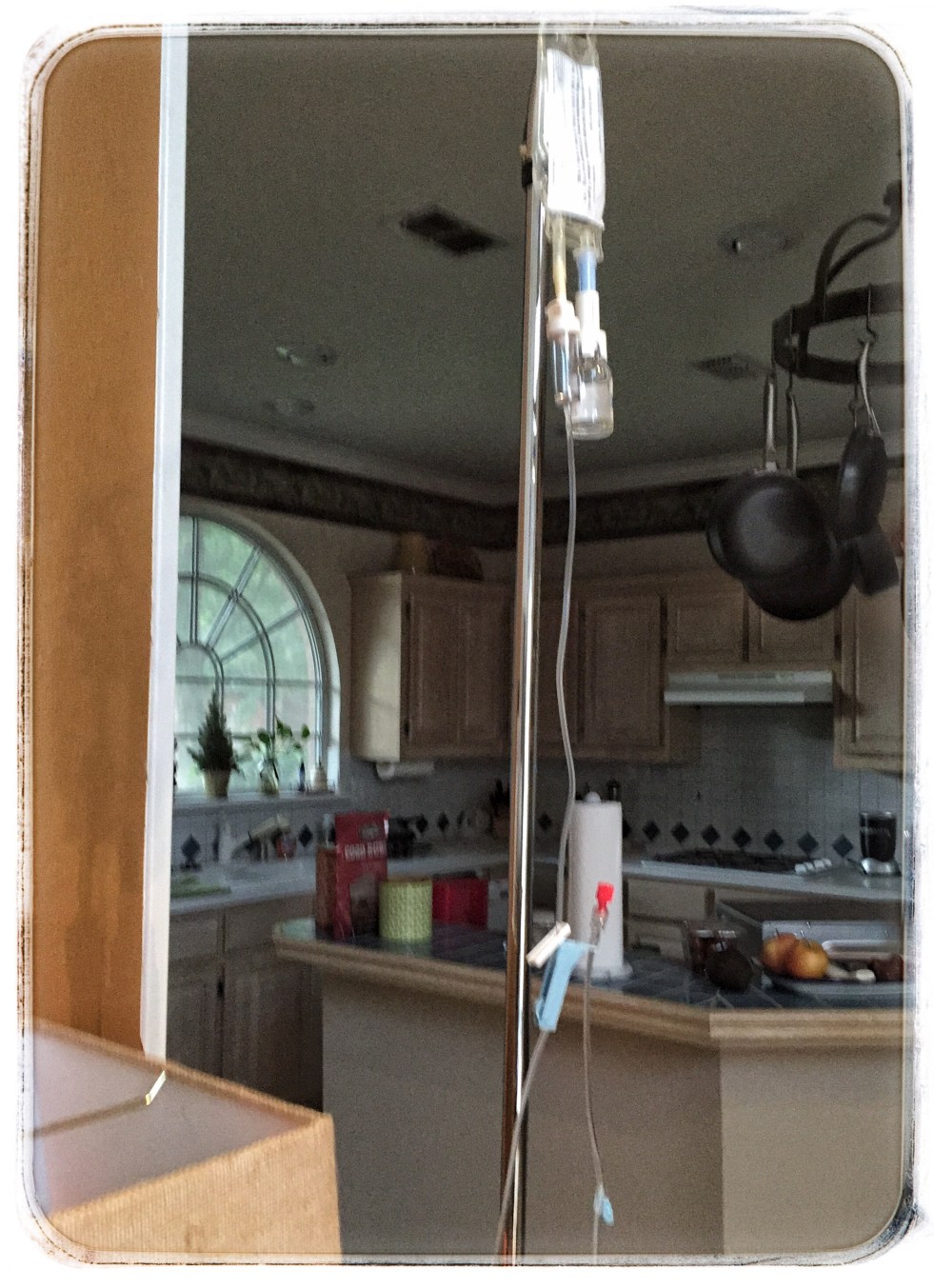
My Lyme team recommended approximately 50-75 supplements to take on top of my daily prescriptions and seven days of IV Therapy. When I was  feeling like death, supplements were the last thing on my mind. After taking certain ones and not feeling any different, the bottle were rounded up and thrown in thrash. Don’t get me wrong, supplements work for many people.

There are doctors or practitioners who claim supplements alone will cure Lyme, sorry not true. Lyme has no cure. I’m not against supplements and take a few today, when you’re already taking so many pills and an IV everyday, 50-75 more pills didn’t work for me. I wish all the best in your treatment.

Like many autoimmune diseases there isn’t a road map. Research helps but is not a cure. If you have an autoimmune diseases, stay on top of research, clinical trails and new medicines, doctors can’t keep up with everything or be expected to tell us.

Take responsibility for your illness, not focus on your illness, focus on how to improve your day-to-day and where your future is going.

M

Moving Forward

Could your thoughts make you age faster?

Apr 26, 2017  + 

Researchers are finding that your mental patterns could be harming your telomeres — essential parts of the cell’s DNA — and affecting your life and health. Nobel-winning scientist Elizabeth Blackburn and health psychologist Elissa Epel explain.

How can one person bask in the sunshine of good health, while another person looks old before her time? Humans have been asking this question for millennia, and recently, it’s becoming clearer and clearer to scientists that the differences between people’s rates of aging lie in the complex interactions among genes, social relationships, environments and lifestyles. Even though you are born with a particular set of genes, the way you live can influence how they express themselves. Some lifestyle factors may even turn genes on or shut them off.

Deep within the genetic heart of all our cells are telomeres, or repeating segments of noncoding DNA that live at the ends of the chromosomes. They form caps at the ends of the chromosomes and keep the genetic material from unraveling. Shortening with each cell division, they help determine how fast a cell ages. When they become too short, the cell stops dividing altogether. This isn’t the only reason a cell can become senescent — there are other stresses on cells we don’t yet understand very well — but short telomeres are one of the major reasons human cells grow old. We’ve devoted most of our careers to studying telomeres, and one extraordinary discovery from our labs (and seen at other labs) is that telomeres can actually lengthen.

What this means: aging is a dynamic process that could possibly be accelerated or slowed — and, in some aspects, even reversed. To an extent, it has surprised us and the rest of the scientific community that telomeres do not simply carry out the commands issued by your genetic code. Your telomeres are listening to you. The foods you eat, your response to challenges, the amount of exercise you get, and many other factors appear to influence your telomeres and can prevent premature aging at the cellular level. One of the keys to enjoying good health is simply doing your part to foster healthy cell renewal.

People who score high on measures of cynical hostility have shorter telomeres.

Scientists have learned that several thought patterns appear to be unhealthy for telomeres, and one of them is cynical hostility. Cynical hostility is defined by high anger and frequent thoughts that other people cannot be trusted. Someone with hostility doesn’t just think, “I hate to stand in long lines at the grocery store”; they think, “That other shopper deliberately sped up and beat me to my rightful position in the line!” — and then seethe. People who score high on measures of cynical hostility tend to get more cardiovascular disease, metabolic disease and often die at younger ages. They also have shorter telomeres. In a study of British civil servants, men who scored high on measures of cynical hostility had shorter telomeres than men whose hostility scores were low. The most hostile men were 30 percent more likely to have a combination of short telomeres and high telomerase (an enzyme in cells that helps keep telomeres in good shape) — a profile that seems to reflect the unsuccessful attempts of telomerase to protect telomeres when they are too short.

These men had the opposite of a healthy response to stress. Ideally, your body responds to stress with a spike in cortisol and blood pressure, followed by a quick return to normal levels. Instead, when these men were exposed to stress, their diastolic blood pressure and cortisol levels were blunted, a sign their stress response was, basically, broken from overuse. Their systolic blood pressure increased, but instead of returning to normal levels, it stayed elevated for a long time afterward. The hostile men also had fewer social connections and less optimism. In terms of their physical and psychosocial health, they were highly vulnerable to an early disease-span, the years in a person’s life marked by the diseases of aging, which include cardiovascular disease, arthritis, a weakened immune system and more. Women tend to have lower hostility, and it’s less related to heart disease for them, but there are other psychological culprits affecting women’s health, such as depression.

When you ruminate, stress sticks around in the body long after the reason for the stress is over.

Pessimism is the second thought pattern that has been shown to have negative effects on telomeres. When our research team conducted a study on pessimism and telomere length, we found that people who scored high on a pessimism inventory had shorter telomeres. This was a small study of about 35 women, but similar results have been found in other studies, including a study of over 1,000 men. It also fits with a large body of evidence that pessimism is a risk factor for poor health. When pessimists develop an aging-related illness, like cancer or heart disease, the illness tends to progress faster. Like cynically hostile people — and people with short telomeres, in general — they tend to die earlier.

Rumination — the act of rehashing problems over and over — is the third destructive thought pattern. How do you tell rumination from harmless reflection? Reflection is the natural, introspective analysis about why things happen a certain way. It may cause you some healthy discomfort, but rumination feels awful. And rumination never leads to a solution, only to more ruminating.

When you ruminate, stress sticks around in the body long after the reason for the stress is over, in the form of prolonged high blood pressure, elevated heart rate, and higher levels of cortisol. Your vagus nerve, which helps you feel calm and keeps your heart and digestive system steady, withdraws its activity — and remains withdrawn long after the stressor is over. In a study, we examined daily stress responses in healthy women who were family caregivers. The more the women ruminated after a stressful event, the lower the telomerase in their aging CD8 cells (the crucial immune cells that send out proinflammatory signals when they are damaged). People who ruminate experience more depression and anxiety, which are, in turn, associated with shorter telomeres.

The fourth thought pattern is thought suppression, the attempt to push away unwanted thoughts and feelings. The late Daniel Wegener, a Harvard social psychologist, once came across this line from the great Russian writer Leo Tolstoy: “Try to pose for yourself this task: not to think of a polar bear, and you will see that the cursed thing will come to mind every minute.” Wegener put this idea to the test through a series of experiments and identified a phenomenon he called ironic error, meaning that the more forcefully you push your thoughts away, the louder they call out for your attention.

Ironic error may also be harmful to telomeres. If we try to manage stressful thoughts by sinking the bad thoughts into the deepest waters of our subconscious, it can backfire. The chronically stressed brain’s resources are already taxed — we call this cognitive load — making it even harder to successfully suppress thoughts. Instead of less stress, we get more. In a small study, greater avoidance of negative feelings and thoughts was associated with shorter telomeres. Avoidance alone is probably not enough to harm telomeres, but it can lead to chronic stress arousal and depression, both of which may shorten your telomeres.

Thought awareness can promote stress resilience. With time, you learn to encounter ruminations and say, “That’s just a thought.”

The final thought pattern is mind wandering. Harvard psychologists Matthew Killingsworth (TED Talk: Want to be happier? Stay in the moment) and Daniel Gilbert (TED Talk: The surprising science of happiness) used a “track your happiness” iPhone app to ask thousands of people questions about what activity they are engaged in, what their minds are doing, and how happy they are. Killingsworth and Gilbert discovered we spend half of the day thinking about something other than what we’re doing. They also found that when people are not thinking about what they’re doing, they’re not as happy as when they’re engaged. In particular, negative mind wandering — thinking negative thoughts, or wishing you were somewhere else — was more likely to lead to unhappiness in their next moments.

Together with Eli Putermanwe studied close to 250 healthy, low-stress women who ranged from 55 to 65 years old and assessed their tendency to mind-wander. We asked them two questions: How often in the past week have you had moments when you felt totally focused or engaged in doing what you were doing at the moment? How often in the past week have you had any moments when you felt you didn’t want to be where you were, or doing what you were doing at the moment? Then we measured the women’s telomeres.

The women with the highest levels of self-reported mind-wandering had telomeres that were shorter by around 200 base pairs. (To put this in context, a typical 35-year-old has roughly 7,500 base pairs of telomeres; a 65-year-old, 4,800 base pairs.) This was regardless of how much stress they had in their lives. Some mind-wandering can be creative, of course. But when you are thinking negative thoughts about the past, you are more likely to be unhappy, and you may possibly even experience higher levels of resting stress hormones.

The negative thought patterns we’ve described are automatic, exaggerated and controlling. They take over your mind; it’s as if they tie a blindfold around your brain so you can’t see what is really going on around you. But when you become more aware of your thoughts, you take off the blindfold. You won’t necessarily stop the thoughts, but you have more clarity. Activities that promote better thought awareness include most types of meditation, along with most forms of mind-body exercises, including long-distance running.

Thought awareness can promote stress resilience. With time, you learn to encounter your own ruminations or problematic thoughts and say, “That’s just a thought. It’ll fade.” That is a secret about the human mind: We don’t need to believe everything our thoughts tell us. Or, as the bumper sticker says, “Don’t believe everything you think.”

Excerpted from the new book The Telomere Effect: A Revolutionary Approach to Living Younger, Healthier, Longer by Elizabeth Blackburn and Elissa Epel. Reprinted with permission from Grand Central Publishing, a division of Hachette Book Group, Inc. © 2017 Elizabeth Blackburn and Elissa Epel.


Men & Womens Health

Lyme Progress #6 Beginning And End of Journey


Lyme is one of many Autoimmune Diseases that share the same or similar symptoms. It’s one reason doctor’s tend to treat each symptom until they realize it’s one illness and give a referral or you’ve given up on them.

My journey started with pain in the middle of my chest, Costochondritis, my General Practitioner said, it will heal in three months and to come back then. The next appointment I was diagnosed with something to do with my left Clavicle. Time for a second opinion, the new doctor said no it wasn’t my Clavicle and recommended a Neurologist. I walked down the hall and made an appointment the same day. I spent a year with the Neurologist, taking every test she could do, all the test were abnormal but not enough to make a diagnosis. The test result were interesting and surprising, I was having high spike seizure at nigh,t unknown to me. She recommenced I see a Rheumatologist.

The recommendation was a clue to what might be wrong, Rheumatologist treat Autoimmune Disorders. I hit the Internet and started searching by taking the results from each test and adding autoimmune. In less than a minute I had a list of the most common Autoimmune Disorders. I did an uneducated elimination until the list was down to four. I took a stab at Lyme, then started reading everything I could find.

Finding a Lyme doctor was difficult because the Medical Board was still taking medical license’s away from doctor’s who treated Lyme. I found ILADS which is an organization for doctors who believe in Chronic Lyme. The Center for Diseases Control does not believe in Chronic Lyme, saying treatment should not go beyond six weeks. Not much at the CDC has changed today. If you’ve been turned down by your insurance company to cover your treatment, here’s why. Once of the Center for Diseases Control makes a decision on how long treatment takes, insurance companies will only cover what the CDC says is necessary. This also means every government-funded medical doctor or facility will not treat more than the six weeks the CDC dictates.

Getting in contact with a doctor was secretive, first I was asked many questions as to how I found the number and the type of doctor I was looking for. She said ok, someone will call you with the names of two doctor’s.

Picking the doctor close to my house made sense at the time. I was clueless on what to expect. The first appointment we talked about symptoms, I left with many prescriptions and a lab order that called for 25-30 vials of blood. He made the diagnosis but something in my gut said find someone else. It was an easy decision when he told me I had high lead levels and would have to go thru this terrible treatment to purge the lead. Latter that week I looked at the report again, it wasn’t my report, it was another patients. If a doctor’s office can’t keep their paperwork correct, I need to move on.

I made the decision to look across the US this time to find the right doctor. The Lyme doctor I chose was in Washington D.C., he had an excellent record as an Infectious Disease doctor and was involved in discovering AIDS, putting a name to the face of why gay men were dying in large numbers.

At the beginning of treatment I flew to D.C. every month, for a year and a half. Over time the appointments were spaced out, I saw him for three years. I was fighting hard to win over this illness. I kept the Lyme doctor and PA up-to-date on all medicines taking, emphasizing every Psych medicine changes. My Psychiatrist was the only other doctor I was seeing.

His PA called a new prescriptions, I normally will not put a pill in my mouth without going to FDA.gov. I was so sick and didn’t take the time to read more about the medicine. The one she prescribed was in the same category of another drug I take and it made me Psychotic. I walked a circle in our house for almost a week, 24 hours a day, before the reaction went away. I called to tell them they can’t be mixed, the PA says there’s no interaction. I looked on FDA.gov and confirmed the sloppy work, did they even look at my chart?  She was responsible for the horrible state I was in. I never went back.

I’m writing more post on Lyme this month.

M


Men & Womens Health

How to use rituals to get closer to the people you care about

By turning our get-togethers with friends into regular events, we can build the kinds of connections that will sustain us, says life coach Baya Voce.



Every weekday for the month of January, TED Ideas will publish a new post in a series called “How to Be a Better Human,” containing a helpful piece of advice from a speaker in the TED community.

With all the “must dos” (work, pets, kids, home repairs, doctors’ visits) and “should dos” (eat right, sleep enough, check in with family, exercise) in our lives, there’s often little room for anything else. But what tends to fall between the cracks is everyone who doesn’t fall into those categories — like our friends and neighbors.

Why does this matter? “People who are more socially connected to family, to friends, to community, are happier, they’re physically healthier, and they live longer than people who are less well connected,” says psychiatrist Robert Waldinger — who directs the longest-running study on wellbeing and adult development at Harvard University — in his TED talk.

Instead of thinking of socializing as skippable, try to view it as an essential and energizing part of your life. Life coach and event producer Baya Vocesuggests making a ritual out of get-togethers, something she calls “a powerful tool for connection.”

Here’s how Voce and her friends do this: “For me and my girlfriends, our couches act as the metaphorical fire that we gather around. Every Monday night we throw on our leggings, we head to one of our houses, we pour some wine, we pile onto the couch, and we just talk. We’ve ritualized these nights as a time we come to connect and fill our tanks for the rest of the week.”

Two qualities make their Mondays special: repetition and intention. The friends show up for each other no matter what — week in and week out, through calm and chaos, joy and grief. “We do it during the good times, and we do it during the mundane,” says Voce. “So when the inevitable emotional storms hit, you have your ritual to go back to.”

What’s your group’s favorite thing to do together? Beer and darts, tea and scones, Friday-night potluck? There’s no need to launch a brand-new activity. “Find something you’re already doing … and do that thing over and over and over again,” says Voce. Feel free to go beyond your immediate circle and include coworkers (past or present), cousins, dog-park friends, anyone you’d like to get to know better. Commit to meeting once a week or once a month, and start building your own ritual for connection.

ABOUT THE AUTHOR

Carly Alaimo is a writer and content specialist living in Atlanta, Georgia.

Melinda

Refernce:

Jan 4, 2019 

Men & Womens Health

How Does Lighting Affect Mental Health in the Workplace

Poor lighting often gets overlooked in the workplace, as we talk about mental health and well-being, and the focus is firmly on creating happier and healthier workplaces. But bad lighting is associated with a range of ill-health effects, both physical and mental, such as eye strain, headaches, fatigue and also stress and anxiety in more high-pressured work environments. As we spend much of the day in artificial lighting, there is evidence that the lack of natural sunlight has an adverse effect on the body and the mind, and can result in conditions such as seasonal affective disorder (SAD).

As we navigate the darkest (and shortest days) of the year, 40% of office workers are struggling to work in poor lighting every day. This has a negative effect on their productivity and wellbeing – according to a new research report,looking at the impact of lighting in the workplace. This is a recent research report by the UK company Staples, where an online survey of 7,000 office workers was conducted in October 2018. The research sample consisted of a sample of desk-based office workers from ten European countries including: United Kingdom (2,000, with 302 in London), Germany (1,000), France (500), Netherlands (500), Sweden (500), Norway (500), Spain (500), Italy (500), Portugal (500) and Finland (500).

80% of office workers, said that having good lighting in their workspace is important to them, and two-in-five (40%) are having to deal with uncomfortable lighting every day. A third (32%) said better lighting would make them happier at work. However, when access to natural sunlight is so limited in the winter, many are feeling stressed and suffering from seasonal affective disorder (SAD), and often spend long hours at their desks which is sometimes their only access to light during the day. The results have also shown that 25% of the surveyed are frustrated at having to deal with poor lighting in their workplaces.

Often just 13-15 mins of exposure to natural light are enough to trigger the release of endorphins or “happy hormones”. Dr. Joe Taravella, a supervisor of pediatric psychology at NYU Lagone Medical center said that SAD “affects anywhere from 5% to 10% of the population:, which is a huge proportion of the population suffering from clinical levels of depression for up to a quarter of the year.

Another research concludes that there is a strong relationship between workplace daylight exposure and office workers’ sleep, activity, and quality of life.

There are no statutory workplace lighting levels in the UK. Regulation 8 of the Workplace Health, Safety and Welfare (WHSW) simply requires that lighting at work is “suitable and sufficient” and that, where possible workplaces are lit by natural light. The emphasis on natural lighting and other related research reflects the consensus that daylight is the best form of light. But, in parts of the northern hemisphere, daylight by itself will not provide sufficient illuminance throughout a working area. This means that “sufficient and suitable” lighting usually needs a combination of natural and artificial lighting, and especially artificial lighting that can be personalized as per the activity, function and individual requirements, and those that can imitate natural daylight.

The research by Staples recommends providing SAD lamps to employees, and to have cold-tone lighting with high illuminance in the mornings for maximum productivity. In this research report, 68% of the surveyed workforce admitted that they would feel more valued by their employers if they considered their health and well-being and invested in suitable lighting.

Personalized lighting options can help create more inclusive work environments. One such way is the use of biodynamic lighting which can then adjust the lighting during the day for the tone and illuminance as per natural daylight levels outside, and also the individual requirements of the user. This way the employees feel more in control of their work environments, which has been shown to increase their levels of happiness and productivity in the workplace.

Some lighting designers have recommended an emphasis on cooler, daylight temperatures, for example by adding more blue to the mix. A trial by the University of Surrey’s sleep research center suggests that certain wavelengths of blue light suppress the sleep hormone that regulates sleep/wake cycles. The trial compared alertness levels among staff working in the blue-enriched light with those on a control floor. It found that first thing in the morning and at lunchtime, alertness levels were the same on both floors. But another measure just before staff left for home found significantly higher alertness on the trial floor. Staff also reported improved sleep patterns, and although not scientifically validated, indicated that visual acuity was better with the blue light, and after four weeks, 92% of people on the floor said they preferred it over the old lighting.

There is sufficient evidence now to show that well-being in the workplace can be hugely improved by providing lighting that mimics natural daylight, by bringing more natural light in with large windows, by providing suitable levels of illumination for visual acuity, and by providing personalized lighting that can be adjusted as per the individual biodynamics as well as the task on hand.

A social and creative entrepreneur, writer, TEDx speaker and organizer, and an inclusivity and diversity consultant, Pragya has extensive experience of working with schools and organisations, running workshops on sexism, female empowerment, feminist parenting, mental health …

MORE

Dr. Pragya Agarwal is an inclusivity consultant, campaigner for women’s rights and gender equality, TEDx speaker and CEO of The Art Tiffin. Follow Pragya on LinkedinTwitter, and Facebook

Men & Womens Health

Will Alexa Become Your Next Marriage Counselor

While it’s estimated that nearly 93% of soon-to-be brides use the internet to plan their wedding, we might have more tech to thank when it comes to making our marriage last. According to new reports, home listening devices, like Alexa and Google Home, might have the ability to detect common problems in your relationship.

These virtual assistants are always listening. Back in October, Amazon even filed a patent for a new Alexa feature that can detect when you’re feeling sick based on coughs and sniffles. The device could then offer medicines and other advice to ease your cold symptoms, like chicken noodle soup or aspirin.

The same idea is being applied to your relationship. Alexa, and other home devices like Google Home, might be able to listen in on the conversations between members of your household.

This was revealed in a new study between dating site eharmony and the Imperial College London. According to their research, Google Home and Alexa might be able to tell if you’re experiencing struggles in your relationship with up to 75% accuracy.

The report claims that it can help alleviate communication struggles between heterosexual relationships, in particular. This relies on the idea that men typically rely on factual modes of problem-solving, thus hindering emotional communication in the process.

“AI can pick up missed cues and suggest nudges to bridge the gap in emotional intelligence and communication styles. It can identify optimal ways to discuss common problems and alleviate common misunderstandings based on these different priorities and ways of viewing the world. We could be looking at a different gender dynamics in a decade,” says Aparna Sasidharan, a researcher from the Imperial College Business School.

Of course, this means that 25% of the advice proffered by the system will be incorrect. In some instances, it may even be harmful if the system suggests there are problems that aren’t even there.

Luckily, there are other ways to help improve the communication between you and your partner. It’s estimated that 84% of couples who travel together claim they communicate well with their partner as opposed to 73% of couples who don’t travel.

Traditional methods of therapy and couples counseling can also help bridge the communication gap between partners who aren’t able to see eye to eye.

However, the new study says that the AI can do more than just identify problems in a relationship. It might even be able to influence online dating.

“With AI, online dating version 3.0 is upon us. While traditional algorithms were limited to recommending profiles, these days they can predict compatibility, enhance dating experiences and help manufacture chemistry,” Sasidharan continues.

“But in another decade we could be seeing revolutionary changes with dating apps moving to continuous relationship coaching or marriage counseling as well as improving relationship health and helping people project a more attractive persona.”

The study also suggests that AI could be paired with genetic components to help determine the sexual chemistry and overall compatibility between singles looking for love.

If this idea excites you, don’t hold your breath: this chemistry matching won’t be ready for nearly 10 years, and even then, there’s no guarantee it can be used in a casual setting, like in the home or your local coffee shop. So far, no patents for Alexa and Google Home have been filed as of yet and the USPTO receives an estimated 500,000 patent applications every year, potentially putting this idea at the bottom of the barrel.

Luckily, some dating apps have already begun to use AI in order to recommend first date spots and more. In the meantime, we’ll just have to keep our eyes peeled for the next big trend in dating.

Moving Forward

Is ‘Bird Box’ About Mental Health?

Psychology Today Shainna Ali Ph.D., LMHC

A Modern Mentality


If you’re a human who uses social media, you’ve likely seen flocks of folks commenting on Netflix’s recently released psychological thriller, Bird Box. Based on the post-apocalyptic novel by Josh Malerman, the adaptation has spiked in recent popularity as Netflix claims it has been watched by over 45 million viewers in just one week.

Netflix's Twitter Account


Bird Box has become a light-hearted meme-sensation, but has also evoked serious food for thought in viewers pondering the deeper meaning of the movie. Some are starting to wonder about hidden messages linking topics such as racism and social media. Many viewers versed in mental health awareness have called for trigger warnings and have also critiqued the popular movie for further perpetuating villainized stereotypes of mental illnesses. While I will not claim to know the true underlying meaning, I will confess that I do recognize that there are mental health lessons to be learned through this film. I will do my best to refrain from spoilers beyond the trailer, but if you do plan to watch the movie, it may be best to read lesson one and then make an informed decision of whether to watch first, after, or maybe even not at all based on what is best for your mental wellness.

There’s no harm in trigger warnings.

Developed by the Motion Picture Association of America (MPAA), the Classification and Ratings Administration (CARA) was established in 1968 with the aim of helping parents make informed decisions about viewing choices for their children. The “R” rating precedes Bird Box, alluding to the potential for “adult themes, adult activity, hard language, intense or persistent violence, sexually-oriented nudity, drug abuse or other elements.” While this rating is a helpful, it’s rather broad and fails to include specific elements pertaining to mental health. A system designed to flag potential warnings for children is an excellent start, but adults are not immune to being affected by triggering themes as well. The current classification could benefit from specifiers pertaining to mental health trigger warnings for themes such as anxietytraumaself-harm, and suicidality. Many viewers have flocked to social media to share their personal experiences and warnings, and while their messages are helpful, it may help to preface movies with mental health warnings.

Mental illness or mental health?

Hollywood has a long history of stereotyping mental health. Unfortunately, it isn’t novel to see mental health depicted in a poor light. While some movies have been lauded for more accurate depictions of mental health, Hollywood is notorious for villainizing mental illness, as in popular films such as Splitand GothikaBird Box has received criticism for perpetuating negative portrayals of individuals living with mental health concerns, specifically those who are hospitalized. Some hidden messages could be gathered as well, such as the inability for others to see the problem and the subsequent tendency to minimize the gravity of the problem. While we have come a long way in terms of recognizing the importance mental health, there is much to be done to continue to destigmatize mental illness and advocate for mental health awareness.

The truth is in there.

Many are on the hunt for the true meaning of Bird Box. While we might be able to ask Malerman himself, there is something to be said for each person’s unique interpretation. I promised to not attempt to convey a potential theory, and that is only out of respect for your own. A good movie prompts us to think. Aspects such as gaps in time and underdeveloped characters could be the foundation for film critique, or opportunities for your own truth. The difference in opinions are projections of our own perspectives. Some people may experience triggers pertaining to their lived experiences, while others may not. Some people may view the film as negatively depicting health disparities, while some may point to scenes that highlight positive portrayals. Some people may see a statement on the state of society, while others may feel a poignant connection to their own life. Being a reflection of you, your reflection is just as valid as any other. Therefore, respecting your personalized view can help to promote your mental well-being. This may look as simple as honoring your view as much as those of others. However, if this movie, or any other, brings themes to the surface that become distracting for you, the responsible action to tend to your mental wellness would be to use this occurrence as a signal to practice self-care and/or to seek help.

Fun

Friday Quote: Life and Living

“My life is my message.” Mahatma Gandhi

“Not how long, but how well you have lived is the main thing.”  Seneca

“Time means a lot to me because, you see, I, too, am also a learner and am often lost in the joy of forever developing and simplifying. If you love life, don’t waste time, for time is what life is made up of.”
Bruce Lee

Unknown


Moving Forward

Goals for 2019 not Resolutions


close up of text
Photo by Pixabay on Pexels.com

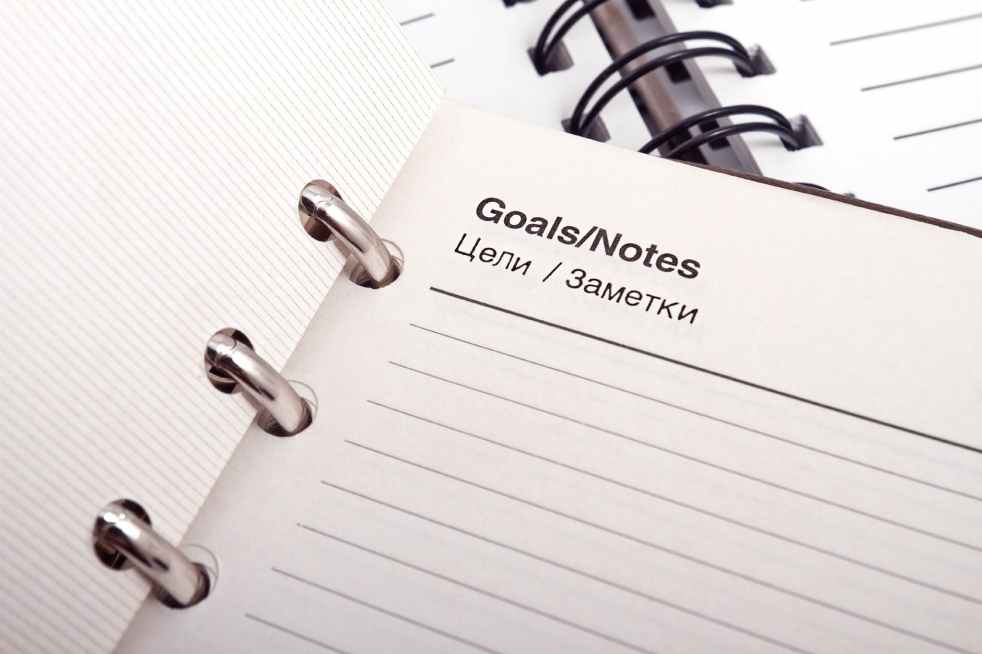
I’m not one for resolutions, they seem to fade with the first day. Setting goals works for me, I feel accountable to a goal. I also make stretch goals, like my sales career, stretch goals pay the highest reward. Goals may need adjusting as the year goes on.

Life can derail your goals, pick yourself up, and set new goals. My goals have been derail for the last several years but I don’t feel let down or bad. Health can derail all of your goals, reset new ones.

Remember, the resolutions or goals are for us, written by us. Don’t get down on yourself if you can’t check off every goal. Not many can.

M


Moving Forward

Not Enough Pediatric Rheumatologists — Dr. Micha Abeles

A child who does not receive adequate treatment for a rheumatic condition may suffer dire lifelong consequences.

via Not Enough Pediatric Rheumatologists — Dr. Micha Abeles