
Health and Wellbeing · Men & Womens Health · Mental Health

Celebrities who have discussed sobriety in 2020

I don’t typically pay much attention to Fox News but this article was a good one. I quit drinking over 15 years ago and the reason may seem strange to some, my mental illness. My doctor knew I drank with all the medication I took and said it was okay from a medical standpoint. He said it made the medication less effective. After years of ups and downs and hospital stays with ECT treatments, I decided that if a little extra effectiveness would help I wanted it. I’m fortunate that I’ve had no cravings since the last drink.

##

Experts weigh in on how Hollywood A-listers’ admissions can encourage others to make healthy lifestyle changes

By Melissa Roberto | Fox News

On the surface, celebrities seem to have it all: fortune, fame and success.

But behind closed doors, a number of Hollywood’s leading stars struggle with alcohol, drugs and other substances. In a year of uncertainty and drastic change with a global pandemic, a wave of confessional gratitude has swept through Hollywood with more A-listers opening up about facing their demons and their sobriety journeys.

“There does seem to be a bit of a cultural shift in our attitudes towards alcohol with an awareness that less alcohol is good for your health and that periods of sobriety may be something to aspire to,” addiction expert Dr. James C. Garbutt told Fox News. 

“Of course, if someone has a true alcohol use disorder then sobriety is a very positive thing and something to be celebrated,” he said.

MILEY CYRUS SAYS SHE ‘FELL OFF’ AMID PANDEMIC, REVEALS SHE’S TWO WEEKS SOBER

From decades-long milestone accomplishments (Elton John) to one-year anniversaries (Heather Locklear) and even brave admissions of a relapse (Dax Shepard), celebrities have embraced 2020 to speak candidly about getting clean.

In some cases, stars speak out to help provide support to other addicts and show a pathway to sobriety. While others share their stories for a sense of freedom and to be open with their fans.

“For good or for bad, we are very interested in the lives of celebrities and value their opinions about the world often more than we do those with expert knowledge,” said Garbutt, an adjunct professor of psychiatry at the University of North Carolina’s School of Medicine.

“Therefore, I think when well-known celebrities acknowledge that they have had problems with substance use but have changed their lives and have become sober, it gives folks a sense of hope and confidence that they can also do it. It is a signal that: ‘I’m not some bad person, even successful people have my problems.’”

ELTON JOHN CELEBRATES 30 YEARS OF SOBRIETY, SAYS HE’D ‘BE DEAD’ IF HE DIDN’T SEEK HELP

Miley Cyrus

Miley Cyrus recently admitted she 'fell off' her path to sobriety amid the coronavirus pandemic.

Miley Cyrus recently admitted she ‘fell off’ her path to sobriety amid the coronavirus pandemic. (Mike Coppola/FilmMagic)

Miley Cyrus was forced into sobriety after undergoing major vocal cord surgery in November 2019, and the singer confirmed she was six months sober in June this year, saying part of her decision to change her lifestyle was because of her family history of mental illness.

“I did a lot of family history, which has a lot of addiction and mental health challenges,” she told Variety at the time. “So just going through that and asking, ‘Why am I the way that I am?’ By understanding the past, we understand the present and the future much more clearly.”

Her mom, Tish Cyrus, 53, also paid tribute to her daughter and insisted the public’s perception of the “Can’t Be Tamed” hitmaker is misplaced.

“Everybody thinks Miley is like this wild thing,” Tish said on an episode of “Chicks in the Office” in July. “She’s the cleanest person I know. She’s like, she’s just so solid.”

However, her sobriety recently took a stumble amid the pressures of the pandemic.

The former Disney Channel star admitted having a setback amid the pressures of the pandemic.

MILEY CYRUS’ MOM TALKS SINGER’S SOBRIETY, SAYS SHE’S THE ‘CLEANEST PERSON’ SHE KNOWS

Revealing she was two weeks sober, Miley told Zane Lowe in an Apple Music’s New Music Daily interview: “I fell off and I realized that I now am back on sobriety, two weeks sober, and I feel like I really accepted that time.

“One of the things I’ve used is, ‘Don’t get furious, get curious.’ So don’t be mad at yourself, but ask yourself, ‘What happened?’ To me, it was a f–k up because I’m not a moderation person, and I don’t think that everyone has to be f–king sober.”

Garbutt told Fox News how the “new normal” of isolation can be a trigger to some people in their sobriety mission.

“The [COVID-19 pandemic] is putting stress on nearly everyone and leading to increased isolation,” he said.

“We know that both stress and isolation lead to anxiety and depression and are triggers to use alcohol and drugs. It is clear that anxiety and depression are higher, so it is to be expected that alcohol use has gone up as well.”

Elton John 

Elton John celebrated the 30-year anniversary of being sober in July.

Elton John celebrated the 30-year anniversary of being sober in July. (Joel C Ryan/Invision/AP)

Elton John’s addiction to drugs and alcohol was heavily portrayed in the 2019 biopic “Rocketman” – and the singer admitted this year he’d be dead if he didn’t get help.

Celebrating a monumental 30 years sober in July, the “I’m Still Standing” singer, 73, posted to Instagram: “Reflecting on the most magical day having celebrated my 30th Sobriety Birthday.”

The star continued: “I’m truly a blessed man. If I hadn’t finally taken the big step of asking for help 30 years ago, I’d be dead. Thank-you from the bottom of my heart to all the people who have inspired and supported me along the way.”

Jessica Simpson 

Jessica Simpson revealed in her first memoir, released earlier this year, that she battled an addiction with alcohol and pills to cope with the sexual abuse she endured as a child.

The singer and fashion designer, who shares three children with her husband, Eric Johnson, bravely opened up about how much her problems affected her day-to-day life, and her family, after hitting rock-bottom on Halloween in 2017.

JESSICA SIMPSON SAYS ALCOHOL WAS ‘SILENCING HER’ BEFORE GETTING SOBER
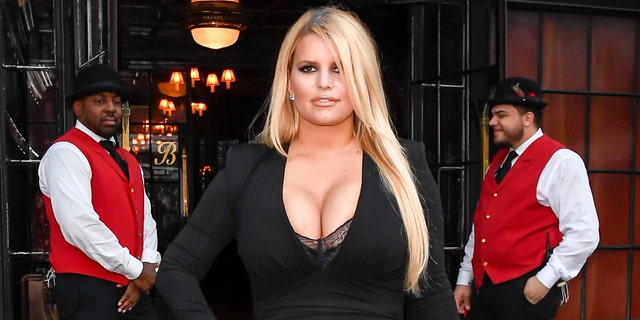
Jessica Simpson got candid about her sobriety journey in her memoir released earlier this year titled 'Open Book.'

Jessica Simpson got candid about her sobriety journey in her memoir released earlier this year titled ‘Open Book.'(Raymond Hall/GC Images)

“It was 7:30 in the morning and I’d already had a drink,” she wrote, recalling how later that day she and Johnson were prepping for a Halloween party and he asked her if she could help get the kids ready.

“I was terrified of letting them see me in that shape,” she confessed. “I am ashamed to say that I don’t know who got them into their costumes that night.”

The “Dukes of Hazzard” star told People in January: “When I finally said I needed help, it was like I was that little girl that found her calling again in life.” She added: “Honesty is hard, but it’s the most rewarding thing we have. And getting to the other side of fear is beautiful.”

Her action in recovery is endorsed by Garbutt.

“The first step is to recognize when alcohol use is getting out of control, for example, drinking to excess regularly and having negative consequences from drinking,” he told Fox News. “Overcoming shame and guilt are the next big hurdles.”

As well as her dramatic 100-pound weight loss after giving birth last year, Simpson has been glowing in recent social media posts, with fans noting she looks more radiant than ever.

While Simpson has been sober for three years, staying sober for 30 days can also reward your well-being, according to Hilary Sheinbaum, author of “The Dry Challenge: How To Lose The Booze For Dry January, Sober October, And Any Other Alcohol-Free Month.”

“There are so many benefits to a dry month, including: saving money on drinks, late night munchies, hangover remedies and more, having more energy, losing weight by not taking in empty calories in alcoholic beverages and from said munchies, [as well as] better sleep and better skin,” said Sheinbaum, whose book is not specifically geared toward people in recovery.

Dry months can be typically a tool for cutting out alcohol temporarily, and can certainly lead to eliminating alcohol in the long-term, the trend journalist said.

Brad Pitt

Brad Pitt credited actor Bradley Cooper for helping him get sober.

Brad Pitt credited actor Bradley Cooper for helping him get sober. (Steve Granitz/WireImage)

Brad Pitt paid tribute to fellow-actor Bradley Cooper earlier this year for helping him get sober.

In a heartwarming moment at the National Board of Review Annual Awards Gala in January, where Cooper presented the “Once Upon a Time in Hollywood” actor with the best supporting actor award, Pitt told the crowd: “Bradley just put his daughter to bed and rushed over here to do this. He’s a sweetheart. I got sober because of this guy and every day has been happier ever since.”

Cooper revealed he quit drugs and alcohol at the age of 29 — five years before starring in his breakout movie “The Hangover” – in an interview with The Hollywood Reporter in 2012.

Pitt, 56, first spoke publicly about his alcohol problems in May 2017.

“I was boozing too much. It’s just become a problem. And I’m really happy it’s been half a year now, which is bittersweet, but I’ve got my feelings in my fingertips again. I think that’s part of the human challenge, you either deny them all of your life or you answer them and evolve,” the Oscar-winner told GQ.

Pitt confessed he had to change his lifestyle because he didn’t “want to live that way anymore.” He reasoned: “Truthfully I could drink a Russian under the table with his own vodka. I was a professional. I was good.”  

Joe Rogan 
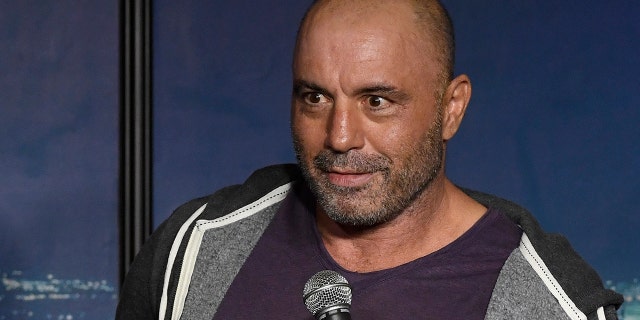
Joe Rogan got candid last month about participating in "Sober October," a short-term one-month abstinence from alcohol.

Joe Rogan got candid last month about participating in “Sober October,” a short-term one-month abstinence from alcohol. (Michael S. Schwartz/Getty Images)

Comedian and podcaster Joe Rogan announced last month he committed to “Sober October” – a short-term one-month abstinence from alcohol, akin to the other popular trend “Dry January.”

The former “Fear Factor” host posted on social media screenshots of text messages with friends who had partaken in the short-term sobriety with him for the previous two years – but they refused to join him because the pressures of life in the pandemic made it too tempting to drink.

“It’s helpful – and certainly more encouraging – to have a sober month support squad that is participating in a dry month with you, so you have someone to cheer you on and vice versa,” according to lifestyle expert Sheinbaum.

“COVID-19 and 2020 as a whole have presented a unique set of obstacles and a great deal of stress. Many people drink alcohol as a way to blow off steam,” the author – whose book is available to pre-order ahead of its Dec. 29 release – continued.

“On the flip side, because there are fewer opportunities to attend social get-togethers, parties and large gatherings such as in-person networking events, weddings, concerts and the like that often serve alcohol or offer it. For some people, there may be less of an outside influence to consume alcoholic beverages, too.”

Other stars who have enjoyed sober months include Kelly RipaRumer Willis and Lo Bosworth, CEO of LoveWellness, who wrote the foreword to Sheinbaum’s book.

 Tim Allen

The 'Home Improvement' star recognized his 22 years of sobriety this March.

The ‘Home Improvement’ star recognized his 22 years of sobriety this March. (Michael Kovac/Getty Images for Moët & Chandon)

Tim Allen had credited stand-up comedy for saving him after a past that included time served in a federal prison for cocaine possession, being arrested for a DUI and a stint in rehab.

After a self-commitment to change, the “Home Improvement” actor proudly discussed his 22 years of sobriety during an appearance on “The Kelly Clarkson Show” in March.

“I’ve been drugs- and alcohol-free for about 22 years,” Allen, 66, said, revealing that someone reached out to him before he got sober.

“Because I had money and I was a star, people help, they enable you to get by,” recalled the comedian.

CLICK HERE TO SIGN UP FOR OUR ENTERTAINMENT NEWSLETTER

“The program I practice, it’s all about as soon as you get it, you gotta give it away. A kid can’t hold on to all these toys, and every time he sees a new toy, and he goes, ‘Mine,’ you gotta drop one of those before you can grab another one.”

He acknowledged his radical transition “doesn’t happen overnight. It’s a day-to-day thing.”

Garbutt praised that outlook.

“Realizing that ‘Rome wasn’t built in a day’ is important, and there will be ups and downs, but over time one’s life can improve immensely,” he said. 

Heather Locklear

Heather Locklear celebrated one year of sobriety this March.

Heather Locklear celebrated one year of sobriety this March. (Jeffrey Mayer/WireImage)

Heather Locklear revealed she celebrated a year of sobriety in March after a tumultuous two years that saw the actress hospitalized, sued and in an outpatient drug rehab after many personal tribulations.

The former “Melrose Place” star, 59, announced the milestone in a post on Instagram, noting that social distancing during the pandemic meant physical contact would have to wait.

“Hugs will come later! 1 year sober today!!!,” she proudly wrote. 

‘MELROSE PLACE’ ALUM HEATHER LOCKLEAR CELEBRATES 1 YEAR OF SOBRIETY: ‘HUGS WILL COME LATER’

The message was shared alongside an image of a lengthy quote – attributed to Maya Angelou – about “life” and what it means to “live”.

A part of the passage read: “I’ve learned that no matter what happens, or how bad it seems today, life does go on, and it will be better tomorrow.”

Dax Shepard

Dax Shepard is in therapy with his wife, Kristen Bell, after admitting to a relapse earlier this year.

Dax Shepard is in therapy with his wife, Kristen Bell, after admitting to a relapse earlier this year. (Cindy Ord/Getty Images)

Dax Shepard has never shied away from speaking candidly about his sobriety journey, and he recently confessed he relapsed and was abusing prescription pills.

The 45-year-old actor – who was 16 years sober before the slip – underwent surgery in August after breaking multiple bones in a motorcycle accident. He also shattered his left hand in an off-road accident earlier in the year.

As part of his recovery, the “Bless This Mess” star was prescribed painkillers and admitted to taking too much Vicodin for his pain, before progressing to taking the more powerful painkiller Oxycotin, downing eight 30mg pills a day.

DAX SHEPARD ADMITS HE RELAPSED WITH OPIATES AFTER MOTORCYCLE ACCIDENT: ‘I STARTED TO GET REALLY SCARED’

He apologized to his wife, actress Kristen Bell, for “this enormous secret” and “gaslighting” her during an episode of his “Armchair Expert” podcast in September.

“My tolerance is going up so quickly that I’m now in a situation where I’m taking, you know, eight 30s a day, and I know that’s an amount that’s going to result in a pretty bad withdrawal. And I start getting really scared, and I’m starting to feel really lonely. And I just have this enormous secret,” he confessed.

Speaking out about his relapse, Bell confirmed she would stand by her husband of 7 years (they also have two daughters – Lincoln, 7, and Delta, 5).

“We have a plan. If he has to take medication for any reason, I have to administer it. But he was like, ‘So we need a stronger plan. I was faltering, and I have to do some sort of emotional work to figure out why I wanted to use again,'” she said
 

Celebrate Life · Fun

Ringing In Holiday Cheer

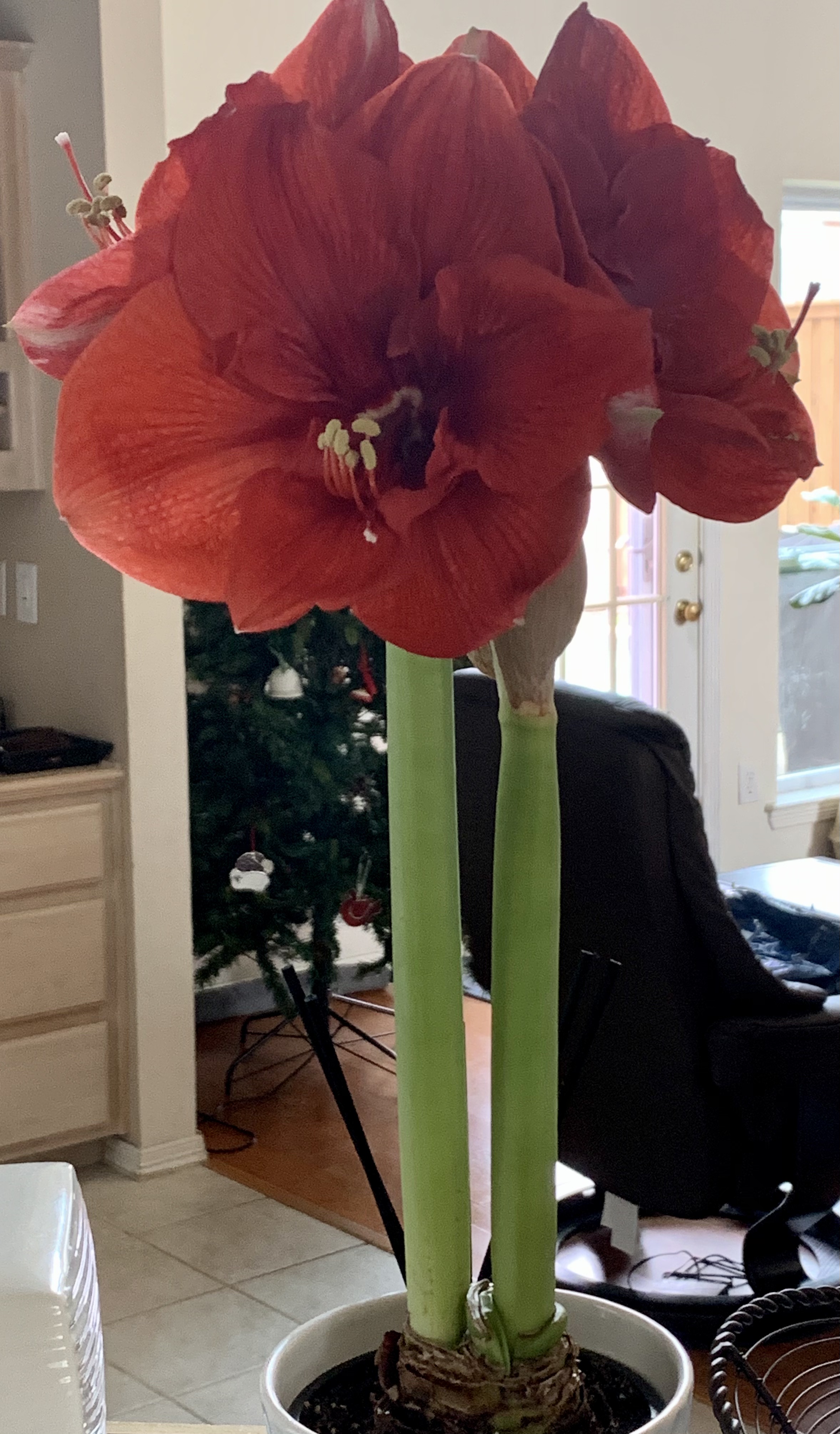
My husband decorated the Christmas Tree on Thanksgiving and I wanted to share a few holiday photos. We go bare minimal style on the ornaments these days. I included a few of my favorites. 

Our minimal Christmas Tree

Ornament my granny gave me in the 1980s

Collector Lladro 1993 ornament

Collector 1988 Lladro ornament

Ornament for the year we got married


Collector 1992 Waterford ornament my boss gave to me


Our new 2020 ornament

Have a great holiday season, remember the reason for the season. 

In health,

Melinda

Health and Wellbeing · Men & Womens Health · Mental Health

Sunday Thoughts

We all have the ability to chart our own course. Some will have a harder time than others but we can all take the wheel and carve out a life we want to live.

We achieve this by making small decisions every day that make a big impact on the whole. It’s not always the big steps we take, but it’s the small steps that will steer our path in the long haul.

One of the biggest steps I’ve taken to find happiness is to avoid negativity, which includes limiting the amount of news I watch daily, severe negative relationships, and limit social media interaction.

Another big step this year has been to make my mental health a priority. This includes self-care, tackling new challenges, and above all seeing about my physical health daily. That means taking my medication, keeping my critical doctor’s appointments, moving more often than sitting, eating a little better, and setting realistic expectations.

I work hard to give myself credit for what I accomplish each day, no matter how small it may seem. I work within my limits and don’t beat myself up if I can’t go the extra mile.

Last but not LEAST, I’m grateful. I try to look at the smallest things like I dropped a pill on the floor and I found it before my dog’s grateful. 

The key is I’m driving the car, I’m behind the wheel.

What steps do you take each day to change your destiny?

In health,

Melinda

Health and Wellbeing · Men & Womens Health · Mental Health

Robin Williams’ Son Zak Says His Dad ‘Took Great Lengths’ to Focus on Mental Health Before Death

“I was acutely aware of my dad’s struggles with depression, it manifested in addiction at times,” Zak Williams said

By Gabrielle Chung November 23, 2020 08:09

zak williams

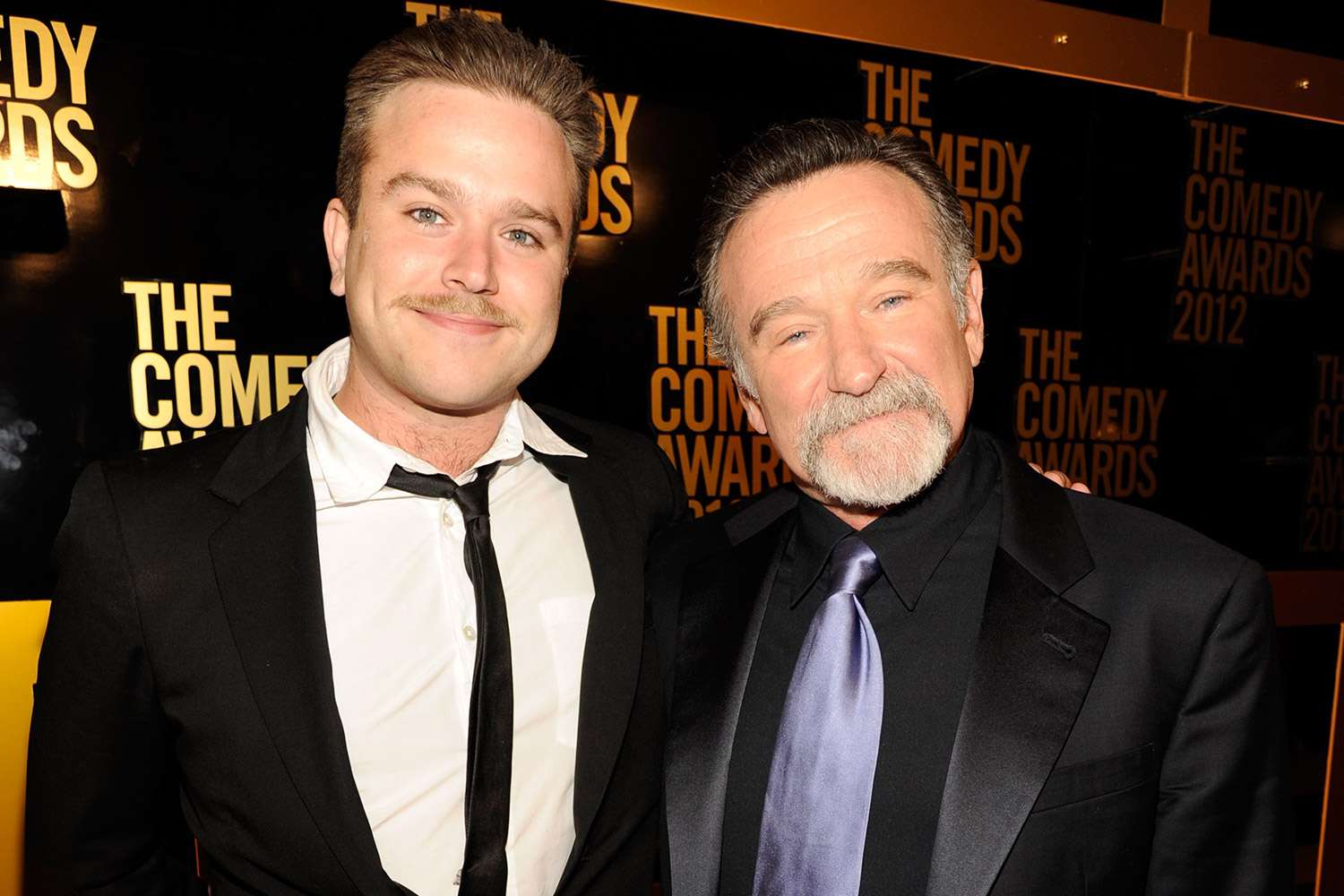
Zak and Robin Williams | CREDIT: KEVIN MAZUR/WIREIMAGE

Robin Williams‘ son Zak is speaking out about the importance of mental health six years after the actor’s death.

On Tuesday’s upcoming episode of The Dr. Oz Show shared exclusively with PEOPLE, Zak opens up about Williams — who died by suicide in August 2014at the age of 63 — and the dark times he personally experienced after losing his father.

“I was acutely aware of my dad’s struggles with depression, it manifested in addiction at times, and he took great lengths to support his well-being and mental health, especially when he was challenged,” he says. “It was something that was a daily consideration for him.”

The PYM founder continues, “The main thing for me was noticing how he went through great lengths to support himself while he could show up for others. It was clear that he prioritized his mental health throughout most of his life, at least that I experienced with him.”

Zak says he found himself struggling with depression and addiction as well following the death of his father and realized that he needed help.

zak williams

“I found myself hitting rock bottom when I wanted to just be numb. I found myself wanting to drink alcohol and just not think,” he recalls. “That was something that was really dysregulating for me.”

“I found myself waking up in the morning and feeling like I was having a dissociative experience, but I just didn’t want to be living the life I was living. I realized something had to give,” he says.

For Zak, he says finding “forms of healing, specifically relating to not only a healthy lifestyle, but also connecting with people,” has helped his mental health immensely.

RELATED VIDEO: Zak Williams Says His Dad Robin Was His Best Friend: I Understood What He Was Going Through

“I can’t stress how important service is to my life,” he says. “The other thing is I found community support groups to be really helpful. I’m in a 12-Step program, that’s very helpful for me personally. For others, it might be connecting through community organization or through sports, there’s any number of things.”

Prior to his death, Williams suffered from Lewy Body Dementia, a type of brain disease that affected his thinking, memory and movement control. It’s the second-most common type of progressive dementia after Alzheimer’s disease.

Earlier this year, Zak shared with PEOPLE about how he’s keeping his father’s spirit alive — which includes working with organizations such as Inseparable, a national policy and advocacy group that aims to ensure Americans are granted access to mental health care amid the coronaviruspandemic.

Robin Williams, Zak Williams

“I stay away from drugs and alcohol, I commit to support groups,” he said in May. “One thing I found very healing for me through my experience has been service and commitment to service work specifically around mental health and mental health support organizations. Eating well, committing to a healthy lifestyle. Things that I need in my weekly and daily regimen to better support my well-being.”

In October, Zak — who shares 18-month-old son McLaurin “Mickey” Clement with wife Olivia June — opened up to PEOPLE about how far he has come in his mental health journey.

“I’m thrilled to have a family and live the life that I always wanted to live,” he said. “I’ve learned I’m not broken. Despite experiencing traumatic events, I can recover. And I am now on a path of healing and being the person I always wanted to be.”

If you or someone you know need mental health help, text “STRENGTH” to the Crisis Text Line at 741-741 to be connected to a certified crisis counselor.

If you or someone you know is considering suicide, please contact the National Suicide Prevention Lifeline at 1-800-273-TALK (8255), text “STRENGTH” to the Crisis Text Line at 741-741 or go tosuicidepreventionlifeline.org.

Health and Wellbeing · Men & Womens Health

Helping Your Adolescent Build Self-Confidence

PSYCHOLOGY TODAY

Self-confidence is a can-do attitude that empowers determination and effort. 

Posted Nov 16, 2020

For the adolescent, confidencecan often be hard to come by. 

During childhood, the girl or boy may have felt relatively self-assured in the smaller, simpler, and sheltered world of home and family. But with the onset of adolescence (around ages 9 to 13), developmental insecurity begins. Now the teenager separates from childhood and parents to start the daunting coming-of-age passage through the larger world toward young adult independence – to young womanhood or young manhood. 

Growing up keeps introducing more changes and challenges in the teenager’s path, creating fresh cause for self-doubt. “I can’t keep up!” “I won’t fit in!” “I’ll never learn!” “How will I get it done?” Parents may not always appreciate how, when youthful confidence is lacking, adolescence requires acts of courage to proceed. “Some days just showing up at school can feel scary to do!”

Coping with lack of confidence

How to help a young person cope with lack of confidence? By way of example, consider the common case of social shyness in middle school that can keep a young person more alone than she or he would like to be. 

The child who had playmates in elementary school can become more socially intimidated in the push and shove of middle school when physical self-consciousness from puberty and social competition for belonging and fitting in can make making friends harder to do. As young people vie for standing, there can also be more social cruelty – teasing, rumoring, bullyingexcluding, and ganging up – to assert and defend social place. 

As I was once told on lonely eighth-grader authority: “With all the meanness going around, middle school can be a good time not to have a lot of friends.” At the same time, she had a fervent desire to have a more socially satisfying high school experience. But how to accomplish this change when lack of confidence from shyness was holding her back? 

I suggested that like all feelings, shyness can be very a good informant about one’s unhappy state, but it can also be a very bad advisor about how to relieve it. For example: “I’m not confident mixing with people, so I’ll feel better if I just keep to myself.” Following this emotional advice only makes shyness worse. 

While it’s true that feelings can motivate actions; it’s also true that actions can alter feelings. So the prescription for the shy middle school student lacking social confidence was to put on an act. “Pretend to be more outgoing, and you’ll build confidence as you increasingly practice behaving that way.” 

Empowering confidence

Worth parents listening for and affirming are adolescent statements of confidence. These express a can-do attitude and they come in many forms, a few of which are stated below. 

“I can earn money.”

“I can make friends.”

“I can lift my spirits.”

“I can perform well.”

“I can finish what I start.”

“I can compete to do my best.”

“I can sustain important effort.” 

 “I can solve problems that arise.”

“I can speak up when I have need.”

“I can make myself do what needs doing.”

“I can keep agreements to myself and others.” 

“I can work with people to help get things done.”

One job of parents is to encourage practices that enable their adolescents to make these and other kinds of self-affirming statements. 

Confidence matters. It can inspire determination, empower effort, and support a sense of effectiveness: “I’m going to give it a shot.” Lack of confidence can reduce motivation, discourage effort, and lower self-esteem: “There’s no point in trying.” 

Within the family, parents need to keep a tease-free, sarcasm-free, embarrassment-free home. Why? Because such belittling, like criticism, can injure confidence at a vulnerable age when believing in oneself becomes harder to do. So, no put-downs allowed.

Caution

All this said, supporting confidence in adolescents is not enough. Teaching adolescents how to direct it must also be done. After all, while human confidence can create much good, it can also inflict a great deal of harm. As history unhappily instructs, people who are very confident that they are right can commit a lot of wrong. So, by instruction and example, imparting ethical and responsible conduct matters even more. 

Melinda

Carl Pickhardt Ph.D. is a psychologist in private counseling and public lecturing practice in Austin, Texas. His latest book is WHO STOLE MY CHILD? Parenting through four stages of adolescence.Online:Website: Carl Pickhardt Ph.D.

Celebrate Life · Fun

#Weekend Music Share *

It’s the weekend!!!!!! I’m so glad you’ve joined me. Pink Floyd Is one band I did not get the chance to see but would loved to have seen live. There music is so interesting and sometimes very deep emotionally. I was a teenager when The Wall came out and spent many a night partying to the album. What are your Pink Floyd stories?

In health,

Melinda


Welcome back to Weekend Music Share; the place where everyone can share their favorite music.

Feel free to use the ‘Weekend Music Share‘ banner in your post, and don’t forget to use the hashtag #WeekendMusicShare on social media so other participants can find your post.

Health and Wellbeing · Men & Womens Health

Aromalief Hemp Pain Relief vs Aspercreme

Earlier in the year, Annabel at Aromalief wrote a blog post comparing Aromalief and Voltaren Gel. The feedback was great and she was asked to do another post about Aspercreme. Annabel is the founder of Aromalief and is very hands-on with the business, if you have questions don’t hesitate to ask her. You can check out my review of the Lavender Pain Cream here

##

We believe in helping women find pain relief without negative side effects. Our creams are thoughtfully formulated to help your body and mind feel better without worrying about harmful chemicals or hurting animals.

At Aromalief, our goal is to provide you with the best pain relief creams for your chronic pain, but also to share with you information to help you make your own choice. Aromalief Vegan Hemp Pain Relief Creams are not for everyone, and that is OK. As a small company, we prefer to have happy and satisfied customers that share their experiences with their friends and family. In the past blog post we compared Aromalief vs Votaren Gel from Novartis. In this blog post, one of our readers asked us to share information about Aspercreme from Chattem, Inc whose parent company is Sanofi (we do not make or sell Aspercreme). Sanofi is a large multinational that is also the maker of Icy Hot and Capzasin. 

Aromalief Hemp Pain Relief Ingredients

Aromalief Hemp Pain Relief Cream combines the cooling power of naturally derived menthol with a blend of botanicals and nutrients. The all vegan formula contains plant derived Glucosamine and it is all the only cream in the world to contain Chondroitin extracted from algae. The preservatives used in Aromalief are non-toxic and help to prevent bacteria from growing in it. 

ACTIVE INGREDIENTS

MENTHOL

INACTIVE INGREDIENTS

ALOE BARBADENSIS LEAF EXTRACT, WATER, STEARYL ALCOHOL, PRUNUS AMYGDALUS DULCIS (SWEET ALMOND) OIL, ISOPROPYL MYRISTATE, GLYCERYL STEARATE, MENTHYL LACTATE, GLYCERIN, PEG 100 STEARATE, CANNABIS SATIVA SEED OIL, ULVA LACTUCA LINNAEUS, FUCACEAE FUCUS VESICULOSUS, SODIUM HYALURONATE, HELIANTHUS ANNUUS (SUNFLOWER) SEED OIL, FRAGRANCE, LAVANDULA ANGUSTIFOLIA (LAVENDER) FLOWER OIL, MALTODEXTRIN, GLUCOSAMINE SULFATE, DIMETHYL SULFONE (MSM), L-ARGININE, GLYCOL STEARATE, PHENOXYETHANOL, CAPRYLYL GLYCOL

Aspercreme Ingredients

Aspercreme’s active ingredient is Trolamine Salicylate which belongs to the salicylate group of drugs. Aspirin is the most commonly known salicylate. Important to note is that also included in the formula are Parabens such as Methylparaben and Propylparaben. 

ACTIVE INGREDIENTS

TROLAMINE SALICYLATE 10%

INACTIVE INGREDIENTS

ALOE BARBADENSIS LEAF JUICE, CETYL ALCOHOL, GLYCERIN, METHYLPARABEN, MINERAL OIL, POTASSIUM PHOSPHATE, PROPYLPARABEN, STEARIC ACID, TRIETHANOLAMINE, WATER

It is always important to ask your doctor before using these or any other creams. Even though products don’t require a prescription, it is still important to get their medical opinion. 

Aromalief® is a brand of topical pain relievers made in Florida for women with chronic pain by women. It is 97% Naturally-derived, Vegan, and Cruelty-Free. 

Pain Relief + Aromatherapy

Aromalief Hemp Pain Relief Creams combine anti-inflammatory nutrients with essential oils for the best vegan pain relief. Made with Hemp, Glucosamine, Chondroitin, L-Arginine, Menthol, Essential Oils.

##

I’m a firm believer in what we put on our body goes into our body which is why I chose Vegan products when possible. I am currently using Aromalief Orange Ginger scent for daytime and it smells great. Lightly scented non-greasy and works great on the hand and wrist pain I have from writing all day. I’ll do a review in a future post.

In health,

Melinda

Fun

Friday Quote


It’s Friday! So glad you stopped by today. I hope you have a great weekend. Stay safe. I know it’s hard right now but we have to live in our family bubbles so we can get past this virus.

Sometimes our light goes out but is blown into flame by another human being. Each of us owes deepest thanks to those who have rekindled this light. - Albert Schweitzer

In health,

Melinda

Health and Wellbeing · Men & Womens Health · Mental Health

Less screen time and more sleep critical for preventing depression

EUREK ALERT

NEWS RELEASE 11-NOV-2020

New longitudinal research shows combined lifestyle interventions promote mental wellness

NICM HEALTH RESEARCH INSTITUTE, WESTERN SYDNEY UNIVERSITY

A cross-sectional and longitudinal analysis of data from the UK Biobank, involving almost 85,000 people, has found that lifestyle factors such as less screen time, adequate sleep, a better-quality diet, and physical activity strongly impact depression.

With evolving data exploring the link between depression and lifestyle factors, the international research team led by Western Sydney University say their findings published today in BMC Medicine may help inform public health policy.

The study found:

  • A significant relationship between physical activity, healthy diet, and optimal sleep (7-9 hours) was associated with less frequency of depressed mood.
  • Screen time and tobacco smoking were also significantly associated with higher frequency of depressed mood.
  • Over time, the lifestyle factors which were protective of depressed mood in both individuals with clinical depression and those without a depressive disorder was optimal sleep (7-9 hours) and lower screen time, while a better-quality diet was indicated to be protective of depressed mood in those without depression 
  • A higher frequency of alcohol consumption was surprisingly associated with reduced frequency of depressed mood in people with depression. This may potentially be due to the self-medicating use of alcohol by those with depression to manage their mood.

“The research is the first assessment of such a broad range of lifestyle factors and its effect on depression symptoms using the large UK Biobank lifestyle and mood dataset,” said lead co-author, Professor Jerome Sarris, NICM Health Research Institute, Western Sydney University.

“While people usually know that physical activity is important for mood, we now have additional data showing that adequate sleep and less screen time is also critical to reduce depression.

“The findings also suggest that one’s dietary pattern is partly implicated in the germination or exacerbation of depressed mood.

“The results may inform public health policy by further highlighting the important relationship between people being encouraged and supported to engage in a range of health-promoting activities. In particular, maintaining optimal sleep and lessening screen time (which is often an issue in youth), while having adequate physical activity and good dietary quality, may reduce the symptoms of depression,” said Professor Sarris.

###

The authors’ research also supports the use of a personalised, combined lifestyle interventions to help manage mood and promote physical wellness. This is in alignment with their recent World Psychiatry paper, led by senior author Dr Joseph Firth, a UKRI Future Leaders Fellow, from The University of Manchester, and Adjunct at NICM Health Research Institute, Western Sydney University.

Additional contributors to the study included NIHR Maudsley Biomedical Research Centre and King’s College London, United Kingdom, and the University of Padua, Padua, Italy.

The paper, Lifestyle factors associated with depression, is available online (https://doi.org/10.1186/s12916-020-01813-5) in the Journal BMC Medicine.

Disclaimer: AAAS and EurekAlert! are not responsible for the accuracy of news releases posted to EurekAlert! by contributing institutions or for the use of any information through the EurekAlert system.

Health and Wellbeing · Men & Womens Health · Mental Health

Providing The Best Level Of Care For An Elderly Relative

Growing old can be tough on both your physical and mental health. Losing mobility can mean that you lose independence, and unfortunately, it’s all too common to start losing those around you due to health conditions and other issues that affect the elderly. Offering your support to an elderly relative during their time of need could change their quality of life dramatically, giving them a pep in their step and a reason to carry on. It needn’t be difficult to provide your elderly relative with the helping hand that they need to thrive, as there are a few key areas in which you can focus your efforts to keep them as happy and healthy as possible. So, if you would like to find out more, then read on to uncover some of the best tips and tricks that you can utilize today! 

Image Source – Pexels 

Visit Their Healthcare Specialist

The first step you should take when you gain the responsibility of caring for an elderly relative involves visiting their healthcare specialist to get a better idea of their current situation. They will be able to inform you of any specific issues such as difficulty with mobility, signs of Alzheimer’s, and any other potential issues that may need to be considered during your care. Their healthcare specialist will also be able to advise you on whether they believe your elderly relative can live comfortably in their own home or may feel better inside a specialized care facility that can meet their medical needs. 

Adapt Their Home 

If it’s recommended that your elderly relative should stay in the comfort of their own home, it’s vital that you are able to make some adaptations to suit their requirements. This could mean installing grab bars in places such as the bathroom and corridors, as these can be used for extra balance and mobility when your relative moves around their house independently. In addition, a stairlift is an essential investment for a home that’s laid out over more than one level, as stairs are a real hazard area for the elderly and it simply isn’t worth the risk. 

Don’t Forget To Visit 

Staying social by meeting up with friends and family is something that you most likely take for granted, as this just isn’t possible for elderly people. It would be such a miserable existence if your elderly relative were to sit inside their care facility, watching and waiting for a visitor that never arrives as they see other residents meet with their nearest and dearest. You must make an effort to go and see them as much as you can, especially if they no longer live in their own home, as they need interaction with people they know and love! This will also give them the chance to discuss any issues they have, as unfortunately, care facilities can encounter malpractice. You should aim to learn more about how to deal with such a scenario, as the facility has a commitment to outstanding care and these expectations must always be met. 

This is a collaborative post.

In health,

Melinda

Men & Womens Health

#Wordless Wednesday *Good Karma

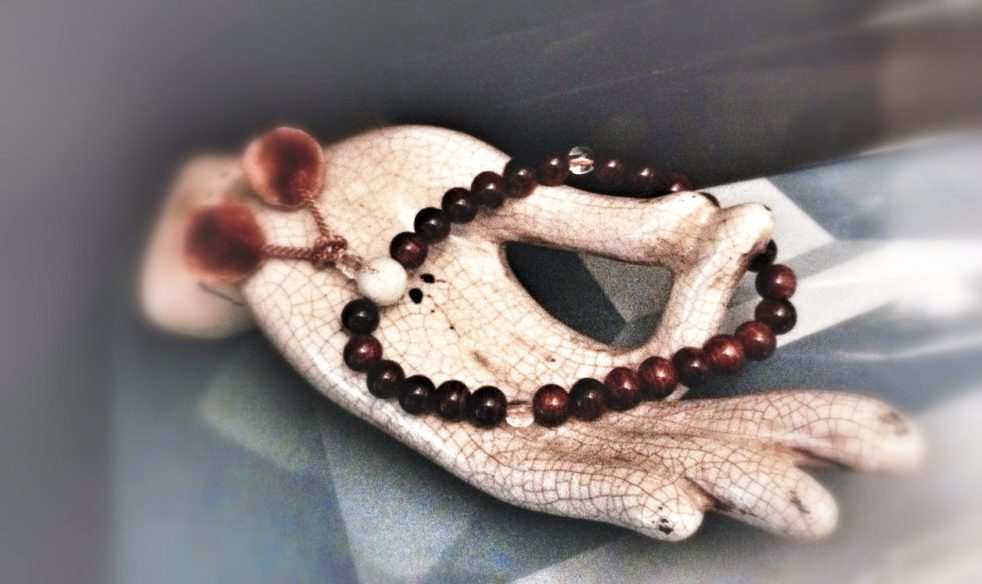
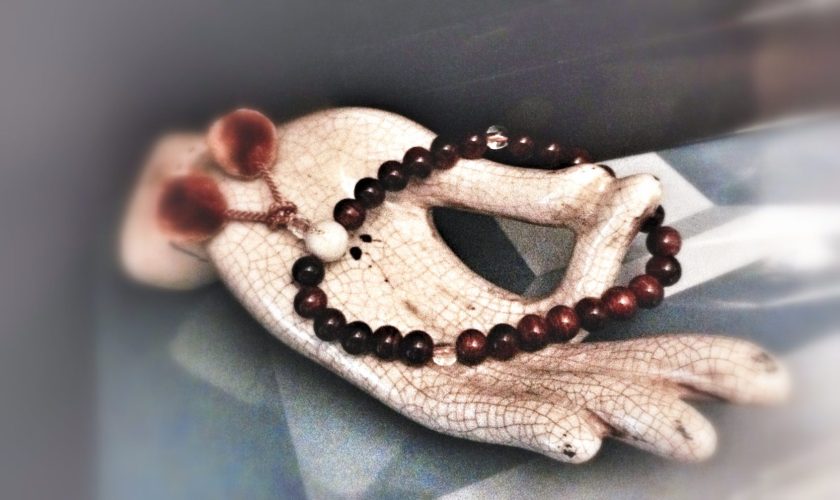
Hi, it’s Wednesday! I’m thrilled you’re here! My husband brought these beautiful beads back from Tokyo and I added them to the OM hand. This is an artistic interpretation of a the photo I took.

In health,

Melinda

Health and Wellbeing · Men & Womens Health · Mental Health

Your 5-day gratitude challenge: 5 exercises to increase your gratefulness

IDEAS.TED.COM

Nov 21, 2019 / Daryl Chen

These five different exercises — all from TED speakers — can help you add more thanks to your life.

Feel free to do the challenges in any way that suits you, whether it’s in back-to-back days or spread out over weeks or months. Then, if some of them resonate with you more than others, focus on those and save the rest for another time. 

The key is discovering the practices that increase the gratefulness in your life. Enlisting a gratitude buddy — someone else who will do these exercises at the same time as you so you’ll able to share your experiences — can help, too.

Challenge : Take a photo every day of something you’re thankful for. 

In 2008 Hailey Bartholomew, who lives in Queensland, Australia, was struck with a bone-deep case of the blahs. “I had two healthy kids, a lovely partner, but I just did not feel anything for my life.” she recalls in a TEDxQUT Talk. Bartholomew went to a counselor, who asked her to do this exercise for 10 days: Take 10 minutes at the end of every day to reflect on the things she was grateful for, and write them down. This activity led her to notice moments and objects she’d have otherwise missed. At the end of 10 days, she decided she wanted to continue — but with an important twist. “I needed a lot more of that,” she says. “Being a photographer, I decided I was going to do a photo a day for a whole year.”

Bartholomew took photographs of the sights that stirred her gratitude — the color green, her favorite umbrella, weeds blowing in the wind, a bug perching jewel-like on her daughter’s shirt. But when she zoomed in on an object and the appreciation it aroused in her, something else happened in her: She found herself looking beyond her preconceptions and stale stories.

Take her husband. She felt he wasn’t romantic — he didn’t take her on dates, buy her flowers, or enact other known tropes. One day, she was trying to figure out the subject for her daily gratitude photo. “I was looking around the room, and then I saw my husband serving dinner,” she says. “In the corner of my eye, I watched as he put the biggest piece of pie on my plate, and I was like, ‘Whoa’ … And he was doing that every day — he was putting me fully first. But I was not seeing it because I was not looking.”

What good things in your life would you see if you just took the time to look? This particular challenge has an obvious perk: Whenever you need a reminder of what really matters to you , you’ll have your photos to look back on.https://www.youtube.com/embed/zaufonUBjoQ?feature=oembed

Challenge #2: In your transactions with cashiers, baristas and others, take the time to look them in the eye and really thank them.

“Gratitude is not an emotion that comes naturally to me,” writes AJ Jacobs in this excerpt from his book Thanks A Thousand. “My innate disposition is moderately grumpy, more Larry David than Tom Hanks.”

A few years ago, Jacobs — who is based in New York City — set out on a quest to thank everyone behind one thing in his life that he couldn’t function without: his daily coffee. He thanked the farmers, the person who designed the disposable cup, the truckers who transported the beans, and many, many others.

Early in his journey, Jacobs went to his local coffee shop to thank Chung, the barista who served him most days. In a TED Talk, he says, “Chung has had people yell at her until she cried, including a nine-year-old girl who didn’t like the whipped cream design that Chung did on her hot chocolate … But Chung said that the hardest part is when people don’t even treat her like a human being. They treat her like a vending machine. They’ll hand her their credit card without even looking up from their phone. And while she’s saying this, I’m realizing — I’ve done that. I’ve been that a-hole. At that moment, I pledged: When dealing with people, I’m going to take those two seconds and look at them, make eye contact … That little moment of connection is so important to both people’s humanity and happiness.”

Note: Jacobs says both people. Because when we’re busy treating someone like they’re a vending machine, we’re not experiencing our own humanity either. The next time you get ready to make eye contact with a barista or cashier and thank them, consider also doing one or more of the following: remove your headphones or earbuds, smile, offer a sincere compliment.https://embed.ted.com/talks/aj_jacobs_my_journey_to_thank_all_the_people_responsible_for_my_morning_coffee

Challenge #3: Put up gratitude “stop signs” in your life. 

Many of us spend our lives chasing after happiness — searching for the people, jobs, possessions and/or philosophies that will lead us to contentment. After we get there or get enough of those things lined up, we’ll have all the time in the world to be grateful. Right?

Nope — we’ve got the relationship between happiness and gratitude backwards, according to Benedictine monk and spiritual teacher David Steindl-Rast. In a TED Talk, he asks, “We all know quite a number of people who have everything … and they are not happy because they want something else or they want more of the same. And we all know people who have lots of misfortune, misfortune that we ourselves would not want to have, and they are deeply happy … Why? Because they are grateful. So it is not happiness that makes us grateful. It’s gratefulness that makes us happy.”

Br. Steindl-Rast believes that being grateful is as easy as crossing the street — and it consists of the same three steps: “Stop. Look. Go.” He adds, “But how often do we stop? … We have to get quiet. And we have to build stop signs into our lives.”

As an example, he recalls, “When I was in Africa some years ago and then came back, I noticed water. In Africa where I was, I didn’t have drinkable water. Every time I turned on the faucet [after I returned], I was overwhelmed. Every time I clicked on the light, I was so grateful. It made me so happy. But after a while, this wears off. So I put little stickers on the light switch and on the water faucet … I leave it up to your own imagination. You can find whatever works best for you, but you need stop signs in your life.”

You can put up the kinds of signs he suggests, but you could also “stop” to take photos of the things that provoke gratitude as Hailey Bartholomew does. Or, you might pick a point on your daily commute to “stop” and take note of something you appreciate. Maybe you could set your phone to buzz during the day, and let that be your prompt to survey your surroundings and your life for what’s good. (Br. Steindl-Rast is the cofounder and senior advisor to A Network for Grateful Living, and there are several other gratitude practices on their website.)

Ready to be grateful? Stop. Look. Go.https://embed.ted.com/talks/david_steindl_rast_want_to_be_happy_be_grateful

Challenge #4: Write a eulogy for a loved one — while they’re still alive — and give it to them.

When Keka DasGupta was 17, her life was punctuated by tragedy. Her father was burned in an accident, and he passed away two weeks later. She never had a chance to tell him what he meant to her before he died.

DasGupta, an Ontario, Canada-based marketing and PR strategist, didn’t want to experience that same regret with her mother, whom she’s very close to. In a TEDxWindsor talk, she recalls, “One day, I sat down and I wrote her a living eulogy. In it, I poured my heart out about the things that I admired about her the most, the way that she impacted my life, the things that I saw from her. Then I gave it to her.”

DasGupta didn’t receive an immediate response, and when she next saw her mom, she found out why. Her mother said, “I wanted to call you, but to be honest, I was so overcome by joy … I wanted to run out the front door and shout out to the world and say, ‘Look at this! Look at what my daughter wrote for me!’”

Think of that phrase her mother used: “Overcome by joy”. Wouldn’t it be great to cause someone to feel that? Start writing a eulogy.https://www.youtube.com/embed/m8Gbbf5sU8Y?feature=oembed

Challenge #5: Be honest about the thanks you’d like to hear from the people in your life.

One day, southern California therapist Laura Trice had an insight about herself. While she had no problems asking for exactly what she wanted in much of her life — shoes in her size and not a size bigger or smaller, a steak cooked medium rare and not one that was medium or rare — she didn’t do the same with the thanks or praise she received. Instead, she accepted any scraps that came her way and also accepted when there were no scraps at all.

When she looked around, she saw that many of us do this. In a TED Talk, she says, “I know a gentleman, married for 25 years, who’s longing to hear his wife say, ‘Thank you for being the breadwinner so I can stay home with the kids,’ but won’t ask.” She thought about what kept her from stating her needs, and explains, “It’s because I’m giving you critical data about me. I’m telling you where I’m insecure … Because what can you do with that data? You could neglect me. You could abuse it. Or you could actually meet my need.”

Of course, not everyone is so reticent. Trice adds, “I know a woman who’s good at this. Once a week, she meets with her husband and says, ‘I’d really like you to thank me for all these things I did in the house and with the kids.’”

Try this out with the people you’re closest to: your family and your friends-who-are-essentially-family. And while you’re telling them what you want to hear, be sure to ask them what they’ve wanted you to say to them.https://embed.ted.com/talks/laura_trice_remember_to_say_thank_you

ABOUT THE AUTHOR

Daryl Chen is the Ideas Editor at TED.

Health and Wellbeing · Men & Womens Health · Mental Health

Choosing the Perfect Pet for Emotional Support: Things to Consider

Seeking an Emotional Support Animal (ESA)’s companionship and friendship can be liberating and therapeutic. However, choosing the right one to suit your specific needs could be challenging. Since the year 2016, the number of ESAs in the US shot up from 500,000 to over a million. Furthermore, deciding on particular character traits of the ESA you intend to choose is extremely important. If you’re in need of a perfect ESA pet, then this article throws light on important things you should consider beforehand.

Photo by Helena Lopes on Pexels.com

Consider the pet’s age 

Are you looking for a young or fully matured pet? This is a crucial question you need to answer before getting an emotional support pet. The average life expectancy of household pets ranges from twelve to fifteen years. Furthermore, animals of varied ages require specific needs, which should be a factor when deciding. Ideally, younger pets are easier to handle and train, but they tend to be very energetic, noisy, and overly curious. As they are still young, you may have your work cut out for you. To ease the burden, particularly with regards to their waste disposal, consider using a professional service. For example, if you have puppies that are not yet fully potty trained, you could hire a dog pooper scooper service to handle your pup’s waste. If your objective is to enjoy a calm and peaceful life with an ESA, a young pet may not be ideal for you. An older or mature pet may be more suitable, but they are harder to train.

Consider legal protections for ESAs and owners

Two significant laws protect emotional support pets in the United States; the Fair Housing Act (FHA) and the Air Carriers Access Act (ACAA). FHA provides the freedom to live with an emotional support pet in a rented home or in places where pets, in general, are prohibited. That includes the retirement home, campus accommodation, and hotels. The ACAA allows the ESA and its owner to board commercial flights without problems. The law also applies to flights that strictly forbid the presence of animals during a trip. For both laws, it is of utmost importance that your emotional support pet is sufficiently trained to avoid pooping in public. 

Consider character traits in the pet

Just as humans have individual character traits, so do pets. For example, a Labrador that works well with a teenager is not full proof that the same species will do well with another person. Animals exhibit a wide-character variety in areas such as calmness and reaction to a strange item. For this reason, a skittish animal may not be ideal for an injured soldier looking for emotional support in a pet. It is necessary to consider the tolerance level of the animal you choose for emotional support. For example, if you already have a cat and are considering bringing in a dog as your emotional support, both should be able to live in harmony.

Consider your expenses

Naturally, some pets or breeds are more expensive to keep than others, and this should be considered when deciding on getting an ESA. For example, can your lifestyle accommodate monthly visits to the veterinary? Can you handle the bills that come with pet medications and care? In addition to these, some pets require regular grooming to improve their overall wellbeing. This will require a professional with years of experience in animal grooming, and they certainly do not come cheap. Suppose your ESA is a bird or a rabbit; keeping them healthy and active requires more money. These animals are easily prone to infections and over time, may begin to burn a hole in your wallet. Besides the initial financial value of your pet, you must consider other additional costs like pet food. 

Consider establishing an emotional connection with the ESA

Perhaps, this is the most critical consideration of all. After all, the purpose of an emotional support pet is indicated in its general description. You may be lucky to establish an instant bond with the pet you choose, whereas it takes time and effort for others. Indeed, without an ESA, the animal you choose may turn out to be an ordinary pet.

ESA’s make life bearable for their owners who need them to go through life. Each ESA provides comfort, companionship, and a bond that lasts for as long as they are with their owners. Therefore, before you decide on choosing one, remember the considerations listed here. 

This a collaborative post. 

In health,

Melinda

Health and Wellbeing · Men & Womens Health · Mental Health

How to cultivate a sense of unconditional self-worth

IDEAS.TED.COM

Nov 18, 2020 / Adia Gooden PhD

This post is part of TED’s “How to Be a Better Human” series, each of which contains a piece of helpful advice from people in the TED community; browse through all the posts here.

I have struggled with feelings of unworthiness for as long as I can remember.

From the outside, my life looked pretty perfect when I was growing up. My parents had a happy marriage, they were supportive and they earned enough for us to be more than comfortable. I was mostly happy, but I also had a deep sense that something was wrong with me.

My most painful moments were at parties. When I went to Black parties, my friends made fun of me because I was rhythmically challenged and I couldn’t get my awkward middle-school body to mimic the latest dance moves.

Then, as the only Black girl at parties associated with my predominantly white school, I was never chosen to dance. I was never the object of anyone’s attention. I felt like I didn’t belong.

So, at around the age of 12, I decided that the way to cure these feelings of unworthiness was perfection. Simple, right? If I was just perfect,  then I would fit in. I would be chosen. I would really be happy.

I threw myself into formal dance classes, worked hard in school and tried to be a supportive and selfless friend. My self-esteem was high when I got good grades and felt included — but it crashed when I didn’t do well academically or was left out.

I held on to the hope that if I could just find someone to love me, then I would finally feel worthy.

In college, busyness became my key strategy for trying to feel worthy. I juggled classes and tutoring with the Black Student Union, student government, gospel choir, step team … I barely gave myself time to breathe, to think, to be.

After college, my attention turned to trying to find a relationship to feel the void. The anxiety and ups and downs I experienced in this quest were exhausting. I remember going out to bars and clubs, and just like in junior high, I was rarely the one chosen to dance. I began to question my attractiveness with my brown skin and kinky hair and whether I’d ever be accepted by a potential partner. I held on to the hope that if I could just find someone to love me, then I would finally feel worthy.

I’ll let you in on a secret: None of it worked!

Not the perfectionism, the busyness, the relationships — well, maybe some of it did for a moment. Right after starting a new relationship or getting a good grade, I felt worthy. But soon enough, my feelings of self-worth slipped away and I was onto pursuing the next thing.  As soon as I reached the bar I had set for my worth, it was raised yet again.

Have you ever experienced that?

After several years of therapy, spiritual growth and a PhD in clinical psychology, I’ve finally begun to cultivate an unconditional self-worth and shed the belief that “I’m not good enough”.  I’m embracing myself — quirks and all — and this new path is liberating, enlivening and life-giving.

Let me share what I’ve learned with you. But before I do, you might be wondering if this is just more advice about self-esteem.

Unconditional self-worth is the sense that you deserve to be alive, to be loved and cared for to take up space.

I just want to clarify: Self-worth is not the same as self-esteem.

Our self-esteem is derived from our abilities, accomplishments, social positions and things we believe and we can achieve. We can bolster our self-esteem by improving our skills or performance, and our self-esteem goes up and down depending on how we’re doing in various aspects of our lives.

In contrast, unconditional self-worth is distinct from our abilities and accomplishments. It’s not about comparing ourselves to others; it’s not something that we can have more or less of. Unconditional self-worth is the sense that you deserve to be alive, to be loved and cared for. To take up space.

I have sat with hundreds of students at one of the top universities in the country and when we explore their concerns and dig to the root, we often find that they’re struggling with a deep sense of unworthiness. I believe there are many factors that cause us to feel this way.

Ads tell us that we need to buy things to be loved, accepted or to succeed. Our educational system teaches us that our worthiness as students is based on our grades or test scores. Our parents may have implied they’d love us more if we made the honor roll or the varsity team. Those of us who’ve experienced abuse, sexual assault and trauma may question our personhood and very right to exist. And, as social media pervades our lives, we have also begun to feel that our worthiness is based on the number of followers we have and likes we get.

Whatever the cause, for many of us our self-worth is tied to our accomplishments and possessions. As soon as we fail or lose approval, we experience low self-worth.

Unconditional self-worth is the antidote to low self-worth. It is a way out of self-criticism, shame and unhealthy behavior. It is a way out of depression, anxiety and substance abuse. It is time for us to base our worth on the fact that we are human to cultivate a worth that persists even when life does not go as we hoped.

So what keeps so many of us from cultivating unconditional self-worth?

Some people might fear that if they get too satisfied with themselves, they won’t be motivated to grow and change. Others could feel that accepting themselves as worthy would be arrogant. And some may simply believe that feeling worthy is just not possible.

I often wonder:

  • What the world would look like if we all cultivated unconditional self-worth?
  • What would you find the courage to do if you knew you were worthy?
  • What would you dare to dream if your self-worth wasn’t at stake?
  • What would you stop doing if you knew you were already worthy?

I believe people would resolve conflicts without violence and that more people would dare to do amazing things. I believe that if our self-worth wasn’t on the line, the world would look a lot better and more peaceful for all of us.

So how do we make this vision real?

See if you can let go of the thoughts you have about how the way you think, feel or look should be different. Instead, focus on the things you like about yourself.

Cultivating unconditional self-worth is an ongoing practice. Here are four ways you can begin to feel more worthy starting right here, right now:

1. Forgive yourself

Many of us struggle to feel worthy, because we are angry with ourselves about past mistakes. Forgiveness involves acknowledging and accepting what has happened. Acceptance releases us from blaming ourselves and others and allows us to move forward.

To forgive yourself, reflect on the circumstances that led to past mistakes, acknowledge the pain you experienced and identify what you learned from the situation. Then say to yourself “I forgive you” — in an honest and kind way.

2. Practice self-acceptance

I think many of us struggle with low self-worth because we think there’s something wrong with us and we refuse to accept ourselves the way we are. We receive so many messages that we are not OK the way we are. We’re told that we need to change our bodies, our clothes, our jobs or even our personalities to be acceptable.

See if you can let go of the thoughts you have about how the way you think, feel or look should be different. Instead, focus on the things you like about yourself. Over time, begin to embrace your quirks — your awkward laugh, your crooked smile, your unusual way of thinking about things. Through this acceptance, you’re acknowledging that you are worthy just the way you are.

Knowing that we are not alone in our struggles and pain reminds us that challenges don’t make us unworthy.

3. Be there for yourself

When life gets rough, many of us abandon ourselves during times of challenge. We engage in harsh self-criticism — which only leaves us feeling worse. What we need most when we are going through a difficult time is for someone to say “I see you. I see how badly you’re hurting. I’m here.”

We can do this for ourselves.

The next time you experience emotional pain, acknowledge how you were feeling and offer yourself some comfort. Place your hand on your chest, give yourself a hug or say something kind and soothing to yourself.

4. Connect to supportive people 

Low self-worth can leave us feeling isolated and alone. When we think there’s something wrong with us, we tend to pull away from our relationships, and this isolation only exacerbates our feelings of unworthiness. Knowing that we are not alone in our struggles and pain reminds us that challenges don’t make us unworthy. Connecting to people who are supportive helps us to get in touch with our humanity and our sense of worth.

One last thing: The journey to unconditional self-worth is not always easy.The path is not straight or smooth, and you’ll face setbacks along the way — I certainly have.

It takes courage to free yourself from the conditions you’ve placed on your worth. The process of forgiveness can be messy, it can be scary to accept ourselves as we are, being there for ourselves can put us face to face with emotional pain, and connecting to others can make us feel vulnerable.

But I’m here to tell you that this journey is also beautiful and worth taking.On it, you’ll find strength, become grounded in your humanity and know that you are worthy. So I challenge you to embrace yourselves and begin living from a place of worthiness to find your own metaphorical dance floor and move freely.

Yes, I said dance floor.

I felt free, I felt exuberant, I felt full of life, I felt worthy.


On my journey, I found myself returning to the dance floor because that’s where my own struggles with unworthiness began.

It turns out, I’ve learned a few new moves since junior high.

A few summers ago, I went to a jazz festival by myself. As I sat there watching people dancing to the live music, I longed to get up and join them. But all of my old insecurities about my dance moves and not being chosen showed up.

Luckily, an elderly man invited me to dance, and after a song or two with him, I began dancing on my own. And as the notes of Latin jazz filled the air and I moved my body to the rhythm, I felt free, I felt exuberant, I felt full of life, I felt worthy.

This talk was adapted from a TEDxDePaulUniversity Talk; to learn more about Dr. Adia Gooden and her work, visit her websitehttps://www.youtube.com/embed/EirlZ7fy3bE?feature=oembed

ABOUT THE AUTHOR

Adia Gooden PhD is a licensed clinical psychologist and a dynamic speaker and trainer. She is passionate about helping others cultivate unconditional self-worth, and she received her bachelor’s degree from Stanford University and earned her PhD in Clinical Community Psychology from DePaul University. 

Health and Wellbeing · Men & Womens Health · Mental Health

Mental Health Tips — Guest Blogger Coaching Skills International

The following tips can help your mental health: Daydream – Close your eyes and imagine yourself in a dream location. Breathe slowly and deeply. Whether it’s a beach, a mountaintop, a hushed forest or a favourite room from your past, let the comforting environment wrap you in a sensation of peace and tranquility. “Collect” positive […]

Mental Health Tips — Coaching Skills International
Health and Wellbeing · Men & Womens Health

International Day of People with Disabilities the 3rd of December “Not all Disabilities Are Visible”

International Day of People with Disabilities to be held every year on the 3rd of December.

2020 IDPWD THEME: 
“NOT ALL DISABILITIES ARE VISIBLE”

On December 3 this year, during the annual celebration of people with disabilities, the 2020 theme ‘Not all Disabilities are Visible’ also focuses on spreading awareness and understanding of disabilities that are not immediately apparent, such as mental illness, chronic pain or fatigue, sight or hearing impairments, diabetes, brain injuries, neurological disorders, learning differences and cognitive dysfunctions, among others. 

According to the WHO World Report on Disability, 15 per cent of the world’s population, or more than 1 billion people, are living with disability. Of this number, it’s estimated 450 million are living with a mental or neurological condition— and two-thirds of these people will not seek professional medical help, largely due to stigma, discrimination and neglect. 

Another 69 million individuals are estimated to sustain Traumatic Brain Injuries each year worldwide, while one in 160 children are identified as on the autism spectrum. 

These are just some examples of the millions of people currently living with a disability that is not immediately apparent, and a reminder of the importance of removing barriers for all people living with disability, both visible and invisible. 

During the COVID-19 pandemic, isolation, disconnect, disrupted routines and diminished services have greatly impacted the lives and mental well-being of people with disabilities right around the world. Spreading awareness of invisible disabilities, as well as these potentially detrimental— and not always immediately apparent— impacts to mental health, is crucial as the world continues to fight against the virus. 

I hope you will celebrate with me, as someone who has several inviable disabilities on this special day. It’s about awareness and opens the lines of communication for what people think about disabled people. I was so happy to see their theme this year, “Not all disabilities are visible”.

Please share this post with someone you know who can benefit from the information or open a door for you to have a conversation.

In health,

Melinda