

Month: June 2021
How Marijuana Reform Could repair, Reclaim and Restore Communities
Wordless Wednesday*Tomato
So glad your here, you make me smile and feel good inside. Keep the funny comments coming. How do you like the new graphic?





This week I’m sharing our yummy little tomato garden. We have Cheery tomato’s and several other varieties. The Cherry tomatoes have been supplying us for weeks with sweet little ones. I’ve really enjoyed making an egg omelet with fresh tomato and cheese, of course some salsa. The others will ripen another month or so.
Tell me about your gardening experience!
Melinda
The Emotions Behind Your Money Habits
What To Do When Everything Feels Broken
Why You Should Make Useless things
4 Simple Ways To Enhance Your Home’s Curb Appeal
Moving home, while stressful, can open many doors for your future. For example, it could provide you with the chance to pursue your dream career or simply make a fresh start for better mental health. However, in order to make the move possible (and find your dream home), you need to ensure that you can first sell (or lease) your current property.
Perhaps the easiest way to achieve this goal is by simply ensuring that you leave your property at its best – having undergone any necessary maintenance ahead of time. Not only will this make it easier to sell your home, but it could also increase its value significantly as you’re not leaving any costly or expensive tasks for the new buyer to tackle themselves.
However, during the renovation process, it’s also important that you take both the interior and exterior of your property into consideration. For example, you should take the necessary steps required to improve your home’s curbside appeal. After all, the front of your property is the first thing they will see when they come to a viewing – and first impressions always count when it comes to the property market.

Photo by christian koch on Unsplash
With that in mind, here are four simple ways in which you can improve the curbside appeal of your home!
Add a fresh coat of paint
While the paint used on the outside of your home is likely extremely durable, it won’t last forever. In fact, you may have already noticed that the paint has chipped or cracked in certain places – likely the result of bad weather. Therefore, one way in which you can enhance the curbside appeal of your home is by adding a fresh touch of paint ahead of time – opting for a clean, neutral color.
Take care of your windows
Dirty, smudged, or otherwise damaged windows will not exactly impress a potential buyer. Therefore, you should ensure that you arrange to have them cleaned regularly by working alongside reputable cleaning companies such as Labor Panes. Furthermore, undergoing regular maintenance will also make you aware of any potential problems – such as chips or cracks – that need to be repaired sooner rather than later.
Keep your garden in good order
While you may not be the best gardener in the world, spending a little time ensuring that your front lawn looks clean and tidy is another great way to impress a potential buyer. For example, at the very least, you should ensure that the grass is not overgrown. In addition to improving your home’s curb appeal, gardening can improve your mental health.
Change your front door
Changing your front door is another easy way in which you can enhance the kerbside appeal of your home – especially if you opt for a statement piece. While you should avoid bright colors, don’t be afraid to select a bright or bold design that is sure to catch a buyer’s eye. If you don’t want to splash out on an entirely new door, consider giving it a fresh coat of paint.
This is a collaborative post.
Melinda
How To Find Meaning After Loss
Can You Actually Boost Your Immune Sytem? Here’s The Truth
Why Healthy Bones Are Abut So Much More than Milk
Tough compassion — here’s what it is and why you need to practice it
IDEAS.TED.COM
Jun 22, 2021 / Elizabeth Svoboda
Nadine Redlich
This post is part of TED’s “How to Be a Better Human” series, each of which contains a piece of helpful advice from people in the TED community; browse through all the posts here.
I was churning through social media feeds one morning when the phrase “tough compassion” made me pause mid-scroll.
On a podcast episode, psychologist, Greater Good Science Center founding director and TEDxBerkeley speaker Dacher Keltner described the idea, explaining how some contemplatives practice a form of kindness — but with a decided edge.
“In the deeper traditions of compassion, like a lot of the Buddhist traditions, they have an idea of tough compassion — to step in and, in a good way, guide the person to a different form of behavior or out,” said Keltner.
An uncompromising approach to compassion is one you can try when other attempts to engage with difficult people fail.
The concept stuck with me because it seemed so at odds with the way many people today are socialized to think about compassion. Among some, a compassion-centered lifestyle is one shared in breezy, pastel-colored Insta posts and involves attending idyllic retreats and practicing meditation. And giving someone else an honest piece of our minds isn’t it.
It might be time to paint a new picture of compassion. When it comes to reducing suffering in the world, an uncompromising approach to compassion often trumps a pastel-hued one — and it’s an approach you can try when other attempts to engage with difficult people fail.
“The Dalai Lama always had this greater good analysis,” Keltner later told me. “Like, ‘What does it bring about? Is being hard in the moment going to bring about greater well-being or kindness for a lot of people?’”
Warm and fuzzy compassion has little power to sway relatives who spout conspiracies or counter leaders who tout equality while harvesting the fruits of privilege.
The case for tough compassion
Tough compassion is gaining traction because the rosy version is proving so unequal to the present moment, which has been defined by human failures to meet challenges posed by the pandemic, widespread inequality and climate change.
Of course, there will always be a “soft” side to compassion. It’s always crucial to learn how to be a calm sounding board or comfort grieving loved ones. But warm and fuzzy compassion has little power to sway relatives who spout conspiracies, stop close friends from radicalizing online or counter leaders who tout equality while harvesting the fruits of privilege.
In the Buddhist contemplative tradition, the goal of true compassion is to find ways to promote the least suffering for everyone. In this broader framing, nodding along with someone’s bigotry, bullying, or falsehoods for the sake of preserving that relationship is the opposite of compassion. It interferes with peace-building on a societal level, even though it might seem on the surface like a nonviolent act.
If you’re a parent, you probably practice small-scale tough compassion on a daily basis, vetoing pre-dinner snacks or enforcing homework time before kids go out. Larger-scale tough compassion flows from a similar source: the willingness to bear — and even inflict — some discomfort in the moment to promote longer-term well-being.
“Our actions implicate a lot of people,” Keltner says. “You’ve got to step back and think about all the utilities and consequences downstream.”
“You have this sense, and you’re in the position to assume, that this is a struggle they have to face,” Keltner says. “It’s good for them.”
The Dalai Lama has spoken of the importance of this kind of tough love. It means that if your aunt makes an offhand racist remark or your work buddy insults a colleague, tough compassion involves speaking up — without rancor, but with conviction — if your goal is to promote less suffering for all.
“By withdrawing from the conversation, you don’t force the other person to really have to encounter a different set of values,” says Medical College of Wisconsin psychologist Zeno Franco, whose research focuses on community engagement.
In committing to tough compassion, you buy into a certain kind of risk-benefit calculus. You accept the discomfort involved in hopes that the other person will consider a different way of engaging, one that will carry over into her interactions with others, and perhaps even their interactions with those close to them.
“Our actions implicate a lot of people,” Keltner says. “You’ve got to step back and think about all the utilities and consequences downstream.”
In Franco’s view, tough compassion involves conveying that you value someone as a person while disagreeing openly with what they are doing.
Tough compassion in practice
It’s one thing to endorse the tough-compassion approach, and quite another to try to make it work. What does it actually look like to show uncompromising compassion in the moment? And when someone in your life does something that’s actively harmful, what’s the best way to guide them without outright coercing or controlling?
In Franco’s view, tough compassion involves conveying that you value someone as a person while disagreeing openly with what they are doing. When he calls loved ones out for hateful or harmful behavior, he’s not shy about saying what he thinks.
But at the same time, “I try to remain accessible as a human being who can be vulnerable, who can be hurt, and who can appreciate the person,” he says. “Part of that is thinking about how to respond in a way that is not designed to escalate, but almost to reach past the ‘facts’ or points that they are making to where what they are saying impacts me at an emotional level.”
If you want to hold a relative accountable for homophobic remarks, for instance, you can describe the effects of that kind of behavior on people close to you.
A powerful way to convey this emotional impact is through storytelling, says Juliana Tafur, a filmmaker and founder of the Listen Courageously project.
If you want to hold a relative accountable for homophobic remarks, for instance, you can describe the effects of that kind of behavior on people close to you: “My good friend is gay, and she hears insults like that all the time. She’s also been attacked in public. Because of that, it’s hard for her to trust that people are going to respect her as a human being.”
With storytelling, you can take a tough stance and show the other person the results of their actions without launching a direct attack. When you do this, “you’re really communicating — in a way that is enveloped in compassion — your fundamental boundaries, what you can and cannot accept, and inviting the other person into that conversation,” says Tania Diaz, a psychologist at Albizu University. Studies show that this story-based approach can create significant change in people’s worldviews.
Even when you know you’ll create more lasting change through dialogue than exclusion, you may have to push past significant inner resistance to engage in these conversations. Showing any kind of compassion — even tough compassion — to a person who behaves harmfully can feel like a form of surrender, or like tacit acceptance of their behavior. But from the broader perspective of reducing suffering, what might seem like fraternizing with the enemy can be a potent way to guide someone on to a less toxic path.
“When you listen, truly understand and get curious, it creates space for the person to think a little bit differently,” says Diaz.
“A lot of people have this misunderstanding that if I engage or listen, I am somehow going to be tainted or I’m going to be influenced,” Diaz says. When she facilitates these conversations, she’s found that quite the opposite is true. “When you listen, truly understand and get curious, it creates space for the person to think a little bit differently.”
To avoid shaming the other person into submission — a tactic studies show can backfire by making people withdraw from the situation — you can go on to explain how a change of course would be a win-win scenario, for the other person as well as for the world at large. “I show them what life might be like after they change and explain the positives,” says Dian Grier, a licensed clinical social worker in Mojave, California. That might mean pointing out that your homophobic relative will have a much better relationship with gay nieces and nephews if he chooses to engage with them differently.
Tough compassion, by contrast, is like an anchor pole that holds fast no matter how hard the rope tugs on it.
Holding fast
Perhaps the biggest challenge of practicing tough compassion is staying internally grounded while emotional storms rage. When you take a stand, other people may fire back with remarks that send your heart hammering. If you’re not prepared, that physical reaction can propel you straight into a “lizard brain,” fear-based mindset where you’re more likely to fall back on old, reactive rules of engagement.
Tough compassion, by contrast, is like an anchor pole that holds fast no matter how hard the rope tugs on it. “In those moments, I’m trying to be fully present and yet no longer upset,” Franco says. “The intent of every word is thought through to take the argument almost to a different place.”
To hone this kind of in-the-moment composure, it can help to write down some thoughts beforehand about what you want to say to someone or the kind of stories you want to tell. Then, once you’re up for it, schedule a real-life conversation or Zoom. This face-to-face connection often feels more humanizing than a long text thread, and deciding where and when it happens can help you feel more in control of the process.
In line with the Buddhist teaching of dropping attachment to results, the tough-compassion approach is simultaneously about holding fast and letting go.
But while tough-compassion conversations can be fertile ground for shifting others’ perspectives, your own well-being should always remain front and center. To steer clear of potentially traumatic encounters, “you need to know if the other person is in a position to be willing and able to engage in that conversation with you,” Tafur says. “And I think you’ll know that right off the bat.”
If someone ridicules your attempts at dialogue or continues to sling insults, “the tough-compassion act is to leave or disengage,” Keltner says. Exiting from a harmful situation can be its own form of uncompromising truth-telling.
In line with the Buddhist teaching of dropping attachment to results, the tough-compassion approach is simultaneously about holding fast and letting go. At its core, tough compassion is about “creating space for dialogue to unfold,” Diaz says. “Ultimately, that person decides if they’re going to shift.”
This article was originally published on Greater Good, the online magazine of the Greater Good Science Center at UC Berkeley.
Watch Betty Hart’s TEDxCherryCreekWomen Talk here:
Watch Dylan Marron’s TED Talk on talking to people you disagree with here:
Watch Dacher Keltner’s TEDxBerkeley Talk here: https://www.youtube.com/embed/KsFxWSuu_4I?version=3&rel=1&showsearch=0&showinfo=1&iv_load_policy=1&fs=1&hl=en-US&autohide=2&wmode=transparent
ABOUT THE AUTHOR
Elizabeth Svoboda is a writer based in San Jose, California, and a regular contributor to the Greater Good. She is also the author of the book What Makes a Hero?: The Surprising Science of Selflessness, and her newest book is The Life Heroic.
Expand your horizons and widen your world with 35 new books from TED speakers
Building for Hope: Towards An Architecture of Belonging by Marwa al-Sabouni (TED Talk: How Syria’s architecture led the foundation for brutal war)
Architects do more than provide the blueprints for shelter, writes Syrian architect Marwa al-Sabouni. Instead, they respond to humans’ five basic emotional fears — death, need, treachery, loneliness and boredom — and create buildings that provide abundance, safety, creativity and community, she says.
The Handshake: A Gripping History by Ella Al-Shamahi (TED Talk: The fascinating and dangerous places scientists aren’t exploring)
Before celebrating (or mourning) the current disappearance of the handshake, consider this: The ritual of extending one’s hand as a greeting, peace offering or deal sealer has been around for millennia. The practice all but disappeared after the plague in the 14th century and the Spanish flu in 1918 only to reappear in their respective aftermaths. Paleoanthropologist Ella Al-Shamahi explores the history of this global custom, which can be found from executives in corporate boardrooms in industrialized countries to Indigenous tribes in Papua New Guinea and the Amazon.
The Frontlines of Peace: An Insider’s Guide to Changing the World by Severine Autesserre (TED Talk: To solve mass violence, look to locals)
Severine Autesserre is an award-winning peacebuilder whose humanitarian work and field research have taken her to countries deeply impacted by war, such as Kosovo, Afghanistan and the Congo. In this book, she presents evidence that while large philanthropic donations and headline-making policy changes may get most of our media attention, they are not the only tools to achieve peace. The world really can be changed one person at a time.
Whole Brain Living: The Anatomy of Choice and the Four Characters That Drive Our Life by Jill Bolte-Taylor (TED Talk: My stroke of insight)
When 37-year-old neuroscientist Jill Bolte-Taylor had a massive stroke in 1996, she lost her ability to form words and move her body, but also experienced what she would later describe in her TED Talk as “euphoria”. Here, she shares what has happened since her recovery and corrects common misconceptions about how brains function. For over 50 years, society has agreed that the brain is defined by its right (emotional thinking) and left (rational thinking) sides, but Bolte-Taylor believes that this definition is too reductive. She also contends that we have more control over how we use our brains than most of us realize. Understanding your own brain’s “characters” can help you identify how you make decisions, what gets in your way and how to achieve greater serenity.
You Are Your Best Thing: Vulnerability, Shame, Resilience and the Black Experience edited by Tarana Burke (TED Talk: Me Too is a movement, not a moment) and Brené Brown (TED Talk: The power of vulnerability)
“Systemic racism isn’t a vague notion, but a real enemy that may turn and come after me, at the moment when I am too joyful to pay attention,” writes Austin Channing Brown in 1 of the 20 essays curated by #MeToo movement founder Tarana Burke, and researcher Brené Brown. The anthology’s all-star contributors come from the fields of academia, advocacy and the arts and include YA and middle-grade author Jason Reynolds, actress Laverne Cox, and professor and UpFront host Marc Lamont Hill. In their contributions, the writers share their varied responses to the traumas of racism and systemic inequity — denying joy to one’s family out of fear, habitually “rehearsing tragedy”, and finding hope against all odds, just to name a few.
Leading from Anywhere: The Essential Guide to Managing Remote Teamsby David Burkus (TED Talk: Why you should know how much your coworkers get paid)
Hard to believe, but in 2018, only about 3 percent of US employees worked from home, reports management researcher David Burkus. Then COVID hit and suddenly office buildings emptied, while bosses searched in vain for an instruction manual on how to motivate employees from afar. This guide is here to fill that void, providing research-based insights about how organizations can grow and keep their employees happy and motivated, even when we’re all online.
Remember: The Science of Memory and the Art of Forgetting by Lisa Genova (TED Talk: How your memory works — and why forgetting is totally OK)
Relax: Forgetting where you parked your car at the mall doesn’t mean your brain is getting less sharp. Chances are, you just never bothered to remember it in the first place. Neuroscientist and novelist (Still Alice) Lisa Genova explains what we remember, how we forget and why your fading memory is usually not a sign of early dementia but actually proof that your brain is working astonishingly well.
Women and Leadership: Real Lives, Real Lessons by Julia Gillard and Ngozi Okonjo-Iweala (TED Talk: 6 essential lessons for women leaders)
When women comprise roughly 50% of the global population, why do they still make up less than 10 percent of world’s leaders? Sexism and gender bias, report Julia Gillard, Australia’s first female Prime Minister and Ngozi Okonjo-Iweala, Nigeria’s former Finance Minister. For this book, Gillard and Okonjo-Iweala interview eight remarkable female leaders from all over the world — including New Zealand Prime Minister Jacinda Arden, former US Secretary of State Hillary Rodham Clinton and European Central Bank President Christine Lagarde. Among their other revelations: When it comes to barriers to political power for women, the situation does not appear to be improving. Still, these uniquely experienced women offer timely insights and hope for the future. A great read for future leaders of any gender.
Terra Incognita: 100 Maps to Survive the Next 100 Years by Ian Goldin (TED Talk: Navigating our global future) and Robert Muggah (TED Talk: The biggest risks facing cities — and some solutions)
Maps of highways, trails and the mall tell us where we are and how to get where we want to go. In this book, the maps and accompanying texts from economist and professor Ian Goldin and political scientist Robert Muggah provide a different sort of guidance. Using historical maps such as Gerardus Mercator’s world map of 1569 right on through to today’s Google Earth satellite maps, the authors trace everything from changing sea levels to pandemic patterns in order to explain where we are now and what routes to take for the safest journey into the future.
Think Again: The Power of Knowing What You Don’t Know by Adam Grant (TED Talk: What frogs in hot water can teach us about thinking again)
According to organizational psychologist and podcast host Adam Grant, people tend to think and talk in one of three ways: the preacher (who digs in their heels on personal ideologies and delivers sermons to convert others), the politician (who surveys the community and tries to win them over) and the prosecutor (who pokes holes in opponents’ arguments). Unfortunately, these mindsets are too limiting when we’re making decisions and we’d all benefit from shifting our thinking to be like scientists who float ideas, test hypotheses and last but not least, question and rethink those ideas at every turn. We would all benefit from embracing doubt, says Grant. For those who’d like to be more like a scientist, here are two ways to start: Surround yourself with people who have a variety of viewpoints, and ask open-ended questions during your disagreements. (Read an excerpt here.)
The Menopause Manifesto: Own Your Health with Facts and Feminism by Dr. Jen Gunter (TED Original Video: What really happens to your body during menopause)
Menopause is not a disease, states ob/gyn Dr. Jen Gunter, author of the best-selling book The Vagina Bible. What’s more, “hot flash” is a misnomer; she prefers hot “flush” since they often last far longer than a moment. In this book, she corrects misconceptions about this phase of life that researchers hypothesize evolved to serve a social purpose — allowing grandmothers to care for grandchildren — and provides accessible medical advice to women going through this process. (Read an excerpt here.)
The Data Detective: Ten Easy Rules to Make Sense of Statistics by Tim Harford (TED Talk: A powerful way to unleash your natural creativity)
Tips like “Search Your Feelings” (the book’s first rule), “Ponder Your Personal Experience” (the second) and “Get the Back Story” (and third) may sound better suited to helping you start a relationship than make sense of statistics. But the latter is the focus of this book from quick-witted economist and journalist Tim Harford. One standout is the section about “Premature Enumeration,” the human tendency to quickly turn numbers into ratios or other calculations without fully understanding what the numbers refer to. He believes we should all question the numbers, stats and data points until we understand them, and his writing is a great way toward achieving that understanding.
The Lonely Century: How to Restore Human Connection in a World That’s Pulling Apart by Noreena Hertz (TED Talk: How to use experts — and when not to)
Did you know that the UK appointed a Minister of Loneliness? Loneliness is a worldwide 21st-century phenomenon, according to academic and broadcaster Noreena Hertz. In addition to presenting anecdotes and research about loneliness, including one study that reveals how many people don’t know their neighbors or can’t name a close friend, Hertz suggests how each of us can connect with each other and form lasting, supportive communities. And even if you don’t identify as lonely, this book will give you insights into the pain that so many people are feeling today.
Between Two Kingdoms: A Memoir of a Life Interrupted by Suleika Jaouad (TED Talk: What almost dying taught me about living)
“What would you write about if you knew you might die soon?” asks Suleika Jaouad, who had to face her own mortality in 2011. Then, at 22, Jaouad was a recent college graduate living abroad when she was diagnosed with acute myeloid leukemia. She returned to New York City for three-and-a-half years of treatment, spending much of it in a hospital room in isolation. While there, she started a blog, which grew into a column for the New York Times, and led to long-distance friendships with readers engaged in their own battles with loss, illness and loneliness. Eventually, she travelled to visit those who wrote to her. This memoir is an account of how she healed and a look at her different journeys, whether through illness or through the world.
Professional Troublemaker: The Fear-Fighter Manual by Luvvie Ajayi Jones (TED Talk: How to be a professional troublemaker)
“This book is a middle finger up to fear,” declares writer Luvvie Ajayi Jones. In it, she unapologetically speaks truth to power, haters, cheaters, swindlers and anyone else who needs a stern talk. Chapter titles include “Dream Audaciously,” “Own your Dopeness” and “Fail Loudly.” You’ll read, you’ll laugh — and you’ll leave feeling inspired to cause some trouble of your own. (Read an excerpt here.)
Extra Life: A Short History of Living Longer by Steven Johnson (TED Original Video: The playful wonderland behind great inventions)
As recently as 1880, life expectancy at birth in wealthy countries was just 40 years old. This doubled to age 80 by 2010. Global life expectancy was a respectable 72.6 years in 2019. How did we get there? Science, says writer Steven Johnson. In particular, he credits advances in public health including vaccines, toilets and safety devices like seatbelts with granting us all those extra years to learn, create, live and, yes, read about it.
Noise: A Flaw in Human Judgment by Daniel Kahneman (TED Talk: The riddle of experience vs. memory), Olivier Sibony and Cass Sunstein
There are two factors that adversely affect our decision-making — bias, or conscience or unconscious preconceived ideas; and noise, or conflicting opinions and subjective feelings. While bias tends to get all the attention, noise can be just as destructive, say authors Kahneman (a Nobel Laureate for his work in behavioral economics and author of Thinking Fast and Slow), strategy professor Olivier Sibony and legal scholar Cass Sunstein. They provide tips to help you develop better “decision hygiene” to reduce the noise in your life and improve the outcomes of your choices.
Four Hundred Souls: A Community History of African America, 1619-2019edited by Ibram X. Kendi (TED Talk: The difference between being “not racist” and antiracist) and Keisha N. Blain
For this volume, historians and writers Ibram X. Kendi (How to Be an Antiracist) and Keisha N. Blain (Set the World on Fire) assembled a powerhouse multi-disciplinary group of 90 historians, poets, journalists and professors. Each writer was assigned to cover five years of African-American history, starting in 1619 (with the first boat of 20 kidnapped African people being sold as slaves) up through 2019. The entries are presented in a variety of forms, including academic histories, thoughtful essays and pieces of fiction, that echo the diversity of the contributors and of African-American history itself.
Dusk, Night, Dawn: On Revival and Courage by Anne Lamott (TED Talk: 12 truths I learned from life and writing)
Giving hope to late bloomers everywhere, beloved memoirist, novelist, writing instructor and grandmother Anne Lamott chronicles life as a first-time newlywed at age 65 in her new book. Other essays touch upon surviving the raging wildfires of Northern California and monitoring the presidency of Donald Trump in real time. In trademark Lamott fashion, she shows how we can continue to choose joy, faith, love and humor even when life — and the world — brings dark times.
You’re Invited: The Art and Science of Cultivating Influence by Jon Levy (TED Talk: What makes us influential?)
Quick question: What did 1960’s white, self-described “formerly fat housewife” Jean Nidetch, the founder of Weight Watchers International, have in common with Black 19th-century formerly enslaved abolitionists Harriet Tubman, Frederick Douglas and Sojourner Truth? All of them were able to catalyze lasting change as a result of the connections they had forged with other people, according to behavioral scientist and business professor Jon Levy. Here, Levy tracks why communities are necessary for your progress and how you can build your own in order to achieve your goals and find greater life satisfaction.
Your Turn: How to Be An Adult by Julie Lythcott-Haims (TED Talk: How to raise successful kids — without overparenting)
No matter where you live, your living conditions, marital status or choice of job aren’t the only markers of adulthood, argues author Julie Lythcott-Haims. In this follow-up to her successful book How to Raise an Adult which spoke to parents, she addresses their kids — the emerging grown-ups — and tells them how they can thrive by embracing new adulthood milestones like paying your own rent, managing your own medical appointments and caring for others. Give it to the emerging grown-up in your own life.
The Sum of Us: What Racism Costs Everyone and How We Can Prosper Together by Heather McGhee (TED Talk: Racism has a cost for everyone)
White Americans today earn 13 times the median income of Black Americans, according to policy analyst and racial justice advocate Heather McGhee. Yet white Americans are far more likely than Black Americans to view racism as a “zero-sum game,” believing that if life improves for Black people, it will be at the expense of white people. McGhee presents a bracing rebuttal to this flawed thinking and creates a blueprint of how we could start to create a more equitable society for all of us. (Read an excerpt here.)
Wild Souls: Freedom and Flourishing in the Non-Human World by Emma Marris (TED Talk: Nature is everywhere — we just need to learn to see it)
Human behavior such as deforestation and breeding of exotic pets has led us to a planet with compromised ecosystems for plants and animals (and extinction for some species). Environment journalist Emma Marris invites readers to go with her on a global tour of researchers working in different habitats. She wonders: How can we humans help wild animals thrive? And what is our moral obligation to help the habitats we’ve already compromised? Marris floats potential solutions — and one of them is potentially introducing plant-based proteins to polar bears.
A World Without Email: Reimagining Your Work In An Age of Communication Overload by Cal Newport (TED Talk: Why you should quit social media)
The average number of daily business emails sent and received per person just keeps growing — from 50 in 2005 to 92 in 2011 to more than 120 by 2019. And that’s not taking into account the increased digital communication required by remote work during this pandemic, says Cal Newport, a computer science professor. In the past, he has encouraged a limit on social media and other tech because they interfere with work, especially deep work (also the title of one of his books). Here, he argues that when we constantly check our email, we’re harming our productivity and our peace of mind.
The Extended Mind: The Power of Thinking Outside the Brain by Annie Murphy Paul (TED Talk: What we learn before we’re born)
Why limit your thinking to only what happens between your ears? Science writer Annie Murphy Paul uses research to explore and explain how we can increase our knowledge and understanding by using our physical movements, the space that surrounds us and the minds of others around us, rather than relying solely on our own brains. When we tap into what Paul calls “extra neural pathways” — which include our senses — we can increase our creativity and problem-solving skills.
This Is Your Mind on Plants by Michael Pollan (TED Talk: A plant’s eye view)
Here, journalist Michael Pollan takes a close look at three mind-altering, plant-derived substances — opium, caffeine and mescaline — that have changed the world. He dives deep into the history, science and biases we hold about them to reflect on how we humans view plants and our brains, and what each can teach us about the other. A perfect read to accompany a morning cup of coffee or tea.
No One Succeeds Alone: Learn Everything You Can from Everyone You Canby Robert Reffkin (TED Original Video: 5 ways to create closer connections)
Starting from an early age, Robert Reffkin has made it his specialty to connect with people from different backgrounds and walks of life. Growing up as the only Black kid at synagogue and the only Jewish kid among his Black friends taught Reffkin “to talk to white people and Black people.” Later, as a White House Fellow and entrepreneur, he expanded his circles to “Wall Street types and nonprofit types.” In this chatty, conversational guide, Reffkin explains how reaching out to potential mentors and overcoming your fears of failure are two things — the book has more! — that can help you achieve your goals.
Futureproof: 9 Rules for Humans in the Age of Automation by Kevin Roose (TED Talk: The value of your humanity in an automated future)
Many people spend time debating the questions “Will robots steal our jobs? Or, will they end up making our lives easier?” Tech journalist Kevin Roose believes that we shouldn’t be focused on those queries; instead, we should ask “Since robots are already here, how do we work with them?” And in this book, he sets out rules to calm people’s anxieties about robotic world domination. To maintain humanity in a world increasingly relying on artificial intelligence, his common-sense principles include “Demote your Devices” and “Treat AI Like a Chimp Army” (AI is useful for some tasks but not everything). Tech is here to stay, and this user guide makes that reality an agreeable proposition.
Finding the Mother Tree: Discovering the Wisdom of the Forest by Suzanne Simard (TED Talk: How trees talk to each other)
Suzanne Simard, who was born into a family of loggers and trained as an ecologist, compares the forest floor to a human brain’s neural network. Through fungal connections, mother trees — the largest trees in the forest — are able to communicate with the youngest seedlings, emitting chemical signals that are similar to human neurotransmitters. This is how mother trees communicate with, identify and nurture their offspring. Simard’s discoveries are not only awe-inspiring, but they also challenge assumptions of how to preserve forests and what we can do to create a more sustainable future.
How the Word Is Passed: A Reckoning with the History of Slavery Across America by Clint Smith (TED Talk: The danger of silence)
In this nonfiction book, poet and journalist Clint Smith examines the legacy of slavery in the US by exploring specific locations — and they’re not all plantations in the South. The places that Smith visits, unearthing historical records and interviewing current residents, include Angola Prison and New York City. Here, he demonstrates his gift for revealing uncomfortable but illuminating truths that have been hiding in plain sight all along.
Goodbye, Again: Essays, Reflections, and Illustrations by Jonny Sun (TED Talk: You are not alone in your loneliness)
Johnny Sun is a person of many talents: He’s an MIT- and Harvard-educated producer, TV writer, creator, writer and illustrator. But don’t let intimidation of all of his credentials deter you from this book. It reads like dispatches from an old friend — his grace, gentle wisdom and humor infuse these thoughts and images (and even a recipe or two), which are loosely centered on how we find our place in the world. (Read an excerpt here.)
Sharing the Covers: Every Couple’s Guide to Better Sleep by Wendy Troxel (TED Talk: Why school should start later for teens)
Sleep has been linked to better health, greater productivity and higher life satisfaction. So, how far are you and your partner willing to go for a good night’s sleep? Opposite corners of the mattress, twin beds like Ricky and Lucy, or even further? One out of three US couples purchasing high-end homes opt for two master bedrooms, according to psychologist and researcher Wendy Troxel. Troxel traces the social history and science of sleeping with a partner and provides evidence-based advice to help you achieve more restful nights and stronger relationships, whether you’re larks or owls or somewhere in between. (Read an excerpt here.)
The Empathy Diaries: A Memoir by Sherry Turkle (TED Talk: Connected, but alone?)
These days “empathy” is an often used word but one that’s rarely defined. MIT professor, ethnographer and author Sherry Turkle defines it as “the psychological capacity to put yourself in the place of another person and imagine what they are going through.” Her memoir details the influences of two men who lacked that ability — her much-older academic husband, and her biological father whom her mother had divorced when Turkle was five (and whom she later hired a detective to find).
As a Woman: What I Learned about Power, Sex, and the Patriarchy after I Transitioned by Paula Stone Williams (TED Talk: I’ve lived as a man and as a woman — here’s what I learned)
In 2012, Pastor Paul Williams was a leader of an evangelical church. But that year, he came out as transgender — and was promptly fired from his position and ostracized by the religious community that he’d belonged to for more than three decades. Williams transitioned and became Paula, and then she experienced another shock. Her transition not only changed her body but opened her eyes. Despite having heard of the inequities, biases and challenges that women face every day, she got to experience firsthand how women are routinely overlooked and ignored. Anyone interested in transgender journeys or the vast difference between how men and women are treated by society can learn from Williams’ candid account.
You Are What You Risk: The New Art and Science of Navigating an Uncertain World by Michele Wucker (TED Talk: Why we ignore obvious problems — and how to act on them)
There’s an incredibly lengthy list of factors that affect how you evaluate any given risk. On the short list are personal history, cognitive bias, geography, upbringing and what you just ate, says author and policy analyst Michel Wucker. Identifying your “personal risk fingerprint”– all the factors that consciously and unconsciously affect how you decide — can help you better understand yourself and better select the personal, professional, financial and emotional risk to take. Hint: Reading this book is low-risk, with potential for high reward.
ABOUT THE AUTHOR
Pamela Stock is a writer based in Brooklyn, New York.
Melinda
Looking for the Light turned Twelve In May

Looking for the Light turned 12 years old in May
I started my first blog, Defining Memories in 2005 to help me grieve the death of my beloved granny. After several years my post became more personal and the name didn’t work so Looking for the Light was born in 2009.

Looking for the Light has evolved over the years and will continue to grow, we’ll grow together. I want to stretch myself, provide better, more valuable information, and will continue to take you to the lead.
I write for myself but in writing, my hope is that someone, just one person can find hope in the future and as they as light at the end of the tunnel.
I thank everyone who has ever crossed my path. You’ve helped me grow and continue to look honestly at myself when sharing my story. I believe today as I did with my first post, sharing our stories is important and everyone has a story.
You’ve taught me so much about myself, life, and the human spirit. Each day of every week your comments lift me up, teach me new ideas, and often humor me. Thank you for taking the time to drop a note to speak your mind. It really does mean so much to me.
If I’ve changed your life in any way, I would love to hear from you. This is a good time for renewing the spirit and hearing your stories.
Melinda

#Weekend Music Share

It’s the weekend!!!!!!
I’m so glad you’ve joined me this week for another edition of Weekend Music Share. I don’t know what is going on with YouTube these days. Please take the time to listen to this great new tune from Kid Rock, it may change your mind about him. This is a awesome tune.
Have a great weekend!
Melinda

Welcome back to Weekend Music Share; the place where everyone can share their favorite music.
Feel free to use the ‘Weekend Music Share‘ banner in your post, and don’t forget to use the hashtag #WeekendMusicShare on social media so other participants can find your post.
Friday Quote


I thought we could all use some humor this week. Update of knee surgery, the knee is healing nicely and now the hard work of rehab starts. I’m doing my own rehab, no need to drive to a facility when they can print out what needs to be done and I can do the exercises here. I did my own rehab on my right knee and everything went very well.
Have a great weekend. So glad you dropped in and look forward to your comments.
Melinda
How to Help Your Elderly Parents Stay Fit and Healthy
There’s no getting away from the fact that everyone ages, and as a person gets older, their lifestyle habits and needs might change, along with their healthcare requirements. You’re likely reading this today because you’ve got elderly parents.
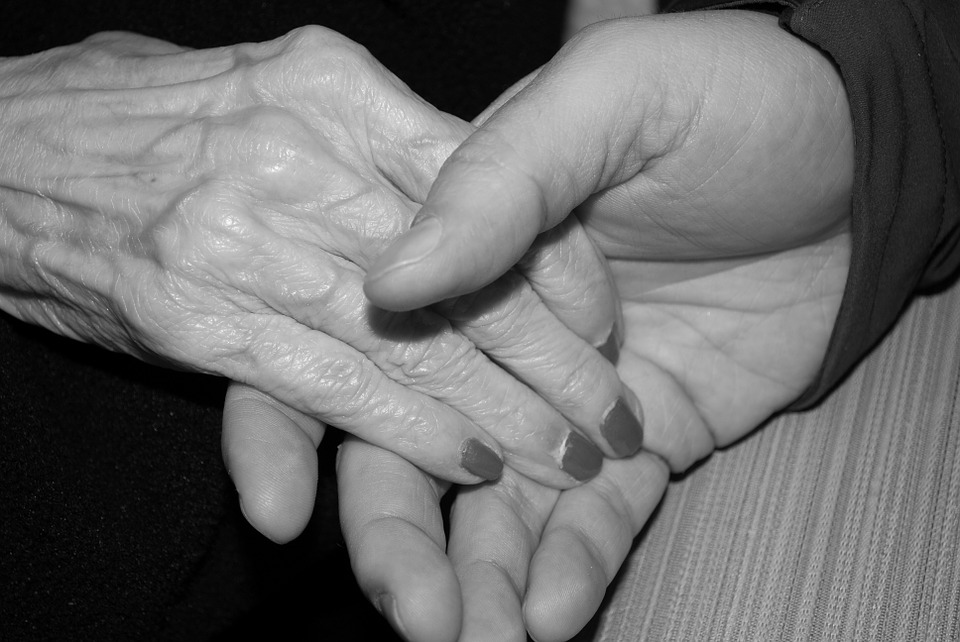
You also want your parents to stay as fit and healthy as possible so they can keep leading independent lives. But, what can you do to facilitate those goals and support them? The following are some practical suggestions you can consider:
Check Their Healthcare Needs
Firstly, it makes sense to confirm that their healthcare needs get met. As you can imagine, medication and other healthcare needs can change as a person gets older, plus there’s also the cost factor to consider.
With that in mind, it’s worth checking their qualifications for Medicare, so they don’t have to worry about how to pay for any medication, treatments, or visits to specialists. Next, you should determine whether they need a review of any existing medication.
You can do that by arranging for them to visit their doctor and have a medication review, plus a medical to check for any potential future health concerns. After all: the last thing you want is for your parents to lead a painful life in their senior years due to a missed diagnosis.
Encourage Them to Do Outdoor Activities
Everyone knows that it’s crucial to remain active throughout your life to ensure your body has the best chance of performing well. Physical exercises help the body to burn off fat, and they’re also helpful for ensuring optimal brain function and mental health.
You don’t need to make your elderly parents run marathons each year, of course! However, you should encourage them to take up regular outdoor activities to suit their fitness levels and health.
For example, going for a daily walk to a local park or beach, if they leave by the coast, is an excellent way to boost their physical health and mental wellbeing. They could also take up other outdoor activities like yoga, dancing, and aerobics.
Help Them Eat Healthily
The trouble with today’s world of convenience is that more people are eating the wrong types of food because they are easy to consume. It’ll come as no surprise that more people eat processed foods high in salt, sugar, saturated fat, and other unhealthy ingredients.
Make sure that your elderly parents eat a healthy, balanced diet. Did you know that you can have delicious yet healthy ready-made meals delivered to their home? All they need to do is microwave them or heat them up in their ovens.
It’s also important that your parents don’t forgo eating fresh fruits and consume unhealthy snacks like chocolate bars.
Help Them Find Fun Senior Citizen Programs
Lastly, your parents will undoubtedly have an array of fun senior citizen programs in their local area. They can enroll in some of those programs to help maintain their physical health and be more socially active.
Such programs are perfect as your parents will get to mix with other like-minded individuals in their age group and make new lifelong friends along the way.
This is a collaborative post.
Melinda

How To Support Elderly Loved Ones With Memory Loss
Memory loss is very common in elderly people and even if they do not develop a serious condition like Alzheimer’s or dementia, it is likely that they will forget things from time to time. In some cases, this doesn’t really affect their life too much but it can make it difficult for them to live independently if they forget important things, like taking medication or eating.

As we get older, it falls to us to care for elderly loved ones, and managing memory issues is often a big part of this. If you want them to be able to live independently, you need to find ways to help them manage their memory problems so they can be safe and comfortable. Here’s how you can support an elderly family member with memory problems.
Be Realistic About The Scale Of The Problem
Often, it can be hard to admit that your loved ones are losing their memory and so people are in denial about it. They just put it down to age and say that it’s not that serious, they’re just forgetting a few details here and there. However, if somebody in your life is suffering from Alzheimer’s or dementia, they need a lot of care and assistance if they are able to live safely. So, be realistic about the situation and if you are concerned, take them to the doctor to get checked. You may need to consider long-term care options like a senior community with a dedicated memory care service. If you are not honest with yourself and your family about the scale of the problem, you could be putting your loved ones in danger.
Be Understanding
Memory loss is very frustrating and when they forget things, they may get angry about it. If they forget something very important, it could be frustrating for you too. But if you are not understanding the situation, it only makes things worse. It’s important that you are patient with them and you reassure them that you forget things too and it’s ok. The more understanding you are, the less stressful this situation will be for them.
Write Lists
Lists are the easiest way to remember things, so when you visit loved ones, talk to them about their schedule for the next few days and then write some simple lists to help them remember things. Sticky notes around the house can be very helpful too. For example, if they need to take medication, put a small note somewhere they will see when they get up, so they always remember. If they have a smartphone and they are comfortable using it, you can add reminders to it as well.
Help Them Keep Their Brain Active
Keeping your brain active is so important as you get older and it helps to slow and prevent memory loss. If you are concerned about a loved one’s memory, you should find ways to keep their brain active as much as possible. Helping them to be more socially active is very beneficial, and you could encourage them to do puzzles and play games too.
Dealing with memory loss is tough but it’s something that many of us will experience. If you follow these steps, you can support a loved one with memory loss.
This is a collaborative post.
Melinda
Practical Ways to Build Your Self-Esteem
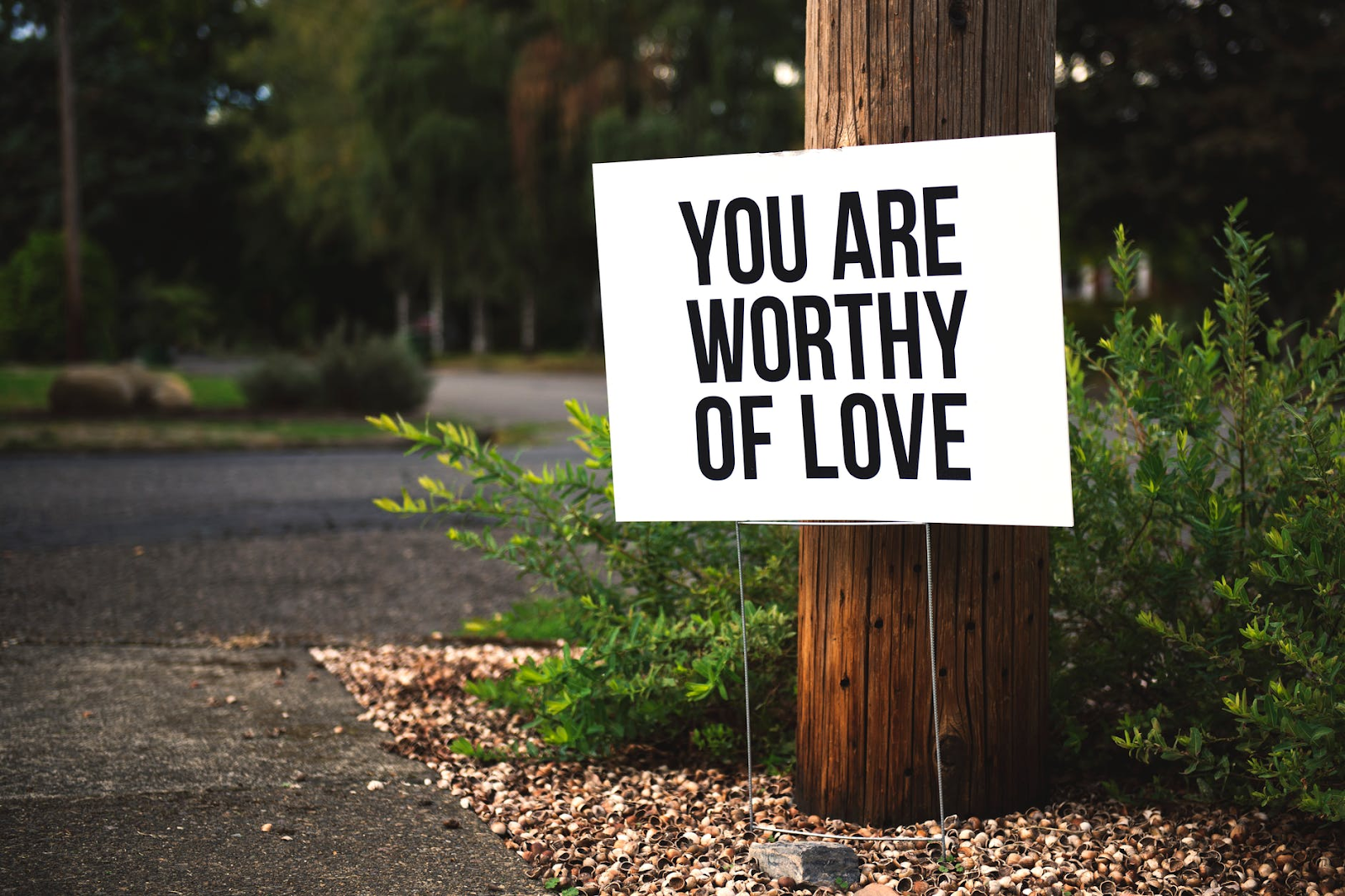
Your self-esteem emphasizes confidence in your values and abilities, making it worth nurturing. Not only does it give you a sense of purpose, but you can also be yourself without apology. Besides, you can make sound decisions and nurture good relationships while achieving your goals. What’s more, research indicates that people with higher self-esteem are happier and more satisfied with their lives.
Despite its numerous benefits, many people still struggle with their self-esteem. An NBC survey reveals that 85% of Americans have low confidence levels, reiterating its prevalence. Besides, it triggers anxiety, depression, and drug abuse risks while impairing your productivity. Fortunately, you can improve your confidence and lead a happier life. That said, here are some practical ways to build your self-esteem.
Identify and manage your triggers
According to Psychologist Suzanne Lachmann, low self-esteem has an origin that should be tackled to improve your life’s quality. Not only does it help you heal faster, but it also keeps your mental health in check. Triggers can be memories or experiences that evoke an intense reaction, including bullying, harsh criticisms, rejection, betrayal, or failure, among others. However, identifying and managing them is an essential step towards increasing your self-worth.
You may observe and consider signs like sweaty palms or pounding heart when you remember or experience something. By all means, understand these reactions instead of fighting them, and own your feelings. It’s also prudent to assure yourself that nothing is your fault and get rid of any guilt. By doing these, you’ll quickly notice any triggers and handle them appropriately.
Refuse harmful or inaccurate thinking
Your inner thoughts can be your powerful stepping stone or your biggest demotivation, depending on how you utilize them. If you persistently think about your failures, blame, shame, and belittle yourself, then you are significantly damaging your self-esteem. What’s more, these crippling thoughts can discourage you and increase your anxiety and depression levels. Moreover, a University College London study revealed that people with persistent negative thoughts are more likely to experience cognitive decline and dementia. It’s therefore prudent to lay off these damaging thoughts and build positive ones.
Fortunately, you can adopt specific strategies to improve your thinking. For instance, you shouldn’t ruminate over past mistakes but instead, view them as opportunities to be better. Although you may experience some negative thoughts periodically, it’s best not to dwell on them for long to avoid demeaning yourself. You can also monitor your thinking patterns and practice mindfulness to connect to your positive thoughts and feelings. Yoga has proven to be effective against negativity, so you may leverage this helpful exercise. By all means, avoid dwelling on your negative traits and focus on your unique features.
Build positive relationships and avoid toxic ones
Research by Dr. Michelle A. Harris and associates indicated that people with positive social relationships and support tend to have higher self-esteem and vice versa. Besides, good friends and family act as a buffer against overwhelming experiences and encourage personal growth and development. What’s more, they give you pleasure and joy, while improving your life’s quality. Toxic people, on the other hand, drain you of happiness and purpose. They may also manipulate you to act against your will, leaving you demoralized and worthless. Therefore, it’s advisable to keep good people around you and avoid toxic ones.
Although the world moves at a fast pace, it’s best to create time for your friends and family. For instance, you may organize a weekly or monthly get-together to have fun and uplift each other. You may also schedule regular phone calls if you can’t meet up physically. It’s prudent to be honest about your struggles, as they can help you see your value. You can also say no to manipulating friends and call them out on their behavior. Feel free to end your friendship if they refuse to change their demeaning attitude towards you.
Practice self-compassion
The truth is, no one will love you more than you, making it imperative you give yourself some TLC. Besides, loving yourself increases your happiness levels and motivates you to achieve more incredible things. Moreover, it helps you to recover from significant setbacks while triggering your growth mindset quickly. It also reduces your mental health risks while enhancing your physical, emotional, and mental well-being. You also get to avoid unhealthy comparisons and appreciate your strengths. Therefore, you may take steps to treat yourself right.
For starters, you may focus on improving your overall health. It’s prudent to eat healthy meals with essential vitamins and take healthy beverages. By all means, stay hydrated and exercise at least three times weekly to keep your body fit. It’s also essential to work on your appearance to look more attractive. For instance, you can use treatments like the
Duac Gel to improve your facial features and purchase a new outfit to flatter your figure. Feel free to take a vacation when you feel stressed, and refuse to overwork yourself. By all means, learn to live in the present and be grateful for its pleasures.
Overcome your fear of failure
People with low self-esteem often avoid taking on challenges because they doubt their ability to succeed. They fear failure and will often make excuses or play the blame game to avoid trying altogether. However, this can cause you to lose life-changing opportunities and keep you stagnant. Besides, you can develop harmful habits like self-sabotage which will leave you dissatisfied and worsen your self-esteem. It’s therefore imperative to overcome your fears and tackle new challenges.
Although it might be challenging, you can take gradual steps to overcome your fear of failure. For instance, you may set a few small goals to keep you focused on upcoming tasks and visualize yourself succeeding. Again, you should leverage positive thinking to keep you calm when you face some setbacks. Perhaps, you can create a contingency plan to boost your confidence if you are afraid of failing. The goal is to become better in your endeavors, so you need to learn from every failure you experience and improve yourself.
Be kind to others
Kindness offers numerous benefits, including decreased anxiety and increased lifespan. However, various studies revealed that people who practice kindness have higher self-esteem than those who don’t. Besides, putting a smile on someone’s face can make you fulfilled and happy. What’s more, you get to focus on positive things and build positive relationships. Therefore, you can improve your self-confidence by helping someone out.
However, you should draw the line between kindness and being a pushover. Admittedly, some people would want to abuse your kindness, making it imperative to stand your ground. For instance, you may learn to say no if you can’t do something and don’t let anyone make you feel guilty for it. But, it’s prudent to help your elderly neighbor with their chores or a stranger struggling to carry their groceries. Perhaps you can volunteer in your community’s environmental sanitation or donate to a charitable cause. Fortunately, you don’t have to break the bank to be kind; sometimes, the smallest gestures touch people’s hearts.
Celebrate your achievements
According to the Dalai Lama, celebrating your achievements builds your confidence and improves your self-esteem. What’s more, it motivates you to accomplish more goals and add to your successes. Therefore, it’s prudent to reward yourself each time you accomplish something. You don’t have to wait for a massive win before you appreciate yourself. If you finish your tasks on time, treat yourself to a nice meal. These little acts will help improve your self-perception.
This is a collaborative post.
Melinda
Wordless Wednesday*Summer Fun

I’m so glad you stopped by today, I love seeing your smiling faces and hearing your comments.


What do you think of my new graphic for Wordless Wednesday? Pretty Silly? What do you think would fit better? I’m very open for ideas!
Melinda
Avoiding Compassion Fatigue – You’re Not Alone
Compassion fatigue is one of the most unpleasant feelings a human being can experience. There are so many reasons in this modern world for us to feel empathy or compassion for another person (or people), and at times it can be very easy to feel drained by it all. This is then compounded by feelings of guilt – how dare you feel drained, with all of the privilege that you have? – and before long, you’re so stressed that you don’t even know where to start dealing with it.

It’s a common feeling among those in caring professions, and those who care for sick loved ones, but compassion fatigue is not limited to the occupational sphere. For those of us who look at the way the world is, and are struck by the suffering of those fleeing wars, enduring famine, or facing repression from their own governments, it’s more than a little tough. 24-hour news media means you’re rarely more than a few clicks away from seeing something that will distress you. It is vital to retain our compassion and our empathy – they’re in too short a supply in this world – so it’s important to follow the tips below on avoiding compassion fatigue…
Know the signs of burnout, and step back if it gets too much
If you’re someone who fights for causes, the chances are you come from a position of relative privilege. That position is bound to make you feel guilty if you sometimes feel too tired to attend a march, run a fundraising campaign, or lobby your congressperson. However, burnout is a very real problem and it can arise even when you’re a true believer in what you do. Pushing through something when you feel exhausted is noble – but in the long term, it might not be the best thing for you or for those who need your voice. Too many good people have worked themselves into serious illness, so knowing when to stand back is essential.
Don’t feel the need to give everyone a hearing
There are some causes that absolutely deserve our attention, and merit the signal boost we can give them through our own channels. If you are a campaigner who runs a website or blog, it’s good to get a message out there to give it oxygen, and when people contact you with causes you support there is a lot of good you can do. On the flip side, there will be those who seek to exploit your good nature by spamming your blog with comments. Knowing how to identify link spam, block out the cynics, and keep your literal and mental bandwidth for deserving causes is an essential part of self-care.
There’s safety – and relief – in numbers
It’s easy to feel you’re not doing enough, but there is only one of you, and only 24 hours in a day – and you have to sleep sometimes. Being passionate about a cause leads us to want to make our voices heard, but it doesn’t have to be your voice every time. Getting the right people around you can take more work, to begin with, but it means that you can divide up the work of campaigning and still get a lot done. Use tools like social media and crowdsourcing apps to spread the load, and when you need to be the one in the spotlight you’ll find it easier to shoulder the burden.
This is a collaborative post.
Melinda
Feeling emotionally exhausted? 6 things you can do to release your stress
IDEAS.TED.COM
Jun 10, 2021 / Emily Nagoski PhD + Amelia Nagoski DMA

Stocksy
In their book Burnout: The Secret to Unlocking the Stress Cycle, coauthors (and twin sisters) Emily and Amelia Nagoski reveal that completing the stress cycle — finding a way to let our bodies know we’re no longer threatened or in danger and we can stop being stressed — can be the most effective way to avoid burnout and emotional exhaustion. Physical activity or any kind of physical movement is one great way to do this, but there are several other ways.
Here are 6 evidence-based strategies to help you complete your stress cycle:
1. Breathing
Deep, slow breaths down-regulate the stress response, especially when the exhalation is long and slow and goes all the way to the end of the breath so your belly contracts. Breathing is most effective when your stress isn’t that high or when you just need to siphon off the very worst of the stress so you can get through a difficult situation.
A simple, practical exercise is to breathe in to a slow count of 5, hold that breath for 5, then exhale for a slow count of 10, and pause for another count of 5. Do that three times — for one minute and 15 seconds of breathing — and then see how you feel.
Casual but friendly social interaction is the first external sign that the world is a safe place.
2. Positive social interaction
Casual but friendly social interaction is an external sign that the world is a safe place. People with more acquaintances are happier. Just go buy a cup of coffee and say “Nice day” to the barista or compliment another customer’s earrings. Reassure your brain that the world is a safe, sane place, and not all people suck. It helps!
3. Laughter
Laughing together, and even just reminiscing about the times we’ve laughed together, increases relationship satisfaction. We mean belly laughs — deep, impolite, helpless laughter. When we laugh, says neuroscientist Sophie Scott, we use an “ancient evolutionary system that mammals have evolved to make and maintain social bonds and regulate emotions.”
A warm hug in a safe and trusting context can do as much to help your body feel like it has escaped a threat as jogging, and it’s a heck of a lot less sweaty.
4. Affection
Sometimes, a deeper connection with a loving presence is called for. Most often, this comes from a loving and beloved person who likes, respects and trusts you, whom you like, respect and trust. It doesn’t have to be physical affection (though physical affection is great). A warm hug in a safe and trusting context can do as much to help your body feel like it has escaped a threat as jogging a couple of miles, and it’s a heck of a lot less sweaty.
One example of affection is the “six- second kiss” advice from relationship researcher John Gottman. Every day, he suggests, kiss your partner for six seconds. There’s a reason behind the timing: Six seconds is too long to kiss someone you resent or dislike, and it’s far too long to kiss someone with whom you feel unsafe. Kissing for six seconds requires that you stop and deliberately notice you like this person, you trust them and you feel affection for them. By noticing those things, the kiss tells your body that you are safe with your tribe.
Another example: Hug someone you love and trust for 20 full seconds, while both of you are standing over your own centers of balance. Research suggests this kind of hug can change your hormones, lower your blood pressure and heart rate, and improve mood. It doesn’t have to be precisely 20 seconds. What matters is you feel the stress easing, or what therapist Suzanne Iasenza describes as “hugging until relaxed.”
Of course, affection doesn’t stop with other human beings. Just petting a cat or dog for a few minutes can help complete the cycle too.
5. A big ol’ cry
Have you had the experience of just barely making it inside your home — or bedroom — before you slam the door behind you and burst into tears for 10 minutes? Then you wipe your nose, sigh a big sigh and feel relieved from the weight of whatever made you cry? You may not have changed the situation that caused the stress, but you completed the cycle.
Have a favorite tearjerker movie that makes you cry every time? Going through that emotion with the characters allows your body to go through it, too.
You might experience completing the stress cycle as a shift in mood or mental state or physical tension, as you breathe more deeply and your thoughts relax.
6. Creative expression
Engaging in creative activities today leads to more energy, excitement, and enthusiasm tomorrow. Like sports, the arts — including painting, sculpture, music, theater and storytelling in all forms — create a context that tolerates and even encourages big emotions. Arts of all kinds give us the chance to celebrate and move through our big emotions.
P.S.: How do you know you’ve completed the cycle?
It’s like knowing when you’re full after a meal or like knowing when you’ve had an orgasm — your body tells you. You might experience it as a shift in mood or mental state or physical tension, as you breathe more deeply and your thoughts relax.
It’s easier for some people to recognize than others. For some people, it’s as obvious as knowing that they’re breathing. That’s how it is for Emily. Long before she knew about the science, she knew that when she felt stressed and tense and terrible, she could go for a run or for a bike ride and at the end of it she would feel better. She has always been able to feel it intuitively, that shift inside her body.
Don’t worry if you’re not sure you can recognize when you’ve completed the cycle. Especially if you’ve spent a lot of years — like, your whole life, maybe — holding on to your worry or anger, you’ve probably got a whole lot of accumulated stress response cycles spinning their engines, so it’s going to take a while before you get through the backlog.
All you need to do is recognize that you feel incrementally better than you felt before you started. You can notice that something in your body has changed, shifted in the direction of peace.
“If I was at an eight on the stress scale when I started, I’m at a four now,” you can say. And that’s pretty great.
Excerpted from the book Burnout: The Secret to Unlocking the Stress Cycle by Emily and Amelia Nagoski. Copyright © 2019 by Emily and Amelia Nagoski. Used by permission of Ballantine, an imprint of Random House Publishing Group, a division of Penguin Random House LLC. All rights reserved. No part of this excerpt may be reproduced or reprinted without permission in writing from the publisher.
To learn more about the stress cycle and burnout, watch Emily and Amelia Nagoski’s TED conversation:
ABOUT THE AUTHORS
Emily Nagoski PhD is the author of “Come as You Are: The Surprising New Science That Will Transform Your Sex Life.” She has a PhD in health behavior with a minor in human sexuality from Indiana University, and a MS in counseling, also from IU, including a clinical internship at the Kinsey Institute sexual health clinic. A sex educator for 20 years, she is the inaugural director of wellness education at Smith College.
Amelia Nagoski DMA Amelia Nagoski holds a DMA in conducting from the University of Connecticut. An assistant professor and coordinator of music at Western New England University, she regularly presents educational sessions for professional musicians discussing the application of communications science and psychological research, including “Beyond Burnout Prevention: Embodied Wellness for Conductors.”
If you really want to remember a moment, try not to take a photo
IDEAS.TED.COM
Sep 7, 2017 / Manoush Zomorodi

istock
People worldwide upload more than one billion images a day, preserving their memories to enjoy them in the future. But it turns out: all our photography may be obstructing our recall, says tech podcaster Manoush Zomorodi.
When it comes to obsessional tech habits, photo-taking probably isn’t the worst for relationships. If you’re not gazing into someone’s eyes, at least you’re pointing an iPhone at them. But how does that persistent need to capture the moment — which so many of us feel — change how we actually experience the moment, both in the present and when we try to recall it down the line? The answer is quite illuminating.
One of the major reasons we take photos in the first place is to remember a moment long after it has passed: the birth of a baby, a reunion, a pristine lake. In 2015, I conducted a Bored and Brilliant Project — in which I challenged people to detach from their devices in order to jump-start their creativity — with more than 20,000 listeners of Note to Self (the podcast about technology that I host).
When I surveyed participants, many said they used photos as a “memory aid.” They took pictures of things like parking spots or the label of the hot sauce at a restaurant to buy later. However, every time we snap a quick pic of something, we could in fact be harming our memory of it.
In one study, students were told to take photos of objects at a museum — and they remembered fewer of the overall objects they had photographed.
Linda Henkel, a professor of psychology at Fairfield University in Connecticut, studied how taking photos impacts experience and memory.She crafted an experiment using a group of undergraduates on a guided tour of the university’s Bellarmine Museum of Art. The students were asked to take photos of objects that they looked at on the tour and to simply observe others.
The next day, she brought the students into her research lab to test their memory of all the objects they had seen on the tour. Whenever they remembered a piece of work, she asked follow-up questions about specific visual details.
The results were clear: Overall, people remembered fewer of the objects they had photographed. They also couldn’t recall as many specific visual details of the photographed art, compared to the art they had merely observed.
“When you take a photo of something, you’re counting on the camera to remember for you,” Henkel said. “You’re basically saying, ‘Okay, I don’t need to think about this any further. The camera’s captured the experience.’ You don’t engage in any of the elaborative or emotional kinds of processing that really would help you remember those experiences, because you’ve outsourced it to your camera.”
In other words, if your camera captures the moment, then your brain doesn’t. Henkel came up with a frightening term for this phenomenon: the “photo-taking-impairment effect.” Okay, okay. Of course you’d remember things better if you were completely in the present, hyperaware of every detail, like some supreme Zen master. But isn’t that what photos are for? To refresh our fallible memories?
Who hasn’t dumped photos from a trip into Dropbox and promised to make an album — only to never look at them again?
Henkel doesn’t disagree that the purpose of outsourcing our memory to devices can free up our brains to do other cognitive processing. The problem is, she says, “We’re constantly going from one thing to the next to the next.” So instead of outsourcing so we can focus our attention on more important tasks, “we have this constant stream of what’s next, what’s next, what’s next and never fully embrace any of the experiences we’re having.”
Nonetheless, Henkel and her student Katelyn Parisi ran another study to see what happens to memory when people have photos to remind them of a moment or object. Although, in the real world, Henkel rightly observes, “We’re so busy capturing photos that afterwards we don’t actually look at them.” Who hasn’t dumped a bunch of photos of a graduation or trip into Dropbox and promised to make an album only to never look at them again?
This time when people took a tour of the museum, they were asked to take two kinds of photos: those of the objects in the exhibit alone and those with them standing next to the objects. Afterward, Henkel had the subjects look at all the photos and interviewed them on their memories of what they saw.
“It turns out that it actually changes your perspective on the experience, whether you’re in a photo of it or not,” Henkel said. If you are in the image, you become more removed from the original moment — it is as if you are an observer watching yourself doing something outside yourself. Intriguingly, if you are not in the image, you return to the first person, reliving the experience through your own eyes, and you remember more.
Professor Linda Henkel is sure: cameras, as amazing as they are, can’t compare to what the brain is capable of with input from the eyes and the ears.
How taking photos affects our understanding of ourselves and of the things we are photographing is still a big question mark. But as a result of her experiments, there is one thing Henkel is sure of. “Cameras, as amazing as they are, can’t compare to what the brain is capable of with input from the eyes and the ears,” she said. “Cameras are a lesser version of the human information-processing system.”
However, there was one way in which taking pictures did not erode people’s memories in Henkel’s experiments. In the art museum study, “when participants zoomed in to photograph a specific part of the object, their subsequent recognition and detail memory were not impaired, and, in fact, memory for features that were not zoomed in on was just as strong as memory for features that were zoomed in on,” the professor wrote. “This suggests that the additional attention and cognitive processes engaged by this focused activity can eliminate the photo-taking-impairment effect.”
Why not challenge yourself to a photo-free day? For 24 hours, see the world through your eyes, not your screen. Take absolutely no pictures — not of your lunch, your children, your cubicle mate, or that beautiful sunset. No photo messages. No cat pics. Instagrammers, it’s gonna get rocky. Snapchatsters? Hang in there. Everyone is going to be okay. I promise.
Those of you who take one picture a month — like my mother — will find this challenge a breeze. But before you get too smug, know that this might be harder than you think. Many people reported they took pictures way more, and way more mindlessly, than they had previously imagined. But you will experience rewards for your sacrifice. “Sure, the world does want to see my adorable grandchildren and gorgeous children,” Beth in Indiana wrote us. “However, it’s been a liberating twenty-four hours!”
If a participant in my Bored and Brilliant photo-free challenge were given a prize for the day, it might have to be Vanessa Jean Herald, whose green Subaru skidded off the highway and into a snowy ditch during her one-hour commute between the southern Wisconsin farm where she lives and her job in Madison. Although she had to wait more than two hours in frigid temperatures for a tow truck to arrive, Herald did not lose her resolve!
“I placed my necessary emergency calls, sent some texts to let folks know I was okay, and then just sat,” she wrote. “Sure, my gut reaction was to snap a picture of the car sitting in the ditch and covered with thrown snow for Instagram. Or, to snap a photo of the cool way the red and blue lights of the sheriff’s car blinked in my rearview mirror and lit up the roadway as the day turned to night through my two-hour mandatory break from life. But thanks to today’s challenge, instead I chilled out, took it all in, and then pulled out my writing notebook to jot down a story about how the best-laid plans sometimes end you up in a ditch on the side of the road.” [Place imaginary photo of green Subaru in a snowy ditch on the side of the road here.]
Don’t worry if your photo-free inspiration doesn’t spill out in a well-formed story like Herald’s. And it’s okay to be uncomfortable, hostile or bored without photos to fill your day. Just use your brain instead of your phone. No one is going to “heart” or “like” whatever goes on up there, except for you.
And if you want a deeper detox from digital images, avoid all photo proliferation for the day — meaning you can check out images on social media, but don’t “like” or retweet them. Just take a good look, and maybe a (mental) picture.
Excerpted with permission from the new book Bored and Brilliant: How Spacing Out Can Unlock Your Most Productive and Creative Self by Manoush Zomorodi. Published by St. Martin’s Press. Copyright © 2017 by New York Public Radio.https://embed.ted.com/talks/manoush_zomorodi_how_boredom_can_lead_to_your_most_brilliant_ideas
ABOUT THE AUTHOR
Manoush Zomorodi is the host of NPR’s TEDRadioHour and ZigZag, a TED Audio Collective business podcast about being human. She is also the author of the book Bored and Brilliant: How Spacing Out Can Unlock Your Most Productive and Creative Self.
Weighted Blankets — Guest blogger Change Therapy

What Is a Weighted Blanket? Occupational therapists have been prescribing weighted blankets to help manage sensory-related symptoms for decades – especially for children and adults on the Autism spectrum. A weighted blanket is a specially made therapeutic blanket with some additional weight, generally weighing between 5 to 30 pounds. They come in different weights to […]
Weighted Blankets — Change Therapy
Quirky Things About Myself
Quirky:
A peculiarity of behavior; an idiosyncrasy: “Every man had his own quirks and twists” (Harriet BeecherStowe).
We all have little things that make us different from one another. Some may call them quirky, I think they are a part of our personality which makes us interesting.

I have to sleep on the side of the bed closest to the door and on my left side.
Always take a seat that backs up to a wall.
I eat a fruit smoothie for lunch every day seven days a week.
All the clocks but one are set 15 minutes ahead of time. I’ve done this since I was a teen.
I’m left handed but use mostly my right hand.
The left sock and shoe goes on first. Always tied before moving to the right foot
I only speak English but know words in several languages. I have studied Spanish, French, and Russian and only know a few words in each.
Tell me something quirky about yourself!
Melinda
The #1 block to teamwork is defensiveness. Here’s how to defuse it
IDEAS.TED.COM
Apr 14, 2020 / Kara Cutruzzula
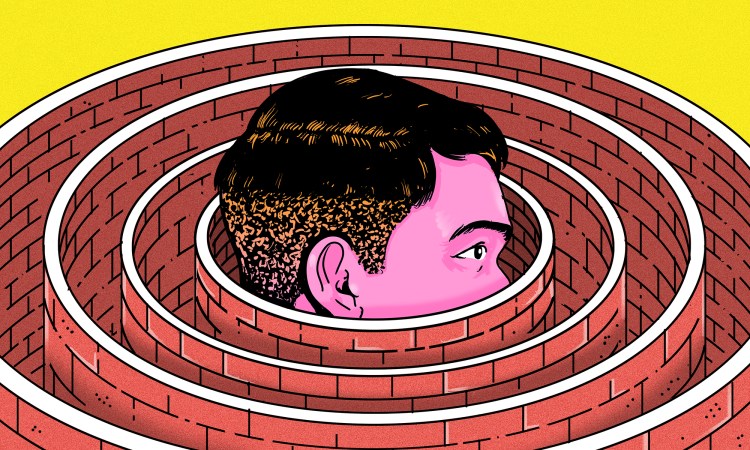
Glenn Harvey
This post is part of TED’s “How to Be a Better Human” series, each of which contains a piece of helpful advice from people in the TED community; browse through all the posts here.
To be human is to get defensive. When we’ve been questioned or criticized at work, it’s fair to say that almost all of us — save for, perhaps, the Dalai Lama and other equanimous souls — have gotten irritated, retreated into silence, or said something cutting in response. And because it is so normal to get defensive, we tend to write it off as no big deal. Jim Tamm, however, begs to differ.
Former judge Tamm spent 25 years working through other interpersonal conflicts, including mediating more than 1,000 employment disputes, and he currently trains consultants to teach collaboration skills. So what does defensiveness have to do with collaboration? Tamm has come to believe that defensiveness is the major obstacle that prevents people from working well together. “There is nothing that will help you become more effective at building collaboration than better managing your own defensiveness,” he says in an interview.
While it’s close to impossible to completely eliminate getting defensive during stressful moments, you can become aware of your own reactions and have an action plan in place when you notice them. “Any time you’re getting defensive, you’re getting less effective. When you get defensive, your thinking becomes rigid and you simply become stupid,” says Tamm, also the author of the book Radical Collaboration.
Why is defensiveness such an obstacle to collaboration? When we get defensive, “we put way more into self-preservation than we do into problem-solving,” Tamm says. “We’re trying to prove that we’re right rather than search for creative solutions.” When this happens in a workplace, it can be a recipe for chaos and failure. Such impulses are especially harmful for bosses, managers and those in power. That behavior hurts more than just the defensive person. When we get defensive, adds Tamm, “we invite everyone else in the room to get defensive, too.”
Of course, it can be difficult to recognize defensiveness in ourselves, and that’s because there are underlying emotions at play. When a person becomes defensive, they might appear to be putting on protective armor and gearing up for battle, but they’re usually masking their fear. “Defensiveness does not protect us from other people,” says Tamm. “It defends us from fears we don’t want to feel.” Those fears can include thoughts about your own significance, your competence and your likeability. Your defenses might come up due to imposter syndrome — like when you’re scared not looking smart enough or that you’re a subpar employee or a bad boss.
For example, let’s say you’re worried about a performance review. When your manager gives you some constructive criticism, you may offer excuses or become angry or brusque. But Tamm says these behaviors are masking your real problem, which could be your fear of not getting the raise or promotion that you feel you deserve or even your fear of being fired. “Our defensiveness helps us hide our fears from ourselves,” he says, and it erroneously serves to convince you that the fears you have aren’t true.
OK, now that we understand the dangers of defensiveness, here’s what we can do about it. You can start by learning to spot the warning signs of defensiveness in yourself. When you feel yourself experiencing them, pay attention and take action. According to Tamm, here are the 10 most common warning signs that you may be getting defensive: A spurt of energy in your body; sudden confusion; flooding your audience with information to prove a point; withdrawing into silence; magnifying or minimizing everything; developing “all or nothing” thinking; feeling like you’re a victim or you’re misunderstood; blaming or shaming others; obsessive thinking; and wanting the last word.
Tamm recommends looking back on any charged conversations, disagreements or conflicts — minor and major — from your life, and finding the patterns of behavior you engage in when you get defensive. Perhaps a minor tiff at work made you default to “all or nothing” thinking, and suddenly you felt ready to quit. Or, a single question from your partner about where the soup pot is located gets magnified into “You never know where anything is because you never liked this apartment.” If you have difficulty determining your own signs of defensiveness, ask for feedback from your family, friends or trusted colleagues. “Usually, other people spot our defensiveness before we do,” says Tamm.
Why is internal observation so important? “Most of us are not sufficiently in tune with our fear to do anything about it until it’s too late,” says Tamm. “If we know what our signs of defensiveness are, they can become our own personalized early warning system. For example, I noticed that when I get defensive, my breathing becomes faster, I tend to talk much louder, and I usually feel very misunderstood.”
Creating your own warning system for defensiveness involves a few simple steps: Noticing, taking action, and letting go. Whenever you recognize one of your own warning signs — for example, obsessive thinking or confusion — acknowledge to yourself that you’re getting defensive by saying something like “It feels like I’m becoming defensive.” This is extremely important. Tamm points, “If you don’t notice that you’’re getting defensive, you’re not going to take any other action.”
Next, slow down your physiology in some way. That could mean taking a few deep breaths, being aware of your feet on the ground, or — if you can — going for a walk. Focusing your attention outward is like hitting a reset button on your defensiveness. At the same time, try to observe what you’re saying to yourself. If you find that you’re criticizing yourself for your defensiveness or for your lack of keeping cool, ask yourself something like “Is this helping me right now? What behavior would be more helpful?”
Then, create an action step to counteract any damage that your defensiveness may cause. If you typically go quiet and sulk, for instance, you may decide instead to ask a question or share what you’re feeling. One way to create a psychologically safe environment for yourself — and others — is when you demonstrate your vulnerability. This can be accomplished by sharing something like “I feel like I’m getting defensive here, so let me take a step back.” Or, if your defensiveness sign is bombarding your teammates with information to prove your point, you could consciously pause for 15 seconds and let others finish speaking first.
In his TEDx talk, Tamm shares a memorable example of an action step. He says, “One woman’s warning sign was always wanting the last word. So she got this image of herself standing in the conference room doorway, throwing in the last word, and slamming the door. [Picturing it] was a way of not only reminding her what she was doing but also lightening up her mood a little bit.”
Once you’ve taken your action step, you’ll find that you have an easier time letting go of your defensiveness and examining the situation — and your coworkers — with fresher, calmer eyes. Your physical and emotional selves will most likely be in a different place than when you first started getting defensive. Practice your action step until it becomes automatic, suggests Tamm.
Be patient: Noticing and managing your defensiveness takes practice. Find times — maybe with your family or friends — when you can rehearse your action steps so you’ll be ready when you most need them. Remember, says Tamm: “If you can stay non-defensive, you can always be more effective.”
ABOUT THE AUTHOR
Kara Cutruzzula is a journalist and playwright and writes Brass Ring Daily, a daily motivational newsletter about work, life and creativity.
Born in 2014 Survivors Blog Here is going strong for you. — Survivors Blog Here Mental Health Collaborative

I chose this photo because when I think of the type of environment we wanted to create at Survivors Blog Here, it’s an embrace. Embracing who you are, where you are, embracing you as you take steps forward and the occasional step back. Photo by fauxels on Pexels.com Survivors Blog Here was created by three […]
Born in 2014 Survivors Blog Here is going strong for you. — Survivors Blog Here Mental Health Collaborative
Cancer Survivors Day
Cancer Survivors Day was on June the 6th and I let it slip by without a short post about my Cancer experience.

At 28 years old I was diagnosed with Cervical Cancer. Several minimally invasive procedures were performed but they were unable to remove all the Cancer without a Hysterectomy. I was unmarried, at the height of my career and not the type of person who grew up thinking about having children all my life.
A big decision had to be made, my doctor recommended a full hysterectomy because both my mother and gradmother on the father’s side had Ovarian Cancer when they were young.
Within minutes I had to make the decision of thinking about my health and getting Ovarian Cancer or take the chance in order to have children. I wish It could say is was a hard decision but it wasn’t. Cancer at 28 will wake you and make you realize how short life is.
It was sad at times in the years since then but I’ve always believed God will put in your path what he wants you to have. Children where just not in mine.
Be sure to get your yearly exam!!!!!
Melinda
Gallery Travels: Maui 1997 — Guest Blogger For the Love of Art

I started scuba diving in 1987, it was difficult I’m claustrophobic taking extra classes to handle the thought of breathing underwater. I was fortunate to log over a hundred dives in ten years. A panic attack while shore diving almost drowning two people, this was the start of my Maui vacation. This is not my idea of fun […]
Gallery Travels: Maui 1997 — For the Love of Art
Gallery Travels: Louvre Museum — Guest Blogger For the Love of Art

Do yourself a favor and plan two days for a comprehensive viewing of the museum. You walk it to the vast corridor and are bombarded with one awesome piece of art after another. The Louvre is the number one gallery in the world and requires time to see all its beauty. Melinda The Louvre (English: […]
Gallery Travels: Louvre Museum — For the Love of Art
How to exit a conversation without being a jerk
IDEAS.TED.COM
Dec 7, 2017 / Kio Stark

Stocksy
Kio Stark loves to talk to strangers — but she knows every exchange started is one that must be ended. Here, she shares how to gracefully step away.
I’ve spent much of the last decade studying (and having) conversations and teaching people how to understand their own exchanges. And I’ve found that exits can be the most awkward of all the moments in an interaction with another person, particularly a stranger. How do you end a conversation? Who has the right to end it?
The goal is to end an interaction at will, but without offending the person you’re stepping away from. Whether we’re aware of it or not, we use physical and conversational cues. When our cues are not noticed or heeded, it gets weedy pretty fast.
Once it begins, an interaction in an open space has a diameter. In sociologist Erving Goffman’s study, the range in the United States was no closer than one and a half feet and no farther than three feet or so. Too close and it’s hard to speak directly to each other, hard to know where to look or gesture, and might feel so uncomfortable that it makes people back away. Too far and you’re not committed physically to being in the interaction. In a larger group, people may have to lean in to hear or may be at the edges of the interaction, and their attention can more easily wander or switch focus.
Losing eye contact is a signal that you want to end a conversation — but it’s a more obvious and intentional one.
If you want to make an exit, you can use your body as a signal. Beginning in small increments, you can step or lean outside that interaction zone. Losing eye contact is a signal — but a more obvious and intentional one. Unconsciously, you might get a little jittery, and that’s a signal too. Once you do signal, you hope your partner is getting the message and will either end the interaction or be prepared when you do. Sending and receiving the message may even happen quickly enough that there’s an illusion of mutuality.
Words work too. Often, all you need is a reason or a friendly parting line. “I have to run”; “I need to get another drink”; “do you know where the bathroom is?”; “I have to check on my friend”; “hey, it was nice talking to you”; or glancing at your phone and saying “my friend (or partner, or babysitter) is texting me,” things like that. These are reasonable needs that require you to end an interaction. Any of these things may be true, but they work as excuses too. So it’s nice to be genuine and warm about it, if you can.
Power matters — the person with more gravitas has the right to end the interaction and may choose to do so politely or not.
To make a clean exit, you also have to contend with which person has the strongest claim to “leave-taking rights” in the conversation. In general, the person who started the interaction has priority to end it. It’s a matter, to some degree, of politeness. The person who started the conversation had a reason. It may have been mere curiosity or friendliness, which only give limited priority in ending the interaction, but if the person who started the conversation had a specific need or agenda, it is in theory theirs to close. There is a tacit understanding that you have to make sure the person who started the conversation got what they needed.
However, this can be abused — and you end up forced to be rude in order to exit. Power matters, too. When there is a real or perceived differential in power or status, the person with more gravitas has the right to end the interaction and may choose to do so politely or not.
So much of this, almost all of it, happens beneath the level of logic and reason. It’s all gut, instinct, sensory information, and fantastically subtle cues. Of course, we can extract ourselves from a conversation without satisfying the person who started it. It’s rude, but it can be tempered with a wave and a smile as one walks away.
All these implicit rules, bodily expressions and the words that do and don’t come out of our mouths — all of these are things we’re only dimly aware of. Learning to see them carries the thrill of secret knowledge. It’s also practical knowledge. It helps you understand when you feel graceful and when you feel awkward as you share spaces and moments with people. It helps you pull yourself into a transformed social landscape, one that is open and rich with surprising, affirming connections. And using this precious and practical knowledge can inch us all toward a more intriguing, respectful, tolerant world.
Excerpted from the new book When Strangers Meet: How People You Don’t Know Can Transform You by Kio Stark. Reprinted with permission from TED Books/Simon & Schuster. © 2016 Kio Stark.
ABOUT THE AUTHOR
Kio Stark writes, teaches and speaks about stranger interactions, independent learning and how people relate to technology. She is the author of the TED Book, “When Strangers Meet.”
 lookingforthelight.blog