


Are you a fan of rock concerts, lively city streets, or perhaps adrenaline-fueled activities? While these experiences can be thrilling, have you considered the possible impact they have on your delicate ears? In this revealing blog post, we delve into the realm of high-decibel noise exposure and its harmful effects on our hearing abilities. From understanding the science of ear damage to exploring practical preventive measures, join us on this exploratory journey as we reveal how something as trivial as a few extra decibels can have lasting consequences. Get ready to prioritize your auditory health like never before.
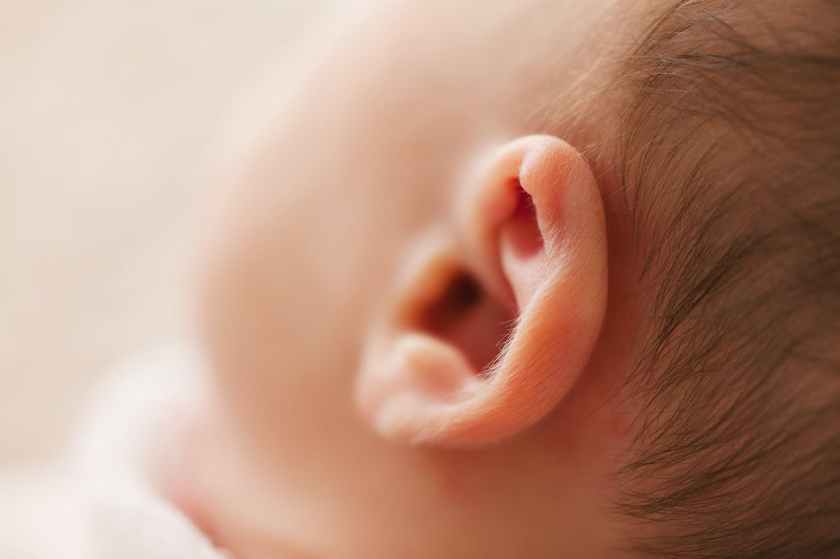
Understanding the Perils of High-Decibel Noise Exposure
High-decibel noise exposure ranks amongst the leading causes of hearing loss. It can occur gradually over time or instantaneously due to a one-off exposure to loud noise. Unfortunately, hearing loss from noise exposure is irreversible. If you’ve suffered hearing damage due to an accident that wasn’t your fault, contact the likes of Schuerger Shunnarah trial attorneys as soon as possible.
Numerous sources of loud noise can potentially harm your hearing, including:
- firearms
- fireworks
- power tools
- music concerts and events
- car stereos
- engines
Loud noise exposure is also prevalent in the workplace, for instance:
- factories
- construction sites
- agricultural machinery
The Types of Ear Damage from High-Decibel Noise Exposure
Four types of ear damage can result from high-decibel noise exposure:
Temporary threshold shift: Here, your hearing is temporarily impacted by loud noise but typically recovers within a few hours or days.
Permanent threshold shift: This refers to when your hearing is permanently damaged by loud noise, an irreversible condition.
Noise-induced hearing loss: This type of permanent threshold shift leads to a gradual deterioration in hearing over time.
Tinnitus: This is characterized by a ringing, buzzing, or other noise you perceive in your ears or head without any external source. Both temporary and permanent threshold shifts can trigger tinnitus.
Preventing Ear Damage from High-Decibel Noise
High-decibel noise exposure is a frequent cause of ear damage, leading to permanent hearing loss over time. It can also result in tinnitus (ringing in the ears) and vertigo (dizziness). There are several strategies to prevent ear damage due to loud noise:
- Use earplugs or earmuffs when you’re exposed to loud noise, such as when operating power tools, lawnmowers, or firearms.
- Adjust the volume on music players and other personal audio devices. If you can’t hear someone speaking from three feet away, the music is excessively loud.
- Avoid attending noisy events, like concerts and sports matches, without ear protection.
- Maintain a distance of at least 25 feet from fireworks displays.
The Long-Term Consequences of Hearing Loss Due to High-Decibel Noise Exposure
There are numerous long-term effects of hearing loss resulting from high-decibel noise exposure. Some of these effects include:
Hyperacusis: A condition in which sounds are perceived as being far louder than they are. This can make everyday activities such as phone conversations or movie outings challenging.
Dizziness: People with hearing loss often report dizziness and balance issues. This is because the inner ear plays a pivotal role in maintaining balance.
If you’ve been exposed to high-decibel noise and are experiencing any of these symptoms, it’s crucial to consult a doctor for a thorough hearing evaluation. Neglected hearing loss can lead to social isolation, depression, and even dementia. So, don’t delay – have your hearing assessed today!
Managing and Treating Ear Damage from High-Decibel Noise Exposure
If you’ve been exposed to high-decibel noise, either through work or recreational activities, it’s vital to be aware of the potential ear damage. Here are some tips on managing and treating ear damage from such exposure:
- Consult a doctor if you experience pain or hearing loss after exposure to high-decibel noise.
- Avoid further exposure to loud noise. If unavoidable, always wear ear protection.
- Rest your ears as much as possible and limit your time in noisy environments.
- Clean your ears gently with a soft, dry cloth after exposure to loud noise.
- Avoid using cotton swabs or other objects in your ear canal, as it can exacerbate the damage.
In Conclusion
Exposure to high-decibel noise can severely impact your hearing and should never be underestimated. Understanding the ramifications of prolonged exposure is crucial as it can cause permanent ear damage over time. Proactive measures such as wearing protective headphones, limiting exposure to loud noises, and steering clear from areas with high sound levels are all effective ways to reduce your risk of hearing loss or other adverse effects caused by long-term exposure to loud noise.
This is a collaborative post.
Melinda
 Looking for the Light
This is important information for all of us. Thank you for posting.
LikeLiked by 1 person
Your very welcome!
LikeLike