Looking for the Light is a Health and Lifestyle Blog covering topics such as Photography, Cooking, DIY Projects, Fitness, Men's and Women's Health, Lyme Disease, Mental Health, and having fun along the way.
Please stop by, pull up a chair, and read through my archives.
Melinda
Sheryl Chan at A Chronic Voice has been hosting the monthly Link Up Parties since 2017, that’s a lot of sharing and learning from people with chronic illnesses, please check out her website, the archives are extensive. Each month she provides five word prompts, do all five or at least three. This month I picked three, Breathing, Smiling, and Relishing.
This month I’m talking about what I do to survive and how looking honestly at our circumstances shapes the outcome. I’m inspired by people who have so much going on with their health/life and still smile, they want to know how others are doing, and they move forward with their life.
Breathing
I am breathing a huge sigh of relief! We were spared the damage so many others suffered from the storm. We had a massive Winter storm, the worst in 70 years for our state and it almost brought down the power grid. Our houses are not built to withstand weather below 24 degrees for an extended period of time and certainly not for lower temperatures. It was far below freezing for over 100 hours. People’s pipes were bursting, flooding their houses and apartments. You could see water raining down from the apartment above and destroying all the furniture in the apartment below. Many people lost power in the freezing tempters and the broken pipe caused many to have to shut the water off. We had several pipes break and we did have to turn our water off for three days. It’s heartbreaking to watch people go without water and electricity but it’s more painful when you know they are elderly or chronically ill. Reality hits you hard when you hear a story about a woman who has a stoma and her water is shut off. She gets so much water per day and she has to decide between washing her dishes and flushing the toilet. Hardcore reality.
Smiling
I do believe there are studies that show smiling makes you feel better. Something about sending signals to the brain. I feel happy most of the time but I don’t catch myself smiling a lot. March is a good time to pay attention to how I feel and making sure it’s showing on my face. I have to think about my husband and those around me, if I’m never smiling how will they know how happy I am. I’ve received some devastating health news this month, post about it to come. I have to remember that my health does not drive my happiness, I’m in charge of that. I can choose to be happy in spite of the circumstances.
Relishing
I received devastating news this month about my Immune Deficiency Disorder, Hypogammaglobulinemia. My immune system is in such bad shape that I need Plasma Infusion Therapy. There are a couple of issues right up front, one I feel pretty good, noting like my lab work suggests and I don’t like being dependant on others to give blood for me to get Plasma. To put my illness at the basic level it’s like there are so many players required on the field to win a game but I have a fraction of the players. I can catch almost anything I’m exposed to. That’s a hell of a position to be in. I’m relishing the time I have before my treatments began. I don’t have the complete treatment plan yet so I don’t know if I’ll be having monthly Infusion treatments or what the schedule is. It’s similar to the Antibiotic Infusion Treatments I received for Lyme Disease. Similar in that you sit in a reclining chair with an IV hooked up to your arm for several hours while the Infusion takes place.
I’m so glad you’ve joined me this week for another edition of Weekend Music Share.
Have you ever thought about joining in on Weekend Music Share? It’s very easy and it gives you a chance to lighten up the tone of your blog and have a little fun. Just Copy the official graphic below and use #Weekend Music Share in your headline.
Have a great weekend!
Melinda
Welcome back to Weekend Music Share; the place where everyone can share their favorite music.
Feel free to use the ‘Weekend Music Share‘ banner in your post, and don’t forget to use the hashtag #WeekendMusicShare on social media so other participants can find your post.
I was diagnosed with Lyme Disease in 2013 and almost died, I had 18 months of Antibiotic Infusion Treatments and took more prescriptions and supplements than I can count. I’ve been what I consider my normal healthy for years now.
The thing is, the Lyme virus went to my brain and continues to do damage albeit at a slower rate. There is no cure for Lyme Disease and you just have to deal with the relapses as they come. My biggest health problem has been cognitive, I have early onset Dementia and it’s a bitch! I have lost a great deal of my memory and can only drive within a few blocks of the house.
Why am I writing this post? When diagnosed I was told that I would continue to have complications with my immune system for years to come without a clear link to Lyme Disease.
Here we are in 2021and I’ve been diagnosed with a serious Immune Diffecency Disorder. Are they related? No-one will ever know but I have to ask.
I received devastating news this month about my Immune Deficiency Disorder, Hypogammaglobulinemia. My immune system is in such bad shape that I need Plasma Infusion Therapy. There are a couple of issues right up front, one I feel pretty good, noting like my lab work suggests and I don’t like being dependant on others to give blood for me to get Plasma. To put my illness at the basic level it’s like there are so many players required on the field to win a game but I have a fraction of the players. I can catch almost anything I’m exposed to. That’s a hell of a position to be in. I’m relishing the time I have before my treatments began. I don’t have the complete treatment plan yet so I don’t know if I’ll be having monthly Infusion treatments or what the schedule is. It’s similar to the Antibiotic Infusion Treatments I received for Lyme Disease. Similar in that you sit in a reclining chair with an IV hooked up to your arm for several hours while the Infusion takes place.
If you’ve been diagnosed with Lyme Diseases and find yourself battling unseeing unrelated illness, you’re not alone. The solace in that is you’re not alone with these challenges, the hurdles trying to get a doctor to understand and you’re not alone, period. One thing I’ve learned since my diagnosis is that there is a large Lyme community willing to listen and help any way they can.
You’re not crazy, it’s the illness that can make you feel that way.
It’s late morning and the teenagers in the house are still fast asleep long after you’ve got up. Should you rush upstairs and pull them out of bed by their feet? It may be tempting, but the answer is probably no. The evidence is mounting that sleep in adolescence is important for current and future mental health.
It should come as no surprise that a serious lack of sleep, or seriously disturbed sleep, is one of the most common symptoms of depression among adolescents. After all, however tired you might feel, it’s hard to drop off if you’re wracked with doubts or worries. This is true for adults too, with 92% of people with depression complaining of sleep difficulties.
What is perhaps less intuitive is that, for some, problems with sleeping might start before the depression, raising the risk of mental health problems in the future. Does this mean that sleep in teenagers should be taken more seriously? And can it lower the risk of depression later?
You might also be interested in:
The sleep illness that can be fatal Why science says you need a nap Why students need to get more sleep In a study published in 2020, Faith Orchard, a psychologist at the University of Sussex, examined the data from a large group of teenagers followed from the age of 15 to 24. Those who reported sleeping badly at the age of 15, but didn’t have depression or anxiety at the time, were more likely than their peers to be experiencing anxiety or depression when they reached 17, 21 or 24 years of age.
With adults too, sleep problems can be a predictor of future depression. A meta-analysis of 34 studies, which between them followed 150,000 people over a period of between three months and 34 years, found that if people had sleep problems, their relative risk of suffering depression later in life doubled. Of course, it doesn’t follow that everyone with insomnia is going to develop depression later on. Most people won’t. The last thing that people with insomnia need of course, is the worry about what might happen to them in the future.
But you can see why in some cases poor sleep might contribute to poor mental health. A deficit of sleep has well-established negative effects on us, including a tendency to withdraw from friends and family, a lack of motivation and increased irritability, all of which can affect the quality of a person’s relationships, putting them at greater risk of depression. On top of that there are biological factors to consider. A lack of sleep can lead to increased inflammation in the body, which has been implicated in mental health difficulties.
Researchers are now examining the relationship between sleep disorders and other mental health conditions. The eminent Oxford University neuroscientist Russell Foster has found that this link doesn’t only occur in depression. Disruption to circadian rhythms – the natural sleep-wake cycle – is not uncommon among people with bipolar disorder or schizophrenia. In some cases, the body clock can become so out of sync that people find themselves awake all night and asleep during the day.
Even when mental health problems precede disrupted sleep, the lack of sleep might exacerbate a person’s difficulties
His colleague, the clinical psychologist Daniel Freeman, has called for sleep problems to be given a higher priority within mental health care. Because they are common across different diagnoses, they don’t tend to be viewed as central to a particular condition. He feels they are sometimes neglected, when they could be tackled.
Even when mental health problems precede disrupted sleep, the lack of sleep might exacerbate a person’s difficulties. After all, just one night of sleep deprivation has a well-established negative impact on mood and thinking.
The complex relationship between sleep and mental health is further reinforced by the finding that if you treat depression, the problems with sleep don’t all disappear. It’s easy to see how psychological treatments which help people reduce ruminating over negative thoughts could also result in them falling asleep more easily. But in 2020 Shirley Reynolds, a clinical psychologist at Reading University, and her team trialled three different psychological treatments for depression. They worked equally well in reducing depression, but only sorted out the sleep problems for half of the participants. For the other half, the insomnia persisted, suggesting it was independent of their depression and needed to be addressed separately.
That said, problems sleeping and mental health difficulties can stem from the same causes. Traumatic or negative events, for example. Or excessive rumination or various genetic factors. Genes involved in serotonin pathways and dopamine functioning have been shown to be factors in both poor sleep and depression, as have the genes which influence a person’s circadian clock.
And, as we’ve already seen, it’s likely that insomnia and mental health issues exacerbate each other, making both issues worse. You’re distressed so you can’t sleep; you can’t sleep so you are more distressed – and so on, and so on, in an escalating cycle.
It’s also possible that a lack of sleep is not so much a cause of later depression, but more of an early warning signal. The worrying that stops you dropping off can in some cases be a first symptom of more serious mental health issues to come.
So perhaps persistent issues with sleep need to be taken more seriously in teenagers and adults
Foster is convinced that from a biological perspective, the best way to disentangle the web of correlation and causation is by studying the impact that disruption of circadian rhythms could be having on the brain. He says we need to look at the complex interactions between multiple genes, brain regions and neurotransmitters to understand what’s happening.
So perhaps persistent issues with sleep need to be taken more seriously in teenagers and adults. Sleep interventions are straightforward, and in some cases successful. What is already clear, from a meta-analysis of 49 studies, is that tackling poor sleep among those with insomnia, who are already experiencing symptoms of depression, not only helps them sleep better but also reduces the depression.
The large Oasis trial led by Daniel Freeman across 26 universities in the UK found that digital cognitive behavioural therapy for students with insomnia, not only helped them to sleep, but reduced the occurrence of hallucinations and paranoia, symptoms of psychosis.
The million-dollar question is whether sleep interventions could even prevent mental health problems down the line. To answer this, large-scale, long-term trials would be needed. One advantage of earlier and better interventions to prevent poor sleep – both for itself and to potentially reduce wider mental health problems – is that there is less stigma surrounding insomnia, so it might prove easier to persuade people to come forward for treatment.
Getting better sleep won’t on its own solve the mental health crisis, of course
In the meantime, anyone who has trouble sleeping can try the techniques shown to be most effective: ensuring you get enough light during the day (in the morning for most people); not napping for longer than 20 minutes; not eating or exercising or drinking caffeine late in the evening; avoid reading your emails or discussing stressful topics in bed; keeping the bedroom cool, quiet and dark; and trying to get up and go to bed at the same time each day.
Getting better sleep won’t on its own solve the mental health crisis, of course. But could it make a difference in the long run? Even if it doesn’t, as sleepy teenagers know, even for its own sake, there’s nothing better a good night’s sleep.
If you liked this story, sign up for the weekly bbc.com features newsletter, called “The Essential List”. A handpicked selection of stories from BBC Future, Culture, Worklife, and Travel, delivered to your inbox every Friday.
Saint Patrick’s Day, or the Feast of Saint Patrick, is a cultural and religious celebration held on 17 March, the traditional death date of Saint Patrick, the foremost patron saint of Ireland.
A new study recently publishedTrusted Source in JAMA Psychiatry found that a layperson-delivered phone call program could reduce feelings of loneliness, depression, and anxiety.
These calls also improved the general mental health of study participants within 4 weeks.
Each caller contacted between 6 and 9 participants daily for the first 5 days.
Over the past year, many of us have struggled through feelings of isolation and loneliness because of COVID-19 restrictions and enforced physical distancing to prevent virus transmission.
This has resulted in accompanying feelings of loneliness and anxiety for many.
A new study recently publishedTrusted Source in JAMA Psychiatry found that a layperson-delivered, empathy-oriented telephone call program could reduce feelings of depression, and anxiety, while improving the general mental health of study participants, within 4 weeks.
“We were partnering with Meals on Wheels of Central Texas already, and when COVID-19 struck we realized the increased mental health concerns of their members,” corresponding author Maninder K. Kahlon, PhD, associate professor in the department of population health at the University of Texas at Austin, told Healthline.
Kahlon said her team quickly designed a program and tested it rigorously to confirm that they could see improvements on “clinically-relevant scales.”
“We needed to prove to ourselves that the intervention had the effects we hypothesized,” she emphasized.
From July 6 to September 24, 2020, researchers recruited and followed up with 240 adults assigned to receive calls or no calls (the control group). They were between ages 27 to 101, with more than half 65 years or older.
Loneliness, depression, and anxiety were measured at the beginning of the study and then after 4 weeks.
Intention-to-treat analyses were conducted. Participants received calls in their homes or wherever they might be when the call was made.
The study included Meals on Wheels clients in Central Texas who matched their service criteria, which included being homebound and expressing a need for food.
The callers were between 17 and 23 years old and trained in empathetic conversational techniques prior to the study.
Each caller contacted between 6 and 8 participants daily for the first 5 days, after which participants could choose to reduce the frequency, but to no fewer than 2 calls per week.
Known as “Sunshine Calls,” the program was a randomized control trial (RCT) developed by Factor Health, a collaborative initiative at the University of Texas at Austin.
About half of participants lived alone, and all reported having one or more chronic health conditions.
According to the findings, compared to those who weren’t called, call recipients reported average improvements of over 1 point on a 7-point standard scale in feelings of loneliness, for a 16 percent difference.
The number of participants who felt at least mildly anxious at the beginning of the study also dropped 37 percent by the end of the study, and those at least mildly depressed dropped by 25 percent.
“We trained callers to prioritize the person at the other end of the phone call. Listen to them, and to listen to the clues they provided in their conversation about their interests,” Kahlon said. “If the person mentioned their aunt in passing, the caller would go back to that and pull on the thread, and usually there’s a story there that they’re just waiting to share!”
Kahlon said she was surprised by the study’s findings.
“We hypothesized we’d affect loneliness by having people connect, meaningfully, to participants. We were pleased by the degree of improvement,” she said.
“But what we were surprised by were the significant effects on depression and anxiety,” she added.
Kahlon explained that these are two major health concerns, especially considering the effects that both mental states have on “broader mental health scales.”
She also believes this program is a particularly promising way to improve health across the board.
However, according to the study, a major limitation of this research is that it’s unclear whether benefits can be sustained for longer than 4 weeks.
The study also noted that future work should address whether improvements are not only sustainable, but also enhanced with longer implementation.
“I think the relationship between loneliness and health — I think it’s a very complicated relationship and any number of factors… could be involved,” said Dr. David Roane, chair of psychiatry at Lenox Hill Hospital in New York.
He pointed out that people who aren’t attached to others have less motivation to take care of themselves, have no one to assist them or look after them to make sure they’re eating or sleeping properly, and “don’t necessarily have standardized routines.”
Roane explained that isolation itself can have a direct effect on physiology, and can affect aspects of medical health directly.
Kahlon thinks programs like ‘Sunshine Calls’ can remedy a shortage of mental health professionals.
“We can address mental health, at scale,” she said. “Loneliness need not remain unaddressed, and depression and anxiety can be tackled without being constrained by our lack of mental health professionals.”
She concluded that, “The health system should pay for whatever delivers results, including programs such as this one.”
“Well, I think the study here is really focused on some interesting ideas,” said Roane. “The focus on reaching out to people through technology through the phone, through Zoom, and reuniting with friends and relatives that you haven’t been in touch with recently.”
He emphasized that people are very open to hearing from others, “so reaching out can often be very rewarding.”
Roane added that long distance contact must be regular for the most benefit.
“So if you have a friend or relative who is particularly isolated it might actually be a great idea to have a regular scheduled call,” he said. “That might not be every single day, it might be on a Saturday or Sunday or whatever works for the person who’s trying to reach out.”
According to Roane, setting and maintaining a routine of scheduled calls is key.
“I think that for the isolated individual to know that they can expect social contact could be very helpful,” he said.
New research finds that making regularly scheduled ‘empathetic calls’ to isolated individuals can significantly reduce loneliness and anxiety — and possibly improve overall health.
Experts agree that reaching out electronically to friends and relatives isolated by physical distancing measures is a good idea, but contact should be regular for the greatest benefit.
Experts also say that calling programs can help address a shortage of mental health providers to help people experiencing loneliness and anxiety in their homes.
Former America’s Got Talent judge Gabrielle Union opened up about her mental health struggles during an interview with Gwyneth Paltrow at the In Goop Health virtual summit on Sunday. The 48-year-old said she has faced “so many rock bottom moments” throughout her life, from her experience with sexual assault to divorce to career setbacks. She felt like she was “losing my mind” at one point last fall and has short “depressive episodes.” She also discussed a shocking moment when she considered suicide.
“I’ve had so many rock bottom moments as an adult, starting with being raped at 19 at gunpoint at my job,” the Bring It On star told Paltrow via video conferencing, reports E! News. “It just felt like every so many years, there was some major catastrophic event that was happening in my life. You know, divorce, career setbacks, relationship issues. There’s always something that just lands you on your a— and you’re like ‘There’s no way I can move on from this, I’ll never recover, I’ll never be the same.'”
Union said each challenge she faced has helped her grow as a person. She called them “mini deaths” and you have to “grieve the person” you were before each of them. “There have been times I’ve felt like I had to be reborn out of success because that comes with its own challenges,” she said. The L.A.’s Finest star then explained her latest challenge, perimenopause. This marks the end of a woman’s reproductive years before menopause. The symptoms “reached a fever pitch” in September 2020, she said.
“I thought I was losing my mind,” Union said. “I thought I had early-onset dementia, Alzheimer’s. I gained 20 pounds overnight of water retention, inflammation, bizarre. I couldn’t think. Now, when I have to public speak in the last few months, I’m so anxious, because I’m like, ‘Am I going to remember words?'” The scariest symptom was a suicidal thought that came during a “stupid argument” with her husband, retired NBA star, Dwyane Wade. “Only because I’ve been in therapy for half my life that I was like ‘No, I don’t know who is talking now, it’s not my intuition,'” she said, adding that the thought was “fleeting.”
“I was able to get through it with talk therapy and diving into how I can regulate my hormones,” Union said. “Luckily I was at home and I alerted everyone.” She later added, “Separating the symptoms from who you really are…to say that it’s a challenge, I don’t think I really have the words, or I lost them, to describe what these last few months have been.”0COMMENTS
Union has spoken out about her mental health in the past. In 2018, she said she was diagnosed with PTSD after she was raped as a teenager. “I’m here to tell you that I am PTSD survivor, thriver, bada— motherf— I was diagnosed with PTSD at 19 after I was raped at gunpoint — and I didn’t let it stop me,” Union said in a video for The Child Mind Institute, reports PEOPLE. “I didn’t want it to define my whole life, and it doesn’t have to. Asking for help, needing help doesn’t make you weak or less worthy of love or support or success.”
If you or someone you know are in crisis, please call the National Suicide Prevention Lifeline at 1-800-273-TALK (8255) or contact the Crisis Text Line by texting TALK to 741-741.
I’m so glad you’ve joined me this week for another edition of Weekend Music Share.
Want to start joining in on Weekend Music Share? It’s very easy and it gives you a chance to lighten the tome of your blog and have a little fun. Just Copy the office graphic below and use #Weekend Music Share in your headline.
Have a great weekend!
Melinda
Welcome back to Weekend Music Share; the place where everyone can share their favorite music.
Feel free to use the ‘Weekend Music Share‘ banner in your post, and don’t forget to use the hashtag #WeekendMusicShare on social media so other participants can find your post.
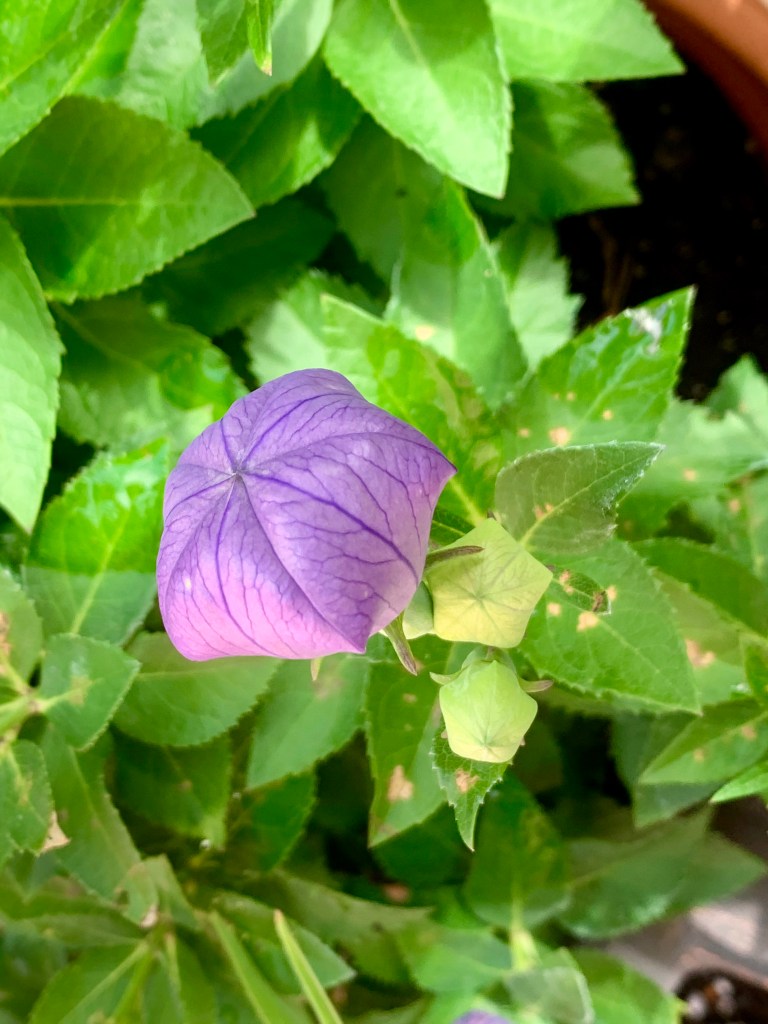
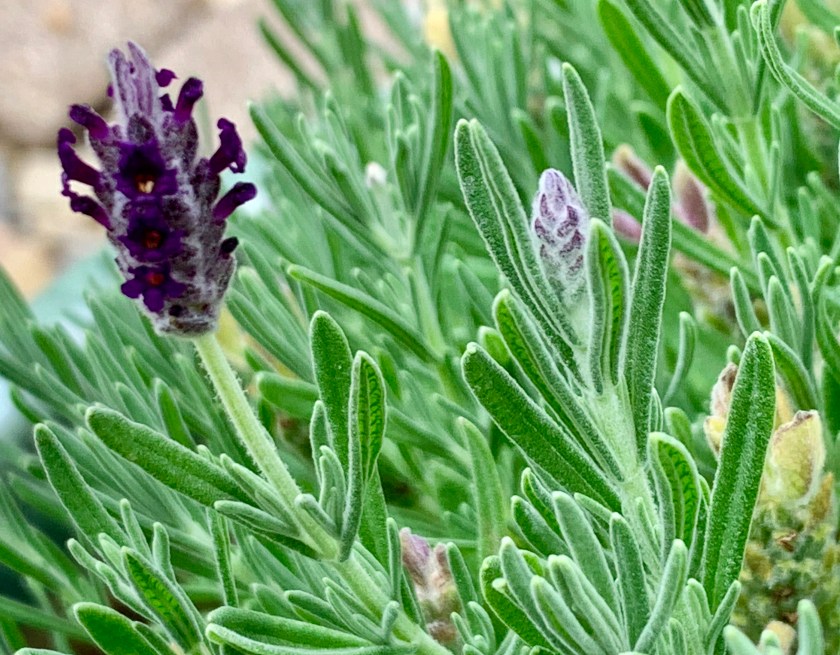
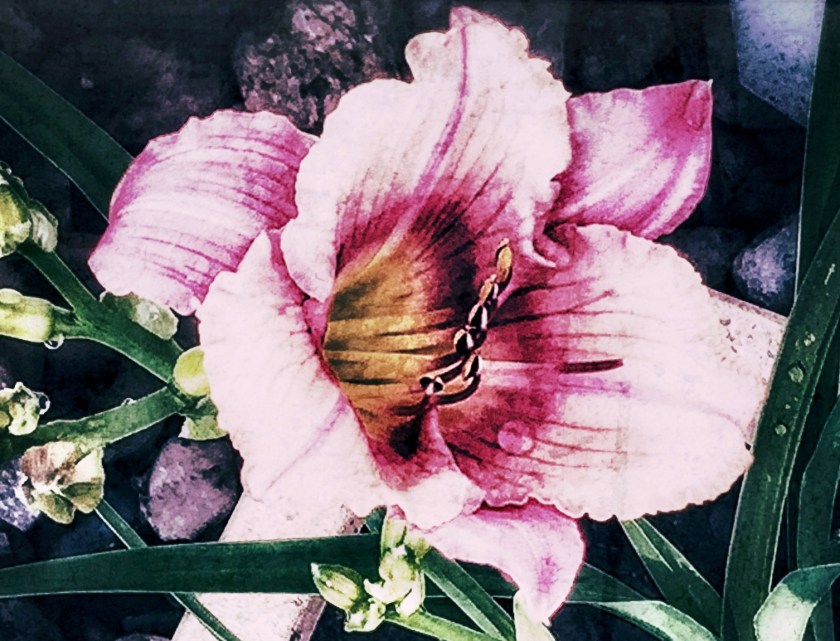
The freeze of the century killed my beautiful rosemary plant, two butterfly bushes, a mum, and several pots of annual flowers. But to my great surprise, my pink Lillies and which are close to my heart survived the freeze and every pot has growth popping out. I’ll show two posts with growth and a few photos of what you can expect to see later in the year.
My artistic visionFavorite artistic vision
I hope you’re doing great this week and I look forward to seeing you again next week.
There’s a lot you can do, in the day-to-day alone, to try and make yourself feel better. For both your mental and physical health’s sake, knowing you can keep your house clean and tidy is a big thing. As a result, you can feel happier, and you can feel healthier (or even alleviate your pain symptoms), and that can really improve your quality of life. But why does a clean house make you feel so much better? Well, here are the main reasons.
Cleaning can help to keep you on your feet, and make sure you’re moving on a daily basis – even if you don’t consider it a form of exercise, it’s definitely a good way to keep your legs and arms moving, and your muscles supple, if you’re someone who can’t exercise in a traditional manner.
Being active in a manner like this is also very productive; you’ll be killing two birds with one stone! You could burn almost 200 calories per hour while cleaning, and also make your space look a lot more organized, which is good for your mental health too.
Better Air Quality
The air quality in your home needs to be of good quality, to make sure you’re not coughing on a daily basis, and you’re not feeling stuffy in your nose or your throat. Poor air quality can make any and all chronic conditions you’re already living with worse, especially if you have a respiratory issue.
When the house is clean and tidy, there are far fewer dust particles in the air. Even getting a proper airflow through your home, by opening windows and turning on the AC, is a great idea. Fresh air is very good for you!
Indeed, if your central air and heating systems don’t seem to be able to crank it up to high enough levels, it’s a good idea to look into HVAC Repair for your home. There’s a good chance you have a blockage or a breakage somewhere, and that’s going to be hard to fix on your own.
You’ll Sleep Much Better
For anyone who lives with insomnia, or has a lot of trouble falling asleep thanks to chronic pain, even just making your bed in the morning can mean you get some much better sleep during the night.
Regularly changing your bedding, and making sure you have a new mattress every 8 years at the least, can help to lower your pain levels and make you feel more comfortable when you climb into bed at night.
And sleeping better makes taking care of yourself a lot easier too. If you’re rested, and you’re not feeling tired on a permanent basis, you’ll feel a lot more secure and comfortable in yourself. Getting more, better sleep really is a life-changer, and a lot of it is due to a clean house.
A clean house really can make you feel better, in a variety of ways!
NO MORE’s eighth annual NO MORE Week is March 7-13, 2021. Our goal is to inspire everyone to make change to help create a culture of safety, equality, and respect in our communities. Stay tuned for more updates, events, and information.
Friend,
Today is the first day of #NOMOREWeek. Each year, we’re proud to join our community of chapters, allies, businesses, survivors, and individuals around the world and say NO MORE to domestic and sexual violence.
The past year hasn’t been easy. COVID-19 disrupted every aspect of our lives, and cases of domestic and sexual violence increased across the globe. During NO MORE Week 2021, we want to increase awareness of the problem while bringing people around the world together to find and fuel real solutions.
This year, there are more ways than ever to get involved. From the NO MORE Virtual 5k Walk/Run, to the KNOW MORE Global Dialogue series, to the release of some important new research on the impact of COVID-19 on domestic and sexual violence organizations—this promises to be one of our most exciting NO MORE Weeks yet.
We’ll be in touch throughout the week with more information and updates. As always, we are grateful for the opportunity to commemorate NO MORE Week with you!
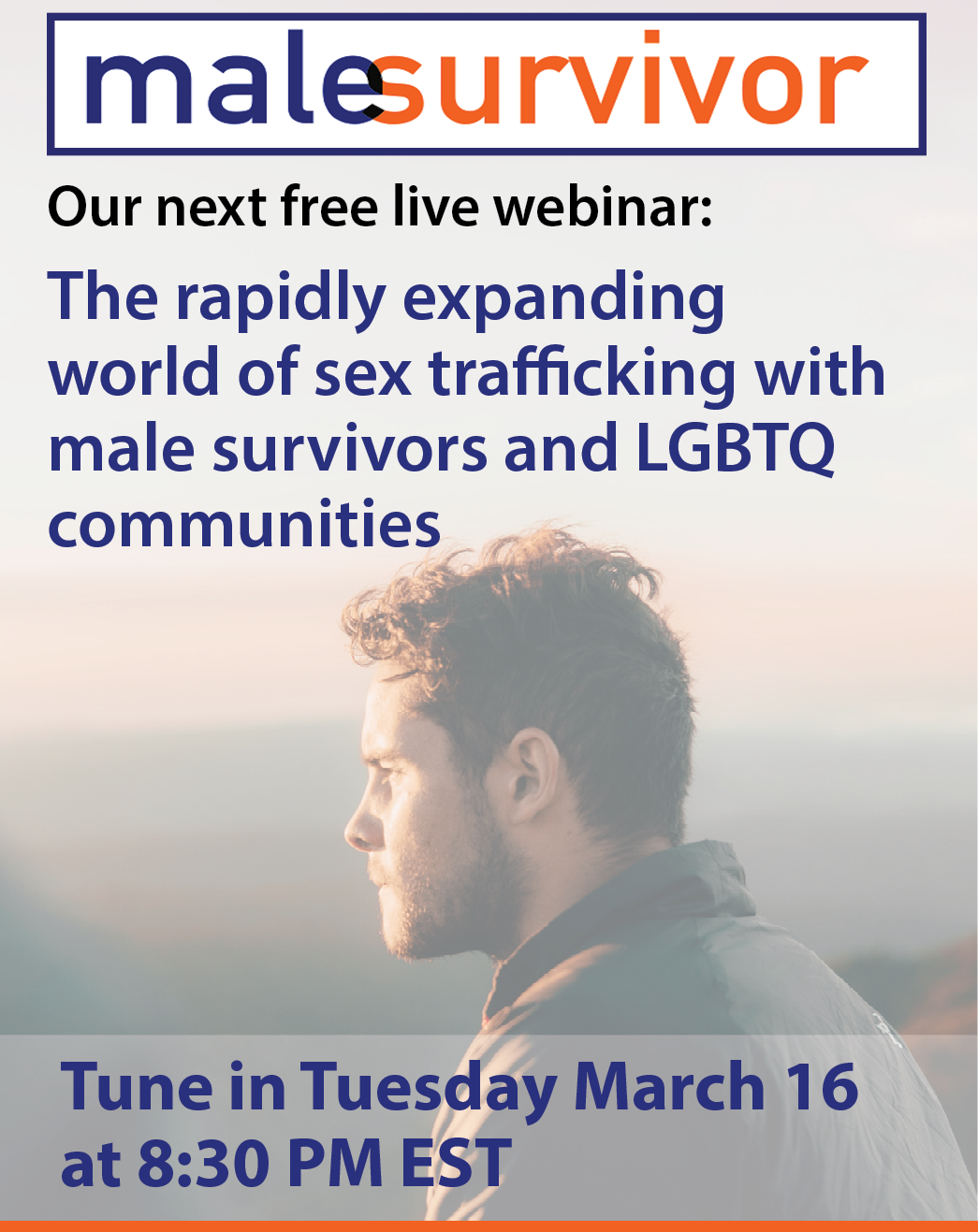
Topics will include:Sex traffickingTransactional nature of sexual abuse and exploitation Elevating male survivor voicesHow recovery efforts are blocked by unenlightened/flawed perceptions of masculinityPanelists:Nola Brantley, nationally acclaimed advocate who focuses on Domestic Minor Sex Trafficking / Commercial Sexual Exploitation of ChildrenNicole Klasey, Psy.D., clinical psychologist who currently consults on programming for commercially/sexually exploited youth, vicarious trauma, and leadership developmentHost:Lee Friedman, vice president, MaleSurvivor Board of DirectorsHere is the webinar Zoom link—Live on Tuesday March 16 at 8:30 PM EST:MaleSurvivor WebinarTake time to review ourWebinars of RecoveryYou can view current recordings of these past events at:MaleSurvivor YouTube ChannelDonations of any amount are welcomed and highly valued:MaleSurvivor Donation
I’m so glad you’ve joined me this week for another edition of Weekend Music Share. I love music, all types of music, and can’t imagine life without music as a backdrop.
Have a great weekend!
Melinda
Welcome back to Weekend Music Share; the place where everyone can share their favorite music.
Feel free to use the ‘Weekend Music Share‘ banner in your post, and don’t forget to use the hashtag #WeekendMusicShare on social media so other participants can find your post.
I wish you could see the happy dance I’m doing right now after receiving my first COVID vaccine today. I’m so impressed with the University of Texas Southwestern for the professionalism and getting me out at rapid speed, under thirty.
I packed a tote think I would have to wait for at least 30 iTunes, I didn’t sit still until in the observation room, and then for only 15 minutes.
I know you are counting the days until you get your vaccine and soon we’ll all have a chance.
I was kindly gifted The Joy of Selfish by Michelle Elman from WelBeck Publishing Group for an honest review. The book was released earlier this month and the timing is perfect. This is a must-read for everyone.
When I saw the press release for the book I knew this book was going to be a great seller. Most people know that taking care of themselves is important but they don’t look at it as critical to their health. Well, it is. If you keep putting yourself behind others and the daily task you have, you’ll never get around to yourself. You have to plan and make yourself a priority, and most importantly is you have to buy in100%.
It doesn’t matter if you’re chronically ill, a mother of five, just retired or a college student you need this book. It’s never too late to set boudoirs for your life and create the life you want and envision.
About the Author
Michelle Elman is a five-board accredited life coach, award-winning activist, author and podcaster. In 2020 she was named one of the Top 50 most inspirational women in the UK and is respected globally for her work as a body positivity influencer, best known for her ‘Scarred not Scared’ campaign.
Michelle has over 300k followers across Instagram and Tik Tok and has been a guest on media outlets including Sky News, Channel 5 News, Loose Women and BBC Radio London. She’s written for publications including HuffPost, Grazia, Metro and Stylist. Recently she coached Emily Atack on her series ‘Adulting’ and appeared on Geordie OGs to discuss online bullying and its impact on mental health. She also featured in the BBC3 documentary Being East Asian which aired earlier this year. Michelle’s podcast, In All Honesty, is available on Acast. Her first book, Am I Ugly?, was published in 2018.
Blurb
The Joy of Being Selfish redefines selfishness as a positive act, allowing us to love ourselves and those around us authentically without apology, It explores the different types of boundaries, offers tip on how to start setting them, and helps with the quilt of felt after boundaries are put into place.
Learn how to deal with her of being disliked, common responses to boundaries, dealing invitations, block/mute/delete-how to limit information, learning to express yourself-and most importantly using you inane power to start a new life.
My Thoughts
The idea of taking care of ourselves is being selfish is outdated and ridiculous. If we do nothing but give until we are depleted who is going to take care of us let alone our loved ones. I can’t agree with Michelle more on this message. Self-care is not selfish and if so then get selfish.
In 2015 Michelle was a Life Coach at crossroads in the direction of her career focus. She decided to see a Business Coach. Little did she know this chance meeting would make her future very clear and she set out on a mission to accomplish her new goals.
The Joy of Selfish is a tool for anyone who needs guidance in setting boundaries. dealing with guilt, self-sabotage, and help with dealing with the outside influences that try to throw you off track.
The Joy of Selfish is a book for everyone, every age, every gender. We can’t be our best selves for others if we don’t take care of ourselves first.
WelBeck Publishing Group
We are Welbeck Publishing Group – a globally recognized, independent publisher based in London. Our mission is to deliver talent-driven publishing with leading authors and brands worldwide. Our books and products span a variety of categories including, fiction, non-fiction and stationery and gift. We are renowned for our innovative ideas, production values, and developing long-lasting content.
Welbeck’s amazing product comes to life for adults, children, and families in over 30 languages in more than 60 countries around the world. We have collaborated with many of the world’s leading institutions and licensors including – Disney, Universal, Paramount, HBO, Queen Productions, FIFA, International Mensa, Roald Dahl Literary Estate, the Science, Natural History and Imperial War Museums, and Royal Botanic Gardens, Kew.
This is a photo of the White House taken in 2015. I had to funk up the colors but not too bad. Life was very different 2015 or so it seems. We’ve had our share of challenges as a country since the beginning of time but right now it seems every day is an uphill battle. I pray we can come together as a country, lessen the divide and make America the shining star I know it is.
The facility close by has finally received vaccines and I have an appointment on Thursday for my first dose! I can’t tell you how happy I am. I had no idea when my time would arrive and was so shocked when I found out today.
Keep your chin up your day will soon arrive and you too can get protection for this killer virus.
By JUWON PARK, Associated PressPublished: February 16, 2021, 6:11am
They work to raise awareness about mental health issues
SEOUL — K-pop star Eric Nam was having a meeting in New York when he suddenly felt a pain in his chest.
“I thought I was going to have to call 911,” he said, recounting the experience from 2019. But instead he remained sitting and “had to quietly breathe my way” through the meeting, he said.
Similarly, Jae-hyung Park, better known as Jae from K-pop band Day6, was in a cab returning from a music video shoot in Seoul last year when he experienced what felt like a heart attack.
At first, he put it down to stress, saying that for years he had dealt with “out of place” and “weird” feelings. But he realized he couldn’t ignore the symptoms, and in the “calmest voice” asked the driver to take him to a nearby hospital.
“I’m … feeling like I am going to die, I am going to die, I am going to die,” he recounted.
Park and Nam said they later found out they had suffered panic attacks.
Many recording artists struggle to cope with the trappings of fame. In South Korea, as in many cultures, talking about mental health issues is seen as taboo, causing K-pop stars to grapple with depression and mental illness on their own.
Nam and Park have joined other Korean American K-pop artists in raising awareness about mental health beyond the K-pop community by publicly sharing their personal journeys.
Nam moved from his hometown, Atlanta, to Seoul in 2011 and launched his music career after competing on a Korean music television show. A Boston College graduate, Nam said the racism he endured growing up in suburban Georgia left deep scars on him.
He explains he was bullied and even spat on by a classmate. “It was one of the most degrading, embarrassing, infuriating moments of my life up until that point,” Nam recounts on the first episode of MINDSET, a paid podcast series he’s just launched to promote conversations about mental health and wellness. “And I think still to this day that is a topic that I never feel comfortable speaking out about.”
Nam said he also struggled with an identity crisis as a Korean American, being treated as an outsider in both South Korea and the U.S.
“It felt like I didn’t belong anywhere,” he said.
Park, born and raised in California, said he had difficulty navigating between two vastly different cultures. And the intense competition in the industry also affected his mental health.
“It’s a dog-eat-dog world,” Park said of K-pop.
Park was offered counseling from his record label, but said he found it difficult to connect with his therapist and eventually took a break from his career last year, when his band went on a hiatus.
He took part in Nam’s podcast series as a celebrity speaker.
Nam is hoping the shows can address stereotypes and stigmas surrounding mental illness.
“I never thought that I would need, I would want to talk to somebody about my mental health,” Nam said. “But once you’re in that position, I just didn’t know really how to deal with it. And so I remember those very isolating kinds of moments that I had had earlier on in my career.”
This was one of the most popular posts last year and I felt it was time for an update since my routine has changed somewhat. New Year’s Resolutions or goals as I call them, can start to lose their luster at the end of the first quarter of the year.
The key to lack of motivation is to look at the root cause, maybe it’s time to shift your thinking to realign the goal with where you are now, today, not three months ago. We have to constantly reassess as life and our health changes, hard and fast resolutions don’t work for me. They don’t allow for changes.
Despite having Chronic Lyme Disease, Fibromyalgia, and Hypogammaglobulinemia., which is an Immune Deficiency Disorder, I’ve been relatively healthy for the past year or so. I count my blessings and chalk it up to some big lifestyle changes including learning to forgive myself. If I get off track, I can’t beat myself up or if I need more naps than I think, I have to take them without quilt.
I believe self-care is the things we do every day to stay healthy, not just the special moments we spend taking care of ourselves. I’m learning more every day about the importance mental health plays on physical health, they are intertwined.
Below are the simple but important steps I work to accomplish every day, there may be a day or two where I don’t get outside or go to Starbucks but as a general rule the outline is my daily schedule.
Every Day
We go to the Starbucks drive-thru for a coffee. We have a huge container of Clorox wipes and have a routine we go thru before leaving the drive-thru to ensure we don’t get the virus. We take the dogs with us and it’s like a family outing. When the time allows we take them for a short walk at the park. This is where I get my exercise in each day, or however many days a week I can.
Taking all of my medications is critical to my physical and mental health.
Women’s over 50 Multi-Vitamin with Calcium.
Biotin for healthy hair, this step also boosts my self-image.
Calcium 1200mg.
Vitamin D with K-5000 IU of D3 and 180 Mcg of K2 MK7
Probiotics 100 Billion CFU
Nicotinamide 300mg-Recommended by my Lyme doctor to help improve the immune system at the cellular level.
Reduce stress by meditating several times a day for at least 5 minutes. Nothing fancy, no special location in the house, just in my chair or wherever I’m sitting.
Only watch one hour of news, 30 minutes local, and 30 minutes national per day!
Light an aromatherapy candle, placed somewhere I won’t forget it’s burning.
In spite of COVID, I still schedule critical doctor’s appointments and lab work.
Getting outside for fresh air even for 10 minutes. Just hearing a bird call can change the outlook on my day.
There are several bird feeders and a birdbath at the kitchen window that my husband takes care of for me. I can not tell you the enjoyment I get out of seeing the birds, woodpeckers, and squirrels every day.
I spend multiple times a day with my dogs, one on one attention and training. It’s rewarding to watch them grow and learn. The love I get is unconditional.
Bedtime Routine:
Go to bed 1.5 to 2 hours before bedtime. During that time, there is no sound, no computer, no phone, nothing. I lather up with my CBD creams and favorite hand lotion and a touch of aromatherapy oil. Sometimes I’ll turn on the diffuser.
That extra time gives my mind a chance to wind down, get all the ramblings out, and let my mind completely calm down. At bedtime, I take my sleeping meds and another round of CBD cream. I’m now ready. Rarely do I have trouble going to sleep.
I don’t accomplish these every day, it’s impossible to always have the motivation to do what’s best for our health. Looking at the big picture each week I can see if I’m focused on the right things, if not I have to ask why. Sometimes it’s just that life got in the way.
There’s no one size fits all to have the best healthy life but we all can take steps every day to push ourselves forward. What small steps have you taken each day to improve your physical and mental health?
I’ve kept my mouth shut thru the entire COVID crisis, not one post. Today is my day.
In order for the WORLD to kick the COVID 19 virus and prepare for the next killer virus, 70-80% of the world population has to take the vaccine to stamp it out! That’s a TON of vaccines. That’s a TON of science behind creating a vaccine in under 10 years. It’s a TON, a logistic nightmare that is not managed in a central process under a standard set of rules.
Each state, county, and city can do their own processes, they are given guidance by the CDC, which by the way is the leading scientific organization we have in America, but each entity who thinks they know better can serve the vaccines as they wish.
I know you’ve heard all this information in bits every day but the bottom line is there are so many moving parts and time is still only 24 hours in a day. We have several promising vaccines and possibly one getting approval this week. We still need millions and millions of doses and companies and time to make enough for everyone to get a vaccine.
Why am I stating the obvious, I just need to vent. There are people who truly need the vaccine first, and even if you don’t or I don’t agree, which may be on a number of issues, there are some clear lines. Even with what I see are clear lines, my state, county, and city may not administer exactly as I would prioritize. That is life!
Dr. Fuchi has made it clear when he thinks we will all have a chance to get vaccinated, there are logistic hurdles in there beyond his control but I buy into his theory that by the end of this year everyone that wants a vaccine will have a chance to get one. Last week I heard him say a much more aggressive timeframe but I’m not buying into or repeating that one. I work hard to deliver no FAKE news here.
Everyone will get a shot, we have to wait our turn and realize science is already working at warped speed and our day will come.
If you’ve already received your shot, Thank GOD! You’re a good American and a smart person. I look forward to my day, I’m on the High-Risk list but no vaccine has been available to me yet. I will be in line with pride, with my MASK ON to take my shot and kick COVID 19 in the ass.
We regularly think of our home as one big building. We tend not to even think of our gardens as being truly part of the property per se. This is because it’s easy to become more attached to the space that we live in day after day than the space that we hardly visit. This could be solved by sitting in our gardens for more times of the year but that’s not the issue that is being looked at. We are going to focus on what types of outdoor living structures could be best for your home and why? It’s quite simple. We want to look at the cost of building, space and leisure as well as style.
A garden home is separate from the home. It’s not attached (usually) and it can be styled in a totally different way to your main property. It’s usually for guests as it will provide one bedroom, a small kitchen that is probably linked to the living room. It makes sense to have an open plan for this just so there is a feeling of more space. It should be seen as about half or maybe two-thirds of the space that a normal ground floor would provide. But what can you do about it? Well, it’s best used as an extra space that can be converted into a different kind of space when needed. It can be a game or entertainment area. Maybe it could be a play area for your small children, or maybe, a guest room.
An annexe
An annexe is linked to the main home. This means it will have a hall or corridor that allows the occupant to enter the home directly, from the annexe. Many people might not understand why this is so, but when you see this granny annexe explanation, you’ll understand why. It helps older people to essentially move into your home, without actually, living inside it. They will have their own bedroom, kitchen, bathroom or shower but they won’t have a lounge area or dining room. Usually, this kind of property may cost anywhere from about £5,000 to £30,000. However, the living conditions are excellent and there is a separation that you can create, physically, so you have privacy and space for yourself.
The next best option aside from these two is the log cabin. This is great for properties that are by waterfronts such as lakes, rivers, or streams. But it can also double as a cabin for a home that is in the forest or countryside. It’s cheap to build as the materials are essential, insulation in themselves. Logs don’t need insulation like a normal house with hollow walls does. To build a cabin, it might cost anywhere from £5,000 to £15,000. It provides space for one or two people. It can be a two-story building or just a bungalow.
What is your favorite type of outdoor property? We think that space and leisure are a delicate balance, but the cost always plays the deciding role.
The most common reason for hair loss is genetics. If you have a history of hair loss in your family, it is more likely that you will lose your hair.
This is known as pattern baldness, both male and female. It will often start slowly and in patterns, such as thinning hair and bald spots at the crown or a receding hairline. Most of the time, people who have a family history of baldness will expect hair loss, but this doesn’t make the initial occurrences much easier to confront.
Stress
Just like stress can cause your hair to turn gray, it can also contribute to hair loss. Too much stress leads to your hair thinning out, and you will usually find it most frequently when washing your hair in the bath or shower.
Such stress can come from a traumatic event, and the hair loss symptoms will usually last for at least a few months after. However, the good news is that this is usually temporary.
Treatments, Shampoos, Products
Some hair treatments, such as certain hairstyles or products you use in your hair can also contribute to hair loss. The more strain your hair is put under, the less healthy it becomes, and this can cause the hair follicles to fail, causing your hair to fall out.
Chemicals can also impact the thickness of your hair, but like stress, this can be temporary is you catch it early enough. If you experience hair loss after changing shampoos or testing new products, go back to your previous products to see if there is a difference or consider searching for PRP (Platelet Rich Plasma) treatment to help slow and stop hair loss.
Medical Conditions
Hair loss can also happen as a reaction to certain illnesses and medications, such as cancer, arthritis, and depression. Often, this is a side effect of medication you take for the illness, although the stress of the sickness can also be a factor.
There are also medical conditions like alopecia related to your immune system and leads to hair falling out in patches, ringworm, a scalp infection, or even chronic hair pulling, a disorder also known as trichotillomania.
Is Your Hair Tied To Your Identity
For anyone who considers their hair part of their identity, suddenly losing hair can make you feel entirely unlike yourself. It can cause stress, lack of confidence, and affect your mental wellbeing. However, if you can understand why you are losing your hair, you can come to terms with it more comfortably and even consider ways to prevent or halt losing more hair.
I’m so glad you’ve joined me this week for another edition of Weekend Music Share. I love music, all types of music, and can’t imagine life without music as a backdrop. I know many of you feel the same way, I’ve read your comments over the years and know how much music can mean in a person’s life.
There’s a strain on us all, across all borders and at times it can feel bleak. One thing to remember is we alwasy have each other, alwasy have and will get thru another storm with the help of a friend or a stranger.
Have a great weekend!
Melinda
Welcome back to Weekend Music Share; the place where everyone can share their favorite music.
Feel free to use the ‘Weekend Music Share‘ banner in your post, and don’t forget to use the hashtag #WeekendMusicShare on social media so other participants can find your post.















 Topics will include:Sex traffickingTransactional nature of sexual abuse and exploitation Elevating male survivor voicesHow recovery efforts are blocked by unenlightened/flawed perceptions of masculinityPanelists:










 Looking for the Light