

I’m glad you joined me on Wordless Wednesday and I hope to see you soon.

This year I chose Orange Marigolds and they really brighten the hot tub area.
Melinda

I’m glad you joined me on Wordless Wednesday and I hope to see you soon.
This year I chose Orange Marigolds and they really brighten the hot tub area.
Melinda
This is not a question I’ve thought about before, I like to keep looking outwards. The favorite thing about myself is the ability to get up after being knocked down, the strenght within has brought me a happy life.
Have a great day.
Melinda
How I thought retirement would happen is the opposite of how it actually happened. My granny had two major strokes which caused Dementia and she became violent regularly. I made a promise to both of my grandparents that I would make sure they could die at home which was their wish. After the first stroke, I would come over to allow gramps to run errands. This worked until the day it all fell apart.
He was at the grocery store and she thought he had left her at somebody’s house and wasn’t coming back. There’s no understanding or logical times when dealing with Dementia. I took the photos off the walls of my gramps, my father, myself, and her long-dead favorite dogs, nothing would bring her back to reality. I had to give her a sedative and it broke my heart.
The only way to calm her and keep her from trying to hurt herself was for gramps to be there.
I was semi-retired at this point but my grampa needed me every day to help. The reality is, I would not change one thing. I showed up, gave all I could four weeks on end and I has able to keep my promise to her about dying at home.
Melinda
Joint pain is very common during menopause and may be related to lower levels of estrogen. Exercising frequently, eating anti-inflammatory foods, and other actions may help reduce the pain.
If you experience hot flashes, shifts in mood, and joint pain, you’re not alone. These are some of the most common symptoms for people going through menopause.
It’s estimated that more than 50%Trusted Source of women experience arthralgia (joint pain) or arthritis during menopause and, for 21%, either condition is one of the more significant menopausal signs.
Menopausal-related joint pain can be caused by changes in hormonal levels, but other factors may also play a role. There are a variety of home remedies that may help reduce joint pain, and OB-GYN and primary care doctors can also help you decide if you’re a good candidate for hormone replacement therapy (HRT) or other medications.
You’ll notice we use the binary term “women” in this article. While we realize this term may not match your gender experience, this is the term used by the researchers whose data was cited. We try to be as specific as possible when reporting on research participants and clinical findings.
Unfortunately, the studies and surveys referenced in this article didn’t report data on, or may not have included, participants who were transgender, nonbinary, gender nonconforming, genderqueer, agender, or genderless.
According to 2010 research, it’s believed that a reduction in estrogen levelsTrusted Source during menopause may cause joint pain.
Estrogen helps to protect joints and reduce inflammation. It also affects the function of muscles, tendons, and ligaments. Having the right balance of estrogen is necessary for ideal joint performance.
The development or progression of arthritis may be another reason for chronic joint pain during menopause. The risk of osteoporosis and osteoarthritis increases during menopause. This increased risk is also likely related to hormone changes.
Learn more about the possible connections between arthritis and menopause.
You may experience:
According to the 2010 research, one of the best ways to treatTrusted Source your menopause-related joint pain may be moving more. Movement and stretching help reduce pain and stiffness. Regular exercise can also help maintain a moderate weight or prevent weight gain that may put added stress on the bones and joints.
Other things that may help your pain include:
Treating other menopause-related symptoms and signs, such as fatigue, insomnia, and depression, may help as well.
Research indicates that women are particularly likely to develop musculoskeletal pain during perimenopause, but the odds of moderate to severe musculoskeletal pain increase with age through postmenopause.
Your joint pain may be chronic, especially if you develop arthritis. HRT may help to improveTrusted Sourcethe outcomes for those with a variety of menopause symptoms, including joint pain. More research into the risks and benefits of this is still ongoing.
If you’re experiencing joint pain during menopause, you may benefit from talking with any of the following:
If you experience chronic joint pain, you may also wish to join a chronic pain support group.
The joint pain you experience may not go away even after menopause. You may experience it for the rest of your life, but there are ways to manage the discomfort.
If you have rheumatoid arthritis, you may feel pain in the wrist, fingers, and toes, but you can also experience pain in other areas, including the knees, elbows, ankles, and neck.
Some supplements that people report to improve joint pain include fish oil, collagen hydrolysateTrusted Source, and curcumin (often found in turmeric). A doctor may recommend different supplements, like vitamin D, based on your specific health conditions.
You’re not alone if you experience stiffness, swelling, or shooting joint pain during menopause. Lower estrogen levels may be partially responsible for the discomfort, but a combination of other factors, including arthritis, may also contribute.
If you experience joint pain during menopause, it can help to get regular exercise and eat anti-inflammatory foods. If you experience chronic pain, you may want to talk with a doctor or other healthcare professional about medication options, including HRT.
Melinda
Reference:
I love you Gramps, the memories we made fill my heart with joy. Teaching me how to fish, remembering the first fish I caught, and standing up almost turning the boat over. At 13 you gave me a 16 gauge shotgun, and we went to the levees to practice. I shot a duck out of season, you were pretty cool about that. Laughing when I shot at dragonflies. I will always remember you throwing trash cans into the trunk and heading to the levy bottoms for driving lessons. You picked up more cans on parallel parking practice.
Gramps didn’t hear this song, he didn’t know Carrie Underwood. He would rather listen to Buck Owens or George Jones, old-time country. This song touched me deeply, I can’t listen to it without crying.
I’ll see you soon. I know this is my temporary home.
Melinda
I’m blessed to have so many great memories thanks to my grandparents but one funny memory was with my gramps. He took me to the levee bottoms to teach me how to park, and he brought too big trash cans with him for me to practice with. With each attempt, I would knock a trashcan over, and gramps would patiently reset the can. After an hour we called it a day, I bet he prayed I would pass my test. I did pass but not with the highest score I’m sure.
Melinda
I appreciate you stopping by my blog, your presence makes my day. As a child, I set the goal of traveling the world, it has not happened yet but I get a small feeling of traveling with each country that visits my blog.

I hope to see you again soon.
Melinda
The greatest thing happened to me this morning, I woke up! Every day I wake is a blessed day.
Melinda
Thank you for joining me for this week’s Friday Quote.
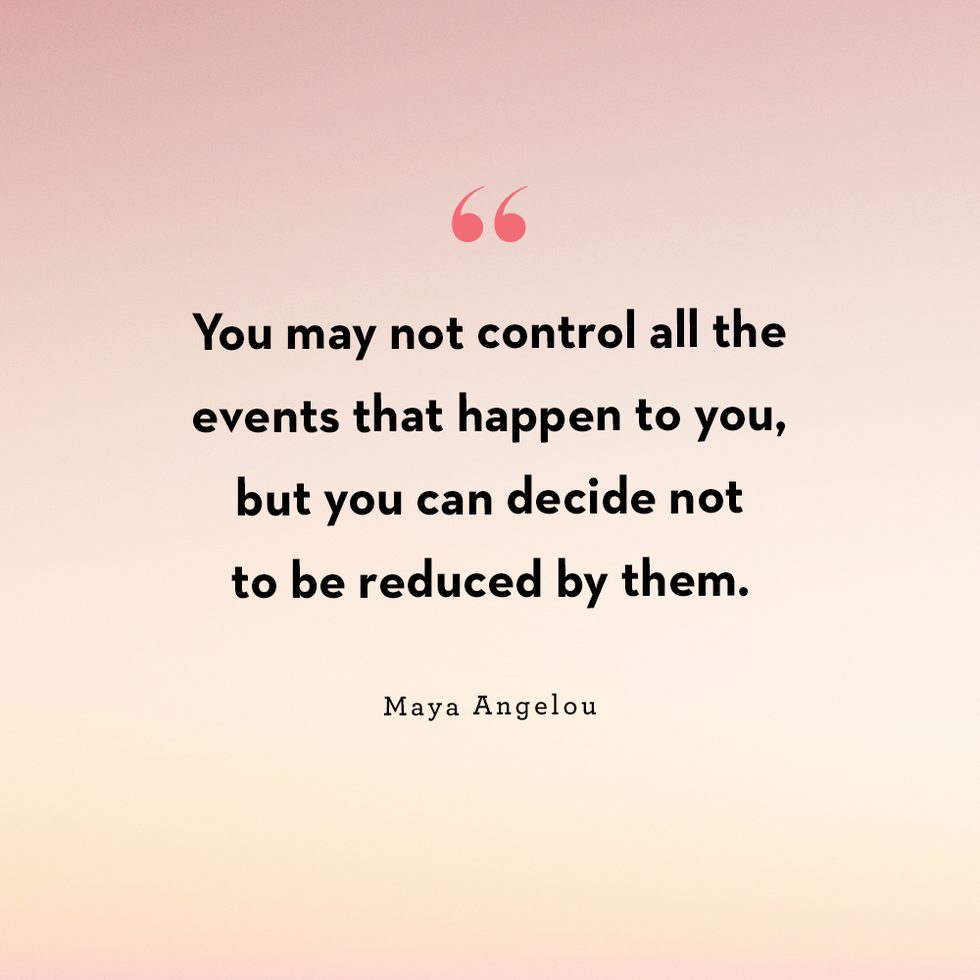
Melinda
It’s the weekend!!!!!!
I’m glad you joined me for another edition of Weekend Music Share this week.
Have a great weekend!
Melinda
Welcome back to Weekend Music Share, the place where everyone can share their favorite music.
Feel free to use the Weekend Music Share banner in your post, and use the hashtag #WeekendMusicShare on social media so other participants can find your post.
That’s a good question because there are times when my passion changes, like learning something new. My neverending passions are photography, my houseplants, traveling, and our dogs. As I’ve aged my passions are less adventuresome but I have the greatest memories of diving, hiking, and traveling internationally.
Melinda
A lot of everyday tasks benefit from a combination of relaxation and focus. Driving is possibly the most obvious example of this. At a minimum, getting this balance right can help to avoid negative consequences. For example, you won’t have to file a car accident claim. At best, it can really boost your performance. With that in mind, here are three tips to help.
What this means in practice will depend on the situation. Ideally, you’ll resolve any troubling issues before you begin your task. In the real world, sadly, that’s not always going to be possible. What you can do, however, is offload them and commit to dealing with them later.
What this means in practice will depend on you. For example, you might get the most release from just speaking your thoughts into a voice recorder (most cellphones have one). Alternatively, you may prefer offloading your thoughts onto paper. This doesn’t have to mean writing. It can also mean drawing or doodling.
This may be enough to clear the mental/emotional block from your system. If it doesn’t, however, remember to commit to addressing it later.
If you want to achieve and maintain relaxed focus, then your body needs to support that. For example, you want to be comfortably full and properly hydrated. Be aware that even milder chemicals may disrupt either your relaxation or concentration. Alcohol and caffeine are obvious culprits here.
Be aware that medication (or withdrawal from medication) can also cause issues. If it does, try speaking to your doctor. They may be able to switch your medication or give advice on how to minimize the effects of withdrawal from it.
Another important point to note is that temperature can play a huge role in your ability to achieve and maintain relaxed focus. Ideally, you should control the ambient temperature to keep it pleasant. You may, however, find it useful to have a way to add extra heating/cooling where and when you need it.
The right stimulation keeps you relaxed but helps you to maintain alertness. Most tasks require you to use your eyes and hands. That leaves your ears, nose, and mouth potentially free. Audio stimulation can be massively helpful. You do, however, need to be slightly careful with it.
Firstly, spoken-word audio, including songs, can overload your brain. When you need to focus, it’s often better to stick to music without lyrics or even just ambient sounds. Secondly, you need to think about your hearing. If you listen to the audio a lot, invest in a quality pair of headphones. Ideally, use ones that go over the ear.
Stimulating your sense of smell can have a very powerful effect on your mind. One useful point to note, however, is that the effect of a scent becomes less powerful over time. This isn’t just the scent fading, it’s the brain tuning it out. You can, however, use different scents to keep your brain engaged.
Last but not least, remember the power of taste. Some foods can also help to get your brain moving. Citrus fruits and mints are often particularly good for this.
This is a collaborative post.
Melinda
Repost
I’m glad you joined me on Wordless Wednesday and I hope to see you soon.
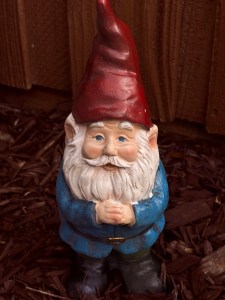
He watches over the garden.
Melinda
I’m blessed to have luxuries like good candles and a Lambswool throw but one luxury I can’t live without is the fireplace in my office. I use it every day year-round because I’m cold-natured. It can be 90 degrees outside and I’m in front of the fire with a sweatshirt on.
Melinda
The tagline on my blog was Keep Moving Forward and that describes my general thought process. If we don’t move forward we stop growing and become stagnant.
Melinda
The lack of finances is a major source of worry for many people. Therefore, when there are not enough funds available for meeting your needs or in your savings, you’re more than likely to become anxious, Unfortunately, with most Americans having less than $1,000 stashed away as their savings, this problem is a pretty pervasive one. However, just because this is the norm doesn’t mean that it should be the same for you. With the right strategies, you can actually save more, thus lessening your worries and anxieties in the process.
Take a critical look at your expenses and see where you can cut them down. The easiest way to do this is to start tracking every cent you spend. Do this for a month or two and see what expenses are important and those that aren’t.
Then, create a budget based on those important expenses and save the rest. You’ll find that when you limit yourself to a budget and stick to it, you can make it work, regardless of your previous spending habits.
It may not seem like a lot at first, but it does add up over time. We’ve seen families go from having less than $500 in their savings to $6,000 in savings in one year by just cutting their expenses. Interestingly, they were still quite comfortable and didn’t miss those things they cut out of their budget.
This is a tricky one considering that you need a place to live. But if you’re spending more than half of your paycheck on housing –whether mortgage or rent- you might want to consider downsizing to something more affordable until you can afford your ideal home and use the extra funds for something else.
For instance, some people have been known to switch to manufactured homes. If you do a quick search using the mobile homes for sale search phrase, you’ll find many affordable options that are available to you. If mobile homes aren’t an appealing option, try moving to a cheaper or smaller home. Or you can seek cheaper mortgage payments for your home.
Most people tend to immediately send money that they didn’t expect. Yet, when you think about it, the very fact that those funds were unexpected means that they can actually live without spending those funds.
Whether the money is in the form of a bonus, cash gifts, or extra commission, determine to put that money aside immediately it comes in. Do this a few times and you’ll soon see your savings grow.
Energy consumption and utility bills are often a sizable part of the average monthly expense. So, it makes sense that if you can cut down on how much you pay for your utilities –particularly during the summer and winter months- you could save some more money.
Some things that you can do to lower your energy bills include changing your bulbs to energy saver bulbs, using energy-efficient HVAC systems, not leaving the heater or AC on in rooms that are unoccupied, and much more.
This is a collaborative post.
Melinda
Report
When I was much younger, having a good life meant money and material things but those things did not make my life a good one. After turning 40 years old, I realized what is most important to me. Family tops the list followed by being kind, trustworthy, follow through on commitments, and being grateful for what I have.
I have a great life now instead of a shallow one.
Melinda
My husband retired in April and we see each other all day but if you count the hours I probably spend more time with the dogs. It’s not always intentional, they think I’m a snack machine and come into my office asking for them throughout the day.
Our dogs are like children and they can be clingy.
Melinda
Everyone wants to be as fit and healthy as possible, but this is not always as easy to achieve as you might hope. If you are keen to be fit but you often struggle to keep yourself on track with regard to that fitness, you are not alone. This is a very common experience and one which you can improve easily enough if you know how best to approach it. In this post, we are going to take a look at some of the most powerful ways to keep yourself on track with your fitness, so you can enjoy the feeling of good health and physical wellbeing that this will bring.

It might sound a little corny, but keeping a diary really is one of the best ways to keep yourself on track with pretty much anything, and that certainly applies to when you are trying to be more fit. If you are keen to do this, you might want to consider doing it as a blog, as feeling that other people might be reading it can add even more to the experience and encourage you to keep on track all the more. Take a look here for a web host, and then set up your site and blog, and start typing.
We all know that having goals is a good way to ensure you are moving in the right direction and achieving what you need to achieve. But you need to make sure that they are accurate and clear goals, and that you actually know what you hope to get out of them, otherwise you might struggle to actually use those goals as inspiration and you might end up simply falling off the wagon again. So be really clear about what you want to achieve, in what timescale, and you are going to find this really helps.
You’ll also want to think about tracking the actual hard data relating to your fitness – such as how your body weight is changing, how much you are able to deadlift each time, and so on. The more effectively you track this, the better, as you are going to find that it allows you to see how far you have already come, and therefore encourages you to continue. Without this kind of data by your side, you might find yourself feeling that you are getting nowhere, so this can really make a huge difference.
All in all, it’s all about enjoying it – and if you are not enjoying it, then what’s the point? That doesn’t mean that every moment is fun, but it does mean that you should feel that, on the whole, you are doing what you need to be doing in order to have fun with it. If you neer feel that you are having fun, you are probably not approaching it in the right way, so this is something to focus on from the start of your process.
This is a collaborative post.
Melinda
Repost
Thank you for joining me for this week’s Friday Quote.
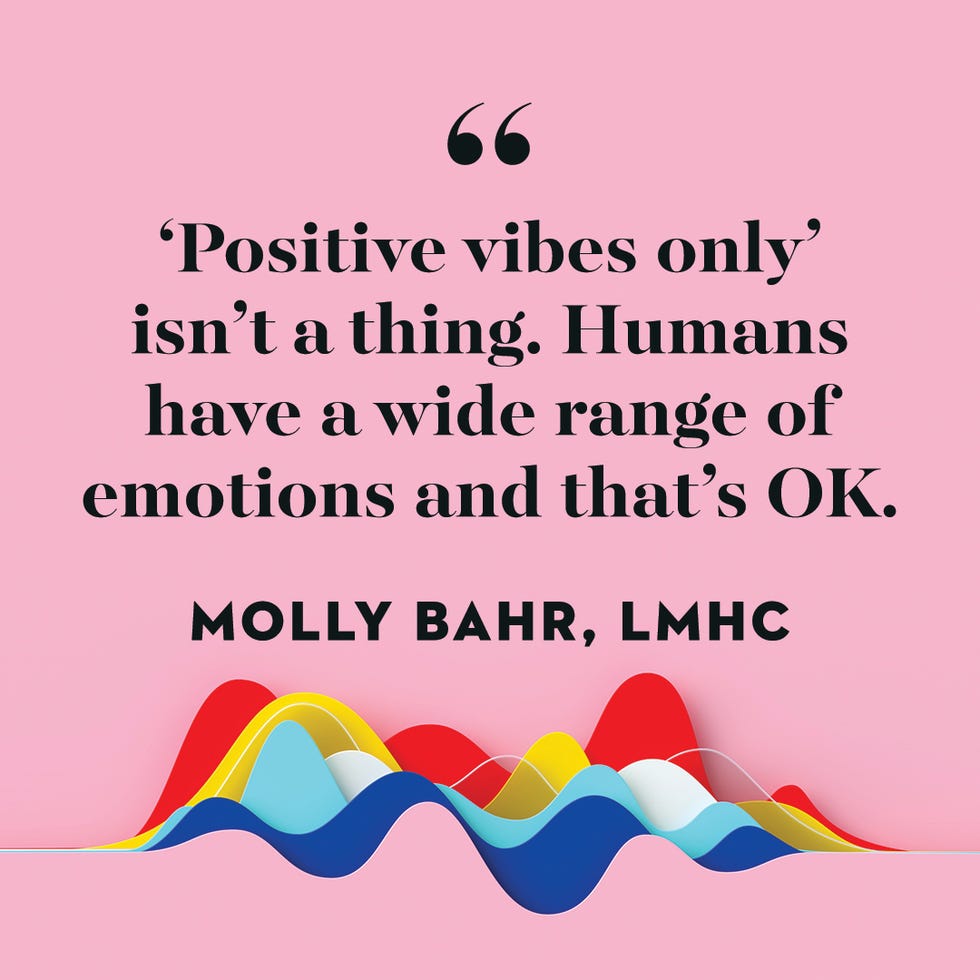
Melinda
It’s the weekend!!!!!!
I’m glad you joined me for another edition of Weekend Music Share this week.
Have a great weekend!
Melinda
Welcome back to Weekend Music Share, the place where everyone can share their favorite music.
Feel free to use the Weekend Music Share banner in your post, and use the hashtag #WeekendMusicShare on social media so other participants can find your post.
Chocolate is a food group in our house, and I eat two squares daily. The ultimate chocolate bar would be dark, not too thick, all-natural, earth-friendly packaging and made in Switzerland or Belgium. I also like chocolate with hazelnuts, vanilla, and cashews.
Melinda
Mental health includes your psychological and social well-being. It also encompasses your emotional health, which refers to your ability to name, address, and regulate your emotions.
You might notice discussions about mental health online, in conversation with family or friends, on your favorite show, or in any number of other places.
But what exactly is mental health?
“Mental health is about the functionality of your brain and all that impacts it,” said Oludara Adeeyo, a psychiatric social worker and author of “Self-Care for Black Women.”
Many factors play a part in mental health, some of which you can’t control, such as genetics, life experiences, and family history.
But you do have influence over other important aspects of your mental health, noted KC Davis, a licensed professional counselor and author of “How To Keep House While Drowning.”
Your ability to influence your mental health is key because the state of your mental health matters.
Mental health helps determine how you handle stress, relate to others, and make choices, explained Alison Seponara, a licensed professional counselor and author of the book “The Anxiety Healer’s Guide.”
Seponara goes on to say that caring for your mental health can lead to:
Nurturing your mental health can also help you manage health conditions that are worsened by stress, like heart disease, said Seponara.
Your mental health can impact everything about your life, Adeeyo said, including the ways you view and move through the world and your ability to handle the things life throws at you.
That’s why building habits for better mental health can make a big difference in your day-to-day life.
PRO TIP
As you explore new behaviors and begin incorporating them into your routine, aim to frame these changes as self-kindness, not self-punishment. Maintaining a gentle, kind attitude toward yourself can do a lot more to improve your mental health and overall outlook than criticism and negative self-talk.
“Work on your mental health from a place of care,” Davis recommended.
Not sure where to start? You’ll find 8 strategies to promote improved mental health below, along with some guidance on seeking professional support.
Sleep isn’t just a nonnegotiable for physical health. It also plays an essential role in mental health.
The American Psychological Association reported in 2023 that sleep deprivation makes people less happy and more anxious.
The quality of your sleep matters, too. Disrupted sleep can contribute to mental health symptoms.
To get enough high quality sleep, try starting with these habits:
Healthy sleep habits can be harder to build on your own if you have a sleep disorder.
If you think your sleeping issues may relate to a sleep condition, a sleep specialist can offer more information about helpful evidence-based treatments, like cognitive behavioral therapy for insomnia.
Mental health concerns can also lead to poor sleep, which means changes to your sleep environment and nighttime routine might not make a lasting difference. If you don’t notice much improvement after trying these strategies, connecting with a therapist may be a helpful next step.
“Constantly consuming information about other people’s lives may cause someone to compare themselves and promote feelings of low self-worth, which increases feelings of anxiety and depression,” said Adeeyo.
To spend less time on social media, try to:
Humans are social creatures, and strong relationships can have a positive influence on your mental health in various ways.
Friendships, for example, can:
You have plenty of options for cultivating positive connections and nurturing your friendships:
Exercise offers a range of mental health benefits, including:
Movement can involve something different for every person, and it doesn’t have to mean going to the gym if that’s not your thing. Instead, make movement enjoyable for you by opting for physical activities that work best for your body, health, and preferences.
To get started, experiment with a range of physical activities, and keep doing the ones that resonate with you.
Enjoyable movement could include:
In other words, you don’t have to do a vigorous workout to support mental wellness.
“Taking a few minutes to stretch can make a huge difference for your overall mental health. Stretching will help with blood flow and get more oxygen through your body, which can help you feel more relaxed and happy,” said Christopher S. Taylor, PhD, LPC-S, founder of Taylor Counseling Group, author of “My Digital Practice,” and host of the “For Self-Examination” podcast.
Certain foods can also affect your mental health. To support improved mental health, try expanding your current diet to include foods packed with mood-boosting nutrients like:
It can also help to simply make sure you fuel your body every day — eating something is better than eating nothing.
Drinking plenty of water throughout the day is also beneficial.
“When you’re dehydrated, you’re denying your brain and body the nutrients needed to survive and operate at a more optimal level,” Adeeyo noted.
Certain foods, namely alcohol, caffeine, refined carbs, and added sugars, may worsen anxiety symptoms. Limiting these foods could help ease some of your symptoms.
On difficult days, you might find it tough to do any of the above, which might make you feel even worse.
At times like these, Davis encouraged turning to compassionate, more accessible strategies, like:
A similar approach you can try? Commit to taking one small step every day.
“Whether it’s making your bed, drinking one glass of water in the morning, or writing in a journal, making this daily promise to yourself will help to eventually become a habit, and you will begin to feel empowered,” Seponara explained.
While what constitutes “rest” may vary from person to person, it generally means giving your mind and body the opportunity to unwind and restore.
Rosie Acosta, meditation and yoga teacher and author of the book “You Are Radically Loved,” suggested trying yoga Nidra, a sleep-based meditation.
She recommended the following steps:
If you only have a few minutes to relax, Acosta suggested these quick restorative practices:
“The sun is a great source of vitamin D, and studiesTrusted Source show it can improve attitude and mood,” said Taylor.
Your outdoor time doesn’t have to be long, either. As Taylor noted, “Five minutes of blue skies can do your mind and your heart some real good.”
If you have several minutes, Taylor recommended:
The strategies above can help improve mental well-being, but they can’t “cure” any mental health conditions.
To put it another way, making changes in your habits may not always relieve persistent mental distress. Working with a therapist, however, can be a particularly powerful way to improve mental health.
You can consider professional support at any time. You don’t need to have depression, anxiety, or any specific mental health symptoms to benefit from therapy.
That said, reaching out becomes particularly important if you:
Your mental health plays a key role in your quality of life. Many of the factors that can affect mental health remain beyond your control, but adding beneficial habits to your days can promote greater wellness.
Just know that when it comes to adopting new habits, it’s generally more helpful to start with only one or two at a time, instead of a complete overhaul. Then, check in with yourself to take stock of how those changes helped.
Melinda
Reference:
I’m glad you joined me on Wordless Wednesday and I hope to see you soon.
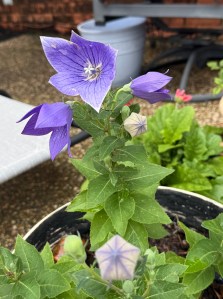

Melinda
Enjoy the humor and try not to laugh too hard like I do each week.
Melinda
Man Search For Meaning
My psychology teacher gave me the book when I was 13 years old and I knew nothing about the holocaust or Hitler. The book was heartbreaking but the strength of Victor Frankel to survive through the worst conditions was a true inspiration.
The Bible
The answer is too long to share here. I loved reading about the birth of Christ, the journey Mary and Joshef took to find cover to have their baby, and the Shepard boy. The Bible shows how Jesus spread the word of Christianity and influenced life with his giving nature. He inspired the to go far and wide to spread the word, men were tortured, and imprisoned but they never gave up hope in Jesus. The Bible has been the most important book in my life.
I can’t recall the name but it was about Mary Magelane
The book was a different slant on Mary Madeline, it portrayed her as a poor woman with a mental illness and how she was treated by the public. Mary Madeline played a huge part in Jesus’s life and boy it made you think how some people have thought of her. I can not find the book today, I read it about 20 years ago.
Thank you for an depth question.
Melinda
Meghan Bradshaw was just 25 when severe joint pain appeared seemingly overnight.
Once active and independent, she found herself unable to walk, dress, or function on her own. She returned to her mother’s care while doctors struggled to explain her condition.
After two years of misdiagnosis and ineffective treatments for rheumatoid arthritis, Bradshaw finally received clarity. She tested positive for Lyme disease and other tick-borne illnesses.
That diagnosis came after she turned to OrthoCarolina, where her orthopedic team helped connect her with a specialist who identified the root cause of her symptoms. Though the diagnosis came with its own challenges, it offered the one thing she had been missing: hope.
Over the next six years, Bradshaw underwent 18 joint replacements and reconstructions at OrthoCarolina, including procedures on her shoulders, elbows, hips, knees, hands, and meniscus. Her care was guided by a team of four orthopedic specialists who worked together to create a patient-centered, personalized treatment plan tailored to her needs.
“When I was finally diagnosed with Lyme disease and other tick-borne diseases, it felt like I had a chance to fight again,” said Bradshaw. “The doctors at OrthoCarolina didn’t just treat my joints – they helped restore pieces of my life I thought were lost forever. Every surgery brought me closer to feeling like myself again.”
OrthoCarolina’s collaborative care model played a critical role in her recovery. Surgeons, physical therapists, and staff maintained open communication with Bradshaw throughout each stage of treatment. Shared decision-making, comprehensive education, and clear expectations helped her feel confident and supported at every step.
“Meghan’s case of Lyme arthropathy was one of the most advanced that I’ve encountered,” said Dr. Glenn Gaston, a hand specialist at OrthoCarolina. “She showed extraordinary resilience throughout her entire journey. Our goal wasn’t just to restore joint function, but it was also to help give her life back.”
Today, Bradshaw calls herself the “Bionic Woman,” a title she embraces with pride. But her story doesn’t end with recovery. It has evolved into advocacy.
After earning her master’s in public health from the University of North Carolina at Chapel Hill, she became a national voice for Lyme disease awareness. As Government Relations Manager for the Center for Lyme Action, she has met with more than 100 members of Congress to push for improved education, diagnosis, and care for tick-borne illnesses.
“I’ve turned my pain into purpose,” Bradshaw said. “Every time I share my story, it’s for the people still searching for answers, just like I was.”
Marking a decade since her first symptoms, Bradshaw’s journey continues. This May, during Lyme Disease Awareness Month, her voice stands as a testament to the power of perseverance, the value of accurate diagnosis, and the life-changing impact of compassionate, expert care.
Melinda
Reference:
https://www.lymedisease.org/18-joint-replacements-in-6-years/
June is jam-packed and if you want to see the complete list click HERE.
Pride Month
Alzheimer’s Awareness Month
Cancer Survivors Month
Gun Violence Awareness Month
Men’s Health Month
Migraine and Headache Awareness Month
National Pollinators Month
National Safety Month
National Zoo and Aquarium Month
PTSD Awareness Month
Melinda
Reference:
https://www.goodgoodgood.co/articles/june-awareness-days-months
I won’t say I have a green thumb but I do have close to 30 indoor plants that need care on a daily or weekly basis. I’ve also killed half as many while learning how to grow succulents. There are many flowers outside and two tomato beds which bring so much joy watching them grow. I also love watching the little grey lizards
Melinda

















 lookingforthelight.blog
