
Thank you for joining me for this week’s Friday Quote.

Melinda

Thank you for joining me for this week’s Friday Quote.
Melinda
It’s hard to define romantic because romance is different to everyone. Romance has to be pure without an agenda or expecting something in return. The action makes you happy as well, meaning that you are happy because they are happy. Romance doesn’t have a price tag or have to be a big deal, a hug or helping to fold clothes works great for me.
Melinda
It’s exciting to recieve a reminder of the years I’ve been blogging, it’s something I love to do. My writing skills have improved over the years but what is most important is the connections made through my blog. Thank you for your support.

Happy Anniversary with WordPress.com!
You registered on WordPress.com 16 years ago.
Thanks for flying with us. Keep up the good blogging.
My first blog on WP was called Defining Memories which I started in 2005 and closed when I started Looking for the Light. It’s been a wild ride!
Melinda
Your Garden needs gentle care and attention throughout the year. Of course, in the spring and summer, we clean away the winter debris, ready for outdoor parties and barbecues. Or simply just to relax in your little private space.
However, when the winter is coming upon us, leaves from a Fall, as well as the severe weather, can cause damage to your garden. It is very important that you take a couple of steps to get your garden looking gorgeous.
Throughout the autumnal months, there will be many leaves falling, and a lot of rain too. It is very easy for your garden to go from clean and tidy to look a little bit messy, and it eventually will become hard to keep tidy.
Head out and pick up all of the debris; then set it aside because you can use this for a protective layer of mulch for your seedlings.
Take a pair of shears or some secateurs and strip away any loose or dead branches.
If you have furniture in your garden, it is a great idea now to buy some furniture covers; this can protect your furniture when the weather gets more severe. Bring your furniture over the winter months also makes it much easier to clean when springtime comes around.
Now is also the perfect time to cover your barbecue or put it in the shed, ready for use next year.
Depending on what type of pond, you will change how you need to prepare it for the winter months. If you have wildlife in your pond, it is essential that you prepare it correctly for the winter months. Getting a pond maintenance services company out to check over your pond it’s a great idea and can avoid any costly repairs or severe damage over the winter months.
You must start at the bottom and work your way up. Sweep up as much as possible, and also, it is a great time to scrub your patio or your decking. This will mean there is limited damage or weathering over the fall and winter months.
To clean your decking, you simply need to have a firm, stiff brush and apply pressure or use a pressure washer. The pressure washer, of course, being in the fastest way to clean those stains.
After that, move to trimming back trees and bushes, wrapping roots in protective layers, and topping up any birdhouses with food.
If you have plans that are dead or dying, you might have many planters that can be good and used for springtime planting. Remove all of the dead or dying plants and their roots and put them into your compost if you have one.
Most often, the soil can be re-used, so put it somewhere safe ready for your big springtime planting session.
Your garden can be perfect all year round with just a few hours of maintenance here and there.
This is a collaborative post.
Melinda
Repost
I’m glad you joined me on Wordless Wednesday and I hope to see you soon.

Guarding the tomatoe plants.
Melinda
Summer is picking up speed and July brings us new awareness. If you want to see the complete list that included awareness days, click HERE.
Disability Pride Month
Minority Mental Health Awareness Month
National Cleft & Craniofacial Awareness & Prevention Month
Plastic Free July
Sarcoma and Bone Cancer Awareness Month
UV Safety Awareness Month
Wild About Wildlife Month
Take good care.
Melinda
Reference:
https://www.goodgoodgood.co/articles/july-awareness-days-months
The first major concern is the state of politics around the world. Since I live in America I’m more concered than ever. Some county’s dislike Trump so much they are now taking it out on American travelers. I’ve seen locals in Italy carring water guns and shotting them on Americans, and the protest over Jeff Bezos wedding was pure hatred. I understand why other countries are unhappy with Trump but direct your energy towards him. I don’t like him either, he’s an embarrassment but hating all Americans because of him is ridiculous.
This isn’t about politics, it’s about countires like Italy who are unhappy in uptick of visitors. Before you shoot that water gun at a traveler remember, tourist generates a huge amount of money in businesses across the board, if tourist stop coming people will loss their jobs and the economy will down slide. Get over yourself. This is one way hatred starts.
Climate Change has concerened me for many years, it started with recycling newspaper and once recycling was expaned to others items I was able to more to help. We use less water, set the temperature up or down a couple of degrees, bought thermal windows, and I’m looking for ideas every day.
I slowly learned more about what Climate Change looked like, large icebergs melting at record speed which has increased the water levels which has created flooding in areas is one example. Now when buying items, I think about how they may impact the environment and is the packaging recyclable.
Melinda
Posted Jan 08, 2021
When life knocks you down, drains you of energy, and weakens your resolve, the last thing on your mind is gratitude. It’s hardly surprising; after all, gratitude is an emotional response of appreciation for what we have. When we feel depleted it can feel impossible to draw from an empty reservoir.
And yet, developing gratitude during hard times is precisely what fills the void. What’s more, gratitude is the key to preventing emotional and physical breakdowns during times of stress.
The difficult circumstances we find ourselves in are not the only challenge to practicing gratitude. While it’s certainly true that gratitude can be an automatic emotional response to many of our life events, it rarely is. Rather, what’s more true is that gratitude is an internal perspective—a lens we view the world through—and one that we in fact control. The struggle to find gratitude comes from expecting life to be a certain way (and being disappointed and angry when it is not).
Maybe you have not thought about this before—what do you expect life to be like? Take the year 2020, for example—were you expecting a global pandemic? Probably not!
But really, when have we ever known what is going to happen? Over this past year, many good people developed cancer; many kind souls lost a loved one to a drunk driver; many hopeful new parents had a child born with birth defects. They weren’t expecting these life-changing events to occur, but nevertheless, they did. When our perspective of life is limited by the belief that life “should” be a certain way, we will find gratitude difficult to express.
Gratitude is only possible when we realize that all that we have is a gift.
Having worked and traveled in many countries around the world, here is my impression about differing cultures—the more we have, the less we express gratitude for it. In other words, excess leads to a feeling of entitlement. However, the opposite is true for those who live in extreme poverty: people who live in the poorest countries in the world tend to express tremendous appreciation for what they have. Moreover, they are not dissatisfied, anxiously waiting for the next good thing to come their way.
There is nothing like sharing a simple meal of bread and tea in the home of a person of modest means; indeed, the experience is humbling. Instead of a sense of anger, bitterness, or irritation for what they lack, they express gratitude for the things they do have—the ability to walk and breathe, to survive; they take note of the beautiful sky at night and the richness that friends and family provide them. Even in their poverty they willingly give away what they have to others in need.
Here’s a simple exercise to try. The next time you are stuck in traffic, frustrated that you “should” be arriving at your destination on time, try to change your focus and see what it does for your mood. A simple yet startlingly effective way to do this? Follow your senses: feel the warmth of the sun coming through the window (or perhaps your car’s heater); smell the cup of coffee sitting at arm’s reach in your cup holder; take a sip, perhaps marveling at the insulated mug that keeps it warm long past the pot; listen to a favorite song on the radio; look at your fellow travelers and allow curiosity to fill in the blanks of where they all might be headed to. Like you, they are people with hopes, dreams, and disappointment. Taking a break from focusing on your current stress will allow a brief reprieve by shifting your perspective to these small gifts in life, (and maybe even seeing all of life as the gift that it is).
When we get a hold of the idea that everything we have is a gift—and we express appreciation for the gift of life itself—we shift our perspective away from what we don’t have to what we do have. In appreciating what we have, we invite important changes to take place in our brain and body. Indeed, expressing gratitude on a daily basis provides many benefits—here are five that might surprise you.
Think of gratitude as a garden you plant. When you start incorporating gratitude practices into your activities of daily living, at first you won’t see any immediate change in your outlook on life. Lasting improvements in your emotional and physical health take time, but they will come if you are diligent. In fact, setting the intention to “plant a gratitude garden” in and of itself speaks to your capacity for hope and a more fulfilled life. And when the fruits of gratitude do show up? It will have been well worth the effort.
Melinda
Reference:
Evan Parks, Psy.D., is a clinical psychologist at Mary Free Bed Rehabilitation Hospital and an adjunct assistant professor at Michigan State University College of Human Medicine. He is the host of the Pain Rehab podcast. Online:Chronic Pain Rehabilitaiton book, Twitter, Facebook, LinkedIn
Ideas.TED.com
Our memories are our identities, and at my lab at UCLA, I’ve worked to understand how we remember what matters to us, especially as we age. Memory decline is one of the first things that concern people about growing older — it can start after the age of 20, so being more forgetful when you are 60 or 70 is often normal. And while a vast amount of research has shown the deficits that accompany aging, it’s far too simplistic to say that the elderly have impaired memories. In fact, there are many things older adults remember quite well. Here’s a look at a few of them:
A great deal of memory research focuses on what might be considered by some of us to be mundane — word lists, face-name pairs, studying and being tested on pictures — and it’s unclear why this might be important to remember. But how about things that are of real concern or interest?
Imagine you’re packing for a trip. You want to make sure you’ve put in the most important items, the ones that would be extremely costly and/or inconvenient if you forgot them (e.g., your passport, your credit cards). While I wish we could have followed people on their vacations to see what they left behind, we created an experiment to examine this in the lab. We presented subjects with 20 possible items that you might pack on a trip (e.g., medications, passport, sunscreen, toothbrush, phone charger, deodorant, swimsuit, sandals). When we later asked them to recall the items, the older adults (average age was 68) recalled more of the items that they felt were important than the younger adults (average age of 20.4), even though they remembered fewer items overall. We’ve since done other studies showing older adults will have a greater memory for important medication side effects from a long list and for a grandchild’s dangerous allergens than younger adults.
We did another experiment when we came up with a list of words to remember. Some were more important and paired with higher point-values or rewards, while others were less important and associated with lower point-values or rewards. The goal was to maximize one’s overall memory reward — to do that, you needed to remember the words paired with the highest values. We found that older adults remembered fewer words overall but recalled just as many of the highest-value words as younger adults.
Sometimes the most important things for us to remember involve future actions. This is called “prospective memory” — and it might take the form of remembering to take medications at a certain time tomorrow, or paying a credit card bill on a particular date or else we’ll get penalized. While prospective memory might be worse in older age, there are important exceptions. Researchers have found a “prospective memory paradox”: despite older adults doing poorly on laboratory tasks of prospective memory, they fare well in the real world.
For example, in research studies older adults may be asked to perform a future task such as “When you see the word ‘president’ on the next page, please raise your hand.” Sometimes they get so focused on reading that they forget to react when “president” appears — but does that mirror the forgetfulness of not taking one’s medication at noon in 2 days? As many of us know, older adults have often developed strategies to prompt their prospective memories, like putting their wallet by the front door or their medications by their eyeglasses. To bridge this gap between lab-based prospective memory tests and real life, one study asked people who came to the lab to mail back postcards every week; researchers wanted to determine how younger and older adults would compare in remembering to do this future-focused task. To their surprise, it was the older adults who diligently mailed in the postcards each week.
Of course, some older adults remember to do things the old-fashioned way: they write it down in a calendar they consult every day. When I called then-97-year-old John Wooden, retired from a legendary career as a basketball coach, to schedule an interview, he wrote it in a calendar. Then, he called me the day before to confirm I was still coming to see him — he was reminding me!
Humans are curious from an early age. My young son loves the adventures of the mischievous Curious George and of learning about the world. Our curiosity blossoms with age, but we typically become interested in different things as we get older. After all, Curious George is not the favorite bedtime reading of most adults.
To test your own level of curiosity and memory, read the following trivia questions, decide how interested you are in learning the answers (on a scale of 1 to 10, with 1 being not interested at all, and 10 being extremely interested), and then try to come up with answers (the answers are at the very bottom of this article):
What mammal sleeps the shortest amount each day?
What was the first product to have a bar code?
What was the first nation to give women the right to vote?
These are fairly difficult trivia questions, and some are probably more interesting to you than others. In one study done in my lab, younger and older adults were given questions like those that you just read. Much like those, all of the queries were chosen such that we guessed almost none of the participants knew the correct answers. Afterwards, the subjects gave each a curiosity rating — showing how interested they were in learning the answer. They were then told the answers. A week later, the same subjects were presented with the same questions and asked to recall the answers. It was the older adults who remembered the ones they were more curious about — and they forgot the less interesting ones. The younger adults didn’t show this pattern.
There’s a certain pleasure in recalling trivia and absorbing new information about the world. I’ve noticed the most popular games at senior centers and retirement communities often involve this kind of random knowledge. People sometimes worry about having too many stray facts in their minds. But even though trivia may appear to have little useful value, the fact that it continues to arouse curiosity — and sticks in older people’s minds — shouldn’t be discounted.
Our surroundings can influence how we remember things. Have you ever found yourself in the kitchen and not had the faintest idea what compelled you to go there? This is a common occurrence for everyone, but especially for older adults. Some research suggests that walking through doorways or crossing physical boundaries may actually trigger forgetting. When you move from one place to the next, the doorway leads to a new environment that does not provide the necessary cues to remember what you were doing in the other room. As you enter the new room, your brain must either keep in mind or re-create what you were thinking when you were in the earlier room — but our minds often wander as we go to another room or we start thinking about something else.
The best way to remember what you need is to walk back into the first room where you originally had the thought of why you needed to go to the other room. The context of that original room can trigger your original intention. In addition, walking is one of the best ways to keep your memory sharp. With enough time and walking, you’ll find the memory eventually comes back.
Our beliefs about our memory can be very influential. In fact, many of us have negative beliefs and expectations about aging’s impact on the brain. This kind of “stereotype threat” can make people perform stereotypically — in a way that is consistent with what they think is expected of them. Stereotype threat has been examined to determine if it causes older adults to underperform on tests of memory. Labeling something a memory test, or asking people to come to a memory study, does appear to invoke anxiety, and research has shown that renaming it as a “wisdom test” (and then administering the same memory test) leads to better performance by older adults. So, the next time you start to worry about forgetting a world capital or a famous actor’s name and wonder what this means about your brain and your memory, try not to sweat it.
Note: The research covered here involves mostly healthy older adults who report memory changes in older age. However, if you experience more frequent and concerning memory problems, you should consider consulting a neurologist.
Answers to trivia questions: giraffe; Wrigley’s chewing gum; New Zealand.
Excerpted with permission from the new book Better With Age: The Psychology of Successful Aging by Alan D. Castel PhD. © 2019 Oxford University Press. All rights reserved.
Watch his TEDxACCD talk:
Enjoy!
Melinda
My life has changed so much because I have several chronic illness and I don’t leave the house that often. So my habits are a bit boring. The first thing is start the fireplace in my office, give the dogs a snack, eat breakfast and hit the computer to work on my blog. After the writing is done I play with the dogs, if needed do laundry and eat lunch and take a short nap.
I do any chores I can, spend time for self-care, make calls and at 4:30 I join my husband downstairs. A short time later we start working on dinner, watch the news and two shows we’ve recorded and then I’m off to bed an hour before bedtime so I can unwind and be relaxed when it’s time to sleep.
Its not a habit but each week there a couple of doctor apptoinments.
My life is the opposite of life before Lyme, cognitive impairment and agrophobia.
I keep looking for brighter and more exciting days.
Melinda
This is the perfect year-round recipe and it’s so easy to make.
This recipe is from True Comfort by Kristin Cavallari, all the recipes are free of glutens and refined sugar.
2 cups gluten-free rolled oats
4 cups full-fat coconut milk
2 bananas sliced
1 teaspoon pure vanilla
2 teaspoons ground cinnamon
Pink Himalayan salt
2 TB pure maple syrup
Serves six
In a slow cooker, combine oats, coconut milk, bananas, and 2 cups of water with the vanilla, cinnamon, and a big pinch of salt. Stir together, and cook on a low setting for 8 hours.
In the morning or when it’s ready to be served, add maple syrup to the oatmeal. Stir to combine and serve warm.
Melinda
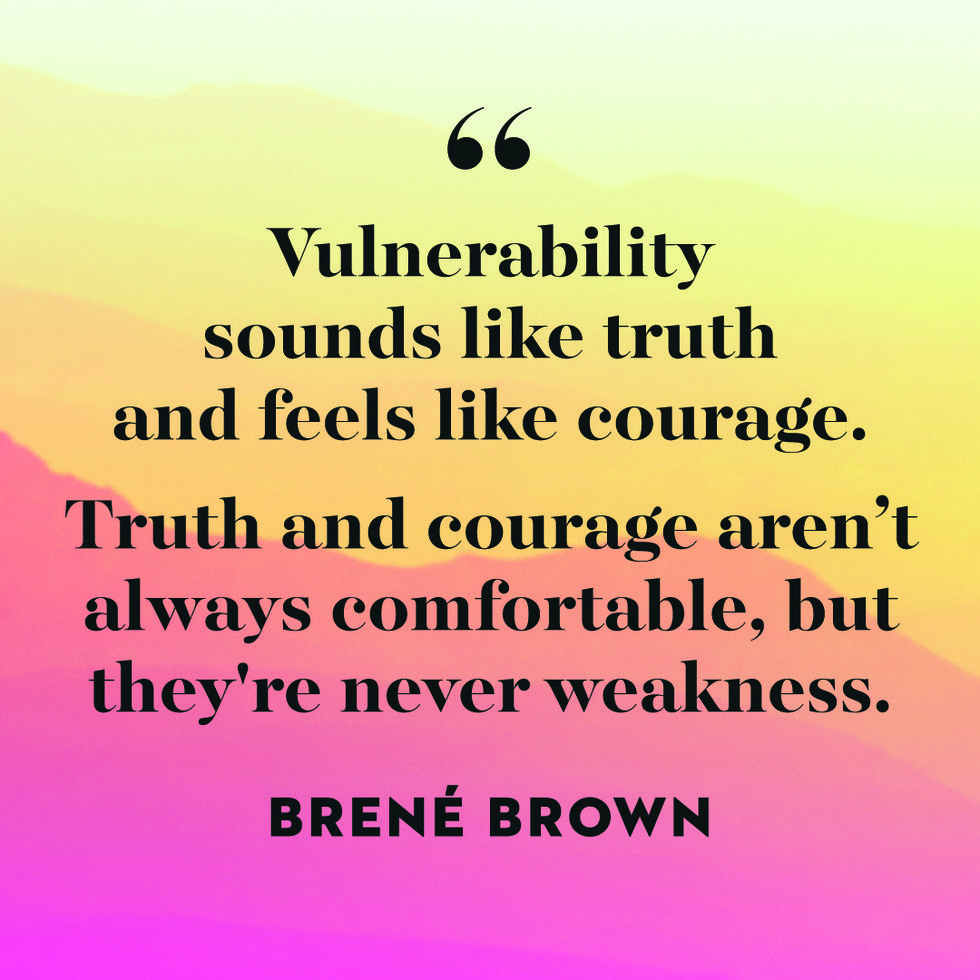
Thank you for joining me for this week’s Friday Quote.
Melinda
I’m very aware of the pain that migraines cause, they can disrupt your life. During the 90s I suffered from migraines almost daily and took medication and injections to help. My career was taking off and I was an excutive salesperson, calling on high-level executives for major corporations. I loved my job but my life changed when the migraines started. This went on for two years, two years of rushing home in between appointments to give an injection. Which effected your mental and physical state. I rested and made phone calls when I could.
You can read the whole story here. My story had a happy ending when the doctor discovered a bone in my nose was causing them. I got very lucky.
Migraine Awareness Awareness Month is observed in June. Migraines are mistakenly understood as severe headaches, but they are so much more than that. Migraines are actually a debilitating neurological disease. Even though migraines are a common headache disorder, they remain poorly understood and neglected. Many people go their entire lives without proper diagnosis and treatment. With care and treatment, migraines can become more manageable. Apart from inheriting the condition, some people can also get migraines through specific triggers. Interestingly, one can develop migraine at any stage in their life.
Migraines are a chronic neurological disorder that affects over a billion people across the world. Migraine symptoms include long-lasting headaches, characterized by severe, throbbing, or pulsating pain on one side of the head. The headache is often accompanied by light or sound sensitivity, nausea, or vomiting. Even though the symptoms can be very uncomfortable and impact the overall quality of life, people remain ignorant of the condition. Migraine is one of the top ten leading causes of years lived with disability worldwide. Around the world, the prevalence of migraine is approximately 10% of the entire population. More than half the patients who complain of severe and regular headaches, turn out to be migraines.
While migraines don’t have a definitive cause, certain factors can trigger the condition. These triggers include stress, irregular sleep schedules, caffeine or alcohol consumption, dietary triggers such as chocolate, cheese, and dairy products, hormone fluctuations, and more. That’s a long list!
The condition significantly impacts the individual’s personal, professional and social life. Migraines come without a warning and can be crippling. This is the main reason for an urgent need to diagnose and treat migraines correctly. It also helps patients to identify their migraine triggers and avoid these triggers as best as they can. There is also the need for more effective, personalized migraine treatment. Medical practitioners should also take into account the patient’s comorbidities, frequency and severity of attacks, and more. As you can see, patients and healthcare workers need to be more vigilant of migrant attacks and their treatments.
Be sure to talk with your doctor if you are having any type of headache on a regular basis.
Melinda
Repost
From the Tick Boot Camp podcast:
In this powerful, long-form interview, Kristina Bauer returns to the Tick Boot Camp Podcast to share her in-depth story of surviving decades of misdiagnosed Lyme disease — from childhood illness and misdiagnoses to motherhood, advocacy, and remission.
Diagnosed at age 40 after 32 years of medical dismissal, Kristina discusses her experience with congenital Lyme disease in her four children, postpartum Lyme flares, and her commitment to raising awareness through the Texas Lyme Alliance, Center for Lyme Action, and International Lyme and Associated Diseases Society (ILADS) Ambassadorship.
Her testimony covers essential ground: pediatric Lyme, maternal Lyme, psychiatric symptoms like Lyme rage, postpartum depression misdiagnosis, sexual transmission, and the need for insurance and diagnostic reform.
This episode is a masterclass in Lyme disease education and empowerment, especially for women, mothers, and families navigating complex Lyme journeys.
Tick Boot Camp is available on all major podcast platforms. You can also listen here.
Melinda
Reference:
I was kindly gifted an advanced copy of Navigating Loneliness by Cheryl Rickman from Maddie Kirby-Dunne at Wellbeck Publishing Group for an honest review. Thank you, Maddie.
Cheryl Rickman is a qualified Positive Psychology Practitioner and Sunday Times bestselling author and ghostwriter of twenty self-help, wellbeing and business books.
After her parents’ lives were cut short, Cheryl decided to devote her life to helping others make the most of their own precious lives through the books she writes.
She specializes in writing practical books to help people fret less and flourish more, and is a Wellbeing Ambassador for the Network of Wellbeing.
Having qualified with a Certificate in Applied Positive Psychology in 2016, Cheryl also runs wellbeing retreats and delivers workshops on acceptance, balance and compassion, The ABC of FlourishingTM.
Cheryl lives with her husband, daughter and two dogs in a country cottage in Hampshire, UK. She is an unashamed tree- hugger and nature-lover, has an overflowing bookshelf and her favourite colour is rainbow. She loves pizza and the seaside, but is not a fan of mushrooms or spiders.
You can find out more at http://www.CherylRickman.co.uk
Be More Wonder Woman: Fearless Thinking from a Warrior Princess
(DK, 2020)
The Flourish Colouring Book: Art Therapy Mindfulness
(CreateSpace, 2015)
The Flourish Handbook: How to Achieve Happiness with Staying Power, Boost Your Well-Being, Enjoy Life More and Reach Your Potential (CreateSpace, 2013)
The Happiness Bible: An Ultimate Guide to Sustainable Wellbeing
(Godsfield Press, 2019)
The Little Book of Resilience (Gaia, 2019)
The Little Book of Serenity (Gaia, 2020)
May You Be Well: Everyday Good Vibes for the Spiritual (Pyramid, 2021)
You Are Enough: Embrace Your Flaws and Be Happy Being You
(Summersdale, 2021)
Navigating Loneliness is part of a Trigger Publishing series of books about managing mental health issues. Throughout this book you’ll learn what actions you can take to tackle the main causes of loneliness and reduce it.
The book is a very fast read at only 155 pages long and includes helpful resources at the back of the book.
Welbeck Publishing Group is an exciting, fast-growing independent publisher based in London, dedicated to publishing only the very best and most commercial books spanning a number of genres and categories, from leading authors and well-known brands to debut talent. We live for books that entertain, excite and enhance the lives of readers around the world.
Melinda
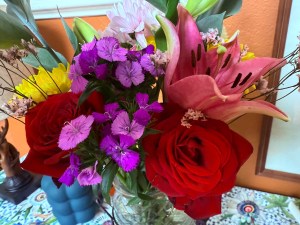
I’m glad you joined me on Wordless Wednesday and I hope to see you soon.
Melinda
Your Garden needs gentle care and attention throughout the year. Of course, in the spring and summer, we clean away the winter debris, ready for outdoor parties and barbecues. Or simply just to relax in your little private space.
However, when the winter is coming upon us, leaves from a Fall, as well as the severe weather, can cause damage to your garden. It is very important that you take a couple of steps to get your garden looking gorgeous.
Throughout the autumnal months, there will be many leaves falling, and a lot of rain too. It is very easy for your garden to go from clean and tidy to look a little bit messy, and it eventually will become hard to keep tidy.
Head out and pick up all of the debris; then set it aside because you can use this for a protective layer of mulch for your seedlings.
Take a pair of shears or some secateurs and strip away any loose or dead branches.
If you have furniture in your garden, it is a great idea now to buy some furniture covers; this can protect your furniture when the weather gets more severe. Bring your furniture over the winter months also makes it much easier to clean when springtime comes around.
Now is also the perfect time to cover your barbecue or put it in the shed, ready for use next year.
Depending on what type of pond, you will change how you need to prepare it for the winter months. If you have wildlife in your pond, it is essential that you prepare it correctly for the winter months. Getting a pond maintenance services company out to check over your pond it’s a great idea and can avoid any costly repairs or severe damage over the winter months.
You must start at the bottom and work your way up. Sweep up as much as possible, and also, it is a great time to scrub your patio or your decking. This will mean there is limited damage or weathering over the fall and winter months.
To clean your decking, you simply need to have a firm, stiff brush your brush and apply pressure or use a pressure washer. The pressure washer, of course, being in the fastest way to clean those stains.
After that, move to trimming back trees and bushes, wrapping roots in protective layers, and topping up any birdhouses with food.
If you have plans that are dead or dying, you might have many planters that can be good and used for springtime planting. Remove all of the dead or dying plants and their roots and put them into your compost if you have one.
Most often, the soil can be re-used, so put it somewhere safe ready for your big springtime planting session.
Your garden can be perfect all year round with just a few hours of maintenance here and there.
This is a collaborative post.
Melinda
Have you ever wondered why people say dogs are a man’s (and woman’s) best friend? Well, if you’ve ever been around one, you probably get the gist. But if not, let’s jump into the glorious, tail-wagging world of how dogs can seriously upgrade your life game!
Who needs an expensive gym membership or a fancy treadmill collecting dust in the basement? Dogs are the ultimate workout buddies. They’re always ready for a walk or run, rain or shine. And let’s face it, when those big ol’ eyes are pleading for a jaunt around the block, who can resist?
Have you ever been on a walk with a dog? You’re basically a local celebrity. People stop to chat, other dog owners give you the nod, and before you know it, you’re in a full-blown conversation about breeds, dog parks, and that cute thing your dog did last Tuesday.
Had a rough day? Dogs have this magical ability to sense it. A snuggle on the couch, a wagging tail, and the sheer joy they show when you walk through the door can melt away the stresses of the day faster than ice cream on a hot summer’s afternoon.
While not all dogs are guard dogs, most have an innate sense of protection when it comes to their human family. Even the smallest Chihuahua can raise the alarm with their mighty bark!
Dogs are messy, and they’re explorers. While that means occasionally you’ll be questioning what they’re eating off the ground, it also means they’re exposing you to a world of new germs – in a good way! Regular exposure can actually boost your immunity. Who knew Fido was also your personal health guard?
Ever tried explaining to a dog that you made a mistake at work or that you forgot to pay a bill? They don’t care. They love you with a kind of purity and loyalty that’s rare in the world. It’s unconditional and unwavering. Talk about a confidence boost!
Dogs are downright goofy. From chasing their tails, getting spooked by their reflection, or just the goofy ways they play with toys, they’re a constant source of entertainment and chuckles.
Dogs thrive on routine, and having one can encourage you to build and maintain a daily rhythm. Morning walks, feeding times, play sessions, and bruising your labradoodle’s hair (did you know labradoodles come in many colors?) – these activities create a structure that can be incredibly beneficial, especially if you’re someone who tends to feel a bit lost without a plan.
While not all dogs are guard dogs, most have an innate sense of protection when it comes to their human family. Even the smallest Chihuahua can raise the alarm with their mighty bark!
While dogs bring joy, they can also test your patience (looking at you, chewed up shoes). But, in these moments, they teach us patience, understanding, and problem-solving. It’s all part of the package and, in the end, makes us better humans.
Dogs live in the moment. Whether they’re chasing a ball or just lounging in the sun, they’re all in. And that’s a beautiful lesson for all of us. In a world constantly pulling our attention in a million directions, dogs remind us of the beauty of the here and now.
In short, dogs aren’t just pets; they’re an upgrade to your life. They’re a constant source of fun, joy, and purpose, which is why, if you think you could give one a loving home, you should definitely consider the benefits of having a pampered pooch of your own.
This is a collaborative post.
Melinda
Repost
Self-care is critical to my mental health and I take time every day to take care of myself. It can be as simple as closing my computer and enjoying a candle. At night I have a relaxing routine which consist of laying down at least 45 minutes before bedtime to unwind, slather myself in body cream, use a roller ball with essential oils to use on my pulse points and turn on the ultrasonic diffuser with relaxing essential oil. I meditate to clear and head a shake off the stress and I relaxed come bedtime.
Melinda
The summer is in full swing. We may not be going out as much, but the heat is here and in this blog post I want to share with you 5 Anti-Inflammatory Summer Foods to fight the heat and pain.
Stay cool and fight the pain with these 5 Anti-inflammatory Summer Foods and don’t forget the sunblock!!
What are some of your favorites? Send us your suggestions and if chosen you will be featured in our social media and win a free Aromalief Cream. Send submissions to info@aromalief.com
Melinda
Reference:
Traveling is exciting, but for pet owners, it may come with some guilt and anxiety about leaving a pet behind. Whether it’s a short weekend trip or a long vacation, leaving your pet can be difficult. But doing this is a great option if you’re worried about your pet not adjusting well to new surroundings. Thankfully, with proper preparation and planning, you can ensure your pet is safe, comfortable, and happy while away. Here are some tips for leaving your pet at home when traveling.
You may think you have your pet secured indoors before you leave home, but some pets always have a way of sneaking out. So, before setting off, you should ensure your pet is wearing a collar with updated ID information on their tag. This way, you wouldn’t worry too much about your pet not returning home if it gets lost. Updating your pet’s ID tag information gives it a better chance of being returned home when it gets lost.
There are countless reasons why you shouldn’t leave your pet at home alone. A better and safer option is to send them to someone they know. But if you choose to leave them at home, have a friend, family member, or a neighbor your pet knows and recognizes to come around. Better still, leave your pet with them at their home. And be sure to provide some supplies like food, water, waste bags, a pet first aid kit, etc. It’s important to leave your pet with someone they already know or at least someone they see regularly.
After updating your pet’s ID information, be sure to tell your pet sitter if you’re opting for one. Also, please provide them with any other information they need to care for your pet in your absence. For example, what personality does your pet have? Is it quirky? Does it struggle with anxiety? Are there any health issues the pet sitter should know about?
You might also want to allow your pet sitter to meet with your pet several times before you leave. They way, the two will establish a good relationship and get to know each other. That makes it easier for both parties to get along in your absence.
Different pets have different personalities. And while some pets do well when left alone, other pets will pretty much get depressed without the presence of their caretakers, especially if it’s a long absence. In general, pets that are used to having a lot of interactions with others may struggle on their own when left alone for longer periods, while pets that prefer isolation will not mind (perhaps not even notice) your absence. Dogs, for example, are very social, with most breeds experiencing separation anxiety when left alone for longer periods. If your dog does not do well alone, consider hiring a dog sitter or enrolling them in a boarding school for dogs. Also, younger pets may not do well alone, compared to older ones, as they still need a lot of interaction.
This is a collaborative post.
Melinda
Repost
If you’re a vegetarian or vegan, or just trying to reduce your meat intake, you know how hard it can be to come up with tasty and creative meatless meals. But don’t despair! With a few easy steps, you can make delicious and nutritious meals without worrying about hurting any animals in the process. Whether you prefer something simple and savory, or something more exotic, these tips will help make your next meat-free meal absolutely scrumptious!
Now that you have the basics covered, it’s time to get creative! Start by looking up vegetarian and vegan recipes online or in cookbooks for inspiration. From there, you can customize any recipe with your favorite ingredients, herbs, and spices to make it truly unique. You can even modify traditional dishes like lasagna or chili to make them meatless without losing their flavor.
For a quick and easy meal consider making a veggie-loaded wrap; all you need is a whole wheat tortilla plus whatever vegetables and condiments you have on hand. If you’re having guests over, try making an appetizing roasted vegetable platter accompanied by hummus or tzatziki dip. And don’t limit yourself to recipes – you can also have fun creating your own dishes by experimenting with new flavor combinations.
Trying new recipes is a great way to expand your culinary knowledge and creativity when it comes to cooking meatless meals. With vegan and vegetarian cuisine becoming increasingly popular, there’s no shortage of exciting recipes out there waiting to be discovered. To liven up your meal routine, try looking for recipes from around the world — like vegan tacos with sautéed veggies and black beans, Thai stir-fries, or Mediterranean salads — as these dishes are often packed with flavor and nutrition.
When trying something new, it’s important to read the recipe carefully so that you have all the necessary ingredients on hand. In addition, pay attention to details such as how long certain ingredients need to cook or how much seasoning should be used. If possible, watch a video of someone else making the recipe first as this can help you better understand the steps involved in making the dish. It may also be helpful to make notes of any changes you may want to make next time such as increasing spices or adding more vegetables for extra flavor.
Finally, don’t be too hard on yourself if the recipe doesn’t turn out exactly as planned! Cooking is an art form and even experienced chefs have mishaps from time to time. Making mistakes is part of the learning process and can lead to some amazing discoveries along the way! So don’t be afraid to get creative with your cooking and enjoy exploring new flavors!
In conclusion, meatless meals can be both delicious and nutritious. By following the steps outlined above you will be well on your way to creating flavorful, satisfying dishes that even meat-eaters would enjoy. So get cooking and start exploring a whole world of exciting meatless options!
This is a collaborative post.
Melinda
Repost
I’m so glad you stopped by today, and I hope to see you again soon.
1969 200,000 attend Newport ’69, then largest-ever pop concert in Northridge, California. Jimi Hendrix paid $120,000 to perform.
1970 Oriole’s Brooks Robinson get his 2,000 career hit, a 3 run HR.
1974 “Chinatown“, directed by Roman Polanski starring Jack Nicholson and Faye Dunaway, is released.
1975 Film “Jaws”, based on the book by Peter Benchley, directed by Steven Spielberg and starring Roy Scheider is released.
1979 US President Jimmy Carter unveils 32 solar panels installed on the roof of the White House; his immediate successor has them removed.
1980 Musical comedy film “The Blues Brothers”, starring Dan Aykroyd and John Belushi, and featuring appearances by Aretha Franklin; Cab Calloway; and Ray Charles opens in 594 theaters.
1989 Warner Bros Records releases the eleventh studio album by singer Prince, the soundtrack to the film “Batman”, it features the single “Batdance”.
1994 Former NFL running back, broadcaster and actor O.J. Simpson arraigned on murder of Nicole Simpson & Ronald Goldman.
2015 1,000 humanoid robots named “Pepper” sell out in under a minute at $1,600 each in Japan, according to their creator, SoftBank Robotics Corp.
2017 Tiger Woods checks into a clinic to manage his pain medication and sleep disorder, following his arrest for driving under the influence.
2019 David Gilmour auctions 126 of his guitars for record-breaking $21M USD, including “The Black Strat,” a 1969 Fender Stratocaster used on Pink Floyd albums “The Dark Side of the Moon,” “Wish You Were Here.” and “The Wall” ($3.975M), at Christie’s in New York City; charity auction proceeds earmarked to fight against climate change.
Melinda
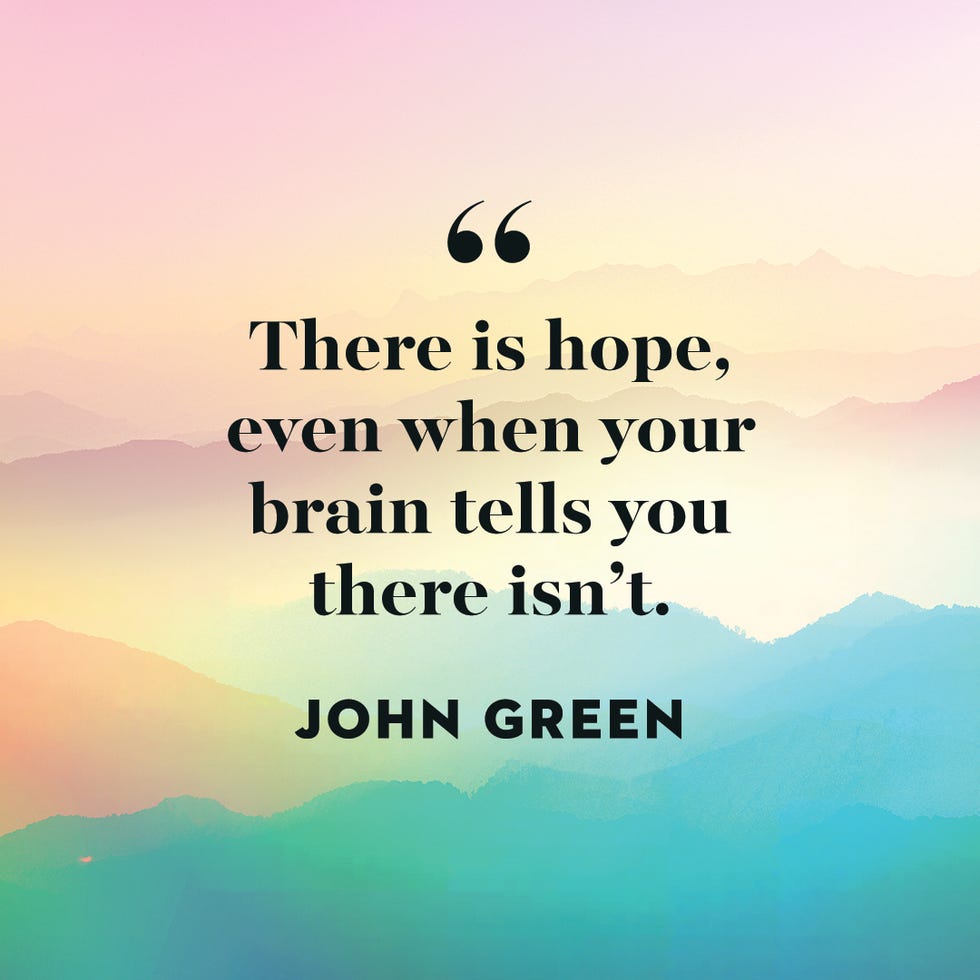
Thank you for joining me for this week’s Friday Quote.
Melinda
I don’t remembeer my first crush but do remember my crush at nine years old. We didn’t attend the same school so the only time we saw each other was on weekends at the skating rink. He was so cool and hade the greatest personality but I broke up with him because we both had braces and I was afraid of our braces getting caught in each others. He was totally cool about it, I mean how serious is a crush at nine years old.
Melinda

Enjoy!
Melinda
May 22, 2018 / Rebekah Barnett

iStock
“If you don’t know what you want to do with the rest of your life, you’re not a failure. Give yourself time and get yourself experience to figure things out.”
— Angela Duckworth (TED Talk: Grit — the power of passion and persistence)
“Although I think I already knew this back when I graduated from college, I didn’t do it enough: trust your instincts. Deep inside you, you already know what you need to do to pursue your goals. And just as importantly, do not seek permission to pursue your goals. Pursue them. Only by doing so can you show the world what you had in mind and get the support of others.”
— Alejandro Sánchez Alvarado (TED Talk: To solve old problems, study new species)
“Don’t take yourself, your decisions, your outcomes or even your mistakes so damn seriously. There’s nowhere special to get to and no special accomplishment to check off the list. The moment is now; the place is here; the person is you. Make choices that make you feel alive. But here’s my advice about my advice — I couldn’t have possibly done this myself when I was a new college graduate because I was Wrapped. Way. Too. Tightly. This would have sounded like loosey-goosey hokum to me, and I’d have rolled my eyes and gone back to alphabetizing my soup shelf. Truly, what I wish I’d done differently during the past 20 years is enjoyed the ride and engaged in less hand-wringing over my decisions. I wish I’d trusted myself more, trusted the universe more, trusted the love and support of family and friends more, and realized this: ‘I’m enough, and it’s all going to be great.’ Because it has been marvelous.”
— Casey Brown (TED Talk: Know your worth, and then ask for it)
“It’s okay to quit your first job — even if it was really hard to get it, it paid well, and everyone seemed to admire you for getting it. If you hate your job, you’ll be wasting your life acquiring skills, contacts and a reputation that you don’t want to use. The sooner you find something you love, the better.”
— Tim Harford (TED Talk: How frustration can make us more creative)
“The world can only thrive when people know what they’re talking about. Find the thing that makes you want to know what you’re talking about. Then talk about it.”
— Ruth Chang (TED Talk: How to make hard choices)
“The advice that I wish I’d gotten when I graduated from college is: Pay attention to the difference between the quick hits of excitement that come from that first kiss of a new relationship or job and those feelings you get when you think about your strong connections with family or friends. Don’t get fooled by shiny things — that shine fades over time, while the gold of strong relationships never tarnishes. Remember the differences between these feelings to help you make decisions as you go forward.”
— Judson Brewer (TED Talk: A simple way to break a bad habit)
“1) Your high heels are not too high, even if you are a scientist. Someday, your unusual shoe choice will be just the right height to carry you into prestigious research labs and important business meetings, and help you peer into a wasp nest and discover a microorganism that will change the beer-brewing world. Your heels are just right for your journey. 2) There can be great beauty and great utility in what at first evokes feelings of fear and disgust, so dare to explore. 3) Remember to stop and sniff the microbes. This will probably help you gain perspective, but it will definitely help you discover future microbial technologies.”
— Anne Madden (TED Talk: Meet the microscopic life in your home and on your face)
“Regarding relationships of all categories (platonic, romantic, professional, etc.): Don’t let someone take up your emotional real estate if they aren’t paying rent.”
— Sarah Kay (TED Talk: If I should have a daughter … )
“Never stop learning. When we graduate college and start our careers, we often understand that we have a lot to learn, so we approach our jobs with a learning orientation. We ask questions; we observe others; we know we may be wrong; and we realize we’re works in progress. But once we gain competence in our jobs, too many of us stop learning and growing. The most successful people — in work and in life — never stop deliberately continuing to learn and improve.”
— Eduardo Briceño (TED Talk: How to get better at the things you care about)
“I felt a lot of urgency to ‘do good’ right out of the gate after college, working in nonprofits and government right away. I wish someone had urged me to build my skills instead, so I would have received mentoring on my professional performance and communication early on. Then, when I transitioned into the social good sector, I’d have had a good set of tools and habits to bring with me.”
— Jessica Ladd (TED Talk: The reporting system that sexual assault survivors want)
“Graduation is a euphoric moment, but soon after, people often experience withdrawal symptoms. One reason is that your immediately accessible social network has been pulled out from under you, and entering ‘the real world’ means that you lose the effortless social interaction from dorm life, organized clubs and regular parties. Rather than feeling down, be intentional about maintaining and building a social world that brings out your richest self. And, when you hit your lowest points, in addition to turning to your strongest and closest relationships for support, have the courage to widen both your thinking and your networks as well.”
— Tanya Menon (TED Talk: The secret to great opportunities? The person you haven’t met yet)
“Look for people’s inner worlds. Imagine their hopes and fears and what it feels like to be them. Seeing into other hearts can make you more effective in achieving personal and professional goals. It may also give you the comfort of remembering how deeply alike we all are.”
— Bill Bernat (TED Talk: How to connect with depressed friends)
“I was the first to attend college in my family, so neither my parents nor my siblings could advise me on my graduate school or career plans. I heeded my inner calling and pursued two master’s degrees in information systems at same time, and it all worked out well. Remember: your best academic counselor and career advisor is your heart.”
— Navi Radjou (TED Talk: Creative problem solving in the case of extreme limits)
“I know the anxiety-provoking notion that you have to specialize or you will never become successful is weighing heavily on you right now. There’s good news! It just isn’t true. You can do and be many things and still thrive professionally. Over the next ten years, you’ll meet amazing people who are doing all kinds of things, such as a programmer/comedian/author and a filmmaker/teacher/carpenter. It’s OK to be a complex, multifaceted person who doesn’t fit neatly in one box. In fact, it’s actually a lot of fun.”
— Emilie Wapnick (TED Talk: Why some of us don’t have one true calling)
“Be less afraid of getting older — way, way less afraid. Our fears are way out of proportion to the reality, and we squander a ridiculous amount of our youth worrying about it.”
— Ashton Applewhite (TED Talk: Let’s end ageism)
“Give yourself more time. So many college graduates immediately start wanting to make all their dreams come true at once — this can go wrong in many ways. The first is the frustration that you’re not ‘there’ yet. It’s going to take time to find (or build) your dream career. The second is burnout. If you find your career early, you can find yourself setting all sorts of unrealistic goals with arbitrary deadlines and chase them until you drop from fatigue. You can have it all — but not all at once.”
— David Burkus (TED Talk: Why you should know how much your coworkers get paid)
“Whenever possible, get as uncomfortable as possible. Challenge yourself to get outside of your comfort zone regularly — spend time with people you deeply disagree with, read books about experiences you will never have, travel to places where you don’t speak the language, and take jobs in industries you’ve never worked in before. And if you feel yourself resisting, try again. Those experiences will help you build deep empathy, and we could all use more of that.”
— Anjali Kumar (TED Talk: My failed mission to find God and what I found instead)
“Surround yourself with people who help you be the best versions of yourself. Avoid those who don’t. And get enough sleep.”
—Lisa Feldman Barrett (TED Talk: You aren’t at the mercy of your emotions)
“When I graduated, I wish I’d known the research showing that future success doesn’t lead to happiness. I sometimes got paralyzed by the fear that happiness existed only if I found the perfect job, degree or position. In truth, the research is clear: happiness exists down almost any life path as long as you are grateful for the present, and develop meaningful relationships. Choose optimism and gratitude now and invest more in others, and happiness will be a lifelong advantage as you pursue your dreams.”
— Shawn Achor (TED Talk: The happy secret to better work)
“You don’t have to pursue what you studied. I followed my heart, and now I’m happier and more satisfied with life than I could have ever envisioned. We kill ourselves looking for jobs in our fields of study, while there are a million other things we are able to do. I also wish somebody had told me money doesn’t equate to happiness. When you get a job and start working, don’t forget to live.”
— Kasiva Mutua (TED Talk: How to use the drum to tell your story)
“You don’t have to do something extraordinary to lead a meaningful life; you don’t have to cure cancer, become an Instagram celebrity, or write the Great American Novel. Freud said that the meaning of life lies in love and work. So: In your relationships, lead with love. Be generous, be vulnerable, give of yourself to others, and don’t do the expedient thing just because it’s more convenient for you. Make the effort to put others first. In your career, find work that makes you proud and adopt a service mindset — remember how what you’re doing helps others, no matter how big or small the impact may be. Touching the life of just a single person is a powerful legacy to leave behind. Finally, make gratitude a part of your daily life; don’t save it for Thanksgiving. Every day, reflect on one or two things that happened to you which you’re grateful for. Not only will it make you happier, but it will also put you in touch with what really matters. Then, when you experience setbacks or hardships, it will also be a good reminder of how blessed you really are.”
— Emily Esfahani Smith (TED Talk: There’s more to life than being happy)
“When you finish college and begin your first job or internship, you’ll be keen to learn all you can and impress your employer so you can start on the path to promotions and raises. But the important thing that you might not see amidst all this excitement is the great idea that could someday become a great business or entrepreneurial venture. I’ve found the most interesting employment that life offers is often something of your own creation that you do full time or in addition to your main job. So, after you graduate from college, take the time to identify a venture that you’d like to do by yourself or with friends, and start building it. One day, you’ll be glad you started early.”
— Washington Wachira (TED Talk: For the love of birds)
“Move toward the light — toward people, activities, ideas that make you see more, that nourish you. Do this for at least five years. At that point, you can take stock and decide if you need to do some utterly practical, careerist, traditionally ‘wise’ thing. But give yourself a chance to follow your heart and your mind first. The best careers are built by people who have had a breadth of experiences on which to draw. Don’t get anxious if for a while your life seems to be made of a lot of fragments; in time, they will seem like facets of a diamond.”
— Sherry Turkle (TED Talk: Connected, but alone?)
“That adage about pursuing things you’re passionate about does eventually pay off. When? No one knows. I suppose that’s why it’s a pursuit.”
— David Sengeh (TED Talk: The sore problem of prosthetic limbs)
“It’s traditional at graduation to offer neat, packaged stories of triumph over difficulties. But life isn’t like that — it’s open-ended, subject to a million contingencies and constant change. This doesn’t mean you shouldn’t make plans. But it does mean you should be alert to all the changes in the world and in yourself that could render your plan suddenly obsolete, unattractive or perverse. Be open to change. Be prepared to experiment. Take risks. Keep learning. Make your life your own.”
— Margaret Heffernan (TED Talk: Dare to disagree)
Rebekah Barnett is the community speaker coordinator at TED, and knows a good flag when she sees
Melinda
Repost
I’m glad you joined me on Wordless Wednesday and I hope to see you soon.

This year I chose Orange Marigolds and they really brighten the hot tub area.
Melinda
This is not a question I’ve thought about before, I like to keep looking outwards. The favorite thing about myself is the ability to get up after being knocked down, the strenght within has brought me a happy life.
Have a great day.
Melinda
















 lookingforthelight.blog