



Melinda

Melinda
Artificial intelligence (AI) has quickly become part of our daily lives. Whether it’s a chatbot answering questions online, an app offering mental health “coaching,” or a website summarizing medical information, the presence of AI in healthcare is growing rapidly.
For many, these tools feel like an easy, convenient first step when they’re worried about a symptom or seeking information. And used wisely, AI can indeed be helpful. It is essential, however, to recognize the limitations and pitfalls of AI.
AI tools are very good at providing general information. If you want to know the common side effects of drug “A,” the difference between two medications, or the meeting times for Alcoholics Anonymous meetings in your community, a quick query can often bring up what you need. A Google search uses AI. These tools can scan large amounts of digital information and summarize it in seconds.
They can remind you of questions to ask your clinician or point you toward community resources you might not have known existed. As an educational tool, AI can help us feel more prepared and informed for a medical visit.
Problems arise when we begin using AI as a replacement for the clinical judgment of an experienced care provider. Clinical skills are developed over years of training and experience in patient care. The expertise acquired involves integrating judgment, logic, and reasoning on a background knowledge of the patient and circumstances. AI lacks this “lived and learned” experience and the insight that emerges only through direct clinical practice.
AI cannot understand the nuances of your personal history, context, values, or medical complexity. It cannot look you in the eye, notice subtle changes in your mood or tone of voice, or sense when you need extra reassurance or immediate intervention. These human qualities are a cherished and vital part of the clinical appointment.
Most importantly, AI tools can, and do, make mistakes. They may sound confident and reassuring while giving incomplete, misleading, or even inaccurate health information.
It can be hard to know whether information, even when it sounds plausible, is outdated, incorrect, or completely made up (an AI “hallucination,” a term for when the system invents information that sounds believable but isn’t).
AI also lacks the ability to recognize emergencies. Someone searching phrases like “I can’t go on,” “I feel hopeless,” or “how to hurt myself” may receive generic wellness advice rather than the urgent, clear direction to reach crisis services. For individuals in distress, delays or misdirection carry serious risks.
Human emotions and suffering are enormously complex, and it must be recognized that a significant number of individuals who die by suicide have seen a care provider in the weeks prior. Suicide is notoriously difficult to predict.
Chronic and pervasive thoughts of wanting to pass from this world are common among those living with mental health conditions. What are the signs of imminent action? Many who spend time with a provider in the weeks before death by suicide do not reveal a plan. If they had, the provider would be expected to put in place the process for immediate help.
What they wouldn’t have done is what AI did in the past year, namely, helping write an explanatory letter about their upcoming suicide.
There is also the major concern of privacy. Most AI systems collect data, more than we users realize. What you type into a chatbot is likely stored, used in some way, and may be shared with other systems. It’s important to be thoughtful and cautious about sharing personal details.
So what is the safest way to use AI in mental health? Think of these tools simply as what they are: tools. Use them to gather background information, learn about treatment options, or locate community resources. AI can help you understand the vocabulary of mental health care, remind you of questions to ask your clinician, and empower you to participate more fully in your treatment.
But when it comes to making diagnostic decisions, adjusting medications, interpreting symptoms, or determining whether a treatment is right for you personally, AI should never replace the guidance of a trained clinician.
Mental health care involves listening, observing, collaborating, and understanding people within the context of their lives. Follow-up questions for clarification are the hallmark of an experienced clinician. No matter how sophisticated the technology becomes, these human dimensions cannot be automated.
AI is a useful tool, and I use it daily, as do many of my patients. But like any tool, it must be used carefully and wisely. Stay curious, stay informed, and above all, stay connected to the professionals who can provide the clinical judgment and personalized care that AI cannot.
Remember AI is a tool for basic information but is not factual.
Melinda
Reference:
For me, it’s what I could do more of because less is my way of life. A couple of years ago, I decided to live in the slow lane because of high stress levels and medical conditions requiring attention in addition to having Agoraphobia.
I’m fortunate that my stress levels have come way down since my husband retired in April 2025.
I wake up every day thinking about working in the garden, photography and driving again. Remaining positive will manifest good things in life.
Stay focused on the future and never give up.
Melinda
Building for Hope: Towards An Architecture of Belonging by Marwa al-Sabouni (TED Talk: How Syria’s architecture led the foundation for brutal war)
Architects do more than provide the blueprints for shelter, writes Syrian architect Marwa al-Sabouni. Instead, they respond to humans’ five basic emotional fears — death, need, treachery, loneliness and boredom — and create buildings that provide abundance, safety, creativity and community, she says.
The Handshake: A Gripping History by Ella Al-Shamahi (TED Talk: The fascinating and dangerous places scientists aren’t exploring)
Before celebrating (or mourning) the current disappearance of the handshake, consider this: The ritual of extending one’s hand as a greeting, peace offering or deal sealer has been around for millennia. The practice all but disappeared after the plague in the 14th century and the Spanish flu in 1918 only to reappear in their respective aftermaths. Paleoanthropologist Ella Al-Shamahi explores the history of this global custom, which can be found from executives in corporate boardrooms in industrialized countries to Indigenous tribes in Papua New Guinea and the Amazon.
The Frontlines of Peace: An Insider’s Guide to Changing the World by Severine Autesserre (TED Talk: To solve mass violence, look to locals)
Severine Autesserre is an award-winning peacebuilder whose humanitarian work and field research have taken her to countries deeply impacted by war, such as Kosovo, Afghanistan and the Congo. In this book, she presents evidence that while large philanthropic donations and headline-making policy changes may get most of our media attention, they are not the only tools to achieve peace. The world really can be changed one person at a time.
Whole Brain Living: The Anatomy of Choice and the Four Characters That Drive Our Life by Jill Bolte-Taylor (TED Talk: My stroke of insight)
When 37-year-old neuroscientist Jill Bolte-Taylor had a massive stroke in 1996, she lost her ability to form words and move her body, but also experienced what she would later describe in her TED Talk as “euphoria”. Here, she shares what has happened since her recovery and corrects common misconceptions about how brains function. For over 50 years, society has agreed that the brain is defined by its right (emotional thinking) and left (rational thinking) sides, but Bolte-Taylor believes that this definition is too reductive. She also contends that we have more control over how we use our brains than most of us realize. Understanding your own brain’s “characters” can help you identify how you make decisions, what gets in your way and how to achieve greater serenity.
You Are Your Best Thing: Vulnerability, Shame, Resilience and the Black Experience edited by Tarana Burke (TED Talk: Me Too is a movement, not a moment) and Brené Brown (TED Talk: The power of vulnerability)
“Systemic racism isn’t a vague notion, but a real enemy that may turn and come after me, at the moment when I am too joyful to pay attention,” writes Austin Channing Brown in 1 of the 20 essays curated by #MeToo movement founder Tarana Burke, and researcher Brené Brown. The anthology’s all-star contributors come from the fields of academia, advocacy and the arts and include YA and middle-grade author Jason Reynolds, actress Laverne Cox, and professor and UpFront host Marc Lamont Hill. In their contributions, the writers share their varied responses to the traumas of racism and systemic inequity — denying joy to one’s family out of fear, habitually “rehearsing tragedy”, and finding hope against all odds, just to name a few.
Leading from Anywhere: The Essential Guide to Managing Remote Teamsby David Burkus (TED Talk: Why you should know how much your coworkers get paid)
Hard to believe, but in 2018, only about 3 percent of US employees worked from home, reports management researcher David Burkus. Then COVID hit and suddenly office buildings emptied, while bosses searched in vain for an instruction manual on how to motivate employees from afar. This guide is here to fill that void, providing research-based insights about how organizations can grow and keep their employees happy and motivated, even when we’re all online.
Remember: The Science of Memory and the Art of Forgetting by Lisa Genova (TED Talk: How your memory works — and why forgetting is totally OK)
Relax: Forgetting where you parked your car at the mall doesn’t mean your brain is getting less sharp. Chances are, you just never bothered to remember it in the first place. Neuroscientist and novelist (Still Alice) Lisa Genova explains what we remember, how we forget and why your fading memory is usually not a sign of early dementia but actually proof that your brain is working astonishingly well.
Women and Leadership: Real Lives, Real Lessons by Julia Gillard and Ngozi Okonjo-Iweala (TED Talk: 6 essential lessons for women leaders)
When women comprise roughly 50% of the global population, why do they still make up less than 10 percent of world’s leaders? Sexism and gender bias, report Julia Gillard, Australia’s first female Prime Minister and Ngozi Okonjo-Iweala, Nigeria’s former Finance Minister. For this book, Gillard and Okonjo-Iweala interview eight remarkable female leaders from all over the world — including New Zealand Prime Minister Jacinda Arden, former US Secretary of State Hillary Rodham Clinton and European Central Bank President Christine Lagarde. Among their other revelations: When it comes to barriers to political power for women, the situation does not appear to be improving. Still, these uniquely experienced women offer timely insights and hope for the future. A great read for future leaders of any gender.
Terra Incognita: 100 Maps to Survive the Next 100 Years by Ian Goldin (TED Talk: Navigating our global future) and Robert Muggah (TED Talk: The biggest risks facing cities — and some solutions)
Maps of highways, trails and the mall tell us where we are and how to get where we want to go. In this book, the maps and accompanying texts from economist and professor Ian Goldin and political scientist Robert Muggah provide a different sort of guidance. Using historical maps such as Gerardus Mercator’s world map of 1569 right on through to today’s Google Earth satellite maps, the authors trace everything from changing sea levels to pandemic patterns in order to explain where we are now and what routes to take for the safest journey into the future.
Think Again: The Power of Knowing What You Don’t Know by Adam Grant (TED Talk: What frogs in hot water can teach us about thinking again)
According to organizational psychologist and podcast host Adam Grant, people tend to think and talk in one of three ways: the preacher (who digs in their heels on personal ideologies and delivers sermons to convert others), the politician (who surveys the community and tries to win them over) and the prosecutor (who pokes holes in opponents’ arguments). Unfortunately, these mindsets are too limiting when we’re making decisions and we’d all benefit from shifting our thinking to be like scientists who float ideas, test hypotheses and last but not least, question and rethink those ideas at every turn. We would all benefit from embracing doubt, says Grant. For those who’d like to be more like a scientist, here are two ways to start: Surround yourself with people who have a variety of viewpoints, and ask open-ended questions during your disagreements. (Read an excerpt here.)
The Menopause Manifesto: Own Your Health with Facts and Feminism by Dr. Jen Gunter (TED Original Video: What really happens to your body during menopause)
Menopause is not a disease, states ob/gyn Dr. Jen Gunter, author of the best-selling book The Vagina Bible. What’s more, “hot flash” is a misnomer; she prefers hot “flush” since they often last far longer than a moment. In this book, she corrects misconceptions about this phase of life that researchers hypothesize evolved to serve a social purpose — allowing grandmothers to care for grandchildren — and provides accessible medical advice to women going through this process. (Read an excerpt here.)
The Data Detective: Ten Easy Rules to Make Sense of Statistics by Tim Harford (TED Talk: A powerful way to unleash your natural creativity)
Tips like “Search Your Feelings” (the book’s first rule), “Ponder Your Personal Experience” (the second) and “Get the Back Story” (and third) may sound better suited to helping you start a relationship than make sense of statistics. But the latter is the focus of this book from quick-witted economist and journalist Tim Harford. One standout is the section about “Premature Enumeration,” the human tendency to quickly turn numbers into ratios or other calculations without fully understanding what the numbers refer to. He believes we should all question the numbers, stats and data points until we understand them, and his writing is a great way toward achieving that understanding.
The Lonely Century: How to Restore Human Connection in a World That’s Pulling Apart by Noreena Hertz (TED Talk: How to use experts — and when not to)
Did you know that the UK appointed a Minister of Loneliness? Loneliness is a worldwide 21st-century phenomenon, according to academic and broadcaster Noreena Hertz. In addition to presenting anecdotes and research about loneliness, including one study that reveals how many people don’t know their neighbors or can’t name a close friend, Hertz suggests how each of us can connect with each other and form lasting, supportive communities. And even if you don’t identify as lonely, this book will give you insights into the pain that so many people are feeling today.
Between Two Kingdoms: A Memoir of a Life Interrupted by Suleika Jaouad (TED Talk: What almost dying taught me about living)
“What would you write about if you knew you might die soon?” asks Suleika Jaouad, who had to face her own mortality in 2011. Then, at 22, Jaouad was a recent college graduate living abroad when she was diagnosed with acute myeloid leukemia. She returned to New York City for three-and-a-half years of treatment, spending much of it in a hospital room in isolation. While there, she started a blog, which grew into a column for the New York Times, and led to long-distance friendships with readers engaged in their own battles with loss, illness and loneliness. Eventually, she travelled to visit those who wrote to her. This memoir is an account of how she healed and a look at her different journeys, whether through illness or through the world.
Professional Troublemaker: The Fear-Fighter Manual by Luvvie Ajayi Jones (TED Talk: How to be a professional troublemaker)
“This book is a middle finger up to fear,” declares writer Luvvie Ajayi Jones. In it, she unapologetically speaks truth to power, haters, cheaters, swindlers and anyone else who needs a stern talk. Chapter titles include “Dream Audaciously,” “Own your Dopeness” and “Fail Loudly.” You’ll read, you’ll laugh — and you’ll leave feeling inspired to cause some trouble of your own. (Read an excerpt here.)
Extra Life: A Short History of Living Longer by Steven Johnson (TED Original Video: The playful wonderland behind great inventions)
As recently as 1880, life expectancy at birth in wealthy countries was just 40 years old. This doubled to age 80 by 2010. Global life expectancy was a respectable 72.6 years in 2019. How did we get there? Science, says writer Steven Johnson. In particular, he credits advances in public health including vaccines, toilets and safety devices like seatbelts with granting us all those extra years to learn, create, live and, yes, read about it.
Noise: A Flaw in Human Judgment by Daniel Kahneman (TED Talk: The riddle of experience vs. memory), Olivier Sibony and Cass Sunstein
There are two factors that adversely affect our decision-making — bias, or conscience or unconscious preconceived ideas; and noise, or conflicting opinions and subjective feelings. While bias tends to get all the attention, noise can be just as destructive, say authors Kahneman (a Nobel Laureate for his work in behavioral economics and author of Thinking Fast and Slow), strategy professor Olivier Sibony and legal scholar Cass Sunstein. They provide tips to help you develop better “decision hygiene” to reduce the noise in your life and improve the outcomes of your choices.
Four Hundred Souls: A Community History of African America, 1619-2019edited by Ibram X. Kendi (TED Talk: The difference between being “not racist” and antiracist) and Keisha N. Blain
For this volume, historians and writers Ibram X. Kendi (How to Be an Antiracist) and Keisha N. Blain (Set the World on Fire) assembled a powerhouse multi-disciplinary group of 90 historians, poets, journalists and professors. Each writer was assigned to cover five years of African-American history, starting in 1619 (with the first boat of 20 kidnapped African people being sold as slaves) up through 2019. The entries are presented in a variety of forms, including academic histories, thoughtful essays and pieces of fiction, that echo the diversity of the contributors and of African-American history itself.
Dusk, Night, Dawn: On Revival and Courage by Anne Lamott (TED Talk: 12 truths I learned from life and writing)
Giving hope to late bloomers everywhere, beloved memoirist, novelist, writing instructor and grandmother Anne Lamott chronicles life as a first-time newlywed at age 65 in her new book. Other essays touch upon surviving the raging wildfires of Northern California and monitoring the presidency of Donald Trump in real time. In trademark Lamott fashion, she shows how we can continue to choose joy, faith, love and humor even when life — and the world — brings dark times.
You’re Invited: The Art and Science of Cultivating Influence by Jon Levy (TED Talk: What makes us influential?)
Quick question: What did 1960’s white, self-described “formerly fat housewife” Jean Nidetch, the founder of Weight Watchers International, have in common with Black 19th-century formerly enslaved abolitionists Harriet Tubman, Frederick Douglas and Sojourner Truth? All of them were able to catalyze lasting change as a result of the connections they had forged with other people, according to behavioral scientist and business professor Jon Levy. Here, Levy tracks why communities are necessary for your progress and how you can build your own in order to achieve your goals and find greater life satisfaction.
Your Turn: How to Be An Adult by Julie Lythcott-Haims (TED Talk: How to raise successful kids — without overparenting)
No matter where you live, your living conditions, marital status or choice of job aren’t the only markers of adulthood, argues author Julie Lythcott-Haims. In this follow-up to her successful book How to Raise an Adult which spoke to parents, she addresses their kids — the emerging grown-ups — and tells them how they can thrive by embracing new adulthood milestones like paying your own rent, managing your own medical appointments and caring for others. Give it to the emerging grown-up in your own life.
The Sum of Us: What Racism Costs Everyone and How We Can Prosper Together by Heather McGhee (TED Talk: Racism has a cost for everyone)
White Americans today earn 13 times the median income of Black Americans, according to policy analyst and racial justice advocate Heather McGhee. Yet white Americans are far more likely than Black Americans to view racism as a “zero-sum game,” believing that if life improves for Black people, it will be at the expense of white people. McGhee presents a bracing rebuttal to this flawed thinking and creates a blueprint of how we could start to create a more equitable society for all of us. (Read an excerpt here.)
Wild Souls: Freedom and Flourishing in the Non-Human World by Emma Marris (TED Talk: Nature is everywhere — we just need to learn to see it)
Human behavior such as deforestation and breeding of exotic pets has led us to a planet with compromised ecosystems for plants and animals (and extinction for some species). Environment journalist Emma Marris invites readers to go with her on a global tour of researchers working in different habitats. She wonders: How can we humans help wild animals thrive? And what is our moral obligation to help the habitats we’ve already compromised? Marris floats potential solutions — and one of them is potentially introducing plant-based proteins to polar bears.
A World Without Email: Reimagining Your Work In An Age of Communication Overload by Cal Newport (TED Talk: Why you should quit social media)
The average number of daily business emails sent and received per person just keeps growing — from 50 in 2005 to 92 in 2011 to more than 120 by 2019. And that’s not taking into account the increased digital communication required by remote work during this pandemic, says Cal Newport, a computer science professor. In the past, he has encouraged a limit on social media and other tech because they interfere with work, especially deep work (also the title of one of his books). Here, he argues that when we constantly check our email, we’re harming our productivity and our peace of mind.
The Extended Mind: The Power of Thinking Outside the Brain by Annie Murphy Paul (TED Talk: What we learn before we’re born)
Why limit your thinking to only what happens between your ears? Science writer Annie Murphy Paul uses research to explore and explain how we can increase our knowledge and understanding by using our physical movements, the space that surrounds us and the minds of others around us, rather than relying solely on our own brains. When we tap into what Paul calls “extra neural pathways” — which include our senses — we can increase our creativity and problem-solving skills.
This Is Your Mind on Plants by Michael Pollan (TED Talk: A plant’s eye view)
Here, journalist Michael Pollan takes a close look at three mind-altering, plant-derived substances — opium, caffeine and mescaline — that have changed the world. He dives deep into the history, science and biases we hold about them to reflect on how we humans view plants and our brains, and what each can teach us about the other. A perfect read to accompany a morning cup of coffee or tea.
No One Succeeds Alone: Learn Everything You Can from Everyone You Canby Robert Reffkin (TED Original Video: 5 ways to create closer connections)
Starting from an early age, Robert Reffkin has made it his specialty to connect with people from different backgrounds and walks of life. Growing up as the only Black kid at synagogue and the only Jewish kid among his Black friends taught Reffkin “to talk to white people and Black people.” Later, as a White House Fellow and entrepreneur, he expanded his circles to “Wall Street types and nonprofit types.” In this chatty, conversational guide, Reffkin explains how reaching out to potential mentors and overcoming your fears of failure are two things — the book has more! — that can help you achieve your goals.
Futureproof: 9 Rules for Humans in the Age of Automation by Kevin Roose (TED Talk: The value of your humanity in an automated future)
Many people spend time debating the questions “Will robots steal our jobs? Or, will they end up making our lives easier?” Tech journalist Kevin Roose believes that we shouldn’t be focused on those queries; instead, we should ask “Since robots are already here, how do we work with them?” And in this book, he sets out rules to calm people’s anxieties about robotic world domination. To maintain humanity in a world increasingly relying on artificial intelligence, his common-sense principles include “Demote your Devices” and “Treat AI Like a Chimp Army” (AI is useful for some tasks but not everything). Tech is here to stay, and this user guide makes that reality an agreeable proposition.
Finding the Mother Tree: Discovering the Wisdom of the Forest by Suzanne Simard (TED Talk: How trees talk to each other)
Suzanne Simard, who was born into a family of loggers and trained as an ecologist, compares the forest floor to a human brain’s neural network. Through fungal connections, mother trees — the largest trees in the forest — are able to communicate with the youngest seedlings, emitting chemical signals that are similar to human neurotransmitters. This is how mother trees communicate with, identify and nurture their offspring. Simard’s discoveries are not only awe-inspiring, but they also challenge assumptions of how to preserve forests and what we can do to create a more sustainable future.
How the Word Is Passed: A Reckoning with the History of Slavery Across America by Clint Smith (TED Talk: The danger of silence)
In this nonfiction book, poet and journalist Clint Smith examines the legacy of slavery in the US by exploring specific locations — and they’re not all plantations in the South. The places that Smith visits, unearthing historical records and interviewing current residents, include Angola Prison and New York City. Here, he demonstrates his gift for revealing uncomfortable but illuminating truths that have been hiding in plain sight all along.
Goodbye, Again: Essays, Reflections, and Illustrations by Jonny Sun (TED Talk: You are not alone in your loneliness)
Johnny Sun is a person of many talents: He’s an MIT- and Harvard-educated producer, TV writer, creator, writer and illustrator. But don’t let intimidation of all of his credentials deter you from this book. It reads like dispatches from an old friend — his grace, gentle wisdom and humor infuse these thoughts and images (and even a recipe or two), which are loosely centered on how we find our place in the world. (Read an excerpt here.)
Sharing the Covers: Every Couple’s Guide to Better Sleep by Wendy Troxel (TED Talk: Why school should start later for teens)
Sleep has been linked to better health, greater productivity and higher life satisfaction. So, how far are you and your partner willing to go for a good night’s sleep? Opposite corners of the mattress, twin beds like Ricky and Lucy, or even further? One out of three US couples purchasing high-end homes opt for two master bedrooms, according to psychologist and researcher Wendy Troxel. Troxel traces the social history and science of sleeping with a partner and provides evidence-based advice to help you achieve more restful nights and stronger relationships, whether you’re larks or owls or somewhere in between. (Read an excerpt here.)
The Empathy Diaries: A Memoir by Sherry Turkle (TED Talk: Connected, but alone?)
These days “empathy” is an often used word but one that’s rarely defined. MIT professor, ethnographer and author Sherry Turkle defines it as “the psychological capacity to put yourself in the place of another person and imagine what they are going through.” Her memoir details the influences of two men who lacked that ability — her much-older academic husband, and her biological father whom her mother had divorced when Turkle was five (and whom she later hired a detective to find).
As a Woman: What I Learned about Power, Sex, and the Patriarchy after I Transitioned by Paula Stone Williams (TED Talk: I’ve lived as a man and as a woman — here’s what I learned)
In 2012, Pastor Paul Williams was a leader of an evangelical church. But that year, he came out as transgender — and was promptly fired from his position and ostracized by the religious community that he’d belonged to for more than three decades. Williams transitioned and became Paula, and then she experienced another shock. Her transition not only changed her body but opened her eyes. Despite having heard of the inequities, biases and challenges that women face every day, she got to experience firsthand how women are routinely overlooked and ignored. Anyone interested in transgender journeys or the vast difference between how men and women are treated by society can learn from Williams’ candid account.
You Are What You Risk: The New Art and Science of Navigating an Uncertain World by Michele Wucker (TED Talk: Why we ignore obvious problems — and how to act on them)
There’s an incredibly lengthy list of factors that affect how you evaluate any given risk. On the short list are personal history, cognitive bias, geography, upbringing and what you just ate, says author and policy analyst Michel Wucker. Identifying your “personal risk fingerprint”– all the factors that consciously and unconsciously affect how you decide — can help you better understand yourself and better select the personal, professional, financial and emotional risk to take. Hint: Reading this book is low-risk, with potential for high reward.
ABOUT THE AUTHOR
Pamela Stock is a writer based in Brooklyn, New York.
Melinda
Repost
Let’s feed the world!
Melinda

Magnolia Issue #10
Throat Soother
1 large lemon
Ginger root, fresh 2″ knob
Turmeric root, fresh 2″ knob
2 cinnamon sticks
1 Tbsp. apple cider vinegar
1/2 cup honey
Slice
lemon, ginger, and turmeric paper-thin using a mandolin or sharp knife. Layer slices in a half-pint jar. Break cinnamon sticks lengthwise into several pieces and tuck them in jar. Add apple cider vinegar.
Pour
Pour honey into the jar, covering the other ingredients. Place jar in the refrigerator. The honey becomes thin syrup and read to use in 12 hours.
To Use
Stir up 1/4 cup into a hot tea or water: or take 1-2 tsp. syrup each hour as needed to soothe sore throat or cough. Shake the jar occasionally. Keep Refrigerated for up to three weeks.
BONUS Grannies Recipe
Mix equal parts honey, whiskey and lemon. Refrigerate in a pint jar, leave a spoon in and take a spoonful or two every time your throat needs it.
Super Bonus Gramps Recipe
Keep the bottle of Black Velvet on the nightstand, when you wake yourself up coughing, take a sig.
Melinda
Repost
Thank you for joining me for this week’s Friday Quote.

Melinda
I have updated the resources for Fibromyalgia and as always continue to look for more. I created this page to add to Organizations That Can Help pull down menus but because I don’t do it often, it’s not showing up in the right place yet. I’m working on because these resources are critical.
Patient Advocate Foundation
A pharmaceutical co-payment assistance program for insured patients suffering with chronic pain.
Together RX Access
Uninsured Americans gain access to immediate savings on prescription products right at their neighborhood pharmacies AND resources that help people take care of what’s most important—their health.
800-444-4106
www.togetherrxaccess.com
RxHope
RxHope is exactly what its name implies…a helping hand to people in need in obtaining critical medications that they would normally have trouble affording. We act as your advocate in making the patient assistance program journey easier and faster by supplying vital information and help.
Needy Meds
NeedyMeds is not a patient assistance program, but rather a source of information on thousands of programs that may be able to offer assistance to people in need. NeedyMeds does not have an application, nor can we answer questions about individual assistance programs. We strive to provide accurate and current information, but ask that you contact specific programs directly with questions.
800-503-6897
www.needymeds.com
Healthcare Bluebook
Helps consumers save money on medical expenses — everything from drugs to x-rays — by giving them access to a nationwide database that estimates a “fair price” for watever they’re paying for.
(888) 866-8159
healthcarebluebook.com
Free Drug Card Program
Nationwide Prescription Assistance Program (PAP) sponsored by a non-profit organization to help all Americans lower their prescription drug costs. This program has LOWEST PRICE LOGIC to guarantee that you get the best deal on your prescriptions. – See more at: http://freedrugcard.us/#sthash.IbJo8Fdh.dpuf
Benefits and Checkup
A patient assistance program that provides certain GSK prescription medicines to qualified patients who need help paying for treatment.
866-728-4368
www.bridgestoaccess.com
Melinda
Here’s a clear comparison chart of the major third‑party supplement testing seals and what each one guarantees. This way, when you’re shopping, you’ll know exactly what to look for on the bottle to avoid “mystery pills” that may not dissolve or contain what they claim.
USP Verified (U.S. Pharmacopeia) Identity, strength, purity, dissolution Contains listed ingredients in correct amounts, free of harmful contaminants, dissolves properly
NSF Certified Contents, contaminants, manufacturing Matches label claims, no unsafe contaminants, facility meets strict standards
NSF Certified for Sport Same as NSF + banned substances Safe for athletes, tested for doping‑related substances
ConsumerLab Approved Independent product testing Confirms ingredient amounts, screens for contaminants, tests dissolution when relevant
Informed Choice / Informed Sport Sports nutrition supplements Tested for banned substances, safe for athletes under anti‑doping rules
BSCG Certified Drug Free® Broad contaminant & banned substance testing Screens for >500 drugs, contaminants, and label accuracy
Labdoor Certification Independent lab analysis Ranks supplements for purity, label accuracy, and value
International Seals (Canada NPN, Australia TGA, Japan FOSHU) Country‑specific regulatory frameworks Confirms compliance with national supplement standards.
Check the bottle: USP and NSF logos appear directly on packaging.
Verify online: ConsumerLab and Labdoor list approved products on their websites.
Athletes: Look for NSF Certified for Sport, Informed Sport, or BSCG seals to avoid banned substances.
Global shoppers: If buying international brands, check for NPN (Canada), TGA (Australia), or FOSHU (Japan).
USP Verified is the most widely recognized for everyday vitamins and minerals
NSF Certified is especially important for protein powders, sports drinks, and supplements marketed to athletes.
ConsumerLab is great if you want independent reviews before buying, though you’ll need to check their website.
Informed Choice/Sport matters if you’re worried about banned substances in sports nutrition.
Choose the Right Form
Capsules and softgels often dissolve more reliably than hard tablets.
Powders and liquids can be easier to absorb if you’re worried about breakdown.
Buy from Trusted Retailers
Pharmacies, well‑known health stores, or established online platforms are safer than unknown sellers.
Ask Your Pharmacist or Doctor
They can recommend brands with proven absorption and safety.
Don’t waste your money on the hype of manufactures say about their products, they are not regulated by the FDA which means you do not know what the ingredients are and how they are tested.
Melinda
References:
https://www.nsf.org/consumer-resources/articles/supplement-vitamin-certification
https://www.nanoscalenutrition.com/resources/what-to-look-for-in-third-party-certified-supplements
Thank you for joining for Wordless Wednesday and I hope to see you again soon.
Melinda
Everything I’ve been through makes me who I am today, that’s not to say I don’t look for ways to improve my life. As far a physical self, I would not change anything. As Popeye said, “I am what I am”. Sure I could nit pick about my imperfections inside and out but I would rather look forward instead.
Melinda
Are worries about tariffs, inflation, and the future of your 401(k) causing you to stress eat and lose sleep? Unfortunately, for most people, financial stress is nothing new.
“Studies have shown for decades that financial concerns are one of the leading causes of stress in our country, and until it is no longer a taboo topic, that’s not likely to change,” says Ashley Agnew, director of financial wellness and certified financial therapist at Centerpoint Advisors in Needham, Massachusetts.
Chronically high levels of anxiety about money can take a toll on your well-being, and even increase the likelihood of chronic illnesses like high blood pressure and heart disease.
All of this points to the importance of learning coping strategies that can help you manage financial stress and protect your mental and physical health.
“Normal financial stress tends to be situational; it’s often based on a specific event like moving or the holidays,” says Megan McCoy, PhD, associate professor at Kansas State and certified financial therapist in Manhattan.
If financial stress isn’t based around a specific event, and lasts more than three months, this may be a sign that your stress is turning into financial anxiety that may negatively impact your health, says Dr. McCoy.
According to McCoy, signs that could indicate severe or chronic financial stress include:
Financial stress that’s gotten out of control can have health consequences.
“People who have higher financial stress are at greater risk for anxiety disorders and clinical depression,” says McCoy.
Research suggests that financial strain — basically, the inability to cover expenses with available resources — is significantly associated with depression.
A review of 40 studies concluded that financial stress was linked with a greater likelihood of experiencing depression across all income levels, although this link was stronger for people with low incomes.
An online survey of over 1,600 adults found that 42 percent reported financially related panic or anxiety attacks. Younger generations such as Gen Zers and Millennials were particularly affected, with nearly half reporting these attacks — nearly double the rate found among Baby Boomers.
Shame and guilt can creep in due to financial stress, says McCoy. “Clients in financial therapy often describe feelings of unworthiness or guilt around unpaid debts or perceived poor financial decisions, making mental distress even worse,” she says.
A report on how financial stress impacts work found that worries about money caused a 34 percent increase in absenteeism and tardiness, and that financially stressed employees miss about twice as many work days each year compared with their non-financially-stressed counterparts.
Financial stress can also lead to negative coping behaviors, says McCoy. “Alcohol or drugs may be used to numb stress, creating dual crises — financial and addictive — that require integrated therapy approaches,” she says.
“People often report difficulty falling asleep or staying asleep when debts or bill payments weigh heavily on the mind,” says McCoy.
Experiencing financial strain is linked with insomnia, poor sleep quality, and not sleeping the recommended amount.
While a restless night here and there isn’t cause for concern, sleep issues that persist and become chronic can increase the likelihood of many chronic conditions, including dementia, heart disease, type 2 diabetes, and even cancers of the breast, colon, ovaries, and prostate.
Stress triggers a series of physical reactions — your heart rate quickens, muscles tense, and breathing quickens — thanks to increased levels of the stress hormonescortisol and adrenaline (which act like messengers, readying the body to cope with a perceived threat).
If this response is chronic, as can be the case with financial stress, it can lead to problems like hypertension, high cholesterol, and muscle pain.
Research suggests that people who are frequently stressed about having enough money to pay their rent or mortgage have double the risk of heart disease compared with people who saw themselves as financially secure.
A review of five studies that looked at heart health outcomes found that people under financial stress had a 19 percent greater risk for heart disease or a major cardiac event like a stroke or heart attack.
Financial stress has also been linked to worse biological health as measured by inflammatory biomarkers. Researchers found that financial strain was “the most detrimental to biological health,” compared with other kinds of stress, including death of a loved one or divorce, although the study authors said that more research was needed to confirm this finding. They theorized financial stress was the hardest on the body because it can affect so many areas of life, “leading to family conflict, social exclusion, and even hunger or homelessness.”
And for people who already have chronic conditions or health issues, financial stress may exacerbate the problems. “When money is scarce, people are more likely to skip doctor visits, ignore recommended treatments, or fail to fill prescriptions,” says McCoy.
There are ways to manage financial stress that don’t involve winning the lottery. Remember, financial wellness is about feeling secure about your money matters (even if funds are low) and not feeling overwhelmed to the point where it takes a toll on your health.
“Acknowledging the problem is essential — avoidance only heightens fear,” says McCoy.
With her clients, McCoy normalizes stress around money and finances by reminding clients that many people struggle with the same issues and that help is available. “This helps them move past shame to tangible action,” she says.
From a financial therapy standpoint, improvement usually takes both practical financial steps and attention to emotional/behavioral patterns. McCoy suggests a potential plan of attacking your financial fears:
Create a realistic budget or spending plan. Track income and expenses, prioritize needs, and set attainable goals, like saving to create a small emergency savings target.
“A values-based approach can help you align spending with personal or family values, making the process more meaningful and less punitive,” McCoy says.
Engage professional support. Work with a financial counselor or planner to help with debt management, savings strategies, and long-term planning.
These financial wellness specialists include certified credit counselors, accredited financial counselors (AFC), or financial therapists who are trained to integrate financial knowledge with mental health.
Leverage workplace or community resources. Employee Assistance Programs (EAPs) often provide free short-term counseling and financial education. Additionally, community nonprofits like cooperative extension offices or local credit unions may host free classes on budgeting or debt management.
Incorporate stress-management techniques. Consistent exercise, mindfulness, or journaling about money anxieties can help reduce the emotional intensity of financial worries.
Build an emergency savings fund a little at a time. Even $50 a month can accumulate into a basic safety net. Small, steady progress fosters a sense of accomplishment, which is key to reducing stress.
Melinda
Reference:
Good question for which I have mixed answers for. I naturally tend towards being a night person because I love to sleep in a bit however during my working years, being a morning person was not an option and in fact towards the end of my career, I enjoyed waking up early to have a cup of coffee at home instead of on the way to work, to me coffee doesn’t taste the same while driving.
Now, I’m a bit of both because many nights I can’t sleep or sleep only a couple of hours which means I tend to take a nap mid-morning.
I’ve not been one to jump out of bed at 5:00 am to greet the day, what am I going to do at that hour?

Melinda
I did the search on Copilot using my age however the same is true for everyone, mega dosing does not give you extra benefits and can be harmful.
No — a 62‑year‑old woman who is not very active does not need vitamin or mineral intakes above the recommended daily amounts. In fact, exceeding them can be harmful. What matters most is meeting the recommended levels, especially for nutrients like calcium, vitamin D, and vitamin B12, which become more important with age.
Melinda
References:
https://www.nia.nih.gov/health/vitamins-and-supplements/vitamins-and-minerals-older-adults
https://www.fda.gov/food/nutrition-facts-label/using-nutrition-facts-label-older-adults
1 1/2 pounds skinless, boneless chicken breasts (about 4)
Kosher salt and freshly ground pepper
1 tablespoon extra-virgin olive oil
2 tablespoons unsalted butter
4 carrots, cut into 1/2-inch pieces
1 bunch asparagus (about 1 pound), ends trimmed, cut into 2-inch pieces
12 ounces snow peas, trimmed (about 2 1/2 cups)
3 tablespoons apricot preserves
4 teaspoons dijon mustard
4 scallions, chopped
1 tablespoon chopped fresh tarragon
1 teaspoon finely grated lemon zest
Yummy!
Melinda
Reference:
All animals big and small are important to our existence and since the beginning of mankind we have eaten meat for nourishment. The treatment of the animals and what they are feed came to my mind many years ago and I do still eat meat a couple of days a week.
When meat is on the menu including eggs, we buy organic, free-range, grass feed, non-GMO and anything else to make sure our food is clean and the animals were treated with care before death. Chickens are treated horribly, they live in crowded dirty cages and let’s not get started on what they are feed.
I choose to eat meat and care about the animals welfare at the same time. That will make sense to some and not others. To each his own.
Melinda
It may surprise you that more boys and men are diagnosed with Eating Disorders than girls and women? Part of the reason for not reaching out is the stigma around Mental Health support and the lack of education about the disorder.
Eating Disorders are complex and treatment directed toward males can be limited. Helping someone overcome an Eating Disorder requires patience, therapy, or a stay at an in-house treatment center. I’ve only read a couple of books on Eating Disorders and will say it’s a very long road of relapses to reach recovery.
Due to their own stigma parents and family often overlook the early warning signs and do not reach out for help until it’s a crisis.
In the United States alone, eating disorders will affect 10 million males at some point in their lives. But due in large part to cultural bias, they are much less likely to seek treatment for their eating disorder. The good news is that once a man finds help, they show similar responses to treatment as women. Several factors lead to men and boys being under- and undiagnosed for an eating disorder. Men can face a double stigma, for having a disorder characterized as feminine or gay and for seeking psychological help. Additionally, assessment tests with language geared to women and girls have led to misconceptions about the nature of disordered eating in men according to the National Eating Disorder Association.
The list of symptoms is long because it’s all-encompassing.
I encourage you to visit National Eating Disorder Association for a breakdown of the seven types of Eating Disorders and other behavioral and food concerns. Finding the underlying causes requires a trained professional in the right setting, an individual plan, and most importantly support from family and friends.
When looking for the right professional, talk with them about their approach and experience before introducing them to the patient. Finding the right approach may require research and time. It’s important to do this on the front end if possible. An approved method and training will make all the difference on the road to recovery. Disruptions during treatment can interfere with the recovery process making the patient resistant to continued treatment.
Melinda
References
Leeks are a great side dish and are healthy. This dish is simple and doesn’t take long to cook, the perfect dish this holiday season. Best yet, it’s Gluten-Free.

2 large Leeks, tough green ends trimmed
1 tsp. extra-virgin olive oil
Fresh ground black pepper
Pink Himalayan salt
Preheat the oven to 425F
Cut the leeks in half lengthwise. Rinse them liberally under cold water, removing all the dirt and sand from them while keeping the halves intact. Pat them dry.
Place leeks cut side up in a medium baking dish. Coat them with the olive oil and season with 2 big pinches of salt and 1 big pinch of pepper.
Roast until they are tender and golden brown, 35 minutes, and serve immediately.
Serves 4
I have more recipes and DIY projects on the way. Right now I’m working on a Pumpkin Spice Latte recipe.
Enjoy!
Melinda
The recipe is from Kristin Cavallari’s cookbook True Comfort
Repost
Melinda
Nutritious vegetables and chunks of lean meat simmering in their own juices come together to create a simple yet hearty slow-cooker dish that’s perfect for chilly weather.
2 pounds beef chuck, cut into 1-inch cubes
1/4 cup all-purpose flour
2 tablespoons olive oil, plus more as needed
1 cup low-sodium beef stock1/2 cup red wine
One 15-ounce can no-salt-added diced tomatoes, in juice
2 russet or Yukon gold potatoes, peeled and cut into 1-inch cubes
2 celery stalks, diced
2 carrots, diced1 large onion, diced
2 cloves garlic, minced
2 bay leaves1 tablespoon minced fresh thyme leaves
1 1/2 teaspoons kosher salt
Measuring cups
Liquid measuring cup
Measuring spoons
Chef’s knife Cutting board
Can opener Vegetable peeler
Resealable plastic bag
Large skillet
Tongs
6-quart slow cooker
Wooden spoon
Working in 2 batches, combine the beef and flour in a resealable plastic bag; seal and shake until the beef is completely coated with flour. Set aside.
Heat the 2 tablespoons oil in a large skillet over medium-high heat (see Cook’s Note). Working in batches and adding more oil as necessary, add the beef in a single layer and cook, turning occasionally, until the beef is nicely brown on all sides, about 4 minutes. Transfer the beef to a 6-quart slow cooker.
Add the stock and red wine to the skillet and bring to a boil, scraping up the browned bits with a wooden spoon, and continue to boil until slightly reduced, about 1 minute. Transfer the liquid to the slow cooker. Add the remaining ingredients and stir to combine. Cook on low for 6 to 8 hours or high for 4 to 6 hours. The beef and vegetables should be tender.
Alternatively, use a slow cooker that can be placed on a stovetop to sear the beef.
Yummy! Perfect cold weather meal.
Melinda
Reference:
The link takes you the recipe.
Melinda
Reference:
Thank you for joining me for this week’s Friday Quote.

Melinda

Melinda
I’m glad you joined me on Wordless Wednesday and I hope to see you soon.

Melinda
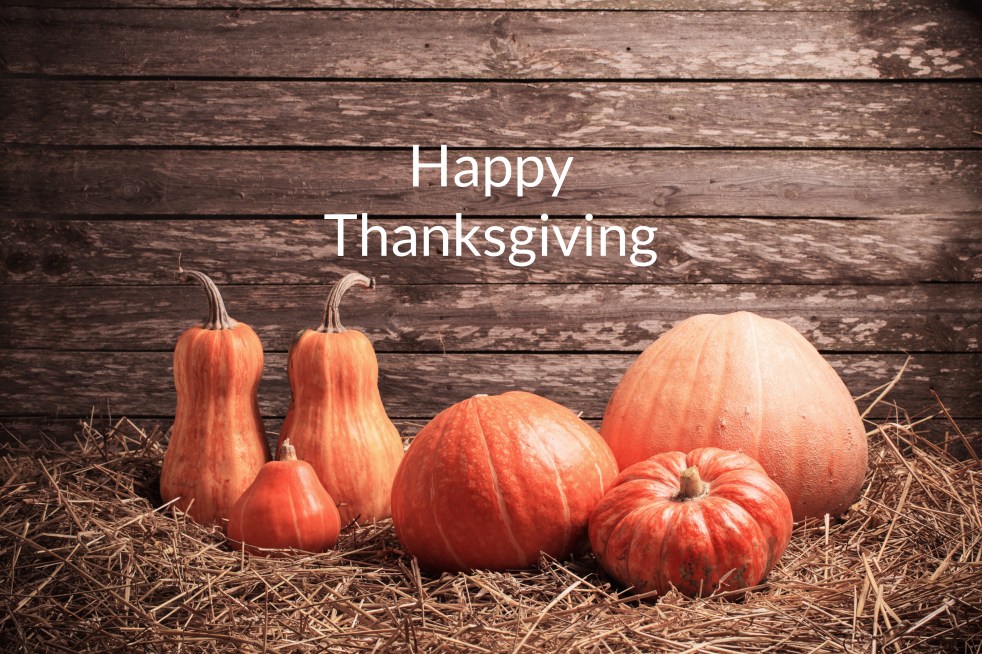
Happy Thanksgiving to you. I think it’s important to look back to the first Thanksgiving to understand the Pilgrams were not the only ones celebrating the fruitful harvest. It’s interesting how our traditional Thanksgiving meal has changed over time.
The first Thanksgiving with the Pilgrims and Wampanoag North American Indians at Plymouth Colony in 1621.
“Wildfowl was there. Corn, in grain form for bread or for porridge, was there. Venison was there,” says Kathleen Wall, a foodways culinarian at Plimoth Patuxet, a living history museum in Plymouth, Massachusetts. “These are absolutes.”
Turkey may have been part of the holiday meal, along with venison, shellfish and corn, but pies and potatoes were decidedly not on the menu.
I pray you and your family are safe, making great memories, neighbors and not forgetting the elderly or those in need.
My ancestors were Cherokee Indians, I have 1/16 in my blood and I’m very proud. Many often forget that Native American Indians were here long before the migrants.
Melinda
Refernce:
https://congregationallibrary.org/events/colonization-wampanoag-story
Every month there is a long list of awareness months, weeks and days which is why I only include a partial list. I encourage you to read the full list, and you can find it by clicking here or at the bottom of the post.

Melinda
Reference:
https://www.goodgoodgood.co/articles/december-awareness-days-months
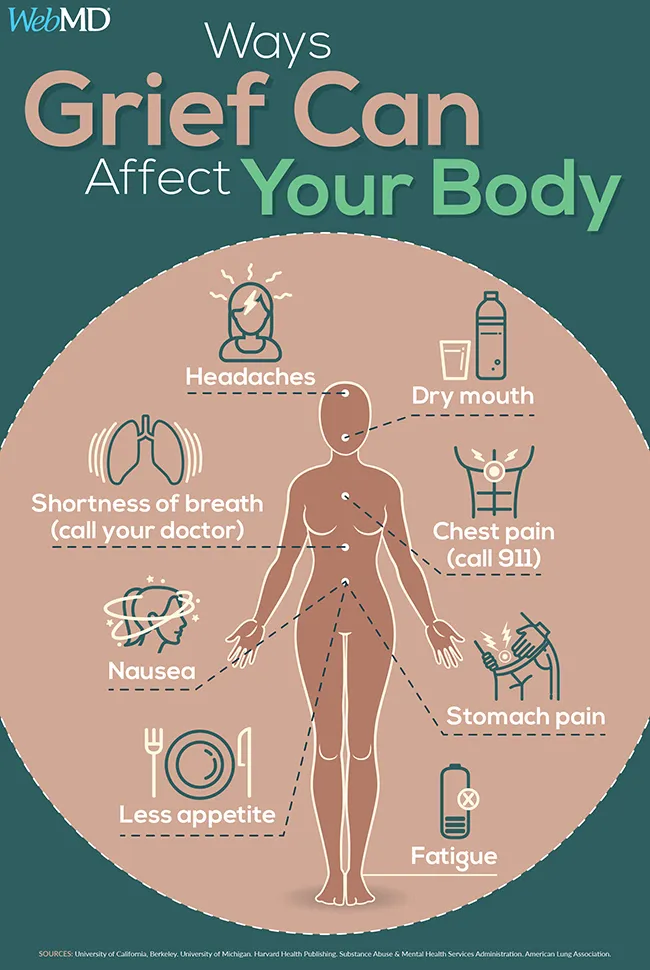
It’s surprising how physical grief can be. Your heart literally aches. A memory comes up that causes your stomach to clench or a chill to run down your spine. Some nights, your mind races, and your heart races along with it, your body so electrified with energy that you can barely sleep. Other nights, you’re so tired that you fall asleep right away. You wake up the next morning still feeling exhausted and spend most of the day in bed.
Amy Davis, a 32-year-old from Bristol, TN, became sick with grief after losing Molly, a close 38-year-old family member, to cancer. “Early grief was intensely physical for me,” Davis says. “After the shock and adrenaline of the first weeks wore off, I went through a couple of months of extreme fatigue, with nausea, headaches, food aversion, mixed-up sleep cycles, dizziness, and sun sensitivity. It was extremely difficult to do anything. … If there’s one thing I want people to know about grief, it’s how awful it can make your body feel.”
What causes these physical symptoms? A range of studies reveal the powerful effects grief can have on the body. Grief increases inflammation, which can worsen health problems you already have and cause new ones. It batters the immune system, leaving you depleted and vulnerable to infection. The heartbreak of grief can increase blood pressure and the risk of blood clots. Intense grief can alter the heart muscle so much that it causes “broken heart syndrome,” a form of heart disease with the same symptoms as a heart attack.
Stress links the emotional and physical aspects of grief. The systems in the body that process physical and emotional stress overlap, and emotional stress can activate the nervous system as easily as physical threats can. When stress becomes chronic, increased adrenaline and blood pressure can contribute to chronic medical conditions.
Research shows that emotional pain activates the same regions of the brain as physical pain. This may be why painkilling drugs ranging from opioids to Tylenolhave been shown to ease emotional pain.
Depression is not a normal part of grief, but a complication of it. Depression raises the risk of grief-related health complications and often requires treatment to resolve, so it’s important to know how to recognize its symptoms. Sidney Zisook, MD, a grief researcher and professor of psychiatry at the University of California, San Diego, says people can distinguish normal grief from depression by looking for specific emotional patterns.
“In normal grief, the sad thoughts and feelings typically occur in waves or bursts followed by periods of respite, as opposed to the more persistent low mood and agony of major depressive disorder,” Zisook says.
He says people usually retain “self-esteem, a sense of humor, and the capacity to be consoled or distracted from the pain” in normal grief, while people who are depressed struggle with feelings of guilt and worthlessness and a limited ability “to experience or anticipate any pleasure or joy.”
Complicated grief differs from both depression and normal grief. M. Katherine Shear, MD, a professor of psychiatry at Columbia University’s School of Social Work and director of its Center for Complicated Grief, defines complicated grief as “a form of persistent, pervasive grief” that does not get better naturally. It happens when “some of the natural thoughts, feelings, or behaviors that occur during acute grief gain a foothold and interfere with the ability to accept the reality of the loss.”
Symptoms of complicated grief include persistent efforts to ignore the grief and deny or “rewrite” what happened. Complicated grief increases the risk of physical and mental health problems like depression, anxiety, sleep issues, suicidal thoughts and behaviors, and physical illness.
Margaret Stroebe, PhD, a bereavement researcher and professor of clinical psychology at Utrecht University, says that recent research has shed light on many of “the cognitive and emotional processes underlying complications in grieving, particularly rumination.”
Research shows that rumination, or repetitive, negative, self-focused thought, is actually a way to avoid problems. People who ruminate shift attention away from painful truths by focusing on negative material that is less threatening than the truths they want to avoid. This pattern of thinking is strongly associated with depression.
Rumination and other forms of avoidance demand energy and block the natural abilities of the body and mind to integrate new realities and heal. Research by Stroebe, and others shows that avoidance behavior makes depression, complicated grief, and the physical health problems that go with them more likely. Efforts to avoid the reality of loss can cause fatigue, weaken your immune system, increase inflammation, and prolong other ailments.
When someone close to you dies, your social role changes, too. This can affect your sense of meaning and sense of self.
Before losing Molly, Davis says she found a personal sense of value in “being good at helping other people and taking care of them.” But after Molly died, she felt like she “couldn’t help anyone for a while.” Losing this role “dumped the bucket” of her identity “upside down.” Davis says, “I felt like I had nothing to offer. So I had to learn my value from other angles.”
Caregivers face especially complicated role adjustments. The physical and emotional demands of caregiving can leave them feeling depleted even before a loved one dies, and losing the person they took care of can leave them with a lost sense of purpose.
“Research shows that during intense caregiving periods, caregivers not only experience high levels of stress, they also cannot find the time and energy to look after their own health,” says Kathrin Boerner, PhD, a bereavement researcher and professor of gerontology at the University of Massachusetts in Boston.
“This can result in the emergence of new or the reemergence of existing ‘dormant’ health problems after the death of the care recipient. These health issues may or may not be directly related to the caregiver’s grief experience, but they are likely related to the life situation that was created through the demands of caregiving,” Boerner says.
It can be hard to make life work again after a close family member dies. Losing a partner can mean having to move out of a shared home or having to reach out to other loved ones for help, which can further increase emotional stress and worry. Strobe says the stress of adjusting to changes in life and health during and after a loss can “increase vulnerability and reduce adaptive reserves for coping with bereavement.”
Emotional and physical self-care are essential ways to ease complications of grief and boost recovery. Exercising, spending time in nature, getting enough sleep, and talking to loved ones can help with physical and mental health.
“Most often, normal grief does not require professional intervention,” says Zisook. “Grief is a natural, instinctive response to loss, adaptation occurs naturally, and healing is the natural outcome,” especially with “time and the support of loved ones and friends.”
For many people going through a hard time, reaching out is impossible. If your friend is in grief, reach out to them.Amy Davis
Grief researchers emphasize that social support, self-acceptance, and good self-care usually help people get through normal grief. (Shear encourages people to “plan small rewarding activities and try to enjoy them as much as possible.”) But the researchers say people need professional help to heal from complicated grief and depression.
Davis says therapy and physical activities like going for walks helped her cope. Social support helped most when friends tried to reach out instead of waiting or asking her to reach out to them.
“The thing about grief and depression and sorrow and being suicidal is that you can’t reach out. For many people going through a hard time, reaching out is impossible. If your friend is in grief, reach out to them. Do the legwork. They’re too exhausted!”
Davis’ advice to most people who are grieving is to “Lean into it. You only get to grieve your loved one once. Don’t spend the whole time trying to distract yourself or push it down. It does go away eventually, and you will miss feeling that connected to that person again. And if you feel like your whole life has fallen apart, that’s fine! It totally has. Now you get to decide how to put yourself back together. Be creative. There’s new life to be lived all around you.
Melinda
Reference:
“WebMD News Special Report Reviewed by Neha Pathak, MD on July 11, 2019
When many people see a big, beautiful pile of colorful autumn leaves, it feels like an open invitation to dive in. The scene evokes joy, nostalgia, and the simple thrill of childhood.
But for Isabel Rose, it brings up something very different. It reminds her of a moment that marked the beginning of her lifelong struggle with Lyme disease.
What others see as innocent fun, she now views with alarm.
Ticks thrive in damp, shaded environments close to the ground. Leaf piles, tall grass, and wooded edges are prime habitats for them. Children playing in these areas are at increased risk, often unaware that a single tick bite can lead to years of misery.
For Isabel, what began as a carefree childhood leap into a leaf pile became the start of a medical nightmare.
Isabel is now a writer, Lyme disease advocate, and founder of Mothers Against Lyme, a support network for families affected by congenital and pediatric Lyme. She also serves on the board of Project Lyme, a national nonprofit.
In a recent essay published on her Substack, Isabel shares the story of how a tick bite at age 8 led to decades of misdiagnosed symptoms, chronic illness, and eventually, the discovery that both she and her children had Lyme disease and co-infections.
Her experience is a powerful reminder of the importance of tick awareness. Ignoring the risks can be hazardous to yourself–and future generations.
Click here to read her raw and deeply informative essay.
Click here to learn more about Mothers Against Lyme.
TOUCHED BY LYME is written by Dorothy Kupcha Leland, President of LymeDisease.org. She is co-author of Finding Resilience: A Teen’s Journey Through Lyme Disease and of When Your Child Has Lyme Disease: A Parent’s Survival Guide. Contact her at dleland@lymedisease.org.
Melinda
David and I were close to 40 when we married and part of the reason for our success is that we talked about what traits we looked for in a lifelong partner, shared our complete backgrounds with each other, boundries and discussed possible issues we may have to face. I was completely honest about my mental illness and the challenges we would face. It was critical to put in all on the table before we were married.
Like all marriages, we’ve had tough finacial issues, medical and family issues but they never divided us. My Lyme Dieases treatment cost over $150,000 dollars none of which was covered by insurance which caused us to take a second mortgage on our house. He didn’t blink and was caring for me in the years that followed.
We had the same goals when we married and still share the same goals today. He has given me unconditional love, supported me in every way and even though he’s not one of many words, his actions always shows his love.
Marriage has ups and downs, for me it’s the downs that challenge your commitment, desire to communicate and comprimise.
Happy Anniversary Honey.
Melinda
I prefer both because they offer such different opportunities yet if I had to pick it would be water. I have loved the water or playing in water since I was a small child and once older I discovered the love of falling asleep being rocked by the water. There’s nothing like waking up to the sunrise drinking a cup of coffee while the water calms you.
I’ve had one bad experience on my friends 40ft boat. One day the weather was beautiful, I was sail boarding when I saw this massive black cloud coming our way. I rushed back to the boat and the waves on the way back to the dock were massive, he dealt with the waves while I was down stairs scared but constantly picking up items that had fallen including myself. I felt like it took forever. So glad he was at the helm.
The mountains are beautiful because the terrain is always different and you can see for miles. I was a hiker at one time but stopped after climbing a 1,000 feet to reach the top of Verna Falls at Yosemite National Park. We were rookies at climbing mountains and the climb reminded me why. You had to hike in circles all the way up, I had only one pole and several times I thought about stopping but knew better. The waterfall made every step worth it.

Melinda
In this fast-paced social media world, it can be difficult to find the time to look within or back in time. I hope you find these quotes and questions interesting. So glad you stopped by today!

Melinda






















 lookingforthelight.blog