Hi! So glad you are enjoying Today in History, it fun to learn about the past.
1985
Hollywood icon Rock Hudson dies of AIDS
On October 2, 1985, actor Rock Hudson, 59, becomes the first major U.S. celebrity to die of complications from AIDS. Hudson’s death raised public awareness of the epidemic, which until that time had been ignored by many in the mainstream as a “gay plague.”
Hudson, born Leroy Harold Scherer Jr., on November 17, 1925, in Winnetka, Illinois, was a Hollywood heartthrob whose career in movies and TV spanned nearly three decades. With leading-man good looks, Hudson starred in numerous dramas and romantic comedies in the 1950s and 60s, including Magnificent Obsession, Giant and Pillow Talk. In the 1970s, he found success on the small screen with such series as McMillan and Wife. To protect his macho image, Hudson’s off-screen life as a gay man was kept secret from the public.
1965
Gatorade invented at University of Florida
On October 2, 1965, a team of scientists invent Gatorade, a sports drink to quench thirst, in a University of Florida lab. The name “Gatorade” is derived from the nickname of the university’s sports teams. Eventually, the drink becomes a phenomenon and makes its inventors …read more
1958
The Cold War comes to Africa, as Guinea gains its independence
The former French colony of Guinea declares its independence on October 2, 1958, with Sekou Toure as the new nation’s first leader. Guinea was the sole French West African colony to opt for complete independence, rather than membership in the French Community, and soon …read more
1967
Thurgood Marshall sworn in as first Black Supreme Court justice
Chief Justice Earl Warren swears in Thurgood Marshall, the first Black justice of the U.S. Supreme Court. As chief counsel for the National Association for the Advancement of Colored People (NAACP) in the 1940s and ’50s, Marshall was the architect and executor of the legal …read more
1941
Operation Typhoon is launched
On October 2, 1941, the Germans begin their surge to Moscow, led by the 1st Army Group and Gen. Fedor von Bock. Russian peasants in the path of Hitler’s army employ a “scorched-earth” policy. Hitler’s forces had invaded the Soviet Union in June, and early on it had become one …read more
Best Buy Bones, Raw Bistro Pet Fare, and Foodynamics voluntarily recalled products in October
hree pet food brands are asking owners to check products affected by their voluntary recalls.
This month, three pet food companies recalled various products that may have been exposed to Salmonella. Popular brands Best Buy Bones, Raw Bistro Pet Fare, and Foodynamics each voluntarily recalled several lots of product, the U.S. Food and Drug Administration (FDA) reported in separate October releases.
Salmonella exposure can affect pets and the humans who feed them.
The FDA shared that pets infected with Salmonella may experience diarrhea, fevers, vomiting, or general lethargy. Less extreme symptoms include decreased appetite and abdominal pain.
According to PetMD, pet parents should take their pet to the vet or an animal hospital if they have diarrhea that “occurs with decreased appetite, lethargy, fever, and blood in the stool.” With supportive care — hydration, rest, antibiotics — most dogs can weather a diagnosed Salmonella infection. PetMD noted that without treatment, diarrhea and illness caused by Salmonella “can lead to dehydration, sepsis, and even death.”
For humans handling contaminated pet food, unwashed hands and surfaces can increase the likelihood of exposure. If infected with Salmonella, people may experience “nausea, vomiting, diarrhea or bloody diarrhea, abdominal cramping and fever,” according to the FDA. In rare cases, Salmonella exposure can lead to “arterial infections, endocarditis, arthritis, muscle pain, eye irritation and urinary tract symptoms,” the agency’s releases added.
The following products were included in the recalls. If your pet has consumed a recalled product and displays any of the above symptoms, consult a veterinarian. If you experience any human-related Salmonella symptoms, it is recommended to seek medical advice from a healthcare professional.
Best Buy Bones
Nature’s Own Pet Chews Bully Bites in 16 oz. bags
UPC# 739598900750
Four lots recalled with a shared expiration date of September 2027
The lots are 19379, 19380, 19381, and 19382
FDA recall release published on Oct. 3. At the time, no illnesses in dogs had been reported
Foodynamics
Raw Dog Barkery
Two packages of Whole Chicken Hearts in 16 oz. bags
In lot and “Use By” sticker date #030527
Packages were distributed to SimplyDried Treats, which has notified Magpies Gourmet Dog Treats in Wisconsin
Foodynamics traced 100% of product contamination and contacted affected parties
BellePepper Cats
Two packages of Freeze Dried Chicken Heart Slices in 3 oz. bags + Samples
In lot and “Use By” sticker date #031627
Sold by retailer in New York
Retailer samplers may have also included contaminated product from lots #121426 and #011526
Foodynamics traced 100% of product contamination and contacted affected parties
Kanu Pets
One package of Freeze Dried Chicken Heart Raw Treats in 3 oz. bag
In lot and “Use By” sticker date #031627
Foodynamics traced 100% of product contamination and contacted affected parties
What’s In the Bowl
Three packages of Whole Chicken Hearts: Two 3 oz. and one 16 oz. packages
In lot and “Use By” sticker date #030527
Two of the three packages have been returned by the customers
Foodynamics traced 100% of product contamination and contacted affected parties
Raw Bistro Pet Fare
Two sizes of Raw Bistro Dog Fare Grass-Fed Beef Entrée
3 lb bags
UPC #858833002247 from Lot 239, Best By sticker reads 08/27/2026
FDA recall release published on Oct. 10. At the time, no illnesses in dogs had been reported
18 lb bags
UPC #858833002629 from Lot 239, Best By sticker reads 08/27/2026
DA recall release published on Oct. 10. At the time, no illnesses in dogs had been reported
A few changes can lead to significant benefits. This also applies to our health. Making some changes in our daily life we can put the first elements in motion for a complete rebirth. If you suffer with a chronic illness, it is even more important to start looking after your health and boosting your immune system. If you have a disability, even if you use a mobility scooter, you still try to move, only gently, if possible. Mobile scooters give disabled people the independence that they deserve and coupled with excellent diet and lifestyle, you can start to regain some confidence and happiness.
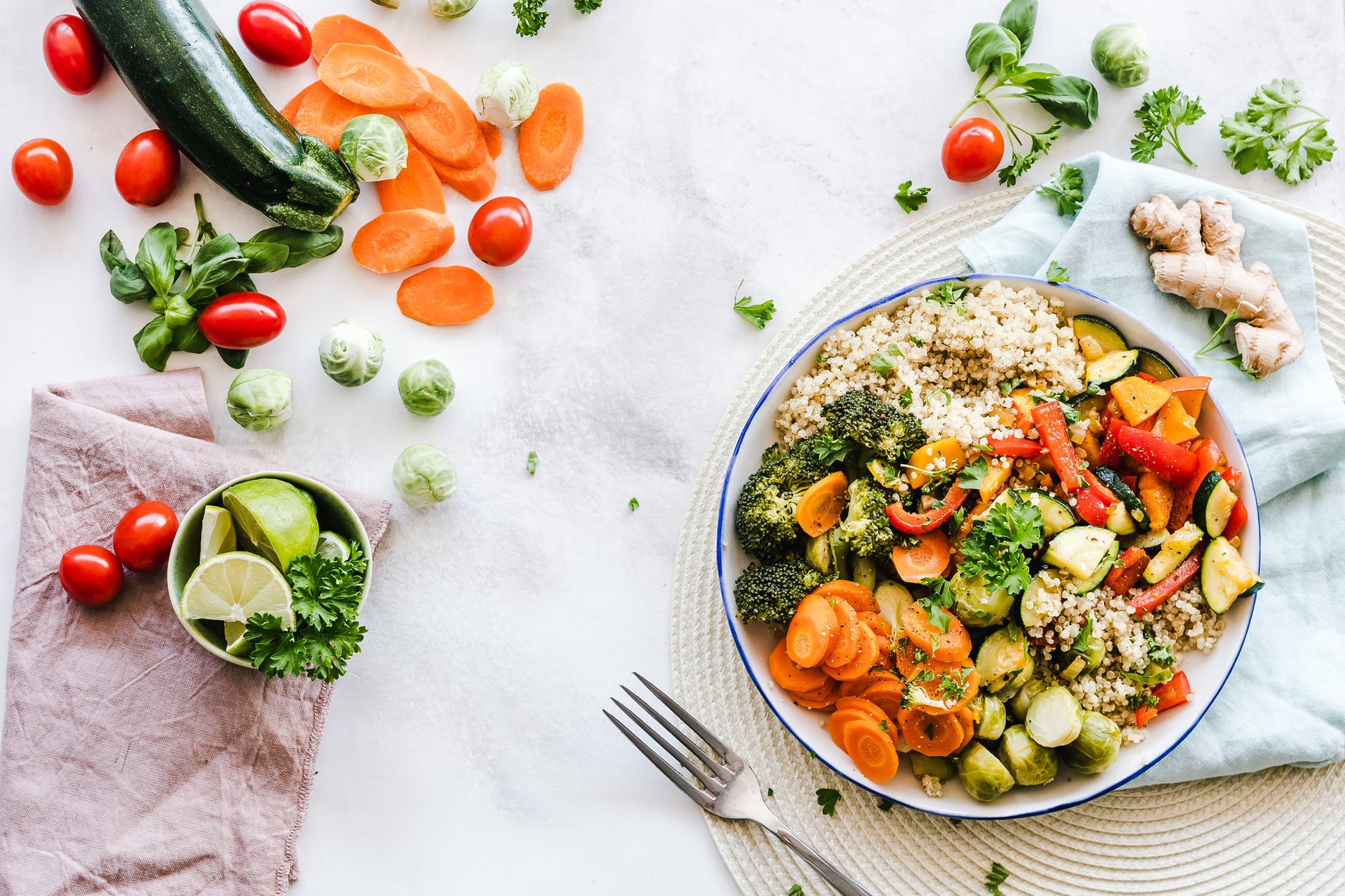
Vegetables are divided into two categories: starchy and non-starchy. Starchy vegetables are potatoes, corn and beans, non-starchy are spinach and other leafy vegetables, carrots, broccoli and cauliflower. Starchy vegetables have more calories than non-starchy ones. So by filling half the plate with non-starchy vegetables you ensure that you will receive all the necessary nutrients, water and fiber, but without many extra calories. It’s an easy strategy not to bother with calorie and portion counting. Processed carbohydrates, have almost no nutrients and no fiber. The only thing they have is calories that can make you gain weight.
In fact, a diet rich in processed carbohydrates – white bread, buns, white pastries, sweets, etc. – can increase the risk of developing type II diabetes and heart disease. Get rid of the bad habits! Unprocessed carbohydrates such as brown rice and whole grains enhance your diet with “good” calories, fiber, vitamins and minerals. Fatty fish such as salmon are an excellent source of omega – 3 fats, which are essential for good heart health and reducing inflammation in the body. They also enhance mental health. Drink green tea because this is going to be important to those with disabilities as it helps work as a toxin remover.
Disconnect from everything one hour before bedtime
Quality sleep is the alpha and omega for health. And one of the things that destroys it is technology. Devices that emit “blue light”, a type of wave that is common during the day, “confuse” the brain, making it think it is morning. So by avoiding screen time before bed, you can improve the quality of sleep.
Sleep at the same (approximately) time every day
In addition to poor sleep quality, many people have trouble sleeping. This is largely due to poor rest planning. Having a specific time when you fall asleep, you train your body clock so that you can fall asleep more easily. At the same time, scheduled bedtime has a positive effect on concentration and memory.
Keep up with regular checkups
t may seem very low on the list of things you have to do, but it is important to keep up with those regular health checks. Whether that is booking a hearing check at your local hearing center, or heading to the optician to get your eyes checked, these things are important to keep up the quality of life that you have.
Limit socializing with negative people.
Even a little negativity is enough to get you down. Try to spend more time with happy and optimistic people. If you have negative people in your inner circle, try to convey some of your positive thinking to them and change the direction. The rest is up to you and how you treat yourself. Don’t be hard on yourself and appreciate all the little things. Remember self-care is not selfish.
In America we have the FDA to approve all prescription medications, manufacturers have to prove their drug has all the data on clinical trials, and they even do down to approving what the label can have on it. If the FDA is not satisfied the FDA will tell the manufacturer to go get this information and reapply. That’s critical to know. In America, we have a system that all prescriptions go thru before being released to the public. They also have a section you can report adverse reactions or a medical device that failed. We have a system.
I know that people with chronic illnesses especially those with chronic pain have trouble getting the pain management they need and out of frustration turn to the Internet. BEWARE!
There are other countries that have a system in place but we have no idea if it matches our standards. There are also countries that have no system to verify the drugs are pure, they do what they say and they are monitored.
The FDA says this about online Pharmacies.
Warning Signs of an Unsafe Online Pharmacy
Beware of online pharmacies that:
Do not require a doctor’s prescription.
Are not licensed in the U.S. and by your state board of pharmacy.
Do not have a licensed pharmacist on staff to answer your questions.
Send medicine that looks different than what you receive at your usual pharmacy, or arrives in packaging that is broken, damaged, in a foreign language, has no expiration date, or is expired.
Offer deep discounts or prices that seem too good to be true.
Charge you for products you never ordered or received.
Do not provide clear written protections of your personal and financial information.
Sell your information to other websites.
These pharmacies often sell medicines that can be dangerous because they may:
Have too much or too little of the active ingredient you need to treat your disease or condition.
Not contain the right active ingredient.
Contain the wrong ingredients or other harmful substances.
If you buy from any online site from another country, you have no guarantee of what’s inside. It could cause more harm to your body, it could have nothing in there to help you, and the worst is it can be laced with different products and can kill you.
That’s strong words I know but I have read too many articles and heard of personal stories where buying online was the worst move to make.
Melinda
References:
Yes, there are ligament Pharmacies online, I would check them out before you buy. Do an Internet search on the Pharmacy. You may be surprised what you find or you see they are legit Pharmacies you can go to. The key is what country is your medication coming from.
Where you can protect yourself is to search, search, and search before buying. Your health and life are more important. Personally, I would not buy a drug online unless my insurance company offers an online Pharmacy.
Your eyes help you see and navigate in your day-to-day life, so protecting them is paramount. Often, your eyes are even the first to show issues within the body, such as diabetes and high blood pressure.
By understanding why it is important to take care of your eyes, you may be more likely to take steps toward improving your eye health.
One of the top reasons to care for your eyes is to reduce your risk for age-related macular degeneration (AMD) and cataracts. How can you do this? While there’s no concrete evidence on what can prevent these eye problems, some research has indicated that consuming an antioxidant-rich diet may help.
There are several ways to protect your eye health. First and foremost, you’ll want to schedule a comprehensive eye exam with an Independent Doctor of Optometry (or optometrist). It’s best to have one of these appointments per year to mitigate issues with your vision and ensure your eyes are in the best possible condition.
But what can you do before next year’s eye exam? You can take preventive steps to protect your eye health. Here are some simple tips on how to take care of your eyes daily:
Choose your eyewear accordingly. Wearing blue-light glasses while on the computer and UV-protective sunglasses while outdoors may be positive for your eyes. After all, blue-light glasses may help with digital eye strain, and UV-blocking sunglasses can limit your exposure to harmful sunlight.
Rest your eyes. Try for at least eight hours of sleep per day. You may need more or less, depending on your age and activity level. Also, in addition to sleeping, you can rest your eyes by taking frequent time away from the screen.
Sterilize your contacts. Debris can accumulate on your contact lenses, so it’s best to keep them clean to avoid getting an eye infection. Wash your contacts as often as the packaging explains, or opt for daily wear contacts if it’s too time-consuming to follow a regular cleaning schedule.
Why should you take care of your eyes?
Your eyes are critical to your everyday life beyond your vision. Why is it important to take care of your eyes? Taking steps to promote your eye health and safety can deter specific eye diseases and injuries. It can also help you identify changes in vision faster.
Here’s how to take care of your eyes daily:
Select the right eyewear for different activities.
Give your eyes plenty of rest. (And get some for yourself, too!)
Clean your contacts often, or choose a kind that you can throw away.
What is so important about eye care?
Importance of EyeCare. Your eyesight is one of your most important senses: 80% of what we perceive comes through our sense of sight. By protecting your eyes, you will reduce the odds of blindness and vision loss while also staying on top of any developing eye diseases such as cataracts and glaucoma.
It’s really sad to say, but to a degree self-care has become a buzzword frequently portrayed in media and online as indulgent bubble baths, retail therapy, and the occasional junk food binge. Not just in shows, or in advertisements triyng to sell you stuff, but even on social media by the people you know, and of course by content creators too.
While yes, buying indulges and buying things that you love can actually be a really nice way to show yourself some life, you have to keep in mind that these also only offer temporary relief, and so true self-care is far more profound and personal. It’s about nurturing your mental, emotional, and physical well-being in ways that genuinely enrich Dr your life. So, with that said, it’s best to explore what self-care really means and how you can embrace it in a more meaningful way.
Understanding True Self-Care
Self-care is often misunderstood as a quick fix or an escape from reality. However, true self-care involves intentional actions that support your overall health and happiness. It’s about listening to your body and mind, understanding your needs, and taking steps to meet those needs in healthy and sustainable ways. This might mean setting boundaries, saying no to commitments that drain you, or seeking help when you need it.
Mindful Self-Practices
Basically, the less love and care you show yourself, the higher the chances of stress and even the potential of forming anxiety. Actually, true self-care is often found in the small, mindful practices that help you stay grounded and connected to yourself. This might include a daily walk in nature, practicing yoga, or spending time on a hobby that you love. It’s about finding joy and peace in the everyday moments.
But this isn’t always the case; mindful practices will vary from person to person. While one person might feel relaxed walking out on a trail in nature, there might be someone else who feels more at ease and relaxed if you’re at home and using delta-8 THC gummies since these offer a more calming and gentle effect. But overall, mindful practices help prevent chronic anxiety from forming, and again, the best way to go about it really varies from person to person.
The Illusion of Instant Gratification
The media often promotes self-care as something that provides instant gratification—like a shopping spree or indulging in comfort food. By all means, yes, while these activities can offer momentary pleasure, they don’t address the deeper issues that may be affecting your well-being.
In fact, relying on these quick fixes can sometimes lead to feelings of guilt or regret afterward. So, you have to understand that true self-care involves making choices that contribute to your long-term well-being, even if they don’t provide immediate pleasure.
You Have to Think About Emotional Health
Just think of it this way: You’re spending money on things that give you small bits of gratification immediately, like junk food, but at the end of the day, you’re going to feel bad for the money you spent, and you might feel physically bad too because, well, it’s junk food. The same goes for shopping sprees too. Now, emotional health usually gets overlooked in mainstream portrayals. You need to understand your thoughts and gain clarity on what you need to feel balanced and fulfilled.
Feeling sad all the time for no specific reason doesn’t always mean you have depression, but it does suggest you could be experiencing something more complex than sadness alone.
Sadness is a temporary state that often has a clear cause, like a big disappointment, the loss of someone close to you, or bad news from someone you love.
This type of sadness can fluctuate throughout the day. In certain moments, the emotional burden might feel particularly heavy. You might cry often, feel numb or drained, and struggle to concentrate.
At other times — when you get lost in something you enjoy or when a loved one distracts you — your sorrow may seem light enough that you can barely feel its weight. While it might linger in some form for days or weeks, it generally begins to ease naturally.
Persistent sadness is something else entirely. It can wrap around you like a heavy blanket, muffling the sensations and joy of everyday life. This sadness can leave you feeling low, empty, and defeated. You don’t know what caused your unhappiness, so you have no idea how to start feeling better.
Feeling sad isn’t at all unusual. After all, sorrow is a normal human response to disappointment and loss. Sadness that doesn’t have a clear reason behind it and doesn’t seem to improve, however, may suggest something else is going on.
While not everyone with depression will feel sad, unexplainable sadness you can’t seem to shake is one of the primary signs of depression.
If your sadness does relate to depression, you’ll likely feel sad nearly all of the time — almost every day, for most of each day, for a period of 2 weeks or longer. Sadness, in other words, seems to become a constant companion.
With depression, you’ll experience other symptoms, too. If several of the signs below accompany your sad or tearful mood, there’s a good chance you’re dealing with depression:
Chronic sadness, especially when related to depression, might also prompt regular thoughts of death or suicide. Even if you don’t have a plan to act on these thoughts, it’s always best to talk to someone you trust and get support right away (more on how to do this later).
You might begin to notice your feelings of sadness, along with any other symptoms you experience, follow a specific pattern. Depression can take different forms, and various underlying factors can have an impact on the way your symptoms show up.
A few things to look for:
Rapid shifts in mood
People living with bipolar disorder often experience episodes of depression as part of a cycle that also includes episodes of mania or hypomania.
You might notice you suddenly feel intensely happy, even euphoric. This abrupt change in mood might also involve:
impulsive behavior
restlessness and irritability
a renewed sense of energy that leaves you fixating on certain projects or activities
an increase in confidence and self-esteem
less of a need for sleep
This episode might last a week, or longer.
Somewhere around 40 percentTrusted Source of people with bipolar disorder have what’s known as mixed features. You could experience sadness and other symptoms of depression at the same time as mania.
This combination of symptoms can make it harder to understand what you’re experiencing, which could add to your distress.
Seasonal sadness
Maybe your sadness seems to arrive or intensify around the same time of year the days begin to shorten. Once the longer, sunnier days of spring and summer arrive, you feel better, year after year.
It’s pretty common to feel a little low in autumn and winter. The nights get long and cold, and there are plenty of days when you may not even see the sun.
If this seasonal sadness persists and becomes serious enough to affect daily life, you could have seasonal affective disorder (SAD), a type of depression that occurs along with seasonal changes.
Along with other common depression symptoms, you might also notice:
angry, pessimistic, or frustrated thoughts about the weather
withdrawal or increased avoidance of social settings
I have published this post a couple of times and always get good feedback. There nothing more important than your health.
Over the years, you might have heard the term ‘superfood’ used increasingly. But what really does it mean? Well, in simple terms, these are foods that are packed with nutrients such as minerals, vitamins, and antioxidants, and so are associated with positive impacts on your health. But how do you know what superfoods to eat then?
The thing is, you may currently include a good number of superfoods in your diet without even knowing, so this list of the 10 most popular superfoods has been put together so that you are made away of well-known superfoods, as well as to inform you about some superfoods that you may not be familiar with.
1. Eggs
Eggs are one of those foods that have stood the test of both time and criticism. No doubt, they are pretty healthy and come loaded with very high-quality proteins. More than that, eggs contain a plethora of minerals and vitamins, some of which include vitamin A, B vitamins, choline, and iron. They also contain two very powerful antioxidants, namely zeaxanthin and lutein, which are known for protecting vision and boosting eyesight. That being said, if you are having issues with your vision, don’t hesitate to visit https://eyeglasses.com for some more information.
2. Dark leafy greens
A lot of people aren’t fans of dark leafy greens, but they’re one of the best superfoods to exist. These types of greens contain several nutrients that the body needs to heal, including zinc, iron, magnesium, fiber, and vitamin C. More so, dark leafy greens have earned their place in the superfoods hall of fame. They might also help reduce your risks of suffering from chronic illnesses such as heart disease and type 2 diabetes. Some examples of these dark leafy greens are kale, spinach, collard greens, and Swiss chard which can be incorporated into your diet via smoothies, soups, and salads.
3. Berries
Many of us who love berries are unaware of the amazing effects that eating them have on the body. For one, berries are very rich in vitamins and minerals as well as certain antioxidants. In fact, berries are particularly effective when it comes to treating digestive issues and are often used in modern medical therapies. Examples of these fruits include blueberries, blackberries, strawberries, and raspberries. You can eat them as they are, or add them to smoothies and desserts.
4. Avocado
Simply put, avocados are great. Yes, they’re good for guacamole, but more than that, this superfood is very rich in healthy fats that keep you feeling full for longer. It also comes packed with antioxidants and fiber that all work to protect against heart diseases. Additionally, this food is can be eaten even on a diet and is even recommended on the Keto diet. Delicious ways to incorporate avocado in your diet include serving it on your morning toast to adding it as an essential ingredient to smoothies and salads.
5. Chia seeds
Chia seeds are tiny, black seeds that have taken the health industry by storm over the past few years. No doubt, these seeds pack a powerful punch when it comes to nutrition. Firstly, they contain pretty much all the essential minerals including calcium, manganese, magnesium, and phosphorus. In addition, vitamin B1, B2, and B3 are also available in abundance. More so, 28 grams of chia seeds contain 11 grams of fiber and just one gram of digestible carbohydrates, making it one of the most suitable foods out there for a low carb diet.
6. Coconut
When it comes to versatile foods, coconuts are out there at the top. They can be consumed as coconut water, coconut oil, coconut flour, coconut flakes, and even just coconut meat. More so, this super food can easily be incorporated into your diet without any headache.
That said, in terms of what makes it so ‘super’ coconut oil especially contains medium-chain triglycerides, which are used as a source of energy once in the body. Furthermore, coconut water is high in vitamins and minerals including potassium, magnesium, sodium, and vitamin C.On top of this, coconut flour is low in gluten and carbs and can be used for baking and desserts.
7. Flax seeds
Flax seeds are one of those foods that didn’t become popular until recently. These seeds contribute towards a healthy heart as they come packed with omega 3 fatty acids that work as anti-inflammatory agents. More som flax seeds can be added to your salads and smoothies by grinding them into a semi fine powder. That being said, they do have other uses apart from consumption. In fact, flax seeds also come in handy as a home remedy for hair growth.
8. Hemp seeds
Yet another super seed is hemp seed. This is a great source of healthy proteins and contains omega 3 and omega 3 fats; both of which work together to reduce the risk of cardiovascular diseases in the body. More recent studies also associate hemp seeds with relieving the symptoms of menopause in women. For consumption, these seeds are typically toasted lightly and then added to foods like salads, oatmeal, and cereal.
9. Salmon
When next you go grocery shopping, be sure to pick up some salmon. This fish is rich in healthy oils that are a great source of energy and contains inflammation reducing omega 3 fats. More so, this fish is packed with wildly sourced protein that can provide you with almost 60 percent of your daily recommended protein intake. It also contains vitamin D as well as bioactive peptides that help in collagen production.
10. Cocoa nibs
Cocoa nibs are essentially just healthier chocolates. These foods range from really sweet to very bitter, so you get to choose just how you like it. More so, it is a great source of fiber and it also contains a good amount of iron and magnesium. More than that, research has shown that eating cocoa nibs can help elevate your mood and brain activity. As for preparation, they can be used in desserts, smoothie bowls, or just on their own as a nice snack.
Earlier in the month I was diagnosed with persistent Hypocalcemia. The lack of calcium can cause many problems but the most troubling to me at this time is more Osteoporosis which I already have in my hip and heart complications, which I already have several heart issues.
Like everyone my appointment was pushed out and we wait out the social distancing to get back to normal. I’m lucky that I don’t have the worst symptoms yet.
Calcium is a vital mineral. Your body uses it to build strong bones and teeth. Calcium is also needed for your heart and other muscles to function properly. When you don’t get enough calcium, you increase your risk of developing disorders like:
It’s important to ensure proper calcium intake at all ages.
For children and teenagers, the recommended daily allowances for calcium are the same for both sexes. According to the National Institutes of Health (NIH), the daily allowances are:
Women need to increase their calcium intake earlier in life than men, starting in middle age. Meeting the necessary calcium requirement is particularly important as a woman approaches menopause.
The hormone disorder hypoparathyroidism may also cause calcium deficiency disease. People with this condition don’t produce enough parathyroid hormone, which controls calcium levels in the blood.
During menopause, women should also increase their calcium intake to reduce the risk of osteoporosis and calcium deficiency disease. The decline in the hormone estrogen during menopause causes a woman’s bones to thin faster.
Other causes of hypocalcemia include malnutrition and malabsorption. Malnutrition is when you’re not getting enough nutrients, while malabsorption is when your body can’t absorb the vitamins and minerals you need from the food you eat. Additional causes include:
low levels of vitamin D, which makes it harder to absorb calcium
medications, such phenytoin, phenobarbital, rifampin, corticosteroids, and drugs used to treat elevated calcium levels
“Hungry bone syndrome,” which may occur after surgery for hyperparathyroidism
removal of parathyroid gland tissue as part of surgery to remove the thyroid gland
If you miss your daily dose of calcium, you won’t become calcium deficient overnight. But it’s still important to make an effort to get enough calcium every day, since the body uses it quickly. Vegans are more likely to become calcium deficient quickly because they don’t eat calcium-rich dairy products.
Calcium deficiency won’t produce short-term symptoms because the body maintains calcium levels by taking it directly from the bones. But long-term low levels of calcium can have serious effects.
Calcium deficiencies can affect all parts of the body, resulting in weak nails, slower hair growth, and fragile, thin skin.
Calcium also plays an important role in both neurotransmitter release and muscle contractions. So, calcium deficiencies can bring on seizures in otherwise healthy people.
If you start experiencing neurological symptoms like memory loss, numbness and tingling, hallucinations, or seizures, make an appointment to see your doctor as soon as possible.
Contact your doctor if you have symptoms of calcium deficiency disease. They’ll review your medical history and ask you about family history of calcium deficiency and osteoporosis.
If your doctor suspects calcium deficiency, they’ll take a blood sample to check your blood calcium level. Your doctor will measure your total calcium level, your albumin level, and your ionized or “free” calcium level. Albumin is a protein that binds to calcium and transports it through the blood. Sustained low calcium levels in your blood may confirm a diagnosis of calcium deficiency disease.
Normal calcium levels for adults can range from 8.8 to 10.4 milligrams per deciliter (mg/dL), according to the Merck Manual. You may be at risk for calcium deficiency disease if your calcium level is below 8.8 mg/dL. Children and teens typically have higher blood calcium levels than adults.
Calcium deficiency is usually easy to treat. It typically involves adding more calcium to your diet.
Do not self-treat by taking a lot of calcium supplements. Taking more than the recommended dose without your doctor’s approval can lead to serious issues like kidney stones.
Commonly recommended calcium supplements include:
calcium carbonate, which is the least expensive and has the most elemental calcium
calcium citrate, which is the most easily absorbed
calcium phosphate, which is also easily absorbed and doesn’t cause constipation
It’s important to note that some medications could interact negatively with calcium supplements. These medications include:
blood pressure beta-blockers like atenolol, which may decrease calcium absorption if taken within two hours of taking calcium supplements
antacids containing aluminum, which may increase blood levels of aluminum
cholesterol-lowering bile acid sequestrants such as colestipol, which may decrease calcium absorption and increase the loss of calcium in the urine
estrogen medications, which can contribute to an increase in calcium blood levels
digoxin, as high calcium levels can increase digoxin toxicity
diuretics, which can either increase calcium levels (hydrochlorothiazide) or decrease calcium levels in the blood (furosemide)
certain antibiotics such as fluoroquinolones and tetracyclines, whose absorption can be decreased by calcium supplements
Sometimes diet changes and supplements aren’t enough to treat a calcium deficiency. In this case, your doctor may want to regulate your calcium levels by giving you regular calcium injections.
You can expect to see results within the first few weeks of treatment. Severe cases of calcium deficiency disease will be monitored at one- to three-month intervals.
You can prevent calcium deficiency disease by including calcium in your diet every day.
Be aware that foods high in calcium, such as dairy products, can also be high in saturated fat and trans fat. Choose low-fat or fat-free options to reduce your risk of developing high cholesterol and heart disease.
While meeting your calcium requirement is very important, you also want to make sure you’re not getting too much. According to the Mayo Clinic, upper limits of calcium intake in milligrams (mg) for adults are:
2,000 mg per day for men and women 51 years of age and up
2,500 mg per day for men and women 19 to 50 years of age
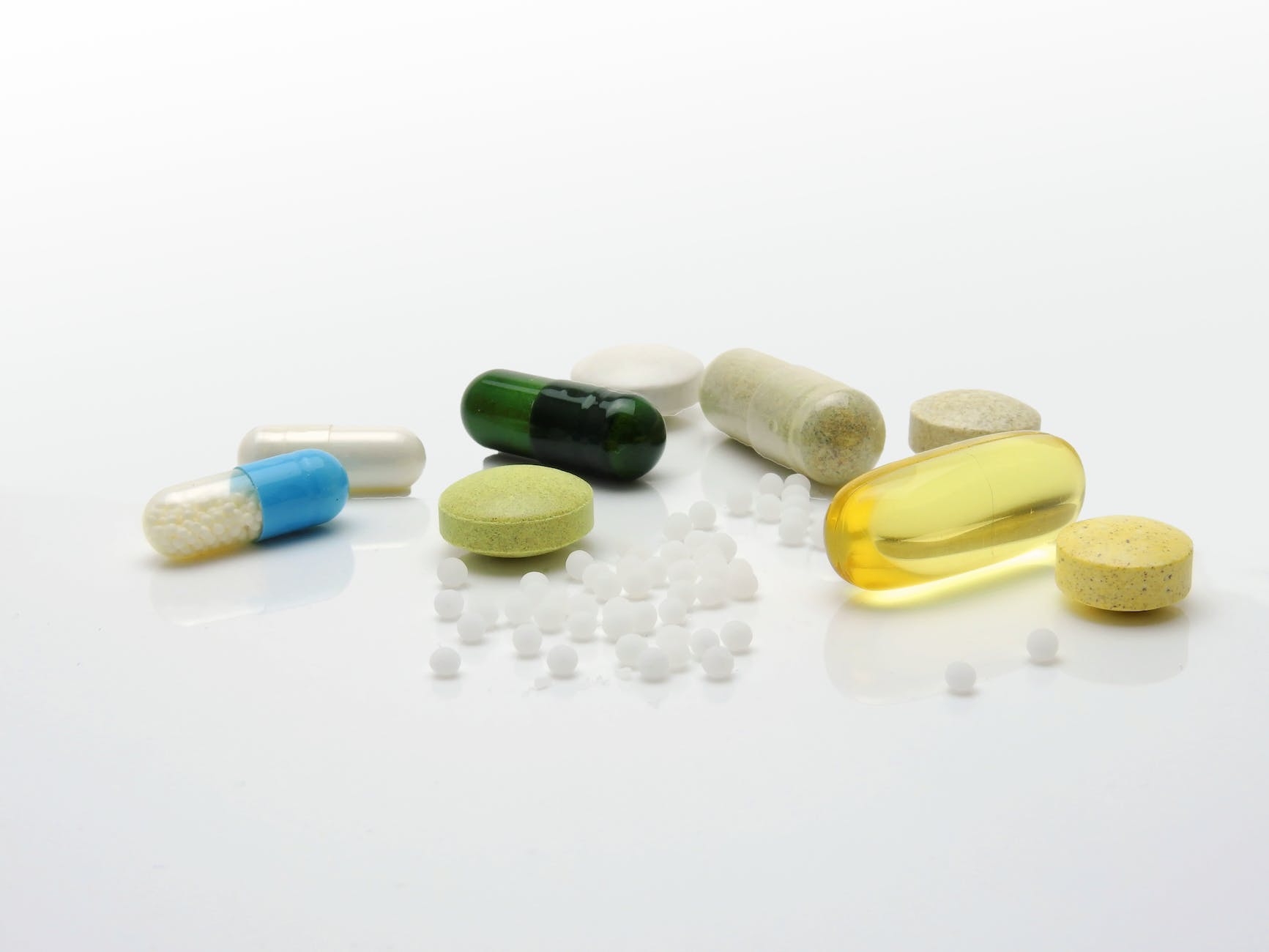
You might want to supplement your diet by taking a multivitamin. Or your doctor may recommend supplements if you’re at high risk for developing a calcium deficiency.
Multivitamins may not contain all of the calcium you need, so be sure to eat a well-rounded diet. If you’re pregnant, take a prenatal vitamin.
Vitamin D
Vitamin D is important because it increases the rate calcium is absorbed into your blood. Ask your doctor how much vitamin D you need.
To increase your calcium intake, you can add food rich in vitamin D to your diet. These include:
I started my first Bucket List in 2015, updated it in 2021 and again in 2025, now it’s time to adjust my list to what I can accomplish with my health conditions. It will include some items that are be pie in the sky yet I believe we have to stretch our mind for the possibilities. Fun days are ahead.
It’s been a year since I wrote Fibromyalgia Thoughts #7, I had no idea how well I had been managing. Until today, when I wasn’t managing at all. A wave came over me after breakfast just as I was going outside to water the plants, and the life drained out of me. I had to go back to bed even though I had a good night’s sleep, maybe the best sleep I’ve had in days.
The temperature here has already reached 100 degrees and the humidity is high. We’ve touched on several record-breaking days already and it’s not even July. July and August are usually the hottest months in Texas, but we are having average temps in June. The heat is exhausting.
I go out to water most days by 9:00 am but today I was delayed by an hour since I laid down. Boy, what a difference an hour makes. It’s not that I was feeling so much better but knew that if I could muster the energy it would be much easier to water now than wait or ask my husband for help. He’s always glad to help, but it’s my passion, my flowers, and my sanctuary. I thought if I could just get out there I would somehow feel better. NOT.
I’ve been battling many symptoms that have progressed over the past year, I don’t know if they are all Fibro since other things are going on with my health. I think telling myself it’s something else has somehow allowed me to keep pushing on.
I see a new Rheumatologist at the end of the month and I hope to have some answers. I’ve been keeping detailed notes of each symptom by body area and tracking the progression. I can only sleep for 2-3 hours at a time before the pain wakes me, I have to roll over and wait for sleep to come again. It’s very tiring.
The other morning the muscles in my legs were so tight I could hardly walk, I lay in bed thinking how am I going to do this. I took my muscle spasm medication and moved to the chair. I realized today that the limp from my hip is more pronounced, that’s from my Brusitis. I am late on my steroid injections and can tell.
I know this afternoon will include a nap, which I give myself grace. I’ve beat myself up for too many years for not being the best wife or granddaughter or best self. In fact, the best self I can be is to take care of my health, do what I can, be honest about what’s going on, and take the pass when I have to.
I’ll keep you posted on my Rheumatologist appointment. I work hard to not over-research my symptoms and go in with a layman’s diagnosis. I’ve taken very precise notes and the symptoms will hopefully lead to answers or in the right direction.
I want to thank Trigger Publishing Editor Andrea Marchiano for sharing Sometimes by Joann Howeth. I have enjoyed and learned so much from children’s books. Parents today have a choice of what tools they use to raise their children. There are no children’s books like the ones from Trigger, you must check out their complete selection of children’s and teen’s books.
These are great books for Grandparents to have around so they can reinforce the way you’re trying to help your child.
Blurb
Sometimes, life can feel overwhelming. Sometimes, we cling to things that we should let go of. And sometimes, those who are closest to us are the ones who hurt us the most. Despite what others may tell us, during these times, the best thing we can do is talk.
In this honest and poignant story, Joann Howeth reminds us of what can happen behind closed doors and, in doing so, encourages kids to tell their own stories to ensure they get the support they need. A must-have for every library, classroom, and therapist’s office, this book will reassure struggling children that they are not alone and help them find a safe and healthy outlet for their troubles.
My Thoughts
This is the most serious children’s book I’ve read and think all children need to read this book because it shows them that sometimes you have to tell your secrets to someone you can trust. This book will help children struggling with divorce, lack of money, or other struggles that go on behind closed doors. One very important piece of information is missing, it’s her name. This goes along with her secret.
She has many secrets that she keeps to herself and the pressure it puts on her is heavy. Her Dad is gone and her mother is in a bad place, it could be from mental health issues or she just can’t make ends meet. Often times when she goes to the refrigerator there is no milk, or when she wants to wash her hair there is no shampoo and the house is stacked full and running over including the moldy dishes.
She is not allowed to participate in school activities or go to barbecues and is isolated from friends because she doesn’t want anyone to know her secrets.
She feels so alone and embarrassed and her mother has said no one can come into their house. She has no friends except the neighbor who is kind to her. Her room is filled with items her mother has collected and it crowds out her sleeping space, sometimes she sleeps in a chair or will sit on the stoop.
Her neighbor has a good idea of what is going on and she offers her a string cheese, an apple, and a hug on the way home from school. One day she realized her neighbor knew what was going on and asked her not to tell. Her trusted friend, Mrs. McGeorger said sometimes you have to share with someone.
This is happening today much more than we know it and we can’t judge or blame the children. I had many secrets growing up, I was abused and my step-father was an alcoholic. I didn’t want any friends to come to my house for fear of getting a glimpse of what was truly happening. I didn’t trust anyone, that was a heavy burden for a child to carry around every day.
This book is for parents, grandparents, therapists, and schools, all children need exposure to what can happen behind closed doors, it may help a child come forward or at least make them less judgemental. I love this book, it was hard to swallow but I could relate so clearly and know there are plenty of children that have secrets.
Trigger Publishing
TriggerHub.org is the first mental health organization of its kind. We are bringing mental health recovery and balance to millions of people worldwide through the power of our books.
We have built a first-class resource of curated books produced and published in-house to create a unique collection of mental health recovery titles unrivaled in quality and selection. We work with experts, psychologists, doctors, and coaches to produce our books, but we also work with real people looking to share their stories to reach out to others and provide hope, understanding, and compassion. These brave authors also aim to raise awareness of mental health’s “human” face and its impact on everyday lives.
You’ve probably heard the term or worse yet suffer from Painsomnia yourself. If the term is new to you, here’s the short version. A person experiences insomnia due to pain preventing them from falling asleep or staying asleep.
“Sleep helps our bodies rest and heal, so good-quality sleep is vital for people with chronic illnesses. However, painsomnia can make a good night of sleep feel like a pipe dream. Fortunately, medical researchers are starting to learn more about the condition and how patients can cope.”
I have the type of Painsomnia that keeps me up after waking from pain and makes it impossible to go back to sleep. My sleep medicine has worn off by then and no it’s just pain against sleep, and sleep rarely wins.
I have tried several hacks to help go back to sleep with mixed results. I have an essential oil stick with a Lavander fragrance that’s supposed to relax you but I can’t tell it does any good. The one item that has worked this past week is Delta 8 gummies. I take one right after waking up and they do relieve stress and keep my mind from wondering allowing me to go back to sleep.
I have to point out that I’m living without pain medication right now so it can be a challenge when I have to sleep on my shoulders and hips. No back or stomach sleeping for me.
What can you do if you are struggling with Painsomnia?
Better Sleep Habits
The MD Anderson Sleep Center recommends that people adopt new habits into their nightly routine. These habits help form the foundation for good sleep hygiene:
Don’t use phones or computers before bed, as the blue light from the screen can disrupt sleep and cause eye strain.
Avoid taking long naps during the day.
Make your bedroom cool and dark.
Avoid eating heavy foods or exercising right before you sleep.
Sleep Aids
If you have trouble sleeping, your healthcare provider may prescribe sleep aids or encourage you to try over-the-counter medications. These drugs can help regulate your circadian rhythm and lull you into slumber. Melatonin supplements help regulate your sleep cycle.9
A study from Cureus journal found that ashwagandha, a medicinal herb, can help people fall and stay asleep.10
Prescription drugs may include benzodiazepines, which are often used to treat anxiety and insomnia. Before you try any new supplements or prescriptions, make sure to consult your healthcare provider.
Cognitive-behavioral therapy is a treatment that encourages people to rethink and change their behaviors. For people with insomnia, cognitive behavioral therapy may help,11
For example, a person without a sleep routine can work with a therapist to start better habits before bed. If anxious thoughts are keeping you up at night, cognitive behavioral techniques can teach you to stop those spiraling thoughts and focus on other, more restful thoughts.
If your painsomnia makes you feel helpless, those worries can make it even harder for you to get sleep. You may blame yourself or blame your body if you’re struggling with painsomnia. Cognitive behavioral therapy can help you cope with some of that frustration.
Hypnotherapy
While hypnotherapy is not a proven cure for painsomnia, some researchers have found that hypnosis might improve insomnia.12Hypnotherapy is an alternative medicine where practitioners use hypnosis and the power of suggestion to guide patients through various concerns.
Hypnotherapy is not a replacement for your healthcare provider or your current medications. Some researchers describe hypnotherapy as a sort of placebo. In either case, hypnosis can lull you into deep relaxation. This relaxation may help people with painsomnia fall asleep.
There’s no one size fits everyone but there are options for those who suffer from Painsomnia. I haven’t found the answer yet but did sleep until 2:00 AM this morning.
I wanted to share my painful two-year journey with you in hopes some of you will have the same problem and be a blessing to get treatment like I did.
Everyone’s migraine story is different. I had maybe a half dozen migraines when out of the blue they hit me like a hammer. First, it was one to two days a week and not completely debilitating. After a very short period of time, they escalated to four or five a week and did start to impact my life.
My doctor had me take Beta-Blockers at first to help, boy that was terrible. My blog pressure got so low, that I could hardly lift my arms and legs and was having trouble driving. He changed me to a different type of preventative medication and gave me a full supply of Sumatratophan injections.
I was at the height of my career and daily migraines were dramatically impacting my ability to keep my client appointments, I had to often reschedule meetings. It took a good hour after an injection to get back on the road to pick up with my day.
This nightmare went on for two years, I don’t know how I stayed sane and kept my job. Let alone remain a top performer at my company.
During a follow-up appointment, my doctor said he’s just read an article on the plane about how your Sinuses can cause migraines. He referred me to an Ear, Nose, and Throat doctor and I found my answer. I had a Deviated Septum which was pressing on the nerves and causing the migraines. A simple day surgery corrected the problem and I’ve had very few since then.
This is just a note about nose surgery. I don’t know how they do it today since my migraines were during the ’90s. My doctor did not believe in packing the nose. Basically, I had to use these long Q-tips and put Vaseline way back in my nose several times a day. This is my preferred method.
Please forgive me if this doesn’t flow very well, I wrote this the day after returning home from the hospital and my mind wasn’t so clear. I hope you all make sense to you.
Migraine Resouces for my Organizations That Can Help Page
Protein powders and shakes! What’s next? Recall after recall makes me question what is safe to eat. The study is from Consumer Reports which is a highly respected organization.
Earlier this year, a January report also found that protein powders used to build muscle mass can contain harmful heavy metals like cadmium and lead
A new report continues to highlight the “troubling” presence of lead in some protein powders and shakes as the products’ popularity remains high.
Earlier this year, a Clean Label Project report found that well over half of the plant-based protein powders, organic protein powders and chocolate-flavored protein powders tested were over the California Proposition 65 safety thresholds for toxic metals. Now, a study from Consumer Reports reaffirms the high presence of lead in many protein powders, calling the results “troubling.”
Like the Clean Label Project report, Consumer Reports also found that plant-based products were the worst offenders for elevated lead levels.
For testing, Consumer Reports anonymously bought multiple samples of the products over a three-month period starting in November 2024. The purchases were made from online retailers like Amazon, as well as at supermarkets like Whole Foods in New York state. The organization notes that because “the results are based on an average of these samples, which were collected over a specific period of time, they may not mirror current contaminant levels in every product.”
About 70 percent of the 23 products tested by Consumer Reports contained over 120 percent of 0.5 micrograms per day of lead, which is the organization’s “level of concern.”
Consumer Reports outright recommended against consuming two products based on their heavy metal presence — Naked Nutrition’s Mass Gainer powder and Huel’s Black Edition powder.
In response, Naked Nutrition said in a statement that the brand takes “our customers’ health and product transparency extremely seriously and have reviewed the findings closely.” Naked Nutrition said, in part, “While Consumer Reports did not share its complete lab data, we reviewed the available information and verified results through independent third-party testing, which confirmed that no heavy metals exceeded FDA reference intake levels for adults, including for sensitive groups such as women of childbearing age.”
Huel also responded to the claims with a statement and provided further comment to PEOPLE.
“Trace minerals such as lead occur naturally in our planet; crops and plants absorb them from the soil. The levels of lead in the Consumer Reports study is below the amount present in many everyday food items, including fruits and vegetables,” Huel said.
“The Consumer Reports article is based on California’s Proposition 65, which uses an ultra conservative threshold of 0.5 micrograms of lead per day,” a “uniquely cautious regulation rather than an internationally accepted measure of consumer safety.”
The statement continued: “Over the past three years, we have carried out 17 independent tests on Huel Black Edition powder alone, with results consistently showing lead levels between 1.5 and 2.2 micrograms per 90 g serving. These results are well within all recognised safety limits. Huel has also recently been accredited by NSF, the gold standard for product safety and quality, and the most recent NSF report showed undetectable levels of lead.”
Other products Consumer Reports suggested be limited to once a week, or only taken occasionally. See the full list of the 23 products they tested, here.
The FDA said it will be reviewing the findings from Consumer Reports testing, though the administration notably has a higher threshold for daily lead consumption than California (on which Consumer Reports based their recommendations). According to The New York Times, the FDA finds that 2.2 micrograms of lead per day in children, and 8.8 micrograms per day in women of childbearing age, could cause health concerns. In general, dietary supplements live in a “regulatory gray area,” Consumer Reports notes.
Rose Goldman, MD, an associate professor of medicine and physician at Cambridge Health Alliance in Medford, Mass., told Consumer Reports that repeated or continuous exposure to lead causes the greatest risk of danger. Goldman also noted that no amount of lead can technically be considered safe.
Some of the health risks from chronic lead exposure include immune suppression, reproductive problems and kidney damage, among other things.
“It’s very important to overall try to keep lead exposure to the lowest possible based on eating healthy foods and avoiding products like supplements that add unnecessary lead to your diet,” Pieter Cohen, an associate professor at Harvard medical school and a general internist at Cambridge Health Alliance, told CBS News after reviewing the study’s results.
Consumer Reports specified, though, that many of the protein products tested are fine to be consumed occasionally — and even those with the highest lead levels will not cause immediate harm.
It was by accident that I found myself on ChatGPT yet it presented me with the opportunity to see what it said about my blog compared to what CoPilot summed said. Some of the findings are the same but each had a little different spin. I found it interesting it could produce a list of some of my top post and pages.
It began in 2005 under the name Defining Memories and was later relaunched / renamed to “Looking for the Light” in 2014 when the focus shifted. Looking for the Light+1
The blog covers health & lifestyle topics: mental health, chronic illness (including Lyme disease, immune deficiency, fibromyalgia, bipolar disorder), grief and caregiving, and advocacy. Looking for the Light+1
Melinda describes herself as an “arm‑chair advocate” due to her own health constraints. Looking for the Light
The blog also touches on travel, art, world history, world religion, ancestry, education for children, global warming, and animal abuse. Looking for the Light
🎯 Why you might like it
If you’re interested in authentic first‑person writing about living through difficulty and finding hope/light, this blog has a strong personal voice.
It’s not only about positive living but also about real struggles: abuse, illness, loss, caregiving. The transparency may resonate if you’re seeking depth.
Because the author also addresses many interconnected topics (health, advocacy, lifestyle), it has breadth—not just one niche.
The tone is quite reflective, healing‑oriented, and oriented toward finding light in dark times, which seems aligned with your phrase “looking for the light”.
📝 Things to keep in mind
Some of the posts appear older and the blog structure may have some inconsistencies (e.g., Melinda mentions finding older posts that no longer display correctly). Looking for the Light
Because it covers heavier topics (abuse, illness, grief) some posts may be intense or emotionally loaded.
If you were looking for a blog about photography, spirituality only, minimalism, or travel‑only, this might have extra content beyond that. So it depends on how narrowly you meant “looking for the light”.
🔍 Quick check: Is this the blog you meant?
Here are a couple of questions you might ask to confirm:
Is the blog lookingforthelight.blog (URL) the one you were referring to?
Are you looking for Melinda’s blog specifically?
Is your interest more in mental health & chronic illness topics, or were you referring to a different “looking for the light” blog (maybe spiritual, photography, etc.)?
Do you want some of the blog’s articles (links) or a summary of the best posts?
Some of the tops post & pages
About Me – “Life is the Real Thing”
May 2022 – Suicide and Chronic Health Conditions
Book / product review (child’s picture book ‘Talk’ reference in June 2022)
Mental Health Awareness / Suicide Prevention
Recipe / memoir post (July 2024 family cookbook story)
Daily Writing Prompt – What are you passionate about?
Aromalief Has Released Two New Scents of Their Pain Relief Cream
Review of Aromalief Spearmint Hemp Pain Relief Cream
Introducing VitalField’s Pineal Detox FrequenCell
What would you add about my blog? I love to hear your feedback and while you’re leaving a comment, please tell me what topics you would like read about. I would truly appreciate it. :)
I made a promise to my Grandparents at a young age that I would take care of them so they could die at home. They were both adamant about it and how could I not deliver. I retired in 2005 to help my Gramps while Granny was dying, my face on hers and she died, it’s a feeling that’s complex and a bit hard to explain. My Gramps had Chronic Kidney Dieases and in 2010 his health fell rapidly. I moved in for five months to take care of him and to keep an eye on him, keeping him out of trouble. The blessing with Chronic Kidney Dieases is it a peaceful death, no pain and they just slip into a come for a couple of days before they die.
I knew the day he would start slippping into a coma and called the immediate family. I made is favorite meal of potato soup. This was the first time he got in the hospital bed, he was determined to live and said staying in a hospital bed was giving up. Hospice had arrived at the house and set up their equipment, it a trained skill to no how much longer a person has to live.
Those five months were exhausting, frustrating, missing my husband yet we grew even closer, learned so much about him and his daily habits. I made the istake of buy regular wrong flavor of Cheerios, wow, I heard about that for days even after going to the store that day to buy the correct flavor. It’s the same flavor I eat today.
Gramps had only told a couple of family members he was dying, one day I set next to him with the phone book and said it was time to let his family and friends know. I had never seen my Gramps emotional or cry before and it broke my heart. I dialed each persons number for him and handed him the phone.
I am forever blessed to have been am to grant their wishes and being a caregiver changed my life.
The recalled product was distributed throughout the United States
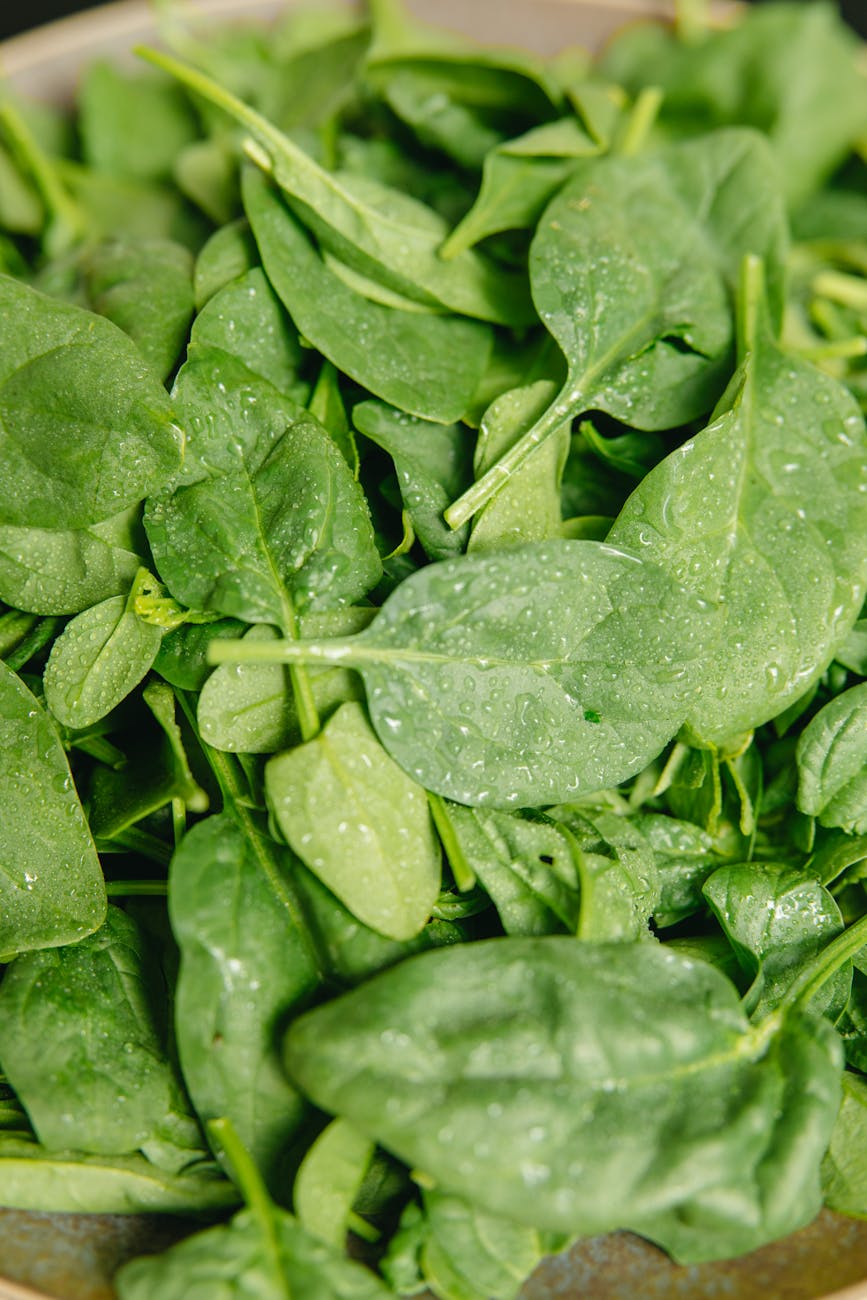
Two types of frozen spinach have been recalled.
Sno Pac Foods’ Del Mar 35 Lb. Bulk Organic Frozen Spinach and Sno Pac 10 Oz. Organic Frozen Cut Spinach have been recalled due to potentially being contaminated with Listeria monocytogenes (commonly known as listeria), according to the U.S. Food and Drug Administration (FDA).
The product was distributed in stores throughout the United States.
Several grocery stores and retailers, including Foodtown, Lincoln Market, HarvesTime Foods and Midamar, appear to sell the product. General distributors listed on Sno Pac’s website include Ace Natural, Azure Standard, Iowa Food Hub, Kehe and UNFI.
The frozen spinach product comes in a 35-lb. box with lot codes 250107A, 250107B, 250107C, 250107D, 2501071 and 2501073 with a Jan. 7, 2027, expiration date; or in a 10-oz. retail package marked with lot codes SPM1.190.5 with a July 9, 2027, expiration date, SPC1.160.5 with a June 9, 2024, expiration date, SPC2.160.5 with a June 9, 2027, expiration date and SPM1.097.5 with an April 7, 2027, expiration date.
The recall was issued after a case of spinach from the company’s supplier tested positive for Listeria monocytogenes. The company has suspended the production of the product during its investigation.
Listeria infections can be life-threatening for older adults, pregnant people, newborns and those with weakened immune systems.
On Oct. 6, the U.S. Department of Agriculture (USDA) issued a health alert after spinach used in HelloFresh ready-made meals tested positive for Listeria monocytogenes.
The USDA’s Food Safety and Inspection Service (FSIS) published the warning after FreshRealm, a California-based company that produces meals for HelloFresh, reported that routine testing found traces of listeria. This bacterium can cause serious illness in vulnerable populations and was found in the spinach used in two products.
The products named in the announcement were the Cheesy Pulled Pork Pepper Pasta and Unstuffed Peppers with Ground Turkey. The meals, which were shipped directly to customers, are part of a wider concern about listeria contamination across several ready-to-eat food brands.
That outbreak, traced to Nate’s Fine Foods in Roseville, Calif., has sickened at least 20 people and resulted in four deaths, according to CBS News.
Check out what’s in your freezer if you buy frozen spinach or purchase Hello Fresh meals containing spinach.
I want to say a special thank you to Laura Sebright, Marketing & Ecommerce Executive at Trigger Publishing for sending this very interesting book for review.
About the Author
On October 18th 2014, Adelaide was in a bike crash that would change her life. She went through the driver’s side window of a car that pulled in front of her, suffering injuries that almost killed her – and emotional trauma that would continue for years to come. In addition to facing the physical injuries and PTSD, Adelaide worried about how the crash would affect her ability to cope with her bipolar II. After an arduous recovery, she returned to riding, eventually qualifying to become a professional triathlete. She is an advocate for cyclists’ safety and strives to help others who have suffered life-threatening crashes. Adelaide lives with her husband Kennett and their dog Maybellene.
Blurb
When the red Fiat pulled out in front of Adelaide, she squeezed her bike’s brakes so hard that she left 50 feet of skid marks along the highway. The last thing she remembers is being lifted into the ambulance and someone saying, “Her face is peeled off.”
She spent five days in a medically-induced coma, during which surgeons picked glass from her face, reconstructed bones and inserted a stomach tube. She spent another six days unable to talk, at times gasping for air, enduring leech treatments to keep her necrotizing lip alive, and fearing a crippling bipolar episode. Without knowing what neurological damage or permanent disfigurement she’d be left with, her boyfriend Kennett proposed to Adelaide daily in the hospital, until she became conscious. But her recovery would extend far beyond the hospital and the visible physical injuries.
DEGLOVED is about perseverance as well as failure, written to give hope to those living with mental illness, and anyone who has had a traumatic event thrust upon them, which threatened to destroy their lives.
My Thoughts
Where do you go after an accident almost cost took your life? For Adelaide, it’s moving forward slowly with an eye on recovery and sharing her story to help others. Not only was she in a coma, but also had reconstructive surgery, leech treatments, and fears that her Bipolar Disorder will pop its ugly head.
When you suffer from a traumatic injury it can cause PTSD and slow the recovery process. It can be more complicated if you have a mental illness, like Bipolar Disorder. For me, stress is a huge trigger for my Bipolar Disorder and it’s something I have to keep an eye on. It can throw me into depression very quickly.
Degloved is a book of tragedy and triumph with great lessons to learn about life after unsurmountable odds. Adelaide is a strong person and her perseverance against the odds gave her life back. She’s also a walking example of what our body can do when it comes back from hell.
Adelaide pushes herself thru unimaginable odds to go on to not only compete again but is now a professional Triathlete.
This book is for anyone who has been involved in a traumatic event or knows someone that has. The book is great for caregivers.
I recommend the book hands down. It’s a great read and a very inspiring story.
Trigger Publishing
TriggerHub.org is the first mental health organization of its kind. We are bringing mental health recovery and balance to millions of people worldwide through the power of our books. We have built a first-class resource of curated books produced and published in-house to create a unique collection of mental health recovery titles unrivaled in quality and selection. We work with experts, psychologists, doctors, and coaches to produce our books, but we also work with real people looking to share their stories to reach out to others and provide hope, understanding, and compassion. These brave authors also aim to raise awareness of mental health’s “human” face and its impact on everyday lives.
Customers are encouraged to either destroy the product or return it for a full refund
A ready-to-eat pasta dish sold across the United States has been recalled due to possible Listeria contamination.
FreshRealm is voluntarily recalling three of its chicken fettuccine Alfredo products, the brand and the U.S. Department of Agriculture’s Food Safety and Inspection Service(FSIS) shared in respective statements on June 17. The recall applies to all products manufactured before the recall date.
The contamination was found by FSIS in a routine sample collection of FreshRealm’s chicken fettuccine Alfredo in March of this year. According to FSIS, the strain of Listeria found in the sample is the same strain linked to three deaths, one fetal loss and 17 instances of illnesses, across 13 states, from August 2024 to May 2025.
FreshRealm determined via purchase records that two ill people had bought chicken fettuccine Alfredo products from the brand, while two other sick individuals “verbally described chicken fettuccine Alfredo products they purchased,” per FSIS.
“Consumption of food contaminated with Lm [Listeria monocytogenes]can cause listeriosis, a serious infection that primarily affects older adults, persons with weakened immune systems, and pregnant women and their newborns,” the FSIS announcement states. “Less commonly, people outside these risk groups are affected.”
Listeriosis is often associated with fever, muscle aches, headache, stiff neck, confusion, loss of balance, gastrointestinal symptoms and/or convulsions.
FreshRealm states that the investigation into the root source of the contamination is ongoing.
The following products — sold at Walmart and Kroger — are being recalled, per FreshRealm’s announcement:
Marketside Grilled Chicken Alfredo with Fettuccine 12.3 oz
Marketside Grilled Chicken Alfredo with Fettuccine 32.8 oz
Home Chef Chicken Fettuccine Alfredo 12.5 oz
For those who have any of the three products, either in their refrigerator or freezer, FreshRealm recommends that they either destroy the product or return it to the place of purchase for a full refund.
Fresh Relm is also responsible for recent spinach recalls.
Several products have been recalled recently for Listeria. What concerns me is that no one knows the products are contaminated until there is a recall. It’s unsettling.
Fact: The current American flag was designed by a high school student
It started as a school project for Bob Heft’s junior-year history class, and it only earned a B- in 1958. His design had 50 stars even though Alaska and Hawaii weren’t states yet. Heft figured the two would earn statehood soon and showed the government his design. After President Dwight D. Eisenhower called to say his design was approved, Heft’s teacher changed his grade to an A.
Fact: Cows don’t have upper front teeth
They do have molars in the top back of their mouths though. Where you’d expect upper incisors, cows, sheep, and goats have a thick layer of tissue called a “dental pad.” They use that with their bottom teeth to pull out grass. Check out these 13 fun facts about the human body you’ve always wondered about.
Fact: Thanks to 3D printing, NASA can basically “email” tools to astronauts
Getting new equipment to the Space Station used to take months or years, but the new technology means the tools are ready within hours.
Fact: Only a quarter of the Sahara Desert is sandy
Or technically, we peel them upside-down. These random facts will have you eating fruit differently. Naturally, they grow outward from their stems, but that means their bottoms actually face the sky. As they get bigger, the fruits turn toward the sun, forming that distinctive curve. Check out these 21 food myths that are totally untrue.
Fact: There were active volcanoes on the moon when dinosaurs were alive
Most of the volcanoes probably stopped one billion years ago, but new NASA findings suggest there might still have been active lava flow 100 million years ago, when dinosaurs were still roaming.
Fact: Dogs sniff good smells with their left nostril
Dogs normally start sniffing with their right nostril, then keep it there if the smell could signal danger, but they’ll shift to the left side for something pleasant, like food or a mating partner. Learn the real reason dogs follow you everywhere.
Fact: Avocados were named after reproductive organs
Indigenous people of Mexico and Central America used the Nahuatl word āhuacatl to mean both “testicles” and “avocado.” The fruits were originally marketed as “alligator pears” in the United States until the current name stuck. For more random facts, learn what the original word for avocado means about guacamole’s name.
“Lazy” days is relative to each person because we all think differently about what the word lazy means. Having a lazy day can make me feel resented yet there was a time when I would have found it unproductive.
When I’m struggling with my mental health and spend more time in bed, I don’t feel rested or unproductive, I’m taking care of myself. When I was at the top of my career, my mental health was at a low point yet I kept pushing myself until I couldn’t anymore. Many people do the same and the reasons are many.
I enjoy a simpler life now, past the shallow parts, and when I need a lazy day, I take it.

























 Melinda











 lookingforthelight.blog
