
Chronic Illness · Health and Wellbeing · Medical · Men & Womens Health

13 Examples of Narcotic Drugs and Medications

Although many narcotic drugs and medications have similar effects or characteristics, each substance is unique. Here are some common examples.

From codeine to heroin, there are many narcotic substances. Some have medical uses and are available by prescription, while others do not. 

The term “narcotic” originally referred to any substance that relieved pain and dulled the senses. Some people use the term to refer to all drugs — particularly illegal drugs — but it technically refers to opioids only. 

Today, “opioid” is the preferred term, in part due to the connotations the term narcotic has.

Common opioid and opiate prescription medications

Opiates are naturally occurring compounds. Opioids include naturally occurring compounds as well as semi-synthetic and synthetic compounds. Opiates are a subcategory of opioids.

Clinicians often prescribe opioid and opiate medications:

Opioid and opiate medications can cause many side effects, including:

The higher the dose, the more potent the medication. 

Some of the most common opioid and opiate medications include: 

  • Codeine: One of the most commonly used drugs worldwide, codeine is used to treat chronic pain. Doctors often prescribe it to people living with cancer and people with back painfibromyalgiaosteoarthritis, and headache
  • Oxycodone: This medication may be used for acute or chronic pain
  • Hydrocodone: This semi-synthetic opioid is typically used to treat severe pain and, in some cases, coughs. 
  • Oxymorphone: A highly potent opioid, oxymorphone is used to help manage severe pain. 
  • Morphine: This medication is used to manage pain in people with moderate or severe acute or chronic pain, particularly in cancer treatment and palliative care.
  • Fentanyl: A synthetic opioid, fentanyl is approximately 100 times more potent than morphine and 50 times more potent than heroin.
  • Hydromorphone: This medication is used to help manage moderate to severe acute pain and severe chronic pain. It’s very potent and has a high potential for misuse, so it’s usually only prescribed when other treatments have been unsuccessful.
  • Tramadol: This medication is used to treat moderate to severe pain, but it has a high potential for misuse. Doctors usually only prescribe it to manage pain when other treatments have been unsuccessful.
  • Methadone: A synthetic opioid, methadone is often used to treat substance use disorders.

What to do if your clinician prescribes a controlled substance

Your doctor or other healthcare professional may recommend a controlled substance to help treat an underlying health condition, like anxiety or insomnia. 

They’ll work with you to determine the appropriate dose for your needs and advise you on any side effects or risks associated with use. 

Different regions have different laws around prescription medication and other controlled substances. Familiarize yourself with the laws in your area to ensure you’re properly storing your medication.

Other common opioid and opiate substances

Some opioid and opiate substances aren’t prescribed by clinicians. They’re typically used for their pleasurable effects and have a high potential for dependence and misuse.

Common examples include:

  • Opium: This naturally occurring substance is derived from the opium poppy. It creates many different opioids, including heroin, codeine, and morphine. It’s a Schedule II controlled substance in the United States.
  • Heroin: Made from morphine, heroin often takes the form of white or brown powder or a sticky black substance. It’s a Schedule I controlled substance in the United States.
  • Lean: This is a liquid mixture of cough syrup containing codeine and soda. It’s also known as “purple drank” or “sizzurp.”
  • Carfentanil: Veterinarians use this medication to tranquilize large animals, like elephants and rhinoceroses. It’s a Schedule II controlled substance in the United States.

Common opioid and opiate prescription medications

Opiates are naturally occurring compounds. Opioids include naturally occurring compounds as well as semi-synthetic and synthetic compounds. Opiates are a subcategory of opioids.

Clinicians often prescribe opioid and opiate medications:

Opioid and opiate medications can cause many side effects, including:

The higher the dose, the more potent the medication. 

Some of the most common opioid and opiate medications include: 

  • Codeine: One of the most commonly used drugs worldwide, codeine is used to treat chronic pain. Doctors often prescribe it to people living with cancer and people with back painfibromyalgiaosteoarthritis, and headache
  • Oxycodone: This medication may be used for acute or chronic pain
  • Hydrocodone: This semi-synthetic opioid is typically used to treat severe pain and, in some cases, coughs. 
  • Oxymorphone: A highly potent opioid, oxymorphone is used to help manage severe pain. 
  • Morphine: This medication is used to manage pain in people with moderate or severe acute or chronic pain, particularly in cancer treatment and palliative care.
  • Fentanyl: A synthetic opioid, fentanyl is approximately 100 times more potent than morphine and 50 times more potent than heroin.
  • Hydromorphone: This medication is used to help manage moderate to severe acute pain and severe chronic pain. It’s very potent and has a high potential for misuse, so it’s usually only prescribed when other treatments have been unsuccessful.
  • Tramadol: This medication is used to treat moderate to severe pain, but it has a high potential for misuse. Doctors usually only prescribe it to manage pain when other treatments have been unsuccessful.
  • Methadone: A synthetic opioid, methadone is often used to treat substance use disorders.

What to do if your clinician prescribes a controlled substance

Your doctor or other healthcare professional may recommend a controlled substance to help treat an underlying health condition, like anxiety or insomnia. 

They’ll work with you to determine the appropriate dose for your needs and advise you on any side effects or risks associated with use. 

Different regions have different laws around prescription medication and other controlled substances. Familiarize yourself with the laws in your area to ensure you’re properly storing your medication.

Other common opioid and opiate substances

Some opioid and opiate substances aren’t prescribed by clinicians. They’re typically used for their pleasurable effects and have a high potential for dependence and misuse.

Common examples include:

  • Opium: This naturally occurring substance is derived from the opium poppy. It creates many different opioids, including heroin, codeine, and morphine. It’s a Schedule II controlled substance in the United States.
  • Heroin: Made from morphine, heroin often takes the form of white or brown powder or a sticky black substance. It’s a Schedule I controlled substance in the United States.
  • Lean: This is a liquid mixture of cough syrup containing codeine and soda. It’s also known as “purple drank” or “sizzurp.”
  • Carfentanil: Veterinarians use this medication to tranquilize large animals, like elephants and rhinoceroses. It’s a Schedule II controlled substance in the United States.

Understanding the potential for tolerance, dependence, and addiction

With substances like opioids, there’s always the potential for tolerance, dependence, and addiction. Although these terms are often used interchangeably, they’re not the same.

When you develop a tolerance to a substance, it becomes less effective. In time, you’ll need a higher dose to get the same effects. 

When you develop a dependence, your body begins to rely on the substance to function. It’s not related to the dosage needed to feel the substance’s effects. 

Caffeine, for example, can cause physical dependence. Some people develop a headache, have difficulty concentrating, or experience fatigue if they go more than a day or so without coffee or other sources of caffeine.

Addiction, in contrast, is a chronic dysfunction of the brain system involving memory, motivation, and reward. When it’s related to drugs, it’s sometimes referred to as a substance use disorder. It can be managed with treatment.

You can develop an addiction to a wide range of things, from over-the-counter substances — including caffeine, nicotine, and alcohol — to controlled substances.

Different substances have different thresholds for tolerance, dependence, and addiction. 

Heroin, for example, has a high potential for addiction. People who use the substance often develop a tolerance, requiring a higher dose or more frequent use to produce the same effect.

Harm reduction and safer substance use

Harm reduction refers to various strategies implemented to reduce the negative consequences associated with drug use. Safer substance use refers to using substances in a way that minimizes harm.

This might include not using a substance while alone or having a trusted friend or loved one check in on you. 

Understanding the effects of different substances, using only one substance at a time, and staying hydrated can also reduce your risk of harm.

Where to learn more or find support

If you’d like to learn more, many organizations can help. And likewise, if you’re looking for support for yourself or somebody else, there are places you can go. 

The Substance Abuse and Mental Health Services Administration (SAMHSA) offers free resources and treatment referrals. You can call the 24/7 helpline at 800-662-HELP (4357) to learn more.

The National Institute on Drug Abuse provides information and research on substances and substance use, including opioids.

The National Institute on Drug Abuse for TeenagersTrusted Source provides information and research for teenagers and young adults about substance use disorders.

The Centers for Disease Control and Prevention (CDC)Trusted Source offers information and support around opioid use. 

Narcotics Anonymous (NA) offers support and meetings for people who experience substance misuse.


Adam England lives in the United Kingdom, and his work has appeared in a number of national and international publications. When he’s not working, he’s probably listening to live music.

Melinda

Reference:
Chronic Illness · Health and Wellbeing · Infectious Diease · Lyme Disease · Medical · Men & Womens Health · Tick Borne Illnesses

Battling a devious bug for 40 years and finally finding hope

By Lowell Miller

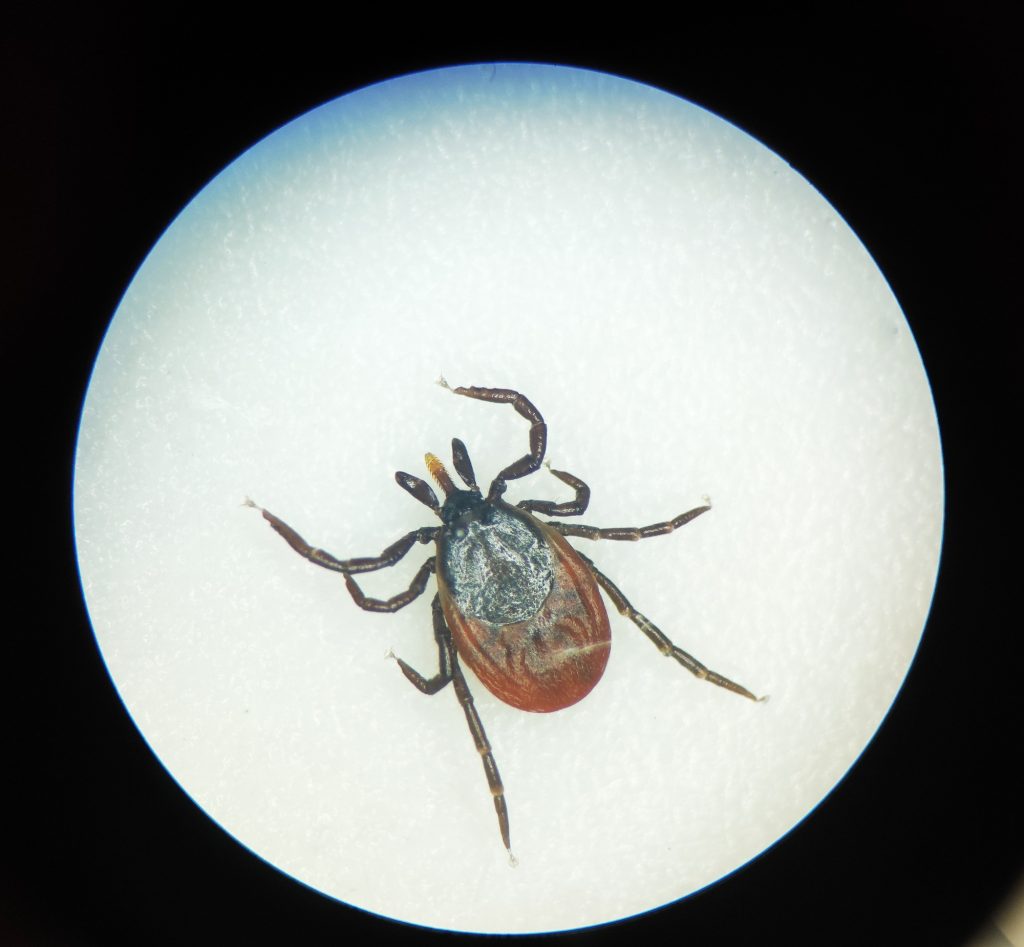
I became a host for Borrelia burgdorferi (the microbe at the root of Lyme disease), at a time when no one knew what it was. This was over 40 years ago, in 1982, only a few years after Lyme disease was discovered.

It would be decades before the telltale symptoms of unseasonal fevers, bull’s-eye rashes, faux-arthritis, and inexplicable neurological symptoms would become more known to people and doctors living in Lyme-endemic areas.

So, I was initially untreated, giving the Lyme bacteria decades to slowly and quietly populate my body, generating few symptoms or warnings along the way.

A devious bug that evades the immune system

As we now know, Borrelia burgdorferi is a devious bug with unique abilities to evade the immune system and keep itself alive. I was healthy, athletic, and active in the world, apparently achieving a kind of multi-year balance, or truce, between the slowly and inexorably growing bacteria and my body’s natural ability to ward it off.

Meantime, Lyme silently and slowly took over, embedding itself—undetected—in my brain.

It was held at bay for most of the first two decades, but that couldn’t go on indefinitely. After a period of intense business stress, I was hit with overt and acute symptoms, as if a storm had blown into my body. Apparently, the microbes had selected my central nervous system as a cozy home, rather than the joint soft tissues that affect so many patients.

Over the next few years, I wrestled with peripheral neuropathy (sirens of pain in my feet), skin and scalp inflammation (what’s going on inside blooms on the surface), Bell’s palsy (complete with an eye patch to hide the purulent discharge), chills and buzzing throughout the body, brain fog, brain dysfunction, deep fatigue, “air hunger,” dizziness and an incipient loss of balance.

This finally crescendoed into a “cryptogenic” stroke [of unknown origin], complete with a week in hospital. It was apparently caused by a weakened small blood vessel that had been undermined by Lyme.

Ok, yes, that’s a typical litany of symptoms for post-treatment (or no-treatment) Lyme disease. As my case rolled out over a second 20 years following the first 20 years of near-dormancy, I became an inadvertent observer and participant in what one might think of as “Lymeworld.”

As a somewhat over-educated guy committed to the world of rationality and science, I began a quest for health in the allopathic or mainstream medicine side of Lymeworld.

Many docs “don’t believe” in Lyme

But as anyone familiar with Lyme knows, the involvement of conventional medical science with Lyme is a heartbreaker. Even today, many doctors don’t “believe” in Lyme (as if it were a mystic religion rather than biological fauna). They wouldn’t know even a fresh case if it bit them on the butt and left a bull’s-eye!

My first internist in my Lyme-endemic geographical area literally fired me as a patient when I tried to convince him to consider Lyme as a possible cause of my painful burning feet.

I went from doctor to doctor, specialist to specialist. I even went to one of the drafters of the Infectious Disease Society of America’s guidelines for Lyme treatment. In a single visit, he dismissed my case as no longer active, though many symptoms were still to come.

I stuck with allopathic doctors, in my heart of hearts believing that after 50 years they would soon have a cure for this bacterial disease, as medicine had cured so many other bacterial conditions.

After getting a high positive count on the Western blot test for Borrelia in my cerebral spinal fluid—not a good thing—I got hooked up with a 30-day intravenous infusion of ceftriaxone. When that finally provided only the most minimal symptom relief, the infectious disease specialist told me: “There’s nothing more we can do for you.”

Those are hard words to hear when you think you’re dying.

But I refused to accept that there was nothing more to do. I became my own advocate and researcher, a path everyone with long-term Lyme must follow—because there is so little help from others.

I’d lost a lot of mental functioning but mercifully could still do online medical research. Being retired, I had the time to turn over every stone.

Devising my own protocol

Eventually, with myself as test subject, I created a multi-pronged protocol based on in vitro studies that indeed began to work, one that grew from a foundation of credible laboratory science (if not quite yet proven in the clinic).

Many of the strange-sounding botanicals I used are in fact the basis of pharmaceuticals, and not toxic or dangerous. Their action is slower because they work to support the body’s own immunity, and they don’t have noticeable side effects. But their efficacy is clear.

I have put my experience into a book called Lyme with a Twist: A Path to Triumph Over Chronic Infection. It recounts my story and what I did to get better.  (My healing is the “twist.”)

I hope it can help people afflicted with Lyme and their loved ones escape the loneliness that Lyme can induce. It takes persistence, discipline, time, and tenacity to recover from a Borrelia infection, and it’s worth the effort. My life has taken a dramatic turn for the better, finally the days are bright again. A message for Lyme sufferers: you can overcome this, you really can.

Lowell Miller is a writer, businessman, and artist living in the Hudson Valley, New York. Click here to learn more about Lyme with a Twist: A Path to Triumph Over Chronic Infection.

Melinda

Celebrate Life · Cooking · Health and Wellbeing · Medical · Men & Womens Health

Trying to Form New Diet Habits? Here’s How Long It May Take

Making changes to your diet can be challenging, but many people give up before they’ve given their new lifestyle choices enough time to become a habit.

  • Many find it hard to make changes to their diet, giving up soon after starting.
  • However, nutrition experts say it takes time for new habits to form.
  • Breaking things into smaller steps will give you a better chance of achieving your goals.
  • Finding motivation and support are also important for success.

You know that making better choices like eating better and moving more can help you feel better and live a longer life. 

Maybe you even set a New Year’s resolution for yourself to improve your diet and get more exercise. But here you are, a few weeks into your new lifestyle, and your resolve is already wavering. 

Change is hard; there’s no doubt about it. 

However, experts tell us that there are things we can do to improve our chances of making real, lasting changes. One is being aware that it takes time for your new behaviors to become habits.

Give your new eating style enough time to become a habit

Marie Kanagie-McAleese, MD, from the University of Maryland Upper Chesapeake Health, explained: “Some perspectives suggest it takes 21 days to create a new habit. ResearchTrusted Source on behavior change shows an average of 66 days for a behavior change to become a habit, with a range of 2-8 months.”

Kanagie-McAleese went on to say that the specific amount of time is really dependent on the individual as well as the changes that they are trying to make.

Other factors to consider are whether the changes are new to the individual or are simply building on existing behaviors.

“For example,” she said, “drinking more water each day will likely become a habit faster than incorporating a regular exercise routine.”

Kanagie-McAleese also pointed out that it probably took years for you to create your current pattern of eating habits.

“It will take longer than a month to rewrite those old habit pathways in a person’s brain,” she said, “but it helps to break big change down into smaller, more manageable steps.”

Break your changes in eating habits into manageable steps

Brittany Placencia, a Nutritionist and founder of Simple Plate Nutrition, advises that the best way to make changes in your eating habits is to tackle one change at a time.

“When you have success with one change, you get a boost of confidence in tackling the next change,” she said. “It is not realistic to change your entire diet all at once and think it will stick long-term.” 

One way to do this is to adopt an “addition mindset” rather than a “restriction mindset.”

“You want to figure out what you can add to your current diet to start a healthier path rather than cutting out foods altogether,” she stated. 

“For example, begin with aiming to eat five servings of fruits and vegetables per day. That’s it. Don’t worry about other aspects of your eating yet. This is adding nutritious foods to your diet instead of a heavy focus on restricting foods,” she explained.

Placencia said that having an addition mindset can be helpful because you don’t feel like you are doing something wrong, which eliminates one of the common challenges that people face when trying to change their diet. 

“Once your diet is balanced with more nutritious foods, it becomes easier and easier to enjoy less nutrient-dense foods like sweets occasionally,” she added, “as you have never felt restricted by them, and you can tell a difference in how your body feels after eating more nutritious versus less nutritious foods.”

Kanagie-McAleese further suggests setting SMART goals (Specific, Measurable, Realistic, and Time-based).

“Instead of saying your goal is simply to snack on more fruit, a SMART goal would be ‘I will choose an apple for my 3 pm afternoon snack on Monday, Wednesday, and Friday each week instead of a bag of chips, starting next Monday,” she explained.

Tips for success when changing your eating habits

In addition to setting SMART goals, Kanagie-McAleese offered three other tips for successfully changing your eating habits.

Identify your “why

“If you can connect your goals to deeper motivations, it becomes easier to stick with them,” she remarked. “For instance, eating healthier to prevent diabetes so you can live longer and enjoy your grandkids is more motivating than fitting into a pair of skinny jeans.”

Make it part of your identity

“Linking new, healthy changes to your identity makes the change more intuitive,” said Kanagie-Aleese. “If you want to eat healthy and improve your family’s health, it becomes easier when you identify as someone who prioritizes health and is a good role model for your children.”

Find your community

“It helps to have others that are interested in creating similar habits or who can support you and help to hold you accountable,” she said, adding that working with a certified health and wellness coach for a few weeks or months is one good way to do this.

Takeaway

Eating better can help us feel better and live longer.

However, making changes to our diet can be hard, leading many to quit after a few weeks.

Nutrition experts say it is important to give your new way of eating enough time to become a habit. On average, it takes about 66 days to form a new habit, but it can take up to 8 months, research suggests.

Breaking things into small, manageable goals makes it easier to create lasting changes.

Knowing your why, making your new eating habits part of your identity, and finding your community can also help.

Melinda

Reference:

Celebrate Life · Chronic Illness · Health and Wellbeing · Medical · Men & Womens Health · Mental Health · Mental Illness

What’s Up With Me

I have been battling depression for several months. I have Treatment Resistant Biplor Disorder. What that means is many medications don’t work on me, or if they do, they stop working at some point. I have been dealing with this up and down since 1992.

One of the medications I started in the Spring, which was working wonders, stopped working. I’ve been working closely with my Psychiatrist to change doses, but nothing is working. He increased the dose today on one of my medications, and I’m always positive it will work. My fingers are crossed.

I’m sure you’ve noticed I have been posting less; I can’t wait to get back to myself.

If your medications stop working, don’t abandon your medications, call your doctor and get the attitude that the next drug will work. You can’t do it alone.

Melinda

Celebrate Life · Chronic Illness · Health and Wellbeing · Medical · Men & Womens Health

March Awareness Months

March is not only the beginning of Spring but it is chocked full of awareness days, weeks and months. Due to the size of the list, I only included the monthly awareness days. At the bottom of the post there is a link where you can see the full list.

Women’s History Month

National Reading Month

Disability Awareness Month

Kidney Cancer Awareness Month

Red Cross Awareness Month

Self-Injury Awareness Month

Brain injury Awareness Month

Multiple Sclerosis Awareness Month

Colorectal Cancer Awareness Month

Melinda

Reference:

https://www.goodgoodgood.co/articles/march-awareness-days-months


Celebrate Life · Chronic Illness · Health and Wellbeing · Medical · Men & Womens Health

9 Ways Stress Can Make You Sick

Stress has been linked to cardiovascular disease, depression, and even the common cold.

Stress is all around us. And while some stressors certainly can feel overwhelming, it’s important to remember that not all stress we face is bad.

The National Institutes of Health says stress is “how the body and brain respond to an external cause that may be a one-time or short-term occurrence or happen repeatedly over a long time.” 

Our body’s response to stressors can sometimes be helpful — giving us a burst of energy to get away from danger or perform well under pressure, explains Michelle Dossett, MD, PhD, MPH, an internist and an integrative medicine specialist at the University of California in Davis.

Anxiety about a doctor’s visit or a performance review at work, for example, or even something scary, like a car heading right at you, are all examples of short-term stressors. 

Long-term stressors have a different effect. “Stress that lasts years or a long time is usually the worst kind of stress,” says Bert Uchino, PhD, a professor of psychology at the University of Utah in Salt Lake City who studies stress in aging populations.

If you’re in a job you hate or you’re a caregiver for a family member with Alzheimer’s disease, for instance, says Dr. Uchino, you may suffer from high levels of chronic (or long-term) stress. That’s where your body “never receives a clear signal to return to normal.”

It’s this type of chronic stress that causes changes in the body that can do damage and contribute to disease in some cases, says Uchino. Blood tests can reveal inflammation, changes in blood pressure, and elevated levels of the stress hormone cortisol, which can all be signs of chronic stress.

9 Illnesses That Stress May Cause or Make Worse

Chronic stress certainly doesn’t help or promote healing in any disease or health problem. Here are some common illnesses that can be caused and made worse by stress.

1. Depression and Other Mental Health Conditions

The exact reason why some people experience depression and anxiety as clinical mood disorders and others do not is still unknown, according to the Centers for Disease Control and Prevention (CDC). Many factors are potentially in play, including genetic, environmental, and psychological conditions, as well as major stressful or traumatic experiences.

Research shows, however, that chronic stress left unmanaged is linked to serious mental disorders like anxiety and depression. Persistent or prolonged stress leads the body to produce certain hormones and chemicals that perpetuate an ongoing state of stress that can have adverse effects on key organs.
Around 20 to 25 percent of persons who experience major stressful events will go on to develop depression, according to a commentary and review of research published in JAMA.

2. Insomnia

An informal APA survey from 2013 on stress and sleep found links in both directions. Forty-three percent of the nearly 2,000 adults surveyed reported that stress had caused them to lie awake at night at least one time in the past month. When they didn’t sleep well, 21 percent reported feeling more stressed. Among adults with higher self-reported stress levels (8 or higher on a 10-point scale), 45 percent said they felt more stressed when they didn’t get enough sleep. Finally, adults with lower self-reported stress levels claimed they slept more hours per night on average than adults with higher self-reported stress levels, to the tune of almost an hour less sleep (6.2 versus 7.1 hours a night).

3. Cardiovascular Disease

Chronic stress has long been connected to worsened heart health outcomes. While there’s limited conclusive evidence to say that stress alone can trigger heart disease, there are quite a few ways stress contributes to it, according to a JAMA review. Part of the stress response is a faster heart rate and blood vessel constriction (or vasodilation for some skeletal muscles to help the body move in a fight or flee response), thanks to the stress hormones adrenaline, noradrenaline, and cortisol, according to research. If the body remains in this state for a long time, as in chronic stress, the heart and cardiovascular system may be damaged, according to other research.

Another means by which stress can contribute to heart disease: You might cope with your stress by eating or drinking too much, which in turn can contribute to cardiovascular disease, also according to APA.“Negative emotions and stress can contribute to a heart attack,” Dr. Dossett says.  One meta-analysis, for example, found a 50 percent increased risk of cardiovascular disease associated with high levels of work stress.

4. Common Cold

Stress can also weaken your immune function, which can make you more susceptible to infectious diseases like colds, Uchino explains. Researchers conducted an experiment in which they exposed a group of 420 volunteers to the common cold virus and then quarantined them to see if they got sick. The data revealed that participants who suffered from greater overall stress at the start of the study (measured via surveys on stressful life events, perceived stress, and mood) were more likely to become infected with a virus after exposure.

5. HIV and AIDS

Stress does not cause HIV (the virus that causes AIDS, which is sexually transmitted or passed through blood, which can happen when needles are shared). But there is some evidence that stress can worsen severity of the disease. A study of 177 HIV-positive patients found that the stress hormone cortisol (associated with chronic stress) was linked to a higher HIV viral load over four years and accelerated disease progression in people living with HIV. For the study, cortisol levels were measured via urine samples every six months.

Another review, published in 2016, concluded that while the link between stress and clinical outcomes is unclear, higher stress was linked to lower disease-fighting white blood cell counts, higher viral load, and disease worsening. Studies also linked stress with worse treatment adherence, per the review.

6. Gastrointestinal Disease

“Stress can affect gastrointestinal motility,” says Dossett, which is how food moves through your digestive system, increasing your chances of irritable bowel syndrome, inflammatory bowel conditions, gastroesophageal reflux, constipation, diarrhea, and discomfort. “All those things can be impacted by stress,” she says. Research supports this as well.

7. Chronic Pain

Some chronic pain conditions like migraine and lower back pain can be caused, triggered, or worsened when body muscles tense up. A lot of chronic low back pain is related to stress, says Dossett. “Very often it’s muscle tension and tightness that is pulling or creating strain, and then contributing to this sensation of pain.”

study published in 2021 confirmed a strong relationship between the degree of stress and chronic lower back pain. The researchers concluded that clinicians who treated patients with chronic low back pain should also evaluate a patient’s stress levels.

“Pain is inherently stressful. When the pain does not appear to be remitting or getting better, the concern regarding the pain can turn into fear, anxiety, and hopelessness,” says Joel Frank, PsyD, a psychologist in private practice in Sherman Oaks, California. 

review published in 2017 examined the overlap between chronic stress and chronic pain, finding that both conditions triggered similar responses in the brain, particularly in the hippocampus and amygdala. The researchers also noted, however, that because of the wide variety of ways humans experience chronic pain and stress, these two conditions do not always overlap.

8. Cancer

What causes cancer is a particularly challenging question to answer, says Uchino. Because most patients are diagnosed only after years of cancer cell growth, it’s difficult if not impossible to pinpoint a specific cause. And it’s likely that several factors (someone’s genes, plus an environmental trigger like smoking, air pollution, or stress, for example) contribute.

But there is some evidence in human studies that stress plays a role in the onset of cancer, Uchino says. (It’s also worth noting that some studies have found no link.)

One possible reason why stress might contribute to some cancers: Stress can activate your brain and body’s inflammatory response, as well as stimulating your adrenal glands to release stress hormones called glucocorticoids, among many other downstream effects. Some research suggests that too much of this type of inflammation from chronic stress is the connection with cancer (as well as some autoimmune diseases — see below), Dossett explains.

9. Autoimmune Conditions

“Many inflammatory conditions are exacerbated by stress, and that includes autoimmune conditions like multiple sclerosis, rheumatoid arthritislupuspsoriatic arthritis, and psoriasis,” says Dossett. A Swedish population-wide study published in the June 2018 issue of JAMA found that patients with a stress disorder were more likely to develop an autoimmune disorder (9 per 1,000 patients per year compared with 6 per 1,000 among those without stress disorders). Another extensive review on the role of stress in autoimmunity emphasized that this is a relationship that medicine often overlooks.

Summary

The good news is there are many effective ways to manage stress, says Dossett, including yoga and mindfulness. These types of interventions don’t undo or change whatever situation is causing stress (financial woes, a family argument, or a busy schedule), but they can retrain the body’s central nervous system’s response and help dial that response down if it’s been triggered.

But some conditions, such as cardiovascular disease, develop years before they are diagnosed, so more research into interventions is desperately needed, says Uchino.

All things considered, if you want help with your chronic stress or other psychological issues, it’s best to ask your doctor or a trained mental health provider to evaluate and support you based on your needs.

Melinda

Reference:
Celebrate Life · Health and Wellbeing · Medical · Men & Womens Health · Mental Health

Here’s How You Can Connect To Friends Who Are Depressed

IDEAS.TED.COM

Dec 15, 2017 / Bill Bernat

Some heartfelt advice from writer Bill Bernat, who’s been there

When I lived with severe depression and social anxiety, I found it extremely difficult to talk to strangers. Yet the one conversation that uplifted me more than any other occurred in the dining hall of the mental health wing of a mountain-town hospital. I met a woman who told me that a few days earlier, she’d driven her Jeep Wrangler to the edge of the Grand Canyon. She sat there, revving the engine and thinking about driving over.

Photo by Maria Orlova on Pexels.com

She described what had been going on in her life in the days and months leading up, what her thoughts were at that exact moment, why she wanted to die, and why she didn’t do it. We nodded and half-smiled, and then it was my turn to talk about my journey to our table in that fine dining establishment. I had taken too many sleeping pills. After the doctors treated me, they were like, “Hey, we’d love it if you would be our guest in the psych ward!”

That day, she and I talked shop. She allowed me to be deeply depressed and simultaneously have a genuine connection to another person. For the first time, I identified as someone living with depression and I felt, oddly, good about it — or rather, like I wasn’t a bad person for having it.

Now, imagine one of the people at that table was a member of your family or a close friend who told you they were really depressed. Would you be comfortable talking to them?

Depression doesn’t diminish a person’s desire to connect with other people, just their ability.

The World Health Organization says that depression is the leading cause of ill health and disability worldwide, affecting more than 300 million people. In the United States, the National Institute of Mental Health reports 7 percent of Americans experience depression in a year. But while depression is super common, in my experience most folks don’t want to talk to depressed people unless we pretend to be happy. So we learn to put on a cheerful façade for casual interactions, like buying a pumpkin spice latte. The average barista doesn’t want to know that a customer is trapped in the infinite darkness of their soul.

Depression doesn’t diminish a person’s desire to connect with other people, just their ability. And despite what you might think, talking to friends and family living with depression can be easy and maybe fun. Not like Facebook-selfie-with-Lady-Gaga-at-an-underground-party fun — instead, I’m talking about the kind of fun where people enjoy each other’s company effortlessly, no one feels awkward, and no one accuses the sad person of ruining the holidays.

There’s a chasm that exists. On one side are people with depression, and on the other side is everyone else and they’re asking, “Why you gotta be so depressed?”

I’ve noticed there’s a chasm that exists. On the one side are those people living with depression, who may act in off-putting or confusing ways because they’re fighting a war in their head that nobody else can see. On the other side is everyone else, and they’re looking across the divide, shaking their heads, and asking, ‘Why you gotta be so depressed?’

I began battling depression when I was eight, and decades later, to my surprise, I started winning that battle. I shifted from being miserable much of the time to enjoying life. Today I live pretty well with bipolar disorder, and I’ve overcome some other mental health conditions, like overeating, addiction and social anxiety. As someone who lives on both sides of this chasm, I want to offer you some guidance based on my experiences to help you build a bridge across. I’ve also talked to a lot of people who’ve lived with depression to refine these suggestions.

Please don’t let our lack of bubbly happiness freak you out. Sadness doesn’t need to be treated with the urgency of a shark attack.

Before I get to the do’s, here are some some things you might want to avoid when talking to someone who’s depressed.

Don’t say “Just get over it.” That’s a great idea – we love it —  but there’s just one problem: we already thought of that. The inability to “just get over it” is depression. Depression is an illness, so it’s no different from telling someone with a broken ankle or cancer to “just get over it.” Try not to fix us — your pressure to be “normal” can make us depressed people feel like we’re disappointing you.

Don’t insist that the things which make other people feel better will work for us. For example, you cannot cure clinical depression by eating ice cream, which is unfortunate because that would be living the dream.

Don’t take it personally if we respond negatively to your advice. I have a friend who, about a year ago, messaged me saying he was feeling really isolated and depressed. I suggested some things for him to do, and he was like, “No, no, and no.” I got mad, like, “How dare he not embrace my brilliant wisdom!” Then I remembered the times I’ve been depressed and how I thought I was doomed in all possible futures and everybody hated me. It didn’t matter how many people told me otherwise; I didn’t believe them. So I let my friend know I cared, and I didn’t take his response personally.

Don’t think that being sad and being OK are incompatible. Please don’t let our lack of bubbly happiness freak you out. Sadness does not need to be treated with the urgency of a shark attack. Yes, we can be sad and OK at the exact same time. TV, movies, popular songs and even people tell us if we’re not happy, there’s something wrong. We’re taught that sadness is unnatural, and we must resist it. In truth, it’s natural and it’s healthy to accept sadness and know it won’t last forever.

Talk to a depressed person as if their life is just as valuable, intense and beautiful as yours.

And here are some do’s.

Do talk to us in your natural voice. You don’t need to put on a sad voice because we’re depressed; do you sneeze when you’re talking to somebody with a cold? It’s not rude for you to be upbeat around us.

Do absolve yourself of responsibility for the depressed person. You might be afraid that if you talk to them, you’re responsible for their well-being, that you need to “fix” them and solve their problems. You’re not expected to be Dr. Phil — just be friendly, more like Ellen. You may worry that you won’t know what to say, but words are not the most important thing — your presence is.

Do be clear about what you can and cannot do for us. I’ve told people, “Hey, call or text me anytime, but I might not be able to get back to you that same day.” It’s totally cool for you to make a narrow offer with really clear boundaries. Give us a sense of control by getting our consent about what you’re planning to do. A while back when I was having a depressive episode, a friend reached out and said, “Hey, I want to check in with you. Can I call you every day? Or, maybe text you every day and call you later in the week? What works for you?” By asking for my permission, she earned my confidence and remains one of my best friends today.

Do interact with us about normal stuff or ask us for help. When people were worried about a friend of mine, they’d call him and ask if he wanted to go shopping or help them clean out their garage. This was a great way to reach out. They were engaging with him without calling attention to his depression. He knew they cared, but he didn’t feel embarrassed or like a burden. (Yes, your depressed friends could be a good source of free labor!) Invite them to contribute to your life in some way, even if it’s as small as asking you to go see a movie that you wanted to see in the theater.

This is, by no means, a definitive list. All of these suggestions are grounded in one guiding principle: speaking to someone like they belong and can contribute. That’s what allowed the woman in the Jeep Wrangler to start me on my path to recovery without even trying: She spoke to me like I was OK and had something to offer exactly as I was at that moment. Talk to a depressed person as if their life is just as valuable, intense and beautiful as yours. If you focus on that, it might just be the most uplifting conversation of their life.

This piece was adapted from a talk given at TEDxSnoIsleLibraries2017. 

ABOUT THE AUTHOR

Bill Bernat is a technology marketer, Comedy Central comedian, and The Moth Radio Hour storyteller living in Seattle. He brings awareness and humor to mental health in his award-winning show, Becoming More Less Crazy. He also leads storytelling workshops and fundraisers for nonprofit organizations.

Melinda

Repost

Celebrate Life · Family · Health and Wellbeing · Medical · Men & Womens Health · Mental Health

Making Sure Your Medical Care Is Safe and Sound

When you’re a parent, the last thing that you want to worry about is whether or not your kids are receiving quality medical care. Unfortunately, there are many instances where people have gotten subpar care because they didn’t know their rights.

It’s essential to be proactive and ensure that your family has access to medical treatment while also ensuring it is safe and sound. In this blog post, you will get information on how to do just that!

                                                                                             Photo by RODNAE Productions on Pexels.com

Have Regular Checkups

Having regular checkups is something that everybody should do. Even if you feel well, it is always good to make sure your body is functioning the way it should be and take steps towards any issues before they become serious problems.

If, for example, your family has a history of certain conditions like cancer or diabetes, regular checkups are something that everyone in your family needs to do regardless of their age or health status. Checkups will allow doctors and nurses to catch things early on while still fixing them efficiently instead of waiting until more extensive damage is done.

Always Be Keen and Ask Questions

Asking questions is essential. Your doctor will not think you are troublesome, and it is their job to answer your questions anyway! If they do not, ask another doctor until someone can provide satisfying answers that give you peace of mind. The same goes for nurses and other medical professionals: the more information all parties have available about your treatment plan, the better care everyone gets as a result.

If something goes wrong due to a breach on the doctor’s part, you can always seek legal advice from a medical malpractice attorney to help you acquire damages for violation. By doing so, you will not be negligent about your medical rights.

Ensure That Your Medical Rights Are Respected

Your healthcare providers should understand that you are a vital part of the medical team. You should ask questions and communicate with them about any concerns you have without feeling judged. Staff members at hospitals and clinics should treat you with respect.

When doctors order tests for you as a patient, they need to explain what they are for you to make informed decisions. If there’s something wrong with how things work in this area, speak up! Like other rights citizens enjoy, your right to advocate for yourself will only strengthen if you exercise frequently.

Other medical rights include having access to quality healthcare providers and receiving advice on navigating the system. You also have the right to get satisfactory answers to your questions concerning insurance coverage and everything you need to be an active participant in making good choices about taking control of your well-being.

Conclusion

In conclusion, it is crucial to make sure that your medical care providers do everything they can to protect you from harm. Remember, this means not just getting treatment for a severe injury or illness — it also includes making sure you have all the information and resources available to take steps toward preventing health issues before they become emergencies.

This is a collaborative post.

Melinda

Repost

Celebrate Life · Fun · Health and Wellbeing · Medical · Men & Womens Health · Mental Health · Mental Illness

February Awareness Days & Months

I’ve included a link below if you would like to see the complete list.

American Heart Month

Black History Month

National Cancer Prevention Month

Teen Dating Violence Awareness and Prevention Month

World Cancer Day 4th

Safer Internet Day 8th

National Donor Day 14th

International Childhood Cancer Day 15th

Random Act of Kindness Day 17th

Day of Remembrance 19th

World Day of Social Justice 20th

National Eating Disorders Awareness Week-Last week of February or the first week of March

You can find the complete list HERE.

Melinda

Reference:

https://www.goodgoodgood.co/articles/february-awareness-days-months

Celebrate Life · Chronic Illness · Health and Wellbeing · Medical · Men & Womens Health · Self-Care

Mini Me Health Update

What made me think having two hand surgeries in a month was a good idea? I knew it wouldn’t be a walk in the park but it was much worse. The stitches are healed but the swelling next to them has not gone down. The wrist still hurts when moved in any direction and though the inside of my hands are no longer bruised they still hurt and are swollen. I have no idea what the healing time is so I’m taking it day by day. Opening up a bottle is painful so he has to jump in to help with those tasks. I even have a few number fingers.

One frustration is that David’s company sent a large basket of 6 plants, but I can’t plant them yet. I just knew I would be able to do something by now. Of course, this affects my writing because once they start hurting, I have to stop before it turns into a bad situation. I love the plants and can’t wait to plant them.

Why did I do it? It’s one you may understand. We had met our Medical Insurance deductable for the year, and if I pushed the second hand to 12/30/24, my surgery would be covered at 100%. If it were a worse surgery, I would have waited, but this made sense at the time. Sometimes, we have to make decisions for our families’ finances.

I hope you don’t find yourself in that situation if so think hard and decide which is best for your health and your family.

Take good care.


Melinda

Celebrate Life · Fun · Health and Wellbeing · Medical · Men & Womens Health · Self-Care

Question Of The Day

When you were a child, what job did you think was perfect?

For me it was being a DJ or an Ice Dancer.

I can’t wait to hear your answers.

Melinda

Health and Wellbeing · Medical · Men & Womens Health · Mental Health

5 Mood-Boosting Fall and Winter Foods for Depression

By Leona Vaughn Medically Reviewed by Reyna Franco, RDN courtesy of American College of Lifestyle Medicine

A consistently healthy diet may ease symptoms of depression. Here are experts’ in-season picks for your plate.

Fall and winter can be brutal for people with depression. It gets dark early, resulting in far less exposure to mood-brightening sunlight, plus colder temperatures can make you just want to stay in bed.

In addition, it’s a time of year filled with the sugar-laden, high-fat holiday foods that are often least likely to benefit our mental health. “It’s a challenging time for eaters,” says Drew Ramsey, MD, a nutritional psychiatrist based in Jackson, Wyoming. “There’s lots of delicious stuff that oftentimes isn’t so great for our mood.”

Atlanta-based Jerlyn Jones, RDN, agrees, pointing out that the relationship between an unhealthy diet and depression is often a vicious cycle. “If you have a poor diet, then you’re going to feel more depressed. And when you feel more depressed, you’re probably going to eat more of those types of foods,” says Jones.

The good news: Diet is a modifiable risk factor for depression. In other words, simply loading up on whole foods like fruits and vegetables, fish, nutslegumes, and the like can improve symptoms of this mood disorder in some people, according to research.

The problem is that when people feel stressed and depressed, they tend to crave comforting foods that are higher in sugar, salt, and fat, Jones says. Unfortunately, the instant relief you experience from those foods — especially the sugar-laden ones — dissolves quickly, which then can cause your mood to crash.

Not to mention that filling up on so-called “junk food” can make it hard to receive enough of the essential nutrients that the brain needs to function at its best, including B vitamins, folate, and magnesium.

“These vitamins and minerals have been inversely associated with depressive disorders,” Jones says. “Foods that are high in different nutrients can make you feel so much better.”

Wondering which healthy cold-weather foods can improve your mood? Experts advise increasing your intake of these five.

Brussels Sprouts Are High in Folate

These cruciferous vegetables are rich in folate — a B vitamin that helps with mood regulation in the brain, Jones says. Studies have shown that B vitamins like folic acid — a form of folate — may benefit people with depression, according to a review article

“This nutrient is linked to brain activity and increasing our moods,” says Jones. “Eating foods on a daily basis that are high in folate will help significantly improve the way you feel.”

Try adding raw, shredded Brussels sprouts to salads, or cut them in half, toss them with olive oil and spices, and roast them until brown.

Pomegranates Are Rich in Antioxidants

Another great fall food to eat regularly is pomegranate, a fruit high in antioxidants, Jones says. And it’s especially easy to reap this benefit because drinking pomegranate juice can significantly increase the number of antioxidants you take in, Jones notes.

In addition to their antioxidant content, pomegranates contain polyphenols, which have anti-inflammatory and antidepressant-like properties, according to a review article. “Inflammation is one of the root causes of depression, anxiety, and other mental health problems,” Dr. Ramsey says.

Pumpkins Boast a High Magnesium Content

These perennially popular fall fruits contain magnesium, which was linked to a lower risk of depressive symptoms and disorders in one systematic review.

Fitting this squash into your diet is easier than you may think — pumpkins are incredibly versatile. Try adding pureed pumpkin to soups, smoothies, and pasta sauces. Or simply snack on pumpkin seeds or toss them in a fall salad. “Pumpkin seeds are really one of our top [food] recommendations,” Ramsey says.

Sweet Potatoes Are Chock-Full of Vitamins

Usually harvested in September and October, sweet potatoes pack several essential nutrients — in particular, vitamin C. A meta-analysis concluded that higher levels of vitamin C are associated with reduced depressive symptoms, while lower levels of this vitamin are linked to increased symptoms, though more research is needed to confirm this association.

Winter Squash Is High in Vitamin B6

Winter squash comes in many forms — acorn squash, butternut squash, and spaghetti squash, to name a few. And each of them contain high amounts of vitamin B6, a nutrient shown to positively affect mood. One study found that a lower intake of vitamin B6 was associated with an increased risk of depression among more than 3,300 women.

More Tips for Healthy Seasonal Fare

Colder weather is a good time to consume more soup, especially clam chowders and seafood stews, says Ramsey. Dishes that contain mussels, clams, and oysters are dense with nutrients like magnesium, as well as omega-3 fatty acids, another nutrient that research suggests benefits people with depression. 

If you’re in the mood for something sweet, Ramsey advises swapping sugary holiday desserts for dark chocolate, which is packed with antioxidants and fiber.

“There’s now some interesting data about how the nutrients in dark chocolate are stimulating but also good for the brain, in the sense that people who eat dark chocolatetend to have less depression,” Ramsey says. 

Data from a survey of more than 13,000 U.S. adults showed that chocolate, especially dark chocolate, may be tied to a reduced risk of depressive symptoms.

Along with avoiding excess sugar, Ramsey advises being mindful of how much alcohol you consume around the holiday season.

“There’s a lot of drinking during the holidays, and alcohol can be awful if you have depression,” Ramsey says. “It tends to make people feel better in the short term, and then worse the next day.”

If you need help planning good-mood-friendly meals, the U.S. Department of Agriculture’s online tool MyPlate offers quizzes and hundreds of recipes to get you started.

The Takeaway

Although diet isn’t a cure for depression, eating nutritious foods can help people with the condition feel better. This fall and winter, consider adding seasonal fruits and vegetables rich in mood-enhancing nutrients like folate, antioxidants, and magnesium to your plate (think Brussels sprouts, pomegranates, and sweet potatoes, for example).

“There’s a lot of drinking during the holidays, and alcohol can be awful if you have depression,” Ramsey says. “It tends to make people feel better in the short term, and then worse the next day.”

If you need help planning good-mood-friendly meals, the U.S. Department of Agriculture’s online tool MyPlate offers quizzes and hundreds of recipes to get you started.

Resources We Trust

I love all the food they mentioned it’s just a matter of cooking them.

Melinda

Repost

Celebrate Life · Chronic Illness · Health and Wellbeing · Medical · Men & Womens Health · Mental Health · Self-Care

Tips for Caring for Your Spouse with Alzheimer’s and Yourself

Medically reviewed by Susan W. Lee, DO — Written by Eleesha Lockett, MS on September 18, 2023

It can be overwhelming when a spouse receives an Alzheimer’s diagnosis, but there are many networks in place to make sure that both of you have the support you need.

Alzheimer’s disease is a progressive form of dementia ― an umbrella term for a handful of conditions that affect someone’s thinking, memory, behavior, personality, and more. Alzheimer’s is the most common type of dementia, and it affects more than 6 million people in the United States alone, according to the Alzheimer’s Association.

An Alzheimer’s diagnosis can signify the beginning of a new chapter of life for the person with the diagnosis and those close to them. And for spouses of people living with Alzheimer’s disease, their role can often shift to caretaker, which can bring its own set of challenges.

This article discusses tips for taking care of your spouse after their Alzheimer’s diagnosis, including how to take care of yourself and when it might be time to reach out for professional support.

Tips for working with their medical team

Alzheimer’s disease can eventually make it difficult for a person to perform certain tasks on their own, so it can be helpful to build a supportive medical team early on. Here are some of the medical professionals that commonly make up a medical care team for someone with Alzheimer’s:

Whether your spouse has only one or a few of these professionals on their care team, knowing that the care team is there to help is important.

As a spouse, it can be especially helpful to maintain an open line of communication with your loved one’s medical team. One of the ways that you can do this is by scheduling or sitting in on phone calls or meetings with the care team members.

Meetings and appointments are also a great time to bring up any concerns you might have ― or any goals that you and your spouse have discussed for care. And if you have any questions about anything related to your loved one’s medical care, be sure to mention those, too.

Tips for at-home Alzheimer’s care

As Alzheimer’s disease progresses through the stages and the condition’s symptoms become more severe, your loved one may require more assistance with tasks of daily living. For many people, most of this care takes place at home.

Here are two helpful tips that can help as you care for your loved one.

Accommodate Alzheimer’s and dementia needs 

Dementia can affect your spouse’s physical movements and their ability to think or use memory. If your home and lifestyle accommodate these needs, it can make day-to-day activities less stressful for both of you. 

Those with dementia may benefit from: 

  • labels and reminders for important items, like medications, or household hazards, like cleaners
  • physical accessibility aids like ramps or easy-to-open door handles 
  • a balanced diet high in veggies and other anti-inflammatory foods
  • clothes and personal care items designed for low mobility 
  • living in a neighborhood without heavy traffic and with high walkability 
  • a regular social schedule with time to see friends and family 

Ask for support

Alzheimer’s disease can affect the lives of everyone involved, which is why support can be such an important part of care. And when you’re caring for a spouse with Alzheimer’s at home, support can come in many forms: financial, social, medical, and more.

Sometimes, this support looks like reaching out to a friend or family member for a little extra help with daily tasks like shopping and cooking. Or it might look like touching base with your spouse’s caseworker to sign up for financial assistance programs.

Either way, one of the great ways to care for yourself and your spouse is to reach out and ask for support in whatever area you might need.

Hire professional help

Someone with moderate to severe Alzheimer’s disease may find everyday tasks like dressing themselves, going to the bathroom, or even eating by themselves to be difficult. At this stage in the disease, caregiving can be ongoing.

As a caregiver to a spouse with Alzheimer’s, it can be difficult to keep up with their needs and your own ― which is where professional support comes in. Some of the most common options for caregiving support include home care aides, home healthcare aides, and respite services, to name a few.

Whether you’re looking for support for just a few hours or a longer time, it may help to take advantage of the help that’s around you. 

The right time to consider professional help

When you’re the caretaker or someone close to you, it can be difficult to imagine entrusting that care to anyone else ― especially if it takes place outside the comfort of your own home.

However, sometimes your loved one might need more care than you can feasibly offer them, especially in the late stages of their disease. And toward the end of their life, some professionals can help navigate you both through the final stages of their journey.

While people can experience dementia differently, in some cases, the condition can cause episodes of anger, verbal aggression, or sometimes physical violence. Professional healthcare workers can help to ensure everyone’s safety and dignity. 

If you feel that it might be time to explore professional caregiver or end-of-life support for your loved one, consider reaching out to their doctor to discuss the options available to you.

Tips for your mental health

Spouses and partners of people living with Alzheimer’s disease tend to experience increased stress, anxiety, and depression. In fact, one 2020 study found that people whose spouses had Alzheimer’s disease and related dementias had a 30% increase in depressive symptoms than those without spouses with these conditions.

Here are a few tips you can follow to take care of your health while caring for a spouse with Alzheimer’s:

  • Take care of yourself: It can be hard to support your emotional health if you don’t support your physical health. Getting enough sleep, eating a balanced diet, and frequently moving your body are just a few ways you can take care of your body and mind.
  • Practice reducing your stress: Full-time caretaking can be stressful, so it’s important to set aside some time for activities that can reduce your stress. Not only can this help reduce your stress and improve your health, but it’ll also allow you to take better care of your loved one.
  • Take time to enjoy hobbies: As a caregiver, you may notice that your own hobbies and activities can fall by the wayside as you focus on your spouse. But one way you can nurture yourself during this time is by reconnecting with the hobbies and activities you enjoy ― alone or with friends.
  • Connect with your support: Speaking of connecting with others, no one should have to navigate life after a diagnosis of Alzheimer’s disease alone. Whether you connect with friends, support groups, or mental health professionals, try to lean on your support system when you need it.
  • Take vacations: This could be a trip with friends or a few days solo at a bed-and-breakfast ― but everyone deserves a little time to focus on themselves and relax.

Takeaway

It’s common for Alzheimer’s caregivers to feel many emotions about their loved one’s diagnosis ― sadness, grief, frustration, and even anger. Sometimes, you can work through these feelings alone, but other times, it can be difficult to work through them without the right support.

If you feel like you could use support navigating through this difficult time, whether physical, financial, emotional, or otherwise, consider reaching out to the professionals around you who can help.

My blogging friend Mary Doyle from Midwest Mary learned firsthand about the journey of caring for a loved one with Alzheimer’s when her husband was diagnosed. She has written three books about her experience with Alzheimer’s. Mary is generous and uplifting. Please stop by her blog and say hello. 

Inspired Caregiving. Weekly Morale Boosters

 The Alzheimer’s Spouse

Navigating Alzheimer’s.12 Truths about Caring for Your Loved One

Check out all of the books Mary has written, here.

Melinda

Reference:
https://www.healthline.com/health/alzheimers/how-to-cope-with-alzheimers-spouse#takeaway

Health and Wellbeing · Medical · Men & Womens Health · Mental Health · Self-Care

SAD is not just the Winter Blues — and it may be hitting you harder this year

IDEAS.TED.COM

Dec 9, 2020 / Mary Halton

This post is part of TED’s “How to Be a Better Human” series, each of which contains a piece of helpful advice from people in the TED community; browse through all the posts here.

If the darkening evenings and turning leaves induce a mild sense of dread in you every year, you’re not alone.

With the arrival of winter, many of us experience Seasonal Affective Disorder — which bears the appropriate acronym of SAD — and can bring on a depressed mood, loss of interest in things that you normally enjoy, and changes in sleep and appetite. While there aren’t conclusive figures, it is thought to affect between one and nine percent of the population, depending on where you live.

Although we may think of it as being a distinct affliction of its own, SAD is actually classified as either bipolar or major depressive disorder, but with a seasonal pattern. This means that people who experience it feel much worse in the fall and winter and relatively balanced or potentially even manic in the summer months, explains Kathryn Roecklein PhD, an associate professor of psychology at the University of Pittsburgh who studies the condition.

“Depression itself is pretty episodic,” says Roecklein. “You have a period of it, and then it goes away. The distinction [with SAD] is the seasonal recurrence.” It also appears that SAD is two to four times more common amongst women.

Even though we are making greater efforts as a society to recognize the importance of our mental health, it can be tempting to dismiss SAD as a touch of the “winter blues” and to try to get on with life as usual. But the best approach, Roecklein says, is to accept and recognize that it’s something that we may genuinely suffer from — and need treatment for. Just as we would for heart disease or diabetes.

Why does winter make us SAD?

The story of SAD starts with our circadian rhythm — our internal body clock that tells us when to eat, go to sleep, and wake up. 

For the most part, we tend not to think too much about this system unless we have an unexpectedly late night or take a long-haul flight. But chronobiologist Emily Manoogian PhD says it plays a much more significant role.

“The circadian system is directly tied to how our brain functions, and this affects our cognitive ability, our behavior, our mood and our ability to remember things,” says Manoogian, who researches circadian rhythms at the Salk Institute for Biological Studies in California. “The circadian system is important for making sure that throughout your body and brain, regions are talking to each other the way that they should be and everything is balanced. We know that circadian disruption is heavily associated with every form of affective disorder — such as major depressive disorder, bipolar disorder, etc.”

Increased darkness in the fall and winter months is something that humans on much of the planet have experienced for thousands of years, but our technological advancement — in particular, artificial light — is interfering with this natural occurrence. Light is one of the most powerful stimuli for our circadian systems, and since the advent of electricity we’ve been sending our bodies a lot of mixed messages.

“This environment that we’ve created is inherently disruptive — it’s not lights on and off at a constant time to allow for a proper rest for our body; it’s lights on when we need to be up for work on some days, and then off later on other days,” explains Manoogian. “That creates this kind of social jetlag. That’s also going to make it a lot harder to sleep, and it can compromise health over time.”

Manoogian is also not a fan of daylight savings time. She says, “It shifts our exposure to sunlight later in the day and thus shifts our biological clocks. In the summer, we are getting sunlight later than we should, and when days are shorter, we are waking up in darkness. But the problem is that we still have to start work or school at the same times. This means that our schedules and our body are on different times, and this disrupts the circadian system.”

Although there is no evidence connecting it directly to SAD, daylight savings time is known to be widely disruptive to society and potentially even associated with cardiac health risks. There’s a growing movement to do away with the twice-annual time switch in several Canadian provinces, where Saskatchewan and (as of 2020) the Yukon Territory stick to the same time year-round, and similar proposals are being considered in other jurisdictions around the world.

What can you do?

As with any disorder, your treatment depends in part on severity. If SAD is significantly disrupting your life or making you feel as though life is not worth living anymore, it’s deeply important for you to reach out immediately to a mental health professional who can support you. Roecklein says that effective treatment options include taking medication, receiving cognitive behavioral therapy tailored to treating SAD, or using a SAD lamp (which delivers a higher dose of light than regular indoor lighting), but they should be explored under professional guidance.

If you’re wondering what to do because you’ve already bought a SAD lamp to use on your own, Roecklein says that there could be side effects. The most likely one, which is mild, is that you will feel it isn’t effective. This doesn’t mean that it can’t be the right therapy for you in conjunction with professional guidance — for instance, you could be using it at the wrong times or for the wrong duration. At the other end of the scale, mania is a very rare but significant side effect of improper use.

However, there are some relatively easy things you can do to support your circadian rhythms in everyday life. And while these aren’t guaranteed treatments for SAD, they can help give your body a stabilizing sense of routine.

Keep a consistent schedule, especially if you work from home

This doesn’t need to be a rigid, planned-down-to-10-minute increments affair; it’s more about keeping the stimuli that speak to your circadian system arriving roughly when it expects them, says Manoogian. Social interactions and food are two important circadian cues, so having regular mealtimes and breaks where you make a phone call, go for a walk or talk with other members of your household can really help.

Exercise is another important cue

It’s hard to get — and stay — motivated during a winter of pandemic-related restrictions, so any exercise is better than no exercise at all, emphasizes Manoogian. However, if you do choose to exercise outside, she says that the morning is a good time for your body to get some much needed natural light.

The only time for you to avoid exercising, if possible, is right before bed. When you do, it sends a confusing message to your body that night is a time to be active rather than to prepare for sleep.

Maximizing your light exposure is key

How much light we experience at different times of the day is important. Increasing the amount of light you get in the morning is helpful, whereas increasing your light exposure in the evening can be counterproductive.

So if your morning commute has changed from an hour in the car or on transit to a quick switch from your bed to your desk, you’re losing out on a lot of daylight that you are used to receiving just when you need it most. Taking a morning walk before you start your day, or even sitting near a bright window for the first half of your day can really help.

At night, reducing your light exposure and making your sleeping environment as dark as possible is also of huge benefit, explains Roecklein. “Most circadian biologists and sleep researchers I know have blackout shades and no night lights in their rooms — we don’t even have clocks with illuminated screens.”

No, it’s not just you — 2020 may be making your SAD worse

It’s difficult to separate the impacts of factors like the COVID-19 pandemic, the associated economic downturn and the psychological toll of the current political climate. But Roecklein has noted, at least anecdotally among the people in her SAD study, that there seems to be a higher instance of what psychologists refer to as “negative anticipatory cognitions” — where people consistently expect things to be worse in 2020 than in other years.

Roecklein also notes that experiencing negative life events — such as a bereavement, job loss or some other major change that requires large adjustment — as well as reduced opportunities for social and physical activity are additional risk factors for SAD. These areas of our lives have all been significantly impacted by COVID-19, so she and her colleagues anticipate a higher risk of people experiencing SAD this year.

However, there may be one small silver lining to the current situation, says Manoogian. While routine is very important for our bodies, a regular 9-5 work day can be very unnatural for those of us who aren’t morning people.

“The typical workday schedule is an artificial time that not everyone is able to stick to,” she explains. “If you work from home and you have a little bit of freedom about when you work, this could provide a very interesting opportunity for you to actually coordinate your schedule more with your internal clock.”

Sometimes it’s OK to doom scroll 

Lastly, Roecklein wants to stress that although a routine is important, we are living through monumental events that are unfolding right before our eyes. And if we occasionally want to stay up a few hours later to feel better informed or more connected to other people experiencing the same thing… that’s actually fine.

“We take a moment to care for ourselves by thinking about the pros and cons. So there may be some nights where staying up late and doomscrolling is a choice one might make for good reasons,” says Roecklein. “But then on other nights, when we think about what we want most for ourselves — like better energy in the morning, a more positive mood, better alertness for the endless Zoom meetings — we might be more motivated to turn off devices, turn off the TV, dim the lights, and do all of those things that can help you wind down. Give yourself the chance to make that decision, and make the decision that’s right for you.”

ABOUT THE AUTHOR

Mary Halton is Assistant Ideas Editor at TED, and a science journalist based in the Pacific Northwest.

Melinda

Repost

Celebrate Life · Family · Health and Wellbeing · Medical · Men & Womens Health · Mental Health · Moving Forward

Book Review For Between By Gemma & Leo Thelford

I want to thank Andrea Marchiano, Managing Editor at Trigger Publishing for sharing the book Between for review. The release date is February 4th, 2025. Between is a memoir of gender transition by a mother and her son. The book helps us learn the challenges they both faced and their mission is to break down the stigma and educate those who have questions about Transgender. 

My Thoughts

Gemma and Leo Thelford are brutally honest in sharing their story, the good, the bad, and the ugly. It’s important to remember that Leo comes from a loving family that supports him. His father has a difficult time during the transition due to a lack of knowledge and his own stigma. His younger sibling had a difficult time wrapping his head around it. The journey was difficult but the family worked through it together. 

For the purpose of this book, it’s the story between Leo and his mother. Gemma and Leo write their own chapters and it really helped the dialogue sink in because you have both of their thoughts on a subject.

What do you say when your 11-year-old daughter says she’s a boy? Between is a complex story of a daughter explaining to her mother that she doesn’t feel like a girl. With honest conversations and research Gemma began to understand the road her daughter may be facing and took an active role in each step of the way. 

Their story warms my heart because they had the love and trust to make this huge change in their life. 

Between is one of the most interesting books I’ve read and it answered many of my questions. 

I have worked with Andrea for years and have learned from every book I’ve read.

About Trigger Publishing

Our mission

At Trigger Publishing, our mission is to empower individuals on their mental health journey through the power of lived experience. We are dedicated to publishing real stories by real people, showing our readers that they are not alone and that recovery is possible. Our books and digital solutions, available through our parent brand Trigger Hub, provide hope, support, and practical tools for mental wellness.

Melinda

Celebrate Life · Chronic Illness · Communicating · Health and Wellbeing · Medical · Men & Womens Health · Moving Forward

6 Tips for Navigating the Job Search with Chronic Illness

by Kathy Reagan Young

Fact Checked by: Jennifer Chesak, MSJ

With careful planning and thoughtful strategies, you can find fulfilling employment opportunities that accommodate your unique needs.

Searching for a job is a job in itself. Add chronic illness to that mix, and the process becomes even more complex. The unpredictable nature of chronic conditions makes it important to have a plan for dealing with what can be unique hurdles during the job search. 

I’ve been there, done that. That’s why I’m offering my practical tips and insights to help you navigate the job search successfully.

1. Set realistic goals

Before diving into the job search, it’s essential to assess your limitations, strengths, and preferences. Consider the impact of your condition on your daily life and energy levels. 

Do you tend to “fade” as the day goes on? Setting hours to reflect and embrace this truth will be helpful. Are you unable to lift, walk long distances, or hold a phone? Do your hands get tired easily? Only you can know yourself. 

Self-awareness will guide you to set realistic goals and find positions that align with your abilities. And it will set you up for success in the long run. 

“Disability is a matter of perception. If you can do just one thing well, you’re needed by someone.”

— Martina Navratilova

2. Research potential employers

Identify industries and roles that accommodate flexible schedules, remote work options, and supportive work environments. Look for companies with a strong commitment to diversity and inclusion, as they may offer more accommodations for people living with chronic illness. 

So, how do you find this information? 

Research. I like to check out companies on LinkedIn. It’s a great place to learn about a company’s culture and the people who work there. You can also learn a lot from anonymous postings of current and former employees on Glass Door.

3. Weigh the decision to disclose your condition

The decision to disclose your chronic illness is a personal one. It may depend on the nature of your condition and the specific job requirements. Legally, employers cannot discriminate against people living with disabilities. 

But let’s be honest: Discrimination is real. Doing what we can to control the narrative is a smart decision.

I used to advocate for everyone to be forthcoming — loud and proud, so to speak. “Share the real you,” I’d say. “Having to keep a secret is exhausting and stressful. Be authentically who you are.” 

Then, multiple people shared with me their stories of discrimination and ableism. So, I no longer suggest that. 

Now, I recommend securing the job first and disclosing your condition strategically if you decide to do so. Share only the most job-relevant information and nothing more. Focus on your skills and qualifications first, then discuss any necessary accommodations that will allow you to perform at your highest level. 

And document, document, document. If you feel you’re being discriminated against at any point in the hiring stage or beyond, you’ll need documentation to substantiate your claims.

4. Utilize job search platforms and networks

Explore online job search platforms and networks that cater to individuals with disabilities or chronic illnesses. Many websites feature job listings from companies actively seeking to hire people with diverse abilities, providing a supportive environment for job seekers with chronic illnesses. 

Leverage your personal and professional networks. Tell friends, family, and colleagues about your job search and ask for recommendations or introductions. 

Maybe you post on your favorite social network (Facebook, Instagram, etc) or email several friends and family members to inform them of your job search and ask for any advice. Networking opens doors to opportunities that may not be advertised through traditional channels. 

5. Emphasize transferable skills

Craft a compelling resume and cover letter that emphasize your transferable skills and accomplishments. Focus on experiences that showcase your ability to overcome challenges and achieve results. 

Maybe a team member at a former job of yours resigned unexpectedly in the middle of a big project with a deadline looming. Instead of panicking, you assessed the skills of other team members to see how this deficit could be filled by existing talent, and you hired temporary outside help to fill in the remaining gaps to complete the project well and on time. 

Sharing how you’ve overcome challenges in the past can help potential employers see the value you bring to the table, regardless of any limitations posed by your chronic illness.

Consider creating a skills-based resume that emphasizes your abilities and achievements rather than focusing on a chronological work history. This format allows you to showcase your skills prominently, capturing the attention of employers and demonstrating your suitability for the position. 

Just search “skills-based resume” to see formatting examples.

6. Prepare for interviews

Job interviews can be nerve-wracking, and sometimes we can face additional stressors. Take proactive steps to prepare for interviews by researching common interview questions and writing down your responses. 

Consider practicing with a friend or family member to build confidence and refine your answers.

Develop a strategy for addressing potential gaps in your employment history due to health-related reasons, focusing on how you’ve maintained or improved your skills during such periods. For example: 

During (specific timeframe), I was dealing with health challenges that taught me valuable lessons in resilience and adaptability. I remained active in professional networking groups, participated in online discussions, and did self-directed learning. This not only kept me informed about industry developments but also allowed me to exchange ideas with professionals in the field.

Navigating a job search with a chronic illness can be challenging, but with careful planning and thoughtful strategies, you can find fulfilling opportunities that accommodate your unique needs.

Online job search platforms

Online resources

  • Disability:IN: A global organization that promotes the inclusion of people with disabilities in the workplace. Their website offers resources, webinars, and job listings from inclusive employers.
  • Work Without Limits: A resource center that provides tools and information to support individuals with disabilities in finding employment, including job fairs, networking events, and career development resources.
  • My Plus: Focuses on supporting students and professionals with disabilities, offering a range of resources, including a job board, webinars, and advice for navigating the job market.
  • DisabledPerson: An inclusive job board connecting individuals with disabilities to employers actively seeking to diversify their workforce.
  • CareerOneStop: Workers with disabilities: A comprehensive resource by the U.S. Department of Labor providing information on job accommodations, career planning, and employment services for individuals with disabilities.
  • Understood: A platform offering resources and support for individuals with learning and attention issues. Their employment section provides guidance on job searching and workplace accommodations.

Book recommendations

I have Bipolar Disorder and made the decision to not tell my employer exactly what health issue I had and I did not discuss it until my health forced me to take time off. If you have a physical limitation that creates a different situation and one where you will need to tell them upfront. Be leary, and keep documentation, the reality is not all employers are ethical and respect EEOC laws. That’s the cynic in me.

Melinda

Reference:
Celebrate Life · Chronic Illness · Health and Wellbeing · Medical · Men & Womens Health · Mental Health · Mental Illness

Bipolar and Binge Eating: How I Broke Free

By Sasha Kildare

Medically Reviewed by Allison Young, MD

Last Updated: 5 Nov 2024

I tamed my intense cravings and calmed my binge-eating habits to help keep my diet — and my bipolar moods — in balance.

My co-worker carefully extricates her lunch from the toaster oven. The slice of leftover pizza, cheese dripping over its edges, smells divine. She observes me plopping frozen spinach, grilled chicken, and a splash of tomato sauce into a microwave-safe casserole dish and says, “You’re so good. I wish I could eat like that.”

“It’s easy to be good when you’re afraid of passing out over your keyboard from low blood sugar,” I reply to excuse my freakishly healthful lunch. I explained to her that maintaining a good diet keeps my moods in check and would go beyond the bounds of casual break-room small talk.

The steadier my blood sugar levels throughout the day, the steadier my energy, the more alert I feel, the less anxiety I experience, and the more productive I am. The more alert and productive I am, the better I keep bipolar depression at bay.

Work festivities can be a tad awkward, though. I’ve become adept at resisting temptation when someone brings in a plate of brownies, despite the bewildered urging when I refuse. “You gotta try this. It’s Aunt Bessie’s recipe.” Or, “C’mon, who doesn’t like chocolate?” I try to explain, “I love chocolate. It just doesn’t love me.”

Binge Eating and Bipolar Disorder

I used to be a binge eater, regularly losing and gaining as much as 50 pounds. After getting home from work, I could easily inhale ice cream by the pint or a sleeve of chocolate chip cookies dipped in milk — or both. The sugar was like a tranquilizer for my anxious feelings.

Several months and several dress sizes later, I would restrict my eating to lose the excess weight. I cut and cut and cut calories until I was down to diet soda, French fries, and not much else. But crash dieting crashed me into hypomania. By the time I fit into my skinny jeans, my judgment would be even skimpier.

I finally gave up the hard stuff — chocolate, desserts, anything with white flour — when I was trying to get pregnant. (Who knew that wide swings in weight can throw the reproductive hormones off kilter?) Two kids and an education in nutrition later, my weight fluctuates by a more moderate 10 pounds or so. And as long as I don’t eat sugar, I don’t crave it.

How Stress and Fatigue Cause Carbohydrate Cravings

If only it were just sugar. If I’m not careful, bagels and white bread can just as easily send me to Bingeland.

Stress and fatigue fuel our hunger for carbohydrate-heavy treats. There’s a connection between carbs and the brain’s production of serotonin, the “feel-good” hormone — although trying to piece together exactly how this works makes me remember why I flunked organic chemistry.

Here’s an easier tidbit from bio class: The body turns any carb into glucose, a.k.a. blood sugar, to use as energy. The more quickly carbs “dissolve,” the more quickly glucose gets dumped into the bloodstream. Blood sugar levels spike, and what goes up must come down — leading to lethargy and low mood.

In self-defense, I’ve become a student of the glycemic index. Originally developed to help people with diabetes keep their blood sugar in balance, the glycemic index tells you how quickly glucose levels rise after eating a particular food.

White bread, alas, ranks high on the glycemic index. As a compromise, I end my day with a slice of whole wheat bread slathered with crunchy peanut butter and a smidgeon of strawberry jam.

Finding the Right Eating Habits for Bipolar Mood Management

I live in a rush zone from 5:30 a.m. until I chase my daughter into bed at 9:30 p.m. I chow down a protein bar and travel mug of cold water while driving to the office. I write bits of stories and articles in my head while working out. The drive home doubles as a time to make business and social calls.

PB&J on whole wheat unwinds me. It quells my anxiety about everything I need to accomplish before bedtime, everything I am not going to accomplish before bedtime, and everyone I will let down by not getting to every “to do.”

Of course, it’s possible to find that relaxed, comforted feeling through journaling, writing a gratitude list, meditating, stretching, or walking around the block. When I’m tired, though, it’s much easier to use food to chase away my anxiety. And if I actually kept off that extra 10 pounds, what would I have to whine about?


Maybe that’s the real question I need to ask myself: What am I really hungry for? Understanding my needs and making small adjustments can help me balance eating habits and self-care, supporting a healthier, more stable mood over time.

UPDATED: Originally printed as “My Battle of the Binge”, Winter 2014

I had problems with binge eating when I was younger and always tied it to stress. Now I have a different perspective to mull about.

Melinda

Celebrate Life · Health and Wellbeing · Medical · Men & Womens Health · Self-Care

I’m Having Hand Surgery Again

This surgery is completely different than the one earlier this month. He is doing Carpel Tunnel surgery on my right hand which is a piece of cake. Technological advancements make the procedure less intrusive and allow for a shorter recovery time.

I hope to be out for a few days, we’ll see how it goes. I don’t like taking pain medication so that can delay blogging for a day or so.

Thank you for all the love shown to me during the last surgery, your words filled me with joy.

Take good care and I’ll see you next year.

Melinda


Celebrate Life · Chronic Illness · Health and Wellbeing · Medical · Men & Womens Health

January Awareness Months & Days

National Blood Donor Month

Cervical Health Awareness Month

Glaucoma Awareness Month

National Eye Care Month

National Stalking Awareness Month

Self-Love Month

Walk Your Dog Month

New Year’s Day – January 1

Martin Luther King Jr. Day  3rd Monday of January

National Human Trafficking Awareness Day – January 11

International Holocaust Remembrance Day 1/27/25

NASA Day of Remembrance – January 27

If you would like to see the complete list, click here.

Thank you for the positive feedback on this monthly post.

Melinda

Reference:
https://www.goodgoodgood.co/articles/january-awareness-days-months

Celebrate Life · Chronic Illness · Family · Health and Wellbeing · Medical · Men & Womens Health · Self-Care

Looking For Joy In 2025

2024 has been a difficult year for David and me health-wise. There are still unresolved health issues from my visit to The Mayo Clinic for which I have several specialists to see in 2025. The most difficult has been that David was diagnosed with three types of cancer this year. The first was CLL Leukemia, Skin Cancer, and most recently Small Cell Lymphocytic Lymphoma. It is common for Skin Cancer to follow Leukemia but the Lymphoma was quite a surprise. Leukemia and Lymphoma are two different cancers and very alarming to me. We’re still waiting to see if radiation treatment is the next step.

We don’t focus on it or the future, we rarely talk about it except after doctor appointments. We focus on the blessings we have and live life for tomorrow.

We know God has a plan for each of us and we are cool with his plan.

Melinda

Celebrate Life · Health and Wellbeing · Medical · Men & Womens Health · Mental Health

Feeling Sad for No Reason? Potential Causes and Coping Tips

Feeling sad all the time for no specific reason doesn’t always mean you have depression, but it does suggest you could be experiencing something more complex than sadness alone.

Sadness is a temporary state that often has a clear cause, like a big disappointment, the loss of someone close to you, or bad news from someone you love. 

This type of sadness can fluctuate throughout the day. In certain moments, the emotional burden might feel particularly heavy. You might cry often, feel numb or drained, and struggle to concentrate. 

At other times — when you get lost in something you enjoy or when a loved one distracts you — your sorrow may seem light enough that you can barely feel its weight. While it might linger in some form for days or weeks, it generally begins to ease naturally.

Persistent sadness is something else entirely. It can wrap around you like a heavy blanket, muffling the sensations and joy of everyday life. This sadness can leave you feeling low, empty, and defeated. You don’t know what caused your unhappiness, so you have no idea how to start feeling better.

Feeling sad isn’t at all unusual. After all, sorrow is a normal human response to disappointment and loss. Sadness that doesn’t have a clear reason behind it and doesn’t seem to improve, however, may suggest something else is going on.

Could it be depression?

While not everyone with depression will feel sad, unexplainable sadness you can’t seem to shake is one of the primary signs of depression. 

If your sadness does relate to depression, you’ll likely feel sad nearly all of the time — almost every day, for most of each day, for a period of 2 weeks or longer. Sadness, in other words, seems to become a constant companion. 

With depression, you’ll experience other symptoms, too. If several of the signs below accompany your sad or tearful mood, there’s a good chance you’re dealing with depression:

Chronic sadness, especially when related to depression, might also prompt regular thoughts of death or suicide. Even if you don’t have a plan to act on these thoughts, it’s always best to talk to someone you trust and get support right away (more on how to do this later).

Other factors to consider

You might begin to notice your feelings of sadness, along with any other symptoms you experience, follow a specific pattern. Depression can take different forms, and various underlying factors can have an impact on the way your symptoms show up. 

A few things to look for:

Rapid shifts in mood

People living with bipolar disorder often experience episodes of depression as part of a cycle that also includes episodes of mania or hypomania

You might notice you suddenly feel intensely happy, even euphoric. This abrupt change in mood might also involve:

  • impulsive behavior
  • restlessness and irritability
  • a renewed sense of energy that leaves you fixating on certain projects or activities
  • an increase in confidence and self-esteem
  • less of a need for sleep

This episode might last a week, or longer. 

Somewhere around 40 percentTrusted Source of people with bipolar disorder have what’s known as mixed features. You could experience sadness and other symptoms of depression at the same time as mania. 

This combination of symptoms can make it harder to understand what you’re experiencing, which could add to your distress. 

Seasonal sadness

Maybe your sadness seems to arrive or intensify around the same time of year the days begin to shorten. Once the longer, sunnier days of spring and summer arrive, you feel better, year after year.

It’s pretty common to feel a little low in autumn and winter. The nights get long and cold, and there are plenty of days when you may not even see the sun.

If this seasonal sadness persists and becomes serious enough to affect daily life, you could have seasonal affective disorder (SAD), a type of depression that occurs along with seasonal changes. 

Along with other common depression symptoms, you might also notice:

  • angry, pessimistic, or frustrated thoughts about the weather
  • withdrawal or increased avoidance of social settings 
  • an increased desire to eat and sleep

To read the complete article here.

There are many reasons we feel sad, and luckily, there’s a wealth of knowledge to help you navigate. My first step would be to call your doctor.

Melinda

Health and Wellbeing · Medical · Men & Womens Health · Mental Health · Self-Care

Unconventional Treatments To Tackle Menopause

The media plays a role not only in misinformation about menopause but also in how it portrays women with menopause. Tune out the riff-raff and look for real answers. Menopause has been a woman’s curse long before I knew what it was and how it affected the lives of women. There are thousands of books on the market about menopause and I thought maybe it was time to look at the unconventional ways women deal with the debilitating symptoms.

Let’s look at unconventional options to help with menopause

Acupuncture

Acupuncture involves inserting thin needles into specific points on the body to balance energy flow. Some women report reduced hot flashes, night sweats, and improved mood after regular sessions. While scientific evidence is mixed, it might be worth a try if you’re open to alternative therapies.

Herbal Remedies

  • Black Cohosh: Often used for hot flashes and mood swings. Some studies suggest it can be effective, but it’s not suitable for everyone.
  • Red Clover: Contains plant-based estrogens that may help with hot flashes, though results vary.
  • Evening Primrose Oil: Known for helping with breast pain and hot flashes. Always consult a healthcare provider before starting any herbal supplements.

Yoga and Meditation

These practices can help manage stress, improve sleep, and enhance overall well-being. Yoga, in particular, can increase flexibility and strength, which is beneficial during menopause.

Dietary Changes

Adopting a diet rich in fruits, vegetables, whole grains, and lean proteins can help manage symptoms. The Mediterranean diet, known for its anti-inflammatory properties, can be particularly beneficial.

Essential Oils

  • Lavender Oil: Known for its calming properties, it can help reduce stress and improve sleep.
  • Peppermint Oil: Can provide a cooling sensation, which may help with hot flashes.

Biofeedback

This technique involves learning to control certain physiological functions, such as heart rate and muscle tension, with the help of a biofeedback device. It can be effective in managing stress and related symptoms.

Hypnotherapy

Some studies suggest hypnotherapy can reduce the frequency and severity of hot flashes and improve sleep quality.

Remember, it’s essential to consult with a healthcare professional before starting any new treatments, especially if you have underlying health conditions.

Health-Related Reading Material

Understanding the Connection Between Menopause and Heart Rate Changes

Why Does Menopause Increase Your Risk of Heart Disease?

Natural Treatments for Menopause Symptoms

Maybe you can find something that works for you or at least reduces the symptoms.

Melinda

Reference:

https://copilot.microsoft.com

Healthline

https://www.webmd.com/menopause/menopause-natural-treatments

Communicating · Health and Wellbeing · Infectious Diease · Medical · Men & Womens Health · Mental Health

The Most Important "Sexy" Model Video Ever

The Most Important “Sexy” Model Video Ever

http://youtu.be/bOXMKEnra8w

Save the Children gets the point across.

Warrior

Repost from 2014

Celebrate Life · Health and Wellbeing · Medical · Men & Womens Health · Mental Health · Self-Care

I’m Having Surgery Next Week And Will Be Out Of Pocket

Next week I’m having Carpal Tunnel surgery on my left and at the same time he is removing the brace in my wrist from when I broke it in 2018. This will be the worst of the surgeries. I go back at the end of the month for Carpal Tunnel surgery in my right hand but that is a much easier surgery with a quick recovery. What makes it more frustrating is I have Ostearithrois of the carpometacarpal joint in both thumbs. This means, the cartilage in those joints has disintegrated and is bone on bone, and it’s quite painful.

My left hand will be bandaged for two weeks, and for several weeks after I can’t do any heavy lifting. I’m already practicing how to dress with my fingers only, boy that’s hard. You use your thumbs for so many things.

Luckily I have my husband to help me but he will be back at work so I’ll have to learn to do things for myself. I expect the first week to involve many pain meds and sleeping. After that, I’ll try my hand at writing to see if I can do it without hurting my wrist and thumb.

I will still read your post although I might not be able to comment.

I will miss your friendship and our conversations.

Melinda

Celebrate Life · Chronic Illness · Health and Wellbeing · Medical · Men & Womens Health · Mental Illness · Self-Care

Taking Medication: A Small Price to Pay

by Elizabeth Drucker

Medically Reviewed by: Debra Rose Wilson, Ph.D., MSN, R.N., IBCLC, AHN-BC, CHT

Taking medication every day can be tiring and frustrating. But when it comes to living a healthy life, accepting this support is an invaluable step.

When I was 14 years old, sobbing uncontrollably in classes and during cheerleading practice, a psychiatrist scribbled out a prescription for Prozac. I paced through the aisles of the pharmacy, flipping through copies of Vogue and smelling the bottles of shampoo while I waited for the pharmacist to spill the capsules into a bottle. 

I knew something was “wrong” with me, but I wasn’t convinced swallowing these pills could make me feel better. I did know I was sad — so sad that it was agonizing to tumble out of my bed and make my way to the bus stop.

Finding what worked for me

Throughout high school, I cycled through the offices of many different psychiatrists. I was always looking for the next pill that could fix whatever was wrong with me. 

After I got over the initial shock of needing to rely on psychiatric medications, I started to see these pills as hopeful objects that would bring me some relief.

Each new psychiatrist and each new medication change brought new hope that I would get better. The doctors were encouraged that we would find the right medication and that my life would become more manageable. 

Then, during my senior year of high school, I was diagnosed with bipolar disorder. And with that came lithium, pills that are amazing at evening out my moods. So, now I live the lithium lifestyle. 

I have to remain vigilant about what my body is telling me because if the level of lithium in my blood gets high enough, I could get very sick. I’ve spent nights sleeping in emergency room beds because the lithium level became toxic and I needed fluids to rehydrate me. 

Even still, there’s no denying that this medication has saved my life.

It’s rescued me from some of the deepest, darkest depressions — those times when I felt so broken and raw that I was not sure if I could go on. Lithium has sucked the depression out of my marrow and allowed me to have more of a life. 

It’s clear that I need these chemicals to function. And I have a feeling that I will be taking lithium for a very long time, maybe even for the rest of my life. 

But I can handle that. I am just grateful that lithium exists, that I can swallow a few capsules and be back on track to regaining myself.

The ups and downs

However, despite its success, there are some nights when I’m so tired that I’m tempted to go to bed without taking my pills. I don’t want to be reminded that I’m sick and that I’m different from all of my friends. I doubt they’re reliant on pills just to survive. 

But then, I see flashbacks: me pacing through the corridors of the psych ward; me standing at the medication counter while nurses pour tablets and capsules into little cups; me rocking back and forth on my bed, hoping that I can somehow get some relief from my depression. 

So I stumble to the bathroom sink, fill up a large glass of water, and then bring it to my bed. I spill my cocktail of tablets and capsules onto my comforter and start taking them. 

I remind myself that these pills are a collection of chemicals that allow me to function, to get through the day without being interrupted by the manic or depressive symptoms of my bipolar disorder.

Taking pills has become a part of every day. And, for me, every day begins and ends the same way: with me taking the pills my psychiatrist has prescribed to keep my bipolar illness at bay. 

Accepting the downsides 

I think you know by now that, for me, taking my pills is not optional. The consequences are very real and very scary. 

My medication keeps the depression at bay. It keeps me on the other side of that locked psych ward door, a place I don’t want to be. My medication allows me to live just like those who don’t need medication — so I can go to college and even get through grad school.

Even though I know all of this, it doesn’t mean I’m thrilled that I’ll be relying on psychiatric medication for the rest of my life. Of course, I worry about the long-term consequences on my body.

For example, I know that lithium can be hard on the kidneys. The medication that does so much for my emotional state can also make me nauseous with trembling hands. And it’s very embarrassing when I’m at a restaurant with friends and my hands tremble every time I reach over to put some food on my plate. 

Someone very close to me passed away because he refused to be treated for his own mood disorder. I think of him when I’m reluctant to take my pills. 

I know this person in my life didn’t want to take psychiatric medication because of the stigma of mental illness. I feel it myself when I go to the pharmacy to pick up my lithium. I still whisper the names of the medications I’m picking up so nobody will think I’m “crazy.” 

The bottom line

Psychiatric medications are effective. I don’t care if I have to experience side effects because anything is better than depression to me. My pills have given me my life back. 

I can’t say it’s easy to manage those side effects when they have me sitting in the emergency room getting fluids, but I don’t want to spend my days in bed, crying and isolated.

Depression is one of the most painful things I’ve ever gone through and I’m so grateful my medications exist to bring me back to the real world. I will keep taking them because I want to feel better, and this is how I can.

The article looks at a person’s life and how they manage their illness and medication. I can say without a doubt, that taking your medication as prescribed is the best way to manage your illness. 

Melinda

Reference:

Celebrate Life · Chronic Illness · Health and Wellbeing · Medical · Men & Womens Health

December Awareness Months & Days

Click on the link at the bottom of the post to see the entire list for December.

Awareness Months

HIV/AIDS Awareness Month

National Drunk & Drugged Driving (3D) Prevention Month

National Human Rights Month

Safe Toys and Gifts Month

Seasonal Affective Disorder Awareness Month

Universal Human Rights Month

World Twin To Twin Transfusion Syndrome Awareness Month

Worldwide Food Service Safety Month

Awareness Days

Rosa Parks Bus Seat Refusal Anniversary – December 1

World AIDS Day – December 1

Giving Tuesday – 1st Tuesday after Thanksgiving

International Day of Persons with Disabilities – December 3

International Volunteer Day – December 5

Human Rights Day – December 10

International Animal Rights Day – December 10

Bill of Rights Day – December 15

One important awareness day for me is Giving Tuesday when many charities have donors who will double or triple your donation. I make all of my yearly donations on that day to help the money stretch further.

Melinda

Reference:

https://www.goodgoodgood.co/articles/december-awareness-days-months

Celebrate Life · Chronic Illness · Health and Wellbeing · Medical · Men & Womens Health · Mental Illness

2024 Must-Read Books on Bipolar Disorder

By Natalia Lusinski
Medically Reviewed by
Seth J. Gillihan, PhD
Last Updated: 22 Oct 2024
Reading memoirs and nonfiction about bipolar disorder helps connect with those living with this brain-based condition, whether you have it or love someone who does. By Natalia Lusinski
When it comes to bipolar disorder, sometimes it may be difficult for loved ones to understand what the person is experiencing. While they often view it through the lens of caregiving, they may not grasp the individual’s personal perspective.That’s where these books come in. They’ll help you feel less alone, whether you’re the one who has bipolar or know someone who does, like a friend, your partner, a parent, a coworker, a neighbor, a child, or anyone else in your social circle.We rounded up these 10 must-read books on bipolar from this year, perfect for personal reading or as a thoughtful gift for someone who could benefit from them.
1. Daddy’s Magical Rainbow – Having a Parent With Bipolar DisorderWhen a parent has bipolar disorder, it can be challenging for a child to understand the emotional ups and downs that come with the mental health condition. In Daddy’s Magical Rainbow – Having a Parent With Bipolar Disorder, author Sarah P. Foster aims to help children ages 4 to 11 better understand bipolar, though it’s also intended for readers of all ages.The story follows a little girl whose dad has bipolar disorder. She learns that “it’s the bipolar talking” — helping her realize it’s not her “fault” when her dad acts in certain ways, whether he’s angry, quiet, manic, or experiencing other emotions. Off the page, Foster is a special education teacher with 30 years of experience working with children. She also grew up in a home environment that was affected by mental health challenges. The illustrations add a lot of heart to the story and come with a unique touch. The illustrator, Lucie Pedersen, is only 10 years old, which likely explains why her artwork so naturally draws readers into the narrative. 
2. An Impossible Life: A True Story of Hope and Mental Illness An Impossible Life: A True Story of Hope and Mental Illness, by Rachael Siddoway and Sonja Wasden, is an award-winning bestseller highlighting how bipolar disorder can affect anyone — it does not discriminate. The book follows Wasden’s journey after being admitted to a psychiatric hospital — against her will — by her husband and father when she was 35 years old. On the outside, her life seemed idyllic: She was a mother of three living in the suburbs with her successful husband. However, behind closed doors, she was battling with intense symptoms of bipolar disorder, including manic and depressive episodes, as well as delusions. The book offers hope to those living with bipolar or those who know someone affected by it. Since her experience, Wasden has become a dedicated mental health advocate. Oprah Winfrey even participated in one of her virtual mental health book club discussions to help inspire female inmates at the world’s largest women’s prison.
3. The Bipolar Therapist: A Journey From Madness to Love and Meaning
The Bipolar Therapist: A Journey From Madness to Love and Meaning was written by Marcia Naomi Berger, LCSW. In this memoir, Berger is open and honest about her time spent in a psychiatric ward, particularly from the unique perspective of being a therapist who became a patient in the psych ward. Like anyone else, she had to confront the stigma and shameassociated with bipolar disorder. Through her story, we learn how this experience ultimately made her a more compassionate therapist. 
“Marcia Naomi Berger’s first-person account of her journey and transformation is courageous,” states Francis G. Lu, MD, professor emeritus in the department of psychiatry and behavioral sciences at UC Davis, in the editorial reviews. “As she writes, ‘Someone with mental illness is much bigger and more complex than their diagnosis.’”

4. Hogbook and Lazer Eyes 
Hogbook and Lazer Eyes is a graphic novel memoir by writer, actor, and stand-up comedian Maria Bamford and her husband, artist Scott Marvel Cassidy. The story is based on their unique courtship — told from the point of view of their pugs — and how they met on the dating site OkCupid, using the names “Hogbook” and “Lazer Eyes.” 
As it turns out, they had more in common than they initially thought: They both have bipolar 2 disorder. Whether you have bipolar or have been (or are) in a relationship with someone who does this heartwarming and funny book is sure to resonate.

5. Devout: A Memoir of Doubt
In Devout: A Memoir of Doubt, author Anna Gazmarian not only reflects on living with bipolar 2 disorder but also her struggles with spirituality. Raised in an evangelical household, Bazmarian’s 2011 diagnosis at age 18 led to a crisis of faith as well. Now 31 and living in Durham, North Carolina, where she works as an outreach coordinator for The Sun Magazine, a national literary publication, Gazmarian spoke with bpHope about her memoir earlier this year. “The longer I’ve had my diagnosis, and the longer I’ve sought treatment, the more I’ve learned to cope with having it be only part of my identity,” Gazmarian says, adding that opening up about her bipolar diagnosis and its impact has been a healing process. She hopes her story will inspire others. 

6. Bipolar, Not So Much: Understanding Your Mood Swings and Depression
Whether someone is newly diagnosed with bipolar disorder or has been living with the diagnosis for some time, this book, Bipolar, Not So Much: Understanding Your Mood Swings and Depression, offers valuable insights. Written by Chris Aiken, MD, a psychiatrist and assistant professor at New York University and Wake Forest medical schools, along with James Phelps, MD, emeritus psychiatrist, Samaritan Mental Health in Corvallis, Oregon, the book draws on their medical expertise to help readers understand the complexities of depressionand how to manage and cope with it. The authors also emphasize that bipolar disorder is nota one-size-fits-all diagnosis. They explore various treatment approaches, acknowledging that different methods work for different people. 

7. Be There: My Lived Experience With My Sister’s Bipolar Disorder
Be There: My Lived Experience With My Sister’s Bipolar Disorder tells the story of author Linsey Willis, the younger sibling and caregiver to her sister Betsy, who has bipolar disorder. Betsy’s diagnosis at 21, despite being an Ivy League-educated woman, came as a shock and drastically changed the course of her life. The book not only draws readers into Linsey and Betsy’s experiences but also resonates with anyone who has a sibling or loved one living with bipolar. At its core, the story carries an important message of resilience and hope

8. Living Well With Bipolar Disorder: Practical Strategies for Improving Your Daily Life
In Living Well With Bipolar Disorder: Practical Strategies for Improving Your Daily LifeDavid J. Miklowitz, MD, professor of psychology at the UCLA Semel Institute, offers practical strategies for managing life with bipolar disorder. He addresses common stressors to avoid, how to cope when they arise, and ways to handle mood swings effectively. 
The book covers a wide range of topics, from managing depression, mania, anxiety, and irritability to navigating daily routines such as sleep, relationships, and work. It also explores maintaining physical health, managing substance use, and making the most of medicationsand therapy for long-term mood stability.
“Dr. Miklowitz, an acclaimed authority in the treatment of mood disorders, provides clear and valuable suggestions for how to navigate a seemingly unnavigable condition,” Kay Redfield Jamison, PhD, professor of psychiatry and behavioral science at Johns Hopkins University School of Medicine, writes in an editorial review. 

9. Crazy… Or Something Else Entirely: A (Mostly) Secret Journey With Bipolar Disorder 
Jillian Dumond’s Crazy… Or Something Else Entirely: A (Mostly) Secret Journey With Bipolar Disorder is a heartfelt and humorous memoir that offers a candid look at how bipolar disorder has impacted her life, particularly in areas like dating and relationships. Written in a conversational style, Dumond invites readers into her world, sharing personal experiences that are both relatable and engaging. 
What makes the book even more compelling are the contributions from her family and friends, offering insights into bipolar disorder from a caregiver’s perspective. Through these multiple viewpoints, the book not only provides a deeper understanding of living with bipolar but also highlights the importance of support and empathy from loved ones.

10. The Social Rhythm Therapy Workbook for Bipolar Disorder
The Social Rhythm Therapy Workbook for Bipolar Disorder is written by Holly Swartz, MD, professor of psychiatry at the University of Pittsburgh, with a foreword by Ellen Frank, PhD, distinguished professor emeritus at the same university. In this workbook, Dr. Swartz explains how social rhythm therapy can help individuals with bipolar disorder reset their internal body clock, or circadian rhythm. By stabilizing daily routines and rhythms, this approach can reduce bipolar symptoms, lower stress, and support better mood management. The book offers practical tools for applying these strategies in everyday life to promote emotional stability

ABOUT THE AUTHOR

Natalia Lusinski
Natalia Lusinski is an editor and writer for bpHope and a wellness and lifestyle writer and editor, covering everything from health to travel to personal finance topics. Her work can be seen in several publications, including Business InsiderYahooForbesInsight Timer, and the L.A. Times. She spent several years living abroad and is currently working on a travel/grief memoir. (If anyone happens to be in Portugal, she’d love a pastel de nata.) Back in L.A., she runs a popular pizza Meetup and is still trying to find her favorite slice.

Her list looks very interesting and helpful.

Melinda

Celebrate Life · Chronic Illness · Health and Wellbeing · Medical · Men & Womens Health · Mental Health

Blogger Highlight-SOLONGASICANBREATHE

Thank you for all the great feedback on the Blogger Highlight series, I’ve enjoyed meeting each blogger and sharing their site with you. This week we highlight the blog Solongasicanbreath. I’ve followed Marie for a short time but we connected straight away. She has ME which is a severe chronic illness and she graciously answered a question about the illness for me. Interestingly enough we have the same illness, ME and CFS are the same just different names. It sounds like CFS is more often used in America whereas the UK uses ME. I know the struggle and mine is not severe, I admire Marie’s outlook on life with the struggle she has. 

SOLONGASICANBREATHE

In late 2011 ME – Myalgic Encephalomyelitis – entered my world after a viral infection and while I lost my full time job in Accounting, my hobbies (which included hot yoga, running with my local athletics club and horse riding), and everything that once defined me, I gained a swathe of space and time.

Since then, I’ve used this time to observe this odd world of ours, amend how I view the term “living” and dabble in writing and tree planting (my friends, husband and I have planted about 100 mainly native trees in our 3/4 acre garden).

I’m passionate about our environment and live as sustainably as I can. We grow a lot of our own vegetables while buying into consumerism as little as possible.

My poems, short stories and non-fiction can be found in the books Poems from Conflicted Hearts, Observant Observings, magazines and journals such as Slant, Caustic Frolic, ROPES, JuxtaProse, online resources Glossy News, Every Writer and newspapers Irish Examiner and Irish Independent.

From 2014 to 2021, I wrote a regular column for the magazine Athenry News and Views.

One very important post she wrote is about having ME its called Losing Myself. It’s a long read but worth every minute. 

WHAT IS ME?

As per the CDC, ME is a serious and often long-lasting illness that keeps people from doing their usual activities.

It makes physical and mental exertion difficult.

Symptoms include trouble thinking, severe tiredness and other symptoms.

There is no known cause or cure. Care usually means treating the symptoms that most affect a person’s life.

HOW TO HELP PATIENTS WITH ME IN IRELAND?

There are many organisations available to patients and their carers.

Irish ME/CFS Association: https://irishmecfs.org/

The Irish ME Trust: https://www.imet.ie/

ME Advocates Ireland: https://meadvocatesireland.blogspot.com/

Patients with Severe ME  remain bedridden and need help with basic activities including nutrition and hydration.

Questions I asked

M.  You’ve published many articles, how did you get involved in writing for magazines?

M.  Like everything in life, by accident! In early 2014 after having some poems I submit to an anthology published, the publisher of the anthology asked if I’d enough material for a solo poetry book, which I did. And after that book Observant Observings was published and some articles appeared in local media to promote it, the editor of a local magazine reached out to me and asked if I was interested in writing a regular column for them. I said why not! I wrote an article for every issue from late 2014 to 2021 when the magazine ceased trading due to the impacts of the pandemic. And while I was writing for them, I began sending off work elsewhere which too has been published. Then, in 2016, after I wrote a letter to the editor of our national newspaper, The Irish Independent, following our general election at the time, and pointing out the reasons for anger in the country, the editor of the paper reached out to me, asking if I’d follow up with a full length journalistic piece, and that was published under my own name, which gave me another feather in my cap! Life lesson: take calculated risks! Have confidence in your ability and challenge yourself!

M.  How do you find joy in your day?

M.  Like many people living with long term illness, and being as limited as I am due to my ME, I’ve had to adapt and re-learn what living means without having a job or social life or the hobbies I once had (which included hot yoga, running with a local athletic club and horse riding). It didn’t happen overnight. But the more I sat with myself, the more I began to look outward, to see the seasons change, the light change within a day, etc. That’s where I now find joy. Watching the seasons roll in and watching how nature and her creatures react to each change. At present I have a hooded crow who for the last 3 years has showed up at my kitchen window for breakfast, lunch, and dinner. Joy can be found in the smallest of places, and you don’t even have to dip into your pocket to enjoy it!

Be sure to pull up a chair and read through Marie’s archives, you’ll leave with more knowledge than you came with. 

Melinda

Looking for the Light


Celebrate Life · Health and Wellbeing · Medical · Men & Womens Health · Self-Care

Question Of The Day

Our thumbs are important in many of the actions we take daily.

What are five things that are difficult to do without thumbs?

For me:

Opening the top on anything

Carrying something in my hands

Opening doorknobs

Buttonholes

Using scissors

Melinda


Celebrate Life · Chronic Illness · Health and Wellbeing · Medical · Men & Womens Health · Self-Care

Lung Cancer Awareness Month

Our lung health is critical to having a healthy life. I learned more about Lung Cancer while researching for this post, and I’m so glad I quit smoking 20+ years ago. 

Whether you are in perfect health, or you are living with a lung condition, there are many things you can do to protect your lungs and maintain your overall health and well-being.

Sometimes we take our lungs for granted. They keep us alive and well and for the most part, we don’t need to think about them. That’s why it is important to prioritize your lung health.

Your body has a natural defense system designed to protect the lungs, keeping dirt and germs at bay. But there are some important things you can do to reduce your risk of lung disease. Here are some ways to keep your lungs healthy.

Don’t Smoke

Cigarette smoking is the major cause of lung cancer and chronic obstructive pulmonary disease (COPD), which includes chronic bronchitis and emphysema. Cigarette smoke can narrow the air passages and make breathing more difficult. It causes chronic inflammation, or swelling in the lung, which can lead to chronic bronchitis. Over time cigarette smoke destroys lung tissue and may trigger changes that grow into cancer. 

If you smoke, it is never too late to benefit from quitting. We can help whenever you are ready.

I WANT TO QUIT 

Avoid Exposure to Air Pollutants That Can Damage Your Lungs

Indoor Air Quality

  • Indoor Air Quality (IAQ) refers to the air in the buildings and structures that we work, live, and play in as well as the immediate area around these buildings and structures.
  • IAQ is important for ALL of us since we spend up to 90% of our time indoors.
  • It can be surprising to learn that indoor air can be even more polluted than the air outdoors.
  • Secondhand smoke, chemicals in the home and workplace, mold and radon all can cause or worsen lung disease. 
  • You can take steps to improve your indoor air quality

Talk to your healthcare provider if you are worried that something in your homeschool or work may be making you sick.

Outdoor Air Pollution

The air quality outside can vary from day to day and sometimes is unhealthy to breathe. Knowing how outdoor air pollution affects your health and useful strategies to minimize prolonged exposure can help keep you and your family well. Climate change and natural disasters can also directly impact lung health.

To protect your lungs from outdoor pollution consider the following:

  • Avoid exercising outdoors on bad air days
  • Avoid exercising near high traffic areas
  • Check Airnow.gov to find out the daily air conditions in your area
  • Don’t burn wood or trash

Get Regular Check-ups

Regular check-ups help prevent diseases, even when you are feeling well. This is especially true for lung disease, which sometimes goes undetected until it is serious. During a check-up, your healthcare provider will listen to your breathing and listen to your concerns.

It is best to catch a lung condition in its earliest stages. That is why it is important for you to know what some of the common signs and symptoms are for lung conditions

Exercise

Whether you are young or old, slender or large, able-bodied or living with a chronic illness or disability, being physically active can help keep your lungs healthy. Learn more about how exercise can strengthen your lungs.

Public Health and Your Lungs

Health begins where we live, learn, work and play, and it’s important to ensure that safeguards are in place to protect us and prevent disease. 

SEE HOW PUBLIC HEALTH ISSUES CAN AFFECT LUNG HEALTH.

The scariest part is that you can get Lung Cancer from our everyday environment. To many saying “mask” sends their eyes rolling but if you think about it, wearing a mask prevents the Flu and COVID-19, and it protects your lungs. I look at China and see most people wearing masks, my guess is that COVID-19 scared them into the habit.

Melinda

Reference:

https://www.lung.org