

Breathe

by June Gruber and Jonathan Rottenberg, The Conversation
MAY 29, 2020
The mental health crisis triggered by COVID-19 is escalating rapidly. One example: When compared to a 2018 survey, U.S. adults are now eight times more likely to meet the criteria for serious mental distress. One-third of Americans report clinically significant symptoms of anxiety or clinical depression, according to a late May 2020 release of Census Bureau data.

While all population groups are affected, this crisis is especially difficult for students, particularly those pushed off college campuses and now facing economic uncertainty; adults with children at home, struggling to juggle work and home-schooling; and front-line health care workers, risking their lives to save others.
We know the virus has a deadly impact on the human body. But its impact on our mental health may be deadly too. Some recent projections suggest that deaths stemming from mental health issues could rival deaths directly due to the virus itself. The latest study from the Well Being Trust, a nonprofit foundation, estimates that COVID-19 may lead to anywhere from 27,644 to 154,037 additional U.S. deaths of despair, as mass unemployment, social isolation, depression and anxiety drive increases in suicides and drug overdoses.
But there are ways to help flatten the rising mental health curve. Our experience as psychologists investigating the depression epidemic and the nature of positive emotions tells us we can. With a concerted effort, clinical psychology can meet this challenge.
Reimagining mental health care
Our field has accumulated long lists of evidence-based approaches to treat and prevent anxiety, depression and suicide. But these existing tools are inadequate for the task at hand. Our shining examples of successful in-person psychotherapies—such as cognitive behavioral therapy for depression, or dialectical behavioral therapy for suicidal patients—were already underserving the population before the pandemic.
Now, these therapies are largely not available to patients in person, due to physical distancing mandates and continuing anxieties about virus exposure in public places. A further complication: Physical distancing interferes with support networks of friends and family. These networks ordinarily allow people to cope with major shocks. Now they are, if not completely severed, surely diminished.
What will help patients now? Clinical scientists and mental health practitioners must reimagine our care. This includes action on four interconnected fronts.
First, the traditional model of how and where a person receives mental health care must change. Clinicians and policymakers must deliver evidence-based care that clients can access remotely. Traditional “in-person” approaches—like individual or group face-to-face sessions with a mental health professional—will never be able to meet the current need.
Telehealth therapy sessions can fill a small part of the remaining gap. Forms of nontraditional mental health care delivery must fill the rest. These alternatives do not require reinvention of the wheel; in fact, these resources are already readily accessible. Among available options: web-based courses on the science of happiness, open-source web-based tools and podcasts. There are also self-paced, web-based interventions – mindfulness-based cognitive therapy is one—which are accessible for free or at reduced rates.
Democratizing mental health
Second, mental health care must be democratized. That means abandoning the notion that the only path to treatment is through a therapist or psychiatrist who dispenses wisdom or medications. Instead, we need other kinds of collaborative and community-based partnerships.
For example, given the known benefits of social support as a buffer against mental distress, we should enhance peer-delivered or peer-supported interventions—like peer-led mental health support groups, where information is communicated between people of similar social status or with common mental health problems. Peer programs have great flexibility; after orientation and training, peer leaders are capable of helping individual clients or groups, in person, online or via the phone. Initial data shows these approaches can successfully treat severe mental illness and depression. But they are not yet widely used.
Taking a proactive approach
Third, clinical scientists must promote mental health at the population level, with initiatives that try to benefit everyone rather than focusing exclusively on those who seek treatment. Some of these promotion strategies already have clear-cut scientific support. In fact, the best-supported population interventions, such as exercise, sleep hygiene and spending time outdoors, lend themselves perfectly to the needs of the moment: stress-relieving, mental illness-blocking and cost-free.
Finally, we must track mental health on the population level, just as intensely as COVID-19 is tracked and modeled. We must collect much more mental health outcome data than we do now. This data should include evaluations from mental health professionals as well as reports from everyday citizens who share their daily experiences in real time via remote-based survey platforms.
Monitoring population-level mental health requires a team effort. Data must be collected, then analyzed; findings must be shared across disciplines—psychiatry, psychology, epidemiology, sociology and public health, to name a few. Sustained funding from key institutions, like the NIH, are essential. To those who say this is too tall an order, we ask, “What’s the alternative?” Before flattening the mental health curve, the curve must be visible.
COVID-19 has revealed the inadequacies of the old mental health order. A vaccine will not solve these problems. Changes to mental health paradigms are needed now. In fact, the revolution is overdue.
I’ve updated my page Organizations Who Can Help https://lookingforthelight.blog/resources-a-wealth-of-knowledge/ to include the following Headache/Migraine Resources.
If you know of another resource please let me know so I can keep the page current.
Have a great day.
Melinda
The New York Times
By Pooja Lakshmin
May 29, 2020
New and expecting moms are facing pandemic-related fears on top of social isolation.

After going through a harrowing bout of postpartum depression with her first child, my patient, Emily, had done everything possible to prepare for the postpartum period with her second. She stayed in treatment with me, her perinatal psychiatrist, and together we made the decision for her to continue Zoloft during her pregnancy. With the combination of medication, psychotherapy and a significant amount of planning, she was feeling confident about her delivery in April. And then, the coronavirus hit.
Emily, whose name has been changed for privacy reasons, called me in late-March because she was having trouble sleeping. She was up half the night ruminating about whether she’d be able to have her husband with her for delivery and how to manage taking care of a toddler and a newborn without help. The cloud that we staved off for so long was returning, and Emily felt powerless to stop it.
Postpartum depression and the larger group of maternal mental health conditions called perinatal mood and anxiety disorders are caused by neurobiological factors and environmental stressors. Pregnancy and the postpartum period are already vulnerable times for women due in part to the hormonal fluctuations accompanying pregnancy and delivery, as well as the sleep deprivation of the early postpartum period. Now, fears about the health of an unborn child or an infant and the consequences of preventive measures, like social distancing, have added more stress.
As a psychiatrist who specializes in taking care of pregnant and postpartum women, I’ve seen an increase in intrusive worry, obsessions, compulsions, feelings of hopelessness and insomnia in my patients during the coronavirus pandemic. And I’m not alone in my observations: Worldwide, mental health professionals are concerned. A special editorial in a Scandinavian gynecological journal called attention to the psychological distress that pregnant women and new mothers will experience in a prolonged global pandemic. A report from Zhejiang University in China detailed the case of a woman who contracted Covid-19 late in her pregnancyand developed depressive symptoms. In the United States, maternal mental health experts have also described an increase in patients with clinical anxiety.
In non-pandemic times, as many as 14 percent of women will suffer from pregnancy-related anxiety, which refers to fears that women have about their own health and their baby’s over the course of pregnancy and delivery, and up to 20 percent of women will experience postpartum depression.
Samantha Meltzer-Brody, M.D., M.P.H., who is the chair of the department of psychiatry at the University of North Carolina at Chapel Hill and the director of the Center for Women’s Mood Disorders, said, “The natural vulnerability of this major life transition is exacerbated when you just have sort of global anxiety, and things like going to the grocery store to pick up diapers suddenly become a much more anxiety-producing event than it ever was before.”
Dr. Meltzer-Brody explained that the higher levels of stress in perinatal women increase their risk for developing a clinical disorder, such as perinatal depression or anxiety.
In my clinical practice and in a Covid-19 maternal well-being groupI co-founded, women have voiced their fears about a number of possible distressing scenarios: delivering without a support person; being one of the 15 percent of pregnant women who is asymptomatic for Covid-19 and facing possible infant separation; and recovering during a postpartum period without the help of family or friends to provide support. There’s also grief about the loss of a hopeful time that was meant to be celebrated with loved ones.
Pregnant women and new mothers must also deal with the constant low-grade panic that comes with making decisions that have no specific medical guidelines, such as: What should I do if I have other kids at home and the only person who can help me is a grandparent who is at high risk? What kind of precautions should I take if my partner is a health care worker? Is it OK to send my kid back to day care? Without clear right answers, the mental load of these decisions defaults to mothers.
WEBMD BLOGS WEBMD DOCTORS
BY AREFA CASSOOBHOY, MD, MPH Board-certified internist
MAY 11, 2020
Our experience with food has changed dramatically in a matter of a few weeks (along with everything else in life) because of COVID-19. We’re cooking at home more than ever before, and grocery shopping has become one of the few essential errands we leave the house for. Armed with our long shopping list and a face mask, we head out wondering if there’s anything else we can do to protect ourselves.

One question that keeps coming up is – Should you wear gloves at the grocery store?
The short answer is no. You do not need any kind of gloves at the grocery store.
Gloves will not protect you. If you touch a contaminated surface, the virus can transfer to your glove just like it could transfer to your fingers, so there’s no added protection from the gloves. If you touch your mouth or nose with the glove, you can pass the virus to yourself. And taking the gloves off after shopping is an especially vulnerable moment, as you can easily transfer any germs on the gloves to your hands and face if you’re not careful.
The reality is you’re much more likely to catch the coronavirus from the respiratory droplets of a person talking or sneezing near you rather than from an item you touch at the store – that’s why physical distancing is so important. To protect yourself at the grocery store, wear a cloth face mask and keep a minimum 6-foot distance from others. Plan your grocery trip so you can get in an out quickly during quiet times to minimize contact with others.

Gloves do not replace hand hygiene. Given that gloves don’t protect you from the virus, wearing gloves doesn’t save you time from hand washing. You still have to keep up with hand hygiene. That’s the most important way to remove the virus from your hands.
To protect yourself, you’ll want to use hand sanitizer as you enter and exit the grocery store and wipe down your shopping cart handle with a disinfectant. When you get home, wash your hands well with soap and water for 20 seconds. And clean any other items that might be dirty, like your phone and reusable grocery bags.
Gloves do not protect others. As you move about the grocery store, the gloves can get dirty from whatever you touch and transfer it along to others – just as your fingers would.
To protect others, touch as little as possible while you’re out. Don’t pick up produce and then put it back down.
Save the medical gloves. Medical gloves are meant for protection when you’re in high risk situations, like if you’re exposed to bodily fluids like blood, mucous, vomit and urine. The gloves protect patients, caregivers, and health care workers all day long from tasks at home like washing the laundry of a person sick with COVID-19, to tests and procedures at the hospital. For grocery shopping, the gloves don’t add benefit and aren’t necessary. Given medical gloves are in short supply, just as medical face masks are, please use gloves wisely.
Virtual hugs. Have a great weekend.
Melinda

Welcome back to Weekend Music Share; the place where everyone can share their favourite music.
Feel free to use the ‘Weekend Music Share‘ banner in your post, and don’t forget to use the hashtag #WeekendMusicShare on social media so other participants can find your post.
Thank you for stopping by today, I appreciate you! Please social distance, wear a mask, and wash your hands. Have a great weekend! Melinda

IDEAS.TED.COM
May 26, 2020 / Judson Brewer MD, PhD

When you’re anxious, one of the best things you can do is slow down and focus on your breath. But what can you do when you’re so anxious or worried that this doesn’t work or simply feels impossible to do?
Below, I’ll share a simple but effective trick that brings in more of your senses and helps cut through the anxiety so you can access more calm and focus.
But first, a quick look at the science behind worry and anxiety.
There’s a part of your prefrontal cortex — the thinking and planning part of your brain — that is called the dorsolateral prefrontal cortex, or dlPFC for short. It is toward the front and side of your brain. The dlPFC has been shown to be important for working memory; basically, it holds information for you to use right now. You rely on it when someone tells you a phone number and you repeat it to yourself as you prepare to dial, or when you take mental note of the items you need to pick up at the grocery store in the next few minutes.
If you’re really worried about something, that worry thinking takes up space in your working memory. You can compare your dlPFC to the RAM of your computer. If your computer has a lot of RAM, you can run a bunch of programs at the same time. If it doesn’t have that much, it gets slower as you use up the space, signaled by the spinning wheel of “Hey, you are overtaxing me right now.” Eventually, it crashes if you keep pushing.
So how can you free up that space and get your brain working more effectively?
Mindfulness practices can get your thinking brain back online, but doing them can sometimes be really challenging. You might try to bring your awareness to your breath or your feet, but if your working memory is filled with worry thoughts, this effort can feel forced or just not enough to help your mind and body calm down.
So here’s a little exercise to use to reboot that RAM in your brain: It’s called five finger breathing.
Step 1: Place the index finger of one hand on the outside of the pinky finger on your other hand. As you breathe in, trace up to the tip of your pinky, and as you breathe out, trace down the inside of your pinky.
Step 2: On your next inhale, trace up the outside of your ring finger, and on the exhale, trace down the inside of your ring finger.
Step 3: Inhale and trace up the outside of your middle finger; exhale and trace down the inside of your middle finger.
Step 4: Continue finger by finger until you’ve traced your entire hand.
Step 5: Reverse the process and trace from your thumb back to your pinky.
Five finger breathing is great, because it brings several of your senses together at the same time. You’re watching and feeling your fingers while you’re paying attention to your breath. This not only requires awareness of multiple senses (seeing and feeling) but an awareness of multiple locations in your body (your two fingers, your two hands and your lungs).
When you’re able to use up your RAM with multi-sensory and multi-location awareness, you can forget what you’re worrying about, even if it’s for a few moments. As you do this, you’re also calming your physiology down, so if those thoughts come back, they won’t be as convincing because they won’t have the same emotional tone. Without that arousal, they have less weight behind them and they’re easier to let go of or not react to.
If you have children in your life, I encourage you to teach them five finger breathing. Then, practice together. You can do this before each meal, before nap time, before bed or during other transition points within the day.
If you notice that you’re starting to get worked up during the day, take a moment to express how you’re feeling. You could say, “Oh, I’m a little stressed right now.” Then enlist your kids’ help, which will empower them, and ask them: “Can you help me calm down by leading me in a five finger breathing?”
If you don’t have kids or live alone, no worries. Just let your inner child help and guide you.
This article originally appeared in Elemental.
Watch Judson Brewer’s TEDMED Talk here:https://embed.ted.com/talks/judson_brewer_a_simple_way_to_break_a_bad_habit
Judson Brewer MD, PhD Judson Brewer is the Director of Research and Innovation at the Mindfulness Center and associate professor in psychiatry at the School of Medicine at Brown University, as well as a research affiliate at MIT. As an addiction psychiatrist and expert in mindfulness training for treating addictions, he has developed and tested novel programs for habit change, including both in-person and app-based treatments for smoking, emotional eating and anxiety. Based on the success of these programs in the lab, he cofounded MindSciences, Inc. to create app-based versions of these programs for a wider audience. He is also the author of the book The Craving Mind.
Is aging a dirty word to you? Do you wish that you could stay young forever and enjoy your youth indefinitely?
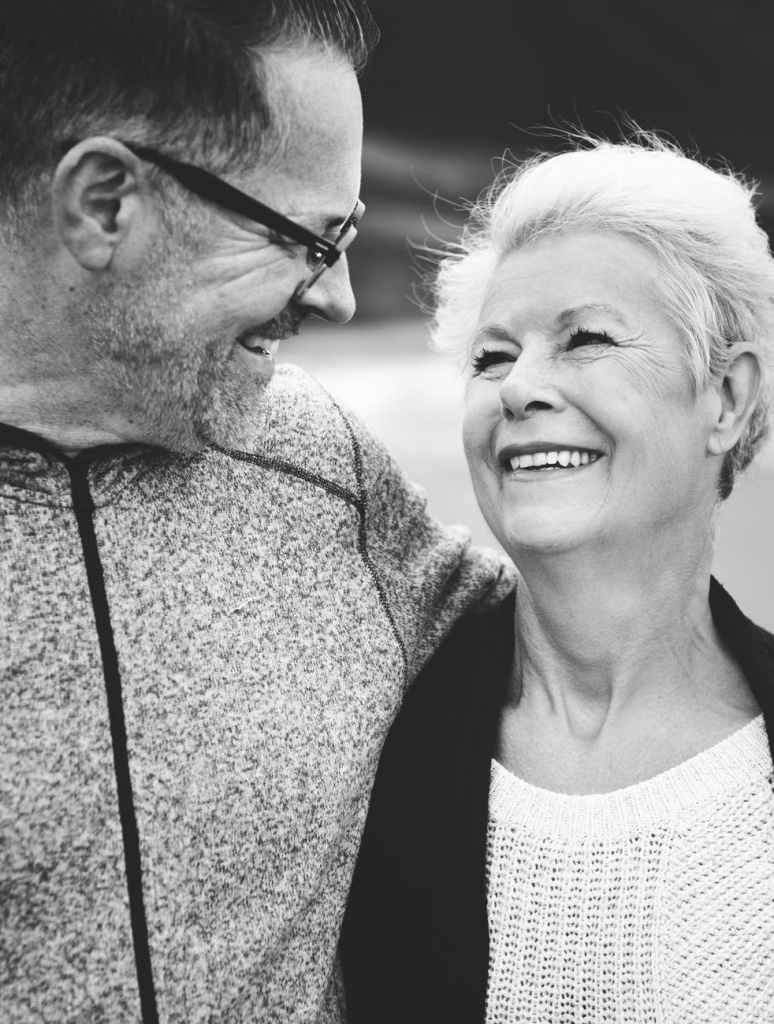
If so, you’re not alone. In fact, if the cosmetics industry is anything to go by, everyone is in the same boat. We all want to avoid the specter of old-age and frailty.
Aging, though, doesn’t have to be negative. For one, it is a sign of success. If your skin is wrinkled and your hair grey, it shows you’re a survivor – you made it through.
Growing old also provides you with decades of insight you don’t get when you’re younger. It takes time to understand how the whole show works.
There’s a tendency to see aging as something negative – and in many ways, it is. But there are also positive aspects to it we shouldn’t overlook.
You Have More Time For Others
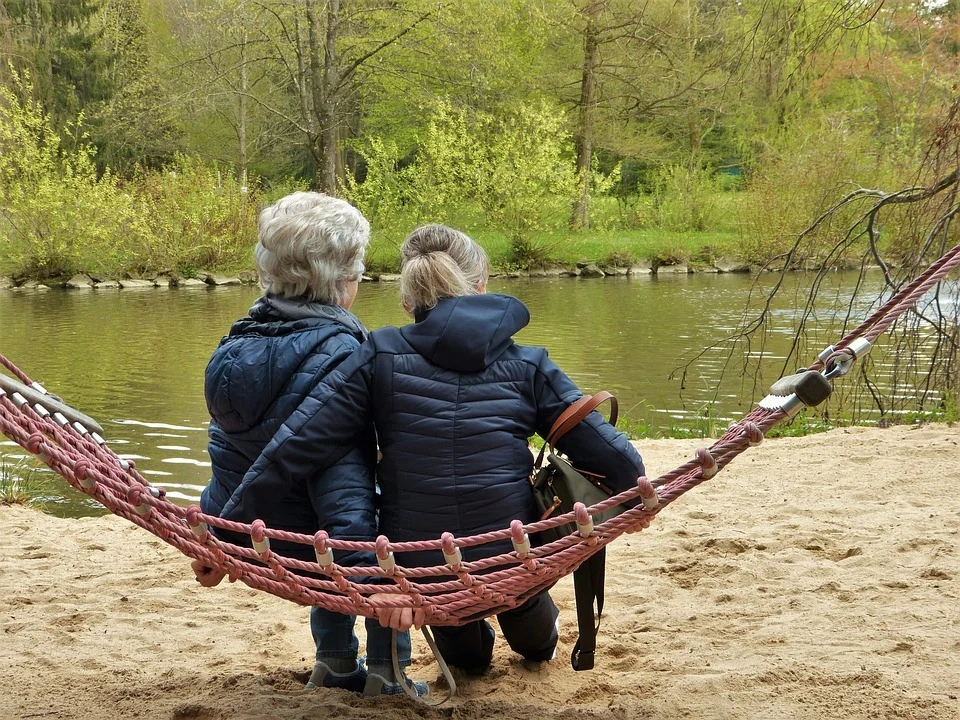
At the start of life, you spend the vast majority of your time working like a maniac, trying to accumulate the resources you need to have a decent quality of life. The problem, though, with working fifty hours a week, is that it takes you away from the things that matter – your friends and family.
Getting older, however, helps to reverse this process. When you retire, you suddenly have more time to do all the things you never could in your working life. And that means you can invest more time in your relationships – the most motivating aspect of existence for many people.
You Develop Better Social Skills

Learning how to navigate the social environment is a massive challenge. Other people are complicated, and so are you. So it takes time to learn the game.
Once you have several decades under your belt, though, you can gain worldly wisdom. Eventually, you see how the landscape works and are able to run with it confidently. You’re much better able to deal with difficult situations and know precisely what the other person needs to hear. Over time, you become known in your local community for your sensitive, empathic abilities.
Achieving A Sense Of Accomplishment
Feeling a sense that you’ve accomplished something in your life is difficult when aged twenty. When you hit sixty, though, you’ve had way more time to get done what you needed to do.
Achieving a sense of accomplishment is something you only get once you pass a certain age. You can watch your children grow up and take on the world, just like you did when you were young. And you can see the effects of your work in the world all over the place.
You Get Discounts
Despite the fact that you probably have a large pension pot in the bank, you get various privileged discounts when you become a senior. There are discounts all over the place, from medicine to dining to entertainment and transportation.
All these perks are a way for society to express its collective admiration for people who’ve committed their lives to the good of the people around them. Well – that’s the hope, at least.
You Have More Time For Civics And Volunteering
When you get older, you no longer have to pursue a career if you don’t want to. Instead, you can change how you use your time, focusing more on civics and volunteering.
Many in-home senior care providers actively make this a part of their service offering. Being able to dedicate your time to people in need gives your life a strong sense of purpose and fill the days, which can sometimes seem a little empty.
You Have A Happier Outlook
Over the decades, research has shown that happiness peaks at age twenty and then declines in our thirties and forties, before bouncing back later in life. If you are old, therefore, you are much more likely to feel happy too.
Why this happens isn’t entirely clear. You would have thought that the younger generation would be the most content since they have their health and vigor. But psychologists believe the reason has to do with an improved ability to deal with hardship. Over the course of their lives, older people develop the skills they need to thrive emotionally, even in situations of adversity. People in their thirties and forties facing issues like unemployment and divorce don’t have the benefit of hindsight. They must go through these things first.
The perks of getting older, therefore, do exist. Often, it is a question of being grateful for what we have, not angry about things we don’t.
A blog by Rachel Bustin that you might be interested in.
Daily Living Aids For The Elderly or Limited Mobility
I’m reposting for the very important month of Alzheimer’s Awareness. Although I don’t have Alzheimer’s, I do have dementia caused from Lyme Diseases. Every day my memory slips a little, some days I don’t notice, this week has been a difficult week. I know from experience with my granny’s dementia stress can play a role in how your day is going. Even as she progressed in her diseases I could tell the stress we felt impacted her in some way.
If I can say anything it’s never argue, there is no winning. Change the subject and that often works. I would sometimes have problems with her not wanting to take her medication and become very angry. I let it go and a little while later came back and said time to take your medication. Most of the time it worked.
Remember once your loved one no longer knows who you are it’s not personal, it hurts like hell but it’s not personal. One of the activities I did at the end of granny’s life was show her photos of her parents. I would hear her call out for her mother sometimes and I hoped the photos would give her some peace.
Above all else, there is no right or wrong way to take care of someone with Alzheimer’s or dementia. There are many things you can do to make their life easier and safer but you can only do your best. As hard as the decision may be, there are times when an Alzheimer’s rated facility is required. It is very difficult to care for someone at home. It’s a full-time job in addition to health care assistance.
Melinda

By Bethany Bray
Licensed professional counselor (LPC) Ruth Drew oversees the Alzheimer’s Association’s 24-hour helpline, which offers support to those facing the challenges of dementia and Alzheimer’s disease, including families and caregivers. The fact that the helpline receives more than 300,000 calls each year hints at the heart-wrenching issues that accompany a dementia diagnosis, not just for the individual but for the person’s entire support system.
“We receive a wide range of questions, from someone worried about the warning signs of cognitive decline or dealing with a new diagnosis, to an adult son whose mother didn’t recognize him for the first time, or a wife wondering how to get her husband with Alzheimer’s to take a bath. Whatever the reason for the call, we meet callers where they are and endeavor to provide the information, resources and emotional support they need,” says Drew, director of information and support services at the Chicago-based nonprofit.
Professional counselors are a good fit to help not only individuals with dementia and Alzheimer’s, but also those in their care networks, Drew says. Whether counseling individuals, couples or even children, the far-reaching implications of dementia mean that practitioners of any specialization may hear clients talk about the stressors and overwhelming emotions that can accompany the diagnosis.
“People diagnosed with Alzheimer’s and other dementia diseases are going through profound life changes — coping with the realities of an incurable disease that is stealing their abilities and their memories. Counseling offers a place to process the losses, develop ways to cope, and find meaning in their current situation,” Drew says. “Similarly, family members face emotional, physical and financial challenges when they care for someone with Alzheimer’s. It helps to have a safe place to process feelings, get support, learn to cope with present realities, and plan for the future.”
A growing need
“Dementia isn’t a normal part of aging. It just happens that most dementia patients are older,” says Jenny Heuer, an LPC and certified dementia practitioner in Georgia who specializes in gerontology. “There is this stigma that just because you’re getting older, you’re going to get dementia.”
The Alzheimer’s Association (alz.org) defines dementia as “an overall term for diseases and conditions characterized by a decline in memory, language, problem-solving and other thinking skills that affect a person’s ability to perform everyday activities.”
Although many people associate dementia with Alzheimer’s, there are numerous forms of dementia, and not all are progressive. Dementia can be reversible or irreversible, depending on the type, explains Heuer, the primary therapist in the geriatric unit at Chatuge Regional Hospital in Hiawassee, Georgia. Alzheimer’s, an irreversible, progressive form of dementia, is most common, followed by vascular dementia, which can occur after a stroke. Forms of dementia can also co-occur with Down syndrome, Parkinson’s disease, Huntington’s disease and other diagnoses. Research has also linked moderate to severe traumatic brain injury to a higher risk of developing dementia or Alzheimer’s disease years later.
Heuer, a member of the American Counseling Association, recalls a client she counseled who was diagnosed with Alzheimer’s prior to age 62. She had lived with a husband who was violent and physically abusive toward her, and the client’s caregivers wondered if she had suffered a brain injury that contributed to her early onset Alzheimer’s.
Heuer notes that other conditions can lead to an assumption or misdiagnosis of dementia. For example, a urinary tract infection (UTI), if left untreated, can progress far enough to cause confusion in a client. Once the UTI is diagnosed and treated, the confusion can dissipate. In addition, excessive alcohol use, depression, medication side effects, thyroid problems, and vitamin deficiencies can cause memory loss and confusion that could be mistaken for dementia, according to the Alzheimer’s Association.
“There’s so many [other] things to rule out,” Heuer says. “Doctors try to rule out every other health issue before they diagnose dementia.”
The complicated nature of dementia only reinforces the need for counselors to do thorough intake evaluations and to get to know clients holistically, Heuer says. Counselors should ask clients about anything that has affected or could be affecting their brain or memory, including medication use, stress levels, past physical trauma or brain injury, depression, sleep patterns, exercise and other factors.
The World Health Organization (WHO) reports that roughly 50 million people worldwide currently have dementia, and nearly 10 million new cases develop each year. Alzheimer’s disease-related dementia may contribute anywhere from 60% to 70% of that overall number, according to WHO.
Alzheimer’s is the sixth-leading cause of death in the United States, according to the Centers for Disease Control and Prevention. The Alzheimer’s Association estimates that 14% of people ages 71 and older in the United States have some form of dementia. A recent report from the nonprofit estimated that 5.7 million Americans of all ages were living with Alzheimer’s-related dementia in 2018, the vast majority of whom (5.5 million) were 65 and older. Close to two-thirds of Americans with Alzheimer’s disease are women, according to the association.

These numbers are only expected to increase as the U.S. population ages and the baby-boom generation reaches retirement and later life, Heuer notes.
The U.S. Census Bureau projects that in the year 2034, the number of Americans 65 and older will, for the first time in history, eclipse the nation’s number of youths under age 18. By 2060, close to one-quarter of Americans will be 65 or older, and the number of people older than 85 will have tripled.
“Aging issues hit home for counselors across the board,” Heuer says, “because we are all aging, and many are caring for aging parents. … I invite other counselors to join me in working with this population. [Alzheimer’s] is the sixth-leading cause of death. That sounds very morbid, but it’s only going to go higher. More and more people will be diagnosed. With the aging baby-boom population, there’s someone around every corner [who is] going to be impacted by this disease.”
Caring for the caregivers
There is an obvious emotional component to caring for a loved one affected by memory loss and the other aspects of dementia, but there is also the burden of assuming management of the person’s practical tasks, such as financial planning and keeping up with medical appointments. The stress of it all can affect the person’s entire network, says Phillip Rumrill, a certified rehabilitation counselor in Ohio whose professional area of expertise is clients with disability, including dementia.
“Dementia affects the whole family system, and possibly for generations. The person [with dementia] needs help, yes, but [so do] their spouse, children and entire family system. That’s critically important [for counselors to be aware of] when you’re dealing with dementia,” says Rumrill, a member of the American Rehabilitation Counseling Association, a division of ACA. “There is a tremendous amount of burnout that comes with being a dementia caregiver.”
Witnessing a loved one’s memory and abilities decline can cause caregivers to feel sad, frustrated, exhausted, overwhelmed, hurt, afraid and even angry, says Matt Gildehaus, an LPC who owns Life Delta Counseling, a private practice in Washington, Missouri.
“The caregivers and loved ones are often the hidden victims of dementia. They can become completely overwhelmed as the role becomes all-encompassing,” says Gildehaus, who counsels adults facing a range of challenges, including aging-related issues and dementia. “Taking care
of someone can easily become an identity that gets affirmed and reinforced until it comes at nearly the complete expense of self-care. When being the caregiver for someone with dementia overtakes their life, the caregiver’s emotional and physical health frequently begin to decline.”
Each of the counselors interviewed for this article asserted that clinicians should, first and foremost, emphasize the importance of self-care with clients who are caregivers to individuals with dementia. Counselor clinicians can ask these clients what they are doing for self-care, help them establish a self-care plan if needed, and connect them with local resources such as support groups and eldercare organizations.
It is also important to encourage clients to ask for help from others when they are becoming overwhelmed, says Rumrill, a professor and coordinator of the rehabilitation counseling program at Kent State University in Ohio, as well as founding director of its Center for Disability Studies. If clients mention having a loved one with dementia, counselors should listen carefully to make sure these clients are taking care of themselves and processing their feelings related to the experience.
Connecting clients to support groups and other resources can be vital because many families feel lost and isolated after their loved one receives a dementia or Alzheimer’s diagnosis, Drew notes. “This isolation can increase throughout the journey as caregiving demands intensify, especially if they don’t know where to turn for help,” she says.
Families may also experience emotions that parallel the grieving process as they witness the progressive loss of the person they knew. Caregivers might even find themselves with hard feelings emerging toward their loved one, particularly as they try to handle the frustrating behavior challenges that Alzheimer’s and dementia can introduce.
“The disease can be very deceiving because one day the person may be very clear, and another day they’ll be confused. Caregivers can feel [the person is] doing things on purpose, just to push their buttons,” Heuer says. “I often ask if the person was aggressive or called [the client] names before they were diagnosed. Most often, the answer is no. Then I explain that it’s the disease, not the individual” prompting the behavior.
Gildehaus, a member of ACA, has seen similar frustrations among clients in his caseload. “I often help caregiver clients by providing a safe place for them to share the things they don’t feel they can share with family and friends,” he says. “For caregivers, there are three tools I focus on using: therapeutic silence, empathic listening, and normalizing what they often describe as ‘terrible thoughts.’ These … can be ideas like, ‘They make me so angry,’ ‘I dread going to the nursing home some days’ or even ‘Sometimes I secretly hope they don’t live for years like this.’”
Rumrill notes that clients caring for a loved one with dementia may need a counselor’s help to process how the disease has disrupted roles within the family. He experienced this personally when caring for his grandmother, who lived with dementia for years before passing away in 2009 of stomach and liver cancers. Rumrill, who held power of attorney for his grandmother’s financial affairs, had to adjust to taking care of someone who had taken care of him throughout his life. It felt like a role conflict to have to begin making decisions on his grandmother’s behalf while still trying to respect her wishes, he recalls.
“It’s changing roles: They used to take care of you, and now you take care of them,” Rumrill says. “There is an odd juxtaposition when a child is telling a parent what to do. It can be hard [for the older adult] to accept when it’s coming from the younger generation. The roles have switched, and no one got the memo.”
Counseling sessions for couples and families can also serve as safe spaces to talk through the stressors and disagreements that come with caregiving, Rumrill and Heuer note. Counselors can serve as neutral moderators to facilitate conversations about tough subjects that clients may be fearful of or avoiding outside of sessions. This can include talking over logistical or financial issues, such as dividing caregiving tasks or assigning power of attorney, and harder conversations such as when and how to move a loved one to a care facility.
Counselors who work with couples should be aware of the intense stress that providing care for someone with dementia can put on relationships, Rumrill adds. Home life can be turned upside down when one member of a couple’s time and attention are devoted to caregiving. This is especially true if the family member with dementia moves into the home. Tasks that used to flow easily, such as unloading the dishwasher or taking the kids to sports practices, can become points of contention. Challenges that the couple successfully navigated before — from budgeting to parenting issues — can become more pronounced and complicated as caregiving puts extra strain on the couple’s time, emotions and finances, Rumrill says.
It’s an unfortunate reality, but counselors working with clients who have dementia or their families also need to be watchful for signs of elder abuse, including financial abuse, Rumrill says. Dementia patients and their caregivers are also at higher risk for issues such as depression, anxiety, suicidal ideation, and substance use and abuse (which may be used as a coping mechanism).
Listen and validate
Clients who have dementia can get a variety of needs addressed in counseling sessions — needs that will change as the dementia progresses.
In the early stages of dementia, counselors can help clients process their feelings and fears about the diagnosis, as well as work toward accepting and adapting to the changes that are coming. In the middle to latter stages, clients may benefit more from reassurance and validation from a counselor, as well as occasional redirection and calming techniques.
Heuer recalls a client whose husband had recently been placed in a memory care facility because of Alzheimer’s disease. The client — whom Heuer calls “Anne” for the purposes of this example — was dealing with pre-existing depression, which was the initial focus of the counseling sessions. Heuer and Anne also discussed Anne’s relationships with family members and the various changes she was facing, which included moving because of her husband’s placement in the memory care facility.
According to Heuer, Anne harbored a great fear of losing her own memory, and over time, her memory did in fact begin to deteriorate. She would acknowledge the decline in counseling sessions as she and Heuer talked about its impact on Anne’s life. Later, as Anne’s dementia progressed, Heuer shifted her work to focus more on fostering Anne’s feelings of safety and connection. “The interesting part of working with Anne is she never mentioned the word dementia. I heard about her diagnosis from family and caregivers,” Heuer recalls.
“As her memory declined, I would reflect her feelings [in counseling],” Heuer says. “Then there were sessions where Anne would spend the majority of the time talking about how she had been traveling on a train and had just gotten off the train. Frequently, she would share the story as if it was the first time she was telling it to me.” Heuer says one of the best suggestions she has been given for working with clients with dementia is to show them the same level of patience and attention regardless of whether they are telling her a story or sharing a memory with her for the first time or the 10th time.
“Anne also had hallucinations [in the latter stages of dementia],” Heuer says. “She had moments of clarity where she knew they were hallucinations and questioned her own sanity. I had no magical cure or answer. I would try and imagine how I would feel if this were happening to me and [then] tapped into empathy and the core foundation of person-centered therapy.”
Most of all, individuals with dementia need a counselor to simply “be present and listen,” adds John Michalka, an LPC with a solo private practice in Chesterfield, Missouri. He specializes in working with clients who have mood disorders related to chronic illness, including dementia.
“Patients living with dementia often tell me they just need their loved ones to stop nagging them and making them feel like the things they are doing are intentional,” says Michalka, an ACA member who has personal experience caring for a loved one with dementia. “The patient isn’t forgetting on purpose. The patient has enough to deal with without being made to feel like a burden as well. It always amazes me how simple and unselfish the patient’s request is when it comes to what they need: just simple love, understanding and patience.”
The following insights may be helpful for counselors who treat clients with dementia. Some of the guidance may also be relevant to share with clients who are family members of or caregivers to a person with dementia.
>> Correcting versus agreeing: Patients in the memory care unit where Heuer works sometimes come up to her and say, “It’s so good to see you again!” even though they have never met her before. Over time, she has learned to read clients and think on her feet to respond appropriately to remarks that aren’t based in reality.
For caregivers, deciding whether to correct a person with dementia or go along with what the person is saying can become a daily or even moment-to-moment struggle. Heuer says her decision to validate or correct is often based on how likely the person is to become agitated or aggressive. But empathy also comes into play. “I try to put myself in their shoes. How would I feel if I were seeing a friend I hadn’t seen in a while? It really comes down to meeting them in their emotions.”
Some clinicians may call the practice of validating or going along with a client with dementia “therapeutic lying,” Heuer says, but “I call it ‘molding the information’ and doing what it takes for them to feel calm and safe. …We have to adapt to them because they are not able to adapt to us. It is as if they have a different inner world, and we have to meet them in their world.”
Michalka says he also finds validation therapy helpful for easing anxiety in clients. With clients who are dementia caregivers, he often emphasizes that what is going on in the mind of the person with dementia is their reality.
He recalls one client who was beginning to panic because they saw someone in their room. “There was no one in the room, but the patient’s experience or perception of a stranger in their room was real,” Michalka says. “A natural reaction for most caregivers would be to correct the patient. In doing so, we are challenging the patient’s perception of reality. This typically will only escalate the patient’s anxiety and, in doing so, escalate the loved one’s or caregiver’s anxiety.
“Imagine if you saw a stranger in your room, and when you [try] to tell someone, they proceed to tell you, ‘No, there [isn’t].’ Would you not become more and more agitated as you try to convince them [and] they continue to challenge your reality? Instead, we should validate their experience by asking if that stranger is still in the room. Then, one would empathize with the patient by validating how scary that must have been, but now the stranger is no longer there and they are safe. After which, the patient’s attention should be redirected to a more pleasant thought or situation.”
>> Considering the whole person: Working with clients with dementia “takes you out of your comfort level because you have to become very creative in how you interact with [them]. It’s not the type of counseling that you learn in a textbook,” Heuer says. “Your ability to counsel and work with these individuals goes well beyond the knowledge you gain about counseling in your master’s [program].”
Heuer encourages clinicians to learn more about who clients were before their dementia diagnosis — what they did for a career, what their hobbies were, their likes and dislikes. Counselors can ask clients directly for this personal information or seek details from their family members. Learning these personal details can help to better inform counselors’ interventions and help form stronger connections with clients, Heuer says. “Tapping into what made them happy as a human being [without dementia] may be therapeutic for them,” she adds.
For example, a client who loves baseball may be comforted and more responsive while watching a televised ballgame or flipping through an album of baseball cards with a counselor. A client who was a teacher or a banker might find comfort writing in a ledger. Even clients with late-stage dementia can respond when their favorite music is played, Heuer notes.
She recalls one client who had previously worked in business and would sometimes think that his caregiver was his secretary. When this happened, the caregiver would “take notes” for him by writing on paper. “It doesn’t have to make sense, but to them it may make sense,” says Heuer, whose doctoral dissertation was on the lived experiences of individuals with early stage Alzheimer’s disease.
>> Redirecting: When working with clients in the middle to latter stages of dementia, techniques that prompt a change of focus are invaluable. Redirection can keep these clients from becoming upset or escalating to aggression, Heuer says. For caregivers, this technique might involve engaging the person in an activity that they used to enjoy or simply asking for help with a task, such as folding laundry or setting the table.
“Redirection really comes into play when an individual is exhibiting behaviors such as agitation, fear, anger or paranoia,” Heuer explains. “Normally, there is something in their environment that is triggering them. An example we often observe and hear about is an individual [who] is wanting to go home. In essence, they want to feel safe and are looking for something familiar. Redirection is a technique that refocuses the individual’s attention in an effort to therapeutically calm them and make them feel safe.”
Heuer mentions a woman who was wandering in the care facility where Heuer works and feeling a strong urge to leave. The woman was getting agitated and escalating to the point that staff members were going to medicate her. Heuer stepped in and asked the woman if she wanted to take a walk. The woman agreed and soon calmed down as she and Heuer walked together and chatted.
With dementia, behaviors often manifest out of the person’s worry about their own safety or the safety of loved ones, Heuer notes.
“We all have that need to have a sense of purpose. Just because someone has dementia, they’re not less human. They have similar needs but have a different way of communicating them. Usually, there is a need behind every single behavior they’re displaying,” Heuer says.
>> Working through grief: Individuals with dementia and their loved ones often experience a range of grief-related emotions, from denial and avoidance to sadness. Counselors may find it helpful to use grief and loss techniques with these clients, Rumrill says.
Watching a loved one with dementia decline and seemingly change into a different person can feel similar to experiencing that person’s death or loss, Rumrill says. In the case of his grandmother, even her vocabulary and the way she spoke changed. She began using profanity and other words that Rumrill wasn’t previously aware she even knew. When she became angry, Rumrill says she would “go off” on people, which she never did prior to her dementia diagnosis.
“There’s a tremendous sense of loss that can go with that. The person you knew and loved isn’t there [any longer],” he says. “I was grieving the loss of who [his grandmother] was and also grieving with her over her loss of independence.”
Feelings of loss can also resurface for clients with dementia who are widows or widowers, even if they have previously processed their partner’s death. Dementia can reaggravate the person’s feelings of grief and sadness or even ignite feelings of anger toward a deceased partner for leaving them to go through their dementia journey alone, Rumrill says.
Family members and caregivers may experience repeated cycles of grief as their loved one’s dementia or Alzheimer’s progresses, Michalka adds. “Each time the loved one living with dementia progresses to the next stage, the client [a caregiver or family member] in some ways repeats the grieving process. They now are experiencing another loss. It is as if they have lost their loved one once again,” Michalka says. “It is extremely difficult for many clients to have mom or dad not know who they are or simply not remember their name. The client loses their loved one many times during the progression of dementia. At a minimum, the client loses the person their loved one once was, and then once again upon the passing of the loved one.”
>> Focusing on strengths: Clients with dementia are likely to be saddened by the anticipated or actual loss of their abilities. A counselor can help these clients flip their perspective to focus on what the person can still do, Heuer says. She often uses the words strengths and challenges, not weaknesses, during conversations about what the client is still able to do and enjoy.
For example, a client with dementia may no longer be able to maintain a garden outdoors, but gardening supplies and planter pots can be brought to the person inside so they can still get their hands in the soil. “Activities can change as the disease progresses,” Heuer notes.
>> Using “tell me about” prompts: Gildehaus says that narrative therapy can be a helpful technique with clients who have dementia. These clients often respond well to storytelling prompts, even as their memories fade. It can be therapeutic for clients with dementia to share memories and, in turn, to feel heard and understood, he explains.
Similarly, Heuer uses reminiscence therapy with clients with memory loss, asking individuals to talk about their careers, families, and other favorite memories. It is not helpful, however, to frame questions by asking clients whether they remember something, she stresses. Instead, counselors can use gentler “tell me about” prompts to spur clients to open up. For example, instead of asking, “Do you remember your parents?” a counselor would say, “Tell me about your parents,” Heuer explains.
Rumrill notes that group work can be very helpful for caregivers or family members of people with dementia, especially to prevent or ease burnout. Motivational interviewing, cognitive behavioral techniques, and rational emotive techniques can also help clients process the changes and stresses that come with having a loved one with dementia. But Rumrill urges counselors to use whatever techniques they find to be most helpful to and best suited for the client.
Dementia is “no more stressful than any other life issue that brings people to counseling; it’s just different,” Rumrill says. “It has unique features that need to be understood to help. Marshal all the coping reserves you can to help the client.”
>> Offering empathic listening: Gildehaus notes that professional counselors’ core skills of listening, empathic reflection and normalization can go a long way for clients dealing with dementia.
“In my experience, clients struggling with dementia need someone to listen to them for understanding without confronting them, trying to argue with them, or trying to fix them,” Gildehaus says. “Normalizing frustrations and fears related to memory challenges and aging also helps clients feel less defective.”
When working with clients who have dementia, Gildehaus says his primary objective is to offer a nonjudgmental environment in which these individuals can share their frustrations and fears. “My efforts are focused on providing an interaction where they feel heard and understood without feeling questioned or having someone trying to talk them out of their ideas,” he says.
This came into play this past summer as Gildehaus faced a tough conversation with a client who needed to give up her right to drive because of cognitive decline. “This was very hard for her,” he recalls. “She argued that she did not drive far, that she had not had any accidents, and that she didn’t care if she died in an accident. She became very emotional — tearful and angry. I listened empathically, validated her truths, and reflected her logic and feelings. Then, I asked if she wanted her lasting legacy to be causing someone else’s injury or death. She agreed this was not what she wanted. We then explored options and resources that would allow her to maintain her freedom and active schedule without driving. We talked about local taxi services, friends who were going to the same activities [and could give her a ride], and the obvious solution became allowing her home health care provider to drive her most of the time.”
Still human
Individuals with a dementia diagnosis often feel as if they’ve been labeled as damaged goods, “deemed incompetent and unable to do anything for themselves,” Heuer says. The empathy and support that professional counselors are capable of offering these clients can go a long way toward changing that mindset, she asserts.
People with dementia “are still capable, still human, and they have emotions,” Heuer emphasizes. “There is an immediate stigma attached to someone [with a dementia diagnosis] that they aren’t able to do anything for themselves, and that’s often a source of frustration. There is an assumption that they’re helpless. But they will say, ‘I need help.” … They will let you know. What they need from counselors — and everyone else — is the recognition that they are still a person and still human.”
****
Counselors as caregivers
Despite a career as a helping professional, Phillip Rumrill found himself feeling “inadequate” when it came to caring for his grandmother as her dementia progressed. He admits that he learned how to manage “through trial and error.”
The professional objectivity that allows practitioners to help others process issues in counseling simply isn’t there when it comes to caring for their own loved ones, says Rumrill, a certified rehabilitation counselor and a professor and coordinator of the rehabilitation counseling program at Kent State University.
“All of this stuff that you know about professionally goes out the window when you experience it personally,” Rumrill says. “You may have helped a client who is dealing with this, but it’s not the same when you’re going through it yourself. … You may think that because you have expertise in helping others you might know procedurally what to do, but it’s just different when it’s affecting you on a core level. You can arm yourself with information, but it’s going to be very different to be going through it on your own.”
Although it may not come easily, counselors who have loved ones with dementia should heed the same guidance they would give to clients in the same situation, including keeping up with their self-care and asking for help when needed.
After his grandmother passed away in 2009, Rumrill collaborated with two colleagues, Kimberly Wickert and Danielle Dresden, who also had cared for loved ones with dementia, to write the book The Sandwich Generation’s Guide to Elder Care. Their hope was that their insights might help other practitioners who were facing similar challenges. “You can’t be [your] family’s counselor,” Rumrill says. “Sometimes you have to shut off your professional side and deal with the humanity of your own experience.”
John Michalka, a licensed professional counselor and private practitioner, says he and his wife experienced a range of issues — from stress to anxiety to grief — while caring for his mother-in-law. Michalka’s mother-in-law, who had vascular dementia, moved in with Michalka and his wife in 2013 when she was no longer able to care for herself.
“I took a hiatus from work, and for the last two years of her life, I cared for her until she passed [in January 2015],” he says. “I watched my wife, as a daughter, struggle with pain and grieving during every step down of the disease, from [her mother] forgetting our names to [us] becoming absolute strangers. For me, I was the caregiver and did my best to suppress the emotion. To say the least, caring for anyone living with dementia can be extremely difficult. At least it was for me.”
****
The Alzheimer’s Association has a wealth of information on dementia and Alzheimer’s disease, including nuances of the diagnoses and resources for living with or caring for a person who has been diagnosed. Call the association’s 24/7 helpline at 800-272-3900 or visit alz.org (click the “Help & Support” tab for links to online and local support groups).
Also, the U.S. Administration on Aging offers an eldercare services search tool at eldercare.acl.gov. Resources are also available from the Dementia Action Alliance (daanow.org) and the Family Caregiver Alliance (caregiver.org).
****
Contact the counselors interviewed for this article:
****
Read more
Check out an extended Q+A with licensed professional counselor Ruth Drew, the Alzheimer’s
Association’s director of information and support services, at CT Online: ct.counseling.org/2019/12/qa-helping-clients-affected-by-dementia/
****
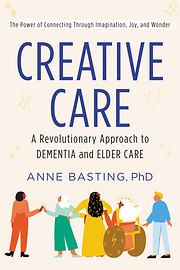
ABOUT THE SPEAKER Anne Basting · Creative gerontologistAnne Basting is infusing the arts and humanities into the lives and care settings of uncommunicative patients.
U.S. Pain Foundation
By Ashley Hattle
Invisible diseases are among the most challenging conditions to live with because you not only struggle with pain and symptoms, but also judgment and misunderstanding from those you love the most. Cluster headache patients face this stigma for many reasons: We tend to isolate ourselves during attacks and episodic cycles, and talking about it can bring on post-traumatic stress disorder (PTSD)-like symptoms. “Clusterheads” live in fear of the next attack.
While there are countless things we wish our friends, family, and medical professionals would understand, if the public knew the following things, our disease would be taken more seriously.

“It’s not a migraine,” says Deborah Marcus. “Dark rooms, quiet, [and] resting do not help. Pacing around or finding ‘positive distractions’ are what can get me through episodes.” Cluster headache is one of the trigeminal autonomic cephalalgias, and a primary headache disorder completely separate from migraine disease. The typical treatments and behaviors for cluster headaches are vastly different. The pain is searing and stabbing around the eye and temple, causing restlessness and agitation. We hit ourselves on the head with our hands or blunt objects, moan and scream, and dream of removing our eyeball.
The attacks are strictly one-sided, lasting 15 minutes to three hours, and occur several times a day. No one—no one—has just one cluster headache attack, so comments such as “Oh, I’ve had one of those,” come off as hurtful.
“It’s not invalidating migraine or any other pain condition to acknowledge this condition is very severe, [with] high suicide rates, and debilitating,” says Heidi Marie. “The majority of people know what migraine [disease] and tension-type are, but not cluster.”
Many patients have faced disbelief and been told they’re exaggerating during an attack. They’re not only dismissed by their loved ones, but also by the medical community. Cluster headaches are nicknamed “suicide headaches” because they make otherwise healthy people seriously contemplate ending their lives.
“I’ve had one vaginal birth and three C-sections. Combine all of the pain you experience through all of those together, and you still don’t come close to an inkling of the pain that is caused by one cluster attack,” says Amanda Dapson.
“The medicinal use of LSD has changed my life living with clusters. I’ve been so amazed with how well this treatment has worked for me… real and lengthy results,” says Becki Neuenschwander.
Psilocybin mushrooms and lysergic acid diethylamide (LSD) have been studied for their efficacy in treating both episodic and chronic cluster headaches. A 2006 study at Harvard University found that both psychedelic substances could abort attacks and that even more patients found that it could end their episodic cycle. Psilocybin and LSD users in the study reported reduced severity and longer remission periods. These substances even worked in patients who didn’t respond to traditional treatments.
“Lack of sleep is a real thing. I can’t get more than two hours at a time while in a cycle,” says Ben Merrick, adding, “which makes attacks worse, which makes it hard to sleep, which makes attacks worse… ”
Cluster headaches typically come with nocturnal attacks that wake you from rapid eye movement (REM) or “dream” sleep. It’s difficult for clusterheads to get more than 90-120 minutes of sleep at a time. That’s bad enough for one night, but imagine going weeks and months surviving on so little sleep.
High-flow oxygen is the best and safest option to abort cluster headaches, but this treatment is the one that patients struggle the most to obtain. Whether the delay is caused by doctors who have misguided notions of “oxygen toxicity,” or insurance companies and oxygen suppliers who don’t understand its necessity, patients can spend years trying to get access to oxygen.
Many insurance suppliers won’t cover the cost because the Centers for Medicare and Medicaid Services refuse to list 100 percent oxygen as first-line treatment. Then, when patients do get the tanks, they must fight for the proper regulator, buy their own non-rebreather mask, and learn a specific breathing technique.
“My attacks happen roughly around the same time, so when I’m in the bedroom crying and not at the table, I don’t want to hear whispers… Trust me, I’d rather be eating meatballs and pasta with you,” says Sally Nee-Brady.
Some clusterheads can set their watch by their attacks, as cluster headaches occur at the same times each day for weeks, months, or years on end. We live in fear of 10 am or 2 pm because we know “the beast” is coming for us again. PTSD, depression, and agoraphobia can quickly take over your life as you watch the clock tick.
“The anxiety of knowing that you are about to have an attack, and there is little to nothing you can do to stop it, is overwhelming,” Merrick says.
Much of the research on cluster headaches has been funded or instigated by the patient community through Clusterbusters. Despite the documented severity and high suicide rate, there’s a severe, ongoing lack of funding and research.
“This is not a rare disease,” says Eileen Brewer, President of Clusterbusters. “It’s as prevalent as Parkinson’s disease. Cluster headache should not be riding on the coattails of any other diseases. It is a serious, debilitating, and deadly disease that deserves much-needed attention.” •

Ashley Hattle is a medical and fiction writer who has experienced episodic cluster headaches since 2007. She is the award-winning author of Cluster Headaches: A Guide to Surviving One of the Most Painful Conditions Known to Man and a traveling advocate for patients with the neurological disorder with Clusterbusters, Inc.
I hope you enjoyed the little bit of fun with last week’s music. This is a great new tune by Dolly Parton. Virtual hugs. Have a great weekend.
Melinda
Welcome back to Weekend Music Share; the place where everyone can share their favourite music.
Feel free to use the ‘Weekend Music Share‘ banner in your post, and don’t forget to use the hashtag #WeekendMusicShare on social media so other participants can find your post.
Thank you for stopping by today, I appreciate you! Please social distance and wash your hands. Have a great weekend! Melinda


I’m reposting for Fibromyalgia Awareness Month.
Melinda

The pain has moved to my lower body, it attacks every joint and muscle I have. For the past 10 days, my leg has caused a big problem, it’s hard to walk. Any pressure on my leg makes me scream out in pain.
I can’t stand up by myself unless there are objects strong enough to pull me up. My husband isn’t a little guy and it takes two or three tries because I start to cry out. I have no idea what is happening, this level of pain is new for me. It’s not so much the level but the time in constant pain.
I’ve been going to bed between 4:30-6:30 p.m. every night thinking resting is the only answer. So far that seems to be the case. I can now move my knee closer to a normal sitting position. Try getting on and off the toilet, it’s been a painful 10 days.
I’ve forced myself to bed in order to get better. I’m not looking for total pain relief, that’s not my goal. Right now I want to be able to get out of a chair by myself. The rest of my body feels the normal everyday dull pain, my shoulder still screams out at night. Pain meds, topical patches and ointments the doctor gave me on Friday have provided no relief.
I’m laying in bed with one leg balancing the computer, trying not to walk any more than I have to. It’s a beautiful day after the storms we had yesterday, I want to see what the damage to my flowers but it will wait.
I am feeling significantly better by resting but letting life pass me by is not my personality. I always try to bulldoze my way through any pain but I’ve never cried or had this level of pain. I remain optimistic this is not the new norm if there is a norm with Fibromyalgia.
I started a new book which helps me go to bed earlier and stay connected to the world. Tomorrow is a new day, a day with possibly less pain.
May 18, 2020 / Michael Bungay Stanier

This post is part of TED’s “How to Be a Better Human” series, each of which contains a piece of helpful advice from people in the TED community; browse through all the posts here.
I caught up with a friend of mine a while ago. She’s smart, she’s brilliant, and she’s talented.
After we did the usual warm-up chitchat, she looked at me and said, “Michael, you’re a good guy. I need your advice.”
My advice monster was delighted.
She started telling me what was going on, and I started to pretend to listen because, quite frankly, my advice monster already knew exactly what I wanted to tell her.
Finally, she finished so I was able to share my brilliant advice — — and make no mistake it was brilliant. But my advice went nowhere; my advice monster had sabotaged the conversation.
All of you know your advice monster. Somebody starts telling you about something. Even though you don’t really know the situation or the people involved and you certainly don’t have the full context, after about 10 seconds your advice monster is like, “Oh, oh, oh, I’ve got something to say here.”
The problem isn’t with giving advice. Instead, the problem is when giving advice becomes our default response. There are three ways that advice giving goes bad.
The first issue with advice giving is that we’re often solving the wrong problem. We get seduced into thinking the first challenge that shows up is the real challenge — but it almost never is.
The second issue is that our advice is not nearly as good as we think it is. If you’re thinking to yourself, “No, no. My advice is magnificent,” I suggest you watch a video on cognitive bias. It will explain we think we’re amazing at things even though we aren’t.
The third issue with giving advice cuts a little deeper. If you have an advice monster — and if I can be clear, we all have an advice monster — holding the responsibility of having to have all the answers and save the person and save the day is exhausting, frustrating and overwhelming. And for the person who’s on the receiving end of your advice monster, they’re getting the message that they can’t figure this out by themselves, which cuts away at their sense of confidence and autonomy.
We’re constantly feeding our advice monsters, and they’re insatiable. As soon as somebody starts talking, your advice monster looms up and goes “Oh, I’m going to add some value to this conversation, yes I am!” You need to learn to tame your advice monster, and in order to tame it, you have to understand it.
As it turns out, your advice monster has three different personas.
I call the first persona “Tell It”. Tell It is the loudest of the three, it’s convinced you the only way that you can add value is to have all the answers. Because if you don’t have all the answers, then you fail.
The second persona is subtle; it’s called “Save It”. Save It has put its arm around you and said, “Your only job is to rescue everybody — don’t let anybody stumble, struggle or have a difficult time. If anybody struggles at all, you fail.” Parents might recognize that one.
The third of the personas — and the sneakiest of the three — is “Control It”. Control It has convinced you the only way you win is to maintain control at all times. If anybody else takes over control, even just a little bit, then you (and they) will definitely fail.
Now there’s something that connects all three of these personas. In that moment when your advice monster is speaking, it’s saying that you are better than the other person and that they’re not good enough. But it’s not only the other person that is diminished; you are, too. You’ve lost that connection to your humanity, to your empathy, to your compassion, and to your sense of vulnerability.
To tame your advice monster, what you want to do is replace your advice-giving habit with a new habit: Staying curious. It’s as simple — and as difficult — as that.
Questions are the kindling of curiosity. Let me share with you the three questions that I wish I’d asked my friend when she said she wanted my advice.
The first question is: “What is the real challenge here for you?” This recognizes that neither of you know what’s going on at the start of a conversation. It repositions you to help the other person find the really important issue, not provide them with a fast, wrong answer.
The second question is “What else?” This holds the insight that the first answer your friend will give you is never their only answer and it’s rarely their best answer. This will help you go deeper and further on any question you ask.
The third question is a difficult question, but it’s so powerful: “What do you want?” When a person can get clear on what they want, it becomes their foundation for action. When they know what they want, they get to step towards that with autonomy and confidence.
When you’re able to stay curious, you begin to empower people not by giving them the answer but by helping them find their own answer, and not by rescuing them but by helping them find their own path.
This article was adapted from a TEDxUniversityofNevada talk. Watch it here: https://www.youtube.com/embed/Kl0rmx7aa0w?version=3&rel=1&fs=1&autohide=2&showsearch=0&showinfo=1&iv_load_policy=1&wmode=transparent
Michael Bungay Stanier is the founder of Box of Crayons, a learning and development company that helps organizations transform from advice-driven to curiosity-led. He is also the author of the bestselling book The Coaching Habit. Before founding Box of Crayons, Michael held senior positions in the corporate, consultancy and agency worlds. He has lived and worked in Australia, the UK, the US and Canada.
U.S. Pain Foundation

By Jaime Sanders
Google “migraine products” and more than 48 million search results come up. How do you even begin to weed through options to find something that will help you manage your symptoms? Below are several products that have been put to the test by the migraine and headache community, and come out on top.
Note: These products are being provided as additional tools for you to use as you fight to manage your headache symptoms. U.S. Pain Foundation does not specifically endorse any of these products.
Migraine Hat
Co-developed by Lisa Jacobson, founder of The Daily Migraine, Migraine Hat is an ice/compression therapy hat made specifically for people who live with migraine and chronic migraine. The Migraine Hat includes two reusable Cryo-Gel Ice Packs that stay cold for four hours, and pulls over the eyes and ears to block out light and sound. The wrap-around design contours to the shape of your head and stays securely in place while allowing you to adjust to your comfort or to target pressure points: bit.ly/migrainehat
The Catalyst Cryohelmet is a tool designed to help alleviate migraine and headache pain and concussion symptoms, as well as promote sleep. The cool packs stay cold for at least 90 minutes when they are frozen solid. They remain flexible so they can be wrapped around the head and neck. The Cryohelmet features moisture-wicking fabric, an insulating neoprene shell that is latex-free, and drawstrings to adjust the fit: cryohelmet.com
Icekap Therapeutics
The Icekap, developed by Andrea Jones, who lives with migraine, combines cryotherapy, heat, aromatherapy, and compression to help alleviate the pain, inflammation, pressure, and swelling caused by migraine. The essential oil component of the Icekap combines the calming properties of lavender with the cooling properties of peppermint. With the adjustable pressure band, users can target the compression of the cap to key areas (occipital, frontal, parietal, or temporal): icekap.ca
TheraSpecs
TheraSpecs was developed by Hart Shafer, whose wife, Kerrie, lives with debilitating migraine. The precision-tinted glasses are designed to filter lights from fluorescent lights, computer screens, and bright sunshine that trigger migraine, headache, and eye strain. When worn regularly, the glasses can help reduce the frequency of attacks. The frames are ultra-lightweight and flexible so as to not add any extra pressure to already sensitive areas. Many styles offer wrap-around protection to block and filter light from the sides: theraspecs.com
Axon Optics
Axon Optics provides therapeutic eyewear for migraine and light sensitivity. Founder Bradley Katz, MD, PhD, a neuro-ophthalmologist, studied the pain pathway associated with migraine and photophobia. Through his work, the company developed the SpectraShield FL-41 migraine glasses lens for indoor and outdoor sunglasses. FL-41 improves light sensitivity by blocking out blue and green wavelengths of light, which are thought to be a problem for patients with light sensitivity. Axon Optics also offers glasses for blepharospasm (BEB), as well as indoor sunglasses: axonoptics.com
WeatherX Earplugs
WeatherX is a pressure-regulating device that provides a proactive way to manage weather-related migraine and headaches before they start. At the first sign of headache, you place the devices, one in each ear, for 2 to 4 hours or until symptoms have alleviated. WeatherX includes a ceramic inner filter that regulates air flow in and out of the ear canal, which helps mitigate shifts in weather pressure. It has four rings for a snug, comfortable fit and is made of soft, cleanable, hypoallergenic silicone. A free app can be set up to alert you when weather pressure shifts are happening near you, prompting you to proactively begin using the earplugs: weatherx.com
Aculief
Aculief is a wearable acupressure device that uses your body’s own endorphins to help relieve headaches and migraine attacks naturally. It provides pressure to the LI4 acupressure point, which has been used for thousands of years to provide natural headache and tension relief as well as promote your body’s natural energy: aculief.com
Vogmasks
Vogmasks are unique face masks designed to be reusable and fashionable. These masks are especially useful in blocking many external triggers that often exacerbate migraine symptoms. It provides protection from airborne particles such as dust, allergens, odors, scents, mold, and more: vogmask.com •

Jaime Sanders is the author of the award-winning blog The Migraine Diva. She is a member of CHAMP (Coalition For Headache And Migraine Patients), and the Headache and Migraine Policy Forum. Jaime works with the Society for Women’s Health Research Interdisciplinary Migraine Network and sits on the Patient Leadership Council with the National Headache Foundation.
IDEAS.TED.COM
Apr 15, 2020 / Ingrid Fetell Lee

Some people love working from home, and they can’t imagine anything better than a day with their laptop clad in pajama pants. Others miss the structure and the casual chats with coworkers that happen at their offices. Whether you love it or hate it, working remote — for those who can do it; not every job lends itself to this kind flexibility — is going to be common for many of us in the near future due to the pandemic.
For those of you new to working from home, there’s lots of advice out there about how to deal with the pitfalls and stay productive and sane (“Take a shower!” “Don’t spend too much time on social media!”). But from my own experience, working from home can be a real delight if you let it. So I’d like to share a few ideas for creating a workspace and routines that will make working from home a joyful, sustainable experience. And who knows? You might not even want to go back to the office!

In her book Proposals for the Feminine Economy, Jenn Armbrust offers a series of principles, the first one being: “You have a body.” Sounds simple, but working from home can make it easy to forget about your body’s basic needs. At your office, you probably had an ergonomic desk chair or an adjustable workstation. However, unless you work from home regularly, your workspace may consist of a kitchen table and basic chair.
You don’t need to invest in a whole home-office setup, but rather pay attention to how your body feels as you work from home. One advantage to working from home — as opposed to being in an office — is that you can change positions frequently. Try out lots of postures, whether that’s sitting in a chair, standing at your kitchen counter, relaxing on the sofa, or sitting on a yoga block on the floor with your coffee table as a desk. It took me a long time (and some serious shoulder pain) to realize that the best position for long writing stretches for me is sitting on a backless bench at my dining table. Testing different positions can help you find physical ease faster.
Another thing to pay attention to is movement. You likely do some walking in the course of an office workday — to the office from the train or bus or parking lot, between meetings, to the café for more coffee — and these movement breaks disappear when everything you need is within a couple of rooms in your home. When I first started working from home, I was surprised to find that I sometimes got in fewer than 1,000 steps in a day!
The flexibility of home work means, though, that you can largely move when you want to. Try setting a timer for a yoga or workout to break up a long email session. While writing my book Joyful, I took impromptu dance breaks whenever I was stuck on a section, which cleared my head but would’ve been hard to do in the office. I also started to take a long walk in the park at the end of every day. In the summer, I’d print out the latest draft and take it with me and sit in the shade while marking it up. In the winter, I’d do this at the kitchen island after coming home.
How long was your pre-pandemic daily commute? For many people, it can range between 30 minutes to 2 hours (or more), round trip every day. It also really adds up. Even at the short end, that 30 minutes per day adds up to two and a half hours that you’ve now gained per week!
The key is being intentional about how you use that time. Schedule it in your calendar — it doesn’t have to be at the same time as your commute — just as you would a meeting.
You can also block that time out for free, unstructured time, something most adults don’t get enough of. But then make sure to put tools down when the calendar alert goes off and give yourself space to enjoy it.

With their dull color palettes, synthetic carpets and humming HVAC systems, most workplaces have a joyless sensory landscape. Add in the noise from open-plan seating, and the fact that many spaces are often too cold or hot, and the typical office can be deeply unpleasant to spend time in, much less get focused work done.
While many of us often see the problem as overstimulation, in fact offices are just as likely to be understimulating. Workspaces have traditionally been designed based on the belief that to maximize productivity you need to minimize distraction, leading to bland, featureless spaces. But research shows that when people in these “lean” workspaces are compared to people working in “enriched” spaces that have art, plants, and more sensorial stimulation, the workers in the enriched spaces are 15 percent more productive. And if the workers have control over the placement of things in their workspace? They’re 32 percent more productive.
When you work from home, you can be like those workers in the study who controlled their own workspace — and create a sensory landscape that works for you. Part of this may mean eliminating unpleasant sensations, by getting noise-cancelling headphones to tune out distracting noises or adjusting the temperature so that it’s comfortable for you.
Also, look for ways to add pleasant sensations into your workspace. Hang up an image that gives your gaze something to rest on while you glance away from your screen. Play nature sounds. Choose a brightly colored mug for your morning coffee.
The senses of touch and smell are particularly understimulated during the hours we’re tapping away at a keyboard, so look for ways to appeal to them. For example, I cover the bench I sit on when writing with a sheepskin, which has a decidedly unofficelike soft texture. I keep a bottle of essential oils on my desk, and sometimes use a diffuser to scent the air.
One poorly designed aspect of many traditional offices is how little daylight exposure is available in workspaces. For most workers, the only light during the day comes from the dull fluorescents overhead. Yet research shows that workers who get more exposure to daylight sleep better (up to 46 minutes more per night), are less stressed, and are more active during the day. Light regulates key hormones and neurotransmitters, influencing everything from our alertness to stress levels, our immune system to our moods.
In your home, you have more control over where you choose to work, so if possible, choose a space near a window. And if you don’t have much natural light in your space, use lamps to boost the brightness. Just as too much blue light from our screens can keep us up at night, a healthy dose of bright artificial light during the day can also help keep our 24-hour internal clock in sync.
Also, when you used to commute to work, you likely got at least a little sunlight on the way, which you lose if now you jump straight into work first thing. Light has the greatest impact on our circadian rhythms in the morning, so try to go outside for a brief walk before you sit down.

One simple thing to do to make your workspace more joyful is to add greenery. Plants that might struggle in the dim light of an office can thrive in your home, and you gain the extra benefit of getting to enjoy them when you’re not working as well. You don’t have to have as many plants as Summer Rayne Oakes does in her home workspace, but even just adding a few has been shown to reduce stress and restore your ability to concentrate.
One challenge I’ve found in working from home is transitions. It can be hard to stop doing all those home things (emptying the dishwasher, folding laundry, etc.) and get down to work, especially if there’s work you’re avoiding. In fact, many writers joke that their home is never tidier than when they’re working on a book.
One thing that helps is having some sort of ritual that marks a transition into a work session. I have a couple of “Get to Work” playlists that help with this: one for writing, one for email. The playlists always start with the same song, so it becomes like a sonic trigger that primes me to focus.
Other transition ideas might be pouring a fresh cup of tea or coffee, doing a quick stretch, or setting a focus timer (I use the Tide app on my phone).

A lot of work-from-home guides advise you to take a real lunch, but I confess that when I’m in flow, I much prefer to eat at my desk. This doesn’t mean that I don’t believe in taking breaks, though. As I mentioned above, the most important features of breaks for me are to get outside and to incorporate movement into my day.
I also love a good snack break. We often think of snacks as fuel, but for me, they’re more of a treat. And, as writer Gretchen Rubin has pointed out, treats can help make us feel cared for, energized and motivated. Having access to your own kitchen means that you don’t have to rely on the processed foods that constitute a snack in most offices, nor do you have to eat it out of a bag.
I’m a big fan of cutting up fruit and arranging it in a wheel around my plate, or making little sampler plates from the fridge of pickles, olives and other nibbles. I also make energy balls or banana bread and freeze some so I can have it for a mid-week treat. You’re your own office manager now, so think about what would make you feel cared for and create space for it in your daily routine.

Offices have been designed with work in mind, and the prevailing view is that work is somehow the opposite of play. But, as play researcher Brian Sutton-Smith says, “The opposite of play is not work. It’s depression.” Bringing your work home gives you a chance to invite more play into your workflow. And this can start with your workspace.
A playful workspace creates more opportunities for play in your day. These can be small, like the miniature spinning tops I keep on my desk to spin when I get stuck on an idea, or they can be larger, like having a trampoline to bounce on or a hula hoop to play with. Changing out a desk chair for an exercise ball can also bring a sense of play. A giant bowl of Legos or a big puzzle can keep hands busy while your mind is working through ideas.
You can also experiment with adding playful forms of decor, like children’s drawings on the wall, or cute objects for your desk. I put googly eyes on my stapler, for instance. Cute things may even benefit our productivity, according to research out of Japan, by enhancing our ability to focus.
Imagine: If you’d never been to an office before, what would you want it to look like? When you work from home, there’s no reason not to create a space that lets your imagination run free.
Perhaps the worst thing about working from home is that it’s hard to know when the workday ends. Writer Kevin Roose has found, for example, that remote workers take shorter breaks and fewer sick days, suggesting that boundaries can be an issue. This is even more challenging if you don’t have a dedicated home office space. When your laptop sits on the dining table or your coffee table is covered in stacks of folders, it’s hard to fully feel like you’ve turned off.
This is one reason why I insisted on building in two tiny home offices in our current renovation. I still will probably spend time working at the dining table, but I wanted a place to put everything at night so that I can close the door on it and not be distracted by the things I didn’t get done.
You don’t need a spare room to do this, though. Simply having a basket or closet to tuck your laptop and papers into at night will do the trick. Creating a physical boundary will help you reset your mind and reclaim your home as your home.
This post was originally published on The Aesthetics of Joy site.
Watch her TED Talk now:https://embed.ted.com/talks/ingrid_fetell_lee_where_joy_hides_and_how_to_find_it
Ingrid Fetell Lee is the founder of the blog The Aesthetics of Joy and was formerly design director at the global innovation firm IDEO.
For many people around the world, it’s still hot outside and you’re enjoying outdoor activities. I am reposting this as a reminder of how serious Lyme Disease is, it will change your life forever if not diagnosed in the first 2-4 weeks. Around 30% of people do not get the bullseye rash and you have no way to know you have been bitten by a tick. We are talking about ticks smaller than a grain of rice! Think about how hard they are to find in your hair. I’ve been ill since 2012 and was diagnosed shortly after as having Lyme disease, it’s been a long hard road.
I’ve recently been diagnosed with Hypogammaglobulinemia which is an autoimmune disorder of the blood. If severe enough Plasma Infusion Therapy is required.
Here’s what Wiki had to say:
Hypogammaglobulinemia is a problem with the immune system in which not enough gamma globulins are produced in the blood (thus hypo- + gamma + globulin + -emia). This results in a lower antibody count, which impairs the immune system, increasing risk of infection.
I’ve never wanted a blood transfusion in the past and lucky one was never required. I don’t know how I feel about plasma, there isn’t really an option. Your body must have white blood cells to fight off every type of infection including the common cold.
I saw a Hematologist who thankfully told me I don’t have bone marrow cancer and referred me to an Immunologist. I had a Telehealth appointment with the Immunologist only to find out he no longer does Infusion Therapy and has to refer me to another Immunologist. Be sure you ask if the Immunologist you’re referred to does the Infusion Therapy before your appointment in case it’s needed.
He went ahead and ordered blood work for which I had to go to the lab during this crazy time. A lab with sick people is the last place I wanted to be. They were working by appointment and only allowing four people in the waiting room which made me feel better.
The feeling of comfort went away when the person in front of me didn’t have on a mask and was not offered one, worst the lady behind the desk was wearing her mask on her chin and coughed. What the Hell! Now two weeks later I find out my lab work is lost.
Next week I start over. It’s calling the doctor’s office, asking for the referral, and letting them know there isn’t a need for blood work since he doesn’t provide the needed therapy.
Can I say for sure this new autoimmune disorder is tied to Lyme? No, but I can’t forget the words of my doctor when I was first diagnosed, Lyme will cause other autoimmune disorders and illnesses. My change is health is proof of what he said is true.
PLEASE take Lyme Diseases serious. I can’t stress enough how important prevention is, use 20% DEET in your spray or sunscreen, and checking for ticks is a critical part of prevention.
Melinda
Update February 27, 2020
Warm weather is right around the corner, I know some of us are experiencing freezing weather but Spring is around the corner. The south will start to feel great outdoor weather in a matter of weeks. Lyme has left made my life hell, I don’t want you or anyone you love to go thru the same painful illness.
Please remember!!!!! There is no cure for Lyme and the diseases you get from your immune system being compromised can be life-threatening. As you go for the first hike, long walk with the dog, picnic with the kids, make sure you prepare for ticks. You don’t have to see cows or be anywhere near cows. A silly notion. The only sure way to prevent the ticks don’t stick to you is 20% DEET.
I didn’t want to use DEET in the past, and that was just to ward off flying bugs. DEET is the only recommenced prevention for tick-borne illnesses. Please educate yourself before blowing off the idea. The option is not worth the small risk of using DEET.
I will continue to send out a reminder as we move into warmer weather. I also plan to post an update on my health progress from living with Lyme.
Melinda

As the temperatures warm the chances of encountering ticks increase. I had a PA recently say we don’t have Lyme in Texas, what? Yes, Lyme or tick boring illnesses are in every state. Some states have a higher percentage of cases but dot fool yourself, tick-borne illnesses are in every state in the United States. There are now 30 strains of tick-borne illnesses and more are discovered each year. This year a more deadly tick-borne illness, Powassan Disease was discovered and it’s the most deadly. Please take notice and protect yourself and your children.
This post is a combination of photos, snippets from the previous posts, and new information. If you have questions visit ILADS website for the most accurate information on tick-borne illnesses. This association is for doctors who treat Lyme, educators of Lyme, and the medical community who are there to increase knowledge.
I am walking after four years spent in bed, how could anything be worse than Lyme Disease? The illnesses Lyme leaves behind are debilitating and worst. I’ve lost four years of my life, screaming in pain, narcotics, nine months of twice a day IV Antibiotic Infusion Treatments. I can not stress enough how dangerous Tick-Borne illnesses are, they can kill you and your children. If you already have a compromised immune system, your starting behind the curve. I’ve talked to many at WordPress with Chronic Lyme, many of them spent 10-15 years before diagnosis. Think of the pain and isolation of our fellow Bloggers went thru.
People have said we don’t have ticks, for one Lyme and Powassan Disease is transmitted by many sources other than ticks, mosquitos, sand flies, are just a few culprits. In the wild animals of all types of animals die, many pests visit the buffet. The critter who is carrying Lyme disease bites you and there is a short window for medical attention.
The flying pest target is blood, they have to eat. They don’t discriminate on where they go for lunch. The ticks who carry Tick-Borne illnesses are smaller than a grain of rice, try to find that while doing a tick check, you will not see them.
Before you get dressed, spray sunscreen with insect repellant with 20% DEET. Reply every hour if sweating or in heavily wooded areas. Wear white socks with your pant leg tucked in light-colored pants. Wear a white or light-colored shirt, a hat that is longer in back to cover your neck. Be vigilant with your kids, if playing outside, spray. Better safe than sorry.
Most important, do tick checks on you and the kids throughout the day. Take some tape and if you see a tick don’t touch it, pull it off with tape. While out hiking wear light colors, tuck pants in socks, wear a hat that covers the back of the neck. Lyme Dieses is not sexy.
Watch these extremely important videos and educate yourself. Know the early signs and a short antibiotic treatment may provide a cure. The bulls-eye rash talked about by doctors only happens 30% of the time.
The Lyme test doctors use only cover a few of the 30 strains of Lyme. I’ve had multiple tests over the past four years and not once did I show positive for Lyme.
Chronic Lyme disease causes other chronic illnesses in its wake and new illnesses can pop up at any time. I now suffer from Fibromyalgia, Dementia, Neuropathy, loss of balance, and other cognitive issues. My life is not back to normal and never will.
 Chaos
Chaos
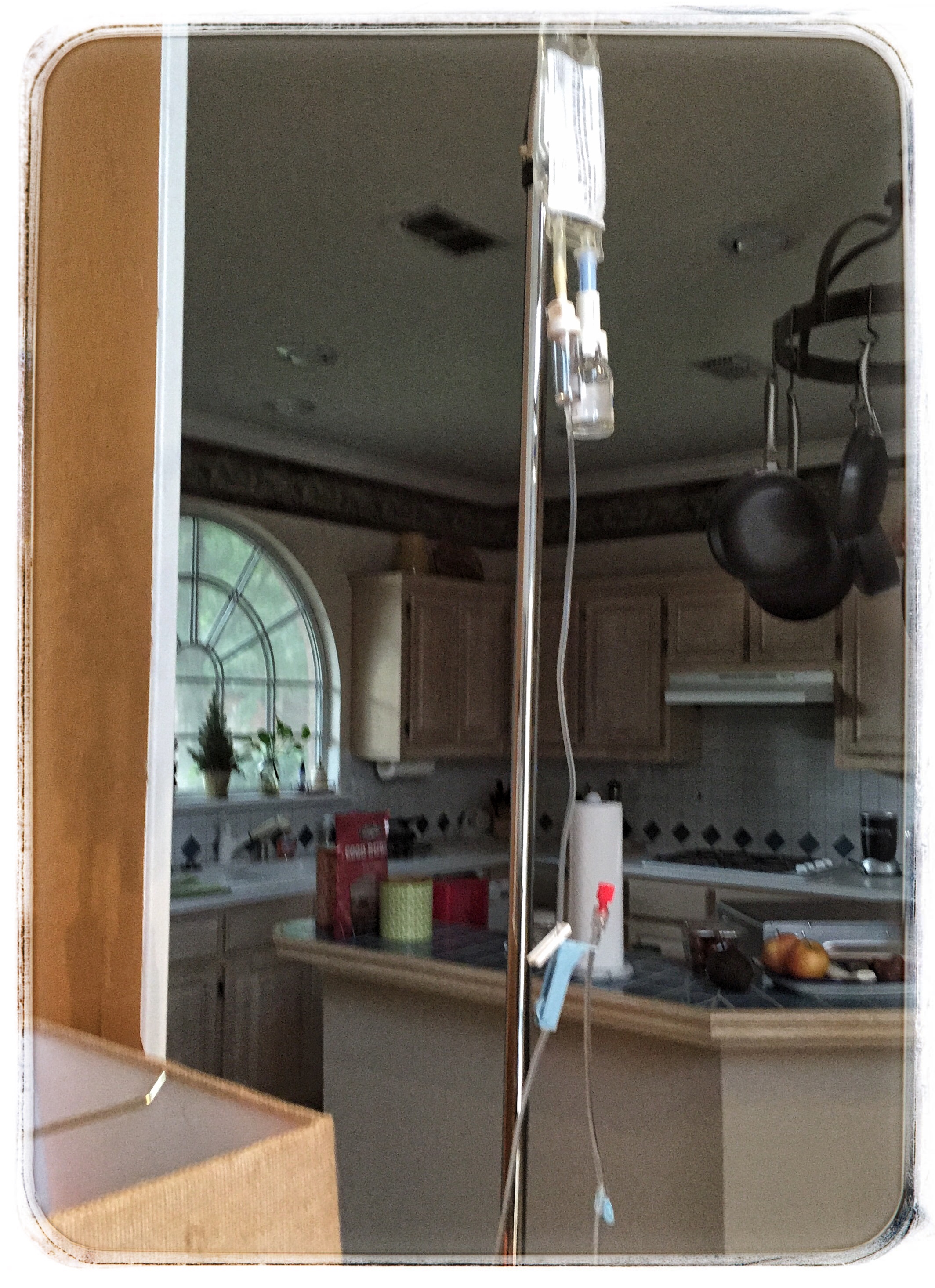





 B12 Shots


Shape Magazine
By Arielle Tschinkel April 27, 2020
She said she “busts her buttocks” during workouts in the name of brainpower, not to “get a certain body shape.”
Kristen Bell is crushing her quarantine home workouts. She recently shared a time-lapse video on Instagram showing herself doing a series of at-home cardio and strength moves, led by Los Angeles-based trainer Charlie Curtis.
Huffing and puffing between sets, a red-faced Bell can be seen doing weighted squats (with dumbbells), renegade row push-ups, boat pose, and burpees in her video. “I thought the burpees at the end would kill me,” she joked in her caption.
As exhausted as she was post-workout, Bell said she also felt “alive and incredibly grateful” for the “blood-pumping session.”
“I don’t work out to get a certain body shape. I work out for my mental health. And I notice a BIG difference when I do and when I don’t [work out],” she continued. “When I don’t, I’m sad, irritable, anxious, and lethargic. When I do, I’m content, motivated, peaceful, and energetic.” (To say the least, Kristen Bell’s realistic approach to working out is #goals.)
Of course, there’s no denying the many mental health benefits of regular exercise. As Bell said, working out—even socially distanced fitness—can help you stay alert, sharp, motivated, and ~alive~, thanks to the flood of mood-enhancing chemicals to your brain that follows a good sweat session.
But remember: You don’t have to dial up the intensity to reap the brain-boosting benefits of exercise. “Taking a walk stimulates the release of serotonin, dopamine, noradrenaline, and endorphins and makes you feel calmer and happier,” Wendy Suzuki, Ph.D., a professor of neural science and psychology at New York University, previously told Shape. (In fact, here’s why you might want to cool it on high-intensity workouts during the COVID crisis.)
If you need recs for your own quarantine home workouts, Bell invited followers to join her for the virtual classes she does with Curtis (you can find his Zoom classes here; he goes live at 11 a.m. PT Monday through Saturday). “[His classes are] always challenging, which I love (and also hate),” Bell joked in her post. (These trainers and studios are offering free online workout classes amid the coronavirus pandemic, too.)
Bell said she even made a new friend in one of her recent workout classes after being partnered up over Zoom. Imagine being so blessed that you’re Kristen Bell’s fitness buddy in a Zoom workout class?!
Please wash your hands and keep your distance. Virtual hugs. Have a great weekend. I hope you enjoy a little fun this week!
Melinda
Welcome back to Weekend Music Share; the place where everyone can share their favourite music.
Feel free to use the ‘Weekend Music Share‘ banner in your post, and don’t forget to use the hashtag #WeekendMusicShare on social media so other participants can find your post.
I appreciate you stopping by today! Please keep your distance and wash your hands. Have a great weekend! Melinda

Welcome to our latest edition of Lyme Bytes!
We’re grateful for this opportunity to connect with you. And we’ve been hard at work in the Lyme community … providing patient support, advocacy, education and awareness to those who need it most.
Needless to say, this year has fast become a period of significant change, adjustment, concern and uncertainty. Now more than ever, it’s important to remember that you’re not alone. We’re right here with you, experiencing the shifts and twists and turns.
We’re also here to remind you that Lyme Disease prevention is more important than ever. With so much distraction, it’s easy to forget that ticks are out full-force and posing serious health threats to you and your loved ones. We’re spending more time at home – which means more time in our yards and other outdoor places. And unfortunately, ticks don’t social distance.
To honor May being Lyme Disease Awareness Month, we at PA Lyme have launched an informative awareness campaign! Our Board Members and Region Leaders are hopping in front of the cameras, introducing themselves and sharing our top prevention tips that are convenient, easy-to-implement and will help to keep you (and those you love!) safer.
Every day, we’re sharing videos, tips and how-to’s that enable you to enjoy the outdoors while knowing just what to do to keep a safe distance from ticks and the diseases they transmit.
You’ll find us sharing away on our social media pages – and right here in this newsletter.
We encourage you to #Dare2BTickAware by implementing these highly effective tips into your daily routine.
Here’s a sneak peek of what you’ll find on our Facebook, YouTube and Twitter pages! (Click each photo to watch!)
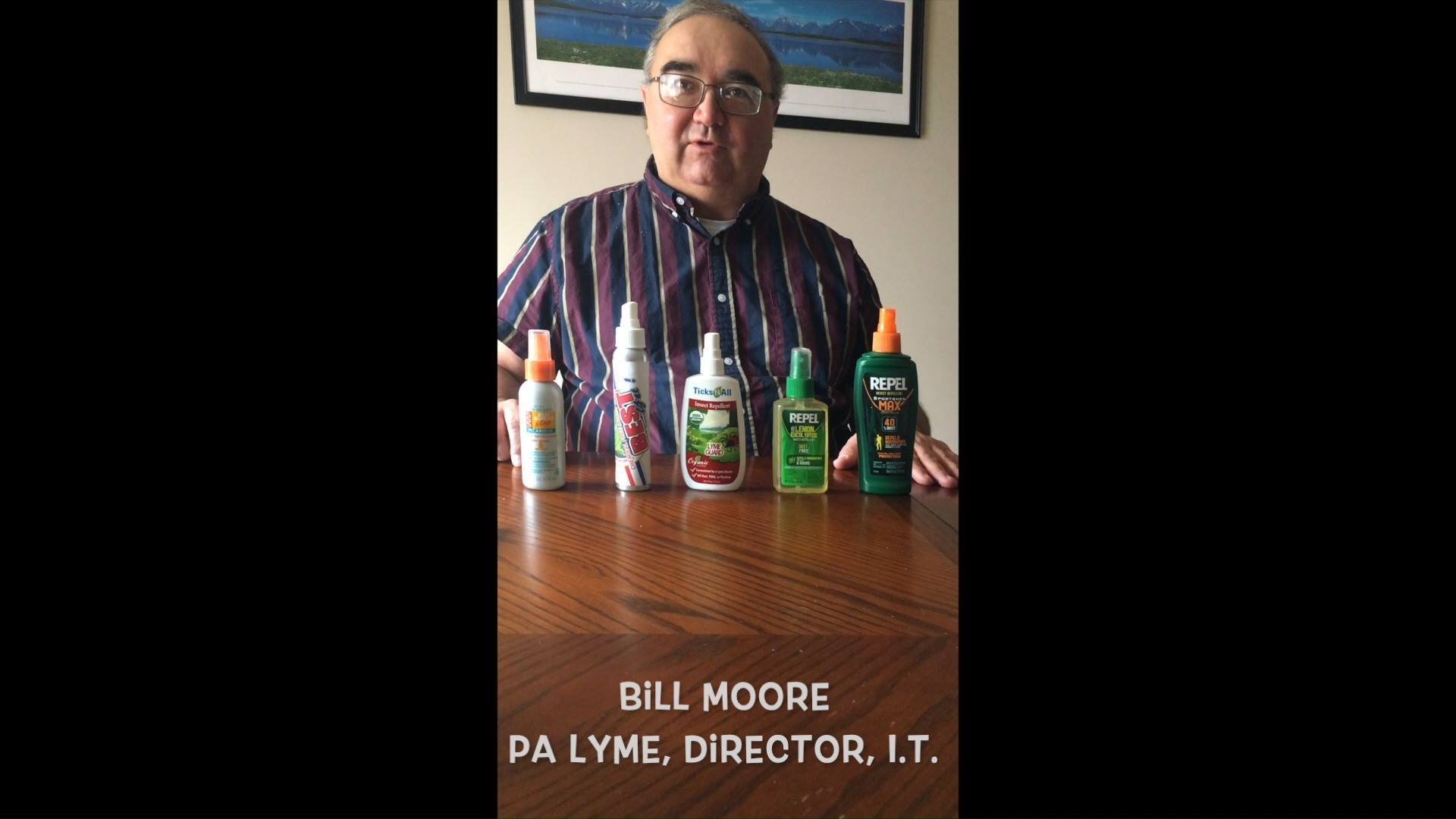
It’s all about Permethrin.
Make time for tick checks.
To DEET or not to DEET?
Wash ticks away.
Education is key.
Turn up the heat.
Did You Know?
Many lawn services now offer tick management programs.
PA Lyme’s Virtual Lyme Impact Series
The Coronavirus pandemic is forcing everyone to shift and adjust. We’ve been doing a lot of that ourselves, and one of our highest priorities has been ensuring that Lyme patients, caregivers and community members continue to receive our support.
Our in-person support group meetings are on hold until we’re once again safe to come together face-to-face. In their place, we’ve launched our Virtual Lyme Impact Series – a highly informative virtual series where we bring you top experts who are discussing the most crucial things that you need to know.
We are extremely grateful to have kicked things off with Dr. Chris Turnpaugh who covered the foundational principles to regain and retain health – an especially important and timely topic for anyone with a compromised immune system.
This online session has already reached thousands, and we encourage you to catch the replay if you couldn’t make the live discussion.
Watch this captivating conversation by clicking here.
Next up?
May 26th: Dr. Joseph Burrascano, pioneer in Lyme and tick-borne diseases.
June 9th: Rita Rhoads, CNP, MPH

Dare 2B Tick Aware Program Offering Virtual Options
Due to the COVID-19 social distancing mandates, the Dare 2B Tick Aware™ prevention program has transitioned from in person seminars to a virtual format. Tick awareness and prevention are more critical now than ever. Springtime weather coupled with social isolation has many taking advantage of being outdoors, such as family walks and kids playing in their backyards. Also, the mild, wet winter has created the perfect environment for ticks to thrive. Therefore, we continue our mission of tick borne disease education, support and advocacy.
The fair market value for the Dare 2B Tick Aware™ in-person presentation is $200. We have exhausted all grants and can no longer provide the program for free. Therefore, fundraising and paying customers must support it.
In order to view our presentation, a donation and basic demographic information are required. This allows us to fund and update the program and track demographic information on its reach.
For your donation you receive:
60-minute PowerPoint presentation with recorded narration covering:
There are two ways to see a Dare 2B Tick Aware™ Prevention Seminar:
For any questions regarding the Dare program, email Amy Tiehel at atiehel@palyme.org.
2 Steps to Better Prevention
Spray your skin with skin-safe repellent & your clothing with Permethrin.
Latest on Instagram


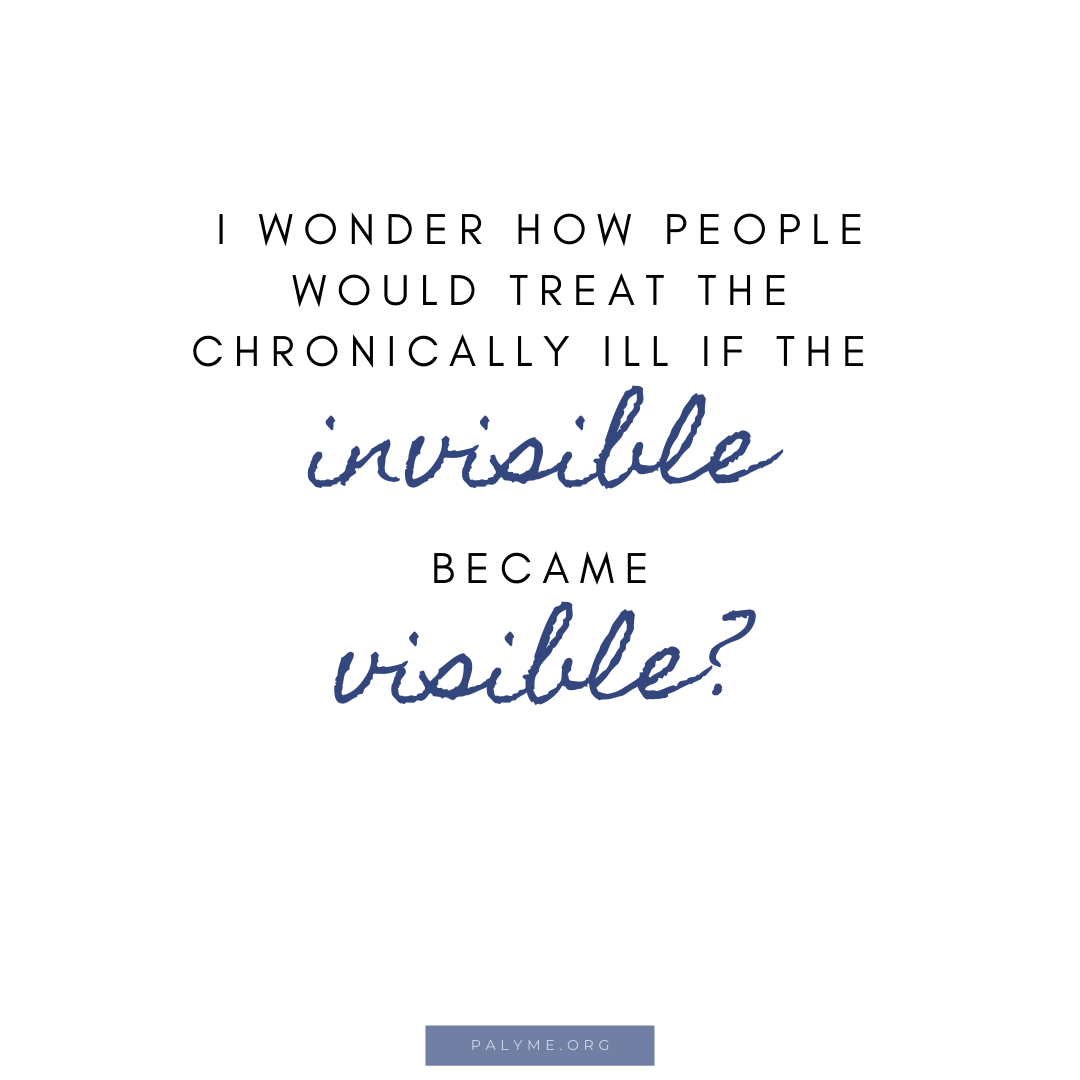

We Can’t Do This Without Your Help!
Your donations are VITAL to our community.
When you donate, you’re joining forces with so many others to truly make a difference for those who are facing the daily physical, emotional and financial struggles associated with Lyme Disease and other tick-borne illnesses.
Here are some other reasons to donate:
Donate to the cause to help us to continue our awareness, education, support and prevention efforts!
We can’t do it without your support!Make A Donation!


Our Contact Information
PA Lyme Resource Network
211 South Main Street
North Wales, PA 19454
.
http://www.palyme.org
Unsubscribe | Manage email preferences
| Due to the Coronavirus, all PA Lyme Support group meetings in May are cancelled. In their place, PA Lyme will be hosting a Virtual Lyme Impact Series, via Zoom webinar. Our second session is Tuesday, May 26, at 7-8:30 pm. REGISTRATION BELOW IS REQUIRED. Dr. Joseph Burrascano, MD. will cover COVID+Lyme, new Borrelia species, Disulfiram, food sensitives, and more.Topic: Living With Lyme Disease in a Fast-Changing World. Managing your health while navigating a shifting landscape.Speaker: Joseph Burrascano, MDWhen: Tuesday, May 26th from 7-8:30 pmRegistration is limited to first 100 people. To register click here. If you miss the cutoff for registration please go to the PA Lyme Resource Network Facebook Page to see a livestream of the webinar. |
| Our Contact Information PA Lyme Resource Network 211 South Main Street North Wales, PA 19454 . www.palyme.org |
 |
| Join us on Tuesday, May 26 at 7:00 p.m. (ET) for a free, hour-long webinar that could be life-changing. This forthcoming Webinar of Recovery will offer a powerful message to male survivors of childhood sex abuse: There are many legal and personal paths to hold sex abusers accountable, and taking such action can be tremendously healing. Panelists will include a leading, New Jersey-based attorney who has successfully represented hundreds of male survivors in civil litigation. Also joining the discussion will be male victims who have held their predators accountable, and therapists/counselors engaged in helping men heal from the often-debilitating effects of sexual victimization. The event will have an open-discussion format, and attendees will be able to ask questions and get real-time answers. Visit MaleSurvivor Events page for complete details. Advance registration is required.The direct registration button is below. |
It’s been six months since I’ve had a bad flare, the freedom from severe pain has allowed me to do more chores around the house. I bought a Bona Microfiber mop and go around singing “me and my mop”! Crazy I know but it’s been years since I’ve done regular cleaning let alone enjoyed it.
I’ve learned to not let Fibromyalgia define me, I’m a whole person. One with a life that includes Fibromyalgia, Mental Illness, other chronic illnesses, a four-legged child, a husband, and a personal life.

I’m learning about the importance of taking care of my immune system, taking supplements for the first time. Eating a bit healthier and losing a few pounds.
Self-care is in the front of my mind every day when I have a flair it takes a back seat but now I make sure there is a least one thing I do for myself to make me feel better. Maybe it’s a foot soak, I’ve bought new make-up even though I haven’t had a chance to wear. I’ve upgraded my skincare regimen and I’m worth it.
Another big change in self-care is we have premade food delivered three days a week and every other week I have premade smoothies delivered. I have found it doesn’t cost us much more, we’re eating healthier and saving a lot of time. We’ve also spent more time in the kitchen together. Since all you have to do is cook in the pan we can take turns fixing dinner. Something I haven’t done in years.
I know a flare can come at any time, I’ve been diagnosed with a new immune disorder and my mental health thankfully is stable. I can’t let my illnesses consume my thinking, my life, and my writing.



I have varied interests, my flowers, tomato plants, photography, my bird garden, and expanding my mind. All of which I get to enjoy now and don’t take for granted.
Melinda
FEATURED LYMETIMES COVID-19 ISSUE ARTICLES
LYMEDISEASES.ORG
In honor of Lyme Disease Awareness Month, the new issue of our digital magazine is open access–freely available to all.
Articles include:

I was nominated for The Sunshine Blogger Award by TANGIE at https://www.tangietwoods. Tangine has won the 2020 Outstanding Blogger Award along with many other awards for her great blog.
This a caption from one of her first post.
An “Undivided Heart,” my theme, my motif I carry forth. The etymology of my theme comes from the sundry challenges of being a Christian, wife, mother, grandmother along with burdens of employment and health issues. I am sure to be not alone wearing these various “hats” of life, or feeling divided by these necessary distractions between the spiritual and the carnal worlds desiring to live in just one, the spiritual. Does this sound like you? Can you relate? https://tangietwoods.blog/2019/06/
I can relate and encourage you to check out her blog. Due to my health conditions I’m not participating in the award but wanted to introduce her to my community.
Melinda

Here’s something different for a Stream of Consciousness Saturday prompt: The word is, “want.” Make the word “want” the first, second, or third word of your post. Have fun!
I want all the rain we’ve received in the past two weeks to get stored up and available in July when there is little to no rain in Texas. It’s rained close to two inches this weekend already, when we think it’s lightening up here comes another downpour.
The upside to all this rain is how all my flowers are blooming out so beautifully and growing fast. We have tomatoes on all six plants and looks like another bumper crop for just the two of us.
Have a great weekend! See you next week.
Melinda
Here are the rules for SoCS:








 lookingforthelight.blog