

What was one perfect moment from today?
Melinda

Melinda
I’m glad you stopped by today and hope to see you again soon.
Melinda
Melinda
Melinda
Melinda

For me it’s coffee!
Melinda
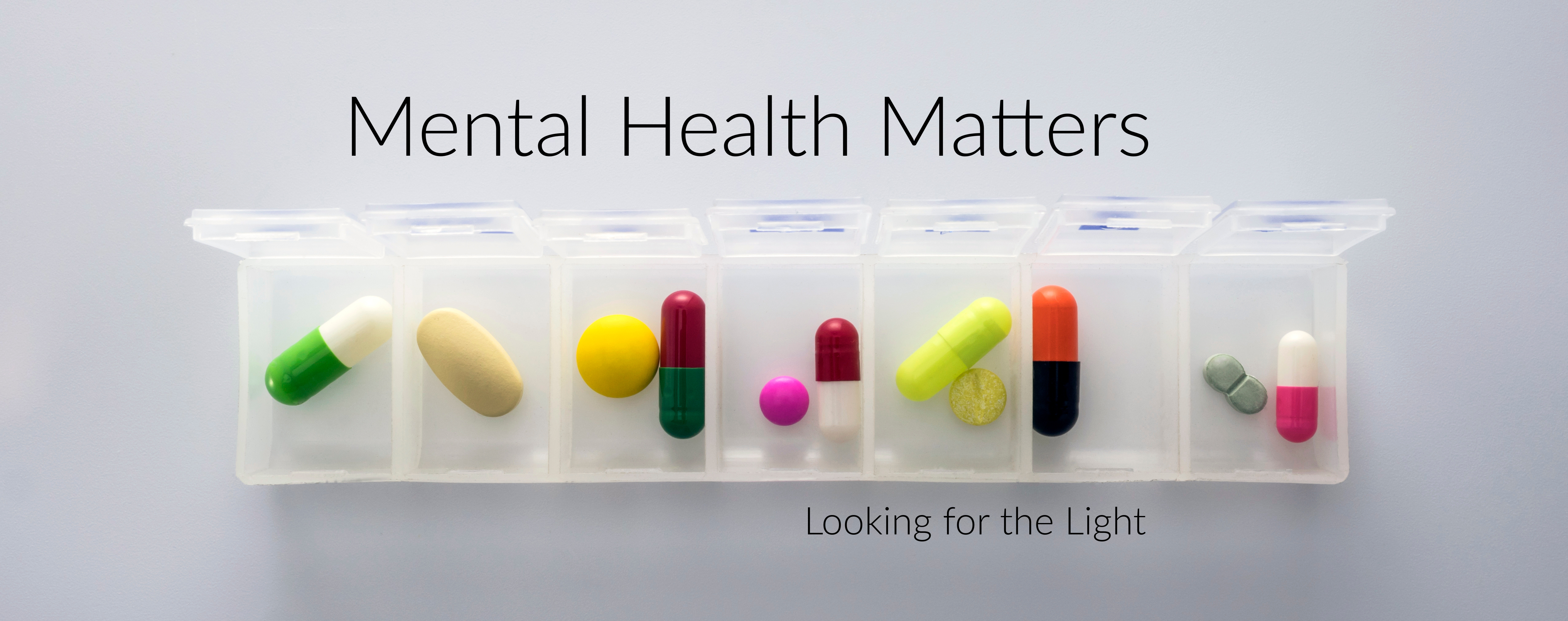
Every medication, vitamin, and supplement has side effects. Some people think that if you can buy it over the counter for you or your children there is nothing to worry about, Wrong! Everything has side effects.
Prescription medications come with a detailed warning but do you read them? You should know what side effects to look for in the short term that may pass, what is urgent, when to go to the hospital or to call the doctor, and what the long-term effects are.

I’ve been taking anti-psychotics for years, at least 30 years for my Bipolar Disorder. One of the long-term side effects of anti-psychotics is called Tardive Dyskinesia which is a serious side effect that can disrupt your entire life.
I started having symptoms a couple of months ago but didn’t think anything about my medications. I thought I knew what Tardive Dyskinesia looked like. You’ve seen the commercials, the person’s hands shake and they drop items or they have jerky motions.
My symptoms reached a point where they were consuming me so I called my doctor. He had me stop one of my medications because it was causing the symptoms I was having. Constantly brushing my teeth with my tongue, and chewing on the side of my mouth, it started to hurt.
When that didn’t work I did some research on Tardive Dyskinesia and discovered that it isn’t always a jerky and uncontrollable motion I called my doctor back to see if he thought it was Tardive. Sure enough, I have an early diagnosis and after stopping my anti-psychotic medication we are hopeful the symptoms will go away.
The big issue is this may not go away even after stopping the medication and my depression will return once I’m off the medication. The good ole catch 22. So I have to wait 450 hours for the medication to get out of the bloodstream, and then it takes longer to be released from the brain. He said we may still be dealing with this in August.
By August my depression may return with a fury and the big question is can I go back on anti-psychotics again and if not what will take its place. They are the backbone of my medications.
You must read all the prescribing instructions when taking medication but you have to read over and over when you take long-term meds because the long-term effects are at the bottom of the prescribing information and we forget. I thought I knew about Tardive Dyskinesia after taking the type of drug for 30 years but I didn’t equate what was happening to me as an early warning.
We’ll have to wait and see what happens on both fronts. It could get hairy in the coming months. My husband is fully aware of the diagnosis and what can happen next. We wait.
Don’t stop taking your medication! Call your doctor and discuss your concerns.
Your mental health matters, make sure to treat it with great importance daily. Your life and lifestyle can depend on it.
Please say a prayer for me, whatever your religion, please light a candle or say a prayer, I need it.
Melinda
Have you heard of Tardive Dyskinesia? If you take anti-psychiotic medication you can get this life-changing side-effect at any time. Tardive Dyskinesia is a serious side effect of taking anti-psychotic medication.
I have a process when taking a new medication, I have to get information from the manufacturer with an emphasis on side effects and when to call the doctor or go to the hospital.
When your Psychiatrist or any doctor talks to you about any medication, make the doctor discuss the side effects before you leave the office, which is their job, at least get a valid site to check each medication. I’m not a doctor and this is not medical advice.
Before using the medication, I go to the drug manufacturer’s site to see the Prescribing Information and review all the side effects. Also, make sure what drugs can’t be used together. This is extremely important, the outcome of taking medication with one that doesn’t play nice is asking for trouble.
You may want to read the results of Clinical Trials to see how many dropped out of the Trial, why they dropped out, and all the side effects including the serious side effects, sometimes called Adverse Events.
“The movement disorders include akathisia, dystonia, buccolingual stereotypy, myoclonus, chorea, tics, and other abnormal involuntary movements, which are commonly caused by the long-term use of typical antipsychotics.”
Arms
Feet
Face ( Mine is in the mouth)
Your Body
Click here for the complete list.
If your Tardive Dyskinesia is in your mouth, I encourage you to get a mouth guard from the dentist to help keep your teeth and gums healthy.
Unfortunately, once you get Tardive Dyskinesia you can’t take anti-psychotics anymore. If you experience any side effects such as involuntary movements. Call your doctor immediately. They may need to tweak the medication protocol to keep you balanced.
There are currently two medications for Tardive Dyskinesia, Astuda and Ingrezza. I took Ingrezza for months but the side effects were too much. I’m not willing to go through that again.
Would you like me to write about Prescribing Information?
Melinda
https://www.ncbi.nlm.nih.gov/pmc/articles/PMC3709416/
Thank you for all the great feedback on the Blogger Highlight series, I’ve enjoyed meeting each blogger and sharing their site with you. This week we highlight the blog of Midwest Mary.

My works are backed by a master’s degree in Pastoral Theology, decades of professional writing, and credible research. I’m an award-winning author of twelve books, newspaper articles, magazines, and marketing materials. I write with you in mind presenting topics of need and interest in a warm, conversational style covering a variety of topics, especially ones of personal experience including travel, nature, poetry, spirituality, caregiving, and grieving.
She’s a great writer, I know you’ll love her blog.
Melinda
Keep your entire family well year-round with the elixir. Kristin said this elixir seems to keep her immune system running at its best. This is so easy to make.
Recipe from Kristin Cavallari’s cookbook True Comfort.
Juice of 1 lemon
1 1/4 inch thick slice of fresh ginger, peeled and grated
1/4 tsp. cayenne pepper
1 tsp. raw honey
In a small saucepan, combine 1 1/2 cups of water with the lemon juice, ginger, cayenne, and honey.
Warm the mixture over medium heat, whisking until it combines and reaches your desired temperature.
Drink right away.
Enjoy!
Melinda
Recipe from Kristin Cavallari’s cookbook True Comfort
Reishi is a mushroom that has many health benefits including boosting the immune system and fighting fatigue. The He Shou Wu powder is an herbal remedy used to promote healthy aging.
1 cup almond milk
3/4 tsp. reishi powder
1/2 tsp. He Shou Wu powder
1 tsp. raw cacao powder
1 tsp. virgin coconut oil
1/4 tsp. ground cinnamon
1 tsp. pure maple syrup
1/4 tsp. pure vanilla extract
1 or 2 shots of brewed espresso
Pinch of Himalayan salt
In a small saucepan, whisk the almond milk with the reishi, He Shou, and cacao powders.
Stir in the coconut oil, cinnamon, maple syrup, vanilla, espresso, and salt.
Place the pan over medium heat and cook, stirring occasionally, until the latte simmers, 5 minutes.
Serve right away.
Serves 1
Enjoy!
Melinda
I’m glad you stopped by and hope to see you soon.
This is the greatest quote!
Melinda
Here are a few products I’m loving with right now. I hope you find a product to add to your household or self-care routine. The list may also give you ideas for a surprise for friends or family, All products were found on Amazon. They make my life so simple!

It’s common for men to get their brows trimmed if there out of control. You can do it yourself if you have a good eye.
Face Wash – Face Cleanser for Men, 5.1 Fl Oz (Pack of 3) Package may vary
2PCS Nesting Grill Baskets with Handle (11.2″ x 3.9″) Grilli
We grill every weekend and this basket will allow me to cook more veggies. You can cook almost anything and it will cut down on the mess.
Men need self-care, everyone needs self-care, it’s a small amount of time for you to relax and destress. I think men run when they hear self-care as it’s only for women. Self-care may look different for men but it’s just as important.
Melinda
From Bella Grace by Stampington
Melinda
Sometimes I find myself reflecting on my younger days, when I had a thriving career with a start-up company and making 6 figures. I was living high on the hog, as they say, I took several vacations a year, wore designer clothes, and had a nice selection of expensive jewelry.
Every once in a while I see that person in me but she’s really gone. My life changed significantly after being diagnosed with Lyme Disease, most weeks I didn’t even get out of bed, taking my IV Antibiotic Therapy bedside.
The contrast to who I am today is the total opposite of my working years. I no longer wear business clothes, or make-up, make sales calls, and no longer have the remains from that time. I don’t need them. I sold all of my jewelry including my Rolex and tried to peacefully move forward.

I’ve had some valuable lessons, some came with age, and others from lessons learned. When I was younger and riding high, I thought the good times would never end. I also placed value on items, which is no way to live. After I stripped away all the money and the finer things it could buy, I realized that it was not what I needed to make me happy. I’ve learned the value of saving money.
Today happiness is simple, it is focused on my husband retiring while taking care of my medical needs. Lately, I’ve been spending the majority of the day in bed due to pain and fatigue. A great day is when I’m up, clear-headed, and enjoying my family.
Do I miss myself from the past? Sure I do at times but would not trade it for who I am today?
I’m centered, know who I am, confident in my choices, and accept this is life with a chronic illness.
How do you reconcile your past life before chronic illness?
Melinda
The recipe is from Kristin Cavallari’s cookbook True Comfort.
Turmeric is incredible for the immune system.
1 frozen banana
1/4 cup cauliflower florets
1 tsp. ground turmeric
Juice of 1 medium lemon
1 tsp. raw honey
1 cup almond milk or full-fat coconut milk
1/4 tsp. ground ginger, or 1 1/4 inch thick slice of fresh ginger peeled
Bee pollen, for serving
In a high-powered blender, combine the banana, cauliflower, turmeric, lemon juice, honey, almond milk, and ginger.
Blend on high speed until completely smooth, about 1 minute
Pour the smoothie into a tall glass and sprinkle bee pollen over the top.
Serves 1
Enjoy.
Melinda
The recipe is from Kristin Cavallari’s cookbook True Comfort
1 1/2 cups almond milk
2 1/2 tsp. pure vanilla extract
1/2 tsp ground cinnamon
1 tb. raw cacao powder
1 1/2 tsp. raw honey
3 tsp. tahini
In a small saucepan, warm the almond milk over medium-high heat until it simmers, 5 minutes.
Pour the warm milk into a high-powered blender and add the vanilla, cinnamon, cocoa powder, honey, and tahini.
Blend on high speed until the cocoa is smooth and frothy, 1 minute.
Serves 1
Double the recipe to make two cups.
Enjoy.
Melinda
Rebuilding your finances after any time of significant change can be challenging to navigate. Luckily, there are a few tried and true ways to find the right path to your financial independence.
One of the most recommended courses of action is to increase your income though that may not be a feasible strategy for everyone. Beyond the standard cutting back on expenses and finding ways to turn passions into profit, here are four other ideas to finding your financial independence.
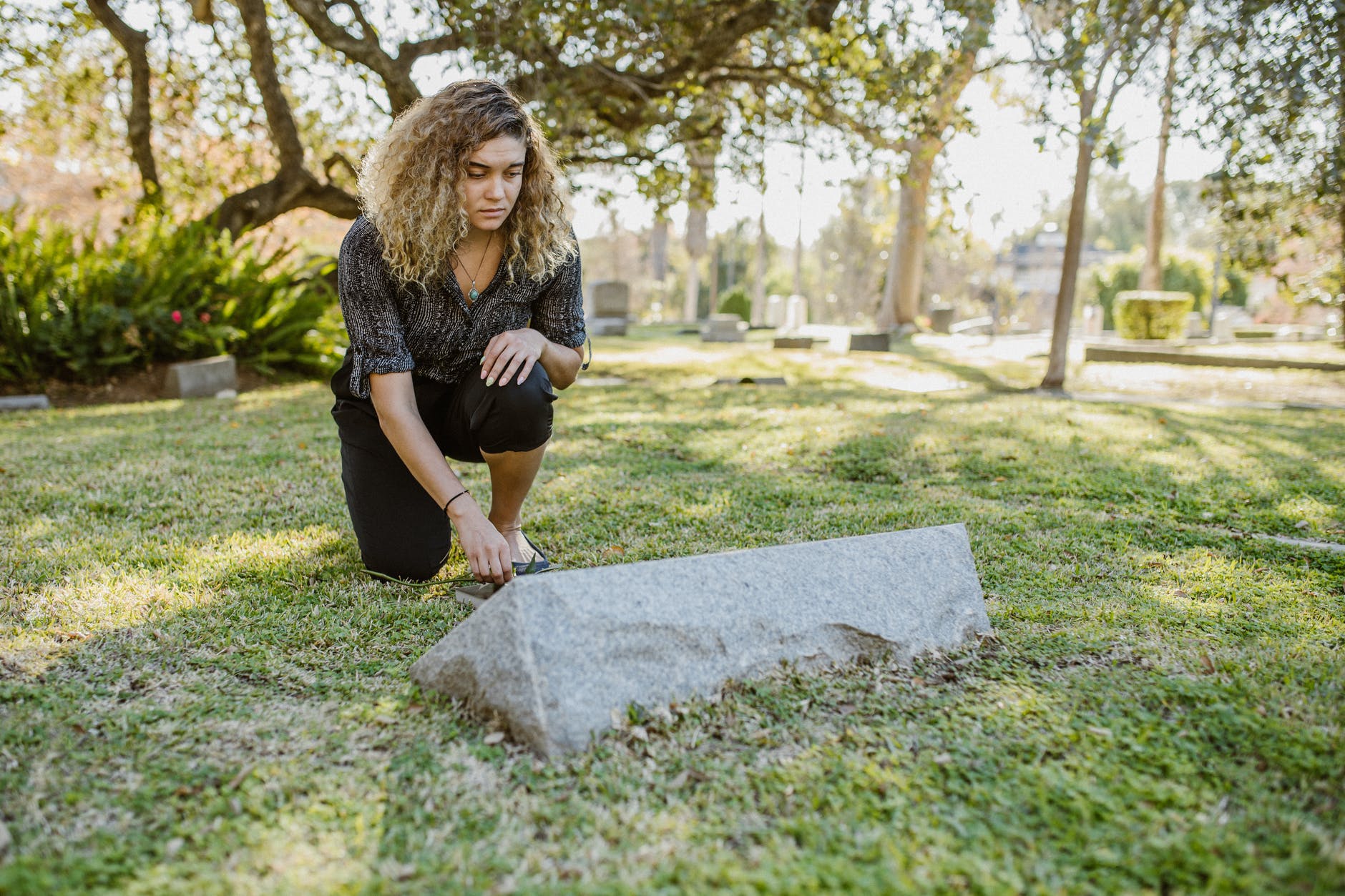
It’s likely that if you have suffered a recent trauma, loss, or another life-changing event, your financial goals have also changed. So before diving into any new financial strategies, revisit your priorities and get clarity around your long-term goals.
For some, it may be paying off a mortgage. For others, it might be funding college for their children or having enough savings to retire early. The steps you take to achieve financial independence will largely depend on your specific goals. Set those goals early and evaluate them annually to make better financial decisions.
When we have medical concerns, we consult a doctor. When we need our air conditioner repaired, we hire a professional. Why then are so many people trying to solve their financial problems?
Hiring a financial advisor helps take the emotions out of the process and focus on the issues that matter. The best advisors will help frame your goals, understand your challenges, and then guide you through making the best decisions that are right for you. Consult this list from Forbes for the best wealth advisors in your state.
Whether you’re new to budgeting, taking it on after the death of a spouse or loved one, or getting back on track after a financial crisis, a flexible budget will help you visualize your goals and keep you accountable.
Decide on your spending categories and do your best to track every expense. It may take a month or two to see where your costs can be adjusted or opportunities to increase your income.
List your top three financial goals at the top of your budget and read them often. Then, when it’s tempting to spring for that spur-of-the-moment expense, you’ll be reminded that you’re working toward a larger goal.
The stock market, mutual funds, real estate investments are exclusive to the financial community. However, anyone can learn more about investments and educate themselves about how to diversify their income through creating investment opportunities.
Don’t let the new terminology or confusing guidelines discourage you. Talk to your financial advisor about your goals and let them know you’d like to explore different earning strategies. When investing, keep your goals in mind and adjust your risk level based on your anticipated retirement age or expected expenses.
And, play the long game. Of course, the stock market will fluctuate, and it will be tempting to jump ship at the first downturn. However, history tells us that those who play the long game will perform better and come out ahead.
If you’ve gone through a loss and come through the other side, you’re already winning! Implement some or all of these ideas, and financial freedom will be one step closer.
This is a collaborative post.
Melinda
People who are chronically ill or disabled have little challenges they may not talk about because these are little in comparison to the top challenges.
After leaving the hospital last month, I realized that many small challenges add to the stress I already juggle.
Not being able to open most lids due to lack of strength, and then spending 30 minutes to screw the lid back on. Sometimes they sit overnight without a lid off, other nights I continue to try for dexterity and concentration.
I tried to take care of myself without going to the doctor. At that time, I wore adult underwear for the first time. My husband doesn’t know how to shop in this category. What good is adult underwear when the crotch hangs low and they gap all the way around the legs which caused many accidents that were quite embarrassing. At the hospital, I was given a mesh boy short underwear that hardly covered anything and I had to add a pad for security.
I have to sit on the toilet to put on socks, jeans, and shoes or I’ll lose my balance getting dressed and standing up.
After the big fall in the shower gave me a concussion, my walking is different. I will walk straight and then my feet move three or four times to one side. I trip over my own feet and when I’m standing close to a wall, my body is like a magnet and I fall into the wall.
The very frustrating one is getting off the toilet and rolling then falling on the floor.
I’m also growing older and my hands do not have much strength. Which I deal with every day. I get tired of asking my husband to open something, it makes me feel even older.
I’m more prepared for the next time.
What’s going on with you right now?
Melinda
Jan 11, 2022 / Ingrid Fetell Lee
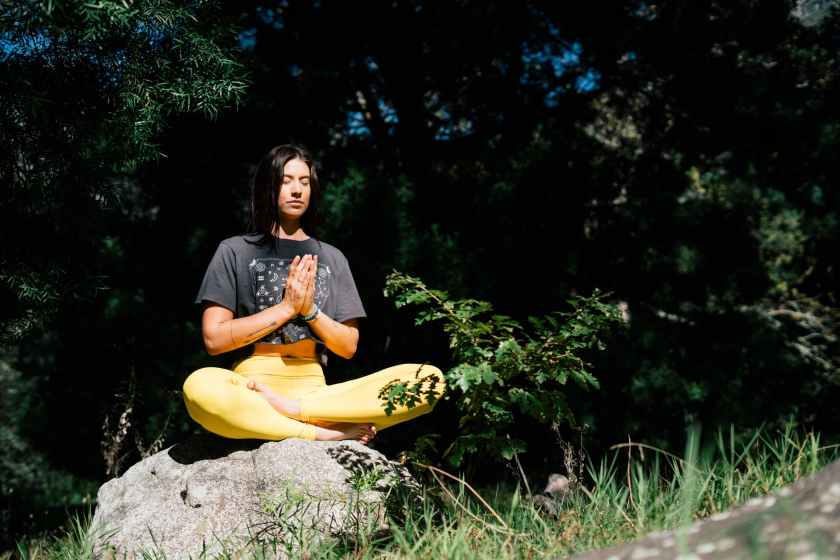
This post is part of TED’s “How to Be a Better Human” series, each of which contains a piece of helpful advice from people in the TED community; browse through all the posts here.
I don’t meditate.
It’s a simple fact that often feels like a confession. After all, meditation is hailed as an almost magical cure in self-help circles, and the list of benefits it offers is undeniably impressive. Meditation promotes calm and compassion, decreases stress, and improves attention and concentration. Avid meditators won’t hesitate to point out, breathlessly, that it can actually change your brain. It is one of the most studied non-pharmacologic mental health interventions in the world, and most of the data is overwhelmingly positive.
So why don’t I do it?
At its best, meditation felt like I was floating in the ocean. But I noticed this only seemed to happen when I was already calm. When I was anxious, meditation actually increased my agitation.
It’s not that I’ve never tried. I used the apps and the timers. I tried body scan meditations and mindfulness meditations. I tried sitting, which made me uncomfortable, and then lying down, which made me fall asleep. I focused on my breath (until I began to hyperventilate), and I also imagined my thoughts floating away in little clouds (there were a lot of clouds).
And to be fair, I went through a period of a couple of months when I had some success with it. At its best, it felt like I was floating in the ocean, bobbing on waves of pure consciousness. But I noticed this only seemed to happen when I was already calm.
When I was anxious, meditation actually increased my agitation. I felt a profound sense of dissonance, my mind bubbling like it was coming to a boil, trapped inside a body that was desperately trying to hold still. At the end of each effort, I felt drained from the failure and worn out by the attempt. Despite the assurances of meditation evangelists that I just needed to stick with it and that feeling like I was failing was part of the process, I suspected that maybe meditation wasn’t for me.
I gained a new perspective when one day I shared with my therapist that meditation has been such a struggle for me.
“Oh, I definitely wouldn’t recommend meditation for someone with your profile,” she said matter-of-factly.
In fact, a 2017 study found that a significant proportion of meditators have experienced fear, pain, dizziness, paranoia, dysphoria and other “challenging” effects.
I was surprised, and strangely relieved. I’d become so used to people extolling the virtues of meditation that I had assumed it was universally beneficial. It never occurred to me that a therapist might not recommend it, or even advise against it. When I asked why, she explained that for some people with histories of unprocessed trauma and physical dissociation, meditation can do exactly what I’d experienced — increase anxiety, prompt flashbacks or trigger other physical symptoms.
In fact, a 2017 study of meditation experiences found that a significant proportion of meditators have experienced fear, pain, dizziness, paranoia, dysphoria and other “challenging” effects. Researchers believe these effects are often under-reported, because studies aiming to understand the benefits of meditation don’t ask about adverse effects. As a non-pharmacologic intervention, meditation is assumed to be harmless.
The moral of this story isn’t “don’t meditate” but rather, that meditation is like many things — great for some people, but not necessarily for everyone.
If it works for you, wonderful! No need to read any further.
But if like me you’ve struggled with traditional forms of meditation, yet still crave a way to settle your mind and ease your anxiety, happily, there are other approaches that can create a similar kind of mental expansiveness to that offered by meditation. These techniques don’t have nearly the same fervor or body of research backing them, but they are valuable alternatives, especially for those of us who find meditation unbearable rather than unburdening.
Rather than feeling like I need to sit with uncomfortable feelings or ideas, visualization allows me to transform them creatively and work with them in a generative, dynamic way.
Here they are:
I’d always thought of visualization as a kind of new age-y cousin to manifesting, but it was actually in therapy where I began to use this technique. During our early sessions, my therapist sometimes asked me to envision a place where I felt safe and calm, describing it out loud as I envisioned it in my mind.
I began to create a garden in my mind, a place I could go when I felt overwhelmed or stressed, or when I struggled to sleep. When anxious, I often come back to this place, adding detail in one corner or another. Some elements are constant, while others change. I always enter the same way, for example, but once inside, I might see different flowers or trees, or I might look around a corner and “find” a new area previously unexplored.
Another time, I was struggling with the noise of constant construction in my building. I was working on my book Joyful at home, and I never knew when the grinding noise would start up, spiking my anxiety and making it impossible to focus.
My therapist asked me to envision something noisy yet innocuous, and for some reason, elephants came to mind. I imagined a crew of elephants in yellow hard hats bumbling around with tools and jackhammers. Whenever the noise fired up and I felt that pit in my stomach, I pictured the elephants and my tension eased. Of course, it didn’t erase the noise, but it helped me find calm amid a situation where I couldn’t gain control.
I find that visualization gives me the same kind of distance and space that many people find in meditation, but it also engages my imagination in the process. Rather than feeling like I need to sit with uncomfortable feelings or ideas, it allows me to transform them creatively — not to avoid them but to work with them in a generative, dynamic way. I haven’t found great research on the use of visualization as a meditation alternative, but there are anecdotal accountsof nurses using visualization with patients, particularly children, as a method of relieving pain.
Adult coloring books had a real heyday in the mid-to-late 2010s, as people sought a creative yet low pressure form of stress relief.
As it turns out, certain types of coloring may help reduce anxiety. In particular, research shows that coloring a complex abstract design such as a mandala or a plaid pattern can reduce anxiety in a meaningful way. Structured patterns like this have strong symmetry that taps into the harmony aesthetic, which promotes calm through symmetry and balance, quieting the visual noise of our surroundings so we can focus more deeply on what we care about. Tied to this, subsequent studies have shown that coloring not only decreases anxiety, but also increases mindfulness and may also improve attention and creativity.
The physicality of coloring may also be helpful to those of us who tend to dissociate from our bodies. The engagement of the hands and the senses can keep us from feeling like we’re swimming in our thoughts.
In one study, a group drumming initiative resulted in significant reductions in anxiety and depression, along with an increase in overall mental well-being.
OK, parents of a child who recently acquired a drum set might not see this activity as calming, but research shows that the rhythmic quality of drumming can be a powerful aid for mental health. In one study, a group drumming initiative resulted in significant reductions in anxiety and depression, along with an increase in overall mental well-being. Drumming also correlated with a decrease in inflammatory markers in the bodies of the participants.
Why does drumming promote calm?
One reason may be the repetition of the sounds and movements (again, a manifestation of the harmony aesthetic). Percussion is considered one of the oldest forms of music-making (perhaps after singing) and may have originated as a way to promote coordination of work among groups of early humans.
Drumming is a grounding activity that lets us blow off steam in a safe and non-aggressive way. Notably, drumming is one activity that has typically been studied as a group intervention rather than an individual practice. It’s possible that solo drumming also has benefits, but current research on drumming tends to focus on the physical experience of rhythm, synchrony and belonging as the key drivers of mental well-being.
For those who benefit from having something outside of themselves to focus on, cloud gazing can be an appealing alternative to meditation. Cloud gazing draws us outside, which has documented mental health benefits, while amorphous, softly shifting clouds give the attention something calming to focus on.
Looking upward may also help, as this increases the amount of light that enters the eye, which itself has distinct benefits for mental well-being.
Little research has been done on cloud gazing (sadly!), however one studypoints to the benefits of sky views as restorative, and accessible. While green nature views have been widely shown to help reduce stress, sky views are beneficial because they can be accessed even in dense urban areas.
While it might sound far-fetched, a whole community of internet users have found peace and joy in vintage videos of Bob Ross’s The Joy of Painting.
Morning pages are a creative tool devised by the writer Julia Cameron in her celebrated book The Artist’s Way. To do them, you simply write three long-hand pages first thing in the morning, writing without stopping and allowing whatever thoughts arise to go onto the page.
For writers, morning pages are a way of breaking through the pressure of the blank page and opening a line of dialogue with your creative brain. No one has to read them. In fact, you can place them directly into the trash when you’re done if you choose.
Though morning pages are billed as a creativity tool, for me they function as a mental health tool. I discovered the technique while working on the later chapters of my book and found it far more effective than meditation at calming my anxiety around my work. Knowing I had the open space of morning pages as a buffer before sitting down to work on my book alleviated so much pressure that I began sleeping better and enjoying my free time more. I regularly return to the practice if not every day, then several times a week at least.
Walking meditation is a form of meditation in its own right, but even if you don’t have a formal walking meditation practice, some form of mindful movement can be calming. Walking is easy and accessible to most people, and for those who feel stuck when attempting a seated meditation, it can help by engaging the body as well as the mind in the act of quiet reflection.
Benefits of mindful walking include stress reduction and improved cognition among older adults, in addition to the many mental health benefits of increased physical activity that it provides.
And if you’re still struggling to find a way to calm your mind, maybe it’s time to turn to a soothing voice and his “happy little trees.” While it might sound far-fetched, a whole community of internet users have found peace and joy in vintage videos of Bob Ross’s The Joy of Painting.
Some researchers believe that Ross’s soft baritone and the swishy sounds of his brush against the canvas trigger ASMR reactions, also known as “brain tingles.” The popular meditation app Calm has used Bob Ross’s voice in their Sleep Stories series, which is intended to help insomniac users fall asleep. You can watch every episode of his show on YouTube, and if you’re looking for one to get started, here’s a favorite episode.
This post was first published on Ingrid Fetell Lee’s site, The Aesthetics of Joy.
Watch her TED Talk now:
Ingrid Fetell Lee is the founder of the blog The Aesthetics of Joy and was formerly design director at the global innovation firm IDEO.
Melinda
I left the hospital 6 weeks ago and still have an issue with my stay. I will file a claim with the Texas Medical Board on the doctor who told me my eGFR was 20 which would mean, I’m not far from death. He said I may not make it out of the hospital. The lab and doctor made a rookie mistake by not testing again since it was so low. I was in complete shock and started calling my brother. I was crying so hard he could not understand what I was saying and had to call my husband to find out what was happening.
If a doctor told you something devastating like you’re dying in a few days?
If the hospital loses your medication list and you don’t get your meds for three days? I went into withdrawal due to not having medication?
If the janitor came in with only a screwdriver, rammed it around, then rinsed it off in your sink?
The list is long so I’ll stop here. Please think about how you would react if faced with these challenges.
I look forward to hearing your thoughts and thanks for reading.
Melinda
The teen years are a time of change and growth. Hormones, new challenges, and trying to figure out who they are – all these things can make the teen years difficult. Parents will often say that it’s hard for them too! As a parent, you may be wondering how you can show your teenager that you care about them. This post offers four ways to do just that:

You may feel like you spend most of the day helping your teen with homework, projects, sports practices, and more. That’s great! But it can also be easy to forget that they have their own lives – friends at school, drama in relationships, or problems with peers. So take time each night before bedtime to ask how their day went and listen when they talk about it. Don’t interrupt them; let them finish saying everything on their mind without interruption. Then give your input if asked for advice, but always try to end by asking if anything else was bothering them today (even if you think you already know).
Even if you couldn’t care less about the latest video game they’re playing, talk to them about their interests. Ask questions like “What’s your favorite part of this?” or “How do you think that happened?”, then listen and ask more questions (without interrupting). This will let them know that you are interested in what is important to them and help build communication skills! For example, if they love reading fantasy novels, buy one new book each month to read it without spending their allowance on books. If your teen loves sports or music videos online, sign up to sites like Netflix or watch movies online instead of paying for cable or satellite TV.
Getting drunk or high is not only dangerous for teens but can also lead to destructive behavior. So when you notice anything has changed, you might need to consider getting help from American Addiction Centers. Also, make sure your teen knows it’s essential to be safe around friends who may have been drinking – if they show up at home later smelling like alcohol or smoke, let them know you’re glad they came home safely but make sure to talk about their actions too! Encouraging good habits in your teenager will help keep both of you happy throughout this trying time.
Everyone loves getting a treat now and then, so it’s essential to show your teenager you care about them with small gifts or treats. But make sure these are things they like – if they don’t want it, after all, give the gift away (to charity). Please put some thought into what might be unique for them, though! For example: If they love candy one month but hate chocolate another, get something else instead of just buying chocolates each time.
It can be challenging to show your teenager that you care about them. This is because the teen years are a time of change and growth – hormones, new challenges, and trying to figure out who they are all making this tumultuous period in life challenging for both teens and their parents!
This is a collaborative post.
Melinda
Thank you for all the great feedback on the Blogger Highlight series, I’ve enjoyed meeting each blogger and sharing their site with you. This week we highlight the blog of Homestead On Lakeside.

Be sure to check her out, the recipes look delicious.
Melinda
This recipe sounds so good, I could use one right now!
2 black tea bags
2 cups full-fat coconut milk
1 tsp. raw honey
1 tsp. pure maple syrup
1/2 teaspoon ground cinnamon
1/4 tsp. ground ginger
1/4 tsp. ground nutmeg
1/4 tsp ground cardamon
1/4 tsp. ground cloves
1 tsp pure vanilla extract
Steep both tea bags in 1 cup of hot water for 5 minutes. Remove and discard
Meanwhile, warm the coconut milk in a small saucepan over medium-high heat to your discard bags
Pour the warm milk into a high-powered blender and add the brewed tea, honey, maple syrup, cinnamon, ginger, cardamom, nutmeg, cloves, and vanilla extract. Blend until the latte is combined and slightly frothy, about 1 minute
Pour into two cups and enjoy.
Melinda
Reference:
The recipe is from Kristin Cavallari’s cookbook True Comfort.
The recipe is from Kristin Cavallari’s cookbook True Comfort.
I am so impressed with her cookbook, she covers every meal, snack, and smoothie. You don’t have to be living a Gluten-Free life to enjoy the recipes, they sound delicious. Several followers have made comments about how good the recipe was.
1/2 avocado
1 tbs raw honey
1 cup almond milk
2 tbs raw cacao nibs
1 cup frozen cauliflower florets
1 big handful of fresh spinach
1 tsp brain octane oil (she likes Bulletproof)
1 tbs bee pollen
1 tbs hemp seeds
1/4 cup chopped or sliced blueberries and blackberry
Place the avocado, honey, almond milk, cacao nibs, cauliflower florets, spinach, and brain octane oil (if using) in a high-powered blender and blend until well combined, about one minute.
Pour into glass and top with the bee pollen, hemp seeds, and berries.
Enjoy right away.
Serves 1
Melinda
The recipe is from Kristin Cavallari’s book True Comfort.
This smoothie sounds so good I’ll have to try it. I like how easy it is to make and you can double the recipe to make two lattes.
1 tbs. ground coffee or instant coffee granules
1 tbs. raw cacao powder
1 tbs. coconut cream
1 cup frozen cauliflower florets
1 1/2 cups almond milk
1 frozen banana
Serves 1
Place the coffee, cacao powder, coconut cream, cauliflower, almond milk, and a banana in a high-powered blender and blend until well combined, about 1 minute.
Pour and enjoy!
Melinda
Personal budgeting is a powerful tool, but few know its value. You see, most people get upset when they hear that they have to make a budget for their expenses. It is associated with discomfort and headache. Just as it is linked to diet to hunger and limited food, this is because most people only resort to budgeting when things get tough and there are difficulties, just like with someone who, because he has gained a lot of weight, decides to lose weight. But this is not precisely the case. A personal budget is a necessary tool that we must learn to use in our lives. Its mission is not to make you limit your expenses but to help you set aside more money or spend it more efficiently.
Most people who do not have a budget end up spending more than they need each month. But this exaggeration has significant implications as it limits their future economic power. The result is that they have less money left, but also create more fixed costs if the purchases are made with installments and credit cards. But when you plan how much you will spend each month and know in advance where they will go, it is easier to restrain yourself and realize when you are overdoing it. For this reason, make your own personal budget so that you know where you are. If you have types of subscriptions, then look at reassessing them. If you have car costs, then look at honest car service to ensure that you are always keeping the necessities at a lower price.
A personal budget is essentially a plan that helps you prioritize where you spend your money. This means that when you create an account, you are shifting your focus to the things that matter most to you. This can be repaying a loan, raising enough money to get a home, or starting your own business. The budget essentially creates the plan that you will follow and allows you to monitor your progress.
People who do not use budgets will not have as much money in savings. Also, planning how you will spend your money each month helps you to avoid infringing on your existing savings. By doing things this way, you can gradually increase the money you have set aside. And the more that you save, the more you will start to feel more comfortable with your finances and of course your future. This will assist you with your home too.
Budget work is to help you be flexible. By recording the income and expenses in detail, you can see how you can transfer money from one expense category to another. It also helps you identify issues that may arise and make the necessary adjustments.
If you feel that you do not have control over your finances and you are always wondering where your money and salary have disappeared, your budget will help you to recover it. By setting your financial priorities and seeing on paper how you spend your money during the month, you better understand habits and patterns that hurt you. This way, it is easier to know where to stop. Having a definite plan for the month, you know what to do and what not to do, and it is easier to think about the future. Make your plans and prepare. The budget is probably the most essential tool you need to change your financial future and gives you the power to make changes right away.
Personal budgeting is not difficult to set up. We are not talking about a budget drawn up by a multinational or a state, where the responsibilities are significant, and the variables are many. We are talking about the account that will help you maintain order in your finances.
So if you start using it regularly, you will see that it is something simple. You can make it even easier and instead of using pen and paper, take advantage of technological advances using a corresponding application. As with anything new, you may be skeptical or feel that you do not have to bother analyzing your finances. But try it for a few months. As you apply it, you will see that you will become more familiar and it will be easier for you to manage your money properly.
This is a collaborative post.
Melinda
Melinda














 lookingforthelight.blog