

So glad you stopped by and I hope to see you soon.
Melinda

So glad you stopped by and I hope to see you soon.
Melinda
This is my reality and it’s hard to swallow when I look at my life 20 years ago. No doubt many people with Chronic Illnesses face similar problems. It’s not that I miss my younger self, I miss being capable and independent.
In December, I was writing my 2024 goals, and my health and limits on driving make going to new places or getting a smoothie require my husband to be available to drive me. It sucks!
I’d love your feedback and any ideas you have.
I have no family except my husband
No friends
The only people I see are doctors and my hairdresser
Blog
Photography
Bird watching
Green Thumb
Ancestry
I can not drive anymore
Agoraphobia
Memory Impairment
Balance problems have returned
Severe Anemia
It’s difficult to bring joy to your life when you sit at home day after day. If you’re housebound, how do you add joy to your day?
Melinda
Buying a gift is deeply personal and can get complicated when trying to buy for a friend with a chronic illness or for one who has chronic pain. I have a few chronic illnesses of my own and thought it would be nice to put together a list of year-round gift ideas.
I hope this sparks some ideas of your own. Shopping for someone who has a chronic illness isn’t as complicated as it feels, just think from a different perspective.
I know whatever you decide to give your friend or loved one, they will appreciate it and you very much.
Melinda
As we age, everything that was once taken for granted will become more difficult. Often, friends and family will need to step in and care for you.
If a loved one of yours needs to be looked after, then it may seem like the right thing to do to take care of them. But before you do decide to take care of someone in this way, it is important that you consider everything that is involved in caring for elderly relatives. Elder-care is more than a full-time job, and it will be both emotionally and physically challenging. In many cases, it may be best to find a respite care provider, to ensure your relative gets the best care they can. However, if you have decided to take this role on yourself, educating yourself about how to help them best is essential.
Here is everything you should think about when taking care of an elderly relative.
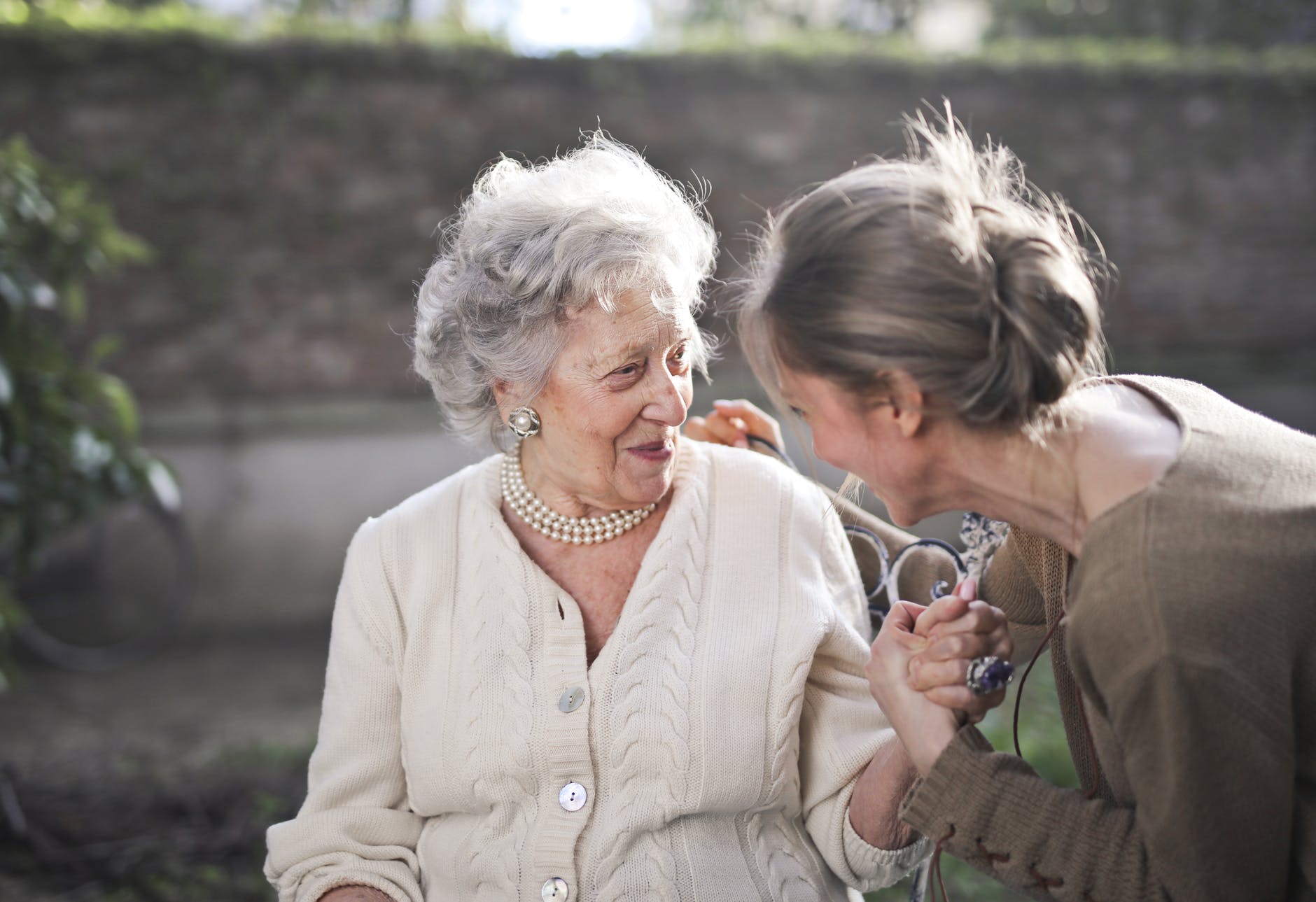
One of the most important aspects of caring for an elderly relative is that you’ll need to make sure that they are taking any medication that they are on when they need to. They may be on several different medications for a variety of different conditions. Make sure you know about their medical conditions and understand what the medication is for. In addition, you should get to know more about the medication, including:
You may be required to administer their medication or to check each day to ensure it has been taken.
If the elderly relative that you are caring for has limited mobility, then you may need to help them with their housework. While this may mean carrying out major tasks such as cleaning the whole house, it may also involve smaller tasks such as washing the dishes.
Since mobility is a problem for many older people, there are risk factors that you should be aware of. You may need to supervise or provide mobility aids to help them get about their day without having any slips, trips, or falls.
Make sure that the home environment is safe for them. This could involve making sure that the house is free from clutter, that the walkways are clear, that there are handrails throughout the home, that there is a stairlift in place, that walkers or wheelchairs are available as needed.
This wheelchair guide will talk you through finding the right wheelchair for the relative that you are caring for.
You should go through the house and identify any potential risks and make the necessary changes.
Personal hygiene and health go hand-in-hand. Wherever possible, you should ensure that the relative that you’re caring for has some sense of independence when it comes to bathing and washing. To achieve this, you could provide handrails in the bathroom, along with baths and showers that are easily accessible.
When someone is unable to clean themselves, you will need to help them. Creating a bathing and washing routine is essential. This will ensure your loved one will stay clean all of the time. This will be even more important if your relative is either bed-bound or incontinent, as sores may form if you don’t keep proper hygiene.
Unless your elderly relative is able to cook themselves, you will very likely to do this on their behalf every day. Make sure that you provide a healthy balanced diet that is not only varied, but that is also interesting. Make sure that mealtimes are something to look forward to.
If you want to save yourself some time, you may want to batch cook some meals so that these can be quickly reheated another day.
If the person that you are caring for has mobility issues, then it will be essential that you help them to get around. To do this, you may need to lift them up. If this is something that you need to do, ensure you do it safely and consider your own body. Make sure that you are not putting yourself at risk at all.
There may be lifting equipment that you can buy that will help you to lift your loved one safely. There may also be courses that you can take that teach you safe lifting and handling.
It is essential that you help keep your elderly relative as active as possible. Even if your elderly relative has mobility problems, there will be some exercises that they can do. This may just mean doing simple movements with their arms and feet. Find some basic routines that they can complete. Join in with the exercises with them to make them feel more at ease while they’re doing them.
There will often be errands that need to be run. If your elderly relative is unable to do them, you will need to do them on their behalf. This may mean going to the shop, paying bills for them, returning their library books, and much more. Try to maintain a routine so that you can easily keep up with the required errands.
If your relative needs to go into the hospital for a procedure, you’ll need to be there to help them out with their aftercare. Make sure that you’re there to speak with the doctor and find out what you’ll need to do in terms of caring for them after the procedure. You will also need to ensure they are able to attend any follow-up appointments.
One of the hardest things that you’ll need to deal with is the end of life care. It will be important that you know exactly when you should call a hospice.
With all the best intentions, there will be times when caring for someone that you are close to will get to be too much for you. Make sure that you take a break whenever possible, and build a support network around yourself.
This is a collaborative post.
Melinda

Melinda
Surprised and grateful is my mood today.
I had an angel drop $100 in my pocket and I didn’t know I was involved in an Apple litigation. I’m always thrilled to have money fall from the sky!
Melinda

Not all, but a lot of the older people in our lives are going to need some kind of help in getting the care they need. This has always been a concern of younger generations, but now there are more elderly than ever, so we need to take a closer look at the options available to us, their shortcomings, their benefits, and which are most likely for us. Here, we’re going to look at three primary options for the care of your elderly loved one, how to choose the option that best fits your needs, and how to make it work for you.
It’s an option that is becoming more common as fewer people can afford the kind of care they might need for a loved one. However, providing that care yourself is a big risk factor. Carer burnout is a real risk for those who don’t research how to provide adequate care for their loved ones. Respite care services can help you get a little break here and there so you have time to focus on your own needs, too. Don’t neglect to look at what kind of financial aid there is available for carers, either.
Perhaps the most widely sought-after option of all is to get a carer who can either spend time in the home with your loved one or even live with them on a full-time basis. This is the most financially demanding option, but it’s also one that should be chosen with care. It’s important to look for a home nurse that not only provides all of the physical assistance that your loved one needs but also provides companionship and conversation as best as possible. Isolation is one of the greatest health risks to the elderly, putting them more at risk of anxiety, dementia, and even premature death. As such, it’s important to choose services that offer them the company that they need, not just the practical needs.
One of the options that probably sparks the most concern or at least second thoughts, is the notion of having your loved one live in a nursing home. However, there are plenty of different types of assisted living communities out there, including ones that offer access to holistic health care, such as art therapy, field trips, and the like. It is important to do research into the kind of community that your older loved one is joining and to be aware of the risks of neglect, doing your research into the care standards, and any past trouble of the operations that you might be taking a look at.
Most important of all is that, if you’re entrusting the care of your loved one to professionals, you still need to be present in their lives. First of all, they need someone who can provide contact and companionship on a more personal level. Second of all, they’re more vulnerable, so they need someone to watch out for their interests.
This is a collaborative post.
Melinda
Thank you for all the great feedback on the Blogger Highlight series. I’ve enjoyed meeting each blogger and sharing their site with you. This week we highlight the blog of Ms. C. Loves.

In my world, where my life is ever so happening yet my memory is ever so fleeting, I have decided to dedicate some time weekly to preserve those precious moments for my future wrinkly self.
So here, I present to you: my valiant attempt to document all the big and small things in life that capture my heart (cheesy, I know!)—enjoy!
You have to stop by often to see what new is going on.
Melinda
In this fast-paced social media world, it can be difficult to find the time to look within or back in time. I hope you find these quotes and questions interesting. So glad you stopped by today!
Continue reading “Deep Thoughts”This post was written after I saw my first Lyme Literate Doctor. Quack! One day I’m reviewing the doctor’s notes again and realize I have another person’s file. I fired him because he said I had high lead levels and had to go through this horrible treatment, what else can I expect? The second doctor was a great success.
I have learned several lessons since the last journal entry. A word of caution. Please educate yourself on Lyme Disease for those who enjoy the outdoors anywhere in the US, Canada, Germany, and parts of England. If detected early doctors can usually treat with a short round of antibiotics. It is hard to think a tick the size of a period used in a sentence could do so much damage. I can’t imagine looking for a tick that size or a larger one the size of rice. The classic symptom doctors look for is called a Bulls Eye Rash. Up to 50% don’t get the rash, slipping through during the early phase.
The CDC acknowledges there are flaws with in Lyme Test. DEET and proper clothing are your only defenses against ticks. Other critters like mosquitos and flies carry the Lyme Virus. Protect yourself by using a spray or a sunscreen containing DEET. Read about extra precautions you can take.
* The doctor was right, when giving yourself a shot you have to go with gusto. I made the mistake of going slow, I had a little blood, a slight pain at the entry spot, and medication stained my shirt. You don’t have to stab yourself hard, pick your spot with enough stomach fat, and when you aim keep going.
* Managing the number of probiotics, pills requiring an empty stomach, pills with food, and working with my normal meds can cause a challenge. The key reason for the probiotics is to prepare your “gut” for the antibiotics. I’ve been told long-term use of high levels of antibiotics will take your stomach for a ride. I hate to throw up, it’s high on my list of things I dislike.
* Enjoy the good days remembering overexertion and lack of sleep can worsen symptoms. I was fooled last week, staying up till 1:00 or 2:00, one night at 4:40 AM. The past three days are a reminder, the lack of sleep catches up. If you wake up late it throws your med schedule off the next day if you sleep in. I’m the queen of sleeping in, there is no discipline to force myself to set an alarm to get out of my comfy bed to take meds.
* You could have several doctors on your support team. I can’t drive while drugged and jerking, my husband has to take the day off to shuttle me to appointments. I’ve had appointments one day every week for the past month.
* When you’re enjoying the good days, you don’t think about what day the symptoms will return. Upon return this time my symptoms are like an early Parkinson’s’. I’m herky jerky making typing difficult. I have to realize at this point the disease is in the front seat driving me. I have little control.
* As the virus invades my brain the neurological symptoms increase, last night I experienced 15-20 seizures before they let up. My memory is getting foggy. I picked a song for Throwback Thursday over the weekend. It’s Wednesday morning and I still can’t remember the name of the band. I see the singer on stage, some of the lyrics to songs yet the band name escapes me. It is hard to accept the disease is invading your body. I try to keep positive, looking at this as a growing experience. When you read my post or comments and I use the wrong word or make no sense at all please remember it’s the virus in me speaking.
* My doctor handed me a brochure for a Healing Center with a new state-of-the-art HYPERBARIC THERAPY. Maybe Michael Jackson can sleep in one, not me. The therapy is 1 1/2 hours long, lying in this weird chamber and receiving 100% oxygen. I am claustrophobic, not to the worst degree however put me in one of those and someone will not see the better side of me.
This morning, 8/6/14 is the first time I’ve cried, just losing it. I was reading the beautiful feedback from friends and followers and the level of support warmed my heart.
Warrior
In 2014, I went by Warrior and then decided my name was more personal.
Melinda
The #Stop Hate campaign first started with #Stop Jew Hate but it has clearly expanded its reach to include everyone who is being persecuted for their religion, the color of their skin, or what country they lived in before moving to America.
Let’s make this a chance to heal. Only we can take the steps to heal, no steps forward leaves you among the chaos.
Melinda

Melinda
I’m so glad you stopped by and I hope to see you soon.
Melinda
One would think that freezing weather would cause ticks to hibernate or die, but you would have to think again. States that stay below freezing for most of the winter will not have a high risk but it is not impossible. Keep this in mind when raking the leaves and snow close to the ground.
The key is to know ticks are active and how to prevent tick bites. It’s easy to fend off these beasts by making a few changes. If you are walking in high grass, or have tree limbs brushing the trail, even dead leaves can be a host for ticks. Before you head out, spray exposed areas with DEET* making sure to spray the foot to above your ankles.
Put pant legs in socks so the tick can’t climb in. Wear a hikers hat with a trail that covers the back of the neck. No more falling off a tree limb right down the back of your shirt. They look for every chance they can get to attach to you, the host. The most critical step is to check your body, complete body, once home. Wash your clothes right away, don’t put them in the washing bin and let them move around your other clothes.
As someone who lives with Chronic Lyme Disease, I can say that preventing a tick bite is a hell of a lot better than getting Lyme.
If you’re enjoying the warmer-than-usual winter, so are ticks. The insects do not have to go into their usual hibernation on days when the temperature exceeds 40 degrees. It used to be the people who study ticks in Connecticut got pretty bored in the winter months. Not anymore.
“We used to call it tick activity season,” explained Dr. Goudarz Molaei, a tick expert with the Connecticut Agricultural Experiment Station. “We can no longer call it tick activity season as ticks are active year-round.”
When people get bit, they send their ticks to the Agricultural Experiment Station. It used to be they would get about 50 all winter long. Now they are getting around 800.
“We receive ticks daily, and some days we receive over ten tick specimens from the public,” Molaei said.
If Connecticut no longer has a non-active tick season, chances are the surrounding states are also seeing an increase in ticks during the winter. Be safe by preparing on the front end.
DEET* or no DEET, is based on your preference. There is plenty of information for your searches.
Melinda
References:
https://www.wtnh.com/news/ticks-becoming-active-year-round-in-connecticut-due-to-warmer-winters/
Posted Jan 08, 2021
When life knocks you down, drains you of energy, and weakens your resolve, the last thing on your mind is gratitude. It’s hardly surprising; after all, gratitude is an emotional response of appreciation for what we have. When we feel depleted it can feel impossible to draw from an empty reservoir.
And yet, developing gratitude during hard times is precisely what fills the void. What’s more, gratitude is the key to preventing emotional and physical breakdowns during times of stress.
The difficult circumstances we find ourselves in are not the only challenge to practicing gratitude. While it’s certainly true that gratitude can be an automatic emotional response to many of our life events, it rarely is. Rather, what’s more true is that gratitude is an internal perspective—a lens we view the world through—and one that we in fact control. The struggle to find gratitude comes from expecting life to be a certain way (and being disappointed and angry when it is not).
Maybe you have not thought about this before—what do you expect life to be like? Take the year 2020, for example—were you expecting a global pandemic? Probably not!
But really, when have we ever known what is going to happen? Over this past year, many good people developed cancer; many kind souls lost a loved one to a drunk driver; many hopeful new parents had a child born with birth defects. They weren’t expecting these life-changing events to occur, but nevertheless, they did. When our perspective of life is limited by the belief that life “should” be a certain way, we will find gratitude difficult to express.
Gratitude is only possible when we realize that all that we have is a gift.
Having worked and traveled in many countries around the world, here is my impression about differing cultures—the more we have, the less we express gratitude for it. In other words, excess leads to a feeling of entitlement. However, the opposite is true for those who live in extreme poverty: people who live in the poorest countries in the world tend to express tremendous appreciation for what they have. Moreover, they are not dissatisfied, anxiously waiting for the next good thing to come their way.
There is nothing like sharing a simple meal of bread and tea in the home of a person of modest means; indeed, the experience is humbling. Instead of a sense of anger, bitterness, or irritation for what they lack, they express gratitude for the things they do have—the ability to walk and breathe, to survive; they take note of the beautiful sky at night and the richness that friends and family provide them. Even in their poverty they willingly give away what they have to others in need.
Here’s a simple exercise to try. The next time you are stuck in traffic, frustrated that you “should” be arriving at your destination on time, try to change your focus and see what it does for your mood. A simple yet startlingly effective way to do this? Follow your senses: feel the warmth of the sun coming through the window (or perhaps your car’s heater); smell the cup of coffee sitting at arm’s reach in your cup holder; take a sip, perhaps marveling at the insulated mug that keeps it warm long past the pot; listen to a favorite song on the radio; look at your fellow travelers and allow curiosity to fill in the blanks of where they all might be headed to. Like you, they are people with hopes, dreams, and disappointment. Taking a break from focusing on your current stress will allow a brief reprieve by shifting your perspective to these small gifts in life, (and maybe even seeing all of life as the gift that it is).
When we get a hold of the idea that everything we have is a gift—and we express appreciation for the gift of life itself—we shift our perspective away from what we don’t have to what we do have. In appreciating what we have, we invite important changes to take place in our brain and body. Indeed, expressing gratitude on a daily basis provides many benefits—here are five that might surprise you.
Think of gratitude as a garden you plant. When you start incorporating gratitude practices into your activities of daily living, at first you won’t see any immediate change in your outlook on life. Lasting improvements in your emotional and physical health take time, but they will come if you are diligent. In fact, setting the intention to “plant a gratitude garden” in and of itself speaks to your capacity for hope and a more fulfilled life. And when the fruits of gratitude do show up? It will have been well worth the effort.

Evan Parks, Psy.D., is a clinical psychologist at Mary Free Bed Rehabilitation Hospital and an adjunct assistant professor at Michigan State University College of Human Medicine. He is the host of the Pain Rehab podcast. Online:Chronic Pain Rehabilitaiton book, Twitter, Facebook, LinkedIn
Have you ever noticed how bad you feel after eating something greasy? Sure, it tastes fantastic going down, but it doesn’t take long for the bloat and mental fog to kick in. If food is thy medicine, fatty, oily, and fried foods are a shot in the foot.
Of course, everything can be enjoyed in moderation. However, there’s no denying that some foods make you feel better than others. Plant-based diets have started gaining more traction in recent years as more people begin to realize the substantial physical and mental health effects that your diet can have on you.

Studies can back this up, too. A recent one in New Zealand discovered that people who incorporated more raw produce into their diet were at a lower risk of suffering from mental health disorders like anxiety and depression. Even though this study only showed a correlation and not a cause-and-effect relationship, it’s still quite promising; raw produce may have higher volumes of nutrients, which could, in turn, explain the participants’ improved mental health.
While it’s generally much better for you if the bulk of your diet is whole foods (think fruits, vegetables, grains, anything unprocessed, really), some whole foods have different effects on your health. Today, we’ll be focusing more on the mental health aspect of your diet, and what foods you can eat to preserve your health and peace of mind.
Eating food that’s been sitting around for a while might strike you as counterintuitive, but in reality, it can have some incredible health benefits. If you’re not already aware, your digestive system is home to a booming metropolis of microfauna–a.k.a bacteria–that keeps things running smoothly in your gut. These microfaunae are the caregivers of the digestive system: they break the food down, help sort the nutrients from the waste, and fight off any potential infections. Fermented foods, luckily, are loaded with this helpful microfauna, which is also called probiotics. Just as a Kansasian would want a sickly loved one to be in the hands of the best home health care services in Wichita, KS, you too should want the best microfauna to take care of your gut; they could help preserve your sanity. Foods like kimchi, sauerkraut, yogurt, and kombucha are all chock full of these helpful bacteria that have a pretty significant influence on your mood. Researchers are finding that there’s a strong link between gut health and mental health, too, so next time you’re sad, hit your favorite Korean restaurant.
Have you ever heard of DHA? It’s a fatty acid found in oily fish like salmon, prawns, and trout that helps with memory improves your overall mood, and reduces anxiety. Fish is also packed with essential omega-3 acids that keep the serotonin and dopamine in your brain circulating smoothly. Not only can you improve your memory by incorporating fish into your diet, but you could also facilitate serotonin and dopamine circulation in your brain–all of which lead to a happier and healthier you.
If you’re like us, you’re a serious bread lover. Thankfully, you don’t have to ditch the carbs to feel better about yourself. However, you might have to switch up the kind you’re eating. A lot of whole grains, like quinoa, oats, barley, rye, corn, and brown rice, contain amino acids that boost your brain’s serotonin production. Serotonin has a massive effect on your mood and sleep cycle, so you could improve your general mood and sleeping patterns by merely eating more whole grains.
Consider a bowl of steel-cut oats with antioxidant-rich berries if you want to start your day off on a healthy, balanced foot. This amino acid-antioxidant combo will have you firing on all cylinders for the whole day.
When it comes to eating healthy, it’s hard to beat a rainbow of fresh produce. The unique health benefits of each fruit and vegetable are too many to list here but know that you can’t go wrong with a bowl of fresh fruit or veggies. Produce is a great mood regulator since it contains complex carbohydrates or carbs that slowly release their energy into our bodies throughout the day. This slow release translates to better-regulated moods, and therefore, a calmer you. If you want to focus on the most nutrient-dense produce, look for leafy greens like kale and spinach and antioxidant-rich fruits like berries. The vitamins and minerals in products will nourish your body the way it’s supposed to be nourished, leaving you feeling as healthy as you can feel.
This is a collaborative post.
Melinda
In this fast-paced social media world, it can be difficult to find the time to look within or back in time. I hope you find these quotes and questions interesting. So glad you stopped by today!
Continue reading “Deep Thoughts”Are you feeling depressed for no reason? Sleeping more? I think about the time of year it is and know when the days start to melt away. You also have to determine if it’s SAD or depression. If your depression gets worse go see a doctor.
Seasonal affective disorder (SAD) is a type of depression that’s related to changes in seasons — seasonal affective disorder (SAD) begins and ends at about the same times every year. If you’re like most people with SAD, your symptoms start in the fall and continue into the winter months, sapping your energy and making you feel moody. These symptoms often resolve during the spring and summer months. Less often, SAD causes depression in the spring or early summer and resolves during the fall or winter months.
Treatment for SAD may include light therapy (phototherapy), psychotherapy and medications.
Don’t brush off that yearly feeling as simply a case of the “winter blues” or a seasonal funk that you have to tough out on your own. Take steps to keep your mood and motivation steady throughout the year.
These “self-care” tips might help with seasonal depression. See a mental health professional if sadness doesn’t go away or interferes with your daily life:
I use a medium light next to me while in my office during the day.
Melinda
References:
Here are a few products I’m loving with right now. I hope you find a product to add to your household or self-care routine. The list may also give you ideas for a surprise for friends, family, or co-workers. All products were found on Amazon.

It was the first time I’ve found gloves that do not have too much elastic around the wrist. Mine were always too tight. These gloves are so soft and easy to put on. No elastic issues anywhere, I’m buying another one for downstairs.
I buy most of our products from Amazon even our groceries from there. The two-day delivery time is amazing. They even offer free shipping, actually most of the time. Last year, we started watching the series they offer. We have several that we hope they will come back. We’ve only had a few duds.
They now have a pharmacy, I haven’t tried the pharmacy but I know Amazon will deliver everything they commit to. When I can order our groceries and have them delivered the same day.
I love that they had only two places and it is so easy to open and my knuckles love it. The arthritis in my hands is worse as I age so I had to make adjustments. It’s multi-colored but you can see through to your medication
They look like Moleskin’s, even with the back pocket. They have a large selection of sizes and I bought the 252-page journal, which is 5.7 inches by 8 inches. This larger size is for my ancestry work.
Melinda
I was too young to remember Martin Luther King Jr. but I do know he advocated peacefully, no violence, and no violence encouraged. He raised his voice a bit like a preacher so he got the message across.
He is respected for his messages which many could tell you about. He advocated for peace and to end segregation He didn’t pretend to advocate, he believed and took action to the street.
He lived and dedicated his life to peace and to changing society. He will always be known as a great leader and how he changed lives.
Martin Luther King was an important civil rights activist. He was a leader in the movement to end racial segregation in the United States. His most famous address was the “I Have A Dream” speech. He was an advocate of non-violent protest and became the youngest man to be awarded the Nobel Peace Prize. He was assassinated in 1968.
In 1968, shortly after Martin Luther King died, a campaign was started for his birthday to become a holiday to honor him. After the first bill was introduced, trade unions led the campaign for the federal holiday. It was endorsed in 1976. Following support from the musician Stevie Wonder with his single “Happy Birthday” and a petition with six million signatures, the bill became law in 1983. Martin Luther King Day was first observed in 1986, although it was not observed in all states until the year 2000. In 1990, the Wyoming legislature designated Martin Luther King Jr/Wyoming Equality Day as a legal holiday.
As we celebrate his legacy, what comes to my mind is his “I Have a Dream” speech How can we think of Martin Luther King Jr. without knowing the “I Have a Dream” speech.
Nowadays it’s violent protesters, mass shootings, and violence against other nationalities. I blame the violent protestors/cowards for encouraging this behavior. If you don’t know the person, how can you hate them?
Have a great celebration for a man who made a big impact in America.
Melinda
References:
https://www.timeanddate.com/holidays/us/martin-luther-king-day
So glad you stopped by and I hope to see you soon.
Melinda
By Field Guide by Stampington
Melinda
Staring at the ground with no thoughts on my mind is one way my husband knows I have Brain Fog. He saw me staring out the window yesterday and checked to see if I was okay. He knows enough about Fibromyalgia and what the symptoms can feel like. Now that several more symptoms have joined the party, I have to work harder to keep each illness in line. Fibromyalgia can wreck many parties and unfortunately more cancelled events.
Yesterday I woke up and my back was one big spasm, this symptom, if it is one didn’t last long but left pain in the area. It could also be caused by my anemia but one in my back was a surprise to me.
I’ve been lucky, last year I had one big flare in the summer, and it felt like it lasted forever. The other flares were light which is great because I also spent a week in the hospital.
There are times when I don’t listen to myself and create much bigger issues. Here’s a bad example, I tried to manage my Urinary Tract Symptoms, severe fatigue, and eventually not able to walk. I got stubborn and resisted the hospital but when you can’t walk you know something is wrong.
PLEASE DON’T FOLLOW MY BAD IDEAS!
While taking care of myself for two months, the UTI infection turned into a Kidney Infection, I had a Bacterial Infection it took two days to identify the exact bacteria before they prescribed any antibiotic medications. My Potassium was very low which is what caused the inability to work.
I’m still dealing with the side effects of Anemia and the medication for it. And what comes along!!!!!! A flare started a couple of days ago and I have to see where it takes me.
I spend hours in bed daily, mostly not able to write and go back for a nap. I have a bad Brain Fog, which prevents my desire to do anything. I no longer feel guilt when my body needs a rest, even if it’s all day. The laundry is in the hamper, about three loads. I do a load and if it’s the next morning when I dry them, that’s fine with me.
If anyone with Fibromyalgia has had spasms in the back as part of a flare, please leave a comment. It would be nice to know if it’s Fibro or my anemia. I would really appreciate your help.
We can become very educated about our illnesses and symptoms but we can’t forget, that we are not a doctor, and no amount of reading will make you a doctor. We need to put our pride in the back seat to get the right diagnosis and treatment.
Have you found an upside to Fibro? Please let me know!
I wrote this post while having Brain Fog, it’s been a couple of days now.
Melinda

January is a busy month and there are many Awareness Days read about it.
Cervical Health Awareness Month
National Slavery and Human Trafficking Prevention Month
National Volunteer Blood Donor Month
Poverty in America Awareness Month
National Obesity Awareness Week
International Holocaust Remembrance Day
International Reducing CO2 Emissions Day
Melinda
You have probably heard the phrase ‘self-care‘ a lot over the past few years. It is a buzzword that seems to be sticking, and many are advocating for the practice of self-care to be something everyone regularly does. This is especially important for those living with chronic conditions. Being in the pain all or most of the time, along with physical limitations and fatigue, can be exhausting. Taking the time for yourself to do something that makes you feel better is more important for those who don’t have the luxury of living life in the way those without chronic illnesses can.

How do you practice self-care, even when you can’t get out of bed? It can be tricky but not impossible. Making sure you meet your basic needs of eating, drinking, washing, and maintaining your hygiene is as self-care, and for some, this is more than enough and all they can do.
If you know you are struggling with your health condition, ask others for help. Be it your healthcare provider, family, or friends, or even your workplace if you go to a place of work. Knowing when you need to relax and take it easy is something most but not all people living with a chronic illness will recognize. Plan ahead for when you feel your symptoms may get worse and lean on those around you for help to take some of the pressure off you and allow yourself time to heal as you work through this period.
It can be tempting to skip meals or reach for junk food when you feel bad. Comfort food feels well, comforting. But doing this regularly won’t serve you well when it comes to your long-term health. Even though your body isn’t 100% physical, you can make sure you are eating a well balanced and varied diet. This will help to boost your immune system and reduce those sluggish feelings associated with a diet lacking in a variety of fruits, vegetables, and healthy foods such as seeds, nuts, fatty acids, and all the minerals your body needs to function correctly.
Once you know what you need as a bare minimum to help you manage your symptoms, develop a routine and ways of managing your day-to-day activities. Look for tools, hacks, and tricks to make things easier for yourself and allow yourself breathing space so as not to overdo it. Know your limits and make a list of what makes your symptoms worse and what you can do to alleviate them when they flare up.
This is a collaborative post.
Melinda
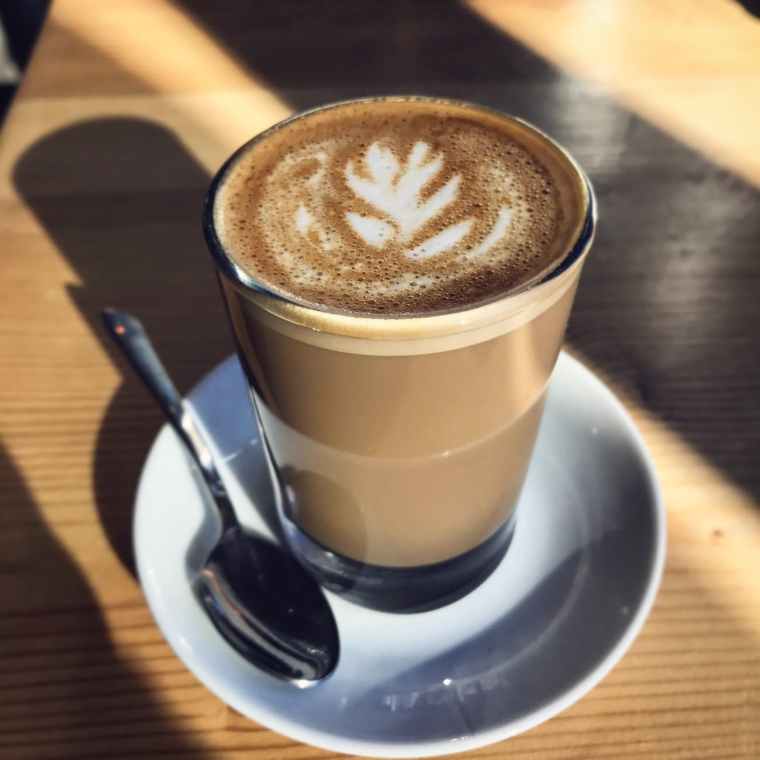
Recipe from True Comfort by Kristi Cavallari
1/4 cup of full-fat coconut milk
1/4 cup almond milk
1/2 cup brewed espresso (about 3 shots)
Sweetener of your choice like a splash of maple syrup
In a small saucepan, combine coconut and almond milk, and warm the mixture over medium-high heat to your desired temperature.
Add the espresso and sweetener and whisk until combined
Pour into a mug and enjoy.
This sounds delicious, just like the ones made in Spain.
Relax and work on clearing your head for a few minutes. This is the type of self-care we need every day.
Melinda
The recipe is from True Comfort by Kristin Cavallari
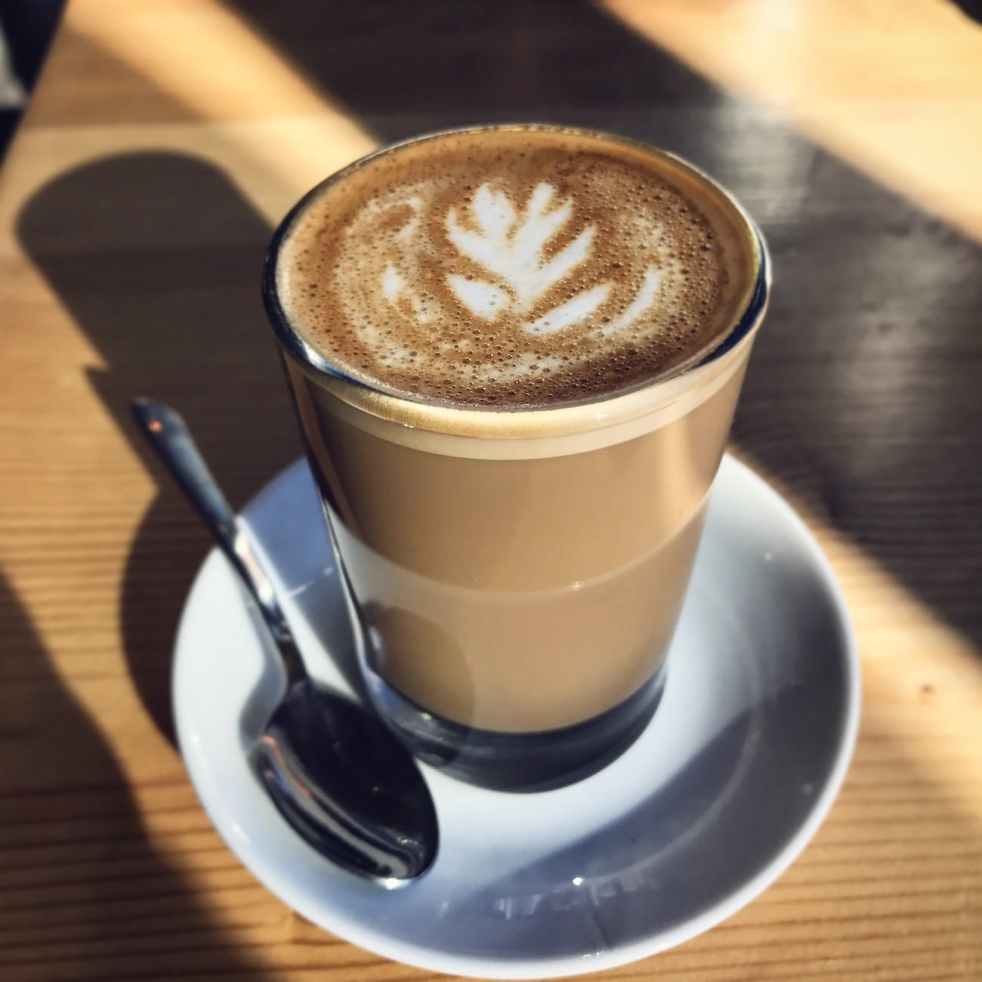
I love to drink hot drinks in the winter and take a break while drinking. Just slip away for some self-care time enjoying your favorite drink. You owe yourself a chance to relax by taking mini breaks from work.
Serves 1 and can be adjusted to serve more.
1 cup full-fat coconut milk
1/4 teaspoon activated charcoal (from 2 capsules)
1/4 teaspoon finely chopped fresh rosemary
1-2 shots of espresso
1 teaspoon pure maple syrup
In a small saucepan, warm the coconut milk over medium-high heat to your desired temperature. Pour the warmed milk into a high-powered blender and add the charcoal, rosemary, espresso, and maple syrup.
Blend until combined and slightly frothy, about 1 minute.
Pour into a mug and enjoy.
Enjoy!
Melinda
Recipe from True Comfort by Kristi Cavallari
Makes about four cups
10 apples, such as Fuji or Gala, quartered but not peeled or cored
1/2 cup coconut sugar
1 tablespoon of ground cinnamon
1 tablespoon allspice
Place apples in a large pot and add water until it covers the apples by one inch
Bring to a boil
Then stir in the sugar, cinnamon, and allspice
Reduce the heat to a low boil and cook uncovered for 1 hour
Then cover the pot, reduce the heat further, and cook on simmer for another two hours
Pour the cider. through a fine-mesh strainer into a large bowl, working in batches if needed
Place cider in the fridge and let it cool completely, or enjoy it right away while it’s still warm.
It can be kept in the fridge for one week.
I can see myself relaxing and sipping on hot Apple Cider.
Enjoy.
Melinda
This is a perfect example of a dog who was not trained by a Mother or son. There are the types of dogs who don’t want you to be a Pet Parent, both of you will go unfilled and cause the dog to act out in a way that is not normal. You HAVE to train every dog, the amount of time each dog needs can be found when you research the right type of pet for you and your family.
My husband works from home and takes both dogs on a walk around lunchtime. He was several houses away from where the boy and dog were in the front. Out of nowhere here comes this big dog attacking my husband a bit one dog twice. He was holding the dog off and was screaming for the boy to get his dog. He had no control of the dog, he would not listen to any command. The boy runs in and she comes outside, just like the boy she has no control over the dog.
This is a situation that needs immediate attention.
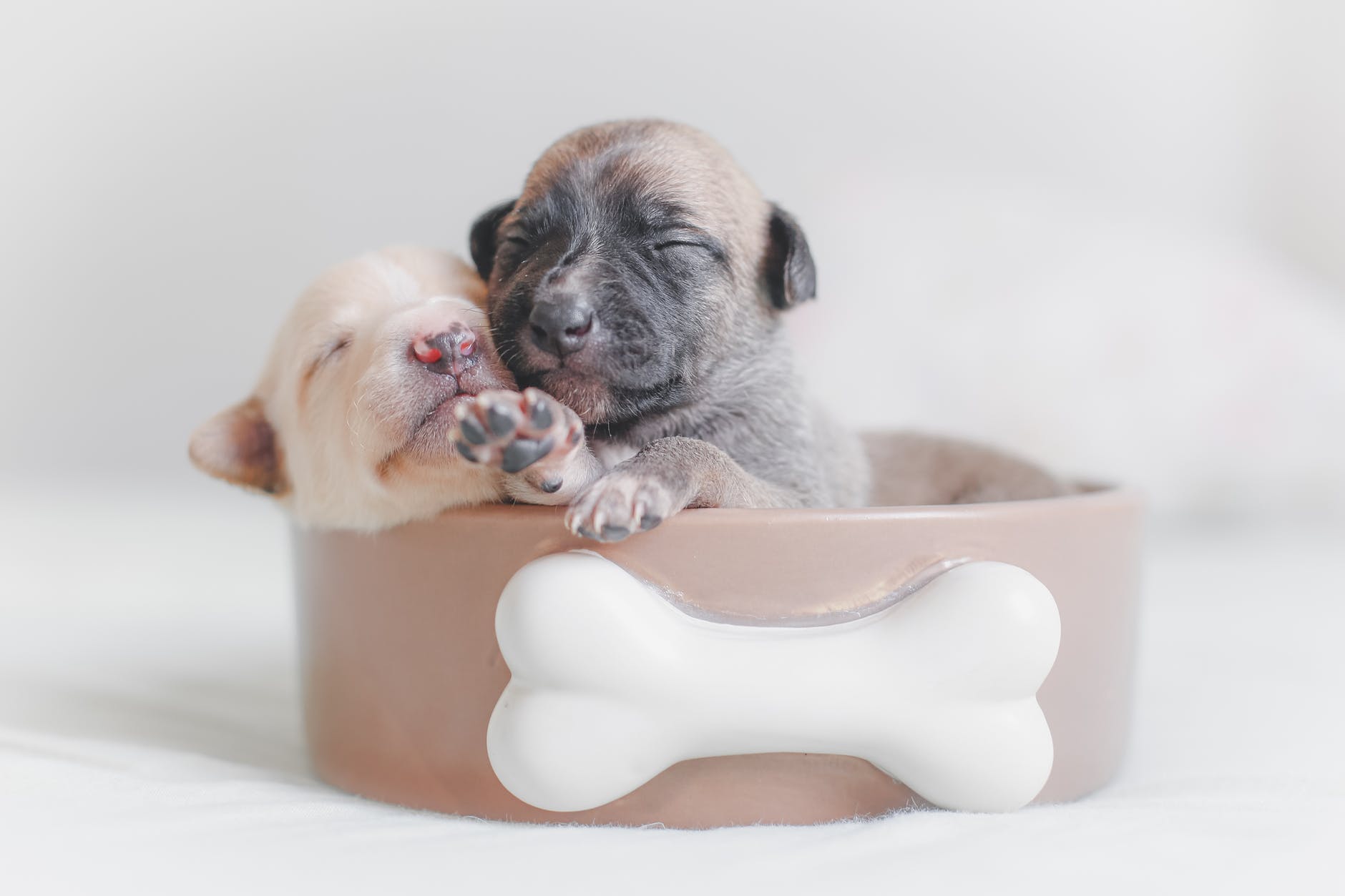
My little guy limped for a few days but didn’t need any treatment.
I thought about it, a not-trained or dangerous dog needs a call to Animal Services. My thoughts were simple they bought a dog not knowing they needed care and training. The dog could be a threat to our neighborhood.
I talked with Animal Services and gave her the information from the attack. I said it’s clearly a lack of training, including the mother leaving her 8-year-old in the front yard with the dog. I reiterated that I didn’t see the attack but the boy and his mother were not trained to control the dog. I said they need some training fast.
My husband had picked up the dogs at one point, and he just turned the other way and hoped the dog wouldn’t follow. The next time he walked the dogs she started yelling at my husband.
What if this happened to you as you walked down the street? Only you are injured, and your dog is in bad shape. Check to see how bad you are and get the dog to the Veterinary Clinic. Keep all of your receipts, send a copy to a neighbor whose dog was involved, and send a copy to Animal Services.
Buy the right breed, then give them everything they need to be a happy dog.
Melinda
So glad you stopped by and I hope to see you again soon.
Melinda
Let’s talk about a subject that doesn’t come up in everyday conversation.
There are so many Azo or other Urinary tract infection medications on the shelves and you need to read the ingredients. I do most of the shopping at Amazon and they have an Azo for whatever your target is.
If you are not allowed to use NSAIDs, read each package carefully. I can’t take them and several I looked at had NSAIDs.
But the no-stain type of Azo or others. The stain they leave is bright orange and doesn’t come out in the wash.
Azo is meant as a short-term patch. If you are using it longer than recommended, don’t make the mistake I made and let it go on for two months. I knew, but I had so many health issues coming up at the same time. Letting a Urinary Tract Infection can progress to a Kidney Infection which is exactly what happened to me.
When I was in my early 20s I started getting UTIs often until I saw an Urologist.
If your clothes are wet for a long time, it can start a UIT. Back when I was diving I brought a dry change of clothes.
After sex go pee.
Change your feminine pads often.
Wear cotton panties, they breathe better.
Use a feminine wipe after a bowel movement.
I’m sure this is a much longer conversation, maybe you have a post to share.
I hope this helps.
Melinda


















 lookingforthelight.blog