Today’s prompt for Stream of Consciousness Saturday is: “home.” Use it as a noun, a verb, an adjective, or an adverb. Enjoy!
When I think of home, I think about my grandparent’s house. I went to live with them at 14 years old. We lived in a very old part of town, the house was 900 sq ft, with no shower, window air conditioners, no cable, no dishwasher, and one bathroom.
I had the best growing up years in that house. Without all the technology in the house, no cable or Internet, you had more face time with each other and family. That’s how we spent our days, we cooked together, hand washed and dried the dishes.
They lived on a 1/3 acre of land so we had a huge garden. Gramps was the master gardener. We ate fresh veggies and fruits every day. We didn’t have canned food except for asparagus which granny loved.
It was a simple life and it was a great life for a teenager to grow up in such an environment. I was very sad when we sold the home, all the memories flashed back as we prepared to sell the house.
Melinda
Here are the rules:
1. Your post must be stream of consciousness writing, meaning no editing (typos can be fixed), and minimal planning on what you’re going to write. 2. Your post can be as long or as short as you want it to be. One sentence – one thousand words. Fact, fiction, poetry – it doesn’t matter. Just let the words carry you along until you’re ready to stop. 3. I will post the prompt here on my blog every Friday, along with a reminder for you to join in. The prompt will be one random thing, but it will not be a particular subject. For instance, I will not say “Write about dogs”; the prompt will be more like, “Make your first sentence a question,” “Begin with the word ‘The,’” or will simply be a single word to get you started. 4. Ping back! It’s important, so that I and other people can come and read your post! For example, in your post you can write “This post is part of SoCS:” and then copy and paste the URL found in your address bar at the top of this post into yours. Your link will show up in my comments for everyone to see. The most recent pingbacks will be found at the top. NOTE: Pingbacks only work from WordPress sites. If you’re self-hosted or are participating from another host, such as Blogger, please leave a link to your post in the comments below. 5. Read at least one other person’s blog who has linked back their post. Even better, read all of them! If you’re the first person to link back, you can check back later or go to the previous week by following my category, “Stream of Consciousness Saturday,” which you’ll find below the “Like” button on my post. 6. Copy and paste the rules (if you’d like to) in your post. The more people who join in, the more new bloggers you’ll meet and the bigger your community will get! 7. As a suggestion, tag your post “SoCS” and/or “#SoCS” for more exposure and more views. 8. Have fun!
For more streams, rules, and tips for Stream of Consciousness Saturday, visit our host, Linda at: Linda G Hill
Maybe you’ve heard the buzzword Neuroplasty and wondered if it could help with chronic pain. I’m quite curious so this post is a learning experience for me too.
Neuroplasticity is the brain’s capacity to continue growing and evolving in response to life experiences. Plasticity is the capacity to be shaped, molded, or altered; neuroplasticity, then, is the ability of the brain to adapt or change over time, by creating new neurons and building new networks.
The importance of neuroplasticity can’t be overstated: It means that it is possible to change dysfunctional patterns of thinking and behaving and to develop new mindsets, new memories, new skills, and new abilities.
It is obvious that we do many physical things automatically. It generally takes little conscious effort to walk, gesture, chew, or balance while riding a bicycle. We routinely accomplish relatively difficult tasks without too much thought. It is frequently not necessary to think about how to accomplish these tasks because our brains have learned and practiced these skills so well that they occur with little or no effort. In addition to physical activities, we have learned certain cognitive skills that we typically perform with minimal mental effort, such as adding simple numbers, reading, typing, and recognizing certain patterns of speech as belonging to certain dialects.
The reason we are able to accomplish these feats quickly and effortlessly is that neural networks or pathways have been formed in our brains with connections to our bodies. These pathways are very specific and unique to an individual, and they consist of thousands of brain cells devoted to these tasks. They can be very simple or quite complex. For example, most people have the experience of driving somewhere familiar and not recalling exactly how they got there. They were in autopilot mode.
What happens to these pathways in states of disease or dysfunction?
An acquaintance told me this story. He served in Vietnam in the late 1960’s and his company was ambushed. His unit sustained many injuries and some were killed. He incurred shrapnel wounds to his left leg and was eventually “medevacked” to safety. He returned home and limped on that leg with a fair amount of pain for several months. However, after rehabilitation, he recovered. Both the pain and limping resolved and he felt fine. About 20 years later, while taking a walk with his wife, he had a sudden recurrence of the old pain and limping. He mentioned this to his wife, who asked, “Did you notice that?” A helicopter was buzzing overhead. The pain was learned by the brain due to an injury and then reactivated later by a triggering stimulus.
Neural pathway pain is the cause of many disorders that will be discussed in this blog, including fibromyalgia, irritable bowel syndrome, chronic headaches and several other common conditions. Fortunately, it is very possible to reverse neural pathway pain for the same reason that it began: neuroplasticity. The brain has non-pain neural pathways to all areas of the body, which have not been forgotten, and activation of these pathways will turn off the painful pathways. I saw a woman who had pain in two areas: her wrist and her jaw. However, instead of having pain that was present on a regular basis, her pain alternated between these two spots. She would have pain in her wrist for several days and this pain would completely disappear only to be replaced by pain in the jaw; then the situation would reverse. This pattern of pain is highly suggestive of neural pathway pain. Another common pattern is for people to develop pain in one spot for several months, which disappears only to be replaced by pain in another area, and at a later date, that pain resolves leading to a different pain.
What Are Some Advantages and Disadvantages of Neuroplasty?
The advantages of neuroplasty include that, when done by experienced medical professionals, it’s a safe and effective.
Another attraction of neuroplasty? There are virtually no side effects or risks. The procedure is minimally invasive, unlike open surgery. Because the procedure is fluoroscopically- guided, the medical professional has a precise view of where to safely perform the procedure.
How Long Does Neuroplasty Recovery Take?
A big advantage to neuroplasty, unlike having major spine surgery, is that you’ll be able to return home the same day as the procedure and return to work and/or your daily routine the day after.
Typically, after the procedure the back pain relief will either disappear instantly or may resolve over a couple of weeks. You may feel some achiness as the anesthesia dissipates.
Dr. Helm notes that, “In some patients, relief may not occur initially, but can occur later, as the patient performs the neural flossing.”
Neural or “nerve” flossing consists of exercises designed to mobilize nerves and help relieve pain created by compressed or irritated nerves. The exercises help to increase range of motion, relieving pain, and minimizing nerve damage. The exercises can also improve overall flexibility and strength.
He recommends that neural flossing exercises to mechanically stretch the nerve root, “Should be done two to three times a day for several months to enhance the hydrostatic effect of the injection and to prevent recurrence of entrapment.”
After the procedure, medication may be prescribed post procedure to decrease and prevent nerve irritation.
Dr. Helm advises that, “Neuroplasty stands in a continuum, from more conservative to more invasive procedures. Generally, one would want to do neuroplasty prior to more aggressive procedures, such as surgery or spinal cord or peripheral nerve stimulation.”
Pain relief from neuroplasty can last two years or more, according to some research. All in all, neuroplasty is a tool in a spine specialist’s toolbox, but it might be the right tool for the job for you.
Neuroplasty treatment includes an injection, the good news is it’s minimally invasive. I’ve heard other chronic illness patients talk about Neuroplasty and became curious. I’ll keep you updated as I learn more. It’s great news that the treatments can last two years! Two years of relief sounds impossible but it’s not.
Does this post makes sense or is it too medical? That faadback is priceless for a Blogger to know.
I missed the Awareness Week but feel it’s important to still get the information out.
It’s National Arthritis Awareness Week!
We often take the freedom of movement for granted, until it becomes limited. For most people, the main cause of this comes in the form of arthritis. Arthritis is the inflammation of one or more joints. There are two main types of arthritis, Osteo is the most common types that damages the cartilage, joints and bones. This type of arthritis usually comes with age and is associated with wear and tear over the years. The second type is Rheumatoid Arthritis which is caused by the immune system attacking the joints as if they were foreign tissues.
Here’s a rather surprising fact: Arthritis is the leading cause of disability in America. More than 50 million adults and 300,000 children are suffering with joint pain (or disease). Arthritis Awareness Month helps all of us deal with this commonly misunderstood health issue.
There are more than 100 different forms of arthritis and related diseases. The most common types include osteoarthritis (OA), rheumatoid arthritis (RA), psoriatic arthritis (PsA), fibromyalgia, and gout.
5 FOODS TO HELP FIGHT ARTHRITIS
Tart cherries
They offer powerful anti-inflammatory and antioxidant benefits — providing joint pain relief, while lowering the risk of flares in those with gout.
Colorful vegetables
Think sweet potatoes, carrots, red (or green) peppers and squash. Peppers, especially, are an abundant source of vitamin C, which preserves bone, and may protect cartilage.
Seafood
The best? Salmon, tuna, sardines, and mackerel. They can all help decrease inflammation and protect the heart. Look for frozen or canned fish to save money.
Walnuts
They’re high in alpha linoleic acid (ALA), a type of anti-inflammatory omega-3 fatty acid. Eating walnuts regularly can also lower cholesterol, relax blood vessels, and reduce blood pressure
Garlic
It can help fight pain, inflammation, and cartilage damage. If possible, try for fresh garlic to avoid unwanted preservatives and processing — which could decrease the benefits.
I had no idea that Fibromyalgia was considered Arthritis. I’m glad I did some research. It’s interesting that food can affect Arthritis. Sometimes when we have a health issue we don’t research it enough because we live with it every day. I knew that Garlic was good for you, beware if you eat too much, you’ll smell like garlic. The lovely aroma of my gramps.
European Mobility Week falls between September 16—22 every year. It was established in 2002 by the European Commission as a campaign to raise awareness about sustainable and convenient movement within cities. It aims to promote changes in behavior that lead to more people using public transport, active mobility, and other clean, smart transportation options. The week ends with the popular Car-Free Day. During the week, authorities use the time to measure air quality, promote new technologies and infrastructure, and get feedback from people in the cities. The campaign serves as a driving force toward clean and sustainable mobility in Europe.
The holiday aims to promote a more healthy lifestyle. The human body needs to move to stay fit and healthy. Due to the nature of today’s work and lifestyle, most people don’t move as much as they should. They may struggle to find the time or opportunity to engage in physical activities. A sedentary lifestyle of sitting in traffic, on a couch in front of the T.V., or working at a desk can be detrimental to human health.
Sustainable mobility gives people the opportunity to add exercise to their daily routines. It also helps to save money by offering cheaper transportation options. Active means of transportation such as walking and cycling help protect the environment. They do not produce harmful emissions. Cities, where more people prefer walking and cycling to private cars, generally afford a better quality of life. These cities are considered more attractive and less congested. Their residents tend to be healthier, happier, and more relaxed. European Mobility week promotes clean and sustainable transportation and all its benefits for society.
What a great week of awareness. The more we use mass transportation we cut emissions that contribute to Global Warming. The focus is on having plenty of parks and places to walk and enjoy the outdoors helps our overall mental health.
Rosh Hashanah commemorates the creation of the world and marks the beginning of the Days of Awe, a 10-day period of introspection and repentance that culminates in the Yom Kippur holiday, also known as the Day of Atonement. Rosh Hashanah and Yom Kippur are the two “High Holy Days” in the Jewish religion.
According to tradition, God judges all creatures during the 10 Days of Awe between Rosh Hashanah and Yom Kippur, deciding whether they will live or die in the coming year. Jewish law teaches that God inscribes the names of the righteous in the “book of life” and condemns the wicked to death on Rosh Hashanah; people who fall between the two categories have until Yom Kippur to perform “teshuvah,” or repentance. As a result, observant Jews consider Rosh Hashanah and the days surrounding it a time for prayer, good deeds, reflecting on past mistakes and making amends with others.
Unlike modern New Year’s celebrations, which are often raucous parties, Rosh Hashanah is a subdued and contemplative holiday. Because Jewish texts differ on the festival’s length, Rosh Hashanah is observed for a single day by some denominations and for two days by others. Work is prohibited, and religious Jews spend much of the holiday attending synagogue. Because the High Holy Day prayer services include distinct liturgical texts, songs and customs, rabbis and their congregations read from a special prayer book known as the machzor during both Rosh Hashanah and Yom Kippur.
This two-day holiday is a special holiday for our Jewish family. It’s a celebration of the Creation of the World yet it’s also a time of contemplation. I hope your holiday is filled with love, joy, friends, and good food. I think it’s awesome that the Creation of the World is celebrated. We need to remember where we came from and where we would be without it.
There are a lot of myths out there about living on coupons. For example, some people say it’s impossible, while others claim you can live off of them indefinitely. So, what’s the truth? Is couponing worth it? This blog post will explore the different sides of this debate and help you make up your mind. We’ll also debunk some of the common myths about living on coupons!
Couponing has been gaining popularity in recent years, thanks partly to shows like Extreme Couponing. But can you save enough money with coupons to make a significant difference in your budget? And is it worth the time and effort required to find and use them? First, let’s take a closer look at some of the myths and realities of couponing.
Myth one: You can only save a few dollars with coupons. Reality: With careful planning, you can save significant money with coupons.
Myth two: Only poor people use coupons. Reality: Anyone can use coupons to save money, regardless of income level.
Myth three: Using coupons is too time-consuming. Reality: You can save time utilizing online resources and planning shopping trips.
Myth four: You must be an expert to use coupons effectively. Reality: While there is a learning curve, even beginners can start saving money with couponing with a bit of practice.
Myth five: All couponing is extreme couponing. Reality: Extreme couponing requires significant time and effort to find the best deals and maximize savings. Most people who use coupons do not consider themselves extreme couponers.
Myth six: You can only save money with coupons on groceries. Reality: You can find coupons for everything from clothes to travel.
The pros and cons of couponing
Couponing can be a great way to save money, but it’s not for everyone. Consider the following pros and cons before you decide if couponing is right for you.
Pros:
You can save a significant amount of money with coupons.
You can find coupons for almost anything.
Couponing can help you stick to your budget.
Cons:
It can take some time to learn how to use coupons effectively.
You may have to spend more time shopping to take advantage of all the deals available.
How to make couponing work for you
If you’re interested in trying couponing, you can do a few things to get started.
First, take some time to learn the basics. After that, many resources are available online and in print to help you get started.
Once you have a good understanding of how coupons work, start planning your shopping trips. This will help you save time and get the best deals possible.
Finally, don’t be afraid to experiment. Couponing is all about finding what works for you. So if one method doesn’t work out, try something else until you find a system that works for your lifestyle and budget. Here are coupon codes for you to start, mozaico promo code.
When it comes to couponing, there are a few things to keep in mind. First, don’t believe everything you see on TV. Second, start small and gradually increase the amount of time and effort you put into couponing. And finally, remember that anyone can save with coupons – you don’t have to be an expert! With a bit of practice, you’ll be surprised at how much money you can save.
We all know that life can get busy. As a result, it can be hard to find the time to treat ourselves or indulge in doing the things that we really love. However, there are a number of reasons why having a hobby can be a really great thing. Hobbies are often much more than just enjoying ‘me time as they can also be something that can be so vital for our overall well-being and our mental health. A hobby is one of the best ways that you can spend your spare time, unwind from your normal routine, and feel happier and healthier as a result.
In fact, there is research that has shown that people who have hobbies are much less likely to feel stressed, low mood, or depressed. So if that isn’t enough reason to find a hobby that you love, we don’t know what is! No matter what kind of hobby you choose, from an academic hobby, a creative hobby, an athletic hobby, or something else more personal, it is important to find things that give you meaning and that you ultimately find enjoyable. When you enjoy it, you will want to carve out time for it to make sure that it happens. So with all of this in mind, here are a few hobbies that can work wonders for your mental health. What would you choose?
If you have an interest in music and want to learn to play an instrument, then it can be an amazing hobby for a number of reasons. Playing music is something that is a fantastic way to help yourself to feel less stressed, and it can be useful when wanting to channel any uncomfortable feelings or emotions that you might have. You can also enjoy the social aspect of a musical hobby if you are interested in joining a group, a band, or an orchestra. Having goals is all part of beating anxiety or depression, and there are plenty of things that are goal-orientated when it comes to music. You will also have the distraction of learning an instrument as you need to fit in time to play it. That will require your focus and mean that you don’t have to focus on other things that are causing you stress or worry.
Gardening
Gardening is a great hobby for people that love to be outdoors and be at one with nature. Even if you’re not too keen on the outdoors, getting out in your yard can work wonders when you are feeling low. You can plant your favorite flowers which will require planning or research, as well as planting fruits and veggies. You will need to do research to know what will be best to do and when, and it can be a hobby that can definitely help you in a physical way, as well as from a mental health perspective too.
Gardening can be a hobby that is very rewarding, as you will see things that will grow because of your efforts in taking care of them. Appreciating nature and the outdoors can also go a long way to help your stress levels, as well as anxiety. So it should be a hobby to consider if you are looking for something new to try.
Cars and automobiles
If you have a passion for cars and automobiles, then it can be a good idea to incorporate those into a hobby of yours. You could have a hobby of making kit cars, which can be extremely rewarding as you see something come together that you can then use, all from your hard work, research, and expertise. You could look at replacing things like car batteries, but make sure that you use a good battery finder to get the right one for your needs. You could also look into repairing engines and learning how to do things like oil changes, which can be such a useful thing to know and save you a lot of money down the line.
From another point of view, you could also get into cars and automobile hobbies by getting into racing. It could be off-road racing, it could be sports car racing, or even something like biking, trail bikes, and even BMX biking.
There are a number of benefits to our mental health that come from physical exercise. Yoga is one of those ways that you can exercise that does have a benefit to mental health. It has grown and grown in popularity in recent years, due to it being a way to move and be active and help your mental health. Yoga works well as a hobby because it can calm our nervous system. It can also help with depression and help to reduce any muscle tension. You can watch classes online or attend them locally. Some easy poses can be done at home, although it is a good idea to seek advice from an instructor if you want to take things to the next level. When you are doing something new, your focus is on the task at hand, which can take your mind off other things.
Writing
Writing is a great hobby, and it is one of the most simple choices out there. It costs very little and can be done at any time. Writing out on pen and paper, rather than on a computer or phone notes can do great things for your mind. You could have the creative element of writing a novel or using the time to write more of a journal which can be very cathartic. As a result, it can offer a number of benefits, and help you to relieve stress, help depression, eliminate anxiety, and even help your memory and improve your sleep.
Putting thoughts down on paper means that you can identify some negative thoughts and behaviors, and then they are no longer in your mind. You can also use this time to write down how things are going as a way to replace negative thoughts with happier and more positive ones.
We dance round in a ring and suppose, but the secret sits in the middle and knows. – Robert Frost
Thank you for all the great feedback on the Blogger Highlight series, I’ve enjoyed meeting each blogger and sharing their site with you. This week I highlight a new blogger, The Secret Dance.
We dance round in a ring and suppose, but the secret sits in the middle and knows. – Robert Frost
I’ve been living in a world of secrets and lies my entire life. Some are my own. Others I keep to protect myself and those who have hurt me. I’ve been too afraid to tell or ask for help. I try to manage them on my own. I’ve been afraid of being hurt and rejected again. These secrets have stifled me. Swallowed me whole. Sucked the life out of me. Robbed me of happiness. Defined me and who I thought I was. Unlovable. Inadequate. Unworthy. Small. I don’t want to feel this pain anymore. I want to be alive and free to feel. I want a voice. Here is where this will happen. Here, the secrets will come alive and be released and truth will win.
Include donation in your advance directives, will, and living will
Support local organizations and events
Share your story or someone you know
Every effort will be made to save your life above all else
Healthcare professionals have a duty of care to save your life first.
If – despite their best efforts – death is inevitable, organ and tissue donation will be considered as end of life care discussions start with your loved ones.
Only when end of life care planning is started is the NHS Organ Donor Register accessed by a specialist nurse for organ donation and the possibility of organ donation discussed with your family.
Death is confirmed in line with strict criteria
There are strict criteria in place in the United Kingdom to help those caring for the dying, by providing safe, timely and consistent criteria for the diagnosis of death.
Organs are never removed until a patient’s death has been confirmed in line with these criteria.
Most people do not die in circumstances that make it possible for them to donate their organs.
In fact, only around one in 100 people who die in the UK are usually able to be donors. Donors are typically those who have died in a hospital intensive care unit or emergency department.
How death is confirmed in the UK
As a donor, you will be treated with dignity and respect
The organ donation process involves a specialist team who ensure that donors are treated with the greatest care and respect during the removal of organs and tissue for donation.
The retrieval of organs takes place in a normal operating theatre under sterile conditions, and is carried out by specialist surgeons. Afterwards the surgical incision is carefully closed and covered by a dressing in the normal way.
Only those organs and tissue specified by the donor and agreed with the family will be removed.
Your faith and beliefs will always be respected.
Find out more about the process
Organs cannot be bought or sold
Organ donation is a precious gift that saves lives.
Transplant laws in the UK expressly prohibit the sale of human organs or tissue
Your decision
You can change your mind at any time
If you have recorded a decision on the NHS Organ Donor Register and want to update your details, change or reaffirm your decision, you can complete the Amend your details form or call 0300 123 23 23.
Please make sure you share your updated decision with your family.
You can nominate someone to make a decision on your behalf
You may not want to make an organ donation decision yourself. You may have specific instructions, or have concerns about your family not supporting your decision.
If you live in England, Wales or Northern Ireland, you can nominate up to two representatives to make the final decision about organ donation on your behalf.
If you die in circumstances where donation is possible, your appointed representative(s) will be asked if your organs should be donated.
Alternatively, call our contact centre on 0300 123 23 23 and one of our team will arrange to send the form by post.
Why talk to your loved ones?
Your family can override your decision if they don’t know what you want
Each year, hundreds of opportunities for transplants are missed because families aren’t sure what to do.
Your family will always be consulted about whether you wanted to be an organ donor or not, and clinicians will never proceed with organ donation if your family or loved ones object.
If you want to be an organ donor after you die, it’s really important that you talk to your loved ones and make sure they understand and support your organ donation decision. You can also register your decision on the NHS Organ Donor Register.
If you don’t want to donate
If you decide not to become an organ donor, you can still help your family through a difficult time by talking to them about your organ donation decision now, and making sure they know what you want. You can also register your decision on the NHS Organ Donor Register.
Many people feel uncomfortable thinking about cornea donation, but the reality is that it can mean the gift of sight to someone desperately in need of a transplant.
All major religions and belief systems are open to the principles of organ donation
All the major religions and belief systems in the UK are open to the principles of organ donation and transplantation and accept that organ donation is an individual choice.
We understand that you may have questions about whether your faith or beliefs affect your ability to become an organ donor.
We’ve worked with faith leaders and communities to build trust, raise awareness, explore questions around organ and tissue donation, and discuss how organ donation can proceed in line with faith or beliefs.
When you register as an organ donor, you have the opportunity to say whether or not you would like the NHS to speak to your loved ones about how organ donation can go ahead in line with your faith or belief system.
This is an optional part of the registration process, but any response you give will be part of your NHS Organ Donor Register record.
More about how this works
Information about your faith and beliefs is optional, and will be kept confidential
When you register your organ donation decision, you may provide information about your religion and ethnicity within the additional information section.
This information is entirely optional, and is only used by NHS Blood and Transplant for analysis of the NHS Organ Donor Register. It is not stored against your registration.
If you would like the NHS to speak to your family about your beliefs
You can add information about your faith and beliefs at any time
If you have already recorded a donation decision, but haven’t recorded any information about whether or not you would like the NHS to speak to your family about how organ donation can go ahead in line with your faith or beliefs, you can still do so.
If you live in England, you can also update your registration using the NHS App.
Funeral arrangements
Your funeral plans will not be affected by organ donation
Our specialist nurses always speak to your family to see if there are considerations around your faith, beliefs or culture with respect to funeral plans.
The surgery carried out to remove a donor’s organs is carried out by highly skilled professionals who take the same care and attention, and offer the same respect as they would in any operation to save a patient’s life.
The surgical incisions are carefully dressed after the surgery and any end of life care wishes in relation to the washing and dressing of the body are respected.
Your body will always be returned to your family after donation
The donation operation is performed as soon as possible after death.
After donation, the body is always returned to the family of the deceased in the same way as any death in a hospital where donation has not taken place.
Families are given the opportunity to spend time with their loved one after the operation if they wish.
An open-casket funeral is still possible
Organ and tissue donation doesn’t prevent you from having an open-casket funeral.
The body is clothed for burial, so there are no visible signs of organ or tissue donation.
The operation site is covered with a white surgical dressing like any other abdominal surgery dressing.
The information provided refers to the laws in the UK, please visit your appropriate site for specific information. I have marked my driver’s license as an organ donor. Another gift you can make is donating your body to Science. So much can be learned by studying the human body. My maternal grandfather gave his body to science at a UTSW which is a huge teaching hospital in the area. They had a nice but brief memorial service with candles. It was a great gift he made.
A great gift to society is to donate blood regularly, the Red Cross always needs blood and platelets. Platelets are used for cancer patients. I have given platelets many times before I became ill.
In this fast-paced social media world, it can be difficult to find the time to look within or back in time. I hope you find these quotes and questions interesting. So glad you stopped by today! Continue reading “Deep Thoughts”→
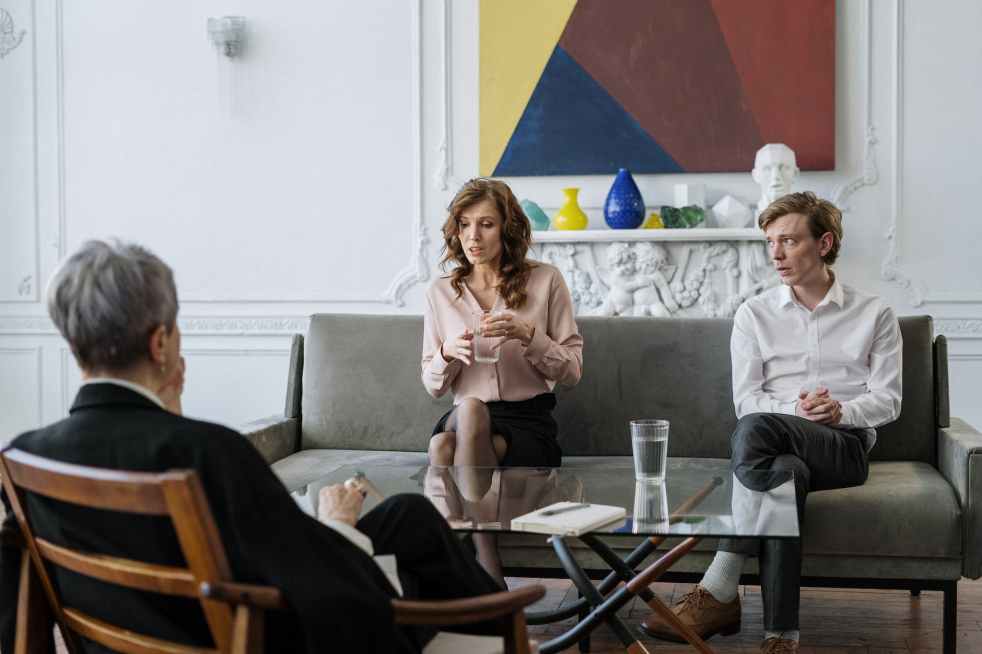
If you’re reading this, then you may be considering starting a mental health practice. This is an exciting endeavor, but it’s also a lot of work. There are many things to consider before you get started. This blog post will discuss tips that will help you get your practice off the ground and running smoothly!
Before you do anything, it’s important to do your research. Learn about the different types of mental health practices, what services they offer, and what their target market is. This will help you determine what type of practice you want to start and what services you need to offer. It’s also important to research the competition in your area. This will give you an idea of what you’re up against and how you can stand out from the rest. Consider animal therapy as another form of treatment!
2: Build a practice that meets your needs
When you’re starting a mental health practice, it’s important to build one that meets your needs. You need to consider what type of clients you want to work with, what services you want to offer, and what your ideal practice looks like. This will help you narrow down your options and make sure that you’re creating a practice that is right for you.
You can also talk to your home builder about designing a secluded office in the back of your home.
3. Build a website
In today’s world, having a website is essential for any business. This is your chance to show potential clients who you are and what you can offer them. Make sure that your website is professional and easy to navigate. Include information about your practice, your services, and how to contact you. You should also consider creating a blog or podcast to help promote your practice.
Creating a social media presence is also important. Use platforms like Twitter, Facebook, and LinkedIn to connect with potential clients and promote your practice.
4. Develop a marketing strategy
If you want your mental health practice to succeed, you must develop a marketing strategy. There are many ways to market your practice, so it’s important to find the ones that work best for you. You can use traditional methods like print ads and direct mail, or you can get creative and use social media or online advertising. Whichever methods you choose, make sure that your marketing is consistent and professional.
5. Get the word out
Once you have your website up and running, it’s time to start promoting your practice. Make sure that your friends and family know about your new business. You can also promote your practice through local events and speaking engagements. Get involved in your community and let people know what you do!
Starting a mental health practice is a lot of work, but it can be an incredibly rewarding experience. Use these tips to get started on the right foot and set yourself up for success! Do your research, build a website, develop a marketing strategy, and get the word out about your new business. With some hard work and dedication, you can make your mental health practice thrive!
Life has been full of surprises over the last three months. Here’s a snippet of what is going on.
Rheumatologist
I saw a new Rheumatologist to asses all the joint and leg pain I was having. She basically dismissed me saying that unless the test come back with something, she would not need to see her. Then the admin calls to tell me to see my immunologist and that my kidneys weren’t working properly. I see the doctor’s report and found out I have Sjogren’s Syndrome and they didn’t even tell me. Time for a new Rheumatologist.
Tardive Dyskinesia
My Tardive Dyskinesia is still a problem. I’ve been on Ingrezza for two months but have experienced little change. I guess I don’t fall into the percentage of people who get relief in two weeks. The side effects are brutal. I fall very easily and have many dizzy spells throughout the day. At $7500 a month you would expect miracles, right?
Dementia
The Lyme virus went to my brain and continues to wreak havoc. My memory has been much worst this past month. I can be thinking or saying something and mid-sentence I forget what I’m talking about. I have been looking inward to decide if this is the next level downward. I’ve decided to kill myself before I lose all of my memory. I’ve been wondering if now is the time. It may be selfish but I think it’s better for my husband. I was a caregiver to my granny and she had dementia. The day she forgot me was a sad day. Dying slowly, every day the hospice nurse does everything for her. My granny didn’t know anything and was laying in a bed waiting to die. I don’t want that for my husband.
My doctor has scheduled me to see a Neurologist to talk about the newest medication available and the side effects. When I hear brain bleed I get a bit nervous but I’ll listen to him. The monitoring while on the drug is crazy, you have to have a PET scan every month.
Brain Surgery
I had my first brain surgery when I was 14 years old. The doctors would not remove the tumor because it had grown thru my skull and I was so young. In 1997 I had the surgery, boy I don’t recommend it. They took out about a quarter of my skull and replaced it with surgical material to make up for the loss of the skull. Fast forward, the material used has shifted and is pushing on my skull. I have an appointment to see a Neuro Surgeon to see if another surgery is needed. Surgery is very pain full, I had close to 75 staples in my head. I don’t want to go thru that again. Maybe he can do a smaller procedure than last time. Did you know it takes forever for your hair to grow back after it’s shaved?
Mental Illness
I had to stop one of my meds due to the Tardive Dyskinesia and we’re making changes to the amount of each drug I already take. I’ve increased three medications so far. I’m hoping to not have to start a new med. So far this approach is working. I was spiraling for a couple of weeks but we’ve increased the dose on another med and I’m feeling better. I’ve talked with my doctor more in the past three months than all of last year
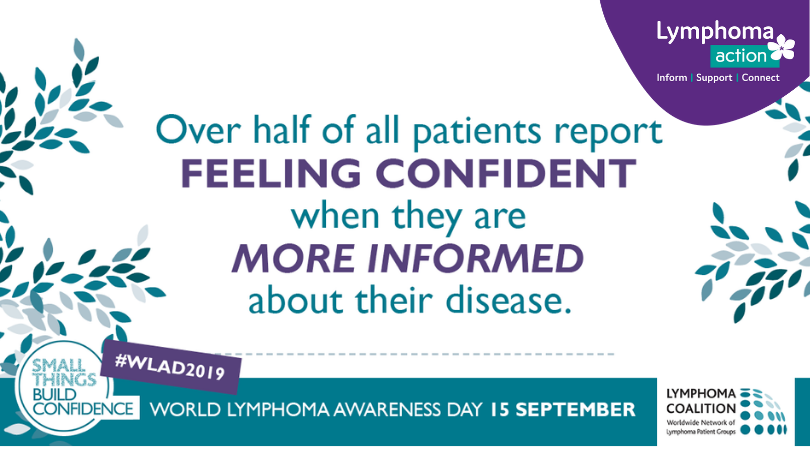
World Lymphoma Awareness Day takes place on 15 September every year to raise awareness of lymphoma – the most common blood cancer.
This year the campaign is encouraging people around the globe to share key facts about lymphoma – not only so more people are aware of the disease, but because research shows that people affected feel more confident when they are more informed.
I found a list of medications most commonly prescribed for muscle spasms. It’s extensive and I think you’ll find it educational. The off-label uses and what is at the local store are not on the list below. See if your doctor has tried everything for your spasms.
A spasm may be a muscle contraction caused by abnormal nerve stimulation or by abnormal activity of the muscle itself.
A spasm may lead to muscle strains or tears in tendons and ligaments if the force of the spasm exceeds the tensile strength of the underlying connective tissue. This can occur with a particularly strong spasm or with weakened connective tissue.
A hypertonic muscle spasm is a condition of chronic, excessive muscle tone (i.e., tension in a resting muscle). This is the amount of contraction that remains when a muscle is not working. A true hypertonic spasm is caused by malfunctioning feedback nerves. This is much more serious and is permanent unless treated. In this case, the hypertonic muscle tone is excessive, and the muscles are unable to relax.
A subtype of spasm is colic. This is an episodic pain caused by spasm of smooth muscle in a particular organ (e.g., the bile duct). A characteristic of colic is the sensation of having to move about, and the pain may induce nausea or vomiting.
Muscle spasms — in which a muscle tenses and cramps spontaneously — may be acute and they can also appear in a chronic form. If muscle spasms become chronic, they may cause pain and interfere in a person’s everyday activities.
Muscle spasms generally occur due to the overuse of the muscles, or they are associated with muscle tear and strain. Dehydration or an imbalance in electrolytes are two other frequent causes of muscle spasms. Even something as simple as not warming up before exercising can lead to muscle spasms.
Every muscle in the body can be affected by spasm. People who have to deal with chronic muscle spasms are advised to consult a doctor in order to receive proper treatment. The underlying cause of chronic muscle spasms must be identified.
List of centrally acting SMRs
Generic name
Brand name
Form
Generic available
carisoprodol
Soma
tablet
yes
carisoprodol/aspirin
not available
tablet
yes
carisoprodol/aspirin/codeine
not available
tablet
yes
chlorzoxazone
Parafon Forte, Lorzone
tablet
yes
cyclobenzaprine
Fexmid, Flexeril, Amrix
tablet, extended-release capsule
tablet only
metaxalone
Skelaxin, Metaxall
tablet
yes
methocarbamol
Robaxin
tablet
yes
orphenadrine
Norflex
extended-release tablet
yes
tizanidine
Zanaflex
tablet, capsule
yes
List of antispastics
Generic name
Brand name
Form
Generic available
baclofen
Lioresal, Gablofen, Lioresal
tablet, injection
yes
dantrolene
Dantrium
tablet
yes
diazepam
Valium
List of antispastics
Generic name
Brand name
Form
Generic available
baclofen
Lioresal, Gablofen, Lioresal
tablet, injection
yes
dantrolene
Dantrium
tablet
yes
diazepam
Valium
Treatment for muscle spasms
Chronic muscle spasms generally lead to muscle soreness and pain. In the majority of cases, patients would be recommended to have plenty of rest. The rest is not supposed to last longer than a few days, since regular but light physical movement helps.
A person may deal with muscle spasm by increasing a certain physical routine gradually. Furthermore, if one’s physical activity leads to muscle spasms, it can be replaced with an easier or less intense activity.
In people who have already suffered from muscle spasms, there is an increased chance for spasms to reoccur. To prevent the recurrence of muscle spasm, one may perform simple exercises such as stretching in order to increase the flexibility and elasticity of the joints and muscles.
The affected muscle can be wrapped in a comfortable bandage as it heals. This can successfully prevent internal muscular bleeding and the onset of repeated series of muscle spasms. And finally, there is one more way how to deal with muscle spasms. Home remedies for muscle spasms and cramps include relaxation techniques. Massage, heat therapies, and cold compresses are not supposed to be applied during the very attack of muscle spasm. They may be applied only after the spasms have subsided.
If you suffer from repeated muscle spasms, it is advisable to seek medical care for proper diagnosis and, where relevant, treatment. Should your muscle spasms not be caused by simple overexertion but instead by an underlying medical condition, you will want to be aware of the cause, so that you can receive treatment or learn how to best manage your muscle spasms.
I suffer from chronic muscle spasms, which bother me the most at bedtime. Maybe because all the chatter is gone. I take Methocarbamol, and cream for pain from Clearing to treat my spasms but I see there are several that are extended-release medications so I’ll talk with her about that.
Your eyes help you see and navigate in your day-to-day life, so protecting them is paramount. Often, your eyes are even the first to show issues within the body, such as diabetes and high blood pressure.
By understanding why it is important to take care of your eyes, you may be more likely to take steps toward improving your eye health.
One of the top reasons to care for your eyes is to reduce your risk for age-related macular degeneration (AMD) and cataracts. How can you do this? While there’s no concrete evidence on what can prevent these eye problems, some research has indicated that consuming an antioxidant-rich diet may help.
There are several ways to protect your eye health. First and foremost, you’ll want to schedule a comprehensive eye exam with an Independent Doctor of Optometry (or optometrist). It’s best to have one of these appointments per year to mitigate issues with your vision and ensure your eyes are in the best possible condition.
But what can you do before next year’s eye exam? You can take preventive steps to protect your eye health. Here are some simple tips on how to take care of your eyes daily:
Choose your eyewear accordingly. Wearing blue-light glasses while on the computer and UV-protective sunglasses while outdoors may be positive for your eyes. After all, blue-light glasses may help with digital eye strain, and UV-blocking sunglasses can limit your exposure to harmful sunlight.
Rest your eyes. Try for at least eight hours of sleep per day. You may need more or less, depending on your age and activity level. Also, in addition to sleeping, you can rest your eyes by taking frequent time away from the screen.
Sterilize your contacts. Debris can accumulate on your contact lenses, so it’s best to keep them clean to avoid getting an eye infection. Wash your contacts as often as the packaging explains, or opt for daily wear contacts if it’s too time-consuming to follow a regular cleaning schedule.
Why should you take care of your eyes?
Your eyes are critical to your everyday life beyond your vision. Why is it important to take care of your eyes? Taking steps to promote your eye health and safety can deter specific eye diseases and injuries. It can also help you identify changes in vision faster.
Here’s how to take care of your eyes daily:
Select the right eyewear for different activities.
Give your eyes plenty of rest. (And get some for yourself, too!)
Clean your contacts often, or choose a kind that you can throw away.
What is so important about eye care?
Importance of EyeCare. Your eyesight is one of your most important senses: 80% of what we perceive comes through our sense of sight. By protecting your eyes, you will reduce the odds of blindness and vision loss while also staying on top of any developing eye diseases such as cataracts and glaucoma.
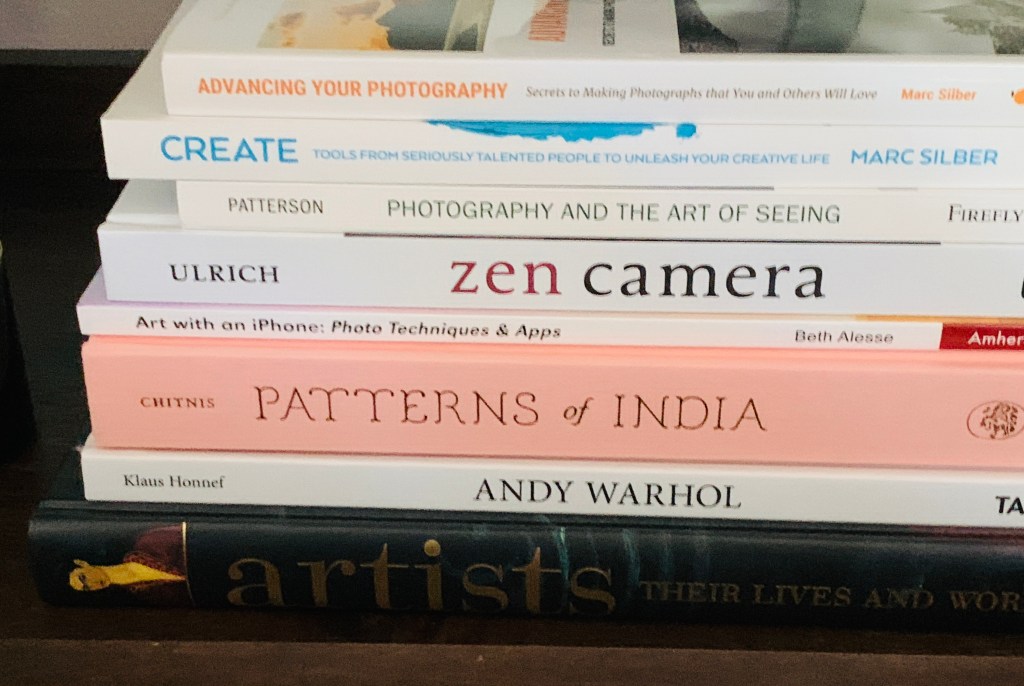
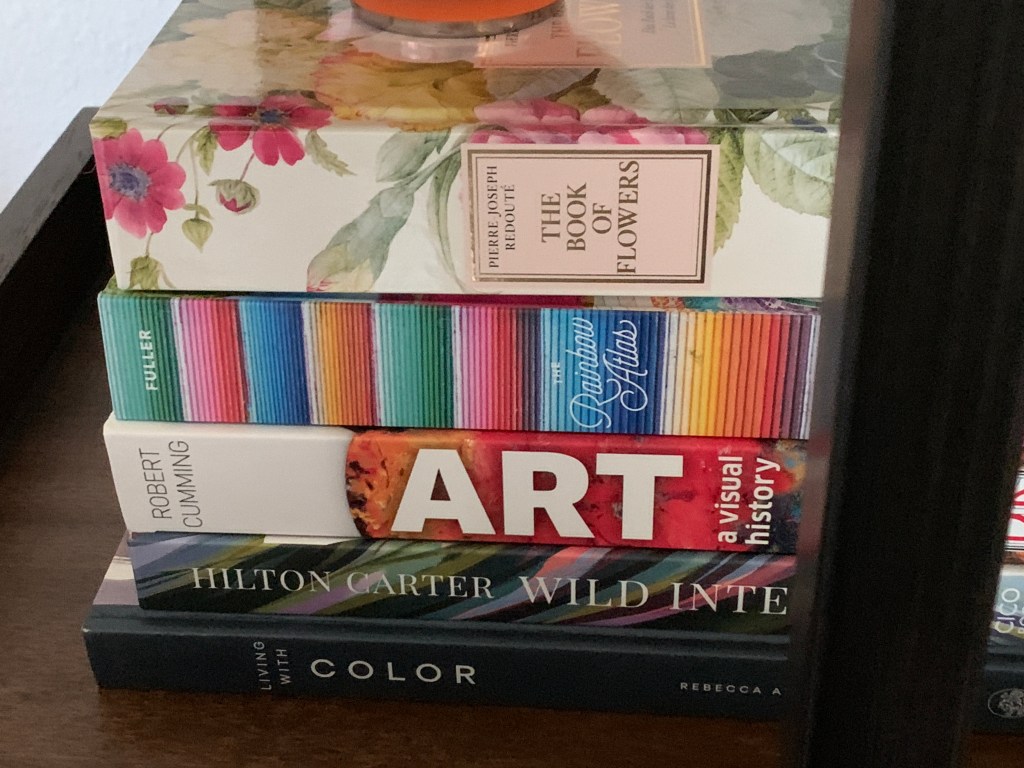
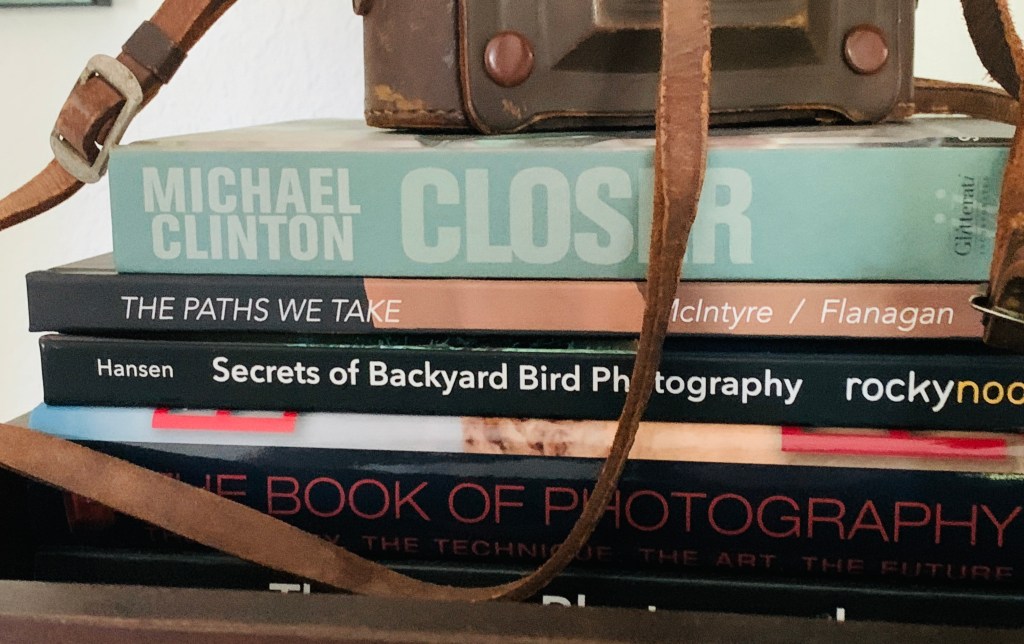
It’s always interesting to me to look at the books people have. You can learn so much about them. I’ve included a few photos of my books. See if you can guess what I’m into.
Rheumatoid arthritis is the most common type of arthritis and it is an autoimmune disease that affects that 1% of the whole earth population, which is equivalent to over 75 million people, which are suffering from this disease. It is chronic, which means long-lasting disease with intermittent periods of remission and exacerbation. It is mistakenly known that this disease only affects the joints of the small hands and fingers, but that is false because it can affect other joints and organs as well, including the heart and soft tissues. That is why it is important to understand rheumatoid arthritis, its symptoms, causes, how to recognize it and treat it before the disease reaches its irreversible stages.
Coping with Invisible Symptoms
RA is often not a visible disease. Most symptoms like joint pain and stiffness, overwhelming exhaustion, low-grade fevers, and malaise (a general feeling of unwellness) are “invisible.” Meaning, others cannot tell that you are suffering when they look at you.
Coping with an invisible disease like RA is often frustrating and may trigger feelings of depression and isolation. Besides addressing symptoms under the care of your doctor, it’s helpful to engage in acts of self-care.
For instance, regular exercise has been found to help ease RA-related fatigue and prevent loss of joint motion. Exercise also releases “feel good” chemicals called endorphins, improves muscle strength, and reduces bone loss. If your joint symptoms make physical activity difficult, ask your doctor for a referral to a physical therapist. They can help devise a gentle exercise program that is tailored to your needs and symptoms.
In fact, research suggests that consuming omega-3 fatty acids can help calm joint inflammation in patients with RA. Foods rich in omega-3 include fatty fish (like mackerel and salmon), walnuts, and flax seeds. Of course, be safe and check in with your doctor or nutritionist first before changing your diet.
Lastly, since stress can negatively impact your RA symptoms, try to take time each day to relax and unwind. Consider taking a warm bath, calling a friend, or practicing yoga, meditation, or guided imagery.
All said, don’t get down if your strategies sometimes fail you. Remain motivated but also be kind to yourself. If you need to rest for a few days, allow yourself to do that.
Rheumatologists are the type of doctor most patients seek treatment from. It’s a debilitating disease in the advanced stages that can truly wreak havoc on your hands. Daily self-care is a very important part of taking care of yourself. If you have symptoms of RA please contact a doctor right away, the earlier the better.
I received a letter on Friday from the Probate Court that my ex-husband died. We’ve been divorced since 1999 but we were friends. It was a shock and why am I included in this official letter? I haven’t seen him in over 20 years.
I’m choosing to remember all the good memories we made and the joy I felt.
Our first:
First New Years’ Eve party
First Dive in Cozumel
Big shark encounter
Traveling the World
There were many more. On my first trip to Cozumel, the electricity went out right after I was heading to the shower. First I had to find someone with towels, I went back to the room ready to get all the salt off of me. We had to put a small flashlight on a beam to take a shower. This is not the Ritz type of country.
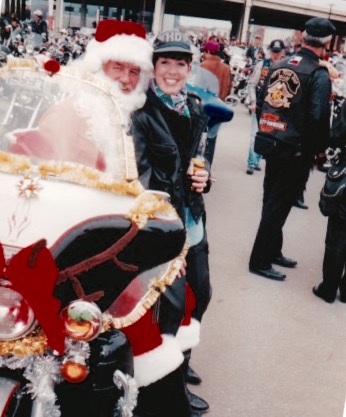
This was an annual event for Toys for Tots where thousands of bikers come together to ride across town to the center where the toys are collected by the Marines. We bought a big white teddy bear and tied it to the back of my seat. It was my first time attending and it was a blast. You can see by the smile on my face.
This song is appropriate for the occasion.
Born To Be Wild
We spent 13 years together and shared a lifetime of memories. He was a good man.
I pray you did not suffer, and that someone was always at your side.
You’ve joined your father and grandparents in Heaven, I know it will be a big occasion.
Thank you for all the great feedback on the Blogger Highlight series, I’ve enjoyed meeting each blogger and sharing their site with you. This week I highlight a new blogger, Thirty-Four.
Just another girl trying to make her way through life.
I am a daughter, friend, student, the middle child of seven siblings, auntie, godmother and a child of God. I also have an Eating Disorder. Anorexia Nervosa; binge purging subtype. Major depressive disorder, chemical dependency issues, severe anxiety disorder, OCD, self-harm and suicidal ideation. But I am MORE than my diagnoses! Currently in the middle of a relapse, but relapses are a part of RECOVERY! This is a snapshot of my journey through this crazy thing called LIFE!
Thirty-Four is a new blog and I look forward to seeing her journey.
America has an interest in where the Monarchy goes from here and no better person than Prince Charles to lead the way forward. He’s spent his life in dedication to his mother the Queen of England. His life has been spent watching and learning. He couldn’t have had a better teacher.
King Charles III is probably the most experienced King to date. I have confidence he will lead the Church and Monarchy forward with the knowledge of history and a nob to the contemporary.
I know the world is mourning and also knows brighter days are ahead. King Charles III will flourish in his new role and be a great mentor to the Prince and Princess of Wales.
Most people remember where they were and what they were doing. This was the worst terrorist act in America. The scene was hard to watch, with people jumping off buildings. I didn’t know the buildings would fall, wasn’t thinking that day. I was rushing out the door to catch a plane to Russia. The airport shut down right as I arrived.
I watched the footage every day and keep a journal of my thoughts. The first thing I wrote was “This is World War III”. I talked with my gramps about my thoughts and tried to pull his thoughts out but Soldiers who’ve seen battle don’t want to talk about the brutal memories.
The country rallied together to help like I’ve never seen. My only complaint is the Soldiers that came back from Afagastan didn’t get the parades.
This day still leaves a hole in my heart, thinking about all the death and firefighters who have become ill from working the fire.
When painful symptoms first arise, patients and their health care providers work together to see if they can identify and address the underlying cause. For many conditions and injuries, however, there is no precise medical or surgical cure. As time passes, in addition to other diagnoses or even without an identifiable cause, patients may be diagnosed with chronic pain. Treatment goals will then shift from resolving the pain to reducing and managing it.
Typically, pain is considered chronic when it persists for six months or more. But for some patients, chronic pain can last for years or even a lifetime. There are many possible causes for long-term pain, including injury, such as involvement in a car accident, or underlying disorders or diseases, like fibromyalgia or arthritis.
The type of pain experienced can be as varied as the reasons behind it. Pain can be felt as burning, stabbing, aching, pulsing, and many other sensations. These sensations can occur anywhere in the body, and can range from mild to severe, from intermittent to continuous, and from distracting to disabling. Over time, chronic pain can become a disease in and of itself, creating notable changes in the body, particularly the nervous system.
Because each individual person with pain is so unique, it can be challenging to manage pain effectively. There is no one-size-fits-all approach to treatment, and pain management is usually aimed at reducing pain, not eliminating it. Working alongside health care providers, most people with pain will need to engage in a process of trial and error to find a treatment plan that works for them. Typically, successful pain management requires finding a combination of multidisciplinary, multimodal therapies that reduce pain enough to improve quality of life and increase function.
Mental Health
Chronic pain, especially severe pain, can have an enormous impact on your emotional health. Research has shown that people with pain are significantly more likely to experience anxiety, depression, and suicidal thoughts. Remember that you are not atypical, oversensitive, or weak for experiencing emotional distress because of pain. These are normal, reasonable responses to physical suffering and its associated limitations.
Unfortunately, despite the widely recognized psychosocial effects of pain, caring for mental health often takes a backseat to treating physical symptoms. But stress levels exacerbate chronic pain, and chronic pain exacerbates stress levels. This does not mean the pain is “all in your head.” It simply means that the mind and body are linked. Taking care of your emotional well-being can help improve your pain, or, at the very least, help you cope with your pain.
Self-management
Sleep
An estimated 50 percent to percent of people with chronic pain have ongoing sleep difficulties.[1] Studies show that inadequate sleep, however, can exacerbate pain.[2] Here are some tips for ensuring you get a good night’s rest despite pain.
Establish a routine.Going to bed and waking up at the same time every day—even on the weekends—reinforces the natural sleep-wake cycle in your body. You can also help reinforce bedtime by establishing a wind-down routine, e.g. by taking a bath, meditating, reading or listening to soothing music.
Create a restful environment. Turn on white noise, use ear plugs, invest in comfortable bedding, and keep the room temperature cool. Exposure to light is especially important: dim or turn off the lights in your house 30 to 60 minutes before going to bed. The light from cell phone and TV screens can also interfere with circadian rhythms, so shut down all devices as you prepare for bed.
Watch what you eat and drink. Caffeinated products—like tea or coffee, chocolate—anything containing nicotine, or any other stimulants should be avoided for at least four to six hours before you plan to go to sleep. Even alcohol, which initially makes you feel tired, makes it harder to get high-quality sleepy. Furthermore, heavy meals and too many fluids before bed might keep you up because you are uncomfortable or need to use the bathroom.
Get tired! Napping during the day can interfere with sleep at night. If you must, limit your snooze to 30 minutes, and give yourself at least four hours between the nap and bedtime. In addition, exercising during the day helps tire out your body and can foster better sleep at night. Try to work out at least a few hours before bed, if possible.
Still struggling? Ask your doctor about meeting with a sleep specialist.
Reduce stress
Pain increases stress, and stress increases pain. But you can break this cycle by proactively trying to reduce stress wherever possible. Multiple studies have shown that reducing stress and relaxation techniques can improve overall health and wellbeing, and may even reduce pain or improve the perception of pain.[3],[4]
Some examples of stress reduction techniques and strategies include:
Meditation
Relaxation techniques such as breathing exercises, progressive muscle relaxation, visual imagery, and mindfulness
Music, art or dance therapy
Journaling
Exercise
Support groups
Counseling and cognitive behavioral therapy
Generally speaking, reducing stress with chronic pain also requires:
Pacing yourself to allow for sufficient rest and recovery;
Learning to say no and putting your health first;
Focusing on the things you can do and not what you can’t;
Communicating clearly with your loved ones about your needs and challenges;
Letting go of guilt and shame surrounding pain.
For more advice on managing stress when you have pain, find a psychologist, counselor or life coach in your area.
My Pain
My chronic pain started when I was diagnosed with Lyme Disease. Since then the pain has increased in many areas of the body, some days it’s hard to walk. Bursitis, Arthritis, and Fibromyalgia have entered my life and it can be exhausting. Sleeping at night is hard, laying down puts pressure on my trigger points, and the pain flares up. I constantly wake up in pain, Laying there until going back to sleep or get up.
I’m not on pain medication at the moment but have a referral to see someone. I’ve been off pain medication for a year but it’s not worth living in pain. Managing pain often includes medication and that has to be monitored closely. Pain medication is addictive, it is made worse when your doctor fires you or you fire them without notice and have no withdrawal plan. What I do is not take the full amount prescribed, saving them in case I have to do self-withdrawal. It may not the best method but I’ve fired a doctor, it was hell coming off everything with only two weeks of medication.
One of my self-care techniques is to take a nap most afternoons. This gives my body a rest, and it helps ease the mind. That doesn’t mean I sleep, most of the time it’s just resting.
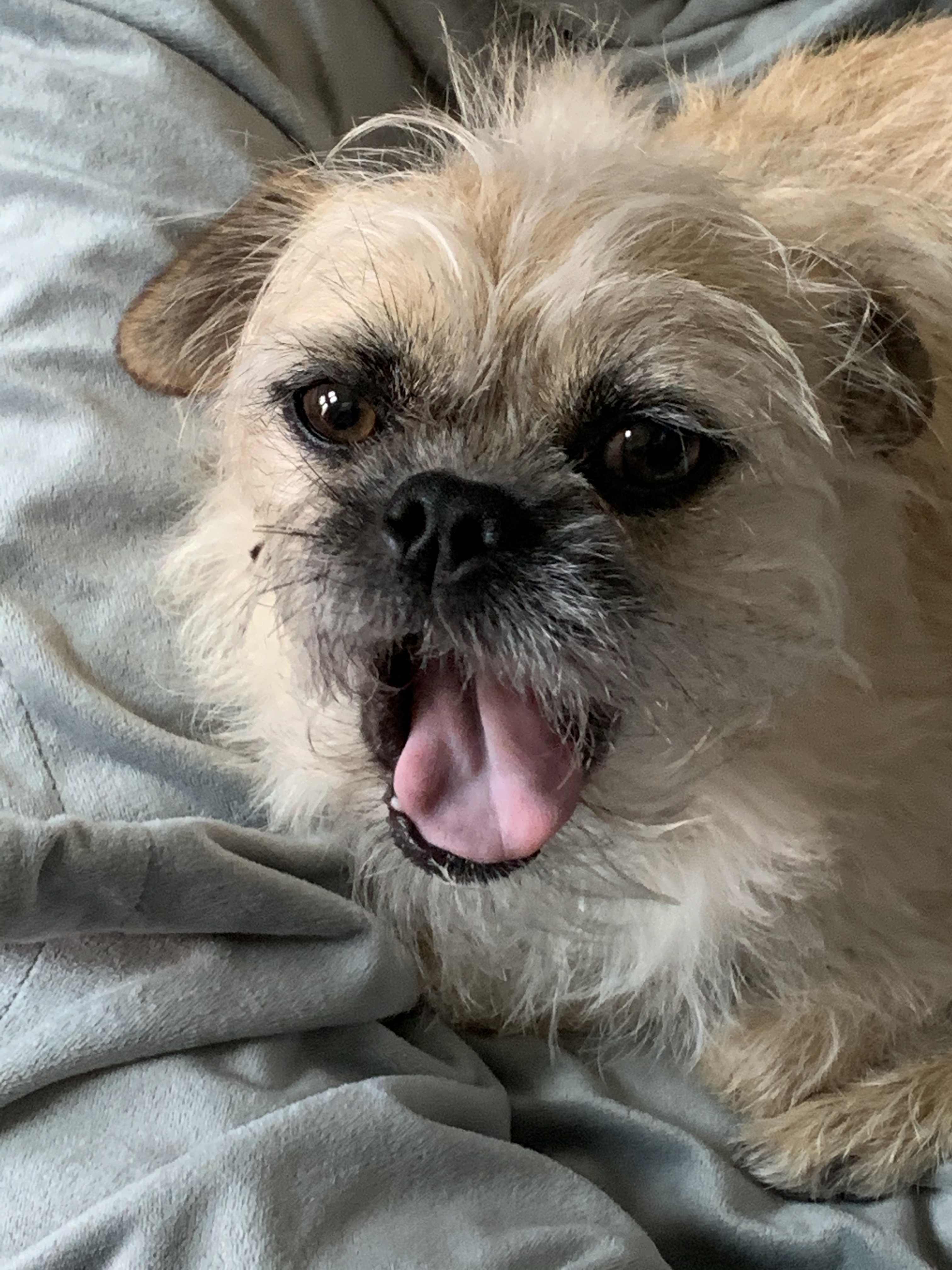
This is my daughter, Giffy, she’s a Brussels Griffon we got from a shelter. She’s feisty and needs lots of activity to keep her from getting grumpy. Two walks a day help keep her happy. She’s a beautiful dog and is fun when she’s in the mood. This morning, she woke me up at 5:30 am because she knows not to bother my husband until 6:00 am.

































 lookingforthelight.blog
