

Category: Men & Womens Health


Dreaming of Moving Away From the City? Here’s Why You Should Do It in 2022
In 2020 and 2021, a record number of people moved out of big cities. This happened for many reasons.
Firstly, the advent of remote work has enabled more people to keep pursuing their career goals away from the city center. And, of course, the pandemic and associated risk of contagion has encouraged people to find less densely populated areas to live in.
So, if you have always dreamed of living close to nature and always from the hectic lifestyle of the city, 2022 might be the perfect year for this lifestyle change. Find out what to expect below.

The Healing Power of Nature
Have you ever felt calmer and more relaxed when in nature? No, it’s not just you – the healing power of nature has been documented and studied. Some of the beneficial effects of being in a natural environment include:
- Lower blood pressure
- Lower levels of cortisol – the stress hormone
- It promotes the production of cancer-fighting cells
- It helps us become more mindful and aware
- It can help relieve symptoms of stress, anxiety, and disorders such as ADHD
If you are looking to work on your health in 2022, moving to the countryside can help.
Reduces Risks of Contagion
Countryside areas and forests are not as densely populated as big cities are. In turn, the risk of being affected by Covid-19 is reduced. If you or someone in your family is struggling to cope with everything that is going on in this period, living away from the city can help.
Opportunity To Work From Home
Many people are looking for a positive fresh start in 2022. If you have always dreamed of working from home and working towards a better work-life balance for your needs, this year might be perfect.
Indeed, thanks to the advent of remote working fuelled by the pandemic and the many hybrid work schemes offered by employers, you no longer have to compromise between finding the perfect location to live and your career. Consider transitioning to working from home and making the most of a remote lifestyle!
A Choice That Leads to a Healthy Lifestyle
Living closer to nature has endless benefits, including the availability of fresh air, sunlight, vegetation, and wildlife. However, in your new home, you might not find all the comforts you were used to, including malls, big shopping centers, or cafes and restaurants around the corner.
Naturally, you will start to dedicate your life to looking after the garden, hiking, and exploring the surrounding areas – all activities that can improve your health and mental wellbeing!
Reduced Stress
Living in a rural area immersed in nature can be an excellent option for you to achieve your life goals, improve your wellbeing, and reduce the levels of stress deriving from a frenetic lifestyle.
However, if you have always lived in the city center, it is important to find a house that can help you live comfortably. Indeed, if you are moving into a house that is not comfortable or not suitable for your lifestyle, you might feel a whole different kind of stress! That is why speaking to an expert real estate agent specialized in rural properties such as williampitt.com can help.
This is a collaborative post.
Melinda
My 2021 Book Reviews
I’ve read so many interesting books this year and thought it would be nice to compile a list for you to look for resources and or motivation in the new year.

The Smart Girls Handbook by Scarlett V Clark
Adaptable by Alexa Carlin
Manic Man by Jason Wegner
Time To Talk by Alex Holmes
Finding My Right Mind by Vanessa Potter
Hope and Learning by Dr. Linda Snow-Griffin
The Better Boundaries Workbook by Sharon Martin
Down But Not Out by Mat Desforges
Hope Amid the Pain by Leslie L. McKee
One Step At A Time By Francesca Giacomozzi
Navigating Loneliness By Cheryl Rickman
How To Help Someone With An Eating Disorder by Dr. Pam Macdonald
A Mindfulness Guide For Survival By Ruby Wax
Heal Yourself with Colour by Walaa AIMuhaiteeb
Navigating Panic Attacks By Dr. Rita Santos
How to Help Someone with Anxiety by Dr. Rachel Allan
Where Do We Go From Here? By Bethany Hacker
Finding Frank by Rachel Townsend
My Journey Home by Hannah Green
The Joy Of Being Selfish By Michelle Elman
Stand Tall Little Girl by Hope Virgo
Finding Joy with an Invisible Chronic Illness by Christopher Martin
A is for Alex by Lesley Roberts
Happy Reading!
Melinda

Jingle Bell Rock by Bobby Helm

Happy Holidays!
Melinda
You Make It Feel Like Christmas Gwen Stefani Feat. Blake Shelton
Happy Holidays!
Melinda
Officially Christmas by Dan & Shay
Happy Holidays!
Melinda
It Was A Masked Christmas feat. Jimmy Fallon, Ariana Grande and Megan Thee Stallion**Funny!
Happy Holidays!
Melinda
Mis Deseos/Feliz Navidad by Michael Bublé Duet With Thalia
Happy Holidays!
Melinda
José Feliciano – Feliz Navidad with Daryl Hall (Live From Daryl’s House)
Happy Holidays!
Melinda
Hallelujah* A Must Listen!
Happy Holidays!
Melinda
Merry Christmas by Elton John and Ed Sheeran
Happy Holidays!
Melinda
The Chipmunk Song-Christmas Don’t Be Late
Happy Holidays!
Melinda

The Mood-Boosting Benefits of Pets
Being a pet owner carries a lot of responsibility, but you can’t underestimate the benefits that come from pet ownership too. Whether you’re a dog owner, a cat lover, or a parent to a furry rodent or scaly reptile, you’ll find that there are endless unexpected advantages that arise from adding a pet to your family and the impact on your mood is just one of them.
To find out how a pet can change your outlook, take a look at these four mood-boosting benefits of pets now:

Photo by sergio souza on Pexels.com
Stress Reduction
Stress or anxiety can have a major impact on your mental health but spending time with your pets is known to reduce your stress response. In fact, some studies have even shown that petting a dog can reduce your blood pressure, which highlights just how effective pet ownership can be when it comes to alleviating stress. When you feel less stress, your mood naturally lightens, and your outlook is enhanced. In turn, this makes you feel more proactive and in control, which further helps to reduce anxiety and stress.
Ease Loneliness
Feeling lonely or isolated is often a precursor to low moods or depressive symptoms. After all, humans are social creatures and crave interaction. When the opportunity to meaningfully engage with others is reduced, it doesn’t take long for your mood to decline too. Fortunately, pets are a great source of companionship. Not only will they become a beloved family member, but your pet may also give you a reason to engage with other people too. Walking a dog, visiting stables, or even joining online groups to talk about pet care can be a great way to connect with people and reduce feelings of loneliness.
Promote Relaxation
An unrelenting schedule can leave you feeling burnt out and overwhelmed, which naturally impacts your mood. When you have a pet, however, you need to meet their needs and provide them with the environment they need to thrive. As well as giving your pet an appropriate amount of exercise, you’ll need to ensure that they have time to relax too. From snuggling up with your puppy on big dog beds or making time to chill out with your cat, encouraging your pet to relax gives you the opportunity to unwind too. Of course, relaxation is an instant mood-booster, so you can look forward to feeling happier and more content as well.
Create a Routine
Nearly all pets thrive when they have a routine in place. This might mean feeding your pet at the same time each day, providing them with exercise regularly, or simply devoting a certain portion of the day or evening to them. When you’re experiencing low moods, it’s easy to let the structure go out of your day, which is why pet ownership can be such an effective way of boosting your mood. When you have a reason to create a routine, you’ll feel the emotional benefits of this added structure too.
Are You Ready to Become a Pet Owner?
There are numerous benefits to having pets but it’s important to consider the practical implications of pet ownership too. However, if you have the time and space to provide a loving and nurturing home to a pet, you’ll find that they make a wonderful addition to any family.
This is a collaborative post.
Melinda

Supporting Your Loved One After An Accident
An automobile collision is a traumatic experience for everyone involved, including the ones closest to them. You might be unsure how to show your support for a friend or loved one who has gone through this. We have a few suggestions for how you may support your friend as they make their way back to good health and happiness.

Take Them To Appointments
When someone is involved in a car accident, they may be required to attend a number of appointments. It’s extremely beneficial to have a friend by your side when seeing an auto injury doctor who specializes in automobile accidents, going to the insurance agency, seeing their Car Accident Lawyers or any other case where your friend needs to leave the house. For one thing, folks who have been in a car accident may find it difficult to drive confidently (or may be unable to do so owing to injuries), and for another, your emotional support will be invaluable in this situation.
Keep Important Documents Up-to-Date
Along with accompanying your friend to their appointments, assist them in keeping track of vital paperwork. After an auto accident, insurance must be handled, and documentation from doctor’s visits may become misplaced – the last thing they want is crucial information to go missing when it’s most needed. Offer to assist your friend in keeping track of these documents by establishing a folder for the key sections and using sticky notes to keep track of what’s what.
Provide Step-by-Step Instructions
It can be tough to remember the logical next actions after being in a car accident. Remind your friend that they need to see a doctor within a set length of time if they need to see one (the Personal Injury Protection part of their auto insurance mandates they see a doctor within two weeks of the accident). Encourage them to visit a doctor that accepts PIP insurance (not all do) and to note their calendars for any additional appointments they have.
Provide A Meal
After a vehicle accident, the last thing anyone wants to do is prepare dinner, so take care of it for them. Purchase a pizza (or several, if they have a family) and prepare a salad before calling it a night. Providing a meal not only keeps them nourished but also demonstrates your genuine concern.
Continue To Be Compassionate
Last but not least, remember to be empathetic. Don’t tell them how they should feel; instead, be a listening ear. Instead of interspersing your own stories about accidents you’ve been in, tell them you’re there if they need you, and let them vent, whine, or utterly break down. Don’t pass any judgment.
It’s not easy after having an accident or knowing how you can support someone who is experiencing it. These tips should help you to help them.
When a friend or family member is involved in an automobile accident, your assistance is crucial. You can assist them in sorting through their to-do list, transporting them to their appointments, and providing consolation when things become difficult. After a car accident, your friend will appreciate your unwavering support, so be there for them.
This is a collaborative post.
Melinda
Blue Christmas by Elvis Presley
Happy Holidays!
Melinda
How To Protect Your Mental Well-Being Online-From A Gen-Zer

5 Reasons to Start Your Day With Lemon Water — Guest Blogger Stimulife Health Blog

The simple habit that can yield big results. Even the smallest changes in your routine can have a big impact on your health. Take starting your day with lemon water, for instance. Internal medicine specialist Roxanne B. Sukol, MD, MS, discusses seven reasons why you should consider adopting this super simple habit. Aids in digestionAcid helps break […]
5 Reasons to Start Your Day With Lemon Water — Stimulife Health Blog

10 At Home Winter Activities
If this winter looks a bit different than seasons past, here are a few at-home ideas to keep your spirits bright. Try them by yourself or with family-it doesn’t take much to bring a little cheer indoors when the weather outside is dreary.

Drink something hot
Build a blanket fort
Plan a movie night
Eat waffles for dinner
Soak in a detox bath
Put a puzzle together
Collect pinecones to make firestarters
Wear festive sweater
Make a wintery wreath
Listen to a cozy playlist
Enjoy!
Melinda
Merry Christmas
It may be hard to get in the spirit with all the wild weather, the media, and COVID going on but it’s a blessed time of year. It doesn’t matter what religion you are, it’s a great time to get into the giving spirit and enjoy time with family and friends.
Yes, it will look different again this year but here’s the thing, it’s going to look different every year. COVID isn’t going away anytime soon. It forces us to decide what is quality and worth the time. We’ve had to get creative in taking care of our mental health and helping others with theirs.
It’s all about perspective, we have a choice.

Have a blessed week.
Melinda

Just Pondering
Can you treat yourself with softness when things are hard?
Melinda

How to be Happy! — Guest Blogger Happy Healthy Me – a Journey

‘The thing everyone should realise is that the key to happiness is being happy by yourself and for yourself’ – Ellen DeGeneres If you were asked the question ‘what is your ultimate goal in life?’ what would you say? For me, and I am sure for many people, it would be happiness. We all want […]
How to be Happy! — Happy Healthy Me – a Journey
A New Way To Help Young People With Their Mental Health
Friday Quote 12/17/2021
Have a great weekend!
So glad you stopped by today and look forward to hearing your comments.
Melinda

Cozy Playlist
For those days worth spent relaxing and enjoying the weather and season.

Willow and Sage Winter 2021
I’ve Got My Love To Keep Me Warm by Billie Holliday
Winter Song by Leslie Odom, Jr.
Have Yourself a Merry Little Christmas by She & Him
What Are YOu Doing News year’s Eve by Ingrid Michaelson
Winter Winds by Mumford & Sons
I Think It’s Going to Rain Today by Norah Jones
Winter by The Rolling Stones
Sleigh Ride by Ella Fitzgerald
La Vie en Rose by Daniela Andrade
Wintertime Love by The Doors
A Winter Romance by Dean Martin
It May Be Winter Outside (But in My Heart it’s Spring) by Love Unlimited
Enjoy!
Melinda
What You Need To Stay Healthy *Series
In order to be our best selves, our body needs many things to stay healthy. We have our physical health, how we eat, and exercise to stay on top of our game. We also have our mental health which plays a large part in our overall health. Let’s explore some ideas.
This post is an overview of the series of posts to follow that will go into more detail about what our body needs to stay healthy.
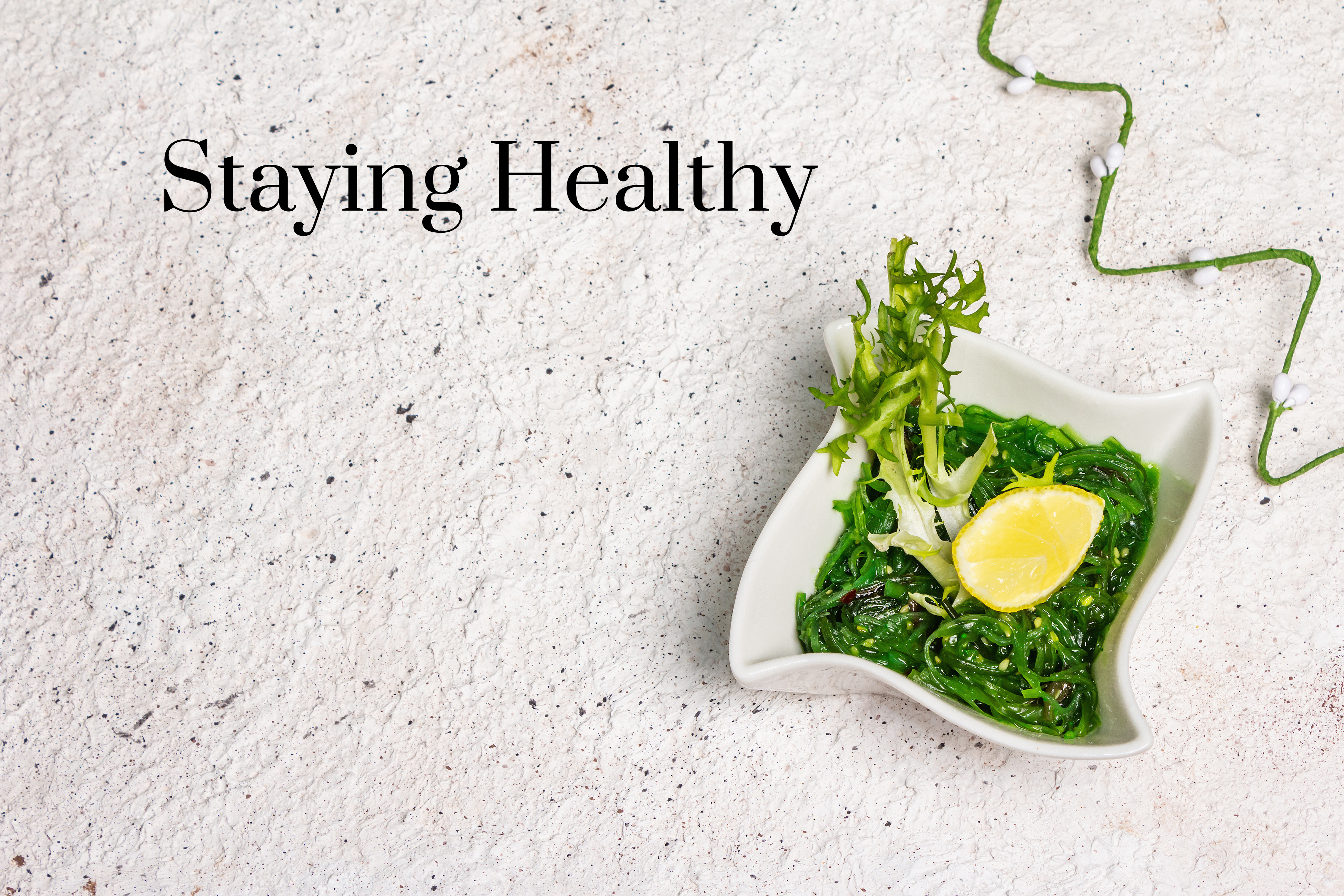
Staying healthy isn’t just about eating all vegetables, being a vegetarian, or refraining from sugar. That’s not realistic for everyone. Eating healthy is about making better choices, the little ones each meal that adds up to the bigger sum. We all know what is bad for our health, we’ve had that pounded in for years, what’s important is moderation.
If you like chocolate, which has been shown to be good for you, eat a piece each day, just don’t eat several pieces or the whole bar. If you like cake, treat yourself once a month to a piece, not each week. If cookies are your thing, treat yourself one week then refrain for the next several weeks. It’s all about moderation and anticipation. Like the item is a treat.
Many people fail when it comes to eating healthy because they think it’s an all or nothing. If you neglect the food items you love you will fall back into old habits. Eating pasta is great, not every day, and not a huge plate full. Add a little less parmesan cheese to it to make it less fattening. Little steps.
Eating more greens is difficult for some because they haven’t tried them or have not had them cooked properly. Take the food you like to cook, say an Asain dish and add some Bok Choy. It doesn’t have to be a lot, make sure to cut all the huge ribs off. This will give your dish more flavor, add your greens and not leave the greens as a side dish until you find what you like.
Kale is another good example, it’s great in pasta dishes and can make them much healthier by adding. You still get the great pasta and sauce taste just with an added texture.
Every day try to look at what you eating and drinking, be aware of the calories and make the little steps to improve your health.
One of the most important items or body needs is water, lot’s of it. It flushes out the toxins in our bodies. Every organ in our body including our skin needs water. Some people like to drink water at room temperature, others like it cold and some don’t like it at all. To those who don’t like the taste or lack of add some low-calorie flavored nutrients in a flavor you like.
In my next post, we will dive deeper into what we need to eat, vitamins, and supplements we need to stay healthy.

Everyone needs physical activity but that doesn’t mean you have to run a marathon or pump iron. The more physical activity we get the healthier we are, but any amount is still good for you. If you go from no activity to walking around your block once a week, that’s more. The same with food, we have to look for opportunities to add some activity to our day. Instead of sitting down while talking on the phone, walk around the house.
Take the laundry upstairs in smaller loads to get in more steps. You get the laundry put away and some extra physical activity.
Walk to the mailbox instead of stopping by in your car, it’s simple steps that can add to better physical health.
All physical activity is good for us, the more we do the better it is for our health.
In follow-up posts, we will discuss ways to get our body moving regardless of time constraints or medical conditions.

Mental health is often overlooked as something we need to be healthy but it’s critical to our overall health. We live in a high-paced, full-on, 24/7 world which is quite stressful. Maybe more stressful than you know. The key is to stop and assess where you are, how stressed are you, are you sleeping, are you anxious, are you snapping at everyone around you? Or maybe you’ve become withdrawn.
Self-care is critical to your mental health and it comes in many forms.
In future posts, we will take a deep dive into how our mental health plays a critical role in our overall health and how to achieve it.
Each topic is an overview, a jump start that we will break down in future posts.
Melinda

How To Move Your Life Forward After A Traumatic Medical Experience
Whether you have undergone a major procedure that’s gone wrong or you’ve been treated badly by a medical professional, the experience can cause long-lasting trauma.
The fact is that something like this can have a big impact. This kind of experience is highly traumatic, which can mean that it has an ongoing impact and causes a lot of trauma.
Knowing how to move past that feeling of trauma and move forward with your life is not always as easy to do as you might wish it could be. Sometimes, moving past trauma can be extremely difficult to do; often knowing where to start can be the hardest part.

Bearing that in mind, below we have shared some tips and suggestions for how you can approach dealing with a traumatic medical experience and how you can slowly move on.
Understand that it wasn’t your fault
It’s extremely common for victims of medical malpractice or medical mistakes to blame themselves, but it’s important to remember that you’re not at fault. Blaming yourself is only going to make coping with the trauma that you have experienced harder. So it’s important to try and understand that whatever happened to you, it’s not your fault. You weren’t the one in charge when you were seeking medical support, a medical practitioner was in charge, and therefore in control of the care and treatment, you received.
Seek therapeutic support
Often, it can be hard to move past what you may have experienced – whether it was birth trauma or a negative experience while undergoing a simple procedure – but talking about what happened to you can help to make things a little easier.
Talking, and unwrapping what happened to you, can help to make dealing with the pain from said trauma easier. It can also make gaining an understanding of why it happened to you easier to understand. It might be hard to talk at first, but over time you should find
Get compensation
If you’ve been negatively impacted by a medical experience, it’s important to think about what options you have. You shouldn’t have to live with daily trauma and anxiety around medical care. You shouldn’t have to deal with flashbacks and fear at the thought of seeking medical advice or care.
Sometimes, seeking medical malpractice attorneys to take on your case and get compensation for what you endured, can be the best step forward you can take. You didn’t do anything wrong, and yet you’ve been left with this negative experience – and a lot of trauma and fear most likely – so you deserve compensation.
Moving forward from a negative medical experience might seem impossible, but the fact is that it is possible to move on. It won’t be easy – and your medical trauma may always stay with you – but it is possible to take steps to move your life forward and move on.
This is a collaborative post.
Melinda

4 simple exercises to strengthen your attention and reduce distractibility
IDEAS.TED.COM
Jun 8, 2018 / Rebekah Barnett
Our attention gets hijacked by everything from the stress in our lives to the ding of our phones. Neuroscientist Amishi Jha shows how we can cultivate the ability to focus on what really matters.
“I think, therefore I am distracted.”
If Descartes were writing today, this is what his famous aphorism might have become. We’re living in an age of distraction, battered by our own customized waterfall of notifications, alerts, texts, videos, bingeable TV, and more. It’s not surprising our minds often feel like a jumble.
But it turns out we’re not at the mercy of our runaway minds. Amishi Jha (TED Talk: How to tame your wandering mind), an associate professor of psychology at the University of Miami and the director of contemplative neuroscience for the UMindfulness Initiative, studies the brain’s attention mechanisms, and she’s found there are specific exercises we can do to strengthen our ability to pay attention. Here, she explains how you can get your wandering mind back under control.
Our attention is fragile. Jha likens our attention to a “a flashlight you can direct to whatever you choose.” Since research indicates our mind wanders 50 percent of our waking hours, it means most of us are walking around with darting, flickering flashlights. Internal distractions — everything from job stress to a craving for alcohol — and external distractions — like a thunderstorm weather alert on our phone screen — easily disrupt our attention. Whether the interruptions are significant or silly, they are “a basic hijacking of our attentional resources away from the task at hand,” she says. This lack of attention has serious consequences for all of us, but especially for people in high-stakes fields like medicine, the military and criminal justice.
So, how do we gain control of those flickering flashlights and achieve focus? “That’s where mindfulness training comes in,” says Jha. She describes this training as a “portable brain fitness routine to keep our attention strong.” She has tested the effects of such training on subjects in high-stress groups, like athletes and military personnel. Her research has found that the attention of someone who hasn’t had mindfulness training declines when they’re under intense stress, but in people who’ve had training, their attention remains stable. What’s more, in people who regularly do mindfulness exercises, their attention actually gets better over time — even when they’re under stress. According to Jha, researchers have started to uncover other benefits associated with mindfulness, including reduced anxiety, protection from depression relapse, and improved working memory.
What is mindfulness? It’s about paying attention to the present moment with awareness and without emotional reactivity. “It doesn’t require any particular worldview or spiritual or religious belief system,” says Jha. Mindfulness training can be broken down into two major categories: focused attention and open monitoring. They’re very different, yet complementary, practices.
Focused attention exercises cultivate your brain’s ability to focus on one single object, like one’s breath. To do mindful breathing, sit in a comfortable, upright position and focus all your attention on the sensation of breathing — “for example, the coolness of air moving in and out of your nostrils or your abdomen moving in and out,” says Jha. “Focus on something that is tied to your sensory experience. When your mind wanders away from that sensation to internal mental content or an external distraction, gently return it to the breath-related object.” Don’t be surprised or disappointed if you find yourself retrieving your mind hundreds of times during a 15-minute session. Think of your brain like a puppy you’re training to walk on a leash. Gently redirect it every time it darts away.
Another focused-attention exercise is mindful walking. Notice the sensations of walking — “your feet on the ground, the wind caressing your skin, sounds in the air,” says Jha. Walking can take place either indoors or outdoors. You might find this activity easier than mindful breathing; go with whatever exercise works best for you.
One final focused-attention exercise is the body scan. Remember the idea of your attention being like a flashlight? “A body scan is essentially taking that flashlight and directing it systematically through the entire body,” Jha says. Start by focusing your attention on your toes, taking note of whatever sensations might be there. Tightness? Tingling? Warmth? Cold? Next, you can move on to the soles of the feet and the heels, then the legs, stomach, and so on, slowly moving your flashlight up your body. After you have a good grounding in focused attention practice and can keep your attention on a particular object or set of sensations for a period of time, you can move on to open monitoring.
Open monitoring helps you learn to pay attention to what’s happening around you without becoming attached to it. This practice is not about paying attention to a particular object or objects. Instead, it’s about remaining open to any experience — internal or external — that arises, and allowing it to wash over you. “You don’t process it, you don’t think about it,” Jha says. “You just notice its occurrence and allow it to dissipate.” To do this, sit in a comfortable, upright position and try to be aware of any sensations, thoughts or emotions that emerge, without holding on to them. It might help you to label what comes up by using words like “planning,” “worrying,” “judging,” “remembering.” You can do this silently or out loud. After you name it, let it go. Think of what you’re doing as like watching clouds move in the sky and observing the different shapes they make — but in this practice, you’re watching your thoughts travel through your mind. And yes, there will be times when you feel like you keep getting hooked on a particular thought or sensation and can’t seem to drop it. Says Jha, “If you find you’re so lost in thought that you can’t do the open monitoring practice, go back to doing a focused attention exercise to steady yourself again.”
People generally start to see benefits when they practice for about 15 minutes a day, 5 days a week, for around 4 weeks. “If you do more, you benefit more,” she says, “but if you do less than 12 minutes a day, we don’t really see any benefits.” If you try any of these exercises and have trouble keeping your mind still, know that that’s a common experience. Jha urges people not to feel discouraged — as with any new activity or sport, you need to practice. “The mind will wander, and that’s completely fine. It’s not about not letting the mind wander; it’s when the mind wanders, to gently return your attention,” she says.
Start small. “Begin with whatever you consider a reasonable goal and cut it in half, and make a commitment for some period of time,” says Jha. Your goal might be as simple as vowing to stop every day and take the posture of one of the practices, says Jha. Chances are, once you sit (or walk), you’ll decide to stay for a while. Whatever your initial goal, commit to that for a month — and congratulate yourself for making it! — and then gradually increase your practice time until you’re doing it for 15 minutes, 5 days a week. Finding a mindfulness community, whether virtual or in person, can help you stick to the activity. What’s most important, says Jha, is to make sure “you really support yourself to create the habit of practicing,” whether that means setting multiple reminders for yourself or finding a quiet spot and time at your home or workplace to sit.
Jha has seen the positive impact of mindfulness training on the many people she’s worked with over the years. One thing that struck her is how much the military personnel say it has improved not just their ability to work under pressure but also their home lives. Many told her that they’d struggled to be present with their families after returning from deployment. But after mindfulness training, they found they were better able to be present with their loved ones — which is something most of us would like to do, too. “This idea of being present to the people around us when we really want to be present — it often escapes us how to do this,” says Jha. By reclaiming our own attention, we can more fully connect with the people who matter to us.
To see a list of mindfulness resources from Jha, go here. To help you get started, she suggests trying the apps Insight Timer, Headspace and 10% happier. Additional resources for online and in-person mindfulness courses can be found at the Center for Healthy Minds, the Penn Program for Mindfulness, the Contemplative Sciences Center, Duke Integrative Medicine, Osher Center for Integrative Medicine at UCSF, the UCSD Center for Mindfulness, the UMass Center for Mindfulness, the UCLA Mindful Awareness Research Center and the Osher Center for Integrative Medicine at Vanderbilt.
https://embed.ted.com/talks/amishi_jha_how_to_tame_your_wandering_mind
ABOUT THE AUTHOR
Rebekah Barnett is the community speaker coordinator at TED, and knows a good flag when she sees one.

Hypomania: Bipolar Rollercoaster
When you have Bipolar Disorder it’s not just up or down, there’s an in-between, it’s called Hypomania. Of all the states of Bipolar Disorder, this is one of the most dangerous because you don’t see it and if you do, you don’t want it to end.

I experienced Hypomania for 10 years, some of the best years of my life and after the fall, some of the worst years of my life.
My career was at an all-time high, I was an Executive Salesperson, number one in the company, winning award after award and making a very comfortable living.
When you have Bipolar Disorder, hypomania can make almost anything possible. I went to Russia by myself, traveled to France, around the United States, and the Caribbean with my friends.
My doctor kept telling me the higher you go the harder you fall. I didn’t want to give up the person I was. It’s intoxicating, so powerful, and hard to accept that it’s your illness in control.
I crashed hard, straight into the darkest depression. I got fired from my job, blew through my savings, and filed for bankruptcy. Did I mention getting divorced and building a new house? I lost everything.
What I lost was not worth the high. All the negative thoughts came back. My life is not as exciting, anxiety kept me in the house. Many days I didn’t get of bed. I was suicidal, requiring hospitalization on several occasions to receive ECT treatments to help bring me out of the darkness.
It’s been 20 years since I’ve felt manic in any form and it’s been a blessing. I’ve suffered several debilitating bouts with dark depression requiring hospitalization and ECT but my life stayed intact.
I have to give credit not only to my Psychiatrist and Therapist but to my husband. He started going on my doctor’s appointment with me from the beginning and this made a world of difference. I didn’t have to try and explain what was going on, he saw it from my conversations with the doctor and hearing it firsthand. My husband has been critical in helping me manage my Bipolar Disorder.
Don’t let the rollercoaster lure you in! As my doctor said, the higher you go the harder you fall. I know this to be true.
Melinda

How to Look After Your Health and Wellbeing
More than any other animal, human beings suffer from mental and emotional stress – this is due to our psychological development and self-awareness. But it’s not only the mental side of things we need to look out for; our wellbeing is closely tied to our physical and emotional health as well. In this post, we take a quick look at some of the ways we can improve our overall health.

Physical Health
Hair
If you’re like most people, you wash your hair regularly to keep it clean and maintain a healthy outwards appearance, but washing your hair too often could be doing more harm than good. That’s because hair requires natural oil produced in the follicle glands that get washed away.
Healthy hair is oily hair; it is not dry or brittle and should not contribute to a flaky scalp; if you find that your hair has any of these qualities, it’s time to do something about it. First, switch your hair products to chemical-free ones and consider washing your hair less regularly for more oil.
Skin
People spend a lot of time and money looking after their skin because it’s one of the first outward signs of wellbeing. However, all the skincare products in the world can’t help you if your skin is affected by your lifestyle or your moods; in that case, you need an alternative solution.
The good news is that skin is a responsive organ; it responds positively to diet, exercise, and natural skin care products that aim to rehydrate rather than dry out the skin. If you adopt a healthy stress-limited lifestyle, you will notice an immediate improvement in your skin quality.
Teeth
Well-being isn’t always about what you do on the inside to maintain your optimal health; it’s also about how you appear to others. Human beings are social animals, and we are strongly affected by our interactions with others. That’s one reason people pay so much attention to their teeth.
Excellent dental care, such as the kind you can receive from https://peninsulafamilydentist.com, can alter the way you feel about yourself and how much success you attain in the world. With a smile that is clean, shiny, and white, you can’t fail to impress your friends, co-workers, and boss.
Emotional Health
Mind
Now to the intangible aspects of your health that are just as important as the physical side. The mind is a set of faculties that are responsible for mental phenomena. In simple terms, the mind can be described as the imagination, memory, thoughts, individual will, and bodily sensations.
A healthy mind is a balanced mental and emotional state without any intrusive thoughts or memories. A healthy mind allows you to be productive throughout the day and to enjoy your life without feeling stress or ill-will; you can improve the health of your mind with mindfulness.
Emotions
Emotions are closely connected with the mind when thoughts, ideas, and impressions arise that create positive or negative emotions – sometimes a mixture of both, which leads to “mixed feelings.” Improve your emotional health by refining your mind with meditation and knowledge.
This is a collaborative post.
Melinda
Book Review Finding Joy with an Invisible Chronic Illness by Christopher Martin
I was kindly gifted an advanced copy of Finding Joy with an Invisible Chronic Illness, Proven Strategies for Discovering Happiness, Meaning, and Fulfillment by Christopher Martin from NetGallery for a review.
Published 2021
I am a school psychologist, husband, father, and – pertinent to this website – an author who has multiple invisible chronic illnesses.
And an invisible chronic illness is a beast. On top of draining you physically, a chronic illness can impact all aspects of your life ranging from causing financial hardship to harming your relationships to dampening your spirits. Try to be cheerful when you have this unremitting “monkey on your back” known as an invisible chronic illness that constantly demands your attention 24-7. Needless to say, it’s easy to let yourself and others down.
Plus, your family or friends can’t see your illness, as it’s invisible, and they may not understand. Most with an invisible illness are familiar with “advice” ranging from “stay positive” to “you look good” to “Have you tried ___ for your condition?” Yup, you probably have, and it didn’t work.
On top of that, best wishes in accessing (and maintaining) high quality medical care when you are too tired to even take care of yourself.
Welcome to the world of an invisible chronic illness. I should know. I suffer from multiple invisible chronic illnesses, including a primary immune deficiency disorder and bronchiectasis.
But it doesn’t have to be this way – for you or for me. While I am not cured of my illness, I enjoy a fulfilling life and experience ongoing joy, peace, and happiness. Because of outstanding medical care, extensive self-educating and self-care, a supportive family, and a strong faith, I effectively manage my chronic illnesses. But I didn’t want to be the only one to benefit. It was my goal, in turn, to give back to others by doing what I love to do: authoring books on these conditions.
Blurb
“Finding Joy is a vital guide on how to best manage and navigate life with a chronic illness.”—James Nestor, New York Times bestselling author of Breath: The New Science of a Lost Art
“Finding Joy provides a comprehensive, evidence-based roadmap for not only coping with chronic illness, but personally optimizing self-growth and resiliency from the experience.” —Joanne Joseph, PhD, professor of psychology and interim dean of the College of Health Sciences, SUNY Polytechnic Institute, and author of The Resilient Child: Preparing Today’s Youth for Tomorrow’s World
* How can you experience those good thoughts and feelings, enjoy life to its fullest, and de-stress when faced with relentless physical suffering?
* How can you enhance your relationships, find support, respond to the naysayers, and possibly even help them understand you and your illness?
* When seeking medical care, how can you get the answers you deserve, and access and maintain quality healthcare?
Early Reviews
“”Finding Joy is absolutely phenomenal. Chris Martin’s heartfelt approach offers numerous meaningful strategies to thrive when faced with the many unseen and unrecognized issues of living with an invisible chronic illness.””—Heather Lewis-Hoover, MS, CAS, school counselor
““Finding Joy is a vital guide on how to best manage and navigate life with a chronic illness.””—James Nestor, New York Times bestselling author of Breath: The New Science of a Lost Art
“Finding Joy provides a comprehensive, evidence-based roadmap for not only coping with chronic illness, but personally optimizing self-growth and resiliency from the experience.” —Joanne Joseph, PhD, professor of psychology and interim dean of the College of Health Sciences, SUNY Polytechnic Institute, and author of The Resilient Child: Preparing Today’s Youth for Tomorrow’s World
My Thoughts
I think Chris says it best, the diagnosis is a step forward, it’s not the last.
Finding Joy with an Invisible Chronic Illness is a great find, one for all to read, patients, loved ones, and, family members. It is a simple and practical approach to taking control by understanding how we think and what we have control over when it comes to our chronic condition and healthcare treatment.
Enjoy Reading,
Melinda
 lookingforthelight.blog