Health and Wellbeing · Men & Womens Health

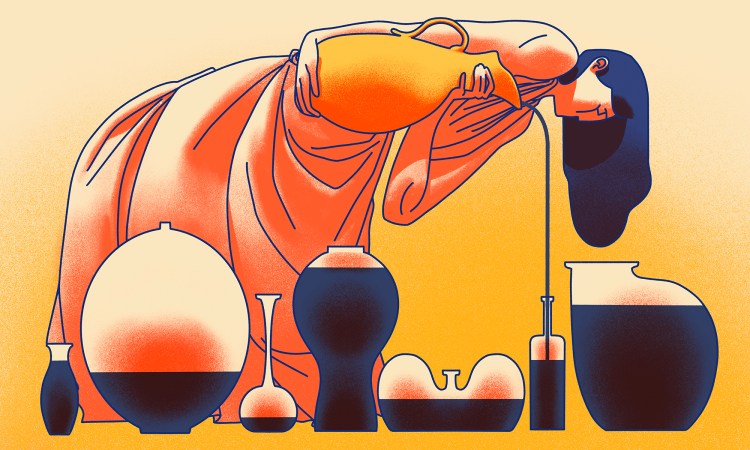
The 7 types of rest that every person needs

TEDIDEAS.COM

Jan 6, 2021 / Saundra Dalton-Smith MD

Avalon Nuovo

This post is part of TED’s “How to Be a Better Human” series, each of which contains a piece of helpful advice from people in the TED community; browse through all the posts here.

Have you ever tried to fix an ongoing lack of energy by getting more sleep — only to do so and still feel exhausted? 

If that’s you, here’s the secret: Sleep and rest are not the same thing, although many of us incorrectly confuse the two.

We go through life thinking we’ve rested because we have gotten enough sleep — but in reality we are missing out on the other types of rest we desperately need. The result is a culture of high-achieving, high-producing, chronically tired and chronically burned-out individuals. We’re suffering from a rest deficit because we don’t understand the true power of rest.

Rest should equal restoration in seven key areas of your life.

The first type of rest we need is physical rest, which can be passive or active. Passive physical rest includes sleeping and napping, while active physical rest means restorative activities such as yoga, stretching and massage therapy that help improve the body’s circulation and flexibility.

The second type of rest is mental rest. Do you know that coworker who starts work every day with a huge cup of coffee? He’s often irritable and forgetful, and he has a difficult time concentrating on his work. When he lies down at night to sleep, he frequently struggles to turn off his brain as conversations from the day fill his thoughts. And despite sleeping seven to eight hours, he wakes up feeling as if he never went to bed. He has a mental rest deficit.

The good news is you don’t have to quit your job or go on vacation to fix this. Schedule short breaks to occur every two hours throughout your workday; these breaks can remind you to slow down. You might also keep a notepad by the bed to jot down any nagging thoughts that would keep you awake.

The third type of rest we need is sensory rest. Bright lights, computer screens, background noise and multiple conversations — whether they’re in an office or on Zoom calls — can cause our senses to feel overwhelmed. This can be countered by doing something as simple as closing your eyes for a minute in the middle of the day, as well as by  intentionally unplugging from electronics at the end of every day. Intentional moments of sensory deprivation can begin to undo the damage inflicted by the over-stimulating world.

The fourth type of rest is creative rest. This type of rest is especially important for anyone who must solve problems or brainstorm new ideas. Creative rest reawakens the awe and wonder inside each of us. Do you recall the first time you saw the Grand Canyon, the ocean or a waterfall? Allowing yourself to take in the beauty of the outdoors — even if it’s at a local park or in your backyard — provides you with creative rest.

But creative rest isn’t simply about appreciating nature; it also includes enjoying the arts. Turn your workspace into a place of inspiration by displaying images of places you love and works of art that speak to you. You can’t spend 40 hours a week staring at blank or jumbled surroundings and expect to feel passionate about anything, much less come up with innovative ideas.

Now let’s take a look at another individual — the friend whom everyone thinks is the nicest person they’ve ever met. It’s the person everyone depends on, the one you’d call if you needed a favor because even if they don’t want to do it, you know they’ll give you a reluctant “yes” rather than a truthful “no”. But when this person is alone, they feel unappreciated and like others are taking advantage of them.

This person requires emotional rest, which means having the time and space to freely express your feelings and cut back on people pleasing.Emotional rest also requires the courage to be authentic. An emotionally rested person can answer the question “How are you today?” with a truthful “I’m not okay” — and then go on to share some hard things that otherwise go unsaid.

If you’re in need of emotional rest, you probably have a social rest deficit too. This occurs when we fail to differentiate between those relationships that revive us from those relationships that exhaust us. To experience more social rest, surround yourself with positive and supportive people. Even if your interactions have to occur virtually, you can choose to engage more fully in them by turning on your camera and focusing on who you’re speaking to.

The final type of rest is spiritual rest, which is the ability to connect beyond the physical and mental and feel a deep sense of belonging, love, acceptance and purpose. To receive this, engage in something greater than yourself and add prayer, meditation or community involvement to your daily routine.

As you can see, sleep alone can’t restore us to the point we feel rested. So it’s time for us to begin focusing on getting the right type of rest we need.

Editor’s note: Fatigue can also be associated with numerous health problems, so please get checked out by your  physician if it persists. 

To learn more about Dr. Saundra Dalton-Smith and her work, visit her website.This post was adapted from her  TEDxAtlanta Talk. Watch it here: https://www.youtube.com/embed/ZGNN4EPJzGk?version=3&rel=1&showsearch=0&showinfo=1&iv_load_policy=1&fs=1&hl=en-US&autohide=2&wmode=transparent

ABOUT THE AUTHOR

Saundra Dalton-Smith MD is a physician, researcher and the author of the book “Sacred Rest: Recover Your Life, Renew Your Energy, Restore Your Sanity.” Her work has been featured by Fast Company, FOX, MSNBC and Psychology Today. Learn more at DrDaltonSmith.com or by following her on Instagram (@DrDaltonSmith) or LinkedIn (Linkedin.com/in/drdaltonsmith).


Health and Wellbeing · Men & Womens Health

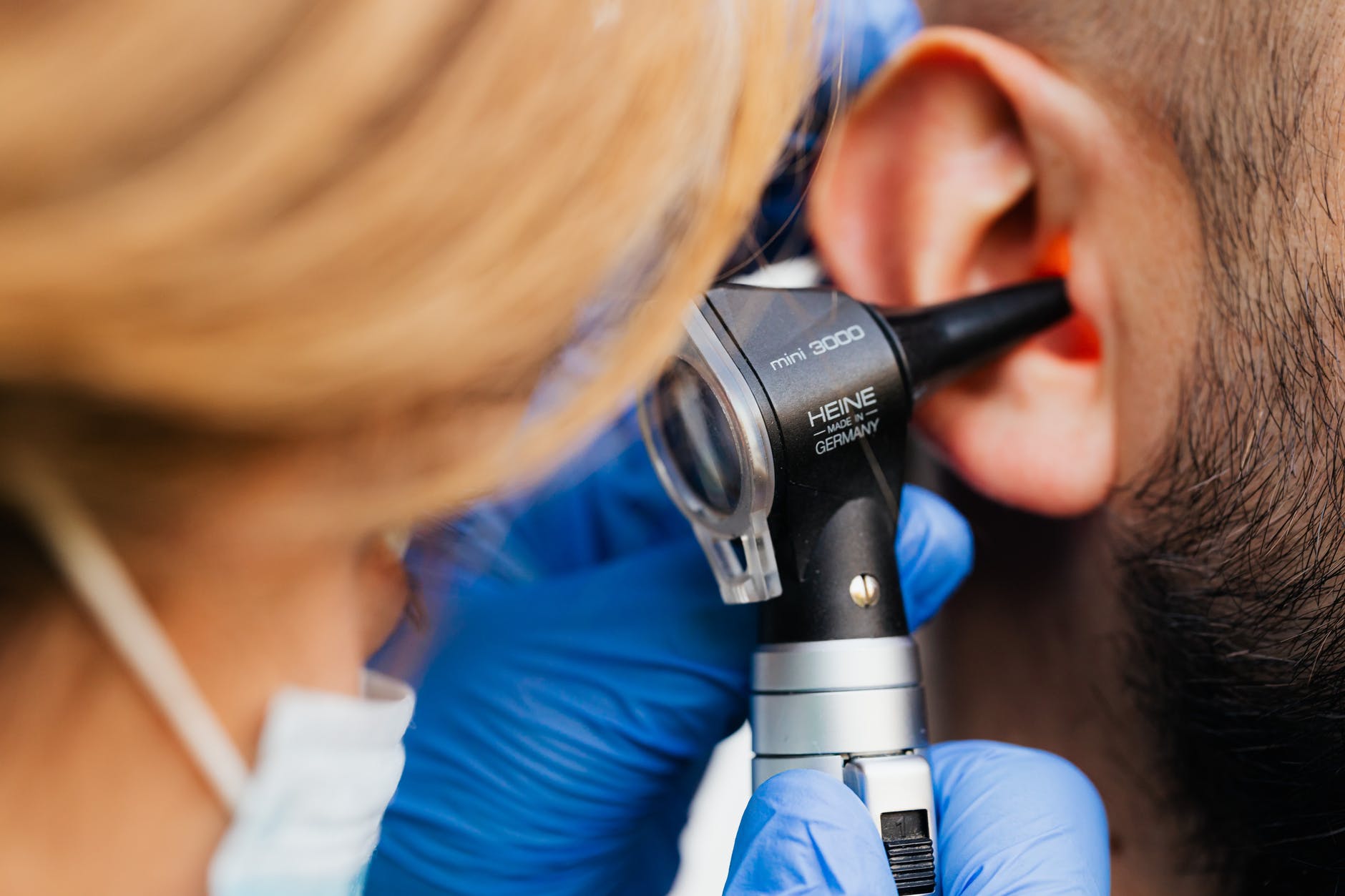
Common Causes of Hearing Loss

Hearing loss is one of the most common causes of concern among Americans over age 65 and can affect people at any age. With the right audiologist, you can learn which is the best behind the ear hearing aid for you. You might even discover that you need something inside the ear instead.

No matter what you do, you need to get support with your hearing, support that makes sense for you as an individual. This blog post will examine some of the more common causes of hearing loss and what you should do when you think that something may not be right with your hearing.

Photo by Karolina Grabowska on Pexels.com

Common causes of hearing loss

Loud Noises

Loud noises are one of the most common causes of hearing loss. While you may be able to walk away from a loud concert or fireworks show without experiencing any issues, regular exposure to sounds at this volume over time can lead to tinnitus and even permanent damage in some cases. Tinnitus treatment is available, but of course prevention is always better than cure. 

Infections

Infections like mumps or meningitis can lead to hearing loss. These infections are not as common today thanks to widespread vaccination programs, but you must talk with your doctor if you suspect an infection is the cause of your hearing issues. Treatment will vary depending on what exactly caused the problem and how severe it is, but antibiotics may be needed in some cases.

Diabetes

People who have diabetes are more likely to experience hearing loss than those who do not. This is because of the link between type II diabetes and nerve damage that can lead to tinnitus, dizziness, or even sudden deafness if left untreated for too long.

Suppose you suspect your hearing has been affected by diabetes. In that case, it’s important to consult with a doctor right away so they may examine your ears thoroughly and check for any signs of infection or other issues related to this condition. If possible, try to manage blood sugar levels as best as you can in order to keep potential complications at bay over time. If you have diabetes, you should have hearing tests carried out on a regular basis so that any problems can be picked up.

Injuries

Injuries from accidents like car crashes or sports injuries can lead to hearing loss. In most cases, these injuries are not permanent, but if the damage is severe enough, it could be more difficult for your doctors to treat and may leave you with some degree of long-term hearing problems. 

Treatment will depend on what caused the issues and how bad they actually are, so make sure you speak honestly about any concerns you might have when visiting a doctor after an accident that has left you with a possible hearing impairment.

What to do if you suspect hearing loss

Visit an audiologist

If you have any reason to suspect that your hearing might be at risk, it’s essential to visit an audiologist as soon as possible so they can conduct a thorough test and help determine if there is anything wrong with your ears. This professional specializes in diagnosing issues related to the inner ear, which would include problems associated with tinnitus or even vertigo. If left untreated for too long, these conditions could actually lead to permanent damage over time, but treatment options are much more likely to succeed if caught early enough.

No matter what the issue may be, it’s always best not to ignore symptoms of potential hearing loss, especially when many causes are very easy to treat once detected by expert professionals like audiologists in this area of medicine!

Get a hearing aid

If the issue is something that cannot be treated with medication or surgery, you might consider trying a hearing aid. You can learn more about them, but these devices can be helpful even in cases where your loss was not caused by noise but instead an injury from years ago when it comes to allowing you to maintain some degree of normalcy in everyday life and quality of life.

While there are many treatment options available for those who suffer from hearing issues today, one thing is clear: if you suspect anything out of the ordinary related to your ears, then bring up any concerns as soon as possible so they may be adequately examined!

Benefits of hearing aids

The benefits of using a hearing aid are many, including enhanced socialization that can lead to better mental health and overall quality of life. Additionally, you will have more control over your environment when it comes to reducing loud noises or preventing them entirely if needed in some cases. 

This is especially helpful for those who suffer from tinnitus which causes constant noise even while they sleep! Overall these devices provide an easy way for people with auditory issues related to aging or other medical conditions to gain back some degree of normalcy, so don’t hesitate if you think one might help make things easier on yourself today!

This is a collaborative post.

Melinda

Health and Wellbeing · Men & Womens Health · Mental Health

World Mental Health Day

World Mental Health Day is an international day for global mental health education, awareness and advocacy against social stigma. It was first celebrated in 1992 at the initiative of the World Federation for Mental Health, a global mental health organization with members and contacts in more than 150 countries. This day, each October, thousands of supporters come to celebrate this annual awareness program to bring attention to mental illness and its major effects on peoples’ lives worldwide. In some countries this day is part of an awareness week, such as Mental Health Week in Australia.

I was diagnosed with Bipolar Disorder at 19 years old and didn’t get treatment until ten years later. I let my own stigma and depression dictate my well-being. I lost many good years to depression, rage, fear, and mania. It cost me in every aspect of my life: friends, money, jobs, and family.

Today I’m healthy with the help of medication and regular therapy sessions. I’m happy and have found a great medical team. This was critical to my success. If you can’t communicate with your Psychiatrist or Therapist, get another and keep changing until you can be honest with them.

I can’t stress enough how your General Practitioner isn’t qualified to manage your ongoing Mental Health matters. They are a good start but after trying medication and not getting better, you need to seek out a Psychiatrist or Therapist. They are the only ones who are specialized to understand the complex nature of Mental Health and Mental Illness.

Your Mental Health matters, every day!

Melinda

Celebrate Life · Fun · Health and Wellbeing · Men & Womens Health

Fun Facts That Will Amaze You

I’m so glad you are enjoying the new weekend tradition. I love hearing your comments! 

African lions catch about 20% of the prey they chase. Dragonflies catch 95%.

A “cronut” is a cross between a doughnut and a croissant.

Amazon.com was originally called a cadabra.

A human loses about a million skin cells per 24 hours.

Rabbits can see behind them without moving their head.

Even though the blue whale is the largest animal on earth, it can’t swallow anything bigger than a beach ball.

Every year, about 100 billion servings of instant ramen are sold each year, or about 14 bowls per person.

Mistletoe has no scent.

A Chihuahua and a dachshund mix is a “chiweenie

The Hungarian word for “quotation marks” is “macskaköröm,” which literally translates to “cat claws.”

Enjoy!

Melinda

Celebrate Life · Health and Wellbeing · Men & Womens Health · Mental Health

‘I Never Set Out To Be a Musician; I Set Out to Learn How To Be Happy’ Jewel Says of Her Hard-Fought Journey 

Parade

NICOLE PAJER 

SEPTEMBER 30, 2021


A music
 industry mainstay and folk icon since her 1995 album Pieces of You, Grammy-nominated singer-songwriter Jewel didn’t intend to be famous. “I never set out to be a musician; I set out to learn how to be happy,” she says.

jewel-interview-2021

(DAVID “DOC” ABBOTT)

Songwriting led her away from the troubled path she walked as a teen—she ran away from an abusive home, fell into a pattern of stealing and homelessness and battled frequent anxiety attacks. She taught herself techniques to become more mindful and to help quell anxiety, “and I wrote [songs] as a way of keeping track of my progress.”

What followed was chart-topping fame thanks to her vulnerable and emotional music. Her self-observation in those early years became a lifelong quest to educate others about the benefits of mindfulness and tools to improve mental wellness. “For some reason, I’ve had a talent for two things: One is writing songs, and one is creating practical exercises that rewire my brain,” says the 47-year-old, who shares research-backed techniques at her website Never Broken.

She works alongside the Inspiring Children Foundation to provide young people and adults with tools to manage anxiety, and is releasing her 13th studio album this fall—“the first record I’ve written from scratch in my whole career.” The songs, she says, are a raw, honest and authentic representation of her current stage.

We spoke with Jewel about how becoming more mindful has had an impact on her life, her favorite technique for calming anxiety and some common misconceptions about meditation that we all need to move past.

Related: Why Jewel Swears By Meditation for Anxiety

What are some mindfulness techniques you taught yourself as a young musician?

While homeless, I had a year of creating a lot of breakthroughs for myself and exercises that were practicable. I started to look at addictive patterns and thinking, Well, if my brain can get addicted to that, maybe it can get addicted to good things. It was through a lot of self-observation I learned that if I want tomorrow to feel different, I have to do something different than I did yesterday. That’s how I learned to be present. And then I learned how to put that presence to work.

What does it mean to be “dilated” and “contracted”?

I believe we have two states of being: dilated and contracted. Start to notice when you feel relaxed and open, that’s dilated. When the body feels tight, that’s contracted. Write in a journal: what are you thinking, feeling or doing? Because every single thought, feeling or action is going to lead to one of those two states. You’re going to start recognizing, “Oh, I always dilate or feel calm when I talk to Susie, when I walk in nature, when I get exercise, when I feel rested, when I’m pursuing that passion.” Or you might feel tight and contracted when X, Y, Z happens. You’ll start to see the things you’re consuming in your life—the thoughts, feelings, actions and behaviors—that do or don’t agree with you.

What’s the biggest misconception about meditating? 

Think of meditation as a bicep curl for your brain, one that builds the muscle of how to be present. Let’s pretend you’re in a business meeting. The person who’s the most present is going to observe the most. And whoever observes the most and can act on that observation quicker, has the edge. Building presence is incredibly good for every area of your life because it makes you a higher performer.

I think the biggest misconception about meditation is that you shouldn’t have thoughts. People feel like they’re losing if they have thoughts. They think meditation is some amazing state where you hear the universal “om” and your mind goes blank and it feels awesome. That’s not what it is. Your brain will have thoughts, but every time you notice the thought, you come back to the breath, the present moment. And that’s the bicep curl, that’s winning.

And sometimes that process can feel uncomfortable?

Learning to meditate can feel like quitting smoking. You feel like your skin is crawling because you’re going through distraction addiction withdrawals—you’re so used to checking your phone and emails that your body is giving you the impulse to check them, just like smoking. When you sit and try to abstain from that, your neurochemicals are still going to try and stimulate you to do the behavior. It doesn’t feel comfortable. But I want people to know that the great thing about being present is you now have a chance to ask, “Do I like what my life is doing? Do I like this behavior? Is it serving me? And would I rather do something else?” Those are really important questions so we don’t end up late in life realizing we got way off course.

How do you stay consistent?

Meditation is about being willing to make a small commitment to yourself and being consistent with that. You don’t have to run a marathon; just try five breaths. Or maybe it’s 10 breaths every morning before you get up. Make it doable. And then if you want, you can build from there.

Are there days you still get anxious?

Yes. If I notice I’m really contracted, I ask, “What was I just thinking, feeling or doing?” I use that exercise all the time. Then I’ll realize I was just feeling badly because of what so and so said. But I don’t have panic attacks anymore. I’m not agoraphobic anymore. A lot of those things go away, but your anxiety is kind of your ally. It’s your body communicating: Are you in agreement with your life? Are you in agreement with your surroundings? I still feel anxious, but it isn’t scary or debilitating. I have tools to deal with it and understand it.

What do you mean by using anxiety as an ally?

Anxiety can be your body telling you you’re consuming something in your environment that doesn’t agree with you, whether it’s a thought or an interaction. So think of your anxiety as an ally. That’s one of my favorite daily practices to teach people if they’re struggling with any type of anxiety. And it’s a really good example of putting your presence and mindfulness to work.

When you look back at your rise to fame, what are some feelings you remember?

I had such a meteoric rise that I was exhausted. I needed time to psychologically adjust. I had to give myself permission to stop and say, “Do you still want to be a musician? Does this actually work for you?” Because that level of fame made me pretty unhappy. I’m an introverted writer and all of a sudden, I was so famous.

I realized the pace of my career was very difficult for me psychologically. You can’t just have constant output; you need input at some point. I realized I needed to read books. I needed to have quiet time. I needed time to let my mind drift. I can’t just tour and make records, tour and make records. And if I wait a couple years between records, it keeps the fame at a level I can handle. I started doing that. And it was a radical thing to do.

You promised yourself as a young musician to always focus on your own happiness

I’m very proud that 25 years into my career, I’ve never let myself down on that promise. And it’s why I made decisions that might have hurt my fame or my celebrity but were good for my mental health. Nobody’s encouraging musicians to take a year off to handle the almost traumatic experience of becoming famous. And it’s something I hope every musician gives themselves permission to do. I’m very proud of what Simone Biles did for instance. Because a gold medal is not winning if you also want to die.

What is your relationship with social media?

My self-worth does not depend on how many likes I have. I can’t say it was always that way, but I feel fine engaging on social media now. It’s really helpful as a musician because I have a direct relationship with my fans, which is really nice. But consider how you interact with it, how it affects your mental health. If it’s affecting you in a negative way, ask yourself, “What about this is flipping my switch?” I don’t think social media is bad—it’s how we relate to our social media apps.

When you look back at your songwriting years from now, what do you hope to see?

I want to look back on my life as my artwork, not just my songs. I would feel dumb if my songs were my best work of art. I want my life to be my best work of art, and that means I have to give every aspect of my life, my time and thought and intention and consideration. And in this job, that really isn’t what we do. We want a relationship, we want to be parents, we want to have all these aspects working well. And to do that means you better make time and a plan to make those things feel good to you.

Why did you want to write this album from scratch, not use any of your back catalogue?

I’ve always been prolific, and always written a steady stream of multiple genres. And I’ve had a back catalogue of 1000s of songs my whole career. So even by the time I put out my first album, I had a couple 100 songs and was able to pick 14 for Piece of You. And it kept going my whole career. I just was lucky to be prolific. And so maybe would write one song per record per project. With this record, I wanted to write it from scratch. I just wanted it to be completely from the ground up who I was now. And it was one of the most challenging things I’ve ever done. I see why middle aged artists do a lot of drugs (laughs)!

I don’t like covering the same ground twice. It’s just my personality. I like being uncomfortable and putting myself in an uncomfortable place that’s authentic to me. That’s why I like to try different things. So this record was a really wild process, I wrote over 200 songs to get these songs that made it on the album. So it really took a while to get a group that sounded like they were of a piece of a body that felt raw and honest but also were representative of who and what I am now and that pushed me some way creatively in a way I haven’t been pushed before. So the result is this record. It has a much more soul feel than any record I’ve ever done. I wrote for my vocals I think for the first time. I don’t know why I’ve never written for my voice. It sounds kind of funny saying it out loud. I just always serve the story and didn’t really think about showing off. But I wanted this to showcase my singing so I wrote for my voice. And hopefully I did not compromise on the storytelling aspect.

All of my records feel like folk music to me, in the sense of what folk music is. I should look up the dictionary and see if there’s an actual definition. But my definition of folk music is songs that speak to people and doesn’t use art as propaganda. And so the album has that same sense in it. And I’m really excited about it and really excited to play it.

Celebrate Life · Fun · Health and Wellbeing · Men & Womens Health · Mental Health

More About The Whole Me

We all have many facets to our personality, many of which don’t show up in our blogs. I wanted to share more about the other parts of my life that make me a whole person. 

Photo by Daria Shevtsova on Pexels.com

Love Home Design, all aspects including color. 

I love looking at Real Estate every day! Not that we’re moving, I just like to see what others are doing with their house and keep on top of the market. Of course, I also look at luxury properties we can only afford if we win the Lotto. 

I collect Globes

I eat the same thing for lunch 99% of the time. Yogurt with fruit on top, most of the time strawberries.

I eat the same dinner two nights a week 75% of the time. A muffin with one yogurt.

I have to brush my teeth after eating.

I eat out of a bowl for every meal.

I have a green/slightly yellow thumb. Very green outside, slightly yellow inside. 

I love books and it’s very hard to part with them when I run out of room. 

I’m pretty mechanically inclined. I discovered what was wrong with the disposal just this week.  

I love to cook but hate washing the dishes. I have good dishes for cooking to hand wash and others to go in the diswasher. 

I wanted to be a Life Magazine Photo Journalist from the time I was in sixth grade. 

I don’t have any children but worry a great deal about the future of children. 

I feel helpless when it comes to helping women in other countries even though I make charity contributions. 

What are some of the other aspects of your life you don’t share on your blog? I would love to hear. 

Melinda

Health and Wellbeing · Men & Womens Health

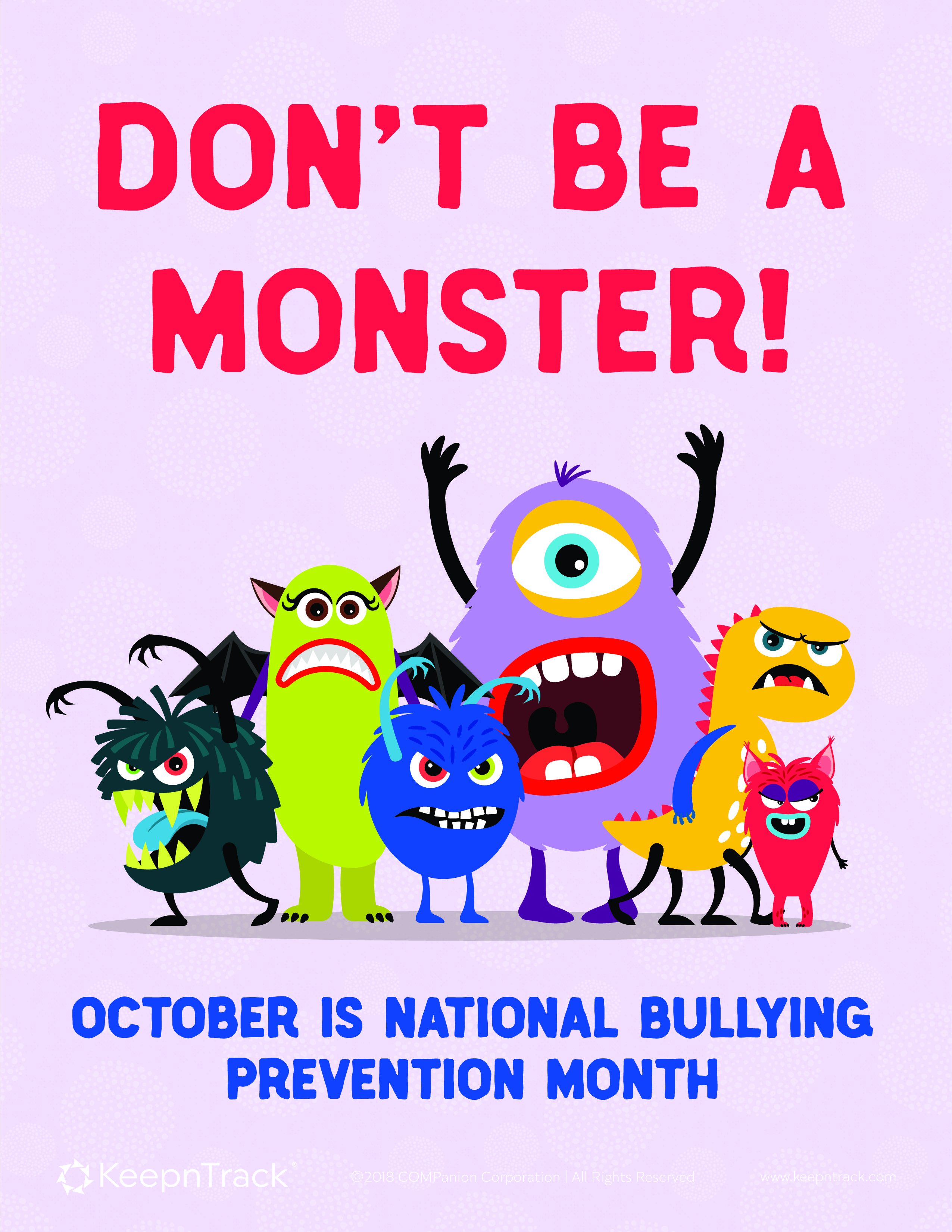
National Bullying Prevention Month

This week there was a school shooting that injured four people. The teen got into a fight and pulled out a 45 caliber handgun from his backpack. I won’t go into what’s wrong with Texas gun laws and how a teen was able to get a gun. I will say that his parents knew he was being bullied. What did they do? I don’t know but will say they did not get him help for his level of anger. Now his life is forever changed and he will spend time in jail, maybe 20 years. A young life wasted.

I was bullied from a young age, I had buck teeth. I was called bucky, beaver, rabbit, you name it, I got called it. Then it was because my granny made my clothes, I guess that made me a target for bullying. When I reached Junoir High School I had braces so I was called metal mouth, tin grin again all the names you can think of.

The worst bullying came when someone lied to my best childhood friend who had a cleft palate that I made fun of her about it. We grew up next door together since we were born. That didn’t matter. Her friends followed me home from school, pushed me to the ground, hit me over the head with a coke bottle, and kicked me many times. Then one day my friend said to meet me at her house, the house I grew up next to. She wanted to set the record straight. I went to her house, there were at least twenty kids waiting to see her kick my but. And she did. I walked home and that was the end of that story.

Bullying is not like it was when I was a kid. Now kids are bullied on social media by thousands of people who don’t even know them at a time when they are going thru so many emotional changes and identity crises.

Last year I made the mistake of leaving a comment on a celebrity’s social channel, what I said was completely taken out of context. I had over 20 thousand people wanting to strangle me, I received over a hundred death threats and worse. I was called every name in the book and it stung! I was not a bully but was made out to be one. Another lesson learned, never leave a message on social media!

National Bullying Prevention Month is a campaign in the United States founded in 2006 by PACER’s National Bullying Prevention Center. The campaign is held during the month of October and unites communities nationwide to educate and raise awareness of bullying prevention. Traditionally held the first week in October, the event was expanded in 2010 to include activities, education, and awareness building for the entire month. National Bullying Prevention Month is recognized in communities across the United States, with hundreds of schools and organizations signing on as partners. Facebook, CNN and Yahoo! Kids have supported the month through media outreach and dissemination. PACER developed the initial campaign National Bullying Prevention and Awareness Week in response to the need to raise awareness of bullying, as it was historically viewed “a childhood rite of passage” and believed that bullying “made kids tougher”, when the reality is that bullying has devastating effects such as school avoidance, loss of self-esteem, increased anxiety, and depression.

See the source image

For National Bullying Awareness Month I encourage everyone who has a child in school at any age to start talking about how to diffuse a bully and talk with you about being bullied. I know going to the school can aggravate the situation if it’s not handled right and that for you to hold the school accountable if they blow things off or handle them poorly. We can’t let out children get so angry and scared they get a gun and go to school and shoot someone or many people. Don’t think it won’t be your kid, the kid yesterday came from a very nice neighborhood and family.

If you have a tween or teen, you must monitor their social channels. I understand they need to level of responsibility but they have to earn it. Even if you give them the right to not have a shared password, you have to follow them and check out the people they are following. It is critical to find out what your child is up to.

Bullying is not a schoolyard thing anymore, children are being bullied 365 days a year, 24/7 on social media on top of school and other activities.

Bullying also has a tremendous impact on your child’s mental health. Look for clues here, look for signs of change.

Talk to your children.

Here are a few resources.

How to talk to your kids about bullying

How to talk to your child about being bullying

What kids can do

School-age bullying, how to help your child

Please don’t take the approach my parents did and say never fight back, that doesn’t work anymore neither does carrying a gun to school.

Melinda

Health and Wellbeing · Men & Womens Health · Mental Health

Tackle Common Causes Of Anxiety

You only have to listen to the headlines or read the newspaper to see that anxiety levels are rising and a growing number of people are experiencing stress. In this guide, we’ll discuss some common causes of stress and anxiety and offer tips to help you cope. 

Photo by RODNAE Productions on Pexels.com

Unemployment is one of the most talked-about subjects at the moment, with many people losing their jobs or businesses and others struggling to hang on in theirs. Balancing the books is challenging at the best of times when you’re trying to manage a household or raise kids, but the pandemic has exacerbated difficulties and made staying in the black virtually impossible for some. If you’re experiencing financial strain, or you’ve lost your job, there is help out there. Don’t hesitate to seek advice about incentives or support measures that are available to you during the crisis and look for opportunities to increase your income if your workload is reduced or you’ve lost your job. From Forex Trading, to online courses,  blogging to temporary jobs, it’s possible to find solutions, even if they are only a short-term option to tide you over. It’s also beneficial to try and reduce spending on non-essential items and to budget to make your money stretch further and to find out about programs that could prevent you from getting into debt in the weeks ahead. Some companies are offering freezes on loan and credit card payments, for example. 

Relationships can make or break us. While some relationships lift our spirits and make us feel secure and content, others can have a negative impact. Break-ups are tough and it can take a long time to come to terms with the fact that you’re moving in a direction that is different from the one you expected to take. You might have envisioned spending your entire life with a partner, only to find that you’re now on your own. Take your time to process what has happened and to heal. Lean on the people closest to you and try to focus on the present, rather than the past. Often, relationships don’t work, and once you have a sense of perspective and time has passed, you realize that there was a good reason for parting. Let yourself feel and experience emotions and don’t put too much pressure on yourself to get on with life, start dating or stop feeling upset about the situation. Move at your own pace. Everyone copes in different ways and there is no right or wrong way to deal with relationship breakdowns. 

Do you feel like you’re swimming against the tide, or do you dread the alarm going off every morning? It’s rare to find a job you enjoy every minute of every day, but work shouldn’t be a source of severe stress or anxiety. If you are feeling under pressure, or you’re struggling to switch off, talk to your boss about your workload, address issues that are getting to you and take some time out. It’s crucial to have a balance and to enjoy downtime. Learn to say no. If you’re already working too many hours without pay, or your to-do list is endless, don’t take on more work or sign yourself up for extra commitments after work. Rest, relax and look after yourself. 

Stress and anxiety are rife at the moment. If you’re struggling, you’re not alone. There are myriad causes, but help is available. Don’t hesitate to reach out and try and take care of yourself as best you can. 

This is a collaborative post.

Melinda

Health and Wellbeing · Men & Womens Health · Mental Health

Can You Spot The Signs A Friend May Be Feeling Stressed?

We, humans, are complicated creatures capable of expressing thousands of emotions. This site shows you that anxiety and stress are common across the natural world, and animals have many ways of showing it. Unfortunately for us, humans can also be very good at hiding those emotions too, so it isn’t always possible to tell how a loved one or friend is feeling. Here are a few common signs that may suggest your friend is feeling more anxious or stressed than normal. 

Photo by Francesca Zama on Pexels.com

Irritable 

If you have noticed that small things seem to be bothering your friend more than usual, this could be a symptom of stress or anxiety. The Calm Clinic suggests that irritability is a common sign of anxiety and can cause people to unexpectedly get upset or even lash out. If your friend has displayed these symptoms, do not be afraid to quietly and sympathetically tell them you have noticed a difference in their behavior and ask if there is anything you can do to help. They may not have noticed the change yet themselves, so give them time and space if they need it to think about their behavior and any reasons that might be causing them to feel more irritable. 

Not Sleeping

If your colleague at work is constantly reaching for the coffee, making silly mistakes, and looking exhausted, they may not be getting enough sleep. Anxiety and stress can throw off sleep patterns very quickly. According to Medical News Today, the link between stress and sleep deprivation is very common, with only 35% of Americans getting the correct amount of sleep. A lack of sleep can cause mental health problems to worsen and deepen, so sleep deprivation must be tackled. Again, this is a case of having a quiet word and asking if there is anything that keeps them up at night. If there is a worry often sharing it confidentially can help a friend to put things into perspective. Assure your friend that any discussions can be confidential, and you would only ever break confidentiality if you were worried they may harm themselves or others.

Diet Changes

Our diet can fluctuate wildly due to stress and anxiety. Some people may overeat or reach for junk food over healthier options. Others swing the other way and may cut out food altogether. Of course, dietary changes are not always linked to mental health. Only raise the question with a friend if you feel the pattern has been sustained over a substantial period, and if you suspect stress or anxiety may be the trigger for the dietary shift. You can help someone by offering to cook meals or to share lunches with them. Even a few meals in a freezer that they can reach for when they don’t have the energy to cook can make a huge difference to someone’s overall well-being. 

If your friend does let you know that they are feeling more anxious or stressed than usual, then reassure your friend that there are easy steps you can both take together which will help. Look online for expert advice and positive stories from those who have been in similar situations. 

This is a collaborative post.

Melinda


Health and Wellbeing · Men & Womens Health · Mental Health

Depression Screening Day

Whether for heart disease, high blood pressure, diabetes or depression, health screenings provide a quick and easy way to spot the first signs of serious illness and can reach people who might not otherwise seek professional medical advice.

Major depression is one of the most common mental illnesses, affecting 6.7% (more than 16 million) of American adults each year.[1]

Like screenings for other illnesses, depression screenings should be a routine part of healthcare.

Why Screen For Depression?

  • Clinical depression is a serious medical illness.
  • Clinical depression can lead to suicide.
  • Sometimes people with depression mistakenly believe that the symptoms of depression are a “normal part of life.”
  • Clinical depression affects men and women of all ages, races and socioeconomic groups.
  • Only about a third (35.3%) of those suffering from severe depression seek treatment from a mental health professional. [2]
  • Depression can co-occur and complicate other medical conditions.
  • Screenings are often the first step in getting help.

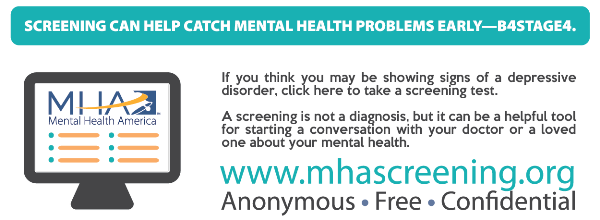
Take an online depression screening. MHA’s screening tools are free, anonymous, and confidential.

Who Should Get Screened?

People suffering from depression often experience some of these key symptoms:

  • A persistent sad, anxious or “empty” mood
  • Sleeping too little, early morning awakening, or sleeping too much
  • Reduced appetite and weight loss, or increased appetite and weight gain
  • Loss of interest or pleasure in activities once enjoyed
  • Restlessness or irritability
  • Difficulty concentrating, remembering or making decisions
  • Fatigue or loss of energy
  • Thoughts of death or suicide

Screenings are not a professional diagnosis. Screenings point out the presence or absence of depressive symptoms and provide a referral for further evaluation if needed. You should see your doctor or a qualified mental health professional if you experience five or more of these symptoms for longer than two weeks or if the symptoms are severe enough to interfere with your daily routine.

Learn More About Depression:

Depression

Life with Depression

Co-occurring Disorders and Depression


Sources

[1] Substance Abuse and Mental Health Services Administration, Results from the 2013 National Survey on Drug Use and Health: Mental Health Findings, NSDUH Series H-49, HHS Publication No. (SMA) 14-4887. Rockville, MD: Substance Abuse and Mental Health Services Administration, 2014.

[2] Pratt LA, Brody DJ. Depression in the U.S. household population, 2009–2012. NCHS data brief, no 172. Hyattsville, MD: National Center for Health Statistics. 2014.[2] Pratt LA, Brody DJ. Depression in the U.S. household population, 2009–2012. NCHS data brief, no 172. Hyattsville, MD: National Center for Health Statistics. 2014.

Please take a few minutes to do the online screening if you are feeling depressed or are having any of the other symptoms. Early diagnosis is critical. You have nothing to lose and everything to gain.

Melinda

Health and Wellbeing · Men & Womens Health

Top Tips for Finding a Location for Your Business

Are you looking to start, or expand your business? If so, one of the important aspects of your business is the premises. Whether you are a brick-and-mortar store, or just need a physical location to house your warehouse, or office for employees, there are many factors you need to consider before making a decision. Locating a building for your business is a large investment, and needs a lot of careful planning. 

Here are some top tips for finding premises for your business. 

Photo by Laura Tancredi on Pexels.com

#1 Location 

Location is crucial, as this will impact your employee’s and clients’ ability to access you so you can still operate as a business, as well as storage for supplies, manufacturing, and deliveries. Thoroughly research the different areas that would be best suited to your business, as well as new real estate developments, such as those of Paul Ognibene, which are known to bring together and enhance communities and build sustainable real estate. These kinds of communities can be hugely beneficial to your business and are a more cost-effective location to set up shop.

#2 Business requirements 

Each business will have its unique requirements for new premises. It is important that you consider both the short-term and long-term goals of your business, and consider what specifications are essential, and which ones can be compromised on. This will considerably speed up the process, as you don’t waste your time with unsuitable properties. For example, you should consider:

  • Space your employees, customers and supplies need now
  • How big you are planning to extend your company in the years to come and the extra space that may be required
  • The layout of the building (open space, ability to add dividers, private room, toilets, accessibility for people and deliveries, etc)
  • The services that your business requires, such as good internet speed, phone lines, electrical sockets, plumbing, air conditioning, ventilation (do you have permission to add/remove services, and if so, how much will this cost your business?)
  • Comfort for customers and employees (space, heat, ventilation, bathrooms, kitchen, privacy, etc)
  • Is the building legally sufficient for your business to operate?
  • Do you need to obtain licenses to run your business? 
  • Do you need planning permission? 

#3 Costs 

Costs play a major role in the choice of building for your business. Before looking at buildings, it is a good idea to consider your budget. Where are you right now? What can you afford? Where do you want your business to grow in 5, or 10 years? How much are you willing to invest in its growth? Once you have an initial budget, you will be able to start considering your options. When it comes to locating a premises, you can opt to license, lease, buy or build. The option you choose will entirely depend on your budget, your commitment, your growth, the size of your business, the industry, the location, permissions, business requirements, availability, and much more. At this point, it is a good idea to speak to commercial real estate specialists who will be able to advise you on your options. 

Locating business premises is no small undertaking. Make sure you are clear on your business goals and conduct thorough research before making any commitments. 

This is a collaborative post.

Melinda

Health and Wellbeing · Men & Womens Health · Mental Health

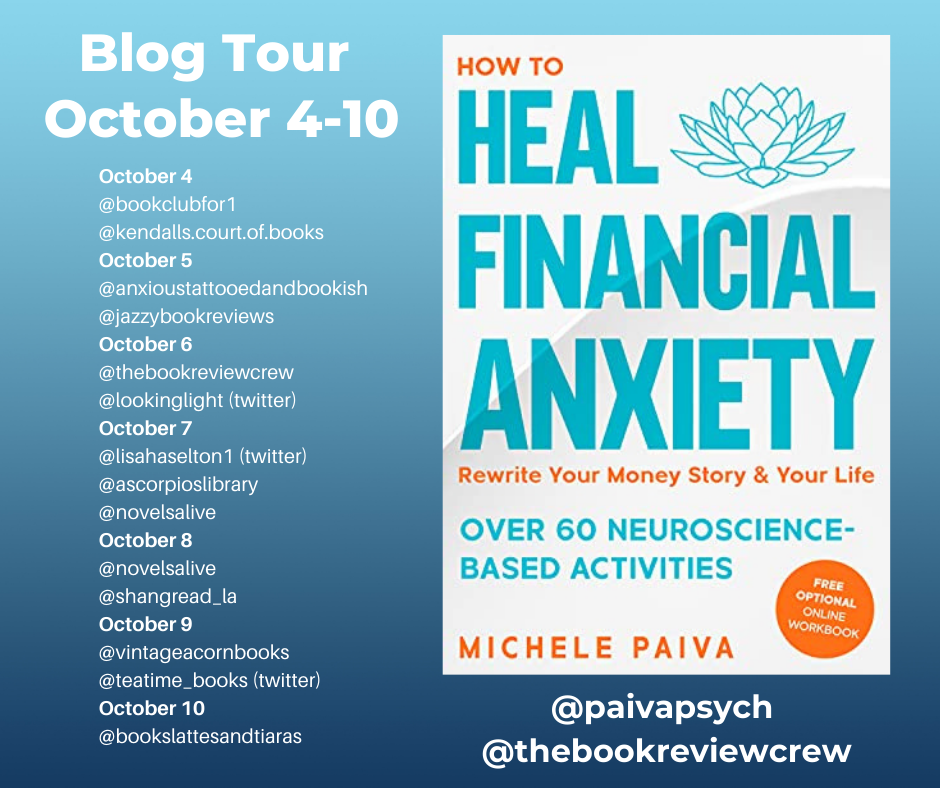
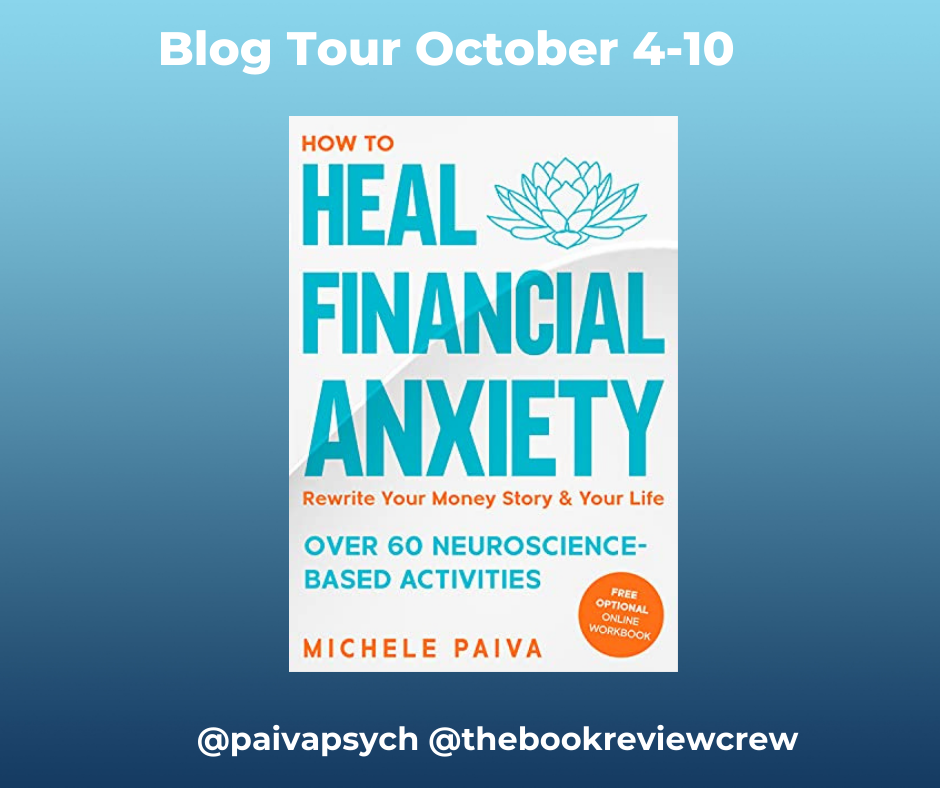
Book Tour Interview For How To Heal Financial Anxiety By Michele Paiva

I had the privilege of interviewing Michele Paiva for the upcoming Book Tour promoting her new book How To Heal Financial Anxiety. She is a very interesting lady and I know you will agree. Be sure to check out the exclusive offer from Michele at the bottom of the post.
About the Author

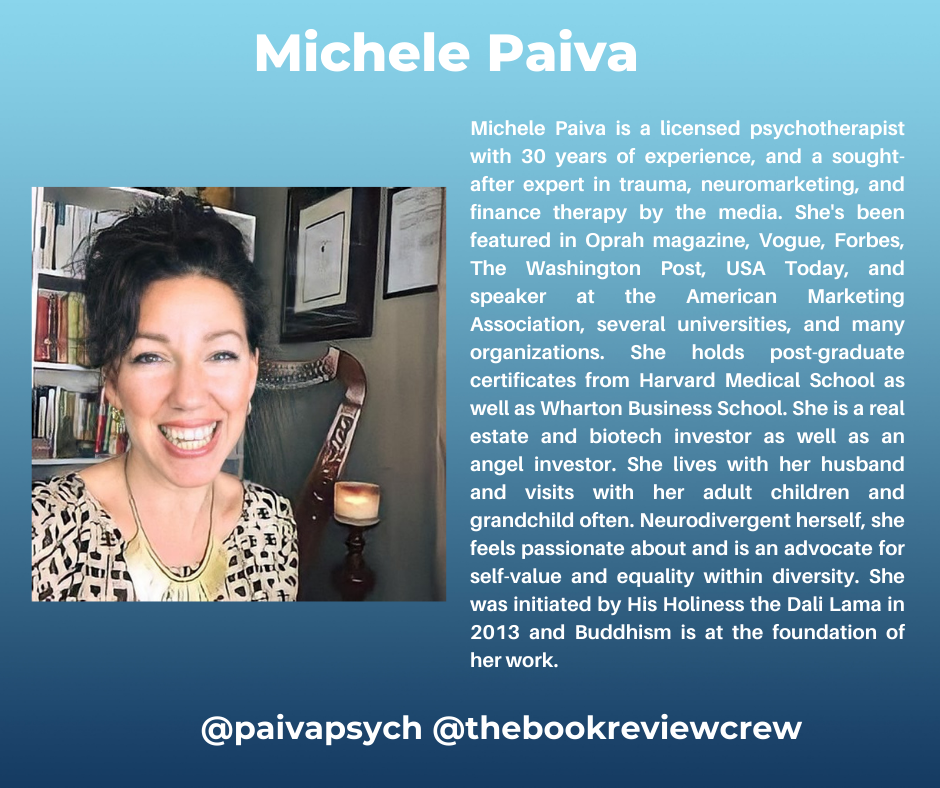
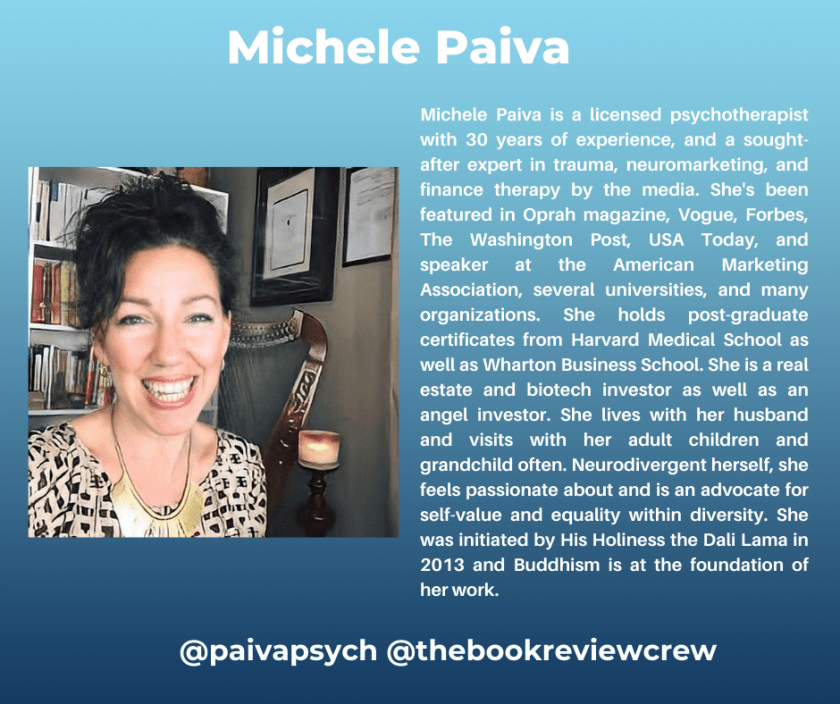
Michele Paiva is a licensed psychotherapist with 30 years of experience, and a sought-after expert in trauma, neuromarketing, and finance therapy by the media. She’s been featured in Oprah magazine, Vogue, Forbes, The Washington Post, USA Today, and speaker at the American Marketing Association, several universities, and many organizations. She holds post-graduate certificates from Harvard Medical School as well as Wharton Business School. She is a real estate and biotech investor as well as an angel investor. She lives with her husband and visits with her adult children and grandchild often. Neurodivergent herself, she feels passionate about and is an advocate for self-value and equality within diversity. She was initiated by His Holiness the Dali Lama in 2013 and Buddhism is at the foundation of her work.
Blurb

Are you tired of feeling stressed over money?

Do you feel financially humiliated instead of confidently happy?

Have you had an abuser or narcissist in your past that stole your joy and your sense of security?

When your finances suffer, your entire life suffers from your health and relationships to education and opportunities. Planning for the future seems pointless when you are drowning in debt.

Your habits, patterns of thought, and behaviors, including your money and mind connection, are often handed down through generations and neuroplastic changes in the brain due to childhood stress and trauma. Then, there are social stigmas also causing negative neuroplastic changes.

It is not your fault!

The good news is that all of this can be cleared up fairly easily with targeted actions and awareness.

No more feeling stressed over money or your life, it’s time to be fiscally-fearless and emotionally free.

What you will receive:

✓ A deeply therapeutic experience for your feelings and finances

✓Over 60 neuroscience-based activities to explore

✓ A complimentary downloadable pdf workbook to take you through the year

✓ A weekly support group that is email-based, to sustain your financial healing process so you never feel alone.

✓ Invites to discounted and complimentary workshops and events, including facilitator training and certification.

Why Buddhism for the foundation of your work?

Thank you for asking! The short answer is that Buddhism and science go hand in hand. Buddhism is often thought to be the foundation of psychology in many ways, Psychology means the study of the soul or mind, which is exactly what Buddhism asks of us, in practice. 

The long answer is, for me personally, growing up and living an adult Christian and Jewish life, which I still honor, I found that the teachings of Buddhism deeply moved me and I found it to be inclusive rather than exclusive, which spoke to me. Meaning, you can still practice Christianity and practice Buddhism, as Buddhism does not require you to give up any part of yourself. Buddhism is a practice that is both a lifestyle and/or a religion. One need not believe anything specifically nor does one need to be devout in any way, when in your own personal practice. This allows for flexibility and healing, as in therapy, “meeting you where you are”. 

My mother and often my father enjoyed learning about Buddhism. In my teens, my mother was even more interested in Buddhism, and we had a beautiful jade buddha in the kitchen which represented happiness, joy, and prosperity. The presence was not nor is it ever, to worship, it was to remember to be self-aware and bring oneself to peaceful thoughts. 

I wanted to be able to bring that to my clients in subtle ways. In fact, my book and website use a jade-teal color to give homage to that memory and (my) energetic intention to anyone who visits. 

I keep it as a foundation of my work because I’ve seen and experienced its transformative potential. I do not expect or even wish my clients or readers to alter any of their beliefs, I only enjoy sharing some lessons that I’ve learned that I feel will help them; tweaked to fit the design of the solution I feel will offer support. 

What are neuroplastic changes?

The brain reorganizes itself quite often and we are learning more and more about it. It was once thought that only in early development are we creating the “wiring” for adulthood but now we know that trauma changes the brain, chronic negativity, viewing negative behaviors such as one might see in social networking, or experiencing physical or mental struggles, to name a few. However, we also know now that learning changes the brain, positive feedback, affirmation, love, and relearning our sense of self. 

An example of neuroplastic change would be being “bad” at direction because you simply do not need to be great at finding your way around. However, almost every seasoned NYC Cab driver would be considered very good at direction because they need to not only find their way around but manage last-minute traffic, being cut-off, construction, and so on. They have minds that have slowly reorganized and thus, even out of NYC, they tend to be location-savvy. 

Maybe another example more relatable might be if someone is a good cook or horrific in the kitchen. Cooking is beyond following a recipe, it involves understanding how to use the utensils, understanding heating elements, and having a general passion or interest in creating a meal. Those who lack any of those elements might struggle more but after time, the “learning” is multi-faceted and they reorganize their mind to be more naturally adept at cooking. Or, you will be like me and have the fire company at your home at least once every few years, and be the source of countless jokes within the family for lousy cooking skills. On a personal note, I did take a vegan cooking course a few years ago and enjoyed it and now am the go-to vegan cook for a lot of my friends and family! That being said, it’s hard to screw up Tofu. Anything you do to it is an improvement, haha!

What type of social stigmas create financial anxiety?

So. Many. Stigmas.

One thing is that people often connect what they have to who they are. Meaning, they feel their self-value on some level, connects to their net worth. We all know that this is not the case intellectually but many of us would feel embarrassed riding around in what might be considered a jalopy of car or wearing dated and faded clothing. The stigmas go deeper.

Most people can easily discuss sexual problems like painful intercourse or the feeling of betrayal of a cheating spouse. However, ask those same people if they have savings, and they clam up or begin making nervous excuses because they feel that question is meant to critique them.

We grow up to “be” something. A question often asked if a child is “what do you want to “be” when you grow up. Or a teen might be asked “what do you want to “do”?” A new job? The questions are “What do you “do” for a living, and in that moment you might feel that they are silently figuring out your pay scale. 

Some people are. I knew a woman once who watched children who were doing so because she was watching her own young children. She was a former teacher. One time she said to me, “I can’t believe these people can afford me. They are this strange blue-collar royalty”. First, talk about jealousy and insecurity, right? Second, what parasitic, living-in-a-bubble attitude.  So yes, sometimes the fear of stigma is real because not everyone is emotionally mature and we should not care about what those limited mentality people think.

There are stigmas about food stamps for example, and yet I think the percentage is something like one in every ten Americans receives some form of nutrition support.

There are stigmas about gender and money. Men who are gay, bisexual, or openly transgender females, get paid almost 30% less on the dollar, especially if they are a person of color than their hetero-white male counterparts.

Millennials have stigmas as well as being lazy, bad with money, and irresponsible when in truth, that is not the case. 

Stigmas are a mark of disgrace and this shame can etch away at someone’s health and wellness, not only their bank accounts. The problem is, the more they feel the stigmas and shame, the more they might try to spend or feel unworthy of saving because they begin to believe the discriminatory assumptions and outright displays. 

One big issue is that some people were taught to not ask for help, and feel a money struggle means that they are weak, unsuccessful, and unworthy. This is a common theme. They suffer in silence and continue to feel overwhelmed and isolated. Most people do not even notice that they have an issue because they are just doing what everyone in their family or friendship circle seems to be doing.

I could go on and on but I’ll have to pay you for a therapy session if I vent anymore. 

Tell me about the workshops you teach.

There are a few. My main focus is a mentorship that is personalized to the client. They work through a series of exercises that I have found through the years to be incredibly beneficial without “tearing off the scab” that protects their emotions. This one is personalized in that they fill out an intake and we have one phone call and support email communication after that, for the remainder of the month, with homework and feedback.

The other is the course to go with the book, which is a support resource to deepen one’s connection to healing financial anxiety and can be a stand-alone. 

I am beginning a course on narcissistic tactics and strategies for recovery soon as well, as many narcissists abuse people’s money and their minds (and hearts, souls, etc). My background is trauma therapy and I blended business and trauma for my style of finance therapy. 

I have to ask how you came to meet his Holiness the Dali Lama?

With misfortune, I did not meet him personally as in a handshake; in 2013, there was an initiation at the Beacon and I was thankful to have been able to register. He did a group initiation, and it was incredible to see him and hear him speak. I can honestly say that it was a highlight of my life. While I did get initiated by the Dalai Lama, I am actually in the Thich Nhat Hanh, Order of Interbeing, and run an online Sangha for Plum Village. 

No doubt you read many periodicals but what do you read for fun?

Ohhh this is a biggie.. I love reading books by Maya Angelou and Alice Walker, both of who I did meet briefly when they spoke locally at Cheyney University. And yes, I did cry from sheer overwhelm in meeting them. I also enjoy the haiku of Sonia Sanchez, who I studied with one summer fairly recently and she is my other ‘life highlight” to have experienced. Aside from that, I love reading about ancient civilizations and theories like Fingerprints of the Gods. I’m also a fan of magazines like Town and Country and Vogue, as I love their highlights of creative people.  A few other favorites: Flow and Creativity (two different books) by Mihaly Csikszentmihalyi, and The Moral Animal by Robert Wright. 

One book I read over and over is Enchanted April, and also enjoy the movie of the same name. 

If anyone loves fiction, that one is about a group of four very different women, coming together to find love and find themselves through a series of conflict resolution-focused experiences. 

One of my other favorites of all time – The Secret Garden and, Grimms Fairy Tales! 

There’s so many… soooo mannnnnyyyyy. I feel like I’d have to live 500 lifetimes to read everything that’s on my wishlist.. can you relate? 

What do you hope readers will take away from your book?

That they are not broke or emotionally broken; it’s all the trauma, social stigmas and stress clouding them from seeing the potential within them. There is truth under their trauma.

How can readers get in touch with you?

TheFinanceTherapist.com

To find out more about the great exclusive discount Michele is offering click here

I had the greatest time talking with Michele and I know you will enjoy her book as well as learn how to get a handle on your financial anxiety by tackling the bad habits you have when it comes to money. 

Enjoy Reading

Melinda

@lookinglight

The Book Review

Health and Wellbeing · Men & Womens Health

How to Flip a Property

If you’ve ever thought of flipping a house and tunning a profit, it’s an entirely viable way to earn a living, and significant profits can be made from this process. However, property flipping isn’t as easy or straightforward as it’s sometimes made you be on TV shows; you need to have a good idea of what you’re doing to avoid unnecessary wastage and lost profits.  

Photo by Pixabay on Pexels.com

Start with research

Flipping a home for revenue and doing it successfully starts at the point of research. This is an important starting point because it can affect the return on investment – Candea Development Has advice for first-time buyers. You don’t want to enter an expensive property market since your chances of turning a profit will be considerably smaller. Find the balance between the right market and the right property before investing any of your money. 

Set a budget

Flipping a property for profit might seem like a slightly unconventional way of earning a living, but that doesn’t mean that you aren’t in business – on the contrary, flipping properties is a business in itself and requires a business plan. This business plan does not have to be extensive – not unless you are obtaining a bank loan – but it does have to contain a budget, a timeline, and a project scope.

Confirm your financing 

You don’t want to be in the position of having your property accepted, and then the funding isn’t available to take the project forward; that’s why you need to carefully plan your funding prior to making your offer and have it confirmed. Bridge loans and ones that also cover renovation costs are good options for flipping a property, but remember to pay close attention to fees and interest rates as these can influence your profits.    

Network with contractors 

The more information you have on the overall cost of the property flipping project, the more easily you can plan the project and turn it into a success. There’s good news; you don’t have to wait until you own the property before you start the process of contacting contractors and obtaining quotes. The sooner you do, the sooner you can get started with the planning process. 

Find and buy 

Finding a home to flip is also part of the research stage; it’s important to find the balance between market price and saleability. The property you decide on needs to be below market price – but it also needs to be cheap enough to account for expenses and closing costs. Again, an agent can help you find the right property if you’re struggling at this stage. 

Fix and sell

Investment property lenders are much faster than lenders for standard homes, and although the process still takes time, you should be ready to develop the home much earlier. More experienced house flippers tend to go for properties that require a complete renovation to maximize profits, but at the start, some cosmetic changes are entirely appropriate. When the renovation begins, you’re up against the clock right away because the more time you spend on the project, the more money you lose to interest payments and contractors.  

This is a collaborative post.

Melinda

Celebrate Life · Health and Wellbeing · Men & Womens Health · Mental Health

How to Make the Most out of your Fresh Start this Year

Sometimes, a fresh start is just what you need to bring back some joy into your life. Starting from fresh can take the form of moving to somewhere new or it can be starting a new job. Either way, if you are ready for a new beginning then this is your chance to understand more about the days ahead.

Plan some New Activities

Life can be unpredictable, but it should not stop you from being able to plan some stuff to do in your life. You need to try and live your life to the fullest and you also need to be able to take chances. If you need some inspiration then why not try and learn a new language? You might also want to learn how to cook, or even try your hand at learning an instrument. Either way, doing some new activities is certainly one of the best ways for you to try and expand your horizons as well as being able to make the most out of the time you have.

Source: Pexels (CC0 License)

Make some New Friends

New friends can easily open you up to new perspectives and it can also bring about some unexpected opportunities as well. Sometimes if you want to build new relationships, you have to let go of old ones. You also need to try and put yourself out there so that you can be found. You can do this by signing up for social gatherings or even attending a concert. You can take a class, go to a church service or simply introduce yourself. If you can do this, then you will soon find that you can make the most out of the time you have. This will work wonders for your mental health too.

Declutter

Along with your clothes, you probably have a lot of other items that you just don’t need anymore. Getting rid of things like this can be a fantastic way for you to move forward. It can also be somewhat symbolic as well. Take a look through all of the rooms in your home for anything that you may have bought this year and also make sure that you do what you can to get rid of things that you don’t need. If you have seasonal items then remember to put them into storage so you can pull them out whenever you need them. Getting rid of items that you don’t use very much will help you to make room for other things, that may bring you more joy. This is especially useful if you intend on looking at new homes, or somewhere else to live to help you with your fresh start.

Clean out Your Closet

Consumers purchase, on average, 68 new garments every year. That is quite a lot, especially if you haven’t cleaned out your closet in quite some time. If you can clean out your closet space, then you may find that you can have way more room and you can also buy yourself some new clothes. This is sometimes exactly what you need if you want to make a fresh start, so keep that in mind if you can.

This is a collaborative post.

Melinda

Health and Wellbeing · Men & Womens Health

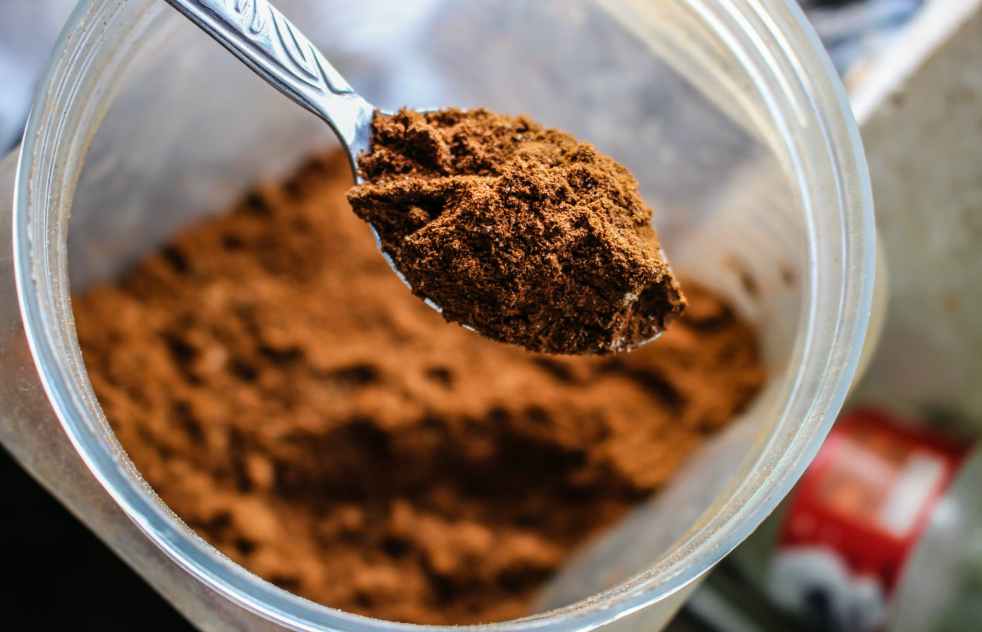
The Beauty Benefits of Cocoa Powder

When picking some up at your local store, make sure you don’t buy one containing sugar or artificial flavor. Here are a few ways cocoa powder benefits your skin and hair.

Photo by samer daboul on Pexels.com

Willow and Sage

Darkens hair naturally

Hydrates the skin

Reduces redness and inflammation caused by acne

Removes dead skin cells

Makes complexion brighter and clearer

Fight off free radicals

Prevents sun damage

Firms and rejuvenates skin

Keeps hair shiny and soft

Fights premature wrinkles

Fun · Health and Wellbeing · Men & Womens Health · Mental Health

How you Can Improve Your Wellbeing This Winter

Many people can fall into a slump during the colder winter months when there is less sunlight and motivation is low, but there are some easy ways to lift your spirits.

A good way to raise yourself from a slump is to create a vision board. A vision board is a collection of images and keywords that you design and assemble on a large piece of paper, for example, which visualizes your hopes and dreams for the future. Vision boards are motivational, particularly when you lose sight of what you are working for. They are equally beneficial for when life becomes a little monotonous.

Photo by Masha Raymers on Pexels.com

Some ideas to include in a vision board are career aspirations, travel plans, and personal growth targets.

Making a vision board can calm your mind, as it taps into your creativity and helps you focus on your current action. Plus, seeing your finished work day after day is sure to encourage inspiration.

It’s important to reach out to friends, relatives, or companions when you are feeling low. Even if you are feeling cheerful, getting in contact with someone you have not spoken to in a while might raise their spirits without you even realizing it.

As we get older, we tend to get stuck in our daily routines and forget that life is about connections and relationships. Older adults can especially yearn for a chat, or for a helping hand, which is why Seniors Helping Seniors is an invaluable service.

‘Going for a run’ is easier said than done for a lot of us. Especially in the cold, wet weather, running can be a real drag. However, there are plenty of alternative sports and fitness activities that will make you forget you’re even exercising – you’ll be having that much fun.

For one, dancing is a great way to release energy and work up a sweat with a smile on your face. You don’t need a studio to let your hair down, dancing in your room is encouraged. Whack on your favorite tunes and spend 20 minutes to an hour moving about to the music.

Photo by mali maeder on Pexels.com

If mobility is an issue for you, swimming is an excellent way to stay fit and prevent any muscle or joint discomfort.

Walking and power-walking is also another way to get your daily exercise without it seeming too strenuous. For those busy days, this activity can tie in with work or socializing, as you could schedule a walking meeting or catch-up. Or, if you need a break from everything, going for a solo walk is a sure way to clear your head. You could even find a scenic route and make a trip out of it, rather than just walking around the block.

A simple way to distract yourself from the winter blues is to have a giggle. So, get comfy and pick a comedy film or stand-up show you know you will like, and even if you can’t muster a belly laugh, just feeling yourself smile can brighten your mood.

There are also plenty of apps and old-school games that will have you rolling on the floor laughing with friends or family. For smartphone users, try Heads Up!, it’s like a digital version of charades that can be played anywhere. Or if you’re at home, a card game like Snap or Uno is sure to cheer you up.

Going to bed early is never more important than in the winter. Our wellbeing depends on us getting a decent amount of sleep. For some people that means 8 hours of shuteye, for others, it’s more. 

Find out what works for you, and go to bed at a time that allows for a full 8+ hours sleep until daybreak, so the sunrise works as a natural alarm clock. Seeing a full days-worth of sunlight can improve your mood dramatically. This is because catching the sun’s rays each day is associated with an increased level of serotonin in the body, a hormone that stabilizes our feelings of wellbeing. 

If you have considerable worries, or stress is getting on top of you. It’s a good idea to let out your thoughts and emotions either via pen or verbally with a counselor or therapist. Writing or talking about it can help you release negative feelings and therefore improve your wellbeing.

This is a collaborative post.

Melinda

Health and Wellbeing · Men & Womens Health · Mental Health

Helping Those Closest To You Deal With Stress

You might have noticed something different about someone close to you recently. Perhaps they seem a little more closed off than usual, or maybe you’re just noticing that things they used to enjoy, don’t seem to do it anymore. It could be any number of things, but if you know that life is getting them super stressed lately, this is probably the answer. In this article, we’re going to be looking at some of the things that you can do to help someone close to you deal with stress.

Photo by Andrea Piacquadio on Pexels.com

The first thing that we think you should do is offer to listen. Sometimes, people who are suffering from stress just need to talk about what they are feeling. Often, coming up with a solution to help someone who is stressed out won’t be possible, especially seeing as a lot of the causes are things that they don’t always have the power to change. Of course, if they can change them, then you should absolutely suggest that they do. However, it is far more important that you listen to what they have to say and make them feel heard, rather than offering advice. You will often find that they know what they should do, but they still need to speak to someone about the way they are feeling. Be that person for them. Offer them your shoulder.

While it may not always be possible to get rid of the thing that is stressing them out, you can still help them by finding the things that help them cope with stress better. For example, you could get them into the sport of some kind and do it together. Or, you could look into some herbal remedies that may help reduce the stress and purchase some weed pipes to make the experience a bit better. It really depends on what the person close to you finds relaxing. You’ve just got to remember that not everything is going to work, so don’t get too frustrated when you’re going through the trial and error phase.

Photo by nappy on Pexels.com

Finally, you should never make fun of the problems that somebody is experiencing. This is harsh, and it will make them go into a shell and never want to speak to anyone about their issues again. Don’t try to make light of the situation. Don’t tell them that they are overreacting. Don’t compare their life to yours and tell them why they shouldn’t be stressed. None of this is going to be helpful. Just be supportive, that is what they need the most.

Hopefully, now you understand some of the things that you can do to help those close to you deal with stress. It’s a hard thing to cope with at the best of times, and if it’s getting too much for them, you need to support them as much as you can. It’s going to be difficult for them to admit, so be patient, and above all, be kind. 

This is a collaborative post.

Melinda

Men & Womens Health · Mental Health

Is Working From Home Causing You Anxiety?

Work situations are difficult to navigate sometimes. Anxiety sets in and you may feel as if you are sinking. Thankfully there are ways to ease your stress. From breathing techniques to yoga, and more, there are ways to help reduce your stress. You may have already looked at CBD and other types of cannabis and in this case, you may want to look at Budder Bongs, but you should always be responsible. 

Photo by Ketut Subiyanto on Pexels.com

Sometimes the problems with work are borne out of social activities in the workplace. In order to be comfortable with your co-workers, try to expand your comfort zone. Consciously try to create small talk with people you meet throughout the day: at lunch, in the elevator, or in the coffee corner. Try to initiate short conversations or flatter when the place is in place. Such behavior will teach others that you are an accessible person and can be talked to. Remember that it is not so important to say the right thing, it is more important to be present. People are usually more comfortable with who they know.

Conversation with authority figures

Those who suffer from social anxiety may have difficulty talking to their supervisor. Any communication with your manager may be difficult for you. You may have difficulty with the simplest questions, it is common for people with social anxiety to try to get away with asking and finding out with the manager the information they need. Unfortunately, avoiding a conversation with the manager can impair your functioning and the manner in which the task is fulfilled: you will find yourself working long hours in a way that will ultimately not be to the satisfaction of your superiors.

Meetings and work meetings

If you feel uncomfortable in meetings – try to get to the meeting a quarter of an hour earlier so you can meet others when they arrive. Most people who suffer from social anxiety and shyness come to meetings late so that they do not have to socialize with others. But this behavior only makes you feel more isolated and stressed. During meetings, try to remember that others must also feel uncomfortable and have difficulty speaking. Quite a lot of people actually have difficulty expressing their opinions. If you take the initiative and speak first, it will reassure the rest and they will appreciate and respect you for it. Try to replace the negative thought with a more accurate, or more helpful thought: “I’m usually good enough in meetings.” Even if this mental exercise feels strange and strange to you, over time it will reduce your insecurity in work meetings. You will soon start to make a shift and feel more confident.

Social events

Workplaces usually hold social events that you are expected to attend. Company trips, zoom parties, joint video photography, farewell party, conferences. The human resources department works hard to connect the employees and for most of them, a fun day is really fun. For people with social anxiety these events can be particularly difficult – they expose their social shame – their difficulty in feeling comfortable.

This is a collaborative post.

Melinda

Health and Wellbeing · Men & Womens Health · Mental Health

Get A Fresh Start On 2022 For Better Mental Health

2021 has been a year of ups and downs, and many of us would like to jump ahead to the new year. Since the emergence of the global pandemic and the beginning of lockdowns, none of us have been able to live a normal life. 

Photo by Andrea Piacquadio on Pexels.com

Being stuck in the same four walls every single day as well as working from home has been tough for many of us, and by the time 2022 hits we are all raring for new experiences. Whether it be changed to your lifestyle, health or career – 2022 is a time perfect to change, and here are some of the ways you can make a change in your life next year for the better. 

By now, most of us are sick of our own homes. Being stuck inside for 9 months has been hard for all of us and many of us have already started to look at houses and apartment rentals in our area. If you want to make a fresh start next year, moving house isn’t a bad idea. Let go of the bad memories of the past and move forward in a positive way by buying or renting a better living space for yourself. Being able to live somewhere new can do wonders for your mental health. 

If you want to make a positive change to your physical and mental health in 2022, you need to get up and get moving. There are lots of ways you can stay fit without the need for a gym, and here are just a few of the things you can try: 

  • Walking 
  • Running 
  • Cycling 
  • Yoga 
  • HIIT Workouts 
  • Body Combat 
  • Dance Workouts 

Change up your routine by adding a 30-minute workout to the start of your day, and soon see the benefits it brings in terms of energy and wellbeing. 

Photo by Magda Ehlers on Pexels.com

One great way to make a change to your life without committing to anything crazy is changing your diet in small ways. From substituting white for brown bread and rice; to eating less meat and dairy; there are many brilliant things you can do to change your diet for the better. Consider finding foods that are good for the gut and for your heart such as sweet potatoes and peppers, and add these things to your diet more for a healthier body. You don’t have to overhaul your whole diet right away, just make small changes as you go. 

We all need to have hobbies in our lives. When you spend all of your time working, eating, and sleeping – you will soon become bored with your life and your mental health can plummet. Change up your daily routine by spending time doing something new. It could be baking, writing, painting, a new sport, or anything you like. Bring something new into your life that you haven’t tried before and this could open you up to so much more in the future. 

Making changes to your life in 2022 is a great idea and will change your life for the better. 

This is a collaborative post.

Melinda

Health and Wellbeing · Men & Womens Health · Mental Health

Mental Illness Awareness Week 3-9th

Did you know that 1 in 5 adults in the U.S. has a Mental Illness? Many go untreated or undiagnosed which is why an awareness week is so important.

Mental Illness Awareness Week

Each year, millions of Americans face the reality of living with a mental health condition. However, mental illness affects everyone directly or indirectly through family, friends or coworkers. That is why each year, during the first week of October, NAMI and participants across the country raise awareness of mental illness, fight discrimination and provide support through Mental Illness Awareness Week (MIAW).

We believe that mental health conditions are important to discuss year-round, but highlighting them during MIAW provides a dedicated time for mental health advocates across the country to come together as one unified voice. Since 1990, when Congress officially established the first full week of October as MIAW, advocates have worked together to sponsor activities, large or small, to educate the public about mental illness.

This year’s MIAW is centered around our new awareness campaign, “Together for Mental Health,” where we will focus on the importance of advocating for better care for people with serious mental illness (SMI). Each day throughout the week, we will be raising the voices of people with lived experience to talk about SMI and the need for improved crisis response and mental health care.

MIAW 2021

Mental Illness Awareness Week runs from October 3–9 and coincides with additional related events:

  • Tuesday Oct. 5: National Day of Prayer for Mental Illness Recovery and Understanding
  • Thursday Oct. 7: National Depression Screening Day
  • Saturday Oct. 9: NAMIWalks United Day of Hope
  • Sunday Oct. 10: World Mental Health Day

How To Engage Online With MIAW

MIAW Video Series

NAMI is featuring videos from real people sharing their lived experience with some of the symptoms and conditions we are focusing on during MIAW. Watch and share the videos below.

Krishna Louis: What I wish people knew about anxiety

Andrea Landry: What I wish people knew about bipolar disorder

Ashlynn McNeeley: What I wish people knew about Borderline Personality Disorder

NAMI Blog

Each day during MIAW, we’ll be featuring special blog topics. Visit the NAMI Blog at nami.org/Blogs/NAMI-Blog and look for posts on our social media.

Personal Stories

Each day during MIAW, we’ll be featuring special personal stories at nami.org/personal-stories.

Social Media

Social media graphics and logo files you can share on accounts as posts, cover images, website hero images or to add to existing messaging can be downloaded here.

Here are some sample social media posts you can use throughout MIAW. Amplify our social media posts by sharing, liking and retweeting.

  • 1 in 20 U.S. adults experience SMI each year, but less than two-thirds get treatment. We must improve access to quality care. #Together4MH
  • Do you have a mental health crisis story? Share with us today to help reimagine our crisis response system. #Together4MH
  • Mental health is a huge part of overall health and should be a priority for everyone, whether you have a mental health condition or not. #Together4MH #MIAW
  • Now, more than ever, we need to provide mental health support and resources. NAMI is here for you! #Together4MH

Additional Resources

Information, resources and graphics to support Mental Illness Awareness Week can be downloaded here. Additional stats, infographics and resources can also be found on our Mental Health by the Numbers web page.

Fast Facts

These are only a few of the reasons why it’s important to take part in promoting awareness for MIAW. Please use these facts and others, including the infographics at nami.org/mhstats, to encourage discussions about mental health through social media or other forms of outreach.

  • 1 in 5 U.S. adults experience mental illness each year
  • 1 in 20 U.S. adults experience serious mental illness each year
  • 1 in 6 U.S. youth aged 6-17 experience a mental health disorder each year
  • Mental illness affects:
    • 44% of LGB adults
    • 32% Mixed/Multiracial adults
    • 22% of White adults
    • 19% of American Indian or Alaska Native
    • 18% of Latinx adults
    • 17% of Native Hawaiian or Other Pacific Islander adults
    • 17% of Black adults
    • 14% of Asian adults
  • Annual prevalence among U.S. adults, by condition:
    • Anxiety Disorders: 19.1% (estimated 48 million people)
    • Major Depressive Episode: 7.8% (19.4 million people)
    • Posttraumatic Stress Disorder: 3.6% (estimated 9 million people)
    • Bipolar Disorder: 2.8% (estimated 7 million people)
    • Borderline Personality Disorder: 1.4% (estimated 3.5 million people)
    • Obsessive Compulsive Disorder: 1.2% (estimated 3 million people)
    • Schizophrenia: <1% (estimated 1.5 million people)

Talking about Mental Illness is as important and getting the proper diagnosis. If we don’t have the information, we have dis-information which leads to misunderstanding and stigmas.

I was diagnosed with Bipolar Disorder at 19 years old, it took my father’s suicide at 28 years old to go get help and treatment. I’ll talk in more detail about my disorder in another post.

Please take the time to understand and be understanding.

Melinda

Celebrate Life · Health and Wellbeing · Men & Womens Health · Mental Health

Common Myths About Cannabis

It seems like there are new myths about Marijuana popping up all the time. The reality is that many of these myths have been disproven long ago. However, they persist in today’s society for one reason or another. Some people believe them because they haven’t done any research on their own. In contrast, others may do so because it benefits them to keep these misconceptions alive. We’ll be giving you the facts about some common myths associated with Marijuana and dispel them once and for all!

You Can’t Get Addicted To Marijuana

You can find this myth in many pro-marijuana campaigns across the world. The truth is that it’s entirely possible to get addicted to Marijuana, just like any other substance out there. Of course, it will not happen overnight, and you shouldn’t be able to do so by smoking one joint either! When people argue about whether or not marijuana addiction exists, they are usually talking about cannabis dependency. This type of dependency occurs when someone smokes on a daily basis for an extended period of time, usually several months. It slowly becomes harder and harder for them to function normally without getting high first.

This doesn’t mean that these individuals have no control over their actions, though; they simply use weed as a crutch because they’re too anxious or uncomfortable without it. The next time you’re around someone who is high, really think about whether or not they look like they need it to function normally.

Marijuana Is Always Safe To Use

One of the most common things heard about weed is that it’s safe and harmless to use. This couldn’t be further from the truth! We’ll touch on some key points here, but if you would like more information, then research Marijuana safety tips.

There are many negative health effects associated with smoking marijuana regularly or excessively. For one thing, long-term smokers usually end up getting respiratory problems such as bronchitis because they inhale so much tar and ash into their lungs. If this doesn’t sound healthy to you already, keep in mind that Marijuana contains 50% more carcinogenic hydrocarbons than regular cigarettes do too! There have also been studies showing an increased risk of lung cancer among people who smoke Marijuana regularly.

Getting your Marijuana from the best dispensary possible is an additional factor to consider as there are legislative quality controls they need to follow, ensuring you get a pure and clean product.

Marijuana Is A Gateway Drug

This is a controversial point, but it has been proven that Marijuana does not cause people to try out harder drugs. Sure there are cases where this happened due to the influence of others, but overall it would be an unfair label to place on Marijuana.

The problem here lies in the fact that some unscrupulous dealers will sell their customers harder drugs when they come back. It’s not because the Marijuana itself made them do it, but you can’t deny that Marijuana is an easy way to get someone hooked on something else! There are studies showing that people who already have a tendency towards addiction may try harder substances if given access to an alternative like Marijuana in most cases.

Marijuana Doesn’t Have Any Medicinal Value

The biggest argument for legalizing Marijuana is its medicinal properties. There are many positive uses for Marijuana, both as an analgesic and to help with the symptoms of certain diseases. It makes sense that people who could benefit from this would want access to it without having to wait until the laws change in their state or country!

There has been a wealth of research done in the past several years that have shown Marijuana’s amazing medical value. The US government even holds a patent on Cannabis for its antioxidant and neuroprotectant abilities.

In conclusion, there are many common myths when it comes to marijuana use that simply isn’t true at all! This is especially important nowadays when more and more states are legalizing the drug either recreationally or medically.

This is a collaborative post.

Melinda

Health and Wellbeing · Men & Womens Health · Moving Forward · Survivor

Know The Cycle Of Domestic Violence

Here is a graphic that shows all the ways an abuser tries to control you.

Do you recognize some of them?


image

Joyful Heart Foundation   

RAINN.org  has provided support to the National Assault Hotline for since 1994 Many other services are provided and available in English & Spanish

National Domestic Hotline Resources/Support  24/7  1-800-799-7233   Live Chat Daily from 7am-2am Central Standard Time  1-800-787-3224

1 in 6   Supports Male Survivors of Sexual Assault as a Child or an Adult  

Please reach out for help the minute you are safe! 

Melinda

Celebrate Life · Fun · Health and Wellbeing · Men & Womens Health

Fun Facts That Will Amaze You

The last time I did Fun Facts people raved about how informative and funny they were so I wanted to start a new weekend tradition.

Alexander the Great was the first person to be pictured on a coin.

FDR’s portrait was on the dime because of his association with the March of Dimes charity.

The sun weighs 2,000 million million million million tons.

Shoes that were specific to left and right were not made until the Civil War.

The Turks call the turkey an “American bird.”

Lightning kills about 10,000 people a year worldwide, more people than tornadoes or flooding.

At an average of 15 breaths per minute, we take about 400 million breaths during a lifetime. This is equivalent to about 53 million gallons of air.

The shiniest living thing on earth is the Pollia Condensata, an African fruit.

The bee hummingbird drinks from up to 1,500 flowers a day

We throw away enough ribbon each year to tie a bow around the entire Earth.

Enjoy!

Melinda

Health and Wellbeing · Men & Womens Health · Moving Forward · Survivor

Make Domestic Violence Your Business

You’re out in public and see a couple fighting and yelling or you’re at home watching television when you hear the neighbors going at it, if you see or hear things escalating call the police. It may be a call that saves someone a trip to the emergency room or far worse.

Everyone has a role to play in stopping Domestic Violence. 


Here are some startling statistics:

Talking about these issues openly will help end the shame and stigma that domestic violence and sexual assault survivors are burdened with. The next time you’re in a room with 6 people, think about this:

  • 1 in 4 women and 1 in 9 men experience violence from their partners in their lifetimes.
  • 1 in 3 teens experience sexual or physical abuse or threats from a boyfriend or girlfriend in one year.

What is Domestic Violence


Domestic Violence
is a pattern of behavior used to establish power and control over another person through fear and intimidation, often including the threat or use of violence. Some signs of an abusive relationship include:

  • Exerting strict control (financial, social and/or appearance).
  • Needing constant contact including excessive texts and calls.
  • Emotional abuse including insulting a partner in front of other people.
  • Extreme jealousy.
  • Showing fear around a partner.
  • Isolation from family and friends.
  • Frequent canceling of plans at the last minute.
  • Unexplained injuries or explanations that don’t quite add up.
Of course if you see, hear, or suspect that someone is in immediate danger, call 911 immediately.

Melinda

All information is taken from the No More website. 

Health and Wellbeing · Men & Womens Health · Mental Health · Survivor

No Mas Domestic Violence

NO MÁS – a collaborative effort between Casa de Esperanza: National Latin@ Network, the nation’s leading Latin@ organization on domestic violence prevention, and NO MORE – provides tools and resources tailored to the needs and strengths of the Latin@ community. Visit https://www.decimosnomas.org/en/ to learn more. 

The NO MÁS Study, conducted by Lake Research Partners, is a groundbreaking, in-depth study of domestic violence and sexual assault in the U.S. Latino community.

Among the key findings:

  • More than half of the Latin@s (56%) in the U.S. know a victim of domestic violence, and one in four (28%) know a victim of sexual assault.
  • 41% of Latin@s believe that fear of deportation is the number one barrier preventing Latin@ victims from seeking help, followed by fear of more violence for themselves and their families (39%) and fear of children being taken away (39%).
  • Lack of respect for the opposite sex was seen as a stronger driver of domestic violence and sexual assault than traditional gender roles.
  • Nearly two-thirds of Latin@s who knew a victim of domestic violence (61%) and sexual assault (60%) say that they intervened and did something for the victim.

“Debo aprender de lo que voy a hablar, porque muchas veces yo no puedo hablar algo que yo no conozco”— RECENT IMMIGRANT LATINO, LOS ANGELES

When compared to the 2013 NO MORE Study, the NO MÁS data reveals that Latin@s are more likely than the population at large to take action to intervene and help prevent domestic violence and sexual assault. The NO MORE study, conducted by GfK Public Affairs and Corporate Communications, looked at attitudes of teens and adults on domestic violence and sexual assault in the population at large and was commissioned by the Avon Foundation for Women.

Key findings – 2015 NO MÁS Study and 2013 NO MORE Study comparison:

  • Latin@ parents are much more likely than parents in the U.S. population at large to talk to their children about domestic violence and sexual assault. More than half (54%) of Latin@ parents have talked to their children about these issues, compared to just 29% of  parents in the population at large who say they have talked to their children about domestic violence and/or sexual assault.
  • Over half (57%) of U.S. Latin@s report talking about domestic violence and sexual assault with their friends. In comparison, only 34% of the U.S. population at large say they have had a conversation about domestic violence and/or sexual assault with their friends.
  • Latin@s are more likely than the population at large to say they intervened and did something for the victim.

Review the Study’s Findings
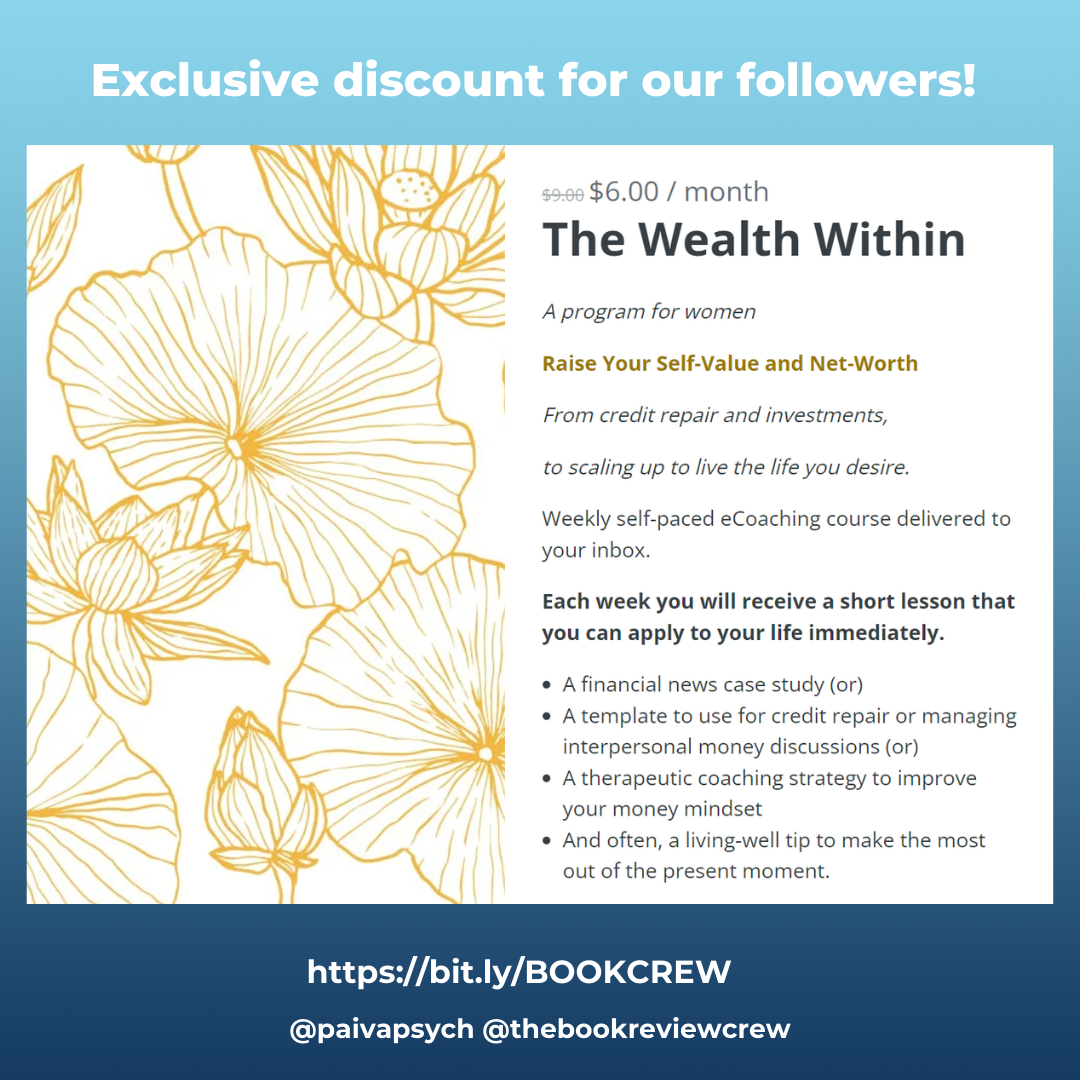
You can help end Domestic Violence by calling the police if you see or hear a situation escalating.

Melinda

Health and Wellbeing · Men & Womens Health · Moving Forward · Survivor · Trauma

Domestic Violence Awareness Month

Join me and No More in the ongoing fight against Domestic Violence. Domestic Violence is everyone’s business and you could save a life. Make the call to 911 if you hear or see anything, it could save a life. 

I grew up in a Domestic Violence household and the traumatic experience was painful and harrowing at times. I watched my step-father put a knife to my mother’s throat when I was nine years old, the image never left me.
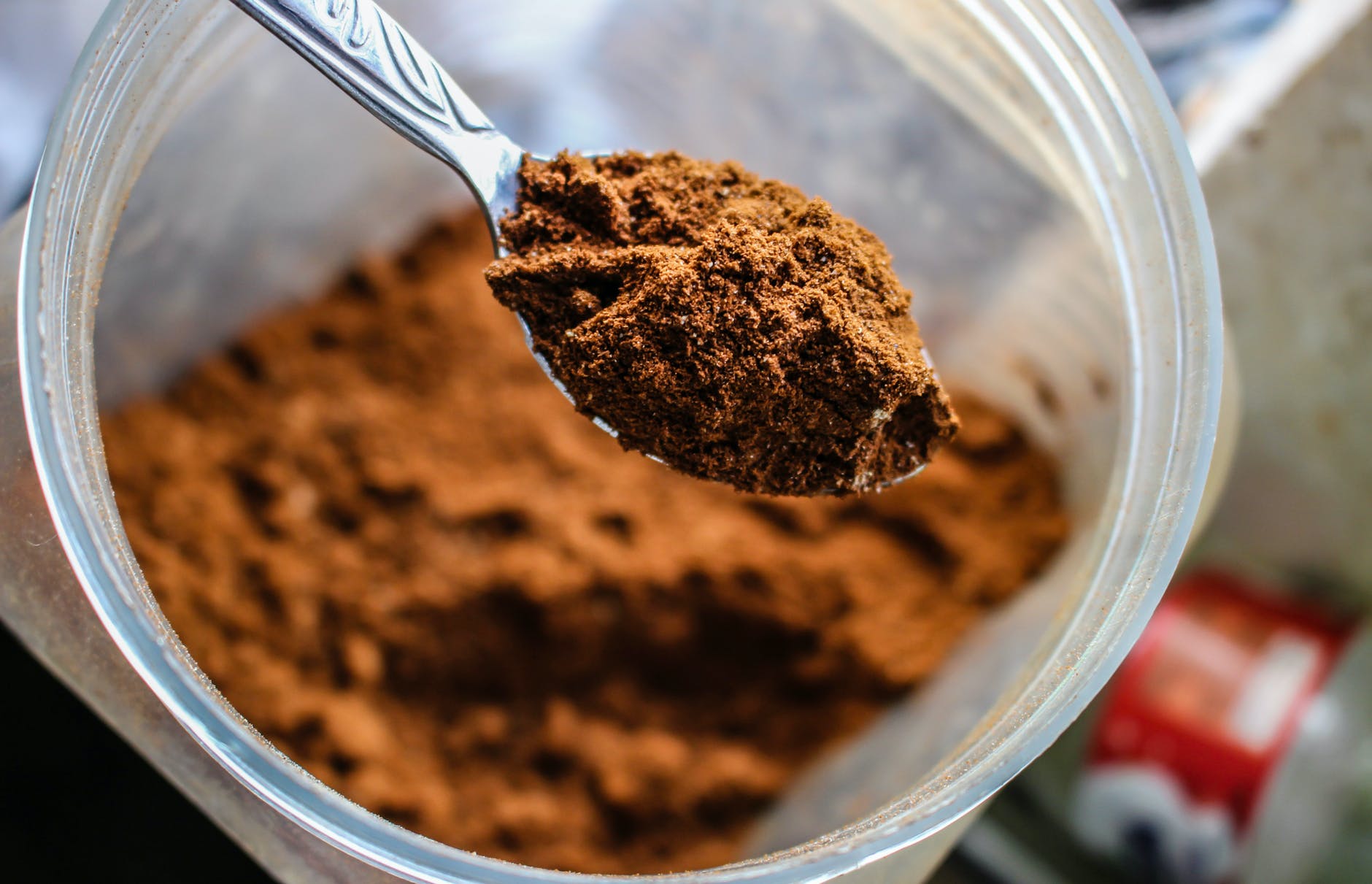
“TOGETHER, WE CAN HELP FREE THOSE HARMED BY DOMESTIC AND SEXUAL VIOLENCE.” No More

NO MORE is dedicated to ending domestic violence and sexual assault by increasing awareness, inspiring action and fueling culture change.

OUR  STORY 

 If you need help, help is there for you! All you have to do is reach out.

Melinda