
Thank you for joining me for this week’s Friday Quote.

Melinda

Thank you for joining me for this week’s Friday Quote.
Melinda
It’s the weekend!!!!!!
I’m glad you joined me this week for another edition of Weekend Music Share.
Have a great weekend!
Melinda
Welcome back to Weekend Music Share, the place where everyone can share their favorite music.
Feel free to use the Weekend Music Share banner in your post, and use the hashtag #WeekendMusicShare on social media so other participants can find your post.
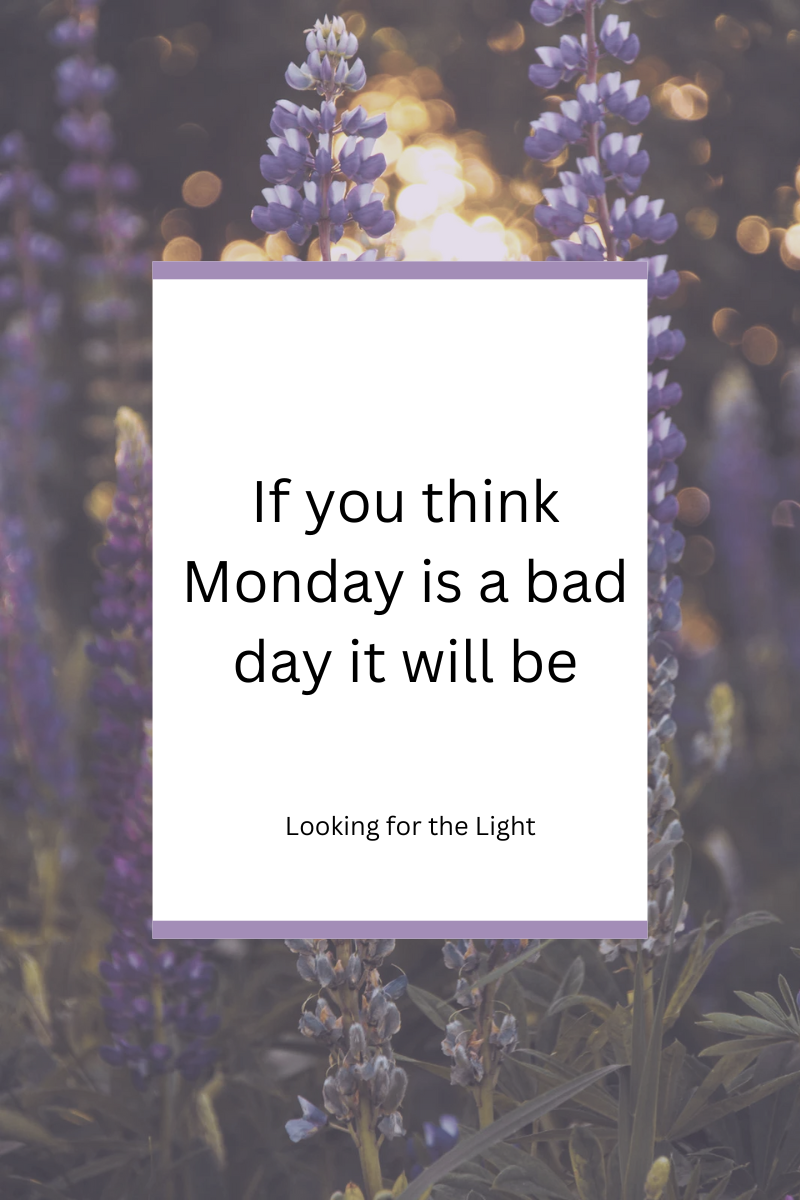
Melinda
I hope this post finds you healthy and happy. Today I’m feeling a mix of frustration, and fatigue, yet I’m happy. I’m feeling okay and the day looks promising.
Take good care of yourself.
Melinda
Thank you for all the great feedback on the Blogger Highlight series, I’ve enjoyed meeting each blogger and sharing their site with you. This week we highlight Invisibly Me. Caz and I have known each other for years and I’m honored to call her a friend. She is a warrior in every sense of the word, she works tirelessly to balance her chronic illness, help her elderly parents, advocate for better access to healthcare, and also encourage others to take better care of themselves. I would be remiss if I didn’t mention how much she loves cats.
Caz is a 30-something chronically ill blogger from the UK with a penchant for American crime thriller books, Dr Martens, chocolate and Hello kitty. She writes about life with chronic illness and pain, product reviews, tips, and general health information to raise awareness.
She writes on many topics but stays true to health, writing reviews about health products and other items that simplify life. Simple is far from the life that Caz leads, she’s a superwoman with what she accomplishes and you would be surprised by the number of disabling health issues she deals with each day. She’s snarky, has the greatest attitude, and has limits with the NHS healthcare system in England. But who doesn’t?
She’s a proud member of the following organizations:

You must stop by her blog to say hello, read through her archives, and get to know a remarkable woman. Caz is encouraging, raw, funny and always leaves me feeling better and loved.
Melinda
By Christina Campbell
“I wish I could just stay home and rest.”
“But what do you do all day?”
“I wish I had all that free time.”
The Normals regularly say these things to me, whenever I take disability leave to recover (kinda) from tick-borne disease.
Bless their little Normal hearts. They’re not trying to be hurtful. They’re trying to relate to something they can’t understand: invisible chronic illness, with its unpredictable flares and unquantifiable symptoms of pain, fatigue, and “Help, doctor, my cells are all pulling on each other like magnets.”
My favorite Normal faux-pax happened when I returned to work after two years of disability leave (and one additional year of a lawsuit against my insurer). Many coworkers knew I’d been sick. Some knew I’d had tick-borne disease. One of them welcomed me back and asked, “Did you enjoy your time off?” He meant well, but here’s what I heard him saying: Did you enjoy living it up with your free paychecks?
I feared my colleagues thought I’d spent those three years lounging on a chaise in a silken robe and full makeup, listening to celebrity gossip podcasts, sipping wine, and dropping bon-bons between my freshly-glossed lips, while stroking my sleek purebred cat like a Real Housewife of Northern Virginia.
Sure, I “enjoyed my time off.” I enjoyed the handful of semi-functional hours I had each day. I enjoyed squinting, while sweating and shivering, at incorrect health insurance EOBs and shady reports from insurance physician reviewers. Because of the broken U.S. health system, when I’m on disability leave I use almost more cognitive energy than when I’m at work.
Here’s what I’d like to tell people about what I “do all day:” I calculate my energy expenditures, then wait with bated breath to see if my calculations are correct. Will I be fine? Or will I pay the much-feared Activity Tax? If the latter, in what currency will the Tax be? Headache? Stiff joints? Motion sickness? Vibrating feet?
Because the stakes are so high, people with chronic illness become supercomputers: Estimated useable body-hours divided by approximate time to complete chores, plus parenthetical sub-formula ranking chores by importance, times the bounded function of activity tax per X number of stairs between the hamper and washer.
The poor Normals want to “just stay at home and rest.” Well, so do I. Instead, I’m racing my body against my bank account. I’m wrangling physical therapy and fistfuls of pharmaceuticals. The goal: Get my health to kick in, before my disability is randomly taken away because some doctor paid by an insurance company lies on my case report (I wish this were a hypothetical). Disability leave is so exhausting, I pine for the workaday drudgery of the office.
In the meantime, though, I’m doing my best Real Housewife impression, lounging on that chaise. Except it’s not a chaise, it’s a cat-hair-covered futon, and I’m not lounging, I’m curled up in ache, and it’s not wine but electrolyte water, and it’s not a silken robe but pilly yoga pants, and it’s not bon-bons but fish oil capsules almost as big as bon-bons.
Per my calculations, the fish oil capsules are better than the liquid alternative. The splotch of spilled fish oil on my pants crotch cost about $35 dollars. (This does not include the Activity Tax I paid from walking up and down stairs, trying to figure out where the rotting mackerel smell was coming from.)
Back on the chaise-futon, in true frustrated-Housewife style, I hurl my wine glass. But it’s not a wine glass, it’s a thermometer. As is common in tick-borne disease, I feel flu-ish almost all the time, but there’s little to no corresponding fever. The cruel digital displays never validate my aches and burning face. To resolve this dissonance, I smash the devices. Still, my cool cheeks stay scorching. You’d think they’d at least give me a luminous glow, but no.
Which brings us to beauty tips, as recommended by our Real Housewife on the cat-hair-strewn cushions. It’s not makeup, it’s purple under-eye moons. It’s not plastic surgery, it’s skin stretched smooth by inflammatory water-fat. It’s not lip gloss, it’s snot. Too tired to get a tissue? Just blow your nose on your cardigan sleeve!
Also clinging to the crusty cardigan: my cat. He’s not a sleek purebred, but an old, thin street rescue with allergies and a seizure disorder. He’s also a poor conversationalist, but that’s ok, because I have the celebrity gossip podcasts—except they aren’t celebrity gossip podcasts, they’re Zoom coffee klatsches with my fellow sickies. And we don’t gossip, we rage.
We rage about the doctor who was late calling in a pain meds script. We rage about the insurance company who denied someone disability, because the company’s spies caught the patient sweeping her porch (gasp!). We rage about the sick young woman erroneously diagnosed with Munchausen’s Syndrome by old male doctors at a northeast emergency room. In comparison, my coworkers’ thoughtless comments are small potatoes.
They still hurt, though. I should see my psychologist. Mental health care is an important reason to dig into my skimpy disability paychecks. And yet. . . it’s easier to pivot to add-to-cart therapy: a silken robe, lip gloss, and some bon-bons.
Christina D. Campbell is an award-winning author who writes about health, marital status discrimination, and special needs cats. She is currently seeking representation for her memoir about invisible illness. She can be reached at ChristinaDC.com.
Her words resonate with me and she’s right, it’s impossible to relate to an invisible disease unless you’ve been down that road.
Melinda
Thank you for joining me for this week’s Friday Quote.
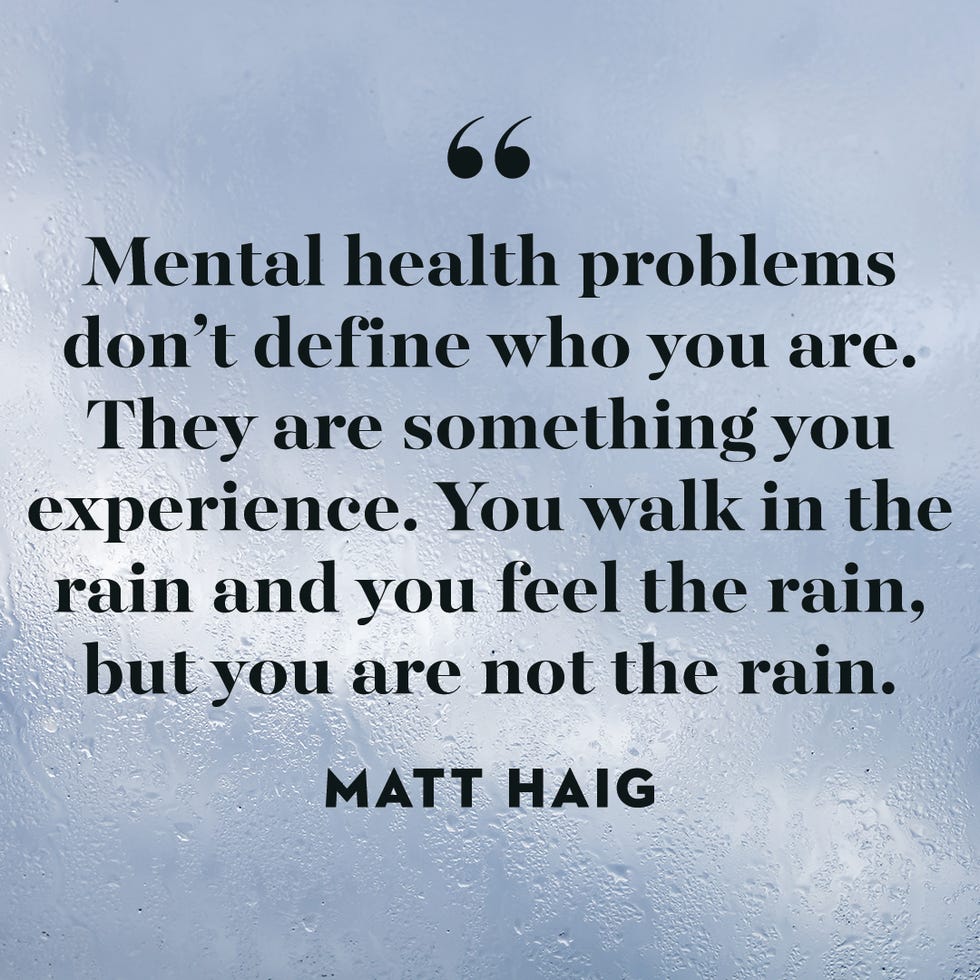
Melinda
Life is a roller coaster, the higher you go the further you fall
Life is not greener on the other side, get real
Life is what we’re given and what we make of it, don’t wallow in self-pity
No one has a perfect life, get over that fantasy
No one said life was going to be easy, work for what you get
No one is owed anything and you have to pay for everything you get
Don’t expect the government to pay your school loan or anything you have made the decision to purchase, be accountable
If you don’t like the situation you’re in, change it. You’re the only one that can
Journalism with integrity doesn’t exist, it’s influenced by the political slant of the broadcaster and full of personal opinions and biases. The foundation of Journalism is to deliver the who, what, when, and where
There is so much news nationally and locally every day that I don’t understand why we get the same story repeated 4 to 5 days in a row. It’s like they want to add drama or are lazy
Covid is on the rise but I haven’t heard one story about it from the media, only from media overseas
People who feel sorry for themselves and wallow in it want to stay victims, I have no room for that in my life
Everyone can take steps to improve their lives, it will take time but you have to be committed to improvement
You will not find real news on Social Media, it’s coming from unreliable sources who are sharing their opinion or conspiracy theories, if you listen you get what you get and can be very uninformed
Social Media Influencers are fake, they are being paid to sell products and you are only lining their pockets
Magazines have gotten into the money-making game by talking about clothes and products that celebrities use, they make money every time you click a link. If you are interested in a product go to the website directly, their reviews are often based on making money
Never click on a link in an email, go to the site directly. Hackers are getting much better at making emails look like they come from the company
If you receive emails for products you didn’t ask to sign up for, don’t click on a link to unsubscribe, you never know if it’s a virus
The President of the United States does not set gas prices, OPEC does. Educate yourself
The President of the United States does not set interest rates the Federal Reserve does. Educate yourself
During any political campaign listen to what the person is saying, research what they’ve done and if all they do is bad mouth the opponent, there’s your sign
Melinda
I’m glad you joined me on Wordless Wednesday and I hope to see you soon.
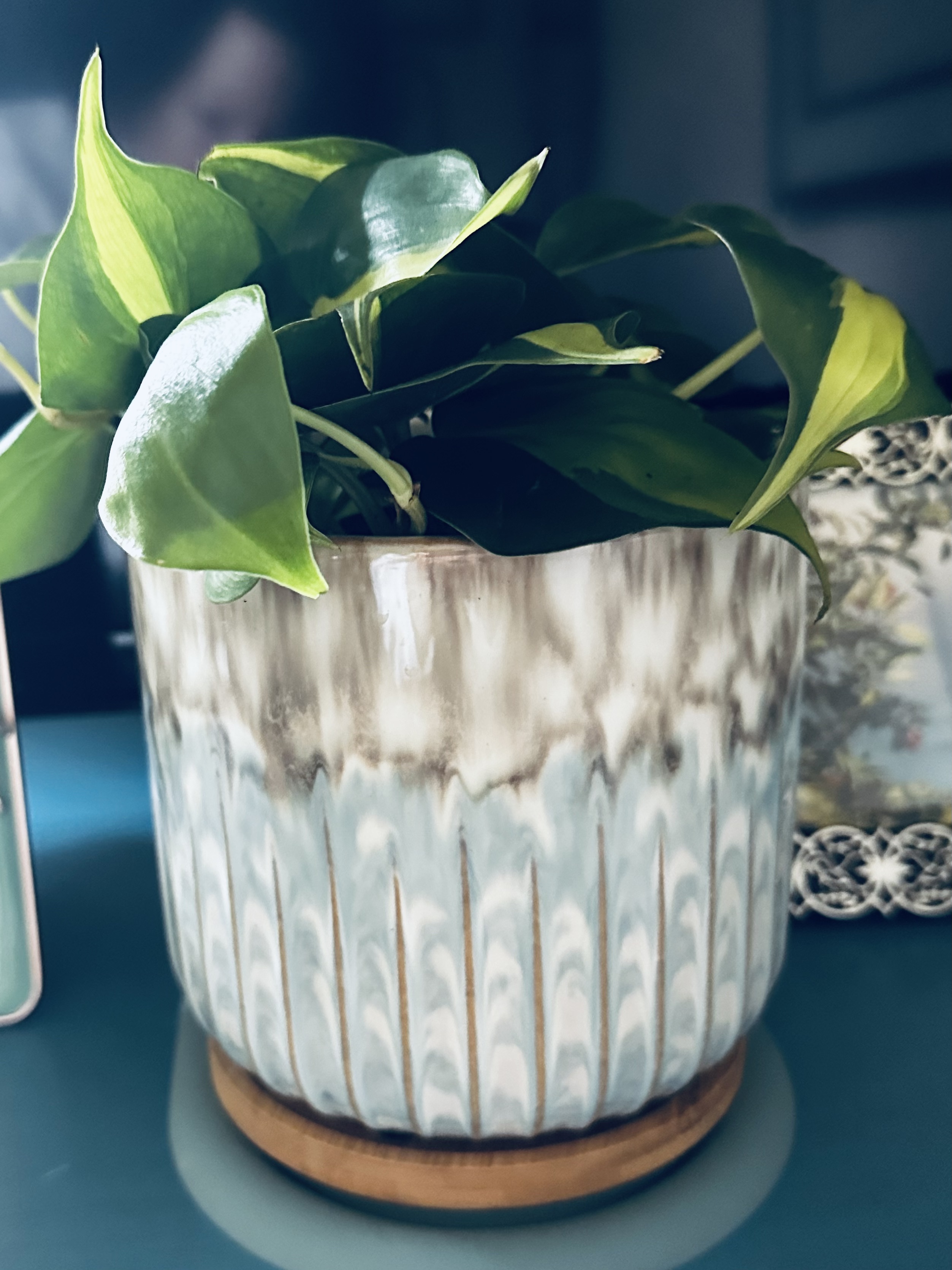
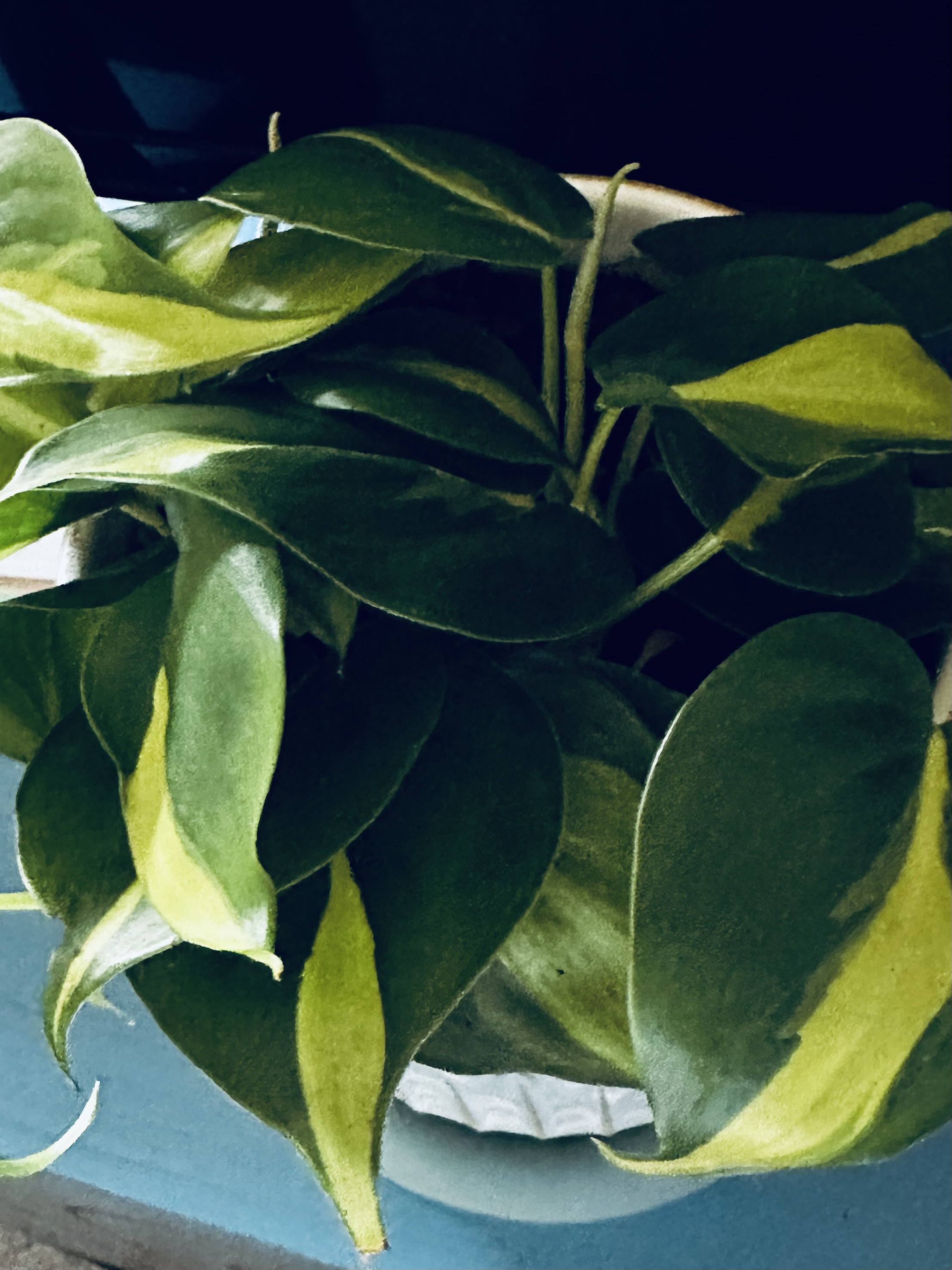
This one is called Philodredon Brasil, I love the two-tone leaves and the dash of yellow. It will eventually spread out with trails.
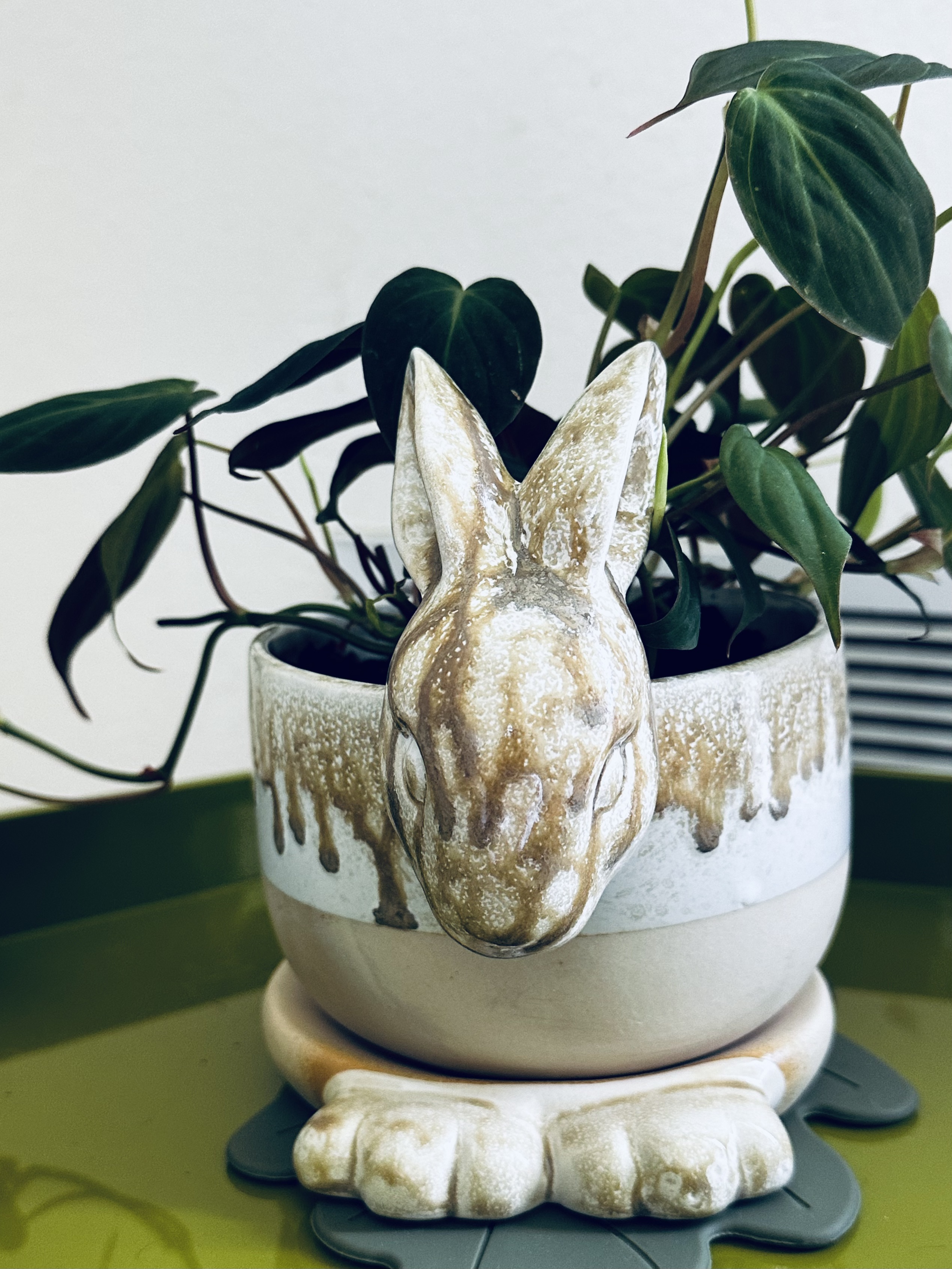

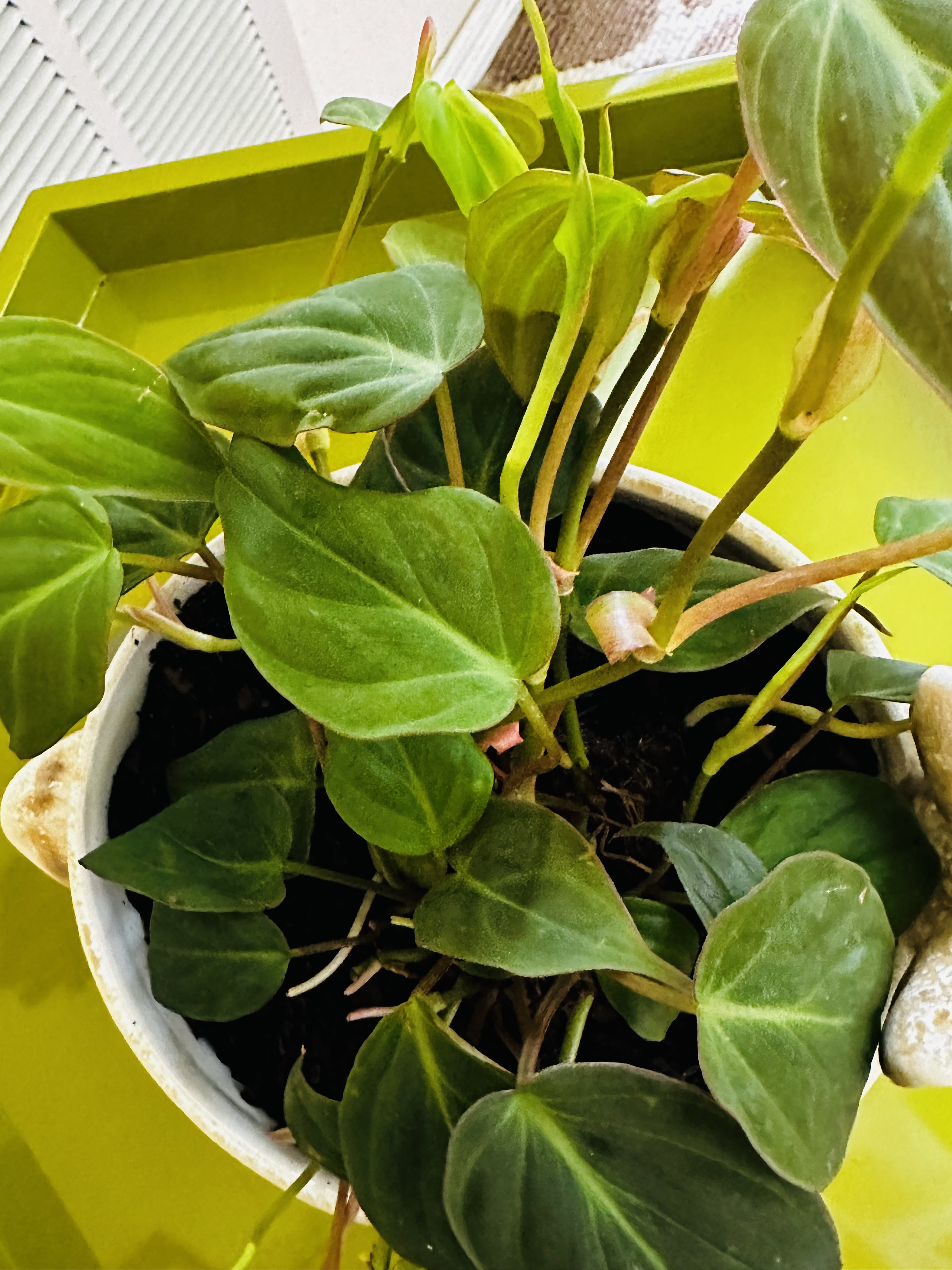
This one is called Philodendron Micans and is already spreading its limbs. It has lightly reddish, green, and line-green leaves. It looks perfect in the bunny planter.
Have a great day.
Melinda
My Bipolar Disorder was difficult to manage with medication alone. My Psychiatrist told me about a device that was waiting for FDA approval.
In 2005 the Vagus Nerve Stimulator was approved by the FDA and my doctor had all the information ready to send to my insurance company.
The first time insurance denied the device. Here’s how I got insurance to approve. I wrote a letter explaining what my life was like and how it controls my life and in time the possibility of suicide.
A VNS device looks much like a pacemaker with two leads that attach to your vagus nerves, sending signals to the brain to relieve your depression.
The surgery doesn’t take long, but getting used to the device turned on takes a while.
When you are talking the device makes your voice sound weird but only when the device is sending signals to the brain.
When I had my surgery, no one had seen one implanted which meant the Gallery was full of other doctors. My doctor got to see my boobs, that had to settle in.
After you have healed the device is turned on at a low level so you get used to the feeling of the device working. Then we turned up the level until we found what we thought was the right setting.
I kept it on for years but finally admitted it wasn’t working and had it turned off.
The only pain involved is initial surgery.
I thought this device would change my life but it didn’t work out that way.
These are the notes I made on 12/30/05
Received a letter today from the insurance company, they approved.
I can’t wait to call my Psychiatrist to tell him the news and to get my surgery date rolling.
2005 has been a rough year but this news is my beacon of hope.
The greatest news all year.
Unfortunately, I was in the percentage of people that the device didn’t work.
I am waiting to hear about new treatments but nothing new for my mental illness.
Melinda
This is a repost from 2023.
The FDA approved the Vagus Nerve Stimulator in 2005 and I was fortunate enough to get approval for it. It’s implanted in my upper left chest, looks like a pacemaker, and the lead wires attach to my Vagus Nerve. I prayed the device would deliver a miracle for my Bipolar Disorder but that was not the case. After several years of adjusting the stimulation, my doctor and I made the decision to turn it off. Almost 20 years later it has become painful and I plan to have it removed this Fall.
The technology has advanced with implants showing better results. I don’t plan to have another implanted but I did find the research on non-invasive VNS devices very interesting. I am researching several brands and will purchase one that vets out. What I find most interesting is the non-invasive devices can help with many other conditions like anxiety, pain, stress, and even migraines. I could use help in many of the areas they tout.
———————
Last updated on July 24th, 2024 at 11:22 am
The human body is a complex and intricate system, with various nerves and pathways working in tandem to maintain optimal health. Among these nerves, the vagus nerve stands out as a key player in regulating numerous bodily functions. Thanks to recent advancements in medical technology, a non-invasive vagus nerve stimulation device has emerged as a breakthrough in the field of medicine. This device has the potential to revolutionize the treatment of various health conditions and enhance overall well-being.
The vagus nerve, also known as the tenth cranial nerve, is the longest and most vital nerve in the human body. It extends from the brainstem to various organs, including the heart, lungs, and gastrointestinal tract. The vagus nerve plays a crucial role in regulating essential bodily functions such as heart rate, digestion, and respiratory function.
But what exactly is the vagus nerve, and how does it carry out its functions? Let’s dive deeper into the fascinating world of this remarkable nerve.
With its extensive reach and influence, the vagus nerve acts as a communication channel between the brain and various organs. It carries signals that control the parasympathetic nervous system, which is responsible for rest and digestion functions. This means that the vagus nerve helps to slow down heart rate, stimulate digestion, and promote relaxation.
But that’s not all. The vagus nerve also plays a role in modulating inflammation and immune responses. It has been found to have anti-inflammatory effects, helping to regulate the body’s immune system and reduce excessive inflammation. This connection between the vagus nerve and the immune system opens up new possibilities for treating inflammatory diseases.
Research has shown that abnormalities in vagal nerve activity can contribute to the development and progression of various health conditions. For example, chronic pain has been linked to dysfunctional vagus nerve signaling. By understanding and targeting the vagus nerve, researchers hope to develop new treatments for chronic pain that go beyond traditional pain medications.
Depression and anxiety disorders are also closely tied to vagal nerve activity. Studies have found that stimulating the vagus nerve through techniques like vagus nerve stimulation (VNS) can have a positive impact on mood and reduce symptoms of depression and anxiety. This has led to the development of VNS as a potential treatment option for individuals who do not respond to traditional antidepressant medications.
Migraines, too, have been linked to vagal nerve dysfunction. The vagus nerve is involved in pain modulation, and abnormalities in its function can contribute to the development of migraines. By understanding the role of the vagus nerve in migraines, researchers are exploring new ways to prevent and treat these debilitating headaches.
Furthermore, the vagus nerve’s influence extends to inflammatory diseases. Inflammatory bowel disease, rheumatoid arthritis, and other conditions characterized by excessive inflammation have been associated with vagal nerve dysfunction. This connection has sparked interest in developing therapies that target the vagus nerve to regulate inflammation and potentially provide relief for individuals with these conditions.
As we continue to unravel the mysteries of the vagus nerve, its importance in maintaining overall health and well-being becomes increasingly evident. By understanding its functions and connections to various health conditions, researchers are paving the way for innovative treatment approaches that could improve the lives of millions.
Vagus nerve stimulation (VNS) therapy has been used for decades as a treatment option for certain conditions. Traditional VNS involves the implantation of a device that delivers electrical impulses directly to the vagus nerve. While effective in some cases, this invasive approach has limitations and potential complications, leading researchers to explore alternative methods.
In the past, VNS therapy involved the surgical implantation of a device that connects to the vagus nerve. This device typically delivers mild electrical impulses to modulate the nerve’s activity. However, the invasiveness of this method poses risks such as infection, nerve damage, and complications related to device placement.
Despite these risks, the traditional approach to VNS has shown promising results in the treatment of epilepsy and depression. Studies have demonstrated a reduction in seizure frequency and improved mood in patients who underwent VNS therapy. However, the limitations and challenges associated with invasive VNS have prompted researchers to explore less invasive alternatives.
Despite its positive outcomes in certain cases, invasive VNS therapy presents several challenges. The necessity for surgical implantation limits its accessibility and increases the potential for complications. Additionally, adjusting the stimulation parameters requires medical intervention, making it less flexible for patients who may benefit from personalized treatment regimens.
Furthermore, the invasiveness of the traditional VNS approach may deter some patients from seeking treatment. The fear of surgery and the associated risks can be a significant barrier, especially for individuals with comorbidities or those who are more risk-averse. As a result, researchers have been actively exploring non-invasive or minimally invasive alternatives to VNS therapy.
One such alternative is transcutaneous VNS, which involves the application of electrical stimulation to the skin overlying the vagus nerve. This non-invasive approach eliminates the need for surgical implantation, reducing the associated risks and complications. Transcutaneous VNS has shown promising results in the treatment of various conditions, including migraine, depression, and chronic pain.
Another emerging technique is minimally invasive VNS, which utilizes a smaller, less invasive device for nerve stimulation. This approach involves the placement of a tiny electrode near the vagus nerve, allowing for targeted stimulation without the need for extensive surgery. Minimally invasive VNS offers a middle ground between traditional invasive VNS and non-invasive alternatives, providing a balance between effectiveness and safety.
As researchers continue to explore and refine VNS therapy, advancements in technology and medical understanding are driving the evolution of this treatment modality. The development of novel devices, improved stimulation parameters, and a better understanding of the underlying mechanisms are all contributing to the expansion of VNS therapy options.
In conclusion, while traditional VNS therapy has been a valuable treatment option for certain conditions, the limitations and potential complications associated with invasive approaches have prompted researchers to explore alternative methods. Non-invasive and minimally invasive techniques are emerging as promising alternatives, offering improved accessibility, reduced risks, and increased flexibility for personalized treatment. As the field of VNS therapy continues to evolve, patients can look forward to more effective and safer options for managing their conditions.
Non-invasive vagus nerve stimulation (nVNS) has emerged as an exciting alternative to traditional VNS therapy. This innovation allows for the stimulation of the vagus nerve without the need for surgical procedures or implantation.
The vagus nerve, also known as the “wandering nerve,” is the longest cranial nerve in the body. It plays a crucial role in regulating various bodily functions, including heart rate, digestion, and inflammation. Traditionally, vagus nerve stimulation (VNS) has been used as a treatment option for conditions such as epilepsy and depression. However, the invasive nature of VNS therapy has limited its accessibility and acceptance.
nVNS offers a non-invasive solution to harness the therapeutic potential of the vagus nerve. By utilizing mild electrical stimulation, nVNS can activate the vagus nerve and modulate its activity, providing a promising avenue for the treatment of various health conditions.
nVNS operates on the principle that mild electrical stimulation can activate the vagus nerve and modulate its activity. By placing electrodes on the skin over specific nerve pathways, nVNS devices deliver targeted electrical impulses, stimulating the vagus nerve indirectly. This non-invasive approach has shown promising results in clinical trials
Research has demonstrated that vagus nerve stimulation can have a profound impact on the body’s autonomic nervous system, which controls involuntary functions. By modulating the vagus nerve’s activity, nVNS can influence heart rate, blood pressure, and even the release of neurotransmitters in the brain.
Furthermore, studies have suggested that nVNS may have anti-inflammatory effects. Inflammation is a key component of many chronic diseases, and by reducing inflammation through vagus nerve stimulation, nVNS could potentially offer a novel therapeutic approach.
The precise mechanisms through which nVNS exerts its therapeutic effects are still being explored. However, the growing body of research indicates that this non-invasive technique holds great promise for the future of medical treatment.
nVNS devices consist of a handheld stimulator with attached electrodes. When applied to specific areas, such as the neck or tragus, these devices deliver precisely calibrated electrical impulses. The stimulation triggers a response in the vagus nerve, which can have therapeutic effects on various health conditions.
One of the advantages of nVNS devices is their portability and ease of use. Patients can conveniently carry the handheld stimulator with them and apply the electrodes whenever needed. This flexibility allows for on-demand stimulation, enabling individuals to tailor their treatment according to their specific needs and symptoms.
Additionally, nVNS devices are designed to be user-friendly, with intuitive controls and adjustable settings. This ensures that patients can easily customize their stimulation parameters, optimizing the therapy’s effectiveness and comfort.
As the field of nVNS continues to advance, researchers and engineers are exploring innovative ways to enhance device design and functionality. Efforts are being made to develop smaller, more discreet devices that can be worn comfortably throughout the day, allowing for continuous vagus nerve stimulation without disrupting daily activities.
Moreover, advancements in technology are enabling the integration of nVNS devices with smartphone applications and wearable devices. This integration offers the potential for real-time monitoring and personalized treatment plans, further optimizing the therapeutic benefits of nVNS.
In conclusion, non-invasive vagus nerve stimulation (nVNS) represents a groundbreaking development in the field of medical treatment. By providing a non-surgical and easily accessible alternative to traditional VNS therapy, nVNS holds immense potential for improving the lives of individuals with various health conditions. With ongoing research and technological advancements, the future of nVNS looks promising, paving the way for a new era of personalized and effective medical interventions.
nVNS has the potential to offer significant health benefits across a range of conditions, opening up new possibilities for treatment and management.
With its ability to modulate the vagus nerve’s activity, nVNS holds promise in revolutionizing various areas of healthcare. From chronic pain management to mental health treatment, this innovative approach has garnered attention and sparked excitement among researchers and medical professionals alike.
Chronic pain is a widespread and challenging condition that can significantly impact a person’s quality of life. Traditional pain management approaches often involve pharmacological interventions, which may come with unwanted side effects and limited efficacy. However, studies have shown that nVNS can provide effective pain relief by modulating the vagus nerve’s activity.
The vagus nerve, a major component of the parasympathetic nervous system, plays a crucial role in pain perception and inflammation. By targeting this nerve through non-invasive nVNS, it is possible to reduce inflammation and alter pain perception, offering a non-pharmacological approach to pain management. This opens up new avenues for individuals suffering from chronic pain, providing them with a potential alternative or complementary treatment option.
Mental health disorders, including depression and anxiety, affect millions of people worldwide. While various treatment modalities exist, there is a constant need for innovative approaches that can enhance therapeutic outcomes and minimize side effects. nVNS has emerged as a potential game-changer in the field of mental health treatment.
Research has shown that nVNS can modulate the vagus nerve’s activity, influencing neurotransmitter release and mood-regulating pathways. By doing so, it offers a novel and non-invasive approach to mental health treatment. This exciting development has the potential to transform the lives of individuals struggling with mental health disorders, providing them with a new frontier of hope and possibilities.
Furthermore, the non-pharmacological nature of nVNS makes it an attractive option for individuals who may be hesitant or unable to tolerate traditional medication-based treatments. By harnessing the power of the vagus nerve, nVNS opens up a world of potential for personalized and targeted mental health interventions.
As research continues to unfold, the potential health benefits of nVNS become increasingly evident. From chronic pain management to mental health treatment, this innovative approach holds promise in revolutionizing the way we understand and address various health conditions. With its non-invasive nature and ability to modulate the vagus nerve’s activity, nVNS offers a glimpse into a future where personalized and effective treatments are within reach for individuals worldwide.
As the field of medical technology continues to advance, researchers are exploring additional applications and potential benefits of non-invasive vagus nerve stimulation (nVNS). This innovative therapy has shown promise in various areas of healthcare, and ongoing research is shedding light on its potential to revolutionize personalized medicine.
Researchers are actively investigating the effects of nVNS on various health conditions and exploring its potential to improve outcomes. One area of focus is epilepsy, a neurological disorder characterized by recurrent seizures. Preliminary studies have shown that nVNS may help reduce the frequency and severity of seizures in some patients, offering a new avenue for managing this challenging condition.
Another area of interest is migraines, debilitating headaches that can significantly impact a person’s quality of life. Early research suggests that nVNS may provide relief for migraine sufferers by modulating the activity of the trigeminal nerve, which is involved in the development of migraines. This non-invasive approach could offer a promising alternative or complement to existing treatments.
Inflammatory diseases, such as rheumatoid arthritis and Crohn’s disease, are also being explored as potential targets for nVNS therapy. These conditions involve an overactive immune response, leading to chronic inflammation and tissue damage. By stimulating the vagus nerve, nVNS may help regulate the immune system and reduce inflammation, offering a novel approach to managing these complex diseases.
Furthermore, researchers are even investigating the potential cognitive enhancement effects of nVNS. By stimulating the vagus nerve, nVNS may modulate brain activity and improve cognitive function. This could have implications for conditions such as Alzheimer’s disease and age-related cognitive decline, where maintaining cognitive abilities is crucial for maintaining independence and quality of life.
One of the most exciting aspects of nVNS is its potential to be tailored to individual patients. With adjustable settings and personalized parameters, nVNS therapy can be optimized to meet each person’s unique needs. This personalized approach has the potential to enhance treatment effectiveness and improve patient outcomes.
For example, the intensity and frequency of nVNS stimulation can be adjusted based on the severity of symptoms and individual response. This flexibility allows healthcare providers to fine-tune the therapy to achieve the best possible results for each patient. Additionally, the ability to remotely monitor and adjust nVNS devices further enhances the personalized nature of this therapy, allowing for real-time optimization and improved patient convenience.
Moreover, the integration of nVNS with other medical technologies holds promise for personalized medicine. By combining nVNS with wearable devices, such as smartwatches or biosensors, healthcare providers can gather real-time data on a patient’s physiological responses and customize nVNS therapy accordingly. This integration could lead to more precise and effective treatment strategies, tailored to the specific needs of each individual.
In conclusion, the emergence of non-invasive vagus nerve stimulation devices represents a breakthrough in medical technology. By harnessing the power of the vagus nerve, these devices offer new possibilities for the treatment and management of various health conditions. The potential benefits of nVNS in chronic pain management, mental health treatment, and other areas are particularly promising. As further research unfolds and technology continues to advance, the future of nVNS holds great potential for revolutionizing personalized medicine and improving the lives of countless individuals.
This is a huge breakthrough for so many people.
Melinda
Reference:
Thank you for all the great feedback on the Blogger Highlight series, I’ve enjoyed meeting each blogger and sharing their site with you. This week we highlight Teleportingweena.
Hi! Thanks for checking out my ‘about me” page and my blog!
My name is Barbara aka ghostmmnc. I’m a writer. I write all kinds
of things which you will see on here. I like to try all forms of
the written word, including fan fiction, original short fiction,
poetry, and of course blogging about whatever I’m thinking about.
I have a wonderful family… husband, two daughtes, two sons-in-law,
two grandchildren, and four cats. (update = we only have one cat now, as the other three have now crossed over the Rainbow Bridge). Sadly our last kitty is gone now, too.
I live in Texas, but have lived many other places in the world, as
we are a retired Army family. I will be writing about these experiences
on here, too.
Some of my interests to write about are about my true ghost stories, every
day happenings, pets, books, music, arts & crafts. Some are quirky, like me,
and hopefully you will enjoy reading my musings, as much as I enjoy writing
about whatever comes along.
I have had poems published in magazines, and I have a diploma from the Institute of Children’s Literature.
This photo is from a recent post and I love the colors.

Barbara participates in many weekly prompts and poetry challenges. Be sure to stop by and check out the wide range of topics she writes about.
Melinda
National Wellness Month speaks to me as I try to live a healthier life, work daily on my mental health, rest my mind, and eat healthier. I believe strongly in self-care daily for my overall health and well-being. Maybe you too will make August a wellness month for you.
Every August, celebrate National Wellness Month! Prioritize your self-care, reduce stress, and create healthier habits to feel like your best self!
We can often put our health and wellness on the back burner due to work deadlines, traffic, family obligations and other stressors. Research has shown self-care can help increase happiness by up to 71%. National Wellness Month was born out of the idea that if we are going to do big things in the world— build our careers, raise a family, further our education, create new ideas, and nurture our bodies — we need to take care of ourselves.
The concept of self-care has a long and varied place in human history amongst different cultures and time periods. Ancient philosophers like Socrates and Plato emphasized the importance of self-care and self-reflection as part of a virtuous life. Taoist principles also promoted self-care through practices such as meditation, breathing exercises, and herbal medicine. The 19th and 20th centuries also saw the emergence of movements focused on mental health and self-care. Many of these practices have been successful in creating a healthy mind and body for many generations and have carried over into modern day ideas of self-care.
Today, the concept of self-care encompasses various practices aimed at holistic well-being, including physical exercise, healthy eating, mindfulness, stress reduction techniques, and more. Self-care and wellness is a personal and subjective concept but the underlying idea of taking deliberate actions to care for oneself physically, mentally, and emotionally remains central.
I’m all for any awareness of taking care of your health, self-reflection, self-care, and healthy eating.
Melinda
Here are a few products I’m loving with right now. I hope you find a product to add to your household or self-care routine. The list can give you ideas for friends, and family. Most products are found on Amazon. I am not an Amazon Affiliate; any links provided don’t cost you more and take you right to the product brand. I am proud of my Affiliate relationships and will always let you know if I make a small commission on a product.

For the past two months, I’ve been nursing myself back to better health. I have low potassium, anemia and have updated my self-care routines. These are the new products I’ve added to help me.

Evolution Fresh® Mighty Watermelon Cold-Pressed Vegetable & Fruit Juice Blend 32 oz.

Cold Pressed Watermelon Juice [Original HYDRATION]| Natural Electrolytes + Antioxidants | No Added Sugar | 1 liter bottles

Mooala’s Vanilla Bean Almondmilk isn’t your regular, plain ol’ vanilla almondmilk. Our recipe blends blanched almonds, real vanilla beans, and a touch of sugar cane juice with the best organic vanilla flavors we could find. The result is a creamy, delicious taste that would rival your grandma’s homemade ice cream. But with way less calories. Gluten free.
This is the best Almond Milk I’ve ever tasted and we drive across town to buy it since Central Market is the only place we can find it. My husband doesn’t drink it but knows how much I love it. The touch of pure cane sugar juice makes all the difference. It’s so creamy, you can taste the vanilla beans and the top of of pure cane sugar makes it addictive.

Organic Mix of Rolled Oats, Flax, Chia, Steel Cut Oats ⎸ Make in Overnight Oats Containers with Lids, Then Wake Up to Your Perfect Breakfast (10 Serving Bag, 15oz)
I make mine with Almond Milk, add a few chopped pecans, and add fruit on top. In the morning I have to add a little extra milk since I don’t like mine dry. I have used strawberry and mango both of which taste great. I did buy some Overnight Oat jars with lids since I didn’t have anything that would work and they are dishwasher safe. Also bought it on Amazon.

26 PCS Mix Dried Eucalyptus & Lavender Flowers Bundles for Shower, 17” Natural Real Hanging Silver Dollar Eucalyptus Leaves Stem, Fresh Shower Plants, Fragrance, Wedding Decor (26 pcs)
Eucalyptus & silver dollar leaves have a menthol-like distinct scent that is used in aromatherapy to encourage relaxation and anxiety relief. Dried lavender has a calming scent, soothing effect. Enjoy a moment of peace in your busy day with this Shower Plants Set and enjoy the simple pleasure of aromatherapy in every shower!

They are 88.1% Carbon Neutral
A moisturizing non-oily hand cream enriched with extra-virgin olive oil and olive leaf extract with aromatic notes of the sea. The list of good-for-you ingredients is long, and it soaks in fast leaving your hands completely moisturized and soft. I have no problems working on the computer right after applying.
I also use their body lotion and shower gel in my bath, it smells good and leaves your skin soft.
Clovertree Apothecary was founded in 2009 by Amy Bohn – massage therapist, herbalist, breast cancer survivor, and co-founder of one of the top organic spa companies in the world. Amy and her team of herbalists and chemists have spent more than a decade developing authentic, pure, plant-powered products, specifically formulated to remedy the various skin and body concerns that are common to today’s spa-goers and consumers. These products have now been tested and perfected by hundreds of estheticians and massage therapists on hundreds of thousands of satisfied spa customers, and are proven to provide real results and a beautiful, luxurious experience.
Clovertree products are Plant Powered® – packed full of pure plant ingredients and formulated to remedy specific skin and body concerns common to spa customers. It is a true “clean beauty” line, containing no artificial colors or fragrances, and no harmful chemicals or preservatives. All products are gluten-free and “beegan” (vegan + bee products) and never tested on animals.
I recently discovered Clovertree and was so impressed with their background, that I stocked up on several items and see myself buying many more good-for-you products from them. They are not far from where I live but I buy online since I’m immune compromised.
 Skin Rescue Balm × 1 Skin Rescue Balm × 1 Muscle Relief Bath & Body Oil × 1 Muscle Relief Bath & Body Oil × 1 Limoncello Signature Candle × 1 Limoncello Signature Candle × 1 Triple C Repair Serum × 1 Triple C Repair Serum × 1 Hibiscus Rose Lip Balm × 2 Hibiscus Rose Lip Balm × 2 Balance Me Centering Oil × 1 Balance Me Centering Oil × 1 |
Thank you for joining me for this week’s Friday Quote.
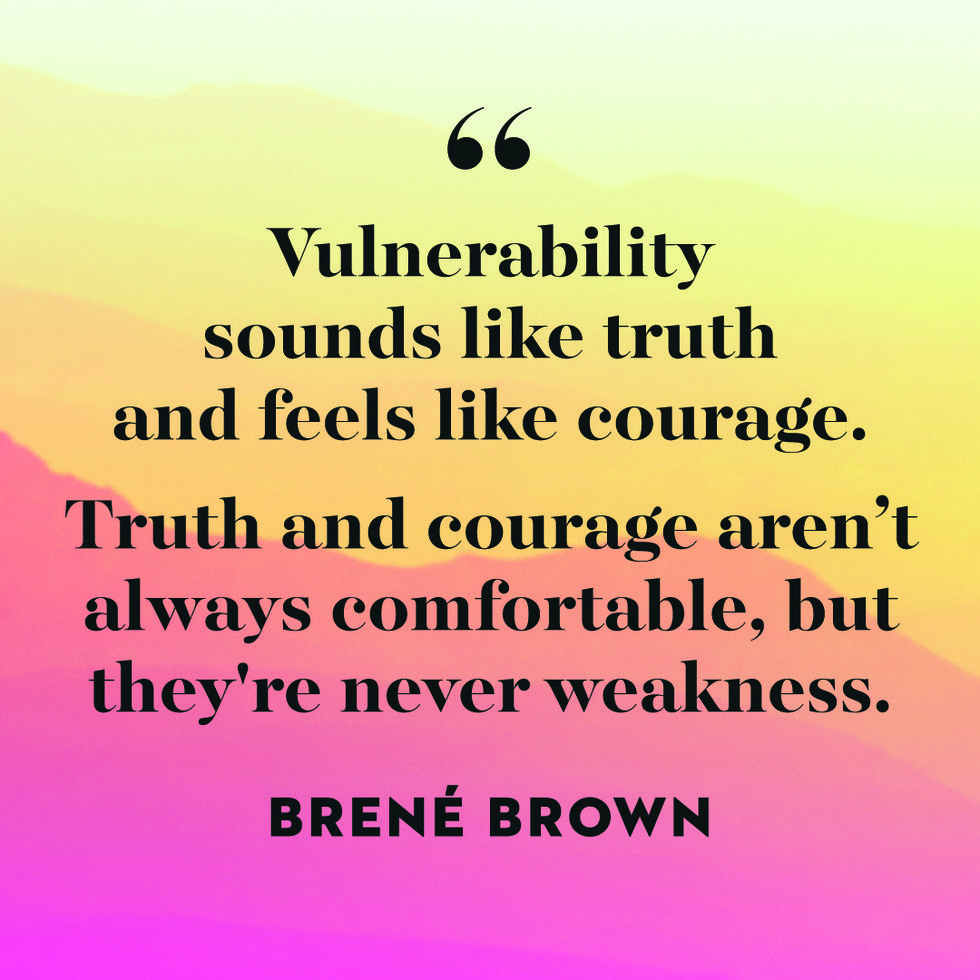
Melinda
The main days and months you should know about for August are:
| National Black Business Month | August 1 |
| World Lung Cancer Day | August 1 |
| Esther Day | August 3 |
| World Elephant Day | August 12 |
| National Nonprofit Day | August 17 |
| Remember Slavery Day | August 23 |
| Women’s Equality Day | August 26 |
| Anniversary of the March on Washington | August 28 |
| National Grief Awareness Day | August 30 |
National Breastfeeding Month
National Civility Month
National Dog Month
National Hair Loss Awareness Month
National Immunization Awareness Month
National Make-a-Will Month
National Road Victim Month
National Traffic Awareness Month
National Wellness Month
Psoriasis Awareness Month / Psoriasis Action Month
Spinal Muscular Atrophy Awareness Month
Stevens-Johnson Syndrome (SJS) Awareness Month
Transgender History Month
World Cancer Support Month
Melinda
Reference:
https://www.goodgoodgood.co/articles/august-awareness-days-months
I’m glad you joined me on Wordless Wednesday and I hope to see you soon.
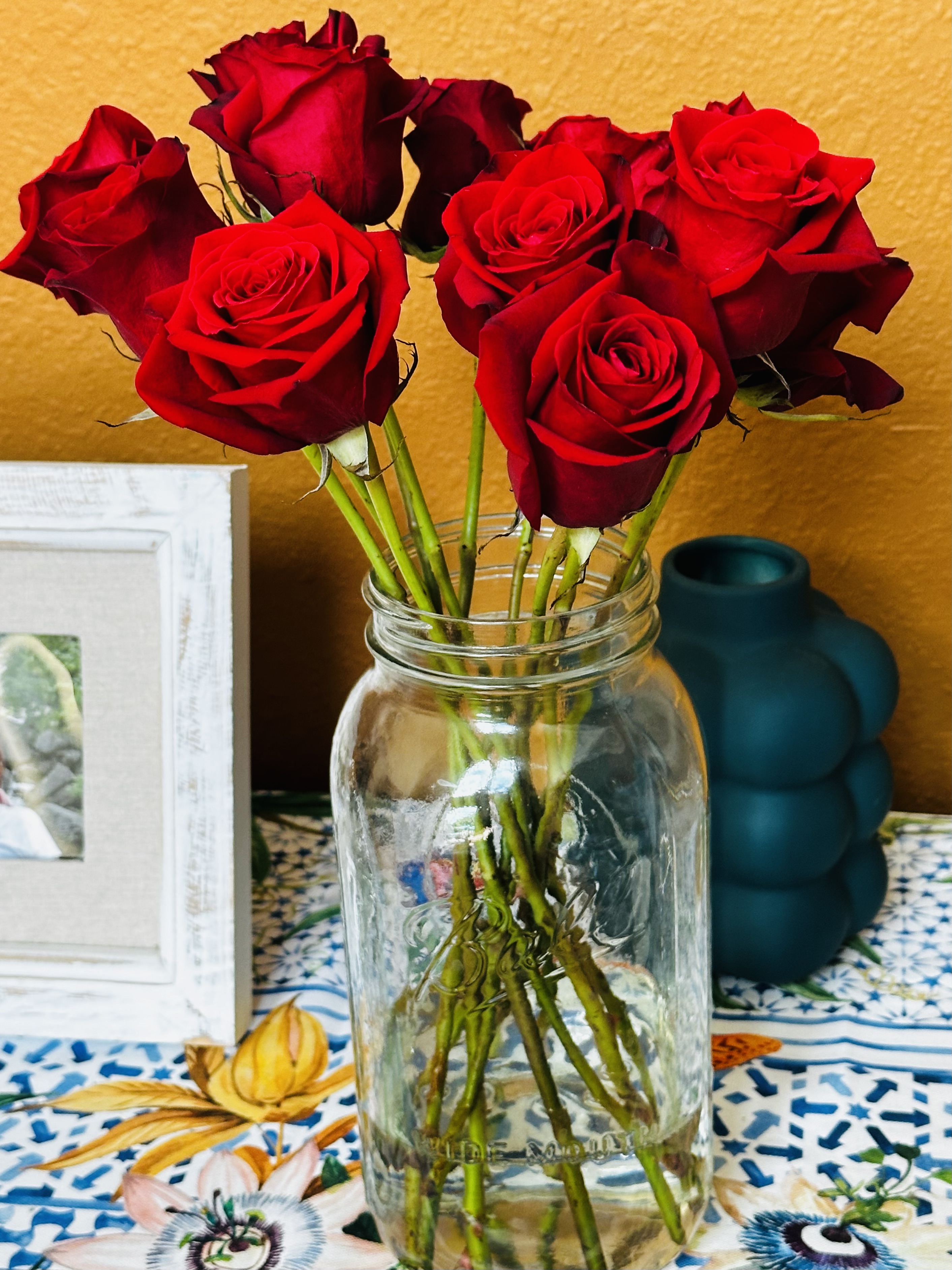
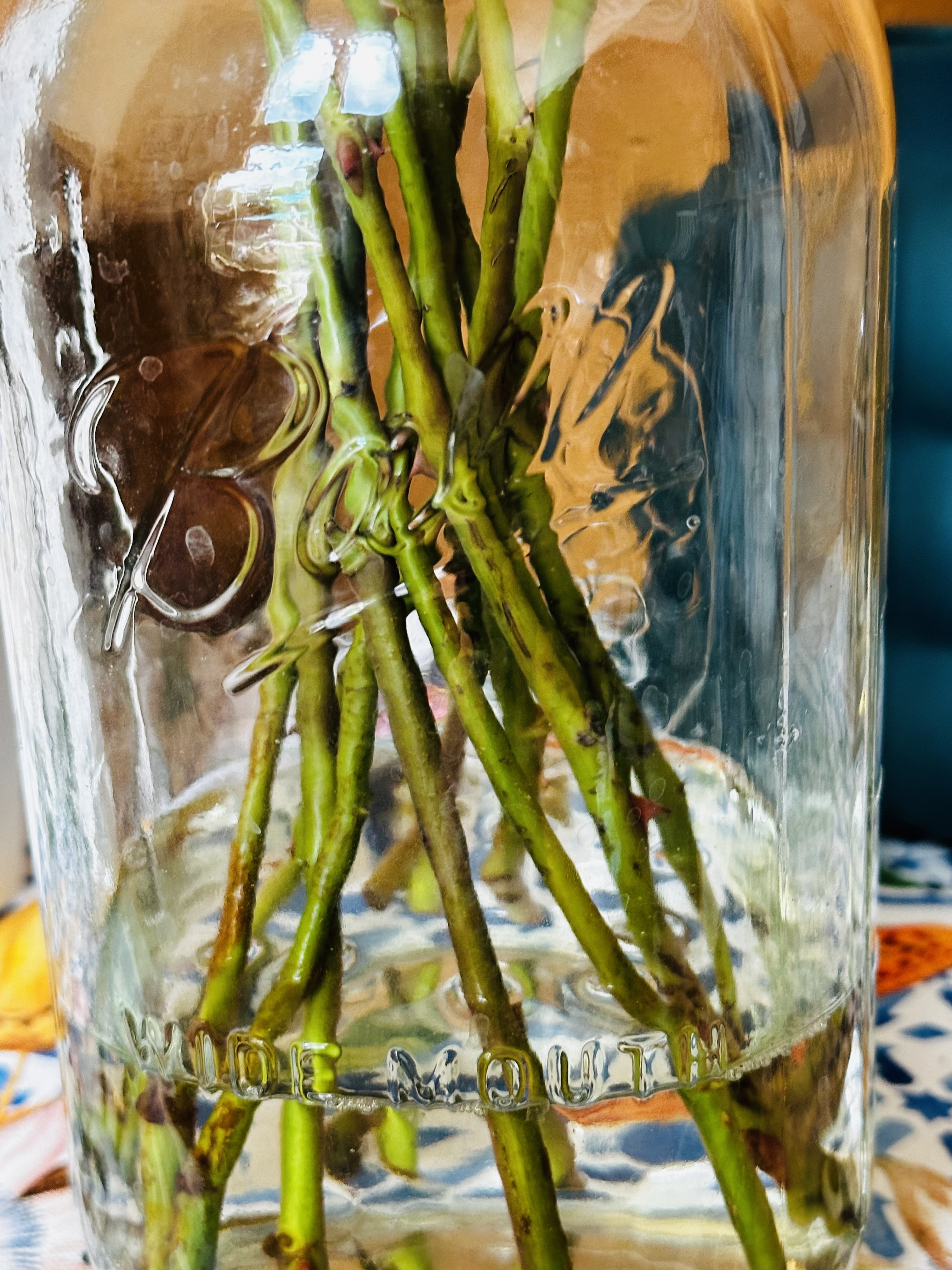
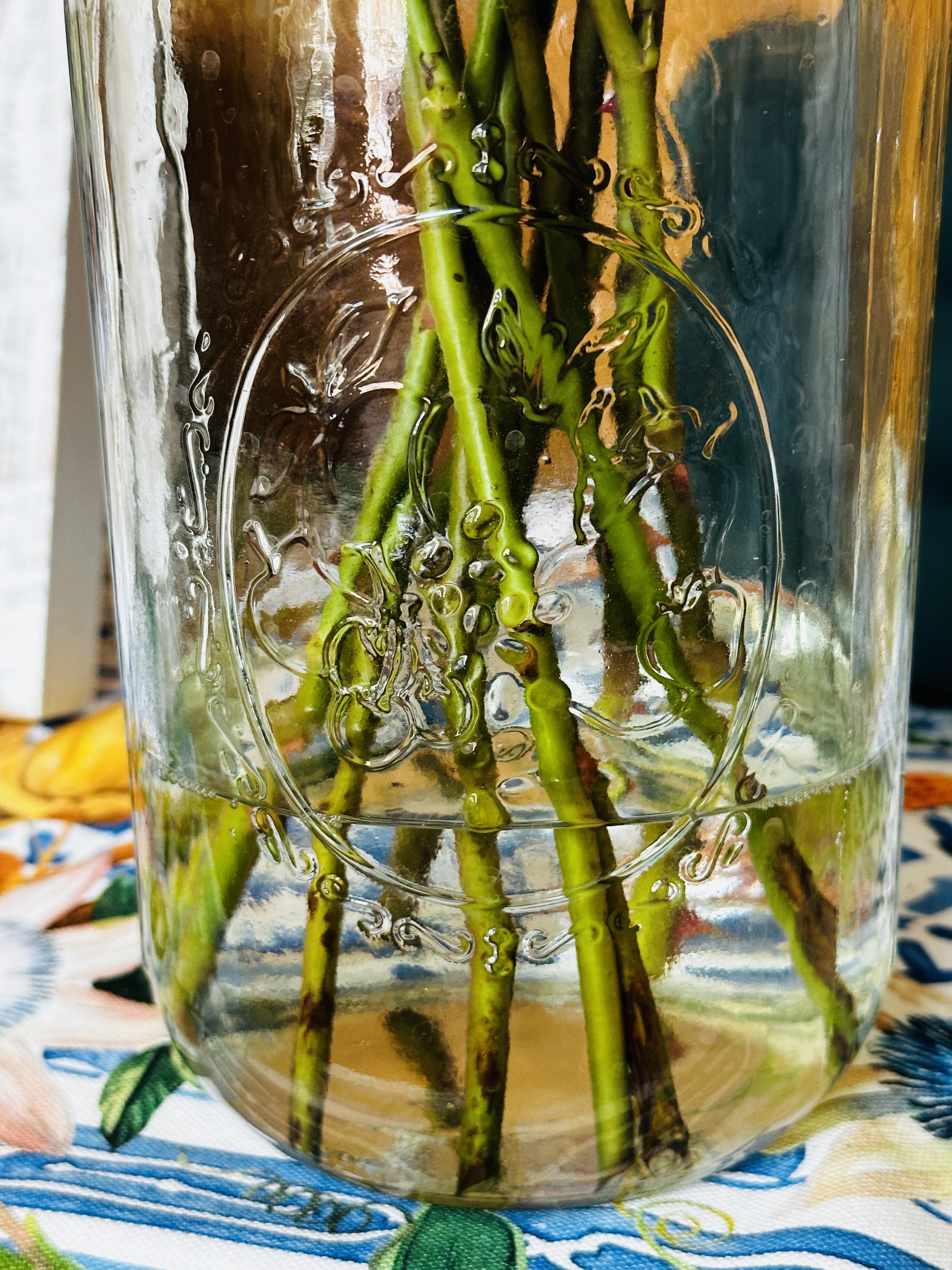
This was one of my Grandparent’s canning jars and it’s the perfect size for flowers. I have all of their canning jars even though we have done very little canning. There’s something special about them, they hold memories of my canning green beans with my Gramps and of course, eating out of the jars year round. They also canned lots of tomatoes, okra with tomatoes and jelly. There is no comparison to the taste of food out of a canning jar, a can food will never measure up.
Melinda
Thank you for all the great feedback on the Blogger Highlight series, I’ve enjoyed meeting each blogger and sharing their blog with you. This week we highlight Nutsrok.
Now that I’m done with the bothersome business of the workday world, I am free to pursue my passion, capturing the stories I’ve loved all my life. The ones you’ll read on my blog are good old Southern stories, a real pleasure to relay. Here in the South, we are proud of our wacky folks. I’ve preyed shamelessly on my family, living and dead, friends, neighbors, and acquaintances, often changing names to protect the innocent and not-so-innocent. My mother illustrates my blog. I come from a rollicking family of nuts, hence the name of the blog Nutsrok Enjoy.
We’ve been following each other for a short time but we became fast friends. We have so many things in common and our families were poor and raised in tough conditions. Linda is hilarious, she makes me laugh daily and she is attentive by replying to her comments. She is part of the community, and her writing and professional life are impressive. She wrote her first book in 2016 and her mother illustrated it, she was 96 years old. What a treasured memory. Be sure to check out both of her books.
by

Born to a struggling farm family in the deepest of The Great Depression, Kathleen enjoys a colorful childhood, enhanced by her imagination, love of life, and the encouragement of her family.
She’s determined to build a better life for herself, getting herself into hilarious situations all along the way. Distinguishing herself in school and the community, she never takes her eyes off her goal.
Just as she’s about to get started, she meets Bill, the man who is going to help her on her way. Everything changes. And then changes again. The true story of a remarkable woman who will inspire you, make you laugh, and see life from a new perspective.

Linda Swain Bethea grew up in a family with a strong story-telling tradition, and she always knew she had stories that needed to be told. Writing called to her, even while working for thirty years as a Registered Nurse.
I ask Linda to share her favorite post and you will like this one.
Awful Christmas
Melinda
I have thought about this topic for a long time, I have someone in my life who has procrastinated since I met them. I thought it was time to find the scientific reason to better understand their behavior.
Posted October 15, 2019 | Reviewed by Abigail Fagan
Psychology Today
A growing understanding has emerged that procrastination is underpinned by emotional issues. The gist of this argument is generally that people who procrastinate have poor distress tolerance. When faced with a task that stirs their negative emotions, they freeze and retreat rather than work through their feelings to pave a way forward. While this is part of what causes procrastination, the causes are more multifaceted. Let’s look at six diverse roots of procrastination.
1. Decision fatigue.
If you need to make decisions constantly, you might find that you put off very small ones. For instance, I’ve been wanting to buy a heart rate monitor for the gym. I picked the one I want to get, but as I was about to add it to my cart, I realized I needed to choose between the two sizes offered. At that point, I hit a brick wall of decision fatigue and haven’t gone back to the purchase in over a week.
2. Difficulty with planning and sequencing.
On a neuro-cognitive level, some folks aren’t good at planning out multi-step processes. This difficulty is especially prominent in people who have ADHD, but there are plenty of folks who don’t have ADHD, and who are otherwise very smart, for whom breaking up a complex task into a series of steps isn’t a strength. For some people taking a birdseye perspective on a task, seeing the steps, and seeing a place to start is obvious. For others, it’s not.
3. Relationship-related procrastination
Procrastination tends to cause relationship stress, especially when couples are more established, are making life decisions together, and are reliant on each other for important tasks like filing taxes.
If one person in a relationship tends to procrastinate, there will often be a tug-of-war involving nagging, resentment, stress, and both individuals feeling unsupported in completing tasks involving shared responsibility. The more pressured the procrastinator feels, the more they may dig their heels in and refuse to do anything that’s asked of them.
While it’s obvious how a procrastination tug-of-war can lead to arguments, a less obvious, but at least as important, consequence is that this tug-of-war can lead to an erosion of relationship closeness. For instance, if whenever the couple spends time alone together the resented to-do’s get raised, it’s a disincentive for spending time together.
All this can create a vicious circle of higher negative feelings and lower positive feelings (such as lower emotional trust) in the relationship.
4. Depression-related procrastination
I wrote a previous post about how depression and procrastination are linked. In short, when people are depressed they’ll tend to procrastinate over all types of tasks, whether they’re simple or complex, fun or tedious. People with depression often experience a lot of rumination (negatively-toned overthinking), and they often lose confidence in their capacity to be reliable friends, partners, coworkers, etc.
When people are putting off tasks due to the negative emotions raised by the task, anxiety is often part of the picture. Even when, on the surface, a person doesn’t want to do a task because it’s boring, boring is often code for hard (e.g., kids who find math ‘boring’ often really mean it’s hard).
Another link is that performance-anxiety often leads to a person taking a perfectionistic approach to a task, which then makes the task unnecessarily daunting. This article outlines other links between anxiety and procrastination.
6. Creativity-related procrastination.
Many types of creative work (very broadly defined) benefit from people taking some time away from the project and looking at it with fresh eyes. Sometimes you can achieve a state of having fresh eyes with simply a night of sleep. Other times it can be useful to have a couple of months pass before you revisit a project. Taking significant time away from a project can be both procrastination and creatively useful. Often there isn’t a clear distinction. You might both feel the nagging feeling that’s the hallmark of procrastination and creatively benefit from the break.
When people do creative work, they don’t do it in a mental vacuum. Part of the creator’s lens is determined by what’s going on in the world and what’s going on in their life at the time. Life experiences, including mundane ones, can lead to drawing on different analogies, etc. This contributes to why seeing a project with fresh eyes can be useful.
7. Bonus: A combination.
Often more than one factor contributes to procrastination. There can be elements of habit to it as well, such as always waiting until three days before the due date to write a report for work. This isn’t necessarily a bad pattern if it’s a system that works well for you.
Solutions:
Thank you for joining me for this week’s Friday Quote.
| Hello Advocates, Happy Minority Mental Health Awareness Month! In 2008, the U.S. House of Representatives officially declared July as Bebe Moore Campbell National Minority Mental Health Awareness Month. Bebe Moore Campbell was a mental health champion who used her experience to highlight the profound impact that culture, community and connections have on mental health. Minority Mental Health Awareness Month is crucial for many reasons: Health Disparities: Minority communities often face significant disparities in mental health care, including limited access to services, lower quality of care, and higher levels of stigma associated with mental health conditions. Raising awareness helps address and reduce these disparities. Stigma Reduction: Many minority communities experience higher levels of stigma surrounding mental health conditions. Awareness initiatives can help break down these barriers, encouraging individuals to seek help and support without fear of judgment or discrimination. Cultural Awareness: Mental health awareness in minority communities promotes the need for culturally sensitive care. It emphasizes the importance of understanding cultural differences and tailoring mental health services to meet the unique needs of diverse populations. Advocacy and Policy Change: Highlighting the specific mental health needs of minority communities can drive advocacy efforts and inform policy changes aimed at improving mental health care equity. For example, this may include funding, more inclusive programs, and systemic changes that strengthen support for BIPOC individuals. Fast Facts:Asian American and Pacific Islanders: Non-Hispanic Asian American adults are the least likely population to receive mental health treatment for their mental illnessIn 2022, only 36.1% of Asian adults with mental illness received treatment9% of Asian Americans are not fluent in English and limited availability of culturally appropriate mental health care creates a significant barrier when trying to access careBlack/African Ancestry Communities:In 2022, only 37.9% of non-Hispanic Black or African American adults with mental illness received treatmentProvider bias, whether implicit or explicit, and lack of cultural sensitivity often results in misdiagnosis and inadequate treatmentWhen expressing symptoms related to mood disorders, Black people are more likely to receive a misdiagnosis of schizophreniaHispanic/Latin Americans: Nearly half of Hispanic and Latino young adults ages 18-25 with a serious mental illness do not receive treatmentAccording to the Kiser Family Foundation, in 2022, 18% of nonelderly Hispanic people had no form of health insuranceCompared to the U.S. average of 50.6%, approximately 39.6% of Hispanic or Latino adults with a mental illness receive treatment each yearBebe Moore Campbell used her voice to pave the way; what an honor it is that advocates like you and I have the opportunity to keep her legacy alive by continuing to advocate for a more inclusive, equitable, and effective mental health care system that serves all individuals, regardless of their background or identity. With gratitude,The NAMI Texas Public Policy Team Source material and further information can be found on NAMI National’s 2024 Bebe Moore Campbell National Minority Mental Health Awareness Month Toolkit.————————————————————————————————————————————–P.S. As I transition out of my fellowship with NAMI Texas, I want to take a moment to express my gratitude to each and every one of you. It has been the honor of a lifetime being a part of the NAMI Texas Team and the community of incredible advocates that it encompasses. Having the opportunity to be in conversation and spaces with such passionate, driven and welcoming advocates like you is truly an indescribable feeling. While I will no longer be on staff, I have every intention of staying engaged with NAMI Texas and all of you. Thank you for your kindness, support and willingness to share your stories with me over the last two years. You have made an everlasting impact on me, and I am so thankful for that. With love and gratitude,Hannah |
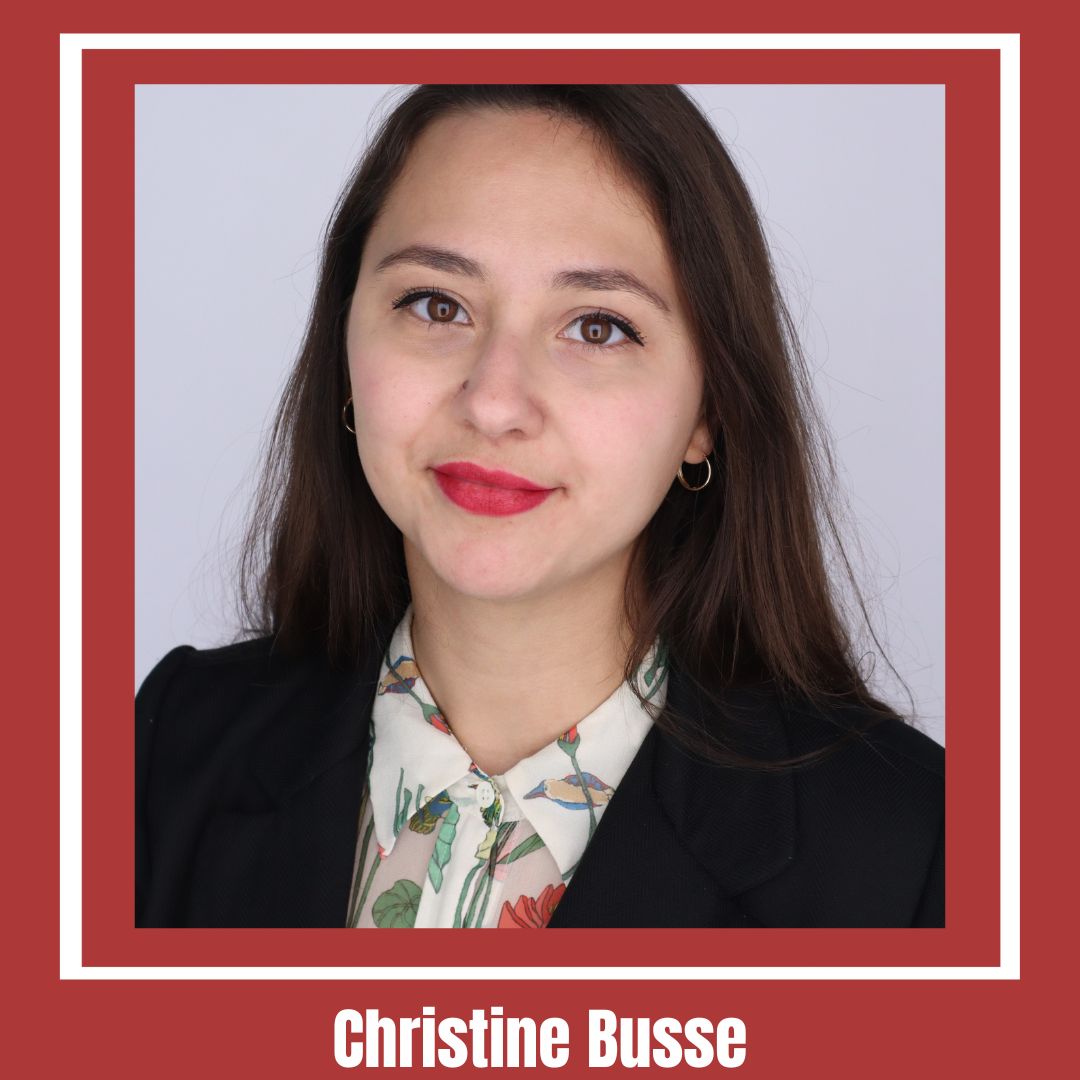 Staff Spotlight: Meet NAMI Texas’ New Peer Policy Fellow! Join us in welcoming our newest team member, Christine Busse! Christine joined NAMI Texas as a Peer Policy Fellow in July 2024. She holds a master’s in social work from the University of Texas at San Antonio and a Bachelor of Science in Behavioral Neuroscience from St. Edward’s University. Her professional journey includes nearly four years as a Registered Behavior Technician, providing Applied Behavioral Analysis (ABA) therapeutic services to youth with special needs. During her graduate studies, she honed her research and data analysis skills as a Graduate Research Assistant on the Bexar County Fostering Educational Success project, evaluating programs supporting foster care alumni. She gained valuable policy experience through internships at the National Association of Social Workers – Texas and the Hogg Foundation for Mental Health, actively participating in the 88th Texas legislative session. Most recently, Christine served as the Planning and Policy Coordinator at the Texas Homeless Network. These diverse roles provided Christine with strong experience in mental health and substance use policy, education, and behavioral health workforce challenges. She developed expertise in policy research, strategic advocacy, and legislative processes. As a lifelong Texan and Lebanese American with lived experience of mental illness, Christine is passionate about bridging the gap between research, policy, and lived experience to enhance effective mental health policies and support systems. She is committed to fostering community resilience and well-being to build a stronger, healthier Texas for all. Staff Spotlight: Meet NAMI Texas’ New Peer Policy Fellow! Join us in welcoming our newest team member, Christine Busse! Christine joined NAMI Texas as a Peer Policy Fellow in July 2024. She holds a master’s in social work from the University of Texas at San Antonio and a Bachelor of Science in Behavioral Neuroscience from St. Edward’s University. Her professional journey includes nearly four years as a Registered Behavior Technician, providing Applied Behavioral Analysis (ABA) therapeutic services to youth with special needs. During her graduate studies, she honed her research and data analysis skills as a Graduate Research Assistant on the Bexar County Fostering Educational Success project, evaluating programs supporting foster care alumni. She gained valuable policy experience through internships at the National Association of Social Workers – Texas and the Hogg Foundation for Mental Health, actively participating in the 88th Texas legislative session. Most recently, Christine served as the Planning and Policy Coordinator at the Texas Homeless Network. These diverse roles provided Christine with strong experience in mental health and substance use policy, education, and behavioral health workforce challenges. She developed expertise in policy research, strategic advocacy, and legislative processes. As a lifelong Texan and Lebanese American with lived experience of mental illness, Christine is passionate about bridging the gap between research, policy, and lived experience to enhance effective mental health policies and support systems. She is committed to fostering community resilience and well-being to build a stronger, healthier Texas for all.  NAMI National’s #Vote4MentalHealth Pledge Mental health impacts nearly all aspects of our lives. And at NAMI, we advocate on a wide range of policy priorities, from health care to criminal justice to housing and beyond. No matter the topic, we know that mental health matters. Your vote in the upcoming elections matters, too. Every elected official – from the president and Congress to county commissioners and city councilmembers – has influence on issues impacting people affected by mental health conditions. That’s why it’s so important to understand how voting impacts mental health. Take the first step: click the following link to pledge to #Vote4MentalHealth this November. NAMI won’t tell you who to vote for. We encourage you to research candidates on your ballot, decide what issues are most important to you, and cast your vote this election season. July 2024 Health and Human Services Report: Behavioral Health Advisory Committee FY 2023 Annual Report Senate 2024 Interim Legislative Charges: Notice of Public Hearing Thursday, September 5, 2024, at 9:00am Senate Finance Committee (E1.036) Mental Health Services and Inpatient Facilities: Monitor the implementation of Senate Bill 30, 88th Legislature, Regular Session, with regard to appropriations made for expanding mental health services and inpatient facilities across the state. Report on the progress of inpatient facility construction projects. Assess and report on the effectiveness of spending on mental health services. You can view the full hearing agenda, here. Wednesday, September 18, 2024 Senate Health & Human Services Committee (E1.012) Children’s Mental Health: Review care and services currently available to the growing population of Texas children with high acuity mental and behavioral health needs. Make recommendations to improve access to care and services for these children that will support family preservation and prevent them from entering the child welfare system. Access to Health Care: Evaluate current access to primary and mental health care. Examine whether regulatory and licensing flexibilities could improve access to care, particularly in medically underserved areas of Texas. Make recommendations, if any, to improve access to care while maintaining patient safety. You can view the full hearing agenda, here. You can review the list of Interim Charges in its entirety, here. House 2024 Interim Legislative Charges: Notice of Public Hearing Wednesday, July 31, 2024, at 10:00am Youth Health & Safety, Select (E2.014) Update: the originally scheduled July 7th, 2024, hearing was cancelled due to Hurricane Beryl. The committee will meet to hear invited testimony only on the following interim charge: Behavioral Health Services for At-Risk Youth: Evaluate programs and services currently available to children and families that are either involved with, or at high risk for becoming involved with, the foster care and juvenile justice systems. Study the current barriers for accessing community-based behavioral health services for children with intense behavioral health needs, with an emphasis on ensuring that parents do not have to give up custody of children to gain access to services. If you would like to submit written comments related to the above charge you may do so until the hearing is adjourned by visiting this link. You can view the full agenda for the July 31st hearing here. You can review the list of Interim Charges in its entirety, here. NAMI National’s #Vote4MentalHealth Pledge Mental health impacts nearly all aspects of our lives. And at NAMI, we advocate on a wide range of policy priorities, from health care to criminal justice to housing and beyond. No matter the topic, we know that mental health matters. Your vote in the upcoming elections matters, too. Every elected official – from the president and Congress to county commissioners and city councilmembers – has influence on issues impacting people affected by mental health conditions. That’s why it’s so important to understand how voting impacts mental health. Take the first step: click the following link to pledge to #Vote4MentalHealth this November. NAMI won’t tell you who to vote for. We encourage you to research candidates on your ballot, decide what issues are most important to you, and cast your vote this election season. July 2024 Health and Human Services Report: Behavioral Health Advisory Committee FY 2023 Annual Report Senate 2024 Interim Legislative Charges: Notice of Public Hearing Thursday, September 5, 2024, at 9:00am Senate Finance Committee (E1.036) Mental Health Services and Inpatient Facilities: Monitor the implementation of Senate Bill 30, 88th Legislature, Regular Session, with regard to appropriations made for expanding mental health services and inpatient facilities across the state. Report on the progress of inpatient facility construction projects. Assess and report on the effectiveness of spending on mental health services. You can view the full hearing agenda, here. Wednesday, September 18, 2024 Senate Health & Human Services Committee (E1.012) Children’s Mental Health: Review care and services currently available to the growing population of Texas children with high acuity mental and behavioral health needs. Make recommendations to improve access to care and services for these children that will support family preservation and prevent them from entering the child welfare system. Access to Health Care: Evaluate current access to primary and mental health care. Examine whether regulatory and licensing flexibilities could improve access to care, particularly in medically underserved areas of Texas. Make recommendations, if any, to improve access to care while maintaining patient safety. You can view the full hearing agenda, here. You can review the list of Interim Charges in its entirety, here. House 2024 Interim Legislative Charges: Notice of Public Hearing Wednesday, July 31, 2024, at 10:00am Youth Health & Safety, Select (E2.014) Update: the originally scheduled July 7th, 2024, hearing was cancelled due to Hurricane Beryl. The committee will meet to hear invited testimony only on the following interim charge: Behavioral Health Services for At-Risk Youth: Evaluate programs and services currently available to children and families that are either involved with, or at high risk for becoming involved with, the foster care and juvenile justice systems. Study the current barriers for accessing community-based behavioral health services for children with intense behavioral health needs, with an emphasis on ensuring that parents do not have to give up custody of children to gain access to services. If you would like to submit written comments related to the above charge you may do so until the hearing is adjourned by visiting this link. You can view the full agenda for the July 31st hearing here. You can review the list of Interim Charges in its entirety, here.  Public Policy Platform Development Input Our 2025-2026 Public Policy Platform surveys have concluded. Thank you much for your time and input on these important matters! We could not do this work without all of you. Stay tuned for our Public Policy Platform which will be published in the fall. Public Policy Platform Development Input Our 2025-2026 Public Policy Platform surveys have concluded. Thank you much for your time and input on these important matters! We could not do this work without all of you. Stay tuned for our Public Policy Platform which will be published in the fall.  NAMI Texas Conference: Celebrating 40 Years of Hope and HealingEvery year, NAMI Texas hosts an Annual Conference and Awards Celebration. These events bring together individuals living with mental illness, family members, professionals, and the general public to highlight the latest updates in the mental health field, exchange information, and celebrate the year’s successes. With exciting keynotes, informative workshops, a lively exhibit hall, Continuing Education Credit, networking opportunities, and special surprises, the Conference has something for everyone. This year, we are celebrating 40 Years of Hope and Healing. We could not be more excited to be bringing the Conference to West Texas. All Conference events will be held in the heart of bustling downtown El Paso, primarily in the beautiful El Paso Convention Center. There are many nonstop flights to El Paso from major Texas airports. The local Affiliate in the area, NAMI El Paso, is eager to welcome Texans from across the state. We hope you will join us in November for this extra special celebration! Early Bird Ticket Sale Alert! Purchase your ticket today in order to take advantage of the early bird ticket special! These discounted tickets will be available through September 1st, 2024. Click this link to purchase. 2024 NAMI Texas Annual Conference Call-for-Presentations! All topics related to mental health are welcome, but the Conference Planning Committee has identified the following 4 thematic categories of particular interest: 1.) Children, Youth, & Families, 2.) Underserved Populations, 3.) Criminal Legal System, and 4.) Innovation and Creativity. For further details and to access the form, check out the call-for-presentations webpage. The deadline to submit a workshop proposal is August 2nd, 2024. NAMI SMARTS Classes Grassroots advocacy is about using your voice to influence policymakers and make a difference. Turn your passion and your lived experience into advocacy for mental health with the NAMI Smarts for Advocacy training. NAMI Smarts for Advocacy will enhance your advocacy skills and help you shape a powerful and personal story that will move policymakers. NAMI Smarts for Advocacy gives you step-by-step tools and the hands-on practice you need to feel confident and ready to make a difference. The NAMI Texas Public Policy Team does not currently have any classes scheduled. Be sure to keep an eye on our calendar for forthcoming classes. NAMI Texas Conference: Celebrating 40 Years of Hope and HealingEvery year, NAMI Texas hosts an Annual Conference and Awards Celebration. These events bring together individuals living with mental illness, family members, professionals, and the general public to highlight the latest updates in the mental health field, exchange information, and celebrate the year’s successes. With exciting keynotes, informative workshops, a lively exhibit hall, Continuing Education Credit, networking opportunities, and special surprises, the Conference has something for everyone. This year, we are celebrating 40 Years of Hope and Healing. We could not be more excited to be bringing the Conference to West Texas. All Conference events will be held in the heart of bustling downtown El Paso, primarily in the beautiful El Paso Convention Center. There are many nonstop flights to El Paso from major Texas airports. The local Affiliate in the area, NAMI El Paso, is eager to welcome Texans from across the state. We hope you will join us in November for this extra special celebration! Early Bird Ticket Sale Alert! Purchase your ticket today in order to take advantage of the early bird ticket special! These discounted tickets will be available through September 1st, 2024. Click this link to purchase. 2024 NAMI Texas Annual Conference Call-for-Presentations! All topics related to mental health are welcome, but the Conference Planning Committee has identified the following 4 thematic categories of particular interest: 1.) Children, Youth, & Families, 2.) Underserved Populations, 3.) Criminal Legal System, and 4.) Innovation and Creativity. For further details and to access the form, check out the call-for-presentations webpage. The deadline to submit a workshop proposal is August 2nd, 2024. NAMI SMARTS Classes Grassroots advocacy is about using your voice to influence policymakers and make a difference. Turn your passion and your lived experience into advocacy for mental health with the NAMI Smarts for Advocacy training. NAMI Smarts for Advocacy will enhance your advocacy skills and help you shape a powerful and personal story that will move policymakers. NAMI Smarts for Advocacy gives you step-by-step tools and the hands-on practice you need to feel confident and ready to make a difference. The NAMI Texas Public Policy Team does not currently have any classes scheduled. Be sure to keep an eye on our calendar for forthcoming classes. |
| If you have anything you would like to share with NAMI Texas advocates in these emails, please send the information to policy.fellow@namitexas.org – Hannah Gill and the NAMI Texas Public Policy Team |
| Mental Health in the Media A look at the Texas mental health workforce shortage“Today, 246 of Texas’ 254 counties are wholly or partly designated by the federal government as “mental health professional shortage areas,” and that’s in a state where roughly 5 million people do not have health insurance. This has had a particularly dire effect in rural, border, and frontier counties in Texas, as some regions might have only one mental health professional or none. If you look at the raw numbers, we don’t have enough providers, even if they were evenly distributed,” said Alison Mohr Boleware, the Hogg Foundation for Mental Health policy director.” Sherman PD teams up with Texoma Community Center on mental health co-response team“The Sherman Police Department and Texas Community Center have teamed up to make a mental health co-response program. TCC Assistant Director of Care Coordination, Tori Dyess, said the program was made possible through a grant. “We reached out to Sherman Police Department, and decided to collaborate to create a team that was embedded with them,” Dyess said. The TCC has qualified mental health professionals stationed at the police department seven days a week, from 10 a.m. to 10 p.m. The program’s goal is to get effective mental health care to those in crisis faster.” Employment may be key to veterans’ mental health, UTEP study finds“EL PASO, Texas (KVIA) — A new study authored by two University of Texas El Paso researchers is showing employment may be key to emotional wellbeing for veterans. The study was published in the June issue of scientific journal ‘Stress and Health’. The researchers looked at 517 veterans experiencing mental health conditions such as depression, anxiety, and post-traumatic stress disorder. According to the study, employment correlated with positive emotional wellbeing in veterans struggling with their mental health. The study also said unemployed veterans were twice as likely to experience depression.” Gov. Abbott Announces 7 New State Hospital Projects, Including $1B+ for Two in North Texas“Seven new state hospital projects—including new ones in Wichita Falls and Terrell—have been announced to better serve people in need of inpatient psychiatric services. Gov. Greg Abbott said the Texas Health and Human Services Commission (HHSC) projects are funded by $1.5 billion approved by the Texas Legislature in 2023 to expand, renovate, and build new facilities across the state.” How many people are receiving mental health treatment in Texas “More than 5 million American adults were receiving mental health treatment at a state-monitored mental health facility in 2022, according to a report from the Department of Health and Human Services released in April, an increase from last year. However, access to treatment can largely depend on where someone lives or what kind of insurance they have. More than half of adults receiving treatment lived in just 10 states, as many Americans lack access to mental health care.” |
| NAMI Texas is a nonpartisan nonprofit organization dedicated to improving the quality of life of all individuals living with mental illness and their families. Please visit our website at NAMITexas.org for more information. Help support our advocacy efforts by donating to NAMI Texas at https://namitexas.networkforgood.com/ Melinda |
This is a fun prompt. I have only had a few nicknames, but I enjoyed them; one is precious to me. My Gramps called me Pud all my life, it was an endearing one, not sure if it came from pudding or was an old-time term but I miss his voice calling my nickname. No one else called me that, it was special between us.
My younger step-brother had a horrific life, their mother was a drug addict and would leave them at home alone for weeks at a time. No food, no water, and P lived in the same diaper. It’s disgusting to think any mother could treat her children that way. Both of my step-brothers had regressed in age and P had gone back to being a baby from the trauma. My step-father gained custody of them and they came to live with us, the discovery of two children was a shock to my mother’s system. P had to learn to talk again, which was very difficult for him. My mother always called be my my middle name, Melody and P had problems saying so he called me Mody. He was a precious soul and his life ended tragically just as it had started.
I may have had other short-term nicknames but I don’t recall them. Of course, I’ve been called many things, and not all of them nice but when you speak your mind that is going to happen.
Any nicknames from the past you a particularly fond of?
Melinda
I’m 5 ft 7 inches and was a normal weight until I turned 28 years old. At 28 I was diagnosed with Treatment-Resistant Bipolar Disorder and Anxiety. The diagnosis wasn’t a huge surprise since my father had committed suicide months earlier and we both had struggled with depression. One of the downsides of having a mental illness is that many medications make you gain weight, with each medication I tried, it was 20-25 pounds. That can weigh you down but I learned quickly that my vanity was not as important as my mental health.
I tend to be more depressive than manic so my protocol includes many stimulant medications. There were many times I would lose large amounts of weight and was skinny again. Although short-lived, once your body adjusts to the stimulants the weight loss stops. The last medication that brought me out of a deep depression caused me to gain 40 pounds and it took effort to lose that amount of weight. I lollygagged for a couple of years until I went to see one of my doctors and had to weigh. I was shocked at what the scale said.
You also need to know I have some baggage here because my mother is obese and my abuser. I wanted to be nothing like her, I must have seen her that day on the scale.
I was determined to lose weight the right way this time, with no diet, no program food just eating what I liked but in smaller portions. I set a goal of losing 40 pounds with 50 pounds in the background. First, I cut all meals in half and cut out snacking unless I was truly hungry. When I needed a snack it was nuts because they are good for you.
The first 20 pounds were hard but not nearly as hard as the next 20 pounds. After reaching 20 pounds, I cut my meals in 1/3 and continued to eat a piece of chocolate at lunch and dinner. I also allowed myself dessert on the weekends. There was no depriving myself of the foods I loved, my diet didn’t change just the amount of food I was eating.
Last August, I had reached my goal of 40 pounds and was working on 10 more pounds. Then life got in the way. I was hospitalized in December of 2023 and had a traumatizing experience by being told that my kidneys were shutting down and that I would not live until my check-out date. Logically I knew better but we were in complete shock. I called my brother to say goodbye which was very difficult and my husband and I just cradled each other. A short time later, I came to my senses and said there was no way my GFR was 20! Of course not, a lazy lab tech didn’t run the test a second time and the doctor didn’t even question it. I never received an apology.
After leaving the hospital I continued to lose weight and after 25 months I am 70 pounds down. Being this skinny is not a choice, you would be surprised at what I eat although I can’t eat as much as I did in the beginning but that’s expected. I’ve been having major issues with my Esophagus for a couple of months and a month after going to the ER, I’m worse. I’m taking two additional medications but still have problems eating or keeping food down. It doesn’t seem to be as urgent to my doctor. I’m still working on it.

Yes, you can lose weight the right way without restricting yourself and in turn, sabotaging your efforts. There are no shortcuts, no quick fixes, and only one permanent solution. Set your goal for the long term, change your eating habits, and pay attention to why you eat and enjoy yourself at the same time. I can’t imagine lunch or dinner without chocolate, I just eat one piece.
You can do it.
Melinda
This is definitely one of the most important awareness days in July and year-round for the matter. Our mental health plays a key role in how we function daily and in our relationships. If we are happy, life is better and those around us enjoy the benefits too.
International Self-Care Day is celebrated on July 24. It stresses the importance of self-care as the cornerstone of wellness. On this day, individuals throughout the world are encouraged to make self-care a part of their everyday routines and turn it into a priority. It is a milestone, and an opportunity to raise further awareness of the benefits of effective self-management of health.
Self-care has become incredibly important as people realize the need to take care of themselves and put themselves first. This has made people talk about it and increased the interest of others to take control of their health and wellness by prioritizing themselves. Today, we urge you to practice self-care, even if all you do is take a walk.
There are so many ways to give yourself a self-care break every day, it doesn’t just mean a long bath. Self-care comes in many forms and meets everyone’s needs for a mental health break and a treat for yourself. The breaks can be small short time outs you fit in when you can, it’s not always some big deal to fuss about. Yes, I like to fuss about occasionally but what’s important to me is the breaks I can fit in throughout the days that make me happy.
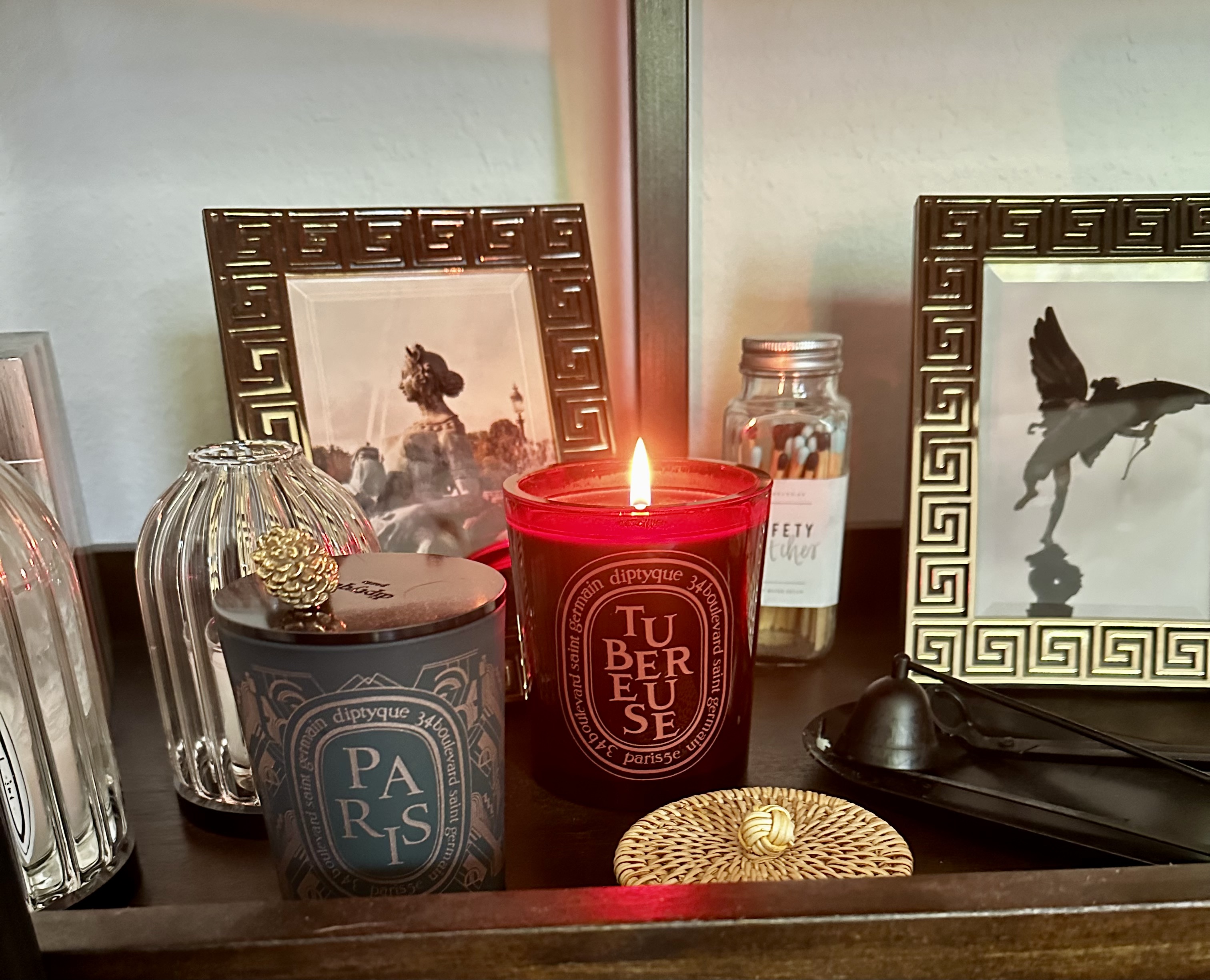
Some Ideas
Cup of your favorite coffee or tea to enjoy without multitasking, just taking in the flavors and smells.
Driving a clean car, one that is not full of fast food bags and dusty with mirrors you can barely see out of.
Cooking yourself and maybe someone special a great meal to enjoy without the TV on. Have some real conversation.
Burning your favorite candle.
Hanging Fresh Eucalyptus and Lavender in your shower.
There are millions of things you can do, the key is to take a break, for 10-15 minutes and focus on enjoying yourself. Clear your mind and be in the moment for that short period of time. I also suggest taking self-care one step further by taking longer breaks to relax and enjoy yourself. A long hot bath is great but for some, it’s a long run or working in the yard. Do what makes you feel good and allows you to free your mind.
Melinda
We put up a Squirrel feeder a month ago and they loved it. I would see them on there eating the food and the corn cobs every day. This morning after a good rain shower, I see this one having his feel of the bird food with no mind to me taking the photos.
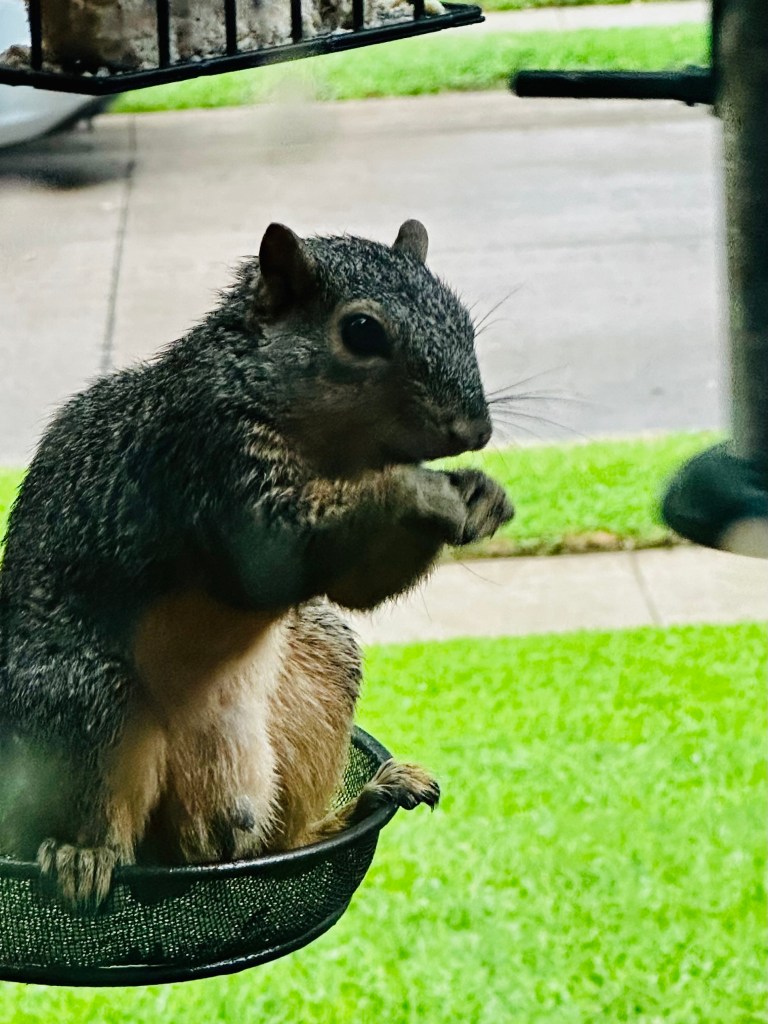
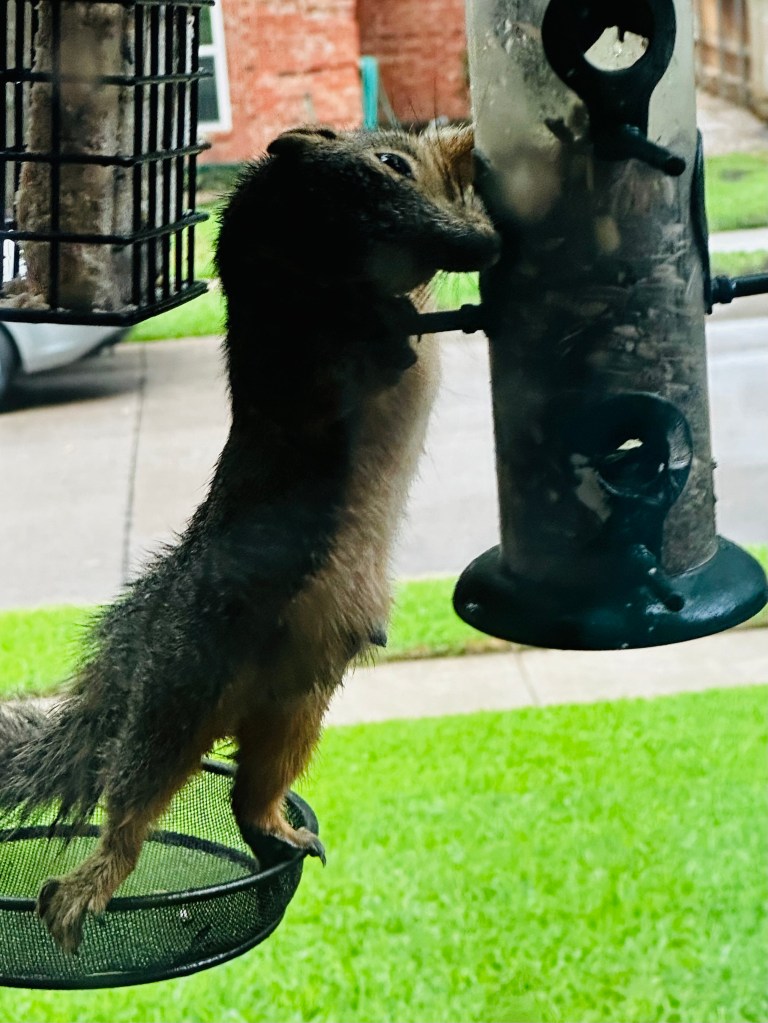
Melinda
In this fast-paced social media world, it can be difficult to find the time to look within or back in time. I hope you find these quotes and questions interesting. So glad you stopped by today!

Melinda

Melinda
Thank you for joining me for this week’s Friday Quote.
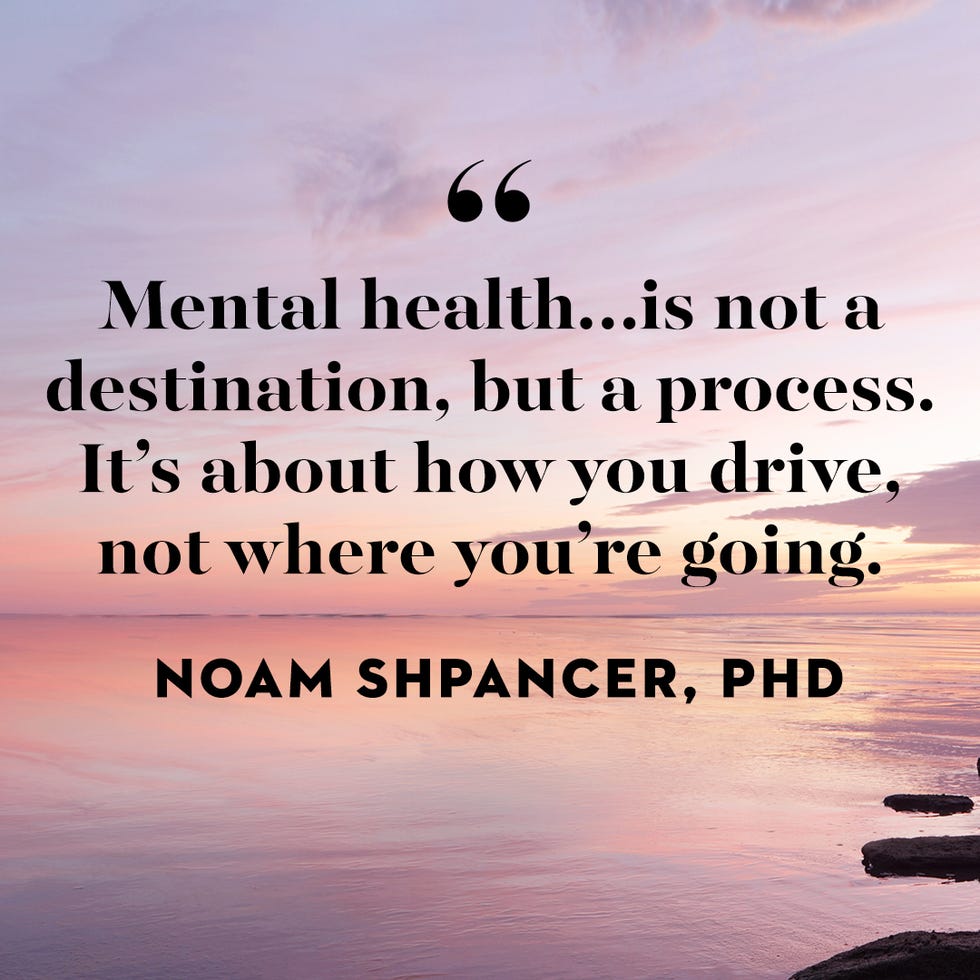
Melinda
I want you to think of a party for everyone including the kids. It’s a huge party outside of town with the perfect weather and tents that are all different depending on your desires. Each is catered with the finest foods and is made to order, Anything you want it’s on the menu. Drinks flow freely and are handled by the finest wait staff who can handle your every request. Outside there are so many activities, a race track for car lovers, axe throwing, chess, and card games. Fun circus games with nice prizes, of course all free. There are all types of activities for kids like scrapbooking, jewelry making, legos, you name it, it’s available for the kids to have a great day. There will be live entertainment from a variety of bands and everyone will hear the music they like.
The party is September 4th, 2024, and starts at dawn and goes to who knows when. After the sun goes down it’s more adult-focused and no doubt the kids will be worn out by then.
Spa tent
Cat tent
As I gather more information about the tents I’ll be explaining what is inside of them. I’ll do this in another post. This is a huge party for the Blogosphere so I need help quickly to continue planning. It’s a worldwide party and everyone is invited. The party is inviting to everyone, we’re all there to enjoy ourselves and not judge others. It’s about peace and harmony, enjoying each other’s company as human beings, and being civilized. No weapons are allowed as this is a harmonious event.
This is the first image I created to give you a look at the layout and the massive nature of the party. The only difference is the tents will be closed not open air as in the image.
Your family is yours for life, you don’t have to like them.
The previous generation’s mistakes don’t have to continue, you have a choice.
Times have changed, women don’t have to be housewives and serve their husbands hand and foot.
Having a life away from your family is the healthiest thing you can do for yourself.
There is no perfect and why knock yourself out trying. Do the best you can.
Toxic is toxic, cut all toxic relationships and habits from your life.
Don’t overfocus on your health issues, accept them and stay on top of but don’t wallow.
If you are to move forward in life you have to quit looking back. Deal with your issues and move on. Don’t wallow.
There is no bad or good day of the week, each day is a fresh start. If you expect a bad day that’s what you’re going to get.
When life seems to be going wrong, redirect your thoughts to what is going right.
Life is short, we were never promised it would be easy and quit feeling entitled, you’re not.
Find something no matter how small that makes you happy, it’s often the small free things that bring joy.
To be accomplished in life you have to focus on others, not your own needs. That makes you self-centered.
Learning about others is a joy in itself. You never know what you have in common.
Always thank someone for a kind gesture, it also makes you feel better.
The less you judge others, the less you judge yourself.
Melinda

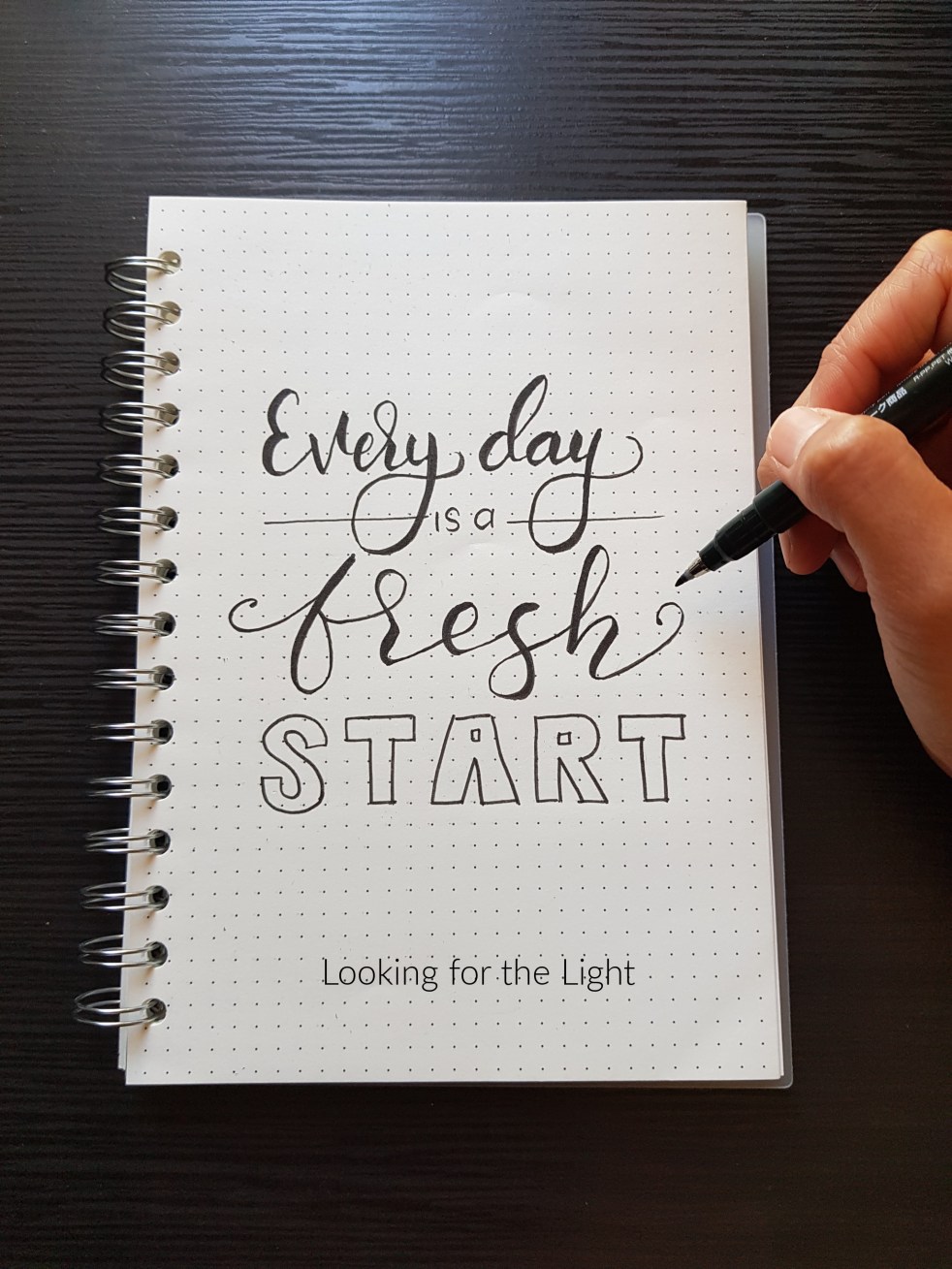


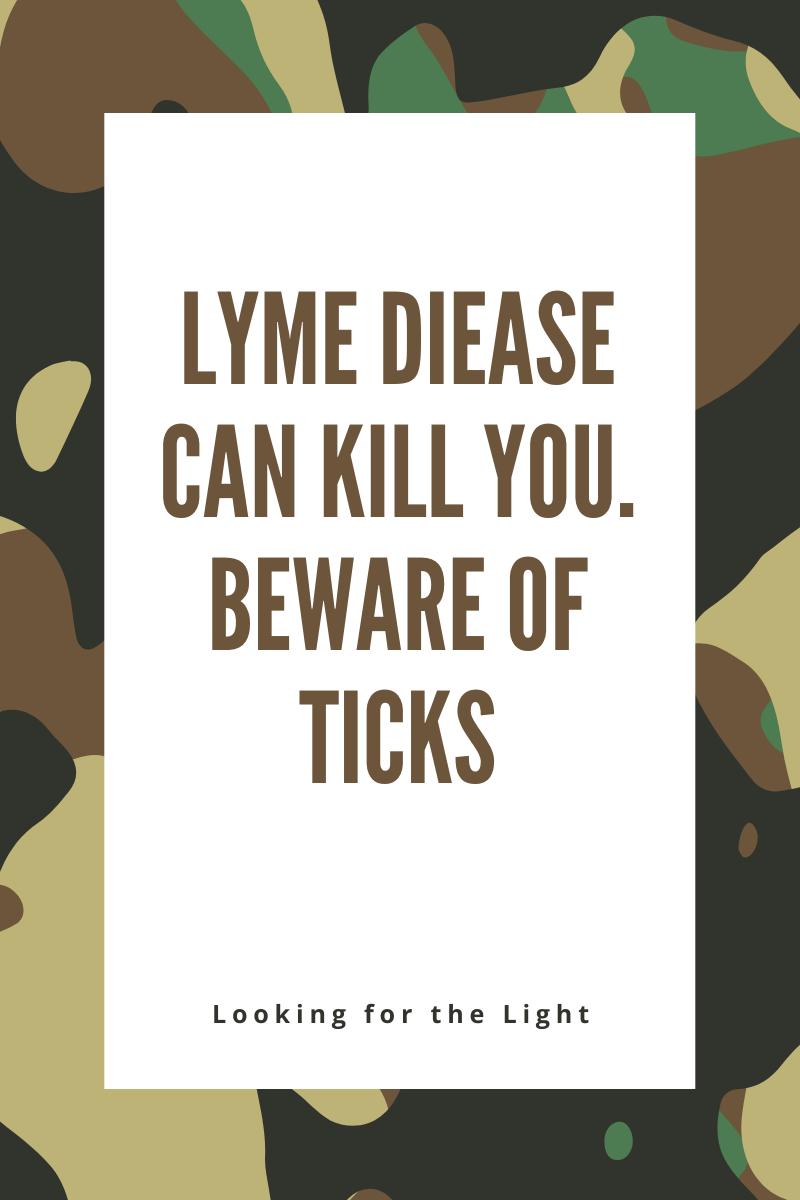









 Looking for the Light