Celebrate Life · Health and Wellbeing · Moving Forward

Happy Birthday Gramps, I Miss You Every Day

Happy Birthday!

When I sent you and Granny a balloon-a-gram, you sat on the floor for photos with the balloons and we laughed so hard. That is one memory among many I cherish.

Granny had Dementia and she hid her wedding ring. We looked for months after her death, we searched the house looking and one day I found it in a crumpled tissue. She didn’t lose it on purpose, who knows what she was thinking. I called you to the room and we both were thrilled and we cried.

While cleaning out another drawer, I found every card you had given her, you’re not one to cry but I could tell you were shocked and sentimental. He looked at them probably thinking about Granny. I was jumping with joy and we both cried.

Photo by Anna-Louise on Pexels.com

You took great care of Granny and even after she needed hospice, and I know it was hard. I would stay with her while you were running errands and saw her get more violent when you were gone or outside.

We had so much fun going down to the levees to teach me how to parallel park. That was the part of the driving test I failed. When I was very young, I would sit on your lap pretending to drive the truck.

You were always looking after me. The rules were strict and I needed structure, true love, and positive vibes. You only raised your voice one time. You were painting the ceiling and I told you I would wait on the porch until my ride came. You didn’t hear me and thought I left the house without telling you. When I came home you were telling Granny. You talked to me in a normal tone telling me to never leave the house without telling. Granny came to the rescue by calming you down and reminding you I did tell him. End of story.

I admire how important family was to you. With 13 siblings, you spent time with all of them. I even met your parents, they had antique iron headboards which is probably why I fell in love with them.

I miss you every day and learned life lessons from you. You will always be my father.

I love you!

Melinda

Celebrate Life · Fun · Health and Wellbeing · Men & Womens Health · Mental Health · Moving Forward

Just Pondering

What song lyrics perfectly capture who you are as a person?


Pharrell Williams – Happy (Video)

 Melinda

Field Guide by Stampington

Celebrate Life · Chronic Illness · Health and Wellbeing · Medical · Men & Womens Health · Mental Illness · Moving Forward

Do You Know A Person With Bipolar Disorder? This Is My Personal Experience

If you care for someone with Bipolar Disorder, know the basics about the illness and side effects. You’ll learn as you go. It’s important that you don’t keep asking how they’re doing; that will stress them out. You will have to up your game to catch the nuances of body language and conversations. 

Different types of Bipolar Disorder.

There are three types of bipolar disorder. All three types involve clear changes in mood, energy, and activity levels. These moods range from periods of extremely “up,” elated, irritable, or energized behavior (known as manic episodes) to very “down,” sad, indifferent, or hopeless periods (known as depressive episodes). Less severe manic periods are known as hypomanic episodes.

Bipolar I disorder is defined by manic episodes that last for at least 7 days (nearly every day for most of the day) or by manic symptoms that are so severe that the person needs immediate medical care. Usually, depressive episodes occur as well, typically lasting at least 2 weeks. Episodes of depression with mixed features (having depressive symptoms and manic symptoms at the same time) are also possible. Experiencing four or more episodes of mania or depression within 1 year is called “rapid cycling.”

Bipolar II disorder is defined by a pattern of depressive episodes and hypomanic episodes. The hypomanic episodes are less severe than the manic episodes in bipolar I disorder.

Cyclothymic disorder (also called cyclothymia) is defined by recurring hypomanic and depressive symptoms that are not intense enough or do not last long enough to qualify as hypomanic or depressive episodes.

Until the doctor gets the medication balanced, you might have to take a medication for a month or longer to see if it works; if not, the doctor tries another. Changes in medication will continue until the Psychiatrist finds the right mix of medication. I went through many drugs in the beginning because I’m treatment-resistant, which means many medications do not work on me. It’s important to note that over time, medication can stop working, and the Psychiatrist has to find another medication. I’m currently taking a cocktail of 6 different medications.

In the 32 years since I was diagnosed, I’ve experienced rapid cycling, mixed features, hypomania, and depression. The most difficult for me to manage is rapid cycling. One minute you feel great, and 15 minutes later depressed. This is a very unstable time. Make sure you let your Psychiatrist know about your rapid cycling.

If possible, find a Psychopharmacologist over a Psychiatrist if you can find one. The difference is that a Psychopharmacologist spends extra years of education focusing on how medication and the brain work. It can be difficult to find one.

I thought my doctor didn’t like me for a long time. Over time, I learned how to talk to him, and now he’s like family. You don’t have to like your doctor if they listen and share details about the drugs and answers to your questions, and you trust them, keep them as your doctor.

Personal Experience

The backstory starts with the DEA, which is limiting the amount of medication each pharmacy receives each month. This is an experience I have been dealing with for the past year. This month, my pharmacy only had 25 pills, and I had to wait 3 weeks for a refill because they had not received a shipment. Pharmacies are NOT making these rules. Get to know your pharmacist; they may be able to help you through this crisis. Don’t take your anger out on the Pharmacy. Until the DEA backs off, this problem will continue.

Here’s one of the challenges I face. One medication is what I call my anchor medication. This past month, it took 3 weeks to get my medication in stock. In those 3 weeks without the medication, it is no longer in your system. After going three weeks without the medication, my body has to start over. So far, I have not been able to see if it works because I can’t take the medication long enough to work.

My new Psychiatrist is cutting my Xanax to 3 per day, not the 4 per day that I have been taking for so long. The bottom line is I’m in withdrawal as my body adjusts to only 3 a day. You stack that on top of the problems with refills; it’s frustrating. This means my anxiety is higher during certain hours when I don’t take my Xanax. It’s a very addictive medication, and one of the worst withdrawals I’ve been through.

It’s important to have someone that you can reach out to if you need help. 

This happened two evenings ago due to my anxiety being very high. To better communicate, you can say certain words to help them understand where you are at and when you are falling into depression or higher than a kite. 

I was so truly happy, and I haven’t been happy in so long. I was soaking in every moment because my mood could change. Feeling joy in my heart felt so good, and I didn’t want it to end.

My husband said I was jacked up, and I said I knew. The key word here is I KNOW. For me, that means I know and am keeping tabs on your mood. If it’s a problem after that, I’ll let you know. 

I went upstairs to get ready for bed, and when he came into the room, I continued the conversation in a combative way. I was jacked and angry, raising my voice much higher and even pointing my finger at him. I could not believe what was coming out of my mouth and my behavior. In the last 22 years, we’ve had a handful of fights.

We have established words to use when my mood changes and is concerning. When he tells me I’m jacked up, the keyword is I KNOW, which means I’m keeping an eye on it. When I’m feeling suicidal, I let him know. This is how we communicate about my Bipolar Disorder when he observes a behavior change. 

If you are newly diagnosed, be patient. When you start the journey, it can be rough and frustrating. 

Don’t obsess over your new diagnosis; learn the basics of your illness and symptoms for now. The most important thing I can say is to only read about your illness or symptoms of Bipolar Disorder from trustworthy websites. When you read anything else, you risk getting the wrong information. It’s critical to read a respected source. Right now is not the time to read the wrong information. On my website, there is a pull-down menu called Organizations That Can Help. There, you can find resources under Mental Illness. In the beginning, you may feel overloaded; remember this is a long journey.

https://www.nimh.nih.gov/health/topics/bipolar-disorder

Melinda

Celebrate Life · Health and Wellbeing · Men & Womens Health · Moving Forward

How To Research What Charities To Donate To, Make Sure You Know Where The Money Goes

I donate to several charities a year and it feels so good knowing I’m helping others to live their best life. Below are the charities I’m committed to. Below I spell out how I chose a charity.


NAMI Texas

NAMI Texas is part of NAMI, National Alliance on Mental Illness, the nation’s largest grassroots mental health organization dedicated to building better lives for the millions of Americans affected by mental illness.


RAINN (Rape, Abuse & Incest National Network) is the nation’s largest anti-sexual violence organization. RAINN created and operates the National Sexual Assault Hotline (800.656.HOPE, online.rainn.org y rainn.org/es) in partnership with more than 1,000 local sexual assault service providers across the country and operates the DoD Safe Helpline for the Department of Defense. RAINN also carries out programs to prevent sexual violence, help survivors, and ensure that perpetrators are brought to justice.


We work to end hunger and poverty in partnership with the communities we serve. Our programs support entrepreneurs around the world, creating lasting change from the ground up.

It begins with a seed investment of livestock or agriculture, followed by mentorship to help project participants build a business, and ultimately to gain access to supply chains and markets.


Operation Kindness is a pioneer in Texas for assisting animals in need of veterinary care, companionship, and most of all, a home. We operate a lifesaving animal shelter in Carrollton, TX.​
In addition to pet adoptions and lifesaving medical care, our programs provide foster care for vulnerable animals, resources for pet parents, affordable veterinary services for community pets, a pet food pantry, and volunteer opportunities.

Homeless Veterans Services of Dallas Inc.

The goal of our organization is to help alleviate the problem of homelessness among our veterans and their families by assisting with transitional and permanent housing.
Independent – the organization is an independent organization or an independent auxiliary (i.e., not affiliated with a National, Regional, or Geographic grouping of organizations).

Charity Navigator

The first step when choosing what charities to support is to go to Charity Navigator. Once on the site type in the charity name and check to see that they are legally 501 certified. That means the company has been given a legal charity status.
Eliminate any charities that are not legally 501 certified and at least four-star rated. If they are not legally 501 certified, don’t waste your money.
Then look at their expenses to see if the percentage of the money is actually spent on services. If a charity spends more on its overhead, your dollars do not get to the people you want to support. My rule of thumb is the charity must spend at least 75% of the money on actual services and a small percentage on overhead. If a charity has a low percentage, they are keeping more of the money.
I would also look at their website for more information.
It sounds like a big job but it it comes together fast and it’s your hard-earned money that you are giving.
I’ll give you an example. There is a charity my granny always gave money to and I donated one time long ago, I get a plea for money every week and it’s near impossible to have them take you off the list. Once I found out about Charity Navigator I looked at this charity profile and found that only 25% of the money was actually going to the executives.
If you have any questions please reach out to me. I don’t have all the answers but will try to help you navigate.
For some reason (WP) the paragraphs look correctly spaced but when I preview the post it looks like they are not separated
Melinda

Celebrate Life · Health and Wellbeing · Men & Womens Health · Moving Forward · Survivor

From Alcoholic To Freedom

I’m a recovering Alcoholic and stopped drinking about 15 years ago. Everyone is different in their recovery. I went cold turkey because of my Mental Illness. My Psychiatrist at the time knew I drank, and we talked about it. During a very difficult time, I asked my doctor if stopping drinking would help my meds, and he said yes. I need to have all of my medications to work as well as possible.

I started drinking at 9 years old, lived in domestic abuse, and child abuse and my step-father was a mean drunk. He beat my mother often and she would in turn beat me.

My father was also an alcoholic so my growing up was chaotic.

Alcohol made me act differently, especially at events for work. All memories are in the past and rarely think of the spectacle I made.

Today is the perfect day to stop drinking or at least go to one AA meeting to see if they can give you support. I hear great things about AA making people whole.

Melinda

Health and Wellbeing · Men & Womens Health · Moving Forward

How Parents Can Help Their Teens Overcome Depression

Children are heavily influenced by their surroundings. When we lavish them with positivity, they often grow up with a positive mindset and a can-do attitude. However, if we subject them to certain difficulties, they can be a lot more hardened as they approach their teenage years. The trials and challenges children face during their teenage years can often define who they are once they bloom into young adults.

While our formative years are usually between the ages of 0 and 8, children start to develop complex emotions and feelings when they begin entering high school. This is made even more difficult for certain children when they’re exposed to the internet and vastly different opinions and takes on life. When your child mingles with different cultures and personalities in school, it can trigger a lot of realizations and changes that ultimately change the way they think.

As such, a common occurrence in young teenagers is depression. This isn’t just a feeling of sadness that occurs now and then, but a recurring emotion that can make them feel hopeless and helpless. To help your child break out of these feelings, it’s essential to take a delicate approach so you don’t agitate them further.

Source: https://unsplash.com/photos/qYanN54gIrI (CC0)

Understanding the signs and symptoms of teenage depression

It’s hard to explain what depression feels like as it differs from person to person. However, there are a couple of common signs that you should look out for:

  • Unable to enjoy things as they used to.
  • Feeling worthless or guilty for things they can’t directly affect.
  • Sleeping too little or too much.
  • Abusing drugs or alcohol to help with their feelings.
  • Frequent crying.
  • Mood swings.
  • Constantly irritable or frustrated.
  • Losing or gaining a lot of weight.
  • Having trouble concentrating in school.
  • Falling grades and difficulty at school.
  • Feeling hopeless and/or helpless.

If you notice these signs in your children then you may want to speak to them first. You could consult depression treatment centers for teenagers if they’ve harmed themselves or have turned to alcohol or drugs to help with their feelings. However, if they’re only occasionally showing these symptoms, you may still be able to speak with them and encourage them to break out of those negative feelings.

How to approach your child if you think they’re depressed

You must take your child seriously when they’re feeling depressed. You want to give them space to deal with their problems and listen to everything they say. They may give clues on why they’re feeling depressed and how you could help them. If they’re not willing to speak to you, then you may find it easier to encourage them to speak to a friend or family member. Whatever you do, don’t brush aside their feelings and chalk it up to a “phase”.

While there are many ways to improve your child’s mental health, it’s important to understand that there’s no easy fix that can be applied to all children. Every child deals with depression differently. You also shouldn’t blame yourself if your child feels depressed. While there is certainly a parenting factor, it’s also heavily dependent on their environment and school conditions too.

This is a collaborative post.

Melinda

Celebrate Life · Health and Wellbeing · Men & Womens Health · Moving Forward

Why Do People Blame The Survivor by Guest Blogger DocTalk, Explorations in Psycotherapy


My Thoughts

 
Blaming the survivor is still commonplace in America and probably in many countries. This stigma toward survivors is still in the dark ages at times. Like women walking home from work and stopping in for a drink. She makes her way home and is raped. The stigma is she was drinking and had on a short short, she was asking for sex. Total crap! 
 
If rape is the case, go to the hospital right away, get a rape kit done, and call the police. Give them everything you remember and don’t for one minute let anyone point the finger back at you, shut it down. If a department doesn’t treat you with respect, call the Captain or go to another police station. I know it’s a hassle going through the questioning while you’re distraught but hang in there. 
 
Don’t let the assailant get away with the crime. 
 
You’re a Survivor! 
 
Melinda
Men & Womens Health · Moving Forward · Survivor

Where Were You On 9/11?

You can not mention 9/11 without thinking of the firefighters who went into the building knowing the situation and went anyway. All of those who died helping another to live is a HERO! All who survived and helped someone in need is a HERO.

I have difficulty wrapping my head around the damage and how the terrorists stayed under the radar. We may have survived but Muslim rage started after the attack and many innocent people were mistreated. Let this be a lesson for us to learn.

I had my luggage at the door, ready to catch a flight to Russia. My gramps called and said a plane flew into the tower, I didn’t have the television on but assured him it was okay. I’m thinking of a small plane, not the attack New York received.

On the way to the airport, more information is coming through but not the magnitude of the attacks. When we arrive at the airport it’s closed like all the other airports across America. I think the airspace was closed for 10 days, after the airports opened I rescheduled my dream trip to Russia.

Our country was forever changed, and the far-reaching effects are endless. New Yorkers came together like never before and the world watched to see what happened next. 

I will always have a hole in my heart that time won’t heal. 

Melinda

Health and Wellbeing · Men & Womens Health · Mental Health · Moving Forward

Moving Beyond Anger

The word persistent has two meanings. Persistent as in great salesperson or persistent in that not give up on those who wronged me. I fit both and the second is not good when I’m wronged.

I’ve written several posts on my stay at UTSW Psych Hospital and my traumatic experience with one doctor. One day I found all of the doctor’s notes and almost had a coranary. I printed out 19 pages of notes and labs and then started marking all the half-truths, conversations that didn’t happen, and flat lies.

I was enraged! These notes were all negative toward me, I’ve never had a doctor act like this. These notes go on my medical records and all I wanted to do was attack him at all levels.

No one would validate my concerns, not even a blah blah We are aware of your concerns, that have sattified me. I did receive a letter about how to change my medical notes. It’s not a correction to the notes, it’s an amendment. I thought about it for two days and decided that adding my note of complaints would not help me and possibly hurt me down the road.

I also received a letter from Legal to acknowledge my concerns. I filed two complaints with the Texas Medical Board.

I’ve sent a few emails about my concerns but received no feedback. While resting today I decided the anger has to go for me to move on.

Getting letters from Medical Records and the Legal Dept. gave me what I needed, to validate my concerns. I realized it’s time to move beyond anger.

I felt lighter, not happy yet but the block around my ankle had been cut off.

Now comes the difficult process! It requires a clear picture in your head of where you’re going. 

Here’s my plan

Grieve the pain I felt after being traumatized.

Acknowledge that I made the best decision by moving forward. 

Prepare how you’re going to respond if anger creeps in. 

Break down the tasks that need attention and accomplish at least one task a day.

Start to look for a new house.

Catch up on appointments I’ve been putting off.

I will keep looking for positive reinforcement.

Challenges

Only drive 3-5 miles from the house.

Have to check with my husband to see if the appointment date works for him, in case he has to drive me. 

Cognitive issues

Agoraphobia

I dislike his huge truck. It’s hard to park if anyone is next to me, often causing me to park far from the building entrance. The guard rails on truck are not ergo and it takes precision to get in.

Spend less time on the computer.

I’m not a doctor as you know but at 60 years old, I’ve been around the block before and have a few ideas. 

There will be ups and downs but I’m confident in success.

What do you do to move past anger?

Melinda

References:

https://academic.oup.com/book/25080/chapter-abstract/189217644?redirectedFrom=fulltext

Celebrate Life · Mental Health · Moving Forward

I Need Your Feedback On Theme

Please!

One important thing to consider is if your current theme is retired, does it support the old customization or only supports Block Editor. One frustrating part of picking a new theme, there are very few with a sidebar. Don’t forget all widgets don’t convert and the widgets you have now may not be supported anymore.

There are several widgets left to add to the site but I haven’t figured out which widget button to use. That’s for another Chat with WordPress.

What does it need?

The site, it looks too sterile

I think the logo is too big

Is the font big enough?

Are you having problems loading a page? 

Please take a few minutes to check out my site and provide feedback. I truly appreciate your help.

Melinda

Health and Wellbeing · Men & Womens Health · Moving Forward

Traumatized, Now What?

I’ve written a post this month about being traumatized while staying in a Psych Hospital and want to talk about the second trauma after leaving.

I highly regard UTSW as one of the top hospitals in America and will only go there if it’s something serious, that’s how much I respect the doctors there. They have state-of-the-art technology which shows you the notes a doctor has written about you.

The other day I remembered the notes were available and went to the portal to read all of the notes from the doctor in charge the week I stayed in-house. I experienced a new level of trauma while reading his notes.

There was not one positive thing said about me, I printed out the 19 pages of notes and some misc. information. I read every page slowly and words can not express the shock. There were complete lies in there like saying I was apprehended by the police. I’ve never been apprehended by the police and the list goes on. There are entire conversations that didn’t happen. I was beyond shocked.

I reported him to the Texas Medical Board but they don’t have any ethics because they said his behavior was in line with their standards.

I thought about suing him but my Therapist warned me that the hospital could take away my privileges at the hospital. I can’t take that risk because they are the only place I will have ECT Treatments.

I talked with my Therapist today about how to move forward.

We talked about the anger I felt towards the doctor who traumatized me, how I don’t like not having control, wanting my medical records corrected, reining in my anger, and not over-focusing.

I also made the mistake of sending an email to my Psychiatrist with comments he made about our session. She said you don’t want to come off as a problem patient by nitpicking his notes. I’ve learned my lesson. I will apologize to him and won’t send any messages to him. I will instead make that a talking point for the next appointment.

She emphasized that I’m not on level ground right now and need to put my anger into perspective and not let this become my life. Keep my head up and that I know who I am and I’m not going to let what someone else says define my life. I was not a victim.

Now, I have to move forward by getting over what I can’t change and accept no apology is coming my way. This is not as easy as it sounds, it going to take a while to choke all that down.

*Just a note, If any of your doctors have a portal and notes from your visit are available, read them. Don’t contact them to debate the notes, just be aware of what is on your permanent medical records. If something in the notes makes you angry or is incorrect report them to the Medical Board and file a complaint with the hospital.

Now it’s time for me to eat crow!

Melinda

Health and Wellbeing · Men & Womens Health · Mental Health · Moving Forward

How NOT To Cope with Your Divorce

First off, mad props to you for venturing into the next chapter of your life. Divorce, while super tough, can be the start of something beautiful (like owning the entire bed and never having to share the TV remote!). But, as with anything in life, there’s a right way to handle it and a slew of ways to totally muck it up.

Before we delve into the world of “post-divorce no-nos,” let’s remember one thing: This isn’t a manual on how to live your life going forward. Think of this as a cheeky guide from a well-meaning buddy who’s seen one too many pals down a pint of ice cream while watching ‘The Notebook” for the millionth time. So, without further ado, here’s our list of how not to cope with your divorce:

Photo by cottonbro studio on Pexels.com

Subsisting Solely on Ben & Jerry’s

While those pints of Phish Food and Chunky Monkey might seem like your BFFs right now, they’re not equipped to handle emotional baggage. Go ahead, indulge once in a while, but don’t make it a three-meals-a-day kind of deal. Once you’ve dealt with your State 48 law divorce and you’re feeling low you need to feed your body a nutritious diet to help you get through the stress as healthily as possible.

Online Stalking

Even though you might really, really want to, you need to resist the urge to go full-on FBI agent on your ex’s social media. Trust us, knowing what they had for breakfast or seeing their vacation photos won’t help your healing process. It will just leave you hung up for longer than you need to be when you need to be focused on moving on.

Getting a Wild Makeover

While it might be tempting to dye your hair neon green or tattoo “Divorced & Thriving” on your forearm, take the time to give it a bit of thought. Changes are great, but impulsivity? Not so much. Sometimes, we react to the loss by doing something crazy only to regret it soon after, so wait for a month or two, and if you still want to make that change, go for it.

Booze Bonanza

A glass of wine? Sure! Downing an entire bottle while listening to sad ballads? Probably not the best idea. Alcohol might numb the pain temporarily, but it’s not a lasting solution, and could even lead to addiction down the line which would not be the kind of situation you want to find yourself in.

Jumping Back into the Dating Pool. Immediately

Slow your roll! Enjoy some “me-time” before hopping onto dating apps. Your heart needs some tender, loving care, not a rebound. Dating too soon after the breakup could lead to some poor decisions only ur part and that will just mean another breakup soon down the line, Give yourself time to heal before you get back on the scene.

Divorce is hard, so give yourself a break, give yourself time, and try to avoid the less-than-ideal habits above.

This is a collaborative post.

Melinda

Celebrate Life · Fun · Moving Forward

My New Theme, What do you think?

I like to change things from time to time and today was a good day to change. I’m still working on getting all the widgets correct. The key thing I don’t like about the Theme is there is not a left or right column.

I didn’t realize how difficult it is to find what you want when have to scroll to bottom of page. I’m not sure this one will work, I’ll look forward another one and keep you updated.

Have a great Sunday.

Melinda

Celebrate Life · Health and Wellbeing · Men & Womens Health · Mental Health · Moving Forward

Blogger Highlight-Life According To Sassy

Thank you for all the great feedback on the Blogger Highlight series, I’ve enjoyed meeting each blogger and sharing their site with you. This week we highlight a new blog, Life According To Sassy.


Life According to Sassy

A New Book, Not Just The Turn of a Page

She writes under a pseudonym to protect her safety in a world that is unsafe for women, among others, who speak out against violence and oppression. Sassy is a survivor of domestic violence and learned first hand what it was to be silenced by those who wanted her to remain controlled.

You will want to check out the blog, she is passionate about her writing and has a story to tell.

Melinda

Looking for the Light


Celebrate Life · Health and Wellbeing · Men & Womens Health · Moving Forward

Newly Diagnosed with Bipolar Disorder? Next Steps To Better Health

I was diagnosed with Bipolar Disorder but did not take it seriously until my father committed suicide at 52 years old. He put a gun in his mouth and it was a terrible scene. After he died I started reading about Bipolar Disorder, it said that 75% of children whose parents kill themselves will do the same. At that point, I decided I need some professional help.

Bipolar Disorder can present itself in many ways and it’s important to know so you can contact your doctor when in trouble. I’m on the depressive side and rarely go into a hypo state and have never been manic. I had a problem in the late 90s where I was switching, so one day depressed, and one day I would be fine, and then boom, I’m depressed. You need to have a Psychiatrist who can keep working on the right mix of medication to keep you stable. When looking for a Psychiatrist, the key thing to ask is do they treat Bipolar Disorder.

Now that you know a little about me, I want to share how I stay healthy:

The most important task every day is to take your medication. I get tired of taking so many pills but I know that’s what it takes to keep me going.

Get rid of your stigmas and shut out all the people in your life who don’t care to understand or have their own stigma. You need to cut all the negatives out of you’re life as possible. I’ve quit watching the Nightly News because politics get me worked up. It’s been a big relief.

There is nothing to be ashamed of, you have an illness just like others have an illness.

Take time out every day for self-care, it could be enjoying the fresh air and listening to the birds, taking a hot bath with essential oils to calm you down, or anything you can take time out to pamper yourself is good for your mental health.

Keep all appts. with your doctor. I would also recommend seeing a therapist too. I’ve been seeing my team for over 30 years.

Take the time to learn about your illness but don’t over-focus on it. You need to know what you’re dealing with but don’t second guess your doctor. Not everything you read on the Internet is correct. Go to reliable sites for information.

If you swing to the manic state, it may feel good but as my doctor says, what comes up must come down and you won’t like the coming down part. Being manic can cause you to think differently and you can get yourself in trouble very fast.

Stay on top of your refills, you don’t want to miss any days of your medication.

Share you’re story with someone you trust, you may have to explain your illness to them but you need someone on your side. You also need someone who can tell when you’re not yourself and alert you before you slide one way or another.

You have to understand when you are at your limit. If you are thinking about suicide, now is the time to raise your hand. Call your friend for support. Worst case scenario go to the local Emergency Room.

It can seem overwhelming at first, but with good information, a great Psychiatrist and Therapist, and a friend you can trust, you have a good safety net.

Melinda

References:

https://www.nimh.nih.gov/health/topics/bipolar-disorder#:~:text=Bipolar%20disorder%20(formerly%20called%20manic,day%2Dto%2Dday%20tasks.


Celebrate Life · Fun · Health and Wellbeing · Men & Womens Health · Mental Health · Moving Forward

Book Review for Sometimes by Joann Howeth

I want to thank Trigger Publishing Editor Andrea Marchiano for sharing Sometimes by Joann Howeth. I have enjoyed and learned so much from children’s books. Parents today have a choice of what tools they use to raise their children. There are no children’s books like the ones from Trigger, you must check out their complete selection of children’s and teen’s books. 

These are great books for Grandparents to have around so they can reinforce the way you’re trying to help your child. 

Blurb

Sometimes, life can feel overwhelming. Sometimes, we cling to things that we should let go of. And sometimes, those who are closest to us are the ones who hurt us the most. Despite what others may tell us, during these times, the best thing we can do is talk.

In this honest and poignant story, Joann Howeth reminds us of what can happen behind closed doors and, in doing so, encourages kids to tell their own stories to ensure they get the support they need. A must-have for every library, classroom, and therapist’s office, this book will reassure struggling children that they are not alone and help them find a safe and healthy outlet for their troubles.

My Thoughts

This is the most serious children’s book I’ve read and think all children need to read this book because it shows them that sometimes you have to tell your secrets to someone you can trust. This book will help children struggling with divorce, lack of money, or other struggles that go on behind closed doors. One very important piece of information is missing, it’s her name. This goes along with her secret. 

She has many secrets that she keeps to herself and the pressure it puts on her is heavy. Her Dad is gone and her mother is in a bad place, it could be from mental health issues or she just can’t make ends meet. Often times when she goes to the refrigerator there is no milk, or when she wants to wash her hair there is no shampoo and the house is stacked full and running over including the moldy dishes. 

She is not allowed to participate in school activities or go to barbecues and is isolated from friends because she doesn’t want anyone to know her secrets.  

She feels so alone and embarrassed and her mother has said no one can come into their house. She has no friends except the neighbor who is kind to her. Her room is filled with items her mother has collected and it crowds out her sleeping space, sometimes she sleeps in a chair or will sit on the stoop.

Her neighbor has a good idea of what is going on and she offers her a string cheese, an apple, and a hug on the way home from school. One day she realized her neighbor knew what was going on and asked her not to tell. Her trusted friend, Mrs. McGeorger said sometimes you have to share with someone. 

This is happening today much more than we know it and we can’t judge or blame the children. I had many secrets growing up, I was abused and my step-father was an alcoholic. I didn’t want any friends to come to my house for fear of getting a glimpse of what was truly happening. I didn’t trust anyone, that was a heavy burden for a child to carry around every day. 

This book is for parents, grandparents, therapists, and schools, all children need exposure to what can happen behind closed doors, it may help a child come forward or at least make them less judgemental. I love this book, it was hard to swallow but I could relate so clearly and know there are plenty of children that have secrets. 

Trigger Publishing

TriggerHub.org is the first mental health organization of its kind. We are bringing mental health recovery and balance to millions of people worldwide through the power of our books.

We have built a first-class resource of curated books produced and published in-house to create a unique collection of mental health recovery titles unrivaled in quality and selection. We work with experts, psychologists, doctors, and coaches to produce our books, but we also work with real people looking to share their stories to reach out to others and provide hope, understanding, and compassion. These brave authors also aim to raise awareness of mental health’s “human” face and its impact on everyday lives. 

Melinda

Looking for the Light

Celebrate Life · Health and Wellbeing · Men & Womens Health · Moving Forward

Beware Of All Medical/Health Apps, They May Be A Fraud

There are more Health Apps than a year ago and it’s getting crowded so you may be inclined to pick one. BEWARE!  More research is needed before you ever sign up! One important thing to remember is these Apps are not regulated, as some Apps are unscrupulous including where your information is being shared, and more importantly are the Therapists and doctors who are providing support are licensed.

Let me tell you about an App that offered the services of a medical doctor. The App would refer people to the doctor and the doctor was a fraud! The medical doctor who would write pain medication was not a licensed doctor. The DEA  got wind of this and started watching him. They busted the doctor for prescribing more pills than allowed, writing his own scripts when the patients didn’t have one and if I recall correctly he had prescribed over 15,000 scripts for pain meds, many patients were left addicted to pain meds and had to find help elsewhere. He is spending only 5 years in jail, that is the scary part.

Photo by Pixabay on Pexels.com

When an App includes the service of a Therapist or Medical Doctor you have to make sure they have the proper license to do so. One way I would do it is look ask what doctor they use and then do a search on them. Find out they are legit. The same with a Therapist, the wrong Therapist can set you back not moving forward. I would check them out as well.

Then I would look closely at the Privacy Policy, and read carefully who they are sharing your information with. Some are sharing your information with hospitals doing research for which they are probably paid to share. If the Privacy Policy doesn’t spell it out, that would be a red flag for me. I would write them and ask where your information is being shared. You’re not signing up to help a research project, your signing up because you want help. If someone is sharing your information, my thought is there in it for money. Beware.

Ask around to see who has used the App in the past or what other App they use. You have to look at it like finding a new doctor. You don’t throw a dart to pick one, you check them out first. I would also do research on the App it’s self, see what you find on the Internet about them. You may be surprised. I’ve written about several Apps in the past and can tell you one is already out of business.

Take a step back before you join any App and make sure you’re getting what you expect, not that wako doctor with no license prescribing medicine of any type.

Melinda

References:

https://www.dea.gov/press-releases/2023/01/11/south-florida-doctor-sentenced-prison-unlawfully-dispensing-narcotics


Celebrate Life · Health and Wellbeing · Men & Womens Health · Mental Health · Moving Forward · Survivor

Survivors Blog Here Lives On

Celebrate Life · Chronic Illness · Health and Wellbeing · Infectious Diease · Medical · Men & Womens Health · Mental Health · Moving Forward · Survivor

Have A Chronic Illness? Take Control By Shaving Your Head

*This post is from 2017 and I’ve updated it to capture the years between 2017 and 2023.

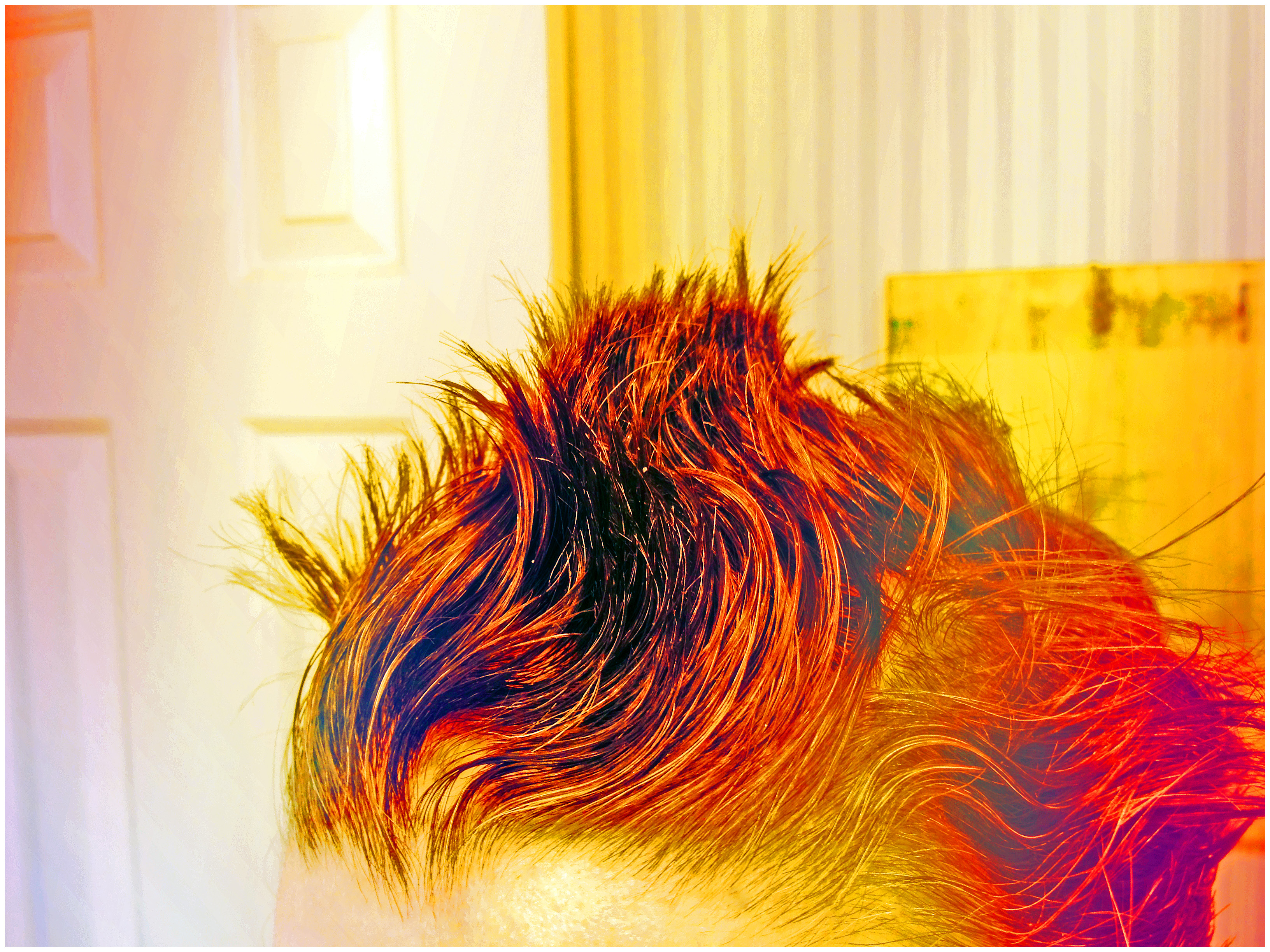
There are times when Chronic Illness can get the better of you. I had such a week resulting in shaving my hair off. I’m no GI Jane but do have a nice head minus the scars from brain surgery.

For the past 13 years, I’ve been a caregiver to my grandparents and spent time in Psychic Hospital twice for ECT treatments. Finding an answer to my heart problem took three years, two cardiologists, and a trip to The Mayo Clinic I had a diagnosis in four days.

The search for ?? (Lyme Diseases) started in 2012 and the diagnosis in 2014. It took two attempts to find a competent doctor and tons of frustration. I’m not driving, my cognitive abilities like balance and memory were taken by Lyme.

Last week I discovered a total knee replacement is required and scheduled for 11/14/17. All the falls from Lyme blew out my right knee.

                                                                                            Wild Crazy Hair

I’m not one to have a pity party but the weight on my shoulders became too much. I gave my husband many reasons why I shaved my head, the truth is CONTROL. I have four chronic illnesses and have to manage my health every day and every day can be different. There are many days I don’t have the strength to bathe, on those days I use medical-grade body wipes.

I’m 54, my mental illness is close to balanced, was looking forward to driving after several years, and most importantly I want to know who I am.

Shaving my head was liberating, a part of the new me came out. I can control some things and have to roll with the punches on others.

Can you imagine coming home from work to find your wife has shaved their head? My husband wasn’t surprised.

Melinda

Celebrate Life · Health and Wellbeing · Men & Womens Health · Moving Forward

Notes To Younger Self

Until age 40 my life was focused on work, making more money, and having nice designer goodies. My granny had a major stroke in 2004 and by 2005 I was helping my gramps take care of her. Being in their house brought me back to what was important, having a roof over your head, food on the table, and love. I had lost touch when the promotions and money started coming in.

I would tell my younger self to define my life by setting goals, working harder than others, and most importantly don’t forget to create a life that includes what in life is most important to you. Money is great, it buys things but having more things will not make you truly happy in life.

Melinda

Celebrate Life · Health and Wellbeing · Men & Womens Health · Moving Forward

Notes To Younger Self

I didn’t tell my grandparents about the abuse from my Mother and Step-Father until forced by my school at 12 years old. Looking back, why didn’t I tell my grandparents earlier? I knew I could trust them.

I would say to my 12-year-old self, life will get messy at times, and leaning on those who love us will help us thru the pain.

Melinda

Celebrate Life · Health and Wellbeing · Men & Womens Health · Mental Health · Moving Forward

Book Review for Own Your Awkward by Michelle Morgan

I want to give a special thanks to Sean McLeod, Assistant Commissioning Editor with Trigger Publishing for sending the book Own Your Awkward by Michelle Morgan. I took a glance and it looks like a great read. 

About the Arthur

Michelle Morgan is a leading voice in mental health and a proud Ambassador for Mental Health First Aid England. In 2016 Michelle experienced burnout, anxiety and depression. She views her mental health challenges as both a burden and a blessing; from a terrible time, good things came. Michelle is an Mindfulness-Based Cognitive Therapy (MBCT) Instructor, an international speaker and corporate trainer (clients include Facebook, HSBC, Pukka Herbs, The Prime Minister’s Office, Red Bull and Good Energy). She is also the Founder of Pjoys – PJs with Purpose, and Co-founder of Livity, a creative business that works with brands and the next generation to “build the future better”. Her work has been widely lauded: she is the recipient of the Queen’s Award for Enterprise and EY Entrepreneur of the Year Award, and has been invited to join the Society of Leadership Fellows at St George’s House, Windsor Castle.She lives in London with her husband, artist Remi Rough, their daughter Lili and dog Teddy. Connect with her at http://www.michellemorgan.uk and http://www.ownyourawkward.com. Find her on Instagram @michellemorgan.uk and on Twitter @michellemorgan

Blurb

A hugely practical and inspiring self-help guide, Own Your Awkward will help you handle those awkward conversations around mental health. Michelle Morgan blends research and personal experience to help you tackle those topics, whether in the workplace or with family and friends. Let’s be honest – it can be really awkward talking about our mental health! Whether you’re offering someone support or looking for ways to help yourself, these conversations can feel difficult, embarrassing and complex. In Own Your Awkward Michelle Morgan, Mental Health First Aid Ambassador, trainer and speaker explores why we feel awkward and shows us how to talk more openly about our mental health – and how we really can embrace our awkward. Through her own story of burnout, clinical depression and anxiety, combined with the lived experience of others, Michelle explains how you can transform those tricky moments into your power using four key cornerstones – confidence, capability, communication and compassion, to help reframe your story. You’ll learn how to start those all-important conversations, with clear steps and practical advice. It’s time to get comfortable with feeling uncomfortable, love your awkward and have better and braver conversations about mental health.

My Thoughts

There are self-help books that sound like a repeat of what you’ve read and there are self-help books that have quality content you can apply right away. Own Your Awkward is one of those self-help books that you keep on your bookshelf to read again or to share with others.

If you struggle to talk about mental health, like so many of us do, Michelle’s book will coach you on how to handle awkward conversations with the people in your life. Her professional achievements and her own mental health challenges make her the perfect person to write this book. 

I highly recommend Own Your Awkward for anyone who needs support for themselves or to help others. This book is one for the whole family to read as it aligns everyone’s knowledge and will continue to help as each becomes more comfortable talking. 

I could have used the help of Own Your Awkward as I struggled with my mental illness diagnosis at 19 years old. 

Trigger Publishing

TriggerHub.org is the first mental health organization of its kind. We are bringing mental health recovery and balance to millions of people worldwide through the power of our books.

We have built a first-class resource of curated books produced and published in-house to create a unique collection of mental health recovery titles unrivaled in quality and selection. We work with experts, psychologists, doctors, and coaches to produce our books, but we also work with real people looking to share their stories to reach out to others and provide hope, understanding, and compassion. These brave authors also aim to raise awareness of mental health’s “human” face and its impact on everyday lives. 

Melinda

Looking for the Light

Men & Womens Health · Mental Health · Moving Forward

Thursday Thoughts

By Field Guide by Stampington

“I do not have the slightest clue what I’m doing…that’s the adventure…I stopped worrying about it…That’s the beauty.

Melinda

Celebrate Life · Men & Womens Health · Mental Health · Moving Forward

Jewish American Heritage Awareness Month #StopJewishHate

Jewish immigrants built their lives in America the same as European immigrants did, and they were welcome with open arms. They help build communities and expanded their families here. The Jewish immigrants are now residents and their children are born American.

Maybe I’m naive, but I seriously don’t understand why people have a problem with Jewish people or the Jewish Religion.

Unless the Religion is a terrorist group, a cult, or involved in illegal activity, we can not condemn a Religion because we don’t understand or agree with it. Who are we to judge?

About Jewish American Heritage Awareness Month

This month is a chance for Americans of every faith to appreciate the contributions of the Jewish people throughout our history –- often in the face of unspeakable discrimination and adversity. For hundreds of years, Jewish Americans have fought heroically in battle and inspired us to pursue peace. They’ve built our cities, cured our sick. They’ve paved the way in the sciences and the law, in our politics and in the arts. They remain our leaders, our teachers, our neighbors and our friends. Not bad for a band of believers who have been tested from the moment that they came together and professed their faith. The Jewish people have always persevered. And that’s why today is about celebrating the people in this room, the thousands who came before, the generations who will shape the future of our country and the future of the world.[13]

Let’s not forget the horrific trauma the Jewish families endured during the Holocaust, there is no way I know their pain but no doubt I pray to never see such carnage.

If someone can tell me what all the Jewish hate is about I would appreciate it.

Melinda

Reference:

https://en.wikipedia.org/wiki/Jewish_American_Heritage_Month

Celebrate Life · Health and Wellbeing · Men & Womens Health · Mental Health · Moving Forward · Survivor

I’m Talking with Amy Gamble-Olympian, Speaker & Mental Health Advocate

I have the pleasure of talking with Amy Gamble today about her struggle with the highs and lows of mental illness. I’m proud to call her a friend and she is a true inspiration. I’ve had my own difficult journey with Bipolar Disorder and when I tell you it’s a miracle Amy came out alive, it’s 100% true. Not only did Amy survive, but she also took charge of her life and went on to write her first book Bipolar Disorder, My Biggest Competitor: An Olympian’s Journey with Mental Illness.

Background on Amy*

Gamble tells how the illness also affects her mother, pitched her head first into a nightmare of highs and lows. While it robbed her of her dreams of playing Division 1 ball, it also helped vault her to the U.S. Olympic handball team, leading her to travel the world and compete at the 1988 Seoul Olympics. She was a top performer in sales for Merck, the pharmaceutical giant, but ironically her untreated illness plunged her to the bottom rungs of society. She became stuck in a revolving door of mental hospitals, doctors’ offices and even jails across the U.S., discovering deep-rooted deficiencies in the systems that are supposed to help the country’s most vulnerable citizens.

At the scariest point, she found herself wandering aimlessly at night in a snow-covered mountain forest on the Montana/Idaho border with only moccasins on her feet and a sweatshirt to keep her warm. She was hopelessly lost, freezing and not in her right mind. *


Thank you, Amy, for talking with me today. I learned more about Amy from the AP overview, so I’ll start there. 

What positives came out of being in a Psychiatric Hospital?

My last psychiatric hospitalization was 12 years ago. It was a hospital far away from my hometown, but the care I received was excellent. I was put on a regiment of medications that got me started on the right track and helped immensely in my recovery journey. The staff members at the hospital were encouraging and really believed in recovery. Overall, it was a really positive experience for me.

Did your mental illness impact your Olympic dream?

I made the 1988 Olympic Team in Team Handball. While I struggled at times with depression, I was able to overcome my challenges and become an Olympian. 

You have a successful career as  Mental Health Advocate and Speaker, how did your Speaking career start.

I began speaking to groups through a local NAMI chapter. My third talk was an interview at a large church with an audience of 300 people. Once I started speaking I began to attend a Toastmasters group and was coached and encouraged by members of the toastmaster group. From 2015 – 2023, I’ve given over 250 talks and mental health trainings reaching over 15,000 people.

You have a passion for advocating for Mental Illness, what organizations do you belong to?

I’m a local NAMI member and I support DBSA (Depression Bipolar Support Alliance)

How did you keep motivated while working your first jobs after the crash?

I felt like working would give me a sense of purpose, a reason to get out of bed in the morning. I looked forward to going to my jobs, even if sometimes I had a little struggle in getting there. Maybe I’d have a rough day or just felt tired. But it didn’t matter because I was driven to get better and work helped me to do that.

Do you have any words of wisdom on life with a mental illness?

Be a student of your mental illness. Learn everything you can learn on how the illness affects you, what are the common symptoms and how can I alleviate most of my symptoms. Make sure you’re getting better or improving under the care of mental health care professionals, whether that’s a psychiatrist or therapist, or both. 

Why did you stop blogging for 2 years?

I took a break from social media. I took time out to reflect and work on some other things.

What are your hobbies and what type of books/magazines do you read for fun?

My number one hobby is reading. I love to read! I’m currently reading “Atlas of the Heart,” by Brene Brown. I’ve also recently finished reading “Wild,” by Cheryl Strayed. Usually, I have two or three books I’m reading at the same time. 

I also enjoy exercising, though I’m not always on schedule. I’ve really tried to get into a good habit since April of this year. So far, so good.

I know you are writing a new book about your PTSD, without giving too much information, what can you share with us. 

I’m so excited about my new book. The book is really about resilience, as illustrated by how the impact of past traumas (primarily sexual assault) interrupted my life and caused symptoms of PTSD, even though the traumatic events had occurred decades prior. I talk about the collision course between bipolar disorder and PTSD and how my past traumas were overlooked by many mental health care professionals until they couldn’t be overlooked anymore. My number one goal is to give a voice to a woman who may not have had one.

Listen to a great interview with Amy by NAMI


Please follow Amy at Shedding A Light On Mental Illness and be sure to tell her I said Hello!

Amy’s second book covers her PTSD and more of her journey not shared in the first book. Here are a few questions Amy answers with her second book. 

How she got down from the mountain? 

What happened next?

How did She end up in jail? More than once?

I hope this post inspires, encourages you to keep going, or gives you information to help others with Mental Health challenges. 

Thank you, Amy, for your insight.

Melinda

References:

AP News

Health and Wellbeing · Men & Womens Health · Mental Health · Moving Forward

The Organizations That Can Help Page Has Been Updated

I’ve updated several categories on the Organizations That Can Help page with the most changes to Elder Care and Sexual Assault support. I’m including the Elder Care and Sexual Assault categories in the post and encourage you to check out the page if you haven’t been in a while.

Elder Care

Women & Men’s Domestic Violence/Sexual Assault

If Assaulted call 911, go to the closest Police Station or Emergency Room

image

Joyful Heart Foundation    

RAINN.org  has provided support to the National Assault Hotline since 1994 Many other services are provided and available in English & Spanish

National Domestic Hotline Resources/Support  24/7  1-800-799-7233   Live Chat Daily from 7am-2am Central Standard Time  1-800-787-3224

1 in 6   Supports Male Survivors of Sexual Assault as a Child or an Adult  

No More

Helping Survivors

If you know of other resources for these or any page please let me know. More support available could change someone’s life.

Melinda

Celebrate Life · Health and Wellbeing · Men & Womens Health · Mental Health · Moving Forward

Book Review for The Compulsion Cloud by Averi Ridge Castaneda

 I want to thank Editor Andrea Marchiano from Trigger Publishing for sending me The Compulsion Cloud to review. Mental Health books written for children teach by writing at a level they understand and will help you start a conversation on the subject. 

Blurb

Holly’s story starts with a cloud – and it’s not a fluffy, white one you’d see on a sunny day. Instead, it’s a scary, dark cloud that looms over her and makes anxiety-provoking demands, which, if disobeyed, could cause bad things to happen to her loved ones. but fortunately for Holly, she is seeing a therapist who has a plan to help her get rid of this bullying cloud, once and for all.

You may have guessed that Holly’s cloud is a manifestation of obsessive-compulsive disorder (OCD), and her therapist aims to treat it with Exposure and Response Prevention Therapy (ERP). These terms can be confusing for children having their first OCD symptoms, so The Compulsion Cloud – written by social worker Averi Ridge Castaneda – introduces both concepts in a kid-friendly manner. Ultimately, this story provides a blueprint for recovery, which shows young readers that standing up to their compulsion clouds will bring them back to the light.

My Thoughts

Holly is a young girl who is experiencing obsessive-compulsive disorder (OCD) that comes over her in the form of a dark cloud. She’s exhausted and anxious, her mind is always going. She’s afraid if she doesn’t do what the cloud tells her to do her family may get hurt. 

Holly met with Anna a therapist to help her understand the disorder and how to break the chains that bind her. Anna makes Holly feel comfortable enough to share her story. She explains all the tasks the cloud has her do and how it makes her feel. Like tap her fingers three times, wash her hands three times and the list of commands goes on. 

Anna introduces her to Exposure and Response Prevention Therapy which is a proven therapy for OCD. She tells Holly to do the opposite of what the cloud tells her to do in order to take control back. It takes baby steps but with time the cloud would go away for good. She sent Holly home with some tools to help her. 

Holly feels conflicted once home when the cloud arrives but she remembers the tools that Anna introduced her to. With practice comes confidence and Holly went on to live a full life with friends and family. 

Obsessive Compulsive Disorder is widespread and requires treatment to break its hold. I would recommend this to parents and grandparents so they can better understand what is happening and the importance of treatment. Another reason it’s good for grandparents to read is they may have a shake-it-off philosophy. The Compulsion Cloud shares real-life experiences that all can learn from. 

Trigger Publishing

TriggerHub.org is the first mental health organization of its kind. We are bringing mental health recovery and balance to millions of people worldwide through the power of our books.

We have built a first-class resource of curated books produced and published in-house to create a unique collection of mental health recovery titles unrivaled in quality and selection. We work with experts, psychologists, doctors, and coaches to produce our books, but we also work with real people looking to share their stories to reach out to others and provide hope, understanding, and compassion. These brave authors also aim to raise awareness of mental health’s “human” face and its impact on everyday lives. 

Melinda

Looking for the Light

Celebrate Life · Health and Wellbeing · Men & Womens Health · Mental Health · Moving Forward

Book Review for The Marvelous Magical Door by Leo Perry

 I want to thank Editor Andrea Marchiano from Trigger Publishing for sending me The Marvelous Magical Door to review. Mental Health books written for children teach by writing in a level they understand and will help you start a conversation on the subject. 

About the Author

Leo is a graduate of the University of Massachusetts and has been working in community mental health. He and his wife, Deborah along with their vizsla dog, Scout live on Cape Cod in Massachusetts. They love spending family time with their children and grandson.

Blurb

Sally’s story starts like many children’s do these days: Her mind has started to swirl with negative thoughts, which stop her from sleeping, enjoying her favorite activities or even spending time with her friends. But luckily for Sally, her parents have a plan to make her feel safe and secure once again. All she has to do is step through a marvellous, magical door.

The Marvellous, Magical Door delicately deals with the anxiety and pressure that today’s kids feel. Even if you can’t build your children a magical door of their own, you can use the self-care tips shared in this book to make them feel better – and help them get back to being carefree kids again

My Thoughts

As a parent, you can see the bumps and bruises but not what is spinning in your child’s mind. Young Sally experiences anxiety from the scary images seen at night, loud noises, and even overhearing the evening news. 

Growing concerned, her parents look for ways to calm her fears. A great idea is born and they build a magical door for Sally, a door to walk thru that will melt her anxiety away. When Sally opens the door, her mood is lifted by the positive energy surrounding her and the anxious feelings disappear.

In addition to the storyline, the self-care tips help your child to face the world confidently.

I would recommend The Marvellous Magical Door to parents and grandparents alike. The story will build on the foundation of your child’s mental health by getting the conversation started. 

Trigger Publishing

TriggerHub.org is the first mental health organization of its kind. We are bringing mental health recovery and balance to millions of people worldwide through the power of our books.

We have built a first-class resource of curated books produced and published in-house to create a unique collection of mental health recovery titles unrivaled in quality and selection. We work with experts, psychologists, doctors, and coaches to produce our books, but we also work with real people looking to share their stories to reach out to others and provide hope, understanding, and compassion. These brave authors also aim to raise awareness of mental health’s “human” face and its impact on everyday lives. 

Melinda

Looking for the Light

Health and Wellbeing · Men & Womens Health · Mental Health · Moving Forward

What You Need To Understand About Getting A Divorce

With around half of all marriages ending in divorce, it is an experience that will, unfortunately, befall many of us at some point in our lives. If you think you might be heading towards a divorce yourself, or you know for certain that it is about to happen, then you will obviously benefit from being as prepared as possible for it. A necessary part of that will be understanding how divorce works. In this post, we are going to look at a few of the main things you might need to understand about getting a divorce to help you through the process.

Photo by Alex Green on Pexels.com

The Process Can Be Lengthy

One thing that it’s good to know straight up is that divorces can take quite a while. Regardless of the specifics of the situation, it can be months before it’s finalized, and throughout that whole time, you are going to be living in a precarious place of not knowing what your future will really look like. So you need to make sure that you are aware of that and ready for it, so you are not too shocked when you are going through it yourself. That alone will help a great deal as well as anything else.

You Need Legal Representation

To go through a divorce, you really do need legal representation. This is important for a number of reasons. First of all, without a lawyer by your side, you probably won’t even be able to get the ball rolling. An attorney is a central part of how you start the divorce process, as well as someone that you need to have by your side throughout the entire process. They will ensure you are well represented and your needs are met, and you are going to find everything a lot less stressful and worrying with their help by your side.

Mediation Can Help

If you have a family and you want to make sure that the kids are affected only minimally, then family mediation can be enormously helpful. This is the kind of thing that can make the entire process so much easier and less stressful, and it really is amazing what a difference it makes. Your kids might have a better sense of what is going on, and that alone is a big part of them feeling better about everything. So seek out some good mediation as soon as possible – you will be glad you did.

There is no doubt that a divorce can be one of the messiest experiences you ever go through. Even when both parties have the best intentions in the world, emotions can get high and it can cause a lot of upset. So you need to make sure that you are as emotionally prepared for this up-and-down process as you can possibly be. As long as you know that it might be a messy process, you are already some way towards being able to deal with it a lot more effectively and easily.

This is a collaborative post.

Melinda