I wrote You Know It’s Crazy When about discovering a plant I had nursed for a couple of years was actually an artificial plant. Well, it’s alive! I stopped watering for a couple of weeks, and the leaves started turning yellow and falling off. I’m completely stumped at this point. I started watering again and decided to replant; surely, it was root-bound. Not so fast, when I removed the plant it had a small root ball and two dead pieces of roots below.
I have no idea why it was not growing. From live plant to artificial plant and back to live plant, it can’t make up its mind.
Self-care is a reliable path to ensure a clean bill of health. Unfortunately, few people make time to commit to self-care routines. It may not entirely be their fault, especially as people juggle several responsibilities simultaneously. However, those who commit to the routine spend an average of forty-two minutes weekly to attend to themselves. It may not sound good enough, but it’s better than nothing. Fortunately, if you find yourself looking for ways to establish a self-care routine, here are things to consider.
People attend to their self-care routines in different ways. For this reason, what may suit one person may not be a perfect fit for others. Usually, the tricky part is starting with the routine and following through with it. However, things can move along smoothly when you get the hang of it. This is why it is important to first identify what makes you feel centered. In all instances, it would be helpful if the things which make you feel centered are positive reinforcements.
On the other hand, if you have trouble with these habits, it can be beneficial to visit https://www.sunshinebehavioralhealth.com/texas/del-rio, which specializes in helping individuals deal with behavioral issues. Once you determine these things, you can establish a routine you can stick to without bailing out. Remember that your efforts in creating a self-care routine should feel comfortable for you. That way, you always look forward to it instead of attempting to find excuses for why you don’t want to.
Make time for the routine
One significant reason people fail to maintain their self-care routines is the inability to set specific times for it. It wouldn’t be wrong to say that scheduling plays a significant role in the success of a self-care routine. Setting a time for it also indicates your discipline to the task at hand. Once you understand this fundamental, it becomes easier to run with it.
Set goals
What is the purpose of a long-term activity without a goal? It is the prize you set your eyes on as you work tirelessly towards it. It is the same when creating a self-care routine. In this instance, your goal is to have your physical, mental, and emotional well-being working in harmony. These three elements form the foundation for a perfect balance in your body. Therefore, your goal can be to live a life devoid of avoidable ill health, and that is possible, all things being equal.
Remain positive-minded
Staying positive-minded relies heavily on being mentally and emotionally optimistic. In other words, even though you acknowledge the presence of negatives, you deliberately choose to focus only on the positive things in life. Indeed, there is truth in the saying that your thoughts can define your well-being. It would help to keep in mind that your level of positive-mindedness can directly influence the outcome of your self-care routines.
To conclude, there are many benefits to establishing a self-care routine. Apart from the obvious positive impact on your health, it can boost your confidence and self-worth.
Invisible disabilities are physical, mental, or neurological conditions that are not immediately apparent to others. Despite being “invisible,” these conditions can significantly impact a person’s life and require special accommodations and ongoing support.
Unlike conditions that other people can see, such as those requiring the use of a wheelchair, invisible disabilities often go unnoticed, leading to misconceptions about a person’s needs.
Examples of common invisible disabilities
Dysautonomia, also known as autonomic dysfunction, refers to a condition in which the autonomic nervous system (ANS) does not function properly. The ANS controls many crucial bodily functions, such as heart rate, blood pressure, digestion, temperature regulation, and respiratory rate. When the ANS is impaired, these processes can become dysregulated, leading to a wide range of symptoms.
Post-exertional malaise (PEM) where even minor physical or mental exertion can result in severe symptom exacerbation, often lasting days or weeks.
Chronic fatigue syndrome (CFS): Fatigue lasting six months or more, and PEM
POTS (Postural Orthostatic Tachycardia Syndrome) is a condition characterized by a significant increase in heart rate when a person stands up from a lying down position. It is a form of dysautonomia. People with POTS experience an abnormal response when they move to an upright position, leading to symptoms that can be disabling.
Myalgic Encephalomyelitis (ME): Causes widespread neuro-immune related symptoms including: neuroinflammation, immune dysfunction, muscle pain, headaches, cognitive dysfunction (often described as “brain fog”), dysautonomia, PEM, CFS and POTS.
Patients with Lyme and tick-borne disease are often left with persistent symptoms following treatment. In MyLymeData, now with over 18,000 participants, the three most frequently reported worst symptoms include neurological-associated symptoms (84%), fatigue (62%), and musculoskeletal-associated symptoms (57%).
For years, ILADS conferences have been the only place I heard clinicians and researchers expressing an understanding and a desire to help patients with complex, infection-associated chronic conditions (IACC).
Last week, I watched the final meeting of the CDC/HHS funded “Infection-Associated Chronic Conditions – Understanding and Engagement” (ICUE) project. During that meeting, LymeDisease.org’s Lorraine Johnson, represented and gave voice to the millions of patients living with chronic symptoms following infection with Lyme and/or other tick-borne diseases. (Read her summary of that meeting here)
With all the new collaborations coming out of the National Academies of Science, Engineering and Medicine (NASEM) workshop on “Lyme infection-associated chronic illness or “Lyme IACC,” I have high hopes for continued progress—not just for patients with chronic Lyme and co-infections, but so many other marginalized illnesses like long-COVID, ME/CFS, and dysautonomia.
For everyone out there suffering from an invisible illness: I just want to say that I see you, I hear you, and I believe you.
LymeSci is written by Lonnie Marcum, a physical therapist and mother of a daughter with Lyme. She served two terms on a subcommittee of the federal Tick-Borne Disease Working Group. Follow her on Twitter: @LonnieRhea Email her at: lmarcum@lymedisease.org.
Men, women, and people of all gender identities may experience depression at some point in their lives. Depression is a serious condition that affects how a person thinks, feels, and acts.
According to the Centers for Disease Control and Prevention (CDC), women seem to experience depression at a higher rate than men. However, it’s thought that men may be underrepresented in these numbers.
This may be due to mix of social and biological factors that make it more challenging to notice and diagnose depression in men. They may also feel culturally pressured to act “manly” by hiding their emotions.
Because of this, it’s more common for men to have depression with symptoms that are different and sometimes harder to identify.
If you think that you or someone you love may be struggling with depression, read on to learn about the signs and symptoms that men may experience and what you can do next.
Men with depression may first notice its physical effects. While depression is thought of as a mental health disorder, it can also manifest in the body.
Many men are more likely to visit their doctors for physical issues than for emotional issues.
Some common physical signs of depression in men include:
When most people hear the word “depression,” they think of a person who seems very sad. However, sadness is just one of many possible emotions depression can cause.
In addition to sadness, men may experience the following emotional symptoms of depression:
agitation
aggression
anger
emotional withdrawal from friends, family, and colleagues
hopelessness
lack of interest in family, community, hobbies, and work
The mental, physical, and emotional symptoms of depression in men can also affect behavior. Because some men resist discussing their emotions, it’s often their behavioral symptoms of depression that are most apparent to others.
In men, the behavioral symptoms of depression most commonly include:
difficulty meeting work, family, and other personal responsibilities
drug misuse
drinking alcohol in excess
engaging in risky activities, such as driving recklessly or having unprotected sex
While discussions around mental health seem to be expanding in reach and compassion, there’s still some cultural and social stigma around depression— particularly among men.
Generally, men are socialized by society to hold in their emotions, though we know doing so isn’t healthy. In their efforts to maintain these social norms, many men may be compromising their emotional, physical, and mental well-being.
In addition, many men are never taught to recognize the less typical signs of depression that they’re more likely than others to experience.
Some men never seek help for their depression because they never recognize the signs. On the other hand, some men who do recognize the signs may struggle to discuss their experience because they fear the judgment of others.
As a result, when many men experience the signs of depression, they begin to work long hours or otherwise fill their time to stay busy, instead of addressing the depression itself.
Diagnosing depression and seeking treatment can help save lives. Suicide rates are high among men, especially those who have served or currently serve in the military. Additionally, men are three to four times more likely than women to complete suicide.
In continuing to open up the conversation, we can help men with depression recognize the signs. By seeking treatment, men with depression can live their fullest possible lives.
Depression is most often treated with talk therapy, medications, or both of these things together. A healthcare professional can help create a personalized treatment plan that works best for you.
Many men begin treatment for moderate cases of depression by scheduling an appointment with a talk therapist (psychotherapist). From there, the therapist might suggest specific types of care, such as:
However, for more severe cases, medication might be prescribed right away to help alleviate some of the physical, mental, emotional, and behavioral symptoms of depression. This may be the case for someone with suicidal thoughts or who has attempted suicide.
Be aware that these medications often take several weeks to months or begin making a noticeable difference in the way you feel. Be patient and stick closely to the treatment plan.
When to seek help
If you’re experiencing one or more of the above symptoms of depression to the point that it interferes with your daily life, consider scheduling an appointment to meet with a mental health counselor.
Most insurance plans provide coverage for such counseling, and receiving care is discreet and confidential.
If you’re experiencing suicidal thoughts, plan to attempt, or have attempted suicide, call the National Suicide Prevention Lifeline at 800-273-8255, or dial 911.
While recent conversations around mental health have become more candid and inclusive, many men still find it difficult to talk about their emotions in a society that upholds traditional views about men.
It can also be challenging to identify the symptoms of depression in men, which are influenced by those same social factors as well as male biology.
By sharing knowledge about the symptoms of depression in men, we can help clear a pathway toward better, more inclusive mental healthcare.
With talk therapy, medication, or a combination of these two things, depression becomes a much more manageable part of the human experience.
Loneliness is more prevalent than ever — especially for people with chronic or invisible illnesses. Even when it feels difficult or impossible, here’s how you can stay socially connected.
If you live with a chronic illness, you likely know that loneliness is often an unexpected side effect. A chronic illness is a long lasting or permanent condition that requires ongoing medical treatment or limits activities of daily living. Examples include Crohn’s disease, endometriosis, fibromyalgia, and many other conditions.
And when your days are filled with attending doctor’s appointments, feeling too crummy to socialize, and constantly explaining your condition when you do make it out, it’s really no surprise that loneliness and chronic illness go hand in hand.
But now, this problem is becoming more prevalent than ever. The United States Surgeon General released an advisory in May 2023 calling attention to “the public health crisis of loneliness, isolation, and lack of connection in our country.”
If you’re living with a chronic illness, it can be helpful to create your own strategy for staying connected with others and preventing loneliness as much as possible. Take a look at why this is so important, as well as some accessible ideas to try.
The relationship between loneliness and chronic illness
People who live with chronic illness often feel the impact of isolation more than those without a chronic condition. Illness-related factors that can contribute to loneliness include:
being unable to socialize due to symptoms, fatigue, or pain
losing friends as a result of your illness
missing out on school, work, and hobbies
feeling as if nobody understands your condition and your lifestyle
managing a schedule crowded with medical appointments or hospitalizations
If your illness is mostly or entirely invisible, this can lead to even more feelings of isolation as you try to explain what’s going on in your body. And since the onset of the COVID-19 pandemic, many people with chronic illnesses have found that their loneliness has gotten even worse as they have continued to be conscientious about keeping their already-fragile bodies safe.
Even when you’re feeling relatively well, it can be hard to socialize. Chronic illness is often unpredictable, and our society isn’t set up to accommodate it. Fear of stigma or ableism might keep you at home. Or you may find that every ounce of your limited energy goes into school or work, with nothing left over for a social life.
Consequences of loneliness
Long-term loneliness can be a serious issue. The report from the Surgeon General stated that for older adults especially, the physical health consequences of a lack of connection include:
29% increased risk of heart disease
32% increased risk of stroke
50% increased risk of developing dementia
A lack of social connection also increases the risk of premature death by more than 60%. And loneliness and isolation increase the risk of mental health conditions such as depression, creating a vicious cycle.
Tips on preventing loneliness with a chronic illness
When symptoms and appointments dictate your life, it can feel nearly impossible to increase your social connection. But doing so is crucial for your mental and emotional health. Here are a few accessible ideas to try.
Start small
If the thought of ramping up your social life feels overwhelming, it’s OK to start small and take off the pressure, thinking in terms of acquaintances instead of best friends. Even “micro-interactions,” such as waving at your mailman or thanking a cashier, can give you a boost of connection.
Send someone a message on social media instead of passively scrolling, or go to a coffee shop on your next low-symptom day so you can be around people even if you aren’t directly speaking with them. These simple actions can have a bigger impact than you might think.
Find a community
Connecting with people who also live with chronic illness can stave off loneliness by reminding you that you aren’t the only one. Look for a support group run by a hospital or nonprofit — your doctor may have ideas. Or search online for a community similar to Bezzy. You’ll find countless social media groups, forums, and Zoom events created for people who live with certain conditions or chronic illness in general (including those who don’t have a diagnosis).
As you spend time with people who have similar experiences, it will become easier to articulate and explain your condition to people who aren’t sick.
Adopt a pet
Animals can help reduce stress and loneliness, and pet ownership is associated with lower levels of social isolation in adults. A pet is great company and can help you feel loved and needed.
If you can, consider adopting a pet. If you can’t put a lot of effort into caring for a pet due to your physical symptoms, look into a low-maintenance pet such as an adult cat. Or see if you can do any of the following from time to time:
care for or visit a friend’s or neighbor’s pet
visit a cat cafe
volunteer for low-energy tasks at a local humane society
visit a dog show, dock diving competition, or other pet-related event
Find a therapist
A therapist, counselor, or other mental health professional can help you navigate the mental and emotional side of chronic illness, including thoughts like “My illness makes me unworthy of friendship” and “Connection isn’t worth it.”
Look for a therapist who specifically focuses on clients with chronic illness. Ask your doctor for suggestions or search online. If you cannot pay for therapy, look into sliding-scale options or services offered by a nonprofit or community center.
Stay in touch
Remember, your social connections don’t always have to be big. If you can make it out for a night on the town, great! But if not, make sure you’re still doing something to stay in touch with the people you love.
Use email, social media platforms, phone calls, texting, or whatever communication method works for you. Planning video calls ahead of time might work best for one chronically ill person’s symptoms and schedule, while answering text messages on their own time could be better for somebody else.
Think about the options that are most accessible to you, and tell your family and friends that you want to intentionally catch up with them on a regular basis. Connecting with others as best you can will help you feel less isolated, even during flare-ups.
The bottom line
People are important. We need each other. We can’t live without each other. And even when it feels difficult or impossible, fighting for social connection is worth it.
Use these ideas to work around your chronic illness as you prioritize connection over isolation. Your body and mind will thank you.
I always wanted everything my Gramps had, so when I was still in the bottle, he put a small amount of coffee in it. I slurped with joy and still do.
In high school, I was not interested in being popular or joining a sorority but somehow, I got talked into rushing for a sorority. During rush week we had to go a week without washing our hair. It nearly killed me, but one night we all spent the night at the so-called leader’s house and it was the last straw for me. They spent the night talking about their boyfriends, drinking, sex, and how they were popular at school. I couldn’t care less and left and turned the page on that experience.
I was naive in high school, thinking the cheerleaders were all goody-two-shoes and virgins. Not so much! One night while hanging out at the library, our hang spot, a cheerleader I only knew from class asked me if I would drive her around to smoke a joint. SURE! I hadn’t smoked a joint in years. We parked not far from the library and stoked away, the whole time she talked about how all her boyfriend wanted was sex. Sex and smoking a joint, wow my eyes were opened.
The high school football quarterback wouldn’t even speak to me, I was friends with almost everyone but not him. He was above mere mortals. At the 20-year high school reunion, I looked very different than in high school and all he wanted to do was dance and get me to leave with him. It was funny. I was there with my future husband. Men tend to think with the wrong head.
I’m keeping this post short since the other topics were too heavy for this one. You can look forward to topics like agoraphobia, dementia, driving my husband’s truck the size of an aircraft carrier, and forgetting how to drive.
Social anxiety disorder — previously known as social phobia — is an anxiety disorder in which you experience persistent fear of social or performance situations, according to the National Institute of Mental Health (NIMH). (1) People who have social anxiety disorder worry that they will behave in a way that will be embarrassing and humiliating and that they will be judged by others, particularly people they do not know well.
Suma Chand, PhD, director of the cognitive behavior therapy program in the department of psychiatry and behavioral neuroscience at St. Louis University School of Medicine in Missouri, says people who have social anxiety often feel they need to behave perfectly in social situations because they tend to imagine that others are superior to them and critical of them. They also have a longing for acceptance, but their fear of others’ judgment can keep them from finding it.
Social anxiety disorder consists of much more than the shyness or nervousness that many people feel in common social situations, such as going on a first date or giving a presentation (“stage fright”).
The condition can interfere with daily activities and even cause people to completely avoid social interactions, even though they often realize their anxiety is irrational. “I have often had my clients tell me how they are exhausted by social situations,” says Dr. Chand.
“This is because when they look back at these events, they see how their need to be perfect in social situations has caused them to experience high levels of anxiety before and during social situations,” she explains. “As a result, they often avoid many social situations — even though they feel bad about doing so.”
But, adds Chand, those with the disorder can learn to change the distortions in their thinking that lead to avoidance.
Signs and Symptoms of Social Anxiety Disorder
People who have social anxiety disorder tend to feel very anxious and self-conscious in common social situations. (2) Their fear that they will be judged by others can have a negative effect on school, work, and other daily activities, and can make it difficult for them to develop and sustain friendships.
When you have social anxiety disorder, common social fears include:
Attending parties and other social occasions
Eating, drinking, and writing in public
Meeting new people
Speaking in public
Using public restrooms
The anxiety of social anxiety disorder can also cause physical symptoms such as: (3,4)
Blushing
Profuse sweating
Nausea
Difficulty talking
Trembling
Rapid heart rate
Trouble catching your breath
Dizziness or lightheadedness
Muscle tension
According to the NIMH, when having to perform or be around other people, people who have social anxiety disorder tend to: (5)
Feel their “mind going blank”
Have a rigid body posture, make little eye contact, or speak with a very soft voice
Find it scary and challenging to be with other people, particularly strangers, and have a difficult time talking to them even though they want to communicate
Avoid places where there are other people
Signs and symptoms of social anxiety disorder can also include: (4)
Avoiding situations where you might be the center of attention
Having anxiety leading up to a feared activity or event
Spending time after a social situation reviewing your performance and finding flaws
Expecting the worst possible consequences from a negative social experience
Difficulty starting conversations, dating, entering a room in which people are already seated, returning items to a store, and other day-to-day experiences
Children may cry, have tantrums, cling to parents, or refuse to speak in social situations
Intense fear and anxiety only about speaking or performing in public (performance type of social anxiety disorder)
Causes and Risk Factors of Social Anxiety Disorder
There may be a genetic component to social anxiety disorder for some people. You’re more likely to develop the disorder if your biological parents or siblings have the condition. (4) However, scientists still don’t understand why some family members have the condition while others don’t. (5)
Research suggests that being raised by parents who engage in negative parental practices, such as being overprotective, overly anxious, or rejecting, may contribute to the development of social anxiety. (2)
Some researchers think misreading other people’s behavior may play a role in causing social anxiety or making it worse. For example, if you think people are staring or frowning at you when they are not. (5)
Underdeveloped social skills may also contribute to social anxiety disorder, although many people with the condition do not have a deficit in their social abilities.
Researchers are also investigating the roles that stress and environmental factors may play in causing social anxiety disorder.
Risk Factors
Several factors can increase your chances of developing social anxiety disorder, including: (4)
Risk Factors
Several factors can increase your chances of developing social anxiety disorder, including: (4)
Negative life experiences Children who are teased, bullied, rejected, ridiculed, or humiliated may be more likely to develop social anxiety disorder. Family conflict, trauma, abuse, or other negative life events may also be linked to the condition.
New social or work demands Meeting new people, giving a speech, or having to make an important presentation at work may trigger social anxiety disorder symptoms.
Having an appearance or condition that attracts attention Facial disfigurement, stuttering, tremors due to Parkinson’s disease, and other conditions can make people feel self-conscious and may trigger social anxiety disorder.
Shy temperament Children who are shy, timid, withdrawn, or restrained when dealing with new situations or people may have an increased risk of developing the disorder. People who have social anxiety disorder commonly say they were extremely shy as children. (However, social anxiety disorder and shyness are not the same thing.) (3)
How Is Social Anxiety Disorder Diagnosed?
To diagnose social anxiety disorder, your doctor may: (4)
Conduct a physical exam to help determine whether any medical condition or medication may be triggering your symptoms
Discuss your symptoms, how frequently they occur, and in what situations
Ask you whether certain situations make you feel anxious
Have you fill out self-report questionnaires about symptoms of social anxiety
Your healthcare provider will determine whether you have the criteria for social anxiety disorder as listed in the Diagnostic and Statistical Manual of Mental Disorders (DSM-5). These include:
Persistent, intense fear or anxiety about specific social situations because you fear you may be judged, embarrassed, or humiliated
Avoiding anxiety-provoking social situations or enduring them with intense fear or anxiety
Excessive anxiety that’s out of proportion to the situation
Anxiety or distress that interferes with your daily life
Fear or anxiety that is not due to a medical condition, medication, or substance abuse
Treatment and Medication Options for Social Anxiety Disorder
Treatment for social anxiety disorder is intended to help you function in your daily life. (2) The two most common types of treatment for social anxiety disorder are psychotherapy (psychological counseling or talk therapy), medications, or both. (4)
Psychotherapy helps most people with social anxiety disorder because it teaches you how to change negative thoughts about yourself. You also learn skills that help you gain confidence in social situations.
Cognitive behavioral therapy (CBT) has the most research support among psychotherapies for anxiety, and it works just as well whether it’s conducted individually or in groups.
In exposure-based cognitive behavioral therapy, you work up to facing the situations you fear most, little by little. This can help you develop the confidence you need to cope with anxiety-provoking social situations. You may also engage in social skills training or role-playing to practice your social skills.
CBT may even create positive changes in the brain. A study from 2017found that when those with social anxiety disorder participated in 10 weeks of CBT group therapy, it led to changes in parts of the brain that process and regulate emotions. (6) The changes were more pronounced when the therapy was most successful.
Breast Cancer Awareness Month is a month that has received a great deal of attention over the years due to the tremendous donations to support new treatment options. That does not mean we should look the other way and think it has enough attention. The success rate of survival has increased but there is still so much to know about Breast Cancer.
NBCF is dedicated to delivering comprehensive, educational information on breast health and healthy living. From understanding the importance of early detection, to knowing how to prepare for a mammogram, NBCF’s online resources and guides aim to empower women and men with useful information. View guides. Click here to learn more about breast self-examination steps.
The Patient Navigator Program is a proactive approach to helping patients overcome the barriers of cost, fear, and misinformation surrounding a disease and its prevention. Find a facility.
Other Resources
In addition to the breast care services that NBCF provides to women in need, the following resources offer financial assistance for breast cancer patients.
The Centers for Disease Control and Prevention (CDC) provides access to breast cancer screening services to underserved women in all 50 states, the District of Columbia, 5 U.S. territories, and 12 tribal organizations.
The American Cancer Society (ACS) provides resource lists for free or low-cost mammograms and financial assitance based on your location. When you go to their website, Cancer.org, look for the “About Us” tab in the top right corner. When you click on that, select your state in the “Where We Help” menu to be directed to a list of local resources.
Breast and Cervical Cancer Treatment Program (BCCTP)
This state program is funded through Medicaid to provide underserved women free healthcare throughout treatment. The program is available in all 50 states. For the application process, contact your local hospital and ask to speak to a nurse or patient navigator regarding the program.
The CFAC is a coalition of organizations that help patients reduce financial barriers during cancer treatment. When you visit their website, select the type of assistance needed and enter your zip code to find resources near your area.
The Mammography Facility Database is updated periodically based on information received from the three FDA-approved accreditation bodies: the American College of Radiology (ACR), and the states of Arkansas and Texas to provide a list of facilities where mammography services are available based on your location.
Breast Cancer needs to be taken seriously by all and it starts with self-exams and reaching out at the first sign of trouble. You also need to keep your doctor aware of your family history because it can play a big role in whether to not you have the DNA makers for Breast Cancer. Always air on the cautious side.
This awareness month is critical for all ages, even the youngest of children can feel depression and even though you may think they should blow it off, it’s not that easy and you can alienate them from talking to you again. Today life is so hard on kids, from an early age they are judged for the way they look, and who their friends are, for any reason because there are so many who don’t know who to communicate with and are haters. Kids also mimic their parents, if your child is having problems, look at your own behavior.
Young girls are fed to believe that these so-called influencers are real perfect-looking people who are pumping the greatest products they have to have. It never crosses their mind that the person is not an influencer, they are made up to look like the girls want to be and they are selling a product they make money on. They don’t get it or don’t want to. They are bullied for being a certain weight or not looking like someone else’s unrealistic standards.
Mix in real life as they get older and a deeper depression may present itself, it could be short-term term or it could be from unresolved issues, one you may not even know about. The key is to get your children the help they need at every step. As they age, professional help may be the answer. Don’t let stigma keep your child from getting the help they need.
As for adults, life can get messy, people can hurt you deeply, someone you trusted can betray you and family can hurt the worst. Some people may be more predisposed to depression whereas others may be situational driven. Adults have their own stigma and don’t seek out help, some men don’t think they need help and some just don’t know where to turn because the answer is not their parents. This is where a therapist comes in, therapy can be short-term just to get over a hump or more long-term because you have many buried issues that need to be addressed.
—
October is recognized as Depression Awareness Month each year. The purpose is to increase understanding, decrease stereotypes, and help educate on how depression and other mental health issues impact people.
Awareness months give people affected by a specific condition a chance to share their stories. The goal is to help increase the overall understanding of depression or other conditions and help overcome stereotypes.
Depression is a common mental health concern in America and throughout the world. Far more than just “feeling sad,” depression negatively impacts how a person feels, thinks, and acts. It can cause disruption to school, work, and personal interests.
Misconceptions and misunderstandings of depression contribute to continuing stigmas about people living with the condition, the reasons it occurs, and their willingness to seek care.
In a 2018 study, researchers conducted a survey to assess the public’s knowledge of depression and the severity of the stigma surrounding it. Key findings included:
30% reported believing a “weak personality” causes depression
58.9% reported believing that pharmaceutical interventions or medications are not an effective treatment
over 70% reported understanding the importance of rest and that a person may appear happier than they actually are when living with depression
Depression can wear you out at the exact time you need all of your strength to fight. Trying to cope is extremely tiring — and it’s often difficult to know when others are suffering. That’s why, during October, we observe National Depression Education & Awareness Month. This important holiday helps teach us about the signs, symptoms, and treatment options for depression. It also lets all of us know that seeking help — either from a counselor, a trusted friend, or your community — is a sign of hope and strength.
Signs of Depression to look for
Feeling sad, hopeless, or empty.
Losing interest in activities that you used to enjoy.
Changes in appetite, weight loss, or weight gain.
Difficulty sleeping or sleeping too much.
Feeling tired and lacking energy.
Difficulty concentrating, making decisions, or remembering things.
Feeling irritable or restless.
Thoughts of death or suicide.
Withdrawing from social activities and isolating themselves from others.
Difficulty performing daily activities and taking care of themselves.
Feeling guilty or worthless.
Changes in behavior, such as increased substance use or reckless behavior.
Unexplained physical symptoms, such as headaches or stomachaches.
This is not an exhaustive list but it’s a good start to start looking for when you or your child it not themselves. It’s sometimes hard to see depression in yourself and you need someone you trust to give you feedback and it can be hard to hear. Work to have an open mind.
I think the timing of Sober October is perfect, it comes right before the holidays and there is plenty of alcohol flowing at that time of year. Being or getting sober is damn hard any time of the year but during the holidays your endurance can get tested. For me to remain sober, I made it known that I had stopped drinking, that didn’t mean that others needed to stop but I wanted it known that this was a commitment to me and it was serious. I stopped drinking close to 20 years ago, went cold turkey, and never attended a meeting and my husband still drinks. Actually, he’s an alcoholic but that’s his choice. I had the strength to do it so quickly because it was affecting the medications for my mental illness and it’s hard to live without stability of the mind.
Don’t convince yourself that you can only have fun while drinking and stand firm that you can hang out with family or friends without drinking. One line to draw is that no one badgers you or says something negative because you’re not drinking. Give them one chance, stop the conversation, and set a boundary. If they can’t respect that, they are not your friend nor do they care about you. Parents and family can be the worst, hold the line clearly and if they break your boundary again don’t be around them. The psychology behind what they are doing quite frankly is disrespecting you.
Alcohol is like a drug, and you become addicted to it, it’s also easy to see alcohol as a comfort that makes the day easier. I get that, I understand that and I know that when you are ready to quit drinking YOU CAN. Seek out all the support you need, just don’t turn to a replacement addiction. Everyone is different and how we move past an addiction is different, don’t compare yourself to others, or buy into that you have to recover a certain way. There is no certain way, you have to make your own, just don’t do it alone.
Life throws all kinds of challenges at us from the loss of loved ones to mental health issues that make us feel like we will never be happy again but you know what? No matter how hard life has been and no matter how challenging it continues to be, you should never give up on finding happiness. Here’s why:
1. New Treatments Are Popping Up Like Apps on Your Phone
Do you know how there’s always a new app for everything these days? Well, the same goes for treatments for depression. If traditional talk therapy and medication aren’t cutting it, don’t worry—science has got your back. Ketamine therapy, for instance, has been making waves as a game-changer for treating depression. Yep, you read that right. The same stuff that was once seen as party drug material is now helping people kick depression to the curb. And that’s just one example—there are new treatments being discovered all the time.
So, the next time you feel like you’ve exhausted all your options, remember: somewhere out there, someone’s cooking up a fresh, innovative approach that just might be your golden ticket to happiness.
2. Happiness Is Not One-Size-Fits-All
Let’s clear something up: happiness isn’t like a pair of skinny jeans that only fit one type of person. It’s more like sweatpants—different for everyone, and much more comfortable. So if what works for one person (say, mindfulness meditation or bubble baths) doesn’t work for you, don’t sweat it. Happiness comes in a million forms, and you just need to find the one that fits you best. Maybe it’s painting your dog’s toenails (no judgment) or starting a new hobby like indoor skydiving. Keep exploring until you stumble upon your happy place.
3. Happiness Is Closer Than You Think (No, Really)
I know, it’s cliché to say “happiness is right around the corner,” but sometimes it really is. It’s just that the corner might be at the end of a path you haven’t tried yet. Whether it’s giving a new therapist a shot, picking up that hobby you dropped in 2014, or even trying something as wild as ketamine therapy, there are countless avenues to happiness you might not have considered. Spoiler alert: happiness might be waiting for you at the next twist or turn.
4. Setbacks Don’t Mean Failure
Look, no one finds happiness on their first try—if they did, we’d all be running around like a bunch of overly enthusiastic puppies. Life has ups and downs, and yeah, sometimes it feels like you’re stuck in the downs. But remember, setbacks are just detours, not dead ends. It’s okay to feel frustrated, to take a break, or even to scream into a pillow (highly recommended, by the way). Just don’t give up on the journey entirely. You’re not finished yet.
5. Because You Deserve It
You’ve probably heard this a million times, but I’m going to say it again: you deserve to be happy. Full stop. It doesn’t matter how long it takes or how many times you stumble along the way—your happiness is worth fighting for.
Take a deep breath, and keep on pushing forward because who knows where it will take you?!
A consistently healthy diet may ease symptoms of depression. Here are experts’ in-season picks for your plate.
Fall and winter can be brutal for people with depression. It gets dark early, resulting in far less exposure to mood-brightening sunlight, plus colder temperatures can make you just want to stay in bed.
In addition, it’s a time of year filled with the sugar-laden, high-fat holiday foods that are often least likely to benefit our mental health. “It’s a challenging time for eaters,” says Drew Ramsey, MD, a nutritional psychiatrist based in Jackson, Wyoming. “There’s lots of delicious stuff that oftentimes isn’t so great for our mood.”
Atlanta-based Jerlyn Jones, RDN, agrees, pointing out that the relationship between an unhealthy diet and depression is often a vicious cycle. “If you have a poor diet, then you’re going to feel more depressed. And when you feel more depressed, you’re probably going to eat more of those types of foods,” says Jones.
The good news: Diet is a modifiable risk factor for depression. In other words, simply loading up on whole foods like fruits and vegetables, fish, nuts, legumes, and the like can improve symptoms of this mood disorder in some people, according to research.
The problem is that when people feel stressed and depressed, they tend to crave comforting foods that are higher in sugar, salt, and fat, Jones says. Unfortunately, the instant relief you experience from those foods — especially the sugar-laden ones — dissolves quickly, which then can cause your mood to crash.
Not to mention that filling up on so-called “junk food” can make it hard to receive enough of the essential nutrients that the brain needs to function at its best, including B vitamins, folate, and magnesium.
“These vitamins and minerals have been inversely associated with depressive disorders,” Jones says. “Foods that are high in different nutrients can make you feel so much better.”
Wondering which healthy cold-weather foods can improve your mood? Experts advise increasing your intake of these five.
Brussels Sprouts Are High in Folate
These cruciferous vegetables are rich in folate — a B vitamin that helps with mood regulation in the brain, Jones says. Studies have shown that B vitamins like folic acid — a form of folate — may benefit people with depression, according to a review article.
“This nutrient is linked to brain activity and increasing our moods,” says Jones. “Eating foods on a daily basis that are high in folate will help significantly improve the way you feel.”
Try adding raw, shredded Brussels sprouts to salads, or cut them in half, toss them with olive oil and spices, and roast them until brown.
Pomegranates Are Rich in Antioxidants
Another great fall food to eat regularly is pomegranate, a fruit high in antioxidants, Jones says. And it’s especially easy to reap this benefit because drinking pomegranate juice can significantly increase the number of antioxidants you take in, Jones notes.
In addition to their antioxidant content, pomegranates contain polyphenols, which have anti-inflammatory and antidepressant-like properties, according to a review article. “Inflammation is one of the root causes of depression, anxiety, and other mental health problems,” Dr. Ramsey says.
Pumpkins Boast a High Magnesium Content
These perennially popular fall fruits contain magnesium, which was linked to a lower risk of depressive symptoms and disorders in one systematic review.
Fitting this squash into your diet is easier than you may think — pumpkins are incredibly versatile. Try adding pureed pumpkin to soups, smoothies, and pasta sauces. Or simply snack on pumpkin seeds or toss them in a fall salad. “Pumpkin seeds are really one of our top [food] recommendations,” Ramsey says.
Sweet Potatoes Are Chock-Full of Vitamins
Usually harvested in September and October, sweet potatoes pack several essential nutrients — in particular, vitamin C. A meta-analysis concluded that higher levels of vitamin C are associated with reduced depressive symptoms, while lower levels of this vitamin are linked to increased symptoms, though more research is needed to confirm this association.
Winter Squash Is High in Vitamin B6
Winter squash comes in many forms — acorn squash, butternut squash, and spaghetti squash, to name a few. And each of them contain high amounts of vitamin B6, a nutrient shown to positively affect mood. One study found that a lower intake of vitamin B6 was associated with an increased risk of depression among more than 3,300 women.
More Tips for Healthy Seasonal Fare
Colder weather is a good time to consume more soup, especially clam chowders and seafood stews, says Ramsey. Dishes that contain mussels, clams, and oysters are dense with nutrients like magnesium, as well as omega-3 fatty acids, another nutrient that research suggests benefits people with depression.
If you’re in the mood for something sweet, Ramsey advises swapping sugary holiday desserts for dark chocolate, which is packed with antioxidants and fiber.
“There’s now some interesting data about how the nutrients in dark chocolate are stimulating but also good for the brain, in the sense that people who eat dark chocolatetend to have less depression,” Ramsey says.
Data from a survey of more than 13,000 U.S. adults showed that chocolate, especially dark chocolate, may be tied to a reduced risk of depressive symptoms.
Along with avoiding excess sugar, Ramsey advises being mindful of how much alcohol you consume around the holiday season.
“There’s a lot of drinking during the holidays, and alcohol can be awful if you have depression,” Ramsey says. “It tends to make people feel better in the short term, and then worse the next day.”
If you need help planning good-mood-friendly meals, the U.S. Department of Agriculture’s online tool MyPlate offers quizzes and hundreds of recipes to get you started.
The Takeaway
Although diet isn’t a cure for depression, eating nutritious foods can help people with the condition feel better. This fall and winter, consider adding seasonal fruits and vegetables rich in mood-enhancing nutrients like folate, antioxidants, and magnesium to your plate (think Brussels sprouts, pomegranates, and sweet potatoes, for example).
“There’s a lot of drinking during the holidays, and alcohol can be awful if you have depression,” Ramsey says. “It tends to make people feel better in the short term, and then worse the next day.”
If you need help planning good-mood-friendly meals, the U.S. Department of Agriculture’s online tool MyPlate offers quizzes and hundreds of recipes to get you started.
When you’re living with depression, sleeping doesn’t always come easily. Here are my go-to tricks when I can’t seem to wind down.
When my psychiatrist is worried about me, she always asks me how I’m sleeping. When my depression is getting the best of me, I tend to thrash around on my bed for hours. I seem to wake up every hour.
Here are some tips that have helped me get the sleep that I need so I can function throughout the day.
1. Listen to music
I’ve found that listening to music can relax me to the point that I drift off. I have a playlist on Pandora filled with familiar songs that I really like.
It’s fun to take an hour or two to sort out the songs that work best for you. They can be anything: alternative, pop, classical. You might even want to listen to nature sounds or recordings from the ocean.
The point is that you find something that makes yourelax and that youwant to hear. There are some phone apps that you can use that have relaxing sounds, too. I also have a clock with recorded songs on it that help me relax.
2. Take a hot shower before bed
When I’m getting ready to fall asleep, I have a routine that always includes a hot shower. This helps me relax.
Routines like these are helpful for depression. It might also be helpful to use body wash with scents that you like.
When you’re living with depression, you can find ways to fight back at it with all the five senses.
3. Try anxiety reduction techniques
Anxiety and depression can be related. There are times when I can’t sleep because I’m so worried about something. This feeds into my depression.
There are many techniques to help reduce anxiety. One thing I do is take deep breaths, slowly and gently. I notice that when I’m anxious, it feels harder to breathe, so this really helps.
I may also try writing a list of all the things that I’m worried about — just to get them out of my head so I can focus more on sleep. Identifying what you’re anxious about is an important step in combatting it.
4. Use positive self-talk
When I’m depressed and having trouble sleeping, I start getting very frustrated. I also tend to think negatively about myself. Everything I do is wrong. If I can do something to reverse this, it really helps.
The goal is to counter the depression with everything that is positive. It might sound wild, but one really good way to do this is to talk to yourself. I try to speak calmly and gently to myself all the time.
I acknowledge that,yes, I’m in a depressed mood. But I need to take care of myself and get the sleep I need to be able to function in the morning.
5. Believe that it will get better
One of the hardest parts of coping with depression is feeling like it will go on forever. This can make trying to fall asleep more complicated and overwhelming.
Keep reminding yourself that depression often comes in waves and things will get better. This is one thing that always helps me when I’m struggling to fall asleep and worrying about it being a never-ending problem.
The takeaway
When it comes down to it, it’s important to take care of yourself with self-compassion. Depression can make it harder to fall asleep, but you don’t need to just accept that. Fight back with whatever works best for you.
Try to include things that engage the five senses. Also, keep track of your sleep and tell a mental health professional if you’re unable to sleep. Sometimes, medication is a necessary step. There have been times when my doctor needed to prescribe medication to help me get some sleep.
What matters is finding ways that help you get the amount of sleep you need to feel rested and ready to take on the day.
The key is to do what works for you, give a suggestion a go, and if it doesn’t move to the next. As much as I love music, it doesn’t help me fall asleep, in fact just the opposite, it wakes my brain up. Going to bed earlier than my sleep time has been most helpful to me. I have the room quiet, pamper myself with some good lotion, and arthritis cream, and the air diffuser is on with Lavender oil which relaxes me. I relax between 45 minutes to an hour before sleep time and I’m ready to fall asleep the majority of the time.
Physical therapy may be used alongside other treatments to help reduce fibromyalgia pain and improve mental health.
Chronic pain and fatigue are common symptoms of fibromyalgia. You may also experience sleep, memory, or mood issues as a result of this condition.
There’s no cure yet for fibromyalgia, but doctors may recommend physical therapy in addition to medications and alternative therapies, like massage and acupuncture, to help with your symptoms.
As part of a holistic plan, physical therapy can help you cope with your pain. It may also reduce the frequency and intensity of your symptoms.
This article examines how physical therapy and the right exercise program might help those with fibromyalgia.
Research has found that individuals with fibromyalgia may have difficulty with lower aerobic endurance and muscle strength. They are also likely to live a sedentary life because of their pain. This can increase their likelihood of developing other health complications.
With the help of physical therapy, quality of life and productivity can improve.
Doctors highly recommend that those with fibromyalgia participate in aerobic and strength training activities. While current research does not offer as much support for flexibility exercises, these exercises may also prove beneficial, especially as part of a warm-up or cool-down routine.
Types of exercise frequently recommended if you have fibromyalgia include:
If you’ve received a diagnosis of fibromyalgia, a licensed physical therapist can design or tailor a holistic program specifically for you.
To create your personalized exercise program, a physical therapist will consider your overall health and exercise level. They’ll work with you to develop a workout that is sufficiently challenging but also comfortable enough to do several times per week.
Because fibromyalgia symptoms can fluctuate, your physical therapist may need to make frequent adjustments to your program.
Working out consistently is important, but it can be difficult, especially if you have a painful flare.
Your physical therapist may ask questions about the types of activities you enjoy doing to find ways to motivate you. They may also begin slowly and build up the intensity of your workouts over time to help prevent pain and burnout.
In addition to exercises on land, your physical therapist may suggest aquatic therapy. The warmer water in therapy pools can relax muscles, offer joint relief, and improve circulation.
A physical therapy treatment plan for fibromyalgia may also include massage, the use of a TENS machine, or hot/cold packs to prevent and treat your muscle pain.
In addition to an exercise plan, your physical therapist can provide helpful education about pain management. The skills they teach can be useful in coping with your fibromyalgia symptoms.
Your doctor may be able to provide a referral to a local physical therapist who has worked with individuals with fibromyalgia in the past.
Another place you may potentially be able to get referrals is through a local fibromyalgia support group.
If you choose to do your own research, you may wish to look online for a local physical therapist who advertises their work with fibromyalgia and has articles or blogs on their website demonstrating their knowledge of the connection between physical therapy and fibromyalgia.
It’s also usually a good idea to check out their reviews.
If you have fibromyalgia, it’s important to have the support of others who understand what you’re going through. Your doctor or local hospital may be able to suggest an in-person support group near you.
Another place where you can connect with other people with fibromyalgia is in Meta groups. Research indicates Meta (formerly Facebook) groups can be a source of support for those living with fibromyalgia. But remember that these groups may not always encourage evidence-based approaches to fibromyalgia care.
If you have fibromyalgia, chronic pain can be debilitating. Physical therapy may help reduce your pain, increase your range of motion, and improve your mental well-being. Your doctor may recommend it in combination with medication and alternative therapies.
A physical therapist can help with pain management and develop an individualized exercise plan that includes a mixture of aerobic and strength-building activities. Tai chi, walking, and swimming are some exercises that may be particularly beneficial if you have fibromyalgia.
Life with chronic discomfort can feel like living out an endless drama, yet its protagonist (that would be you), deserves smoother scenes. Luckily, there are multiple techniques to alleviate persistent pain, providing pockets of relief from daily struggle into a manageable storyline.
Exercise may make your spine shudder, but physical activity is an excellent way to manage chronic pain. Engaging in low-impact activities such as swimming, yoga, or tai chi can improve circulation, and flexibility and release endorphins. Natural painkillers are made available without an expectation of compensation.
Endorphins Are Like Comedians
Your body’s endorphins act like the stand-up comedians of its own world, helping lighten the mood and make things bearable. Movement produces endorphins which in turn reduce perceptions of pain. So whether it’s taking a daily stroll around your neighborhood or doing some light stretching exercises, find something that makes you want to move, even if that means dancing awkwardly without anyone watching.
Mind Over Matter: Mental Techniques for Relief
Your mind can be used as an effective weapon, all it needs to be properly deployed. Practices such as mindfulness meditation, cognitive behavioral therapy (CBT), and guided imagery can have profound effects on pain perception while changing our relationship to discomfort.
Mindfulness Magic: Transforming Present into Peace
Engaging in mindful practice means staying present to each moment without judgment, helping to ease stress and anxiety that exacerbate pain. Apps or online resources designed to guide this process could prove invaluable, and your mind and body will thank you.
Harnessing Nature for Alternative Therapies
Incorporating natural methods can often provide what is needed for living with chronic pain. Acupuncture, chiropractic care, and herbal remedies may complement other pain management approaches by offering more holistic approaches.
Pricking Away the Pain: An Acupuncture Adventure
While Acupuncture may seem strangely offbeat for television dramas, its roots lie deep within traditional Chinese medicine. By strategically placing needles along nerve pathways to reduce pain and promote healing.
Medical Marijuana as a Natural Alternative
Medical marijuana has emerged as an attractive solution for chronic pain sufferers, thanks to cannabinoids found within cannabis which interact with our bodies’ endocannabinoid system and modulate pain and inflammation. While legal challenges have historically limited medical marijuana’s use, studies show its efficacy for various forms of pain such as neuropathic and arthritis pain relief. Patients often find medical cannabis helps them decrease reliance on traditional painkillers while potentially decreasing adverse side effects. You must consult your healthcare professionals regarding appropriate usage as soon as possible before beginning.
Becoming a Master Chef: Nutritional Tweaks
No one’s suggesting an appearance on a cooking show, rather, what you eat has more power to affect pain levels than you realize. An anti-inflammatory diet may work wonders. Try including foods rich in omega-3 fatty acids like fish, flax seeds, and walnuts in your daily meal plans to reduce inflammation and pain levels. Remember: balance doesn’t mean balancing pizza slices between both hands.
Spice It Up: The Turmeric Tale
Turmeric is one of the greatest spices imaginable, boasting powerful anti-inflammatory effects and rich with curcumin. Add turmeric to dishes, smoothies, or teas for an intoxicating flavor and potential pain relief. But be careful not to mistake it for its competitor, saffron. They both love taking center stage but serve distinct functions.
Conclusion
Chronic pain may be a constant part of life, but exploring different strategies may provide relief. Pain management becomes less exhausting with laughter as your guide and professionalism as your shield. Embrace these tips as creative tools to write a narrative that features discomfort less prominently in it.
My husband was diagnosed last year with Leukemia and it was a total shock to the system. He’s been healthy our entire 22-year marriage only having a cold a few times, this diagnosis rocked me hard. One blessing is that he has a team of doctors who he sees regularly and so far his cancer is growing very slowly. Skin Cancer can also pop up with Leukemia and he has been diagnosed with that as well. He goes every three months and usually has a new spot removed or scrapped and burned. Sunscreen is more important than ever but he hasn’t bought into that yet.
As scary as it was in the beginning, after educating ourselves and him seeing a doctor every three months we are more comfortable about where his health is at.
This Is Blood Cancer
Blood Cancer Awareness Month is a global event helping to raise awareness of one of the world’s most prevalent and dangerous cancers: blood cancer.
September turns red each year as the spotlight is put firmly on blood cancer and the impact it has on our communities and the urgent need for more action.
Raising awareness of blood cancer, its signs and symptoms, and its impact, will help to improve early diagnosis, encourage policymakers to prioritize the disease, as well as help everyone with blood cancer feel connected and heard.
Tricia Hernandez with the Leukemia Lymphoma Society says many blood cancers are treatable through chemotherapy, stem cell transplants, and surgery.
She says in Maine, nearly 900 people have been diagnosed with blood cancer this year.
“A person is diagnosed with a blood cancer approximately every three minutes. So, it’s quite a large number although a rare disease than other cancers. There are hundreds of thousands of people affected by this,” said Hernandez.
Lymphomas begin in cells of the lymph system, which is a part of the immune system. Lymph tissue is found throughout the body. As a result, lymphoma can begin almost anywhere. The disease occurs in two types: Hodgkin and non-Hodgkin lymphomas.
Both types can occur in adults and children. An estimated 80,620 people in the United States will develop non-Hodgkin lymphoma in 2024, according to the NCI. Approximately 20,140 people will die from non-Hodgkin lymphoma. For Hodgkin lymphoma, 8,570 new cases and 910 deaths are estimated for 2024, according to the NCI.
FOR MORE INFORMATION
There are many different types of leukemia and lymphoma in adults and children. For more information on these different diseases, please see:
Learn about testing for chromosomal abnormalities and gene mutations that can help direct treatment for patients with acute myeloid leukemia (AML) inCancer Today magazine, published by the AACR.
What a great awareness month, we all age so why not age healthy. Below are tips you can apply to your life today for better physical and mental health Here’s to our future.
———-
It’s time to celebrate September Healthy Aging® Month, the annual observance month designed to focus national attention on the positive aspects of growing older.
What is September is Healthy Aging Month All About?
The observance month began more than 30 years ago as part of our National Healthy Aging® Campaign to continue to draw attention to healthy, active lifestyles at any age.
Carolyn Worthington, president of Healthy Aging®, the official multi-media platform promoting the month, created it in 1992.
“Our goal in creating the month was to draw attention to the positive sides of growing older. We felt there needed to be a second time during the year in addition to May is Older Americans Month. September was chosen because so many people felt they could “get started” more easily at that time. Maybe the back-to-school routine never really goes away.”
Now, after more than thirty years, Worthington sees the national interest in continuing healthy lifestyles well into old age as never been stronger.
“We were pleased to announce that the U.S. Senate unanimously passed the resolution marking September as National Healthy Aging Month in 2021,” Worthington said. Numerous governors before that proclaimed the national observance month for their states as well.
“We are proud of our efforts to continue to build awareness for healthy lifestyles. Since we kicked off the observance month, the myths of aging have been chipping away,” Worthington said. “We are also proud to say the month we started is now on most national health observance calendars.”
“Of course, there are still stereotypes about older adults,” Worthington said. Perhaps the baby boomers embracing aging like no other generation started turning the tide. Seeing people in their 80s and 90s doing spectacular things today is not unusual.”
10 Tips for Healthy Aging®
The four main components of a healthy lifestyle fall into four main categories: physical, social, mental, and financial wellness.
Move more, sit less. Why? Physical activity is your weapon to help control blood pressure, help prevent heart disease and stroke, and possibly lower your risk for depression, anxiety, and conditions like certain cancers and type 2 diabetes. What to do? Choose something fun so you can keep at it, like cycling, walking, dancing, swimming, or aerobics.
How much do you need to do? Current national recommendations are 150 minutes of moderate-intensity physical activity per week and two days of muscle-strengthening training. That’s only 20 minutes a day, 7 days a week, or around an hour a day if you do three days a week.
Get Those Annual Check-Ups. Make this month the time to set up your annual physical and other health screenings. Go to the appointments, and then, hopefully, you can stop worrying about ailments for a while.
Volunteer. ..Being of service is an excellent way to bring happiness into your life and not focus on yourself. Refocus on others and volunteer your time and expertise. United Way, the American Red Cross, VolunteerMatch, and AmeriCorps are all helpful resources.
Beat back loneliness. Don’t wait for the phone to ring. Be proactive and call someone for a lunch date. Set up a calendar of lunch dates and challenge yourself to have at least two lunch dates per month (once a week is even better!) It doesn’t have to be expensive … pack a picnic, and head to a park. Try to mix up your get-togethers with old friends and new acquaintances.
Rekindle or follow a new passion. Take a hard look at what you like to do rather than what other people tell you to do to meet new people. Pick some activities where you might meet new friends.
Get a dog. If you don’t have one, get one and walk. You will be amazed how many people you will meet through your dog. Can’t have one? Check your local humane society to see if they need dog walkers
Be realistic about what you can accomplish. Learn to say no …, and don’t overwhelm yourself with a to-do list. The non-profit Mental Health America offers more tips for reducing or controlling stress.
Plan for your next passage. Capitalize on your career experience and start a new one. Yes, enjoy a brief “retirement.” Travel, and spend more time with family and friends. Develop new hobbies. Redefining your purpose to maintain a sense of identity and purpose is essential to a healthy lifestyle.
This a great reference it’s given me many ideas on how I can improve my life.
America’s leading menopause advocates lead the way for changing the way we speak about menopause.
The black box warning labels on local estrogen products are costing menopausal women their wellbeing, and their money, and HELLO’s not-for-profit partner, Let’s Talk Menopause is on a mission to remove them.
Along with the Menopause Advocacy Working Group, Let’s Talk Menopause is calling for the removal of the outdated FDA-mandated boxed warning from local vaginal estrogen products used to treat Genitourinary Syndrome of Menopause (GSM).
GSM is a condition that affects up to 84% of menopausal women, manifesting in symptoms such as vaginal dryness, urinary urgency, and recurrent urinary tract infections, aka UTIs. Despite the proven effectiveness of local vaginal estrogen in treating GSM, an outdated boxed warning prevents many women from accessing this essential treatment.
The black box warning labels on local estrogen products are costing menopausal women their wellbeing, and their money, and HELLO’s not-for-profit partner, Let’s Talk Menopause is on a mission to remove them.
Along with the Menopause Advocacy Working Group, Let’s Talk Menopause is calling for the removal of the outdated FDA-mandated boxed warning from local vaginal estrogen products used to treat Genitourinary Syndrome of Menopause (GSM).
GSM is a condition that affects up to 84% of menopausal women, manifesting in symptoms such as vaginal dryness, urinary urgency, and recurrent urinary tract infections, aka UTIs. Despite the proven effectiveness of local vaginal estrogen in treating GSM, an outdated boxed warning prevents many women from accessing this essential treatment.
Get involved and learn more by visiting the Unboxing Menopause campaign website and sign the consumer advocacy letter to the FDA.
The Real Cost of the Boxed Warning
The boxed warning on local vaginal estrogen has caused unnecessary fear and confusion for millions of women suffering from GSM. This barrier to treatment has led to higher healthcare costs, multiple doctor visits, and prolonged discomfort.
“The boxed warning poses a massive economic burden on women — and on society,” said Jen Weiss-Wolf, Let’s Talk Menopause Board Member, author, and Executive Director at Birnbaum Women’s Leadership Center. “Untreated GSM leads to higher healthcare costs, lost productivity, and unnecessary suffering.”
Advocating for Change
Let’s Talk Menopause and the Menopause Advocacy Working Group are calling on women and healthcare providers to join their campaign to demand the FDA remove the boxed warning from local vaginal estrogen products.
“Vaginal estrogen is the gold standard treatment for GSM,” Dr. Robin Noble, an OBGYN and Let’s Talk Menopause’s Chief Medical Advisor tells HELLO! “It targets the problem at the source, helping women regain their comfort, their sexual function, and their quality of life with minimal risk.”
“Fear shouldn’t dictate our health choices,” explains Tamsen Fadal, author, journalist, filmmaker, and Let’s Talk Menopause board member. “The black box warning is costing us our well-being and our money.”
Join the Campaign
Let’s Talk Menopause and the Menopause Advocacy Working Group urge women and healthcare providers to advocate for removing the outdated boxed warning, making local vaginal estrogen more accessible. For more information on how to get involved or to learn more about GSM and local vaginal estrogen, visit the Unboxing Menopause campaign website and sign the consumer advocacy letter to the FDA.
Women have the right to know how Box Warnings are decided upon by the FDA. There have been several occasions that I’m aware of where the data has been misapplied and it can take many years before the correct information comes to light.
Regardless of your version of true happiness, living a happier, more satisfied life is within reach. A few tweaks to your regular habits like getting more sleep and exercise can help you get there.
Habits matter. If you’ve ever tried breaking a bad habit, you know all too well how engrained they are.
Well, good habits are deeply engrained, too. Why not work on making positive habits part of your routine?
Below, you’ll find suggestions for daily, monthly, and yearly habits to help kickstart your quest. Just remember that everyone’s version of happiness is a little different, and so is their path to achieving it.
If some of these habits create added stress or just don’t fit your lifestyle, ditch them. With a little time and practice, you’ll figure out what does and doesn’t work for you.
The following daily habits may help you achieve more happiness in your life.
1. Smile
You tend to smile when you’re happy. But it’s actually a two-way street.
We smile because we’re happy, and smiling causes the brain to release dopamine, which makes us happier.
While not completely foolproof, researchers have found that the link between smiling and happiness could be attributed to the “facial feedback hypothesis,” where facial expressions may have a modest influence on emotions.
That does not mean you have to go around with a fake smile plastered on your face all the time. But the next time you find yourself feeling low, crack a smile and see what happens. Or try starting each morning by smiling at yourself in the mirror.
2. Exercise
Exercise isn’t just for your body. Regular exercise can help reduce stress, feelings of anxiety, and symptoms of depression while boosting self-esteem and happiness.
Even a small amount of physical activity can make a difference. You don’t have to train for a triathlon or scale a cliff — unless that’s what makes you happy, of course.
The trick is to not overexert yourself. If you suddenly throw yourself into a strenuous routine, you may just end up frustrated (and sore).
Consider these exercise starters:
Take a walk around the block every night after dinner.
Sign up for a beginner’s class in yoga or tai chi.
Remind yourself of any fun activities you once enjoyed but that have fallen by the wayside. Or you could consider starting activities you always wanted to try, such as golf, bowling, or dancing.
3. Get plenty of sleep
Most adults need at least 7 hoursTrusted Source of sleep every night. If you find yourself fighting the urge to nap during the day or just generally feel like you’re in a fog, your body may be telling you it needs more rest.
Here are a few tips to help you build a better sleep routine:
Write down how many hours of sleep you get each night and how rested you feel. After a week, you should have a better idea how you’re doing. You can also try using an app to track your sleep.
Go to bed and wake up at the same time every day, including on weekends.
Reserve the hour before bed as quiet time. Take a bath, read, or do something relaxing. Avoid heavy eating and drinking.
Keep your bedroom dark, cool, and quiet.
Invest in some good bedding.
If you have to take a nap, try limiting it to 20 minutes.
If you consistently have problems sleeping, consider talking with a doctor. You may have a sleep disorder that requires treatment.
Carbohydrates release serotonin, a “feel good” hormone. Just keep simple carbs — foods high in sugar and starch — to a minimum because that energy surge is short and you’ll crash. Choosing complex carbs, such as vegetables, beans, and whole grains, can help you avoid a crash while still providing serotonin.
Lean meat, poultry, legumes, and dairy are high in protein. Protein-rich foods release dopamine and norepinephrine, which boost energy and concentration.
Omega-3 fatty acids, such as those found in fatty fish, have been found to have anti-inflammatory effectsTrusted Source that extend to your overall brain health. If you don’t eat fish, you might consider talking with a doctor about possible supplementation.
Highly processed or deep-fried foods tend to leave you feeling down and so will skipping meals.
If you want to eat with your mood in mind, consider starting with making one food choice for your mood each day.
For example, swap a big, sweet breakfast pastry for some Greek yogurt with fruit. You’ll still satisfy your sweet tooth, and the protein will help you avoid a midmorning energy crash. Consider adding in a new food swap each week.
5. Practice gratitude
Simply being grateful can give your mood a big boost, among other benefits. For example, a two-part study found that practicing gratitude can have a significant impact on feelings of hope and happiness.
You might try starting each day by acknowledging one thing you’re grateful for. You can do this while you’re brushing your teeth or just waiting for that snoozed alarm to go off.
As you go about your day, consider keeping an eye out for pleasant things in your life. They can be big things, such as knowing that someone loves you or getting a well-deserved promotion.
But they can also be little things, such as a co-worker who offered you a cup of coffee or the neighbor who waved to you. Maybe it could even just be the warmth of the sun on your skin.
With a little practice, you may even become more aware of all the positive things around you.
6. Give a compliment
Research shows that performing acts of kindness may also help promote your overall well-being.
Giving a sincere compliment is a quick, easy way to brighten someone’s day while giving your own happiness a boost.
Catch the person’s eye and say it with a smile so they know you mean it. You might be surprised by how good it makes you feel.
If you want to offer someone a compliment on their physical appearance, make sure to do it in a respectful way.
7. Breathe deeply
You’re tense, your shoulders are tight, and you feel as though you just might “lose it.” We all know that feeling.
Instinct may tell you to take a long, deep breath to calm yourself down.
Turns out, that instinct is a good one. ResearchTrusted Source supports the fact that slow breathing and deep breathing exercises can help reduce stress.
The next time you feel stressed or are at your wit’s end, work through these steps:
Close your eyes. Try to envision a happy memory or beautiful place.
Take a slow, deep breath in through your nose.
Slowly breathe out through your mouth or nose.
Repeat this process several times until you start to feel yourself calm down.
If you’re having a hard time taking slow, deliberate breaths, try counting to 5 in your head with each inhale and exhale.
8. Acknowledge the unhappy moments
A positive attitude is generally a good thing, but bad things happen to everyone. It’s just part of life.
If you get some bad news, make a mistake, or just feel like you’re in a funk, don’t try to pretend you’re happy.
Acknowledge the feeling of unhappiness, letting yourself experience it for a moment. Then shift your focus toward what made you feel this way and what it might take to recover.
Would a deep breathing exercise help? A long walk outside? Talking it over with someone?
Let the moment pass and take care of yourself. Remember, no one’s happy all the time.
9. Keep a journal
A journal is a good way to organize your thoughts, analyze your feelings, and make plans. And you don’t have to be a literary genius or write volumes to benefit.
It can be as simple as jotting down a few thoughts before you go to bed. If putting certain things in writing makes you nervous, you can always shred it when you’ve finished. It’s the process that counts.
For those stressors you can’t avoid, remind yourself that everyone has stress — there’s no reason to think it’s all on you. And chances are, you’re stronger than you might think you are.
Instead of letting yourself get overwhelmed, try to address the stressor head-on. This might mean initiating an uncomfortable conversation or putting in some extra work, but the sooner you confront it, the sooner the pit in your stomach may start to shrink.
11. Avoid comparing yourself to others
Whether it happens on social media, at work, or even at a yoga class, it’s easy to fall into a place where you’re comparing yourself to others. The result? You may experienceTrusted Source more discontent, lower self-esteem, and even depression and anxiety.
It can take practice to stop comparing yourself to others, but it’s worth it for the benefit of having your inner peace and happiness.
You can start with some of the other tips on this list that can help draw your attention inward to yourself, such as deep breathing and journaling. You may also consider talking with a therapist for perspective.
Acute stress is a part of life, but when it turns into chronic stress, it can cause serious health concerns both mentally and physically.
Acute stress is the stress you feel as the direct result of a specific situation or event. For instance, it’s acute stress when you’re running late for an appointment and begin to feel symptoms of stress such as anxiety and difficulty focusing.
Chronic stress is the result of stress that builds up from repeated exposure to stressful situations and the hormones your body releases during each stressful episode. Many things can lead to chronic stress, including factors such as difficult relationships, job demands, and financial concerns.
Stress is a reaction that happens when something activates your body’s fight-or-flight response. It gets your heart racing and puts you on high alert. A wide range of things can cause acute stress.
Generally, acute stress is a reaction to situations that are challenging to manage but that are temporary, such as:
car accidents
medical emergencies
work deadlines
unexpected expenses
upcoming events
traffic
weather
travel
On the other hand, chronic stress is a reaction to long-term stressors. These long-term stressors keep your body on high alert for an extended time. Examples of situations that can lead to chronic stress include:
Treatment options for stress depend on the severity and how the stress is affecting your life. Acute stress doesn’t typically need treatment unless it’s making daily activities difficult.
If you’re experiencing episodes of acute stress frequently, your primary healthcare professional might recommend lifestyle treatments such as:
Increasing your physical activity:Exercise and an active lifestyle can help your body release stress-reducing hormones.
Cutting back on caffeine:Caffeine can increase the symptoms of stress. For some people, cutting back can help reduce episodes of acute stress.
Making time to relax: Taking time for self-care and relaxation through steps like hot showers and baths, yoga or meditation practice, and spending time with friends can reduce stress levels.
Avoiding stress triggers: If you’re able to avoid specific stressful situations, it can help lower your overall stress levels.
Lowering your sugar intake: Eating a healthy diet and reducing the amount of sugar you take in can help manage your body’s reaction to stress.
Disconnecting from phones and other devices: Cutting back on the amount of time you spend engaged with social media and news sources can help reduce stress levels.
Treatment options for chronic stress can be more complex. You might receive treatment to help you manage your stress and treatment to help alleviate your symptoms. Options can include:
Cognitive behavioral therapy (CBT):CBT is a therapy method that helps you identify your thought patterns and discover how they contribute to your stress levels. It can give you the tools you need to lower stress and cope with the difficulties in your life.
Mindfulness-based stress reduction (MBSR): MBSR is a treatment that teaches mindfulness techniques to help manage responses to stress.
Medication: Sometimes, prescription medications for anxiety or depression can help with the symptoms of chronic stress. The right ones for you will depend on your symptoms and on factors such as any other medications you already take.
Symptom-specific treatment: Your doctor might prescribe medications for any complications and symptoms connected to your chronic stress. For instance, your treatment could include medications to help with insomnia or IBS.
Acute stress is the stress that results from a specific, temporary situation or event. It can cause symptoms such as anxiety and insomnia.
Chronic stress is stress that is the result of an ongoing situation such as a demanding job or chronic illness. It can lead to long lasting physical health compilations and sometimes needs treatments such as therapy and medication.
Lower barometric pressure is associated with higher self-reported pain scores in fibromyalgia patients, but more research is needed to determine causation.
People with fibromyalgia often report that the weather, particularly the barometric pressure, affects their symptoms.
Also called atmospheric pressure, barometric pressure is the amount of air pressure in the atmosphere. It is higher when oxygen molecules are more concentrated and is basically a measure of the heaviness of the air at a given time.
The thinking behind this theory is that when barometric pressure drops, the “lighter” air may make joints, tendons, and muscles swell to compensate, causing pain.
While there’s evidence to support the idea that air pressure does indeed affect conditions like arthritis, headaches, and generalized chronic pain, so far, the research on the link between barometric pressure and fibromyalgia is limited. Here’s what to know.
In a 2019 studyTrusted Source of 48 patients with fibromyalgia, researchers compared self-reported pain scores over a 30-day period with local weather data. They found lower barometric pressure to be strongly correlated with higher pain scores in the majority of patients studied. The breakdown was as follows:
40 out of 48 patients reported more pain on lower barometric pressure days.
8 out of 48 patients reported more pain on higher barometric pressure days.
Researchers noted that the second subgroup had lower baseline anxiety levels than the control group. Lower barometric pressure was also linked to higher stress levels. As a result, scientists speculated that there may be a mental-emotional component to pain levels in those with fibromyalgia, though it’s not yet well understood.
Other key findings include the following:
Higher humidity was associated with higher pain scores.
Colder temperatures were associated with higher pain scores.
In a 2021 studyTrusted Source, researchers found that 58% of 64 patients with fibromyalgia said weather-related factors aggravate their symptoms. Here are some other key findings:
Researchers used a self-reported quality-of-life measure where 1 is perfect health and 0 is many health difficulties. On average, fibromyalgia patients reported a score of 0.55.
Researchers found that the 37 people with weather sensitivity had worse quality of life scores (by an average of 0.16 points) than those who didn’t report weather sensitivity. They also reported an average of 1.5 more pain points on a scale of 0 to 10.
Keep in mind that these sample sizes are small and that there are few studies on the link between barometric pressure and fibromyalgia in particular. Although there appears to be a strong association, scientists have not conclusively shown that barometric pressure causes increased pain.
However, in a 2020 study of 10,584 patients with chronic pain, researchers also found a strong association between lower barometric pressure and higher pain scores over the course of 15 months. About 26% of those surveyed had fibromyalgia, while the rest had other health issues, including various forms of arthritis, neuropathic pain, headaches, and migraine episodes.
Based on the (somewhat limited) data, the best weather for those with fibromyalgia appears to be:
higher barometric pressure
lower humidity
less rain
calmer winds
warmer temperatures
Keep in mind that fibromyalgia flare-ups tend to be individualized, with some patients reporting increased pain on higher barometric pressure days, for instance. Many people with fibromyalgia also don’t report experiencing weather-related sensitivity at all.
As noted above, fibromyalgia symptoms tend to be highly individualized, so it’s challenging to pinpoint the optimal climate for those with fibromyalgia.
However, since many people with fibromyalgia report improved symptoms with warmer weather, less rain, and less humidity, desert regions may offer the most relief. In fact, there are many anecdotal reports of people living with fibromyalgia experiencing pain reduction after moving to these areas.
In the United States, this includes regions like:
The Mojave Desert, which covers parts of southeastern California, southern Nevada, southwestern Utah, and northwestern Arizona. This includes areas around Las Vegas and Death Valley.
The Sonoran Desert, spanning parts of southern Arizona and southeastern California, including areas around Phoenix and Tucson.
The Chihuahuan Desert, which covers parts of southern New Mexico and west Texas, including areas around El Paso.
The Colorado Plateau, including parts of southeastern Utah, northern Arizona, northwestern New Mexico, and southwestern Colorado. While this region can have cooler temperatures at higher elevations, lower areas often meet the criteria.
The Great Basin, including parts of Nevada, western Utah, and southeastern Oregon. Some areas, particularly at lower elevations (such as Reno), meet most of the criteria.
The Southern California Interior, including inland areas of southern California such as the Coachella Valley (where Palm Springs is located) and Imperial Valley.
Will climate change affect fibromyalgia symptoms?
So far, there’s no evidence that climate change will affect fibromyalgia symptoms. However, since climate change is associated with moisture evaporation that worsens severe rainfall, increased rain and humidity may affect people negatively in some regions.
Meanwhile, hotter temperatures shouldn’t negatively affect those with fibromyalgia and may even improve symptoms for some. On the other hand, climate change is also associated with more frequent and more severe storms, so those experiencing pain during times of shifting barometric pressure may be negatively affected.
Potential strategies for managing weather-related fibromyalgia pain include the following:
Monitor your symptoms and local weather patterns to identify your unique triggers. A symptom journal may be helpful with this.
Use climate control support in your home, including dehumidifiers, to reduce moisture in the air.
You may also want to keep your home at a slightly higher temperature or use a heating unit (e.g., by your desk or bed) to reduce symptoms. Heated blankets may also help lend relief at nighttime or while lounging on the couch.
Talk with your doctor about your symptoms and discuss adjustments to your pain medications.
Remember, treating fibromyalgia typically requires an individualized, multifaceted approach. Learn more about general treatments for fibromyalgia.
While research into the relationship between weather and fibromyalgia pain is ongoing, evidence increasingly supports a connection between lower barometric pressure and higher pain scores in fibromyalgia patients.
Keep in mind that everyone with fibromyalgia is different, with many people saying that they don’t experience any weather-related sensitivities at all. Ultimately, understanding your personal triggers can help you better manage your symptoms and improve your day-to-day quality of life.
Here are a few products I’m loving with right now. I hope you find a product to add to your household or self-care routine. The list may also give you ideas for a surprise for friends, and family. Most products are found on Amazon. I am not an Amazon Affiliate and do not make a commission on any product you choose to buy. All links take you directly to the company of the product on Amazon. Clicking on the links does not cost you more.
FIRST HONEY®
Manuka Honey Cream for Dry & Itchy Skin | Fast Relief for Eczema, Rosacea, Psoriasis, & Dermatitis | Natural & No Fillers | Safe for Babies & Toddlers | 3.5 oz
Made with the highest quality medical grade Manuka honey to target the treatment of distressed skin. Anti inflammatory, moisturizing, and naturally soothing, our fast-acting skin cream can help reduce swelling, increase skin regeneration, and calm skin irritations. Gentle enough for everyday use, our formula works with the nature of your skin, not against it, to rebalance, restore and protect.
30% medical grade Mänuka honey with natural healing and anti-inflammatory properties draws moisture into the skin while creating a barrier to protect distressed skin from pathogens. All natural emollients deliver additional antioxidants and vitamins A, C and E to soothe skin irritations and increase skin regeneration. Aids in healthy skin barrier function and prevention of transepidermal water loss.
I have Ecxema on my face and ears and my prescription cream wasn’t working. I tried another balm but it didn’t provide any results but this balm is a miracle worker. It has diminished all the spots except for the worst one on my left eyelid however it has improved and I’ve only used it for three days. I’ve already purchased another one in case I can’t find it next time.
Fruit Fly Trap for Indoors
Fly Traps Indoor for Home Bug Zapper Indoor Insect Trap with Suction, Time Setting, Bug Light & 10 Pcs Sticky Glue Boards (White)
Effective Result: Place insect traps indoor near fruits, plants or garbage cans and turn off lights for best effect. Fly traps catch fruit flies, mosquitoes, small insectsmoths and small bugs, paired with sticky glueboards, insects have nowhere to escape.
Time Setting Option: Plug in the usb cable and adapter, press the bug traps indoor on/off button to work. Continuous run or 6/12 hours timing function, more convenient to daily use.
Widely Use and Low Noise: Fruit fly traps for indoors adopts physical mosquito control, safe and low noise. Mosquito trap are commonly used in homes, kitchen, living room, restaurants, and other areas where flies can be a nuisance or a health hazard.
We have Zevo traps in multiple places in the house but the backdoor attracts more than you can believe. The refills are not inexpensive so I bought this one for the backdoor, you can get 50 refills for under $20 which is a bargain compared to Zevo. It’s quiet and attracts the tiny flying bugs as well as Zevo or maybe better.
Theraspa Professional Nail & Cuticle Oil
2.0 fl oz – Nourished with Jojoba, Avocado, Vitamin E, and Biotin (B7) for Superior Hydration, Repair, Revitalization, and Strengthening (Olive)
Comprehensive Nail Care: A harmonious blend of these ingredients creates a powerhouse formula for overall nail and cuticle health.
Holistic Approach: Addresses multiple aspects, from hydration to strength and appearance, for comprehensive nail and cuticle care.
Portable: Compact design allows for on-the-go nail care, ensuring your nails stay nourished anytime, anywhere.
Free from Harsh Chemicals: Formulated without common irritants, the Avocado Oil, Jojoba Oil, Biotin, and Vitamin E provide a soothing experience for your nails and cuticles.
Suitable for All Skin Types: The formula is gentle and well-tolerated, making it suitable for individuals with sensitive skin.
I’ve used an expensive brand for years, it had a built-in brush and smelled out of this world but it didn’t last long. When it was time to buy again I went looking for one without a brush and a larger size. Boy, I hit the jackpot with this brand. I purchased the Olive blend and it smells great and the bottle holds so much more that it will last a long time.
Due to the problems I’m having with my Eshophgus my morning coffee is out of the question for now. After two months I was missing my coffee so badly that I started trying cold-brewed lattes. One of the biggest issues I had with the brands I tried was they were too sweet which isn’t my style. This brand has 70% less sugar and tastes so good. They are more expensive but life is too short to drink bad coffee.
Blink Tears Lubricating Eye Drops
0.5 fl oz (15 mL) Eye Care for Mild to Moderate Dry Eyes, Hyaluronate for Boosting Hydration, Moisturizing & Soothing Eye Drops for Dry Eyes
Relief with Every Blink: Experience immediate and long-lasting dry eye symptom relief with Blink Tears Lubricating Eye Drops. These moisturizing eye drops instantly soothe & hydrate, restoring your tears’ natural salt balance and maximizing hydration
Hydration Boost with Hyaluronate: Our lubricating eye drops for dry eyes instantly moisturize mild to moderate dry eyes. The unique formula of the eye drop quickly thickens and stabilizes your tear film
Moisture Hold: Blink eye drops are formulated to stay in the eye for long-lasting dryness relief. These lubricant eye drops maximize hydration and provide comfort
Reduce Everyday Discomfort: These drops provide lubrication and hydration to the surface of the eye, keeping the eye moist
I have struggled with Dry Eyes for as long as I can remember and have tried so many brands it’s crazy. I first used the regular version and bought this at CVS when I noticed it was an improvement. Boy, what a difference they have made. I still use a prescription but they burn so I put these in afterwards and use it during the day. No more dry eye!
I hope you find one or more of these products useful for you or a family member.
The ultimate end-of-summer party is fast approaching, and I want to give an update on the events. Start preparing for yourself and the family to have the time of your life.
There are a host of additional tents and activities you will find upon arrival and here are a few.
A creative arts tent with watercolors and rocks to paint.
A calm, relaxing, and quiet tent away from the action to take a break.
A movie tent showing old and new movies and a complete list to choose from.
All tents are soundproof for your enjoyment.
The open areas have every type of activity you and your family can imagine. Bring your friends along as well, the more the merrier.
Clean vegan and allergy-free food is on the menu and the wait staff can provide the entire ingredient list.
Dancing is a given and all types of music will rotate throughout the day and night.
I realize it is not the end of Summer in most countries but just imagine the fun you could have thinking about the perfect summer. It’s not too hot, there’s a slight breeze, and the humidity is low. Great weather to get outside and make memories.
Unlike the photo I created, the race track will not be close to the tents and outdoor activities and all tents are closed, not open as depicted. AI can only do so much when creating images, or I gave up before the correct image came up.
I can’t wait to see you there and will keep you updated on the festivities on the day of the party.
I’m glad you joined me on Wordless Wednesday and I hope to see you soon.
My husband went to Costco and bought flowers as usual but I had fresh flowers already. Then I went to a store across town to get my almond milk and I could not pass up the mini arrangement for my office. I am overjoyed this week with all the fresh flowers, this rarely happens.
We’re in the dog days of summer in Texas, yesterday was one degree below the record at 107 degrees, and it’s oppressive outside after 7:30 am. Due to my ongoing challenges with Anemia, I’m always freezing. At 4:30 am this morning I’m wearing a sweater buttoned up all the way, long pants, wool gloves, covered in a wool blanket, and yet the fireplace is needed to stop me from shacking. At least the fireplace in my office is relaxing.
The bookcase in my office holds many treasures including travel finds, books, photos, candles, and an antique camera. The items bring me joy, and memories of travels and adventures. Here are a few photos.
The constant pressure to go-go-go caused me to ignore my body’s alarms and wreaked havoc on my ulcerative colitis. Then I found a better way.
Hustle culture — or the pressure to constantly be going, doing, and producing — is a big part of today’s work and school environments. Some see it as a hallmark of success.
Once you’re caught up in it, hustle culture can feel ever-present and all-consuming and yes, necessary. But is it really? Or is this emphasis on always striving to make more money, be more productive, etc. actually harmful, especially to those of us with chronic illnesses?
Life as a hustle culture queen
Before my diagnosis of ulcerative colitis (UC), I was a self-proclaimed hustle-culture queen. I lived for the go-go-go lifestyle and loved the constant approval it seemed to get me, especially as it related to academic success, and later, my work.
When I began getting sick in college and was in and out of medical appointments, I still continued on the path I had begun forging for myself in high school. I would wake up at 4:45 a.m., run mile after mile, spend an hour in the gym, go to classes all day long, work my on-campus jobs, and then spend the evening doing my homework as perfectly as possible, working on my blog, and running my sorority.
Because my vision was so clouded by my constant need for “success,” I didn’t hear the cries of my body as my first major flare started creeping up on me.
And after being diagnosed with UC? Well, nothing changed. I believed I could take my medication, call it good, and continue on as I was before — going, running, hustling.
Because my vision was so clouded by my constant need for “success,” I didn’t hear the cries of my body as my first major flare started creeping up on me. Then 3 weeks after graduating college, I found myself lying in a hospital bed, hooked up to IVs, staring out into the summer sun. It was this moment that made me realize hustle culture wasn’t all that it was made out to be. Sure, I had an almost 4.0 grade-point average, honors society tassels at graduation, and a marathon medal hanging in my bedroom, but what good was any of that if I didn’t have my health?
The moment I got out of that hospital I made it my mission to turn in my hustle-culture queen crown and become a hustle-culture dropout.
The measure of success
If you resonate with any pieces of my story, know that you’re not alone. Hustle culture is sneaky — from the messages we hear from bosses and coworkers about the importance of things like staying late at the office or having a side hustle, to the questions from family members about promotions and grades, to daily TikTok vlogs showing everyone’s 5–9s before their 9–5s — and it’s everywhere.
As tempting as it can be to try and fit into the mold that hustle culture has created, I truly believe it’s not worth it, or even safe, for folks with chronic illnesses. Not only does hustle culture negatively affect our bodies, but it can impact our minds as well by encouraging comparison, making us feel like we’re never enough, and creating mental burnout.
Hustle culture tells us to place traditional measures of success, such as income, grades, and job status, above all else, but when we have a chronic illness (or multiple illnesses), listening to our bodies must come first. And by subscribing to the hustle culture ways, we are continuously pushed into a cycle of ignoring our bodies, flaring, recovering, and then doing it all over again, just as I was in college. And we — and our bodies — deserve so much more.
So, how do we, in a world that tells us our worth comes from how much we do and produce, become a hustle-culture dropout? How do we learn to see our worth as completely separate from our productivity?
Redefine success
Instead of focusing on “success” as hustle culture sees it, what if you redefined success for yourself?
This was the first step I took in becoming a hustle-culture dropout, which does not have to be an all-or-nothing concept. Instead of seeing success as something that could be measured by society, I decided that for me, success was living a life that is balanced — a life that still allowed me to feel financially comfortable so I could afford my medical needs, but that also included daily rest and self-care. I realized that I never actually felt that successful when I was doing “all the right things,” because I was so burnt out and disconnected from myself.
Try thinking about what real success might look like for you.
Foster self-love
A big reason why I fell so easily into hustle culture and based so much of my worth on how much I did and produced was because I lacked self-love. Because of this, I was constantly searching for validation outside myself.
When we center ourselves in self-love, it’s much easier to remember that we don’t have to participate in hustle culture, and to rest without guilt, because we’re able to give ourselves the validation we need from an intrinsic place. Self-love can feel hard to foster when we are being constantly pushed to be and do more, but forcing yourself to slow down and get to know yourself on a deeper level is a beautiful place to start.
Getting to know all the layers of who you are — your passions, your values, your unique characteristics, your quirks, what makes you laugh, what makes you tick, etc. — is a foundational piece of starting to love yourself better. Think of a romantic relationship, for example — it would be really difficult for you to feel loved if your partner never took the time or put in the effort to learn new things about you. It’s the same thing with yourself!
Cultivate more joy
Doing things simply for joy is something that we too easily forget how to do as adults, especially in the midst of navigating chronic illness. I have found that dedicating time each week to activities that serve no “purpose” other than making me happy has helped remind me that productivity isn’t the only thing in life that matters, and that there are other things I want to prioritize above simply go-go-going.
This may look like taking a dance class (if you’re physically able), coloring, reading a fun novel, or watching a new television show. Anything works as long as joy is at the center of it!
Release destination addiction
Hustle culture wants us to always be striving, because if we’re always wanting to be more, make more money, get more praise, etc., we’re going to keep forcing ourselves to do more.
Hustle culture thrives on a concept called destination addiction. Destination addiction can sound like, “I’ll be happy when I make X amount of money” or “I’ll be satisfied when I have achieved X promotion.”
Hustle culture pulls us out of the present and puts an unhealthy emphasis on the future, despite the fact that who and what you’re doing right now is always enough. Finding ways that help you stay present with chronic illness, such as writing a daily gratitude list or meditating, can help you drop out of hustle culture once and for all, because you start to find peace in the present and no longer feel a constant need to look toward the future.
The takeaway
Although it can feel impossible to become a hustle-culture dropout, it’s possible and necessary if you have chronic illness. Dropping out of hustle culture won’t only protect your physical health, but your mental health as well. Making small changes by allowing yourself to slow down and not push harder than you need to can make a big difference.
Medically reviewed on February 21, 2023
This a great article that applies to anyone with a chronic illness, we have to listen to our bodies and not other’s expectations.



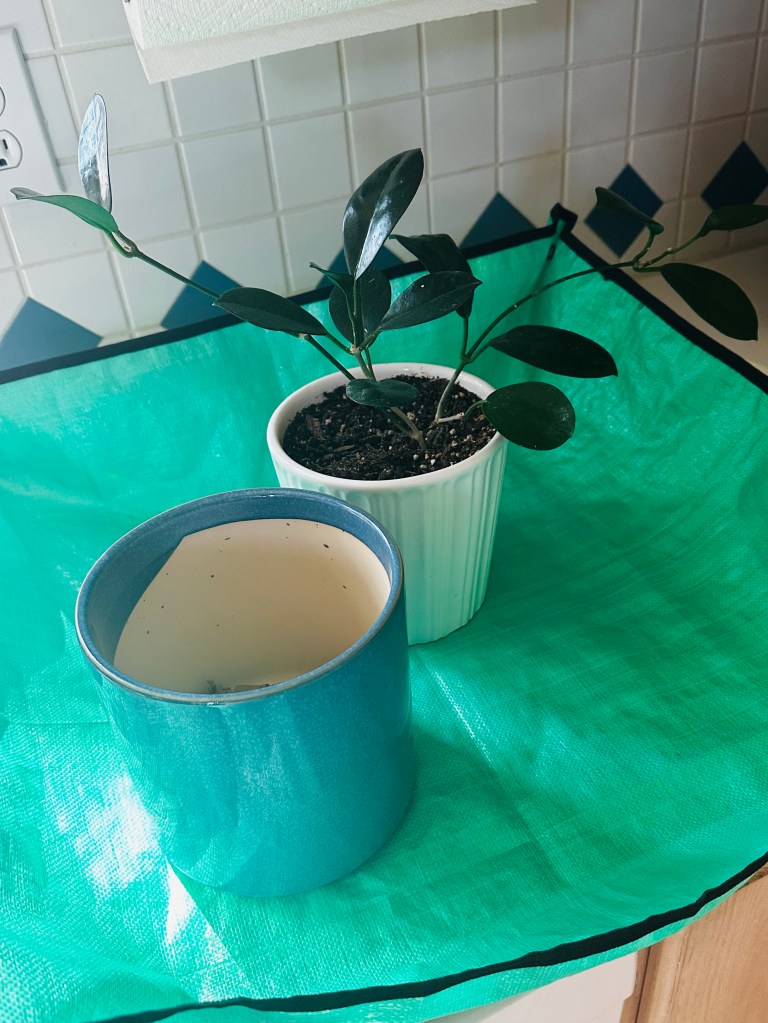
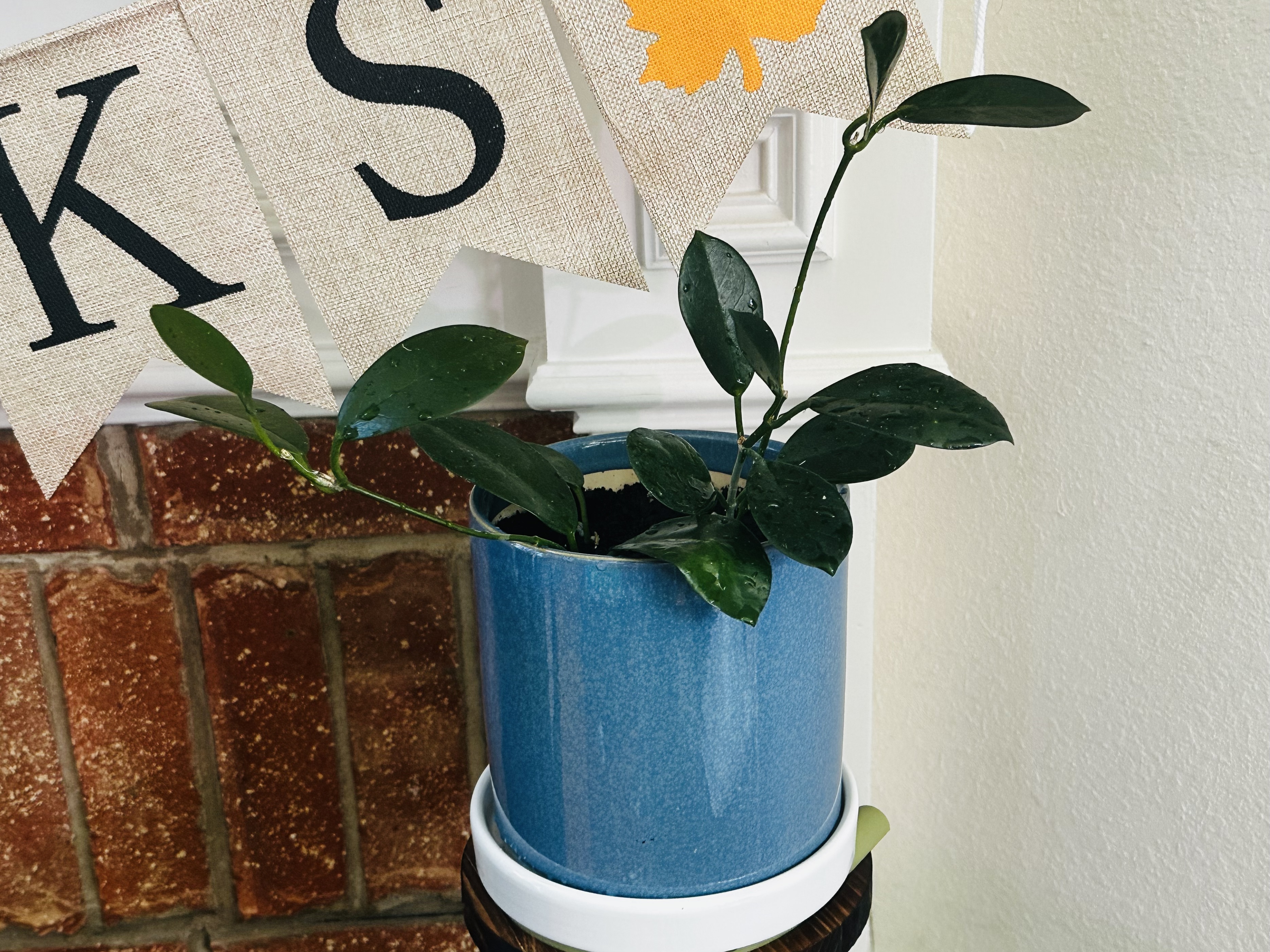












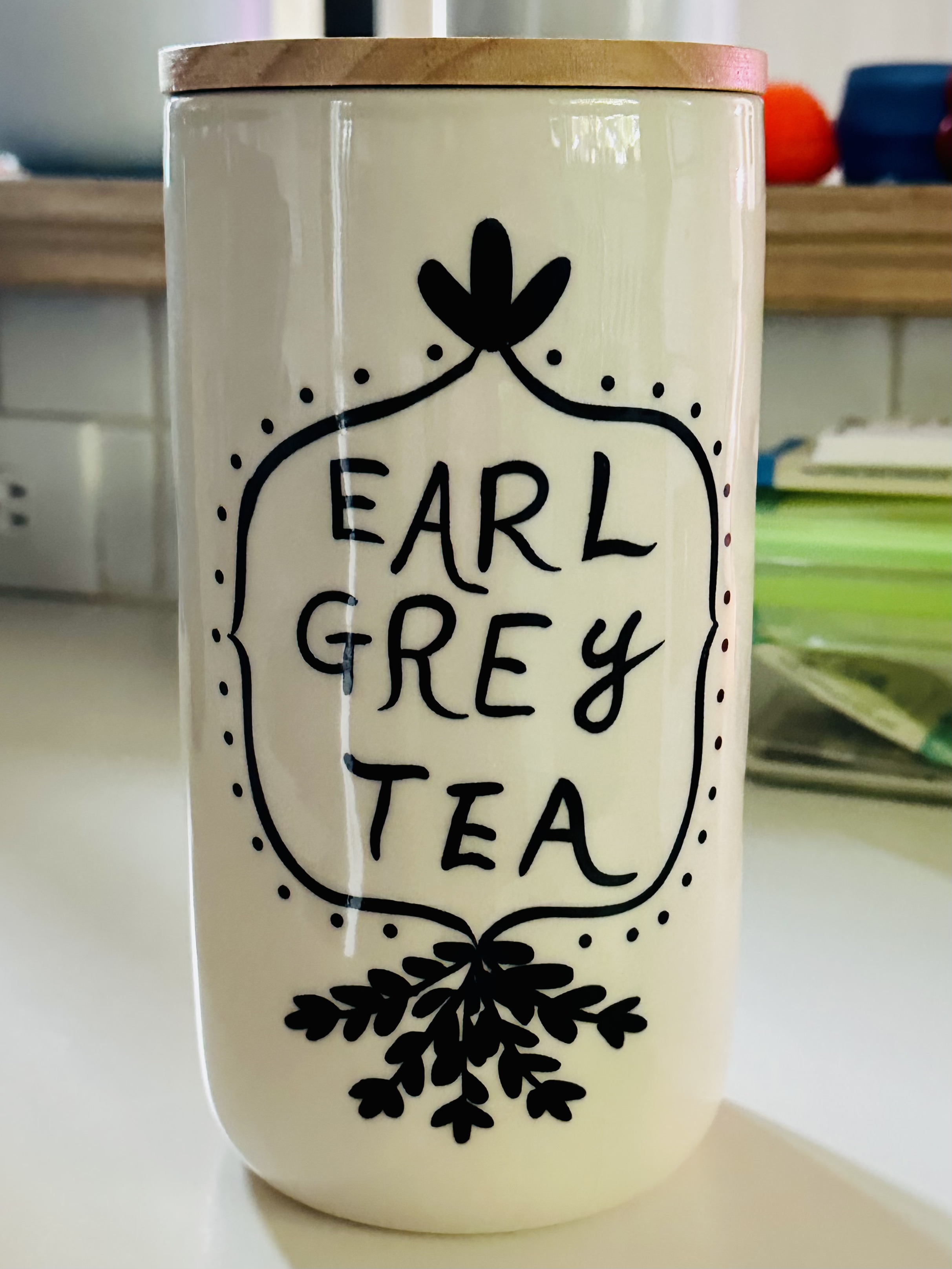





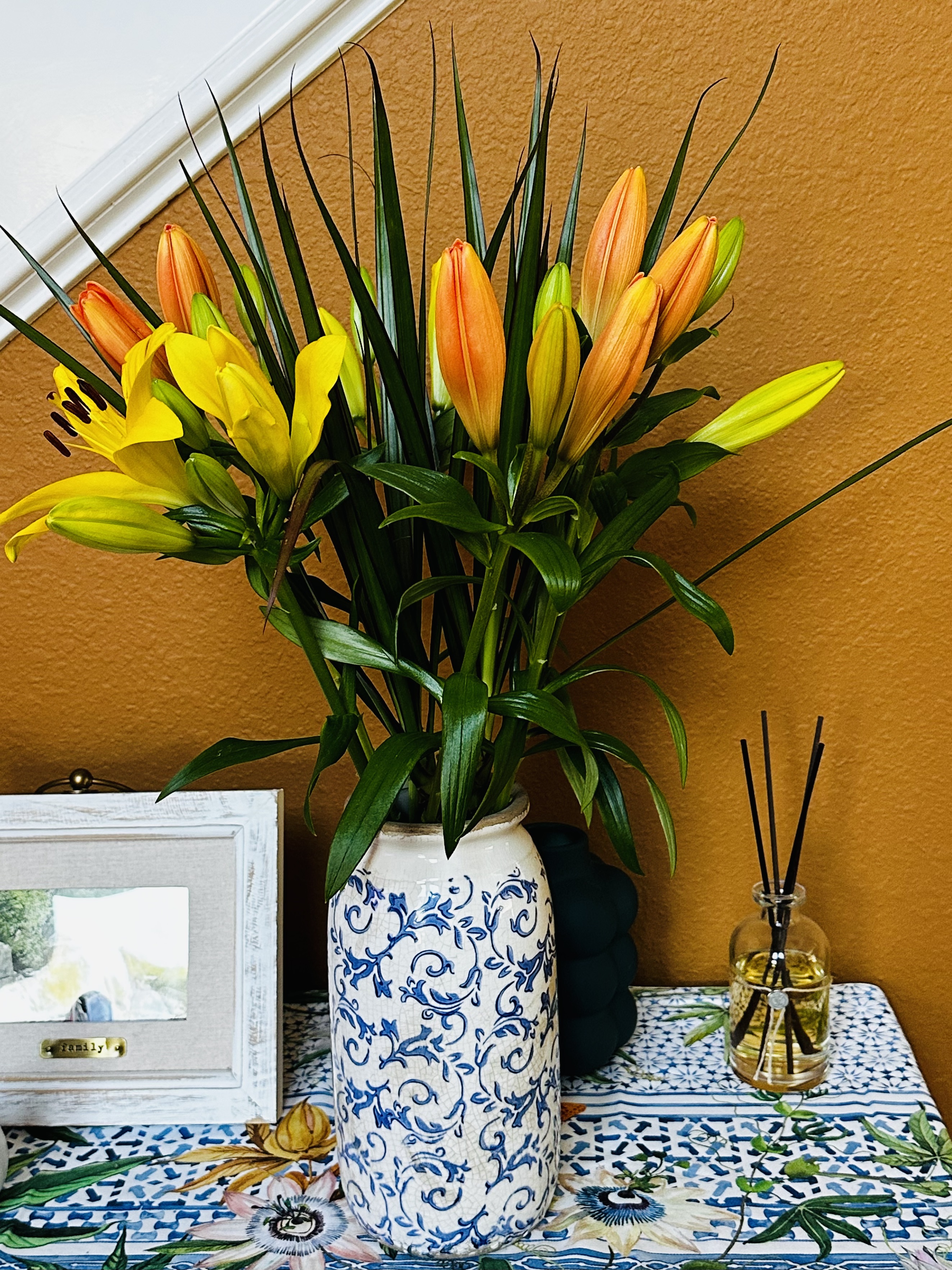
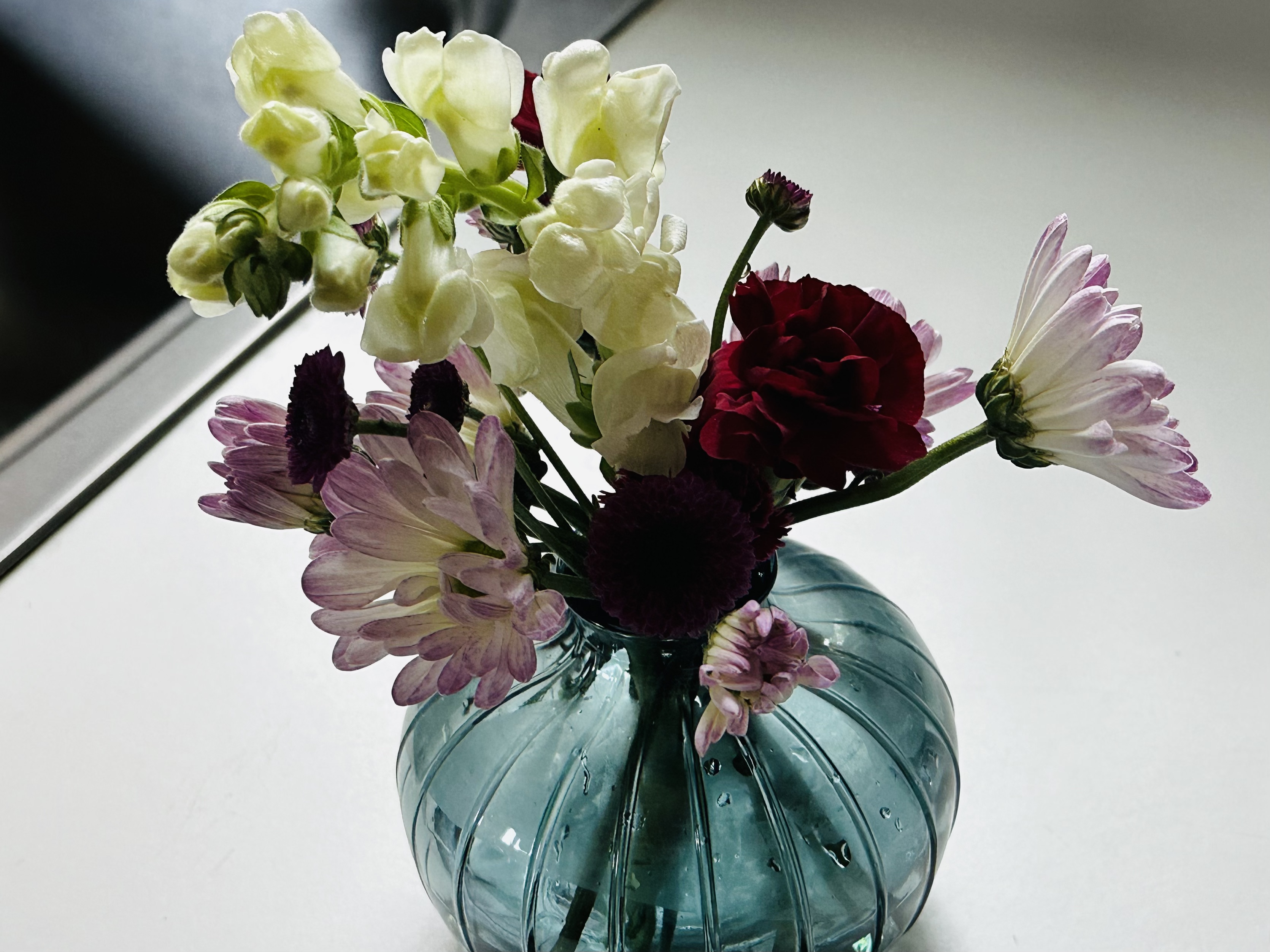
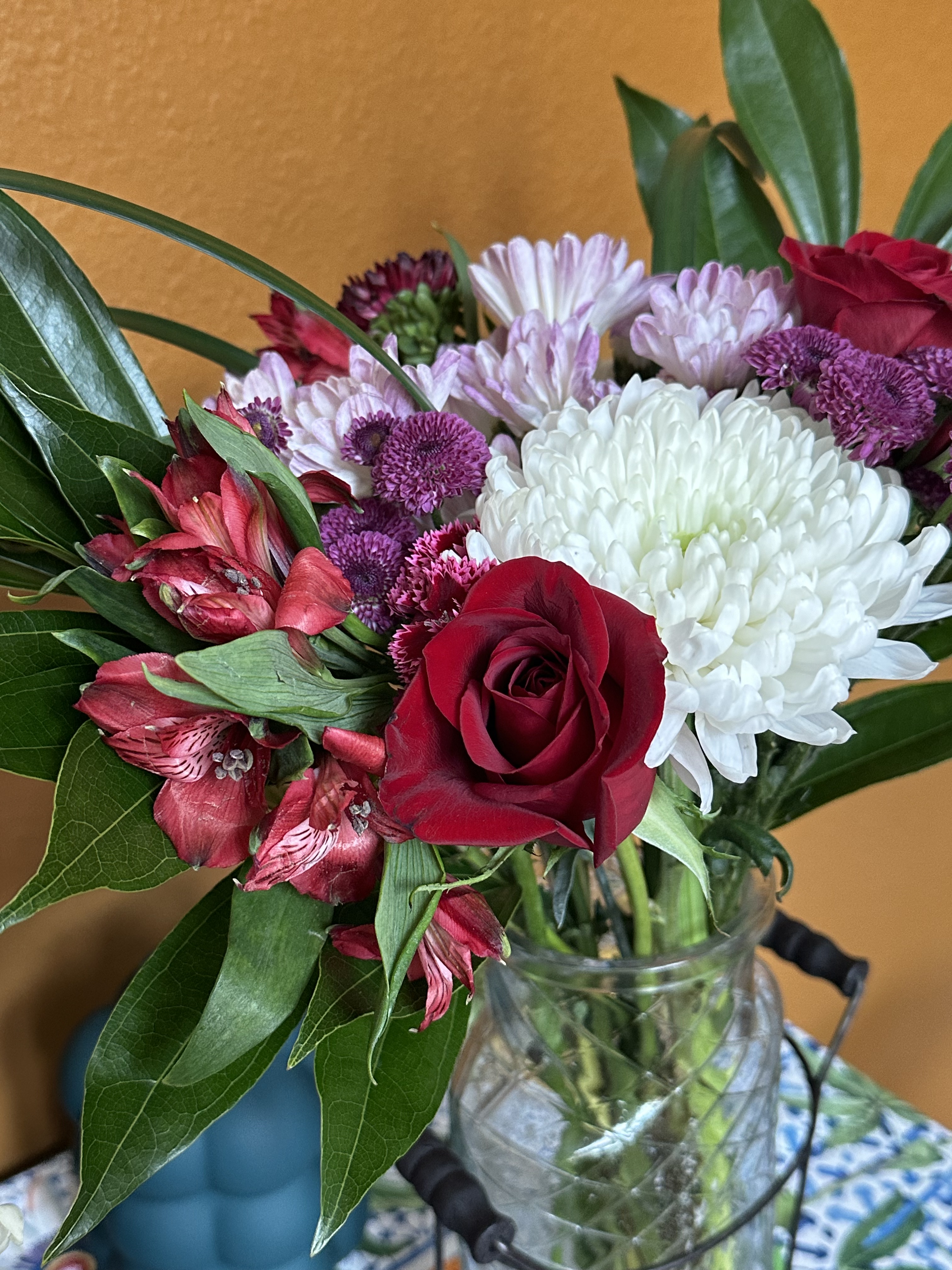




 lookingforthelight.blog