Many people react to changes in light with shifts in energy level and mood, and for some, the fall is a difficult time.
One of the characteristics of depression in bipolar disorder is the variable patterns of the course. “Patterns” and “course” generally refer to recurrent themes: something predictable over time. Experiencing depression at specific times of the year is referred to as having a “seasonal pattern,” while daily fluctuations are termed “diurnal variation.”
Why Do I feel Depressed in the Fall?
The change in seasons affects everyone. The intensity and duration of light are what determine patterns for all living entities: new green leaves appear in the spring, and bears hibernate in the winter. The privilege of being alive is dependent on sunlight.
Many people react to changes in light with shifts in energy level and mood, and for some, the fall is a difficult time. Days become shorter; we see the migrations of birds and reflect that the leaves fall, and winter is on its way. Joni Mitchell captures a doleful fall mood in the lyrics for her song “Urge for Going”: “And all that stays is dying and all that lives is getting out.”
For those experiencing depression at any time of the year, it is wise to keep a diary, even if you only write down a single word on your calendar that captures your mood on a given day. Over time, you can look back and, in discussion with healthcare providers, explore whether there is a seasonal pattern. This is important, as everyone is different. The seasonal behaviors of some mammals are highly predictable, but less so for humanity.
If a seasonal pattern is identified, you can anticipate and prepare more easily. For those who experience depression in the fall, it is wise to plan how you will mitigate the impact. Schedule an appointment with your care provider well in advance of the anticipated challenging time.
Recall what the symptoms were in previous depressions and put contingency plans in place. For example, if sleep is typically a problem, discuss this with your doctor or therapist. Cover all options, including light therapy, medications, and talk therapies. If time away — somewhere warm and sunny — is available to you, consider it.
Can You Explain ‘Diurnal Variation,’ as Opposed to ‘Seasonal Patterns’?
Many people experience daily patterns in which they wake up in a lousy mood with limited energy and the ability to engage with the world. As the morning passes, mood may gradually begin to pick up, and often things feel better by lunchtime or so. This is what clinicians refer to as diurnal variation.
While it is frequently incapacitating, it can be useful in monitoring mood changes. Individuals who are beginning to enter a depressed phase often note that mornings are getting increasingly worse; during the improvement phase, they may notice that the time to feeling better shortens.
The basis for diurnal variation is not known; it is likely related to your internal body clock, the driver of the sleep/wake cycle. While it is often a measure of depressed mood, many of my patients tell me they are just not “a morning person,” and they choose to start their day mid- or late morning. If your lifestyle aligns with this pattern, that’s totally fine.
However, obligations often require a fixed schedule, and therefore, adaptations are necessary. Again, work with your support team to develop a plan, which may involve a combination of medical and/or environmental strategies. Allocate weekend time to “sleep in” and catch up. Coordinate with your family around schedules. Keep a mood diary and share it with your care providers.
Unstable moods are a part of bipolar disorder and come in many variations. Learning your own mood patterns and developing a strategy with your healthcare team and family is an essential part of successful management.
The announcement comes about a month after Walmart and Southwind Foods of California announced recalls of frozen shrimp products
More frozen shrimp has been recalled for potential radioactive contamination.
On Saturday, Sept. 21, AquaStar Corp recalled nearly 70,000 bags of frozen shrimp from Kroger stores across the United States due to a potential contamination with cesium-137, according to the U.S. Food and Drug Administration (FDA).
The announcement comes about a month after Walmart and Southwind Foods of California issued recalled frozen shrimp products for the same reason.
The latest recall affects about 49,920 bags of Kroger Raw Colossal EZ Peel Shrimp and about 18,000 bags of Kroger Mercado Cooked Medium Peeled Tail-Off Shrimp. The company also recalled about 17,264 bags of AquaStar Raw Peeled Tail-on Shrimp Skewers.
The company stated in the announcement that the frozen shrimp was recalled “because [it] may have been prepared, packed, or held under insanitary conditions whereby they may have become contaminated with cesium-137.”
Cesium-137, abbreviated to Cs-137, is a “man-made radioisotope of cesium,” per the FDA.
In addition to Kroger, the affected frozen shrimp products were sold at Baker’s, City Market, Dillons, Food 4 Less, Foodsco, Fred Meyer, Fry’s, Gerbes, Jay C, King Soopers, Kroger, Mariano’s, Metro Market, Pay Less Supermarkets, Pick ‘n Save, Ralphs, Smith’s and QFC stores in 31 states, per the FDA.
Those states include Alaska, Alabama, Arkansas, Arizona, California, Colorado, Georgia, Idaho, Illinois, Indiana, Kansas, Kentucky, Louisiana, Michigan, Missouri, Mississippi, Montana, Nebraska, New Mexico, Nevada, Ohio, Oregon, South Carolina, Tennessee, Texas, Utah, Virginia, Washington, Wisconsin, West Virginia and Wyoming.
The products were sold between June 12 and Sept. 17.
The recalled Kroger Raw Colossal EZ Peel Shrimp is sold in a clear printed bag with a thick blue band across the top with yellow and red details. The products have a UPC of 20011110643906 with lot codes 10662 5085 10, 10662 5097 11, 10662 5106 11, 10662 5107 10, 10662 5111 11, 10662 5112 10, 10662 5113 10, 10662 5113 11, 10662 5114 10 and 10662 5114 11. The best buy dates on the affected products range from March 26, 2027 to April 24, 2027.
The Kroger Mercado Cooked Medium Peeled Tail-Off Shrimp, has clear plastic packaging with a white label with green stripes on the top. The products have a UPC of 011110626196 with lot code 10662 5112 11 and a best buy date of Oct. 22, 2027 or 10662 5113 10 with Oct. 23, 2027.
Additionally, the recalled AquaStar Raw Peeled Tail-on Shrimp Skewers; net wt. 1.25 lbs., has a white bag with a black top and a blue bottom. The bag has a photo of the shrimp skewers. The products have a UPC of 731149390010 with lot codes 10662 5127 10, 10662 5128 11, 10662 5133 11 and 10662 5135 10. The best buy dates range from Nov. 7, 2027 to Nov. 15, 2027.
Those who purchased the aforementioned frozen shrimp products “should not consume the product and should dispose of or return it to the place of purchase for a full refund,” according to the FDA.
The agency stated that it is currently investigating reports of Cs-137 contamination in shipping containers and frozen shrimp products processed by Indonesian company PT. Bahari Makmur Sejati.
The FDA previously recalled three lots of frozen raw shrimp sold at Walmart locations in Alabama, Arkansas, Florida, Georgia, Kentucky, Louisiana, Missouri, Mississippi, Ohio, Oklahoma, Pennsylvania, Texas and West Virginia.
Mere days later, Southwind Foods of California issued a recall for 13 shrimp products sold under the brand names Sand Bar, Best Yet, Great American, Arctic Shores and First Street. The bags of frozen shrimp were distributed to retailers, distributors and wholesalers in Alabama, Arizona, California, Massachusetts, Minnesota, Pennsylvania, Utah, Virginia and Washington.
The Environmental Protection Agency (EPA) identifies Cs-137 as “a soft, flexible, silvery-white metal that becomes liquid near room temperature.”
“Internal exposure to Cs-137 through ingestion or inhalation allows the radioactive material to be distributed in the soft tissues, especially muscle tissue, which increases cancer risk,” the EPA website states.
Radioactive? I haven’t seen a recall for a radioactive food products before. Each recall is more concerning, how do we know our food is safe? Is skipping frozen food the answer?
Stress and anxiety are common experiences that can have a significant impact on your daily life. While some stress is normal and even necessary, too much stress can lead to problems. Understanding the causes of stress and anxiety can help you find ways to manage these feelings and improve your overall well-being.
There are many possible causes of stress and anxiety. Some people may be more prone to these feelings due to their genes or brain chemistry. Others may experience stress and anxiety in response to specific life events or circumstances. And still, others may have a medical condition that contributes to these emotions.
Some Of The Most Common Causes Of Stress And Anxiety Include:
Major life changes, such as starting a new job or getting married
Financial problems
Relationship difficulties
parenting concerns
Health issues
Workplace stressors
Terrorism, natural disasters, and other global events
In many cases, stress and anxiety can be caused by a combination of factors. For example, someone who is dealing with a serious illness may also be experiencing financial stressors. Or someone who is going through a divorce may also be facing work-related challenges.
While some amount of stress and anxiety is normal and even beneficial, as it can help you to stay alert and motivated, too much can have negative consequences. Prolonged periods of stress can lead to physical health problems such as heart disease, high blood pressure, digestive issues, and sleep problems.
When it feels like the world is against you and everything is going wrong, it can be difficult to cope. Stress and anxiety can leave you feeling overwhelmed, exhausted, and hopeless. But there are ways to manage stress and anxiety and regain control of your life.
Here Are Some Tips To Help You Keep Stress And Anxiety At Bay:
1. Understand what causes your stress and anxiety
Are you someone who internalizes stress and worries a lot? Do you have trouble letting go of things? Are you constantly comparing yourself to others? Identifying the root cause of your stress and anxiety is the first step in learning how to manage it. Once you know what’s triggering your feelings of stress and anxiety, you can start to address them.
2. Challenge your negative thoughts
Negative thinking is one of the main contributors to stress and anxiety. If you’re constantly putting yourself down, ruminating on past failures, or worrying about the future, it’s no wonder you’re feeling stressed out! Start by challenging your negative thoughts. When you catch yourself thinking something negative, ask yourself if it’s really true. Chances are, it’s not.
3. Practice relaxation techniques
There are a number of different relaxation techniques you can try to help ease stress and anxiety. Deep breathing, progressive muscle relaxation, and visualization are all effective ways to relax your mind and body. Experiment with different techniques to see what works best for you.
4. Get moving
Exercise is a great way to relieve stress and boost your mood. Even just a few minutes of physical activity can make a big difference. Taking a brisk walk, going for a swim, or taking a yoga class are all great options.
5. Connect with others
Isolation can make stress and anxiety worse. Make an effort to connect with friends, family, or a support group. Talking about your stress and anxiety can help you feel better and may give you some helpful perspectives.
6. Make time for yourself
It’s important to make time for activities that make you happy and help you relax. Whether it’s reading, listening to music, spending time in nature, or taking a yoga class, find an activity that brings you joy and stick with it. Making time for yourself will help reduce stress and improve your overall well-being.
7. Be patient
Learning how to manage stress and anxiety takes time. Be patient with yourself, and don’t expect overnight results. Remember that you’re not alone in this journey and that you can get through this. With a little effort, you can start to feel better and live a more peaceful life.
8. Avoid unhealthy coping mechanisms
It’s also important to avoid unhealthy coping mechanisms, such as alcohol or drug misuse. These can actually make your stress and anxiety worse in the long run. In addition, they can also lead to other health problems. On the other hand, it can be extremely positive to find good coping mechanisms for the things that are affecting your mental health. For example, talking to a professional about penis augmentation procedures or arranging CBT sessions.
9. Make lifestyle changes
Lifestyle changes can also help reduce stress and anxiety. This might involve simplifying your schedule, getting more sleep, eating a healthy diet, or buying Delta 8 Gummies to take the extra edge off. Again, the key is to find what works for you and stick with it. Implementing these changes can be difficult, but the results are worth it.
10. Seek professional help
If you’re struggling with stress or anxiety, it’s important to seek help from a qualified mental health professional. He or she can help you identify the causes of your emotions and develop an effective treatment plan. Treatment may include medication, therapy, lifestyle changes, or a combination of these approaches.
With proper treatment, most people are able to manage their stress and anxiety and live relatively normal lives. However, if left untreated, these conditions can have serious consequences. For example, people with untreated anxiety disorders are at an increased risk of developing depression, substance abuse problems, and even suicidal thoughts or behaviors.
If you’re struggling with stress or anxiety, don’t hesitate to reach out for help. There are many resources available to you, including mental health professionals, support groups, and hotlines. With the right help, you can overcome these challenges and start living the life you want to live.
In Conclusion
There are a variety of things that can cause stress and anxiety. It’s important to identify your triggers and find healthy coping mechanisms. If you’re struggling to manage your stress and anxiety on your own, don’t hesitate to seek professional help. Finally, be sure to take care of yourself both physically and mentally. When you do, you’ll be better equipped to deal with whatever comes your way.
Living in constant pain can make you feel like you are alone and there is no one who understands what you are going through. Chronic pain conditions vary and each person living with chronic pain will have their own pain thresholds and triggers. At times, it may seem like there is nothing you can do, especially when traditional pain medication doesn’t have any effect. It is at times like this when people try other methods of medicating.
For some, different types of pains and symptoms can be managed or even eradicated with a few changes to your diet. It may seem futile however if nothing else is working you have nothing to lose by trying. Adapt what you do during your day-to-day life to see if different things affect your pain level. For example, many chronic pain patients credit the sun and warmth for lowering their pain levels. For this reason, it could be worth looking into how you can increase your vitamin D intake and get more sun into your life.
Many people find adding exercise into their lives can help with certain types of pain. Working up slowly to adding beneficial exercise to your daily routine as and when you can help you to look after your body despite your pain levels. Yoga, pilates, and simple stretching exercise will help you to remain fit and supple and in some cases decrease your pain levels.
There is no scientific evidence that links drastic diet changes with the eradication of pain from chronic pain conditions. However, it is thought that certain types of foods can inflame the body in different ways making pain worse. From cutting out dairy to reduce additional IBS symptoms or abdominal pain to avoiding nightshade foods to reduce pain and inflammation for Fibromyalgia, arthritis, and more.
There have also been suggestions that eating clean and switching to a more plant-based diet can help control pain levels. While fatty and processed foods aren’t healthy for anyone when overconsumed, there is nothing to lose by changing up your diet and eating a more natural diet, and reducing your meat, specifically red meat intake.
Many chronic pain sufferers will all tell you that sleeping is a problem. It’s a vicious circle to be told you need to get more sleep yet sleep is elusive due to your pain. But by creating as relaxing a sleep environment as can help you to relax even if you can’t sleep. Your body repairs itself during sleep and getting good quality sleep remains important despite your health condition.
Find your optimal sleeping temperature and noise level, try using a white noise app if you needed, and also use comfortable bedding. Set your limits for screen time and electronics and try to create a relaxing bedtime routine that indicates you are ready for sleep. This won’t always be possible but it is worth persevering to help you improve your sleep quality.
I was recently diagnosed with a lung dieases which has caused damaged my airways. My doctor prescribed a Nebulizer to clear my lungs, it requires two treatments a day. It takes 50 minutes a day which includes cleaning the attachments. I haven’t started the treatments yet because I’ve been battling three other chronic illnesses and only sleeping a couple of hours a night. The box is on my desk in clear view and I do want to start the treatments, just not today.
Ten years ago, singer-songwriter Jesse Ruben was desperately ill with Lyme disease—wracked with pain, clouded by brain fog, and battling depression. In the midst of all that, he discovered that if he stayed up well past midnight, the fog would lift somewhat.
“So I’d keep myself up till 6, 7, 8 in the morning,” he recalls, “because it was the only time I had a cognitive thought.”
One morning in 2015, during one of those more lucid hours, he sang the beginning of a new song into his cell phone—and promptly forgot about it. Years later, he stumbled upon the audio file and decided to finish what he had started.
The result is Monster, a raw and powerful song that captures the pain, frustration, and mental anguish that so many Lyme patients know all too well:
“There’s something wrong here, doctor, and I don’t know what it is…
But there’s a monster in my body and it’s living in my limbs…
And it’s tearing through my system like a hurricane wind that won’t stop…”
First “We Can” and then he couldn’t
Before he became ill, Ruben was a rising star in the music world, with a popular song called “We Can.” It was a feel-good, upbeat tune that he wrote after running his very first marathon.
Then everything changed.
It started with flu-like symptoms that wouldn’t go away, followed by dizziness and nausea.
Doctors ran tests and told him everything looked fine. But Jesse knew something wasn’t right. He struggled to breathe and couldn’t walk up a flight of stairs. The brain fog got so bad he’d forget the lyrics to his own songs—music he’d poured his heart into.
He saw more than ten doctors. Each gave him a different answer: vitamin D deficiency, depression, chronic fatigue syndrome. None of it fit.
Eventually, Jesse found a doctor who properly diagnosed and treated him for Lyme disease, and he began to heal. He returned to music with renewed purpose—and his single This Is Why I Need You struck a chord around the world. It’s now been streamed over 70 million times across various platforms, a testament to how deeply his message resonates.
Alongside his musical comeback, Jesse became a passionate advocate for others facing Lyme disease. He co-founded Generation Lyme, a nonprofit created to combat the isolation and confusion that so many people with Lyme disease experience.
The organization hosts free Zoom gatherings for patients, parents, and supporters and also offers the Generation Lyme podcast.
And now, Jesse has finally released Monster, the song he rasped into his cell phone so long ago. Take a listen:
Monster drops as a single today and is also featured on Jesse’s new album Belong, set for release on October 10. The ten-song collection explores themes of mental health, chronic illness, long-term relationships, and the essential role of community in helping us heal and thrive.
Jesse Ruben’s journey—from misdiagnosis and despair to healing and advocacy—is a powerful reminder of what it means to keep going.
With Monster and Belong, he’s not just sharing music—he’s sharing what it feels like to fight for your health, your voice, and your place in the world. These songs speak to anyone who’s ever felt lost in their own body, and they offer something we all need: the feeling of being seen, heard, and believed.
I’m so glad you are enjoying this weekend tradition of Fun Facts. I learn something new each week, even if it’s weird. I love hearing your comments!
Three presidents, all Founding Fathers—John Adams, Thomas Jefferson, and James Monroe—died on July 4. Presidents Adams and Jefferson also died the same year, 1826; President Monroe died in 1831. Coincidence? You decide. (constitutioncenter.org)
The Barbie doll’s full name is Barbara Millicent Roberts, from Willows, Wisconsin. Her birthday is March 9, 1959, when she was first displayed at the New York Toy Fair. (barbiemedia.com)
There actually aren’t “57 varieties” of Heinz ketchup, and never were. Company founder H.J. Heinz thought his product should have a number, and he liked 57. Hint: Hit the glass bottle on the “57,” not the bottom, to get the ketchup to flow. (heinz.com)
The tallest man ever recorded was American giant Robert Wadlow (1918–1940), who stood 8 feet 11 inches. Wadlow’s size was the result of abnormally enlarged pituitary gland. (guinnessworldrecords.com
The tallest living man is 37-year-old Sultan Kosen, from Turkey, who is 8 feet, 2.8 inches, who set the record in 2009. His growth is also due to a pituitary issue. (guinnessworldrecords.com)
Having a million dollars would go a long way in supporting the charities that align with my beliefs, like mental health, sexual violence, homeless veterans, and animal recuse organizations. I would take the million dollars, wait until matching funds are available, and split the money among the charities.
Don’t get me wrong, money is great to have yet money is not the way to happiness. I was a millionaire at 38 and can tell you I was miserable, losing it all was the best thing that happened to me. It was difficult yet the lessons learned about living a shallow life changed me for the better.
Tom Petty was tremendous talent who left us too soon.
It’s the weekend!!!!!!
I’m glad you joined me for another edition of Weekend Music Share this week.
Have a great weekend!
Melinda
Welcome back to Weekend Music Share, the place where everyone can share their favorite music.
Feel free to use the Weekend Music Share banner in your post, and use the hashtag #WeekendMusicShare on social media so other participants can find your post.
From the University of North Carolina at Greensboro:
North Carolina is experiencing a surge in Lyme disease cases, and a new surveillance study from UNC Greensboro (UNCG) reveals that the primary vector of the bacteria that cause Lyme disease, the blacklegged tick(Ixodes scapularis), has been spreading into areas previously considered low risk.
“Currently, 16 states, mostly in the Northeast, mid-Atlantic, and upper Midwest, account for 95% of the reported LD cases,” says Dr. Gideon Wasserberg, a biology professor at UNCG and one of the research project leaders.
“However, low-incidence states to the south and west, including North Carolina, have experienced an increase in the number of reported Lyme disease cases since the early 2010s.”
With funding from Centers for Disease Control, administered by the North Carolina Department of Health and Human Services, researchers from UNCG, North Carolina State University, and Appalachian State University conducted a five-year, statewide survey of blacklegged ticks and the pathogens they often carry.
Dramatic increase in density
“Our data shows a range expansion of these ticks into more counties in the Blue Ridge Mountains and the western Piedmont region and a dramatic increase in their densities in this area as a whole,” said Wasserberg. “These findings are consistent with increasing reports of human Lyme disease cases in these areas.”
Eastern Piedmont and the Coastal Plain, where blacklegged ticks and human Lyme disease cases have been historically noted, saw little change in tick density in comparison.
In the new study, ticks from the Blue Ridge Mountains were also more likely to carry Borrelia burgdorferi, the bacteria responsible for most cases of Lyme disease, compared to ticks from the Piedmont and Coastal Plain.
“Our analyses indicate that these ticks and the bacteria they carry moved into the Blue Ridge Mountains of North Carolina from southwestern Virginia over the last 10 years, travelling along the Appalachian Mountains,” says Wasserberg.
The researchers say the findings have important implications for public health.
“Enhanced surveillance, increased public awareness, and updated guidance for healthcare providers are crucial to mitigate risk.” said Dr. Reuben Garshong, the lead author of the newly published article inPLOS One. Now a research scientist at the New Jersey Department of Health, Garshong participated in much of the study as a doctoral student in Wasserberg’s lab at UNCG.
This week, Yolanda Hadid—once a fixture in the fashion world, now a Lyme advocate and mother to internationally acclaimed model Bella Hadid—shared a deeply personal message on Instagram that struck a chord with countless families in the Lyme community.
For those of us who’ve watched our children suffer profoundly from tick-borne illness, her words are achingly familiar.
“Watching my Bella struggle in silence has cut the deepest core of hopelessness inside me,” she wrote.
“The invisible disability of chronic neurological Lyme disease is hard to explain or understand for anyone. I try to lead by example on our Lyme journey, but my own pain cannot compare to watching my baby suffer.”
Bella Hadid was diagnosed with chronic neurological Lyme disease in 2013, a year after her mom. Since then, Bella’s health has fluctuated dramatically—even as she continues to navigate the demands of a high-profile career in international fashion. To outsiders, that juxtaposition may seem incongruous. But Yolanda’s post reminds us that suffering often hides behind polished surfaces and public success.
“There simply aren’t words big enough for the darkness, the pain, and the unknown hell you’ve lived through since your diagnosis,” Yolanda wrote. “You didn’t really live, you learned how to exist inside the jail of your own paralyzed brain.”
“The CEO of my health”
Yolanda’s message is more than a mother’s lament—it’s a call to recognize the invisible toll of chronic illness. “I am the CEO of my health,” she writes, “and after fifteen years of searching the globe, I am still determined to find a cure affordable for all.”
That phrase—CEO of my health—is one many Lyme families will recognize. It’s the role we assume when conventional medicine fails us, when insurance won’t cover treatments, and when we’re forced to choose between financial stability and the hope of healing.
Yolanda’s post also speaks to the emotional weight this disease places on families. “This disease has brought us to our knees,” she says, “but we always get back up.” That resilience is the heartbeat of the Lyme community. It’s what sustains us through disappointing lab results, unyielding symptoms, and the quiet erosion of hope.
Bella Hadid’s struggle is not unique. But her visibility gives voice to millions who suffer way outside of the spotlight. And Yolanda’s decision to speak publicly—again, after years of quiet withdrawal—offers a renewed sense of solidarity.
To Yolanda and Bella: thank you for reminding the world that chronic Lyme is real, relentless, and deserving of compassion. May we all continue to fight for better days—and for a cure that’s accessible to all.
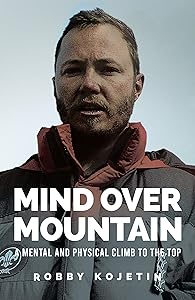
I want to send a special thanks to Laura Sebright at Trigger Publishing for sending me Mind Over Mountain-A Mental and Physical Climb to the Top by Robby Kojetin to review.
About the Author
Robby Kojetin lives in Johannesburg, South Africa, and is a high-altitude adventure. Since his accident in 2006 which resulted in him breaking both of his ankles, he has gone on to become one of only a handful of people to have stood on top of the world’s highest mountain, Mount Everest. He has also climbed Kilimanjaro nine times, completed the Ironman triathlon, and scaled five of the Seven Summits. Known as an inspirational and engaging speaker on stage, he presents on the topics of failure, self-doubt and persisting against all odds, in the hopes of inspiring people of all ages and backgrounds facing the daunting mountains and obstacles in their own lives.
Robby is a proud husband and father who also coaches people to reach their personal summit goals. He is a regular contributor to a number of radio programmes, magazine articles and TV features, including DiscoveryChannel’s Everest: Beyond the Limit.
Blurb
A simple mistake at an indoor climbing gym sentenced 28-year-old Robby to a year in a wheelchair, shattering his aspirations of becoming a mountaineer. In the months that followed, Robby faced depression, anxiety, suicidal thoughts and a complete loss of his sense of identity.
But from somewhere deep inside him, he summoned up the strength to keep going even when all seemed lost; he embarked on a monumental journey, a feat of mental and physical strength. His weakness became his power. This story is more than a biography or an account of a mountaineering expedition – it showcases the human spirit and shows us all how it is possible to rewrite the definition of what is possible. From those dark days, Robby has become the embodiment of perseverance and possibility, overcoming the odds to join the handful of people who have summited Mount Everest.
One reviewer said “I laughed, I cried, got angry at why something so terrible could happen to someone so good, but most of all I was in awe of what Robby overcame!! A must-read for anyone!!”
My Thoughts
At 22 years old Robby’s identity and self-confidence were tied to rock climbing and all the adventure it brought. He was paving away in a career that he enjoyed that gave him the time off needed to continue his climbing adventures.
Until one fateful day, while practicing on a climbing wall, he jumped off as he had done many times before, the floor gave way causing Robby to shatter both ankles, fracturing several bones and rupturing the tendons from the shin down.
This is a devastating blow to anyone but for an avid rock climber, this could be the end of the adventure. With the love and support of family and friends, Robby concentrates on recovery and walking again. The recovery period is slow, very painful, and takes a toll on his mental health. Some days are dark with no light at the end of the tunnel but he pushes forward.
What Robby does from here is miraculous, not only does Robby walk again but goes on to climb the highest mountain in the world Mount Everest. This book is a fast and very enthralling read. It’s a story of grit and what the mind can allow us to accomplish. I would recommend this book to anyone.
Trigger Publishing
TriggerHub.org is the first mental health organization of its kind. We are bringing mental health recovery and balance to millions of people worldwide through the power of our books.
We have built a first-class resource of curated books produced and published in-house to create a unique collection of mental health recovery titles unrivaled in quality and selection. We work with experts, psychologists, doctors, and coaches to produce our books, but we also work with real people looking to share their stories to reach out to others and provide hope, understanding, and compassion. These brave authors also aim to raise awareness of mental health’s “human” face and its impact on everyday lives.
Self-confidence is a can-do attitude that empowers determination and effort.
For the adolescent, confidencecan often be hard to come by.
During childhood, the girl or boy may have felt relatively self-assured in the smaller, simpler, and sheltered world of home and family. But with the onset of adolescence (around ages 9 to 13), developmental insecurity begins. Now the teenager separates from childhood and parents to start the daunting coming-of-age passage through the larger world toward young adult independence – to young womanhood or young manhood.
Growing up keeps introducing more changes and challenges in the teenager’s path, creating fresh cause for self-doubt. “I can’t keep up!” “I won’t fit in!” “I’ll never learn!” “How will I get it done?” Parents may not always appreciate how, when youthful confidence is lacking, adolescence requires acts of courage to proceed. “Some days just showing up at school can feel scary to do!”
Coping with lack of confidence
How to help a young person cope with lack of confidence? By way of example, consider the common case of social shyness in middle school that can keep a young person more alone than she or he would like to be.
The child who had playmates in elementary school can become more socially intimidated in the push and shove of middle school when physical self-consciousness from puberty and social competition for belonging and fitting in can make making friends harder to do. As young people vie for standing, there can also be more social cruelty – teasing, rumoring, bullyingexcluding, and ganging up – to assert and defend social place.
As I was once told on lonely eighth-grader authority: “With all the meanness going around, middle school can be a good time not to have a lot of friends.” At the same time, she had a fervent desire to have a more socially satisfying high school experience. But how to accomplish this change when lack of confidence from shyness was holding her back?
I suggested that like all feelings, shyness can be very a good informant about one’s unhappy state, but it can also be a very bad advisor about how to relieve it. For example: “I’m not confident mixing with people, so I’ll feel better if I just keep to myself.” Following this emotional advice only makes shyness worse.
While it’s true that feelings can motivate actions; it’s also true that actions can alter feelings. So the prescription for the shy middle school student lacking social confidence was to put on an act. “Pretend to be more outgoing, and you’ll build confidence as you increasingly practice behaving that way.”
Empowering confidence
Worth parents listening for and affirming are adolescent statements of confidence. These express a can-do attitude and they come in many forms, a few of which are stated below.
“I can earn money.”
“I can make friends.”
“I can lift my spirits.”
“I can perform well.”
“I can finish what I start.”
“I can compete to do my best.”
“I can sustain important effort.”
“I can solve problems that arise.”
“I can speak up when I have need.”
“I can make myself do what needs doing.”
“I can keep agreements to myself and others.”
“I can work with people to help get things done.”
One job of parents is to encourage practices that enable their adolescents to make these and other kinds of self-affirming statements.
Confidence matters. It can inspire determination, empower effort, and support a sense of effectiveness: “I’m going to give it a shot.” Lack of confidence can reduce motivation, discourage effort, and lower self-esteem: “There’s no point in trying.”
Within the family, parents need to keep a tease-free, sarcasm-free, embarrassment-free home. Why? Because such belittling, like criticism, can injure confidence at a vulnerable age when believing in oneself becomes harder to do. So, no put-downs allowed.
Caution
All this said, supporting confidence in adolescents is not enough. Teaching adolescents how to direct it must also be done. After all, while human confidence can create much good, it can also inflict a great deal of harm. As history unhappily instructs, people who are very confident that they are right can commit a lot of wrong. So, by instruction and example, imparting ethical and responsible conduct matters even more.
For years I’ve taken pride in the fact I drink at least 60 onces of water a day yet my Gasterentologis threw me a curve ball last week by saying I need 91 onces a day. I thought she was going over board until searching and found that indeed 91 onces a day is recommended. I don’t know about you but I would spend my day running to the bathroom after drinking that much water.
According to The Mayo Clinic
So how much fluid does the average, healthy adult living in a temperate climate need? The U.S. National Academies of Sciences, Engineering, and Medicine determined that an adequate daily fluid intake is:
About 11.5 cups (2.7 liters) of fluids a day for women
About 15.5 cups (3.7 liters) of fluids a day for men
But consider those numbers a starting point. Your size, metabolism, location, diet, physical activity and health all factor into how much water you need to drink per day, says family medicine specialist Saadia Hussain, MD.
The Cleveland Clinic has high recommendations for water intake a day
You should aim to drink between 73 and 100 ounces of water per day, depending on factors like activity level and climate.
The U.S. Food and Nutrition Board
Recommends about 84.5 ounces (2.5 liters) daily, including fluids from food. A common guideline is to drink eight 8-ounce glasses, which totals 64 ounces.
The amount of water you drink is a personal decision based on your career and lifestyle.
One tip: you can save left over water and ice to water your plants.
It’s hard to pick one because each day brings a new curiosity. Photography has been a passion since I was a teenager, there is always something new to learn. If you counted the 30ish houseplants I have you would see my dedication and pride which requires daily attention, getting lost in time caring for them is a stress reliever.
The closest to my heart is looking at old photos of me with bad haircuts, celebrating birthdays with my Grandparents, Granny always made my favorite German Chocolate Cake with decorative candle holders. Photos of my Grandparents through the years always bring a smile and the 100+ year old photos of ancestors I never met is cool. I try to imagine what life was like at the time, what was the occasion of the photo and what their names are, not to mention what type of camera set up was used.
Everyone has a different interest and that is what makes people so interesting to talk to.
Back in 2006, psychologists Jordan Litman and Paul Silvia identified two main “flavors” of curiosity, which they dubbed D-curiosity and I-curiosity.
The D in D-curiosity stands for deprivation, the idea that if we have a gap in information, we go into a restless, unpleasant, need-to-know state, while the I in I-curiosity stands for interest, the pleasurable aspects of the hunger for knowledge. In other words, curiosity — our drive for information — can induce a state that is either aversive or pleasant.
Deprivation curiosity is driven by a lack of information, often a specific piece of information. For example, when you see a picture of a famous actress and you can’t remember her name, you might start racking your brain to remember who it is. Trying to remember might get you into a contracted state, as though you are trying to squeeze that answer out of your brain. Then when you go to google for help and see her name, you feel a sense of relief because you’re no longer deprived of the information.
This extends to texting and social media. If you are out to dinner and you feel or hear a text come into your phone, you might notice that suddenly it’s hard to pay attention — not knowing what the text says can make you restless, causing your body temperature to rise, and that fire of uncertainty is only put out when you check your phone.
Interest curiosity is piqued when we’re interested in learning more about something. Usually this isn’t a specific piece of information (like an actress’s name) but a broader category. For example, did you know that there are animals who keep growing in size until they die? They are called “indeterminate growers” and include sharks, lobsters and kangaroos. In fact, based on its size, one 20-pound lobster was believed to be 140 years old. That’s one big, old lobster! Isn’t that fascinating?
Interest curiosity is when you dive into an internet search and realize hours later you’ve learned a whole bunch of stuff and your thirst for knowledge has been quenched. It feels good to learn something new. This is different from filling a deficit, simply because you weren’t experiencing a deficit in the first place. For instance, you didn’t know about big, old lobsters but when you learned about them, you were intrigued and delighted to know more.
Unlike the D-curiosity — which is about reaching a destination — the I-curiosity is more about the journey. Each of these curiosity “flavors” has different “tastes”, and they feel different in our bodies. Deprivation feels closed, while interest feels open.
Most of us approach ourselves and the world with D-curiosity, like a problem to be solved. But we’re all in the perfect place to tap into our I-curiosity, which we can leverage to help ourselves break old habits and build new ones.
In practice, what this means is getting more and more curious about what anxiety feels like in your body and how it triggers your worry and procrastination habit loops, instead of assuming you know everything about anxious or that your feelings will never change or you have to find a magic pill or technique to cure you of it.
Over the years, I’ve found that curiosity is a simple tool that helps people — regardless of language, culture and background — drop directly into their embodied experience and tap into their natural capacities for wonder and interest. It puts people right in that sweet spot of openness and engagement.
Let me walk you through a curiosity exercise that I teach everyone on Day 1 in the Unwinding Anxiety app. This exercise can work as a kind of panic button for when anxiety hits, and it takes about 2 minutes.
Step 1:
Find a quiet comfortable place. You can be sitting, lying down or standing up; you just need to be able to concentrate without being distracted.
Step 2:
Recall your most recent run-in or incident with a habit loop, which is any habit you find yourself returning to whenever you’re worried or anxious.
See if you can remember the scene and relive that experience, focusing on what you felt right at the time when you were about to act out your habitual behavior. What did that urge to go ahead and “do it” feel like?
Step 3:
Check in with your body. What sensation can you feel most strongly right now?
Here’s a list of single words or phrases to choose from. Pick only one — the one you feel most strongly:
tightness
pressure
contraction
restlessness
shallow breath
burning
tension
clenching
heat
pit in stomach
buzzing/vibration
Step 4:
In terms of this feeling, is it more on the right side or the left? In the front, middle, or back of your body? Where do you feel it most strongly?
And was there anything you noticed about being curious about what part of your body you felt the sensation in? Did being a little curious help with getting closer to this sensation?
Step 5:
If the sensation is still there in your body, see if you can get curious and notice what else is there. Are there other sensations you’re feeling? What happens when you get curious about them? Do they change? What happens when you get really curious about what they feel like?
Step 6:
Follow them over the next 30 seconds — not trying to do anything to or about them — but simply observing them. Do they change at all when you observe them with an attitude of curiosity?
Whenever I do this exercise, I like to use the mantra “Hmmmm” — as in, the hmm you naturally emit when you’re curious about something (and not to be confused with the traditional mantra “Om”). I find saying “hmm” to myself gets me out of my head and into a direct experience of being curious. It also allows me to bring a playful, even joyful attitude to what I’m doing; it is hard to take yourself too seriously when you are hmm-ing.
This short exercise is just intended to give you a taste of curiosity and to support your natural capacity to be aware about what is happening in your body and your mind at any moment instead of getting caught up in a habit loop. If you notice that by being curious you gained even a microsecond more of being with your thoughts, emotions and body sensations than you have in the past, then you’ve taken a huge step forward.
Here’s what a patient in the Unwinding Anxiety program told me about curiosity: When I first started the program, I didn’t quite buy into the benefits of curiosity. Today, I felt a wave of panic, and instead of immediate dread or fear, my automatic response was “Hmm, that’s interesting.” That took the wind right out of its sails! I wasn’t just saying it was interesting; I actually felt it.
Sometimes I get the question “What happens if I’m not curious?” My response is to use the mantra of hmmm to drop right into your experience. Ask yourself: “Hmm, what does it feel like not to be curious?”
This helps people move from their thinking, fix-it mind state into a curious awareness of their direct sensations and emotions in their bodies and move out of their thinking heads and into their feeling bodies.
Watch this TED-Ed Lesson about panic attacks here:
ABOUT THE AUTHOR
Judson Brewer MD, PhD Judson Brewer is the Director of Research and Innovation at the Mindfulness Center and associate professor in psychiatry at the School of Medicine at Brown University, as well as a research affiliate at MIT. As an addiction psychiatrist and expert in mindfulness training for treating addictions, he has developed and tested novel programs for habit change, including both in-person and app-based treatments for smoking, emotional eating and anxiety. Based on the success of these programs in the lab, he cofounded MindSciences, Inc. to create app-based versions of these programs for a wider audience. He is also the author of the book The Craving Mind.
After the shock wore off, I would cry for the photos of my Grandparents lost and any cherished items they handed down to me. Then I would have to get a grip the best way possible and be thankful for a roof over my head, food to eat and that my family is alive.
Things are nice to have, pretty decorations, art work, books, and list goes on, yet we don’t need those to survive. All we have to do is look around our own country and many other countries where so many people live in poverty and we can see how a simple act of kindness puts a heartfelt smile on their face. A simple gesture like repairing a leaky pipe for an elderly couple brings joy, tears and most important they don’t feel forgotten. I got a bit of course there.
I’m blessed in life, in poverty and in riches, I’ve found joy and a will to keep moving forward.
It isn’t so much of changing my mind as it is changing a mindset. Most girls are raised to believe they will grow up and be a mommy just like theirs with a family and that’s not reality. I wasn’t pushed hard growing up about having babies, it was an unsaid given and when I got married there was no pressure from my family on when we were going to start a family. Unlike some of my friends.
10 years later I was unmarried, without children and diagnosed with Cervical Cancer, because Ovarian Cancer ran on both sides of my family, a total hysterectomy was recommended, and that’s what I did. We have to make decisions based on what is right for us, our health, our life, not others or other’s expectations of us or women.
Children are great, they are a blessing and a gift of God but not every women wants or can have children and their lives are just as fulfilling.
I’m glad you joined me for another edition of Weekend Music Share this week.
Have a great weekend!
Melinda
Welcome back to Weekend Music Share, the place where everyone can share their favorite music.
Feel free to use the Weekend Music Share banner in your post, and use the hashtag #WeekendMusicShare on social media so other participants can find your post.
I want to give a special thanks to Editor Andrea Marchiano of Cherish Editions for sending me an advanced copy of 365 Quotes to Accelerate Your Career and Find Balance for review.
Blurb
Dr James Espey OBE is ready to be your mentor. His second book 365 Quotes to Accelerate Your Career and Find Balance in Your Life contains the wisdom gleaned from his half-century career in business and marketing. It’s all presented in short, easy-to-digest quotes from James, as well as from other figures who have inspired him along the way.
James says, “I believe that in the modern world, people are looking for short, pertinent, succinct bits of advice. That is why I decided to write this book: to give you guidance and to encourage you to make the right decisions on your journey through life.”
What people are saying
“A unique take on the wisdom of quotes. Entertaining and makes you think!” Neville Isdell, former global chairman and CEO of The Coca-Cola Company
“James has spent his career observing, thinking and summing things up succinctly. These quotes provide moments to reflect and be guided by someone who has seen around a few of the bends in the road ahead.” Peter Bauer, CEO of Mimecast
“James’s ability to draw a quote or a one-liner to sum up a ‘situation’ – tricky, funny or even just routine – has always been a feature of his management and leadership. This unique, spontaneous communication style provides inspiration to all who deal with him.” Michael Keiller, former CEO of Morrison Bowmore Distillers Ltd ”
Excerpt From 365 Quotes to Accelerate Your Career and Find Balance in Life James Espey OBE This material may be protected by copyright.
My Thoughts
In a work environment, it can be difficult to have a mentor, this book is what is missing to help you chart the course. 365 Quotes to Accelerate Your Career and Find Balance is a book I wished was available during my career. No matter where you’re at in life/career this book will help you ask yourself some tough questions that can propel your career and in turn life.
The chapters are divided based on where you are in your career, like helping you build your brand. I like Part 3 Personal Values the best because I believe that this is the foundation of who we are as a person which spills over to who we are at work.
In Chapter 11
“If you do not manage your time, time will manage you. Ten ways to make the most of your working day:”
I love this quote and was so lucky to learn this early in my career from my mentor. The quote is followed by 10 solutions to accomplish this goal. Time management can be difficult to manage and the solutions are easy to understand and implement.
I highly recommend this book to anyone and would make a great graduation gift.
Cherish Editions
Cherish Editions is the self-publishing division of the TriggerHub group, the world’s leading platform for books that encourage mental health recovery and wellbeing.
We are experienced in creating and selling positive, responsible, important and inspirational books, which work to de-stigmatise the issues around mental health, as well as helping people who read them to maintain and improve their mental health and wellbeing. By choosing to publish through Cherish Editions, you will get the expertise of the dedicated TriggerHub Team at every step of the process.
I noticed that some of my post old and new no longer have contect when I reread them. Others have spaces in the paragraphs that give some type of error message. What’s even stranger is when I go to my blog live and search for the post, the content is there.
Some post from 2014 are fine but one from 2020 was not. Is the one the many mysteries of WordPress?
I would love to hear you feedback and if have found a work around. I don’t want to lose my content over time.
According to the CDC, the leading cause of death in Men in 2021 was Heart Dieases, with close to 700,000 men dying from the dieases. The good news is Heart Dieases is preventable and reasearch is on-going.
Prostate cancer is the most common cancer in men in the US, other than skin cancer. It’s also the second-leading cause of cancer death (after lung cancer). About 1 in 8 men will get prostate cancer in their lifetime.
It can happen at any age, but the chances go up as a man gets older. Most prostate cancers are found in men over the age of 65. Prostate cancer happens more often in Black men than in men of other races and ethnicities. And when Black men do get it, they are often younger.
Having one or more close relatives with prostate cancer also increases a man’s risk of having prostate cancer.
Men’s Check-Up’s & Screenings
Regular physical exams
Screening can identify specific conditions and cancers, including:
Abdominal aortic aneurysm
Colon cancer
Depression
Diabetes
High blood pressure
High cholesterol
Lung cancer
Prostate cancer
Dentist
Almost half of all adult cancers might be prevented by things we can do or change.
Stay away from tobacco.
Be as physically active as you can.
Eat more nutritious foods, including fruits, vegetables, and whole grains. Avoid or limit processed foods, red meats, sugary drinks, and refined grains.
Get to a healthy weight range.
It’s best not to drink alcohol. If you do drink, have no more than 2 drinks per day for men.
Protect your skin from the sun.
Know yourself, your family history, and your risks.
Get regular checkups and recommended cancer screening tests.
The recent research on Gabepentin focuses on the off-label use and why it’s becoming a drug of increasing concern for abuse and misuse. Off-label use means the drug is not approved or monitored by the FDA, for the ailment prescribed. The question becomes what is the reason the doctor thinks it will work, do they have patients who have seen improvement and will it help or do harm.
Doctors write prescriptions for off-label conditions on a regular basis and that doesn’t mean you need to pass on taking the medication. There were numerous occasions my Psychiatrist wrote me off-label prescriptions with great success. This is not a make or break decision, it’s a call to gather more information before making your choice.
This is what I gathered through reseach papers and articles.
Gabapentin is widely used in the United States for a number of off-label indications, often as an alternative to opioid therapy. Increasing evidence has emerged suggesting that Gabapentin may not be as benign as once thought and may be associated with substance abuse in concert with opioids. With concerns for safety mounting, it is prudent to examine the efficacy of Gabapentin across its many uses to understand the risk-benefit balance. Reviews on off-label indications such as migraine, fibromyalgia, mental illness, and substance dependence have found modest to no effect on relevant clinical outcomes. This high-quality evidence has often been overshadowed by uncontrolled studies and limited case reports. Furthermore, the involvement of Gabapentin in questionable marketing schemes further calls its use into question. Overall, clinicians should exercise rigorous appraisal of the available evidence for a given indication, and researchers should conduct larger, higher-quality studies to better assess the efficacy of Gabapentin for many of its off-label uses.
Gabapentin may cause breathing problems in people who use opioid pain medicines and those with chronic obstructive pulmonary disease (COPD). Older adults who take Gabapentin are also at a higher risk of breathing problems.
Because Gabapentin can enhance the psychological effect of opioids, it has the potential to be abused and has contributed to drug overdose deaths.
Drugs such as Gabapentin have been linked in rare cases to an increased risk of suicidal thoughts or behaviors. If you take Gabapentin, you or your family should tell the doctor about any unusual changes in your mood, such as agitation, violence, aggression, depression, or talking about wanting to hurt yourself.
Side effects of gabapentin
Common side effects of Gabapentin include:
drowsiness or dizziness
headache or blurred vision
nausea, vomiting, diarrhea, constipation
dry mouth
weight gain
swelling of the hands, feet, or ankles
back or joint pain
flulike symptoms such as fever or body aches.
Rare but serious side effects
Rare but serious side effects of Gabapentin include:
rash, itching, or yellowing of the skin
swelling of the face and throat, a condition called angioedema
problems speaking or swallowing
changes in memory, ability to concentrate, or personality.
Safely stopping treatment with Gabapentin
If you stop taking gabapentin suddenly, there is a chance of having seizures. Instead, you may need to gradually reduce how much Gabapentin you take until you stop it completely. Your doctor can advise you on how to safely stop treatment with Gabapentin.
Several large studies published in 2025 and earlier have tracked patients with ongoing Gabapentin prescriptions. The results were eye-opening. Adults who had six or more prescriptions showed about a 29% higher risk of dementia and an 85% higher risk of MCI compared to people who didn’t take Gabapentin. For those with 12 or more prescriptions, the numbers jumped even higher, roughly 40% greater dementia risk and a 65% increase in MCI. What’s especially surprising is that this wasn’t limited to older adults. Even people under 65, who typically aren’t considered high risk for dementia, seemed more vulnerable.
The cognitive side effects of Gabapentin are often subtle at first but can become harder to ignore with long-term use. Patients have reported memory loss, difficulty concentrating, slower thinking, and that frustrating “brain fog” feeling. Some research suggests these issues can appear within just a week of starting Gabapentin, while other studies found they show up more clearly after extended treatment. Either way, it’s clear that Gabapentin can have an impact on mental sharpness and attention.
Of course, it’s important to keep things in perspective. These studies show an association, not direct proof that Gabapentin causes dementia. Chronic pain itself is known to affect brain health, and many patients on Gabapentin are also taking other medications that could play a role. So while the findings are concerning, they don’t mean every person who takes Gabapentin long-term will develop dementia.
That’s a hard one because I have several, the biggest is building tools to help my Agoraphobia. I’ve been reading lately about how you can slowly work to lessen the anxiety with immersion therapy. I’ve put some thought into how to handle that yet Agoraphobia can be all incompassing and it includes much that not abeing able to leave the house.
Second, would be getting more excersis by going to the park with my husband and the dogs.


















 TriggerHub.org is the first mental health organization of its kind. We are bringing mental health recovery and balance to millions of people worldwide through the power of our books.
















 Looking for the Light
