My psychology teacher gave me the book when I was 13 years old and I knew nothing about the holocaust or Hitler. The book was heartbreaking but the strength of Victor Frankel to survive through the worst conditions was a true inspiration.
The Bible
The answer is too long to share here. I loved reading about the birth of Christ, the journey Mary and Joshef took to find cover to have their baby, and the Shepard boy. The Bible shows how Jesus spread the word of Christianity and influenced life with his giving nature. He inspired the to go far and wide to spread the word, men were tortured, and imprisoned but they never gave up hope in Jesus. The Bible has been the most important book in my life.
I can’t recall the name but it was about Mary Magelane
The book was a different slant on Mary Madeline, it portrayed her as a poor woman with a mental illness and how she was treated by the public. Mary Madeline played a huge part in Jesus’s life and boy it made you think how some people have thought of her. I can not find the book today, I read it about 20 years ago.
Meghan Bradshaw was just 25 when severe joint pain appeared seemingly overnight.
Once active and independent, she found herself unable to walk, dress, or function on her own. She returned to her mother’s care while doctors struggled to explain her condition.
After two years of misdiagnosis and ineffective treatments for rheumatoid arthritis, Bradshaw finally received clarity. She tested positive for Lyme disease and other tick-borne illnesses.
That diagnosis came after she turned to OrthoCarolina, where her orthopedic team helped connect her with a specialist who identified the root cause of her symptoms. Though the diagnosis came with its own challenges, it offered the one thing she had been missing: hope.
Over the next six years, Bradshaw underwent 18 joint replacements and reconstructions at OrthoCarolina, including procedures on her shoulders, elbows, hips, knees, hands, and meniscus. Her care was guided by a team of four orthopedic specialists who worked together to create a patient-centered, personalized treatment plan tailored to her needs.
“When I was finally diagnosed with Lyme disease and other tick-borne diseases, it felt like I had a chance to fight again,” said Bradshaw. “The doctors at OrthoCarolina didn’t just treat my joints – they helped restore pieces of my life I thought were lost forever. Every surgery brought me closer to feeling like myself again.”
OrthoCarolina’s collaborative care model played a critical role in her recovery. Surgeons, physical therapists, and staff maintained open communication with Bradshaw throughout each stage of treatment. Shared decision-making, comprehensive education, and clear expectations helped her feel confident and supported at every step.
Extraordinary resilience
“Meghan’s case of Lyme arthropathy was one of the most advanced that I’ve encountered,” said Dr. Glenn Gaston, a hand specialist at OrthoCarolina. “She showed extraordinary resilience throughout her entire journey. Our goal wasn’t just to restore joint function, but it was also to help give her life back.”
Today, Bradshaw calls herself the “Bionic Woman,” a title she embraces with pride. But her story doesn’t end with recovery. It has evolved into advocacy.
After earning her master’s in public health from the University of North Carolina at Chapel Hill, she became a national voice for Lyme disease awareness. As Government Relations Manager for the Center for Lyme Action, she has met with more than 100 members of Congress to push for improved education, diagnosis, and care for tick-borne illnesses.
“I’ve turned my pain into purpose,” Bradshaw said. “Every time I share my story, it’s for the people still searching for answers, just like I was.”
Marking a decade since her first symptoms, Bradshaw’s journey continues. This May, during Lyme Disease Awareness Month, her voice stands as a testament to the power of perseverance, the value of accurate diagnosis, and the life-changing impact of compassionate, expert care.
Memory loss is very common in elderly people and even if they do not develop a serious condition like Alzheimer’s or dementia, it is likely that they will forget things from time to time. In some cases, this doesn’t really affect their life too much but it can make it difficult for them to live independently if they forget important things, like taking medication or eating.
As we get older, it falls to us to care for elderly loved ones, and managing memory issues is often a big part of this. If you want them to be able to live independently, you need to find ways to help them manage their memory problems so they can be safe and comfortable. Here’s how you can support an elderly family member with memory problems.
Be Realistic About The Scale Of The Problem
Often, it can be hard to admit that your loved ones are losing their memory and so people are in denial about it. They just put it down to age and say that it’s not that serious, they’re just forgetting a few details here and there. However, if somebody in your life is suffering from Alzheimer’s or dementia, they need a lot of care and assistance if they are able to live safely. So, be realistic about the situation and if you are concerned, take them to the doctor to get checked. You may need to consider long-term care options like a senior community with a dedicated memory care service. If you are not honest with yourself and your family about the scale of the problem, you could be putting your loved ones in danger.
Be Understanding
Memory loss is very frustrating and when they forget things, they may get angry about it. If they forget something very important, it could be frustrating for you too. But if you are not understanding the situation, it only makes things worse. It’s important that you are patient with them and you reassure them that you forget things too and it’s ok. The more understanding you are, the less stressful this situation will be for them.
Write Lists
Lists are the easiest way to remember things, so when you visit loved ones, talk to them about their schedule for the next few days and then write some simple lists to help them remember things. Sticky notes around the house can be very helpful too. For example, if they need to take medication, put a small note somewhere they will see when they get up, so they always remember. If they have a smartphone and they are comfortable using it, you can add reminders to it as well.
Help Them Keep Their Brain Active
Keeping your brain active is so important as you get older and it helps to slow and prevent memory loss. If you are concerned about a loved one’s memory, you should find ways to keep their brain active as much as possible. Helping them to be more socially active is very beneficial, and you could encourage them to do puzzles and play games too.
Dealing with memory loss is tough but it’s something that many of us will experience. If you follow these steps, you can support a loved one with memory loss.
The truth is that you most likely don’t want to think about the idea that a natural disaster could leave your home completely destroyed. But, the fact is that a natural disaster – fire, flood, or storm – could leave your home in a mess, which is why it’s so important to prepare yourself and your family for a situation where a natural disaster strikes.
Of course, knowing how to go about doing that isn’t always easy, is it? After all, there’s a lot to consider when it comes to protecting your home and it’s easy to see why you might feel overwhelmed. However, the process of protecting your home and knowing how to respond in this kind of situation is vital.
Bearing that in mind, below are a few useful tips and suggestions for how you can prepare your home and family for a natural disaster – read on for everything that you should know.
Ensure that you have adequate insurance in place
When it comes to preparing your home and your family for a natural disaster, it’s important to make sure that you have adequate insurance protection in place for your home. The last thing that you want is for a natural disaster to destroy your home and be unable to afford to repair and rebuild it because you don’t have solid insurance in place.
It’s also worth thinking about looking into having insurance claim attorneys on hand should disaster strike, to make sure that your insurance provider gives you everything that you are entitled to. Far too often, insurance providers try to avoid paying out a fair amount, and working with an attorney can help to prevent this.
Make backups of important documents
To ensure that should your home be damaged by a serious disaster you don’t lose all of your important paperwork and documents – think birth certificates, marriage licenses, vehicle paperwork, etc. – it’s a good idea to make copies of these documents and store them securely on a cloud storage platform.
You might also want to consider making copies of all of your favorite photographs so that you have copies of these, should you lose the originals in a disaster. Making copies of things is just good sense, as it can ensure that no matter what happens, you have access to everything that you need.
Know your escape route
It’s also important to make sure that you and your family have a plan mapped out in terms of an escape route. If you’re at home when disaster hits, it’s vital that you have an adequate escape route in mind, so that you’re able to get to safety with your family.
Think logically about your options for an escape route, map one out, and then explain the plan to your family, so that everyone knows what the escape route should be in an emergency.
There you have it, a simple guide to preparing your home – and your family – for natural disasters and how you can navigate them.
I won’t say I have a green thumb but I do have close to 30 indoor plants that need care on a daily or weekly basis. I’ve also killed half as many while learning how to grow succulents. There are many flowers outside and two tomato beds which bring so much joy watching them grow. I also love watching the little grey lizards
Statistics indicate that juvenile crimes increase by 35% in the summer months. As if that’s not bad enough, the ever-present allure of screens means that the average teen now spends over seven hours a day behind electronic devices during summer. These alarming statistics make parents wonder how to engage their kids during those long, hot months. If you’re a worried parent, here are four ways to keep your teenager busy during summer.
A study revealed that summer jobs can reduce teen crime by 43%. Therefore, a part-time job is an excellent way to keep your teenager busy. It equips them with many useful skills while keeping them away from trouble. Moreover, a paid part-time job will teach them about financial management at a very early age. They can learn how to save money, buy basic things, and be independent. The right job will teach your child how to work with people and manage their time. Plus, the skills they acquire will stick with them for life.
Explore artistic and creative outlets
Summer break provides an ideal opportunity for teenagers to explore their creative sides and develop new skills. You can encourage your teenager to pursue artistic activities after getting a job. Depending on their time, your teen can combine their job with a creative activity. Consider enrolling your child in a summer art class, a creative writing workshop, or a music class. These activities keep them occupied and foster self-expression, boost confidence, and provide a platform for personal growth. And believe it or not, allowing your teen to explore their artistic side can create a healthy outlet for stress and improve their emotional well-being.
Encourage volunteering and community service
Giving back to communities through volunteering is one of the most emotionally-rewarding ways for a teenager to spend summer. Some studies have shown that volunteering instills a sense of responsibility and empathy while enhancing self-esteem and personal growth. It also gives them a sense of purpose, even at a very young age. So, encourage your teenager to identify causes they are passionate about and connect with local organizations that offer volunteer opportunities. From environmental cleanup projects and community service to volunteering at a local shelter, these activities will keep your teenager busy and contribute to their development.
Let them join a local club or group for teens
Depending on where you live, it shouldn’t be too difficult to find a positive local club or youth group for your teenager. You can find a scouting club, an academic, agricultural, or faith-based group for your teenager to join. Regarding a faith-based group, for example, your teenager can join a local church group for teens or youth, created to nurture spiritual growth, faith, morality, and good behavior. Of course, some religious institutions have a bad rap for sexual misconduct and abuse, so conduct a background check before signing up your child. And should the worse happen, don’t hesitate to let a religious institution sexual abuse lawyer help you.
I was kindly gifted an advanced copy of Finding Joy with an Invisible Chronic Illness, Proven Strategies for Discovering Happiness, Meaning, and Fulfillment by Christopher Martin from NetGallery for a review.
Published 2021
I am a school psychologist, husband, father, and – pertinent to this website – an author who has multiple invisible chronic illnesses.
And an invisible chronic illness is a beast. On top of draining you physically, a chronic illness can impact all aspects of your life ranging from causing financial hardship to harming your relationships to dampening your spirits. Try to be cheerful when you have this unremitting “monkey on your back” known as an invisible chronic illness that constantly demands your attention 24-7. Needless to say, it’s easy to let yourself and others down.
Plus, your family or friends can’t see your illness, as it’s invisible, and they may not understand. Most with an invisible illness are familiar with “advice” ranging from “stay positive” to “you look good” to “Have you tried ___ for your condition?” Yup, you probably have, and it didn’t work.
On top of that, best wishes in accessing (and maintaining) high quality medical care when you are too tired to even take care of yourself.
Welcome to the world of an invisible chronic illness. I should know. I suffer from multiple invisible chronic illnesses, including a primary immune deficiency disorder and bronchiectasis.
But it doesn’t have to be this way – for you or for me. While I am not cured of my illness, I enjoy a fulfilling life and experience ongoing joy, peace, and happiness. Because of outstanding medical care, extensive self-educating and self-care, a supportive family, and a strong faith, I effectively manage my chronic illnesses. But I didn’t want to be the only one to benefit. It was my goal, in turn, to give back to others by doing what I love to do: authoring books on these conditions.
Blurb
“Finding Joy is a vital guide on how to best manage and navigate life with a chronic illness.”—James Nestor, New York Times bestselling author of Breath: The New Science of a Lost Art
“Finding Joy provides a comprehensive, evidence-based roadmap for not only coping with chronic illness, but personally optimizing self-growth and resiliency from the experience.” —Joanne Joseph, PhD, professor of psychology and interim dean of the College of Health Sciences, SUNY Polytechnic Institute, and author of The Resilient Child: Preparing Today’s Youth for Tomorrow’s World
* How can you experience those good thoughts and feelings, enjoy life to its fullest, and de-stress when faced with relentless physical suffering?
* How can you enhance your relationships, find support, respond to the naysayers, and possibly even help them understand you and your illness?
* When seeking medical care, how can you get the answers you deserve, and access and maintain quality healthcare?
Early Reviews
“”Finding Joy is absolutely phenomenal. Chris Martin’s heartfelt approach offers numerous meaningful strategies to thrive when faced with the many unseen and unrecognized issues of living with an invisible chronic illness.””—Heather Lewis-Hoover, MS, CAS, school counselor
““Finding Joy is a vital guide on how to best manage and navigate life with a chronic illness.””—James Nestor, New York Times bestselling author of Breath: The New Science of a Lost Art
“Finding Joy provides a comprehensive, evidence-based roadmap for not only coping with chronic illness, but personally optimizing self-growth and resiliency from the experience.” —Joanne Joseph, PhD, professor of psychology and interim dean of the College of Health Sciences, SUNY Polytechnic Institute, and author of The Resilient Child: Preparing Today’s Youth for Tomorrow’s World
My Thoughts
I think Chris says it best, the diagnosis is a step forward, it’s not the last.
Finding Joy with an Invisible Chronic Illness is a great find, one for all to read, patients, loved ones, and, family members. It is a simple and practical approach to taking control by understanding how we think and what we have control over when it comes to our chronic condition and healthcare treatment.
For me, it’s a combination of qualities that build a solid friendship. Honesty and a shared confidence are critical to me. When I having a conversation it’s between us only unless we discuss other wise. Truth is the foundation of all relationships to me, I don’t have time for fake friends.
I’m glad you joined me for another edition of Weekend Music Share this week.
Have a great weekend!
Melinda
Welcome back to Weekend Music Share, the place where everyone can share their favorite music.
Feel free to use the Weekend Music Share banner in your post, and use the hashtag #WeekendMusicShare on social media so other participants can find your post.
Years ago my father’s roommate committed suicide in his bedroom. The signs were clear but my father had no idea. The roommate woke up one morning and mowed the yard, cleaned the house, he returned everything he had borrowed including money owed. He then went to his bedroom and didn’t come out for hours. For reasons unknown to me my father went to check on his gun and it was missing. He knocked on the door repeatedly with no answer. Growing concerned he called the police, the moment the police breached the door the gun went off.
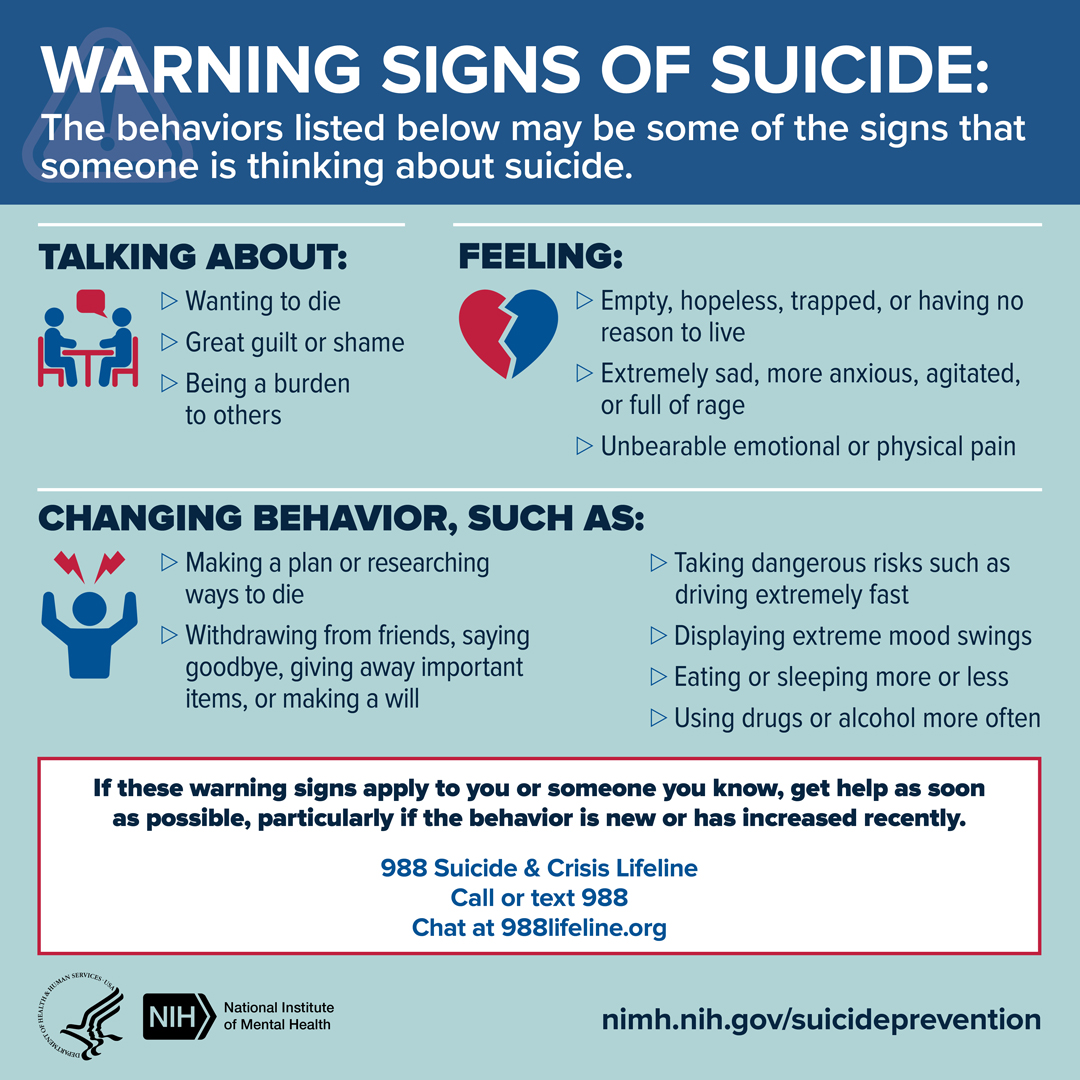
Being familiar with the signs that someone may be in a mental health crisis may save their life, the key is understanding the signs and knowing how to approach the conversations. This is not an easy task and often you will not be let in. That should not stop us from trying. This is a very fragile time and it takes great empathy, patience, and understanding to help someone in crisis. This is not a short-term, wham-bang fix and doesn’t involve your ego.
These are warning signs shared by The National Institute of Mental Health.
My parents were not active in church when I was little, so I would ask different neighbors if I could go to church with them. I was baptized but felt no connection to a church. At 14 years old I converted to Catholicism and was active in the church for many years. I’ve realized that going to church doesn’t define my relationship with God. I practice religion directly with God.
Arthritis is a condition that causes joint pain, inflammation, and stiffness. Though there’s no cure, you can use natural treatments such as heat and cold therapy to slow its progression and manage symptoms.
Heat and cold therapy are common treatments for arthritis due to their ability to alleviate pain, discomfort, and stiffness in joints, muscles, and soft tissues. The treatments may help to improve mobility, increase flexibility, and boost blood circulation, which may bring you immediate relief. Heat and cold therapyTrusted Source may also be slightly beneficial in improving function and quality of life.
You can use a combination of heat and cold therapy based on your symptoms and which treatments you find most effective, convenient, and enjoyable. Depending on time, convenience, and preference, you may add some of these therapies to your routine. Aim to do heat or cold treatments a few times daily.
Continue reading to learn more about the various types of heat and cold therapy. These simple treatments may relieve arthritis symptoms and help you to feel better.
Cold therapy, or cryotherapy, decreases blood flow to the affected area, which can reduce swelling and inflammation. It may have a numbing effect and help to relieve pain. However, it may exacerbate muscular tension.
In general, cold therapy is best for painful, inflamed joints, making it the best option for acute pain, inflammation, or swelling. It may be beneficial to do cold therapy after exercise or physical activity that causes discomfort. For best results, elevate the affected area.
Do not use cold therapy if you have poor circulation or a sensory condition such as diabetes that inhibits your ability to detect particular sensations. Talk with your doctor before using cold therapy if you have cardiovascular or heart disease.
To prevent nerve, tissue, and skin damage, do cold therapy for a maximum of 20 minutes. Continually check to make sure you can feel sensations in the affected area.
Ice pack
Apply a bag of frozen food, a bag of ice, or an ice pack to the affected area. You can also freeze a wet towel or sponge before applying it to the affected area. Wrap a towel around your ice pack to protect your skin.
Apply the pack for up to 20 minutes at a time. Stop the treatment if your skin begins to feel numb.
Check out some of the best ice packs for joint pain here.
Ice massage
Use an ice cube to massage the affected area. You can make a large ice block by freezing water in a paper cup.
Have a towel handy to absorb excess moisture.
Ice bath
You can take a full or partial ice bath to reduce inflammation and muscle pain. Stay in an ice bath for a maximum of 15 minutes.
Cold bath or shower
For an option that’s less extreme than an ice bath, take a cold bath or shower. According to a 2017Trusted Source study, cold mist showers may help to reduce pain in people with chronic inflammatory arthritis.
There are several types of heat therapy, called thermotherapy, options for arthritis. Heat therapy improves circulation and causes your blood vessels to expand. This helps your body to deliver more blood, oxygen, and nutrients to the affected area, which may reduce inflammation, stiffness, and pain. Heat therapy may also improve mobility, which makes it easier to relax, loosen up, and move.
If a heat therapy session causes swelling, redness, or inflammation avoid further treatments until your symptoms subside. Avoid using heat therapy during a flare-up or the acute stage of an injury. Talk with a healthcare professional before using heat treatments if you have heart disease or high blood pressure.
Do not use heat therapy if you have any of the following conditions:
diabetes
dermatitis
vascular diseases
deep vein thrombosis
multiple sclerosis (MS)
Hot shower
Hot showers may be beneficial to prepare for exercise or the day ahead. They may alleviate stiffness, improve mobility, and increase flexibility. Make sure the water isn’t too hot, especially if you have any cardiovascular concerns.
Warm compress
Apply a hot water bottle, electric heating pad, or homemade heating pad to the area of concern for up to 20 minutes at a time. For a full-body treatment, use an electric blanket.
This therapy is not suitable for people who have diabetes, have impaired sensation, or have had a stroke.
Swim or exercise in warm water
Swimming and exercising in warm water allows you to build muscle strength, improve flexibility, and increase mobility while reducing compression to your joints. This may help to ease discomfort and alleviate stiffness.
If you live near a warm body of water, take a dip in a natural setting. Otherwise, find a heated pool in your area. Aim to spend at least 20 minutes in the water.
Bath
Take a warm bath to relax and release tension or pain. For more benefits, add ingredients such as baking soda, Epsom salts, or essential oils. You can bathe for up to 2 hours.
Saunas and steam rooms
You can use a dry sauna, infrared sauna, or steam room to improve circulation and alleviate stiffness.
The results of a 2018Trusted Source review suggest that consistent use of a dry sauna is beneficial for people with rheumatoid arthritis as well as chronic pain syndrome. It may also help athletes to improve performance.
You can stay in a dry sauna or steam room for up to 15 minutes though you may want to begin with shorter sessions. Give yourself plenty of time to cool down in between sessions.
If you’re pregnant, talk with your doctor before using a sauna or steam room.
Paraffin wax treatment
This treatment may help to boost circulation, receive tension, and alleviate stiffness.
To do a paraffin wax treatment, dip your hands or feet in hot paraffin wax and cover the area with plastic or a towel. After 20 minutes, remove the wax. Pay attention to how your skin reacts and look out for any adverse reactions.
Many people find it beneficial to alternate between heat and cold therapy. You can switch between hot and cold therapies throughout the day. Usually, it’s best to wait at around 20 minutes between sessions, though you can also alternate between hot and cold water in the shower. Always start and finish with a cold treatment.
Talk with your doctor before alternating between full-body treatments such as an ice bath and a sauna or hot tub.
If you’re looking for remedies for arthritis to add to your existing treatment routine, heat and cold therapy are great options. You can use hot and cold therapies to manage symptoms of arthritis and improve your overall comfort.
Heat treatments help to relieve stiffness, improve circulation, and increase flexibility. Cold treatments alleviate pain and inflammation, which make them useful to do following physical activity. The effect of heat and cold therapy may only last a few hours, though over time they may help to reduce the severity of pain and keep symptoms at bay for longer.
Choose the remedies that yield the best results and add them to your self-care routine. Always make sure to protect your skin since hot and cold therapy have the potential to cause skin damage. Talk with a healthcare professional before starting any new therapy, especially if you have any additional medical conditions or take medications.
Fibromyalgia Awareness Month is important to me because I have it and know others that do. One of the biggest challenges Fibromyalgia patients face is there are so many different symptoms and they mimic other illnesses. That’s one reason it can years to get a proper diagnosis.
Why National Fibromyalgia Awareness Day?
Fibromyalgia is a chronic, complicated disease that affects millions of men and women throughout the world. A musculoskeletal illness produces widespread severe pain with symptoms like increased skin sensitivity, muscular rigidity, difficulty sleeping, memory and attention problems, excessive weariness, and headaches.
It is a challenging condition to identify because there isn’t a single test that can detect and treat it, and the symptoms get frequently misdiagnosed as attributed to other illnesses. Many people feel that the condition is psychological and not genuine due to a lack of research and the difficulties in defining the variables that cause it. Furthermore, there is no permanent relief for the suffering.
As a result, the keys to combating Fibromyalgia are awareness and financing. The goal of this day is to raise awareness about the condition and to encourage further research into finding a cure. The day’s observances greatly minimize the level of threat and the likelihood of being afflicted. When we try to learn more about a disorder like fibromyalgia, we realize just how far we’ve come in terms of innovation and advancement. Observing National Fibromyalgia Awareness Day allows us to reflect on our accomplishments.
Thoughts
Another huge challenge of having Fibromyalgia is it’s invisible, you don’t look sick unless you’re having your worst day. Most of the time you look fine and that is where the misunderstanding about the illness starts with friends and family. You can’t predict how you’ll feel tomorrow let alone next week, so you make plans, only to have a flair day and can’t get out of bed or can’t think straight and have to cancel your plans.
When people think you look fine and you’re not they can take it personally, that’s why it is important to share the basics of the illness and tell them that when you have to cancel on short notice it has nothing to do with them or not wanting to see them.
One suggestion for those newly diagnosed is to take your loved one or family member to a doctor’s appointment. This made a huge difference for me with my mental illness. My husband got to hear everything from the doctor’s mouth and got a better understanding of what I was dealing with. We also tell our doctor symptoms we don’t talk about every day and this is another time your loved one can understand all the ways Fibromyalgia affects your life.
Another way you can help is to participate in a Clinical Trial for Fibromyalgia, Keep your eyes open for news about trials in your area. It’s always possible you’ll get a drug that helps you in some way vs a placebo. It’s a 50% chance. The key is to understand the risks and or interactions with your other medications.
Go easy on yourself. If the house isn’t as clean as you’d like, don’t worry about it. Work a little at a time or call a house cleaning service if you can.
Antech, a veterinary diagnostics company, has launched two advanced screening tests for tick-borne diseases, heartworm, and other pathogens.
Enhanced Accuplex™ can now test dogs for three Ehrlichia species, and two Anaplasma species, alongside heartworm (Dirofilaria immitis)antigen, and antibodies to confirm exposure to Lyme borreliosis (Borrelia burgdorferi).
Antech is also offering a new enhanced vector-borne disease PCR panel for dogs and cats. capable of detecting such threats as Rocky Mountain spotted fever, babesiosis, and cytauxzoonosis.
Memorial Day is celebrated in many ways but let’s not forget what the meaning of the holiday is about. It’s a day to honor service members who gave their lives for our country, that means you and me. As you enjoy the long weekend, please remember the service members who gave their all.
Memorial Day honors fallen military personnel while celebrating their legacy.
Memorial Day is a federal holiday in the U.S. dedicated to honoring military personnel who lost their lives in service to the country
The holiday originated after the Civil War, evolving to encompass all U.S. wars, and is observed on the last Monday of May each year
While often associated with barbecues and gatherings, the true essence of Memorial Day lies in remembrance and honoring those who made the ultimate sacrifice
A disturbing issue for US service members
NORFOLK, Va. (AP) — Memorial Day is a U.S. holiday that’s supposed to be about mourning the nation’s fallen service members, but it’s come to anchor the unofficial start of summer and a long weekend of travel and discounts on anything from mattresses to lawn mowers.
Iraq War veteran Edmundo Eugenio Martinez Jr. said the day has lost so much meaning that many Americans “conflate and mix up Veterans Day, Memorial Day, Armed Forces Day, July Fourth.” Social media posts pay tribute to “everyone” who has served, when Memorial Day is about those who died.
For him, it’s about honoring 17 U.S. service members he knew who lost their lives.
“I was either there when they died or they were soldiers of mine, buddies of mine,” said Martinez, 48, an Army veteran who lives in Katy, Texas, west of Houston. “Some of them lost the battle after the war.”
From what I’ve seen over the past 20 years, he is correct.
The freedoms we enjoy today are because of the brave men and women who made a commitment to fight for our country through thick and thin and died defending us.
Boy, it’s interesting how age can make a difference in how you answer this question. To me having it all is not in material things however nice they are, it’s about loving ourselves and others, having a balanced life and finding joy each day.
Is it attainable?
You might not find joy every day but the foundation guides us through. God never said life was easy.
Children love being outdoors, and allowing them to do that promotes a wide range of skills they can use later in life such as gardening, appreciating nature, and also roleplay. Your children mean everything to you and as a parent, you want to do everything in your power to protect them. So when it comes to creating a safe space in your garden, you’ll want to rest assured that if you need to nip to the bathroom or cook their dinner that they aren’t doing to hurt themselves. This dread can be made worse by things in your garden that they could potentially hurt themselves on.
With that in mind, let’s take a look at how you can make sure your garden is child-friendly so they can continue to learn and thrive – without you being constantly worried.
Put up safety fences
A parent’s worst nightmare is the thought of their child wandering off out of the safety of the garden. If you don’t already, put up some safety fences with a lockable gate to ensure their safety.
This doesn’t just mean the perimeter of your property either, put up safety fences around ponds and flower beds to prevent them from falling in and hurting themselves.
Remove anything dangerous they may pick up
Whether you’ve just moved in and noticed a lot of animal muck, or your pets have had free reign for a while, the last thing you want is for your children to accidentally pick them up or even worse, get it anywhere near their faces. Using a company like Swoop Scoop not only prevents you from the nasty job of clearing this up but also ensures that nothing is missed. While a bit of dirt never did anyone any harm, children shouldn’t pick feces up.
Switch to rounded furniture
If your kids run wild when they’re in the garden, you’re probably constantly flinching when they go anywhere near any sharp-cornered furniture. To avoid this issue altogether, switch to rounded garden furniture.
If this isn’t an expense you can afford, you can add corner protectors to your furniture to prevent any serious damage. And of course, you could ban that area of the garden, but we know what kids are like!
Have a large grassed area
All kids love rolling around outside, but if your garden is paved or has lots of stones, you may be worried your children might hurt themselves. Consider contacting a turf company to create a grassed area for your children to enjoy and eliminate this worry.
Lock all harmful things away
Finally, while this may seem obvious if you have items in your garden that you still want to enjoy but may be harmful, buy a shed to lock them away when the children are playing. These could be items like garden ornaments, BBQs, potentially dangerous garden furniture, or even garden tools. Locking them away will give you the peace of mind that when your children are playing, they’re going to be as safe as possible.
I would love to talk with my granny for hours, asking all the questions that have come to mind after her death. I do talk with her but it’s a one-sided conversation for now but I know we’ll be together again.
NSAIDs can pose a risk to your kidney health. But while acetaminophen may be safer, all pain medications should be taken with a doctor’s supervision if you have kidney disease.
It’s almost a reflex: You have an ache or pain, so you reach for an over-the-counter (OTC) pain medication. But as routine as this behavior is, not everyone should casually take pain medications, as there can be potential negative interactions.
For example, people with kidney damage or reduced kidney function might not be able to use every OTC pain medication. Let’s look at why and what you can safely do for pain relief.
Before taking any pain medication, you should speak with your physician or a health professional to determine any possible interactions or risks that you might encounter.
For people with kidney disease, aspirin can increase the risk of bleeding. And in those with reduced kidney function, aspirin is not recommended unless prescribed by a physician. The recommended alternative can vary depending on the type and severity of kidney problems that you have.
Often, acetaminophen (Tylenol) is the preferred alternative. But it’s encouraged that you use the lowest dose possible that still manages pain or fever symptoms, decreasing doses gradually. And likewise, you should not exceed more than 3,000 milligrams per day.
Alternatively, if an OTC acetaminophen drug doesn’t control pain symptoms, a physician may suggest a temporary prescription alternative like tramadol. In its immediate release form, tramadol can be used in individuals with chronic kidney disease (CKD) or end stage renal disease (ESRD).
However, extended release dosing for tramadol is not recommended for people with advanced CKD or ESRD.
Which pain medication is safe for kidney transplant patients?
Similar to people with kidney disease, transplant recipients should only consider acetaminophen to manage post-operative pain symptoms. Again, best practices include using the lowest dose possible and never exceeding 3,000 milligrams per day.
Which pain medication is safe for kidney stones?
The short answer to this question is, it depends. If a patient has kidney stones with no underlying renal issues, then any OTC pain medication can be used to manage the pain symptoms associated with passing a kidney stone.
This includes ibuprofen, nonsteroidal anti-inflammatory drugs (NSAIDs), and acetaminophen. Multiple studies and reviews have consistently shown positive patient outcomes when using OTC medications of all types to treat pain associated with renal colic or passing a kidney stone.
However, if someone also has impaired kidney function and kidney stones, NSAIDs are not recommended. A physician will provide the best guidance, but typically, sticking with acetaminophen is the best choiceTrusted Source for managing kidney stone pain when you have kidney disease or impaired kidney function.
Misusing any pain medication can increase your risk of kidney damage. This includes aspirin, ibuprofen, acetaminophen, NSAIDs, and of course, prescription opioid medications. The most common risks center around consuming too high a dose or taking medications for longer than recommended.
But of all the OTC pain medication categories, NSAIDs pose the greatest risk of continuous kidney damage. Specifically, these medications can increase the risk of progressive kidney damage or sudden kidney failure.
A 2019 studyTrusted Source involving over 764,000 U.S. Army officers found that participants who were prescribed more than seven daily doses of NSAIDs per month had an increase in the potential for an acute or chronic kidney disease diagnosis.
Regardless of whether you have a diagnosed kidney disorder or have healthy kidney function, OTC medications should be used with care.
Excessive use by consuming too high a dose or for prolonged periods can lead to a variety of health problems throughout your body — including damage to the kidneys.
For people with kidney disease or impaired kidney function, avoiding NSAIDs unless directed by a physician is the safest way to avoid further harm. Instead, opt for acetaminophen and be sure to use the lowest dose for the shortest period to control pain symptoms.
And when in doubt, speak with a physician or health professional before taking an OTC pain medication.
I have many sentimental items placed around the house that would sting if they were lost in a fire but the most dear items I have are the photos of my grandparents, their parents, and those of me and my husband. Losing those would be devastating yet in the big picture items are not what we need to survive.
I’m glad you joined me for another edition of Weekend Music Share this week.
Have a great weekend!
Melinda
Welcome back to Weekend Music Share, the place where everyone can share their favorite music.
Feel free to use the Weekend Music Share banner in your post, and use the hashtag #WeekendMusicShare on social media so other participants can find your post.
This is a previous post I feel is important to shine a light on for Mental Health Awareness Month.
Some states like Colorado have what’s called a Red Gun Law. It basically allows someone who is concerned that a person may harm themselves or others to go before a judge and if warranted, have their weapons taken away for 30 days. This type of law could save many lives, in that 30 days, you might be able to get your loved one or friend the help they so desperately need.
My father committed suicide in 1992 after a long struggle with mental illness, he was 52 years old. This post isn’t about how to prevent suicide, or that it’s preventable, this post is about what is left behind after a person commits suicide.
September is Suicide Prevention Month and I’ve struggled with what to write. I do believe strongly that as a society we have to talk about suicide. As much as I advocate for everything I believe in suicide is something so personal to me that it’s different. It’s not the stigma, I don’t care what anyone thinks about my father’s death. It’s that in order to prevent suicide you have to start so far in advance of the person wanting to commit suicide.
My father abused me and we were estranged from the time I was a teenager. When I lived with my father I knew he was emotionally unstable but I was a kid and had my own problems. After 14 years my father calls me and starts talking about suicide. About how he can’t work, how he doesn’t have any money, and on and on.
The daughter and human in me responded, I was heartbroken, in shock, felt responsible and started paying his bills, sending him money and we talked all the time. He constantly talked about people bugging his phone, and people following him. I didn’t realize at the time my father was delusional.
I continued to beg him every time we talked to not kill himself, to think about my granny, his mother who would be devastated. I talked and pleaded for months. Begged him to go to the doctor. I did what I could.
I got a call late one Sunday saying “your father did away with himself” from my gramps. I was in such shock I called right back and asked was he dead or on the way to the hospital. No, he’s dead.
Here are a few things I learned after my father died.
He had been in a downward spiral for years by looking at his living conditions. He had boxes and boxes of cassette tapes by his bed, recordings he had made. I remember him talking about someone bugging his phone so I listened to every one of those tapes several times. There was nothing on most of them, some were recordings of my father talking on the phone. Some were just noise or his breathing. My father was delusional.
I could go on and on but there are a few takeaways.
One of the most difficult things you have to deal with in a suicide death is a closed casket funeral. You can’t see their face and say goodbye so there is an unmet emotional void that never goes away.
I did everything within my power, my dad was a grown man. A man with his own free will. I could not make him go to the doctor for help. There wasn’t a Gun Law in Texas where you could call the police and they would come out to take away a gun. There may not be one now.
I felt unbearable guilt, the pressure of the weight of thinking I could have prevented my granny’s pain was so much I drank myself crazy.
What I did learn from his death as we had the same mental illness, Bipolar Disorder, and I was 75% more likely to commit suicide because my father had. I took that information and I found the best Psychiatrist I could. He is still my doctor today and has saved my life many times.
You can’t stop someone from killing themselves if they are determined. They will find a way now or later.
What we can do is look for signs early in life and during a crisis to see if a person needs help and guide them in that direction. If you’re a parent you have much more control when your child is younger.
The key to preventing suicide is to bring all the emotional damage to the surface to be dealt with and treat mental illnesses with the help of a Therapist & Psychiatrist. I will also add that if you’re inclined you can push for laws that allow the police to be called and for them to take the gun away for some period of time. Each state is different. You can also push for stronger gun laws if that is your wish.
It took me many years to grieve my father but I have reached the other side. You can too.
Mental health is wealth, especially during Mental Health Awareness Month, which is celebrated in May. The stigma around mental health and treatment has long existed, even though this has started to change. Still, people hesitate to seek help or even talk about it with their loved ones for fear of being judged and facing unnecessary backlash. Simple logic dictates that if we are hurt anywhere, we must seek treatment to get better. This applies to both our mental- and physical well-being. While Mental Health Awareness Month is celebrated in the U.S., a more universal day is also celebrated by the WHO on October 10, and it is known as World Mental Health Day.
What To Do When You Need Help
When living with a mental health condition or facing a mental health concern, it’s common to feel like no one understands what you’re going through. But many people overcome the mental health challenges they face. You aren’t alone – help is out there, and recovery is possible.
IF YOU ARE IN CRISIS: Text “MHA” to 741741 or call 1-800-273-TALK (8255) to reach a trained crisis counselor 24/7, 365 days a year. Spanish speakers: 1-888-628-9454. Deaf & hard of hearing: TTY users, use your preferred relay service or dial 711 then 1-800-273-8255
I was diagnosed with Bipolar Disorder when I was 19 years old but didn’t take it seriously until my father committed suicide in 1992. After a few doctors who gave me way too much medication to work, I found my current doctor.
He’s a Psychopharmacologist and I’m so lucky to have found him. A Psychopharmacologist goes through additional training on top of being a Psychiatrist. One of the most important reasons to see one is if they understand the brain better and which medicine will interact with the part of the brain affected. It takes a lot of the guesswork out of what type of medication you need for your specific symptoms.
If I could make one parting suggestion, it would be to include a loved one in all of the appointments with your doctor. To make sure my husband understood what I was going through and felt it was best to hear it from the doctor’s mouth. It’s been a lifesaver.



























 Looking for the Light