

What’s your mood today?
I’m feeling good and cozy. The fireplace is on and I’m wrapped in a throw.
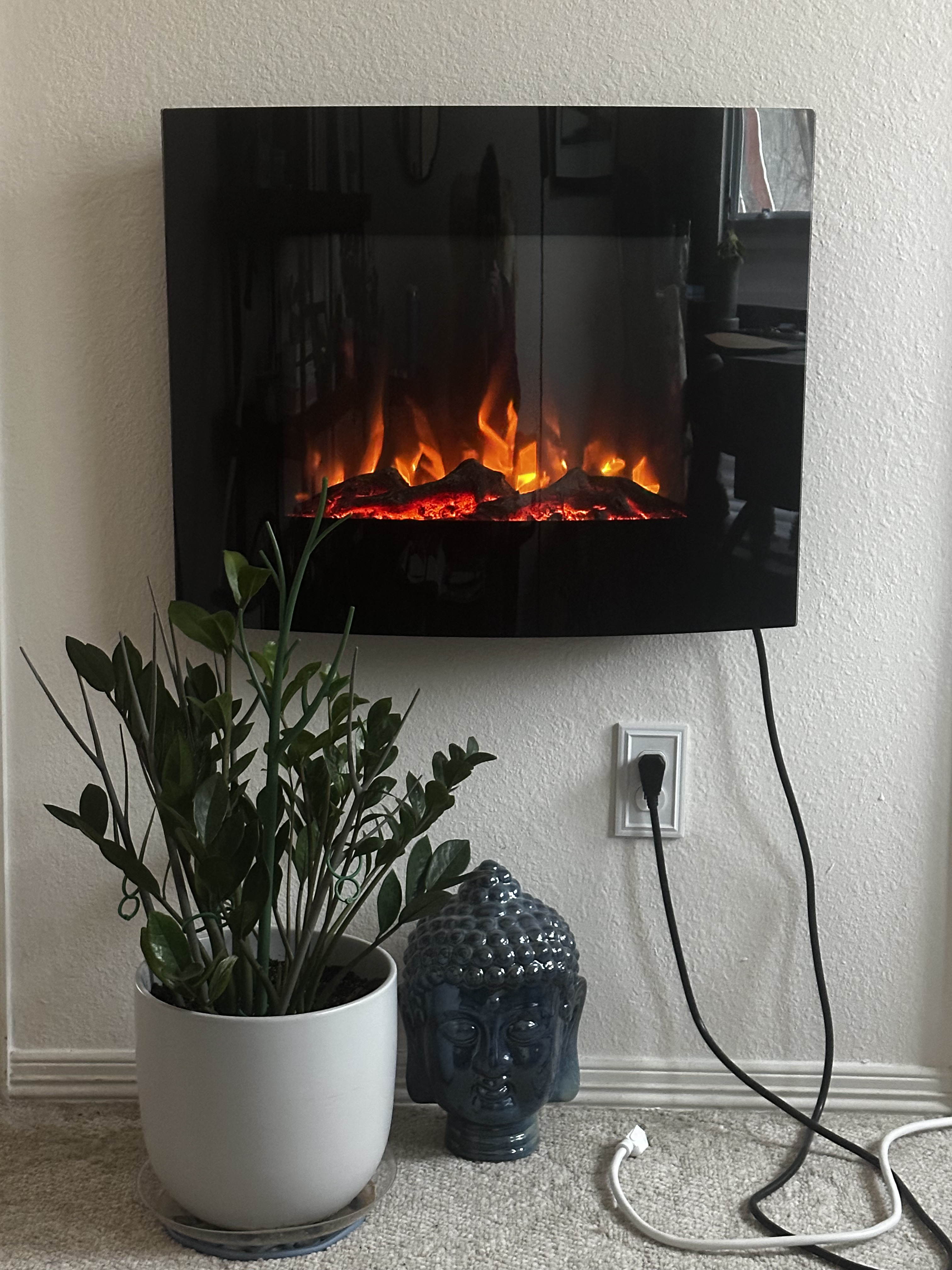
I hope this post finds you happy and healthy.
Melinda
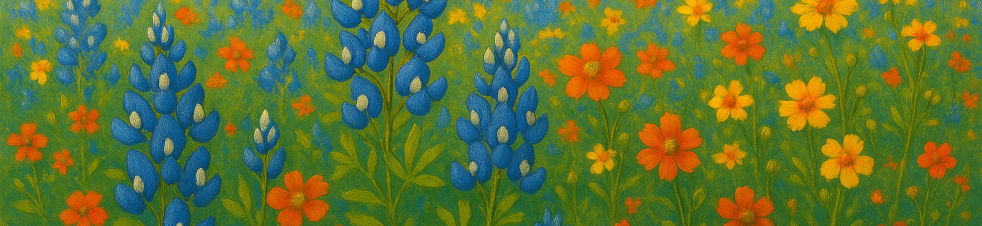
What’s your mood today?
I’m feeling good and cozy. The fireplace is on and I’m wrapped in a throw.
I hope this post finds you happy and healthy.
Melinda
I’m glad you joined me on Wordless Wednesday and I hope to see you soon.
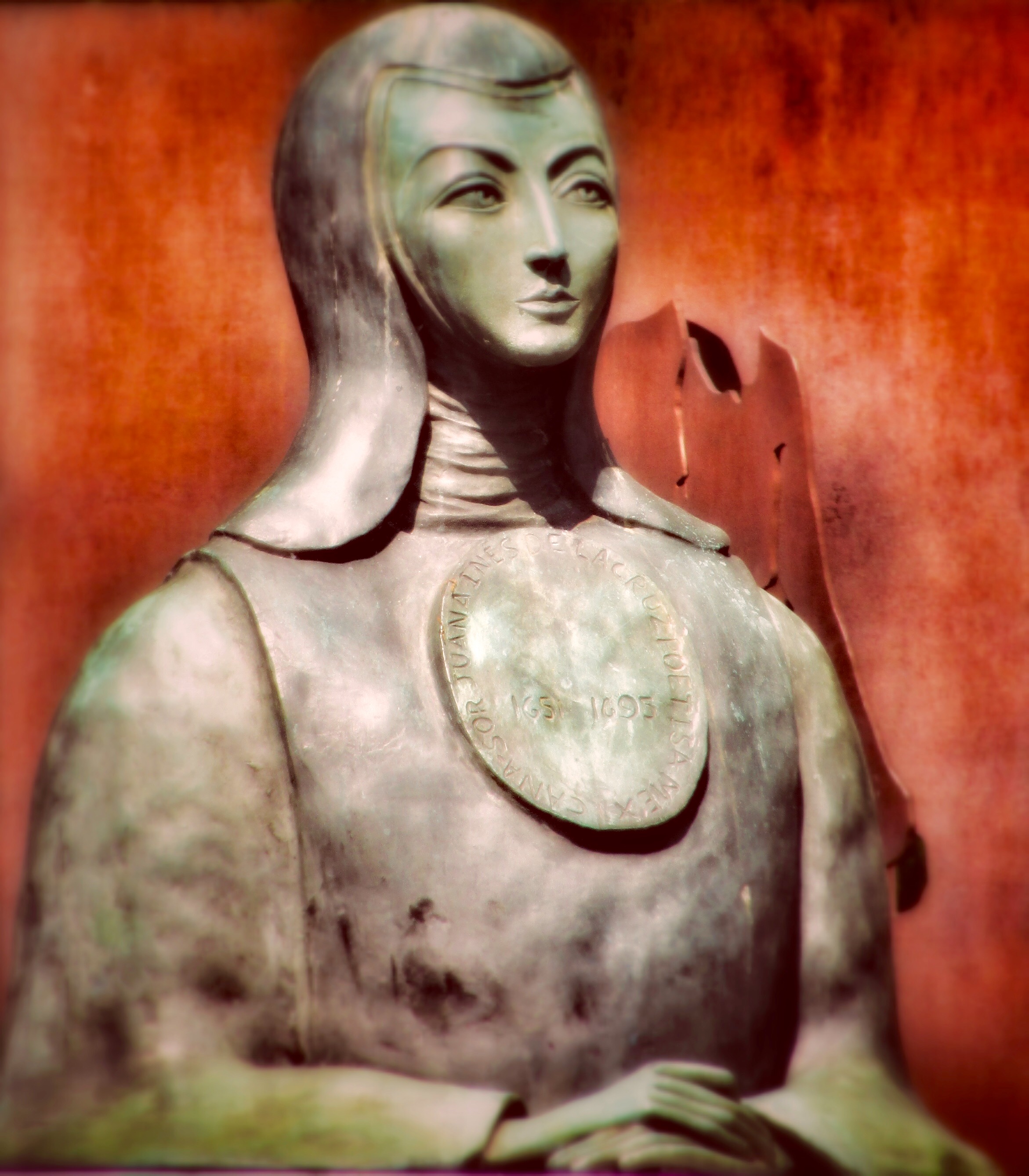
Picasso, Washington, D.C. 2015
Melinda
In this fast-paced social media world, it can be difficult to find the time to look within or back in time. I hope you find these quotes and questions interesting. I’m so glad you stopped by today!
Willow & Sage by Stampington
Dried flowers, herbs, and other natural elements
Spices: cinnamon sticks, cloves, allspice, and vanilla beans
Dried fruit/Apple and citrus peels
Dehydrator (optional)
15-20 drops essential oils/fragrance oils
1 TB. orris root powder
Airtight glass container
Dry the herbs, flowers, fruits, spices, and other natural elements. You can leave them to dry for two or three weeks, use a dehydrator, or place them in the oven at 200 degrees for two hours until dried. Add the essential oils or fragrance oils to the natural elements. Add the orris root powder as a fixture to prevent the essential oils from evaporating so the mixture maintains its aroma longer.
Store in an airtight container for a few days before using. Once open, the scent lasts for about two to three weeks. Restore the scent by adding more essential oils.
For the dried flowers, herbs, and other natural elements, gather pinecones, cypress, pine cuttings, sage leaves, and flowers.
Some essential oil combinations are: sage, rosemary, and orange; fir and spruce; cinnamon bark, pine, and orange; clary sage, juniper, and fir; and bergamot and Douglas fir.
Melinda
The world is a stage, the play goes on,Daylight fades, then comes the dawn.We laugh, we cry, we love, we fear,But is it real or just unclear? A shadow moves, but is it there?A whisper floats upon the air.The things we chase, the dreams we weave, Are sometimes tricks that make us believe. A mirror shows … Contin
Childhood antics that landed my brother and me in trouble.
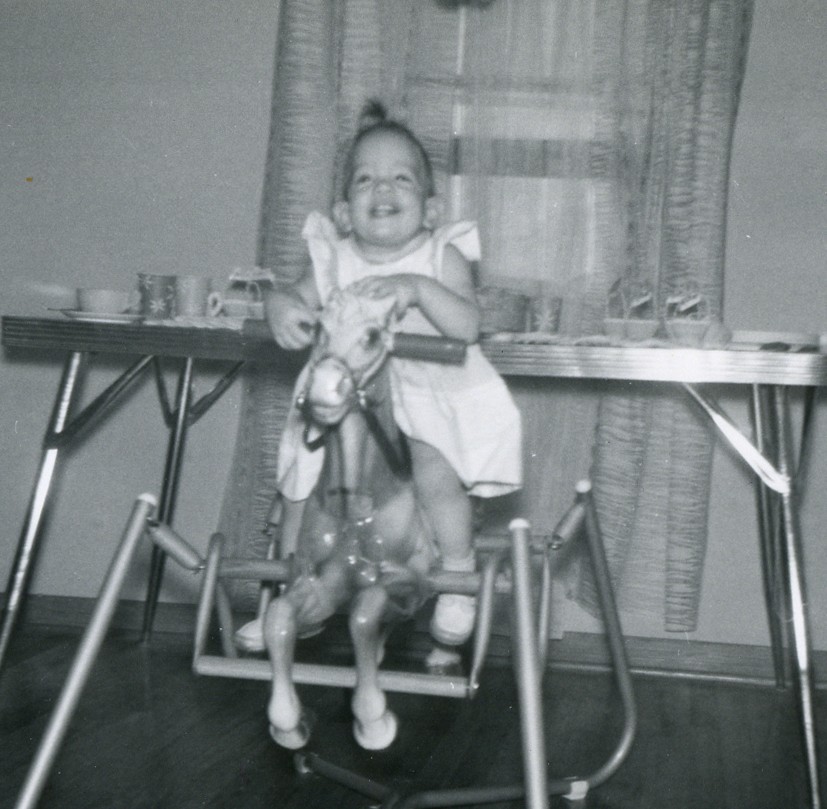
I have to start with my favorite story, you’ll get a better idea of who I am. At recess, in third grade, I told the teacher I HAD to go to the bathroom. No, go back and play. Back to teacher a few minutes later I HAVE TO GO! You’re just saying that go play. I begged the teacher to let me go a few minutes later, NO. I said okay and popped my pants right in front of her. And that ended the life of my favorite purple elephant bell bottom suit.
Gramps stopped to pick up bread leaving us in-car, I may have been seven. The car was a standard on the column, I was playing like Gramps driving and somehow got the car in neutral. We were rolling out onto a major street. I hopped out trying to get the car to stop, luckily a man stopped to help about the time Gramps rounded the corner. He was in shock, we didn’t get a switch.
My youngest brother was playing on the sidewalk in front of a girl’s house. They were laughing loudly and screaming. The family owned a Saint Bernard which was protective of the girl. The dog jumped the fence, grabbed my brother by the back slinging him side to side. My older brother grabbed a two-by-four, hitting the dog many times, it would not let go and it turned to bite his arm.
We got a new puppy, and the kids were so in love. So much in love, all four kids woke up in the night a fed the dog a piece of bologna. Made the dog so sick.
My girlfriend’s yard had a slope where we would lie down and throw apples at cars until a man got out a threatened us.
My stepfather really loved boating, the problem was he knew nothing about boats. Our speed boat couldn’t pull up a skier, our houseboat was so huge he had to call a tow truck to get out of the lake.
There was a small drainage ditch in the neighborhood where we would fish for crayfish. If we caught enough, we would fry them up, yummy. I hate to think of what was in the water.
M
Repost

The man, Tim Storms, can’t even hear the note, which is eight octaves below the lowest G on a piano—but elephants can. Check out these 16 little-known interesting facts about the greatest songs of all time.
It started as a school project for Bob Heft’s junior-year history class, and it only earned a B- in 1958. His design had 50 stars even though Alaska and Hawaii weren’t states yet. Heft figured the two would earn statehood soon and showed the government his design. After President Dwight D. Eisenhower called to say his design was approved, Heft’s teacher changed his grade to an A.
They do have molars in the top back of their mouths though. Where you’d expect upper incisors, cows, sheep, and goats have a thick layer of tissue called a “dental pad.” They use that with their bottom teeth to pull out grass. Check out these 13 fun facts about the human body you’ve always wondered about.
Getting new equipment to the Space Station used to take months or years, but the new technology means the tools are ready within hours.
Most of it is covered in gravel, though it also contains mountains and oases. Oh, and it isn’t the world’s largest desert—Antarctica is. Don’t miss these other 30 geography facts everyone gets wrong.
Or technically, we peel them upside-down. These random facts will have you eating fruit differently. Naturally, they grow outward from their stems, but that means their bottoms actually face the sky. As they get bigger, the fruits turn toward the sun, forming that distinctive curve. Check out these 21 food myths that are totally untrue.
Most of the volcanoes probably stopped one billion years ago, but new NASA findings suggest there might still have been active lava flow 100 million years ago, when dinosaurs were still roaming.
Dogs normally start sniffing with their right nostril, then keep it there if the smell could signal danger, but they’ll shift to the left side for something pleasant, like food or a mating partner. Learn the real reason dogs follow you everywhere.
Indigenous people of Mexico and Central America used the Nahuatl word āhuacatl to mean both “testicles” and “avocado.” The fruits were originally marketed as “alligator pears” in the United States until the current name stuck. For more random facts, learn what the original word for avocado means about guacamole’s name.
No one is sure why the poet dusted his face with green powder, though some guess he was just trying to look more interesting. Here are more fascinating facts about famous authors.
Melinda
Repost
How did you learn to drive?
My Gramps took me to the river bottoms to teach me driving skills. I failed miserably at parallel parking. He took two metal trash cans with us, and with each attempt, I knocked the cans over.
Melinda
It’s such a great privilege you have stopped by my blog, and I always look forward to your return. I accomplish my lifelong goal of seeing the world through your eyes. It’s a big beautiful world out there.

Thank you for allowing me into your life, if only briefly. I appreciate you stopping by and hope to see you again.
Take good care.
Melinda
I’ve included a link below if you would like to see the complete list.
American Heart Month
Black History Month
National Cancer Prevention Month
Teen Dating Violence Awareness and Prevention Month
World Cancer Day 4th
Safer Internet Day 8th
National Donor Day 14th
International Childhood Cancer Day 15th
Random Act of Kindness Day 17th
Day of Remembrance 19th
World Day of Social Justice 20th
National Eating Disorders Awareness Week-Last week of February or the first week of March
You can find the complete list HERE.
Melinda
Reference:
https://www.goodgoodgood.co/articles/february-awareness-days-months
Pets keep loneliness at bay for millions of people and can help with our overwhelming thoughts and while we are more than aware of how a pet can help us with our well-being, we must remember to return the favour. Supporting your pet’s mental health is essential. The pandemic has made us a lot more anxious, but what about our pets? Our pets’ behaviour might change intense situations. But what can we do to make sure that, if we notice our pets having any signs of poor well-being, that we support them?

Providing mental stimulation is crucial. If you are currently stuck at home, you can hide treats and toys around the space to provide that all-important exercise and mental stimulation. But when life returns to normality, give them the benefits of a variety of scenery. Taking them to explore new scenery is as important to your pet’s mental health as it is to you.
Ensuring that they remain agile is essential. Building up their agility will teach them something new and stimulate them. If your pet needs to stay indoors, you must remember that their exercise should not suffer. You can also incorporate new toys on a heavy rotation. A variety of interactive toys can keep your pet interested and stimulated. There is a lot to consider. And when you start to stimulate their senses, you give them that all-important distraction.
Fresh air is important, as well as light and exposure to a variety of senses. Giving them exposure to different smells and sounds provides simulation. You have to remember at this point if your pet’s behaviour changes or they get frustrated, you may need to change your approach. If you are not taking your dog out much at the moment, you need to remember that the variety of noises and smells may frustrate them at not being able to go outside.
A physically and mentally stimulated pet will be happier and healthier. Observing changes in their behaviour gives you the opportunity to spot if their mental well-being is being impacted. You should always contact a vet if you are concerned, but the solution might be closer to home. You could give them more treats if you feel you’ve been cutting back recently. There are also other ways to stimulate them, such as the soothing sounds on My Dog’s Favourite Podcast available on Spotify. It is an audio treat for your dog that could help to calm their anxieties.
Stimulation is crucial, but we have to remember when we are trying to look after our pets and mental health that we are more observant. They could be taking their cue from us, in which case, it’s essential to focus on creating a healthier environment for everyone. We can look after our pet’s mental health. In many ways, it is simple.
Melinda
Repost
It’s the weekend!!!!!!
I’m glad you joined me for another edition of Weekend Music Share this week.
Have a great weekend!
Melinda
Welcome back to Weekend Music Share, the place where everyone can share their favorite music.
Feel free to use the Weekend Music Share banner in your post, and use the hashtag #WeekendMusicShare on social media so other participants can find your post.
Thank you for joining me for this week’s Friday Quote.

Melinda
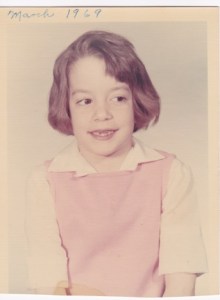
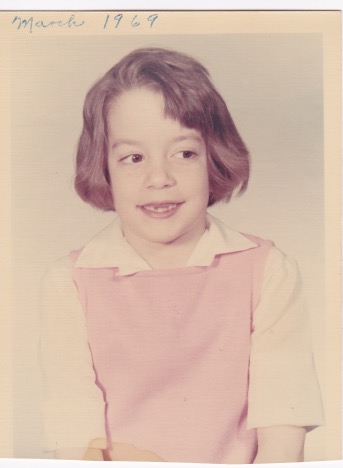
Miss Trouble at six years old.
My brother was my best friend and I have hundreds of great memories. I laugh thinking how we came up with some of our adventures. Looking at the worst years of my life and finding happiness is liberating. These memories made my life feel normal. Some are a chuckle, others a belly roll, and most are just things kids do. I was often the mastermind, no time to waste. I hope it will brighten your day. Maybe spark some memories of your own.
We put sheets and blankets over our double-long clothesline making tepees to hide in. We could get a good thirty minutes of fun before having to look for real fun/trouble. Our dog Sandy got in on the action by pulling the tepees down.
While preparing my stepfather’s house for sale. My mother had finished moping the floor. With no thought on our part, we put pop tarts in our soda and they blew all over the newly mopped kitchen.
My brother was checking out a new Christmas BB Gun and shot me in the leg.
We always fought over who got to lick the cake icing bowl.
My Favorite We didn’t know why but our grandma was babysitting that day. Beyond bored, we start walking down the alley. My brother finds a bag of rotting potatoes, perfect for trouble-making. Our neighbors had a pool and were not home, we threw potatoes in the pool, and a dog bowl, on the house and back door. Little did we know our grandma was looking out the kitchen window watching us. We came into the house like nothing new. We had to wait until neighbors got home, apologize for what we’d done, and clean up the mess. It was nasty to clean but it was worth it.
Popping Bubble Wrap was a huge treat, we would fight over who got the bigger piece, We would lay in the front yard watching the stars popping our bubbles.
I would take Turtle Wax from the garage and mix in a little dirt to see how fast it would eat through a pie pan. Dixie cups melted quickly but pie pans took longer. It was difficult to explain the stains on the picnic table.
I never wore shoes unless forced. My grandfather came over and I was my usual jumping-around self. Looking at the flowers of the weeds in our yard. I enjoyed the simple things. Then I let out a scream, I stepped on a Bubble Bee. My grandfather said “Pud” you’ll be okay. I wandered off to find the bee. It was so pretty and I’d never seen that kind of bee. My grandfather called me “Pud” all my life, my guess is that it was an old people’s term of endearment.
At 4-5 years old, I was across the street playing and my mother started yelling there’s a tornado coming. I didn’t hear her so went to the middle of the street to see what was so important. A tornado is coming get in the house now. OK. My dad was at work so we gathered around the television. It wasn’t long before I had to go to the bathroom. I was so scared, I would not go because the Tornado Man might get me. An important note: my Easy Bake Oven went with the wind.
This was great, my brother came from the store with gum with a small poster in it. He asked if he could put it on the wall, NO! He snuck into her bedroom found a bobby pin, plugged it in an electrical socket, and caught the carpet in his bedroom on fire.
I matured early…..getting my mouth washed out with soap for saying fuck at 4 years old.
We’re on a teeter-totter at our grandparent’s house, I was in the air and spotted a snake. I was screaming like crazy. Gramps came back with a hole but I would not get off the swing. I still hate snakes.
When our teeth were loose we put a string around it, tied it to the doorknob, and then slammed the door. One time it took three tries to get one out. The tooth fairy didn’t leave any extra money.
Gramps and I would have a watermelon seed spitting contest, who could get seed over the picnic table.
One of the methods of discipline my grandparents used was to go outside and get a switch. If you brought a wimpy one, it was back outside for another.
My grandparents would take us to Ponchos, and we raised the flag for more until we exploded.
We had pampas grass with long razor blades, on each side of our driveway. We made a bike ramp, the goal was to jump over both pampas grass, and the driveway and not get cut to shreds.
Singing to the radio with my dad driving 90 miles an hour, smoking a cigar with windows rolled up and constantly pushing buttons on the radio while changing lanes. We didn’t worry about his driving it was the cheap cigars we complained about.
I’m blessed to have good memories of my childhood.
XO M
Report from 2015
Personal budgeting is a powerful tool, but few know its value. You see, most people get upset when they hear that they have to make a budget for their expenses. It is associated with discomfort and headache. Just as it is linked to diet to hunger and limited food, this is because most people only resort to budgeting when things get tough and there are difficulties, just like with someone who, because he has gained a lot of weight, decides to lose weight. But this is not precisely the case. A personal budget is a necessary tool that we must learn to use in our lives. Its mission is not to make you limit your expenses but to help you set aside more money or spend it more efficiently.
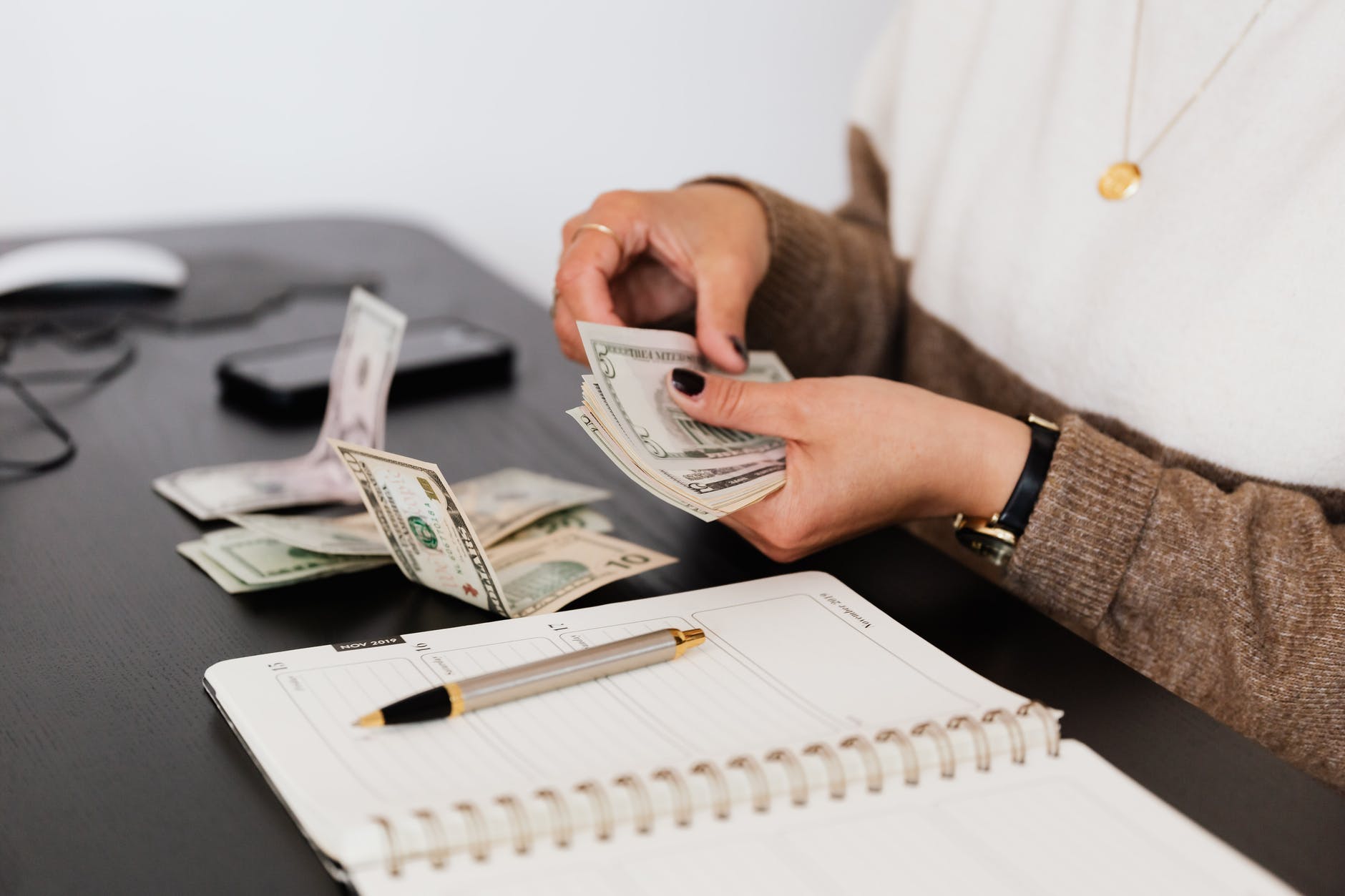
Most people who do not have a budget spend more than they need each month, this exaggeration has significant implications as it limits their future economic power. The result is that they have less money left, but also create more fixed costs if the purchases are made with installments and credit cards. But when you plan how much you will spend each month and know in advance where they will go, it is easier to restrain yourself and realize when you are overdoing it. For this reason, make your own personal budget so that you know where you are. If you have types of subscriptions, then look at reassessing them. If you have car costs, then look at honest car service to ensure that you are always keeping the necessities at a lower price.
A personal budget is essentially a plan that helps you prioritize where you spend your money. This means that when you create an account, you are essentially shifting your focus to the things that matter most to you. This can be repaying a loan, raising enough money to get a home, or starting your own business. The budget essentially creates the plan that you will follow and allows you to monitor your progress.
People who do not use budgets will not have as much money in savings. Also, planning how you will spend your money each month helps you to avoid infringing on your existing savings. By doing things this way, you can gradually increase the money you have set aside. And the more that you save, the more you will start to feel more comfortable with your finances and of course your future. This will assist you with your home too.
Budget work is to help you be flexible. By recording the income and expenses in detail, you can see how you can transfer money from one expense category to another. It also helps you identify issues that may arise and make the necessary adjustments.
If you feel that you do not have control over your finances and you are always wondering where your money and salary have disappeared, your budget will help you to recover it. By setting your financial priorities and seeing on paper how you spend your money during the month, you better understand habits and patterns that hurt you. This way, it is easier to know where to stop. Having a definite plan for the month, you know what to do and what not to do, and it is easier to think about the future. Make your plans and prepare. The budget is probably the most essential tool you need to change your financial future and gives you the power to make changes right away.
Personal budgeting is not difficult to set up. We are not talking about a budget drawn up by a multinational or a state, where the responsibilities are significant, and the variables are many. We are talking about the account that will help you maintain order in your finances.
So if you start using it regularly, you will see that it is something simple. You can make it even easier and instead of using pen and paper, take advantage of technological advances using a corresponding application. As with anything new, you may be skeptical or feel that you do not have to bother analyzing your finances. But try it for a few months. As you apply it, you will see that you will become more familiar and it will be easier for you to manage your money properly.
This is a collaborative post.
Melinda
Repost
I’m glad you joined me on Wordless Wednesday and I hope to see you soon.
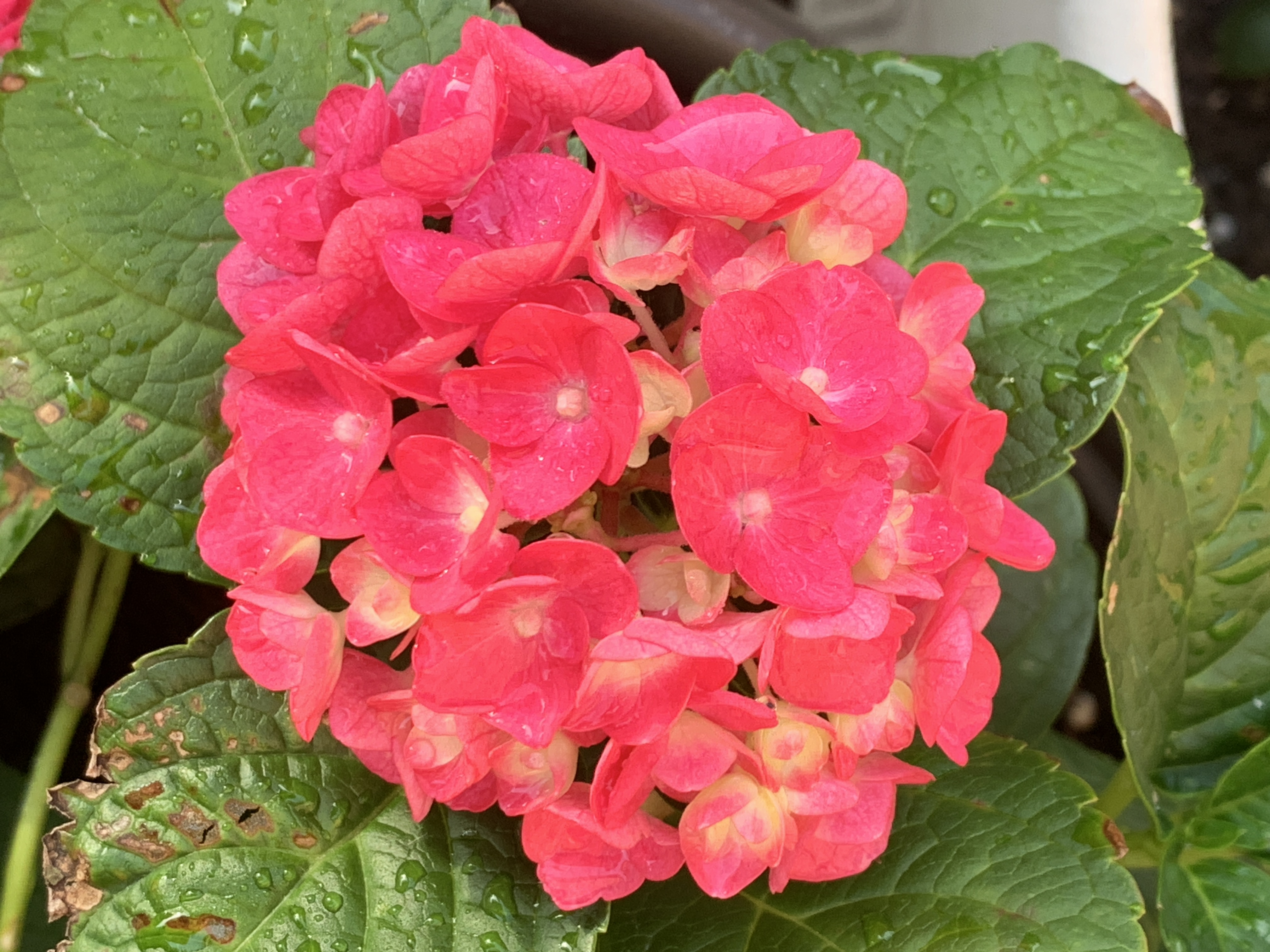
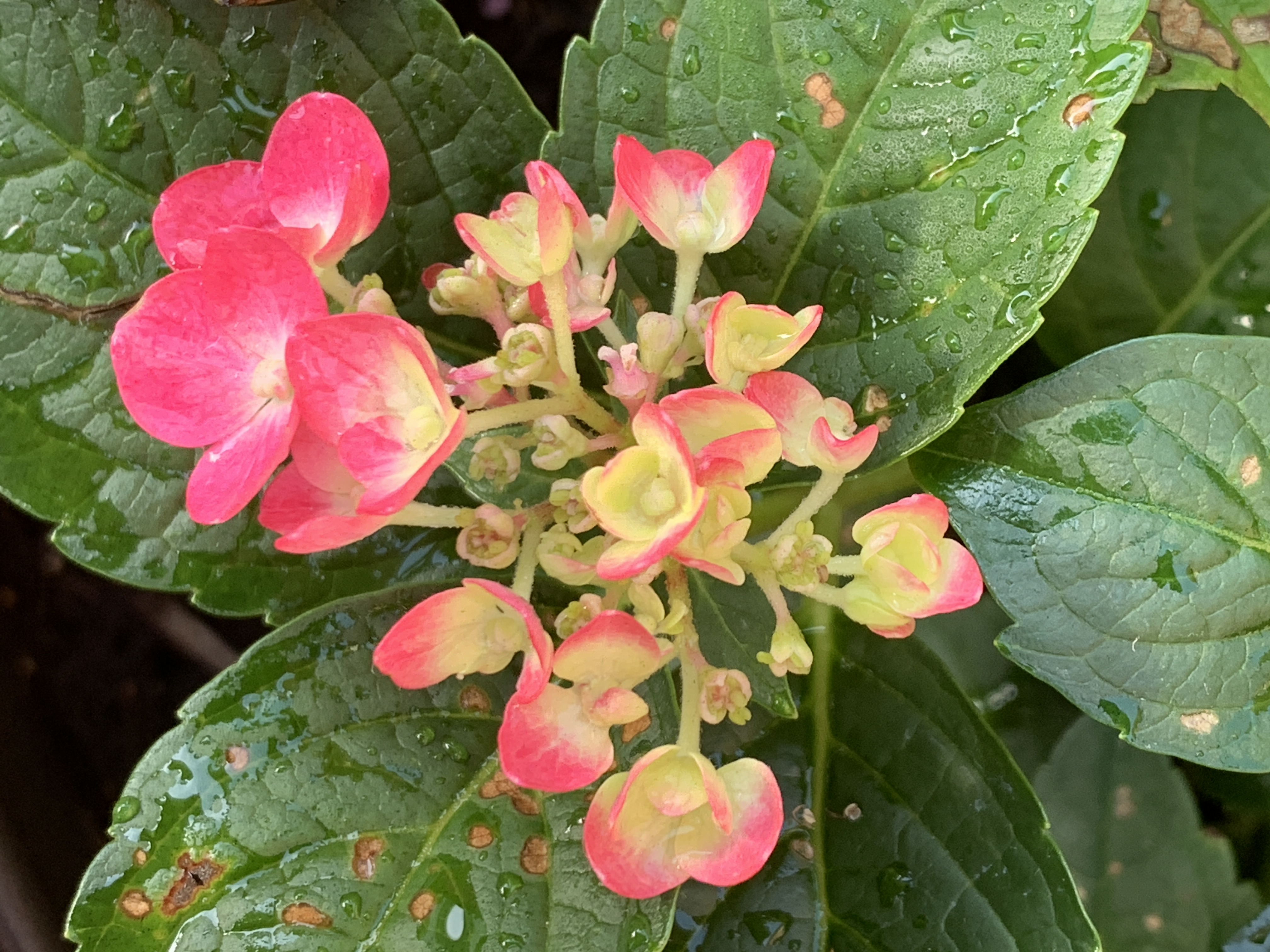
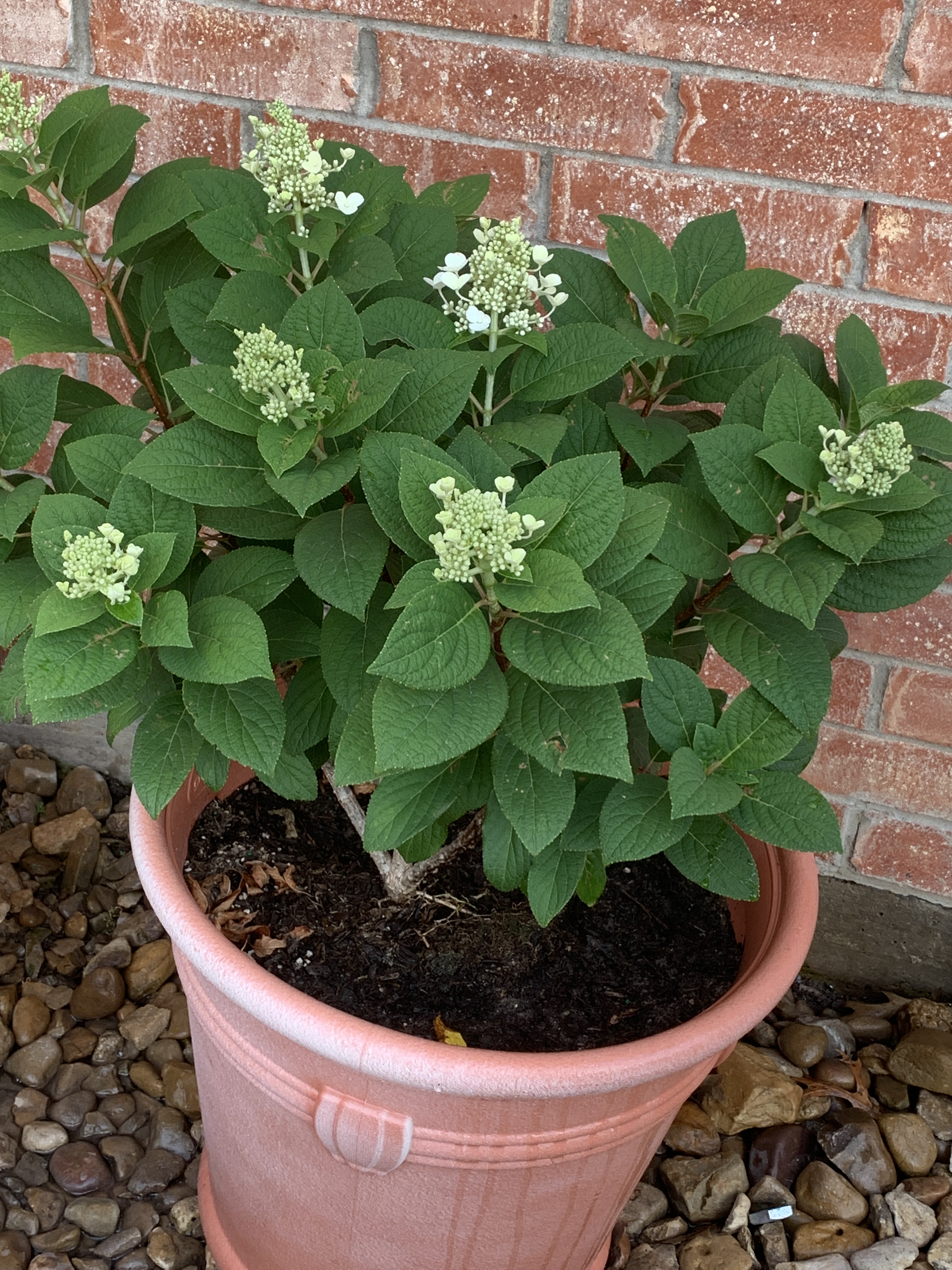
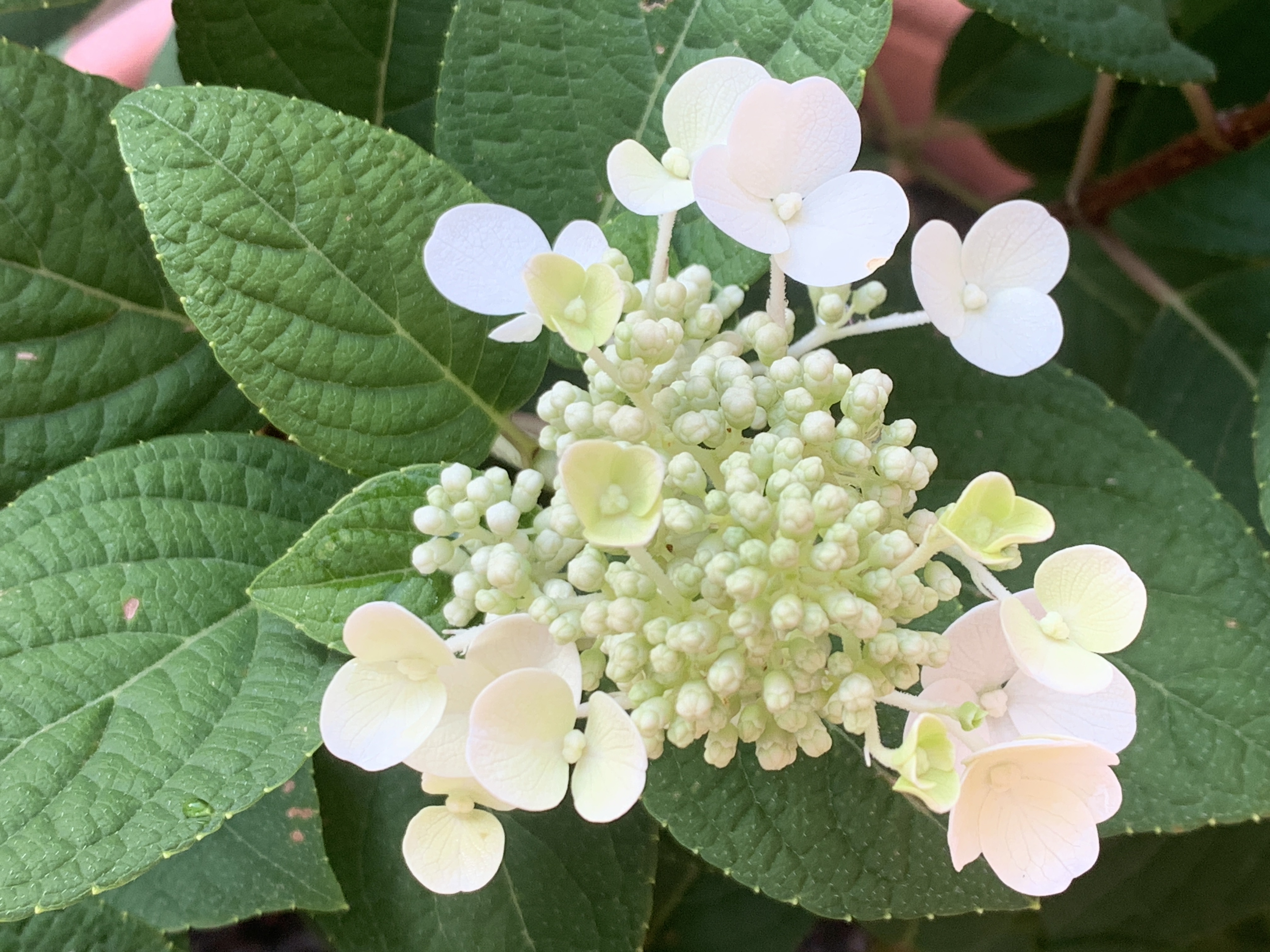
This was their first year so the blooms weren’t huge.
Melinda
Your health and wellness are important factors when it comes to how you feel each day and what you’re able to achieve in life. You must have a lot of natural energy and be in a positive frame of mind if you want to be well and excel.
While not every day will be great, it’s in your best interest to find more stability in your life and mental state. Doing so isn’t always easy but it is possible. Your mental health matters and the only way to make sure you can boost and improve it is to work on it and take actions that help you to achieve this goal.
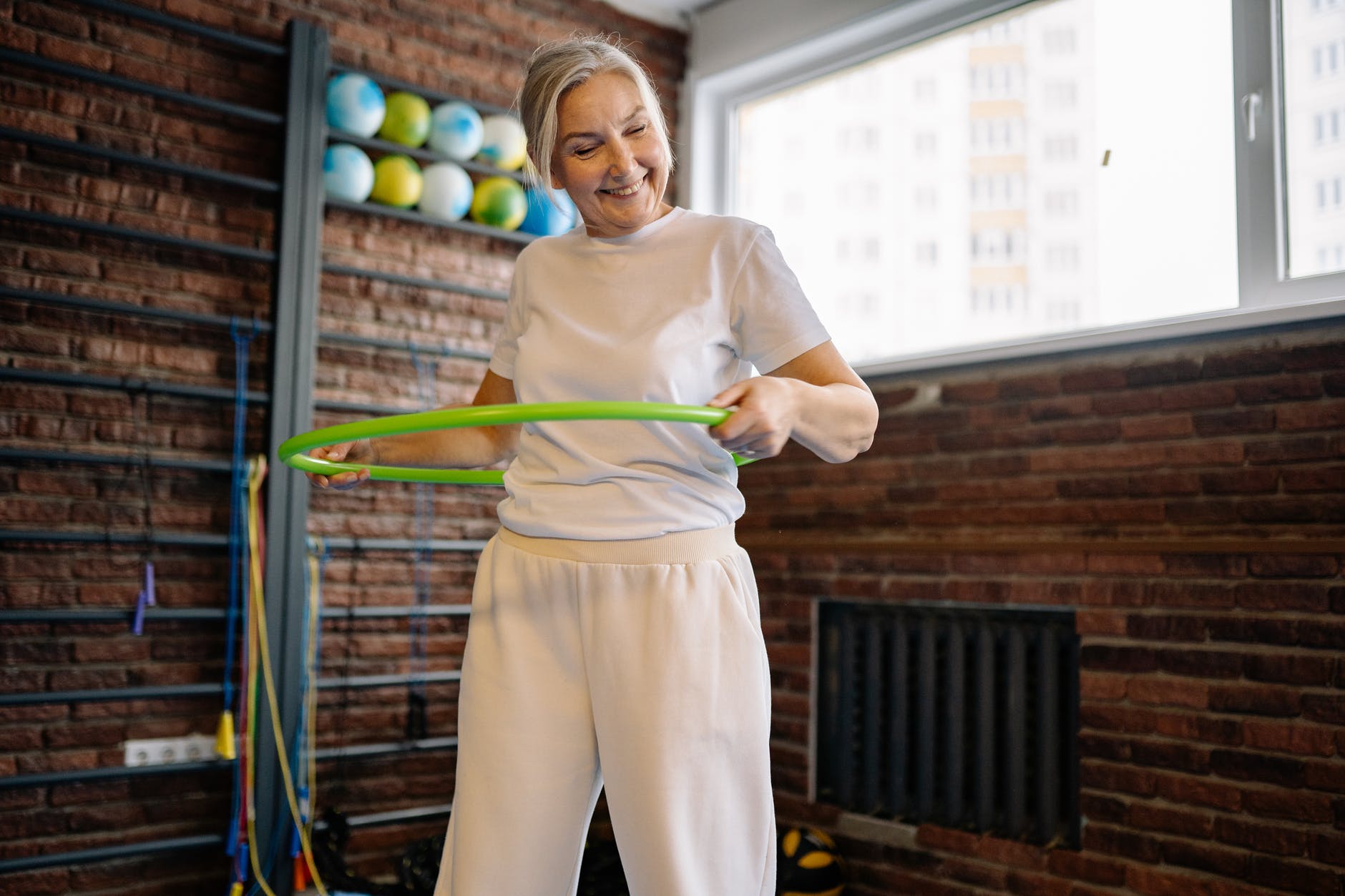
Keep active if you want to boost and improve your mental health. Exercising and living a healthy lifestyle is good not only for your physical body but also for your mind. Happy chemicals are released when you workout and you’ll notice that you’re in a better mood after you break a sweat. Find activities you enjoy doing and that help you work and challenge different muscle groups. You’ll not only be a happier person for making this change but you’ll also be in better shape and feel more confident in your body.
Another way to boost and improve your mental health is to learn new information regularly. Challenge your mind by studying and reading articles and blogs from some of the top leaders out there like Dee Agarwal. Learning not only makes you smarter but it makes you feel good and gives you a sense of accomplishment. Open up your mind to taking in new information and remain curious so that you can expand your knowledge and education and stay mentally well.
It’s also in your best interest to get in the habit of talking about your feelings if you want to boost and improve your mental health. Be vulnerable and open with those you trust and let them into your troubles and what’s on your mind. They can be there to listen or also offer advice and input if that’s what you want. It’ll feel good to get what’s bothering you off your mind and out into the open. You won’t have to carry around so many burdens and will likely notice that others feel the same way you do and can relate or have had similar experiences as well. You can’t be afraid to ask for help and should do so when you need it so that you feel less alone.
Do more of what you love if you want to boost and improve your mental health. Start living for yourself instead of others and do what puts a smile on your face. Make more time for hobbies and activities that you enjoy and say no to others when they request your time and attention and you can’t give it. Find a job you love and that puts your skills to use and challenges you daily. You’ll feel much more fulfilled and be in a better place when you’re spending your days doing what pleases you.
Your diet and what you eat also play a role in how you feel and your mental health. Some foods can ignite or reduce anxiety, for example. Commit to eating a nutritious diet full of leafy greens, vegetables, lean proteins, and healthy fats. It may help to get in the habit of cooking for yourself at home so you have more control over the ingredients and portion sizes. Also, pay attention to what you’re drinking and stick to having more water and tea and less caffeine, alcohol, and sugar if you want to maintain good mental health.
One of the best ways to slow racing thoughts and boost and improve your mental health is to take the time to meditate and reflect often. Find a quiet place in your home or head out into nature and listen to a guided meditation that will help you feel relaxed, centered, and at ease.
This is a collaborative post.
Melinda
Repost
Mental health issues affect one in four people. This could range from stress, anxiety, and depression, to severe mental health issues such as Bipolar Disorder, Schizophrenia, or Borderline Personality Disorder. The good news is there are steps you can take to help deal with these challenges.
.
Often, it can be hard to understand the cause of these mental health problems. They may be triggered by something that has gone on in your life such as the loss of a loved one, or a big change such as moving to a new city, or a career change. Whatever the cause, you must practice self-care.
Here are some steps you should take if you are experiencing any mental health difficulties in your life.
If you are struggling with stress, anxiety, or depression in your life, then you should speak with your doctor at the earliest possible opportunity. Your doctor should talk you through what is happening in your life in order to understand whether you should be treated with self-care,
antidepressant medication, or whether you would be a suitable candidate for talking therapy such as cognitive behavior therapy.
If you can speak with a counselor, do so. You may be able to get referred to one by your doctor. If not, there are plenty of specialist counselors that will be able to take you on.
Different counselors and therapists will have their own approaches to dealing with mental health issues such as depression and anxiety. Make sure that you are happy with the counselor’s approach before you commit to a course of sessions with them.
One of the areas that there is growing research into is the use of alternative treatments such as CBD. CBD comes from the same plant as cannabis except it doesn’t have any of the psychoactive ingredients cannabis does. It just relaxes you and relieves symptoms of stress and anxiety.
Another alternative treatment option may be psychedelics. You can read more about this at psychedelicspotlight.com.
There is a lot that can be said about the way that you eat. By making sure that you are eating a balanced diet, you will be able to help to give yourself the energy that you need to keep going.
To fight off stress and depression with your diet you should look at getting your starch fixed with whole grains and beans. You should be sure to eat plenty of fresh fruit and vegetables. Instead of eating red meats, you should eat fatty fish like salmon or tuna. Finally, add in healthy fats, such as raw nuts and olive oil.
Exercising is a great way of clearing your head. It gives you endorphins, a feel-good hormone that will balance out the stress hormones your body will naturally produce.
Start small. Even going for a short walk will be very helpful.
This is a collaborative post.
Melinda
Repost
I want to thank Andrea Marchiano, Managing Editor at Triggeer Publishing for sending me How The Successful Deal With The Stressful by Mark Simmonds for review. The publishing date is the end of March.
What better way to start 2025 than with a book that shares how successful people set strategies to achieve big goals?
Mark has laid out the book by taking famous individuals and sharing their stories of diversity, how they turned their lives around, and how they’ve been successful. It’s an inspirational book full of ideas to change your life, move up the chain, and be happier. This is a book to keep on your bookshelves. Many stories share a personal and will warm hearts to hear their words.
The participants in the book are raw, inspiring, and energizing, they will leave you with new ideas to apply to your own life.
Achieve more and stress less by simply getting started.
Keep sane by separating the urgent from the important.
Maximizing your productivity by mixing up your day.
Create more opportunities by loving life’s challenges.
This is a must-have book for everyone not just professionals, the words of wisdom in the book are life lessons you can use at any time in life.
At Trigger Publishing, our mission is to empower individuals on their mental health journey through the power of lived experience. We are dedicated to publishing real stories by real people, showing our readers that they are not alone and that recovery is possible. Our books and digital solutions, available through our parent brand Trigger Hub, provide hope, support, and practical tools for mental wellness.
Melinda
Here are a few products I’m loving with right now. I hope you find a product to add to your household or self-care routine. The list may also give you ideas for a surprise for friends, and family. Most products are found on Amazon. I am not an Amazon Affiliate, the links do not cost you more and I don’t make a commission off the products.

10,000 Lux, UV-Free, LED Bright White Light with Adjustable Brightness, Countdown Timer, & Detachable Stand – Boost Mood, Sleep, and Focus. Customizable Lighting Experience: Personalize your light therapy with 3 brightness settings and a convenient countdown timer programmable up to 1 hour in 15-minute increments.
I was feeling the Winter Blues so I purchased one and started using it today. I’ve had Therapy Lights in the past and they did help.
Stanley Quencher H2.0 Tumbler with Handle & Straw 30 oz | Twist On 3-Way Lid | Cupholder Compatible for Travel | Insulated Stainless Steel Cup | BPA-Free | Azure.
YOUR DREAM TUMBLER: Whichever way your day flows, the H2.0 FlowState tumbler keeps you refreshed with fewer refills. Double wall vacuum insulation means drinks stay cold, iced or hot for hours. Choose between our 14oz, 20oz, 30oz,40oz and 64oz options depending on your hydration needs. The narrow base on all sizes (except 64oz) fits just about any car cup holder, keeping it right by your side.
I have been using Mica insulated tumbers for years but after my surgeries, they were too hard to lift. I wanted a handle to help me lift and boy do this help.
For Bedroom, 2.5L Tank for Large Room, Easy to Fill & Clean, 28dB Quiet Cool Mist Air Humidifier for Home Baby Nursery & Plants, Auto Shut-off and BPA-Free for Safety, 25H
𝙁𝙖𝙨𝙩 𝙃𝙪𝙢𝙞𝙙𝙞𝙛𝙞𝙘𝙖𝙩𝙞𝙤𝙣 𝘼𝙡𝙡 𝙉𝙞𝙜𝙝𝙩: Runs for up to 25 hours on low thanks to its SUPER LARGE capacity of 2.5 liters. The soothing moisture helps quickly relief congestion and dry throat. 𝙀𝙖𝙨𝙮 𝙏𝙤𝙥-𝙁𝙞𝙡𝙡 𝘿𝙚𝙨𝙞𝙜𝙣: LEVOIT listened to feedback from humidifier customers and upgraded to a easy top-fill design. No need to turn the water tank over or spilling water all over the place. Just ONE-STEP to remove the cover and easily fill the tank.
With the heater running non-stop my flowers needed humidity, and the size was perfect. and had a small footprint yet a large tank.
From Willow & Sage from Stampington
Dried Rosehips
Spice grinder/Mortor & pestle
Glass jars
Organic jojoba oil/carrier of your choice
Cheesecloth/Muslin
Glass dropper bottles
Making this oil is so simple! Grind the dried rosehips either in a spice grinder or using a mortar & pestle to break them open and reveal the seeds. Fill the glass jar halfway with the crushed rosehips and cover with jojoba oil on top so there’s no room or air.
Secure the lid, and let it sit in a cool dark place for six weeks. When ready, strain the oil through a cheesecloth or muslin into the pouring vessel, and transfer to glass dropper bottles. This oil should stay shelf-stable for over a year.
This infused oil is great for your skin since it’s high in vitamin C, fatty acids, minerals, and antioxidants. A little goes a long way.
Enjoy.
Melinda
From Willow & Sage by Stampington
Yields 16 servings
8 tsp. ginger rhizome powder
4 tsp. cinnamon bark powder
4 tsp. cardamon seed powder
2 tsp. black pepper fruit powder
1/4 tsp. clove fruit powder
Yields 2 servings
Small saucepan
2 cups water
2 1/2 tsp. masala chia blend
2 tbs. cut, torn & curled black Assam tea/looseleaf black tea/ tulsi leaf
1 1/2 cups full-fat milk
Strainer
Sweetener to taste
Caramon
To Make
In a small saucepan, add the water and masala chia blend, and bring to a boil. Add the black tea, cover, and remove from heat. Steep for three to five minutes. Add the milk. Bring to the edge of boiling but watch carefully so the milk doesn’t boil over.
Remove from the heat. Optionally, step for one or two minutes. Strain out the leaves, add a sweetener as desired, dust with a pinch of cardamon, and sip!
Enjoy.
Melinda
Thank you for joining me for this week’s Friday Quote.

Melinda
It’s the weekend!!!!!!
I’m glad you joined me for another edition of Weekend Music Share this week.
Have a great weekend!
Melinda
Welcome back to Weekend Music Share, the place where everyone can share their favorite music.
Feel free to use the Weekend Music Share banner in your post, and use the hashtag #WeekendMusicShare on social media so other participants can find your post.
When I redesigned my site, I felt certain the widgets included would create an easy way to move around the site. I forgot one big widget, the Search Button. I appreciate Ilze from a day in the life of a latvian mom who pointed it out after telling her she could search for a post.
There is now a Search Button for you to narrow down the type of posts you’re looking for. If there’s anything else you feel the site is missing, please let me know. My goal is to make visiting as easy as possible.

Melinda
Willow & Sage by Stampington
Bowl
1 cup turbinado raw cane sugar
1/2 cup coconut oil
1 tsp. vanilla extract
Scissors
2 vanilla beans
Handheld mixer
Small glass jars
String
In a bowl, add the sugar, coconut oil, and vanilla extract. Using scissors, cut a vanilla bean into small pieces and add to the bowl. Use a handheld mixer to thoroughly combine the ingredients and break down the vanilla bean.
It’s ready when the mixture has a light, fluffy texture. Scoop the scrub into small glass jars, and decorate with string and another whole vanilla bean.
If you making it for yourself, use a large wide-mouth jar and put a small spoon inside to scoop out the amount needed.
You may want to make a double batch for when you run out and this scrub would make the perfect gift for so many occasions.
Melinda
Medically reviewed by Dominique Fontaine, BSN, RN, HNB-BC, HWNC-BC — Written by Sam Lauron — Updated on January 14, 2022
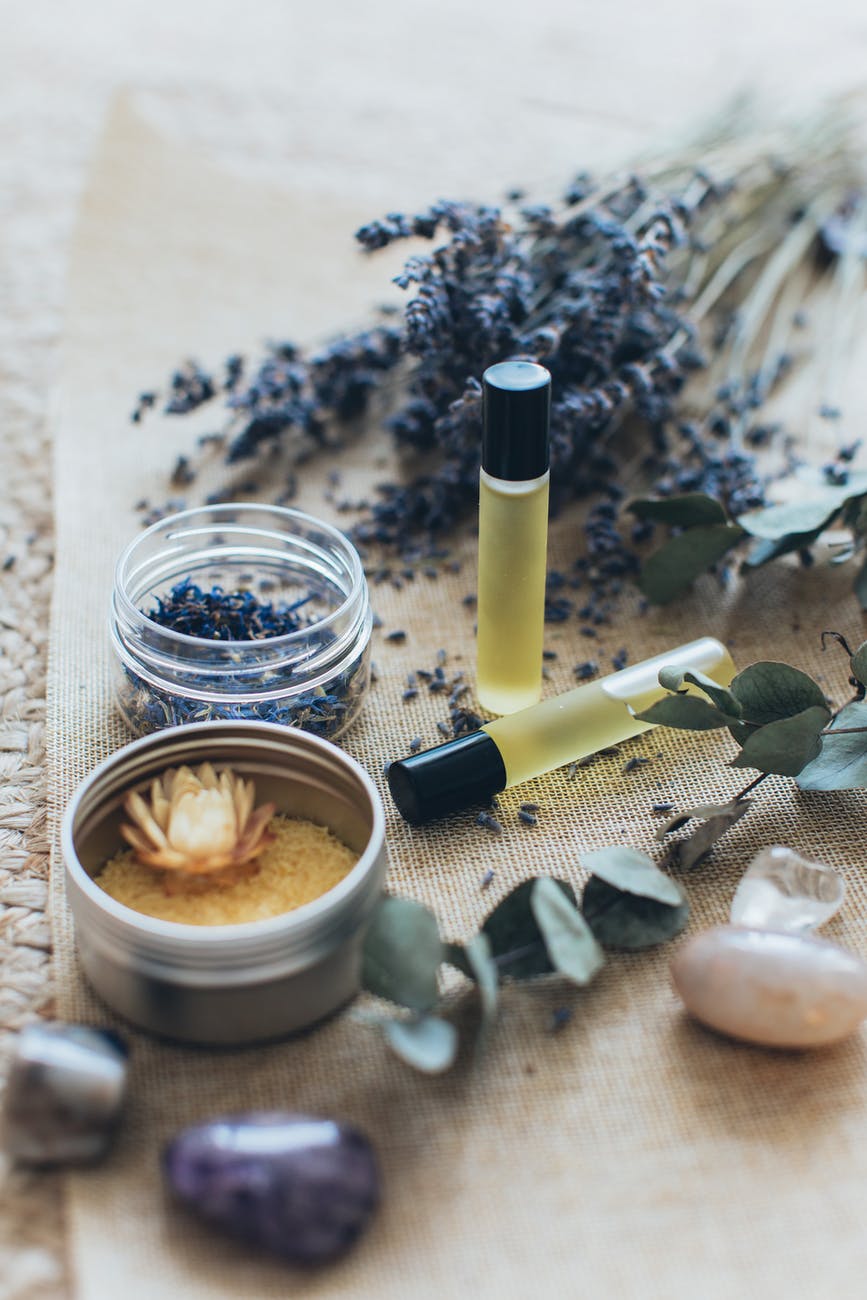
Aromatherapy can be a natural remedy for stress relief. The practice involves inhaling the scent of essential oils, which are extracted from plants, in order to promote health and well-being.
Your olfactory system directly affects the part of your brain that regulates emotion. That’s why smells can trigger memories and elicit feelings — both negative and positive. Aromatherapy can help in reducing stress and anxiety to engage a general state of calm.
A 2016 review even found that aromatherapy was effective at reducing pain, when combined with conventional treatments.
Essential oils are highly concentrated, which means you should exercise caution when trying them for the first time. They should also be used in moderation, especially if being applied topically, since they’re absorbed into the skin.
There are several ways to use essential oils for stress, from applying topically to inhaling the scent after diluting with water. A general rule of thumb is to follow the specific instructions for each essential oil you try. If you’re going to apply it topically, it’s best to test the oil on a small area of skin first to identify a potential reaction.
We chose these essential oils for their stress-reducing and anti-anxiety properties. We also took a look at any studies that supported the effectiveness of these properties.
Essential oils are generally considered safe to use when used properly.
However, as with any substance you introduce to your body, it’s best to take several precautions. Essential oils require dilution to prevent adverse reactions. As a general rule, you should keep concentration levels of essential oils below 5 percent.
Pay attention to dosage, purity, application method, and any possible drug interactions. Some oils are considered safe if inhaled, but they may be irritating if applied to the skin in concentrations as low as 3 to 5 percent.
When diffusing oils, use these safety precautions:
Melinda
Reference:
The chemicals reduce the surface tension of plain water so it’s easier to spread and soak into objects, which is why it’s known as “wet water.” Find out which of your favorite science “facts” are actually false.
We won’t spell it out here (though you can read it here), but the full name for the protein nicknamed titin would take three and a half hoursto say out loud.
Considered a culturally bound syndrome, a person “running amok” in Malaysia commits a sudden, frenzied mass attack, then begins to brood. Learn some more random facts and trivia you’ll wish you’d always known.
The mother spends six months so devoted to protecting the eggs that she doesn’t eat. The babies are the size of a grain of rice when they’re born.
Like most four-legged mammals, they have five toes on the front, but their back paws only have four toes. Scientists think the four-toe back paws might help them run faster. Do you know any other fun facts about cats?
When there was a cotton shortage during World War I, Kimberly-Clark developed a thin, flat cotton substitute that the army tried to use as a filter in gas masks. The war ended before scientists perfected the material for gas masks, so the company redeveloped it to be smoother and softer, then marketed Kleenex as facial tissue instead.
These random facts are mindblowing! Those 457,000 calories are more than 240 times the energy the whale uses to scoop those krill into its mouth.
The original jeans only had four pockets: that tiny one, plus two more on the front and just one in the back.
When turkeys are scared or excited—like when the males see a female they’re interested in—the pale skin on their head and neck turns bright red, blue, or white. The flap of skin over their beaks, called a “snood,” also reddens.
Walt Disney might have been the first to put gloves on his characters, as seen in 1929’s The Opry House starring Mickey Mouse. In addition to being easier to animate, there’s another reason Disney opted for gloves: “We didn’t want him to have mouse hands because he was supposed to be more human,” Disney told his biographer in 1957.
Have a great weekend.
Melinda
Repost 2021
I’m glad you joined me on Wordless Wednesday and I hope to see you soon.


Many of you know my husband buys me fresh flowers weekly, but I decided to save the money and buy an artificial plant. The artwork is a great $17 find from Amazon. The table needed a refresh.
Melinda
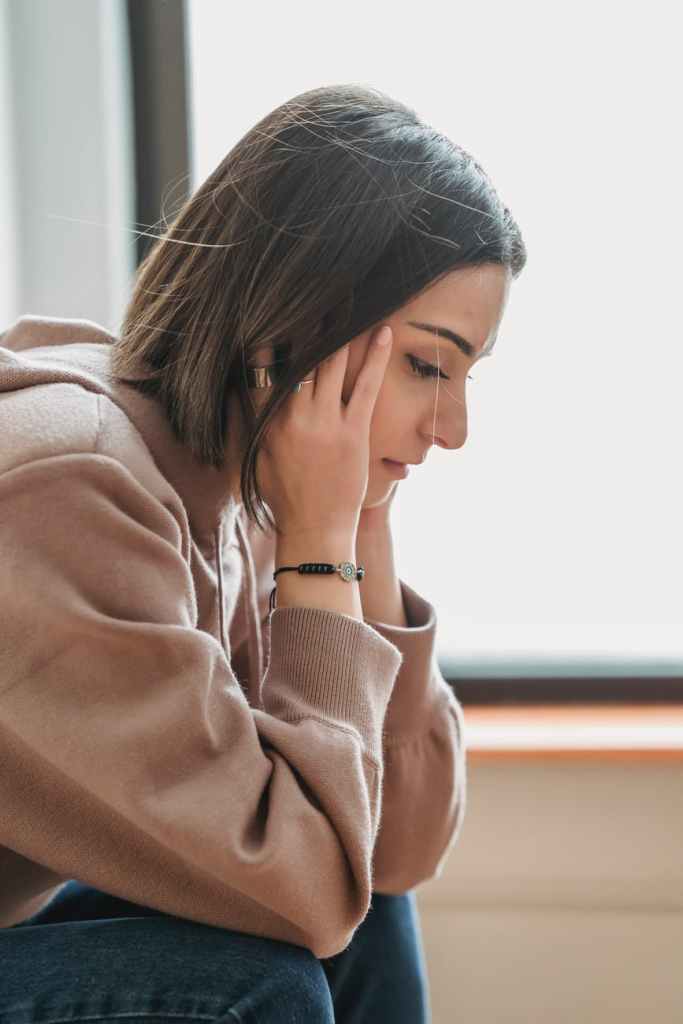
I want to thank Margie for sharing her story with me. She is a special woman who wants to help others who experience Postpartum Psychosis. Please share this post with someone who’s given birth recently.
This is not a war to win. It cages a soul and will not allow reason of any kind. I prayed, I begged and I pleaded. You can have me, but you cannot have my daughter.
On this particular morning, I thought I’d heard a knock at my front door, or was that coming from the back door? I trusted nothing. I sat in the nursery until the pounding stopped, and the sound of what I thought was my name being called, ended. Rocking my angel. I sobbed so violently. I wanted the voices and the visions to go away. I wanted nothing more than to save my baby from myself.
Something made me pause. Was that the front lock-set being opened, the door flinging open, were those real voices?
They found me. Jo and Priscilla. They found me, and they did not let go of me. One took the baby, and the other took the phone directory.
And every chance I get, I tell them, “Thank you.”
I spent the following three and a half months in a locked Psych ward.
…
Each one of us has a story that shames us, it can trap us in a sort of hell, but sometimes to escape hell, we must find words to express our grievance. I used to think this would be one that I could not share for fear of losing someone whom I love(d). Now I fear that if I don’t share it, someone may lose their way, they may find themselves lost, alone, aberrant, and of course, crazy. I would rather lose every friend I have for the sacrifice of gaining that one that reached out to me in need. The one that discovered hope, when they felt there was none left. But, if you can find clarity if you can trust that there are people in this world that care first for others, and second for themselves, then you, and they will walk with you through hell. When we have true friends, they don’t leave us when the going gets rough. They stop at nothing to see that we realize how important we are, in their life. They don’t call you, Pyscho, MisFit, or Crazy. They call you, Friend. That having us is a joy, a blessing, a God-send. A true friend does not judge, does not keep a scorecard, and knows that we are them, should they ever need us, and not out of guilt or because a favor needs returning. No, a true friend stands by knowing that without our connection we are only half of ourselves.
When others walked out, you walked in. You asked for nothing in return. You never used my illness to shame me, to discount me, to write me off. You stood beside me and carried me through my darkest hours. Priscilla, Senn, and Jo McCormack thank you for seeing me when I could not see myself. But more than anything, thank you for saving my Megan from the psychotic lunatic that I had become. We have fought hard to win, and without each of you, I would have lost. It took three and a half months, out-of-state, in a mental institution, a number of medications, and therapy sessions, but I came home, loving and vowed that one day I would share this story.
Never give up hope. When you are at your weakest, grasp for straws. Dial for help. Swallow your pride. Do not fear that you will be labeled, CRAZY, for the rest of your life, even by those you thought would stand behind you through thick and thin. One of the best pieces of advice given to me was these words:
“They already think you’re crazy. Nothing you do, or say, will change their opinion. Absolutely nothing, therefore, be yourself. Only you know the journey and the victory.”
To Megan,
I promised you I would finish a tale that I had begun earlier in one of my posts. I think I even noted Day 16 as the day that I would write it. Day 16, arrived, but the time didn’t feel ‘just right’. Today it does. I believe you will recall the post, original, and if not, I’ll help you retrieve it.
I spent three full days in bed making Pom-Poms out of tissues. And not intentionally. “No, Martha, I did not use your official cut-and-twist guide.” I fashioned mine while I tried building a dam to nowhere, for my sinus drainage. I took my temperature so many times I killed the battery in the thermometer. I’ve never slept so many hours in my life! This comes from someone who suffers extreme bits of insomnia. Food? I found two cans of soup at the back of the cupboard and considering we don’t eat processed canned items I can’t help but wonder where they came from, much less, why I consumed them.
I’d had enough of this Chit, so by 10:00 a.m., I drug my lazy self out of bed and into the steaming shower, threw on some clothes, and asked Hannah if she’d like to go for a walk.
I thought I’d heard a lot of commotion over the roar of my blow dryer, but I wasn’t in the mood to go ‘seek-and-find,’ what all the mischief was. Once dressed, and out the door, I looked up the street to see the fire truck. What the heck?!#&@
Okay, right off the bat I have to confess. I’m not into seeking out horror. I can’t handle it. Put me in a car, drive me down the freeway, and have someone shout, “Look! There’s been a car accident!” What do I do? Slither down in my seat and turn my head in the opposite direction. If I’m the one who happens to be driving, you won’t find me rubbernecking.
Where was I going with this?
The Walk…(and not on the wild side.)
Finally, on our way, we journey toward the coffee shop. I realize I can’t enter, doggie and all, but then I remember the new app I have downloaded on my phone. Hannah and I mosey up to the patio and sit down. Attempting to order, I realize this app needs a few software upgrades, but I’m not in the mood to hack up the menu in broad daylight, much less try to find a work-around on the store’s wi-fi firewall. Dang, I can’t just walk away, the pup is looking at me with those sweet, begging eyes as if to ask, “How much longer, Mummy?”
Thinking comes quick when smitten by a man’s best friend. I lasso a chair with her harness and tie the pup securely to it, placing her in full view of any area I’ll find myself at once inside the store.
…..Admit it, you’re just a wee bit bored, but you just can’t seem to pull yourself away from all the action. Consider yourself a rubbernecker and let’s get moving…..
We are at a junction in the road. If we take the route we came, we’re out 1.5 miles, but if we journey the alternate route we are out 1.5 miles. Decisions, decisions, oh, and the trick math question at the end. (Find your calculators.)
Let’s go rogue. I’m caffeinated and jet-packed by toxic chemicals from eating rancid soup. What could go wrong?
The Traffic Light!…(into the jungle)
The sucker must have been rigged for red-light runners! Hannah and I were caught in the median of a crazed intersection. Everyone dreams of a cuppa joe or a fuel tank of $2.35 gasoline. I think the only thing that saved us was the California Highway Patrol t-shirt my son (in-law) gave me. I looked, OFFICIAL!
Okay, I was only a third grey, now color me white-headed. I match the dog now. Lesson learned: Rubberneckers. “You folks are everywhere!” One of you almost put tire tracks on my bright orange and pink sneakers. Tell the truth, “We’re you wanting my eye color or that close-up of fear earmarked across my face?”
…..This painstakingly will end at some point. Why don’t you take a snooze and check back later for the mischief of the last mile and a half?….
Safely in a green space, we walk among the oak trees listening to the sound of acorns dropping in our midst. (Note to self: Bring bike helmets in the future.) Meandering along and I look up to see we are at the high school. My heart skips a beat, and then another. “Wasn’t it just yesterday?” Oh, how time does fly. But I won’t let this moment go. I grab my phone and take a couple of photos. I zip them off to my two beautiful daughters. They’ll open their messages and go back in time themselves. I wonder at what moments their day will stand still? I knew mine. I know it well. I’ll cherish it forever.
There I sat awaiting the dismissal bell. The bell echoes. Oh, I miss that bell. I miss all the ringing of that far-off bell.
Saturday my youngest daughter moves away from home. Off to her grown-up home. Not a dorm room, no, those days are gone, too. There’s part of me that wants her to go, but then there is that part of me that knows how far away she may one day travel. And yet, I must give her the pieces of the apron strings, the wings to fly, to soar, to dream and dare.
Did anyone find me a pen and some paper? Did you find your calculators? Get ready, here she blows:
If I live 1.5 miles in one direction, yet I am able to travel in an opposing direction 1.5 miles and arrive at my origination, what direction am I traveling?
We set off to run errands. Hannah’s errands, actually. I should just admit that some days I simply say to hell with the housework, laundry included, and I put my best friend in the car and we set about finding mischief.
We ran thru the CVS drive-through to pick up some of my meds and beg for the usual dog biscuit. FAIL! They were out of treats.
Starbucks redeemed her spirit though when they gave her a Puppy Whip. It’s a small cup container filled with whipped cream.
Across the railroad tracks and we head into Southlake. The outdoor shopping mall is always fun. There are fountains galore and hundreds of shade trees. Unfortunately, they have no outdoor drinking fountains. Hannah drank a bit of my iced tea as I cursed myself for not having brought along her collapsible water bowl and some water. Finally, I recalled the Whole Earth Provisions Store allows dogs in their store. I took my girl in and she made a group of newly found friends, all human and eager to dote upon her. Someone snagged a dog treat for her and everyone took turns petting her.
The girl is worn out. Now resting with a full tummy of treats and back inside to the cooled air conditioning.
___________________________
Post-Partartum Psychosis has to be taken seriously. I ask you to reach out for help and keep an eye on a loved one or signs of Depression or Psychosis.
She’s a survivor and an extremely strong woman. I’ve never met someone as strong as she is. It blows my mind what she’s been through and the pain she must feel.
Melinda
Repost











 Looking for the Light