Men & Womens Health

Homeade Orange Cream Milk Bath

Willow and Sage by Stampington

Photo by Dana Tentis on Pexels.com

You will need

Yields 2 jars

1 cup powdered milk

1/4 cup baking soda

1/4 cup cornstarch

11-12 drops orange essential oil

Glass jars

Sharpie

Kraft labels: round

Baker’s twine

To Make

Mix all the ingredients together and scoop into glass jars with tight fitting lids.

Write a label for the top and tie a pretty piece of baker’s twine around jar.

Pour about 3/4 cup of the mix into the bath under running water to disolve.

Enjoy!

Men & Womens Health

Today In History June 13

Photo by Andrey Grushnikov on Pexels.com


I’m having a rough day and haven’t included birthdays. Thanks for stopping by today and have a great weekend.  M


1777

Gilbert du Motier, Marquis de Lafayette, disembarks in America after a two-month sea voyage from France. The wealthy 19-year-old will befriend future presidents Washington and Jefferson, and help train and lead revolutionary regiments against the British in America’s War of Independence.

1967

Stating it’s “the right thing to do, the right time to do it, the right man and the right place,” President Lyndon Johnson nominates Solicitor General Thurgood Marshall to the US Supreme Court. The first African American nominee will be confirmed and serve 24 years on the court.

1971

The first excerpt of a leaked government report detailing US involvement in Vietnam is published on the front page of the New York Times. The top-secret ‘Pentagon Papers‘ will expose secret bombing campaigns, government lies, and motivations behind the Vietnam War never before revealed to the public.


Men & Womens Health

Chronic Pain: Swimming Therapy


Most people don’t think of Mental Illness when discussing Chronic Pain. Mental Illness can be physically debilitating with many spending large amounts of time in bed. For someone like me who is challenged by both, daily life can be difficult. Today I’m in bed juggling my laptop on one knee trying to avoid the pain screaming on the left side of my body.

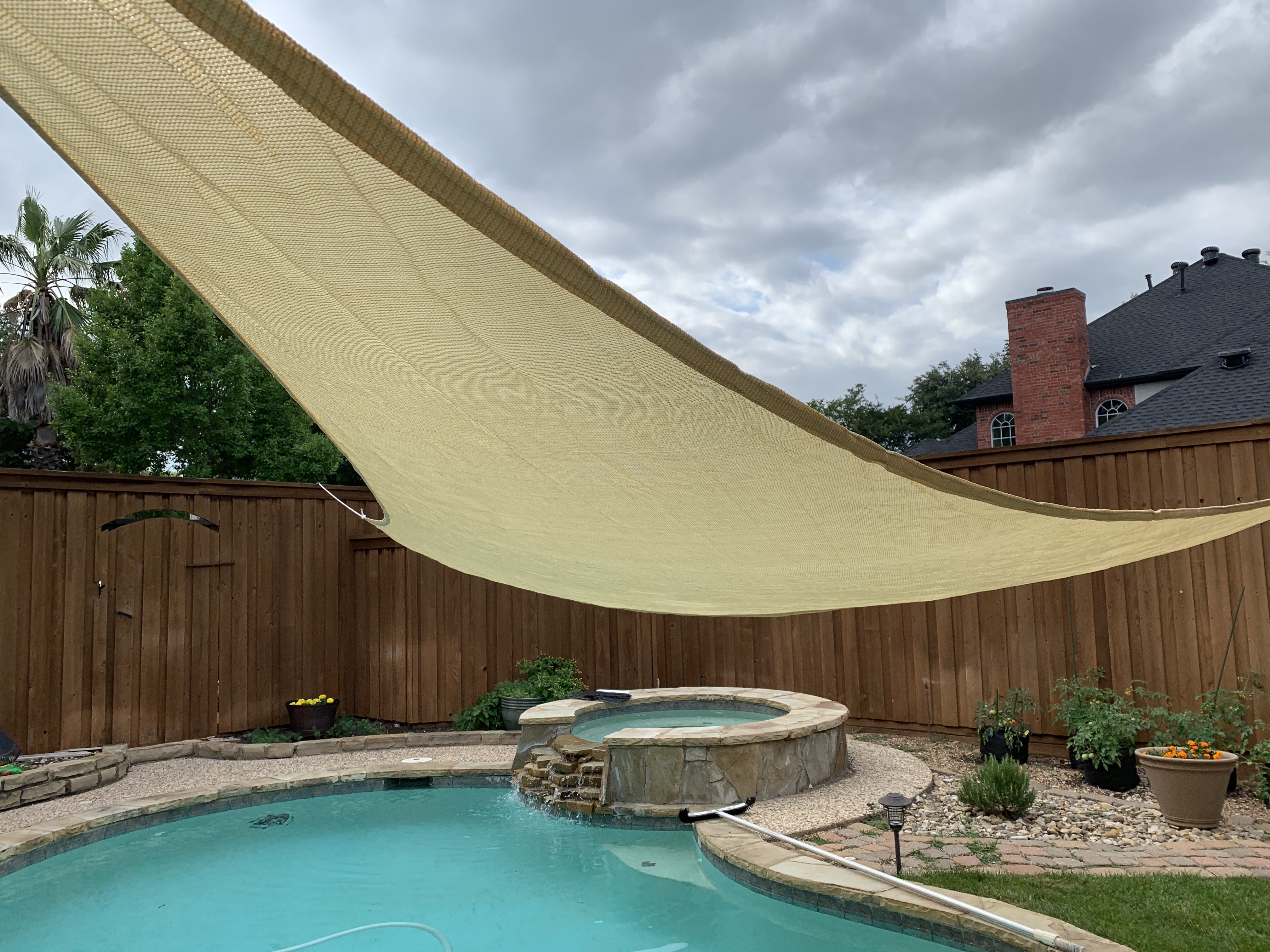
Pool Shade

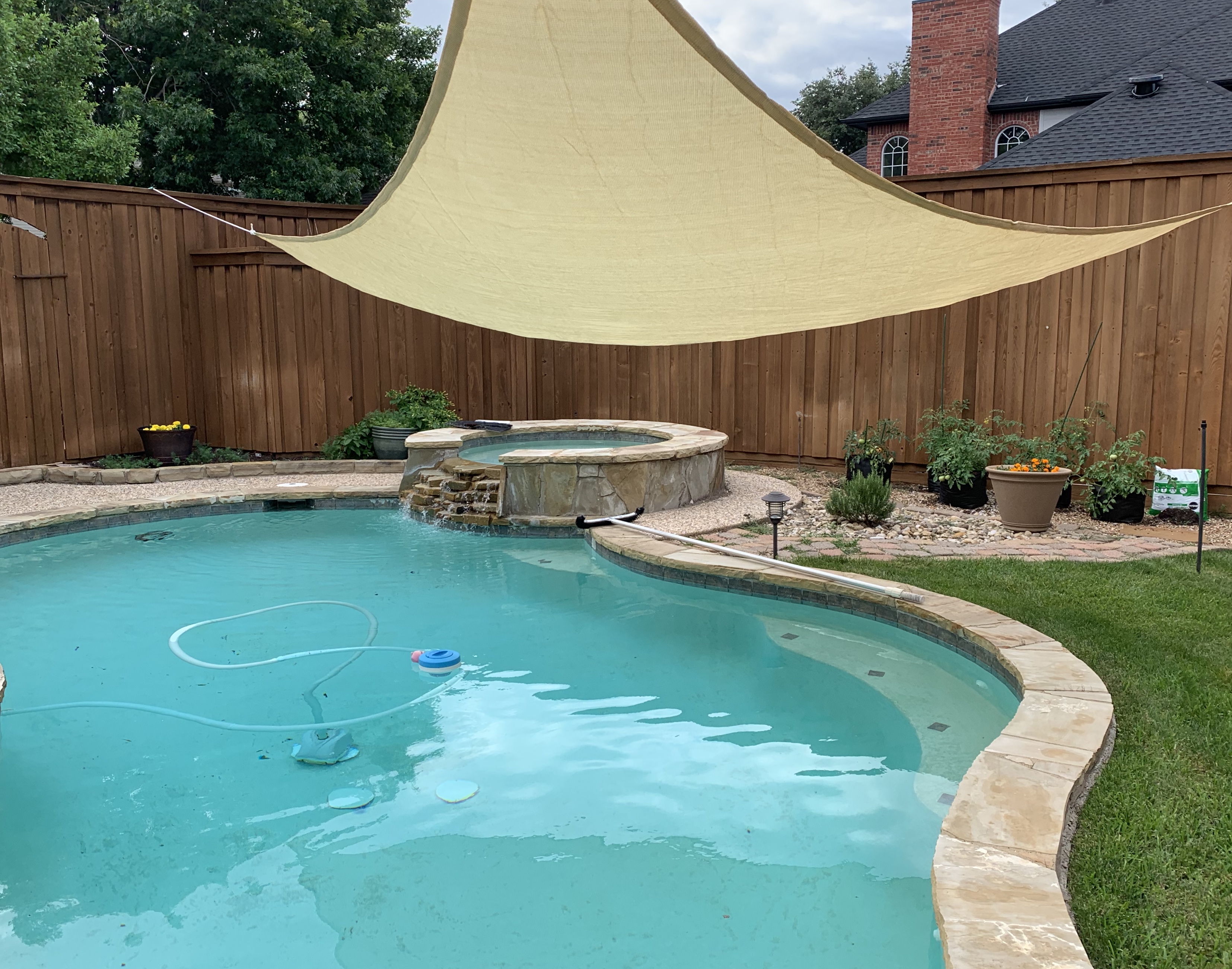
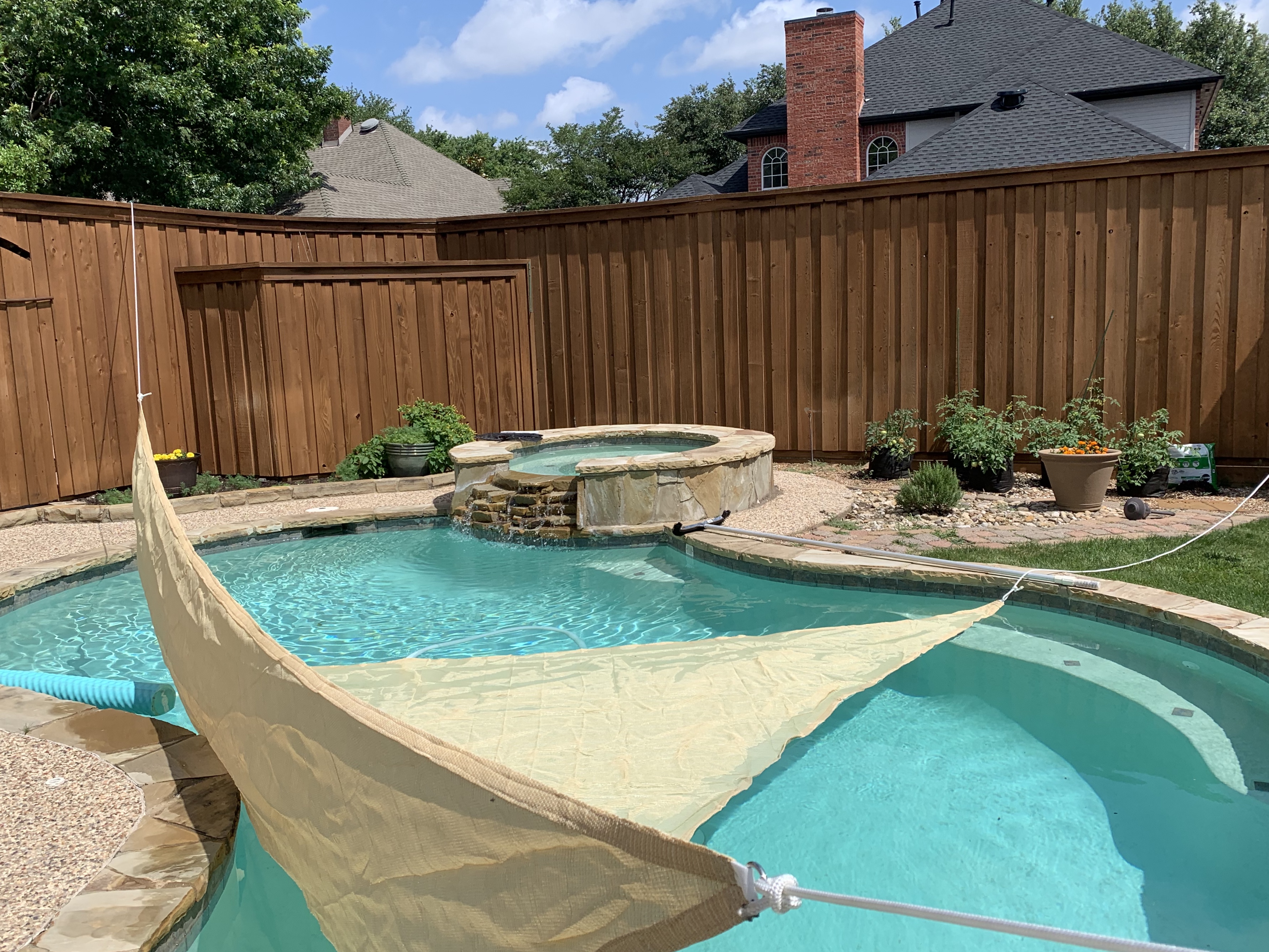
Over the holiday weekend my husband installed a pool shade so I can swim and get exercise without burning to a crisp lobster. They are very inexpensive and easy to install. He bought the sail on Amazon for less than $50.

One of the therapies the Pain Management doctor suggested was swimming and water exercises. Every other day I spend 30-45 minutes with my water noodle paddling around and doing basic exercises. I have noticed a difference in the muscles not used in ages.

I work on my shoulders by doing wide arm paddling, leg scissors for my back and hips, tiptoes for calves, stretching my back out till it hurts, and lunges. After spending years in bed I’m building stamina for the good days ahead.

Doing exercises in the water puts less resistance on the body which can help injuries. I’m rehabilitating my knee and it’s much easier than walking up and down the stairs repeatedly.

It helps my mental health by getting away from all the noise, I watch the butterflies and see how my flowers are growing. I work on meditating to keep my head clear. I’m also getting Vitamin D from the sun.

M


Men & Womens Health

Pain Warriors

As Ambassador for U.S. Pain Foundation I want to share the latest news on a meeting offered by U.S. Pain Foundation and Coilition for Headache and Migranes Patients. Melinda Sandor Ambassador-Texas U.S. Pain Foundation.

Dear pain warriors, 
Those with chronic pain, including migraine and headache disorders, can have an especially tough time finding a doctor they click with. Have you ever wanted to find a way to better communicate with your doctor, get the most out of your visits, and maximize your treatment plan?
If yes, please join us this Thursday, June 13, at 7 pm ESTfor an intimate conversation between neurologist and headache specialist Abby Chua, DO, and patient advocate Katie Golden. Dr. Chua and Katie will discuss what patients and doctors can learn from one another, and offer tips for interacting.
Dr. Chua is a headache specialist at Hartford HealthCare Headache Center in Connecticut. She also is program director of their Headache and Facial Pain Fellowship Program, one of the few such programs in the country. Dr. Chua brings a special level of compassion to her practice as a person living with vestibular migraine, and advocates tirelessly on behalf of patients.

Katie lives with chronic migraine disease, and has emerged as a leading voice for the patient community. She is the Migraine Advocacy Liaison for U.S. Pain Foundation and a member of the steering committee for CHAMP. She was the recipient of the Impact Award 2017 for the Association of Migraine Disorders and writes frequently for migraine-related news sites, including www.migraine.com and her personal blog, www.goldengrain.com
Register for June 13
For more ways to get involved (and more events!), visit the official MHAM homepage. If you have questions, please reply to this email.
Sincerely,
Nicole HemmenwayInterim CEOU.S. Pain Foundation
P.S. Don’t miss our other event with Lindsay Weitzel, PhD, migraine strategist, on Facebook Live June 19!

Health and Wellbeing · Men & Womens Health

This NBA Superstar Used 2 (Surprising) Words to Teach a Valuable Lesson in Emotional Intelligence

By Justin BarisoFounder, Insight

It’s rare for professional athletes to admit weakness. It’s even rarer for them to do this.

As the Toronto Raptors and Golden State Warriors continue their slugfest to determine the NBA’s 2019 champion, one player is already preparing for next season:

The Milwaukee Bucks’ Giannis Antetokounmpo.

Not that long ago it appeared that Antetokounmpo and the Bucks would be playing the Warriors for this year’s championship. The Bucks had cruised through the playoffs, and were up two games to zero against the Toronto Raptors.

But the Raptors went on to win the next four games in a row–a remarkable feat considering the Bucks hadn’t lost three games in a row the entire season.

The Raptors managed to defeat the Bucks by tooling their defense to focus on stopping the young team’s star (who’s affectionately known as “the Greek Freak” due to his Athens upbringing and monstrous athletic prowess).

In a recent interview with The Athletic, Antetokounmpo acknowledged that Raptors players Kawhi Leonard and Marc Gasol gave him particular trouble. Giannis admitted that now the series is over, “every day in his head,” he continues to see Gasol and Leonard coming at him.

Then, Antetokounmpo went on to say something remarkable to his opponents:

“Thank you. Thank you, because Gasol and Kawhi made me a better player. I’m not trying to be sarcastic. I’m being honest. They’re going to push me to be better.”

“Thank you.”

It’s rare for professional athletes to admit weakness or to credit opposing players for stopping them. It’s even rarer that they thank their opponents.

With these two words, Antetokounmpo revealed evidence of a remarkable and invaluable quality:

The ability to learn from mistakes.

What’s EQ got to do with it?

Emotional intelligence is the ability to identify emotions (in both yourself and others), to recognize the powerful effects of those emotions, and to use that information to inform and guide behavior. In essence, it’s the ability to make emotions work for you, instead of against you.

Failing to reach a goal gives rise to negative emotions like sadness, frustration, even anger.

But feelings like these can help you–if you let them.

For example, when you experience failure, consider there are a few ways to respond:

  • You can move on and pretend the failure never happened.
  • You can sit around and feel sorry for yourself.
  • You can stop and reflect, extracting lessons from the failure to help you grow.

Guess which option is going to make you better?

The key is to treat every mistake as a learning experience.

It helps to find a mentor or coach you can trust, that will help expose your blind spots and provide additional insights. Ask yourself–and your confidants:

  • What problems did my mistake reveal?
  • What can I do differently next time?

Then, use the answers to learn and grow.

It’s true–failure never feels good. 

But instead of dwelling on negative feelings, you can use them–to help you achieve heightened focus, and to provide motivation to make needed changes.

Accomplish this and you’ll begin to see failure, not as the end of the road, but as a stepping stone to bigger and better–much like a certain NBA superstar.

Because remember: Often it’s our opponents, those who point out our weaknesses and flaws, who help us to grow. It’s the ones who challenge us who truly make us better. 

PUBLISHED ON: JUN 4, 2019

Like this column? Sign up to subscribe to email alerts and you’ll never miss a post.The opinions expressed here by Inc.com columnists are their own, not those of Inc.com.

Men & Womens Health

Blair Underwood: Ava Duvernay Made A Grief Counselor Available On The Set Of ‘When They See Us’

HelloBuzz

Shamika Sanders, Sr. Entertainment Editor

Posted May 31, 2019

Blair Underwood

Ava Duvernay was just a teenager when five young Black boys, from Harlem, were arrested and convicted for the rape of a white woman in Central Park on the night of April 19, 1989. So when Raymond Santana, one of the “Central Park 5” sent her a wishful tweet about bringing the Central Park 5 story to the screen, “it meant a lot” to her, she revealed to NPR.

Ava and Netflix’s When They See Us chronicles the events of the Central Park Five case that captivated the nation. The four-part series will span 25 years, taking on the wrongful conviction of the boys, as well as highlight their exoneration in 2002 and the settlement reached with the city of New York in 2014.

Antron McCray, Yusef Salaam, Raymond Santana, Jr., Kevin Richardson and Korey Wise were beaten upon arrest, forced into making false confessions and convicted of a crime they did not commit. They served between seven and 13 years in prison and were later exonerated only to have a convicted murderer, who was serving a life sentence, eventually confess to the crime.

Their story is perfectly aligned with Duvernay’s mission to raise awareness around the injustices of the prison industrial system, which she explored in her critically acclaimed documentary the 13th.

When They See Us stars a stellar cast Michael K. Williams, John Leguizamo, Niecy Nash and Blair Underwood, who opened up to us about this role in the series.

“My character’s name is Robert Burns and I play the defense attorney to one of the, no longer Central Park 5, the Exonerated 5,” he says making a clear distinction.

Burns comes into action in the second hour of the four-hour series. According to Underwood, his character isn’t necessarily “a huge part” of the limited series. Albiet small, the emotional toll of a role like this can’t be underestimated.

“Ava did something I’ve never seen on any project I’ve done. She made a grief counselor available to everyone on the set,” Underwood revealed in a candid conversation. “They were up and running by the time I came to set and I’d get e-mails from production that would say this is a very tough  material. It’s emotional and it dredges up so much in all of us. Especially the young boys recreating these emotions. To be able to say here’s the person to contact if you need any grief counseling is amazing. It’s apart of what we do. It’s our job as actors to bring those emotions to the forefront and let it manifest. People deal with it different ways.”

Underwood said he took several walks to connect with nature after filming. “It’s very deep themes. The thing with this story is there is no distance from history to separate then and now. There’s 30 years logistically but emotionally, how far we’ve come? Theres very little daylight.”

When They See Us is on Netflix now.

Survivor

RAINN Stands with LGBTQ Survivors

RAINN Newsletter

JUN 03, 2019


Each June, communities and individuals around the world recognize pride month—a joyful celebration of all genders and sexualities as well as a solemn reminder of the difficulties many lesbian, gay, bisexual, transgender, and queer (LGBTQ) people continue to face.

Sexual violence is an issue that affects all people, regardless of gender or sexual orientation. LGBTQ survivors often encounter many of the same challenges other survivors face, but might also have additional obstacles in accessing legal, medical, and law enforcement resources due to discrimination or lack of understanding.

For LGBTQ survivors who don’t feel comfortable talking about their sexual orientation with friends or family, it can be especially hard to disclose sexual violence.

“The reaction of the first person you tell is extremely important, and can often hinder or facilitate a survivors pathway to healing” says Keeli Sorensen, vice president of victim services, “If someone discloses to you, whether they are LGBTQ or not, the best thing to do is listen, believe them, and don’t judge.”

Read these stories to learn more about how these individuals’ experiences as LGBTQ survivors present many unique challenges—and many shared with other survivors:

  • Hear from Johnathon about healing from drug-facilitated sexual assault as a queer, gender-nonconforming person. “I’ve been told my entire life that it was impossible for this kind of thing to happen to me.” 
  • Learn from Ethan about his experience as a trans-man who experienced intimate partner violence“I truly believe it is possible to call out and prioritize sexual violence against women while also acknowledging that sexual violence affects people of all genders.” 
  • Read more from Eileen about child sexual abuse and delayed trauma as a queer woman. “One thing I struggled with around my eating disorder was feeling ashamed. The fact that I was fixated on my physical appearance made me feel that I was betraying the body positivity in the queer community.” 
  • Read KiloMarie’s story of experiencing a hate crime veiled as “corrective rape.” “I did not realize until much later that these rapes were acts of hate-based violence.” 

RAINN’s National Sexual Assault Hotline is free, confidential, and available 24/7 for all survivors at 800-656-HOPE and online.rainn.org, y en español: rainn.org/es.

Health and Wellbeing · Men & Womens Health

23andMe Scientist to Present Data on the Genetics of Type 2 Diabetes at American Diabetes Association Conference

June 3, 2019 By 23andMe under 23andMe ResearchEducation

By Eloycsia Ratliff, MPH, 23andMe Medical Education Project Manager

We know that diet and exercise play an important role in a person’s likelihood of developing type 2 diabetes, but what role does genetics play?

That’s a question 23andMe researchers have been investigating, and at a meeting of the American Diabetes Associations (ADA) Annual Conference on June 10th in San Francisco, 23andMe’s Senior Product Scientist, Michael Multhaup, Ph.D., will be presenting some of what we’ve learned in a presentation titled “Polygenic Risk Score Predicts Type 2 Diabetes Susceptibility in a Diverse Consumer Genetic Database.” 

Polygenic Score

Dr. Multhaup’s presentation comes on the heels of the release of 23andMe’s Type 2 Diabetes report (T2D)*  that is currently available to eligible customers who have opted into receiving health reports. The T2D report calculates a polygenic score based on more than 1000 genetic variants. A polygenic score quantifies how an individual’s genetics may contribute to developing a complex disease, such as T2D. For the T2D genetic susceptibility study, 23andMe researchers generated a polygenic score based on more than 1200 variants discovered using data shared by more than 600,000 consented research participants who self-reported if they had been diagnosed with T2D.

Our researchers then tested the performance of the polygenic score in separate sets of participants to cover five different ancestries — African-American, East-Asian, European, Latino and South Asian. Based on the results, 23andMe researchers were able to make associations between an individual’s genetics and their likelihood of developing T2D. Researchers categorized results into “increased likelihood” and “typical likelihood,” where an “increased likelihood” result means the likelihood of developing T2D from genetics alone exceeds the likelihood of developing the condition due to being overweight. 

Presentation of Findings

At the conference, Dr. Multhaup will present findings from this study and he will discuss the use of genetics as a screening tool to inform cost-effective interventions that could be used by both healthcare providers and their patients.

In addition to Dr. Multhaup’s scientific session presentation, 23andMe will host a booth in the exhibit hall (booth #1340) to engage directly with healthcare professionals over the three day conference from June 8th to June 10th. At the meeting, 23andMe plans to discuss with healthcare providers the impact of 23andMe’s health predisposition reports, such as theType 2 Diabetes report, on medicine and routine patient care. It is important for healthcare providers to understand the consumer experience and motivations, as well as available tools and resources, so they are prepared for patient encounters around direct-to-consumer genetic testing.

23andMe believes knowledge about genetic information has a role in improving health outcomes. Our goal in providing consumers with access to their genetic information is to provide insights into their likelihood of developing a condition, like T2D, before they develop that condition. Early access to this information has the potential to motivate individuals to be more proactive in changing health behaviors — a goal 23andMe wants for their consumers.

If you are attending the ADA conference in San Francisco and would like to learn more about the findings from 23andMe’s T2D research study, come to Dr. Multhaup’s presentation at Scientific Session 304-OR, Monday, June 10th 2:30 – 2:45pm. Also, look for us on the exhibition floor at booth #1340!

To stay up to date on health report releases and resources available to healthcare professionals, visit our 23andMe for healthcare professionals site at  https://medical.23andme.com/.

*The 23andMe Type 2 Diabetes report is based on 23andMe research and incorporates more than 1,000 genetic variants to provide information on the likelihood of developing type 2 diabetes.  The report does not account for lifestyle or family history and has not been reviewed by the US Food and Drug Administration. Visit 23andMe’s Type 2 Diabetes landing page for additional important information.

Celebrate Life · Family · Health and Wellbeing · Men & Womens Health · Mental Health

Four Hidden Reasons For Family Drama During Wedding Planning

 It’s not about “bridezillas” or the fight for bigger centerpieces.

The summer wedding season is upon us—the culmination of months or years of planning and executing the day that honors a couple’s legal union. For many couples and their families, these months mean navigating a complex web of logistical decisions tied to culture, religion, money, relationships, and identity. The fight over centerpieces, a stressed out “bridezilla,” or even mundane miscommunications may immediately come to mind as the culprit for inter-family discord during wedding planning, but the fights are typically much deeper. Here are some of the real reasons wedding planning can be so acrimonious and stressful:

The Couple’s Joint Identity and Split Loyalties

When a couple comes together, they merge their experiences, traditions, and values into a life that reflects shared goals and priorities. In the process, they may step away from their original families’ religious, political, financial, geographical, and dietary values. Typically, couples can gloss over or avoid these differences, attending their family’s religious events even if they no longer believe in the tradition or eating before attending a family dinner that doesn’t meet their dietary needs. But during wedding planning, these differences must be negotiated and decisions must be made about what the wedding will look like, leading to hurt feelings. Families may experience the couple’s diverging views with feelings of irrelevance, confusion, alienation, abandonment, or rejection.

Complicating matters, during arguments, each partner may feel loyal both to their future spouse and their family. When a future spouse and a parent disagree about the religious nature of the ceremony, for example, the partner may feel compelled to both defend their parents and defend their partner. In that process, somebody’s feelings can get hurt. Weddings force couples to draw lines in the sand and declare their loyalty to one another while managing delicate family ties.

Whose Wedding Is It, Anyway?

Perhaps it seems obvious that a wedding should reflect the choices and preferences of the couple getting married. But if the members of a couple come from different religious backgrounds, ethnic cultures, geographical regions, socio-economic classes, or culinary traditions, the question of “whom should this wedding reflect” will almost certainly emerge and create tension. Should the day reflect the couples’ wishes and beliefs, even if they diverge from those of their families? Should one family expect the wedding to reflect their own needs and values? When the wedding cannot reflect everybody, who takes priority, and does that change based on who is paying for the wedding—one or both sets of parents, or the couple themselves? Some weddings more closely resemble the desires and preferences of parents while others focus more on the couple’s vision for the day. Many couples and their families try to work together to incorporate important cultural elements to create a sense of inclusion and respect, but parsing out those details can lead to many arguments and hurt feelings.

Fear of Judgement and Community Perception

The question of whom the wedding reflects may be tied not only to a family’s commitment to their culture and beliefs but also to the issue of perception. With family, friends, business colleagues, and community members from all sides of the family attending, many worry about how the wedding will reflect back on them. The couple and both families may worry about what their friends and family will say about the event and what others will assume about them based on what it looks like, how much money was spent, and what religious and cultural traditions did or did not take place. Fear of gossip, judgment, and community standing may be at stake, heightening the stakes of the wedding. Concerns about perception muddy the waters of decision-making because they turn the question of What do we want for the event? into What does this event need to look like to receive the approval of others?

Control and Inclusion

When families argue over venues, centerpieces, and colors, the point of the disagreement can quickly become less about the centerpieces and more about who has the power to make the decision about the centerpieces. Logistical conversations quickly turn to who said what to whom, what families think about one another, and who feels included and excluded. For some, the desire to have control may reflect the fear of being left out or feeling irrelevant on the couple’s big day. For others the need for control over decisions ties back to the idea of parental control over their now-adult children. Many adult children no longer live at home by the time they get married, leaving parents with less say over their decisions and choices. When a wedding comes around, that parent/child dynamic can re-emerge and parents and kids may seek or unconsciously recreate that power differential.

A more complicated truth

For many families, weddings are not merely a day to celebrate the couple, but a way to illustrate family identity, beliefs, wealth, and culture. And so the couple, with its new differentiated identity, as well as each family, must address their different priorities, needs, and beliefs. It is much easier to blame a stressed-out bride or disagreements about wedding decor for ongoing tension, but the underlying dynamics tell a different story. Indeed, some couples avoid these dynamics all together when they decide to make all decisions unilaterally, taking full responsibility for their wedding.  But even then, families may carry expectations.

Melinda

Source:

Psychology Today

Fun

Weekend Music Share Tom Petty #weekendmusicshare

Welcome back to Weekend Music Share; the place where everyone can share their favourite music.

Feel free to use the ‘Weekend Music Share‘ banner in your post, and don’t forget to use the hashtag #WeekendMusicShare on social media so other participants can find your post.

I’ve battled this week with my physical and mental health. I realized today how hard I was fighting and it made me think of a great Tom Petty Song. Melinda

Men & Womens Health

Prompt For Today Open, Book, and Write #SoSC

Your Friday prompt for Stream of Consciousness Saturday is “open book, point, write.” Pick up the closest book to you when you sit down to write your post. Close your eyes, open the book, and place your finger on the page. Whatever word or phrase your finger lands on, write about it. Enjoy!


“Joanie pressed the waxy lipstick into my lips” before I could even say hello. She was so excited and couldn’t hold the secret any longer. She said I’ve been accepted into Harvard and plan to stay in the dorm my freshman year. His heart sank…What about us? When will I see you?

Chad was reeling with thoughts, what will happen to their relationship? Is she about to break up? Joanie leads him down to the park saying it’s such a perfect day for a walk.

They found a bench and sat down. She brought up the subject first, I’m not breaking up, we won’t see each other often but you’re still my boyfriend. Then a thump….if you find someone while I’m away at school I’ll understand.

Before he could say anything Joanie pressed her waxy lipstick into my lips.


Join us for the fun and sharing good media stories  

For more on the Stream of Consciousness Saturday, visit Linda Hill’s blog. Here’s the link:https://lindaghill.com

Here are the rules for SoCS:

  1. Your post must be stream of consciousness writing, meaning no editing, (typos can be fixed) and minimal planning on what you’re going to write.
  2. Your post can be as long or as short as you want it to be. One sentence – one thousand words. Fact, fiction, poetry – it doesn’t matter. Just let the words carry you along until you’re ready to stop.
  3. There will be a prompt every week. I will post the prompt here on my blog on Friday, along with a reminder for you to join in. The prompt will be one random thing, but it will not be a subject. For instance, I will not say “Write about dogs”; the prompt will be more like, “Make your first sentence a question,” “Begin with the word ‘The’,” or simply a single word to get your started.
  4. Ping back! It’s important, so that I and other people can come and read your post! For example, in your post you can write “This post is part of SoCS:” and then copy and paste the URL found in your address bar at the top of this post into yours. Your link will show up in my comments for everyone to see. The most recent pingbacks will be found at the top. NOTE: Pingbacks only work from WordPress sites. If you’re self-hosted or are participating from another host, such as Blogger, please leave a link to your post in the comments below.
  5. Read at least one other person’s blog who has linked back their post. Even better, read everyone’s! If you’re the first person to link back, you can check back later, or go to the previous week, by following my category, “Stream of Consciousness Saturday,” which you’ll find right below the “Like” button on my post.
  6. Copy and paste the rules (if you’d like to) in your post. The more people who join in, the more new bloggers you’ll meet and the bigger your community will get!
  7. As a suggestion, tag your post “SoCS” and/or “#SoCS” for more exposure and more views.
  8. Have fun!
Men & Womens Health

Today in History June 6

Photo by Andrey Grushnikov on Pexels.com


1944

Four years and two days after Allied forces evacuated from the European mainland, they return in the Normandy landings, the largest amphibious military assault in history. By the end of the day, 5,000 vessels land 160,000 troops on the French coastline, launching the push to defeat Germany.

1844

George Williams, formerly of rural Somerset, England, and now working as a draper in London, is shocked by the decadence of city life and so opens the Young Men’s Christian Association (YMCA) to give other Industrial Revolution laborers a wholesome alternative to taverns and brothels.

1933

Richard Hollingshead opens his “automobile movie theatre” in Camden County, New Jersey, featuring 400 car slots, a 40-x-50-foot screen, and three 6-foot speakers. The feature at the first US drive-in theater is ‘Wives Beware,’ with admission costing a quarter per car and customer.

1971

Truly a ‘really big show,’ Ed Sullivan’s CBS variety hour ends after reigning as perhaps the most widely seen show biz showcase in US history. The Sunday evening staple helped launch the biggest stars of the era, including The Beatles, The Rolling Stones, Elvis, and The Supremes.

BIRTHDAYS

Alexander Sergeyevich Pushkin  Jun 06, 1799 – Feb 10, 1837

Colin Edward Quinn 1959

Sandra Bernhard 1955

Björn Borg  1956

Men & Womens Health

Why every desk at your office should have a plant

Ideas.TED.com

May 20, 2019 / Mary Halton + Daryl Chen

Call it green energy — by giving every employee a plant, engineer Mike Robinson created an environment where both humans and their leafy friends thrive. Plus, 9 recommendations for hardy, hard-to-kill plants to call your own.

This post is part of TED’s “How to Be a Better Human” series, each of which contains a piece of helpful advice from someone in the TED community; browse through all the posts here. Besides a paycheck and reasonable hours, what else does a person need to thrive at work? Decent space, adequate supplies and tools? Yes. Lunch breaks, sick days, time off to recharge? Sure. A plant? Well … Such an idea had never occurred to engineer Mike Robinson. He owns a small company based in British Columbia, Canada, that designs and builds windbreaks and other control structures. One day, his wife, Suzanne, who runs the company with him, said: “I think we should give every person in the office a plant for their desk.” Robinson was skeptical. He thought that plants would be distracting and a drain on people’s time. “The average staff member would probably spend about five minutes a day either looking after the plant or admiring it,” as he puts it in a TEDxWhiteRock talk. Upon his wife’s insistence, however, he agreed to give it a try. He and Suzanne bought 20 plants for their 20 employees. Then, they did something a bit different. Instead of handing them out, they asked each employee to approach the tableful of plants and choose their own — but from the perspective of the plant. Think of it like a human-plant speed-date. Robinson explains, “So you have to put yourself in the spot of the plant, as it were, and say, ‘Which person do I want to be my new friend?’” Employees then received a small sign on which they wrote ‘My friend is …’ and their own name, stuck it in the soil, and brought it into their personal workspace. Over time, Robinson realized that the plants were having a positive impact. He says, “I did my own mathematics, and I reckoned that we might be doing about 30 percent more business per staff [member].” Of course, this is far from a scientific study. There’s no control group or double-blind — just a company filled with happy plant lovers excelling at their jobs. And maybe that’s enough. Another sign that something is going right: After 5 years, not a single plant has died. Robinson guesses that since each was hand-selected and bears the employee’s name on the label, they’re well-tended because “this is your friend and you care about your friend.” As he explains, “Our office is a more contented place, a relaxed place, and a place that I’m proud to be to be a part of, and a big part of that is the personal plant.” But what plant is right for your desk? Perhaps you’ve gotten one and felt the warm glow of human-plant friendship — only to see it wither before your eyes. We asked Rebecca Bullene, New York City horticulturist, cofounder of Greenery Unlimited and the person who designed and tends the greenery at the TED NYC offices, to recommend hardy plants for different light conditions. Note: Almost all of these plants are available in desktop sizes, but if you want them to stay that way, you will need to prune them.

Plants for low light 

Sansevieria plant, or snake plant: “They’re an architectural plant; I usually use them in spaces that have a more modern aesthetic,” says Bullene. ZZ plant, or emerald palm: “This plant has very deep glossy leaves and a kind of two-tone coloring. It’s a softer plant.” Aglaonema, or Chinese evergreen: “It has very beautiful patterning on the leaves, and it’s a larger-leafed plant. It is a welcoming plant.”

Plants for medium light 

Monstera deliciosa, or Swiss cheese plant: “It’s a fabulous name for a fabulous plant. The leaves have a really interesting texture, and this plant is a fast grower.” Schefflera arboricola: “it’s very cute. It’s one of my favorites, and it’s easy to take care of.” Anthurium, or laceleaf plant: “This is one of my favorite flowering plants. I prefer them to orchids because orchids can be difficult to care for and their blooms only last for about six weeks, whereas the anthurium puts up new flowers year-round.”

Plants for high light 

Ficus audrey, or banyan fig: “While the fiddle-leaf fig is the most popular ficus, the ficus audrey is gaining. I think it’s just as beautiful, if not more so. It has very velvety leaves, and its growth habit is more restrained.” Philodendron selloum, or philodendron hope selloum: “This was popular in the 1970s and the 1980s and fell out of favor, but it’s having a resurgence now. These plants have large tropical leaves with really deep cuts in them and a lovely, ruffle-like texture. This is not one that you’d have on your desk — it’s large — but next to it.” Succulent plants, such as aloe verapincushion or zebra plant: “These are very popular right now. They’re best on a sunny windowsill rather than away from natural light. Most need water every 7 to 10 days, but touch the soil first — if it’s damp, don’t water it. They really like to dry out between waterings.” Echeveria: “This is a flowering succulent that’s good in high light. They put out these long stems with bell-shaped flowers.” But what if you’re in a space that has no windows or a window facing a stairwell? “The sansevieria and aglaonema can survive in a room with no windows, although they won’t flourish. But people without natural light should known that grow lights have come far in the past three years,” says Bullene. “They screw into any fixture and they provide the same kind of light to work by, but they’re actually introducing a full spectrum of light for plants. I’ve seen plants respond really well to them.” One brand that she’s had good results with is Sansi. What about air plants“These generally require more care and attention than people are willing to give. When I’ve gone into a store and the sales people are like, ‘Oh, you don’t need to do anything with them,’ it breaks my heart,” says Bullene. “One of the fundamentals of plant care is to think about a plant’s native habitat and how to recreate it so the plant will be happy. Air plants grow in extremely high humidity environments that are full of life; they get their nutrients from the air.” She recommends either putting them near a humidifier (and misting them regularly) or soaking them for 20 minutes at a time in a bowl of water. Air plants like bright, indirect light. Last but not least: Don’t overwater. “There’s a direct proportional relationship between light and water. The less light a plant gets, the less water it should receive; the more light, the more water,” explains Bullene. “Often, people think they should water every day, and that’s the kiss of death. In a low light environment, you should water plants every 10 days or so.“ What’s confusing is the signs of overwatering and underwatering are largely the same — yellow leaves, wilting — and most of us respond by adding water. Says Bullene, “I’d say 80 percent of the time plants are receiving too much water, and the correct response would be to withhold it for a little bit longer.” Watch Mike Robinson’s TEDxWhiteRock talk now:

ABOUT THE AUTHORS

Mary Halton is Assistant Ideas Editor at TED, and a science journalist based in the Pacific Northwest. Daryl Chen is the Ideas Editor at TED.

Men & Womens Health

Clean Air With A Homemade Oil Diffuser

Willow & Sage by Stampington

Photo by Pixabay on Pexels.com

You will need

Wooden diffuser sticks

Lavender essential oil

Tea Tree essential oil

Fractionated Coconut oil

Glass bottle

Blend essential oils into fractionated coconut oil at a ratio of about 1-4, fill glass bottle halfway and insert sticks.

Use a bottle with the smallest opening possible, and use as many sticks as you can fit into the opening. This will discourage oil from evaporating quickly through the bottle opening and encourage it to evaporate more slowly through diffuser sticks.

Display the diffuser far away from sunlight, strong lights, and excessive heat to increase the longevity of the oil blend, or display closer to these things for a stronger and shorter diffuser.

Men & Womens Health

INVISIBLE PROJECT: MIGRAINE THIRD EDITION NOW AVAILABLE

As an Ambassador for the U.S. Pain Foundation I invite you to read the latest issue of Invisible Project. Melinda Sandor Ambassador-Texas U.S. Pain Foundation

June 3, 2019/ U.S. Pain Foundation/ 0 Comments

In time for Migraine & Headache Awareness Month, U.S. Pain Foundation has released its third edition of the INvisible Project focusing on headache and migraine diseases. The publication depicts the reality of life with pain, and why people living with headaches diseases need and deserve more help, treatment options, and research. It also serves as an inspiration to those living with the disease, offering hope and resources.

The magazine features profiles of 10 inspiring individuals, including:

  • Danielle Byron Henry: On March 24, 1999, at age 17, Danielle took her own life due to migraine disease; a life lost to unbearable pain from a serious neurological condition. In 2019, her family observed the 20th anniversary of her passing. The family honors Danielle’s life and legacy through the Danielle Byron Henry Migraine Foundation, which was formed in 2016. The foundation provides support and care for all those with migraine disease.
  • Tom Sayen: Since the age of 17, Tom has lived with blinding headache pain. It took 48 years, and endless nights of unbearable pain, for him to find the correct diagnosis of cluster headaches.  He has become an advocate, ensuring that all individuals living with cluster headache are provided with the necessary education and treatment.
  • Melissa Carlson Kelly: Melissa serves as Chief of Staff for a congressman in the U.S. House of Representatives. Using her position to advocate for workplace accommodations and reduced stigma for Americans suffering with migraine disease, Melissa is determined to thrive despite chronic migraine..

The magazine also includes articles from key opinion leaders covering the importance of clinical studies, understanding CGRP and medications in the pipeline, and breaking down stigma.  In addition, one spotlight shares information about each member of CHAMP (the Coalition For Headache And Migraine Patients), and what the organizations are doing to support those living headache diseases. A language glossary guide as well as a resource section round out the edition.

May 21 also kicked off this year’s INvisible Project state house tour at the Rhode Island state capitol. The event featured displays with stories and photos of the individuals in the most recent edition, along with resources and information for interested members of the public and policymakers.

To read the stories in this issue, visit the INvisible Project website. To request a print copy, email your mailing address and the amount of magazine copies you would like to: lori@uspainfoundation.org.READ THE LATEST ISSUE

Celebrate Life · Fun

Have You Ever Been On A Chopper……..

Photo by Pixabay on Pexels.com

Jumped from a helicopter on a chopper into protected airspace and pulled over by DOD drone, written a ticket and followed the drone to jail?

Jumped out of a helicopter in freezing cold weather on a chopper in a bathing suit while the top is flapping in the wind.?

Driven thru a toll booth on a chopper with no toll tag or money and the line is building?

Called your husband, I borrowed the chopper. Remembered he’s your ex and she answers the phone?

Trying to make a cell call on a chopper in the snow while missing your exit?

Me either, this one on my famous vivid dreams

I did wake up with less pain, if you find this post funny then my funny bone woke up with the dream.

Ride on!

M

Men & Womens Health

Maisie Williams on how ‘Game of Thrones’ stardom impacted on her mental health

Nick Reilly May 16, 2019 10:13 am BST

Read more at https://www.nme.com/news/tv/maisie-williams-says-game-of-thrones-stardom-affected-her-mental-health-2488647#ZzzRIZF429jpTWLX.99

“You can just sit in a hole of sadness”

Game of Thrones actress Maisie Williams has explained how finding fame on the hit show adversely affected her mental health.

The actress, who has drawn widespread acclaim for her portrayal of Arya Stark, told Fearne Cotton’s Happy Place podcast how it was tricky to navigate fame as a teenager.

The star was just 13-years-old when she was cast in the role and said that she often became overwhelmed by negative comments on social media.

“It gets to a point where you’re almost craving something negative, so you can just sit in a hole of sadness,” Williams said.

While Williams now gives less attention to negative thoughts, she admits that she still considers how they affected her.

Maisie Williams

Maisie Williams as Arya Stark

” I still lie in bed at, like, 11 o’clock at night telling myself all the things I hate about myself,” Williams said. “It’s just really terrifying that you’re ever going to slip back into it. That’s still something that I’m really working on, because I think that’s really hard. It’s really hard to feel sad and not feel completely defeated by it.”

Describing her desire for a “normal life” after the show ends on Sunday, Williams admitted: “I don’t want any of this crazy, crazy world because it’s not worth it.”

It comes as fans gear up for the end of the show after eight years – although the final season has proved divisive.

Some have petitioned for the last slice of the fantasy show to be remade, while the penultimate episode scored the lowest rating on Rotten Tomatoes.

RESOURCES

Fun

Hero Biker Helps Father Get Unconscious Daughter To The Hospital Through Heavy Traffic #WATWB #24

We Are the World Blogfest


May 31, 2019

This is the incredible moment a hero biker saved the life of a young girl having an epileptic fit by rushing her to the hospital while her family was stuck in a traffic jam.

biker helps girl get to hospital in traffic jam
Credit: Viral Press

The girl’s father Sorachat Sadudee, 51, was driving home after picking up his two daughters from school in Phitsanulok, central Thailand last week.

His youngest daughter Kaimook, 8, told him that she felt sick and very tired, so he tried to make his way home as quickly as he could.

But the girl had a potentially deadly seizure and started to foam at the mouth before she eventually passed out on the passenger seat while they stuck at a junction.

The father was trying to drive the child to the nearest hospital but he was stuck in heavy traffic. So, he opened the window and shouted for help.

Passing biker Itthiphon Petchphibunpong, 28, noticed the panic-stricken family inside the black sedan frantically trying to wake the girl up. He offered to ride her to the hospital.

Footage shows the motorcycle weaving through rows of cars waiting at junctions.

Kaimook finally arrived at the emergency ward within four minutes – far quicker than her father would have been able to have arrived if he had stayed in the traffic jam. She was saved and later transferred to another hospital.

“I couldn’t thank him enough for his kindness,” Sorachat said. “He saved my daughter’s life. As soon as she is fully recovered, I’ll take her to meet him and thank him again in person.”

Watch the video below.


Please post on that Friday or over the weekend, or, If you have other schedule conflicts, you could post later within the week or add a positive news link and the WATWB badge with another of your regular posts.

This Blogfest is all about spreading the love, so we are happy to exempt you for a month or two if you let us know in advance on this email.

We’ll have to remove you from the list if you don’t post for 2 months after signing up. (Sadly, some people exploit this list for page hits, with no intention of participation.) 

For participants, we take you off the list after 3 months of non-participation, and we hope you understand that. We make every attempt to contact you before taking your link off the list. If you want to join back at another time, just sign up again.

Your cohosts for this month are:  Shilpa Garg, Dan Antion, Mary Giese, Simon Falk , Damyanti Biswas.
Please link to them in your WATWB posts and go say hi!
 

Please link to them in your WATWB posts and go say hi!

Once again, here are the guidelines for #WATWB

1. Keep your post to Below 500 words, as much as possible.

2. Link to a human news story on your blogone that shows love, humanity, and brotherhood. Paste in an excerpt and tell us why it touched you. The Link is important, because it actually makes us look through news to find the positive ones to post.

3. No story is too big or small, as long as it Goes Beyond religion and politics, into the core of humanity.

4. Place the WE ARE THE WORLD badge or banner on your Post and your Sidebar. Some of you have already done so, this is just a gentle reminder for the others.

5.Help us spread the word on social media. Feel free to tweet, share using the #WATWB hastag to help us trend!

Tweets, Facebook shares, Pins, Instagram, G+ shares using the #WATWB hashtag through the month most welcome. We’ll try and follow and share all those who post on the #WATWB hashtag, and we encourage you to do the same.

Have your followers click here to enter their link and join us! Bigger the #WATWB group each month, more the joy!

We will send you another reminder a few days prior– we look forward to reading all your positive, heartwarming WATWB posts!

Many thanks and best wishes,

#WATWB team

Men & Womens Health

We Need To Stop Focusing On the Mental Health of Mass Shooters

By Deborah DoroshowDeborah Doroshow is a physician and historian of medicine at Yale University and the author of “Emotionally Disturbed: A History of Caring For America’s Troubled Children.”May 20

In the two decades since the massacre at Columbine High School, digging into the psychology of mass shooters has sadly become an all-too-familiar habit — now something we seem to do almost weekly.

After the Virginia Tech shooting in 2007, media coverage pointed to the shooter’s odd behavior as a child and his near-mutism as a college student. After the mass shooting at Sandy Hook Elementary School in Newtown, Conn., in 2012, newspapers described the shooter as “withdrawn and meek” and suggested that he might have had Asperger syndrome. The two people responsible for the shooting at STEM School Highlands Ranch in Colorado on May 7 are already the subjects of forensic investigation of their presumed troubled pasts.

This practice is not just a phenomenon of the post-Columbine era of mass shootings. It has its roots in the early 20th century, and it represents an effort to shift blame and find an area of consensus after massacres that could otherwise force uncomfortable conversations. In the process, this practice fosters stigma against one of the most vulnerable groups of Americans: the mentally ill.

In the late 19th century, reports of mass shootings were typically very brief. But by the turn of the century, coverage grew more detailed, often describing how the shooter had gone “suddenly insane” as a result of financial losses or a romantic mishap.

Starting in the 1930s, newspaper coverage of shootings expanded. Journalists and those affected by the shootings searched for clues in the shooter’s past that might explain why the tragedy took place. They used the Freudian language of “complexes” that had become a part of daily conversation and the psychiatric language of diagnostic categories to offer an answer.

The first case dissected in this way was the murder of two professors and the wounding of a third at the Columbia University dental school by technician Victor Koussow in 1935. The New York Herald Tribune and the New York Times immediately speculated on the shooter’s mindset. Koussow was a Russian immigrant who claimed to have served in numerous lofty positions and been awarded medals for military bravery while in Russia. Colleagues described him as suffering from a “Napoleonic complex” and a “persecution complex,” while journalists concluded that his menial work in light of his (real or imagined) past in Russia contributed to a “superiority complex” and led him to kill colleagues who had not properly respected his achievements.

Five years later, Verlin Spencer, a junior high school principal, killed five colleagues in South Pasadena, Calif., soon after he had learned that his contract was in jeopardy. Immediately, speculation abounded that his attack was caused by a “persecution complex,” because Spencer had frequently blamed his colleagues for gossiping about him and trying to get him fired. Journalists and colleagues noted a medical leave a year prior for a “nervous breakdown,” suggesting that the problem was not new. Over the next several days, the Los Angeles Times continued its investigation of Spencer’s mind. He had been overworked and lacked sleep; he had been dismissed from a previous job because of mysterious “morals charges” involving a female student; he was terrified of failure; he was addicted to bromides for constant headaches and to amphetamines for his fatigue.

In both cases, this analysis mingled with tributes to the victims, but reporting did not include discussions about how to prevent future shootings. This began to change in the 1940s and 1950s. After 14-year-old Billy Prevatte shot and killed one teacher and wounded two others at his junior high school outside Washington, D.C., in 1956, citizens wrote letters to The Washington Post arguing for increased attention and resources, not only to treating emotionally disturbed children, but also to preventing childhood mental illness in the first place.

A sea change occurred with the 1964 release of the Warren Commission report, which investigated the assassination of President John F. Kennedy. Among its findings, the commission determined that Lee Harvey Oswald had been an emotionally disturbed child. Mental health experts and journalists seized on Oswald’s story as a means of fomenting fear about a potential epidemic of childhood mental illness sweeping the nation. This conversation fostered results: In 1969, the presidentially commissioned Joint Commission on the Mental Health of Children announced that 1 million emotionally disturbed children in the United States were going without treatment, declaring a crisis in child mental health and recommending a renewed commitment to offering support to combat this national epidemic.

This newfound focus helped start the now-familiar pattern, where we look to the abnormal psychology at the root of a shooter’s actions when trying to come to grips with senseless violence. Many then conclude that the mental health system is broken, proffering solutions that have all too often not come to fruition.

This psychoanalysis serves several purposes. Fundamentally, it’s an attempt to figure out how someone so dangerous could slip through the cracks. Blaming mental illness, which is increasingly understood as a result of abnormal biology, allows us to avoid tough or uncomfortable questions such as why specific people, like parents or teachers, didn’t see it coming and do something to prevent it. Focusing on mending a broken mental health system also redirects blame from individuals to infrastructure. Blaming mental illness also allows people to sidestep the inflamed and often vitriolic battle over gun control that erupts in these moments. Consensus is often easier to come by on mental health issues.

But we must resist this tendency, sensible though it may seem, to make mass shootings a cautionary tale about our broken mental health system. Although the mentally ill are depicted in the popular imagination as dangerous, unpredictable and violent, decades of research have shown that mental illness accounts for only a small proportion of violent crimes. By linking mass shootings to debates about mental health, we are perpetuating the stereotype of the mentally ill as violent and the stigma that this already vulnerable group of people must contend with on a daily basis. And it’s a stigma with consequences: People with mental illness are less likely to seek out help.

Mental health services undoubtedly need and deserve increased funding. But we should take care not to make this the defining lesson of each mass shooting. Doing so stigmatizes the mentally ill and prevents us from having the sorts of hard conversations that we need to have about what really causes mass shootings and how we can prevent them.

Fun

Today in History May 30

Photo by Andrey Grushnikov on Pexels.com

1806

Already infamous for his quick temper, Andrew Jackson challenges Charles Dickinson to a duel for publishing an article citing Jackson’s wife’s bigamy. America’s future seventh president takes a bullet that lodges near his heart, and then carefully aims at his foe, fires, and kills him.

1911

The world’s best drivers compete for a purse of $27,550 at the 1911 International 500-Mile Sweepstakes Race, Indianapolis Motor Speedway’s first ‘500’ competitionRay Harroun comes out of retirement for the race, and he wins it in his self-built six-cylinder Marmon ‘Wasp.’

1935

Playing for the Boston Braves, Babe Ruth appears in his final Major League Baseball game, striking out once before injuring his knee in the first game of a double-header. He will officially retire three days later, with records for career home runs and RBIs, among others.

BIRTHDAYS

1903 Countee Cullen American Poet

1909 Benny Goodman Clarinist

1974 CeeLo Green Musician

1979 Clint Bowyer Race Car Driver


Fun

Gardening Guru’s what is this creepy crawly hanging around.

This year I planted Dill around some flowers to prevent the creepy crawlers eating my flowers. They love the dill and so far have stayed away from my flowers.

They are non-stop eaters and are a bright green striped color. I saw one digging in the ground, slowly making a hole for, what I don’t know. Later in the afternoon, the hole was covered.

I would appreciate any help you can provide on what they are, are they good pest and do they just eat and have babies?

Thanks for all your help!

M

Fun

Weekend DIY Pool Sun Shade

I enjoyed the swimming pool for the first time in years. Because of massive antibiotics to treat Lyme dieases I couldn’t be in sun for more than 5-10 minutes without a major burn. My husband installed a sun shade for my swimming enjoyment. Yeah!

I hope you had a great holiday weekend.

M

Health and Wellbeing

Anesthesia for Chronic Pain?


Ketamine is an anesthesia used since the 1960s and has since been proven to work for Chronic Pain and Mental Illness. My pain levels have been through the roof and walking the last 15 days has been difficult. I made the decision to try something radically different. I had my first Ketamine treatment was yesterday.

I  read about the LSD effect of Ketamine, this helped me prepare. First, it’s been ages since I’ve done LSD (Acid) and one experience was not pleasant at all. If you’ve not taken LSD you may keep a couple of things in mind.

I wasn’t afraid but started to get nervous as we arrived, I started preparing for this out of body experience. I ask the doctor to include anxiety medicine, the last thing I wanted was a panic attack.

You lay on a table in the patient room, bring your own pillow if you like. That was the worst part of the treatment, those little pillows doubled over. You are in full control of your limbs but maybe be a slower response, the medicine starts to work immediately and you may feel nausea.

Many people go to sleep or half-sleep at this point. I wanted to feel the entire “trip”, the anesthesiologist said if you’re not tripping it’s not working. One of the most common experiences was feeling outside of my body. The people’s voice around me sounded amplified yet I couldn’t make out what they were saying.

I couldn’t get my earbuds to work, crap! I wanted to listen to 70’s Rock & Roll. Instead, I positioned my self sideways and looked outside at the streets. If I let myself there could have been a few anxious moments, I focused on breathing.

I was in a semi-numb state but could handle phone without dropping. Your mind is twisted and turning during the 1.5-hour treatment.

I’m ready to see how this treatment helps.

P.S. It’s hard to know how much the Ketamine treatment worked by itself since the doctor doubled my pain med and wrote a script for topical pain relief. I’ll keep you posted after my next treatment.


Medical information provided by Wikipedia.


Ketamine is a medication mainly used for starting and maintaining anesthesia.[18] It induces a trance-like state while providing pain reliefsedation, and memory loss.[19] Other uses include for chronic pain, sedation in intensive care, and depression.[20][21][13][22] Heart function, breathing, and airway reflexes generally remain functional.[19] Effects typically begin within five minutes when given by injection and last up to about 25 minutes.[18][23]

Common side effects include agitation, confusion, or hallucinations as the medication wears off.[24][18][24][25] Elevated blood pressure and muscle tremors are relatively common.[18][25]Spasms of the larynx may rarely occur.[18] Ketamine is an NMDA receptor antagonist, but it may also have other actions.[26]

Ketamine was discovered in 1962, first tested in humans in 1964, and was approved for use in the United States in 1970.[23][27] It was extensively used for surgical anesthesia in the Vietnam War due to its safety.[27] It is on the World Health Organization’s List of Essential Medicines, the most effective and safe medicines needed in a health system.[28] It is available as a generic medication.[18] The wholesale cost in the developing world is between US$0.84 and US$3.22 per vial.[29] Ketamine is also used as a recreational drug for its hallucinogeniceffects.[30]

See also: Esketamine § Depression

Ketamine has been found to be a rapid-acting antidepressant in depression.[13][49][50][51][52] It also may be effective in decreasing suicidal ideation, although based on lower quality evidence.[53][54][55] The antidepressant effects of ketamine were first shown in small studies in 2000 and 2006.[10] They have since been demonstrated and characterized in subsequent studies.[10] A single low, sub-anesthetic dose of ketamine given via intravenous infusion may produce antidepressant effects within four hours in people with depression.[10] These antidepressant effects may persist for up to several weeks following a single infusion.[10][56] This is in contrast to conventional antidepressants like selective serotonin reuptake inhibitors (SSRIs) and tricyclic antidepressants (TCAs), which generally require at least several weeks for their benefits to occur and become maximal.[10]Moreover, based on the available preliminary evidence, the magnitude of the antidepressant effects of ketamine appears to be more than double that of conventional antidepressants.[10]On the basis of these findings, a 2017 review described ketamine as the single most important advance in the treatment of depression in over 50 years.[56] It has sparked interest in NMDA receptor antagonists for depression, and has shifted the direction of antidepressant research and development.[57]

Ketamine has not been approved for use as an antidepressant, but its active enantiomeresketamine, has been.[57] Esketamine was developed as a nasal spray for treatment-resistant depression and is approved for use in the United States.[10] While there is evidence to support the effectiveness of ketamine in treating depression, there is a lack of consensus on optimal dosing and the effects and safety of long-term therapy.[52][58] Ketamine can produce euphoria and dissociative hallucinogen effects at higher doses, and thus has an abuse potential.[10][59] Moreover, ketamine has been associated with cognitive deficitsurotoxicityhepatotoxicity, and other complications in some individuals with long-term use.[10][59] These undesirable effects may serve to limit the use of ketamine for depression.[10][59] Dozens of “ketamine clinics” have opened across the United States, where intravenous ketamine is used off-label to treat people with depression.[60]