This study drives home all the horror stories I’ve been hearing from my fellow chronic pain sufferers.
Texas Ambassador Melinda Sandor
INDIVIDUALS WITH CHRONIC PAIN ARE PARTICULARLY VULNERABLE DURING THE COVID-19 PANDEMIC.
This population is at higher risk of developing serious COVID-19 and must limit contact, but they also live with painful conditions that require regular medical care.
In order to better understand the challenges the pain community is facing and find ways to help, U.S. Pain Foundation recently conducted a survey of 664 individuals with pain about the impact of COVID-19.
The data, published in an April 15 report, highlights several concerning trends.
KEY DATA POINTS
77.4% said they were experiencing barriers to medical care
63.8% said they were experiencing increased pain
56.1% said they didn’t understand their insurer’s telehealth coverage policies
25.3% said they had not been informed by anyone of their telehealth options
25.1% said that despite the special circumstances, their insurer would not cover more than a 30-day supply of medication
13.6% said their appointment can be done over telehealth, but their clinician doesn’t offer it
10.2% of respondents said their clinician refused to refill medications over telehealth
IN THEIR OWN WORDS
I PRETTY MUCH FEEL L HAVE TO PUT MY LIFE AT RISK BY FORGOING MY MEDICAL CARE IN ORDER TO NOT PUT MY LIFE MORE AT RISK BY CATCHING THIS VIRUS IN A HOSPITAL OR DOCTOR’S OFFICE.
I’M ALREADY FIGHTING WITH THEM [INSURANCE] ON SO MANY OTHER MEDICATIONS AND DEVICES, I DON’T REALLY WANT TO ADD FIGURING OUT TELEHEALTH TO THE LIST.
I HAVE TO PHYSICALLY GO TO PAIN MANAGEMENT JUST TO PICK UP MY PRESCRIPTION. I FEEL THIS IS UNNECESSARY AND DANGEROUS CONSIDERING MY HEALTH ISSUES.
I have determined my hair loss is due to a number of factors, age, post-menopausal, genetics, and several medications that are taken. There isn’t anything I can do to change the amount of hair falling out but keep my scalp clean in order to keep the follicles open instead of clogged, preventing hair growth.
One change for my scalp is since the weather heated up is I’ve been wearing my hair in a ponytail with bobby pins. I’ll have to start counting to see if more than 100 hairs a day.
Here’s some interesting information from WebMD http://www.webmd.com that might help you better understand your hair loss factors and what you can do to help prevent future loss.
What Is Hair Loss?
Hair grows everywhere on the human skin except on places like the palms of our hands and the soles of our feet, our eyelids and belly buttons, but many hairs are so fine they’re virtually invisible. Hair is made up of a protein called keratin that is produced in hair follicles in the outer layer of skin. As follicles produce new hair cells, old cells are being pushed out through the surface of the skin at the rate of about six inches a year. The hair you can see is actually a string of dead keratin cells. The average adult head has about 100,000 to 150,000 hairs and loses up to 100 of them a day; finding a few stray hairs on your hairbrush is not necessarily cause for alarm.
At any one time, about 90% of the hair on a person’s scalp is growing. Each follicle has its own life cycle that can be influenced by age, disease, and a wide variety of other factors. This life cycle is divided into three phases:
Anagen — active hair growth that generally lasts between two to eight years
Catagen — transitional hair growth that lasts two to three weeks
Telogen — resting phase that lasts about two to three months; at the end of the resting phase the hair is shed and a new hair replaces it and the growing cycle starts again.
Anxiety affects more people than you might realize. Now that mental health is becoming less stigmatized, it’s becoming more normal for people to talk about their anxiety and put it out there in the open. But just because more people are talking about it, doesn’t mean that coping with anxiety itself is getting any easier.
Unpredictable and at times, crippling, anxiety affects people in different ways. Everyone has their own way of dealing with things, but there are some things you can do every day to help you help your anxiety and help you regain your calm.
Never underestimate the power of focused breathing. Focusing on even, steady breaths when you’re feeling anxious could help you bring your heart rate down and help you clear your mind to give your attention to the task at hand. Many people find the 4-7-8 breathing technique useful for this. Taking some slow deep breaths can have an instant effect, so try practicing measured breathing to help you in the future.
Write it down
If something is making you anxious, it can help you get some clarity to write it down – especially if something is overwhelming or you can’t make sense of it. People use writing as a way to cope with difficult experiences, and it can be used to tackle everyday thoughts and feelings too. Even if you just write something down on your phone, you could feel better once you’ve got it all out.
Look at alternative remedies
There are different remedies that can help you deal with anxiety. Many people use aromatherapy as a way to promote calm, while otc anxiety treatments can also be effective for some sufferers. Always seek medical advice before taking supplements, especially if you’re taking medication, but some natural supplements could be effective for helping you to manage your anxiety.
Do some short exercise
Exercise has many benefits for your health, and it can be great for your mental health. When you’re feeling a wave of anxiety coming on, or you’re dealing with a stressful situation, try exercising. There are some excellent short yoga routines for dealing with anxiety that could help you regain your center and help you relax too. Regular exercise is important, but it’s good to know where to find some short routines you can do as and when you need them.
Going for a run or a short walk can also be good alternatives to yoga, helping you get out in the fresh air and enjoy a change of scenery.
Anxiety brings many different challenges, but finding ways to cope can help you when you feel an attack coming on. While not every method will work for you, there are some simple but effective tips you can try to help you find what works best for you. Don’t let your anxiety beat you; make sure you get the help you need to overcome it.
We often forget how polluted our indoor air is, it’s not the same reminder we get while looking at the air over the city. I have several air purifiers in the house since the air in the closet large city can get quite bad.
After finding the information on how house plants clean the indoor air on Pinterest, it made me think about the air quality where I lived, real-time. I was pleasantly surprised considering it’s close to 100 degrees F.
This is a graph is fromaqicn.org/statistics/, this is a few examples for Texas where I live in America. The closest airport to me is Denton Airport South, Texas.
I have two pets and won’t be able to incorporate one of these into my air cleaning methods, good thing I have air purifies.
Please keep in mind several of these plants are poisonous to pets. Plants are a natural air cleaner that doesn’t cost anything except the initial investment and your time.
In Chinese medicine, Lion’s Mane has traditionally been considered a tonic for the stomach and digestive processes. Because so much of our neurobiology lives in our gut, when we strengthen our mucosal immunity our mood and emotional balance respond. Lion’s mane’s blessings travel the pathway of the vagus nerve, lighting up our gut-brain connection.*
I’m working on a post about hair loss after this shocking discovery from washing my hair yesterday. I now have medium length hair and it was brushed before my shower, this amount of hair loss doesn’t make sense. I’ve known about my hair loss for some time but yesterday’s discovery was a slap in the face.
I’m working on a post about what in the world is going on with my hair loss and with hair loss in general. I know many of you can relate and I want your feedback. Leave me your thoughts and feedback about your own hair loss story.
I want to learn from this and be able to share my journey with you. So get ready to share your story.
Thank you for nominating me for Hilarious Patient Leader in the 9th Annual WEGO Health Awards. I’m humbled by your outpouring of support for Looking for the Light.
I would be honored if you voted for me. Voting is open until the end of July.
Re-energize, Re-generate and Seek Wellness
Melinda
What are the WEGO Health Awards?
The WEGO Health Awards program was created to recognize and honor those making a difference in the online health community. Since its inception in 2011, the WEGO Health Awards have proven to be one of the best ways to celebrate the patient advocates, influencers and collaborators sharing their story and raising awareness for their communities. Last year alone, we celebrated over 6k nominees!
This year’s winners will receive:
$500 prize to be used towards advocacy efforts or travel
Compensated WEGO Health 2021 Patient Leader Advisory Board Seat (estimated cash value $1500)
Opportunity to be featured as a worlds’ top patient expert in HLTH’s patient-centered webinar series, as well as industry exposure opportunities throughout the year
Still have questions about the program? Click here to get your answers!
There are many ways for nominees to get involved in the WEGO Health Awards, and you’ll be hearing from us with more details soon. In the meantime, be sure to share your nomination with your community.
More pregnant women and new mothers are experiencing anxiety and depression during the COVID-19 pandemic, according to survey results published in Frontiers in Global Women’s Health.
Researchers surveyed 520 pregnant women and 380 women who had given birth in the last year. The participants — primarily from Canada — were recruited on social media from April 14 through May 8.
Reference: Davenport H, et al. Front Glob Womens Health. 2020;doi:10.3389/fgwh.2020.00001.
The survey included a questionnaire on self-reported depression and depressive symptoms, anxiety and physical activity before and during the pandemic.
When responding to questionnaires on depressive symptoms, 15% of women had scores indicating depression before the pandemic compared with 40.7% of women during the pandemic.
The survey also identified moderate to high anxietyin 29% of respondents before the pandemic and 72% of respondents during the pandemic.
According to the results, 64% of women reported that they had reduced their physical activity levels due to isolation measures, whereas 15% reported increased physical activity and 21% did not change their physical activity.
Researchers found that women who had at least 150 minutes of moderate physical activity each week had significantly lower depression and anxiety scores compared with those who did not.Margie H.Davenport
Healio Primary Care spoke with lead author Margie H. Davenport, PhD,director of the Program for Pregnancy and Postpartum Health and associate professor in the faculty of kinesiology, sport and recreation at University of Alberta, to learn more about the study and what physicians can do to combat depression and anxiety in pregnant women and new mothers.
Q: Why was this study needed?
A: We know that the social and physical isolation measures that are critically needed to reduce the spread of the virus are affecting mental health; however, during pregnancy, the development of depression and anxiety can have detrimental effects on the mental and physical health of both mother and baby that can persist for years. Our previous work has demonstrated that exercise during and following pregnancy is associated with a reduced risk for depression and depressive symptoms, but access to safe places to walk or other types of exercise are greatly reduced. We wanted to conduct this survey to learn more about the impact of COVID-19 on the mental health and physical activity of women during and following pregnancy.
Q: How might recall bias have affected the results?
A: We know that in nonpandemic times, 1 in 7 women experience depression and/or anxiety during the perinatal period. Although recall bias may have influenced the pre-pandemic results, the fact that 41% of women are experiencing depression and 72% moderate to high anxiety currently is substantially higher than we would expect.
Q: What can physicians do to address depression and anxiety in pregnant and postpartum women during the COVID-19 pandemic?
A: It is critical to increase awareness of the impact of social (and physical) isolation on the mental health of pregnant and postpartum women. Speaking to patients about the signs and symptoms of depression and anxiety, as well as continuing to ensure access to diagnosis and treatment of these conditions is a key step in supporting women through a healthy pregnancy.
Q: Physical activity decreased among many of these women during the COVID-19 pandemic. What can PCPs recommend to these patients to help them increase physical activity during the pandemic?
A: The closures of indoor recreation centers and outdoor parks have increased some barriers to physical activity during the pandemic. However, encouraging outdoor walking or online fitness classes can be feasible options to engage in physical activity while continuing to adhere to public health recommendations for physical distancing. Extensive research supports the benefits of walking. Every minute counts!
Q: What additional research is needed to evaluate the mental health of pregnant and postpartum women during the COVID-19 pandemic?
A: Additional research needed to better understand how we can support the mental health of pregnant and postpartum women who are experiencing isolation — even in nonpandemic times — is critical. Working with women to develop supports and resources that fit with their needs — online support groups, better access to diagnosis and treatment, free perinatal fitness classes — is needed to mitigate the effects of the pandemic.pregnant womendepressionanxietycovid-19coronavirus
Additional information:
A mental health treatment center for women affirms this study, particularly in relation to their male counterparts. The Gooden Center found that “women are nearly twice as likely as men to be diagnosed with depression or anxiety,”
Women, the Gooden Center notes, are more prone to trauma, which is deeply interconnected with depression and anxiety along with stress. Complications with trauma, depression and anxiety go much deeper than a lower quality of life. It can lead to reduced life expectancy, life-threatening health complications and suicide.
Note:
If you need help please consider anxiety therapy, where there is life there is hope.
Whether you’re staying put or going away, summer is a great time to relax and to try new things. So we asked TED speakers to recommend podcasts, books, TV shows, movies and more that have nourished their minds, spirits and bodies (yes, you’ll find a link to a recipe for olive-cheese loaf below) in recent times.
Balanced Black Girl podcast Host Les Alfred has a voice that immediately calms me down. She usually starts out the podcast with breathing or with just taking one big breath. She relates typical struggles of everyday work-life balance and about what’s happening in the world that impacts Black America. Her podcast nourishes my mind and soul. I stop and just listen — no multitasking. I breathe when she breathes, I listen, and I think about the little nuggets I learned from the podcast throughout the day. – Anastasia Penright, TED Talk: 5 steps to remove yourself from drama at work
Black Girl In Om podcast This is my new favorite podcast! Host Lauren Ash has created an experience for Black womxn that is both nourishing and empowering. From episodes on mindful movement to womb wisdom, the show’s topics are always timely and relevant. Lauren’s calming voice is an added bonus and brings me back to center every time I listen. Black Girl in Om is now my go-to for wellness conversations. – Ebony Roberts, TED Talk: How to co-parent as allies – not adversaries
Bringing Wellbeing To Life podcast Dr. Denise Quinlan’s Irish lilt and encyclopedic knowledge of wellbeing makes her my favorite podcaster when it comes to resilience resources and building our personal and collective well-being. She gets globally valued guests and always manages to ask them all the right questions, not interrupting their flow. – Lucy Hone, TED Talk: 3 secrets of resilient people
Code Switch podcast In the present moment as our nation grapples again and again with its legacy of racial injustice, NPR’s Code Switch is a podcast produced by writers of color about contemporary and historic issues about race and discrimination, and how we, as a country, might find hope and move in a different and better direction. – Laura Wright, TED-Ed Lesson: Why should you read “The God of Small Things” by Arundhati Roy?
The Happiness Lab podcast This podcast, hosted by Dr. Laurie Santos (TED Talk: A monkey economy as irrational as ours), takes you through the latest happiness research and offers insightful anecdotes. It will make you feel differently about your day to day, especially during these up-and-down times. – Catie Cuan, TED Talk: Teaching robots how to dance
The History of American Slavery podcast This Slate podcast provides a detailed overview of the history of American slavery from multiple perspectives. Hosts Jamelle Bouie and Rebecca Onion interview scholars and explore topics rarely covered in school curriculum, allowing listeners to walk away with an enriched understanding of the American past. From stories of some of the first Africans to settle in what became the United States to the ways that African Americans experienced emancipation, this series provides a college-level understanding accessible to learners at any level. This series should be required listening for all Americans as we look toward addressing historic and contemporary problems of race, justice, freedom, and equality that challenge us even in this very moment. – Daina Berry, TED-Ed Lesson: The electrifying speeches of Sojourner Truth
How I Built This podcast This is a great podcast to tune into during your spare time. Hosted by Guy Raz, it dives into the stories of how innovators and entrepreneurs built the companies that started a movement. Some of the great companies nowadays weren’t started intentionally. We can all appreciate a successful company, but it’s the innovators’, entrepreneurs’ and idealists’ individual stories that are really the most alluring. Plus, it’s a great reminder to me to really appreciate my own story, because who knows what movement could spawn from it? – Rob Cooke, TED Talk: The cost of work stress – and how to reduce it
How to Survive the End of the World podcast This podcast, hosted by activists Adrienne Maree Brown and Autumn Brown, goes even beyond what the title promises. In conversation with each other and with other amazing activists, they reveal aspects of a world in collapse and show how these fractures can be transformed into opportunities for renewal. – Yifat Susskind, TED Talk: In uncertain times, think like a mother
Lady Don’t Take No podcast This personal podcast from Alicia Garza, a cofounder of Black Lives Matter, is full of laughs and love, bringing on guests whose contributions to the culture are meaningful while also lifting our spirits. – Heather C. McGhee, TED Talk: Racism has a cost for everyone
Librivox audiobooks I’m hugely grateful for the sustenance I’ve derived over the years from Librivox, a vast library of free, public-domain audiobooks read by generous volunteers. I often choose my books not by the author but by the reader, and one of my favorites is the late Nicholas Clifford (1930-2019), who seems to have been born to read Henry James aloud. I could graze all day on the wholegrain of Clifford’s genial tones, and I would never have thought that James’s infamously challenging “late style” could be so lucid, natural and human as it is in these recordings. Elizabeth Klett reading Nella Larsen is also outstanding. – Sascha Morrell, TED-Ed Lesson: Why should you read Moby Dick?
Lore podcast I’m a historic preservation nerd who lives in an allegedly haunted house with a spooky black cat, and I have a couple of friends who work with old art museums and galleries or in architectural restoration. And we’ve all got great stories. Give us some wine or whiskey, and we’re all in for a night of creepy tales about what happens in the creaking old buildings we love so much. In lockdown, I miss these nights dearly. But Lore, hosted by Aaron Mahnke, is a fitting substitute. Each episode rambles through a series of loosely connected stories about “the darker side of history,” but they’re told not in a way that’s meant to shock or gross out (as many modern horror movies do), but rather they’re meant to spin a great yarn. Campfires optional. – Caroline McCarthy, TED Talk: How advertising is dividing us
Sean Carroll’s Mindscape podcast This podcast is the place that I go to satisfy a craving for new, captivating ideas and mysteries in science, the arts, popular culture, history, philosophy and more. Sean Carroll interviews thinkers and doers in unexpected fields, ranging from poker psychology and ancient automatons to quantum physics and pandemics, and his thoughtful questions make each episode fulfilling with long-lasting nourishment for the intellect. You always feel smarter after listening to a Mindscape session! – Adrienne Mayor, TED-Ed Lesson: Did the Amazons really exist?
The Moth podcast We all share this human experience and to truly understand it with empathy and love, you simply have to listen to a person tell their own story in their own words. Like moths to a flame, we come for the warmth of togetherness. I have learned so much just listening to this podcast, and I always want more. – Lee Thomas, TED Talk: How I help people understand vitiligo
Storytelling is such a powerful way to build empathy. I would go on walks, listen to The Moth and often cry while listening to these stories because of the humanity that is expressed. I love the wide breadth of lived experiences that are shared — from small experiences to large experiences and people from all walks of life. – Sara Jones, TED Talk: Reclaiming my voice as a transracial adoptee
The Slowdownpodcast The Slowdown quite literally does what its name suggests — it helps you pause and take a moment to breathe. Each episode is short (just 5 minutes!) and simple. Poet Tracy K. Smith begins with reflecting upon recent happenings in her life, then reads out a poem in her calm, meditative voice. I find it a great way to take a break, feel the range of emotions and vivid imagination that poetry evokes, and discover new writers. – Ananya Grover, TED Talk: A campaign for period positivity
The Writer’s Voice podcast and Fiction Podcast Literary podcasts are a staple source of mental nutrition when I’m rushing around or mired in mindless tasks, and two best enjoyed together are The Writer’s Voice and the Fiction Podcast, both from The New Yorker magazine. The former features fiction from recent issues, read by the authors themselves, while the latter features writers choosing stories from back issues to read aloud and discuss with TheNew Yorker’s fiction editor, Deborah Treisman. I like to listen to an author’s new work in The Writer’s Voice in conjunction with that author’s reading of another’s work in The Fiction Podcast. For an appetizer, try Anne Enright reading her story “Night Swim” for The Writer’s Voice, then wash it down with her reading and discussion of John Cheever’s “The Swimmer” for the Fiction Podcast. – Sascha Morrell, TED-Ed Lesson: Why should you read Moby Dick?
Touré Showpodcast episode where Zadie Smith was interviewed Zadie Smith, as journalist Touré notes, is the best at making being smart seem really cool. I got hooked on Zadie when I read her essay about the important differences between pleasure and joy. This interview with her makes me feel OK about interrogating my own thoughts, and she makes me want to read more to write more. She is brilliant and Touré is brilliant, and they talk about Jay-Z, writing, family, Nina Simone and the courage it takes to write with urgent integrity. The two of them share excitement over aesthetic risk in Touré’s Brooklyn apartment in a conversation that feels suspended in time. – Sara Sanford, TED Talk: How to design gender bias out of your workplace
The Vedic Worldviewpodcast Thom Knoles is my guru and the pre-eminent master teacher of Vedic Meditation, who has taught over 40,000 people around the world to meditate. His podcast is filled with knowledge about how to live life without suffering while pursuing your life’s path. Whether you meditate or not, his wise words and calming voice will put your mind at ease. – Angel Chang, TED Talk: How ancient textiles can help the future
“What’s Going On” album This timely classic album is rich with Marvin Gaye’s once-in-a-lifetime voice, sweeping sonic melodies, socially conscious lyrics, and spiritually hopeful musings. Released in 1971 (one year before I was born), it surprisingly sounds as if it was written for this very moment.
The Epic of Gilgamesh Almost 5,000 years old, the story of the Mesopotamian king Gilgamesh and his search for the secret of eternal life is the earliest human tale that we have. For anyone who thinks that only modern people can wrestle with difficult issues, this epic is a lesson in humility. Read the story of Gilgamesh with its timeless portrayal of the central issues of humanity — justice, violence, sex, love, friendship, power, death — and you’ll never look at the ancient world the same way again. – Phillip Freeman, TED-Ed Lesson: A day in the life of an ancient Celtic Druid
“A Library of Babel”, a short story by Jorge Luis Borges (which can be found here) It’s almost impossible to understand how vast our universe truly is but Argentine fabulist Jorge Luis Borges gave it a try. He dreamed up a library the size of the universe in one of his most extraordinary stories “The Library of Babel”. While employed as an assistant librarian, Borges imagined a Library “composed of an indefinite and perhaps infinite number of hexagonal galleries, with vast air shafts between, surrounded by very low railings.” Like the universe, this fantastic Escher-like structure is both vividly described yet impossible to imagine — a vast universe-as-library, thought to contain every possible 410-page permutation of a basic book structure, enough to express some version of every work ever written, and everything that ever could be. In a finite world, a cosmic perspective isn’t a luxury; it is a necessity. Conveying the vastness of our universe to the public is the real challenge faced by astronomers and writers alike. – Enrico Ramirez-Ruiz, TED Talk: Your body was forged in the spectacular death of stars
Parable of the Sower by Octavia Butler Octavia Butler was so ahead of her time.Recommended to me by my good friend Dr. Shamell Bell, the world Octavia creates for the reader feels eerily like some serious foreshadowing of the 2020 world that we’re currently faced with. – Joel Leon, TED Talk: The beautiful, hard work of co-parenting
The Alchemist by Paulo Coelho This is one of my absolute favorite fables to read at any time because of the relevance it has no matter where you are in life. It’s timeless. It is a book, to me, that has the power to leave anyone inspired and to those who aren’t, reflective and hopefully that will lead to inspiration. It continuously helps me reshape my perception of the tests and trials of life as necessary lessons that lead to self-discovery. A fantastic book on resiliency, reflection and growth. – Rob Cooke, TED Talk: The cost of work stress – and how to reduce it
The Nightingale by Kristin Hannah This novel provided me with a sense of perspective during the toughest days of lockdown this year, reminding me that, however bad we think it is, there are always those who have endured more. – Lucy Hone, TED Talk: 3 secrets of resilient people
An American Sunrise: Poems by Joy Harjo This beautiful collection of poetry paints a picture of who we are as Americans — but also who we could be — from the perspective of the first Indigenous US poet laureate. – Yifat Susskind, TED Talk: In uncertain times, think like a mother
The Summer Book by Tove Jansson Especially because I live in the city, I love finding books that transport me back to nature. I just began this one, and I’m loving it. It tells the story of Sophia, a six-year-old girl awakening to existence, and Sophia’s grandmother, nearing the end of hers, as they spend the summer on a tiny, unspoiled island in the gulf of Finland. – Shantell Martin, TED Talk: How drawing can set you free
The Historian by Elizabeth Kostova This novel is a truly great and terrifying telling of the life of Vlad Tepes, aka Count Dracula. Its plot is innovative and riveting. Combining history, science fiction and adventure, The Historian is not for the faint of heart, but it’s many steps above the gory nonsense of many modern-day horror stories. What if evil was as clear and simple as this story? Would life be easier? – Georges C. Benjamin, TED Conversation: The secret weapon against pandemics
Way of the Peaceful Warrior: A Book that Changes Lives by Dan Millman This book has been with me for many, many years, and it’s the first book I read that really forced me to take note of how the mind can be your greatest ally or foe. It also showed me to avoid too much attachment to material things and that achievements, that accomplishments alone won’t lead to a sense of purpose and fulfillment in life, and to take inventory of the simple things that I may be taking for granted. Ultimately, those tend to bring the most value. Given how the world has evolved so drastically nowadays, I’d wager it’s a book everyone can benefit from right now. – Rob Cooke, TED Talk: The cost of work stress – and how to reduce it
The Overstoryby Richard Powers Richard Powers won the Pulitzer Prize for this massive novel about a group of initially unwitting activists fighting to save ancient redwoods in the Pacific Northwest. I teach environmental literature, and much of what I read and teach can be very depressing and apocalyptic. The Overstory, by contrast, is oddly hopeful, a novel about environmental destruction that nonetheless leaves the reader feeling some sense of comfort. – Laura Wright, TED-Ed Lesson: Why should you read The God of Small Thingsby Arundhati Roy?
The Catcher in the Rye by J.D. Salinger I first read this novel in my late teens, and it manages to capture feelings of isolation, loneliness and a general sense of not fitting in. At the time, Holden seemed an unwitting, but appropriate, comrade who helped establish that periods of internal turmoil are actual, lived human experiences that we all have to go through and work on. I still think about the guy sometimes, along with other Holdens of the world, and wonder how they are holding up. – France Villarta, TED Talk: The gender-fluid history of the Philippines
Ring of Starsby Richard Sanford Full disclosure: I am related to the author, but I’d find this novel nourishing even if it wasn’t written by family. Ring of Stars is a story that we need. Written in 2012 as a futuristic novel, it now feels uncomfortably real. As violence, random and routine, fractures the US, the main character receives a vision. Outside of American towns that are burning like embers, he builds a safe haven: a classic drive-in theater, a circular wall bejeweled with mica and glass and shards of mirror. Standing up to the forces of our time, Sanford lights a way through the nation’s chaos, offering a glimpse of what many of us crave: shared space; safety in one another; fugitive hearts finding a place to rest. – Sara Sanford, TED Talk: How to design gender bias out of your workplace
Lord of the Rings by J.R.R. Tolkien I find myself re-reading Lord of the Rings when there is upheaval or change in my life. My parents read it to me as a child, and some combination of that and Tolkien’s gorgeous writing and fantasy land, good-versus-evil vibes help center me. – Eric Sannerud, TED Talk: Without farmers, you’d be hungry, naked and sober
A Gentleman in Moscow by Amor Towles I was supposed to travel to Russia — it was going to be my first visit — but then the pandemic struck. So, I made do with this novel which took me to the Metropol hotel (and no, I wasn’t actually going to stay there). And while it was an excellent portrayal of the inside of the hotel, it was an even more excellent exploration of a host of social issues, including social isolation (an unfortunate reality for many pre-pandemic and for even more during the pandemic) and issues of class. – Vinay Shandal, TED Talk: How conscious investors can turn up the heat and make companies change
The Wizard of the Crow by Ngugi wa Thiong’o Kenyan writer Ngugi wa Thiong’o’s political comic satire is about a fictional African nation, its megalomaniacal ruler and the toadies that cater to his every idiotic whim. Translated from Kikuyu, which is an oral and highly performative language, the narrative is expansive, magical and sprawling — more than 700 pages total. I haven’t taught it in about five years, but I keep thinking about it now because so much about it resonates with the current political situation in the US (watch, for example, Trevor Noah’s bit about Donald Trump being the perfect African president). – Laura Wright, TED-Ed Lesson: Why should you read The God of Small Thingsby Arundhati Roy?
Fools Crow and The Heartsong of Charging Elkby James Welch These are emotionally fulfilling adventures about individuals from Indigenous cultures dealing with colonial pressure. Welch, a Blackfeet novelist-poet and founder of the Native-American renaissance, was knighted by the French government. Fools Crow is set in Montana during the Indian Wars in the 1870s, while Charging Elk’s story, based on a real incident, follows an “escapee” from Buffalo Bill’s Wild West Show to a new life in Marseilles at the turn of the 19th century. – Adrienne Mayor, TED-Ed Lesson: Did the Amazons really exist?
Nonfiction
“From the Pantry,” a New York Times column Melissa Clark, cookbook author and chef, has been writing this excellent column. She shares adaptable and semi-improvised recipes that you can make with the ingredients at the front and back of your shelves. The olive and cheese loaf is divine! – Catie Cuan, TED Talk: Teaching robots how to dance
People Not Property: Stories of Slavery in the Colonial North This award-winning website is the perfect starting point to understand the history of slavery in the United States. It is rich with resources and interactive lessons for consumers of all ages. In addition to reenactments, short videos, historical documents and testimonies from enslaved people in the North, the site shows the ways in which slavery was not solely a Southern institution. The idea of looking at enslaved people as “people not property” is a simple reminder of the humanity of the enslaved. – Daina Berry, TED-Ed Lesson: The electrifying speeches of Sojourner Truth
The Spell of the Sensuous: Perception and Language in a More-Than-Human World by David Abram How did Western culture become so alienated from the natural world? This truly unusual book explores the feeling of estrangement through a blend of intellectual history and ecological philosophy written in a way that would make Gabriel García Márquez proud. The author is a magician by training and uses mental sleight of hand to trick us into seeing nature holistically rather than through the typical Cartesian lens of mind-body dualism. In times of ecological and existential crisis, this book offers hope in the form of a changed perception of the environment and our relationship to it. – Soraya Fiorio, TED-Ed Lesson: Who was the world’s first author?
How China Escaped the Poverty Trap by Yuen Yuen Ang My work is about how innovation can help people lead more prosperous lives. In How China Escaped the Poverty Trap, Yuen Yuen Ang writes brilliantly about the delicate and interdependent relationship between private markets and public bureaucracy as it relates to creating prosperity. At the core of Ang’s book and beyond the economic analysis, graphs and tables, is one word: Hope. Her book highlights the fact that large and small nations alike can develop, and billions of people can lift themselves out of poverty. Reading about the economic miracle that transformed the lives of close to one billion people gives me hope that our work can touch the lives of billions others who struggle daily to make ends meet. – Efosa Ojomo, TED Talk: Reducing corruption takes a specific kind of investment
A Question of Freedom: A Memoir of Learning, Survival, and Coming of Age in Prison by Dwayne Betts Dwayne Betts writes about the impact of incarceration on Black men and how it ripples through the lives of the families that it impacts. He brings you through his own journey of incarceration and through his release, and he inspires me along the way with real stories that massage my desires to help create empathy in the world. He grew up in Suitland, Maryland, and smoked weed outside of a high school as his teachers watched with disappointment. Today he’s an attorney preparing to complete the PhD program at Yale Law. It’s pretty amazing. – Marcus Bullock, TED Talk: An app that helps incarcerated people stay connected to their families
Love At Goon Park: Harry Harlow and the Science of Affection by Deborah Blum I re-read this nonfiction book during quarantine, and while it isn’t new, it feels eerily relevant in a time when social distancing measures have forced us to pull away from the intimate human contact we all crave. It’s astonishing to think how in the early 20th century, the medical community discouraged affection between parents and children, believing it would lead to needy offspring. As a result, a shocking number of babies in orphanages, left alone and untouched, would simply die, apparently for lack of love. What finally overturned these beliefs was the research of Harry Harlow, who studied the effects of neglect on primates in the 1950s. The book traces how his experiments, now seen as problematic and cruel, were key to establishing the emotional and intellectual benefits of touch, revolutionizing the field of psychology and our understanding of nurturing. “If monkeys have taught us anything, it’s that you’ve got to learn how to love before you learn how to live,” he wrote. I find it especially striking that it was monkeys who helped us understand what it means to be human. And even more profound — the book ultimately challenges our cherished notion that we are anything but animals ourselves. – Kat Mustatea, TED Talk: What is the value of art in an age of thinking machines?
It’s Never Too Late to Begin Again: Discovering Creativity and Meaning at Midlife and Beyond by Julia Cameron In her latest book, Julia Cameron — the bestselling author of The Artist’s Way — takes you on a journey to reclaim the life you want to live. Although this book was originally written for those embarking on a second act (new career, retirement, empty nest or starting over in some way), during this pandemic time it can help those who are interested in using a creative process to reflect and reset. This book has given me a fresh perspective on pursuing my next act, while sparking my creativity and helping me move forward in a positive and powerful way. – Estelle Gibson, TED Talk: The true cost of financial independence
How Will You Measure Your Life? by Clayton Christensen, James Allworth and Karen Dillon On January 23, my teacher, mentor and friend Clayton Christensen passed away. I felt like I had lost a big part of myself because professor Christensen had not only taught me so much about innovation and business, but he also modeled how to lead a good life. In this book, he reminds us that our deepest sense of joy and happiness will come not from our accomplishments and accolades but from the close relationships in our lives. He also provides a framework to help us develop lasting relationships. So even though 2020 has been a year characterized by much loss, I’m often reminded and constantly nourished by the thought of all the loving relationships in my life and how I can best strengthen them. – Efosa Ojomo, TED Talk: Reducing corruption takes a specific kind of investment
Eloquent Rage: A Black Feminist Discovers Her Superpower by Brittney Cooper (TED Talk: The racial politics of time) The pandemic has made my attention span short and diminished my patience for reading nonsense. Enter Brittney Cooper’s page-turning memoir about feminist anger and, more specifically, about embracing her own Black feminist rage. From the first sentence, the writing is electric –the book is a page turner — but I also love that Cooper makes me feel super-smart by delivering complex emotions and ideas in a readable package, like how she sees feminism as the desire to love female friends in defiance of a world that teaches us to hate other women and ourselves. – Elizabeth Pryor, TED Talk: Why it’s so hard to talk about the N-word
The Souls of Black Folk by W.E. B. Dubois Dr. W.E.B. Dubois’s seminal work is essential reading for all that choose to understand the racial unrest in America and our path forward. It’s a collection of essays that were written through his life experiences. He coined the phrase “double consciousness” — the concept that African Americans must look at the world through the eyes of racist white America but they must also measure our progress through that same lens. He also utilized and made widely known the term the “color line,” which was probably coined by Frederick Douglass to describe racial segregation as a descriptor of the divide between African Americans and white Americans. In this time of racial awakenings, this seems like a great book for a second and third re-reading to remind me of why I need to continue to fight for justice and equality. – Georges C. Benjamin, TED Conversation: The secret weapon against pandemics
Funny in Farsi: A Memoir of Growing Up Iranian in America by Firoozeh Dumas This delightful and touching memoir describes Firoozeh Dumas’s life after she and her family immigrated to the United States from Iran. As a first-generation immigrant with a similar background, I connected so much to this book and its lighthearted but poignant descriptions of immigrant life. – Dorsa Amir, TED Talk: How the Industrial Revolution changed childhood
The Choice: Embrace the Possible by Edith Eger I keep coming back to my dog-eared, highlighted copy of this memoir. In times of stress and uncertainty, Edith Eger’s voice is unwavering, her insights breathtaking. This book is a reminder that no matter what our current situation, while we may have no idea exactly how we’ll get through it, we can choose how we move forward — and in doing so, we choose who we are when we come out the other side. – Darria Long, TED Talk: An ER doctor on triaging your “crazy busy” life
Being Mortal: Medicine and What Matters in the End by Atul Gawande (TED Talk: Want to get great at something? Get a coach) This nonfiction book is an invitation to ponder what it means to live, and not only survive. I read this after my parents went through a series of health scares, and it gave me a window to ask them questions about their fears and wishes. It also took me on an introspective, soulful journey about our limited time on earth. – Catie Cuan (TED Talk: Teaching robots how to dance)
The Tao of Pooh by Benjamin Hoff This book playfully yet concisely explains how Winnie the Pooh embodies the philosophical principles of Taoism that can lead to simplicity, wisdom and contentment. So, to understand Pooh is to begin understanding Taoism. It also uses the other characters from that children’s series to personify the habits and mindsets that can lead us away from contentment and toward complexity. This book helped me identify, through the characters, the unnecessary complexity and stress I add to my life. With the world being so restless, fast-paced and evolving, this easy read provides a means of self-reflection to aid you in slowing down your world and seeing the value of simplicity that leads to peace and happiness, regardless of what’s going on around you. – Rob Cooke, TED Talk: The cost of work stress – and how to reduce it
Midnight Rising: John Brown and the Raid that Sparked the Civil War by Tony Horwitz This book is a modern telling of the life of abolitionist John Brown. It’s brought me great peace amidst the chaos of American life today, because it shows what a person with deep convictions can accomplish. It may seem like an odd suggestion — given that he helped spark the Civil War — but his example inspires me to stay true and vocal in what I believe is right. – Eric Sannerud, TED Talk: Without farmers, you’d be hungry, naked and sober
Survival Math: Notes on an All-American Family by Mitchell Jackson (TED Talk: Should “blackness” exist?) Mitchell Jackson reminds me of what life can look like in neighborhoods that are filled with violence and drug addiction. His stories also help remind me that there are survivors in the ‘hood, tell us about the history of the Bloods and the Crips, and allow his readers to learn about the constant war on Black lives. This memoir is very unpredictable, and the way he weaves his stories into lessons is a work of art. – Marcus Bullock, TED Talk: An app that helps incarcerated people stay connected to their families
Tribe: On Homecoming & Belonging by Sebastian Junger (TED Talk: Why veterans miss war) Although this isn’t a new book, I re-read this during lockdown as I considered the role that communities were playing during this global pandemic. We were looking out for neighbors again, saying hello, feeling connected in new and strange ways, and many connections we perhaps took for granted were highlighted as all the more important once they were ripped away. This short non-fiction read begins with an exploration into why contemporary US soldiers suffer PTSD more than those from any other nation at any point in history, but it morphs into the grander realization, that modernization breeds isolation and our entire sense of identities are built around the communities we are a part of. We need our people more than we know. – Oliver Jeffers, TED Talk: An ode to living on Earth
Freedom Dreams: The Black Radical Imaginationby Dr Robin D. G. Kelley Another recommendation from Dr. Shamell Bell, who was a former student of Dr. Kelley’s, Freedom Dreams implores the reader to see the intellectuals and revolutionaries leading the charge of Black liberation as way to examine the potential and ways the Black imagination can open the doors for liberation of all peoples. This read has helped me to lean further into the possibilities of real change in 2020. – Joel Leon, TED Talk: The beautiful, hard work of co-parenting
Braiding Sweetgrass: Indigenous Wisdom, Scientific Knowledge and the Teachings of Plantsby Robin Wall Kimmerer One of the unexpected silver linings of lockdown and quarantine has been the ability to rediscover the joys of nature in our own backyards, as lighter traffic and air pollution have brought some formerly shy native species back into visibility. There’s no better book to read for renewing our connection with the natural world than Braiding Sweetgrass. The author is a botanist and member of the Citizen Potawatomi Nation, so this set of loosely connected essays on plants and the rest of the natural world is a beautiful blend of science and spirituality. One entire essay is about the lichen commonly known as rock tripe, which I’d never once thought about or cared to notice, but whose very existence is imbued with a metaphorical beauty about partnership and reliance. A few days after I read it, I went on a hike and saw an entire boulder covered in rock tripe on one side. According to Kimmerer, it’s edible, “tasting vaguely of rock and mushroom,” but I’m not quite that ambitious yet. – Caroline McCarthy, TED Talk: How advertising is dividing us
Dark Emu: Aboriginal Australia and The Birth of Agriculture by Bruce Pascoe I received this as a gift while I was in Australia. Bruce Pascoe is an Indigenous writer and anthologist and draws on firsthand accounts from colonial journals to dispel the myth that Aboriginal people were hunters and gatherers and “did nothing with the land that resembled agriculture”. He also has an incredible TEDx Talk that covers some of what he discusses in the book. – Shantell Martin, TED Talk: How drawing can set you free
The Centre Cannot Hold: My Journey Through Madness by Elyn Saks This book is inspiring to me in so many ways. The author is a successful lawyer who has not only survived, but thrived, with a diagnosis of schizophrenia. Her perspectives on mental health are really refreshing to me as a psychiatrist because I so often hear tales of despair or bleak prognoses. But Dr. Saks is not for this narrative at all, and I am grateful for it. For example, she states that having a mental illness, especially one as severe as schizophrenia, needn’t define one’s life, and she advocates that we are all more similar than we are different. She has also given a TED Talk, where she discusses her life and this book. – Anees Bahji, TED-Ed Lesson: Is marijuana bad for your brain?
Small is Beautiful: Economics as if People Mattered by E.F. Shumacher Long before Marie Kondo asked us to throw out all things that do not bring us joy, renowned economist E.F. Shumacher was asking, “Where is the rich society that says: ‘Halt! We have enough!’” I’ve returned to Small is Beautiful recently, to be nourished by his argument for economics as if people mattered — economics of permanence, rather than economics of short-term gain. A former Rhodes Scholar and economic advisor to the British Control Commission in postwar Germany, Shumacher has solid credentials. This makes Small is Beautiful intriguing. He challenges the assumptions that economics should be studied and interpreted purely as “mathematical specification and statistical quantification.” Without focusing on the needs, motivations and purpose of the humans that economies should serve, he argues, this quantitative analysis will always point towards bigness that will ultimately destroy us. Smallness, Schumacher argues, is “free, efficient, creative, enjoyable, enduring.” One might even say “nourishing.” – Sara Sanford, TED Talk: How to design gender bias out of your workplace
The Cultural Lives of Whales and Dolphins by Hal Whitehead and Luke Rendell As the authors of this relatively dense book put it, “we are born with the genetic template of Homo sapiens, but we cannot become fully human without what we learn from each other.” This book is a fascinating dive — pun intended — into the extraordinary intelligence and social structures of cetaceans, looking at them not as pseudo-mythical creatures to be fetishized but rather as complex, flawed and often unpredictable social beings just like humans are. I’ve spent a fair number of nights in these high-anxiety times attempting to fall asleep by listening to the songs of humpback whales over Spotify, but until I read this book hadn’t realized that maybe what was lulling me into slumber was the fact that I was effectively listening to social chatter and communication — the things that so many of have missed so much lately.
Alvin Ailey American Dance Theater’s videos Alvin Ailey American Dance Theater has taken the quarantine challenge and risen to it, streaming full recordings of performances, online dance classes with virtuoso dancers and new performances composed of dancers “at home” (either in their New York apartments or in parks). Plus, supporting Alvin Ailey is a wonderful way to support Black creative arts and have your breath taken away by human talent. – Heather C. McGhee, TED Talk: Racism has a cost for everyone
America’s Got Talent If you’ve never watched it before, this NBC competition show features performers from a variety of talents and highlights dreams coming true for many of the contestants. Some of them have overcome a tragedy, heartbreak or obstacle in their lives, but no matter what they’ve gone through, they’ve never given up on their big dream to be on stage. Some of the performers are wacky and way-out, but many are really, really talented. In a time when we are surrounded by negative messages, I always feel uplifted and inspired when I watch this show. – Estelle Gibson, TED Talk: The true cost of financial independence
Black Love This Amazon docu-series showcases the beauty and complexity of love. For Black folk living in a world where anti-Black racism is a threat every day, love is a revolutionary act. Every time I see a Black couple in love, young or old, it nourishes my soul. For me, this show represents what is possible when we are vulnerable and brave and it reminds me why love is worth fighting for. – Ebony Roberts, TED Talk: How to co-parent as allies – not adversaries
black-ish This ABC sitcom tackles tough situations that happen in life in such an entertaining way that I not only learn something but sometimes it changes my opinion a subject.The biggest nourishment I get from this show is that it always ends with everything coming together, with the family hugging, realizing how they were wrong or appreciating what they have. It leaves a smile on my face and is my go-to when I need a pick-me-up from real life. – Anastasia Penright, TED Talk: 5 steps to remove yourself from drama at work
BoJack Horseman It is hard to call this animated Netflix series nourishing in the traditional sense. The show is unsparing in its sarcasm and relentless in its examination of the darkest themes of modern life: racism, sexism, depression, addiction, trauma, self-destructive behavior. Its eponymous character is a humanoid horse, living in a version of Hollywood in which humans and animals co-exist. There is something utterly delightful and liberating in this imaginative setup, which allows for both distance and clarity toward its uncomfortable subject matter. The show makes use of its fantastical premise and multi-species jokes to get at something about our own world that feels brave, sad, funny and true all at once. If BoJack, broken and alcoholic as he is, can stumble toward some form of grace, then maybe anyone can. – Kat Mustatea, TED Talk: What is the value of art in an age of thinking machines?
Chilling Adventures of Sabrina I think most people are aware of the ‘90s Sabrina, the Teenage Witch TV show; however, this Netflix series is a rather dark and deeply sumptuous, twist on it. I’ve always found things like magic, mysticism, mythology and the like very fascinating, and the show actually does a really good job at presenting history in a fascinating, interesting and spellbinding way (although I’m not going to say it’s 100 percent accurate). – Anees Bahji, TED-Ed Lesson: Is marijuana bad for your brain?
Community As a journalist, I feel nourished when I come away with a sense of enlightenment, and I found that this summer with this TV show. I’m behind the times when it comes to Community; it ran from 2009 to 2016. But it still feels so relevant, even if the characters use flip phones. On the surface, it seems like the sitcom is just highlighting stereotypes, but in actuality it’s toying with them and teasing society — and the TV world — for even coming up with them in the first place. The show raises a lot of questions and toes a lot of boundaries, and while no one person may agree with all of it, I at least appreciate the discussions that the show brings to light. – Amy Padnani, TED Talk: How we’re honoring people overlooked by history
Dave Lil’ Dicky stole my heart and stole 2020. This Hulu original sitcom is hilarious and heartwarming, and as someone who classifies themselves as a recovering rapper, the themes around relationships and dealing with your real life and “rap life” hit very close to home. – Joel Leon, TED Talk: The beautiful, hard work of co-parenting
Dear … “One person’s story” can change the world. I watch “Dear” — an Apple docu-series– with my daughters, Raia and Ruby, to show them that they can be anything they want to be. It’s so inspiring to hear the stories of people like Misty Copeland and Lin Manuel Miranda and how they became the leaders and luminaries that they are today. – Robert Reffkin, TED Original Video: 5 ways to create stronger connections
Descendants of the Sun I feel there is something beautiful and musical about the Korean language. I like to believe that speaking Korean for my first three years of life trained my brain to love its sound even though I struggle learning and speaking Korean now. Auditory memory is powerful, and when I watch Korean shows like this one, I find the language incredibly soothing to my ears. Asian filmmakers are so skillful, and I also love seeing Koreans become worldwide media stars. – Sara Jones, TED Talk: Reclaiming my voice as a transracial adoptee
Floor is Lava My sister, brother and I played “Floor is Lava” everywhere when we were kids — from the living room to the playground — and this Netflix game show is summer laughter fodder far beyond what I expected. – Catie Cuan, TED Talk: Teaching robots how to dance
Gavin and Stacey When you’re going through tough times, research shows it’s important to keep topping up your positive emotions. This classic Anglo-Welsh comedy — starring James Corden and Rob Brydon — keeps me laughing, but better than that, it fills me with hope. – Lucy Hone, TED Talk: 3 secrets of resilient people
I May Destroy You I was fortunate enough to work with a group of influencers on the campaign launch for this new HBO series, which stars and is written by Michaela Coel. It’s a strong departure from Michaela’s Chewing Gum fame but in the best way possible. Dealing with issues surrounding mental health and sexual assault, the producers and Michaela were careful to roll out the show with content to help further the discussion around the serious issues that it touches on. – Joel Leon, TED Talk: The beautiful, hard work of co-parenting
Insecure I dare someone to watch Issa Rae’s binge-worthy HBO series about hip, funny thirty-something Black women in L.A. finding their wholly imperfect way through relationships and budding careers and not understand that some African Americans use the n-word in a way that completely subverts white racism. Aside from its amplification of young Black culture in southern California, what makes season 4 of Insecure so gratifying is the story’s focus on something seldom seen in art: best girl friends who break each other’s hearts and then get turned all around trying to love their way back. – Elizabeth Pryor, TED Talk: Why it’s so hard to talk about the N-word
Little Fires Everywhere This Hulu series based on Celeste Ng’s novel by the same name is a much needed exploration of white privilege. Kerry Washington does a superb job bringing to life the complexity of the character of Mia Warren, and in doing so makes that exploration all the more powerful. – Vinay Shandal, TED Talk: How conscious investors can turn up the heat and make companies change
PEN15 This show came out last year, but I’m watching it for the third time right now. PEN15 is my favorite love story in recent memory. Except it’s not about a couple; it’s about the totally platonic love between two 13-year-old girls who are ride-or-die best friends. The catch? they’re played by the show’s creators — who are in their 30s. Somehow, this makes it one of the most accurate portrayals of tweenage life that I have ever seen, and therefore unspeakably funny. This show doesn’t just make me laugh; it makes snot come out of my nose. Plus, it’s set in the year 2000, which means that it’s packed with bops. PS: If anyone asks you, the title is pronounced PEN-15, not penis. I think? – Yve Blake, TED Talk: For the love of fangirls
Salt Fat Acid Heat I’m a huge fan of Samin Nosrat, a brilliant chef and talented Iranian woman making her mark on the world. In this TV show, Samin brings her unique perspective to explore local cuisines around the world, focusing on voices typically uncelebrated in the culinary arts, highlighting women and home cooks. – Dorsa Amir, TED Talk: How the Industrial Revolution changed childhood
Sea of Faith We view scientific knowledge as the opposite of religious belief, but where and how did this schism originate? The six-part BBC docu-series explores the history of Christianity from the Scientific Revolution onward. The ideas of such varied thinkers as Charles Darwin, Carl Jung and Arthur Schopenhauer are propped against the backdrop of religious faith, more loosely interpreted as humanity’s place in the cosmos. This series was radical and controversial when it was released, and it asks deeper questions about whether the division between faith and knowledge has ever been clean-cut and whether they continue to inform one another. This is an intellectually challenging journey for anyone interested in the question of human meaning in a scientific world. – Soraya Fiorio, TED-Ed Lesson: Who was the world’s first author?
Taste the Nation with Padma Lakshmi This show could not have come at a better time. In an interview, Padma Lakshmi says, “I was tired of certain people getting to decide who an American was and what American food is … All my life in food, I’ve heard the term ‘New American Cuisine.’ What the hell is that? I just wanted to go and find out.” In this 10-episode Hulu series, Lakshmi uses food to explore American history and the fragile line between assimilation and survival. Touring heritage through cuisine, Taste the Nation brings viewers into the kitchens of American communities, such as the Gullah Geechee people, who’ve managed to hold onto their traditions despite seemingly impossible odds. Beyond being educational, it’s just yummy watching: fry bread, dosas, poke …. Just nourishing. – Sara Sanford, TED Talk: How to design gender bias out of your workplace
The Mandalorian This space gunfighter series on Disney+ builds on the Star Wars franchise. The character of the Mandalorian is the typical rough space bounty hunter and warrior with a hidden past, but what makes this show so interesting is that it’s full of action and adventure and unclear political agendas. Also, they’ve introduced a very mysterious character: Baby Yoda. This is enjoyable to watch and keeps you on the edge of your seat and away from the political channels. – Georges C. Benjamin, TED Conversation: The secret weapon against pandemics
The Last Dance I really enjoyed watching this ESPN docu-series about Michael Jordan (it will be available on Netflix July 19). An eye-opening view of an icon, it captures a time when the entertainment and sports worlds grew in many ways. – Lee Thomas, TED Talk: How I help people understand vitiligo
Ugly Delicious I spent much of my isolation time thinking about things I’d like to be eating. It all began when my wife was feeling under the weather (turns out it was not COVID, but it seemed it could be). She had light symptoms but self-isolated in our house, so I was assigned the couch. The one benefit to couch-surfing meant that I could watch whatever I liked before falling asleep and what caught my eye was this David Chang Netflix show. I started watching because I’d heard there was an episode on pizza in which a pilgrimage was made to my hometown, New Haven, Connecticut, which is pizza central for those in the know. But I was hooked by Chang’s menschiness and his very funny sidekick, Peter Meehan. I binged the whole series and found it funny, insightful and moving. So I quickly ordered all cookbooks with Chang and/or Meehan’s name attached. My favorite cookbook to read was Lucky Peach Presents 101 Easy Asian Recipes, written by Meehan. It’s a cookbook that made me laugh out loud. That is very hard to do, especially for a cookbook. There’s a paragraph about making a Thai noodle dish that made me laugh so hard that I could not get the words out when trying to read it aloud to my confused wife. – Noah Charney, TED-Ed Lesson: The art forger who tricked the Nazis
Workin’ Moms No one really understands the issues that may arise when you try to combine a business person and a good mother. This Netflix sitcom reminds you that being a working mom can be hard in so many different ways, and it just makes you laugh and appreciate your life situation with the little ones. – Anna Piperal, TED Talk: What a digital government looks like
Movies
13th As an African American journalist, entertainment reporter and movie critic living through a changing time in our country, I’m often asked about what films can educate and entertain. The number-one movie I recommend is 13th on Netflix. In vivid images and sound, this documentary clearly explains the systems that have placed our country in the situation it is in right now. – Lee Thomas, TED Talk: How I help people understand vitiligo
Crip Camp: A Disability Revolution This documentary is simply beautiful. It’s about a generation of disability advocates and how they came together in their youth through a summer camp; later on, they banded together to fight for their rights in the oft-forgotten-but-very-important 504 Sit In, which paved the way for the passage of the Americans With Disabilities Act. The movie has a wonderful tone — the storyline is infused with humor, and while it teaches you about the disability community, it doesn’t beat you over the head with lessons or make you feel guilty. Instead, you come away learning about a group of people who are vibrant, passionate and resilient, and you have a new sense of appreciation for their hard fight. – Amy Padnani, TED Talk: How we’re honoring people overlooked by history
Get Out Jordan Peele’s brilliant, fast-paced, darkly funny horror film uses microaggressions like other scary movies use ominous music — as a warning to sit at the edge of our seat because something’s about to go down. Unlike most Hollywood films that devote entire storylines to proving that racism exists, Get Out accepts this fact as its central conceit. So this movie is an “ahhhhh” for anyone exhausted by a lifetime of trying to convince other people that white supremacy is a thing, and PS, liberals can believe in it too. Spoiler alert: No white saviors here. – Elizabeth Pryor, TED Talk: Why it’s so hard to talk about the N-word
I Used To Be Normal Like my TED Talk, this documentary is all about the power of boyband fangirls and how easily they are misunderstood. But what I especially love about this movie is how funny it is and how often it surprises you. It’s about three generations of fangirls, and I don’t know anyone who hasn’t found it utterly fascinating. So I recommend this movie to anyone who loves fangirls, hates fangirls, is a fangirl, is scared of fangirls, is raising a fangirl, or has never heard of the word. Hit me up on Twitter when you’ve seen it, and let’s discuss the moment with the cruise. I can’t stop thinking about the cruise! – Yve Blake, TED Talk: For the love of fangirls
(In)Visible Portraits (In)Visible Portraits marks the directorial debut of Oge Egbuonu, who has created a masterpiece with this documentary that explores the history of Black women in America. While it both educates and dismantles the many harmful labels and archetypes that have been assigned to Black women, it’s also an extremely beautiful and nourishing love letter by and for Black women. It’s a must watch. Shantell Martin, TED Talk: How drawing can set you free
My Neighbor Totoro I’m a fan of animation and of Hayao Miyazaki’s body of work in particular — not only for the pleasing visuals but also for their layered storytelling and strong social commentary. I’d recommend all of his films, but of the ones I’ve seen, this is probably my favorite. I love the feelings of childhood innocence, wonder and amusement it evokes. – France Villarta, TED Talk: The gender-fluid history of the Philippines
The Biggest Little Farm This is a beautiful documentary about a farm that was inspired by a dog. Watching it reminds me of what a diverse community looks like. Ripe with all the ups and downs you can imagine, their story shows a promise and resiliency of spirit that is undeniable. – Shaka Senghor, TED Talk: Why your worst deeds don’t define you
The Intern The character played by Anne Hathaway owns her own business, which starts off small and grew exponentially in a short period of time. She is so in tune with her business that she tries to do customer service and help with marketing just so she can see her vision come true. She puts so much pressure on herself, yet she can’t stop. I LOVE THIS MOVIE. I feel nourished every time I watch it, because she has it together but she doesn’t have it together — at the same time. Seeing her gives me a sense of comfort that I’m not alone. I can do it all, look crazy doing it, realize I’m not doing it all, learn to ask for help, and have a great story to tell my friends and family. I feel relaxed and inspired when I watch this, and it’s one of my top-five favorite repeated movies. – Anastasia Penright, TED Talk: 5 steps to remove yourself from drama at work
The Last Black Man in San Francisco This movie is a visual and emotional love letter to “home,” as it exists in the present moment and in our memories. Writer and star Jimmie Fails took inspiration from his own life growing up in the Bay Area in the 1990s. As another Bay Area ‘90s native, this tale profoundly affected me. I thought of all the “homes” that nourished my upbringing and the one I now spend most of my time in. – Catie Cuan, TED Talk: Teaching robots how to dance
The Pursuit of Happyness This Will Smith movie serves as a phenomenal reminder that my life is not as bad as it could be and that happiness is not guaranteed or owed. Life can be unfair, even cruel at times. However, with grit, persistence and the opportunity to continue despite uncertainty, pain and just plain bad luck, attaining moments of happiness is so worth the effort. The movie emphasizes that life is a series of moments — some good and some not so much — but we need to keep pushing forward. – Rob Cooke, TED Talk: The cost of work stress – and how to reduce it
There are two particular moments in this movie I come back to again and again: when Will Smith talks to his son on the basketball court and tells him not to let anyone — not even him — tell him he can’t do something. And then, of course, the ending. – Robert Reffkin, TED Original Video: 5 ways to create stronger connections
The Red Turtle The Red Turtle is such a beautiful movie. It is a simple and moving story about learning to live with nature and the rewards of just letting go. Every time I watch this animated film, it leaves me speechless — quite literally, because there are no words spoken in the movie, just music. I’ve watched it three times while on a plane (I cried every time), and it leaves me with so much gratitude for life. – Angel Chang, TED Talk: How ancient textiles can help the future
The Secret of Kells One of my favorite movies of all time, The Secret of Kells is a gorgeous and magical animated film which follows Brendan, a curious young monk-in-training, as he helps an aged scribe produce a book of transcendent beauty in the midst of a very violent world. It moves seamlessly between Christianity and the older religion and gods of Ireland. It’s a great story of hope and love set in a time when it seemed that everything was about to fall apart. – Phillip Freeman, TED-Ed Lesson: A day in the life of an ancient Celtic Druid
The Times of Harvey Milk I’ve spent some time in the Bay Area, and I’m fascinated by the openness of the community and its embrace of the LGBTQ cause. This documentary film chronicles the political career and assassination of Harvey Milk, San Francisco’s first openly gay supervisor, and the activism, people and events that helped shape the politics of a nation. It’s aspirational and hopefully, the kind of progress achieved in this corner of the world is something we can replicate in my country. – France Villarta, TED Talk: The gender-fluid history of the Philippines
The Two Popes Had I been told at the start of quarantine that I’d find nourishment from the Catholic church, I wouldn’t have believed you. Although I was raised Catholic (hell, was even an altar boy when I was 10!), I became a devout atheist when the hypocrisy of the church did not stand up to even the slightest scrutiny. But here is a film about two wise men: one painted as evil by many but with enough empathy and lack of ego to step out of a role that had only once before been abdicated in almost 1,000 years when he realized he wasn’t the man for the job; the other, kind and humble, who is in the process of dragging an ancient institution into the 21st century. It showed that even such lumbering giants as the church — which has arguably done as much harm as good — can change for the better when the right people are guiding. The takeaway line for me was “The truth is vital, but without love, it is unbearable.” That’s especially true in these times as much of Western society confronts a past that it would rather have brushed under the carpet. – Oliver Jeffers, TED Talk: An ode to living on Earth
The Watermelon Woman I recently watched this film, and I was delighted by it. Released in 1996, it was the first feature by and about a black lesbian but it feels more relevant than ever, exploring themes of representation and the ability and power of telling your own story and the importance of having access to be able to do so. – Shantell Martin, TED Talk: How drawing can set you free
The Toy Story movies The first Toy Story, released in 1995, was the first entirely computer-animated Hollywood film. Throughout the four Toy Story films, the messages that have stayed with me the most are about the importance of courage, empathy, imagination and the willingness to embrace change. This series also demonstrated the amazing advances of computer graphics technology. The fine detail of the images, such as the backdrop of dust blowing, appear flawless. I’m inspired to see how the innovation which produced such powerful graphic processing chips has made such an enormous impact on the animation industry and the entertainment world as a whole. – Andrew Ho, TED Talk: How tech is creating new hope for epilepsy patients
Udaan A poignant and intense coming-of-age story of a teenager named Rohan in an industrial small town in India, Udaan is a film that will unsettle you, deeply move you, and remind you of the resilience of the human spirit. While on the surface it’s a film about an abusive father-son relationship, it subtly explores loneliness, friendship, brotherhood, career choices, fathers versus fatherly figures and much more. It left me inspired and hopeful to lead a fuller, freer life. Bonus: It has a beautiful soundtrack. – Ananya Grover, TED talk: A campaign for period positivity
This post is part of TED’s “How to Be a Better Human” series, each of which contains a piece of helpful advice from people in the TED community; browse through all the posts here.
I have a question for you. Have you ever seen something and you wish you could have said something — but you didn’t?
And I have a second question. Has something ever happened to you and you never said anything about it — but you should have?
I’m interested in this idea of action — of the difference between seeing, which is the passive act of observing, and the actual act of bearing witness.
Bearing witness means writing down something you have seen, something you have heard, something you have experienced. The most important part of bearing witness is writing it down; it’s recording. Writing it down captures the memory. Writing it down acknowledges its existence.
One of the biggest examples we have in history of someone bearing witness is Anne Frank and her diary. She simply wrote down what was happening to her family and about her confinement and, in doing so, we have a very intimate record of this family during one of the worst periods of our world’s history.
You too can use creative writing to bear witness, and I’m going to walk you through an exercise that I do with a lot of my college students, who are future engineers, technicians, plumbers — basically, they’re not creative writers. We use these exercises to unsilence things we’ve been keeping silent. It’s a way of unburdening ourselves. It’s 3 simple steps.
Step 1: Brainstorm and write it down
I give my students a prompt. The prompt is “The time when …” and I want them to fill in that prompt with times they might have experienced something, heard something or seen something and they could have said something or intervened but they didn’t. I have them write a list as quickly as possible.
I’ll give you example of some of the things I would write down:
the time when a few months after 9/11 and two boys dared themselves to touch me and they did
the time when my sister and I were walking in a city and a guy spat at us and called us terrorists
the time way back when I went to a very odd middle school and girls a couple of years older than me were often married to men nearly double their age
the time when a friend pulled a gun on me
the time when I went to a going-away luncheon for a coworker and a big boss questioned my lineage for 45 minutes
There are times when I have seen something and I haven’t intervened. For example:
the time when I was on a train and I witnessed a father beating his toddler son and I didn’t do anything
the many times when I’ve walked by someone who was homeless and in need and asking me for money and I walked around them and I did not acknowledge their humanity
The list could go on and on. Think of times when something might have happened sexually, times when you’ve been keeping things repressed, and times with our families. Because our families — we love them, but at the same time we don’t talk about things. So we don’t talk about the family member who has been using drugs or abusing alcohol; we don’t talk about the family member who might have severe mental illness. We’ll say something like, “Oh they’ve always been that way,” and we hope that in not talking about it and not acknowledging it, we can act like it doesn’t exist, that it will somehow fix itself.
Your goal is to write down at least 10 things, and once you have those 10 things, you’ve actually done part one, which is to bear witness. You have unsilenced something that you have been keeping silent.
Step 2: Narrow it down and focus
What I suggest is going back to your list of 10 and picking 3 things that are really tugging at you, three things that you feel strongly about. It doesn’t have to be the most traumatic things but it’s things that are like, “Ah, I have to write about this.” I suggest you sit down at a table with a pen and paper — that’s my preferred method for recording but you can also use a tablet, an iPad, a computer, just something that lets you write.
I suggest taking 30 minutes of uninterrupted time, meaning that you turn your phone off, put it on airplane mode, no email. If you have family or if you have children, give yourself 20 minutes or 5 minutes. The goal is just to give yourself time to write.
You’re going to focus on 3 things — you’re going to focus on the details, you’re going to focus on the order of events, you’re going to focus on how it made you feel. That last one is the most important part.
I’m going to walk you through how I do it. The first thing I feel very, very strongly about is that time when a couple of months after 9/11, these two boys dared themselves to touch me. I remember I was in a rural mall in North Carolina and I was just walking, minding my business.
I felt like people walking behind me were very, very close. I was like, “OK, that’s kind of weird, let me walk a little bit faster.” They walked a little bit faster too and I heard them going back and forth — “No, you do it” “You do it” “No, you do it.” And then one of them pushes me and I almost fall to the ground.
I popped back up, expecting some type of apology and the weirdest thing was they did not run away. They actually stood right next to me and I remember there was a guy with blond hair and he had a bright red polo shirt and he was saying “Give me my money, I did it, man”, and the guy with the brown hair who had a choppy haircut gave him a $5 bill. I remember it was crumpled, and so I’m like, “Am I still standing here? This thing just happened. What just happened?”
And it was so weird to be someone’s dare and then also not exist at all. I remembered when I was younger and someone dared me to touch something nasty or disgusting. I felt like that nasty and disgusting thing.
A second thing I feel very, very strongly about is the time when a friend pulled a gun on me (I should say former friend). I remember there was a group of us outside, he had run up, and he had the stereotypical brown paper bag in his hand. I knew what it was. I’m a very mouthy person and I started going off. I was like, “What are you doing with that gun? You’re not gonna shoot anyone. You’re a coward. You don’t even know how to use it.”
I kept going on and on and on and he got angrier and angrier and angrier and he pulled the gun out and put it in my face. I remember every one of us got very, very quiet. I remember the tightness of his face. I remember the barrel of the gun and I felt like — and I’m pretty sure everyone around me who got quiet did too — felt like this is the moment I die.
The third thing I feel very, very strongly about is this going away luncheon and this big boss. I remember I was running late and I’m always late; it’s just a thing that happens with me. The whole table was filled except for the seat next to him. I didn’t know him well; I had seen him in the office. I didn’t know why the seat was empty; I found out later on why. So I sat down at the table and before he even asked me my name, the first thing he said was “What’s going on with all of this?” and he gestured at my head. I thought, “Do I have something on my face? What’s happening?”
Then he asked me with two hands this time “What’s going on with all of this?” And I realized he’s talking about my hijab. In my head I said, “Oh, not today.” But he’s a big boss — he’s like my boss’s boss’s boss. So for 45 minutes I put up with him asking me where I was from, where were my parents from, my grandparents. He asked me where I went to school, where I did my internships, he asked me who interviewed me for that job. And for 45 minutes, I tried to be very, very, very, very, very polite, trying to answer his questions.
But I remember I was making eyeball “Help!” signs at the people around the table, like “Someone say something, intervene”. It was a rectangular table, so there were people on both sides of us and no one said anything, even people who might be in the position to do so, bosses. No one said anything. I remember I felt so alone. I remember I felt like I didn’t deserve to be in his space. I remember I wanted to quit.
So these are my three things and you’ll have your list of three things. Once you have these three things, you have the details, you have the order of events, you have how it made you feel, you’re ready to actually use creative writing to bear witness.
Step 3: Pick one and tell your story
You don’t have to write a memoir; you don’t have to be a creative writer. I know sometimes storytelling can be daunting for some people but we are human, we are natural storytellers. If someone asks “How is your day going?”, we have a beginning, a middle and an end. That is a narrative.
Our memory exists and subsists through the act of storytelling. You just have to find the form that works for you. You can write a letter to your younger self, you can write a story to your younger self, you can write a story to your five-year-old child, you can write a parody, a song, a song as parody. You can write a play, you can write a nursery rhyme, you can write it in the form of a Wikipedia article.
If it’s one of those situations where you saw something and you didn’t intervene, perhaps write it from that person’s perspective. So if I go back to the boy on the train who I saw being beaten, What was it like to be in his shoes? What was it like to see all these people who watched it happen and did nothing? Or I could put myself in the position of someone who was homeless and just try to figure out how they got there in the first place. Perhaps it would help me change some of my actions, perhaps it will help me be more proactive about certain things.
By telling your story, you’re keeping it alive so you don’t have to do anything; you don’t have to show anyone any of these steps. But even if you’re telling it to yourself, you’re saying this thing happened, this weird thing did happen. It’s not in my head. It actually happened and by doing that maybe you’ll take a little bit of power back that has been taken away.
The last thing I’m going to do is I’m going to tell you my story. The one I’ve picked is about this big boss and I picked that one because I feel like I’m not the only one who has been in a position where someone has been above me and been talked down to. I feel like all of us might have been in positions where we felt like we could not say anything because this person has our livelihood, our paychecks, our jobs in their hands and times we might have seen someone who has power talking down to someone and we should have or could have intervened.
By telling this story, I’m taking back a little bit of power that was taken away from me. I have changed the names, and it happened a decade ago. It doesn’t have any happy ending, because it’s just me writing down what happened that day.
This is how I use creative writing to bear witness.
At Lisa’s Going Away Luncheon
I want to ask my boss’s boss’s boss if he’s stupid
or just plain dumb after he takes one look at my hijab
and asks me where I’m from in Southeast Asia.
I tell him that it’s New Jersey, actually,
and he asks where are my parents from,
and my grandparents and my great-grandparents
and their parents and their parents’ parents
as if searching for some Other blood,
as if searching for some reason why some Black
Muslim girl from Newark wound up seated next to him
at this restaurant of tablecloths
and laminated menus.
I want to say “Slavery, jerk,”
but I’ve got a car note and rent and insurances
and insurances and insurances and credit
cards and credit debt and a loan and a bad tooth
and a penchant for sushi so I drop
the jerk but keep the truth.
Tell me, he says,
“Why don’t Sunnis and Shiites get along?”
“Tell me,” he says, “What’s going on in Iraq?”
“Tell me,” he says, “What’s up with Saudi and Syria
and Iran?” “Tell me,” he says, “Why do Muslims
like bombs?” I want to shove an M1 up his behind
and confetti that pasty flesh and that tailored suit.
Sakinah Hofler is an award-winning writer and a PhD student at the University of Cincinnati in the English Program. Formerly, she worked as a chemical and quality engineer for the United States Department of Defense. She’s an advocate for infusing the arts into our daily lives.
This post may contain an affiliate link that doesn’t cost you more money and helps fund my coffee habit.
I’ve updated my review with a new testimonial, which affirms what I discovered about the WaveLife Energy Cell, it’s a great pain-relieving product at a very accessible price point. Check out my review below and the WaveLife site for more information.
I’ve heard from WaveLife Technologies that many of you have purchased the WaveLife Energy Cell from my review. I would love to hear how the WaveLife Energy Cell worked for you.
I focused on my left knee pain since it is the greatest pain I have on a daily basis. I’m months overdue for a total knee replacement and thought this was a great way to see how well the product worked.
I taped the Energy Cell right below my knee just to the side to get good coverage of the stick-on pads. I wore it for six hours and the tape on the bandage just started to peel on one side at the end of six hours.
After 20-25 minutes of wearing the Energy Cell, I could feel the pain in my knee start to dissipate. The pain didn’t completely go away but the first day I was able to delay taking a pain pill by an hour and a half hour. Pretty good for the first day. I was really surprised by how easy it was to wear not to mention getting some real results.
The second thru the fourth day I experienced the same results, shortly after taping on the Energy Cell the pain started to dissipate. I was able to go from an hour and a half to two hours later than normal before taking my scheduled pain pill.
I can’t recommend the WaveLife Technologies Energy Cell enough! Anytime I can get pain relief no matter how little is a great day for me. I plan on purchasing a second for my husband.
*Here’s a discount code for 15% off your purchase, WAVELIFELIGHT15*
The Technical Information
Here’s more technical and scientific information about the Wavelife Technologies Energy Cell and the company.
The Wavelife Technologies Energy Cell is now available in the United States, you can find more information on retail pricing and how to purchase at concierge@wavelife.com.
WaveLife’s No Pain Energy Cell is a non-invasive, non-chemical pain management method that is based on over thirty years of research. It’s been developed in cooperation with over 2800 clinics in Germany, Switzerland, and Austria. It’s reported to help a wide range of pain, such as arthritis, headaches, lower back pain, post-surgery pain, upper back pain, and osteoporosis. You can find out more about the device and whether it could help you here.
WAVELIFE ENERGY CELL has a wide range of possible applications to address pain and other complications on a cellular level by supporting cell communication and regeneration. The WAVELIFE ENERGY CELL is a reliable companion for physical problems, lack of energy, and regeneration.
Thanks to the special vital field frequencies on the chip, distressed areas in the body can be stimulated safely and non-intrusively to recuperate faster without chemical drugs. Countless applications by therapists have already achieved positive results, with over 30 years of development and successful applications in clinics that support vital field applications in Switzerland, Germany, and Austria.
Scientists developed the WAVE ENERGY CELL in an elaborate process over many years. Tests, numerous satisfied customers as well as therapist bear testimony to its effectiveness.
Bettie Hayes, 82, from Phoenix, Arizona, is a professional tennis coach who had a right hip replacement in 2013 due to osteoarthritis
“I have been suffering from pain on my lower back for at least ten years now. As a pain sufferer, I struggled most with my mobility; I like to garden and I like to play tennis, so pain definitely had an effect on these activities. I first put the Energy cell in my instep and I didn’t see results there, but later I put it on my left and right side of my lower back and immediately felt my pain diminished. Eventually, I got my mobility back again. What I like most about the Energy Cell is that it’s natural and there are no side effects. What I like most about not being in pain is movement; it certainly makes life better.”
Happy Friday! I am so glad you stopped by today. Please social distance, wear a mask, and take good care of yourself, we are depending on the actions of each other. Have a great weekend!
WOW! I can’t tell you how honored and humbled I am to be nominated in these categories for the Ninth Annual WEGO Health Awards.
Best in Show: Blog
Advocating for Another
Best in Show: Twitter
Best Kept Secret
Rookie of the Year
What are the WEGO Health Awards?
Since its inception in 2011, the WEGO Health Awards have proven to be one of the best ways to honor, recognize, and celebrate the work of patient advocates, influencers and healthcare collaborators who are helping others and transforming healthcare – often without any formal recognition.
With 16 different award categories, it is the only program to recognize patient leaders across all condition areas and platforms; whether running an online support group, speaking at conferences or sharing their health journey on Instagram, there is truly an award category to recognize every patient leader out there.
Endorsements for the #WEGO Health Awards are open!
Time to support your community leaders. You can think of your endorsement as a vote – so take a moment to browse these tremendous nominees and endorse those you believe should be recognized!
Nominations remain open until July 31st.
Here’s how you can nominate me for these or any of the other categories available. Thank you for all of your ongoing support.
If you suffer from chronic pain chances are you’ve taken addictive pain medication or at least talked to your doctor about finding pain relief. With limited alternatives for those looking for consistent pain relief, many are faced with the tough decision to take addictive medications.
If you read about drug addiction, you’ll often run across the saying dependence is not addiction. To me, addiction means I can’t stop taking the medication without withdrawing and major side effects. Medically addiction is explained as someone who abuses, I agree that is also addiction. I don’t buy into the saying dependence is not addiction.
I have taken addictive drugs most of my adult life for mental illness and have been through withdrawal more times than I can count. My guess is the feeling I’m having while going through withdrawal is very much like a drug addict wanting a fix. It’s ugly!
I also live with chronic pain and have made the decision to take addictive pain medication. The decision was one of the easiest I’ve had to make since the onset of chronic pain in 2013. The biggest mistake I made was not starting or increasing doses sooner and dealing with my General Practitioner instead of a Pain Management doctor.
I took several pain medications while undergoing Lyme treatment but the one I took the most often was Tramadol. After my Lyme treatment stopped I continued to take Tramadol through my General Practitioner, at one point taking 10mg tablets eight times a day and still not getting consistent relief.
I found a Pain Management doctor and now receiving the most comprehensive pain relief to date. He addresses all of my pain each month, we talk about pain levels, exactly where the pain is, what’s changed and is the medication providing me the level of relief I’m comfortable with. I don’t expect to live without pain, I don’t want to take that much medication and I don’t want to increase my addiction level which in turn increases my withdrawal time when stopping a medication.
I struggle with Fibromyalgia, Neuropathy, Arthritis, a bum knee in need of surgery, Lyme, and Osteoporosis. My surgeon gives me a steroid shot every three months for my knee and I see a Pain Management doctor for the rest of my pain.
I’ve tried several drugs for Neuropathy and now manage with 600mg per day of Gabapentin. My doctor prescribed 900mg, which is the maximum dose but I work on the philosophy if fewer works go with less. I always have a higher dose to go up to.
I take Percocet 10mg tablets three times a day
Belbuca (buprenorphine hydrochloride) film strips 900mcg twice a day (oral not skin)
Zanaflex 4mg as needed for muscle spams
I’m addicted to drugs, several drugs and I have to be responsible for not taking too many a day or I have to skip one the next day. When the time comes to decrease or stop taking the medication, I have to work with my doctor to withdraw responsibly, I won’t go through it without medical attention.
The medical community has left many people without medication and no withdrawal plan. It’s completely irresponsible. If your doctor cuts off your medication without a withdrawal plan, first find another doctor or go to the hospital for urgent care, and secondly file a complaint with the Medical Review Board. Together we can end this reckless behavior.
Here is a resource for drug addiction if you’re left to find resources on your own.
I hope you never need to use the above resource. I pray you have a responsible doctor who knows how to slowly and safely taper you off of each medication. It’s important to remember if you are addicted to more than one drug, each has to be dealt with separately. Don’t be pressured into withdrawing off of two drugs at one time without medical attention, often hospitalization.
Happy Anniversary with WordPress.com! You registered on WordPress.com 11 years ago. Thanks for flying with us. Keep up the good blogging.
There are days when it feels like yesterday when I started blogging back in 2005, my blog was called Defining Memories. My blog was a personal diary of the grieving process after my Granny died. After a couple of years, my post started to turn towards other memories, many not so good, but ones that needed to be dealt with. I also started openly talking about my mental illness and my life long journey to reach stability.
I realized a name change was in order, my journey was more of a search, sharing my struggles, my wins, and losses. So Looking for the Light was born. I had no idea of the wonderful journey ahead of me. Although sharing the most intimate details of child abuse, sexual assault, and mental illness wasn’t easy, it opened a door to people like me who were on a similar journey. We were at different points in the journey but talked a language each understood.
I’ve grown and the blog is a reflection of my growth towards a healthier relationship with myself, my past, and how I advocate for chronic illnesses including my mental health and living a healthier lifestyle. I’m in a good place. I turn 57 in a few weeks and feel like I’m on level footing.
This year I was nominated for several categories in The WEGO Health Awards which is a huge honor. It affirms I’ve reached someone and that’s why I share. All of your comments and feedback are so important to my growth and understanding. Needless to say, Looking for the Light wouldn’t be where it is today without you.
If I’ve touched your life in some way, I’m so glad we’ve crossed paths. I grow from every conversation and relationship I make.
Looking for the Light will continue to evolve as I grow, gain knowledge, and look for betters ways to share the information as I learn. You are most important to me and shape the growth of the blog. Your responses or lack of let me know what you’re interested in. Please know, I’m always open to suggestions or ideas, use the comment section to share your thoughts and feedback. I read every comment.
I’m going to close with one of my favorite quotes.
“If you are always trying to be normal, you will never know how amazing you can be.”
Led by researchers in Australia, an international team of scientists uncovered new genetic associations for allergies, asthma, and eczema by studying how soon in life individuals developed those conditions.
The researchers identified 76 genetic variants associated with these sorts of allergic diseases in or near 18 different genes. They found that about 50 of the variants are associated with both a higher risk for developing allergic diseases and developing one of these conditions at a very early age.
Genetic Burden
The significance of the finding is that it can help determine the overall “genetic burden” for developing allergies, or asthma or eczema, according to the co-lead author of the study Manuel Ferreira, Ph.D., a specialist in the genetics of asthma formerly at the QIMR Berghofer Medical Research Institute in Brisbane, Australia.
In this study, the findings indicate that people with the highest genetic risk are likely developing one of these conditions earliest in life. Those with the lowest genetic risk may never develop symptoms. Using this insight also helped researchers identify new genetic associations for these conditions.
While genetics plays an important role, environmental factors also influence the risk of developing an allergic condition. But the findings will help researchers better understand why and how allergic disease develops in some individuals and not others, as well as understand the genetic influences.
Overlapping Risk
Ferreira, now at Regeneron, previously worked on a study that found overlapping genetic risk factors for allergic diseases, such as asthma and hay fever, which used data from 23andMe.
For this study, the researchers used data from the dozens of previously published genome-wide association studies for allergic disease — some of which included data from 23andMe, as well as the UK Biobank and others.
Happy Friday! I am so glad you stopped by today! Please social distance, wear a mask, sanitize your hands, and take good care of yourself. Have a great weekend!
Just in time for your summer vacation, ok, Covid-19 vacay. A natural incest repellent is a great alternative for those with sensitive skin or other skin allergies. Remember natural sprays do not contain DEET which can keep mosquitoes and ticks at bay that carry tick-borne illnesses like Lyme Disease.
Add all ingredients together in a glass spray bottle in the order listed above, leaving essential oils to go in last. Shake to combine. Try to use an amber glass bottle if possible to prevent the sun from penetrating the oils inside, which could lessen their potency. Keep Bottle out of direct sunlight and somewhere cool.
I hope your Thursday is off to a great start! Life can be stressful right now, much more than normal. I want you to know I’m thinking of you and sending positive thoughts your way.
This post is part of TED’s “How to Be a Better Human” series, each of which contains a piece of helpful advice from people in the TED community; browse through all the posts here.
One of the side effects of working from home full-time because of the pandemic is working with a less than ergonomically ideal setup. Most of us didn’t have a home office space ready and waiting when we began to shelter in place, so if you’ve spent the past two months shifting around on a borrowed dining room chair with a cushion wedged behind you, you’re not alone.
But no matter our seating arrangements, there are some important things we can do to care for our backs, says Esther Gokhale, posture expert, acupuncturist and creator of the Gokhale Method. It doesn’t mean buying an expensive chair, either. “You don’t need anything fancy if you know what you’re doing to your own body,” she explains.
First of all, the problem isn’t with sitting itself, but how we’re doing it, says Gokhale. “It’s a cute soundbite to say ‘sitting is the new smoking’, but it’s very inaccurate to blame sitting. But no one in modern Western society is doing very well by their spinal discs, or vertebrae, or muscles or nerves.“
So what are we doing wrong?
It actually starts with something we were all taught — incorrectly, as it turns out — starting in childhood: sit up straight, shoulders back.
This advice, says Gokhale, sets us up in the wrong position. “What we end up doing is arching our backs by tensing up our muscles — the ropey ones that the massage therapist will tell you are tight. When we tighten them, we shorten them, and that arches the back, and what that does is it loads the discs [in the lower back] and jams the edges of the vertebrae against each other.”
When we keep trying to sit up straight, we can ultimately alter our anatomy, she explains. “If that becomes a habit — which it does for many people — then those tight, short muscles inhibit the blood supply in the area so now you have an anemic back and repair isn’t happening efficiently.”
This effort also takes an enormous amount of energy and it doesn’t actually last; we’re likely to slump again after a few minutes when we get tired.
If you have a tendency to slump — and most of us do — then you need to learn to lengthen your back. “You could [periodically] stop work to stretch your muscles for a few minutes and they’d get some relief, but a much smarter way is to use the time that you’re sitting to stretch yourself against the backrest,” explains Gohkale. She has created a technique called “stretch sitting” to help perfect this motion. The key? Don’t tuck in your tailbone, and use your muscles more.
“You are going to sit with your bottom well back in your chair, and then hinge away from the back rest. Place your fists on the lower border of your rib cage, and then gently push back so as to elongate your lower back. And now, grab some place of your chair maybe your arm rests or any other part of your chair, and gently push the top of you away form the bottom of you, like this; and now, hitch yourself to the back rest.
OK, now, ideally the chair would have some grippy thing mid-back to hold you, like you see hereor you would have an implement like our stretch sit cushion or a folded towel — something with friction to meet your mid-back and actually hold you up. Since you don’t have any implement, you might try bunching up your fabric in the back of your clothing, creating a kind of ledge, then hooking yourself there, and totally relaxing.”
To have a healthier back, developing core strength is important — but avoid doing crunches. Gokhale believes that you should focus on what she calls the “inner corset”; the group of core muscles that support your spine. The problem, she says, is that people tend to focus on one muscle when developing core strength — the rectus abdominus — but this won’t support our spines.
In fact, the exercises we do to strengthen our back often end up hurting us. “Crunches are well named; they crunch your discs and they crunch your nerves,” says Gokhale. “Instead, you should engage particular muscles that are deep in the abdomen and back. Then, when you’re going to do something active, instead of letting your discs and your nerves take the brunt, you let your muscles do the job.” (Gohkale offers a free guide to caring for your inner corseton her website.)
Standing desks can be good, but it’s still about how you hold your body. When you stand, Gokhale recommends adopting a stance of “readiness”, maintaining a little bit of spring in your knees. “The average person stands parked in their joints, locking their knees back, locking the hips forward, and arching their back,” she explains. “However, the groin is where most of the circulation to and from the legs happens, so you’re blocking all of that. Then, you’re creating an extra curve [in the spine] but you’re distending the ligaments and damaging the discs.”
Here’s the adjustment you need to make. “So what I teach people is to have a little bit of a ready position, with a little spring,” says Gokhale. “That takes muscular effort, but it’s way sounder. If your muscles aren’t used to working this little bit, then the chair pose [in yoga] is something that I recommend as a way of strengthening the same muscles that you need for standing well. In general: Use your muscles, spare your joints.”
When you’re relaxing on the sofa, it’s important to think about your back. We don’t stop damaging — or taking care of — our backs when our working day ends; everything we do has an impact on our bodies. So we should consider stretch sitting while we’re on the sofa too, suggests Gokhale.
This doesn’t mean that you need to tense up there, or that you can’t have a nice, deep sofa to sink into. But you should add a few cushions if you feel you need more support. “The key thing is you want to be upright and relaxed, not upright and tense and not relaxed and slumped. The way you put your base — your pelvis — is key.” This means not tucking in our tailbones, as we often tend to do when we relax on the sofa.
How you sleep affects your back too. Unfortunately, Gokhale has bad news for front sleepers: Don’t.“When you lie down on your front, you have a tendency to arch your back, and your neck is being asked to turn 90 degrees, which it isn’t able to very well. So there’s a lot of squishing and squashing. It’s not good.” Instead, try sleeping on your side — with a pillow between your knees to balance your hips if you suffer from back pain — or on your back.
The good news, says Gokhale, is you don’t need a fancy mattress. “The most important thing to do is add length to your body. Whatever length you have when you plop yourself down onto the bed is the length you’re going to have for the rest of the night. If it’s your short, compressed, daytime, arched or slumped length, then that’s what you’re doing in your bed.”
She recommends stretching out a little bit when you first lie down, focusing on lengthening your back rather than stretching your front so that you don’t arch your spine. That way, you can relax and have a night of sleep that’s good for you and your back.
The summer is in full swing. We may not be going out as much, but the heat is here and in this blog post I want to share with you 5 Anti-Inflammatory Summer Foods to fight the heat and pain.
Who doesn’t love a tall glass of iced tea? We found this amazing recipe for Cinnamon Turmeric Iced Tea for you to try. Green Tea or Black Tea would be some great choices, but most teas would do. The recipe calls for a sweetener of your choice, but you may want to stay away from sugar as much as possible. You can go with a few drops of stevia or a little honey. Extra points if you skip the sugar.
Frozen berries are another tasty way to stay cool this summer. Every supermarket has a frozen fruits section. Berries are full of anti-inflammatory properties and antioxidants to help you fight all sorts of nasty germs. You can eat them alone or blend them into a smoothie with some almond coconut milk.
Enjoy a traditional greek salad with cucumbers, tomatoes, olives, olive oil, vinegar, and feta cheese (or skip the cheese if you are vegan).
Another favorite snack for the summer is hummus with pita chips or whole grain toasted bread. Extra points if your hummus has garlic!
Finally, don’t forget to drink plenty of water. You can throw watermelon and mint into a jar with cool water the night before and the next day you can stay hydrated.
Stay cool and fight the pain with these 5 Anti-inflammatory Summer Foods and don’t forget the sunblock!!
What are some of your favorites? Send us your suggestions and if chosen you will be featured in our social media and win a free Aromalief Cream. Send submissions to info@aromalief.com
More than two years into the movement, male victims grapple with consequences after speaking out, from mockery to job offers drying up: “I’ve never been so vulnerable in my life.”
Last fall, Johnathon Schaech was running out of options. After making a living as an actor for 30 years — 1996’s That Thing You Do! was his breakout — he was in danger of losing his SAG health insurance from lack of work, and he and his wife were trying to have a baby. Schaech, 50, had become something of an unwitting spokesman for male #MeToo victims in 2018 after he said Italian director Franco Zeffirelli had sexually assaulted him on the set of the movie Sparrow in 1993. (Before Zeffirelli died in June 2019, his son, Pippo, denied the allegations in People magazine.) In the aftermath of that disclosure, Schaech found his acting opportunities drying up, and he parted with his agency, APA, and manager, Risa Shapiro.
“I’ve never been so vulnerable in my life,” Schaech says. “Like, whoa, wait a minute. What did I just do?” Schaech was unsure if his newfound vulnerability was hurting his confidence as an actor or if he was being blacklisted for speaking out. “People were taking one side of the #MeToo movement or the other, like a friend of theirs was called out or a friend of theirs was affected,” he says. “They didn’t necessarily hear my story. They heard their story.” Schaech began reaching out to friends for help and secured a meeting with showrunner Greg Berlanti, for whom he had worked on The CW show Legends of Tomorrow. They spoke about parallels between the way gay people in Hollywood had historically been shunned after they came out and the way Schaech worried the industry might be treating him now. Berlanti re-hired Schaech, allowing the actor to retain his health insurance.
It was a small act of kindness during what has been a turbulent time for Schaech and for many men like him who were inspired by the mostly female-driven #MeToo movement. For entertainment industry men, as with women, sexual assaults and harassment have often come from powerful agents, executives and directors. But male accusers have often faced a different set of stigmas and questions than their female peers: Couldn’t a “real man” fend off another man? What does their experience say about their sexuality? Are they being homophobic or outing someone by going public? “If this happens to you as a man, it’s looked upon as a weakness,” Schaech says.
Daniel Zuchnik/WireImage; Brian To/FilmMagic; Arnaldo Magnani/Getty ImagesFrom left: Spacey, Venit and Zeffirelli
Among the first Hollywood men to counter that narrative was Brooklyn Nine-Nine star and former NFL player Terry Crews, who reached a settlement with WME in 2018 after alleging that Adam Venit, then head of the agency’s motion picture department, repeatedly grabbed his genitals at a 2016 industry party. In a string of tweets posted days after TheNew York Times and The New Yorker first ran stories on Harvey Weinstein’s abusive behavior, the 6-foot-2, 240-pound Crews detailed his alleged sexual assault. Venit apologized, was suspended and stripped of his title at WME and ultimately retired. Crews would go on to endure mockery, including from 50 Cent, who posted on Instagram that had he been the man assaulted, “they would have had to take me to jail.” Crews, who declined to comment for this piece, also was heralded for speaking out, including being named one of Time‘s 2017 people of the year (as part of a group of “silence breakers”). And he has continued to work steadily, including serving as a host on America’s Got Talent and keeping his role as a lieutenant on Brooklyn Nine-Nine, which is set to shoot its eighth season.
My migraine journey started off very quickly, painful, and terrifying. I had no idea what was happening since I had not had a migraine before. I thought something else was wrong with me. Maybe my eyes were strained, maybe I was under to much stress, maybe my brain tumor had come back, I just didn’t know.
I would leave work as soon as I could to go home and lay down and pray for sleep. The pain was unlike any headache I ever had and my doctor called me “a headache person”. I was at the height of my career as a Senior Sales Manager, my whole week was spent in front of clients. It was excruciating to make it through a meeting before I could rush home and take a shot.
I was at more than one corporate meeting and have to leave, take an injection, and go back to the meeting. Those injections make you feel very strange, drugged, almost stoned. I would sit through the rest of the meetings and not remember half of what was said. Thank goodness I can take notes.
After experiencing several migraines in a month I went to my general doctor for help. At first, he gave me the injections to take, since I was only having a couple a month the injections should help. When my migraines starting happening every week the doctor put me on Beta-Blockers. I took them until the side effects were too much and I was still getting migraines.
He then put me on a daily pill for prevention and I continued to use the injections. I hobbled along like this for almost two years. Multiple migraines a week, missed work, missed family outings, and missing out on life. Migraines ruled my world.
One day while talking with my doctor and him scratching his head for answers, he said wait a minute, I read an article that might help us. He pulled it out and read it over and made a referral to an Ear, Nose, and Throat doctor.
Sure enough, I had a deviated septum and the pressure was causing my migraines. I had the out-patient surgery and have had far fewer migraines since.
Here’s some technical information about deviated septum.
For most patients, a deviated septum is something they are born with or that they developed as they were growing up. In some cases, a septum can become crooked as time passes or as a result of traumatic injury. Aside from irregular air flow, the following symptoms may arise from a deviated septum:
Nosebleeds
Congestion
Sinus infections
Snoring
Runny nose
Headaches
When a Deviated Septum Causes a Headache
The association between a deviated septum and the migraine condition can be found in sinus infections. When mucus becomes blocked, it can lead to infections, discomfort and headache, which may in turn cause stress and trigger a migraine episode in some patients. It is important to note that the sinus infection is acting as a trigger of stress rather than a direct trigger of migraines.
A deviated septum can be cured with a surgical procedure known as a septoplasty, which can be performed on an outpatient basis. For patients who suffer from major sinus infections, headaches and snoring, a septoplasty can bring about a major improvement in terms of quality of life. This may also be the case for patients who live with chronic migraine conditions, but only if the majority of their episodes were actually triggered by stress emanating from sinus infections or lack of sleep. According to Migraine Relief Center.
I’m so glad my doctor kept up with reading the medical journals or who knows how much longer I would have had to suffer. If you have constant or more than normal migraines, see an Ear, Nose and Throat doctor. Maybe you will be lucky enough to have a fixable problem.
*Just a note about having nose surgery*
My surgery was around 1994 so the way doctors approach nose surgery may be different today. At the time there were two schools of thought. Packing the nose and not packing the nose after surgery. Thank God my doctor was of the “not packing” school of thought. What that means is after my surgery there were no gauzes packed into my sinuses. I had to take these long q-tips and put Neosporin way up my nose for two weeks. During that time I had to be careful when sneezing and blowing my nose. At the end of the two weeks I went in for a check-up and he gave me the green light everything had healed fine.
The “packing” school of thought is packing your sinuses with gauze. I don’t remember how long you had to leave them in. When it is time for them to be removed, the doctor pulls them out through your nose. Most people I talked to said you want to lose your cookies when they come out. The only comparison I have is when my belly button was pierced. I felt like my stomach was coming up through the needle when he pierced me. To say it was painful is an understatement.
I hope the technology is different today but you might want to ask your doctor before surgery.
For those of you who continue to suffer from migraines, my heart goes out to you. I know how they can disrupt your day and your life. Keep looking for answers, keep reading the medical journals.
Anxiety, chronic pain, and depression are among some of the most common issues in the world and a lot of medicines do not really assist purely with these symptoms. That is why there are plenty of alternatives that can assist, such as CBD. There are plenty of different types of CBD and they work in different ways. They can also be ingested in many forms. Why not take a look at CBD Living Gelcaps to see the benefits. Taken as supplements that can really assist.
CBD has proven benefits on the body and they are renowned as essential supplements that support a healthy immune system, which can benefit your body and boost your natural defenses. Vitamin C supports all aspects of immune function needed for optimal antibody production, whilst Vitamin D is important for improved resistance, and Bilberry is packed with antioxidants that are beneficial to improving the overall immune system. By keeping your immune system healthy, you are keeping your body healthy as the immune system is key to keeping our bodies working healthily. Anxiety and depression often come hand in hand and you can look at some of the ways in which they can affect daily life.
Rapid heart rate
Palpitations
Chest pain or tight chest
Headaches
Sweats
Fear
Mental symptoms such as entrapment, doom, or fear.
You should always talk to your doctor if you have any of these symptoms as there are plenty of ways in which you can help yourself to overcome the symptoms. They are certainly not pleasant and can affect daily activities, including work, which is why taking supplements and also maintaining a healthy lifestyle can really help. Distraction is a huge key for people with anxiety and depression. Focusing on other things and looking at the benefits of new tasks and new adventures. When you don’t have access to your doctor or therapist, then there are some little things that you can add to your life just to give yourself that little boost when you need it.
Listen to music that is upbeat and inspires you.
Have a real laugh! (With friends if possible)
Take a walk around the park or the streets.
Declutter things, keep things simple in the house.
Give someone a hug and start smiling more, it helps reset the brain.
Think about the good things that you have and when things went well.
Allow yourself time to talk things through.
Talking through problems is so important because a problem shared is a problem halved and without this mentality, you will block things in your mind and keep yourself from progressing further. You need to be open to talking and to appreciate that mental health issues are common and you are never alone. With the help of CBD supplements and a great network, you are on the way to recovery. If you feel you have nobody to talk to then be sure to look at places online to help you where you can join online groups and forums.
Moving through the world as a black woman, I am accustomed to not being represented as “the norm.” Everything from the hue of the Band-Aids that cover my wounds to the heroes in the movies I watch makes me acutely aware of my deviation from what is typical and expected: I am black and female, whereas the world represented around me is often white and male. For me and for many members of minority groups in the United States, this realization does not come as an epiphany but is instead an essential fact that we must come to understand to navigate the world in which we live. It was not until I started medical school, however, that I realized the ways in which the standard representation of white and male might affect medical education — and consequently the quality of care that my peers and I will provide to our future patients.
I began to ponder this issue after taking my school’s mandatory in-person CPR training course. The paramedics walked in with large bags filled with plastic mannequins and opened them to reveal that all our “patients” were white male bodies. I left the 2-hour course without any knowledge of the nuances of performing CPR on patients with breasts or the potential precautions we should consider for pregnant women. These gaps are particularly troubling since women are less likely than men to receive bystander CPR because of fears regarding inappropriate touching, potential accusations of sexual assault, and causing injury.1
I had a similar feeling during a microbiology class as our professor swiftly moved through the final points of a lecture. The topic of the day was extracellular pathogens, and the star of the lesson was Borrelia burgdorferi, the bacterium known to cause Lyme disease. “A hallmark of stage 1 Lyme disease is a bull’s-eye rash, erythema migrans, which typically appears 3 days after infection,” the professor explained confidently. Behind him was an image from the Centers for Disease and Control and Prevention of a prominent red bull’s-eye rash on white skin. Shortly after the explanation, a classmate raised his hand and asked the professor, “How do you recognize this rash in patients with darker skin?” The professor responded that it is more difficult to see the rash on melanated skin (see figure) and moved on to the next slide.
Class ended and I felt unsatisfied with the idea that the answer could be so simple: “Stage 1 Lyme disease is hard to see in patients who are not white, so therefore we don’t depend on rash recognition for diagnosis.” It didn’t feel right, so I decided to look for answers. My first stop: Google. I searched “bull’s-eye Lyme disease” and the first page of images was populated with photos similar to the ones I had seen in class: a homogeneous representation of the rash on white skin. I was not surprised, but I was disappointed.
My mind started racing with questions: “Is the diagnosis of Lyme disease in black and brown patients delayed? Do these patients therefore present with more advanced symptoms, such as neurologic disorders and arthritis, than white patients?” More research revealed that my hypotheses were correct. One study of patients with Lyme disease found that there was a higher proportion of diagnoses of arthritis (late-stage Lyme disease) and a lower proportion of diagnoses of erythema migrans (stage 1 Lyme disease) among black patients than among white patients.2 The authors concluded that this difference could be attributed to a failure to recognize early signs of the disease in black patients.
From the images in textbooks used in medical schools to the photos displayed at medical conferences, patients of color are grossly underrepresented in medical educational material.3 If medical students and trainees are taught to recognize symptoms of disease in only white patients and learn to perform lifesaving maneuvers on only male-bodied mannequins, medical educators may be unwittingly contributing to health disparities instead of mitigating them. Most worrisome, the United States may be in danger of graduating large numbers of physicians who are unable to serve the needs of our ever-diversifying patient population.
Many medical schools throughout the country have integrated courses about health disparities into their curricula and have made diversity and community engagement key pillars of their institutional missions. Such efforts may fall flat, however, if we don’t ask ourselves important questions: What is the true value of these institutional reforms if we continue to underrepresent minority populations and women in our foundational learning material — or exclude them altogether? How might this lack of representation indirectly contribute to the disparities we seek to address? And, what moral responsibility do medical schools have to ensure that students graduate with the tools and experience necessary to equitably treat these patient populations?
As a first-year medical student, I have considered steps we can take to address these inequities during the early stages of medical education. First, it is essential that medical schools obtain female-bodied mannequins so that students can comfortably learn about the nuances of performing CPR on patients with breasts. Schools could also develop a complementary curriculum addressing common misconceptions about female bodies, appropriate touching, and follow-up conversations about consent. Second, medical educators should strive to include images of more than one skin type in their learning material. Reference photos of patients with nonwhite skin have already begun to be collected on online platforms such as Brown Skin Matters and VisualDx; such collections could be used as a starting point for developing new material.4 Finally, these reforms cannot be merely isolated changes, but should be part of broader policy changes and ongoing requirements implemented at all medical institutions. This approach will ensure that these changes are lasting and become ingrained in competencies for medical practice.
Medical education is missing the bull’s-eye. The current standardized, homogeneous representation of white males in medical education is exclusionary and puts patients of color and women at risk for adverse health outcomes. These exclusionary practices are pervasive throughout medicine and are indicative of a larger problem: the systemic exclusion of these patients from clinical trials, like their underrepresentation in anatomy courses, affects the quality of care we provide to these populations.5
As a black woman and future health care practitioner, I believe that educators should reevaluate their learning material and develop curricula for all levels of medical education that ensure equal representation of all people. The existing antiquated standard of white male representation may lead even the most well-meaning medical students to perpetuate health care disparities in their future practices. Our inaction will be especially harmful for patients with intersecting marginalized identities, such as women of color, who already bear the brunt of some of our most pressing health disparities. We must act expeditiously — going beyond written commitments to diversity and inclusion — if we seek to advocate for and equitably serve these patients.
I decided to become a physician because of my goal of advocating for and serving patients of all backgrounds — including those who look like me. My hope now is that the institutions that have pledged to teach me and my peers to become mission-driven physicians will provide us with adequate tools to achieve this goal.
Disclosure forms provided by the author are available at NEJM.org.








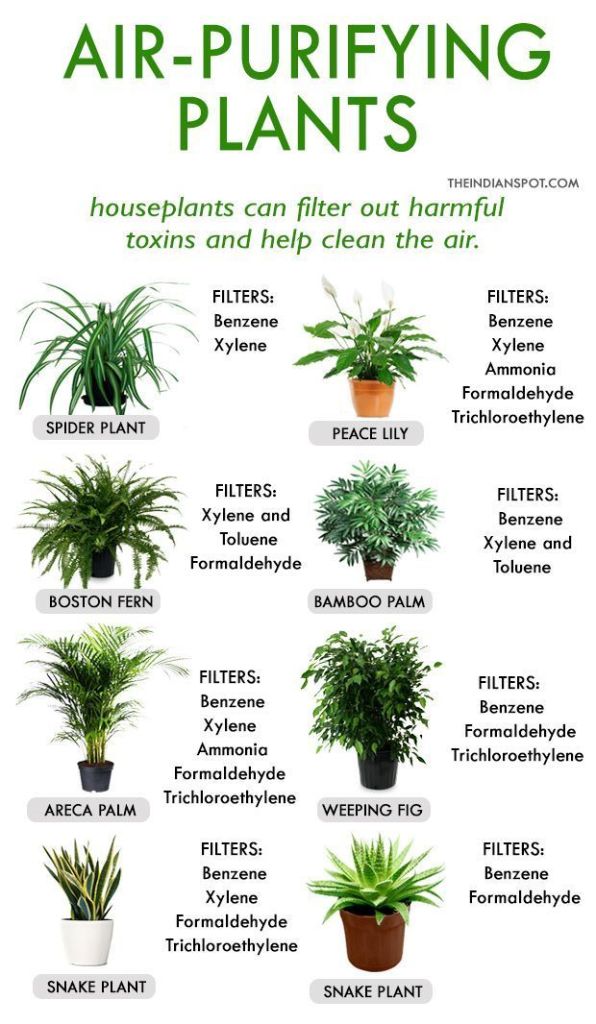


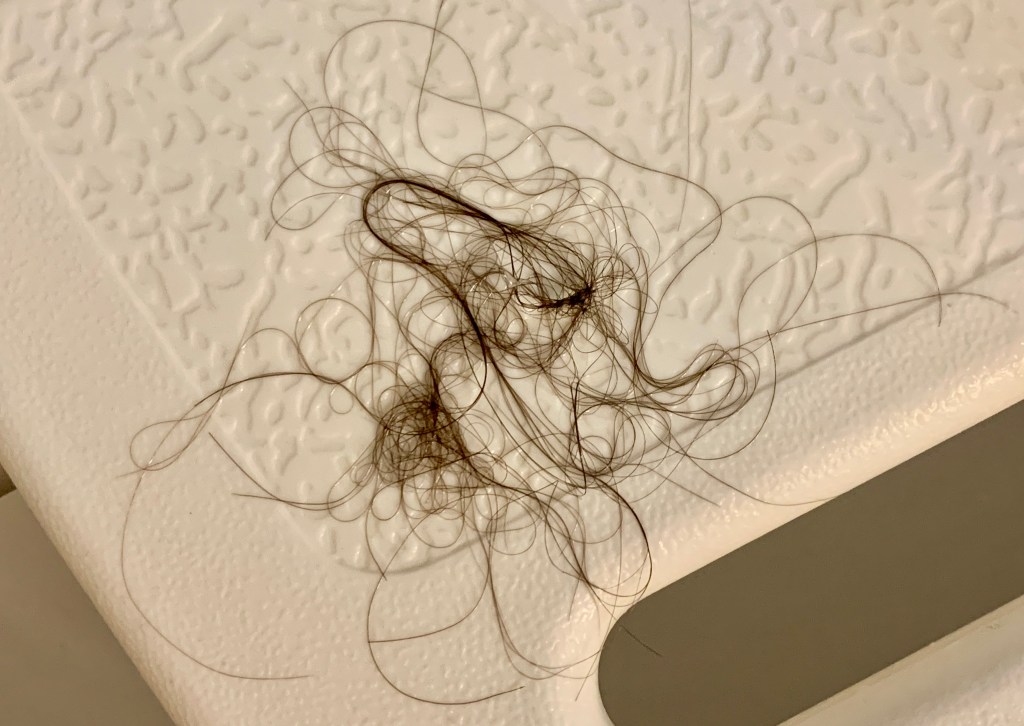




 Margie H.Davenport



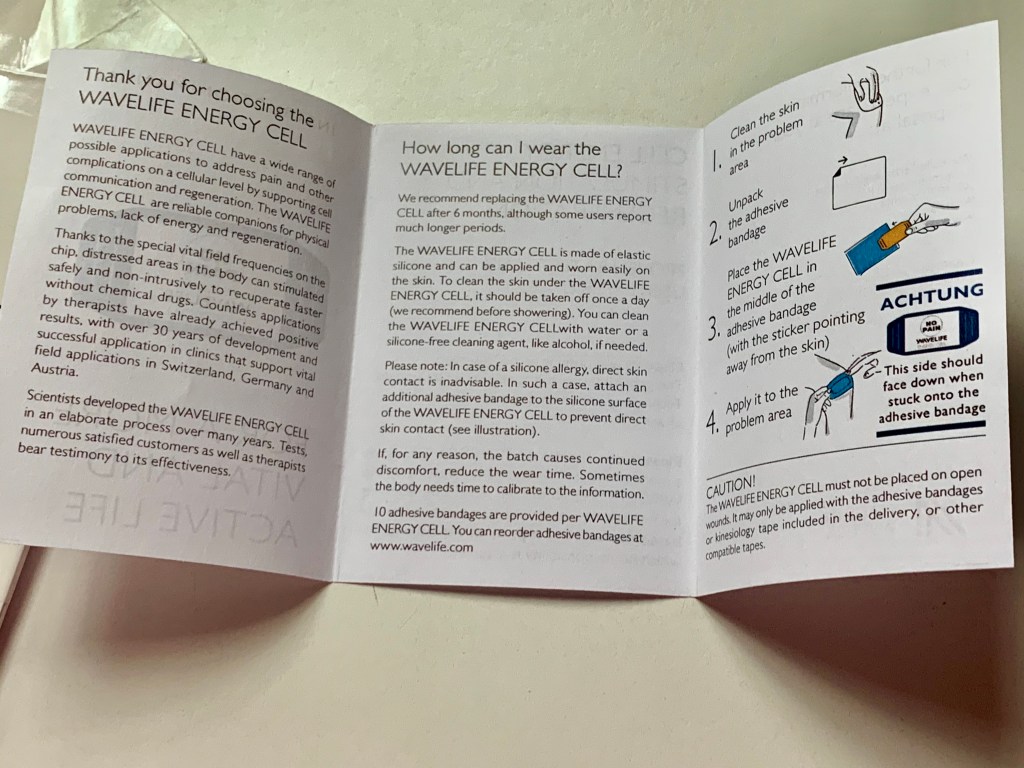
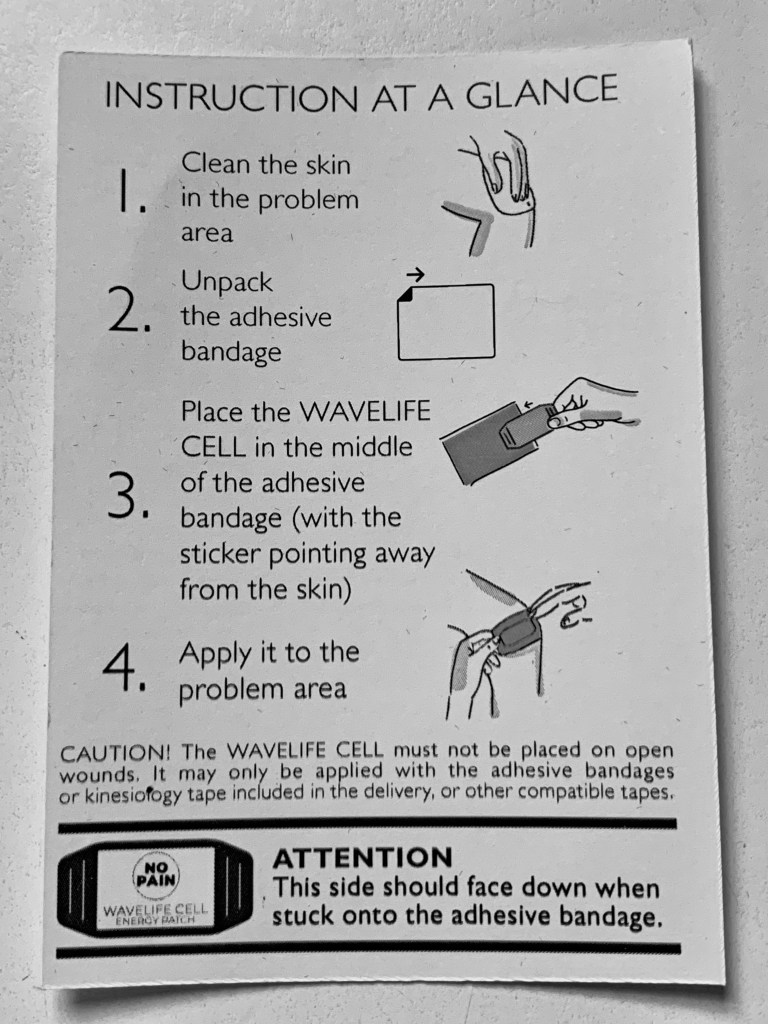












 lookingforthelight.blog