

These song always lights my day. Have a great weekend. M

These song always lights my day. Have a great weekend. M
Last week I joined the U.S. Pain Foundation Ambassador Program. The work the organization does for people with chronic pain is hands-on and at a government level. There are endless opportunities for you to support the organization with the time you have available. I have to learn how to do screenshots on MAC OS quickly, I’m attending a Webinar on Thursday. Melinda
Dear Junior Ambassador,
I would like to personally welcome you into the U.S. Pain family! By joining our Pain Ambassador Network, you are taking action and choosing to help us advocate on behalf of the pain community. Our goal is to support you and provide you with the tools needed to raise awareness.
The U.S. Pain Foundation is a nonprofit organization created by people with pain for people with pain. We want the experiences you have as a junior ambassador to be full of fun and excitement. Our mission is to educate, connect, empower, and advocate for pain warriors as well as their families, caregivers, and friends; the hard work and dedication of ambassadors like you is what allows us to fulfill this mission. We greatly appreciate the time, energy, and passion that you have chosen to dedicate towards raising awareness!
To thank you for your commitment as a volunteer, we will be sending you a starter package in the mail. We encourage you to use these resources to empower yourself.
As a junior ambassador, we would also like to offer you the opportunity to be promoted to be an official ambassador for U.S. Pain. Below, we have outlined the simple steps you can take to bring your awareness work to the next level.
Getting credit: Each time you perform a task, take a photo or screenshot if possible and submit your participation via the designated form provided in the ambassador toolkit for the specified activity. Once you have completed these three tasks, you will then become an official ambassador for the U.S. Pain Foundation.
Melinda Sandor
Texas Junior Ambassador, U.S. Pain Foundation
DISCLAIMER: This email and any files transmitted with it are confidential and intended solely for the use of the individual or entity to whom they are addressed. If you are not the named addressee you should not disseminate, distribute or copy this email. Please notify the sender immediately by email if you have received this email by mistake and delete this email from your system. All content of this email, such as text, graphics, images, or any other material contained in this email are for informational purposes only. Any information provided by U.S. Pain Foundation is not intended for use as a substitute for professional advice. The foundation cannot diagnose or recommend treatment. U.S. Pain does not represent itself as being an authoritative entity; please consult a trained or certified professional with questions pertaining to medical, legal, and financial concerns. U.S. Pain functions as a resource organization with a mission to educate, connect, inform, and empower those living with pain while advocating on behalf of the entire pain community.
Your ambassador team regularly creates new tasks, activities, and projects for you to complete when you are feeling up to it or when you have time. Make sure you periodically check emails and the ambassador toolkit for new volunteer opportunities. Emails may come from any member of the U.S. Pain team and will be sent from official uspainfoundation.org email addresses.
Again, welcome aboard! We look forward to working with you in an effort to empower, educate, and raise awareness! If you have any questions, comments, or feedback, we are always available at contact@uspainfoundation.org.
Kindest regards,
Lori Monarca
Director of the Ambassador Program
Thank you for sharing!
Afraid to write? Fear of feeling the truth of what is there? Yet it is as necessary as breathing, the quest to go down below all the garbage and see what’s there. A place kept hidden even from myself.
Fear. Anxiety. Worry. That needs to be felt before moving deeper. Tick off the problems one by one, a wise voice assigning either a solution or acceptance. Yet the stomach curdles with doubt and confusion because for much there are no answers.
Living with the flow and combination of complexities is not my forte. Is it anybody’s? The release and containment of tension, pain, pleasures, and peaceful moments exist at once. How do you make room for it all?
Wouldn’t it be luxurious to be like cat, arching her back against the chair, stretching her full length with delight and abandon? Must we be humans with all this in our heads?…
View original post 80 more words
Ideas.Ted.com
This post is part of TED’s “How to Be a Better Human” series, each of which contains a piece of helpful advice from someone in the TED community. To see all the posts, go here.
How often does this happen to you?
“You wake up, and as you’re emerging into consciousness, you feel this horrible dread, this real wretchedness. Immediately, your mind starts to race,” says neuroscientist Lisa Feldman Barrett. “You think about all the crap that you have to do at work — you have that mountain of email which you will never dig yourself out of, the phone calls you have to return, and that important meeting across town. You’re going to have to fight traffic, you’ll be late picking your kids up, your dog is sick, and what are you going to make for dinner? Oh my God. What is wrong with my life?”
OK, you may not have the dog, the kids or the meeting across town, but what about the rest — the cascading catalog of to-dos, the sinking feeling that you’re behind even before your day has started, and the headlong tumble into despair?
Whew.
According to Barrett, those last two sentences of the above scenario — the “Oh my God. What is wrong with my life?” part — are especially treacherous. Why? Because too often we come to the sweeping and inaccurate conclusion that our life stinks.
But we don’t have to take this misery lying down, says Barrett. Through her research at the Affective Science Laboratory at Northeastern University in Boston, she has come to some mind-shaking realizations about human emotions. Contrary to what many of us think, our emotions are neither hard-wired into our brains nor are they out of our control. Instead, our emotions are guesses that our brains generate on the fly, based upon our past experiences.
As she explains in her book How Emotions Are Made — read an excerpt here — “Anytime you feel miserable, it’s because you are experiencing an unpleasant effect due to physical sensations. Your brain will try to predict causes for those sensations, and the more concepts you know and the more instances you can construct, the more effectively you can recategorize to manage your emotions and regulate your behavior.”
When we start that AM spiral into anxiety, as Barrett explains, “Your brain is searching to find an explanation for those sensations in your body that you experience as wretchedness.” But, she adds, “Those sensations might not be an indication that anything is wrong with your life … Maybe you’re tired. Maybe you didn’t sleep enough. Maybe you’re hungry. Maybe you’re dehydrated.”
So, the next time you feel gripped by morning dread, she suggests you ask yourself: “Could this have a purely physical cause?”
Check in and see: What’s going on with your body? When the alarm went off, were you roused from a deep sleep and you’re rattled as a result? Or, perhaps you’re too hot, too cold, achy or itchy …
Barrett says, “You have the capacity to turn down the dial on emotional suffering and its consequences for your life by learning how to construct your experiences differently.”
Watch her TED@IBM talk here:
Ideas.Ted.com
In 2010, a trio of Germans with backgrounds in sociology, technology and market research posted a document titled “Das Slow Media Manifest” (the English translation is “The Slow Media Manifesto”). Following the Slow Foodmovement — which promotes local food and cuisine as an alternative to fast food — the Slow Media Manifesto notes that the first decade of the 21st century “brought profound changes to the technological foundations of the media landscape.” The second decade, it proposes, should be dedicated to figuring out the “appropriate reaction.”
Their suggestion: We can embrace the concept of “slow.” In an age in which the digital attention economy is shoveling more and more clickbait toward us and fragmenting our focus into emotionally charged shards, the right response is to become more mindful in our media consumption.
The Slow Media movement is still mostly European; in the US, the response has proved more puritanical. Whereas the Europeans suggest transforming media consumption into a high‑quality experience, Americans have tended to embrace the “low information diet”: a concept popularized by author Tim Ferriss, in which you aggressively eliminate sources of news and information to reclaim time for other pursuits. Much like the American approach to healthy eating, it focuses on eliminating what’s bad rather than on celebrating what’s good.
While the Slow Media Manifesto addresses producers and consumers of media, I want to focus on consumption, with an emphasis on the news — since this is an aspect that makes us particularly vulnerable to attention exploitation. Many of us consume news by cycling through a set sequence of websites and social media feeds. For example, if you’re into technology, Hacker News and Reddit might be at the top of your list. If you’re into sports, you’ll include ESPN.com and team‑specific fan pages, and so on.
Crucial to this news consumption habit is its ritualistic nature. You don’t make a conscious decision about each site and newsfeed you visit; once the sequence is activated, it unfolds on autopilot. We’re so used to this behavior that it’s easy to forget it’s largely a product of the digital attention economy. These media companies love your ritual, because each time you pass through your cycle deposits more pennies in their bank account. Checking 10 sites 10 times a day makes them money — even if it doesn’t leave you more informed than checking one good site once a day.
To embrace news media from a mindset of slowness requires that you focus only on the highest‑quality sources. Breaking news, for example, is almost always lower quality than the reporting after an event has occurred and reporters have processed it. A journalist told me that following a breaking story on Twitter gives him the sense that he’s receiving lots of information, but in his experience, waiting until the next morning to read about the story in the Washington Post almost always leaves him more informed. Unless you’re a breaking news reporter, it’s usually counter-productive to drink from the fire hose of incomplete, redundant and often contradictory information that spews forth in response to noteworthy events.
Consider limiting your attention to the best of the best writers. They don’t have to write for a big, established organization — a powerful voice on a personal blog can be as high quality as a longtime reporter for the Economist — but they should have proven to you to be reliably smart and insightful. When an issue catches your attention, check in on what the people you respect most think about it, rather than wade into a Twitter hashtag search or the comments littering your Facebook timeline. It’s a general rule of slow movements that a small amount of high-quality offerings is usually superior to a larger amount of low-quality fare.
If you’re interested in political and cultural issues, your experience can be enhanced by seeking out the best arguments against your position. I live in Washington, DC, and I know political operatives on both sides of the aisle. A requirement of their job is that they stay on top of the best opposing arguments. A side effect is that they tend to be much more interesting to chat with about politics. In private, they don’t exhibit the anxious urge to tilt at strawman versions of contrary viewpoints, and instead they isolate the key underlying issues or identify the nuances that complicate the matter at hand. As we’ve known since the time of Socrates, engaging with arguments provides a deep source of satisfaction independent of the content of the debate.
Another important aspect of slow news consumption is the decisions you make regarding how and when consumption occurs. I recommend isolating your news consumption to set times during the week and choosing a location that supports you in giving your full attention. I also suggest that you consider the particular format in which you do your reading.
For example, you could look through a paper newspaper each morning over breakfast. This will bring you up to speed on the major stories and provide a more interesting mix of stories than you’d curate for yourself online. On Saturday mornings, perhaps you check a selected group of online news sites and columnists, bookmarking articles you want to dive deeper into, before heading to a coffee shop with your tablet to read this week’s worth of deeper articles and commentary. If you can download the articles, so you can read them without the distractions offered by an internet connection, that’s even better. Serious news consumers often deploy browser plug‑ins or aggregation tools that present them with articles stripped clean of ads and clickbait.
If you follow the above approach to news consumption, you’ll remain informed about current events and up to speed on the ideas in the spaces you care most about. But you’ll accomplish this without sacrificing your time and emotional health to frantic clicking.
The key to embracing Slow Media is the general commitment to maximizing the quality of what you consume and the conditions under which you consume it. If you’re serious about joining the attention resistance, you should be serious about adopting this attitude when interacting with information on the internet.
Adapted from the new book Digital Minimalism: Choosing a Focused Life in a Noisy World by Cal Newport with permission of Portfolio, an imprint of Penguin Publishing Group, a division of Penguin Random House LLC. Copyright © Cal Newport, 2019.
Watch his TEDxTysons talk here:
I’m still undecided, is it too wide, to light in color? Do you think the header compliments the name and mission of the blog?
Thank you very much, hit like button to let me know. I would love your comments if you have time. Have an awesome day, I’m sending good karma your way.
M
TEDTalk
Really?????? M
TEDTalk
Awesome photos and cool houses. M
RedBook

1. Use fresh or frozen foods instead of canned, when possible.
2. Use soy infant formula only if there is a medical reason for it, such as lactose intolerance or milk allergy, says Heather Patisaul, Ph.D. Genistein — a natural estrogen found in soy plants — is present in large amounts in soy-based baby formulas. (Some countries require a prescription for it.)
3. Don’t microwave food in plastic containers or covered with plastic wrap. When plastic is heated, the chemicals in it can more easily migrate to food.
4. Use BPA-free baby bottles. Check labels — the biggest manufacturers of baby bottles in the United States (including Disney, Gerber, and Playtex) stopped using BPA in 2009.
5. Avoid storing food or drink in plastics with the recycling numbers 3, 6, and 7 on the bottom — or buying items packaged in these plastics.
6. Don’t use chemical poisons on plants or bugs.
7. For drinking water, use a faucet-mounted filter that has been approved by the American National Standards Institute to “remove volatile organic compounds.” (Pitcher filters may not be enough.)
8. Choose soaps, toothpastes, and deodorants without triclosan. According to the Centers for Disease Control and Prevention, antimicrobials like triclosan are unnecessary and may help breed drug-resistant germs.
9. Avoid heavily fragranced products or air fresheners, which may contain phthalates.
10. Go to senate.gov to tell your senators if you want more EDC research and regulation.
In the largest genetic study of its kind, scientists have identified more than 200 genes associated with depression that could give new insights to researchers looking for treatments to what is the leading cause of disability in the world.

Combining anonymous data from more than two million people who were part of the three different genome-wide association studies on depression, an international team of researchers led by scientists at the University of Edinburgh, identified 269 genes associated with depression.
“These findings are further evidence that depression is partly down to our genetics,” said Professor Andrew McIntosh, of the University of Edinburgh’s Centre for Clinical Brain Sciences, who led the research. “We hope the findings will help us understand why some people are more at risk of depression than others, and how we might help people living with depression and anxiety more effectively in the future.”
Published in journal Nature Neuroscience, the study, which included data from the UK Biobank, 23andMe, and the Psychiatry Genomics Consortium, found that many of the strongest associations were on or near genes involved in neurotransmission and response to stimuli that are part of the central nervous system. And the associations further highlight the importance of studying cortical regions of the brain and their role in the condition, according to the researchers.
Trauma, social factors, and life events all play a role in depression, but by understanding the influence genes have and their role in how an individual responds to those external factors, could help in developing more personalized treatments, the researchers said.
This study also found that depression shared genetic associations with neuroticism — a personality type that is characterized as being more fearful and worried. Researchers also found a shared genetic association with smoking. The later association may indicate that depression could lead some people to smoke.
Some of the same genes that influence a person’s propensity toward impulsiveness also affect whether or not he or she will use drugs, according to a new study led by researchers at the University of California, San Diego School of Medicine.
Published today in the Journal of Neuroscience, the study is another in a series of studies done by researchers looking at the genetic underpinnings of behavior, addiction, and psychological disorders. For this work the scientists used data from more than 20,000 23andMe customers who consented to participate in research, making it the largest genetic study of impulsive behavior to date.
“By studying the genetic basis of normal variation in behavior, we can learn about the role of genetics in complex psychiatric disorders like drug abuse,” said lead author of the study Abraham Palmer, Ph.D., a professor of psychiatry and vice chair for basic research at the University of California, San Diego School of Medicine. “Additional studies of younger and more diverse populations could provide additional insights into the genetics and consequences of impulsiveness.”

For this work, and a study Palmer and his team did last year that also looked at another measure of impulsivity called “delay discounting,” the researchers compared genetic data with survey responses on impulsivity and a history of drug use from 23andMe customers who consented to participate in research. The genome-wide association study found variants in the gene CADM2 — previously implicated in risk-taking, alcohol consumption, and cannabis use — associated with impulsivity and drug use. The team also identified an association with a variant in a gene previously implicated in schizophrenia risk — CACNA1I. They also saw an association with something called “negative urgency”— a tendency to act impulsively in the face of adversity.
These findings demonstrate how an individual’s genetic makeup may predispose them to engage in risky behavior, including drug use and abuse. Additional studies of younger and more diverse populations could provide further insights into the genetics and consequences of impulsive personality traits, the researchers said.
The study also shows the potential of large datasets like 23andMe.
“Data shared by 23andMe research participants helped make this work possible — and this is one of several recent publications we’ve worked on related to personality, behavior and psychiatric conditions,” said Sarah Elson, PhD, Senior Scientist, 23andMe.
“These findings may have potentially significant effects on how we interpret the relationships between genetics and mental health; and, in the future, predict and treat some of these hard-to-understand conditions.”
By 23andMe on Fri, 01 Feb 2019 17:49:06
Africans and African Americans are among the most underrepresented populations in genetic health research, yet they face some of the most daunting health outcomes.
It’s a bitter irony of the current state of research that among those most in need are the least served by our ever-expanding genetic knowledge. Africans, African Americans, as well as Latinos, still make up less than four percent of individuals included in genome-wide association studies, according to a recent study.
This despite the fact that Africans and people of African ancestry are more genetically diverse than all other populations in the world combined. This is because humans originated in Africa and have lived there continuously for more than 200,000 years, adapting to the varied climates and regions. The rest of the world was populated by small groups of people who first migrated out of Africa some 60,000 to 130,000 years ago. In genetics this is called the Founder Effect. Including people of African ancestry in genetic study will likely uncover unique genetic variation that help scientists better understand conditions that affect people of African ancestry, who thus far have not benefited from many of the breakthroughs in genetic science.
23andMe’s efforts to improve diversity in its research has yielded results.
The most promising is that we now have one of the largest groups, if not the largest, group of African Americans who been genotyped and phenotyped — phenotypes are observable traits and health conditions — and consented to participate in research.
This offers great potential to conduct crucial new genetic research. It means that more of our own research will be relevant to people with African ancestry. So for example, working with researchers at the University of Minnesota, we are now expanding a genetic study on alcohol and tobacco use and its relation to different diseases, to include people of African ancestry.
But 23andMe wants to ensure that other qualified researchers can also leverage this important resource to make discoveries. So this month, 23andMe is announcing that as part of its annual call for Research Innovation Collaborations, we are encouraging qualified academic researchers to make proposals to leverage this important research cohort to learn more about health conditions that impact people with African ancestry.
Interested researchers can find out about the Research Innovation Collaborations here. . In genetics this is called the Founder Effect. Including people of African ancestry in genetic study will likely uncover unique genetic variation that help scientists better understand conditions that affect people of African ancestry, who thus far have not benefited from many of the breakthroughs in genetic science.
Improving diversity and inclusion of underrepresented populations in research doesn’t just benefit those groups. It benefits everyone. One of the best examples of this are medications to lower cholesterol for those at risk for heart disease. The insights that made these new drugs possible came because researchers found that some African Americans had variants in the PCSK9 gene that left them with very low cholesterol. That example is also an example of the beauty of genetics — something unique in you, or me, or a stranger across the globe, could benefit all of us.
At 23andMe — where our mission is to help all people access, understand and benefit from the human genome — we have spent the last decade working to improve diversity in research. Despite those efforts — as well as the work of others like the National Institutes of Health’s All of Us program — we still have a long way to go to ensure that all people are part of, and benefit from, the genetic revolution. News of promising developments in using gene therapy to treat sickle cell anemia and the chance that it could lead to a cure for the disease that plagues tens of thousands of Americans, gives us a glimpse of what is possible.
But as 23andMe commemorates Black History Month, it’s worth noting the steps we’ve taken in our efforts to improve diversity in our genetic research. We want to share with our customers who have contributed to research some of the recent accomplishments and new initiatives that are specific to Africans and African Americans, and how these efforts will contribute to important genetic research that will benefit not just people of African ancestry, but all of us.
Over the last decade with programs like Roots into the Future, the African Genetics Project, and the Global Genetics Project, 23andMe has diversified our reference populations to improve not just the customer experience, but improve the kind of research we do. And now with hundreds of thousands of customers with African ancestry who have consented to participate in research, 23andMe has one of the largest groups in the world of African Americans who have consented to have their genetic data and phenotypic data — information about traits and health conditions — used for research. (See sidebar)
Another program, called the Populations Collaboration, involves partnering with academic researchers working across the globe to genotype people in communities that are underrepresented in genetic research, particularly those in Africa. As part of that initiative researchers have already done work among populations in Angola and the Democratic Republic of Congo. And there is 23andMe’s African Sequencing Project. Launched in 2016 the aim of this ambitious project was to recruit several thousand eligible customers to participate in the creation of an African American sequencing panel for research. That work, which was partially funded by the National Institutes of Health, has been done, and the de-identified genetic data will be made available through the National Center for Biotechnology Information’s database of Genotypes and Phenotypes (dbGaP) to other qualified and vetted genetic researchers at educational and research institutions around the world. This again will enable scientists outside of 23andMe to use this reference data improve the accuracy of their own health-related genetic research that is focused on African Americans.
These are just a few of the efforts 23andMe has undertaken to improve the diversity in its research, and allow other qualified researchers to leverage the research model we pioneered. But we also want to look beyond the genetic research, and understand a little more the impact DNA testing has on people’s perception of race and ethnicity. So last year 23andMe began a collaboration with researchers at Northwestern, to study just that, looking at the impact testing may has on attitudes about race. That work is ongoing.
Each of these efforts are small steps but taken together they mark a commitment 23andMe has to ensure that all populations are included in genetic research and benefit from it. Diversity in research makes it less likely that any group is left behind in this age of genomic discovery. Diversity in genetic research offers the promise that everyone will benefit from what we uncover about the genetic underpinnings of disease, as well as the genetic diversity of all humankind.
Why are the vast majority of people included in genetic research of European ancestry?
Institutional racism often played a role, but some of the reasons have to do with how study groups were found in the early days of genome-wide association studies. In those cases, researchers would often studied those who were convenient to their work, meaning those who lived in Europe or the United States and those who lived near the universities where they worked. Other researchers used study groups that had already been established — like the as the Framingham Heart Study — which included people of mostly European ancestry. But there are also social and historical reasons for the bias, including past abuses in medical research — like the U.S. Public Health Service Syphilis Study at Tuskegee (Tuskegee Syphilis Project) — that left African Americans less willing to participate. To protect the interests of all its research participants, all of 23andMe’s research is overseen by an independent Institutional Review Board (IRB), which must first approve of our research procedures before a study begins. Any changes to those procedures must be reviewed and approved by the IRB before being implemented.
Why does diversity in genetic research matter?
Most genetic studies have been conducted on people of European ancestry, so there is a gap in our understanding of the genetic factors that influence disease among those of other ancestries. 23andMe sees an urgent need to scale research within non-European populations so all people can benefit from breakthroughs in genetic science. 23andMe’s web-based, large-scale research model is ideally suited to tackling this problem. While researchers have made significant findings around the genetics of such conditions as Parkinson’s, Alzheimer’s disease and breast cancer, many of findings may not replicate in people who do not have European ancestry. In addition, as genetic studies are used to help identify new drug targets or the efficacy of certain medication, which may differ depending on an individual’s ancestry.
Do people of different ethnicities have different risks?
Some of those differences have to do with environmental factors, access to quality care and poverty, but genetics also plays a role. For example, recent studies among African American and Puerto Rican children with asthma have found that genetic differences may explain why a commonly used medication to treat asthma is less effective in those populations. There are other conditions that are also more prevalent among African Americans — asthma, diabetes, cancer and heart disease — and genetics may help explain some of those differences. In addition, by conducting studies in more ethnically diverse populations scientists and clinicians will be better able to offer more accurate estimates of diseases in populations other than those of European ancestry.
Can genetic studies of one ethnicity lead to insights into disease risk or treatments in other ethnicities?
Yes. One of the best examples of this is a study that found genetic variants in some African Americans that made them effectively lowered their level of LDL cholesterol making them less susceptible to heart disease. The findings around the variant in the the PCSK9 gene lead to the creation of drugs that target the gene as a way to control cholesterol.
What are some of the conditions 23andMe is studying that impact people of African descent at higher rates?
23andMe has published now more than 120 papers on a wide variety of conditions. As we add more diversity to those who are participating in research will be more able to ensure that those studies and findings will also be applicable to African Americans and other non-European populations. Most recently in 23andMe contributed data to research lead by scientists at the University of Minnesota focused on the genetics of alcohol and tobacco use. This offered new insight into addiction as well as diseases associated with alcohol and tobacco use. Now those same researchers are including African Americans as part of that study.
Why is the African population more genetically diverse than non-African populations?
Modern humans originated in Africa and have lived there continuously for more than 200,000 years, adapting to the varied climates and regions on the continent.
The rest of the world was populated by small groups of people who first migrated out of Africa some 60,000 to 130,000 years ago. In other words, when these small groups left, they only brought a subset of genetic variants with them, resulting in lower amounts of genetic diversity in non-African populations. In genetics this is called the Founder Effect.
How does 23andMe protect my data?
The privacy and security of our customers’ data are of the utmost importance to 23andMe. We understand that to be successful our customers must trust that 23andMe is protecting their data. Beyond employing robust authentication methods to access our systems, we also use software, hardware and physical security measures to protect customer data. Personally identifiable information is stripped from genetic information and stored in separate computing environments. All data used in research is de-identified and study in aggregate, and only data from customers who have consented to participate is used. Customers, even those who have consented to participate in research, must also explicitly agree in writing to have their individual information studied by our researchers. Finally, 23andMe has always been transparent about our privacy policies and research, offering customers a choice about whether they wish to participate or not, and ensuring that when we make new findings that we share that information back with our customers.
What are some of the health reports that 23andMe offers that are relevant to individuals of African descent?
We currently have a handful of Genetic Health Risk reports that are specifically relevant to people of African ancestry, but there are other reports that are relevant to people of any ancestry including African. 23andMe has a report on a genetic relatively common genetic condition known as G6PD Deficiency, which is most relevant to people of African ancestry. The condition is characterized by periods of anemia triggered by environmental factors. And 23andMe has two carrier status reports that are most relevant for people of African ancestry including a report on Sickle Cell anemia, and another on Familial Mediterranean Fever. Beyond the health and wellness reports, 23andMe has recently updated its ancestry reports to include 1000+ more regions including more regions within Africa. And 23andMe continues to add new reports and update the reports that it has for customers to improve the experience for everyone. For important information and limitations regarding other genetic health risk reports and carrier status reports, visit https://www.23andme.com/test-info/.
January 24, 2019 Dinah Miller, M.D.
We talk about the toll suicide takes on families and the tragedy for the people who’ve died. What we don’t openly talk about is suicide’s toll on the doctors who have treated these patients. But when a patient dies by suicide, it leaves us profoundly changed.
The news came by text as we drove home from brunch. My patient had died that morning by suicide. I read the text and wailed. My husband was driving, and our adult children happened to be away, traveling together on an exotic journey. I struggled to gather words, and my husband held control of the car through those excruciating moments when he thought something horrible had happened to our kids. I calmed down enough to tell him that the tragedy involved a patient. He was relieved. I was not.
U.S. suicide rates increased by 25.4% between 1999 and 2016.1 It’s been estimated that at least half of psychiatrists will lose at least one patient to suicide during their career.2 There are no estimates on how many primary care physicians will have the same experience, though they often treat psychiatric disorders. Among people who complete suicide in the United States, 46% have been diagnosed with a mental health condition, and many more people have undiagnosed mental illness.
We talk about the toll suicide takes on families. They experience grief, guilt, regret, anguish, anger, and stigma, and they often face significant financial and logistic consequences. We talk about the tragedy for the people who’ve died — the years of life lost, the graduations and weddings they won’t attend, the grandchildren they’ll never hold. Since suicide is considered preventable, these deaths inflict an added injury on the survivors, who may face the lingering pain of believing that there was something more they might have done.
What we don’t openly talk about is suicide’s toll on the doctors who have treated these patients. Death is part of life, and for many physicians it becomes a routine element of the job. Oncology patients die, trauma patients die, geriatric patients die — indeed, everybody eventually dies. In psychiatry, however, death is not a usual or expected outcome, and suicide induces the sharpest feelings of failure. We may grieve the loss of patients when they die of cancer, but when they die by suicide, it leaves us changed, sometimes even devastated.
Psychiatrists are considered the experts on suicide. After all, many people with major depression have feelings of hopelessness and thoughts of ending their own lives. In an outpatient psychiatry practice, it’s not uncommon for several patients a week to talk about psychic demons, dark thoughts, or the wish to simply not wake up, but such thoughts rarely crescendo to a suicide attempt, and much less often to a completed suicide.
A suicide plan with stated or presumed intent generally triggers hospitalization, and suicide risk is part of the daily landscape for inpatient psychiatrists. Insurers often require that patients be a danger to themselves or others as the standard for admission, making psychiatry the only specialty in which an illness must be deemed life-threatening for the patient to obtain hospital care. Yet the ongoing shortage of psychiatric beds makes it difficult for all but the sickest of patients to be admitted, and in rural areas the nearest facility may be hours away. A few states rely on the unconscionable practice of holding ill patients in jail until psychiatric beds become available. When depressed patients deny having any intention of harming themselves, inpatient options are rarely used. Moreover, even when patients are admitted, the average length of stay is only days, although medications for depression take weeks to begin working.
Suicide is often an impulsive act — it is not always planned, and patients don’t always share their intentions. Most psychiatrists care for many patients they deem “at risk” for suicide, but even if we are the experts on suicidal thinking and behavior, we’re generally fortunate enough not to be experts on completed suicide.
When my patient died, I told a few colleagues who are also my friends. All were sympathetic, but some could tolerate listening to my ruminations for only so long. Suicide is a topic that makes us all uneasy. It’s the psychiatrist’s biggest professional fear and failure, and on top of our own loss, self-recrimination, and regret, we may fear a lawsuit or feel defensive and anxious. I had worried about this patient and had carefully considered the care I provided. There had been numerous hurdles to optimal treatment, and looking back, I could see no obvious breaches of the standard of care. Still, for months afterward, my thoughts kept looping back to what else I might have tried. Yet all my mental machinations won’t bring the patient back to life. A patient suicide can fill us with shame, and we worry that our colleagues will judge us to be inadequate. The stigma associated with suicide attaches to the patient, the family, and also the doctor. At times, I’ve felt this suicide was my professional burden to bear alone.
Colleagues who have experienced a suicide told me that attending the funeral and meeting with the family was helpful. But we have no systematized way of coming together to learn from these cases, and no set rituals of our own to mark a death and find a path toward healing.
Days after the death, I attended a professional event and felt disingenuous as I made small talk, never mentioning the recent cataclysmic event in my professional life. It took some time and distance before I could tell my colleagues that this tragedy had transpired. With some trepidation, I mentioned a “bad outcome” to a couple of distressed patients as part of my plea that they relinquish possession of firearms until their mood improved. It felt unconventional, but I found that “Please do it for me” held some power and shifted the dialogue away from the question of my willingness to trust them.
I am still figuring out how to quiet my haunting emotions. For quite some time, I would wake up with my dead patient front and center in my mind, and we traveled together through the days. My sadness for the family remains immense. My feelings as a doctor are complicated by the fact that this particular patient had not followed my treatment recommendations and so my sadness is mixed with anger — yet somehow it feels wrong to be angry with a dead person who had suffered so deeply.
I am working my way back to being the psychiatrist I was before. At first, I felt anxious about taking on new patients and about ongoing treatment with my high-risk patients. Psychiatry is a gratifying specialty, and it’s not unusual for patients to verbalize their appreciation for the care they have received. After the suicide, I found such exchanges difficult; after all, keeping people alive had always been key to my understanding of what it is to be a good doctor, and every time a patient expressed gratitude I thought of my patient who died. I am left with the nagging questions of whether I can trust my own intuition about when a patient is safe and whether I can trust my patients to be forthcoming. I had treated this patient for only a short time; I can’t imagine the intensity of the grief I would feel if a patient I’d cared for for years were to lose this battle.
After a celebrity suicide, the media tends to reduce the solution to a singular message: Get help. But sometimes getting help and being identified as a person at risk are simply not enough. Sometimes we do everything possible and patients still choose to end their lives.
Suicide affects not just psychiatrists but also physicians in all specialties. As we tackle a tragedy that touches so many, I hope we can also lift the barriers that keep us from addressing our own anguish.
From the Johns Hopkins School of Medicine, Baltimore.
By 23andMe on Tue, 22 Jan 2019 17:03:37
23andMe received FDA clearance to report on the two most common genetic variants influencing what is called MUTYH-associated polyposis (MAP), a hereditary colorectal cancer syndrome.This new clearance is part of…
The post 23andMe Receives FDA Clearance for Genetic Health Risk report that looks at a Hereditary Colorectal Cancer Syndrome appeared first on 23andMe Blog.
IDEAS.TED.Com
Every weekday for the month of January, TED Ideas is publishing a new post in a series called “How to Be a Better Human,” containing a helpful piece of advice from a speaker in the TED community. To see all the posts, click here.
“The journey of a thousand miles begins with a single step.”
We’ve heard this chestnut — or seen it in Instagram posts with handwritten fonts — over and over again. But is there truth in this stale nut? And if so, how can we translate it into real life?
Well, it may be time to give this aphorism a refresh and change it to: “The journey of a thousand miles begins with a single win.”
That’s because success can be found when we start to mark and celebrate our small wins, according to Vancouver-based educator Mehrnaz Bassiri. Drawing on the work of organizational theorist and psychologist Karl Weick, Bassiri says, “Small wins have a transformational power. Once a small win has been accomplished, forces are set in motion to favor another small win and another small win until the combination of these small wins lead to larger and greater accomplishments.”
Here, she tells us how to turn our small wins into major victories.
This approach can apply to your professional or personal lives. Let’s say your big goal is to save money for a two-week vacation. So you start your campaign full of enthusiasm and aggressively trim extra costs from your life. You bring your lunch to work; you stop buying coffee drinks, juices and pricey snacks; and you invite friends and family over for dinner instead of going out to eat.
Then, after a few weeks, you look at your bank account — and you’ve advanced a mere 3 percent towards your desired total. You think, “I’ll never get there” and go drown your sorrows in a double cappuccino.
The problem, says Bassiri, doesn’t lie in the puniness of our accomplishments but in the outsized nature of our expectations. Whether in the news media or in our friends’ and family members’ social media posts, we’ve gotten habituated to seeing major successes — the video from an unknown musician that goes viral and scores them a spot on Beyonce’s tour, the unhealthy person who loses half their body weight and completes the Ironman, the company started by college students in a garage that gets sold for an eye-watering amount.
These stories “have programmed our thoughts and desires to want and expect the same kind of results in our own lives,” says Bassiri. “We’ve started to measure our progress on an oversized scale.” So instead of recognizing our small triumphs for what they are, we view them as failures.
It’s time to adopt a human-sized scale to assess our efforts. For example, try measuring your saving in days rather than dollars. Applaud every day that you extend your no-coffee drink streak. This is a far kinder way of tracking your progress than fixating on the balance in your bank account.
Diaries are much more than the domain of angst-ridden teens — in fact, you can reclaim them to serve your growth by using them to chronicle your wins. Harvard Business School professor Teresa Amabile advocates keeping a daily diary of progress because it “helps us to reflect on our days and keep track of all those little achievements that normally go unnoticed,” says Bassiri. She adds, “It helps us to detect and celebrate our small wins even on those frustrating days that we don’t think we got a lot done. Not only that, it also helps us to work through difficulties and find weak areas that we need to work on.”
Many of us have to come to believe that we should tell as many people as possible about our efforts, so that their attention might hold us accountable and their encouragement can motivate us.
However, our announcements can actually backfire. “Research shows that when we share our big and important goals with other people, as soon as we receive social acknowledgement and social recognition, our brains get tricked into thinking that we’ve already accomplished that goal,” says Bassiri. “So we become less likely and less motivated to pursue those activities that get us closer to achieving it.”
Instead, she suggests, “select one or two people to act as your support.” Then, when you’ve finally achieved your goal, you can take to Twitter and Facebook and tell everyone you know.
Watch her TEDxChilliwack talk here:

The Friday prompt for Stream of Consciousness Saturday is “affirm.” Use it any way you’d like. Enjoy!
Praying each day affirms my belief in God is strong and unwavering.
Join us for the fun and sharing good media stories
Netflix’s brand new British comedy-drama series Sex Education packs an immediate punch, sticking the students of Moordale Secondary School and their sex-based concerns right in front of your face without warning or apology.
Because this is a show on a mission: “[It’s about] encouraging people to rip the band-aid off and have those uncomfortable, awkward conversations about sex, rather than bottle it all up inside, or think that they have to go online to get the answers,” writer Laurie Nunn told Digital Spy and other press. “To try and talk to their partners or – if they can handle it – to their parents, or to their friends.
“We really think that that’s going to help them have healthier sexual relationships.”
It’s a noble purpose and because of that, nothing is sanitised. The concerns that the characters are grappling with are painted in the loudest colours, emphatically splashed across the screen because, as the cast and crew have consistently emphasised, Sex Education is nothing if not real.
It does the heavy lifting, having those all-important yet toe-curling dialogues – about relationships, identity, and what healthy, consensual sex looks like – that most of us swerved like Fast & Furious drivers during our younger years, and often still do.
Sex Education is just that: an education. (And we love it, by the way.)
But it could be accused of falling short in one central narrative tenet: the depiction of therapy.
“The first alarm bell I experienced when I watched it was the way it sort of suggested that sex and relationship therapy was something completely split off from people’s overall health and mental well-being,” Professor Sarah Niblock, Chief Executive of the UK Council for Psychotherapists, tells Digital Spy exclusively.
“That’s kind of ridiculous and it sort of undermines the whole premise of what follows.”
Throughout the series, students from a number of different backgrounds and social statuses approach Otis (Asa Butterfield) for help with an array of weird and wonderful problems regarding sex and their bodies.
Otis then dishes out his pearls of wisdom, just as his qualified sex and relationship therapist mother Jean (Gillian Anderson) does to her clients, and away they go, instantly lighter, no longer bogged down by their weighty woes.
Like Sherlock Holmes, 16-year-old Otis uses the evidence before him to pinpoint the crux of their conundrums and ultimately, get his patients instantly back on track.
This, according to Niblock, is simply not how it works.
“I’m actually a little bit surprised it survived the script editing,” she said. “Problems in relationships occur because of deeper stuff. It’s not something that you can split off from the rest of your life.
“Often if people have a general sense of ‘mental un-health’ then it does get manifested through relationship difficulties. Problems in relationships, particularly around sex, often come about as a result of something that’s much more fundamental.
“So I think the way it compartmentalises sex and relationships as being something that’s just there and everything else in your life is great, but you’ve got this sexual problem, is very simplistic.”
The way in which Otis is able to address the hang-ups of his fellow students during a five-minute lunch slot is also a concern for Niblock.
“I think it’s also a little bit unrealistic in the way that it portrays quick fixes,” she continues. “That’s not to say for one moment that you have to go into psychotherapy for years and years. Things can resolve themselves pretty quickly.
“But you can’t just sort it out overnight. You’ve got to be prepared to be in it for a bit of time to really get to the root cause of what’s causing those problems in relationships.
“I’m concerned that viewers might take away a distorted view of therapy. My worry is that programmes such as Sex Education are going to make people think that when they see a psychotherapist, that they’re in an unsafe relationship with somebody who might not necessarily have the proper background.”
It’s not just Otis’s age and lack of life experience that is a problem for Niblock and her fellow professionals. It is also the way in which his friend Maeve (Emma Mackey) crowns him an expert for simply observing his mother in action from afar: “The programme makes out that anyone can just learn the skills and practise it.
“You have to have years and years of training and deep study and deep reflection to learn the ability to work with what are people’s most unconscious feelings and experiences, so that concerns me.”
Portraying therapy in an accurate, responsible light is no mean feat, but it’s something that Niblock says can be done with a comprehensive understanding of the process, and of the relationship between therapist and client.
Unfortunately that doesn’t quite fit with the demands of fast-moving narrative TV. “It doesn’t follow a nice kind of flow. It doesn’t follow a linear pattern where you go from A to B and then you’re better. It often goes backwards and forwards. There are highs and lows. But people don’t really know what goes on. It has a lot of mystique around it.”
Niblock cited Scandinavian thriller Black Lake and Dexter as two other shows which get it spectacularly wrong: “In Black Lake, there is the representation of a psychotherapist as somehow being able to have control over their clients, that somehow they can manipulate them.
“I think if they worked with us they’d realise actually that it’s the client or clients that are in the driving seat. It’s they who have full control over the process, and the therapist is there really to support them and hear them and… ask them questions, get deeper into things and reflect back to them.
“They can’t start twisting their mind and control them or turn them into murderers as you saw on Dexter with Charlotte Rampling’s character. If you’re a writer or producer, you should go and immerse yourself within the particular sector.
“You can’t really shadow a psychotherapist, but you would be able to get a much better sense of it if only they were to talk to us and organisations like ours who would be more than happy to advise and give a little bit of script advice.”
Yet despite therapy often being a very emotionally demanding experience, representations on screen can play with comedic elements.
“We do look at humour in the consulting room because actually therapists and their clients will find times when actually, something is extremely funny,” she said. “It covers the full spectrum of emotions.
“But it’s just important that the power relationship between the therapist and the client is represented accurately. There’s nothing more frightening than thinking someone will overpower you and control you.
“The most scary thing we face is lack of control. It’s one of the most stressful, anxiety-inducing things, the sense that you can’t change your circumstances. And what concerns me with some of these programmes is they almost portray psychotherapy as being able to make people go mad and lose sense of who they are.”
Niblock went on to say that if that stigma isn’t dealt with, the fallout could be catastrophic: “So many of us will experience a mental health issue in our lives. The most important thing we can do is talk to somebody. We’ve done research that shows that people don’t really know what a psychotherapist is and when they see those representations on TV it will certainly put them off.
“So we’ve got to do a lot of work to make sure that people better understand and can make informed choices about their care.”
1734 Robert Morris, merchant (signed Declaration of Independence)
1865 Congress passes the 13th Amendment, abolishing slavery in America (passes 121-24)
1872 Zane Grey, American West novelist (Riders of the Purple Sage)
1925 Charles Aidman, American TV narrator (New Twilight Zone), born in Frankfort, Indiana
1949 ‘These Are My Children‘ is broadcast live on Chicago’s NBC station. It’s the first in what will become an institution of daytime drama serials, many of which will be sponsored by–yes–soap manufacturers. Television soap operas will begin dying out in the 21st century as tastes change.
BIRTHDAYS
Norman Mailer
(1923 – 2007)
Lisa Marie Presley
Turns 50
1927 Lorraine Warren, American paranormal investigator (Amityville haunting), born in Monroe, Connecticut
1933 Bernardo Provenzano, Mafia Boss (Cosa Nostra), born in Corleone, Sicily (d.2016)
1978 Brad Rutter, Jeopardy! champion, born in Lancaster, Pennsylvania
Melinda
Ideas.Ted.com
Every weekday for the month of January, TED Ideas is publishing a new post in a series called “How to Be a Better Human,” containing a helpful piece of advice from a speaker in the TED community. To see all the posts, click here.
There are many things in our lives that we have little control over — the news, the weather, the traffic, the soup of the day at our local café. But among the things that we can control, there’s a big one: our story.
This narrative is not the one that contains the objective facts of our lives;
instead, it’s “the story you’ve been telling yourself about who you are and how everything always plays out,” says psychiatrist and Harvard Medical School professor John Sharp.
And he adds, “If you want to change your life, it needs a re-edit.”
The problem with this story is that too often, it’s not accurate — writer Marilynne Robinson calls it “a mean little myth.”
Sharp, the author of The Insight Cure: Change Your Story, Transform Your Life, explains, “Some emotionally difficult scenes are way over-included — just think of all the things you can’t let go of — and other scenes are deleted, such as times when things did go well. The worst part about the false truth … is that it becomes our self-fulfilling prophecy, the basis of what we expect from ourselves in the future.”
To begin revising your narrative, Sharp recommends doing the following:
For Sharp, his parents divorced when he was young, and he says, “the false truth that I held to so dearly was that just … as I couldn’t be effective in keeping my parents together, I probably couldn’t be effective at much of anything else, and this left me feeling very insecure.”
Since you’ve long accepted your false story as the official account, it may not be super-obvious to you. If you’re not sure what it is, try filling in these blanks, says Sharp:
“If I break a promise to myself, I feel ___________.”
“When someone ignores me, I feel _____________.”
“When my partner or best friend and I have a big fight, I feel _____________.”
Why these prompts? Our inaccurate narrative tends to be one that we default to when we’re faced with difficulty or disappointment.
Another way to help you identify your old story is to listen to your self-talk and notice when it includes statements that begin with “I always ______,” “I’m always ______,” or “I never ______.”
After you find your ingrained story, think back to your childhood and try to look for the experiences that helped feed it. And if you end up identifying multiple false stories, choose the one that’s had the most impact on your life. Sharp says, “While I know there are many stories and many possible revisions for all of us, I truly believe that there’s one underlying story that you deserve to identify and rework first.”
Let’s say your deep belief is no matter what you do, it’s not enough; perhaps your parents were rarely satisfied with your achievements, even when they were stellar, and fixated on your next report card, exam or accomplishment. So, ask yourself: While that might have been the case when you were younger, is itreally true now that what you do is never enough?
“When you view it from an adult perspective, you can see that it’s not fair or just to ourselves,” says Sharp.
Your story doesn’t have to have been caused by your parents, but it’s typically the result of a relationship we had when we were young. Explains Sharp, “It happens at a time before we know the difference between a healthy and and unhealthy reaction to something that really scares us, so we hold on to the wrong conclusion.”
It’s normal to feel a bit discouraged when you realize how long you’ve been telling yourself a false narrative. But know you’re far from alone — many of us walk around with these stories, says Sharp. “We need to be compassionate with ourselves about how this came into being.” Most people come up with them for what he calls “understable reasons” — the need to maintain a sense of control and the tendency for kids to take specific circumstances and generalize broadly.
Think about all your strengths and talents, and appreciate them. While the situations that led to the false story have made you into who you are today, they’ve probably affected you in positive ways as well. Maybe they’ve made you more resourceful, more responsible, more empathic, or more ambitious. These positives, big and small, deserve a place in your story, too.
“Cut away what no longer serves you,” says Sharp. “Identify and gather up all the many exceptions … and accept that it’s safe now to move on. You no longer have to hold on to that false security.”
One of Sharp’s patients was a woman who avoided all challenges and adversity. Upon reflecting about her past, she realized “she suffered from the false truth that when she fell, she couldn’t pick herself up,” says Sharp. “Now she knows she can, and her future looks entirely different and better.”
Sharp is a fervent believer in the power of editing one’s story. “If I hadn’t cut away from my ‘mean little myth,’ then I’m confident now that I wouldn’t be here with you today,” he says in his TEDx talk. “In my 20 years of clinical practice, I’ve seen this kind of transformation over and over again.”
Watch his TEDxBeaconStreet talk here:

To say that kids can be cruel is an understatement, and the impact is has on the recipient can be painfully damaging to say the least. Having a stoma can be hard for anyone. I can only imagine what it’s like for a child. 10 year old Steven Bridges in Kentucky hanged himself. He went […]

Brought to you by Medical City Women’s Plano
If your daughter is approaching puberty you have an important task ahead. The better prepared her for the upcoming biological changes, the easier her transition to womanhood will be.
Mothers and daughters together can learn about the biological, medical and practical lifestyle aspects of menstruation from an OB/GYN on Staff at Medical Center of Plano.
We are blogging from every corner of the world, maybe a hospital or medical center near you has similar information. You could always start a group to educate girls in smaller areas. If lucky you’re mother set a good example of what to expect and embrace the changes. M
I’m sitting at a busy lunch table full of sixth graders. There is energy you can’t put your finger on and a deafening hum that continues from the first lunch all the way to the last. All 150 students are engaged in the same activity at the same time: communicating. With each word expressed in this lunchroom, lessons are being learned that will be filed away and used the next time there is a similar social situation. Sound confusing and overwhelming to keep up with? Just ask one of these sixth graders, and they will tell you that it absolutely is!
Teachers in middle school will often comment that being with their students from one day to another is like playing tug-of-war. For every day a student makes progress, the next day he or she might fall behind, have a behavioral slip-up, and/or refuse to work. Parents might say they have never seen their children so sullen at times, and they miss the carefree nature of their son or daughter. However, these things only mean that adolescents are acting appropriately for their age.
Middle schoolers are constantly making big connections, which lead to big lessons. These students will leave the lunchroom and continue communicating their way through endless life lessons until they can stand on their own two feet and approach independence. It’s going to be rocky at times, but if students can pick up the right tools along the way, they will be able to face challenges and overcome obstacles with ease. Luckily, they have supportive adults to help them learn how to navigate through struggle and resolve conflicts throughout these tumultuous years!
Conflict and a Changing Mind
Because middle school students are fighting for their place in adulthood, they need to have a lot of practice with properly resolving conflict. This not only smooths out the edges of their communication, but it also gives them plenty of practice to work out issues within themselves. In elementary school, it was more socially acceptable to react emotionally to express dissatisfaction. In leaving the uninhibited freedom of childhood, adolescents are entering a whole new set of social standards to live by. The desire to fit in grows stronger, and they have to learn how to do so while retaining their true selves.
Positive conflict resolution helps the adolescent join the old self and the new self. Conflict resolution skills are essential to gaining empathy, learning to get along with others, and seeing that one can overcome obstacles peacefully. Every time a student is involved in conflict resolution, a piece of her or his expanding life puzzle is put into place, and the adolescent gets closer to achieving stability. Middle school students’ behavior is mainly driven by inner conflicts and simultaneous battles with peers and society. Conflict resolution doesn’t just occur between two people; it occurs between one preteen and the world. (Okay, that might be a little dramatic, but hey, when in Rome!)
Embrace the Rebellion
Ever met an adult who didn’t go through an animal-rights or antiestablishment phase? From protesting processed foods to boycotting certain brands of makeup, adolescents question what was previously accepted and make room for reformed opinions. This often comes to the counselor’s office with students who are taking a stand against a friend. To an adult, quarreling adolescents might look as if they are fighting over nothing, but these fights are often part of students’ changing belief systems. At home, rebellion might happen in the form of a student who refuses to do homework because she or he would rather play video games. In other words, conflict between what the student should do and what the student wants to do. In each of these conflicts, students can benefit from learning how to find common ground with others and how to think through consequences.
The Arguing Is Good
Think of the verbal and nonverbal communication you used with your parents when you were in middle school. The eye rolls, the groans, the disgusted facial cues, oh my! These hallmarks of adolescent communication might make us adults rip out our hair, but they are actually healthy signs that students are searching for an identity that is separate from that of their parents. By constantly questioning and exploring the world around them, they are making cognitive, personhood, moral, and social connections. As this happens with authority figures, ever-shifting friendships, environment, and peers, students can learn healthy ways to embrace change and accept others.
Working Through the Turmoil
Perspective is by far one of the greatest things anyone can learn from conflict. Students who are in a social conflict gain empathy by trying to see things from another person’s point of view. I always remind students that understanding someone else’s perception of something is not admitting defeat or excusing what they have done to you. Switching perspectives is simply taking a step back and closely evaluating where some lines of communication may have been crossed or misconstrued.
How can educators and parents best provide an environment that will help adolescents through this rough time? Give students space to work things out on their own. Provide a safe space and a compassionate mirror for them to view themselves through. Once a resolution has been reached, walk back through what worked to reinforce the lesson learned. Common conflict resolution steps are stating your experience, listening to the experience of others, finding middle ground, and making commitments to aid future behaviors. By breaking down the steps with students, you can teach them to take a step back and view the situation through a more inclusive lens.
Know When There Are Other Things in the Mix
While conflict is a natural part of adolescence, strong defiant behaviors might also be a window into more serious troubles that are brewing. Though it is natural for a young student to battle for autonomy, overly argumentative behavior might mean an adolescent is struggling with a deeper loss of control. It’s here that a counselor might ask pointed questions to elicit some information and see if there is another layer to the frustration. My go-tos are:
Frustration and rebellion are a natural part of adolescent changes, but it is important to also gauge when students are crying out for help in a situation that is beyond their ability to tackle. Resolving conflict breeds resilience and culminates in healthy individuals who can handle obstacles and work peacefully with their environment. While developing these skills, adolescents will experience failures but will also find surprising and rewarding successes.
Stephanie Filio is a middle school counselor in Virginia Beach. She received her undergraduate degree in interdisciplinary studies from the University of Virginia and her M.Ed. in counseling from Old Dominion University. In a discussion with one of her UVA professors about her desire to stay in school forever, her mentor wisely responded, “If you want to be a lifelong learner, go into education,” and so she found her place. Prior to her six years as a school counselor, Stephanie worked in private education, specializing in standardized tests, test preparation, and future planning. She writes about her career and hobbies at her blog,Weekend Therapy, and can be found on Twitter @steffschoolcoun. Stephanie also enjoys spending time with her books, crafts, and family.
My father committed suicide in 1992, put a shot-gun in his mouth. I was 28 years old, we were estranged since I was a teen. A trigger hit me like a hurricane this week. I’m having memories, not the worst.
You put the the pressure on my shoulders to arrange everything, who to call. I had to face the chore of the house, a man living out of touch for many years. Worst was going to morgue, hand me original note and his bloody shotgun.
Could you not see your friends were different? They were thieves but not in the same universe. They all took advantage of you, move in move out and steal what they want. One roommate committed suicide with your gun in your house. Down on their luck, will make payments on car, he was lucky to get three payments. He would have to track down and repo the car. They would come back begging and he would do it again.
His friends were people at the bar he parked cars at. All the ladies got special attention, my father walked the lot to make sure the cars were secure. They all flirted with him, fake flirting, trashy bar, easy women going to bar in the hood looking for love.
One night feeling the black dog, I went to the bar where my father parked cars. We played a game of pool, sitting at the bar he said you’re a queen, I said it’s easy to be the queen of scum. I felt dirty. I judged my father just like the company he kept.

Tamanu oil is derived from the Tamanu tree, which originates in the Polynesian islands, tropical Southeast Asia, south India, and the tropical African Coast. With antioxidants, antibacterial, anti-inch, and healing properties, it has been used for skin care as well as hair care. The smell is slightly sweet and someone nutty, the color is greenish-yellow, and the shelf life is normally two years, depending on how it’s stored. Here are eight ways this oil benefits your overall health.
Before using Tamanu oil, test it on a small area of your skin to make sure you’re not allergic or sensitive to it.
Avoid using Tamanu oil if you have a tree nut allergy.
For deep, infected wounds, please seek immediate care from a healthcare provider.
Melinda
Reference:
Willow & Sage
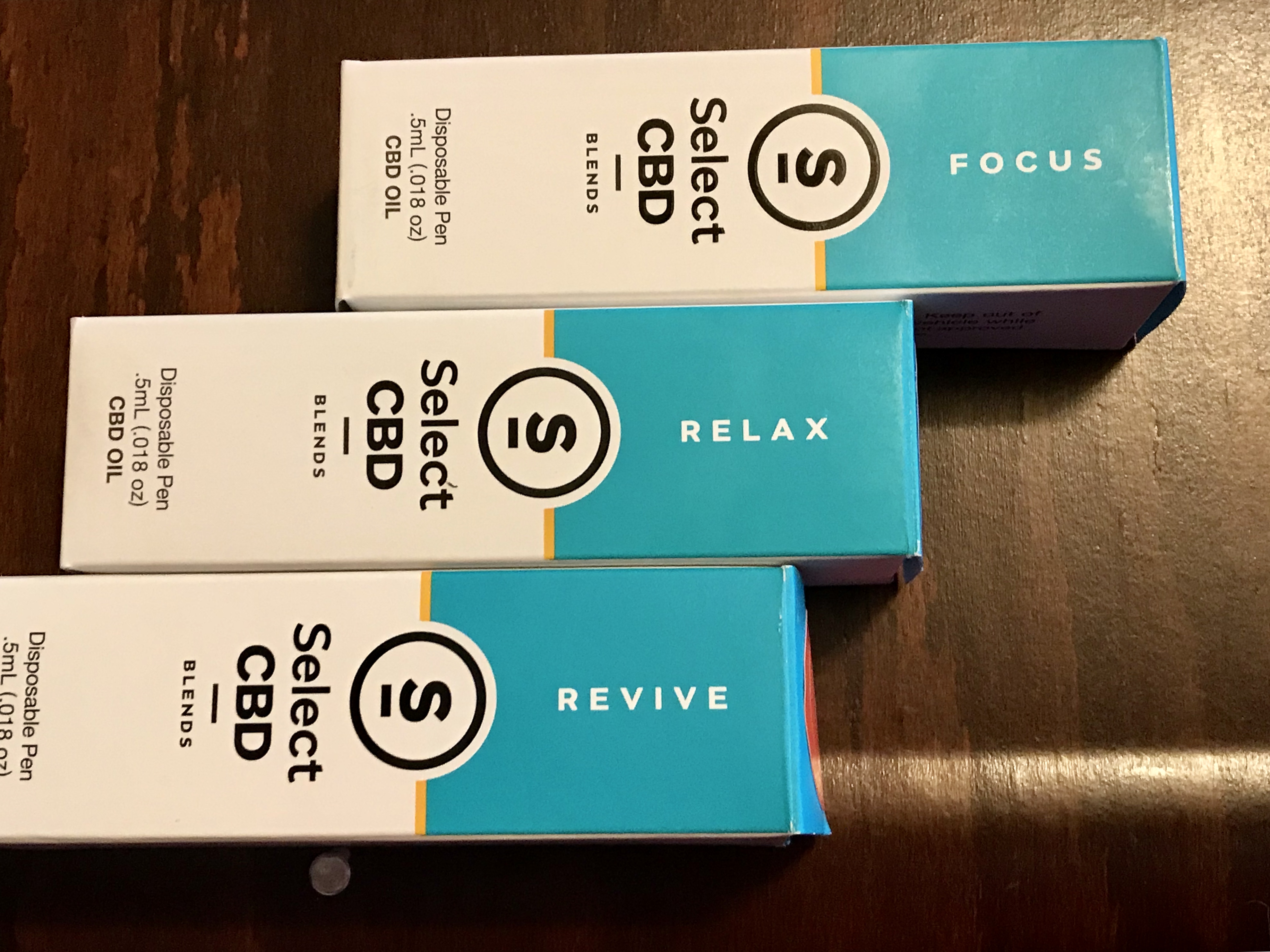
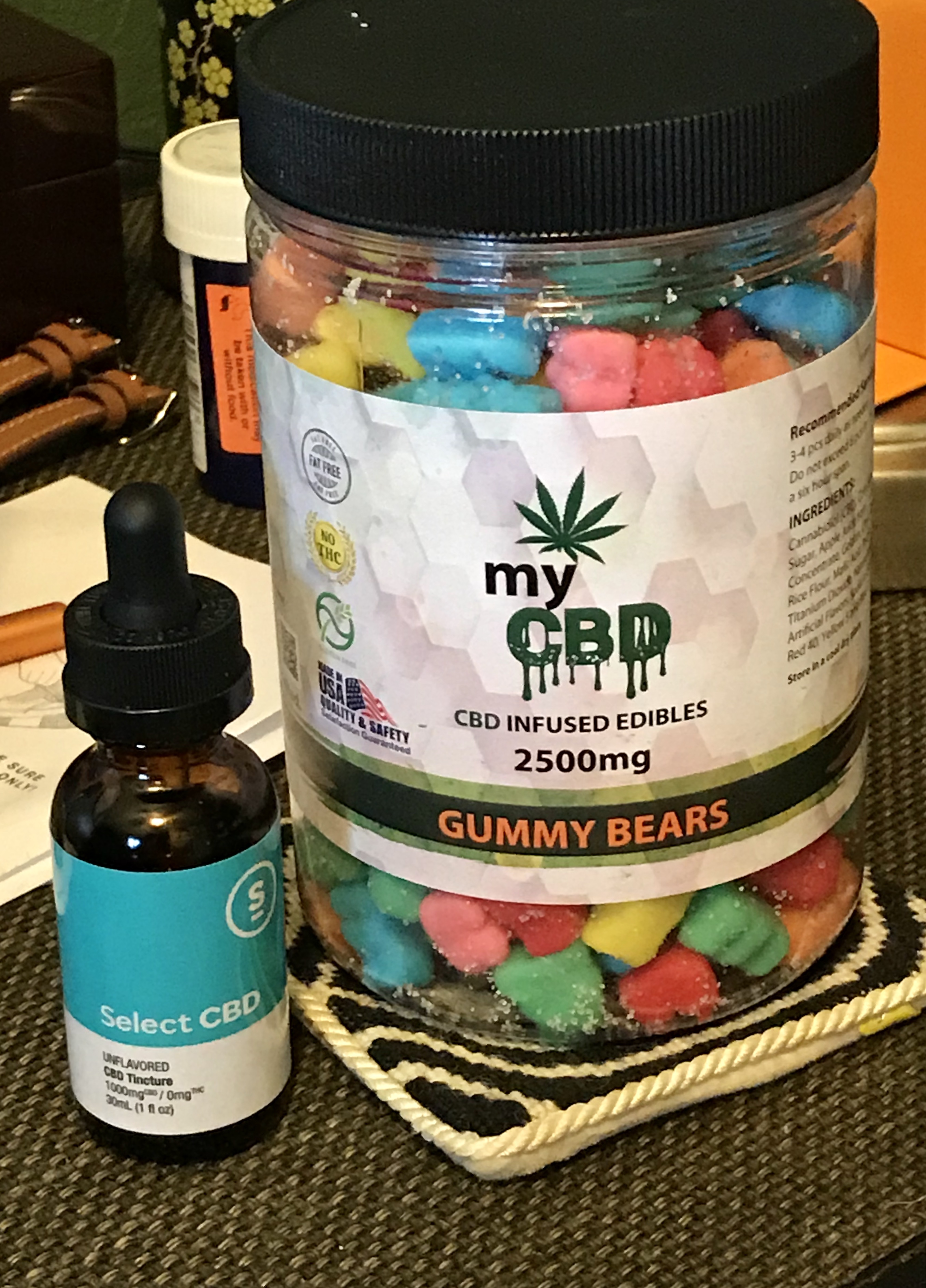
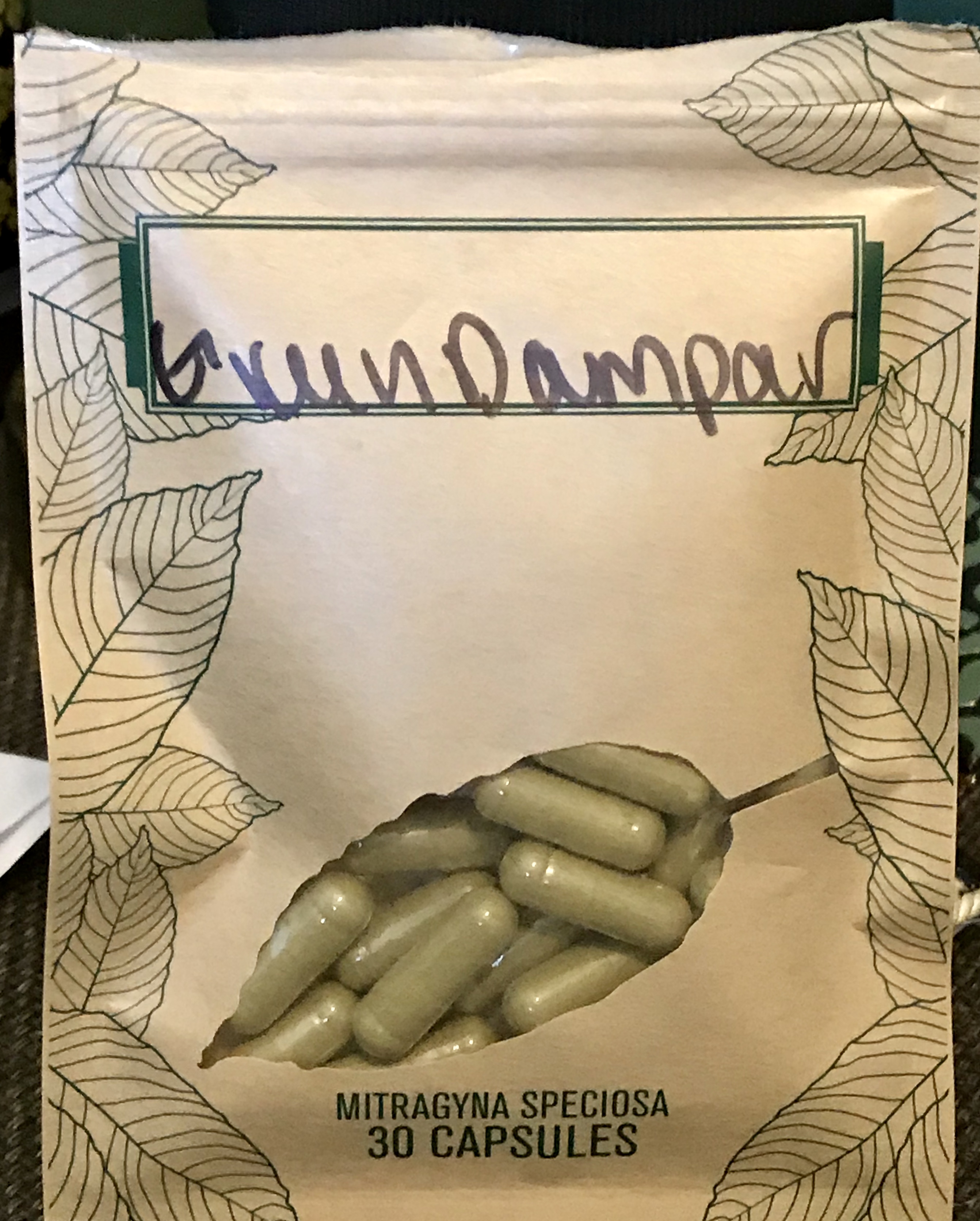

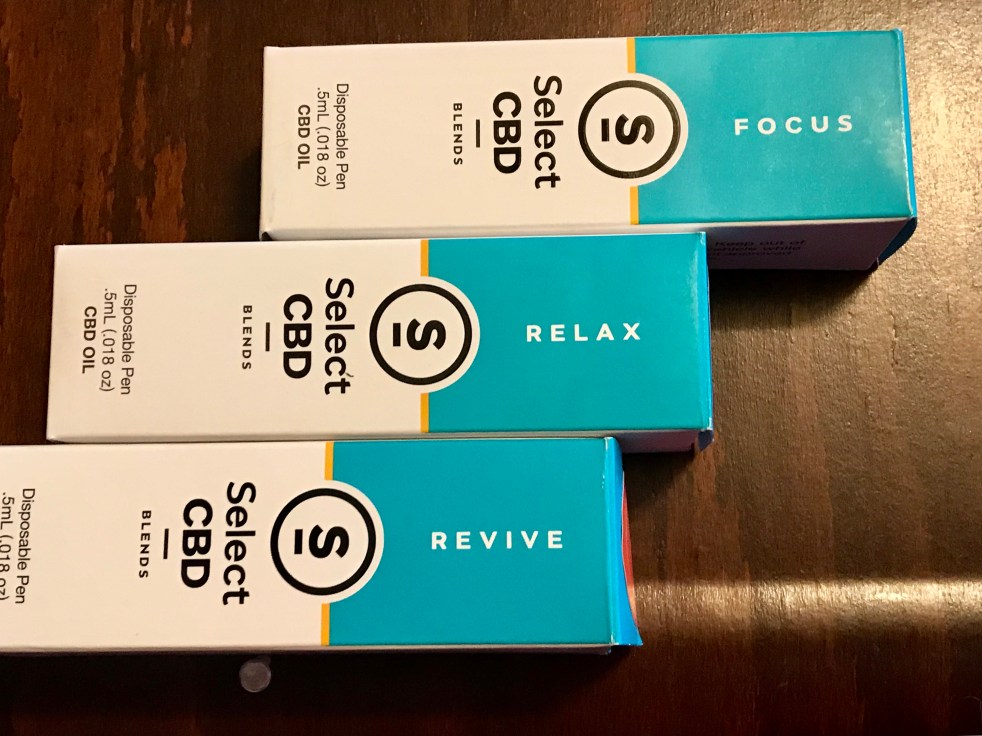
Last week I expanded my CBD options from oil to qummies and vaping (supplements and cream are in route). I purchased two packages of Kraton, still researching before I put in my body. National Geographic and Anthony Burdain with The Travel Channel went deep in the rainforest and others places only reached by boat. The locals ate leaves which took them higher than high. They offered crew a small amount of leaf to eat, as the effects hit the crew, the locals were laughing.
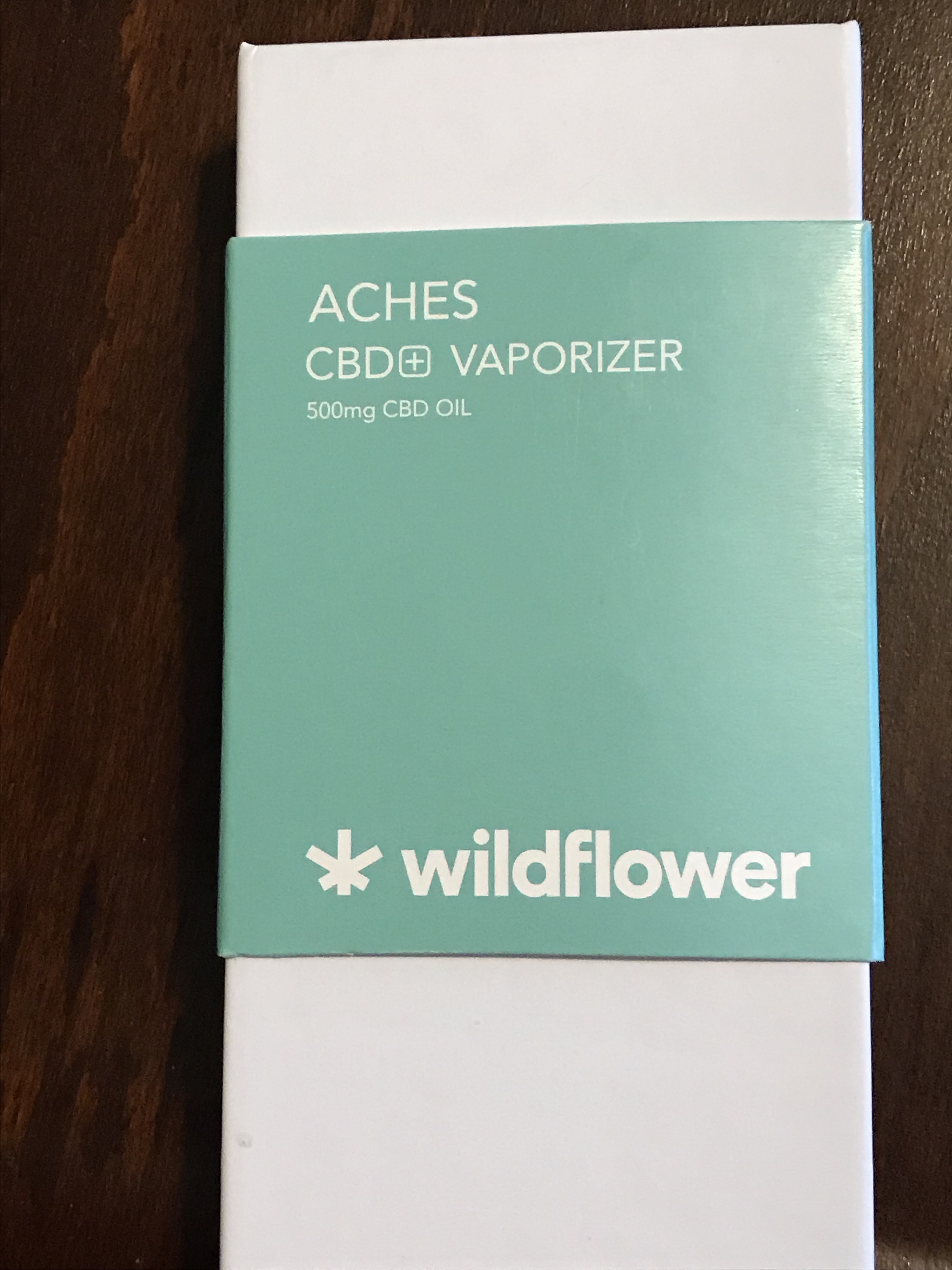
I have not tried Kraton yet, more research is needed before it goes in my body. The gummies are 2500mg and very sweet, the oil takes at least six months, so I’ll let you know on that. Vaping was very interesting, as a reformed smoker it was strange to puff in the CBD. From what I can see in my limited time is there are very CBD products to the expensive. My goal is to learn the differences and not waste money on nice packaging. I bought three vaps for $25 dollars, see in the photo, each is used for desired result.
I also bought one vap for $60, the expected outcome for pain. One difference was evident right away, the taste. The lower priced ones smelled terrible and left a horrible taste in your mouth. The $60 Wildflavor Vap taste great, left no smell in the house and even my husband agreed I could smoke it in the house.
|
|
This is my first go participating Stream of Consciousness Saturday #SoSC, if I miss something please point it out, nicely. :)
Television was a step closer to the internet by way of seeing images for the first time. Much like the radio brought words to books. I’ve seen photos and painting of people gathered around the radio, more imagination is needed to listen and draw the story in your mind.
I had two favorite shows, Popeye and Gunsmoke. Sounds like a strange combo, I was a grandpa’s girl and Gunsmoke was his show. Looking at both now and then, it’s often the good guys against the bad.
Melinda

|
|










 lookingforthelight.blog