Living in constant pain can make you feel like you are alone and there is no one who understands what you are going through. Chronic pain conditions vary and each person living with chronic pain will have their own pain thresholds and triggers. At times, it may seem like there is nothing you can do, especially when traditional pain medication doesn’t have any effect. It is at times like this when people try other methods of medicating.
For some, different types of pains and symptoms can be managed or even eradicated with a few changes to your diet. It may seem futile however if nothing else is working you have nothing to lose by trying. Adapt what you do during your day-to-day life to see if different things affect your pain level. For example, many chronic pain patients credit the sun and warmth for lowering their pain levels. For this reason, it could be worth looking into how you can increase your vitamin D intake and get more sun into your life.
Many people find adding exercise into their lives can help with certain types of pain. Working up slowly to adding beneficial exercise to your daily routine as and when you can help you to look after your body despite your pain levels. Yoga, pilates, and simple stretching exercise will help you to remain fit and supple and in some cases decrease your pain levels.
There is no scientific evidence that links drastic diet changes with the eradication of pain from chronic pain conditions. However, it is thought that certain types of foods can inflame the body in different ways making pain worse. From cutting out dairy to reduce additional IBS symptoms or abdominal pain to avoiding nightshade foods to reduce pain and inflammation for Fibromyalgia, arthritis, and more.
There have also been suggestions that eating clean and switching to a more plant-based diet can help control pain levels. While fatty and processed foods aren’t healthy for anyone when overconsumed, there is nothing to lose by changing up your diet and eating a more natural diet, and reducing your meat, specifically red meat intake.
Many chronic pain sufferers will all tell you that sleeping is a problem. It’s a vicious circle to be told you need to get more sleep yet sleep is elusive due to your pain. But by creating as relaxing a sleep environment as can help you to relax even if you can’t sleep. Your body repairs itself during sleep and getting good quality sleep remains important despite your health condition.
Find your optimal sleeping temperature and noise level, try using a white noise app if you needed, and also use comfortable bedding. Set your limits for screen time and electronics and try to create a relaxing bedtime routine that indicates you are ready for sleep. This won’t always be possible but it is worth persevering to help you improve your sleep quality.
The morning after you killed yourself, we went to secure the house. I knew immediately you suffered slowly. Among the papers, trash, and clothes and I found your lockbox. The divorce paperwork to my mother, every card I gave you as a child. I found the pad you were writing on. Your Bible on the coffee table, dried tears as you were reading Job in the Bible.
The note had 11:30 a.m. written in the corner. I could see you called your best friend and the phone number to a suicide line. There were words and a drawing that made no sense. Granny paralyzed, crying, asking why. The house ransacked, nothing anything made sense to her.
Dirty dishes piled high, nothing in the refrigerator, how did you live like this, how long? You phoned me several times in the months before your death. Delusional and highly paranoid each time. Someone was tapping your phone, they were trying to get you and the rest I could not understand, you were already gone. As much as I hated you, I cried, begged you not to kill yourself, trying to reason with him that Granny would never be the same. I paid your bills for months. You weren’t in touch with reality.
The outcome will not change if determined. I knew you would take your life and told no-one. I’ve wondered what went through your mind in the hours doodling to writing the note, then killing yourself. I received the call at 10:00 p.m., Gramps said your dad has done away with himself. I called right back to see if you were dead or going to the hospital.
The boxes of cassettes next to your bed, taking months to listen to. You were mentally ill, not under the care of a Psychiatrist, no medications. Your temper went 1-10 in seconds, obnoxious, loud, racist, screaming, out of control.
You had hit the bottom and I didn’t know because we were estranged,
I’ve experienced being suicidal more than once, God and my husband saved me. If you are thinking about suiside, call your Psychiatrist right away or go to closet hospital, be open with your doctor and follow all medications instructions, these actions may save your life. I’ve stayed in Psychistratic Hospitals multiple times, I had 21 ECT Treatments, and I feel no shame. My mental heath is critical to living a balanced life.
Mental health is in decline across the world. Many people are quietly struggling with stress and depression, and it is causing mental breakdowns and suicides. It is especially sad considering that these conditions can be managed and treated.
Here are five easy and reliable tips to overcome stress and depression:
Talk to Someone
Social support is one of the best remedies for stress and depression. People are social beings, and their mental health requires healthy social ties. To this end, loneliness has been identified as a catalyst for stress, depression, and other mental conditions.
You will feel your emotional and mental woes ease when you talk to someone about your troubles. Your friends and family members will offer unconditional love and support to help you overcome your problems.
Additionally, you can get professional help by talking to a therapist if your depression feels too difficult to bear. Bottom line: talk to someone and surround yourself with a positive company.
Distract Your Mind with Entertainment
Don’t get lost in your mind. You will just keep pondering over your problems and making them feel bigger than they are. It will be more exciting and relaxing to distract yourself with something entertaining.
You have lots of entertainment options at your fingertips. You could listen to some soothing music or watch a thrilling movie. Just ensure that it is something you like, and preferably something that will make you laugh.
Exercise
Exercising can work miracles for depression. Working out helps you feel like you are physically unloading your mental and emotional burdens. Exercising also helps reduce the levels of stress hormones in the body and triggers the production of hormones associated with relaxation. Additionally, the physical and health benefits of exercising are a confidence booster.
Exercising is also recommended for seniors struggling with depression because of their physical and mental conditions. For example, exercising can help improve memory retention, easing the depressing effects of Alzheimer’s.
Learn Something New
Learning is another way of distracting your mind and doing something productive in the process. For example, some therapists recommend learning new skills such as cooking as a form of therapy. Other people struggling with depression find solace in photography.
There is no limit to the variety of new hobbies or activities you can undertake to manage your depression. However, make sure that it is something that interests you if you want it to work.
Get a Pet
Pets are unconditionally loyal, loving, and everything nice. They always have time for their masters, and they are the best listeners. More importantly, they will learn new tricks just to please you. To this end, a cute pet such as a dog can ease the emotional and mental strain causing stress and depression. A pet will keep you company and bring you back to your loving self as you both bond.
Final Thoughts
Stress and depression can make life look gloomy, without an end in sight and they can lead to worse mental conditions and even drive patients to suicide. As such, practice these tips for yourself or a loved one to overcome depression and stop suicide in its tracks.
After retiring in 2005, I opened a store on Ebay for five years. It was fun but a ton of work, of course any business you want to be successful is hard work. The only brick and mortor store I’ve thought about was a coffee shop/bookstore. I would create a relaxing area where people can enjoy their coffee, chat and buy a few books.
The idea came to me in the early 90’s when I was buying Starbucks coffee online, long before stores opened. All the work behind running the business didn’t cross my mind because of my workload. It’s still a cool idea if you create an environment that is welcoming, comfortable and serves great coffee.
My phone is the most important item I carry with me. I have cognative impairment and agoraphobia, my driving is very limited but without a phone I can’t call my husband to help me home. If it weren’t for the health issues I would say chap stick.
As health needs change with age, one thing remains the same. Healthy living is the best way to avoid disease, prolong life, and live happier. Living a longer, healthier life can be made easier with these simple steps.
Easy grocery shopping tip: Shop the perimeter of the store where the fresh foods are. Try to avoid the inside aisles where many of the boxed and processed foods reside.
You can get your vitamins with a daily multivitamin designed specifically for older adults, but eating vitamin-rich foods can serve extra benefits. Many foods full of vitamins also provide plenty of healthy fiber and minerals. Pack your meals with vitamin-rich foods, but keep taking the multivitamin for backup.
Physical activity is vital for developing the strong bones and muscles you need to help avoid falls or accidental injuries. Exercise is the best way to avoid obesity and many diseases in people of any age. If you haven’t been physically active in recent years or have concerns about beginning exercise again, talk to your doctor before you start. They may suggest a structured or supervised exercise environment like a rehabilitation clinic. Many hospitals have this type of clinic for patients and those with health concerns. Aim for 30 minutes of physical activity each day. You can break it up into three 10-minute sessions and get the same benefits.
Dump the cigarette habit. And stay away from those who do smoke. Second-hand smoke can be almost as dangerous. Once you stop, your risks for heart disease and some cancers will begin decreasing right away. The longer you go without smoking, the better. The risks continue to fall over time.
The risk for falls increases as we age. Morbidity and mortality rates connected to falls are also much higher in the older population. Older adults are more prone to injuries from falls or accidents, so it’s important to anticipate potential hazards in your home. These may include, stairs, high bathtub walls, and slippery floors. Also, exercise can improve your strength and balance. If you were to fall or have an accident, the fact that you are physically active may make recovery easier.
Seeing your doctor on a regular basis for annual screenings or to discuss your general health will help you stay on top of any potential problems. As an older adult, you may need to take a number of different medications. It’s helpful to review your prescriptions regularly so that your doctor can keep abreast of any changes or side effects.
Older drivers aren’t always bad drivers. But things that come with aging like changes in vision and slower reaction times make driving trickier and may increase the chances of an accident. Don’t ignore any new problems you notice. Talk to your doctor about your difficulties and see whether there are any solutions.
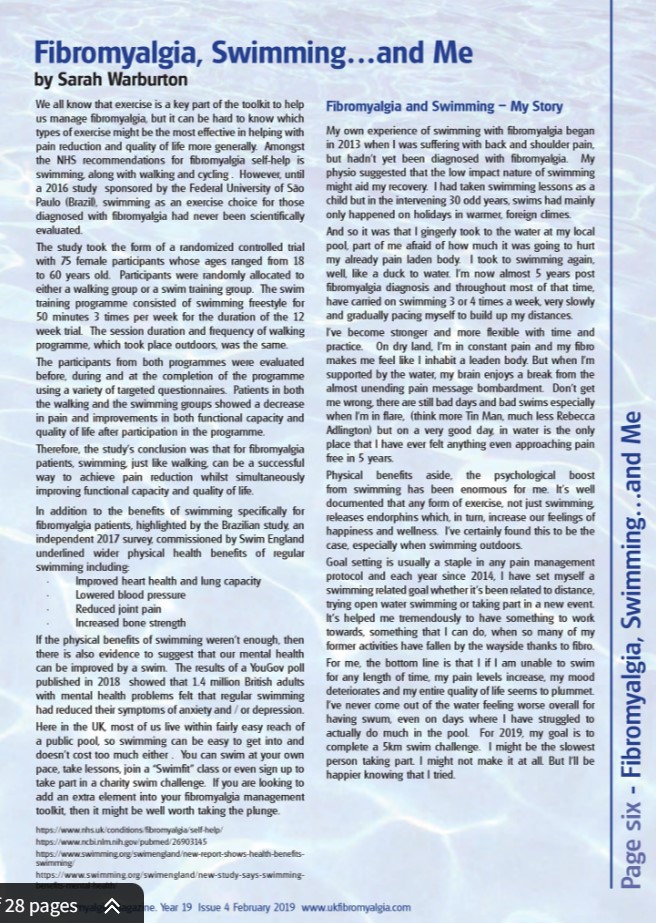
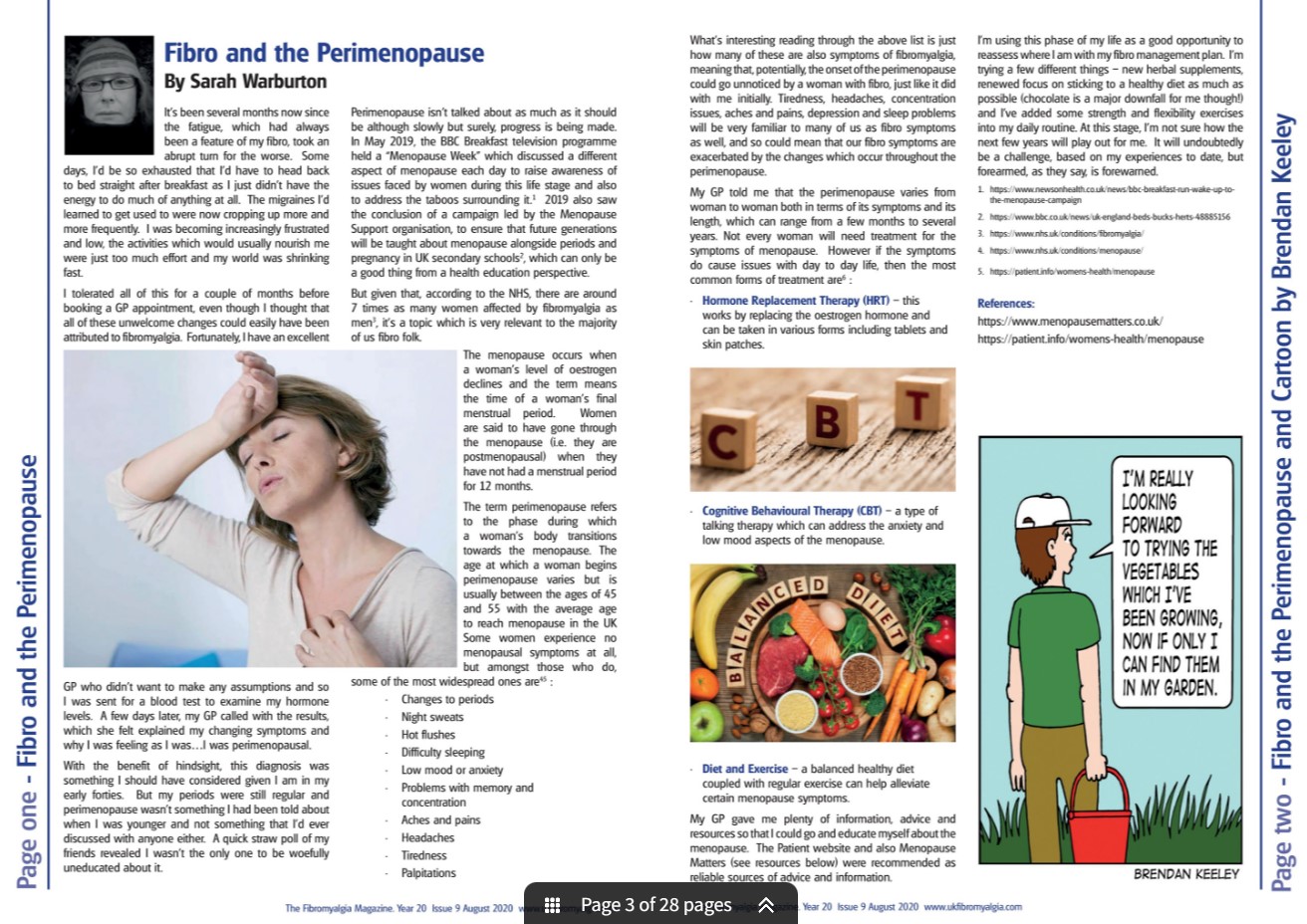
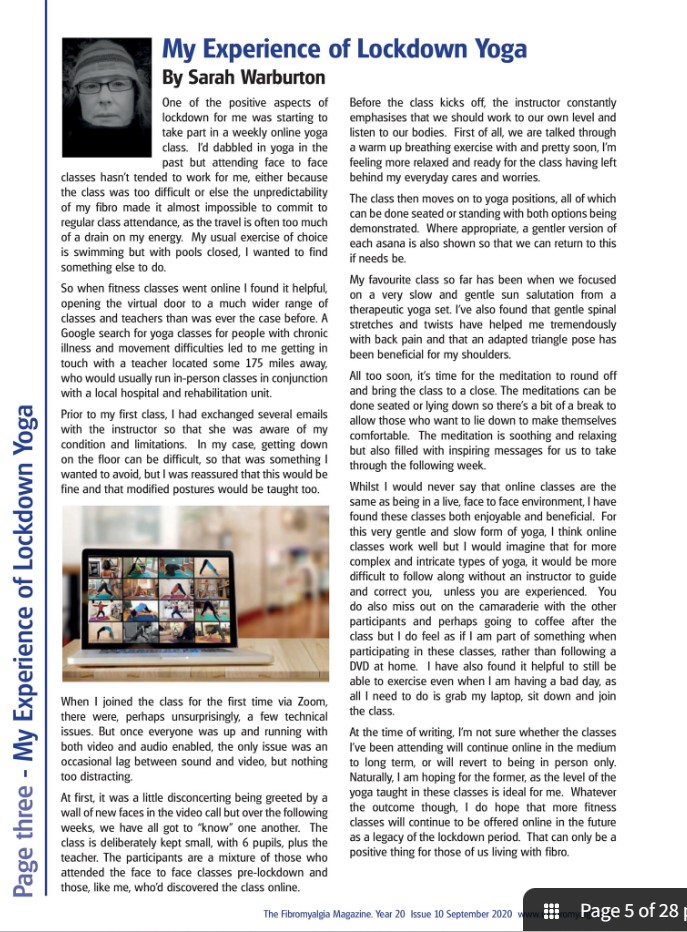
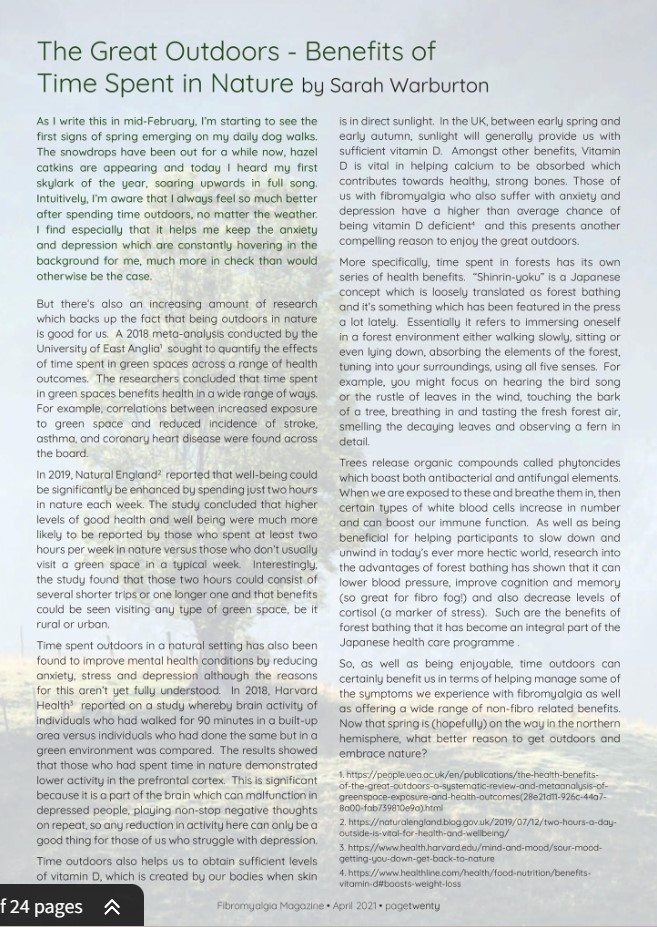
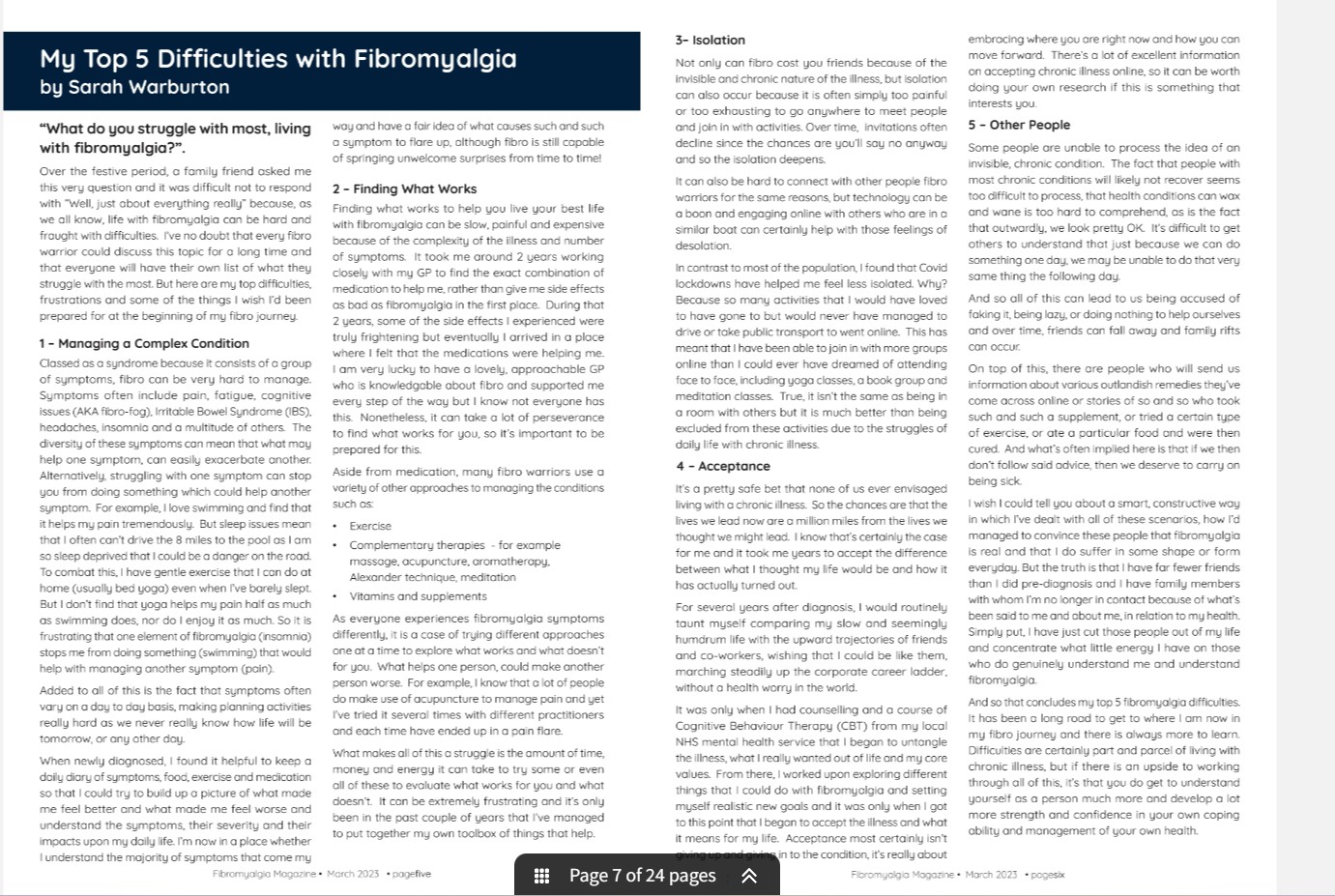
Thank you for all the great feedback on the Blogger Highlight series, I’ve enjoyed meeting each blogger and sharing their site with you. This week I highlight Musings on Life with Fibromyalgia. Sarah is a tireless advocate for Fibromyalgia and she breaks down the chronic illness is a way that everyone can understand. She also shares her experiences and what’s she’s learned along her journey.
I’ve lived with fibromyalgia for around a decade now, made many mistakes along the way, but learnt a lot about how to manage the condition and this is what I’m keen to share with readers of this blog.
So, if you want to find out more about living with fibromyalgia and other chronic illness, how life can change and yet still be full of everyday joy, then that’s where this blog aims to help.
I hope at least some of my blog posts will resonate with you – happy reading!
Sarah
Questions Asked
What is your favorite post and why?
My favourite blog post is this one about journaling. I’ve always journaled on and off since my teenage years and I find it such a powerful tool, not just for dealing with chronic illness, but for navigating life’s challenges generally. There’s real magic that happens with a pen and a blank page and it’s often amazing what will spill out onto the page.
What inspired you to start a blog?
After being diagnosed fibromyalgia, I thought my life was over. Everything changed for me – job, finances, physical capabilities and relationships (through not being believed about this illness). I hit rock bottom. Fortunately, my doctor suggested a CBT (Cognitive Behavioural Therapy) course for chronic illness, which started to turn things around. I learned to meet myself where I was at the time (not where I used to be or where I wished I was) and create some new goals.
Slowly but surely, over a period of several years, I began to rebuild my life. I then began to read blogs about fibro and chronic illness and was both informed and inspired by the content. From there, I thought that blogging would be a good way for me to share what I have learned. My blog is about the stuff that I wish that I’d known when I was first diagnosed with fibro. We get a lot of good medical information from health professionals. But where I struggled was with things like, how can I still lead a meaningful life when everything has been turned on its head? What can I do so that I don’t just give up and spend the rest of my life sitting on the sofa wishing things were different? My hope is that through the blog, I can share all of this with others who might be feeling as lost as I was in the beginning.
Published Work
Articles below have all been published in UK Fibromyalgia magazine.
In a clean jar, add Epson salt, powdered goat milk, Moroccan red clay powder, mashed beets, avacado il, and Castile soap, and mix together. Secure the lid. Use of the body in the shower, or store away for up to one week in the fridge before use.
Despite its name, hurry sickness isn’t an actual medical or mental health condition. Still, a pressing need to hurry through tasks and make the most of every moment can represent a legitimate concern for many people.
This time urgency, as it’s also known, often partly relates to the ever-increasing variety of technological devices designed to make life easier:
With so many tools to help you get things done, you have plenty of time to take on additional tasks, right? (Probably not.)
You’ve got a laptop and a smartphone, so you can respond to work emails anytime, can’t you? (Actually, no.)
Shouldn’t it be easy to complete a full day’s work, cook meals, exercise, do chores, connect with loved ones, and still devote 7 or 8 hours to a good night’s rest? (When you do the math, you certainly won’t get a number below 24.)
The more that’s expected of you, the more you might agree to take on, pushing yourself harder to complete every “essential” task.
Yet rushing through life can affect physical health and leave you feeling unfulfilled and unable to devote attention to the people and things you care for most.
Hurry sickness can show up as a driving need to make the most of every second.
“We’ve come to know this habit as multitasking,” explains Rosemary K.M. Sword, author and co-developer of time perspective therapy. “Many people who’ve incorporated multitasking into their life are proud of their ability to do more than one thing at the same time.”
When you juggle too much at once, however, you might forget or neglect important things — even while in the middle of them.
Case in point: Distracted by something your colleague has just said, you forget about the soup. It scorches, setting off the smoke alarm and ruining lunch.
Other signs might include:
speeding, both in your car and through conversations, the grocery store, or meals
rushing through work tasks and household chores, to the point where you sometimes make mistakes and have to do them again
frequently performing time calculations in your head to see whether you can fit in another task
feeling irritable when you face delays
constantly trying to find ways to save time
endlessly running through your to-do list in your head to make sure you haven’t forgotten anything
Hurry sickness frequently involves an undercurrent of anxiety. Perhaps stress and worry creep up when you think of everything you have to do.
Or maybe you quickly become anxious when you find yourself stuck in traffic, early for an appointment, or waiting for something with nothing to do in the meantime.
Hyperaware of the seconds ticking by, you fixate on all the things you could be doing with the wasted time.
The belief that you don’t have time to handle daily responsibilities or achieve more distant goals can create plenty of stress. Packing the tasks you want to accomplish into the time you have available, you worry whether you’ll ever get them all done.
Living with anxiety always simmering on the back burner generally doesn’t feel very pleasant. This anxiety presses you to keep moving, to keep doing, to attach more urgency to your to-do list than it requires.
As you rush from one thing to the next, you might notice trouble concentrating, since you’re always worrying about the next item on your list.
Neglecting to give your work the attention it deserves means you either have to:
do it again, using up more time
leave it as it is, knowing you could’ve done better
Either option can leave you facing more stress, Sword notes, along with feelings of inadequacy, failure, or diminished self-esteem. You might also feel irritable, tearful, and guilty.
Relationship Issues
“Hurry sickness can eclipse what’s really important in our lives — our relationships with others,” Sword says.
Perhaps you don’t listen to your partner because you’re worrying about everything you have to do, or you snap at your children when they’re slow to get moving.
You forget important dates, push others aside because you lack the time to offer emotional support or physical affection, and find it difficult to keep hold of the frayed edges of your temper.
In short, you struggle to remain present and engaged with your loved ones, which can do lasting emotional damage to all involved.
Spending your days hurrying often means you devote less time to self-care.
Relaxation and alone time might be the first “unnecessary” activities you scrap when you feel busy, but many people with hurry sickness also start to ignore things like hydration, balanced meals, physical activity, or sleep.
Prolonged stress can also play a partTrusted Source in burnout, a state where you feel completely drained and no longer able to cope with the demands of daily life.
A 2003 studyTrusted Source found evidence to suggest certain traits associated with type A personalities— including time urgency and impatience — led to an increased risk for high blood pressure (hypertension).
Researchers looked at five traits in more than 3,000 adults between the ages of 18 and 30:
When researchers followed up with participants 15 years later, they found that 15 percent of the participants had developed hypertension.
Study authors say competitiveness, anxiety, and depression didn’t appear to increase hypertension risk. Known risk factors, including lack of exercise, alcohol use, or obesity, also didn’t seem to affect the results.
What did appear to increase risk were two specific traits: Time urgency/impatience and hostility. What’s more, those who experienced these traits more strongly showed greater risk for hypertension.
At first, slowing down might feel impossible — you’ll never get anything done, and thinking about the tasks waiting will only add to your stress. But remember: You can work much more efficiently when your mind isn’t bogged down by racing thoughts.
Instead of coming to a screeching halt, it’s often more helpful to slow down, well, slowly.
These strategies can help you push back the urge to keep rushing and get in the habit of taking life as it comes.
Take a walk
Putting down what you’re doing and temporarily changing your environment can help you counter the need to hurry, even when you feel most rushed.
As you walk, take deep breaths to ground and refresh yourself. Aim to walk for 30 minutes, if you can. A half hour spent stretching your legs, breathing fresh air, and getting some sunlight can energize you and even boost creativity, so you might find yourself returning to your responsibilities with a renewed outlook and improved mood.
Embrace mindfulness
Mindfulness — whether it’s meditation or just taking a few deep breaths — helps you focus your attention on the things happening in the moment, so it’s an important skill to develop when trying to manage hurry sickness.
Trying to multitask and jam several activities into one short span of time can leave you distracted and frustrated:
You’re replying to an email from your boss while making a doctor’s appointment over the phone. Since you aren’t entirely listening, you end up needing the information repeated before you can accurately note down the time and date of your appointment. When you finish the call, you notice you’ve typed some of the receptionist’s words into your email, so you have to review it again to check for other errors.
When your awareness remains with your current task, instead of wandering along to everything else you have to do, you’ll probably notice you do a better job and feel more satisfied with your results.
You’re cooking dinner. Instead of rushing through the chopping and slicing your finger open, you slow down and focus on the rhythm of the knife and the uniform shape of the vegetable slices. Putting more of your attention into the meal allows you to take more pride in your work when it comes out just as you envisioned.
Mindfulness takes practice, and you might notice worries and distracting thoughts keep popping up.
But instead of fixating on the slipping sands of time, acknowledge those thoughts and then let them go. Accept that yes, you have other things to do later, and remind yourself you’ll get there when you get there.
Take care of important needs
There are certain physical needs you simply can’t neglect, no matter how busy you become.
Your body needs fuel and rest to function properly. Without food and water, quality sleep, companionship, and exercise, you won’t be able to maintain your top speed for very long. Eventually, you won’t be able to maintain any speed at all.
Instead of denying your body’s essential needs because you’re in too much of a hurry, remind yourself investing in your body helps prevent hunger, exhaustion, and burnout, making it possible to keep going.
Prioritize relaxation
Sleep, hydration, nutrition, and exercise make up the basics of self-care. Other key components, including relaxation, can improve quality of life along with physical health.
Making time for yourself makes it easier to show up as your best self and stay present as you move throughout the day. Balancing your responsibilities with enjoyable activities also makes it easier to remember that you don’t always need to hurry.
Relaxation might involve quiet moments sitting alone, an hour of online shopping, an afternoon with a good book, or a long talk with your best friend. How you choose to unwind matters less than the fact that you do find time to unwind.
Learn to recognize your limits
People often get stuck in the hurry cycle because they have a hard time saying no. When you accept more responsibilities than you can realistically handle, you’ll almost certainly find yourself rushing to cram everything in.
You might worry saying “no” will upset loved ones or create difficulties at work, but consider another possible outcome: You say “yes” but end up not having time to get to the task or do a good job with it.
Setting healthy boundaries for yourself (and sticking with them) can help:
“I won’t take on extra work when I have more than one current project.”
“I’ll make time for a walk every day so I can relax and recharge.”
Prioritization can also make a difference. You probably can’t refuse every task you’d like to turn down. Instead, evaluate your responsibilities and identify which need immediate attention and which can wait.
Remember, too, that it never hurts to ask for help. If you truly can’t let anything go, a good next step might involve seeking help from a co-worker or loved one.
Get support
It’s not always easy to break free of long-standing patterns. If you just can’t seem to slow down, a therapist can offer guidance and support.
Sword recommends talking to a professional particularly when you find yourself doing dangerous things, like speeding, or struggling to control irritability or anger toward others.
Therapy can also help when a sense of time urgency fuels anxiety and other emotional or physical distress. A therapist can teach mindfulness and relaxation techniques, along with other tools to help manage hurry sickness.
Support from a therapist can also make it easier to identify potential contributing factors, such as people-pleasing tendencies or a fear of failure. By addressing hurry sickness at the root, you’re more likely to see lasting improvement.
Pressing the “pause” button and disrupting the hurry cycle is often easier said than done. But living your life on fast-forward won’t do much to support long-term wellness.
“Stop and smell the roses” might be a cliche, but that doesn’t make it bad advice. Taking life at a more gradual pace leaves you with more time to enjoy important relationships and savor everything life offers, both large and small.
New research has found that cognitive behavioral therapy may help people with fibromyalgia.
The researchers were able to identify differences between fMRI scans between participants as well as a significant reduction using survey-style tools.
Experts are hopeful that these finding can help support patients and clients while reducing bias and barriers to care.
For those in chronic pain, mental health supports are both vital and lack availability. A new study, published September 20 in Arthritis & Rheumatology, has found that the use of cognitive behavioral therapy (CBT) can be especially helpful for those living with fibromyalgia.
The research—conducted by a team from Harvard, Norway, and Pittsburgh—included 114 participants and found that CBT was better at helping to reduce catastrophic thinking related to the disease.
This was compared to people using educational materials alone.
Understanding catastrophizing, according to Dr. Chandler Chang (PhD), clinical psychologist and founder at Therapy Lab, is key to supporting people with a chronic illness like fibromyalgia.
“Let’s say you have fibromyalgia and you start thinking, ‘The rest of my life is going to be like this, my life is ruined, everything is going to suck after this.’ Those are examples of catastrophic thoughts that you might have,” Chang said.
The researchers used tools such as Brief Pain Inventory (BPI), BPI Pain Severity, the Fibromyalgia Impact Questionnaire-Revised (FIQR), and the Pain Catastrophizing Scale (PCS), to assess participants alongside the scans. Once the participants participated in the imaging, they were either given eight weeks of CBT or educational materials about fibromyalgia and chronic pain.
Those who received the CBT were provided weekly sessions across eight weeks.
The researchers used the Pain Catastrophizing Scale (PCS), a tool that is scored out of 52, to see how CBT could impact people with the condition.
They found that those who received CBT therapy saw an average reduction of 8.7 points on the scale while those receiving educational materials saw a much lower drop of 4.6.
The team also used an fMRI scan and were able to see the impact of catastrophizing thoughts in the brain patterns. After the CBT, they could see evidence that changes in brain patterns coincided with people who benefited from CBT.
Kelsey Bates (LPC), founder at Women’s CBT, says that catastrophizing is a particularly impactful element of both fibromyalgia and CBT treatment but that providing mental health support for those with chronic illness, in her practice, requires the use of trauma-informed tools.
“Reframing our thoughts is important. But we also need space to acknowledge the grief that might happen when people are going through a chronic illness or dealing with chronic pain,” Bates said. “There’s a level of acceptance that we have to figure out.”
Dr. Jeff Krauss, Chief Medical Officer at Hinge Health and Staff Physician at the VA of Palo Alto, says that this study could help reduce stigma and lead to better patient outcomes.
“One of the problems with chronic pain is that it’s very hard to see it. People used to get, and still do get, accused of faking their pain, because doctors will look and see that there’s nothing wrong with their back, or there’s nothing wrong with their knee… It’s really exciting that we can start to see it in the brain, and know that these feelings that people have are very real, even though it might not be correlated with tissue damage.”
Bates says that while “pain doesn’t discriminate” she also regularly sees clients who feel left behind by the medical system when it comes to the mental health side of chronic illness and chronic pain.
“I meet folks and they’ve felt really gaslit by medical providers, especially with fibromyalgia in particular, that they have heard the phrases like you just need therapy, you just need to relax, just manage your stress,” Bates said.
One of the stated limitations of the study was that, while fibromyalgia does disproportionately affect women, and all the participants were female, more work can and should be done to include both men and non-binary people in future research.
As for what comes next, Krauss says that while these results are encouraging they are still part of a larger picture that has many barriers to treatment for those experiencing these symptoms.
“I think until we have the ability at scale to do this very expensive imaging, and to find those interventions that can actually change the way the brain processes pain through some sort of pharmacologic intervention or something, through a drug, then we’re really left with a lot of these very foundational lifestyle changes that are so effective and necessary for treating chronic pain.”
Bates, meanwhile, says that her hope is that research like this can add to a more integrated approach when it comes to CBT, one that prioritizes trauma-informed care as well as other modalities like Dialectical Behavioral Therapy (DBT) and acceptance and commitment therapy (ACT).
“My personal outlook is that chronic illness and chronic pain is considered medical trauma…So I think it’s our clinical duty to provide a safe, warm therapeutic space that’s conducive to holding space for all of those things.”
A new study, published this week in Arthritis & Rheumatology, has found that the use of CBT can be especially helpful for those living with fibromyalgia.
Mary provides a comprehensive list of ways to heal yourself naturally.
Stuffy nose, headache, upset tummy, and even obesity. There’s a pill for that. Modern medicine has discovered an endless list of pharmaceutical drugs to “cure” whatever ailment may come your way. We also have an extensive list of alternatives or complementary remedies to conventional medicine, most of which have been used for hundreds, if not … Continue reading
Stress can lead to inflammation, muscle spasms, and tension in your back.
Back pain is one of the most common medical conditions, affecting millions of people around the world.
But did you know that apart from physical triggers (like pulling a muscle or slipping a disc), back pain can be caused or worsened by stress? Back pain and stress have a complex relationship that can flow both ways.
Evidence suggests that chronic stress can lead to chronic pain and vice versa. For many people, this involves back pain.
According to a 2021 study, chronic stress eventually leads to cortisol dysfunction as well as problems with the body’s inflammatory response. Cortisol and inflammation problems lead to oxidative stress, free radical damage, cellular injury or aging, and tissue degeneration, all of which can lead to chronic pain.
In addition, research has shown that stress has a direct effect on pain processing.
Overall, stress can be linked to back pain in several ways:
Muscle tension: Stress can cause the muscles in your back to tense up, which can lead to stiffness and pain.
Increased sensitivity to pain: Stress can make the body more sensitive to pain. Research shows that critical life events can trigger changes in the limbic system and related neurotransmitters, which can change pain inhibitory mechanisms.
Inflammation: Chronic stress can lead to inflammation throughout the body, including in the back, which can cause pain.
Poor posture: When you’re stressed, your breathing patterns change and your shoulders hunch up, which can lead to strain and tension in your middle and upper back.
Reduced blood flow: During stressful times, your blood vessels may constrict, reducing blood flow to your back muscles and causing pain.
An analysis of 8,473 people found that severe stress was linked to a 2.8-fold increased risk of chronic low back pain compared to the general population. Another study of 77 police investigators found that stress was significantly linked to upper musculoskeletal pain. However, this particular study didn’t find a link between stress and lower back pain.
Stress-induced back pain varies from person to person and may show up differently, depending on its location.
Lower back pain is often characterized by a dull or sharp ache, stiffness, or muscle spasms, and it may also radiate to the legs or buttocks.
In contrast, upper back pain may cause a burning or stabbing sensation or a feeling of tightness or pressure between the shoulder blades. In some cases, upper back pain can also cause pain in the arms or chest.
How to tell if back pain is from stress
It can be challenging to determine whether back pain is specifically caused by stress since back pain can have many different causes. However, here are some signs that may suggest that your back pain is stress-related:
Physical and emotional stress: If you’ve been experiencing a lot of physical or emotional strain, such as from a demanding job or a difficult relationship, your back pain may be related to stress.
Gradual onset: If your back pain has developed slowly over time rather than suddenly, it could be a sign that it’s caused by stress-related tension in your muscles.
Lack of other symptoms: If you don’t have any other symptoms, such as numbness, tingling, or weakness, and your pain isn’t severe, it may be caused by stress.
Pain that comes and goes: Stress-related back pain may come and go depending on your stress levels, whereas pain caused by an injury or condition is likely to be more consistent.
Improvement with stress management techniques: If your pain improves with stress-reducing activities like exercise or deep breathing, it may be related to stress.
The duration of stress-related back pain may vary depending on several factors. In some cases, it can go away on its own within a few days or weeks. However, if the underlying stress is not addressed, the pain may persist or worsen over time.
Some research suggests that stress can predict the presence of back pain later on. A study of 588 people found that, within a 2-year follow-up, the following stress types were identified as risk factors for back pain intensity and disability:
Heat therapy: Applying heat to the affected area can help relax the muscles and reduce pain. You can use a heating pad or hot water bottle or take a warm bath.
Massage: Massaging the affected area can help relieve tension and reduce pain. You can try self-massage techniques or see a professional massage therapist.
Stretch: Stretches that target the lower back, such as knee-to-chest stretches and cat-cow stretches, can help relieve tension in your back muscles.
Stress and back pain are two interconnected conditions that can significantly impact your quality of life. Regular exercise, stretching, and good posture can help alleviate back pain, while stress management techniques like meditation and deep breathing can help reduce stress levels.
If you’re living with stress-related back pain, seek the help of a healthcare professional, such as a physical therapist or a counselor, who can provide valuable guidance and support in managing these issues.
These shower steamers are great for self-care and make great gifts. I’ve looked on Amazon and was surprised by how expensive Steamers are. Treat yourself, your friends, and to family to these favorite shower steamers.
Add all the dry ingredients to a large, non-metallic bowl and whisk until blended. Drop the essential oils on the dry ingredients, and stir to combine. The essential oils can create droplets, which will dissolve in the following step.
Spray the mixture with a little water and incorporate it immediately to avoid a reaction. If you don’t have a spray bottle, sprinkle water on the mixture using a teaspoon.
Put on nitrile gloves to protect your hands when kneading the mixture as the citric acid can irritate sensitive skin and nail polish. The mixture should feel like damp sand and be wet enough to hold its shape when pressed together. If using colored mica and dried herbs or flowers, add them to the mixture.
Fill the silicone mold with the mixture, and press firmly into the mold using your fingertips, paying attention to the edges. Let the mixture dry for 24-48 hours. Making shower steamers can be affected by the humidity; in a humid environment, the drying time may be longer. When they feel hard and solid, carefully peel back the mold and gently pop out of the disk. Store the steamers in an airtight container or jar, and ensure that the steamers aren’t exposed to water or moisture. The shelf life is one year.
Before use, let warm water run for several minutes to moisturize the air. It’s best to place the steamer away from the running water and the drain. Ideally, only the bottom of the tabs should be wet. You can also put a shower steamer in a soap dish. Breathe in deeply as the essential oils vaporize.
These are a year-round self-care treat. Make a huge batch and then you have some for gifts. Don’t forget your self-care, save some for yourself.
I want to send a special thank you to Dr. Alvin May and Erin Cernuda from Jackson Clara Publishing, LLC for sending me Heal Your Wound to read and review.
About the Arthor
Dr. Alvin May is a general surgeon and wound care physician serving the Southern California area for over ten years. He is a graduate of Harvard Medical School and trained in general surgery at the Boston Medical Center. Shortly after starting his career, Dr. May helped launch a national wound care company providing physician-directed wound care services to nursing homes and long-term care facilities.
This book breaks down complex medical concepts into simple, actionable steps. “Heal Your Wound” offers a unique blend of expert advice and real-life stories, showing you exactly how to accelerate your healing process. You’ll uncover the critical factors that might be holding your recovery back, from underlying medical conditions to poor wound care techniques. With practical tips and proven strategies, this book will empower you to take charge of your health.
Heal Your Wound: A Doctor’s Guide For Hard-To-Heal Wounds
Dr. Alvin May was inspired by a personal experience to write on this all to important topic which receives very little attention. One of the first things you will notice is it’s not written in medical talk, the explanations are complete and easy to follow. In addition to his writing, he shares graphics which explains the different types of would and the care needed. If you are in the medical field, a caregiver or caring for yourself this is a must have book for you.
Some Topics Covered:
Chronic Wounds: Not your typical wound
The non-healing wound
Wound Healing Basics
A Holistic Approach
Surgical wounds
Dr. May also shares stories of others who have experienced hard to heal wounds.
Thoughts on Wound Healing Journal
The journal is invaluable, it provides pages to manage care on a daily and monthly basis, areas to mark medication taken, doctor’s appointments as well as other notes. The journal is a life saver.
Heal Your Wound and the Wound Healing Jornal deserves a permanent place on your bookshelf.
Self-care is critical to my mental health and I take time every day to take care of myself. It can be as simple as closing my computer and enjoying a candle. At night I have a relaxing routine which consist of laying down at least 45 minutes before bedtime to unwind, slather myself in body cream, use a roller ball with essential oils to use on my pulse points and turn on the ultrasonic diffuser with relaxing essential oil. I meditate to clear and head a shake off the stress and I relaxed come bedtime.
Pain happens, but when it sticks around for a long period of time or feels unbearable, nonaddictive pain medication may sound like a safer alternative to opioids.
Most people have experienced physical pain to some degree, whether it’s something more temporary, like stubbing your toe, or more chronic, like arthritis in your lower back.
How you treat pain depends on its cause and how badly it hurts. When pain is severe, healthcare professionals often prescribe medications called opioids.
Opioids are potent and considered some of the most effective pain medications available, but they come with an addiction warning. It’s natural to be wary of these drugs.
You have choices, however. Many nonaddictive pain medications are available — and even preferred — depending on your source of pain.
Why are opioids addictive?
Opioids are medications originally derived from natural opioid compounds, extracts from the seed of the poppy plant. This group of drugs includes pain medications such as morphine, codeine, and thebaine.
Opioids can create an environment for addiction because they boost reward-specific transmitters in your brain, like dopamine. Over time, your body comes to rely on the opioid to trigger the release of these chemicals, leading to dependence, cravings, and tolerance.
NSAIDs are medications that manage pain by controllingTrusted Source the production of prostaglandins, compounds made by your body at sites of infection or tissue damage. By inhibiting prostaglandin production, inflammation, pain, and fever are reduced.
There are currently more than 20 different NSAIDs on the market. Some of the most common names include:
Acetaminophen (Tylenol) is classified as a non-aspirin pain reliever and is a fever and pain reducer, though its exact mechanisms of action are unknown.
Acetaminophen has high safety ratings, however, and is the preferred pain management medication for mild pain.
Muscle relaxants
Experiencing muscle spasms with an injury can add to already existing pain. Muscle relaxants help control spasms to take that variable out of the pain equation.
Whether or not muscle relaxants provide beneficial levels of pain management remains up for debate, however. A 2021 reviewTrusted Source found little evidence supporting pain management efficacy of these medications.
Corticosteroid medications manage pain by controlling inflammation and suppressing immune responses that might lead to inflammation. Typically prescriptions, corticosteroids are often used in conjunction with other medications, including opioids.
Also known as antiepileptics, anticonvulsants are used for chronic pain management in conditions with neuropathic pain (pain associated with nerve damage).
When you need pain relief in an exact spot, local anesthetics like lidocaine can stop nerves in the injured area from sending pain signals to the brain.
Local anesthetics are common when you have an injury that might need stitches, for example, but doesn’t require you to be under full anesthesia.
Some local anesthetics are also available in topical forms for use on minor injuries, dental pain, or muscle aches.
Acetaminophen is the most commonly used non-opioid pain medication in the United States. It’s in more than 600 OTC and prescription medications and is taken in some form by approximately 52 million people every week.
Everyone’s perception of pain is different. What works well for you may not work at all for someone else.
Pain medication strength can be evaluated in a general sense, however, by using a statistical measure known as “the number needed to treat (NNT).”
The NNT is determined by how many people are given a pain medication before it’s seen to be effective. The lower the number, the more effective the treatment is considered.
According to the National Safety Council (NSC), opioids aren’t the most effective pain relievers in terms of the NNT scales. A combination of two nonaddictive pain medications — ibuprofen and acetaminophen — appears to be superior based on emerging research.
Even without this combination, the NSC data indicates that naproxen, an NSAID, has a higher NNT compared with common opioid postoperative pain prescriptions.
Even nonaddictive pain medications come with the risk of mild or serious side effects.
NSAIDs, for example may cause:
headaches
dizziness
drowsiness
upset stomach
In rare cases, they can cause peptic ulcers or kidney and liver complications.
Acetaminophen has a similar list of adverse effects, including:
skin rashes/hypersensitivity
facial swelling
itching/hives
upset stomach
fatigue
It can also cause potentially serious liver conditions that may lead to liver failure.
Just because a medication has a low addiction risk doesn’t mean it’s the right or better choice for your pain management needs. Every medication comes with potential side effects.
A healthcare team can help you decide which medications may be safest for you.
Nonaddictive pain medications and substance misuse
While “addiction” is a term often reserved for substances, like opioids, that can create chemical dependence, it’s still possible to experience substance misuse with other medications.
Living with chronic pain can be overwhelming. It can be tempting to take higher amounts or more frequent doses of pain medication to try and manage symptoms. Any use of nonaddictive pain medication that is against a doctor’s recommendations is misuse.
Nonaddictive pain medications come in OTC and prescription form. They’re alternatives to opioids, traditional medications known for their addictive potential.
Acetaminophen remains the most popular nonaddictive pain medication in the United States, but emerging research suggests it may be strongest when combined with ibuprofen.
All types of pain medications come with possible side effects. A healthcare team can help determine which medication is best for your needs.
If you or a loved one are concerned about addiction or substance misuse, you can speak to someone 24/7 by calling the SAMHSA National Helpline at 1-800-662-4357.
Joint pain is very common during menopause and may be related to lower levels of estrogen. Exercising frequently, eating anti-inflammatory foods, and other actions may help reduce the pain.
If you experience hot flashes, shifts in mood, and joint pain, you’re not alone. These are some of the most common symptoms for people going through menopause.
It’s estimated that more than 50%Trusted Source of women experience arthralgia (joint pain) or arthritis during menopause and, for 21%, either condition is one of the more significant menopausal signs.
Menopausal-related joint pain can be caused by changes in hormonal levels, but other factors may also play a role. There are a variety of home remedies that may help reduce joint pain, and OB-GYN and primary care doctors can also help you decide if you’re a good candidate for hormone replacement therapy (HRT) or other medications.
Language matters
You’ll notice we use the binary term “women” in this article. While we realize this term may not match your gender experience, this is the term used by the researchers whose data was cited. We try to be as specific as possible when reporting on research participants and clinical findings.
Unfortunately, the studies and surveys referenced in this article didn’t report data on, or may not have included, participants who were transgender, nonbinary, gender nonconforming, genderqueer, agender, or genderless.
Estrogen helps to protect joints and reduce inflammation. It also affects the function of muscles, tendons, and ligaments. Having the right balance of estrogen is necessary for ideal joint performance.
The development or progression of arthritis may be another reason for chronic joint pain during menopause. The risk of osteoporosis and osteoarthritis increases during menopause. This increased risk is also likely related to hormone changes.
According to the 2010 research, one of the best ways to treatTrusted Source your menopause-related joint pain may be moving more. Movement and stretching help reduce pain and stiffness. Regular exercise can also help maintain a moderate weight or prevent weight gain that may put added stress on the bones and joints.
Research indicates that women are particularly likely to develop musculoskeletal pain during perimenopause, but the odds of moderate to severe musculoskeletal pain increase with age through postmenopause.
Your joint pain may be chronic, especially if you develop arthritis. HRT may help to improveTrusted Sourcethe outcomes for those with a variety of menopause symptoms, including joint pain. More research into the risks and benefits of this is still ongoing.
Finding support if you have joint pain at menopause
If you’re experiencing joint pain during menopause, you may benefit from talking with any of the following:
The joint pain you experience may not go away even after menopause. You may experience it for the rest of your life, but there are ways to manage the discomfort.
Where is joint pain most common for those with rheumatoid arthritis?
If you have rheumatoid arthritis, you may feel pain in the wrist, fingers, and toes, but you can also experience pain in other areas, including the knees, elbows, ankles, and neck.
What supplements help menopausal joint pain?
Some supplements that people report to improve joint pain include fish oil, collagen hydrolysateTrusted Source, and curcumin (often found in turmeric). A doctor may recommend different supplements, like vitamin D, based on your specific health conditions.
You’re not alone if you experience stiffness, swelling, or shooting joint pain during menopause. Lower estrogen levels may be partially responsible for the discomfort, but a combination of other factors, including arthritis, may also contribute.
If you experience joint pain during menopause, it can help to get regular exercise and eat anti-inflammatory foods. If you experience chronic pain, you may want to talk with a doctor or other healthcare professional about medication options, including HRT.
A lot of everyday tasks benefit from a combination of relaxation and focus. Driving is possibly the most obvious example of this. At a minimum, getting this balance right can help to avoid negative consequences. For example, you won’t have to file a car accident claim. At best, it can really boost your performance. With that in mind, here are three tips to help.
Clear your mind before you begin
What this means in practice will depend on the situation. Ideally, you’ll resolve any troubling issues before you begin your task. In the real world, sadly, that’s not always going to be possible. What you can do, however, is offload them and commit to dealing with them later.
What this means in practice will depend on you. For example, you might get the most release from just speaking your thoughts into a voice recorder (most cellphones have one). Alternatively, you may prefer offloading your thoughts onto paper. This doesn’t have to mean writing. It can also mean drawing or doodling.
This may be enough to clear the mental/emotional block from your system. If it doesn’t, however, remember to commit to addressing it later.
Make sure you’ve taken care of your body
If you want to achieve and maintain relaxed focus, then your body needs to support that. For example, you want to be comfortably full and properly hydrated. Be aware that even milder chemicals may disrupt either your relaxation or concentration. Alcohol and caffeine are obvious culprits here.
Be aware that medication (or withdrawal from medication) can also cause issues. If it does, try speaking to your doctor. They may be able to switch your medication or give advice on how to minimize the effects of withdrawal from it.
Another important point to note is that temperature can play a huge role in your ability to achieve and maintain relaxed focus. Ideally, you should control the ambient temperature to keep it pleasant. You may, however, find it useful to have a way to add extra heating/cooling where and when you need it.
Get the right stimulation
The right stimulation keeps you relaxed but helps you to maintain alertness. Most tasks require you to use your eyes and hands. That leaves your ears, nose, and mouth potentially free. Audio stimulation can be massively helpful. You do, however, need to be slightly careful with it.
Firstly, spoken-word audio, including songs, can overload your brain. When you need to focus, it’s often better to stick to music without lyrics or even just ambient sounds. Secondly, you need to think about your hearing. If you listen to the audio a lot, invest in a quality pair of headphones. Ideally, use ones that go over the ear.
Stimulating your sense of smell can have a very powerful effect on your mind. One useful point to note, however, is that the effect of a scent becomes less powerful over time. This isn’t just the scent fading, it’s the brain tuning it out. You can, however, use different scents to keep your brain engaged.
Last but not least, remember the power of taste. Some foods can also help to get your brain moving. Citrus fruits and mints are often particularly good for this.
Mental health includes your psychological and social well-being. It also encompasses your emotional health, which refers to your ability to name, address, and regulate your emotions.
You might notice discussions about mental health online, in conversation with family or friends, on your favorite show, or in any number of other places.
But what exactly is mental health?
“Mental health is about the functionality of your brain and all that impacts it,” said Oludara Adeeyo, a psychiatric social worker and author of “Self-Care for Black Women.”
Many factors play a part in mental health, some of which you can’t control, such as genetics, life experiences, and family history.
But you do have influence over other important aspects of your mental health, noted KC Davis, a licensed professional counselor and author of “How To Keep House While Drowning.”
Your ability to influence your mental health is key because the state of your mental health matters.
Mental health helps determine how you handle stress, relate to others, and make choices, explained Alison Seponara, a licensed professional counselor and author of the book “The Anxiety Healer’s Guide.”
Seponara goes on to say that caring for your mental health can lead to:
Nurturing your mental health can also help you manage health conditions that are worsened by stress, like heart disease, said Seponara.
Your mental health can impact everything about your life, Adeeyo said, including the ways you view and move through the world and your ability to handle the things life throws at you.
That’s why building habits for better mental health can make a big difference in your day-to-day life.
PRO TIP
As you explore new behaviors and begin incorporating them into your routine, aim to frame these changes as self-kindness, not self-punishment. Maintaining a gentle, kind attitude toward yourself can do a lot more to improve your mental health and overall outlook than criticism and negative self-talk.
“Work on your mental health from a place of care,” Davis recommended.
Not sure where to start? You’ll find 8 strategies to promote improved mental health below, along with some guidance on seeking professional support.
Mental health concerns can also lead to poor sleep, which means changes to your sleep environment and nighttime routine might not make a lasting difference. If you don’t notice much improvement after trying these strategies, connecting with a therapist may be a helpful next step.
“Constantly consuming information about other people’s lives may cause someone to compare themselves and promote feelings of low self-worth, which increases feelings of anxiety and depression,” said Adeeyo.
To spend less time on social media, try to:
keep your phone in a drawer or outside your bedroom while you’re in bed
make a list of other, more meaningful activities to replace your usual scrolling sessions
turn off notifications or delete social apps from your phone
helping you manage symptoms of depression and anxiety conditions
Movement can involve something different for every person, and it doesn’t have to mean going to the gym if that’s not your thing. Instead, make movement enjoyable for you by opting for physical activities that work best for your body, health, and preferences.
To get started, experiment with a range of physical activities, and keep doing the ones that resonate with you.
going on a weekend family hike or walk along the beach
In other words, you don’t have to do a vigorous workout to support mental wellness.
“Taking a few minutes to stretch can make a huge difference for your overall mental health. Stretching will help with blood flow and get more oxygen through your body, which can help you feel more relaxed and happy,” said Christopher S. Taylor, PhD, LPC-S, founder of Taylor Counseling Group, author of “My Digital Practice,” and host of the “For Self-Examination” podcast.
Certain foods can also affect your mental health. To support improved mental health, try expanding your current diet to include foods packed with mood-boosting nutrients like:
berries
bananas
beans
whole grains
fatty fish, like salmon
It can also help to simply make sure you fuel your body every day — eating something is better than eating nothing.
Drinking plenty of water throughout the day is also beneficial.
“When you’re dehydrated, you’re denying your brain and body the nutrients needed to survive and operate at a more optimal level,” Adeeyo noted.
Certain foods, namely alcohol, caffeine, refined carbs, and added sugars, may worsen anxiety symptoms. Limiting these foods could help ease some of your symptoms.
On difficult days, you might find it tough to do any of the above, which might make you feel even worse.
At times like these, Davis encouraged turning to compassionate, more accessible strategies, like:
giving yourself permission to stay in and rest
engaging in breath work even if it’s just for a few minutes
taking a bath or a long, hot shower
buying a nutritious prepackaged meal when cooking anything feels close to impossible
A similar approach you can try? Commit to taking one small step every day.
“Whether it’s making your bed, drinking one glass of water in the morning, or writing in a journal, making this daily promise to yourself will help to eventually become a habit, and you will begin to feel empowered,” Seponara explained.
The strategies above can help improve mental well-being, but they can’t “cure” any mental health conditions.
To put it another way, making changes in your habits may not always relieve persistent mental distress. Working with a therapist, however, can be a particularly powerful way to improve mental health.
You can consider professional support at any time. You don’t need to have depression, anxiety, or any specific mental health symptoms to benefit from therapy.
That said, reaching out becomes particularly important if you:
Your mental health plays a key role in your quality of life. Many of the factors that can affect mental health remain beyond your control, but adding beneficial habits to your days can promote greater wellness.
Just know that when it comes to adopting new habits, it’s generally more helpful to start with only one or two at a time, instead of a complete overhaul. Then, check in with yourself to take stock of how those changes helped.
Arthritis is a condition that causes joint pain, inflammation, and stiffness. Though there’s no cure, you can use natural treatments such as heat and cold therapy to slow its progression and manage symptoms.
Heat and cold therapy are common treatments for arthritis due to their ability to alleviate pain, discomfort, and stiffness in joints, muscles, and soft tissues. The treatments may help to improve mobility, increase flexibility, and boost blood circulation, which may bring you immediate relief. Heat and cold therapyTrusted Source may also be slightly beneficial in improving function and quality of life.
You can use a combination of heat and cold therapy based on your symptoms and which treatments you find most effective, convenient, and enjoyable. Depending on time, convenience, and preference, you may add some of these therapies to your routine. Aim to do heat or cold treatments a few times daily.
Continue reading to learn more about the various types of heat and cold therapy. These simple treatments may relieve arthritis symptoms and help you to feel better.
Cold therapy, or cryotherapy, decreases blood flow to the affected area, which can reduce swelling and inflammation. It may have a numbing effect and help to relieve pain. However, it may exacerbate muscular tension.
In general, cold therapy is best for painful, inflamed joints, making it the best option for acute pain, inflammation, or swelling. It may be beneficial to do cold therapy after exercise or physical activity that causes discomfort. For best results, elevate the affected area.
Do not use cold therapy if you have poor circulation or a sensory condition such as diabetes that inhibits your ability to detect particular sensations. Talk with your doctor before using cold therapy if you have cardiovascular or heart disease.
To prevent nerve, tissue, and skin damage, do cold therapy for a maximum of 20 minutes. Continually check to make sure you can feel sensations in the affected area.
Ice pack
Apply a bag of frozen food, a bag of ice, or an ice pack to the affected area. You can also freeze a wet towel or sponge before applying it to the affected area. Wrap a towel around your ice pack to protect your skin.
Apply the pack for up to 20 minutes at a time. Stop the treatment if your skin begins to feel numb.
Check out some of the best ice packs for joint pain here.
Ice massage
Use an ice cube to massage the affected area. You can make a large ice block by freezing water in a paper cup.
Have a towel handy to absorb excess moisture.
Ice bath
You can take a full or partial ice bath to reduce inflammation and muscle pain. Stay in an ice bath for a maximum of 15 minutes.
Cold bath or shower
For an option that’s less extreme than an ice bath, take a cold bath or shower. According to a 2017Trusted Source study, cold mist showers may help to reduce pain in people with chronic inflammatory arthritis.
There are several types of heat therapy, called thermotherapy, options for arthritis. Heat therapy improves circulation and causes your blood vessels to expand. This helps your body to deliver more blood, oxygen, and nutrients to the affected area, which may reduce inflammation, stiffness, and pain. Heat therapy may also improve mobility, which makes it easier to relax, loosen up, and move.
If a heat therapy session causes swelling, redness, or inflammation avoid further treatments until your symptoms subside. Avoid using heat therapy during a flare-up or the acute stage of an injury. Talk with a healthcare professional before using heat treatments if you have heart disease or high blood pressure.
Do not use heat therapy if you have any of the following conditions:
diabetes
dermatitis
vascular diseases
deep vein thrombosis
multiple sclerosis (MS)
Hot shower
Hot showers may be beneficial to prepare for exercise or the day ahead. They may alleviate stiffness, improve mobility, and increase flexibility. Make sure the water isn’t too hot, especially if you have any cardiovascular concerns.
Warm compress
Apply a hot water bottle, electric heating pad, or homemade heating pad to the area of concern for up to 20 minutes at a time. For a full-body treatment, use an electric blanket.
This therapy is not suitable for people who have diabetes, have impaired sensation, or have had a stroke.
Swim or exercise in warm water
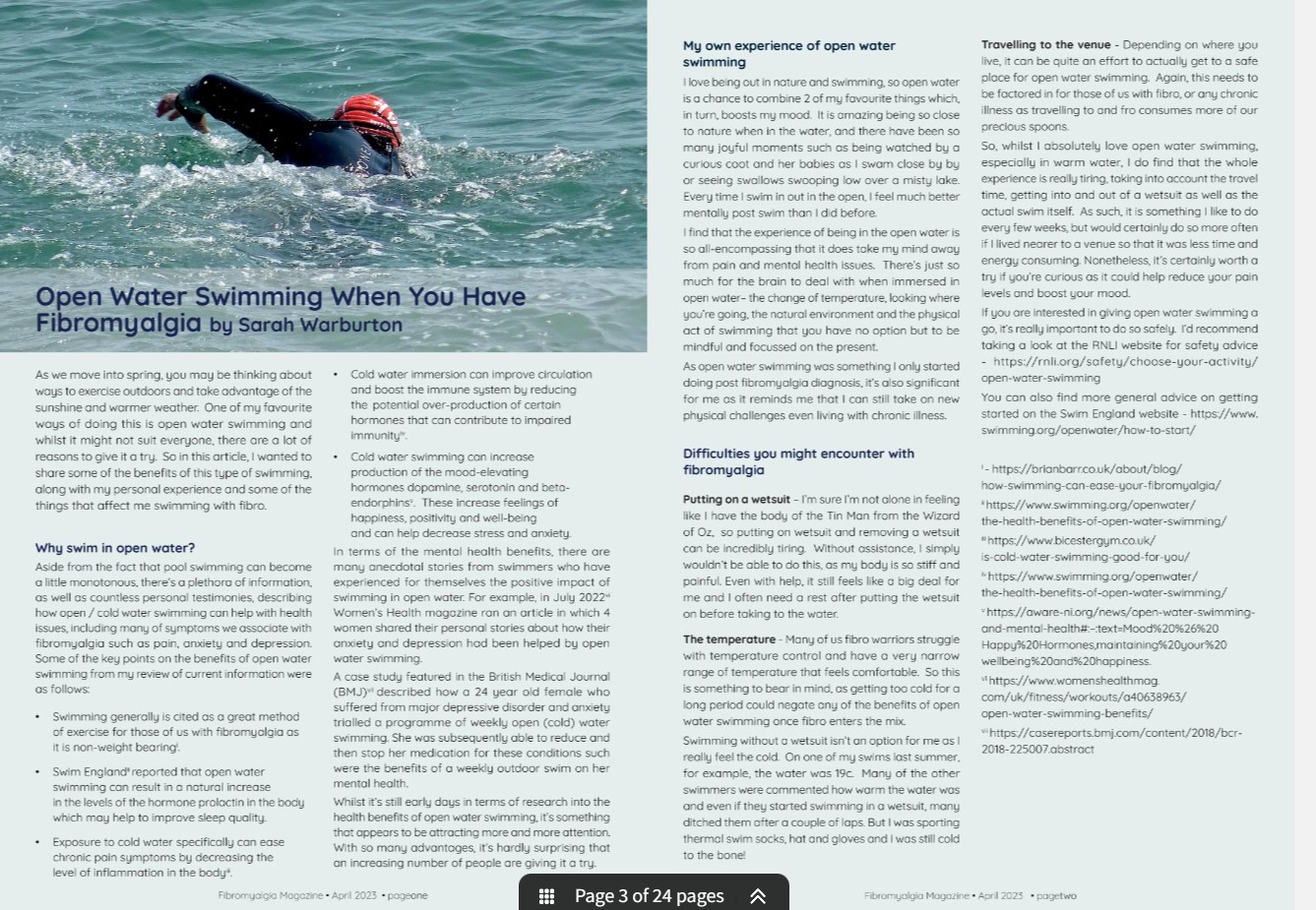
Swimming and exercising in warm water allows you to build muscle strength, improve flexibility, and increase mobility while reducing compression to your joints. This may help to ease discomfort and alleviate stiffness.
If you live near a warm body of water, take a dip in a natural setting. Otherwise, find a heated pool in your area. Aim to spend at least 20 minutes in the water.
Bath
Take a warm bath to relax and release tension or pain. For more benefits, add ingredients such as baking soda, Epsom salts, or essential oils. You can bathe for up to 2 hours.
Saunas and steam rooms
You can use a dry sauna, infrared sauna, or steam room to improve circulation and alleviate stiffness.
The results of a 2018Trusted Source review suggest that consistent use of a dry sauna is beneficial for people with rheumatoid arthritis as well as chronic pain syndrome. It may also help athletes to improve performance.
You can stay in a dry sauna or steam room for up to 15 minutes though you may want to begin with shorter sessions. Give yourself plenty of time to cool down in between sessions.
If you’re pregnant, talk with your doctor before using a sauna or steam room.
Paraffin wax treatment
This treatment may help to boost circulation, receive tension, and alleviate stiffness.
To do a paraffin wax treatment, dip your hands or feet in hot paraffin wax and cover the area with plastic or a towel. After 20 minutes, remove the wax. Pay attention to how your skin reacts and look out for any adverse reactions.
Many people find it beneficial to alternate between heat and cold therapy. You can switch between hot and cold therapies throughout the day. Usually, it’s best to wait at around 20 minutes between sessions, though you can also alternate between hot and cold water in the shower. Always start and finish with a cold treatment.
Talk with your doctor before alternating between full-body treatments such as an ice bath and a sauna or hot tub.
If you’re looking for remedies for arthritis to add to your existing treatment routine, heat and cold therapy are great options. You can use hot and cold therapies to manage symptoms of arthritis and improve your overall comfort.
Heat treatments help to relieve stiffness, improve circulation, and increase flexibility. Cold treatments alleviate pain and inflammation, which make them useful to do following physical activity. The effect of heat and cold therapy may only last a few hours, though over time they may help to reduce the severity of pain and keep symptoms at bay for longer.
Choose the remedies that yield the best results and add them to your self-care routine. Always make sure to protect your skin since hot and cold therapy have the potential to cause skin damage. Talk with a healthcare professional before starting any new therapy, especially if you have any additional medical conditions or take medications.
Fibromyalgia Awareness Month is important to me because I have it and know others that do. One of the biggest challenges Fibromyalgia patients face is there are so many different symptoms and they mimic other illnesses. That’s one reason it can years to get a proper diagnosis.
Why National Fibromyalgia Awareness Day?
Fibromyalgia is a chronic, complicated disease that affects millions of men and women throughout the world. A musculoskeletal illness produces widespread severe pain with symptoms like increased skin sensitivity, muscular rigidity, difficulty sleeping, memory and attention problems, excessive weariness, and headaches.
It is a challenging condition to identify because there isn’t a single test that can detect and treat it, and the symptoms get frequently misdiagnosed as attributed to other illnesses. Many people feel that the condition is psychological and not genuine due to a lack of research and the difficulties in defining the variables that cause it. Furthermore, there is no permanent relief for the suffering.
As a result, the keys to combating Fibromyalgia are awareness and financing. The goal of this day is to raise awareness about the condition and to encourage further research into finding a cure. The day’s observances greatly minimize the level of threat and the likelihood of being afflicted. When we try to learn more about a disorder like fibromyalgia, we realize just how far we’ve come in terms of innovation and advancement. Observing National Fibromyalgia Awareness Day allows us to reflect on our accomplishments.
Thoughts
Another huge challenge of having Fibromyalgia is it’s invisible, you don’t look sick unless you’re having your worst day. Most of the time you look fine and that is where the misunderstanding about the illness starts with friends and family. You can’t predict how you’ll feel tomorrow let alone next week, so you make plans, only to have a flair day and can’t get out of bed or can’t think straight and have to cancel your plans.
When people think you look fine and you’re not they can take it personally, that’s why it is important to share the basics of the illness and tell them that when you have to cancel on short notice it has nothing to do with them or not wanting to see them.
One suggestion for those newly diagnosed is to take your loved one or family member to a doctor’s appointment. This made a huge difference for me with my mental illness. My husband got to hear everything from the doctor’s mouth and got a better understanding of what I was dealing with. We also tell our doctor symptoms we don’t talk about every day and this is another time your loved one can understand all the ways Fibromyalgia affects your life.
Another way you can help is to participate in a Clinical Trial for Fibromyalgia, Keep your eyes open for news about trials in your area. It’s always possible you’ll get a drug that helps you in some way vs a placebo. It’s a 50% chance. The key is to understand the risks and or interactions with your other medications.
Go easy on yourself. If the house isn’t as clean as you’d like, don’t worry about it. Work a little at a time or call a house cleaning service if you can.
NSAIDs can pose a risk to your kidney health. But while acetaminophen may be safer, all pain medications should be taken with a doctor’s supervision if you have kidney disease.
It’s almost a reflex: You have an ache or pain, so you reach for an over-the-counter (OTC) pain medication. But as routine as this behavior is, not everyone should casually take pain medications, as there can be potential negative interactions.
For example, people with kidney damage or reduced kidney function might not be able to use every OTC pain medication. Let’s look at why and what you can safely do for pain relief.
Before taking any pain medication, you should speak with your physician or a health professional to determine any possible interactions or risks that you might encounter.
For people with kidney disease, aspirin can increase the risk of bleeding. And in those with reduced kidney function, aspirin is not recommended unless prescribed by a physician. The recommended alternative can vary depending on the type and severity of kidney problems that you have.
Often, acetaminophen (Tylenol) is the preferred alternative. But it’s encouraged that you use the lowest dose possible that still manages pain or fever symptoms, decreasing doses gradually. And likewise, you should not exceed more than 3,000 milligrams per day.
Alternatively, if an OTC acetaminophen drug doesn’t control pain symptoms, a physician may suggest a temporary prescription alternative like tramadol. In its immediate release form, tramadol can be used in individuals with chronic kidney disease (CKD) or end stage renal disease (ESRD).
However, extended release dosing for tramadol is not recommended for people with advanced CKD or ESRD.
Which pain medication is safe for kidney transplant patients?
Similar to people with kidney disease, transplant recipients should only consider acetaminophen to manage post-operative pain symptoms. Again, best practices include using the lowest dose possible and never exceeding 3,000 milligrams per day.
Which pain medication is safe for kidney stones?
The short answer to this question is, it depends. If a patient has kidney stones with no underlying renal issues, then any OTC pain medication can be used to manage the pain symptoms associated with passing a kidney stone.
This includes ibuprofen, nonsteroidal anti-inflammatory drugs (NSAIDs), and acetaminophen. Multiple studies and reviews have consistently shown positive patient outcomes when using OTC medications of all types to treat pain associated with renal colic or passing a kidney stone.
However, if someone also has impaired kidney function and kidney stones, NSAIDs are not recommended. A physician will provide the best guidance, but typically, sticking with acetaminophen is the best choiceTrusted Source for managing kidney stone pain when you have kidney disease or impaired kidney function.
Misusing any pain medication can increase your risk of kidney damage. This includes aspirin, ibuprofen, acetaminophen, NSAIDs, and of course, prescription opioid medications. The most common risks center around consuming too high a dose or taking medications for longer than recommended.
But of all the OTC pain medication categories, NSAIDs pose the greatest risk of continuous kidney damage. Specifically, these medications can increase the risk of progressive kidney damage or sudden kidney failure.
A 2019 studyTrusted Source involving over 764,000 U.S. Army officers found that participants who were prescribed more than seven daily doses of NSAIDs per month had an increase in the potential for an acute or chronic kidney disease diagnosis.
Regardless of whether you have a diagnosed kidney disorder or have healthy kidney function, OTC medications should be used with care.
Excessive use by consuming too high a dose or for prolonged periods can lead to a variety of health problems throughout your body — including damage to the kidneys.
For people with kidney disease or impaired kidney function, avoiding NSAIDs unless directed by a physician is the safest way to avoid further harm. Instead, opt for acetaminophen and be sure to use the lowest dose for the shortest period to control pain symptoms.
And when in doubt, speak with a physician or health professional before taking an OTC pain medication.
Do you want to make sure that your aging parents are being taken care of? If so then this is the guide for you. Here you will find out what steps you can take to protect those who you love, today.
Know the Signs of Trouble
The first thing you need to do is know the signs of trouble. If you are a caregiver, then you have to remember that there is a limit to what you can do alone. The best thing you can do is reach out for help. Keep an eye on your loved one’s health and their living conditions. It may be that they are no longer able to keep up with activities, such as bathing, walking, cooking or even cleaning. If you notice a drastic change in your loved one’s living environment, for example, if things become cluttered or dangerous then this can also signify that something is wrong. With that in mind, taking care of yourself is also very important. If you feel angry or irritable all the time or if you are losing sleep over things then this is a sign that you are overwhelming yourself. If you want to protect your loved one even more, consider looking at our team page from Montana Elder Law.
Protect your Health
As a loving caregiver, it is all too easy for you to devote all of your time and attention to the ones you are actively trying to support. At times, you may find that it is too easy to overlook your health along the way. Don’t let your standard of health suffer. Be sure to check in with yourself and your family so you can make sure that everyone is feeling good. Drink lots of water, make time to exercise, and also talk to someone if you need it.
Give Yourself a Break
If you are a caregiver then it’s easy for you to feel as though the weight of the world is resting on your shoulders. This is especially the case if you are part of the sandwich generation. This generation often finds that they are looking after younger and older people at the same time. It is very natural for you to want to fill up your schedule and take care of everyone. That being said, you need to cut yourself some slack sometimes. As you build out your calendar, make sure that you have enough time for yourself and that you are giving your body a chance to rest and recharge, free from stress.
Make the Most Out of Tech
In this day and age, there are all kinds of ways that you can put tech to work and make things way easier for yourself going forward. Add cameras and home security features if you want to keep your loved one safe when you are not home, and give your senior relative an alert button. If you do this then you give them the chance to alert an authority if something happens. Use a group chat too, so you can talk about your loved one with your sibling or other caregivers.
Men, women, and people of all gender identities may experience depression at some point in their lives. Depression is a serious condition that affects how a person thinks, feels, and acts.
According to the Centers for Disease Control and Prevention (CDC), women seem to experience depression at a higher rate than men. However, it’s thought that men may be underrepresented in these numbers.
This may be due to mix of social and biological factors that make it more challenging to notice and diagnose depression in men. They may also feel culturally pressured to act “manly” by hiding their emotions.
Because of this, it’s more common for men to have depression with symptoms that are different and sometimes harder to identify.
If you think that you or someone you love may be struggling with depression, read on to learn about the signs and symptoms that men may experience and what you can do next.
Men with depression may first notice its physical effects. While depression is thought of as a mental health disorder, it can also manifest in the body.
Many men are more likely to visit their doctors for physical issues than for emotional issues.
Some common physical signs of depression in men include:
When most people hear the word “depression,” they think of a person who seems very sad. However, sadness is just one of many possible emotions depression can cause.
In addition to sadness, men may experience the following emotional symptoms of depression:
agitation
aggression
anger
emotional withdrawal from friends, family, and colleagues
hopelessness
lack of interest in family, community, hobbies, and work
The mental, physical, and emotional symptoms of depression in men can also affect behavior. Because some men resist discussing their emotions, it’s often their behavioral symptoms of depression that are most apparent to others.
In men, the behavioral symptoms of depression most commonly include:
difficulty meeting work, family, and other personal responsibilities
drug misuse
drinking alcohol in excess
engaging in risky activities, such as driving recklessly or having unprotected sex
While discussions around mental health seem to be expanding in reach and compassion, there’s still some cultural and social stigma around depression— particularly among men.
Generally, men are socialized by society to hold in their emotions, though we know doing so isn’t healthy. In their efforts to maintain these social norms, many men may be compromising their emotional, physical, and mental well-being.
In addition, many men are never taught to recognize the less typical signs of depression that they’re more likely than others to experience.
Some men never seek help for their depression because they never recognize the signs. On the other hand, some men who do recognize the signs may struggle to discuss their experience because they fear the judgment of others.
As a result, when many men experience the signs of depression, they begin to work long hours or otherwise fill their time to stay busy, instead of addressing the depression itself.
Diagnosing depression and seeking treatment can help save lives. Suicide rates are high among men, especially those who have served or currently serve in the military. Additionally, men are three to four times more likely than women to complete suicide.
In continuing to open up the conversation, we can help men with depression recognize the signs. By seeking treatment, men with depression can live their fullest possible lives.
Depression is most often treated with talk therapy, medications, or both of these things together. A healthcare professional can help create a personalized treatment plan that works best for you.
Many men begin treatment for moderate cases of depression by scheduling an appointment with a talk therapist (psychotherapist). From there, the therapist might suggest specific types of care, such as:
However, for more severe cases, medication might be prescribed right away to help alleviate some of the physical, mental, emotional, and behavioral symptoms of depression. This may be the case for someone with suicidal thoughts or who has attempted suicide.
Be aware that these medications often take several weeks to months or begin making a noticeable difference in the way you feel. Be patient and stick closely to the treatment plan.
When to seek help
If you’re experiencing one or more of the above symptoms of depression to the point that it interferes with your daily life, consider scheduling an appointment to meet with a mental health counselor.
Most insurance plans provide coverage for such counseling, and receiving care is discreet and confidential.
If you’re experiencing suicidal thoughts, plan to attempt, or have attempted suicide, call the National Suicide Prevention Lifeline at 800-273-8255, or dial 911.
While recent conversations around mental health have become more candid and inclusive, many men still find it difficult to talk about their emotions in a society that upholds traditional views about men.
It can also be challenging to identify the symptoms of depression in men, which are influenced by those same social factors as well as male biology.
By sharing knowledge about the symptoms of depression in men, we can help clear a pathway toward better, more inclusive mental healthcare.
With talk therapy, medication, or a combination of these two things, depression becomes a much more manageable part of the human experience.
Hello Tuesday! One improvement I am currently working on is spending more time outside with Mother Nature. The sunshine and fresh air helps my mental health for the entire day.
I was thrilled to hear that Aromalief had released two new scents, Vanilla and Unscented Pain Relief creams. Annabel, the founder of Aroalief sent me the scents to try, I have a new favorite in the Vanilla scent which I apply several times a day for my Arthritis. I have used many Aromalief Pain Relief creams over the years, and they have never disappointed me
This post contains Affiliate links which means I make a small commission that supports my coffee habit when you use the links. They do not cost you more and take you directly to the Aromalief website.
The Aromalief Pain Relief creams are Vegan and made of all-natural ingredients from Mother Nature herself. The scents themselves are light, just a hint, including the menthol. Many menthol products have an overwhelming smell, you will not find that in Aromalief Pain Relief creams.
The Unscented is perfect for those who are sensitive to fragrance. The only scent left behind is a hint of menthol. It is not overwhelming like many menthol products.
To visit the landing page for the Vanilla and Unscented Pain Relief creams, click HERE.
Made with some of the world’s purest ingredients:
Slow-release Cooling Crystals for instant and long lasting relief without irritation
Patented Shellfish-free Vegetable Glucosamine and Algae Extracted Chondroitin can help joints
L-arginine may help improve circulation
99.9% Distilled Pure MSM for inflammation
Aloe Vera and Sweet Almond Oil
OUR STORY
Hi, I’m Annabel! Welcome to Aromalief, a brand dedicated to helping women like you to beat pain. I started Aromalief in 2018 to help my mom that was in pain. After wasting money on several products, I decided that my mom deserved better.
With the help of a naturopathic chemist, we developed formulas that are clean, easy to apply, and smell like rich essential oils. The experience of using Aromalief is like applying a luxurious body cream and not your grandfather’s pain releiver.
Aromalief is a women-owned business and their products are made in America.
Goldman Sachs
10,000 Small Businesses
96% of Customers Say It’s the Best Pain Relief They Have Tried
Since 2017, Aromalief has helped thousands of women to alleviate their pain without side effects and in amazing scents.
Our creams are made for confident, kind, and caring women with chronic pains.











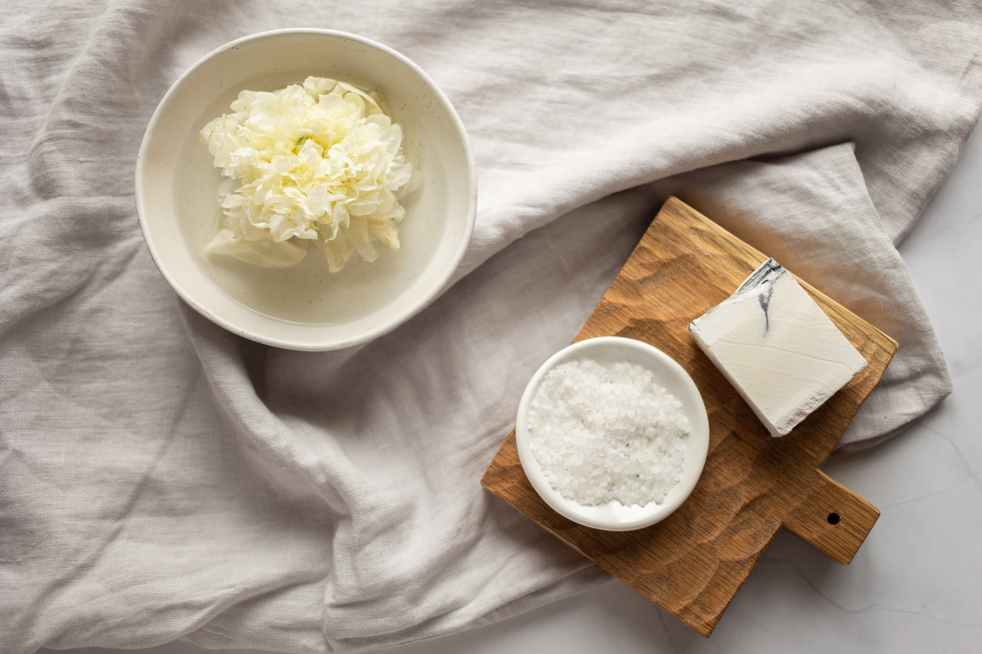
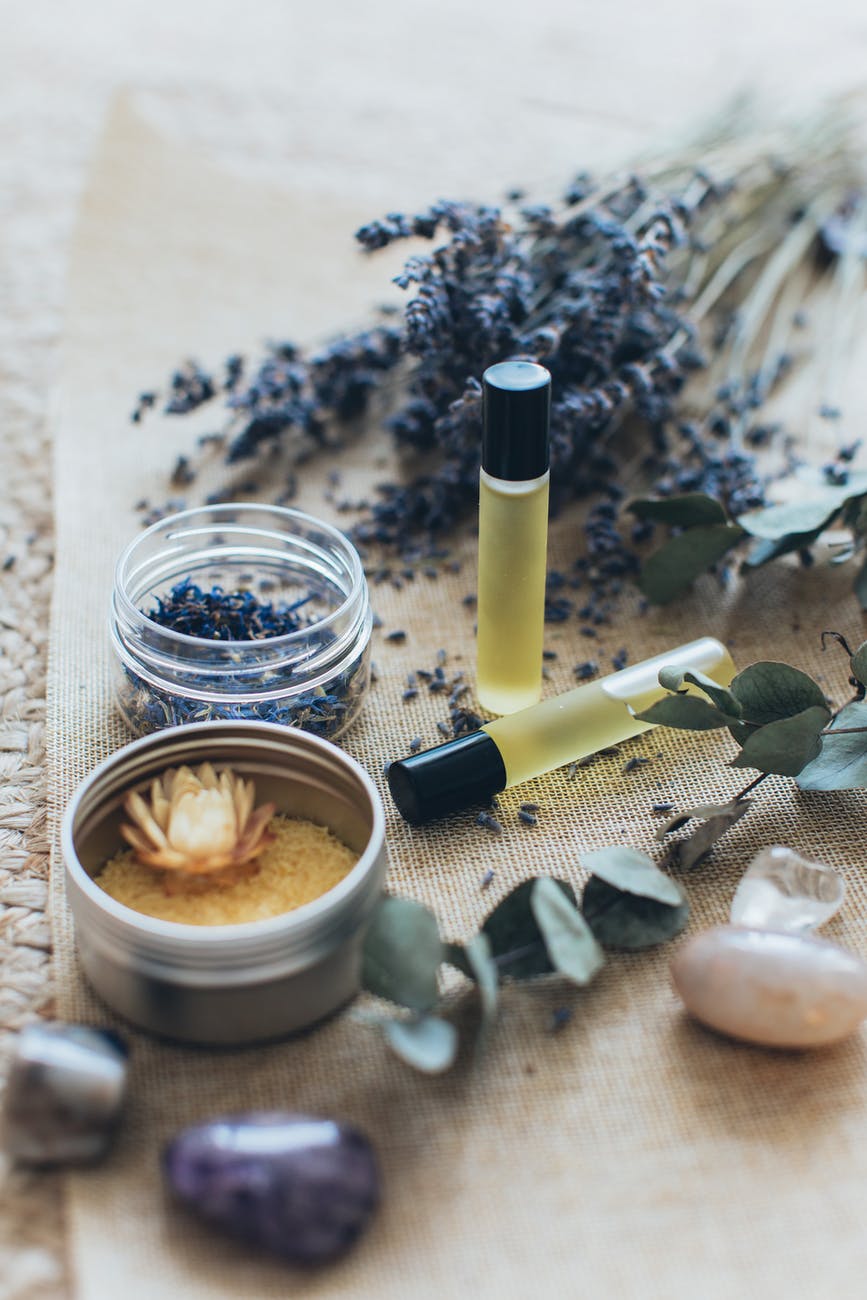
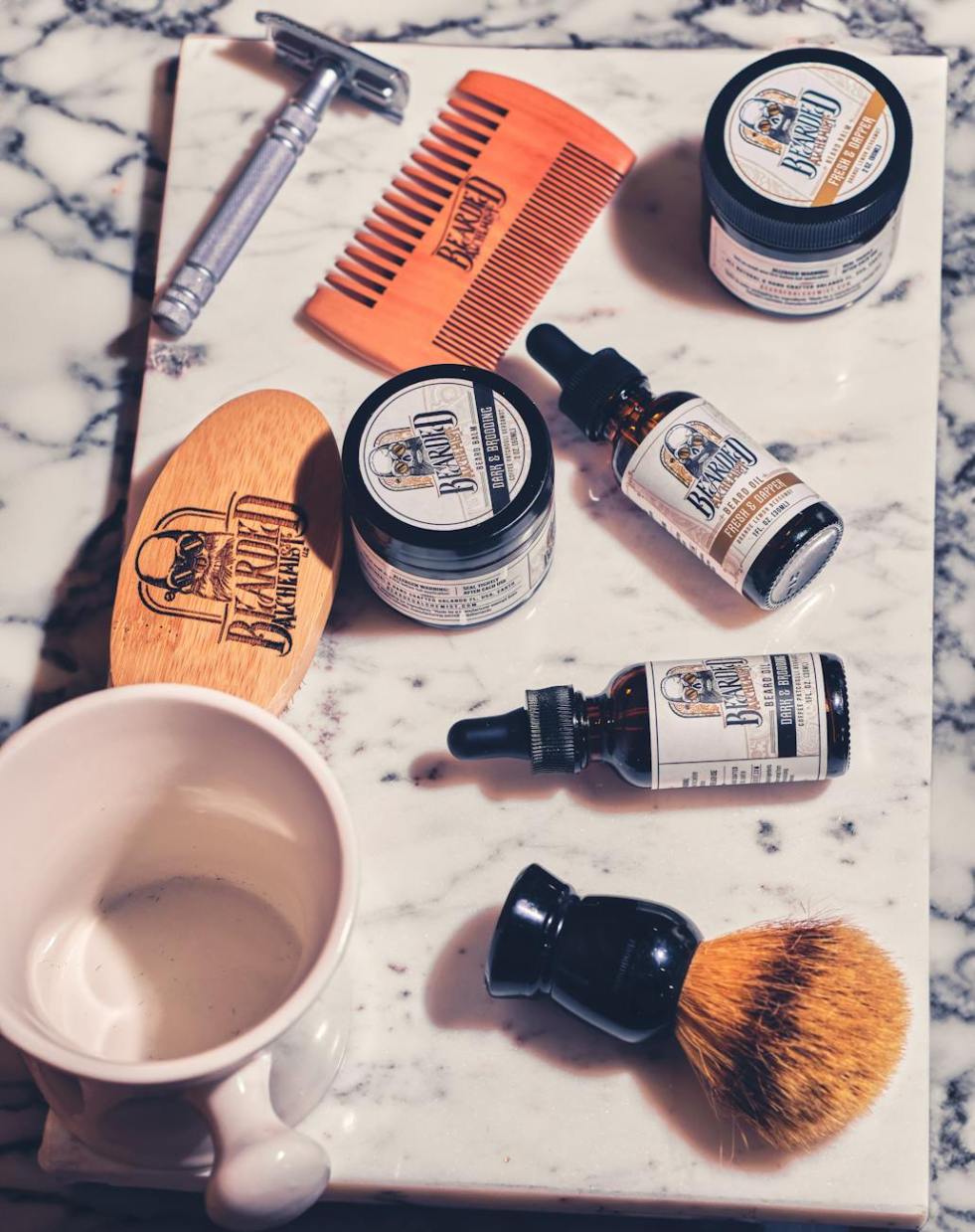


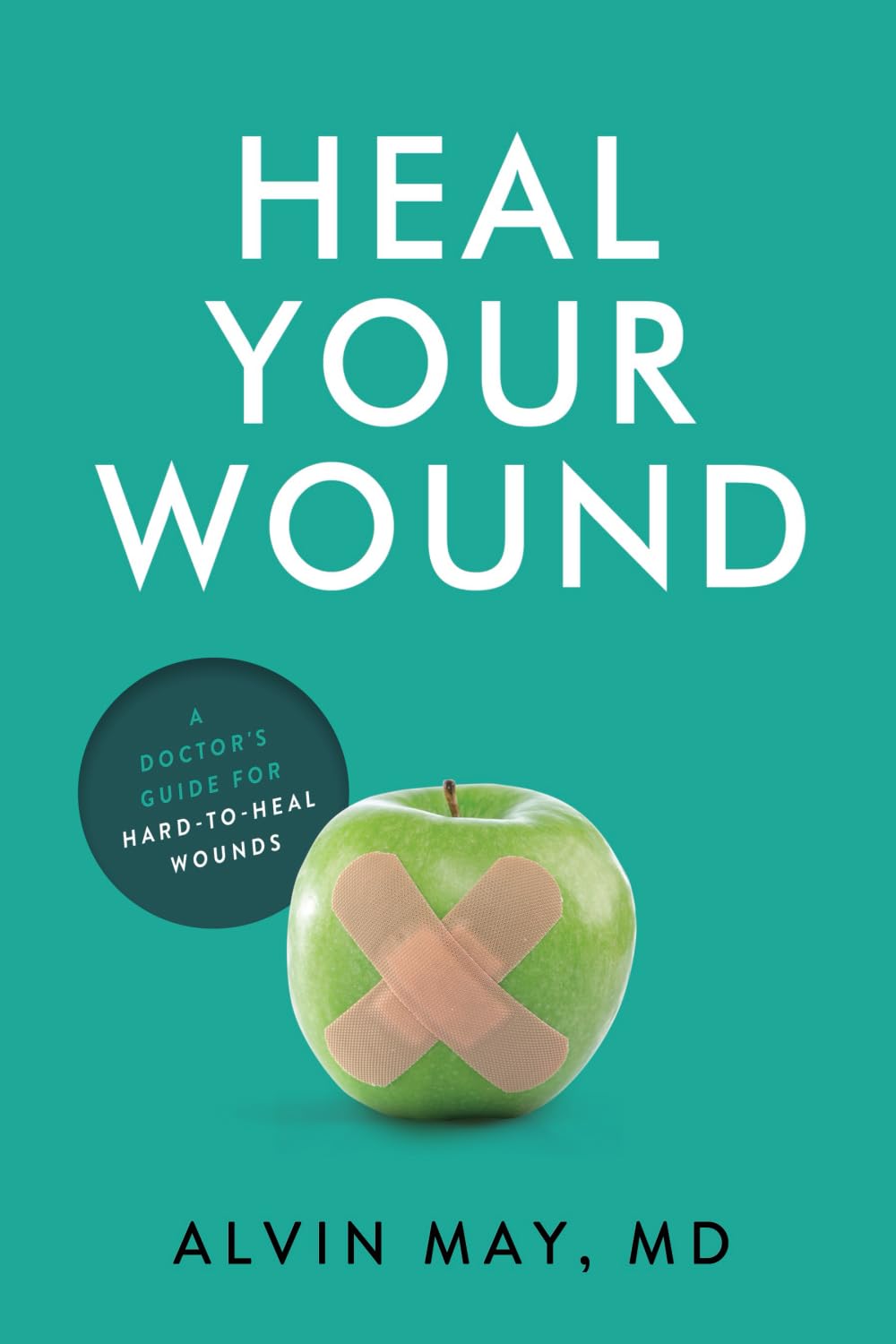



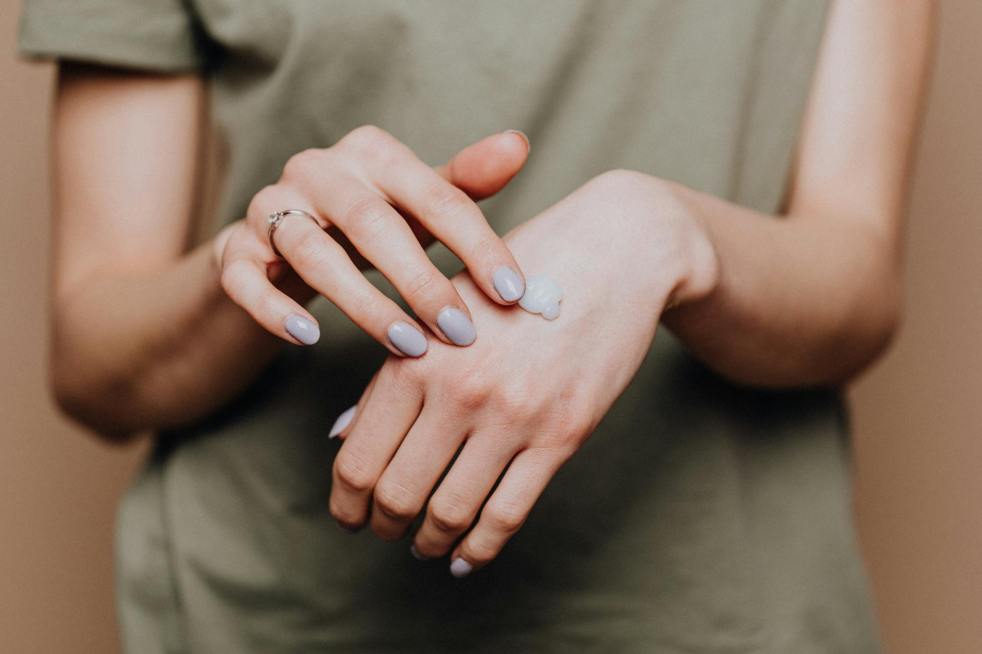






 lookingforthelight.blog