Celebrate Life · Family · Health and Wellbeing · Men & Womens Health · Self-Care

July Awareness Days

It’s fascinating how the months were named and when. I didn’t learn this in high school History class. 

When Julius Caesar became Pontifex Maximus, he reformed the Roman calendar so that the 12 months were based on Earth’s revolutions around the Sun. It was a solar calendar, as we have today. January and February were moved to the front of the year, and leap years were introduced to keep the calendar year lined up with the solar year.

Fragile X Month

Frech-American Heratige Month

National Minority Mental Health Month

National Bison Month

Nation Cleft & Craniofacial Month

Sarcoma and Blood Cancer Month

UV Safety Awareness Month

Disability Pride Month

Minority Mental Health Awareness Month

Plastic Free July

Malala Day July 12th

Be Love Day July 16th

International Self-Care July 24th

World Heart Day July 29th

International Tiger Day July 29th

Melinda

Health and Wellbeing · Men & Womens Health · Mental Health · Self-Care

Emotional Stability and Sleep: The Unseen Connection By Guest Blogger My Mind Strength

Sleep is critical for good and physical health, it took me years to understand the impact the lack of sleep caused me. Now I have a bedtime routine that is solid and it includes going to bed for 45 minutes to an hour to relax and clear my head and going to bed at the same time every day. 

——-

How your mood depends on how well you sleep In today’s fast-paced world, sleep often gets overlooked. However, underestimating the power of sleep can lead to serious trouble. Sleep is crucial for our health and well-being, and neglecting it can have far-reaching consequences. Let’s dive into why sleep is so essential and what happens to your … Continue reading

Be sure to check her blog, she is whip-smart, and I’ve learned so much from her posts. 
 
Melinda
Family · Health and Wellbeing · Men & Womens Health · Self-Care

Why Does A Pain Relief Cream Burn?

I have been a proud Affiliate of Aromalief for many years and have written several reviews about their products. This post contains affiliate links that don’t cost you more, take you directly to their site, and help keep my coffee habit supplied.

OUR STORY

Hi, I’m Annabel! Welcome to Aromalief, a brand dedicated to helping women like you beat pain. I started Aromalief in 2018 to help my mom who was in pain. After wasting money on several products, I decided that my mom deserved better. 

With the help of a naturopathic chemist, we developed formulas that are clean, easy to apply and smell like rich essential oils. The experience of using Aromalief is like applying a luxurious body cream and not your grandfather’s pain reliever. 

Thousands of women across the US love and trust Aromalief and I am so proud of all the people who work at our small business (including my mom). 

– Annabel founder/daughter/mom

——-

Posted by Annabel Mendez on June 24, 2024

When you’re in pain, reaching for a pain relief cream can feel like a quick and easy solution. However, many people are familiar with the uncomfortable burning sensation that often accompanies the use of traditional pain relief creams. Understanding why this happens and how some products, like Aromalief, differ can help you make a more informed choice for your pain management needs.

Sensitive Skin

WHY DOES A PAIN RELIEF CREAM BURN?

1. ACTIVE INGREDIENTS

Many traditional pain relief creams contain ingredients like menthol, camphor, or capsaicin. These substances are known as counterirritants, meaning they create a mild irritation or sensation (like burning or cooling) on the skin to distract pain receptors from deeper pain.

  • Menthol and Camphor: These ingredients produce a cooling effect that can be intense, sometimes causing a burning sensation on sensitive skin.
  • Capsaicin: Derived from chili peppers, capsaicin works by depleting a neurotransmitter called Substance P, which is responsible for sending pain signals to the brain. The initial effect, however, can be a strong burning feeling as the nerve endings react.

2. SKIN SENSITIVITY

Individuals with sensitive skin or certain skin conditions like diabetes may experience heightened reactions to these active ingredients, resulting in a more pronounced burning sensation.

3. APPLICATION AMOUNT

Using too much cream or applying it too frequently can increase the intensity of the burning sensation. The concentration of active ingredients in the cream can lead to an overpowering effect if not used as directed. Some creams can have up to 25% active ingredients and even though this may sound like a good idea, the burning sensation may prove to be worse than the actual pain.

HOW AROMALIEF IS DIFFERENT

Aromalief has developed a premium formula that addresses pain relief without the intense burning sensation commonly associated with traditional creams. Our unique blend of active ingredients, nutrients, and botanicals are not found in other creams. When it comes to getting relief without the burning sensation here’s how:

Why Is Aromalief Different

1. SLOW RELEASE COOLING CRYSTALS

Aromalief incorporates slow-release cooling crystals in its formula. These crystals provide a gradual and gentle cooling effect, rather than an immediate and intense one. This slow release mechanism ensures sustained pain relief without the harsh burning feeling. Most companies don’t use this technology because it is 20x more expensive than traditional menthol or camphor. 

2. ALOE VERA

Aloe vera is well-known for its soothing and healing properties. It helps to calm irritated skin and reduce inflammation. In Aromalief, aloe vera works synergistically with the cooling crystals to enhance the overall soothing effect, making the cream more comfortable to use even on sensitive skin.

3. ALMOND OIL

Almond oil is a natural emollient that helps to moisturize and nourish the skin. It provides a protective barrier that not only enhances the skin’s hydration but also helps to minimize any potential irritation from the active ingredients. This makes Aromalief a gentler option for those with delicate skin.

Aromalief Vegan Pain Relief Cream

THE BENEFITS OF CHOOSING AROMALIEF

  • Gentle Yet Effective: Aromalief’s balance of slow-release cooling crystals, aloe vera, and almond oil offers effective pain relief without the discomfort of a burning sensation.
  • Skin-Friendly: The natural ingredients in Aromalief are designed to be kind to your skin, providing hydration and soothing effects along with pain relief.
  • Sustained Relief: The slow-release formula ensures that the cooling effect is long-lasting, providing extended relief from pain without the need for frequent reapplication.

CONCLUSION

While traditional pain relief creams can offer quick relief, the burning sensation they often cause can be a significant downside. Aromalief’s innovative approach with slow-release cooling crystals, aloe vera, and almond oil provides a more comfortable and skin-friendly alternative. By choosing Aromalief, you can experience effective pain relief without the burn, making it an ideal choice for those seeking both comfort and efficacy in their pain management solutions.

This blog post is not intended to provide medical advice. Please consult a physician.

I love the Hemp Pain Relief hand cream in Lavender and Orange the best.

Melinda

Celebrate Life · Health and Wellbeing · Men & Womens Health · Mental Health · Self-Care

Can You Be Too Kind?

Kindness without self-care creates burnout. And it’s common among people in caregiving professions like, doctors and nurses who continuously take on the emotional strain of others. But burnout doesn’t happen because you use up too many empathy or kindness chips. Usually, people burn out when they don’t have time for self-care practices that let them recharge and focus on their mental well-being.

Here are five helpful tips we often fail to do:

Take breaks

Nap

Schedule vacation days and truly disconnect

Spend time outside

Make time for wellness activities like meditation, exercise, or a hobby.

From a Prevention Magazine in December 2021

All great points we can all use to take care of our mental well-being.

Melinda

Health and Wellbeing · Men & Womens Health · Self-Care · Tick Borne Illnesses · Travel
Avoiding Tick-Borne Diseases While Traveling In Europe

IMPORTANT READ

By Alexis Chesney, ND, LAc

As summer arrives, many US families are planning vacations and trips abroad. This reminds me of a patient I met this year who reported experiencing the onset of a fever, flu-like symptoms, and joint pain upon returning from a biking trip in Europe.

Upon testing, Borrelia garinii, one of the Borrelia species that causes Lyme disease in Europe, was confirmed.

This case highlights the importance of being aware of the different types of ticks and the diseases they can transmit when traveling abroad. By understanding these risks and taking preventive measures, you can ensure a safer and more enjoyable trip if you are traveling to Europe this summer.

European ticks and diseases they may carry

  • Ixodes ricinus (Castor Bean Tick): Anaplasma phagocytophylum, Babesia spp, Borrelia burgdorferi, Borrelia afzelii, Borrelia garinii, Borrelia bavariensis, Borrelia spielmanii, Borrelia miyamotoi, Rickettsia spp, and tick-borne encephalitis (TBE) virus.
  • Ixodes persulcatus (Taiga Tick): Borrelia afzelii, B. garinii, B. valaisiana, Borrelia miyamotoiRickettsia spp, tick-borne encephalitis (TBE) virus.
  • Hyalomma marginatum (Mediterranean Hyalomma): Crimean-Congo hemorrhagic fever virus.
  • Dermacentor reticulatus (Ornate Cattle Tick): Rickettsia slovaca, R. raoultii (tick-borne lymphadenopathy (TIBOLA)), tick-borne encephalitis virus.
  • Dermacentor marginatus (Ornate Sheep Tick): Rickettsia slovaca, R. raoultii (tick-borne lymphadenopathy (TIBOLA)), Coxiella burnetii (Q Fever), Crimean-Congo hemorrhagic fever virus.

Since ticks in North America do not carry tick-borne encephalitis virus or Crimean-Congo hemorrhagic fever virus, it’s essential to be aware of the symptom profiles for these diseases, which can be acquired overseas.

Tick-borne encephalitis (TBE) symptoms

  • Early Symptoms (first five days):
    • Fever
    • Fatigue
    • Headache
    • Muscle pain
    • Nausea
  • Asymptomatic Phase (seven days):
  • Next Phase:
    • Meningitis
    • Meningoencephalitis
    • Myelitis
    • Paralysis
    • Radiculitis

Crimean-Congo Hemorrhagic Fever Symptoms

  • Fever
  • Headache
  • Muscle pain
  • Malaise
  • Light sensitivity
  • Abdominal pain
  • Diarrhea, vomiting
  • Hemorrhagic symptoms (may include petechiae, nosebleeds, bruising, severe hemorrhages)

Prevention Tips

  • Use tick repellents: DEET or TickShield by Cedarcide, a natural cedarwood oil spray safe for humans and dogs over 20 pounds, applied every 1-2 hours.
  • Permethrin treatment: Treating socks and sneakers with permethrin decreases the chance of getting a tick bite by 73 times! Before you pack, treat shoes, socks, clothing and gear with permethrin. Wear gloves (permethrin is toxic to our skin when wet) when you spray down materials outdoors. Safe to touch when dry. Treatment lasts six weeks with do-it-yourself treatment.
  • Perform nightly body checks for ticks after a day of potential exposure. Ticks love warm, moist areas, so be thorough.
  • Put your clothes in the dryer (skip the washer) on high for six minutes after coming indoors. This kills ticks effectively.

If you get bitten by a tick, save the tick for testing. Place it in a zip lock bag and send it to a trusted facility such as TickReport once you return home. This is crucial, especially if you develop symptoms after a tick bite.

Watch for symptoms especially over the next 30 days from a tick bite: “bull’s-eye” or other rash around tick bite, fever, flu-like symptoms, joint pain or swelling, muscle pain, headaches, neck pain, facial palsy, lymph node swelling,  palpitations, night sweats, air hunger or non-exertional shortness of breath, chest pain, nausea, vomiting, abdominal pain, loss of appetite, cough, sore throat, confusion, disorientation, difficulty breathing or speaking, loss of coordination, seizures, lethargy, paralysis, body rash. Report symptoms to a [Lyme-literate] health care provider.

Learn more

Bringing awareness and taking preventive measures can significantly reduce the risk of tick-borne diseases. For more detailed information and resources, consider reviewing her new online course, Preventing Lyme and Tick-Borne Diseases: Ticks from Around the World, Diseases They Carry, Prevention, and Acute Treatments.

By staying informed and taking these preventive steps, you can enjoy a safer travel experience this summer.

Alexis Chesney ND, LAc is a naturopathic physician and acupuncturist specializing in the treatment of Lyme and other tick-borne diseases. For more information about her book Preventing Lyme and her protocols, see her website

Melinda

Celebrate Life · Health and Wellbeing · Mental Health · Self-Care

Things I’m Loving-Household, Nutrition, Dog Bones, and Dead Sea Salt

Here are a few products I’m loving with right now. I hope you find a product to add to your household or self-care routine. The list may also give you ideas for a surprise for friends, and family. Most products are found on Amazon.

Bambaw Insulated Bottle 32 oz

Insulated Water Bottle 32 oz, Blue Water Bottle Stainless Steel, Reusable Water Bottle, BPA Free Water Bottle, Big Water Bottle 32oz, Cold and Hot Water Bottle

The arthritis in my hands has made my old bottles hard to open and these are working much better with the twist of the lid and handle. I love that they are made in Belgium and are a Climate Partner-certified product. 

Orgain

Organic Nutritional Protein Shake, Creamy Chocolate Fudge – 16g Grass Fed Whey Protein, Meal Replacement, 20 Vitamins & Minerals, Fruits & Vegetables, Gluten Free, Non-GMO, 11 Fl Oz (4 Pack)

Nutrition summary
4.0 servings per container | 1 carton (330ml)
250 270mg 1g 12g 16g
Calories Sodium Dietary Fiber Sugars Protein
These are YUMMY! I’m underweight and working hard to gain weight the healthy way, these drinks are helping me. 

Dr. Ohhira’s Probiotics

Original Formula with 3 Year Fermented Prebiotics, Live Active Probiotics, and The only Product with Postbiotic Metabolites, 30 Capsule

DR. OHHIRA’S PROBIOTICS are backed by over 20 scientific studies and recommended by digestive health and immune system health care providers. Does not include artificial additives, chemicals, preservatives, coloring, flavoring, animal by-products, chemical fertilizers, pesticides, or herbicides. Non-GMO and 100% vegetarian. Hypoallergenic (no dairy or gluten). Guaranteed free of soil-based organisms (SBOs).

Paw & Pantry

2-3″ Soft & Chewy USA-Chicken Mini Bones – Pack of 24 Rawhide Free Chicken Dog Treats – Highly Digestible & Chewy Grain Free Dog Treat Mini Bones – Great Non-Rawhide Chews for Small Dog with 100% REAL USA-sourced chicken as our ingredient, Paw & Pantry dog chicken treats are densely packed with natural protein.

Grain? Gluten? Antibiotics? Never heard of ’em! Our chicken treats for dogs are made without all of that extra junk, creating a highly digestible treat and a great rawhide alternative for every dog to enjoy

Zevo

Flying Insect Trap, Fly Trap, Fruit Fly Trap (2 Plug-in Bases + 2 Refill Cartridges)

Effortless 24/7 continuous attraction works day and night to help protect your family from pesky flying insects. Designed for any room or area of your home where flying insects gather including kitchens, bathrooms, garages, and living spaces.

We checked them on Sunday and they work! 

Minera Dead Sea Salt – 2 lb. Bag Fine Grain

Minera Dead Sea Salt dissolves easily in warm water to help cleanse and nourish your skin. Our Minera salt is harvested from the Southern end of the Dead Sea, where the mineral content of the water is at its highest. The salts are delivered to our customers in their pure, raw form, containing all the essential minerals that the Dead Sea is famous for.

I have purchased this brand for years and have never been disappointed. Dead sea salt is like no other, not only does it have minerals that are great for your skin but it also removes dead skin without effort. Be sure to rinse after bathing to remove the remaining salt. 

What are some of your go-to products?

Melinda

Chronic Pain · Health and Wellbeing · Men & Womens Health · Mental Health · Self-Care

Small Lifestyle Changes To Make When Living With Chronic Pain

Living in constant pain can make you feel like you are alone and there is no one who understands what you are going through. Chronic pain conditions vary and each person living with chronic pain will have their own pain thresholds and triggers. At times, it may seem like there is nothing you can do, especially when traditional pain medication doesn’t have any effect. It is at times like this when people try other methods of medicating.

For some, different types of pains and symptoms can be managed or even eradicated with a few changes to your diet. It may seem futile however if nothing else is working you have nothing to lose by trying. Adapt what you do during your day-to-day life to see if different things affect your pain level. For example, many chronic pain patients credit the sun and warmth for lowering their pain levels. For this reason, it could be worth looking into how you can increase your vitamin D intake and get more sun into your life.

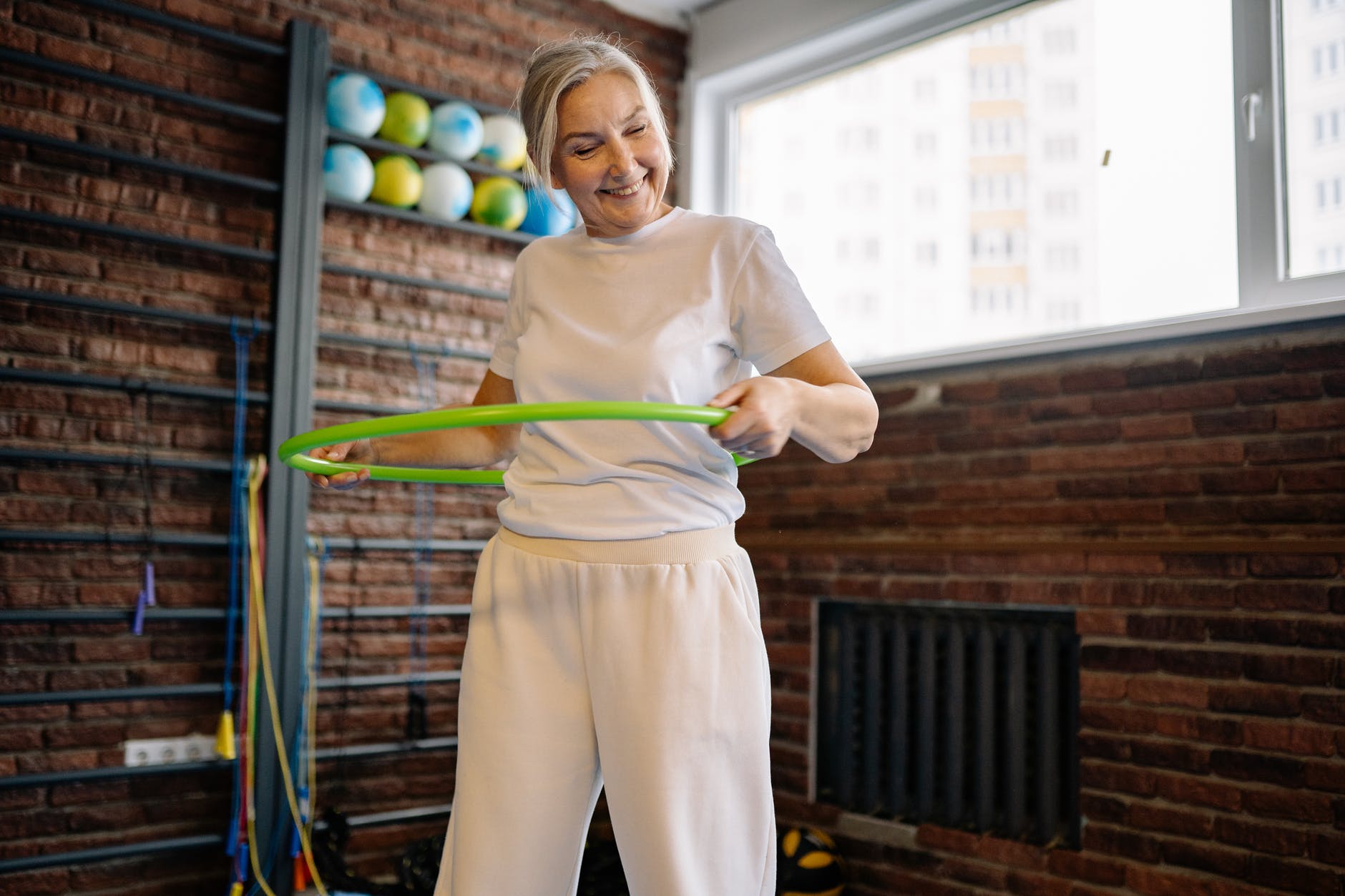
Many people find adding exercise into their lives can help with certain types of pain. Working up slowly to adding beneficial exercise to your daily routine as and when you can help you to look after your body despite your pain levels. Yoga, pilates, and simple stretching exercise will help you to remain fit and supple and in some cases decrease your pain levels.

There is no scientific evidence that links drastic diet changes with the eradication of pain from chronic pain conditions. However, it is thought that certain types of foods can inflame the body in different ways making pain worse. From cutting out dairy to reduce additional IBS symptoms or abdominal pain to avoiding nightshade foods to reduce pain and inflammation for Fibromyalgia, arthritis, and more.

There have also been suggestions that eating clean and switching to a more plant-based diet can help control pain levels. While fatty and processed foods aren’t healthy for anyone when overconsumed, there is nothing to lose by changing up your diet and eating a more natural diet, and reducing your meat, specifically red meat intake.

Many chronic pain sufferers will all tell you that sleeping is a problem. It’s a vicious circle to be told you need to get more sleep yet sleep is elusive due to your pain. But by creating as relaxing a sleep environment as can help you to relax even if you can’t sleep. Your body repairs itself during sleep and getting good quality sleep remains important despite your health condition. 

Find your optimal sleeping temperature and noise level, try using a white noise app if you needed, and also use comfortable bedding. Set your limits for screen time and electronics and try to create a relaxing bedtime routine that indicates you are ready for sleep. This won’t always be possible but it is worth persevering to help you improve your sleep quality.

This is a collaborative post.

Melinda  

Celebrate Life · Health and Wellbeing · Men & Womens Health · Mental Health · Self-Care

5 Simple Steps For Dealing With Mental Health Challenges

Mental health issues affect one in four people. This could range from stress, anxiety, and depression, to severe mental health issues such as bipolar disorder, schizophrenia, or borderline personality disorder. 

Often, it can be hard to understand the cause of these mental health problems. They may be triggered by something that has gone on in your life such as the loss of a loved one, or a big change such as moving to a new city, or a career change. Whatever the cause, you must practice self-care. 

But what can you do to treat your mental health problems? 

Here are some steps you should take if you are experiencing any mental health difficulties in your life. 

Speak To Your Doctor 

If you are struggling with stress, anxiety, or depression in your life, then you should speak with your doctor at the earliest possible opportunity. Your doctor should talk you through what is happening in your life in order to understand whether you should be treated with self-care,

antidepressant medication, or whether you would be a suitable candidate for talking therapy such as cognitive behavior therapy

Speak To A Counselor 

If you can speak with a counselor, do so. You may be able to get referred to one by your doctor. If not, there are plenty of specialist counselors that will be able to take you on. 

Different counselors and therapists will have their own approaches to dealing with mental health issues such as depression and anxiety. Make sure that you are happy with the counselor’s approach before you commit to a course of sessions with them. 

Use CBD And Other Alternative Treatments

One of the areas that there is growing research into is the use of alternative treatments such as CBD. CBD comes from the same plant as cannabis except it doesn’t have any of the psychoactive ingredients cannabis does. It just relaxes you and relieves symptoms of stress and anxiety. 

Another alternative treatment option may be psychedelics. You can read more about this at psychedelicspotlight.com

Eat Well

There is a lot that can be said about the way that you eat. By making sure that you are eating a balanced diet, you will be able to help to give yourself the energy that you need to keep going. 

To fight off stress and depression with your diet you should look at getting your starch fixed with whole grains and beans. You should be sure to eat plenty of fresh fruit and vegetables. Instead of eating red meats, you should eat fatty fish like salmon or tuna. Finally, add in healthy fats, such as raw nuts and olive oil.

Exercise 

Exercising is a great way of clearing your head. It gives you endorphins, a feel-good hormone that will balance out the stress hormones your body will naturally produce. 

Start small. Even going for a short walk will be very helpful. 

This is a collaborative post.

Melinda

Celebrate Life · Fun · Health and Wellbeing · Men & Womens Health · Self-Care

Favorite Health & Wellness Shower Steamers-Great Gift

These shower steamers are great for self-care and make great gifts. I’ve looked on Amazon and was surprised by how expensive Steamers are. Treat yourself, your friends, and to family to these favorite shower steamers.

By Irena Saro & Cyna Riley-Rank

Willow and Sage by Stampington

You will need:

1 cup baking soda

1/2 cup citric acid

1/3 cup arrowroot powder

1/4 cup kaolin clay

Bowl: Large non-metallic

Spray the bottle with water

Nitrile gloves

Silicone mold: cylinder

45 drops of rosemary essential oil

45 drops peppermint essential oil

30 drops of chamomile essential oil

Dried leaves/herbs (optional)

150 drops of eucalyptus essential oil

Dried eucalyptus leaves, crushed (optional)

Mica: green (optional)

120 drops of peppermint essential oil

2 TB. menthol crystals Mica: Agua (optional)

How to Make

Add all the dry ingredients to a large, non-metallic bowl and whisk until blended. Drop the essential oils on the dry ingredients, and stir to combine. The essential oils can create droplets, which will dissolve in the following step.

Spray the mixture with a little water and incorporate it immediately to avoid a reaction. If you don’t have a spray bottle, sprinkle water on the mixture using a teaspoon.

Put on nitrile gloves to protect your hands when kneading the mixture as the citric acid can irritate sensitive skin and nail polish. The mixture should feel like damp sand and be wet enough to hold its shape when pressed together. If using colored mica and dried herbs or flowers, add them to the mixture.

Fill the silicone mold with the mixture, and press firmly into the mold using your fingertips, paying attention to the edges. Let the mixture dry for 24-48 hours. Making shower steamers can be affected by the humidity; in a humid environment, the drying time may be longer. When they feel hard and solid, carefully peel back the mold and gently pop out of the disk. Store the steamers in an airtight container or jar, and ensure that the steamers aren’t exposed to water or moisture. The shelf life is one year.

Before use, let warm water run for several minutes to moisturize the air. It’s best to place the steamer away from the running water and the drain. Ideally, only the bottom of the tabs should be wet. You can also put a shower steamer in a soap dish. Breathe in deeply as the essential oils vaporize.

These are a year-round self-care treat. Make a huge batch and then you have some for gifts. Don’t forget your self-care, save some for yourself. 

Melinda

Celebrate Life · Chronic Illness · Health and Wellbeing · Men & Womens Health · Mental Health · Self-Care

Fibromyalgia Thoughts #8 Giving Myself Grace

It’s been a year since I wrote Fibromyalgia Thoughts #7, I had no idea how well I had been managing. Until today, when I wasn’t managing at all. A wave came over me after breakfast just as I was going outside to water the plants, and the life drained out of me. I had to go back to bed even though I had a good night’s sleep, maybe the best sleep I’ve had in days.


The temperature here has already reached 100 degrees and the humidity is high. We’ve touched on several record-breaking days already and it’s not even July. July and August are usually the hottest months in Texas, but we are having average temps in June. The heat is exhausting.

I go out to water most days by 9:00 am but today I was delayed by an hour since I laid down. Boy, what a difference an hour makes. It’s not that I was feeling so much better but knew that if I could muster the energy it would be much easier to water now than wait or ask my husband for help. He’s always glad to help, but it’s my passion, my flowers, and my sanctuary. I thought if I could just get out there I would somehow feel better. NOT. 

I’ve been battling many symptoms that have progressed over the past year, I don’t know if they are all Fibro since other things are going on with my health. I think telling myself it’s something else has somehow allowed me to keep pushing on.

I see a new Rheumatologist at the end of the month and I hope to have some answers. I’ve been keeping detailed notes of each symptom by body area and tracking the progression. I can only sleep for 2-3 hours at a time before the pain wakes me, I have to roll over and wait for sleep to come again. It’s very tiring.

The other morning the muscles in my legs were so tight I could hardly walk, I lay in bed thinking how am I going to do this. I took my muscle spasm medication and moved to the chair. I realized today that the limp from my hip is more pronounced, that’s from my Brusitis. I am late on my steroid injections and can tell. 


I know this afternoon will include a nap, which I give myself grace. I’ve beat myself up for too many years for not being the best wife or granddaughter or best self. In fact, the best self I can be is to take care of my health, do what I can, be honest about what’s going on, and take the pass when I have to. 


I’ll keep you posted on my Rheumatologist appointment. I work hard to not over-research my symptoms and go in with a layman’s diagnosis. I’ve taken very precise notes and the symptoms will hopefully lead to answers or in the right direction. 


Melinda

Chronic Illness · Chronic Pain · Health and Wellbeing · Medical · Men & Womens Health · Self-Care

Do You Have Painsomnia?

You’ve probably heard the term or worse yet suffer from Painsomnia yourself. If the term is new to you, here’s the short version. A person experiences insomnia due to pain preventing them from falling asleep or staying asleep.

“Sleep helps our bodies rest and heal, so good-quality sleep is vital for people with chronic illnesses. However, painsomnia can make a good night of sleep feel like a pipe dream. Fortunately, medical researchers are starting to learn more about the condition and how patients can cope.”

I have the type of Painsomnia that keeps me up after waking from pain and makes it impossible to go back to sleep. My sleep medicine has worn off by then and no it’s just pain against sleep, and sleep rarely wins.

I have tried several hacks to help go back to sleep with mixed results. I have an essential oil stick with a Lavander fragrance that’s supposed to relax you but I can’t tell it does any good. The one item that has worked this past week is Delta 8 gummies. I take one right after waking up and they do relieve stress and keep my mind from wondering allowing me to go back to sleep.

I have to point out that I’m living without pain medication right now so it can be a challenge when I have to sleep on my shoulders and hips. No back or stomach sleeping for me.

What can you do if you are struggling with Painsomnia?

Better Sleep Habits

The MD Anderson Sleep Center recommends that people adopt new habits into their nightly routine. These habits help form the foundation for good sleep hygiene:

  • Don’t use phones or computers before bed, as the blue light from the screen can disrupt sleep and cause eye strain.
  • Avoid taking long naps during the day.
  • Make your bedroom cool and dark.
  • Avoid eating heavy foods or exercising right before you sleep.

Sleep Aids

If you have trouble sleeping, your healthcare provider may prescribe sleep aids or encourage you to try over-the-counter medications. These drugs can help regulate your circadian rhythm and lull you into slumber. Melatonin supplements help regulate your sleep cycle.9

A study from Cureus journal found that ashwagandha, a medicinal herb, can help people fall and stay asleep.10

Prescription drugs may include benzodiazepines, which are often used to treat anxiety and insomnia. Before you try any new supplements or prescriptions, make sure to consult your healthcare provider.

Cognitive Behavioral Therapy

Cognitive-behavioral therapy is a treatment that encourages people to rethink and change their behaviors. For people with insomnia, cognitive behavioral therapy may help,11

For example, a person without a sleep routine can work with a therapist to start better habits before bed. If anxious thoughts are keeping you up at night, cognitive behavioral techniques can teach you to stop those spiraling thoughts and focus on other, more restful thoughts.

If your painsomnia makes you feel helpless, those worries can make it even harder for you to get sleep. You may blame yourself or blame your body if you’re struggling with painsomnia. Cognitive behavioral therapy can help you cope with some of that frustration.

Hypnotherapy

While hypnotherapy is not a proven cure for painsomnia, some researchers have found that hypnosis might improve insomnia.12Hypnotherapy is an alternative medicine where practitioners use hypnosis and the power of suggestion to guide patients through various concerns.

Hypnotherapy is not a replacement for your healthcare provider or your current medications. Some researchers describe hypnotherapy as a sort of placebo. In either case, hypnosis can lull you into deep relaxation. This relaxation may help people with painsomnia fall asleep.

There’s no one size fits everyone but there are options for those who suffer from Painsomnia. I haven’t found the answer yet but did sleep until 2:00 AM this morning.

What hacks do use to help you go to sleep?

Melinda

Ref:

https://www.verywellhealth.com/painsomnia-5093183

Celebrate Life · Fun · Health and Wellbeing · Men & Womens Health · Mental Health · Self-Care

6 Ways To Boost & Improve Your Mental Health

Your health and wellness are important factors when it comes to how you feel each day and what you’re able to achieve in life. You must have a lot of natural energy and be in a positive frame of mind if you want to be well and excel.

While not every day will be great, it’s in your best interest to find more stability in your life and mental state. Doing so isn’t always easy but it is possible. Your mental health matters and the only way to make sure you can boost and improve it is to work on it and take actions that help you to achieve this goal.

                                                                                   Photo by Yan Krukov on Pexels.com

Remain Active

Keep active if you want to boost and improve your mental health. Exercising and living a healthy lifestyle is good not only for your physical body but also for your mind. Happy chemicals are released when you workout and you’ll notice that you’re in a better mood after you break a sweat. Find activities you enjoy doing and that help you work and challenge different muscle groups. You’ll not only be a happier person for making this change but you’ll also be in better shape and feel more confident in your body.

Learn & Challenge Your Mind

Another way to boost and improve your mental health is to learn new information regularly. Challenge your mind by studying and reading articles and blogs from some of the top leaders out there like Dee Agarwal. Learning not only makes you smarter but it makes you feel good and gives you a sense of accomplishment. Open up your mind to taking in new information and remain curious so that you can expand your knowledge and education and stay mentally well.

Talk About Your Feelings

It’s also in your best interest to get in the habit of talking about your feelings if you want to boost and improve your mental health. Be vulnerable and open with those you trust and let them into your troubles and what’s on your mind. They can be there to listen or also offer advice and input if that’s what you want. It’ll feel good to get what’s bothering you off your mind and out into the open. You won’t have to carry around so many burdens and will likely notice that others feel the same way you do and can relate or have had similar experiences as well. You can’t be afraid to ask for help and should do so when you need it so that you feel less alone.

Follow Your Passions

Do more of what you love if you want to boost and improve your mental health. Start living for yourself instead of others and do what puts a smile on your face. Make more time for hobbies and activities that you enjoy and say no to others when they request your time and attention and you can’t give it. Find a job you love and that puts your skills to use and challenges you daily. You’ll feel much more fulfilled and be in a better place when you’re spending your days doing what pleases you.

Eat Well

Your diet and what you eat also play a role in how you feel and your mental health. Some foods can ignite or reduce anxiety, for example. Commit to eating a nutritious diet full of leafy greens, vegetables, lean proteins, and healthy fats. It may help to get in the habit of cooking for yourself at home so you have more control over the ingredients and portion sizes. Also, pay attention to what you’re drinking and stick to having more water and tea and less caffeine, alcohol, and sugar if you want to maintain good mental health.

Meditate & Reflect

One of the best ways to slow racing thoughts and boost and improve your mental health is to take the time to meditate and reflect often. Find a quiet place in your home or head out into nature and listen to a guided meditation that will help you feel relaxed, centered, and at ease.

This is a collaborative post.

Melinda

Repost 

Chronic Illness · Chronic Pain · Health and Wellbeing · Men & Womens Health · Self-Care

12 Ways You Can Help Yourself Manage Chronic Pain

Chronic pain–defined as ongoing pain that continues for longer than six months–is a common complaint of patients with persistent Lyme disease.

The CDC estimates that 20% of Americans currently live with chronic pain. Estimates range from 10% to 36% of Lyme patients who are diagnosed and treated early are left with chronic symptoms.

For the past 40 years, the medical definition of chronic pain was more narrowly defined, including only those patients with actual or potential tissue damage.

Recently, with the help of researchers at Johns Hopkins Medicine, the International Association for the Study of Pain (IASP) has made a subtle but important change to the medical definition of pain.

The new definition, “An unpleasant sensory and emotional experience associated with, or resembling that associated with, actual or potential tissue damages,” is important as it includes the pain caused by an overstimulated nervous system, commonly associated with chronic pain.

This new more inclusive definition, if adopted by insurance providers, could have a positive impact on access to health care for disempowered and neglected populations.

Defining chronic pain

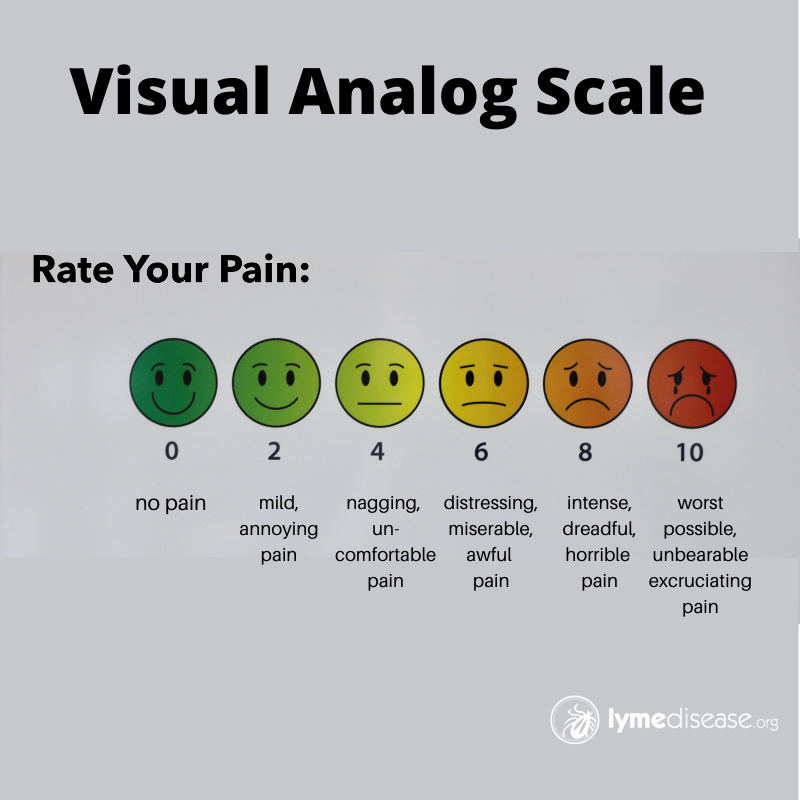
If you suffer from chronic pain, you have likely been asked to rate your pain on a scale of 1-10.  As much as you may dislike rating your pain, this information helps your medical provider gauge whether you are making progress with the current treatment plan, or not.

Having worked as a physical therapist for years, I found the Visual Analog Scale (VAS) works better than telling someone to simply “rate your pain on a scale of 0-10,” especially with children.

Visual analog scale


Because Lyme disease can affect every organ and system of the body, every patient may have a different set of complaints. While neck, joint and muscle pain are very common in early Lyme disease, there are many other types of pain when the disease becomes chronic.

For instance, allodynia is a type of pain that is caused by something that shouldn’t normally cause pain (eg. wind or light touch may feel like sandpaper or a burn.) Menstrual pain, bladder pain, testicular pain, bone pain, and widespread nerve pain are common in chronic Lyme patients.

The “cup theory”

When I explain pain to patients, I use the cup theory. Depending on your age, your brain, and your body, everyone has a different size cup—or a different capacity—for pain. We are each only capable of handling a certain amount of pain. Once your cup is full, you are essentially at a 10 out of 10 on your individual pain scale.

You may have a constant headache filling your cup 1/2 way (or 5:10 on your pain scale), and then your knee starts hurting pushing you up to a 7:10, and then your lower back spasms, and BOOM–your cup is full!

What I’ve found is that if we can help chronic pain patients empty their cup just a little, we can start to make progress. When my daughter was at her worst, I couldn’t get rid of her pain completely. However, if I could help lower her pain even a little bit, she was able to function. Here is some of what I learned along the way.

Self-treatment

For six years, my daughter lived with chronic debilitating pain. Early symptoms included fever, neck stiffness and a migraine that would not subside. Two months later, she developed knee pain and swelling along with back and bone pain. Later, she said soles of her feet felt like she was walking on nails. Periodically, she suffered excruciating abdominal pain and nausea. And the list goes on…

The first year, she was too sick to leave the house, except for doctor and hospital visits. Luckily, as a Physical Therapist (PT), I could provide pain management treatment and modalities at home. Once she began to gain strength, after starting treatment for her infections, she started seeing an outpatient PT, who brought a whole new set of skills to the table. This also relieved me of my dual role as caretaker and healthcare provider—something I don’t recommend.

In the beginning, she was so weak I had to do everything for her. I would wheel her to the bathroom, bring her all her meals, help her get dressed–everything. The treatment I provided was limited to positioning for comfort, passive range of motion, gentle massage, hot/cold, taping/bracing, acupressure and craniosacral therapy. As she got stronger, she learned self-treatment techniques that she continues to use today.

Self-treatment approaches are generally low-cost and low-risk. You can do them on your own schedule in the comfort of your own home. It does require a commitment to changing your daily habits, but they can offer significant improvements in reducing pain and improving your quality of life.

Here are 12 things you can discuss as treatment options with your healthcare provider.

Diet

Most of the immune system originates in the gut. Literally, everything you put into your body is part of the healing process. Or not. You want to support the immune system without feeding inflammation. Fast food, artificial/processed foods, carbs, sugar, gluten, dairy and alcohol are common inflammatory triggers. In my mast cell activation syndrome (MCAS) series, I wrote about low histamine diets that help reduce the inflammation associated with MCAS.

Positioning

When you’re in pain, it can be difficult to find a comfortable position. When my daughter was at her worst, she found it difficult to breath when she was lying flat. We added 4-inch wooden blocks under the feet at the head of her bed, and a large wedge pillow to elevate her head. When her back was hurting, it also helped to  put a pillow under her knees.

You can get really creative with pillows. For instance, body pillows or “hug” pillows work well if you are a side sleeper.

While you are sitting, you may want to try out different size pillows or towel rolls for comfort. Putting a pillow on your lap to support your arms or one behind the small of your back may help. As a rule, you want to change positions every 30-60 minutes. This helps prevent pressure sores and muscle stiffness.

Some people find it worth their while to rent a hospital-type bed, where the head and/or feet can be elevated.

Assistive devices

Wheelchairs, walkers, canes, bath/shower chairs, long-handled reachers (sometimes called grabbers) are all good examples of assistive devices. Items like tray tables, lap tables, bath caddies, tote bags or tinted reading glasses can also make life easier.

Other things designed for reducing pain may include ace bandage wraps, shoulder sling, wrist, knee or ankle braces and shoe orthotics. You may also find over-the-counter topical pain relievers or CBD oil to be helpful. There are stronger topical pain relievers available by prescription.

Pacing

When you are sick you must be very conservative with energy expenditure. Modifying or changing your activities so they do not aggravate your symptoms is extremely important. Restricting, reducing, or spacing out your activities can help reduce pain and fatigue.

The key is to know your limits and stay within them. Pacing is similar to the concept of the “Spoon Theory” where you are only given a small supply of spoons to use each day—so use them wisely. When you are sick is not the time to try to push past the pain. In our house, we found sticking to a schedule that we affectionately call “Groundhog Day” helps to keep the pace.

Active range of motion (ROM) is a simple activity that almost anyone can do, whether lying down, sitting or standing. It helps to bring blood flow to the extremities and maintain or increase flexibility. The idea is to move every joint in the body through its full range. One example is to fully spread your fingers open, then fully close your fist. I recommend starting with the neck and working your way down to shoulders, elbows, wrists, torso, hips, knees, then feet.

If you are extremely de-conditioned, getting in/out of the shower and washing your hair may count as your active range of motion for that day. However, some people may be too weak or in too much pain to move at all. For these people, someone else must assist them with moving the extremities. We call this passive range of motion. While motion is important, the main goal is to make the pain better not worse.

Gentle exercise

Activity in any form can help improve mobility which may help reduce pain. Too much (or the wrong) activity can also make things worse. Once you are able, gentle exercise programs like, walking, stretching, yoga, tai chi, Pilates, and pool therapy can be a great benefit. To begin with, I recommend adding light weights (1-3 lb household items like broom handles or cans of soup work fine) to your ROM stretches.

Sunlight Chair Yoga” is a type of adaptive yoga you may want to look at.

Meditation and mindfulness

Yoga stresses the value of deep breathing. Deep breathing involves the diaphragm, a dome-shaped muscle that forms the floor to the lungs. Such breathing is also essential to meditation and mindfulness.

The key to diaphragmatic breathing is to focus on deep relaxation and making the exhale portion of your breath twice as long as the inhale.

Meditation and mindfulness can help reduce stress and physiological responses to stress, which in turn, can help reduce pain. I suggest starting with something like Jyothi meditation, which involves simply gazing at a candle.

Stress reduction

Creating art, journaling, gardening, reading a good book, even just sitting outdoors and listening to the sounds of nature can help distract from pain. Research has shown that music helps the brain release dopamine our “feel-good” hormone. The important thing is to find something that, gives you hope, brings you joy or something you are grateful for each day.

Hot/cold therapy

For this I recommend getting a “moist” heating pad and ice pack from your local pharmacy and use as directed. Heat can help relax muscle tightness and improve circulation. Cold can reduce inflammation and numb an area of localized pain.

I usually recommend 10-20 min of moist heat for stiffness, and 10-15 min of cold for pain. Certain types of pain may respond better to one than the other, or you may find alternating hot/cold works best. (Note: If you have problems with blood clotting, bleeding or impaired circulation, you should check with your medical provider before using hot/cold.)

Epsom salt

Epsom salt is a combination of magnesium, sulfur and oxygen ions known as magnesium sulfate. Most of the benefits of Epsom salt come from the magnesium, one of the most important minerals in the human body. A magnesium deficiency will create an electrolyte imbalance and can also lead to calcium and/or potassium deficiencies. Among other things, magnesium helps your body produce melatonin and certain neurotransmitters needed for sleep.

I suggest purchasing Epsom salt from your local pharmacy or other reputable supplier to ensure the highest quality and use as directed. Add the salt to a warm bathtub or foot bath. In as little as 15 minutes, it can help relax muscles, improve circulation, loosen joint stiffness, relieve pain and promote calm.

I like to add a few drops of lavender or use a diffuser for additional aroma therapy during bath time. If you don’t have access to a bath or don’t tolerate heat, magnesium can be purchased in gel form and rubbed on your skin.

Getting enough sleep

If you’ve had or have Lyme, you are likely no stranger to insomnia. During the first year of my daughter’s illness, her symptoms would peak after midnight, making it impossible for her to fall asleep until around 6 a.m. Essentially, her days and nights were reversed.

I can tell you from experience, there are a lot of standard techniques for improving sleep hygiene that simply DO NOT work for Lyme patients. So, while you are trying to turn things around, my advice is to sleep when you are tired and nap whenever possible. Even if you can’t sleep, it’s important to lie down. You need at minimum 8 hours of rest every day. Also talk to your doctor about adding a low dose of melatonin.

Other Integrative and Restorative therapies

Modalities to help improve strength, mobility, and flexibility can help to relieve pain temporarily. Over time, improved function may help reduce the underlying cause of the pain. I am a big fan of hands-on treatment by a trained professional.

The following is a partial list of therapies you might consider.:

  • Acupuncture
  • Acupressure
  • Aquatic therapy
  • Biofeedback or neurofeedback
  • Bowen therapy
  • Chiropractic
  • Cognitive behavior therapy
  • Craniosacral therapy
  • Dry needling
  • Feldenkrais method
  • Injections or nerve blocks
  • Kinesiology taping
  • Lymphatic drainage massage
  • Massage therapy
  • Medications (as prescribed by your physician)
  • Neuromuscular electrical stimulation
  • Nutritional counseling
  • Occupational therapy
  • Osteopathic medicine
  • Physical therapy
  • Pilates
  • Postural training
  • Psychotherapy
  • Qi gong
  • Reflexology
  • Reiki
  • Support groups
  • Traction
  • Transcutaneous electrical nerve stimulation (TENS)
  • Ultrasound therapy
  • Vagus nerve stimulation

Laughter is the best medicine

Last but not least I do believe the key to happiness is laughter. Laughter reduces stress hormones like cortisol and releases endorphins, the body’s natural pain reliever. My simple advice is to avoid things that cause you stress, fear or anger.

Watch comedy or movies with happy endings. Stay connected with someone you can be honest with, one who listens and can make you laugh. Above all else, never give up hope.

LymeSci is written by Lonnie Marcum, a Licensed Physical Therapist and mother of a daughter with Lyme. In 2019-2020, she served on a subcommittee of the federal Tick-Borne Disease Working Group. Follow her on Twitter: @LonnieRhea  Email her at: lmarcum@lymedisease.org .

Melinda

References:

Dahlhamer J, Lucas J, Zelaya, C, et al. (2016) Prevalence of Chronic Pain and High-Impact Chronic Pain Among Adults — United States. MMWR Morb Mortal Wkly Rep 2018;67:1001–1006. DOI: http://dx.doi.org/10.15585/mmwr.mm6736a2

Aucott JN, Rebman AW, Crowder LA, Kortte KB. (2013) Post-treatment Lyme disease syndrome symptomatology and the impact on life functioning: is there something here? Qual Life Res. 22(1):75-84. doi: 10.1007/s11136-012-0126-6.

Raja, Srinivasa N.a,*; Carr, Daniel B.b; Cohen, Miltonc; Finnerup, Nanna B.d,e; Flor, Hertaf; Gibson, Stepheng; Keefe, Francis J.h; Mogil, Jeffrey S.i; Ringkamp, Matthiasj; Sluka, Kathleen A.k; Song, Xue-Junl; Stevens, Bonniem; Sullivan, Mark D.n; Tutelman, Perri R.o; Ushida, Takahirop; Vader, Kyleq (2020) The revised International Association for the Study of Pain definition of pain: concepts, challenges, and compromises, PAIN 16(1):1976-1982 doi: 10.1097/j.pain.0000000000001939

Celebrate Life · Family · Health and Wellbeing · Men & Womens Health · Self-Care

Review of Aromalief Lavender Hemp Pain Relief Cream

Aromalief


Aromalief Hemp Pain Relief Cream Sensitive - 4oz

I’m reviewing Aromalief Hemp Pain Relief, Hemp 1000MG as a member of Chronic Illness Bloggers

I was thrilled to find the product is cruelty-free, vegan, PETA approved, and in a relaxing Lavender scent. I have not tried Hemp cream products before because of the smell and was eager to see how well the cream worked.

This post may contain affiliate links in which I earn a small commission. They don’t cost you extra to use and help fund my coffee habit. 

Here’s some information about Aromalief

What about the safety of the product?

Aromalief is made in an FDA registered facility and each ingredient has a Safety Data Sheet and Certificate of Analysis. We buy only high-quality ingredients from reputable suppliers and do our own internal testing for everyone’s peace of mind.

How do you make sure Aromalief is Vegan and Cruelty-free?

Every ingredient that we source comes with a written letter from the ingredient manufacturer that the product does not contain any animal ingredients and that they do not test it on animals. The manufacturing line also has a strict vegan-only policy. Aromalief is proud to have PETA’s Vegan & Cruelty-free designation.

What type of pain is Aromalief good for?

Pains of the body and the soul. This includes muscle, joint, nerve, and chronic pains PLUS stress, anxiety, and sadness. Our ingredients are the best in the market to help relieve pain due to arthritis, back pain, herniated discs, carpal tunnel, tennis elbow, and more. If your type of pain isn’t listed here, we still encourage you to try it. If it doesn’t help you, then simply return it. Have a little faith and try Aromalief.

Aromalief Hemp Pain Relief Cream Sensitive - 4oz

Aromalief

The cream has a subtle lavender and menthol scent, not overpowering. I have slightly sensitive skin and the cream didn’t cause any sensitivity. There are other scents available that I have not tried. I love this one and keep buying this scent, I need to give another scent a try.  

It rubs in quickly, no greasy fingers on the keypad. It has a warming sensation that eases inflammation. I focused on three areas, neuropathy in my feet, sore shoulder muscles, and arthritis in my hands.

Right away I noticed a difference in my feet, they could touch each other without pain. It lasted long enough for me to go to sleep. My shoulders are always tense and I have a problem relaxing at night. I used the cream on my worst shoulder and it did warm up the muscles helping me to relax and sleep.

The thing I love the most about the cream is how well it worked on arthritis in my fingers, I also noticed neuropathy relief in hands. The fact that the cream dries enough to get right back on the computer is a huge bonus.

I have already bought six tubes to make part of my daily self-care routine. Aromalief is a great everyday hand cream too. There are several scents to try, it’s made in The USA and is women-owned. Let’s support our women-owned business when possible. 

Aromalief Hemp Pain Relief Cream Sensitive - 4oz

Aromalief

A special thank you to Annabel at Aromalief and Chronic Illness Bloggers.

In health,

Melinda


Chronic Illness · Health and Wellbeing · Medical · Men & Womens Health · Mental Health · Self-Care

What is Hypocalcemia? My latest diaognosis

Earlier in the month I was diagnosed with persistent Hypocalcemia. The lack of calcium can cause many problems but the most troubling to me at this time is more Osteoporosis which I already have in my hip and heart complications, which I already have several heart issues.

Like everyone my appointment was pushed out and we wait out the social distancing to get back to normal. I’m lucky that I don’t have the worst symptoms yet.

Hypocalcemia (Calcium Deficiency Disease)

What’s calcium deficiency disease?

Calcium is a vital mineral. Your body uses it to build strong bones and teeth. Calcium is also needed for your heart and other muscles to function properly. When you don’t get enough calcium, you increase your risk of developing disorders like:

Children who don’t get enough calcium may not grow to their full potential height as adults.

You should consume the recommended amount of calcium per day through the food you eat, supplements, or vitamins.

What causes hypocalcemia?

Many people are at an increased risk for calcium deficiency as they age. This deficiency may be due to a variety of factors, including:

  • poor calcium intake over a long period of time, especially in childhood
  • medications that may decrease calcium absorption
  • dietary intolerance to foods rich in calcium
  • hormonal changes, especially in women
  • certain genetic factors

It’s important to ensure proper calcium intake at all ages.

For children and teenagers, the recommended daily allowances for calcium are the same for both sexes. According to the National Institutes of Health (NIH), the daily allowances are:

According to the U.S. government’s dietary guidelinesTrusted Source, calcium requirements for adults are:

Women need to increase their calcium intake earlier in life than men, starting in middle age. Meeting the necessary calcium requirement is particularly important as a woman approaches menopause.

The hormone disorder hypoparathyroidism may also cause calcium deficiency disease. People with this condition don’t produce enough parathyroid hormone, which controls calcium levels in the blood.

During menopause, women should also increase their calcium intake to reduce the risk of osteoporosis and calcium deficiency disease. The decline in the hormone estrogen during menopause causes a woman’s bones to thin faster.

Other causes of hypocalcemia include malnutrition and malabsorption. Malnutrition is when you’re not getting enough nutrients, while malabsorption is when your body can’t absorb the vitamins and minerals you need from the food you eat. Additional causes include:

  • low levels of vitamin D, which makes it harder to absorb calcium
  • medications, such phenytoin, phenobarbital, rifampin, corticosteroids, and drugs used to treat elevated calcium levels
  • pancreatitis
  • hypermagnesemia and hypomagnesemia
  • hyperphosphatemia
  • septic shock
  • massive blood transfusions
  • renal failure
  • certain chemotherapy drugs
  • “Hungry bone syndrome,” which may occur after surgery for hyperparathyroidism
  • removal of parathyroid gland tissue as part of surgery to remove the thyroid gland

If you miss your daily dose of calcium, you won’t become calcium deficient overnight. But it’s still important to make an effort to get enough calcium every day, since the body uses it quickly. Vegans are more likely to become calcium deficient quickly because they don’t eat calcium-rich dairy products.

Calcium deficiency won’t produce short-term symptoms because the body maintains calcium levels by taking it directly from the bones. But long-term low levels of calcium can have serious effects.

What are the symptoms of hypocalcemia?

Early stage calcium deficiency may not cause any symptoms. However, symptoms will develop as the condition progresses.

Severe symptoms of hypocalcemia include:

Calcium deficiencies can affect all parts of the body, resulting in weak nails, slower hair growth, and fragile, thin skin.

Calcium also plays an important role in both neurotransmitter release and muscle contractions. So, calcium deficiencies can bring on seizures in otherwise healthy people.

If you start experiencing neurological symptoms like memory loss, numbness and tingling, hallucinations, or seizures, make an appointment to see your doctor as soon as possible.

How’s calcium deficiency disease diagnosed?

Contact your doctor if you have symptoms of calcium deficiency disease. They’ll review your medical history and ask you about family history of calcium deficiency and osteoporosis.

If your doctor suspects calcium deficiency, they’ll take a blood sample to check your blood calcium level. Your doctor will measure your total calcium level, your albumin level, and your ionized or “free” calcium level. Albumin is a protein that binds to calcium and transports it through the blood. Sustained low calcium levels in your blood may confirm a diagnosis of calcium deficiency disease.

Normal calcium levels for adults can range from 8.8 to 10.4 milligrams per deciliter (mg/dL), according to the Merck Manual. You may be at risk for calcium deficiency disease if your calcium level is below 8.8 mg/dL. Children and teens typically have higher blood calcium levels than adults.

How’s hypocalcemia treated?

Calcium deficiency is usually easy to treat. It typically involves adding more calcium to your diet.

Do not self-treat by taking a lot of calcium supplements. Taking more than the recommended dose without your doctor’s approval can lead to serious issues like kidney stones.

Commonly recommended calcium supplements include:

  • calcium carbonate, which is the least expensive and has the most elemental calcium
  • calcium citrate, which is the most easily absorbed
  • calcium phosphate, which is also easily absorbed and doesn’t cause constipation

Calcium supplements are available in liquid, tablet, and chewable forms.

Shop for calcium supplements.

It’s important to note that some medications could interact negatively with calcium supplements. These medications include:

  • blood pressure beta-blockers like atenolol, which may decrease calcium absorption if taken within two hours of taking calcium supplements
  • antacids containing aluminum, which may increase blood levels of aluminum
  • cholesterol-lowering bile acid sequestrants such as colestipol, which may decrease calcium absorption and increase the loss of calcium in the urine
  • estrogen medications, which can contribute to an increase in calcium blood levels
  • digoxin, as high calcium levels can increase digoxin toxicity
  • diuretics, which can either increase calcium levels (hydrochlorothiazide) or decrease calcium levels in the blood (furosemide)
  • certain antibiotics such as fluoroquinolones and tetracyclines, whose absorption can be decreased by calcium supplements

Sometimes diet changes and supplements aren’t enough to treat a calcium deficiency. In this case, your doctor may want to regulate your calcium levels by giving you regular calcium injections.

You can expect to see results within the first few weeks of treatment. Severe cases of calcium deficiency disease will be monitored at one- to three-month intervals.

What are the possible complications of hypocalcemia?

Complications from calcium deficiency disease include eye damage, an abnormal heartbeat, and osteoporosis.

Complications from osteoporosis include:

  • disability
  • spinal fractures or other bone fractures
  • difficulty walking

If left untreated, calcium deficiency disease could eventually be fatal.

How can hypocalcemia be prevented?

You can prevent calcium deficiency disease by including calcium in your diet every day.

Be aware that foods high in calcium, such as dairy products, can also be high in saturated fat and trans fat. Choose low-fat or fat-free options to reduce your risk of developing high cholesterol and heart disease.

You can get 1/4 to 1/3 of your RDA of calcium in a single serving of some milks and yogurts. According to the United States Department of Agriculture (USDA)Trusted Source, other calcium-rich foods include:

While meeting your calcium requirement is very important, you also want to make sure you’re not getting too much. According to the Mayo Clinic, upper limits of calcium intake in milligrams (mg) for adults are:

  • 2,000 mg per day for men and women 51 years of age and up
  • 2,500 mg per day for men and women 19 to 50 years of age

You might want to supplement your diet by taking a multivitamin. Or your doctor may recommend supplements if you’re at high risk for developing a calcium deficiency.

Multivitamins may not contain all of the calcium you need, so be sure to eat a well-rounded diet. If you’re pregnant, take a prenatal vitamin.

Vitamin D

Vitamin D is important because it increases the rate calcium is absorbed into your blood. Ask your doctor how much vitamin D you need.

To increase your calcium intake, you can add food rich in vitamin D to your diet. These include:

  • fatty fish like salmon and tuna
  • fortified orange juice
  • fortified milk
  • portobello mushrooms
  • eggs

As with calcium-rich dairy products, some vitamin D-rich dairy products can also be high in saturated fat.

Sunlight triggers your body to make vitamin D, so getting regular exposure to the sun can also help boost your vitamin D levels.

Melinda