The pain has moved to my lower body, it attacks every joint and muscle I have. For the past 10 days, my leg has caused a big problem, it’s hard to walk. Any pressure on my leg makes me scream out in pain.
I can’t stand up by myself unless there are objects strong enough to pull me up. My husband isn’t a little guy and it takes two or three tries because I start to cry out. I have no idea what is happening, this level of pain is new for me. It’s not so much the level but the time in constant pain.
I’ve been going to bed between 4:30-6:30 p.m. every night thinking resting is the only answer. So far that seems to be the case. I can now move my knee closer to a normal sitting position. Try getting on and off the toilet, it’s been a painful 10 days.
I’ve forced myself to bed in order to get better. I’m not looking for total pain relief, that’s not my goal. Right now I want to be able to get out of a chair by myself. The rest of my body feels the normal everyday dull pain, my shoulder still screams out at night. Pain meds, topical patches and ointments the doctor gave me on Friday have provided no relief.
I’m laying in bed with one leg balancing the computer, trying not to walk any more than I have to. It’s a beautiful day after the storms we had yesterday, I want to see what the damage to my flowers but it will wait.
I am feeling significantly better by resting but letting life pass me by is not my personality. I always try to bulldoze my way through any pain but I’ve never cried or had this level of pain. I remain optimistic this is not the new norm if there is a norm with Fibromyalgia.
I started a new book which helps me go to bed earlier and stay connected to the world. Tomorrow is a new day, a day with possibly less pain.
This post is part of TED’s “How to Be a Better Human” series, each of which contains a piece of helpful advice from people in the TED community; browse through all the posts here.
I caught up with a friend of mine a while ago. She’s smart, she’s brilliant, and she’s talented.
After we did the usual warm-up chitchat, she looked at me and said, “Michael, you’re a good guy. I need your advice.”
My advice monster was delighted.
She started telling me what was going on, and I started to pretend to listen because, quite frankly, my advice monster already knew exactly what I wanted to tell her.
Finally, she finished so I was able to share my brilliant advice — — and make no mistake it was brilliant. But my advice went nowhere; my advice monster had sabotaged the conversation.
All of you know your advice monster. Somebody starts telling you about something. Even though you don’t really know the situation or the people involved and you certainly don’t have the full context, after about 10 seconds your advice monster is like, “Oh, oh, oh, I’ve got something to say here.”
The problem isn’t with giving advice. Instead, the problem is when giving advice becomes our default response. There are three ways that advice giving goes bad.
The first issue with advice giving is that we’re often solving the wrong problem. We get seduced into thinking the first challenge that shows up is the real challenge — but it almost never is.
The second issue is that our advice is not nearly as good as we think it is. If you’re thinking to yourself, “No, no. My advice is magnificent,” I suggest you watch a video on cognitive bias. It will explain we think we’re amazing at things even though we aren’t.
The third issue with giving advice cuts a little deeper. If you have an advice monster — and if I can be clear, we all have an advice monster — holding the responsibility of having to have all the answers and save the person and save the day is exhausting, frustrating and overwhelming. And for the person who’s on the receiving end of your advice monster, they’re getting the message that they can’t figure this out by themselves, which cuts away at their sense of confidence and autonomy.
We’re constantly feeding our advice monsters, and they’re insatiable. As soon as somebody starts talking, your advice monster looms up and goes “Oh, I’m going to add some value to this conversation, yes I am!” You need to learn to tame your advice monster, and in order to tame it, you have to understand it.
As it turns out, your advice monster has three different personas.
I call the first persona “Tell It”. Tell It is the loudest of the three, it’s convinced you the only way that you can add value is to have all the answers. Because if you don’t have all the answers, then you fail.
The second persona is subtle; it’s called “Save It”. Save It has put its arm around you and said, “Your only job is to rescue everybody — don’t let anybody stumble, struggle or have a difficult time. If anybody struggles at all, you fail.” Parents might recognize that one.
The third of the personas — and the sneakiest of the three — is “Control It”. Control It has convinced you the only way you win is to maintain control at all times. If anybody else takes over control, even just a little bit, then you (and they) will definitely fail.
Now there’s something that connects all three of these personas. In that moment when your advice monster is speaking, it’s saying that you are better than the other person and that they’re not good enough. But it’s not only the other person that is diminished; you are, too. You’ve lost that connection to your humanity, to your empathy, to your compassion, and to your sense of vulnerability.
To tame your advice monster, what you want to do is replace your advice-giving habit with a new habit: Staying curious. It’s as simple — and as difficult — as that.
Questions are the kindling of curiosity. Let me share with you the three questions that I wish I’d asked my friend when she said she wanted my advice.
The first question is: “What is the real challenge here for you?” This recognizes that neither of you know what’s going on at the start of a conversation. It repositions you to help the other person find the really important issue, not provide them with a fast, wrong answer.
The second question is “What else?” This holds the insight that the first answer your friend will give you is never their only answer and it’s rarely their best answer. This will help you go deeper and further on any question you ask.
The third question is a difficult question, but it’s so powerful: “What do you want?” When a person can get clear on what they want, it becomes their foundation for action. When they know what they want, they get to step towards that with autonomy and confidence.
When you’re able to stay curious, you begin to empower people not by giving them the answer but by helping them find their own answer, and not by rescuing them but by helping them find their own path.
Michael Bungay Stanier is the founder of Box of Crayons, a learning and development company that helps organizations transform from advice-driven to curiosity-led. He is also the author of the bestselling book The Coaching Habit. Before founding Box of Crayons, Michael held senior positions in the corporate, consultancy and agency worlds. He has lived and worked in Australia, the UK, the US and Canada.
Google “migraine products” and more than 48 million search results come up. How do you even begin to weed through options to find something that will help you manage your symptoms? Below are several products that have been put to the test by the migraine and headache community, and come out on top.
Note: These products are being provided as additional tools for you to use as you fight to manage your headache symptoms. U.S. Pain Foundation does not specifically endorse any of these products.
Cryotherapy
Migraine Hat Co-developed by Lisa Jacobson, founder of The Daily Migraine, Migraine Hat is an ice/compression therapy hat made specifically for people who live with migraine and chronic migraine. The Migraine Hat includes two reusable Cryo-Gel Ice Packs that stay cold for four hours, and pulls over the eyes and ears to block out light and sound. The wrap-around design contours to the shape of your head and stays securely in place while allowing you to adjust to your comfort or to target pressure points: bit.ly/migrainehat
The Catalyst Cryohelmet is a tool designed to help alleviate migraine and headache pain and concussion symptoms, as well as promote sleep. The cool packs stay cold for at least 90 minutes when they are frozen solid. They remain flexible so they can be wrapped around the head and neck. The Cryohelmet features moisture-wicking fabric, an insulating neoprene shell that is latex-free, and drawstrings to adjust the fit: cryohelmet.com
Icekap Therapeutics The Icekap, developed by Andrea Jones, who lives with migraine, combines cryotherapy, heat, aromatherapy, and compression to help alleviate the pain, inflammation, pressure, and swelling caused by migraine. The essential oil component of the Icekap combines the calming properties of lavender with the cooling properties of peppermint. With the adjustable pressure band, users can target the compression of the cap to key areas (occipital, frontal, parietal, or temporal): icekap.ca
Precision-Tinted Eyewear
TheraSpecs TheraSpecs was developed by Hart Shafer, whose wife, Kerrie, lives with debilitating migraine. The precision-tinted glasses are designed to filter lights from fluorescent lights, computer screens, and bright sunshine that trigger migraine, headache, and eye strain. When worn regularly, the glasses can help reduce the frequency of attacks. The frames are ultra-lightweight and flexible so as to not add any extra pressure to already sensitive areas. Many styles offer wrap-around protection to block and filter light from the sides: theraspecs.com
Axon Optics Axon Optics provides therapeutic eyewear for migraine and light sensitivity. Founder Bradley Katz, MD, PhD, a neuro-ophthalmologist, studied the pain pathway associated with migraine and photophobia. Through his work, the company developed the SpectraShield FL-41 migraine glasses lens for indoor and outdoor sunglasses. FL-41 improves light sensitivity by blocking out blue and green wavelengths of light, which are thought to be a problem for patients with light sensitivity. Axon Optics also offers glasses for blepharospasm (BEB), as well as indoor sunglasses: axonoptics.com
Protection From Outside Triggers
WeatherX Earplugs WeatherX is a pressure-regulating device that provides a proactive way to manage weather-related migraine and headaches before they start. At the first sign of headache, you place the devices, one in each ear, for 2 to 4 hours or until symptoms have alleviated. WeatherX includes a ceramic inner filter that regulates air flow in and out of the ear canal, which helps mitigate shifts in weather pressure. It has four rings for a snug, comfortable fit and is made of soft, cleanable, hypoallergenic silicone. A free app can be set up to alert you when weather pressure shifts are happening near you, prompting you to proactively begin using the earplugs: weatherx.com
Aculief Aculief is a wearable acupressure device that uses your body’s own endorphins to help relieve headaches and migraine attacks naturally. It provides pressure to the LI4 acupressure point, which has been used for thousands of years to provide natural headache and tension relief as well as promote your body’s natural energy: aculief.com
Vogmasks Vogmasks are unique face masks designed to be reusable and fashionable. These masks are especially useful in blocking many external triggers that often exacerbate migraine symptoms. It provides protection from airborne particles such as dust, allergens, odors, scents, mold, and more: vogmask.com •
Jaime Sanders is the author of the award-winning blog The Migraine Diva. She is a member of CHAMP (Coalition For Headache And Migraine Patients), and the Headache and Migraine Policy Forum. Jaime works with the Society for Women’s Health Research Interdisciplinary Migraine Network and sits on the Patient Leadership Council with the National Headache Foundation.
I’m reposting for Mental Health Awareness Month. I made peace with my father’s suicide years ago. I also understand the challenge and suffering mental illness can bring. I also have Bipolar Disorder and have been suicidal many times. I’m thankful for a great healthcare team, most importantly a doctor who listens to my concerns, and when a medicine isn’t working he is quick to make changes and continues until I’m stable again.
Melinda
Today would be your 76 birthday, there are a few things to say. I don’t know if you were with God in your final hours. I can’t assume you asked for forgiveness, I can’t assume you’re in Heaven.
Granny and Gramps went to their graves not knowing the pain you inflicted on me. Granny would breakdown, I would not cause her such pain.
You told me several times you were going to kill yourself, I didn’t doubt. I chose to keep the information to myself.
Granny was never the same after taking your life.
You called delusional, hallucinationing your phone was tapped. I found the cassettes, listened to every one, it’s sad where the mind can take us.
I have an idea how difficult it must have been living with a delusional mind.
Years soften the memories and pain, time doesn’t mean forgiveness. I choose to move forward building a healthy life. I’ve forgotten those times, their packed away, never to share.
Your son doesn’t have recollections of the worst times, he hardly knew you, you two didn’t spend much time. He knows nothing of my pain, like granny, he will go to his grave knowing none.
I talked with your half-brother Michael last year, he had photos and fond memories of you, the times you shared. Thru him I learned your side of the family suffered from depression for generations back.
I’m reposting for Mental Health Awareness Month. If you know someone who is suicidal or you think will harm themselves please encourage them to go to the nearest hospital.
Melinda
The morning after you killed yourself we went to secure the house. I knew immediately you suffered slowly. Among the papers, trash, and clothes I found your lockbox. The divorce paperwork to my mother, every card I gave you as a child. I found the pad you were writing on. Your Bible on the coffee table, dried tears as you read Job.
The note had 11:30 a.m. written in the corner. I could see you called your best friend and the phone number to a suicide line. There were words and a drawing that made no sense. Granny paralyzed, crying, asking why. The house ransacked, not sure anything made sense to her.
Dirty dishes piled high, nothing in the refrigerator, how did you live like this, how long? You phoned me several times in the months before your death. Delusional and highly paranoid each time. Someone was tapping your phone, they were trying to get you and the rest I could not understand, you were already gone. As much as I hated you, I cried, begged you not to kill yourself, trying to reason Granny would never be the same. I paid your bills for months. You weren’t in touch with reality.
The outcome will not change if determined. I knew you would take your life and told no-one. I’ve wondered what went through your mind in the hours doodling to writing the note, then killing yourself. I received the call at 10:00 p.m. Gramps said your dad has done away with himself. I called right back to see if you were dead or going to the hospital.
The boxes of cassettes were next to your bed, taking months to listen to. You were mentally ill, not under the care, no medications. Your temper went 1-10 in seconds, obnoxious, loud, racist, screaming, out of control.
Some people love working from home, and they can’t imagine anything better than a day with their laptop clad in pajama pants. Others miss the structure and the casual chats with coworkers that happen at their offices. Whether you love it or hate it, working remote — for those who can do it; not every job lends itself to this kind flexibility — is going to be common for many of us in the near future due to the pandemic.
For those of you new to working from home, there’s lots of advice out there about how to deal with the pitfalls and stay productive and sane (“Take a shower!” “Don’t spend too much time on social media!”). But from my own experience, working from home can be a real delight if you let it. So I’d like to share a few ideas for creating a workspace and routines that will make working from home a joyful, sustainable experience. And who knows? You might not even want to go back to the office!
1. Take care of your body
In her book Proposals for the Feminine Economy, Jenn Armbrust offers a series of principles, the first one being: “You have a body.” Sounds simple, but working from home can make it easy to forget about your body’s basic needs. At your office, you probably had an ergonomic desk chair or an adjustable workstation. However, unless you work from home regularly, your workspace may consist of a kitchen table and basic chair.
You don’t need to invest in a whole home-office setup, but rather pay attention to how your body feels as you work from home. One advantage to working from home — as opposed to being in an office — is that you can change positions frequently. Try out lots of postures, whether that’s sitting in a chair, standing at your kitchen counter, relaxing on the sofa, or sitting on a yoga block on the floor with your coffee table as a desk. It took me a long time (and some serious shoulder pain) to realize that the best position for long writing stretches for me is sitting on a backless bench at my dining table. Testing different positions can help you find physical ease faster.
Another thing to pay attention to is movement. You likely do some walking in the course of an office workday — to the office from the train or bus or parking lot, between meetings, to the café for more coffee — and these movement breaks disappear when everything you need is within a couple of rooms in your home. When I first started working from home, I was surprised to find that I sometimes got in fewer than 1,000 steps in a day!
The flexibility of home work means, though, that you can largely move when you want to. Try setting a timer for a yoga or workout to break up a long email session. While writing my book Joyful, I took impromptu dance breaks whenever I was stuck on a section, which cleared my head but would’ve been hard to do in the office. I also started to take a long walk in the park at the end of every day. In the summer, I’d print out the latest draft and take it with me and sit in the shade while marking it up. In the winter, I’d do this at the kitchen island after coming home.
2. Use your commute
How long was your pre-pandemic daily commute? For many people, it can range between 30 minutes to 2 hours (or more), round trip every day. It also really adds up. Even at the short end, that 30 minutes per day adds up to two and a half hours that you’ve now gained per week!
The key is being intentional about how you use that time. Schedule it in your calendar — it doesn’t have to be at the same time as your commute — just as you would a meeting.
You can also block that time out for free, unstructured time, something most adults don’t get enough of. But then make sure to put tools down when the calendar alert goes off and give yourself space to enjoy it.
3. Create a sensory landscape
With their dull color palettes, synthetic carpets and humming HVAC systems, most workplaces have a joyless sensory landscape. Add in the noise from open-plan seating, and the fact that many spaces are often too cold or hot, and the typical office can be deeply unpleasant to spend time in, much less get focused work done.
While many of us often see the problem as overstimulation, in fact offices are just as likely to be understimulating. Workspaces have traditionally been designed based on the belief that to maximize productivity you need to minimize distraction, leading to bland, featureless spaces. But research shows that when people in these “lean” workspaces are compared to people working in “enriched” spaces that have art, plants, and more sensorial stimulation, the workers in the enriched spaces are 15 percent more productive. And if the workers have control over the placement of things in their workspace? They’re 32 percent more productive.
When you work from home, you can be like those workers in the study who controlled their own workspace — and create a sensory landscape that works for you. Part of this may mean eliminating unpleasant sensations, by getting noise-cancelling headphones to tune out distracting noises or adjusting the temperature so that it’s comfortable for you.
Also, look for ways to add pleasant sensations into your workspace. Hang up an image that gives your gaze something to rest on while you glance away from your screen. Play nature sounds. Choose a brightly colored mug for your morning coffee.
The senses of touch and smell are particularly understimulated during the hours we’re tapping away at a keyboard, so look for ways to appeal to them. For example, I cover the bench I sit on when writing with a sheepskin, which has a decidedly unofficelike soft texture. I keep a bottle of essential oils on my desk, and sometimes use a diffuser to scent the air.
4. Get some sunshine
One poorly designed aspect of many traditional offices is how little daylight exposure is available in workspaces. For most workers, the only light during the day comes from the dull fluorescents overhead. Yet research shows that workers who get more exposure to daylight sleep better (up to 46 minutes more per night), are less stressed, and are more active during the day. Light regulates key hormones and neurotransmitters, influencing everything from our alertness to stress levels, our immune system to our moods.
In your home, you have more control over where you choose to work, so if possible, choose a space near a window. And if you don’t have much natural light in your space, use lamps to boost the brightness. Just as too much blue light from our screens can keep us up at night, a healthy dose of bright artificial light during the day can also help keep our 24-hour internal clock in sync.
Also, when you used to commute to work, you likely got at least a little sunlight on the way, which you lose if now you jump straight into work first thing. Light has the greatest impact on our circadian rhythms in the morning, so try to go outside for a brief walk before you sit down.
5. Green your workspace
One simple thing to do to make your workspace more joyful is to add greenery. Plants that might struggle in the dim light of an office can thrive in your home, and you gain the extra benefit of getting to enjoy them when you’re not working as well. You don’t have to have as many plants as Summer Rayne Oakes does in her home workspace, but even just adding a few has been shown to reduce stress and restore your ability to concentrate.
6. Make a “get to work” playlist
One challenge I’ve found in working from home is transitions. It can be hard to stop doing all those home things (emptying the dishwasher, folding laundry, etc.) and get down to work, especially if there’s work you’re avoiding. In fact, many writers joke that their home is never tidier than when they’re working on a book.
One thing that helps is having some sort of ritual that marks a transition into a work session. I have a couple of “Get to Work” playlists that help with this: one for writing, one for email. The playlists always start with the same song, so it becomes like a sonic trigger that primes me to focus.
Other transition ideas might be pouring a fresh cup of tea or coffee, doing a quick stretch, or setting a focus timer (I use the Tide app on my phone).
7. Make snack time special
A lot of work-from-home guides advise you to take a real lunch, but I confess that when I’m in flow, I much prefer to eat at my desk. This doesn’t mean that I don’t believe in taking breaks, though. As I mentioned above, the most important features of breaks for me are to get outside and to incorporate movement into my day.
I also love a good snack break. We often think of snacks as fuel, but for me, they’re more of a treat. And, as writer Gretchen Rubin has pointed out, treats can help make us feel cared for, energized and motivated. Having access to your own kitchen means that you don’t have to rely on the processed foods that constitute a snack in most offices, nor do you have to eat it out of a bag.
I’m a big fan of cutting up fruit and arranging it in a wheel around my plate, or making little sampler plates from the fridge of pickles, olives and other nibbles. I also make energy balls or banana bread and freeze some so I can have it for a mid-week treat. You’re your own office manager now, so think about what would make you feel cared for and create space for it in your daily routine.
8. Be playful
Offices have been designed with work in mind, and the prevailing view is that work is somehow the opposite of play. But, as play researcher Brian Sutton-Smith says, “The opposite of play is not work. It’s depression.” Bringing your work home gives you a chance to invite more play into your workflow. And this can start with your workspace.
A playful workspace creates more opportunities for play in your day. These can be small, like the miniature spinning tops I keep on my desk to spin when I get stuck on an idea, or they can be larger, like having a trampoline to bounce on or a hula hoop to play with. Changing out a desk chair for an exercise ball can also bring a sense of play. A giant bowl of Legos or a big puzzle can keep hands busy while your mind is working through ideas.
You can also experiment with adding playful forms of decor, like children’s drawings on the wall, or cute objects for your desk. I put googly eyes on my stapler, for instance. Cute things may even benefit our productivity, according to research out of Japan, by enhancing our ability to focus.
Imagine: If you’d never been to an office before, what would you want it to look like? When you work from home, there’s no reason not to create a space that lets your imagination run free.
9. Pack it up and put it away
Perhaps the worst thing about working from home is that it’s hard to know when the workday ends. Writer Kevin Roose has found, for example, that remote workers take shorter breaks and fewer sick days, suggesting that boundaries can be an issue. This is even more challenging if you don’t have a dedicated home office space. When your laptop sits on the dining table or your coffee table is covered in stacks of folders, it’s hard to fully feel like you’ve turned off.
This is one reason why I insisted on building in two tiny home offices in our current renovation. I still will probably spend time working at the dining table, but I wanted a place to put everything at night so that I can close the door on it and not be distracted by the things I didn’t get done.
You don’t need a spare room to do this, though. Simply having a basket or closet to tuck your laptop and papers into at night will do the trick. Creating a physical boundary will help you reset your mind and reclaim your home as your home.
Sending a special thank you from my heart to all the veterans who have served and lost there lives serving our country fighting for my freedom. Without you, America would not be a free country. I don’t want to live anywhere else.
For many people around the world, it’s still hot outside and you’re enjoying outdoor activities. I am reposting this as a reminder of how serious Lyme Disease is, it will change your life forever if not diagnosed in the first 2-4 weeks. Around 30% of people do not get the bullseye rash and you have no way to know you have been bitten by a tick. We are talking about ticks smaller than a grain of rice! Think about how hard they are to find in your hair. I’ve been ill since 2012 and was diagnosed shortly after as having Lyme disease, it’s been a long hard road.
I’ve recently been diagnosed with Hypogammaglobulinemia which is an autoimmune disorder of the blood. If severe enough Plasma Infusion Therapy is required.
Here’s what Wiki had to say:
Hypogammaglobulinemia is a problem with the immune system in which not enough gamma globulins are produced in the blood (thus hypo- + gamma + globulin + -emia). This results in a lower antibody count, which impairs the immune system, increasing risk of infection.
I’ve never wanted a blood transfusion in the past and lucky one was never required. I don’t know how I feel about plasma, there isn’t really an option. Your body must have white blood cells to fight off every type of infection including the common cold.
I saw a Hematologist who thankfully told me I don’t have bone marrow cancer and referred me to an Immunologist. I had a Telehealth appointment with the Immunologist only to find out he no longer does Infusion Therapy and has to refer me to another Immunologist. Be sure you ask if the Immunologist you’re referred to does the Infusion Therapy before your appointment in case it’s needed.
He went ahead and ordered blood work for which I had to go to the lab during this crazy time. A lab with sick people is the last place I wanted to be. They were working by appointment and only allowing four people in the waiting room which made me feel better.
The feeling of comfort went away when the person in front of me didn’t have on a mask and was not offered one, worst the lady behind the desk was wearing her mask on her chin and coughed. What the Hell! Now two weeks later I find out my lab work is lost.
Next week I start over. It’s calling the doctor’s office, asking for the referral, and letting them know there isn’t a need for blood work since he doesn’t provide the needed therapy.
Can I say for sure this new autoimmune disorder is tied to Lyme? No, but I can’t forget the words of my doctor when I was first diagnosed, Lyme will cause other autoimmune disorders and illnesses. My change is health is proof of what he said is true.
PLEASE take Lyme Diseases serious. I can’t stress enough how important prevention is, use 20% DEET in your spray or sunscreen, and checking for ticks is a critical part of prevention.
Melinda
Update February 27, 2020
Warm weather is right around the corner, I know some of us are experiencing freezing weather but Spring is around the corner. The south will start to feel great outdoor weather in a matter of weeks. Lyme has left made my life hell, I don’t want you or anyone you love to go thru the same painful illness.
Please remember!!!!! There is no cure for Lyme and the diseases you get from your immune system being compromised can be life-threatening. As you go for the first hike, long walk with the dog, picnic with the kids, make sure you prepare for ticks. You don’t have to see cows or be anywhere near cows. A silly notion. The only sure way to prevent the ticks don’t stick to you is 20% DEET.
I didn’t want to use DEET in the past, and that was just to ward off flying bugs. DEET is the only recommenced prevention for tick-borne illnesses. Please educate yourself before blowing off the idea. The option is not worth the small risk of using DEET.
I will continue to send out a reminder as we move into warmer weather. I also plan to post an update on my health progress from living with Lyme.
As the temperatures warm the chances of encountering ticks increase. I had a PA recently say we don’t have Lyme in Texas, what? Yes, Lyme or tick boring illnesses are in every state. Some states have a higher percentage of cases but dot fool yourself, tick-borne illnesses are in every state in the United States. There are now 30 strains of tick-borne illnesses and more are discovered each year. This year a more deadly tick-borne illness, Powassan Disease was discovered and it’s the most deadly. Please take notice and protect yourself and your children.
This post is a combination of photos, snippets from the previous posts, and new information. If you have questions visit ILADS website for the most accurate information on tick-borne illnesses. This association is for doctors who treat Lyme, educators of Lyme, and the medical community who are there to increase knowledge.
I am walking after four years spent in bed, how could anything be worse than Lyme Disease? The illnesses Lyme leaves behind are debilitating and worst. I’ve lost four years of my life, screaming in pain, narcotics, nine months of twice a day IV Antibiotic Infusion Treatments. I can not stress enough how dangerous Tick-Borne illnesses are, they can kill you and your children. If you already have a compromised immune system, your starting behind the curve. I’ve talked to many at WordPress with Chronic Lyme, many of them spent 10-15 years before diagnosis. Think of the pain and isolation of our fellow Bloggers went thru.
People have said we don’t have ticks, for one Lyme and Powassan Disease is transmitted by many sources other than ticks, mosquitos, sand flies, are just a few culprits. In the wild animals of all types of animals die, many pests visit the buffet. The critter who is carrying Lyme disease bites you and there is a short window for medical attention.
The flying pest target is blood, they have to eat. They don’t discriminate on where they go for lunch. The ticks who carry Tick-Borne illnesses are smaller than a grain of rice, try to find that while doing a tick check, you will not see them.
Before you get dressed, spray sunscreen with insect repellant with 20% DEET. Reply every hour if sweating or in heavily wooded areas. Wear white socks with your pant leg tucked in light-colored pants. Wear a white or light-colored shirt, a hat that is longer in back to cover your neck. Be vigilant with your kids, if playing outside, spray. Better safe than sorry.
Most important, do tick checks on you and the kids throughout the day. Take some tape and if you see a tick don’t touch it, pull it off with tape. While out hiking wear light colors, tuck pants in socks, wear a hat that covers the back of the neck. Lyme Dieses is not sexy.
Watch these extremely important videos and educate yourself. Know the early signs and a short antibiotic treatment may provide a cure. The bulls-eye rash talked about by doctors only happens 30% of the time.
The Lyme test doctors use only cover a few of the 30 strains of Lyme. I’ve had multiple tests over the past four years and not once did I show positive for Lyme.
Chronic Lyme disease causes other chronic illnesses in its wake and new illnesses can pop up at any time. I now suffer from Fibromyalgia, Dementia, Neuropathy, loss of balance, and other cognitive issues. My life is not back to normal and never will.
Chaos
State of Living Seven days of IV’s
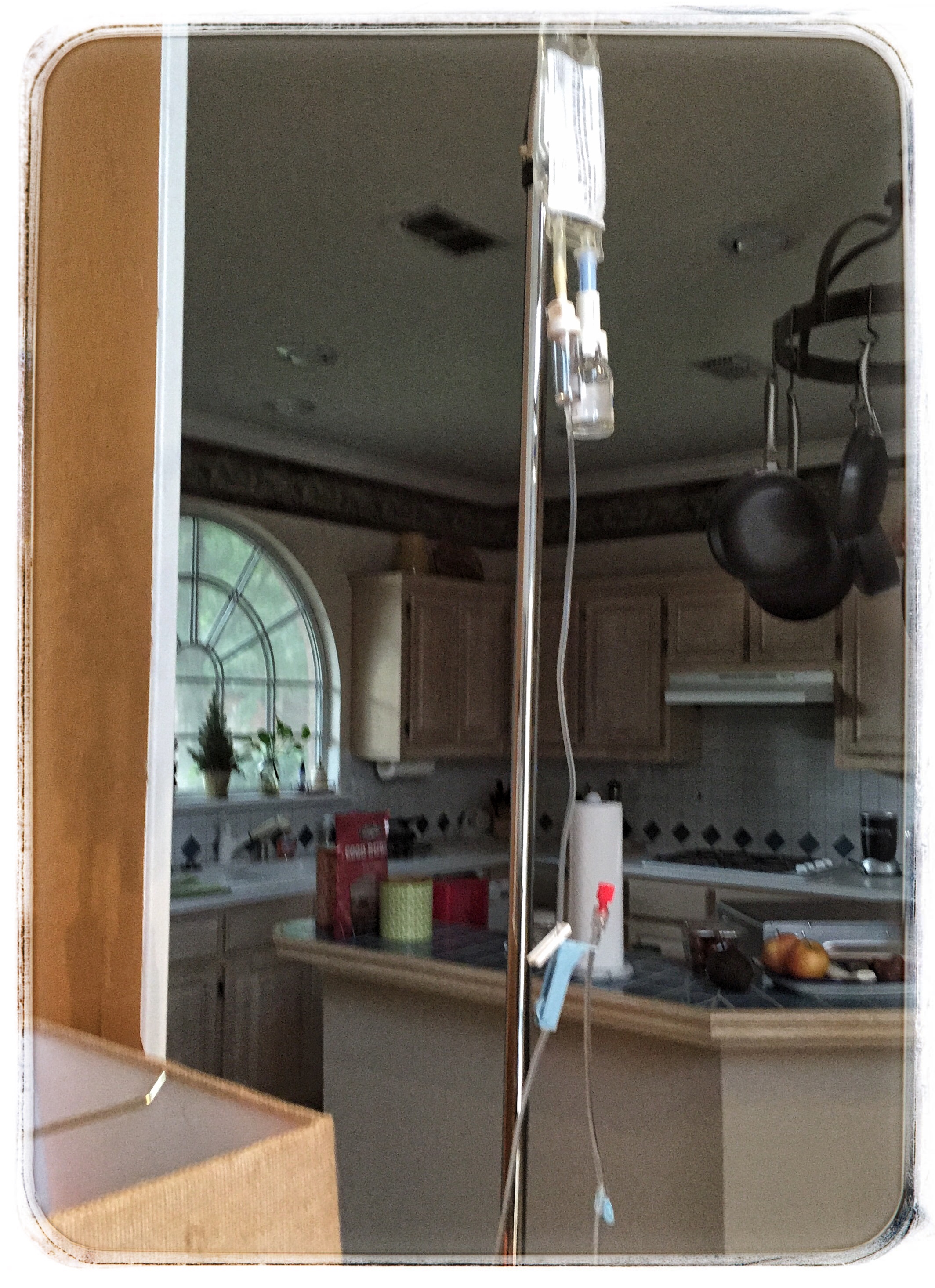
IV Antibiotic Infusion Therapy
Sterile Living
Medical Waste
Port Inserted
Container for sharps
B12 Shots
Meds first three months
Port RemovedShaved HeadWigCrowded Bedside TableStaying organized Tracking computer My brain waves.
A simple way to feel at ease is by taking a deep breath and practicing an encouraging mantra. A mantra is a positive statement repeated to promote calmness and concentration. We loving using them to create peace in our day! Today we’re sharing 7 of our favorite daily mantras plus a printable download too 💕
7 Daily Mantras of Encouragement
1. I will seek out the good in an unpleasant situation.
2. I will let go of one thing I cannot change.
3. I will trust my journey even if I may not understand it yet.
4. I will grant myself permission to be me.
5. I will practice kindness toward a stranger.
6. I will be the best version of me.
7. I will continue to check in with myself to ensure I’m on the right path.
CLICK HERE to print these mantras to display on your desk!
Is there a mantra you like to incorporate in your day? Share with us in the comments below!
She said she “busts her buttocks” during workouts in the name of brainpower, not to “get a certain body shape.”
Kristen Bell is crushing her quarantine home workouts. She recently shared a time-lapse video on Instagram showing herself doing a series of at-home cardio and strength moves, led by Los Angeles-based trainer Charlie Curtis.
Huffing and puffing between sets, a red-faced Bell can be seen doing weighted squats (with dumbbells), renegade row push-ups, boat pose, and burpees in her video. “I thought the burpees at the end would kill me,” she joked in her caption.
As exhausted as she was post-workout, Bell said she also felt “alive and incredibly grateful” for the “blood-pumping session.”
“I don’t work out to get a certain body shape. I work out for my mental health. And I notice a BIG difference when I do and when I don’t [work out],” she continued. “When I don’t, I’m sad, irritable, anxious, and lethargic. When I do, I’m content, motivated, peaceful, and energetic.” (To say the least, Kristen Bell’s realistic approach to working out is #goals.)
Of course, there’s no denying the many mental health benefits of regular exercise. As Bell said, working out—even socially distanced fitness—can help you stay alert, sharp, motivated, and ~alive~, thanks to the flood of mood-enhancing chemicals to your brain that follows a good sweat session.
Bell said she even made a new friend in one of her recent workout classes after being partnered up over Zoom. Imagine being so blessed that you’re Kristen Bell’s fitness buddy in a Zoom workout class?!
Please wash your hands and keep your distance. Virtual hugs. Have a great weekend. I hope you enjoy a little fun this week!
Melinda
Welcome back to Weekend Music Share; the place where everyone can share their favourite music.
Feel free to use the ‘Weekend Music Share‘ banner in your post, and don’t forget to use the hashtag #WeekendMusicShare on social media so other participants can find your post.
We’re grateful for this opportunity to connect with you. And we’ve been hard at work in the Lyme community … providing patient support, advocacy, education and awareness to those who need it most.
Needless to say, this year has fast become a period of significant change, adjustment, concern and uncertainty. Now more than ever, it’s important to remember that you’re not alone. We’re right here with you, experiencing the shifts and twists and turns.
We’re also here to remind you that Lyme Disease prevention is more important than ever. With so much distraction, it’s easy to forget that ticks are out full-force and posing serious health threats to you and your loved ones. We’re spending more time at home – which means more time in our yards and other outdoor places. And unfortunately, ticks don’t social distance.
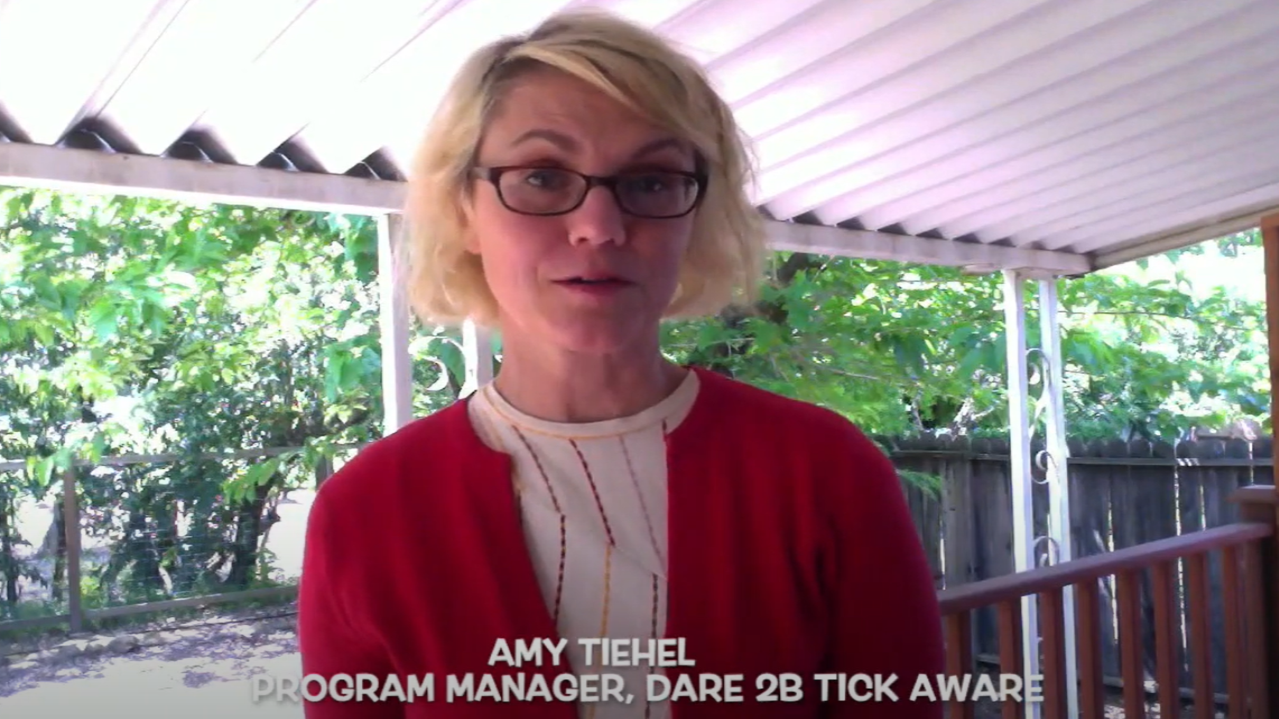
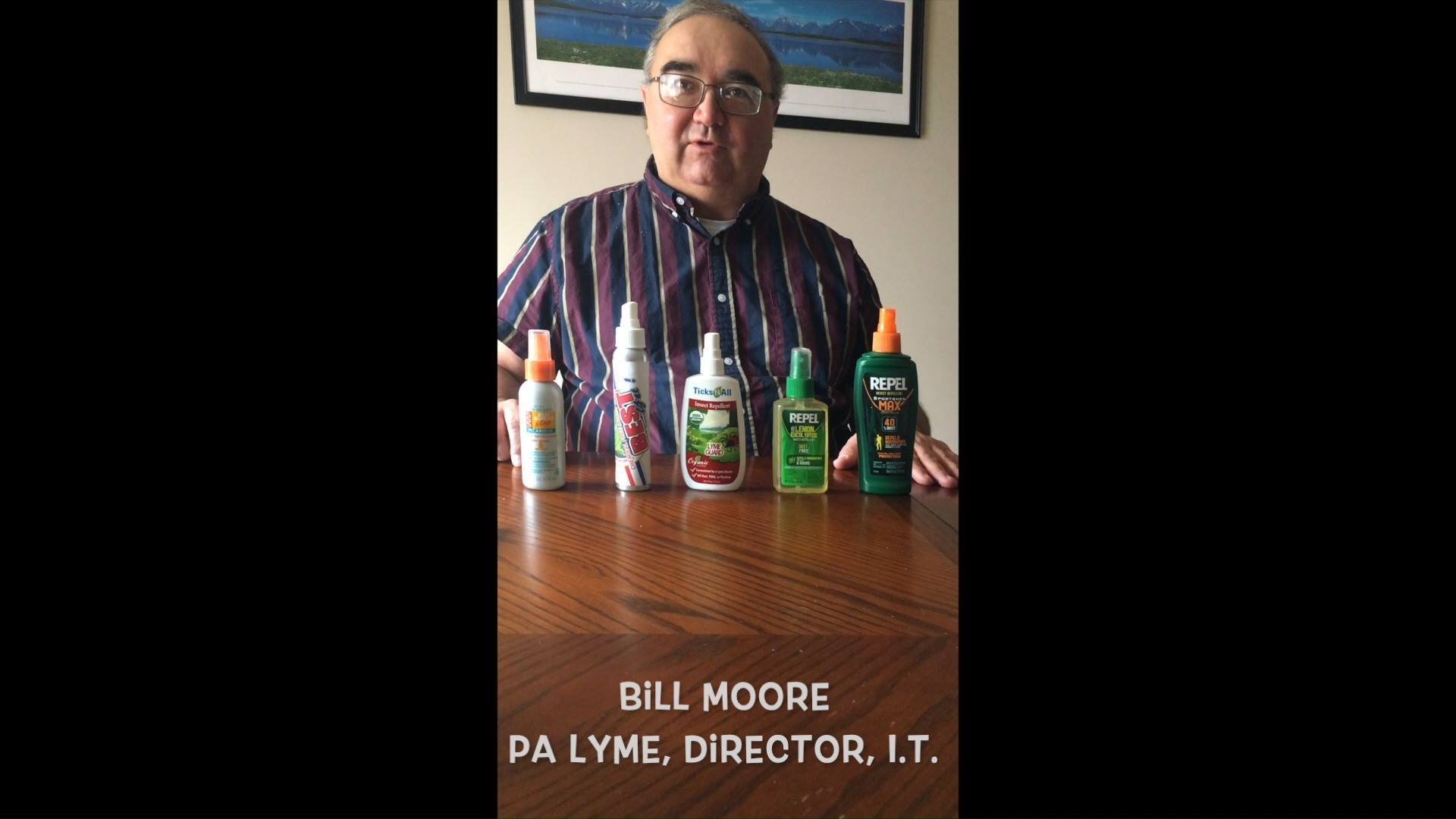
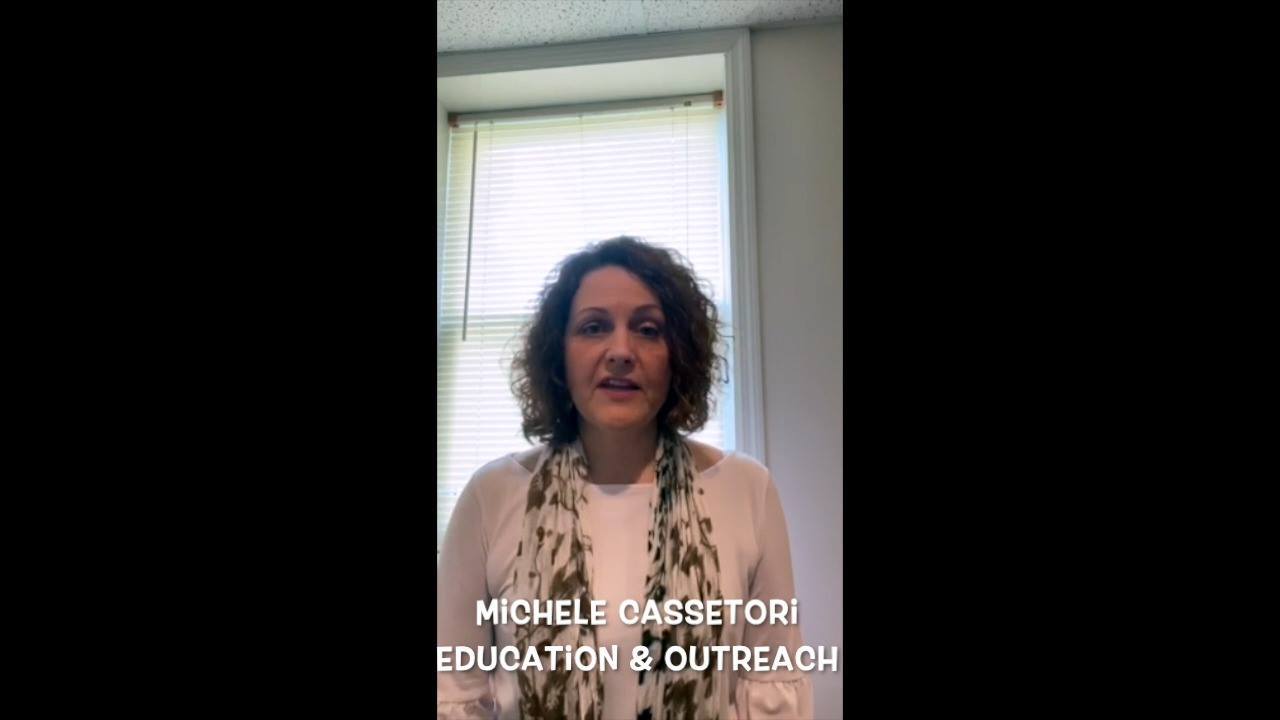
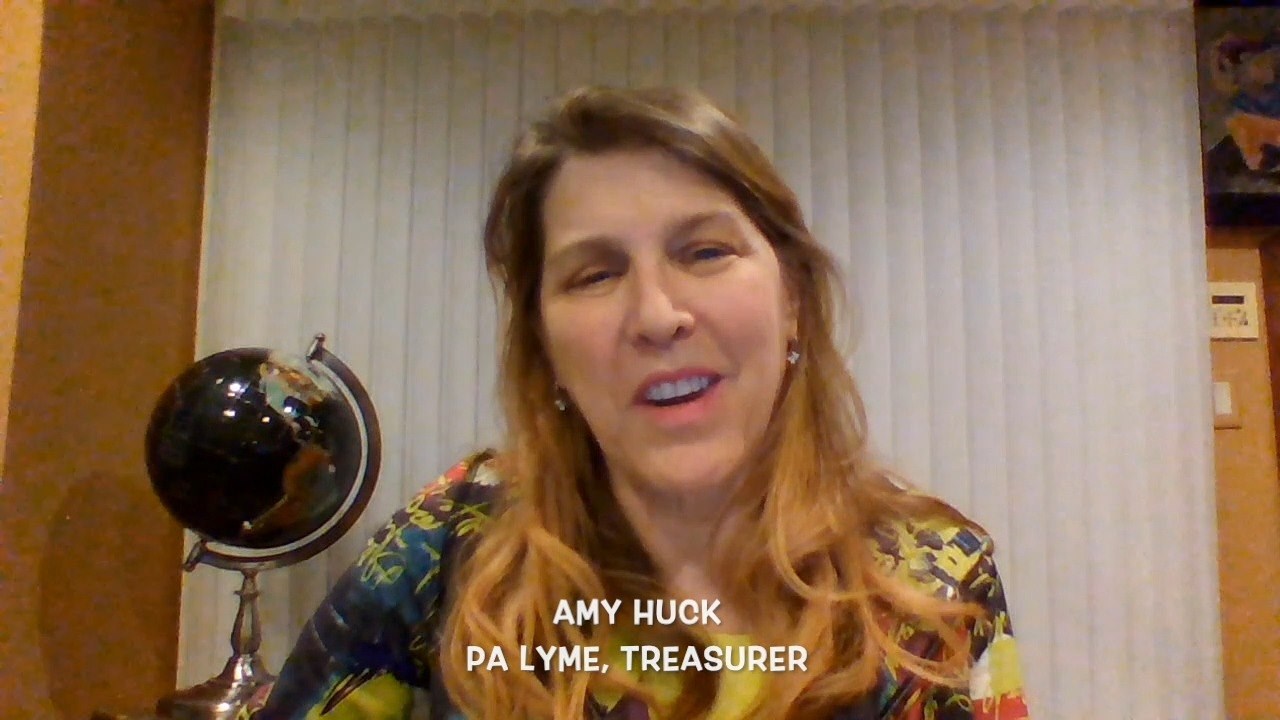
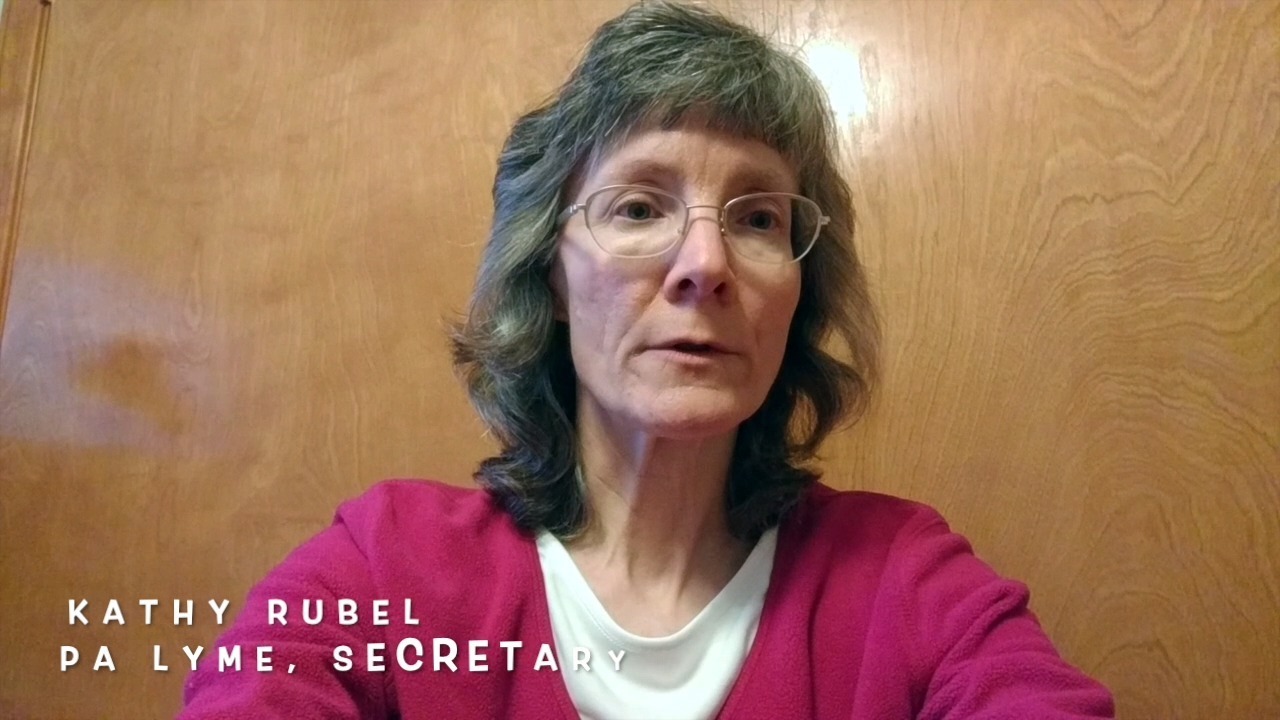
To honor May being Lyme Disease Awareness Month, we at PA Lyme have launched an informative awareness campaign! Our Board Members and Region Leaders are hopping in front of the cameras, introducing themselves and sharing our top prevention tips that are convenient, easy-to-implement and will help to keep you (and those you love!) safer.
Every day, we’re sharing videos, tips and how-to’s that enable you to enjoy the outdoors while knowing just what to do to keep a safe distance from ticks and the diseases they transmit.
You’ll find us sharing away on our social media pages – and right here in this newsletter.
We encourage you to #Dare2BTickAware by implementing these highly effective tips into your daily routine.
Here’s a sneak peek of what you’ll find on our Facebook, YouTube and Twitter pages! (Click each photo to watch!)
It’s all about Permethrin.
Make time for tick checks.
To DEET or not to DEET?
Wash ticks away.
Education is key.
Turn up the heat.
Did You Know?
Many lawn services now offer tick management programs.
PA Lyme’s Virtual Lyme Impact Series
The Coronavirus pandemic is forcing everyone to shift and adjust. We’ve been doing a lot of that ourselves, and one of our highest priorities has been ensuring that Lyme patients, caregivers and community members continue to receive our support.
Our in-person support group meetings are on hold until we’re once again safe to come together face-to-face. In their place, we’ve launched our Virtual Lyme Impact Series – a highly informative virtual series where we bring you top experts who are discussing the most crucial things that you need to know.
We are extremely grateful to have kicked things off with Dr. Chris Turnpaugh who covered the foundational principles to regain and retain health – an especially important and timely topic for anyone with a compromised immune system.
This online session has already reached thousands, and we encourage you to catch the replay if you couldn’t make the live discussion.
Watch this captivating conversation by clicking here.
Next up?
May 26th: Dr. Joseph Burrascano, pioneer in Lyme and tick-borne diseases.
June 9th: Rita Rhoads, CNP, MPH
Dare 2B Tick Aware Program Offering Virtual Options
Due to the COVID-19 social distancing mandates, the Dare 2B Tick Aware™ prevention program has transitioned from in person seminars to a virtual format. Tick awareness and prevention are more critical now than ever. Springtime weather coupled with social isolation has many taking advantage of being outdoors, such as family walks and kids playing in their backyards. Also, the mild, wet winter has created the perfect environment for ticks to thrive. Therefore,we continue our mission of tick borne disease education, support and advocacy.
The fair market value for the Dare 2B Tick Aware™ in-person presentation is $200. We have exhausted all grants and can no longer provide the program for free. Therefore, fundraising and paying customers must support it.
In order to view our presentation, a donation and basic demographic information are required. This allows us to fund and update the program and track demographic information on its reach.
For your donation you receive:
60-minute PowerPoint presentation with recorded narration covering:
Lyme Trends
Tick I.D.
Tick Habitat and Behavior
Prevention Information
Personal
Yard
Pet
Acting if bitten by a tick
Tick Removal
Tick Testing
Recognizing early symptoms
Seeking help if you get sick
There are two ways to see a Dare 2B Tick Aware™ Prevention Seminar:
60-minute PowerPoint Presentation with Recorded Narration. This option allows you/your group to view the PowerPoint on your own schedule. Click here to access.
LIVE Webinar specifically for your organization/company. If you are interested in a webinar for your group, please contact Amy Tiehel, Dare Program Manager, at atiehel@palyme.org to schedule. There is a fee associated with this, but this option includes a private LIVE webinar presented by a certified Dare facilitator, followed by a Q & A. These Live webinars are presented via Zoom.
For any questions regarding the Dare program, email Amy Tiehel at atiehel@palyme.org.
2 Steps to Better Prevention
Spray your skin with skin-safe repellent & your clothing with Permethrin.
Latest on Instagram
We Can’t Do This Without Your Help!
Your donations are VITAL to our community.
When you donate, you’re joining forces with so many others to truly make a difference for those who are facing the daily physical, emotional and financial struggles associated with Lyme Disease and other tick-borne illnesses.
Here are some other reasons to donate:
Because PA continues to lead the nation in the number of new Lyme Disease cases for 7 years running.
Because everyone is at risk.
Because Lyme Disease is preventable, and people need to know the risks and how to protect themselves.
Because your participation and donation raises awareness AND generates the funding that enables us to keep doing what we’re doing to keep our communities safe. (Free prevention seminars, patient/caregiver support, advocacy and legislation efforts … just to name a few.)
Due to the Coronavirus, all PA Lyme Support group meetings in May are cancelled. In their place, PA Lyme will be hosting a Virtual Lyme Impact Series, via Zoom webinar. Our second session is Tuesday, May 26, at 7-8:30 pm. REGISTRATION BELOW IS REQUIRED. Dr. Joseph Burrascano, MD. will cover COVID+Lyme, new Borrelia species, Disulfiram, food sensitives, and more.Topic: Living With Lyme Disease in a Fast-Changing World. Managing your health while navigating a shifting landscape.Speaker: Joseph Burrascano, MDWhen: Tuesday, May 26th from 7-8:30 pmRegistration is limited to first 100 people. To registerclick here. If you miss the cutoff for registration please go to the PA Lyme Resource Network Facebook Page to see a livestream of the webinar.
Our Contact Information PA Lyme Resource Network 211 South Main Street North Wales, PA 19454 . www.palyme.org
Join us on Tuesday, May 26 at 7:00 p.m. (ET) for a free, hour-long webinar that could be life-changing. This forthcoming Webinar of Recovery will offer a powerful message to male survivors of childhood sex abuse: There are many legal and personal paths to hold sex abusers accountable, and taking such action can be tremendously healing. Panelists will include a leading, New Jersey-based attorney who has successfully represented hundreds of male survivors in civil litigation. Also joining the discussion will be male victims who have held their predators accountable, and therapists/counselors engaged in helping men heal from the often-debilitating effects of sexual victimization. The event will have an open-discussion format, and attendees will be able to ask questions and get real-time answers. Visit MaleSurvivor Events page for complete details. Advance registration is required.The direct registration button is below.
Whether or not a woman plans on having a child or not, it’s important to understand what postpartum depression is and how it works. It can affect many women, including yourself and the women you care about. There is a lot of misinformation surrounding postpartum, which is why it’s imperative to know the facts from […]
It’s been six months since I’ve had a bad flare, the freedom from severe pain has allowed me to do more chores around the house. I bought a Bona Microfiber mop and go around singing “me and my mop”! Crazy I know but it’s been years since I’ve done regular cleaning let alone enjoyed it.
I’ve learned to not let Fibromyalgia define me, I’m a whole person. One with a life that includes Fibromyalgia, Mental Illness, other chronic illnesses, a four-legged child, a husband, and a personal life.
I’m learning about the importance of taking care of my immune system, taking supplements for the first time. Eating a bit healthier and losing a few pounds.
Self-care is in the front of my mind every day when I have a flair it takes a back seat but now I make sure there is a least one thing I do for myself to make me feel better. Maybe it’s a foot soak, I’ve bought new make-up even though I haven’t had a chance to wear. I’ve upgraded my skincare regimen and I’m worth it.
Another big change in self-care is we have premade food delivered three days a week and every other week I have premade smoothies delivered. I have found it doesn’t cost us much more, we’re eating healthier and saving a lot of time. We’ve also spent more time in the kitchen together. Since all you have to do is cook in the pan we can take turns fixing dinner. Something I haven’t done in years.
I know a flare can come at any time, I’ve been diagnosed with a new immune disorder and my mental health thankfully is stable. I can’t let my illnesses consume my thinking, my life, and my writing.
I have varied interests, my flowers, tomato plants, photography, my bird garden, and expanding my mind. All of which I get to enjoy now and don’t take for granted.
On June 1 we’ll be retiring our older WordPress.com editor and transitioning to the more recent (and more powerful) WordPress block editor. Want to know how this may affect your site and what you can expect? Read on. If you’ve launched your WordPress.com site in the past year and a half you may have never […]
1. Think well of myself. 2. Remember how far I have already come. 3. Refuse to ruminate over past mistakes or failures. 4. Refuse to get pulled down by others’ negativity. 5. Enjoy life’s little pleasures – like flowers and sunrises. 6. Be present in this moment. 7. Breathe, relax, and smile.
I was nominated for The Sunshine Blogger Award by TANGIE at https://www.tangietwoods. Tangine has won the 2020 Outstanding Blogger Award along with many other awards for her great blog.
This a caption from one of her first post.
An “Undivided Heart,” my theme, my motif I carry forth. The etymology of my theme comes from the sundry challenges of being a Christian, wife, mother, grandmother along with burdens of employment and health issues. I am sure to be not alone wearing these various “hats” of life, or feeling divided by these necessary distractions between the spiritual and the carnal worlds desiring to live in just one, the spiritual. Does this sound like you? Can you relate? https://tangietwoods.blog/2019/06/
I can relate and encourage you to check out her blog. Due to my health conditions I’m not participating in the award but wanted to introduce her to my community.
Here’s something different for a Stream of Consciousness Saturday prompt: The word is, “want.” Make the word “want” the first, second, or third word of your post. Have fun!
I want all the rain we’ve received in the past two weeks to get stored up and available in July when there is little to no rain in Texas. It’s rained close to two inches this weekend already, when we think it’s lightening up here comes another downpour.
The upside to all this rain is how all my flowers are blooming out so beautifully and growing fast. We have tomatoes on all six plants and looks like another bumper crop for just the two of us.
Have a great weekend! See you next week.
Melinda
Join us for the fun and sharing good media stories.
For more on the Stream of Consciousness Saturday, visit Linda Hill’s blog. Here’s the link:https://lindaghill.com
Here are the rules for SoCS:
Your post must be stream of consciousness writing, meaning no editing, (typos can be fixed) and minimal planning on what you’re going to write.
Your post can be as long or as short as you want it to be. One sentence – one thousand words. Fact, fiction, poetry – it doesn’t matter. Just let the words carry you along until you’re ready to stop.
There will be a prompt every week. I will post the prompt here on my blog on Friday, along with a reminder for you to join in. The prompt will be one random thing, but it will not be a subject. For instance, I will not say “Write about dogs”; the prompt will be more like, “Make your first sentence a question,” “Begin with the word ‘The’,” or simply a single word to get your started.
Ping back! It’s important, so that I and other people can come and read your post! For example, in your post you can write “This post is part of SoCS:” and then copy and paste the URL found in your address bar at the top of this post into yours. Your link will show up in my comments for everyone to see. The most recent pingbacks will be found at the top. NOTE: Pingbacks only work from WordPress sites. If you’re self-hosted or are participating from another host, such as Blogger, please leave a link to your post in the comments below.
Read at least one other person’s blog who has linked back their post. Even better, read everyone’s! If you’re the first person to link back, you can check back later, or go to the previous week, by following my category, “Stream of Consciousness Saturday,” which you’ll find right below the “Like” button on my post.
Copy and paste the rules (if you’d like to) in your post. The more people who join in, the more new bloggers you’ll meet and the bigger your community will get!
As a suggestion, tag your post “SoCS” and/or “#SoCS” for more exposure and more views.
Psychiatrists are warning of a “tsunami” of mental illness from problems stored up during lockdown.
They are particularly concerned that children and older adults are not getting the support they need because of school closures, self-isolation and fear of hospitals.
In a survey, psychiatrists reported rises in emergency cases and a drop in routine appointments.
They emphasised that mental-health services were still open for business.
‘Patients have evaporated’
“We are already seeing the devastating impact of Covid-19 on mental health, with more people in crisis,” said Prof Wendy Burn, president of the Royal College of Psychiatrists.
“But we are just as worried about the people who need help now but aren’t getting it. Our fear is that the lockdown is storing up problems which could then lead to a tsunami of referrals.”
A survey of 1,300 mental-health doctors from across the UK found that 43% had seen a rise in urgent cases while 45% reported a reduction in routine appointments.
One psychiatrist said: “In old-age psychiatry our patients appear to have evaporated, I think people are too fearful to seek help.”
Another wrote: “Many of our patients have developed mental disorders as a direct result of the coronavirus disruption – eg social isolation, increased stress, running out of meds.”
Dr Bernadka Dubicka, who chairs the faculty of child and adolescent psychiatry at the RCP, said: “We are worried that children and young people with mental illness who may be struggling are not getting the support that they need.
“We need to get the message out that services are still open for business.”
Dr Amanda Thompsell, an expert in old-age psychiatry, said using technology to call a doctor during lockdown was difficult for some older people.
They were often “reluctant” to seek help, and their need for mental-health support was likely to be greater than ever, she added.
‘Clear priority’
Mental-health charity Rethink Mental Illness said the concerns raised were supported by evidence from people living with mental illness.
In a survey of 1,000 people, many said their mental health had got worse since the pandemic had started, due to the disruption to routines that keep them safe and well.
“The NHS is doing an incredible job in the most difficult of circumstances, but mental health must be a clear priority, with investment to ensure services can cope with this anticipated surge in demand,” said the charity’s Danielle Hamm.
She said it could take years for some people to recover from the setbacks.
Sending a special shout out to all the front line workers, grocery stores, delivery businesses, everyone doing their part to keep our countries safe and moving forward. Wash your hands and keep your distance. Virtual hugs. Have a great weekend.
Melinda
Welcome back to Weekend Music Share; the place where everyone can share their favourite music.
Feel free to use the ‘Weekend Music Share‘ banner in your post, and don’t forget to use the hashtag #WeekendMusicShare on social media so other participants can find your post.
If you are feeling suicidal please reach out to a medical professional or go to the nearest hospital. If you think you will hurt yourself or others go to the hospital right away. Hospitals are prepared to help during this time as always.
Melinda
This is a repost from 2015 I thought might help someone today. If you’ve reached the bottom and not sure where to turn, please talk to your doctor about all of your options. ECT has allowed me to celebrate my 56th birthday this year.
I’ve had 20+ ECT treatments. The treatments are necessary when I hit bottom becoming delusional and suicidal. I hope to shine a light on ECT and dispel the myths. Please keep an open mind,the procedure may save your life. In my experience a Psychiatric facility associated with a respected hospital is far superior to chain facility’s. This post is based on top facility in area. I will share the experience with the worst in another post.
I’ve had treatment in-house and outpatient. For me a crisis with suicidal thoughts are best handled in-house with 24 hour care. I’ll share step by step how ECT is handled at UTSW in Dallas.
You arrive and change to a gown, the RN calls you to patient area to make sure your meds have not changed. UTSW has strict processes to prevent mistakes. You will be asked you name many times. The RN prepares an IV in your arm which is used for a short acting anesthesia and muscle relaxer.
When it’s your turn, you walk into a small operating room. There you will see your doctor, several RN’s and anesthesiologist You meet everyone, again double checking you ID bracelet. They ask if you have questions. Usually they are answered by doctor prior to treatment. The anesthesiologist will ask a couple of questions about allergy’s.
You lay down in hospital bed, your heart is monitored throughout. The doctor is logging type of ECT. Usually the ECT machine is right by your head. The RN will take your socks off so your feet can be seen. The movement of the foot tells the doctors you had seizure.
A tech is next to you with an oxygen mask, being claustrophobic I ask if he’ll wait till last-minute to put it on. The muscle relaxer is inserted in IV to allow time to work. The doctor will place ECT “head-gear” on. You will also be given a mouth guard. A RN or tech will take doctors instructions on where to place the electrodes.
You will have your arm band checked several times. I love the quality process UTSW University has in place. The head RN will ask if everyone is ready to time out. They will run through who the patient is, what type of ECT having and is everyone ready.
The Anesthesiologist injects, you falls right to sleep. The procedure only takes minutes. When you wake up you have a RN assigned to your recovery They usually juggle a couple of people. You may get some juice for your dry throat. Once all the effects have worn off and IV removed, you can usually get dresses and walk around so RN can see you’re ok. You’ll receive follow-up instructions. Sign the release paperwork and the RN talks to who will drive you home. No driving yourself after ECT.
Typical side effects, jaw hurts from the seizure, may have headache and lethargic from meds in IV. It takes significantly longer to get you ready than perform the treatment.
A couple of notes: there are several positions doctors can use for ECT treatment. I think most common are Unilateral and Bilateral. I’ve had both and prefer Unilateral. You may have to do more treatments to feel improvement however you don’t lose as much short-term memory.
Bilateral treatment has its benefits, it works faster. You may lose some short-term memory. When I say short-term memory, memories right before treatment and right after.
In the DFW area UTSW/Zale is where you want to go if having ECT or staying in-house.
Parasite prevalence mapsEducational website includes a US map down to the county level, showing where dogs have tested positive for Lyme, anaplasmosis, erhlichiosis and other diseases. Also, information about protecting your pet from tick-borne diseases.
CAPC The Companion Animal Parasite Council has comprehensive information about how to protect your pets from ticks and other parasites.
National Coalition of Anti-Violence Programs: A coalition of programs that document and advocate for victims of anti-LGBT and anti-HIV/AIDS violence/harassment, domestic violence, sexual assault, police misconduct and other forms of victimization. Site has a list of local anti-violence programs and publications. Hotline: 212.714.1141
The Trevor Project:Help and suicide prevention for LGBTQ youth. Hotline: 866.488.7386
GLBT National Hotline:Call center that refers to over 15,000 resources across the country that support LGBTQ individuals. Hotline: 888.THE.GLNH (843.4564) pen pals, weekly LQB and T chatrooms for youth
FORGE (For Ourselves: Reworking Gender Expression): Home to the Transgender Sexual Violence Project. Provides services and publishes research for transgender persons experiencing violence and their loved ones.
Spring is in the air in Texas. All six tomatoes have babies on them and plenty of blooms. We will have enough tomatoes to keep the two of us thru the summer. Have a great day, I’m so glad you stopped by today. Melinda











































 Looking for the Light
