Mix together the sea salt and the grapeseed oil in a bowl or jar. Add essential oils, and mix well. Transfer to a jar for storing or gifting. As you use the scrub, the oil and salt may separate: give a quick stir before using it. To use, gently massage a bit of the salt scrub onto wet skin using a circular motion. Rinse with warm water.
Notes:
Citrus essential oils can cause possible skin sensitivity, particularly in sunlight.
If you’re pregnant or taking prescription medications, please consult your physician before using essential oils.
Earlier in the month I was diagnosed with persistent Hypocalcemia. The lack of calcium can cause many problems but the most troubling to me at this time is more Osteoporosis which I already have in my hip and heart complications, which I already have several heart issues.
Like everyone my appointment was pushed out and we wait out the social distancing to get back to normal. I’m lucky that I don’t have the worst symptoms yet.
Calcium is a vital mineral. Your body uses it to build strong bones and teeth. Calcium is also needed for your heart and other muscles to function properly. When you don’t get enough calcium, you increase your risk of developing disorders like:
It’s important to ensure proper calcium intake at all ages.
For children and teenagers, the recommended daily allowances for calcium are the same for both sexes. According to the National Institutes of Health (NIH), the daily allowances are:
Women need to increase their calcium intake earlier in life than men, starting in middle age. Meeting the necessary calcium requirement is particularly important as a woman approaches menopause.
The hormone disorder hypoparathyroidism may also cause calcium deficiency disease. People with this condition don’t produce enough parathyroid hormone, which controls calcium levels in the blood.
During menopause, women should also increase their calcium intake to reduce the risk of osteoporosis and calcium deficiency disease. The decline in the hormone estrogen during menopause causes a woman’s bones to thin faster.
Other causes of hypocalcemia include malnutrition and malabsorption. Malnutrition is when you’re not getting enough nutrients, while malabsorption is when your body can’t absorb the vitamins and minerals you need from the food you eat. Additional causes include:
low levels of vitamin D, which makes it harder to absorb calcium
medications, such phenytoin, phenobarbital, rifampin, corticosteroids, and drugs used to treat elevated calcium levels
“Hungry bone syndrome,” which may occur after surgery for hyperparathyroidism
removal of parathyroid gland tissue as part of surgery to remove the thyroid gland
If you miss your daily dose of calcium, you won’t become calcium deficient overnight. But it’s still important to make an effort to get enough calcium every day, since the body uses it quickly. Vegans are more likely to become calcium deficient quickly because they don’t eat calcium-rich dairy products.
Calcium deficiency won’t produce short-term symptoms because the body maintains calcium levels by taking it directly from the bones. But long-term low levels of calcium can have serious effects.
Calcium deficiencies can affect all parts of the body, resulting in weak nails, slower hair growth, and fragile, thin skin.
Calcium also plays an important role in both neurotransmitter release and muscle contractions. So, calcium deficiencies can bring on seizures in otherwise healthy people.
If you start experiencing neurological symptoms like memory loss, numbness and tingling, hallucinations, or seizures, make an appointment to see your doctor as soon as possible.
Contact your doctor if you have symptoms of calcium deficiency disease. They’ll review your medical history and ask you about family history of calcium deficiency and osteoporosis.
If your doctor suspects calcium deficiency, they’ll take a blood sample to check your blood calcium level. Your doctor will measure your total calcium level, your albumin level, and your ionized or “free” calcium level. Albumin is a protein that binds to calcium and transports it through the blood. Sustained low calcium levels in your blood may confirm a diagnosis of calcium deficiency disease.
Normal calcium levels for adults can range from 8.8 to 10.4 milligrams per deciliter (mg/dL), according to the Merck Manual. You may be at risk for calcium deficiency disease if your calcium level is below 8.8 mg/dL. Children and teens typically have higher blood calcium levels than adults.
Calcium deficiency is usually easy to treat. It typically involves adding more calcium to your diet.
Do not self-treat by taking a lot of calcium supplements. Taking more than the recommended dose without your doctor’s approval can lead to serious issues like kidney stones.
Commonly recommended calcium supplements include:
calcium carbonate, which is the least expensive and has the most elemental calcium
calcium citrate, which is the most easily absorbed
calcium phosphate, which is also easily absorbed and doesn’t cause constipation
It’s important to note that some medications could interact negatively with calcium supplements. These medications include:
blood pressure beta-blockers like atenolol, which may decrease calcium absorption if taken within two hours of taking calcium supplements
antacids containing aluminum, which may increase blood levels of aluminum
cholesterol-lowering bile acid sequestrants such as colestipol, which may decrease calcium absorption and increase the loss of calcium in the urine
estrogen medications, which can contribute to an increase in calcium blood levels
digoxin, as high calcium levels can increase digoxin toxicity
diuretics, which can either increase calcium levels (hydrochlorothiazide) or decrease calcium levels in the blood (furosemide)
certain antibiotics such as fluoroquinolones and tetracyclines, whose absorption can be decreased by calcium supplements
Sometimes diet changes and supplements aren’t enough to treat a calcium deficiency. In this case, your doctor may want to regulate your calcium levels by giving you regular calcium injections.
You can expect to see results within the first few weeks of treatment. Severe cases of calcium deficiency disease will be monitored at one- to three-month intervals.
You can prevent calcium deficiency disease by including calcium in your diet every day.
Be aware that foods high in calcium, such as dairy products, can also be high in saturated fat and trans fat. Choose low-fat or fat-free options to reduce your risk of developing high cholesterol and heart disease.
While meeting your calcium requirement is very important, you also want to make sure you’re not getting too much. According to the Mayo Clinic, upper limits of calcium intake in milligrams (mg) for adults are:
2,000 mg per day for men and women 51 years of age and up
2,500 mg per day for men and women 19 to 50 years of age
You might want to supplement your diet by taking a multivitamin. Or your doctor may recommend supplements if you’re at high risk for developing a calcium deficiency.
Multivitamins may not contain all of the calcium you need, so be sure to eat a well-rounded diet. If you’re pregnant, take a prenatal vitamin.
Vitamin D
Vitamin D is important because it increases the rate calcium is absorbed into your blood. Ask your doctor how much vitamin D you need.
To increase your calcium intake, you can add food rich in vitamin D to your diet. These include:
TEENS ARE GETTING TOO little sleep, not enough exercise and spending far too much time online. Research tells us so (if you need proof), and it’s also clear that when teens don’t take care of themselves, it can affect their mental health.
(FUSE/GETTY IMAGES)
That’s all the more reason parents should teach their kids about the fundamentals of good self-care. And that means getting back to the basics, such as eating well, getting plenty of sleep and exercising more. That may be easier said than done, as adults know. But if you want your teen to live a healthier life, it’s important to pay attention to these three pillars of health.
Here’s what you should know about the benefits of these forms of self-care for kids – and what happens if they’re ignored.
Establishing Healthy Eating Habits
Most have heard the saying, “You are what you eat” – and nothing could be more accurate when it comes to food and mental fitness. Food choice really does have an impact on how we feel and look. For example, it’s not uncommon to hear people say that when they eat better, they feel better. The food we put in our mouths is the fuel that we run on. And when we opt for premium nutrients, we simply run better.
The same is true for our teens. Yet, too many of our young people run on junk food. According to the Centers for Disease Control and Prevention, more than a third of our nation’s youth eat fast food daily.
Research indicates that fuel choice may be hurting their bodies and mental health. In one study published in Physiological Reports, researchers followed 84 middle school students. They monitored sodium and potassium excretion and depressive symptoms for a year and a half. The findings suggested that for adolescents, consuming foods that are high in sodium, a mineral frequently found at high levels in junk food, and those that are low in potassium was related to an increase in depressive symptoms. The researchers concluded that poor diet was, in fact, a risk factor for depression.
What we eat impacts how we think, feel and act. That’s why it’s essential to help your teen establish healthy eating habits. Many teens gravitate toward junk food because it’s convenient and fits into their busy lifestyles, but that doesn’t have to be the case. It’s just as easy to opt for an apple as it is for a bag of chips. There is just no way around it – a healthy body helps support a healthy mind.
Sleeping More
The National Sleep Foundation recommends that children ages 14 to 18 sleep eight to 10 hours a night, but the vast majority of youth aren’t even coming close to that recommendation. On average, most teens get about 7.5 hours of sleep a night. It comes as no surprise that sleep deprivation takes a toll on their mood.
As reported by the American College of Neuropsychopharmacology, researchers at the University of Pittsburgh found that when teens experience sleep loss, even for short periods, it increased their risk for mood disorders. In this particular study, 35 participants, aged 11 1/2 to 15 years, were monitored in a sleep lab for two nights, with half of them sleeping for 10 hours and the remaining sleeping for four hours.
A week later, they returned to the lab and switched sleep schedules from their initial visit. During their time at the lab, they underwent brain scans monitoring the reward center of their brain while playing a game and also completed emotional functioning and depressive symptoms assessments. The data indicated that sleep deprivation affected the putamen, an area of the brain that is responsible for goal-based movements and learning from rewards.
Consequently, there was a link between sleep deprivation and their reported depressive symptoms, too. Participants who did not get enough sleep reported feeling more depressed than their well-rested peers.
Overall, the results suggested that inadequate sleep during adolescence may affect how the brain processes reward and increase the likelihood of depression and risk-taking behavior. When teens were sleep-deprived, they didn’t make the best choices. According to this study, sleep not only helps kids feel better, it also helps them make better choices.
Make sure that your teen is getting enough sleep by limiting screen time before bed and establishing a good bedtime routine, particularly on school nights when they are more apt to sleep less. It’s also important for kids to keep their phones away from their beds at night. Just a few simple tweaks in their bedtime routine can make all the difference, because a well-rested teen is a happier and healthier teen.[
The U.S. Department of Health and Human Services recommends that teens get at least an hour of moderate or vigorous physical activity each day. Still, according to a study in Preventive Medicine, young people are getting about as much exercise as a 60-year-old.
In Latin, there’s a saying: “mens sana in corpore sano.” When translated, it means: “a healthy mind in a healthy body.” And researchers have shown that a healthy body does indeed contribute to a healthy mind, especially when it comes to anxiety and depression.
A study published in the American Journal of Psychiatry reported that exercise could reduce the risk of developing depression. In this study, researchers monitored the physical activity of 266,939 participants from around the world for more than seven years. Their findings showed that when people were more active, their risk of developing depression decreased regardless of how old they were and where they lived.
These findings support a large body of literature that has linked physical activity with improved mood. In fact, there’s some evidence to suggest that exercise is as effective in treating depression as antidepressants. Now, that’s something to consider.
Establishing healthy habits begins early. It’s important to get our kids moving because an hour a day can go a long way toward promoting physical and mental well-being.[
All things considered, it’s incredible how some of life’s most basic tasks, such as eating well, getting a good night’s sleep and exercising, can positively impact our children’s well-being. There’s just no way around it: A healthy body and a healthy mind really begin with the basics of self-care. 12 Questions You Should Ask Your Kids at DinnerView All 14 Slides
I started taking my self-care routine to the next level about a year ago by going to bed at 8:00 P.M. every night. I spend roughly an hour unwinding, clearing the noise in my head so when my husband comes to bed I’m ready to go to sleep.Photo by Pixabay on Pexels.com
I turn on the salt lamp, get the diffuser going with some soothing essential oils, and roll an essential oil blend on my shoulders, and chest. I also use a relaxing Lavender scent hand cream and a Lavender essential oil stick to use under my nose for extra relaxing benefits.
All lights out, no computers, no reading, no television, nothing but the soft glow of the salt lamp.
Part of the new routine also includes sleeping 10 hours a night or as close as I can. It has made a huge difference in my mental health. Physically I feel rested and much less fatigued. I also allow myself naps if Fibromyalgia is ruling my day.
If you can’t sleep the extra hours or take naps, you can still incorporate most of the self-care tips into your daily routine. Self-care is so important whether you have a chronic illness or not. Make sure to put your health first as often as possible to have your best life.
It’s impossible to talk about travel right now without addressing coronavirus. As the COVID-19 virus continues to spread, sharing accurate information is crucial to both help stem fear and arm ourselves and our loved ones with knowledge. For this reason, we have created a guide on coronavirus, informed by reliable sources like the CDC and World Health Organization. Stay safe and healthy.
WHAT IS CORONAVIRUS (COVID-19)? According to the World Health Organization (WHO), coronaviruses are a large family of viruses that cause illness ranging from the common cold to more severe diseases such as Middle East Respiratory Syndrome (MERS-CoV) and Severe Acute Respiratory Syndrome (SARS-CoV). COVID-19 is a new strain of coronavirus that first emerged in Wuhan, China in 2019 and has since spread from country to country. When people are speaking about coronavirus, it actually refers to a classification of multiple viruses. But, the specific strand that is making headlines today is COVID-19.
WHAT ARE THE SYMPTOMS OF COVID-19? The symptoms of COVID-19 include a cough, fever, and shortness of breath. In severe cases, it can lead to larger respiratory problems and kidney problems. Symptoms typically appear 2-14 days after exposure to someone carrying the virus. The speed of transmission is cause for concern and still being studied, but it appears the virus can be contracted via cough and contaminated surfaces.
WHERE HAS THE VIRUS SPREAD SO FAR? As of 19 hours ago, the virus has spread to the following countries illustrated below. As of today (3/11), it has been called a global pandemic. WHY IS THIS ANY WORSE THAN THE FLU? The two key differences between this virus and the flu come down to knowledge and death rate. According to Live Science, scientists have studied the seasonal flu for decades. So, despite its danger, we know a lot about flu viruses and what to expect from them each season. In contrast, we know little about this new coronavirus strain. While we have since developed a flu vaccine and have treatment available, COVID-19 does not yet have available treatment. Likewise, the death rate of the common flu is 0.1% while COVID-19 is proving to have a higher death rate.
HOW CAN I PROTECT MYSELF? You can practice personal hygiene such as washing your hands frequently (for a minimum of 20 seconds each time), not touching your face, disinfecting surfaces, and opt-ing to stay home if feeling unwell. According to WHO, illness due to the virus is generally mild—especially in children and young adults. However, this coronavirus strain can cause serious illness and shouldn’t be taken lightly. About one in five people who catch it need hospital care.
IS THERE A TREATMENT AVAILABLE YET? There is no vaccine and no specific antiviral medicine to prevent or treat this virus. However, those affected should receive care to relieve symptoms. People with serious illness should be hospitalized. Most patients recover thanks to supportive care.
HOW DO I KNOW IF I HAVE IT? The availability of coronavirus testing varies from country to country and, in the United States, has political implications. If you are based in the United States, refer to this CDC page for where you can get tested.
DOES CORONAVIRUS IMPACT PREGNANT WOMEN? It appears pregnant women are no more likely than anyone else to have severe symptoms. In an analysis of 147 women, only eight percent experienced a severe disease and one percent were in critical condition, according to a report published by the World Health Organization. In short, you are not at a higher risk if you are pregnant.
WHAT IS THE IMPACT CORONAVIRUS IS HAVING ON TRAVEL? The arrival of COVID-19 has had widespread impacts on the travel industry. “Global travel is effectively shutting down,” explains Mark Zandi, chief economist for Moody’s Analytics. “It’s going to take a while to get it back up and running again. This is going to be a very tough year for the travel and tourism industry.” According to USA Today, the global travel research firm, Tourism Economics, says the travel industry is feeling the most acute coronavirus pain for three reasons: official travel restrictions, event cancellations (like SXSW), and risk aversion. The ripple effects these three things are hurting airlines, hotels, car rental companies, cruise lines, tourist attractions and other travel businesses worldwide.
FLIGHTS ARE SO CHEAP! SHOULD I BOOK A TRIP? Due to the financial fall out of the travel industry, airfare has never been cheaper. As tempting as it may be to hop on a plane right now, you need to exercise caution both from the standpoint of preventing further community spread and the risk of being stuck elsewhere should quarantine be implemented. Rather than plan an immediate trip, you can take advantage of low cost airfare by booking a vacation for later in the year.
Headache and migraine diseases captured attention nationally throughout February thanks to features on ABC’s Good Morning America, CBS’s Sunday Morning Show, and PBS’s NewsHour. Members of the INvisible Project were highlighted on all three stations.
On Feb. 25, Dr. William B. Young, a headache specialist at Jefferson Headache Center and contributing writer for the INvisible Project, discussed the reality and severity of millions of Americans who have migraine disease on the Sunday Morning Show.
That same week, Good Morning America (GMA) ran three segments on migraine. Jaime Sanders (also known as the Migraine Diva) and Robert Pushis and his family were filmed at their homes to show life with chronic migraine. Producers on the medical team for the show found the INvisible Project: 3rd Edition Migraine Diseases online and reached out to the participants to be featured on the show.
On Feb. 26, PBS’s NewsHour aired an eight-minute segment on migraine disease, exploring the state of treatment and advocacy efforts. PBS sent their camera crew to Washington, D.C., the week prior to film parts of Headache on the Hill. The segment featured cameos from two past INvisible Project participants—Dr. Amaal Starling, a headache specialist at Mayo Clinic; Shirley Kessel, founder of Miles for Migraine, whose three generations of family were featured in the first edition—along with INvisible Project writer, Dr. JoAnna Kempner, a sociologist at Rutgers University was also featured as she discussed the stigma of migraine throughout history.
In fact, a total of 19 INvisible Project participants and contributors were spotted.
“This has been an amazing month for the migraine and headache disease community,” says Nicole Hemmenway, interim CEO and Director of the INvisible Project. “We are so proud of our past participants for using their voices to speak up, and thrilled we were able to play a small role in helping them get the platform they deserve.”
I’ve recently been diagnosed with the immune disorder Hypogammaglobulinemia which requires the expertise of an Endocrinologist. My doctor isn’t sure how I contracted it since I don’t fit any noted categories.
Infusion treatments may become necessary for Hypogammaglobinemia, some patients only require one treatment and others require ongoing infusion treatment for life.
Hypogammaglobulinemia is a problem with the immune system that prevents it from making enough antibodies called immunoglobulins. Antibodies are proteins that help your body recognize and fight off foreign invaders like bacteria, viruses, and fungi.
Without enough antibodies, you’re more likely to get infections. People with Hypogammaglobulinemia can more easily catch pneumonia, meningitis, and other infections that a healthy immune system would normally protect against. These infections can damage organs and lead to potentially serious complications.
Several gene changes (mutations) have been linked to Hypogammaglobulinemia.
One such mutation affects the BTK gene. This gene is needed to help B cells grow and mature. B cells are a type of immune cell that makes antibodies. Immature B cells don’t make enough antibodies to protect the body from infection.
THI is more common in premature infants. Babies normally get antibodies from others through the placenta during pregnancy. These antibodies protect them from infections once they’re born. Babies that are born too early don’t get enough antibodies from their mothers.
A few other conditions can cause Hypogammaglobulinemia. Some are passed down through families and start at birth (congenital). These are called primary immune deficiencies.
They include:
ataxia-telangiectasia (A-T)
autosomal recessive agammaglobulinemia (ARA)
common variable immunodeficiency (CVID)
hyper-IgM syndromes
IgG subclass deficiency
isolated non-IgG immunoglobulin deficiencies
severe combined immunodeficiency (SCID)
specific antibody deficiency (SAD)
Wiskott-Aldrich syndrome
x-linked agammaglobulinemia
More oftenTrusted Source, Hypogammaglobulinemia develops as a result of another condition, called secondary or acquired immune deficiencies. These include:
If your Hypogammaglobulinemia is severe, you may get Immune Globulin replacement therapy to replace what your body isn’t making. You get this treatment through an IV. The immune globulin comes from the blood plasma of healthy donors.
Many people with and without Lyme are fearful of Coronavirus also called Covid-19. In my Seattle Lyme practice, I am answering questions about what one should do to protect themselves and to boost their immune systems. Many wonder if immune dysregulation, caused by Lyme, increases their chances of acquiring the virus, having a severe case, or even death.
Here is what I am discussing and recommending.
Coronavirus Severity
First, most people who get Covid-19 have mild to moderate illness. Also, even in Seattle, the chances of getting the infection are quite low. Let’s look more at the numbers.
There are numerous estimates of the death rate for Covid-19. These estimates I have read in the last few days range from 1.4 percent to 3.4 percent. This compares to .1 to .2 percent for the seasonal flu. According to the US Centers for Disease Control and Prevention, reports from China suggest 16% of people infected with Covid-19 will have a severe illness. This means 84% of people have mild to moderate infections.
While these statistics look bad, they probably dramatically over-estimate the severity of the illness. First, many with the illness appear to go undetected. If all people infected are accurately counted, this would drive down the suggested death rate and rate of severe illness. A great part of the death rate and illness severity is estimated based on cases in China. Compared to the US, the Chinese have a much greater rate of smoking. Smoking injures the lungs making it much more difficult for someone to tolerate the lung infection caused by Coronavirus.
Some experts suggest Covid-19 is much less infectious than the seasonal Flu while others think it is more infectious. Yet, at this point, even here in Seattle, the chance of getting Covid-19 is very small because this infection is still quite rare.
What About The Person with Lyme
At this time, we have no idea if someone with Lyme will have a greater problem handling this infection than any other person. Just because Lyme may suppress the immune system to fight Lyme, it does not mean the immune system is suppressed to fight other germs like new or even common viruses such as the Flu. In general, people who are over 60 or who have underlying heart or lung issues are the ones who are dying or have complicated illness.
Prevent Covid-19 Infection
There are some simple steps that people can take to prevent getting this infection. These are common recommendations put forward by public health departments like the US Centers for Disease Control and Prevention and Public Health – Seattle & King County. You can download the Seattle & King County flier here.
Avoid Close Contact with People Who Are Sick
Try to stand at least three feet away from someone who is ill or coughing. This decreases your chances of contacting respiratory and mucous droplets that carry the virus. If someone is coughing or sneezing, move away from them.
Wash Your Hands Frequently
Washing your hands for 20 seconds with soap and water or a hand sanitizer removes germs you may pick up. Simple soap works great.
Avoid Touching Your Face, Mouth, Nose, and Eyes
Covid-19 is spread through respiratory droplets. If these get on your hands and then you touch your face or parts of your face, you could spread the virus to yourself.
Support Your Innate Immune System
There are two parts of the immune system that fight infections. One part is called the “innate immune system” and the other is called the “acquired immune system”. The innate immune system fights new germs, like Covid-19, the body has never seen before.
The acquired immune system includes cells and antibodies primed to fight infections which the immune system has learned to fight. For instance, in chronic Lyme it is white blood cells and antibodies in the acquired immune system that help fight the infection. The acquired immune system also is activated by vaccines. See How to Boost The Immune System in Lyme for information about how to support the acquired immune system.
To fight Covid-19, it is the innate immune system that will act first. The innate immune system is composed of barriers like our skin and mucous membranes like those in the nose. It includes various types of immune cells like Natural Killer Cells (NK), Dendritic Cells, Macrophages, Phagocytes, and Mast Cells. Some of the innate immune cells produce protein virus and bacteria germ killers.
A healthy lifestyle helps. Both parts of the immune system work best when one gets seven to nine hours of sleep a night. Emotional toxins like stress and worry suppress immune function – so find ways to destress like counseling, meditation, keep hobbies, visit friends, and exercise.
There are a number of supplements one can take to support and boost the innate immune system.
Vitamin A supports mucous membranes that act like a barrier to keep germs out. Vitamin A also regulates the immune system.
Vitamin D modulates the immune system, prevents excess inflammation, helps macrophages kill germs, and increases antimicrobial proteins that kill germs. In the case of the Flu, people who take Vitamin D regularly have marked decrease in Flu symptoms and the severity of the Flu compared to those who do not take Vitamin D and have the Flu.
Beta-Glucans found in mushrooms like Reishi turn on Macrophages, NK cells, and Phagocytes.
Transfer Factors are proteins made by immune cells that turn on various cells like NK cells. One product made by Researched Nutritionals called Transfer Factor Multi-Immune is shown in a very small study to improve NK function by 600%.
Probiotics appear to prime most innate immune system cells.
Glutathione appears to help Dendritic Cells. This can be increased either by taking liposomal glutathione or N-Acetyl-Cysteine (NAC) which is a building block for glutathione.
My Recommendation
Prevent contact with the Covid-19 infection. See “Prevent Covid-19 Infection” section above or the Public Health – Seattle & King County flier for more information.
Practice a healty immune system supporting lifestyle. Get seven to nine hours of sleep a night. Find ways to lower stress like those mentioned above.
Use supplements to support innate immune system function*
Transfer Factor Multi-Immune by Researched Nutritionals 1 pill 2 times a day
Reishi Mushrooms 400 mg 1 pill 3 times a day
Vitamin A 5000 IU 1 time a day
Vitamin D 5000 IU 1 time a day. Be careful by working with your physician to keep your level between 50-80. Levels above 150 can be toxic.
Probiotics like Corebiotic by Researched Nutritionals or HMF Forte by Seroyal/Genestra 2 pills 1 time a day
NAC 500mg 1 pill 3 times a day or liposomal glutathione 500 mg 1 time a day.
You can find the supplements I recommend at my Austin, Texas based online store, Marty Ross MD Supplements.
* Be aware there is no research showing these will actually help someone with Lyme who acquires Covid-19. But based on their function, these may help.
Disclaimer
The ideas and recommendations on this website and in this article are for informational purposes only. For more information about this, see the sitewide Terms & Conditions.
Twenty-eight years ago my father killed himself, I was twenty-eight years old. It’s strange that my father has been dead as long as he was alive in my life.
I’ve written about his suicide many times over the years but this year feels different. It’s hard to put into words but I’ll share what words come to mind.
I knew you were going to kill yourself, you brought me to my knees with grief when you started yelling about dying. You said you needed money, I paid your bills for a year, that didn’t change anything. You were no longer the person I knew, you were delusional, you were hallowed.
I arrived at my grandparent’s house last, I walked in and said I knew daddy was going to kill himself. I don’t know if anyone felt anger towards me for knowing and not saying anything.
I felt guilty for a couple of years that I couldn’t stop his suicide but the fact is you can’t change anyone’s mind. Only the person in pain can decide to reach out and get help.
If you are trying to help someone who is saying they are going to kill themselves, don’t think you can help them by yourself. Be there for them but the only way for a positive outcome is to get professional help.
If the person is like my father and refuses to see how sick they are, do everything you can to make sense but know you can’t change a person’s mind.
Since its founding 25 years ago, MaleSurvivor has played a leadership role in advocating for male survivors who have experienced sex abuse in any context, either as children or adults.
Here’s a quick update: We’re planning our next major conference for 2021. It will mirror our groundbreaking series of biennial conferences that were available in years past. These events featured programs designed for therapists and male survivors. Participants benefitted significantly from the conferences, as the events served platforms for mutual learning, and a rich exchange of ideas and insights.The MaleSurvivor Dare to Dream program will be transitioned to a subscriber-based Webinar series. More details are coming soon on topics, presenters and the series schedule.Our website continues to feature two high-impact features – a Discussion Forum and Chat Room, exclusively serving male survivors. Our ever-increasing cadre of users now exceeds more than 14,000 survivors. Check it out at Discussion ForumThe MaleSurvivor website continues to include a easy-to-access – and frequently updated —Therapist Directory. It’s a great tool for finding professional help and support. Review it at: Therapist DirectoryOur community of volunteers is expanding. You’re invited to join us as we enhance our current service and support efforts today, and create a path to future success and impact. Interested in volunteering in some capacity? Contact: murray.schane@malesurvivor.org.Our Hope Healing and Support Team is a free, confidential resource for male survivors, and is comprised of doctoral trainees in clinical psychology programs.Team members are available to provide referrals and other key resources. If you’re interested, go to:HHSteam@malesurvivor.org MaleSurvivor is the longest enduring organization of its kind.Please consider joining our vast community of supporters by making a donation now. and please consider making your donation a monthly contribution.Donate HereMaleSurvivor.org | murray.schane@malesurvivor.comhttp://www.malesurvivor.org
“Just out of high school,” Dad continues. “Can you believe it?”
No, I can’t believe it. Bryant’s magnificent height and build make him look older to me, but his face is boyish and sweet, bearing a puckish grin. The crowd is going crazy and suddenly, so is my heart: it dawns on me that Kobe is the most beautiful boy (for I cannot yet see him as a “man”) I’ve ever seen.
I actually don’t remember much of Bryant’s first game, performance-wise; but I do remember how his sweat laced around his temples, and glistened on his cheekbones and that, at one moment, he was so close to me, I felt the hot wind surge off his body. I also remember (though admittedly, this may have happened later that season) that another player soared over me after the ball and, with his enormous foot, conked me right on the head. As people in nearby seat huddled around me asking if I was OK, my sole concern was whether Kobe had seen the embarrassing incident.
I never met Kobe Bryant, but I felt like I knew him, in fact, felt like I loved him, and when I learned that he died (along with 8 others, including his 13-year-old daughter, Gianna), my stomach lurched with the bad kind of butterflies and my eyes welled. I spent much of the day in bed, reading story after horrific story on the helicopter crash that snatched those beautiful lives away but an hour from where I was lounging around like it was any old Sunday morning in Los Angeles.
I was surely not alone in my despair as people around the globe took to social media to share their shock and dismay. Gay L. Polk-Payton, an attorney and judge in Mississippi who named her 21-year old son Gaybriel Jekobe (French for “I Kobe”) Payton, after Kobe Bryant had hardly gotten out of bed since she heard the news.
“I lost it when I found out he died,” Polk-Payton tells me, choking up. “And then when I found out Gianna was with him, his baby girl he nurtured so much and who idolized him, I just lost it all over again. I had to take [Monday] off of work. I’ve been in the same clothes for two days. I’m just a mess.”This grief is valid and the worst thing you can do is deny it
Polk-Payton is giving herself the time she needs to mourn and accepting that this is a real loss. Her way is the healthy and healing way to go about it, according to therapists.
A loss must be grieved whether it is a personal relationship or whether it is a relationship from a distance.
“This loss is very real because Kobe Bryant was a real person whom we all feel like we knew at some level,” says Tami Frye, a licensed master social worker and faculty member for Walden University’s Master of Social Work program. “He met a need for most of us by providing entertainment and by giving us joy. We pulled for him when we watched him play and we were saddened when we saw him lose. We felt in some way we were part of his life and he was part of ours. Now that part is over. An ending like this must be grieved. A loss must be grieved whether it is a personal relationship or whether it is a relationship from a distance.”A mortality wake-up call that challenges our sense of normalcy
Much like fellow NBC News BETTER contributor Vivian Manning-Schaffel did upon the death of The Cars’ frontman Ric Ocasek, I found myself wondering if I was really mourning Bryant, or if I was mourning those bonding times with my dad watching a legacy unfold on the Lakers’ home court. Such nostalgic melancholy certainly may play a role, but what’s perhaps more devastating, are the tragic circumstances around this particular kind of death — and the beaming potential of those who perished.
“There’s a huge sense of loss when people who are young and really excelling in life are stripped away from us out of the blue,” says Lauren Cook, a doctoral candidate in clinical psychology at Pepperdine University. “It’s really triggering as it’s a stark reminder of life’s unpredictability. We tend to go through our days with a sense of normalcy that we can take it for granted. A loss like this is something that humans, who crave homeostasis, find tragically alarming.”
Additionally, while we may have intellectually known that Kobe, like all humans, was not immortal, we may have never really considered his mortality before given his towering celebrity.
“Celebrities’ lives are always on display, and they always seem ‘larger than life’,” says Natalie Mica, a licensed professional counselor. “Their presence almost seems immortal, and their death destroys that illusion and puts us face to face with our own mortality as well as the loss of the illusion that life is safe and predictable.”
Mica adds that when a beloved celebrity dies, this loss of illusion happens on a collective level, which adds to the complexity and intensity of grief. “It is no longer an individual’s personal grief over loss, but ‘our’ grief,” Mica says. “Adding to this is the fact that each new loss can bring up the memory of prior losses. So, as we collectively mourn the loss of a celebrity such as Kobe, the pain of other losses can seep in as well. As we feel these losses together, a thread emerges that recognizes how precious and fragile life is. For a time, this grief gives us full contact with our shared humanity despite our differences.”by TaboolaSponsored StoriesWELLS FARGOWells Fargo Propel® CardYAHOO SEARCHThe Honda CR-V Will Take Your Breath Away. Search 2018 Honda CR-V
[A celebrity death] puts us face to face with our own mortality as well as the loss of the illusion that life is safe and predictable.
It might be tempting to try and push yourself back into your routine and simply get on with the week, but if this loss is hurting you, it’s important for your mental health to take the time to experience your feelings.
“Grief responses to a celebrity death are very real responses,” says Rachel Del Dosso, a licensed marriage and family therapist. “If you feel sadness, shock, anger, disbelief, fear, etc., those are all normal responses. People might think they are not allowed to grieve someone they did not personally know, but just because you didn’t personally know Kobe doesn’t mean he didn’t occupy an important space in your life. For many people he was a hero, someone to look up to, an inspiration, a symbol of strength and perseverance. Many people all across the country are mourning the loss of a very special person, and seeing someone larger than life pass so young (especially with all of the other children and parents on the helicopter) can bring up fears around our own mortality (and the mortality of our loved ones). it can bring up feelings of not feeling safe as well. For some children, it may be their first encounter with death. For their parents: let your children share about how much Kobe meant to them, make room for them to share their feelings, allow them to tell stories of special memories of him.”
Mica adds that grief is not only a measure of loss, “but of love, respect and hope. Honoring grief honors these things as well. Pushing past it, minimizing it or explaining it away invalidates our grief and our tie to this inevitable part of the human experience.”
If this loss has shaken you, it may be a while before you feel OK again. Be patient with yourself.
“To cope with this loss, it is critical to be gentle with yourself over the next couple of weeks,” says Nekeshia Hammond, a psychologist and author. She stresses that it’s important to surround yourself with family and friends to help you through this loss.
If no one in your family or friend group is terribly fazed by the tragedy, consider seeking community online.
“Social media — and the internet broadly — is a great way to find other people who are experiencing similar feelings so you can talk through what it means,” says Natalie Pennington, assistant professor of Communication Studies at University of Nevada, Las Vegas, specializing in online relationships, grief and social support. “Close friends and family may come together at a wake or funeral to commemorate the deceased, but when it is a celebrity, this can be hard for a broader group of people who weren’t close to the deceased, but still care.”
The next best thing you can do to cope with this loss (once you have fully processed it), is to use it to make you a better person.
“Helping others is the best way to prevent getting stuck or to get unstuck,” says Frye. “It changes the focus from your own pain and moves that focus onto others and their pain. Finally, remember the fact that Kobe Bryant did so much to help others; he took his fame and did good out of it. The best way to cope with this loss is to find a way to take the good you have from being a fan and incorporate that into your life. Let it make you a better person. Let it help you reach out to others.”More on BETTER
Dampen face with warm water. Apply small amount of oil to your hands and rub it all over your face, focusing on areas with heavy makeup. Rinse with water and wipe off your face with a dark cloth.
Note
You can use any carrier oil for this method. Certain oils work better for each skin type. Grapseeed or jojoba oil work great for once-prone skin, while sweet almond oil, sunflower oil, or olive oil work great for normal skin. Play around with the carrier oil to see which works best for you.
We are pleased to share that the Centers for Medicare & Medicaid Services (CMS) will cover acupuncture for chronic low back pain (CLBP).
The news comes following a series of open comment periods offered by CMS on the topic. We alerted our volunteers to the second comment period earlier this summer, and many of you took the time to respond. The second open comment period saw an impressive 644 submitted comments, most of them patients. (You can read U.S. Pain Foundation’s submitted comments here.)
Why this matters As an organization, we support public and private payer coverage of acupuncture for people living with all diseases, injuries, and conditions that cause chronic pain. This decision validates the advocacy work of many of us in the pain community, who have been urging CMS to cover more nonpharmacological therapies for chronic pain. While this one modality may not help everyone with chronic low back pain, it’s important that patients have the opportunity to try it. It’s also important because Medicare coverage standards help inform private insurance policy.
Who is eligible CMS defines chronic low back pain as lasting 12 weeks or longer, and as being nonspecific, in that it has no identifiable systemic cause, is not associated with surgery, and is not associated with pregnancy. Under this new decision, up to 12 visits in 90 days are covered for Medicare beneficiaries who meet the criteria. An additional eight sessions will be covered for those patients demonstrating an improvement; no more than 20 acupuncture treatments may be administered annually, with the treatment being discontinued if the patient is not improving or is regressing. For more details regarding CMS’s decision, click here.
Thanks to those of you who wrote in and helped move the needle on this issue. It’s a clear demonstration of how patient voices can have an impact.
Dear pain warriors, Increased stress, anxiety, and trouble sleeping are common for people living with chronic pain. Unfortunately, stress, anxiety, and poor sleep can make pain worse, and vice versa. It’s a vicious cycle. That’s why we are delighted to share a new tool for managing anxiety, stress, and sleep, and by association, managing pain: Flowly: Relaxation Training. Flowly is an iPhone app that combines biofeedback and virtual reality (VR) using either just your phone or a bluetooth sensor. From the comfort of your home, Flowly lets you see how your heart rate and breathing change as you engage in VR. By being able to see your heart rate and breathing, you can learn to make changes in your body to reduce anxiety, reduce pain, and in some cases, even increase sleep and focus. In case studies, Flowly helped reduce pain an average of 46 percent after each session. It is currently partnering with the National Institutes of Health (NIH) on an upcoming clinical trial. One-month, risk-free trialFlowly understands how important it is to be able to try a therapy option before investing money in it. Here’s how their one-month, risk-free trial works: download the Flowly app and sign up for the monthly or annual subscription. Flowly will automatically send you a kit, including one VR headset and heart rate sensor (the cost of the kit is included in your subscription). If you wish to discontinue Flowly, just send back the kit before the end of the first month, and they will refund your subscription and cover return shipping costs. If you want to continue with Flowly, you will keep the kit and continue with your subscription. You also can get a more general sense of the program without a subscription, just by downloading the app, which includes eight free videos with guided breathing, mindfulness exercises, and biofeedback. (Note that these eight free videos do not incorporate VR; the subscription and kit is required for a complete experience.)
A special discount for U.S. PainFor everyone who signs up by Feb. 16, Flowly is offering a 33 percent discount ($19.99/month or $119.99/year) using the code USPAIN2020. The code can be entered at the bottom of the subscription page. The subscription includes: A Flowly Kit, including one VR headset and one heart rate sensor (valued at $50) Entire library of relaxing VR worlds2D content you can experience when you’re on the go Physiological reports unique to you to track your progress The U.S. Pain discount lasts one year, after which you will continue at the standard rate. For questions about the trial and/or subscriptions, contact Flowly. Want to learn more?Join us on Thursday, Jan. 30, at 9:30 pm EST for a Facebook Live event with Flowly founder, Celine Tien. Celine will answer questions and a patient will demonstrate how the program works. If you have a question you’d like Celine to answer during the Facebook Live, email us! Sincerely,
After working with a Pain Management doctor for six months he’s determined I’m a good candidate for a Spine Stimulator. It works by leads placed in your mid-back attached to the implanted stimulation device, the stimulation disrupts the pain signals to the brain thus relieving the pain. I had my psychological evaluation yesterday and now waiting for insurance approval. My hope is to have the trial surgery in early February.
Looking For The Light is a proud member of the Chronic Illness Bloggers Network. I joined six months ago and want to remind others who may be interested in joining or utilizing the resources they have available.
Licensed professional counselor (LPC) Ruth Drew oversees the Alzheimer’s Association’s 24-hour helpline, which offers support to those facing the challenges of dementia and Alzheimer’s disease, including families and caregivers. The fact that the helpline receives more than 300,000 calls each year hints at the heart-wrenching issues that accompany a dementia diagnosis, not just for the individual but for the person’s entire support system.
“We receive a wide range of questions, from someone worried about the warning signs of cognitive decline or dealing with a new diagnosis, to an adult son whose mother didn’t recognize him for the first time, or a wife wondering how to get her husband with Alzheimer’s to take a bath. Whatever the reason for the call, we meet callers where they are and endeavor to provide the information, resources and emotional support they need,” says Drew, director of information and support services at the Chicago-based nonprofit.
Professional counselors are a good fit to help not only individuals with dementia and Alzheimer’s, but also those in their care networks, Drew says. Whether counseling individuals, couples or even children, the far-reaching implications of dementia mean that practitioners of any specialization may hear clients talk about the stressors and overwhelming emotions that can accompany the diagnosis.
“People diagnosed with Alzheimer’s and other dementia diseases are going through profound life changes — coping with the realities of an incurable disease that is stealing their abilities and their memories. Counseling offers a place to process the losses, develop ways to cope, and find meaning in their current situation,” Drew says. “Similarly, family members face emotional, physical and financial challenges when they care for someone with Alzheimer’s. It helps to have a safe place to process feelings, get support, learn to cope with present realities, and plan for the future.”
A growing need
“Dementia isn’t a normal part of aging. It just happens that most dementia patients are older,” says Jenny Heuer, an LPC and certified dementia practitioner in Georgia who specializes in gerontology. “There is this stigma that just because you’re getting older, you’re going to get dementia.”
The Alzheimer’s Association (alz.org) defines dementia as “an overall term for diseases and conditions characterized by a decline in memory, language, problem-solving and other thinking skills that affect a person’s ability to perform everyday activities.”
Although many people associate dementia with Alzheimer’s, there are numerous forms of dementia, and not all are progressive. Dementia can be reversible or irreversible, depending on the type, explains Heuer, the primary therapist in the geriatric unit at Chatuge Regional Hospital in Hiawassee, Georgia. Alzheimer’s, an irreversible, progressive form of dementia, is most common, followed by vascular dementia, which can occur after a stroke. Forms of dementia can also co-occur with Down syndrome, Parkinson’s disease, Huntington’s disease and other diagnoses. Research has also linked moderate to severe traumatic brain injury to a higher risk of developing dementia or Alzheimer’s disease years later.
Heuer, a member of the American Counseling Association, recalls a client she counseled who was diagnosed with Alzheimer’s prior to age 62. She had lived with a husband who was violent and physically abusive toward her, and the client’s caregivers wondered if she had suffered a brain injury that contributed to her early onset Alzheimer’s.
Heuer notes that other conditions can lead to an assumption or misdiagnosis of dementia. For example, a urinary tract infection (UTI), if left untreated, can progress far enough to cause confusion in a client. Once the UTI is diagnosed and treated, the confusion can dissipate. In addition, excessive alcohol use, depression, medication side effects, thyroid problems, and vitamin deficiencies can cause memory loss and confusion that could be mistaken for dementia, according to the Alzheimer’s Association.
“There’s so many [other] things to rule out,” Heuer says. “Doctors try to rule out every other health issue before they diagnose dementia.”
The complicated nature of dementia only reinforces the need for counselors to do thorough intake evaluations and to get to know clients holistically, Heuer says. Counselors should ask clients about anything that has affected or could be affecting their brain or memory, including medication use, stress levels, past physical trauma or brain injury, depression, sleep patterns, exercise and other factors.
The World Health Organization (WHO) reports that roughly 50 million people worldwide currently have dementia, and nearly 10 million new cases develop each year. Alzheimer’s disease-related dementia may contribute anywhere from 60% to 70% of that overall number, according to WHO.
Alzheimer’s is the sixth-leading cause of death in the United States, according to the Centers for Disease Control and Prevention. The Alzheimer’s Association estimates that 14% of people ages 71 and older in the United States have some form of dementia. A recent report from the nonprofit estimated that 5.7 million Americans of all ages were living with Alzheimer’s-related dementia in 2018, the vast majority of whom (5.5 million) were 65 and older. Close to two-thirds of Americans with Alzheimer’s disease are women, according to the association.
These numbers are only expected to increase as the U.S. population ages and the baby-boom generation reaches retirement and later life, Heuer notes.
The U.S. Census Bureau projects that in the year 2034, the number of Americans 65 and older will, for the first time in history, eclipse the nation’s number of youths under age 18. By 2060, close to one-quarter of Americans will be 65 or older, and the number of people older than 85 will have tripled.
“Aging issues hit home for counselors across the board,” Heuer says, “because we are all aging, and many are caring for aging parents. … I invite other counselors to join me in working with this population. [Alzheimer’s] is the sixth-leading cause of death. That sounds very morbid, but it’s only going to go higher. More and more people will be diagnosed. With the aging baby-boom population, there’s someone around every corner [who is] going to be impacted by this disease.”
Caring for the caregivers
There is an obvious emotional component to caring for a loved one affected by memory loss and the other aspects of dementia, but there is also the burden of assuming management of the person’s practical tasks, such as financial planning and keeping up with medical appointments. The stress of it all can affect the person’s entire network, says Phillip Rumrill, a certified rehabilitation counselor in Ohio whose professional area of expertise is clients with disability, including dementia.
“Dementia affects the whole family system, and possibly for generations. The person [with dementia] needs help, yes, but [so do] their spouse, children and entire family system. That’s critically important [for counselors to be aware of] when you’re dealing with dementia,” says Rumrill, a member of the American Rehabilitation Counseling Association, a division of ACA. “There is a tremendous amount of burnout that comes with being a dementia caregiver.”
Witnessing a loved one’s memory and abilities decline can cause caregivers to feel sad, frustrated, exhausted, overwhelmed, hurt, afraid and even angry, says Matt Gildehaus, an LPC who owns Life Delta Counseling, a private practice in Washington, Missouri.
“The caregivers and loved ones are often the hidden victims of dementia. They can become completely overwhelmed as the role becomes all-encompassing,” says Gildehaus, who counsels adults facing a range of challenges, including aging-related issues and dementia. “Taking care of someone can easily become an identity that gets affirmed and reinforced until it comes at nearly the complete expense of self-care. When being the caregiver for someone with dementia overtakes their life, the caregiver’s emotional and physical health frequently begin to decline.”
Each of the counselors interviewed for this article asserted that clinicians should, first and foremost, emphasize the importance of self-care with clients who are caregivers to individuals with dementia. Counselor clinicians can ask these clients what they are doing for self-care, help them establish a self-care plan if needed, and connect them with local resources such as support groups and eldercare organizations.
It is also important to encourage clients to ask for help from others when they are becoming overwhelmed, says Rumrill, a professor and coordinator of the rehabilitation counseling program at Kent State University in Ohio, as well as founding director of its Center for Disability Studies. If clients mention having a loved one with dementia, counselors should listen carefully to make sure these clients are taking care of themselves and processing their feelings related to the experience.
Connecting clients to support groups and other resources can be vital because many families feel lost and isolated after their loved one receives a dementia or Alzheimer’s diagnosis, Drew notes. “This isolation can increase throughout the journey as caregiving demands intensify, especially if they don’t know where to turn for help,” she says.
Families may also experience emotions that parallel the grieving process as they witness the progressive loss of the person they knew. Caregivers might even find themselves with hard feelings emerging toward their loved one, particularly as they try to handle the frustrating behavior challenges that Alzheimer’s and dementia can introduce.
“The disease can be very deceiving because one day the person may be very clear, and another day they’ll be confused. Caregivers can feel [the person is] doing things on purpose, just to push their buttons,” Heuer says. “I often ask if the person was aggressive or called [the client] names before they were diagnosed. Most often, the answer is no. Then I explain that it’s the disease, not the individual” prompting the behavior.
Gildehaus, a member of ACA, has seen similar frustrations among clients in his caseload. “I often help caregiver clients by providing a safe place for them to share the things they don’t feel they can share with family and friends,” he says. “For caregivers, there are three tools I focus on using: therapeutic silence, empathic listening, and normalizing what they often describe as ‘terrible thoughts.’ These … can be ideas like, ‘They make me so angry,’ ‘I dread going to the nursing home some days’ or even ‘Sometimes I secretly hope they don’t live for years like this.’”
Rumrill notes that clients caring for a loved one with dementia may need a counselor’s help to process how the disease has disrupted roles within the family. He experienced this personally when caring for his grandmother, who lived with dementia for years before passing away in 2009 of stomach and liver cancers. Rumrill, who held power of attorney for his grandmother’s financial affairs, had to adjust to taking care of someone who had taken care of him throughout his life. It felt like a role conflict to have to begin making decisions on his grandmother’s behalf while still trying to respect her wishes, he recalls.
“It’s changing roles: They used to take care of you, and now you take care of them,” Rumrill says. “There is an odd juxtaposition when a child is telling a parent what to do. It can be hard [for the older adult] to accept when it’s coming from the younger generation. The roles have switched, and no one got the memo.”
Counseling sessions for couples and families can also serve as safe spaces to talk through the stressors and disagreements that come with caregiving, Rumrill and Heuer note. Counselors can serve as neutral moderators to facilitate conversations about tough subjects that clients may be fearful of or avoiding outside of sessions. This can include talking over logistical or financial issues, such as dividing caregiving tasks or assigning power of attorney, and harder conversations such as when and how to move a loved one to a care facility.
Counselors who work with couples should be aware of the intense stress that providing care for someone with dementia can put on relationships, Rumrill adds. Home life can be turned upside down when one member of a couple’s time and attention are devoted to caregiving. This is especially true if the family member with dementia moves into the home. Tasks that used to flow easily, such as unloading the dishwasher or taking the kids to sports practices, can become points of contention. Challenges that the couple successfully navigated before — from budgeting to parenting issues — can become more pronounced and complicated as caregiving puts extra strain on the couple’s time, emotions and finances, Rumrill says.
It’s an unfortunate reality, but counselors working with clients who have dementia or their families also need to be watchful for signs of elder abuse, including financial abuse, Rumrill says. Dementia patients and their caregivers are also at higher risk for issues such as depression, anxiety, suicidal ideation, and substance use and abuse (which may be used as a coping mechanism).
Listen and validate
Clients who have dementia can get a variety of needs addressed in counseling sessions — needs that will change as the dementia progresses.
In the early stages of dementia, counselors can help clients process their feelings and fears about the diagnosis, as well as work toward accepting and adapting to the changes that are coming. In the middle to latter stages, clients may benefit more from reassurance and validation from a counselor, as well as occasional redirection and calming techniques.
Heuer recalls a client whose husband had recently been placed in a memory care facility because of Alzheimer’s disease. The client — whom Heuer calls “Anne” for the purposes of this example — was dealing with pre-existing depression, which was the initial focus of the counseling sessions. Heuer and Anne also discussed Anne’s relationships with family members and the various changes she was facing, which included moving because of her husband’s placement in the memory care facility.
According to Heuer, Anne harbored a great fear of losing her own memory, and over time, her memory did in fact begin to deteriorate. She would acknowledge the decline in counseling sessions as she and Heuer talked about its impact on Anne’s life. Later, as Anne’s dementia progressed, Heuer shifted her work to focus more on fostering Anne’s feelings of safety and connection. “The interesting part of working with Anne is she never mentioned the word dementia. I heard about her diagnosis from family and caregivers,” Heuer recalls.
“As her memory declined, I would reflect her feelings [in counseling],” Heuer says. “Then there were sessions where Anne would spend the majority of the time talking about how she had been traveling on a train and had just gotten off the train. Frequently, she would share the story as if it was the first time she was telling it to me.” Heuer says one of the best suggestions she has been given for working with clients with dementia is to show them the same level of patience and attention regardless of whether they are telling her a story or sharing a memory with her for the first time or the 10th time.
“Anne also had hallucinations [in the latter stages of dementia],” Heuer says. “She had moments of clarity where she knew they were hallucinations and questioned her own sanity. I had no magical cure or answer. I would try and imagine how I would feel if this were happening to me and [then] tapped into empathy and the core foundation of person-centered therapy.”
Most of all, individuals with dementia need a counselor to simply “be present and listen,” adds John Michalka, an LPC with a solo private practice in Chesterfield, Missouri. He specializes in working with clients who have mood disorders related to chronic illness, including dementia.
“Patients living with dementia often tell me they just need their loved ones to stop nagging them and making them feel like the things they are doing are intentional,” says Michalka, an ACA member who has personal experience caring for a loved one with dementia. “The patient isn’t forgetting on purpose. The patient has enough to deal with without being made to feel like a burden as well. It always amazes me how simple and unselfish the patient’s request is when it comes to what they need: just simple love, understanding and patience.”
The following insights may be helpful for counselors who treat clients with dementia. Some of the guidance may also be relevant to share with clients who are family members of or caregivers to a person with dementia.
>>Correcting versus agreeing: Patients in the memory care unit where Heuer works sometimes come up to her and say, “It’s so good to see you again!” even though they have never met her before. Over time, she has learned to read clients and think on her feet to respond appropriately to remarks that aren’t based in reality.
For caregivers, deciding whether to correct a person with dementia or go along with what the person is saying can become a daily or even moment-to-moment struggle. Heuer says her decision to validate or correct is often based on how likely the person is to become agitated or aggressive. But empathy also comes into play. “I try to put myself in their shoes. How would I feel if I were seeing a friend I hadn’t seen in a while? It really comes down to meeting them in their emotions.”
Some clinicians may call the practice of validating or going along with a client with dementia “therapeutic lying,” Heuer says, but “I call it ‘molding the information’ and doing what it takes for them to feel calm and safe. …We have to adapt to them because they are not able to adapt to us. It is as if they have a different inner world, and we have to meet them in their world.”
Michalka says he also finds validation therapy helpful for easing anxiety in clients. With clients who are dementia caregivers, he often emphasizes that what is going on in the mind of the person with dementia is their reality.
He recalls one client who was beginning to panic because they saw someone in their room. “There was no one in the room, but the patient’s experience or perception of a stranger in their room was real,” Michalka says. “A natural reaction for most caregivers would be to correct the patient. In doing so, we are challenging the patient’s perception of reality. This typically will only escalate the patient’s anxiety and, in doing so, escalate the loved one’s or caregiver’s anxiety.
“Imagine if you saw a stranger in your room, and when you [try] to tell someone, they proceed to tell you, ‘No, there [isn’t].’ Would you not become more and more agitated as you try to convince them [and] they continue to challenge your reality? Instead, we should validate their experience by asking if that stranger is still in the room. Then, one would empathize with the patient by validating how scary that must have been, but now the stranger is no longer there and they are safe. After which, the patient’s attention should be redirected to a more pleasant thought or situation.”
>>Considering the whole person: Working with clients with dementia “takes you out of your comfort level because you have to become very creative in how you interact with [them]. It’s not the type of counseling that you learn in a textbook,” Heuer says. “Your ability to counsel and work with these individuals goes well beyond the knowledge you gain about counseling in your master’s [program].”
Heuer encourages clinicians to learn more about who clients were before their dementia diagnosis — what they did for a career, what their hobbies were, their likes and dislikes. Counselors can ask clients directly for this personal information or seek details from their family members. Learning these personal details can help to better inform counselors’ interventions and help form stronger connections with clients, Heuer says. “Tapping into what made them happy as a human being [without dementia] may be therapeutic for them,” she adds.
For example, a client who loves baseball may be comforted and more responsive while watching a televised ballgame or flipping through an album of baseball cards with a counselor. A client who was a teacher or a banker might find comfort writing in a ledger. Even clients with late-stage dementia can respond when their favorite music is played, Heuer notes.
She recalls one client who had previously worked in business and would sometimes think that his caregiver was his secretary. When this happened, the caregiver would “take notes” for him by writing on paper. “It doesn’t have to make sense, but to them it may make sense,” says Heuer, whose doctoral dissertation was on the lived experiences of individuals with early stage Alzheimer’s disease.
>> Redirecting: When working with clients in the middle to latter stages of dementia, techniques that prompt a change of focus are invaluable. Redirection can keep these clients from becoming upset or escalating to aggression, Heuer says. For caregivers, this technique might involve engaging the person in an activity that they used to enjoy or simply asking for help with a task, such as folding laundry or setting the table.
“Redirection really comes into play when an individual is exhibiting behaviors such as agitation, fear, anger or paranoia,” Heuer explains. “Normally, there is something in their environment that is triggering them. An example we often observe and hear about is an individual [who] is wanting to go home. In essence, they want to feel safe and are looking for something familiar. Redirection is a technique that refocuses the individual’s attention in an effort to therapeutically calm them and make them feel safe.”
Heuer mentions a woman who was wandering in the care facility where Heuer works and feeling a strong urge to leave. The woman was getting agitated and escalating to the point that staff members were going to medicate her. Heuer stepped in and asked the woman if she wanted to take a walk. The woman agreed and soon calmed down as she and Heuer walked together and chatted.
With dementia, behaviors often manifest out of the person’s worry about their own safety or the safety of loved ones, Heuer notes.
“We all have that need to have a sense of purpose. Just because someone has dementia, they’re not less human. They have similar needs but have a different way of communicating them. Usually, there is a need behind every single behavior they’re displaying,” Heuer says.
>> Working through grief: Individuals with dementia and their loved ones often experience a range of grief-related emotions, from denial and avoidance to sadness. Counselors may find it helpful to use grief and loss techniques with these clients, Rumrill says.
Watching a loved one with dementia decline and seemingly change into a different person can feel similar to experiencing that person’s death or loss, Rumrill says. In the case of his grandmother, even her vocabulary and the way she spoke changed. She began using profanity and other words that Rumrill wasn’t previously aware she even knew. When she became angry, Rumrill says she would “go off” on people, which she never did prior to her dementia diagnosis.
“There’s a tremendous sense of loss that can go with that. The person you knew and loved isn’t there [any longer],” he says. “I was grieving the loss of who [his grandmother] was and also grieving with her over her loss of independence.”
Feelings of loss can also resurface for clients with dementia who are widows or widowers, even if they have previously processed their partner’s death. Dementia can reaggravate the person’s feelings of grief and sadness or even ignite feelings of anger toward a deceased partner for leaving them to go through their dementia journey alone, Rumrill says.
Family members and caregivers may experience repeated cycles of grief as their loved one’s dementia or Alzheimer’s progresses, Michalka adds. “Each time the loved one living with dementia progresses to the next stage, the client [a caregiver or family member] in some ways repeats the grieving process. They now are experiencing another loss. It is as if they have lost their loved one once again,” Michalka says. “It is extremely difficult for many clients to have mom or dad not know who they are or simply not remember their name. The client loses their loved one many times during the progression of dementia. At a minimum, the client loses the person their loved one once was, and then once again upon the passing of the loved one.”
>> Focusing on strengths: Clients with dementia are likely to be saddened by the anticipated or actual loss of their abilities. A counselor can help these clients flip their perspective to focus on what the person can still do, Heuer says. She often uses the words strengths and challenges, not weaknesses, during conversations about what the client is still able to do and enjoy.
For example, a client with dementia may no longer be able to maintain a garden outdoors, but gardening supplies and planter pots can be brought to the person inside so they can still get their hands in the soil. “Activities can change as the disease progresses,” Heuer notes.
>> Using “tell me about” prompts: Gildehaus says that narrative therapy can be a helpful technique with clients who have dementia. These clients often respond well to storytelling prompts, even as their memories fade. It can be therapeutic for clients with dementia to share memories and, in turn, to feel heard and understood, he explains.
Similarly, Heuer uses reminiscence therapy with clients with memory loss, asking individuals to talk about their careers, families, and other favorite memories. It is not helpful, however, to frame questions by asking clients whether they remember something, she stresses. Instead, counselors can use gentler “tell me about” prompts to spur clients to open up. For example, instead of asking, “Do you remember your parents?” a counselor would say, “Tell me about your parents,” Heuer explains.
Rumrill notes that group work can be very helpful for caregivers or family members of people with dementia, especially to prevent or ease burnout. Motivational interviewing, cognitive behavioral techniques, and rational emotive techniques can also help clients process the changes and stresses that come with having a loved one with dementia. But Rumrill urges counselors to use whatever techniques they find to be most helpful to and best suited for the client.
Dementia is “no more stressful than any other life issue that brings people to counseling; it’s just different,” Rumrill says. “It has unique features that need to be understood to help. Marshal all the coping reserves you can to help the client.”
>> Offering empathic listening: Gildehaus notes that professional counselors’ core skills of listening, empathic reflection and normalization can go a long way for clients dealing with dementia.
“In my experience, clients struggling with dementia need someone to listen to them for understanding without confronting them, trying to argue with them, or trying to fix them,” Gildehaus says. “Normalizing frustrations and fears related to memory challenges and aging also helps clients feel less defective.”
When working with clients who have dementia, Gildehaus says his primary objective is to offer a nonjudgmental environment in which these individuals can share their frustrations and fears. “My efforts are focused on providing an interaction where they feel heard and understood without feeling questioned or having someone trying to talk them out of their ideas,” he says.
This came into play this past summer as Gildehaus faced a tough conversation with a client who needed to give up her right to drive because of cognitive decline. “This was very hard for her,” he recalls. “She argued that she did not drive far, that she had not had any accidents, and that she didn’t care if she died in an accident. She became very emotional — tearful and angry. I listened empathically, validated her truths, and reflected her logic and feelings. Then, I asked if she wanted her lasting legacy to be causing someone else’s injury or death. She agreed this was not what she wanted. We then explored options and resources that would allow her to maintain her freedom and active schedule without driving. We talked about local taxi services, friends who were going to the same activities [and could give her a ride], and the obvious solution became allowing her home health care provider to drive her most of the time.”
Still human
Individuals with a dementia diagnosis often feel as if they’ve been labeled as damaged goods, “deemed incompetent and unable to do anything for themselves,” Heuer says. The empathy and support that professional counselors are capable of offering these clients can go a long way toward changing that mindset, she asserts.
People with dementia “are still capable, still human, and they have emotions,” Heuer emphasizes. “There is an immediate stigma attached to someone [with a dementia diagnosis] that they aren’t able to do anything for themselves, and that’s often a source of frustration. There is an assumption that they’re helpless. But they will say, ‘I need help.” … They will let you know. What they need from counselors — and everyone else — is the recognition that they are still a person and still human.”
****
Counselors as caregivers
Despite a career as a helping professional, Phillip Rumrill found himself feeling “inadequate” when it came to caring for his grandmother as her dementia progressed. He admits that he learned how to manage “through trial and error.”
The professional objectivity that allows practitioners to help others process issues in counseling simply isn’t there when it comes to caring for their own loved ones, says Rumrill, a certified rehabilitation counselor and a professor and coordinator of the rehabilitation counseling program at Kent State University.
“All of this stuff that you know about professionally goes out the window when you experience it personally,” Rumrill says. “You may have helped a client who is dealing with this, but it’s not the same when you’re going through it yourself. … You may think that because you have expertise in helping others you might know procedurally what to do, but it’s just different when it’s affecting you on a core level. You can arm yourself with information, but it’s going to be very different to be going through it on your own.”
Although it may not come easily, counselors who have loved ones with dementia should heed the same guidance they would give to clients in the same situation, including keeping up with their self-care and asking for help when needed.
After his grandmother passed away in 2009, Rumrill collaborated with two colleagues, Kimberly Wickert and Danielle Dresden, who also had cared for loved ones with dementia, to write the book The Sandwich Generation’s Guide to Elder Care. Their hope was that their insights might help other practitioners who were facing similar challenges. “You can’t be [your] family’s counselor,” Rumrill says. “Sometimes you have to shut off your professional side and deal with the humanity of your own experience.”
John Michalka, a licensed professional counselor and private practitioner, says he and his wife experienced a range of issues — from stress to anxiety to grief — while caring for his mother-in-law. Michalka’s mother-in-law, who had vascular dementia, moved in with Michalka and his wife in 2013 when she was no longer able to care for herself.
“I took a hiatus from work, and for the last two years of her life, I cared for her until she passed [in January 2015],” he says. “I watched my wife, as a daughter, struggle with pain and grieving during every step down of the disease, from [her mother] forgetting our names to [us] becoming absolute strangers. For me, I was the caregiver and did my best to suppress the emotion. To say the least, caring for anyone living with dementia can be extremely difficult. At least it was for me.”
****
The Alzheimer’s Association has a wealth of information on dementia and Alzheimer’s disease, including nuances of the diagnoses and resources for living with or caring for a person who has been diagnosed. Call the association’s 24/7 helpline at 800-272-3900 or visit alz.org(click the “Help & Support” tab for links to online and local support groups).
Also, the U.S. Administration on Aging offers an eldercare services search tool at eldercare.acl.gov. Resources are also available from the Dementia Action Alliance (daanow.org) and the Family Caregiver Alliance (caregiver.org).
****
Contact the counselors interviewed for this article:
I found out about this exciting group from a fragrance advertisement for Hope, Hope Sport, and Hope Night, all available at Bergdorf Goodman.com. All net profits support Hope For Depression Research Foundation.
Learn more at HOPEFORDEPRESSION.ORG
Please check out their site, it’s packed full of information and resources.
Melinda
Our Mission
The mission of the Hope for Depression Research Foundation (HDRF) is to fund cutting-edge, scientific research into the origins, diagnosis, treatment and prevention of depression and its related mood and other emotional disorders – bipolar disorder, postpartum depression, post-traumatic stress syndrome, anxiety disorder and suicide.
In 2010, HDRF launched its Depression Task Force (DTF) – an outstanding collaboration of seven leading scientists, at the frontiers of brain science, from different research institutions across the U.S. and Canada. These scientists have developed an unprecedented research plan that integrates the most advanced knowledge in genetics, epigenetics, molecular biology, electrophysiology, and brain imaging. To accelerate breakthrough research, they share ongoing results, in real time, at a centralized data bank, the HDRF Data Center.
HDRF was founded in April 2006 by Audrey Gruss in memory of her mother, Hope, who suffered from clinical depression.
Every dollar raised goes directly to research.
Founder’s Message
My mother Hope suffered from depression for most of her late adult life. My sisters, father and I witnessed decades of misdiagnosis, trials of medication, troublesome side effects and the psychic pain and life-sapping loss of energy that is a mark of clinical depression.
When she passed away in December 2005, I vowed that I would do all in my power to help conquer this dreaded illness. As my mother’s patient advocate, I had consulted with leading psychopharmacologists to better understand her various treatments and medications. I soon discovered the staggering reality that in the twenty-five years since the introduction of Prozac and the other SSRI antidepressants, there has been virtually no change in the basic treatment of depression, just adjustments in the use of existing approaches.
In order to encourage more cutting-edge research at a faster pace, in 2006 I started a new foundation in memory of my mother Hope – the Hope for Depression Research Foundation (HDRF).
Our mission is two-fold: First and foremost HDRF funds advanced research to find the causes of depression, a medical diagnosis, new medications and treatments and prevention of depression. To that end, HDRF has formed the Depression Task Force — an outstanding collaboration of leading neuroscientists across the US and Canada, each a pioneer in their own field. Together they have created an unprecedented research plan – The Hope Project – that accelerates the research process by sharing ongoing results, in real time, at a new HDRF Data Center.
The second goal is to raise awareness of depression as a medical illness and to educate the public about the facts of depression. We educate and inform in order to help remove the stigma of depression.
The study of depression and the brain is the last frontier of medicine. Your support for HDRF’s pioneering research can make a difference to those you personally know and to the hundreds of millions suffering worldwide.
Although doctors couldn’t find a cure for my mother’s psychic pain in her lifetime, I feel confident that with the progressive direction of our research and the encouragement of “out-of-the-box” scientific thinking, in my lifetime we will make significant strides, providing hope and help to everyone who is touched by depression.
Study suggests friends don’t encourage them to seek help
When college students post about feelings of depression on Facebook, their friends are unlikely to encourage them to seek help, a small study suggests.
In fact, in this study, none of the 33 participating students said their friends told them they should reach out to a mental health professional to discuss their problems.
Instead, most friends simply sent supportive or motivating messages.Scottye CashBut that may not be good enough for people who are truly depressed – as some of the people in this study probably were, said Scottye Cash, lead author of the study and professor of social work at The Ohio State University.
“It makes me concerned that none of the Facebook friends of students in this study were proactive in helping their friend get help,” Cash said.
“We need to figure out why.”
The research, published online recently in the journal JMIR Research Protocols, is part of a larger online study of health outcomes of 287 students at four universities in the Midwest and West. This study included the 33 students in the larger study who reported that they had “reached out on Facebook for help when depressed.”
The students reported what type of post they made and how their friends responded. They also completed a measure of depression.
Results showed that nearly half of the participants reported symptoms consistent with moderate or severe depression and 33 percent indicated they had had suicidal thoughts several days in the previous few weeks.
“There’s no doubt that many of the students in our study needed mental health help,” Cash said.
The two most common themes in the participants’ Facebook posts were negative emotions (“I just said I felt so alone,” one student reported) or having a bad day (“Terrible day. Things couldn’t get any worse,” one wrote). Together, those themes appeared in about 45 percent of the posts the students reported on.
But only one of the students directly asked for help and only three mentioned “depression” or related words, Cash said.
Many participants found ways to hint at how they were feeling without being explicit: 15 percent used sad song lyrics, 5 percent used an emoji or emotion to indicate their depressed feelings and another 5 percent used a quote to express sadness.
“They didn’t use words like ‘depressed’ in their Facebook posts,” Cash said.
“It may be because of the stigma around mental illness. Or maybe they didn’t know that their symptoms indicated that they were depressed.”
Students reported that the most common responses from their friends to their posts about depression (about 35 percent of responses) were simply supportive gestures. “All my close friends were there to encourage me and letting me know that everything will be okay,” one student wrote.
The next most common response (19 percent of posts) was to ask what was wrong, which participants didn’t always take positively. “It is hard to tell who cares or who’s (just) curious this way, though,” one participant wrote.
The other three most common responses (all occurring 11 percent of the time) were contacting the depressed friend outside of Facebook, sending a private message within the app, or simply “liking” the post.
Although participants reported that none of their friends suggested they get help, Cash said she is sympathetic to the plight of these friends.
“For the friends reading these posts, they often have to read between the lines since few people came right out and said they were depressed,” Cash said.
“Many people used quotes and song lyrics to talk about how they’re feeling, so their friends really had to decode what they were saying.”
Cash said the findings point to the need for more mental health literacy among college students and others so they know how to recognize the signs of depression and how to respond.
“Both Facebook and colleges and universities could do more to give these students information about resources, mental health support and how to recognize the signs of depression and anxiety,” she said.
“We need to increase mental health literacy and decrease mental health stigma.”
Co-authors of the study were Laura Marie Schwab-Reese of Purdue University; Erin Zipfel, a former graduate student at Ohio State; and Megan Wilt and Megan Moreno of the University of Wisconsin.
Share this
Facebook posts about depression rarely spark friends to suggest counseling, a new study suggests.
Please join me in welcoming Ann Bale from Don’t Lose hope to Survivors Blog Here. We are excited to have her as a Contributor and look forward to a great 2020.
Ann has a Master’s Degree in Psychology, a Diploma in Clinical and Pastoral Counselling, and has completed a year of psychotherapy training. She has worked as a counsellor in private practice, and has taught in schools and colleges (both online and in classroom settings.) In addition to this, she has written accredited certificate, diploma and degree courses in counselling and psychology, in the UK and in North America. Ann has been working in education, counselling and psychology for over 30 years.
Ann’s blog Don’t Lose Hope, http://sexaddictionpartners@wordpress.com supports, helps heal and educate partners of sexual addiction. We are committed to sharing knowledge and offering support to those whose lives have been affected by addiction, are dealing with a crisis, have experienced a trauma, are walking through a period of grief and loss, or who are working on relationship issues. You can reach Ann at ann@coachingskillsintl.com.
Please stop by, welcome Ann and be sure to check out her website.
Great for people who suffer from chronic pain. For an additional benefit add apple cider vinegar to water when running the bath.
You Will Need
4 cups Epsom salt
1/2 cup sea salt (optional)
25-30 drops of essential oils
3/4 cup baking soda
Large Bowl
Airtight containers
To Make
Mix the Epsom salt, sea salt, essential oils, and baking soda in a large bowl. Transfer mixture to airtight containers, such as a small glass jar for gifting. You can use any desired scent in your bath salts, but first, make sure to research the type of scent of essential oil that you’ll be using to ensure it’s safe for the bath.
Gluten-Freedom by Alessio Fasano, MD with Susie Flaherty
Ingredients:
1 1/2 to 2 pounds salmon (wild-caught preferred with skin on)
Juice from 2-3 limes
Olive Oil
Sesame Seeds
Preheat oven to 350 degrees. Line baking sheet with parchment paper and coat very lightly with olive oil. Place salmon, skin side down, on parchment paper in the pan.
Squees the juice of 2-3 limes into a bowl. Use a pastry brush to coat salmon with lime juice. Coat the top of the salmon with sesame seeds. Bake for 15-20 minutes. Fish is done when it flakes easily with a fork. Be careful to not overcook.
Lena Dunham attends the Friendly House 30th annual awards luncheon on 26 October, 2019 in Los Angeles, California. ( Vince Bucci/Getty Images for Friendly House )
The actor was named Woman of the Year by Friendly House, an addiction treatment facility for women in Los Angeles.
“I didn’t think that I was a drug addict,” Dunham, who has previously said she used to misuse prescription medication, said while accepting the honour at a luncheon this weekend, according to Variety.
Speaking in more detail about her former struggle around drugs, she added that “pills that I thought dulled my pain actually created it”.
Dunham, who has been sober for 18 months, first disclosed her history of drug abuse last year in a podcast with Dax Shepard.
At that time, she told the actor she had “misused [benzodiazepines]” for three years, adding: “Nobody I know who are prescribed these medications is told, ‘By the way, when you try and get off this, it’s going to be like the most hellacious acid trip you’ve ever had where you’re f****** clutching the walls and the hair is blowing off your head and you can’t believe you found yourself in this situation.”
During this weekend’s event, Dunham explained how media portrayals had skewed her perception of what addiction can look like.
“I didn’t think that I was a drug addict,” she said, deadpanning: “I thought drug addicts were depraved lunatics who wandered the streets, demanding crack from innocent children and flaunting their open wounds in public parks.
“And I was a successful, capable celebrity who wandered red carpets demanding attention and flaunting her open boobs on TV. It’s totally different.”Support free-thinking journalism and attend Independent events
The actor spoke candidly of her path to recovery, explaining: “When I was dropped off at rehab, I thought it was the end of my life.
“Seemingly overnight, I had lost almost all of what I hold dear: My relationships, my body and my career were in relative shambles.”
She made it clear that she’s now grateful for her sobriety, adding that “a woman who has overcome an addiction can do f****** anything”.
Great for people who suffer from chronic pain. For an additional benefit add apple cider vinegar to water when running the bath.
You Will Need
4 cups Epsom salt
1/2 cup sea salt (optional)
25-30 drops of essential oils
3/4 cup baking soda
Large Bowl
Airtight containers
To Make
Mix the Epsom salt, sea salt, essential oils, and baking soda in a large bowl. Transfer mixture to airtight containers, such as a small glass jar for gifting. You can use any desired scent in your bath salts, but first, make sure to research the type of scent of essential oil that you’ll be using to ensure it’s safe for the bath.
We wanted to let you know about an opportunity to take action on a federal bill that would expand and coordinate scientific research of cannabidiol (CBD) or marijuana-derived products, allowing researchers to better understand their potential efficacy and safety. While medical cannabis is increasingly available in a number of states nationwide, too often, there is little clinical data available to help patients and health care providers make informed decisions about whether it would work well for their specific condition, or how much and what type to use. Introduced by Senators Dianne Feinstein, Chuck Grassley, and Brian Schatz, The Cannabidiol and Marihuana Research Expansion Act (S. 2032) would streamline the research process, eliminating the lengthy delays and roadblocks researchers face when trying to study medical marijuana and CBD-derived products. Why U.S. Pain supports S. 2032 We believe people with chronic illness and pain should have access to all safe, effective treatments, including medical cannabis. Research is critical as it would lead to increased understanding about cannabis as a therapeutic option (including efficacy, safety, proper dosing, best delivery methods, etc.) and may lead to new, FDA-approved treatment options for people with pain. Now is the time to take action U.S. Pain has created two online campaigns for advocates on this issue because we’d like to accomplish two goals: 1. Have the Senate Committee on the Judiciary schedule a hearing on the bill2. Gain additional cosponsors of the bill Click here and see if your Senator sits on the Committee on the Judiciary. If they do, use the button below. Urge your Senator to hold a hearing >>If your Senator doesn’t sit on the committee, you can still help support medical marijuana and CBD research by requesting he/she becomes a cosponsor.Get your Senator to cosponsor the bill >>To learn more about U.S. Pain’s views on medical cannabis, read our position statement here. Thank you for supporting us as we fight to open up research opportunities surrounding complementary and integrative therapy options for people with pain.
Sincerely,
Ellen Lenox Smith Co-Director for Medicinal CannabisU.S. Pain Foundation
It’s hard to believe it’s been seventeen years, so many have been spent caring for loved ones or being sick. I’ve lost so many years, no they weren’t technically lost, I was present during the first three years of our marriage, we had fun cooking together, enjoying a late-night swim and grocery shopping together.
When your vows say for better or worse you don’t think the worst will come so soon. You also don’t realize those years aren’t the worst, they get worse.
I was caring for my ill and dying grandparents over an eight-year period during the last years of their life. I stayed for weeks at a time. Absent, absent from my husband, our life and myself. It’s not a pity party today, it’s a real reflection of how marriage can be so different than you plan.
The year my gramps died I started getting sick and a year-long journey with a neurologist started. Every test was abnormal but she could not make a diagnosis. Luckily, I learned Internet search skills from my previous job and could start my research. I narrowed my guesses to eight autoimmune diseases and took a wild guess at Lyme. This is one of those times I wish I were wrong. Lyme and the illnesses it brings along have been in the driver seat since 2012.
This post isn’t about me, it’s about my husband. I’ve been absent, mentally unavailable, sick and dying since the early years of our marriage. I do think he got short-changed. We don’t know what we are committing to when we make our vows. The difference is those who stay committed to the vows no matter how shitty life gets.
I still expect the other shoe to fall, he’s never given me any reason to feel this way, it comes from from my traumatic childhood. Complete trust is impossible for me but I continue to build towards 100%.
When you’re chronically ill quilt is constantly over your shoulder, as I approach our anniversary day guilt has tainted my feeling of celebration. It angers me I’m not up to going to a restaurant for dinner, enjoy a bottle of wine or hold hands walking thru a park under the stars.
I am blessed to find someone who stands by their vows no matter how hard it gets.



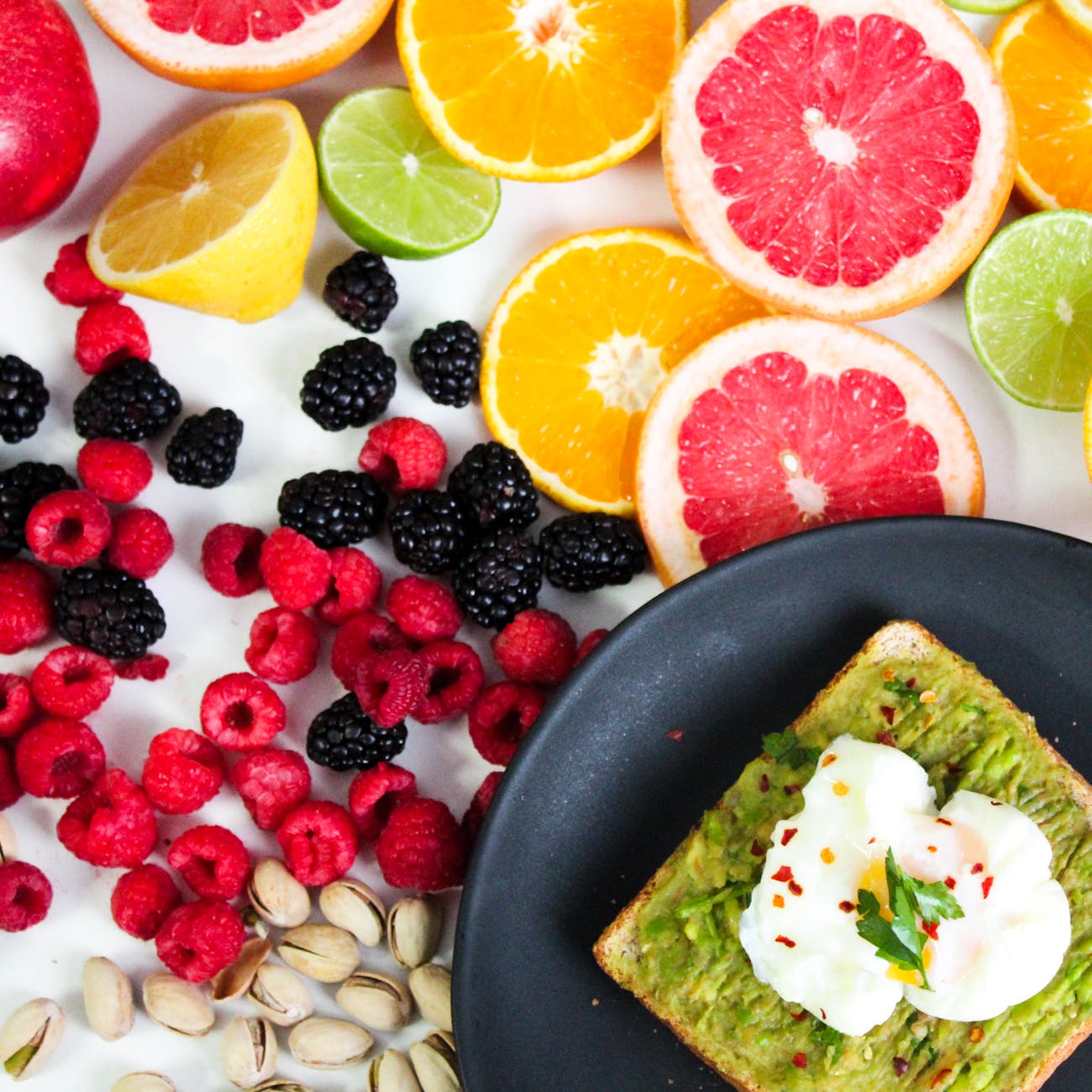











 MaleSurvivor is the longest enduring organization of its kind.Please consider joining our vast community of supporters by making a donation now. and please consider making your donation a monthly contribution.


 Nicole HemmenwayInterim CEOU.S. Pain Foundation




 Scottye CashBut that may not be good enough for people who are truly depressed – as some of the people in this study probably were, said



 Looking for the Light