


| Due to the Coronavirus, all PA Lyme Support group meetings in May are cancelled. In their place, PA Lyme will be hosting a Virtual Lyme Impact Series, via Zoom webinar. Our second session is Tuesday, May 26, at 7-8:30 pm. REGISTRATION BELOW IS REQUIRED. Dr. Joseph Burrascano, MD. will cover COVID+Lyme, new Borrelia species, Disulfiram, food sensitives, and more.Topic: Living With Lyme Disease in a Fast-Changing World. Managing your health while navigating a shifting landscape.Speaker: Joseph Burrascano, MDWhen: Tuesday, May 26th from 7-8:30 pmRegistration is limited to first 100 people. To register click here. If you miss the cutoff for registration please go to the PA Lyme Resource Network Facebook Page to see a livestream of the webinar. |
| Our Contact Information PA Lyme Resource Network 211 South Main Street North Wales, PA 19454 . www.palyme.org |
Category: Health and Wellbeing

Fibromyalgia Thoughts #3
It’s been six months since I’ve had a bad flare, the freedom from severe pain has allowed me to do more chores around the house. I bought a Bona Microfiber mop and go around singing “me and my mop”! Crazy I know but it’s been years since I’ve done regular cleaning let alone enjoyed it.
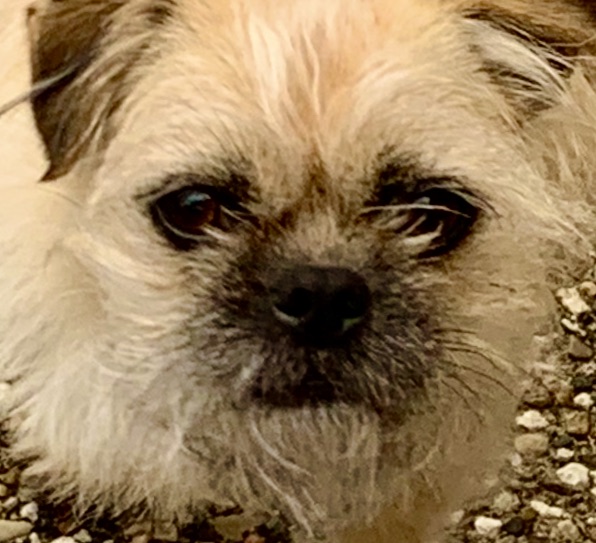
I’ve learned to not let Fibromyalgia define me, I’m a whole person. One with a life that includes Fibromyalgia, Mental Illness, other chronic illnesses, a four-legged child, a husband, and a personal life.
I’m learning about the importance of taking care of my immune system, taking supplements for the first time. Eating a bit healthier and losing a few pounds.
Self-care is in the front of my mind every day when I have a flair it takes a back seat but now I make sure there is a least one thing I do for myself to make me feel better. Maybe it’s a foot soak, I’ve bought new make-up even though I haven’t had a chance to wear. I’ve upgraded my skincare regimen and I’m worth it.
Another big change in self-care is we have premade food delivered three days a week and every other week I have premade smoothies delivered. I have found it doesn’t cost us much more, we’re eating healthier and saving a lot of time. We’ve also spent more time in the kitchen together. Since all you have to do is cook in the pan we can take turns fixing dinner. Something I haven’t done in years.
I know a flare can come at any time, I’ve been diagnosed with a new immune disorder and my mental health thankfully is stable. I can’t let my illnesses consume my thinking, my life, and my writing.
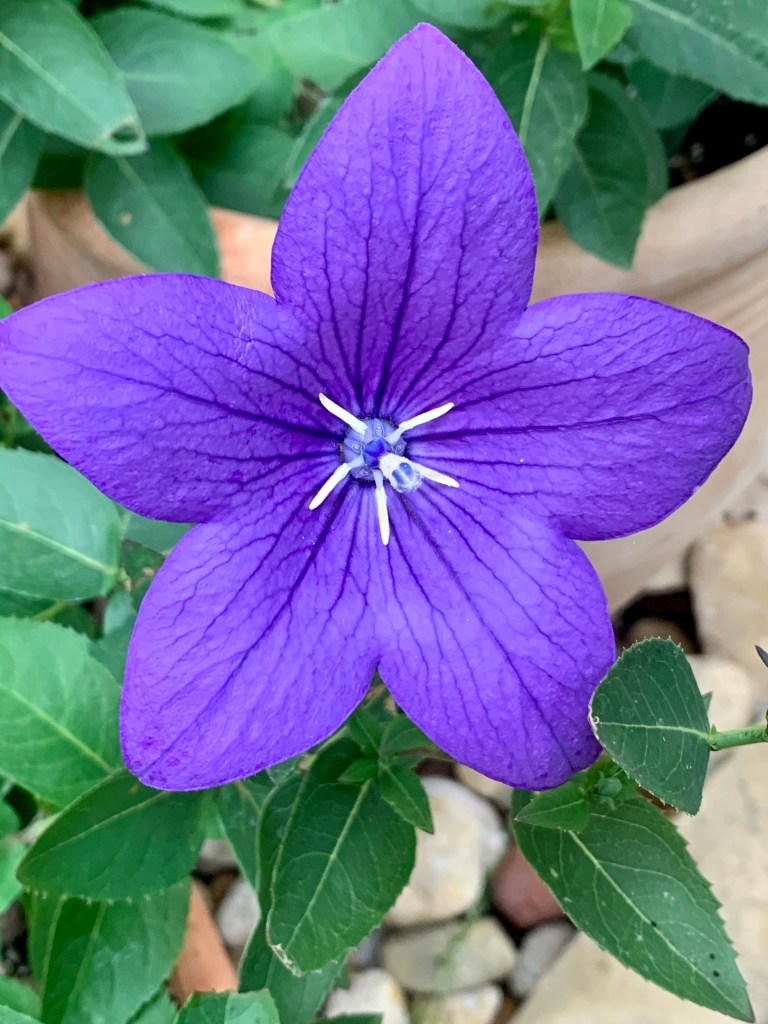


I have varied interests, my flowers, tomato plants, photography, my bird garden, and expanding my mind. All of which I get to enjoy now and don’t take for granted.
Melinda
The Case For Student Mental Health Days
Psychiatrists fear ‘tsunami’ of mental illness after lockdown
By Philippa Roxby BBC Health reporter
16 May 2020
Psychiatrists are warning of a “tsunami” of mental illness from problems stored up during lockdown.
They are particularly concerned that children and older adults are not getting the support they need because of school closures, self-isolation and fear of hospitals.
In a survey, psychiatrists reported rises in emergency cases and a drop in routine appointments.
They emphasised that mental-health services were still open for business.
‘Patients have evaporated’
“We are already seeing the devastating impact of Covid-19 on mental health, with more people in crisis,” said Prof Wendy Burn, president of the Royal College of Psychiatrists.
“But we are just as worried about the people who need help now but aren’t getting it. Our fear is that the lockdown is storing up problems which could then lead to a tsunami of referrals.”
A survey of 1,300 mental-health doctors from across the UK found that 43% had seen a rise in urgent cases while 45% reported a reduction in routine appointments.
One psychiatrist said: “In old-age psychiatry our patients appear to have evaporated, I think people are too fearful to seek help.”
Another wrote: “Many of our patients have developed mental disorders as a direct result of the coronavirus disruption – eg social isolation, increased stress, running out of meds.”
Dr Bernadka Dubicka, who chairs the faculty of child and adolescent psychiatry at the RCP, said: “We are worried that children and young people with mental illness who may be struggling are not getting the support that they need.
“We need to get the message out that services are still open for business.”
Dr Amanda Thompsell, an expert in old-age psychiatry, said using technology to call a doctor during lockdown was difficult for some older people.
They were often “reluctant” to seek help, and their need for mental-health support was likely to be greater than ever, she added.
‘Clear priority’
Mental-health charity Rethink Mental Illness said the concerns raised were supported by evidence from people living with mental illness.
In a survey of 1,000 people, many said their mental health had got worse since the pandemic had started, due to the disruption to routines that keep them safe and well.
“The NHS is doing an incredible job in the most difficult of circumstances, but mental health must be a clear priority, with investment to ensure services can cope with this anticipated surge in demand,” said the charity’s Danielle Hamm.
She said it could take years for some people to recover from the setbacks.
Related Topics
Share this story About sharing
Related Internet links

Electro Convulsive Therapy *Perspective after 20 Treatments*
If you are feeling suicidal please reach out to a medical professional or go to the nearest hospital. If you think you will hurt yourself or others go to the hospital right away. Hospitals are prepared to help during this time as always.
Melinda
This is a repost from 2015 I thought might help someone today. If you’ve reached the bottom and not sure where to turn, please talk to your doctor about all of your options. ECT has allowed me to celebrate my 56th birthday this year.
I’ve had 20+ ECT treatments. The treatments are necessary when I hit bottom becoming delusional and suicidal. I hope to shine a light on ECT and dispel the myths. Please keep an open mind,the procedure may save your life. In my experience a Psychiatric facility associated with a respected hospital is far superior to chain facility’s. This post is based on top facility in area. I will share the experience with the worst in another post.
I’ve had treatment in-house and outpatient. For me a crisis with suicidal thoughts are best handled in-house with 24 hour care. I’ll share step by step how ECT is handled at UTSW in Dallas.
You arrive and change to a gown, the RN calls you to patient area to make sure your meds have not changed. UTSW has strict processes to prevent mistakes. You will be asked you name many times. The RN prepares an IV in your arm which is used for a short acting anesthesia and muscle relaxer.
When it’s your turn, you walk into a small operating room. There you will see your doctor, several RN’s and anesthesiologist You meet everyone, again double checking you ID bracelet. They ask if you have questions. Usually they are answered by doctor prior to treatment. The anesthesiologist will ask a couple of questions about allergy’s.
You lay down in hospital bed, your heart is monitored throughout. The doctor is logging type of ECT. Usually the ECT machine is right by your head. The RN will take your socks off so your feet can be seen. The movement of the foot tells the doctors you had seizure.
A tech is next to you with an oxygen mask, being claustrophobic I ask if he’ll wait till last-minute to put it on. The muscle relaxer is inserted in IV to allow time to work. The doctor will place ECT “head-gear” on. You will also be given a mouth guard. A RN or tech will take doctors instructions on where to place the electrodes.
You will have your arm band checked several times. I love the quality process UTSW University has in place. The head RN will ask if everyone is ready to time out. They will run through who the patient is, what type of ECT having and is everyone ready.
The Anesthesiologist injects, you falls right to sleep. The procedure only takes minutes. When you wake up you have a RN assigned to your recovery They usually juggle a couple of people. You may get some juice for your dry throat. Once all the effects have worn off and IV removed, you can usually get dresses and walk around so RN can see you’re ok. You’ll receive follow-up instructions. Sign the release paperwork and the RN talks to who will drive you home. No driving yourself after ECT.
Typical side effects, jaw hurts from the seizure, may have headache and lethargic from meds in IV. It takes significantly longer to get you ready than perform the treatment.
A couple of notes: there are several positions doctors can use for ECT treatment. I think most common are Unilateral and Bilateral. I’ve had both and prefer Unilateral. You may have to do more treatments to feel improvement however you don’t lose as much short-term memory.
Bilateral treatment has its benefits, it works faster. You may lose some short-term memory. When I say short-term memory, memories right before treatment and right after.
In the DFW area UTSW/Zale is where you want to go if having ECT or staying in-house.
If you have questions please leave in comments.
XO M
Shelter In Place? I’m Used To Staying At Home
Being stuck at home is new to many people. But I started sheltering in place in 2013 when I was diagnosed with Lyme disease. I spent three years on IV therapy, seven days a week, and walked only to the bathroom and back. The years after IV therapy was just as rough.
I required assistance with everything. The pain unbearable–going to the bathroom, taking a shower, walking down the stairs were so difficult. Mentally I struggled, too, trying to remember to make appointments and phone calls I needed to. I couldn’t even handle putting my medicine in the case each week without mistakes. I felt so much guilt. I thought my husband would leave me as soon as he could, or maybe he would have an affair. Why couldn’t I keep up with showering and fixing my hair? When was the last time I wore makeup?
But I have learned to overcome my guilt by dealing with facts, not fears, and knowing I can handle whatever reality throws my way.
In addition to Lyme disease, I’ve been diagnosed with fibromyalgia, cognitive dysfunction (which includes lack of balance), and dementia. Dementia is the real kicker. There are a host of other ailments I suffer from, and I’m sure I will have more as the years pass. I was told early on that Lyme would cause problems that seem unrelated for years to come because there is no cure and my immune system remains compromised. This past month I found that to be true again when.
I was diagnosed with a new immune disorder, hypogammaglobulinemia. Hypogammaglobulinemia is a problem with the immune system that prevents it from making enough antibodies called immunoglobulins. Antibodies are proteins that help your body recognize and fight off foreign invaders like bacteria, viruses, and fungi. Without enough antibodies, you’re more likely to get infections. People with hypogammaglobulinemia can more easily catch pneumonia, meningitis, and other infections that a healthy immune system.
This makes the COVID-19 pandemic especially scary for me. I get stressed out when I watch more than an hour of news a day, or see people not wearing masks.
In general, though, I’m very used to having to stay at home. I quit driving years ago and have only driven a handful of times in recent years. It’s not that I couldn’t drive, but my husband came along to take notes at appointments since my memory is not what it used to be. Don’t get me wrong. I miss the independence of driving without my husband having to take off work. I also miss being able to see my hairstylist, getting a manicure, and finding great spots for taking photos.
I have to get out of the house for my mental health, at least a little bit, regardless of my immune deficiencies. We still go for a Starbucks run as often as possible. We have a whole sanitation process down, including wiping down his mask, credit card, steering wheel, and both of the top of our cup to the bottom. We take all precautions when he brings groceries in and packages, we wash our hands immediately and wash again after putting everything away. He doesn’t want me to get sick, and I know he does everything possible every time he leaves the house.
I’m ready for this to pass and it will pass, but for now, I’m staying calm and entertained indoors as best as I can. I hope you can do the same.
In Health,
Melinda

Happy Mothers Day
I’m sending kind thoughts to all the mothers out there. My hope is your children know how deep your love goes and that love never goes away.
Melinda
TOUCHED BY LYME: Resources to help you hit the ground running

Dorothy Kupcha Leland
27 SEP 2018
When you are first learning about Lyme disease, it can be hard to know which way to turn. Here are some links to get you started.
General information
www.lymedisease.org LymeDisease.org gives info about ticks, Lyme disease, co-infections, prevention, risk maps, downloadable brochures, blogs, news and events. If you are wondering if you might have Lyme disease, see our symptom checklist, for a printable PDF you can share with your healthcare provider.
Looking for a Lyme-literate doctor? See our physician directory here.
In addition to its website, LymeDisease.org also publishes a quarterly digital journal, The Lyme Times, free to members. (Click here to join.) We post Lyme-related news on Facebook and Twitter and maintain a network of state-based online support groups. Sign up for our free email newsletters.
MyLymeData is LymeDisease.org’s survey tool that tracks patient progress over time. It allows people to quickly and privately pool information about their Lyme disease experiences. When large amounts of data are combined, we can see patterns that help us determine which treatments work best. Add your Lyme data to MyLymeData to help find a cure for Lyme disease.
ILADS–International Lyme and Associated Diseases Society. Professional organization for doctors who treat Lyme disease. Lyme info, educational videos, downloadable brochures.
LDA–Lyme Disease Association. Lyme information, doctor referral site, annual Lyme scientific conference.
Lyme Disease: The Basics–free PDF of book. Published by the Lyme Disease Association of Southeastern Pennsylvania.
Children and Lyme disease
Basic info about children with Lyme disease
Lymeparents online support group
LymeAid4Kids–Financial assistance for Lyme treatment for those under age 21.
Lymelight Foundation–financial assistance for Lyme treatment for children and young adults through age 25.
LivLyme Foundation–Financial grants for children with Lyme disease (under 21).
When Your Child Has Lyme Disease: A Parent’s Survival Guide (book) by Sandra Berenbaum and Dorothy Kupcha Leland.
Healthy Mom Best Prescription for Healthy Baby (The Lyme Times)
PANS/PANDAS
New England PANS/PANDAS Association
Ticks
How to protect yourself from ticks
What do you do if you get a tick bite?
TickEncounter Resource Center—University of Rhode Island
Tick testing—There are various places to get ticks tested. Here’s one.
Other Lyme-related symptoms & issues
Lyme disease and cognitive impairments
Gastrointestinal manifestations of Lyme.
Psychiatric manifestations of Lyme.
Medical marijuana and Lyme disease
Mold
Dealing with Lyme disease and mold illness at the same time
How to donate blood and tissue for Lyme research
Lyme and pets
Basic information about Lyme and pets
Parasite prevalence maps Educational website includes a US map down to the county level, showing where dogs have tested positive for Lyme, anaplasmosis, erhlichiosis and other diseases. Also, information about protecting your pet from tick-borne diseases.
CAPC The Companion Animal Parasite Council has comprehensive information about how to protect your pets from ticks and other parasites.
Books
Lyme: The First Epidemic of Climate Change, by Mary Beth Pfeiffer.
Why Can’t I Get Better? Solving the Mystery of Lyme and Chronic Disease, by Dr. Richard Horowitz.
How can I get better? An Action Plan for Treating Resistant Lyme and Chronic Disease, by Dr. Richard Horowitz.
Conquering Lyme Disease: Science Bridges the Great Divide, by Brian A. Fallon, MD, and Jennifer Sotsky, MD
The Lyme Diet, by Dr. Nicola McFadzean. What to eat while healing from Lyme.
Cure Unknown: Inside the Lyme Epidemic, by Pamela Weintraub.
When Your Child Has Lyme Disease: A Parent’s Survival Guide (book) by Sandra Berenbaum and Dorothy Kupcha Leland.
Film and Video
Under Our Skin, award-winning Lyme documentary film.
Under Our Skin 2: Emergence (sequel)
An archive of Lyme-related news coverage from Fox5NY
Financial assistance:
LymeTAP.com–Lyme Testing Access Program. Financial assistance for Lyme diagnostic testing. (US residents only.)
Needymeds.com–Clearing house for information about various kinds of financial assistance for obtaining medication.
Lymelight Foundation–financial assistance for Lyme treatment for children and young adults through age 25.
Lyme Treatment Foundation–financial assistance for Lyme treatment. No age restrictions.
LivLyme Foundation–Financial grants for children with Lyme disease.
LymeAid4Kids—grants for young Lyme patients (up to age 21).
Ticked Off Foundation—financial grants for Lyme patients over age 26.
Outside of the United States:
Canadian Lyme Disease Foundation
LymeHope (Canada)
Lyme Disease Action (UK)
Lyme Disease Association of Australia
Karl McManus Foundation (Australia)
Association Luxembourgeoise Borréliose de Lyme (Luxembourg)
Onlyme-aktion.org (Germany)
Lymevereniging (Netherlands)
TOUCHED BY LYME is written by Dorothy Kupcha Leland, LymeDisease.org’s Vice-president and Director of Communications. She is co-author of When Your Child Has Lyme Disease: A Parent’s Survival Guide. Contact her at dleland@lymedisease.org .
- TOUCHED BY LYME: Financial assistance for your child with Lyme
- TOUCHED BY LYME: New source of financial aid for Lyme patients
- TOUCHED BY LYME: A quick introduction to Lyme disease
- TOUCHED BY LYME: Need a crash course in Lyme disease? Start here.
« Previous Post Study finds nymphal ticks can transmit Lyme within 12 hoursNext Post » Avril Lavigne’s official music video for Lyme song “Head Above Water”
We Invite You To Comment On Our Facebook Page.
Visit LymeDisease.org Facebook Page
How coronavirus puts Lyme disease patients at risk, according to an expert

What is Lyme disease?
New reports estimate that every state in the U.S. has seen cases of Lyme disease. What exactly is the tick-riddled disease and how can you be sure you have it?
Though anyone can develop a COVID-19 infection if they are exposed to the novel coronavirus, health officials have continued to stress that some groups of people — namely those who are older or have underlying health issues — are particularly at risk for severe infection should they fall ill.
Included in that group are Lyme disease patients, Dr. Raphael Kellman, founder of Kellman Wellness Center, told Fox News.
CLICK HERE FOR FULL CORONAVIRUS COVERAGE
“Patients who have Lyme disease have a severely impacted immune system. A big component of Lyme disease is a hyperactive immune system that is always in a state of inflammation,” he explained, noting this factor, in particular, could make these patients more at risk for severe illness.
With some 300,000 Americans diagnosed with this tick-borne disease every year, and with summer right around the corner, read on for a look at how Lyme disease patients could be adversely impacted by the ongoing COVID-19 epidemic in the U.S.
The following has been edited for length and clarity.
Fox News: Why are Lyme disease patients considered to be at higher risk?https://tpc.googlesyndication.com/safeframe/1-0-37/html/container.html
Kellman: Patients who have Lyme disease have a severely impacted immune system. A big component of Lyme disease is a hyperactive immune system that is always in a state of inflammation.
The coronavirus turns our own immune system against us. It activates our immune system and it overly produces different cytokines, which is further activating the immune system. Coronavirus causes a cytokine storm and overproduction of cytokine, causing much of the damage we see in coronavirus patients, such as pulmonary lung damage and pneumonia that ensues. The inflammation could be a component of the cardiovascular and neurological dysfunction, such as headaches and other neurological manifestations that we see in coronavirus patients as well.
Lyme disease patients are faced with similar neurological symptoms, like coronavirus patients, such as pain, headaches, brain fog, etc. People who have Lyme disease are more susceptible because of their inability to fight off disease. Their immunity isn’t as strong in killing viruses and microbes. People with Lyme disease are at a greater risk of incidence and severity of coronavirus.https://feeds-elections.foxnews.com/covid/public/index.html?uid=fox-covid19-heatmap-counties-1
Fox News: What concerns do you have as tick season ramps up, coinciding with the ongoing coronavirus epidemic?
Kellman: We have to be very vigilant this tick season, more so than any other year, so that we prevent Lyme disease from developing. We also have to take a more proactive stance in our treatment and prevention of coronavirus, in addition to wearing masks and tracking the virus, there is a whole realm of medicine that is not being seen. It is not only drugs and vaccines that will help us combat this pandemic. There are a plethora of natural compounds that have been shown to help other coronaviruses.
Fox News: What can be done to support those with Lyme disease as the epidemic continues?
Kellman: You want a good assessment of overall health. With Lyme disease, you’re not just dealing with an imbalanced and overactive immune system, but there are also other unhealthy systems in the body.https://tpc.googlesyndication.com/safeframe/1-0-37/html/container.html
One way to support good health is to improve the gut microbiome, which plays a profound role in keeping the gut and immune system healthy.
CLICK HERE TO GET THE FOX NEWS APP
We [should also] run a baseline test of vitamin levels and identify deficiencies. Many people have deficiencies and don’t realize it. It’s important to get vitamin D levels checked to make sure you’re in a good range and taking the supplement if you’re suffering from a deficiency. Strong vitamin D levels show you have a lower risk of developing the diseaseand you’re more likely to survive the virus.
Blood tests are also important to measure the baseline levels of cytokines to see who is at risk.
Zinc and quercetin is a good combination because it is anti-inflammatory and zinc has an antiviral effect. Research in China and the U.S. have found that vitamin C has a positive effect on the coronavirus infection when used both orally and intravenously.
Madeline Farber is a Reporter for Fox News. You can follow her on Twitter @MaddieFarberUDK.
Random Thoughts on this side of Mental Illness
May is Mental Health Awareness Month and mental health has been on my mind more than normal. I come from generations of family members with mental illness including my father who had Bipolar Disorder.
I have treatment-resistant Bipolar Disorder which means medicines don’t always work on me. I live on a cocktail of nine medications and have been stable on this mix for six months.
I expect this to be an unpopular post, that’s okay I want to hear all your comments.
All people have to be held accountable for their actions. The thought that came to mind this morning was a murder case that disturbs me to this day. A woman in Texas drowned all five of her children in the bathtub. She pleaded temporary insanity. I would have to agree she was insane, how could someone kill their five children? She only spent five years in a mental health ward in the prison. Is five years of medical oversite enough punishment? Is she no longer insane? I think not. I’m responsible for all of my actions regardless of my mental state.
My father sexually abused me, was it ok because he was mentally ill? It wasn’t his fault? I don’t buy into that theory. My father never sought help for his mental illness and committed suicide at 52 years old. He made the decision to not seek treatment, at the end of his life he was too sick to see how far down he was. He’ll be held accountable by a higher power than me.
I was nine years old the first time I attempted suicide, it was the first of many attempts throughout my life. As an adult educated on my illness, I have a support system in place. I have to be disciplined in taking my medication, going to therapy, seeing my Psychiatrist, and communicate with my husband or pay the price of becoming unstable.
I have Dementia brought on by Lyme Diseases and my mind slips a little each day. I watched my granny slip away and have chosen not to live that way. I plan to commit suicide before my memory is completely gone. I don’t want my husband to have to go thru all the pain of caring for me. It’s gut-wrenching to watch someone disappear behind their eyes.
We don’t talk about it often but he accepts that he can’t change my mind. My Therapist and Psychiatrist know, they wish I felt different but know the truth, you can’t change someone’s mind. Last night I told my husband that it was selfless of me, it’s the only word I could come up with. He said it’s love, that’s exactly how I felt in my heart. I want to protect him from the pain I witnessed my gramps go thru as my granny slowly died.
I’ll be held accountable for my actions by a higher power.
Melinda

Instagram Offers Mental-Health Support for Struggling Teens
Posted By Mary Kuhlman, Ohio News Connection on Mon, Apr 20, 2020 at 9:38 am
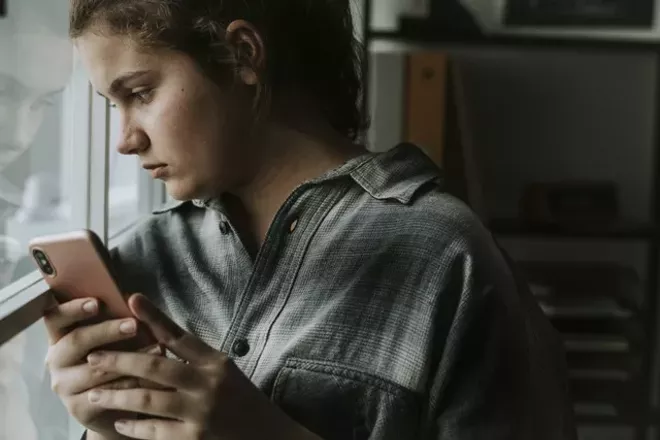
COLUMBUS, Ohio — With the COVID-19 pandemic forcing folks to cope with loneliness, job loss and grief, the National Alliance on Mental Illness is teaming up with Instagram to connect young people to mental health support resources during this challenging time.
On its Instagram page, NAMI is posting tips and recommendations to help folks feel less vulnerable and more connected. The organization’s chief medical officer Ken Duckworth said the project is targeting young people because three-quarters of all mental-health vulnerabilities begin before age 25, and social distancing could intensify those feelings.
“Our goal is to get resources, get things that are easy for them to digest and to make it appealing for young people to have a conversation about what all of us are experiencing, which is a challenge to our sense of routine and, in some cases, the development of anxiety problems,” Duckworth said.
For tips, go to NAMI’s Instagram account at @NAMICommunicate or call their hotline at 1-800-950-NAMI.
If you’re feeling anxious while stuck inside alone during the pandemic, Duckworth recommended limiting news intake and avoiding social media before bed. He said social distancing doesn’t have to mean social isolation and recommended reaching out and strengthening relationships.
“If you have an elderly neighbor you can shop for or you want to reach out to a nephew you haven’t talked to in a while – if you can find meaning in adversity, that seems to predict long-term well-being from adverse situations,” he said.
According to federal data, about 10 percent of Ohio youth between 12 and 17 years of age reported suffering from at least one major depressive episode over the past year. The NAMI Ohio chapter has more resources online at namiohio.org.
Tags: Mental Health, Instagram, Social Media, Image
Cleveland Scene works for you, and your support is essential.
Our small but mighty local team works tirelessly to bring you high-quality, uncensored news and cultural coverage of Cleveland and beyond.
Unlike many newspapers, ours is free – and we’d like to keep it that way, because we believe, now more than ever, everyone deserves access to accurate, independent coverage of their community.
Whether it’s a one-time acknowledgement of this article or an ongoing pledge, your support helps keep Cleveland’s true free press free.
https://us.commitchange.com/nonprofits/5426/btn
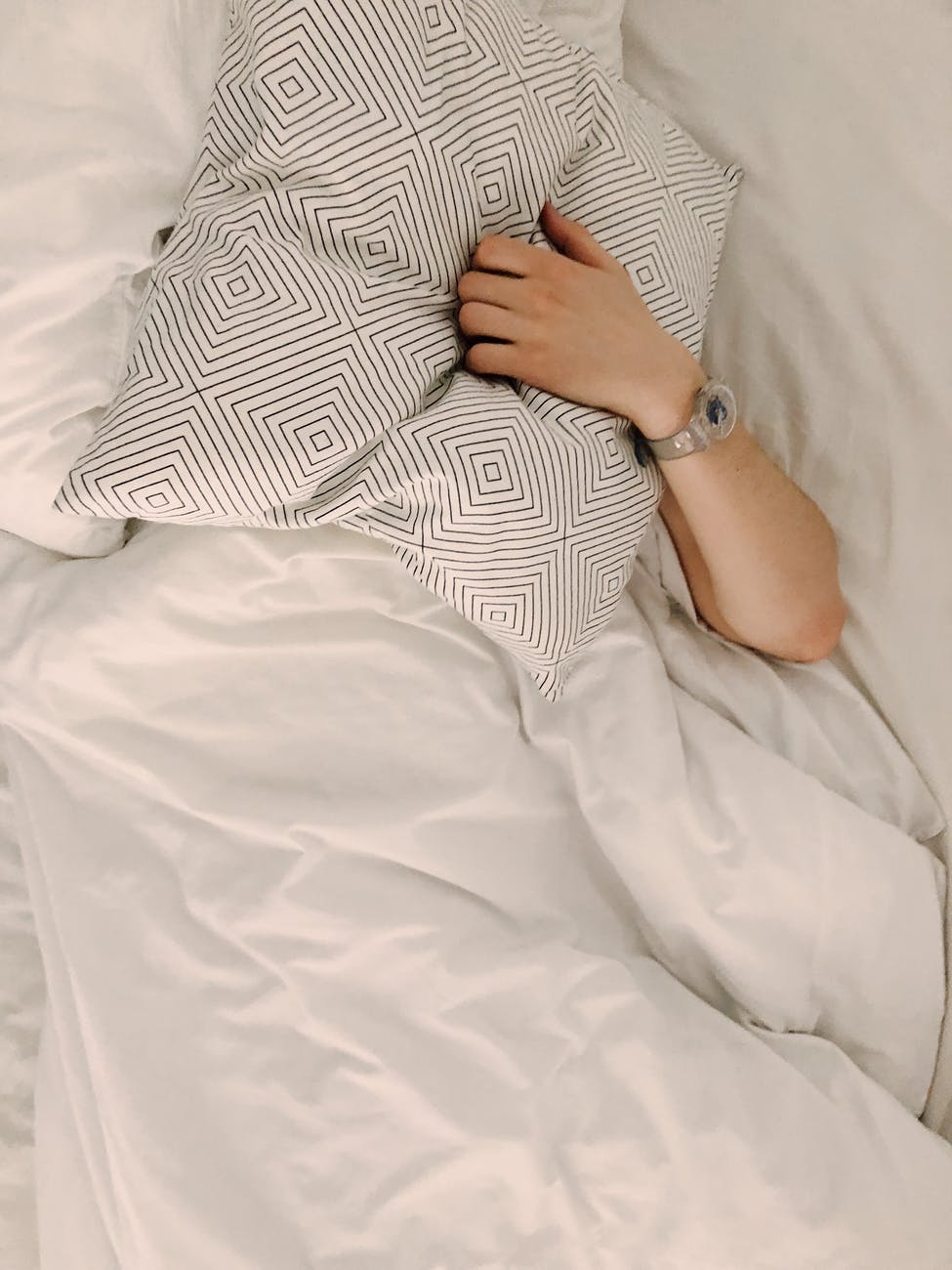
TED Talks: Sleep is your Superpower
Sleep is your life-support system and Mother Nature’s best effort yet at immortality, says sleep scientist Matt Walker. In this deep dive into the science of slumber, Walker shares the wonderfully good things that happen when you get sleep — and the alarmingly bad things that happen when you don’t, for both your brain and body. Learn more about sleep’s impact on your learning, memory, immune system and even your genetic code — as well as some helpful tips for getting some shut-eye.
This talk was presented at an official TED conference, and was featured by our editors on the home page.ABOUT THE SPEAKERMatt Walker · Sleep scientist, professor, authorMatt Walker is a brain scientist trying to understand why we sleep.
Review of WaveLife Technologies Energy Cell
I’ve heard from WaveLife Technologies http://www.wavelife.com that many of you have purchased the WaveLife Energy Cell from my review. I would love to hear how the WaveLife Energy Cell worked for you. Have a great pain-free day. (Pain-free as possible)


I focused on my left knee pain since it is the greatest pain I have on a daily basis. I’m months overdue for a total knee replacement and thought this was a great way to see how well the product worked.
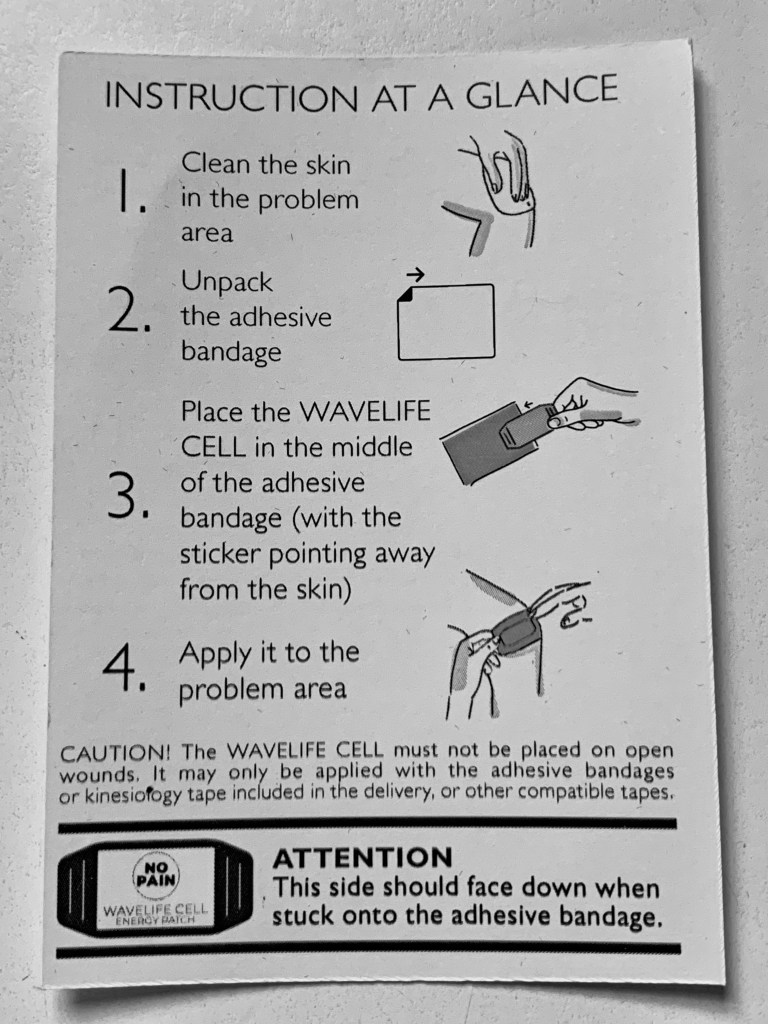
I taped the Energy Cell right below my knee just to the side to get good coverage of the stick-on pads. I wore it for six hours and the tape on the bandage just started to peel on one side at the end of six hours.
After 20-25 minutes of wearing the Energy Cell, I could feel the pain in my knee start to dissipate. The pain didn’t completely go away but the first day I was able to delay taking a pain pill by an hour and half hour. Pretty good for the first day. I was really surprised by how easy it was to wear not to mention getting some real results.
The second thru the fourth day I experienced the same results, shortly after taping on the Energy Cell the pain started to dissipate. I was able to go from an hour and a half to two hours later than normal before taking my scheduled pain pill.
I can’t recommend the WaveLife Technologies Energy Cell enough! Anytime I can get pain relief no matter how little is a great day for me. I plan on purchasing a second for my husband.
*Here’s a discount code for 15% off your purchase, WAVELIFELIGHT15*
The Technical Information
Here’s more technical and scientific information about the Wavelife Technologies Energy Cell and the company.
The Wavelife Technologies Energy Cell is now available in the United States, you can find more information on retail pricing and how to purchase at concierge@wavelife.com.
For more information please contact http://www.wavelife.com
WaveLife’s No Pain Energy Cell is a non-invasive, non-chemical pain management method that is based on over thirty years of research. It’s been developed in cooperation with over 2800 clinics in Germany, Switzerland, and Austria. It’s reported to help a wide range of pain, such as arthritis, headaches, lower back pain, post-surgery pain, upper back pain, and osteoporosis. You can find out more about the device and whether it could help you here.
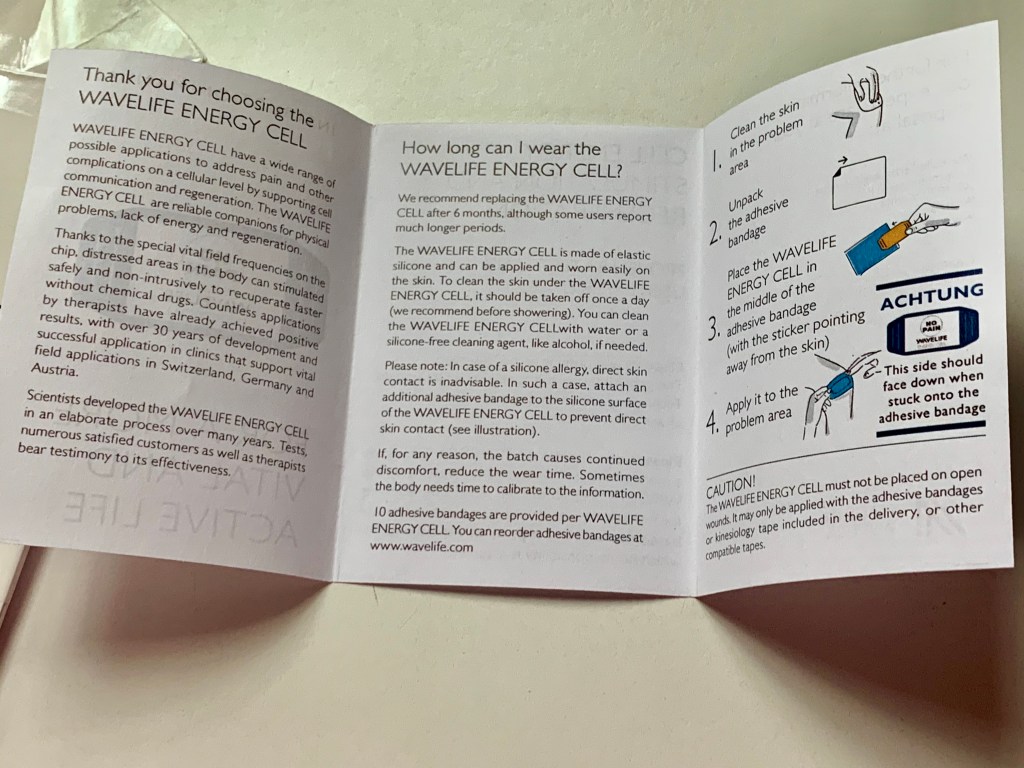
WAVELIFE ENERGY CELL have a wide range of possible applications to address pain and other complications on a cellular level by supporting cell communication and regeneration. The WAVELIFE ENERGY CELL are reliable companions for physical problems, lack of energy and regeneration.
Thanks to the special vital field frequencies on the chip, distressed areas in the body can stimulated safely and non-intrusively to recuperate faster without chemical drugs. Countless applications by therapist have already achieved positive results, with over 30 years of development and successful applications in clinics that support vital field applications in Switzerland, Germany and Austria.
Scientist developed the WAVE ENERGY CELL in an elaborate process over many years. Tests, numerous satisfied customers as well as therapist bear testimony to it’s effectiveness.
How long can I wear the WAVELIFE ENERGY CELL?
We recommend replacing the WAVELIFE ENERGY CELL after six months, although some users report much longer periods.
 “I was in so much pain, I could hardly walk. Someone recommended the Energy Cell. I put in on, within hours I was in much less pain, and 3-4 days later, I could bend my knee again. I don’t even think about my knee now.” “I was in so much pain, I could hardly walk. Someone recommended the Energy Cell. I put in on, within hours I was in much less pain, and 3-4 days later, I could bend my knee again. I don’t even think about my knee now.”Franz Klammer, 1976 Downhill Ski Olympic Champion / 25 World Cup Wins |
 “I was introduced to the WaveLife Cell through a client of mine, and I found it’s a really good alternative for not only pain, but also stress relief. I’d like to see this product become more mainstream; it’s really going to become the future of our business in many ways.” “I was introduced to the WaveLife Cell through a client of mine, and I found it’s a really good alternative for not only pain, but also stress relief. I’d like to see this product become more mainstream; it’s really going to become the future of our business in many ways.”Dr. Luke Mattison, Chiropractor |
For more information please contact www.wavelife.com.
Here’s a discount code for 15% off your purchase, WAVELIFELIGHT15
Melinda
TOUCHED BY LYME: Bizarre happenings at the TBD Working Group
Dorothy Kupcha Leland
27APR2020
It was a crazy moment.
“Now we’re going to vote on whether we vote to re-vote on the original question.”
(That’s the gist of what Co-Chairman David Walker told the Tick-Borne Diseases Working Group this week, though not an exact quote.)
I’m sure I wasn’t the only person listening in to scratch their head and say “Whhhhaaaat?”
Let me back up and give a little context.
The TBDWG is a federal panel under the auspices of the US Department of Health and Human Services. Over the past year, it has held meetings, received and voted on recommendations from its various subcommittees, and started the process of compiling a report to Congress that’s due in November 2020.
There were still issues to sort through at the April 27 meeting, which the public could watch online.
About that federal inventory
One question had to do with recommendations from the Federal Inventory Subcommittee.
The TBDWG had previously asked all pertinent federal agencies to provide an inventory of all of their programs that relate to tick-borne diseases. The goal was to figure out what’s already happening and what still needs to happen. (Seems like a good idea to me.)
Based on this research, this subcommittee offered several recommendations that sailed through without a problem. Then things hit a snag with the following proposal:
Recommend that IF the CDC posts any Lyme treatment guidelines, that they include guidelines on persistent Lyme disease.
(Note: the CDC website currently only offers information about early Lyme—offering nothing for people with persistent Lyme, still sick and suffering long after the acute phase has passed.
And after years of actively endorsing the IDSA’s Lyme treatment guidelines—which do not recognize persistent Lyme—the CDC does not currently list any Lyme guidelines on its website. Furthermore, as the Lyme community well knows, the question of persistence in Lyme is a highly contentious issue.)
Here’s what happened at the meeting, as near as I could tell.
The recommendation was moved and seconded. Then, for reasons not made clear, five panel members abstained from voting. At one point, the vote was announced as 5 abstaining, 5 yeses and 3 no votes. (Though shortly later, some people disputed those numbers. Nobody clarified the official vote for the folks tuning in from home.)
It appeared the abstainers felt that they had defeated the issue, because “yes” votes didn’t comprise a majority of panel members. But here’s the rub: abstentions don’t count one way or the other. So, the recommendation passed, 5-3.
Pandemonium
When that reality sank in, pandemonium broke out. One panel member said he wanted to change his abstaining vote to “no.” Not allowed.
Things got very bizarre very fast. Some people wanted to vote on the original question again. Some didn’t. Some people wanted to re-open discussion, others didn’t. “Robert’s Rules of Order” (which are supposed to guide meetings like this) were mentioned a few times, but nobody seemed to care much. Several new motions were proposed and seconded.
Co-chairman Walker kept saying things like “We’re voting on whether we should vote on whether we should vote…” and I could imagine a collective “HUH?” reverberating throughout the audience.
There was about 15 minutes of this nonsense. The kindest face I can put on it is to conclude that these people are so wigged out by the coronavirus pandemic that they’ve pretty much all lost their ability to be lucid and well-behaved.
With one notable exception. The Lyme Disease Association’s Pat Smith, the only patient advocate on the panel, kept steady, measured tones. And in the end, she prevailed.
It was, after all, her recommendation to have the CDC acknowledge persistent Lyme disease. The Working Group did not ultimately re-open discussion or voting on the original motion. So, for the moment anyway, the following recommendation still stands:
Recommend that IF the CDC posts any Lyme treatment guidelines, that they include guidelines on persistent Lyme disease.
Supposedly, this means the TBDWG will include this point in its upcoming report to Congress. (But there’s another public meeting in July. Any bets on whether this proposal will actually make it into the final document?)
Pat Smith did another solid favor for the Lyme community during the meeting as well. At one point, she asked if and when the federal inventories of Lyme-related programs could be released to the public. After what seemed like hemming and hawing from various members, the panel asked the Designated Federal Officer if such a thing would be allowed.
Her reply: “I see no reason why not.”
Me neither. In my view, the more information like this we can make public, the better.
May 1, 2020, update: After musing for a few days, I have revised my take on this. It was much more than poor behavior. It was devious behavior.
The five abstainers sure gave the impression they were trying to game the system—to gain a “no” vote without out having to own up to it. When that ploy didn’t work, there was a mad scramble to go after their initial objective—which was to flush the proposal regarding persistent Lyme disease. (Lucky for us, that didn’t happen.)
That’s what this whole kabuki dance has been about since the inception of this 2019-2020 version of the Working Group. There’s been a concerted effort to minimize Lyme disease as much as possible—and heaven forbid, don’t mention the dreaded words “chronic” or “persistent.”
Interesting (and appalling) that Lyme disease—which the CDC acknowledges is responsible for 80% of tick-borne disease cases is the US—will get about 12% of the TBDWG’s upcoming report. (One chapter out of eight.)
Interesting (and appalling) that Dr. Eugene Shapiro, who hasn’t attended recent Working Group meetings, managed to show up for this one. So he could vote against the measure having to do with “persistent Lyme.” (More than 37,000 members of the Lyme community signed a petition to keep him off this panel. READ MORE.)
TOUCHED BY LYME is written by Dorothy Kupcha Leland, LymeDisease.org’s Vice-president and Director of Communications. She is co-author of When Your Child Has Lyme Disease: A Parent’s Survival Guide. Contact her at dleland@lymedisease.org.
PS. My colleague Lonnie Marcum live-tweeted the meeting. Here’s her summary of how it went.
https://embed.wakelet.com/wakes/ekI0Z5KUoatX06_a_nLRF/list
Related Posts:
- TOUCHED BY LYME: Working Group weirdness. What gives?
- Read draft of TBD Working Group’s report to Congress here
- TBD Working Group meets Jan 28-29 in Washington, DC; view reports now
- TOUCHED BY LYME: Proxy votes violate spirit of TBD Working Group
Tags : TBDWG« Previous Post LYMEPOLICYWONK: Patients can’t wait, whether it’s COVID-19 or LymeNext Post » NIH’s COVID-19 guidelines offer useful advice for Lyme disease, too
We Invite You To Comment On Our Facebook Page.
Visit LymeDisease.org Facebook Page

Touched by Suicide
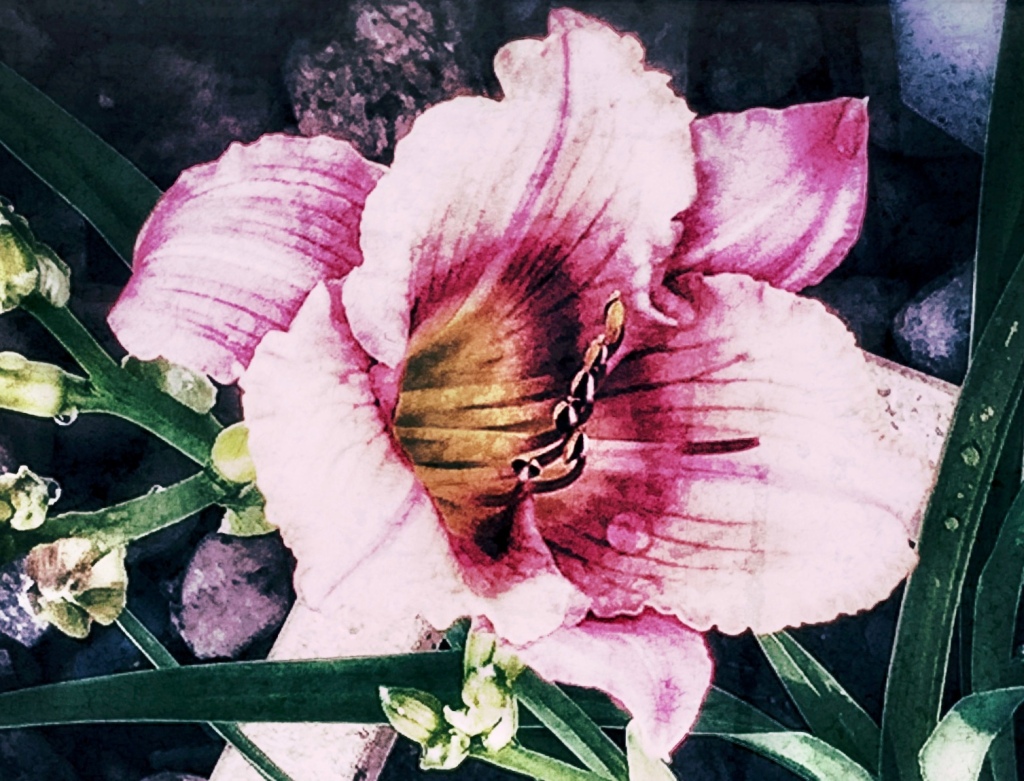
May is National Mental Health Awareness Month and I wanted to repost a very personal story. If someone you know needs mental health support, more now than ever please reach out to the many resources available. If you would like to find some resources you can look at the top of my home page and follow my Twitter feed.
Melinda
Twenty-eight years ago my father killed himself, I was twenty-eight years old. It’s strange that my father has been dead as long as he was alive in my life.
I’ve written about his suicide many times over the years but this year feels different. It’s hard to put into words but I’ll share what words come to mind.
I knew you were going to kill yourself, you brought me to my knees with grief when you started yelling about dying. You said you needed money, I paid your bills for a year, that didn’t change anything. You were no longer the person I knew, you were delusional, you were hallowed.
I arrived at my grandparent’s house last, I walked in and said I knew daddy was going to kill himself. I don’t know if anyone felt anger towards me for knowing and not saying anything.
I felt guilty for a couple of years that I couldn’t stop his suicide but the fact is you can’t change anyone’s mind. Only the person in pain can decide to reach out and get help.
If you are trying to help someone who is saying they are going to kill themselves, don’t think you can help them by yourself. Be there for them but the only way for a positive outcome is to get professional help.
If the person is like my father and refuses to see how sick they are, do everything you can to make sense but know you can’t change a person’s mind.
Melinda

Finding Balance During Crisis: Tools From A Pain Psychologist

Join us May 4 at 7 pm ET
| Dear pain warriors, I hope you are staying safe and well. In our recent survey, when asked “What resources would be most helpful to you right now,” a majority of you responded that you need help handling the added stress and anxiety of COVID-19. With that in mind, we’d like to share details about an upcoming Zoom webinar: on Monday, May 4, at 7 pm ET, pain psychologist Shamin Ladhani, PsyD, will discuss strategies for staying mentally well during a crisis–including the current pandemic. She will also explain some of the emotions we experience during times of crisis, and talk about how stress affects the immune system, which is especially relevant for those with chronic illness. Dr. Ladhani will then take some time to answer questions from the audience. |
| I hope you can join us. And a reminder: if you’re feeling alone, please consider joining one of our upcoming Pain Connection support group calls. There’s even one today at 2:30 pm ET. Register here. Sincerely, |
 |
 Nicole HemmenwayInterim CEOU.S. Pain Foundation Nicole HemmenwayInterim CEOU.S. Pain Foundation |
COVID-19 and the immune system’s double-edged sword
April 24, 2020 By 23andMe under Health and Traits
by Samantha Ancona Esselmann, Ph.D., product scientist at 23andMe
From an early age, I knew my great-grandmother had superpowers. “Mimi,” we called her.
She was born in the late 1800s, earned a graduate degree from Berkeley in 1919, sipped a glass (or two) of sherry every evening, and charmed us with her wit until the very end. And, like her mother “Nanan” before her, Mimi lived to be over 100.
During the course of her remarkable life that straddled three different centuries and two millennia, she survived tuberculosis (which killed her father), the 1906 San Francisco earthquake, the 1918 Flu, retro-peristalsis (the reversal of intestinal smooth muscle movement), and two C-sections before the discovery of penicillin.
In her late 90s — coincidentally, during the late 1990s — she recovered from a broken hip, sepsis, and flu that would have felled a woman half her age. Well into her hundreds, she still walked every day, required no prescription medications, and ate ice cream every night.
I thought she was invincible
When she died at 103 shortly after a bad fall, it wasn’t an infection that killed her. It was organ failure. Her own body simply turned off the switch.
I think about Mimi — and her immune system — a lot. Apart from the obvious privilege that comes with being a white, middle-class woman in California, she lived a charmed life.
And while Mimi’s immune system never faced this coronavirus, I wonder if some people are just born better equipped to fight infection than others? After all, each of us has that family member who “gets sick a lot” and that one relative who is “never sick” (lookin’ at you, Mom).
We don’t know much yet about what factors can influence our immune systems’ responses to COVID-19. Research shows there are clear genetic differences in susceptibility to other infectious diseases — with much of that variation found in genes involved in the immune system.[1] But our environment likely plays a big role in how well our immune systems function, too.[2] Good news for me because I probably only inherited around 12.5% of Mimi’s DNA.
The more I learn about the complexity of the human immune system, the more I realize it may not have been a particularly “strong” immune response that saved Mimi. It might’ve just been the “right” response. After all, an overzealous immune reaction — like anaphylactic shock — can kill a person.
And an overzealous immune reaction seems to be contributing to COVID-19 deaths.
COVID-19 vs. the Immune System
When a person is infected with SARS-CoV-2 (aka novel coronavirus), the virus invades cells lining the patient’s respiratory tract and hijacks their cellular machinery to make more coronavirus, which goes on to infect more and more cells.
Next, the body’s immune system starts to take notice. But in some patients, the immune system gets carried away and they become sicker from their body’s own inflammatory response than from the virus itself.
Widespread inflammation of the lungs — triggered by a wave of inflammatory molecules in your body called cytokines — can lead to a condition called Acute Respiratory Distress Syndrome, or ARDS. In ARDS, the barrier between the blood and the lungs’ delicate air sacs breaks down and the lungs fill with fluid. This breakdown impairs the lungs’ ability to oxygenate the blood and clear carbon dioxide, which can lead to organ failure.
The drugs being deployed in hospitals to fight COVID-19 are not just experimental antiviral drugs like remdesivir. [3] Some of them are drugs that dampen the body’s immune response, in the hopes that they will give the patients a chance to take a deep breath (literally and figuratively) and get back to the business of fighting the virus.
During recent infectious diseases division grand rounds at UCSF, Dr. Michael Matthay, an ARDS expert and professor at UCSF’s Pulmonary Medicine department, speculated that once a patient has arrived in the ICU and developed ARDS, antiviral therapy may “not be effective.”[4] Some experts think it may be more effective to intervene with antiviral drugs during earlier stages of the disease when symptoms are not yet severe.[5] Or, perhaps an immune overreaction only affects certain patients, while others with severe symptoms could still benefit from antiviral treatment.
So what can make some peoples’ immune response to COVID-19 different from others?
Sex and the Immune System
We’re beginning to see clear sex differences in the rate of COVID-19 infection and mortality: not only are men more susceptible to infection by SARS-CoV2, but they are also more likely to die from the disease. In a recent European surveillance report from the World Health Organization, about two-thirds of COVID-19 deaths that week were men.[6]
Some of these differences could be environmental. In many parts of the world, for example, men smoke more than women (which reduces lung health) and men are more likely to have preexisting chronic health conditions, such as heart disease, or high blood pressure.
But biological sex is known to play a differential role in the immune system. Women are much more susceptible to autoimmune diseases in which their own immune systems turn against them and attack healthy tissue such as rheumatoid arthritis, multiple sclerosis, and lupus.
At the same time, women often have a more robust immune response to pathogens like viruses and bacteria — a pattern that may be repeated with SARS-CoV-2.
Some researchers are speculating that women may have a stronger immune response to SARS-CoV-2 in the early stages of a viral infection than men. [7]Compared to SARS (the classic kind), COVID-19 viral replication seems to peak earlier and at higher levels during the course of the disease, meaning an early and robust immune response could be the difference between life and death. [8]
A delayed immune response can be doubly dangerous. After the virus has a chance to wreak havoc in the lungs, an overzealous immune reaction can set off a widespread inflammatory response that causes further damage, accelerating progression to ARDS.
But sex is not the only variable that influences our body’s ability to fight infection.
Age and the Immune System
You’ve probably heard by now that mortality from COVID-19 is much higher among older people. [9] (Though it’s important to note that all age groups are susceptible to severe infection and young people can die from it too.)
Apart from being more likely to have chronic “comorbid” conditions such as heart disease, type II diabetes, or high blood pressure, older people are more likely to have dysregulated immune systems. [10]
Like a trailer slowly fish-tailing out of control, our immune system’s ability to cope with pathogens decreases as we age, and our inflammatory response increases.[11]
Fewer precision-guided missiles. More carpet bombs.
While we may never be able to stop or reverse the aging of our immune systems — and genetics likely play a role that’s outside of our control — there are certain things we can do to slow it down and keep it in a “goldilocks zone” for as long as possible. [12]
Exercise. Get enough sleep. Avoid stress (where possible). And eat a healthy diet.
Not too hot. Not too cold. Just right.
Like Mimi.
References:
[1] Tian, C., Hromatka, B.S., Kiefer, A.K. et al. Genome-wide association and HLA region fine-mapping studies identify susceptibility loci for multiple common infections. Nat Commun 8, 599 (2017). https://doi.org/10.1038/s41467-017-00257-5. https://www.nature.com/articles/s41467-017-00257-5#citeas[2]Broden P et al. (2015). “Variation in the Human Immune System Is Largely Driven by Non-Heritable Influences.” Cell. 2015 Jan 15;160(1-2):37-47. doi: 10.1016/j.cell.2014.12.020.https://www.cell.com/cell/fulltext/S0092-8674(14)01590-6[3]Martinez MA (2020). “Compounds with therapeutic potential against novel respiratory 2019 coronavirus” Antimicrob Agents Chemother. 2020 Mar 9. pii: AAC.00399-20. doi: 10.1128/AAC.00399-20. [Epub ahead of print]https://www.ncbi.nlm.nih.gov/pubmed/32152082[4]Martinez MA (2020). “Compounds with therapeutic potential against novel respiratory 2019 coronavirus” Antimicrob Agents Chemother. 2020 Mar 9. pii: AAC.00399-20. doi: 10.1128/AAC.00399-20. [Epub ahead of print]https://www.ncbi.nlm.nih.gov/pubmed/32152082[5] “UCSF Experts on the Epidemiology, Science, & Clinical Manifestations of COVID-19, and UCSF Response” YouTube https://youtu.be/bt-BzEve46Y?t=2139 [6] “UCSF Experts on the Epidemiology, Science, & Clinical Manifestations of COVID-19, and UCSF Response” YouTube https://youtu.be/bt-BzEve46Y?t=2139 [7] “Weekly surveillance report – COVID-19 ” WHO http://www.euro.who.int/en/health-topics/health-emergencies/coronavirus-covid-19/weekly-surveillance-report[8] > “UCSF Experts on the Epidemiology, Science, & Clinical Manifestations of COVID-19, and UCSF Response” YouTube https://youtu.be/bt-BzEve46Y?t=2139 [9] “U.S. official says data show severe coronavirus infections among millennials, not just older Americans” STAT News 2020 Mar 18https://www.statnews.com/2020/03/18/u-s-official-says-data-show-severe-coronavirus-infections-among-millennials-not-just-older-americans/[10]Pawelec G (2018). “Age and immunity: What is “immunosenescence” Exp Gerontol. 2018 May;105:4-9. doi: 10.1016/j.exger.2017.10.024. Epub 2017 Oct 27. https://www.ncbi.nlm.nih.gov/pubmed/32152082[11] Franceschi C (2007). “Inflammaging as a major characteristic of old people: can it be prevented or cured?” Nutr Rev. 2007 Dec;65(12 Pt 2):S173-6. https://www.ncbi.nlm.nih.gov/pubmed/18240544[12] “Can I Boost My Immune System?” New York Times 2020 Mar 10]https://www.nytimes.com/2020/03/10/well/live/can-i-boost-my-immune-system.htmlTags: COVID-19, Featured, immune response

Glass Half Full: How Resilient People Cope

with Jessica Loftus, Ph.D.
Glass Half Full: How Resilient People Cope
By Jessica Loftus
Last updated: 6 Apr 2020~ 2 MIN READ
A psychologist offers tips she learned from her clients to cope with the threats posed by the COVID-19 pandemic.
During my 20 years as a psychologist and career counselor, I truly believe that I often learned more from my clients than they learned from me. During this global pandemic, I continue to be inspired by the courage shown by people who come to me for the treatment of their mental health disorders.
When the governor of my state issued a stay-at-home order, I stopped seeing clients at my office and offered counseling sessions via a simple telehealth platform. Providing services at no charge for those in need, I reached out to everyone on my caseload by email or phone per their contact agreements.
I beamed with pride to learn that my clients faced this crisis with amazing resilience and resourcefulness. Yes, they all were appropriately anxious. Yes, they exhibited more symptoms of OCD. Yes, they struggled more with sleep and overeating. And Yes, they all wished this too shall pass soon. But they all reported healthy ways to cope. Here I summarize them in a poem.
How to Cope Instead
Say things unsaid
Bake wholesome bread
Clear well your head
Savor books unread
Rest plenty in bed
Tend the homestead
Hear talks by Ted
Cry tears unshed
Let creativity spread
Laugh till you’re red
Play with Mr. Potato Head
On gratitude be fed
Through God be led
Say Things Unsaid
Many people held essential conversations with loved ones, often about unresolved issues that smoldered for years. Many clients made breakthroughs they once thought unimaginable, seemingly miraculously.
Bake Wholesome Bread
People who loved to cook, never had to cook, struggled to cook tried new recipes. Several created a few of their own. They felt empowered to nourish their families and themselves.
Clear Well Your Head
Having plenty of spare time, many folks finally tried some of the stress-management tips that I provided them over the months and years. The Five-minute rule, deep breathing, aromatherapy and guided-imagery practices led the list in popularity.
Savor Books Unread
Avid readers rediscovered treasures on their bookshelves. Others ordered books online. Still, others asked me to suggest books. A personal favorite is the Chicken Soup for the Soul series.
Rest Plenty in Bed
No other event in our lifetime allowed people so much time to get plenty of rest. I often reminded everyone to stick to a consistent sleep schedule.
Tend the Homestead
I can’t count how many closets were cleaned, shelves were dusted, garages were de-cluttered and basements were transformed. Since home became the primary place to spend time, it needed to be as pleasant as possible.
Hear Talks by Ted
Ted Talks, PsychCentral.com and many informative websites allowed many to learn new things and keep their minds sharp.
Cry Tears Unshed
Left with far fewer distractions, several people faced their grief over recent and remote losses. They allowed themselves to cry and express their grief with rituals at home.
Let Creativity Spread
They write, they draw, they journal, they tell stories, they sing, they knit, they dance, they sew, they make crafts – all in pursuit of creative pastimes.
Laugh till You’re Red
Comedy shows, sitcoms, reruns and movies provide plenty of amusing diversions.
Play with Mr. Potato Head
Card games, board games, video games, word games, question games, trivia games fill many hours with fun. Vintage toys like Mr. Potato Head inspires fond nostalgic memories.
On Gratitude be Fed
No question, simple blessings become more critical. For example, I was thrilled merely because my husband bought two rolls of toilet paper at a local drug store.
Through God be Led
Most people deepened their relationship with God. Many joined in worldwide prayers, worshipped in online services, read devotional books and heard daily scripture readings. Such practices encourage the positive virtues of humility, simplicity, generosity, forgiveness, faith, hope and love.
During these trying times, live life to the fullest by utilizing effective strategies to cope. This, too, shall pass.
Image is under license from Shutterstock.com26435

Jessica Loftus
Jessica Loftus has worked as a licensed clinical psychologist and national certified career counselor for more than 20 years. She currently offers counseling sessions via telehealth in the state of Illinois. Her website easywaystoeasestres.com outlines details. See her retired blog, “Pet Ways to Ease Stress” on PsychCentral.com.

Hemp Trails
I’ve been using CBD oil, sprays, gummies, gels caps, and vaping for several years. I can’t say that I’ve noticed a difference in my pain. It’s hard to say since pain changes day to day.


So, I decided to buy bulk Hemp buds and rolled smokes.

The first thing I did was smoke one of the rolled smokes, easy, just me and a lighter. It’s scary how quickly I was holding the smoke just like I held my cigarettes. I sat outside enjoying the fresh air getting some Vitamin D and smoking. No smoking allowed in the house.
The first thing I noticed is the acid feelings in my lungs like when I smoked cigarettes. I don’t know what I expected but I quess my mind went back to my pot smoking days, I don’t recall those days being so harsh on the lungs. Maybe age has a big difference.
I looked around at what to buy for smoking and decided on a pipe, good ole grandpa pipe. The package came with filters, pipe cleaners, tool to clean ashes out of and screens for the bottom of pipe.
This morning I took the pipe and put two clumps of hemp in there and went outside for fresh air and a smoke. I was surprised how long the buds lasted, I didn’t break them down, I just put straight into pipe.
The smoke in the lungs was a little better but not enough to convince me to continue to smoke after this purchase is complete. I’ll be going back to oils, gel caps, sprays and vaping. My mind is still open and look forward to the day Texas legalizes majaruana, but hell may freeze over before that happens.
Melinda
If You Have Anxiety and Depression but Feel Better During Coronavirus, You’re Not Alone
The coronavirus pandemic is a devastating mass trauma—but some people with anxiety and depression have seen their symptoms improve.Laura BradleyEntertainment ReporterUpdated Apr. 06, 2020 10:27AM ET / Published Apr. 05, 2020 5:10AM ET
When the novel coronavirus lockdown first began in early March, Grace Weinstein noticed something strange. In the span of 48 hours, three people reached out to her because they’d experienced an anxiety or panic attack. Weinstein has a diagnosed panic disorder, in addition to anxiety and depression—so for her newly distressed friends, she was an obvious person to consult.
But Weinstein herself has not had even one panic attack since the quarantines started. In fact, she’s been doing pretty well—so much so that she’s become a stabilizer for those around her.
“It’s suddenly becoming like a steady pace throughout this,” Weinstein told The Daily Beast during a recent phone interview. “Where people can come and [say], ‘I’m freaking out. I don’t know why you’re not freaking out, but please tell me what to do and how to get to where you are.’”
“To some degree I feel like I’m conditioned for this,” Weinstein said, “based on things I’ve experienced in the past.”
As COVID-19, the disease caused by the new coronavirus, has spread around the globe, many people have found themselves struggling to cope, regardless of their mental health histories. And to be clear, many if not most depression and anxiety patients have seen their symptoms worsen. But a fraction have, paradoxically, actually felt their symptoms alleviate. Like Weinstein, I am one of those people.
It’s not that I’m unaware of the terrible toll the global pandemic is exacting. I’ve cried about it late at night, like I imagine most have. I’ve worried for my grandmother, and boiled with rage as various wealthy blowhards suggested that the best thing she and other elderly people could do for this country is to die. I’m furious at the gross incompetence and indifference to human life within our country’s leadership. I check the news often—too often—staring at my phone in disbelief every night into the early hours of the morning.
And yet, when I wake up, I don’t feel as sluggish as I normally do. I find it easier to get out of bed. The intrusive thoughts that normally buzz around my brain like flies on a feeding frenzy have disappeared. My family is healthy, I tell myself. I am healthy. We are all doing what we can. And for whatever reason, that has been enough. My mood has stabilized after years of oscillating between paralyzing anxiety and debilitating, at times suicidal, depression. Despite everything, I realize, I am OK. More OK than I have been in years.
That’s a strange thing to admit. But evidently I’m not alone.
Elizabeth Cohen, who has practiced psychology for 15 years with a specialty in anxiety, estimates that 20 percent of her clients have actually seen their symptoms alleviate in recent weeks. Roughly the same portion have seen their symptoms worsen, she says, while the remainder have seen little change. Elizabeth Visceglia, a psychiatrist who has practiced for 16 years (and, full disclosure, is the wife of our editor-in-chief Noah Shachtman), has not seen such a substantial number of her clients’ symptoms alleviate amid the outbreak—only one out of 20 she’d seen during the week of our interview fell into that category. But both offered several possible reasons that a person with a history of depression and anxiety might find some relief at a time like this.
A big part of anxiety, Cohen pointed out, is the anticipation of the unknown—worry about something bad that will inevitably happen. With the outbreak, she said, “a lot of people are saying, ‘The terrible thing happened.’ So in a lot of ways you’re not in the anticipating state.”
Reusable Dryer Sheets

Willow and Sage by Stampington
You will need
2 1/2 cups water
2 1/2 cups white vinegar
3-4 TB. vegetable glycerin
Jar with sealed lid: large wide mouth
12 drops orange essential oil
12 drops lemon essential oil
7 drops lavender essential oil
7 drops peppermint essential oil
Cotton quilting squares/washcloths
To Make
Add water, white vinegar and vegetable glycerin to a large jar. Close lid and shake vigorously. Add the essential oils. Close lid and shake again. Add cotton quilting squares or washcloths, and you’re done. Be sure to shake the jar and wring out the cloth before adding them to your load of laundry.
Note
Essential oils last longer in dark glass containers. Since I reused a clear jar, I store my dryer sheets in a dark place to extend shelf life.

How to create meaningful connections while apart

3 ways to help you be your best self in your relationship
Reblog
Mar 3, 2020 / Daniella Balarezo

Glenn Harvey
“Resentment is a relationship killer,” says psychotherapist and couples counselor Susan Adler. If we want happier relationships, we need to drop the blame, own our mistakes, and act in ways that increase connection, not conflict.
This post is part of TED’s “How to Be a Better Human” series, each of which contains a piece of helpful advice from people in the TED community; browse through all the posts here.
“So many relationship problems actually have very little to do with the relationship itself.”
That’s the conclusion — shared in a TEDxOakParkWomen Talk — which Chicago psychotherapist Susan Adler has come to after years of working with couples. In fact, she believes that many of the so-called relationship difficulties she sees have much more to do with the individuals’ own problems.
As it turns out, she says most people have this blindspot: “Instead of seeing that our own unhappiness puts stress on our relationship, we blame our relationship for our unhappiness — we get mad, then we try to get even, then we wonder why things go badly.” And after repeated exposure to this potent blend of blame, resentment and retaliation, as Adler puts it, “you might still be a couple, but you’re no longer a team.”
We could all benefit from having better, closer bonds. “These are pretty tough times,” Adler states. “What if we could inspire each other — especially the people we partner with — to become more thoughtful, more loving versions of ourselves?”
Here, she shares three tips for happier relationships.
Step #1: Express your feelings to your partner — that is, anything but anger
It’s normal to feel angry or upset when your partner doesn’t meet your expectations or lets you down in some way. “Anger is like the bodyguard of emotions,” according to Adler. Many of us rely on it to act as a bouncer, keeping our more difficult, uncomfortable emotions in check. She explains, “We use anger to push away our hurt and our sadness and our vulnerability, and in the process we end up pushing away the people that we love the most.”
The next time your partner does something that makes you see red, stop yourself from immediately going on the attack. Instead, try to separate yourself (even moving to the bathroom or a corner of the room can be enough), take a deep breath, and ask yourself: ‘What am I really feeling underneath all this anger?’” After you’ve had some time to settle down, let your partner know what’s going on for you. “Expressing anything other than frustration or anger can bring you closer,” Adler says, and help you start a conversation — and not another argument.
Step #2: When your partner spins out of control, take the high road
The day will inevitably come when your partner behaves unwisely — they’re irritable, grumpy, unreasonable, testy, argumentative, prickly, you name it. It’s natural to want to respond in a similar vein. Resist the temptation, and remind yourself — as Adler puts it — “You can go down that rabbit hole with them, or you can make a different choice.”
And what is that different choice? “Challenge yourself to be helpful, patient, caring and kind,” says Adler. “These are all factors that research indicates make relationships happier.” For example, she suggests, “Instead of yelling, ‘Oh my god, what is wrong with you?, stop, take a breath, and imagine saying, ‘I’m so sorry you’re upset … How can I help?’ There is nothing to fight about if you’re being helpful.”
One common-sense rule of thumb from Adler: “As the saying goes, ‘The hallmark of a good relationship is when only one person goes crazy at a time.’” And the more that you can demonstrate the benefits of staying calm when your partner isn’t, the more your behavior can influence your partner to do the same when you’re in a spin.
Step #3: Express your to-dos and wishes in the form of “I would love it” statements
It’s no secret that communicating your needs is the key to a healthy relationship, but how you approach that communication is just as important. For instance, let’s say that you’re at your wit’s end because your partner is cancelling date night yet again because they have to work late. Your inclination would be to tell them, “You have absolutely no consideration for my feelings!” or “You never make time for me!”, even though you know those remarks set the stage for a blazing-hot argument.
Adler’s recommendation: Communicate what you want from them by telling them what you’d like to happen. So you might say something like, “I would love it if we could figure out a night that works for both of us to spend some time together.”
There is a caveat to this approach. Be careful with your “I would love it” statements, warns Adler. “Don’t say negative things like ‘‘I would love it if you would stop being such a jerk.’ That’s not positive; that’s criticism,” she explains. “And don’t say things that focus on the past, like ‘I would love it if you would have cleaned the kitchen yesterday’ … Focus on moving forward and being positive. This is how you set your partner and yourself and your relationship up for success. This is how you get your needs met.”
While these techniques can be highly effective, according to Adler, “these skills aren’t
for every situation and they’re not for every couple. Frankly, not every relationship should survive; some are just way too unhealthy.”
In the end, these steps are all about creating more opportunities for connection and communication, avoiding acting from a place of annoyance and anger, and recognizing how you might be letting your individual stresses and worries affect your relationship. Adler says, “When we take responsibility and we value one another, our new attitude can actually inspire our … partner to want to do the same thing.”
Watch her TEDxOakParkWomen Talk now:
ABOUT THE AUTHOR
Daniella Balarezo is a Media Fellow at TEDx. She is also a writer and comedian based in NYC.
Melinda

Easy To Make Spiced Citrus Room Spray
Willow and Sage by Stampington
Spiced Citrus Room Spray
YOU WILL NEED
2 oz. witch hazel
Glass spray bottle: 4 oz
14 drops orange essential oil
6 drops cinnamon essential oil
6 drops clove essential oil
4 drops ginger essential oil
2 oz. filter water
TO MAKE
Add the witch hazel to the spray bottle. Add the essential oils. Top it with the filtered water. Shake before each use.
You can tie a ribbon around, this would make a perfect inexpensive holiday gift.

Easy To Make Calming Oil
Willow and Sage by Stampington
This combination smells lovely and helps to soothe anxious feelings. You can keep one in your purse to have on hand throughout the day.
YOU WILL NEED
Carrier oil: fractionated coconut oil/grapeseed oil/jojoba oil
Glass roller bottle 10-ml.
6 drops lavender essential oil
6 drops orange essential oil
6 drops patchouli essential oil
4 drops frankincense essential oil
TO MAKE
Add the carrier oil to the glass roller bottle. Add essential oils to the bottle, and shake to combine.

Easy to make Soothing Bath Salts *Great for Chronic Pain
Willow and Sage by Stampington
Great for people who suffer from chronic pain. For an additional benefit add apple cider vinegar to water when running the bath.
You Will Need
4 cups Epsom salt
1/2 cup sea salt (optional)
25-30 drops of essential oils
3/4 cup baking soda
Large Bowl
Airtight containers
To Make
Mix the Epsom salt, sea salt, essential oils, and baking soda in a large bowl. Transfer mixture to airtight containers, such as a small glass jar for gifting. You can use any desired scent in your bath salts, but first, make sure to research the type of scent of essential oil that you’ll be using to ensure it’s safe for the bath.
Things You Can Do to Stay Mentally Healthy During Self-Isolation — Guest Blogger Damon Ashworth Psychology

With the COVID-19 pandemic, we are now being told that the most helpful thing we can do is stay at home and remain physically distant from others. Unless you are in an essential profession, this could be a time to slow down. To check in with those that you care most about. To chat for longer and to connect emotionally. To reflect on your life and rediscover what really matters to you. To hope and dream and plan for a better future. And to try things that you otherwise may not have had the chance or the time to do.
Things You Can Do to Stay Mentally Healthy During Self-Isolation — Damon Ashworth Psychology

Yale's Popular Happiness Class Is Now Available Online for Free — Here's What It Entails

The course, taught by psychology professor Laurie Santos, focuses on understanding happiness in life
By Eric Todisco March 24, 2020 10:55 AM
Yale University has the perfect solution to keeping happiness alive amid the trying times of the coronavirus pandemic.
The Connecticut-based Ivy League college is making its widely-popular “happiness” course available online for free via Coursera.
According to Yale’s news site, the online course, titled “The Science of Well Being,” is taught by psychology professor Laurie Santos. The class features lectures from Santos on discovering what makes humans truly happy.
The course was initially started in 2018 as an in-person lecture by Santos titled “Psychology and the Good Life.” Before launching the happiness course, Santos said that she would eat daily with students and was “shocked at the kind of mental health issues” she was witnessing.
Since beginning the class, it grew in popularity, drawing in 1,000 students for enrollment and becoming one of the most popular courses at the university.
After its high demand — with nearly a quarter of Yale University students enrolling a year — it was transitioned into an online class.
RELATED: Best Apps to Stay Social and See Friends While Isolated Over Coronavirus
Now, both students and non-students can enroll in the class online and complete assignments, submit them for a grade and earn a certificate of completion. (Sign up here)
“We’re in a particularly challenging time not just for this health crisis, this physical health crisis, but also a potential mental health crisis as well,” Santos told CNN.
She also shared with the outlet that while many believe that happiness derives from things like finding a more attractive partner or buying a bigger house, it actually comes from the simpler things in life.
“What plays a much bigger role are our simple practices, simple acts like making a social connection, or taking time for gratitude, or taking time to be in the present moment,” Santos explained.
Catie Henderson, a 29-year-old from Atlanta that had studied philosophy in college, took the course last year, wanting to continue her “learning and development.”
After completing the course, Henderson said she learned a lot about the misconceptions surrounding happiness in life.
“Getting your dream job or dream spouse won’t create happiness. You have to build habits,” Henderson said. “And connecting with others is important, but getting right with yourself is equally important.”
Yale’s Popular Happiness Class Is Now Available Online for Free — Here’s What It Entails
The course, taught by psychology professor Laurie Santos, focuses on understanding happiness in life
By Eric Todisco March 24, 2020 10:55 AM
Yale University has the perfect solution to keeping happiness alive amid the trying times of the coronavirus pandemic.
The Connecticut-based Ivy League college is making its widely-popular “happiness” course available online for free via Coursera.
According to Yale’s news site, the online course, titled “The Science of Well Being,” is taught by psychology professor Laurie Santos. The class features lectures from Santos on discovering what makes humans truly happy.
The course was initially started in 2018 as an in-person lecture by Santos titled “Psychology and the Good Life.” Before launching the happiness course, Santos said that she would eat daily with students and was “shocked at the kind of mental health issues” she was witnessing.
Since beginning the class, it grew in popularity, drawing in 1,000 students for enrollment and becoming one of the most popular courses at the university.
After its high demand — with nearly a quarter of Yale University students enrolling a year — it was transitioned into an online class.
RELATED: Best Apps to Stay Social and See Friends While Isolated Over Coronavirus
Now, both students and non-students can enroll in the class online and complete assignments, submit them for a grade and earn a certificate of completion. (Sign up here)
“We’re in a particularly challenging time not just for this health crisis, this physical health crisis, but also a potential mental health crisis as well,” Santos told CNN.
She also shared with the outlet that while many believe that happiness derives from things like finding a more attractive partner or buying a bigger house, it actually comes from the simpler things in life.
“What plays a much bigger role are our simple practices, simple acts like making a social connection, or taking time for gratitude, or taking time to be in the present moment,” Santos explained.
Catie Henderson, a 29-year-old from Atlanta that had studied philosophy in college, took the course last year, wanting to continue her “learning and development.”
After completing the course, Henderson said she learned a lot about the misconceptions surrounding happiness in life.
“Getting your dream job or dream spouse won’t create happiness. You have to build habits,” Henderson said. “And connecting with others is important, but getting right with yourself is equally important.”

Easy To Make Citrus Salt Scrub
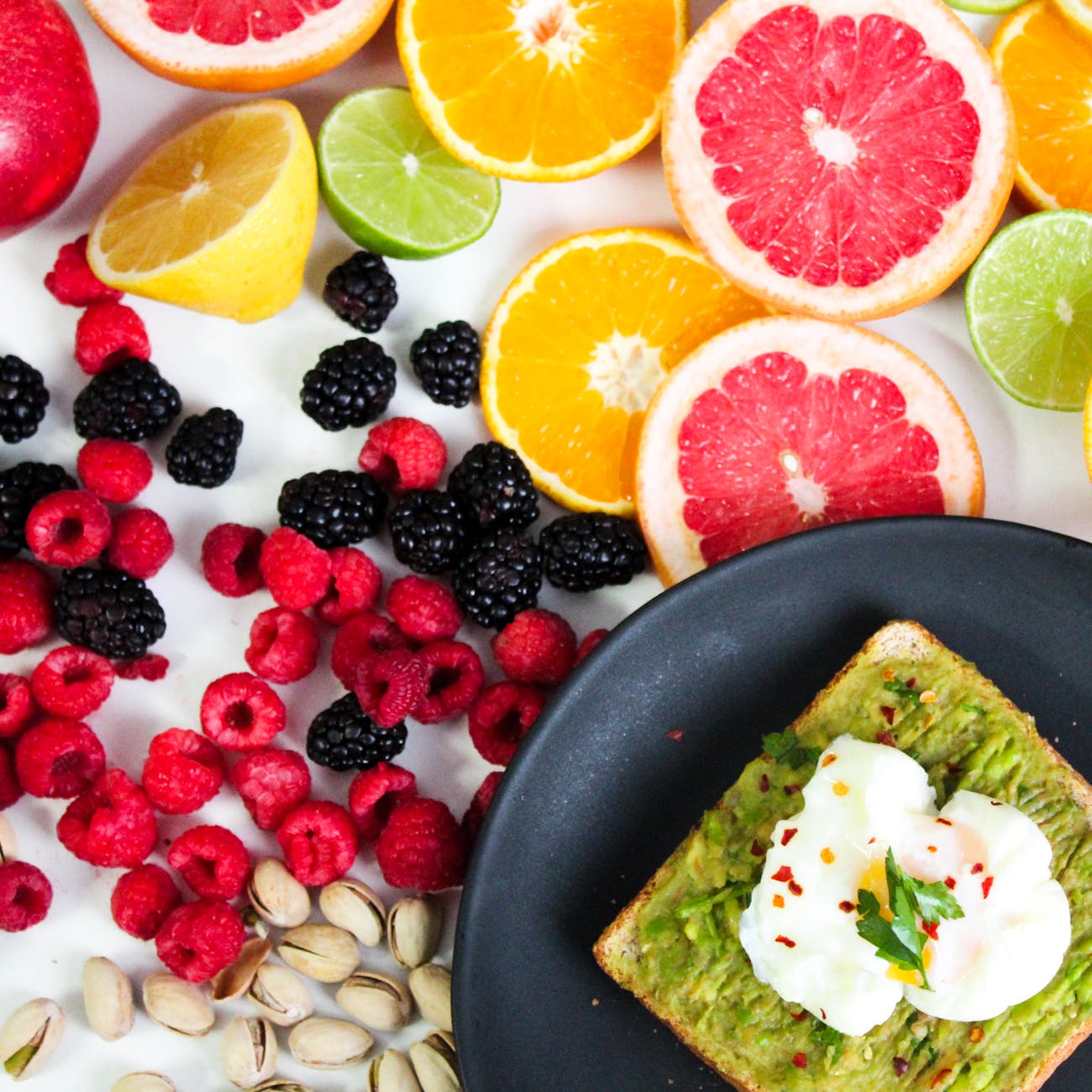
Willow and Sage by Stampington
By Sarah Hauser
You will need:
YIELDS 12 oz.
1 cup fine sea salt
1/2 cup grapeseed oil
Bowl
15-20 drops citrus essential oils
Jar
To Make:
Mix together the sea salt and the grapeseed oil in a bowl or jar. Add essential oils, and mix well. Transfer to a jar for storing or gifting. As you use the scrub, the oil and salt may separate: give a quick stir before using it. To use, gently massage a bit of the salt scrub onto wet skin using a circular motion. Rinse with warm water.
Notes:
Citrus essential oils can cause possible skin sensitivity, particularly in sunlight.
If you’re pregnant or taking prescription medications, please consult your physician before using essential oils.
 Looking for the Light
