I follow 49 charities and organizations on Twitter to get a close-up view affecting the people and issues closest to me. The National Center on Elder Abuse is a great resource to learn the laws elders have and don’t have. Pressing issues like medical and housing concerns.
The NCEA provides the latest information regarding research, training, best practices, news and resources on elder abuse, neglect and exploitation to professionals and the public. First established by the U.S. Administration on Aging (AoA) in 1988 as a national elder abuse resource center, the NCEA was granted a permanent home at AoA in the 1992 amendments made to Title II of the Older Americans Act.
The NCEA is one of 27 Administration on Aging-funded Resource Centers. Research shows that as many as two million elders are abused in the United States. The Administration on Aging recognizes that as a government, as a society and as individuals, we must increase our efforts to insure that all older adults age with dignity and honor.
Primary Grantees
The National Center on Elder Abuse is a program of the U.S. Administration on Aging, with grants awarded to the following agencies to carry out the Center’s activities:
The Keck School of Medicine of the University of Southern California is proud to be working with these sub-grantees to reach our primary audiences (seniors, caregivers, and the aging network) and to meet other important deliverables for the NCEA.
It’s about creating a space to transition from your work self to your home self, according to peak performance researcher and consultant Adam Fraser.
Every weekday for the month of January, TED Ideas will publish a new post in a series called “How to Be a Better Human,” containing a useful piece of advice from a speaker in the TED community. To see all the posts in the series, click here.
What are you carrying home from work with you? We don’t mean the tangible, practical items — the empty sandwich container or the folders of papers to look over — but the invisible stuff that can weigh us down — that critical comment made by a coworker, the disappointing numbers in the weekly report, the important meeting that keeps getting rescheduled. Do you ever wish there was a “delete” or “pause” button you could push to stop your brain from whirring?
Australian performance consultant Adam Fraser hasn’t invented a pause button, but he has come up with a trick to help people stop bringing home their bad days: Create a “third space” that gives you the mental room to transition from work life to home life.
The third space doesn’t need to be a physical area. It could be “the drive home, the ferry ride, the bus ride, walking the dog, going to the gym,” as one CEO told him. It’s just about taking the time to power down from your day and decide how you’d like to show up at home. Because if you don’t do this, you risk passing your grumpy mood to the people you live with. “Even if you live on your own,” Fraser adds, “how you transition home determines whether you unwind, relax and socialize or obsess and worry about the day.”
To set yourself up for a restorative evening, Fraser suggests these three steps.
Reflect on your day. Ask yourself: “What went well? What did I achieve? What might I do better tomorrow?” These questions are intended to remind you about your successes, nudge you to learn from your experiences, and adjust for the future.
Rest by doing something that makes you present. This might mean doing sudoku, exercising or meditating. It could also be as simple as taking a shower and changing out of your work clothes before you engage with other people. Fraser likes to bring his two kids and dog to the park, where they all run around. “We are idiots for 45 minutes,” he says, laughing.
Reset by asking yourself: “How do I want to show up at home?” Rather than flying in the door with your work day trailing behind you, try to be purposeful as you step into your personal life.
You can spend as little as 15 minutes in your third space, says Fraser: “It’s not when you show up, it’s how you show up.”
A simple framework for delivering a short, sincere “I’m sorry,” from criminal defense attorney Jahan Kalantar.
Every weekday for the month of January, TED Ideas will publish a new post in a series called “How to Be a Better Human,” containing a helpful piece of advice from a speaker in the TED community. To see all the posts in the series, click here.
Quick survey: What’s the worst part of apologizing?
A) Working up the courage to admit we were wrong.
B) Standing in front of the other person and saying that we’re sorry.
C) Waiting for a reaction from the other person after we’ve spoken.
You’re on your own with the first and third parts, but Jahan Kalantar, a criminal defense attorney in Sydney, Australia, is here to assist with the second.
In his profession, apologies matter a great deal. “I’m talking about the difference between going to jail and going home, the difference between seeing your children twice a year or twice a week,” says Kalantar.
But even when there’s a lot at stake, and even when you feel genuine remorse, you may still find it hard to apologize, searching for the perfect words that, as Kalantar puts it “communicate vulnerability and gratitude.”
He suggests a simple “why-because-and” framework.
Start by looking the other person in the eye.
Say why you’re sorry.
For example: “I’m sorry I couldn’t make it to your housewarming party …” or “I’m sorry I handed in my proposal one day late …”
Explain the because behind your remorse.
For example: “… because I know you were so excited to show me your home …” or “… because I know you need those numbers to figure out the budget …”
Finish with an and.
For example: “… and when you have another party, I’ll be there.” or “… and I’ll send you the report tomorrow and I’ll be sure to meet all future deadlines.”
Kalantar’s method identifies what went wrong, acknowledges fault, and then points towards a solution. In cases such as a silver-wedding anniversary dinner, there is no obvious and to offer, but you can say something like “… and I’d love to celebrate with you and Mary in the future.”
Through your words and tone of voice, you should make it clear that you’ve thought about your actions and you’re truly sorry. “The next time you make a mistake … don’t be afraid to be vulnerable and authentic, because the power of any message is how honest of a place it starts its journey,” says Kalantar.
The researchers found that exercise, regardless of volume or intensity, benefits non-alcoholic fatty liver disease (NAFLD) patients even in the absence of weight loss. NAFLD is commonly associated with obesity and diabetes. “The results from our study show that all exercise doses, irrespective of volume or intensity, were efficacious in reducing liver fat and visceral […]
Here we help narrow down your options and break down the basics.
Microfiber Sheets
Microfiber sheets masks are the most common type on the market. Typically the cheapest option, they are made from non-woven, cotton-like fabric that is drenched in various ingredients to replenish the skin; however the microfiber causes the moister to evaporate quickly. These are not always one size fits all.
Hydrogel
Hydrogel mask are made from cosmetic serums and gelatin to produce a thin-film layer that locks in moisture and sticks to your face better than microfiber mask. These options are often sold as a system with two halves applied separately.
Bio-cellulose
Bio-cellulose mask consist of all natural fiber that experts consider the highest standard for hydrating skin and replenishing skin. They perform better mainly due to the snug adhesion the fiber allows to the face, maintaining the moist and nutrients through the entire application.
Clay and Charcoal
Clay and charcoal mask sheet masks, saturated with clay or charcoal and black in color, work to detoxify the skin from unwanted impurities. They often soothe the skin.
Bubbling Sheet Mask
Bubbling sheet masks work in a similar fashion bubbling mask. Made of charcoal, detoxifying nutrients, and sparkling water, foam is formed on top of the sheet mask, which is then to be massaged into skin after application. This helps to keep moisture locked into your skin afterward.
Many of us track our time or money, but here’s something else you may consider measuring: Your decisions. Bulletproof founder Dave Asprey explains why.
For more than five years, tech entrepreneur Dave Asprey has interviewed the world’s leading thinkers and influencers on his Bulletproof Radio podcast. Here is some advice that he’s gathered about how to make smarter decisions.
Long before I interviewed him, Stewart Friedman was my professor at the University of Pennsylvania Wharton School of Business. He’d rocked my world by showing me that I was investing my energy in all the wrong places.
In our conversation for my podcast, Stewart said that when he examined the lives of very successful people, he found they all demonstrated one key concept: Being aware and honest about what was most important to them. Stewart says that in everyday life, most of us don’t take the time to ask ourselves what we really stand for, which makes it difficult to make decisions that are in line with our goals.
Knowing what matters to you brings clarity to your decision-making and enables you to do the important work of saying “no” to many things and focusing your attention and energy on the things that matter most to you. To illuminate your values, Stewart recommends thinking about your life 20 years from now. What will a day in your life be like in 2039? Who will you be with? What will you be doing? What impact will you be having? Write all of these answers down. Keep in mind that you’re not creating an action plan but a compelling image of the future that serves as a window for your true values.
Once you know what matters most to you, Stewart says, the second step is to determine who matters most to you. This is a challenging question, but he suggests that real leaders take the time to ask themselves: “Who matters to me? What do those people want from me? What do I want from them?”
I learned a lot from my time with Stewart, who made me aware of some uncomfortable truths about how I was spending my energy. One of my core values, I realized, is continual self-improvement, but I had set it aside to focus on my career. So I made a decision to do something every day that makes me better. This commitment helps me invest my time and energy wisely and concentrate on ways to continually grow and challenge myself.
To better focus on this value, I sought out someone who lives and breathes self-improvement: Tony Stubblebine. Tony is the CEO and founder of Coach.me, a company based on the idea that positive reinforcement and community support work in tandem to help people achieve their goals.
Tony sets a decision budget for himself every day. He allows himself only a certain number of decisions, big or small, and then he “spends” them throughout the day. For this reason, the actions that he takes early on largely determine how he spends the rest of his day. If he uses a lot of decisions in the morning, he’s left avoiding even the simplest of decisions in order to stay “on budget.”
He didn’t start out this way, though. He used to check his phone and social media accounts as soon as he woke up. From the moment his alarm went off, his head was filled with all the things that he needed to do and the people he “had” to respond to. Which email should he respond to first? Should he say yes to that opportunity? Should he “like” someone’s post? Should he check out the link a friend sent him? He found those decisions were wearing him down before he even started on the major tasks of that day.
Now Tony starts his day with a clear mind. He meditates after he wakes up and then writes his to-do list. To prioritize it, he asks which of the tasks have the potential to significantly affect his desired outcome. After practicing this habit for a while, he began to realize that many items on his to-do lists weren’t critical. Eventually, he grew so clear on what was important to him that when opportunities arose it was easy for him to say “yes” or “no” without having to negotiate an answer or spend time making a decision. If an opportunity wasn’t going to change the outcome, “no” was his habitual response.
There’s a theory — contested by some scientists, supported by others — that each of us has a limited amount of energy in the day for exercising our willpower, our power to choose. But no matter where the science comes out, it’s safe to say: Making decisions takes more energy than not making decisions.
Most of us know what it’s like to simply run out of energy for big decisions after making so many small ones. This phenomenon is called decision fatigue: the more decisions you make, the worse your judgment becomes. Corporations know this, and that’s why they put candy up front at the cash registers. As you make decision after decision while shopping, you’re depleting your energetic bank account. By the time you’re ready to check out, you’re likely to be experiencing decision fatigue, so you give in and buy a candy bar (or give in to a kid who’s demanding one).
Some people find that simply eliminating as many decisions as possible — especially about their day-to-day routines — can offer them more clarity. In fact, many successful people have developed daily routines that are so dialed in that they don’t even have to think about them.
Here’s how you can start tracking and modifying your decision budget.
• Take note — mentally or on paper or a device — every time you make a decision for the next week. As you notice yourself making a decision, ask two questions: Did this decision matter? Was there a way to avoid making this decision by ignoring it, automating it, or delegating it to someone who likes making this kind of decision?
• After a week, choose two decisions you regularly make that add little value to your life, and then stop making them or simplify them. Wardrobe decisions are ones that high performers tend to streamline. Why do you think Steve Jobs wore a black turtleneck and New Balance sneakers every day? When you reach for some version of the same outfit every day, you never have to worry about what to wear.
• If you want to try this, go through your closet and put the most compatible stuff in the front so you can make fewer decisions in the morning about getting dressed. If it works for you, your next step is to opt a capsule wardrobe. Of course, you can still save a few special pieces for social events and other occasions.
Take a look at your breakfast. Can you automate it? What’s your new default breakfast going to be? Try eating it for a week. You can also create a capsule menu for dinners. To do this, find five or six recipes that you (or someone you live with) likes to cook and that everyone in your household likes to eat. That way, you’ll be able to shop for groceries and cook on autopilot. When you get tired of a recipe, swap it out for a new one.
These may seem like minor decisions, but they can save time and mental energy that you can then use for something more important to you.
“When I speak authentically and truthfully about my experience, I have power. I am not going away.”
Marissa Hoechstetter was repeatedly sexually assaulted by the OB-GYN she saw during her pregnancy, the delivery of her twin daughters, and follow-up appointments. The perpetrator was well-regarded in the field and was recommended to Marissa by a friend. At the time of the incidents, Marissa trusted her doctor’s treatment and was focused on making sure her pregnancy went well.
“With medical professionals, there’s often a legitimate reason for why their hands are on your body. There’s a gray area and the minute you step into their office, they have power over you,” says Marissa. “Looking back, there were a lot of things that felt odd, but I was pregnant and focused on my babies and after all, this person was the uncle of a close friend of mine.”
During one visit after her twins were born, Marissa recognized that the behavior crossed medical boundaries and knew immediately that something was wrong. “I felt it happen and froze. I never went back.” Despite continuing to feel for years that what had happened was wrong, Marissa chose not to report because she was immersed in being a new mother and found herself minimizing her own experience in comparison to other stories of sexual assault. “It just kept coming back to me how wrong it was, but I had one-year-old twins and was working full-time. I didn’t have the ability to acknowledge or deal with it.”
Marissa says it was hard for her to speak about the abuse at the beginning, but eventually she realized that sharing her story would allow her both to help others and to begin her own healing. “I got to the point with it all where I really felt like if I couldn’t speak publicly about this, who could? I felt hypocritical raising two daughters and telling them to tell the truth and call out injustice. I thought ‘I’m not doing that.’”
Marissa first disclosed the assault a few years later to her husband and the district attorney’s office, and she decided that she was going to keep telling her story until she got justice. “It’s taken me some time to find my voice—but now that I have, I’m not going to stop using it.”
Meet Marissa
5 ways to describe me:
Strong
Honest
Loving
Resolute
Creative
How to become an advocate:
“There’s no manual on how to do this stuff, I’m just doing it. I’m doing what’s right by honoring my experience and speaking the truth.”
Why she tells her story:
“By telling my story, I am also bringing awareness to medical abuse and the failings of the criminal justice system.”
For Marissa, speaking out about the abuse was very difficult at the beginning because she felt ashamed, angry, and confused—often questioning her own experience; but it got easier over time. “Each time I talk about it, it gets easier. I’m at a point now where I’m talking about it quite a lot.” But it was a gradual process for her to start telling her story. “Each time I’ve reached out or made my story more public, it’s turned out to be OK. I’m fortunate that I’ve had really positive experiences.” The MeToo Movement created an environment that validated Marissa’s experience. “I saw things and realized that the same things had happened to me. I felt more comfortable speaking out.”
Through speaking about the abuse, Marissa created the opportunity for other women who had experienced abuse by the same perpetrator to come forward. Of the many survivors, 17 sued Columbia University and its hospitals for the alleged oversights that allowed this abuse to continue over the course of 20 years. Marissa was not the first person to have spoken up about it—she says that others had been reporting incidents going back to the 1990s, but no action had been taken to stop the abuser from seeing patients. Though the other survivors remain anonymous to the public, Marissa says it has been helpful to know that she is not alone.
Marissa aims to raise awareness of sexual abuse by medical professionalsboth so that survivors of this crime no longer feel alone and so that the legal and institutional systems that allow this abuse to occur can change. “So many people reach out to me who want to talk about sexual abuse by medical professionals. There’s a lot of shame and self doubt. They want to validate their experience. They don’t know what to do, where to go.” “We need to draw more attention to this so that the profession can acknowledge it and take better steps to protect patients. We need change—from the institutions that employ, enable, and protect these abusers, to the governmental structures that are supposed to regulate them.”
Short statute of limitations and limited roles of admissible evidence mean that, often for crimes of sexual abuse that go on over a long period of time, it is very limiting for prosecutors trying to show a pattern and history of illegal behavior. That is why Marissa advocates for increasing public opinion around the issue of why someone didn’t report earlier in order to address the issue of statutes of limitations, which she believes should be reformed. “It’s so great that RAINN has the statutes of limitations state database—so often survivors don’t know what the laws are in their state.”
In terms of giving advice to others about recognizing medical sexual abuse, Marissa says to trust your instincts. “Honestly just trust your gut. If something doesn’t feel right or comfortable, go somewhere else.” She also recommends being an informed patient as much as possible. “Be an informed consumer for this like you would be about anything else in your life.” She recommends researching both the healthcare provider and the facility. In addition to reporting sexual abuse to the hospital and police, survivors can also contact their state’s medical board to file a complaint against providers, though unfortunately in most states you cannot access these complaints against doctors. Marissa has been advocating for greater transparency on medical boards.
In addition to the healing Marissa has experienced though advocacy and sharing her story, she has also found the support of family, friends, and therapy to be essential. “Therapy was helpful for working out how I felt about what happened to me and what I wanted to do about it.” Her therapist encouraged to start writing down her thoughts and feelings, which Marissa has continued to do for years. “Putting it down on paper and reading it back to myself was really powerful for me.” Marissa also runs regularly, which is useful to her both for the exercise and for finding alone time to reground herself and clear her thoughts.
Though sharing her story and becoming an advocate for other survivors has been healing for Marissa, she emphasizes that survivors should do what is best for them and should not feel they have to disclose publicly.
“For me, I knew I needed to do something. Speaking out for me was about feeling productive.”
Granny it’s hard to believe it’s your 98th birthday, I celebrate the memories in my head. You were on my side from birth, making unannounced house visits, questioning where I was and making sure I had clothes. You made my clothes until fifth grade, how did you find the time with all the hard work you did?
Times were so different, you woke up at 4:30 am to make Gramps fried eggs and toast, while he ate you made a fresh sandwich, fresh thermos of tea and a snack, walked to door and gave a peak on the lips. You were happy.
As I got older you started cleaning houses to make money for my school clothes. I knew you worked so hard but I never thanked you, you made many sacrifices so I could have the cool jeans in high school and the popular shoe of choice.
You were the beautiful sunshine, loving part of my life. I miss you desperately. I know you’re proud and love me. I included one of your favorite photos of me.
As dementia progresses, the symptoms first experienced in the early stages of the dementia generally worsen. The rate of decline is different for each person. A person with moderate dementia scores between 6–17 on the MMSE. For example, people with Alzheimer’s dementia in the moderate stages lose almost all new information very quickly. People with dementia may be severely impaired in solving problems, and their social judgment is usually also impaired. They cannot usually function outside their own home, and generally should not be left alone. They may be able to do simple chores around the house but not much else, and begin to require assistance for personal care and hygiene other than simple reminders.[11]
I’m in Second Stage Dementia, a 17 on the MMSE and I’m going to kill myself. There’s no emotion in my voice, my husband, my Therapist, and my Psychiatrist know. I don’t want to die and that is why picking the right time is so important. I won’t lie wasting away not knowing anyone, unable to speak or eat. Someone has to bathe you and change your bed several times a day, it’s gut-wrenching to watch someone you love die this way.
I cared for my Granny, the second stroke is where she started losing touch. She would say “Why did Gramps leave me at this house.” I took photos off the wall to assure her he went to get groceries, she was lost in a terrible reality. She would bang her head against the wall and scream she wanted to die. My Granny got so violent I had to medicate her and that was the last time my Gramps could leave the house until her death.
My Dementia was caused by Lyme Disease, the Spirochetes used my brain as a host. I’m in the second stage and it’s difficult already. It’s not just the words forgotten, it’s the time’s per day forgotten. I talked with my husband last night but have no idea what we talked about. Many times the words don’t come. Maybe you’ve noticed? I try to tell myself it’s freeing to not worry about the date or day of the week, it’s sad cover.
Every case of Lyme is different partly do to which major organ the spirochetes penetrate and set up house. They go for the brain, liver, kidney’s or heart, some of the symptoms are relative to the organ they set up house in. Then you have co-infections to deal with. A tick can give you Lyme and other diseases it carries around. Ticks aren’t the only ones to carry Lyme, sand flies and mosquitos can carry the disease. This is why it’s so important to spray yourself every time you go outside.
Doctor’s don’t have a protocol to follow since every patient is different. To me Lyme treatment felt as if the doctor was trying to kill the spirochetes without killing me. I was in bed almost three years. Doctors are working to establish a protocol but that is another post.
My Lyme team recommended approximately 50-75 supplements to take on top of my daily prescriptions and seven days of IV Therapy. When I was feeling like death, supplements were the last thing on my mind. After taking certain ones and not feeling any different, the bottle were rounded up and thrown in thrash. Don’t get me wrong, supplements work for many people.
There are doctors or practitioners who claim supplements alone will cure Lyme, sorry not true. Lyme has no cure. I’m not against supplements and take a few today, when you’re already taking so many pills and an IV everyday, 50-75 more pills didn’t work for me. I wish all the best in your treatment.
Like many autoimmune diseases there isn’t a road map. Research helps but is not a cure. If you have an autoimmune diseases, stay on top of research, clinical trails and new medicines, doctors can’t keep up with everything or be expected to tell us.
Take responsibility for your illness, not focus on your illness, focus on how to improve your day-to-day and where your future is going.
Lyme is one of many Autoimmune Diseases that share the same or similar symptoms. It’s one reason doctor’s tend to treat each symptom until they realize it’s one illness and give a referral or you’ve given up on them.
My journey started with pain in the middle of my chest, Costochondritis, my General Practitioner said, it will heal in three months and to come back then. The next appointment I was diagnosed with something to do with my left Clavicle. Time for a second opinion, the new doctor said no it wasn’t my Clavicle and recommended a Neurologist. I walked down the hall and made an appointment the same day. I spent a year with the Neurologist, taking every test she could do, all the test were abnormal but not enough to make a diagnosis. The test result were interesting and surprising, I was having high spike seizure at nigh,t unknown to me. She recommenced I see a Rheumatologist.
The recommendation was a clue to what might be wrong, Rheumatologist treat Autoimmune Disorders. I hit the Internet and started searching by taking the results from each test and adding autoimmune. In less than a minute I had a list of the most common Autoimmune Disorders. I did an uneducated elimination until the list was down to four. I took a stab at Lyme, then started reading everything I could find.
Finding a Lyme doctor was difficult because the Medical Board was still taking medical license’s away from doctor’s who treated Lyme. I found ILADS which is an organization for doctors who believe in Chronic Lyme. The Center for Diseases Control does not believe in Chronic Lyme, saying treatment should not go beyond six weeks. Not much at the CDC has changed today. If you’ve been turned down by your insurance company to cover your treatment, here’s why. Once of the Center for Diseases Control makes a decision on how long treatment takes, insurance companies will only cover what the CDC says is necessary. This also means every government-funded medical doctor or facility will not treat more than the six weeks the CDC dictates.
Getting in contact with a doctor was secretive, first I was asked many questions as to how I found the number and the type of doctor I was looking for. She said ok, someone will call you with the names of two doctor’s.
Picking the doctor close to my house made sense at the time. I was clueless on what to expect. The first appointment we talked about symptoms, I left with many prescriptions and a lab order that called for 25-30 vials of blood. He made the diagnosis but something in my gut said find someone else. It was an easy decision when he told me I had high lead levels and would have to go thru this terrible treatment to purge the lead. Latter that week I looked at the report again, it wasn’t my report, it was another patients. If a doctor’s office can’t keep their paperwork correct, I need to move on.
I made the decision to look across the US this time to find the right doctor. The Lyme doctor I chose was in Washington D.C., he had an excellent record as an Infectious Disease doctor and was involved in discovering AIDS, putting a name to the face of why gay men were dying in large numbers.
At the beginning of treatment I flew to D.C. every month, for a year and a half. Over time the appointments were spaced out, I saw him for three years. I was fighting hard to win over this illness. I kept the Lyme doctor and PA up-to-date on all medicines taking, emphasizing every Psych medicine changes. My Psychiatrist was the only other doctor I was seeing.
His PA called a new prescriptions, I normally will not put a pill in my mouth without going to FDA.gov. I was so sick and didn’t take the time to read more about the medicine. The one she prescribed was in the same category of another drug I take and it made me Psychotic. I walked a circle in our house for almost a week, 24 hours a day, before the reaction went away. I called to tell them they can’t be mixed, the PA says there’s no interaction. I looked on FDA.gov and confirmed the sloppy work, did they even look at my chart? She was responsible for the horrible state I was in. I never went back.
By turning our get-togethers with friends into regular events, we can build the kinds of connections that will sustain us, says life coach Baya Voce.
Every weekday for the month of January, TED Ideas will publish a new post in a series called “How to Be a Better Human,” containing a helpful piece of advice from a speaker in the TED community.
With all the “must dos” (work, pets, kids, home repairs, doctors’ visits) and “should dos” (eat right, sleep enough, check in with family, exercise) in our lives, there’s often little room for anything else. But what tends to fall between the cracks is everyone who doesn’t fall into those categories — like our friends and neighbors.
Why does this matter? “People who are more socially connected to family, to friends, to community, are happier, they’re physically healthier, and they live longer than people who are less well connected,” says psychiatrist Robert Waldinger — who directs the longest-running study on wellbeing and adult development at Harvard University — in his TED talk.
Instead of thinking of socializing as skippable, try to view it as an essential and energizing part of your life. Life coach and event producer Baya Vocesuggests making a ritual out of get-togethers, something she calls “a powerful tool for connection.”
Here’s how Voce and her friends do this: “For me and my girlfriends, our couches act as the metaphorical fire that we gather around. Every Monday night we throw on our leggings, we head to one of our houses, we pour some wine, we pile onto the couch, and we just talk. We’ve ritualized these nights as a time we come to connect and fill our tanks for the rest of the week.”
Two qualities make their Mondays special: repetition and intention. The friends show up for each other no matter what — week in and week out, through calm and chaos, joy and grief. “We do it during the good times, and we do it during the mundane,” says Voce. “So when the inevitable emotional storms hit, you have your ritual to go back to.”
What’s your group’s favorite thing to do together? Beer and darts, tea and scones, Friday-night potluck? There’s no need to launch a brand-new activity. “Find something you’re already doing … and do that thing over and over and over again,” says Voce. Feel free to go beyond your immediate circle and include coworkers (past or present), cousins, dog-park friends, anyone you’d like to get to know better. Commit to meeting once a week or once a month, and start building your own ritual for connection.
ABOUT THE AUTHOR
Carly Alaimo is a writer and content specialist living in Atlanta, Georgia.
Poor lighting often gets overlooked in the workplace, as we talk about mental health and well-being, and the focus is firmly on creating happier and healthier workplaces. But bad lighting is associated with a range of ill-health effects, both physical and mental, such as eye strain, headaches, fatigue and also stress and anxiety in more high-pressured work environments. As we spend much of the day in artificial lighting, there is evidence that the lack of natural sunlight has an adverse effect on the body and the mind, and can result in conditions such as seasonal affective disorder (SAD).
As we navigate the darkest (and shortest days) of the year, 40% of office workers are struggling to work in poor lighting every day. This has a negative effect on their productivity and wellbeing – according to a new research report,looking at the impact of lighting in the workplace. This is a recent research report by the UK company Staples, where an online survey of 7,000 office workers was conducted in October 2018. The research sample consisted of a sample of desk-based office workers from ten European countries including: United Kingdom (2,000, with 302 in London), Germany (1,000), France (500), Netherlands (500), Sweden (500), Norway (500), Spain (500), Italy (500), Portugal (500) and Finland (500).
80% of office workers, said that having good lighting in their workspace is important to them, and two-in-five (40%) are having to deal with uncomfortable lighting every day. A third (32%) said better lighting would make them happier at work. However, when access to natural sunlight is so limited in the winter, many are feeling stressed and suffering from seasonal affective disorder (SAD), and often spend long hours at their desks which is sometimes their only access to light during the day. The results have also shown that 25% of the surveyed are frustrated at having to deal with poor lighting in their workplaces.
Often just 13-15 mins of exposure to natural light are enough to trigger the release of endorphins or “happy hormones”. Dr. Joe Taravella, a supervisor of pediatric psychology at NYU Lagone Medical center said that SAD “affects anywhere from 5% to 10% of the population:, which is a huge proportion of the population suffering from clinical levels of depression for up to a quarter of the year.
Another research concludes that there is a strong relationship between workplace daylight exposure and office workers’ sleep, activity, and quality of life.
World-City Itineraries: Doing Paris, London & New York With A Concierge
There are no statutory workplace lighting levels in the UK. Regulation 8 of the Workplace Health, Safety and Welfare (WHSW) simply requires that lighting at work is “suitable and sufficient” and that, where possible workplaces are lit by natural light. The emphasis on natural lighting and other related research reflects the consensus that daylight is the best form of light. But, in parts of the northern hemisphere, daylight by itself will not provide sufficient illuminance throughout a working area. This means that “sufficient and suitable” lighting usually needs a combination of natural and artificial lighting, and especially artificial lighting that can be personalized as per the activity, function and individual requirements, and those that can imitate natural daylight.
The research by Staples recommends providing SAD lamps to employees, and to have cold-tone lighting with high illuminance in the mornings for maximum productivity. In this research report, 68% of the surveyed workforce admitted that they would feel more valued by their employers if they considered their health and well-being and invested in suitable lighting.
Personalized lighting options can help create more inclusive work environments. One such way is the use of biodynamic lighting which can then adjust the lighting during the day for the tone and illuminance as per natural daylight levels outside, and also the individual requirements of the user. This way the employees feel more in control of their work environments, which has been shown to increase their levels of happiness and productivity in the workplace.
Some lighting designers have recommended an emphasis on cooler, daylight temperatures, for example by adding more blue to the mix. A trial by the University of Surrey’s sleep research center suggests that certain wavelengths of blue light suppress the sleep hormone that regulates sleep/wake cycles. The trial compared alertness levels among staff working in the blue-enriched light with those on a control floor. It found that first thing in the morning and at lunchtime, alertness levels were the same on both floors. But another measure just before staff left for home found significantly higher alertness on the trial floor. Staff also reported improved sleep patterns, and although not scientifically validated, indicated that visual acuity was better with the blue light, and after four weeks, 92% of people on the floor said they preferred it over the old lighting.
There is sufficient evidence now to show that well-being in the workplace can be hugely improved by providing lighting that mimics natural daylight, by bringing more natural light in with large windows, by providing suitable levels of illumination for visual acuity, and by providing personalized lighting that can be adjusted as per the individual biodynamics as well as the task on hand.
A social and creative entrepreneur, writer, TEDx speaker and organizer, and an inclusivity and diversity consultant, Pragya has extensive experience of working with schools and organisations, running workshops on sexism, female empowerment, feminist parenting, mental health …
Dr. Pragya Agarwal is an inclusivity consultant, campaigner for women’s rights and gender equality, TEDx speaker and CEO of The Art Tiffin. Follow Pragya on Linkedin, Twitter, and Facebook
While it’s estimated that nearly 93% of soon-to-be brides use the internet to plan their wedding, we might have more tech to thank when it comes to making our marriage last. According to new reports, home listening devices, like Alexa and Google Home, might have the ability to detect common problems in your relationship.
These virtual assistants are always listening. Back in October, Amazon even filed a patent for a new Alexa feature that can detect when you’re feeling sick based on coughs and sniffles. The device could then offer medicines and other advice to ease your cold symptoms, like chicken noodle soup or aspirin.
The same idea is being applied to your relationship. Alexa, and other home devices like Google Home, might be able to listen in on the conversations between members of your household.
This was revealed in a new study between dating site eharmony and the Imperial College London. According to their research, Google Home and Alexa might be able to tell if you’re experiencing struggles in your relationship with up to 75% accuracy.
The report claims that it can help alleviate communication struggles between heterosexual relationships, in particular. This relies on the idea that men typically rely on factual modes of problem-solving, thus hindering emotional communication in the process.
“AI can pick up missed cues and suggest nudges to bridge the gap in emotional intelligence and communication styles. It can identify optimal ways to discuss common problems and alleviate common misunderstandings based on these different priorities and ways of viewing the world. We could be looking at a different gender dynamics in a decade,” says Aparna Sasidharan, a researcher from the Imperial College Business School.
Of course, this means that 25% of the advice proffered by the system will be incorrect. In some instances, it may even be harmful if the system suggests there are problems that aren’t even there.
Luckily, there are other ways to help improve the communication between you and your partner. It’s estimated that 84% of couples who travel together claim they communicate well with their partner as opposed to 73% of couples who don’t travel.
Traditional methods of therapy and couples counseling can also help bridge the communication gap between partners who aren’t able to see eye to eye.
However, the new study says that the AI can do more than just identify problems in a relationship. It might even be able to influence online dating.
“With AI, online dating version 3.0 is upon us. While traditional algorithms were limited to recommending profiles, these days they can predict compatibility, enhance dating experiences and help manufacture chemistry,” Sasidharan continues.
“But in another decade we could be seeing revolutionary changes with dating apps moving to continuous relationship coaching or marriage counseling as well as improving relationship health and helping people project a more attractive persona.”
The study also suggests that AI could be paired with genetic components to help determine the sexual chemistry and overall compatibility between singles looking for love.
If this idea excites you, don’t hold your breath: this chemistry matching won’t be ready for nearly 10 years, and even then, there’s no guarantee it can be used in a casual setting, like in the home or your local coffee shop. So far, no patents for Alexa and Google Home have been filed as of yet and the USPTO receives an estimated 500,000 patent applications every year, potentially putting this idea at the bottom of the barrel.
Luckily, some dating apps have already begun to use AI in order to recommend first date spots and more. In the meantime, we’ll just have to keep our eyes peeled for the next big trend in dating.
I discovered my free online university, WordPress, and learned not only about writing but another subject that interest me also, so since this blog is called Crazy Life, there is a person https://lookingforthelight.blog/2018/12/27/for-the-love-of-art-plans-for-next-year/ wich I decided and… ordered! What is up with this art thing, always intrigued me. So I send her some questions and the person actually responded to this Crazy Blog, very interesting I might say..
Do you Paint?
No I don´t paint, and neither I have goals to learn.
(That took me by surprise, yet again I kept on asking)
What does art do for you? Art takes me to the time period, it allows me to travel without leaving the chair. I look at the complexity of the art, were they appreciated at the time period. Even if I don’t like a time period or particular piece, I try to put myself in their shoes imaging…
While overall memory declines as we age, that’s far from the end of the story. In fact, there are certain things older people continue to remember quite well, says researcher Alan D. Castel.
Our memories are our identities, and at my lab at UCLA, I’ve worked to understand how we remember what matters to us, especially as we age. Memory decline is one of the first things that concern people about growing older — it can start after the age of 20, so being more forgetful when you are 60 or 70 is often normal. And while a vast amount of research has shown the deficits that accompany aging, it’s far too simplistic to say that the elderly have impaired memories. In fact, there are many things older adults remember quite well. Here’s a look at a few of them:
Older people tend to remember the essentials
A great deal of memory research focuses on what might be considered by some of us to be mundane — word lists, face-name pairs, studying and being tested on pictures — and it’s unclear why this might be important to remember. But how about things that are of real concern or interest?
Imagine you’re packing for a trip. You want to make sure you’ve put in the most important items, the ones that would be extremely costly and/or inconvenient if you forgot them (e.g., your passport, your credit cards). While I wish we could have followed people on their vacations to see what they left behind, we created an experiment to examine this in the lab. We presented subjects with 20 possible items that you might pack on a trip (e.g., medications, passport, sunscreen, toothbrush, phone charger, deodorant, swimsuit, sandals). When we later asked them to recall the items, the older adults (average age was 68) recalled more of the items that they felt were important than the younger adults (average age of 20.4), even though they remembered fewer items overall. We’ve since done other studies showing older adults will have a greater memory for important medication side effects from a long list and for a grandchild’s dangerous allergens than younger adults.
We did another experiment when we came up with a list of words to remember. Some were more important and paired with higher point-values or rewards, while others were less important and associated with lower point-values or rewards. The goal was to maximize one’s overall memory reward — to do that, you needed to remember the words paired with the highest values. We found that older adults remembered fewer words overall but recalled just as many of the highest-value words as younger adults.
Older people tend to remember what they need to do in the future
Sometimes the most important things for us to remember involve future actions. This is called “prospective memory” — and it might take the form of remembering to take medications at a certain time tomorrow, or paying a credit card bill on a particular date or else we’ll get penalized. While prospective memory might be worse in older age, there are important exceptions. Researchers have found a “prospective memory paradox”: despite older adults doing poorly on laboratory tasks of prospective memory, they fare well in the real world.
For example, in research studies older adults may be asked to perform a future task such as “When you see the word ‘president’ on the next page, please raise your hand.” Sometimes they get so focused on reading that they forget to react when “president” appears — but does that mirror the forgetfulness of not taking one’s medication at noon in 2 days? As many of us know, older adults have often developed strategies to prompt their prospective memories, like putting their wallet by the front door or their medications by their eyeglasses. To bridge this gap between lab-based prospective memory tests and real life, one study asked people who came to the lab to mail back postcards every week; researchers wanted to determine how younger and older adults would compare in remembering to do this future-focused task. To their surprise, it was the older adults who diligently mailed in the postcards each week.
Of course, some older adults remember to do things the old-fashioned way: they write it down in a calendar they consult every day. When I called then-97-year-old John Wooden, retired from a legendary career as a basketball coach, to schedule an interview, he wrote it in a calendar. Then, he called me the day before to confirm I was still coming to see him — he was reminding me!
Older people tend to remember what intrigues them
Humans are curious from an early age. My young son loves the adventures of the mischievous Curious George and of learning about the world. Our curiosity blossoms with age, but we typically become interested in different things as we get older. After all, Curious George is not the favorite bedtime reading of most adults.
To test your own level of curiosity and memory, read the following trivia questions, decide how interested you are in learning the answers (on a scale of 1 to 10, with 1 being not interested at all, and 10 being extremely interested), and then try to come up with answers (the answers are at the very bottom of this article):
What mammal sleeps the shortest amount each day? What was the first product to have a bar code? What was the first nation to give women the right to vote?
These are fairly difficult trivia questions, and some are probably more interesting to you than others. In one study done in my lab, younger and older adults were given questions like those that you just read. Much like those, all of the queries were chosen such that we guessed almost none of the participants knew the correct answers. Afterwards, the subjects gave each a curiosity rating — showing how interested they were in learning the answer. They were then told the answers. A week later, the same subjects were presented with the same questions and asked to recall the answers. It was the older adults who remembered the ones they were more curious about — and they forgot the less interesting ones. The younger adults didn’t show this pattern.
There’s a certain pleasure in recalling trivia and absorbing new information about the world. I’ve noticed the most popular games at senior centers and retirement communities often involve this kind of random knowledge. People sometimes worry about having too many stray facts in their minds. But even though trivia may appear to have little useful value, the fact that it continues to arouse curiosity — and sticks in older people’s minds — shouldn’t be discounted.
OK, older people may forget what they’re doing in a particular room, but they can jog their memory
Our surroundings can influence how we remember things. Have you ever found yourself in the kitchen and not had the faintest idea what compelled you to go there? This is a common occurrence for everyone, but especially for older adults. Some research suggests that walking through doorways or crossing physical boundaries may actually trigger forgetting. When you move from one place to the next, the doorway leads to a new environment that does not provide the necessary cues to remember what you were doing in the other room. As you enter the new room, your brain must either keep in mind or re-create what you were thinking when you were in the earlier room — but our minds often wander as we go to another room or we start thinking about something else.
The best way to remember what you need is to walk back into the first room where you originally had the thought of why you needed to go to the other room. The context of that original room can trigger your original intention. In addition, walking is one of the best ways to keep your memory sharp. With enough time and walking, you’ll find the memory eventually comes back.
P.S. But don’t get too hung up on what you can and can’t remember.
Our beliefs about our memory can be very influential. In fact, many of us have negative beliefs and expectations about aging’s impact on the brain. This kind of “stereotype threat” can make people perform stereotypically — in a way that is consistent with what they think is expected of them. Stereotype threat has been examined to determine if it causes older adults to underperform on tests of memory. Labeling something a memory test, or asking people to come to a memory study, does appear to invoke anxiety, and research has shown that renaming it as a “wisdom test” (and then administering the same memory test) leads to better performance by older adults. So, the next time you start to worry about forgetting a world capital or a famous actor’s name and wonder what this means about your brain and your memory, try not to sweat it.
Note: The research covered here involves mostly healthy older adults who report memory changes in older age. However, if you experience more frequent and concerning memory problems, you should consider consulting a neurologist.
Answers to trivia questions: giraffe; Wrigley’s chewing gum; New Zealand.
These incredible pups catch poachers, sniff out invasive plants and diseases, and more, thanks to the work of wildlife biologist and conservation-dog expert Megan Parker.
What happens to those dogs that are just too much dog for people to handle? “You know them — you go to your friend’s barbecue, their dog is so happy to see you that she pees on your feet, and she drops a slobbery ball in your lap,” says Megan Parker (TEDxJacksonHole talk: Dogs for Conservation), a wildlife biologist and dog expert based in Bozeman, Montana. “You throw it to get as much distance between you and the dog as possible, but she keeps coming back with the ball. By the 950th throw, you’re thinking, Why don’t they get rid of this dog?” All too often, their owners reach the same conclusion and leave their pet at a shelter.
Thanks to Parker and the team at Working Dogs for Conservation (WD4C), some of these dogs have found a new leash lease on life. They’re using their olfactory abilities and unstoppable drive in a wide variety of earth-friendly ways, working with human handlers to sniff out illegal poachers and smugglers, track endangered species, and spot destructive invasive plants and animals.
Chai is shown here with a trainer. After a dog learns to recognize a particular scent, the education isn’t over — their handler works with them regularly so they maintain their skills. These days, you can find this sweet German shepherd protecting wildlife in Zambia, along with her brother Earl.
Parker first considered using dogs in conservation when she worked on the reintroduction of wolves to Yellowstone Park and was asked how researchers could track wolves through their scat, or droppings. “I started thinking how best to detect their scat off a large landscape, and the idea came up for dogs,” she says. In 2o00, she cofounded WD4C to train and use canines in conservation work. Most of their dogs are adopted from shelters or from organizations or work settings where they didn’t quite fit in.
While it’s fair to say almost all dogs love toys, wildlife-detection dogs areobsessed with them. “They’ll do anything to chase a ball or a tug toy,” says Parker. If their preferred plaything is thrown far into the brush or buried in a massive pile of leaves, no worries — they won’t stop looking until they find it. No food, obstacle or distractions can deter them, and WD4C staff have turned this single-minded focus into a powerful incentive. Their canine friends are rewarded with their favorite toy every time they locate a desired wildlife-related scent, anything from elephant ivory and poachers’ guns in Zambia and trafficked snow leopards in Tajikistan to predatory Rosy wolf snails in Hawaii and invasive Argentine ants on California’s Santa Cruz Islands. The dogs are careful not to disturb or touch any specimens they pinpoint; it’s all about the toy.
Lily, a yellow Lab, is one of the group’s many sad-start-happy-ending stories. When the then-three-year-old came to the attention of WD4C trainers, she’d already bounced her way in and out of five different homes. She couldn’t sit still and she never, ever wanted to stop playing. Oh, and she was a bit of a whiner. Since joining WD4C in 2011, she has been trained to recognize a dozen different conservation-related scents and been deployed to track grizzly bears and sniff out the eggs, beetles and larvae of emerald ash borers, an insect that has killed millions of trees in the US and Canada.
Hilo was originally meant to be a guide dog for the blind, but when that didn’t work out, he found a place at WD4C. Here, he wears the standard orange vest that tells conservation dogs it’s time to get to work. Hilo helps detect quagga and zebra mussels on boats.
The three-dozen-strong WD4C pack also includes purebred working dogs who weren’t right for their intended occupations. Orbee, a border collie, had the enthusiasm and live-wire energy required of ranch dogs, but there was one problem: he had zero interest in herding sheep. He also barked a lot. Since joining WD4C in 2009, Orbee has had a globe-trotting career — he has spotted invasive quagga and zebra mussels on boats in Alberta and Montana, monitored the habitats of the endangered San Joaquin kit fox in California, and assisted scientists in northern Africa in counting up Cross River gorillas, the world’s rarest gorilla.
Jax is a Belgian malinois, a sturdy breed frequently used by the police and military. He was in training to serve with the US Army’s special unit, the Green Berets, until his handlers realized Jax doesn’t like to bite people — just toys. And, boy, does he loves toys; he’s even tried to climb trees to reach prized objects. Since 2017, Jax’s athleticism and high spirits have been used by the WD4C to perform tasks such as mapping the movements of bobcats in the western US.
Tule gets to roam the great outdoors for WD4C, using her keen nose — dogs have around 300 million olfactory receptors compared to humans’ 6 million — to track animals such as the endangered black-footed ferret in Wyoming.
“Different dogs have different strong suits,” says Parker. She and the WD4C team try to place their charges in environments that match their skillset, likes and dislikes. Unlike many dogs, Tule (above), a Belgian malinois who flunked out of a job with US Customs and Border Patrol, has absolutely no desire to chase small animals such as cats, squirrels and rabbits. This made her the perfect fit to help researchers monitor black-footed ferrets, which live in the same territory as a large, scampering prairie-dog population. The ferrets, once thought extinct in the US, were reintroduced in Wyoming in recent years. Tule alerts her handlers to the scent of live ferrets or their scat, information that allows state wildlife officials to map their distribution and see if the population is recovering. Without Tule and her pack, researchers would be forced to study the elusive creatures with cameras or live traps, undependable methods at best.
The dogs’ efforts have resulted in positive, substantial changes. The organization teamed up with the nonprofit Wildlife Conservation Society so their dogs could track the scat of four keystone carnivores (grizzly bears, black bears, mountain lions and wolves) through the Centennial Mountains in Idaho and Montana. Five years of doggie data showed that all four species depended on the mountains to move between the Greater Yellowstone ecosystem and central Idaho wilderness areas. Thanks to this information, activists were able to stop construction of a housing development that would have interrupted their migratory pathway.
Tobias is a former stray who was found on the streets of Helena, Montana. He has searched for Argentine ants on California’s Santa Cruz Island, and now he spots invasive mussels on watercraft in and around Glacier National Park.
Some dogs are searching for animals and plants that are most wanted for the opposite reason: they’re invasive species proliferating where they don’t belong and driving out native flora and fauna. There’s the previously mentioned zebra and quagga mussels, which spread by clinging to boats and watercraft, and which clog water and sewage pipes, foul up power plants, and destroy good algae. Tobias (above) is a specialist in finding them. In one test, WD4C dogs identified 100 percent of the boats with mussels aboard (human screeners spotted 75 percent). The dogs did the job more quickly, and they could also detect the mussels’ microscopic larvae.
Former shelter dog Seamus (shown at the top of the post), a border collie, is an expert in searching out dyer’s woad on Mount Sentinel in Montana.Humans have tried to eradicate the invasive weed by spotting its flowers and pulling out plants by hand, but these attempts barely made a dent. By the time it’s found, it’s often already seeded (and a single plant can produce up to 10,000 seeds). Seamus’s keen nose, along with those of three canine colleagues, learned to sniff out woad before it flowered, a time when it’s extremely hard for human eyes to see. They also found root remnants left in the ground. At a recent checkup, just 19 of the invasive plants were found on the mountain. “It will be a complete extermination,” says Parker. “It’s just going to take a long time because we don’t know how long their seeds last in the soil.”
The dogs’ hunting grounds even extend into the water. Although prized in their native habitat, brook trout are an invasive species elsewhere; in some places in the Western US, they are pushing out the native cutthroat trout. WD4C was brought to Montana by the US Fish and Wildlife Service, the US Geological Survey and the Turner Endangered Species Fund to see whether their animals could learn to sniff out live fish in moving water. Reports Parker, “This project confirmed what we long suspected: that dogs can detect and discriminate scents in water.”
Pepin can recognize 20 wildlife scents, including the scat of snow leopards, wolverines and cheetahs. In one cheetah study, he and another conservation dog located 27 scats in a 927-square-mile area. How many did humans find in the same territory? None.
Pepin (above), who worked on the brook trout project, is part of an ambitious charge to train the dogs to detect infectious diseases in animals.“He’s done the first of a lot of things for us, because he’s so game,” says Parker. Some wildlife carry brucellosis, a bacterial disease that is particularly harmful to cattle. It’s difficult to tell when animals are first infected because they typically don’t display symptoms, so in areas where the disease is prevalent, ranchers tend to keep livestock and wildlife as far away from each other as possible — severely limiting the territory and movement of both kinds of animals. The hope is that dogs could provide a fast, reliable way to identify infected herds. So far, Pepin has shown he can discriminate infected elk scat with higher and lower concentrations of the bacteria, and W4DC is eager to explore this use of dog power. “We have proof of concept,” says Parker. “I’d like to move that work forward.”
There are so many other unexplored capacities and environments where dogs could help, Parker believes. To that end, WD4C started a program in 2015 called Rescues 2the Rescue, which aims to help shelters around the world identify would-be detection dogs and place them with wildlife and conservation organizations. What kind of dogs are they looking for? Ones that are, uh, crazy.
To clarify that adjective, we’ll close by telling you about Wicket, a black Lab mix who retired from WD4C in 2017 at the top of her game, having detected 32 different wildlife scents in 18 states and seven countries. Wicket languished in a Montana shelter for six months, barking up a storm and scaring away potential owners, until WD4C cofounder Aimee Hurt found her there in 2005. When she went to adopt her, the shelter director said, “You don’t want that dog — that dog’s crazy!” To which Hurt replied, “I think she might be the right kind of crazy.”
Making your own essential oil is easier than you think. Gather dried herbs and oil of choice. Dried herbs are better than fresh to prevent mold.
Here are some single oils you can infuse along with their healing benefits.
Calendula Oil–Use for any skin remedies, like in lotion or facial oil.
Peppermint Oil–Wonderful for relieving aches and pains. It can be used as a massage oil or added to bath water. If you have a headache, rub a bit on your wrist and breath in the healing aroma.
Rosemary Oil–If you have hair troubles, such as poor growth, lice, or dandruff, rosemary is a great option. Add the infused oil to shampoo or use as a hair mask.
Lemon Balm Oil–Lemon balm is a natural astringent and has antibacterial properties, which are amazing for healing cold sores and other skin irritations.
To Make
Place the dried herbs in a clean 1 quart mason jar. Cover the herbs with the oil of your choice with a 1-to-2 ratio. Add enough that the herbs are completely covered by at least an inch oil. Seal the jar with an airtight lid, add either place outside or in a sunny window. Let infuse for at least four weeks. When the oil is ready, strain it through cheesecloth, making sure to strain as much oil as possible. Store the oil in same mason jar.
Great suggestions from Willow and Sage by Stamptington
Simple Sleep Remedies
Set a consistent sleeping schedule. Going to sleep and waking up at the same time each day helps regulate your internal clock, making it easier to fall asleep and get up in the morning refreshed.
Drink plenty of water throughout the day, but stop at least two hours before bed. Otherwise, you’ll be waking up in the middle of the night to use the bathroom. Helpful tip: Start the morning with a cold glass of water to jump-start your day.
Put down your smartphone or tablet, and journal before bed to quiet your thoughts. When you stare at your electronics before bedtime, the blue light can suppress your body’s natural melatonin production, thus interrupting your sleep.
Utilize white noise to clear your mind. Use a sound app or a noisy fan to quite your surroundings.
Enjoy an Epsom salt bath. To detox and calm your body, dissolve Epsom salt in a warm bath, add baking soda to reduce itchiness and a few drops of essential oil if desired, and soak for twenty minutes.
Apply moringa oil to help with insomnia. Use either aromatherapy or apply on your temples or chest.
Incorporate essential oils into your nighttime routine. Diffuse blends as you prepare for bed or spray a lavender blend on your pillow for a soothing effect.
I’ve struggled with Chronic Lyme, Fibromyalgia and Dementia for six years, every week it’s a follow-up or test for the latest ailment. I’ve made the decision to step off the Doctor Hamster Wheel in 2019.
I saw a Rheumatologist a two months ago, the clueless PA told me there wasn’t Lyme in Texas. REALLY? The doctor named a few possible illnesses and took my blood. The doctor’s visit was a bust but the lab work revealed my Calcium is high. Which can cause serious complications. She suggested to have my Parathyroid checked. WOW, something came out of the lab work, I have another ailment to deal with!
I saw the Endocrinologist, it was straight forward. A blood test, a scan at the hospital and possible surgery. We scheduled the scan immediately since it was effecting my heart. I fell down the stairs and banged myself up a good one. I landed a perfect 10! NO, I can’t lean my head back for two forty-five minute sessions. The test was rescheduled.
2019 is starting like the other six years, with a heart test scheduled, Parathyroid scan with possible surgery, test for Traumatic Brain Injury from the fall. There are few days left in 2018, I want to know who I am, how have I changed in that time. I developed Agoraphobia, haven’t driven in six years and have only seen the inside of doctor’s offices.
I took the first step for 2019, decided which test to cancel, bought two patterns for knitting and opening an Ebay store. Most importantly I get decide who I am, not remain another patient.
I can’t begin to say how much I appreciate your support, the comments and emails helped push me forward. The WordPress family means so much to me. I pray your year starts healthy as possible. I look forward to developing new friendships and reading and learning from your post.
As a teacher in a Title I elementary school I serve students with a low socioeconomic status. My students are faced with several challenges both in and out of the classroom. Despite the many challenges they face, I am aiming to increase Social/Emotional intelligence, the understanding of feelings, and using them to inform actions. Children who exhibit healthy social, emotional, and behavioral adjustment are more likely to have good academic performance in elementary school.
The sharp distinction between cognition and emotion that has historically been made may be more of an artifact of scholarship than it is representative of the way these processes occur in the brain (Barrett and others 2007). From the minute they walk in the door of my classroom I focus on their potential and growth while they are with me. I may not be able to control their home lives, but I can certainly guide/influence their experiences during the school day.
Donors will be helping bring Children’s Fiction Social Issues Emotions Feelings Books in my classroom to help build
Social-emotional development including the child’s experience, expression, and management of emotions and the ability to establish positive and rewarding relationships with others.
My Project As a teacher, I feel it’s important to recognize that social intelligence is different from just “getting along” with others or following rules. The books that I have selected will help students be able to find solutions during conflicts with others, demonstrate respect for the feelings of others, and adapting to different social situations.
Social/Emotional intelligence is the understanding of ones feelings and using them to inform actions.
Although there is some disagreement about the exact terminology to use, social and emotional intelligence both refer to the ability to understand your own and others’ feelings and emotions and then to use this understanding to inform your decisions and actions.
Socially/emotionally intelligent people solve interpersonal problems quickly by understanding what is upsetting others and being empathetic to these concerns. They tend to recognize when they’ve said something that made someone uncomfortable and know what makes others “tick.” Socially/emotionally intelligent people are able to thrive in many different relationships and settings because they quickly learn the social rules.
Teachers love to read books not only to invoke a students love of reading, but also to help them make connections. The books I have chosen were specific to the behaviors I have seen over the last three years of teaching the 5th grade. One example is the book “That Rule Doesn’t Apply to Me!” A lot of my students think they can get around the rules or they can bend the rules enough without breaking them so this book was perfect. Also, the students in 5th grade tend to ask why and challenge every rule so this book had great examples of why rules were needed in many different settings.
I still gather all my students to the carpet and read to them. With the book mentioned above I would read a few pages and then ask them to turn and talk to their shoulder partner about a time they, or someone they know broke the same rule and how it impacted the class or them directly. We then come back together to talk about a few whole class. We reference the book the entire year.
I have found that all of my students benefit from the books and they love the social stories. It makes learning “rules” or anything really much more fun. You are setting your expectations but through a funny social story. Almost all of them can relate to the stories I have chosen.
With gratitude,
Mrs. Orozco
Her letter she sent and surprises were the best gift!
I received handmade cards from 50 students.They were funny, cute, some had pictures drawn on them, reading each one was quite emotional, these are 5th graders. Mrs. Orozco sent photos of the kids working on projects and a group photo.
Donors.org post teachers across the states who need projects funded. There is a process of approval but there are so many teachers who need tools for their classrooms. Please think of Donors.org when you support charities.
Charity doesn’t require a dollar amount, anything is welcome. Their are times when $5 is all I can give to a new Charity. We have a core list of Charities we donate to each year. During the year I receive emails and occasionally will fund but on a smaller scale.
I wrote an article recently on the various ways in which passive-aggressive behavior can undermine and destroy relationships. And it certainly can do just that.
But as I was outlining the behaviors and language typically associated with the passive-aggressive personality, I couldn’t help but feel that several of the traits and habits seemed out of place. At the very least, they seemed to require a separate category of their own.
What is Passive-Aggression?
Passive-aggression is described as the indirect expression of anger and hostility, and is largely considered a learned behavior in response to an environment or upbringing in which these ‘negative’ feelings are not permitted. Veiled insults and criticisms, a generally sullen or negativistic attitude, stubbornness, sabotage, and deliberately failing to take care of required tasks are all ways in which the passive-aggressive person might express their underlying hostility towards another as a means of control or manipulation.
What About Fear?
But what of those of us who struggle to express any strong emotions, such as jealousy, worry, fear, hurt feelings, even love?
In a culture where appearing strong, independent and capable at all times is considered a marker of success, expressing emotionality is often viewed as weakness, neediness, or ‘softness’. As a result, many are hesitant to reveal their true feelings and emotional needs out of a fear of judgement, reprisal or rejection. We don’t want to appear as though we don’t have it all together.
Carrying this fear of expression into our personal relationships can lead to many of the same behaviors and language associated with passive-aggression, but without the underlying desire to control or manipulate.
For example, if a man believes it is a sign of weakness to express insecurity, fear or sadness, he will likely feel far too vulnerable to show these emotions, and so his need for reassurance or consolation may go unmet. He may eventually resent his partner for not meeting his buried and unexpressed needs, engaging in passive-aggressive behavior such as childishness or stubbornness, or he may become detached and ‘emotionally unavailable’ in order to avoid his painful feelings.
Girls and women are often taught that it is unacceptable to express anger or assertiveness, and as a result may feel that it is unattractive or undesirable to communicate these feelings or needs. Instead of addressing their anger in a healthy way, or of stating their needs in a direct and tactful manner, they may instead engage in nagging, complaining or passive-aggressive tactics such as withdrawing affection or giving the cold shoulder.
Learning to express our strong emotions and needs in our close relationships can be intimidating. Our culture does not encourage vulnerability, and yet it is this very vulnerability that leads to healthy, strong relationships in which trust and non-judgement make us feel safe enough to do so.
Taking that first leap into the unknown and frightening territory of vulnerability can be daunting, but it is the only way to overcome our fear and give voice to our very personal, very normal feelings and needs.
How to Express Your Emotions and Needs
Become aware of your true feelings; we often skip over the really uncomfortable ones of pain, fear and insecurity, and jump into anger as an avoidance tactic. When you feel yourself getting angry, ask yourself what the originating feeling is. If you have difficulty naming your feelings, take a look at a list of emotions to get you started.
If you have veered into anger, wait until you have calmed down before discussing with your partner. You’re much more likely to say things you don’t mean when in the grips of anger. Count to 10, take a series of deep breaths, go for a walk around the block – whatever it takes.
Start small, perhaps letting your partner know the next time you feel sad or worried. When he or she asks you what’s wrong, instead of answering with a defensive “I’m fine” or laughing it off with a joke, try “Actually, something is wrong. I feel lonely today for some reason.”
Always speak from your own perspective instead of accusing or pointing the finger. This is a key component of Non-Violent Communication. For example, instead of “You’re so insensitive. You really acted like a jerk today”, try “I feel very hurt right now. Can we talk about the comments you made today in front of our friends?”.
Once you have shared your feelings, follow it up by talking about what you needfrom your partner or the relationship, if anything. For example, perhaps you’re feeling disconnected and lonely, and you’d like more time together. Don’t demand or whine, just state your need: “I feel like I need a little more alone time with you. Could we schedule in a date night once a week?”, instead of “We never spend time together anymore because you’re always working!”
Address emotional issues and needs as soon as is practically possible. You may not want to launch a heavy emotional discussion right before your partner leaves for work, but waiting and allowing feelings to fester will only make things harder to bring up, and this is how hidden and building resentments blow up into arguments and shouting matches.
Not all emotions need to be shared and discussed; at times, simply sitting with a feeling and looking at a situation from a calm perspective is enough to resolve it. Journalling, meditation, and body work such as yoga or tai chi are all very helpful in this regard.
Healthy expression of our emotions and needs, without judgement (from self or others) and without demands or accusations, is vital to creating strong, healthy relationships. Though many of us have been taught that it is unwise and unsafe to be open and vulnerable with others in this way, it is only by having the courage to do so that we create the safe, supportive and resilient relationships we deserve.
“Don’t worry” falls short when someone experiences anxiety. There are better things to say when a love one needs support.
Everyone experiences anxiety differently, but if you’ve ever been around someone who is having a panic attack, suggesting “Try not to worry” is not the best idea.
“You can say things that make anxiety worse,” Dr. Ken Duckworth, medical director of the National Alliance on Mental Illness (NAMI), told TODAY. “People don’t like to be dismissed.”
Anxiety is unique because everyone experiences it in normal amounts. It helps people avoid danger and be successful, for example. But anxiety can become worrisome.
“Anxiety has always been interesting because it is the only psychiatric illness that is also experienced by people without a psychiatric illness,” Dr. Robert Hudak, an associate professor of psychiatry at the University of Pittsburgh, told TODAY.
Saying “Don’t worry” might seem helpful, but in reality, it falls short as advice for someone experiencing serious anxiety. While there are different types of anxiety disorders and one script won’t work for everyone, the experts agree a few supportive words can help.
1. ‘TELL ME ABOUT A TIME WHEN THINGS WENT WRONG.’
When people experience anxiety, they often worry about what may happen in the future. That’s why Ken Yeager, director of the Ohio State University Wexner Medical Center Stress Trauma and Resilience Program, recommends that people engage in constructive discussions.
“Help them carry out the concern to the future,” he told TODAY. “People could say, ‘Give me an example of when things went wrong.’”
After hearing what went wrong, people should ask the person what they could “have done differently to change the outcome.”
“You’re working this through,” he said. “You hear what’s going on and you help the person to process.”
After talking about when things went wrong, Yeager said it is important to consider what the person does right.
“Build their strength,” he said. “You can say, ‘What are the times you have done this and it worked out for you? What did you do then and would it work for you now?’”
3. OFFER SUPPORT IN A HELPFUL WAY.
When people receive treatment for anxiety disorders, their clinicians often give them “homework assignments” or coping mechanisms to help them manage their anxiety. It could be something like deep breathing, for example.
“Some of what you offer is help focusing. ‘I am here for you. What did the therapist say to do?’” Hudak said. “Give support and redirection.”
If people have dealt with anxiety before, they might feel comfortable sharing their experience and coping mechanisms with a loved one. It’s still important not to be dismissive when offering help.
“Sharing one’s experience brings people closer as a general rule,” Duckworth said. “You could say, ‘Here’s what I learned from my own experience’ so it is about you and not (the other person). Instead of saying, ‘You should not feel that way’ or ‘You should ignore your feelings.’”
5. ‘WHAT DO YOU NEED?’
If you frequently experience panic attacks, it may be beneficial to tell loved ones what would help, prior to an attack occurring.
It would require a good working knowledge of the medical problem,” Duckworth said. People can offer suggestions to loved ones like:
“I want you to be quiet, supportive.”
“Pick me up from work.”
“Please don’t judge me.”
“Be kind to me. Be warm to me.”
“Please don’t dismiss this.”
Remember, saying “calm down” or “don’t worry” isn’t very helpful. If you don’t know what to say, listen, and just try to be there to support your loved one.
I want to see the day when men are supported when we think of Sexual Assault and Sex Trafficking. The numbers are staggering and if we sit by change can’t take place. M
Men are the most overlooked victims of sex trafficking. The International Labor Organization (ILO) reported that 98 percent of people trafficked for the purpose of sexual exploitation are women, but what about the other two percent? Male survivors of sex trafficking are the silent victims of an already hidden crime. Rarely does the public hear about cases of male sex trafficking and due to feelings of shame or humiliation, victims are unlikely to report the crime. As the number of people forced into human trafficking has increased, so has the number of male victims. Domestic Male Sex Trafficking Survivors
For male victims of sex trafficking the path to recovery and rehabilitation in the United States is long and full of challenges. Male victims of sex trafficking are less likely to receive support services than female victims. In a recent study of the number of beds in residential treatment centers for domestic victims of sex trafficking only 5 percent of the beds were allocated for men. While this statistic is troubling, it becomes even more dismal when its revealed that until 2014, there was not a single bed available for minor male victims of sex trafficking in the United States. Shared Hope International’s newest report interviewed domestic human trafficking service providers and found that none of the 43 organizations provided services exclusively for male survivors. Lack of residential housing for survivors of human trafficking has been a continual problem for service providers and continues to be a complex issue for the anti-trafficking community.
International Male Sex Trafficking Survivors
Internationally, there has been a greater response to male victims of sex trafficking, especially in Asia and the Middle East where the crime is much more rampant. Service providers in the UAE recently opened the first center for male victims of human trafficking in Abu Dhabi and anti-trafficking organizations focusing solely on men such as Urban Light are common in Southeast Asia. In general, there are more foreign organizations working with male victims of sex trafficking because of the high rates of HIV / AIDS in Asia and the global south. Treatment for HIV / AIDS is often part of the rehabilitation and recovery services offered for male victims of sex trafficking. Even in developed countries, there has been a concern for male victims of sex trafficking. For example, in the United Kingdom there is growing awareness of the number of male victims after a report by the Salvation Army stated that 41 percent of human trafficking victims in the United Kingdom were men. Regardless of location or gender, what it really comes down to is that all victims of sex trafficking need a safe place for recovery and rehabilitation.
Christa is a Survivor of Sexual Assault, her story is hard to read and yet she comes out on top. She was able to more forward and rebuild her life. She has the strength like many of you.
“When you speak with a survivor of sexual assault, imagine that they are a loved one who has gone through this. How would you want them to be treated?”
Christa Hayburn was sexually assaulted by a superior at the Police Department where she served as a law enforcement officer.
For the next two years she did not report the assault to the department for fear of losing her job. When she experienced an unrelated injury and found out that she could no longer work as a police officer, she finally felt that she could report the assault to the Internal Affairs Department. After turning in a written description of the assault, she was taken to an interrogation room and questioned by two detectives for 6-8 hours.
“They whisked me away as soon as they saw that this involved a person in a position of power. That day was very retraumatizing.”
Christa says the department and the city did not take her report seriously or take measures to ensure that the perpetrator could not sexually assault others. After filing her report, Christa faced retaliation from the city. They expressed doubt about Christa’s medical reports regarding the injury that prevented her from continuing to serve on the police force, and appointed a private investigator to follow her.
Over the next four years, Christa fought against city officials to make sure that her report of sexual assault was investigated appropriately and that her injury was taken seriously. She eventually resigned from the department. Later, two more women reported being sexually assaulted by the same perpetrator, who had been promoted to deputy inspector.
Christa filed a federal retaliation lawsuit against the city, entering an extended legal process. She ultimately decided to discontinue the case for the good of herself and her family. “The day before my deposition I read through my internal affairs report and saw all the transcripts attacking me and attacking my credibility…trying to find flaws in me and my story,” says Christa. “I thought to myself—I’m done. How much more can I put myself through? When do I say, ‘enough is enough? That’s when I started a journey of setting boundaries for myself.’”
Christa is disappointed in the way her case was handled and believes that police departments need to have more training about how to work with survivors and those who have experienced trauma. At the department where she worked, Christa says that “Not only are these incidents happening, but then the institution goes after the victim and protects the perpetrator.”
Meet Christa
5 ways to describe me:
Resilient
Compassionate
Genuine
Fierce
Advocate
On the healing process:
“Sexual assault and domestic violence are two crimes that are not treated with the same respect as investigating someone who is murdered. That has to change.”
On believing survivors:
“My foundation is finally concrete. I have my integrity and my truth—no one can take that away from me.”
As a law enforcement officer herself, she saw her role as someone who should act with integrity to protect and serve her community. “I’ve led my life following the law. It’s so disheartening to see the department not following the standards of honor and integrity they hold others to.”
Christa is thankful that she can continue to help survivors through sharing her own story and letting others know they are not alone. “Who am I? I had no position of power within the police department. But I knew that consistently telling my story would help someone else.” Christa served as a star witness for another victim of the same perpetrator, and her testimony helped win the case.
Because of the sexual assault, Christa has experienced PTSD, depression, and suicidal ideation. She found therapy and medication helpful in getting her through some particularly difficult periods of her healing, but regaining her sense of self has been most crucial. ”What’s been helpful for me has been learning who I am again. My identity was ripped away from me, and I had to relearn who Christa Hayburn was.”
She has also found meditation, exercise, and spending time outdoors to be helpful. “I’ve learned to treat myself with more self love than I have ever done in my life. I make sure to do things with my family, go out in nature, cook, spend time with my pets, spend time with friends—just be a normal human.”
Christa’s advice for other survivors is to not be afraid of relying on a support system of people you trust during the healing process. For Christa, her husband has been her greatest advocate. “He’s walked through this journey with me—through some ugly points. We are still together, and he is my biggest supporter,” says Christa. “I know what it’s like to have that support from someone, and that’s why it’s so important for me to give that support to others. If they can feel heard, then they’ll pass it on. It’s a ripple effect of love, compassion, and empathy.”
Christa finds strength, purpose, and healing in being an advocate for other survivors. “I never wanted to be a victim of my circumstances. I had to be an advocate for others and through that, for myself.” Christa recently worked with city officials to create a bill that would require all city workers to regularly receive sexual harassment training. “Being part of that was wonderful.”
Christa now works at a crisis center for sexual assault survivors where she finds fulfillment and continued healing through helping others and sharing her story. “I’m so glad I can be there for survivors. I will continue to advocate for change until true change takes place across the country. People in these institutions have to take sexual assault seriously and be more supportive of those who come forward.”
“Having the opportunity to share this is truly a gift—no one talks about it,” Christa says in regards to speaking about sexual assault within police departments. “But this is something we desperately need to talk about so that we can offer support and create true change in these communities.”
Christa’s hope for the future of sexual violence is that no one will have to fear coming forward to share their story. “No healing can be done when you’re afraid of losing everything from under you.”
“I’ve learned to step outside of my experience and realize that I have the ultimate control over my story and what the ending to that story looks like. The moment I realized that, I got my power back.”
I added this great resource to Organizations Who Can Help, on the right at the top. Please take a look to see if they can help you or someone you know.
Rehabcenter.net proudly offers an extensive list of centers, rehab programs and treatment facilities to choose from. It is important to keep in mind there are many different factors that contribute to successful recovery. Finding the right rehab program is a huge part of that, and it can be helpful to have an advocate on your side who can assist you in examining all of the options relating to cost, accessibility, length of stay, location, methods of treatment and more.













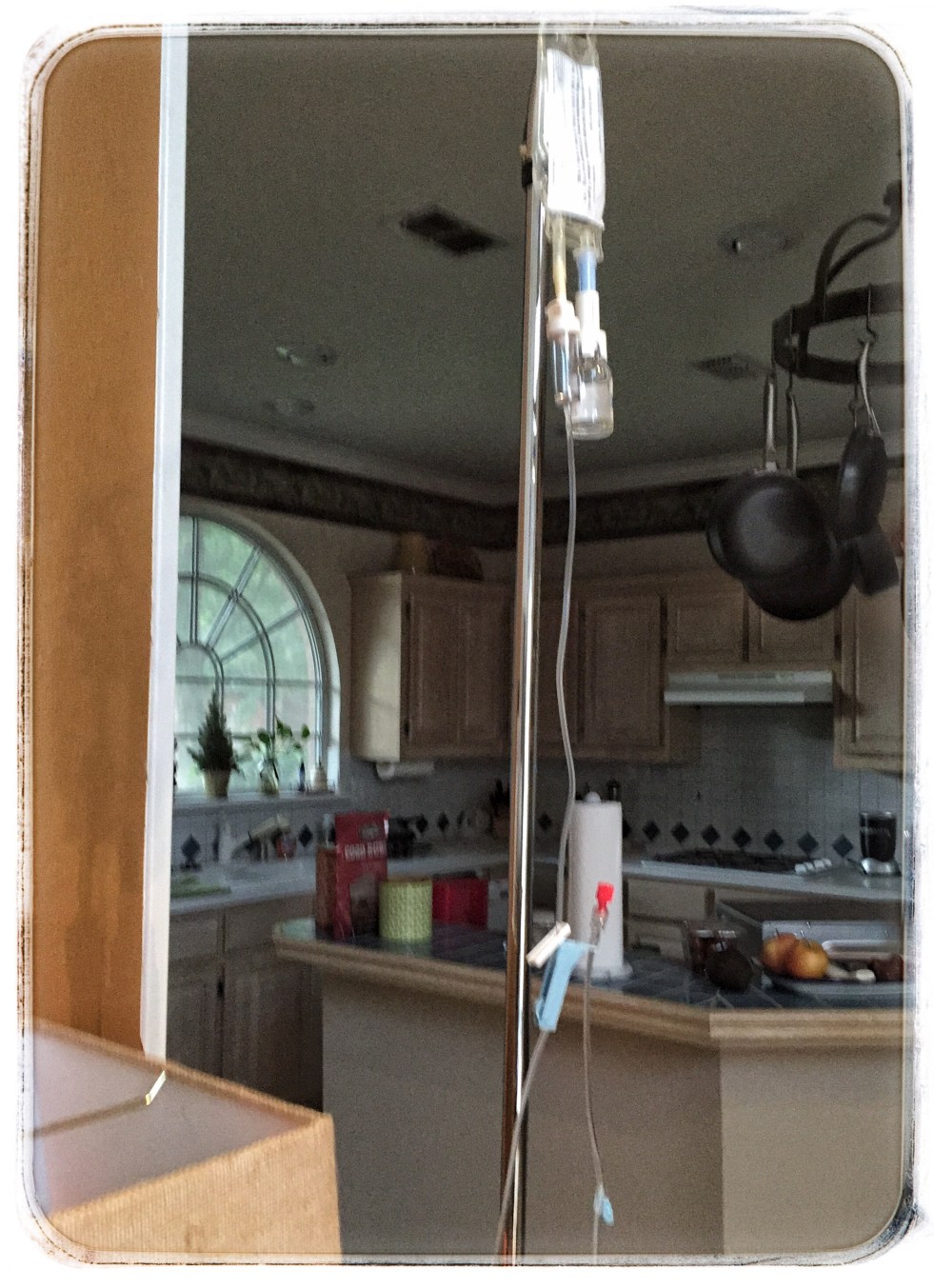


 By turning our get-togethers with friends into regular events, we can build the kinds of connections that will sustain us, says life coach Baya Voce.










 lookingforthelight.blog