Just to go home and spend time with my pets will make a big difference in mood. I look forward to seeing Christmas Cards and learning how friends are doing. The stack of mail will cover the dining table. Plenty of new magazines to read going into new year.
After ECT on Friday I’m determined to go home, he can’t intimidate me. This feels like jail at times but I’m free to walk when ready. I did say future ECT would be out-patient, that was a bold face lie. I’m never stepping foot in here again.
This is the slowest week, counting the minutes to jail break. Only one book left to read, I’ll have to sleep half a day tomorrow. What is shipping from eBay? I went on big shopping spree before check in, it made me feel better. That’s not true, still trying to fill the big void.
Time to set goals! Paint office, clean carpet, organize office closet, clean garage………..let’s see how long I stay on task.
12/24/2001
I had ECT early in morning, slept till noon it’s now 2:00 and time to pack. Told front desk the doctor needed to know I’m leaving. Another two hours of BS but I’m home bound. It is not advisable to drive day of ECT treatment but that will not stop me today. I miss my bed and privacy.
I’m unsure of the value in the post, do the journal entries help anyone? I waited until 2018 to write, it wasn’t a deep seeded trauma. I felt no pain writing this.
I pray people will research the reputation of hospital first. Can they provide the specific help you need? If you don’t know what to expect you may sell your recovery short.
Here is my advice as we begin the century that will lead to 2081. First, guard the freedom of ideas at all costs. Be alert that dictators have always played on the natural human tendency to blame others and to oversimplify. And don’t regard yourself as a guardian of freedom unless you respect and preserve the rights of people you disagree with to free, public, unhampered expression.
The Netflix promo grabbed me by the neck and said watch me. “Afflicted” is a show with the people who have baffling long-term chronic illnesses telling their story. Talking with medical professionals, most are clueless what is causing the illnesses.
Why doesn’t Sexual Assault of men and boys receive equal, mainstream media coverage as Women? We have to help change to allow healing. Sexual Assault does not discriminate! Joyful Heart Foundation partnered with 1 in 6 to create awareness and initiatives creating a safe environment to discuss trauma with peers. Please check out both organizations for support or how you can help volunteer today. M
RAINN NEWS
Sexual assault can happen to anyone, no matter your age, sexual orientation, or gender identity. Men and boys who have been sexually assaulted or abused may have many of the same feelings and reactions as other survivors of sexual assault, but they may also face some additional challenges because of social attitudes and stereotypes about men and masculinity.
Common reactions
Men and boys who have been sexually assaulted may experience the same effects of sexual assault as other survivors, and they may face other challenges that are more unique to their experience.
Some men who have survived sexual assault as adults feel shame or self-doubt, believing that they should have been “strong enough” to fight off the perpetrator. Many men who experienced an erection or ejaculation during the assault may be confused and wonder what this means. These normal physiological responses do not in any way imply that you wanted, invited, or enjoyed the assault. If something happened to you, know that it is not your fault and you are not alone.
Men who were sexually abused as boys or teens may also respond differently than men who were sexually assaulted as adults. The following list includes some of the common experiences shared by men and boys who have survived sexual assault. It is not a complete list, but it may help you to know that other people are having similar experiences:
Avoiding people or places that remind you of the assault or abuse
Concerns or questions about sexual orientation
Fear of the worst happening and having a sense of a shortened future
Feeling like “less of a man” or that you no longer have control over your own body
Feeling on-edge, being unable to relax, and having difficulty sleeping
Sense of blame or shame over not being able to stop the assault or abuse, especially if you experienced an erection or ejaculation
Withdrawal from relationships or friendships and an increased sense of isolation
Worrying about disclosing for fear of judgement or disbelief
Who are the perpetrators of sexual assault against men and boys?
Perpetrators can be any gender identity, sexual orientation, or age, and they can have any relationship to the victim. Like all perpetrators, they might use physical force or psychological and emotional coercion tactics.
Can being assaulted affect sexual orientation?
Sexual assault is in no way related to the sexual orientation of the perpetrator or the survivor, and a person’s sexual orientation cannot be caused by sexual abuse or assault. Some men and boys have questions about their sexuality after surviving an assault or abuse—and that’s understandable. This can be especially true if you experienced an erection or ejaculation during the assault. Physiological responses like an erection are involuntary, meaning you have no control over them.
Sometimes perpetrators, especially adults who sexually abuse boys, will use these physiological responses to maintain secrecy by using phrases such as, “You know you liked it.” If you have been sexually abused or assaulted, it is not your fault. In no way does an erection invite unwanted sexual activity, and ejaculation in no way condones an assault.
How to support male survivors
It can be hard to tell someone that you have experienced sexual assault or abuse. You may fear that you will face judgement or not be believed. For many male survivors, stereotypes about masculinity can also make it hard to disclose to friends, family, or the community. Men and boys also may face challenges believing that it is possible for them to be victims of sexual violence, especially if it is perpetrated by a woman. Below are a few suggestions on how you can support a man or boy who discloses to you that he has experienced sexual assault or abuse.
Listen. Many people in crisis feel as though no one understands them and that they are not taken seriously. Show them they matter by giving your undivided attention. It is hard for many survivors to disclose assault or abuse, especially if they fear not being believed because of stereotypes about masculinity.
Validate their feelings. Avoid making overly positive statements like “It will get better” or trying to manage their emotions, like “Snap out of it” or “You shouldn’t feel so bad.” Make statements like “I believe you” or “That sounds like a really hard thing to go through.”
Express concern. Tell them in a direct way that you care about them by saying something like “I care about you” or “I am here for you.”
Do not ask about details of the assault. Even if you are curious about what happened and feel that you want to fully understand it, avoid asking for details of how the assault occurred. However, if a survivor chooses to share those details with you, try your best to listen in a supportive and non-judgemental way.
Provide appropriate resources. There may be other aspects in men’s lives that could limit their ability to access resources and services after experiencing sexual assault or abuse. For example, trans men may face barriers when navigating medical care or black men may have concerns about reaching out to law enforcement. Be sensitive to these worries, and when supporting a survivor try your best to suggest resources you feel will be most helpful.
What if I experienced sexual assault as an adult?
Some men who have survived sexual assault as adults feel shame or self-doubt, believing that they should have been “strong enough” to fight off the perpetrator. Many men who experienced an erection or ejaculation during the assault may be confused and wonder what this means. These normal physiological responses do not in any way imply that you wanted, invited, or enjoyed the assault. If you were sexually assaulted, it was not your fault. You can find help at 1in6, an organization RAINN partners with that is dedicated to helping men who have survived unwanted or abusive sexual experiences.
What if the abuse happened when I was a minor?
If you were sexually abused when you were a child or a teenager, you may have different feelings and reactions at different times in your life. The 1in6 website has answers to many of the questions or concerns you might have as an adult survivor of child or teen sexual abuse.
How could this affect my relationships?
Coming forward about surviving sexual assault or sexual abuse can be difficult. It requires a lot of trust and understanding both for you and the person you choose to tell. You can find answers to some of the questions you might have about telling a partner at 1in6.
Finding support
If something happened to you, know that you are not alone.
Visit the helpline. 1in6 has partnered with RAINN to offer the 24/7 helpline for men, their loved ones, and service providers who are seeking immediate information and resources related to sexual assault or abuse.
Visit online.rainn.org. Chat anonymously and confidentially with a RAINN support specialist who is trained to help.
Call the National Sexual Assault Hotline. Call 800.656.HOPE (4763) to be connected to a trained staff member from a local sexual assault service provider in your area.
Consider therapy or other mental health support. Some therapists specialize in issues you may be facing as a result of the abuse or assault. You may want to speak on the phone or meet with a few therapists before deciding which one is the best fit for you. You can ask your insurance company which providers are covered by your insurance plan. You can also visit use the Mental Health Treatment Locator function from the Substance Abuse and Mental Health Services Administration (SAMHSA). Find the center that is closest to you and best fits your needs.
Read more at Jimhopper.com: The articles on this website provide information about the effects of child sexual abuse on adult men and their loved ones.
Read more at Malesurvivor.org: This resource contains general information as well as a therapist search specifically designed for male survivors of sexual violence.
More resources
Being able to share your story with other male survivors may be important in feeling less alone and connecting with others in your healing process. Read survivor stories of men who have experienced sexual assault or abuse as children, teens, and adults.
Adam’s story: “Do not internalize the abuse, because that will make it seem that the abuse is happening all over again.”
Brad’s story: “I think for me and possibly other men, it’s a huge pride thing—feeling like you have to be the man and face your problems and get over it.”
Brian’s story: “Showing emotion about being abused? It’s not well-accepted. As a Black man, you’ve been broken down so much that you have to put on a face of being strong. We have a lot of pain that is unattended to.”
Danyol’s story: “Talking about it really does take back power from the trauma.”
Keith’s story: “I was afraid of what people would think. I was ashamed that a man sexually assaulted me…that I didn’t fight hard enough.”
Scott’s story: “Reading stories from other men and hearing what they’ve become and accomplished after the abuse has uplifted me.”
The information is from the DEA.GOV website. It’s important to know the Schedule of the prescriptions you take, they may have Government regulations. According to CVS all Class II prescriptions are kept in a safe and only the pharmacist can open. Did you know the local pharmacy reports usage to DEA if your “RANDOM” name shows up on monthly list. It’s interesting how many “RANDOM” times my name came up.
Why do I know this information? From hours of conversations with the CVS Pharmacist. Why? Why? Why? Why? Who? Who? Reported? Reported? According to CVS Pharmacist they are under a microscope, having to account for each pill, which patient picked up and on what day. This is only for Scheduled prescriptions.
I take drugs in Schedule II and III, rules changes are most often made by DEA. Shop at CVS you may find Caremark (corporate) adds their rules on top of, the reason I no longer do business with CVS. You may find our prescription are only available for pick up two days before you run out. M
DEA.GOV Drug Scheduling
Drug Schedules
Drugs, substances, and certain chemicals used to make drugs are classified into five (5) distinct categories or schedules depending upon the drug’s acceptable medical use and the drug’s abuse or dependency potential.
The abuse rate is a determinate factor in the scheduling of the drug; for example, Schedule I drugs have a high potential for abuse and the potential to create severe psychological and/or physical dependence. As the drug schedule changes– Schedule II, Schedule III, etc., so does the abuse potential–
Schedule V drugs represents the least potential for abuse. A Listing of drugs and their schedule are located at Controlled Substance Act (CSA) Scheduling or CSA Scheduling by Alphabetical Order. These lists describes the basic or parent chemical and do not necessarily describe the salts, isomers and salts of isomers, esters, ethers and derivatives which may also be classified as controlled substances. These lists are intended as general references and are not comprehensive listings of all controlled substances.
Please note that a substance need not be listed as a controlled substance to be treated as a Schedule I substance for criminal prosecution. A controlled substance analogue is a substance which is intended for human consumption and is structurally or pharmacologically substantially similar to or is represented as being similar to a Schedule I or Schedule II substance and is not an approved medication in the United States. (See 21 U.S.C. §802(32)(A) for the definition of a controlled substance analogue and 21 U.S.C. §813 for the schedule.)
Schedule I
Schedule I drugs, substances, or chemicals are defined as drugs with no currently accepted medical use and a high potential for abuse. Some examples of Schedule I drugs are:
Schedule II drugs, substances, or chemicals are defined as drugs with a high potential for abuse, with use potentially leading to severe psychological or physical dependence. These drugs are also considered dangerous. Some examples of Schedule II drugs are:
Combination products with less than 15 milligrams of hydrocodone per dosage unit (Vicodin), cocaine, methamphetamine, methadone, hydromorphone (Dilaudid), meperidine (Demerol), oxycodone (OxyContin), fentanyl, Dexedrine, Adderall, and Ritalin
Schedule III
Schedule III drugs, substances, or chemicals are defined as drugs with a moderate to low potential for physical and psychological dependence. Schedule III drugs abuse potential is less than Schedule I and Schedule II drugs but more than Schedule IV. Some examples of Schedule III drugs are:
Products containing less than 90 milligrams of codeine per dosage unit (Tylenol with codeine), ketamine, anabolic steroids, testosterone
Schedule IV
Schedule IV drugs, substances, or chemicals are defined as drugs with a low potential for abuse and low risk of dependence. Some examples of Schedule IV drugs are:
Schedule V drugs, substances, or chemicals are defined as drugs with lower potential for abuse than Schedule IV and consist of preparations containing limited quantities of certain narcotics. Schedule V drugs are generally used for antidiarrheal, antitussive, and analgesic purposes. Some examples of Schedule V drugs are:
cough preparations with less than 200 milligrams of codeine or per 100 milliliters (Robitussin AC), Lomotil, Motofen, Lyrica, Parepectolin
The New York Times reported yesterday that a new-to-the-United-States tick species has been identified in seven states in recent months, after an infestation was first discovered last summer in New Jersey. The tick is native to Asia, where it is known to carry a dangerous virus that kills 15% of the people it bites. But it has spread in recent years—to Australia, New Zealand, several Pacific islands, and now to America.
An invasive tick species surely sounds like something out of a horror film, especially given the explosion of tick populations and tick-borne diseases here in the States in recent years. But before you start freaking out about this specific critter—Haemaphysalis longicornis, or the the Asian longhorned tick, as it’s known—let’s put a few things into perspective.
First, none of the Asian longhorned ticks discovered here in the United States has been found to carry any human diseases. (According to the New York Times, the longhorned ticks are, at least for now, considered a greater threat to livestock than they are to people.)
“People should not extrapolate that just because this tick carries a potentially serious virus in the Far East, that next year everyone here will have that same disease,” John Aucott, MD, director of the Lyme Disease Research Center at Johns Hopkins University Medical Center, tells Health. “We don’t want to connect dots that may never be connected in real life.” Plus, he adds, the Asian longhorned tick has only been found in a few localities so far in the United States.
“We certainly don’t want it spreading all over the country, which is why public health officials should definitely be paying attention to this,” Dr. Aucott says. “But for the general public, there are a lot more important things—both having to do with tick-borne illnesses and other things—that should be of greater concern.”
One of those things is the “very real epidemic” of diseases being spread by ticks native to the United States. “Instead of focusing on the theoretical risk of some exotic imported tick species,” he says, “people should be paying more attention to actually protecting themselves from these much bigger threats.”
Deer ticks, for example (also known as blacklegged ticks), can spread Lyme disease, Powassan virus, and anaplasmosis, among other infections; they can also cause tick paralysis. Their numbers are on the rise throughout the United States, as are the diseases they carry.
According to a recent report from lab-testing service Quest Diagnostics, Lyme disease rates have skyrocketed in recent years. Positive test results have now been reported in all 50 states as well as Washington D.C., and several states reported sharp increases in positive test results between 2015 and 2017. (Yes, you may have seen that scary headline this week, too.)
That specific report may not offer the most scientifically reliable data, says Dr. Aucott: It hasn’t been published in a peer-reviewed medical journal, it’s based only on tests done by Quest Diagnostics and not by other facilities, and it can only show what state people were in when they tested positive for Lyme disease bacteria—not where they actually were when they were infected.
But in general, he says, the data is in line with other research. “It’s true that Lyme disease has been spreading relentlessly since the 1970s and that it has spread dramatically on the East Coast and in the Upper Midwest especially,” he says.
Other conditions spread by different types of native ticks—like Rocky Mountain Spotted Fever and alpha-gal syndrome (which involves a sudden allergy to red meat)—have also seen increases in recent years.
These are the truly scary statistics, says Dr. Aucott, and the real reason people need to be vigilant about ticks that might be lurking in their yards and in nearby grasses and forests.
“Everyone loves to worry about these things, but very few people actually make the effort to protect themselves,” he says. For starters, he recommends wearing long pants when you’re out in the woods or tall grasses, using insect repellant containing DEET, and treating your clothing with permethrin.
“I know it’s no fun to wear long pants in Maryland when it’s 95 degrees, but I do it because I don’t want to get Lyme disease,” he says. “We’ve gotten across to people the importance of wearing a seatbelt and not drinking and driving, but we haven’t yet gotten the message across that tick-bite prevention is something that people should take just as seriously.”
The bee collects honey from flowers in such a way as to do the least damage or destruction to them, and he leaves them whole, undamaged and fresh, just as he found them.
It’s almost the start of school, please consider buying a backpack already supplied or buy supplies yourself. Our Kroger is having a backpack drive. Have a great day. M
Our local domestic violence center is collecting school supplies for the young victims of domestic violence. In this season of school supply shopping, I think that I must live in a very compassionate town. Local churches and businesses collect backpacks and supplies for local kids in need. There are back to school bashes and mass giveaways. There is a high poverty rate here, and every bit of support counts!
Even with all of the great support, there is a group that the bashes and giveaways don’t necessarily reach. Domestic violence survivors and the children involved are not likely to partake in these.
When the AoA kids and I left our abuser, socializing was not something we did much. Fear followed us at its strongest, during the first year of survival. In addition to fear, it never crossed my mind that there was something we needed. I just focused on staying…
My 15-year-old daughter Hannah threatened to cut off my thumbs, kill me in my sleep, and burn down the house with our family inside. Such was the power of her addiction, turning her from moody to malicious in a few short months.
“Let me go,” she screamed. “I don’t want to live with you people.” She fought us as we did everything we could think of to stop the drinking, the variety of drugs, the cutting. But we failed.
It could have been the pressure of starting a new school, I suppose. Or it could have been the people she met there. A long time later I learned it’s not useful to blame bad choices on others. But still, I wish there was a reason for my addicted daughter’s fury that didn’t reflect badly on our family, on her upbringing.
There were signs that she was in trouble, but if you’re not looking for them they can escape detection ― tucked in a zip-lock baggie in the bottom of a purse, hidden under a bed or folded into the pages of a journal. If I had looked harder, maybe I would have understood the changes in her beautiful artwork, from peaceful landscapes and placid figures to darkly wrought canvases full of torment and terror; frightened men with cages for heads, babies greedy and grasping with octopus arms. Maybe if I had held her more I could have felt the scabs on her arms, the cuts and burns hidden with long sleeves. I would have smelled it, too ― the miasma of smoke, alcohol and hopelessness drifting around her. I could have known. I should have known.
By the time I had worked out that Hannah was in trouble, it was too late for partial measures. The school and their toolbox of punishments were woefully inadequate to stop the crumbling of my daughter’s world. One therapist after another fell victim to her scorn, her beautiful vocabulary now a tool to eviscerate the people who were trying to help her.
Hannah’s weapon of choice against her father was words. She gleefully shared her drug use, her exploits, her promiscuity. ‘Can you imagine it?’ she smiled while he squirmed.
Hannah’s little sister Camilla endured the most abuse. Hannah took the opportunity to bait her at every turn. “You little beast, do you think you’re better than me?” Stinging slaps and beheaded dolls fueled Camilla’s withdrawal, silence her only protection against her sister’s raging assaults.
Hannah’s weapon of choice against her father was words. She gleefully shared her drug use, her exploits, her promiscuity. “Can you imagine it?” she smiled while he squirmed.
And me? Hannah shattered my beloved family heirlooms, my mother’s vases splintering against the stone of the fireplace. She spat in my food as I ate. She screamed in my face every day, her foul language and gestures assaulting me even as she demanded rides, money and freedom.
Hannah suffered, too. She destroyed the soulful art she had created over the years with spray paint and brute force. The sound of canvas ripping, the angry hiss of the spray can and her wild, pained, screaming escaping the confines of her room. I tried to stop her, wrenching open her door to be assaulted by the stench of decay. Hannah spun and glared at me, eyes flaming, fists clenched, “What the fuck do you want?”
Hannah terrorized us for months, until a drug overdose sent her to what she called “the loony bin.” We visited her every day, fearful, shamed and exhausted. We drove an hour to the behavioral hospital each morning, but she refused to see us, her shrieks cutting through the antiseptic smell of the corridor from beyond locked, gray metal doors: “I won’t see them, I don’t need them. Tell them to go away, and not to come back.”
Subscribe to Must Reads
The internet’s best stories, and interviews with their authors.
After months of failed therapy, running away, threats and self-harm, we finally sent Hannah to a wilderness program, hoping people we didn’t know could save her. After three months of living in the snow on the deserted plains of the Utah high desert, we sent her to a locked-down residential treatment center so that she could have the therapeutic support she needed. Finally, we placed her in a group home to finish high school, afraid to bring her back to our city. We emptied our souls ― and yes, our wallets ― to give her a chance. After a year and a half of living apart, we brought her home to us.
We realized that we had done the unthinkable to her, given her over, stepped away, taken a chance with her life. We knew she had a right to be angry with us, and to read our desperation as betrayal.
We didn’t know what to anticipate, our expectations blurred by fear and hope. Who would come home to us? Was our Hannah still in there? Had she escaped the assault of the monster ― addiction ― or had it eaten our girl, leaving only the shell?
I was terrified that we would we be separated from her forever by the well-intentioned actions that had put her in the harshest of conditions. We realized that we had done the unthinkable to her, given her over, stepped away, taken a chance with her life. We knew she had a right to be angry with us, and to read our desperation as betrayal.
She arrived, hesitating at the threshold, a stranger in her own home. She wandered silently through rooms, looking for her new self, trying to work out her feelings and her future. She spoke little about her experiences, and I waited. Anger, fear and sadness were forgotten, replaced by hope.
Forgiveness is the fruit of love, a rare and delicate taste of grace. We set the table for a feast, after our long and desperate famine. We let the past go, and wrapped our forgiveness tightly around her throughout the short sweet summer before college, trying to squeeze out the shame and regret before she left again, wanting to make room to start over. Welcome home, Hannah, baby bird. We will try not to grip you too hard and we will try to keep you from falling. She was so fragile, and we so clumsy but we managed to not crush her. She trusted us to hold her for just a little while.
Our family will never be the same. In some ways, we are worse off. We are judged every day by those who have never felt the pain of sending a child away. We will always carry the guilt of it, especially as our daughter’s feelings about that time shift and evolve. Of course, we are worried about relapse every day, even though Hannah is strong, smart and healthy.
In some ways, we are better off. We are careful with each other now. We communicate thoughtfully and respectfully, not wanting to risk losing each other after fighting so hard to save our family and coming so close to the point of no return. That gift has helped us grow as a family and as individuals.
Four months after coming home, Hannah gave me a piece of her art for the first time, handing it over to me with a fierce hug. I tore the brown paper to reveal a piece titled “The Paths We Walk.” I recognized the path Hannah and I used to walk along the ocean, her depiction more twisted and complex than it was. On the back was taped a letter. “Thank you Momma, for saving my life. I love you.” That was the moment I knew she had forgiven me, too.
Melanie Lockert remembers checking the traffic for her blog, Dear Debt, and feeling shocked at the results.
Someone had found her site by searching, “I want to kill myself because of debt.”
Lockert started Dear Debt in January 2013 after spending the previous year feeling depressed about her student loans. She posted monthly updates about her efforts to pay off $81,000 while working temporary hourly gigs before she landed a role running communications and planning events for a nonprofit. Along the way, she was open about her mental health struggles and how they were tied to her debt.
She had created her blog as a way to stay positive while she paid off the debt. But looking at the search terms that brought readers to her site made her recognize that her accountability stretched far beyond herself.
“It gave me an instant sense of purpose,” Lockert said.
She had attended counseling the previous year, after negotiating with a graduate student clinic to pay $5 per session while she was underemployed. She knew how much her debt affected her outlook.
She read up on the link between debt and depression. She saw she was far from alone.
“I found out that people who die by suicide are eight times more likely to have debt,” Lockert said. “From the emails I get, I know that debt is really affecting families and their mental health and their ability to find joy.”
People with debt are three times more likely to suffer from depression, according to a 2013 study published in the Clinical Psychology Review.
Lockert wrote a short post for people with debt who were feeling hopeless.
“You are not alone,” she declared. “You are not a loan.”
Still thinking about those search terms, she wrote another post.
“I want to jump through my computer and give you a hug,” she wrote. “Shake you and say your life is worth so much more.”
Then, she started getting emails from people who were desperate and afraid.
What Happened When She Wrote a Letter to Her Debt
A few months into blogging, Lockert wrote her first breakup letter to her debt.
“Dear Debt,” the letter reads. “You do not define me. My worth is more important than the value of your number. Love, M.”
The tendency to run every morning from feelings has been much of what my life was like. Staying, going deeper, like catching someone running by and grabbing their T-shirt, stay put. Don’t be afraid. Yet life is scary, not knowing day to day what will be, more so, facing the quagmire of thoughts within. Yet […]
No one ever said having bipolar disorder is fair. Not only does it take years to find the right combination of medications, it also takes a great deal of time to sort out how to best take care of ourselves. One of the biggest lessons I’ve learned is we must learn how to advocate for […]
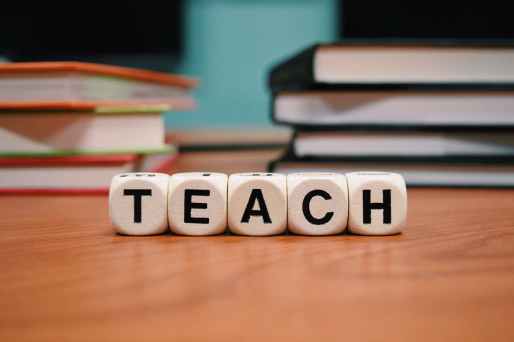
Mrs. Orozco has a new project! Donate to Technology Matters! to help her classroom.
I want to share the type of projects teachers are doing in our school district today for the leaders of tomorrow. I included the book list, you may want to purchase some books yourself.
Emotionally Equipped
My students need fictional books over social issues and emotions to let them laugh while learning to solve their own problems, use better behavior, and develop healthy relationships.
My Students
As a teacher in a Title I elementary school I serve students with a low socioeconomic status. My students are faced with several challenges both in and out of the classroom. Despite the many challenges they face, I am aiming to increase Social/Emotional intelligence, the understanding of feelings, and using them to inform actions.
Children who exhibit healthy social, emotional, and behavioral adjustment are more likely to have good academic performance in elementary school.
The sharp distinction between cognition and emotion that has historically been made may be more of an artifact of scholarship than it is representative of the way these processes occur in the brain (Barrett and others 2007). From the minute they walk in the door of my classroom I focus on their potential and growth while they are with me. I may not be able to control their home lives, but I can certainly guide/influence their experiences during the school day.
Donors will be helping bring Children’s Fiction Social Issues Emotions Feelings Books in my classroom to help build
Social-emotional development including the child’s experience, expression, and management of emotions and the ability to establish positive and rewarding relationships with others.
My Project
As a teacher, I feel it’s important to recognize that social intelligence is different from just “getting along” with others or following rules. The books that I have selected will help students be able to find solutions during conflicts with others, demonstrate respect for the feelings of others, and adapting to different social situations.
Social/Emotional intelligence is the understanding of ones feelings and using them to inform actions.
Although there is some disagreement about the exact terminology to use, social and emotional intelligence both refer to the ability to understand your own and others’ feelings and emotions and then to use this understanding to inform your decisions and actions.
Socially/emotionally intelligent people solve interpersonal problems quickly by understanding what is upsetting others and being empathetic to these concerns. They tend to recognize when they’ve said something that made someone uncomfortable and know what makes others “tick.” Socially/emotionally intelligent people are able to thrive in many different relationships and settings because they quickly learn the social rules.
Where Your Donation Goes
MATERIALS
COST
QUANTITY
TOTAL
The Worst Day of My Life Ever! Activity Guide for Teachers: Classroom Ideas for Teaching the Skills of Listening and Following Instructions (Best Me I Can Be)• AMAZON BUSINESS
$16.61
1
$16.61
I Just Want to Do It My Way!: Activity Guide for Teachers • AMAZON BUSINESS
$16.48
1
$16.48
Teamwork Isn’t My Thing, and I Don’t Like to Share!: Activity Guide for Teachers (Best Me I Can Be!) • AMAZON BUSINESS
$15.78
1
$15.78
I Can’t Believe You Said That!: Classroom Ideas for Teaching Students to Use Their Social Filters (Best Me I Can Be!)• AMAZON BUSINESS
$15.65
1
$15.65
I Can Handle It (Mindful Mantras) (Volume 1) • AMAZON BUSINESS
$10.79
1
$10.79
I Can’t Believe You Said That!: My Story about Using My Social Filter…or Not! (Best Me I Can Be!) • AMAZON BUSINESS
$10.74
1
$10.74
Cell Phoney • AMAZON BUSINESS
$9.95
1
$9.95
Lying Up a Storm • AMAZON BUSINESS
$9.34
1
$9.34
But It’s Not My Fault! (Responsible Me!)• AMAZON BUSINESS
$9.30
1
$9.30
My Day Is Ruined!: A Story Teaching Flexible Thinking (Executive Function)• AMAZON BUSINESS
$9.30
1
$9.30
Ricky Sticky Fingers • AMAZON BUSINESS
$9.03
1
$9.03
It’s Hard to be a Verb! Activity and Idea Book • AMAZON BUSINESS
$8.96
1
$8.96
That Rule Doesn’t Apply to Me! (Responsible Me!) • AMAZON BUSINESS
$8.88
1
$8.88
Uniquely Wired: A Story About Autism and Its Gifts • AMAZON BUSINESS
$8.84
1
$8.84
What Were You Thinking?: Learning to Control Your Impulses (Executive Function)• AMAZON BUSINESS
$8.83
1
$8.83
The Technology Tail: A Digital Footprint Story (Communicate with Confidence)• AMAZON BUSINESS
$8.62
1
$8.62
A Bad Case of Tattle Tongue• AMAZON BUSINESS
$8.03
1
$8.03
I Just Want to Do It My Way! My Story about Staying on Task and Asking for Help• AMAZON BUSINESS
$7.52
1
$7.52
Decibella and Her 6-Inch Voice (Communicate With Confidence)• AMAZON BUSINESS
$7.10
1
$7.10
Baditude! What to Do When Life Stinks! (Responsible Me!) • AMAZON BUSINESS
$7.10
1
$7.10
Materials cost
$206.85
Vendor shipping charges
FREE
State sales tax
$0.00
3rd party payment processing fee
$3.10
Fulfillment labor & materials
$30.00
Total project cost
$239.95
Suggested donation to help DonorsChoose.org reach more classrooms
I can only have visitors from 7-8 pm and no way Gramps can drive that late. My brother and fiancé brought my grandparents one night. I was thrilled until the goodies they brought were taken away. Fuming, I almost checked out.
I have to share a room, the worst is we don’t have a bathroom in here. I feel so much anger, violated, isolated and lonely.
In the Recreation Hall has one television with a bad angle housed in plastic. Most of the over medicated blankly stare at whatever is on.
I see the doctor in the morning which means ECT will not start until Wednesday. The lab work and test were fine, I have no idea what day my first ETC is on. If I keep to my plan, the delays have me staying till January 1st. He gave me the AA lecture and I heard the nurses talking about me. What the hell happened to the Privacy Act? My Psychiatrist knows how much I drink, I ask him often if drinking affects my meds.
12/18/2001
In military fashion we rolled out of bed at 6:30, people were putting make-up on, whatever floats their boat. My bed was a rock with two pebbles for pillows. How can you sleep when staffers come in every two hours. I know this is a jail. They search rooms everyday at 3:00, giving me the same lecture about how beneficial group sessions are.
A friend is taking care of pets and getting mail, probably staying there. I wish he would come see me, bring some magazines and let me know what Christmas cards have arrived. He has no concept of mental illness and chooses to avoid all attempts to explain why I’m here.
It’s hard to comprehend how people wear an imaginary badge for the number of times they have been here, totally sad. In the 5 by 5 smoking area outside you here lots of bullshit. Lost souls looking for any affirmation the hospital can spit out.
I stay in bed all day adjusting pillows to read, no comfort to be found. The sun shines in the window and the door is closed, privileges are great. Today was the first day I could go to cafeteria, nothing different from what was brought to me while on suicide watch except Coke instead of water.
12/20/2001
I question why I’m here when looking around, people have given up and if left alone will probably not make it. Sick, yes I’m very sick but know how good my life is. I’ve been here since Monday and now getting first treatment. The standard for ECT is only three treatments a week.
I don’t care for the doctor and it’s mutual. Unlike his other zombie patients I ask questions, will not budge until get answers. My meds are not changing, scary to think how quick I would join the over medicated. One lady was taking one of the same meds as I do, it’s a stimulant and must be taken before noon. She was taking at 5:00. She was too afraid to say anything to the doctor. No wonder she has to take sleeping pills at night.
Thank goodness I have voicemail Christmas wishes from friends. It’s not fit for Santa in here. I miss Sasha and Truffel’s so much. No one to play with them. What type of friend won’t call back to fill you in on the kids, he likes them so I don’t worry about their welfare. I want to get better and get home before end of year.
12/21/2001
My first ECT treatment went well, the usual some jaw pain and headache. I worked hard on the doctor to give me a weekend pass, insurance companies don’t like the in and out paperwork he says. I want to hold my kids, they need to know I’m coming back. Treatments start again Monday. My mind is twirling, maybe I’ll check out Friday, only four treatments…..do feel better. I know, it’s not enough but this place is making me worse.
I want a new job, feel successful again, meet new people, have fun, a drink and make money. Meeting a nice man in the new year is icing on cake, I’m ready to laugh and enjoy life.
12/22/2001
There are an extra 10 people here for a day program. Did laundry and read, a busy day for me. HaHa.
“Mothers cannot give from a depleted source. Every mother needs emotional, mental, physical and spiritual validation, nourishment and support. When a mother is respected and well cared for, she, and her whole family, will benefit.”
I think this has been the post I’ve mostly put off. There is a lot of things that happened, that it scares me a bit to see it typed out. This was a time for me where I didn’t know how strong I could be until I had no other choice.
When my first daughter was born, I was 19. I instantly fell in love with the idea of having a little person of my own, so I wouldn’t feel so lonely. My pregnancy wasn’t planned or meant “to trap” anyone. I used every method possible to prevent from becoming pregnant, but nonetheless she came and she brightened my world. Soon after I gave birth to…
When I’m to sick to write or write anyway and its complete gibberish.
What do you enjoy most about blogging?
Learning, meeting people from every corner of the globe, feedback and helping others. Blogging also fulfills my 6th grade goal of being a Journalist. Not quite the same but I’ll take it.
How do you define success?
The internal knowledge I did my best.
What is the one thing you most want from your followers?
Feedback, feedback, feedback, feedback!
What is the one thing you most want to give the people you follow?
Hope
How do you define the difference between positive and negative criticism?
You can learn from all feedback if you can peel your ego away. Try not to curse too much.
How do you deal with moments when a blogger you like posts something you don’t like?
I’m all ears……everyone has an opinion, doesn’t mean there’s not another side to story.
Is your blog a journal, a literary experiment, performance art or none of that?
I have three blogs each are different and are what the followers want’s them to be.
Feeling good about the post you write or information you share. The icing is always comments, but the world is moving faster and it’s hard for people to always take the time.
By your definition, do you consider yourself successful?
I’m successful in life by putting one foot in front of the other. Any day out of bed is a great day and leaving the house gives me the chills.
Questions (You can make your own up if you like, be a rebel)
What song do you listen to that always pumps you up?
As a child did you color inside the lines?
Best vacation parents ever took you on?
As a teenager what was dream job? Did you find your dream?
The first and last song on your playlist?
Walking along the surf or jump in for swim?
Two examples of a perfect day.
Hiking or Parasailing?
Before Blogging did you write journals, professionally?
THE AWARD WOULD NOT SEE THE LIGHT OF DAY IF I HAD TO PICK 11 BLOGS. INSTEAD THIS IS A SHOUT OUT TO ALL THAT FOLLOW LOOKING FOR THE LIGHT BLOG AND SURVIVORS BLOG HERE. I WOULD BE REMISS IF I DID NOT MENTION THE CONTRIBUTORS OF SURVIVORS BLOG HERE. BOTH HAVE TRUELY CHANGED MY DAYS, WEEKS AND YEARS. ESPECIALLY MY SICKEST YEARS.
Documenting your every move on social media can take its toll
The rise of social media has meant that we as a global population are more connected than we have ever been in the history of time.
However, our reliance on social media can have a detrimental effect on our mental health, with the average Brit checking their phone as much 28 times a day.
While social media platforms can have their benefits, using them too frequently can make you feel increasingly unhappy and isolated in the long run.
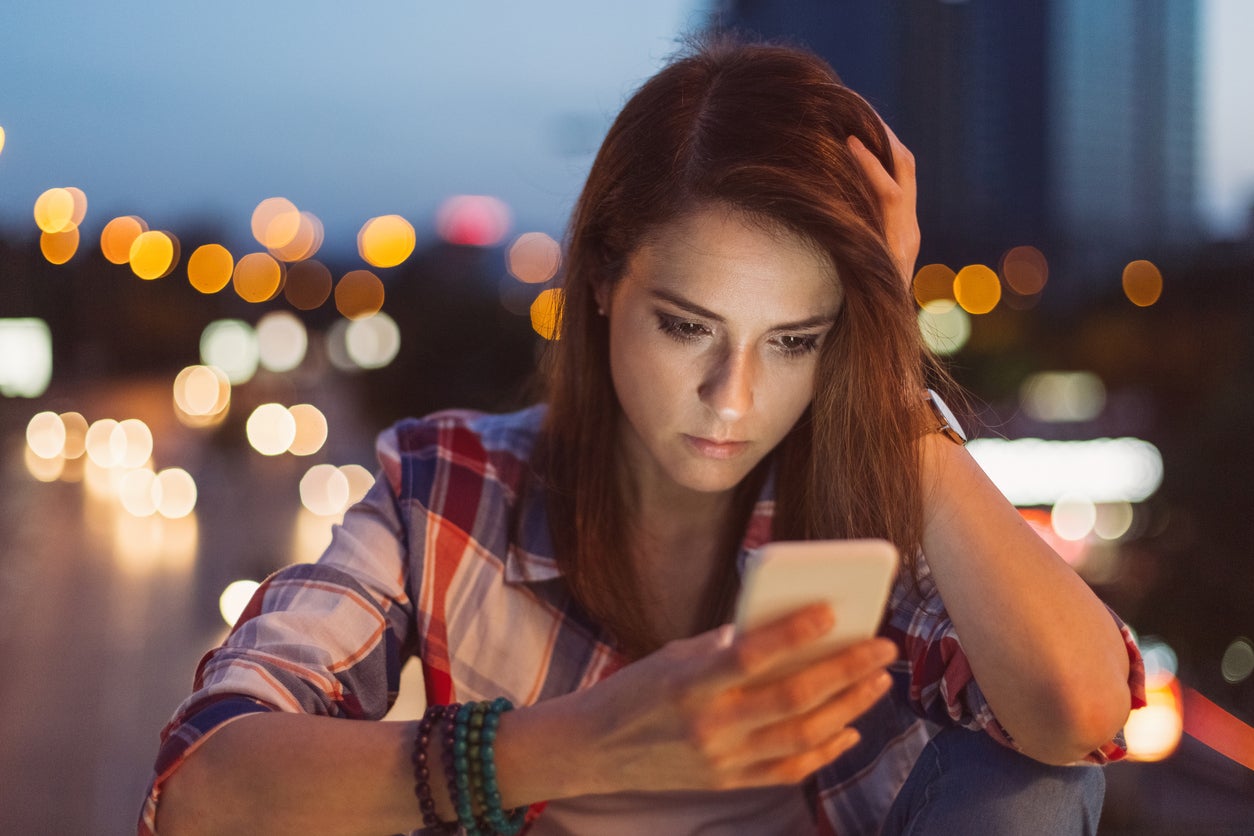
Do the pros of social media outweigh the cons? (Getty Images)
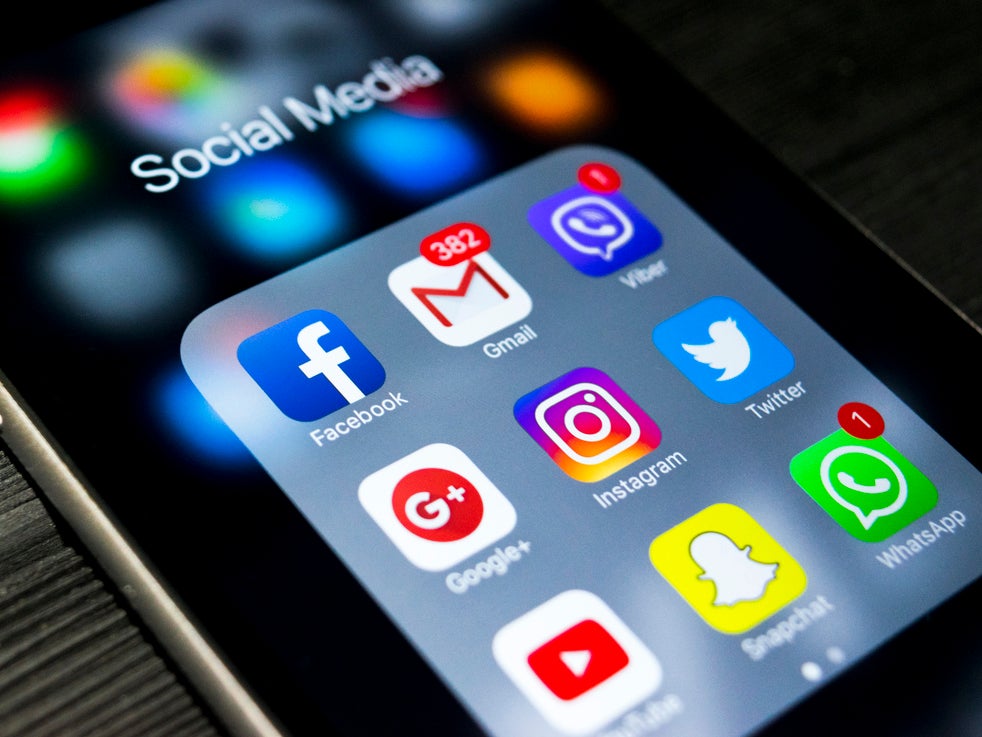
The constant barrage of perfectly filtered photos that appear on Instagram are bound to knock many people’s self-esteem, while obsessively checking your Twitter feed just before bed could be contributing towards poor quality of sleep.
Here are six ways that social media could be negatively affecting your mental health without you even realising.
Self-esteem
We all have our fair share of insecurities, some that we speak about openly and others that we prefer to keep to ourselves.
However, comparing yourself to others on social media by stalking their aesthetically perfect Instagram photos or staying up to date with their relationship status on Facebook could do little to assuage your feelings of self-doubt.
A study conducted by the University of Copenhagen found that many people suffer from “Facebook envy”, with those who abstained from using the popular site reporting that they felt more satisfied with their lives.
“When we derive a sense of worth based on how we are doing relative to others, we place our happiness in a variable that is completely beyond our control,” Dr Tim Bono, author of When Likes Aren’t Enough explained in Healthista.
Becoming more conscious of the amount of time you spend scrolling through other people’s online profiles could help you focus more on yourself and boost your self-confidence.
Human connection
As human beings, it’s so important for us to be able to communicate and forge personal connections with one another.
However, it can be hard to do so when we’re glued to rectangular screens, becoming more acquainted with our friends’ digital facades than their real-life personas.
Stina Sanders, a former model who has 107,000 followers on Instagram, explained how social media sometimes makes her feel like she’s being left out.
“I know from my experience I can get FOMO when I see my friend’s photos of a party I didn’t go to, and this, in turn, can make me feel quite lonely and anxious,” she told The Independent.
A study published in the American Journal of Epidemiology that assessed 5,208 subjects found that overall, regular use of Facebook had a negative impact on an individual’s wellbeing.
Memory
Social media can be great for looking back fondly on memories and recounting how past events occurred.
However, it can also distort the way in which you remember certain tidbits from your life.
New research suggests that people with binge eating may be at increased risk.
Posted Jun 29, 2018
Source: Photo by Kristina Tripkovic on Unsplash
Could people struggling with binge eating be at an increased risk for suicide? That’s what a new study suggests. While it has long been recognized that people with anorexia nervosa and bulimia nervosa are at increased risk for suicidal behaviors, little has been known about the risk for people struggling with binge eating and binge eating disorder (BED)—until now.
A recent study by Brown et al (2018) published in BMC Psychiatry suggests that people struggling with binge eating are at an increased risk of suicide, with those at higher weights having the highest risk. The study examined data from 14,497 participants in a large, diverse, nationally representative US database (the Collaborative Psychiatric Epidemiologic Surveys) and found that among participants with a history of binge eating (approximately 4% of the sample), 1/3 (34.2%) reported ever thinking about suicide, 1/5 (18.6%) had a history of attempted suicide, and 10.1% experienced suicidality in the past year.
Results were similar for those with a history of binge eating and those who met full criteria for BED, indicating that the risks of subclinical binge eating may be similar to the full-spectrum disorder.
Binge eating and BED were significantly associated with lifetime suicidality, and BMI did not explain this relationship. The relationship between binge eating and suicidality was stronger for women than for men. Results did indicate a significant interaction between BMI and binge eating on the likelihood of suicidality; meaning that those with binge eating who were at a higher BMI were at higher risk for suicidality.
Unfortunately, this study did not examine the role of weight stigma so we do not know what impact this has in the relationship between binge eating, BMI, and suicidality. Prior research suggests that weight stigma increases the risk of eating disorders and disordered eating, including binge eating and BED, and I imagine it also plays a role in the increased risk of suicidality for people struggling with binge eating who live in larger bodies. What do you think?

















 lookingforthelight.blog