Yesterday I went to the pharmacy and received my third COVID-19 vaccine and also got a flu shot! I’m hopefully covered. With my immune disorder, it’s hard to know if I have made antibodies for COVID or not but I want to do all I can to be safe.
For now, I’ll continue to stay indoors and away from people unless necessary. Since the pandemic started I’ve had multiple doctor and lab appointments, and we go thru Starbucks drive thru several times a week for a coffee. That’s the extent of my outings. I even cancelled my dentist appointment. It’s just too risky right now.
Stay safe, if you have to go out, make sure you are vaccinated and wear a mask. For your saftey and others.
If you have an elderly loved one in your life, it’s extremely important to keep an eye out for them and to help them wherever possible. Sure, it may feel odd looking after these people. After all, they are often individuals who looked out for us and helped us while we were growing up. But now, the tables have switched and it’s your turn! Now, in particular, they are likely to need more help than ever, as we’re living through a pandemic. Here are a few steps you can take to make their life as easy as possible!
Coronavirus has wreaked havoc for almost everybody this year. But the virus and disease are most dangerous to elderly individuals – the over 70s – in general. So, your elderly loved ones may need a little more support during this time. Here are some steps you should be taking to help them out!
Provide Them With Up to Date Information – right now, many of us are getting our news from our smartphones. We get notifications and can read the news on a second-by-second basis to see new guidelines and regulations. Elderly people, on the other hand, tend to get their news from newspapers, the radio, or the television. This makes updates slower. So, keep them in the know by updating them yourself.
Do Their Shopping for Them – supermarkets are packed with people. Sure, many may be implementing social distancing. But it’s generally best to pick up your elderly loved ones’ shopping for them. This can include food shopping, toiletries, picking up prescriptions, and other essentials.
Keep In Touch – it’s easy for the elderly to feel pretty lonely right now. Keep in touch to make sure they’re feeling loved and so they can have a chat. Give them a call regularly.
There are steps you can take to make the elderly’s day-to-day lives – whether we are in a pandemic or not – a little simpler. Here are a few to consider!
Adapting Their Home – there are many changes you can make to your elderly loved one’s home to make it more comfortable and easier to get about. Whether that’s a stairlift, a walk-in bath, or anything else.
Helping Their Mobility – sometimes elderly people find it a little difficult getting from A to B. Maybe they’re no longer comfortable driving. Maybe they don’t have the energy to walk long distances. This is when you can contact Scooters ‘N Chairs. They have all sorts of mobility equipment available.
Consider Care Services – some elderly individuals need a little help around the house day to day. If you are unable to provide this yourself due to other commitments, you may need to look into care services. This could include at-home care or moving your loved one into a care home. A proper assessment will determine their needs.
These changes aren’t all too big. So, make the effort to ensure your elderly loved one is getting everything they could possibly need on a day-to-day basis to make their lives as easy as possible!
September is Suicide Prevention Month and I’ve written several posts about my experiences with suicide including my own attempt at 12 years old.
I had been contemplating suicide since I was nine years old but today was different. It was the summer I moved to live with my father, I was 12 years old and home alone.
I raided my dad’s medicine cabinet and took all the pills I could find then grabbed a bottle of Southern Comfort and started drinking.
As I got drunk and the pills started to work so I decided to go next door and talk with my neighbor. Not to share my plan but I was higher than a kite.
We continued talking and she noticed I appeared more than drunk and noticed a red line going up my arm. She asked if I had taken anything and I said yes, I planned to die.
She called my father who was 30 minutes away, by the time he got there I was in pretty bad shape. I was rushed to the hospital and my stomach was pumped.
A failed attempt.
It is important to understand that anyone can reach a point so low they consider suicide at any age. The best thing you can do is look for signs someone may be depressed and getting too low or suicidal.
Here are a few of my own thoughts:
Withdrawn
Lashing Out
Failing Grades when a good student
Talks about dying
Starts giving away their personal belongings
Cashes out their back accounts
Jumps right on a task that has been overdue with enthusiasm
These are from my personal experience with suicide including my father’s.
If you are having suicidal thoughts please contact one of the resources below, a local resource, or go to your local hospital.
If you find yourself lacking productivity in the workplace or simply want a few tips to boost your efficiency, then you have come to the right place. Using this guide, you will be able to take on the best tips to maximize your productivity in the workplace.
A comfortable and convenient office is one that has few distractions and allows you to focus. A comfortable chair will improve your posture as well as help you sit in comfort for long periods while you maintain focus.
Furthermore, other additions that can improve the comfort of your office is air conditioning and bright light. A good air conditioning unit will ensure that you can enjoy good air quality, which will help you maintain focus and energy throughout the workday. An air conditioning repair service will improve the efficiency of your unit so that you can enjoy cooler and fresher air all day long while you work.
Make lists
To be your most productive self at work, creating lists will help you stay on top of things and get as much done as possible (without forgetting things).
Lists help you stay organised and helps you keep track of what you need to do. You can make a list and start it with priority tasks so that you start the day with the most important challenges first. Getting the hardest (or most important) tasks out of the way means that you can tackle them before getting on with the smaller tasks. If you leave the harder tasks until last, then you might find yourself working overtime or not completing them to your full potential.
Starting the day off with a list will help you be productive and stay on top of your to-do list.
Enhance your skills
Enhancing your skills will mean that you can offer more expertise to your work. Plus, you can use new skills to complete your work to new levels.
For instance, if you take free online courses on writing, then you will be able to improve your email communication as well as provide your business with higher levels of grammar, which will be great for your customers. New skills will reinspire you and ignite your passion for your work.
Avoid distractions
It is easy to get distracted while working, especially if you lose motivation. Simply having your phone next to you or sitting next to a good friend could mean that you are not as productive as you could be in the office.
Avoid distractions can be challenging, but doing so will help you maximize your productivity in the workplace.
Here are some tips to avoid distractions:
Face away from distractions: facing away from the office or your distractions will ensure that you can concentrate on your work.
Have a clear desk: do not have anything on your desk that could cause a distraction. Put it away on leave it in your bag. A clear desk will help you focus.
Listen to music: music can help you set a good pace and stay focused.
When drones first came onto the scene, a lot of people thought they were a passing fad. They were essentially just toys for big kids that wanted to fly around with a remote control helicopter. But they didn’t fade away and they are continuing to grow in popularity. There are more advanced drones being developed all the time and a whole new sport of drone racing has taken off around the world.
But drones are no longer just for fun, they’re also for business. In fact, drone technology is completely transforming the business world. Companies like Amazon are currently developing the technology for drone deliveries, which could completely change the way that we shop online. Construction companies are also using drones to carry out site inspections and improve health and safety. Farmers are even using drones to monitor crops and distribute pesticides.
However, marketing is one of the most overlooked business benefits of drones. Whatever kind of business you run, investing in a drone can help you develop more exciting campaigns that catch the attention of your target audience.
Here are just a few of the ways in which businesses can use drones to improve their marketing efforts.
Video Marketing
One of the best ways that your business can market itself is through video. People enjoy watching videos and you have an opportunity to show off your products and tell people about your company here. As more companies start making their own videos, it’s becoming increasingly difficult to stand out from the crowd.
Drones, however, allow you to create a completely unique kind of video that will make people take notice. If you are able to fly your drone above your business or around your products in a way that looks visually stunning, people will remember what they saw and want to know more.
In the past, creating these stunning aerial shots was incredibly expensive for businesses because it meant hiring helicopters and professional videographers. But with a drone, you can do it on your own.
The ease of use that drones provide also means that you can create video content at the drop of a hat. Although they’re excellent for making well-edited, professional videos, they can be great for filming short videos for your social media pages. Keeping your social content interesting is crucial, and it’s a lot easier to do that when you have a drone that can stream video directly to a smartphone.
Direct visual marketing is a great cost-effective way to reach your customers. Platforms like billboards or direct mail printouts have been used for decades to market businesses, but drones can change the way that direct visual marketing is performed.
Drones allow marketers to interact with customers in a whole new way. While billboards can be impressive and direct mail printouts are a personal touch, drones can fly directly above your target market and deliver the message of your marketing campaign in a way that they will never forget. For instance, if you own a restaurant, you could fly your drone around popular street spots during lunch or dinner time and advertise your special deals to hungry customers.
You can use drones to fly banners too. Again, this is a tactic that businesses have been using for decades. However, flying banners is expensive and difficult to do correctly. Modern drones give you a great opportunity to reach your customers with high-quality banner advertising that will keep your business at the forefront of their minds.
The other benefit of this type of marketing is that it doesn’t cost a lot of money. Drones are affordable for businesses large and small, which means that you can do it without breaking the bank. You don’t need to spend thousands on traditional billboards or direct mail printouts, giving your business a greater return on investment.
Just make sure that you are flying drones legally and not invading people’s privacy by flying in private areas.
Data Collection and Research
Data is the cornerstone of modern marketing and businesses must collect and analyze information about their customers to create effective marketing campaigns. When you collect this information yourself, however, it can be expensive and difficult.
Drones give businesses a great opportunity to get their hands on more data in an affordable way. For instance, drones can be used to survey different areas and gather data about foot traffic, which is so valuable when trying to decide on the best location for a brick-and-mortar business.
Drones technology is still very new and businesses are only just starting to scratch the surface of their potential. If you want to improve your marketing, you should seriously consider investing in drones.
Buying Your First Drone
If you are interested in buying your first drone, here are some things that you should consider:
What kind of flying do you want to do? – When people hear the word “drone,” the first thing they think about is a large drone that can fly long distances. However, there are other types of drones too. For instance, quadcopters are smaller drones that are excellent for close-up flying. There are also planes, helicopters, and a whole host of other types of drones dedicated to different purposes.
How much money do you want to spend? – Drones range in price from $100 to tens of thousands of dollars. If you’re a beginner who is just getting into the world of drones, it’s best to start with a cheap one and learn the ropes before going for an advanced model. The DJI Mavic range is a great place to start when looking for your first drone. Follow the link to learn more and find a comparison of the different models available. If you are only just getting into drones, you don’t want to spend lots of money on a high-end model.
What features do you want? – There are a lot of different drone models on the market. They range from bare-bones models that have very few features to models that can stream video in real-time and are incredibly easy to fly. You should consider what types of features you want in your drone, such as whether or not you want FPV (first-person view) and how long you need the flying time to be.
Once you get your first drone, the possibilities are endless and you can start marketing your business in exciting new ways.
If you have been diagnosed with hearing loss, then it’s likely that the first course of action your audiologist or hearing instrument specialist takes is to recommend hearing aids that can help you ensure a better quality of life. However, these new devices require a little care and attention to make sure that you’re able to use them as effectively as possible. Here are a few things you ought to know as a new hearing aid user.
Hearing aids are very powerful pieces of technology that can provide a life-changing difference in how you interact with the world. That said, a lot of people find that the change to their hearing can be a little overwhelming at first. Don’t try to wear your hearing aids all day, every day, as soon as you get them. Take the time to acclimate to them. Wear them for a little while each day to start, incrementally increasing the length of time that you wear them so that they don’t exhaust you.
Take time to reintroduce yourself to different environments
Each environment your life takes part in is likely to present a different level of noise that you will have to get used to. For instance, you might want to use your hearing aids solely at home, at first, to make sure that you’re used to how it affects your hearing then. Once you’re used to that, start branching out to wearing them in slightly noisier environments.
You’re going to have to care for them
As powerful as they are, hearing aids are relatively advanced pieces of technology that can even be a little sensitive. They tend to have tough shells protecting the delicate parts, but you still need to do your part to take care of them. This includes cleaning them every day and learning how humidity damages hearing devices, meaning you should keep them in dry spaces as best as possible. For instance, you shouldn’t wear your hearing aids to the bathroom.
Keep a spare battery on you when possible
Batteries are going to become a much more important part of your life once you have a hearing aid. Learn and memorize which batteries your device takes and ensure that you always have a supply of spares at home. You may even want to keep some on you if you can store them safely. Test your hearing aids each day before putting them on to make sure the batteries haven’t run out, too.
Manage the stress of the change
A change to your hearing health and the responsibilities that come with it can, naturally, produce stress. Keep a metaphorical eye on your mental health when you’re also dealing with your hearing health. Consider talking to a counselor if you need to and find stress-busting activities you can invest some time in, such as meditation or yoga.
Like all changes, hearing aids can be tough to acclimate to, at first. However, as they become more and more a part of your daily routine, they shouldn’t be anywhere near as troublesome to manage.
When should you replace your hearing aids?
Hearing aids are typically around five years. They can realistically be replaced whenever you feel you need an upgrade, but most people would be more concerned about getting the best price hearing aids and keeping them for as long as possible. The key here is to look after your hearing aids and ensure that they’re not suffering unnecessary damage. So if you frequently use them in a work situation or subject them to heat and sweat, then you may need to maintain them more regularly.
Once your hearing aid starts to decline, you’ll notice it first in the sound quality. The microphone might be damaged, or the speakers could be outputting broken noises. If this is the case, then it’s worth looking into replacements for your hearing aids. Speak to your audiologist and they’ll likely suggest taking another hearing test to see if your hearing has changed.
These are stories I’ve never discussed before on WordPress and only share for Overdose Awareness Day because they are important for parents to realize how young kids are exposed to and take drugs. Most kids, luckily won’t have my upbringing but they do get exposed every day at school or social gatherings.
I took drugs for the first time at 9 years old, a Black Molly, or speed as they called it. This started a habit that culminated in becoming an addict at 12 years old.
My parents were divorced and I visited my father every other weekend, he would take me clubbing with him and would ask these two women friends to keep an eye on me. They sure did. The very first time I met them I was offered a Black Molly or a Quaalude, Molly’s sounded better so that was my choice. I later tried Qualudes but they were too much of a downer for me, I liked to feel high. This pattern continued until I was almost 13 years old.
It wasn’t long before I was smoking pot, no big deal, right? After doing hard drugs, how bad was pot?
In sixth grade with rage was huffing paint to get high, it had to be silver or gold paint, I don’t recall why. I remember going across the street from school and huffing before the bell. If my memory serves me right, it didn’t do much for me, mostly a headache. Then it was huffing deodorant, that didn’t do anything except leaving you to explain why you had an extra washcloth at P.E. class.
I went to live with my dad when I was 12 years old, and my life took a serious turn for the worse. Not only were we going to clubs on a weekly basis, but we also went to parties where everything was on the table.
My father would buy me pot to keep me home and off the streets. That only worked for so long.
He introduced me to a crowd of kids/young adults who hung out at the 7-11 store. They became my new crowd. I met a guy much older than me and we started dating, as it turned out he was a drug dealer. So every week I had my choice of extra special drugs on top of the pot he bought. I sometimes chose Acid. Let’s just say Acid is great until you have a bad trip, and I did. Acid can last up to 12 hours and can be a total nightmare if tripping. Most of the time I chose speed, that was my go-to drug of choice.
Every week he would buy a kilo of pot and we would sit on the living room floor of his apartment with newspaper spread out, baggies, a mister, and scale. Back then you could buy a four-finger bag for just $10. Imagine that! We would separate all the seeds, then be sure to add some back in each bag for extra weight. Then it was off to selling, mostly to the crowd, and of course, you keep your stash.
Mind you, I’m 12 years old.
My addiction grew and now I was taking speed every day on top of the other drugs I was doing. This went on for 10 months. In that time I skipped school for 34 days and spent three days in a Juvenile Detention Center. I spent a night in jail for being in a car with a friend who was pulled over and caught with stolen credit cards. My father wouldn’t answer the phone so I spent a night in a jail cell.
I was put on probation for carrying a gun and had to see a Probation Officer once a month. For seven months I never spoke one word to her. She said the state was looking for a camp for girls who can’t be reformed to send me to. Her name was Ruth, she was so committed. She kept telling me I had potential and that I could be reformed.
On the eight-month, I said okay, find me a place that’s not a camp and I’ll go. The state took custody of me and I spent the next year in a boarding school for bad girls at a convent. I was forced to go cold turkey with my addiction, with only the help of God.
This isn’t an overdose story but it could have easily been. I write about my overdose/suicide attempt for Suicide Prevention Month later this week.
I hope someone will benefit from this story, it is one I don’t share lightly.
Your parents and older relatives spent their time supporting you through a range of roadblocks you encountered in life. Now that they are older, it’s your turn to repay the favor. But how can you, your partner, siblings, and children provide the vital support that seniors need as they grow older?
It’s easy for seniors to become isolated from the world around them. Their friends may not live close enough anymore. Or they aren’t as mobile as they once were. However, staying in touch with a community can help stave off degenerative diseases such as Alzheimer’s, which will ensure their quality of life is as good as it can be. There are plenty of elderly communities around that you can find and introduce your relatives to, allowing them to meet people their age who share their interests. This means they won’t solely rely on you for the company, and can even have new experiences.
Life can be exceptionally busy, there’s no doubt about this, and because of this, there’s a risk that you neglect to get in touch with your elderly relatives as often as you should. However, this shouldn’t mean they cannot get in touch with you when they feel like a chat. Smartphones, laptops, and tablets may intimidate them at first, but they are crucial for ensuring that they can contact you, allowing you to offer the support they need. They won’t need the latest smartphone, but something easy to use and with a strong wifi connection will do the trick.
When planning how to support your parents, you need to remember that they are not just there. They are still human, and they will always have their preferences for how they want to live. Because of this, you must include them in any plans you have for offering support. Don’t neglect to ask them what they want to do, whether it’s visiting them at their house or go somewhere else where they can get some fresh air. It’s easy to feel like you lose your autonomy the older you get, so providing a chance to retain their independence will do wonders for their well-being.
Sometimes, you can’t provide exactly what your elderly relatives need, so you need to assess these needs and look for solutions. While they might live at home now, medical conditions could impact how easy this is for them. If this is the case, you can consider retirement homes or care workers who will visit your relatives to provide the treatment they need. Services that offer such assistance include https://catholiccarecenter.org/long-term-care/, which will provide expert service and give you and your relatives the peace of mind you need.
Supporting your elderly relatives will help them manage their senior years more comfortably and prevent any of the loneliness or isolation problems that can come from old age. Whether they require a helping hand now and again or need more professional support, you can be there for them no matter what and make the best of the last years you have with them.
I was kindly gifted an advance copy of the book A Mindfulness Guide For Survival by Ruby Wax from Maddie Dunne-Kirby at Welbeck Publishing Group. Thanks again Maddie, I love all the books you’ve sent.
Blurb
Dear Reader,
I have written this workbook for you to use as a guide on how to drop anchor when life, and the world around you, gets too daunting. It’s filled with exercises and information for when you’re suddenly forced to confront the hard truths or as I like to call them the BIG SIX realities – difficult emotions, uncertainty, loneliness, change, dissatisfaction and death.
It isn’t just about how to get through a pandemic… Or the post-pandemic fall-out. It is a WAKE UP call. One that will increase your awareness of every moment through mindfulness.
So SCRIBBLE in it. DOODLE in it. Take it EVERYWHERE. No one is going to see what’s inside but you. This is not just another self-help book. Think of it as an evolve-yourself book.
I do hope it helps you hold the rudder straight, no matter how turbulent the waves, and that you come out the other end buoyant, with a new appreciation for the privilege of life.
Love RUBY x
Publishes 2021
176 pages
My Thoughts
This book couldn’t come at a better time, we’re all being faced with situations, emotions, and difficulties we may have not been faced with before the pandemic. Ruby’s book gives you the tools to understand and help work thru each with proven techniques.
Ruby tackles what she calls the Big Six realities-difficult emotions, uncertainty, loneliness, change, dissatisfaction, and death with exercises in a workbook-style book.
She also walks you thru the five pillars of Mindfulness, insight, stress reduction, emotional awareness, presence, and kindness or compassion.
Ruby takes her approach from Buddhism even though she isn’t a Buddist. She feels the ideas are perfect for her approach in this book and in life.
It’s a very fast read and you will want to keep the book handy to reference when you experience any of the Big Six in your life. No doubt we all face them and this is a great workbook to walk you thru each by making you look inward to complete each exercise.
I found the book interesting and had some Ah-ha moments when reading about the Big Six. I would recommend the book to anyone who wants to get in touch with their actions and emotions.
Welbeck Publishing Group
Welbeck Publishing Group is an exciting, fast-growing independent publisher based in London, dedicated to publishing only the very best and most commercial books spanning a number of genres and categories, from leading authors and well-known brands to debut talent. We live for books that entertain, excite and enhance the lives of readers around the world.
From building our boutique fiction and narrative non-fiction lists to shaping our world-renowned illustrated reference, gift and children’s titles, our aim is to be a market-leader in every category in which we publish. Our books and products come to life for adults, children, and families in 30 languages in more than 60 countries around the world, selling through a variety of traditional and non-traditional channels. We are constantly looking for new ways to deliver our exceptional content and new ideas to inspire readers and listeners everywhere.
One of the biggest expenses in your life is going to be your home. A deposit is a large chunk of money that can take years to save up for. Even then, it’s not over yet and you still need to pay hundreds or even thousands every month to keep up with your mortgage. Buying a home outright in a single payment seems incredibly difficult. So how do people afford incredibly luxurious homes? What does it really take to be so wealthy? Is it all just luck, or is there some trick to it?
Unfortunately, there’s not really a trick to being able to afford an expensive home. Some people may have gotten lucky in life and ended up being born into wealth, but for most of us, grinding our way up to that level of wealth can take years of hard work and a sprinkle of good fortune. But what does it really take to be so wealthy? Is it all about managing your money, or are there personality traits and strategies that can help?
If you thought that a typical mortgage down payment was expensive then the equivalent for a million-dollar home will probably scare you.
Most mortgages have an upper limit of how much can be borrowed. The maximum that can be borrowed is usually around $700,000 in good circumstances. This means that to afford a million-dollar home, you’ll need to make a down payment of at least $300,000 in some areas. Most million-dollar homes will exceed that million-dollar threshold, and it’s unlikely that you’ll qualify for a loan that large unless you have an excellent credit score. In reality, your down payment is going to be much higher unless you can qualify for a jumbo loan with strict requirements.
The path to being rich isn’t linear. There are multiple ways to achieve it, and it’s going to depend heavily on your circumstances, education, knowledge, and ultimately motivation.
Learn to focus on the things that you want. Don’t be timid when you want to achieve something. Do everything you can to learn about it and approach it with passion. When you wake up wanting to get things done, you’re halfway there already.
Set goals that are achievable. It’s impossible to make progress if you don’t track how far you’ve come. Set yourself some achievable goals and work towards them before setting harder ones.
Be frugal. Don’t just throw away your money. Make sure the money you spend is an investment in your life or in your wealth. Don’t just waste it away as soon as you have it.
Be hungry for knowledge. The more you learn, the more skills you’ll have. Don’t be afraid to fail occasionally to learn from your mistakes.
Becoming a millionaire and affording a million-dollar home are two very different things, but it all starts with a successful-oriented mindset that drives you to do better.
Buy to rent has really become an invaluable asset for the last 20 years or so. Many individuals are turning their hands to this form of investment so that they can get a major source of income. Right now, market confidence is high and the property market is certainly looking bright too. If you are thinking about making a property investment then believe it or not, now is certainly the right time. If you are a first-time investor then it helps to know where to start so that you can make yourself aware of the decisions you are going to have to make when buying a property so that you can come out on top overall.
Before you do anything, you have to make sure that you do all of the right research. If you are a first-time investor, then you need to make sure that you think about which property is right for you and even what you can achieve from it. It doesn’t matter whether it’s capital growth, rental income, or even a mixture of both. At the end of the day, there are many different types of property out there for you to buy and it helps to consider things like renovation and even what type of tenant you are hoping to achieve. By doing this, you can then begin to get the best result out of your investment and the goals that you set for yourself overall. If you want to make a smaller property investment, why not look into bungalows for sale?
The location that you choose will make all the difference between a successful investment and an unsuccessful one. Some investors choose to actively limit their property search to areas where they live so that they can have some peace of mind. It may be wise to consider some of the other areas if you want to maximize the returns you are going to get. Do your research and find out how you can capitalize on the highest amount of profit depending on the city you choose to invest in. If you do this well, then there’s no reason at all why you shouldn’t be able to come out on top.
You have to know that purchasing a buy to let property is very different from buying a home for yourself. If you are looking to try and attract young professionals or even students as your tenants, then you need to try and think about all of the amenities that are likely to appeal to your market. Bars, shops, schools, restaurants, or anything else of the sort can easily increase your rental yield by a huge amount. While these factors might not be something that you personally look for when buying a home, you may find that it is in fact a deal-breaker for any potential tenants.
There is absolutely no doubt that buy to let can be profitable, to say the least. A lot of landlords will use the properties that they have as their sole source of income. Increasing your portfolio will give you the chance to maximize the returns that you have but at the same time, you have to make sure that you have a good outlook when it comes to your finances. You have to make sure that you make a budget and that you plan how much you can afford or borrow. It doesn’t matter whether you are a cash buyer or whether you have a buy-to-let mortgage because there will be various tax implications that you need to keep in mind.
Ultimately, it is very crucial for you to decide what kind of property landlord you would like to be. If you want to remain more hands-on then you will need to try and find tenants, conduct any viewings, and also maintain the property as well. If you are a hands-on landlord then you will be able to save some money by simply opting for a DIY approach. This will give you some extra responsibility, however, and you may not be able to manage all of this. If you are time-limited or if you have a lot of properties, then you may want to think about adopting a more hands-off approach instead. If you are willing to pay a small fee, then there are tons of letting agents out there that will manage your property and you won’t have to get involved at all with the day-to-day dealings of having a tenant. This includes any ongoing maintenance, viewings, paperwork, and more. So many landlords prefer to go down this route because it gives them way more time to focus on some of the other ventures. It also helps to try and start out slow so that you can build gradually as well, so keep this in mind if you can.
Knowing what you want will really help you to create a nice and coordinated time frame for your achievement. If your objective is to try and make a return in a very short space of time, then it may be wise for you to flip properties instead. This may sound like the best way forward but at the end of the day, it does put you at a very high level of risk. If you want a high return over a much longer period, then buy to let may be a much more suitable option. Yields of around 12% can easily be expected, but of course, you do have to think about things such as vacancy rates and even maintenance costs as well.
Try and make sure that you don’t use more than 50% of your mortgage when financing a property. This may be difficult when you are first starting out but as you explore the idea of property investment, even more, you will soon find that you can make it more feasible. Even though there is a lot of surface attraction with mortgaging, you have to remember that it is in fact a bad idea. The longer you carry on this way, the more pain and stress it will cause you at a later date.
Even though a shared mortgage can give you the chance to take out an even bigger mortgage, they do require one person to be the main borrower. The other person will then borrow less. The person who has the highest income will usually be the core borrower. If you have a lower credit rating, then you may find that your interest rates are much higher as well and this is the last thing that you need. Shared mortgages tend to allow for one property owner as well so arranging all of this can be a stressful and daunting process.
It’s also very helpful for you to constantly review your plan. Keep some clear notes of your process and also make sure that you plan at least 6 months in advance as well. You have to remember that no two six-month periods are the same, so you have to make sure that you are able to adjust your investment according to property prices rising and falling. If you can do this, then you will soon find that it is easier than ever for you to reap the benefits.
If you do not have enough confidence in the world of domestic property, then why not try and use foreign currencies to your advantage? At the end of the day, there are so many markets out there that don’t require as much investment, but that can easily give you a much higher yield. You have to make sure that you don’t just look at the value or even the potential of the property. Instead, think about the economy, the stability, and the political state of the company too. If you know that there is a tourist hot spot then this could indicate that the market is lucrative. Overseas hotspots include Berlin, Sofia, Sao Paulo, and even Istanbul too.
You have to know that timing is everything when it comes to investments. Knowing when you need to exit is half of the job. You have to make sure that you keep an eye on the market and you also need to know when to pull out of a certain investment too. If you have a valuable workplace exit strategy, then this will save you a lot of time and effort when the time comes for you to liquidate. Remember that the property market gives you way more data now when compared to just a few years ago. Keep track of it and take your time but never make any knee-jerk reactions. If you do, then you will soon find that you are able to make better decisions and that you can also stabilize your investment too.
Pop sensation Michael Jackson is born on August 29, 1958, in Gary, Indiana. Jackson began performing with his four brothers in the pop group the Jackson 5 when he was a child. The group scored its first No. 1 single in 1969, with “I Want You Back.” By age 11, Jackson was …read more
Atahuallpa, the 13th and last emperor of the Incas, dies by strangulation at the hands of Francisco Pizarro’s Spanish conquistadors. The execution of Atahuallpa, the last free reigning emperor, marked the end of 300 years of Inca civilization. High in the Andes Mountains of Peru, …read more
At a remote test site at Semipalatinsk in Kazakhstan, the USSR successfully detonates its first atomic bomb, code name “First Lightning.” In order to measure the effects of the blast, the Sov
On August 29, 1982, the Swedish-born actress and three-time Academy Award winner Ingrid Bergman dies of cancer on her 67th birthday. Bergman, who was best known for her role as Ilsa Lund in Casablanca, created an international scandal in 1950 when she had a son with the Italian …read more
Ishi, who was described as the last surviving member of the Native Amercain Yahi tribe, is discovered in California on August 29, 1911. By the first decade of the 20th century, Euro-Americans had so overwhelmed the North American continent that scarcely any Native Americans …read more
Many people struggle to find affordable dentists these days that will give good advice on brushing teeth. Many people look to making their teeth whiter. And there are many teeth whitening products out there that contain activated charcoal. It’s believed that oral health products with activated charcoal may be detoxifying, antibacterial, and antiviral.
Reduces Intestinal Gas and Diarrhea
Studies have shown that people that had excessive gas in their intestines reduced this by taking activated charcoal and had improved symptoms. And because it is used as an adsorbent in cases of poisoning and overdoses, activated charcoal might prevent diarrhea by absorbing the toxins from bacteria and drugs that can cause diarrhea.
It Can Help Kidney Function
It may be able to help kidney function by filtering out and digested toxins. Activated charcoal needs more research but it appears to be very effective at removing toxins derived from urea. While more research is needed studies have shown that activated charcoal might help reduce gastrointestinal damage and improve kidney function for those who have chronic kidney disease.
It Can Be a Deodorant
It is an ingredient in deodorant. As charcoal might absorb smells and harmful gases it becomes an ideal underarm deodorant. As it can absorb excess moisture and supposedly control humidity in small ways, it may prove very beneficial to those who have issues with body odor.
It Can Help With Skin Infection
Various traditional medicine practitioners use activated charcoal to treat tissue conditions like skin infections. Activated charcoal can absorb the harmful microbes from wounds which has an antibacterial effect.
Can Help With Food Intolerances
For people who have food intolerances like gluten, taking activated charcoal after consuming foods they have a reaction to can minimize the absorption of toxins. While this is not beneficial to those who have extreme reactions such as celiac disease, for those that have a low-level intolerance to foods like gluten, they will feel the benefits upon taking activated charcoal soon after food.
While activated charcoal can yield many benefits, it’s important to not overdo it. For example, if you take medication, having activated charcoal within 2 hours of consuming it may render the medication ineffective. Activated charcoal can certainly help in small doses of toxicity, especially after eating foods, but it’s important to use sparingly and always follow the instructions on the packet. Use it right and it may help you in many areas of your life.
Personal budgeting is a powerful tool, but few know its value. You see, most people get upset when they hear that they have to make a budget for their expenses. It is associated with discomfort, headache. Just as it is linked diet to hunger and limited food, this is because most people only resort to budgeting when things get tough and there are difficulties, just like with someone who, because he has gained a lot of weight, decides to lose weight. But this is not precisely the case. A personal budget is a necessary tool that each of us must learn to use in our lives. Its mission is not to make you limit your expenses, but to help you set aside more money or spend it more efficiently.
Most people who do not have a budget end up spending more than they need each month. But this exaggeration has significant implications as it limits their future economic power. The result is that they have less money left, but also create more fixed costs if the purchases are made with installments and credit cards. But when you plan how much you will spend each month and know in advance where they will go, it is easier to restrain yourself and realize when you are overdoing it. For this reason, make your own personal budget so that you know where you are. If you have types of subscriptions, then look at reassessing them. If you have car costs, then look at honest car service to ensure that you are always keeping the necessities at a lower price.
Helps you achieve your goals
A personal budget is essentially a plan that helps you prioritize where you spend your money. This means that when you create an account, you are essentially shifting your focus to the things that matter most to you. This can be repaying a loan, raising enough money to get a home, or starting your own business. The budget essentially creates the plan that you will follow and allows you to monitor your progress.
Helps you save
People who do not use budgets will not have as much money in savings. Also, planning how you will spend your money each month helps you to avoid infringing on your existing savings. By doing things this way, you can gradually increase the money you have set aside. And the more that you save, the more you will start to feel more comfortable with your finances and of course your future. This will assist you with your home too.
Helps you be flexible
Budget work is to help you be flexible. By recording the income and expenses in detail, you can see how you can transfer money from one expense category to another. It also helps you identify issues that may arise and make the necessary adjustments.
Helps you stay in control
If you feel that you do not have control over your finances and you are always wondering where your money and salary have disappeared, your budget will help you to recover it. By setting your financial priorities and seeing on paper how you spend your money during the month, you better understand habits and patterns that hurt you. This way, it is easier to know where to stop. Having a definite plan for the month, you know what to do and what not to do, and it is easier to think about the future. Make your plans and prepare. The budget is probably the most essential tool you need to change your financial future and gives you the power to make changes right away.
It’s simple
Personal budgeting is not difficult to set up. We are not talking about a budget drawn up by a multinational or a state, where the responsibilities are significant, and the variables are many. We are talking about the account that will help you maintain order in your finances.
So if you start using it regularly, you will see that it is something simple. You can make it even easier and instead of using pen and paper, take advantage of technological advances using a corresponding application. As with anything new, you may be skeptical or feel that you do not have to bother analyzing your finances. But try it for a few months. As you apply it, you will see that you will become more familiar and it will be easier for you to manage your money properly.
The kitchen is one of the most essential rooms in any home. It’s where you cook, eat, and spend time with your family or friends. Recently, there has been a trend towards more modern designs for kitchens that make them look nicer and better equipped to handle your cooking needs.
With that, here are the main reasons it’s a good idea to invest in a modern kitchen.
You can lower your monthly bills by upgrading to a modern cooking system. Your kitchen is the heart of your house and one of the best places to start bringing in some extra green. You don’t need a new stove, oven, or refrigerator either – there are many ways to make small but effective changes that will have an impact on both your wallet and the environment.
You can save energy by upgrading your appliances to more efficient ones, being careful not to buy too large of a unit or excessive for what you need it for (don’t get an oversized fridge). Well-maintained appliances will last longer and therefore use less energy.
You will Save on Home Improvement and Upgrade Costs
Kitchens are the most commonly updated and upgraded rooms in a house. It is also one of those rooms that can increase your property value, but only if you do it right. Updating an old kitchen immediately increases its selling price by 20% to 35%.
There may be no better return on your investment than a kitchen upgrade, but it’s not just about getting more money for the home. The quality of life in your house can increase significantly with an updated and well-planned modern kitchen. Click here to find out more about how much it costs to remodel a kitchen.
As another COVID-19 lockdown is due to begin, it’s time to look at how to protect your business from the damaging effects the virus and the lockdown may have. While many people were recently relieved that things looked set to go back to normal or at least into the “new normal,” unfortunately, it was short-lived as the coronavirus case numbers have increased again, and drastic action has to be taken. You may have learned lessons from the first lockdown, whether it is things you should have done, done differently, or not done at all. The critical thing is that this time you will know what to expect and work as best you can to protect your business. So, what this time?
Most businesses experienced their employees remote working in some way during the first lockdown, so they will be used to the process and know what works best for them. Some of your employees are best getting up and showered and dressed in their work clothes to get in the work mindset, while others find they work better in their comfy clothes and sat on the sofa. That’s for your employees to work out, but at least this time, they can be prepared either way, or they can try working a different way this time if they felt they weren’t in a good enough routine last time. As an employer, make sure that you have sufficient support networks in place for your employees; this means regarding technology and work materials and equipment that they need, but also, you need to be more aware of their mental health this time around. Many people’s mental health is deteriorating the longer that the pandemic goes on, and the more issues they have to deal with. Make sure they know they can talk to you if they need to and that you check in on them while they’re working from home.
You can take this time now to plan your next return to work, and while this means deep cleaning, disinfecting the office, calling in the Renew Crew to do a power wash, and maybe putting in more social distancing measures and hand sanitizing stations, it also means preparing your business for something new and different because the world has changed. Now it’s worth looking at next year’s plan rather than trying to save this year’s. Despite how it may seem, you’re actually in a good position now as you can adapt to respond meaningfully and creatively to the current marketplace. For example, marketing campaigns and images will need to include people wearing face masks and respecting social distancing. Take the time to think carefully about which direction you want to take your business in and understand what’s needed to bring solutions to the problems and overwhelming challenges your customers are facing.
If your business struggled during the first lockdown, then you need to be more careful this time. Of course, this goes without saying, but it’s knowing how to be more frugal that’s important. Do you know how you can maximize your profit margins? While it might seem like a good time to get certain jobs done, it is important to control your spending during this time and to put away any extra cash you can. Find out what you’re entitled to in terms of deferrals on rent and loans, and if there’s any way you can save money on your suppliers, then do so. Find out what other funding is available to you or if there are any temporary loans you can apply for.
If COVID-19 has taught us anything, it’s that you never know what’s around the corner. If you want to protect your business, then you need to be prepared for anything and everything. This isn’t an easy thing to do while trying to run your business, but if you are on top of your finances and know what your business can take and what it can’t, then you can make plans. Try to think of every scenario that you can, and don’t forget to factor in what could happen to the third parties you rely on to keep your business running and providing a service to your customers. While your business may have a good chance of making it out the other side, some of the businesses that you work with and rely on might not be so lucky, so make sure you have a contingency plan just in case.
When you buy a car, you make what will probably be the second biggest investment of your life. Vehicles tend to only come second to homes when it comes to cost. So, it’s not all too surprising that the majority of us want to take care of our cars as best possible. This, of course, will take some work. But all in all, it will be worth it in the end. Not only will it help your car to work as it should and look great, but it can maintain the vehicle’s value should you ever wish to sell it. Here are a few simple steps to get this journey started!
A significant element of maintaining your car – both in terms of maintaining its value and ensuring it looks new for as long as possible – is cleaning it. There is no way of preventing your car’s exterior from getting mucky when it is out on the roads. It may rain, there may be mud or splashes and birds can make a mess on it too. From the inside, your car will build up dirt from your shoes, hands, and perhaps food and drink. The good news, however, is that you can clean your car effectively and simply. The easiest option is to take it to professionals who will be able to clean the outside, inside, or a combination of the two. Alternatively, you can save money in the long run by learning to clean it yourself. Stock up on essential products that are specially designed for use on cars, such as car wash soap, car wax, and polish. You might also want to invest in windscreen cleaners like SharpShield liquid glass windshield protectant and wheel cleaners. Start by rinsing off the exterior of your car with a hose and water. This will remove the surface layer of dirt. Next, fill a bucket with warm, soapy water and use a soft sponge to wipe down your car from top to bottom. Rinse and you should be good to go! You can vacuum the inside of your car, wipe down dust from the dashboard and add an air freshener for an extra special touch.
Repairs
Nearly every car will require some sort of repair work carried out at some point or another. It’s part and parcel of being on the roads. It could be something small like a tire change or something bigger like an engine replacement. An issue that many people have is that they’ll notice minor issues with their vehicle but decide to sweep the problem under the carpet as long as they are still able to drive their vehicle. This should be avoided. Not only is this potentially dangerous for you and other road users, but problems don’t tend to resolve themselves. Instead, they simply worsen and result in more serious and costly repairs in the near future. Book into a garage and let a mechanic fix things as soon as possible!
These are just a couple of things you can do to keep your car in the best shape possible. Keep them in mind and practice them!
I’m so glad you’ve joined me this week for another edition of Weekend Music Share.
In these difficult times, it can be easy to fall into a dark place. All we hear is negative or sad news all around. I tune it out by only listening to one hour of news a day and looking for the positive in life.
These are some feel-good songs from the past that make me smile and think of riding with the top down playing the music loud.
Van Halen I Can’t Drive 55 (Live)
Eddie Money Two Tickets to Paradise (Live)
Reo Speedwagon Riding The Storm Out (Live)
Welcome back to Weekend Music Share; the place where everyone can share their favorite music.
Feel free to use the ‘Weekend Music Share‘ banner in your post, and don’t forget to use the hashtag #WeekendMusicShare on social media so other participants can find your post.
I love this quote! So often we let our past or others influence our future. We can write our story, I’m certainly proof of that. If I would have let my past, or all the negative things I heard growing up slow me down, I don’t want to think about who I would be today.
Write your own story!
Have a great weekend!
So glad you stopped by today and look forward to hearing your comments.
This is a very interesting and timely story considering today is International Dog Day. I’ve lost many pets over the years and can tell you it’s taking me a long time to get over my pets. Some I still miss desperately today.
Dallas came into my life at eight weeks old when I was only 19. The small brown bundle of rolls and wrinkles that clumsily paraded around my house with oversized paws never had any chance of developing into what most would consider a classically “good dog.” As he grew into his oversized appendages as a 115-pound lap dog, I was also developing through the tumultuous stage of emerging adulthood. As my social, occupational and personal identities solidified, Dallas remained a constant denominator across each dimension of my self-identity. I was a “dog owner,” and most who knew me were unable to picture me without my enormous and drooly companion at my side.
As life progressed, Dallas effortlessly provided the unconditional positive regard that so many counselors strive to exude to clients. He was present during graduations, new jobs, loss of family members and personally devastating health diagnoses. Whether I was joyous or tormented, Dallas was there to share in my experience and offer the validation I needed through his droopy brown eyes.
Eventually our family was complete when I met my now fiancée, a veterinary student at the time in the university where I was receiving my master’s in counseling. She promptly told me that Dallas was overweight and kindly pointed out other ways I could best serve Dallas. As we reached relationship milestones and eventually added another companion animal, Willett, Dallas seemed to become even more joyful and content.
Dallas (Photo courtesy of Corban Smith)
Dallas gets diagnosed
In the 11 years leading up to August 2019, Dallas had survived dozens of mischievous acts that threatened his well-being. So much so that although I knew his life eventually would come to an end, I couldn’t envision a world where anything could cause his demise. One morning that began as any other, I took Dallas outside to produce his abnormally large morning “business” deposits. I heard him emit a strange noise and looked down to see him convulsing on the grass. As he continued to seize, I held him as I never had before. Covered in morning dew, grass and dirt, I had never felt so helpless. I screamed for my partner, and once Dallas emerged from his postictal phase, we took him to his veterinarian.
The news was grim. Given my financial status, the veterinarian advised against costly diagnostic techniques, reasoning that I likely would be unable to afford the likewise costly treatments for whatever was discovered. He concluded that Dallas likely had a sinister brain tumor lurking in his furry brown head and said we should focus on making his remaining time with us as comfortable as possible. As the first pains of grief and guilt set in, I began experiencing shame that I could not afford to give Dallas the care that might prolong our time together just a little longer.
Armed with anti-seizure medication and the terrifying knowledge that Dallas would, in fact, no longer be with me one day, I began one of the most stressful years of my life. A pattern soon developed in Dallas’ symptom management. He would have an extended period of time with no symptoms, then a breakthrough seizure would emerge in the middle of the night like an evil intruder. My partner, now Dallas’ primary veterinarian, would reassess his medication, and the cycle would continue. Slowly, the periods of well-being shortened, and the breakthrough seizures increased in intensity.
This slow end-of-life process was excruciatingly unpredictable and painful as I began to experience a feeling of learned helplessness. Each evening, I crawled into bed terrified that at some point in the night, I would hear the initial gag that signaled an episode. During the day, I walked around the house dreading the discovery of puddles from postictal incontinence. I lamented this emotional roller coaster immensely. Periods of health were bright spots in my life, while breakthrough seizures were increasingly darker reminders of reality. I knew eventually, I would have to say the words: “This is it.”
The event
The gagging and thrashing noise signaling a seizure came, as it always did, in the middle of the night, just when I imagined that things were OK. This one felt different though. Not only did it last longer and cause more confusion afterward, but the unsettling truth that Dallas was at his maximum dosage for medication signified that this was, in fact, “it.” We waited apprehensively with a semblance of hope to see if another seizure came. Previous recurrent seizures had presented eight hours after the first; this next round came in just four.
Making the decision that this particular day would be Dallas’ final day was shamefully easy. A combination of emotional exhaustion, stress surrounding the impending doom, and the reality of treatment limitations all likely contributed. My partner was forced to go and work at the practice where we would remind Dallas that he was a “good boy” for the last time, while I got the privilege of spending Dallas’ last day with him. I was disassociated from what was coming later that day and treated it as simply any other day for Dallas. In between additional seizures that day, Dallas got to play his favorite game, “What Won’t Dallas Eat?” We lay on the couch and watched The Fifth Element(the movie in which Dallas’ namesake, Korben Dallas, is the protagonist) while his sister, Willett, licked his ears, attempting to rid his head of any hint of ill will. Eventually, the time came to load up, and I experienced the first sense of loss that snapped me back to reality. Leaving Willett behind, I told her, “We’ll be back,” then quickly amended that statement to “I’ll be back,” tears forming in my eyes.
I had experienced euthanasia of a pet only once before, when I was a little boy. I was transported back to my younger self on that day, attempting to organize thoughts of death and meaning of life in an intellectual way instead of experiencing the present pain. What had made this unavoidable outcome cognitively distant was Dallas’ presentation when he was not seizing. Even in the euthanasia room, Dallas presented in his usual demeanor. He happily ate Cheez Whiz sprayed on the floor for him, selflessly sharing the remnants on the clothes and faces of my partner’s co-workers as they came in one by one to say goodbye. Eventually, we were left alone with him.
My partner and I sat there, attempting to say our final goodbyes while Dallas tried to reassure us that everything would be OK. My partner was forced to take on the role of veterinarian in telling me what to expect. She kindly outlined the euthanasia process, as I am sure she had previously with countless other mourning owners, but her voice was shaky, and tears were forming in her eyes. Another veterinarian timidly knocked on the door and asked if we were ready. I shakily answered “yes” but truly was not. She knelt next to Dallas and began administering the chemical as I tried to remember every detail of my beloved companion lying on the floor. In true Dallas fashion — being the dog that could handle anything and survive — it took an extra dose of the lethal concoction for him to pass into the next world. Once my fiancée’s co-worker told us Dallas was gone, I embraced him wholly, one last time, and then truly broke down in a way that only a deep loss can provoke.
The Grief Process
Grief truly is a unique and unavoidable part of the human experience. We are all forced into grief through loss at some point in our lives. I had experienced loss before in the form of relationships, failed endeavors and hobbies deemed too dangerous for someone of my growing age. But these things were nothing compared to the way Dallas had deeply embedded himself within my self-identity. The pain of this loss permeated through my core.
As a counselor, I have been trained on grief, bereavement and the strategies we use to empower our clients. All of that knowledge and experience seemed to dissipate as soon as Dallas was diagnosed. Suddenly, grief and loss were not topics discussed in a classroom; they had become deeply personal.
Soon after Dallas was diagnosed, I had begun preparing for his loss as best I could through that classroom knowledge. I dusted off my crisis intervention textbook and attempted to remember the works of Elisabeth Kübler-Ross and William Worden. I quickly landed on Worden’s tasks of mourning model as I tried to intellectualize my now inevitable loss of Dallas. As a counselor, I try to promote resilience and empowerment in my clients. As I embarked on the dangerous endeavor of becoming my own counselor, I told myself to focus on the tasks I could accomplish to help myself emerge from this process more resilient than I had been going in.
Tasks of mourning
Worden’s tasks of mourning are not intended to be completed in any particular order and may be revisited throughout the mourning process. As soon as Dallas was diagnosed — and before I sought out knowledge of grief — I had begun to complete the tasks, and I continue to do so after the loss of Dallas. Sometimes I feel content in my accomplishment of tasks, whereas other times I am caught off guard by signs suggesting a lack of progress. My understanding of the grief process so far is that it ebbs and flows in a nonlinear, somewhat unpredictable manner throughout.
Task: Accept the reality of the loss. I began to accept the loss of Dallas conceptually as soon as he was diagnosed with the potential brain tumor. During the year of symptom management, I was able to work through this task on a surface level so that I thought I would be ready for my new reality when Dallas was gone.
Once Dallas had passed, I struggled with this task on a much deeper core level. I naively believed that the previous work on the task prior to Dallas’ departure would help insulate me from not accepting this new lonely reality. Returning home from the veterinary clinic on the day he was euthanized, I was most struck by the sense of numbness. The rest of that week’s activities and responsibilities seemed to pass me by because this new reality I was living in was foreign from the one I had known.
Technology was both a curse and a blessing as I attempted to gain footing on this task. I found myself clinging to Dallas’ presence through endless scrolling of the camera roll on my iPhone. As I scrolled upward, Dallas became younger and more the companion I idealized. Photos of him jumping as high as houseguests offered a stark comparison with the old man that had required assistance to get on the bed. The Live Photo feature was particularly unsettling. By holding my finger on a photo, Dallas all of a sudden sprang back to life, my phone emitting the daily sounds and visuals that I desperately longed for again in our home.
Social media did, however, provide one of the best mediums for memorializing Dallas as I continued through this task. My favorite photos discovered while scrolling were shared with friends and family in a memorial post. As others expressed sadness and condolences, I was astonished to learn how many other lives Dallas had touched. Friends and contacts long forgotten reemerged to share stories and memories of Dallas. Many of them validated my new reality without Dallas as being both painful and uncomfortable. Their support helped me better accept this different world and motivated me to move closer to it instead of resisting and staying in the one that was comfortable.
Task: Process the pain of grief. I am very fortunate in that any inhibition to process the pain of my grief was self-inflicted rather than being promoted by those around me. I have heard stories of those who lost pets whose grief was disenfranchised by those around them. Expectations to continue working while compartmentalizing grief plague many people after the loss of a companion animal. I was extremely fortunate that no one in my life placed such expectations on me. I was supported and understood as having just lost a family member that was deeply integrated in my self-identity.
My work on this task was predominantly inhibited by self-imposed restrictions. I falsely believed that the processing of loss completed since Dallas’ diagnosis would be sufficient for the actual event to be a mild speed bump on my road of productivity. The counselor in me said, “It is OK for you to experience this pain and have difficulty functioning,” but my cultural background stated simply, “Get over it.”
Toxic masculinity is prevalent in our world, and I am also guilty of propagating it. People who do not know me well would consider me a classic stereotype of masculinity by most metrics. I am genetically broad-shouldered and proudly wear a full beard. My previous hobbies have included skydiving, riding motorcycles and owning German sports cars. I drive an SUV to my Olympic weightlifting club, and my bias toward men who are similar to me says that the loss of a dog should not break such men down to tears or inhibit their ability to participate in life roles. As I viewed myself through this lens, I repressed the pain and the experiencing of it longer than I should have. Eventually, I could no longer be the stable and stoic presence in my home and work; I had to succumb to the pain.
As I began to reconcile my views on masculinity with what I knew as a counselor, I realized the feeling of pain and the expression of my emotions were among the manliest endeavors I could partake in. I shared my feelings and experience more freely with those around me and continued to be validated and supported as I tried to meet life’s demands while experiencing such pain.
Task: Adjust to a world with the deceased missing. Articles I read in advance of Dallas’ loss described the new home environment as having a “deafening silence.” As I attempted to mentally prepare for Dallas’ departure, I became attuned to the noises he emitted on a day-to-day basis. I tried to steel myself for what an absence of those noises might be like, but the void upon returning home after his passing was still debilitating.
My partner and I did our best to make this task as quick as possible. We removed all the reminders we could think of shortly after Dallas’ passing. Toys that were Dallas-sized and unattractive to Willett were donated to my partner’s practice for other dogs to enjoy. The tumbleweeds of short brown fur were sucked up from the various surfaces where they always clung. Dallas’ medications and food were removed. These physical reminders were easy to erase; classic conditioning ingrained over the span of 12 years was much more difficult to ignore.
Given the enormity of Dallas, there was little he could do that did not resonate throughout our small home. The clicking of his nails as he walked, the thud of furniture as he forcibly followed his intended path, even the heavy panting echoing through the house from his mere existence were all instantly gone. There was no longer a giant brown speed bump in the kitchen to navigate while we were cooking or a face of pure joy at the bottom of the steps when we returned home. Even watching TV at night without the occasional burst of flatulence from the corner of the sectional seemed a foreign experience.
Countless other experiences have become isolating and lonely affairs since Dallas passed. Thankfully, as time passes, this task becomes easier as the frequency of unexpected reminders diminishes. Eventually, I know the relationship between daily activities and Dallas’ presence will erode and disappear, shifting this void from absence to a new normal.
Task: Find an enduring connection with the deceased while embarking on a new life. Worden’s previous iterations of this task involved the phrases “emotional reallocation” and “emotional reinvestment.” This task is characterized by a sense of moving on while accepting and appreciating the impact of the loss on the griever’s life and self-identity. As I move forward in my life, it is impossible not to consider the impression my relationship with Dallas has left and the residual effects it will have in the future.
I think of all the lessons I learned from Dallas and how they will present in the future. I wonder how my capacity for caring for those around me would have changed without first caring for Dallas. I wonder how differently I would experience frustration without first building patience through Dallas’ destructive behaviors. Lastly, without experiencing the loss of Dallas, I wonder how much less prepared I would be for loss in the future. I feel that my experience of being a caregiver to Dallas has greatly elevated my ability to show compassion and kindness in other roles. Thanks to Dallas, I am able to be a bit better in my many life roles as a counselor, partner, son and friend.
Conclusion
As I continue to bounce between and progress within these tasks, I sometimes find myself wondering, “Am I doing this right?” Questions about whether I removed reminders too soon, carried on with life too soon or even made the decision to euthanize too soon have dominated my grieving process.
This experience has provided me better insight into a process that I had conceptualized only in a classroom previously. Being forced to confront this inevitable human experience has taught me to give clients who are grieving a lot of room and compassion and to hold minimal expectations about how they grieve. Grief is an individualized experience. While there are models, none perfectly encapsulates what it means, feels and looks like to grieve.
Our grieving process culminated last year as we traveled home for Christmas. Dallas lived his life, with the exception of his final five months, in my small home in Alabama. Before we moved into a proper home in Virginia with a fenced-in backyard, his outside time was spent on a picturesque patch of land next to a lake. Closing my eyes, I can still picture my happy and healthy Dallas splashing around and chasing geese, frequently looking back at me for encouragement. This location, where Dallas seemed his happiest, is where we spread his ashes on a cold Alabama day with tears in our eyes but a sense of resolve in our hearts. I hope that one day I do find him there again, splashing and galloping, just over the Rainbow Bridge.
****
Corban Smith is a doctoral student in the counseling and supervision program at James Madison University (JMU) with a specific interest in substance use and offender counseling. He currently works as both an adjunct faculty at JMU and as a jail/emergency services clinician at Valley Community Services Board. He and his wife reside in Harrisonburg, Virginia, where they enjoy being of service to any being they come across. Contact Corban at smitcor@icloud.com.
Counseling Today reviews unsolicited articles written by American Counseling Association members. To access writing guidelines and tips for having an article accepted for publication, visit ct.counseling.org/feedback.
****
Opinions expressed and statements made in articles appearing on CT Online should not be assumed to represent the opinions of the editors or policies of the American Counseling Association.FacebookTwitterRedditPinterestLinkedInEmailTAGS: ANIMAL, GRIEF AND LOSS
Often, it can be hard to understand the cause of these mental health problems. They may be triggered by something that has gone on in your life such as the loss of a loved one, or a big change such as moving to a new city, or a change in career. Whatever the cause, it is essential that you practice self-care.
But what can you do to treat your mental health problems?
Here are some of the steps you should take if you are experiencing any mental health difficulties in your life.
Speak To Your Doctor
If you are struggling with stress, anxiety, or depression in your life, then you should speak with your doctor at the earliest possible opportunity. Your doctor should talk you through what is happening in your life in order to understand whether you should be treated with self-care,
antidepressant medication, or whether you would be a suitable candidate for talking therapy such as cognitive behavior therapy.
Speak To A Counselor
If you are able to speak with a counselor, do so. You may be able to get referred to one by your doctor. If not, there are plenty of specialist counselors that will be able to take you on.
Different counselors and therapists will have their own approaches to dealing with mental health issues such as depression and anxiety. Make sure that you are happy with the counselor’s approach before you commit to a course of sessions with them.
Use CBD And Other Alternative Treatments
One of the areas that there is growing research into is the use of alternative treatments such as CBD. CBD comes from the same plant as cannabis except it doesn’t have any of the psychoactive ingredients as cannabis does. It just relaxes you and relieves symptoms of stress and anxiety.
Another alternative treatment option may be psychedelics. You can read more about this at psychedelicspotlight.com.
Eat Well
There is a lot that can be said about the way that you eat. By making sure that you are eating a balanced diet, you will be able to help to give yourself the energy that you need to keep going.
To fight off stress and depression with your diet you should look at getting your starch fix with whole grains and beans. You should be sure to eat plenty of fresh fruit and vegetables. Instead of eating red meats, you should eat fatty fish like salmon or tuna. Finally, add in healthy fats, such as raw nuts and olive oil.
Exercise
Exercising is a great way of clearing your head. It gives you endorphins which is a feel-good hormone that will balance out the stress hormones that your body will naturally be producing.
Start small. Even going for a short walk will be very helpful.
Your health and wellness are important factors when it comes to how you feel each day and what you’re able to achieve in life. You must have a lot of natural energy and be in a positive frame of mind if you want to be well and excel.
While not every day will be great, it’s in your best interest to find more stability in your life and mental state. Doing so isn’t always easy but it is possible. Your mental health matters and the only way to make sure you can boost and improve it is to work on it and take actions that help you to achieve this goal.
Keep active if you want to boost and improve your mental health. Exercising and living a healthy lifestyle is good not only for your physical body but also for your mind. Happy chemicals are released when you workout and you’ll notice that you’re in a better mood after you break a sweat. Find activities you enjoy doing and that help you work and challenge different muscle groups. You’ll not only be a happier person for making this change but you’ll also be in better shape and feel more confident in your body.
Learn & Challenge Your Mind
Another way to boost and improve your mental health is to learn new information regularly. Challenge your mind by studying and reading articles and blogs from some of the top leaders out there like Dee Agarwal. Learning not only makes you smarter but it makes you feel good and gives you a sense of accomplishment. Open up your mind to taking in new information and remain curious so that you can expand your knowledge and education and stay mentally well.
Talk About Your Feelings
It’s also in your best interest to get in the habit of talking about your feelings if you want to boost and improve your mental health. Be vulnerable and open with those you trust and let them into your troubles and what’s on your mind. They can be there to listen or also offer advice and input if that’s what you want. It’ll feel good to get what’s bothering you off your mind and out into the open. You won’t have to carry around so many burdens and will likely notice that others feel the same way you do and can relate or have had similar experiences as well. You can’t be afraid to ask for help and should do so when you need it so that you feel less alone.
Follow Your Passions
Do more of what you love if you want to boost and improve your mental health. Start living for yourself instead of others and do what puts a smile on your face. Make more time for hobbies and activities that you enjoy and say no to others when they request your time and attention and you can’t give it. Find a job you love and that puts your skills to use and challenges you daily. You’ll feel much more fulfilled and be in a better place when you’re spending your days doing what pleases you.
Eat Well
Your diet and what you eat also play a role in how you feel and your mental health. Some foods can ignite or reduce anxiety, for example. Commit to eating a nutritious diet full of leafy greens, vegetables, lean proteins, and healthy fats. It may help to get in the habit of cooking for yourself at home so you have more control over the ingredients and portion sizes. Also, pay attention to what you’re drinking and stick to having more water and tea and less caffeine, alcohol, and sugar if you want to maintain good mental health.
Meditate & Reflect
One of the best ways to slow racing thoughts and boost and improve your mental health is to take the time to meditate and reflect often. Find a quiet place in your home or head out into nature and listen to a guided meditation that will help you feel relaxed, centered, and at ease.
I’m celebrating my greatest dog loves of today and in the past. I’ve owned a dog most of my life and we always had a dog when growing up. I can tell stories or sing to my dog friends anytime and they never spill the beans or frown at my bad singing.
Remember a dog is a great friend but they are a full-time commitment. They can also cost money that can come up very unexpectedly if they get sick. If you can make that commitment I encourage you to find the unconditional love of a dog or two today.
In the year 2004, the day was founded by animal welfare advocate and pet lifestyle expert, Collen Paige. He is also a conservationist, dog trainer, and author. The date 26 August was selected for International Dog Day because it was the first time when Paige’s family adopted Sheltie; he was 10-years-old.
Along with International Dog Day, Paige also founded and observed many such days including National Cat Day, National Puppy Day, National Wildlife Day, and National Mutt Day.
Few amazing facts about dogs • The most successful hunter in the world is the African Hunting Dog, which also holds the Guinness World Record for it. In 50 to 70 percent of their hunts, these dogs are successful. • Salukis hold the Guinness World Record for being the world’s oldest dog breed. This breed actually dates back to 329 BC. • Dogs have three eyelids; the third lid is a nictitating membrane, which is known as a haw. This keeps the eye lubricated and protected. • Not to forget, 30 percent of Dalmatians are deaf in one ear.
Change is constant and although many people feel resistant to it, change can actually be very beneficial. As the saying goes a change can be as good as a rest and there are many reasons for this. Change can bring a number of opportunities and give you a new perspective on life. A fresh start can also be a positive thing and learning to adapt to change is a useful skill for many situations. Whether it’s moving to a different place or embarking on a new career, there are several reasons a change can be positive.
If you’re looking for a fresh start, something as challenging as moving house could even lead to many positive things. Moving doesn’t need to be as stressful as it sounds and there are ways to sell my home fast. Many companies offer help to those who need to sell their home quickly and even offer cash in exchange for real estate. New beginnings mean you can start with a clean slate and get out of the rut that you might be in.
More opportunities
A change at work could lead to plenty of exciting business opportunities. If you’re ready for a career change this could bring many new possibilities for you to earn more money and learn new skills in the future. Employers also favor candidates who are able to show an ability to adapt to change and an eagerness to progress in different areas.
Personal development
Doing a bit of soul searchingis also a great way to learn about yourself and focus on personal development. It’s a good idea to make a list of priorities as these can change as you get older. This will help you with professional development as well and to figure out what kind of lifestyle you would like in the future. You will be able to decide what’s important to you workwise and where you would like to live a few years down the line.
A different perspective
There are many reasons why you should look at things from a different perspective from time to time. It helps you to reinforce your values and learn from others. Trying to see something from someone else’s point of view will help you think more objectively and become more open-minded. You’ll even be able to be more self-aware as a person and this could have a positive impact on your personal and professional relationships.
Gain strength
The strength you need in order to face change will benefit you in the future. You’ll be stronger in the face of adversity and be more capable of finding a new solution to different problems. Change allows many people to become stronger over time. The ability to adapt to change is a good skill to develop and it can help you in both your professional career and personal life. There are many ways in which leaving your comfort zone once in a while can be beneficial. A change of scenery is a great way to gain perspective.
Every single day of our lives, we are making choices about our future. Whether we like it or not, there is no getting away from the choices we have to make and so the best thing that we can do is be smart about those decisions. You don’t have to be a decisive person to know what you want in life, but have you thought ahead? Not just for your career, but for your distant retirement? Have you considered where you’d like to travel and where you want to live? These are the biggest decisions that you’ll make in life, but you need to make those decisions with great thought. Every single time you choose something to do in life, it’s got to align with your life goals, but that’ll only work if you know what your life goals are.
There will be moments that you think that you are making the wrong choices, but the honest truth is that there is no such thing as a wrong choice. Everything you choose to do will eventually lead you in the right direction, whether it’s about your future senior care options or your job prospects. The key is in weaving away from impulsive decisions and thinking better about each decision. Let’s take a look at six tips that will help you to choose better things in your life.
It’s so hard to make choices for yourself when you are busy thinking about everyone else around you. You should always be aware of the decisions that you want to make for yourself based on what YOU want. The best way to make any decisions is to keep your goals at the forefront of your mind at all times. If you know you want a comfortable retirement one day, base your choices on how you can have that comfort. If you know you want a house of your own one day, start saving some of your income now.
Get Advice, Choose Your Own Path
You can ask everyone you know what you should do about XYZ, but that doesn’t mean that you have to ever take anyone else’s advice. You should always go with your gut. No one but you knows what you feel day to day and no one else is living your life. If you’re going to ask for advice, be prepared to hear different opinions but when it comes down to it, is the only opinion that counts? It’s yours.
Listen To Your Instinct
Every decision that you make needs to match your instincts. If you want to know that you have money set aside for in-home senior care one day, saving it up is a must. If you want to make sure that you don’t have to sell your home for your future, start being smart about your investments. Life is a big deal as it is, and you should always listen to what your instincts are telling you to do. Going with your gut isn’t a bad thing. In fact, it could lead you to some amazing experiences in life.
Mind Your Frame Of Mind
It’s so much easier to make destructive decisions when you are in a bad mood or a poor frame of mind. If you want to make good decisions, you need to know that you are in the right mood for it. Never make any decisions about changing your life if you are currently angry with your boss or dealing with rubbish from your landlord. There are so many ways that you can make a bad decision, so wait until you know you are thinking straight before you make a choice.
Believe In Yourself
You really have to make a choice and not question it. Trusting yourself can be the hardest part of making a decision and the person that you need to trust before anyone else is yourself. Trust that you know what you want and you can make the best decisions for yourself.
Practice Making Those Decisions
The only way to be better at making the right choices for you is to practice doing it. You should make this a part of your daily routine and be more confident in your actions as a result. Over time, you’ll feel way more in control of the choices that you make for your future. You deserve to know what you want and you deserve to grab it all with both hands. Don’t be afraid!
Recovering from the trauma of any sort – be that emotional or physical – is a long road. It can be difficult and lonely, but that doesn’t mean you can’t heal and survive. If you feel overwhelmed by the path ahead of you.
Traumas of any kind can cause huge emotional destabilization, and so to mitigate the risk of this impacting your life even more than the event itself, it’s time to start talking. You can share your feelings, experiences, and thoughts with a friend or a loved one, or just someone you trust. Equally, some people find it easier to speak to someone they don’t know – and thanks to online therapy, it’s easier than ever. Ensuring you aren’t isolated and you are receiving some support is an important part of your healing journey.
Get moving
An effective way of handling trauma is to move your body. Studies have shown that it can help reduce stress and promote emotional healing after a trauma. If you’re well and able, gentle movement is great for the body and soul. It doesn’t have to be exhausting – simply going for a daily walk or heading to the local pool for a swim. If you find the idea of getting out too much for you right now, you could relax with some calming yoga on YouTube.
Foster good habits
It can be easy to sink into bad habits when you’re recovering from trauma – that could be not leaving the house, sleeping all day, drinking too much, or not eating well. While these can be understandable reactions to something that has happened, they will not help your recovery. If you feel able, try and build more positive habits in your day. These habits will depend on you and your needs, but they could be to wake up at the same time every morning, shower once a day, and get outside for at least five minutes of fresh air. Whatever these habits are, keep them up and praise yourself when you stick to them.
Self-care
Self-care is an incredibly personal thing, so it’s important to consider what constitutes self-care for you. Do you enjoy a candlelit bath? Or have you discovered that mindfulness and meditation help you to feel good? Whatever things make you feel cared for, write them down on a list, so that when you do need to practice self-care, you don’t have to think about what will make you feel better, you just need to refer to the list!
Call in the professionals
In your recovery, there may be a moment when you realize you need more than just the help of a friend or a meditation, and that is a powerful realization. For some, the help of a professional could mean a psychiatrist or therapist, whereas for others that could mean seeking alcohol treatment in a center or with a group. Whatever your need is, it’s a strong moment when you learn to take care of yourself.
So glad you’re here, you make me smile and feel good inside. Keep the comments coming.
These were taken at Hetch Hetchy at Yosemite National Park. We hiked around the dam and came upon this accessible waterfall, it had a bridge over the part I’m taking a photo of. It’s very rugged terrain and is not a regular hiking spot. We didn’t see anyone the entire day.
It’s so serene, you can’t get closer to nature than at this spot.
This came from the Internet it’s not mine.
Hetch Hetchy is a valley, a reservoir, and a water system in California in the United States. The glacial Hetch Hetchy Valley lies in the northwestern part of Yosemite National Park and is drained by the Tuolumne River. For thousands of years before the arrival of settlers from the United States in the 1850s, the valley was inhabited by Native Americans who practiced subsistence hunting-gathering. During the late 19th century, the valley was renowned for its natural beauty – often compared to that of Yosemite Valley – but also targeted for the development of water supply for irrigation and municipal interests. The controversy over damming Hetch Hetchy became mired in the political issues of the day. The law authorizing the dam passed Congress on December 7, 1913.
Being able to provide your employees with the luxury of a business car provides a number of advantages, including the ability to rely on your team’s availability, advertising, and quick site visits as needed. However, having business cars isn’t as simple as it may appear, and there are a few things to consider before making the investment.
Of course, you have faith in your staff, but how much do you trust them? You’re still responsible for the car’s upkeep if you provide them a company car to use to execute their work to the highest standard. If you want your staff to use their car just for business purposes, you’ll need to be able to trust them completely, especially when it comes to reclaiming VAT (see below).
Reclaiming VAT
If you’re a business owner, you’ll be able to reclaim the VAT you paid on corporate cars if they’re solely used for business. You’ll have to show that it’s only used for business. It’s also worth mentioning that driving from work to home is considered a regular commute, which means you won’t be able to reclaim the VAT you paid.
Can you afford the insurance every month?
Even if you aren’t driving the car, you are still responsible for the insurance of the vehicle(s) you own. Protect your vehicle with auto insurance built specifically for business owners and commercial vehicles. You should Get a Business Auto Insurance Quote from Cowell James Forge to get an idea of the amount you’ll be paying. That way, if an accident occurs, you, your employee, and the vehicle will all be protected.
Do you lease, finance, or buy outright?
You might be asking how to access company cars. Do you want to lease, finance, or buy outright? We’re in the midst of a pandemic, and many businesses have had to make expense cuts to stay afloat. Consider all factors before making a decision so that, if the need arises, you can save as much money as possible. Consider the advantages of each alternative as well. For example, financing a car allows you to pay for it over time and eventually own it, whereas leasing requires you to return it at the conclusion of the lease.
Mileage allowances and overtime
If you’re supplying your employees with a corporate car to use on long-distance business travels, you’ll need to consider mileage allowances and any overtime they’ll be doing. You’ll have to reimburse them for their time and a portion of the fuel expenditures if they’re forced to meet with a possible client for the firm who is 200 miles away and outside of their working hours.
As a result, owning company vehicles is dependent on what you do as a business. Get a company car if you feel you need to provide a distribution service for your company. If you want your employees to be able to safely and conveniently go to customer sites or huge meetings but you don’t have a lot of money, sit down and write down the advantages and disadvantages.







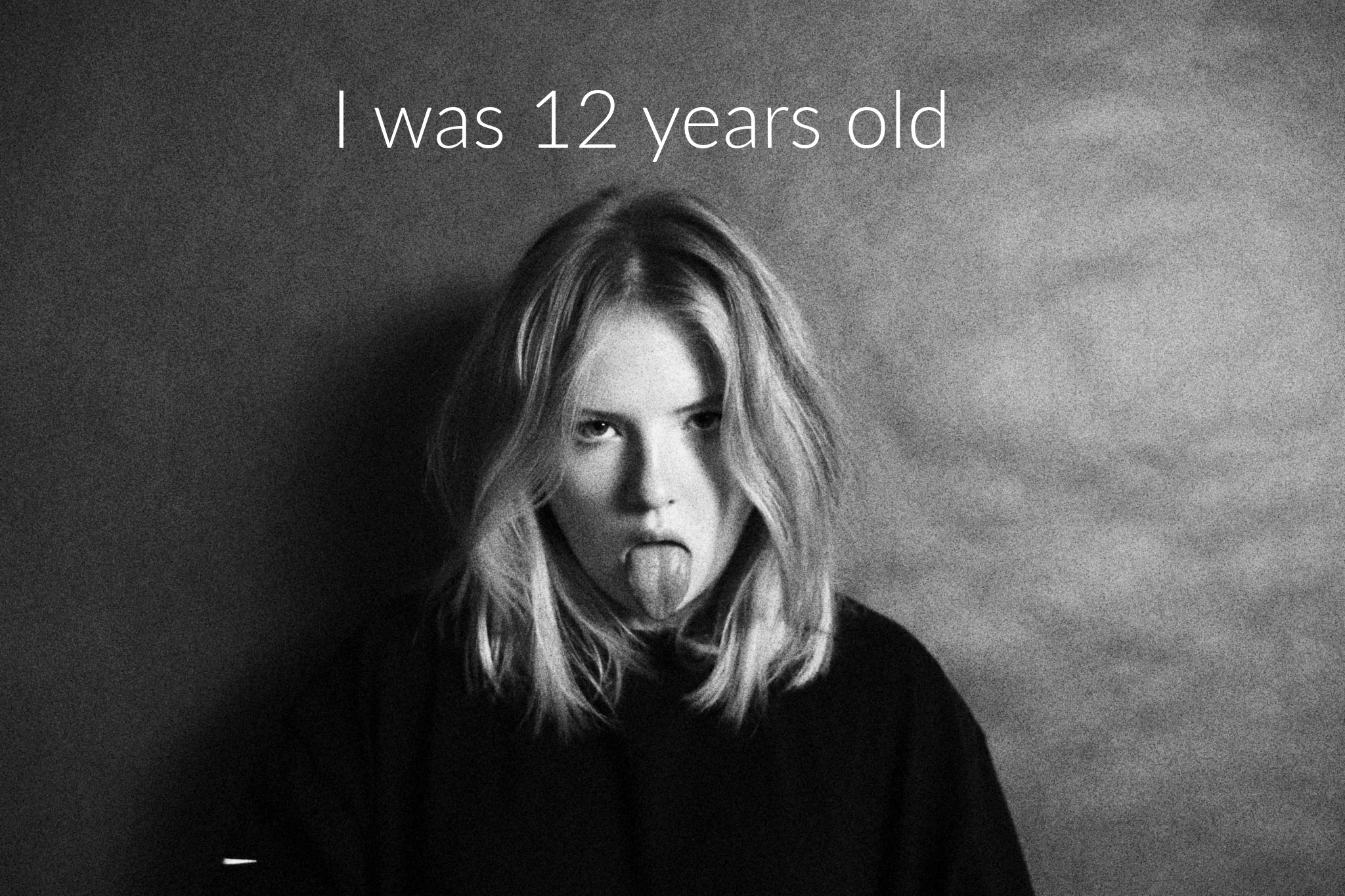



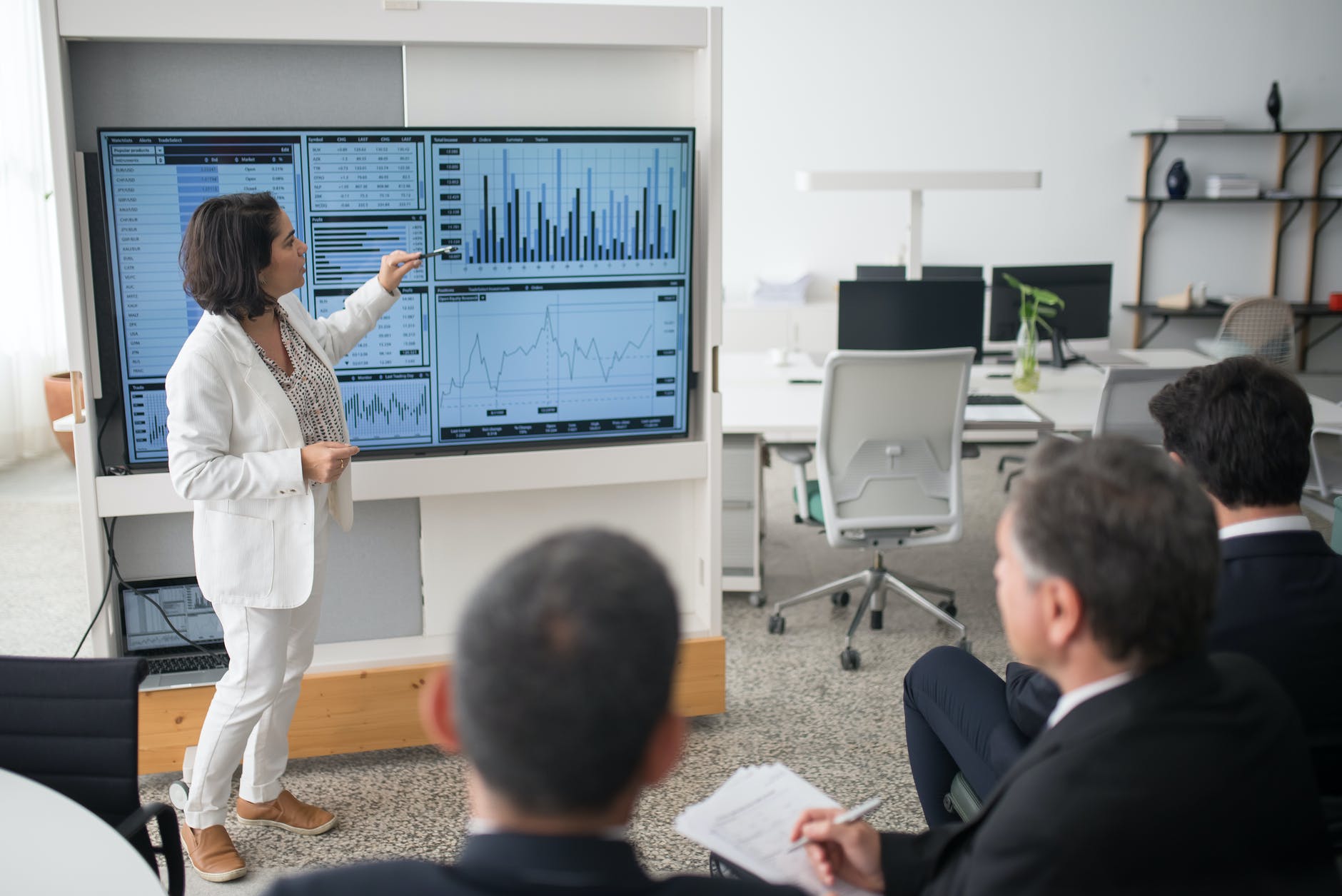















































 Looking for the Light