

How to change your relationship with food — and stop eating your feelings
IDEAS.TED.COM
Mar 4, 2019 / Daryl Chen
Jenice Kim
Here are three common-sense tips to help you feed your hunger and not your emotions, from dietician Eve Lahijani.
This post is part of TED’s “How to Be a Better Human” series, each of which contains a piece of helpful advice from someone in the TED community. To see all the posts, go here.
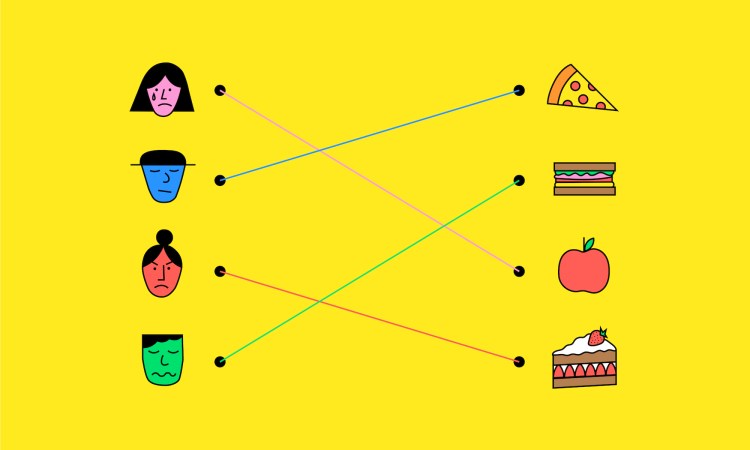
Imagine if eating were as simple as, say, refueling a car. You’d fill up only when an indicator nudged towards E, you couldn’t possibly overdo it or else your tank would overflow, and you’d never, ever dream of using it as a treat.
Instead, for many of us, eating is anything but straightforward. What starts out as a biological necessity quickly gets entangled with different emotions, ideas, memories and rituals. Food takes on all kinds of meanings — as solace, punishment, appeasement, celebration, obligation – and depending on the day and our mood, we may end up overeating, undereating or eating unwisely.
It’s time for us to rethink our relationship with food, says Eve Lahijani, a Los Angeles-based dietician and a nutrition health educator at UCLA. She offers three common-sense steps to help get there.
1. Reconnect with your hunger.
So many things drive us to eat — it’s noon and that means lunchtime, it’s midnight and that means snack time, we’re happy, we’re anxious, we’d rather not bring home leftovers, we’re too polite to say no, we’re bored, and oh, wow, has someone brought in donuts?!?
Similarly, we suppress our appetite for a myriad of reasons — we’re too busy, we’re sad, we’re mad, nobody else is eating, it’s too early, it’s too late, we’re too excited.
Now try doing this: Eat only when you’re hungry; stop when you’re full. “It may seem obvious to you,” concedes Lahijani. Still, think over your past week: How many times did you eat when you weren’t hungry?
She suggests that we think about our hunger and our fullness on a 0-10 scale, with 0-1 being famished and 9-10 being painfully stuffed (as in holiday-dinner stuffed). She says, “You want to begin eating when you first get hungry, and that correlates with the three or a four on the scale and [to stop] … when you first get comfortably full, a six or seven on the scale.”
The reason you shouldn’t wait until you’re starving (or, 0-2 on the scale) is because that’s when people tend to make nutritionally unsound choices. If you’ve ever gone to the supermarket when you were ravenous, you probably didn’t fill up your cart with produce; you gravitated towards the high-calorie, super-filling items.
Lahijani says, “It’s also wise to eat when you first get hungry because you’re more likely to enjoy your food [and] you’re more likely to eat mindfully … When you let yourself get too hungry, chances are, you’re eating really fast and not really paying attention. In fact, one of the biggest predictors of overeating is letting yourself get too hungry in the first place.”
2. Feed your body what it is craving.
When Lahijani was a stressed-out college and graduate student, her eating took one of two forms: she was either dieting or bingeing. As she says: “Whenever I was on a diet, the diet told me what to eat,”; while on a binge, she’d eat whatever was convenient or go all out on foods forbidden by her then-diet. Developing a different relationship with food meant stepping out of those patterns. “Instead of listening to others’ opinions of what I should eat, I became silent and I tuned into my own body,” she says. “I fed my body what it was craving.”
It turns out Lahijani didn’t crave junk food. She says, “I was actually tasting things for the first time, because my mind wasn’t filled with judgment and guilt. I actually found that my body actually craved nurturing, nourishing foods like vegetables and fruits. I actually liked my sister’s kale and quinoa salad.”
3. Try not to use food as a reward or a punishment.
It’s not surprising that we do this. After all, as children, we quickly learn that rejoicing and parties come with cake, while transgressions result in … no cake. But one of the great things about being an adult is, we can establish our own associations. By all means, let’s continue to mark our birthdays with cake — or with fresh fruit and a stockpot of homemade veggie chili if that’s what you prefer. Or, celebrate in ways that have nothing to do with eating. You can set your own rules now.
When Lahijani’s fraught feelings about food eased, she was surprised to find these effects go beyond eating. “What’s really interesting is to see how making peace with food affected other areas of my life. As I learned how to listen to myself, I became better at listening to others, I became more empathetic,” she says. “As I made a point to trust myself, I became more trusting in my relationships and more vulnerable, and as I became more loving to myself … I learned what it meant to love someone else.”
Watch her TEDxUCLA talk here: https://www.youtube.com/embed/Ssr2UDB9EWQ?version=3&rel=1&showsearch=0&showinfo=1&iv_load_policy=1&fs=1&hl=en-US&autohide=2&wmode=transparent
ABOUT THE AUTHOR
Daryl Chen is the Ideas Editor at TED.
Your fashion choices may be hurting the planet — here are 6 ways to reduce your impact
Earth Day is right around the corner and I can’t think of a better way to start the conversation on how our every day choices impact the planet. There are some great ideas in here and lots of information I didn’t know and I thought I was an informed shopper. Best of all if we buy less not only do we save lots of money we help the planet.
IDEAS.TED.COM
Apr 1, 2021 / Laura Pitcher
Stocksy
Most of us know that the fashion industry is built on an unsustainable business model powered by overconsumption. Clothing is cheaper than ever, brands release new styles every day and we can get a new wardrobe delivered to our door with the touch of a button.
In fact, between 2000 to 2014, annual clothing production doubled and the number of garments purchased per capita rose 60 percent. But this convenience comes at a high cost.
The fashion industry contributes to around 10 percent of global greenhouse gas emissions — which is more than the aviation and shipping industries combined. It’s also draining precious environmental resources: The industry produces about 20 percent of global wastewater and, what’s even worse, 85 percent of textiles end up in landfills or are incinerated.
The industry is clearly in need of large-scale change, so trying to make a difference with your individual purchases can feel discouraging. But through their everyday buying decisions, consumers can send powerful messages to big corporations and create demand for more sustainable products. If you’re looking to cut down on waste in an already wasteful industry, here are six ways to start:
Choose lower-impact materials
Cotton and polyester — two materials with a high environmental impact — dominate the fast fashion industry. Cotton production relies on pesticides and fertilizers that generate nitrous oxide (N2O), a greenhouse gas with morewarming potential than methane and carbon dioxide. It also requires large amounts of water. In fact, a single cotton T-shirt can take up to 2,700 liters (713 gallons) of water to produce.
Meanwhile, polyester has a massive carbon footprint. “Polyester production for textiles released about 706 billion kilograms (1.5 trillion pounds) of greenhouse gases in 2015, the equivalent of 185 coal-fired power plants’ annual emissions,” according to the World Resources Institute. On top of that, polyester generates microplastics (tiny pieces of plastic that pollute the environment) every time you wash it. An estimated half a million tonnes of these microfibers end up in our oceans each year.
Instead of cotton and polyester, choose lower-impact natural materials, including wool, linen and lyocell (which is made from wood pulp).
Buy less and mend more
Fashion production is projected to rise 81 percent by 2030, according to the 2019 Pulse of the Fashion Industry report, and the only way to move the needle there is to change the model of overconsumption. For the members of climate activist network Extinction Rebellion, which urged people to boycott the fashion industry last year, that can mean buying no new items. For others, it might be as simple as investing in pieces you’ll wear for years and staying away from any trend-focused purchases. It can also mean mending and repurposing your already-used items to make them last longer. If you’re not handy with a needle and thread, it’s your chance to support a local tailor.
Purchase secondhand and vintage
If you still want to add the occasional item to your wardrobe, buying secondhand and vintage can reduce a garment’s carbon footprint by around 82 percent. Thanks to online resellers like Depop, ThredUp and The RealReal, buying used is an increasingly popular and convenient choice. In 2019, secondhand clothing expanded 21 times faster than conventional apparel.
“I don’t buy anything new. I get all my clothes secondhand from flea markets and thrift stores,” said designer Jessi Arrington in a TED Talk. “Secondhand shopping allows me to reduce the impact my wardrobe has on the environment and on my wallet. I get to meet all kinds of great people; my dollars usually go to a good cause; I look pretty unique; and it makes shopping like my own personal treasure hunt.”
There are also fashion rental options like Rent the Runway and Armoire that give you access to special occasion dresses or monthly subscription boxes of designer pieces. While renting can be a great way to wear trendy clothing with less impact, using their in-person drop-off and pickup locations, like Rent the Runway’s swap shops, can combat the environmental cost of packaging, shipping and returning items.
Look into brands’ labor practices
Fashion manufacturers often employ cheap labor to reduce production costs, relying on some 40 million low-wage garment workers in countries across Southeast Asia and Europe, the majority of whom are women.
Many are forced to work long hours in unsafe environments. For example, in 2013, an eight-story building housing several garment factories collapsed in Bangladesh — the second largest clothing manufacturer in the world. More than 1,000 workers died and over 2,500 were injured. Likewise, leather tannery workers are at higher risk of skin and respiratory diseases as a result of repeated exposure to hazardous chemicals without proper safety equipment. Because of huge power imbalances, these workers virtually have no recourse when it comes to negotiating salaries, hours or safety conditions.
Check brand websites to see if they publicly list their supply chain information, or search for it on sites like Fashion Checker. You might also consider reaching out on social media to ask about their labor practices. Not only could this start a conversation, it can also signal to the brand that consumers want supply-chain transparency.
Support Indigenous businesses
Indigenous people comprise less than 5 percent of the world’s population but protect 80 percent of global biodiversity, according to environmental activist Hindou Oumarou Ibrahim. So it’s no surprise that Indigenous design is rooted in sustainability, and using your purchasing power to support Indigenous-owned businesses can elevate the same communities who safeguard these resources.
“Many Indigenous people still carry the knowledge of living in harmony with nature, which is key for our world tackling climate change right now,” says womenswear designer Angel Chang. “However, this knowledge lies with the elders whose wisdom is quickly disappearing. Consumers can support Indigenous artisans by purchasing items that are made in the traditional way, according to the cycles of nature following techniques passed down from their ancestors.”
Champion new scientific technology
Scientists across the world are working on innovative ways to address fashion’s waste problem. Spain’s Ecoalf is creating shoes from algae and recycled plastic. The Amsterdam-based brand GumDrop collects gum and turns it into a new kind of rubber. Other companies are exploring biofabrication methods like “growing” clothes from microbes and producing leather from tissue cells without harming animals.
Natsai Audrey Chieza, the founder and creative director of Faber Futures, says that she believes customers need to demand more than just the technological intervention, and start asking what kind of values drive tech companies.
“We also know that the environmental crises we face cannot be solved with drop-in replacement technologies alone, because this market logic ignores difference, creates monopolies and reinforces dominant power structures, many of which have directly caused and sustained our environmental and social crises,” Chieza says. “Led by a strong desire to transition from a world built on historic and ongoing exploitative models to a more just future, citizens will signal a preference for products from companies built from the ground up to protect both people and planet.”
Watch Natsai Audrey Chieza’s TED@BCG Talk:
Watch Angel Chang’s TED-Ed Lesson and learn how sustainable sneakers really are:
ABOUT THE AUTHOR
Laura Pitcher is a fashion and culture writer based in New York. Find her at laurapitcher.com
Melinda

Domestic Violence Thru The Eyes Of A Child
Growing up in a household of Domestic Violence is traumatic, lonely, and heartbreaking and forever changes the person you are and who you become. I was also emotionally and physically abused by my mother and stepfather which added to my train wreck of a life.
It took years of Therapy and medications to clearly see I was not to blame and even longer to grieve for the little girl whose childhood was ripped away.
Watch the video, and look for the nuances of violence or controlling behavior. At the end of the video, the physical abuse becomes crystal clear. Thank God someone was there to help her getaway.
If you’re in a Domestic relationship that is violent, have a plan for when the day comes when you need to leave.
XX
Tears started my day, who knows what triggered the thought of this post and song.
Original post 4/26/2015
I witnessed my mother beat emotionally and physically every day, it created chaos in my young mind. A tornado burned a hole in my heart. I couldn’t understand the feelings of pain when abused and watching abuse. Child abuse leaves a deep scar in my heart. During a conversation, a friend expressed fear over how the high-conflict divorce was impacting the kids. A volcano erupted in me, I survived Domestic Violence and had no idea. I thank the Army of Angels for being a friend. My eyes were opened during our conversation. The video is heartbreaking, beautiful, and hopeful.
XO Warrior
Wordless Wednesday*Red Dahlia
Happy Wednesday! We’ve made it halfway thru the week!
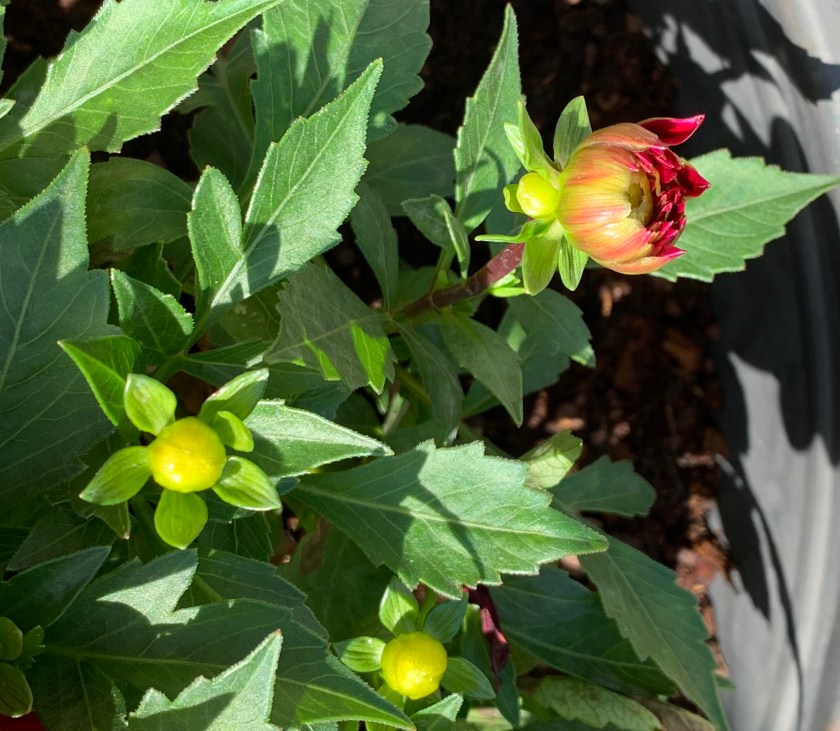
Have a great day and take care of yourself, family and friends.
Melinda
Til It Happens To You *Beautiful Song Brings Awareness To Sexual Assault*
This month is Sexual Assualt Awareness Month and I think more now than ever, it’s important we talk about our trauma and help support survivors in every way we can. I’m a survivor and the pain still lingers today, although I’ve processed the trauma, the pain never goes away.
This video is for everyone to watch and to talk about so that we can educate men and women about sexual assault to help prevent future traumas.
The song by Lady Gaga is for the film Hunting Ground. She sings an emotional song to bring awareness to the violence involved in Sexual Assault.
Hugs
Melinda
Hailey Bieber Shares the Real Reason She Deleted Her Twitter
E Online
By CYDNEY CONTRERAS 31 MAR, 2021
Hailey Bieber revealed why she deleted her account Twitter during a conversation with a psychologist, speaking about the effect it had on her mental health.
Hailey Bieber is revealing why she deactivated her Twitter account last summer, and her explanation is actually pretty straightforward. Simply put, the model turned YouTuber can only handle so much negativity.
On her latest vlog, the 24-year-old wife of Justin Bieber told psychologist Jessica Clemons, “I think when you’re going through a situation where you just have so many people hounding you with the same thing over and over and over again, it starts to mess with your mind and then you start to question everything and you’re like, ‘Is there something that I’m not seeing that they see… Maybe they’re right?'”
She added that the criticism reached its peak after she married the pop star in 2018, describing how their union “really opened me up to this new kind of level of attention.”
“I think one of the biggest things I struggled with for sure was the comparison aspect of body comparison and looks comparison and behavior comparison,” Hailey reflected, seemingly alluding to the way she and Justin’s ex Selena Gomez were pitted against each other by fans.
In the end, Hailey realized the best thing for her mental health would be to limit her time on social media. She said that she only goes on Instagram during the weekends, and she’s changed her settings so only people she follows can comment on her posts. The model shared, “When I look at my comments now, when I put up a photo or a video or anything, I know it’s only going to be people that I know are only going to be positive and only going to be encouraging and uplifting.”
Regarding Twitter, that’s an entirely different conversation. For Hailey, she decided to just deactivate her account entirely, explaining, “There was never really a time I would go on there that it didn’t feel like it was a very toxic environment. The thought of even opening the app gives me such bad anxiety that I feel like I’m going to throw up.”
“People can say whatever they want on the internet, you know, and then this stuff goes viral because people believe anything that they see on social media,” she said.
Moreover, Hailey has found comfort and healing in her therapist, who frequently reminds her that the criticism “really only exists in your screen.”  YouTube
Then, there’s Justin, who has also spoken out about the harsh treatment he endured in his early career. Hailey acknowledged this, sharing, “My husband has helped me so much with it like, I really have to give him credit because he’s been doing this so much longer at this really massive level.”
Hailey spoke out about the loss of privacy she experienced after marrying Justin in the April issue of Elle, revealing she “wanted to hide” during the first months of their marriage. She said, “I was like, ‘I don’t want people so in my business. I feel like everybody’s up my ass.’ I was like, ‘Can there be no anonymity? Can I have any of it back?'”
Melinda
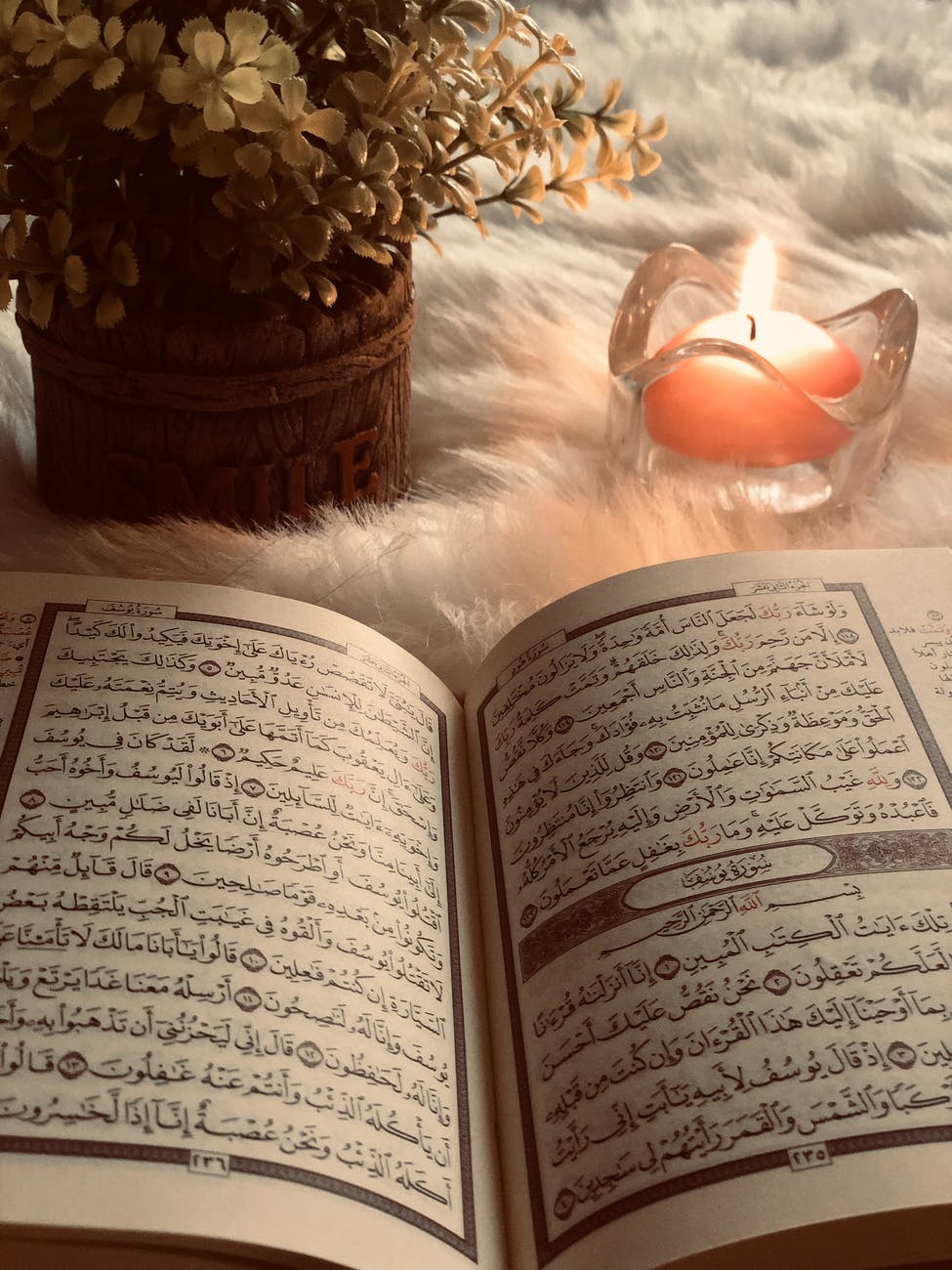
Have a Blessed Ramadan
Sending well wishes to all as you embark on the celebration of Ramadan. May your days be filled with joy, laughter and love of family and friends. May the message lift you spirits and fill you heart.
Melinda
Fun Facts, Did You Know?

Fact: Firefighters use wetting agents to make water wetter
The chemicals reduce the surface tension of plain water so it’s easier to spread and soak into objects, which is why it’s known as “wet water.” Find out which of your favorite science “facts” are actually false.
Fact: The longest English word is 189,819 letters long
We won’t spell it out here (though you can read it here), but the full name for the protein nicknamed titin would take three and a half hoursto say out loud.
Fact: “Running amok” is a medically recognized mental condition
Considered a culturally bound syndrome, a person “running amok” in Malaysia commits a sudden, frenzied mass attack, then begins to brood. Learn some more random facts and trivia you’ll wish you’d always known.
Fact: Octopuses lay 56,000 eggs at a time
The mother spends six months so devoted to protecting the eggs that she doesn’t eat. The babies are the size of a grain of rice when they’re born.
Fact: Cats have fewer toes on their back paws
Like most four-legged mammals, they have five toes on the front, but their back paws only have four toes. Scientists think the four-toe back paws might help them run faster. Do you know any other fun facts about cats?
Fact: Kleenex tissues were originally intended for gas masks
When there was a cotton shortage during World War I, Kimberly-Clark developed a thin, flat cotton substitute that the army tried to use as a filter in gas masks. The war ended before scientists perfected the material for gas masks, so the company redeveloped it to be smoother and softer, then marketed Kleenex as facial tissue instead.
Fact: Blue whales eat half a million calories in one mouthful
These random facts are mindblowing! Those 457,000 calories are more than 240 times the energy the whale uses to scoop those krill into its mouth.
Fact: That tiny pocket in jeans was designed to store pocket watches
The original jeans only had four pockets: that tiny one, plus two more on the front and just one in the back.
Fact: Turkeys can blush
When turkeys are scared or excited—like when the males see a female they’re interested in—the pale skin on their head and neck turns bright red, blue, or white. The flap of skin over their beaks, called a “snood,” also reddens.
Fact: Most Disney characters wear gloves to keep animation simple
Walt Disney might have been the first to put gloves on his characters, as seen in 1929’s The Opry House starring Mickey Mouse. In addition to being easier to animate, there’s another reason Disney opted for gloves: “We didn’t want him to have mouse hands because he was supposed to be more human,” Disney told his biographer in 1957.
Have a great weekend.
Melinda
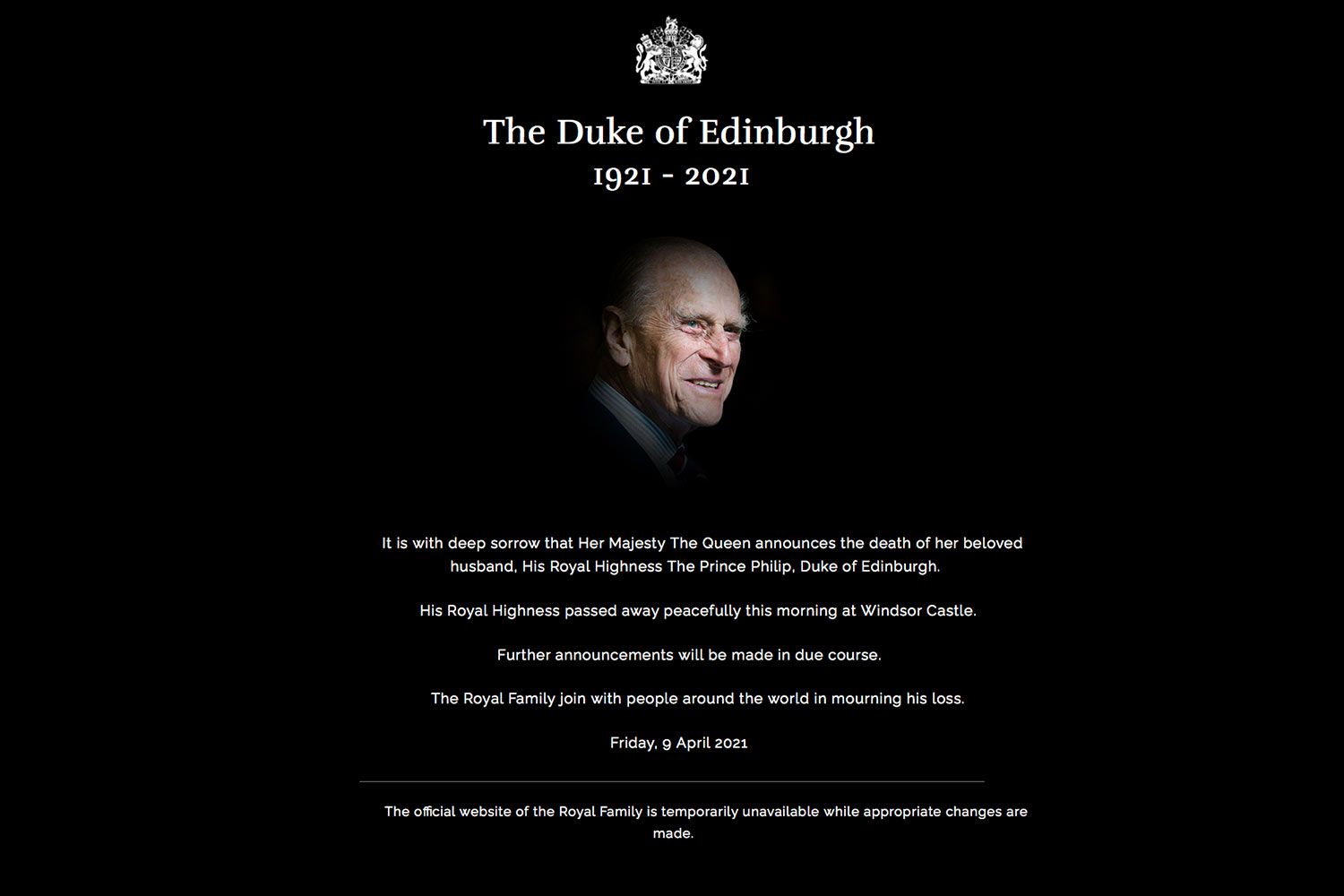
RIP HRH Prince Phillip 1921-2021
I’ve watched in amazement at this strong man, Prince Phillip, the rock of the Royal family, carry out his duties to his country with such grace and wit.
It takes a strong man, a self-assured man who was a Prince in two countries to give up his titles to marry Princess Elizabeth and have to take her family’s last name. That’s the love of the strongest kind!
Melinda
Friday Quote
It’s Friday!

So glad you stopped by today, I love seeing your smiling face!

I hope you have a great weekend with friends and family making memories that will last a lifetime.
Melinda
Stop Your Money Worries From Overwhelming You
Money can be one of the worst things for making you worry; indeed, a lot of people can feel like their mental wellbeing has been effectively ruined over their financial insecurity. It’s a very serious thing – almost half of the people currently in debt also report having mental health issues.
If that also sounds like you, being able to take more control over your finances is key for achieving greater peace and stability in your lifestyle. Of course, learning to live with and/or manage your money worries is only part of the solution, but it’s essential to do. But don’t worry, you don’t have to take this challenge on alone – here are some tips for stopping your money worries from overwhelming you.

Stay Aware
Don’t ever let your finances go unchecked; face your fears and confront the problem head-on by keeping up with how your bank account, credit scores, and any other financial platforms you’re a part of our functioning.
Because when you’re aware, you’re in control. You’re able to face the problem, and prevent it from becoming a bigger problem before it ever gets the chance to. And you can make this easy for yourself. For example, if you’ve got car insurance to pay for, be sure to make it easy to check in with by using something like a direct auto insurance account to keep up to date straight from your phone.
Be Realistic
The next step is to be realistic, which can be a hard thing when you’re finding it very hard to face the reality of your finances. However, when you’re realistic, you’ll be able to put together a workable budget, that allows you to take care of yourself and pay for any debt and other financial obligations you have.
Start with your income, and then take away your expenses, both fixed and variable. If this all fluctuates, use a monthly average. Whatever you’ve got leftover is what you can put towards those credit card bills, and use to bump up your credit score bit by bit. Even just a couple of regular debt payments can turn it green again.
Don’t Let Yourself Be Alone
Finally, if you’re someone who has serious money worries, don’t let yourself be alone in facing them. Talk to friends and family about them, or work with a professional such as an advisor, who could help you to see the light in your struggles.
Most of all, make sure you feel supported, and like you’ve got some strength behind you. Even if you need someone to be there with you when you check your bank account for the first time in months, ask someone to come round and sit with you. It could really change how you see your finances.
Money worries can be overwhelming, at their worst. Be sure to reach out for help, and always try to face your fears, as you have the power to take control of a problem like this.
This is a collaborative post.
Melinda
Repost
Seeing Your Doctor? Make The Most Of Your 15 minutes
If your only choice is seeing a General Practitioner for chronic illness, you will have to take on the additional responsibility to make sure you’re getting the best healthcare. What you can’t expect is a General Practitioner to be a one-stop-shop, they have 15 minutes per patient and treat the most common illnesses. Once your 15 minutes is up, you have to save questions for the next appointment. And while it may be particularly frustrating to have to leave empty-handed, it can help to get into the right mindset for doing your own research.

If seeing a General Practitioner for all your chronic illnesses, go into each meeting expecting three questions to get answered, if the conversation doesn’t go off track. Go prepared with questions, concerns, or medical issues but don’t expect more than 15 minutes unless your insurance company allows 30-minute appointments. I schedule 30 minutes with my GP on each visit, which lowers my stress level and allows us to talk more in-depth if needed.
If you make multiple visits to your doctor for the same issue make sure to ask for a referral. They are clearly out of their league. I speak from experience, I saw my doctor for 15 years and in that time he may have made two or three referrals. After finally realizing he was not the right doctor for me anymore I changed to a woman.
In the two years I’ve been seeing her she has made over a dozen referrals and each doctor r has found something wrong with me. I value that she doesn’t mess around and see if she can handle something outside of her experience.
Don’t sell yourself short.
Melinda
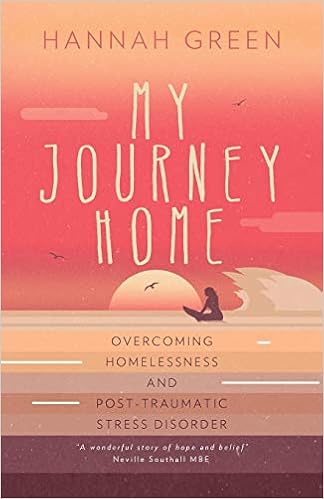
Book Review for My Journey Home by Hannah Green

Buy My Journey Home at Amazon Here
Blurb
For years Hannah Green ran from the truth, but after being sexually assaulted and then finding herself with nowhere to live, she was forced to confront the sexual abuse she endured as a child. She experienced homelessness for over a year and was moved from place to place after being let down by multiple different services. She turned to drugs and alcohol until she was introduced to Surfing. It was then that everything changed.
Besides being a fun and active sport, surfing is thought to significantly help those suffering from PTSD by altering the way the brain works. It has been suggested that the activity strengthens the hippocampus’ ability to inhibit the fight-or-flight response, which can improve mood (Frontiers for Young Minds). In taking up this sport and finding her passion, Hannah was slowly able to confront the sexual abuse she had endured as a child and overcome her PTSD.
Hannah says that ‘When you’re in the water, you don’t have the time to think about anything else. It gives you focus, a sense of mindfulness, and something to aim towards. Surf therapy changed my life.’
One Review
‘If you’re going to read one book this year, make it this one. A beautiful tale of hope, belief, determination and pure spirit’ – Neville Southall MBE
My Thoughts
“My Journey Home is a heartbreaking story of a rape victim who is determined to become a survivor by working hard to put the past behind her and build a better life. After suffering many setbacks including homelessness, depression, and PTSD, she seeks out a therapist to help get her life back on track. Right at the time she starts therapy, her story takes a turn for the worse when during EMDR Treatments for the rape she uncovers forgotten memories of child abuse that took place at her parent’s house. It takes an insurmountable amount of strength to open up to her parents about the abuse and to continue to work on resolving her inner pain with the help of her parents and friends. Hannah’s book tackles serious issues and uncovers deficiencies surrounding sexual assault laws. Hannah is one special woman and her story will inspire all.”
About Cherish Editions
Cherish Editions is the self-publishing division of Trigger Publishing, the UK’s leading independent mental health and wellbeing publisher.
We are experienced in creating and selling positive, responsible, important and inspirational books, which work to de-stigmatise the issues around mental health, as well as helping people who read them to maintain and improve their mental health and wellbeing. By choosing to publish through Cherish Editions, you will get the expertise of the dedicated Trigger Team at every step of the process.
Go buy Hannah’s book, My Journey Home today at Amazon.
Happy Reading!
Melinda Sandor
Wordless Wednesday*Red Gerber Daisey
Happy Wednesday! We’ve made it half way thru the weaken one piece!



Have a great day and take care of yourself, family and friends.
Melinda

My Bucket List In 2021
As teen I wanted to travel the world even though I hadn’t been out of the state where I was born. Reading National Geographic Magazine opened me to other worlds and I wanted to see it all.
As I grew older it was easier to narrow the list down although it’s still grows each year. I’ve been fortunate to mark many things off my list over the years and have had great adventures.
There are so many places to see and new adventures to have. I’m overdue in updated my list to accomodate my health conditions.
My Bucket List as of 2020
Watch artist handcraft a Turkish rug
Learn to double jump rope
Roller Derby
See a grown Hela Monster
Watch baby turtles hatch and return to the sea
Drive Hover Craft
Tango Lessons
Drive Monster Truck
Drive 18 Wheeler
Train and Volunteer to rescue wild animals
Finish Family Tree
Visit the worlds Wineries, extra long stay in France
Volunteer for RAINN as Advocate Speaker for Child Abuse and Sexual Abuse
Watch the Caribou migrate in Canada
Go to the country of Jordan, see the city of Petra.
Handstand
Walk a mile
Hold a Koala Bear
See Tasmania Devil
Become a Bee Keeper
Walk in Jesus’s Foot Steps
Hear a mass by the Pope, at the Vatican.
Ride in Helicopter over Grand Canyon
What’s on your list? Where is life taking you?
Melinda

Have a Blessed Easter Sunday
Jesus has risen and he will come again.

This is one of my treasured photos of Jesus taken at the Church of the Spilled Blood in St. Petersburg, Russia.
Did you know?
Easter, also called Pascha or Resurrection Sunday, is a Christian festival and holiday commemorating the resurrection of Jesus from the dead, described in the New Testament as having occurred on the third day after his burial following his crucifixion by the Romans at Calvary c. 30 AD. It is the culmination of the Passion of Jesus, preceded by Lent, a 40-day period of fasting, prayer, and penance.
Have a blessed day!
Melinda
Fun Facts, Did You Know?
McDonald’s once made bubblegum-flavored broccoli
This interesting fact will have your taste buds crawling. Unsurprisingly, the attempt to get kids to eat healthier didn’t go over well with the child testers, who were “confused by the taste.” Find out which countries have banned McDonald’s.
The first oranges weren’t orange
The original oranges from Southeast Asia were a tangerine-pomelo hybrid, and they were actually green. In fact, oranges in warmer regions like Vietnam and Thailand still stay green through maturity. For more interesting facts, find out which “orange” came first: the color or the fruit.
There’s only one letter that doesn’t appear in any U.S. state name
Can you guess the answer to this random fact? You’ll find a Z (Arizona), a J (New Jersey), and even two X’s (New Mexico and Texas)—but not a single Q. Check out these other 50 fun facts about every state in America.
A cow-bison hybrid is called a “beefalo”
You can even buy its meat in at least 21 states. Don’t miss these other random facts about your favorite foods.
Johnny Appleseed’s fruits weren’t for eating
Yes, there was a real John Chapman who planted thousands of apple trees on U.S. soil. But the apples on those trees were much more bitter than the ones you’d find in the supermarket today. “Johnny Appleseed” didn’t expect his fruits to be eaten whole, but rather made into hard apple cider.
Scotland has 421 words for “snow”
Yes—421! That’s too many fun facts about snow. Some examples: sneesl(to start raining or snowing); feefle (to swirl); flinkdrinkin (a light snow). Don’t miss these other 11 random interesting facts about snow.
Samsung tests phone durability with a butt-shaped robot
Do these interesting facts have you rethinking everything? People stash their phones in their back pockets all the time, which is why Samsung created a robot that is shaped like a butt—and yes, even wears jeans—to “sit” on their phones to make sure they can take the pressure.
The “Windy City” name has nothing to do with Chicago weather
Was this one of the random facts you already knew? Chicago’s nickname was coined by 19th-century journalists who were referring to the fact that its residents were “windbags” and “full of hot air.”
Peanuts aren’t technically nuts
They’re legumes. According to Merriam-Webster, a nut is only a nut if it’s “a hard-shelled dry fruit or seed with a separable rind or shell and interior kernel.” That means walnuts, almonds, cashews, and pistachios aren’t nuts either. They’re seeds.
Armadillo shells are bulletproof
In fact, one Texas man was hospitalized when a bullet he shot at an armadillo ricocheted off the animal and hit him in the jaw.
What do you think of the Fun Facts? Worth keeping around for a while?
Have a great weekend.
Melinda
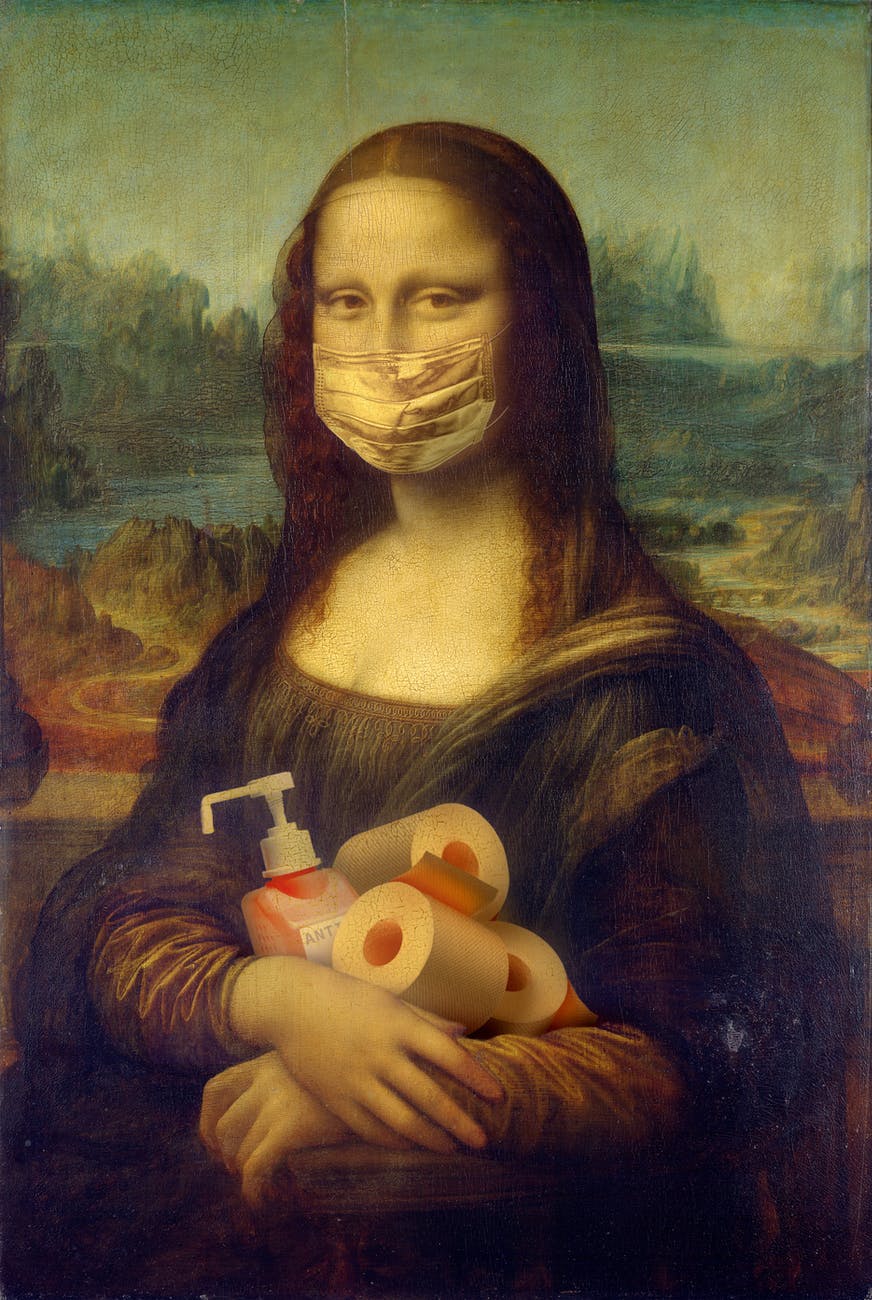
Dance To The Music! I received My Second Vaccine
COVID can hit the road, I’m protected and I can’t be happier.
Wishing you God speed in getting your vaccine.
Melinda
Friday Quote
It’s Friday!
So glad you stopped by today, I love seeing your smiling faces.
I hope you have a great weekend with friends and family making memories that will last a lifetime.
Melinda
Natural Seasonal Allergy Relief

Willow & Sage by Stampington
By Kaetlyn Kennedy
These are some great tips from one of my favorite book-a-zine, Willow and Sage.
Made from stinging nettle plants, organic nettle tea can help relieve seasonal allergy symptoms with its natural antihistamine. You reap all the benefits of antihistamine symptom relief without having to take conventional medicines. You can drink the daily as a preventative or as needed.
Spirulina is a superfood full of amazing plant nutrients, like iron, calcium, vitamin A and C, and protein. While great for overall health, spiraling may be beneficial during allergy season because it is high in antioxidants and has been shown to protect the body from anything that might compromise the immune system. It is high in chlorophyll and is detoxifying. Other superfoods like Kale, turmeric, mace powder, hemp, and flax are great for reducing inflammation and boosting your immune system.
A probiotic can help boost your gut and immune system health, which plays a big part in seasonal allergies. You can digest probiotics by eating fermented items like sauerkraut, and kombucha, or by taking a supplement. Make sure it is a high-quality probiotic from an organic source.
Apple Cider Vinegar is detoxifying and practically a remedy for everything. Taking as little as 1 tablespoon a day can help you feel and be healthier, which will, in turn, reduce your allergy symptoms. Make sure you purchase unfiltered organic Apple Cider Vinegar.
Essential oils, such as melaleuca, peppermint, lavender, frankincense, lemon, and eucalyptus, help with seasonal allergy relief. I like to fill a roller bottle with a carrier oil and 5-10 drops of each chosen essential oil. I apply this to my nose, on my temples, and behind my ears when I begin to feel swollen or puffy, as well as to the bottom of my feet. You can use these as needed as well as preventative.
Have a Great Arpil Fools Day

Do you know where April’s Fool’s day started?
One Theory:
On April 1, 1700, English pranksters begin popularizing the annual tradition of April Fools’ Day by playing practical jokes on each other.
Although the day, also called All Fools’ Day, has been celebrated for several centuries by different cultures, its exact origins remain a mystery.
Some historians speculate that April Fools’ Day dates back to 1582, when France switched from the Julian calendar to the Gregorian calendar, as called for by the Council of Trent in 1563. People who were slow to get the news or failed to recognize that the start of the new year had moved to January 1 and continued to celebrate it during the last week of March through April 1 became the butt of jokes and hoaxes.
These pranks included having paper fish placed on their backs and being referred to as poisson d’avril (April fish), said to symbolize a young, “easily hooked” fish and a gullible person.
April Fools’ Day spread throughout Britain during the 18th century. In Scotland, the tradition became a two-day event, starting with “hunting the gowk,” in which people were sent on phony errands (gowk is a word for cuckoo bird, a symbol for fool) and followed by Tailie Day, which involved pranks played on people’s derrieres, such as pinning fake tails or “kick me” signs on them.
READ MORE: April Fools! 9 Outrageous Pranks in History
Have a FUN day!
Melinda
Boosting Your Energy Levels in Simple, Spiritual Ways
When we struggle to calm down, it may not necessarily be about the stress in our lives, but the lack of energy. When we break down what energy is, it is, in a spiritual and scientific sense, vibration. In a spiritual sense, vibration is the atmosphere and the energetic quality of a person. You always get a certain energy from somebody when they walk into a room, and on a scientific level, energy is vibration. And so, if you are looking for more spiritual ways to improve your energy or your vibration, how can you do this?

Meditation and Breathwork
The great thing about meditation and breathwork is that it constantly brings you into the present. But not everybody has the concentration to feel the benefits right away. This is why a practice like Tai Chi can be invaluable. It is one of those martial arts that requires focus but is a very cleansing practice. It has an abundance of health benefits, which you can find out more about on the taichiforhealthinstitute.org website. The importance of finding some kind of meditative practice in life will give you more energy. But people who have no interest in martial arts or breathwork can find meditation in the simplest of things. Some people find themselves absorbed in a video game or a sport. Once we get into this frame of mind, we will have greater feelings of peace. Conduct meditation in your own special way.
Gratitude
We don’t necessarily consider gratitude as an energy booster. But when you start to think about what you are grateful for, it can reduce sensations of anger, which will greatly help you with energy. When you are practicing gratitude, it is impossible to feel anger or fear. Fear and anger are low-energy emotions, so if you start to change your attention to making gratitude a habit, it will change your life. If you need more information on this, you can see the actual scientific benefits of gratitude on happierhuman.com.
Forgiveness
Blame is something that comes easy to us humans. When we start to forgive others, we will start to feel better, and more energetic. When we learn how to forgive, it stops us from clinging to negative and unimportant emotions. By forgiving, you are starting to stray away from possession and self-absorption. On a very simple human-level, when you start to forgive people, it stops you from hanging on to the negativity in your life. It’s so easy to blame others, and this blame is so exhausting. Start to forgive, and you are freeing yourself, as well as the person you are forgiving.
The Reduction of Toxins
Toxins like alcohol will contribute to depression and reduce energy levels. When you start to listen to your body and give it what it needs, you will start to feel the energy in more abundance.
Positivity
To feel better, you can start by feeling happier thoughts. Each negative thought will have an impact on your energy levels. It takes 17 seconds for one positive thought to attract another one similar to it. Bear that in mind the next time you think negative thoughts.
This is a collaborative post.
Melinda

#Wordless Wednesday*Griffy
This is my little girl Griffy, she isn’t camera shy, in fact, she appears to pose.
I look forward to seeing your smiling faces again next week.
Have a great day!
Melinda
Five Easy Ways To De-Stress For Your Mental Well-Being
In the hustle and bustle of our hectic daily lives, we often don’t find time for ourselves to just be, to de-stress and take some time off for much-needed self-care. But it’s very important we do that – both, for our mental well-being and our physical health – especially in times of lockdown and added anxieties.
Here are five easy ways you can de-stress, chill and rejuvenate.
Meditation
People often associate meditation with religious practice or spirituality; but meditation is a great tool to centre oneself, calm one’s mind and regain focus. You don’t have to meditate for long – sometimes even 10-15 minutes can help you de-stress. Don’t worry about technique either – just find a quiet spot in your house, close your eyes and don’t think about your to-do list or chores. It’s ok if a stream of thoughts keep coming; just let them pass and soon you will get the hang of distilling out unwanted thoughts and focussing on just being. Beginners can also take the aid of guided meditation audios that help you to focus, or just put on some soothing meditation music to set the mood.
Paint
Painting is a great therapeutic tool. Again, you don’t need to be a trained artist or know a particular style of painting. Just put your brush to paper or canvas and let your creativity just flow. The calmness and therapeutic effect comes about through the brush strokes and the creation itself. All you need are a few art supplies, a room or corner to paint and you’re good to go!
Help Other People
Often, the act of altruism or helping other people without any ulterior motive or expecting a reward in return, instills in us a feeling of joy and contentment that aids the overall well-being of our mental, psychological and spiritual state. It’s similar to the ‘feel-good factor’ we all crave. Of course helping others in times of need and impromptu situations is also important, but if you’re looking at helping others as a methodological way to de-stress and regain balance in your life, then joining a charity of your liking and choice is a great way to go about this. Spending an evening a week teaching a child to read, or giving your time and company to a lonely, old person can do wonders for your own well-being too!
Doing Nothing
Yes, sometimes actually doing nothing accounts for a lot, especially when your diary is packed with places to go and things to do, and your mind is always on auto-pilot. The act of doing nothing – or at least nothing that requires concentration or effort – can be very soothing. Of course I don’t mean you just sit on a sofa and stare into space for an hour! Read a book. Watch a movie. Go for a stroll. Sit in your garden. Let your mind be free of work-related thoughts.
Have A Positive Mindset
One of the best ways to reduce stress and anxiety is to stop over-thinking and worrying about things not in our control, and to have a positive mindset.
Personally, I believe having a positive mindset is the most important of the five.
This is a collaborative post.
Melinda
Adapting To Life After A Sudden Disability
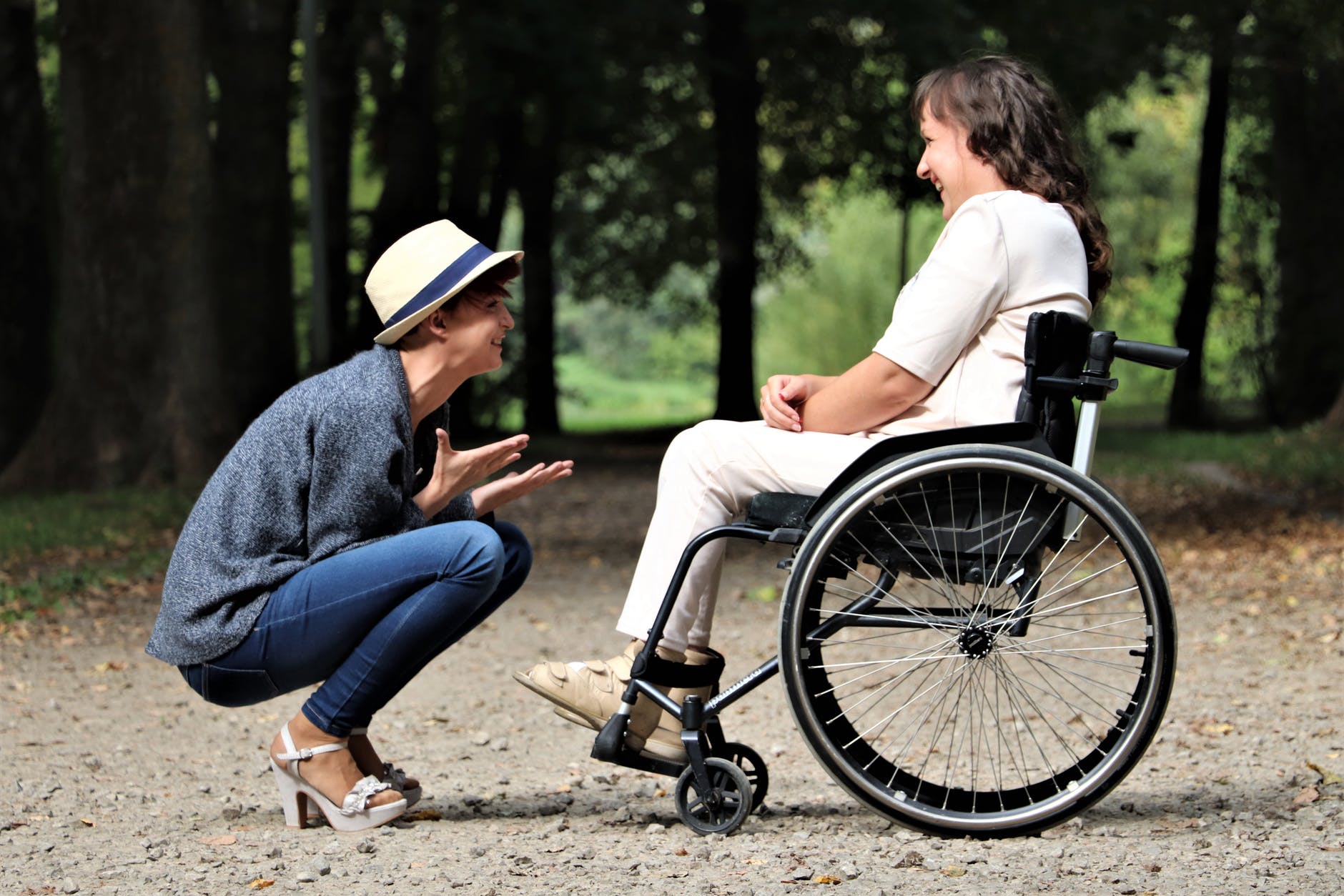
There are all manners of disabilities that we learn to live with, some of which we might be born with or develop inherently. However, those that happen or are diagnosed suddenly can seem much more difficult to cope with. If you have been disabled due to an accident or injury, you need to learn how to adapt your life to it. Here are a few tips on how to do so.
Allow yourself to feel
Disability is never just physical. There are mental impacts of living with a disability that has to be accounted for, as well. It’s important that you allow yourself to feel anger, sadness, maybe even some mourning. However, it’s also important to process those emotions as healthy as possible, and talking with counselors who have experience in helping people with your needs can help you do just that. It’s a lot of cope with, but you don’t have to do it alone.
Adapting the home to your needs
A big part of making sure that you live safely, comfortably, and with peace of mind is by making sure that your home can meet your needs. You may be able to find ways to make it easier to get around, use the bathroom, access things in the kitchen, and even get in and out of the home. More importantly, you can get help on paying for it as well, with tips on how to pay for a wheelchair ramp, for example. There are plenty of resources on the internet that can help you find the specific alterations that can make an accessible home and help you find the financial help you may need in making them a reality.
Minimizing the impact of disability on daily life
There’s no denying that having a disability can affect how you do the things that you once took for granted, such as getting around, doing the shopping, and more. However, there are technological advancements that are making it increasingly easy to live a life that is not entirely blocked off by these challenges. Most important is your ability to find ways to be independent in socializing and in being able to get out and around as much by yourself as possible.
Don’t go it alone
We’re not just talking about the emotional and mental support that therapy and your loved ones can offer. When it comes to the practicalities of how to live well with your disability, then there are few people who are going to have the insights that you might need than those who have had to overcome the same kinds of issues. FInding online support groups for people with disabilities as well as more informal link-up parties and other gatherings, especially those that specific to the condition affecting you, can help you get all kinds of practical advice on top of the emotional support from those who understand what it’s like to be in your place, to some degree.
Hopefully, the tips above can help you live a little better with a new disability, whether it is your own or you’re helping someone in the family.
This is a collaborative post.
Melinda
10 Most Popular Superfoods
Over the years, you might have heard the term ‘superfood’ used increasingly. But what really does it mean? Well, in simple terms, these are foods that are packed with nutrients such as minerals, vitamins, and antioxidants, and so are associated with positive impacts on your health. But how do you know what superfoods to eat then?

The thing is, you may currently include a good number of superfoods in your diet without even knowing, so this list of the 10 most popular superfoods has been put together so that you are made away of well-known superfoods, as well as to inform you about some superfoods that you may not be familiar with.
Eggs
Eggs are one of those foods that have stood the test of both time and criticism. No doubt, they are pretty healthy and come loaded with very high-quality proteins. More than that, eggs contain a plethora of minerals and vitamins, some of which include vitamin A, B vitamins, choline, and iron. They also contain two very powerful antioxidants, namely zeaxanthin and lutein, which are known for protecting vision and boosting eyesight. That being said, if you are having issues with your vision, don’t hesitate to visit https://eyeglasses.com for some more information.
Dark leafy greens
A lot of people aren’t fans of dark leafy greens, but they’re one of the best superfoods to exist. These types of greens contain several nutrients that the body needs to heal, including zinc, iron, magnesium, fiber, and vitamin C. More so, dark leafy greens have earned their place in the superfoods hall of fame. They might also help reduce your risks of suffering from chronic illnesses such as heart disease and type 2 diabetes. Some examples of these dark leafy greens are kale, spinach, collard greens, and Swiss chard which can be incorporated into your diet via smoothies, soups, and salads.
Berries
Many of us who love berries are unaware of the amazing effects that eating them has on the body. For one, berries are very rich in vitamins and minerals as well as certain antioxidants. In fact, berries are particularly effective when it comes to treating digestive issues and are often used in modern medical therapies. Examples of these fruits include blueberries, blackberries, strawberries, and raspberries. You can eat them as they are, or add them to smoothies and desserts.
Avocado
Simply put, avocados are great. Yes, they’re good for guacamole, but more than that, this superfood is very rich in healthy fats that keep you feeling full for longer. It also comes packed with antioxidants and fiber that all work to protect against heart diseases. Additionally, this food is can be eaten even on a diet and is even recommended on the Keto diet. Delicious ways to incorporate avocado in your diet include serving it on your morning toast to adding it as an essential ingredient to smoothies and salads.
Chia seeds
Chia seeds are tiny, black seeds that have taken the health industry by storm over the past few years. No doubt, these seeds pack a powerful punch when it comes to nutrition. Firstly, they contain pretty much all the essential minerals including calcium, manganese, magnesium, and phosphorus. In addition, vitamins B1, B2, and B3 are also available in abundance. More so, 28 grams of chia seeds contain 11 grams of fiber and just one gram of digestible carbohydrates, making it one of the most suitable foods out there for a low-carb diet.
Coconut
When it comes to versatile foods, coconuts are out there at the top. They can be consumed as coconut water, coconut oil, coconut flour, coconut flakes, and even just coconut meat. More so, this superfood can easily be incorporated into your diet without any headache.
That said, in terms of what makes it so ‘super’ coconut oil especially contains medium-chain triglycerides, which are used as a source of energy once in the body. Furthermore, coconut water is high in vitamins and minerals including potassium, magnesium, sodium, and vitamin C. On top of this, coconut flour is low in gluten and carbs and can be used for baking and desserts.
Flax seeds
Flax seeds are one of those foods that didn’t become popular until recently. These seeds contribute towards a healthy heart as they come packed with omega 3 fatty acids that work as anti-inflammatory agents. More som flax seeds can be added to your salads and smoothies by grinding them into a semi-fine powder. That being said, they do have other uses apart from consumption. In fact, flax seeds also come in handy as a home remedy for hair growth.
Hemp seeds
Yet another super seed is hemp seed. This is a great source of healthy proteins and contains omega 3 and omega 3 fats; both of which work together to reduce the risk of cardiovascular diseases in the body. More recent studies also associate hemp seeds with relieving the symptoms of menopause in women. For consumption, these seeds are typically toasted lightly and then added to foods like salads, oatmeal, and cereal.
Salmon
When next you go grocery shopping, be sure to pick up some salmon. This fish is rich in healthy oils that are a great source of energy and contains inflammation-reducing omega 3 fats. More so, this fish is packed with wildly sourced protein that can provide you with almost 60 percent of your daily recommended protein intake. It also contains vitamin D as well as bioactive peptides that help in collagen production.
Cocoa nibs
Cocoa nibs are essentially just healthier chocolates. These foods range from really sweet to very bitter, so you get to choose just how you like them. More so, it is a great source of fiber and it also contains a good amount of iron and magnesium. More than that, research has shown that eating cocoa nibs can help elevate your mood and brain activity. As for preparation, they can be used in desserts, smoothie bowls, or just on their own as a nice snack.
This is a collaborative post.
Melinda
Tired of procrastinating? To overcome it, take the time to understand it
IDEAS.TED.COM
Jul 15, 2019 / Daryl Chen
Justin Tran
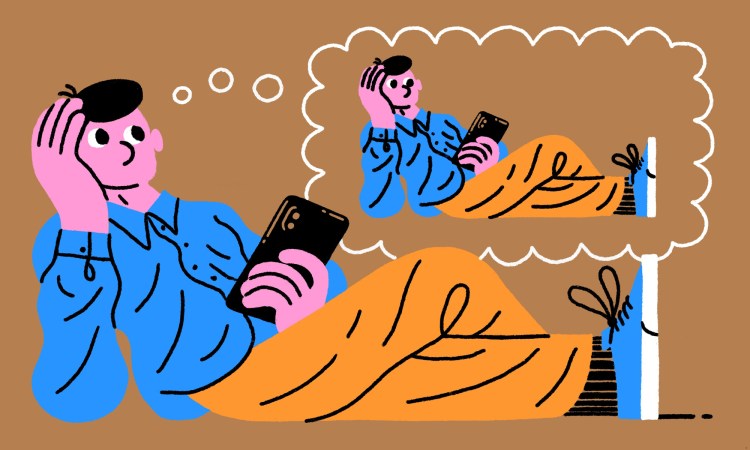
Procrastination isn’t shameful or a character flaw. Instead it’s rooted in a very human need: the need to feel competent and worthy, says educator Nic Voge.
This post is part of TED’s “How to Be a Better Human” series, each of which contains a piece of helpful advice from someone in the TED community; browse through all the posts here.
“It’s 11 o’clock. You’re in your dorm room, and you have a paper due in a day or so. You sit down at your desk, you open up your laptop to get started, and then you think, ‘I’m gonna check my email just for a minute; get that out of the way.’ Forty-five minutes later, you’ve checked a lot of email,” says Nic Voge, senior associate director of Princeton University’s McGraw Center for Teaching and Learning in New Jersey, in a TEDxPrinceton talk. “You’ve done a really good job of that, but now you realize, ‘You know what? I’m pretty tired. I’m kind of exhausted, and that’s not conducive to writing a good paper. What do I need? I need to go to sleep.” And you do — only to wake up and go through the whole cycle of delays-and-excuses the next day.
Is this you? Rather than a college paper, maybe it was a report for work, graduate program application, peer review, or some other important thing that you kept kicking down the road until the road ran out and you had to deliver.
You probably scolded yourself for your behavior. And wondered, “Why am I so lazy /weak-willed /disorganized /unmotivated /hopeless /[fill in other belittling adjective]?”
Well, Voge has good news for you. “Procrastination isn’t shameful. It’s not a sign of weakness. It’s not a flaw,” he says. “It’s actually pretty predictable; it’s something we can really expect if we understand the dynamics of motivation,” At Princeton, Voge develops, designs and directs academic support programs for undergraduates. He’s seen procrastination in all its forms, and he has also, he confesses, “mastered the craft and art of procrastination — the mind games, the rationalizations, the justifications.”
There are many theories about why we procrastinate. Some have said it’s about the inability to cope with difficult emotions; others, that it’s connected to faulty time management or perfectionism. Voge, however, believes it is rooted in our self-worth. He explains, “The paramount psychological need that all of us have is to be seen by ourselves and others as capable and competent and able … and we will actually sacrifice or trade off other needs to meet that need.”
To be clear, the need to be seen as worthy or worthwhile is not the problem. Where things go wrong is that some of us depend heavily on external feedback — in the form of good grades, praise from bosses, parents, in-laws or other authority figures, or the acceptance of prestigious organizations — for those feelings of worthiness. Voge says, “People who procrastinate a lot have a kind of simplistic equation in their mind: their performance is equal or equivalent to their ability, which is equal or equivalent to their self-worth as a person.” Or, as he puts it: performance = ability = self-worth. The reason we’re so terrified about performing poorly on that paper, application, analysis, etc. is because we feel our ability rests on it — and our value as a person.
In the performance = ability = self-worth equation, the only variable we can control is how much effort we put into our performance. When we procrastinate and put in less effort, we’re doing it as a form of self-protection, according to Voge. That way, if we earn a bad result, it doesn’t mean we’re not talented, able or worthy; we were just too busy or distracted to do our best.
Think about the murmurs you inevitably heard before exams in high school or college. Voge asks, “What are people saying? ‘I only studied three hours.’ ‘I only studied two hours; my computer froze.’ Everyone’s explaining how they’re not ready. Why? Because if they don’t achieve, then they have this built-in excuse not only for themselves but for others.”
Anyone who has ever procrastinated has experienced that feeling of stuckness. “Many people describe procrastination as being stuck at or against a wall or an obstacle they can’t get over,” says Voge. “We are often agitated, we can’t sleep — but we [also] can’t work.” At those times, we find ourselves pulled between two equally strong and compelling forces: the drive to achieve and the fear of failure. We come unstuck only when the fear of not getting things done overrides our fear of failure.
How do we break the cycle? Voge highlights three strategies:
1. Be aware of what you’re doing and why.
“We know from the research on procrastination and overcoming it that gaining knowledge and being aware of self-worth theory in these dynamics helps people over these things,” says Voge. “To understand the roots of procrastination helps us weaken it.” Your procrastination is probably not coming from a place of self-loathing or self-sabotage but from a need to protect yourself.
Know when you’re procrastinating. Sometimes it’s obvious; there is absolutely no reason for us to do the laundry before we write that grant application. At other times, it’s more subtle, so you may need to check in with yourself: “Yes, removing old files from my computer desktop will give me a less distracting workspace, but is it essential that I do it right now? Or am I just postponing writing the application?” Pro-tip: If you have to ask yourself whether you’re procrastinating or not, chances are you are.
Get familiar with your “greatest hits” of wasting time. Most of us have specific fall-back activities that we do when we’re playing the delaying game. What’s yours — house-cleaning, napping, shopping, reading email, catching up on Netflix? Learn to recognize it so you can nip it in the bud; it’s much easier to prevent falling down the cleaning /napping /shopping rabbit hole rather than pulling yourself out. Voge says, “The greater awareness we have of our tendencies and our motivations, we’re more likely to overcome them.”
2. Tip the balance.
Our progress towards completing any activity is affected by “approach” motives (reasons why we want to do this thing) and “avoid” motives (reasons we don’t want to do this thing). With activities that we have no hesitations doing — let’s say, eating something that’s delicious and healthy — it’s because we have many “approach” motives and very few “avoid” motives.
Many procrastinators have the mistaken belief that the reason they’re putting off a task is because there’s an underlying reason they don’t want to do it. “Often, that’s not the case. It’s simply that their fears dominate or overwhelm their ‘approach’ motives,” says Voge. When you’re playing solitaire instead of performing a competitive market analysis for your boss, it could be because your “avoid” motives — in particular, you’re avoiding the project because you’re terrified you’ll fail — outweigh your “approach” motives.
When this happens, think of all the reasons why you want to do this activity. It might help to remind yourself of how completing it fits into your larger goals, objectives or mission. Then, if it seems especially big or intimidating, break it down into manageable pieces. When Voge found himself procrastinating writing his TEDx talk because it seemed so daunting, he decided to create an outline so he could write his script section by section. Warning: Just resist turning that outline or to-do list into an invitation to procrastinate further.
3. Challenge your beliefs.
We need to undermine the ideas that brought us to procrastinate in the first place, says Voge. “The equation that we carry around in our head is flawed … your ability is not equivalent to your worth.” He adds, “Our worth derives from our human qualities of kindness and thoughtfulness and our vulnerabilities.”
ABOUT THE AUTHOR
Daryl Chen is the Ideas Editor at TED.
9 things you can do to make working from home more joyful
This one of my favorite Ted Talks from the archives. Enjoy.
IDEAS.TED.COM
Apr 15, 2020 / Ingrid Fetell Lee
Some people love working from home, and they can’t imagine anything better than a day with their laptop clad in pajama pants. Others miss the structure and the casual chats with coworkers that happen at their offices. Whether you love it or hate it, working remote — for those who can do it; not every job lends itself to this kind flexibility — is going to be common for many of us in the near future due to the pandemic.
For those of you new to working from home, there’s lots of advice out there about how to deal with the pitfalls and stay productive and sane (“Take a shower!” “Don’t spend too much time on social media!”). But from my own experience, working from home can be a real delight if you let it. So I’d like to share a few ideas for creating a workspace and routines that will make working from home a joyful, sustainable experience. And who knows? You might not even want to go back to the office!
1. Take care of your body
In her book Proposals for the Feminine Economy, Jenn Armbrust offers a series of principles, the first one being: “You have a body.” Sounds simple, but working from home can make it easy to forget about your body’s basic needs. At your office, you probably had an ergonomic desk chair or an adjustable workstation. However, unless you work from home regularly, your workspace may consist of a kitchen table and basic chair.
You don’t need to invest in a whole home-office setup, but rather pay attention to how your body feels as you work from home. One advantage to working from home — as opposed to being in an office — is that you can change positions frequently. Try out lots of postures, whether that’s sitting in a chair, standing at your kitchen counter, relaxing on the sofa, or sitting on a yoga block on the floor with your coffee table as a desk. It took me a long time (and some serious shoulder pain) to realize that the best position for long writing stretches for me is sitting on a backless bench at my dining table. Testing different positions can help you find physical ease faster.
Another thing to pay attention to is movement. You likely do some walking in the course of an office workday — to the office from the train or bus or parking lot, between meetings, to the café for more coffee — and these movement breaks disappear when everything you need is within a couple of rooms in your home. When I first started working from home, I was surprised to find that I sometimes got in fewer than 1,000 steps in a day!
The flexibility of home work means, though, that you can largely move when you want to. Try setting a timer for a yoga or workout to break up a long email session. While writing my book Joyful, I took impromptu dance breaks whenever I was stuck on a section, which cleared my head but would’ve been hard to do in the office. I also started to take a long walk in the park at the end of every day. In the summer, I’d print out the latest draft and take it with me and sit in the shade while marking it up. In the winter, I’d do this at the kitchen island after coming home.
2. Use your commute
How long was your pre-pandemic daily commute? For many people, it can range between 30 minutes to 2 hours (or more), round trip every day. It also really adds up. Even at the short end, that 30 minutes per day adds up to two and a half hours that you’ve now gained per week!
The key is being intentional about how you use that time. Schedule it in your calendar — it doesn’t have to be at the same time as your commute — just as you would a meeting.
You can also block that time out for free, unstructured time, something most adults don’t get enough of. But then make sure to put tools down when the calendar alert goes off and give yourself space to enjoy it.
3. Create a sensory landscape
With their dull color palettes, synthetic carpets and humming HVAC systems, most workplaces have a joyless sensory landscape. Add in the noise from open-plan seating, and the fact that many spaces are often too cold or hot, and the typical office can be deeply unpleasant to spend time in, much less get focused work done.
While many of us often see the problem as overstimulation, in fact offices are just as likely to be understimulating. Workspaces have traditionally been designed based on the belief that to maximize productivity you need to minimize distraction, leading to bland, featureless spaces. But research shows that when people in these “lean” workspaces are compared to people working in “enriched” spaces that have art, plants, and more sensorial stimulation, the workers in the enriched spaces are 15 percent more productive. And if the workers have control over the placement of things in their workspace? They’re 32 percent more productive.
When you work from home, you can be like those workers in the study who controlled their own workspace — and create a sensory landscape that works for you. Part of this may mean eliminating unpleasant sensations, by getting noise-cancelling headphones to tune out distracting noises or adjusting the temperature so that it’s comfortable for you.
Also, look for ways to add pleasant sensations into your workspace. Hang up an image that gives your gaze something to rest on while you glance away from your screen. Play nature sounds. Choose a brightly colored mug for your morning coffee.
The senses of touch and smell are particularly understimulated during the hours we’re tapping away at a keyboard, so look for ways to appeal to them. For example, I cover the bench I sit on when writing with a sheepskin, which has a decidedly unofficelike soft texture. I keep a bottle of essential oils on my desk, and sometimes use a diffuser to scent the air.
4. Get some sunshine
One poorly designed aspect of many traditional offices is how little daylight exposure is available in workspaces. For most workers, the only light during the day comes from the dull fluorescents overhead. Yet research shows that workers who get more exposure to daylight sleep better (up to 46 minutes more per night), are less stressed, and are more active during the day. Light regulates key hormones and neurotransmitters, influencing everything from our alertness to stress levels, our immune system to our moods.
In your home, you have more control over where you choose to work, so if possible, choose a space near a window. And if you don’t have much natural light in your space, use lamps to boost the brightness. Just as too much blue light from our screens can keep us up at night, a healthy dose of bright artificial light during the day can also help keep our 24-hour internal clock in sync.
Also, when you used to commute to work, you likely got at least a little sunlight on the way, which you lose if now you jump straight into work first thing. Light has the greatest impact on our circadian rhythms in the morning, so try to go outside for a brief walk before you sit down.
5. Green your workspace
One simple thing to do to make your workspace more joyful is to add greenery. Plants that might struggle in the dim light of an office can thrive in your home, and you gain the extra benefit of getting to enjoy them when you’re not working as well. You don’t have to have as many plants as Summer Rayne Oakes does in her home workspace, but even just adding a few has been shown to reduce stress and restore your ability to concentrate.
6. Make a “get to work” playlist
One challenge I’ve found in working from home is transitions. It can be hard to stop doing all those home things (emptying the dishwasher, folding laundry, etc.) and get down to work, especially if there’s work you’re avoiding. In fact, many writers joke that their home is never tidier than when they’re working on a book.
One thing that helps is having some sort of ritual that marks a transition into a work session. I have a couple of “Get to Work” playlists that help with this: one for writing, one for email. The playlists always start with the same song, so it becomes like a sonic trigger that primes me to focus.
Other transition ideas might be pouring a fresh cup of tea or coffee, doing a quick stretch, or setting a focus timer (I use the Tide app on my phone).
7. Make snack time special
A lot of work-from-home guides advise you to take a real lunch, but I confess that when I’m in flow, I much prefer to eat at my desk. This doesn’t mean that I don’t believe in taking breaks, though. As I mentioned above, the most important features of breaks for me are to get outside and to incorporate movement into my day.
I also love a good snack break. We often think of snacks as fuel, but for me, they’re more of a treat. And, as writer Gretchen Rubin has pointed out, treats can help make us feel cared for, energized and motivated. Having access to your own kitchen means that you don’t have to rely on the processed foods that constitute a snack in most offices, nor do you have to eat it out of a bag.
I’m a big fan of cutting up fruit and arranging it in a wheel around my plate, or making little sampler plates from the fridge of pickles, olives and other nibbles. I also make energy balls or banana bread and freeze some so I can have it for a mid-week treat. You’re your own office manager now, so think about what would make you feel cared for and create space for it in your daily routine.
8. Be playful
Offices have been designed with work in mind, and the prevailing view is that work is somehow the opposite of play. But, as play researcher Brian Sutton-Smith says, “The opposite of play is not work. It’s depression.” Bringing your work home gives you a chance to invite more play into your workflow. And this can start with your workspace.
A playful workspace creates more opportunities for play in your day. These can be small, like the miniature spinning tops I keep on my desk to spin when I get stuck on an idea, or they can be larger, like having a trampoline to bounce on or a hula hoop to play with. Changing out a desk chair for an exercise ball can also bring a sense of play. A giant bowl of Legos or a big puzzle can keep hands busy while your mind is working through ideas.
You can also experiment with adding playful forms of decor, like children’s drawings on the wall, or cute objects for your desk. I put googly eyes on my stapler, for instance. Cute things may even benefit our productivity, according to research out of Japan, by enhancing our ability to focus.
Imagine: If you’d never been to an office before, what would you want it to look like? When you work from home, there’s no reason not to create a space that lets your imagination run free.
9. Pack it up and put it away
Perhaps the worst thing about working from home is that it’s hard to know when the workday ends. Writer Kevin Roose has found, for example, that remote workers take shorter breaks and fewer sick days, suggesting that boundaries can be an issue. This is even more challenging if you don’t have a dedicated home office space. When your laptop sits on the dining table or your coffee table is covered in stacks of folders, it’s hard to fully feel like you’ve turned off.
This is one reason why I insisted on building in two tiny home offices in our current renovation. I still will probably spend time working at the dining table, but I wanted a place to put everything at night so that I can close the door on it and not be distracted by the things I didn’t get done.
You don’t need a spare room to do this, though. Simply having a basket or closet to tuck your laptop and papers into at night will do the trick. Creating a physical boundary will help you reset your mind and reclaim your home as your home.
This post was originally published on The Aesthetics of Joy site.
Watch her TED Talk now:https://embed.ted.com/talks/ingrid_fetell_lee_where_joy_hides_and_how_to_find_it
ABOUT THE AUTHOR
Ingrid Fetell Lee is the founder of the blog The Aesthetics of Joy and was formerly design director at the global innovation firm IDEO.
Another thought
It’s not just creating a playful space that you should think about, it’s being more playful in how you work. One simple idea is to stop communicating via emails and start video or voice calling people. If you visit this website, you will learn how to start using Microsoft Teams, meaning you can have long chats with clients, coworkers, or employees. Adding a more visual element to working from home helps you stay more connected to people, and it also makes life more playful and joyous. Instead of staring at words on a screen, you can see the people you’re talking to!
Melinda
 Looking for the Light