

Join the WordPress community on April 2 for talks on the block editor, block development, and design in a world of blocks.
WPBlockTalk: A Free Online Event Focused on the Block Editor — The WordPress.com Blog

Join the WordPress community on April 2 for talks on the block editor, block development, and design in a world of blocks.
WPBlockTalk: A Free Online Event Focused on the Block Editor — The WordPress.com Blog
Symptoms of Chronic Lyme may include:
Musculoskeletal: joint pain or swelling or stiffness, muscle pain, shin splints, neck or back stiffness, migrating muscle pain or cramps, TMJ, neck creaks & cracks, tender soles.
Reproductive: testicular pain/pelvic pain, menstrual irregularity, unexplained milk production (lactation), sexual dysfunction or loss of libido.
Cardiac/Pulmonary: chest pain or rib soreness, shortness of breath, heart palpitations, pulse skips, slow pulse, heart block, heart murmur, valve prolapse.
Neurological: muscle twitching, headache, tingling, numbness, burning or stabbing sensations, facial paralysis (that looks like Bell’s palsy), dizziness, poor balance, increased motion sickness, light-headedness, wooziness, difficulty walking, tremor, confusion, difficulty thinking/concentrating/ reading, forgetfulness, poor short term memory, disorientation (getting lost, going to wrong place), difficulty with speech, double or blurry vision, eye pain, blindness, increased floaters, increased sensitivity to light or sound or smell, buzzing or ringing in ears, ear pain, decreased hearing or deafness, difficulty swallowing, seizure activity, white matter lesions, low blood pressure.
Neuropsychiatric: mood swings, irritability, depression, disturbed sleep (too much, too little, early awakening), personality changes, obsessive – compulsive disorder (OCD), violent outbursts, paranoia, panic/anxiety attacks, hallucinations.
Gastrointestinal: nausea or vomiting, loss of appetite, GERD, change in bowel function (constipation, diarrhea), gastritis, abdominal cramping, cystitis, irritable bladder or bladder dysfunction, newly diagnosed irritable bowel syndrome (IBS).
Other: fever, sweats, or chills, weight change (loss or gain), fatigue, tiredness, hair loss, swollen glands, sore throat, difficulty swallowing, swelling around the eyes, & swelling in feet.
Source: Lyme Disease Association, 2017
7 Feb 2020Military.com | By Dorothy Mills-Gregg
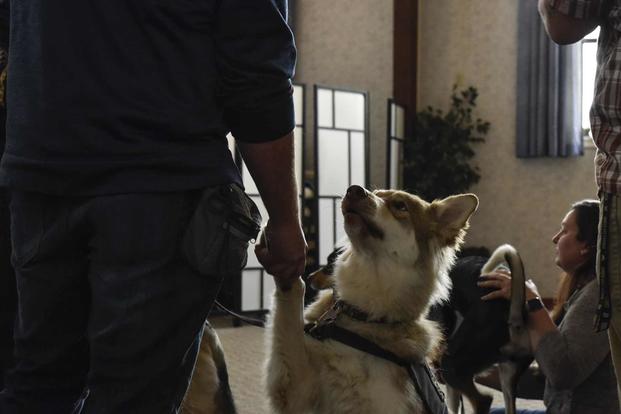
A decade-long effort to have the Department of Veterans Affairs provide service dogs to veterans with mental health issues passed a major hurdle with House passage Wednesday.
The Puppies Assisting Wounded Servicemembers, or PAWS for Veterans Therapy Act, would have the VA create a 5-year pilot to give grants to one or more organizations to train and provide service dogs to veterans with post-traumatic stress and other post-deployment mental health issues.

3M Lawsuit FirmIf you are a military member and have experienced hearing loss, impairment or tinnitus after using 3M earplugs, contact Alexander Law Group, PLC.
While the VA has been studying the use of service dogs for mental health treatment, it currently only covers service dogs for use in mobility issues.
The bipartisan bill was introduced by Rep. Steve Stivers, R-Ohio, who has served in Iraq in the Ohio Army National Guard.
“A soldier under my command during Operation Iraqi Freedom recently told me what his service dog means to him: he was able to fly on a plane for the first time in 10 years and he took his fiancée to dinner,” Stivers said in a statementwhen H.R. 4305 was introduced. “That is the impact this bill can have on the lives of our veterans.”
Related: Bill Would Cover Cost of Service Dogs for Veterans with PTSD
Lawmakers have long been exploring different ways to combat veterans’ mental health issues . Statistics show about 20 veterans die by suicide every day.
“The process of obtaining a service dog is lengthy and costly, a cost that is out of reach for many veterans,” Dr. Robin Ganzert, American Humane president, said in a news release. “This is long overdue.”
Congress previously mandated that VA study the use of service dogs for PTSDand other mental health problems in 2010. But the pilot was suspended twice when two service dogs bit children and some dogs experienced health issues.
The VA has since restarted the study, and the first report on whether service dogs or emotional support dogs help veterans with PTSD will be released this summer. Six months later, the second part will show if the kind of dog factored into “health economics savings” such as reduced hospital stays or reliance on medication.
The bill now goes to the Senate, which has several of its own related bills.
— Dorothy Mills-Gregg can be reached at dorothy.mills-gregg@military.com. Follow her on Twitter at @DMillsGregg.
Read More: Pentagon Lethality Task Force Is ‘Dead’ if Army Put in Charge, Top Adviser Says
Military HeadlinesVeteran BenefitsPost Traumatic Stress Disorder – PTSDCongress© Copyright 2020 Military.com. All rights reserved. This material may not be published, broadcast, rewritten or redistributed.
Commissary Blocks Visitors, Cancels Early Bird Shopping in Coronavirus Response
The Defense Commissary Agency will require ID checks at store doors and block all non-authorized shoppers from entering.Jill Biden Woos Military Families with Plan to Improve Spouse Unemployment
Jill Biden appealed to military families in a phone call by presenting her husband’s policies.Military Money Help During the Coronavirus Pandemic
Military members and families may be feeling the financial pinch from the novel coronavirus pandemic as businesses close…How VA and Tricare Users Can Get Tested for Coronavirus
The U.S. military says it has plenty of coronavirus tests ready, but not everyone meets requirements to get tested.
Here’s What the Coronavirus Travel Ban Means for Military Families4 Key Differences Between the Green Berets and Delta ForcePentagon Bans Domestic Travel for Troops, Families As Coronavirus SpreadsUS Fighters Catch Russian Spy Planes Near Alaska for 2nd Time in DaysNavy Has 1st Coronavirus Case on a Ship Days After Family Event Onboard
Commissary Blocks Visitors, Cancels Early Bird Shopping in Coronavirus ResponseJill Biden Woos Military Families with Plan to Improve Spouse UnemploymentAirman Advances in Quest to Become First Female Special Tactics OfficerMilitary Patients Face Lengthy Wait Times on Tricare Nurse Advice LineFour-Star Commander of SOUTHCOM Tests Negative for CoronavirusView More

Military Life InsuranceGet a Quote
US News
Raychelle Cassada Lohmann, ContributorFeb. 10, 2020
TEENS ARE GETTING TOO little sleep, not enough exercise and spending far too much time online. Research tells us so (if you need proof), and it’s also clear that when teens don’t take care of themselves, it can affect their mental health.

(FUSE/GETTY IMAGES)
That’s all the more reason parents should teach their kids about the fundamentals of good self-care. And that means getting back to the basics, such as eating well, getting plenty of sleep and exercising more. That may be easier said than done, as adults know. But if you want your teen to live a healthier life, it’s important to pay attention to these three pillars of health.
Here’s what you should know about the benefits of these forms of self-care for kids – and what happens if they’re ignored.
Establishing Healthy Eating Habits
Most have heard the saying, “You are what you eat” – and nothing could be more accurate when it comes to food and mental fitness. Food choice really does have an impact on how we feel and look. For example, it’s not uncommon to hear people say that when they eat better, they feel better. The food we put in our mouths is the fuel that we run on. And when we opt for premium nutrients, we simply run better.
The same is true for our teens. Yet, too many of our young people run on junk food. According to the Centers for Disease Control and Prevention, more than a third of our nation’s youth eat fast food daily.
Research indicates that fuel choice may be hurting their bodies and mental health. In one study published in Physiological Reports, researchers followed 84 middle school students. They monitored sodium and potassium excretion and depressive symptoms for a year and a half. The findings suggested that for adolescents, consuming foods that are high in sodium, a mineral frequently found at high levels in junk food, and those that are low in potassium was related to an increase in depressive symptoms. The researchers concluded that poor diet was, in fact, a risk factor for depression.
What we eat impacts how we think, feel and act. That’s why it’s essential to help your teen establish healthy eating habits. Many teens gravitate toward junk food because it’s convenient and fits into their busy lifestyles, but that doesn’t have to be the case. It’s just as easy to opt for an apple as it is for a bag of chips. There is just no way around it – a healthy body helps support a healthy mind.
Sleeping More
The National Sleep Foundation recommends that children ages 14 to 18 sleep eight to 10 hours a night, but the vast majority of youth aren’t even coming close to that recommendation. On average, most teens get about 7.5 hours of sleep a night. It comes as no surprise that sleep deprivation takes a toll on their mood.
As reported by the American College of Neuropsychopharmacology, researchers at the University of Pittsburgh found that when teens experience sleep loss, even for short periods, it increased their risk for mood disorders. In this particular study, 35 participants, aged 11 1/2 to 15 years, were monitored in a sleep lab for two nights, with half of them sleeping for 10 hours and the remaining sleeping for four hours.
A week later, they returned to the lab and switched sleep schedules from their initial visit. During their time at the lab, they underwent brain scans monitoring the reward center of their brain while playing a game and also completed emotional functioning and depressive symptoms assessments. The data indicated that sleep deprivation affected the putamen, an area of the brain that is responsible for goal-based movements and learning from rewards.
Consequently, there was a link between sleep deprivation and their reported depressive symptoms, too. Participants who did not get enough sleep reported feeling more depressed than their well-rested peers.
Overall, the results suggested that inadequate sleep during adolescence may affect how the brain processes reward and increase the likelihood of depression and risk-taking behavior. When teens were sleep-deprived, they didn’t make the best choices. According to this study, sleep not only helps kids feel better, it also helps them make better choices.
Make sure that your teen is getting enough sleep by limiting screen time before bed and establishing a good bedtime routine, particularly on school nights when they are more apt to sleep less. It’s also important for kids to keep their phones away from their beds at night. Just a few simple tweaks in their bedtime routine can make all the difference, because a well-rested teen is a happier and healthier teen.[
READ: The Science of Sleep: Teen Circadian Rhythms Explained. ]
Exercising More
The U.S. Department of Health and Human Services recommends that teens get at least an hour of moderate or vigorous physical activity each day. Still, according to a study in Preventive Medicine, young people are getting about as much exercise as a 60-year-old.
In Latin, there’s a saying: “mens sana in corpore sano.” When translated, it means: “a healthy mind in a healthy body.” And researchers have shown that a healthy body does indeed contribute to a healthy mind, especially when it comes to anxiety and depression.
A study published in the American Journal of Psychiatry reported that exercise could reduce the risk of developing depression. In this study, researchers monitored the physical activity of 266,939 participants from around the world for more than seven years. Their findings showed that when people were more active, their risk of developing depression decreased regardless of how old they were and where they lived.
These findings support a large body of literature that has linked physical activity with improved mood. In fact, there’s some evidence to suggest that exercise is as effective in treating depression as antidepressants. Now, that’s something to consider.
Establishing healthy habits begins early. It’s important to get our kids moving because an hour a day can go a long way toward promoting physical and mental well-being.[
SEE: 10 Things Pediatricians Advise That Parents Ignore – and Really Shouldn’t. ]
All things considered, it’s incredible how some of life’s most basic tasks, such as eating well, getting a good night’s sleep and exercising, can positively impact our children’s well-being. There’s just no way around it: A healthy body and a healthy mind really begin with the basics of self-care.
12 Questions You Should Ask Your Kids at DinnerView All 14 Slides
Raychelle Cassada Lohmann, Contributor
Raychelle Cassada Lohmann, Ph.D., NCC, LPCS, GCDF, is a professional counselor and … READ MORE
Tags: parenting, family, family health, children’s health, mental health
FITNESS Benefits of Hot Yoga and Safety Tips
EAT + RUN Healthy Foods to Spring Clean Your Diet
FOR PARENTS Kids’ Dental Care: From the First Tooth
CAREERS How to Call in Sick
EAT + RUN Yoga for All Bodies

Disclosure: Bear in mind that some of the links in this post are affiliate links and if you go through them to make a purchase I will earn a commission. Keep in mind that I link these companies and their products because of their quality and not because of the commission I receive from your […]
My Fibromyalgia Exercise Plan — Spoonie Lifestyle

Many of us are experiencing emotional distress from the pandemic which can affect each of us in different ways, but often presents as increasing anxiety, worry, sleep disruption, feelings of helplessness, panic, and/or depression. The shrieking headlines don’t help do they? So what can we do to manage these feelings and feel stronger emotionally and […]
Anxiety Management During Pandemic Days~ —

I turn on the salt lamp, get the diffuser going with some soothing essential oils, and roll an essential oil blend on my shoulders, and chest. I also use a relaxing Lavender scent hand cream and a Lavender essential oil stick to use under my nose for extra relaxing benefits.
All lights out, no computers, no reading, no television, nothing but the soft glow of the salt lamp.
Part of the new routine also includes sleeping 10 hours a night or as close as I can. It has made a huge difference in my mental health. Physically I feel rested and much less fatigued. I also allow myself naps if Fibromyalgia is ruling my day.
If you can’t sleep the extra hours or take naps, you can still incorporate most of the self-care tips into your daily routine. Self-care is so important whether you have a chronic illness or not. Make sure to put your health first as often as possible to have your best life.
Melinda
I appreciate you stopping by today! Please keep your hands washed and don’t overreact, get the facts on what the signs are which need testing. Another important point, don’t go to the hospital. Call your doctor and have your doctor coordinate your arrival to protect others. Have a great weekend! Melinda


 |
| It’s impossible to talk about travel right now without addressing coronavirus. As the COVID-19 virus continues to spread, sharing accurate information is crucial to both help stem fear and arm ourselves and our loved ones with knowledge. For this reason, we have created a guide on coronavirus, informed by reliable sources like the CDC and World Health Organization. Stay safe and healthy. WHAT IS CORONAVIRUS (COVID-19)? According to the World Health Organization (WHO), coronaviruses are a large family of viruses that cause illness ranging from the common cold to more severe diseases such as Middle East Respiratory Syndrome (MERS-CoV) and Severe Acute Respiratory Syndrome (SARS-CoV). COVID-19 is a new strain of coronavirus that first emerged in Wuhan, China in 2019 and has since spread from country to country. When people are speaking about coronavirus, it actually refers to a classification of multiple viruses. But, the specific strand that is making headlines today is COVID-19. WHAT ARE THE SYMPTOMS OF COVID-19? The symptoms of COVID-19 include a cough, fever, and shortness of breath. In severe cases, it can lead to larger respiratory problems and kidney problems. Symptoms typically appear 2-14 days after exposure to someone carrying the virus. The speed of transmission is cause for concern and still being studied, but it appears the virus can be contracted via cough and contaminated surfaces. WHERE HAS THE VIRUS SPREAD SO FAR? As of 19 hours ago, the virus has spread to the following countries illustrated below. As of today (3/11), it has been called a global pandemic.  WHY IS THIS ANY WORSE THAN THE FLU? The two key differences between this virus and the flu come down to knowledge and death rate. According to Live Science, scientists have studied the seasonal flu for decades. So, despite its danger, we know a lot about flu viruses and what to expect from them each season. In contrast, we know little about this new coronavirus strain. While we have since developed a flu vaccine and have treatment available, COVID-19 does not yet have available treatment. Likewise, the death rate of the common flu is 0.1% while COVID-19 is proving to have a higher death rate. HOW CAN I PROTECT MYSELF? You can practice personal hygiene such as washing your hands frequently (for a minimum of 20 seconds each time), not touching your face, disinfecting surfaces, and opt-ing to stay home if feeling unwell. According to WHO, illness due to the virus is generally mild—especially in children and young adults. However, this coronavirus strain can cause serious illness and shouldn’t be taken lightly. About one in five people who catch it need hospital care. IS THERE A TREATMENT AVAILABLE YET? There is no vaccine and no specific antiviral medicine to prevent or treat this virus. However, those affected should receive care to relieve symptoms. People with serious illness should be hospitalized. Most patients recover thanks to supportive care.  HOW DO I KNOW IF I HAVE IT? The availability of coronavirus testing varies from country to country and, in the United States, has political implications. If you are based in the United States, refer to this CDC page for where you can get tested. DOES CORONAVIRUS IMPACT PREGNANT WOMEN? It appears pregnant women are no more likely than anyone else to have severe symptoms. In an analysis of 147 women, only eight percent experienced a severe disease and one percent were in critical condition, according to a report published by the World Health Organization. In short, you are not at a higher risk if you are pregnant. WHAT IS THE IMPACT CORONAVIRUS IS HAVING ON TRAVEL? The arrival of COVID-19 has had widespread impacts on the travel industry. “Global travel is effectively shutting down,” explains Mark Zandi, chief economist for Moody’s Analytics. “It’s going to take a while to get it back up and running again. This is going to be a very tough year for the travel and tourism industry.” According to USA Today, the global travel research firm, Tourism Economics, says the travel industry is feeling the most acute coronavirus pain for three reasons: official travel restrictions, event cancellations (like SXSW), and risk aversion. The ripple effects these three things are hurting airlines, hotels, car rental companies, cruise lines, tourist attractions and other travel businesses worldwide. FLIGHTS ARE SO CHEAP! SHOULD I BOOK A TRIP? Due to the financial fall out of the travel industry, airfare has never been cheaper. As tempting as it may be to hop on a plane right now, you need to exercise caution both from the standpoint of preventing further community spread and the risk of being stuck elsewhere should quarantine be implemented. Rather than plan an immediate trip, you can take advantage of low cost airfare by booking a vacation for later in the year. |
March 3, 2020/ U.S. Pain Foundation
Headache and migraine diseases captured attention nationally throughout February thanks to features on ABC’s Good Morning America, CBS’s Sunday Morning Show, and PBS’s NewsHour. Members of the INvisible Project were highlighted on all three stations.
On Feb. 25, Dr. William B. Young, a headache specialist at Jefferson Headache Center and contributing writer for the INvisible Project, discussed the reality and severity of millions of Americans who have migraine disease on the Sunday Morning Show.
Watch Dr. Young on Sunday Morning Show segment here
That same week, Good Morning America (GMA) ran three segments on migraine. Jaime Sanders (also known as the Migraine Diva) and Robert Pushis and his family were filmed at their homes to show life with chronic migraine. Producers on the medical team for the show found the INvisible Project: 3rd Edition Migraine Diseases online and reached out to the participants to be featured on the show.
Watch Robert Pushis’s GMA story here
Watch Jaime Sander’s GMA story here
On Feb. 26, PBS’s NewsHour aired an eight-minute segment on migraine disease, exploring the state of treatment and advocacy efforts. PBS sent their camera crew to Washington, D.C., the week prior to film parts of Headache on the Hill. The segment featured cameos from two past INvisible Project participants—Dr. Amaal Starling, a headache specialist at Mayo Clinic; Shirley Kessel, founder of Miles for Migraine, whose three generations of family were featured in the first edition—along with INvisible Project writer, Dr. JoAnna Kempner, a sociologist at Rutgers University was also featured as she discussed the stigma of migraine throughout history.
In fact, a total of 19 INvisible Project participants and contributors were spotted.
Watch the NewsHour segment here
“This has been an amazing month for the migraine and headache disease community,” says Nicole Hemmenway, interim CEO and Director of the INvisible Project. “We are so proud of our past participants for using their voices to speak up, and thrilled we were able to play a small role in helping them get the platform they deserve.”

My endometriosis diagnosis story in honor of National Endometriosis Month.
National Endometriosis Awareness Month: My Story — Spoonie Lifestyle
I’ve recently been diagnosed with the immune disorder Hypogammaglobulinemia which requires the expertise of an Endocrinologist. My doctor isn’t sure how I contracted it since I don’t fit any noted categories.
Infusion treatments may become necessary for Hypogammaglobinemia, some patients only require one treatment and others require ongoing infusion treatment for life.

Hypogammaglobulinemia is a problem with the immune system that prevents it from making enough antibodies called immunoglobulins. Antibodies are proteins that help your body recognize and fight off foreign invaders like bacteria, viruses, and fungi.
Without enough antibodies, you’re more likely to get infections. People with Hypogammaglobulinemia can more easily catch pneumonia, meningitis, and other infections that a healthy immune system would normally protect against. These infections can damage organs and lead to potentially serious complications.
Several gene changes (mutations) have been linked to Hypogammaglobulinemia.
One such mutation affects the BTK gene. This gene is needed to help B cells grow and mature. B cells are a type of immune cell that makes antibodies. Immature B cells don’t make enough antibodies to protect the body from infection.
THI is more common in premature infants. Babies normally get antibodies from others through the placenta during pregnancy. These antibodies protect them from infections once they’re born. Babies that are born too early don’t get enough antibodies from their mothers.
A few other conditions can cause Hypogammaglobulinemia. Some are passed down through families and start at birth (congenital). These are called primary immune deficiencies.
They include:
More oftenTrusted Source, Hypogammaglobulinemia develops as a result of another condition, called secondary or acquired immune deficiencies. These include:
Certain medications can also cause hypogammaglobulinemia, including:
If your Hypogammaglobulinemia is severe, you may get Immune Globulin replacement therapy to replace what your body isn’t making. You get this treatment through an IV. The immune globulin comes from the blood plasma of healthy donors.
I’ll keep you posted.
Melinda
I have the right to ask for what I want.
I have the right to say no to request or demands I cannot meet.
I have the right to express all of my feelings, positive or negative.
I have the right to change my mind.
I have the right to make mistakes and not be perfect.
I have to right to follow my own values and standards.
I have the right to say no to anything when I am not ready, it is unsafe, or it violates my values.
I have the right to set my own priorities.
I have the right not to be responsible for others’ behaviors or actions, feelings, or problems.
I have the right to expect honesty from others.
I have the right to be angry at someone I love.
I have the right to be uniquely myself.
I have the right to be safer and say, “I’m afraid”.
I have the right to say I don’t know.
I have the right to not give excuses or reasons for my behavior.
I have the right to make decisions based on my feelings.
I have the right to own needs for personal space and time.
I have the right to be playful and frivolous.
I have the right to be healthier than those around me.
I have a right to be in a non-abusive environment.
I have the right to make friends and be comfortable around people.
I have the right to change and grow.
I have the right to have my needs and wants respected by others.
I have the right to be treated with dignity and respect.
I have the right to be happy.
-Author Unknown

published 3/4/20
Many people with and without Lyme are fearful of Coronavirus also called Covid-19. In my Seattle Lyme practice, I am answering questions about what one should do to protect themselves and to boost their immune systems. Many wonder if immune dysregulation, caused by Lyme, increases their chances of acquiring the virus, having a severe case, or even death.
Here is what I am discussing and recommending.
First, most people who get Covid-19 have mild to moderate illness. Also, even in Seattle, the chances of getting the infection are quite low. Let’s look more at the numbers.
There are numerous estimates of the death rate for Covid-19. These estimates I have read in the last few days range from 1.4 percent to 3.4 percent. This compares to .1 to .2 percent for the seasonal flu. According to the US Centers for Disease Control and Prevention, reports from China suggest 16% of people infected with Covid-19 will have a severe illness. This means 84% of people have mild to moderate infections.
While these statistics look bad, they probably dramatically over-estimate the severity of the illness. First, many with the illness appear to go undetected. If all people infected are accurately counted, this would drive down the suggested death rate and rate of severe illness. A great part of the death rate and illness severity is estimated based on cases in China. Compared to the US, the Chinese have a much greater rate of smoking. Smoking injures the lungs making it much more difficult for someone to tolerate the lung infection caused by Coronavirus.
Some experts suggest Covid-19 is much less infectious than the seasonal Flu while others think it is more infectious. Yet, at this point, even here in Seattle, the chance of getting Covid-19 is very small because this infection is still quite rare.
At this time, we have no idea if someone with Lyme will have a greater problem handling this infection than any other person. Just because Lyme may suppress the immune system to fight Lyme, it does not mean the immune system is suppressed to fight other germs like new or even common viruses such as the Flu. In general, people who are over 60 or who have underlying heart or lung issues are the ones who are dying or have complicated illness.
There are some simple steps that people can take to prevent getting this infection. These are common recommendations put forward by public health departments like the US Centers for Disease Control and Prevention and Public Health – Seattle & King County. You can download the Seattle & King County flier here.
Try to stand at least three feet away from someone who is ill or coughing. This decreases your chances of contacting respiratory and mucous droplets that carry the virus. If someone is coughing or sneezing, move away from them.
Washing your hands for 20 seconds with soap and water or a hand sanitizer removes germs you may pick up. Simple soap works great.
Covid-19 is spread through respiratory droplets. If these get on your hands and then you touch your face or parts of your face, you could spread the virus to yourself.
There are two parts of the immune system that fight infections. One part is called the “innate immune system” and the other is called the “acquired immune system”. The innate immune system fights new germs, like Covid-19, the body has never seen before.
The acquired immune system includes cells and antibodies primed to fight infections which the immune system has learned to fight. For instance, in chronic Lyme it is white blood cells and antibodies in the acquired immune system that help fight the infection. The acquired immune system also is activated by vaccines. See How to Boost The Immune System in Lyme for information about how to support the acquired immune system.
To fight Covid-19, it is the innate immune system that will act first. The innate immune system is composed of barriers like our skin and mucous membranes like those in the nose. It includes various types of immune cells like Natural Killer Cells (NK), Dendritic Cells, Macrophages, Phagocytes, and Mast Cells. Some of the innate immune cells produce protein virus and bacteria germ killers.
A healthy lifestyle helps. Both parts of the immune system work best when one gets seven to nine hours of sleep a night. Emotional toxins like stress and worry suppress immune function – so find ways to destress like counseling, meditation, keep hobbies, visit friends, and exercise.
There are a number of supplements one can take to support and boost the innate immune system.
You can find the supplements I recommend at my Austin, Texas based online store, Marty Ross MD Supplements.
* Be aware there is no research showing these will actually help someone with Lyme who acquires Covid-19. But based on their function, these may help.
The ideas and recommendations on this website and in this article are for informational purposes only. For more information about this, see the sitewide Terms & Conditions.
I appreciate you stopping by today! I never take you for granted. Have a great weekend! Melinda
Have a great day, I so glad you stopped by today. Melinda


International Women’s Day is celebrated on the 8th March every year. http://www.internationalwomensday.com This years theme is #EachforEqual – in other words, raising awareness of a gender equal world, as well as celebrating women’s achievements around the world. ”Let’s all be each for equal”is something many women around the world challenge. Expressing their individuality, debating stereotypes […]
International Women’s Day 2020 —

We live in an era when organic, biological products are highly valued. We are trying to buy organic vegetables and fruits, prefer organic supermarkets with bioproducts and increasingly enjoy bio-positive restaurants! And that’s AWESOME! After all, we are what we eat! I remember my childhood when I was sent to my grandmother in the village. […]
NATYLLE – DISCOVER THE ORGANIC BEAUTY PRODUCTS WITH CARE FROM GREECE — Limitless Travelling With K

By Good News Network – Feb 27, 2020
For the first time in U.S. history, the amount of electric power generated from wind in 2019 exceeded the amount sourced from hydroelectric.
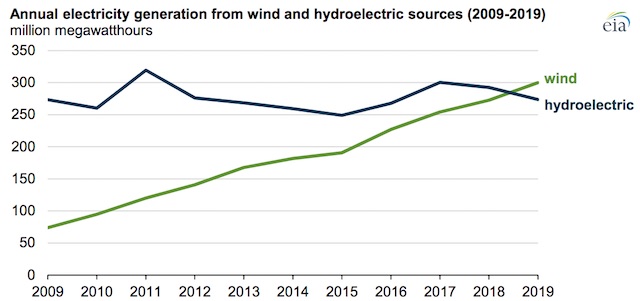
According to the U.S. Energy Information Administration’s newly-released Electric Power Monthly, the exciting milestone means that wind is now the top renewable source of electricity generation in the country—a position previously held by hydroelectricity for several decades.
Annual wind generation totaled 300 million megawatthours (MWh) in 2019, exceeding hydroelectric generation by 26 million MWh. Wind generation has increased steadily during the past decade, in part, because the Production Tax Credit (PTC)—which drove wind capacity additions—was extended. Annual hydroelectric generation has fluctuated between 250 million MWh and 320 million MWh in the past decade, reflecting a stable capacity base and variable annual precipitation.
LOOK: New Power Plant Turns Waste into Energy—and Doubles as a Ski Slope and Climbing Wall
Annual changes in hydroelectric generation are primarily the result of variations in annual precipitation patterns and water runoff. Although weather patterns also affect wind generation in different regions, capacity growth has been the predominant driver of annual changes in wind generation.
Both hydroelectric and wind generation follow seasonal patterns. Hydroelectric generation is typically greatest in the spring when precipitation and melting snowpack increase water runoff. Seasonal patterns in wind generation vary across the country, but wind generation is usually greatest in the spring and fall.
Wind capacity additions tend to come online during the fourth quarter of the year, most likely because of tax benefits. Wind capacity additions totaled 10 gigawatts in 2019 (3.8 GW installed in the fourth quarter), making 2019 the second-largest year for wind capacity additions, second only to 2012.

As of the end of 2019, the United States had 103 GW of wind capacity, nearly all of which (77%) were installed in the past decade. The United States has 80 GW of hydroelectric capacity, most of which has been operating for several decades. Only 2 GW of hydroelectric capacity has been added in the past decade, and some of those additions involved convertingpreviously non-powered dams.
Although total installed wind capacity surpassed total installed hydroelectric capacity in 2016, it wasn’t until 2019 that wind generation surpassed hydroelectric generation. The average annual capacity factors for the hydroelectric fleet between 2009 and 2019 ranged from 35% to 43%. The average annual capacity factors for the U.S. wind fleet were lower, ranging from 28% to 35%. Capacity factors are the ratio of the electrical energy produced by a generating unit for a specified period of time to the electrical energy that could have been produced at continuous full power operation during the same period.
Reprinted from the US Energy Information Administration
Power Up With Positivity By Sharing The Good News With Your Friends On Social Media – Feature photo by Daxis, CC
Facebook Twitter Email Reddit More
Melinda
“We are the World” Blogfest” aims to spread the message of light, hope and love in today’s world. We are challenging all participants to share the positive side of humanity. This month’s co-hosts, Sylvia McGrath, Lizbeth Hartz, Shilpa Garg, Mary Giese, and Belinda Witzenhausen welcome participants and encourage all to join in during future months. #WATWB comes on the last Friday of every month. Click HERE for more information. You are always welcome to join in!You can find more stories of hope, light, and love on the WATWB Facebook Page. Click HERE to be part of the Light.

I appreciate you stopping by today! I never take you for granted. Have a great weekend! M
” Each of us is born with a box of matches inside of us but we can’t strike them all by ourselves.”
Laura Esquivel, Like Water For Chocolate
This week marks the 7 year anniversary of my diagnosis with Lyme Disease. Before that I lived with (or rather, slowly succumbed to) this debilitating disease for 5 years. After my diagnosis, it took another 3 years of treatment before I was finally Lyme-free. Then I relapsed a year later, but beat it again after […]
7 Years After My Diagnosis — Lyme Light Fight
Update February 27, 2020
Warm weather is right around the corner, I know some of us are experiencing freezing weather but Spring is around the corner. The south will start to feel great outdoor weather in a matter of weeks. Lyme has left made my life hell, I don’t want you or anyone you love to go thru the same painful illness.
Please remember!!!!! There is no cure for Lyme and the diseases you get from your immune system being compromised can be life threatening. As you go for the first hike, long walk with the dog, picnic with the kids, make sure you prepare for ticks. You don’t have to see cows or be anywhere near cows. A silly notion. The only sure way to prevent the ticks don’t stick to you is 20% DEET.
I didn’t want to use DEET in the past, and that was just to ward off flying bugs. DEET is the only recommenced prevention for tick born illnesses. Please educate yourself before blowing off the idea. The option is not worth the small risk of using DEET.
I will continue to send out reminder as we move into warmer weather. I also plan to post an update on my health progress from living with Lyme.
Melinda
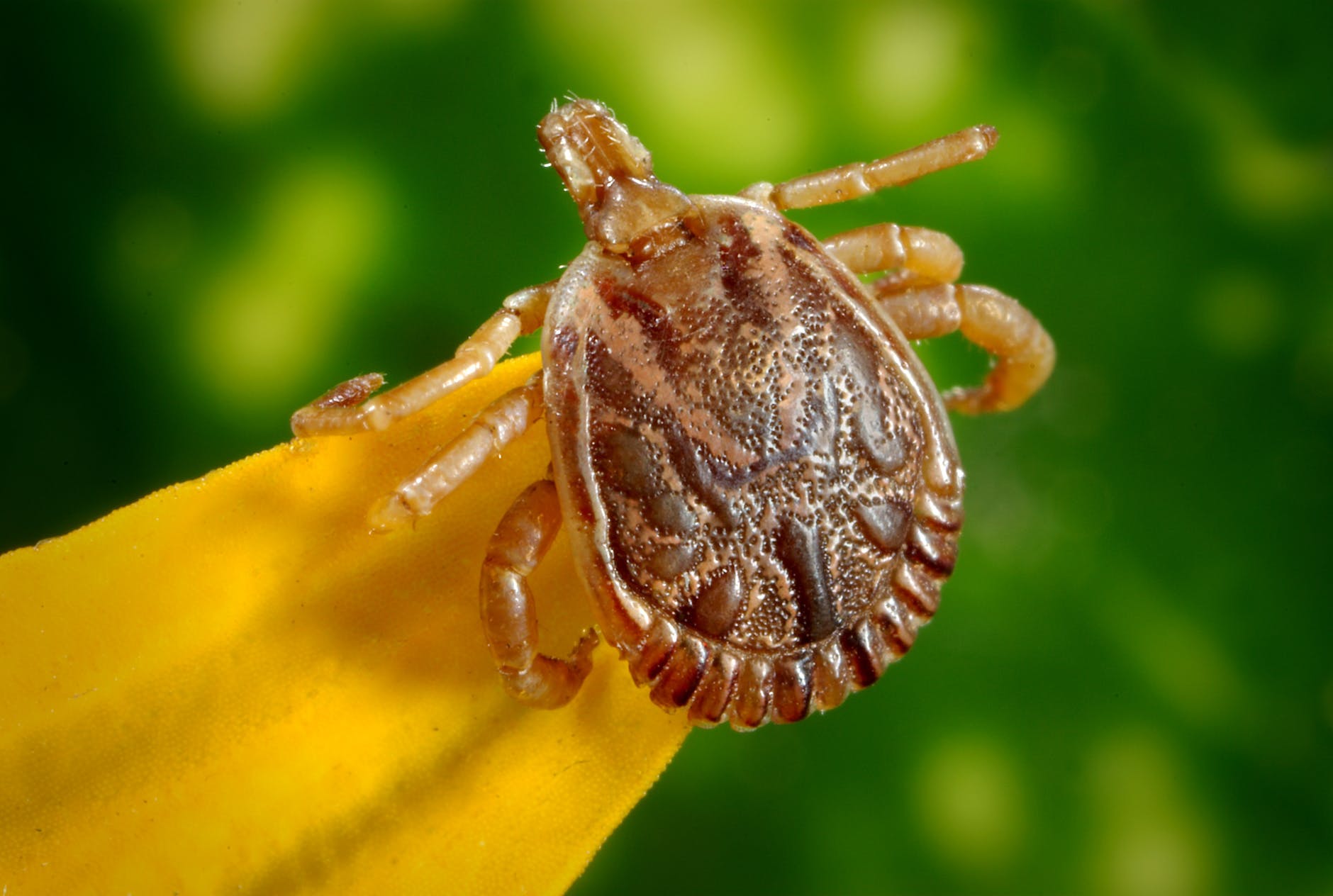
As the temperatures warm the chances of encountering ticks increase. I had a PA recently say we don’t have Lyme is Texas, what? Yes, Lyme or tick boring illnesses are in every state. Some states have a higher percentage of cases but dot fool yourself, tick-borne illnesses are in every state in the United States. There are now 30 strains of tick born illnesses and more are discovered each year. This year a more a deadly tick-born illness, Powassan Disease was discovered and it’s the most deadly. Please take notice and protect yourself and children.
This post is a combination of photos, snippets from previous post and new information. If you have questions visit ILADS website for the most accurate information on tick born illnesses. This association is for doctors who treat Lyme, educators of Lyme and the medical community who are there to increase knowledge.
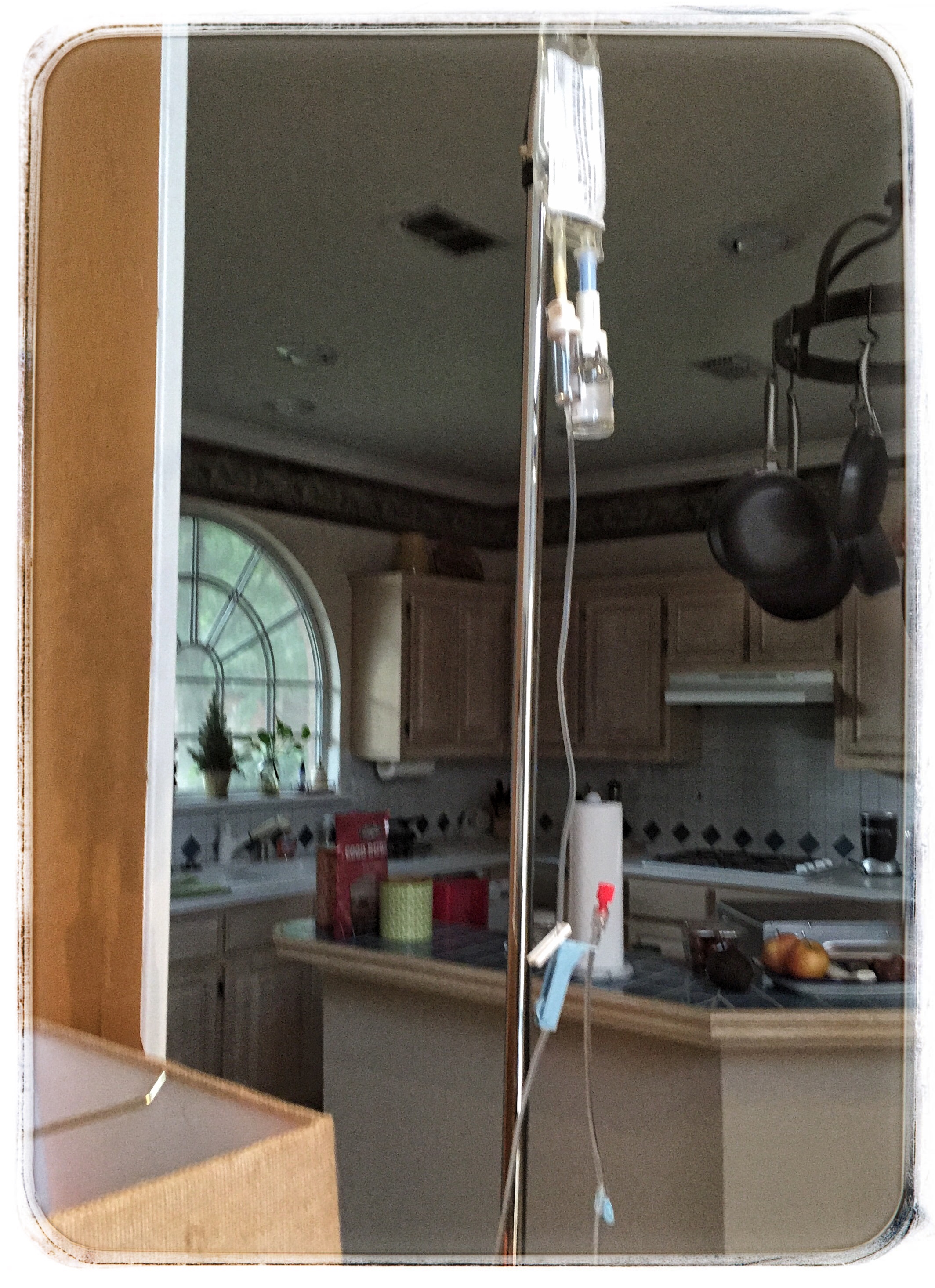
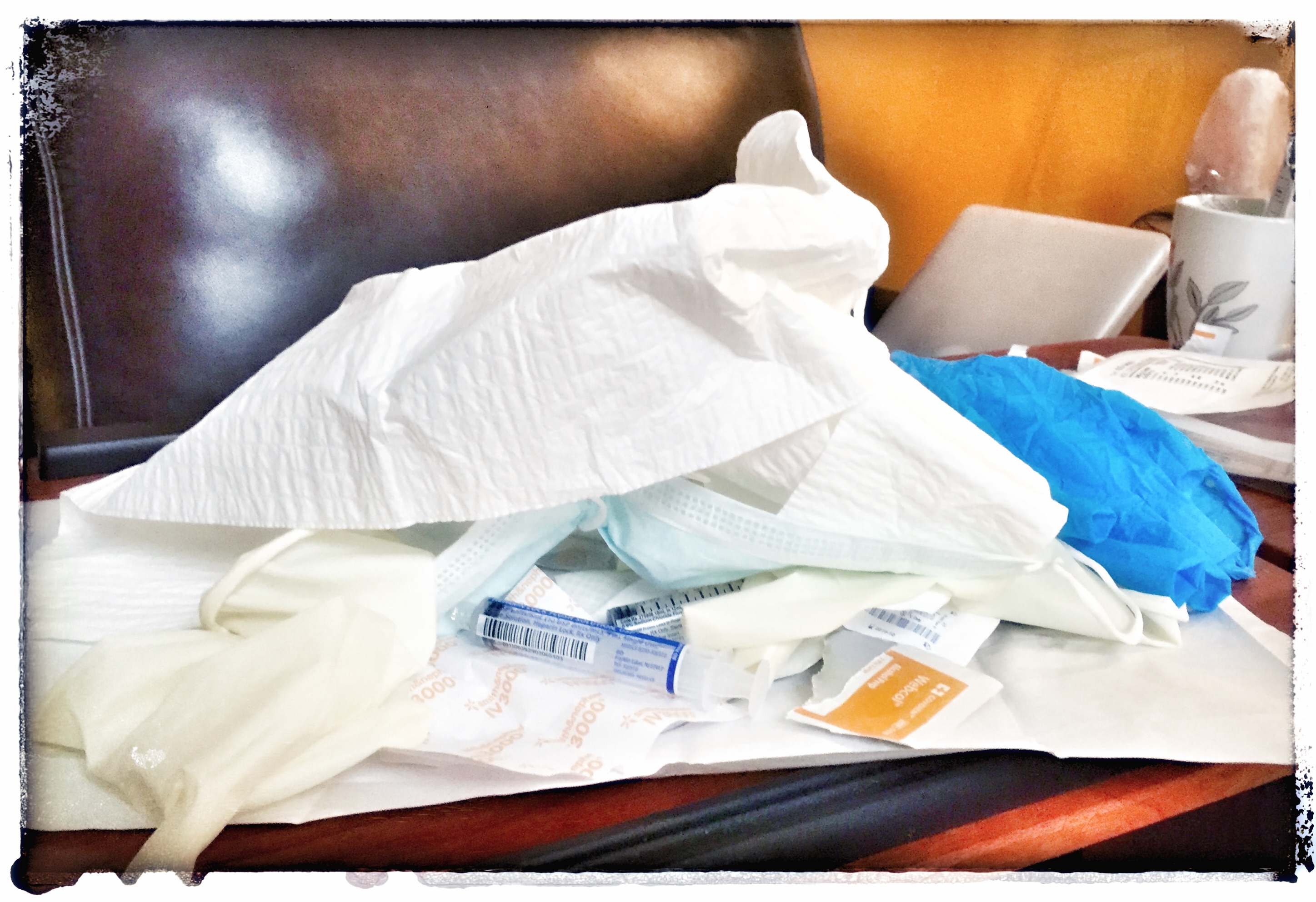
I am walking after four years spent in bed, how could anything be worse than Lyme Disease? The illnesses Lyme leaves behind are debilitating and worst. I’ve lost four years of my life, screaming in pain, narcotics, nine months of twice a day IV Antibiotic Infusion Treatments. I can not stress enough how dangerous Tick-Borne illnesses are, they can kill you and your children. If you already have a compromised immune system, your starting behind the curve. I’ve talked to many at WordPress with Chronic Lyme, many of them spent 10-15 years before diagnosis. Think of the pain and isolation of our fellow Bloggers went thru.
People have said we don’t have ticks, for one Lyme and Powassan Disease is transmitted by many sources other than ticks, mosquitos, sand flies, are just a few culprits. In the wild animals of all types of animals die, many pests visit the buffet. The critter who is carrying Lyme disease bites you and there is a short window for medical attention.
The flying pest target is blood, they have to eat. They don’t discriminate on where they go for lunch. The ticks who carry Tick-Borne illnesses are smaller than a grain of rice, try to find that while doing a tick check, you will not see them.
Before you get dressed, spray sunscreen with insect repellant with 20% DEET. Reply every hour if sweating or in heavily wooded areas. Wear white soaks with your pant leg tucked in light-colored pants. Wear a white or light colored shirt, a hat that is longer in back to cover your neck. Be vigilant with your kids, if playing outside, spray. Better safe than sorry.
Most important, do tick checks on you and the kids throughout the day. Take some tape and if see a tick don’t touch it, pull it off with tape. While out hiking wear light colors, tuck pants in socks, wear a hat that covers the back of the neck. Lyme Dieses is not sexy.
Watch these extremely important videos and educate yourself. Know the early signs and a short antibiotic treatment may provide a cure. The bulls-eye rash talked about by doctors only happens 30% of the time.
The Lyme test doctors use only cover a few of the 30 strains of Lyme. I’ve had multiple tests over the past four years and not once did I show positive for Lyme.
Chronic Lyme disease causes other chronic illnesses in its wake and new illnesses can pop up at any time. I now suffer from Fibromyalgia, Dementia, Neuropathy, loss of balance and other cognitive issues. My life is not back to normal and never will.
 Chaos
Chaos




 B12 Shots



21FEB2020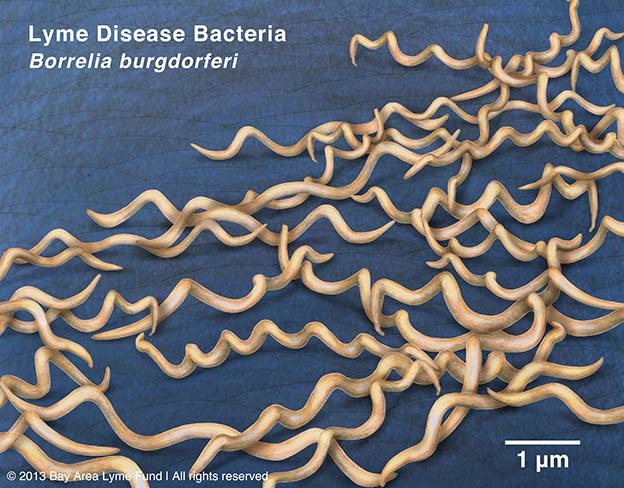
Researchers have determined that seven herbal medicines are highly active in test tubes against B. burgdorferi, the bacteriathat causes Lyme disease, compared to the control antibiotics, doxycycline and cefuroxime.
Published in the journalFrontiers in Medicine, the laboratory study was funded by the Bay Area Lyme Foundation and supported in part by The Steven & Alexandra Cohen Foundation.
Researchers at Johns Hopkins Bloomberg School of Public Health and colleagues at the California Center for Functional Medicine and FOCUS Health Group, Naturopathic collaborated on the study.
“Since traditional antibiotic approaches fail to resolve symptoms in up to 25% of patients treated for Lyme disease and many suffer disabling effects of the disease, there is a need for novel treatment proven effective against B. burgdorferi,” said the paper’s co-author Sunjya K. Schweig, MD, CEO and co-director, California Center for Functional Medicine and Scientific Advisory Board Member, Bay Area Lyme Foundation.
“Because patients are currently turning to herbal remedies to fill the treatment gaps left by antibiotics, this research is a critical step in helping clinicians, as well as patients, understand which ones may offer the most potential benefit.”
According to this study, carried out by Prof. Ying Zhang’s group at the Johns Hopkins Bloomberg School of Public Health, the seven herbal medicines that have the ability to kill B. burgdorferi in test tubes are:
It is important to note that each of these products have the potential to produce significant side effects in patients, and should be taken only under advisement of a clinician knowledgeable of their capabilities and toxicities.
Of these products, the Cryptolepis sanguinolenta extract caused complete eradication, while doxycycline and cefuroxime and other active herbs did not. This extract has been used for the treatment of malaria as well as the tick-borne infection Babesia, a malaria-like parasite.
This study is believed to be the first time this extract has been documented to have a potential impact on B. burgdorferi, and additional laboratory and clincial studies should be conducted to investigate the potential role Cryptolepis sanguinolenta could play in the treatment of Lyme disease.
Further, Cryptolepis sanguinolenta and Polygonum cuspidatum (Japanese knotweed) showed strong activity against both growing B. burgdorferi (MIC=0.03%-0.06% and 0.25%-0.5% respectively) and non-growing stationary phase B. burgdorferi.
In contrast, Stevia rebaudiana, Andrographis paniculata, Grapefruit seed extract, colloidal silver, monolaurin, and antimicrobial peptide LL37 had little or no activity against stationary phase B. burgdorferi.
“Our hope is that findings from this study could point to new therapeutic options for doctors and their patients, and pave the way for clinical research to help patients with persistent Lyme disease,” said Linda Giampa, executive director, Bay Area Lyme Foundation.
These data may provide a basis for the clinical improvement of patients who take herbal medicines, particularly those whose chronic symptoms may be due to persistent bacteria that are not killed by conventional Lyme antibiotic treatment.
However, it is critical to note that additional studies are needed to further evaluate the seven active botanical medicines identified in the study. Patients should not attempt to self-treat with these herbal medicines due to potential side effects and lack of clinical trials with these products.
For the study, the researchers tested 14 natural products in test tubes against B. burgdorferi. Plant extracts selected for the study included herbs or agents that: have been previously used to manage the symptoms of patients who do not respond to standard Lyme antibiotic treatment; have favorable safety profiles; and can be absorbed systemically.
Additional criteria for selecting compounds included anti-biofilm effects and ability to cross the blood-brain barrier. To conduct the study, the plant extracts in concentrations of 1%, 0.5% and 0.25% and antibiotic controls were each tested on growing as well as non-growing B. burgdorferi cultures.
The study found that seven of these natural product extracts at 0.25%-0.5% had better activity against the stationary phase B. burgdorferi culture than the control antibiotics doxycycline and cefuroxime, both of which are commonly used to treat Lyme disease.
The paper titled “Evaluation of Natural and Botanical Medicines for Activity against Growing and Non-growing Forms of B. burgdorferi,” was written by Jie Feng, PhD, Jacob Leone, ND, Sunjya Schweig, MD, and Ying Zhang, MD, PhD.
PRESS RELEASE SOURCE: Bay Area Lyme Foundation
Tags : herbal treatment for Lyme disease, Lyme disease treatment« Previous Post Ask your Member of Congress to sign on to two important Lyme disease lettersNext Post » Why the controversy over chronic Lyme disease is important to everyone
I found this app today and it sounds like a great resource, or the best resource we have to date. Please check it out. Melinda
By: Bieneke Bron, Maria del Pilar Fernandez, Pallavi Kache, University of Wisconsin – Madison & Columbia University
04 June 2019
According to the Centers for Disease Control and Prevention, the number of people getting diseases transmitted by ticks, mosquitoes and fleas has tripled in recent years. Milder winters and warmer springs and falls are making matters worse by expanding the ticks’ range to new areas.
Ticks are small but mighty adversaries. They represent a real threat to humans since they carry several infectious diseases, including the bacteria that causes typhus and Lyme disease (or Lyme borreliosis), which can be chronic and debilitating. These tick-borne diseases should be a serious concern if you live in a high-risk area, work with animals or spend a lot of time in nature, so you need to plan accordingly.
If you might encounter ticks for any reason, then you should download “The Tick App” as your expert on the go. Since ticks are often found in rural or less populated areas, you may have trouble looking up information on the internet due to limited connectivity.
With the app, you’ll have information readily available to understand tick prevention options, potential areas where you may encounter ticks, and most importantly, ways to remove ticks after exposure. Users in the Northeast and Midwest can use the app to submit a photo of the potential exposure or tick, and an expert will send you back more detailed information. The app can even help you set reminders to do a daily log of checking your body for ticks.
In addition to helping you personally, The Tick App has a higher purpose to support tick and tick-borne disease research. In 2018, a team of researchers from Columbia University, Michigan State University and the University of Wisconsin Madison joined efforts to develop The Tick App with funding from the Centers for Disease Control and Prevention. Daily logs created through The Tick App allow users to be involved and researchers can further use the information to work with high-risk community members, local governments, and other partners to come up with targeted ways to prevent tick-borne diseases.
So far, The Tick App has had over 2,000 downloads nationwide. Our tick research is gaining momentum, and we invite you to be part of it. With more people joining The Tick App study, we will be able to find patterns of activity that result in a higher chance of tick exposure. You can find more information at www.thetickapp.org.
Download “The Tick App” through the Apple App Store or Google Play Store today to be part of our Tick Squad!

Twenty-eight years ago my father killed himself, I was twenty-eight years old. It’s strange that my father has been dead as long as he was alive in my life.
I’ve written about his suicide many times over the years but this year feels different. It’s hard to put into words but I’ll share what words come to mind.
I knew you were going to kill yourself, you brought me to my knees with grief when you started yelling about dying. You said you needed money, I paid your bills for a year, that didn’t change anything. You were no longer the person I knew, you were delusional, you were hallowed.
I arrived at my grandparent’s house last, I walked in and said I knew daddy was going to kill himself. I don’t know if anyone felt anger towards me for knowing and not saying anything.
I felt guilty for a couple of years that I couldn’t stop his suicide but the fact is you can’t change anyone’s mind. Only the person in pain can decide to reach out and get help.
If you are trying to help someone who is saying they are going to kill themselves, don’t think you can help them by yourself. Be there for them but the only way for a positive outcome is to get professional help.
If the person is like my father and refuses to see how sick they are, do everything you can to make sense but know you can’t change a person’s mind.
Melinda

What You Don’t Know Can Hurt You
Posted on January 11, 2020 by Jennifer Potter
There was a time in my life when I was genuinely lonely. I reverently refer to it as my “whitewashed life” because for the outsider looking in, my actions gave the appearance of being pleasantly put together, all nice and clean. But the reality was that beneath the business of working full time, managing the health care needs for my medically complex children and trying my best to be a “good” mom, if you looked closely, you would see that my foundation was dry, cracked and brittle. And, although there were people in my life- understanding co-workers, compassionate friends, and a supportive family- who cared about my well-being, I was missing a key component- authentic connection.
It is human nature to desire to be a part of something bigger than ourselves. To be a contributing member of a group. It’s why we join clubs, participate in activities and go to events. But when chronic illness is a part of your life, your ability to commit to these activities is greatly limited. And when you are the parent of a chronically ill child, or in my case, children, your commitment lies elsewhere. Friends disappear, life moves on without you and your “whitewashing” continues.
Don’t get me wrong. It wasn’t that the people in my life weren’t meaningful to me or that they didn’t enrich me somehow, they did, it was simply that because my life differed so greatly from theirs that we often had little in common. I simply wasn’t finding people who wanted to talk about the kinds of things I wanted, or better yet, needed, to talk about, and most of all they didn’t really understand.
On a particularly lonely day I reached out to a friend and shared my feelings of seclusion, sadness over missed opportunities, worry for the future and the overwhelming feeling of being “lost” and asked, “How do you do it?” Her reply was simple. “I found that finding a tribe of people who are rowing the same boat is so important. Reach out to groups and like-experienced people. You fit. Your kids fit. It’s just that you don’t likely fit with the norm. (Normal-whatever that is-is overrated anyway!). Find your tribe.” But who? And where could I find them?
I spent a lot of time searching for other moms who were talking about what I was craving to talk about. My memberships in various Facebook Groups grew and I found surface level support. But my insatiable need for in person connections remained. Something was still missing, I needed something deeper. Focused more than ever, I continued my quest to find what my friend had described as my “tribe”.
And then it happened.
In May 2019, I registered our family to attend the Pediatric Take Control of Your Pain Retreat sponsored by the U.S. Pain Foundation. It was an opportunity to escape our medical routines, have a quick family getaway and gain new insight to managing my children’s chronic pain. The retreat offered a parent education track and pediatric education track as well as a family fun day- something we all needed. I remember walking in and feeling an immediate connection- this was it! These were the people my friend had told me to find. Throughout the weekend we laughed, we cried, we comforted. We encouraged, we pondered and we problem solved. We embraced our vulnerabilities and immersed ourselves in genuine discussion. They fed my cravings and best yet, my quest for authentic, in-person connection was complete. The women I met filled my loneliness. They were rowing my boat. And just like that, when I least expected it, I found my tribe.
Since that time, my tribe has encouraged, equipped and empowered me. This group of like-minded individuals has helped me to accept myself for who I am, allowed me to acknowledge that doing “my best” is “good enough” and inspired me to become the best possible version of myself. We support, we celebrate, we offer grace and by doing so, we have found that our shared experiences are more compelling and make each one of us stronger. This is my tribe and it has changed my life.
Enter your email address to subscribe to this blog and receive notifications of new posts by email.
Email Address
Subscribe
Authored by: Jennifer Potter
Jennifer Potter is from Houston and works as a pediatric speech language pathologist. She is the mother of two pediatric pain warriors and a US Pain Foundation patient advocate. RELATED POSTS Pain Discussion Brought to Twitter The Comfort That Doesn’t New Research Offers Hope to Those with Phantom Limb Pain Chronically Seeking a Doctor Who Gets It Research Finds Link Between Dry Eyes and Chronic Pain Don’t Be Afraid to Scream Open Letter to Lady Gaga! A Dream Come True
Have a great weekend! M

My gramps died eight years ago today and I’m heartbroken still today. Melinda


Every year after I left home my grandparents would get on the phone together and sing Happy Birthday to me. It became a much-loved family tradition.
Eight years ago today my gramps died, before he slipped into a coma he sang his last words, Happy Birthday to my brother. It was a great gift to leave him.
Eight years ago today a huge part of me died, my gramps was the rock, the man who loved me no matter what I did or said. We became closer than I thought imaginable while I cared for him as he lived out the end of his life. Those memories are as fresh today as they were then. Him being grumpy because he wanted biscuits, not oatmeal. Stop telling him to get up and move around, he’s a grown man. He didn’t need oxygen.
I lost the man who served as my father, I lost the man I loved more than anything else in the world except my granny.
I lost my gramps but have a lifetime of memories and each is precious to me.
Melinda











 Looking for the Light