Chronic depression is a mental illness that millions of people experience to some degree each year. All types of things can trigger depression in anyone, such as trauma, grief, getting laid off, and money worries. The chances are high that you know someone with depression.
Did you know some depression triggers aren’t as common as the examples listed above? In fact, some causes of depression are pretty surprising. The following are six triggers that you probably wouldn’t have realized cause depression in most people:
Seasonal Affective Disorder, or SAD for short, is a mood disorder that can cause some people to experience symptoms of depression but only at certain times of the year. Most people with SAD experience symptoms during the winter months.
However, SAD can also strike in the summer. In those cases, the reason is that the body finds it difficult to adjust to new seasons.
2. Quitting Smoking
If a person used to be a heavy smoker and decided to quit the habit, they will likely experience symptoms of depression. Smoking can obviously be addictive, and when a person gives up such a long-term habit, they start to get withdrawal symptoms.
Nicotine, one of the common elements in cigarettes, creates high levels of the neurotransmitters dopamine and serotonin. When a person gives up smoking, they have significantly lower levels, resulting in feelings of depression.
3. Chronic Pain
Have you ever noticed that people with chronic (i.e., continuous) physical pain often seem unhappy? They might take medication to ease the pain, yet they still appear sad. That’s because chronic pain can also cause depression symptoms.
It makes sense to couple medication with other forms of pain relief like therapy sessions with a chiropractor in such circumstances. Doing so can help some people have less severe symptoms of depression.
4. Poor Quality of Sleep
It’s no secret that people who regularly have a poor quality of sleep end up feeling irritable and generally not very pleasant to be around. However, some of those individuals could have a high risk of developing chronic depression.
If you experience a poor quality of sleep, you should take immediate steps to diagnose and resolve the reasons why that’s the case. For example, the issue might be down to an unsuitable bed or pillow, or your sleeping partner’s snoring could disturb your sleep.
5. Internet Addiction
Most people spend at least one or two hours each day surfing the Web and catching up on their social media feeds. If you spend significantly more time online each and every day, your Internet addiction could result in you developing depression.
6. Your Environment
It’s a well-known fact that people who live in abusive home environments are highly likely to develop depression. But, what you might not know is that something as simple as the area where you live can trigger depression symptoms.
That’s because people who live in densely populated areas typically have higher levels of stress, and that can trigger feelings of depression in those individuals.
The basics of human nutrition are much the same for everyone. The practicalities of achieving good nutrition can, however, vary widely according to your age and lifestyle. With that in mind, here are some tips to help you understand nutrition for older adults.
Food is basically fuel for your body. From babyhood through puberty, your body needs food for mental and physical development. As an adult in your prime, you need food to fuel your lifestyle. This is likely to be at least moderately active.
As a senior, however, your activity levels are going to be lower than they were. Even if you keep yourself super-fit for your age, you’re still not going to be able to take the sort of vigorous exercise you could when you were younger. Your appetite will probably drop to reflect this.
The key point to take away is that the less food you eat, the more important it is that what you do eat delivers maximum nourishment. Of course, you can still have the occasional treat. For the most part, however, you really need to focus on nutrient-rich food.
Your food needs to have more of an impact
Your ability to perceive color, texture, and scent can decrease as you age. Medications can also interfere with it. This can negatively impact your ability to taste food. In the past, dental issues could make it more difficult to chew or swallow. Modern dental care means that this is much less of an issue. It can, however, still be a consideration.
This means that meals for seniors generally need to be full of contrast, strong textures, and lively scents. Older people often enjoy food with plenty of herbs and spices. This may come as a surprise if you hated them when you were younger.
Making all this happen while maintaining nutritional value can be very challenging. It’s likely to be particularly difficult if you live alone. This can lead to older people skipping meals, which can bring all kinds of problems. Batch cooking is one potential solution to this issue. It may, however, be more convenient to use DeliverLean CARE.
You need to be careful with salt and sugar
Adding salt and sugar can be a quick way to pep up a meal. Unfortunately, neither is a particularly healthy approach even when you’re a younger adult. The impact on seniors can be even worse. Salt can impair your kidney function. Sugar is empty calories and can lead to dental issues.
You must get plenty of fiber
Fiber plays a huge role in keeping your digestive system healthy. It’s important for everyone and particularly important for seniors. In simple terms, if your digestive system gets out of sorts, it will almost certainly impact your whole body. This can create a downward spiral and that can be especially dangerous for older adults.
Calcium and protein help keep you strong
Calcium is the building material for bones, teeth, and nails. Protein is the building material for muscle. You need to make sure to get plenty of both to maintain your strength and vigor in your later years.
These days, more and more people want to live their lives in a way that’s green and sustainable. With everything that’s going on in the world, green living is the aim for many, but it can also be a major source of stress. Rather than feeling pressure and getting overwhelmed by the need to make changes, it’s better to take things slowly and move in a more sustainable way. That way, you’ll start living green without overwhelming yourself too much. Find out more about that below.
Adding a more minimalist mindset to your home life is something that’s really important. When you have a more minimalist how and approach to designing your home, you’ll find that you’ll spend less and waste fewer resources. That’s exactly the way it should be when you’re trying to live in a greener way and be more sustainable in general.
Consider Carpooling or Active Transport Options
The way in which you get around will have a big impact on just how sustainable you are and the impact you have on the planet. Carpooling is a really good way to cut down on your carbon emissions. Trying to reduce your driving, in general, should be one of your top aims. So do what you can to reduce the car journeys you make and consider more active travel if you can.
Slowly and Gradually Reduce Your Meat Consumption
This can be a controversial one for some people, but there’s no doubting the impact the meat industry has on the planet. So if you’re not quite ready to go vegetarian but you do want to do your bit for the planet, you should definitely think about slowly and gradually reducing your meat consumption, even if it’s only by a relatively small amount.
There are lots of sensible people out there who know what they’re talking about when it comes to green living and sustainable lifestyles. It’s up to you to find those people and educate yourself continually. People like Stephen Troese Jr can teach you a lot, and the better informed you are, the better the decisions you’ll make with regards to your lifestyle and living green.
Change Your Approach to Fashion
Finally, you should think about how you buy clothes and whether your current approach to fashion is one that’s going to be sustainable for the planet. Buying more used clothes and not supporting the fast fashion industry and mentality are both things you can do for the planet. They’ll have a big impact because the modern fashion industry isn’t particularly green.
Leading a green lifestyle is really important these days. But it can also put a lot of pressure on your shoulders and cause you to feel a little stressed about the whole thing. That’s not how it should be, so use the tips above and take it slowly and gradually without overwhelming yourself at all.
Anyone who experiences chronic pain will tell you that pain management is in their thoughts daily. There are so many ways to manage chronic pain, and it usually takes a person a long time to find the perfect balance for their pain levels.
While it is easy to judge others and insist that your way is the best way, at the end of the day, a person’s experience of pain is unique, and can’t be controlled or judged by others. The debate between using natural remedies or prescription medications is ongoing, and in this blog, we will take a look at the benefits of each choice.
Let’s get started in answering the question: are natural remedies or medicine better for chronic pain treatment?
The term “natural remedies” constitutes many different types of pain management. These include:
Physical movement, such as stretching, yoga, walking, weight lifting, pilates, swimming, and any other movement treatments.
Natural herbs and medicines, such as CBD, herbal teas, specific diets such as veganism and homeopathy.
Non-medicinal physical treatment, such as acupuncture, physiotherapy, massage, cupping, talking therapy, CBT, hypnosis, and spiritual practices.
While some people scoff at the use of natural remedies for chronic pain, others swear by its powers.
If you want to avoid harsh medicines that can’t be used long-term, it might be helpful to try out different holistic practices such as the ones listed above. It can’t hurt to measure their effects, and you never know what could work for you! Many of these methods have been used for thousands of years, and have been instrumental in the development of modern medicines and practices.
CBD and hemp oil tinctures, for example, are relatively new products that are totally legal in most countries. These can be administered in cream, oil, or tablet form, and have been said to alleviate chronic pain for many users.
Medicine For Chronic Pain
Of course, medicinal pain management is very common for those who experience chronic pain. If you experience severe pain on a daily basis, there may be no other option for the management of your pain, other than to take prescription medication.
If you see a doctor regularly to discuss your pain management, they may suggest different pain medications for you to try. Pain management is a unique experience, and it can be quite frustrating when you are trying to find the right medicine for you.
Most prescribed medications are safe for use, but unfortunately, some pain medications can be addictive. That is why it is helpful to try other methods, such as natural remedies, that can supplement your pain management.
Conclusion: which is better for chronic pain, natural remedies, or medicine?
At the end of the day, most people with chronic pain would suggest that a mixture of natural remedies, such as movement, natural medicines and treatments, and prescribed medicine, will help with chronic pain.
While some people who experience chronic pain say that only one or the other works for them, the majority of people would argue that both can be helpful in their own way.
Energy efficiency is a bit of a buzzword of late, right? But what does it really mean for us and for our homes? When you are more energy-efficient you can save yourself a lot of money, which makes sense for anyone. So if you are wondering what you can do to be more energy-efficient, then here are some things to think about and what an energy-efficient home actually means.
Heat rises, as the science goes, so if you have heat in your home, where do you think it is going to leave from? It is going to leave from the walls and the ceiling, which is why having loft insulation can really make a difference to how energy-efficient the home is. If your home loses heat quickly, then you will keep spending more and more money on your heating bill to keep the home at a temperature that you like. So check your wall and loft insulation and see if there needs to be an update.
Consider solar panels
Natural and renewable sources of energy are the way forward, but can they be used in the home? The answer is quite simply, yes! One of the most commonly used is solar panels on the roof of people’s homes. This often means a massive cut in electricity bills, even being able to sell some of the power back to the grid. If you’re not too sure about the upfront costs of getting solar panels, then looking at a site like ChooseSolar could be a good idea. The idea there is that homes are connected to solar farms in the local community and can use the power of those solar panels, rather than needing their own.
Windows
Much like loft spaces and walls, heating can also be lost through your windows. If there are even the smallest of gaps, they can let in a lot of air and if it is cold, can mean that you have to keep your heating on for longer, as it will not keep the warm air in the home. If you have single-glazed windows, which can be present in a lot of older homes, then they need to be replaced. This can have quite large upfront costs, but you will quickly see the benefit when it comes to the energy efficiency of the home, not to mention the noise reduction that you will experience when inside the home too.
Switch your energy provider
If you want to pay less on your energy bills, then think about how long you have been with your current energy provider. Are you on an acceptable tariff with them and do they offer the use of renewable energy? When you move to a different provider that does offer such terms, then you can save money and know that you are using better sources of energy that are natural and renewable.
It would be great to hear what you think. How do you make sure that your home is energy-efficient?
What The April Writing Prompts are About & How to Participate
The linkups are a monthly get-together for anyone with a chronic illness, mental disorder, or disability. It’s an opportunity to share, to listen, and to learn from one another through shared writing prompts. I also think it’s a great way to provide insight into life with chronic illness from many different points of view.
All you have to do is write using at least three of the writing prompts listed below, and publish it on your blog, or to a free writing platform like Medium. Then click on the blue ‘Add Link’ button to add your blog post to this page. Voilà, you’re now part of the linkup party!
April Writing Prompts!
Springing
Luxuriating
Sustaining
Daunting
Grounding
We are springing into Spring and Summer around our house. The lilies have popped up and survived the winter storm. I’ve planted basil, cilantro, marigolds in orange and yellow, a red dahlia, two Gerber daisies, one orange, and one in pink. I also have one pick geranium and six tomato plants. Last year we had so many birds dive-bombing the tomatoes we put up shiny green flower spinners this year. They are so fun to watch. Keeps you from getting bored looking in the back of the yard. I planted fewer flowers this year knowing that there’s a chance it would be too much to keep up with during the hot summer days. I’ll write about it in the next paragraph but so glad I planted less because I’ve now scheduled knee replacement surgery for June. Looks like I’ll be having lots of help watering this summer.
I’m enjoying my time before the medical appointments start running back to back. My knee replacement surgery is scheduled for June, it’s been a long time coming. I have yet to start my Plasma Infusion treatments. I’m so frustrated with insurance for taking so long to approve the treatments. I was told last week that insurance turns most around in two days and I’ve been waiting over a week and still no answers. Today they were so busy I couldn’t even get an insurance person in the Infusion office on the phone. I’ve been preparing for my treatments. You spend three to four hours in a lounge chair much like you do while having Chemotherapy but I’ll be having Blood Plasma dripped into the veins. I have a warm blanket, a small travel pillow, downloaded several books to review on the iPad, a new book to start if I need to turn pages, a new mask that has a slot for filters, and of course lots of hand sanitizers. I’ve also bought a new sweater since I think it’s going to be very cold in the room. I had Antibiotic Infusion treatments when I was so sick with Lyme and imagine it will be like that only I had most of my treatments at home. The side effects last three to four days and are all over the place, I have more reading to do on that subject.
I don’t write about my husband very often but he does sustain me, for 20 years now he has sustained me. He never makes me feel pressured or guilty for what I do or don’t accomplish during the day. If I sleep in or need a nap it’s never a problem or the evil eye. We cook together so the burden doesn’t fall all on me and on weekends he usually does all the cooking. He does all his own laundry and has for years, I don’t even remember when that started. One thing that is important to us is to work hard to watch at least one television show together and have time to talk before I go to bed. As I’ve mentioned in several of my Fibromyalgia posts, I go to bed long before he does. It’s my unwind and rest time. I know that whatever comes my way, he’s going to be there, working hard to make everything ok and take the burden off of me.
Are you enjoying the monthly prompt post? Are you learning anything or able to pass anything on to someone who might need the information?
As our parents or other relatives start to get older, they might find it more difficult to look after themselves without help. When this happens, there are a few different options. Some families decide to move their elderly relatives into a retirement community or into their own homes, while others try to find ways for their parents to stay as independent as possible and keep living alone.
If your relatives are taking any medication, it’s important that they are able to manage this themselves if they live alone. Are they remembering to take the correct amount at the correct time? If you aren’t sure, there are some signs that you can look for. When you visit them, look in their cabinets for medicines that have gone out of date, or are being kept with no clear organization. Have they become ill after missed or too many doses?
Meal Preparation
Are your parents still able to cook safely and managing to make balanced meals? Are they able to use their kitchen appliances without help? Look out for them deciding to skip meals, or for kitchen accidents like forgetting to turn the oven off, or forgetting that food has been put in the microwave.
Safety And Mobility
Look out for signs that your parents are finding it hard getting around their home. Have they had falls? Do they have a way to get help if there is an emergency? You can fit their home with devices like emergency alarms, grab bars, and other things to make navigating and getting help much easier. Read this guide to make your home handicap accessible.
Personal Hygiene
It’s important for your elderly relatives to still able to bathe themselves, get dressed, and properly wash their clothes and linens. If you start to notice that they look more unkempt than they used to, or they wear diary clothing or have noticeable body odor then this suggests that they aren’t able to care for themselves anymore.
Transportation
If your older parents are still driving their car, make sure they are definitely safe enough to get behind the wheel. If they aren’t driving, what kind of access do they have to other forms of transport to get to doctors’ appointments or the grocery store? This could be using public transport, getting taxis, or arranging lifts with friends or family.
Socialization
For older people who live alone, isolation can be a big worry. Does your parent spend a lot of time by themselves? Do they have many friends nearby? Do they still go out to socialize, or do they get visitors to their homes? Watch out for signs of loneliness.Independent senior living can offer older relatives to stay near any friends they may have, as well as make new ones.
Home Management
Are they still able to manage their home? When you visit, take a look around to make sure things are being kept clean. Pay special attention to bathrooms and kitchens. Look out for disarray, stains, or spoiled food in the fridge. Check for post-stacking up or late bill notices coming through to make sure they’re coming on top of house admin.
Speaking on Dr. Elliot Berlin’s Informed Pregnancy, Hilary spoke about her experience of breastfeeding all three of her children, remarking that she sometimes has difficulty producing milk. “All of the babies latch really great; I’m just not a huge milk producer, so it’s emotional for me,” she said, before adding that so far she’s been “exclusively been breastfeeding” Mae.
The mother-of-three also discussed the tricky conundrum of how her anxiety can affect the amount of milk she produces too, which in turn leads to more anxiety. “Right now, I don’t know that I’m not producing as much as I need, but I think, since I haven’t in the past, I have tons of anxiety that I’m not, and that she’s not getting enough,” she explained. “And then I’m in my head, and then I don’t feel like enough, and then the spiral continues from there.”
She also shared that she’s making an effort to “sit back and chill and trust that [her] body is doing the right thing and [Mae is] gaining weight” in an effort to overcome those worries though.
It wasn’t just breastfeeding that Hilary discussed during the interview either; she also shared that she had both Luca and Banks present during the birth of Mae. “It was kind of important for me [for Luca to be there] because I’m really big on being open and honest with him about how strong women are and what childbirth looks like,” she explained, adding that Banks came into the room “right after the fact”.
We love that Hilary is so honest about her parenting journey! Anything that normalises breastfeeding or birth is totally a-okay with us.
Cosmopolitan UK’s current issue is out now and you can SUBSCRIBE HERE.
Like this article? Sign up to our newsletter to get more articles like this delivered straight to your inbox.
There are many ways that sleep problems can set you on a path toward a rocky relationship.
Making sound decisions, being in a good mood most of the time, reining in some of your bad moods or irritability, problem solving, communicating effectively, tolerating frustration, practicing empathy — these are all important skills for cultivating and maintaining a healthy relationship. And these are also all the things that go south when you’re low on sleep.
When these are in short supply, whom do you take it out on? Usually your partner. Chronic sleep loss or otherwise disturbed sleep can trigger a host of emotions that can send you on a spiral of relationship-damaging behaviors.
Sleep plays a powerful role in how we experience and regulate our emotions. When we miss out on sleep, we become more irritable, we have more negative moods, our frustration tolerance is lowered, and we become more emotionally labile, meaning that we are more prone to mood swings, because our capacity to regulate our emotions is impaired.
Studies have shown that when sleep was restricted to five hours per night for a week, participants showed a progressive increase in negative emotions (e.g., anger, sadness, frustration, irritability), with each successive night of sleep restriction. Research has further shown that sleep loss led not only to increases in negative emotion but also decreases in positive emotion.
To the partner of the person deprived of sleep, this activation of negative emotions in concert with the blunting of positive emotions can feel like a double whammy of contempt and criticism. The partner feels lonely, vulnerable, and attacked, which, of course, can then lead to defensiveness or counterattack. Not a great recipe for relationship bliss.
On nights when couples slept worse, they reported more conflict the next day.
Social psychologists Drs. Amie Gordon and Serena Chen have studied couples’ nightly sleep patterns and their daily relationship behaviors. They found that on nights when couples slept worse, they reported more conflict the next day. But it’s not just that sleep loss increases the likelihood of conflict. It’s that once a couple is in conflict, sleep loss triggers the very relationship behaviors and communication styles that we know are most toxic to relationships. As Dr. Gordon explains it, “When one or both partners are not well-rested, minor squabbles can turn into major rifts.”
Researchers at the Ohio State University brought 43 couples into the lab and asked them to engage in a typical relationship conflict. (It turns out that couples are very good at diving right into conflict when instructed to do so, even under the conspicuous conditions of a scientific laboratory, replete with a video camera to record the event.) Couples also reported on their nightly sleep patterns.
After each conflict, the researchers painstakingly coded the conversation using a well-developed relationship coding system that identifies positive versus negative communication styles, including the degree of hostility or constructive responses.
While all couples engaged in conflict, the researchers saw a clear distinction in how they engaged: Couples who reported sleeping less than seven hours per night were more likely to engage in hostile conflict. It’s the difference between saying to your partner “It really makes me mad that you didn’t unload the dishwasher” vs. “Shocker — yet again, you couldn’t do the one thing I asked you to do.”
Couples who reported sleeping less than seven hours per night were more likely to engage in hostile conflict.
A sure-fire way to ratchet up the intensity of a relationship tiff is when one or both partners feel their words and, more importantly, their feelings are not being heard. In many ways, empathy is the glue that binds a relationship together. Being able to gauge your partner’s emotional temperature during a hot-topic discussion is a critically important skill for relationship well-being. Unfortunately, empathic accuracy also takes a hit when relationship partners are sleep-deprived.
Drs. Gordon and Chen found not only that couples were more likely to engage in conflict after sleeping poorly but also that poorly slept people had lower empathic accuracy. Their research showed that the negative effects of one partner’s sleep loss on empathic accuracy spread to the other partner. On nights when one partner slept worse, the other partner also showed reductions in empathic accuracy. This likely reflects a relationship dynamic in which one partner feels dismissed or that their feelings aren’t being heard, leading to increased defensiveness and emotional walls being built up on both sides.
Other research shows that even the words we use to communicate and the sounds of our voices are colored by our sleep or lack thereof. Psychologist Eleanor McGlinchey used computerized text analysis, including analysis of acoustic properties of speech, as well as observer ratings of the emotional expression of speech, before and after sleep deprivation in the laboratory. She wanted to determine the extent to which sleep deprivation affected word choice, including positive and negative emotion words, like “happy” or “excited” or “sad” or “anxious,” as well as the tone, including positive and negative emotion expression.
She found that under sleep-deprived conditions, participants showed a decrease in the use of positive emotion words. Observers rated their speech as being lower in positive emotional expression (less happy or calm) and higher in negative emotional expression (more sad, anxious, or fatigued). Using sophisticated computerized text analysis of the acoustic properties of speech, she also found that sleep-deprived participants’ speech was, as McGlinchey put it, “softer, sharper, and lower energy … and the lower acoustic energy can make it sound like the person is disengaged.”
Sleep-induced loneliness is contagious. Within couples, this can lead to greater emotional distancing and a lack of connection with your partner.
Beyond the sleep-induced relationship blowups and communication shifts, lack of sleep can lead to broader social consequences, including the more existential state of loneliness. Science is showing us that lack of sleep hurts our social brains and can make us feel alone in the world.
In a series of elegant studies published in 2018, researchers at the University of California, Berkeley, found that poor sleep predicted greater feelings of loneliness, as well as greater social withdrawal and anxiety, the next day. At the brain level, the researchers demonstrated that sleep-deprived people showed deactivation in the parts of the brain that are responsible for helping understand other people’s actions and behaviors, and amplification in the parts of the brain that signal threat or fear responses in social contexts.
In other words, sleep-deprived subjects’ brains were less active in the parts of the brain that make you more social and more active in the parts of the brain that make you want to stand in the corner away from people. Researchers also looked at how other people reacted to the sleep-deprived subjects. They found that the observers perceived the sleep-deprived people to be lonelier and less attractive than well-slept people. But the real kicker is that after observing the people who were sleep-deprived, the observers themselves reported feeling lonelier and more socially withdrawn, despite being well-rested. Sleep-induced loneliness, therefore, is contagious. Within couples, this can lead to greater emotional distancing and a lack of connection with your partner.
As you read this, you may be entering a state of increasing anxiety, verging on panic for some, as I describe the relationship harms that could be caused by sleep loss. And frankly, the last thing any of us needs is yet another reason to keep us up at night.
But rather than sweating the consequences of sleep loss, it’s time to start prioritizing sleep as a mutual goal within your relationship.
Wendy M. Troxel PhD Wendy Troxel PhD is a senior behavioral and social scientist at the RAND Corporation and an adjunct faculty member in psychiatry and psychology at the University of Pittsburgh. She is a licensed clinical psychologist and certified behavioral sleep medicine specialist. Dr. Troxel is internationally recognized for her work on sleep in couples, how sleep affects health and the global economy, and how social environments and public policy impact sleep.
Today, we take for granted the fact that we can be on the same team as somebody who lives on the other side of the country — or the world — and that’s largely because of technology. As a result of technology, people are developing in-organization solutions that are amazing and complex and that are solving problems in business, medicine and communication, in every kind of field. Those complex solutions demand that people collaborate and work together as teams.
But even though teamwork is everywhere, we continue to train people — whether in education or in the workforce — for primarily individual and technical skills. As someone who’s worked with teams for the past 25 years in the corporate world and written two books about teamwork, I think that needs to change. And that’s why I’m going to share with you the three simple virtues that make for a good team player.
The first and by far the most important is humility.If you want to be an ideal team player and if you want to be successful in life, you really need to be humble. Most of us know what humility is — it means not being arrogant or self-centered but putting others ahead of ourselves. It’s such an attractive and powerful thing.
When somebody lacks confidence and makes themselves small, that’s not humility. To deny our talents is actually a violation of humility, just like it is to exaggerate them. The writer C.S. Lewis said it best when he wrote, “Humility isn’t thinking less of ourselves, it’s thinking about ourselves less.” (Editor’s note: That quote has long been misattributed to Lewis.)
The second is equally simple: You have to be hungry. This simply means having a strong work ethic. People who have an innate hunger about getting work done are typically much more successful on teams and in life. This quality is the one that you probably have to develop earliest in life; when I work with people later in life who never developed it, it can be harder for them to build it. Being hungry is not about workaholism, though. Workaholics are people who get their entire identity from their work. People who are hungry just want to go above and beyond what’s expected; they have a high standard for what they do, and they never do just the minimum.
The third attribute is what I call being smart. But it’s not about intellectual smarts; this is about emotional intelligence and having common sense around how we understand people and how we use our words and actions to bring out the best in others. This is so important in the world, and being smart is one of those things that people can work on and get better at.
You need to have all three qualities to be a great team player. So it’s really important that you learn how to identify in yourself and in others when one of them is lacking. I’ve come up with some labels that you can use to refer to people (including yourself) who are missing one of these traits.
A person may be humble and hungry but they lack smarts — I call them the accidental mess maker. As a manager, I have a lot of time for accidental mess makers. They’re good people, they have really good intentions, but they create problems that they’re not aware of. They’re like a puppy; they knock things over a lot but they mean well. The problem with this type is you have to clean up after them and over time, you can get tired of having to say things like, “He’s a really good guy; he didn’t mean it that way.”
Then there’s someone who’s humble and smart but they lack hunger — I call them the lovable slacker. The problem is while they’re lovable and really fun to be around, they do just the bare minimum. They don’t go above and beyond. You have to constantly remind them to do more, and you have to pick up their slack in an organization.
The most difficult type is the team member who is hungry and smart but they’re not humble — I call them the skillful politician. They know how to portray themselves as being humble, which is a very dangerous thing. They’re able to interview well, and they say the right things at meetings. The problem is, deep down inside them, work is about them, and not about others. By the time managers figure it out, there’s usually a trail of dead bodies hidden in closets around the organization.
So, what do you do with this information?
Don’t misuse these labels. Don’t say to your boss or colleague, “Hey, I think that you’re an accidental mess maker.”
Next, apply these categories to yourself and the people around you. Sit down with your work team, your family, or the soccer team you coach. Explain the qualities, and have everybody rank themselves in those three areas — which one they’re best at, second best and third. Even if they’re good at all of them, they’re still going to be better in some and weaker in another.
Then, go around the group and ask people to explain their third and why it’s theirs. Talk together about how they can strengthen this trait. Give each other advice; turn your colleagues, your team members and your family members into each other’s coaches.
For the person who needs help being humble, you might say something like, “Maybe you shouldn’t talk about yourself so much and instead, ask questions about others and take an interest in their lives.” For the person who needs to be hungry, suggest that when they’re about to sign out for the day, they should check in and see if there’s work that still needs to be done. And for the person who needs to be emotionally smarter, ask them to double-check at the end of meetings whether they’ve treated everyone with kindness and respect.
It’s time that we changed the way we think about success as a society and how we prepare people for success in life. By developing these three qualities in ourselves, we could start to change ourselves and improve our organizations, our schools, our families — and our world.
Patrick Lencioni is one of the founders of organizational health consultancy The Table Group and the author of 11 books, including The Ideal Team Player.
Watching an elderly relative suffer due to decreasing independence can be so hard to bear, but luckily you needn’t simply sit on the sidelines for much longer. There are several tips and tricks that you can utilize to help them gain back some of the independence they have lost, and it couldn’t be easier to get started today. So, if you would like to find out more, then read on!
One of the easiest ways to help an elderly relative gain back some of their independence is by adapting their home. Leaving their home means leaving behind most of their treasured possessions along with the memories attached to the property, so avoiding such a scenario can be extremely beneficial for their mental health. Start by tackling the issue of mobility, as getting around safely may be the biggest struggle for your elderly relative. Install grab bars in frequently-traveled areas such as the hallway, as well as around the toilet and shower to ensure they can stand up without the risk of falling. Investing in a fold-up seat to go inside their shower can help to reduce the risk of slips and falls dramatically. Seeking out more ergonomic furniture may also be of benefit for your elderly relative, as getting into and out of bed may be difficult for them. Luckily you can source both beds and chairs that slowly rise up to lift the user onto their feet without any struggle, so this may be an option you wish to explore.
Offer Easy Access To Support
Sometimes the sole reason for an elderly individual moving into sheltered accommodation is a lack of access to support, so making sure your relative can seek help should they need it is absolutely vital. Take some time to identify their weaknesses, and aim to assist them in working around these issues productively rather than simply passing the burden onto someone else. If you find that your elderly relative struggles to make their own meals, don’t let them go hungry or risk their safety using cooking equipment; sign them up for a ‘meals on wheels’ service that provides fresh dishes delivered straight to their door to ensure their nutritional needs are met. If they live alone and need some company, they may benefit from the services of a live-in-care provider. They can move into your elderly relative’s home or work out a visiting schedule that allows them to provide care and attention, performing tasks such as laundry, cleaning, and cooking, as well as assisting with medication and socialization.
It might even be worth looking into places like benchmark at rye for example. These are places that allow your elderly relatives to retain a large amount of their independence while also offering the support that is needed. It’s a meet-in-the-middle kind of solution while ensuring that your relatives are taken care of.
Helping your elderly relatives to stay independent has never been so simple when you can take the time to make the most of the brilliant ideas described above. Providing your family with the help they need to thrive in such a rewarding project, and they’ll no doubt appreciate your hard work and dedication. There’s no time like the present to adapt your elderly relative’s home and improve their access to essential support.
Now more than ever it’s important to read the data and listen to leading scientists about the effectiveness of vaccines.
I’ll work hard not to get on my bandstand! The COVID vaccine is more effective than your early Flu shot and the flu won’t kill you most, with few exceptions with prior health conditions. I know there are naysayers that go way back, that is your right. BUT, in order to eradicate the COVID 19 Virus, we must have 70-80% of the population vaccinated. Can you imagine the struggle that causes poor countries?
It angers me to read day after day that roughly 30% of COVID vaccine appointments are no shows, no reschedule. They are too convenient in our area right now not to reschedule. I received no special treatment, went in with an appointment, and was out within 30 minutes.
Today in Dallas County alone 1800 vaccines are being disposed of due to expiration date.
I understand so people got jumpy when the J&J vaccine was paused, that right there tells you the government is doing the right thing. Only 15 out of 18 million got blood clots, a nano number but out of an abundance of caution, and for the public to see how stringent the process is they paused the vaccine. It started distribution yesterday, will someone else get sick, maybe, you can get sick from what you buy over the counter at the drug store and end up in the hospital.
I know this is falling on deaf ears for the die-hard anti-vaccine believers, I’m not talking to you. I’m talking to a reasonable person who might have concerns and not really familiar with the process it takes to get a vaccine to market.
Thousands of people have to volunteer to take the vaccine under strict supervision, all side effects are documented. The stand is high in order to reach Phase 2 trails. Even more strenuous testing is done and again all side effects are noted and researched. Before a vaccine can be approved it has to go thru a Phase 3 and final phase before it can be recommended to the FDA.
You may ask why does it normally takes 7-10 years to get a vaccine to market and these vaccines took less than two years. Very simple, a Presidential Act. Extra resources, money, extra scientist. governments collaborating together, all the things take extra time from the front end, finding the vaccine itself, had thousands of scientists working night and day to find the right mix. The Clinical Trail process wasn’t speeded up the research and finding the right vaccine was. One reason is also they had the DNA code from the virus to work from.
Please, just take the time to educate yourself on the process and weigh the side effects, which for 99% of people are minimal against getting or giving COVID. How are you going to feel if you give your children for mother or grandmother COVID and they die?
Another fork for those who don’t like to take vaccines is I feel strongly all children should be required to have the vaccine to enter public school. If you don’t want to vaccinate your children once they become available that is your right, it’s not your right to have the minority make the majority sick. you need to go to private or home school. YES, I would fight hard for that if given chance.
I feel that passionate about the vaccine. I also feel that if we are throwing away vaccines in America we need to start shipping them to India right away and Americans can go back to long lines and shortages.
My little man Jet, no quite a year old yet, loves his toys. He also loves to chew on his toys. It’s like a mission when he gets a new toy, how do I chew an appendage off as fast as possible. After throwing away several toys it was time to get a small sewing kit to try to repair the ones I could. Last week he presented me with a challenge, the new Squirrell has a major hole right by his tail. Now I could cut the tail off and make the job easier but that would be no fun for him. So I ordered upholstery thread, needles, and leather thimbles for the delicate surgery.
This photo is of Jet with his orange toy after a double leg and arm amputation. He doesn’t mind it’s still one of his favorite toys and usually goes to sleep with him at night.
This post is part of TED’s “How to Be a Better Human” series, each of which contains a piece of helpful advice from people in the TED community; browse through all the posts here.
Emails are just as fundamental these days as food and water in our lives, and they form a large part of our daily communications.
Roughly 300 billion are sent around the world every day, according to Statista. On average, each of us who works in an office gets 121 emails per working day on average! Yet we send them and read them without thinking about them for a second.
But emails are essential. In some situations, they can’t be replaced with a short meeting or a phone call. We send them because of traceability or a time difference, or we need to have many people reading the same thing.
A study of around 1 million emails that was done with Microsoft shows the average employee spends 28 percent of his or her day working on emails.
But given how essential emails are, did anyone ever teach you how to write one?
I have dedicated the last 25 years to learning and teaching. I have trained in the Scouts and the Israeli Army, and I teach business at a German university today. Just like anyone else, I send and receive emails and texts. Loads of them. I use them to stay in touch with customers, collaborators and students around the world.
My students and I decided to optimize our emails and test what worked — and what didn’t. We found by tweaking just five little things, you’ll make it more likely that your email gets read, you’ll spend less time working on it, and writing an email might even become fun. Here they are:
1. Make an excellent first impression
A subject line is your chance to make a positive first impression on your recipient. According to existing research, three things make an effective subject line: It should be short, call for action and indicate familiarity with the recipient.
I showed 300 people the following email subject lines and asked them which they’d open first. Can you guess which they chose?
A. Statement 10.31.2020 B. Welcome Message C. Meeting tomorrow, please respond! D. Hey! 🙂 E. Missed you, how’s Friday?
If you picked C, you’re right! That was the overwhelming favorite, with 47 percent choosing it. The runner-up was D, with 20 percent of the vote.
2. Add color and feeling to your email
Our emails are written in black and white, so they automatically look kind of boring. Sending your thoughts in email is a bit like speaking without being able to use your body, voice, or face. So how can we put some color and — more importantly — feeling into them?
By using different kinds of punctuation and, yes, emojis.
For example, here’s the same sentence but written three different ways. Which do you find the most engaging?
Dear Guy, thank you for visiting. Guy, thanks for visiting! Hey Guy, awesome that you dropped by 🙂
I like to call punctuation and emojis “digital body language,” which we desperately need to show who we are, even if we’re just writing an email.
Should you always add an emoji or a GIF to your work emails? Of course not. Think of digital body language as the spices and seasoning in your email recipe — depending on the culture, setting and background, you may want more or less of that curry or hot sauce. Or none at all.
3. Keep them as brief as a tweet
Research from NYU, MIT, and Boston University shows that many emails aren’t read but just skimmed or simply deleted. And it seems that with every additional word you write beyond your first 40, you directly reduce the chances of getting an answer.
So be as brief as you can. Keep it the length of a tweet, or 280 characters.
Now you may be telling yourself: “No way — my meeting notes [or whatever you’re writing about] can’t be that short.”
And you’re right.
But the one part of that email in which you ask for something or get something done can be kept brief. You can include those meeting notes as an attachment.
4. Use names at critical moments
Imagine if you knew a magic word that you could include in your email, a word that could instantaneously grab the attention of every single person in the world.
Well, it turns out you already know it: It’s the name of the person you’re emailing.
Dale Carnegie once wrote, “A person’s name is to him or her the sweetest and most important sound in any language.” He wrote this almost 100 years ago, but I believe his words still apply today.
We all have a narcissist in us, and if you use a person’s name at critical moments, you will increase your likelihood of getting an answer. For example, when you’re making a crucial request in your email, start with the recipient’s name. What’s more, research shows that mentioning the name of another person whom the recipient knows will also significantly raise the chances your email will be answered.
Just remember: There is one way in which a person’s name can completely ruin your email — if you misspell their name, all the thought you put into your message will go down the drain.
Now I’m sure that some people reading this will say there is no “perfect” email, and they’re right. Every email is different, yet most emails have two things in common: one, you want something from someone, and two, that someone is a human. Because of these two things, my suggested ingredients can surely help.
What matters is the proportion. Now that you have the list of recommended ingredients for an email make sure you use them in the right quantities. From now on, try and break away from writing any important emails on autopilot. Instead, picture the person you’re writing to and season your email to their taste using your ingredients.
5. Tap into the power of the last impression
Here’s one final point. Remember how Steve Jobs always waited until the end of his presentations to show off the coolest of the products he was introducing? He used to say “one more thing”, and boom, there came a new iPhone out of his pocket.
Why not use that tactic too? If you have one important thing to say or one crucial thing you need from your recipient, or one uncomfortable thing to say, try putting it in the P.S. line. This is the last impression, which isn’t as well known as the first impression. But it can be just as powerful as it’s the one thing that sticks with your reader even after the rest is forgotten.
Guy Katz PhD first served as an officer for the Israeli Defense Forces and then worked for governments, startups, non-profits, consulting firms and giant corporations. Constantly on the lookout for the right bit of science mixed with practical tips, he now spends his days optimizing the magical recipe for being a father of two amazing boys, a business professor at FOM University in Germany, the owner of a consulting and training company that operates worldwide, and teaching people how to fly airplanes.
This post is part of TED’s “How to Be a Better Human” series, each of which contains a piece of helpful advice from people in the TED community; browse through all the posts here.
When you think about your past work week and all the meetings you had, what was the thing that you found most frustrating?
As a meetings trainer and coach, clients call me because they want to get engagement and focus in their meetings. “It’s always the same people who do all the talking,” they explain, “and they take us off track and make us run over time.” And, they add, “it’s always the same people who stay quiet and we’re worried we’re not getting the engagement we need from them for really good team commitments.”
So, what can you do to solve these problems?
I’d like to share a coping strategy — but like all coping strategies, it won’t remove the problem completely.
Meetings are a fact of life, and with every meeting, I like to say you actually have two meetings: You’ve got the meeting that you’re in and you’ve also got the second meeting that’s going on inside your head. That second meeting is quite often the reason we sometimes don’t step in and save our meetings when they’re going off track.
The meeting inside your head will go something like this: “I wish she’d stop talking and let others get a word in … Perhaps I should do something. But what can I do?… I can’t interrupt — that would be rude!”
First of all, what are the coping strategies you can use? The ones I like to use are contained in the acronym COPE.
The C stands for Captain. Every ship needs a captain to get it safely to its destination on time and the same is true for meetings. Meeting science tells us the meeting leader makes or breaks the meeting. The wonderful thing is that meeting skills are something you can learn — you’ll get better and better at them every time you lead a meeting. There’s no right way to do it, and you can find your own unique leadership style.
O stands for Outcome — if we don’t know where we’re going, we’re likely to get lost at sea so it’s very important to articulate the outcome you want from your meeting. If you’re the meeting organizer, write down the outcome you want in the invitation so your participants can see what to expect and what’s expected of them. They can also make an informed choice as to whether to catch this ship or stay behind and get on with work they think would be more productive.
P stands for Process — like any destination, we need to know how we’re going to get there. That also takes planning. When you’re thinking about your meeting and planning the process, ask yourself some questions.
For example, if the outcome you want is a decision, when you’re planning your process you’ll need to ask yourself questions like “How are we going to reach that decision?”, “Is it going to be a vote?,” “Is it going to be by consensus?”, or “Is it going to be the loudest voice wins?”
It’s extremely important that the captain shares that process at the start of the meeting. Meeting science tells us that when we have a clear outcome and a clear process of how we’re going to get there, our stress levels go down. Then we can release our higher cognitive functions to really collaborate, think creatively and get the best outcomes for our meetings.
But how do you encourage that in your meetings? There are three steps: Listen, Validate, Redirect.
To use these, imagine you’re in a meeting, everything’s going well and all of a sudden, a couple of colleagues start having a side conversation that dominates the entire discussion. That’s when you can bring in these three steps, and it looks something like this:
First you Listen. Wait for an opening; eventually your colleagues will come up for air, or there will be a natural pause.
That’s when you step in and Validate. To do that, start by asking a question to break the momentum of their conversation. The question can be as simple as “Can I ask you a question?”
This stops them in their tracks, and now you can step in with the Validate piece, by saying something like: “That all sounds really interesting.”
And now you can Redirect by asking “Can you help me understand how what you’re saying relates to the topic we’re on in our agenda right now?”You’re bringing them back to the objective of the meeting without alienating them, and everybody else gives a big sigh of relief because now you’ve saved the meeting.
When I give these tools to people, they feel very comfortable using them with their peers after a little bit of practice.
But what about if the people that are having the side conversation are your superiors? And if you were the boss, how would you feel if your team member actually interrupted you and brought you back on track?
These are the kinds of questions that we ask in the meeting inside our head, that cause all of us to freeze and not do or say anything. I like to use this quote from US football coach Mike Ditka who said, “In life, you get what you tolerate.” I’ve changed that quote to say, “In meetings, we get what we tolerate.”
So why are we tolerating these kinds of meetings?
It’s because of that second meeting — the meeting in our head. We don’t feel we can interrupt our colleagues and especially not our superiors because we’re worried that we might look rude. I think we’re also worried that we might be rejected. As humans, one of our biggest fears in life is to be rejected from our tribe or group and so we’ll do anything we can to stay in people’s good books, even if that means sitting through an endless meeting.
So what can we do? Here, I like to take inspiration from Elon Musk, CEO of Tesla and SpaceX. He once wrote an email to his staff showing them how important it is for him to have a great meeting culture in his organizations. He wrote: “Walk out of a meeting or drop off a call as soon as it’s obvious you aren’t adding value. It’s not rude to leave; it’s rude to make someone stay and waste their time.”
The reason I like this quote is it recalibrates what we mean by being rude.
How would work be like if it was OK not to accept a meeting invitation that didn’t have a clear objective? Or if it was OK to cancel a scheduled meeting just because there wasn’t any need for it? And as we recalibrate our future and we think about how we want to do our best work together, wouldn’t it be great if we could have these kinds of conversations inside our organizations about how to have better meetings?
So the next time you’re in a meeting, whether you’re the meeting leader or a participant, think about how you can step in to save your meeting with these coping strategies. And maybe you’ll come up with some of your own.
ABOUT THE AUTHOR
Madeleine de Hauke is a meetings trainer and leadership coach. After years of frustration at being stuck in meetings that felt like a waste of time, she vowed no one would ever feel that way in one of her meetings! Twenty years and thousands of meetings later, she founded Business4Good to help socially conscious organizations cure their meeting syndrome so they can change the world, one meeting at a time.
Fact: No number before 1,000 contains the letter A
Some of these fun facts will have you counting. But there are plenty of E’s, I’s, O’s, U’s, and Y’s.
Fact: The # symbol isn’t officially called hashtag or pound
Its technical name is octothorpe. The “octo-” means “eight” to refer to its points, though reports disagree on where “-thorpe” came from. Some claim it was named after Olympian Jim Thorpe, while others argue it was just a nonsense suffix.
Fact: The French have their own name for a “French kiss”
This interesting fact doesn’t date that far back. The word hasn’t been around for long. In 2014, galocher—meaning to kiss with tongues—was added to the Petit Robert French dictionary. Here are more fun facts about kissing.
Fact: You can thank the Greeks for calling Christmas “Xmas”
In Greek, the word for “Christ” starts with the letter Chi, which looks like an X in the Roman alphabet.
Fact: Movie trailers originally played after the movie
Fact: Mercedes invented a car controlled by joystick
The joystick in the 1966 Mercedes F200 showcase car controlled speed and direction, replacing both the steering wheel and pedals. The car could also sense which side the driver was sitting in, so someone could control it from the passenger seat.
Fact: The U.S. government saved every public tweet from 2006 through 2017
This is one of the random facts you’ve probably never thought about before. The clothing retail shop was originally called Hennes—Swedish for “hers”—before acquiring the hunting and fishing equipment brand Mauritz Widforss. Eventually, Hennes & Mauritz was shortened to H&M.
So glad you are enjoying these post, I love hearing your hilarious comments.
May is Fibromyalgia Awareness Month and to shine a light on this important illness, I’m collaborating with others who have Fibromyalgia by writing a short post on my Top Three Tips on living with Fibromyalgia. Next month I’ll write a separate post and include the link to the collaborative post for your to read, it will be valuable reading.
Sleep Routine/Self-Care
I include self-care in my sleep routine. I do other specific self-care tricks as I can but my nighttime routine is solid.
I am very disciplined about laying down at the same time every night. It’s not going to bed, it’s self-care time and time to unwind so when it’s time to go to sleep my mind is empty and ready. During this time, an hour to an hour and a half before bedtime I start to decompress. There is no sound, no phone, no media, no gadget, nothing to distract me at all. Our mind needs quiet time and most of us stay on our computers, phones, reading, doing something stimulating right at the time the body needs to wind down. Sometimes I run the aromatherapy diffuser but can find it distracting some nights.
I slather myself down with my CBD and Aromatherapy lotion making sure to pay attention to all the areas where there’s pain. I let the smell of the lotion fill my nostrils as I lay there and de-junk my brain for the day.
At bedtime, I take my final meds and my mind is ready for sleep.
Nature
A great tip for the nature lover. I have multiple wind chimes around the house to remind me of nature even when I can’t go outside. There’s nothing like the sound of an unexpected chime to force me to take a minute and look out the window and soak in what nature has to offer from the kitchen window or back door. I also have several bird feeders and birdbaths to enjoy.
Time-Saving
Meal Delivery 3 days a week, we just have to prepare the meals. It makes life so much easier, the time saved planning and grocery shopping is worth the extra cost. On Sundays, we cook a meal, and on the other days, I eat yogurt and fruit.
This post is part of TED’s “How to Be a Better Human” series, each of which contains a piece of helpful advice from people in the TED community; browse through all the posts here.
Overwhelm.
That word doesn’t feel very pleasant hanging there, does it? It brings up feelings of failure and isolation. I’m a professional organizer, and it’s the word that I hear the most from new clients.
I have a friend and client who runs a successful business, is very active in the community, and is the most positive person you will ever meet. Yet at our first consultation, she told me that not only did she feel overwhelmed, she felt paralyzed. When I asked her to elaborate, she brought up words like shame, failure, fear and isolation.
I assured her that she is not alone.
In fact, in our homes, businesses and relationships, “overwhelm” is our society’s dirty little secret. We fill everything. We fill our houses, our cars, our storage units, our offices, our phones, our minds and our hearts with more than we can manage.
We think that more will lead us to happiness, but all it does is perpetuate the overwhelm. Because of this, the word “clutter” is everywhere. But what people don’t realize is clutter is not just our stuff. Yes, it can be the physical things that clog up our homes, but it can also be digital, mental, emotional or even spiritual.
I define clutter as anything that keeps you from living the life that you were meant to lead, anything that keeps you from living the life that you want to lead and anything that stops you from accomplishing your work and enjoying your life.
Physical clutter is the typical stuff we think of — the closets that are overflowing, the garages that can’t hold cars, the storage units that have become a billion-dollar industry in the US alone.
Digital clutter are things like the 10 or 200 or 50,000 emails in inboxes — something I see on a very regular basis. It’s also all the files saved on your computer without naming conventions so you don’t know what they are and you spend a lot of time looking for the ones you want.
Mental clutter could be your fears, your to-do list, what’s going on in the news or anything else that’s filling your head at night.
Emotional clutter can be the negative patterns and beliefs you don’t even realize that you’re carrying around. It can be all those “I can statements that run through your head like “I can’t lose weight” or “I can’t quit my job and own my own business”.
Spiritual clutter can be a lack of forgiveness or a lack of peace.
Those last two — emotional and spiritual clutter — can be very subtle, and they can also be the most paralyzing.
While it may not seem possible, I believe that all the different types of clutter I’ve listed here have one main cause. My wonderful friend, mentor and business coach Barbara Hemphill has trademarked a phrase that sums it up: “Clutter is postponed decisions.”
Think about that for a minute. Take physical clutter, for example. When you look at your closet, perhaps there’s a whole section of clothes that we don’t wear and the postponed decision there is: “Am I really going to put in the effort or time to lose that last 10 pounds and fit into this whole stuff?” Or maybe the postponed decision is: “Am I going to clean out my storage area so I can take these things, put them into bins, and rotate them in and out every season?”
Paper is a huge source of the clutter I deal with. We pick up a piece of paper; we put it back down and one pile becomes 10 piles. Then when you have family coming over for dinner, you push them all in a bag and put them in the closet.
And we do the same thing with email that we do with paper. We open it but we’re not making any decisions about it. Sometimes our decisions are easy — we just delete, reply or put it in a folder, but quite often we postpone making a decision until we get to the point where we don’t even want to open up our computer.
I always had a very good handle on the first two: physical and digital clutter. And I understood how the other ones worked with my clients, but I didn’t truly understand how those could affect me in my own life until I got stuck.
In 2012, I had heart surgery. My whole life I’d had a valve defect, and I’d always been told: “You’ll live into your 80s with no medical intervention; you’re fine.”
Well, that year, my father was diagnosed with pancreatic cancer and given a very short time to live, and my oldest son was hospitalized for suicidal thoughts. My heart figuratively and then literally broke.
By April 2012, I was in heart failure so I had to have surgery.
I flew through it, and I was the model patient. I was only in the hospital for 48 hours. Afterwards, I was up walking and doing things in record time. I completed a half marathon 11 months after heart surgery.
My life looked great and I was getting a lot of compliments, but I felt stuck.Why? I had massive amounts of emotional clutter. It consisted of fears, questions like: “What if the surgery didn’t work?” “What if my heart breaks again?” “Why am I having these dizziness spells?” “Why do I still need a nap every single day a year later?”
And also guilt. I asked myself: “Why am I still here while other people aren’t?”
And — let me tell you — those two combine to make some pretty big spiritual clutter.
You probably won’t be surprised to learn that my house is very, very neat and clean almost all the time. At the time, I had a client who was the opposite. She was depressed by her townhouse and hadn’t had people over in years — except for me, to try to work on it. We became very close very quickly.
One day, I was commenting to her that besides this stuff that was dragging her down, she had a vibrant life, was doing fun things, continuing her education, going on trips. I tried to prompt her a bit by saying: “Imagine what you could do without all this stuff weighing you down!”
She zinged me and said, “Look who’s talking.You keep telling me about ideas that you have for your business and things you want to do, and you’re not doing any of them. You are also stuck.”
So we challenged each other, and we both started facing our issues. I stopped postponing my decision to look at my fear and postponing the need to deal with my guilt.
Now I don’t know what your postponed decisions are. Do you have a fear you’re not facing? Or is there someone you need to give forgiveness to?
To move forward, you need to make a decision. Some are easy — for instance, you could say, “Two weeks from today and I will clean out this garage!” Some are grand — “I’m going to drop out of school, move to California, and write a novel!” And some are minuscule — “Every week I’m going to unsubscribe from two store emails.” Having clutter does not make you a bad person; it is not a moral sentence. And feeling guilty about your clutter is not going to help you, whether it’s guilt from someone else or from yourself.
There’s a saying I like that goes: “Change is a result of action, and action is the result of a decision.” You have the power — even in the midst of feeling horrible overwhelm to the point of being paralyzed — to create change by making a decision. It all starts with an action.
With the physical clutter, you’ve got to box it up, bag it up, take it to the donation center or the curb or wherever it goes. For the other kinds of clutter, you also need to take an action — it might be talking to a good friend, getting out in nature, meditating or journaling. In other words, do something, move forward, make a decision and take an action, even if it’s tiny. The universe will reward you with momentum.
And yes, some clutter is going to come back; that’s just life. But if you keep making decisions and don’t postpone them, you’ll ultimately move from overwhelm towards something that all of us want — peace.
ABOUT THE AUTHOR
Kerry Thomas is a professional organizer and the owner and founder of Conquer the Chaos. She is passionate about helping business owners and leaders with ADHD organize their environments and clear all forms of clutter from their lives, so they can experience productivity and peace of mind. Thomas is also the author of the soon to be released book Less Clutter, More Peace: A Dog’s Teachings. She is based in Leesburg, Virginia.
Multiple Sclerosis can be an invisible and sometimes a crippling disease one, it depends on which type you have, Progressive or Relapsing, and many other factors. The key is MS can strike anyone, from any background and it can take a long time to receive a proper diagnosis. If you think you have Multiple Sclerosis keep pushing your doctors, make sure you see a Neurologist, not your general doctors. They don’t have the skills to detect the nuances of MS.
Do SOMETHING today to conserve energy, reduce waste, reduce pollution, reduce your carbon footprint, please do something or better yet many things to help our planet today. We live in the greatest place but we are choking our own necks. We have ignored the call for change for way too long. Please do your part, today and every day to help save our planet.
Let’s get one simple fact out of the way: All couples argue.
Whether you see them or not, every couple has disagreements. You may think that happily and unhappily married couples argue about different things, but they don’t.
According to a 2019 study, here are the top three conflict triggers that upset, irritate, hurt, or anger partners. They are:
Condescension (i.e., you are treated as stupid or inferior; your partner acts like they think they’re better than you)
Possessiveness, jealousy and/or dependency (i.e., your partner demands too much attention or time or is overly jealous, possessive, or dependent)
Neglect, rejection and/or unreliability (i.e., your partner ignores your feelings, doesn’t call or text, doesn’t say they love you)
Other high-ranking contenders were inconsiderate partners, self-absorbed partners and moody partners.
But what about the topics that we routinely avoid? While we sidestep thorny areas such as past partners and our past and present sex life, there is one topic we avoid altogether: The relationship itself.
Couples who believed “arguing should not be tolerated” were less satisfied and more aggressive, and the female partners were more depressed.
Much like parents who avoid the “sex talk” with their kids, partners avoid discussing their relationship because it provokes anxiety. In a study, it was the number-one taboo topic for one out of every three people and among the top topics to avoid for seven out of ten people.
But never have we paid so little attention to something so important — when couples believed that conflict was a bad sign, they had worse relationships. Those who believed “arguing should not be tolerated” were less satisfied and more aggressive, and the female partners were more depressed.
When researchers from the University of Michigan and Penn State University followed more than 1,500 adults for more than a week, they found that while people felt better on the day they avoided an argument, the next day they had diminished psychological well-being and increased cortisol, which can lead to weight gain, mood swings, and trouble sleeping. Short-term gain, long-term pain.
When we avoid conflict, we miss the opportunity to help our relationship improve. Without arguments there is no progress.
Studies have found that avoiding conversations now means making the relationship worse later. A 2017 study found that when partners avoided important relationship topics, they had worse communication, were less happy, and were less dedicated to their relationship seven weeks later.
Not only that, but when we avoid conflict we miss the opportunity to help our relationship improve. Without arguments there is no progress.
So most couples need to argue more, not less. To be clear, we shouldn’t seek friction and intentionally find reasons to fight, but we should willingly embrace naturally arising conflict. With that in mind, we should embrace frequent low-stakes disagreements and occasional arguments and have few, if any, big confrontations.
When we assume the best of our partner, we’re less likely to see malice in their actions, which makes arguments less stressful and more likely to be resolved.
For the good of the relationship, every argument needs to start the same way: Partners need to give each other the benefit of the doubt. Rather than start off assuming your partner is wrong, is hopelessly flawed, has bad intentions or is trying to hurt you, you give them what psychologist Carl Rogers calls “unconditional positive regard,” or the belief that at their core, everyone is a good person.
Research from 2019 backs this up, finding that when we assume the best of our partner, we’re less likely to see malice in their actions, which makes arguments less stressful and more likely to be resolved.
For successful conflict resolution, next you need to know what type of problem you’re dealing with. For serious problems like infidelity or substance abuse, it’s better to be direct by demanding change, taking a nonnegotiable stance, and showing anger, especially if your partner is able to change.
If the problems are more mundane (for ex., divvying up chores), you’re better off taking a cooperative approach by using love, humor, affection, and optimism. This is also the better tack for unsolvable problems (e.g., a meddlesome mother-in-law) or a partner who is hopelessly stubborn.
We are too confident in our ability to understand our partners, and they overestimate how clear they are when speaking to us.
Regardless of the problem, there’s no substitute for listening to your partner. Sounds simple, but we rarely truly listen.
How do we become better listeners? Give a “CRAPO”. Here’s what I mean:
1. Clarify
When your partner talks, you need to be sure that you’re clear about what they’re saying. We are too confident in our ability to understand our partners, and they overestimate how clear they are when speaking to us.
To remove all doubt, ask questions like, “When you say ______, what exactly does that mean?”; “Am I correct that ______ is the key issue?”; and “Can you give an example of ______?” It’s possible you’ll get it wrong, but then your partner can set the record straight and they’ll appreciate that you cared enough to try.
2. Reflect the other person’s feelings
This one should probably be named “empathy,” but I needed the letter R. Of course, the R could also stand for “Really Important” because of the five keys, this one is the most critical to get right.
Mastering empathy starts with a simple realization: Behind everything our partner says, there’s an emotion they’re dying to have us notice.
When you give a CRAPO, your job is to reflect back the deeper feelings that your partner is expressing: hurt, embarrassment, confusion, disappointment, frustration, annoyance, nervousness, bewilderment, apathy, or feeling overwhelmed, undervalued, lost, and inauthentic.
When acknowledging your partner’s feelings, you can hedge a bit with phrases like “You seem.. .,” “It sounds like… ,” or “Are you feeling . . .?” If you’re wrong, your partner knows you’re trying to understand, and empathy research shows your effort is more important for relationship satisfaction than accuracy.
3. Attend
Trying to find the right thing to say is only half the battle. You also need to watch your nonverbal signals, or the ways you communicate that go beyond the words you’re using.
For example, you need to show you’re listening by maintaining eye contact and sitting squarely facing your partner in a relaxed and open position, with just the slightest lean toward them.
Appearing fully engaged and present, without nearby distractions like your phone or other screens, conveys to your partner that the conversation is important. Prioritizing nonverbal signals also helps you pay attention, which is important because you need every ounce of mental bandwidth to master the other four steps to giving a CRAPO.
We need to realize that problems won’t just disappear and that talking things out is our only hope for improvement.
4. Paraphrase
To demonstrate your understanding, you should be able to recap what your partner is saying, using your own words. The process of rephrasing and summarizing has two big benefits: First, it shows your partner that you’re deeply invested in the conversation; second, knowing you need to paraphrase forces you to pay close attention.
5. Open-ended questions
If we’re being honest, in most conversations we’re waiting to turn the focus back to ourselves. When giving a CRAPO, you keep the spotlight on your partner by giving them the space to talk through how they feel.
To do that, ask open-ended questions that help your partner process their feelings. Lead them toward deeper analysis by asking questions like “What would you suggest to someone else in this same situation?”; “How did you make this decision?”; “What would make things better?”; “Why do you think this happened?”; and “How do you see this turning out?”
Each question focuses the problem, helps our partner gain perspective, and allows greater insight into the issue at hand. Now all you have to do is really listen to your partner’s answers.
Every relationship has flaws. We need to realize that problems won’t just disappear and that talking things out is our only hope for improvement.
We must see those conversations for what they are: difficult but necessary steps that help a strong relationship get stronger.
Gary W. Lewandowski Jr PhD Gary W. Lewandowski Jr. PhD is the author of the book Stronger Than You Think, a TEDx speaker and a psychology professor at Monmouth University in New Jersey. His writing and research focus on using science to help improve relationships.
Suffering is not beautiful, nor is it a state of grace. But you can swim to the wreckage at the bottom and bring something back to the surface that can help others, says writer Lidia Yuknavitch.
The truth is, suffering sucks and it can take you to a place of wanting to kill yourself, and there’s nothing beautiful about that. Suffering is not a state of grace. Suffering, from my point of view, is about a real place in a real body where you face the other side of living. How you choose to understand that story probably determines how you’re going to live the rest of your life.
I feel kindred with fellow sufferers, not because they suffer, and not because of some absurd vortex of victimhood camaraderie, and not because sufferers are in a state of grace, but because they go on, they endure. And because sometimes, the sufferer reinvents themself — and this kind of reinvention is what misfits are so good at. Misfits not only know a great deal about alternate and varied definitions of suffering, but misfits are also capable of alchemizing suffering, changing the energy from one form to another.
Here is the thing I want to say loudest of all: I haven’t transcended anything. No great revelation has come my way. I haven’t “moved on.”
So let me tell you a different suffering story that cannot be corralled by a culture that asks you to process your suffering in ways that make you a good citizen in an ever-churning economy of productive people. My daughter died the day she was born. I am not the only person who has experienced the suffering that comes from such a loss. But I am one of those who is willing to stand up, tell the story out loud, admit that I have carried that profound loss, that birth-death crisis, for more than thirty years now.
Here is the thing I want to say loudest of all: I haven’t transcended anything. No great revelation has come my way. I haven’t ascended into some magical wisdom. I haven’t “moved on.” At least not without her — my daughter I mean. And my suffering is not a state of grace. It’s just a part of me. Like my heart. When her birth-death first happened, here is what I did: I lost my marbles. It did not happen instantly.
At the hospital I could feel myself disintegrating a molecule at a time, but I didn’t say anything. I drank the water they gave me, though I didn’t eat the food. I held my swaddled lifeless daughter several times. I kissed her, I cradled her, I sang to her. I let the nurses give me a hot towel “bath” in the bed the second night, which remains on my list of top five most phenomenal physical experiences of my life. I thought I might be dead, but the heated wet towels reminded my skin that I was in fact alive, even if I was deadened.
It was my sister who brought me back to life, slowly, feeding me bits of saltine crackers to lure me back, and then one day an egg, and eventually, a milkshake. The milkshake made me smile.
By the time they released me and sent me home, I wasn’t speaking at all, to anyone. And I wouldn’t let a single human touch me. I felt . . . mammalian. Back to some animal past of pure instinct and wariness of everything around me. The hair on my legs and arms grew long, like white fur, which sometimes happens when someone stops eating.
It was my sister who brought me back to life, slowly, feeding me bits of saltine crackers to lure me back, and then one day an egg, and eventually, a milkshake. The milkshake made me smile. It was my sister who stepped fully clothed into the shower with me when she would hear me sobbing. She held me tight like a mother would, and her clothes, I began to feel the texture of her clothes against my skin.
It took almost a year. Partway through that first year, I did something unethical. I lied. I lied more than you can imagine. I went back to college, and I had a part-time job at a daycare center, which in retrospect may have been a tragic error. I lied to everyone who asked me about my daughter. I told anyone and everyone that she was alive, she was beautiful, such long eyelashes. I lied about where we were living, I lied about the classes I was barely attending. I’d throw my head back and laugh and say, “Motherhood!”
What I’m telling you is that in the face of people who came toward me with their regular-person questions about my pregnancy and birth story, I broke into fictions because I could not make what happened come out of my mouth. My story didn’t fit the other mothers’ stories. Misfit. My lying started out as me telling people I was staying at a friend’s house, which was a story line that passed quite well. But I wasn’t living with a friend. In the tapestry inside my head and heart a new weaving emerged that made a kind of “sense” given how it felt to be me.
My daughter’s death was so alive in me it felt like we were two people walking around. I mean she felt that present to me — like a second body.
What it felt like to be me was that I was among the walking dead, and I lived at the bottom of a very dark ocean. A ghost person living in some sea wreckage. And so I gravitated toward other ghost people, at night, and I started sleeping under an overpass just at the edge of town, near a bus stop where buses would take me back to the normalcy of a college campus during the day. I read books. I wrote a paper or two. I passed a test here and there.
My daughter’s death was so alive in me it felt like we were two people walking around. I mean she felt that present to me — like a second body. As present as when she swam her days and nights away inside the world of my belly. I “passed” in every sphere of regular life I entered, but I entered those spheres less and less and spent more and more time under the overpass. I was never alone. My daughter was with me.
Some people will understand this kind of ghost life. I had a notebook in which I wrote pages and pages of crazy lady gibberish, or seeming gibberish. I read all kinds of books. Inside the books I again saw stories that I recognized, because, well, literature is filled with characters whose lives are so broken they can barely breathe.
Literature is the land of the misfitted. Inside that notebook filled with what may have looked to an outside observer like strange hieroglyphics, in between the lines, there were glimpses of actual stories. The stories were about strange girls filled with rage or love or art that came shooting out of them, almost violently. And as I stepped back toward the world, I saw that the lies I’d been telling weren’t lies at all. They were precise fictions about living inside a woman’s body and the journey I’d just made to the bottom of an ocean, the journey to death and back. What other people called lies were actually portals to finding my ability to invent stories.
The other side of destruction is always the possibility of self-expression. Creativity. The mistake we make with teens and young adults and broken adults is to forget that.
Ten years later, the quality of my suffering took on a different form. My suffering became hunger. Hunger for ideas, hunger for sex, hunger for danger, hunger for risk. I read every book I could get my hands on, then I’d research the books the author had read and I’d read all of those. I slept with teachers, with students, with drunks and junkies, men and women, with anyone who had a glint of fire or danger in the corner of their eye. There wasn’t a drug I wouldn’t try.
What I no doubt do not need to explain is how dangerous my hunger and subsequent behavior were. That’s a story line we are all trained to understand. What I do want to explain is what my hunger was generative of. What looks from the outside like self-destruction isn’t always so. The other side of destruction is always the possibility of self-expression. Creativity. The mistake we make with teens and young adults and broken adults is to forget that. All creativity has destruction as its other, just like the beyond beautiful dead infant I held in my arms.
What I saw in literary books was a possible path from suffering and self-destruction to self-expression. I went back to the nutso gibberish I wrote down in that notebook under the overpass, and I began to cull the stories. Once I started writing, I never stopped. For this reason I would say that the death of my daughter and entering a real place called psychosis and being homeless were not just tragic. They were generative. Those experiences put writing into my hands.
Twenty years later, the quality of the suffering took shape and form on pages. The girl I lost became the girl I found inside stories where girls nearly die but then don’t, where girls with their hair on fire invent ways to save themselves, where girls who are incarcerated by family or violence or love or social norms break out of culture and into journeys no one has ever imagined before. What I’m saying is, the more I wrote, the more I understood that my so-called traumas — the death of the daughter, the abuse in my childhood, the rage I carried and acted out as a teen and young adult — were places of storytelling. Realms of expression.
In this sense, to be a misfit means to be willing to dive into the waters of one’s life, swim to the wreckage at the bottom, and bring something back to the surface.
Thirty years later the quality of my sadness has changed so radically that I can only understand it as pure creativity. In every book I have ever written there is a girl. And there always will be. My grief and my daughter’s death and my suffering were not something to “get over” or medicate or counsel out of me. They were generative of the most important forms of self-expression I’ll ever create in my lifetime. And that doesn’t just matter for my career as a writer, or even for my mental and emotional health as a woman. It’s also the path I took to learn love, so that when my son came, sun of my life, I was able to give it with abandon and joy.
Death, grief, trauma are alive in our actual bodies. We carry them our whole lives, even if we act like it’s possible to “step out of them.” Writing, making stories, drawing and painting, and making art doesn’t release me from loss or grief or trauma, but it does let me re-story my self and my body. In this sense, to be a misfit means to be willing to dive into the waters of one’s life, swim to the wreckage at the bottom, and bring something back to the surface.
When I tell you that literature and writing have saved my life, perhaps you can believe me when I say they came into my body and lodged in the space that my daughter left open. If you are one of those people who has the ability to make it down to the bottom of the ocean, the ability to swim the dark waters without fear, the astonishing ability to move through life’s worst crucibles and not die, then you also have the ability to bring something back to the surface that helps others in a way that they cannot achieve themselves.
You are not nothing. You are vital to your culture. We misfits are the ones with the ability to enter grief. Death. Trauma. And emerge. But we have to keep telling our stories, giving them to each other, or they will eat us alive. Our suffering is not the Christ story. Our suffering is generative of secular meaning. We put ordinary forms of hope into the world so that others, scruffy or graceful, might go on.
Lidia Yuknavitch is the author of the bestselling novels “The Book of Joan,” “The Small Backs of Children” and “Dora: A Headcase,” as well as the memoir “The Chronology of Water.” She is the recipient of two Oregon Book Awards, a Willamette Writers Award, and she was a finalist for the 2017 Brooklyn Public Library Literary Prize and the 2012 Pen Center Creative Nonfiction Award. She writes, teaches and lives in Portland, Oregon.









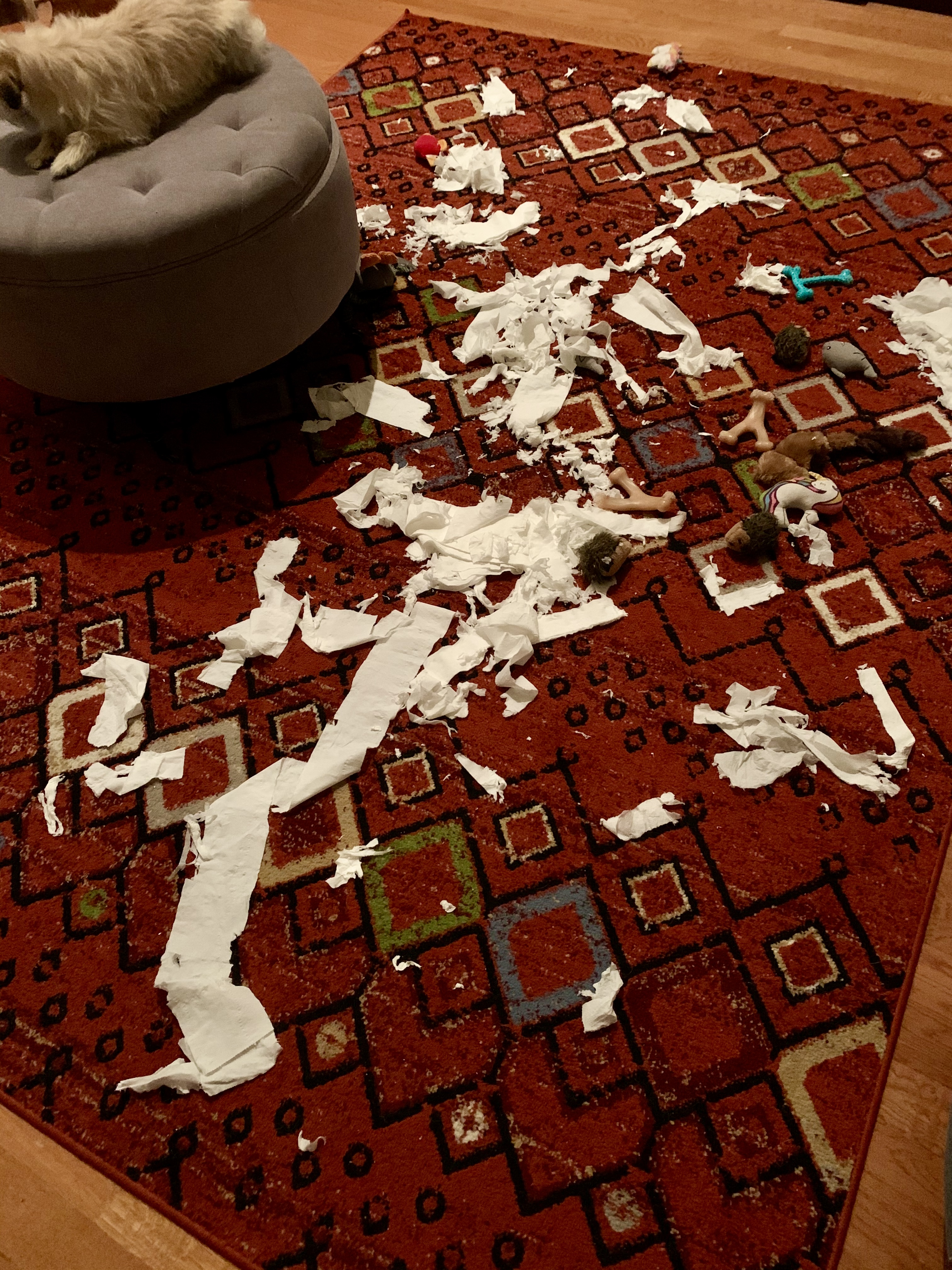


 E! ENTERTAINMENTGETTY IMAGES







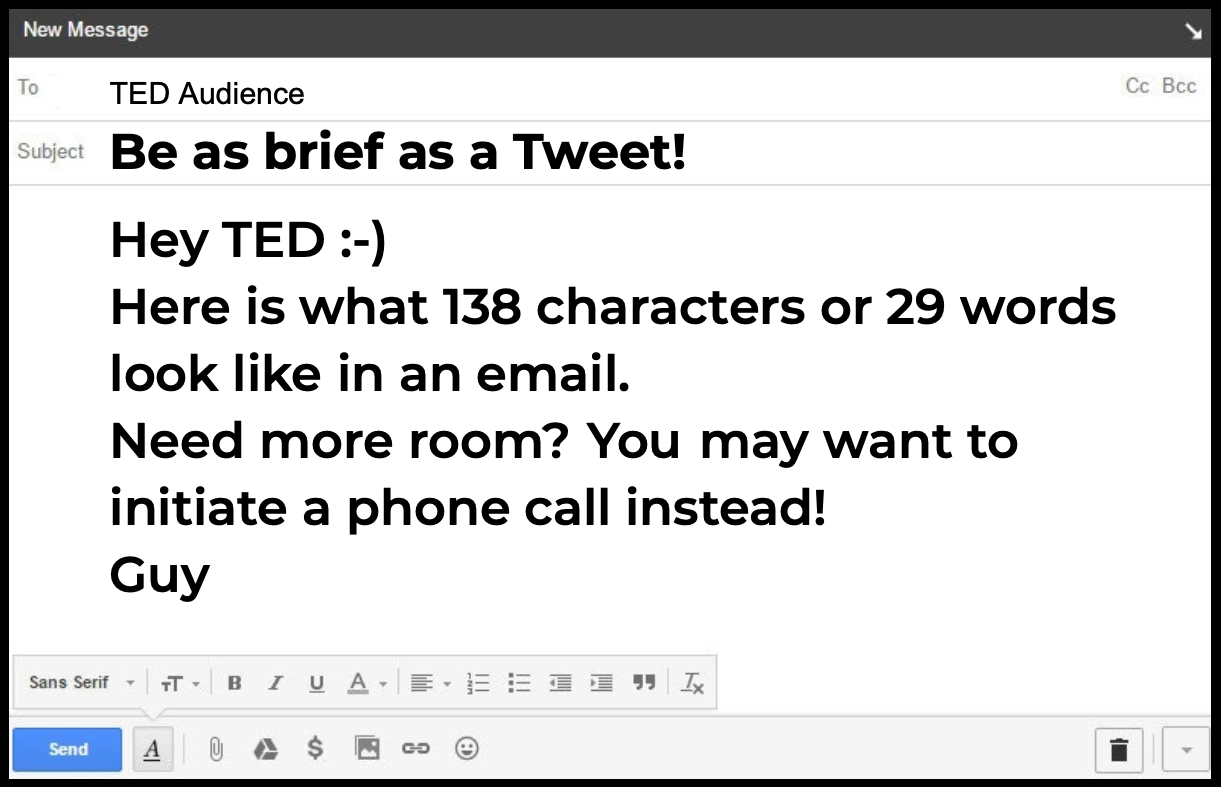







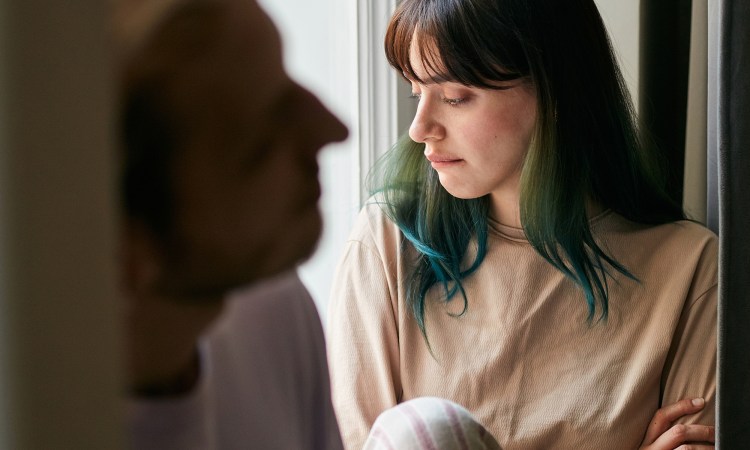




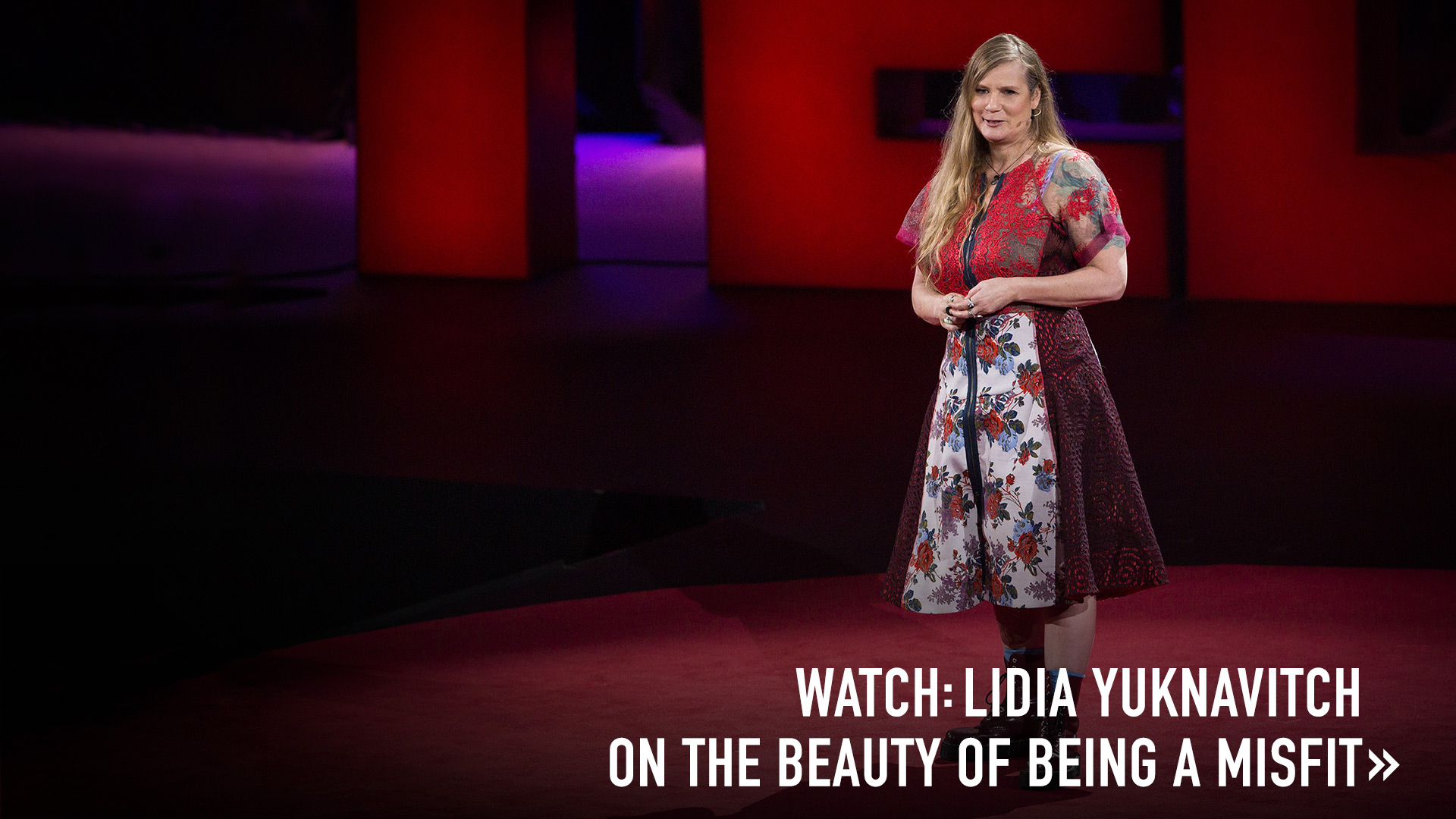
 lookingforthelight.blog