You only have to listen to the headlines or read the newspaper to see that anxiety levels are rising and a growing number of people are experiencing stress. In this guide, we’ll discuss some common causes of stress and anxiety and offer tips to help you cope.
Unemployment is one of the most talked-about subjects at the moment, with many people losing their jobs or businesses and others struggling to hang on in theirs. Balancing the books is challenging at the best of times when you’re trying to manage a household or raise kids, but the pandemic has exacerbated difficulties and made staying in the black virtually impossible for some. If you’re experiencing financial strain, or you’ve lost your job, there is help out there. Don’t hesitate to seek advice about incentives or support measures that are available to you during the crisis and look for opportunities to increase your income if your workload is reduced or you’ve lost your job. From Forex Trading, to online courses, blogging to temporary jobs, it’s possible to find solutions, even if they are only a short-term option to tide you over. It’s also beneficial to try and reduce spending on non-essential items and to budget to make your money stretch further and to find out about programs that could prevent you from getting into debt in the weeks ahead. Some companies are offering freezes on loan and credit card payments, for example.
Relationships can make or break us. While some relationships lift our spirits and make us feel secure and content, others can have a negative impact. Break-ups are tough and it can take a long time to come to terms with the fact that you’re moving in a direction that is different from the one you expected to take. You might have envisioned spending your entire life with a partner, only to find that you’re now on your own. Take your time to process what has happened and to heal. Lean on the people closest to you and try to focus on the present, rather than the past. Often, relationships don’t work, and once you have a sense of perspective and time has passed, you realize that there was a good reason for parting. Let yourself feel and experience emotions and don’t put too much pressure on yourself to get on with life, start dating or stop feeling upset about the situation. Move at your own pace. Everyone copes in different ways and there is no right or wrong way to deal with relationship breakdowns.
Do you feel like you’re swimming against the tide, or do you dread the alarm going off every morning? It’s rare to find a job you enjoy every minute of every day, but work shouldn’t be a source of severe stress or anxiety. If you are feeling under pressure, or you’re struggling to switch off, talk to your boss about your workload, address issues that are getting to you and take some time out. It’s crucial to have a balance and to enjoy downtime. Learn to say no. If you’re already working too many hours without pay, or your to-do list is endless, don’t take on more work or sign yourself up for extra commitments after work. Rest, relax and look after yourself.
Stress and anxiety are rife at the moment. If you’re struggling, you’re not alone. There are myriad causes, but help is available. Don’t hesitate to reach out and try and take care of yourself as best you can.
The month of September has been declared Pain Awareness Month. Pain Awareness Month is a time when various organizations work to raise public awareness of issues in the area of pain and pain management. The first Pain Awareness Month was in 2001, when the ACPA led a coalition of groups to establish September as Pain Awareness Month.
Early on in my marriage I asked my husband to join me on many of my medical appointments. At the time it was to get a better understanding of my Bipolar Disorder but it continued and was critical when I became so sick with Lyme Disease. By having him in the appointments he could hear first hand what the diagnosis was and the treatment plan or lack of.
This information became critical, now I don’t have to explain what is wrong with me, he hear’s it first hand. I can now share what I’m going thru versus falling on ears who don’t fully understand.
I highly encourage you to include a partner or a loved one with you to critical illness appointments, it can make a world of difference. It has lifted a heavy burden of my back and I don’t wake up feeling guilty anymore.
Here are a few organizations who advocate and support chronic pain patients.
I was 28 years old when my father committed suicide. I received a call around 10:30 on a Sunday night from my gramps saying my dad had done away with himself. I was in disbelief and called right back, was he dead or on the way to the hospital? He was dead. Shotgun thru the mouth.
My dad had been telling me for almost six months he was going to kill himself, trust me when I say you can’t talk to someone out of suicide who has made up their mind, I tried every time while crying with tears. My dad was delusional on our phone calls, saying someone was recording his phone conversations and was out to get him.
He was so mentally unstable he had not been able to work and was running out of money, I found this out later. But he did say he was having money problems so I paid all his bills but things didn’t change.
He would call yelling, hysterical that he didn’t want to live and was going to take his life. There aren’t any Red Gun laws in our state so I could not call the police to go take any guns away from him. I didn’t know for sure he had any.
This delusional talk went on for months until the night he made good on his word. I wasn’t surprised but you still don’t want to believe.
I rushed to my grandparent’s house, they had already been notified by the police. My dad clearly stated in his note to go to the house personally to tell them. He knew my granny would be broken into pieces and she was inconsolable. Her only child was dead. Because of my overwhelming guilt, I told everyone daddy told me he was going to kill himself, I needed them to know. Nobody said anything.
I was given a copy of his note saying that I had to take care of everything including a couple of people to call. He said he couldn’t live on this earth any longer, he was in too much pain. the truth is my father had Bipolar Disorder and had a mental breakdown. It had the number of the Suicide Hotline number at the top of the page but they couldn’t tell me if he called.
Going to his house the next day was shocking! It was in total disarray, dishes in the sick, no food in the fridge, papers strung out all over the living room. He had his bible out turned to Job with tear stains and my parent’s divorce papers by his lockbox. In his lockbox was every card I had ever given him since I was a child.
His bedroom was more organized except beside his bed. There were seven boxes of cassette tapes on the floor. I knew these were recordings he had made of what he thought were people tracking his calls. I listened to every one of those tapes, tears rolling down my face, only hearing my dad talking and background noise. He heard nothing, it was in his head.
The bathroom door was shut, no doubt covered in blood from floor to ceiling. I wanted to go in to confirm he was dead but my granny said if I went she would too and I could not let her see that.
My gramps and one of his friends cleaned the bathroom the following day. We didn’t know there were companies you could call who would clean for you. I don’t know how my gramps did it, how he was able to clean the blood of his step-son after his death. He is the strongest man I know.
You can’t imagine how hard it is to have a closed casket service. You can’t process they are truly dead and it haunts you.
My granny was never the same, she was numb for years but even after her grieving, she was lost without her son.
You are never the same after a loved one commits suicide even if had a troubled relationship which we did. We basically stopped talking except for the holidays after I moved out of his house. There is much more to the story of living there that I have not talked about. I will say he was one of my abusers.
I forgave my father. It didn’t make things right, he was mentally ill. I haven’t forgotten but have forgiven him.
I’m not saying don’t try to talk someone out of suicide, please do! Many people don’t really want to and are crying out for help, you can give or get that for them. If they do carry out their plan to end their life, please try not to carry the guilt too long, talk to a therapist.
On September 12, 1951, former middleweight champion Sugar Ray Robinson defeats Randy Turpin to win back the belt in front of 61,370 spectators at the Polo Grounds in New York City. Robinson, a New York City native, had lost the belt to Turpin two months prior in Turpin’s native …read more
On September 12, 1993, the rebuilt Lacey V. Murrow Bridge over Lake Washington opens in Seattle. The new bridge, which was actually the eastbound lanes of Interstate 90 (the westbound lanes cross the lake on a separate bridge), connects the city and its eastern suburbs. It …read more
On September 12, 1995, in Vienna, Austria, the Harlem Globetrotters tip off the third game of an 11-game exhibition series in Europe against a team of retired basketball stars led by Kareem Abdul-Jabbar, aptly named “Kareem’s All-Stars.” Unlike the previous 8,829 games, the …read more
A German U-boat sinks a British troop ship, the Laconia, killing more than 1,400 men on September 12, 1942. The commander of the German sub, Capt. Werner Hartenstein, realizing that Italians POWs were among the passengers, strove to aid in …read more
Massachusetts Senator John F. Kennedy, the future 35th president of the United States, marries Jacqueline Bouvier in Newport, Rhode Island on September 12, 1953. Seven years later, the couple would become the youngest president and first lady in American history. Jacqueline …read more
You might have noticed something different about someone close to you recently. Perhaps they seem a little more closed off than usual, or maybe you’re just noticing that things they used to enjoy, don’t seem to do it anymore. It could be any number of things, but if you know that life is getting them super stressed lately, this is probably the answer. In this article, we’re going to be looking at some of the things that you can do to help someone close to you deal with stress.
The first thing that we think you should do is offer to listen. Sometimes, people who are suffering with stress just need to talk about what they are feeling. Often, coming up with a solution to help someone who is stressed out won’t be possible, especially seeing as a lot of the causes are things that they don’t always have the power to change. Of course, if they can change them, then you should absolutely suggest that they do. However, it is far more important that you listen to what they have to say and make them feel heard, rather than offering advice. You will often find that they know what they should do, but they still need to speak to someone about the way they are feeling. Be that person for them. Offer them your shoulder.
While it may not always be possible to get rid of the thing that is stressing them out, you can still help them by finding the things that help them cope with stress better. For example, you could get them into sport of some kind and do it together. Or, you could look into some herbal remedies that may help reduce the stress and purchase some weed pipes to make the experience a bit better. It really depends on what the person close to you finds relaxing. You’ve just got to remember that not everything is going to work, so don’t get too frustrated when you’re going through the trial and error phase.
Finally, you should never make fun of the problems that somebody is experiencing. This is harsh, and it will make them go into a shell and never want to speak to anyone about their issues again. Don’t try to make light of the situation. Don’t tell them that they are overreacting. Don’t compare their life to yours and tell them why they shouldn’t be stressed. None of this is going to be helpful. Just be supportive, that is what they need the most.
Hopefully, now you understand some of the things that you can do to help those close to you deal with stress. It’s a hard thing to cope with at the best of times, and if it’s getting too much for them, you need to support them as much as you can. It’s going to be difficult for them to admit, so be patient, and above all, be kind.
The September Chronic Illness Writing Prompts is the brain child of A Chronic Voice and anyone can join in and we all try to learn from each other’s life experiences. We all have a story to tell and they are all worth telling.
This month’s writing prompts are Gazing, Shaming, Defeating, Concentrating, and Empowering. I chose three this month.
Concentrating is a great word for this month because I’m doing a lot of it. Several months ago my Pain Doctor insulted me by saying I should talk with my Psychiatrist about my pain since nothing was showing up on the CT Scan. I fired him and did a self withdrawal from pain pills. I’m working hard to manage the pain with just Tylenol. I’m trying to sense it coming on, what the triggers are and when I need to stop and rest. Some nights, it’s getting out of bed and waiting until I can fall asleep again. Some days it’s just pain.
My focus each day is on what I can do not what I can’t. The world around us can be so negative and full of noise, I work hard to shut it out. As many of you know I’m rarely on Social Media and that is by design. If I spend too much time surfing and chatting I can’t get my writing done without putting in extra hours to do it. The extra time can trigger my pain or cut into my resting time and I have to concentrate on my mental and physical health.
I think this approach leaves me centered and aware of my body and what it needs.
I bought an Amazon Halo device that can track many things but I use it for sleep and activity tracking. It’s been an eye-opener to see my sleep patterns and habits. I know how much time it takes to fall asleep, how much light, REM, and deep sleep I get each night. It shows me how many times I wake up and how long I’m awake. It even shows my body temperature.
The activity tracker is the most motivating, it gives you a number to reach for the week and each day shows you where you are. It tracks light, moderate, and intense activity and subtracts points for being sedentary. This is where I get dinged. I make a goal to do a little better than the day before on my activity level. Today I mopped the floor, boy that’s been a while. That’s moderate exercise and I scored points for the work.
I don’t need a tracker to make me feel good about what I accomplish each day but it’s a nice passive friend to nudge me to do more if I can. It doesn’t talk back and can’t unfollow me.
I’m looking outward, onward, down the line, after the pandemic and life returns to a normal I can function in. My car is three years old and doesn’t even have 400 miles on it, it has a lot of living to do. I was dealing with my Immune Disorder and a great deal of pain when we purchased it and then COVID hit.
There are plans to visit the park and take photos with my new camera, hell just learn how to operate my new camera. I can’t wait to taste my favorite Plum smoothie again, eat in a restaurant, even stop for ice cream or gelato. A stop to visit the nature center is also on my list. I’ve lived here for over 30 years and have not visited, it’s about time.
Today I had the privilege to talk with Gosia Nealon about her debut novel The Last Sketch. Be sure to check out the details below on how to win a copy of her book.
About the Author
While Gosia Nealon is a proud New Yorker, she was born and raised in Poland. Her journey to the Big Apple revealed a wealth of cultural differences, but also the values that connect us all. Like the fierce desire to protect family, find love, and ultimately, discover who we are and why we’re here.
Gosia’s award-winning short stories have always delved into life’s biggest questions, but it was the drama, sacrifice, and tragedy of WWII that led her to pen her debut novel, “The Last Sketch.” Growing up in Poland, Gosia heard many firsthand accounts of the war, told from a perspective rarely captured in mainstream literature. She was compelled to breathe life into Wanda and Finn, two young people falling in love in the midst of the most terrifying conflict of our time.
The Last Sketch
They both hold tight to a terrible secret. When they cross paths in war-torn Europe, will their destinies lead to ruin… or victory over evil?
Poland, 1944. Wanda Odwaga will never stop resisting. As the Nazis occupy her beloved homeland, the twenty-three-year-old artist vows to do whatever it takes to help the underground movement mobilize against Hitler’s forces. But she’s devastated when the Gestapo storms her house in search of rebel leaders, killing her heroic father and leaving the face of his murderer forever etched in her mind.
New York. Finn Keller longs to balance the scales. Having escaped Germany with his mother as a teen, he’s disgusted his estranged twin brother has become a ruthless Nazi henchman with a vicious reputation. So when a covert government agency approaches him with a dangerous undercover mission, Finn willingly risks his life to play his part in turning the tide of war.
Still grieving her unforgivable loss, Wanda’s thirst for revenge takes an unexpected leap forward when she once again encounters her father’s killer. And as Finn dives deeply into the role of impersonating his cold-hearted sibling, he’s captivated by the beautiful Polish woman frozen in front of him… her eyes blazing with the promise of murder.
Can these two players in a deadly game survive the ravages of a sadistic conflict? ————-
Tell me about winning the Genre Short Story Category at the 89th Annual Writer’s Digest Writing competition?
My short story was awarded Fourth Place in the Genre Short Story category. Thanks to that, I started believing in my writing, and shortly after, my other stories came.
Being born in Poland, how much of the book is based on stories told about people’s personal experiences?
Growing up in Poland, I learned a lot about World War II, but my storyline and characters are all fictional.
How do you form your storylines?
I do prolonged research, outline the entire story, and then write the first draft. Later I do many corrections.
How long did the writing process take?
18 months.
What do you want your readers to come away thinking after reading your book?
That true love can survive the worst.
“The Last Sketch” is your first novel, what’s next for you?
I’m already working on my second World War II novel.
Writers are often avid readers. What type of books do you read for pleasure?
I like historical fiction with romantic elements.
What are some of your other personal leisure activities?
On the first Sunday after Labor Day, we celebrate National Grandparents Day. This year the date falls on September 12. Like Mother’s Day and Father’s day we also have a whole day dedicated to our grandparents. Grandparents and children have a special connection that is proven to both make grandparents live longer, and also make children more emotionally resilient. Grandparents Day is an opportunity to treasure that connection and spend some quality family time together.
If you followed me for very long you know my grandparents raised me from the time I was 14 years old. I was a rowdy teenager going to live in a very strict but loving environment. My grandparents laid out the rules of the house, set expectations, and held me accountable for my actions. They saved my life.
My gramps had some great words of wisdom:
If you can get out of bed, you can go to work.
If you’re going too late for work you might as well not go in.
If you borrow something, you give it back in better shape than when you got it.
He also taught me responsibility. When I turned 16 years old, I got a job. He let me borrow his car to go and from work, and certain school activities. I had to pay $8.00 a week in gas and $50.00 a year to cover the extra insurance on the car.
I had a strict curfew, and believe me, I held to it. That’s not to say I was the perfect teen, I just played by the rules and didn’t get caught.
My granny set the example of hard work by cleaning houses to pay for my school clothes. It was hard work but she wanted me to have what the other kids had to wear.
She cooked dinner (supper) every day and if I wasn’t working I was expected to be at the dinner table at 4:30 sharp.
We didn’t have a dishwasher, granny would wash and I would dry and put the dishes away.
I was expected to wash my own clothes if they needed special attention, like delicates. She taught me how to do laundry at 5 years old on my little stool.
My grandparents loved me unconditionally and I’m a much better person because of their love.
I was fortunate to be able to show my love for them when they were sick and dying by taking care of each of them and allowing them to die at home which was their wish.
My grandparent’s love allowed me to flourish and move beyond the pain of my childhood. They also taught me to forgive.
I hope you have loving grandparent’s in your life and can share this special day with them.
Anorexia nervosa is an eating disorder characterised by an abnormal relationship with food. People with the condition fear the possibility of gaining weight and take measures to avoid this, such as engaging in caloric restriction, excessively exercising, abusing laxatives and inducing emesis. Most people with anorexia develop the condition between the ages of 14 and 18 years, and women make up the overwhelming majority of patients who receive a diagnosis of this common and well-known eating disorder.
People with anorexia often suffer from depression, anxiety and other psychiatric disorders, which can lead to suicidal behaviours and low self-esteem. The condition is not only deadly because of its links to poor mental health, but also because it can lead to a wide range of negative effects on multiple organ systems.
Some of the complications of anorexia, such as hair loss, dehydration and xerosis (dry skin), may appear to be caused by other stimuli and may be superficially resolved through procedures such as hair transplantation, behavioural changes such as drinking beverages, or the frequent use of moisturising creams. The chronic malnutrition that affects most patients with untreated anorexia can, however, lead to hormone imbalances, osteoporosis, hypotension, gastric reflux, nutritional deficiencies and bradycardia.
In order to avoid the potentially life-threatening consequences of insufficiently managed anorexia, it is important that patients access treatment at the earliest opportunity. Pharmacotherapy for comorbid mental disorders such as depression or anxiety has generated mixed results for people with anorexia, but psychotherapeutic interventions have allowed patients to reframe their perception of food and their body.
Sociocultural influences have been known to encourage pathological thinking patterns and promote disordered eating and caloric restriction. Since a considerable percentage of patients who develop anorexia exhibit symptoms before adulthood, it is of paramount importance that vulnerable individuals cultivate healthy relationships with food at an early age. This may be achieved through educational programmes at academic establishments or mindfully vetting people who attempt to purchase laxatives from pharmacies.
While these measures could help safeguard vulnerable individuals from harmful relationships with food and exercise, it is increasingly important to also accurately diagnose and treat anorexia in males, who are less likely to seek assistance for psychiatric disorders in general.
I was on the way to the airport to catch a flight to Russia when my gramps called to say a plane had flown into the World Trade Center. I thought, it must be a small plane and got in the shuttle and left. During the ride, I heard people talking about who would bomb America, the first word out of my mouth was Bin Laden. But the magnitude still hadn’t dawned on me until we reached the airport to find everything was closed down and both towers had been toppled to ash.
Almost 4,000 people lost their lives that day, it forever changed the landscape of our country and how we think, for the good and the bad. So many lives were lost since September 11, 2001, while defending America and the rights of others.
There are so many emotions I have on this day, and every day we were at war and have strong feelings now that the war has ended. I know many people around the world are conflicted and I understand. America could not stay forever, 20 years was an eternity to many and not long enough for some.
There are not enough words to express my emotion for the lives lost and families affected, today, in the past, and in the future.
When you have been involved in an accident, your physical well-being is understandably at the forefront of your mind. However, sometimes when you’ve been seriously hurt, you need a longer period of time to heal mentally as well as physically. Sometimes, even long after your body has healed and you’re back on your feet again, you may still be feeling the effects of your mental health. In these situations, you need to give yourself the time to recover, and here are some tips on how to cope mentally after a serious accident.
After a serious accident and injury, you may develop fears and anxieties around that particular situation. For example, if you nearly drowned from falling off a boat into choppy seawater, you may find that you’ve developed a fear of boats or deep water, and that’s completely understandable! Talk to your doctor or counselor about your fears, as they’ll be able to help you overcome these fears through therapy.
Gain some financial help
Being in an accident may cause you to be out of work for some time, and this can negatively affect your finances, causing you to fall into debt. Your mental health may be struggling to cope with these debts, and you may find yourself worrying about them often, causing you to lose concentration elsewhere. You can get financial help for many accidents such as an automobile accident by speaking to car crash lawyers to see if you’ve got a viable case. Alternatively, you could speak to a debt advisor about how you can reduce your debts with the budget you’re on.
Take time to discover the new you
If your accident has changed you physically, such as paralyzation of the legs or spine, you may be struggling to adapt to who you are now. Going through something like that is a major life change, and you need to take as much time as you need to discover the new you. This might mean taking some time away from work to work on yourself, or it might mean changing careers to something that you can enjoy.
Refrain from hiding away
It’s very common after an accident to hide away from the world due to anxiety about another accident lurking around the corner. The problem here is that the longer you leave returning to normal life, the harder it’s going to be to adapt. Be brave, take the step! There’s nothing wrong with taking extra precautions in your day-to-day life, just don’t avoid it altogether!
Use the support around you
Finally, after an accident, it’s very likely that your family and friends have rallied together to help you recover and then some, and there’s nothing wrong with asking for some extra help if you need it! You’ve just experienced a major event in your life, and you can’t be expected to bounce back straight away. Alternatively, you may be able to find support groups near you where you can talk about your experiences with people that have been through the same thing. Whatever you feel will help, reach out to it!
If you are feeling stressed, overwhelmed, or just plain down in the dumps, mindfulness may be a good option for you. It is an ancient practice that has been shown to reduce stress and promote well-being.
Mindfulness is defined as purposely focusing one’s awareness on the present moment while calmly acknowledging and accepting one’s feelings, thoughts, and bodily sensations.
This should not be confused with meditation; mindfulness is merely a way to become more aware of yourself and your surroundings. By practicing mindfulness regularly, you will eventually find yourself carrying these habits into everyday activities such as cooking,
Without judgment simply means that you aren’t judging whether or not something is good or bad; you are merely observing what is there.
Accepting thoughts without judging them trains the brain not to react emotionally to thoughts that previously would have caused upset or distraction. This allows you to break free from automatic reactions that are no longer useful, freeing up previously used energy for unnecessary thought processes.
In addition, mindfulness helps you to learn how to get out of “mental traps” by giving you the distance between stimulus and response instead of the immediacy that has been ingrained in people from years of conditioning.
The practice of mindfulness encourages you to observe your thoughts and emotions as they present themselves without judgment and with a desire to improve. This differs from people’s method of ruminating or worrying because those two behaviors can become cyclical and lead to habitual patterns that cause stress, anxiety, and depression.
When practicing mindfulness, you are taking up your rightful position as an observer that has control over your brain function rather than being your brain function.
When you allow stressful thoughts and feelings to exist without judging them as good or bad, helpful or unhelpful, productive or unproductive, they tend to dissipate more easily on their own, so you can resume thinking about what’s most important right now.
Accept your feelings and bodily sensations
Remember: These feelings might be uncomfortable, but they are there. Accept that you are feeling what you are feeling without trying to change it or push it away.
Even though mindfulness helps a person regulate their emotions better by creating more distance between stimulus and response, it is helpful not to ignore emotions that arise but rather to allow them to exist without necessarily reacting.
Being watchful of your surroundings can help you learn how best to respond in a given situation while taking into consideration any impulses that may accompany emotional responses. One way this might manifest itself is through a greater focus on rationality rather than emotionality when making decisions.
So as not to fall prey to gut instincts or instinctual urges from past conditioning, which have been proven over time by scientific research not always lead down the most optimal paths for positive outcomes.
It is important not to let thoughts turn into action without first evaluating their consequences carefully. The goal should be to empower oneself by changing behaviors that don’t align with core values while turning down the volume on less helpful impulsivity.
Practicing mindfulness can help to reduce poor decision-making (such as excessive “night owl” behavior that stops the body from getting enough sleep) and increase emotional regulation when tempted with harmful or unhealthy impulses such as drugs, alcohol, and excessive buying.
Mindfulness is a great way to maintain control over your life and make sure temporary feelings and emotions do not rule you in response to external stimuli.
Be in the present moment
Training the brain to be present in the present moment instead of thinking about the past or worrying about the future allows for a fuller life experience free from excessive stress, anxiety, and negative emotions.
Mindfulness not only helps you become more aware, but it also provides an opportunity for gratitude and appreciation when you take time to enjoy everyday experiences.
In this way, mindfulness may affect higher-order brain functions such as emotional regulation and empathy through changes in daily thought patterns that influence a person’s interactions with others.
Mindfulness allows you to make a shift from autopilot mode to manual control of your life. You can let go of unnecessary stress and anxiety while feeling calmer, more centered, and grounded in who you are as an individual rather than being swept away by uncontrolled thoughts and feelings that cloud your judgment or lead to reactionary behavior.
By practicing mindfulness, you can take back the reins of your mind so that you may direct them toward activities that feel fulfilling and purposeful instead of engaging in unproductive psychological loops that cause regret.
This brings you back into the moment where mindfulness becomes easier because your mind is calmer and quieter than before. Although it is normal for emotions like anger to arise occasionally (and sometimes often), reacting impulsively generally does not lead people toward healthy long-term outcomes.
How Long Should One Practice Mindfulness?
By practicing mindfulness regularly for fifteen minutes each day, people can train themselves through daily self-monitoring to become more conscious of what they’re feeling at any given moment.
This may be challenging at first because it requires you to turn off autopilot mode and be conscious of every choice you make instead of just letting life happen. However, it will become easier to be aware of your thoughts and feelings throughout the day with time.
You will notice that once you begin practicing mindfulness on a regular basis, you will feel calmer throughout the day by simply observing what’s going on around you without reacting emotionally.
You’ll find yourself more grounded at the moment instead of feeling stressed out about things left unresolved in the past or hazy uncertainties floating around in the future. You may even begin to see that some of your previously unproductive thought patterns are associated with certain people, places, or events that you had assumed were beyond your control.
How Do One Get Better At Being Mindful?
Being mindful isn’t something that you are born knowing how to do or not know how to do; it’s about practicing these three steps until they become second nature.
Mindfulness has various benefits for both physical and mental health.
The Benefits Of Mindfulness
Reduce Depression and Anxiety
Studies have shown that it can reduce blood pressure, improve immune function, reduce anxiety and depression symptoms, enhance emotional processing after a stressful event occurs, increase focus on tasks at hand rather than worrying about past experiences or future concerns.
Helps To Remain In The Moment
Mindfulness practices help individuals reduce their emotional reactivity to unpleasant life experiences and allows them to live in the present moment instead of stewing about things that have already happened or are likely to happen in the future.
Increases Focus
A study conducted with college students showed that practicing mindfulness led to better academic performance by increasing focus on coursework rather than worrying about grades or other external pressures that students may feel will determine how smart they are compared to others.
Helps To Remain In Control
Mindfulness is important for healthy individuals because they can use it as a coping mechanism in times of anxiety, stress, and sadness when they feel out of control.
Mindfulness Is For Everyone, But Might Not Be
Although mindfulness has these physical health benefits, it is important for people without any mental health problems to understand what types of situations would make them better candidates for mindfulness practices.
People In Stressful Environments
Those with mental health disorders or even normal individuals in high-stress situations may benefit the most from mindfulness exercises to help them cope with these intense life pressures.
Although there are many benefits of mindfulness meditation, it is not necessary to practice this technique if a person does not feel like they need strategies to alleviate stress in their lives. For example, if someone’s job was not stressful but chose to practice mindfulness techniques anyway, that person would likely experience no benefits.
One of the problems we all face in life is when our emotions get the better of us. Teenagers can easily try our patience and if you have one, it’s likely they do so regularly. They behave poorly at times and can cause our blood pressure and frustration levels to rise. As a result, we sometimes are not at our best and do things that are counter-productive to getting the results we want as parents. In fact, there are times we may revert back to loud arguing with our teen and as such, reduce our stature as parents. We may say things we don’t mean or wish we could take back. Clearly, upon reflection, we often wish we had handled things differently.
The problem is, we are not perfect either. Even when we know better; even when we have read all of the parenting books and done our best to handle things logically and maturely we still can be subject to our reactivity and hurt feelings. Let’s face it: there are times when we can “lose it,” just as our children can lose it. At those times, we may forget we’re the parents and emotionally be right back in our teenage years trying to get our way and acting like a teenager ourselves.
When this happens and we lose perspective on the fact that we are the parents and the teenager is the child, we can get into shouting matches, or other actions to try and control our children so they behave the way we want. This tends to escalate things and often leads to adolescents slamming doors or punching walls, and us with tight stomachs and massive frustrations.
Who’s the adult?
One of the keys to successful parenting is to keep our perspective. We are not teenagers. We are not on an even playing field with our kids. Even though our teens may want us to believe they are equal to us in terms of stature in the family, it’s not true. We get to set the rules and the boundaries. While children are growing up faster and faster these days, especially with ready access to the internet, it doesn’t mean they’re ready to make major choices in their lives.
If you as a parent feel that something is not right for your child, you get to set rules and boundaries to help keep them safe. If the child balks, that’s normal. If the child defies us and says they’re going to do what they want regardless of what we say, then we have to stay firm as parents. It’s not about who can shout the loudest, it’s about having consistent, clear boundaries in place that we expect the child to follow. And if they don’t follow our rules, we don’t have to get mad. We just have to have appropriate safeguards in place that create consequences for their actions.
When parents “lose it”
When parents lose their tempers and revert back to their emotions instead of being clear on what is appropriate and what is not, teens often feel they are unsafe. They may feel the parent is out of control, which makes them more likely to escalate the situation into unsafe territories themselves. When parents are able to maintain their boundaries and rules dispassionately, without judgment, or emotional escalation, then the child sees that the parent has a plan and clarity, which helps the child feel safe and often more willing to accept their parents’ decisions.
Of course, this is not foolproof and sometimes teens act out even when parents maintain their boundaries. However, if parents stay together on the rules of the house (even divorced parents can have consistent rules) the children grow up from a young age understanding that the parents have expectations and boundaries which generally causes them to fall in line with the house rules. Sure, they may grumble, but they will also likely respect these rules, especially if they’ve been consistent throughout their childhood.
Maintaining your authority while respecting your child
Teenagers want to establish their own identities. They want to push back against parents’ rules and regulations. However, they tend to feel safest when their pushing back doesn’t cause the parents to emotionally collapse. When parents can stay firm in their boundaries then children recognize their importance. When parents “lose it” and become another child in the situation, loudly arguing for what they want, they often lose their authority in their child’s eyes. This can then cause teenagers to go off the rails because they no longer feel their parents are emotionally solid. That’s why it is so important for parents to be on the same page about the rules and boundaries in the family and not feel the need to argue incessantly with their teen. They can explain “why” the rule is in place, but don’t have to spend hours going over every nuance of the decision. When parents have clear boundaries that are consistent and reasonable, teenagers may not always like them, but hopefully they’ll be willing to accept them.
Alcohol can be incredibly addictive and many people find themselves struggling with managing how much they drink. Alcohol abuse and alcoholism are generally the two terms that are used to describe someone who suffers from drinking too much.
Every time you drink, you damage your body a little bit more. One of the better-known symptoms of alcohol abuse is damage to the liver. However, there is a lot of other damage that can be caused too. High blood pressure, stroke, and a range of cancers can come as part of an alcohol-destroyed body. There is hope though. Once you stop drinking, your body can begin to heal itself and your risk of suffering from these illnesses begins to reduce.
Legal issues
As an addict, you may not think twice about getting into your car and going for a drive while you are drunk. This is dangerous and illegal. If you end up with some drivers license suspensions because of your drinking, it might be a good time to have a look at how alcohol is affecting your life. You might need to ask yourself if you have a problem with the amount that you are drinking if you think you are in some sort of legal trouble.
Violence
Alcohol is known for lowering inhibitions so it is not surprising that someone who abuses alcohol may suffer from increased levels of violence towards themselves and others. When it comes to domestic violence, drinking is one of the main causes of violent outbursts, with 55% of incidents involving alcohol. These outbursts can result in you spending some time in prison and the pain of a loved one. Some of these incidents can result in the death of a loved one.
Mental health
We know that drinking can affect your body physically but it can also affect you mentally. When you abuse alcohol, you run the risk of becoming addicted. Drinking alcohol affects the neural pathways and can make it difficult to remember things. It is this effect on your body that can cause other issues such as violence and poor decision-making.
Long term
Every time you drink, you run the risk of developing various issues. However, these issues all add up and can cause a lifetime of pain. There is the physical pain of the diseases, the mental pain of the mental health issues, and the pain that you can cause others. Over time, these issues can destroy your relationships, give you a lot of legal issues, and can result in a shorter lifespan.
All in all, you can see that drinking too much can have a negative impact on your life. So, before you go reaching for that bottle to help you cool off at the end of a hard day, ask yourself if it is worth it. If you feel that you are having issues, there are many organisations that help you manage your behavior and help get you back on the right track.
Living in constant pain can make you feel like you are alone and there is no one who can help or even understands what you are going through. Chronic pain conditions vary and each person living with chronic pain will have their own pain thresholds and triggers. At times, it may seem like there is nothing you can do, especially when traditional pain medication doesn’t have any effect. It is at times like this when people try other methods of medicating and having CBD preroll packaging on hand for alternative medication can be hugely beneficial.
For some, different types of pains and symptoms can be managed or even eradicated with a few changes to your diet. It may seem futile however if nothing else is working you have nothing to lose by trying. Adapt what you do during your day-to-day life to see if different things affect your pain level. For example, many chronic pain patients credit the sun and warmth for lowering their pain levels. For this reason, it could be worth looking into how you can increase your vitamin D intake and get more sun into your life.
Many people find adding exercise into their lives can help with certain types of pain. Working up slowly to adding beneficial exercise to your daily routine as and when you can help you to look after your body despite your pain levels. Yoga, pilates, and simple stretching exercise will help you to remain fit and supple and in some cases decrease your pain levels.
There is no scientific evidence that links drastic diet changes with the eradication of pain from chronic pain conditions. However, it is thought that certain types of foods can inflame the body in different ways making pain worse. From cutting out dairy to reduce additional IBS symptoms or abdominal pain to avoiding nightshade foods to reduce pain and inflammation for Fibromyalgia, arthritis, and more.
There have also been suggestions that eating clean and switching to a more plant-based diet can help control pain levels. While fatty and processed foods aren’t healthy for anyone when overconsumed, there is nothing to lose by changing up your diet and eating a more natural diet, and reducing your meat, specifically red meat intake.
Many chronic pain sufferers will all tell you that sleeping is a problem. It’s a vicious circle to be told you need to get more sleep yet sleep is elusive due to your pain. But by creating as relaxing a sleep environment as can help you to relax even if you can’t sleep. Your body repairs itself during sleep and getting good quality sleep remains important despite your health condition.
Find your optimal sleeping temperature and noise level, try using a white noise app if you needed, and also use comfortable bedding. Set your limits for screen time and electronics and try to create a relaxing bedtime routine that indicates you are ready for sleep. This won’t always be possible but it is worth persevering to help you improve your sleep quality.
It’s important to make sure that we’re able to stay safe and healthy in our workplace, no matter where that might be. Nowadays, whether you’re working as a delivery driver, as a trucker, as a taxi driver, or simply traveling around from one client to the next, more and more of us are driving for work. As such, we need to be aware of the health and safety needs that come with that working environment, as well.
If your career involved any long-distance driving or you spend more than an hour a day driving, you should make sure that you keep the tips below in mind to protect yourself from the risk of accident, injury, and illness.
Sedentary lifestyles that don’t involve a lot of movement aren’t great for your health in a variety of ways. Aside from an increased risk of weight gain, you could also be looking at the development of musculoskeletal injuries if you’re not careful. As such, make sure that you take into account proper driving posture and keep yourself upright as best as possible. It’s also encouraged that you stop at a car park or where it’s safe to stretch or even do a light exercise if you have been driving for more than a couple of hours. Otherwise, pain could be a distracting factor when you should be keeping your focus on the road.
Take road safety seriously
You might think that, of course, road safety is important. You might think that you’re perfectly careful and capable of managing risk on the road. However, if you drive for your work there’s a good chance you drive more than most people, so you also have to spend more time ensuring your safety than most people. As such, you should look at training courses such as defensive driving courses that can teach you advanced techniques for keeping yourself safe. Defensive driving is all about being more aware of the nature of risks on the road and how to drive so that you’re best positioned to extricate yourself from any situation that could manifest the risk of an accident.
Be aware of the risk of accidents
Prevention is, indeed, the best cure, when it comes to dealing with accidents. However, that doesn’t mean you don’t have a plan in case the worst does happen. Make sure that you have a contact number for legal help like motorcycle accident attorneys if you do ever get into an accident. What’s more, make sure that you invest a little more into your insurance coverage. You’re going to need the extra financial compensation because it’s not only your health and your vehicle you need to cover, it’s your livelihood, as well. Of course, you should keep an emergency kit in the car to make sure you’re physically equipped to deal with any accidents, too.
Keeping your eyes open
Drowsy driving is a serious safety hazard and one that’s especially dangerous for those who spend longer on the road than most people, such as those who drive for their work. If you start finding yourself yawning or blinking a lot, otherwise feeling tired, or even starting to nod off, you should address the problem as soon as possible. Getting enough sleep is the single best approach, but you should also make sure you avoid alcohol as best as possible. Caffeine can help, but your best bet is to find a place to stop and get some sleep safely before you get back on the road. Either way, as soon as you recognize the signs of drowsy driving, it’s your priority to act on it.
Know your limit
You might be happy enough to drive long distances for your work, but you need to make sure that you’re not pushing it too far. For one, in most places, there is a legal limit on how much you can drive, be it per day or per week. If you drive too much, then it will inevitably become harder to focus as time goes on, which is when you might be at your most vulnerable. Furthermore, driving can affect your mental health, with the impacts becoming more severe the longer you drive. As such, it’s essential to take breaks, not just from a legal standpoint, but to ensure you’re giving yourself the necessary emotional self-care, too.
A lot of people enjoy the freedom of driving for work, especially as a freelancer, and would prefer it to any office environment. However, that doesn’t mean you should be blind to the risks. Keep the tips above in mind and protect your health on the road.
Everyone is in favor of high self-esteem — but cultivating it can be surprisingly tough. Psychologist Guy Winch explains why — and describes smart ways we can help build ourselves up.
Many of us recognize the value of improving our feelings of self-worth. When our self-esteem is higher, we not only feel better about ourselves, we are more resilient as well. Brain scan studies demonstrate that when our self-esteem is higher, we are likely to experience common emotional wounds such as rejection and failure as less painful, and bounce back from them more quickly. When our self-esteem is higher, we are also less vulnerable to anxiety; we release less cortisol into our bloodstream when under stress, and it is less likely to lingerin our system.
But as wonderful as it is to have higher self-esteem, it turns out that improving it is no easy task. Despite the endless array of articles, programs and products promising to enhance our self-esteem, the reality is that many of them do not work and some are even likely to make us feel worse.
Part of the problem is that our self-esteem is rather unstable to begin with, as it can fluctuate daily, if not hourly. Further complicating matters, our self-esteem comprises both our global feelings about ourselves as well as how we feel about ourselves in the specific domains of our lives (e.g., as a father, a nurse, an athlete, etc.). The more meaningful a specific domain of self-esteem, the greater the impact it has on our global self-esteem. Having someone wince when they taste the not-so-delicious dinner you prepared will hurt a chef’s self-esteem much more than someone for whom cooking is not a significant aspect of their identity.
Lastly, having high self-esteem is indeed a good thing, but only in moderation. Very high self-esteem — like that of narcissists — is often quite brittle. Such people might feel great about themselves much of the time but they also tend to be extremely vulnerable to criticism and negative feedback and respond to it in ways that stunts their psychological self-growth.
That said, it is certainly possible to improve our self-esteem if we go about it the right way. Here are five ways to nourish your self-esteem when it is low:
1. Use positive affirmations correctly
Positive affirmations such as “I am going to be a great success!” are extremely popular, but they have one critical problem — they tend to make people with low self-worth feel worse about themselves. Why? Because when our self-esteem is low, such declarations are simply too contrary to our existing beliefs. Ironically, positive affirmations do work for one subset of people — those whose self-esteem is already high. For affirmations to work when your self-esteem is lagging, tweak them to make them more believable. For example, change “I’m going to be a great success!” to “I’m going to persevere until I succeed!”
2. Identify your competencies and develop them
Self-esteem is built by demonstrating real ability and achievement in areas of our lives that matter to us. If you pride yourself on being a good cook, throw more dinner parties. If you’re a good runner, sign up for races and train for them. In short, figure out your core competencies and find opportunities and careers that accentuate them.
3. Learn to accept compliments
One of the trickiest aspects of improving self-esteem is that when we feel bad about ourselves we tend to be more resistant to compliments — even though that is when we most need them. So, set yourself the goal to tolerate compliments when you receive them, even if they make you uncomfortable (and they will). The best way to avoid the reflexive reactions of batting away compliments is to prepare simple set responses and train yourself to use them automatically whenever you get good feedback (e.g., “Thank you” or “How kind of you to say”). In time, the impulse to deny or rebuff compliments will fade — which will also be a nice indication your self-esteem is getting stronger.
4. Eliminate self-criticism and introduce self-compassion
Unfortunately, when our self-esteem is low, we are likely to damage it even further by being self-critical. Since our goal is to enhance our self-esteem, we need to substitute self-criticism (which is almost always entirely useless, even if it feels compelling) with self-compassion. Specifically, whenever your self-critical inner monologue kicks in, ask yourself what you would say to a dear friend if they were in your situation (we tend to be much more compassionate to friends than we are to ourselves) and direct those comments to yourself. Doing so will avoid damaging your self-esteem further with critical thoughts, and help build it up instead.
5. Affirm your real worth
The following exercise has been demonstrated to help revive your self-esteem after it sustained a blow: Make a list of qualities you have that are meaningful in the specific context. For example, if you got rejected by your date, list qualities that make you a good relationship prospect (for example, being loyal or emotionally available); if you failed to get a work promotion, list qualities that make you a valuable employee (you have a strong work ethic or are responsible). Then choose one of the items on your list and write a brief essay (one to two paragraphs) about why the quality is valuable and likely to be appreciated by other people in the future. Do the exercise every day for a week or whenever you need a self-esteem boost.
The bottom line is improving self-esteem requires a bit of work, as it involves developing and maintaining healthier emotional habits but doing so, and especially doing so correctly, will provide a great emotional and psychological return on your investment.
Guy Winch is a licensed psychologist who is a leading advocate for integrating the science of emotional health into our daily lives. His three TED Talks have been viewed over 20 million times, and his science-based self-help books have been translated into 26 languages. He also writes the Squeaky Wheel blog for PsychologyToday.com and has a private practice in New York City.
You don’t “find your calling,” you fight for it — and other lessons from people who found their passion (sometimes late in life).
Whether it was during a career aptitude test or in a heart-to-heart chat after getting laid off, chances are someone has talked to you about how to “find your calling.” It’s one of those phrases people toss about. But StoryCorps founder Dave Isay takes issue with it … specifically, the verb.
“Finding your calling — it’s not passive,” he says. “When people have found their calling, they’ve made tough decisions and sacrifices in order to do the work they were meant to do.”
In other words, you don’t just “find” your calling — you have to fight for it. And it’s worth the fight. “People who’ve found their calling have a fire about them,” says Isay, the winner of the 2015 TED Prize. “They’re the people who are dying to get up in the morning and go do their work.”
Over a decade of listening to StoryCorps interviews, Isay noticed that people often share the story of how they discovered their calling — and now, he’s collected dozens of great stories on the subject into a new book, Callings: The Purpose and Passion of Work. Below, he shares 7 takeaways from the hard-won fight to find the work you love.
1. Your calling is at the intersection of a Venn diagram of three things: doing something you’re good at, feeling appreciated, and believing your work is making people’s lives better. “When those three things line up, it’s like lightning,” Isay says. He doesn’t suggest that a person has to be a surgeon saving lives to feel like they have a calling; think of the diner waitress who talks to customers and makes them feel loved. How do you find this overlap? “You have to shut out all the chatter of what your friends are telling you to do, what your parents are telling you to do, what society is telling you to do,” Isay says, “and just go to that quiet place inside you that knows the truth.”
2. Your calling often comes out of difficult experiences. What lurks in that quiet place will be a defining experience — quite possibly a painful one. Isay points to an interview in Callings with 24-year-old teacher Ayodeji Ogunniyi. “He was studying to be a doctor when his father was murdered. He realized that what he was really meant to do was be a teacher,” says Isay. “He says that every time he walks into a classroom, his father is walking in with him.” This theme of people turning their hardest experiences into a new path runs throughout the book. “Having an experience that really shakes you and reminds you of your mortality can be a very clarifying event in people’s lives. Oftentimes, it leads to changes,” he says. “We spend a lot of time working, so it can really change your priorities in terms of work life.”
3. Calling often takes courage and ruffles feathers. Elsewhere in Callings, we hear about Wendell Scott, who became the first African-American NASCAR driver in 1952, and kept on driving despite threats against his life. From scientist Dorothy Warburton who dealt with extreme sexism as she conducted research to break the stigma around miscarriage. From Burnell Cotlon, who opened the first grocery store in the Lower 9th Ward after Hurricane Katrina because he wasn’t about to let his old neighborhood’s spirit fade. Calling, says Isay, very often starts with taking a stand against a status quo that simply isn’t acceptable, and then dedicating your work to changing it: “It’s work ignited by hope, love, or defiance — and stoked by purpose and persistence.”
4. Other people often nudge you toward calling. Sharon Long had worked odd jobs most of her life. As Isay tells it, “Her daughter was going to college, and as the bursar was helping them with financial aid forms, she said quietly to herself, ‘I wish I could’ve gone to college.’ The bursar responded, ‘It’s not too late.’” Sharon enrolled in an art program, and on her advisor’s suggestion, took forensic anthropology as her science. “The advisor suggested it for no other reason than he thought it was the easiest science course for the science requirement,” says Isay. “But the minute she sat in that class, it was boom — this is what she was meant to do.” Isay tells this story to illustrate how calling, while very personal, is also relational. “People bump you this way and that way,” he says, often without realizing it. “When people find their callings, they want to honor those people who helped them get there.”
5. What comes after identifying your calling is what really matters. The old ‘finding your calling’ phraseology makes it sound like a calling is a pot of gold at the end of the rainbow — you find it, and the story’s over. But Isay stresses that your calling is an ongoing process. “Understanding what your calling is — that’s very different than the blood, sweat and tears of actually doing it,” he says. Pursuing a calling may require going back to school or apprenticing; it may require starting a business. Often, notes Isay, it leads a person into a line of work that’s in service of others. “This book is basically a love letter to nurses, teachers, social workers — the people who don’t often get celebrated for the work they do,” he says.
6. Age is irrelevant. Isay found his calling when he was 21 and interviewed a man who’d been part of the Stonewall riots. “The minute I hit record, I knew that being a journalist and interviewing people was what I was going to do for the rest of my life,” he says. “I feel very lucky that lightning struck when I was very young.” But collecting stories for the book reminded him that a calling can be discovered at any age. The book includes an interview with someone who knew they wanted to be an NBA referee at age 15, and another who worked as an accountant for 30 years before discovering his passion for slicing lox. “Doing the work you’re meant to do is one of the most satisfying, remarkable experiences that a person can have,” says Isay, “so never give up.”
7. Calling often doesn’t come with a big paycheck. Another trend Isay sees in stories of people who find their calling: they often involve leaving a high-paying job for one that’s lower-paying but more satisfying. “The message we send to young people is that you want to do as little work as you can to make as much money as you can — that’s the dream,” says Isay. “But the wisdom in the StoryCorps archive is that there’s another, much more rewarding dream of taking risks and working very hard to live with integrity.” In the end, that’s the lesson he took away from writing this book. “There are no millionaires, no billionaires, no celebrities, nobody with a big Twitter following,” he says. “Just stories can teach us a lot about lives fully lived.”
ABOUT THE AUTHOR
Kate Torgovnick May is a writer at TED.com. She can also solve a Rubik’s Cube in less than two minutes. Read more about her work at KateTorgovnickMay.com.
If kids don’t feel trusted — or if there isn’t anyone close to them whom they can rely on — they can really suffer. Esther Wojcicki, an educator and mother of three superstar daughters, explains why trust is essential and how to build it in the young people in our lives.
Esther Wojcicki has inspired thousands of kids through her 35-year-and-counting career as a journalism and English teacher at Palo Alto High School in California. She and her husband, Stanley, have also raised three exceptionally accomplished daughters: Susan (YouTube CEO), Janet, a Fulbright-winning anthropologist, pediatrics professor and researcher), and Anne (cofounder and CEO of 23andMe). So she knows quite a bit about helping young people grow into great grown-ups. Here, she writes about the critical importance of trust and how to cultivate it in children, starting at a very early age.
All you need is one person, just one person who trusts and believes in you, and then you feel you can do anything. Unfortunately, a lot of children — like Michael, a former student of mine — don’t have even one person. Michael was an editor-in-chief of the Campanile, Palo Alto High School’s newspaper, in 2013, and his struggles represent those of many other young people.
For Michael, the pressures started early. “I had very strict parents,” he says. “They would tell me if I didn’t do well in school, I’d be homeless.” His early teachers weren’t very supportive either, and people misinterpreting his behavior and motivations became a common theme in his life. “I would get admonished,” he says, “by peers and educators telling me if I followed the rules and paid attention, of course I’d do better. It was almost part of my core being, to be this thing that was trodden on; everything I did turned into some kind of moral shortcoming.”
By the time he made it to my class, Michael described himself as “completely burned out like a pile of ash.” The school newspaper was the only thing he derived any meaning from, and still he could barely muster the will to show up. But he did. I got to know him as a bright but disconnected kid. He’d come into class and have no idea what he wanted to do or write about.
I’ve seen so many students like this — they’re afraid but they’re also rebellious. They’re not cooperative. They’re difficult, even aggressive, and it’s because every single one of them feels bad about themselves. They’re constantly trying to prove to themselves — and to others — that they’re better than everyone thinks, but they’re constantly scared they’ll fall short.
During one of our production nights, Michael was struggling with music theory homework. “I was exhausted, trying to figure out this assignment,” he says, “and I was half-assing it.” Other students teased him for struggling, and he thought to himself, as he often did, “That’s right, I can’t do it.” I saw what was happening, walked up to the kids, and said, “He’s taking longer because he’s smart.” I knew deep down that Michael wanted to get it right, not just rush through it.
This was the first time that Michael had heard an adult say his abilities and intelligence were seen and respected. “To hear outside confirmation that someone believed in me,” he says, “even in the presence of other students who didn’t — it was awesome. It helped me not to crumble.”
That day was a turning point for him. He started to trust himself and called on this newfound confidence during his undergraduate years whenever he encountered obstacles or someone told him he’d never make it. He went on to earn a degree in neuroscience at Johns Hopkins, where he’s now a neuropsychiatric researcher. He’d found his one person to believe in him by accident, and it made all the difference.
Parents and teachers can sometimes forget how important we are in the lives of our children. We have so much control we have in shaping their confidence and self-image. And it all starts with trust, with believing a child is capable, even through setbacks, surprises and all the complications that come with growing up.
Trust empowers kids, whether it’s in the classroom or in the world at large, and the process of developing trust starts earlier than you think.Infants who are securely attached to their parents — who feel they can trust and depend on them — avoid many behavioral, social, and psychological problems that can arise later. A child’s fundamental sense of security in the world is based on their caregiver being someone they can rely upon.
Remember, trust is mutual. The degree to which your children can trust you will become reflected in their own ability to trust. Studies show that children rated as less trustworthy by their teachers exhibit higher levels of aggression and lower levels of “prosocial behavior” such as collaborating and sharing. Distrust in children has also been associated with their social withdrawal and loneliness.
If we don’t feel trusted when we’re kids — or if there isn’t anyone close to us we can trust — we have difficulty getting over it.We grow up thinking we’re not trustworthy, and we accept it as a character trait. Like Michael, we become what we think we are, and we can suffer for it.
So how do we go about building trust in our children? We typically think of trust as handing our teenager the car keys and permitting them to drive on their own, or letting our 12-year-old stay home alone for the first time. But trust needs to start soon after kids are born.
Babies observe our every move as they learn how to get what they need from us. They know how to make us smile. They know how to make us cry. They may be dependent on us for everything, but they’re a lot more intelligent than we give them credit for. You need to respond to their needs, especially early on so they can feel you and their environment are trustworthy, but it’s also a fantastic time to start teaching your child some important lessons.
Many parents are operating from their own insecurities or doubts: Doesn’t their child need them? And if they don’t, what kind of parents are they? I firmly believe that you want your child to want to be with you, not to need to be with you.
This tension first arises with sleep. Your children can and will sleep on their own if you believe they can do it and if you teach them how. Kids learn to self-soothe, when given the opportunity, by sucking their thumbs, using pacifiers, or playing with toys. My daughters always had stuffed animals, and sometimes I’d wake up and find Susan talking to her teddy bear. Janet used to sing in bed. Because we’d built a relationship of trust, they learned they could entertain themselves and meet a lot of their own needs which meant that my husband and I got to sleep. A win-win.
As kids grow, they can be given more and more opportunities to build their own trustworthiness. The choices you make with your child will dictate the culture of your family. You always want to ask yourself whether you’re actively building trust in them or whether you’re shutting your child down. For young children, little achievements can build their trust and belief in themselves. They tie their own shoes, and it works! They put on their own clothes, and it works! They walk to school, and that works too! Through these small victories, they can see the tangible results of their efforts.
While you can’t always trust a small child to make intelligent choices, you can guide him in considering options and picking the best one. If I gave my nine-year-old grandson a lollipop and told him not to eat it, I know he still would. But if I explained why he shouldn’t eat it, that sugar isn’t healthy and might even give him cavities and that eating it before dinner will spoil his appetite, he could start to learn how to make better choices. OK, he might go ahead and eat the lollipop anyway, but as we work on these kinds of decisions over time, he would build the skills for living a healthy life and take care of himself.
Each age brings its own instances of trust. When my daughters were around 5, I’d ask them whether they were hungry and then I’d believe their answer. I did bring snacks with me in case they misjudged their hunger. If we were on a long car ride and they didn’t want to eat when we stopped for a meal, I’d explain we wouldn’t stop at another restaurant for several hours and I’d let them determine what to do. I trusted them with their eating decisions.
With teenagers, parents can cultivate trust in a series of steps. For instance, here is how I’d build trust with shopping, one of my favorite educational activities.
Step 1: The parent does everything, selecting and buying all items needed by a child. Step 2: You trust your child to go with you to the store, and you allow them to make most of the purchasing decisions (giving kids a specific budget is a wonderful way to teach financial responsibility). Step 3: You let your child gather the needed items on their own; the two of you meet at the registers at a set time and make the final purchases together. Step 4: Once you’ve built a foundation of trust and taught your child how to be responsible with money, you can give them your credit card and let them shop on their own (many major credit cards allow you to add a minor as an authorized user). Of course, you’ll check the charges and teach them to verify the credit card statement with you at the end of the month.
Another way to gauge your teenager’s trustworthiness is by testing whether they make good on their word. They said they’d be home by 8 PM — were they? If they were late, did they call or text to tell you in advance? After they prove themselves trustworthy, increase their freedoms and responsibilities.
And if they still need to learn to come home on time, have a conversation about what went wrong and troubleshoot together for the next time. Some kids just have a hard time being on time, but don’t give up — give them more opportunities to learn. After all, time management is a skill that many adults lack, too.
If children aren’t empowered with trust and if they don’t feel trustworthy, they’ll have a very difficult time becoming independent. They won’t learn to trust and respect themselves. When we are fearful and hover over our children, they become afraid.
Esther Wojcicki is an educator, journalist and mother of Anne (cofounder and CEO of 23andme), Susan (YouTube CEO), and Janet (Fulbright-winning anthropologist, pediatrics professor and researcher). A leader in blended learning and the integration of technology into education, she is the founder of the Media Arts programs at Palo Alto High School. Wojcicki serves as vice chair of Creative Commons and was instrumental in the launch of the Google Teachers Academy. She blogs regularly for Huffington Post and is coauthor of the book Moonshots in Education.
Many people can fall into a slump during the colder winter months when there is less sunlight and motivation is low, but there are some easy ways to lift your spirits.
A good way to raise yourself from a slump is to create a vision board. A vision board is a collection of images and keywords that you design and assemble on a large piece of paper, for example, which visualises your hopes and dreams for the future. Vision boards are motivational, particularly when you lose sight of what you are working for. They are equally beneficial for when life becomes a little monotonous.
Some ideas to include in a vision board are career aspirations, travel plans, and personal growth targets.
Making a vision board can calm your mind, as it taps into your creativity and helps you focus on your current action. Plus, seeing your finished work day after day is sure to encourage inspiration.
It’s important to reach out to friends, relatives, or companions when you are feeling low. Even if you are feeling cheerful, getting in contact with someone you have not spoken to in a while might raise their spirits without you even realizing it.
As we get older, we tend to get stuck in our daily routines and forget that life is about connections and relationships. Older adults can especially yearn for a chat, or for a helping hand, which is why Seniors Helping Seniors is an invaluable service.
‘Going for a run’ is easier said than done for a lot of us. Especially in the cold, wet weather, running can be a real drag. However, there are plenty of alternative sports and fitness activities that will make you forget you’re even exercising – you’ll be having that much fun.
For one, dancing is a great way to release energy and work up a sweat with a smile on your face. You don’t need a studio to let your hair down, dancing in your room is encouraged. Whack on your favorite tunes and spend 20 minutes to an hour moving about to the music.
If mobility is an issue for you, swimming is an excellent way to stay fit and prevent any muscle or joint discomfort.
Walking and power-walking is also another way to get your daily exercise without it seeming too strenuous. For those busy days, this activity can tie in with work or socializing, as you could schedule a walking meeting or catch-up. Or, if you need a break from everything, going for a solo walk is a sure way to clear your head. You could even find a scenic route and make a trip out of it, rather than just walking around the block.
A simple way to distract yourself from the winter blues is to have a giggle. So, get comfy and pick a comedy film or stand-up show you know you will like, and even if you can’t muster a belly laugh, just feeling yourself smile can brighten your mood.
There are also plenty of apps and old-school games that will have you rolling on the floor laughing with friends or family. For smartphone users, try Heads Up!, it’s like a digital version of charades that can be played anywhere. Or if you’re at home, a card game like Snap or Uno is sure to cheer you up.
Going to bed early is never more important than in the winter. Our wellbeing depends on us getting a decent amount of sleep. For some people that means 8 hours of shuteye, for others, it’s more.
Find out what works for you, and go to bed at a time that allows for a full 8+ hours sleep until daybreak, so the sunrise works as a natural alarm clock. Seeing a full days-worth of sunlight can improve your mood dramatically. This is because catching the sun’s rays each day is associated with an increased level of serotonin in the body, a hormone that stabilizes our feelings of wellbeing.
If you have considerable worries, or stress is getting on top of you. It’s a good idea to let out your thoughts and emotions either via pen or verbally with a counselor or therapist. Writing or talking about it can help you release negative feelings and therefore improve your wellbeing.
When you are on a long car ride, it is essential to have the right tools in an emergency. If your car breaks down or gets into an accident, some items can quickly help you get back on the road. Here are the things you should carry with you when traveling by car and increasing safety for both drivers and passengers.
Screwdrivers are a must-have item for any car owner. Not only can they be used to tighten screws that need tightening, but it also doubles as a tire iron should your tires ever go flat, or you get into an accident and need to remove the hubcaps. Because of this secondary use, it’s good practice to always take a screwdriver with you just in case.
There are many different types of screwdrivers that you can get. Some have a flat head while others have a Phillips’s head, and some even come with interchangeable heads to handle both tasks at once. If you’re low on space in your car, it might be best to go for the latter. The only downside is that these screwdrivers tend to be a bit expensive, and the interchangeable heads can sometimes get lost.
Wrenches
A lug wrench, also known as a wheel wrench or just a lugger, is essential for all car tools. The tool gets its name from being used to remove lugs that hold on tires and wheels. Lug wrenches are available in many sizes for cars made by different manufacturers, so it’s essential to have one that fits your specific vehicle.
This is not the only type of wrench you’ll need. A socket wrench set will help to complete your tool kit. It’s a good idea to get one with metric and standard sockets in various sizes you can use for multiple purposes. These types of wrenches are best carried along rather than lugged around because they are heavy and bulky.
A pocket wrench is a good choice if you’re looking for something small and lightweight but still effective at removing nuts or bolts. They come in handy when your car breaks down on the side of the road, and you need to remove lug nuts to replace a flat tire. This tool can also be used as an emergency repair kit if you are stranded with a broken belt or hose.
Power Tools
If you want to carry some power tools with you on the go, carrying a drill is by far one of the most important ones. If you are frequently traveling or wanting to do construction work in remote locations, then this tool can be essential for helping get things done quickly and efficiently. Whether they need it for work or travel purposes, many people have a drill in their car.
The most important thing about having a drill in your car is to make sure you have spare batteries. If the battery dies, it can be frustrating for people who are on-site and need it quickly. For this reason alone, many people carry two or more chargers with them at all times because they know that one of their tools will likely run out of battery power.
Extra Parts
It is essential always to be prepared for the worst, especially when you are on the road. Most people know that you need to carry things like food and water if your car breaks down somewhere with no nearby gas station or convenience store. However, it’s also beneficial to have extra parts readily available should something happen during your travels.
Air Compressor
A portable air compressor is a great tool to have on hand for emergencies, but it can also be helpful in everyday situations. Whether you are working with car tires or any other inflatable item that might need some additional pressure, an air compressor will come through for you every time. Knowing how to use one safely and adequately is essential, though.
Mechanic Toolset
Generally, it is always nice if you are prepared for anything that comes your way. That is why having tools on hand in case of an emergency can be a savior when dealing with car problems or make things easier until help arrives.
A great set of tools should be part of your car toolbox. You never know when you will have an emergency, so having the right tools at hand is essential if something happens while on a trip or in another city. So it just makes sense that you should bring some necessities like Chevelle coilovers with you if possible.
Pliers
Pliers are another crucial tool that every car owner should carry in their car. It is a multipurpose tool that you can use to perform many different tasks such as cutting wires, twisting and pulling objects apart, gripping things tightly, etc. For example, when your trunk gets stuck, it is impossible to open without the help of pliers because the lock is metal.
Be Prepared!
Now you know how to protect your car wherever you go. Moreover, you can easily do this with the right tools and items in your trunk, no matter where your travels take you.
Quite a few people need to take a step back from working full-time. There are multiple reasons why this could be the case. Anxiety and other conditions could make having a formal job relatively difficult. You’ll still want to be productive and work, however.
That could feel like a catch-22 situation. It doesn’t have to be. Working from home can be an effective alternative option. Not only can you still be productive, but you can take things at a pace that suits you. Many of these will be freelance, so you can work as and when you want.
That could make freelancing an attractive option for many people. You’ll need to think about what kind of freelance jobs you can do. Thankfully, some are relatively easy to start. Once you gain more confidence with it, you can do more. You can even cut down on hours if you wanted.
Freelance Jobs That Shouldn’t Be Too Mentally Taxing
Writer/Editor
Writing has been one of the most popular freelancing jobs globally in the past few years. That’s driven by the wealth of different writing jobs you can get. While many people choose to blog, copywriting and online journalism have also been relatively common.
You’ll have to master a few skills for this. Thankfully, however, there are countless online resources available for you to do so. Some of the more notable of these revolve around search engine optimization, converting readers, and more.
With these roles, you’ll typically be hired by clients to work on specific content. These can range from email content to sales and marketing pages. Though compensation mightn’t be great at the start, you should see your income shoot up as you prove your worth.
Becoming a freelance editor is also an option, although you’ll typically need several years of experience before you can achieve this. With the position, you’ll work with writers to refine their content, among other duties.
Virtual Receptionist
You might assume that a receptionist will have to be based in an office. That doesn’t have to be the case. Companies like Virtual Headquarters have become known for providing many receptionist services to businesses. That’s made possible by various tools and software, which you could take advantage of.
A virtual receptionist is exactly what you think it is. They’re usually responsible for answering customer calls, scheduling appointments, and much more. Almost all of the duties you’d expect a typical receptionist to do, although it’s done from home. While there are some tasks that can’t be done this way, the majority of them can.
If you’re a people person, but would rather have little physical contact or avoid somewhat crowded places, then this could be the right role for you.
Online learning has become quite popular in the past decade or so. That’s primarily driven by younger audiences who are more comfortable with technology than previous generations. The courses that people learn from need to be created by somebody. That could be you.
If you’re experienced or knowledgeable about a specific topic, then you could create an online course about it. To properly capitalize on this, however, you’ll need to have built up some kind of reputation surrounding a given topic. While that could complicate matters, it should be one of your only obstacles.
If you don’t want to create an online course, you could try coaching. That could revolve around wellness, finances, spirituality, or something else. Though you’ll still have to build a reputation for yourself, it could be a popular freelance job.
Web Developer
Web development has boomed over the past few decades, and it shows no sign of slowing down. Coders and programmers, alongside designers, have been some of the more popular freelancing jobs in this sector. If you’re good with technology and have an eye for detail, then this could be up your alley.
Small businesses and entrepreneurs will need websites just as much as international brands. These smaller companies can often be easier to work with, as they’ll typically only need short, one-off jobs. That could make them much more stress-free than working with larger firms.
When you’re first starting, that could be a recommended approach.
Dropshipping
If you’ve already considered freelancing jobs, then you might have thought about selling products online. The thought of finding a supplier and manufacturer for your products, alongside figuring out the rest of the supply chain, could be too overwhelming. There’s a way around this, however.
Dropshipping is the act of selling products on behalf of other companies. As an online retailer, you can set up a website filled with products from different manufacturers. When someone places a purchase through your website, the manufacturer or supplier fulfills the order.
You then get a portion of the sale. There is a lot of competition here, however, and profits can be relatively low. If you’ve proven yourself good enough, you could make a sizable income.
Affiliate Marketing
Similar to dropshipping, affiliate marketing is a great way to sell products online without worrying about logistics. You’ll need to have a well-trafficked website or popular social media channels to properly take advantage of this, however.
Affiliate marketing involves inserting ads into your content or otherwise advertising another company’s product. If someone purchases the product through your link, you’ll get a percentage of the sale.
To make a decent income with this, you’ll need to know how to properly advertise your content. If you don’t have a decent following online, then this mightn’t be the option for you.
Wrapping Up
Full-time employment, especially in an office environment, can be difficult for many people. That can make freelancing jobs much more attractive. Since you can set your hours and work from home, there’s a lot less stress involved. If you’re tempted, they will take some effort to get off the ground.
Once you’ve done that, however, you shouldn’t have too much of an issue managing your workload. That balance can make your life much less stressful while letting you work on your mental health.
The world of entrepreneurship can be stressful. This is because so many responsibilities come with starting and running your own business. This is why it’s essential to take care of yourself, so you don’t burn out or get sick! In this post, we’ll talk about four ways entrepreneurs can reduce stress while working.
You can’t be productive if you’re exhausted, so make sure you get enough sleep every night. If you have trouble falling asleep at night or staying asleep through the night, there are many ways to help with that too! For example, try making your room darker by covering any lights and using an eye mask. Also, avoiding caffeine before bed will give your body a chance to calm down for sleep time. Try meditation as well – it’s excellent for reducing stress levels and helping with insomnia. So remember: getting proper rest will lower your stress levels throughout the day because of increased energy during waking hours!
Ensure Your Family is Taken Care Of
When you’re an entrepreneur, it’s easy to put your family on the back burner. But remember: they are the ones who support and motivate you! So if possible, make sure that there is always someone home with your kids in case of emergency – or even better yet, hire a babysitter so you can be able to work when needed! It will reduce any stress caused by worrying about them constantly while working. Also, try not to bring work home with you because everyone suffers from lower moods due to tension. Also, ensure your family is taken care of if something happens to you; for appropriate life insurance, look at these PHP Agency reviews. This will not only give you peace of mind, but it will also guarantee your family will be taken care of for the foreseeable future.
Hire An Assistant
It might seem unnecessary to hire an assistant, but if you’re struggling with managing your time or can’t seem to find enough hours in the day, it is something worth considering. An assistant will take care of all those little tasks that are eating up your valuable time! For example- they could help schedule meetings and travel arrangements; answer emails while you’re away from the office; organize files and paperwork; even research new possible collaborations for future projects – there’s a lot that someone like this can do to make your life easier! So remember: hiring an assistant might be precisely what you need to reduce stress around work.
Set Some Time Apart for Yourself
Sometimes you might feel like your schedule is so complete that there’s no time for yourself. However, to do a good job and be productive throughout the day, it is imperative to set some time aside for yourself! For example: go sign up at the gym after work; take an evening walk with your spouse or partner; try cooking dinner together on Saturday- there are many ways you can get creative when deciding how to spend this time! So remember- even though entrepreneurship can be stressful sometimes – finding fun things to do outside of work will help reduce stress levels overall because of happier moods during waking hours.
In conclusion, entrepreneurship can be highly stressful at times. However, there are many ways you can reduce stress while working – such as getting enough sleep every night, ensuring your family is taken care of, and hiring an assistant to help with tasks around the office.
We all have to go through the cycles of life with our parents. When we’re younger, they’re in charge of giving us a great life. Then we become adults, and the relationship becomes more like a friendship; everyone’s standing on equal terms. And then, when they get older, the job comes down to us. We have to work to ensure that their later years are as happy as possible. It does, after all, become increasingly difficult to live life to the fullest once we’re deep into our retirement years.
In this blog, we’re going to take a look at some of the key ways you can help ensure that your parents live well, no matter how old they are.
The first step is to simply be aware that your relationship with your parents will change. This will give you the presence of mind to help them when it’s required. It’s a good idea to just keep an eye on how they’re doing; are they living well, do they seem happy? If things begin to dip a little, then take action, without being overbearing. It’ll be easier to transition into the new dynamic if you do so slowly, and before it becomes critical.
It’s normal for a person to require some additional help when they get older. This is because taking care of the basics of life can become a little more difficult to manage. Older people can be hesitant to ask for help, so why not take a proactive stance, and get help for them? This could involve hiring a carer or support worker, or you could even manage some of the tasks yourself. When things become a little more serious, you may need to find out more about hospice services or nursing homes. The good news is that no matter what level of help they require, there will always be something available.
Your parents will know that their best years will be behind them once they reach the twilight of their lives. This doesn’t have to be a sad thing, it’s just how it is — however, if you want to give your parents a good gift, then you could look at taking trips down memory lane with them. They’ll love going back over their life and remembering all the awesome moments that they’ve had. It can be a great way to spend an evening. This is also an effective way to highlight their legacy since you’ll be showing all the lessons and memories you’ve taken from them, and which you’ll pass onto your kids and so forth.
However, even though their best years might be behind them, that doesn’t mean that they should stop living entirely! If you’re going to do something fun, then invite them along. They could well be very happy to get all dressed up and go to a restaurant. You won’t know for sure if you don’t ask them!
September is Suicide Prevention Month and I have written several posts about my experiences with suicide.
My father’s roommate committed suicide with my dad’s gun one evening with my dad and police standing at the locked bedroom door. What is left behind after someone commits suicide you don’t personally know is a very strange experience.
Earlier in the day, he returned all the items he had borrowed from my dad and mowed the yard. He was taking care of business and finishing his final plan.
We don’t know when he took my dad’s gun, he didn’t realize it was gone until after the shooting. This is a good reason to keep your guns locked.
My granny was going over to clean up the room so my dad didn’t have to so I went to help her.
His room had a bloody mattress, carpet, and wall.
It was surreal to drag a bloody mattress out to the curb for the neighborhood to see.
There were no photos in the room, nothing on the walls, no decorations.
After we cleaned the floor and wall, we gathered his belongings to give to his parents.
All that was in one drawer was 16 cents. I asked myself if this is what it comes down to.
There were four black bags of clothes, that’s all.
Nothing else for his family to remember him by, it was a very heartbreaking day.
Your Garden needs gentle care and attention throughout the year. Of course, in the spring and summer, we clean away the winter debris, ready for outdoor parties and barbecues. Or simply just to relax in your little private space.
However, when the winter is coming upon us, leaves from a Fall, as well as the severe weather, can cause damage to your garden. It is very important that you take a couple of steps to get your garden looking gorgeous.
Throughout the autumnal months, there will be many leaves falling, and a lot of rain too. It is very easy for your garden to go from clean and tidy to look a little bit messy, and it eventually will become hard to keep tidy.
Head out and pick up all of the debris; then set it aside because you can use this for a protective layer of mulch for your seedlings.
Take a pair of shears or some secateurs and strip away any loose or dead branches.
Furniture
If you have furniture in your garden, it is a great idea now to buy some furniture covers; this can protect your furniture when the weather gets more severe. Bring your furniture over the winter months also makes it much easier to clean when springtime comes around.
Now is also the perfect time to cover your barbecue or put it in the shed, ready for use next year.
Pond
Depending on what type of pond, you will change how you need to prepare it for the winter months. If you have wildlife in your pond, it is essential that you prepare it correctly for the winter months. Getting a pond maintenance services company out to check over your pond it’s a great idea and can avoid any costly repairs or severe damage over the winter months.
Bottom to top
You must start at the bottom and work your way up. Sweep up as much as possible, and also, it is a great time to scrub your patio or your decking. This will mean there is limited damage or weathering over the fall and winter months.
To clean your decking, you simply need to have a firm, stiff brush your brush and apply pressure or use a pressure washer. The pressure washer, of course, being in the fastest way to clean those stains.
If you have plans that are dead or dying, you might have many planters that can be good and used for springtime planting. Remove all of the dead or dying plants and their roots and put them into your compost if you have one.
The central observance of Rosh Hashanah is blowing the shofar (ram’s horn) on both mornings of the holiday (except on Shabbat), which is normally done in synagogue as part of the day’s services but may be done elsewhere for those who cannot attend.
























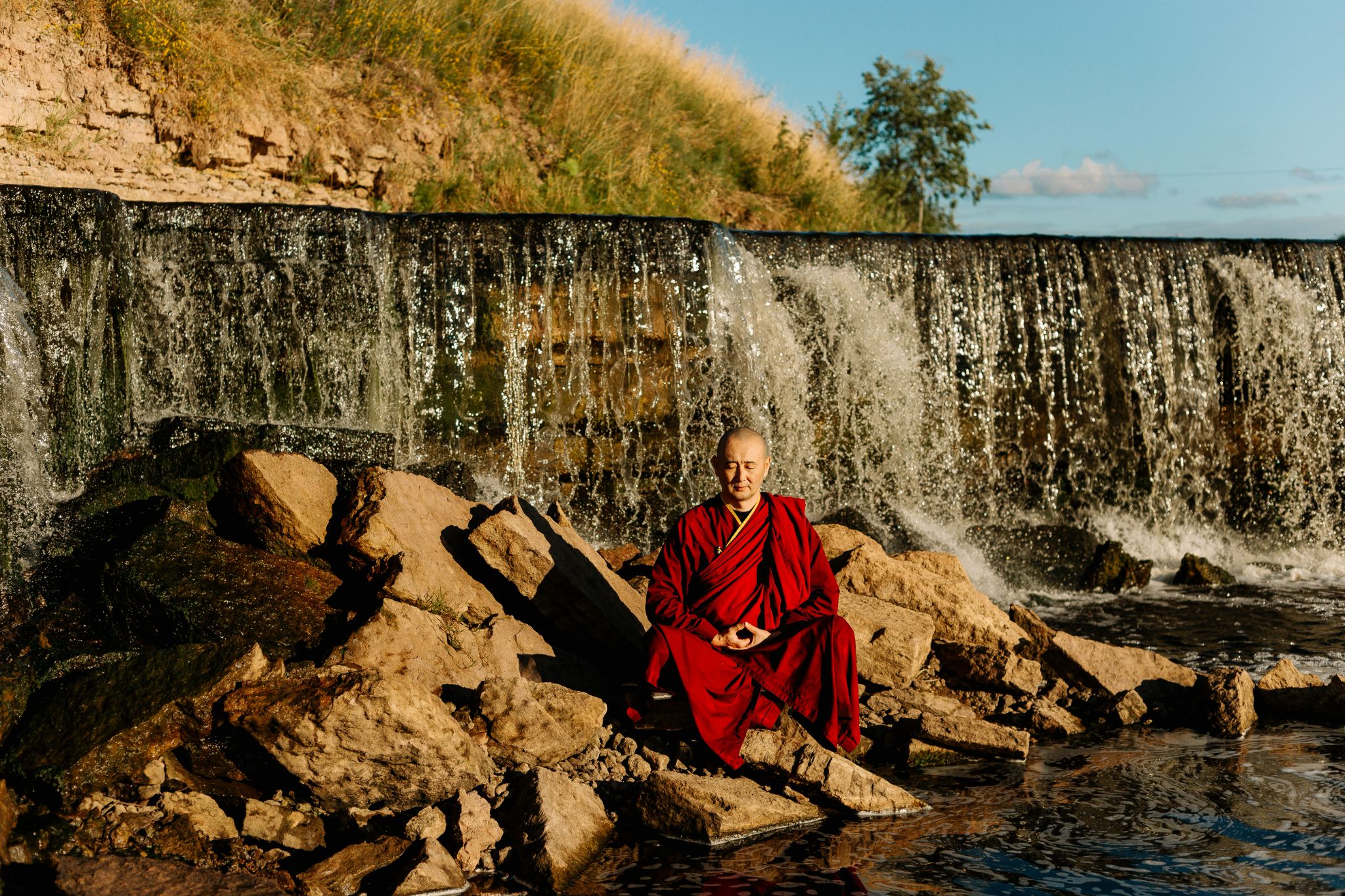











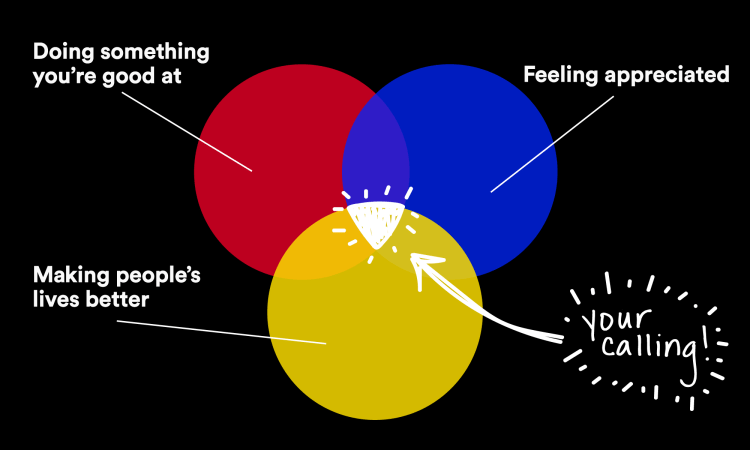




















 lookingforthelight.blog