
|
Join Lin Health for a free webinar, How A Chronic Primary Pain Diagnosis Changed My Life. |


Have a great pain-free day!
Melinda
|
Join Lin Health for a free webinar, How A Chronic Primary Pain Diagnosis Changed My Life. |
Have a great pain-free day!
Melinda
I’m so glad you are enjoying Everyday Magic. I find it a good place to wind down and ask some important questions.
Bella and Grace by Stampington
Enjoy your day!
Melinda
People choose to engage in exercise for many different reasons. Making exercise a part of your lifestyle can be challenging at first, but once you develop a routine, it becomes easier to follow. Once you’ve made it a routine, the next step is to not just get it done but to get it done efficiently and in a way that meets your reasons for engaging in an exercise in the first place.
If you’re struggling to achieve your fitness goals, you may be lacking a holistic approach to health.
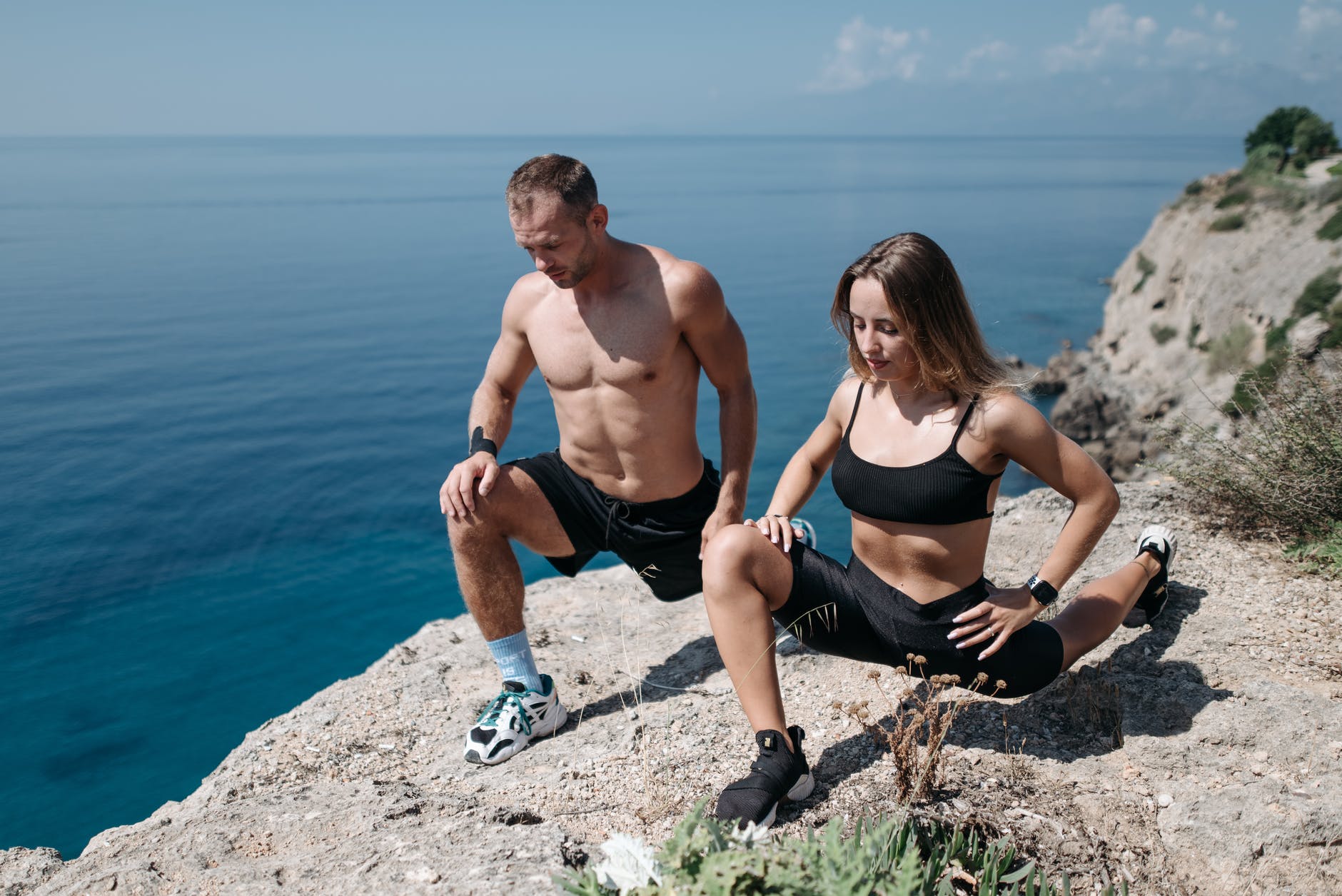
Holistic health is a multifaceted approach to health that integrates all components of wellness. According to most definitions, holistic health has six components:
If you’re approaching your fitness routine exclusively from the physical component of health, you’re likely struggling to meet your goals.
Some of the most common reasons you may be struggling to achieve your fitness goals include the following five non-physical health-related barriers:
While drug and alcohol abuse affects your physical health, they tend to develop due to deficiencies in the mental, spiritual, intellectual, social, and/or emotional components of holistic health. Substance abuse can affect your fitness performance by impacting your sleep, caloric intake, heart and liver health, and overall energy levels during workouts.
According to drug abuse statistics, substance abuse is more common than you might think. If you’re struggling with substance abuse to the extent that you feel unable to control your use, consider contacting a reputable detoxification center to start getting your health – and life – back on track.
So much emphasis is placed on physical health that many people prioritize this over looking after their mental health. Mental health conditions like anxiety and depression can make engaging in regular exercise challenging.
These mental illnesses can also impact your overall energy levels. Without high energy levels, you may struggle to put in the time required to make healthy meals and push yourself in your workouts.
A person can have disordered eating habits without having an eating disorder. Disordered eating habits include overly restricting calories, restricting certain food groups, ignoring hunger signals, and overeating.
Disordered eating habits can impact your metabolism and negatively impact the work you put in at the gym.
Everyone knows that exercise benefits mobility, longevity, and overall quality of life. However, exercise is also often engaged in changing the appearance of the body. Both men and women are frequently plagued with images in the media that set a standard for what an attractive person ‘should’ look like.
If your primary motivation for engaging in exercise is aesthetic-based, you’re likely approaching exercise from a punishment perspective and have an increased risk of injury.
Aesthetics-driven exercise is also often caused by a negative self-image. Without believing you’re worth it regardless of the way you look, you’ll struggle to meet your fitness goals.
To pursue health, you need to believe that you are worthy of health. You also need to recognize that the appearance of your body does not reflect your health status.
This is a collaborative post.
Melinda
I had an appointment with my Immunologist yesterday and it didn’t go as I thought it would.
A total disappointment this time. He laid out that my Hypogammaglobulinemia isn’t bad enough and insurance will only approve Antibody Infusion Treatments if I have been on antibiotics several times in one year. I didn’t understand that from our last appointment.
He did order a complete set of labs to see how my body is doing but I don’t think that is going to make much difference.
My ear has been bleeding and he found it was infected and prescribed a short-term antibiotic.
I go back in three weeks to see how the antibiotic is working and discuss my lab results.
He did take a look at the physical symptoms overview I shared with him and he encouraged me to see a Neurologist. I have a referral for a Rheumatologist at this time and will go from there. If no diagnosis comes out of the Rheumatologist then I’ll go see a Neurologist.
Melinda
Melinda
I’ve heard it said a thousand times how doctors aren’t listening to their patients and their pain needs are going unmet. Clearing is a new Pain Management App that answers the call, it hears your stories and addresses each with a personalized regime backed by a professional team of doctors and has 24/7 support.

50+ million Americans deal with chronic pain, yet frequently feel stigmatized, dismissed, or left addicted to opioids. Combining technology with a patient-centric approach, we can build a new model of care that provides opioid-free relief for millions, while making it more affordable & accessible.
We’re transforming our broken pain care system by making it easy & affordable for patients to access the specific physical and mental treatments they need to find relief. We are the only vertically integrated chronic pain management platform, combining prescription medications, physical exercise, health coaching, and 1:1 doctor-patient consultations.
Your time and mental health are too important to give up. Let Clearing handle your treatment plan, support team, and pain history in one place.
Treatment that addresses physical pain, emotional strain, and the need for support.
Each program is personalized for each patient, evolving over time and under the care of doctors trained in treating chronic pain.
Treatments delivered to your door, virtual doctor visits, and 24/7 messaging access to your care team really make a difference.
The list is long isn’t it? Clearing is addressing each of the issues with a comprehensive system backed by some of the biggest names in Pain Management from Harvard to John Hopkins.
A network of highly trained Neurologists, Anesthesiologists, Psychiatrists, and Orthopedic Surgeons who specialize in treating pain.
Clearing starts by gathering all medical information, and life experiences and asking a series of questions to better understand your pain-needs. From there, your profile is reviewed by a medical specialist and a telehealth appointment is scheduled.
After meeting with your doctor a comprehensive personalized regime lays the groundwork for moving forward in your pain journey as the team works side by side with you to fine-tune the plan.
Arthritis
Fibromyalgia
Wrist Pain
Sore Ankles
Back Pain
Shoulder Pain
Feet Tingles
For a comprehensive list go to Clearing here.

It’s important to understand Clearing is an opioid-free solution. The types of therapy offered can include nutraceuticals, a prescription compound cream, CBD cream, targeted exercises, and access to pain specialists who can guide you toward better pain management.
If you’re ready to take the next step in your pain journey, get started now with a trial.
Melinda

In 2014 an idea was hatched to create a site that would allow everyone to share their story in a safe environment and Survivors Blog Here was born. Now it’s 2022, it’s hard to put into words what the past eight years have meant to me and the contributors of Survivors Blog Here. We have […]
Help Us Celebrate Our 8th Anniversary — Survivors Blog Here Mental Health Collaborative
Thank you for all the great feedback on the Blogger Highlight series, I’ve enjoyed meeting each blogger and sharing their site with you. This week I highlight a new blogger, Bipolar: A Way Of Life.

Diagnosed with Bipolar and BPD, I have been managing these illnesses for the last 30 years.
I’ve lived a pretty good life and have stayed out of trouble. I’ve learned what works and what doesn’t. Really it’s all about living a balanced life and everything in moderation.
I’m a Fur Mom to Luna, a Former Professional who went out on Longterm Disability, and also a Single Living on a Budget.
My Interests include: Psychology, Christian Living, Healthy Living, Reading, & Jigsaw Puzzles.
I talk about a variety of things in my blog.
Mostly the things I’ve learned and how I live my life.
Be sure to check out her blog to read her most recent posts. She’s hit home on several posts I’ve read recently, most recent the need to shop to fill a void. I fall into that category even with happy home life and years of therapy. Maybe you do too?
Melinda
See last week’s Blogger Highlight here.
Every March is Multiple Sclerosis Awareness month, a time for sufferers, family members, and supporters to share information, sympathy, and camaraderie, drawing attention to this disease of the central nervous system. If you’re not familiar, Multiple Sclerosis (MS) happens when one’s immune system attacks the nerve cells and renders them unable to properly transmit information, causing balance issues, weakened vision, fatigue, and other unpredictable symptoms.
Approximately 2.5 million people worldwide suffer from multiple sclerosis. The cause is unknown, and there is no definitive cure as of this writing. However, there are many effective treatments, so those afflicted with MS should not lose hope. This month is all about raising awareness, educating wider society, fundraising, and getting behind those scientists that seek to advance our understanding of MS.
This month is also an opportunity for the family and friends of people with MS to gain an accurate, better understanding of the disease.
MS affects everyone differently. Some may experience mild symptoms, whereas others have severe symptoms that limit mobility. MS Awareness Month brings awareness to the condition’s many forms.
In addition to this month-long awareness campaign, other days throughout the year also focus on MS. For example, Multiple Sclerosis Awareness Week is from March 7th to 13th in 2021. There is also World MS Day, which takes place on May 30th every year. Both offer additional opportunities to get involved in the MS awareness movement.
If you have MS, educating yourself can help you cope with the disease. And if you don’t have MS, learning more can help you understand how a loved one feels. Getting involved during MS Awareness Month every March can raise awareness for this condition, and help lead to a cure.
Melinda
Reference
https://nationaltoday.com/multiple-sclerosis-awareness-month/
https://www.healthline.com/health/multiple-sclerosis/multiple-sclerosis-awareness-month#when-is-it
I want to say a special thank you to Managing Editor Soraya Nair of Trigger Publishing for sending me the book How To Breathe Like A Badass by Hannah Jane Thompson for review.

![Breathe Like a Badass: Beat Anxiety and Self Doubt, Calm Your Inner Critic & Build a No-Nonsense Mindfulness and Meditation Toolkitme and Build Your No-Nonsense Mindfulness and Meditation Toolkit by [Hannah Jane Thompson]](https://m.media-amazon.com/images/I/414L7Xo49KL.jpg)
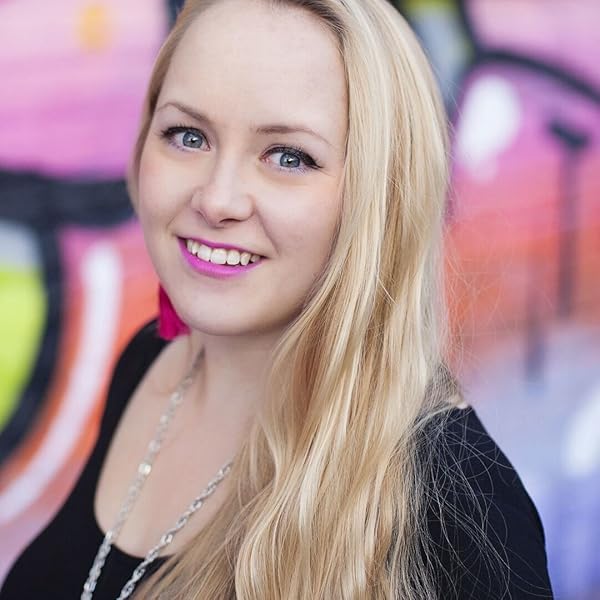
Breathe Like a Badass is a no-BS guide to creating a life-changing, burnout-busting emotional toolkit – one breath at a time. Want to quieten your inner critic, rediscover your inner badass and build a successful, freedom-filled life you love? Then BREATHE.
Hannah Jane Thompson is on a mission to help ambitious-but-anxious women like you banish patterns of self-sabotage.
This down-to-earth guide teaches you how to start – and stick to – a non-woo woo meditation habit (no chakras or chunks of rose quartz here, sorry) that will help calm anxiety, beat self-doubt, and build a focused, fulfilled and happy life.
Using scientifically proven mindfulness, meditation and self-reflection techniques, Hannah will help you turn your inner critic from b*tch to badass and create an emotional toolkit to use when life gets tough.
Through acceptance and self-compassion, you can transform all areas of your life – from working on your mental health, calming anxiety, stress and depression; to giving fewer sh*ts about what others think and improving your sex life, body confidence, relationships, career and finances.
I love this quote she includes in the book.
“You can’t stop the waves, but you can learn to surf.”
Jon Kabat-Zinn, professor and mindfulness expert”
Learn to surf we must if we are to move forward in life. One key is to learn to be aware of our self-talk and inner criticism. Hannah’s goal is to show how to slow down, learn to listen to your inner voice, and bring more balance into your life.
This book is unlike other meditation books I’ve read in that Hannah breaks things down to the bone. There’s no fluff here, no sage burning or mystic crystals. Just straightforward conversation in a manner you can understand and can make part of your daily routine right away. If your looking for fluff don’t buy this book.
Excerpt From
Breathe Like A Badass
“That’s how I realized that making new habits isn’t about willpower, or how much you want it, or finding the exact right time or moment. It’s about repetition, and not waiting until everything is perfect to start. If I had waited until I felt calm enough, ready enough, or had the perfect place or the perfect time to begin learning to meditate, I would never have got started.”
Isn’t this paragraph about life, really? If we waited for everything to be perfect to happen in our lives, nothing would happen, or something we aren’t controlling. That’s the point, we have to take the wheel in life.
She lays out the basics of what is meditation and she makes it easy to see how meditation can fit into your life with practice and a little patience.
I recommend this book to all women who want to learn how to calm their inner voice.

Melinda

You probably haven’t been told often enough how much you are appreciated but today I’m telling you that you are! These flowers are for you.

Have a beautiful day!
Melinda

March 27, 1912: In Washington, D.C., Helen Taft, wife of President William Taft, and the Viscountess Chinda, wife of the Japanese ambassador, plant two Yoshino cherry trees on the northern bank of the Potomac River, near the Jefferson Memorial. The event was held in celebration of a gift, by the Japanese government, of 3,020 cherry trees to the U.S. government.
On March 27, 1998, the Food and Drug Administration (FDA) approves use of the drug Viagra, an oral medication that treats impotence. Sildenafil, the chemical name for Viagra, is an artificial compound that was originally synthesized and studied to treat hypertension (high blood …read more
On March 27, 1973, the actor Marlon Brando declines the Academy Award for Best Actor for his career-reviving performance in The Godfather. The Native American actress Sacheen Littlefeather attended the ceremony in Brando’s place, stating that the actor “very regretfully” could …read more
The neighbors of Thomas and Ann Farrow, shopkeepers in South London, discover their badly bludgeoned bodies in their home. Thomas was already dead, but Ann was still breathing. She died four days later without ever having regained consciousness. The brutal crime was solved using …read more
Kiichiro Toyoda, founder of the Toyota Motor Corporation, which in 2008 surpassed America’s General Motors as the world’s largest automaker, dies at the age of 57 in Japan on March 27, 1952. Toyoda was born in Japan on June 11, 1894. His father Sakichi Toyoda was an inventor of …read more
Melinda
I hope you’re having a great day. Here’s some food for thought.

Melinda
I can’t wait to hear your ideas!
Melinda
Reference:
Enjoy!
Melinda

In 2020, the US ranked 35th on the Bloomberg Global Health Index, indicating that the populations of 34 countries are healthier than ours. Even though we spend almost twice as much on healthcare, our life expectancy is lower than any other developed country, due in large part to 3 out of 4 American adults and […]
What Makes the Standard American Diet SAD? — Micro of the Macro

So glad you stopped by today, I look forward to your comments each week.


Melinda
Melinda
I read a post the other day that asks, Do you shop to fill a void? I answered Hell Yes! It’s not even a secret to me, I’m well aware. The question is why?
My life is good, minus a few health issues but I consider myself on solid ground and happy in all aspects of my life including my marriage. So where’s the void?
I’ve been in therapy for thirty years and have not talked with her about this topic. It’s not like it doesn’t cross my mind sometimes but not as a topic to talk with her about. But, I’m wrong, it’s something I need to address.
Here are some great resources I’ve pulled together as I take on my journey to understanding myself. I think Patrick Wanis hit the nail on the head when he discusses how childhood needs not being met can impact your needs as an adult.
The void is made up of the empty, lonely feelings that stem from holes in our heart and soul. Sometimes these holes are fresh wounds like a breakup, death in the family, or losing our job. Sometimes they stem from something much deeper, like a lack of connection with family growing up, a childhood trauma, or hurt caused by someone in our past.
The truth is that anytime you try to distract yourself from feeling what you’re feeling, you’re avoiding the fact that you’re not whole. Something is missing, damaged or broken, and until you face it, no person or thing will ever make you feel complete.
According to Partick Wanis there are 7 Steps to fill the emotional void you are feeling. Let’s see what he has to say.
Generally speaking, we have 6 human emotional needs – love & connection, challenges, security, significance, growth, meaning & purpose. When those needs are not met, we experience an emotional void.
Children, however, have many more additional needs – attention, physical touch & affection, to be seen and heard (feeling visible, significant and understood), validation, praise, direction, encouragement, acceptance, approval, belonging, quantity and quality time, and so forth.
When those needs are not met in childhood, there will be emotional voids in adulthood. In other words, most of the emotional voids we experience as adults are the result of not having our emotional needs satisfied when we were children.
If we choose to not face the void, find its origin and heal it, then we will most likely fill the void with all the wrong things i.e. we will engage in self-destructive behavior such as drugs, alcohol, unhealthy eating patterns, obsessive behavior, recklessness, etc. Also, when we fail to consciously face our emotional void, there is a good chance that we will be controlled by others or taken advantage of as we seek to fill that void in all the wrong ways, wrong places and with the wrong people.
You can hear more about Patrick in this article.
There’s so much conversation that needs to take place to reach an understanding of how your needs are being met, or if not what actions you can take to fill the void.
I’m going to ruminate on these paragraphs to better understand where my void is. I can easily say it’s from my childhood and that scares me and may not be an easy answer.
Generally speaking, we have 6 human emotional needs – love & connection, challenges, security, significance, growth, meaning & purpose. When those needs are not met, we experience an emotional void.
Children, however, have many more additional needs – attention, physical touch & affection, to be seen and heard (feeling visible, significant and understood), validation, praise, direction, encouragement, acceptance, approval, belonging, quantity and quality time, and so forth.
When those needs are not met in childhood, there will be emotional voids in adulthood. In other words, most of the emotional voids we experience as adults are the result of not having our emotional needs satisfied when we were children.
This is definitely a conversation to have with my therapist.
National Endometriosis Awareness Month was an initiation taken by The Endometriosis Association in 1993. This month is observed worldwide through various activities that involve educating people about the condition, fundraising, and marches. Yellow ribbons and brochures are distributed worldwide to honor National Endometriosis Awareness Month.
Endometriosis is an inflammatory condition where endometrial tissue (tissue similar to the lining of the uterus) grows outside of the uterus. It is estimated that 1 in 10 women have endometriosis (Zondervan 2020). Endometriosis frequently presents with the symptom of pain including dysmenorrhoea (painful periods), dyspareunia (pain during sexual intercourse), and chronic pelvic or abdominal pain. Endometriosis can cause infertility and for women with subfertility the prevalence rate ranges from 25% to 40% (Ozkan 2008).
The causes of endometriosis are uncertain, but several factors such as genetics, retrograde period flow, (where blood flows back into the pelvis instead of out of the body,) immune system disorders, and hormones are possible influencers.
Treatment ranges from symptom management with pain medication and hormone therapy such as oral contraceptives to surgical treatment. Conservative surgery involves removing the misplaced endometrial tissue while preserving the uterus, though in severe cases a hysterectomy may be performed.
Endometriosis can have a devastating effect on the quality of life of individuals suffering from this disorder and can have a huge impact on their physical, mental, and social well-being.
Before my hysterectomy from Cervical Cancer, I suffered from Endometriosis, it was horrible. I started my period when I was nine and by 12 years old I was in excruciating pain and started taking pain pills. This went on for another 19 years. I’ve been pain-free since my hysterectomy
Melinda
Reference:
https://www.cochrane.org/news/endometriosis-awareness-month-2022
https://nationaltoday.com/national-endometriosis-awareness-month/

Melinda
If you’re against the war on Ukraine, you can show the world you want PEACE. Fly a flag or Ukraine’s colors on the front page of your website or blog. If you have WordPress and have problems adding a widget, the customer service engineers are happy to help you with that.


There are many ways you can show your support outside of money, although I hope you provide that too.
Show the colors of Ukraine and show the world we want PEACE!
Melinda
World Water Day is observed each year on 22 March. The day, which was established by the United Nations was first celebrated in 1993 to celebrate the importance of freshwater around the globe.
Did you know that over 45% of the world’s land surface is covered by river basins, and over 75% of all countries have their boundaries within shared river basins.
All around the world events will be held to celebrate freshwater and promote its sustainability, and every year there is a different theme. The theme for 2019 is “Leaving no one behind”.
From water and our future to sanitation and water scarcity, the day aims to keep us informed, and in a whole host of different ways!
Around the world there will be an array of events, from musical performances to galas, art shows and seminars.
So why not get involved? Find out all you need to know by dropping by the official website to see how you can participate.
We use water every day for so many things we do and often times we take for granted the water will always flow. Unfortunately, it won’t and for many countries, there already have a major water crisis. Some countries don’t have access to clean water.
We can do simple things like turn off the water when we brush our teeth, make sure we don’t have any leaks in our house, only run the dishwasher when it’s full, and the same for adjusting the level of water based on the size of the load. One thing I do as often as possible is collect rainwater so I can use it to water my plants. The plants love the non-chemical water and I love that it’s free.
Melinda
Reference:
There are so many great blogs out and it can be hard to find them all so I started a series to highlight bloggers you may not run across while searching. I know you’ll find some great blogs to follow and maybe make a few friends along the way.

Joni Caggiano
We Survived and Arrived – Now as Warriors We Thrive
We can shatter the rotating circle of chaos which can be our horrific nemesis and instead, we can be victorious. We can even be blessed with children who lead story book lives that we can be proud of, lives we never could have imagined living ourselves.
My ability to survive my childhood and early adulthood came from my never-ending faith and love for God and his son, Jesus Christ. Thankfully, my mother imparted her faith to me during her precious and few sober moments.
My prayer is that this blog will be a venue in which to share my own thoughts, stories and path to recovery. My hope is that by doing so, you may be helped some where along the way. This would be a great blessing to me!
Joni and I have so much baggage in common, alcoholic parents, and sexual abuse. We also both share a passion for art and a strong belief in God.
Please check out her site, I have no doubt you will find her inspirational and easy to relate to.
Melinda
For more great blogs to follow check out my post here.
In Ripon, Wisconsin, former members of the Whig Party meet to establish a new party to oppose the spread of slavery into the western territories. The Whig Party, which was formed in 1834 to oppose the “tyranny” of President Andrew Jackson, had shown itself incapable of coping …read more
King Henry IV, the first English monarch of the Lancastrian dynasty, dies after years of illness, and his eldest son, Henry, ascends to the English throne. In 1399, Henry Bolingbroke was crowned King Henry IV of England following the forced abdication of King Richard II, who was …read more
Benjamin Franklin, Silas Deane and Arthur Lee present themselves to France’s King Louis XVI as official representatives of the United States on March 20, 1778. Louis XVI was skeptical of the fledgling republic, but his dislike of the British eventually overcame these concerns …read more
According to scholars at the University of Paris, the Black Death is created on March 20, 1345, from what they call “a triple conjunction of Saturn, Jupiter and Mars in the 40th degree of Aquarius, occurring on the 20th of March 1345″. The Black Death, also known as the Plague, …read more
Several packages of deadly sarin gas are set off in the Tokyo subway system killing twelve people and injuring over 5,000 on March 20, 1995. Sarin gas was invented by the Nazis and is one of the most lethal nerve gases known to man. Tokyo police quickly learned who had planted …read more
Melinda
I was kindly gifted an advanced copy of How Do You Feel?-A Holistic Guide to help you work with your mental, emotional, physical, spiritual, and whole Self by Suki Bains from Soraya Nair at Cherish Editions for a review.
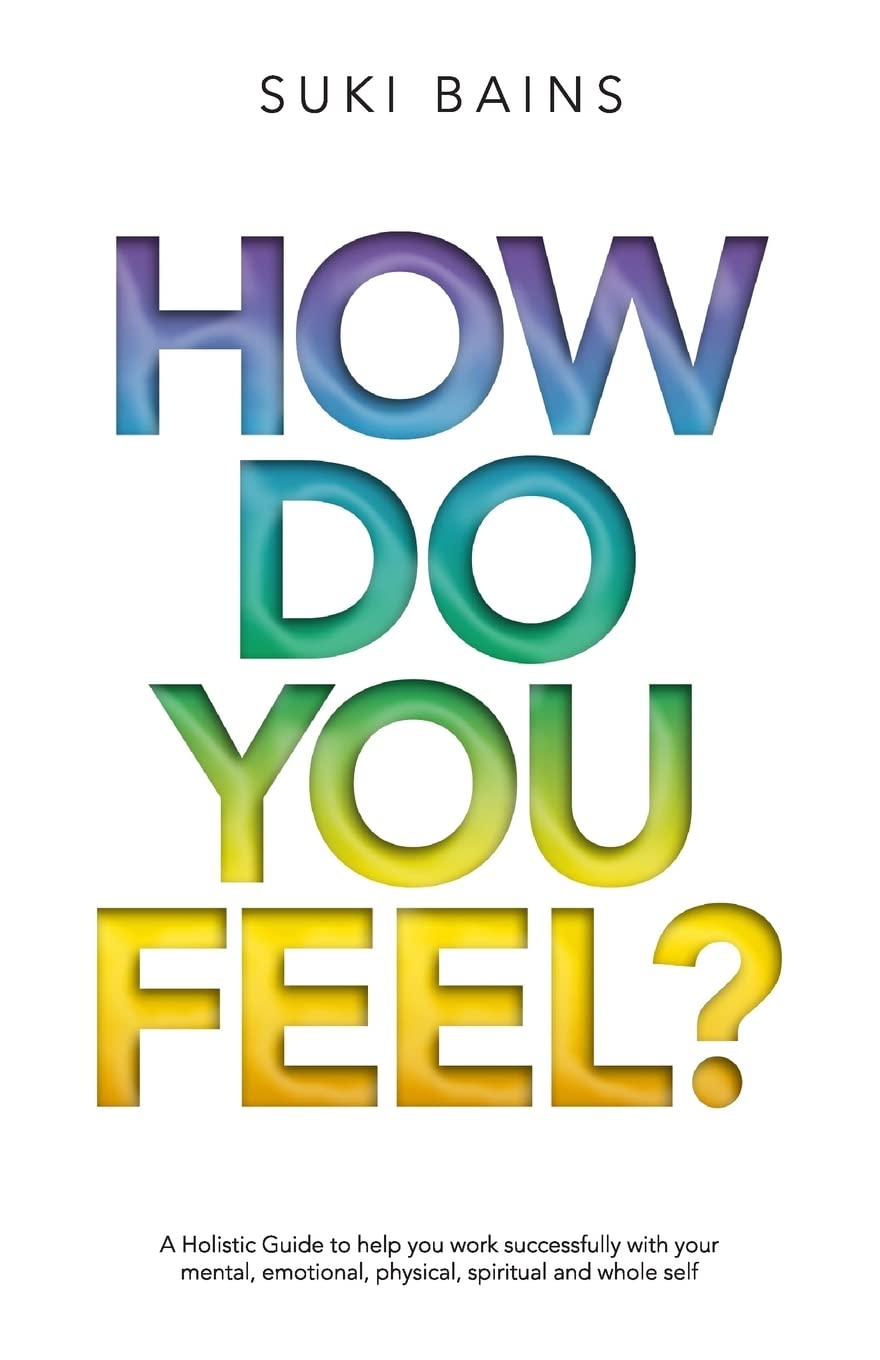
Suki Bains drew on her own life experiences, analysis and years of education to build the one-of-a-kind programme introduced in How Do You Feel? She has taken Holistic training courses and has independently researched subjects like mental health and psychology. Suki has lived in several countries, where she learned to immerse herself into different cultures, and this has given her a unique point of view and the ability to view life from many perspectives. Plus, she has always been an empath, so opening up and exploring emotions is nothing new. And now, she sets out to help you on the same path so that you, too, can get to know yourself on the deepest level – and maintain that important relationship for years to come.
Beneath every reaction, action, and behavior lies the truth of how you feel.
Are you aligned with your truth? There will be days when you find it hard to make sense of life and struggle to process or express how you feel.
Why? Your mind and body experience two worlds. The outside world, which teaches you who you should be and how you should be; and the inside world, where your emotions, feelings, and thoughts live. Only you can feel and see this place inside of yourself -If you do not know how to align your two worlds, you will bury, dismiss, reject or suppress your feelings. This can lead you to react and act and behave in ways that do not serve you.
The Answer: How Do You Feel? is a holistic guide that helps you see your whole self clearly. It includes a dictionary of feelings that helps you define your emotions and feelings and work with your inner self, as well as exercises to help the mental, emotional, physical, and spiritual parts of yourself. It will also inspire self- reflection so you can uncover the truth of who you are and how you feel. Altogether, this powerful guide will allow you to align with your true self and empower you through every stage of your life.
Profits from the sale of all Trigger and Cherish books go to sister charity, Shawmind. The charity aims to ensure that everyone has access to mental health resources whenever they need them.
Can we truly know ourselves? This is an important question as it can lead to greater fulfillment in life. Suki’s guide is a holistic approach to answering this very question. She draws her on years of experience to create exercises that focus on mental, emotional, physical, and spiritual health awareness.
One advantage this book has over others is that it includes a dictionary of feelings that can help you define your emotions which can only aid you in speaking your truth.
“Only when you see your whole self clearly, inside and out, can you start to take steps to work with your whole self rather than against your whole self.”
How Do You Feel is a book that you can refer to over the years, it’s not a one-time read. We all need refreshers and reinforcement.
Suki is inspiring, she shares from her heart and is not over technical in her writing which I appreciate.
I would recommend this book to everyone! We all need to dig deeper into how we truly feel and better understand ourselves.
Cherish Editions is the self-publishing division of Trigger Publishing, the UK’s leading independent mental health and wellbeing publisher.
We are experienced in creating and selling positive, responsible, important and inspirational books, which work to de-stigmatise the issues around mental health, as well as helping people who read them to maintain and improve their mental health and wellbeing. By choosing to publish through Cherish Editions, you will get the expertise of the dedicated Trigger Team at every step of the process.
We are proud of what we do, and passionate about the books that we publish. We want to do the very best for you and your book, holding your hand every step of the way.
Enjoy Reading
Melinda











 lookingforthelight.blog